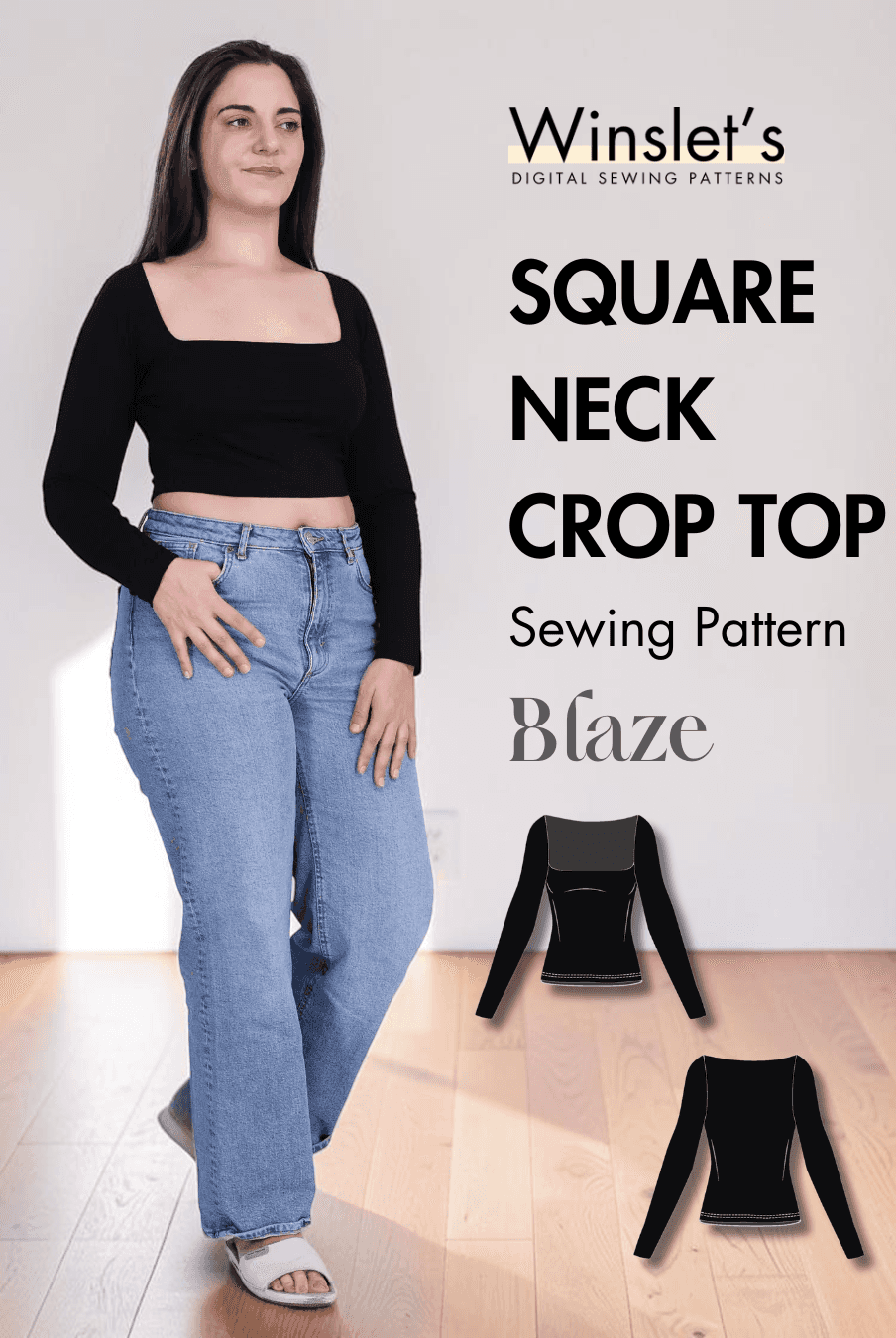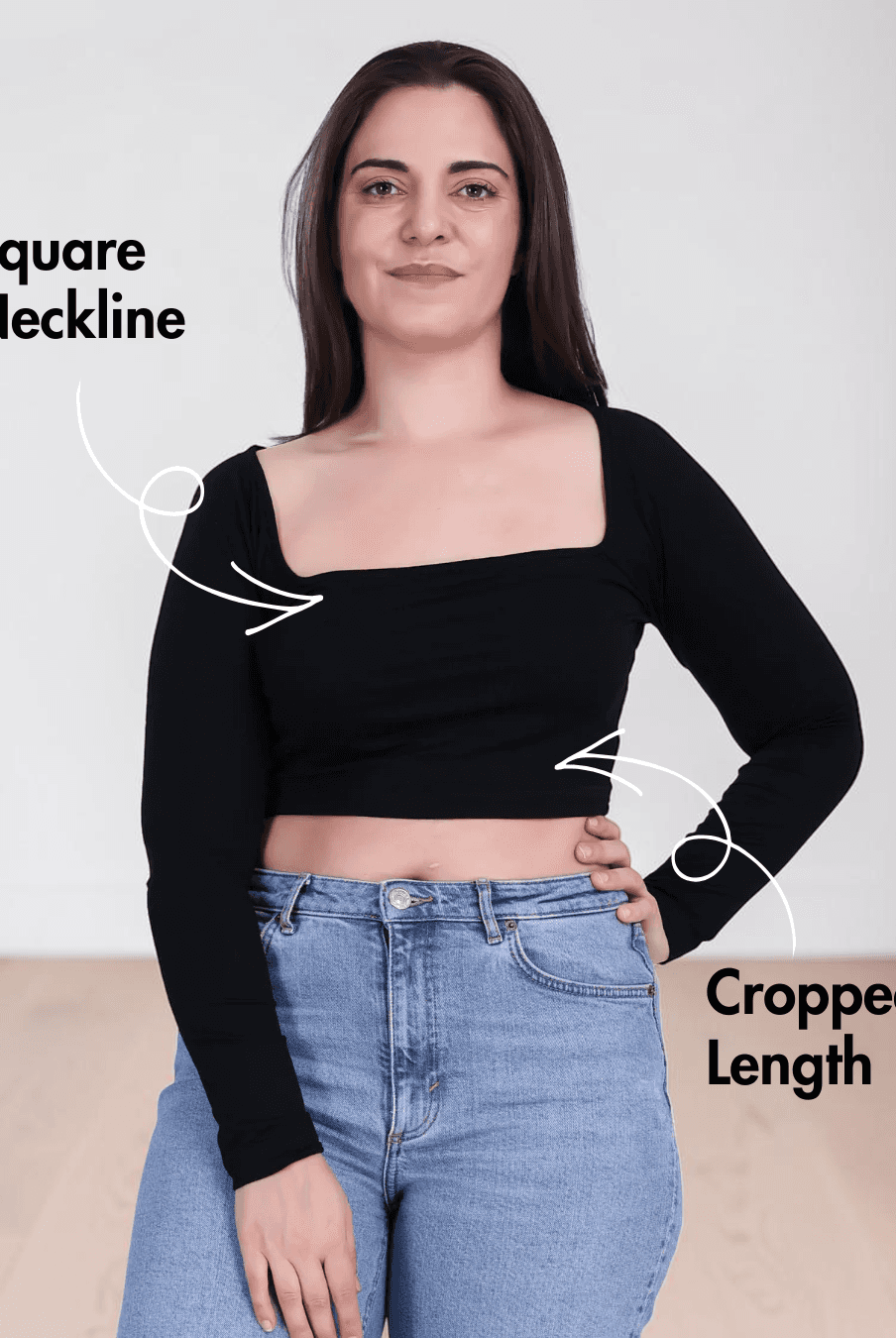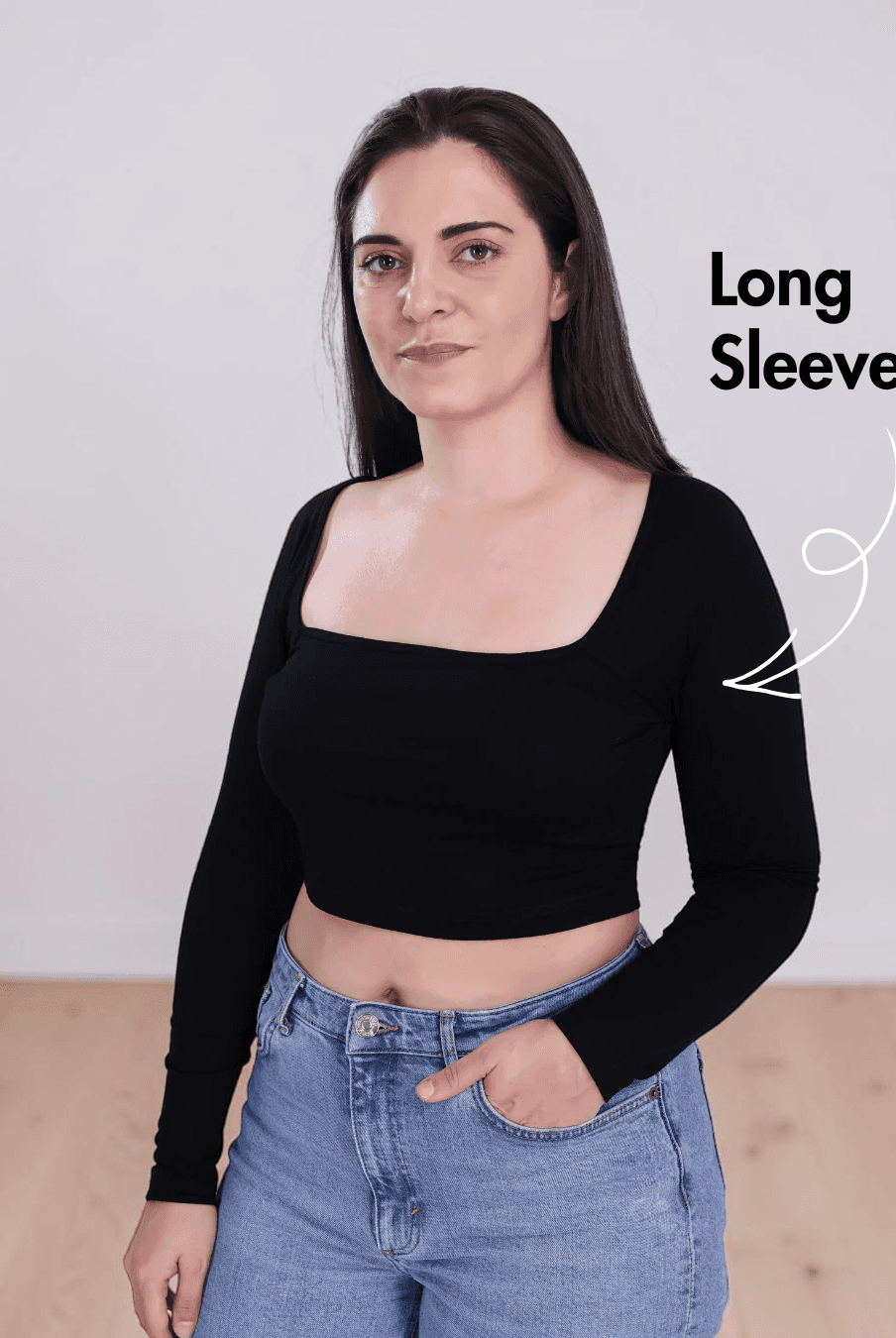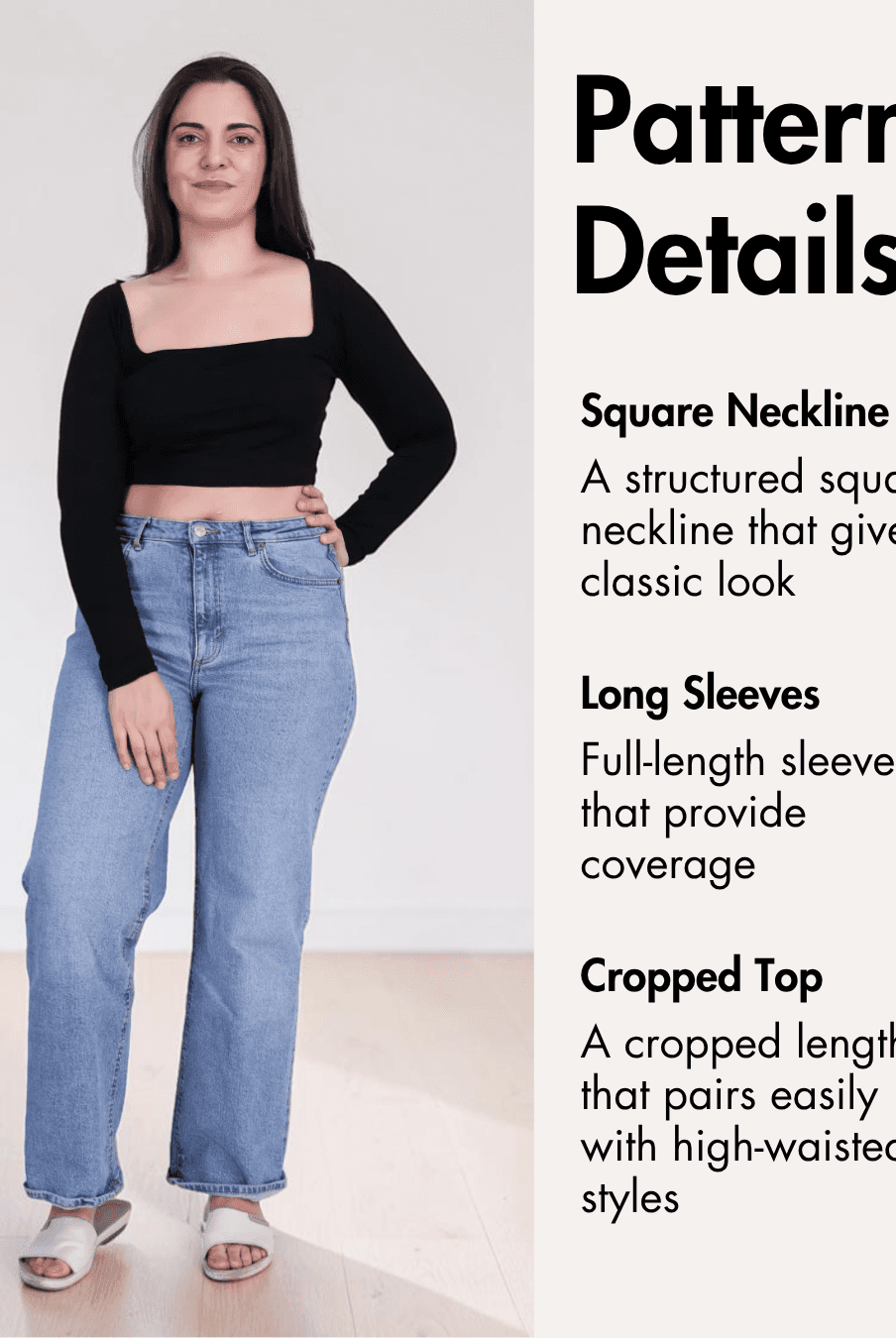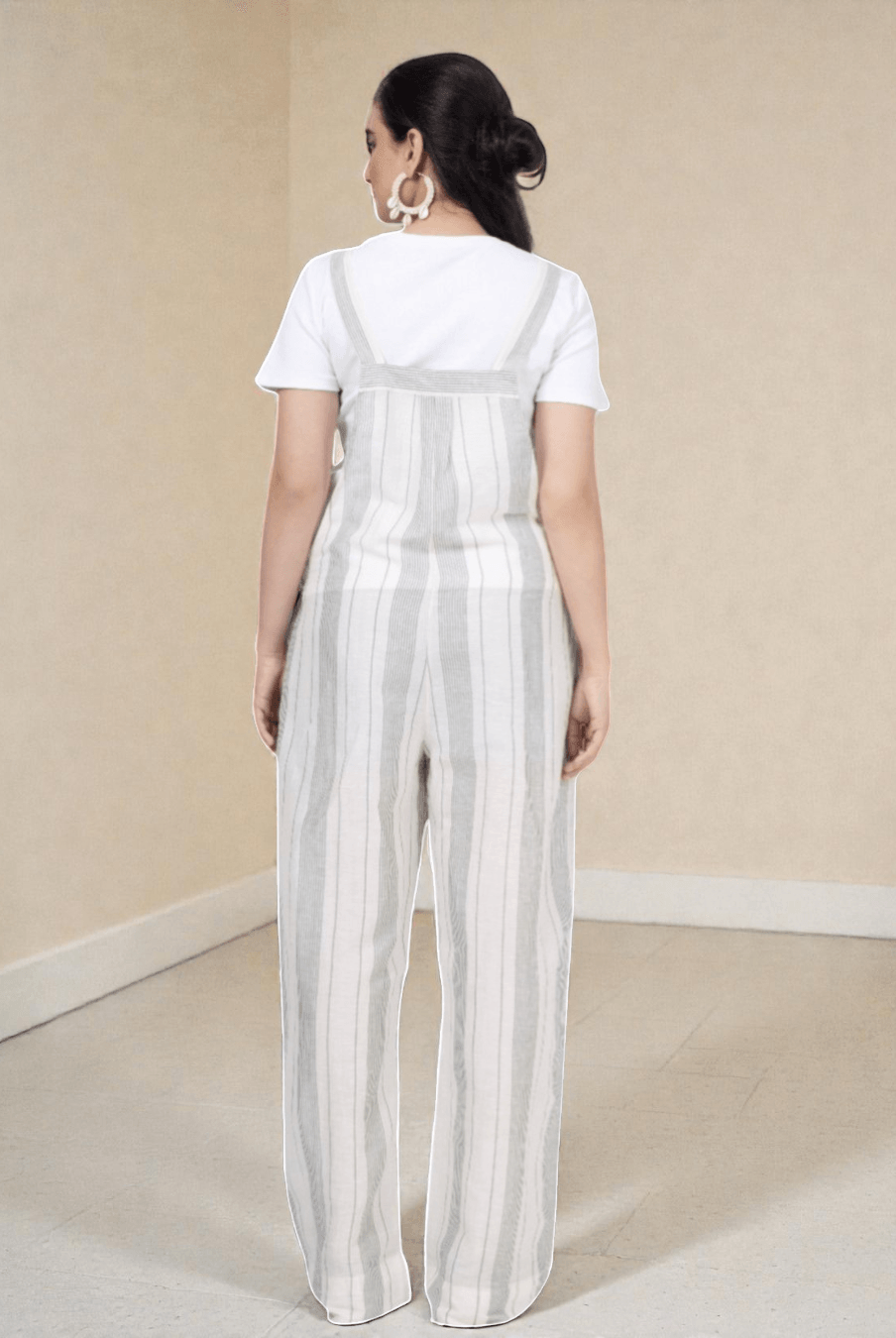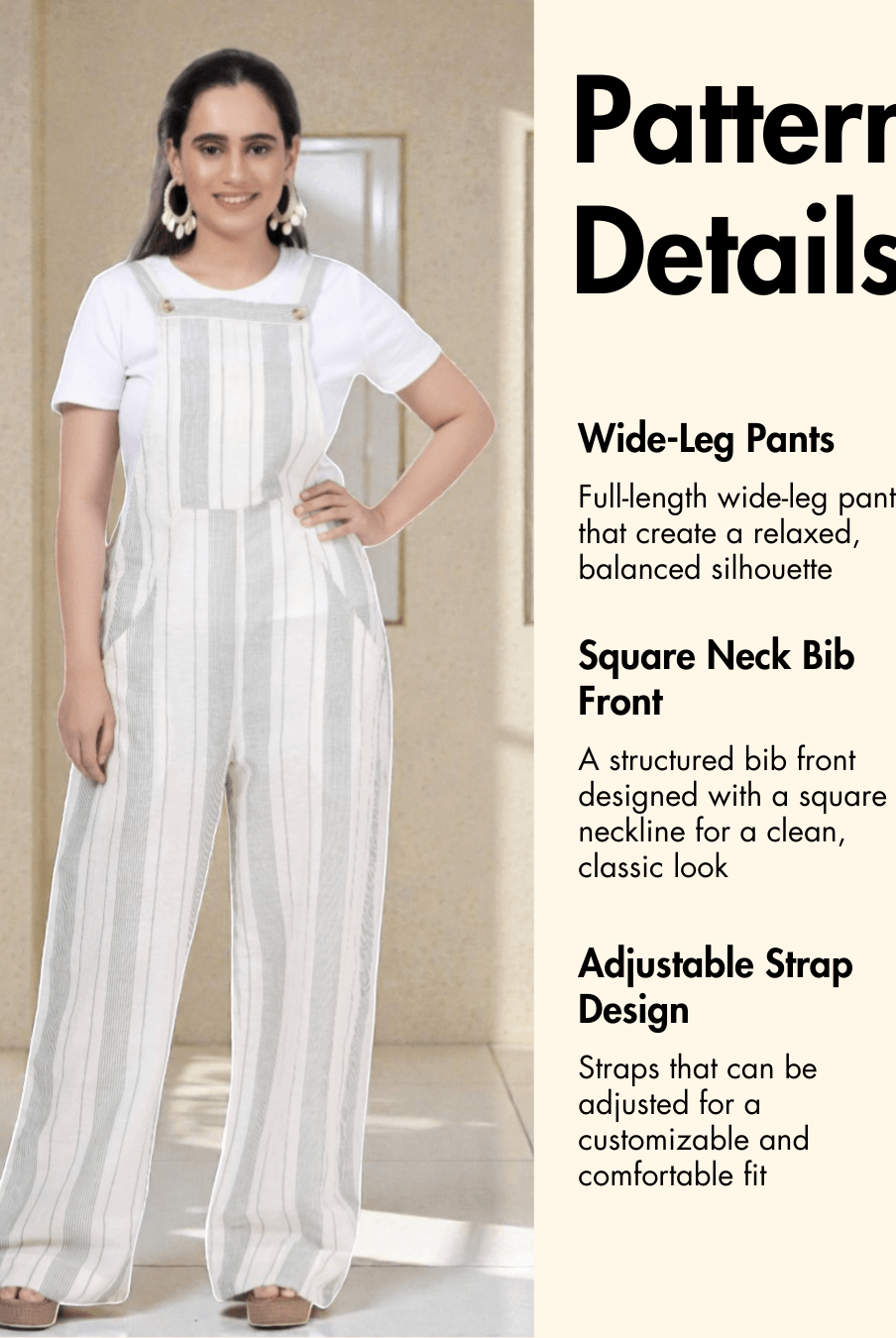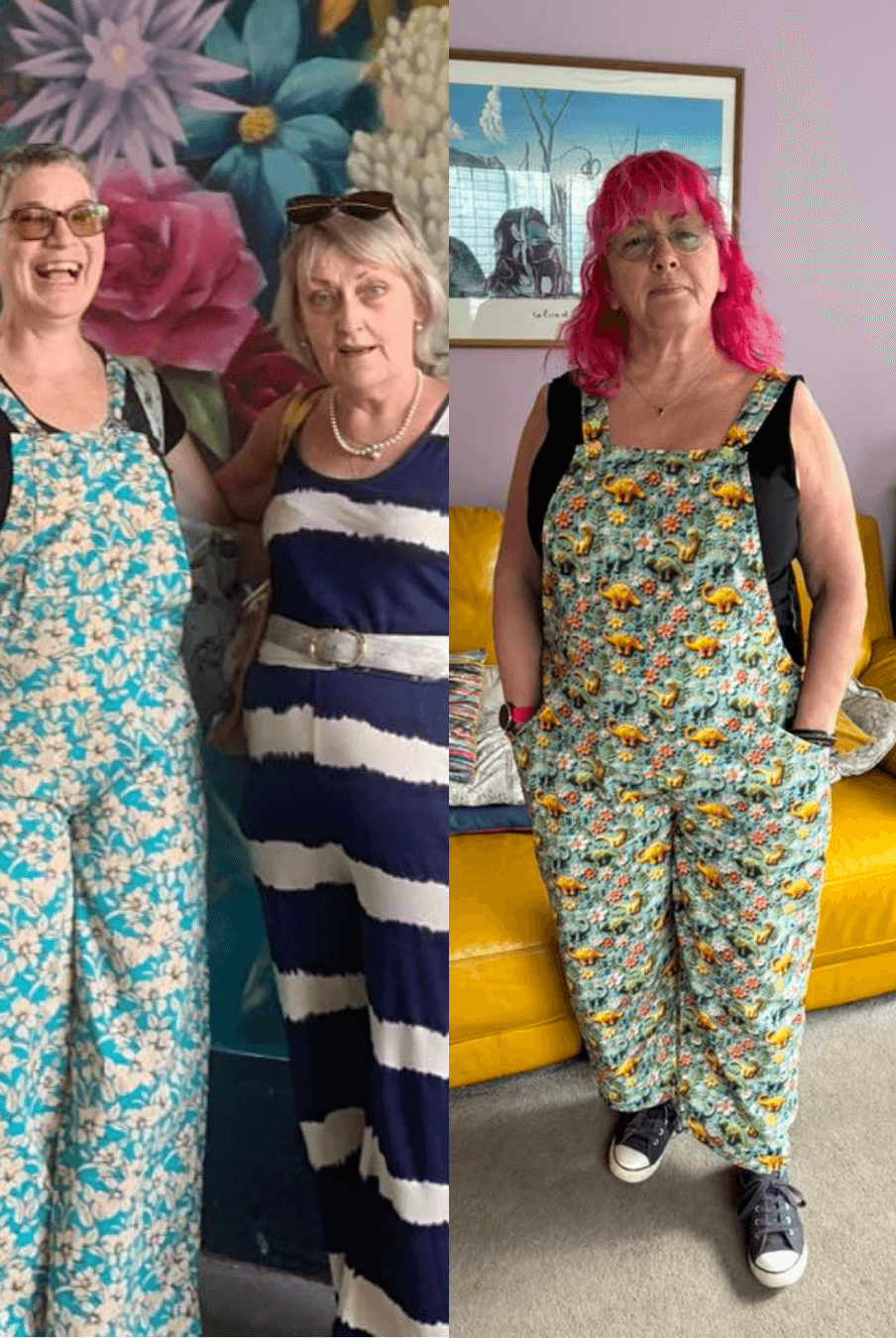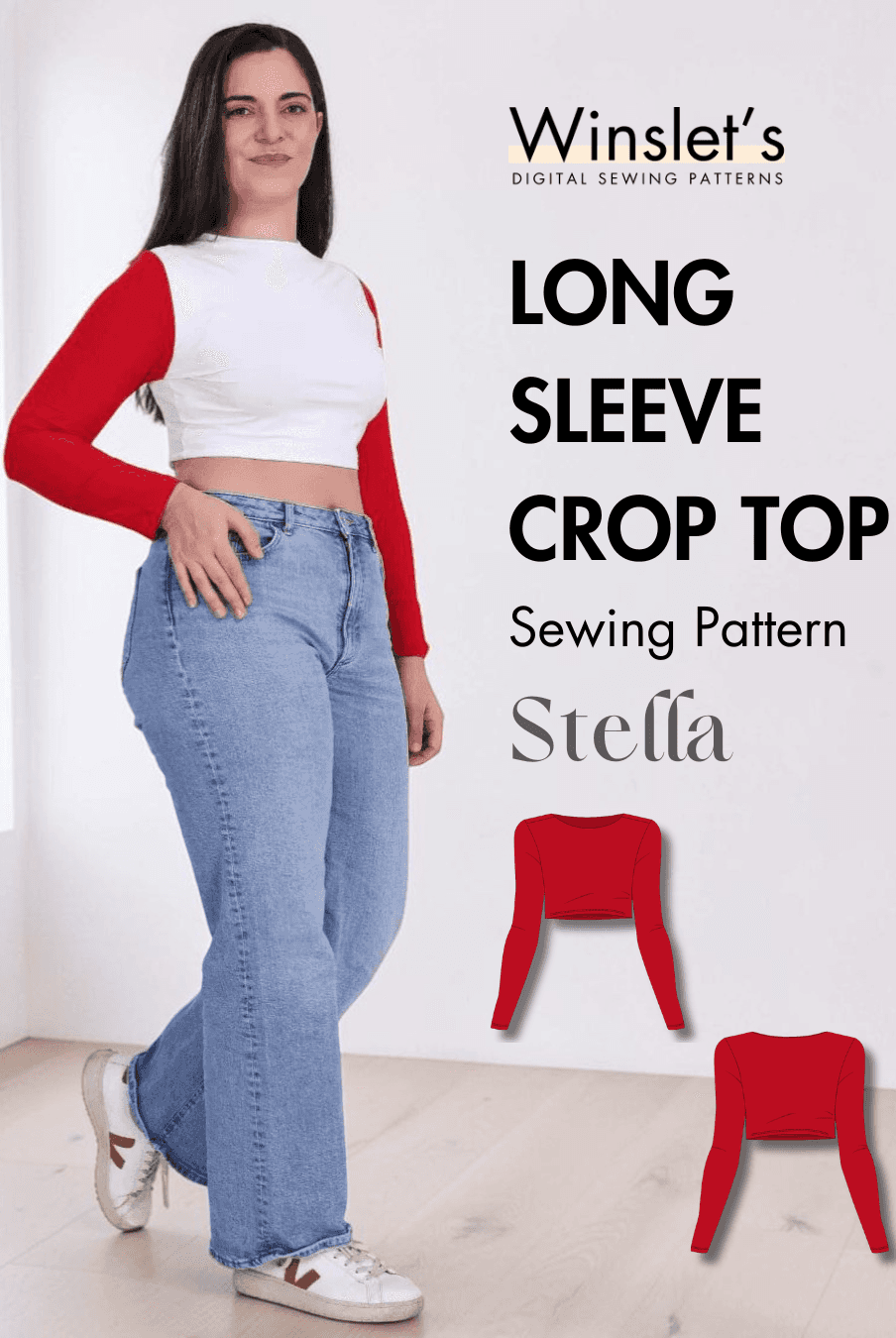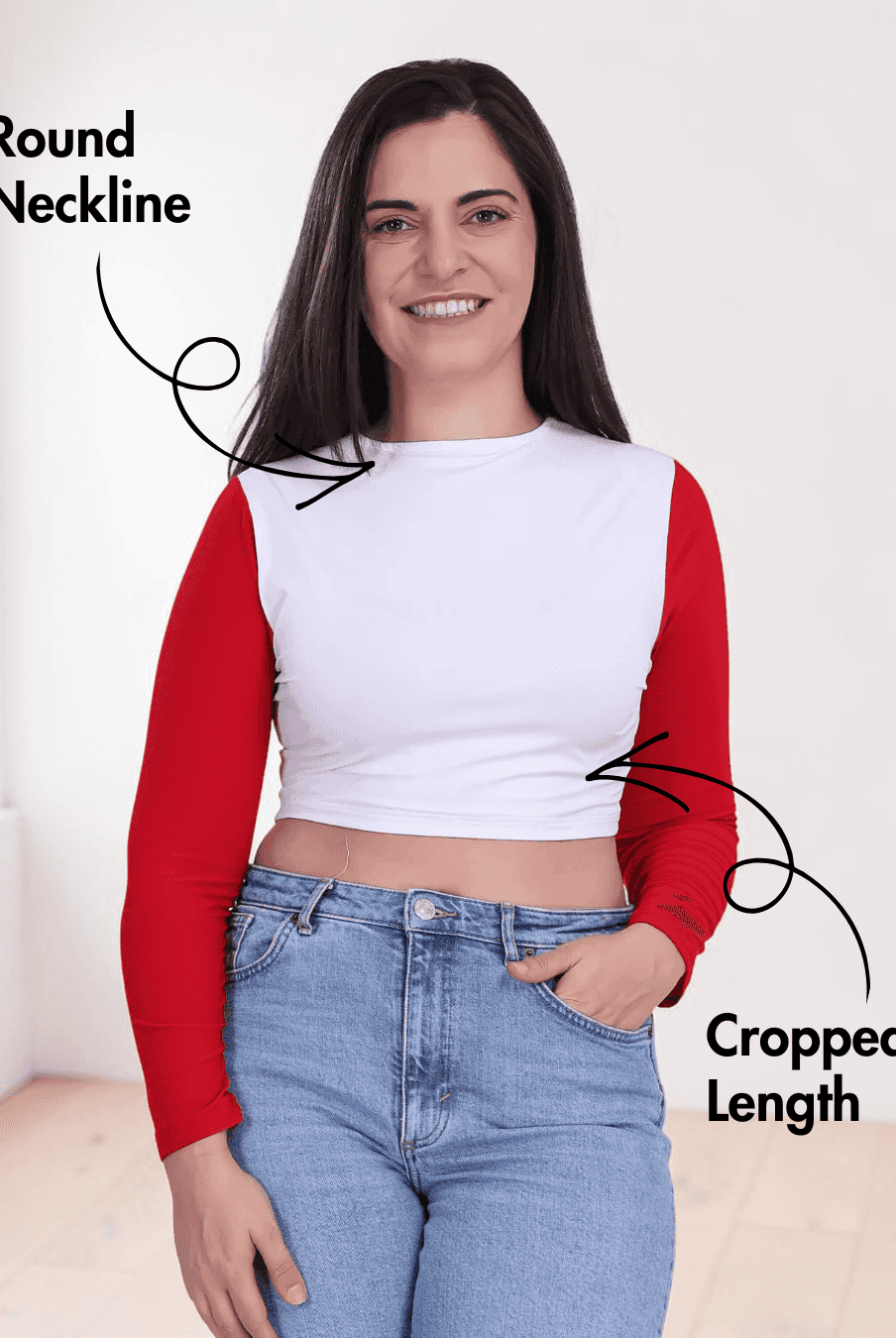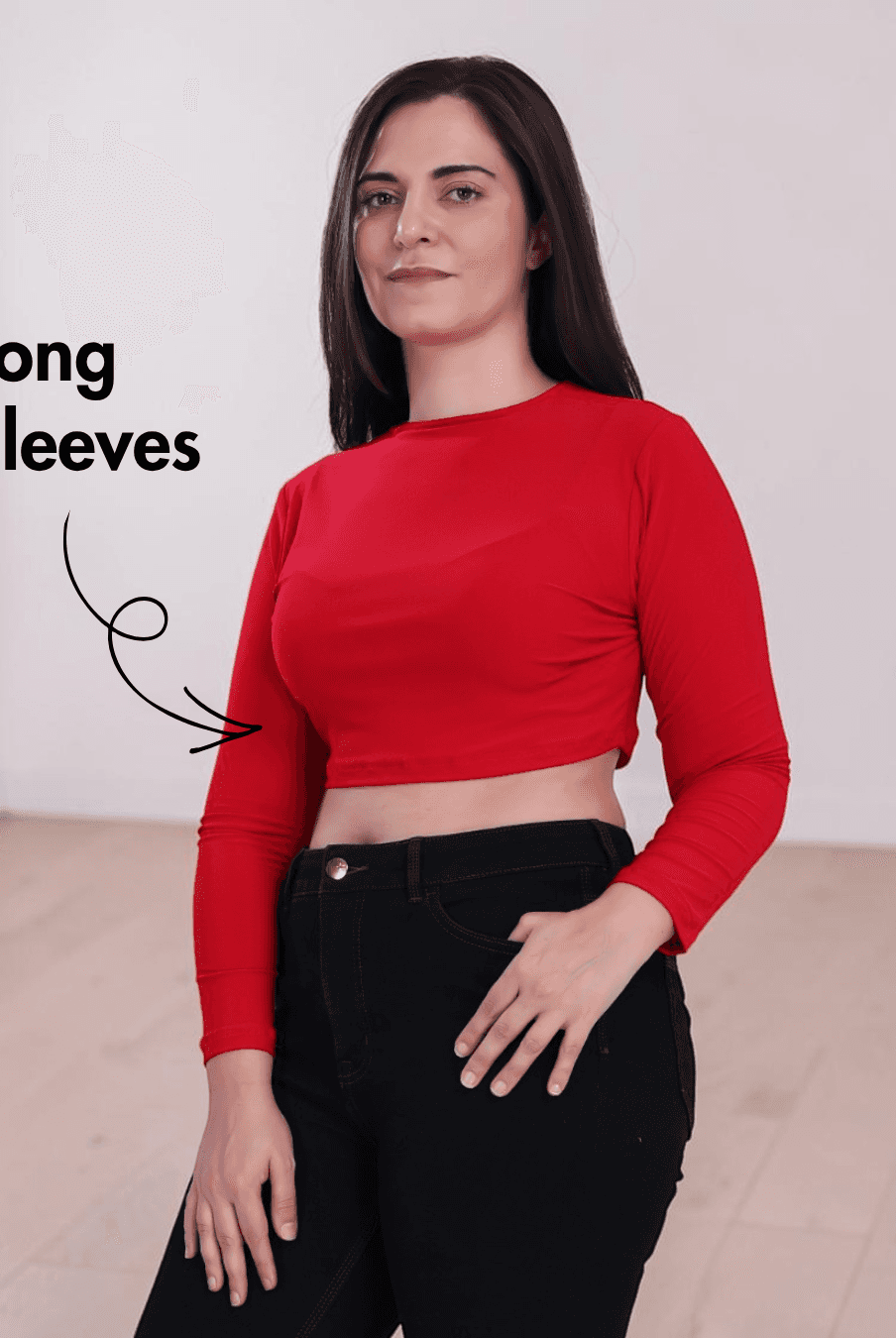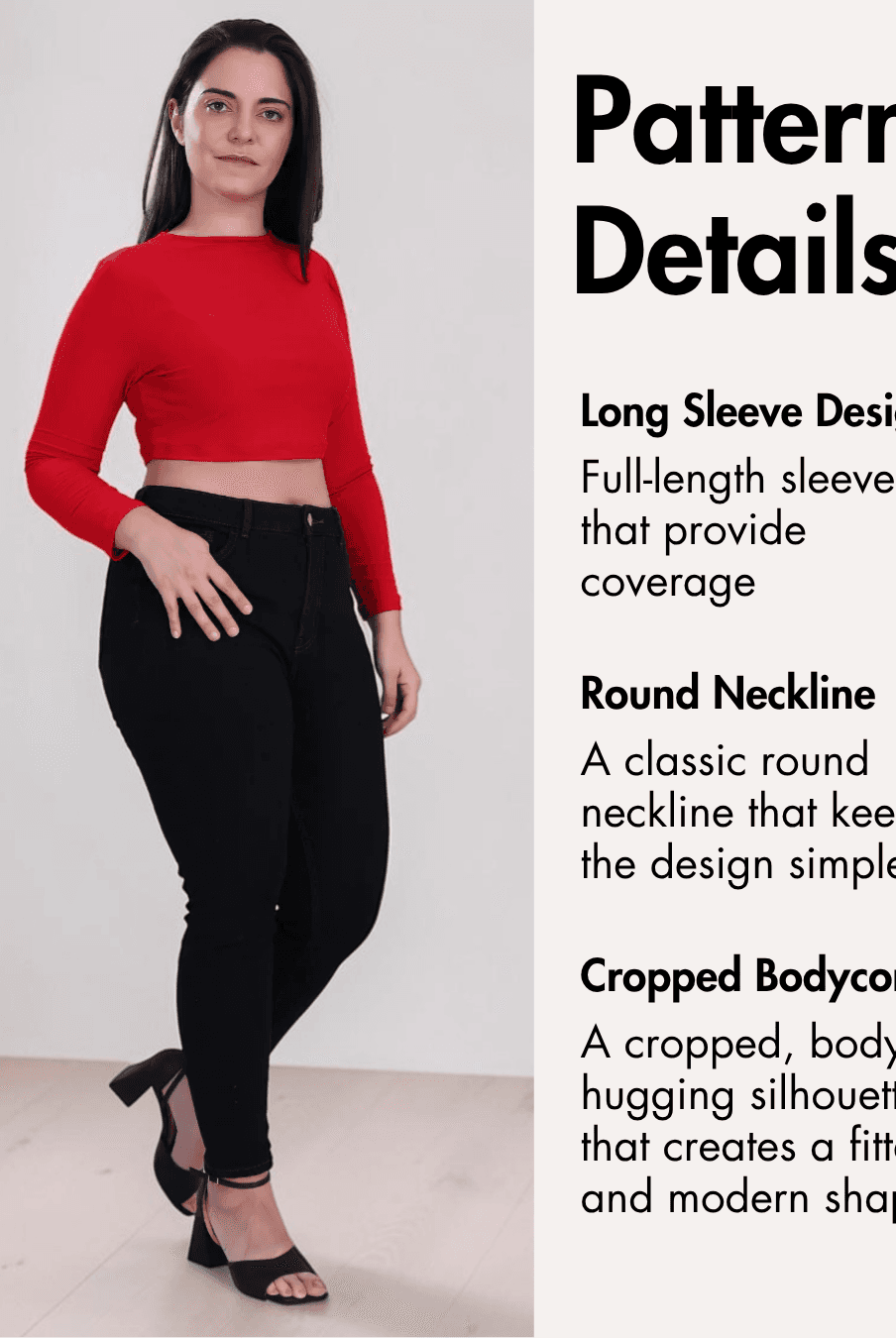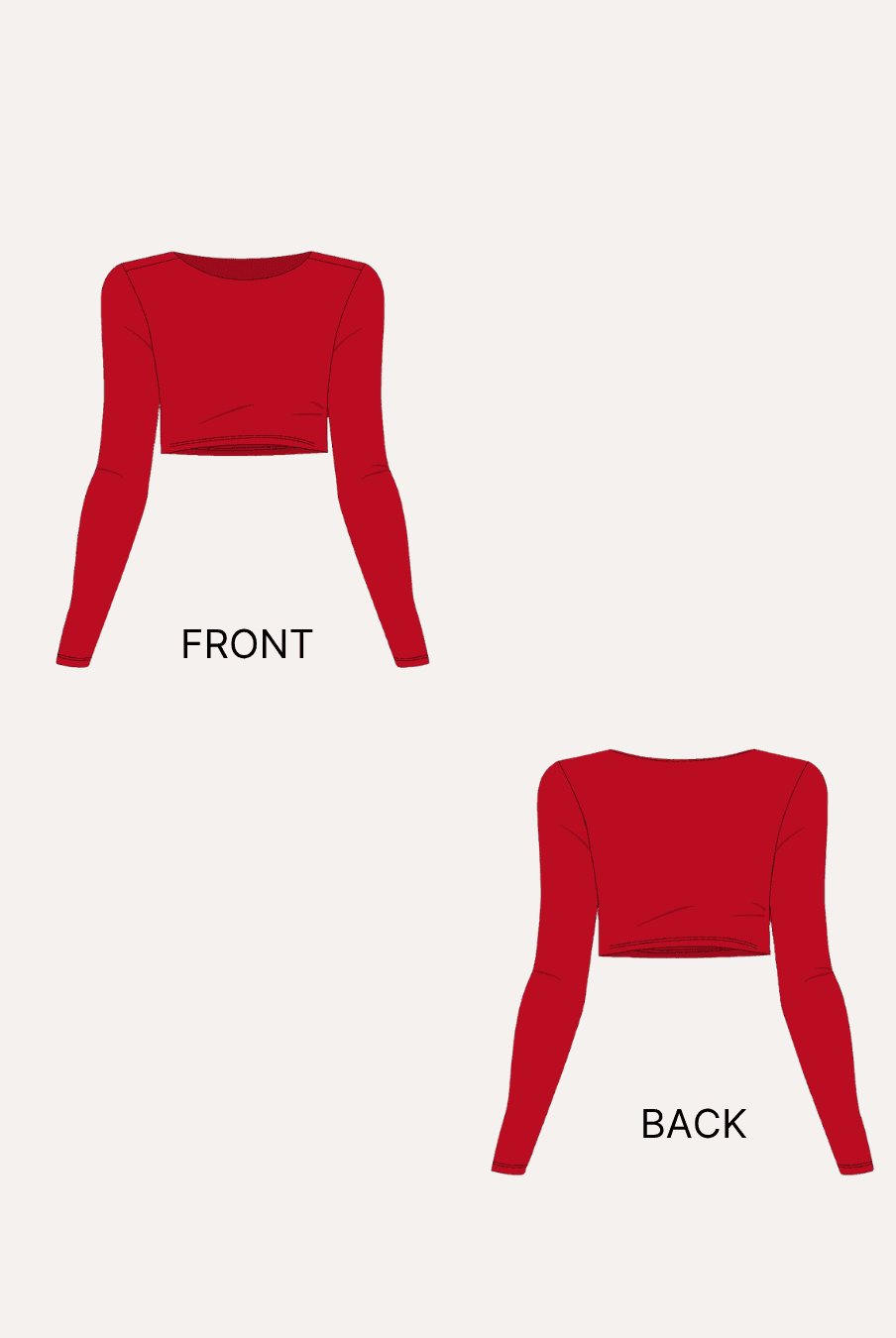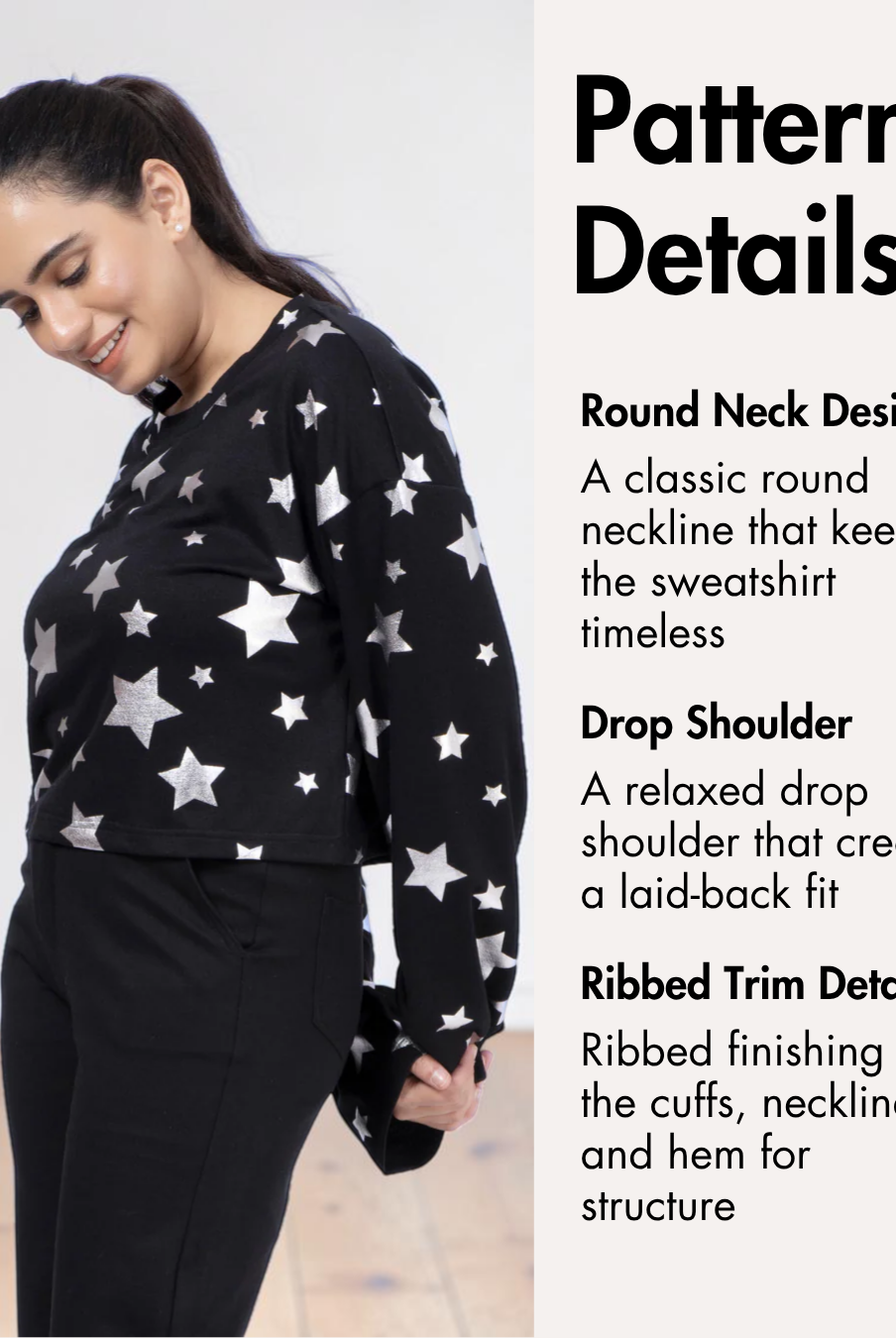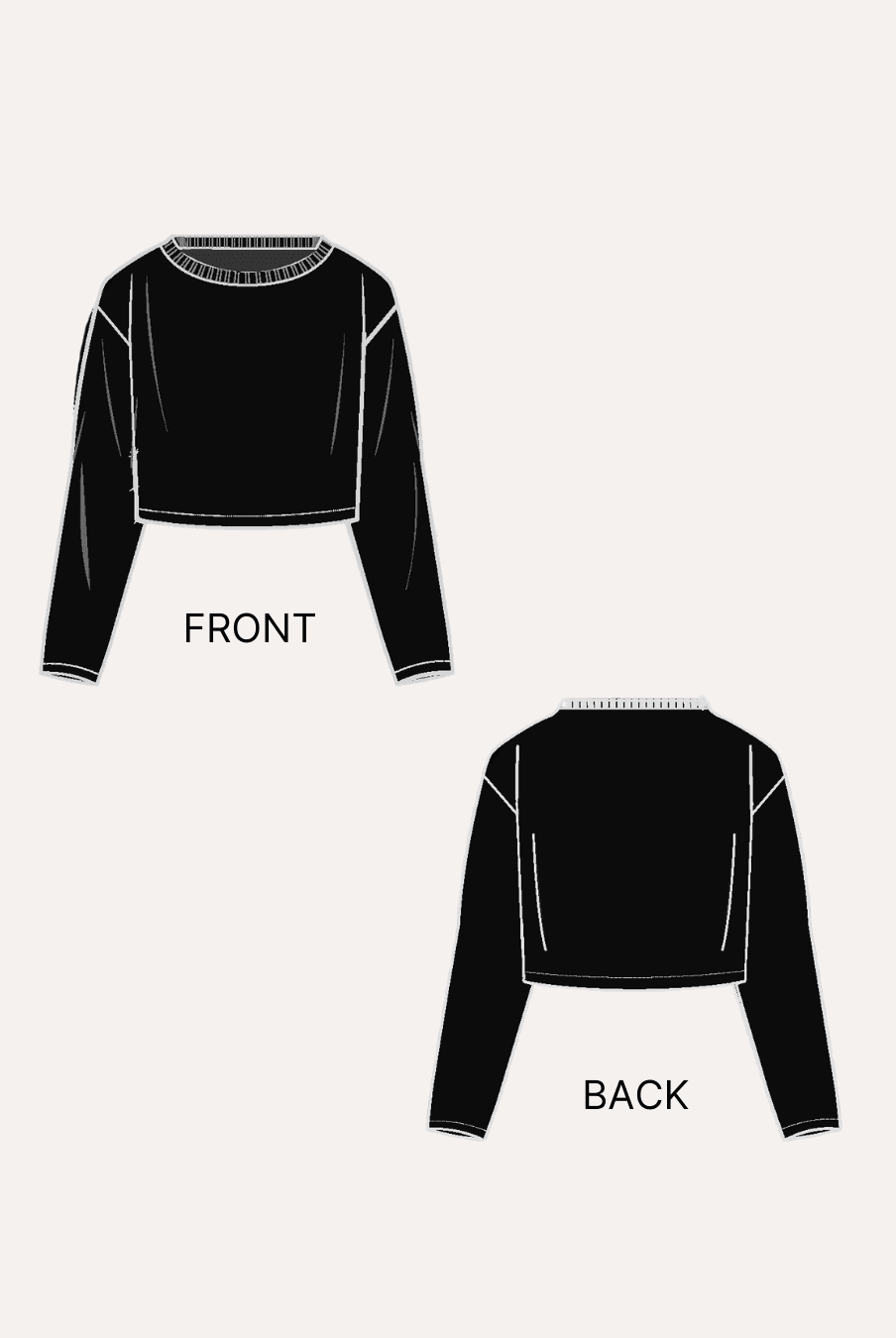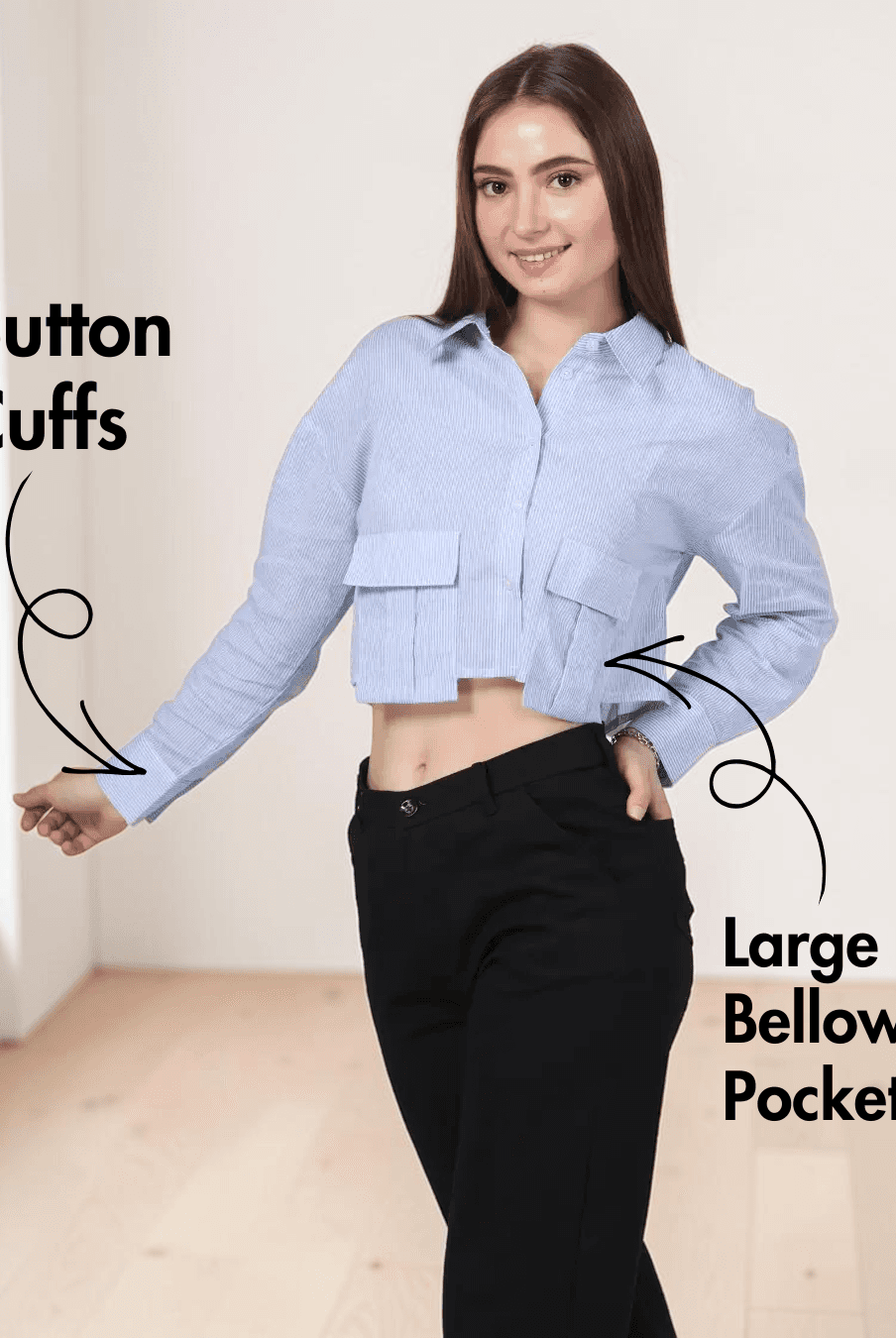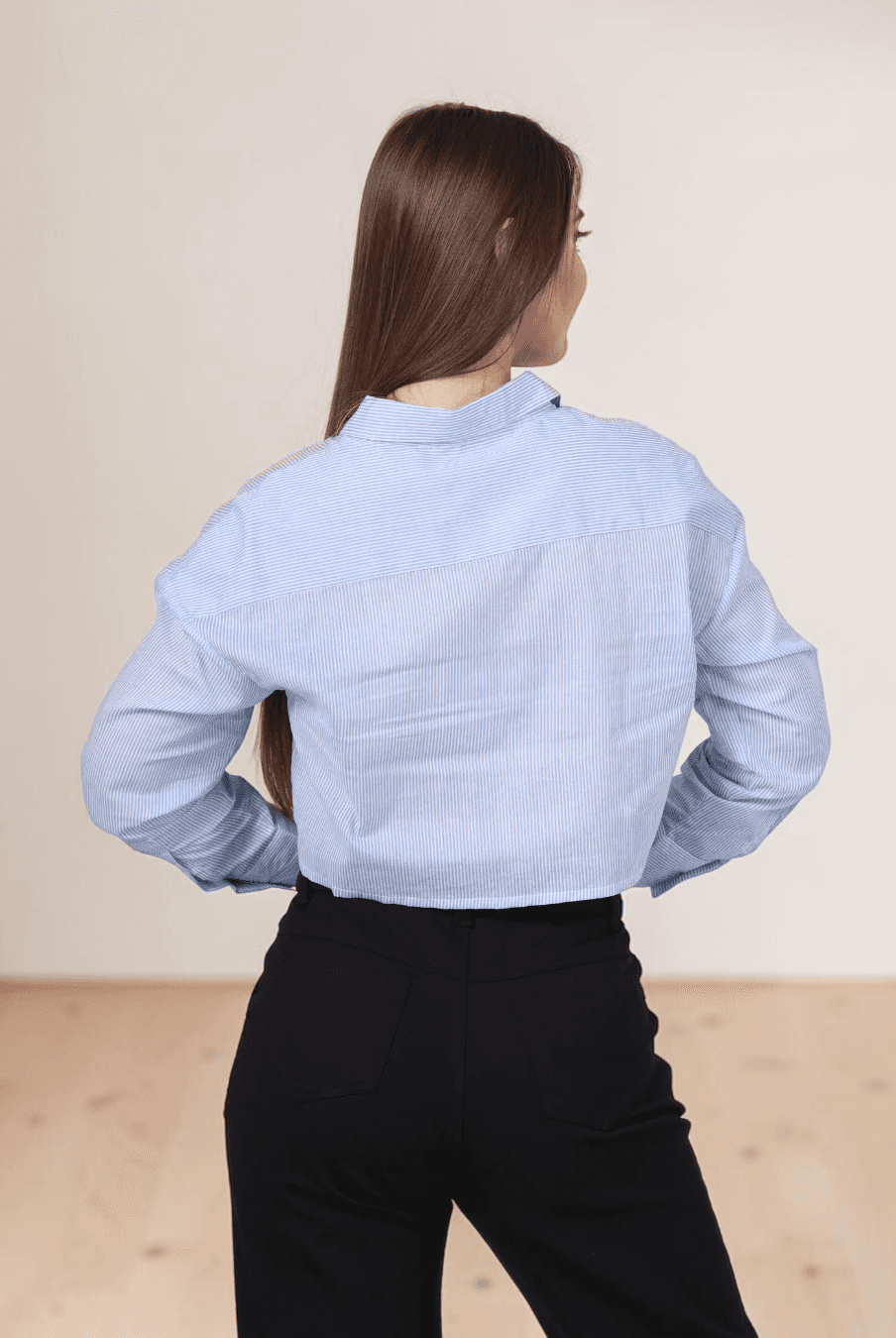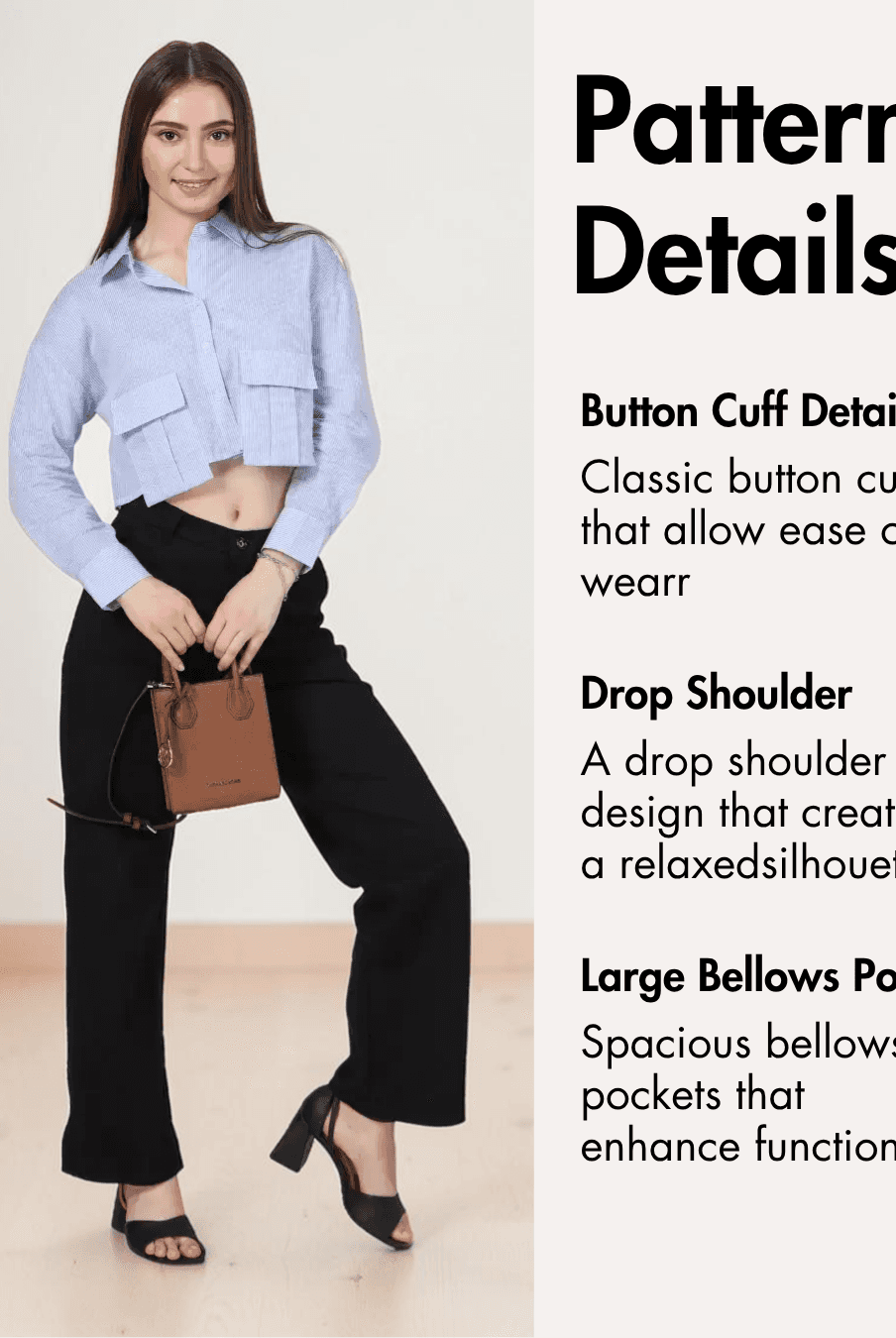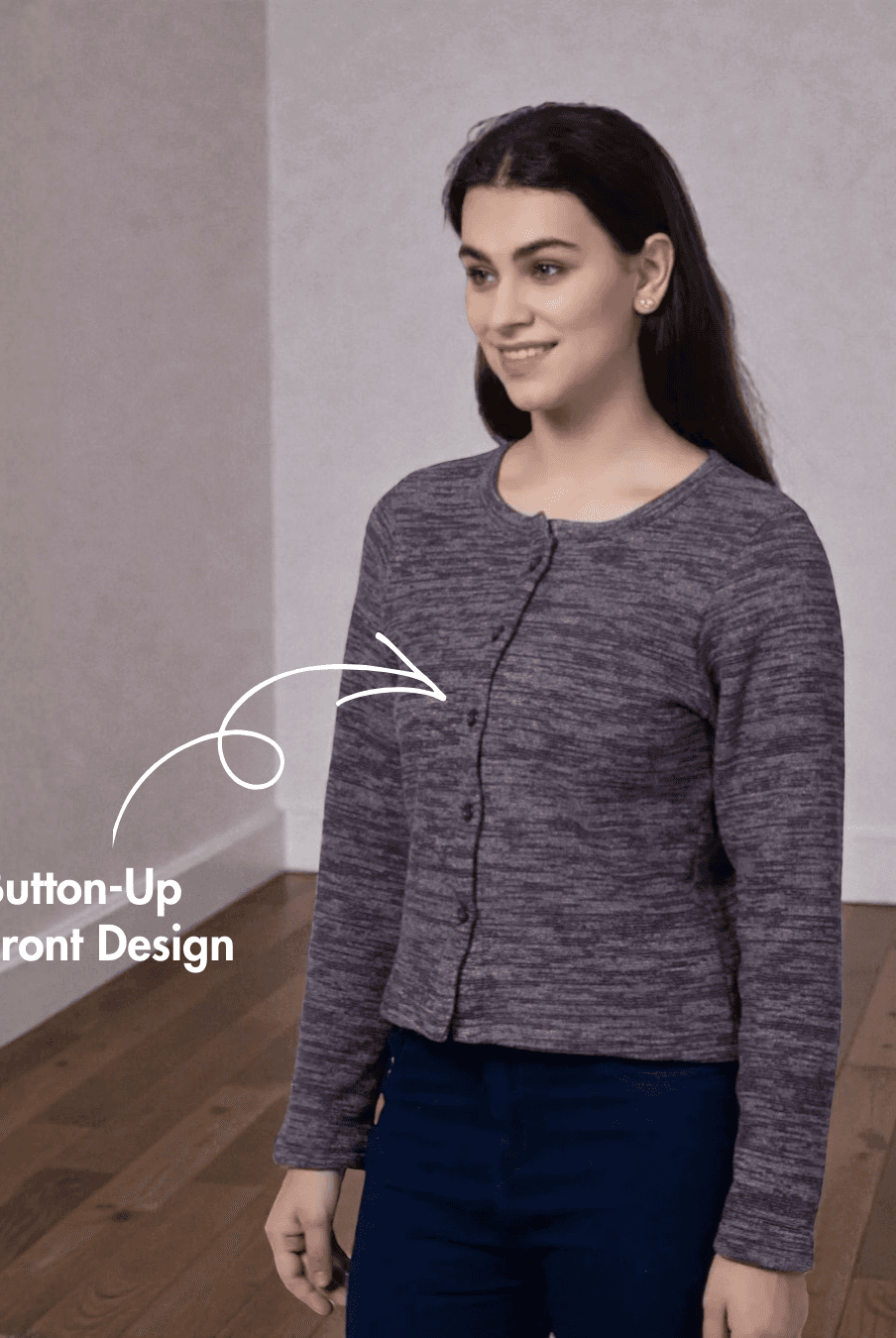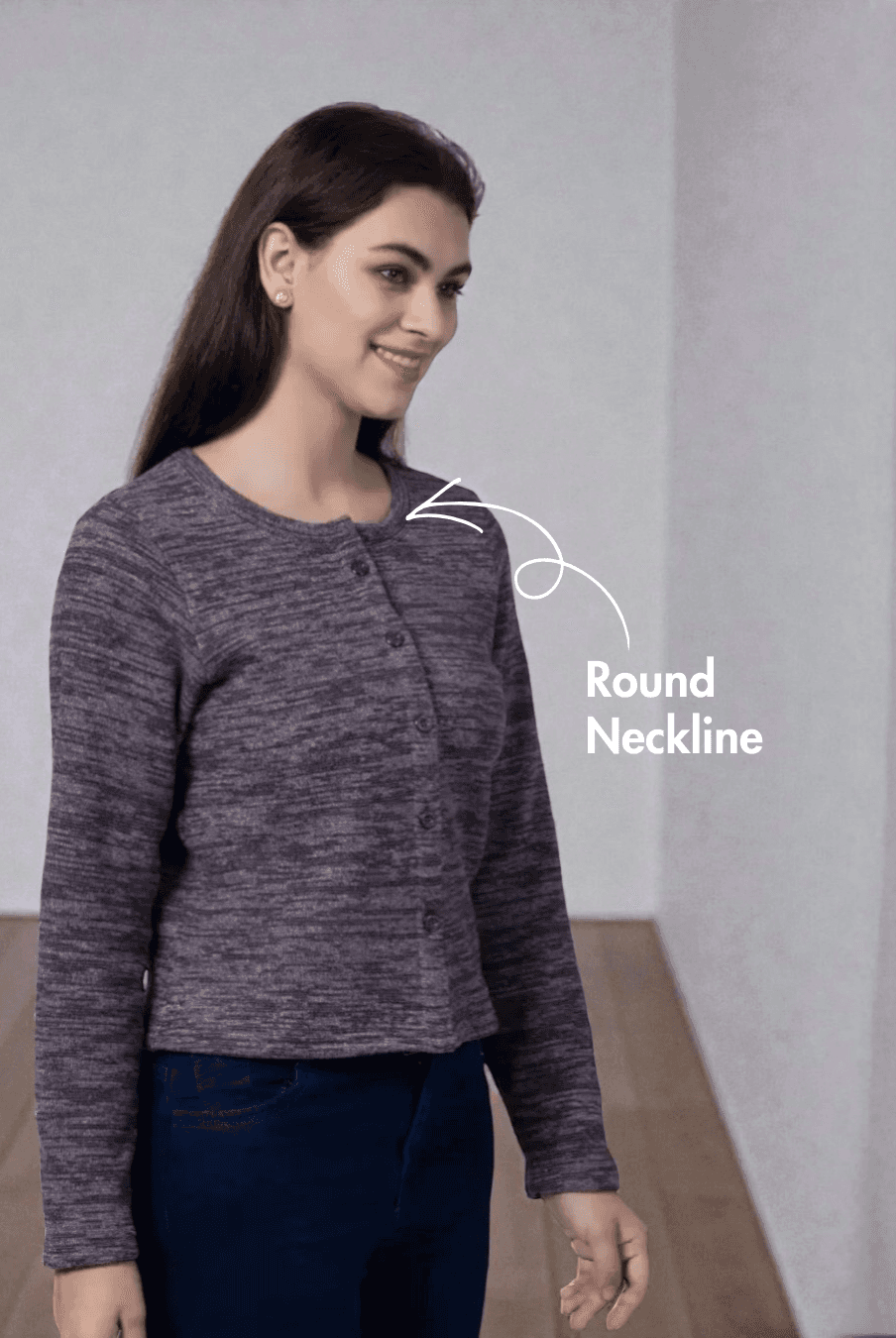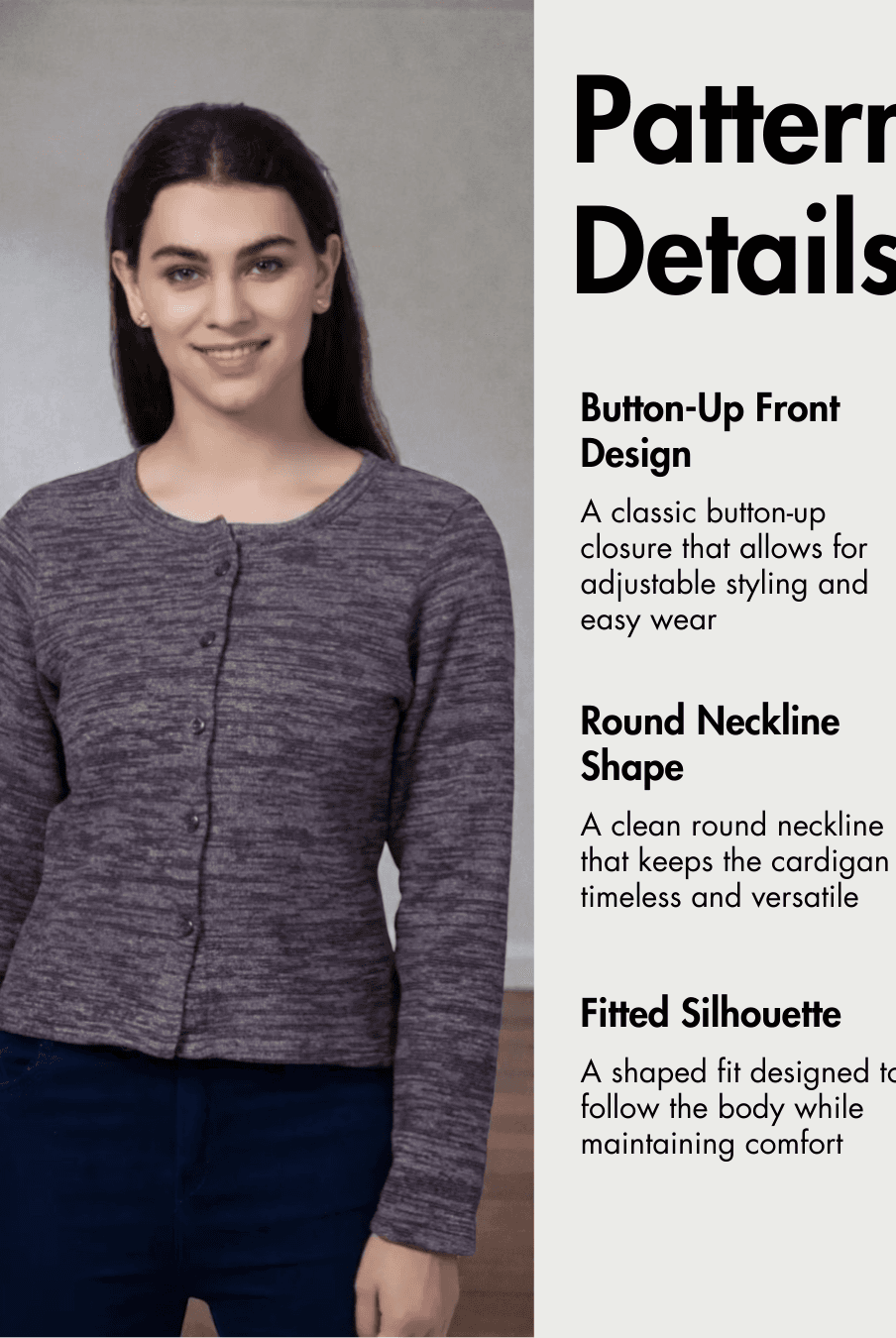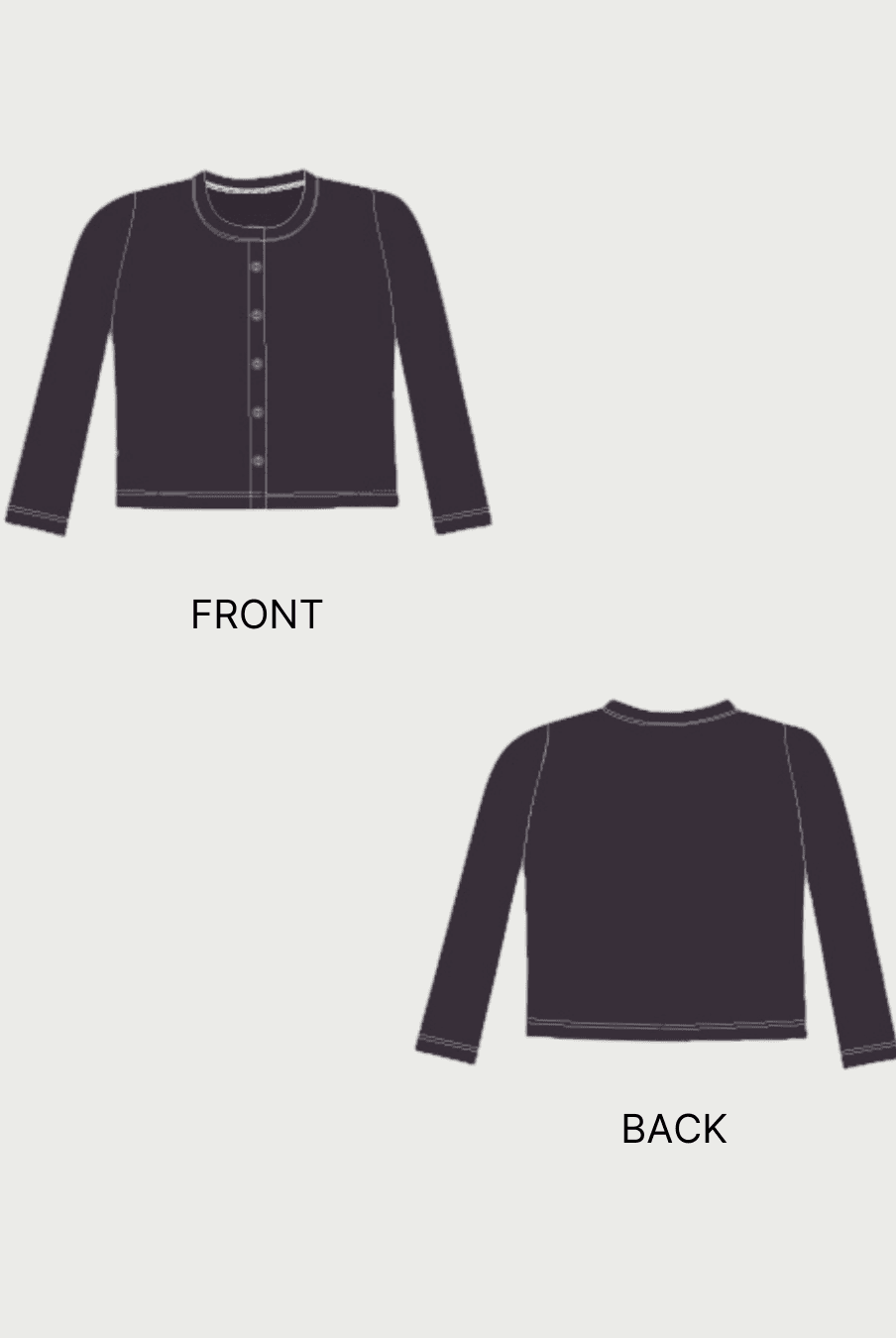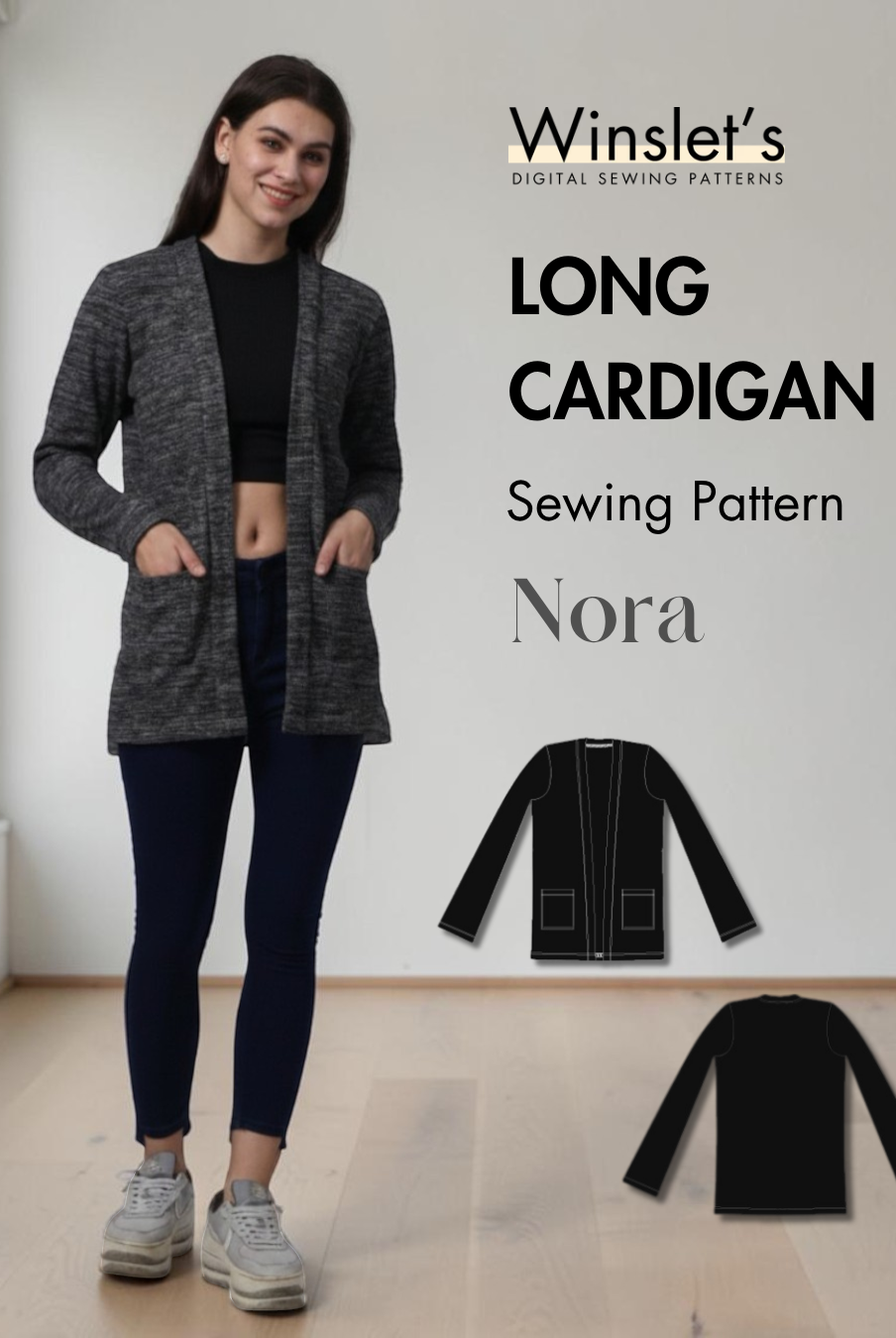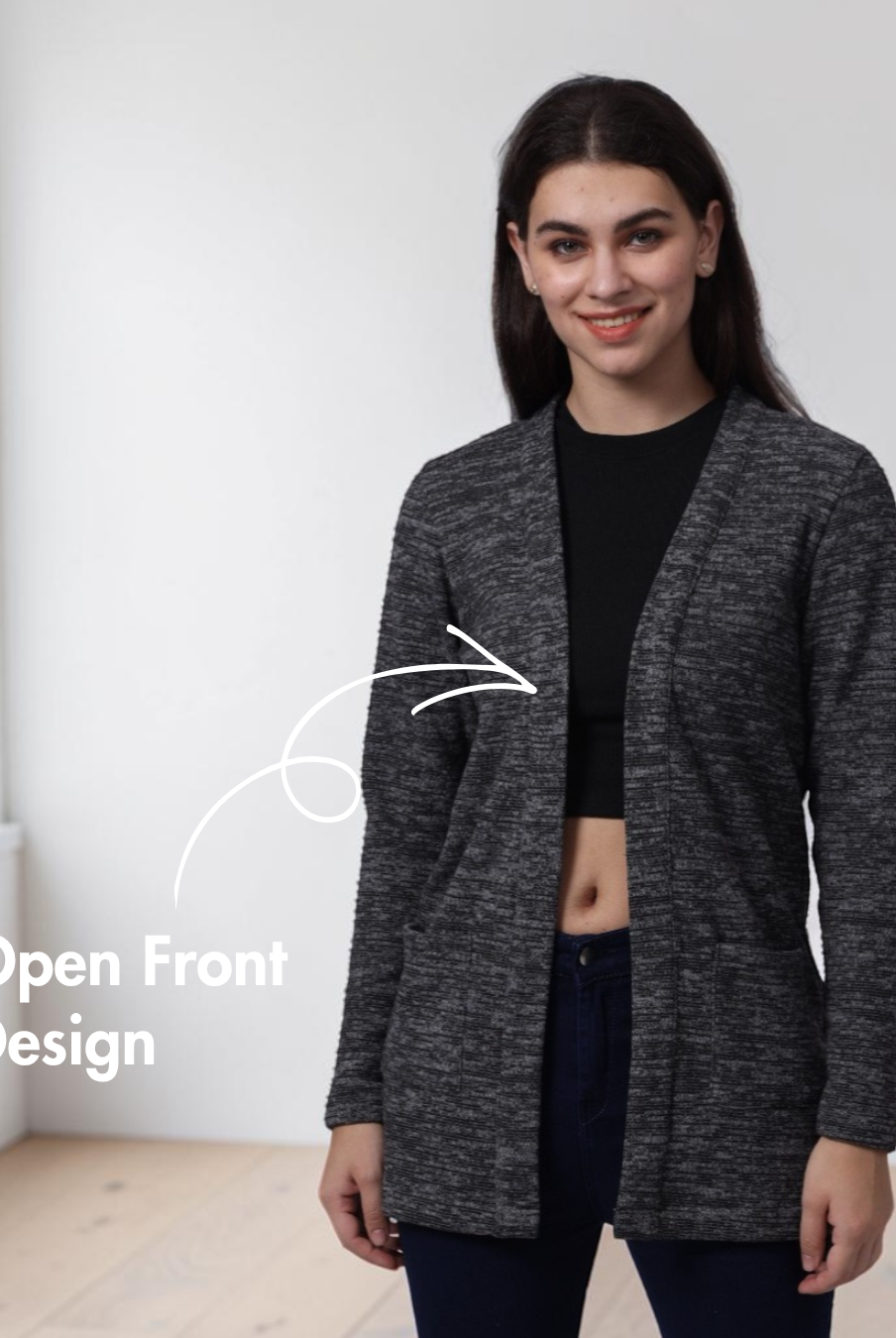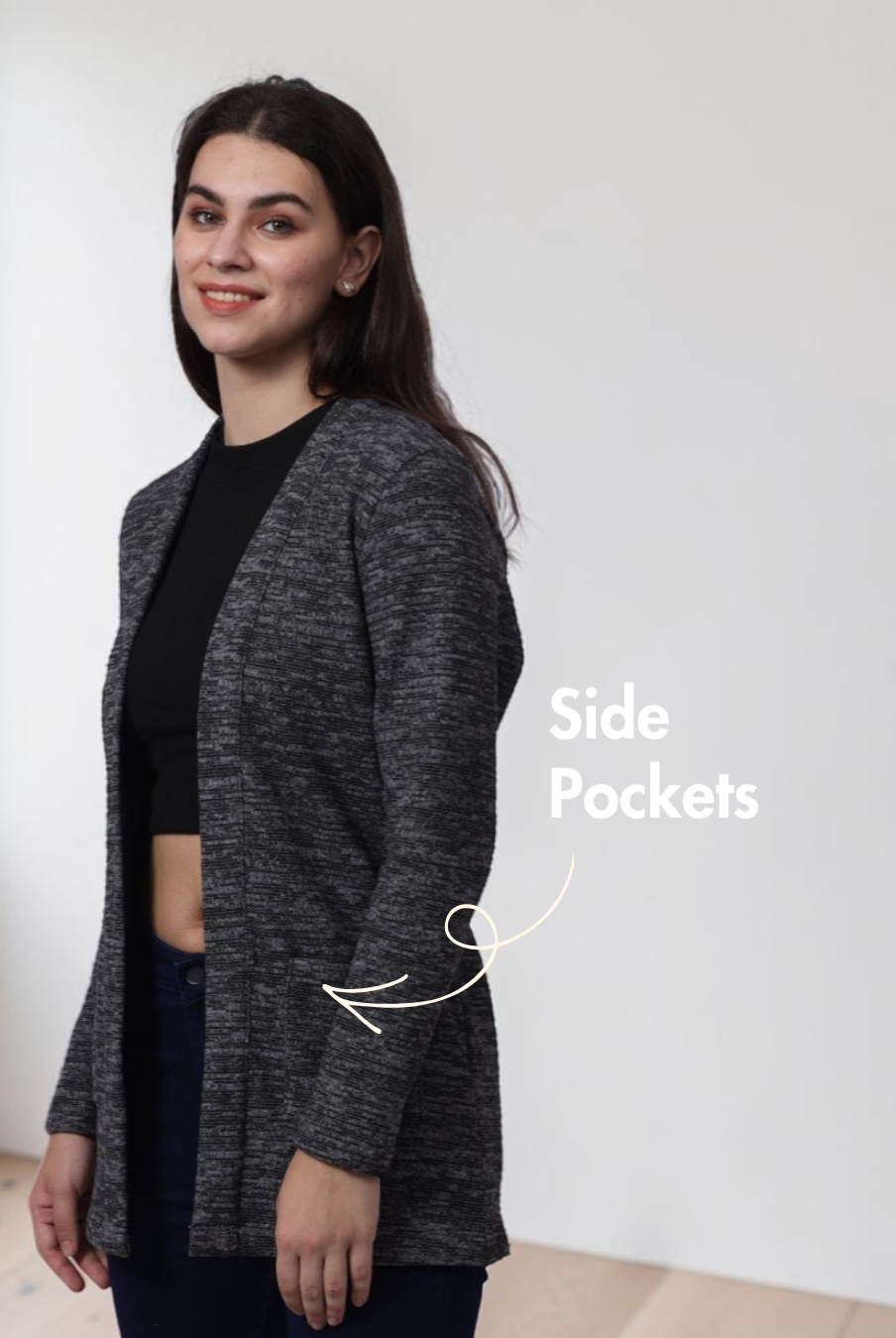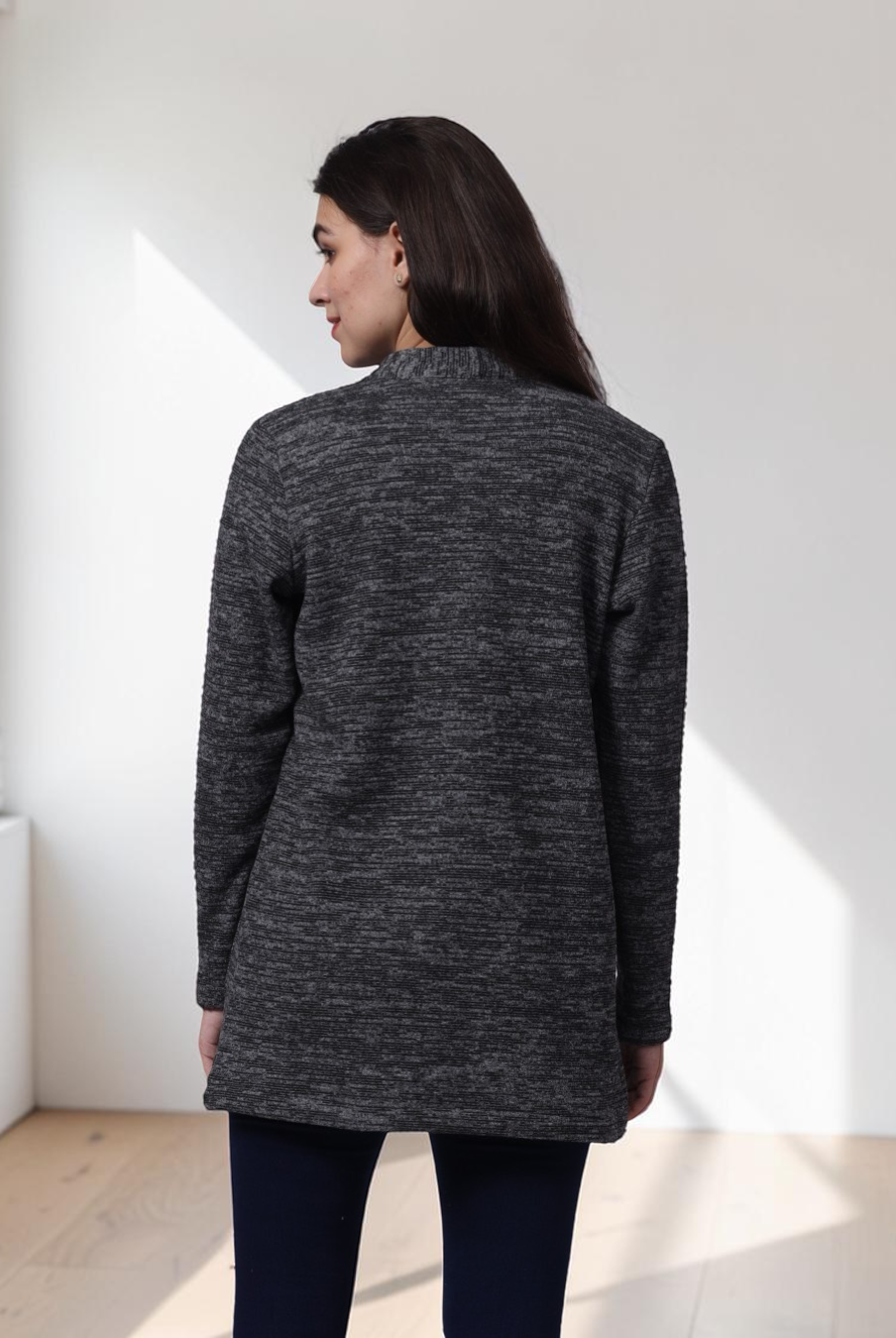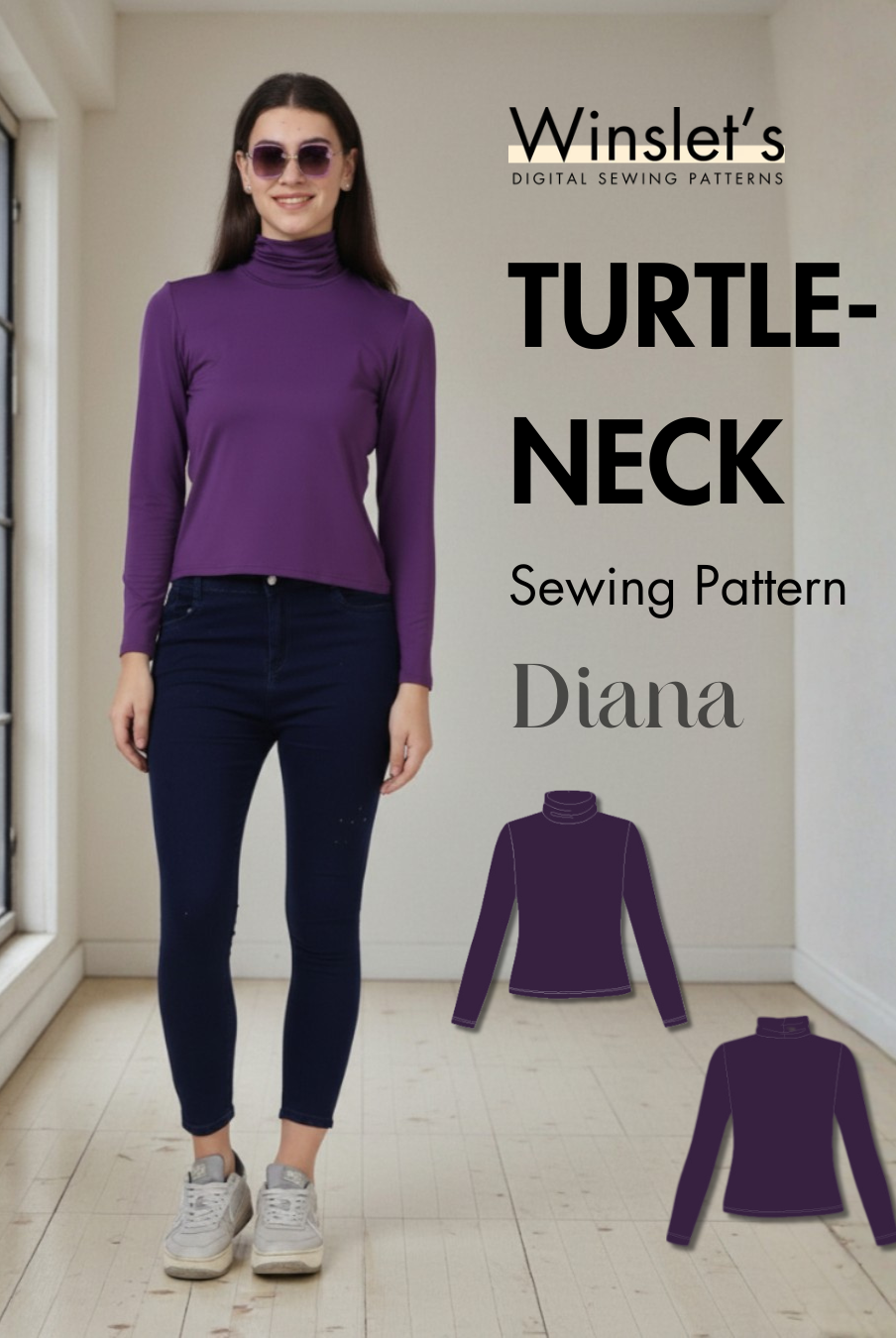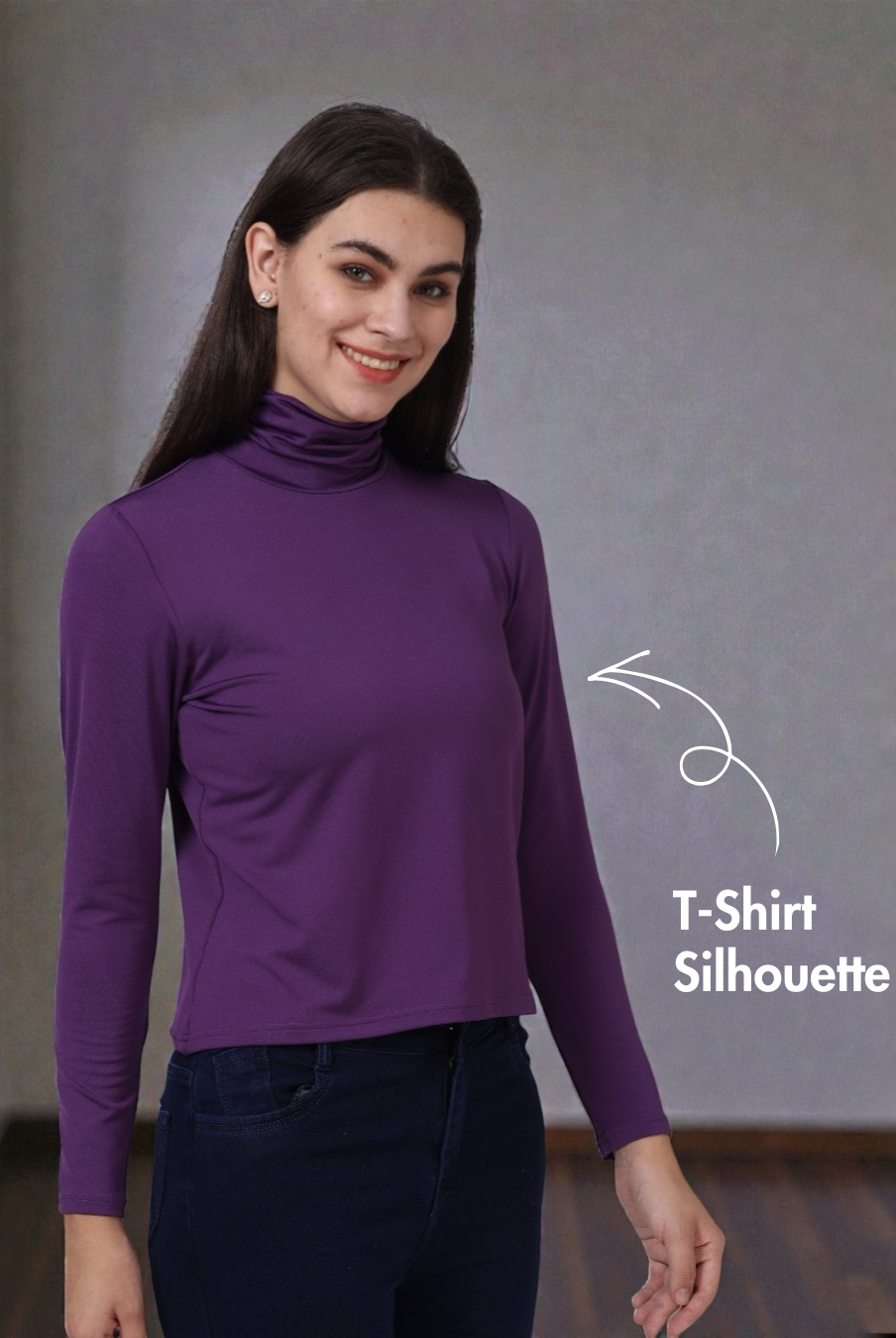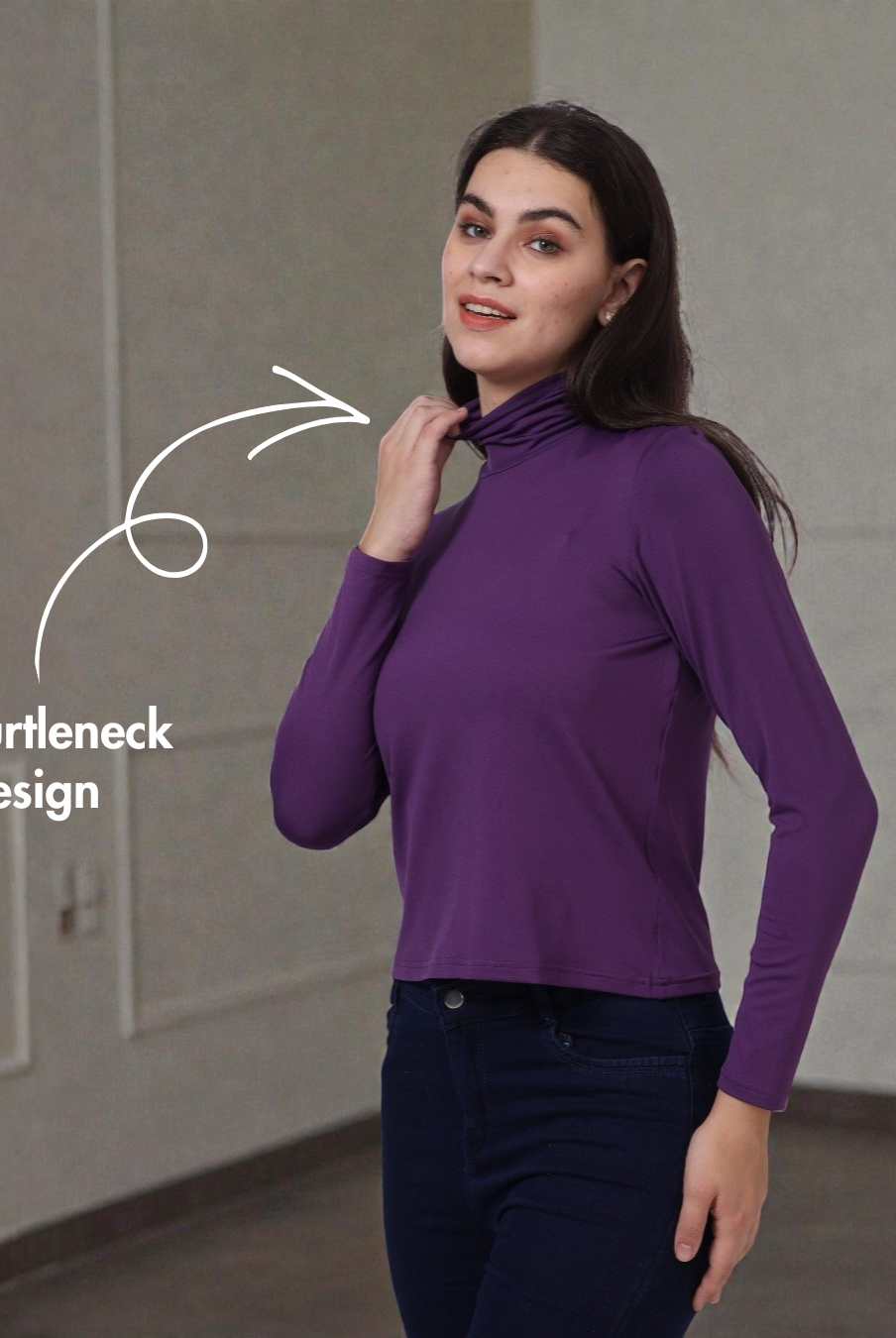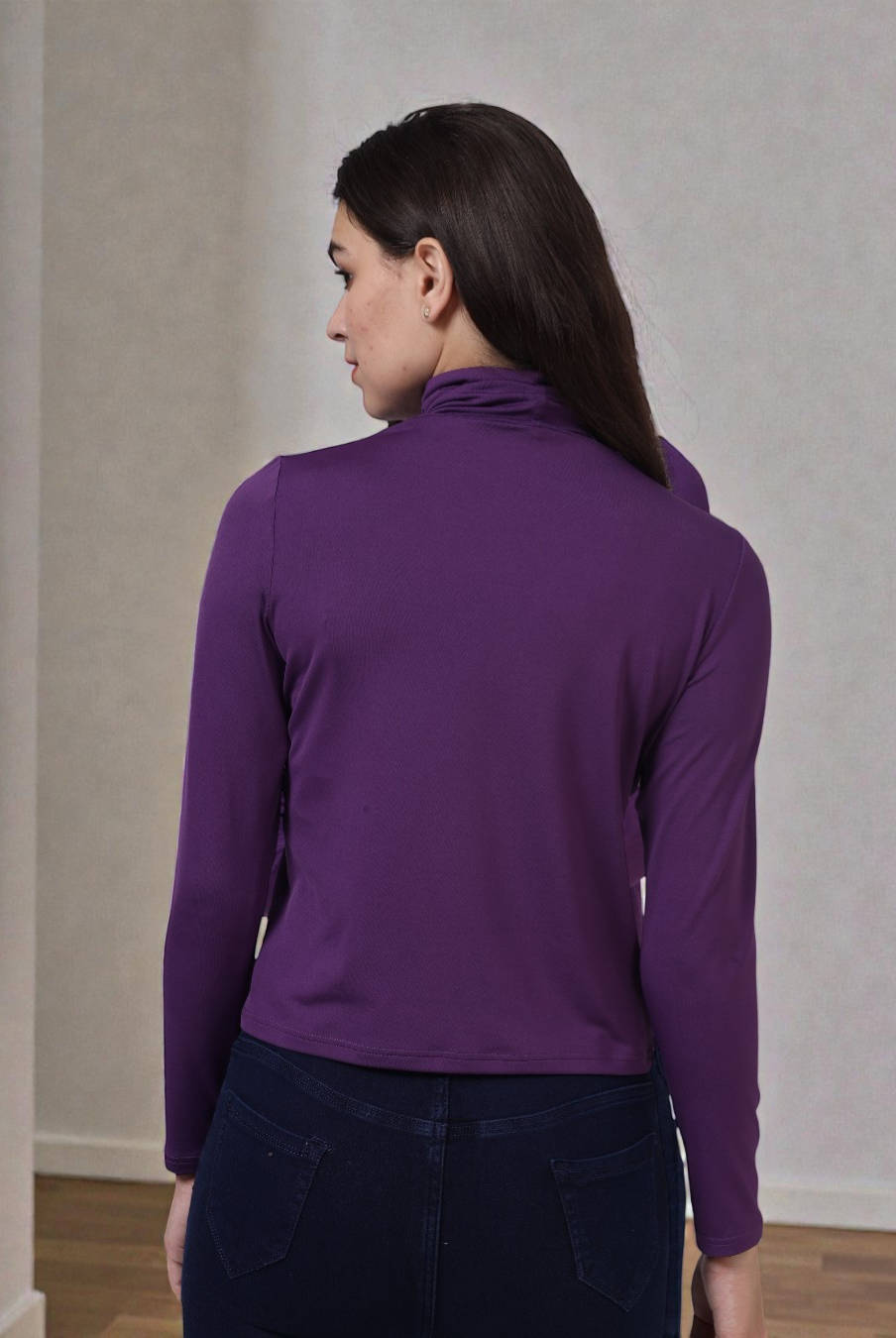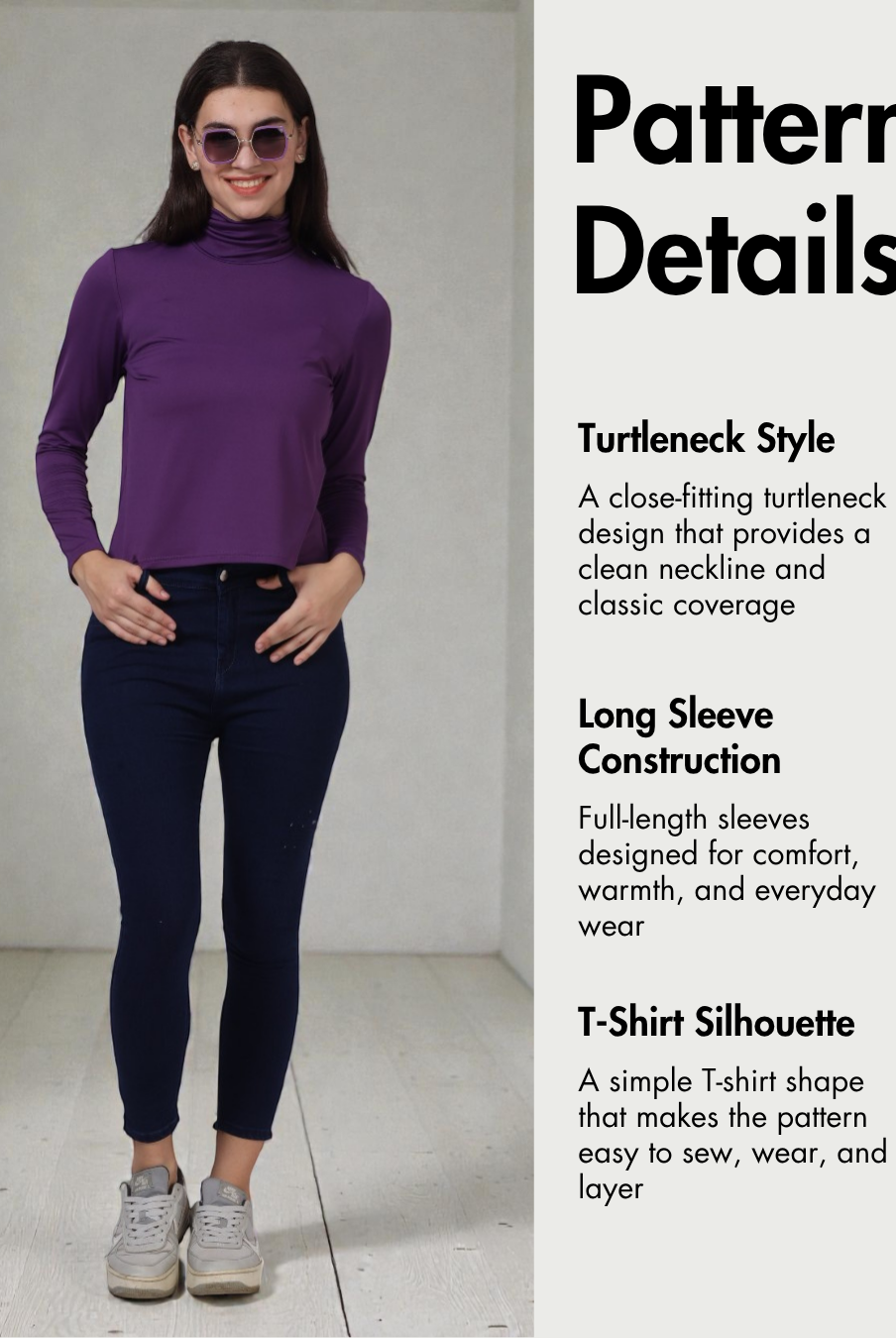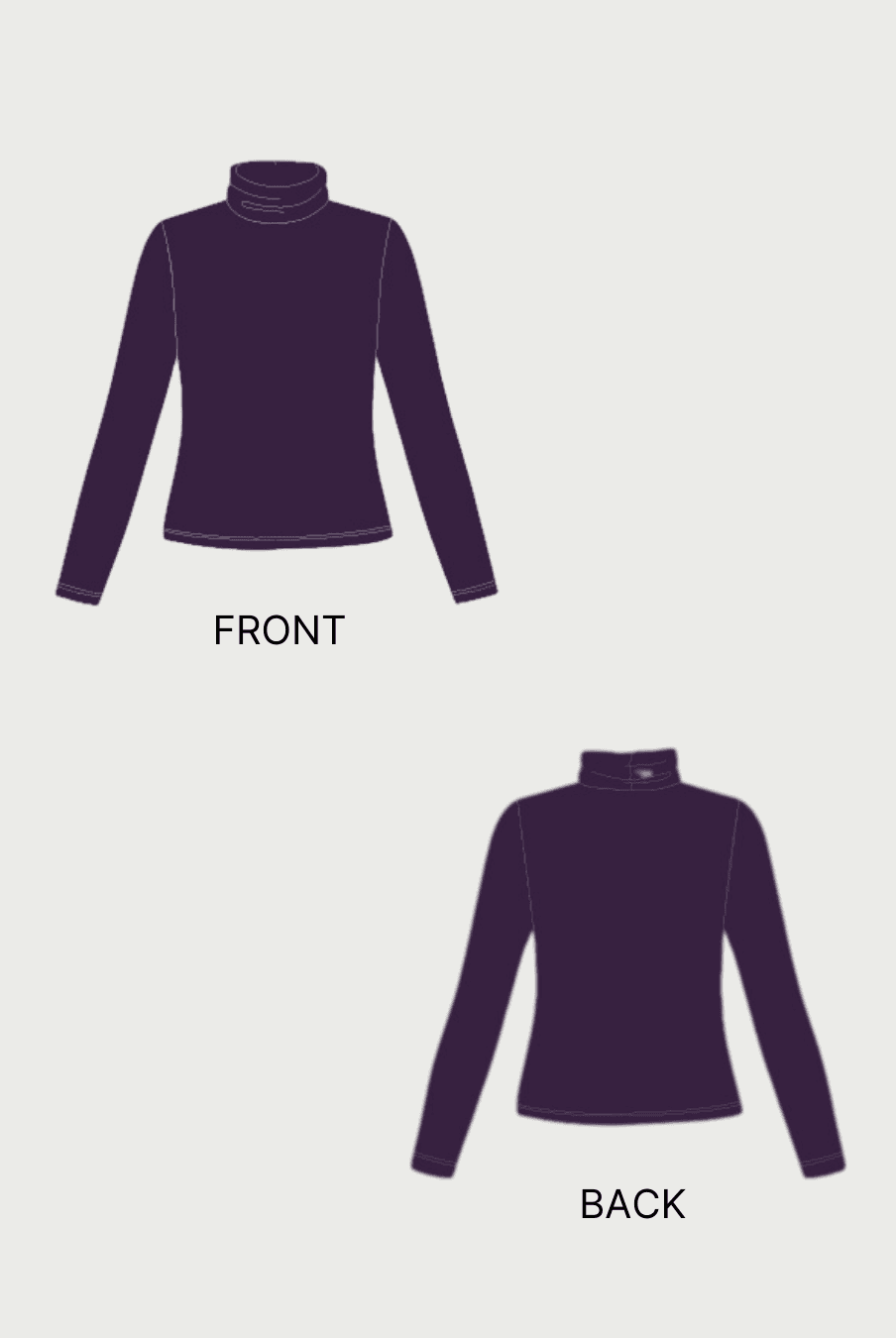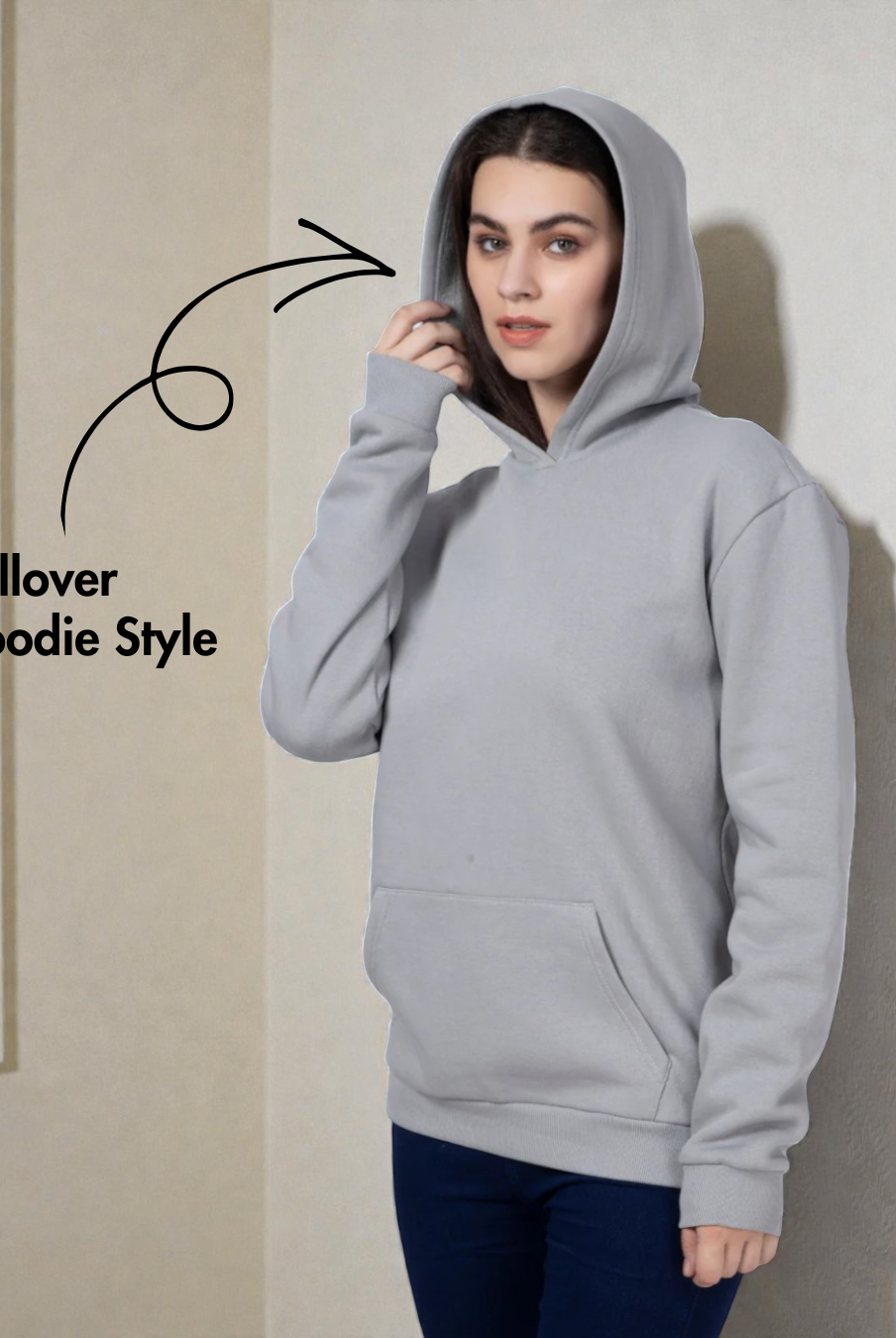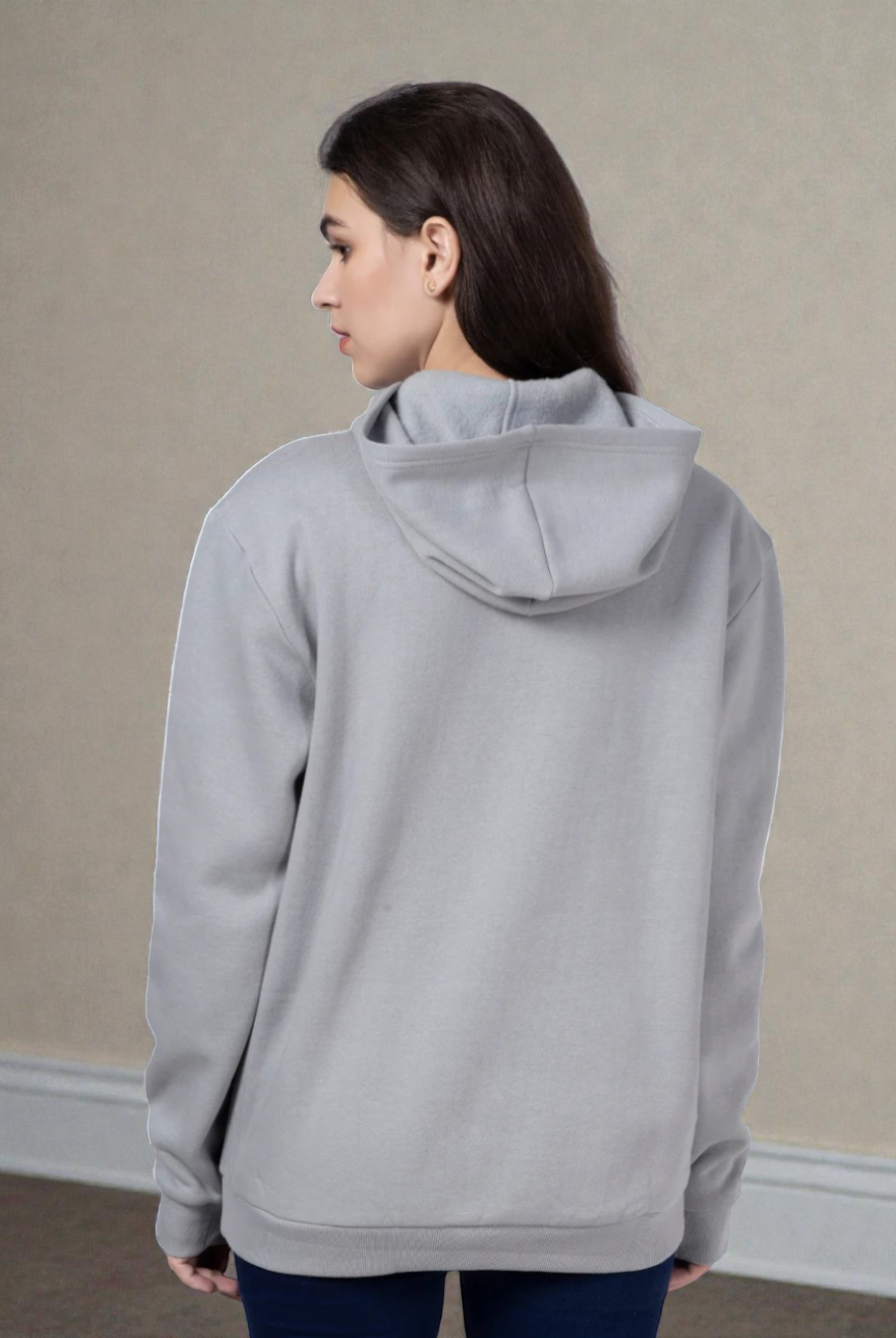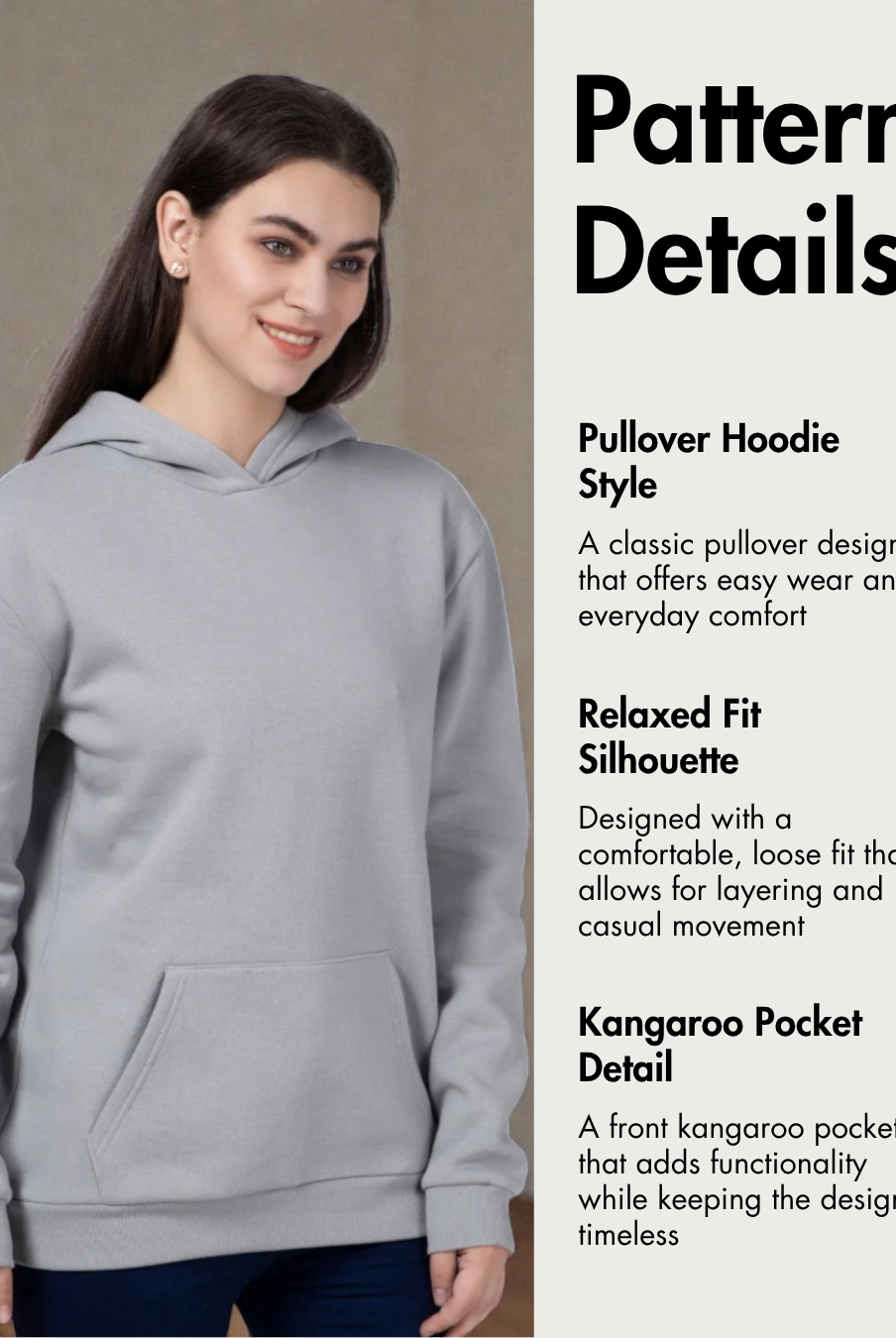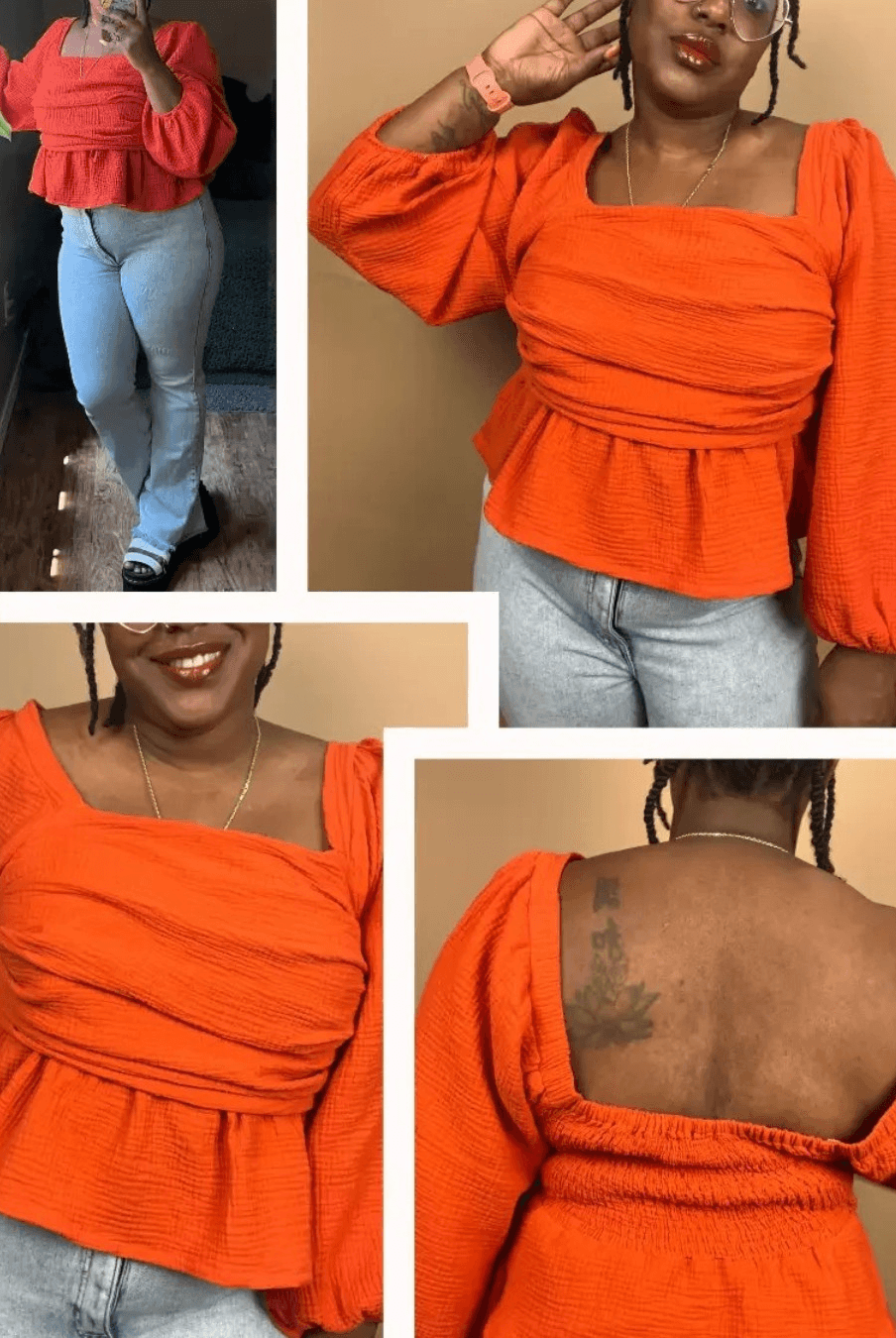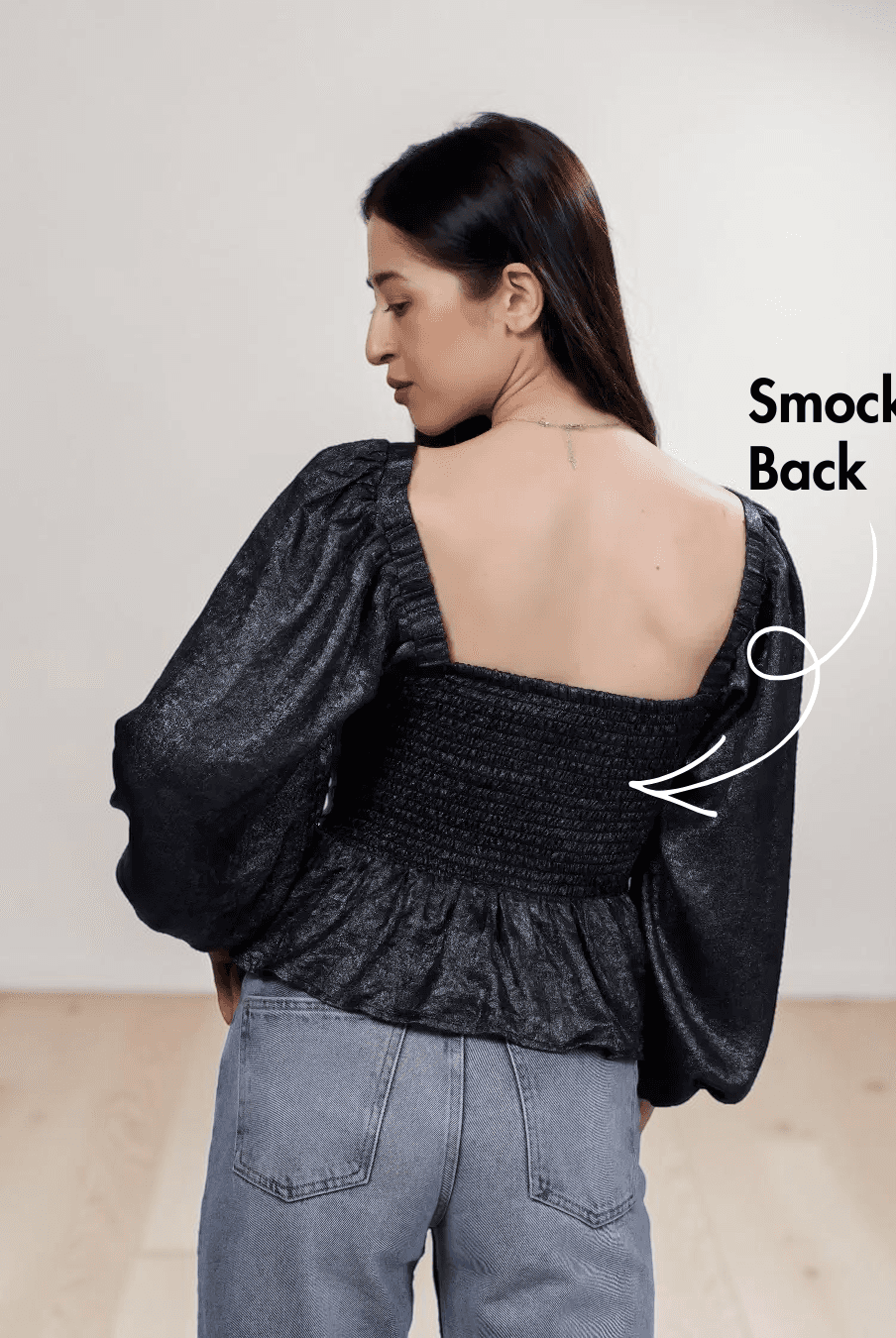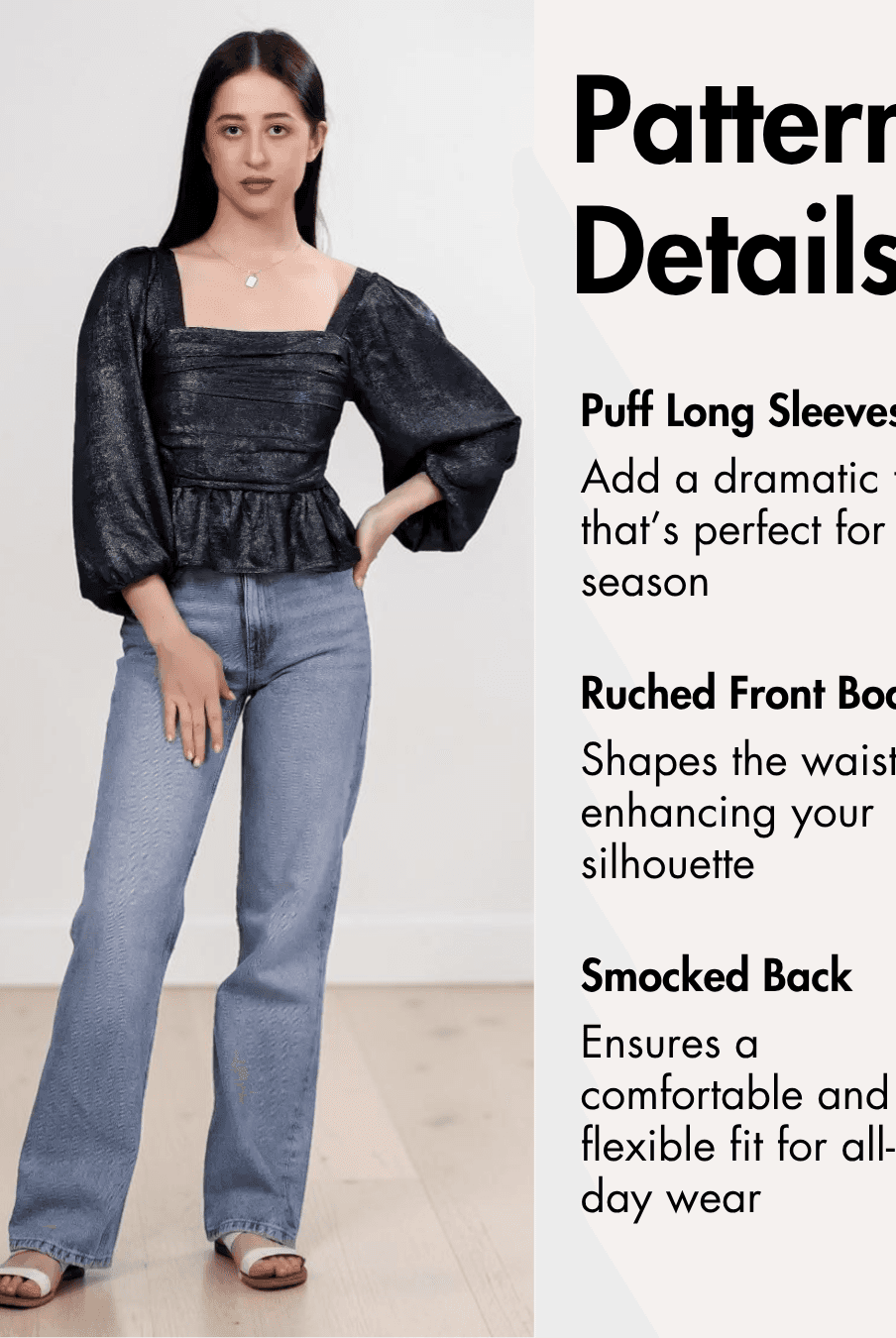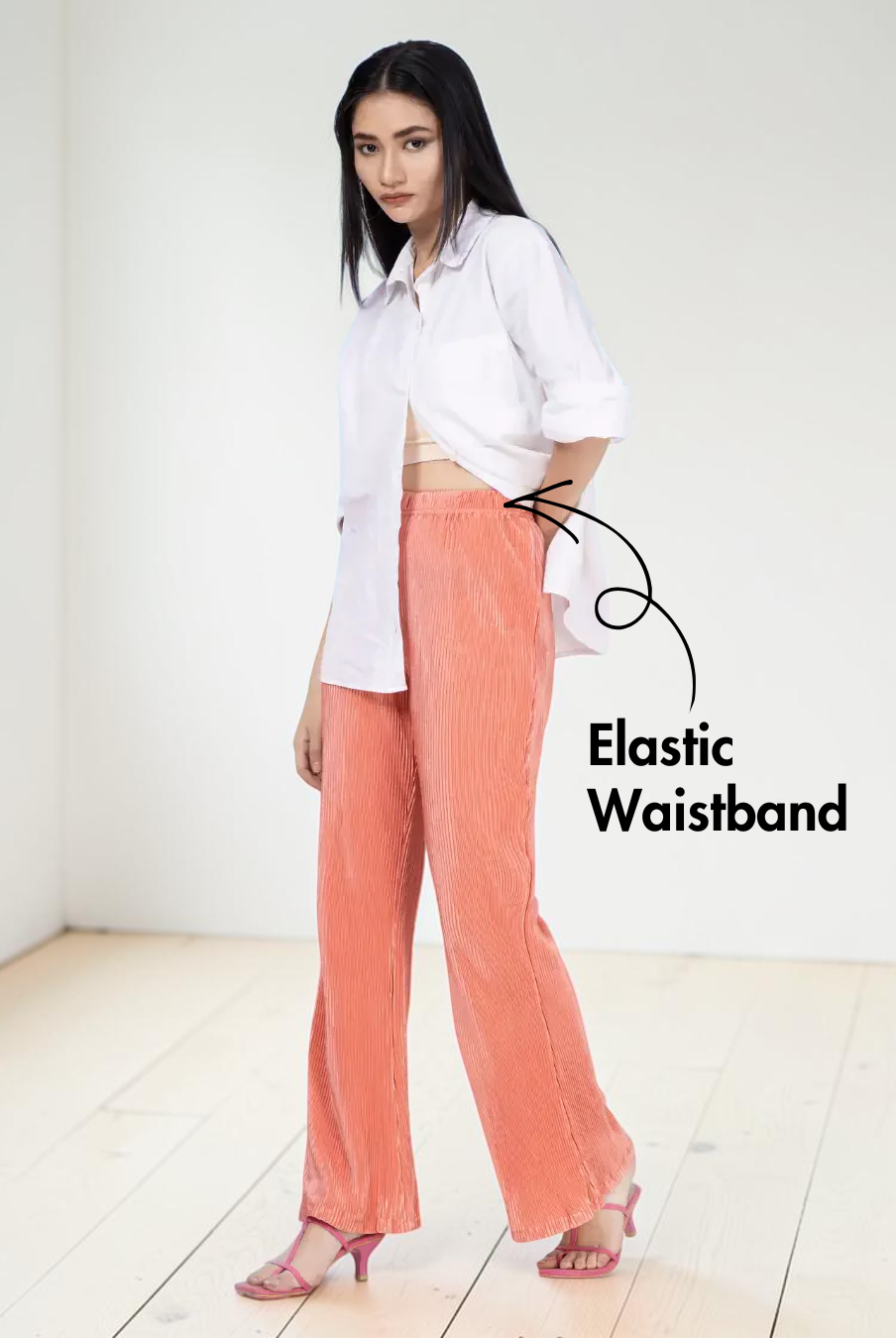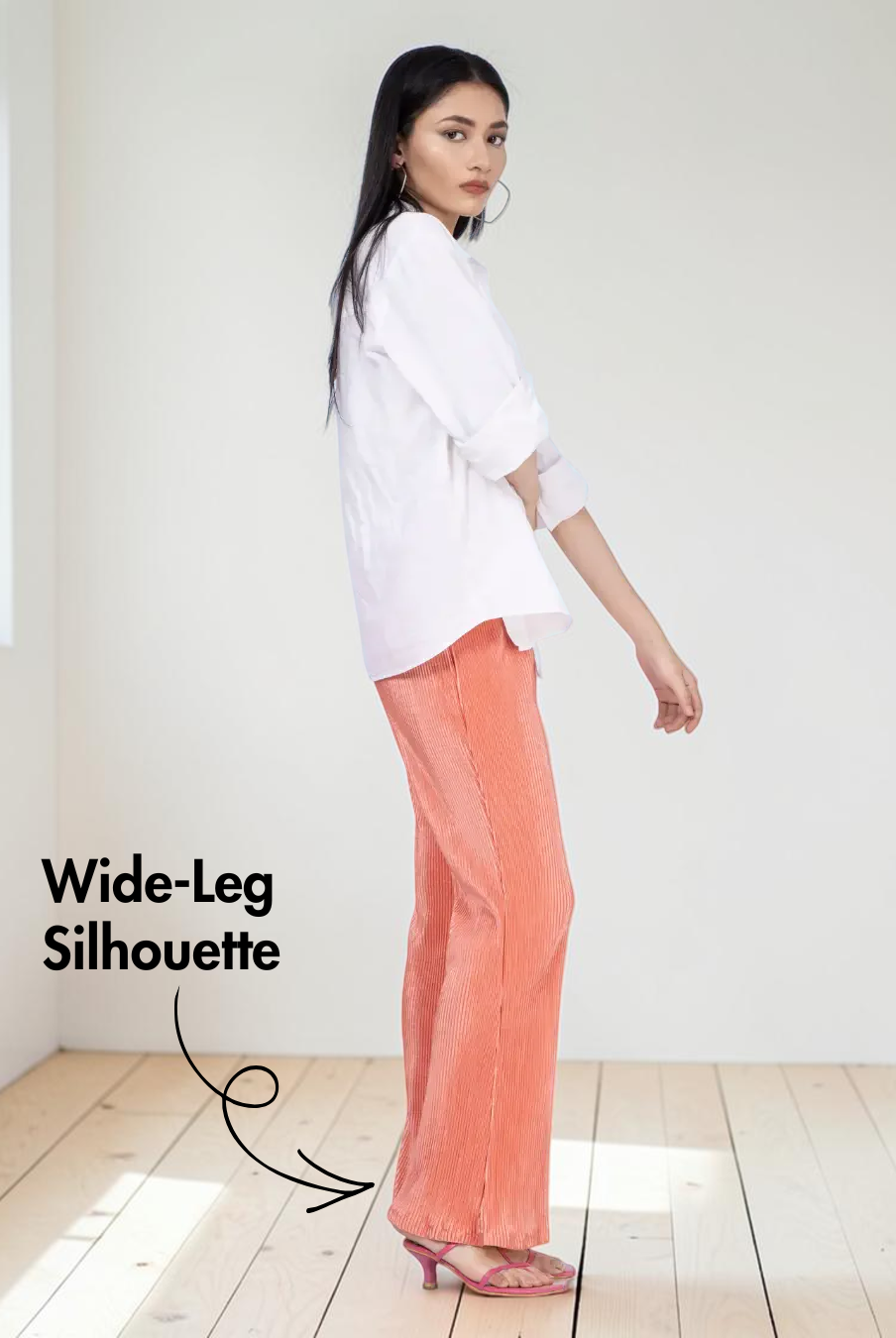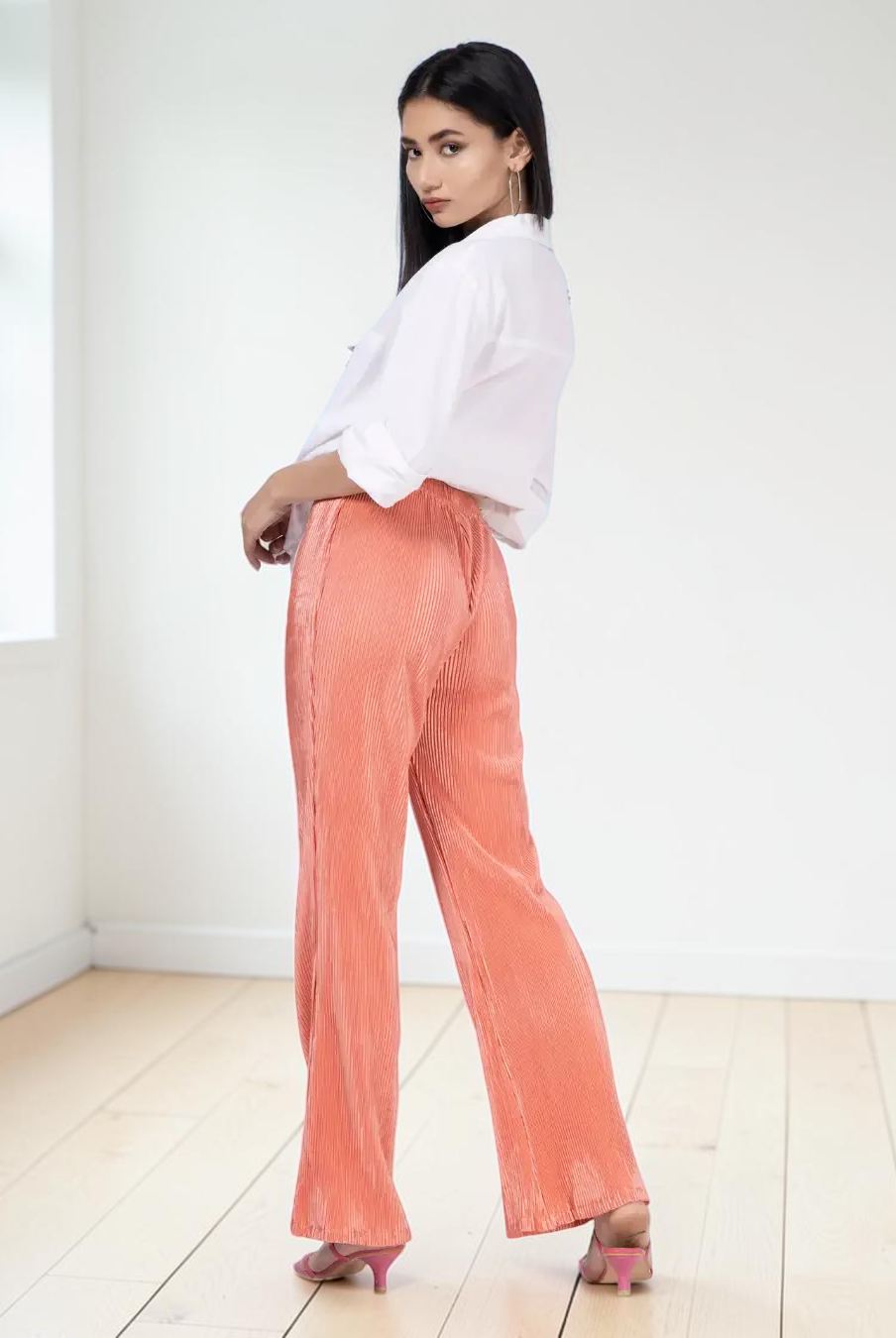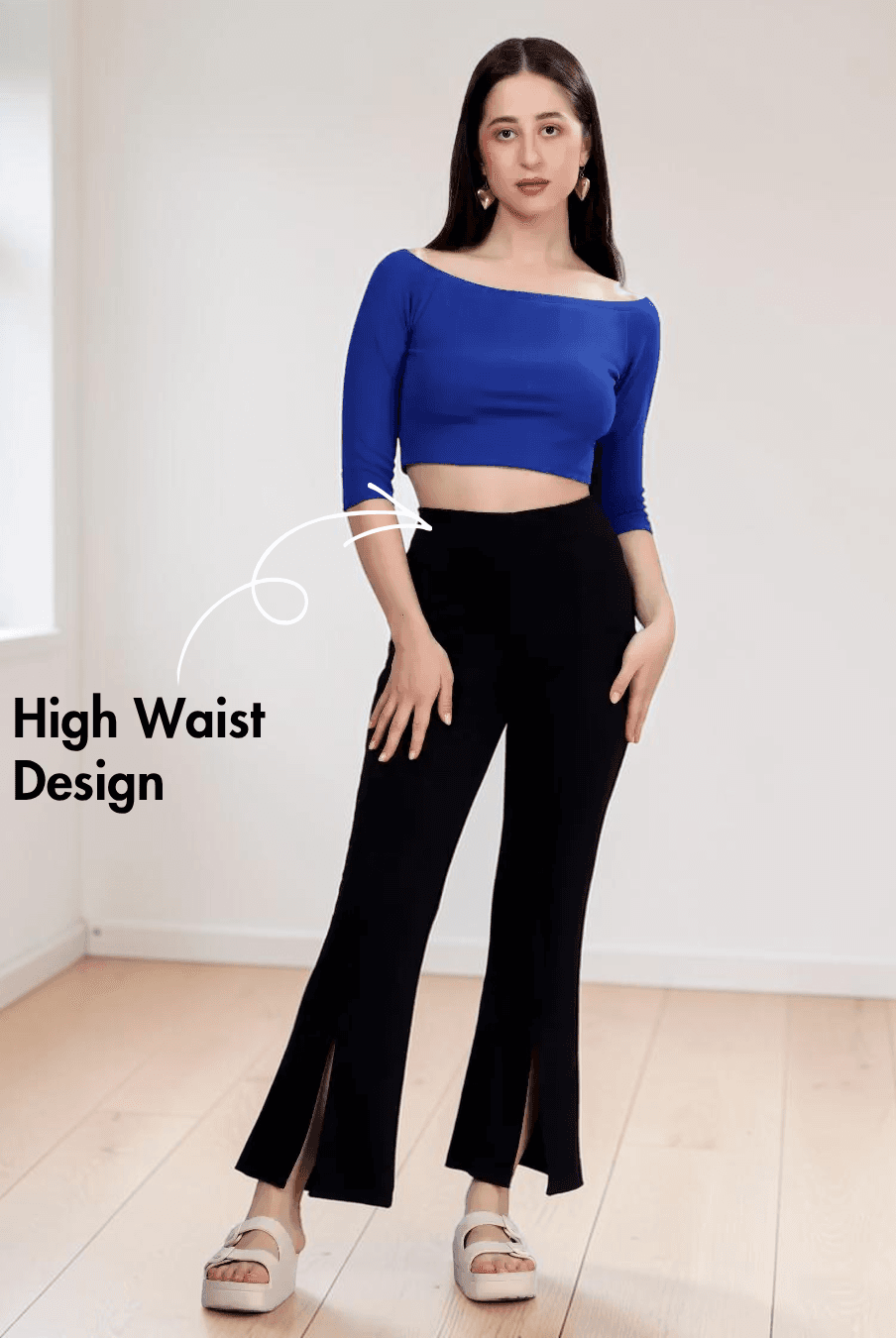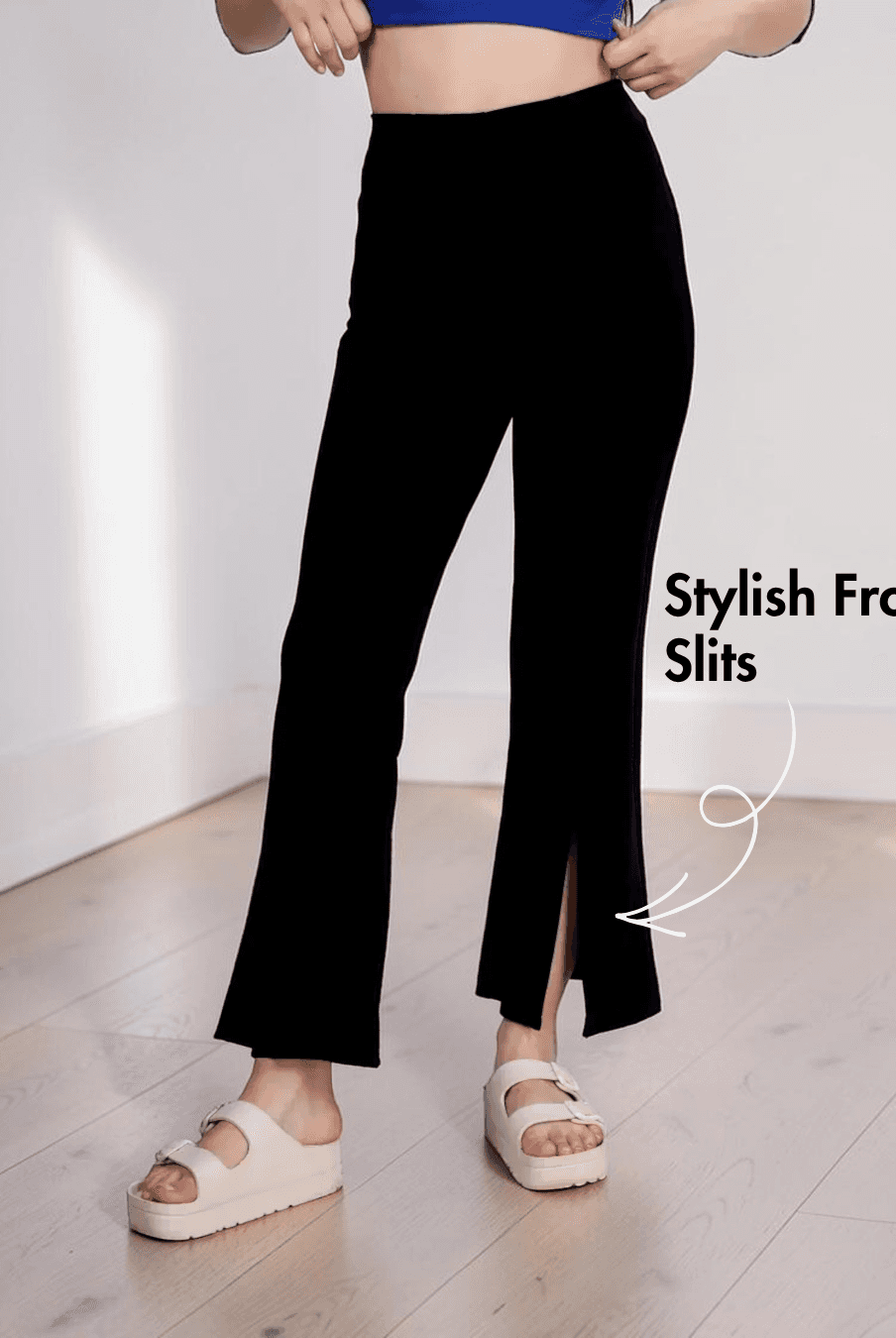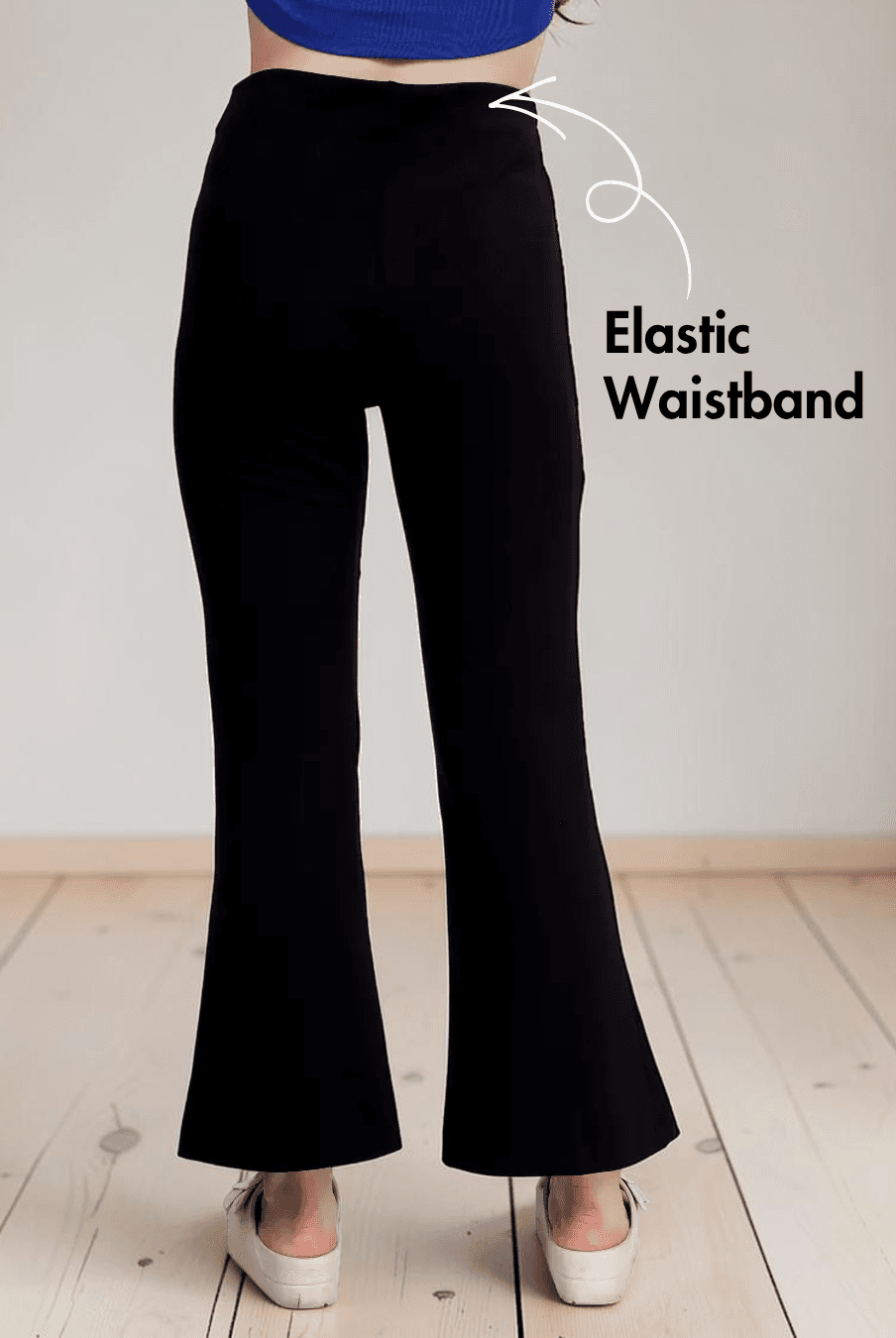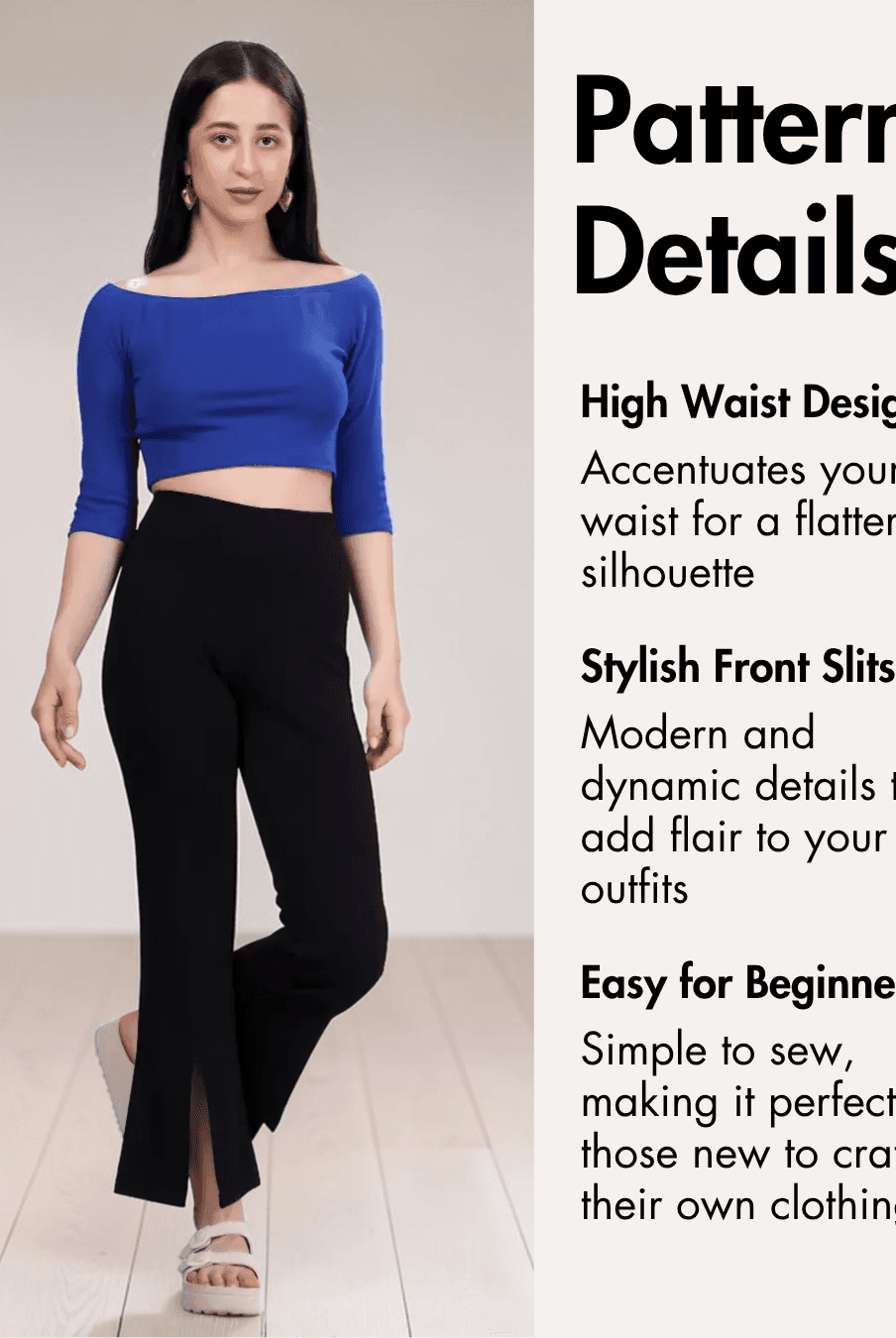
A handmade V-neck T-shirt is a comfortable wardrobe staple that works for everyday wear, lounging, layering, and casual styling. With its relaxed fit and short sleeves, it is a simple project that gives you a clean, wearable result without complicated construction.
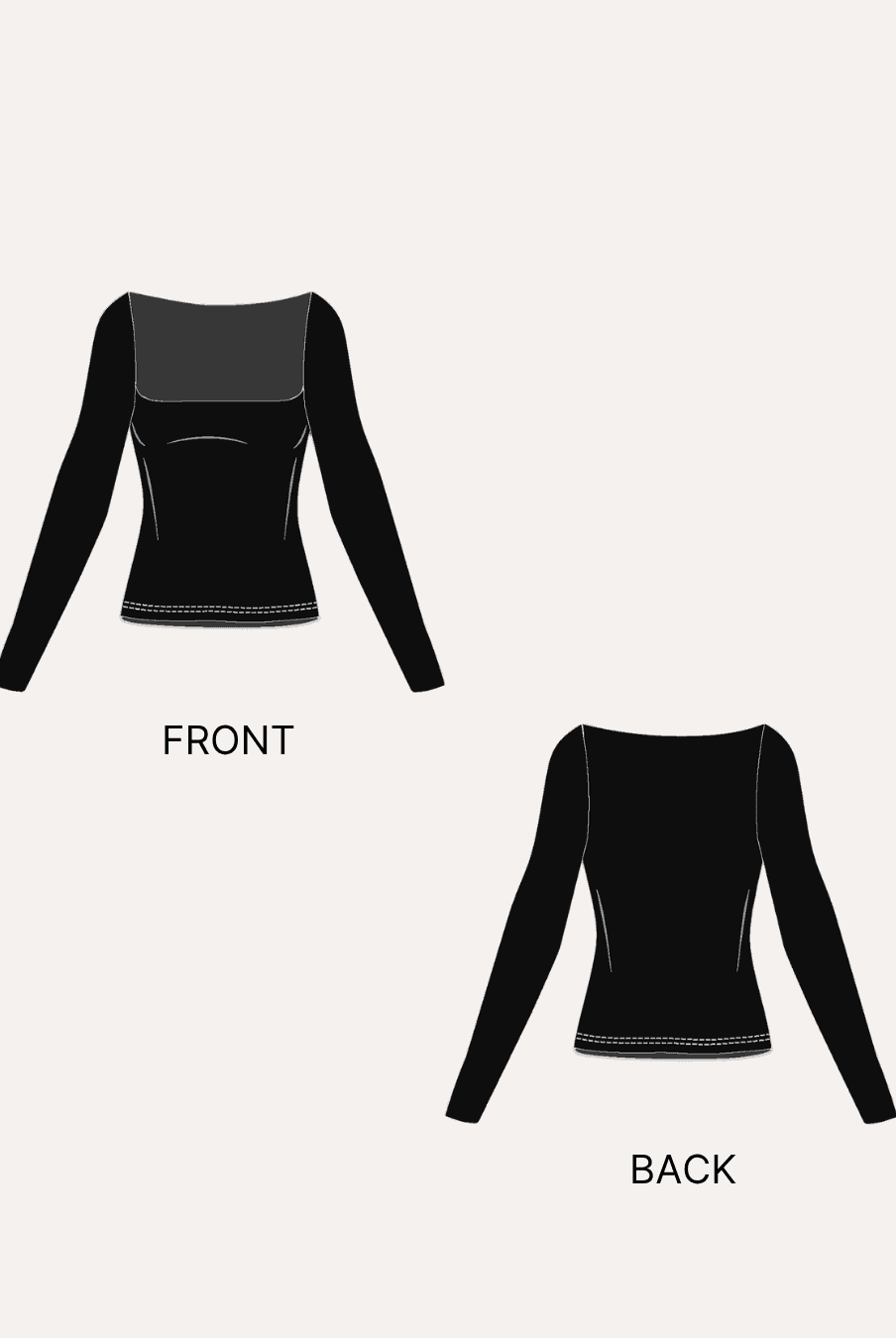
In this guide, I'll walk you through how to sew a casual V-neck T-shirt with a relaxed fit. If you're looking for the ideal pattern, the Mist V-Neck T-Shirt Sewing Pattern by Winslet's is the one I used.

Why You'll Love Sewing the Mist V-Neck T-Shirt Pattern
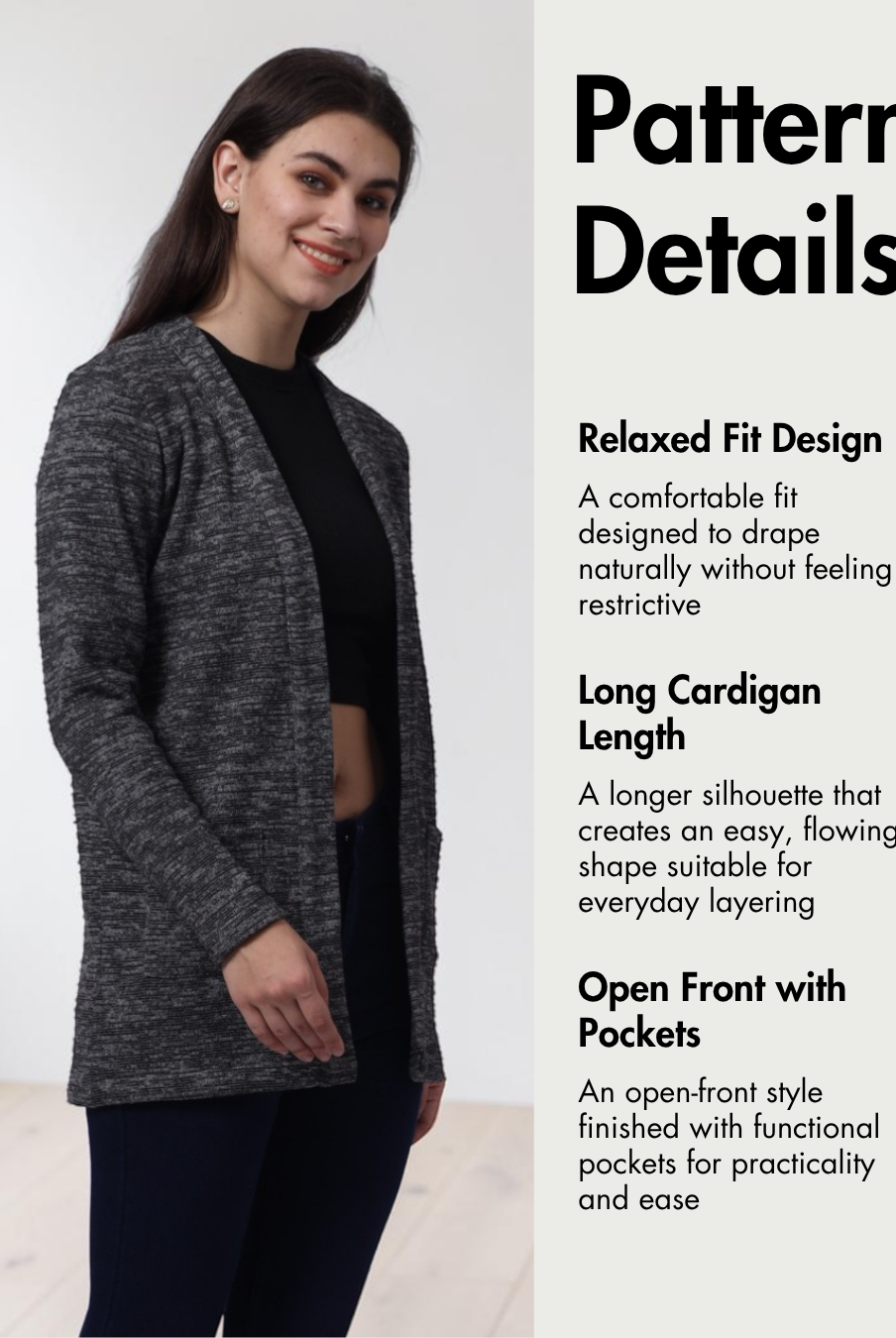
- Casual V-neck T-shirt with a relaxed fit
- Short sleeves for easy everyday wear
- Beginner-friendly construction
- Great as a standalone piece or layered under a blazer
- Works well with lightweight knit fabrics
- A versatile style that pairs easily with jeans or shorts
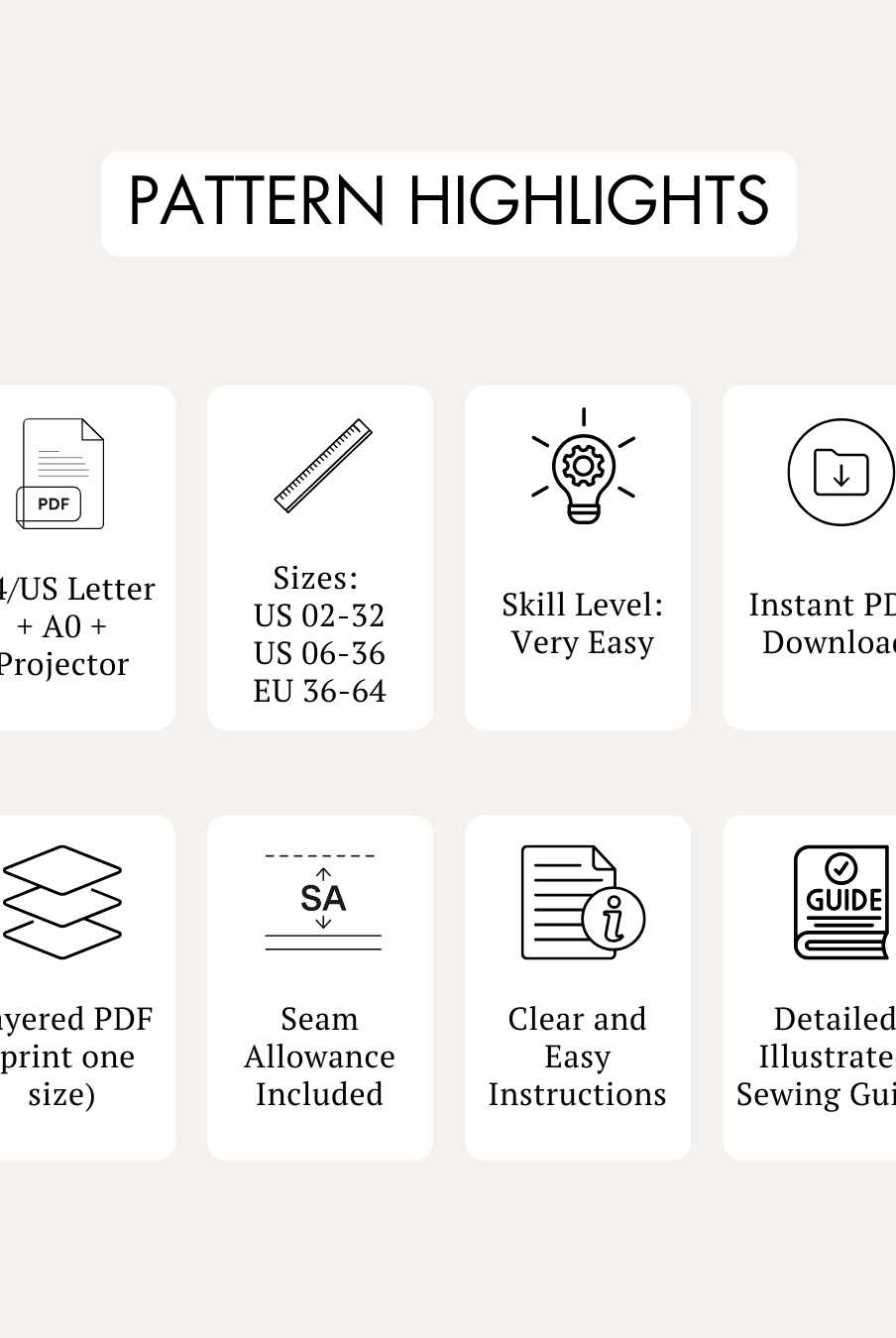
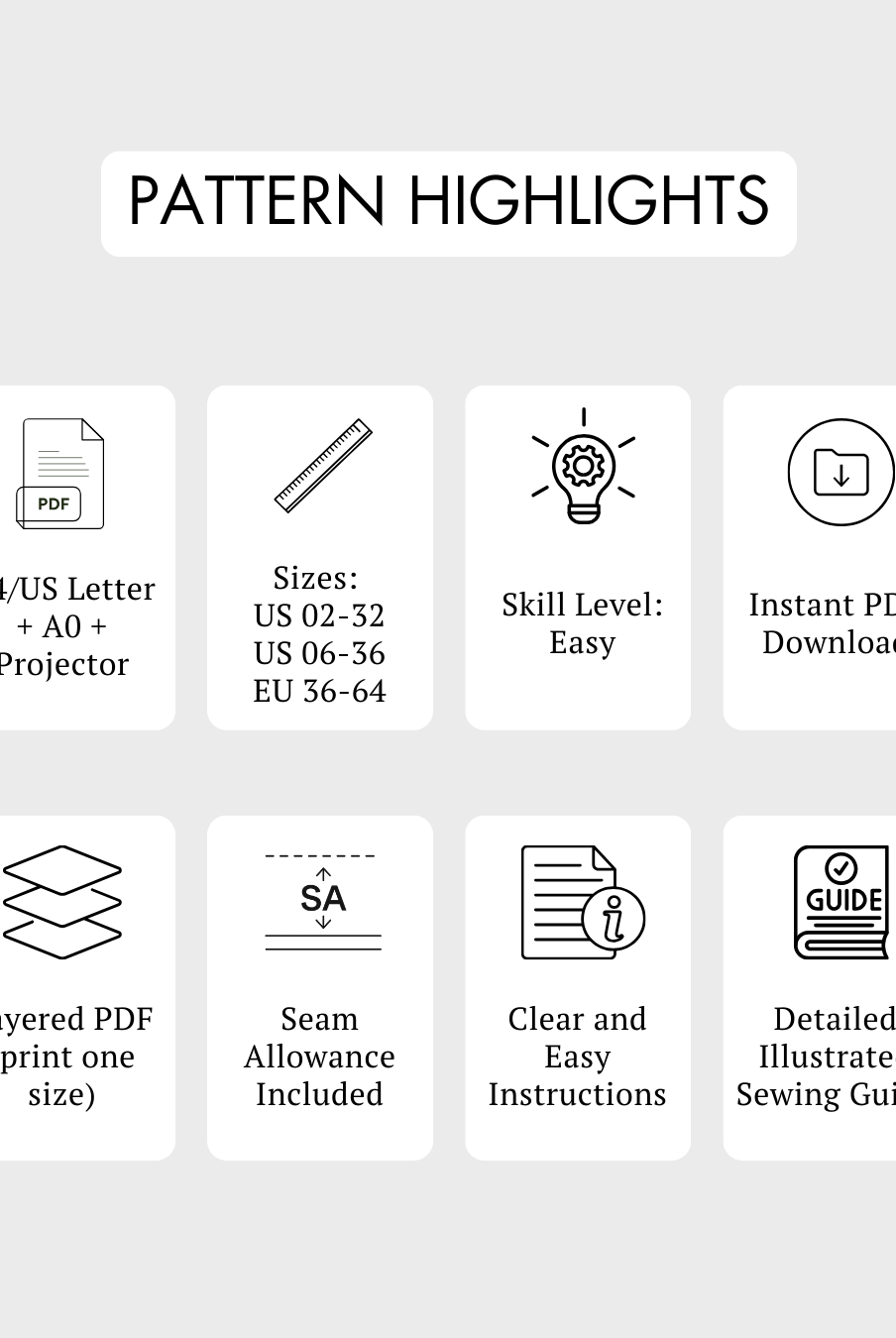
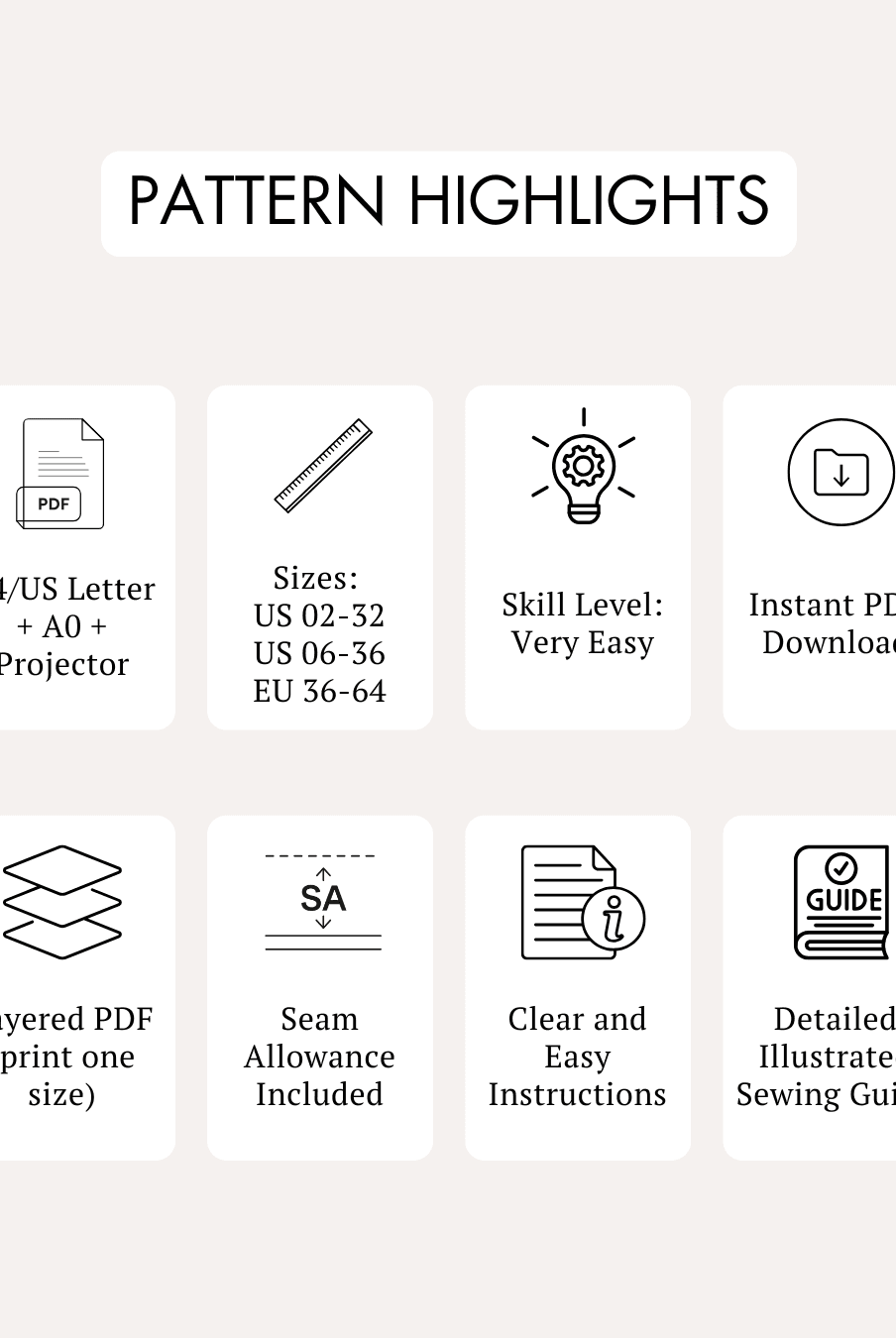
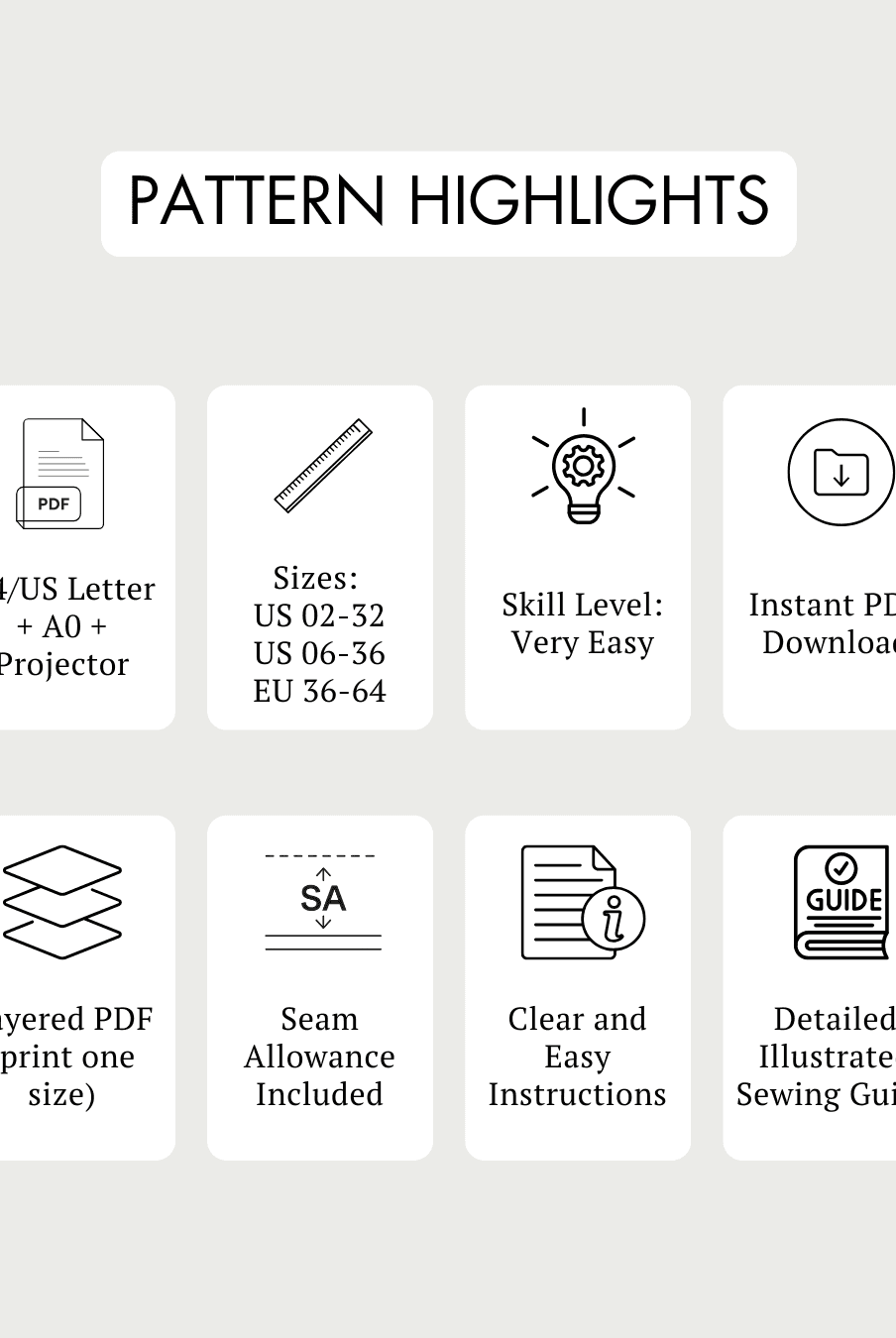
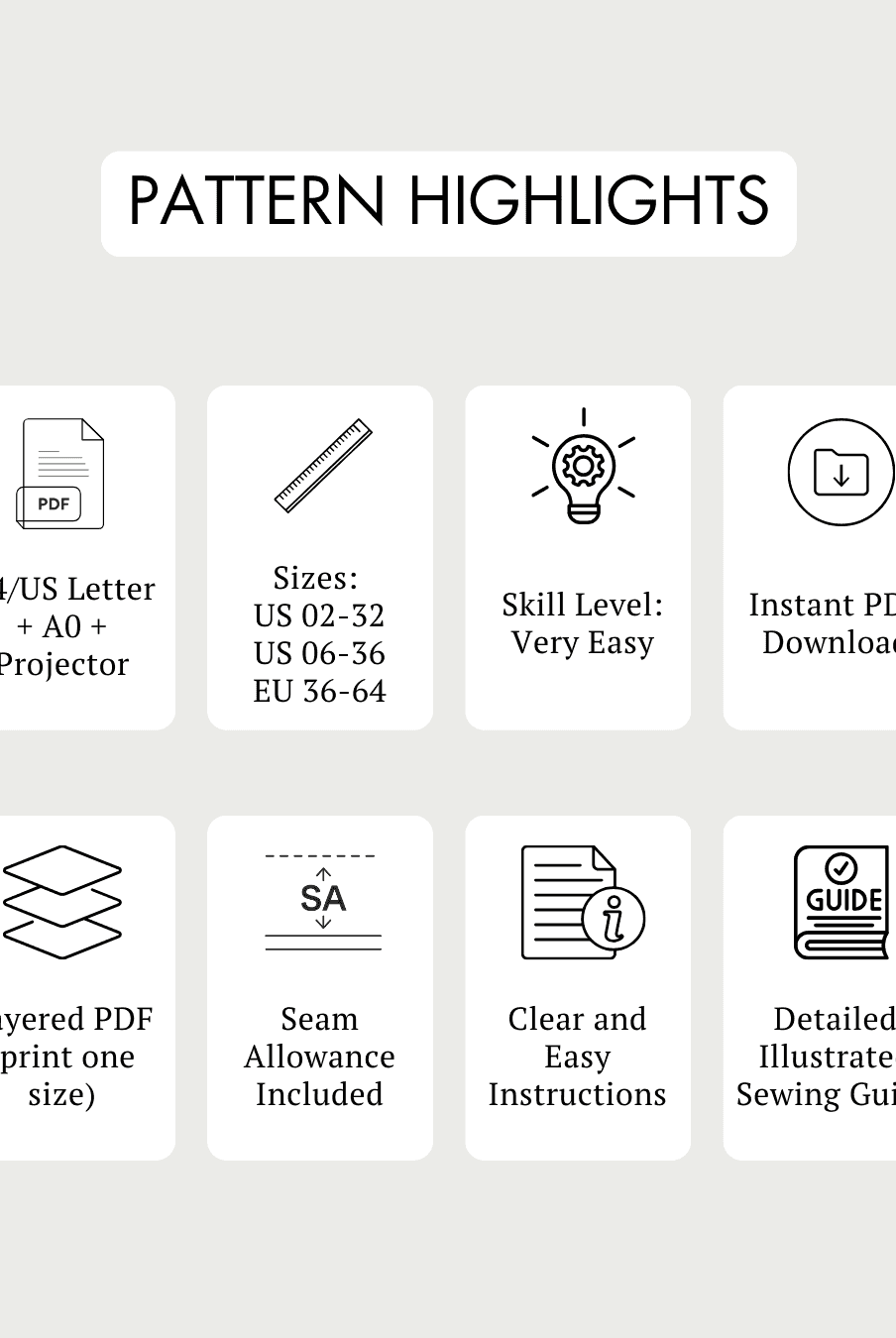
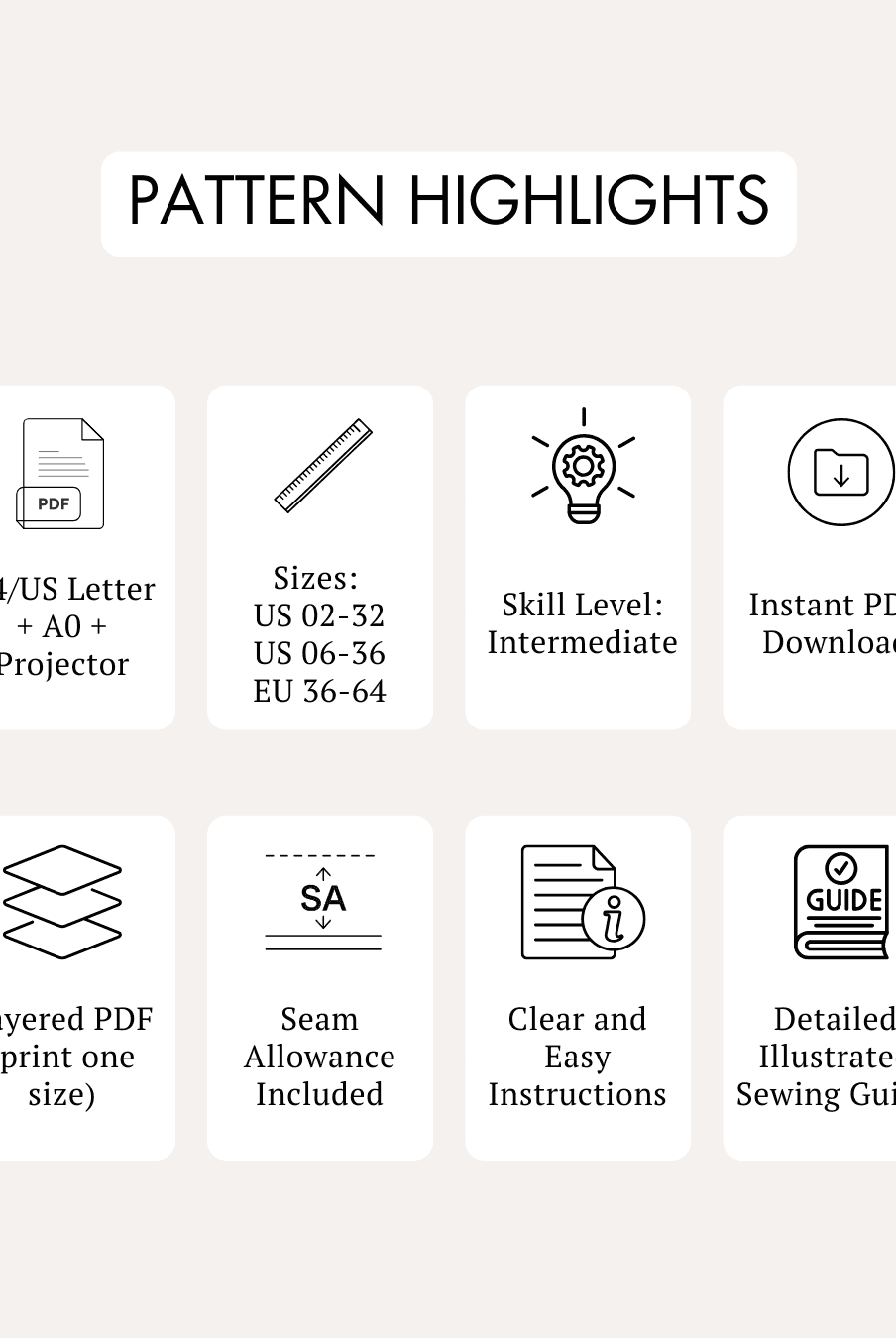
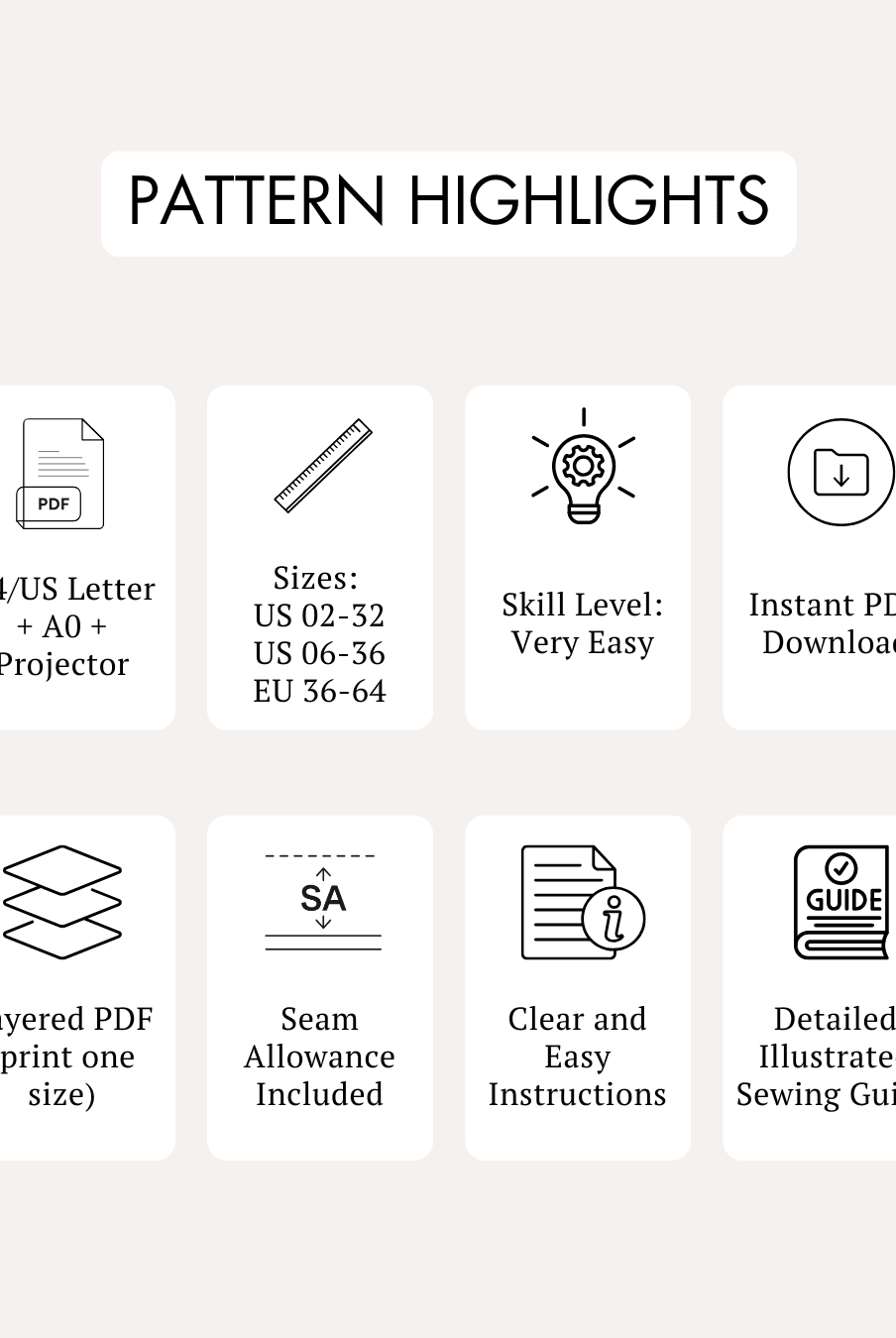
The Mist V-Neck T-Shirt Pattern also comes with:
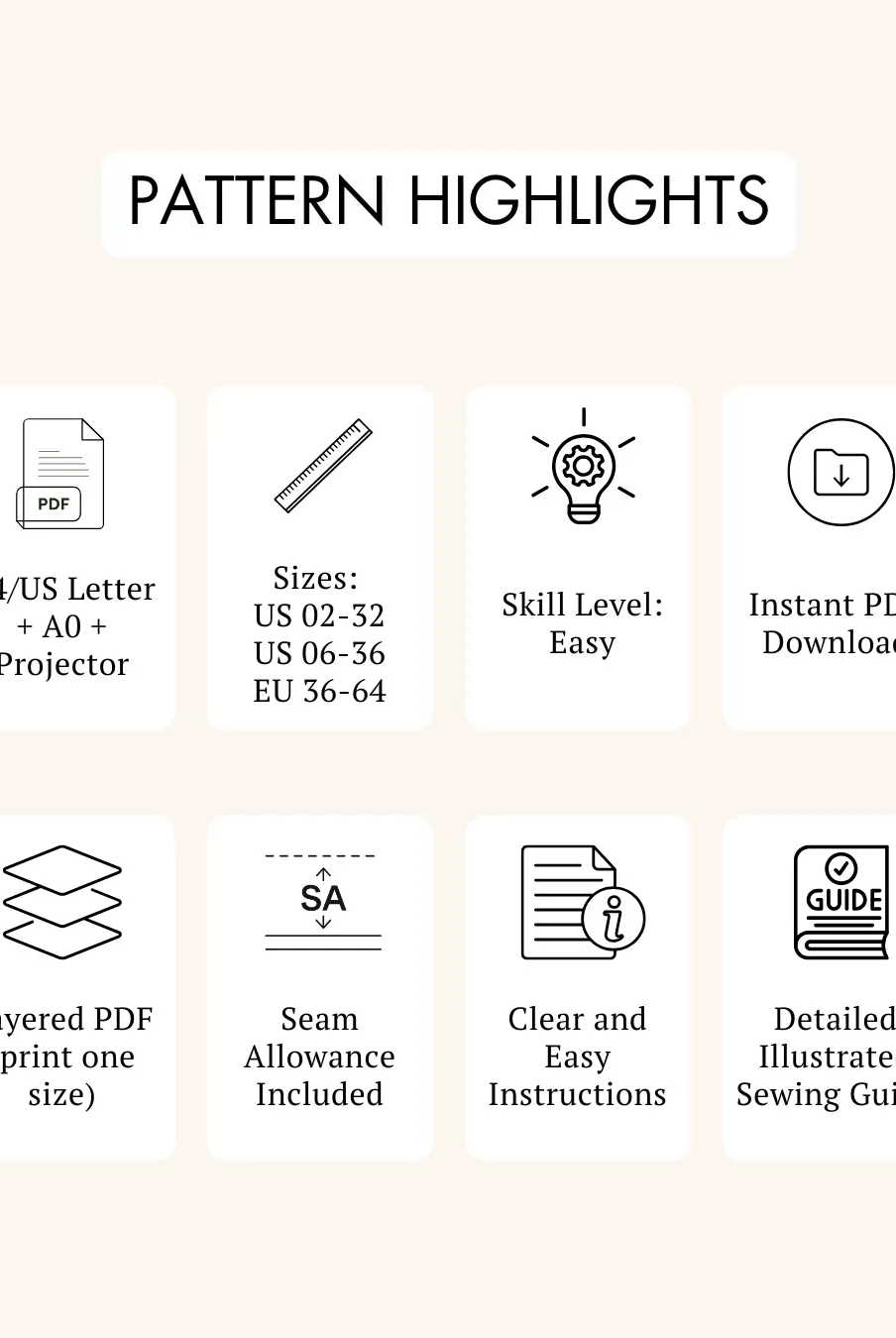
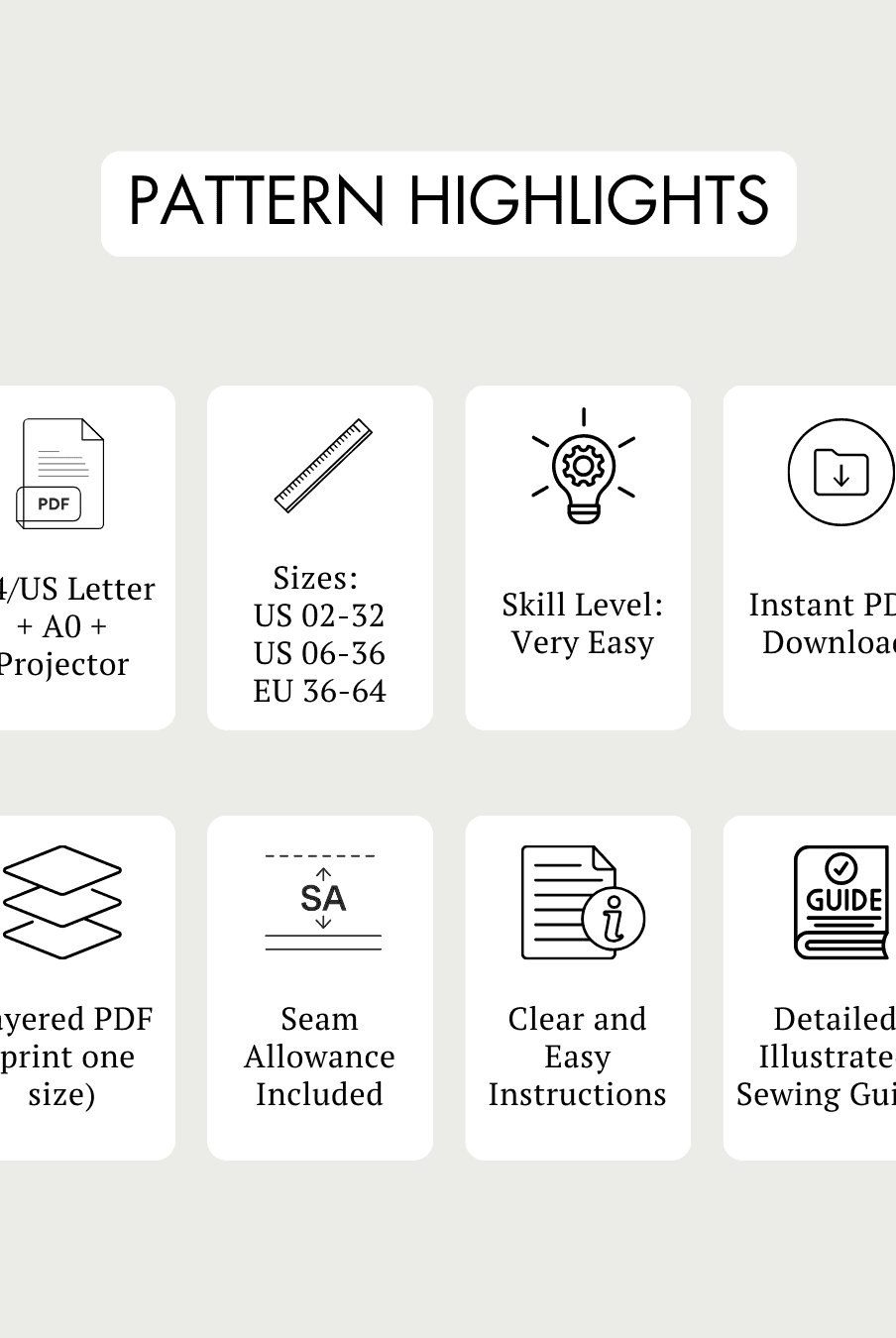
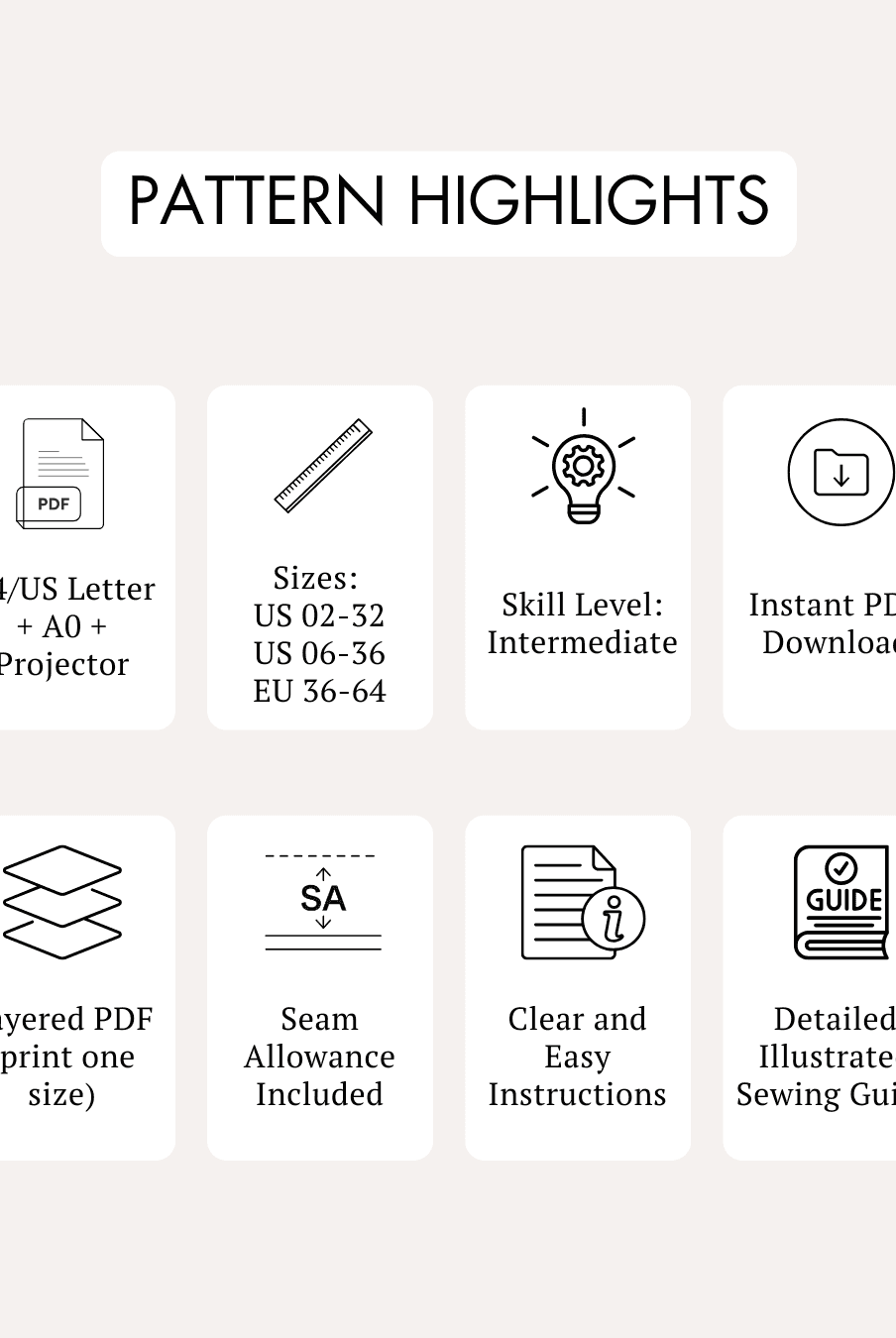
- Step-by-step sewing guide with illustrations
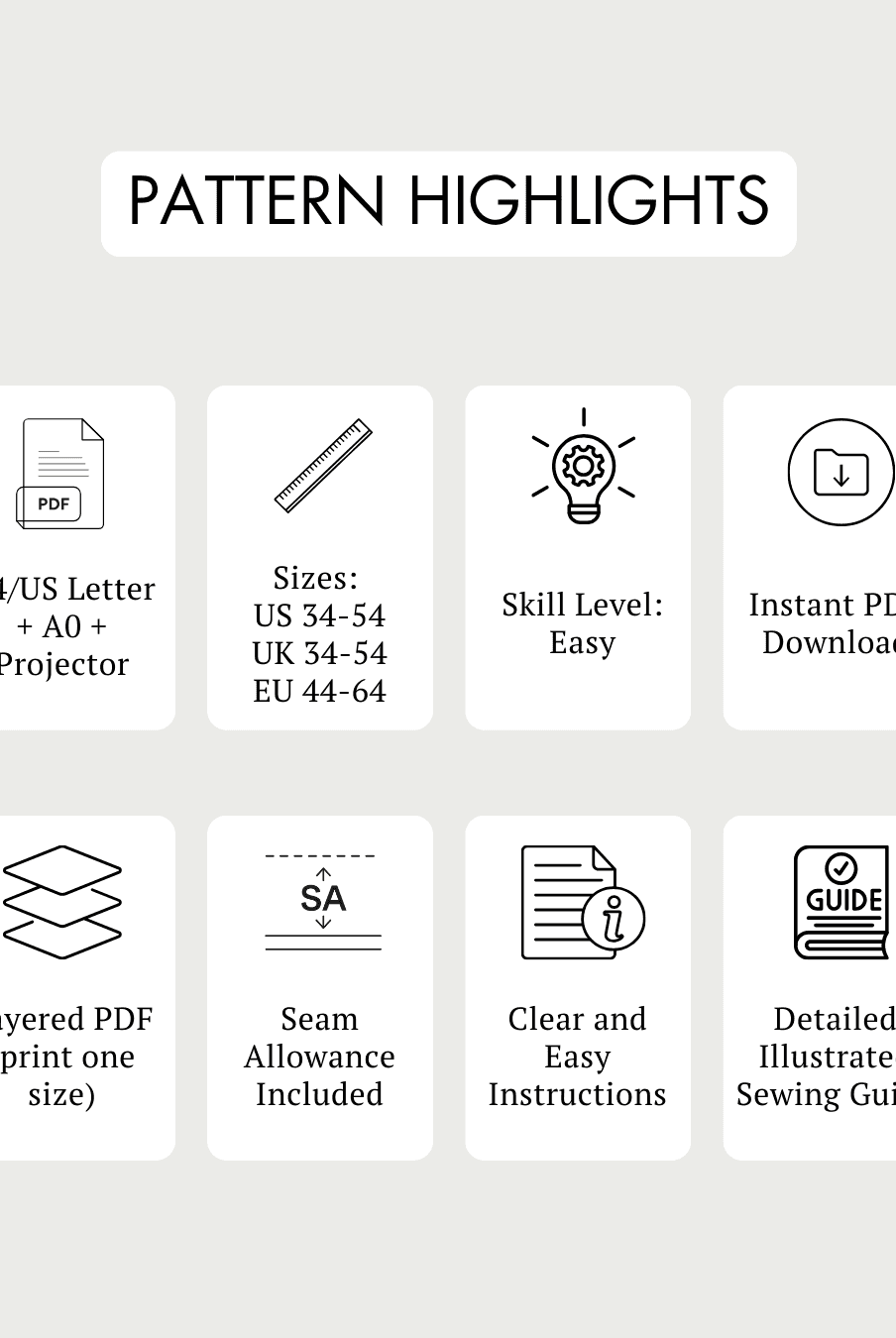
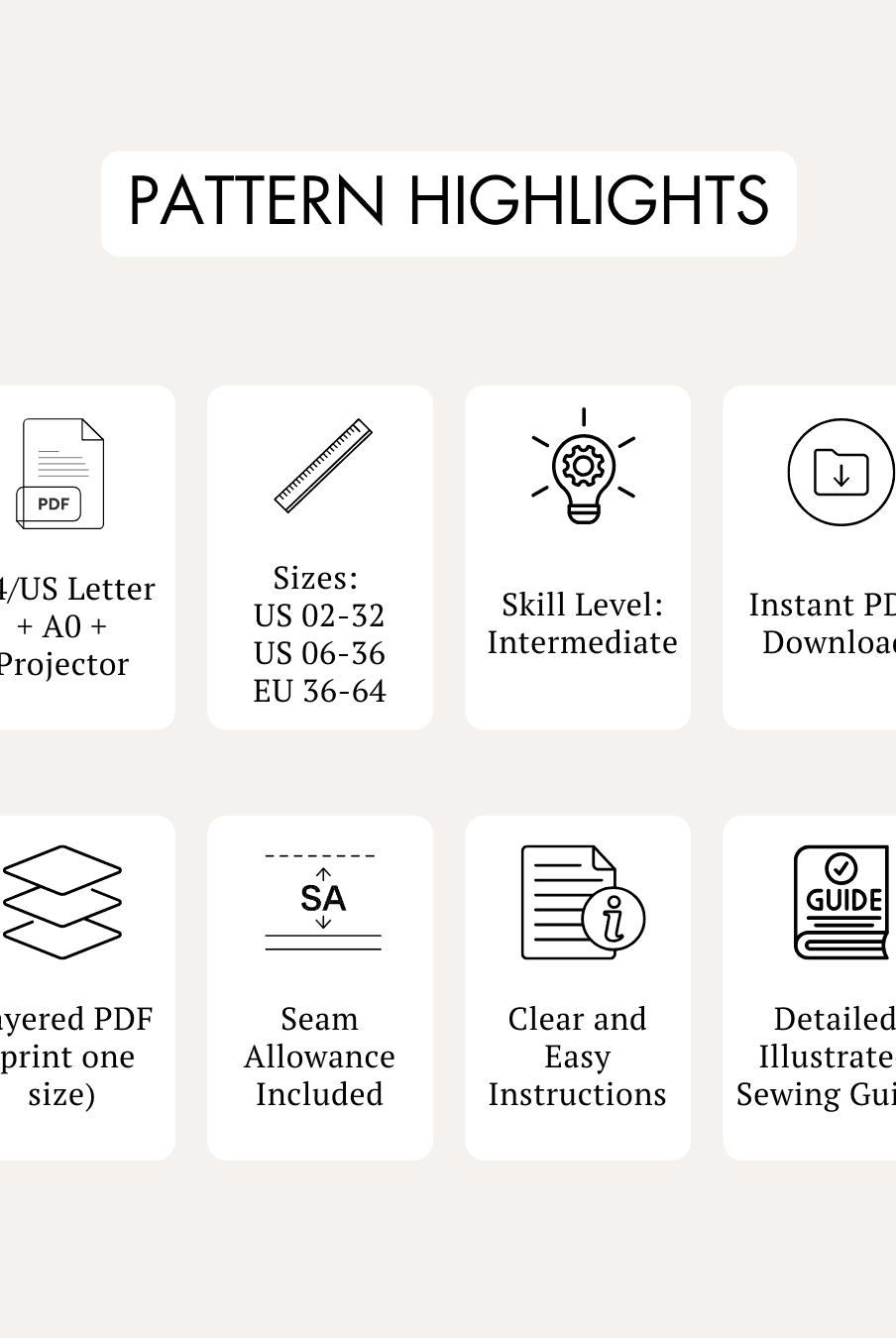
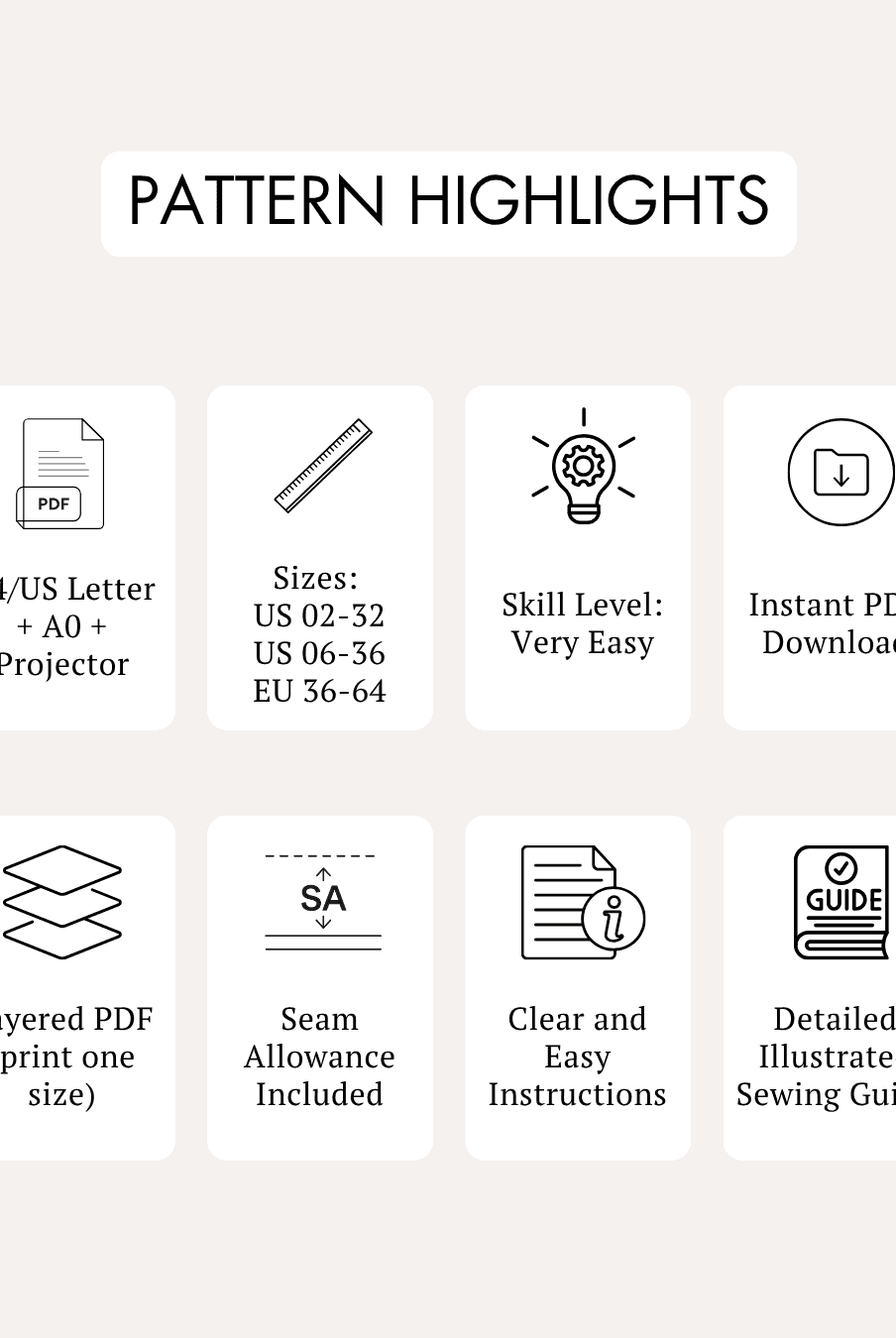
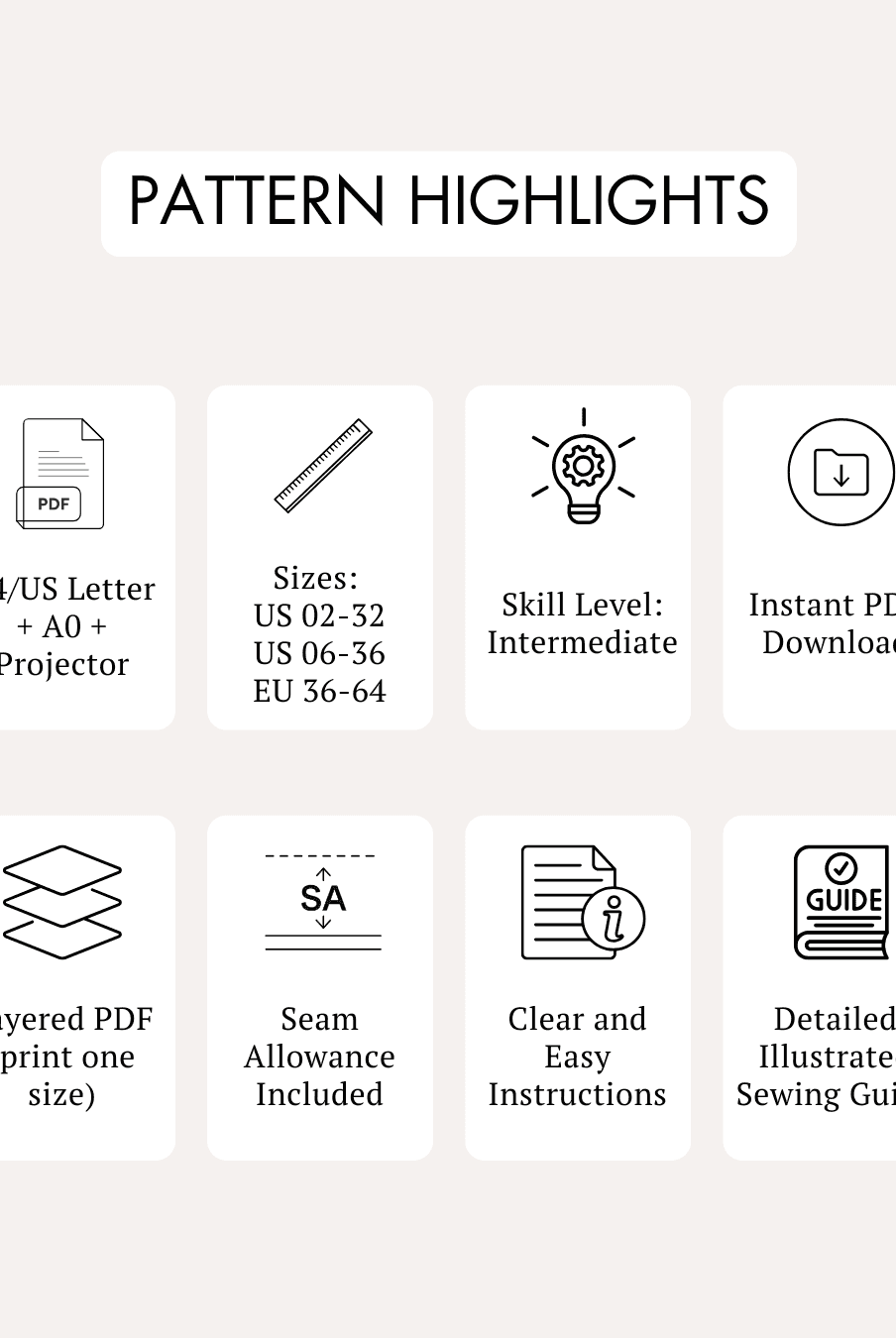
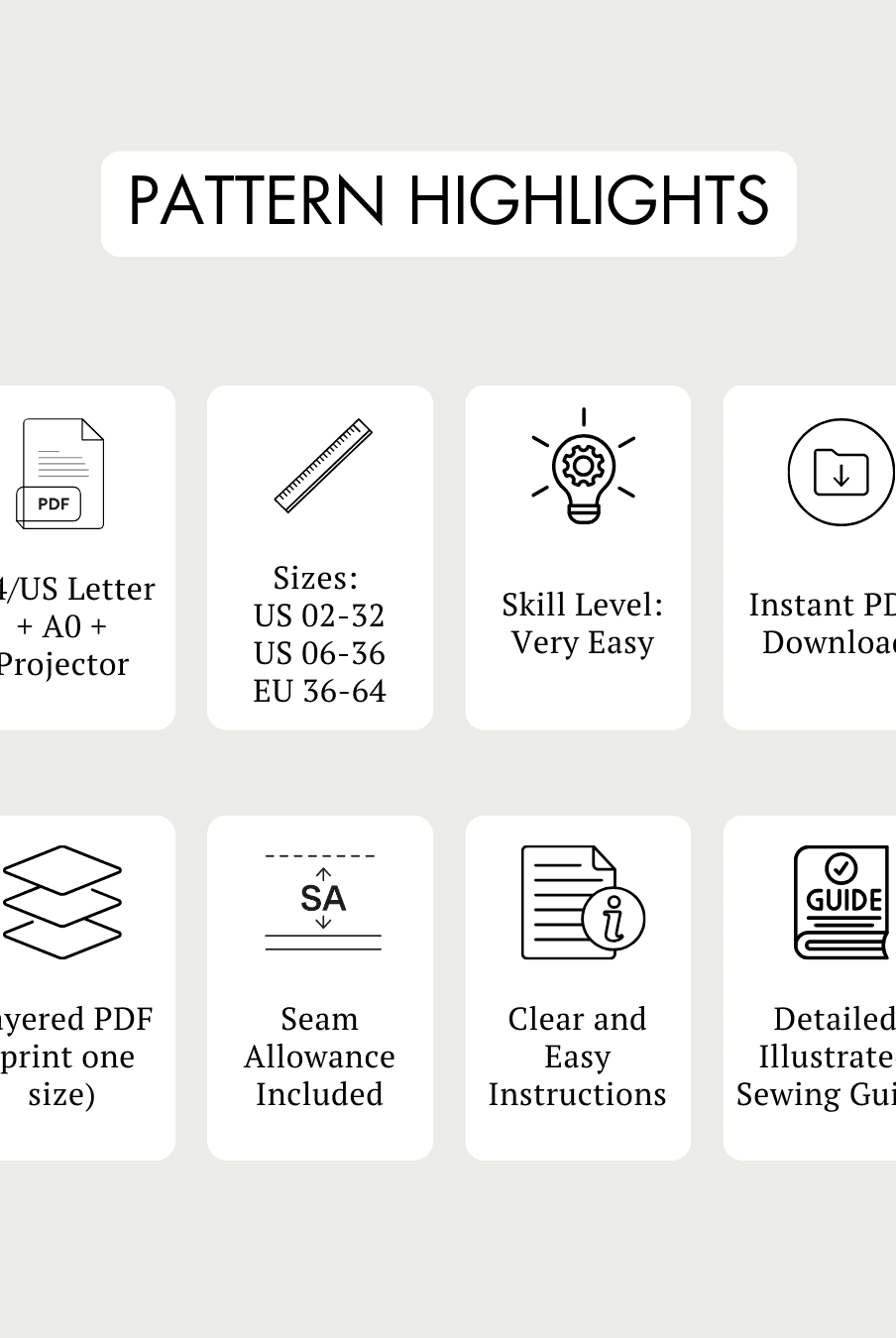
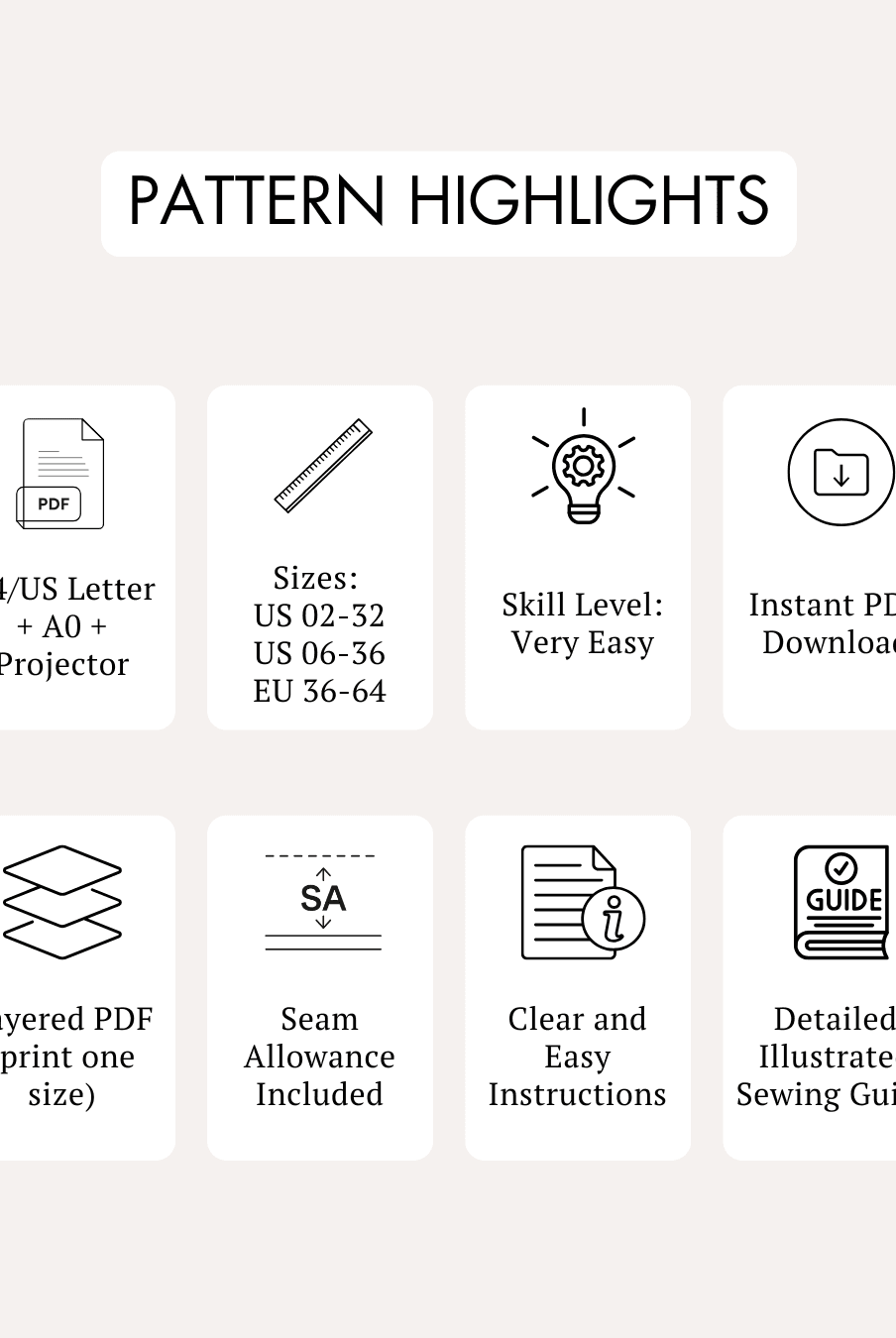
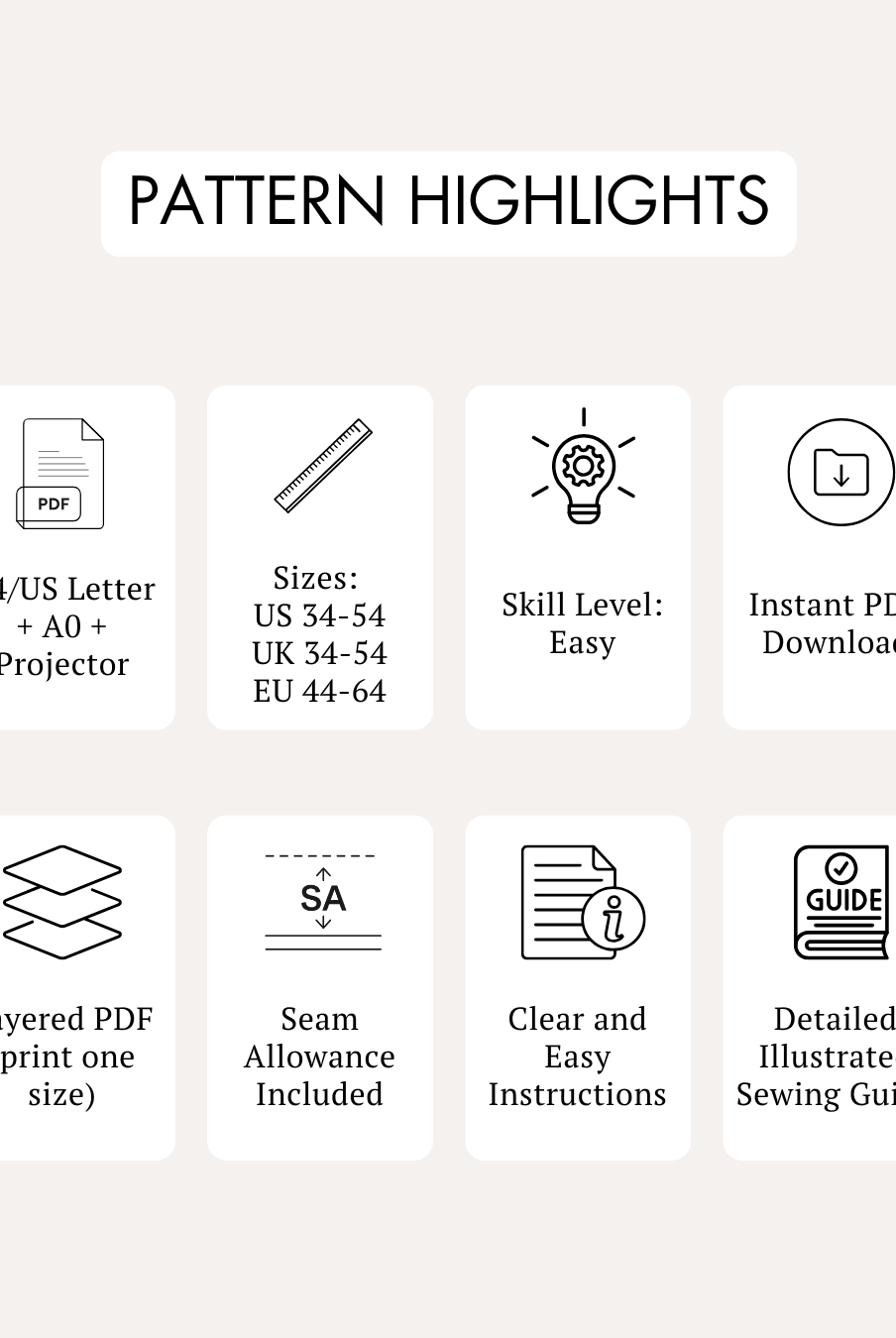
- A4/US Letter print-at-home pattern
- A0 copy shop pattern
- Projector pattern
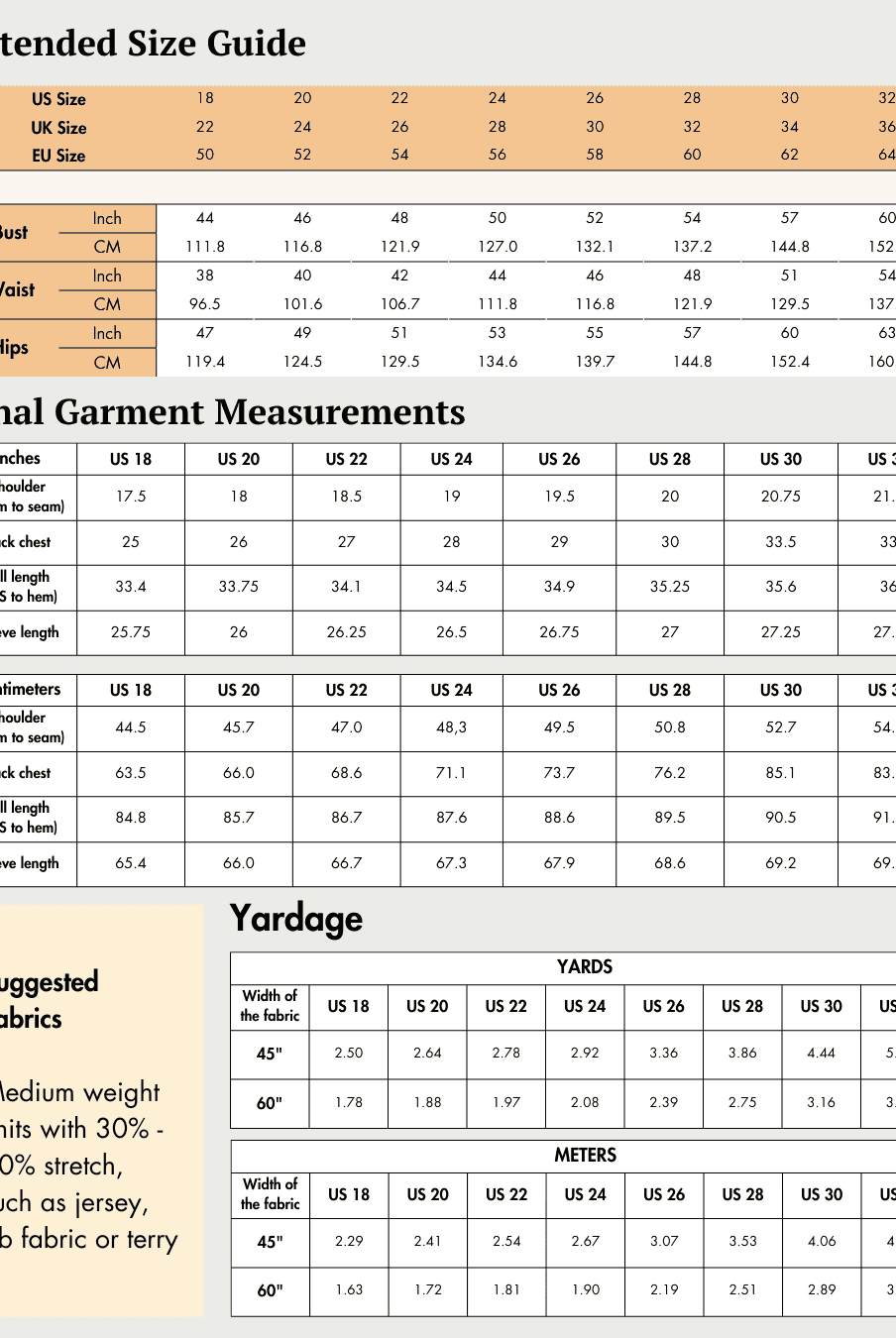
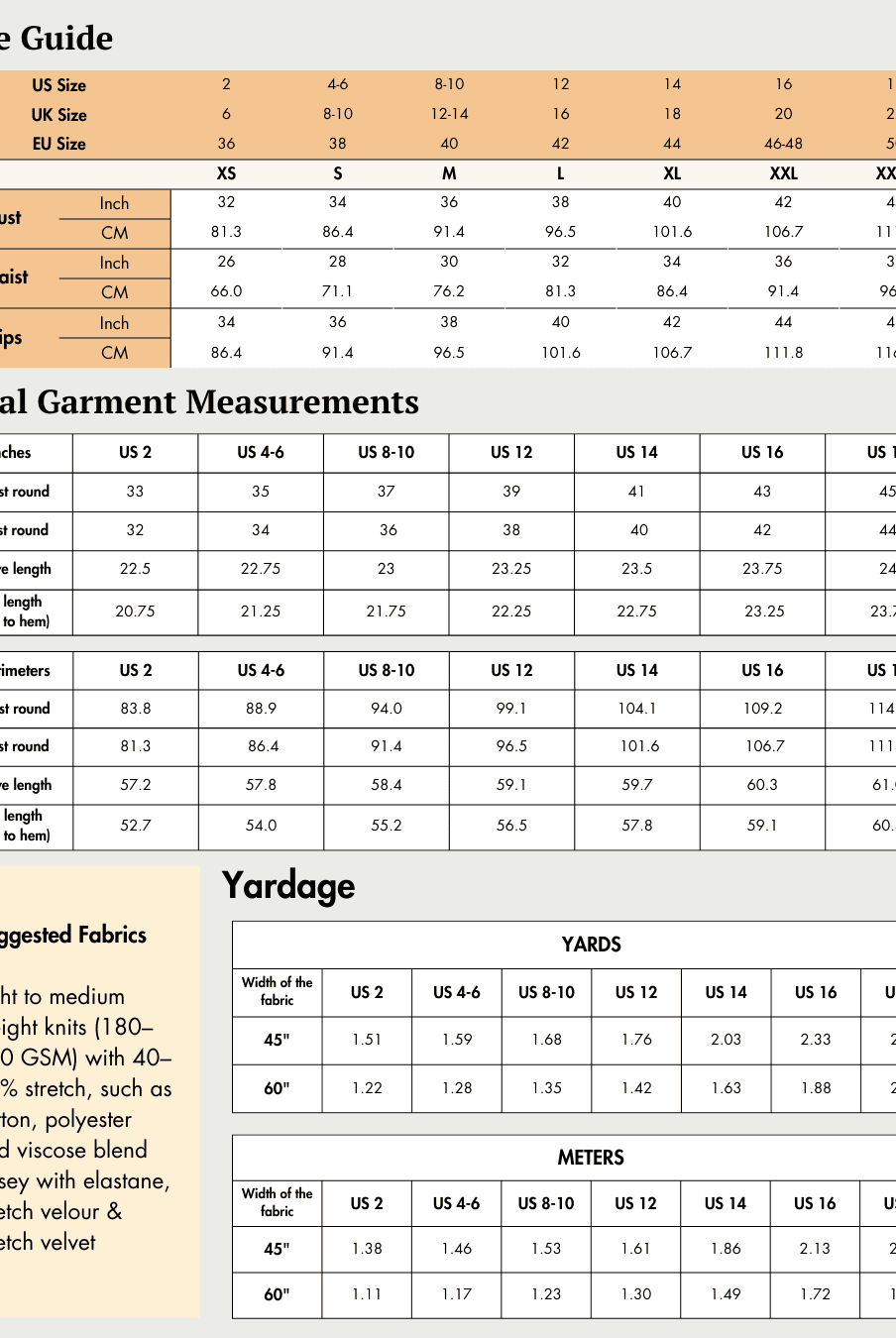
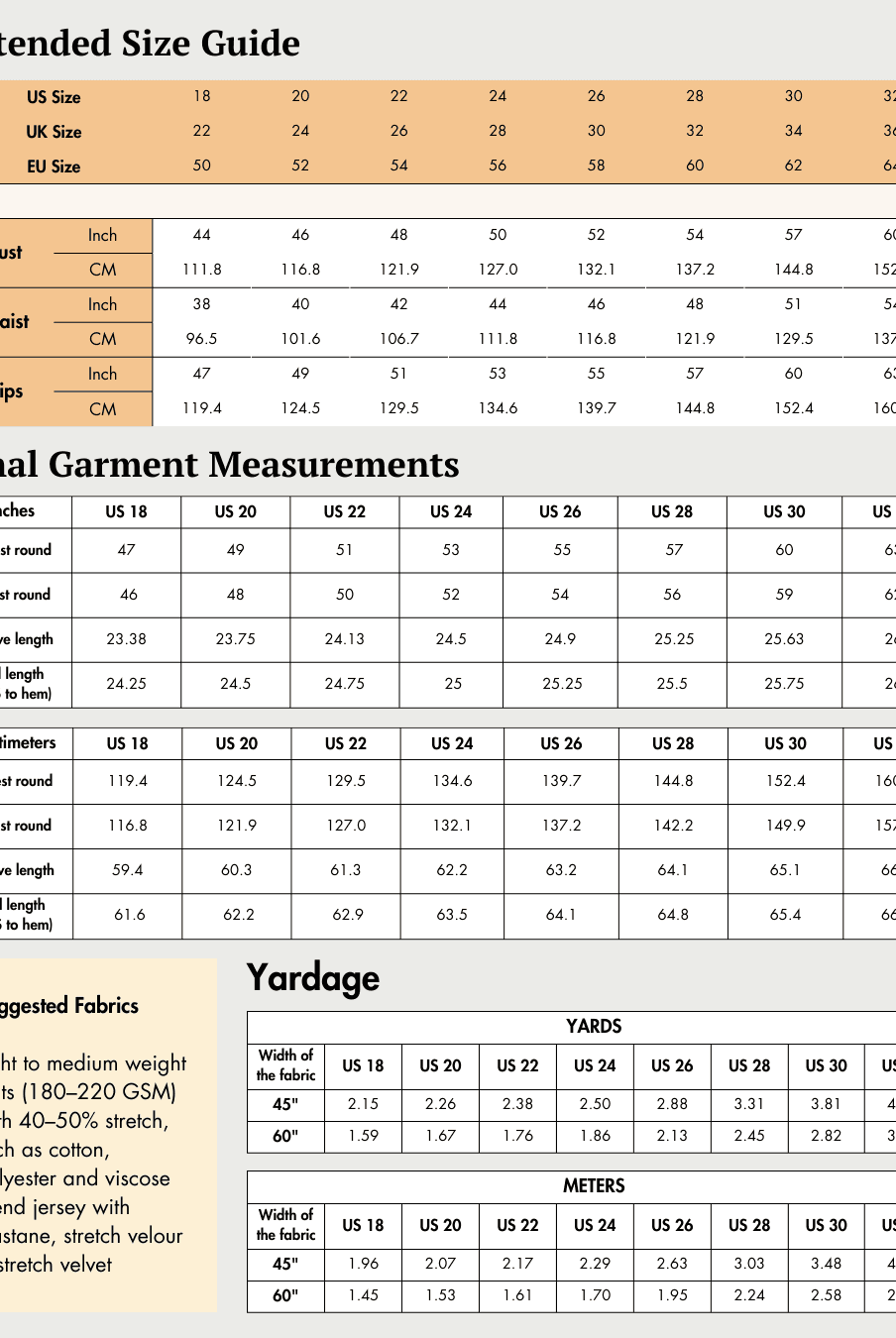
- Available Sizes: US 02 - US 32 | UK 06 - UK 36 | EU 36 - EU 64
- Sewing Difficulty: Very Easy
Choose the Right Fabric to Sew a V-Neck T-Shirt
Use lightweight knits with 30–50% stretch, such as jersey, pique, scuba, stretch velour, and stretch velvet.
The Mist V-Neck T-Shirt Sewing Pattern sample is made in cotton polyester blend knit fabric. Cotton polyester blend knit fabric has a few useful qualities:
- Durable yet lightweight
- Versatile in use
- Moisture-wicking and crease-resistant
- Soft to the touch and drapes gracefully
- More accessible and affordable
Supplies & Notions
- Winslet's Mist V-Neck T-Shirt Sewing Pattern
- Lightweight knit fabric with good stretch and recovery, such as cotton jersey, cotton-spandex blend, rayon spandex, bamboo jersey, modal knit, or lightweight rib knit.
- 3-ply polyester thread
- Chalk or fabric marker for transferring pattern markings
- Fabric shears for cutting fabric pieces
- Thread cutter or small snips for trimming threads
- Pins and sewing needles
- Sewing machine
- Stretch needle or ballpoint needle suitable for knit fabrics
Always test your stitch settings, needle choice, and thread tension on a fabric scrap before sewing your final garment to ensure the best results.
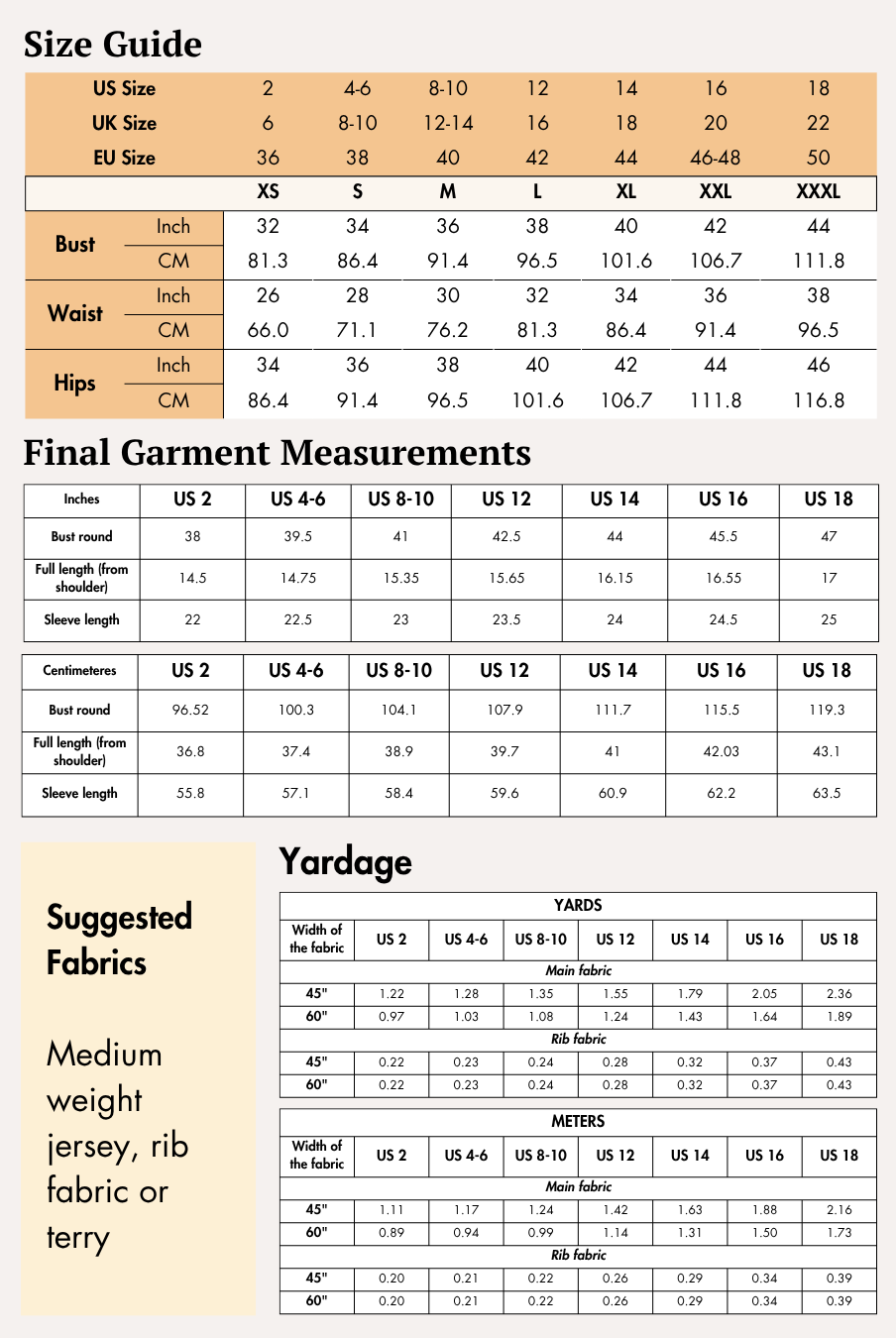
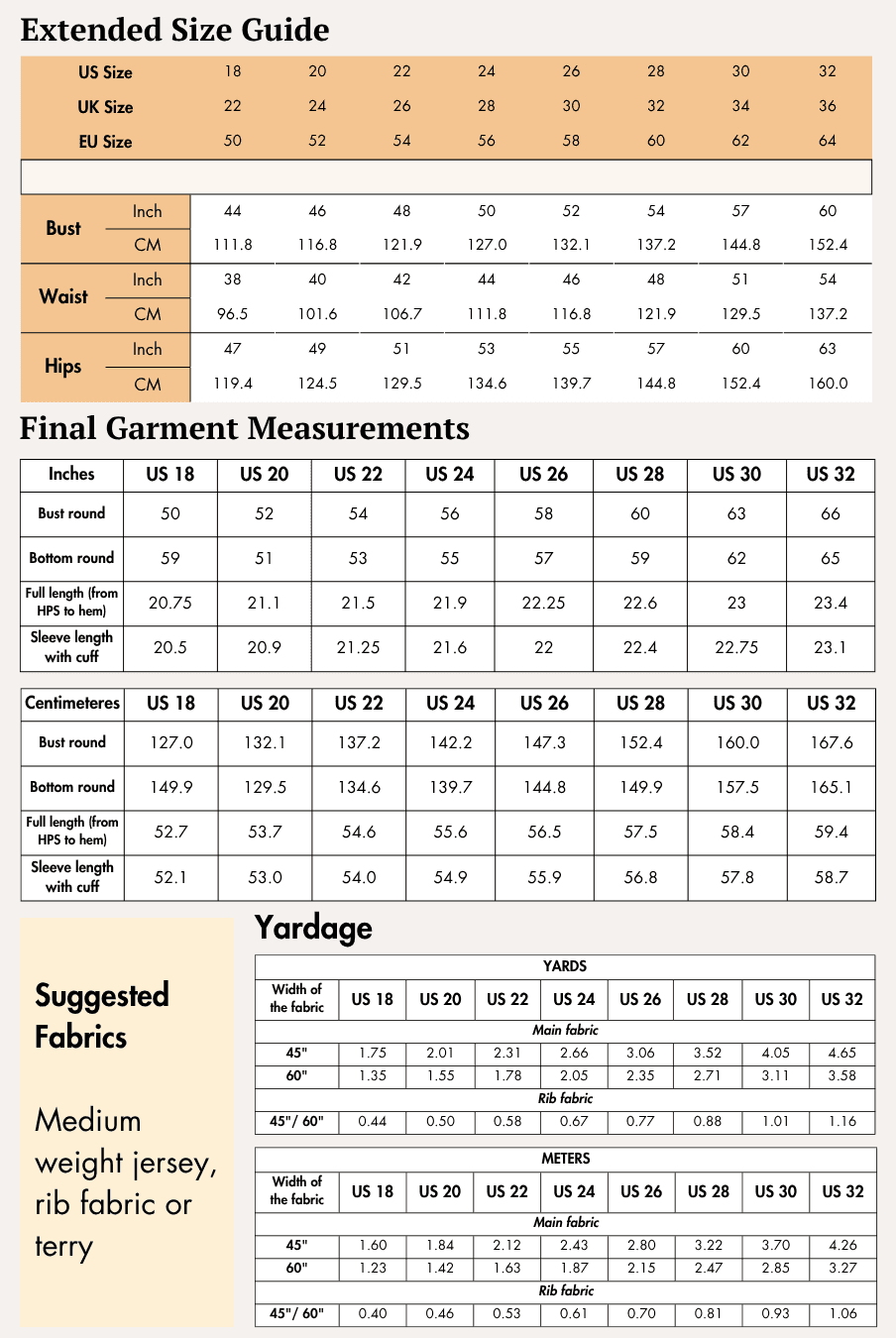
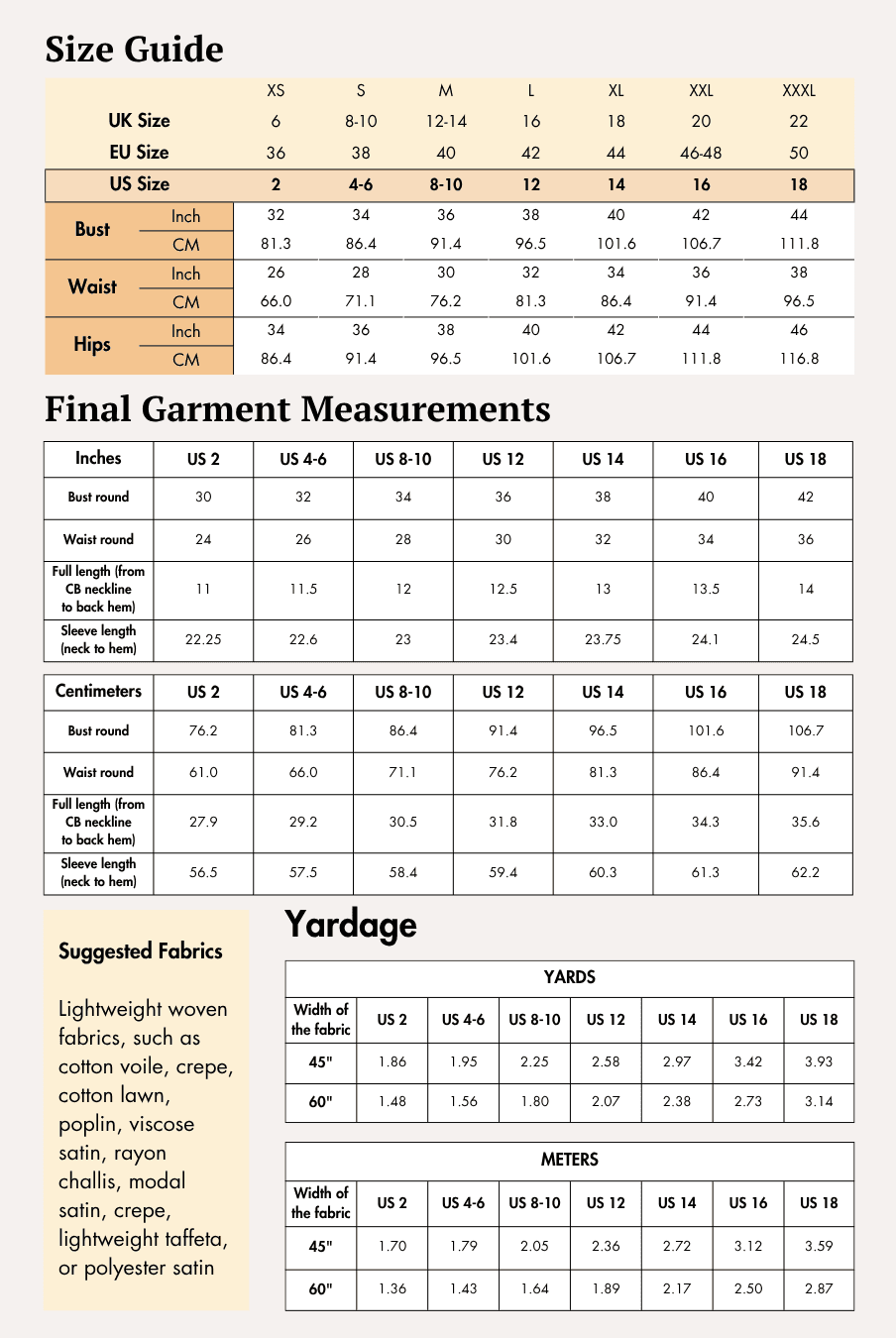
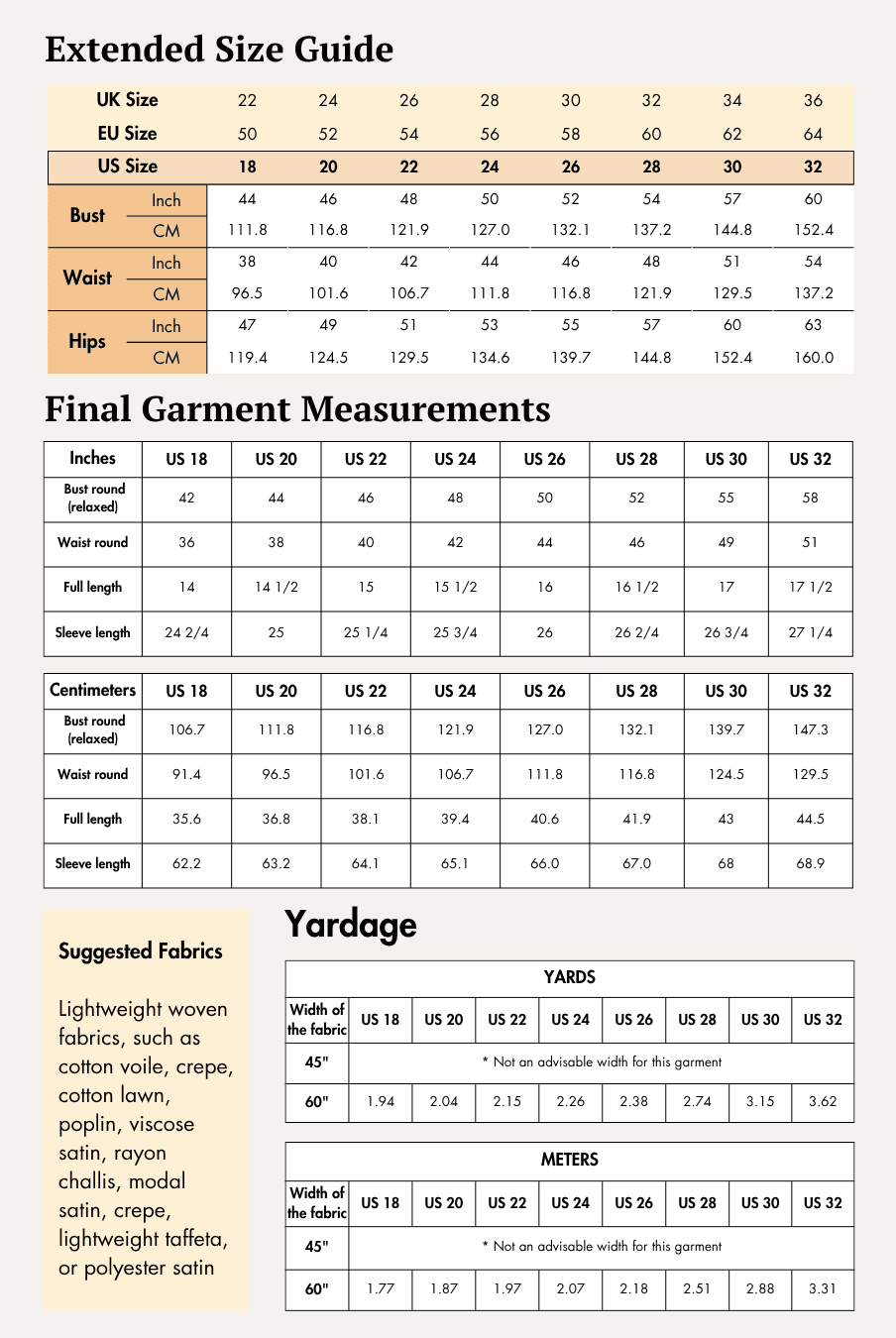
Size Charts
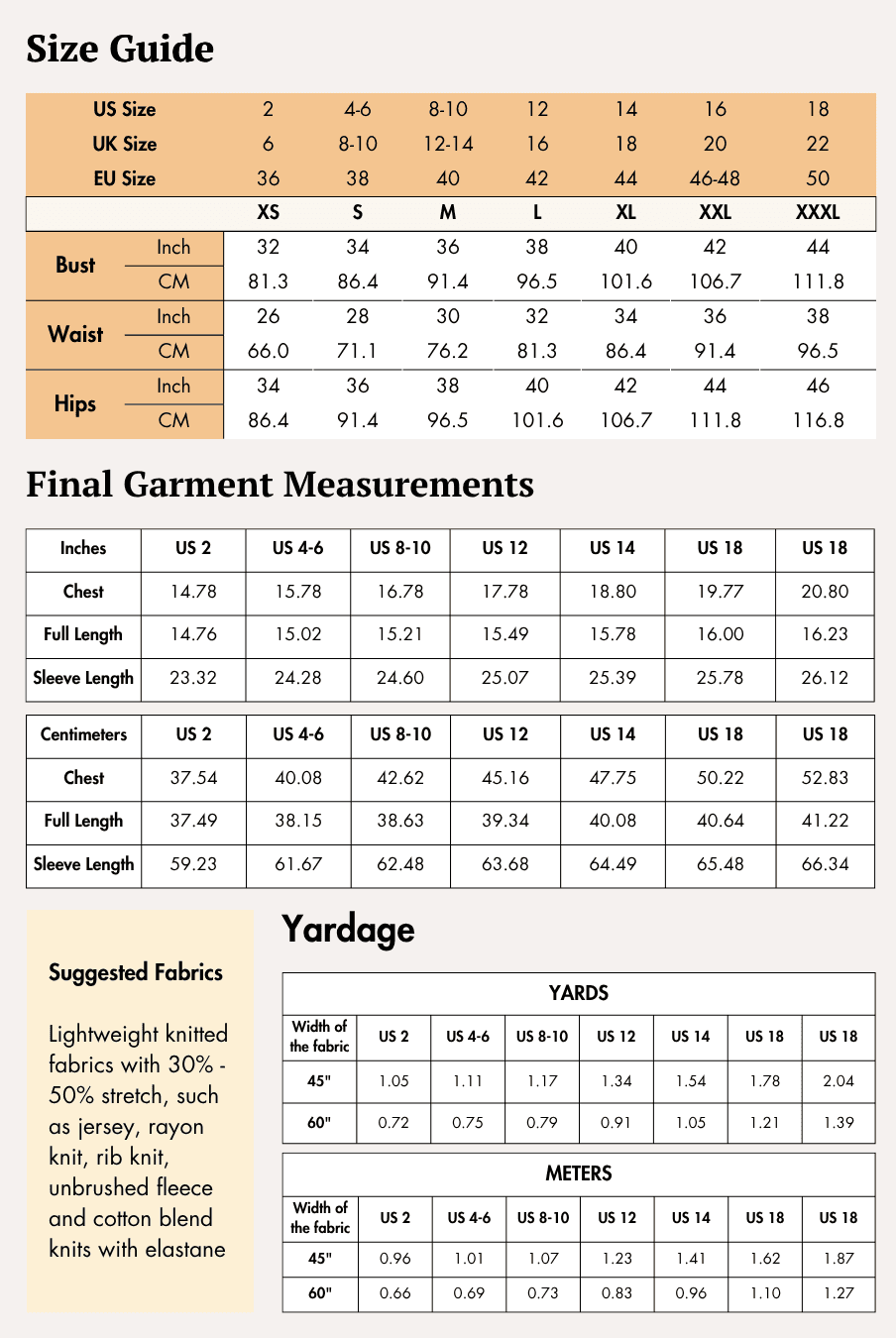
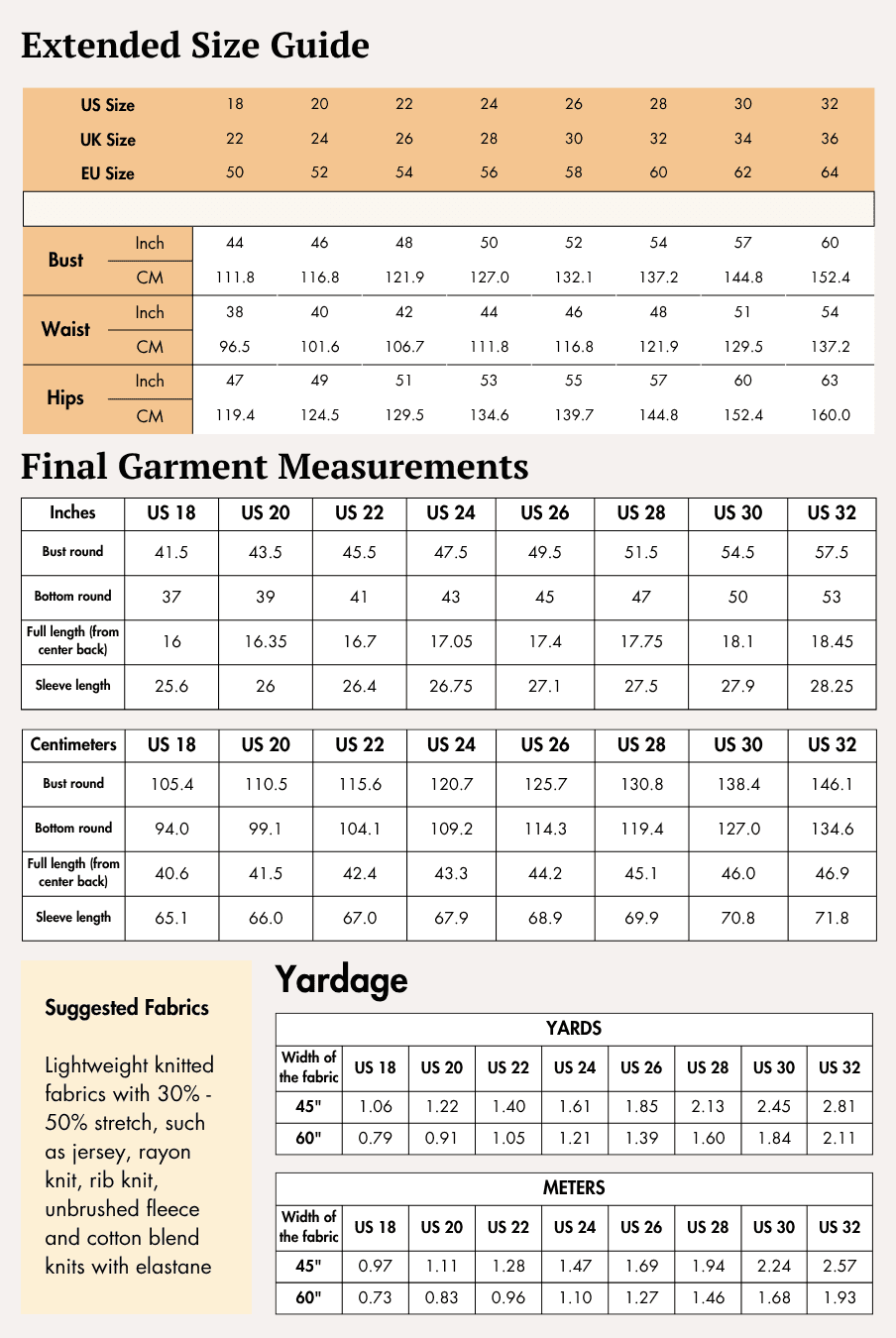
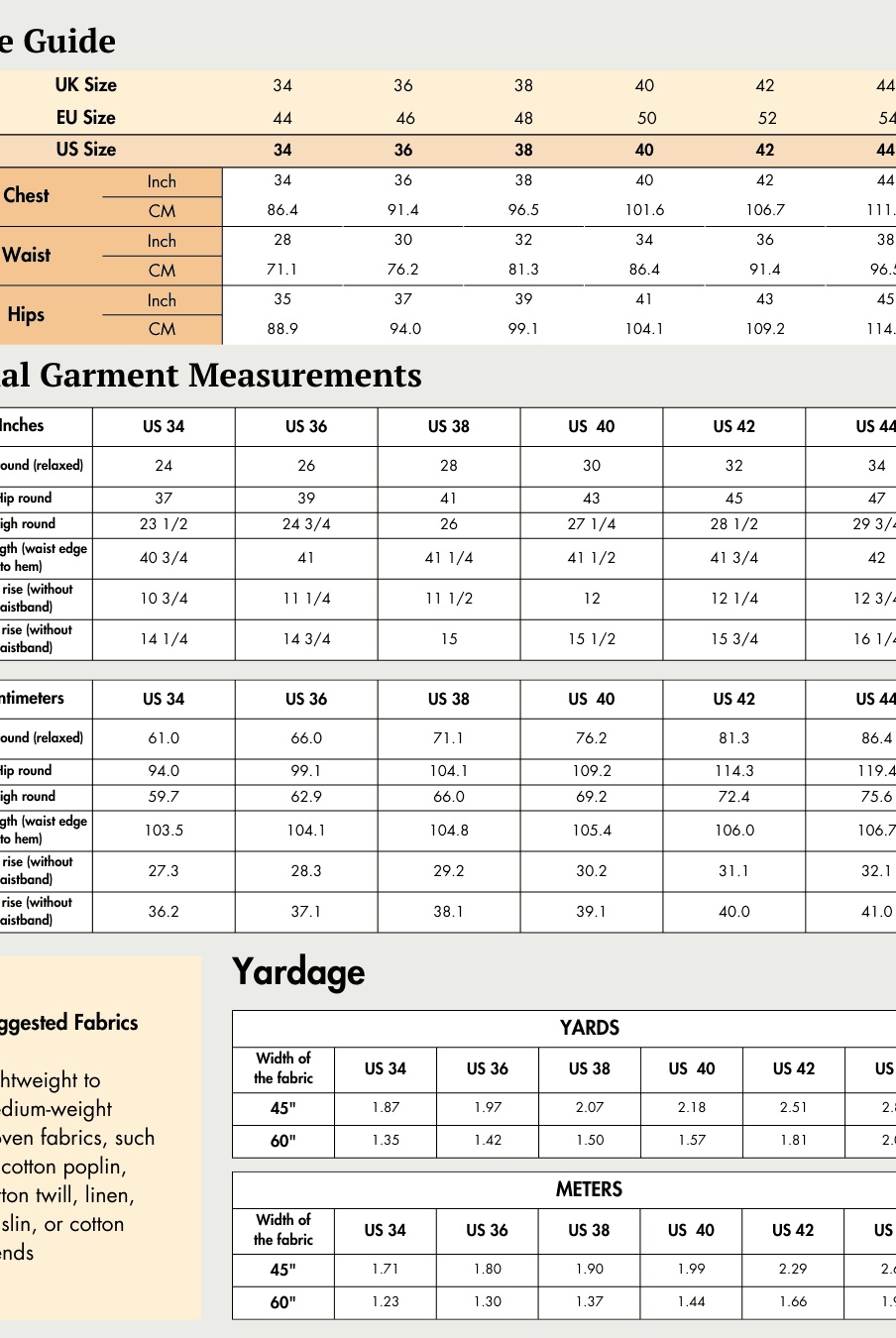
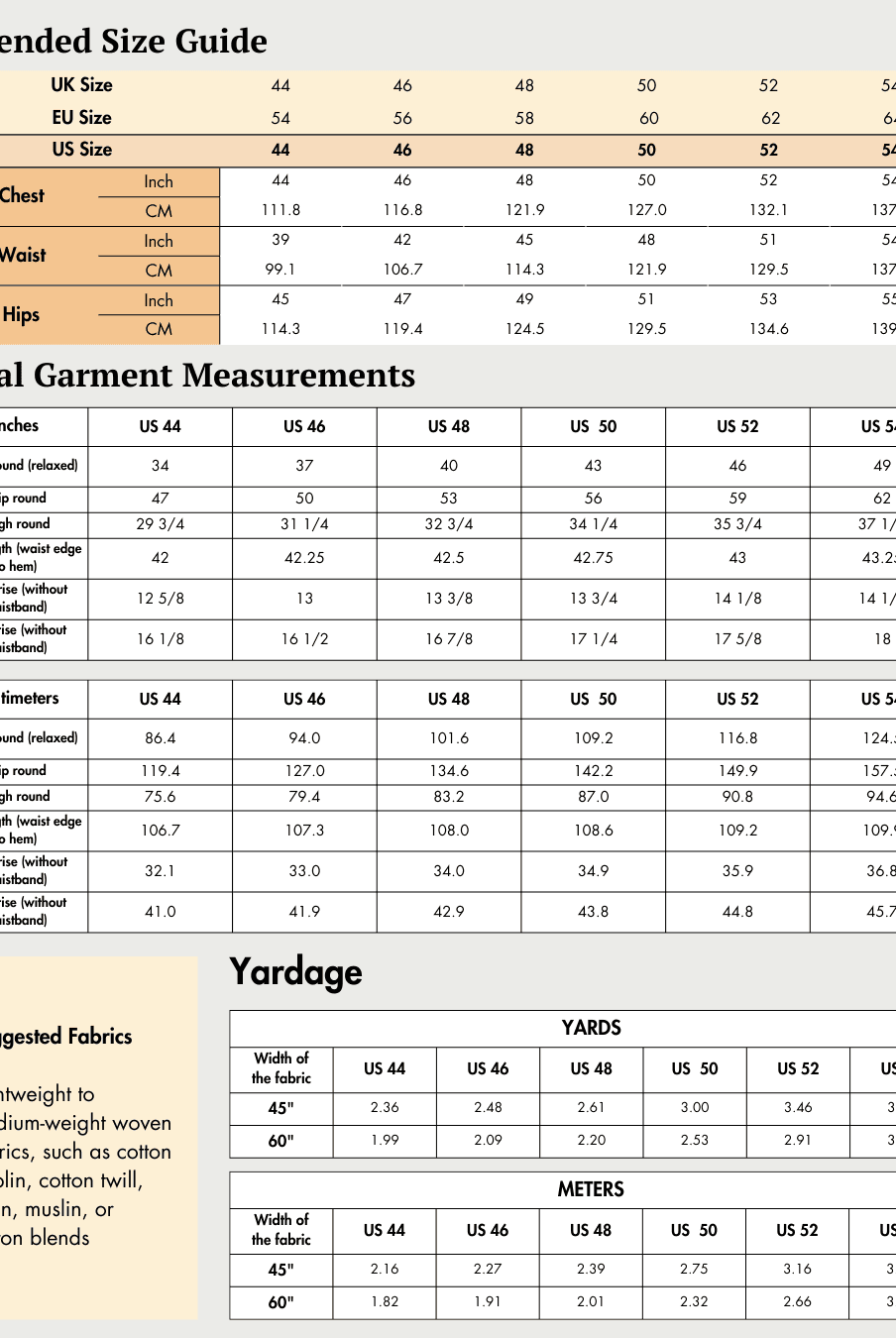
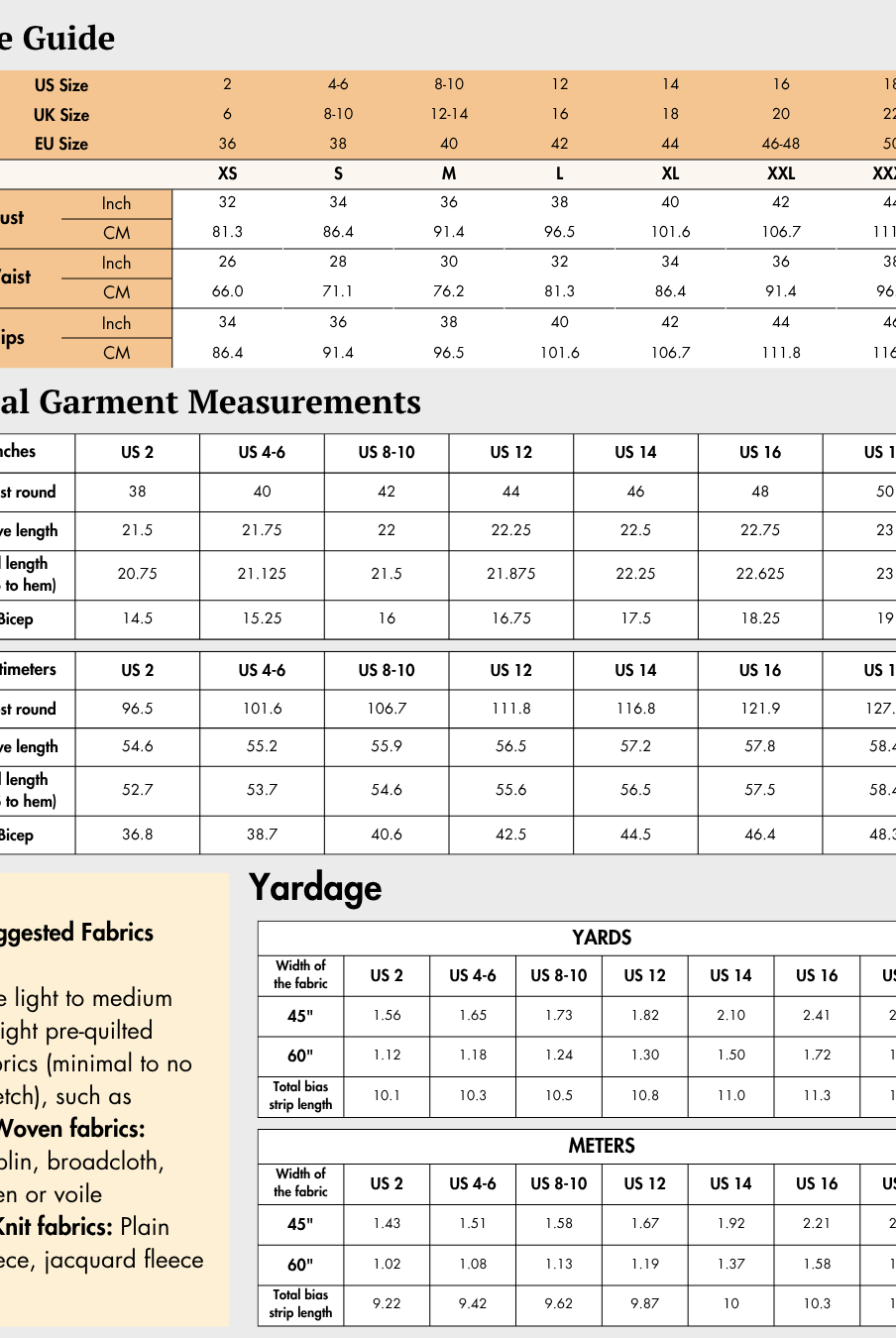
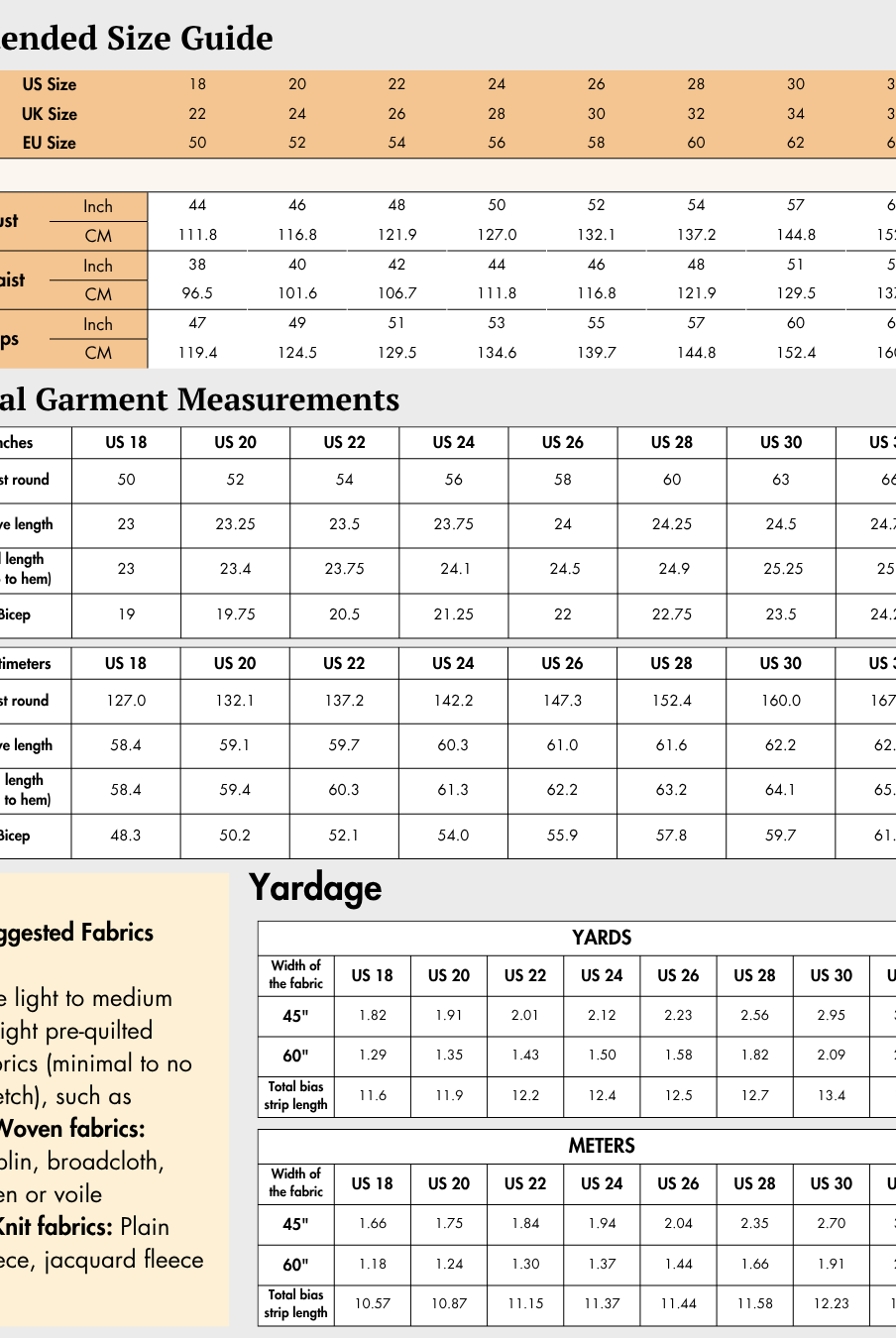
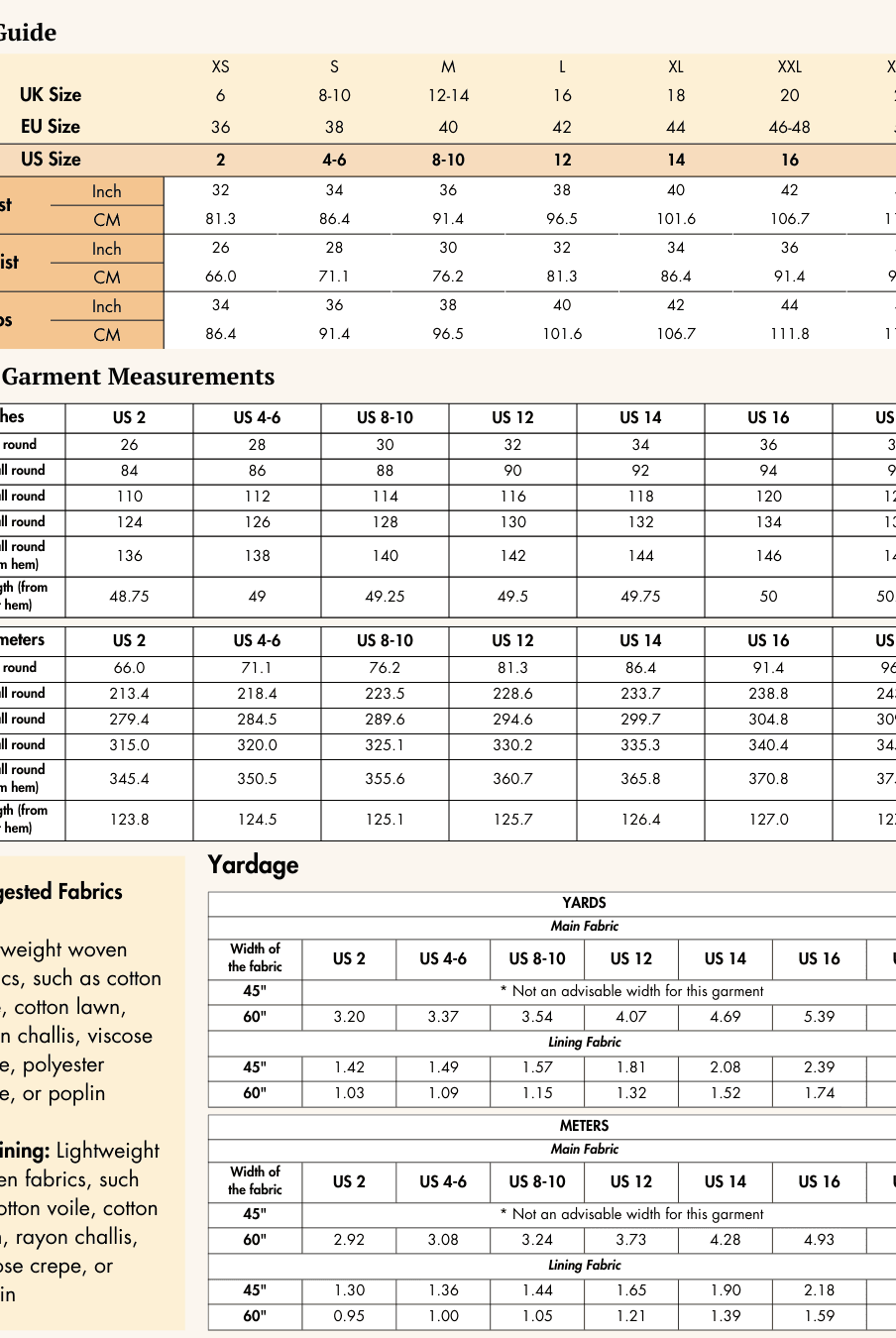
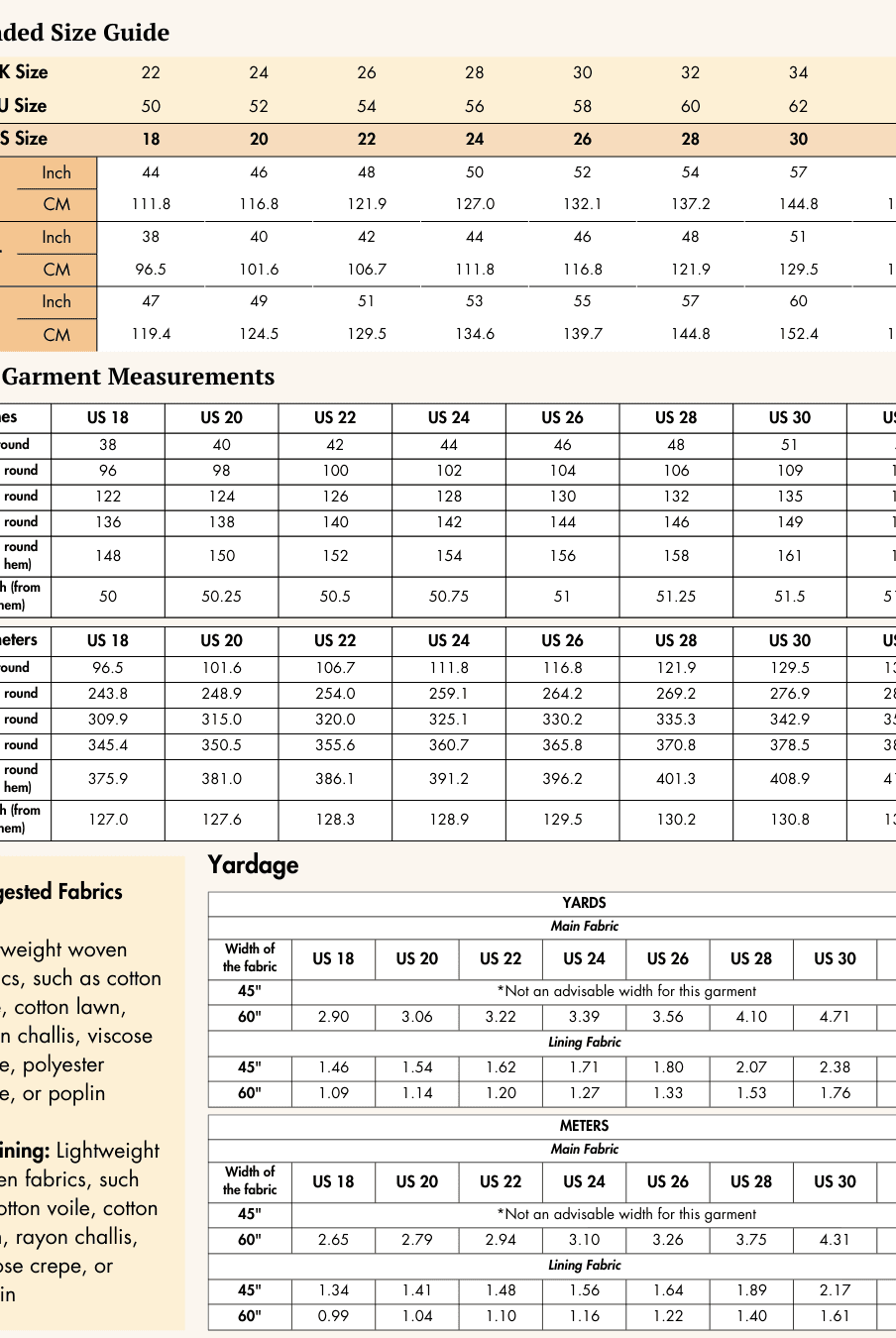
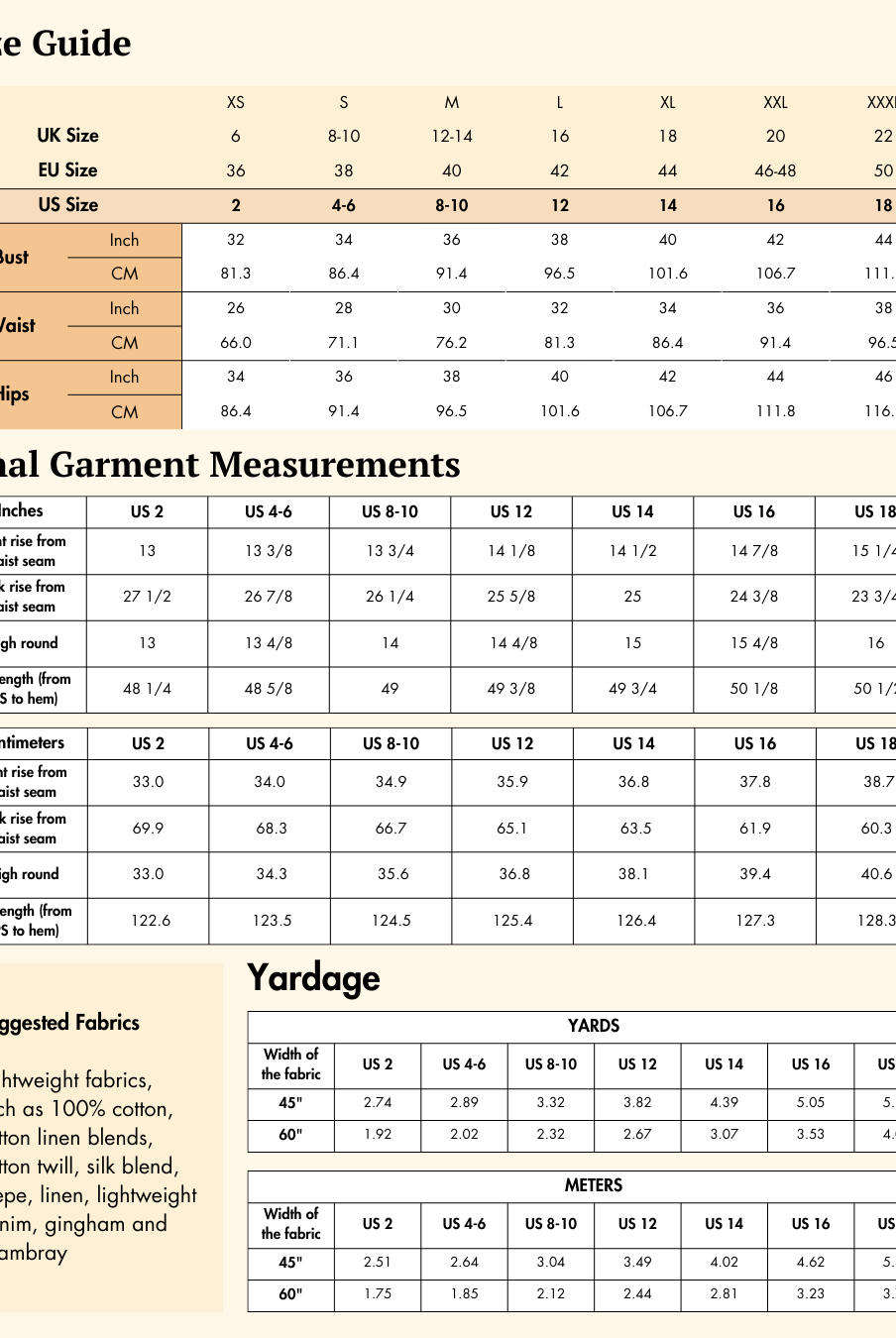
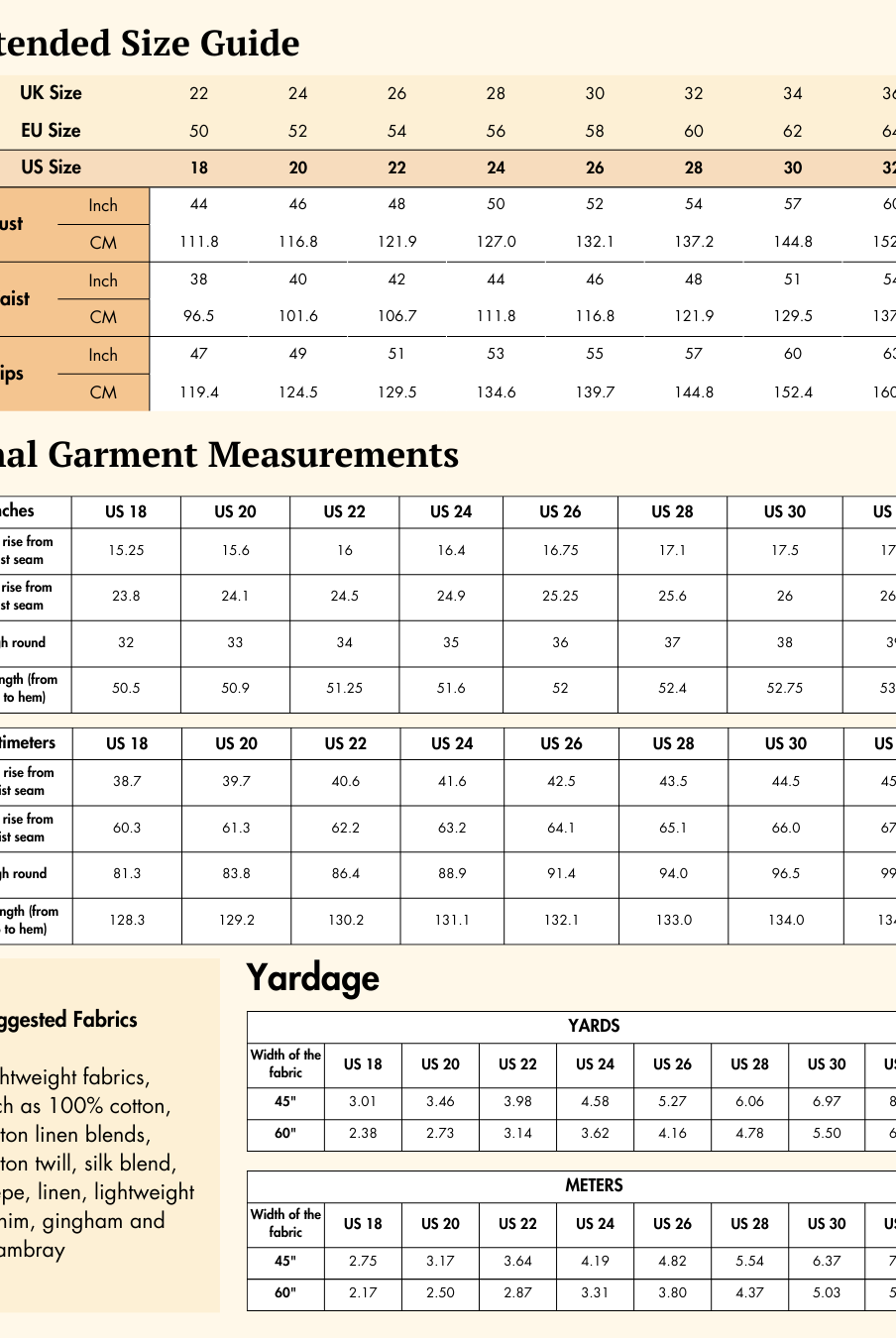
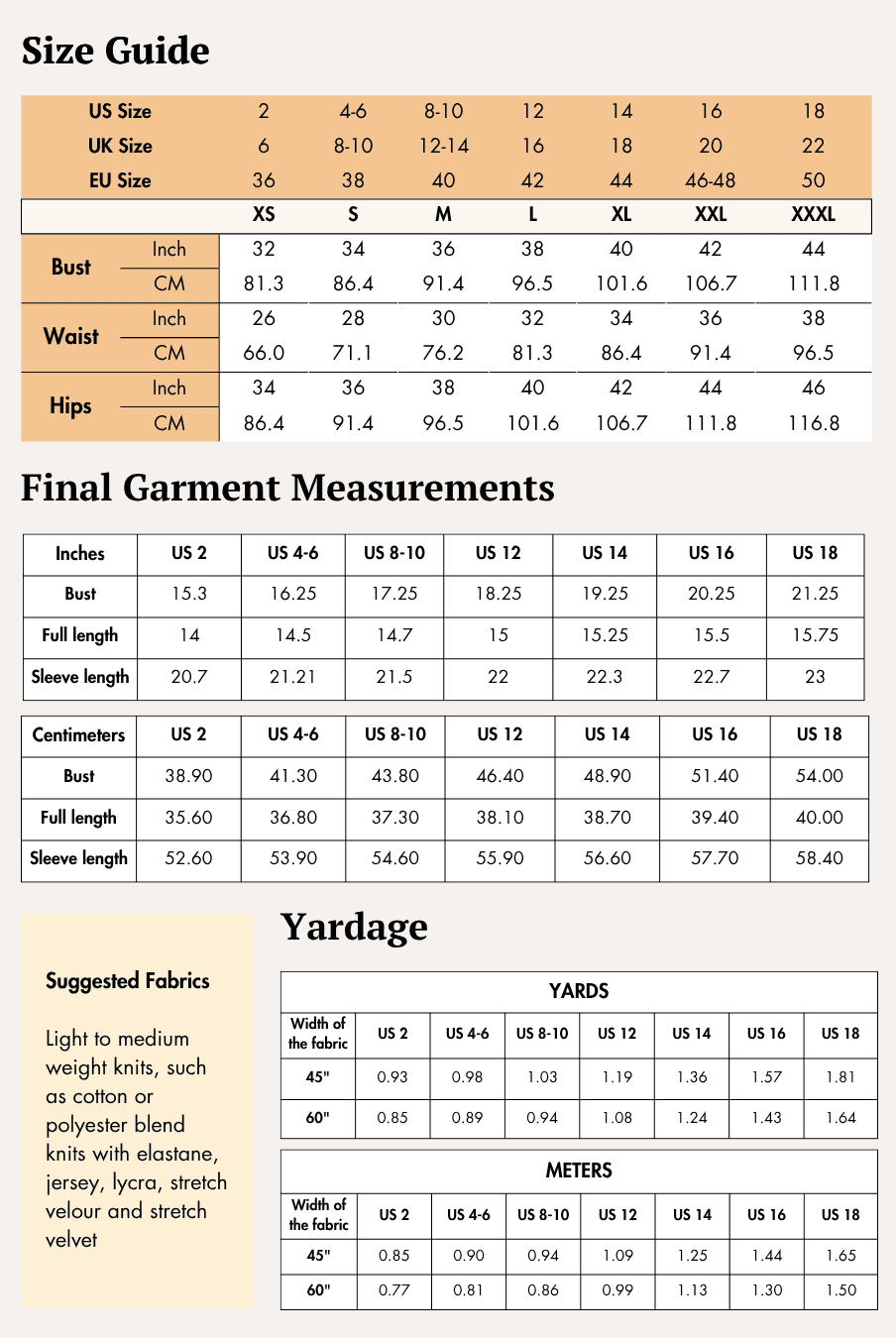
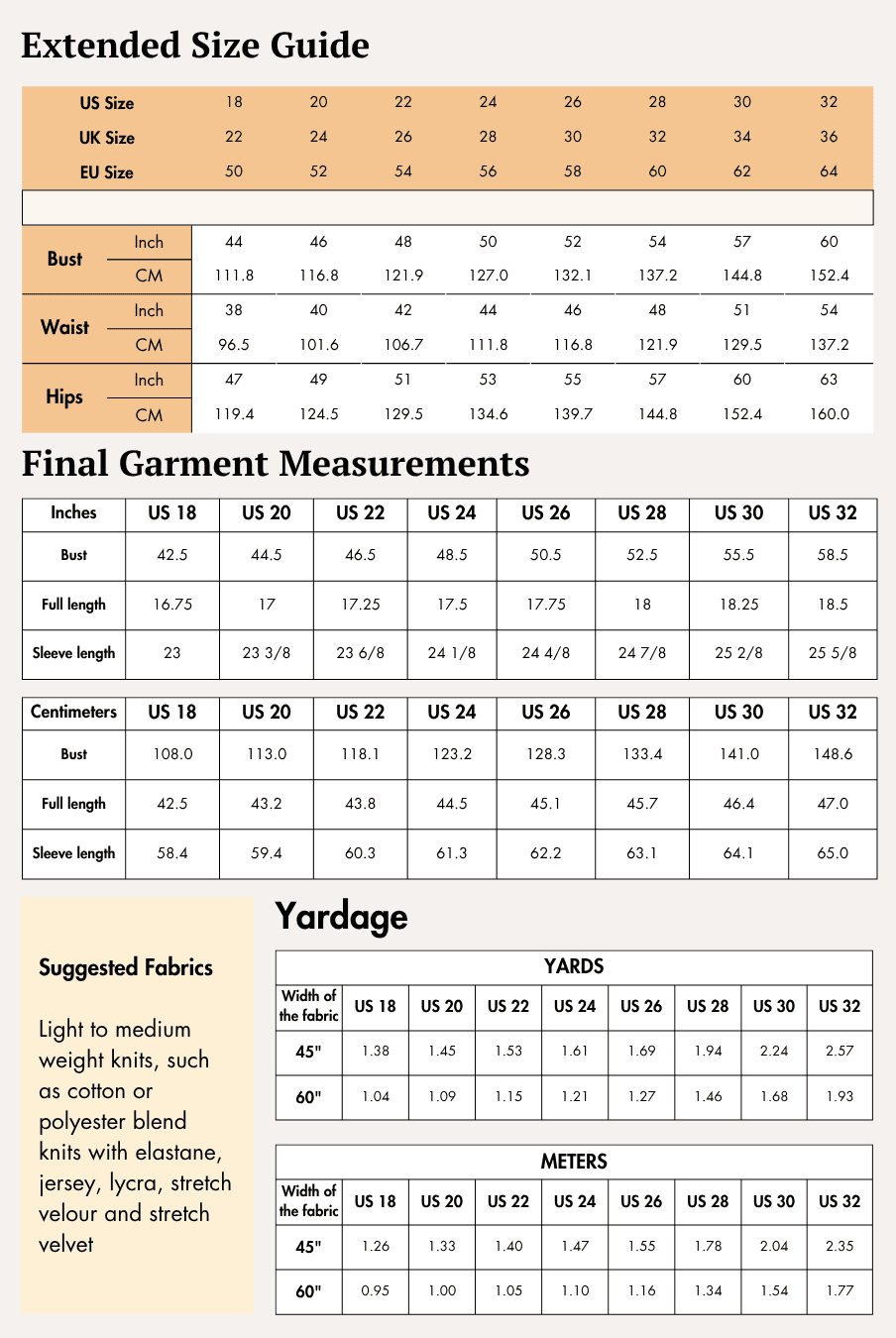
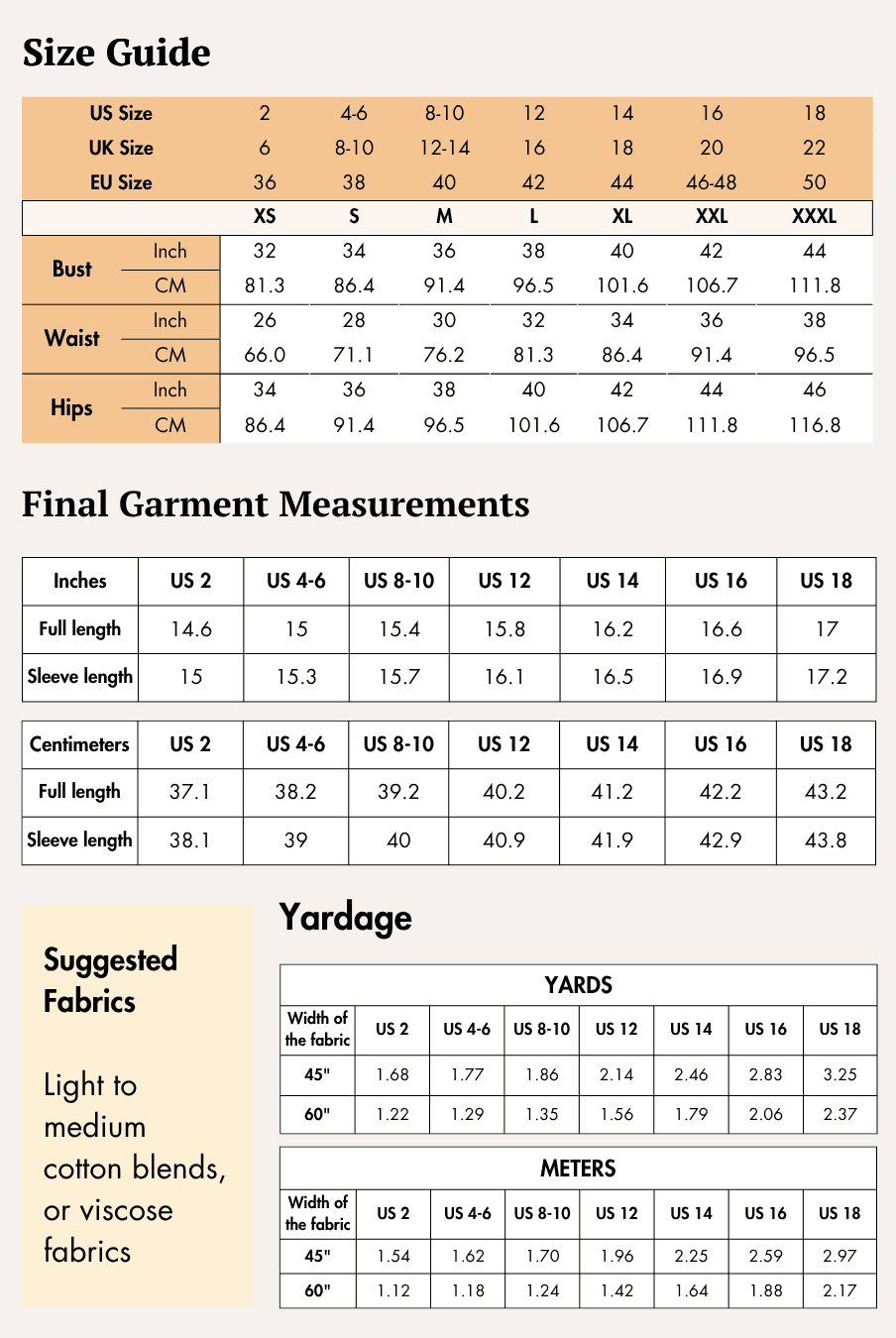
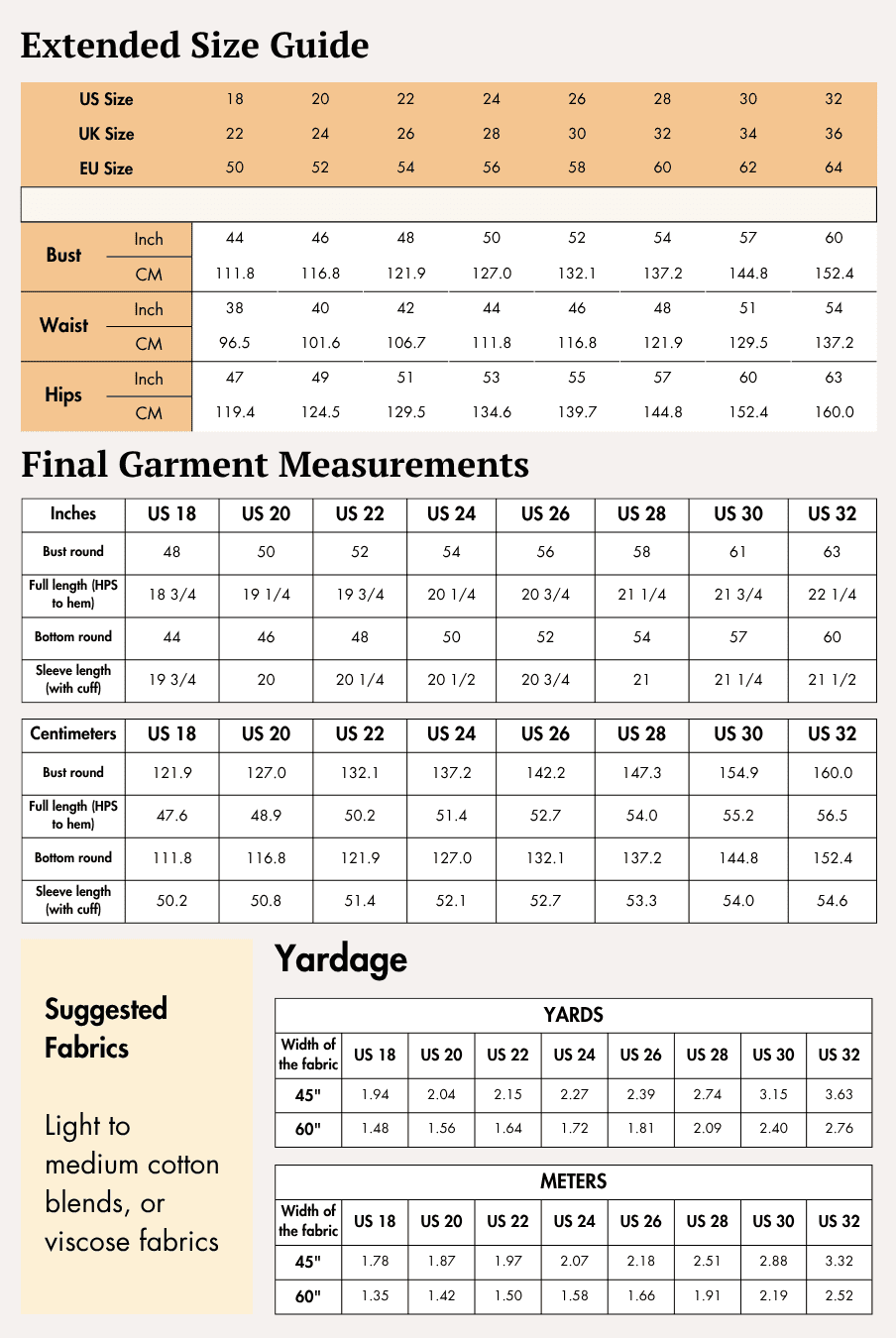
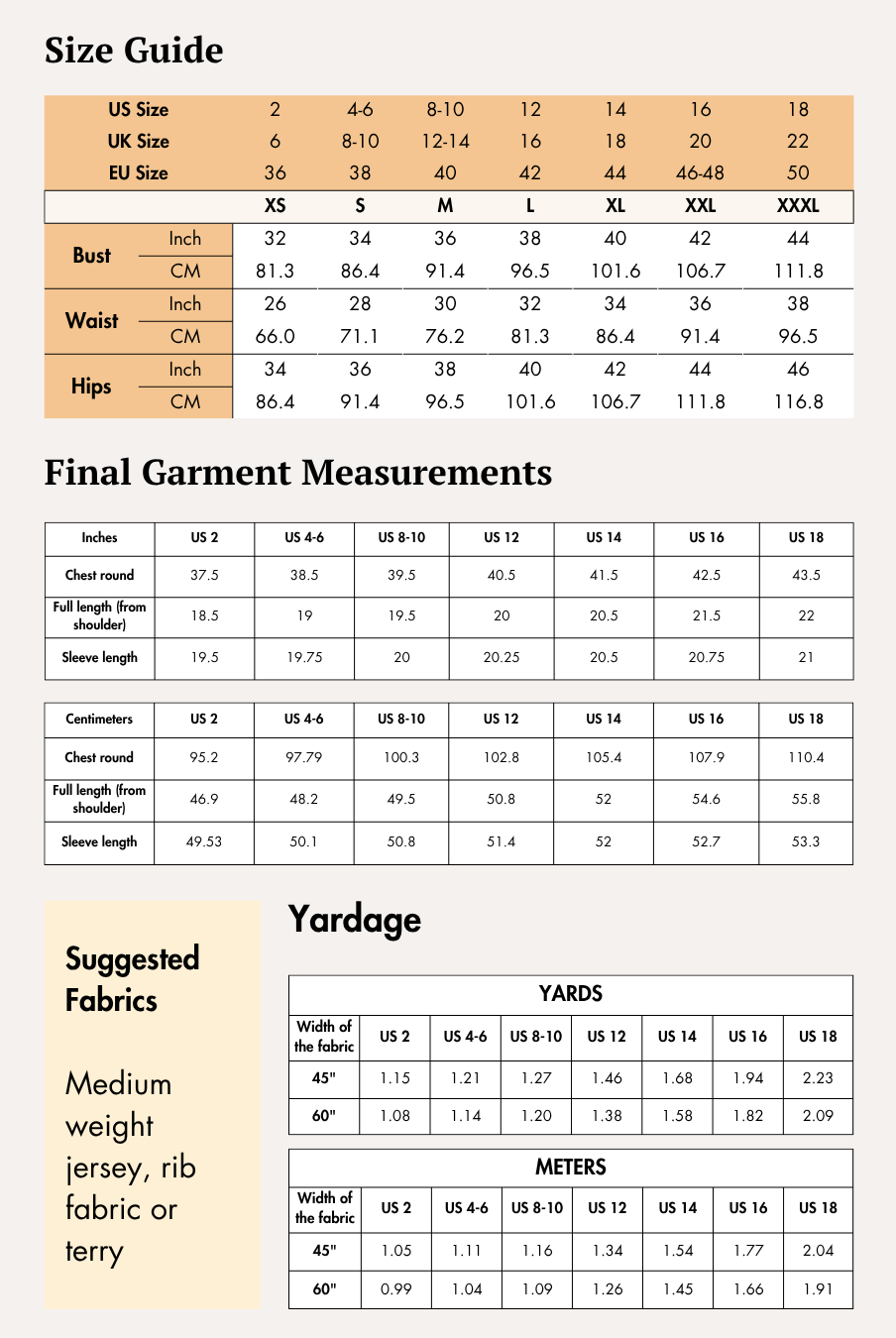
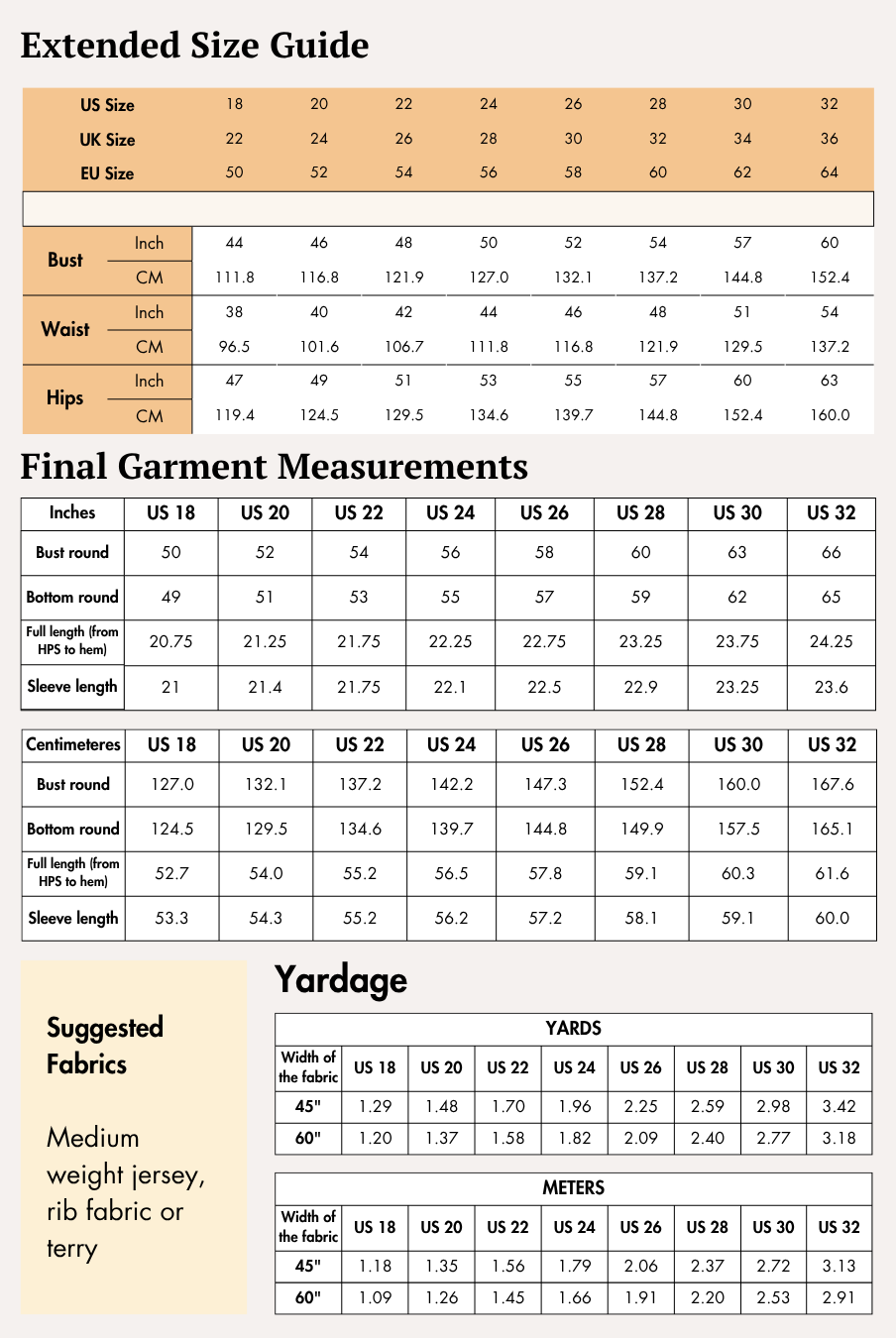
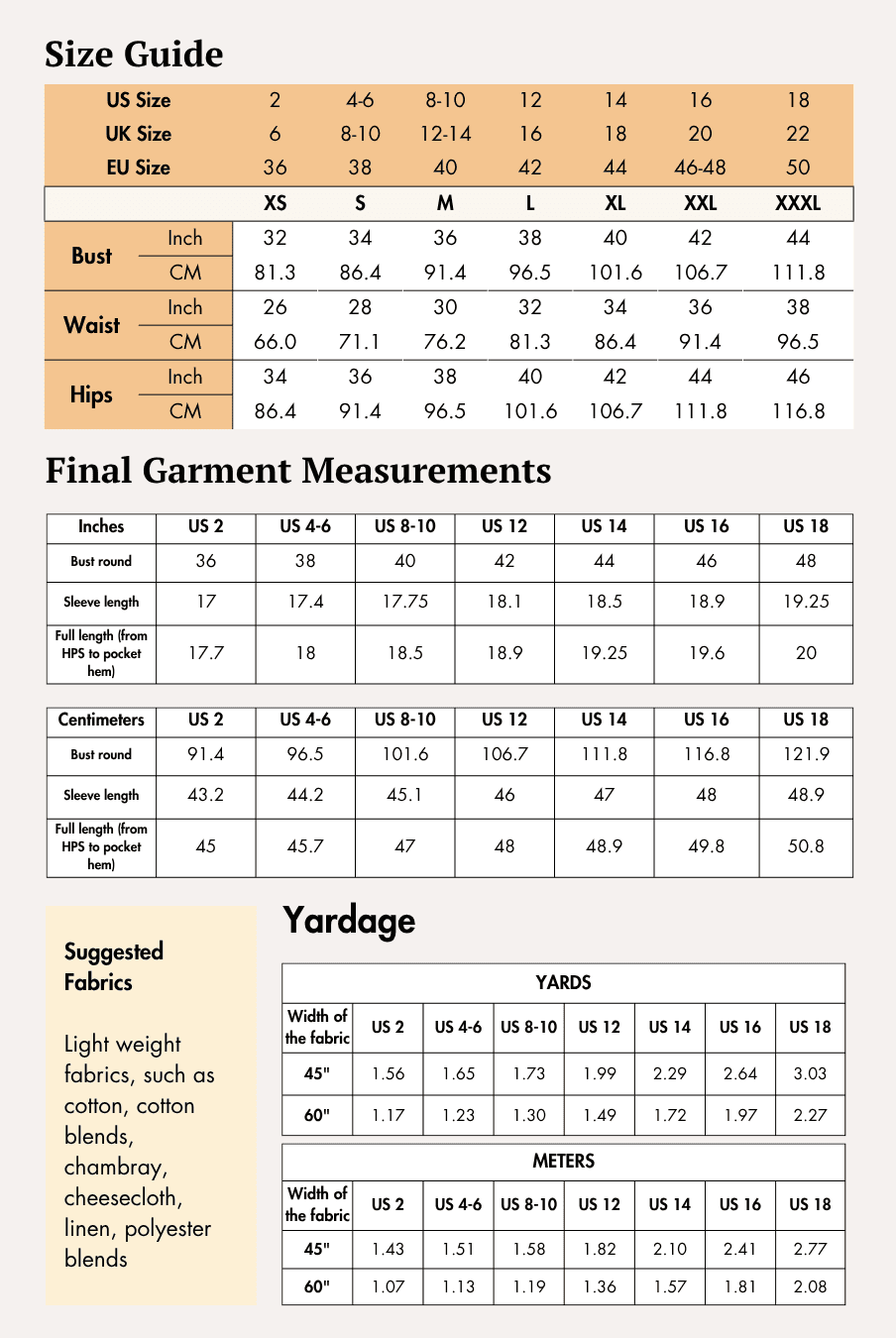
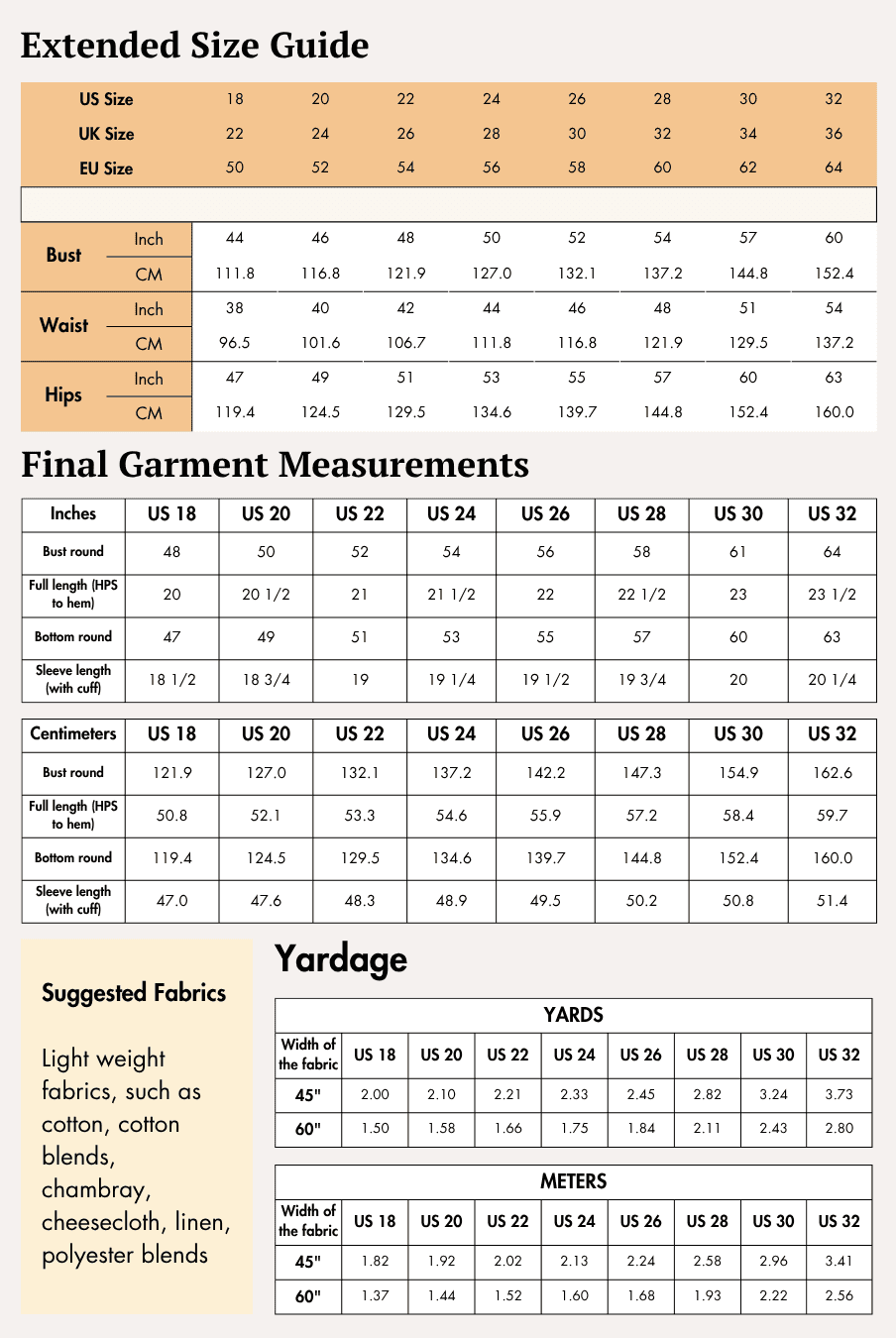
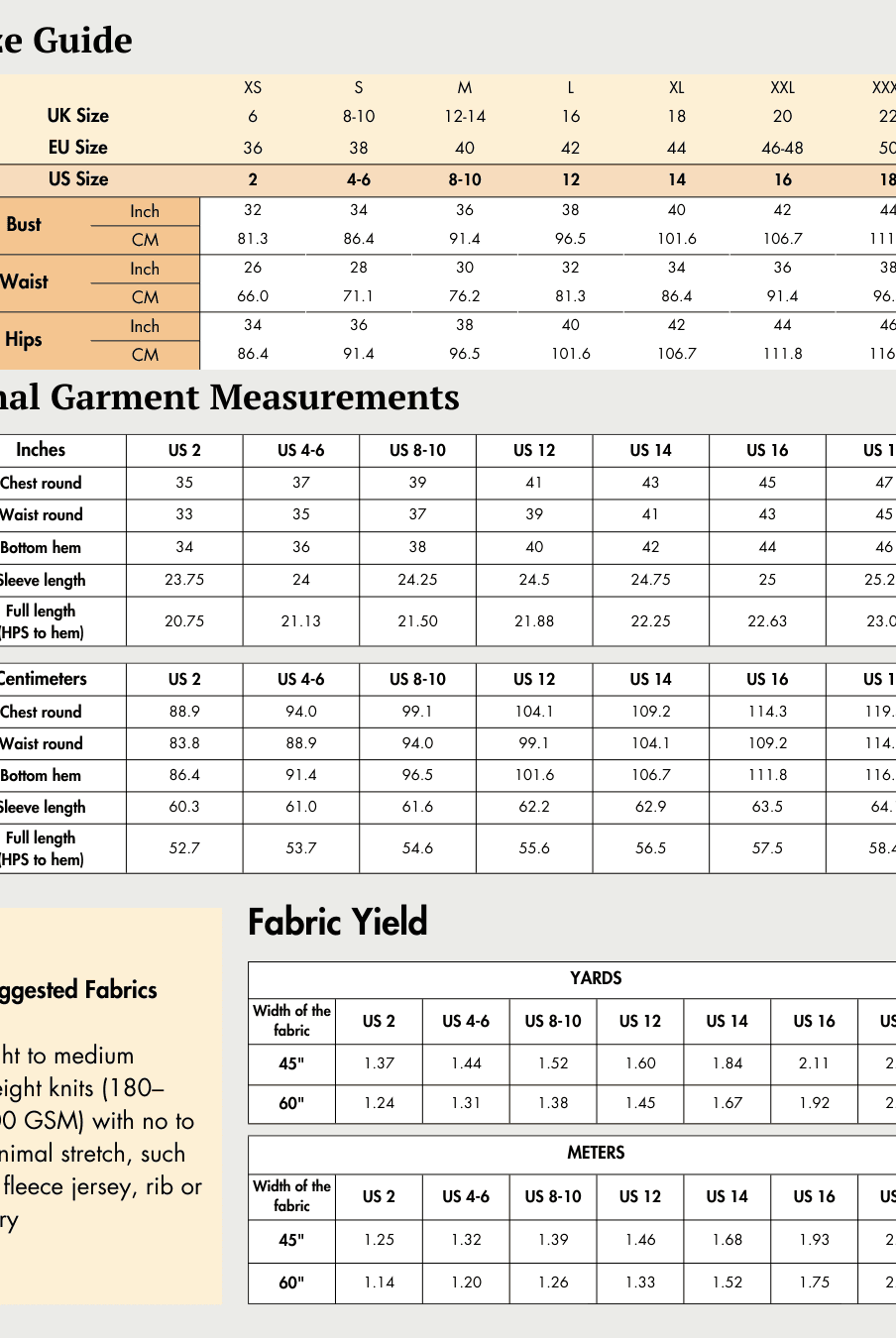
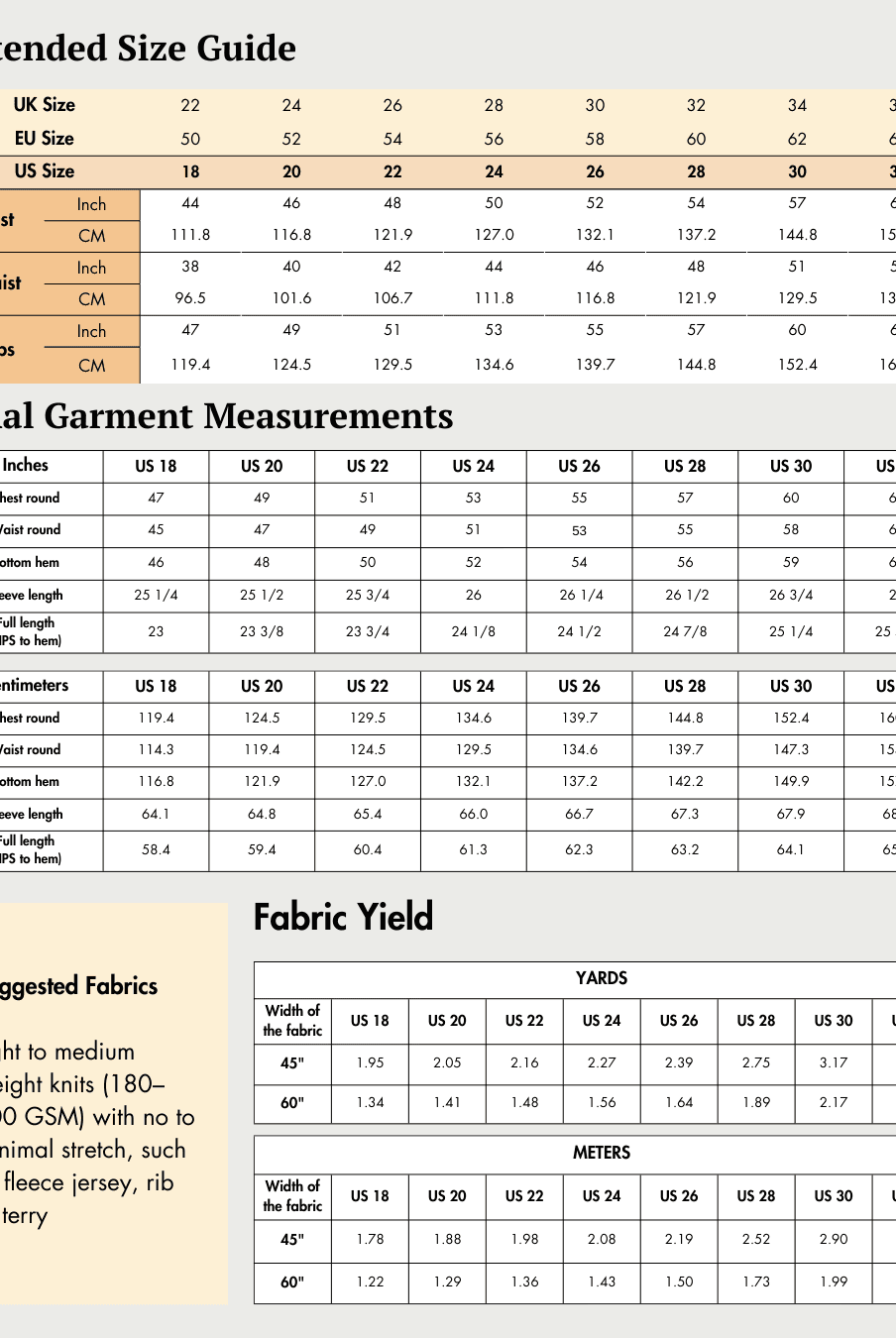
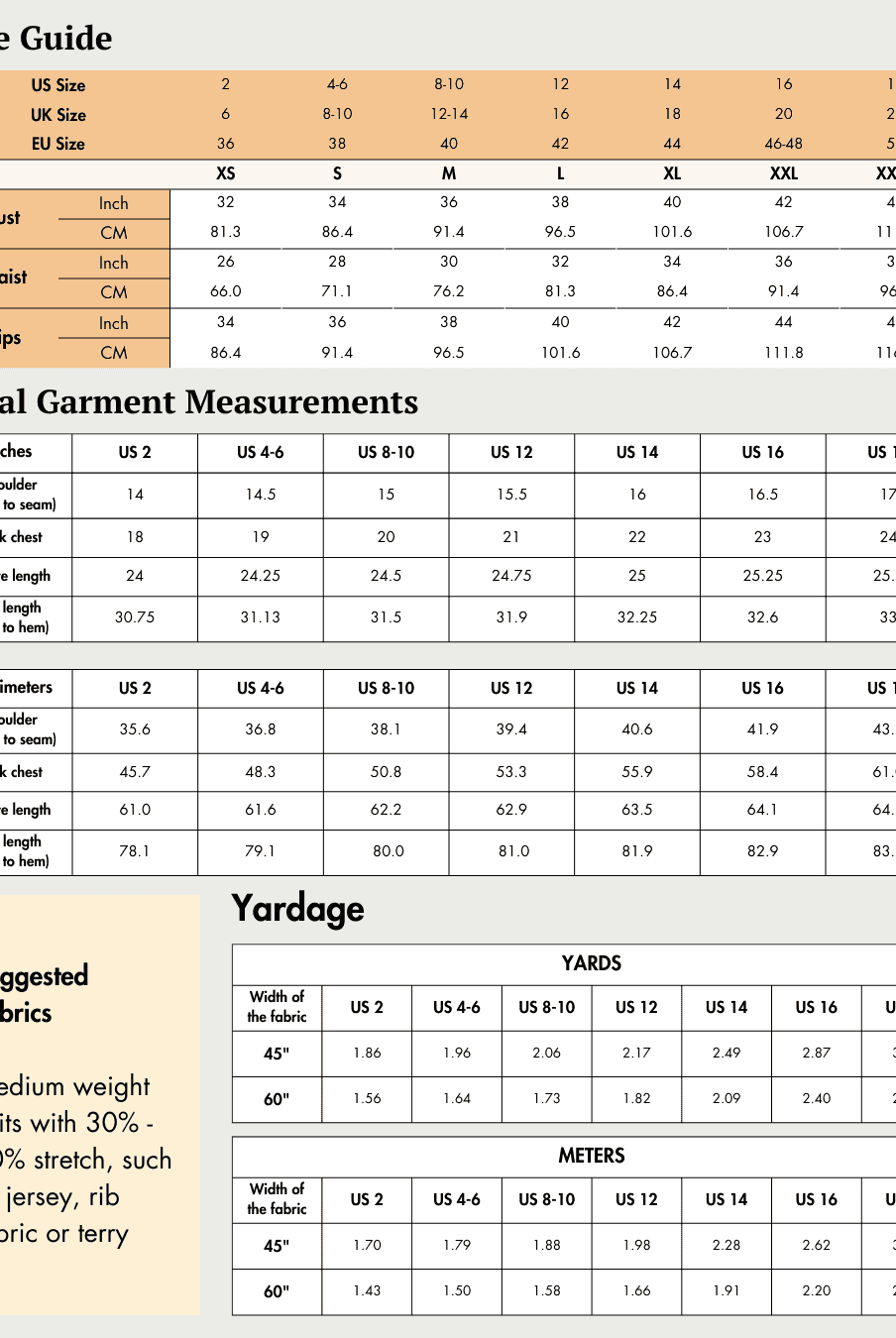
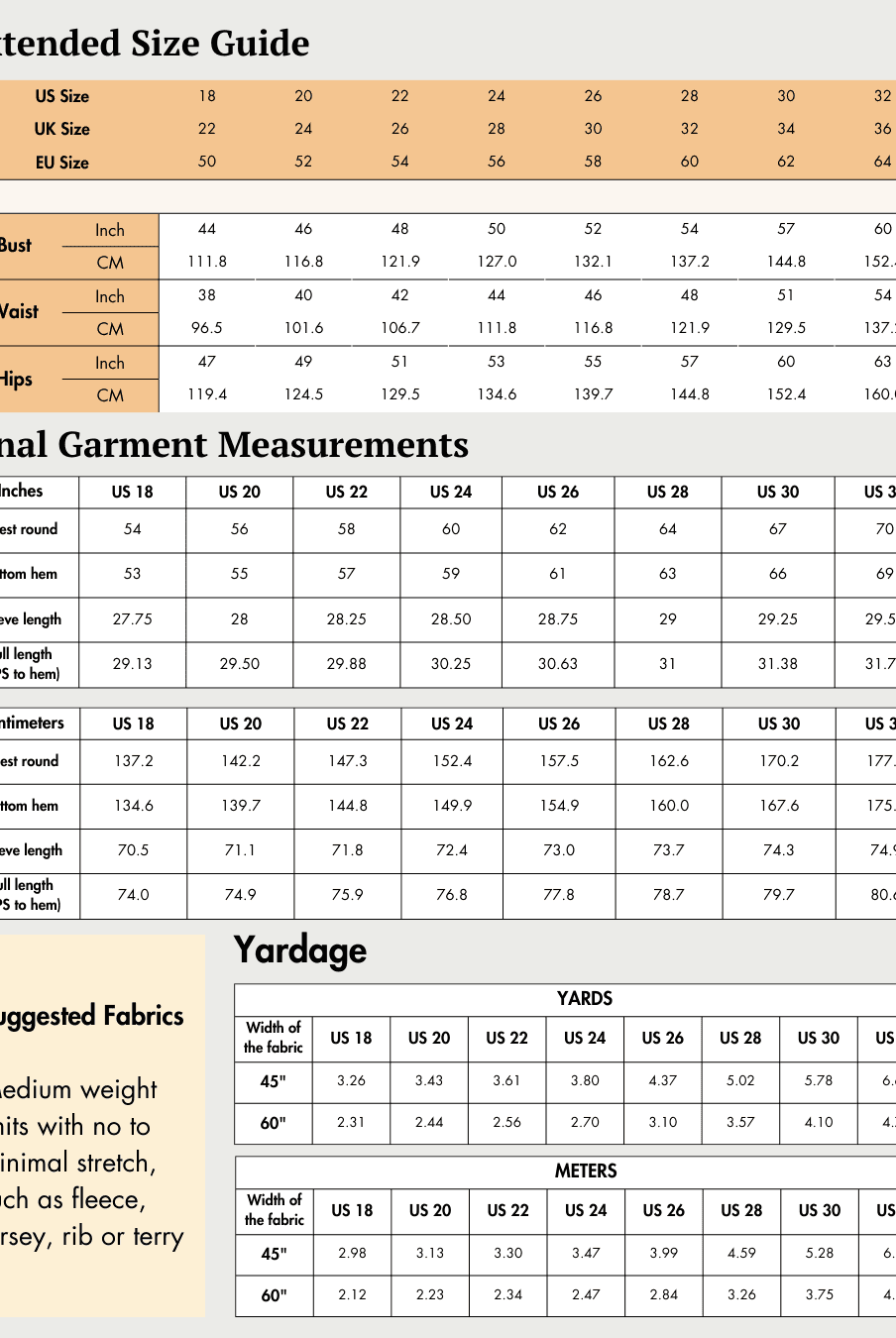
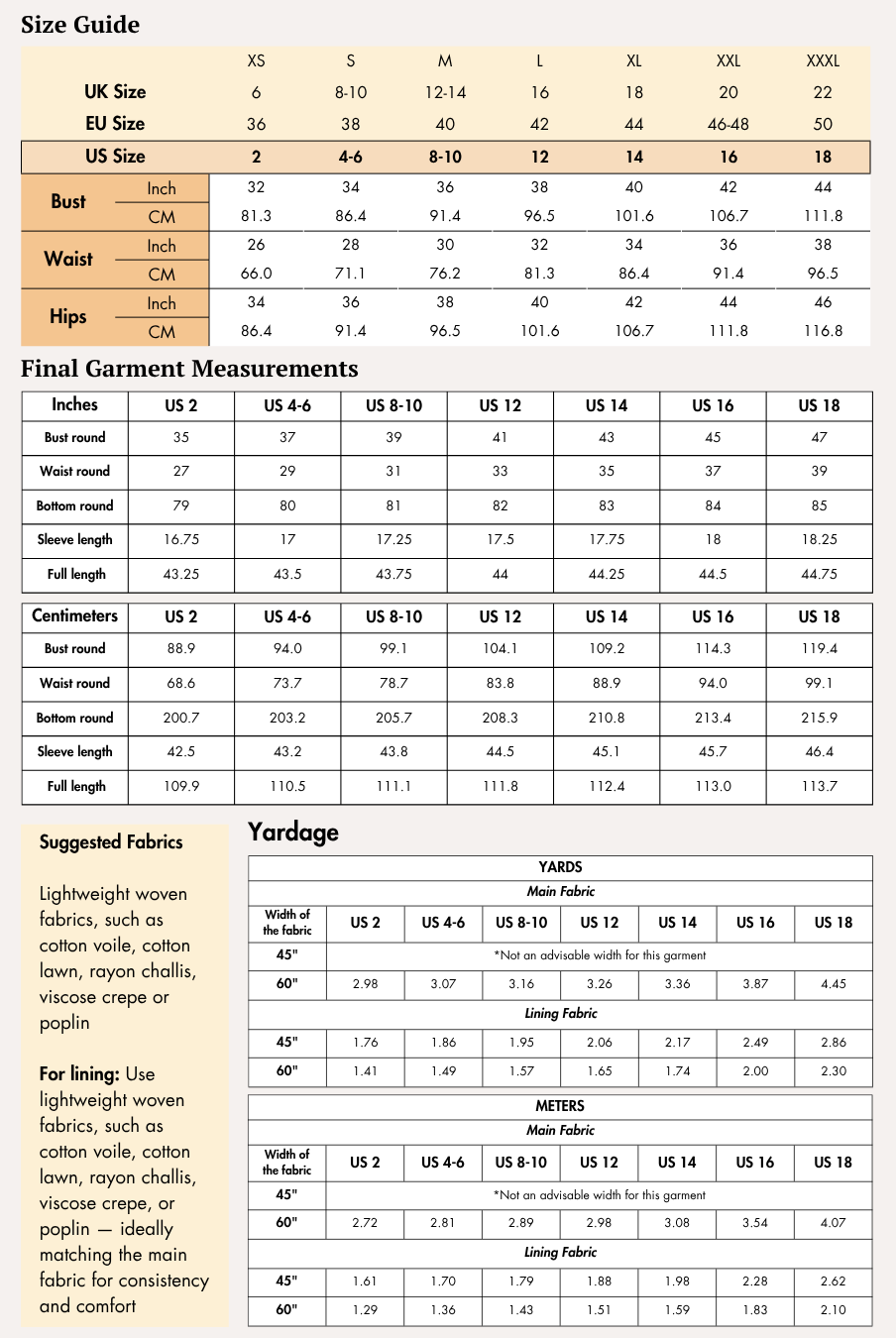
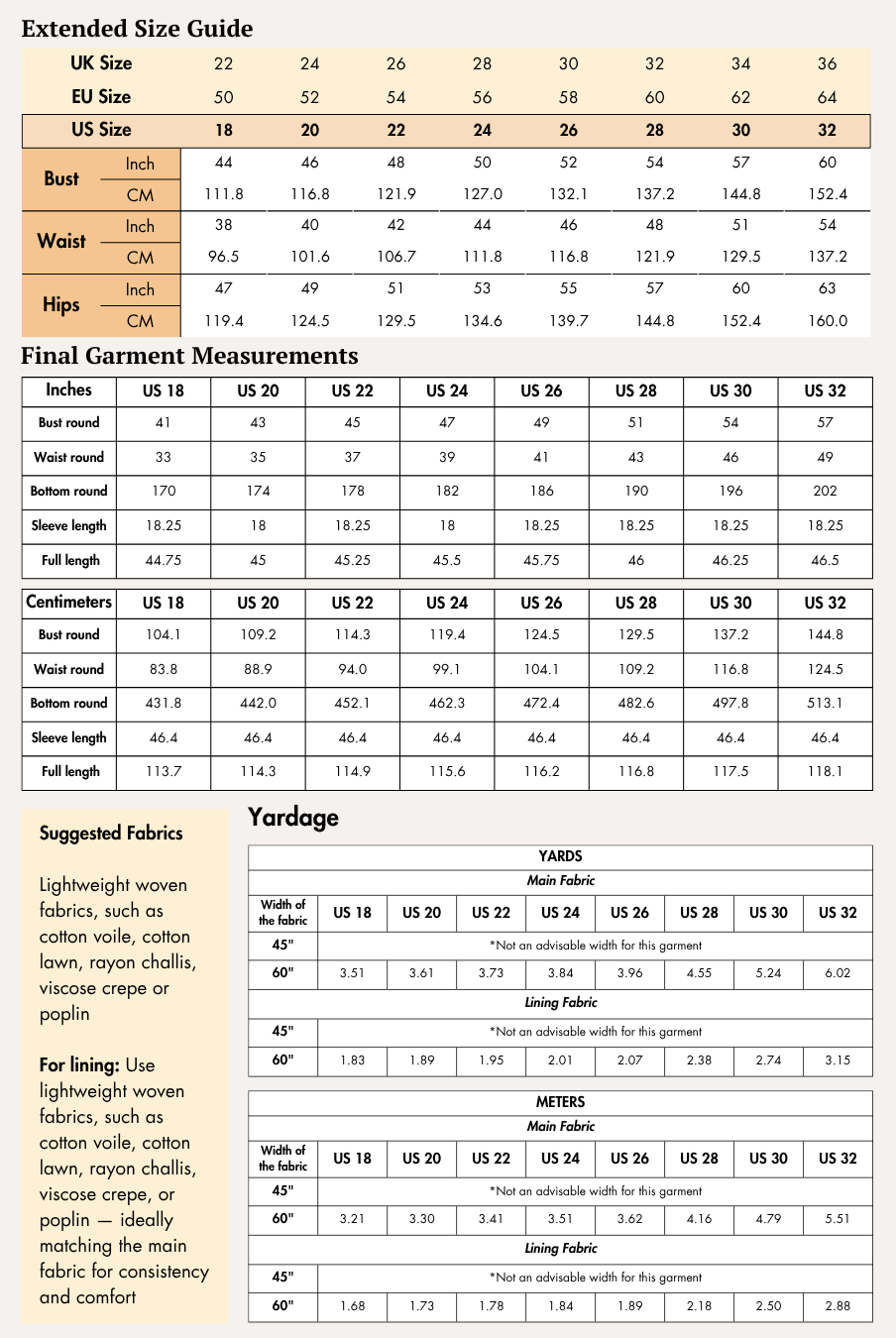
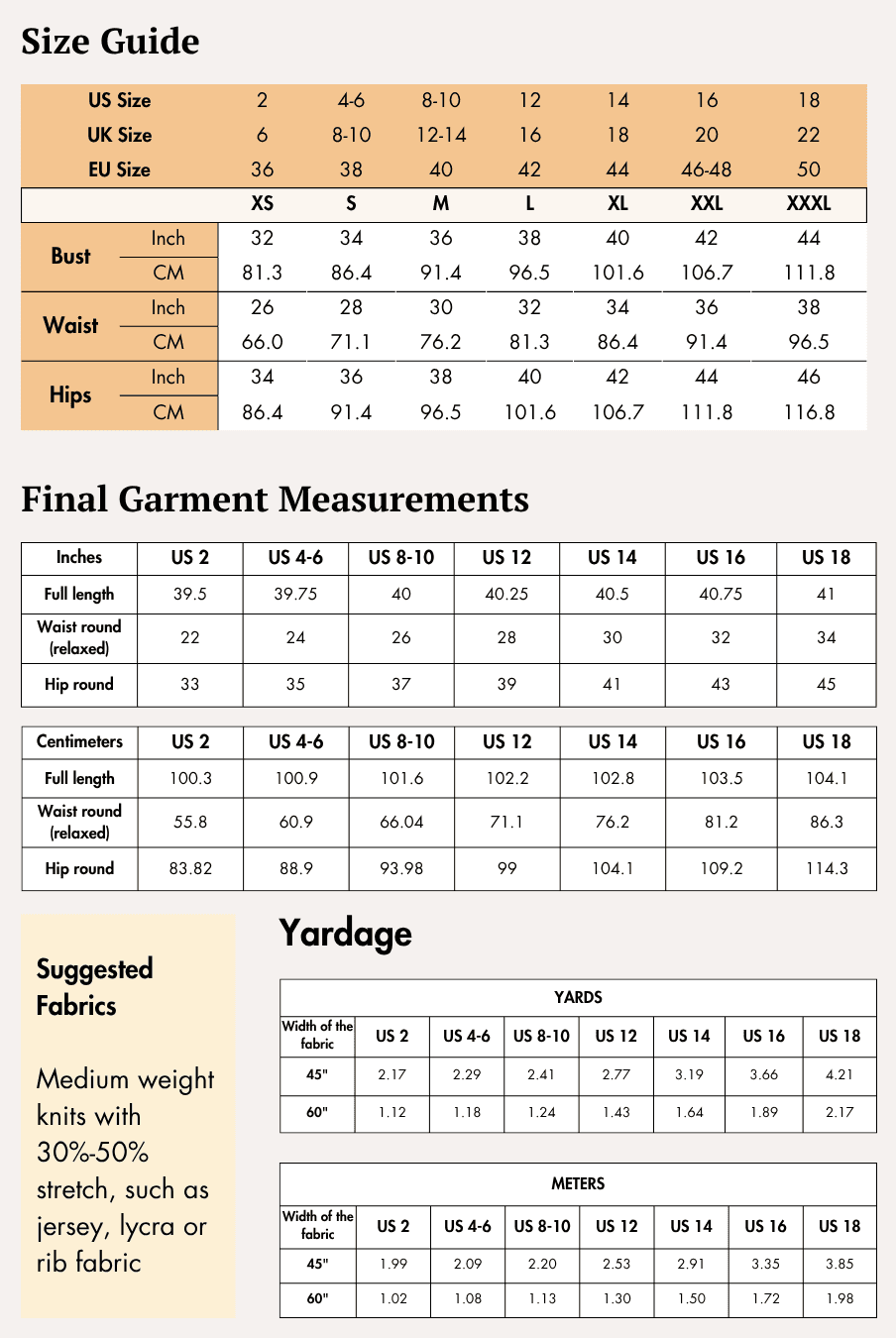
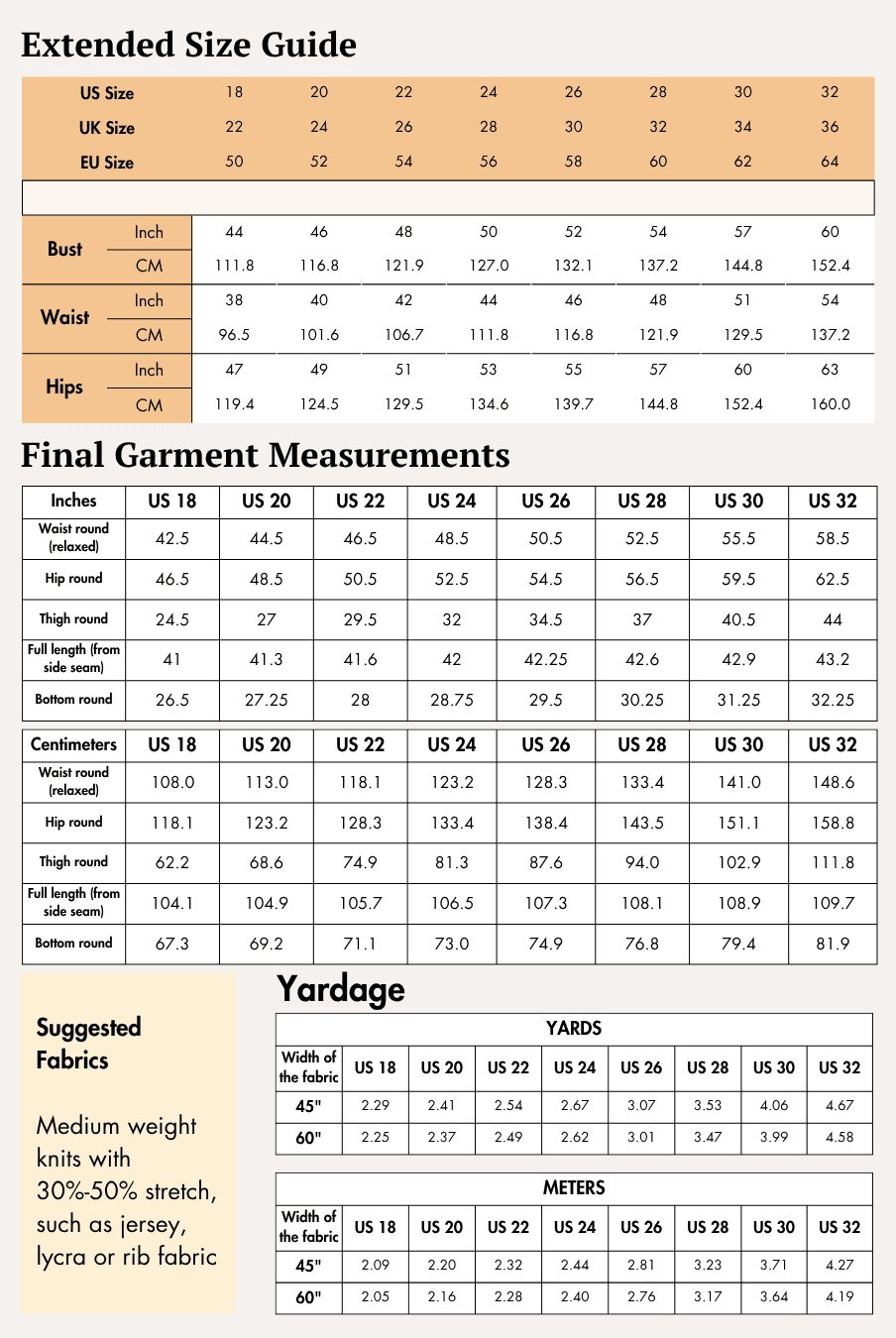
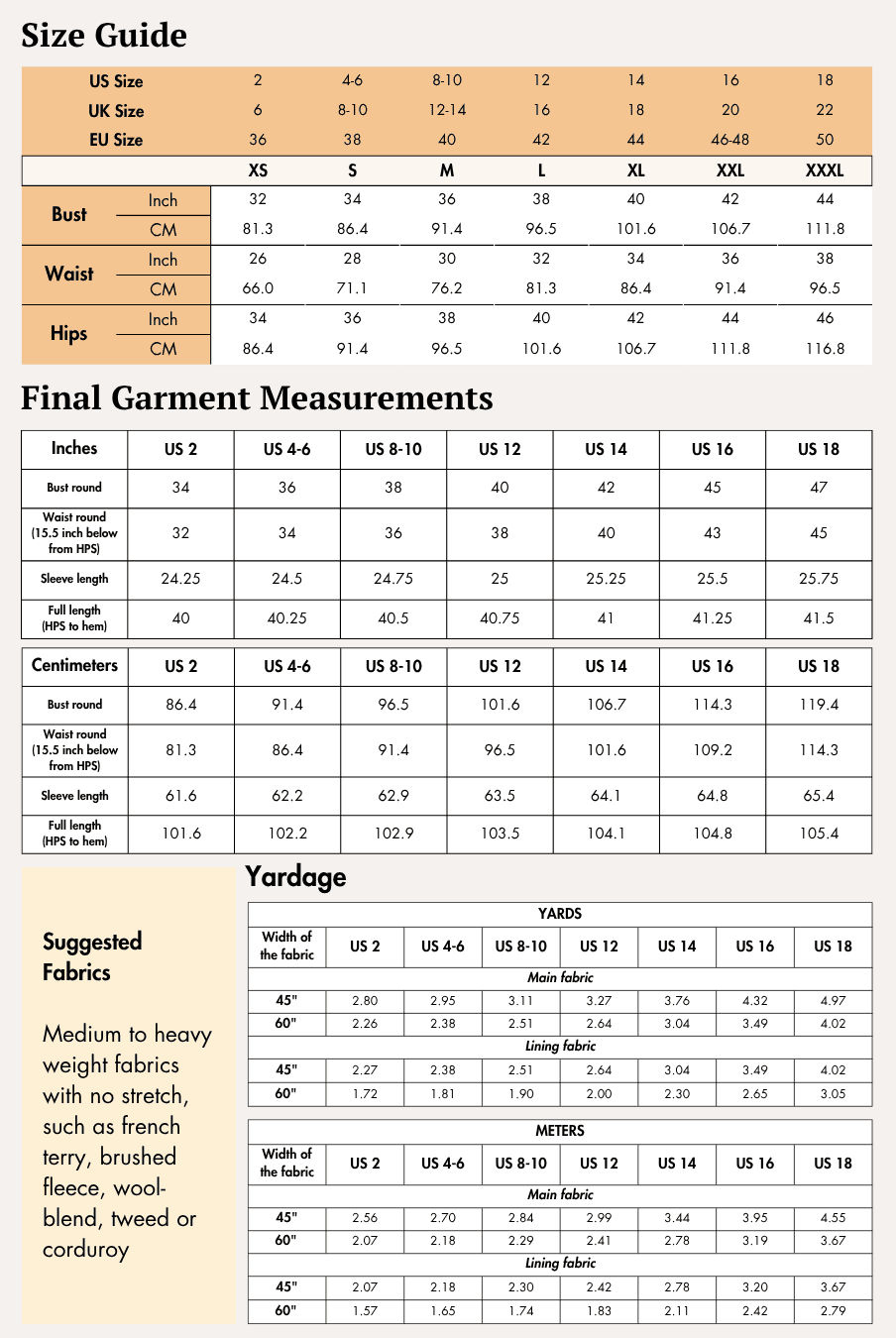
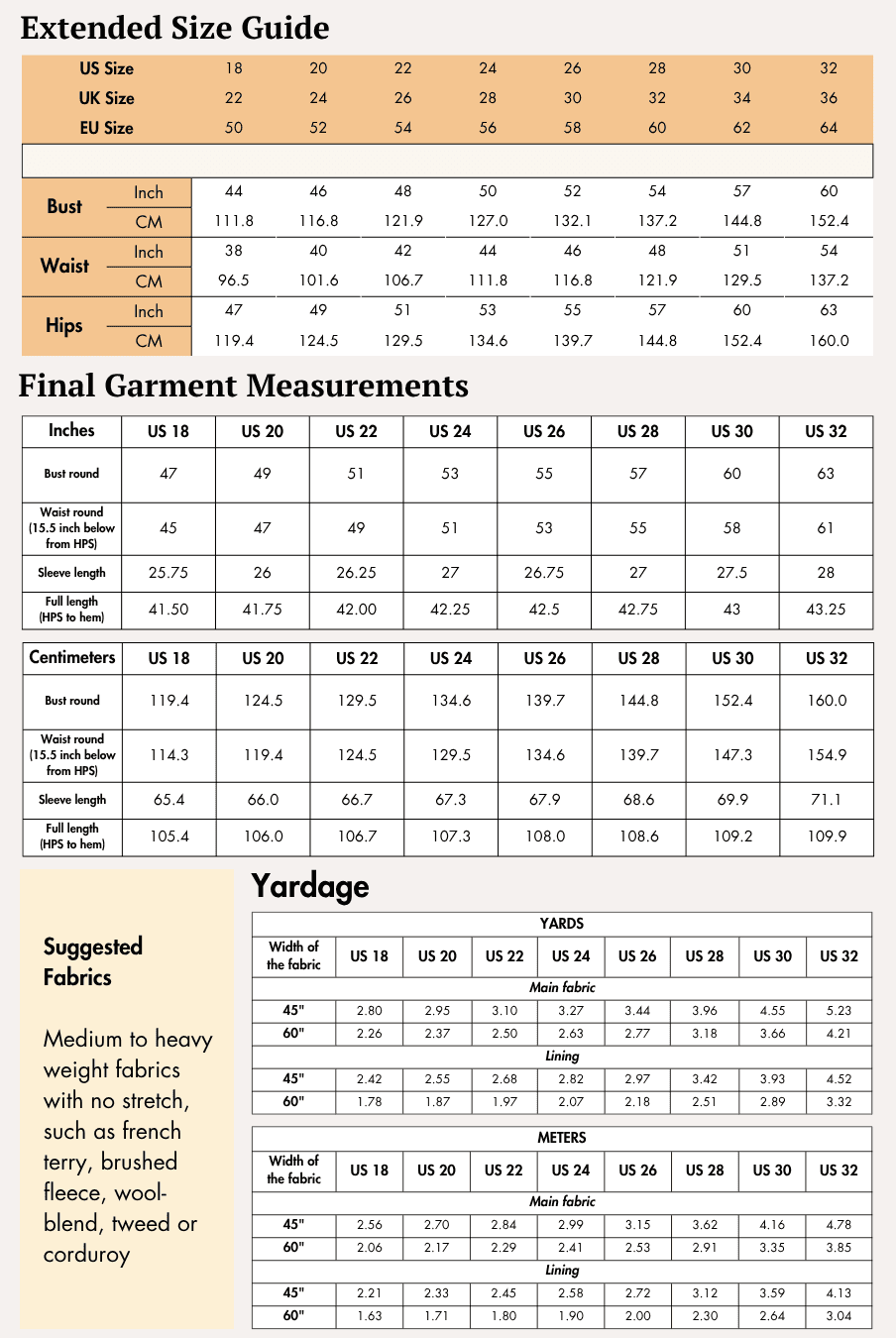
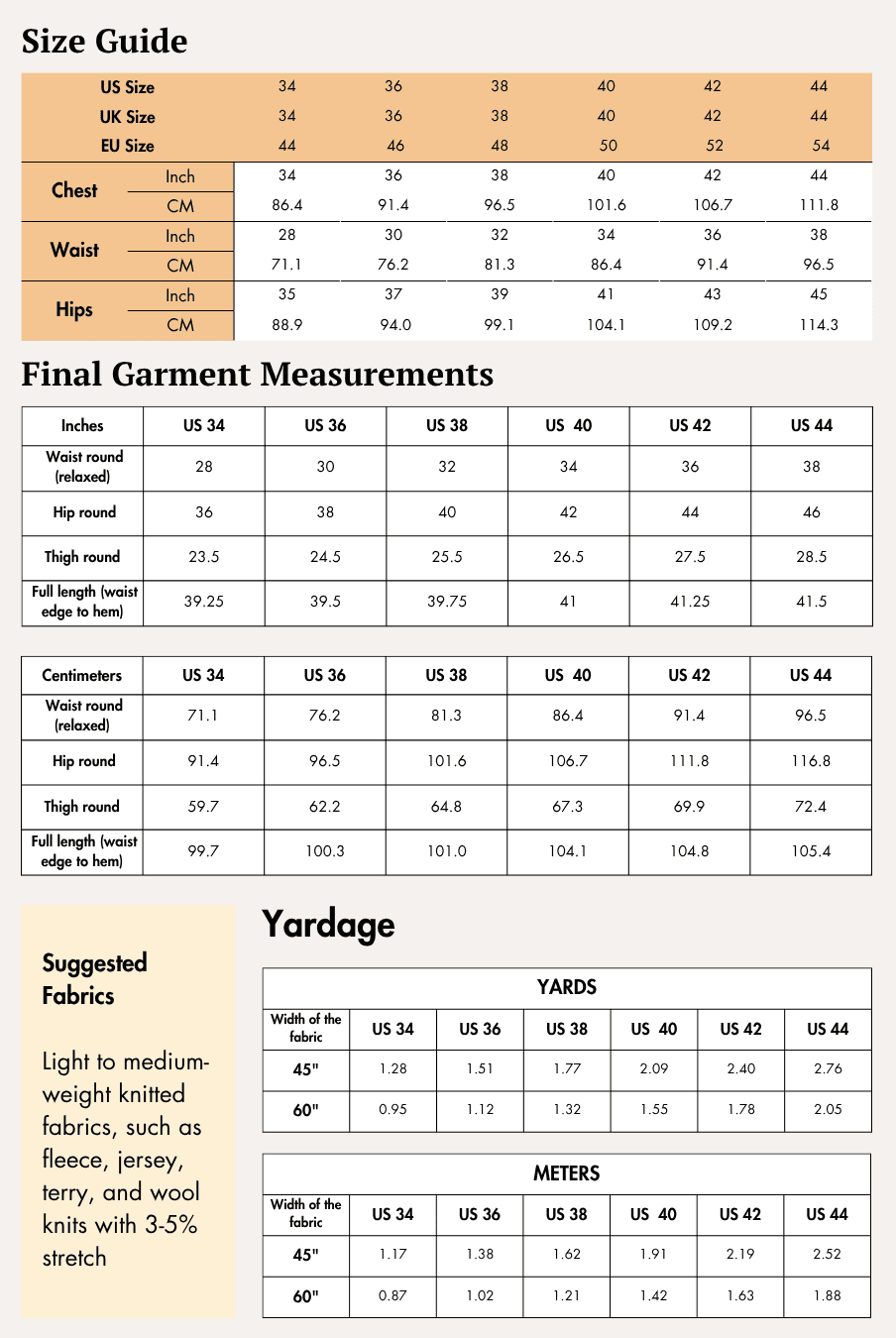
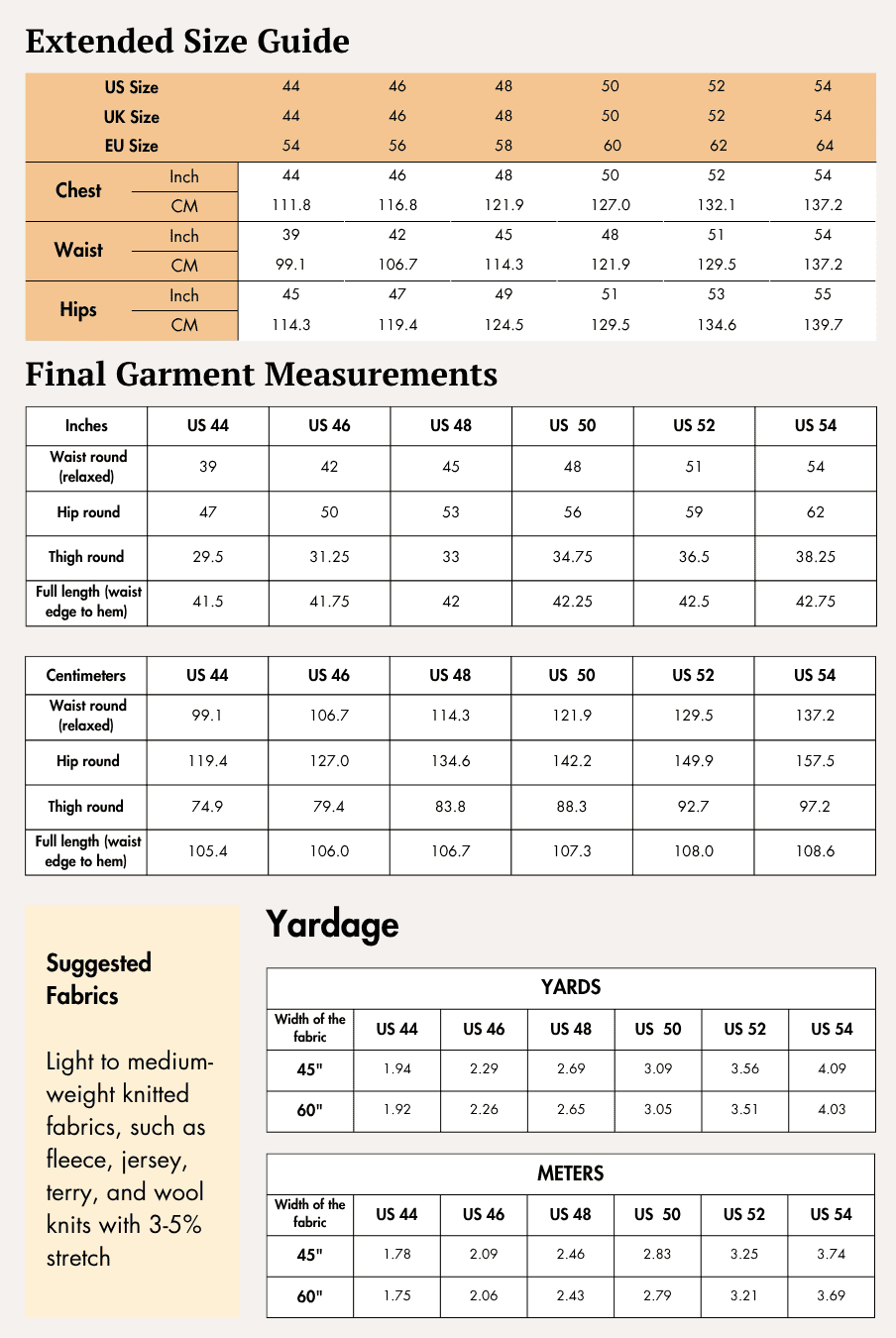
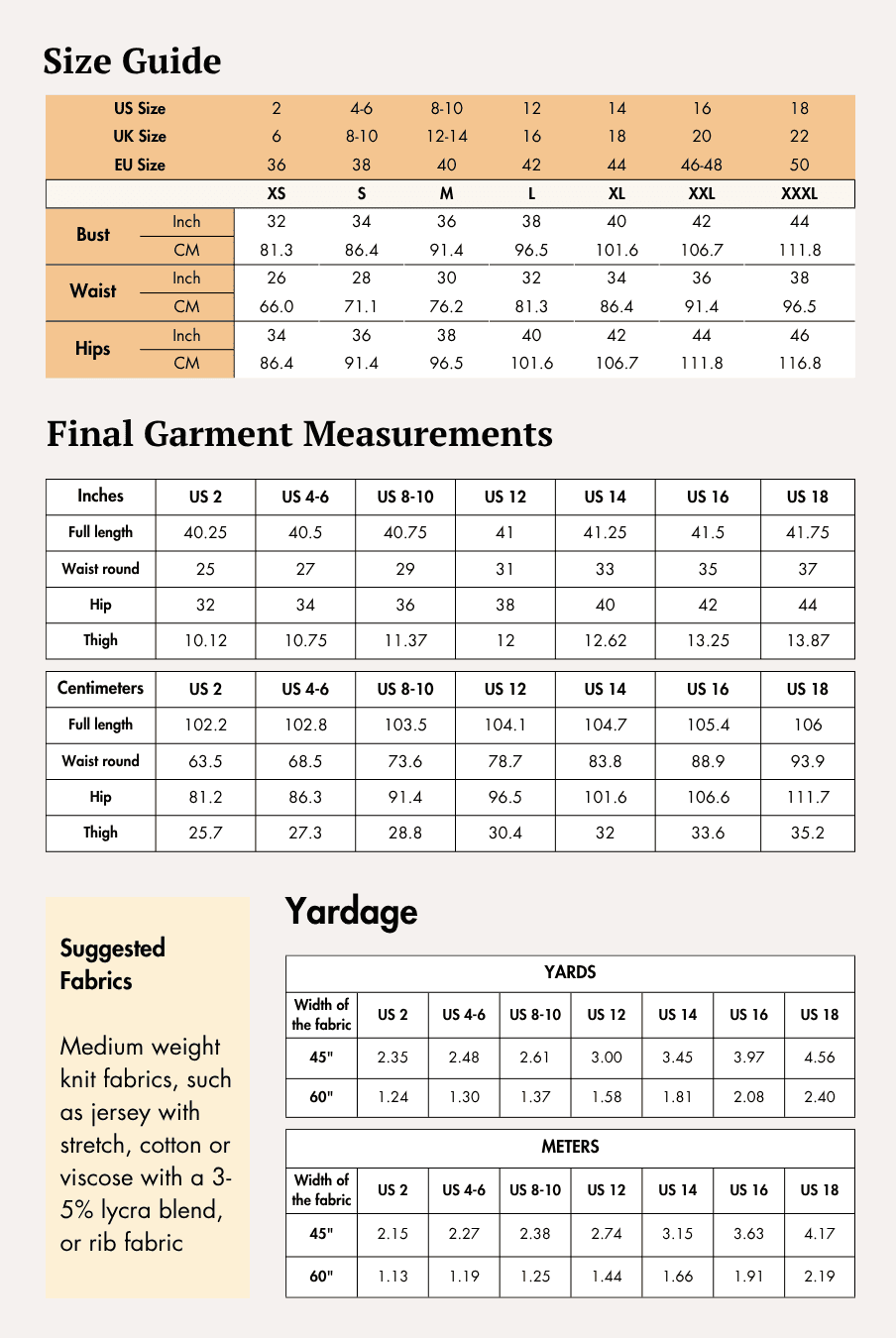
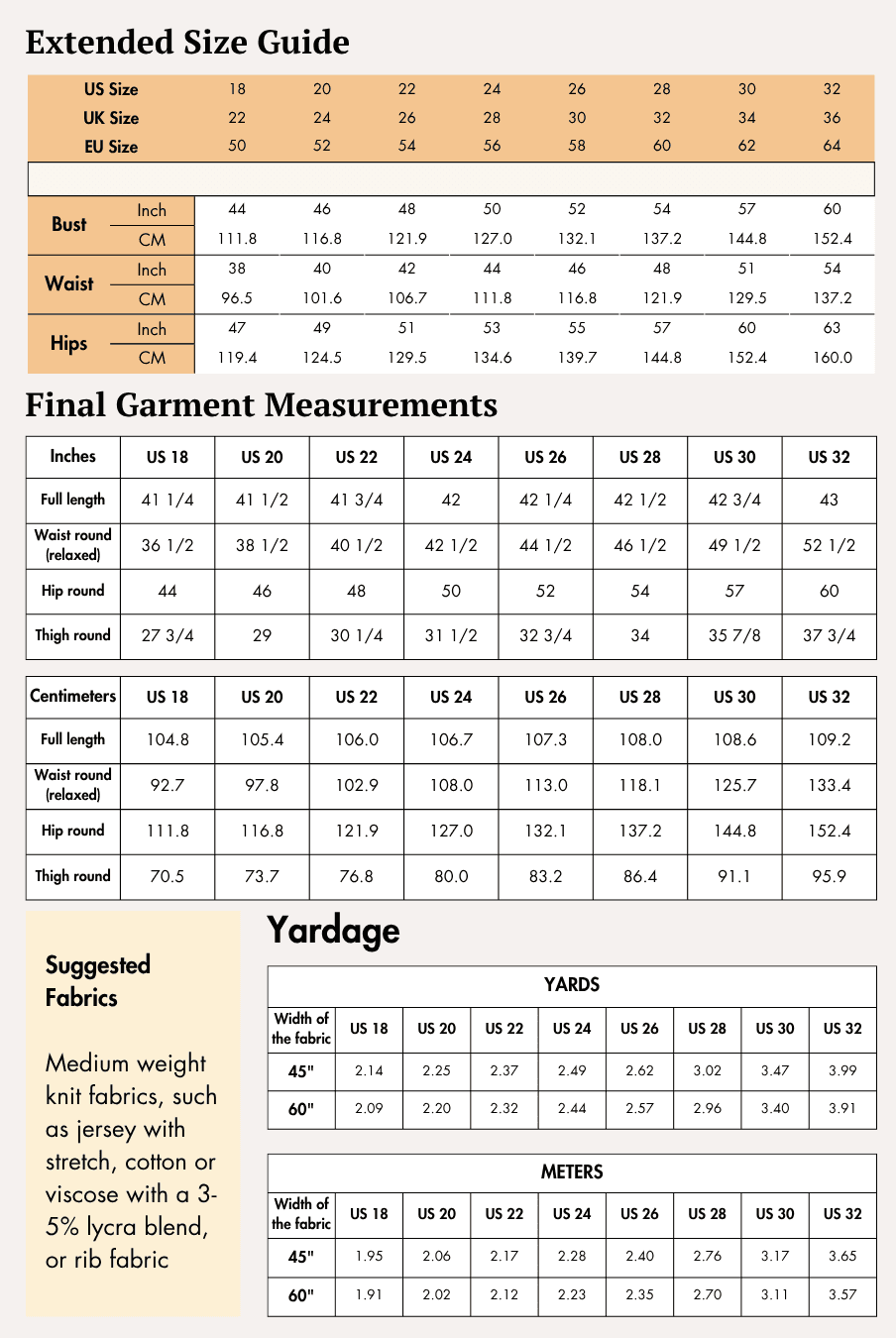
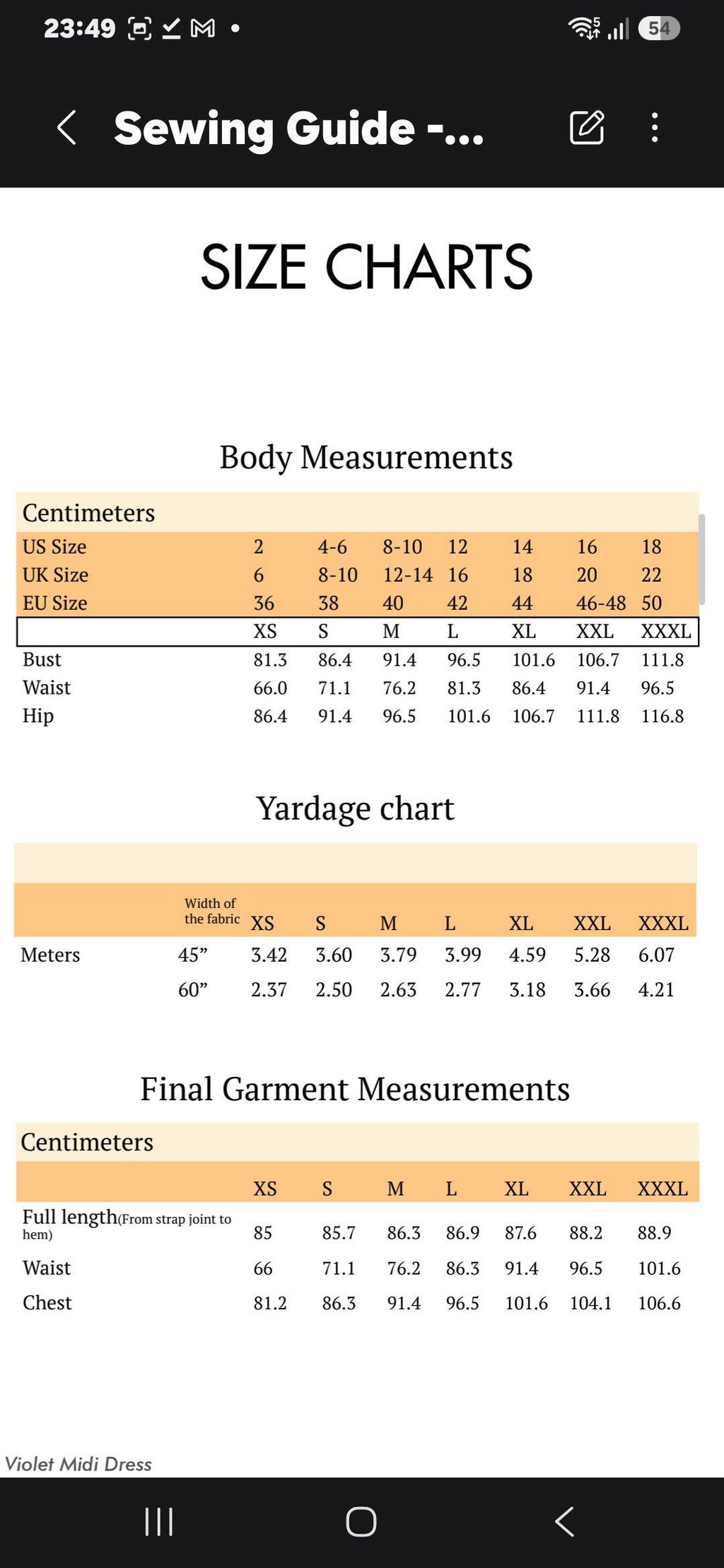
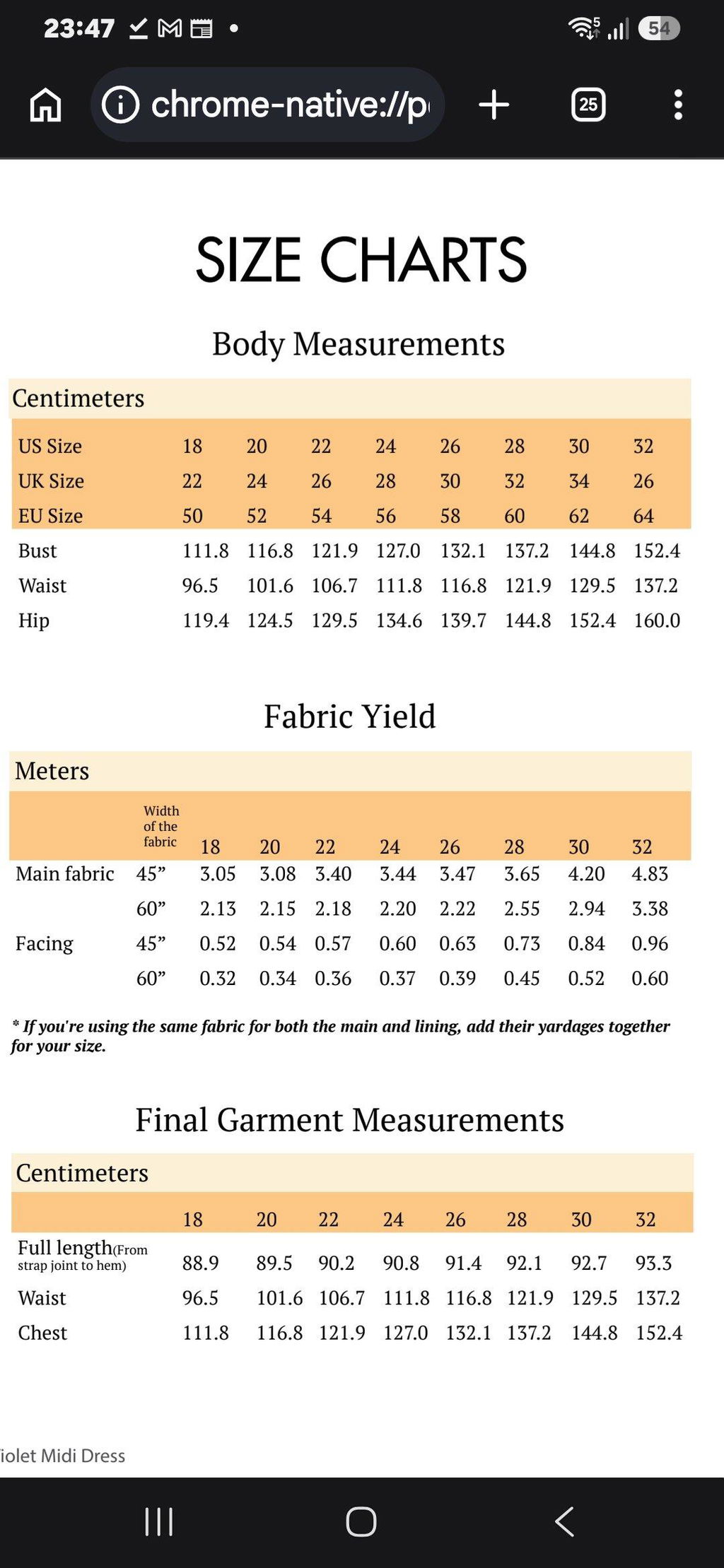
Check the size charts and measure yourself to select the correct size, using the garment and body measurement tables in the guide.
Verify how much fabric you need by referencing the fabric yield table in the guide.
Printing Your Digital Sewing Pattern
Before cutting your fabric, print your digital pattern at 100% scale on the correct paper size. If you are printing at home, use the A4/US Letter pattern. If you are using a copy shop, use the A0 version.
The Mist V-Neck T-Shirt Sewing Pattern also includes a projector file if you prefer projector cutting.
Pattern Inventory: What Pieces to Prepare

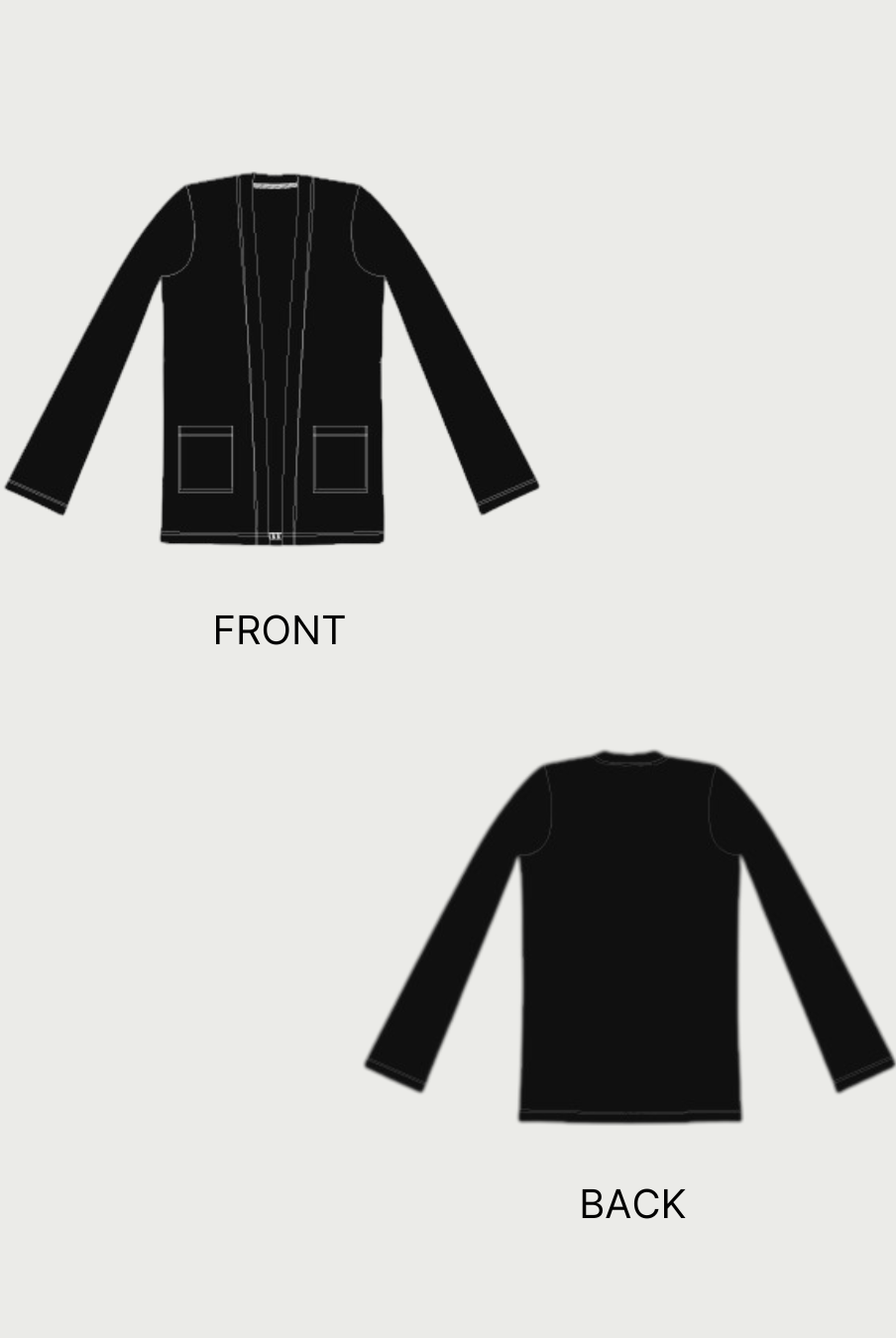
For sewing the Mist V-Neck T-Shirt Sewing Pattern, cut all of these pieces:
- A. Front bodice - cut x1 fabric
- B. Back bodice - cut x1 fabric
- C. Sleeve - cut x2 fabric
- D. Neck bias binding - cut x1 fabric
Pattern Marking

- Lay out all pattern pieces according to the cutting layout diagrams.
- Make sure each grainline arrow runs parallel to the selvage.
- Transfer all markings to the wrong side of the fabric.
- Mark the neckline, shoulder line notches, armholes, shoulder drop lines, bodice notches, seam allowance, and hemline.
- Cut notches carefully where indicated. These markings help line up the pieces when you assemble the garment.
Cutting Layout


The correct pattern layout will help ensure that your garment is cut on-grain. Pinning helps in cutting shapes accurately.
- Use the correct cutting layout for your fabric width, whether 45" or 60".
- These pattern layouts are nondirectional.
- You must buy extra length if using fabric with nap or prints.
- Pin the pieces securely before cutting to avoid shifting.
- Cut carefully and keep all markings intact for construction.
Fabric Cutting and Preparation
Arrange the pattern pieces according to the cutting layout diagrams. Begin by positioning the pieces on the fabric, ensuring that the grainline arrow runs parallel to the selvage.
If you are using fabric shears, trace the pattern pieces and then cut them out, cutting away any pen, pencil, or chalk lines. Remember to cut out any notches that appear on the edges.
Use your marking pen, pencil, or chalk to transfer the markings to the wrong side of the fabric. Mark the center front of pieces cut on the fold, as this will help you align pieces accurately.
Seam Allowance
Please follow the seam allowances as indicated on the pattern file layers. These are provided specifically for each piece to ensure accurate construction.
This pattern uses a 0.9 cm (or 0.37 inch) seam allowance all around and 2.5 cm (or 1 inch) at the hem.
Step by Step Sewing Instructions
1. Sew the Shoulder Seams
Place the front and back pieces with their right sides together at the shoulders, then sew both shoulder seams.
2. Attach the Sleeves
Match the notch of the sleeve with the shoulder seam and pin the sleeve to the armhole of the bodice facing right-on-right.
Sew the sleeve to achieve figure 2b.
Repeat this step with the other sleeve.
3. Sew the Side Seams
Now, the bodice is still facing the right side. Sew both side seams from the sleeve starting point to the hem.
4. For Attaching Neck Bias Binding
-
Fold the bias binding widthwise by about 1 cm and press it. Then, fold it in half lengthwise and press it down nicely to create a crease.
-
Create a crease by folding the V-neck meeting point.
-
Place the bias binding, raw edges towards the raw edge of the neckline, on the neckline of the bodice from 1-2 cm above the shoulder seam.
-
Start sewing on the seamline of the neckline till the V-neck meeting point, starting from the shoulder seam.
-
Fold the V-neck with bias binding and sew the sticking out bias binding and trim the excess as shown in the figure.
-
Start sewing again from the V-neck meeting point and complete the neckline stitches, returning to the same shoulder seam.
-
To finish the raw edges of the bias binding, tuck the end of the bias binding inside the 1-2 cm left before and close the neck bias binding with a few back stitches.
-
Trim excess seam allowance to reduce bulkiness.
-
Flatten and spread open the neck bias binding, iron the neck seamline, and sew at the edge of the neckline with the seam allowance of both the neckline and the bias binding underneath.
-
Stop at the meeting point and flip the sticking out fabric away.
-
Flip the bias binding to the wrong side of the bodice and iron it. Sew the bias binding to complete the neck binding attachment.
5. Finish the Sleeves and Hem
Sew the sleeves and hem from the right side, using a flat lock stitch if preferred, starting from the side seam and returning to it.


Why We Recommend the Mist V-Neck T-Shirt Pattern


The Mist V-Neck T-Shirt Sewing Pattern is a useful everyday pattern for sewists who want to create a casual, relaxed-fit T-shirt. It is beginner friendly, easy to style, and works well as both a standalone top and a layering piece.
Download the Mist V-Neck T-Shirt Sewing Pattern and start sewing your new everyday T-shirt.
Join the Community & Get Support
Share your finished Mist V-Neck T-Shirt on social media with #MadeWithWinslets. If you have questions, feedback, or customization requests, contact the Winslet's team at support@winslets.com.