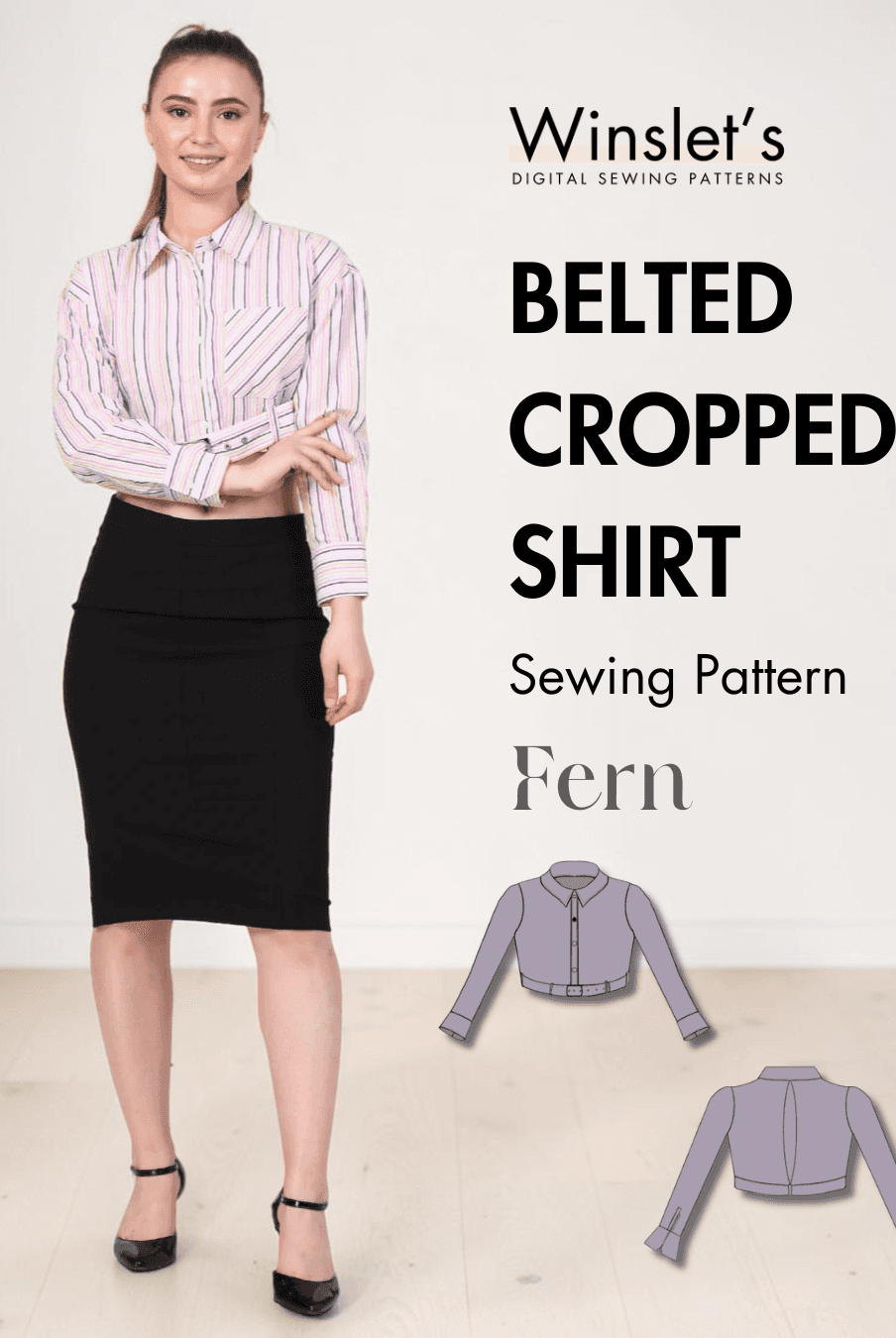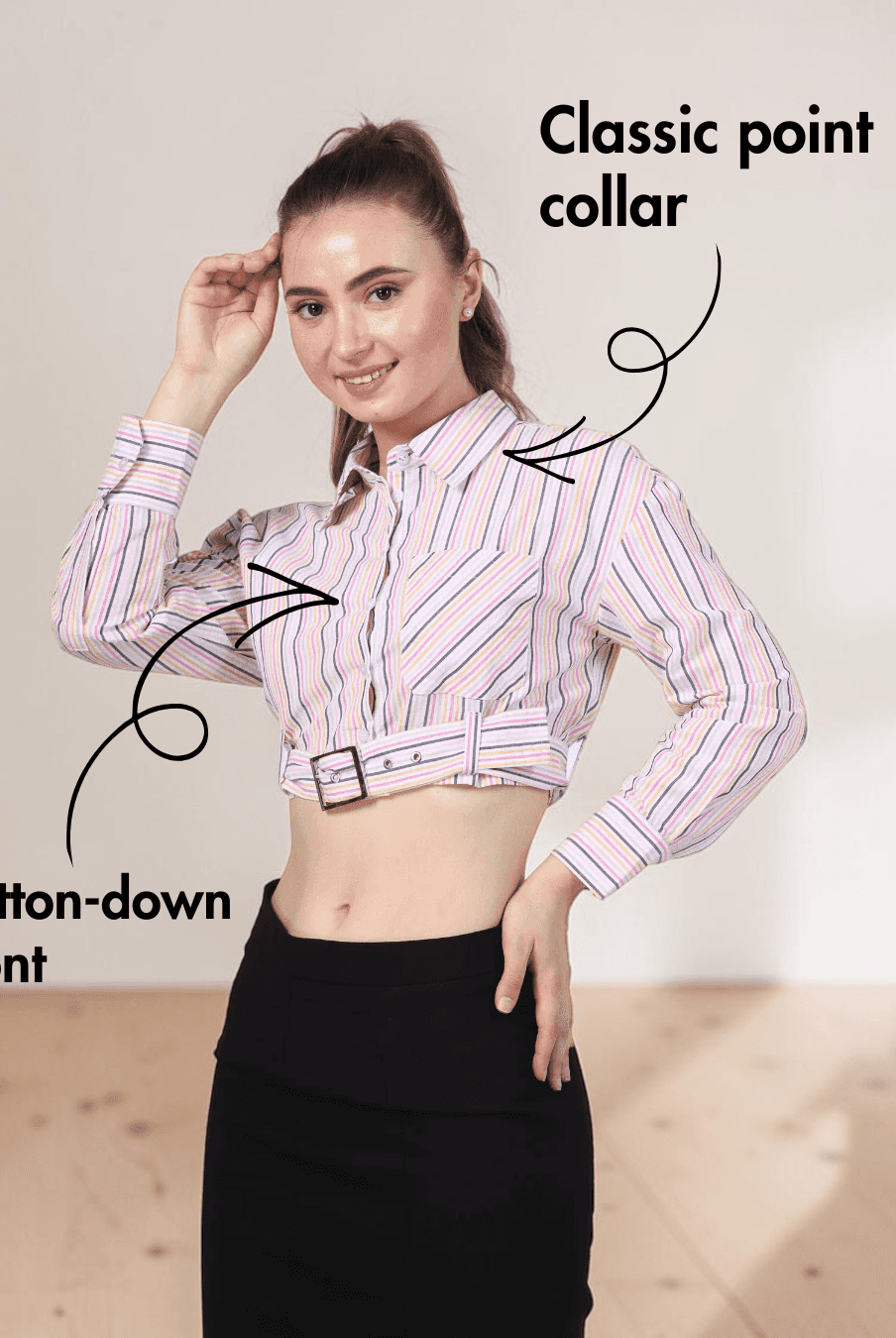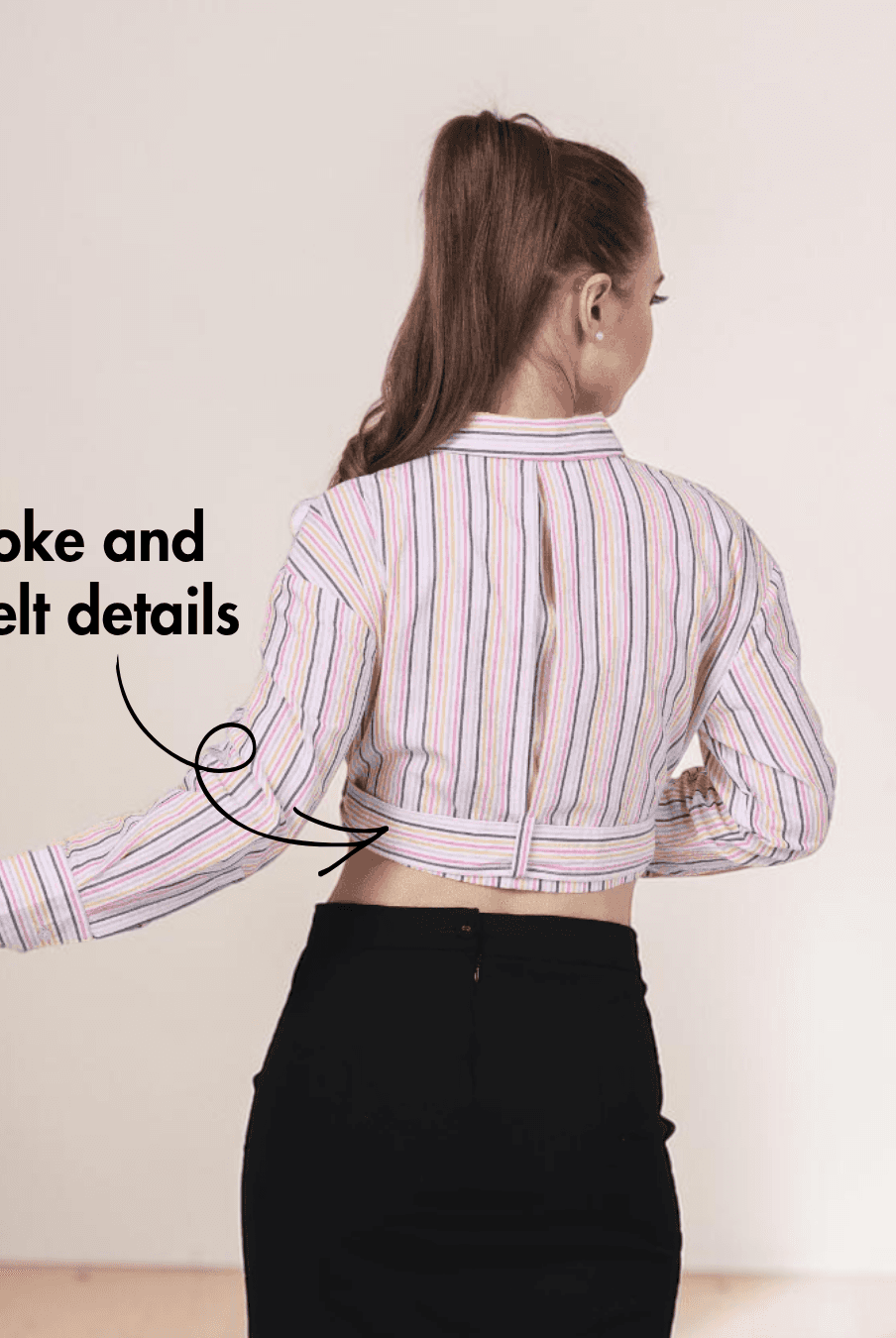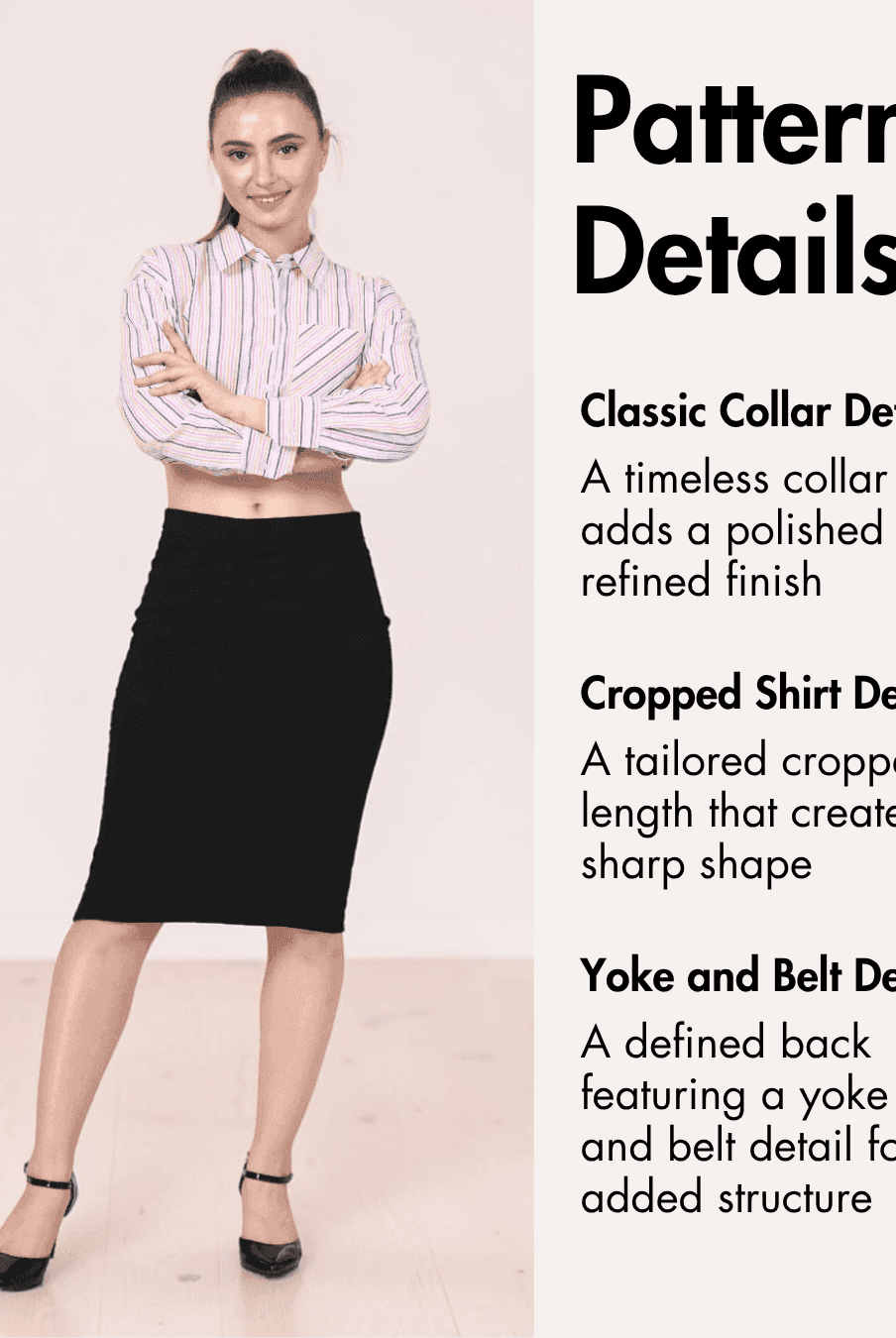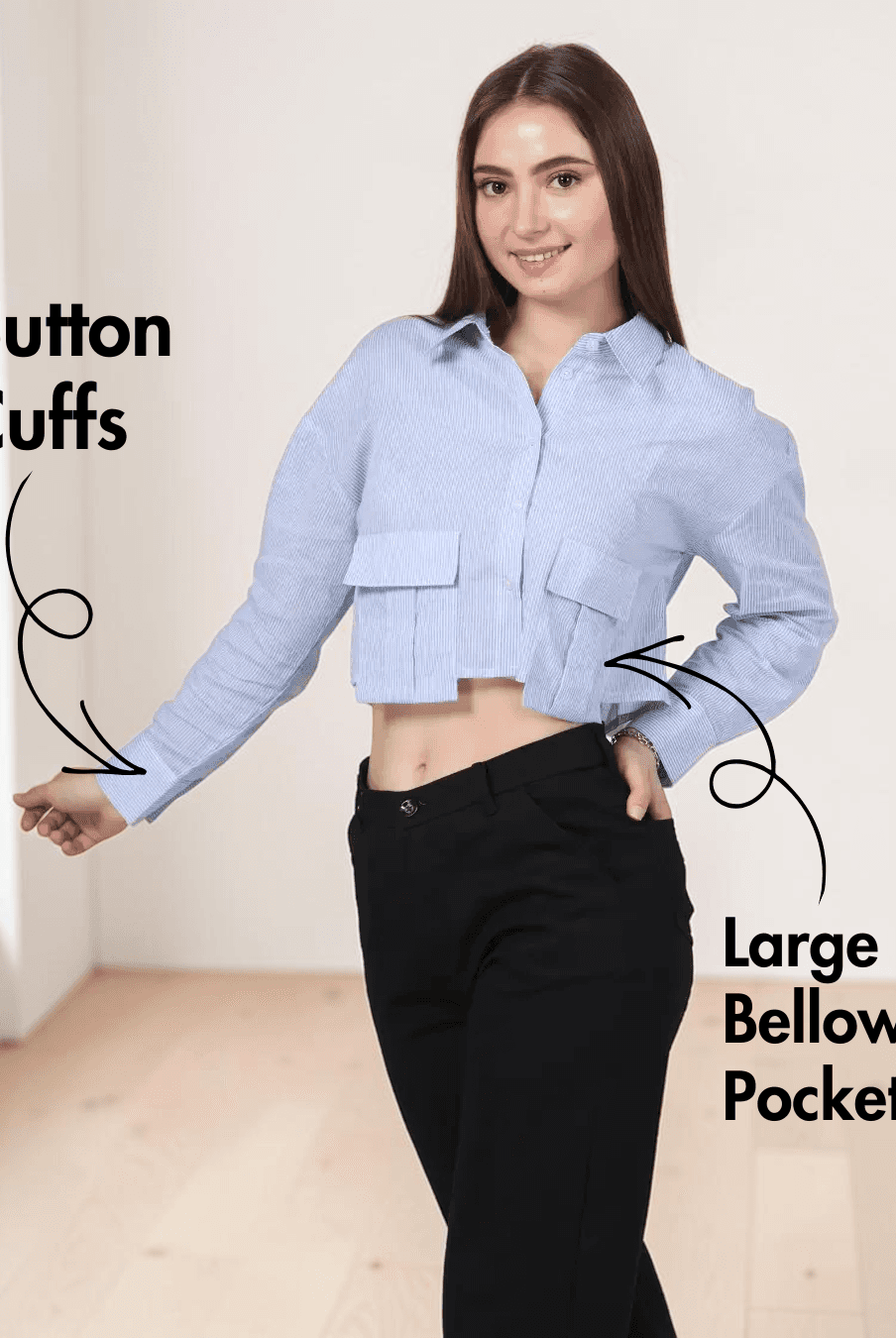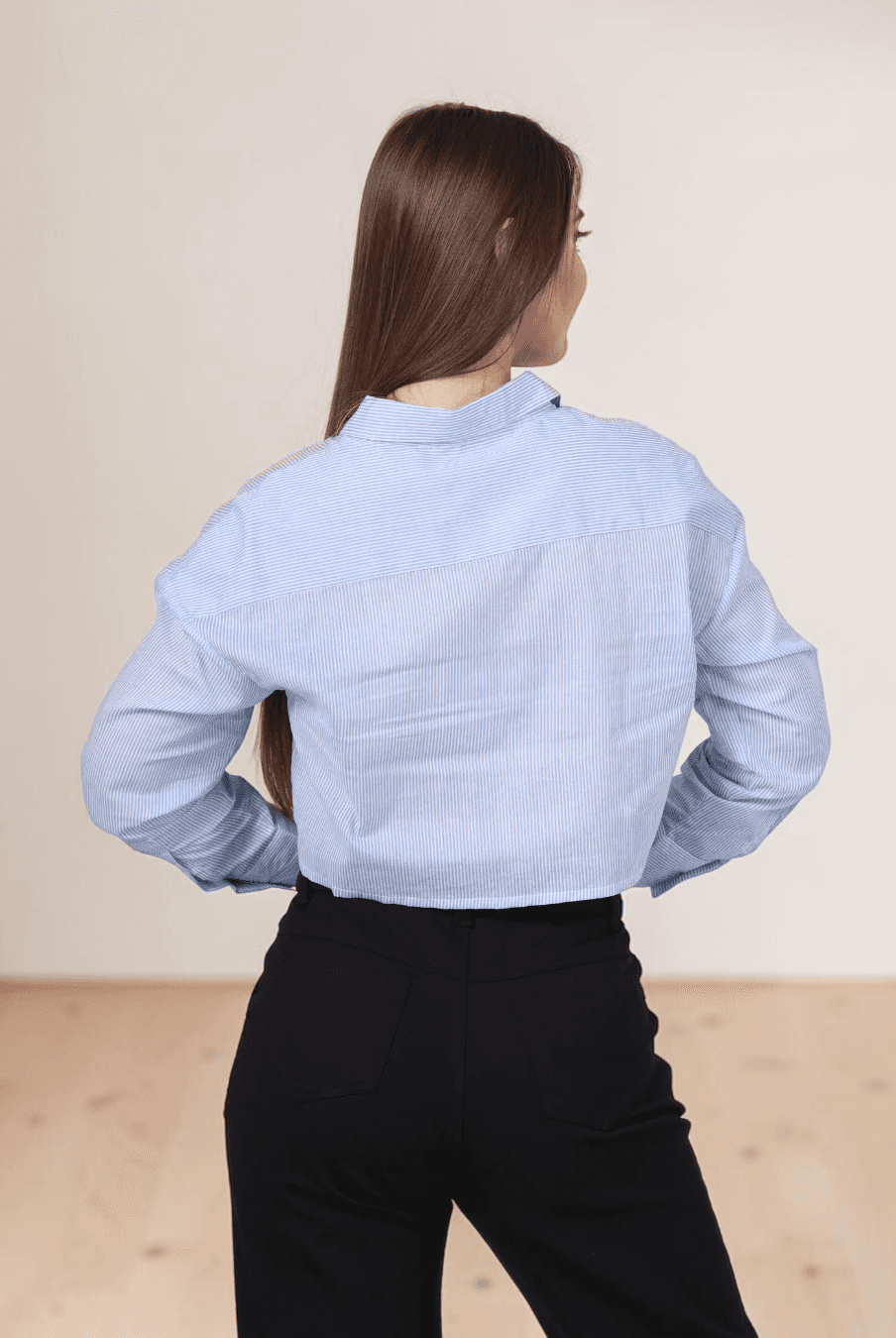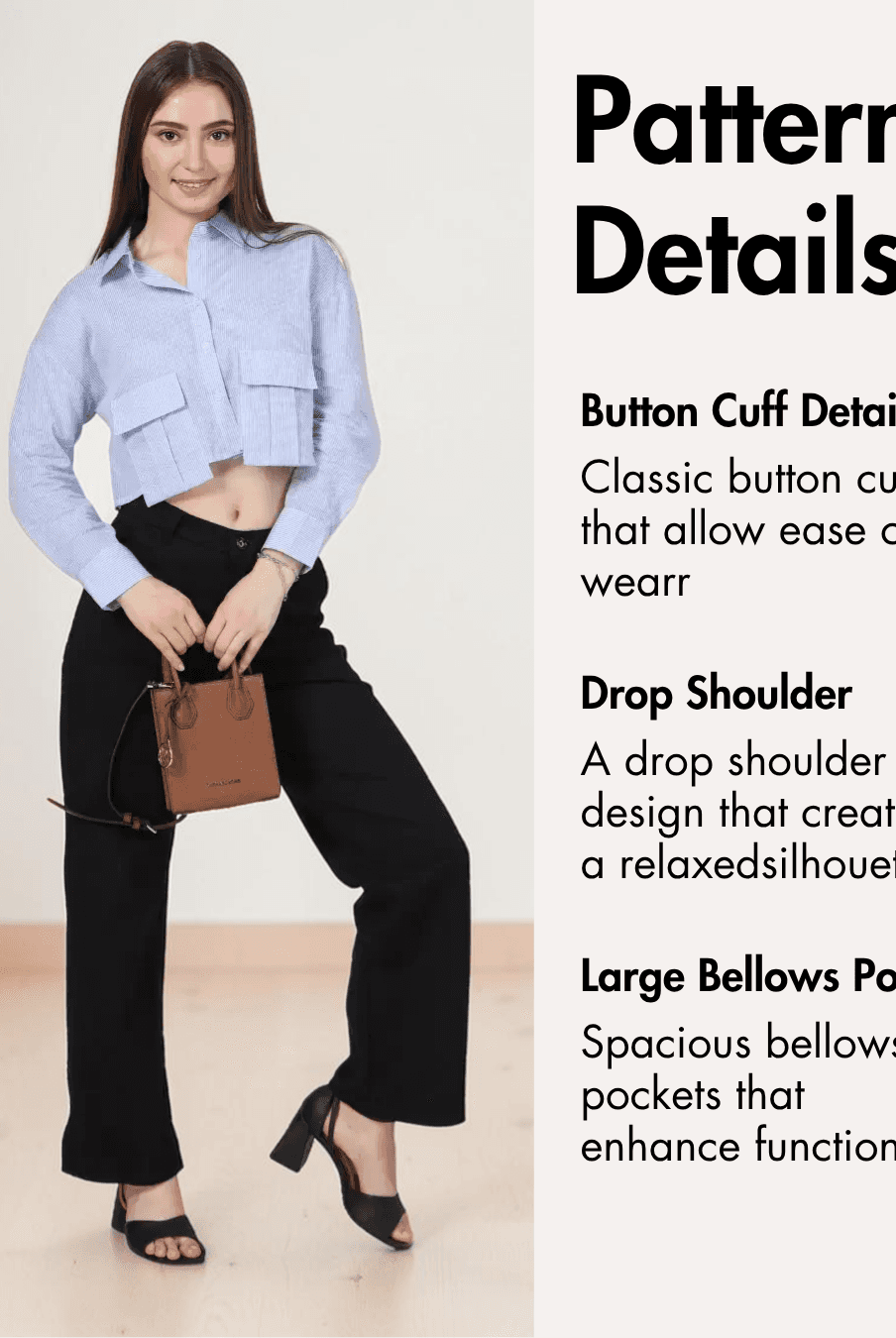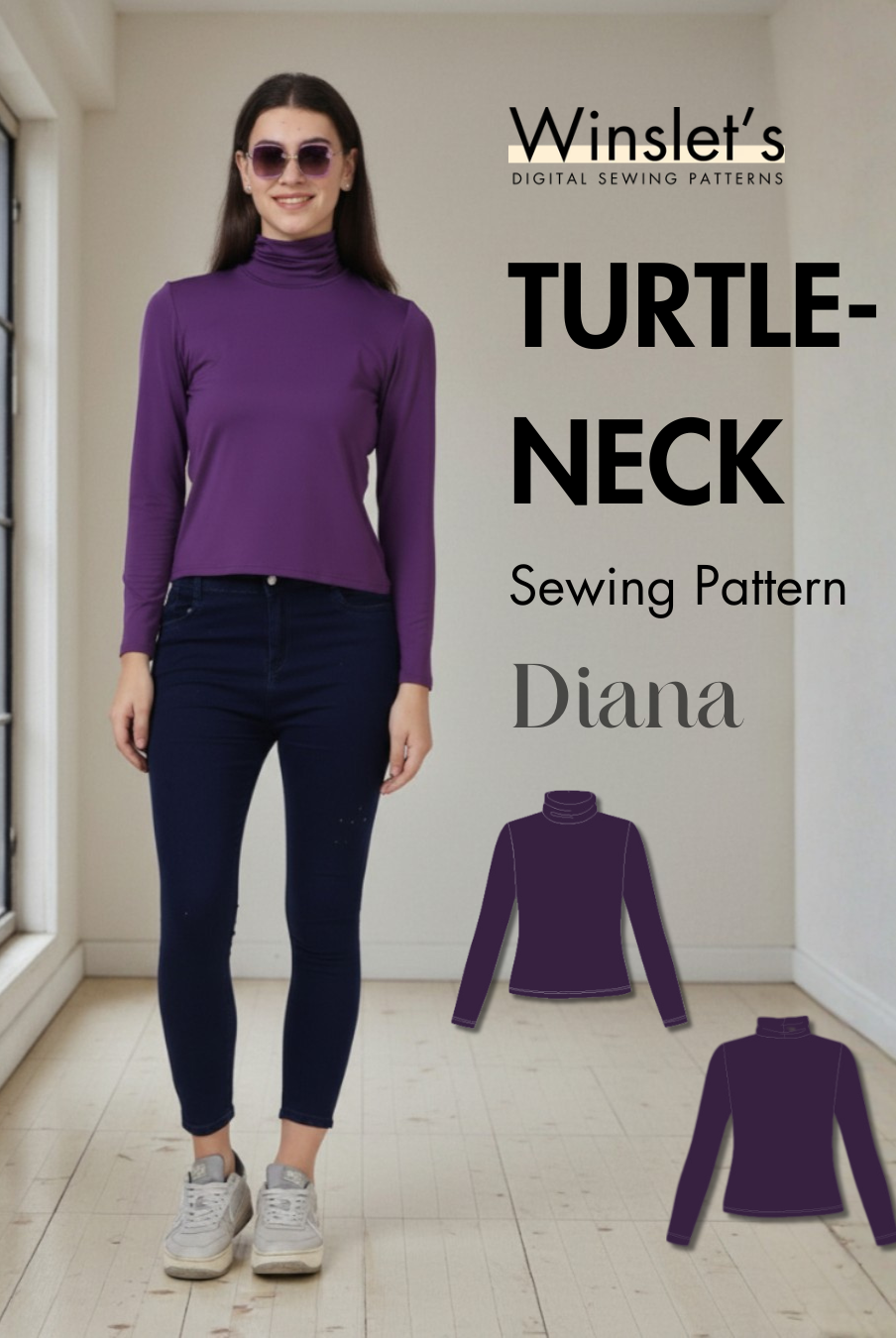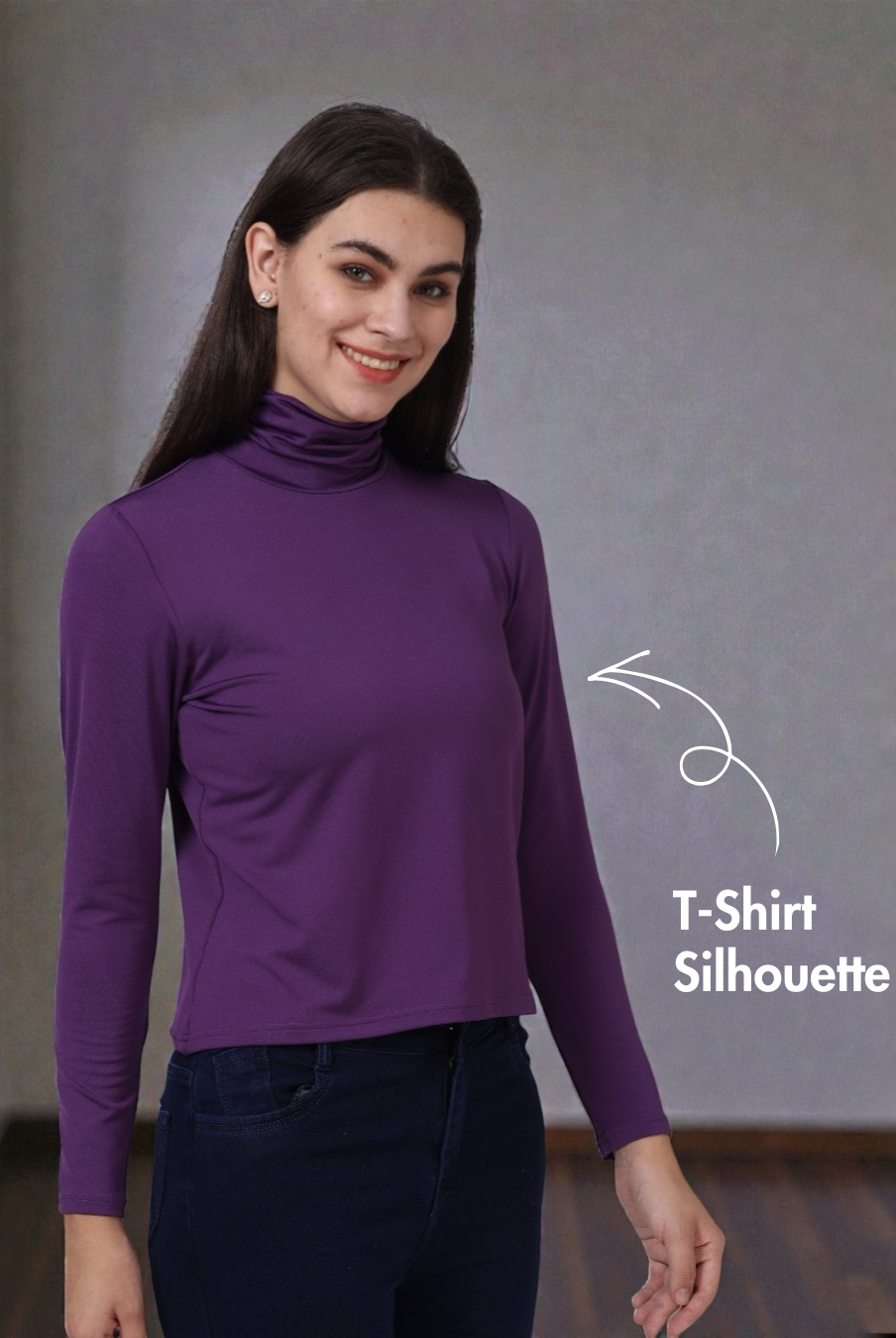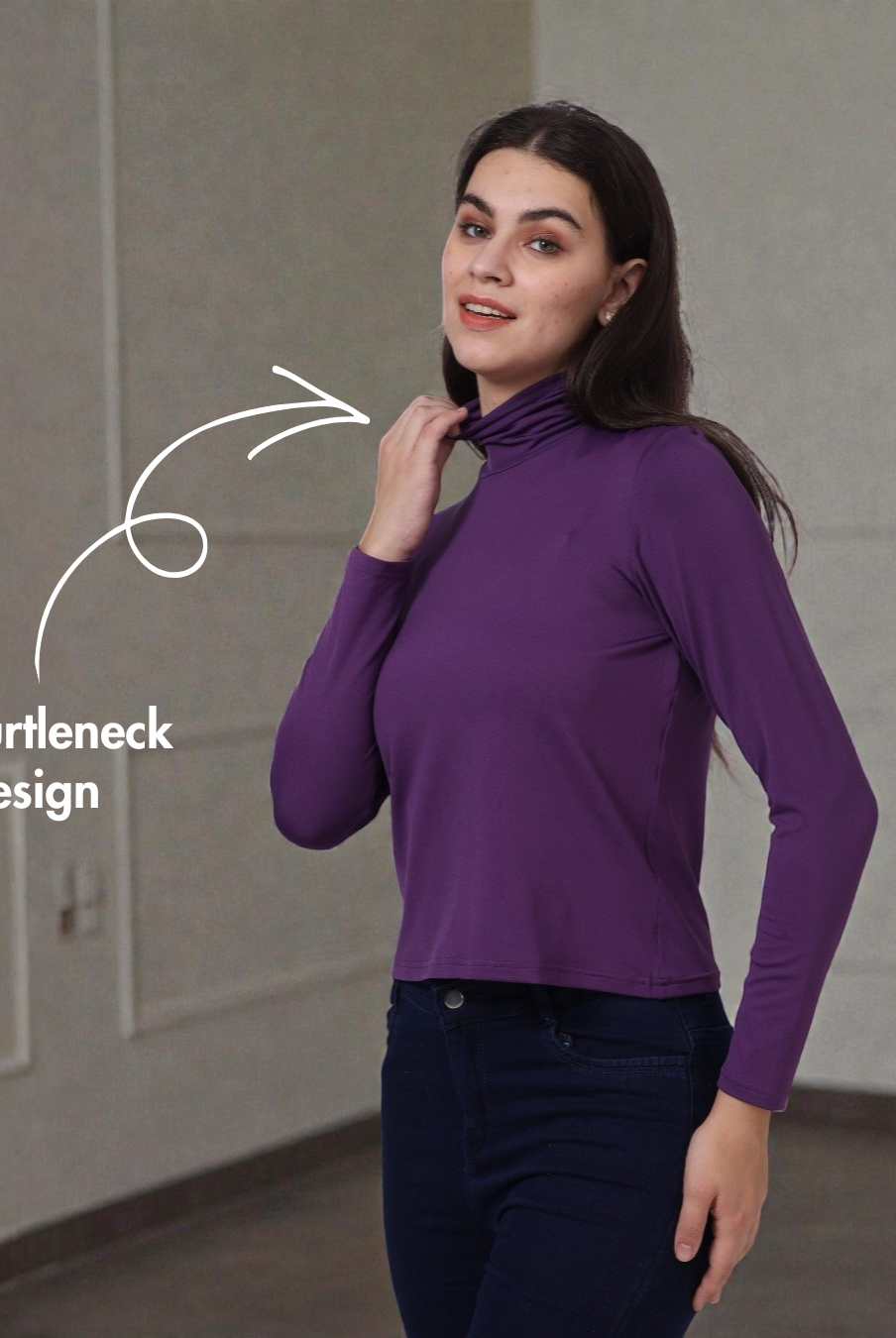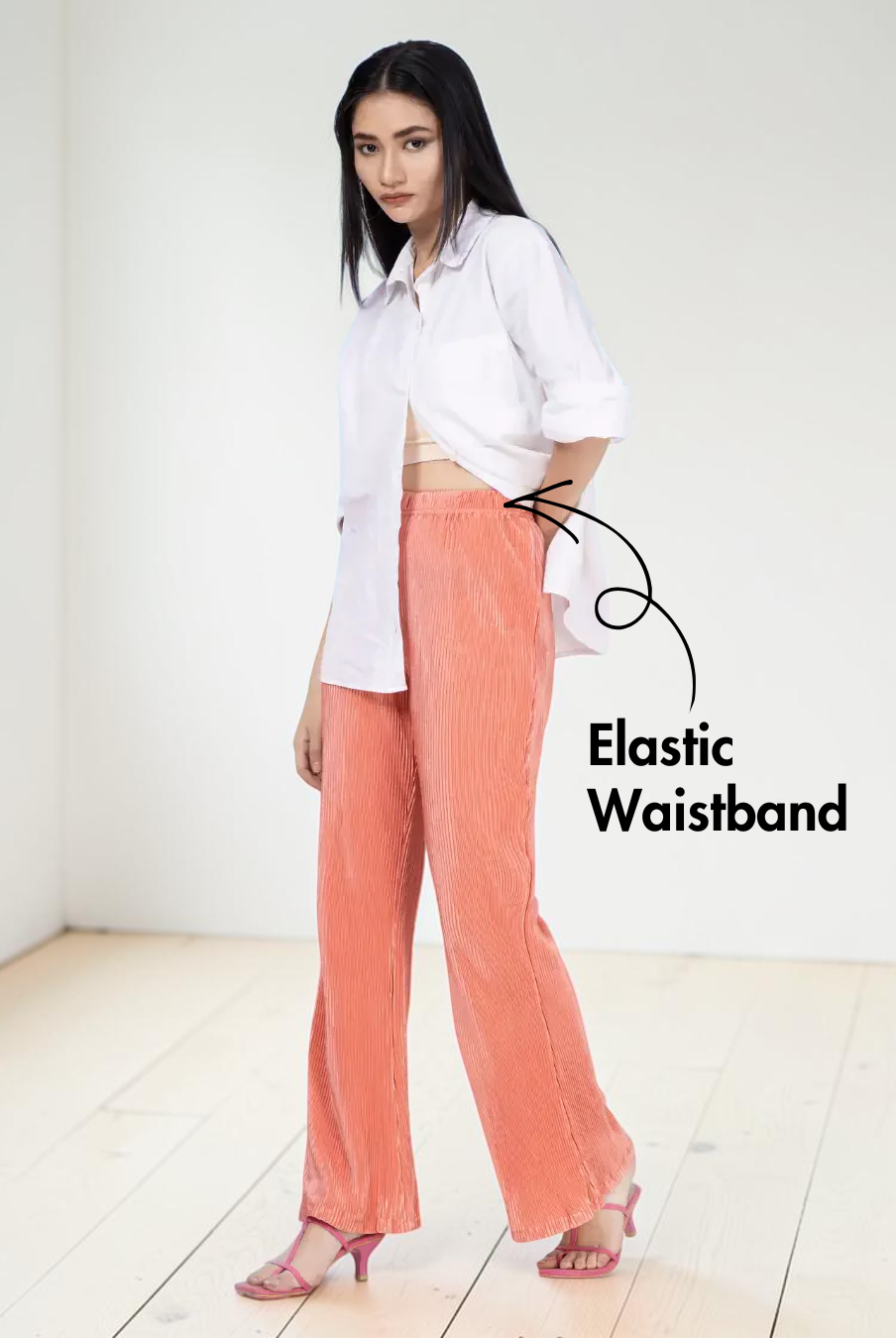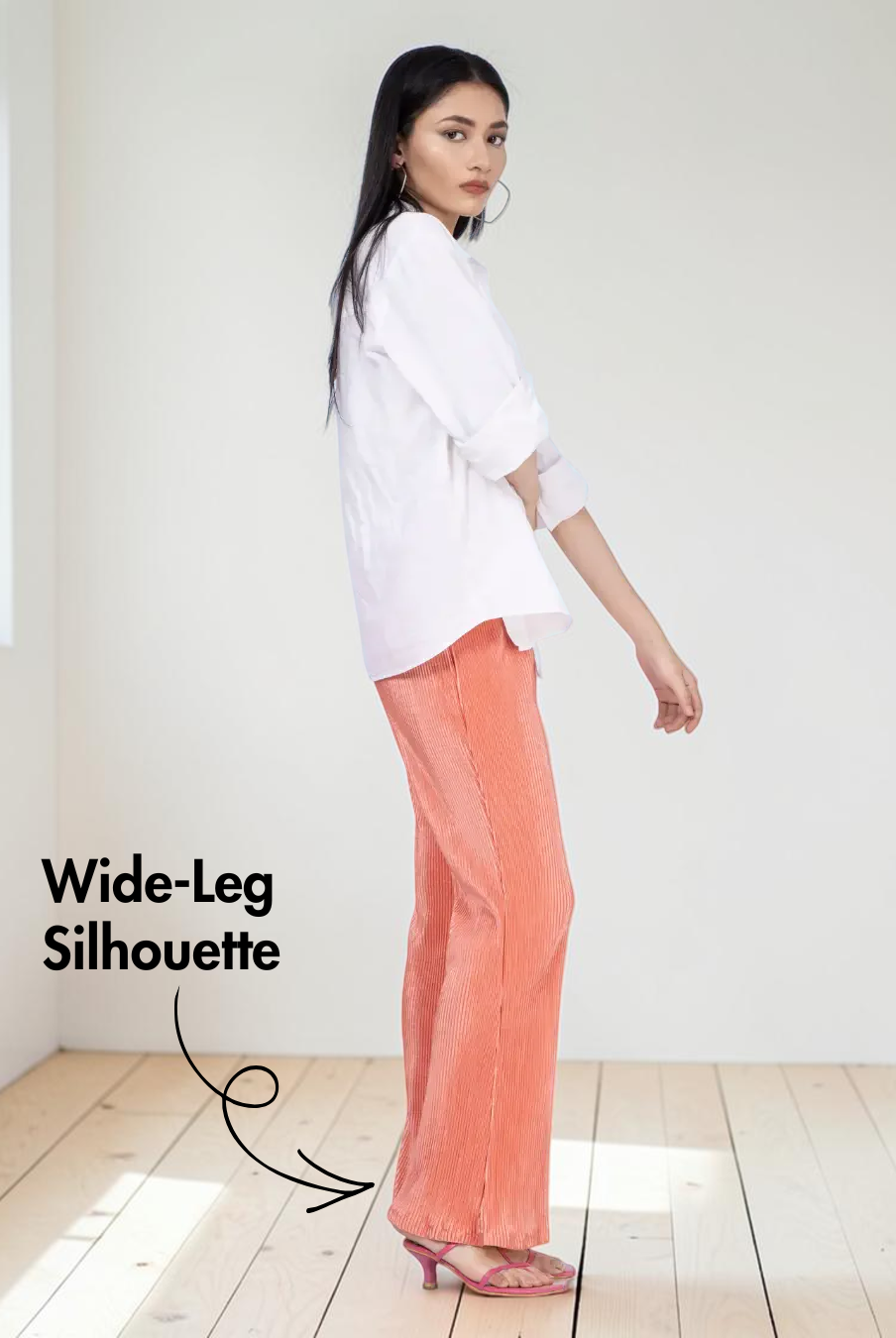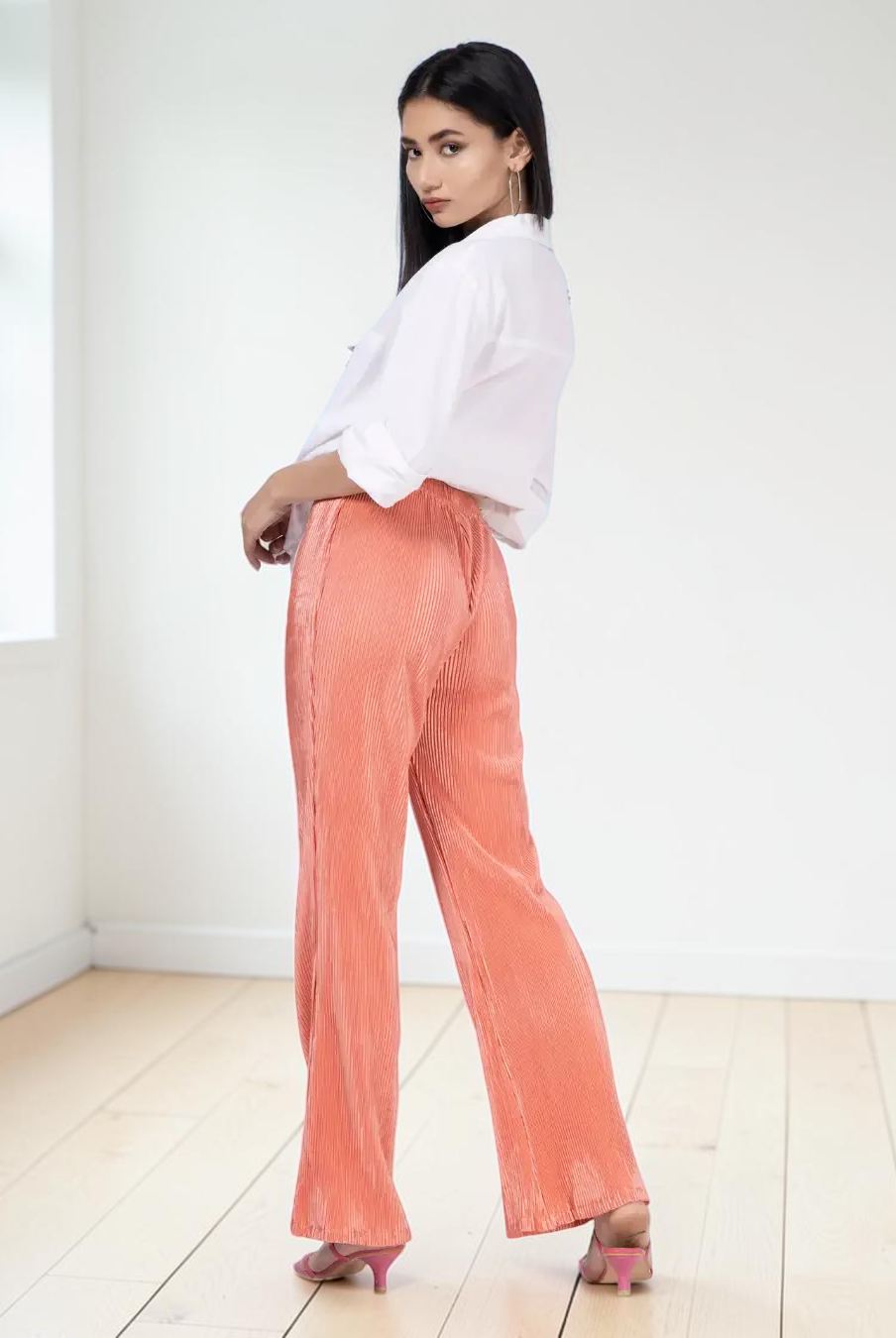
Button-down shirts are timeless wardrobe staples that offer endless styling possibilities. Whether worn casually with jeans, layered over a tank top, or paired with tailored trousers, a well-made shirt is one of the most versatile garments you can sew. Shirtmaking also introduces valuable techniques such as collars, plackets, cuffs, and buttonholes, making it a rewarding project for sewists looking to expand their skills.
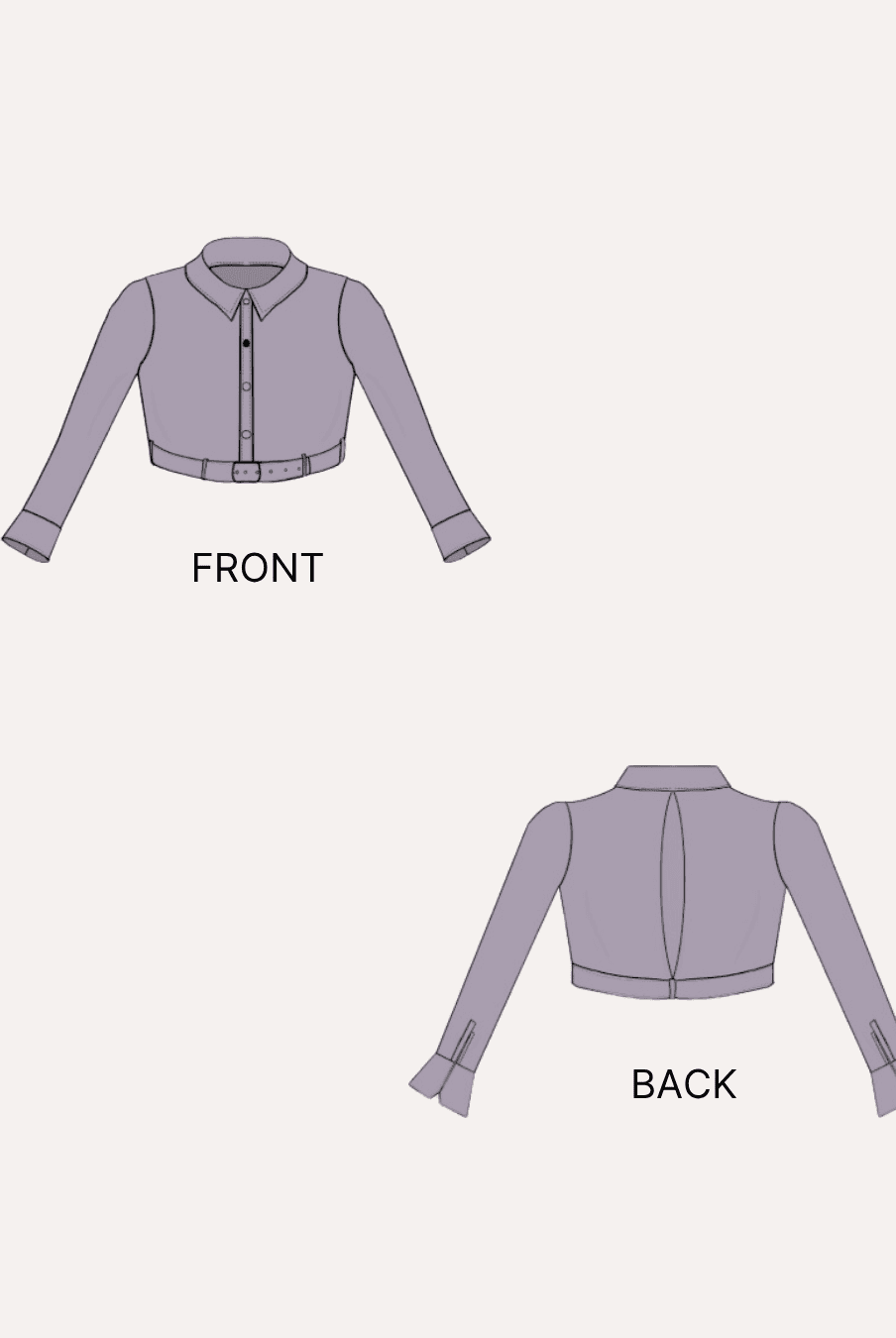
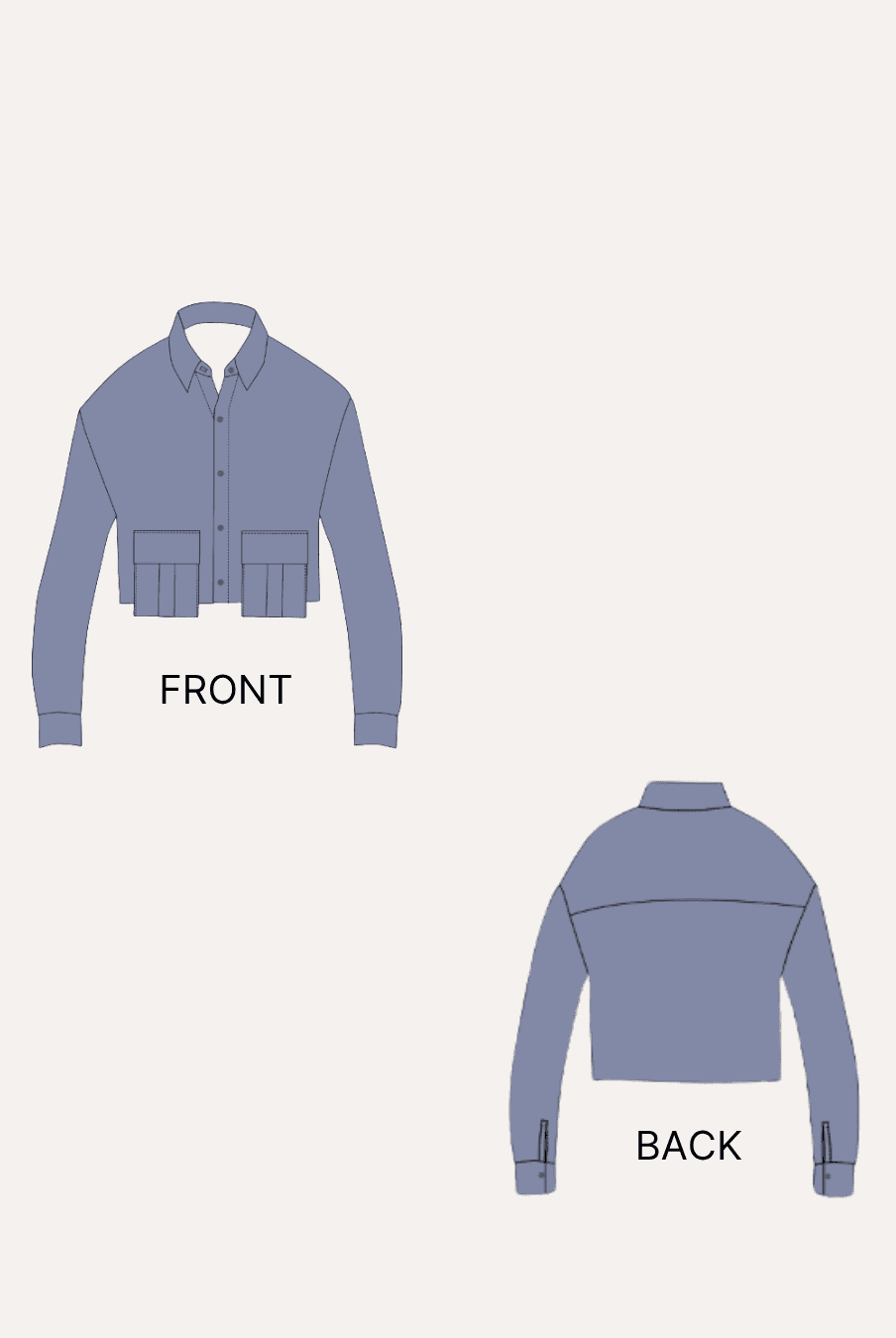
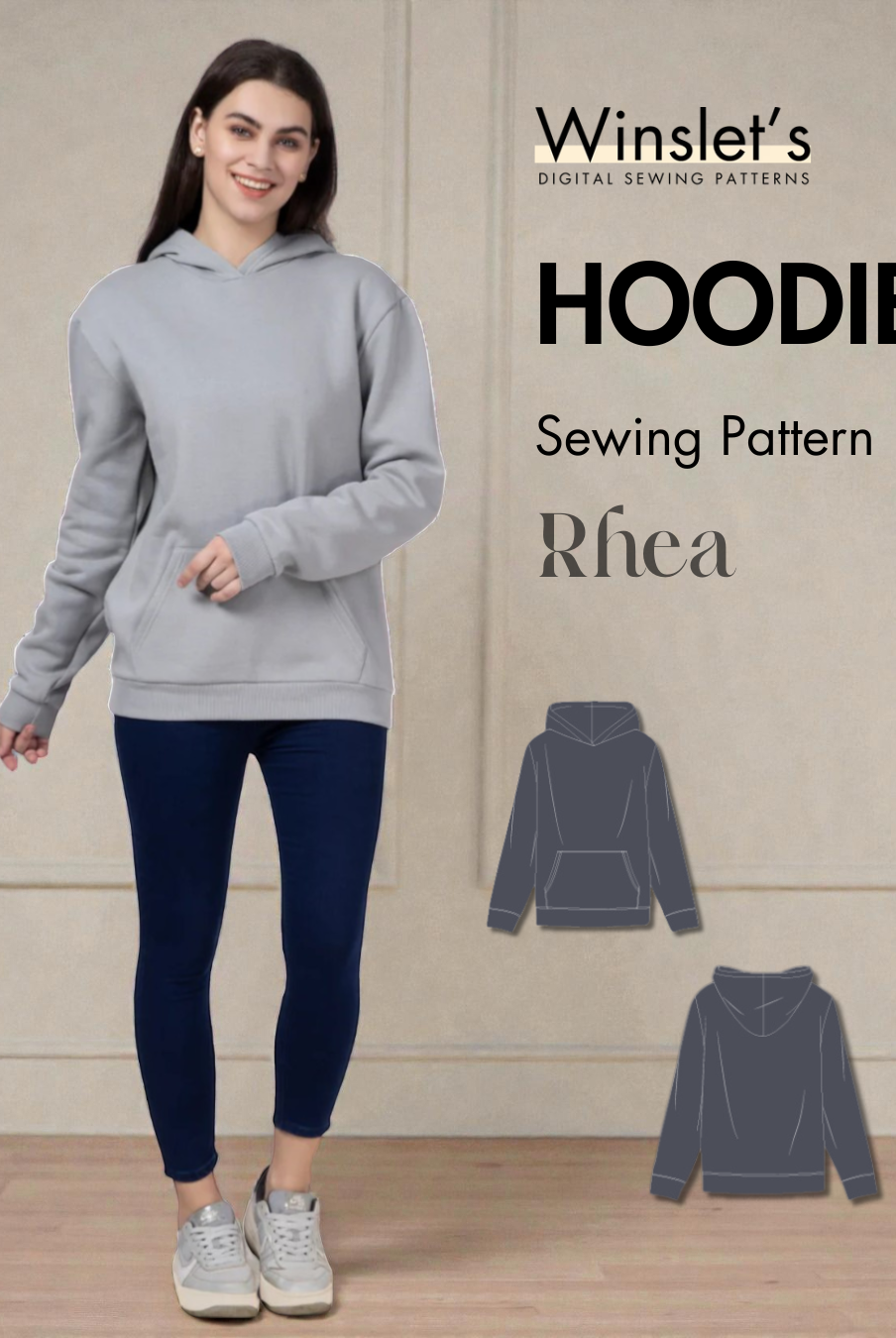
The Hayden Button-Down Shirt Sewing Pattern by Winslet's is an intermediate-level design featuring a relaxed silhouette, long sleeves, a classic collar, cuffs, and a button-front closure. Its loose-fit shape and timeless styling make it a practical garment that you'll reach for throughout the year.

Why Sew a Button-Down Shirt?
- Creates a timeless and versatile wardrobe staple.
- Works well for casual, workwear, and smart-casual outfits.
- Provides opportunities to learn classic shirtmaking techniques.
- Easy to style tucked in, untucked, or layered.
- Comfortable loose-fit silhouette for everyday wear.
- Can be sewn in a variety of woven fabrics for different looks.
- A rewarding project that builds garment sewing skills.
Why Choose the Winslet's Hayden Button-Down Shirt Pattern?

The Hayden Button-Down Shirt Sewing Pattern is designed to help sewists create a relaxed shirt with classic tailoring details and a comfortable fit.
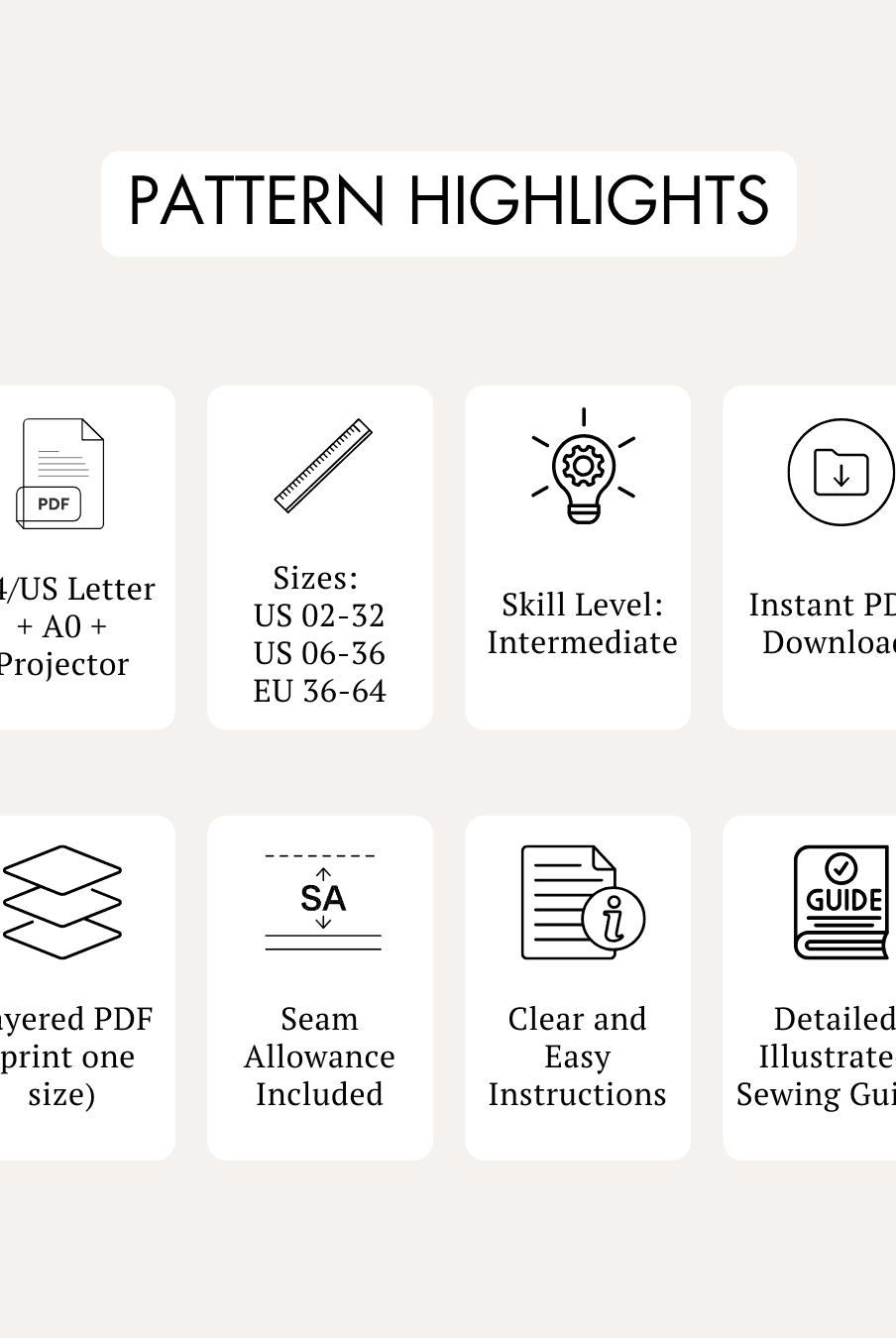
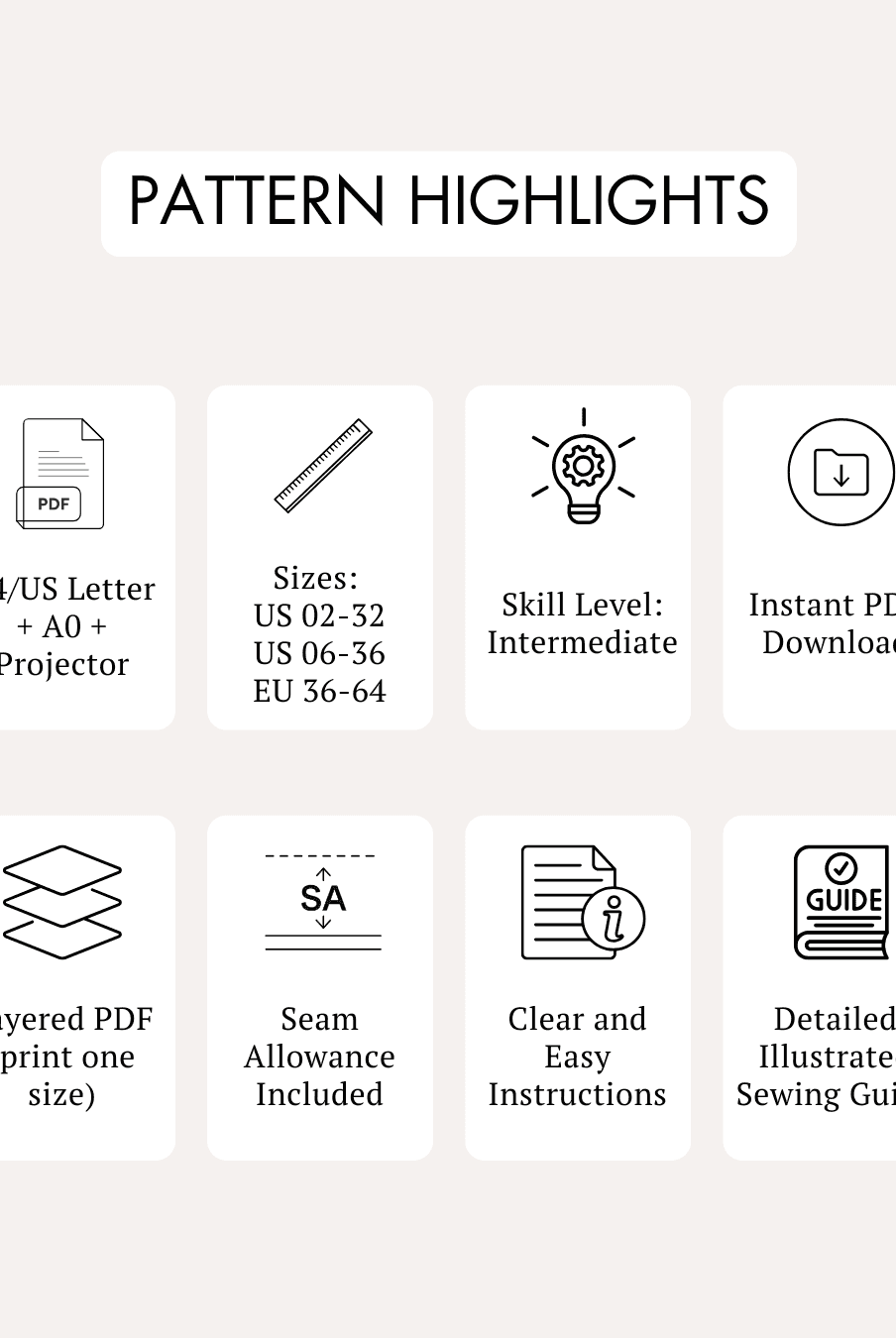
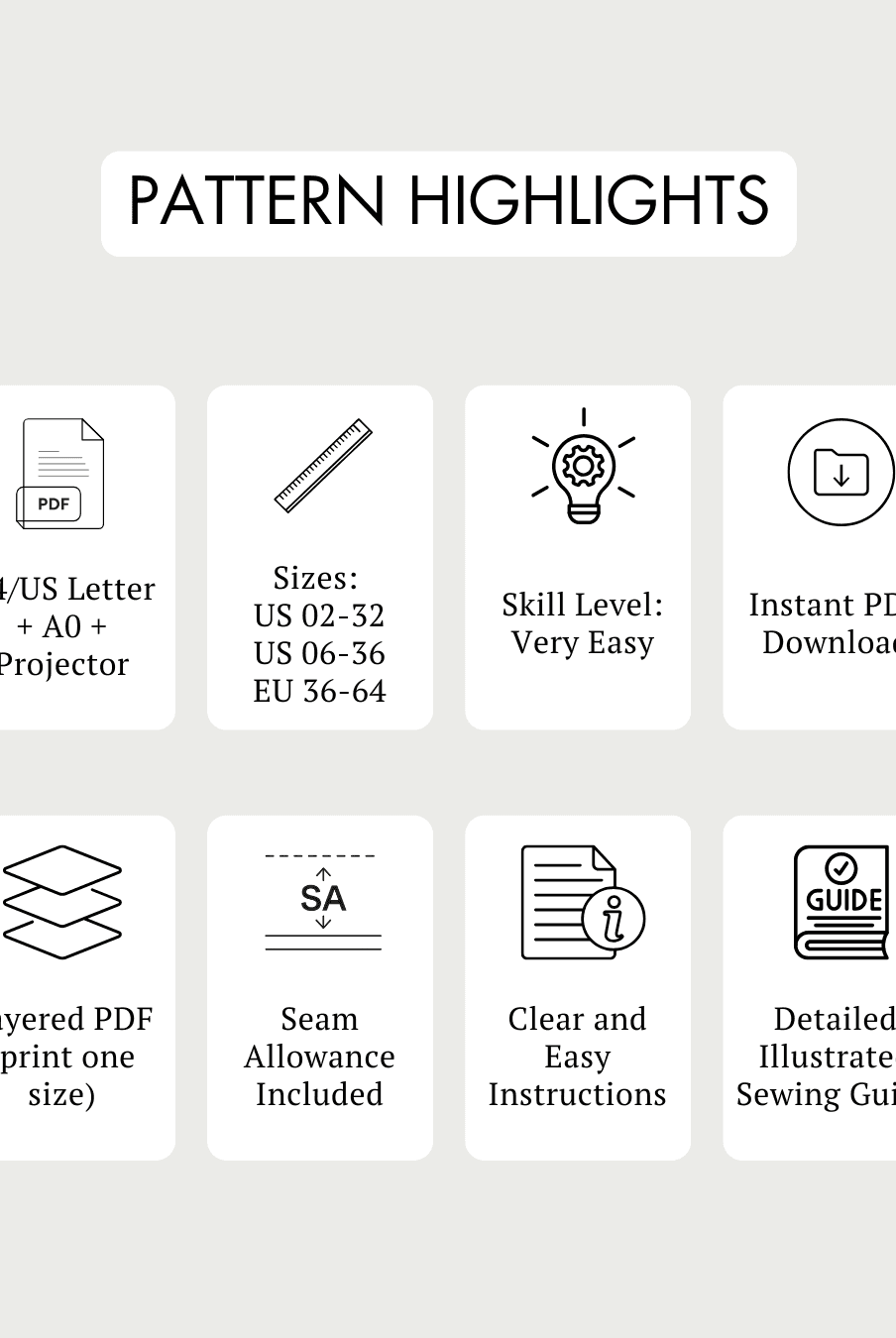
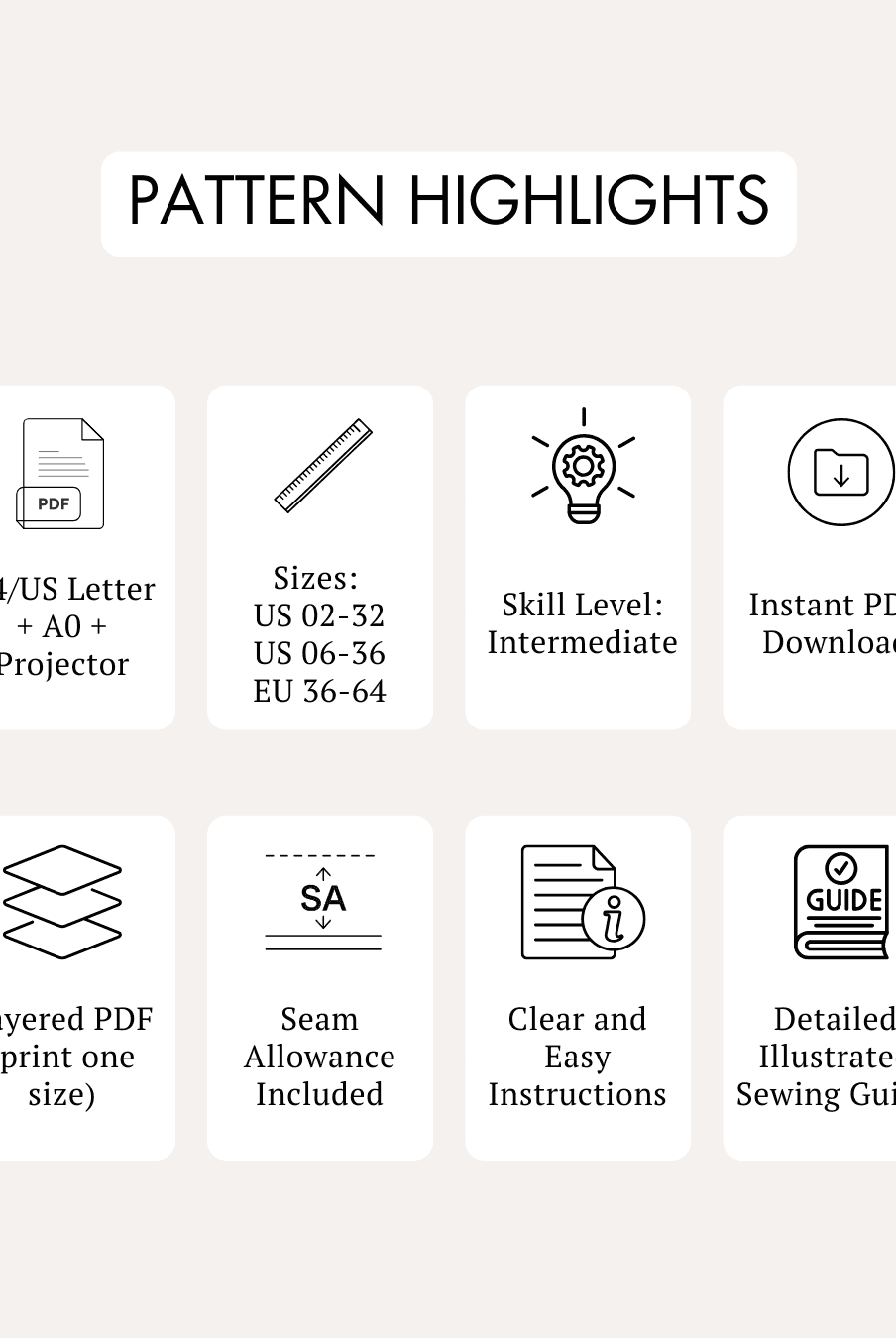
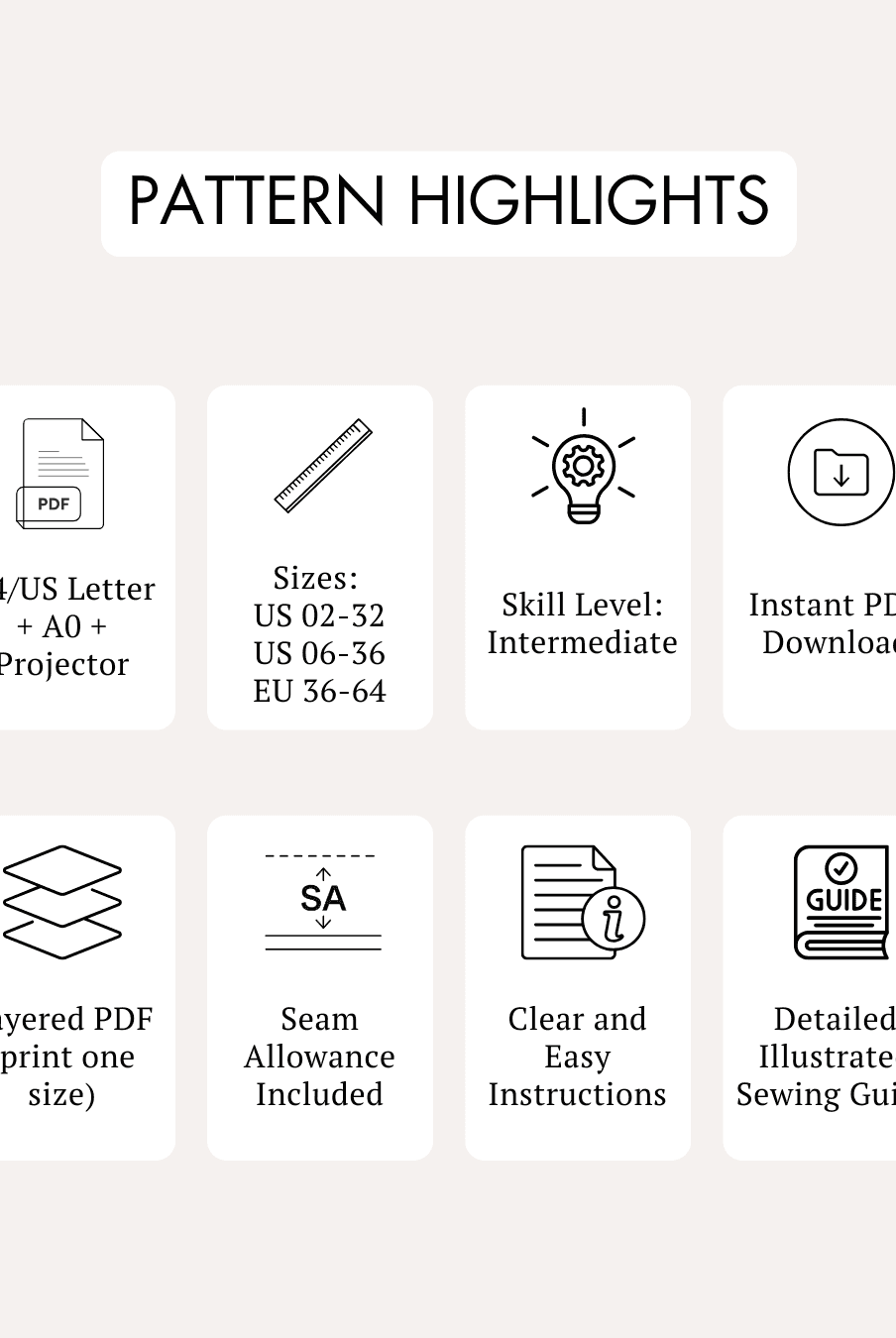
Skill Level: Intermediate
Key Features:
- Loose-fit silhouette
- Long sleeves
- Button-down front
- Shirt collar with collar band
- Back yoke
- Sleeve plackets
- Sleeve cuffs
- Curved hem
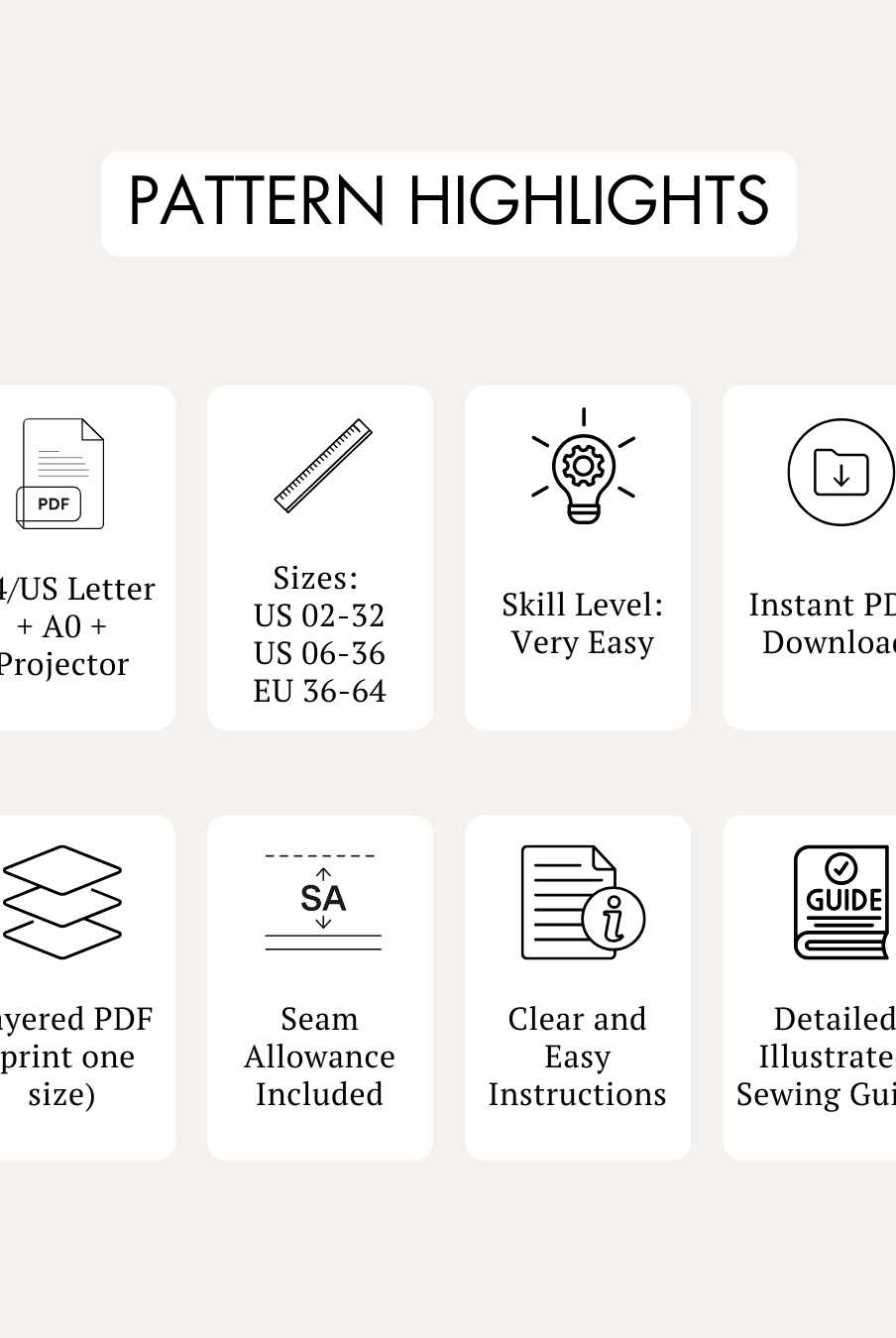
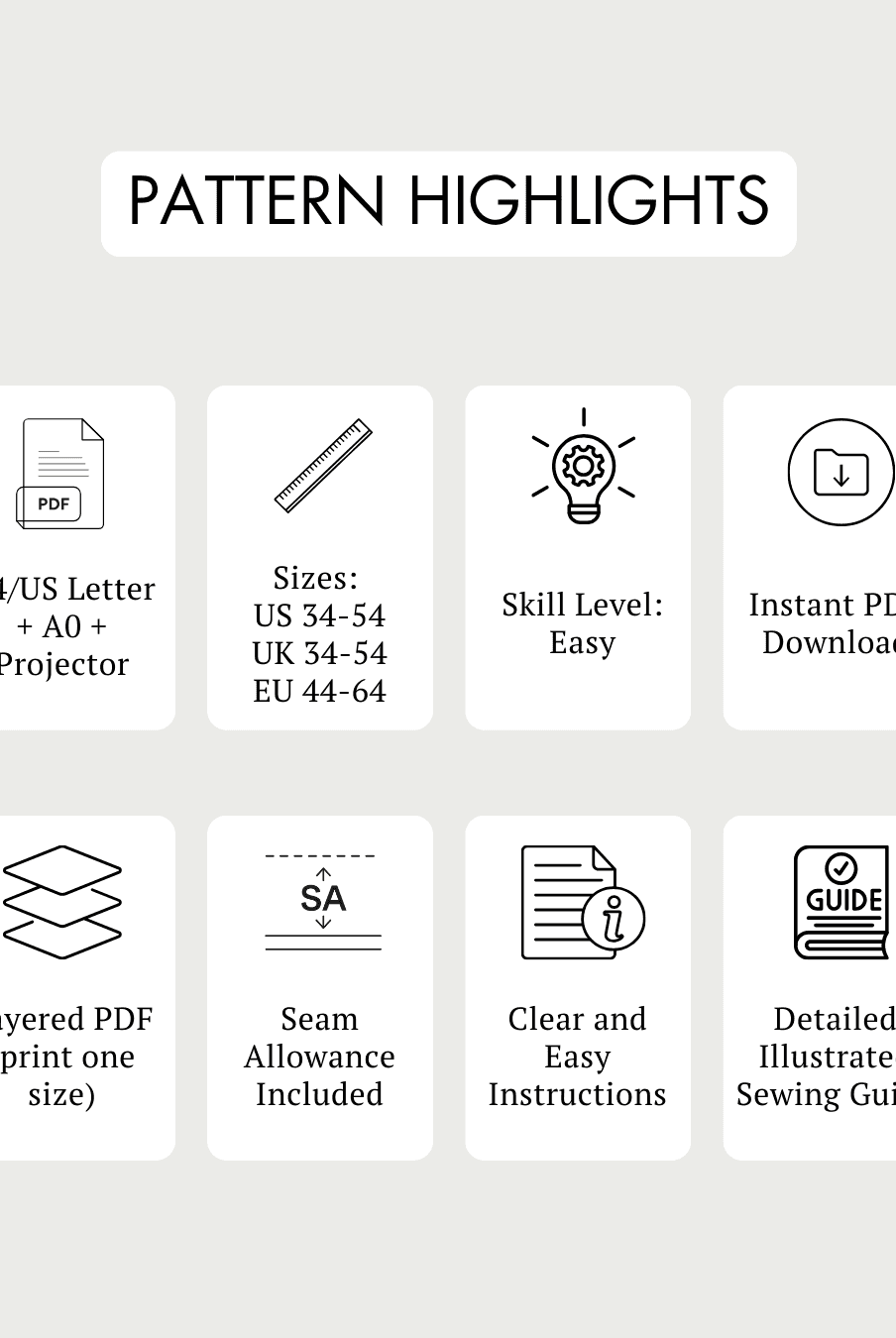
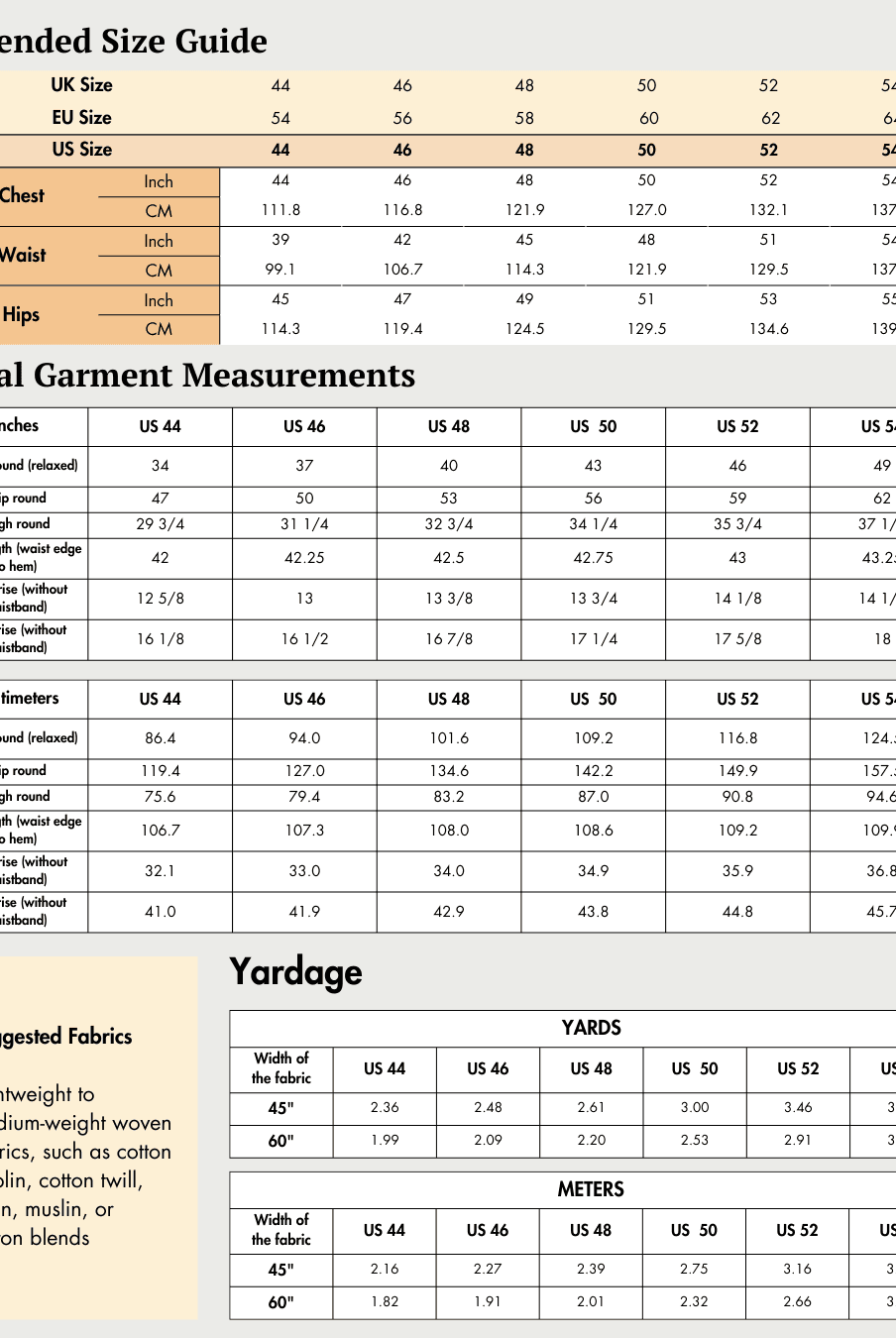
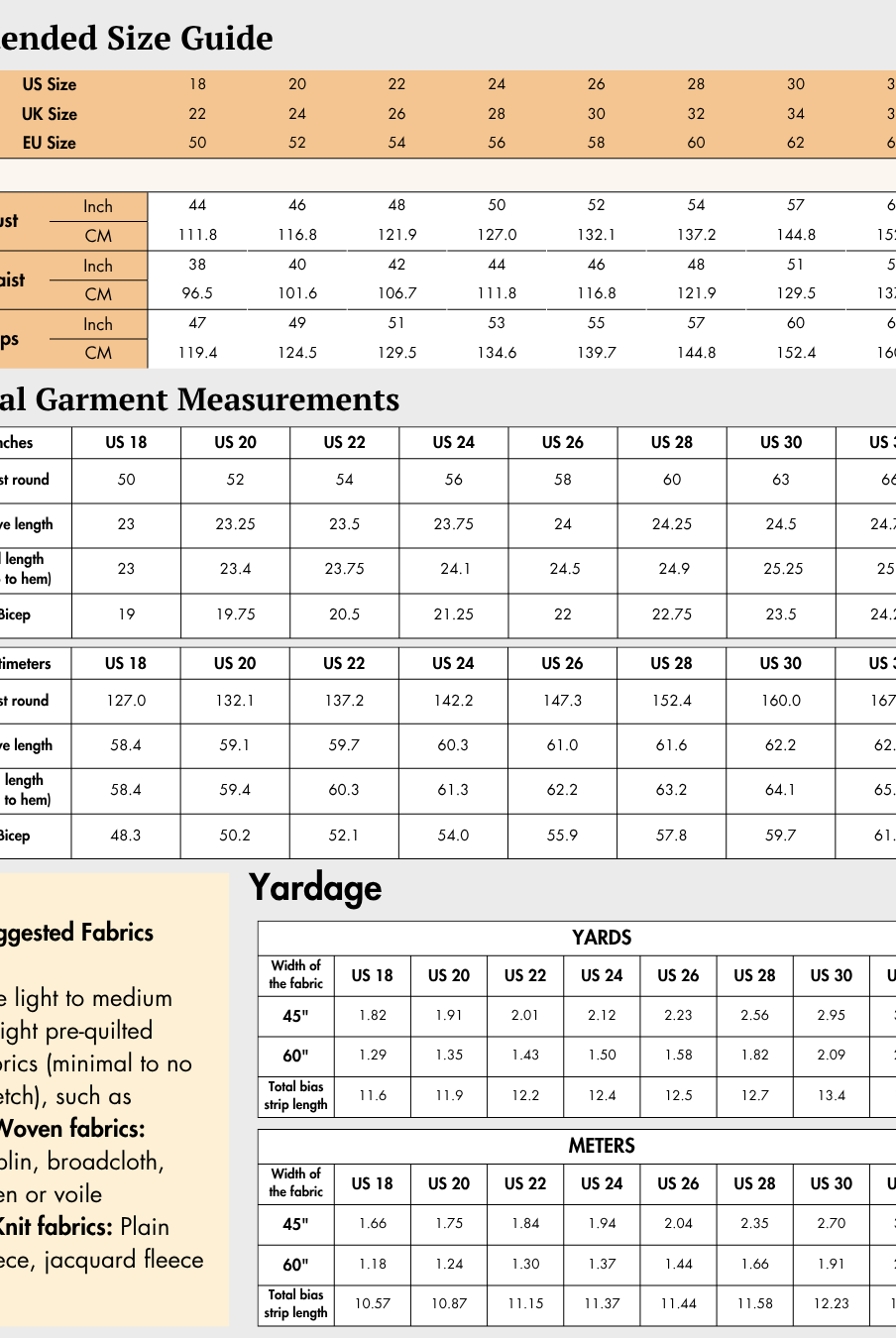
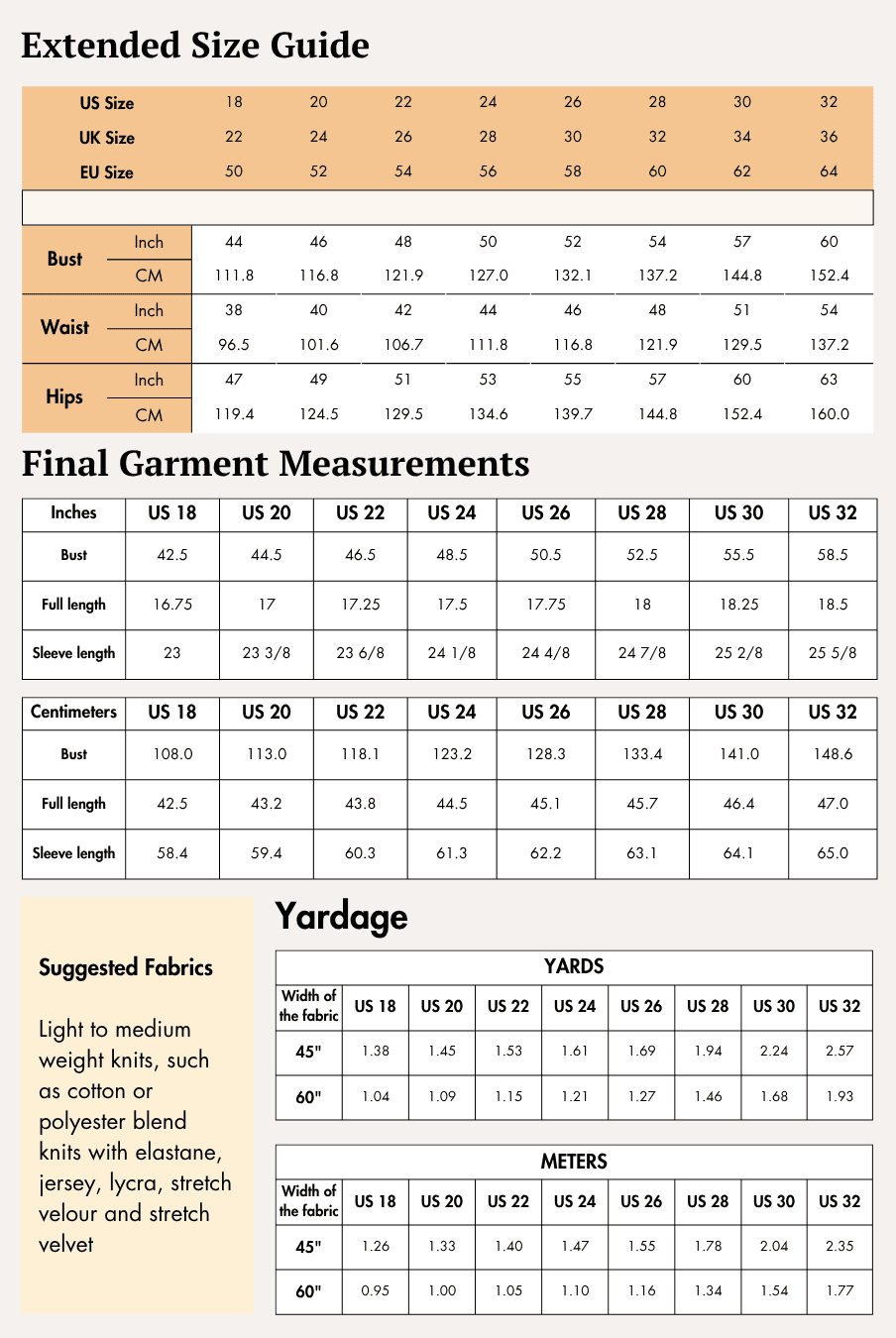
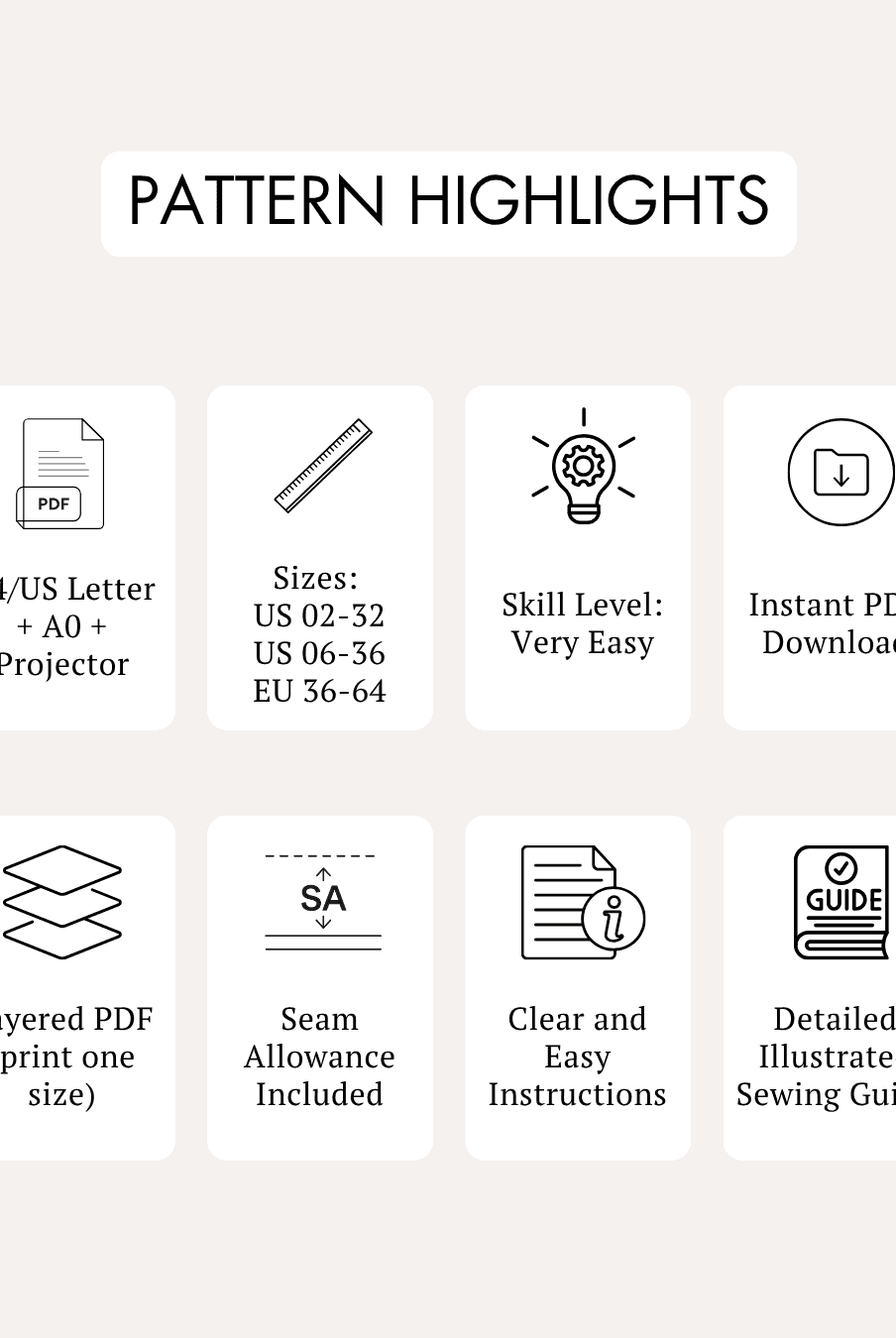
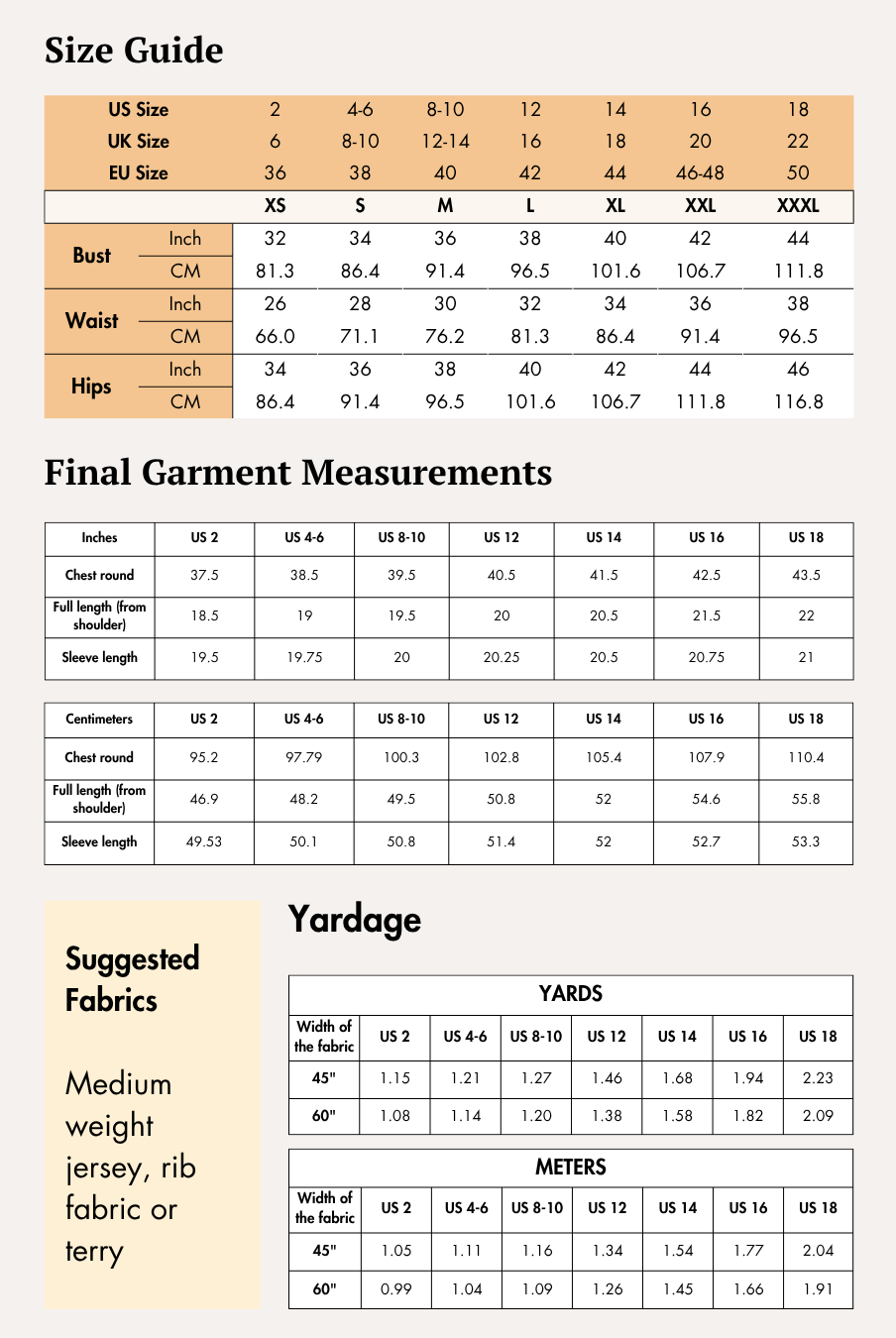
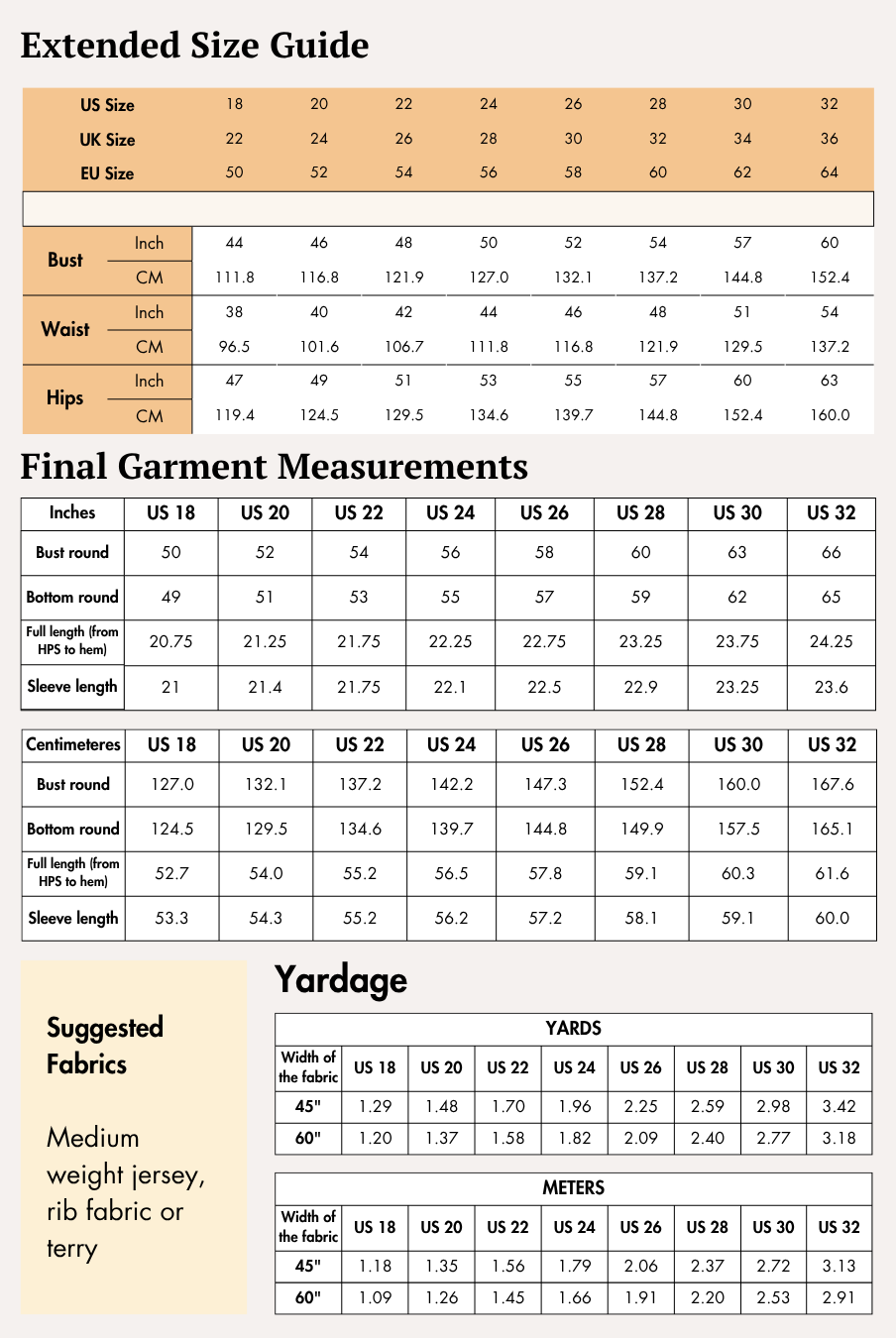
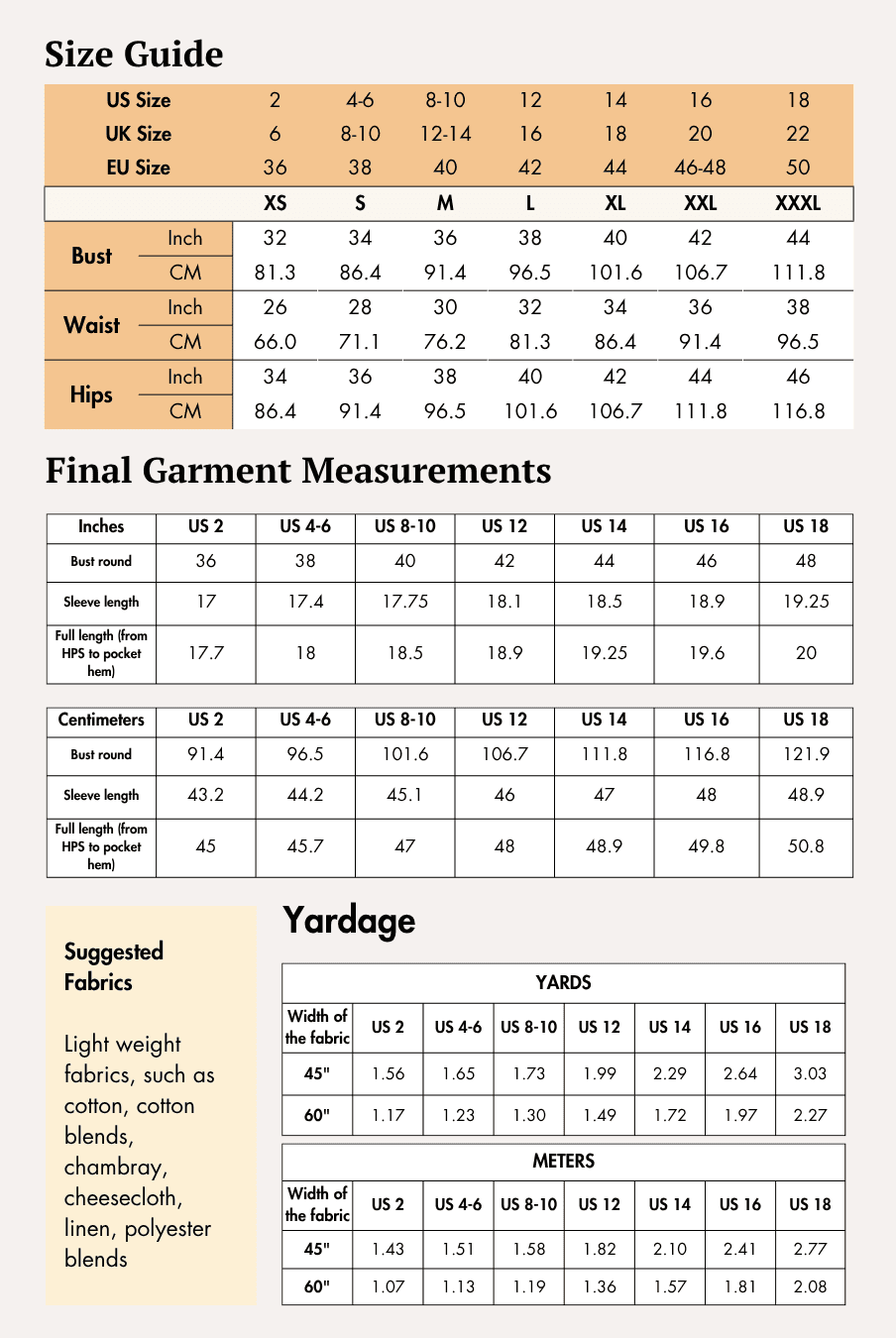
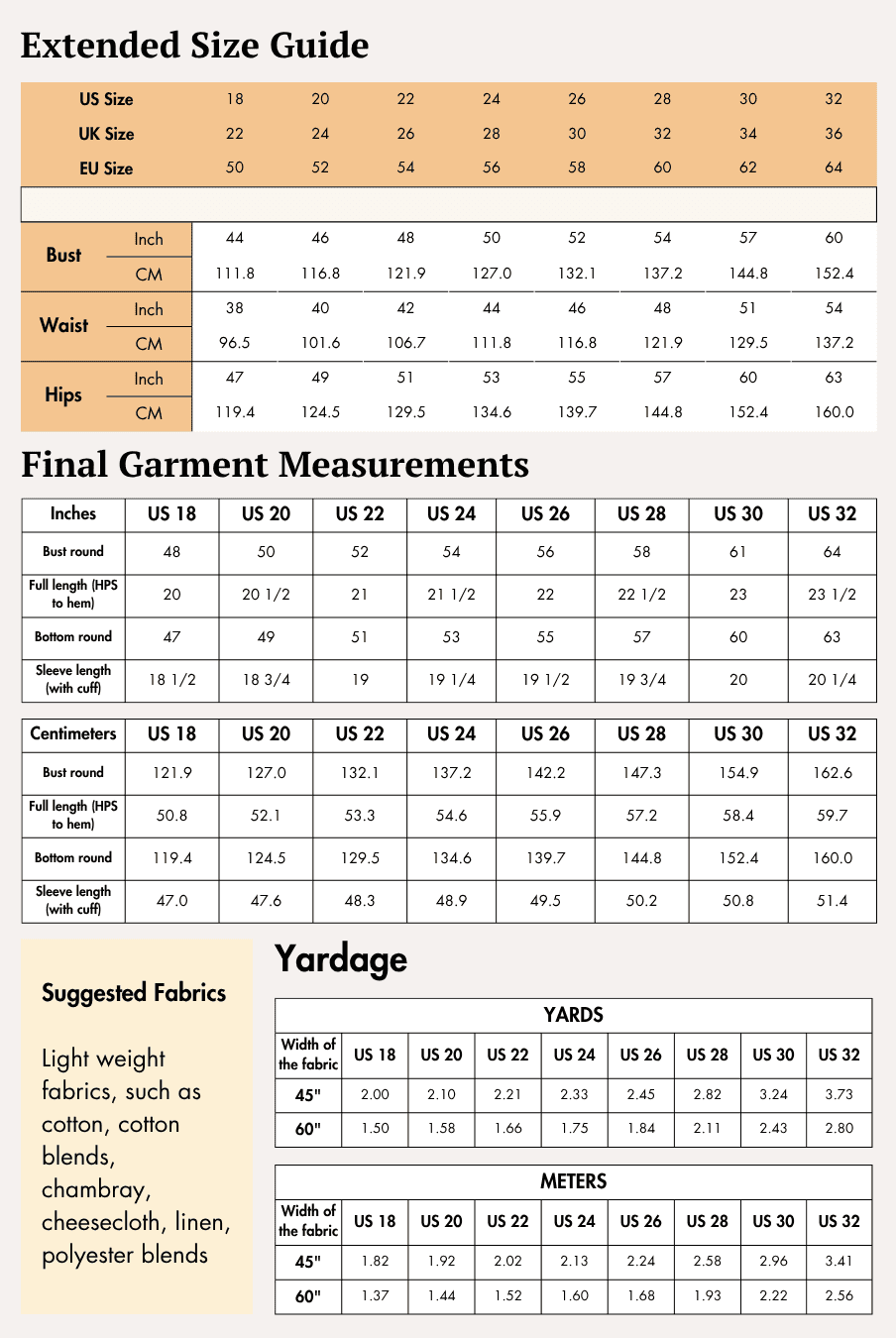
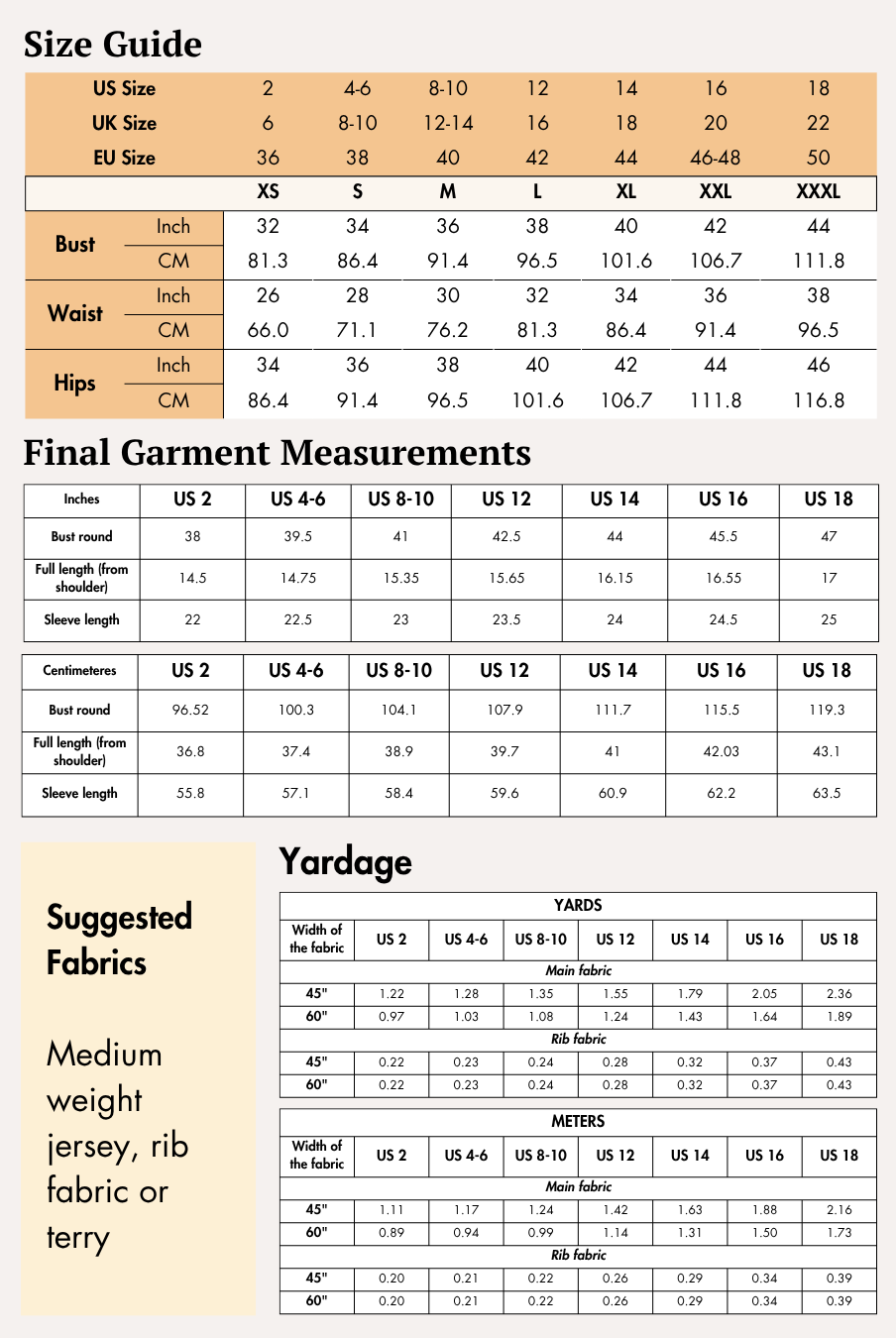
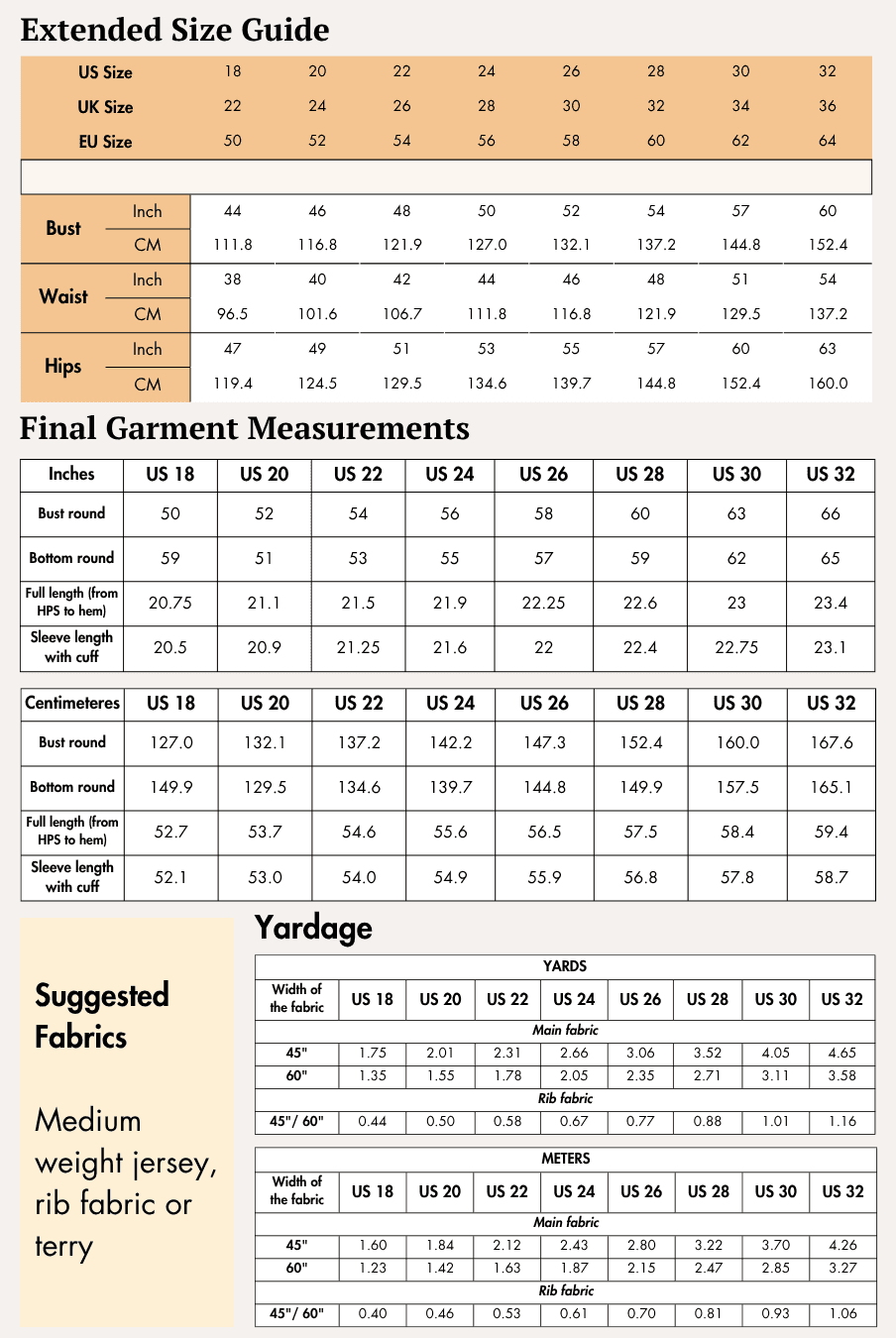
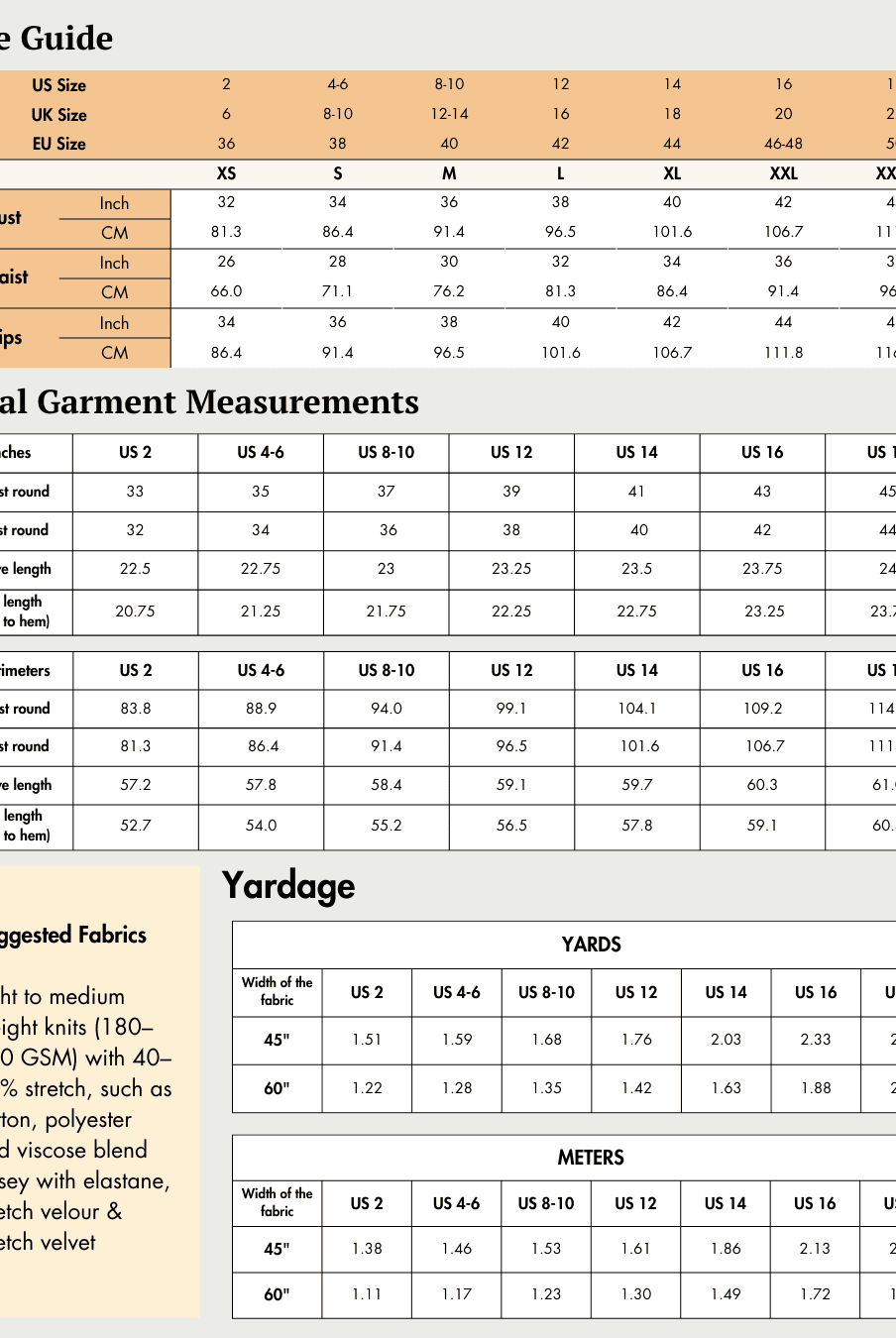
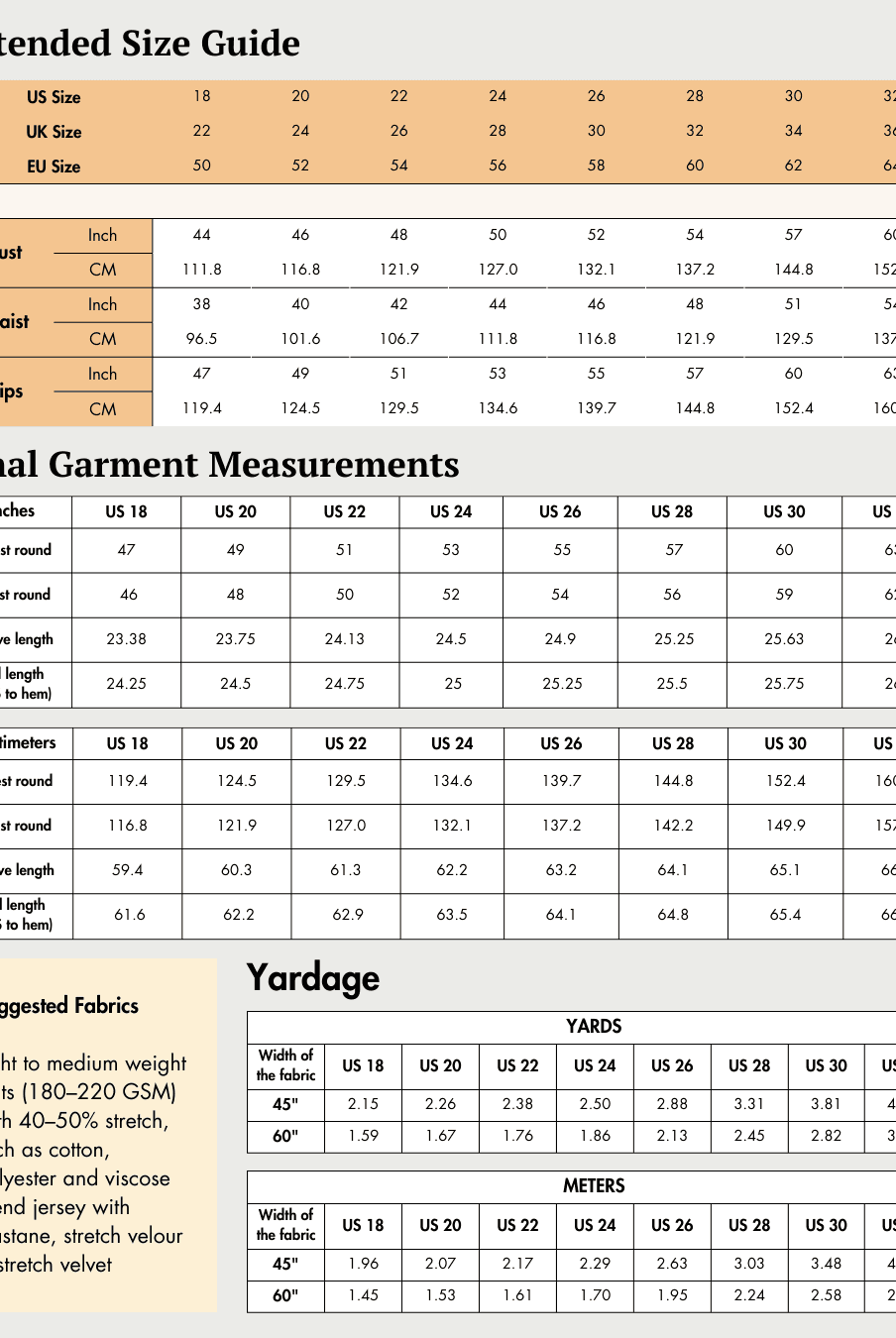
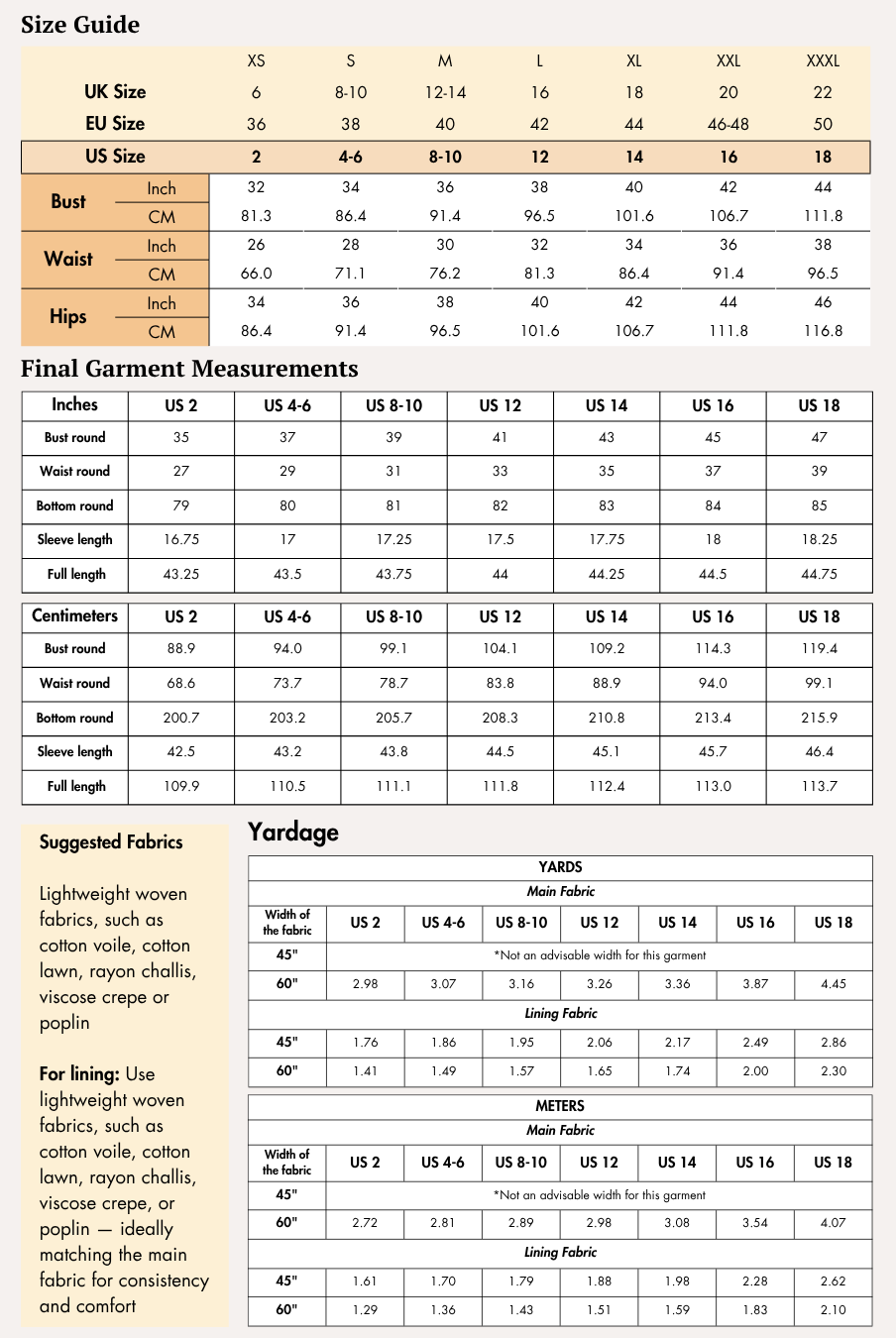
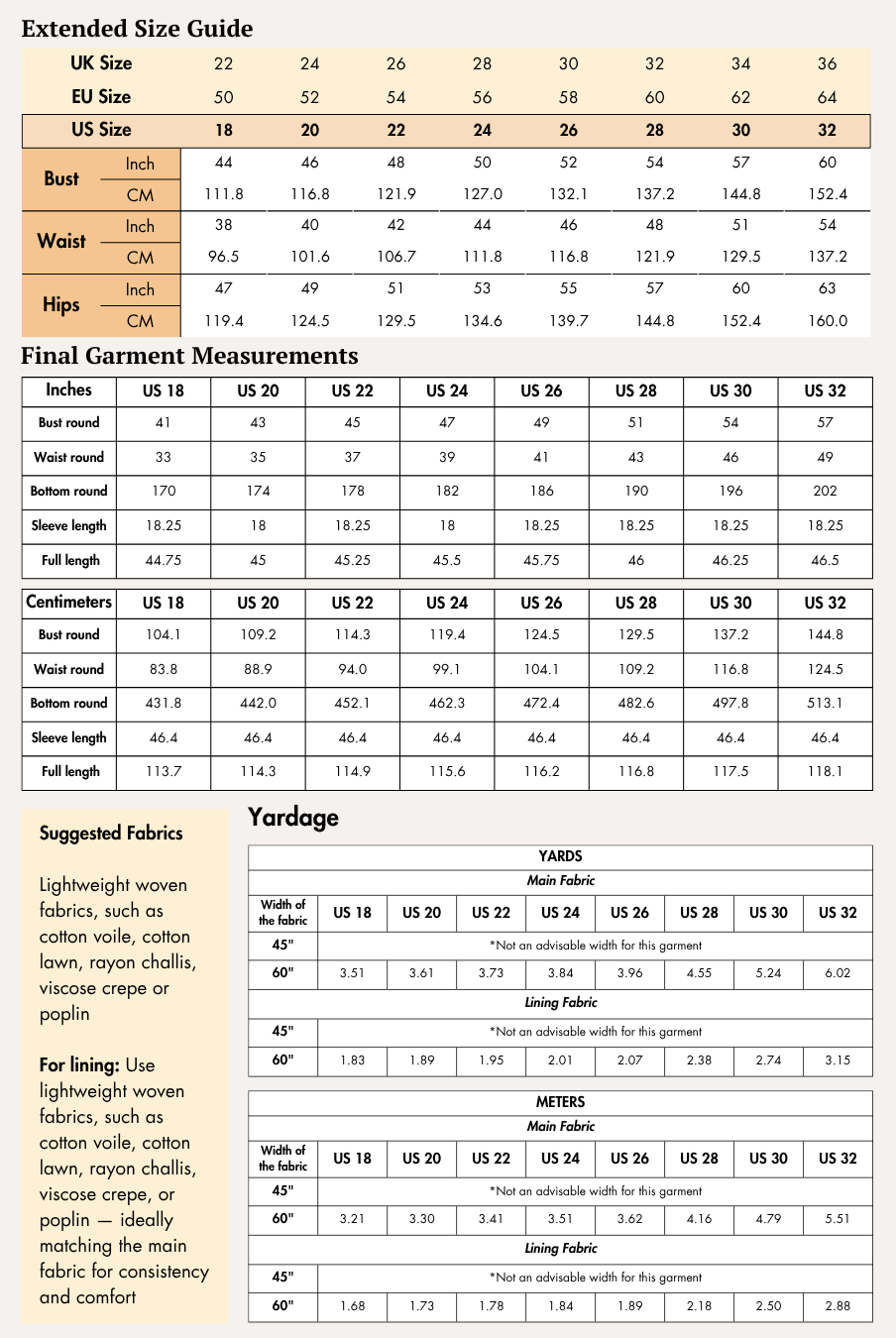
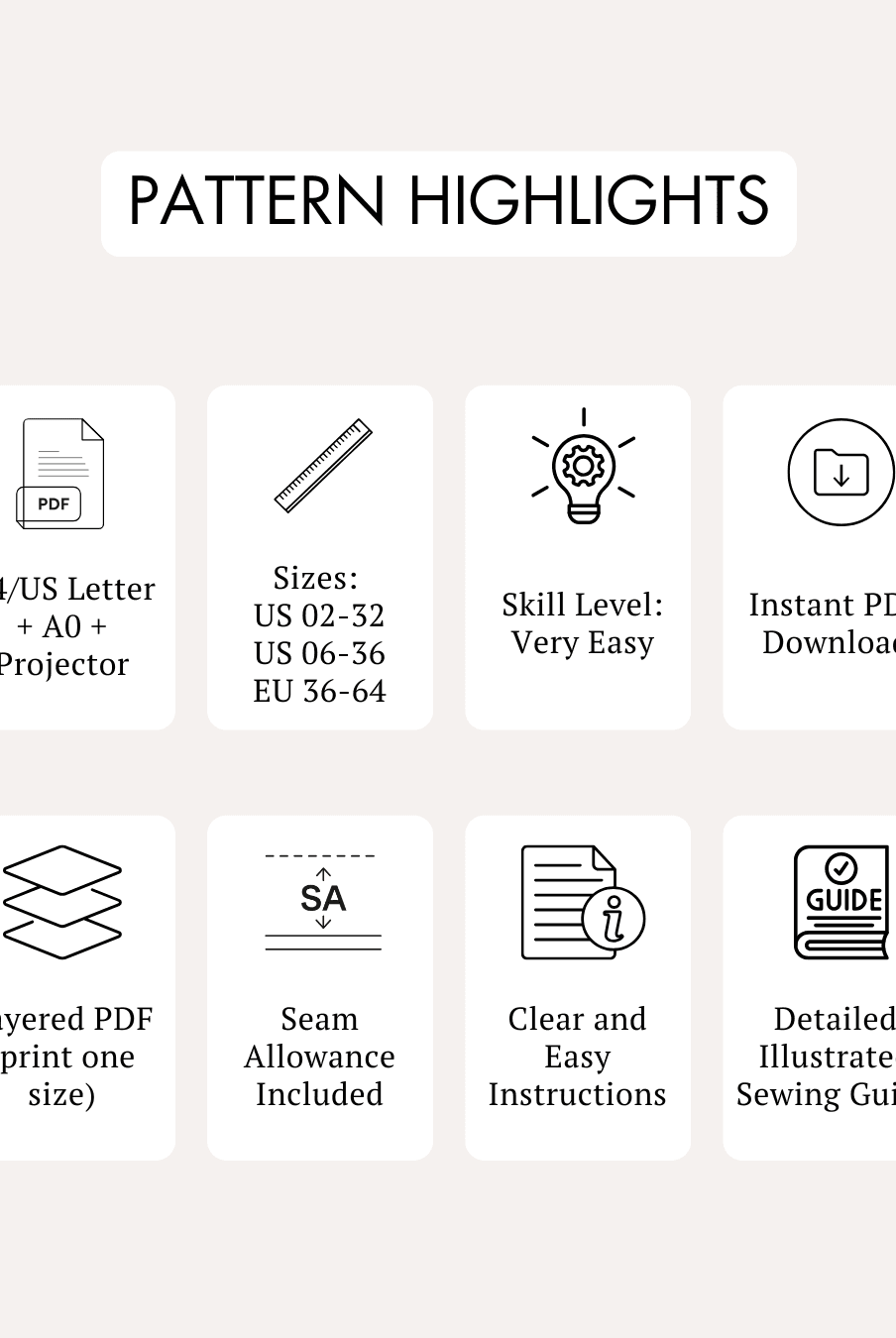
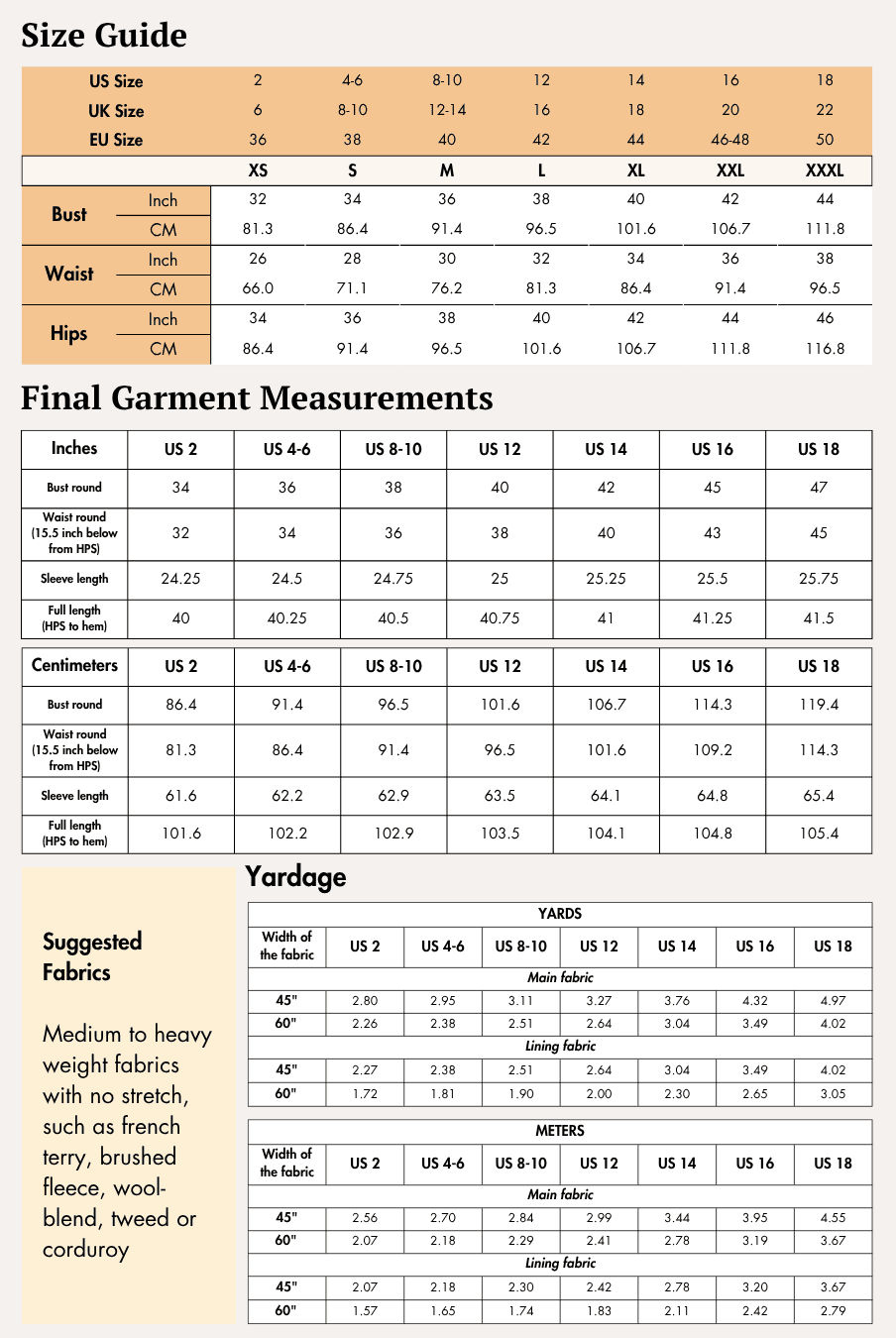
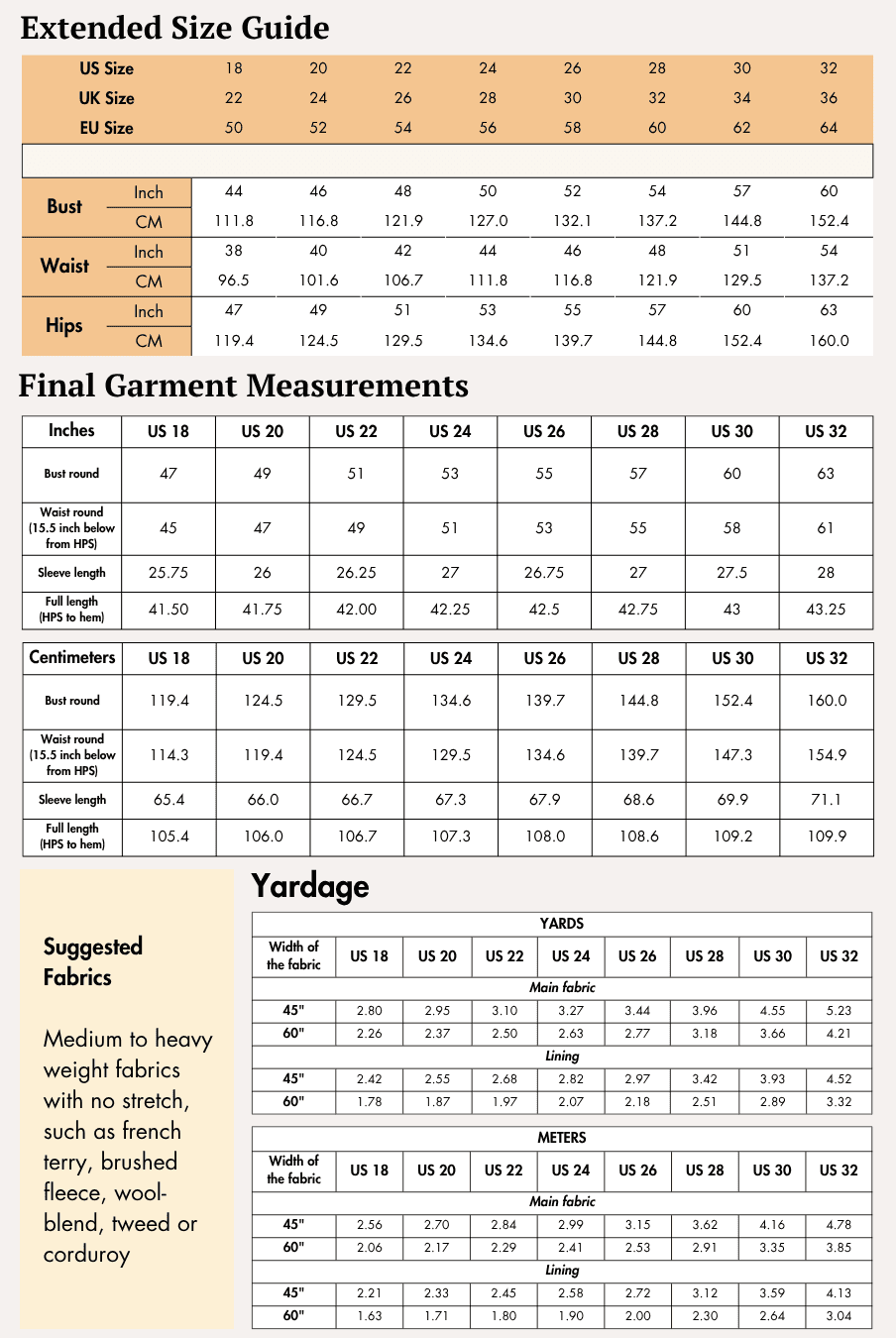
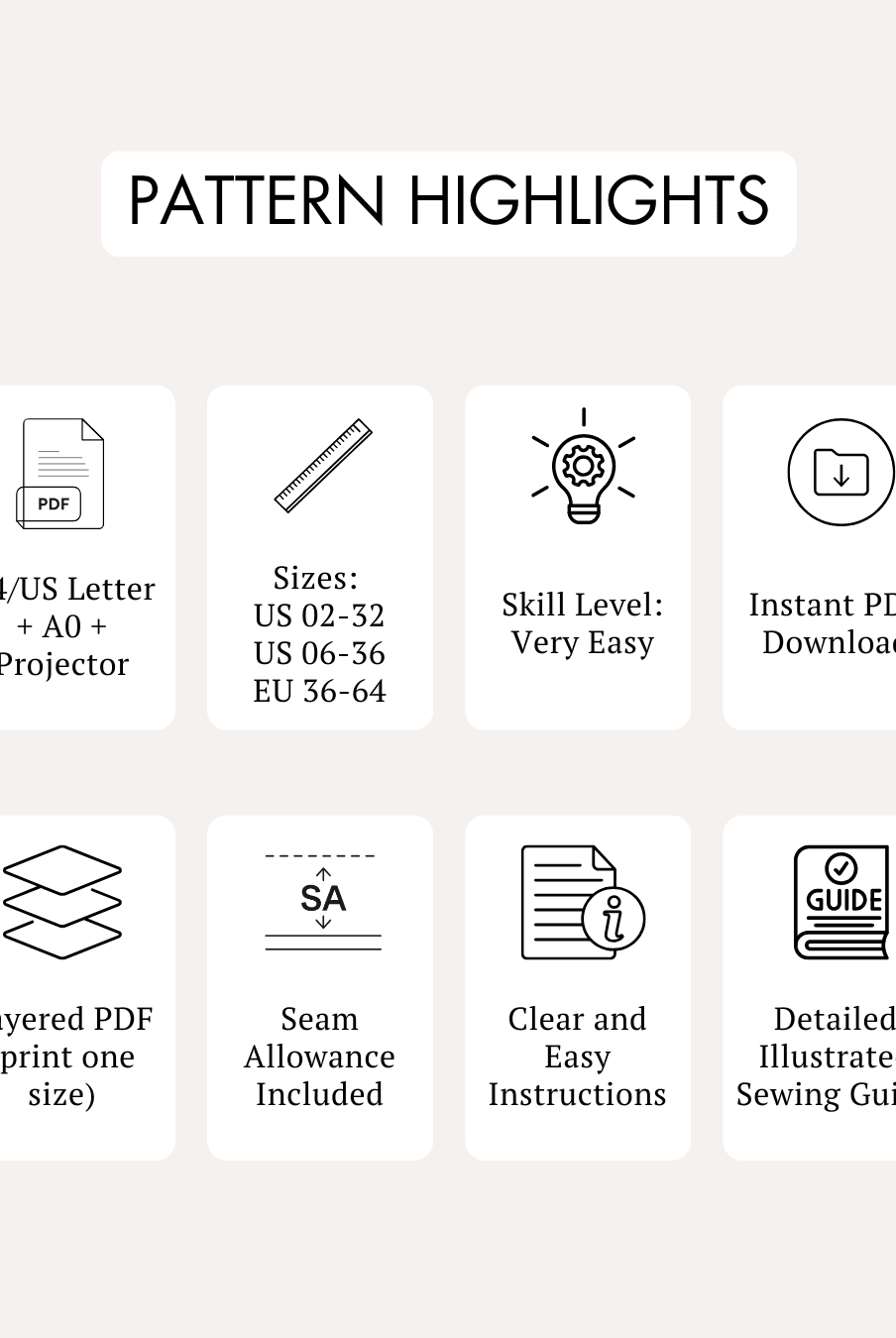
Available Sizes: US 02 - US 32 | UK 06 - UK 36 | EU 36 - EU 64
Supplies & Notions
You will need:
- Tape measure
- Fabric shears
- Iron
- Chalk
- Thread cutter
- Pins
- Sewing machine
- Sewing needles
- 3-ply polyester thread
- Buttons
- Buttonhole presser foot
Fabric Recommendations
Consider using light to medium-weight fabrics such as:
- Cotton
- Linen
- Crepe
- Viscose
- Polyester
- Satin
The model shown in the sewing guide is wearing a shirt made from linen viscose fabric.
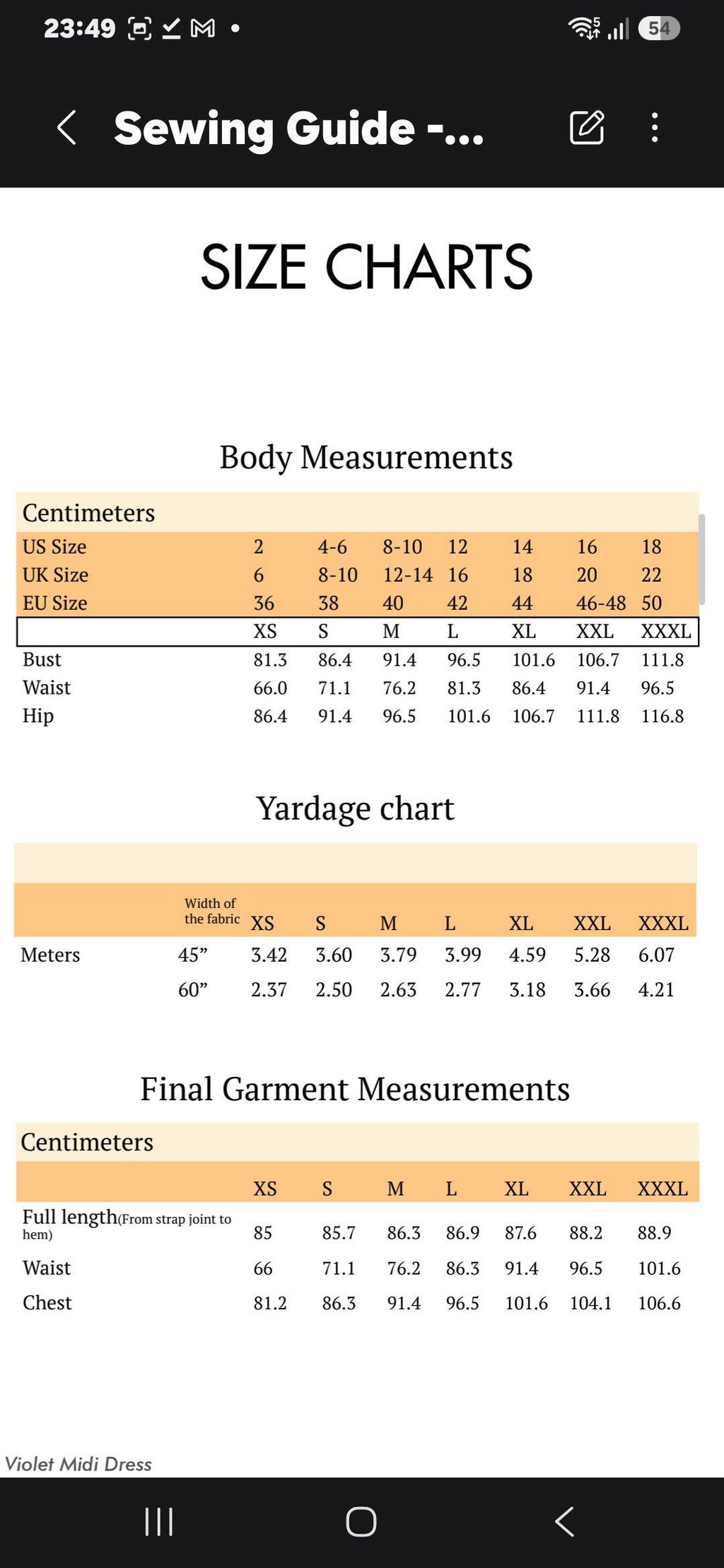
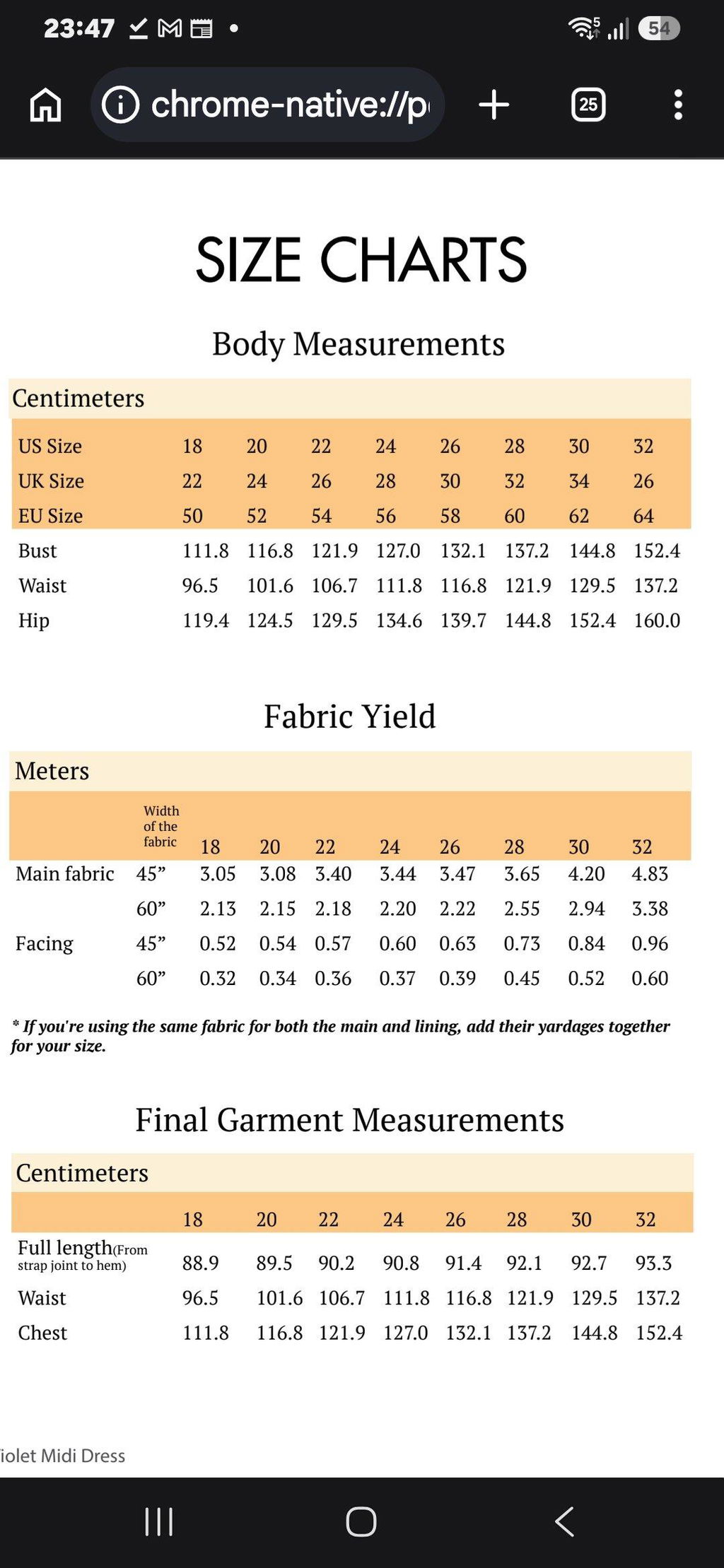
Size Charts
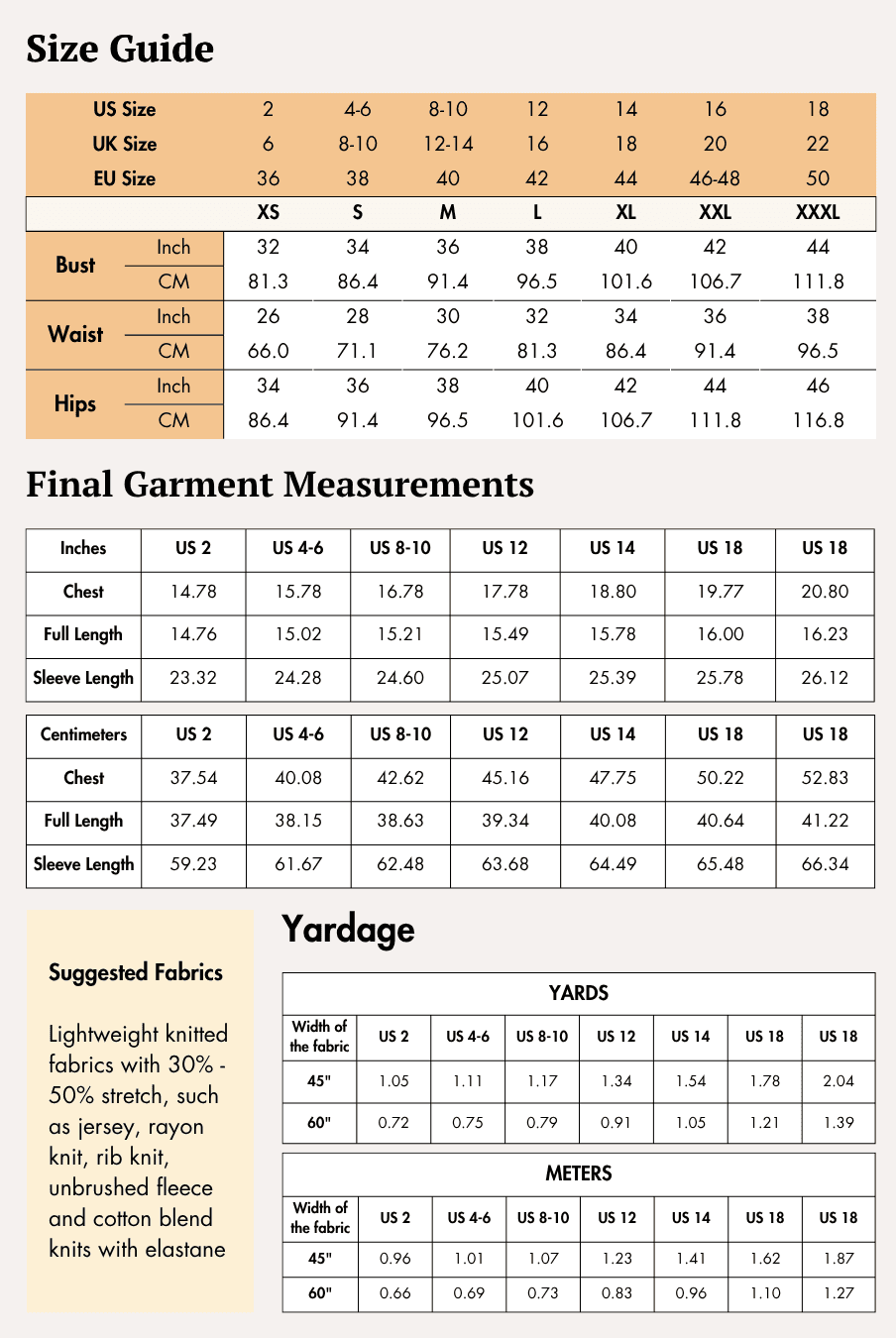
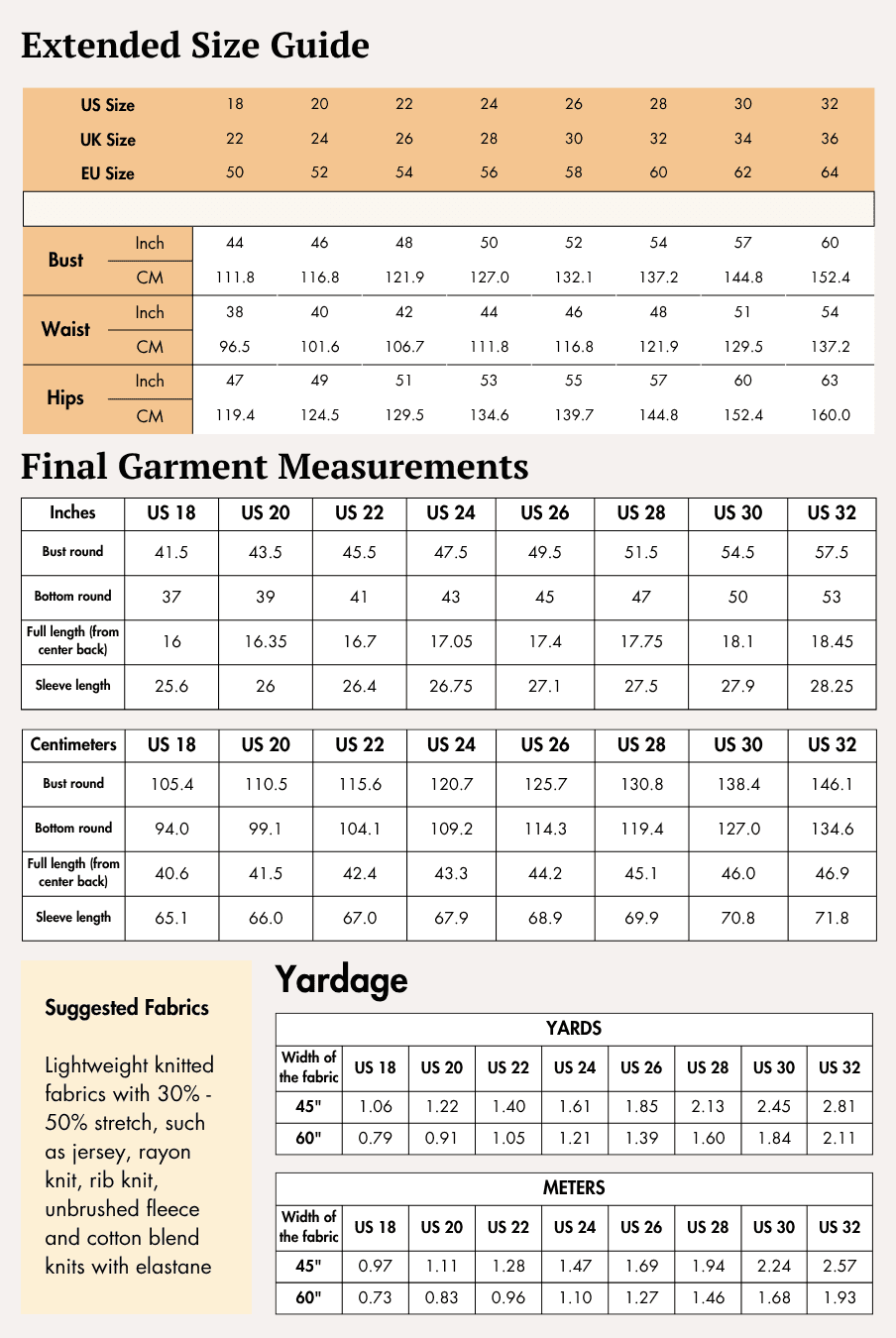
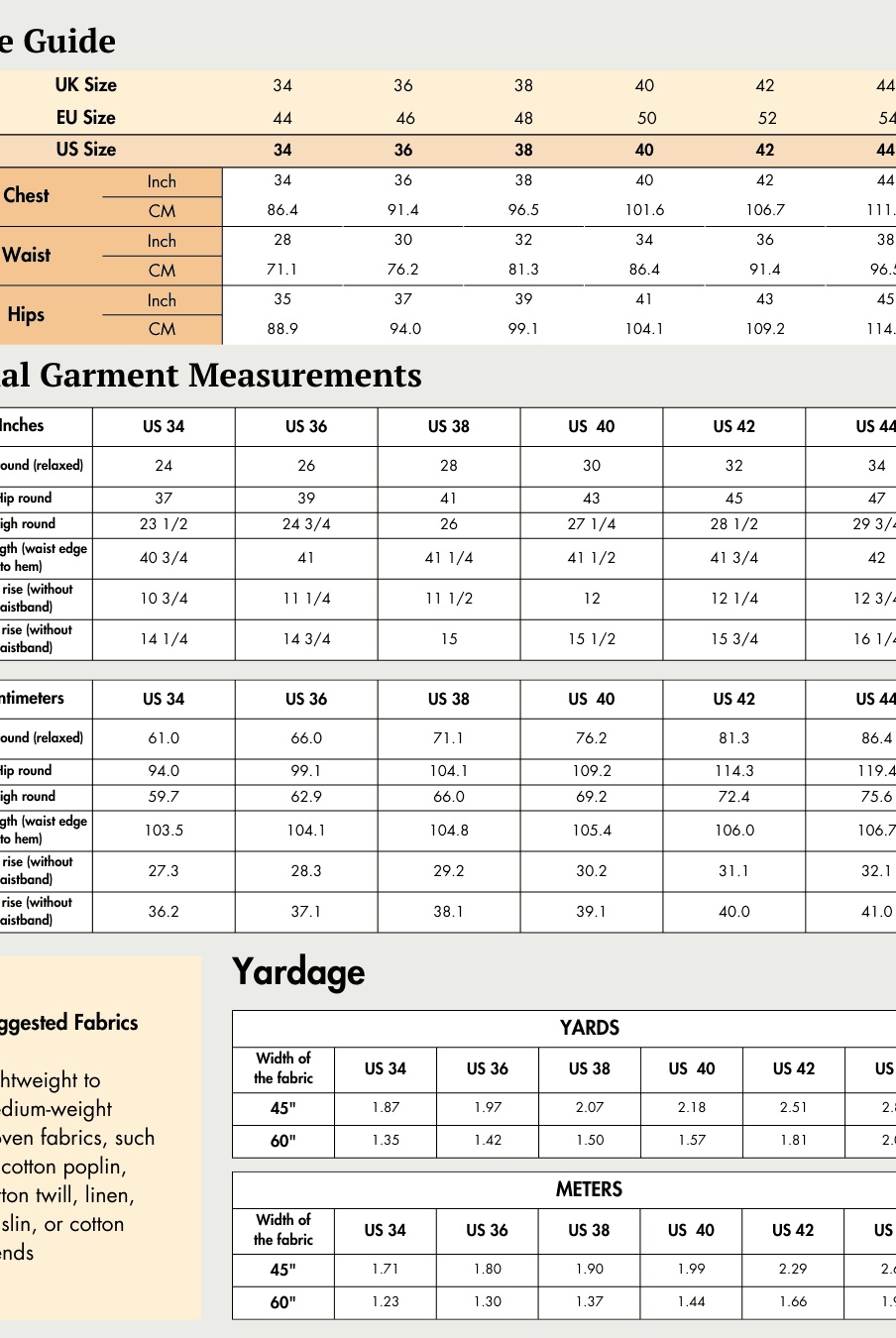
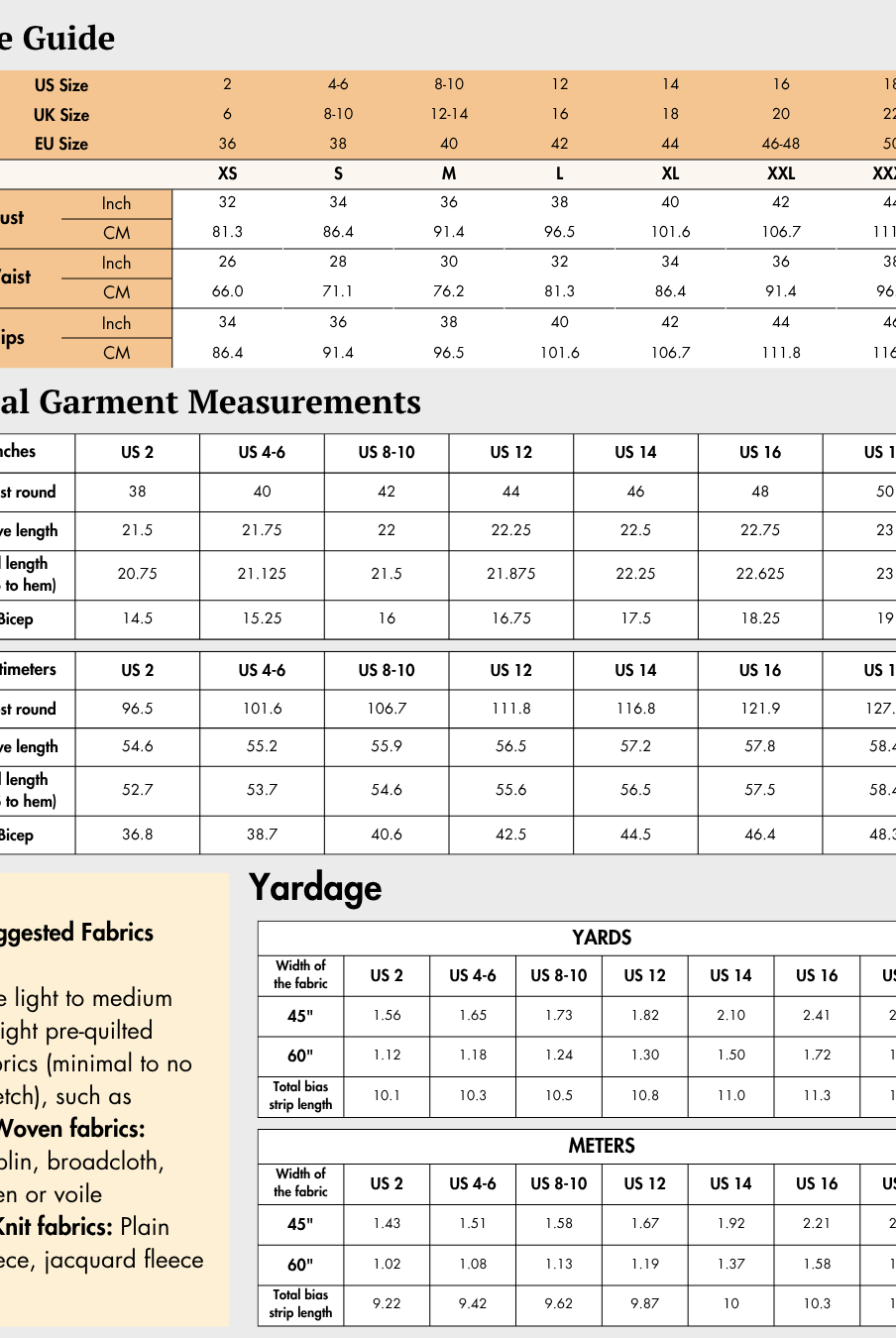
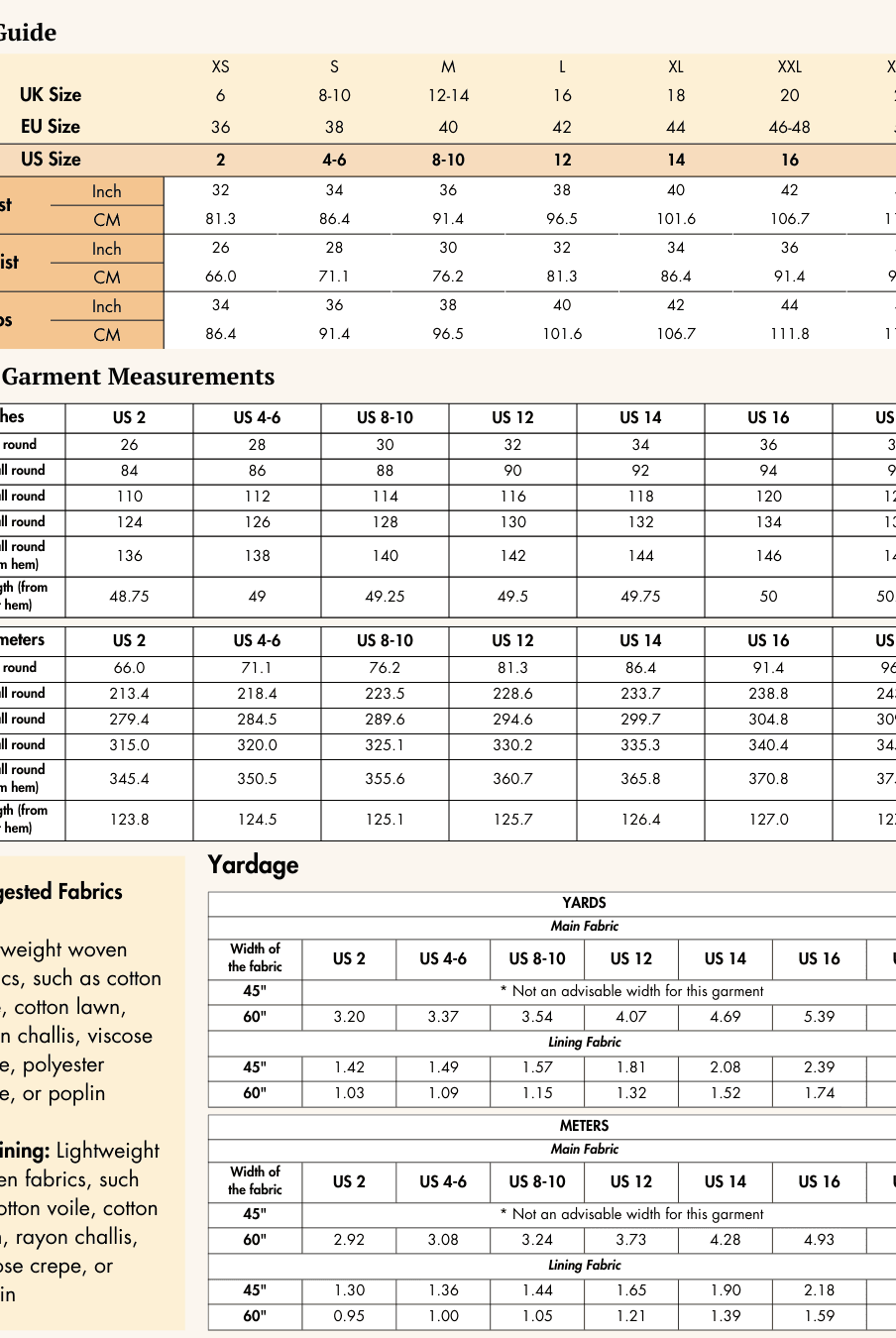
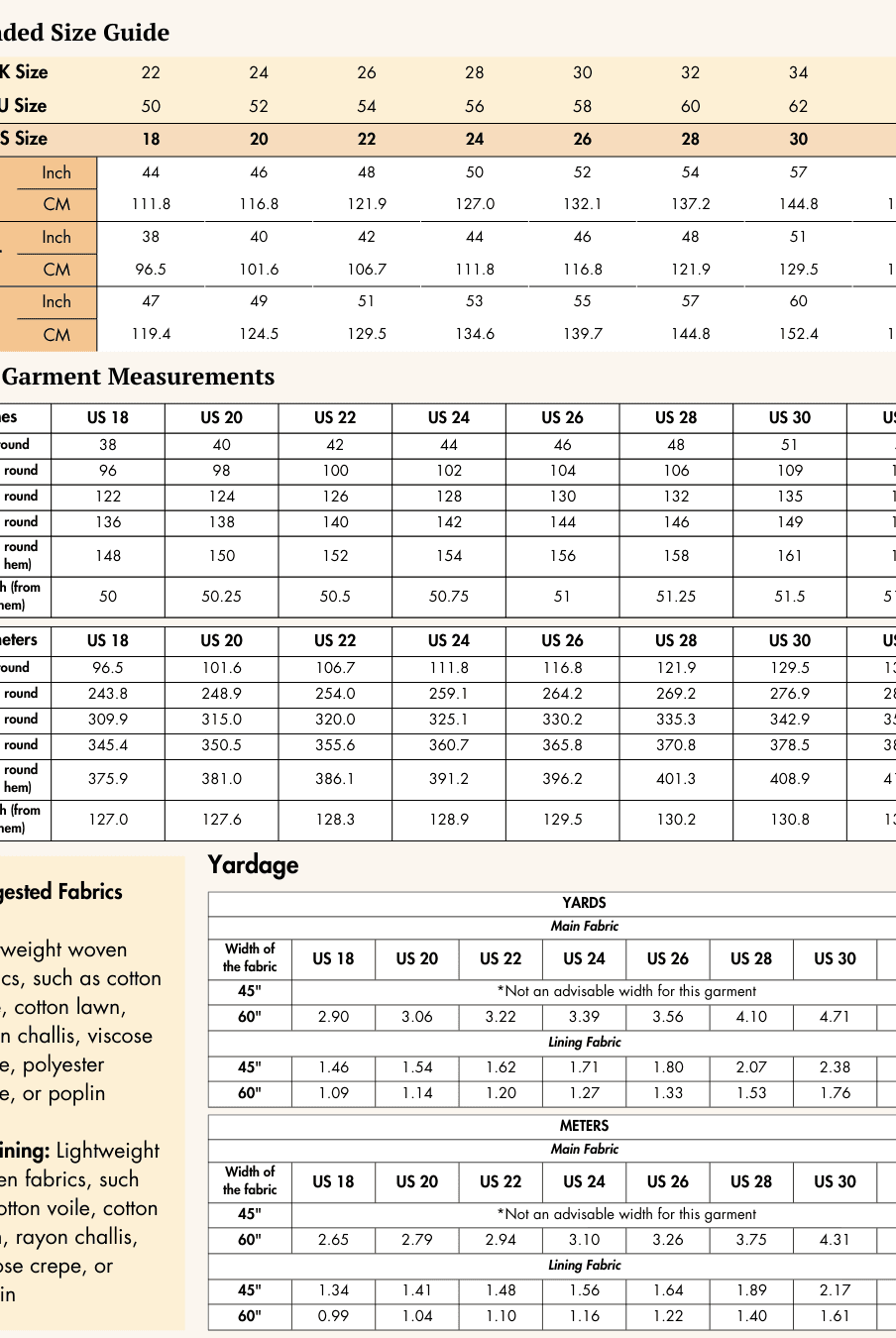
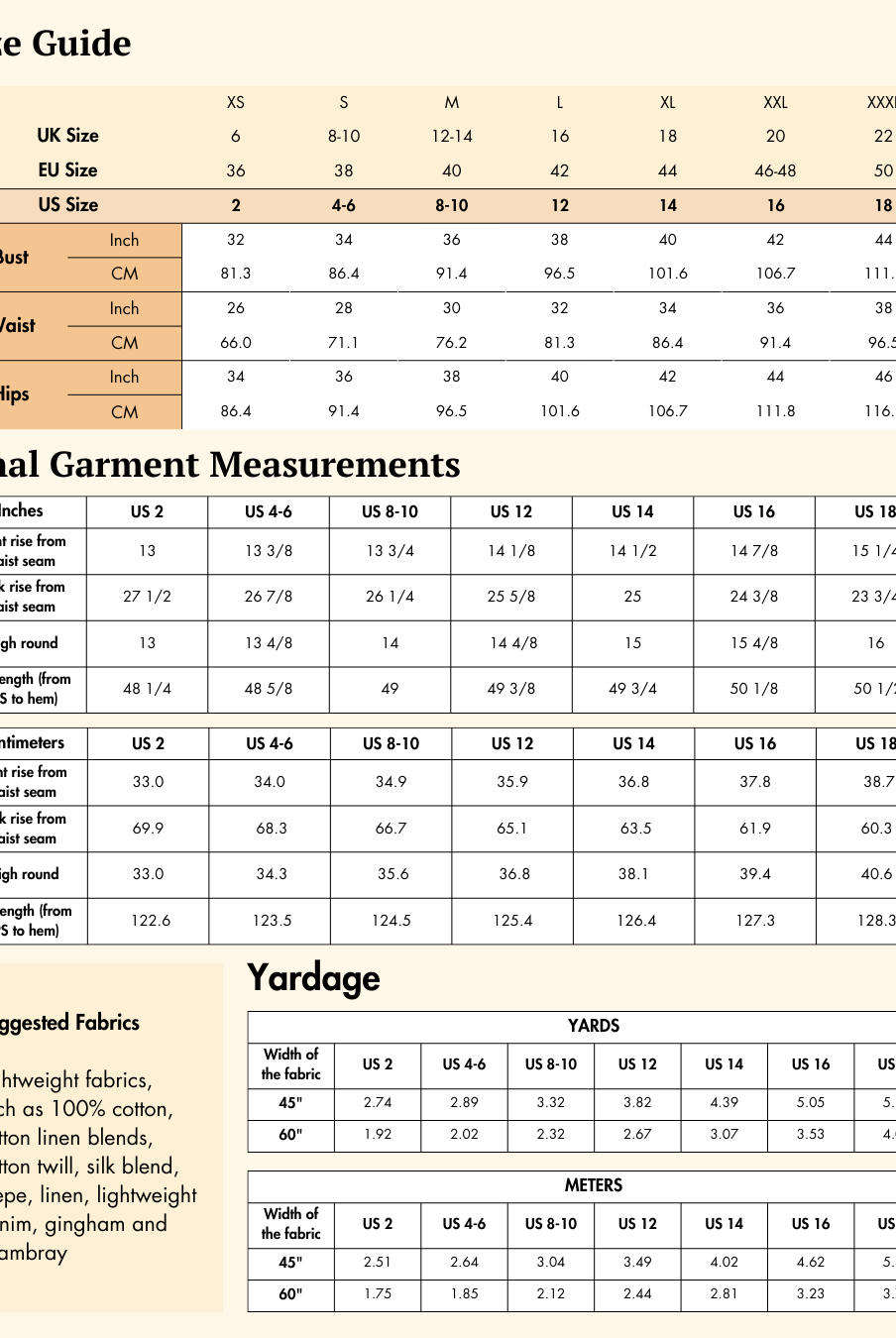
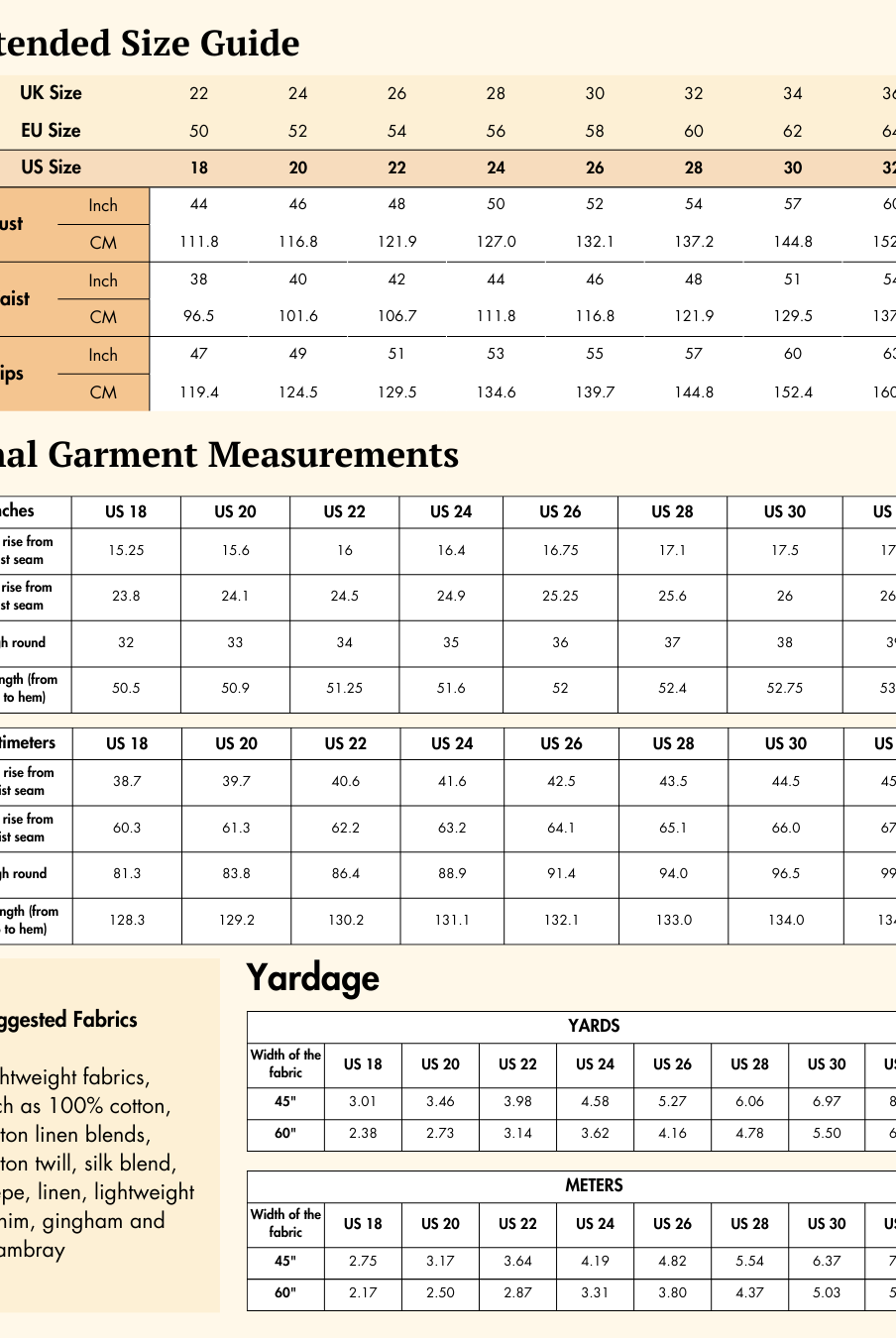
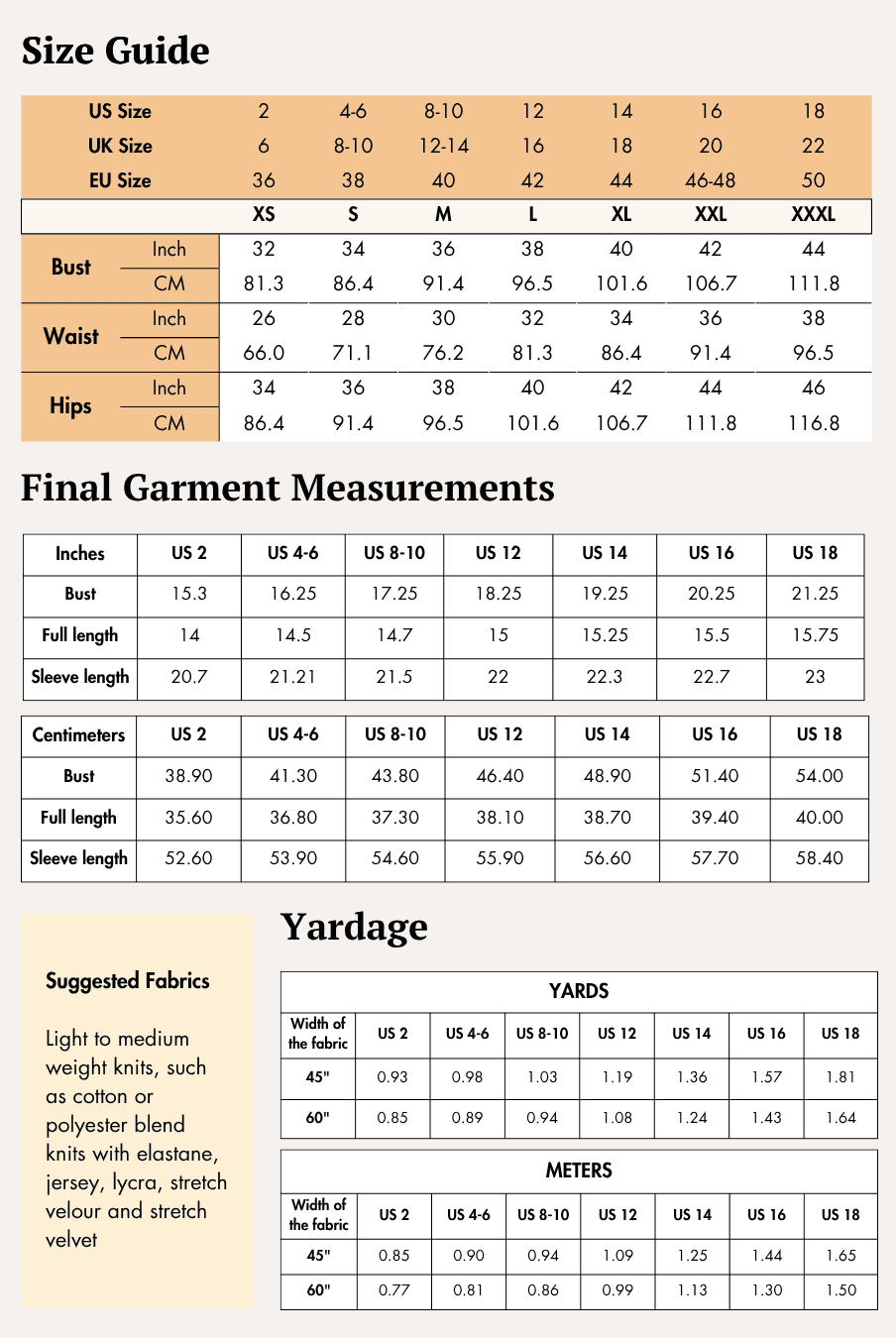
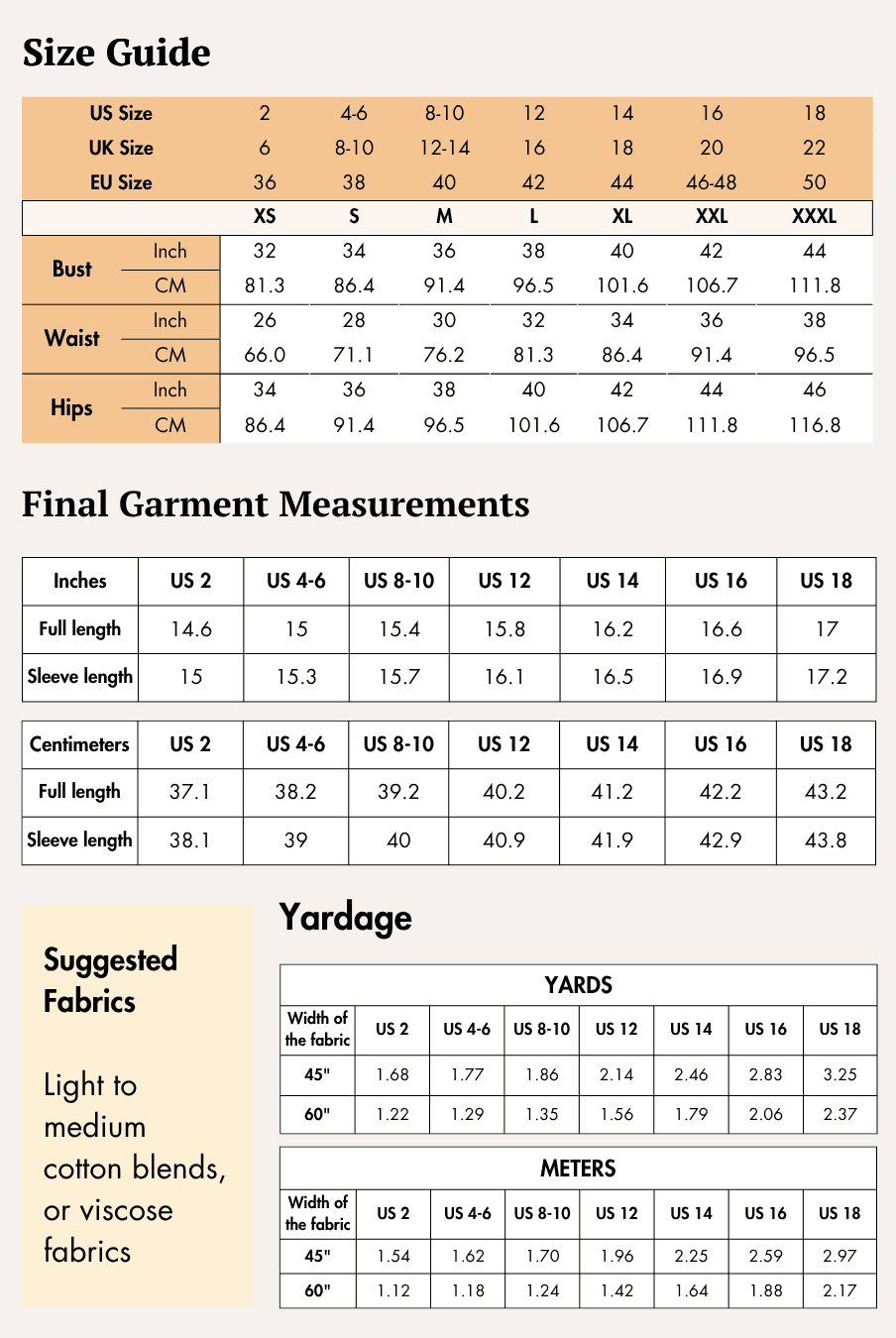
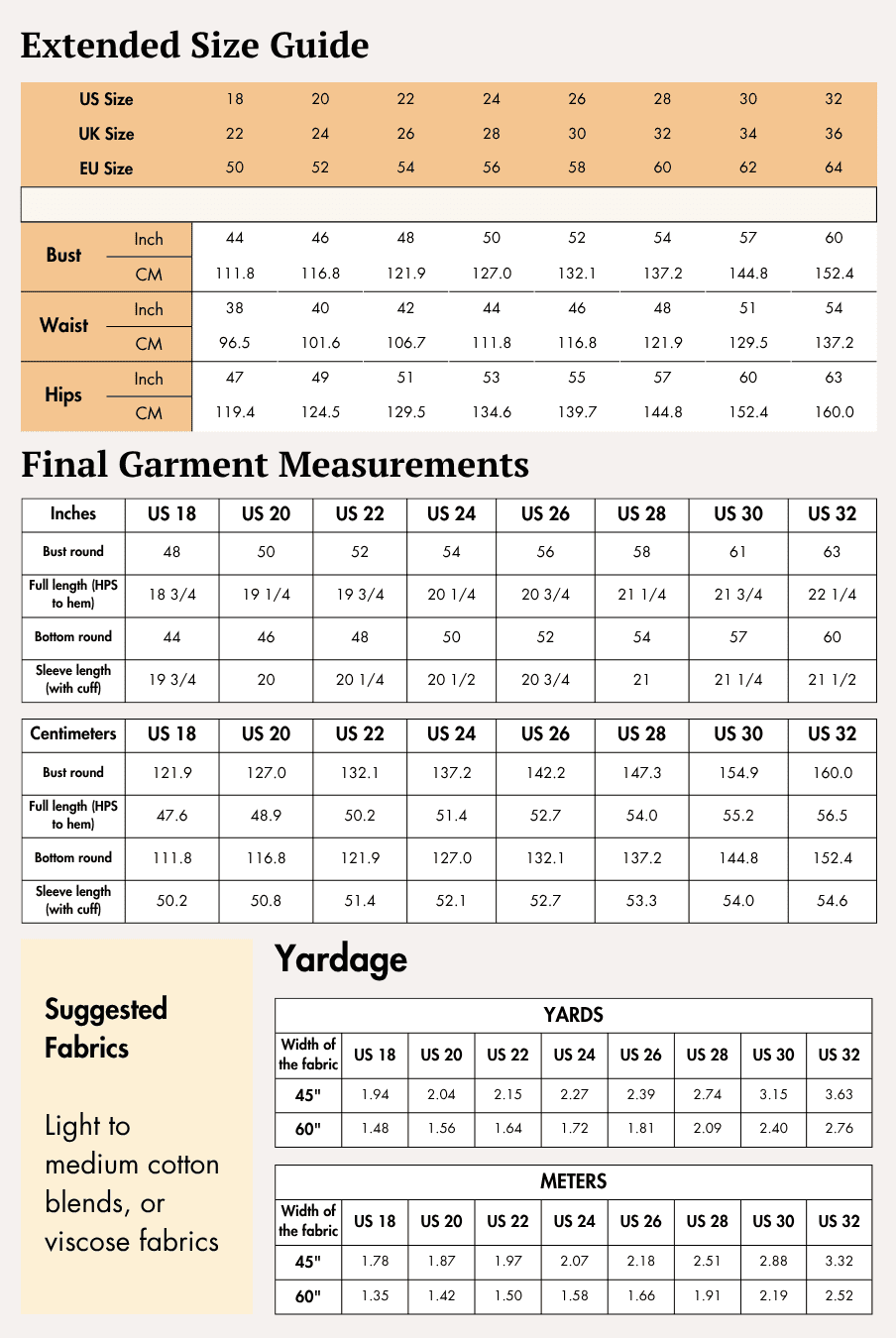
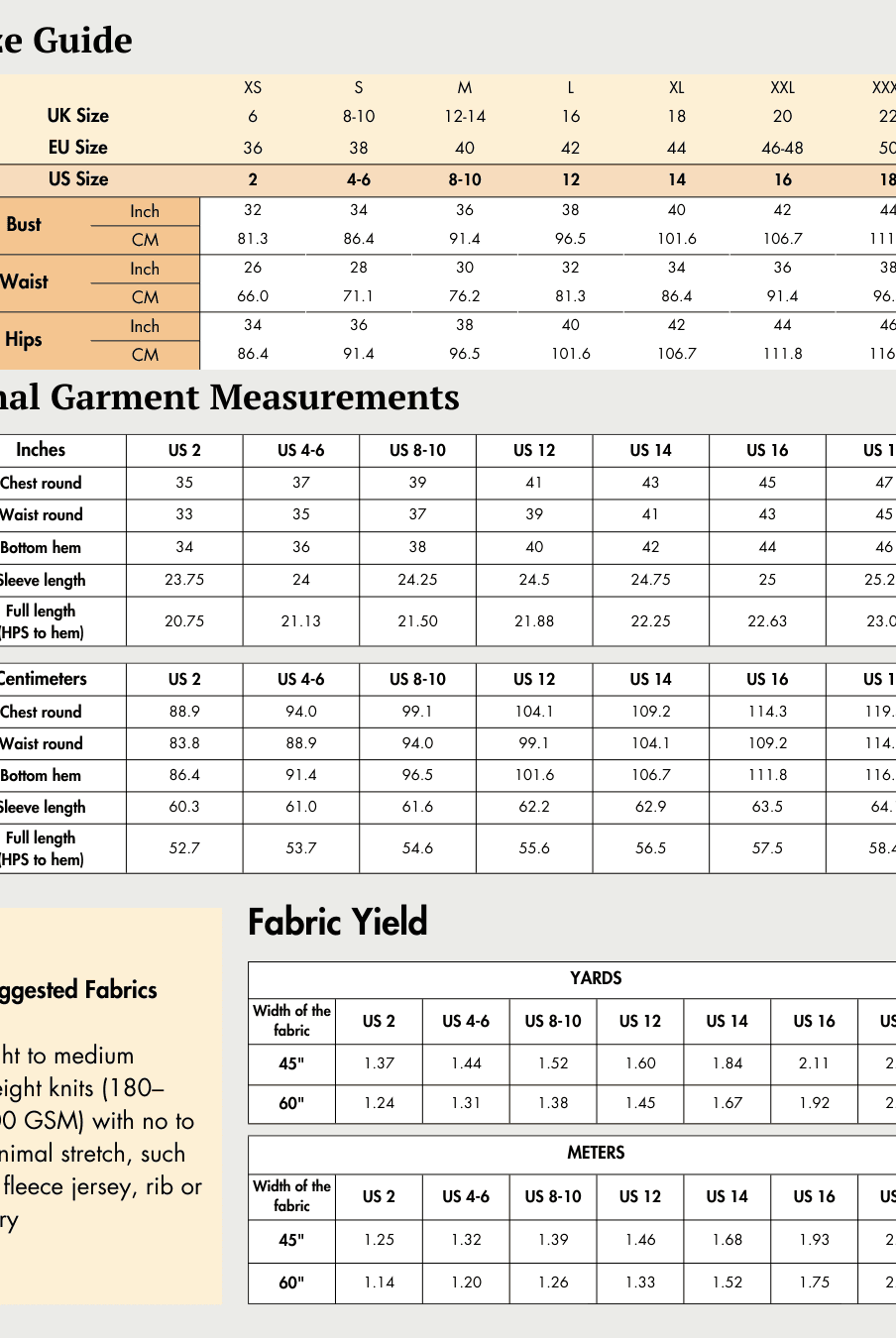
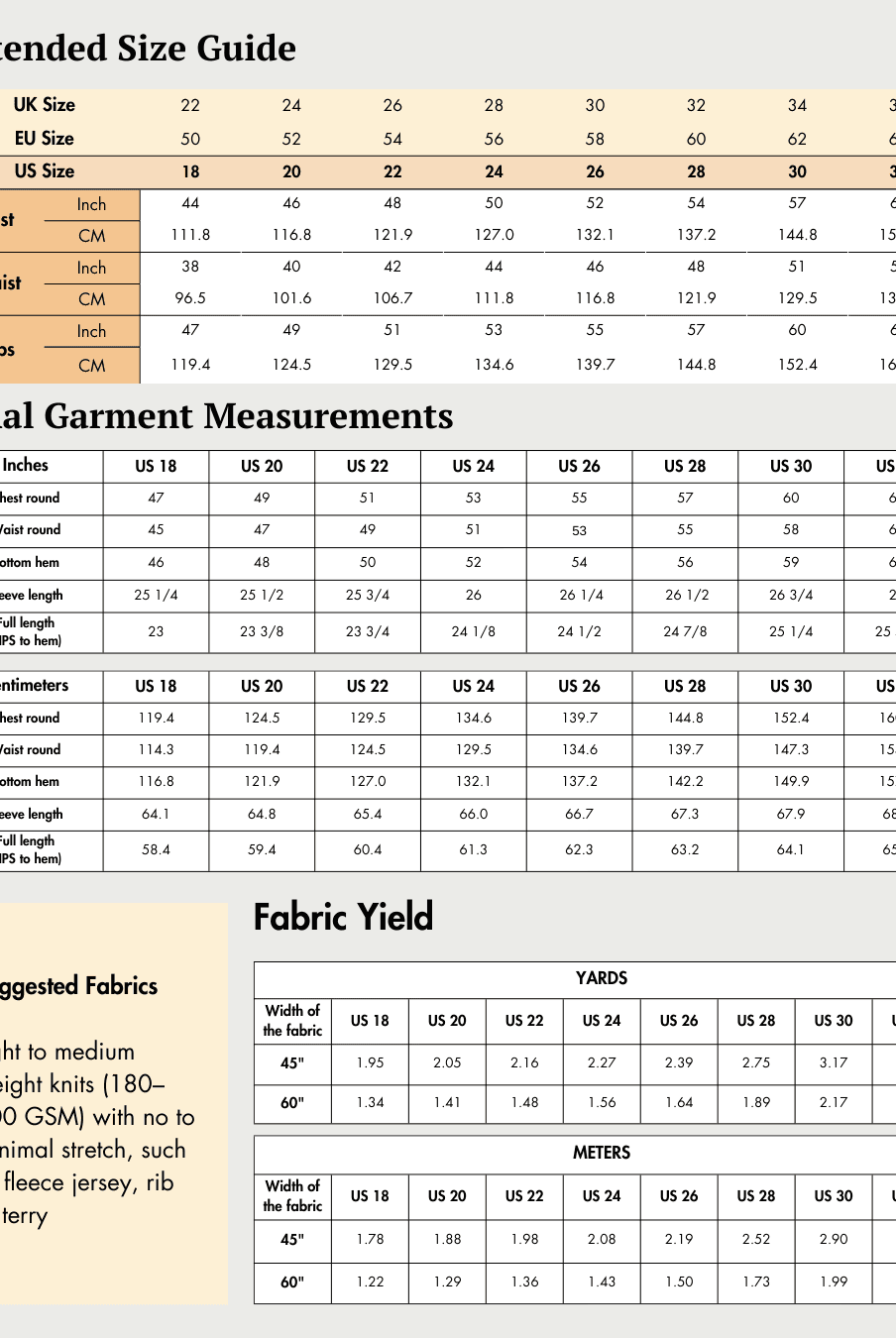
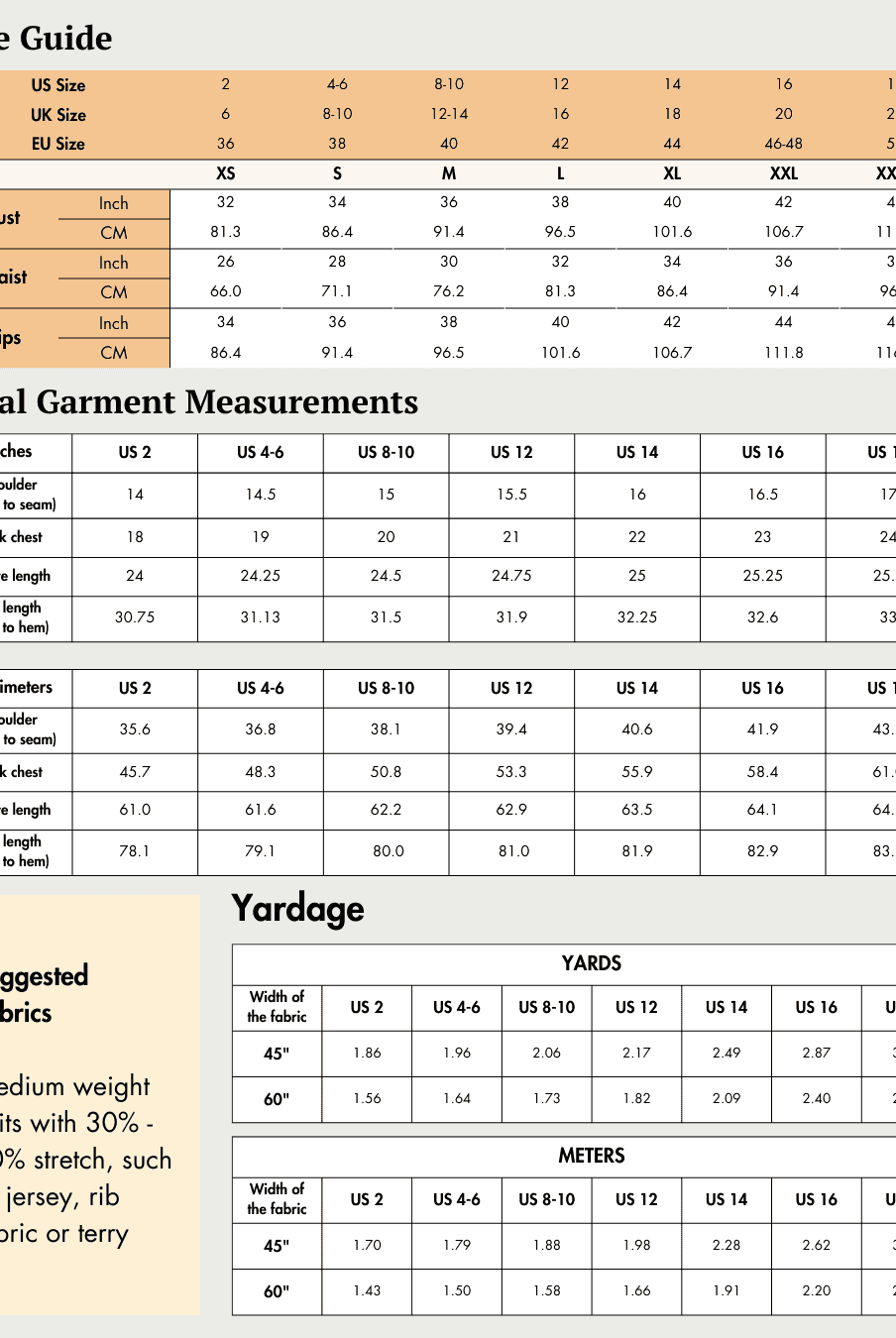
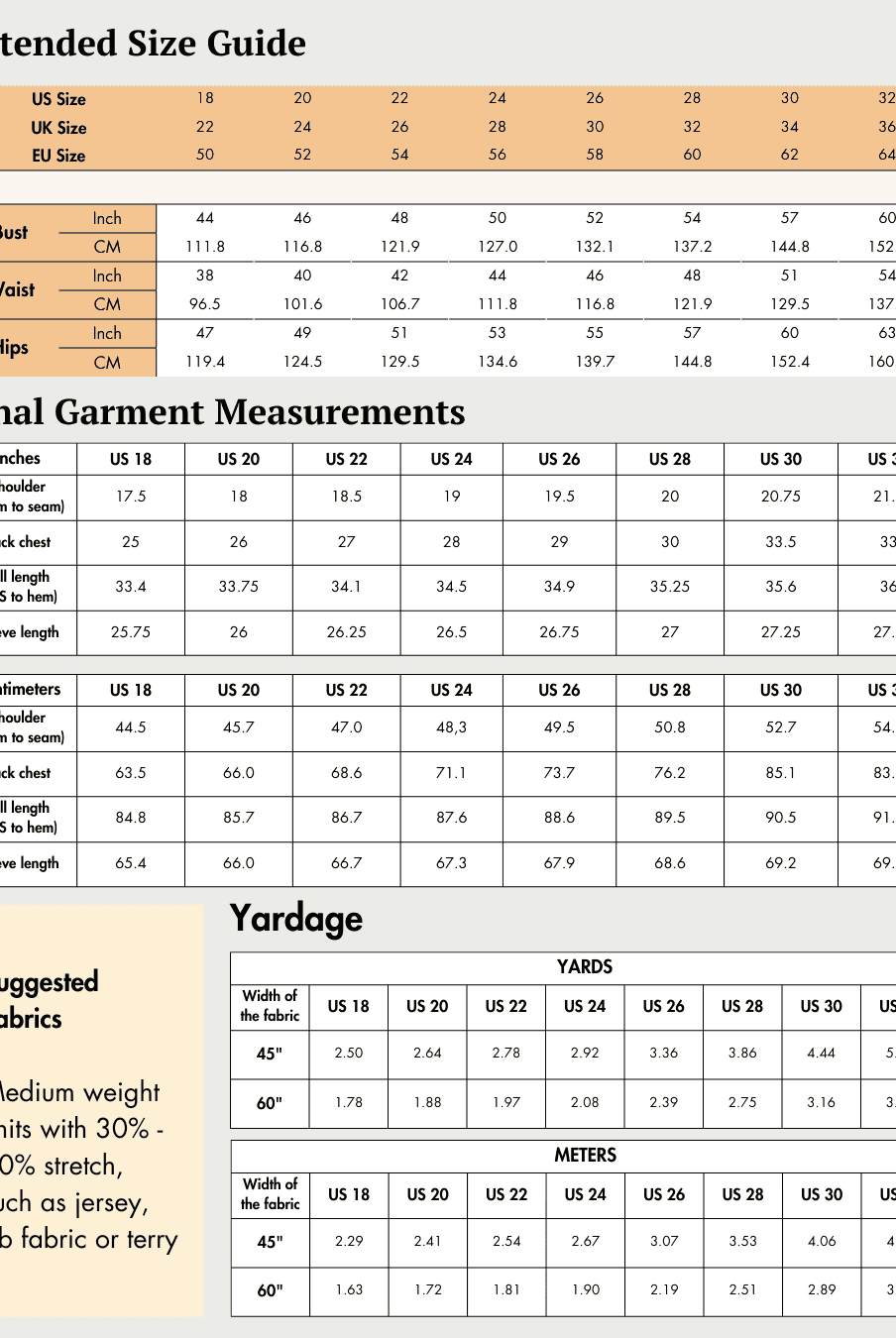
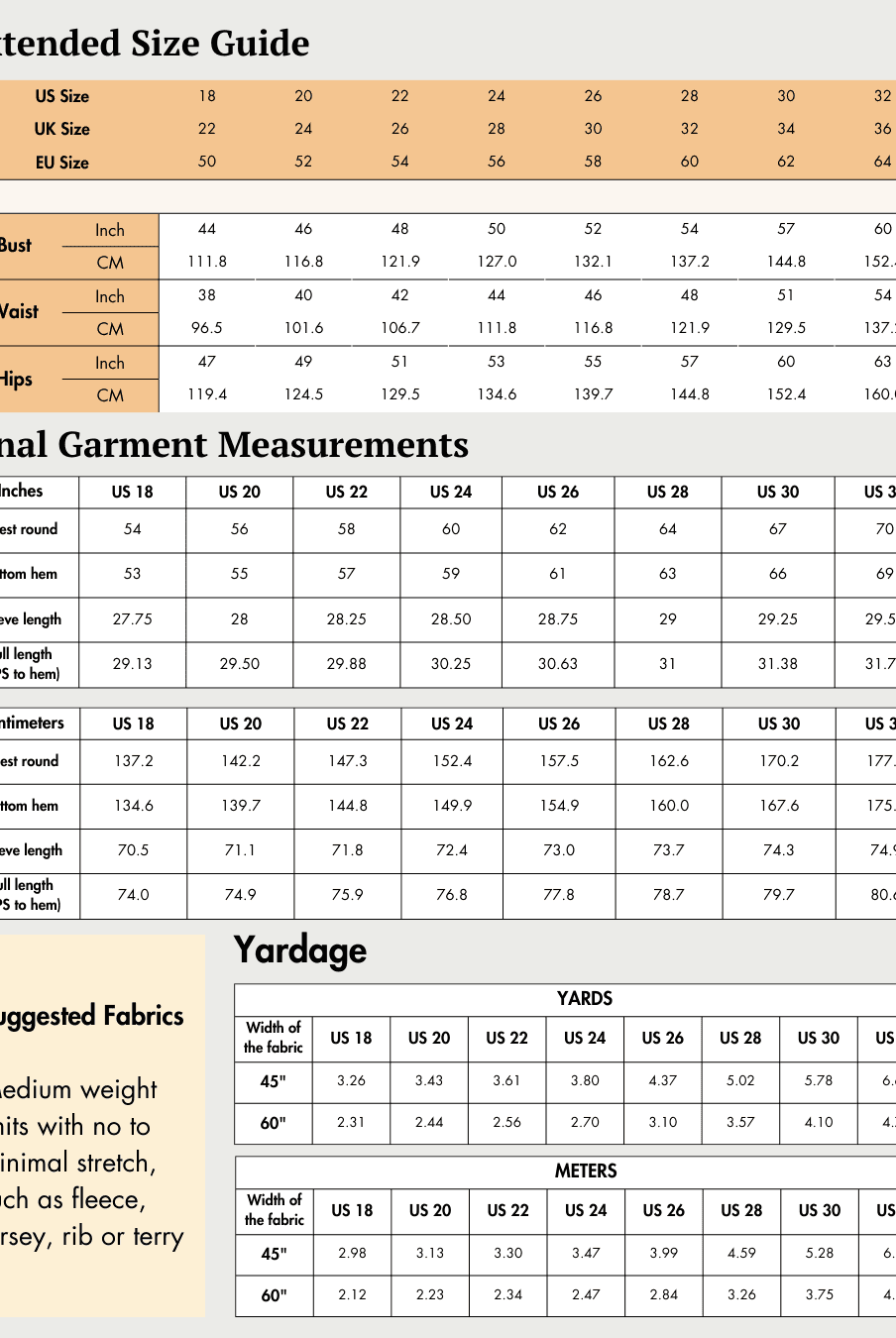
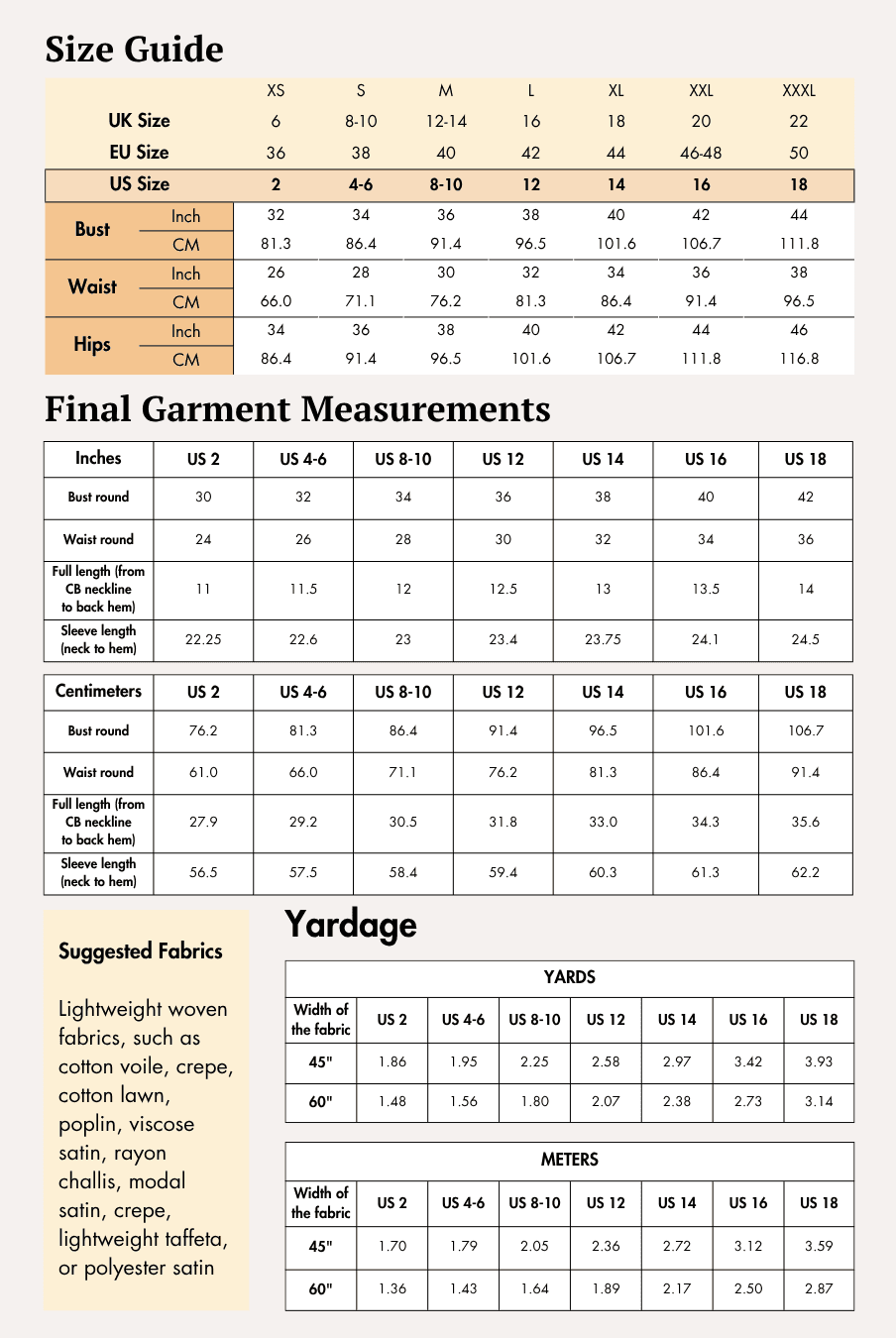
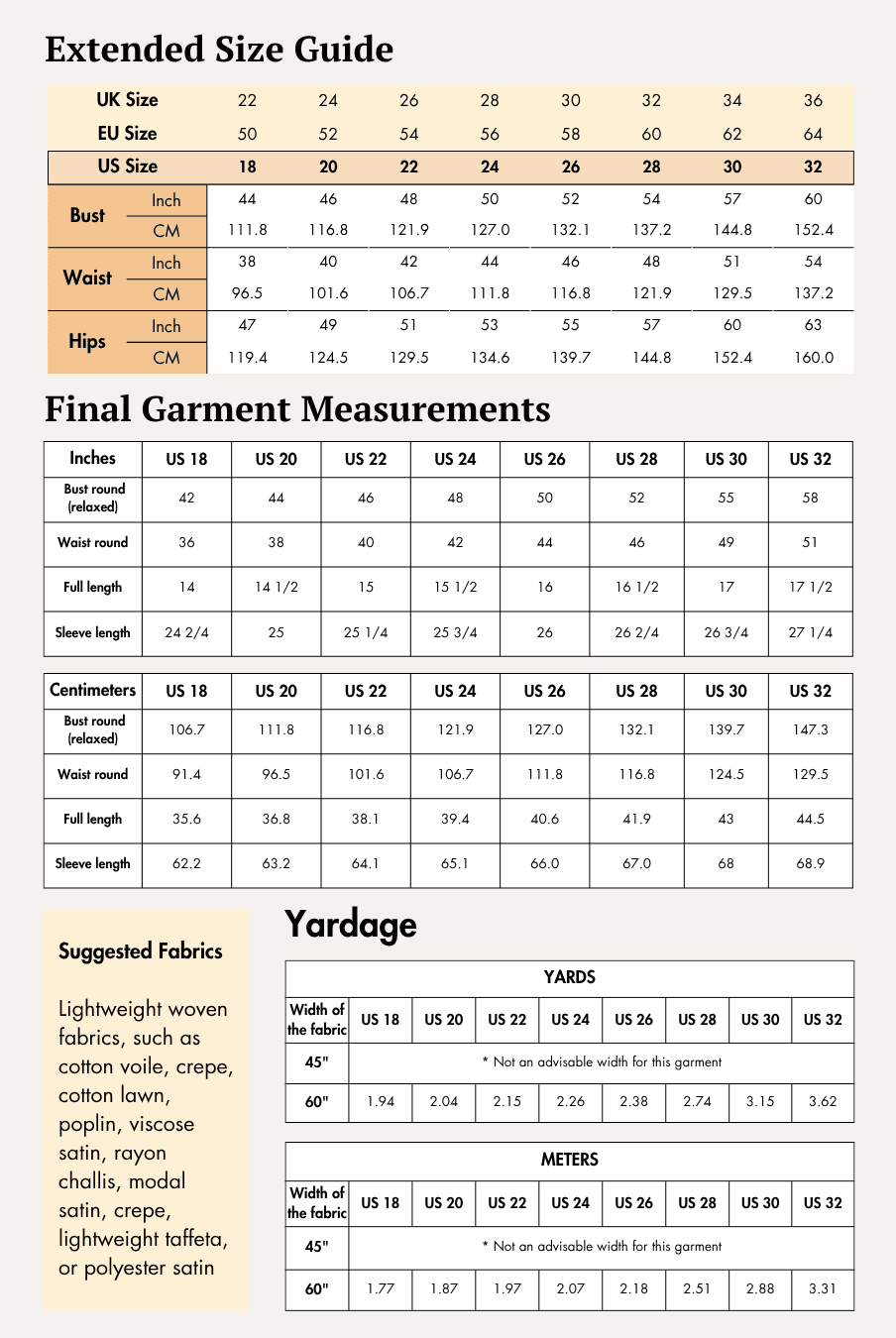
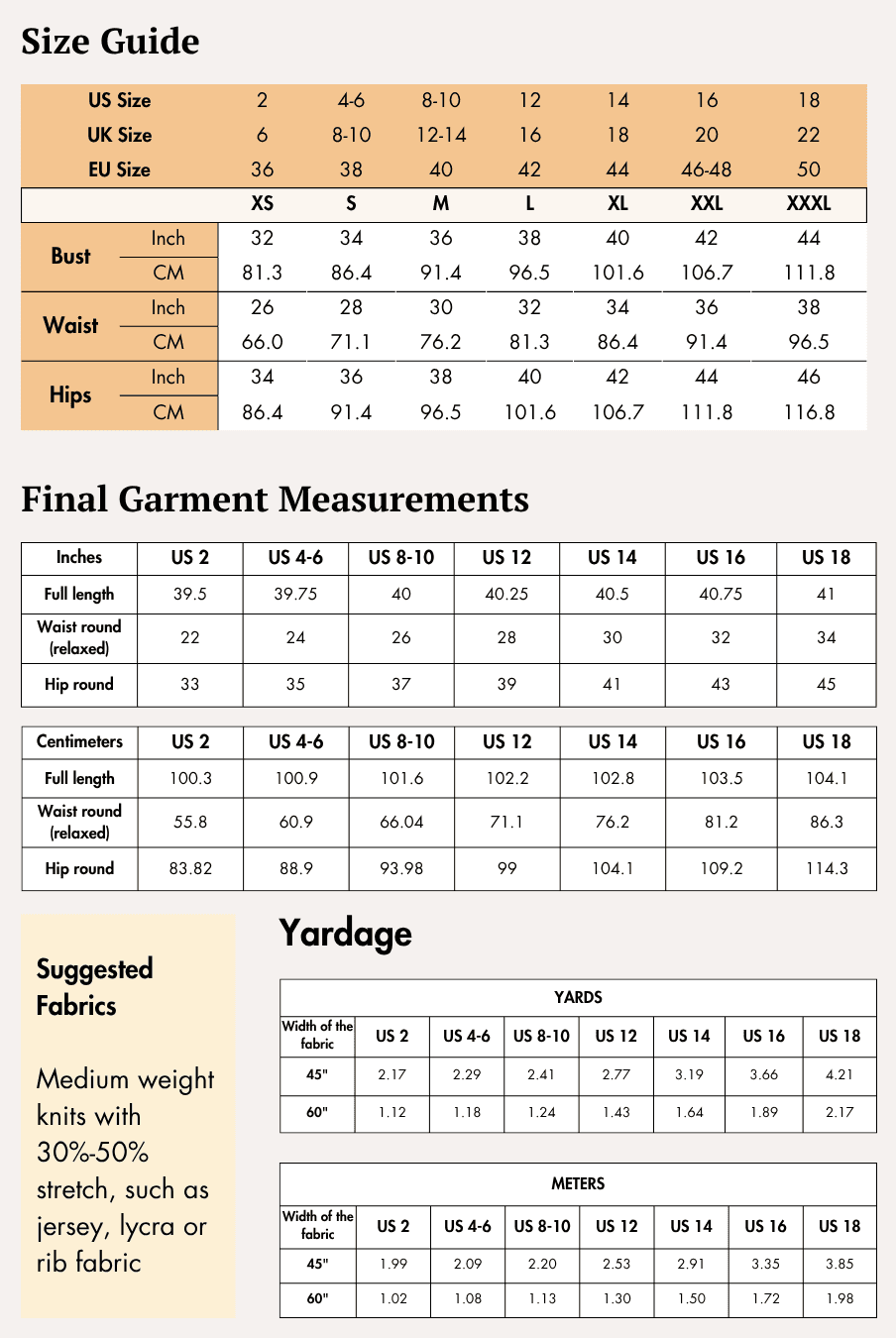
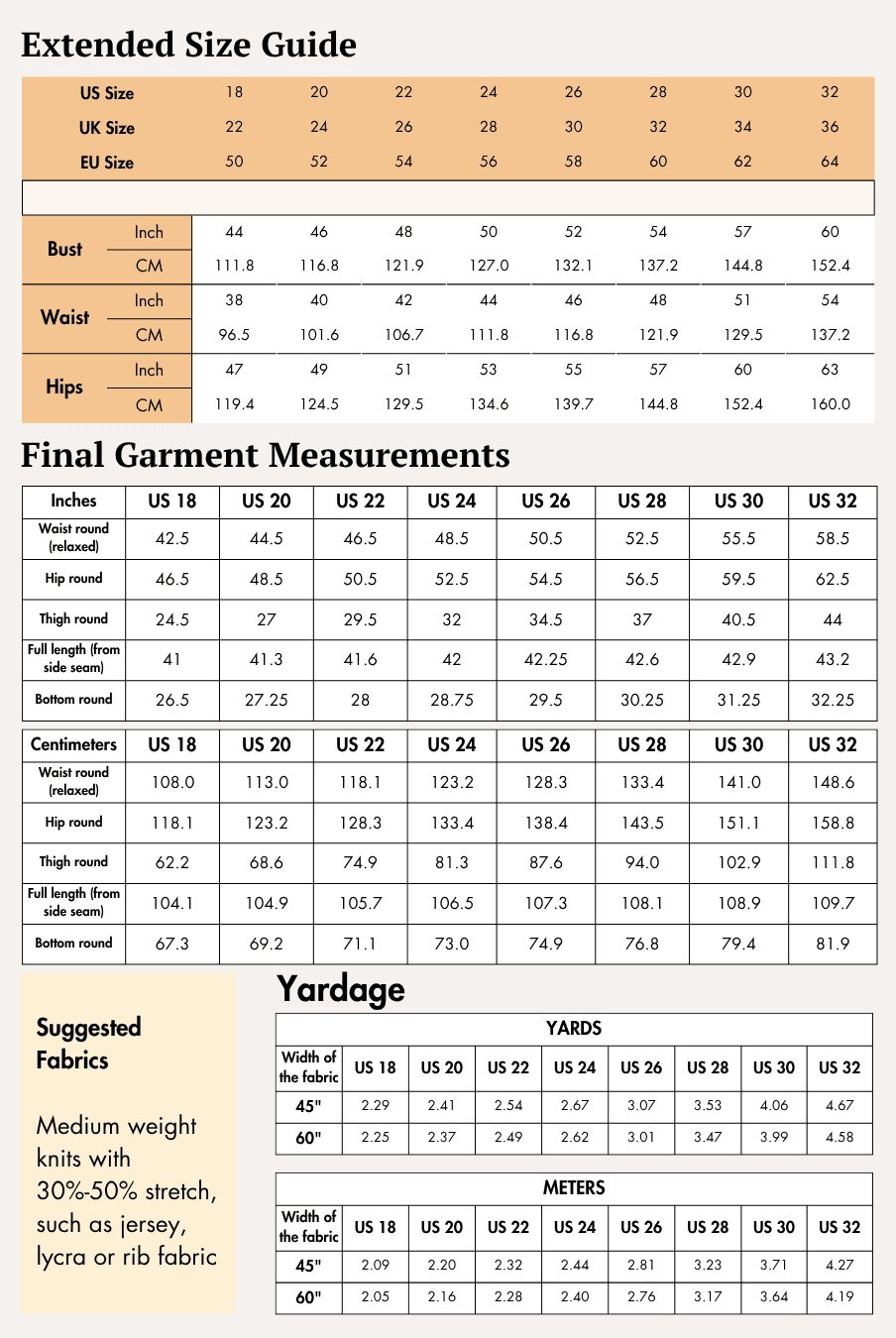
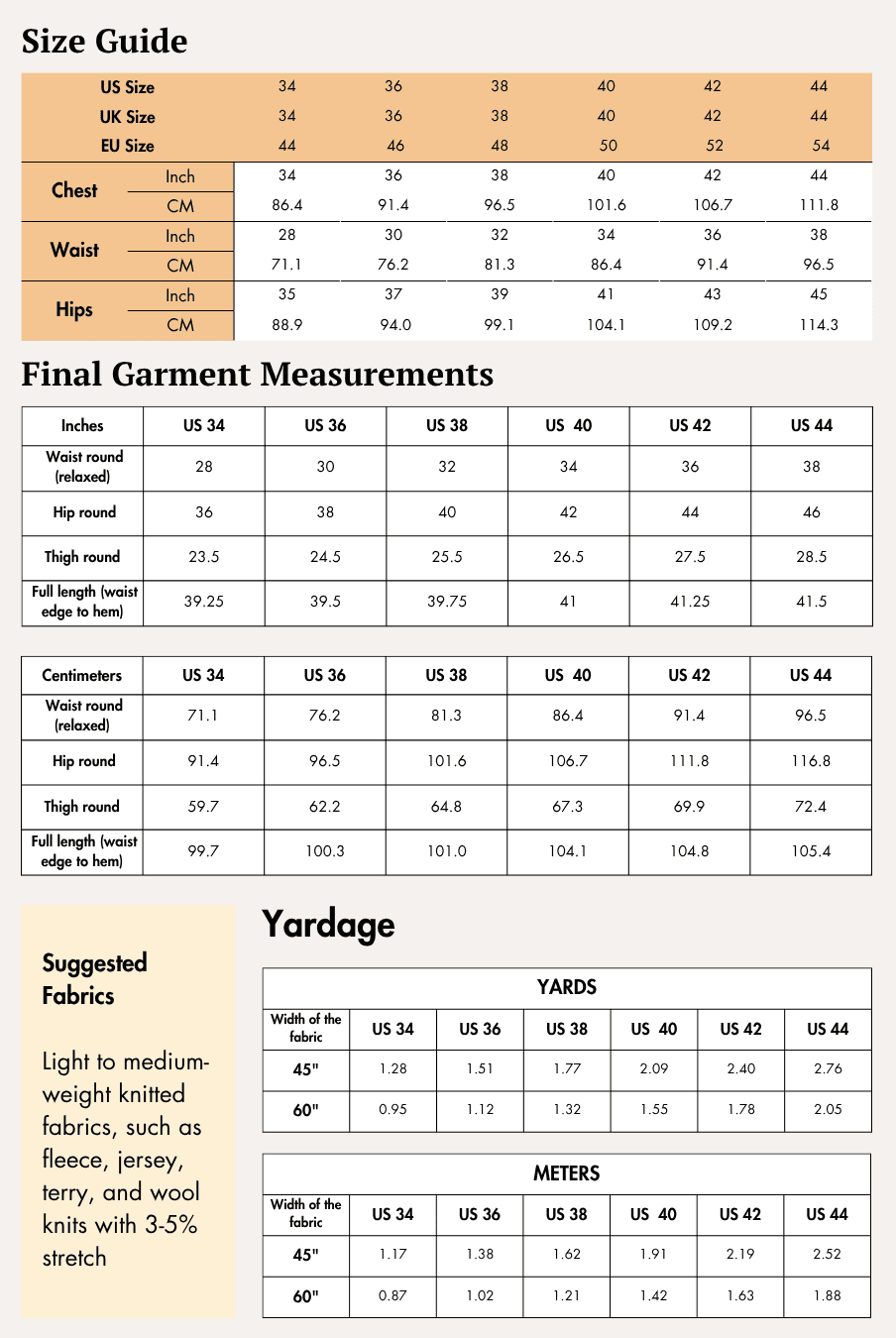
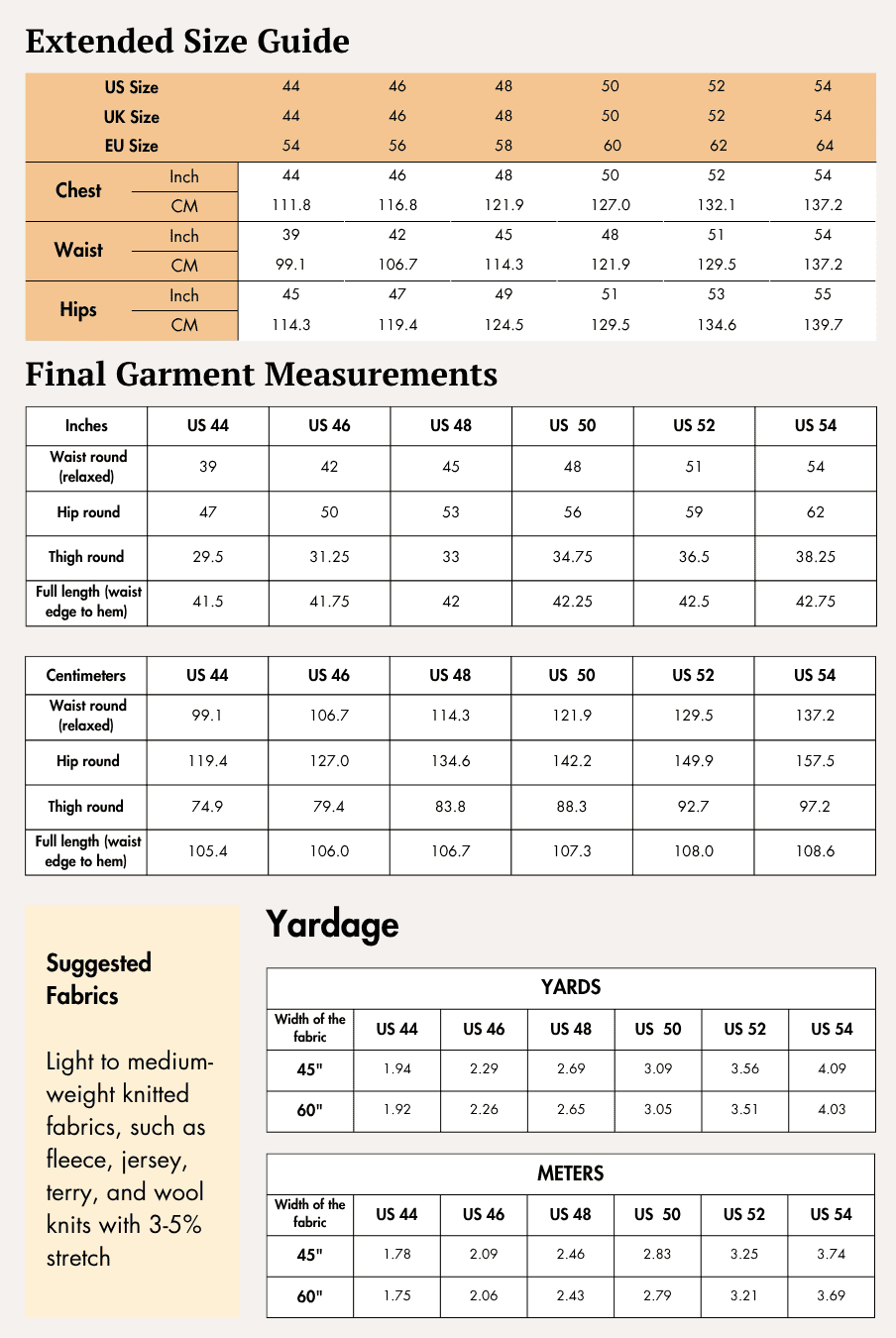
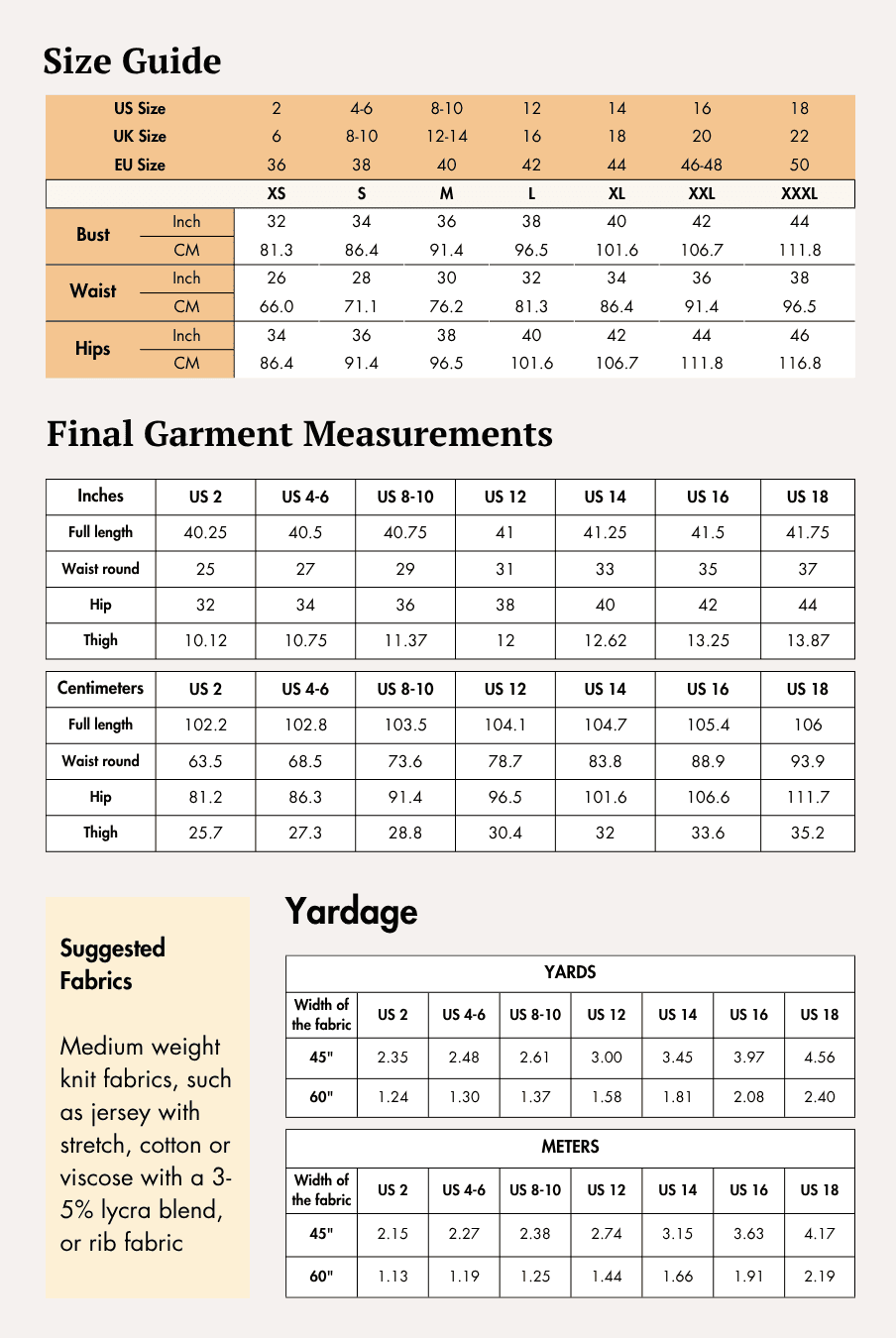
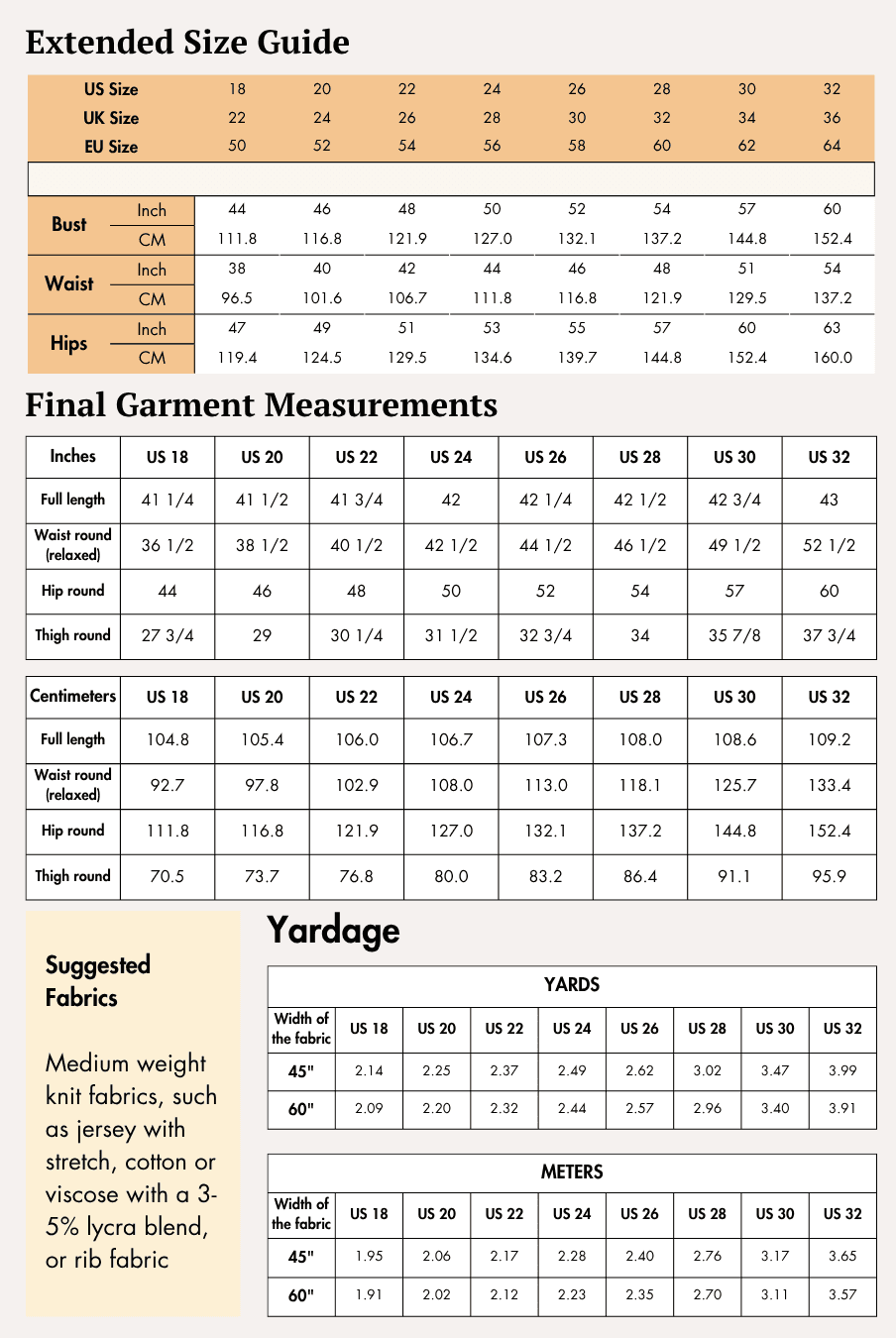
Check the size charts and measure yourself to select the correct size, using the garment and body measurement tables in the guide.
Verify how much fabric you need by referencing the fabric yield table in the guide.
Pattern Inventory: What Pieces to Prepare

Prepare the following pattern pieces:
- Front – Cut 2 Fabric
- Back – Cut 1 Fabric
- Back Yoke – Cut 2 Fabric
- Sleeve – Cut 2 Fabric
- Sleeve Cuff – Cut 2 Fabric
- Collar – Cut 2 Fabric
- Collar Band – Cut 2 Fabric
- Sleeve Placket Inside – Cut 2 Fabric
- Sleeve Placket – Cut 2 Fabric
Ready templates:
- Collar Ready – Cut 1
- Collar Band Ready – Cut 1
- Placket Ready – Cut 1
Pattern Marking


The pattern includes the following markings:
- Grainline
- Placket
- Shoulder
- Shoulder drop
- Neckline
- Pleat notches
- Back across
- Armhole
- Armhole notch
- Front armhole notch
- Back armhole notch
- Side seam
- Hemline
- Sleeve center point
- Sleeve pleat notch
- Collar stand notch
- Collar stand seamline
- Center point of collar
- Center point of collar stand
- Center point of neckline
- Seam allowance
Transfer all markings before sewing to ensure accurate assembly.
Cutting Layout


The cutting layout helps ensure that your garment is cut accurately on grain.
- Align all grainline arrows parallel to the fabric selvage.
- Pin pattern pieces securely before cutting.
- The layouts provided are nondirectional.
- Purchase additional fabric if using fabric with nap or directional prints.
- Separate layouts are provided for both 45-inch and 60-inch fabric widths.
- The illustrated layouts use a Small size for demonstration.
Fabric Cutting and Preparation
Arrange the pattern pieces according to the cutting layout diagrams. Begin by positioning the pieces on the fabric, ensuring that the grainline arrow runs parallel to the selvage.
If you are using fabric shears, trace the pattern pieces and then cut them out, cutting away any pen, pencil, or chalk lines. Remember to cut out any notches that appear on the edges. These markings help line up the pieces when you assemble the garment.
Use your marking pen, pencil, or chalk to transfer the markings (such as circles, buttonholes, and fold lines) to the wrong side of the fabric. Mark the center front of pieces cut on the fold, as this will help you align pieces accurately.
Seam Allowance
Please follow the seam allowances as indicated on the pattern file layers. These are provided specifically for each piece to ensure accurate construction.
This pattern uses a 1 cm (0.38 inch) seam allowance all around, and 2.25 cm (0.88 inch) at the hem.
Step-by-Step Sewing Instructions
1. Finish the Front Plackets
-
Fold the placket seam allowance of the front piece and then fold the placket from the center front toward the wrong side of the front piece.
-
Sew on the seamline of the placket.
-
Repeat the same process for the other placket.
2. Create the Back Pleats
-
Join the two side notches of the back piece to the mid-notch and pin them together.
-
Sew on the seam allowance of the back across.
3. Attach the Back Yoke
-
Position both back yoke pieces with right sides facing each other and sandwich the back piece between them.
-
Pin the back across together and sew all pieces together.
4. Join the Shoulders
-
Fold and press the seam allowance of the shoulder edges of the back yoke pieces toward the wrong side.
-
Insert the front piece shoulder seam allowance between the back yoke shoulder edges and align the shoulder seamline.
-
Sew along the shoulder seamline.
-
Repeat for the opposite shoulder.
5. Prepare and Attach the Collar
5a. Sew both collar pieces right sides together, starting from one corner of the collar band seam allowance to the opposite corner.
5b. Clip the collar corners. Turn the collar right side out and use a pointed tool to shape the collar corners.
5c. Take one collar band piece, fold and press the neckline edge to the wrong side, and secure it using basting stitches.
5d. Place both collar band pieces right sides together with the collar sandwiched between them. Sew along the collar stand seamline, closing both collar band pieces.
5e. Flip the collar band and press along the stitch line to form a stable collar shape.
5f. Place the collar band with the unfolded seam allowance on the right side of the bodice neckline. Sew along the seamline, leaving the folded seam allowance unstitched.
5g. Carefully sandwich the neckline seam allowances between the collar bands. Remove the basting stitches and cover the neckline seam allowances with the folded collar band. Pin if needed and sew together for a clean finish.
6. Attach the Sleeves
-
Match the center point of the sleeve to the shoulder of the bodice.
-
Place the sleeve on the armhole with right sides facing together.
-
Match the notches and sew the armhole seam.
-
Repeat for the second sleeve.
7. Attach the Sleeve Plackets
7a. Place the sleeve placket inside on the sleeve placket marking closest to the pleat notch. Position the sleeve placket on the opposite side of the marking line with the right side of the placket facing the wrong side of the sleeve. Pin and sew along the placket marking.
7b. Cut an opening down the center of the placket marking and make small V-shaped cuts at both ends.
7c. Turn the sleeve placket pieces through the opening to the right side of the sleeve and press.
7d. Fold the seam allowance of the sleeve placket inside piece twice to conceal the raw edges and stitch it down.
7e. Fold the seam allowance of the sleeve placket, then fold again at the center. Adjust it to cover the sleeve placket inside piece. Fold the top of the placket to hide the raw edges and sew from the bottom edge to the top, creating an inverted V-shaped stitch at the top.
Repeat for the second sleeve.
8. Sew the Side Seams
-
Align the sleeve seams and bodice side seams where the armhole seams meet.
-
Pin the side seams and sew both sides together.
9. Attach the Cuffs
9a. Fold one seam allowance along the length of the cuff and press. Fold the cuff lengthwise with right sides together and sew the sides. Turn right side out and shape the corners.
9b. Join the cuff pleat notches together toward the sleeve placket and pin or baste them in place. Repeat for the second pleat.
9c. Place the cuff on the sleeve cuff edge and sew along the unfolded cuff seam allowance.
9d. Turn the cuff down on the sleeve and press. Push the seam allowance inside the cuff to cover the seam on the wrong side.
9e. Sew along the edge of the cuff to finish.
Repeat for the second cuff.
10. Hem the Shirt
-
Fold the hem seam allowance about 1 cm and press.
-
Fold the hem to the wrong side from the seamline.
-
Sew along the folded edge from one placket end to the other.
11. Create the Buttonholes and Attach Buttons
-
Use a buttonhole presser foot to create evenly spaced buttonholes using zig-zag stitches.
-
Sew the buttons parallel to the buttonholes.
-
For the sleeve cuffs, sew two buttons and corresponding buttonholes approximately 1/2 inch from the side seam of the cuff.


Ready to Sew Your Own Button-Down Shirt?


The Hayden Button-Down Shirt Sewing Pattern combines a relaxed fit with timeless shirtmaking details, including a classic collar, back yoke, sleeve plackets, cuffs, and a button-front closure. Its loose silhouette makes it comfortable to wear while still maintaining a polished appearance.
Whether you're sewing it in breathable linen, soft viscose, crisp cotton, or elegant satin, this versatile shirt can easily become a staple in your handmade wardrobe.
Ready to add a classic handmade shirt to your wardrobe? The Hayden Button-Down Shirt Sewing Pattern is a rewarding project that helps you build your shirtmaking skills while creating a versatile garment you'll wear for years to come.
Join the Community & Get Support
Share your finished Hayden Button-Down Shirt on social media with #MadeWithWinslets. If you have questions, feedback, or customization requests, contact the Winslet's team at support@winslets.com.