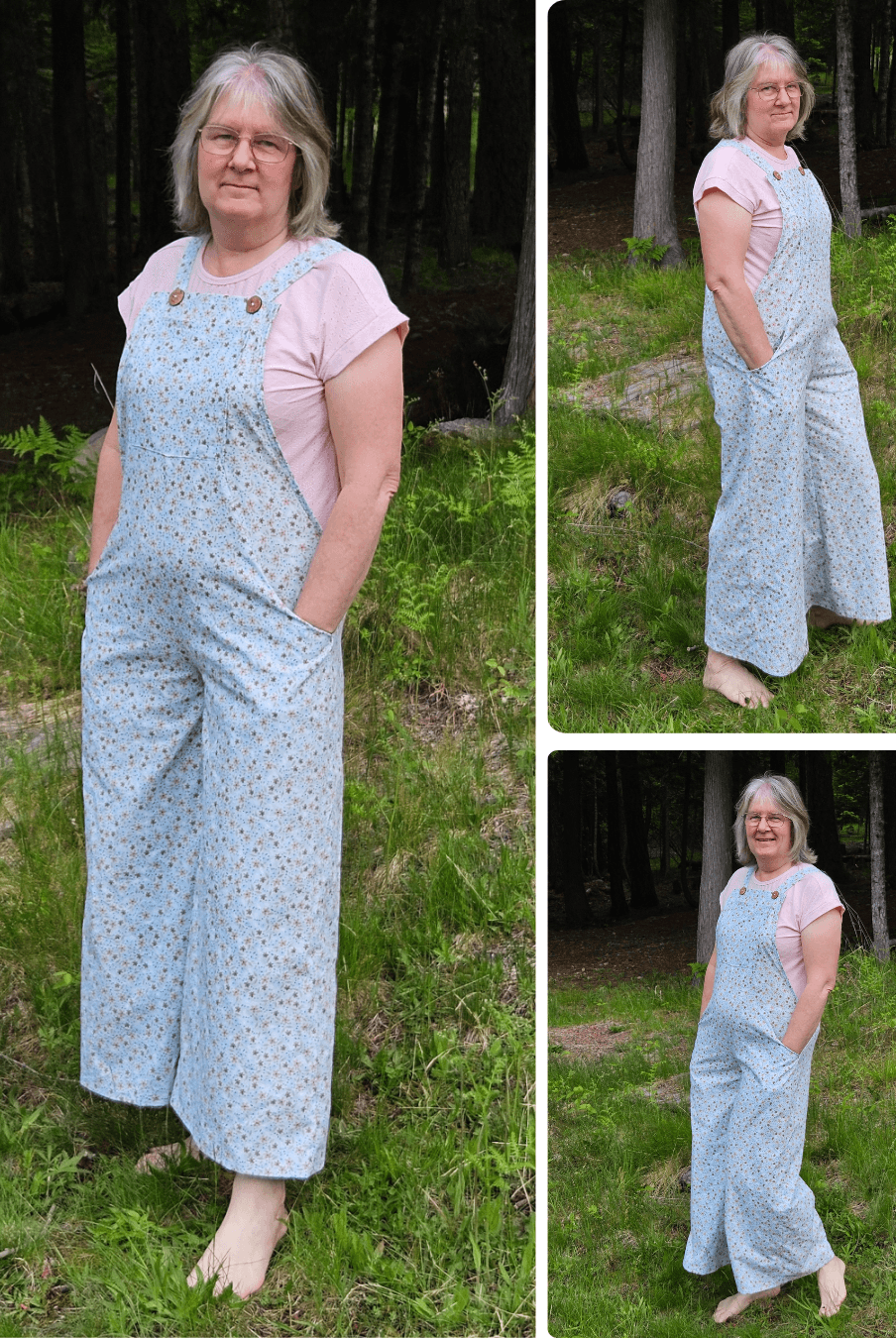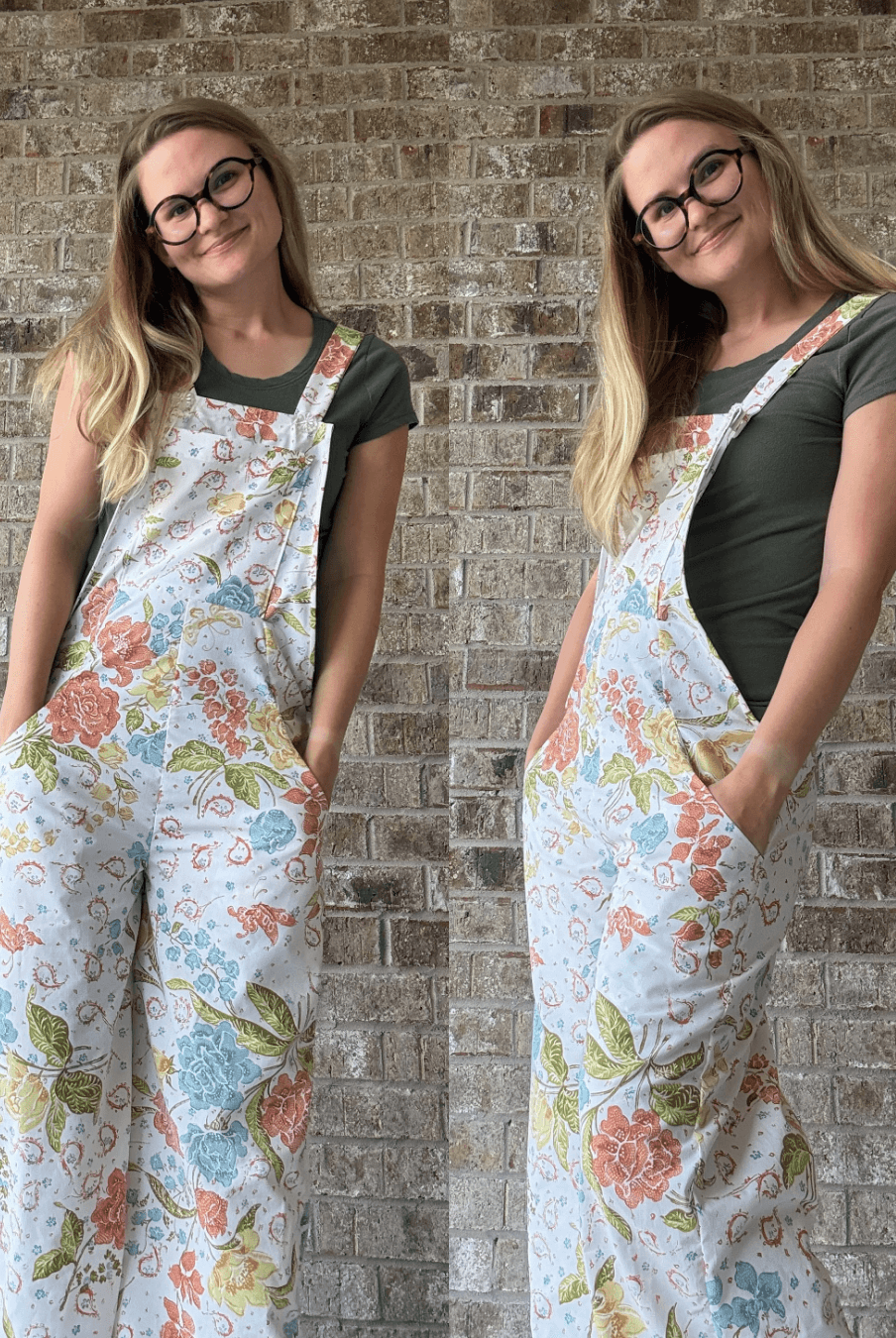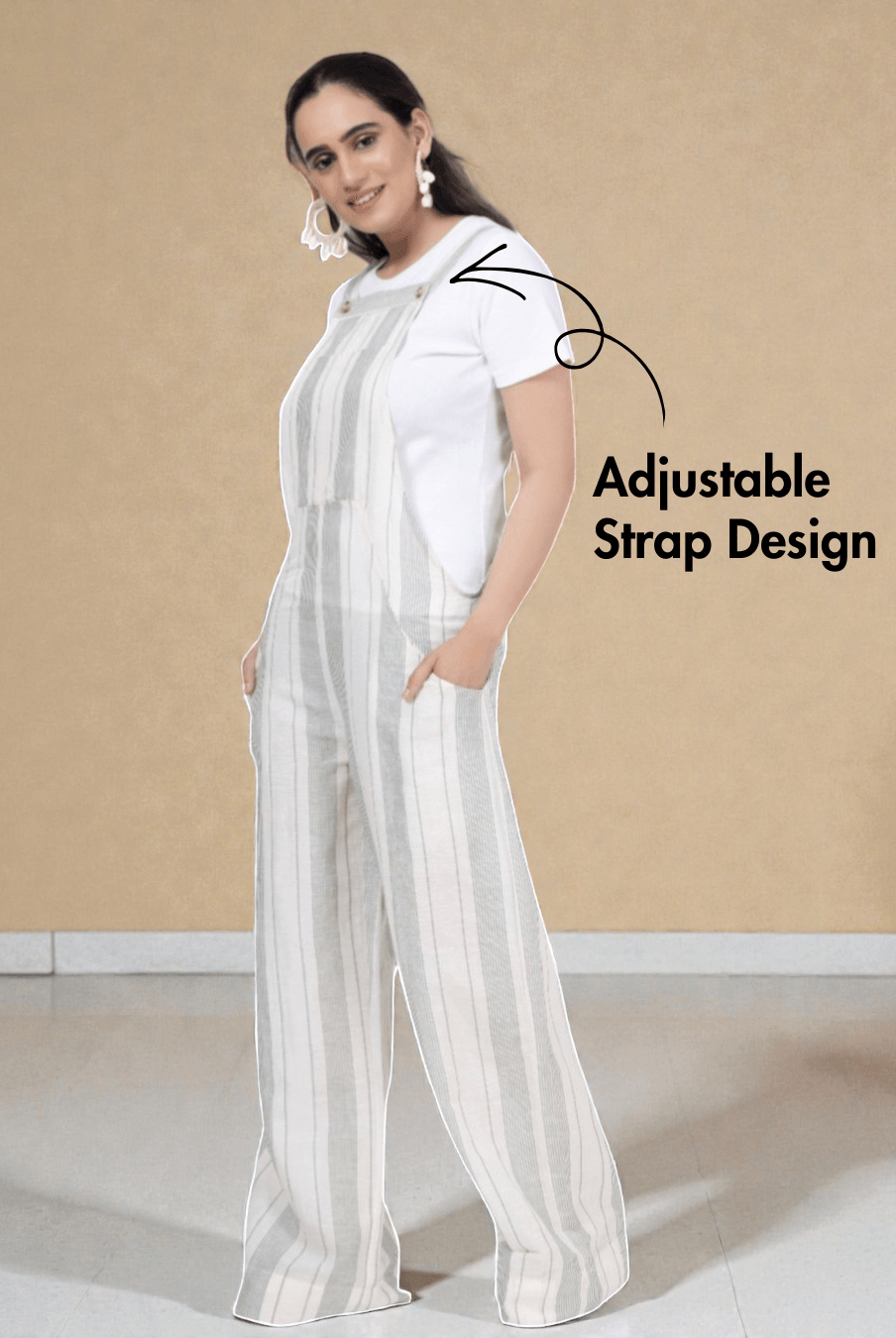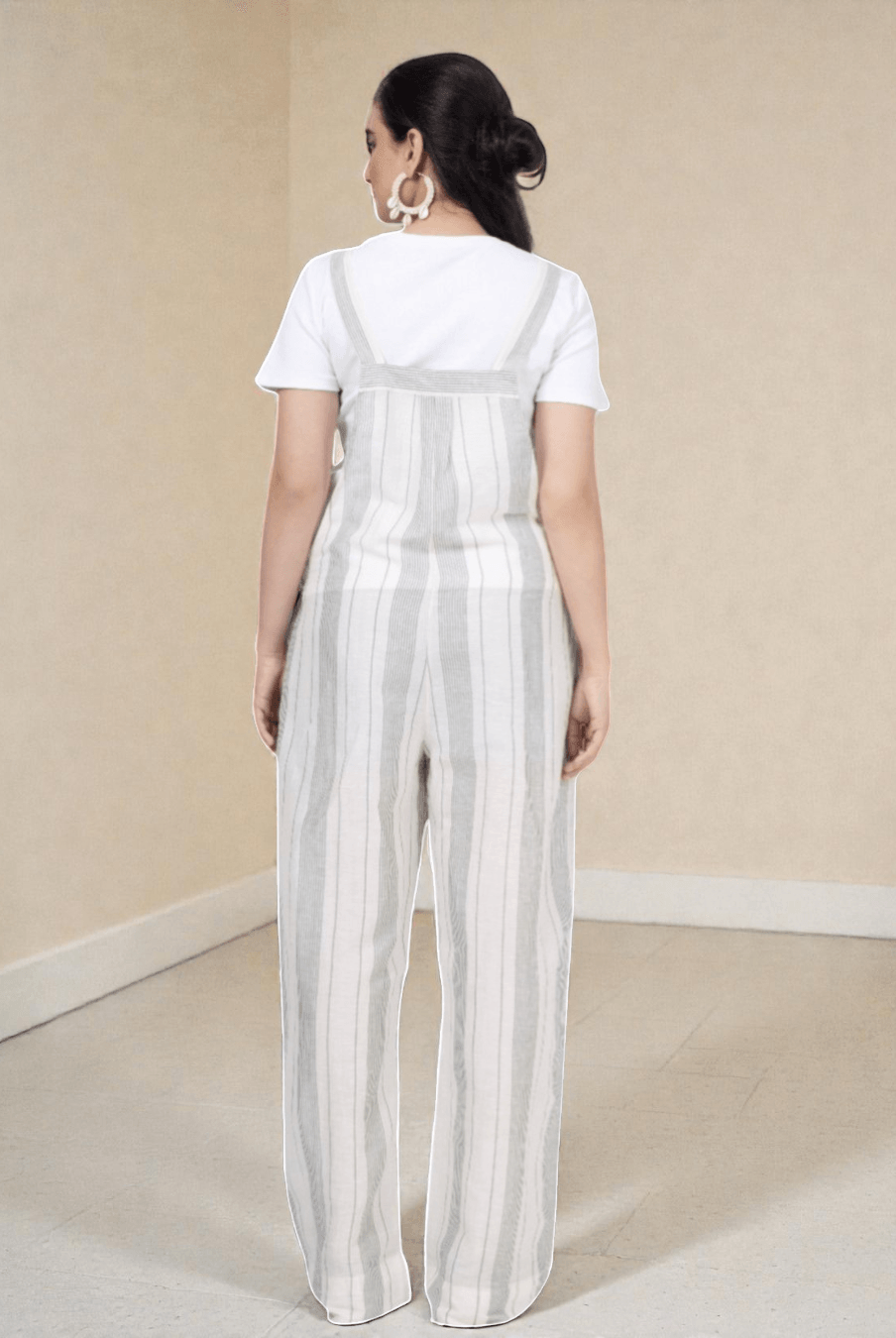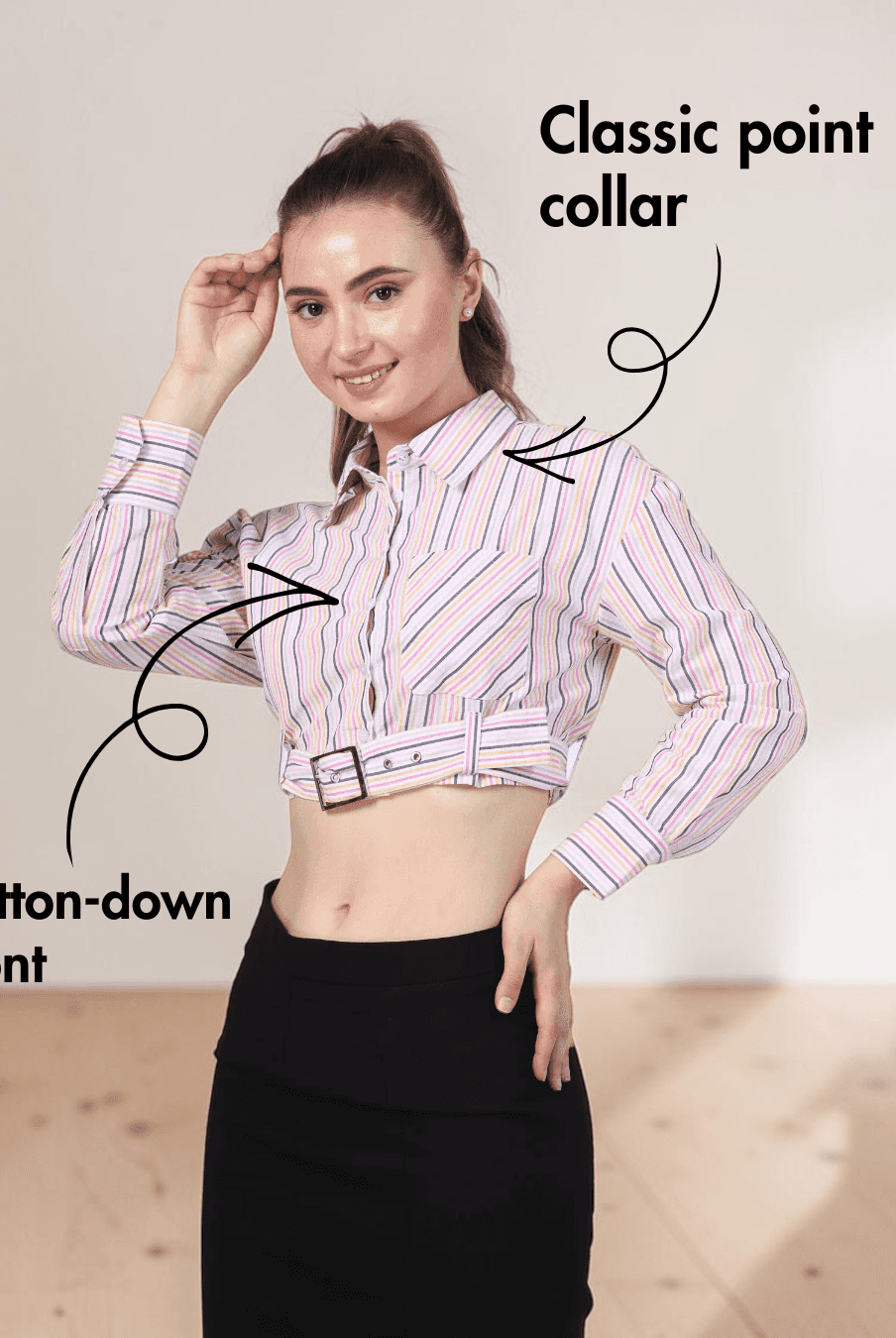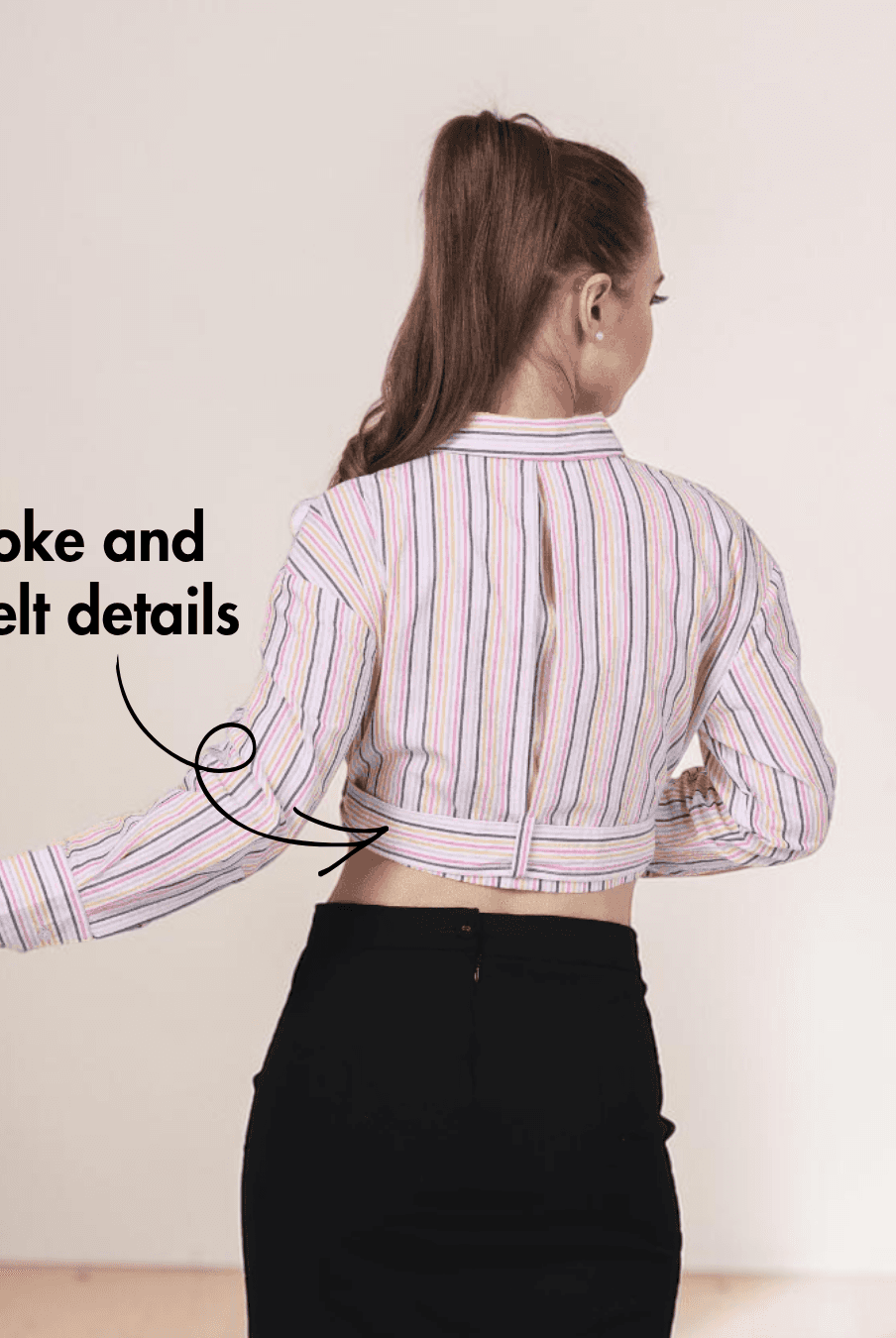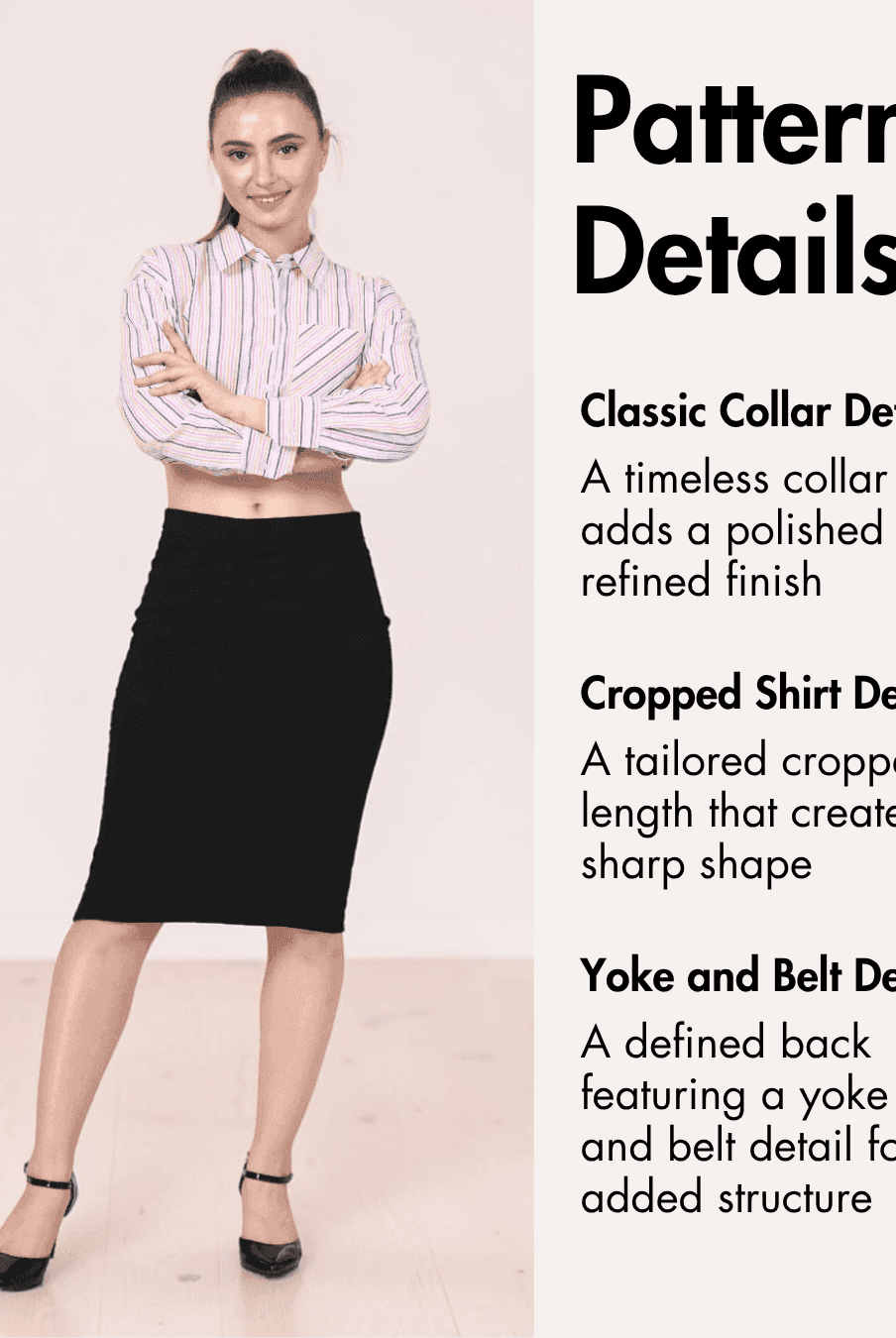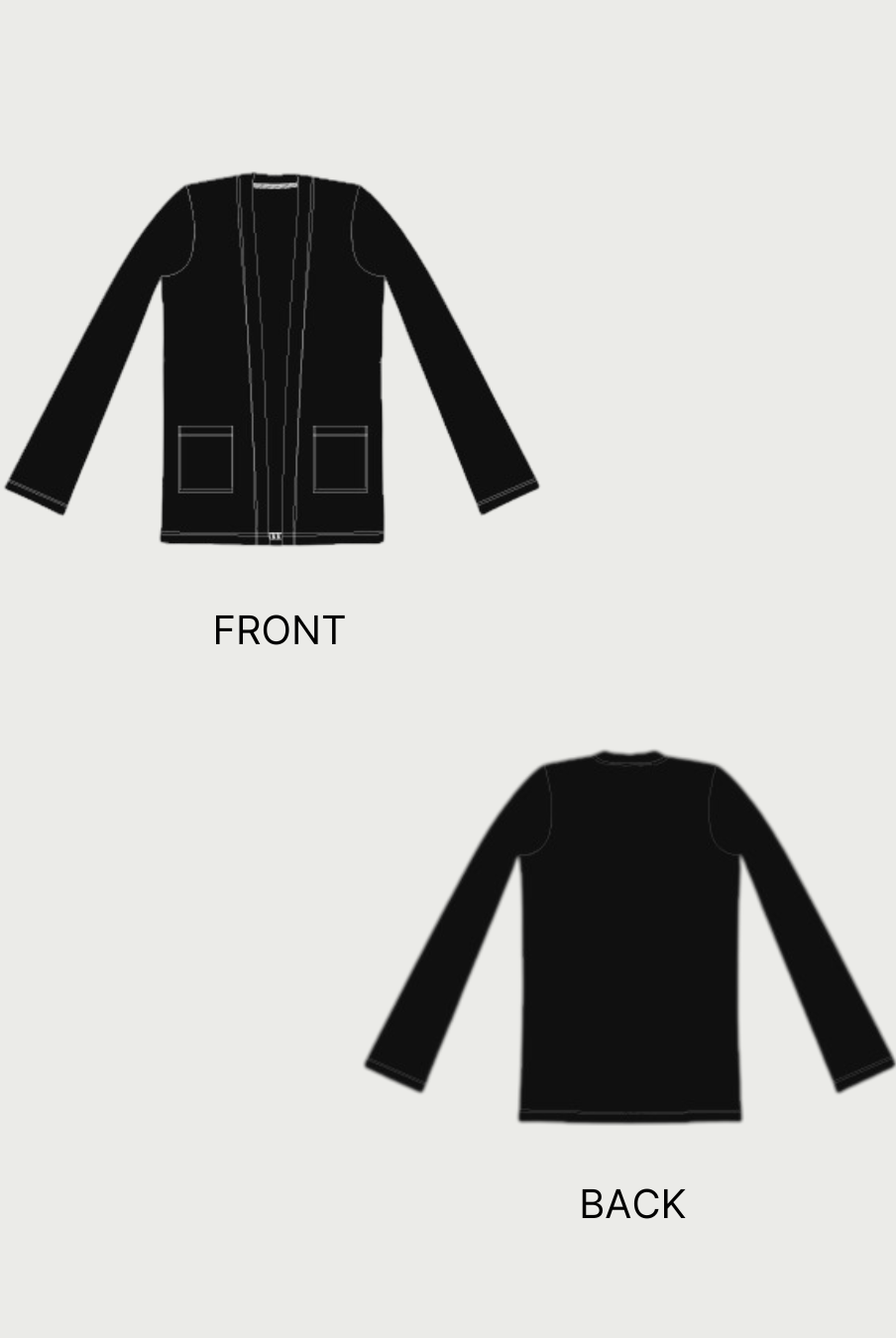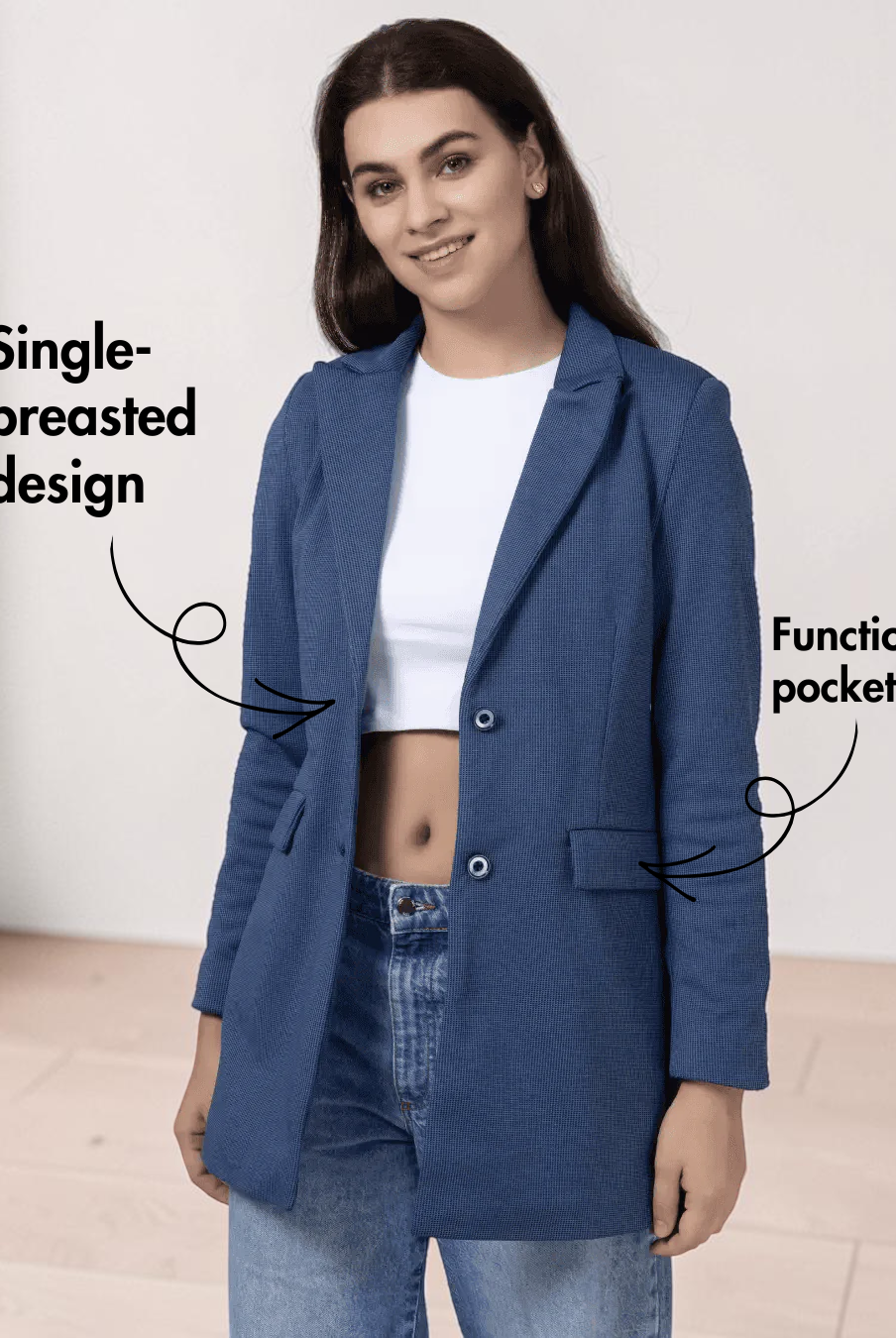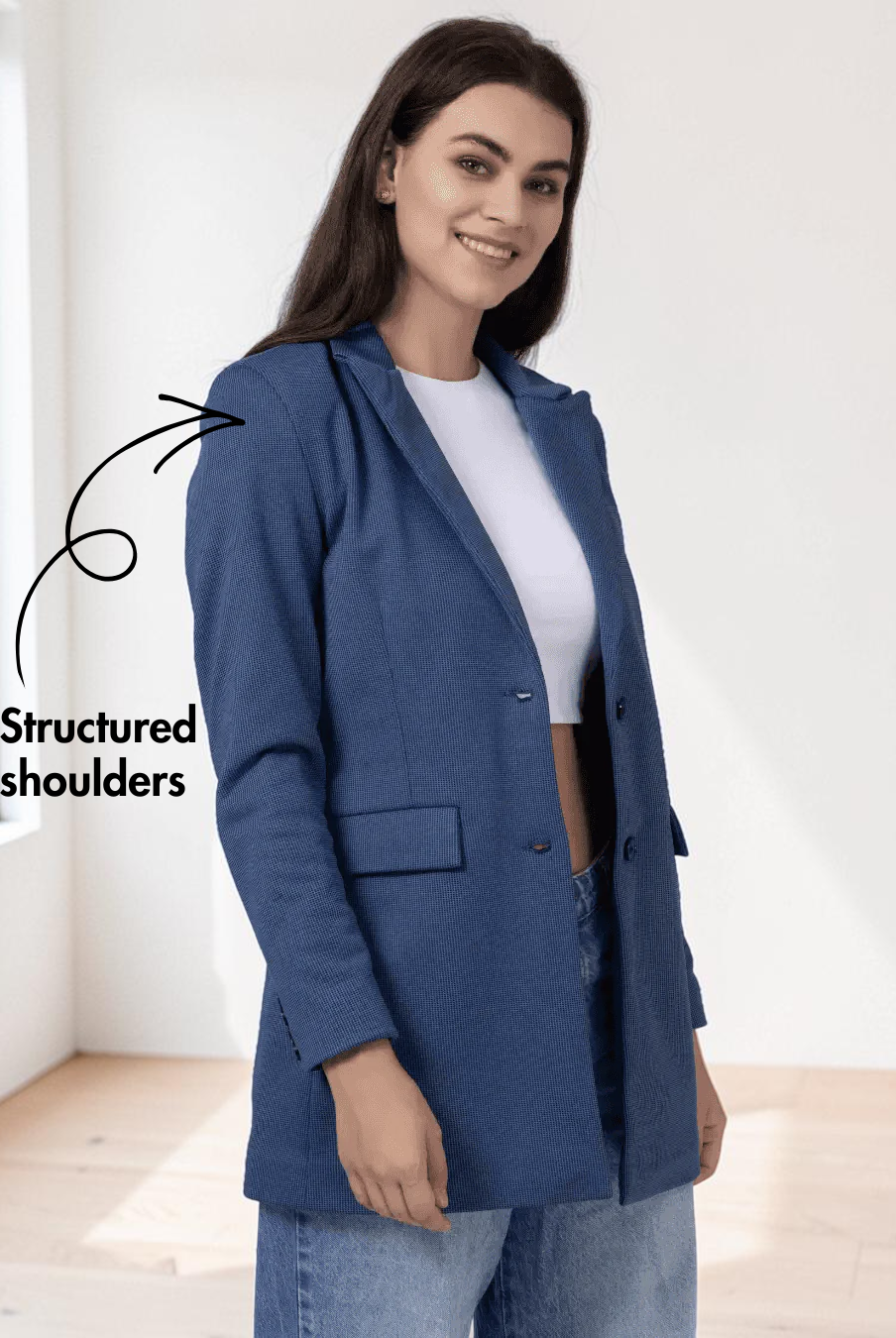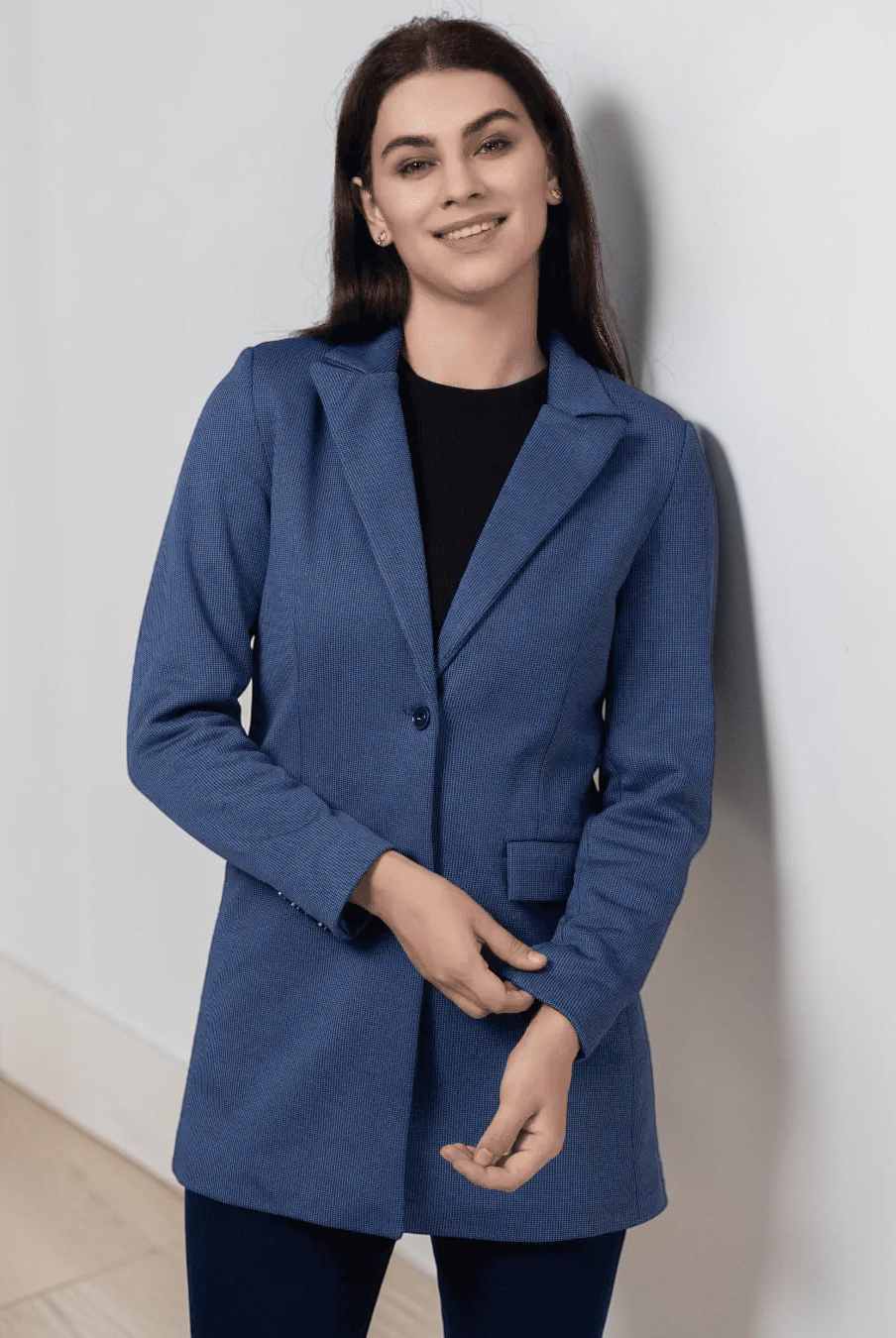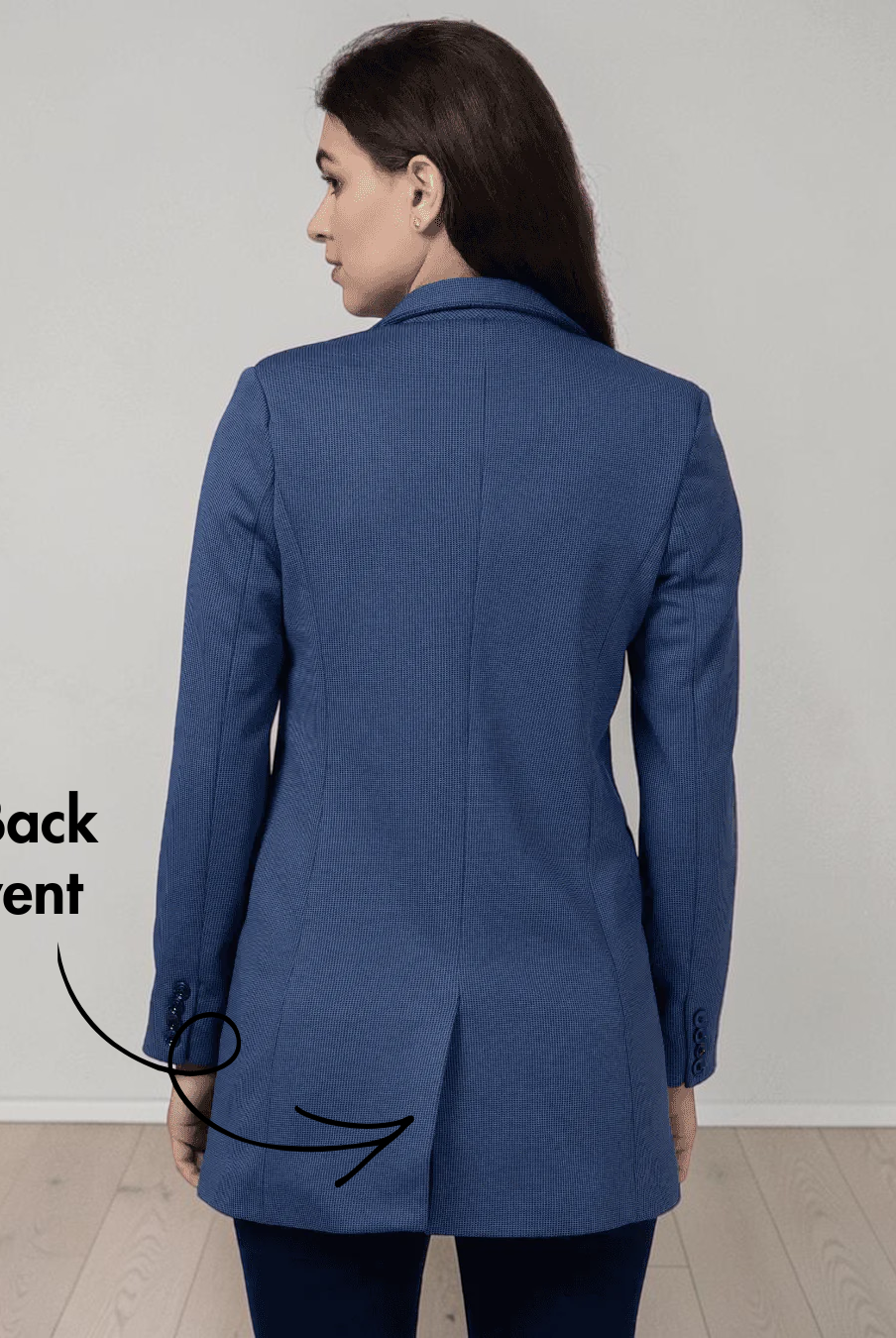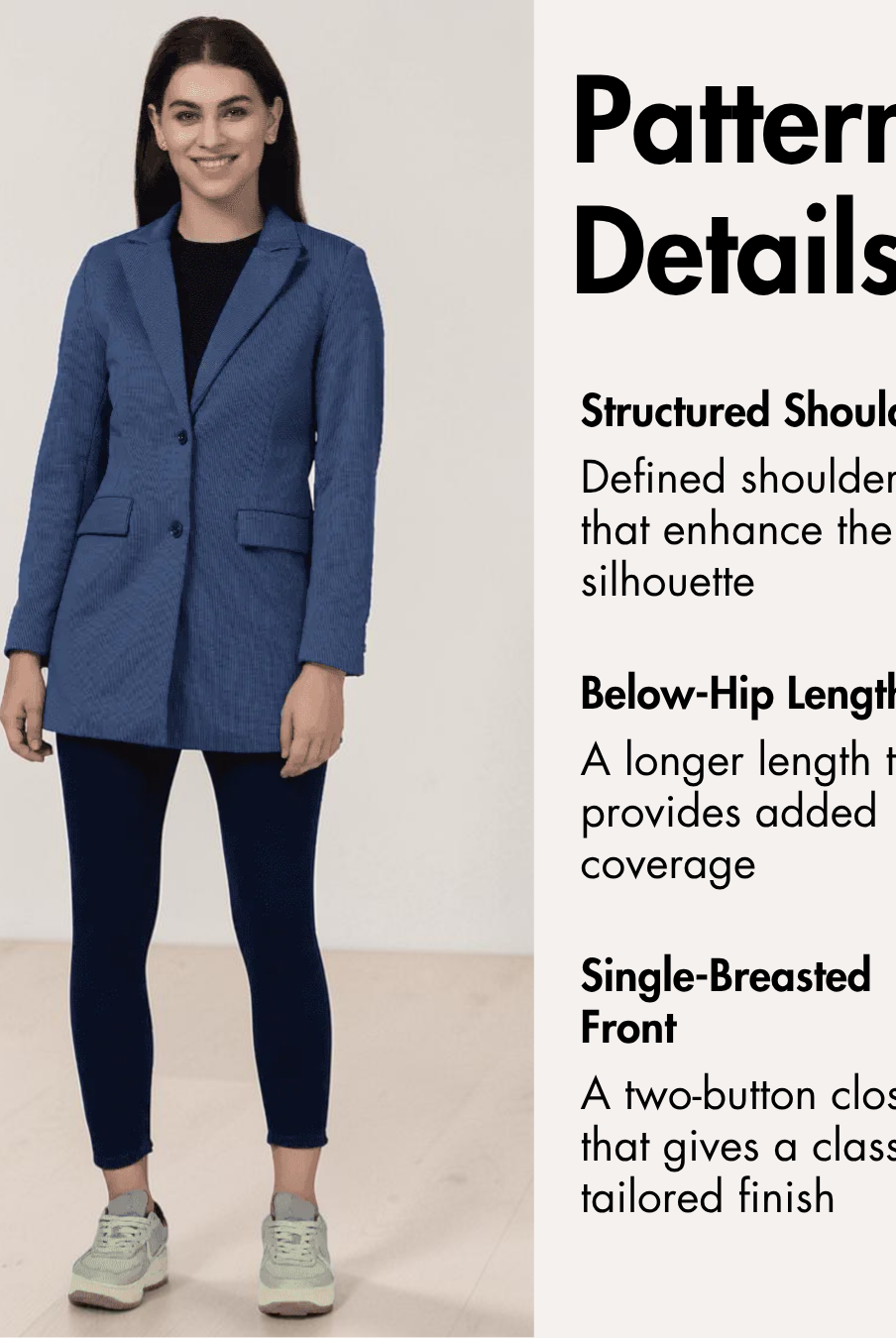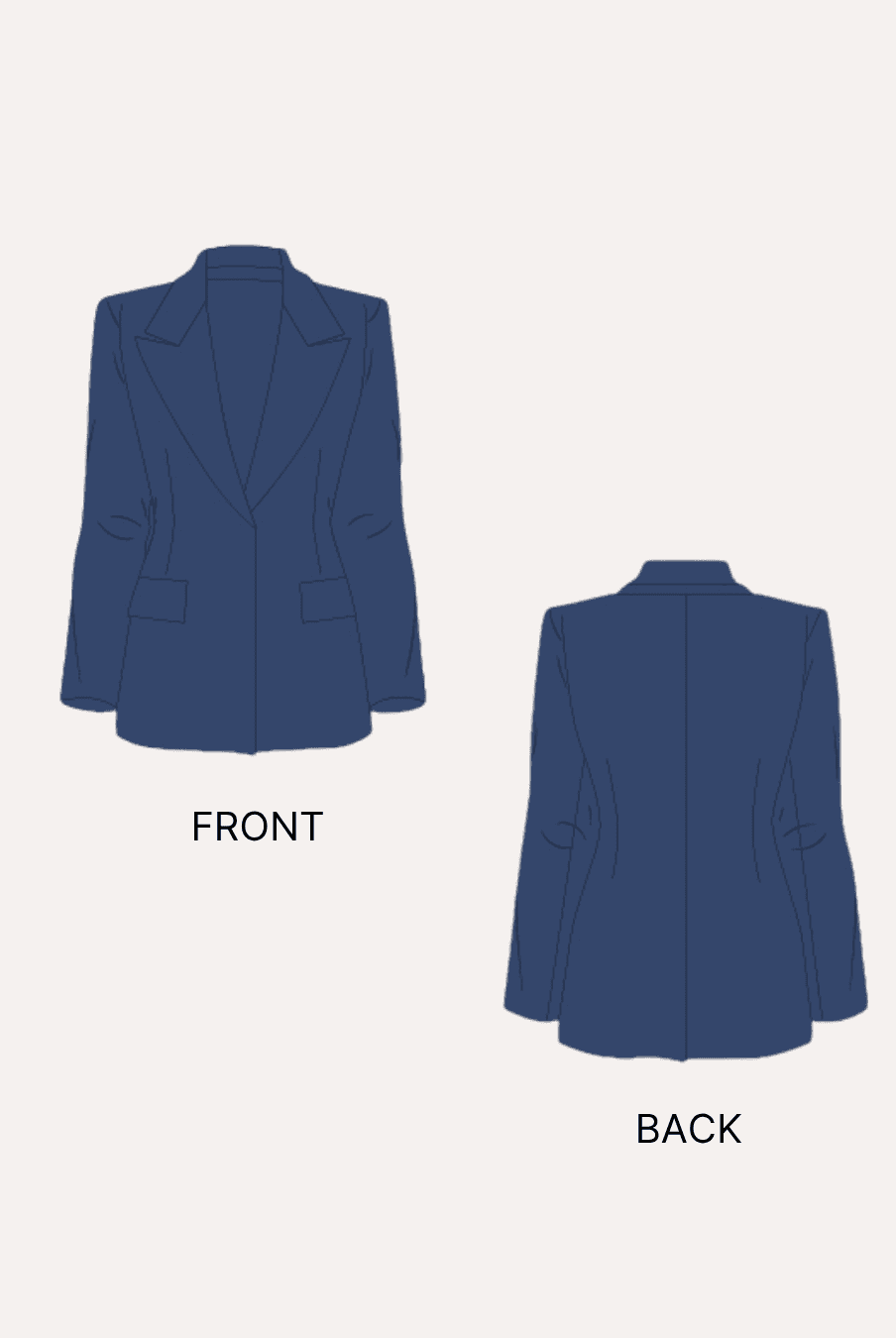
A halter vest is a stylish statement piece that combines classic tailoring details with a modern silhouette. Featuring an open back, structured front, and elegant collar, it offers a unique alternative to traditional tops and vests. Sewists love making garments like this because they showcase advanced construction techniques while creating a standout piece that can be dressed up or down.
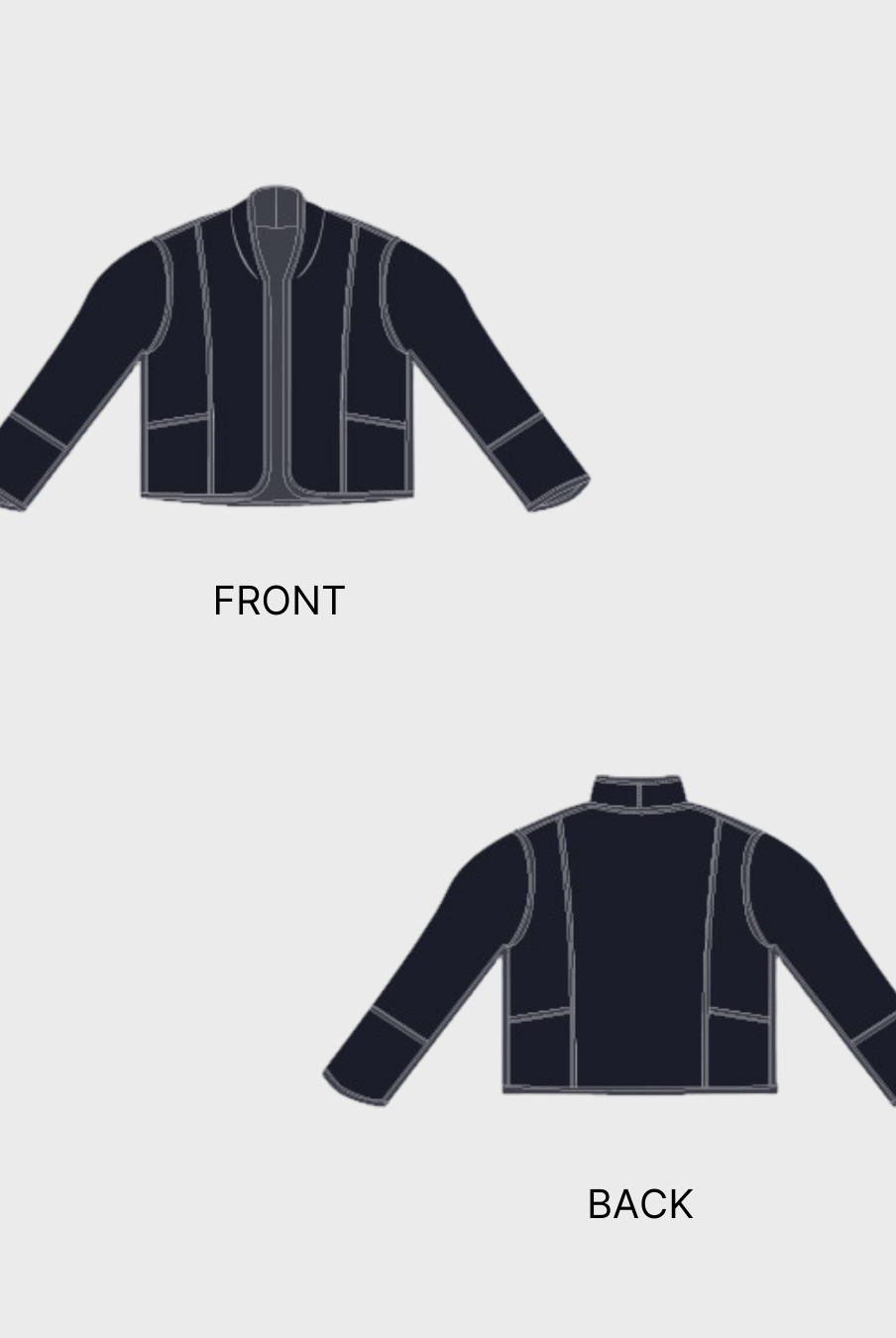
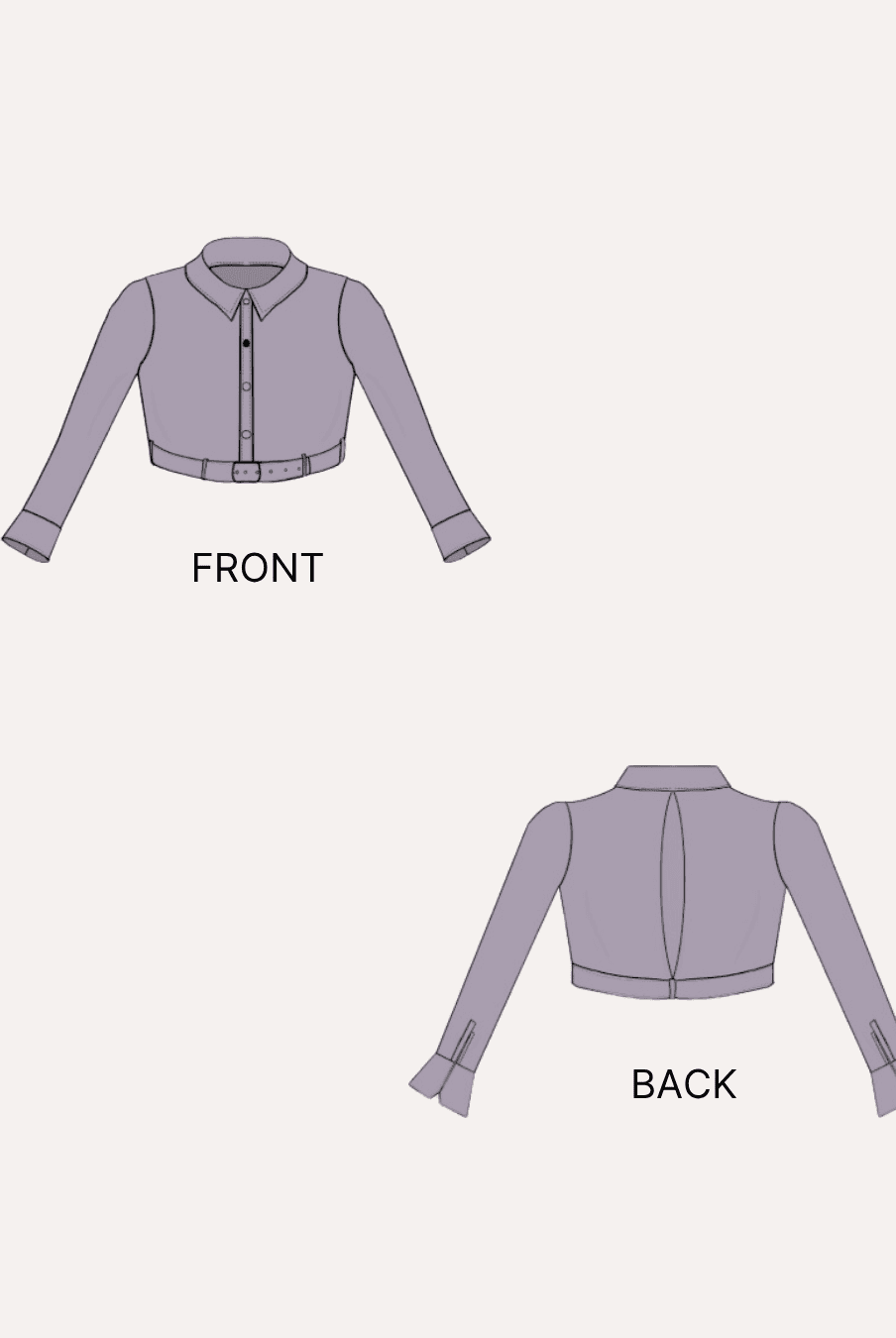
The Dusk Halter Vest Sewing Pattern by Winslet's is an intermediate-level project featuring a lapel collar, faux welt pockets, adjustable back straps, and a tailored halter-neck design. It is an excellent choice for sewists who want to expand their garment-making skills while creating a sophisticated wardrobe piece.

Why Sew a Halter Vest?
- Creates a polished and fashion-forward garment.
- Combines tailoring details with a modern open-back silhouette.
- Works beautifully for special occasions and elevated everyday outfits.
- Features adjustable back straps for a customizable fit.
- Provides an opportunity to learn darts, lapels, collars, and faux welt pocket construction.
- Can be sewn in a variety of lightweight woven fabrics.
- Adds a unique handmade piece to your wardrobe.
Why Choose the Winslet's Dusk Halter Vest Pattern?

The Dusk Halter Vest Sewing Pattern is designed to help sewists create a sophisticated tailored vest with elegant details and a flattering silhouette.
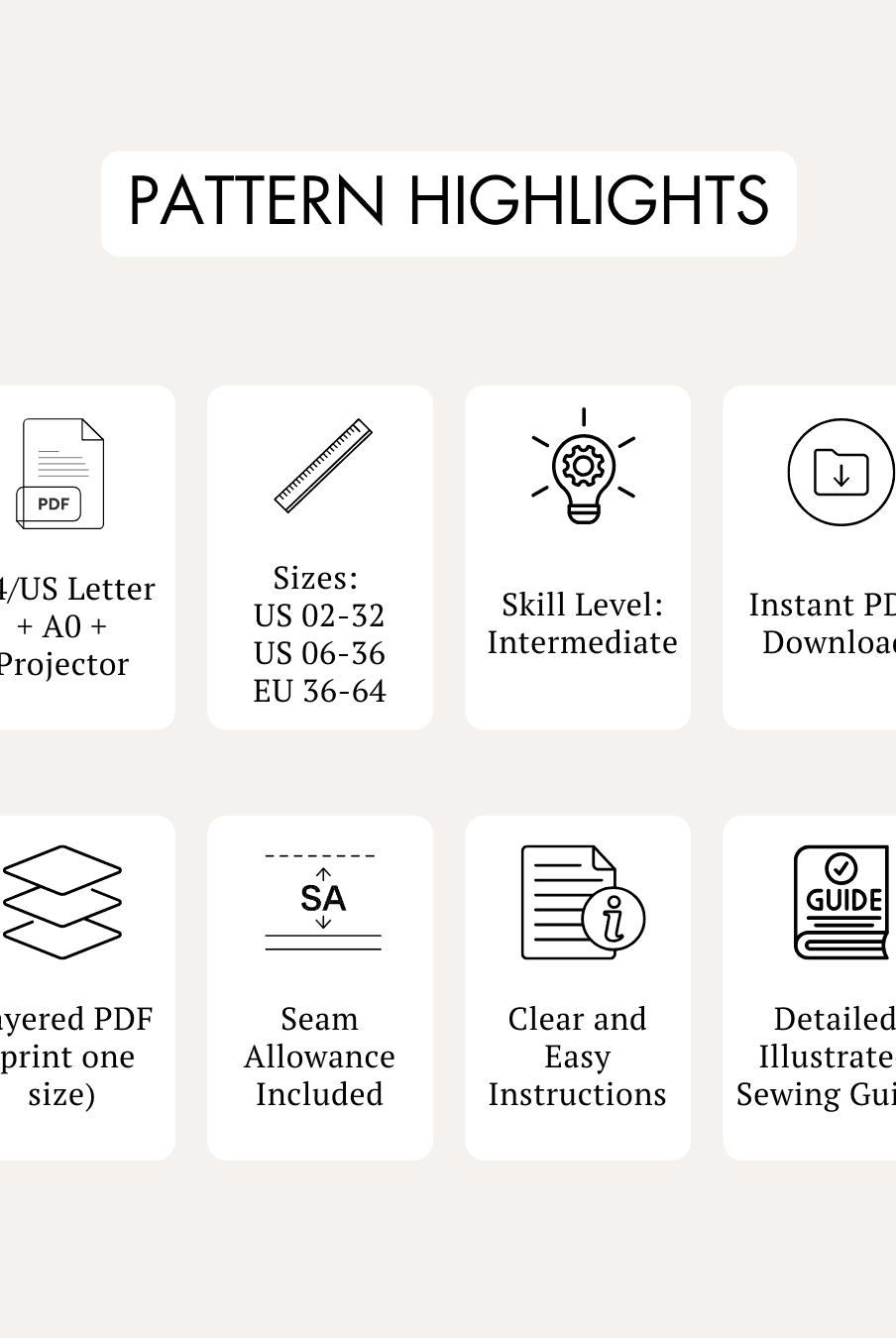
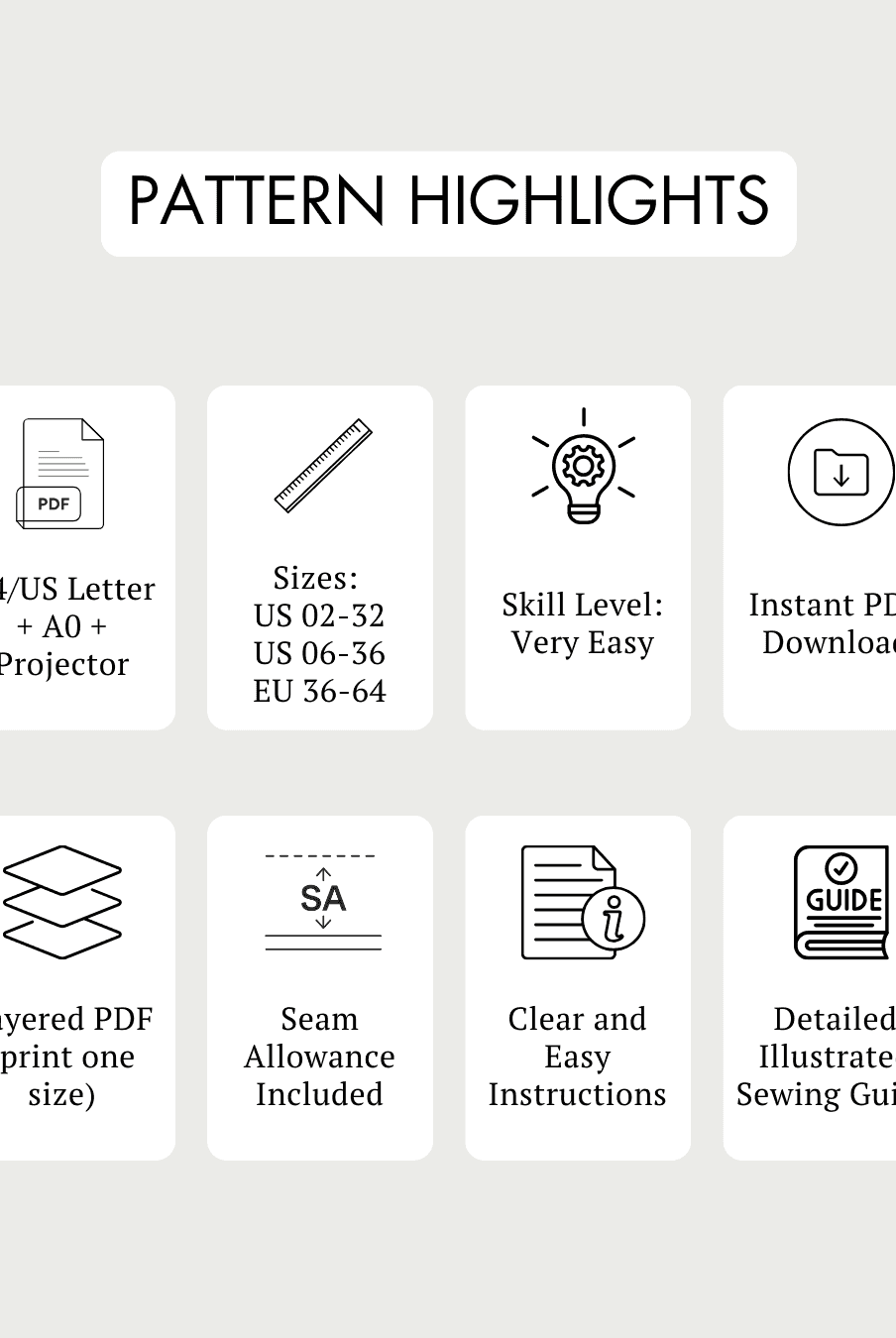
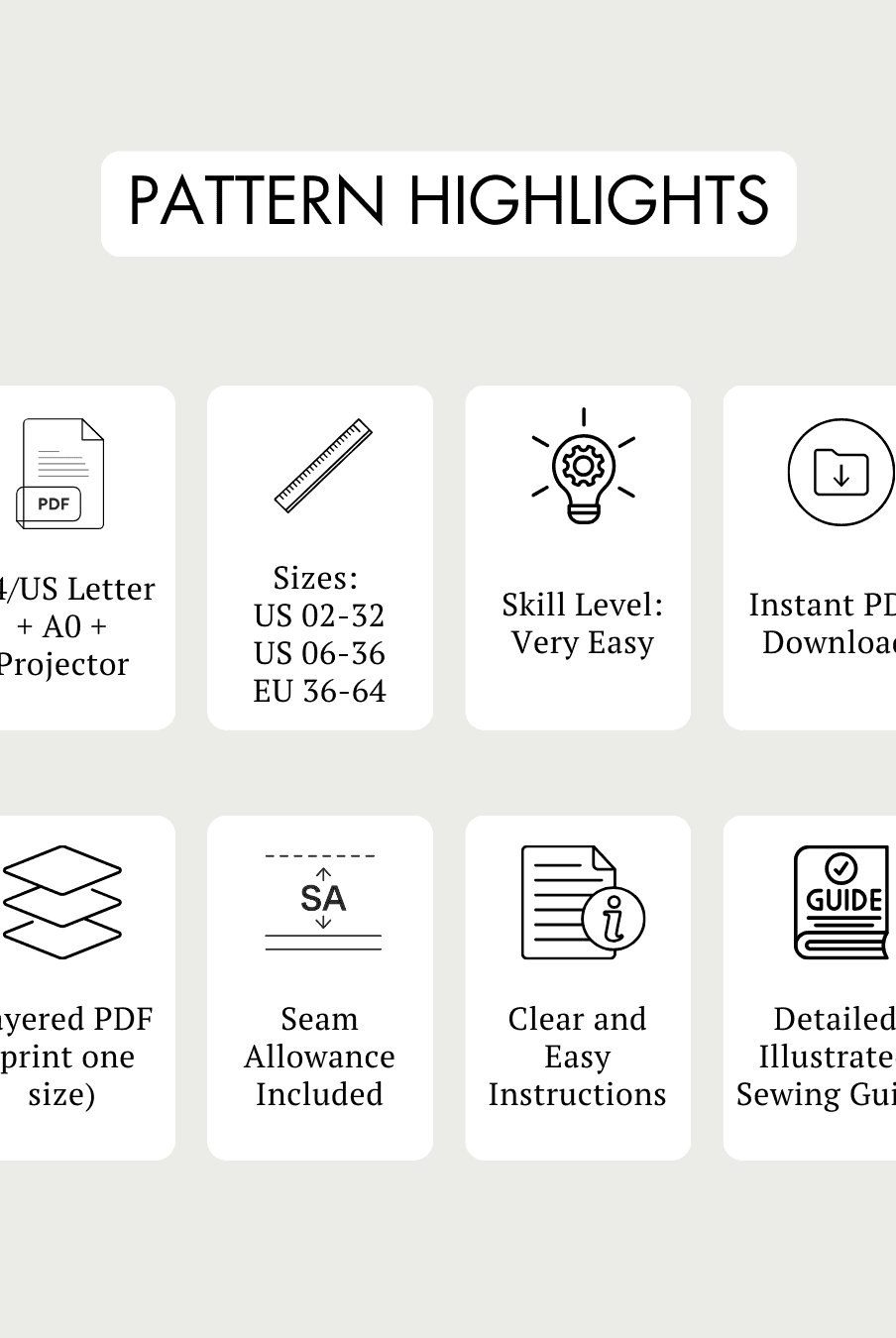
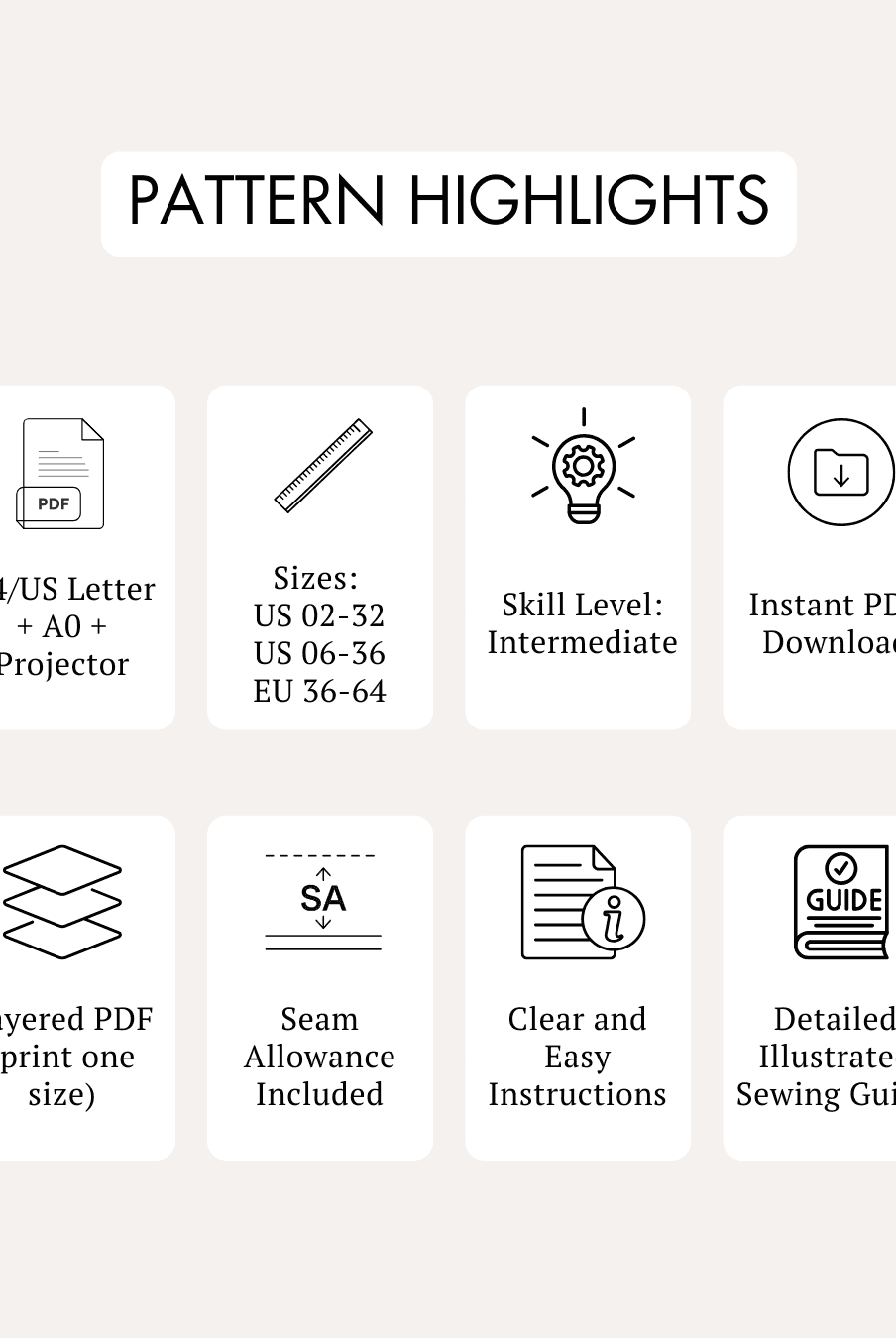
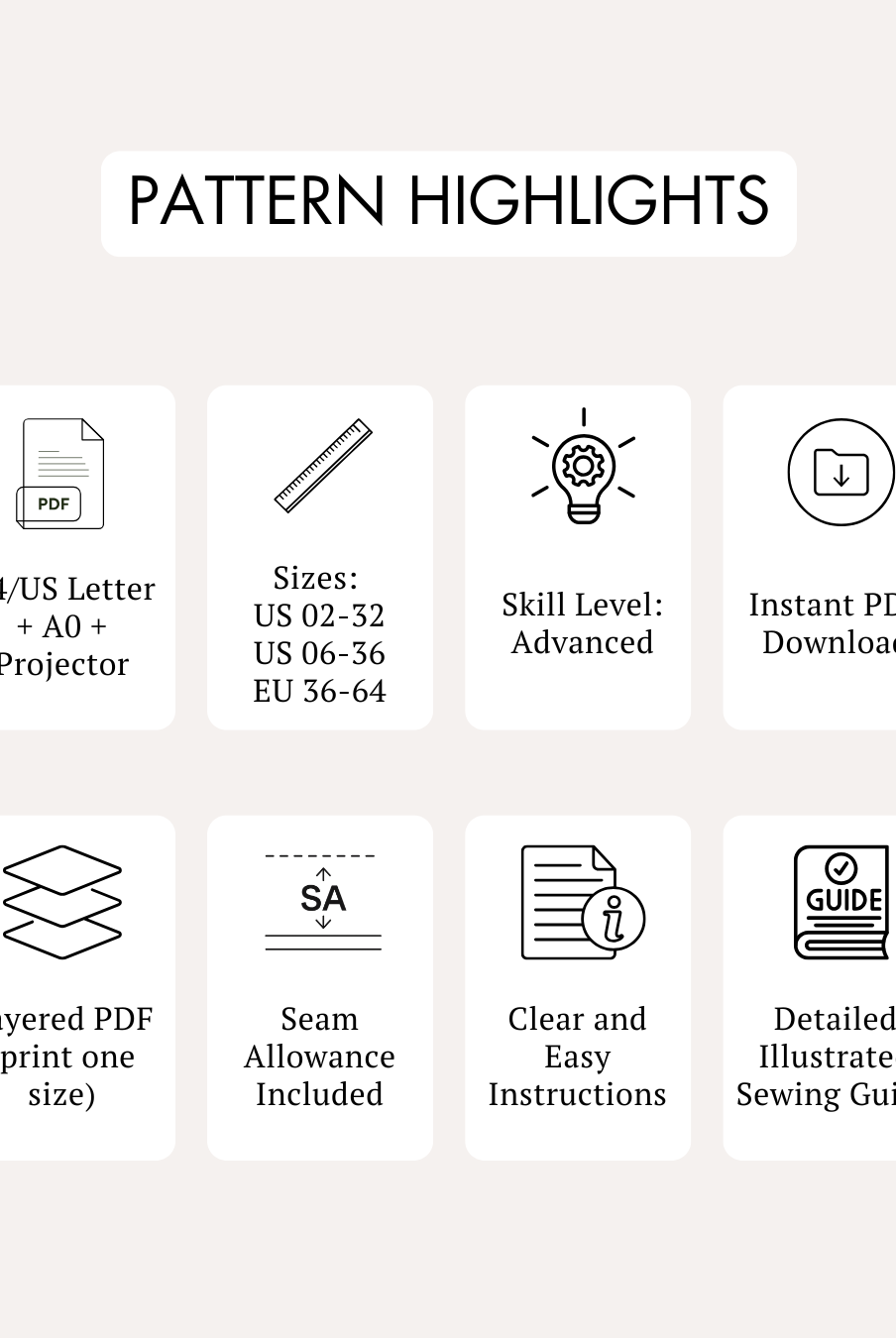
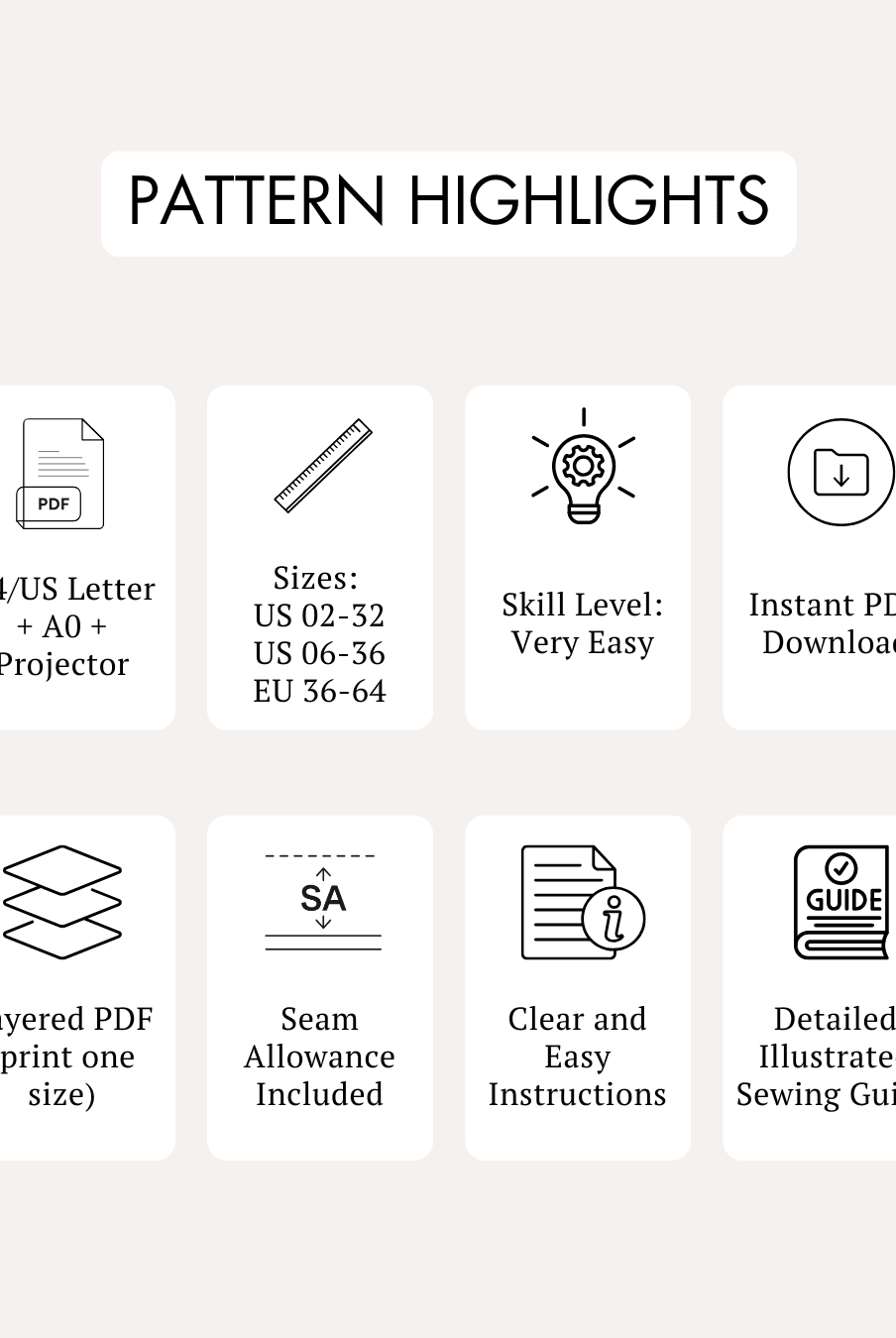
Skill Level: Intermediate
Key Features:
- Halter neck design
- Lapel collar
- Adjustable back straps
- Faux single welt pockets
- Hook-and-eye front closure
- Tailored front shaping with contour darts
- Open-back silhouette
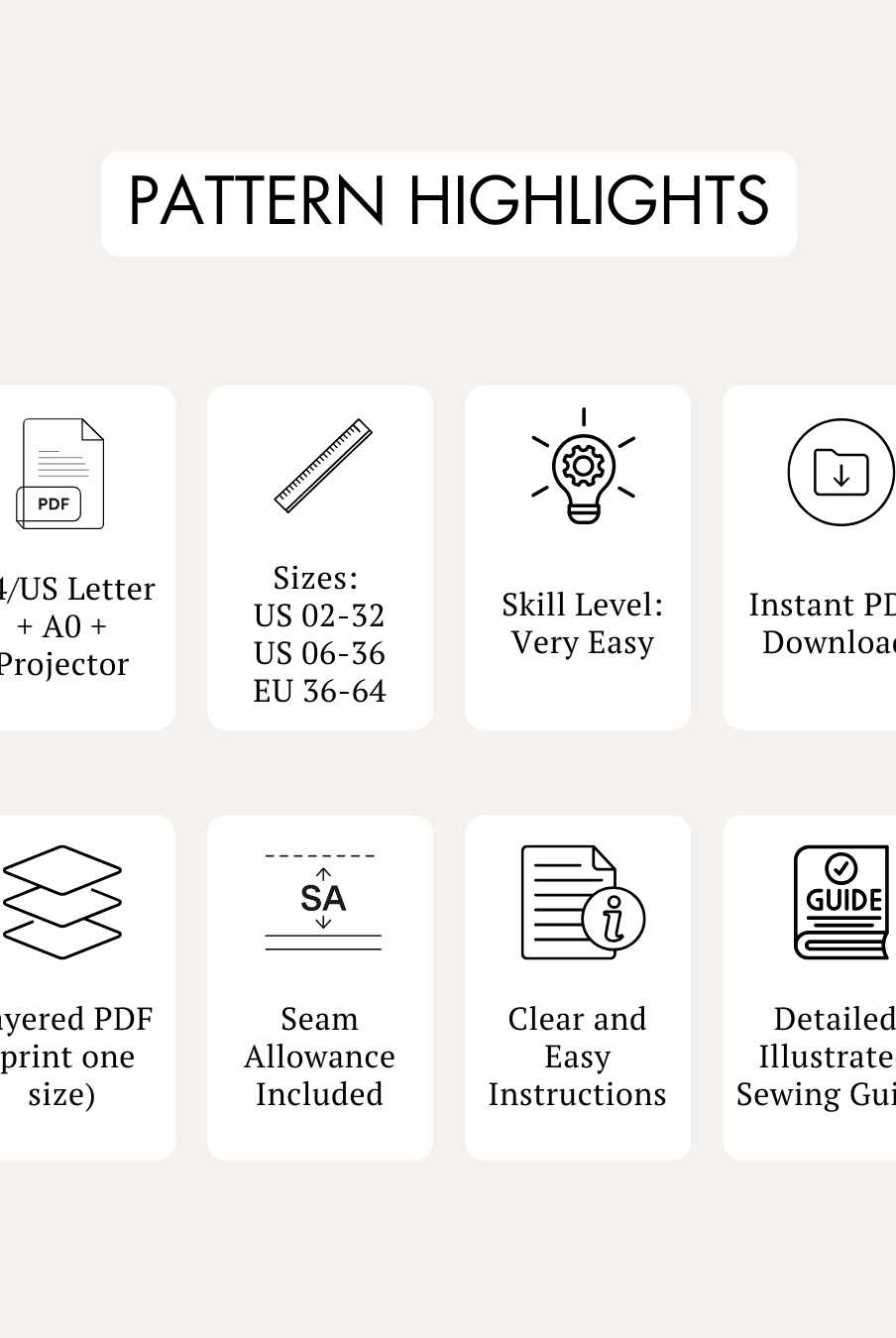
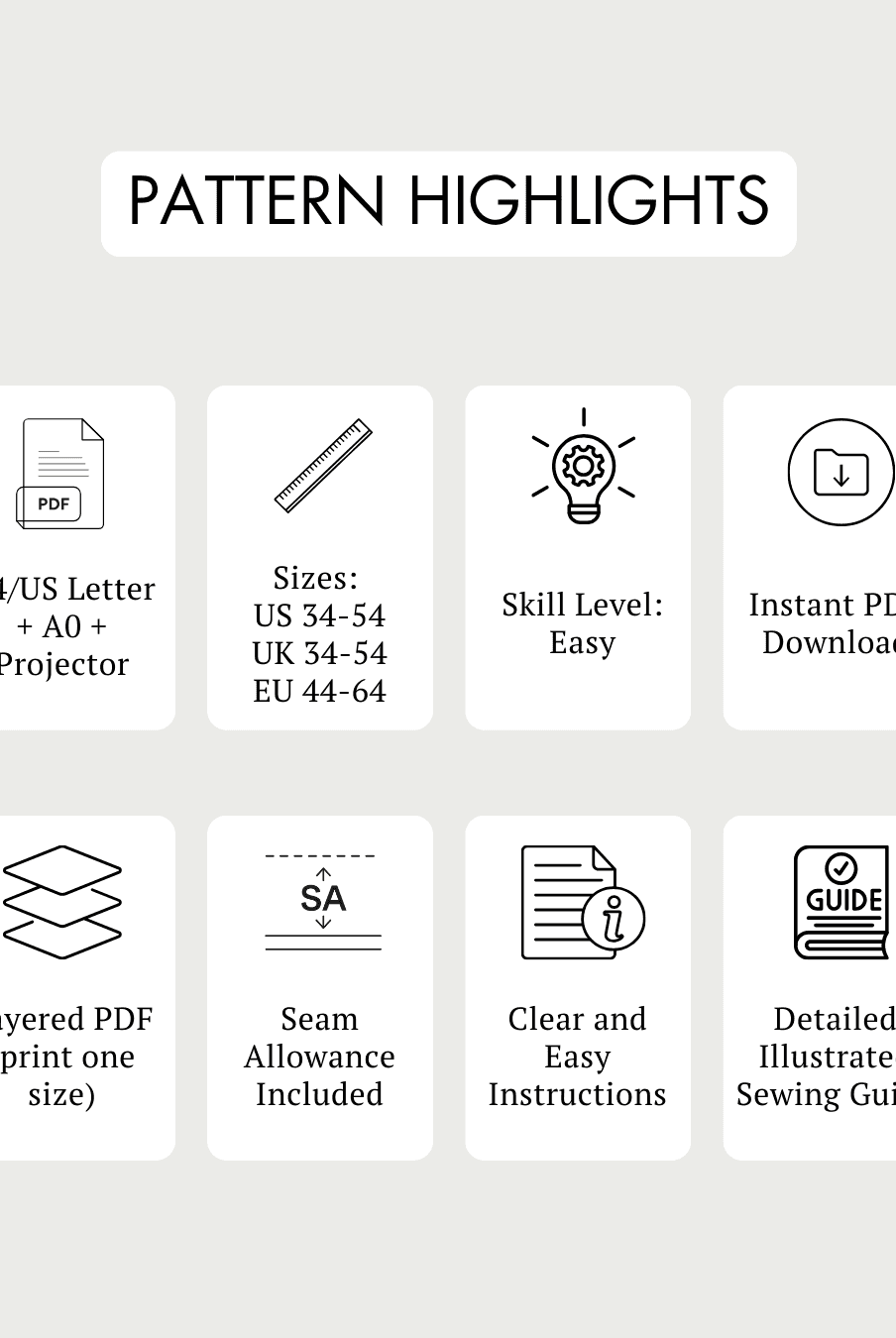
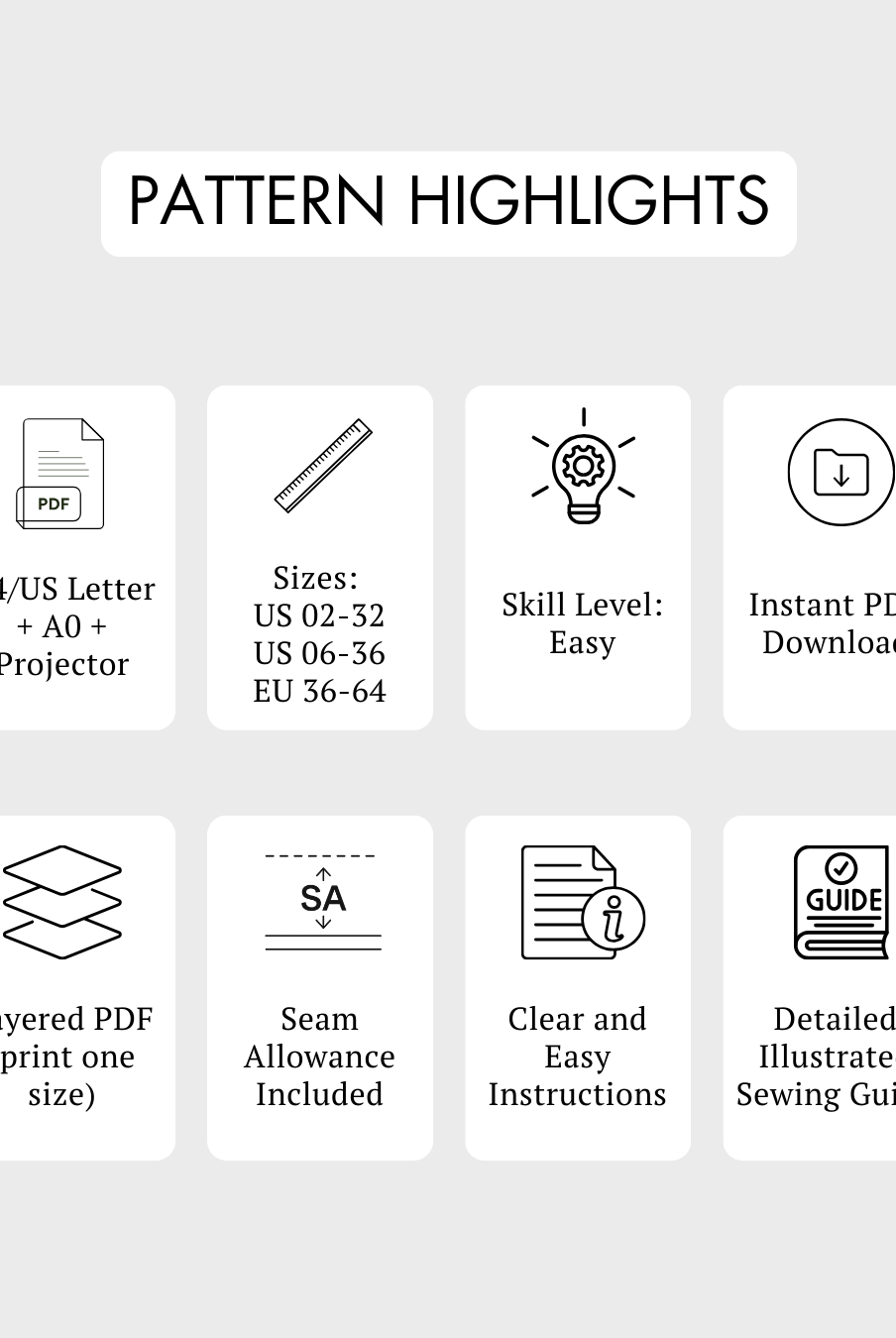
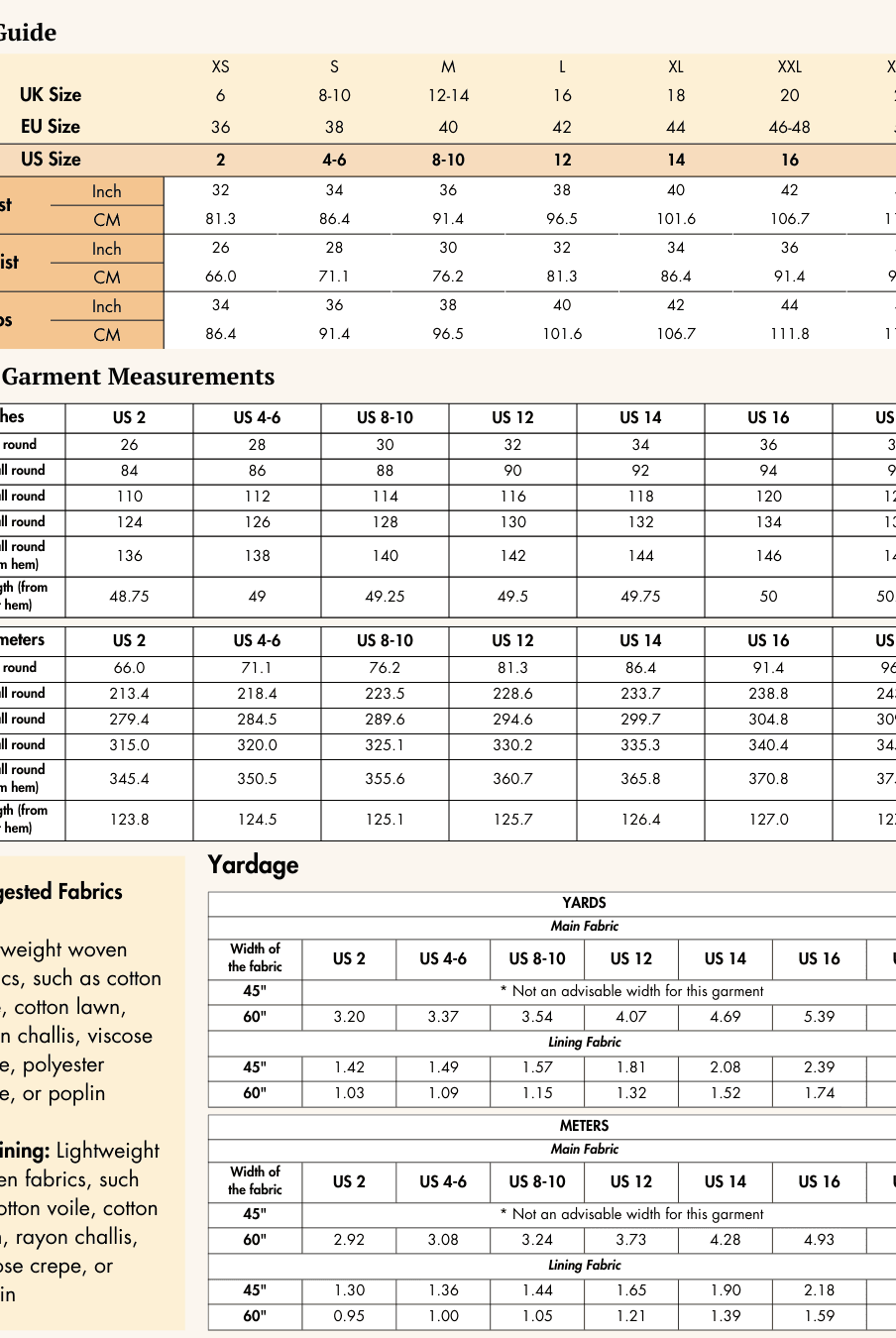
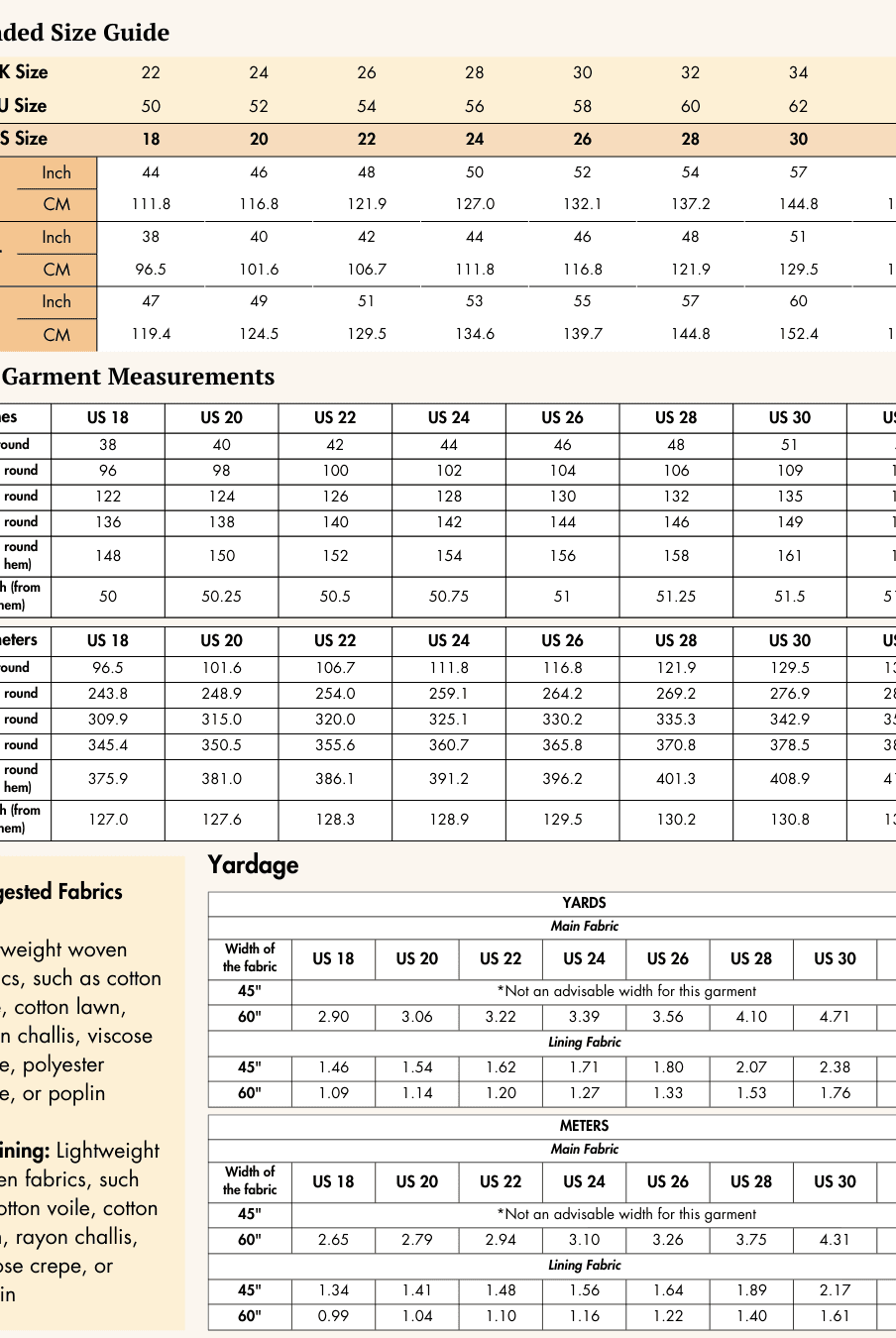
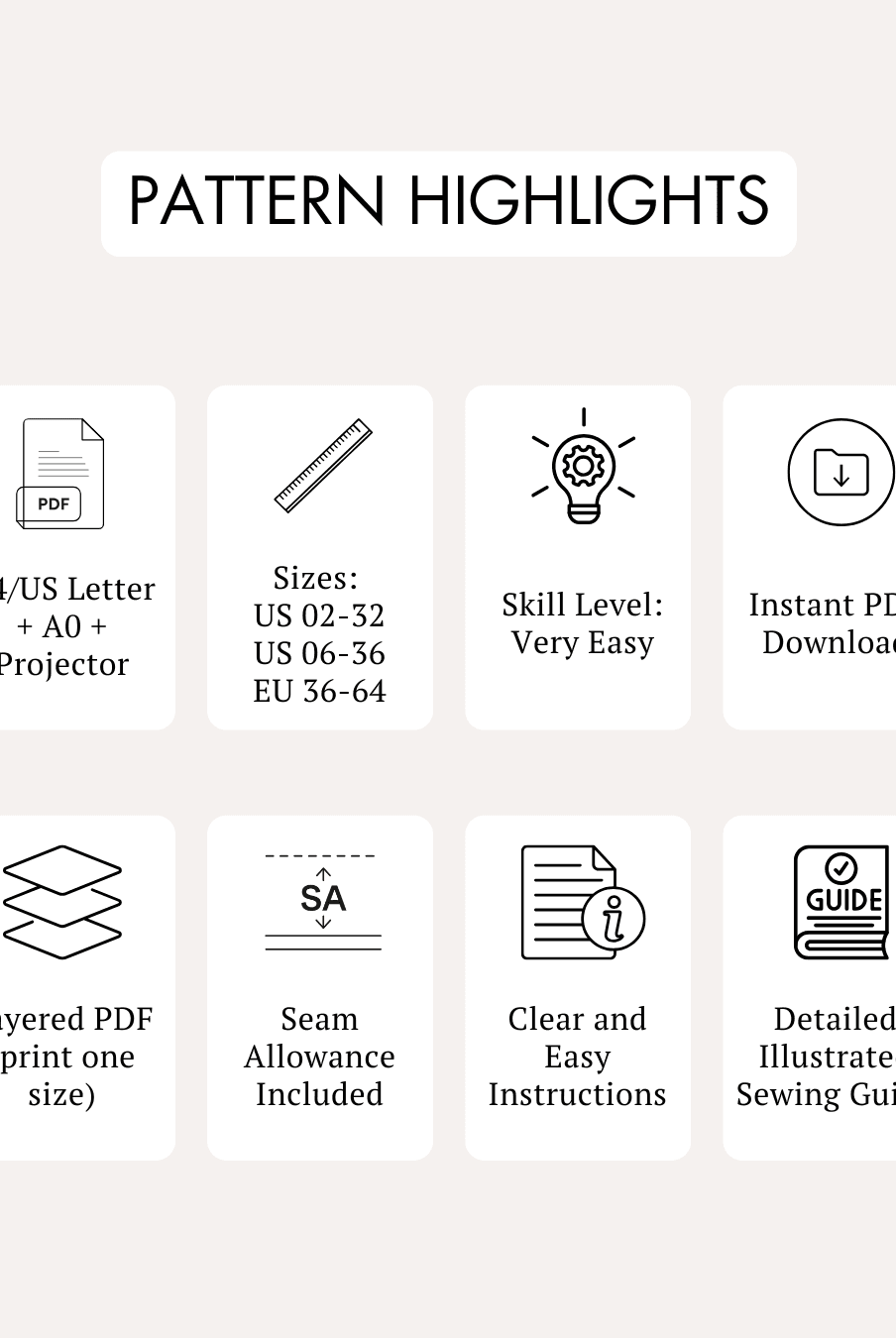
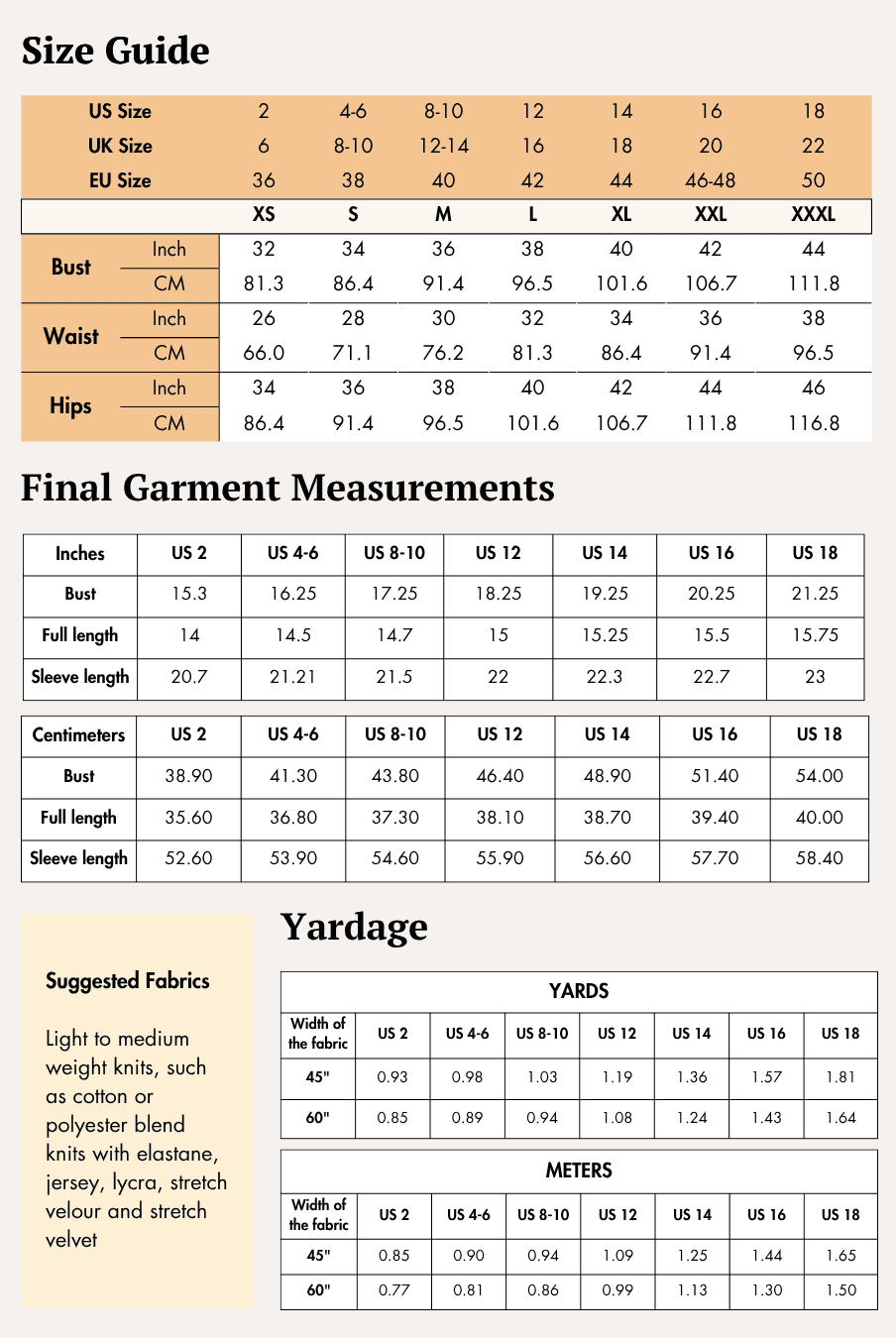
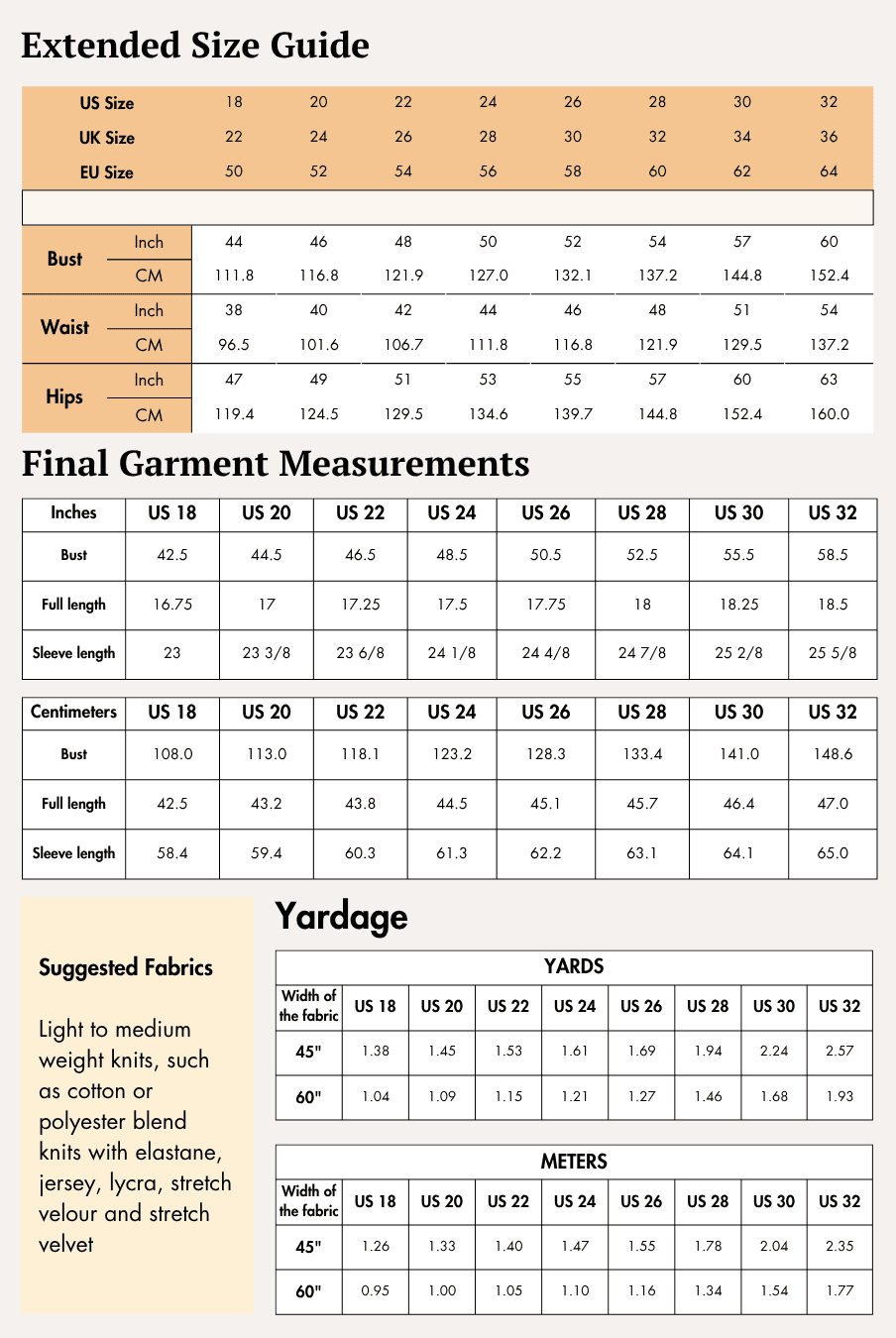
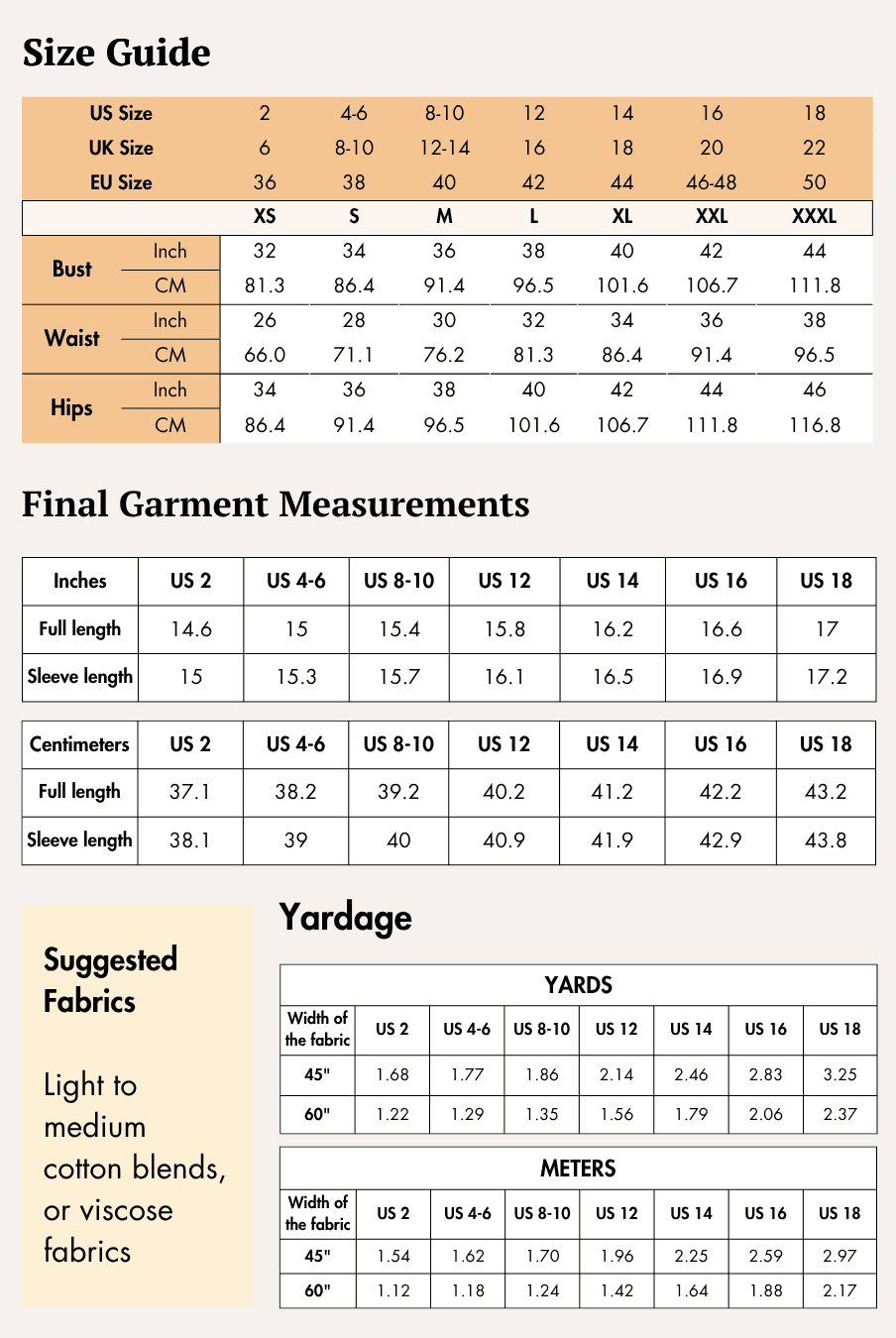
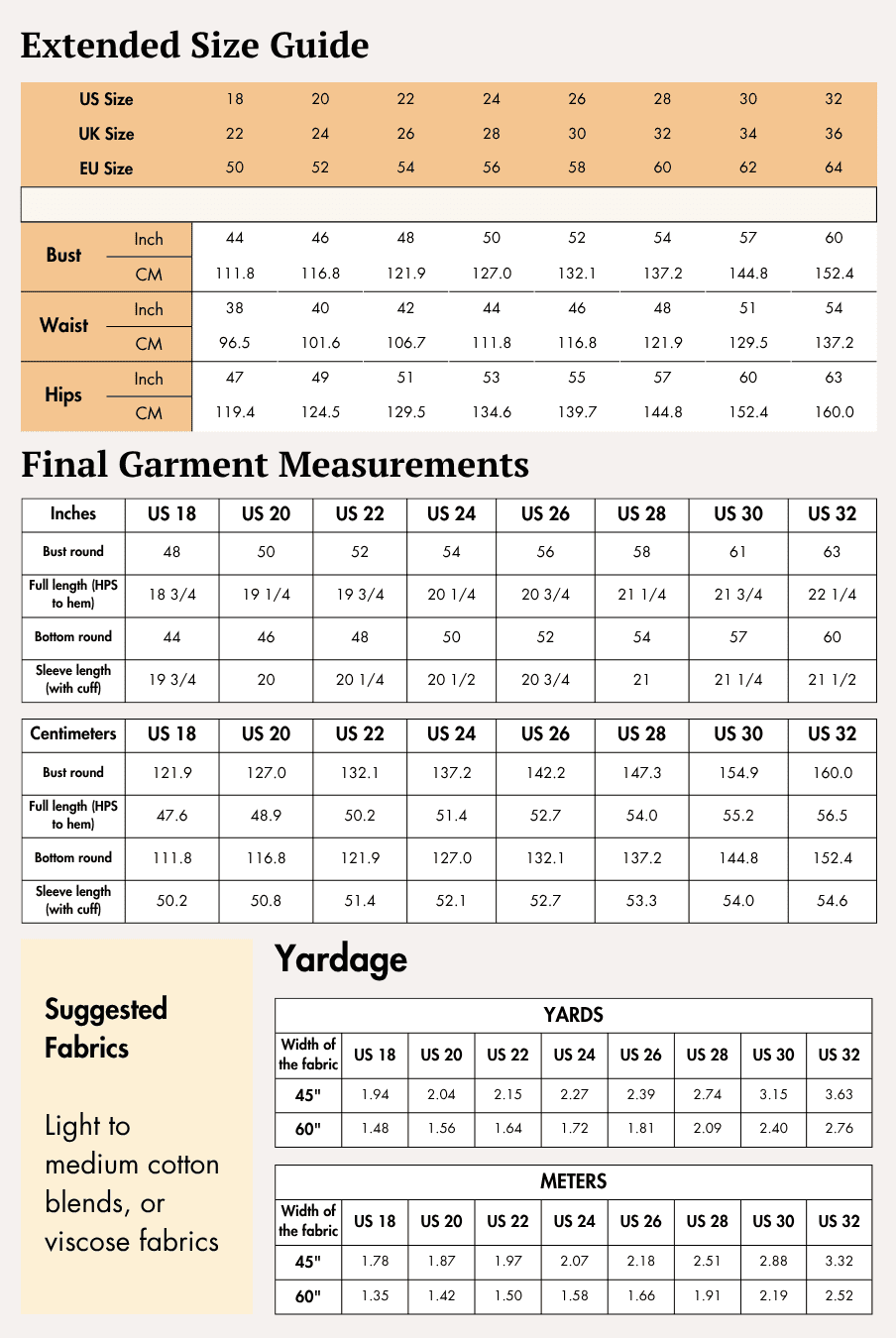
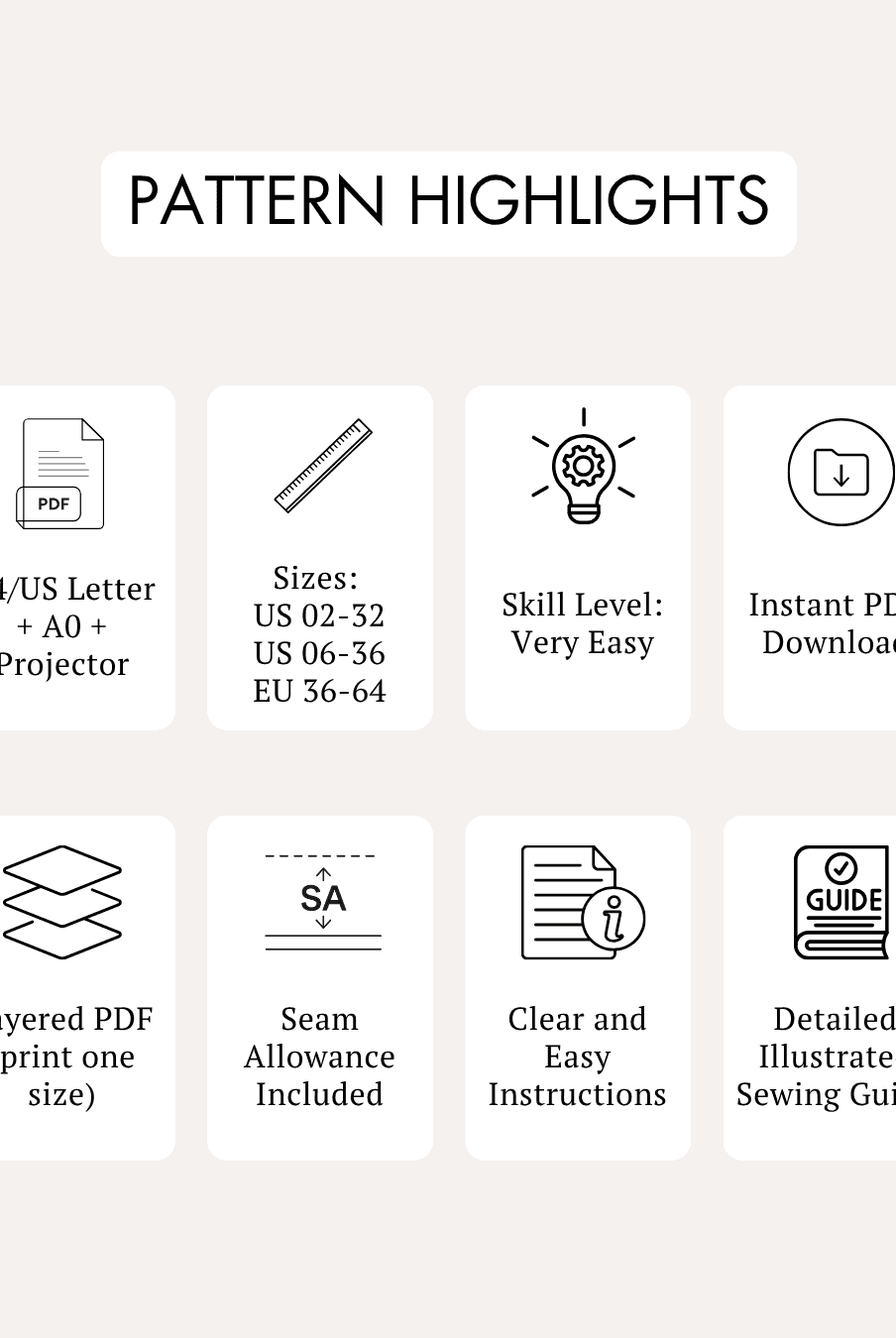
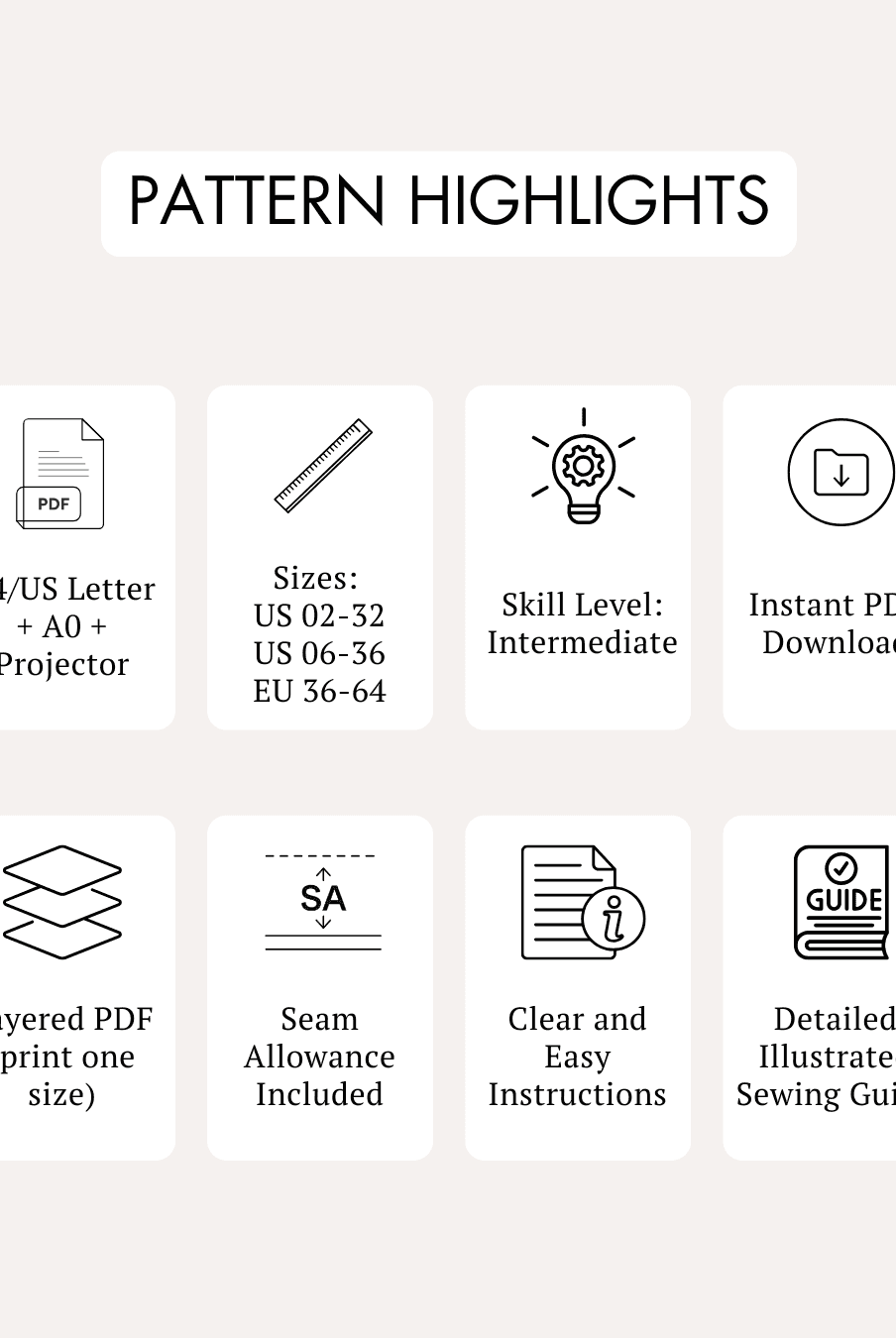
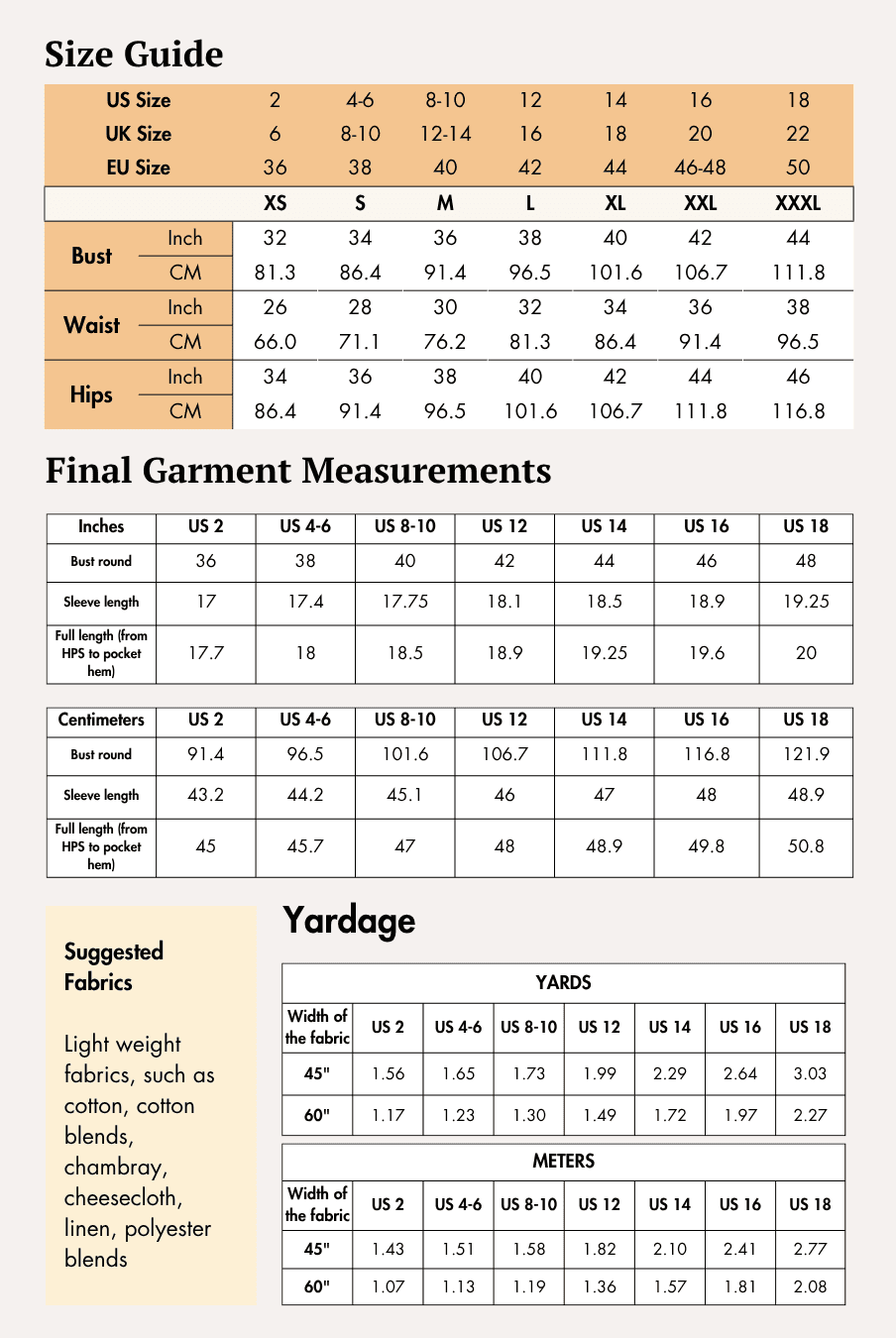
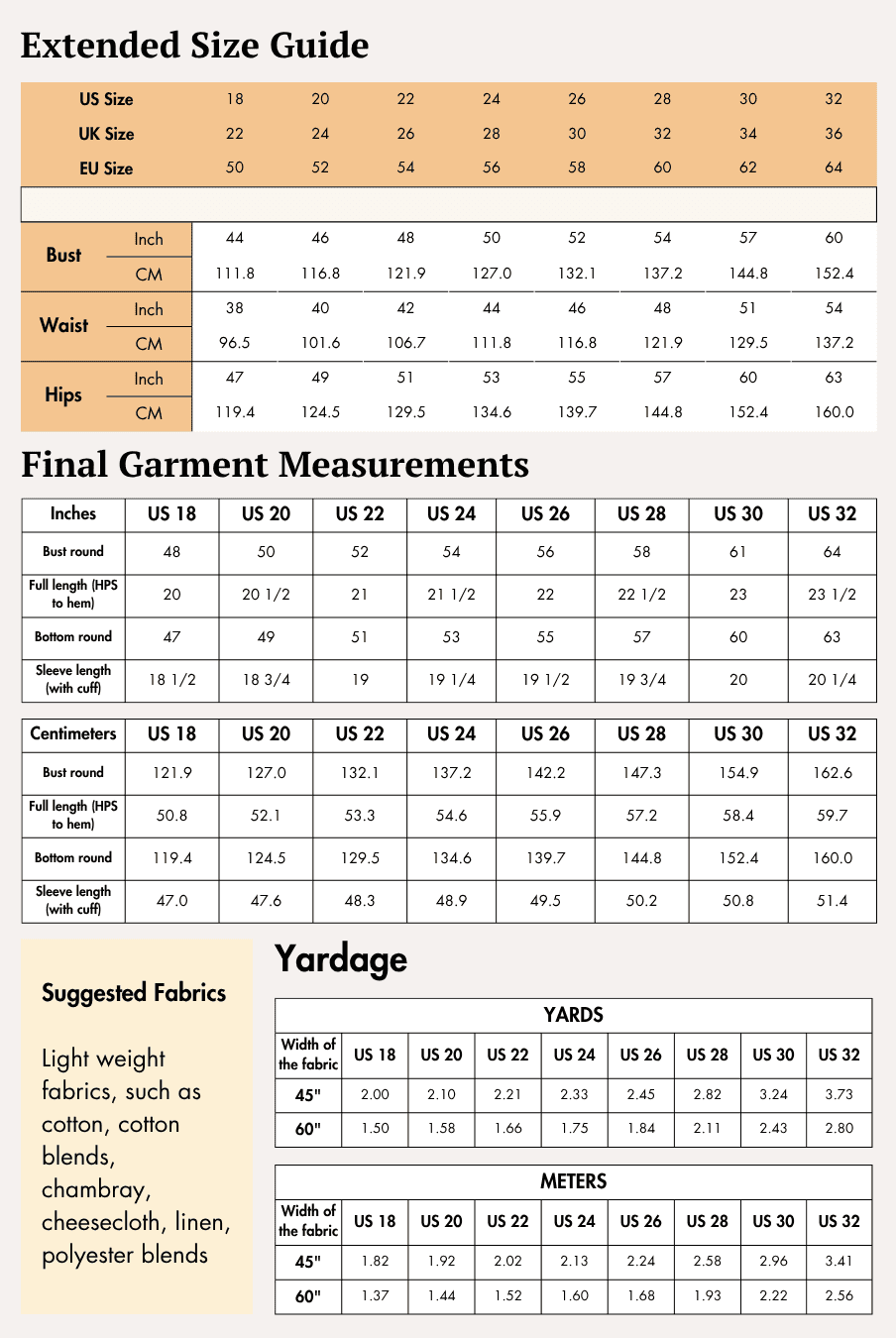
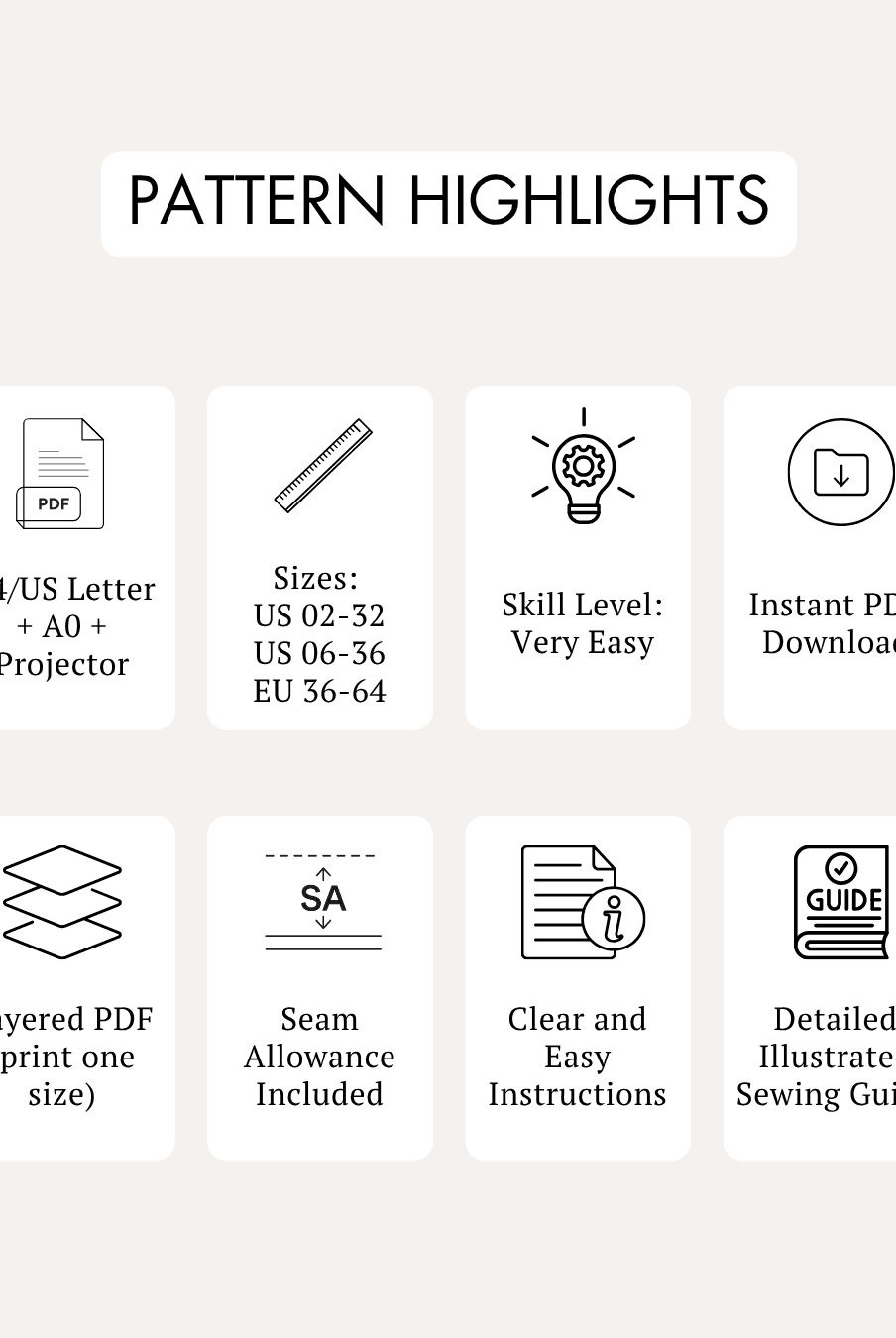
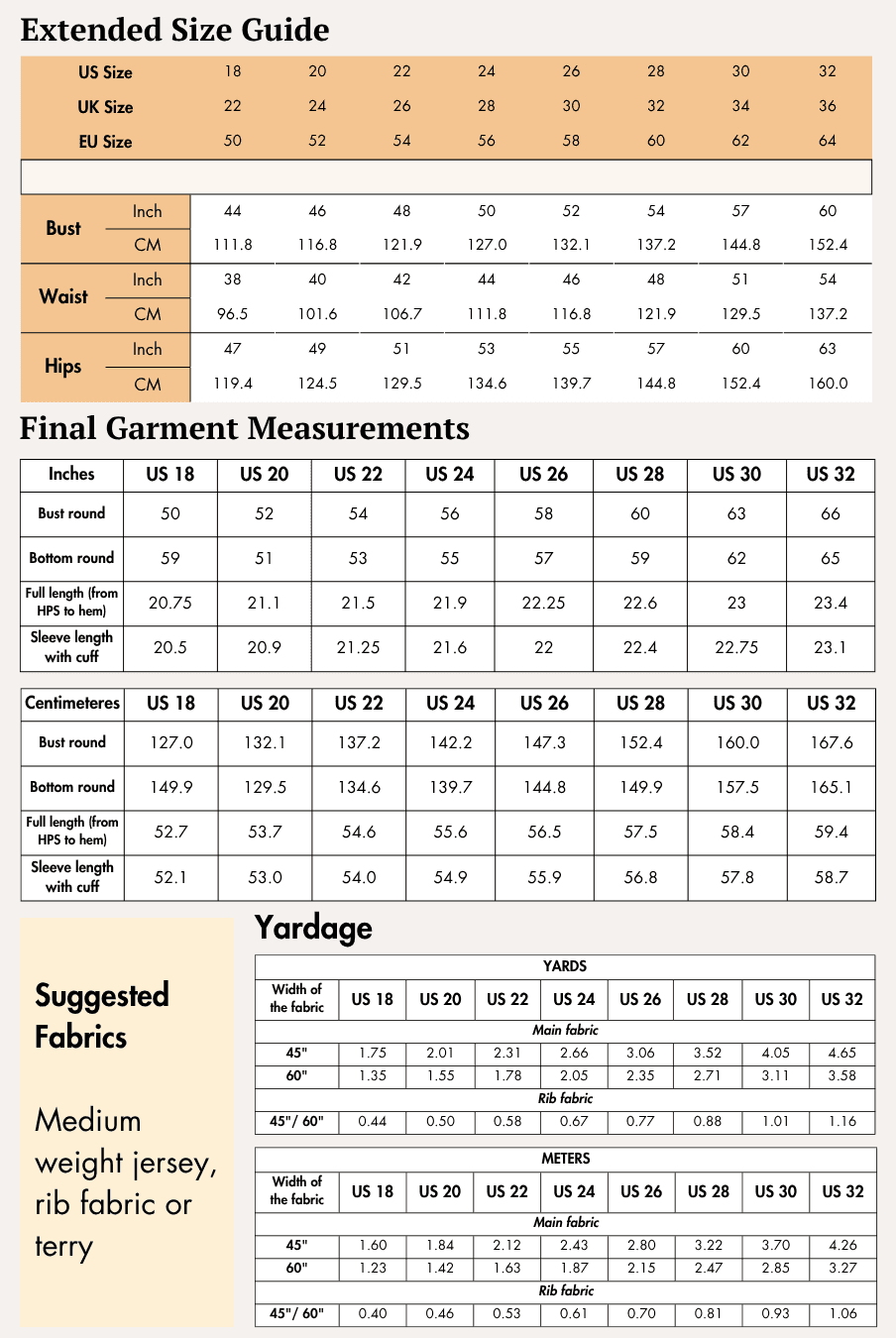
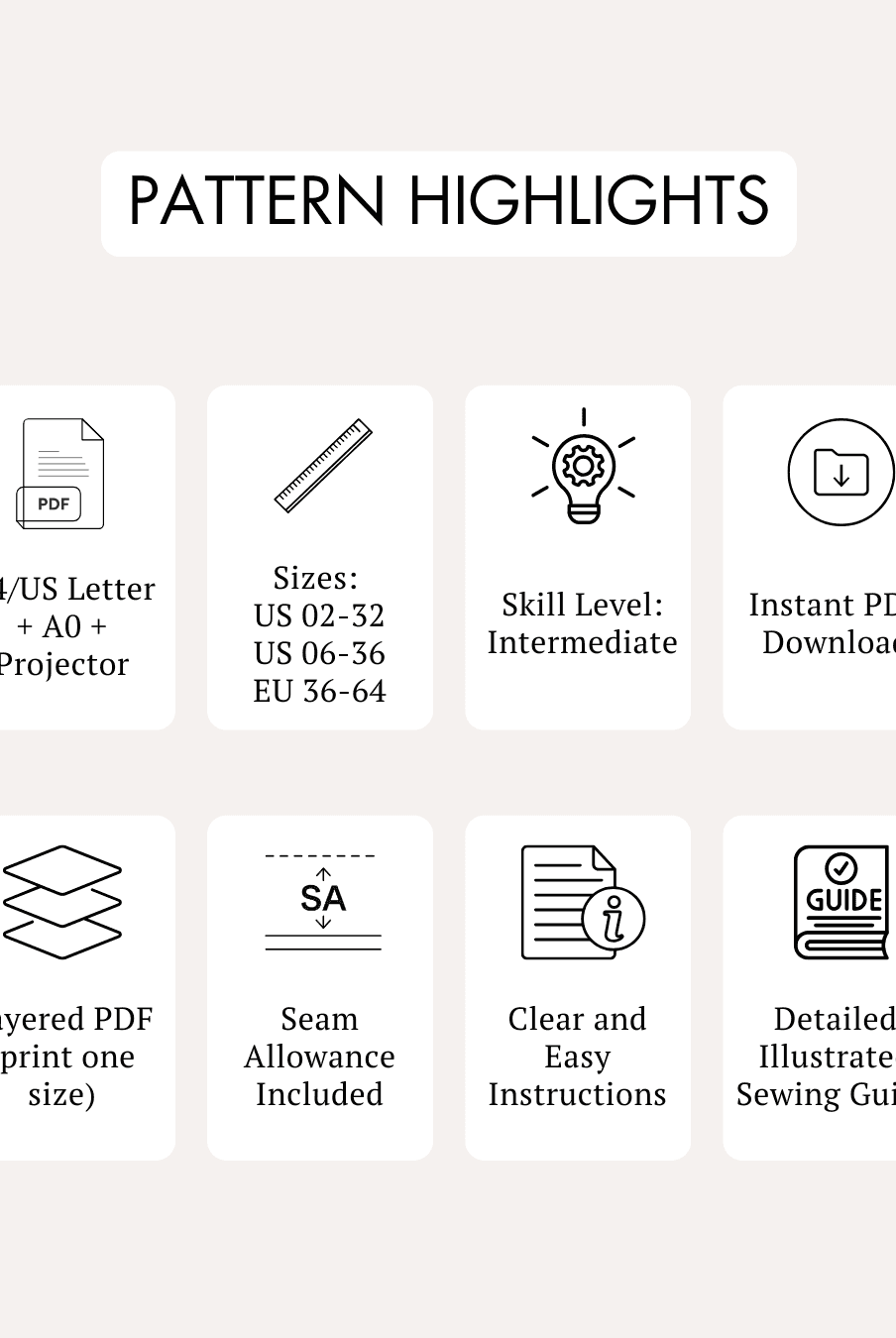
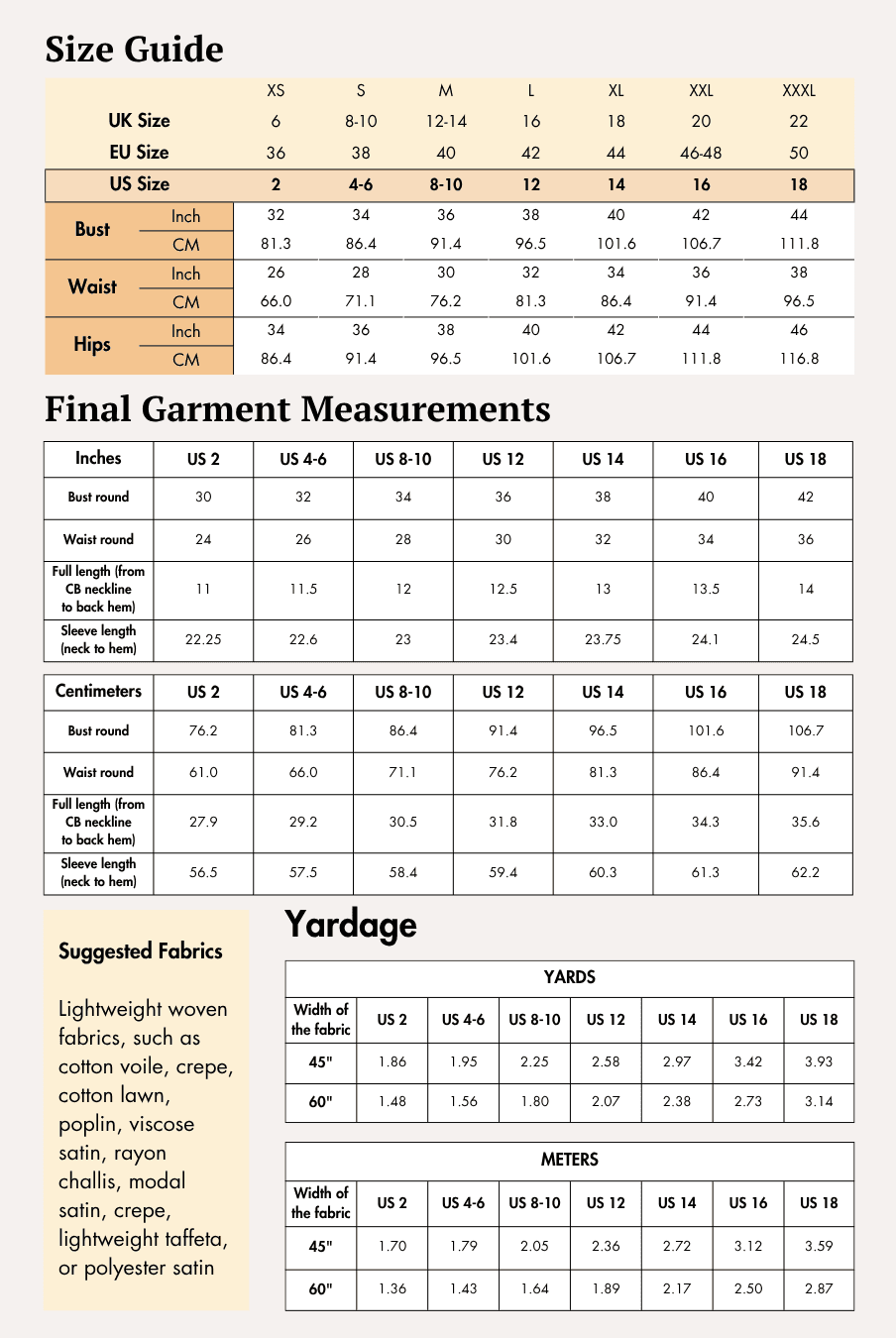
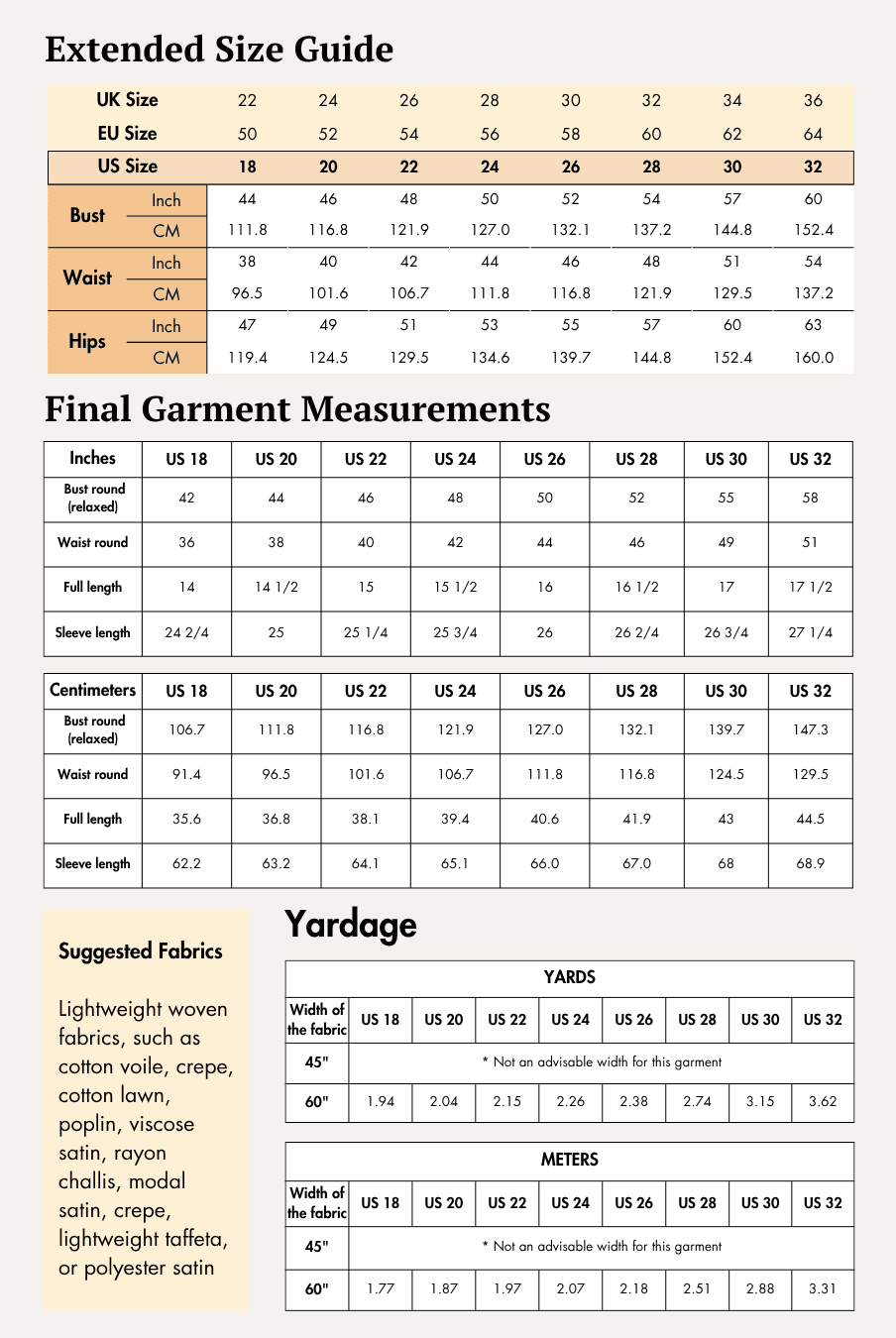
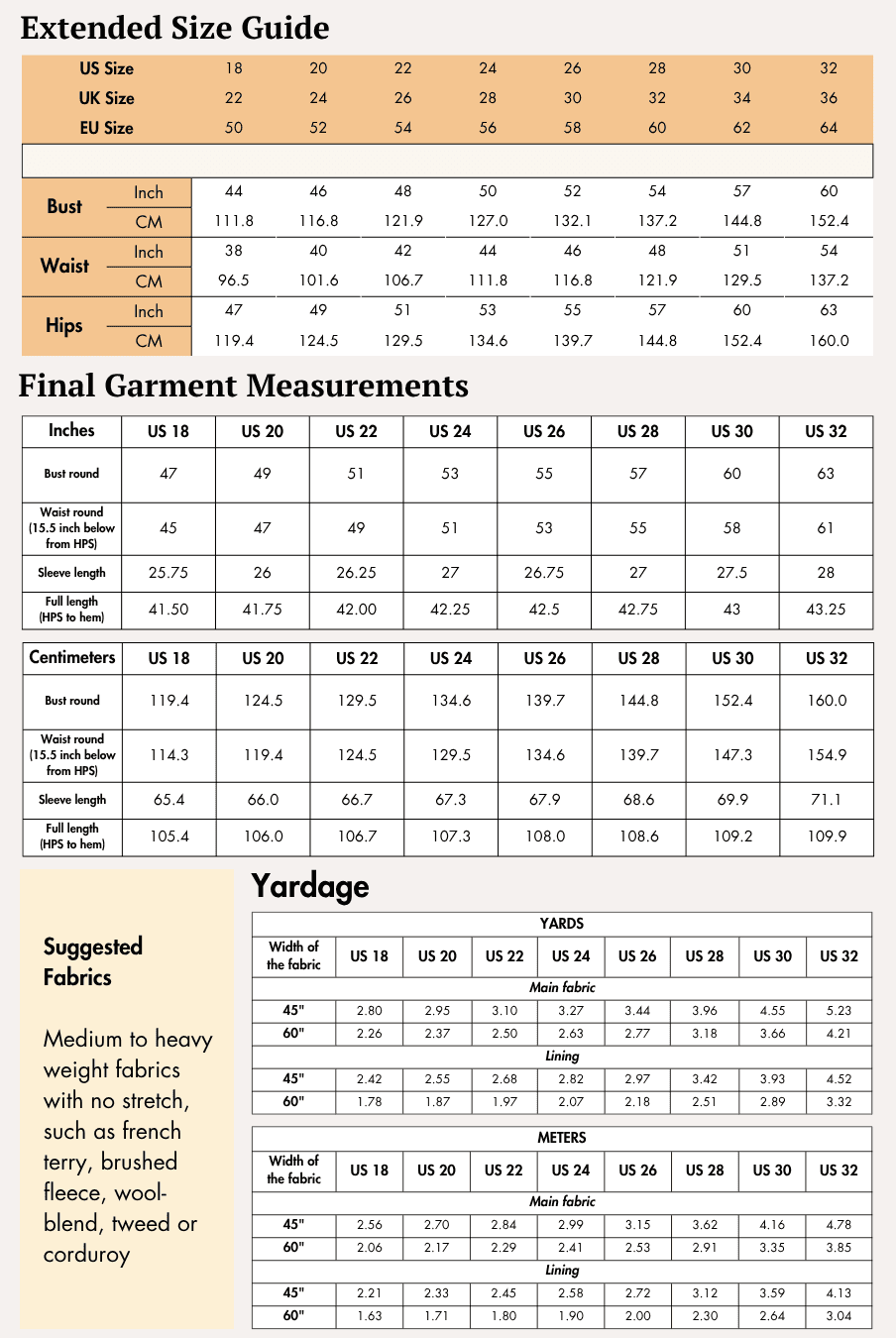
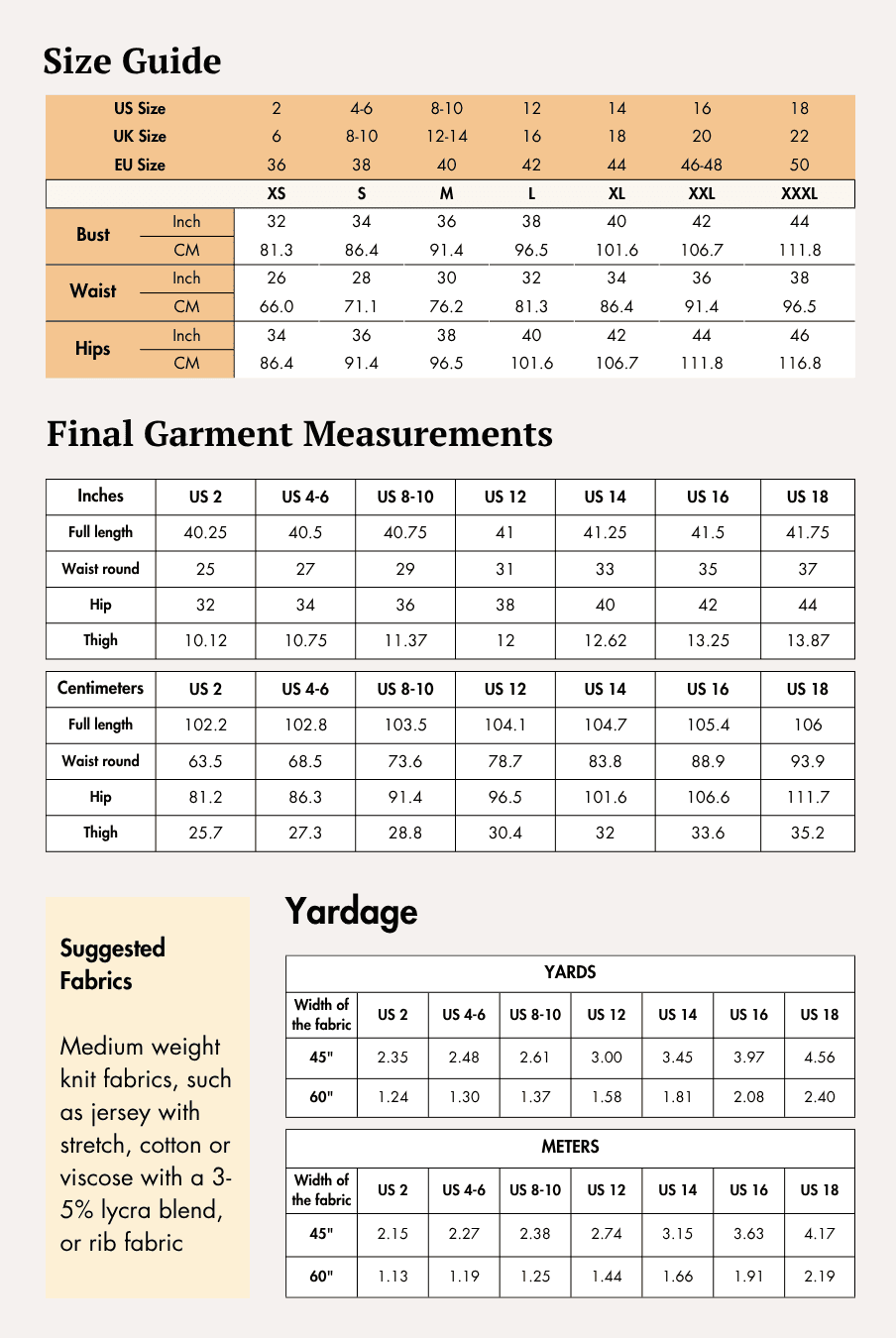
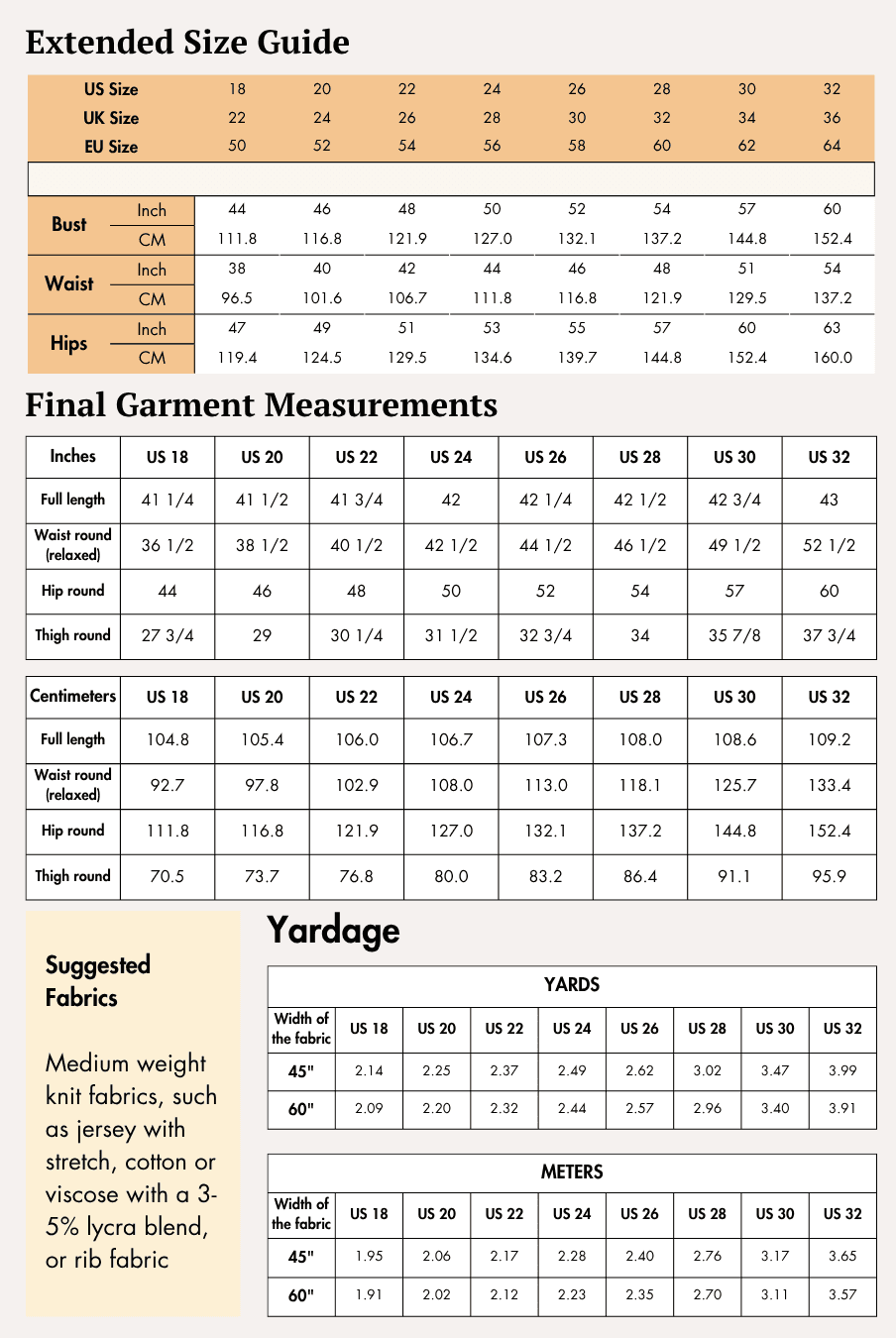
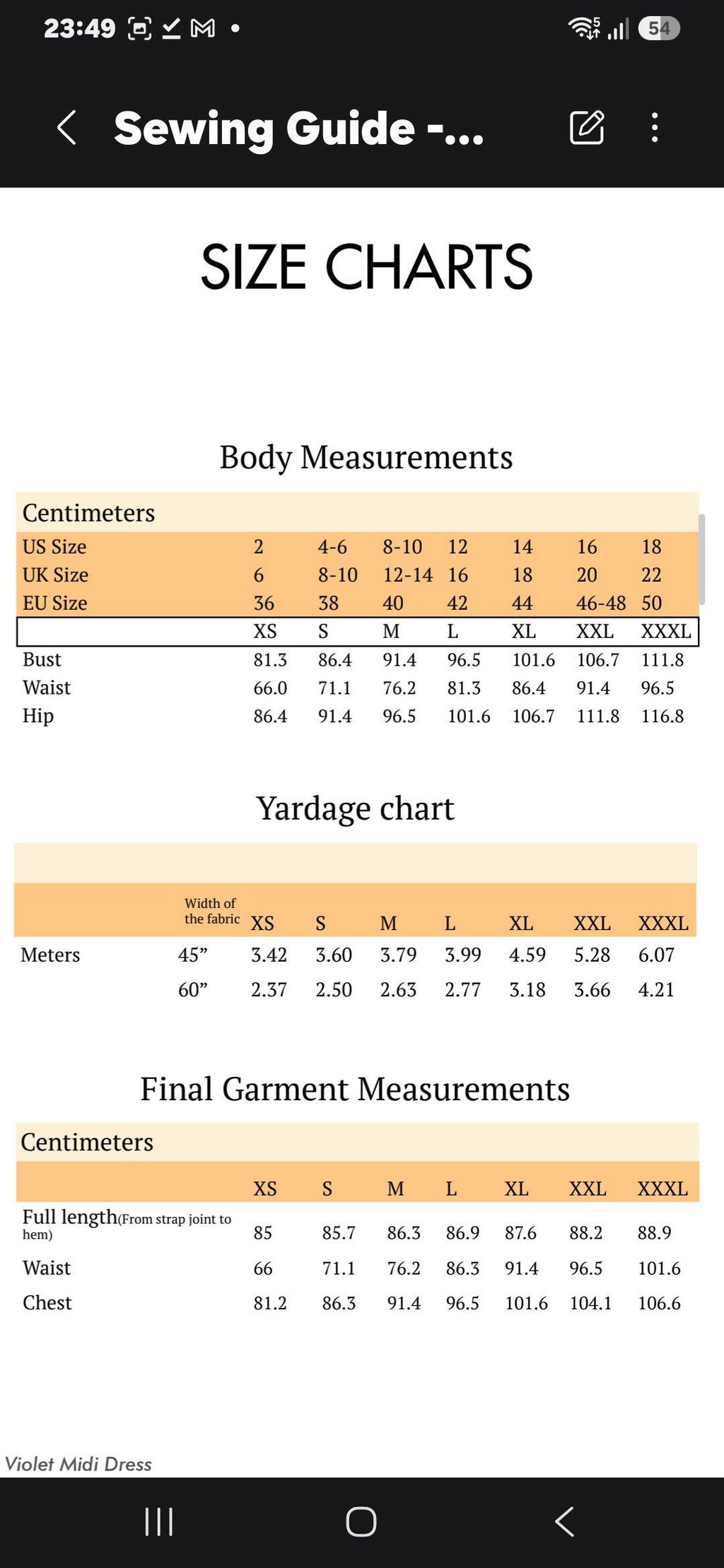
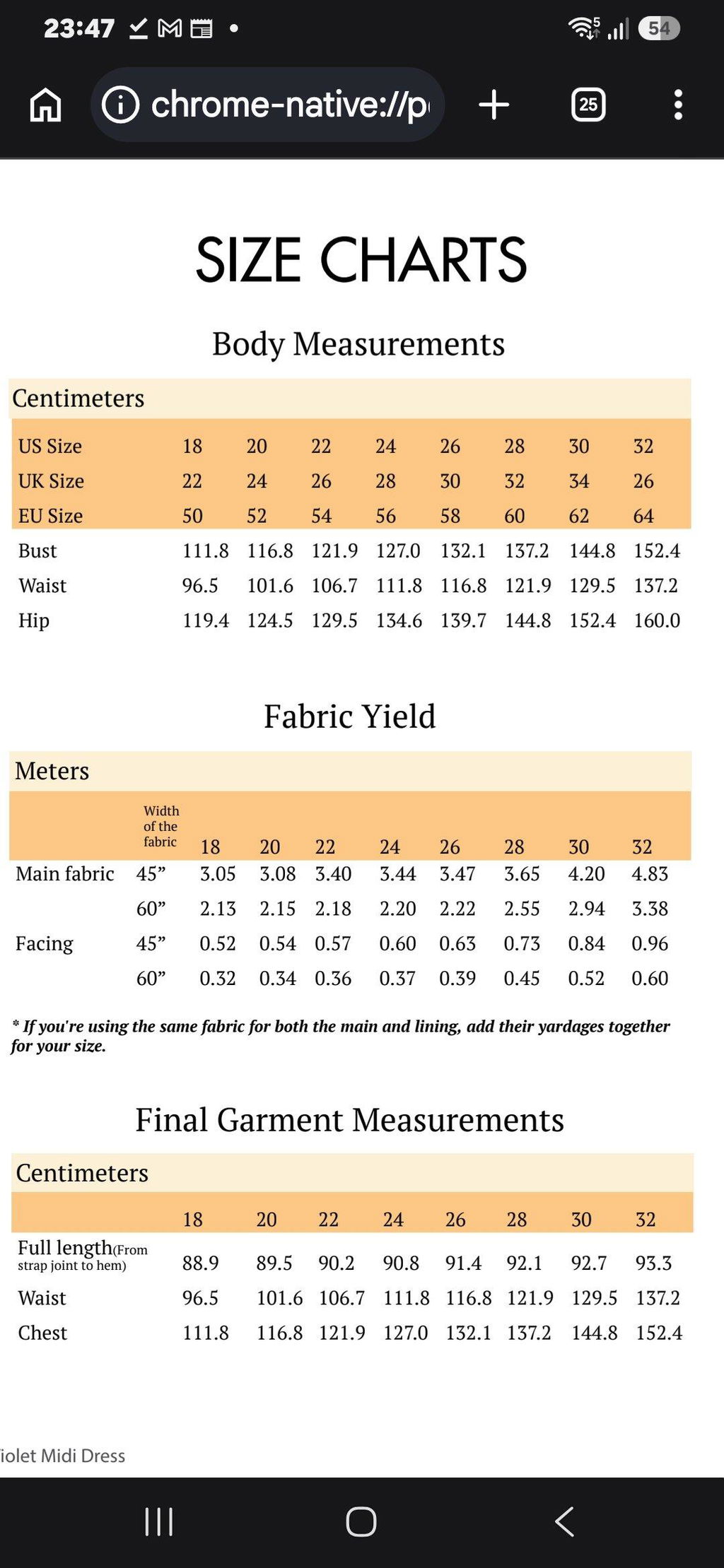
Available Sizes: US 02 - US 32 | UK 06 - UK 36 | EU 36 - EU 64
Supplies & Notions
You will need:
- Tape measure
- Fabric shears
- Iron
- Chalk
- Thread cutter
- Pins
- Sewing machine
- Sewing needles
- 3-ply polyester thread
- Hook and eye
- Loop
- Adjustable loop
Fabric Recommendations
Use lightweight woven fabrics such as:
- Cotton blends
- Linen
- Twill
- Poplin
- Rayon
- Viscose
The model in the photographs is wearing a vest made from 100% linen fabric.
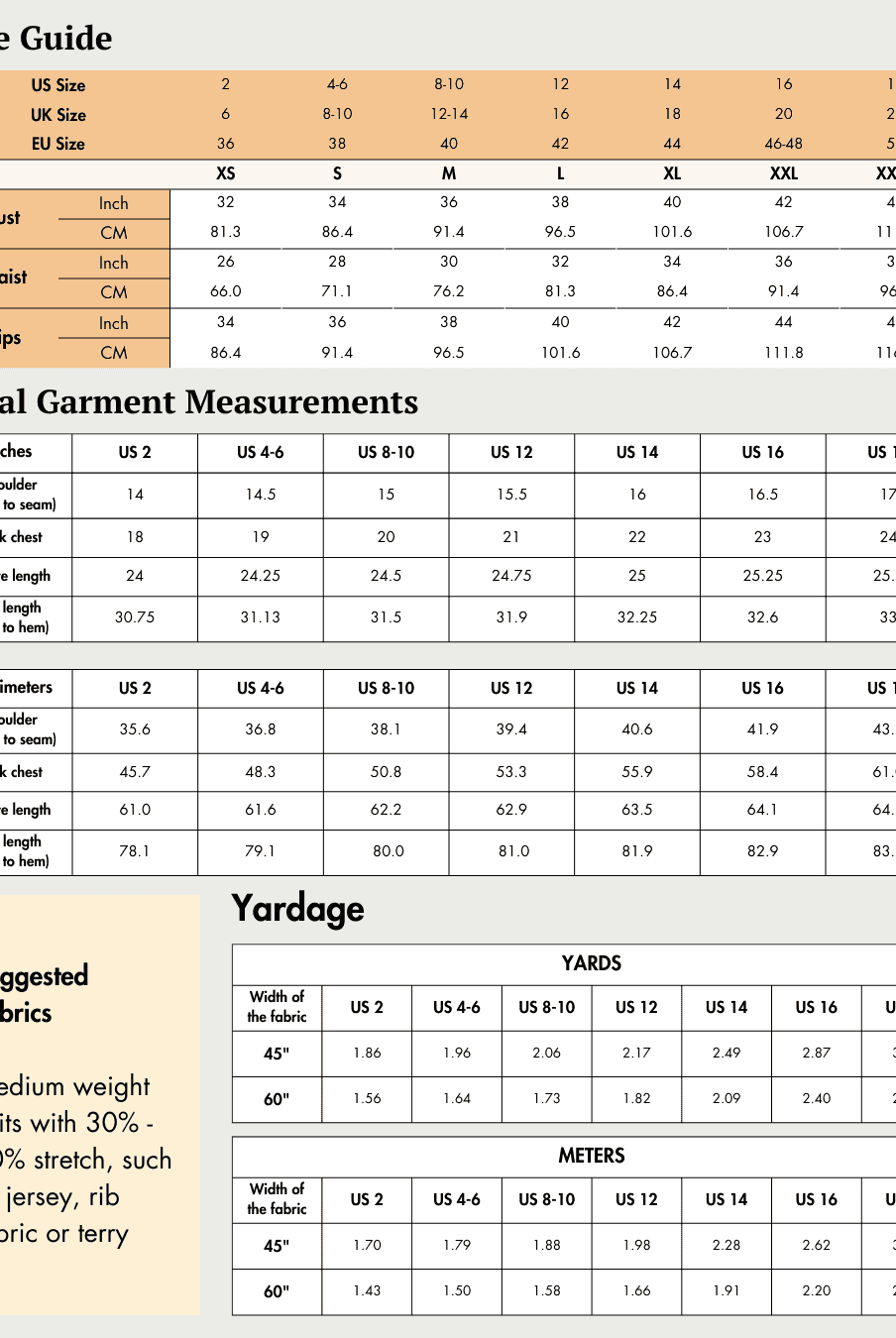
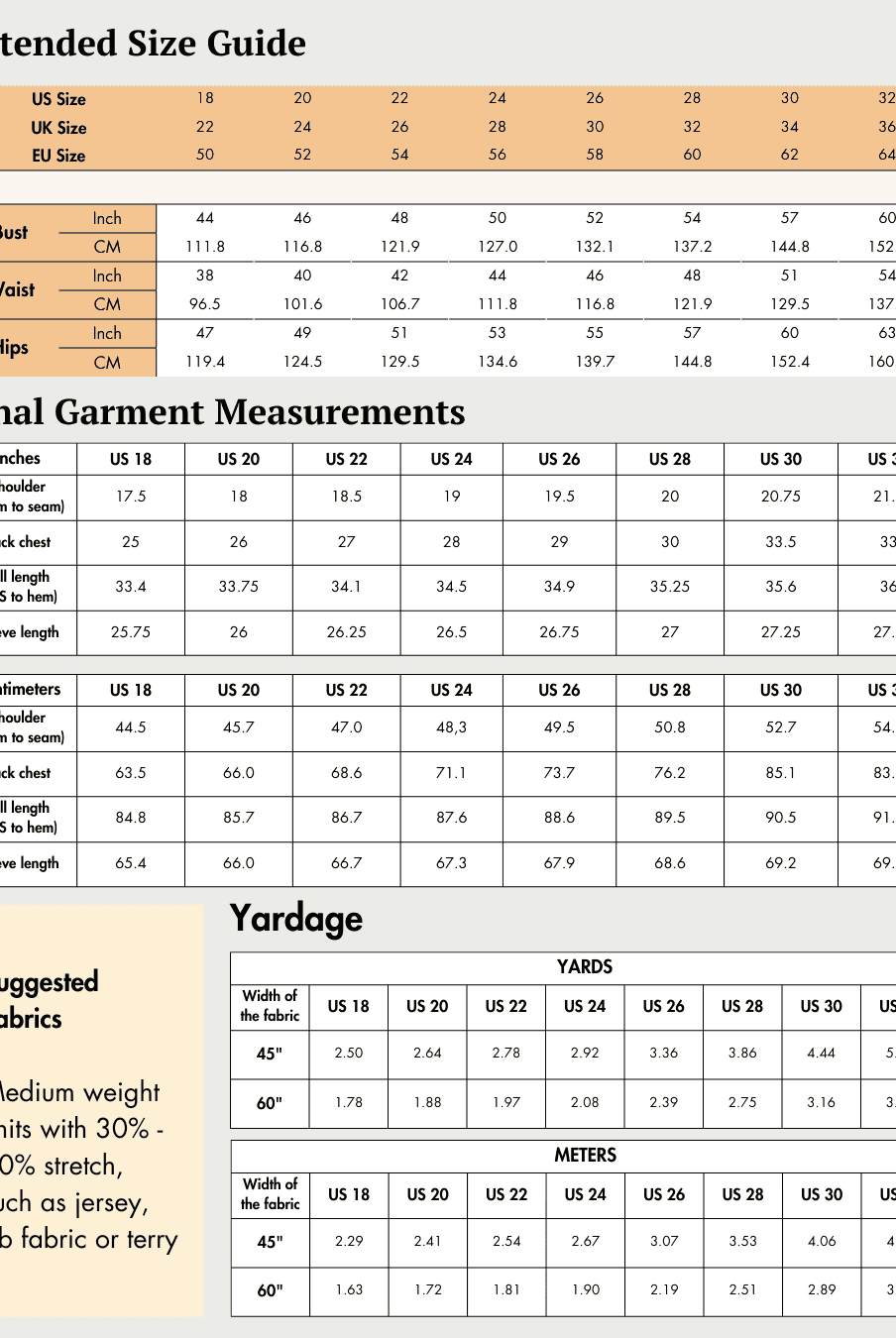
Size Charts
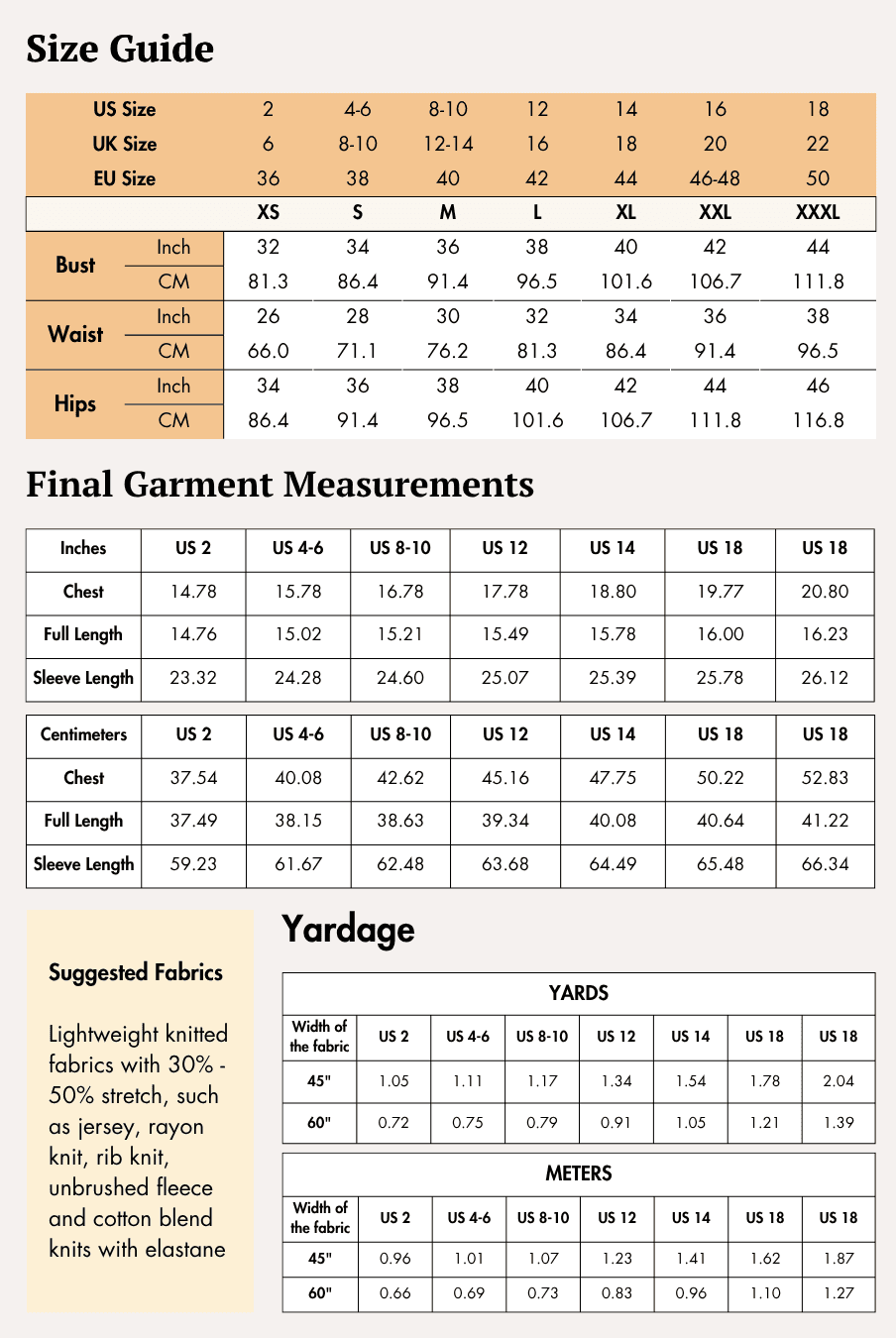
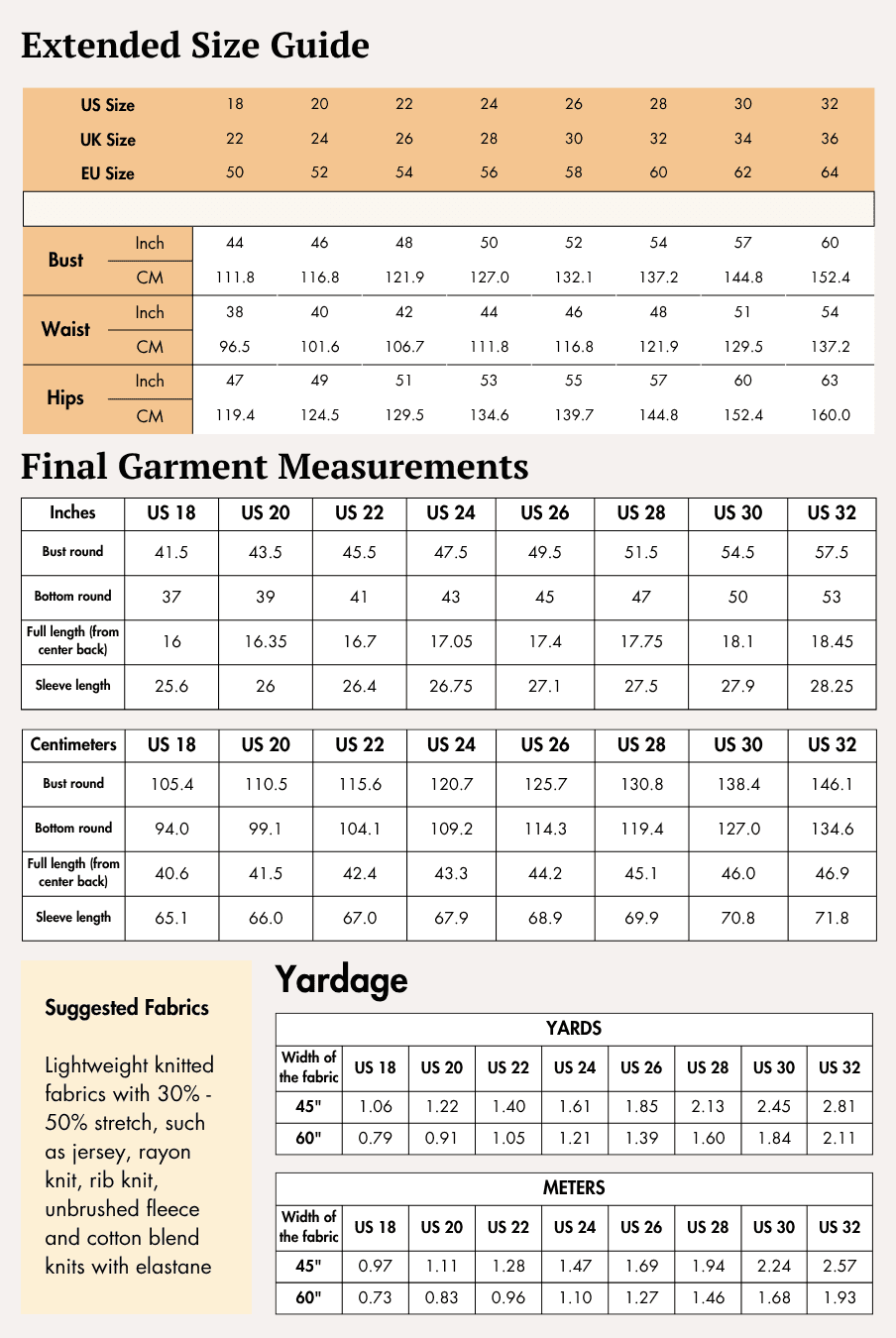
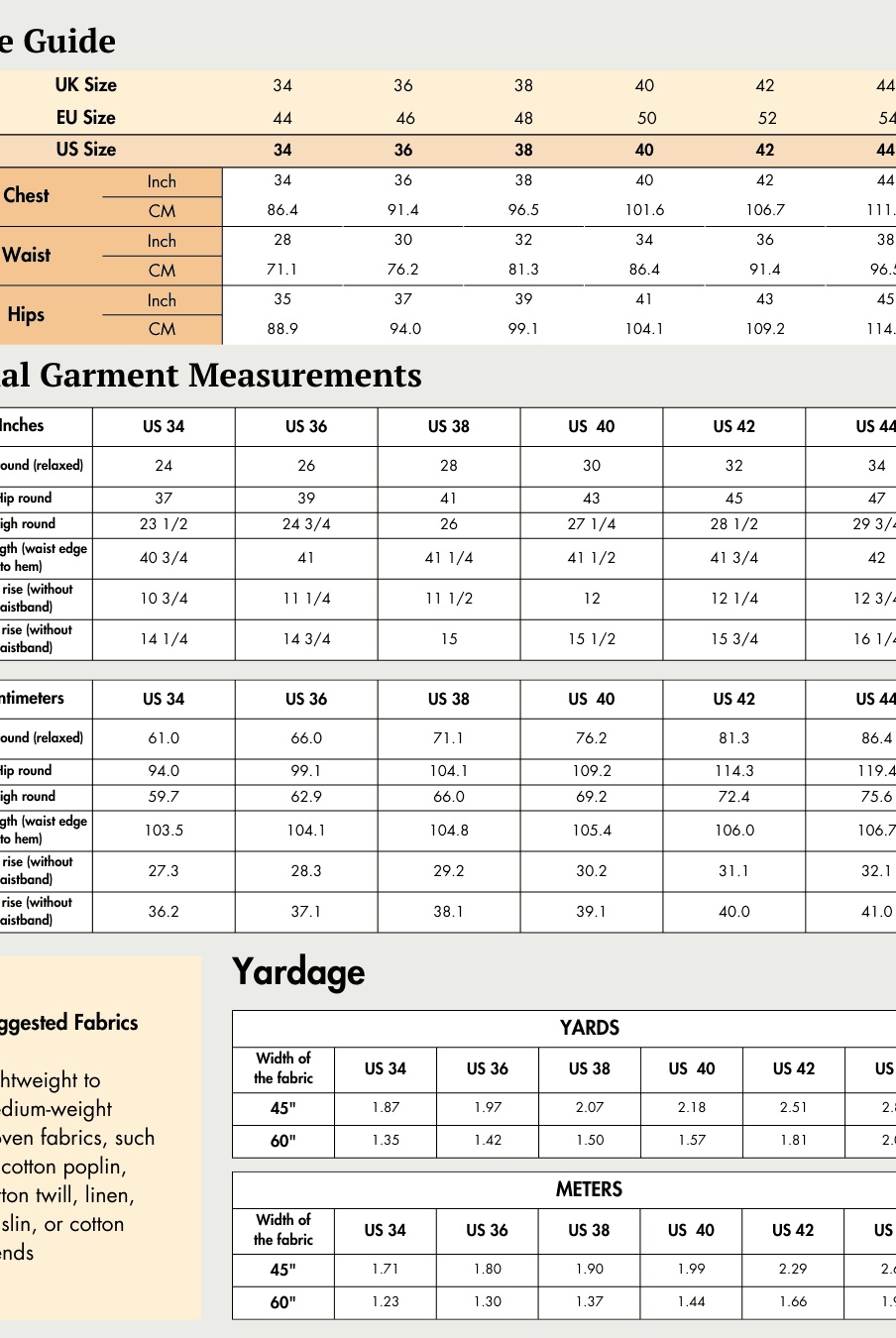
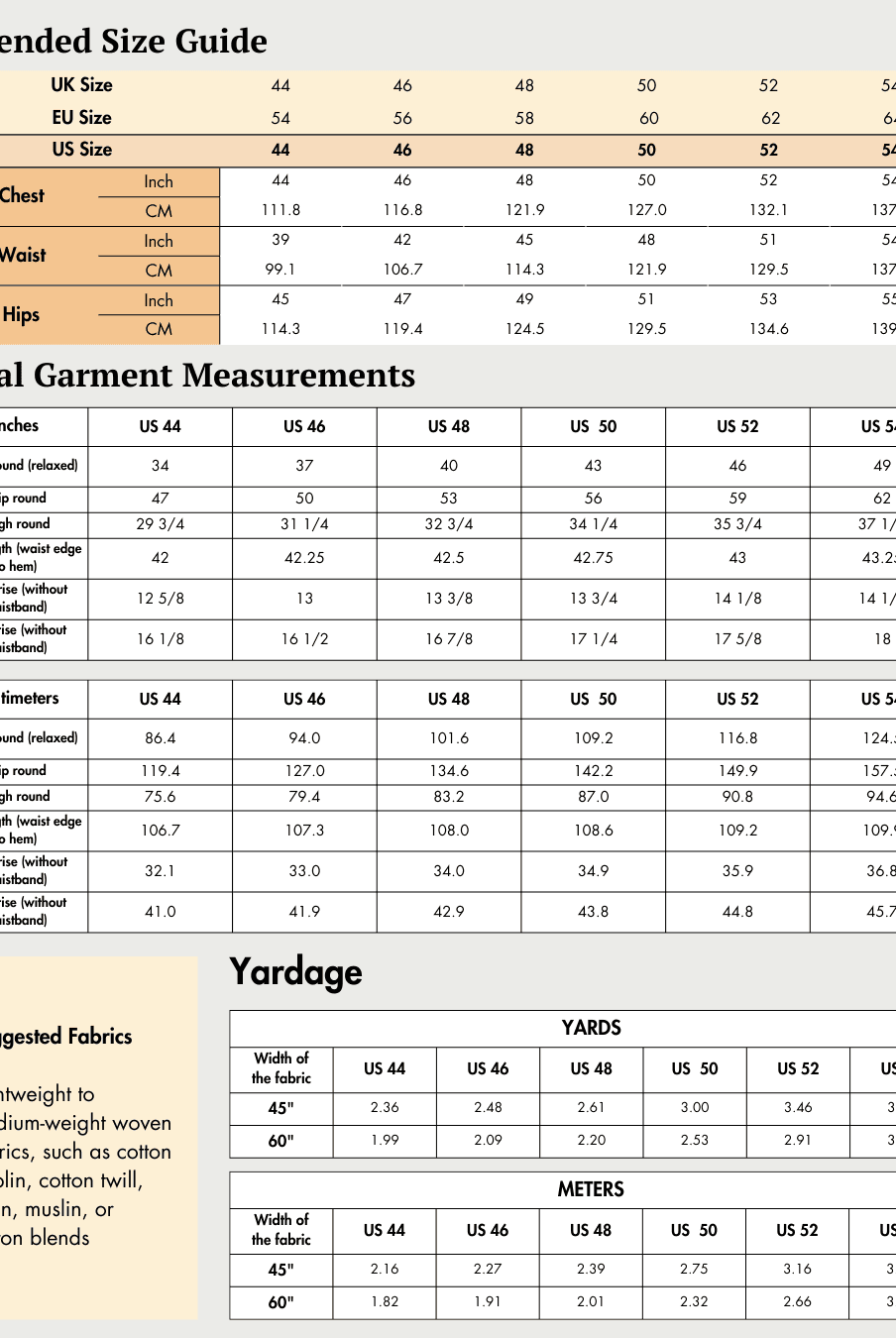
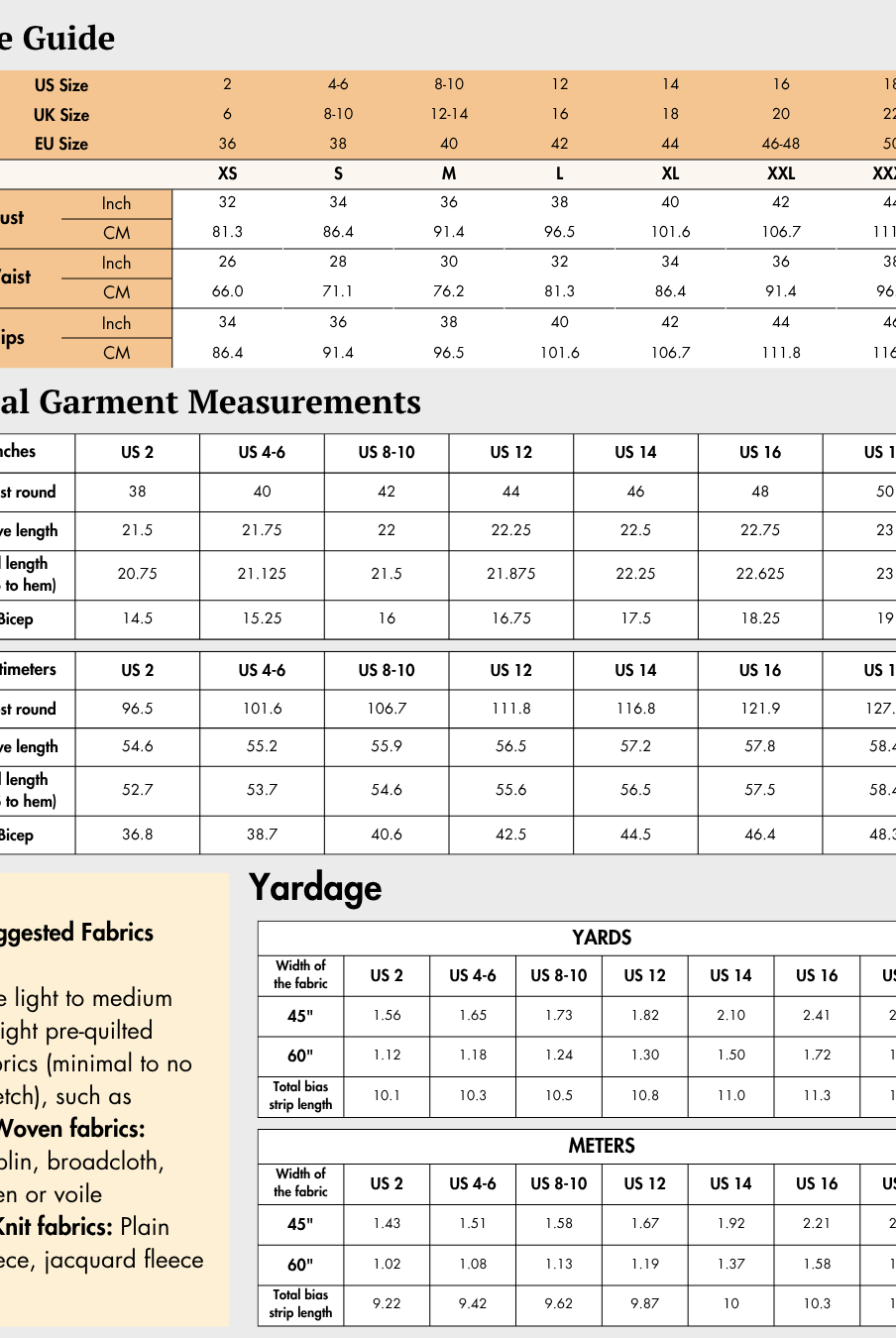
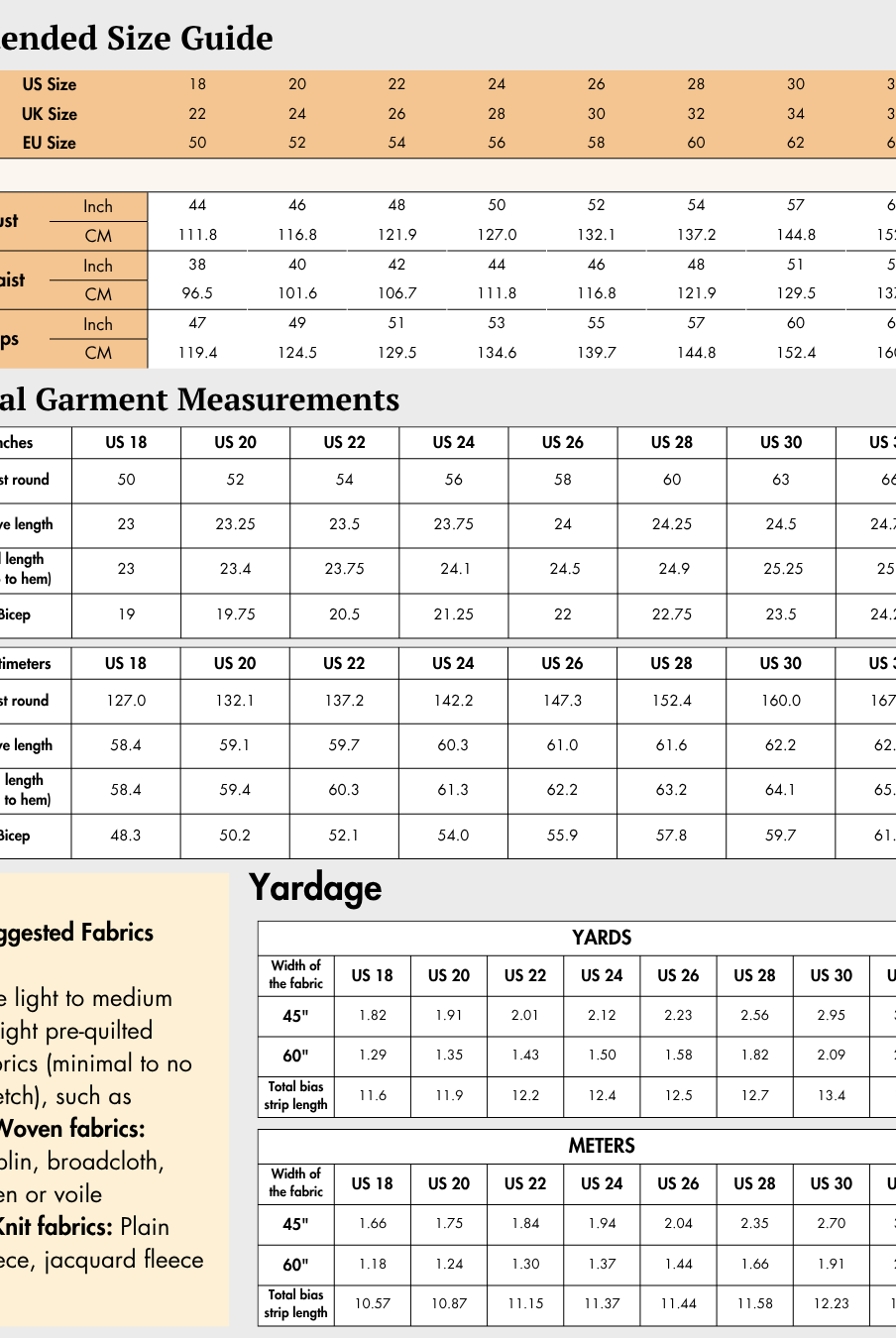
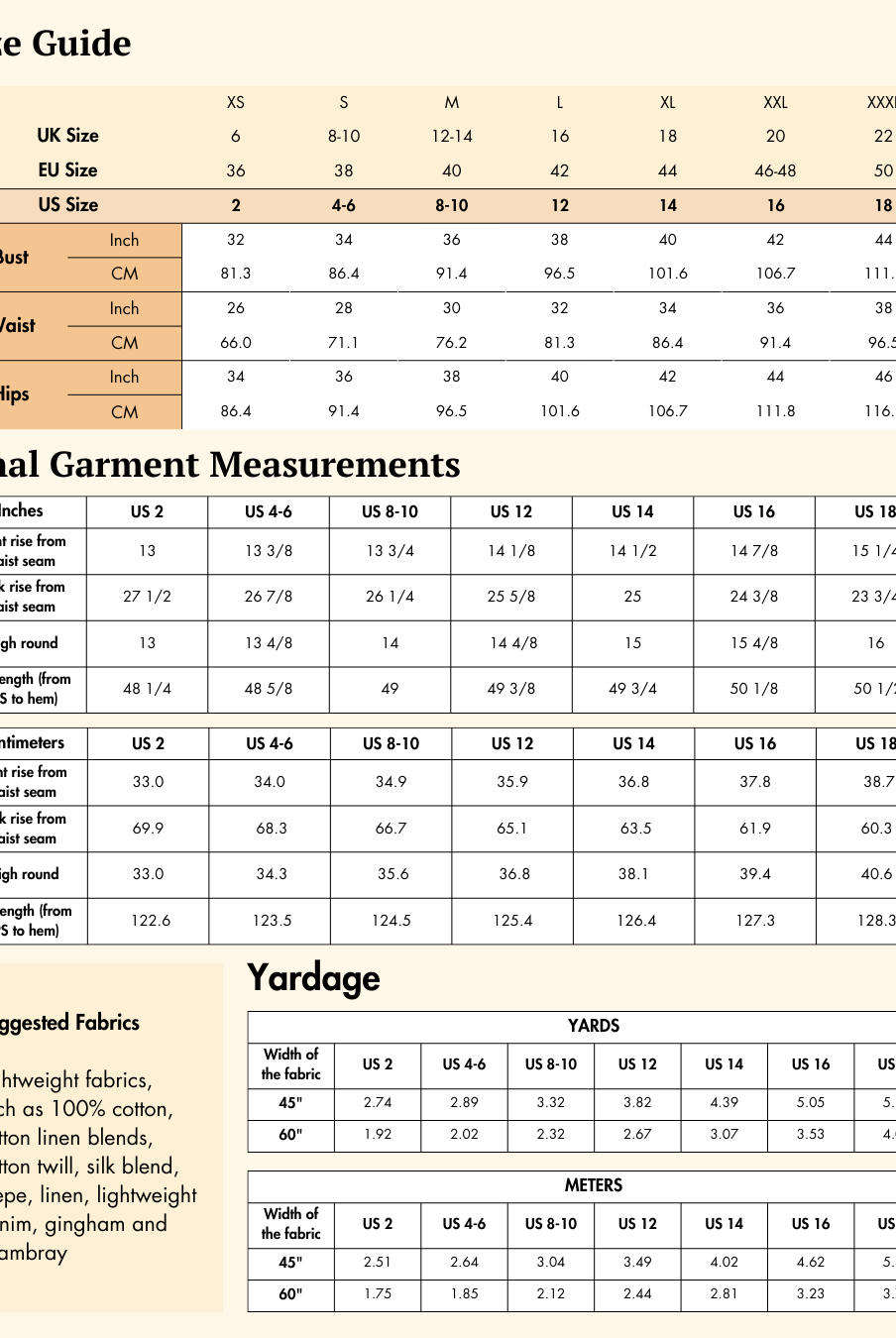
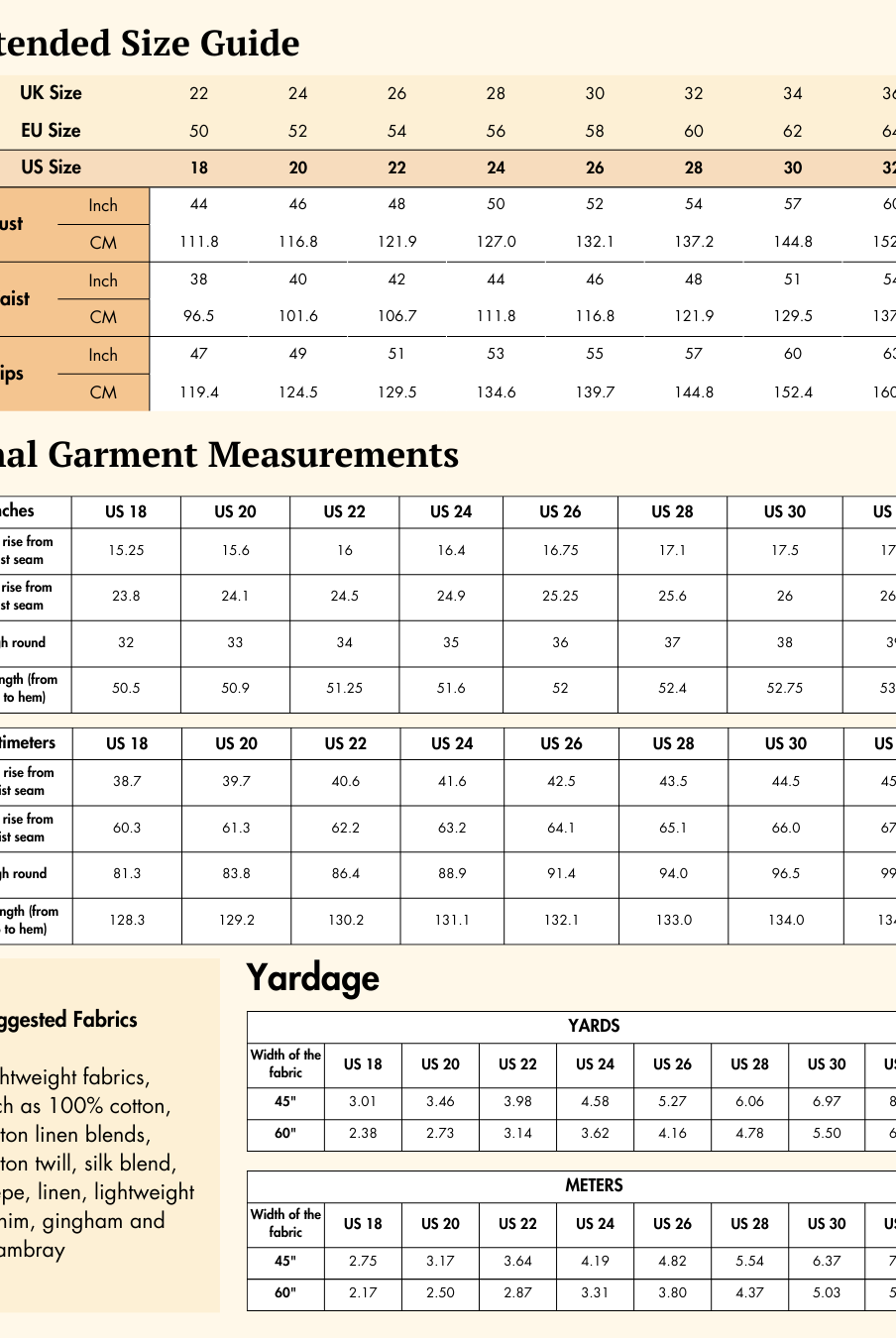
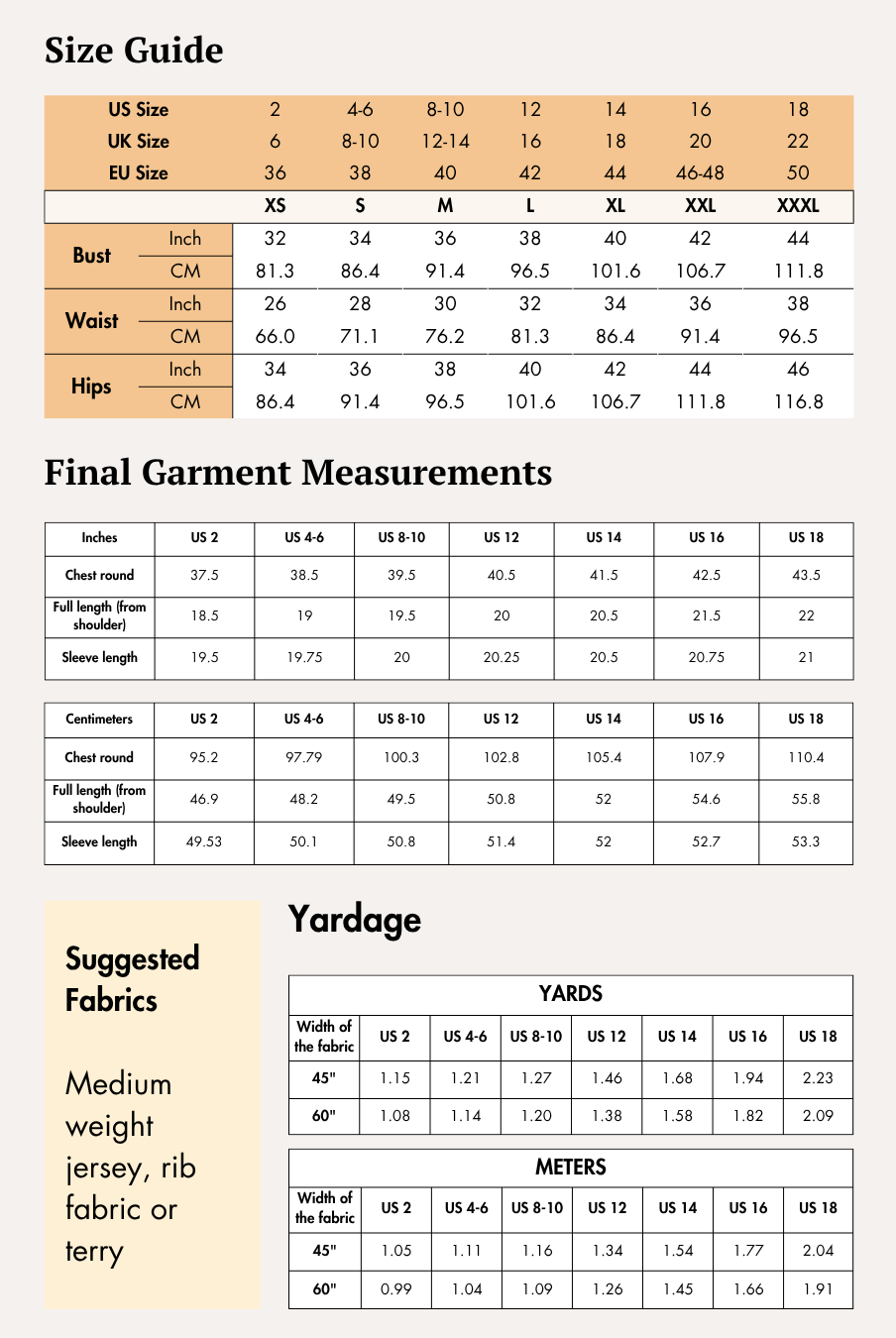
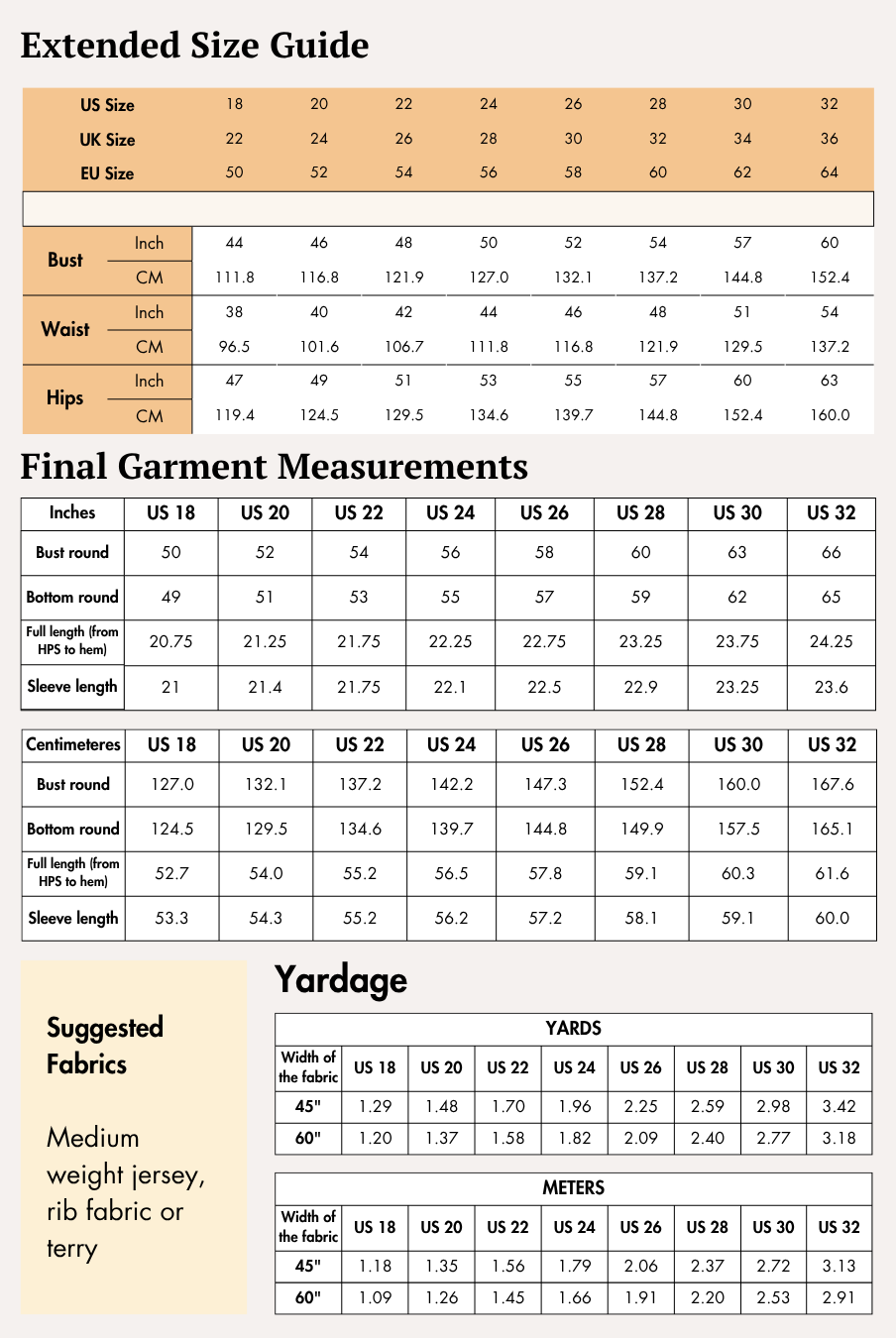
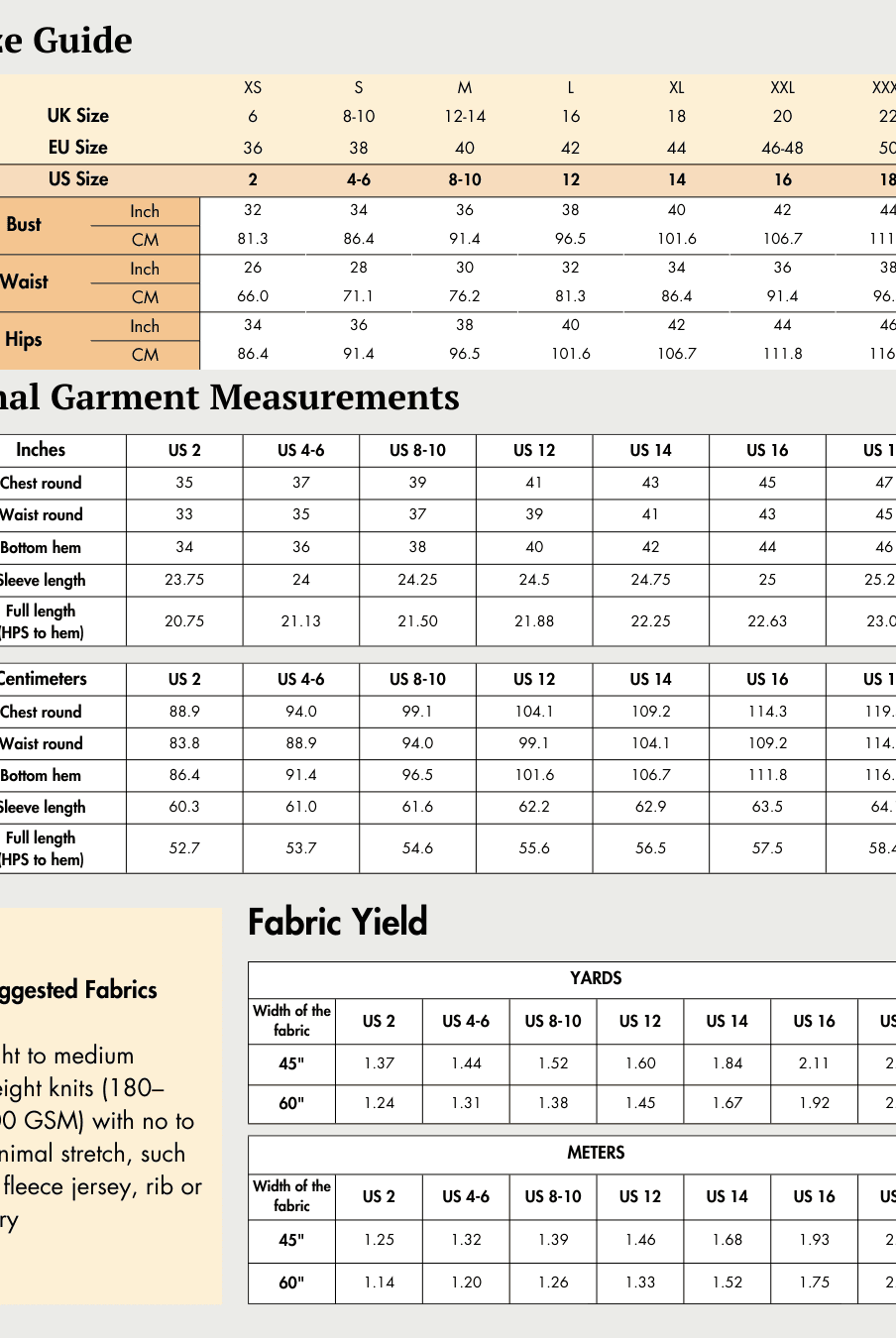
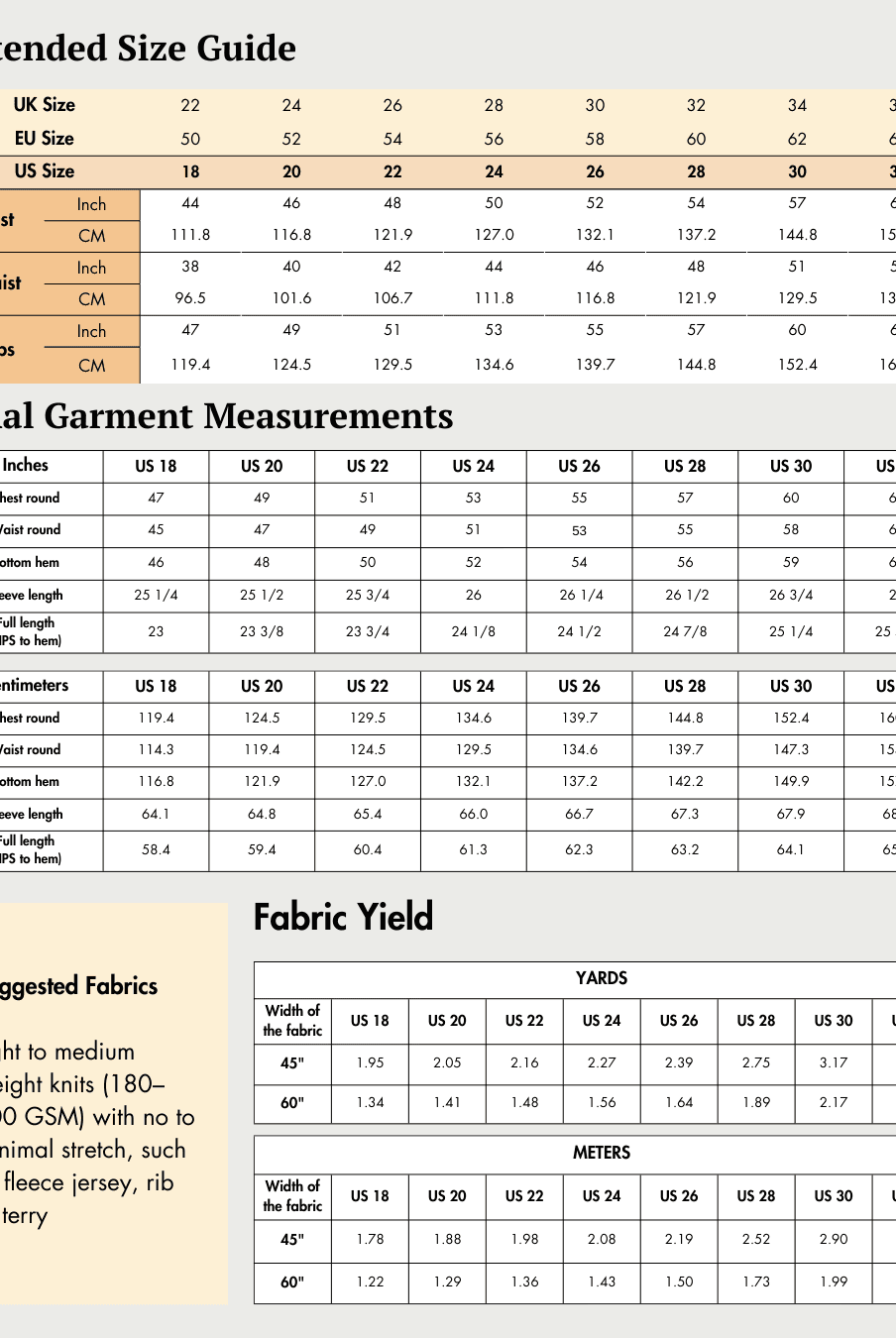
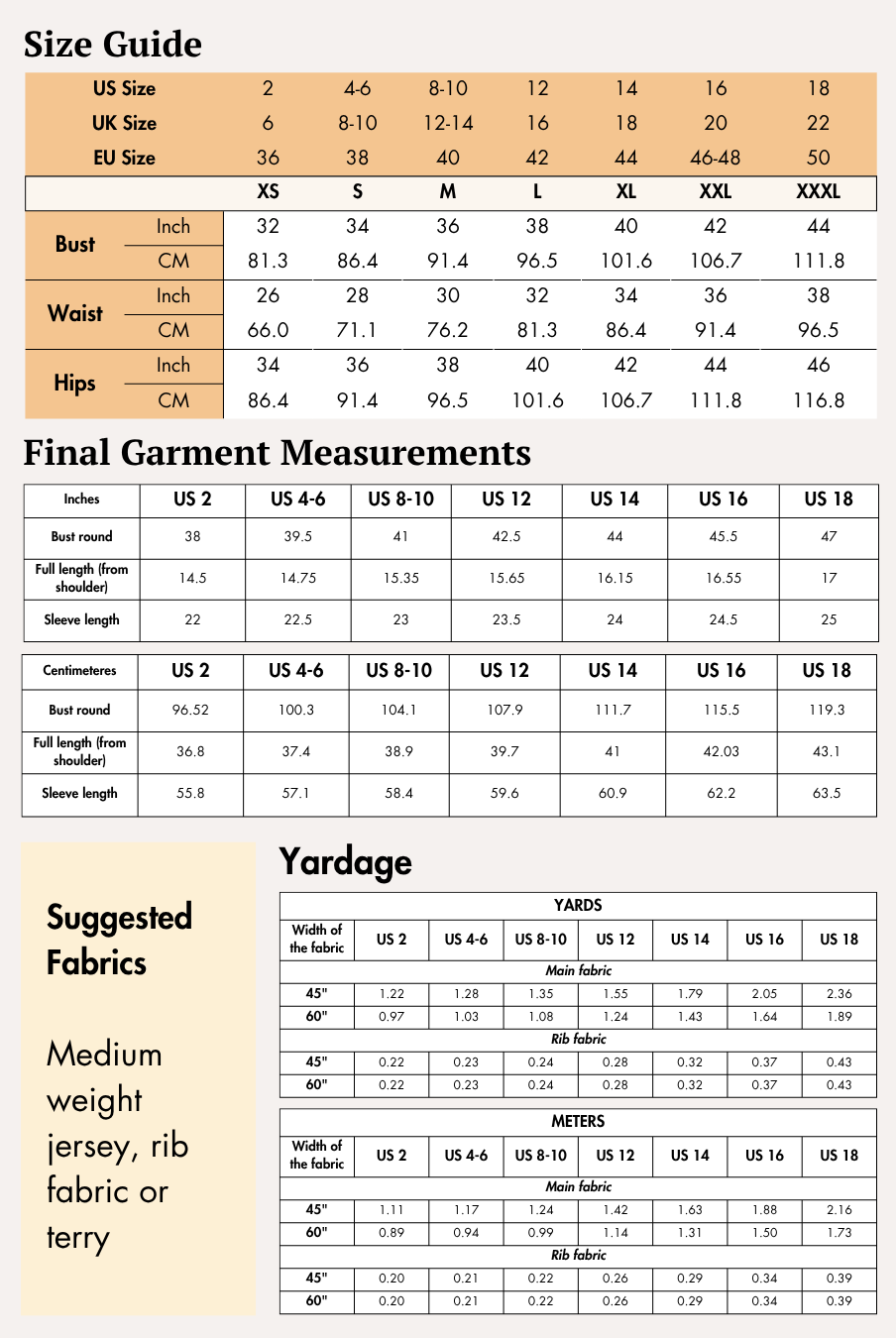
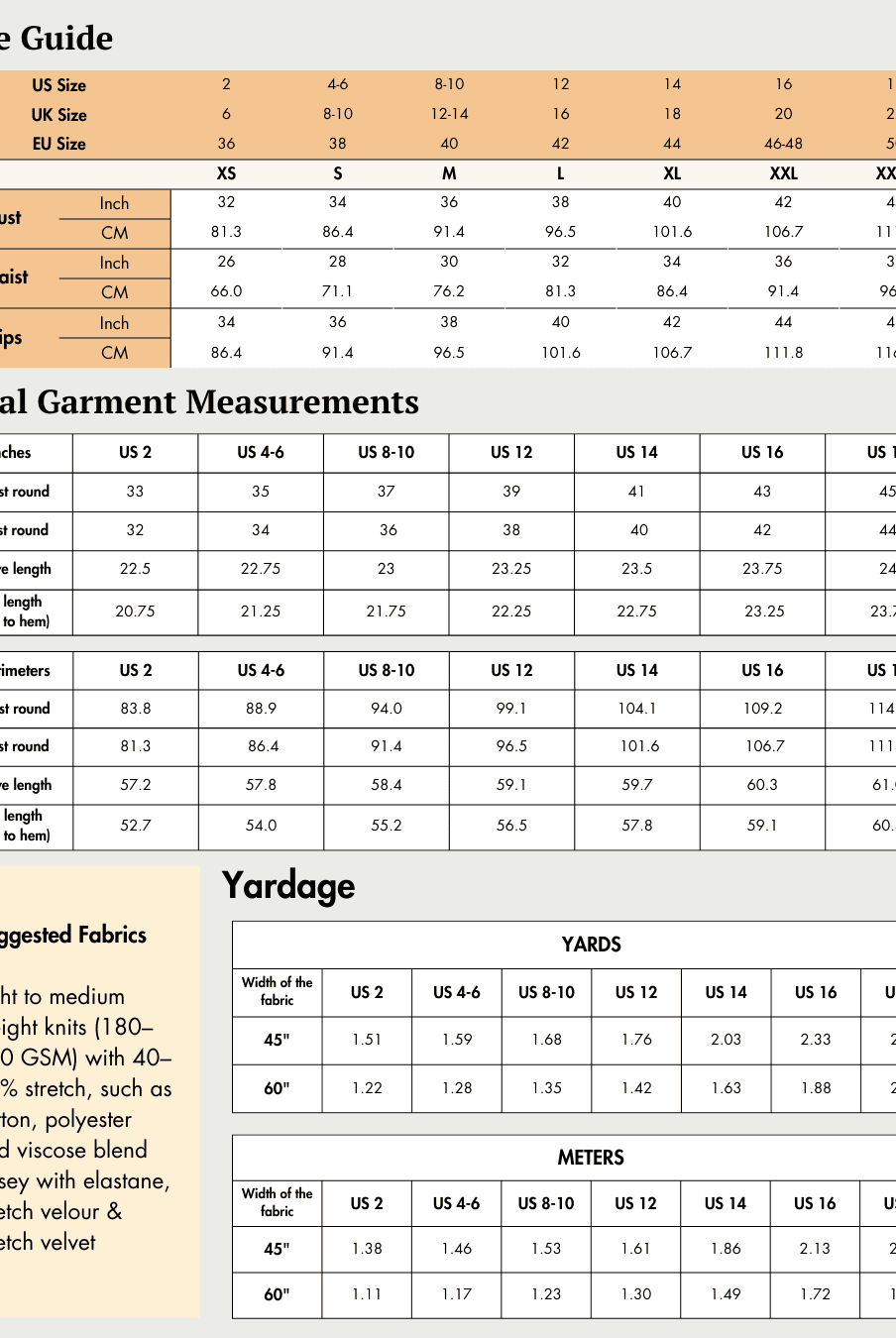
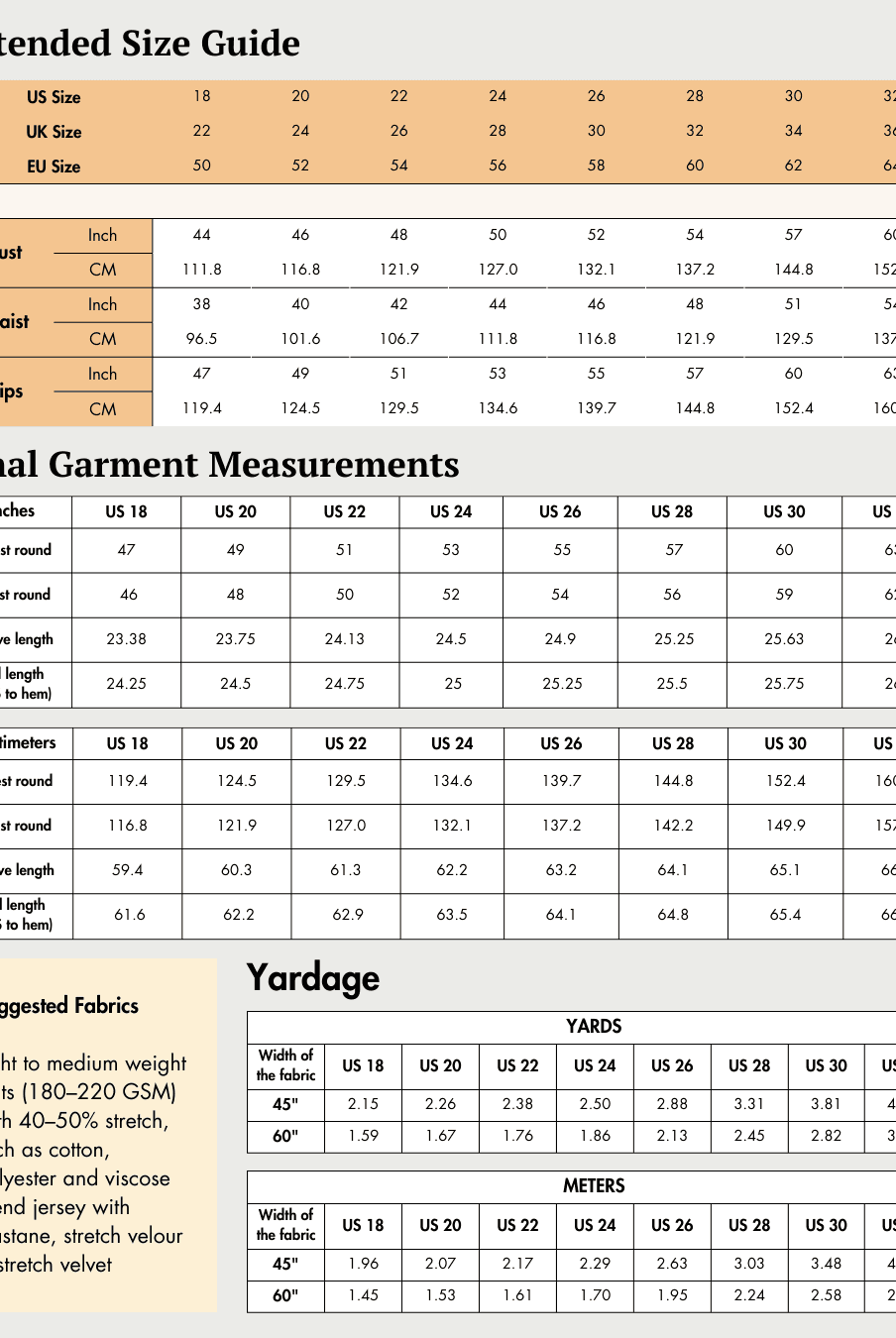
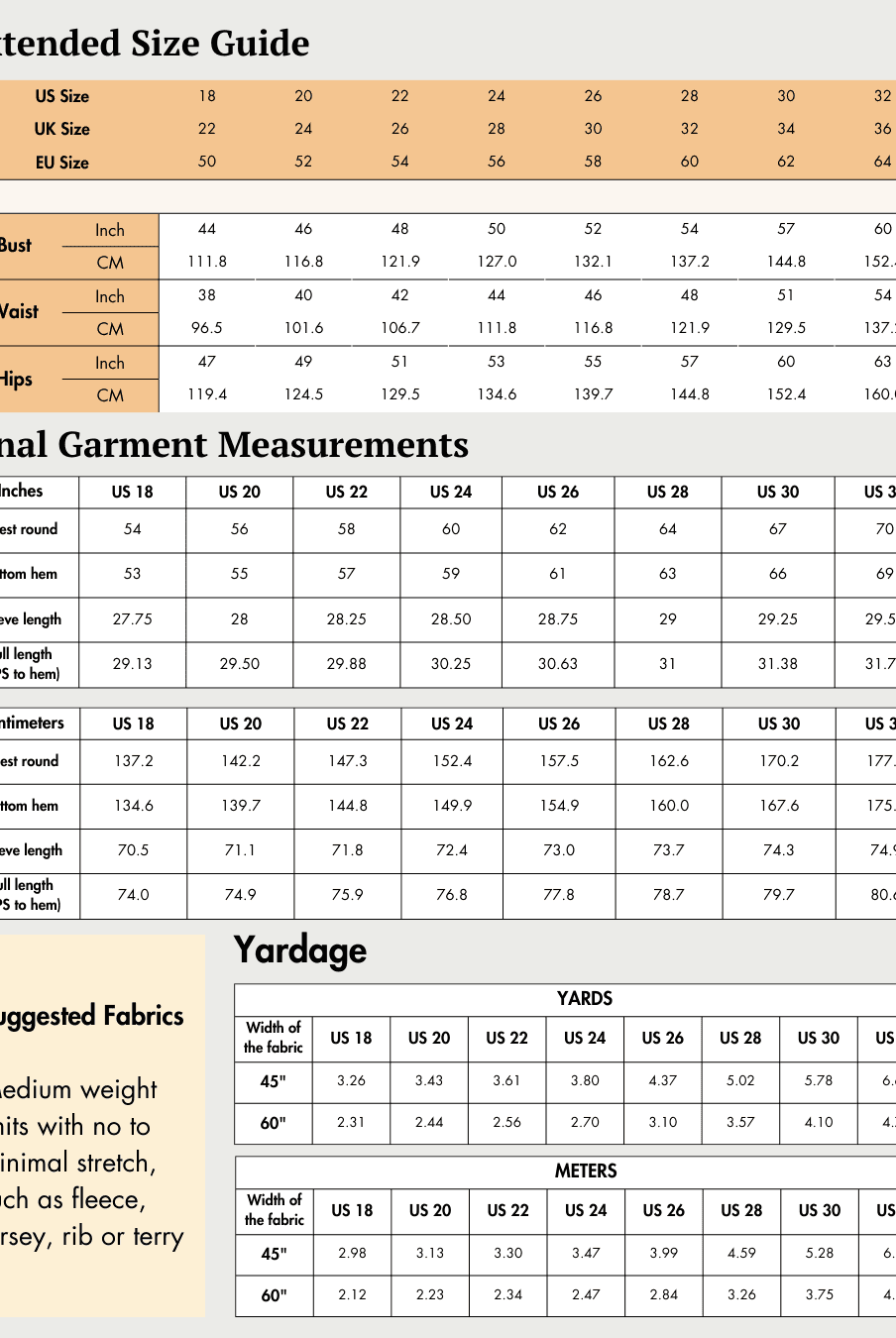
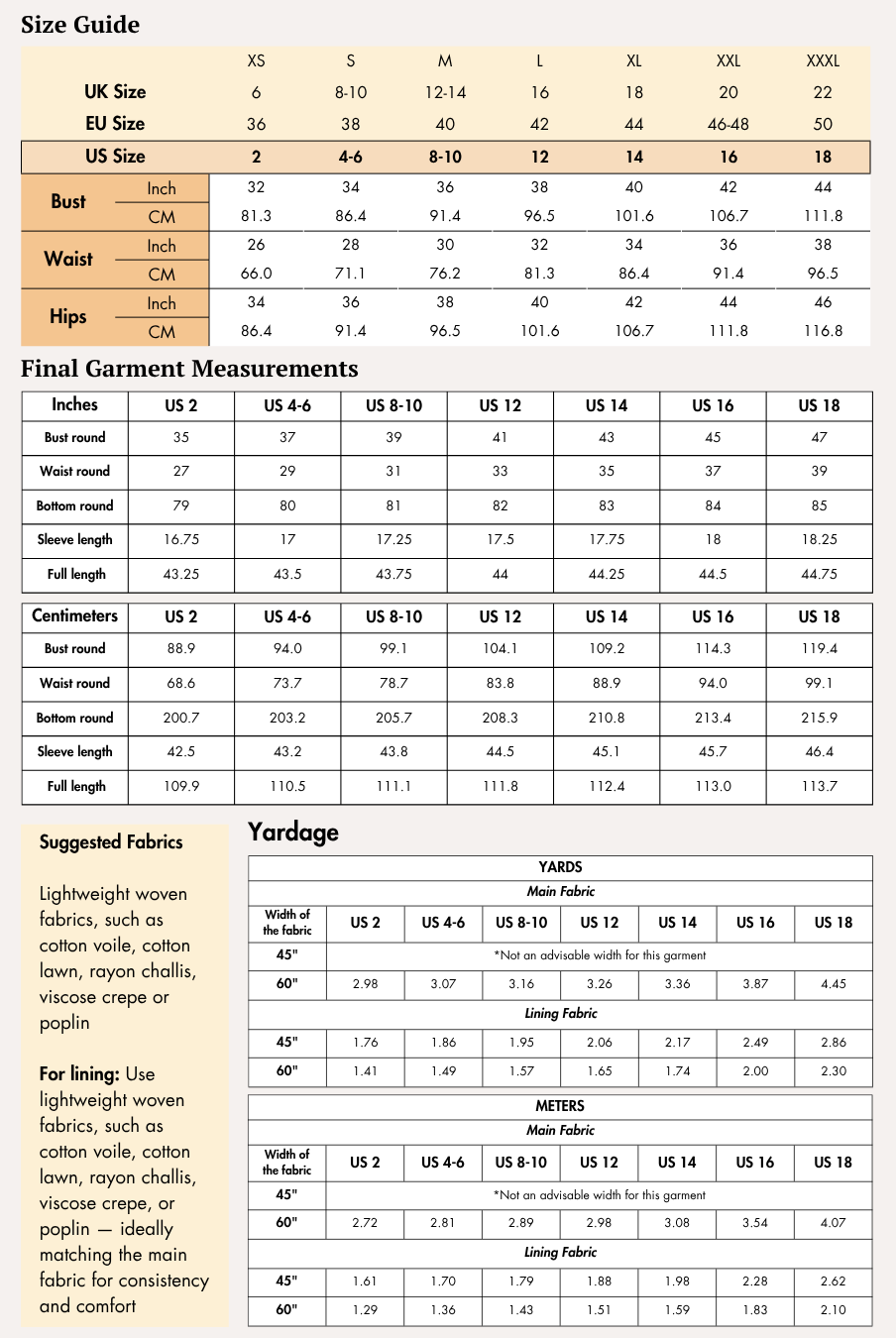
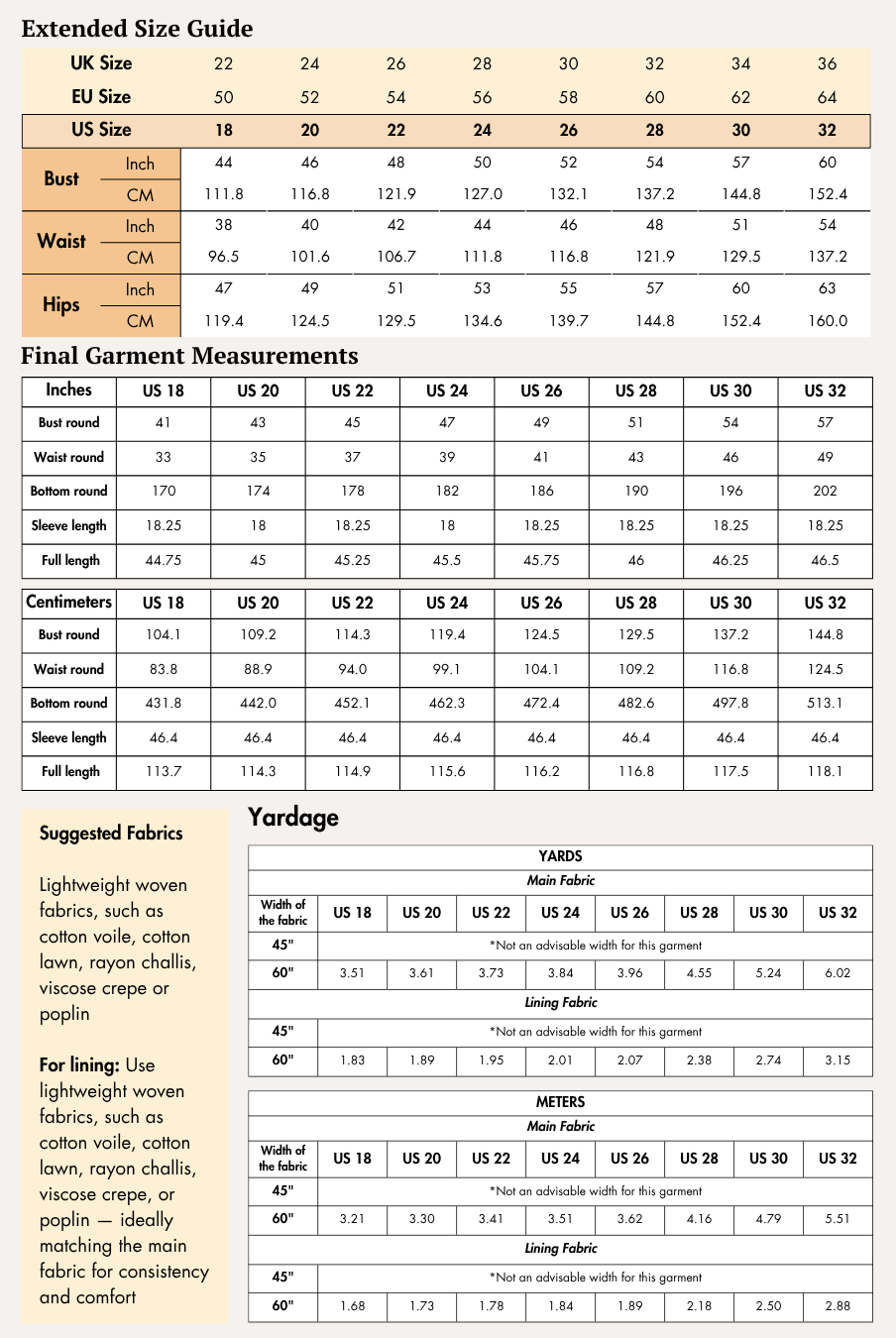
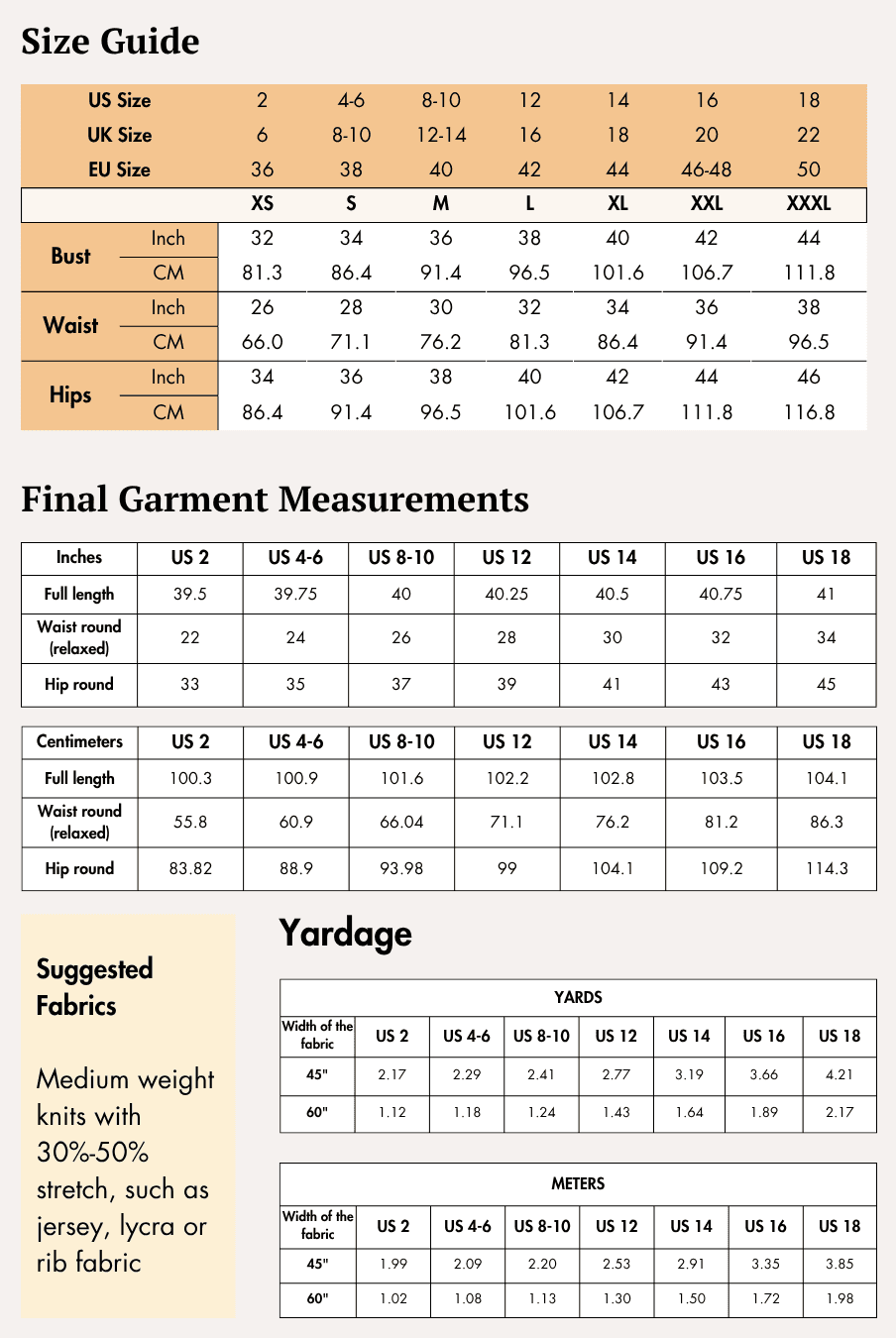
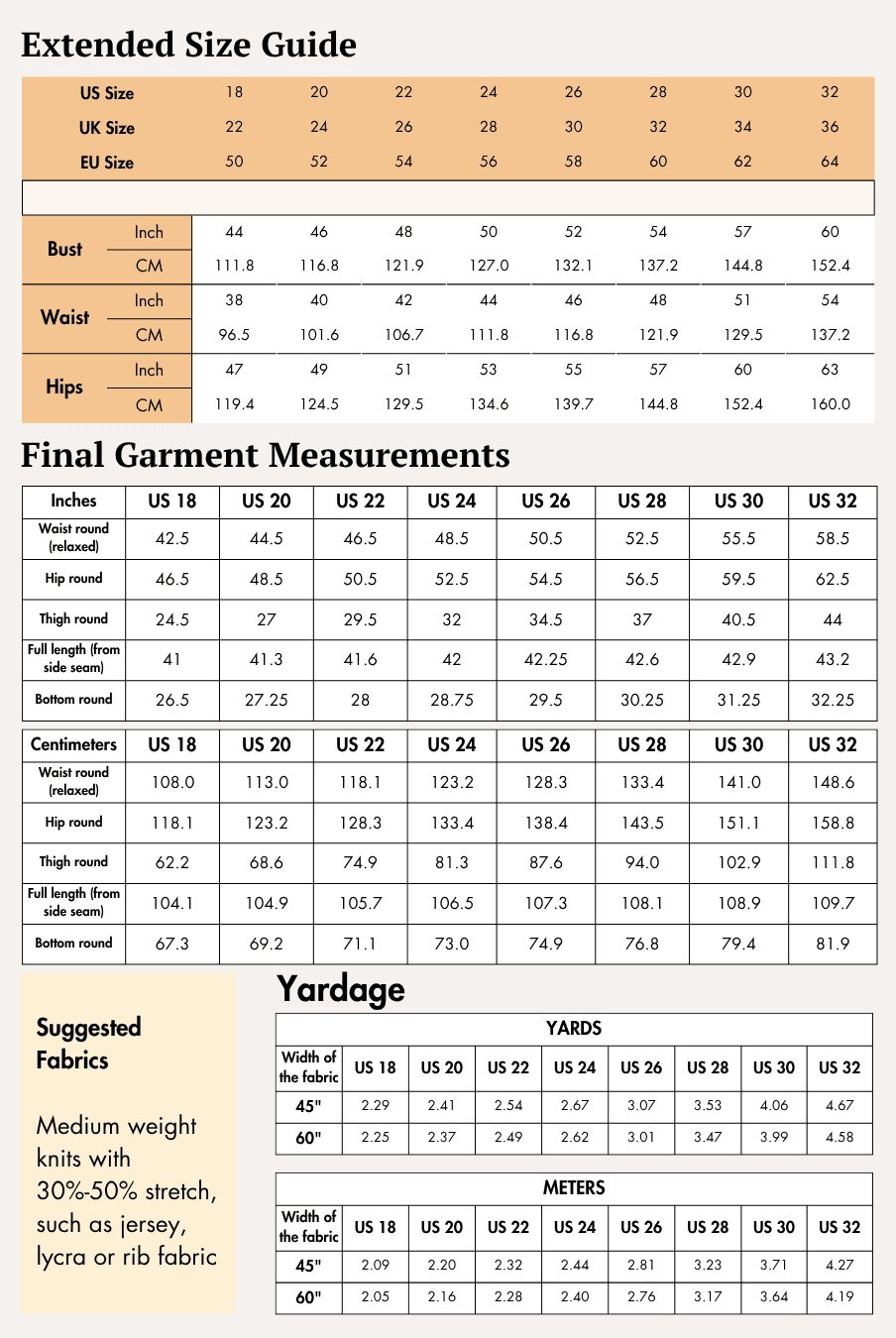
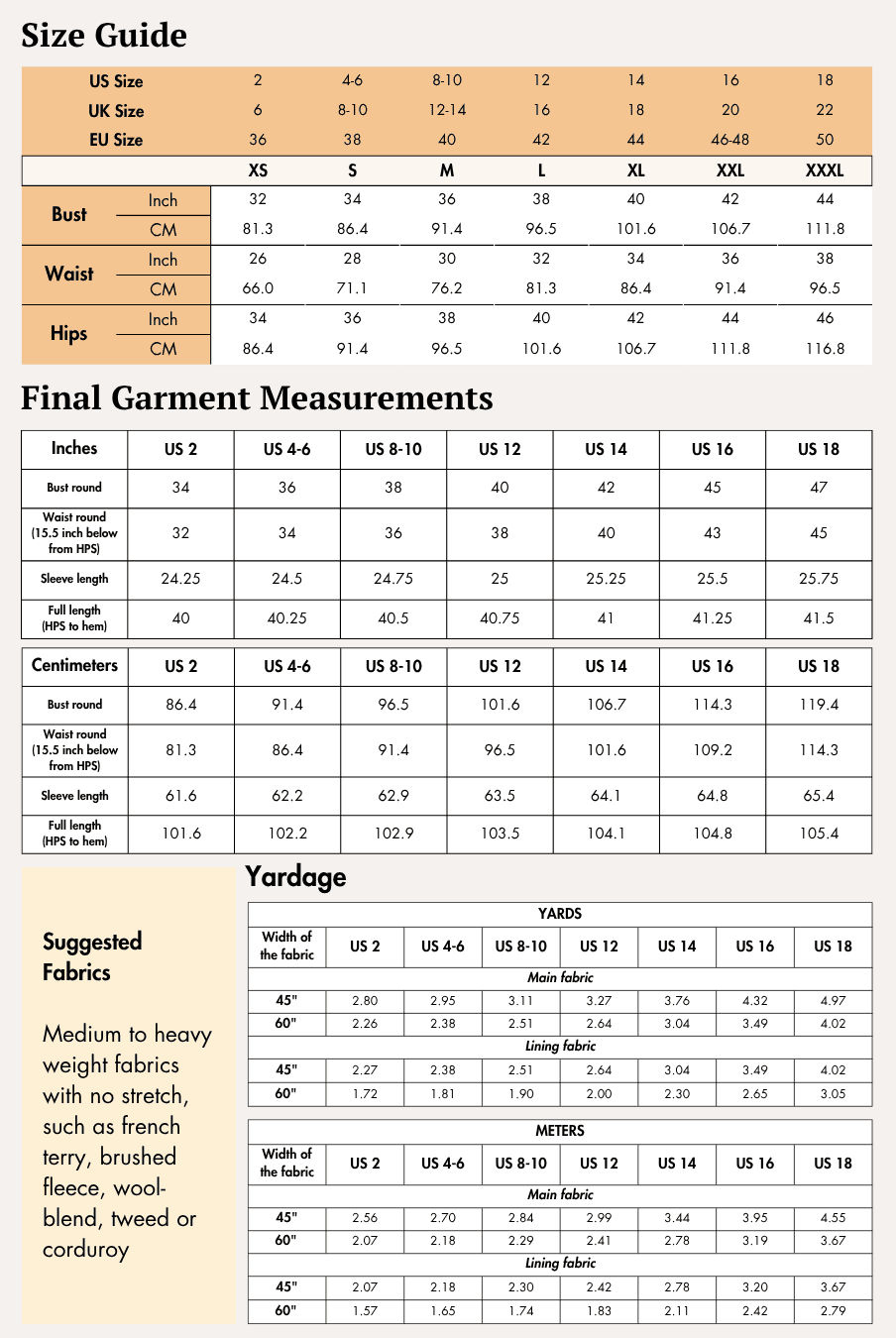
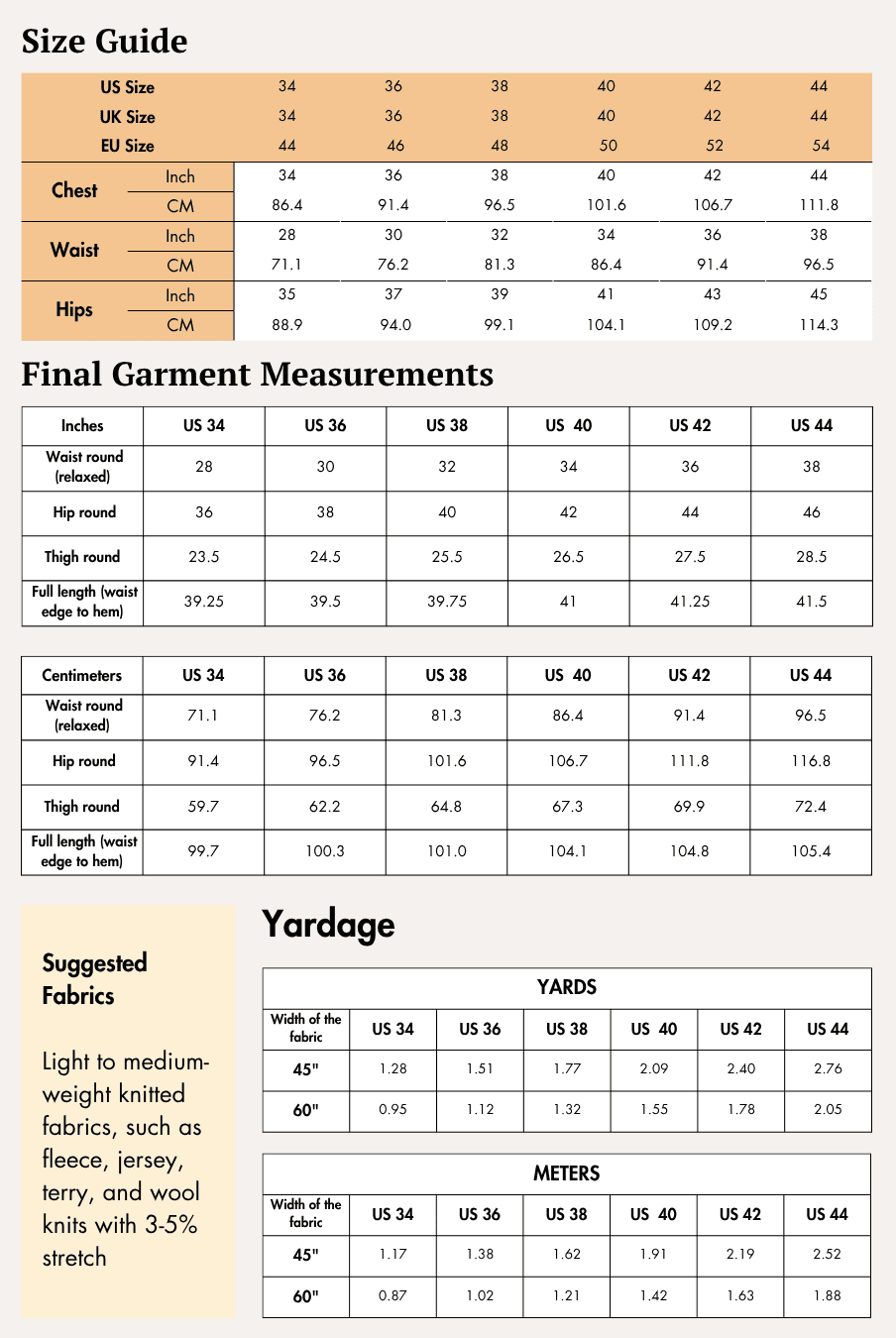
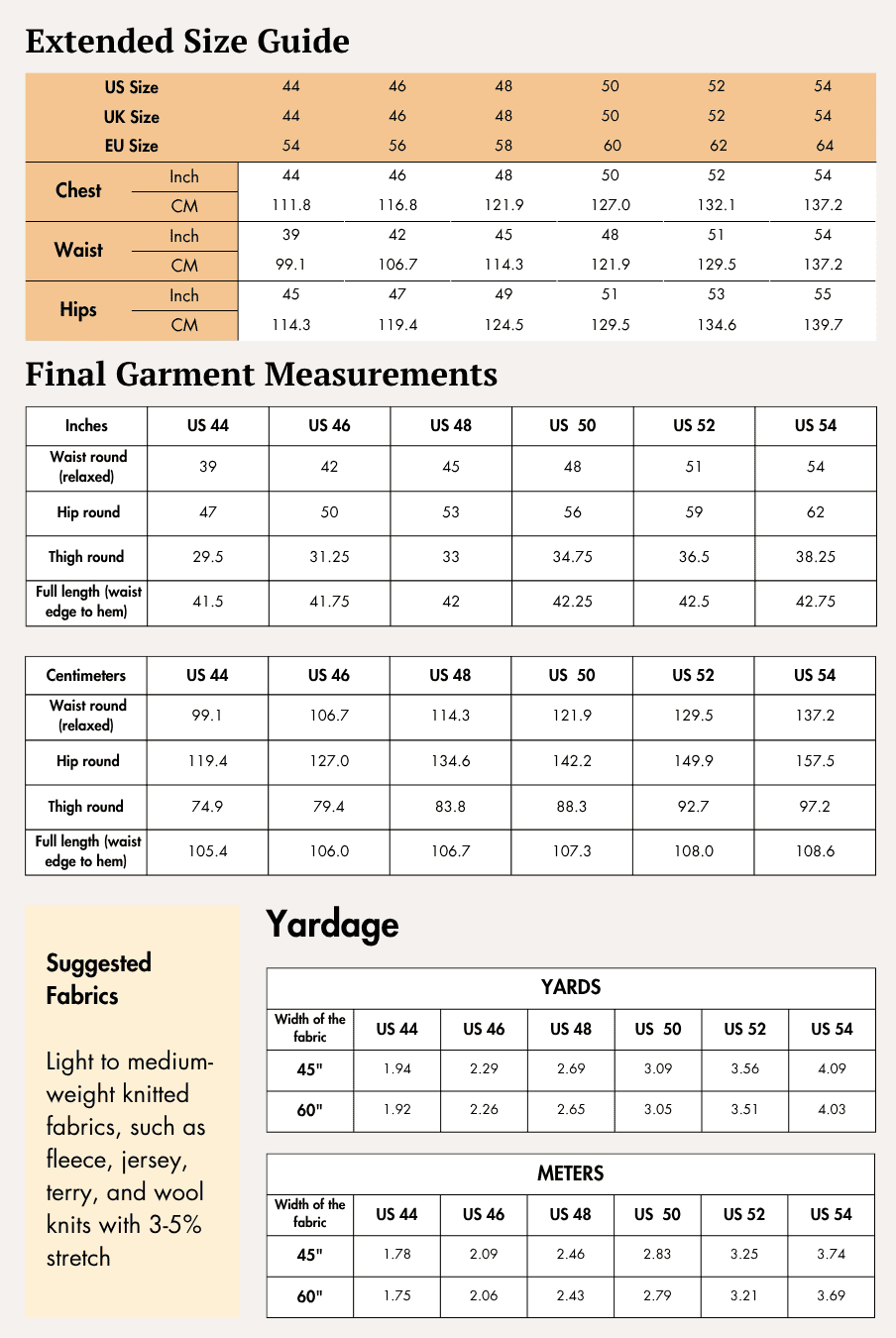
Check the size charts and measure yourself to select the correct size, using the garment and body measurement tables in the guide.
Verify how much fabric you need by referencing the fabric yield table in the guide.
Pattern Inventory: What Pieces to Prepare

Prepare the following pattern pieces:
- Front Top – Cut 4 Fabric (Cut 2 indicates one set of front top pieces, while the other Cut 2 pieces form the front top facing.)
- Collar – Cut 2 Fabric
- Front Faux Welt Facing Pocket – Cut 2 Fabric
- Front Single Welt Pocket – Cut 2 Fabric
- Strap – Cut 2 Fabric
Cut an extra rectangular piece or extend the rectangle from the given pattern to create the left-side front top piece for hook attachment.
Pattern Marking

The pattern includes the following markings:
- Grainline
- Neckline
- Lapel notch
- Lapel top
- Lapel marking
- Lapel end notch
- Collar notch
- Collar round
- Collar side seam
- Center front
- Contour dart
- Faux single welt pocket marking
- Hook and eye box marking
- Hook and eye end notch
- Strap notch
- Mid notch
- Side seam
- Hemline
- Seam allowance
Transfer all markings before sewing to ensure accurate construction.
Cutting Layout


The cutting layout helps ensure that your garment is cut accurately on grain.
- Align all grainline arrows parallel to the fabric selvage.
- Pin pattern pieces securely before cutting.
- The layouts provided are nondirectional.
- Purchase additional fabric when working with directional prints or fabrics with nap.
- Separate layouts are provided for both 45-inch and 60-inch fabric widths.
- The illustrated layouts use an Extra Small size for demonstration.
- Cut an extra rectangular piece or extend the rectangle from the provided pattern piece to create the left-side hook attachment section.
Fabric Cutting and Preparation
Arrange the pattern pieces according to the cutting layout diagrams. Begin by positioning the pieces on the fabric, ensuring that the grainline arrow runs parallel to the selvage.
If you are using fabric shears, trace the pattern pieces and then cut them out, cutting away any pen, pencil, or chalk lines. Remember to cut out any notches that appear on the edges. These markings help line up the pieces when you assemble the garment.
Use your marking pen, pencil, or chalk to transfer the markings (such as circles, buttonholes, and fold lines) to the wrong side of the fabric. Mark the center front of pieces cut on the fold, as this will help you align pieces accurately.
Seam Allowance
Please follow the seam allowances as indicated on the pattern file layers. These are provided specifically for each piece to ensure accurate construction.
This pattern uses a 1.1 cm (or 0.45 inch) seam allowance all around.
Step-by-Step Sewing Instructions
1. Prepare the Adjustable Straps
1a. Cut two fabric strips measuring 1.8 inches wide and 18 inches long, following the grainline.
1b. Fold each strip lengthwise with right sides together and press.
1c. Sew along the open edge using a 0.4-inch seam allowance.
1d. Turn the tubes right side out using a darning needle or slender stick.
1e. Divide each tube into one 11-inch piece and one 5-inch piece. Discard any remaining excess.
1f. Slide one 11-inch strap through an adjustable slide buckle. Fold approximately 1 inch of the strap end back onto itself and secure with lock stitches and backstitches.
1g. Thread the free end of the strap through a loop ring and weave it through the slide buckle.
1h. Take a 5-inch strap and pass one end through the loop ring. Secure it with lock stitches and backstitches.
Repeat to create the second adjustable strap set.
2. Sew the Contour Darts
-
Fold the front fabric toward the right side from the center of the contour dart and press.
-
Sew from the middle of the dart leg to the top, then sew from the middle dart leg to the bottom to complete the dart.
-
Repeat for all remaining front top pieces.
3. Create the Faux Welt Pockets
3a. Place the welt pocket facing on the front top with right sides together. Align the bottom seamline of the facing with the top line of the welt pocket marking and stitch.
3b. Fold the seam allowance and press. Pin if necessary.
3c. Fold the welt pocket piece in half toward the wrong side and sew along the seamline.
3d. Place the welt pocket along the bottom line of the welt pocket marking and sew.
3e. Fold the welt pocket away from the marking and carefully trim as illustrated.
3f. Pass both the welt pocket and welt pocket facing through the trimmed opening to the wrong side and press neatly.
3g. Turn the piece over and sew along the edges of the welt pocket to secure it.
3h. Pull up the lower section of the front piece and sew two to three lines along the pocket edges to fully secure the pocket.
Repeat Step 3 on the opposite side.
4. Attach the Collar
-
Place the collar and front top together with right sides facing, matching the lapel notch to the collar notch.
-
Pin and sew from the lapel notch to the collar notch.
-
Repeat for the opposite side.
-
Repeat the same process for the front facing pieces.
5. Join the Front Sections
-
Place both front top sets together with right sides facing.
-
Sew the center front seam from the top edge to the hem.
-
The left side includes the extended hook attachment rectangle.
6. Understitch the Front Edges
-
Clip at the lapel end notch on both sides.
-
Spread open the front and facing pieces and understitch the center front seam, beginning at the hem and sewing toward the lapel notch with the seam allowance underneath.
-
Shift the seam allowance toward the front side to encourage the lapel to roll correctly.
-
Repeat for the opposite side.
7. Sew the Collar
-
Place the front top and front facing pieces together.
-
Sew the collar neckline, collar side seam, and collar round.
-
Ensure the collar side seam is sewn only up to the lapel notch.
8. Sew the Lapel Top
-
Sew the lapel top of the front top and front facing pieces on both sides of the vest.
-
Stop sewing at the lapel notch.
9. Complete the Vest Edges
Continue sewing the remaining lapel top edges of the front top and front facing pieces on both sides of the vest, sewing up to the lapel notch.
10. Turn the Vest and Attach Closures
-
Pull the garment right side out through the remaining opening.
-
Press thoroughly and use a pointed tool to shape the corners neatly.
-
Sew three hooks onto the hook-and-eye marking, spacing them approximately 1 to 1.5 inches apart.
-
Attach the corresponding eyes on the opposite side.
-
Buttons may be used instead of hooks and eyes if preferred.
11. Attach the Adjustable Straps
-
Insert the prepared straps into the strap notches at the vest side seams.
-
Sew from the top to the edges, folding the seam allowance inside to secure the straps.
-
Repeat for the opposite side, attaching the back end of the strap to the other side of the vest.
-
This completes the vest.


Ready to Sew Your Own Halter Vest?


The Dusk Halter Vest Sewing Pattern combines classic tailoring details with a contemporary open-back design. From the elegant lapel collar and faux welt pockets to the adjustable back straps, every detail contributes to a polished finished garment that stands out from traditional vest styles.
Whether you're sewing it in crisp linen, soft viscose, or lightweight cotton blends, this project offers a rewarding opportunity to build your tailoring skills while creating a sophisticated wardrobe piece.
Ready to add a statement handmade vest to your wardrobe? The Dusk Halter Vest Sewing Pattern is a rewarding project that helps you refine advanced sewing techniques while creating a garment you'll be proud to wear.
Join the Community & Get Support
Share your finished Dusk Halter Vest on social media with #MadeWithWinslets. If you have questions, feedback, or customization requests, contact the Winslet's team at support@winslets.com.