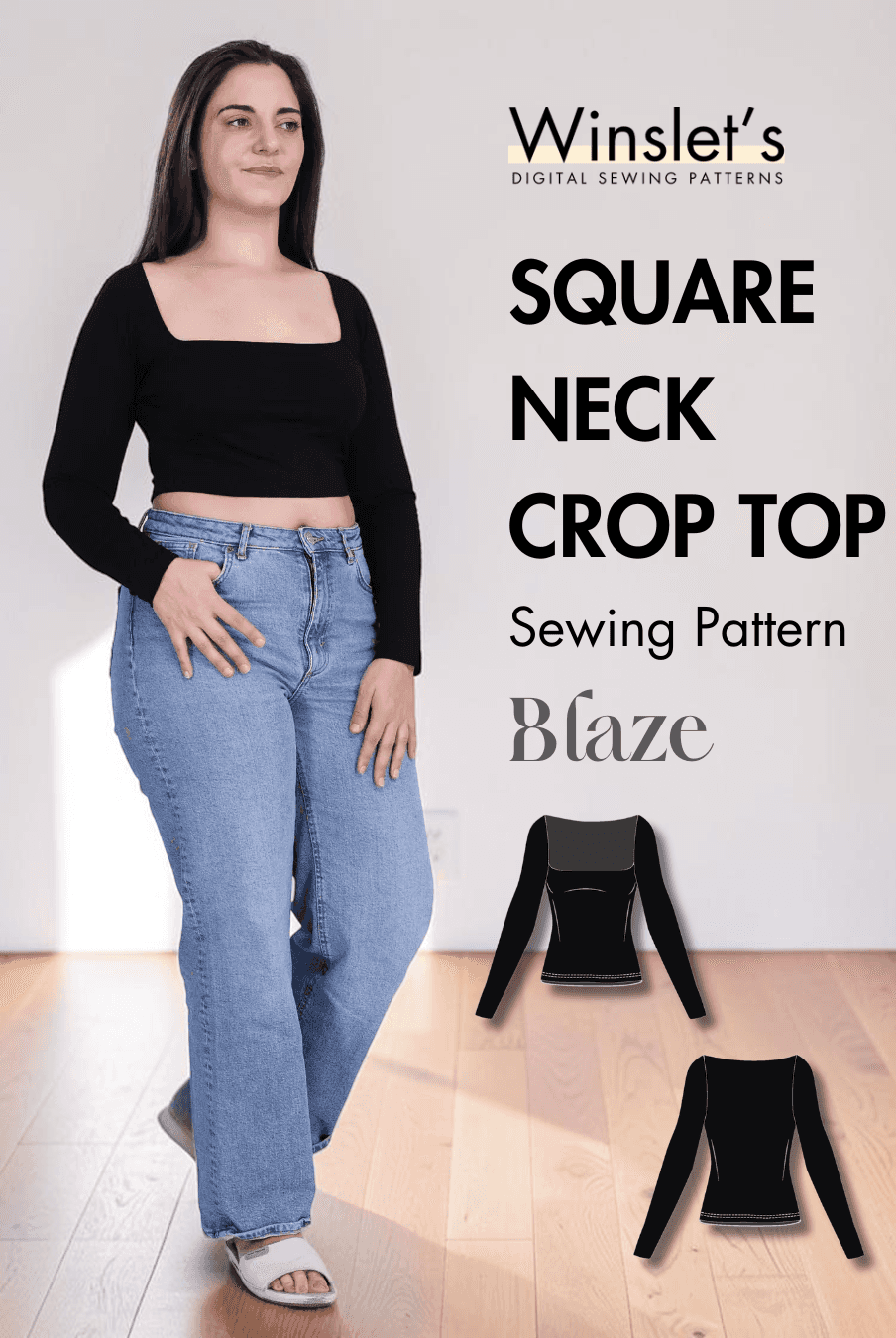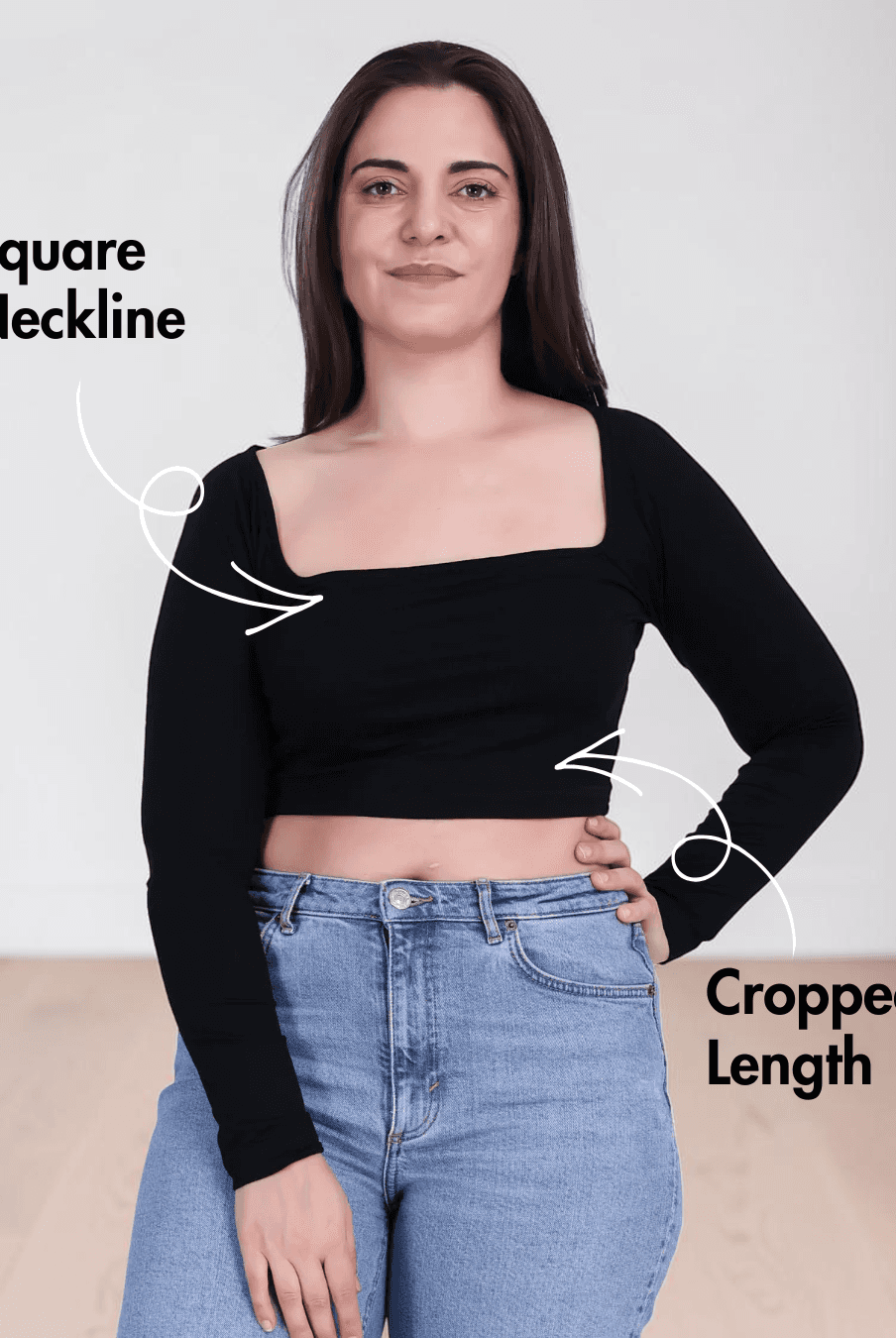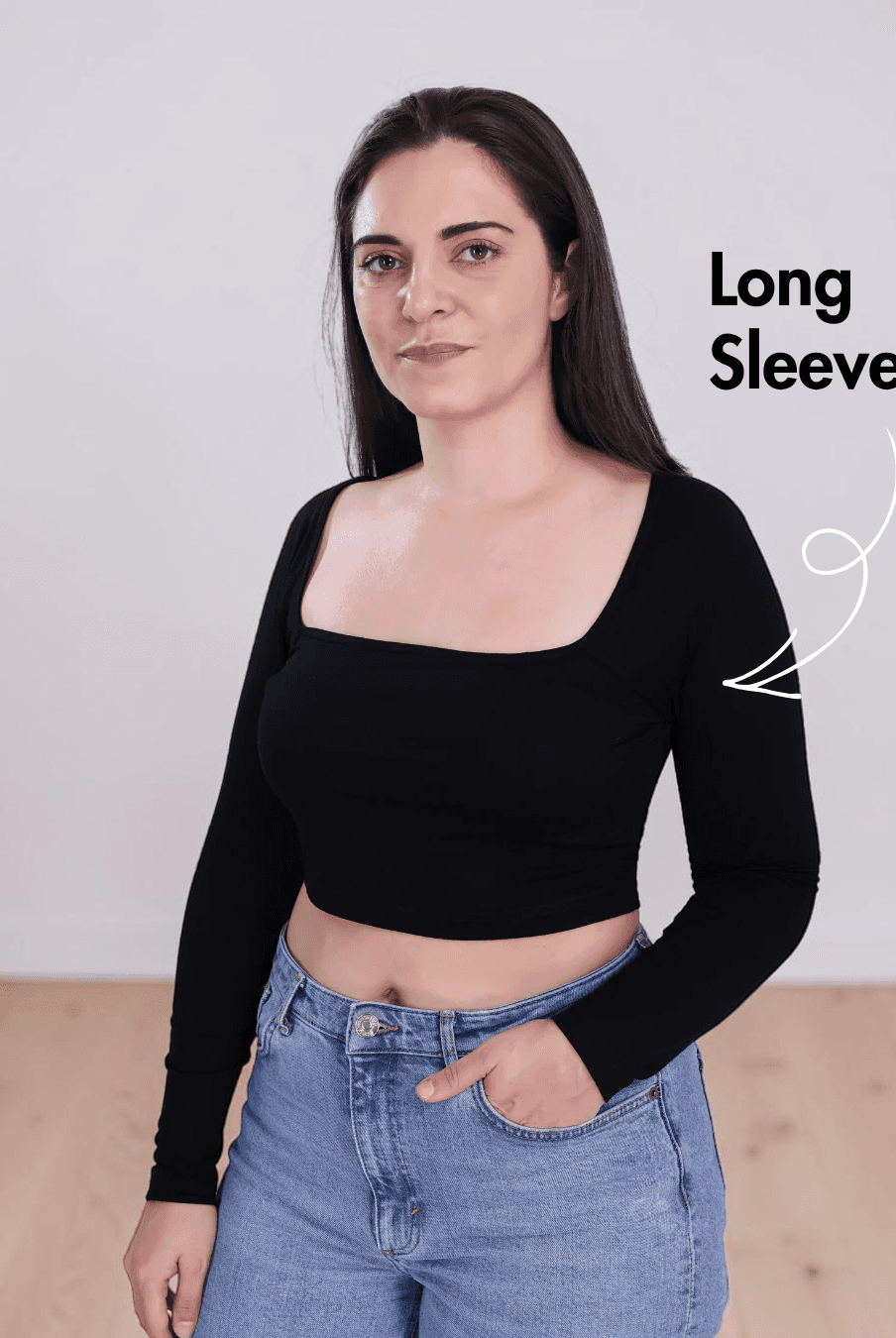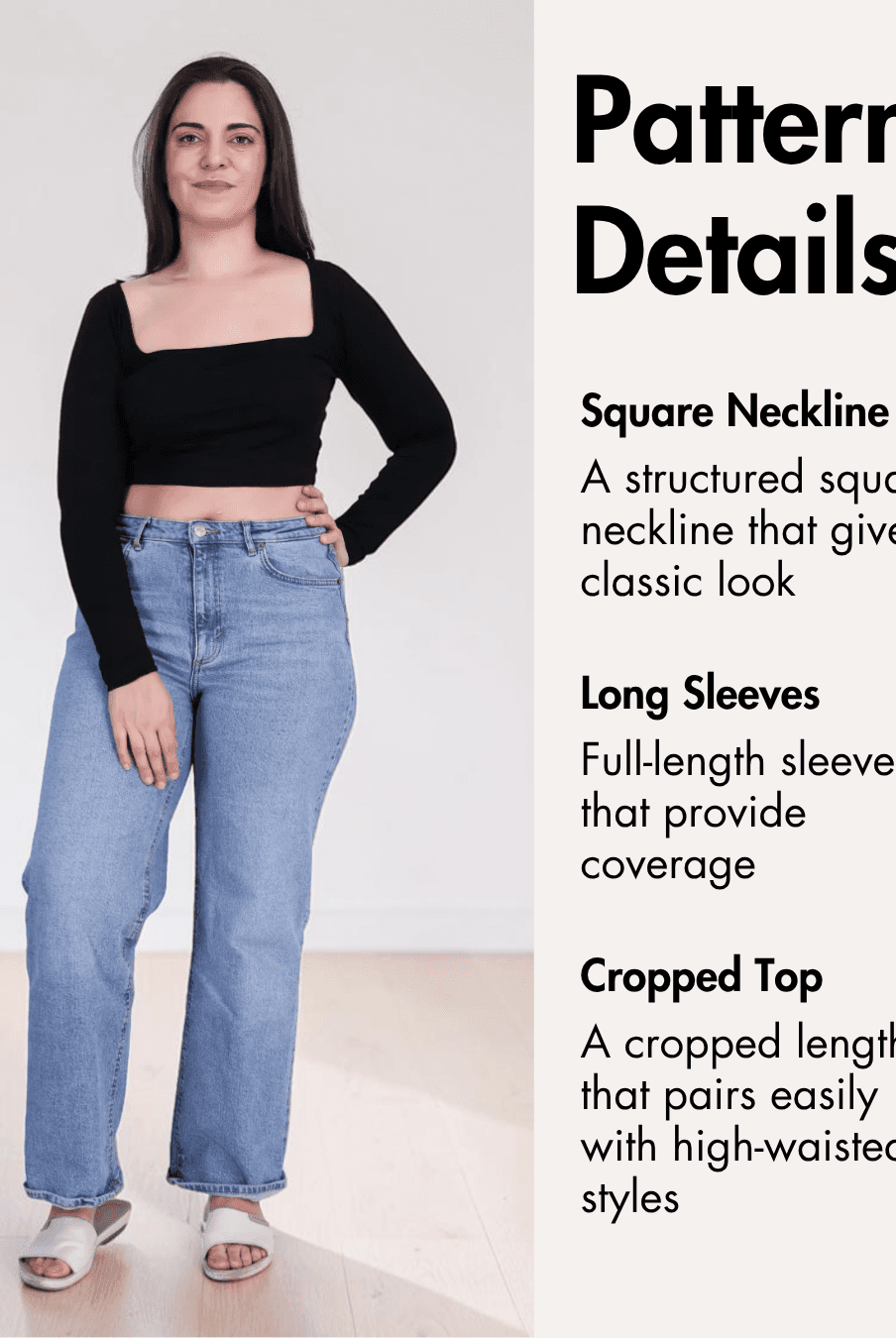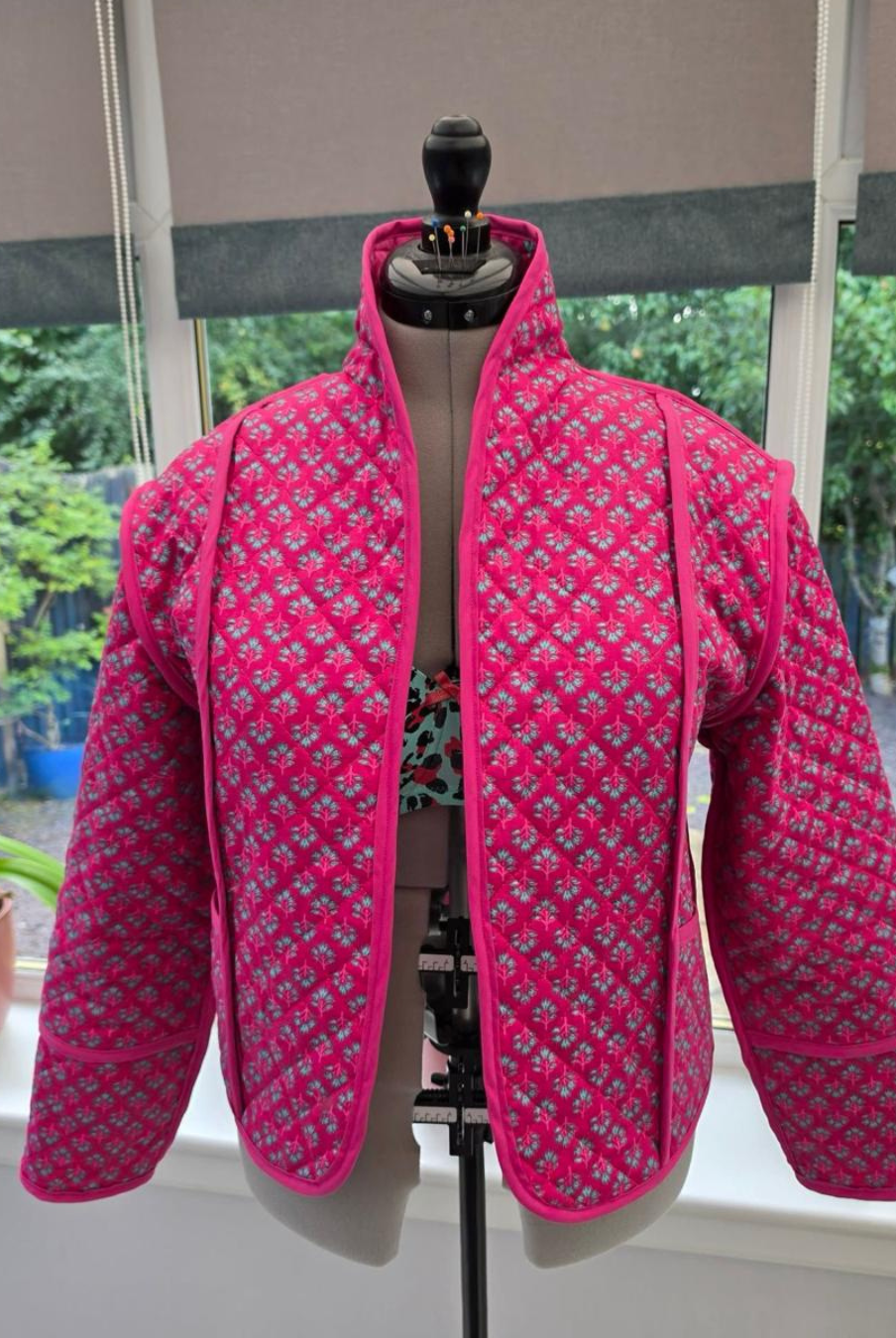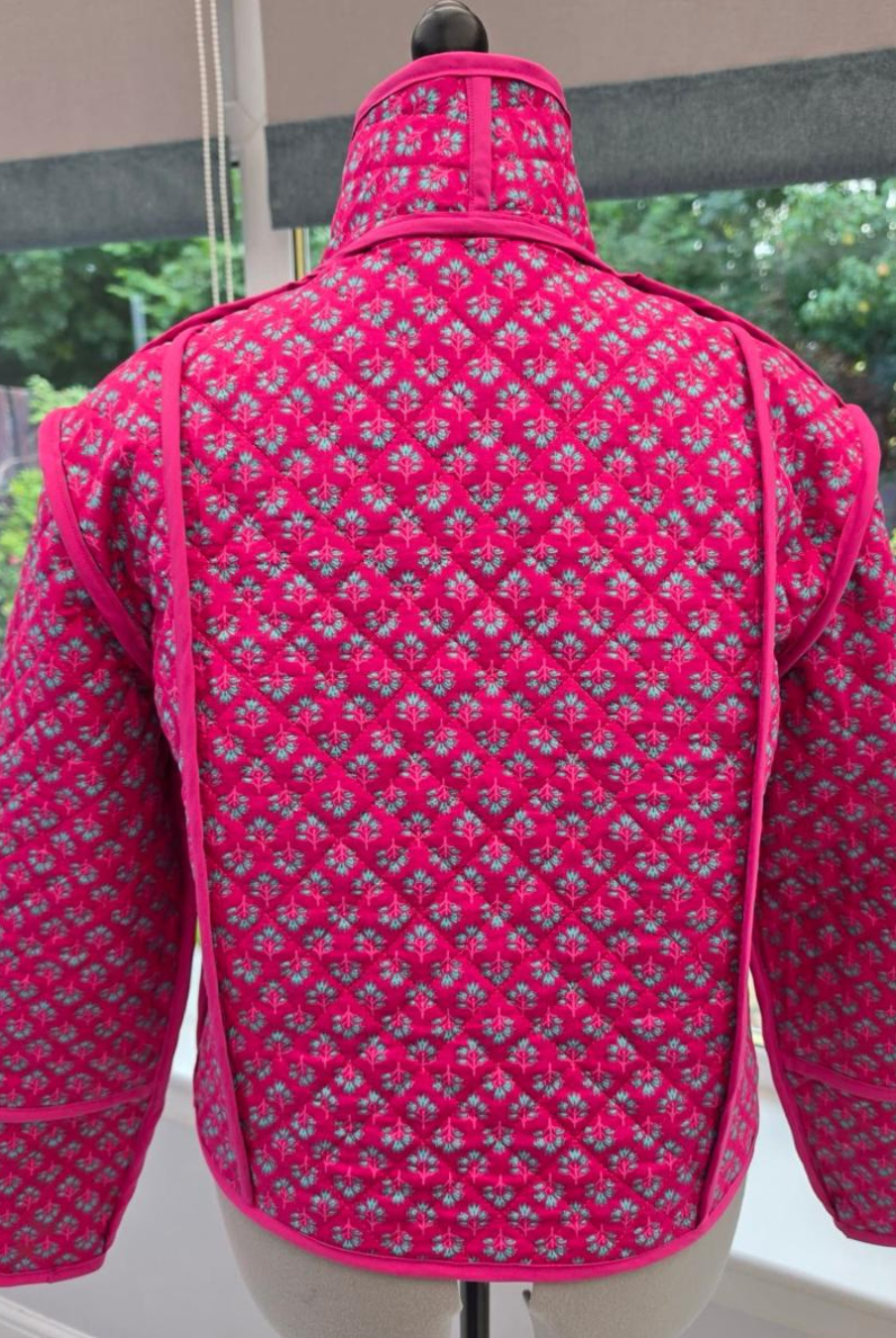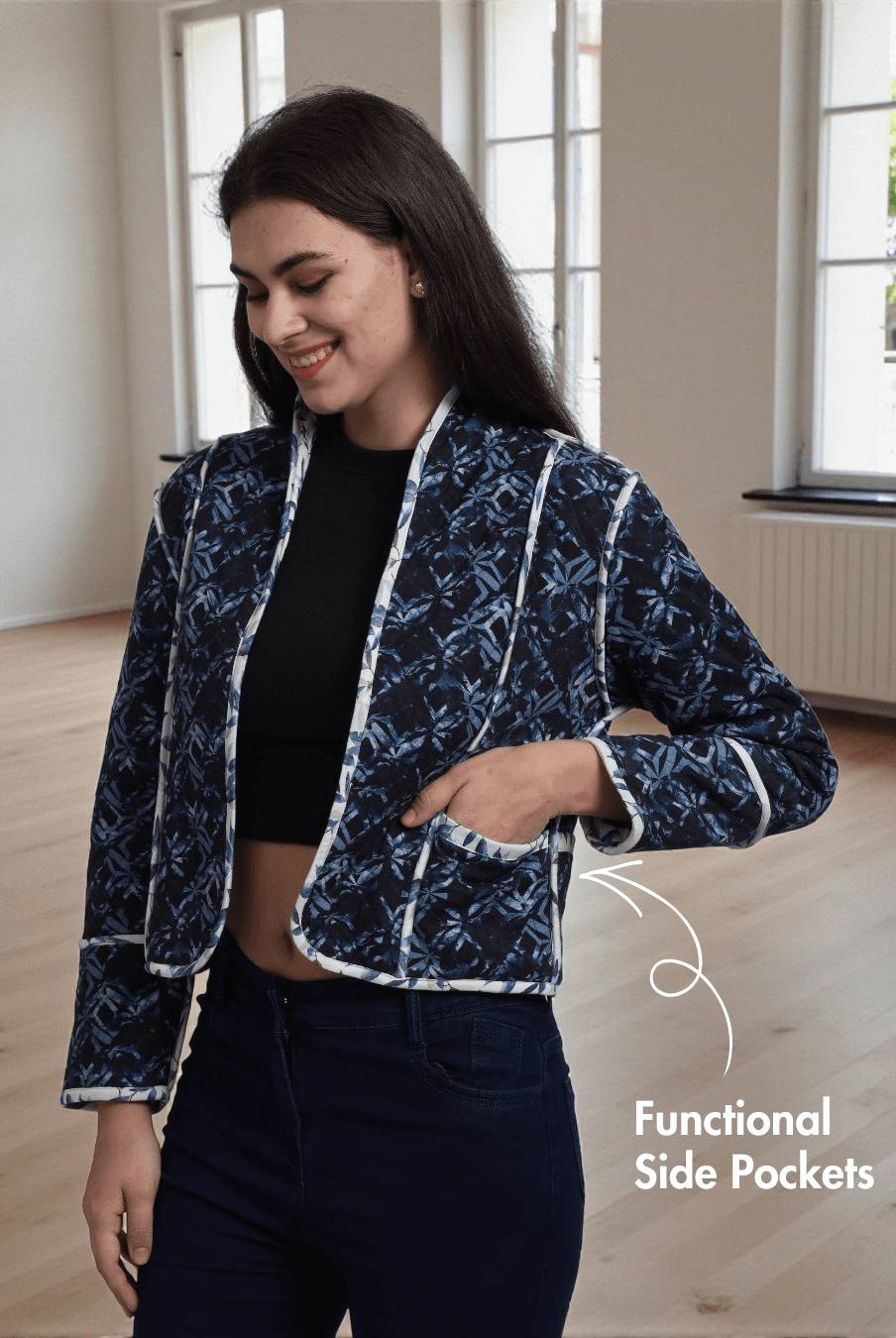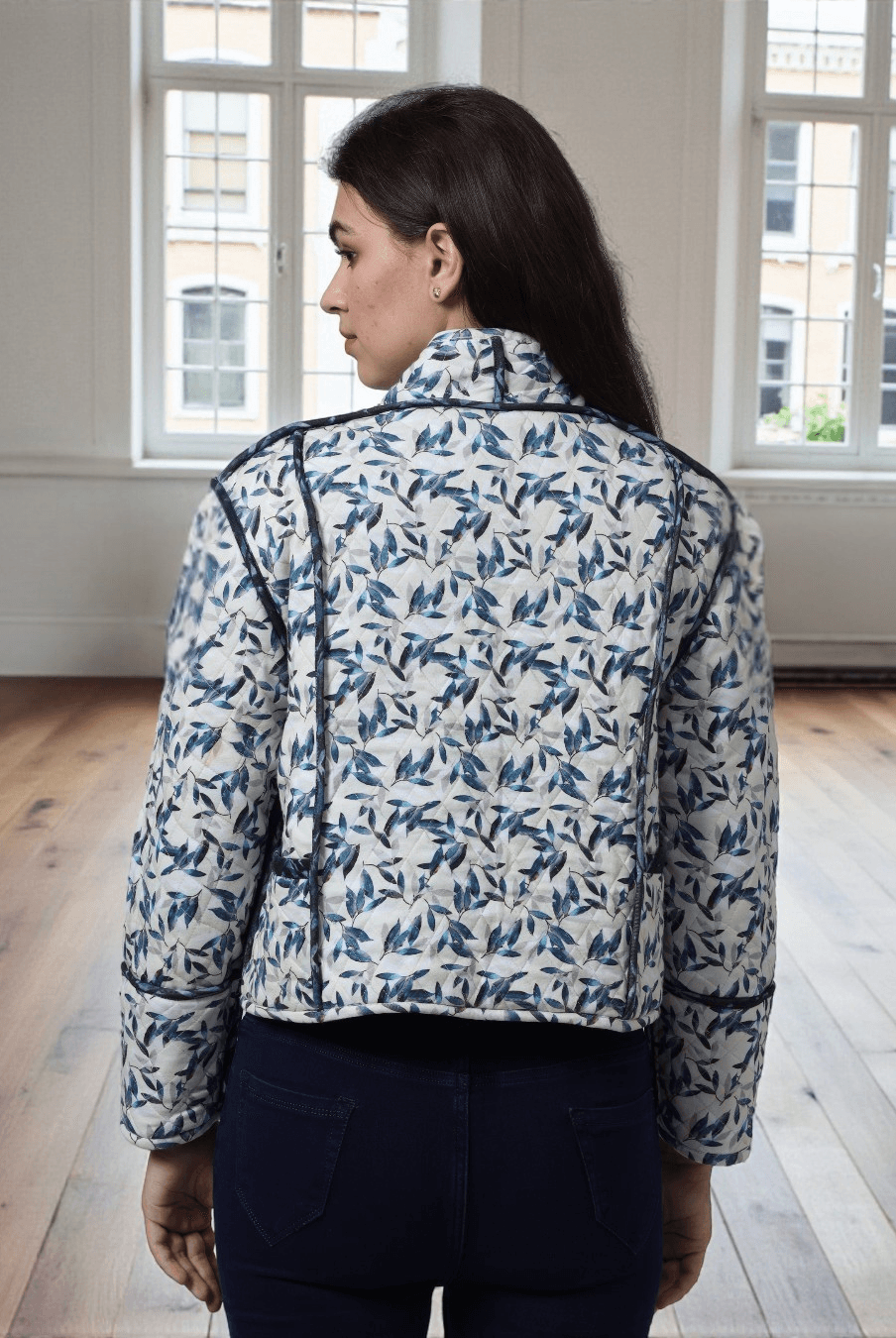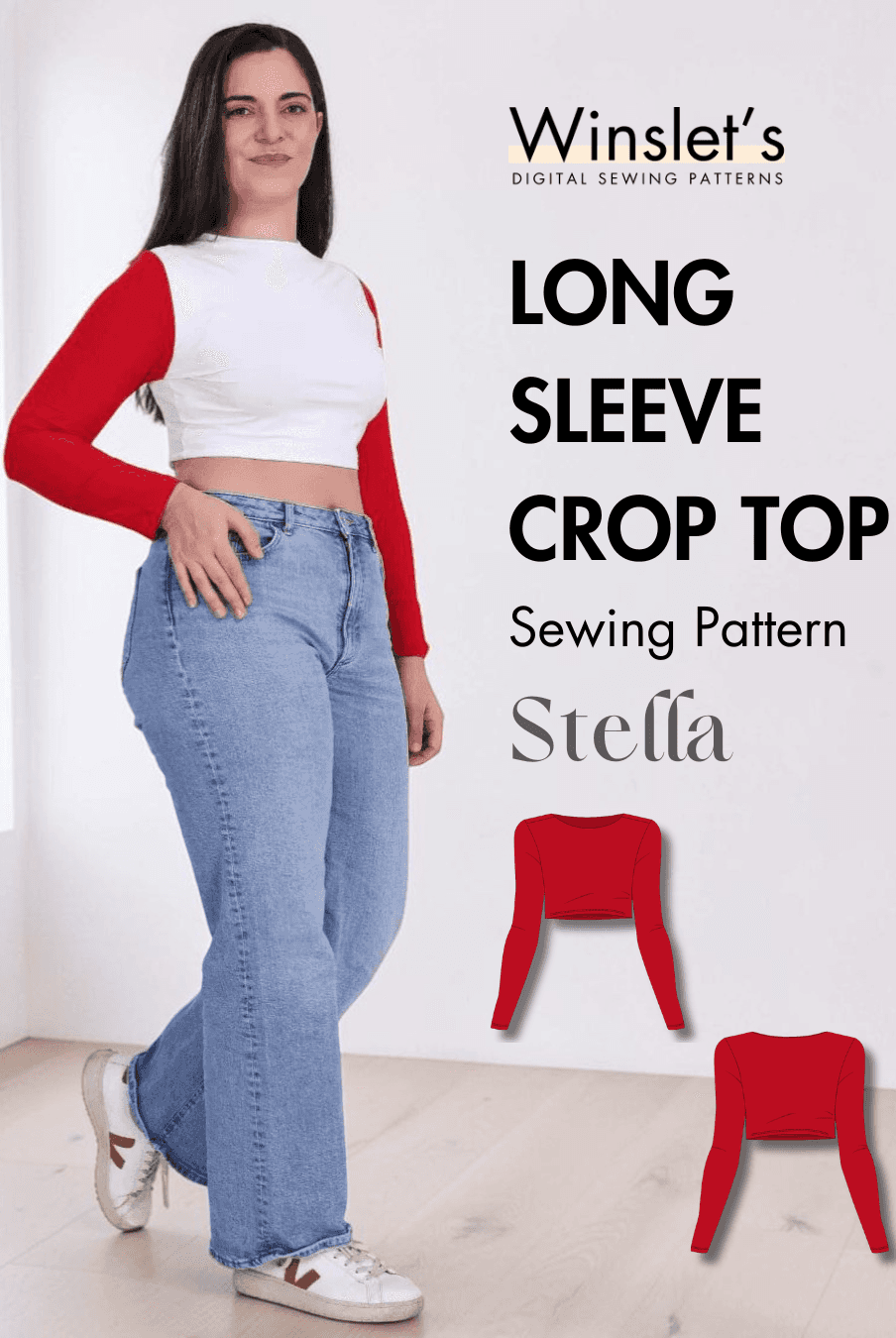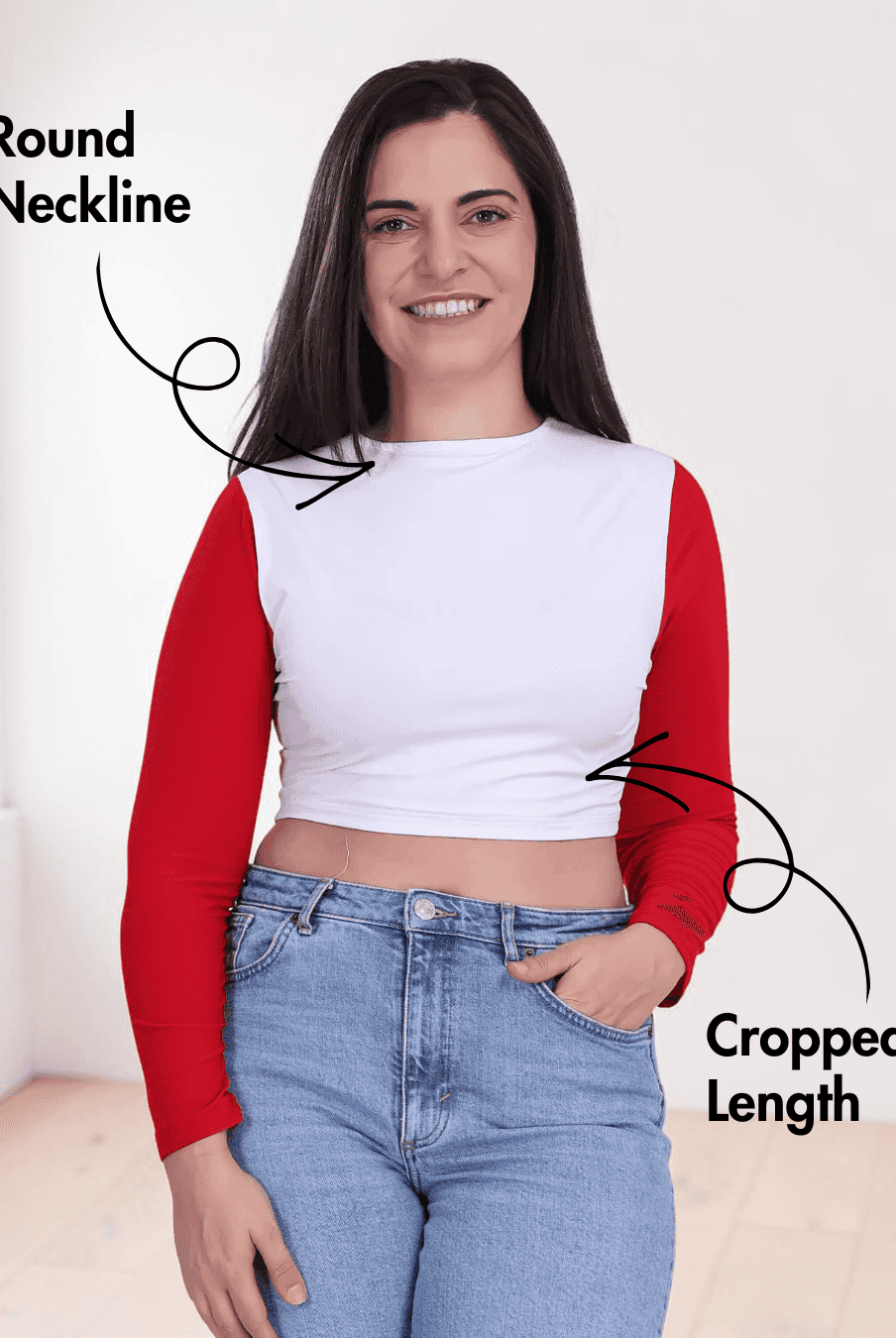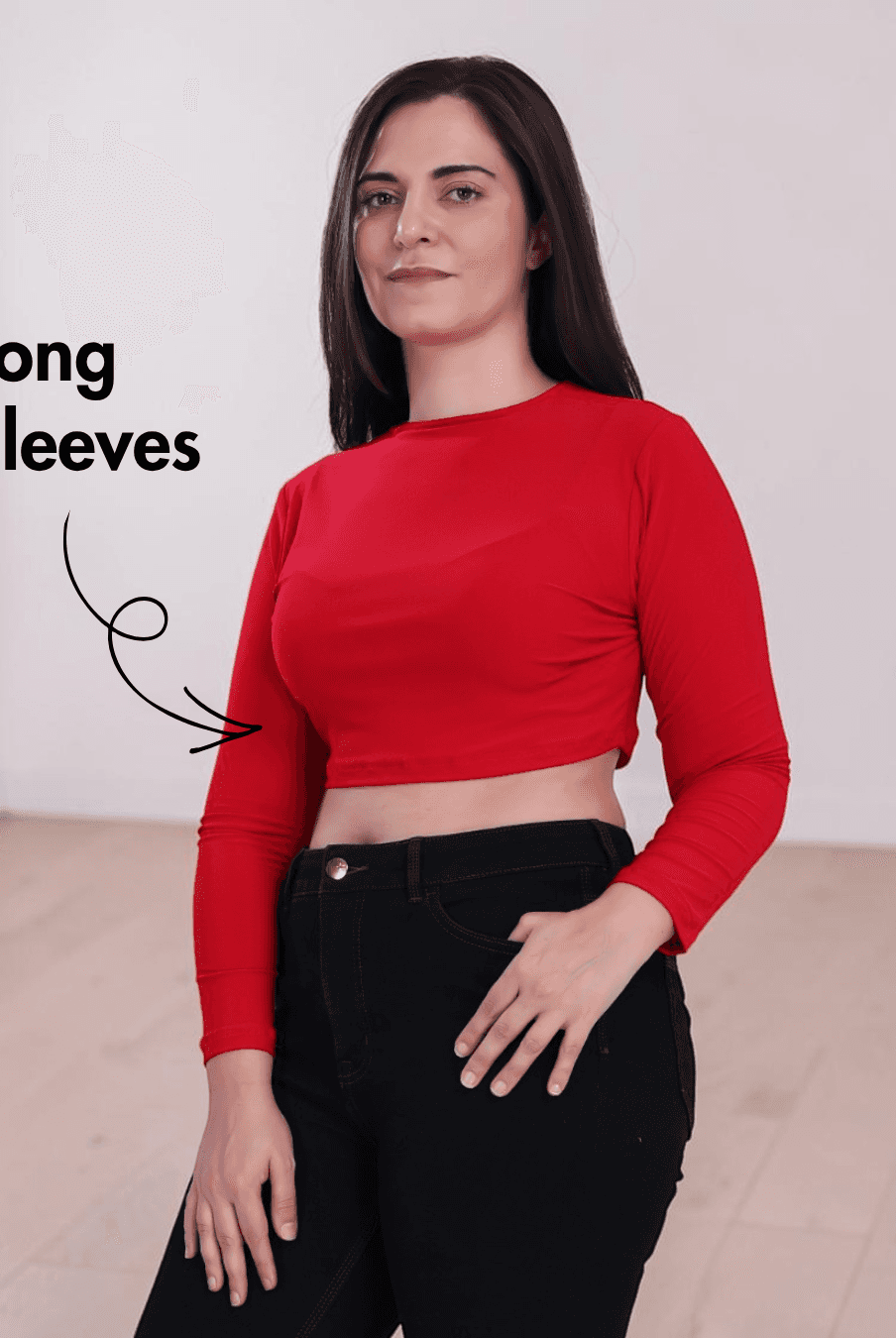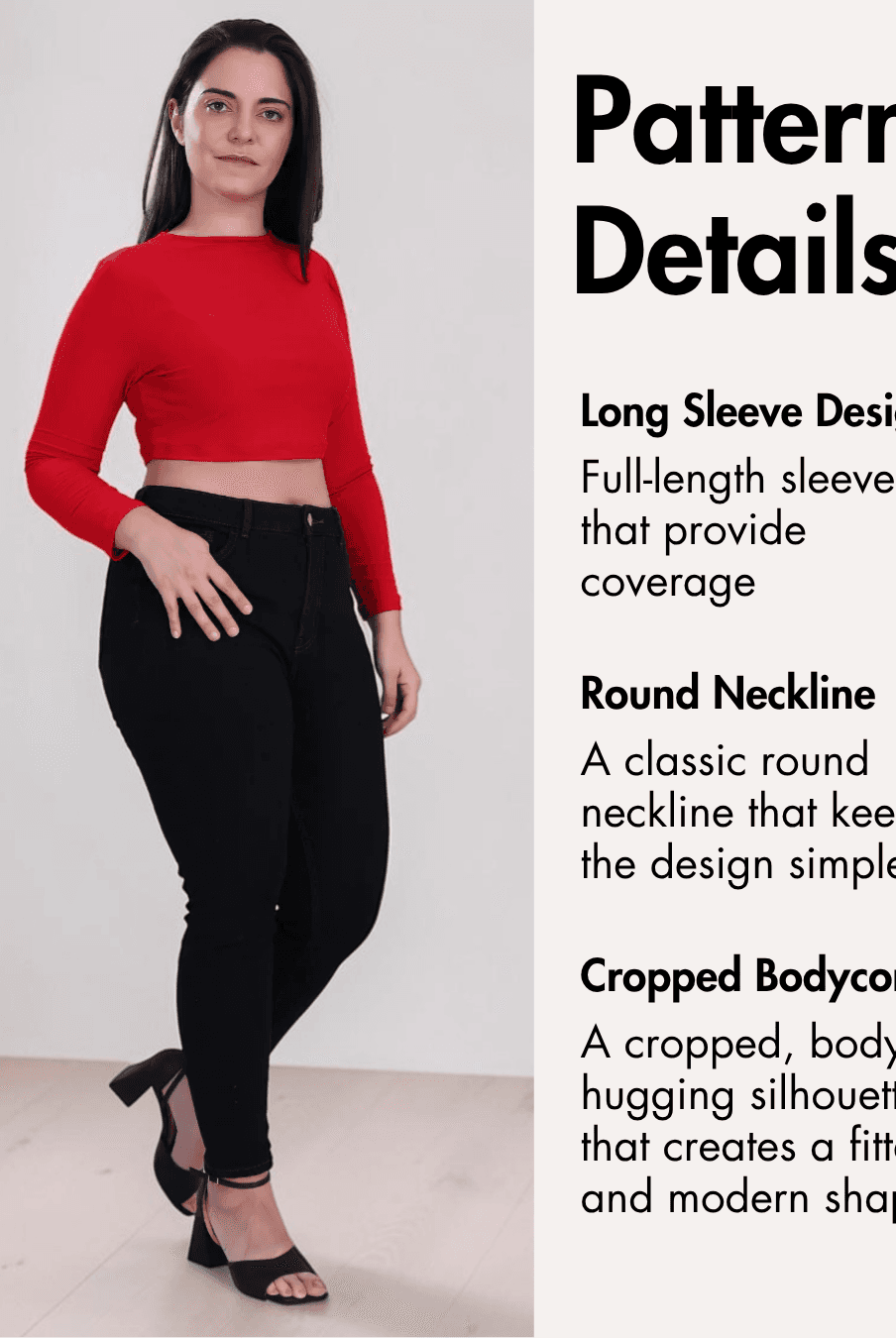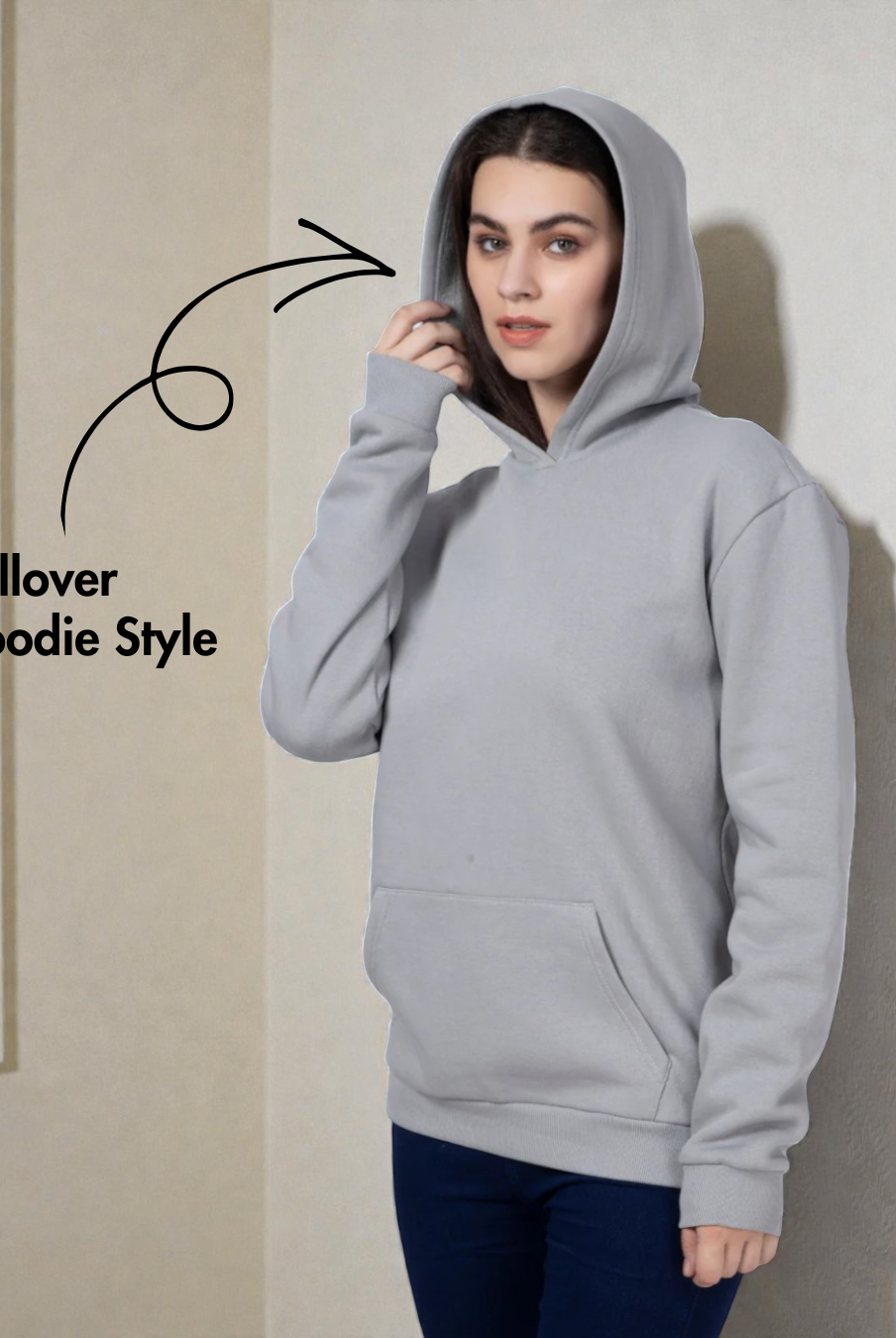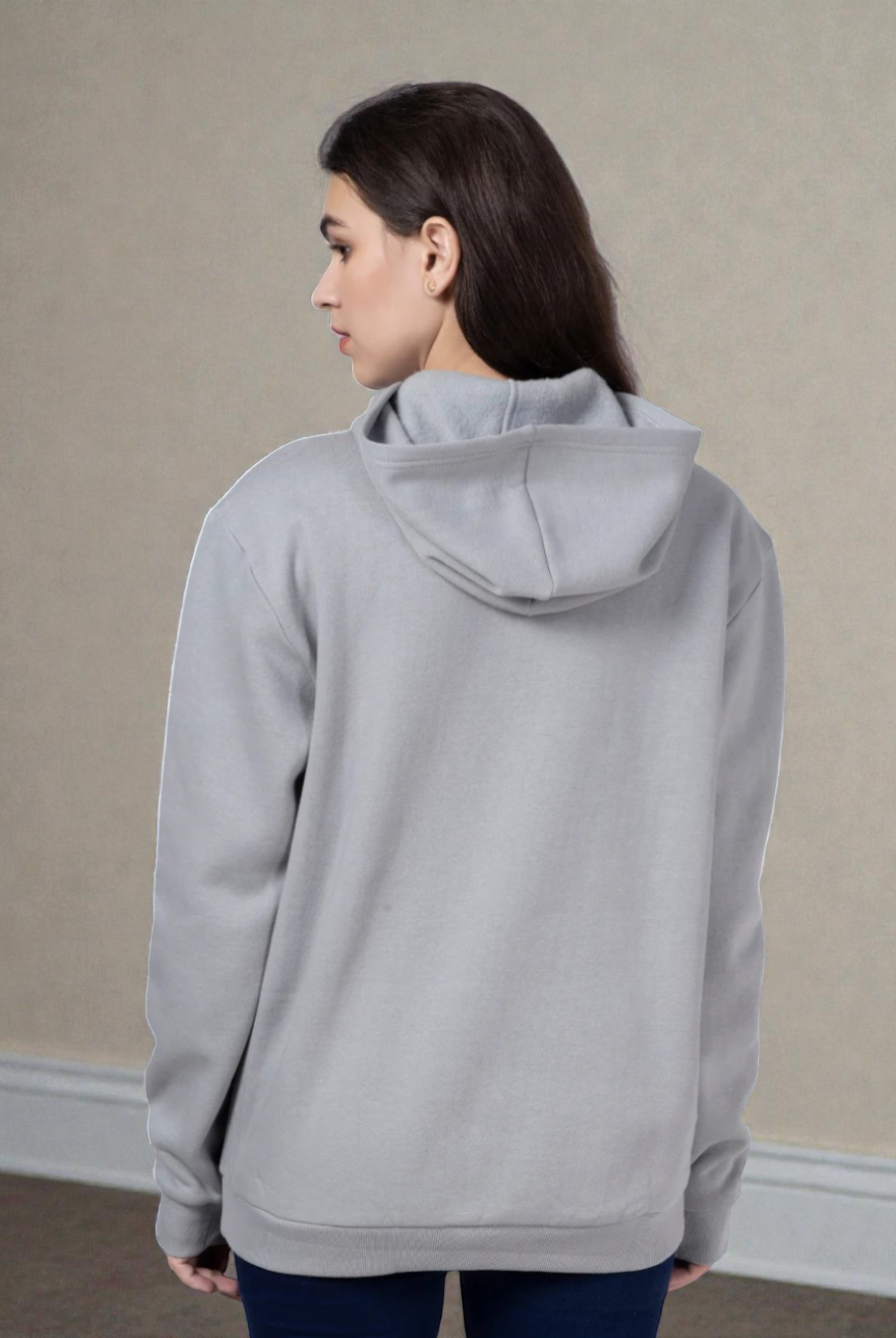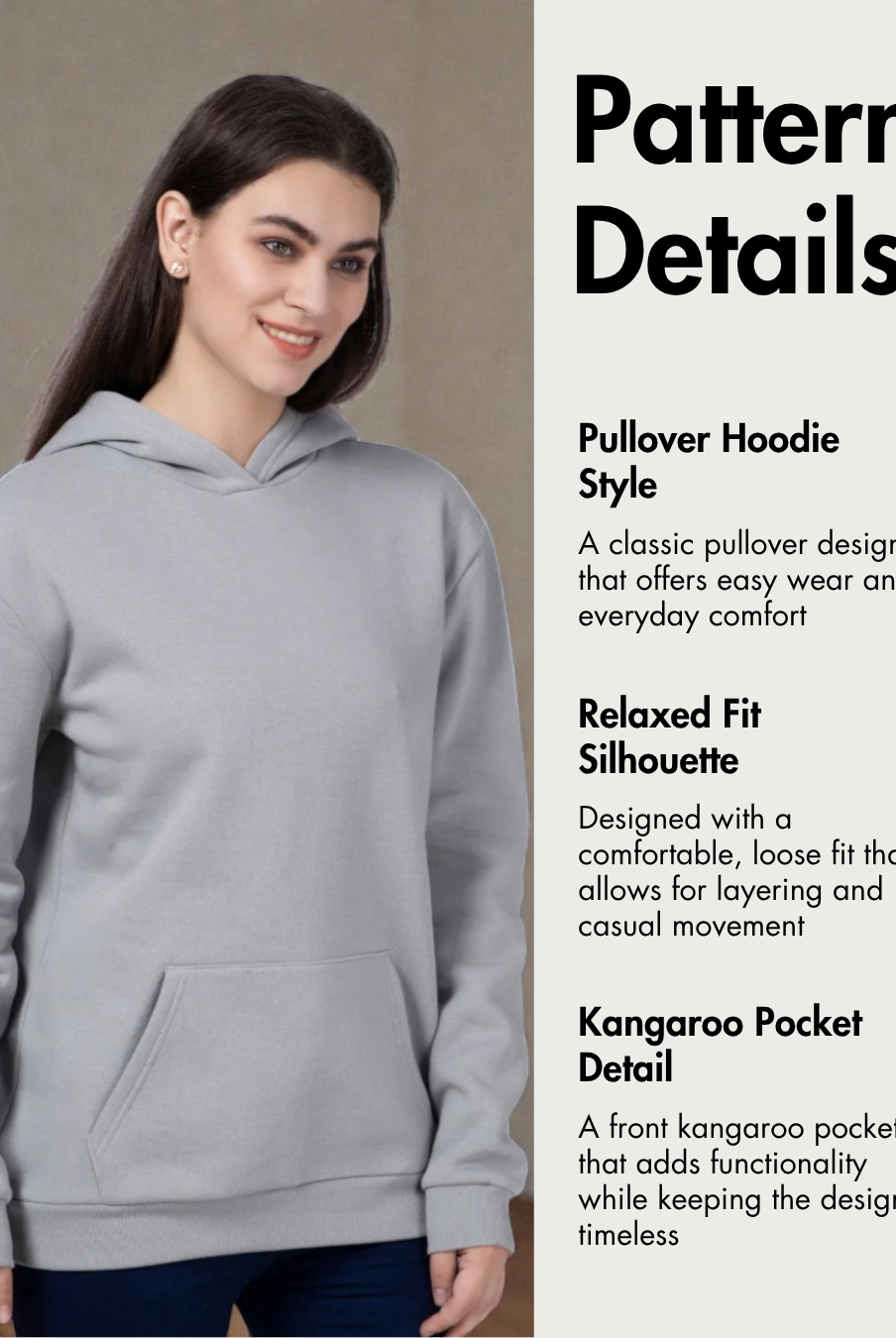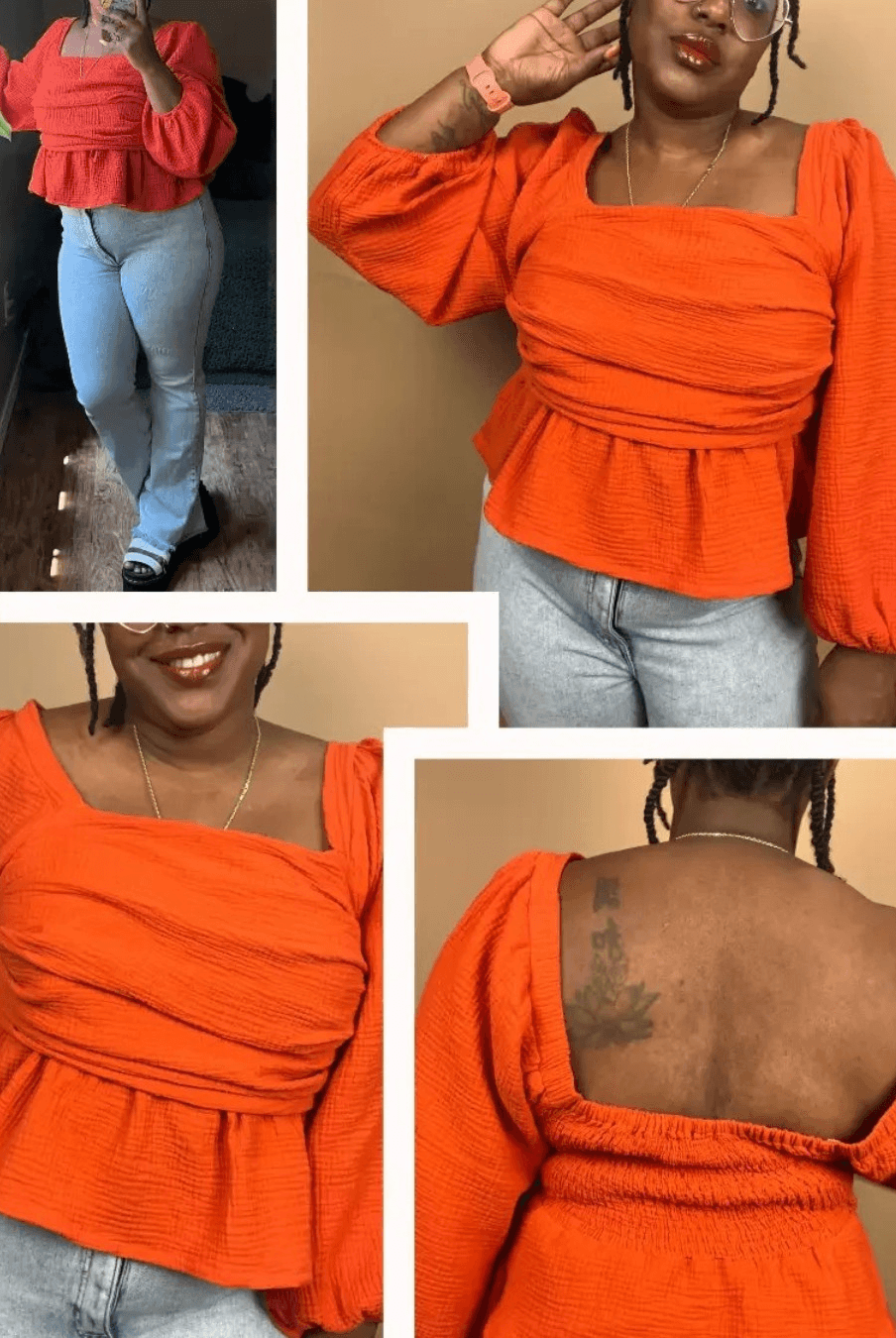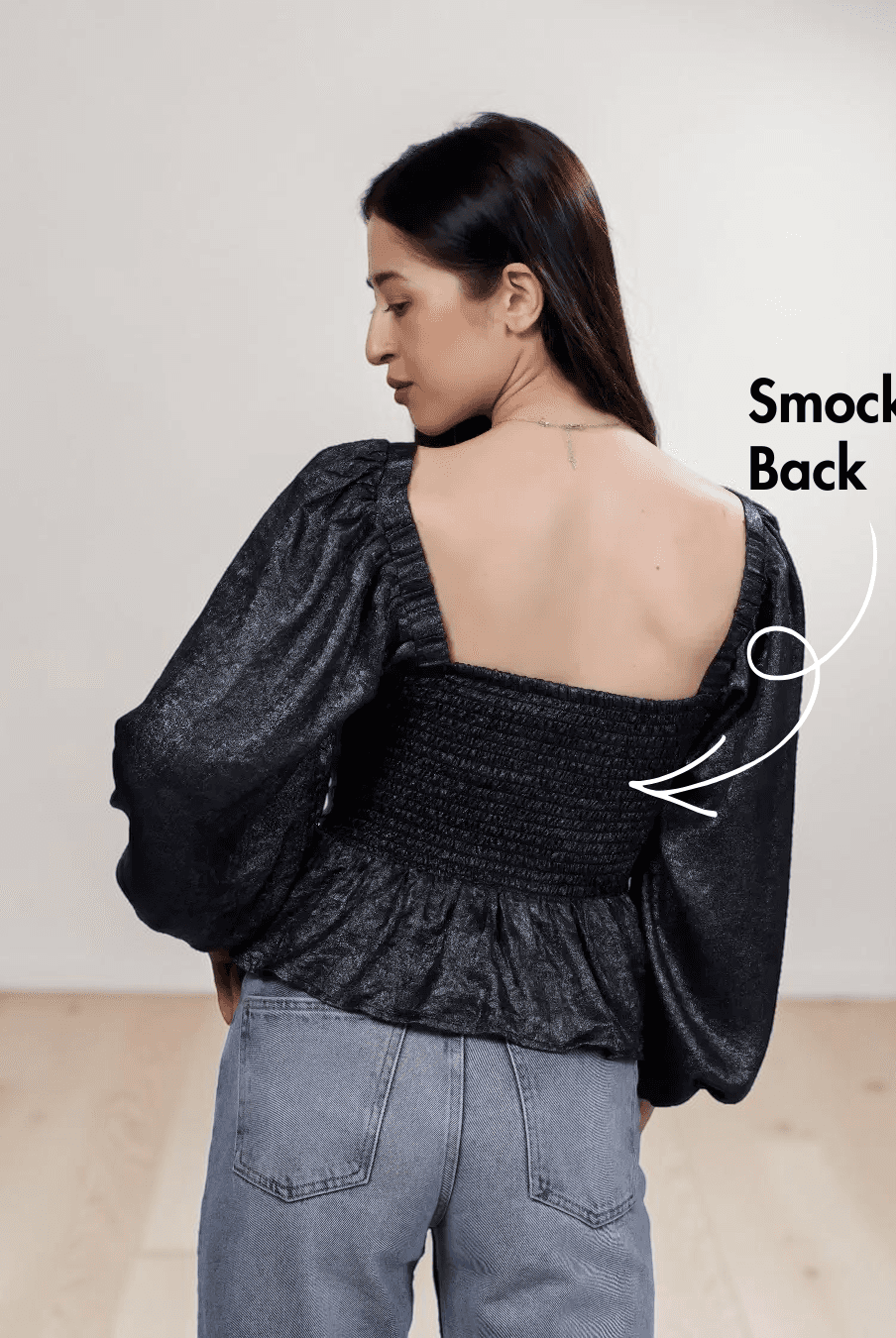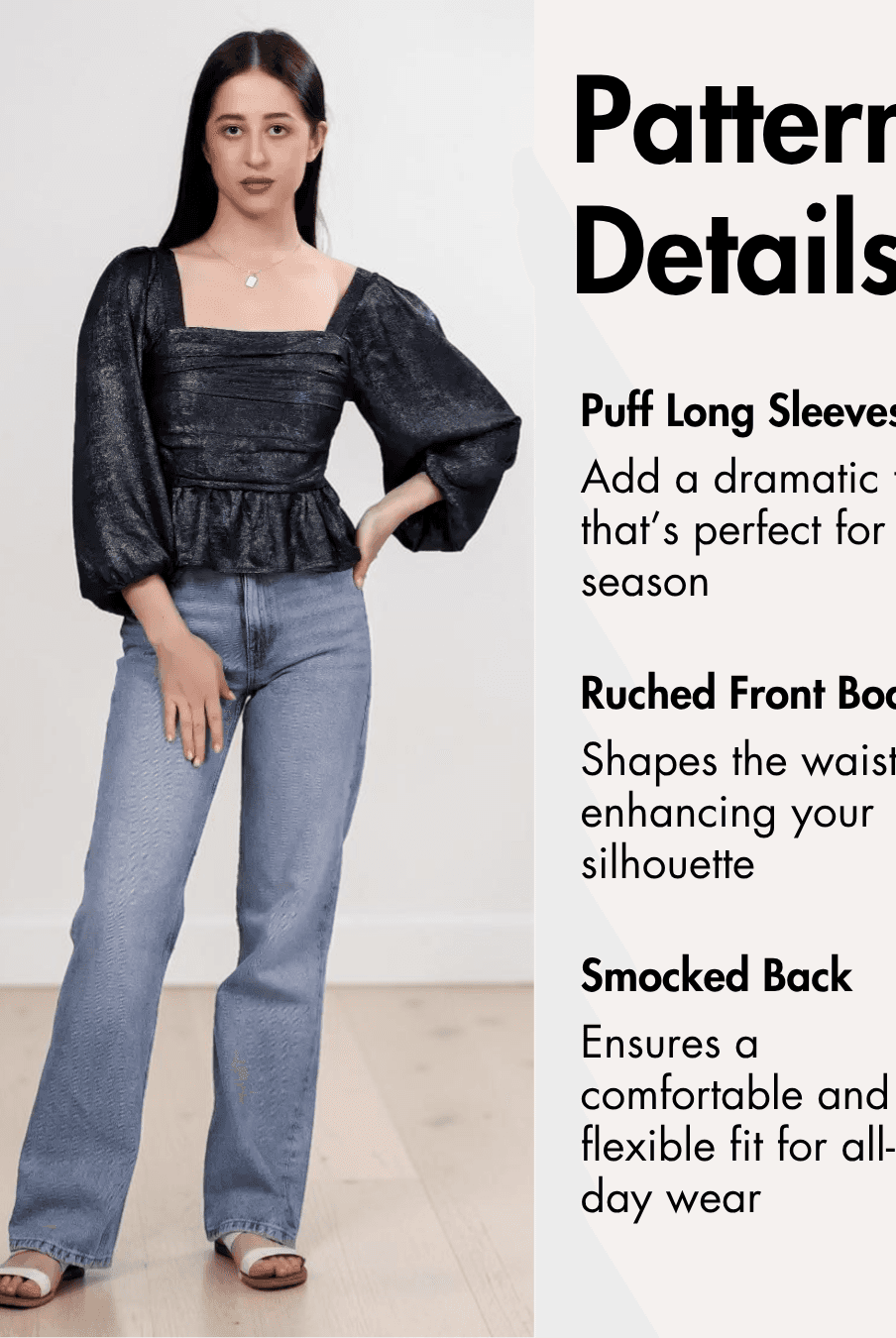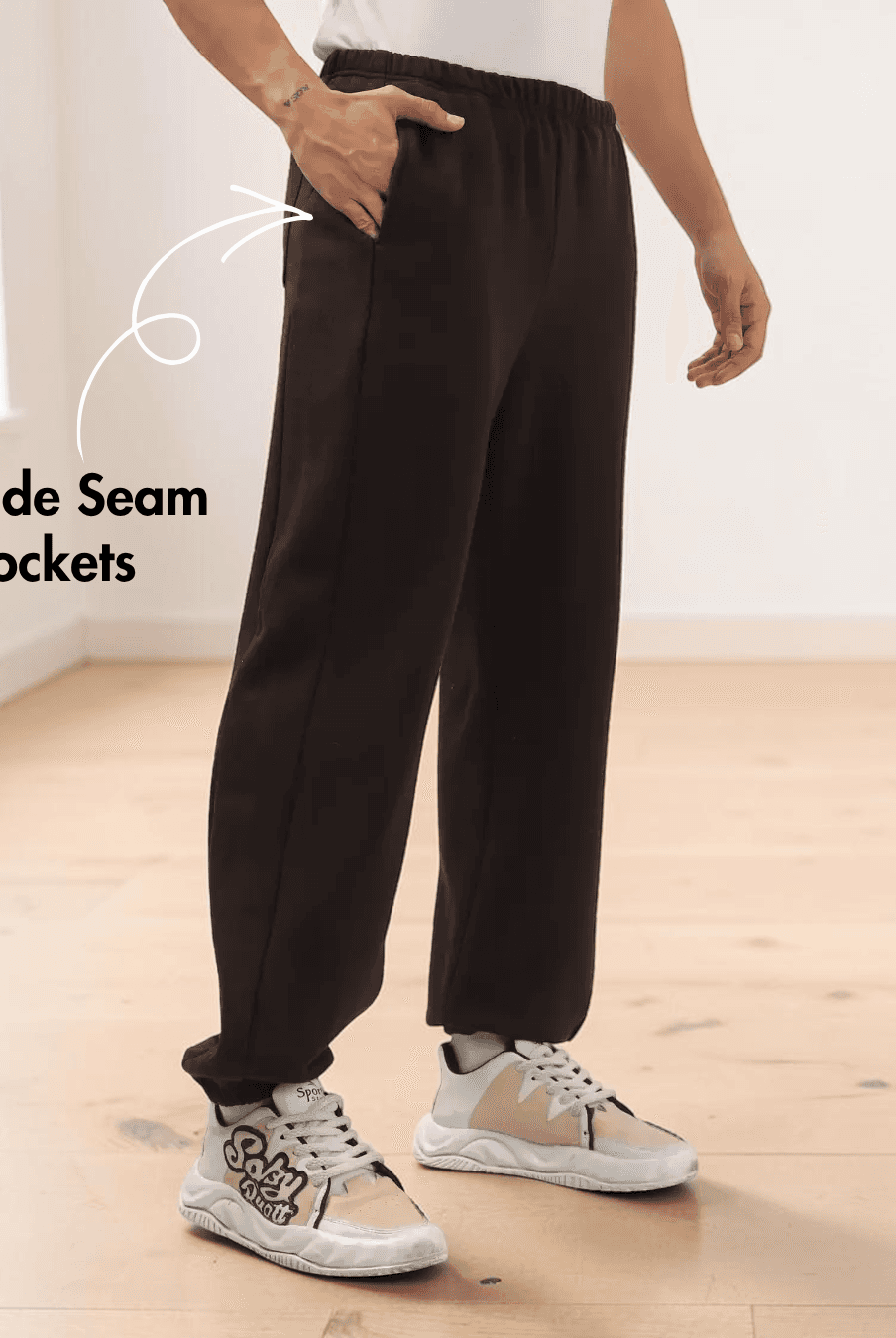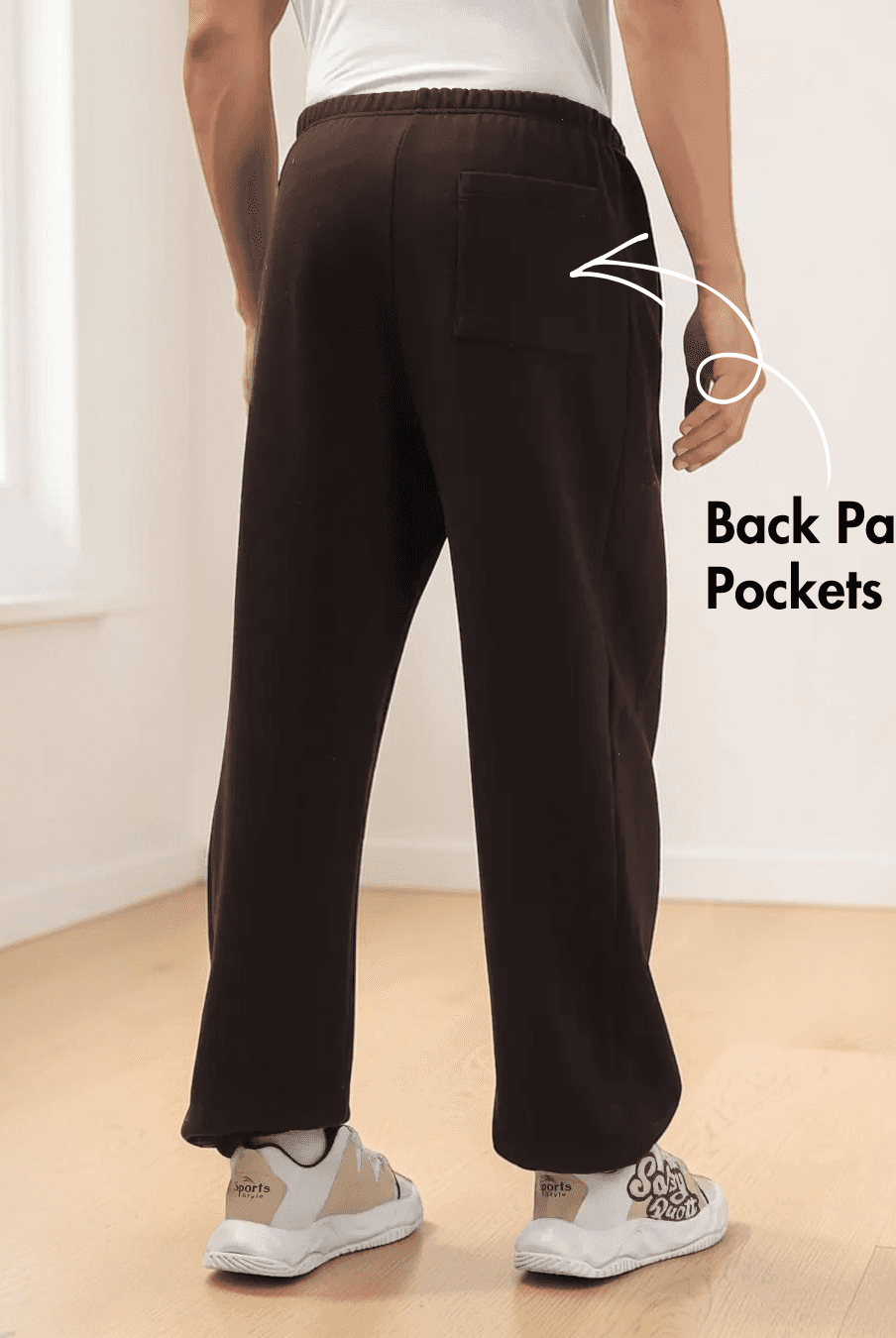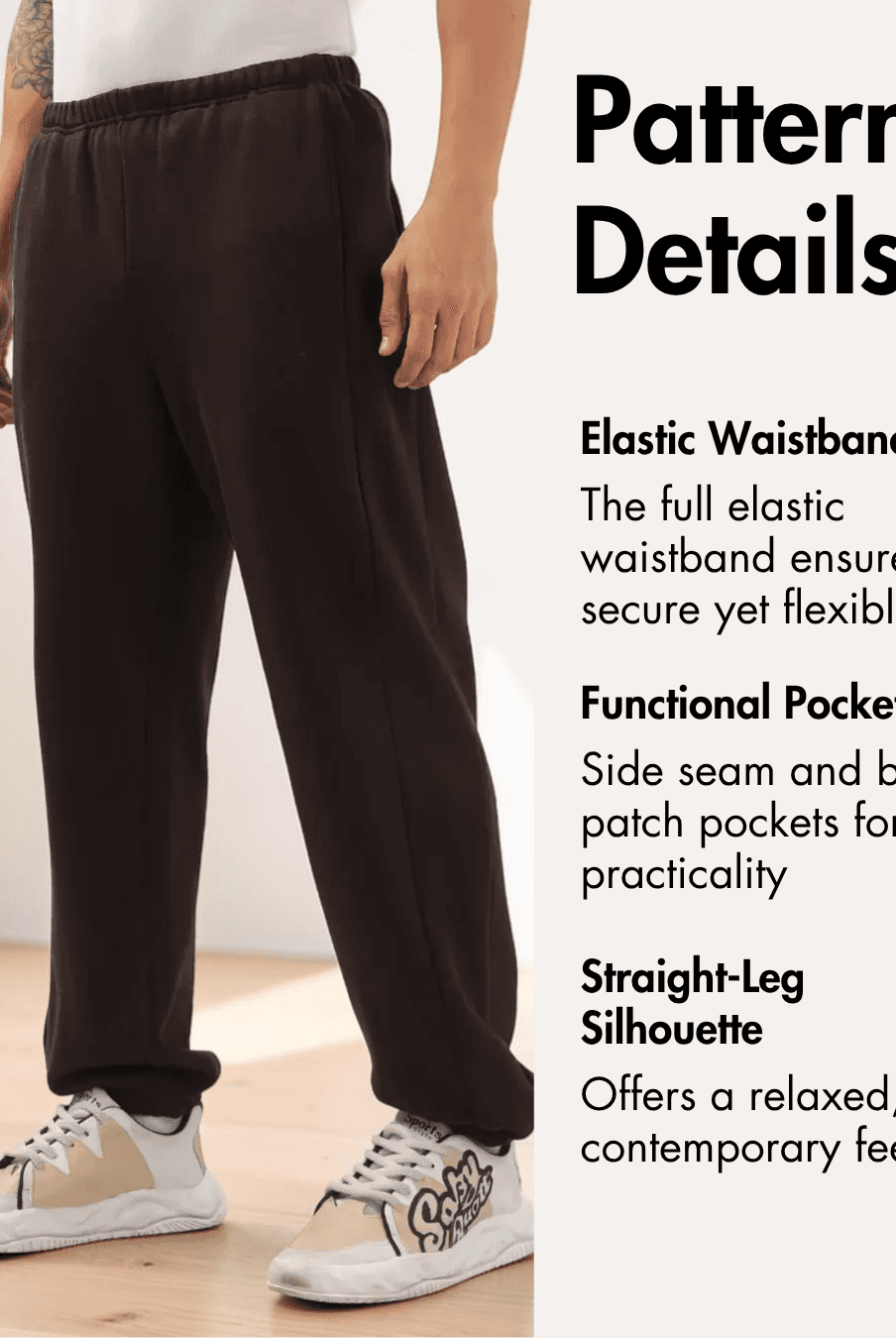
Tank tops are wardrobe essentials that combine comfort, versatility, and ease of movement. Whether worn for workouts, layering, or casual everyday outfits, they are practical garments that can be sewn quickly while offering plenty of opportunities to work with knit fabrics and professional finishing techniques.
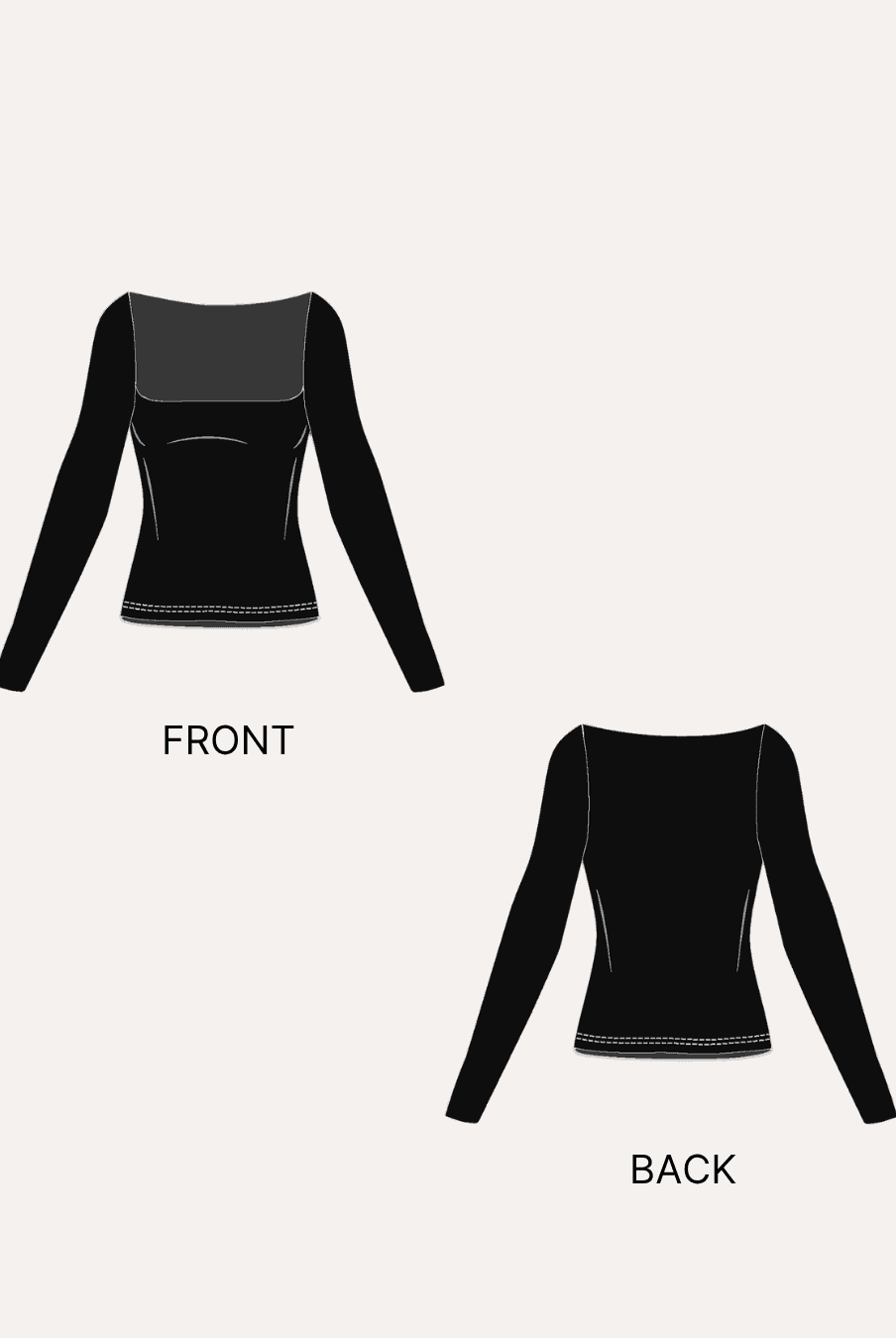
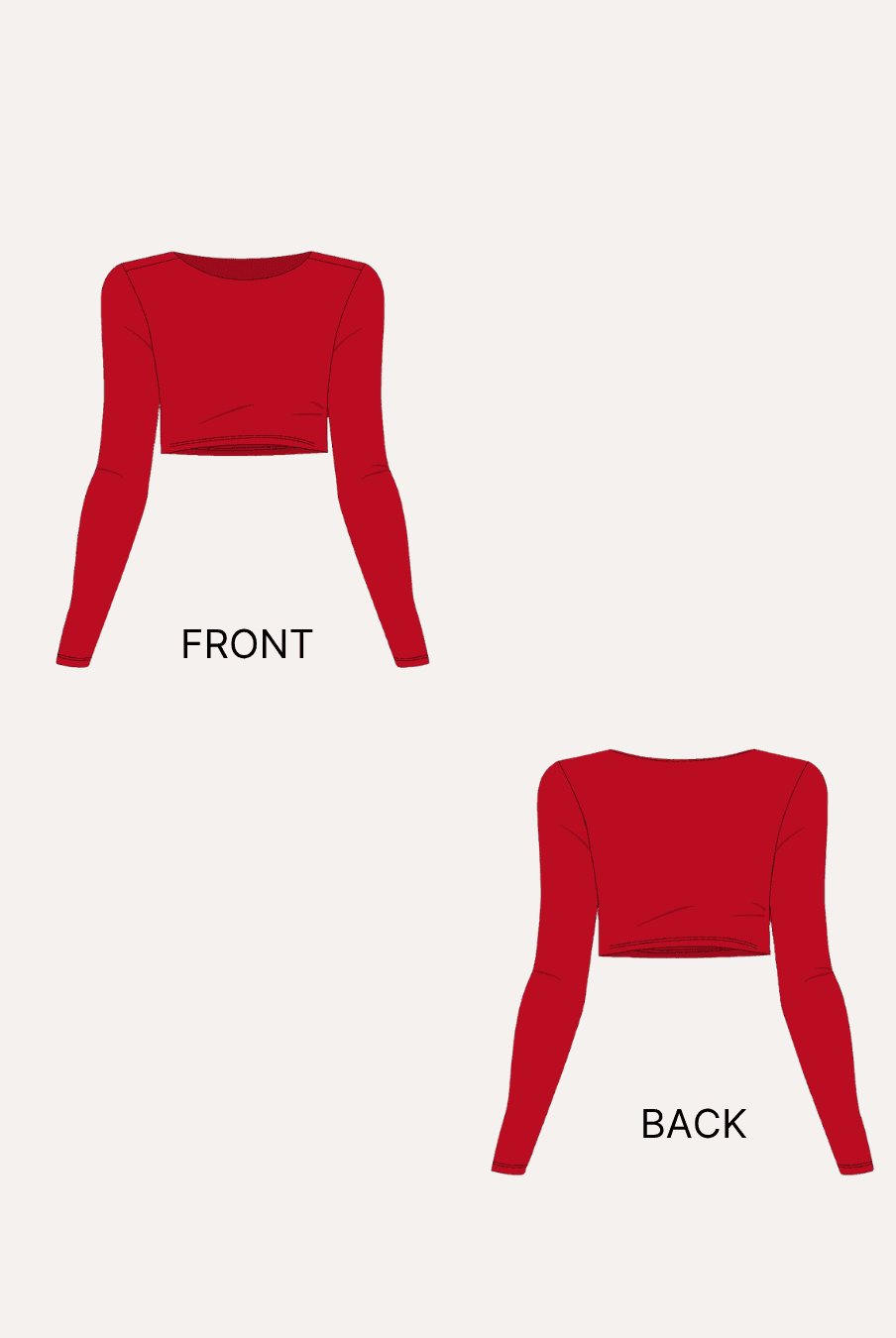
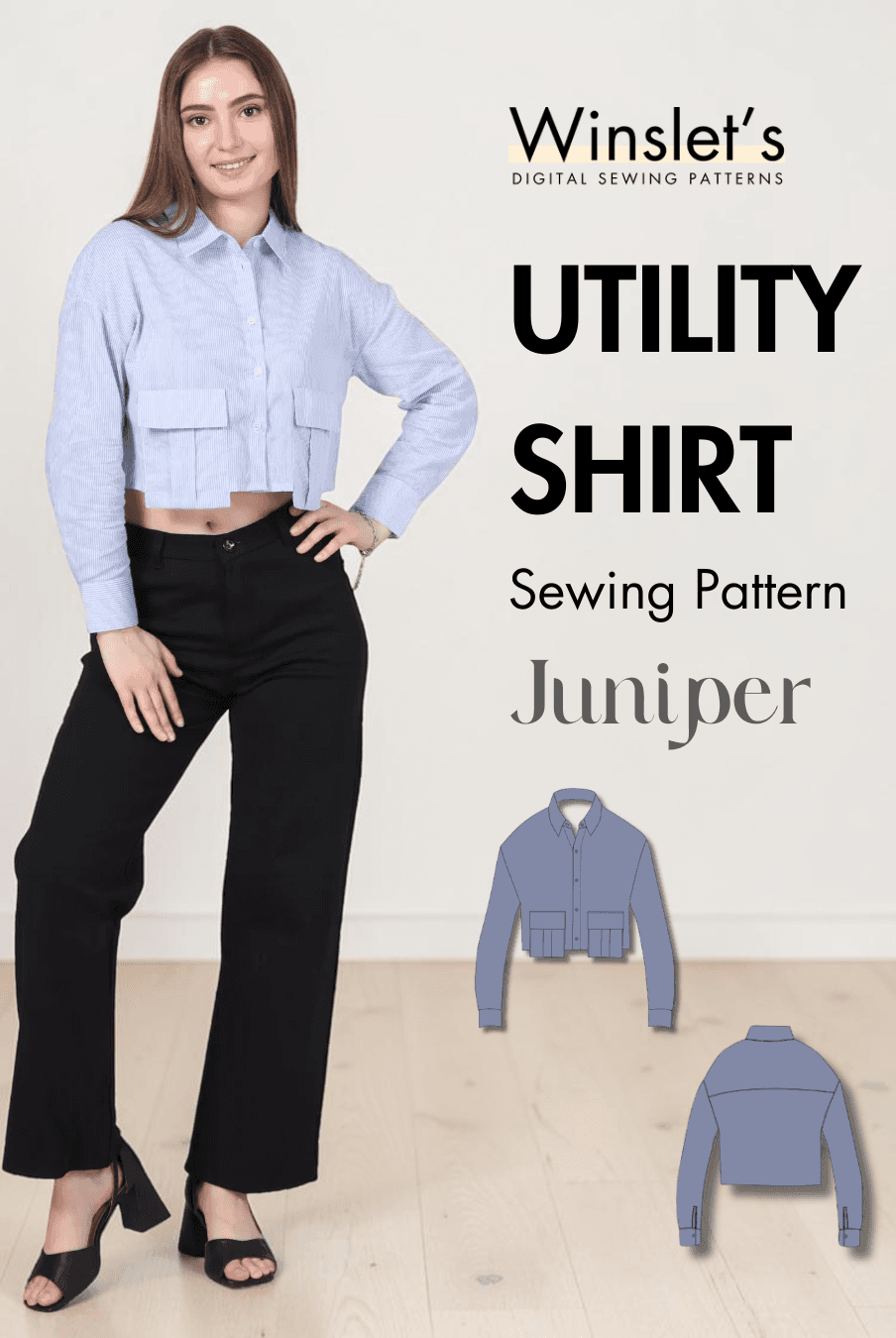
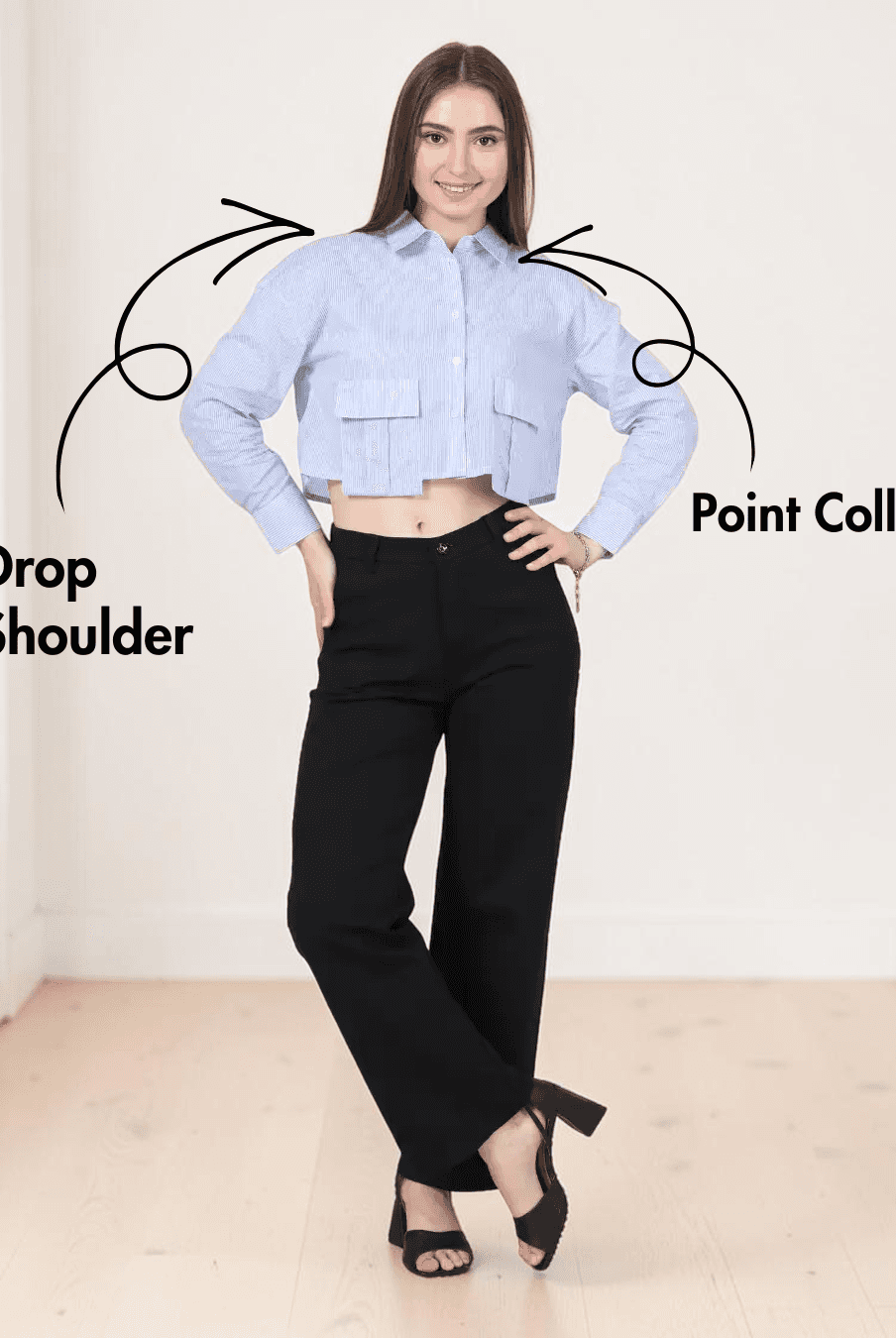
The Tracy Tank Top Sewing Pattern by Winslet's is a beginner-friendly athleisure design featuring contrast side panels, a comfortable fit, and clean bound edges. Designed for knit fabrics, it is a great project for sewists looking to create stylish activewear-inspired pieces for their handmade wardrobe.

Why Sew a Tank Top?
- Creates a comfortable and breathable garment for everyday wear.
- Ideal for workouts, activewear, and athleisure outfits.
- Easy to layer under jackets, hoodies, and cardigans.
- Quick construction makes it a satisfying sewing project.
- Works well with a variety of knit fabrics.
- A great introduction to sewing knit garments and bindings.
Why Choose the Winslet's Tracy Tank Top Pattern?

The Tracy Tank Top Sewing Pattern is designed to help sewists create a sporty tank top with stylish side panels and clean finishes.
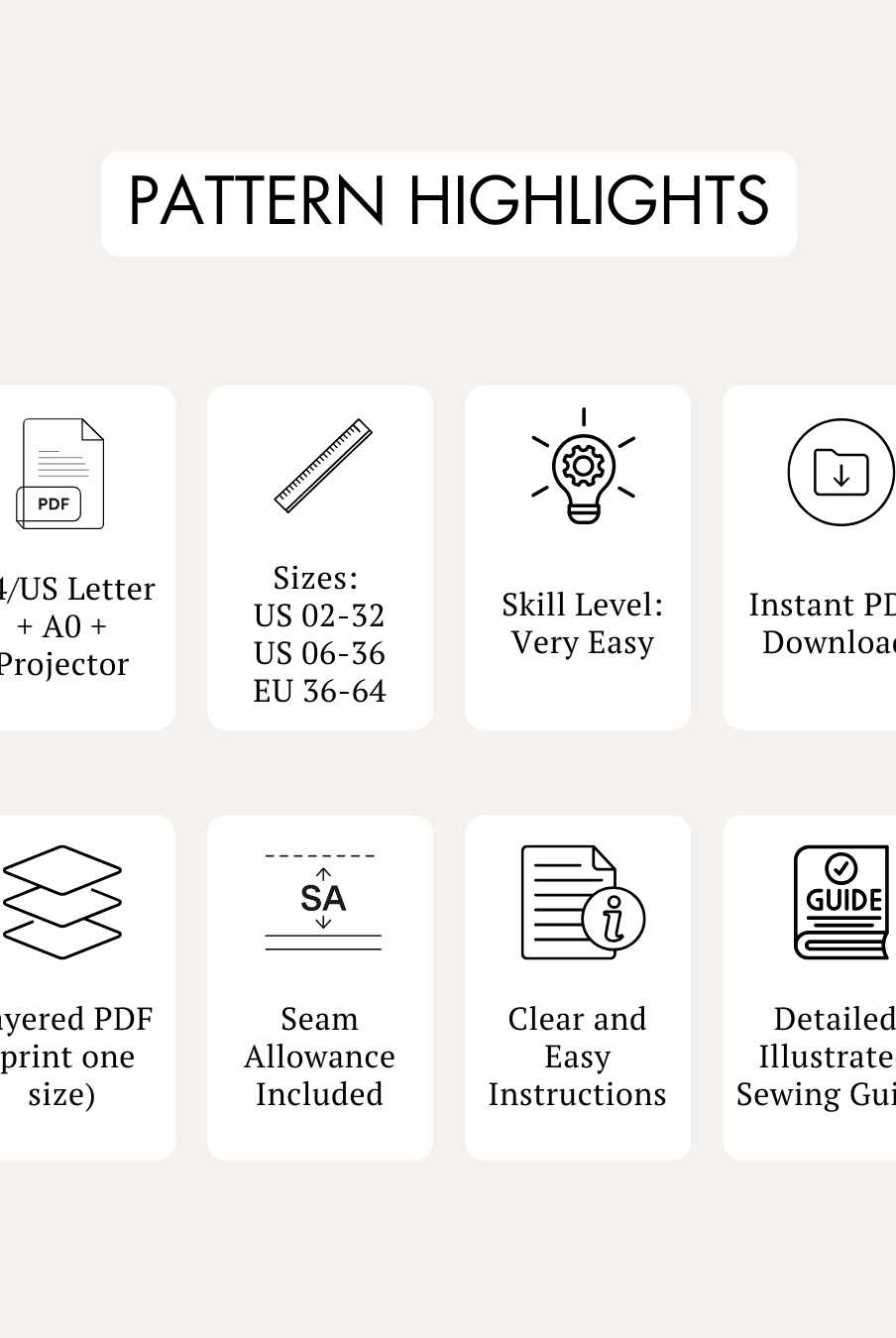
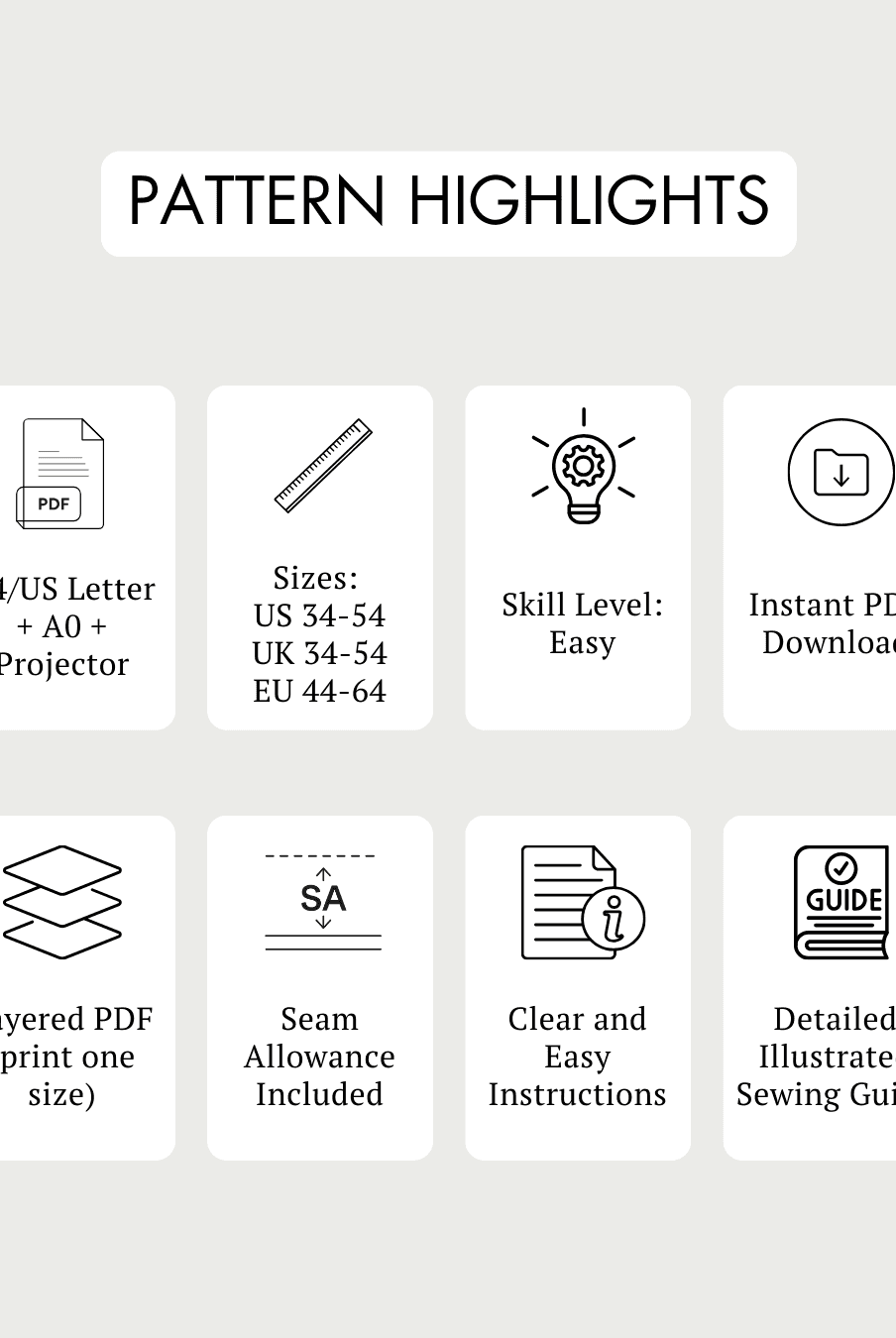
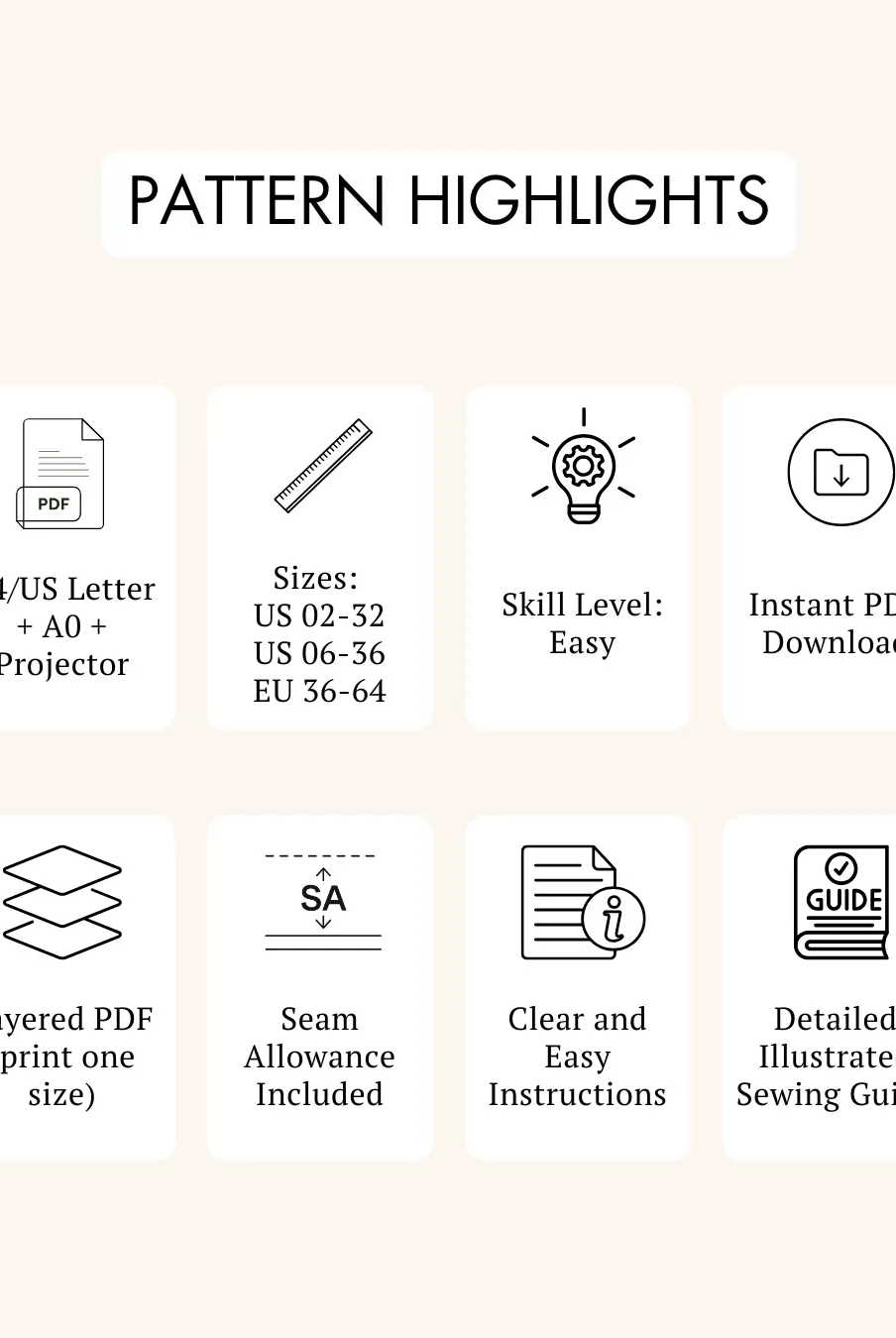
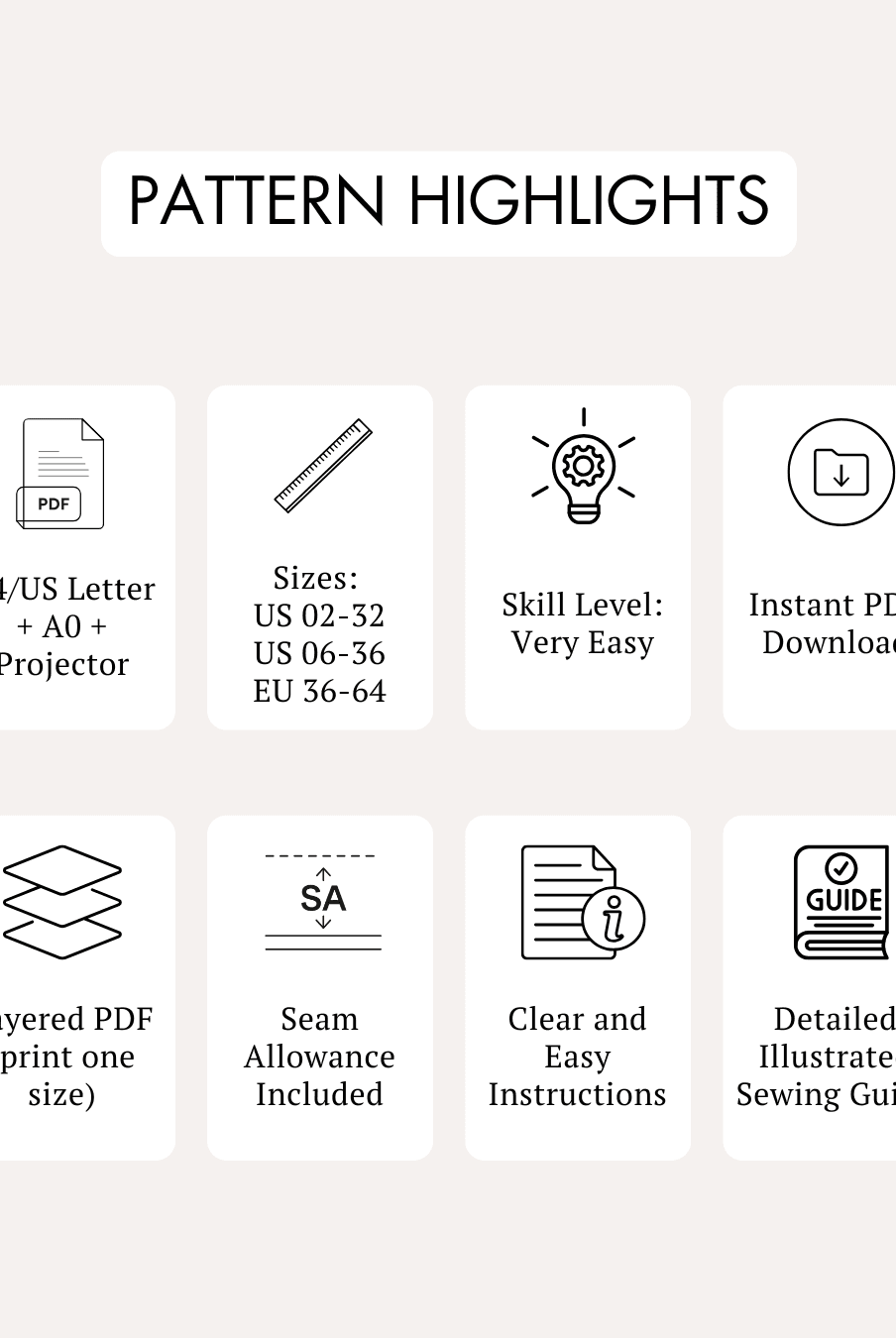
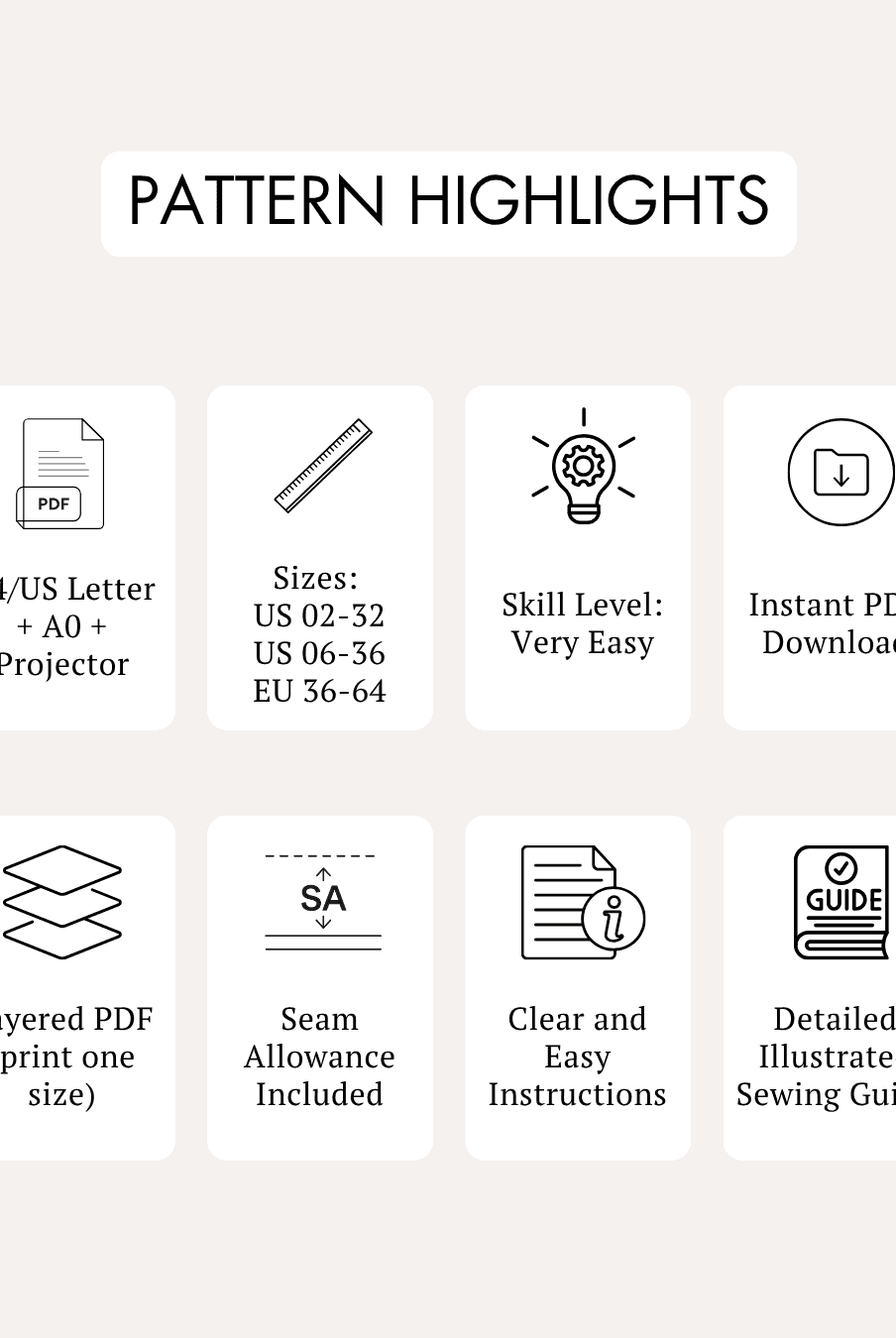
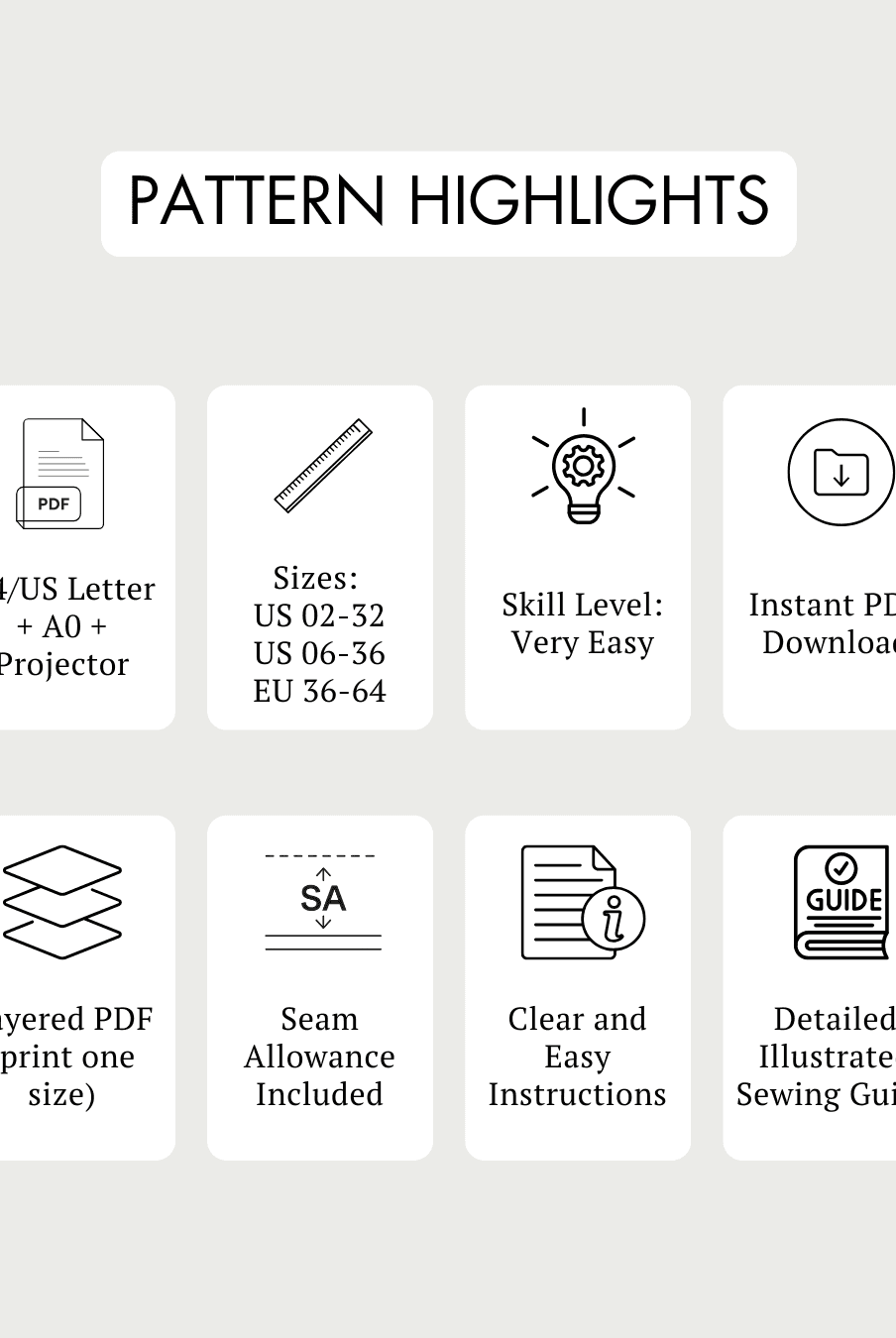
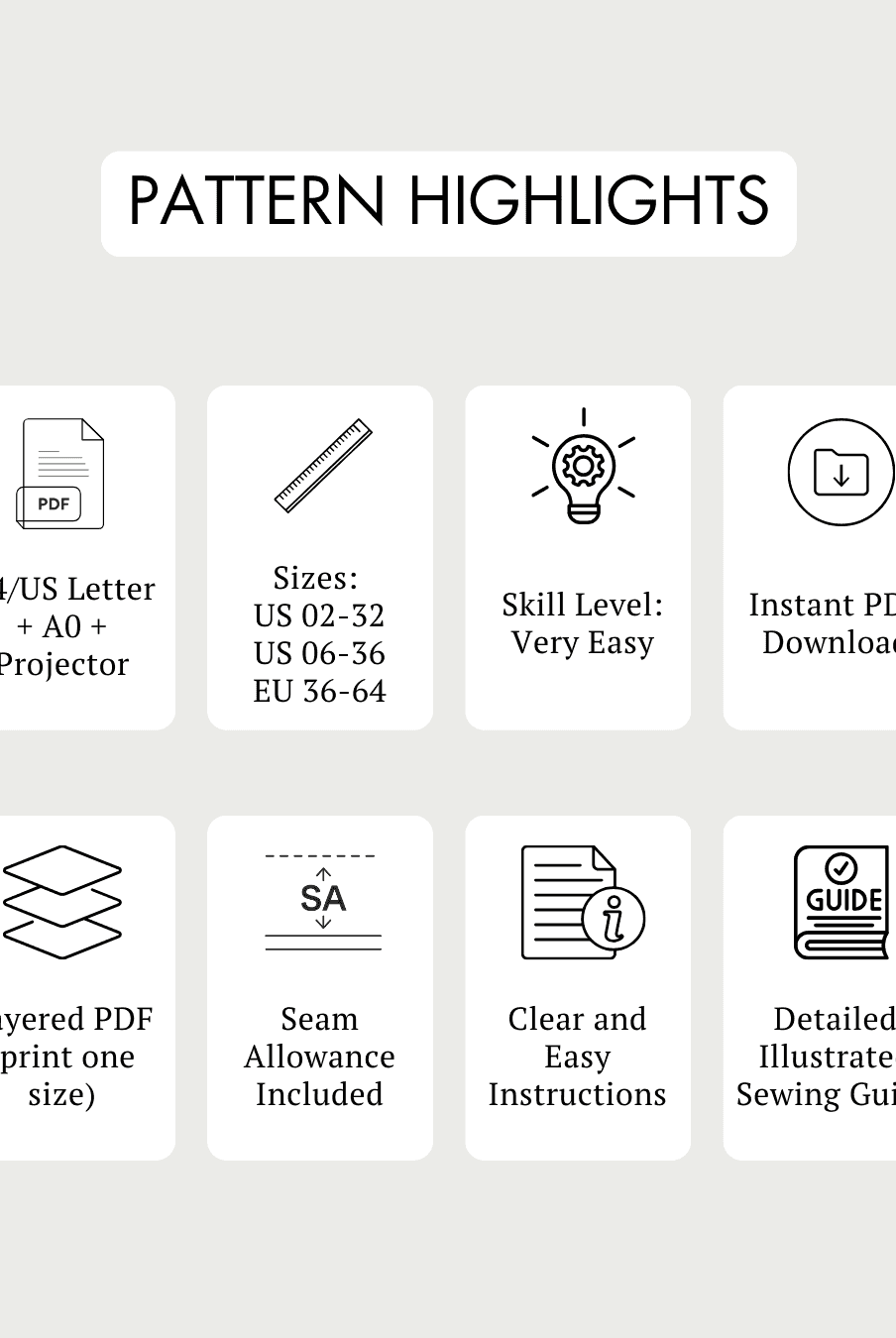
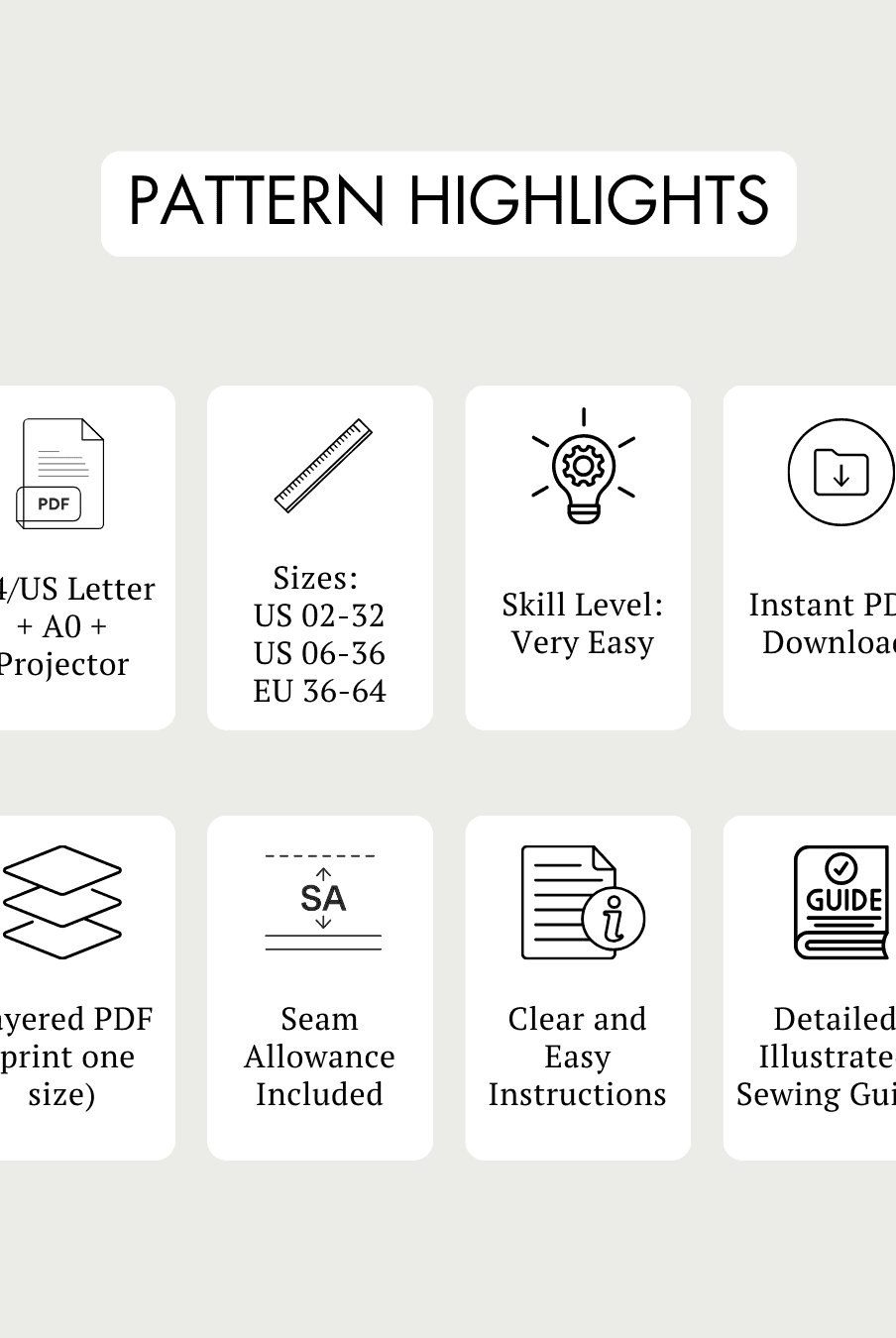
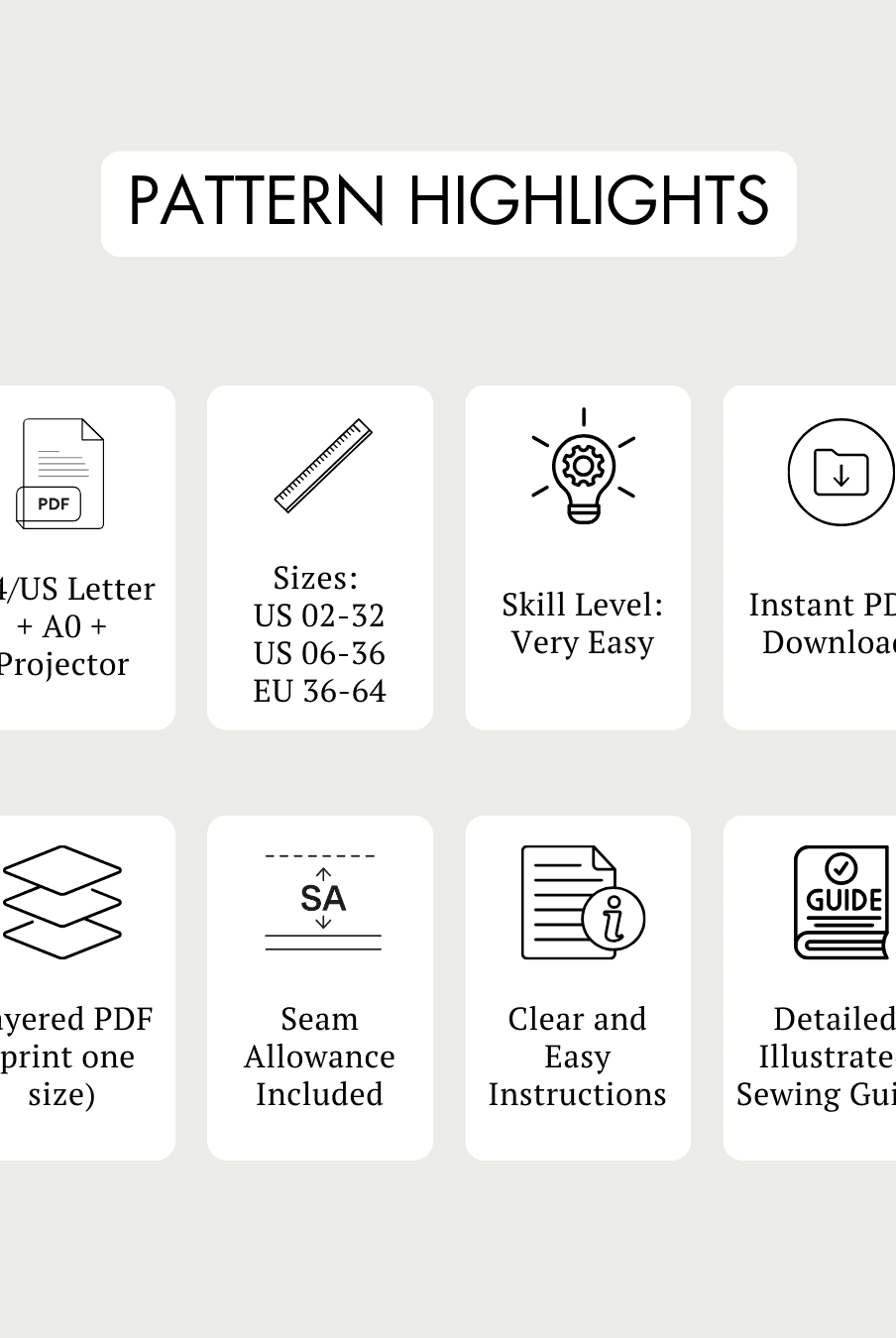
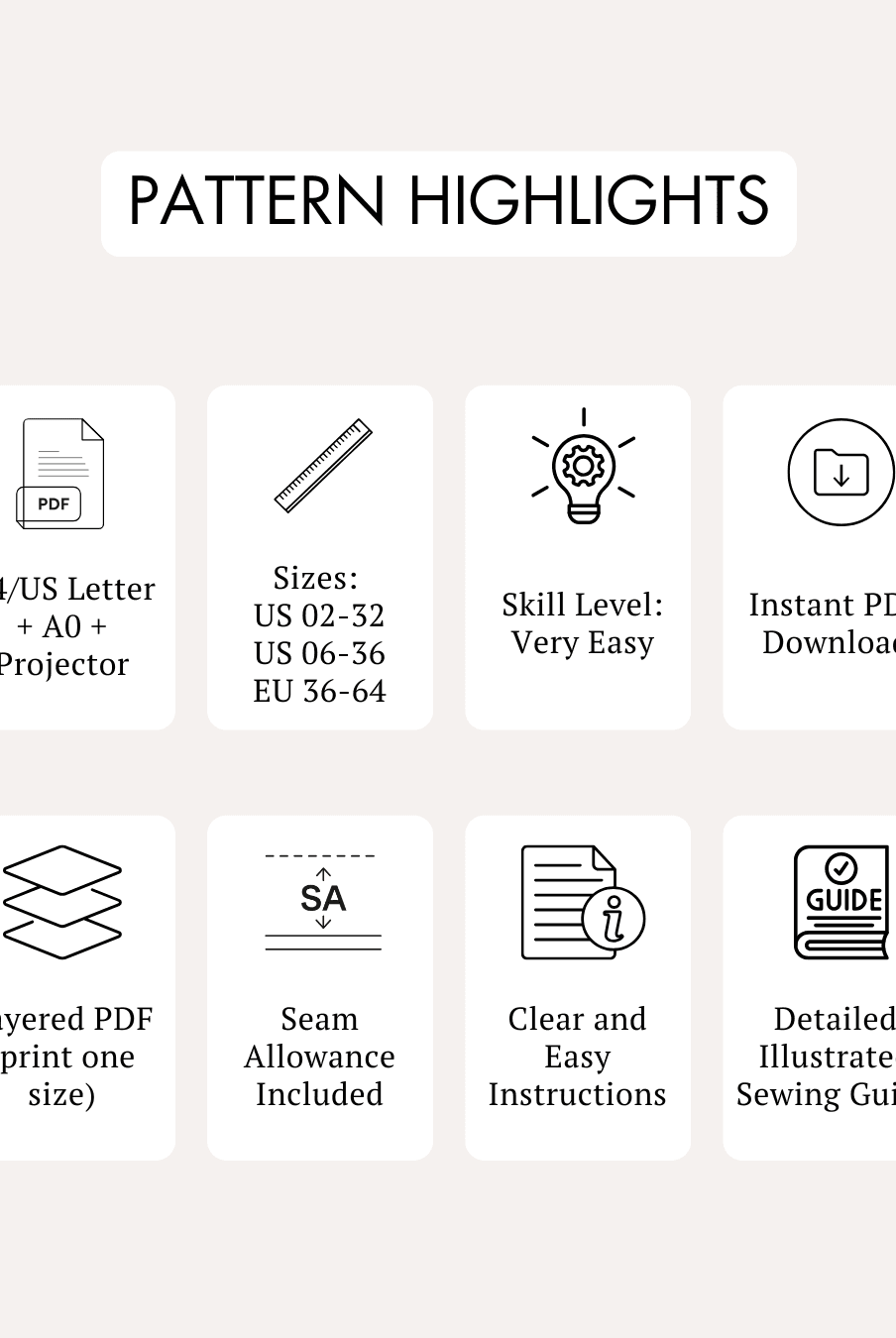
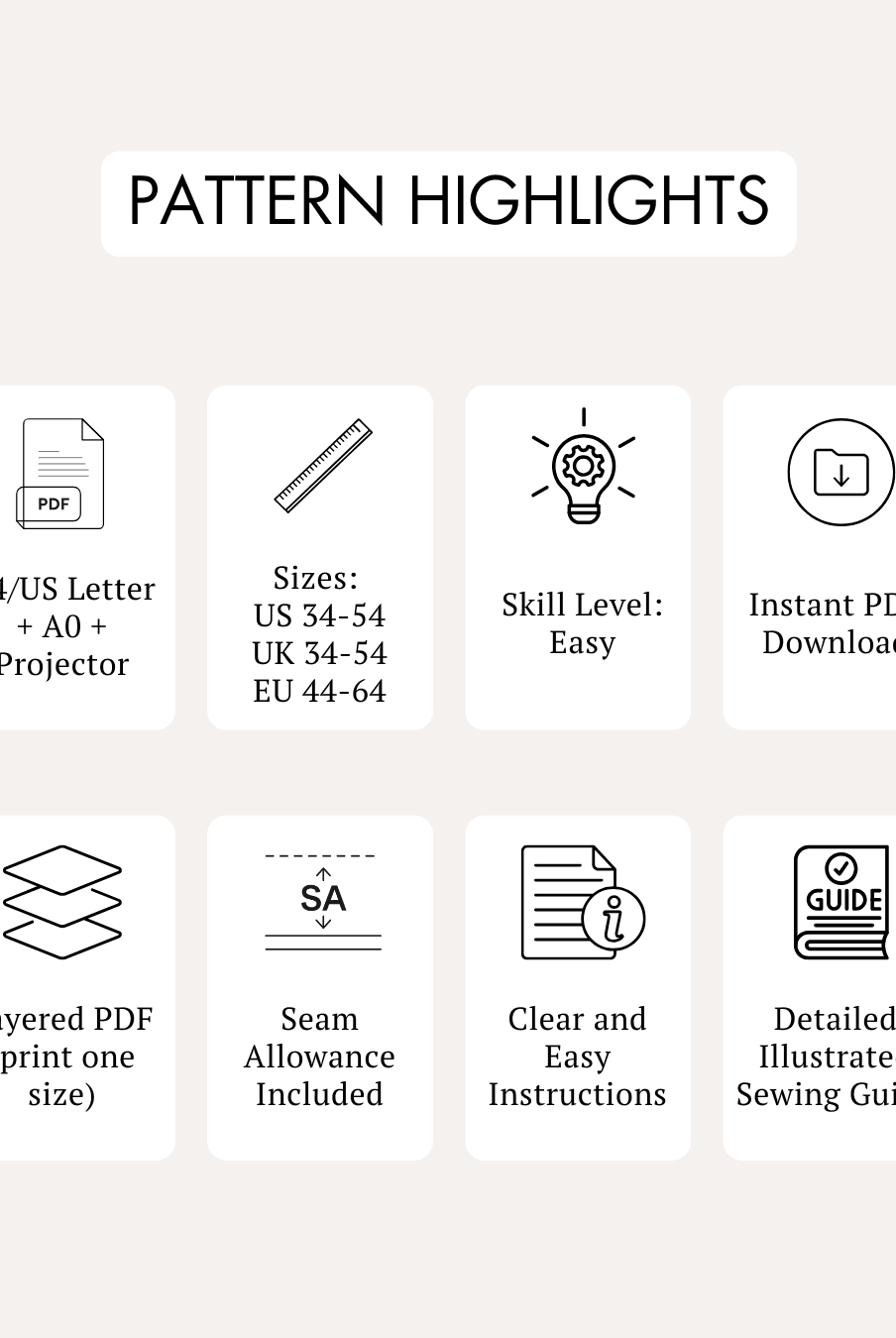
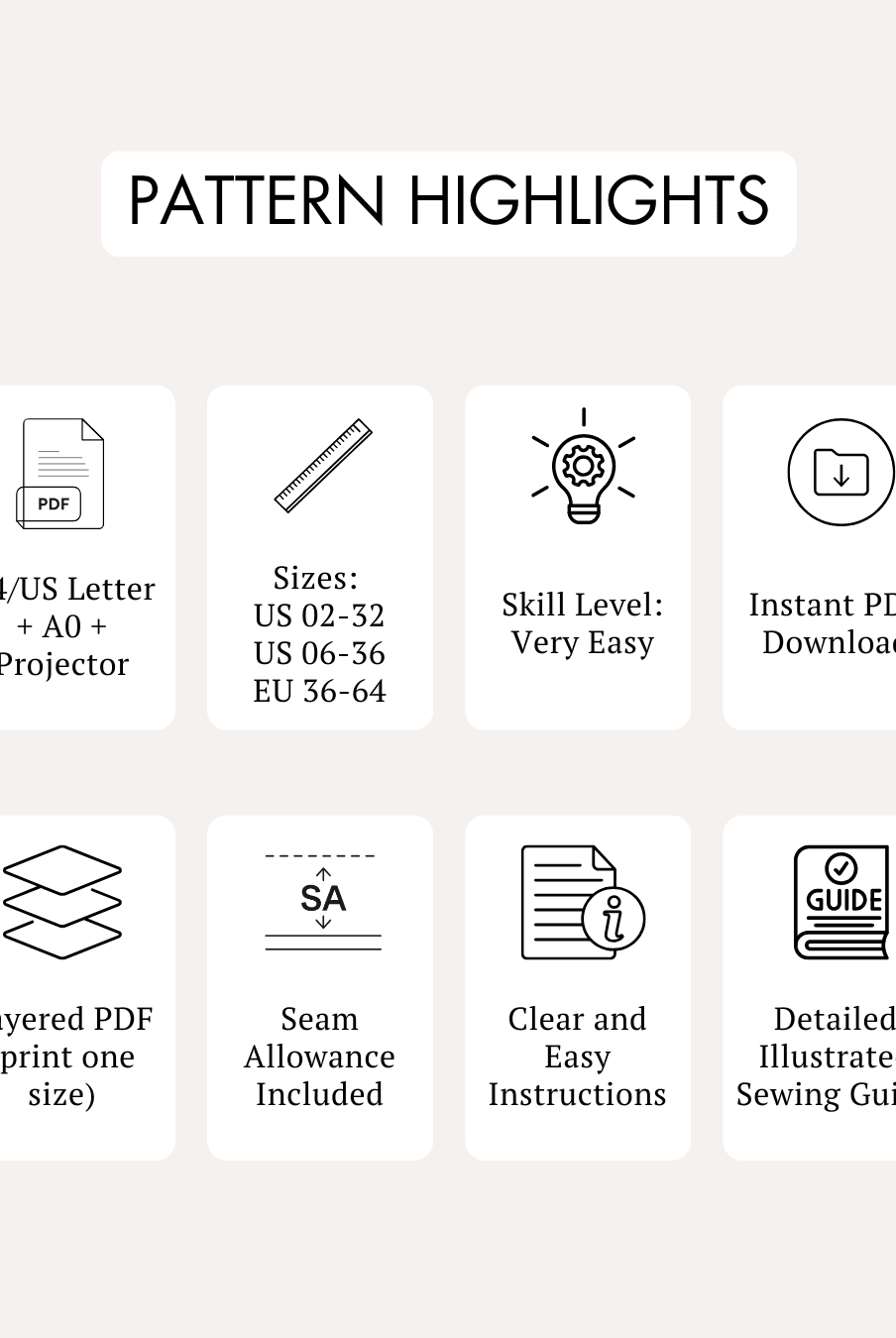
Skill Level: Very Easy
Key Features:
- Athleisure-inspired tank top design
- Contrast side panel construction
- Bound neckline and armholes
- Comfortable fit
- Knit fabric construction
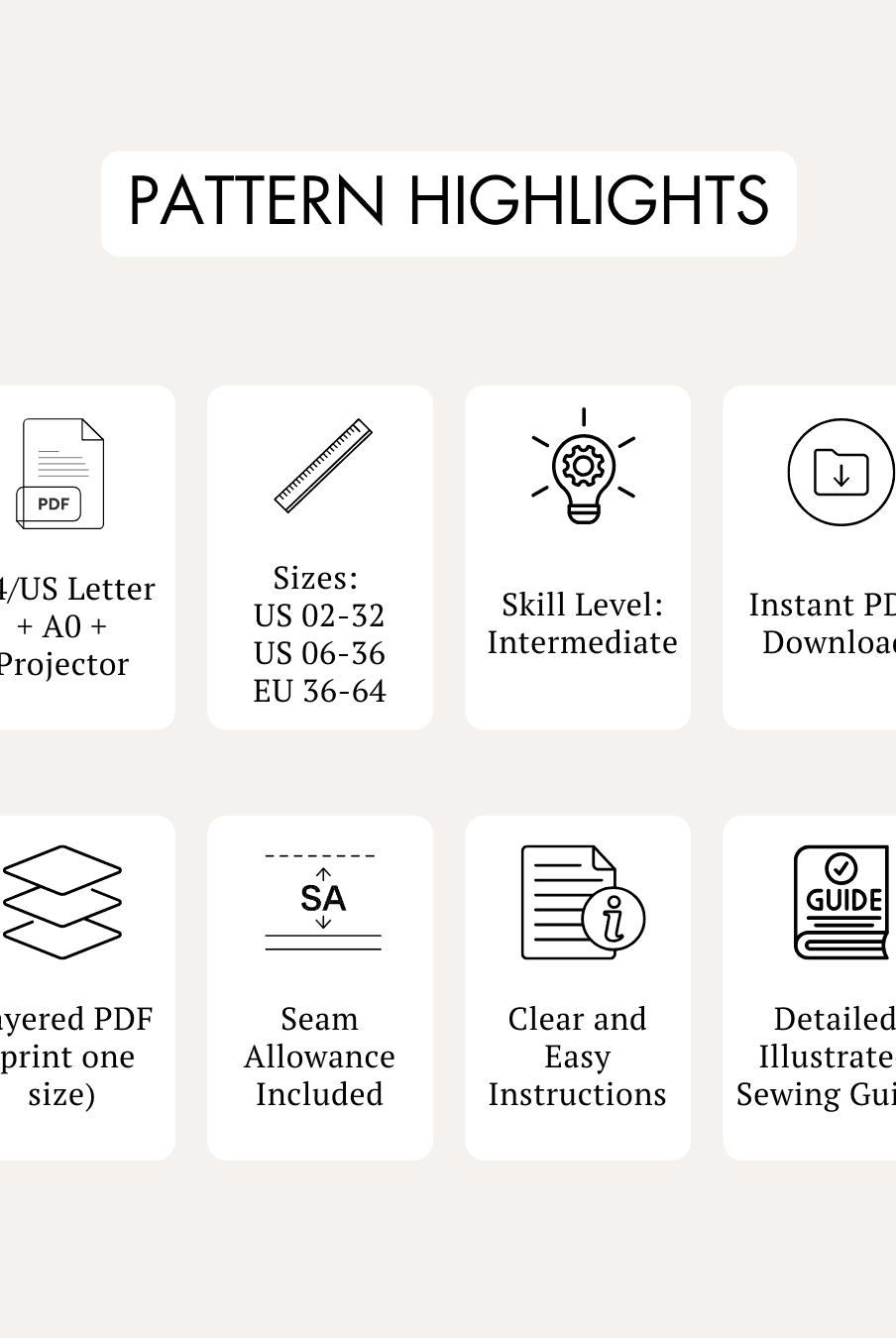
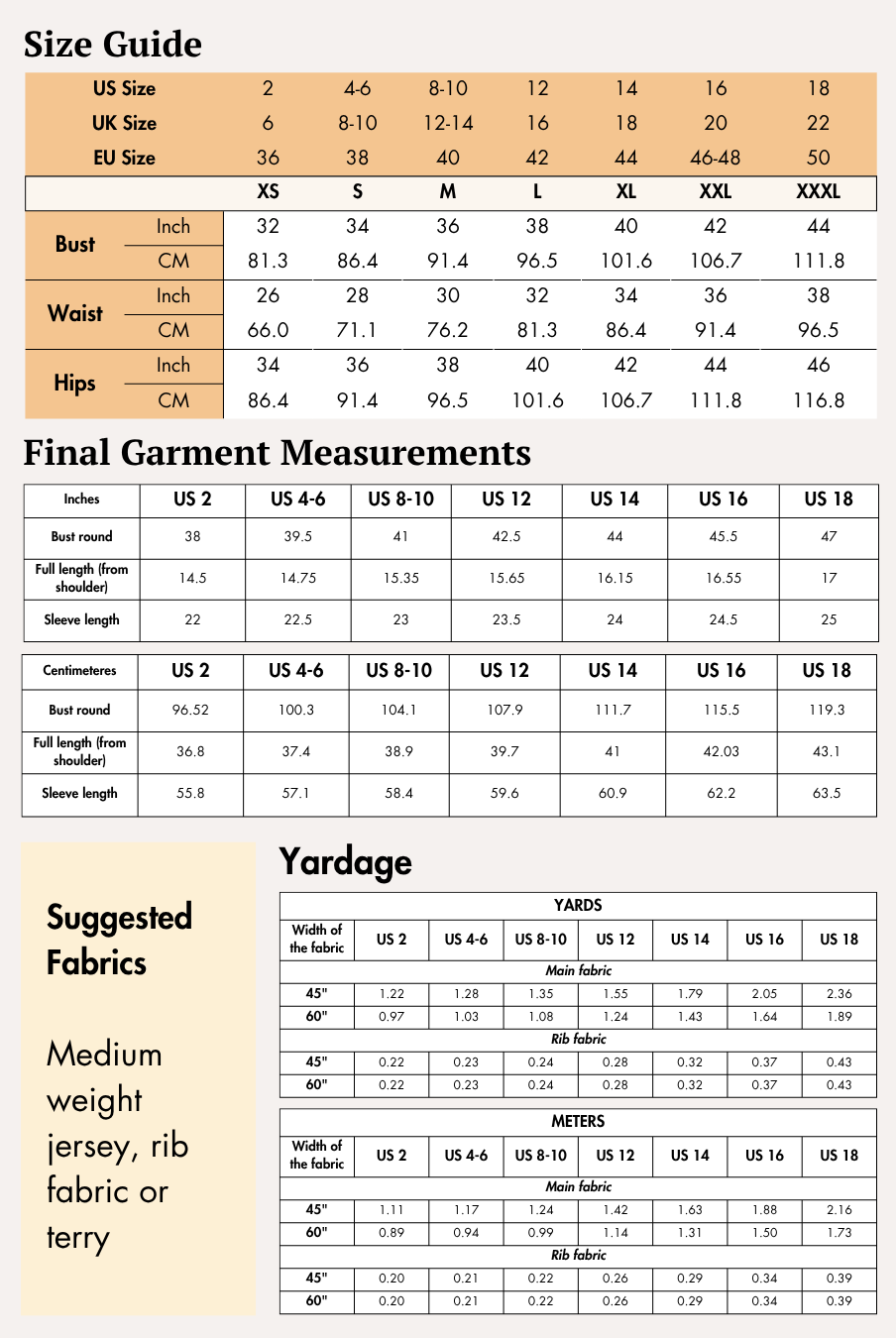
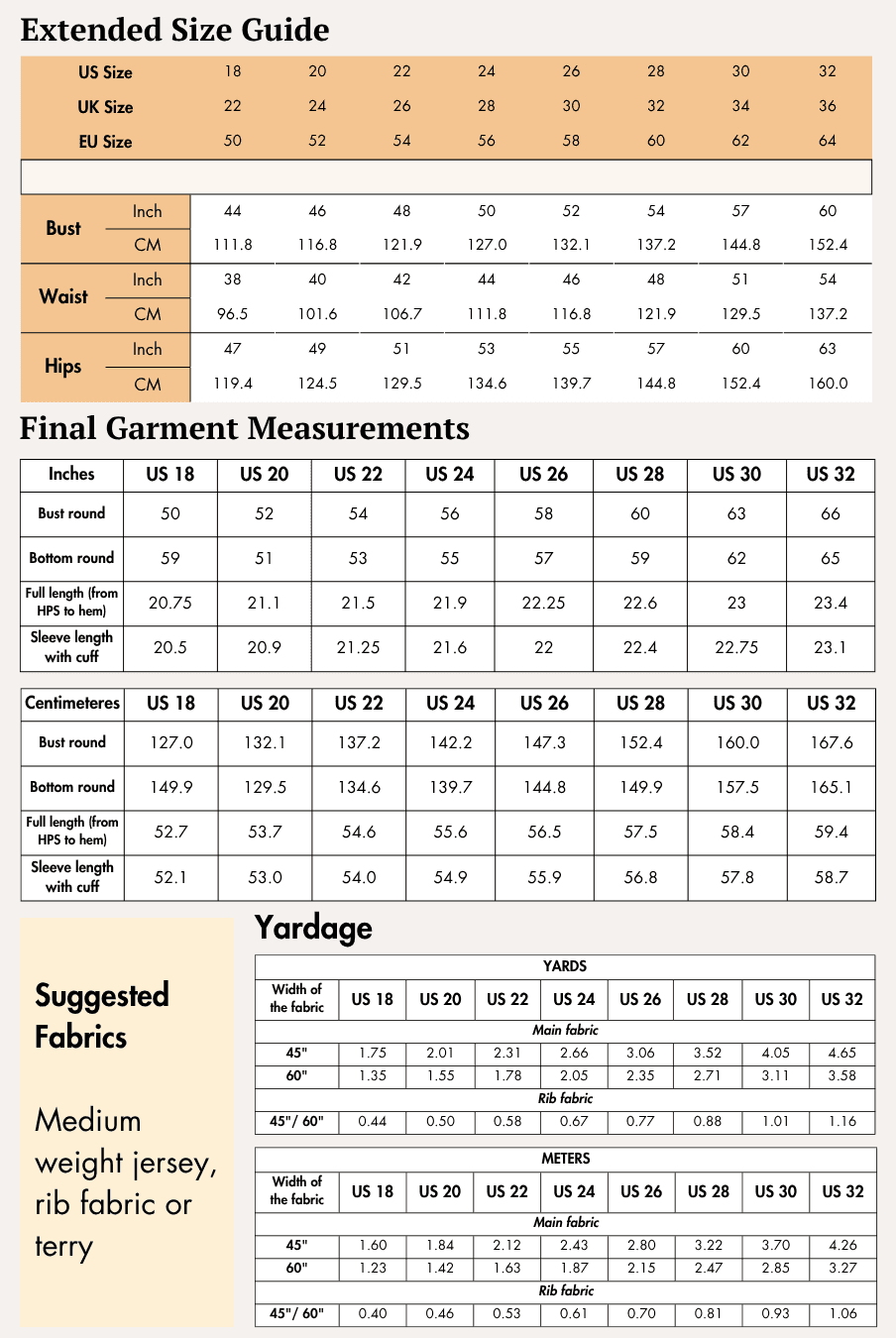
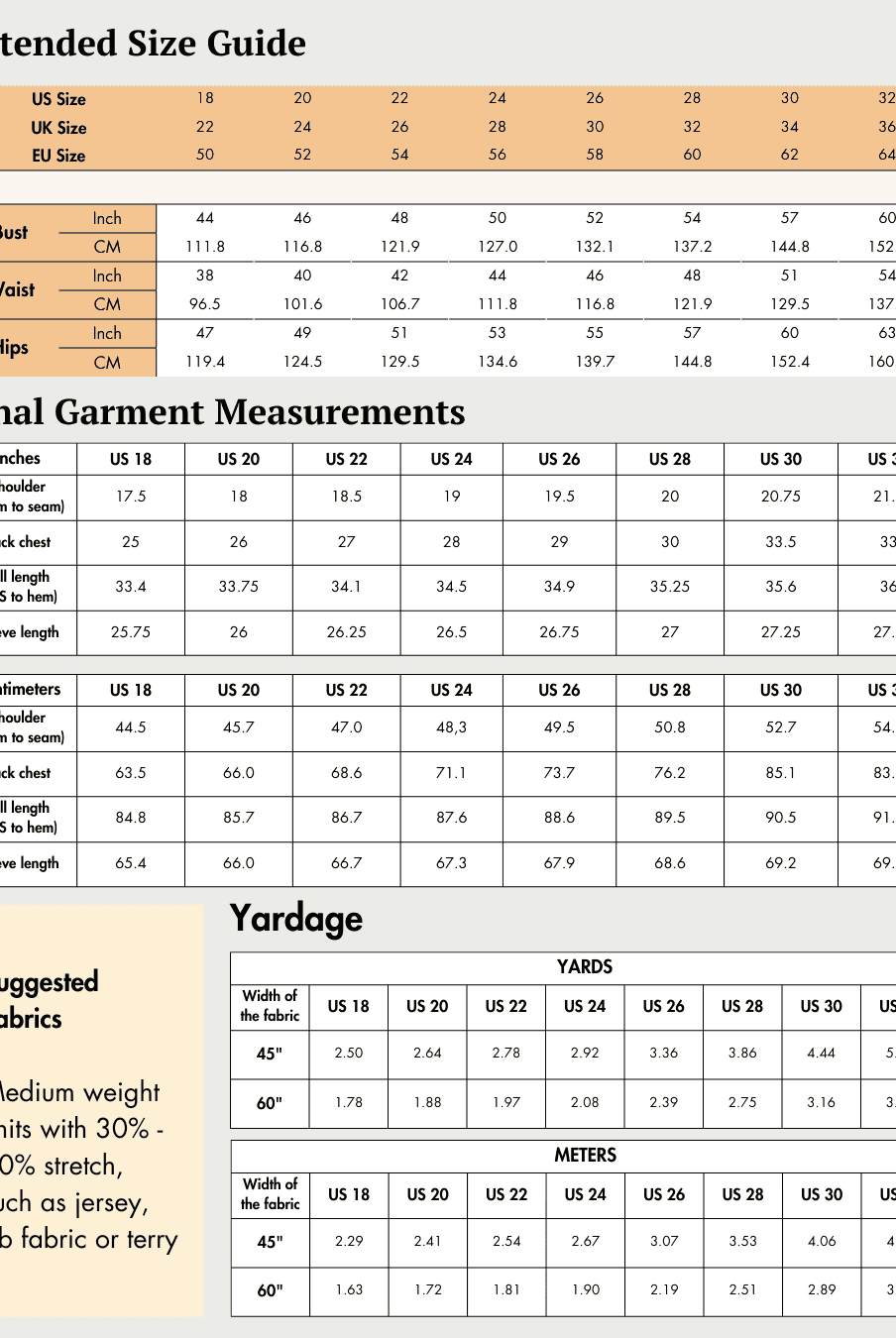
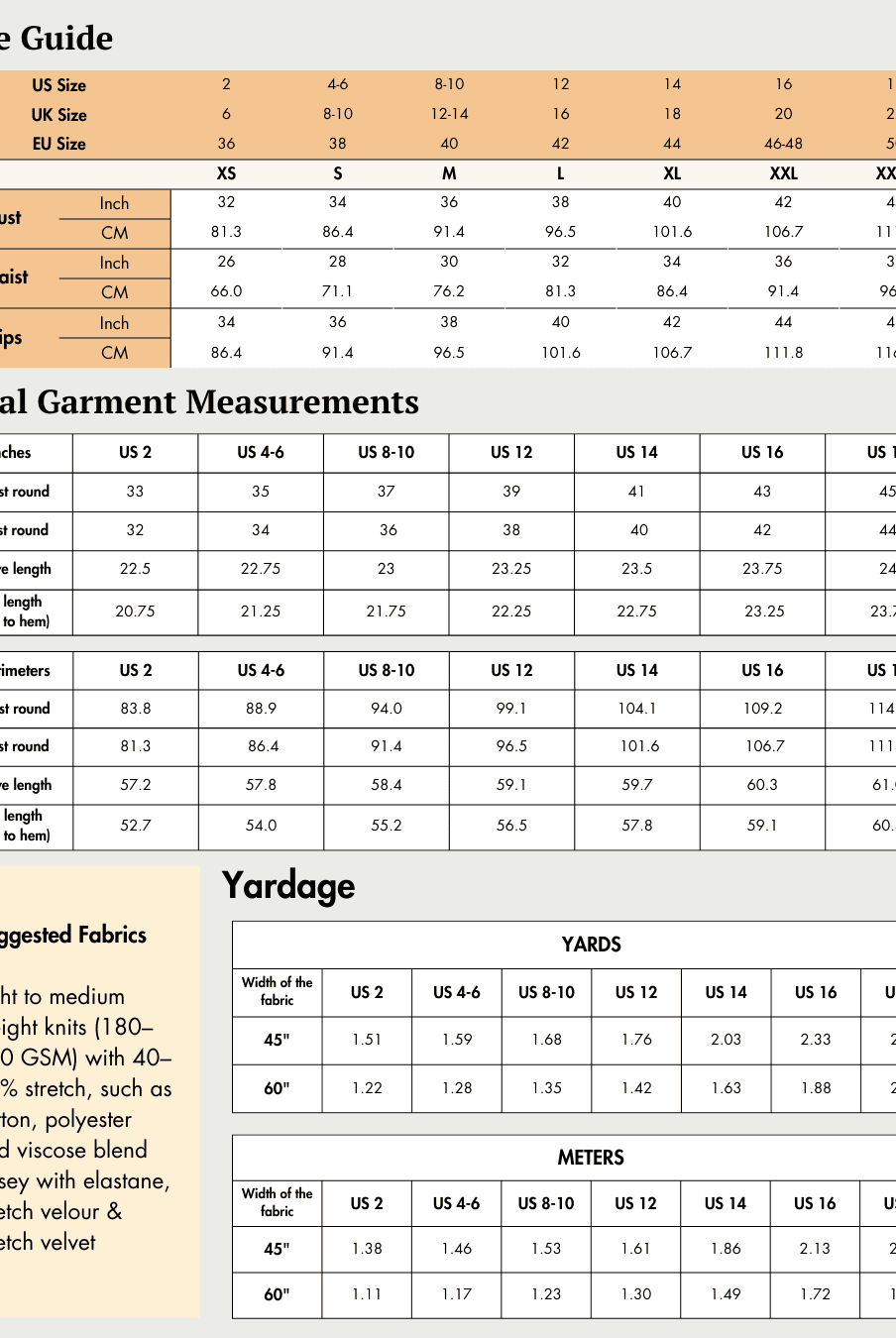
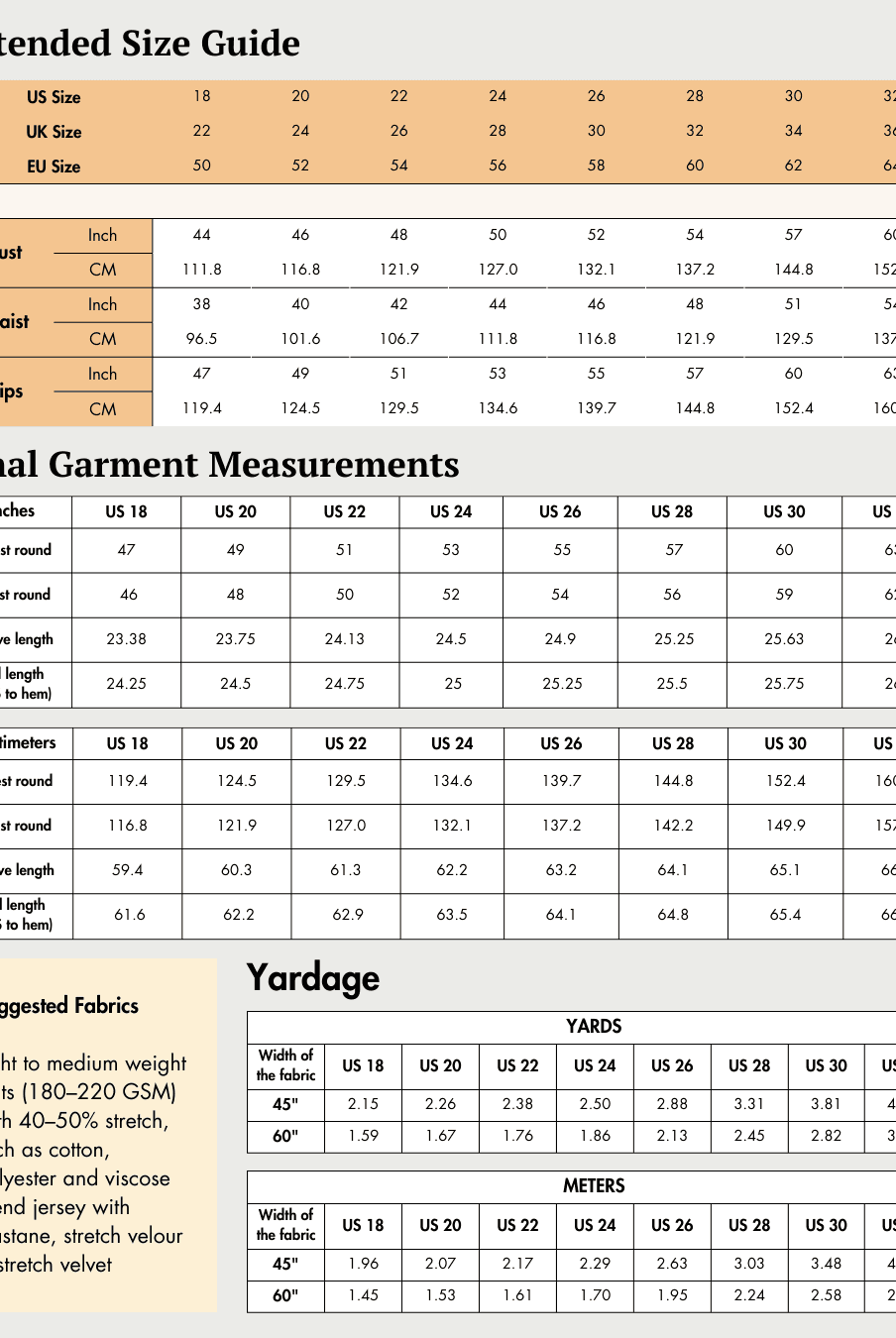
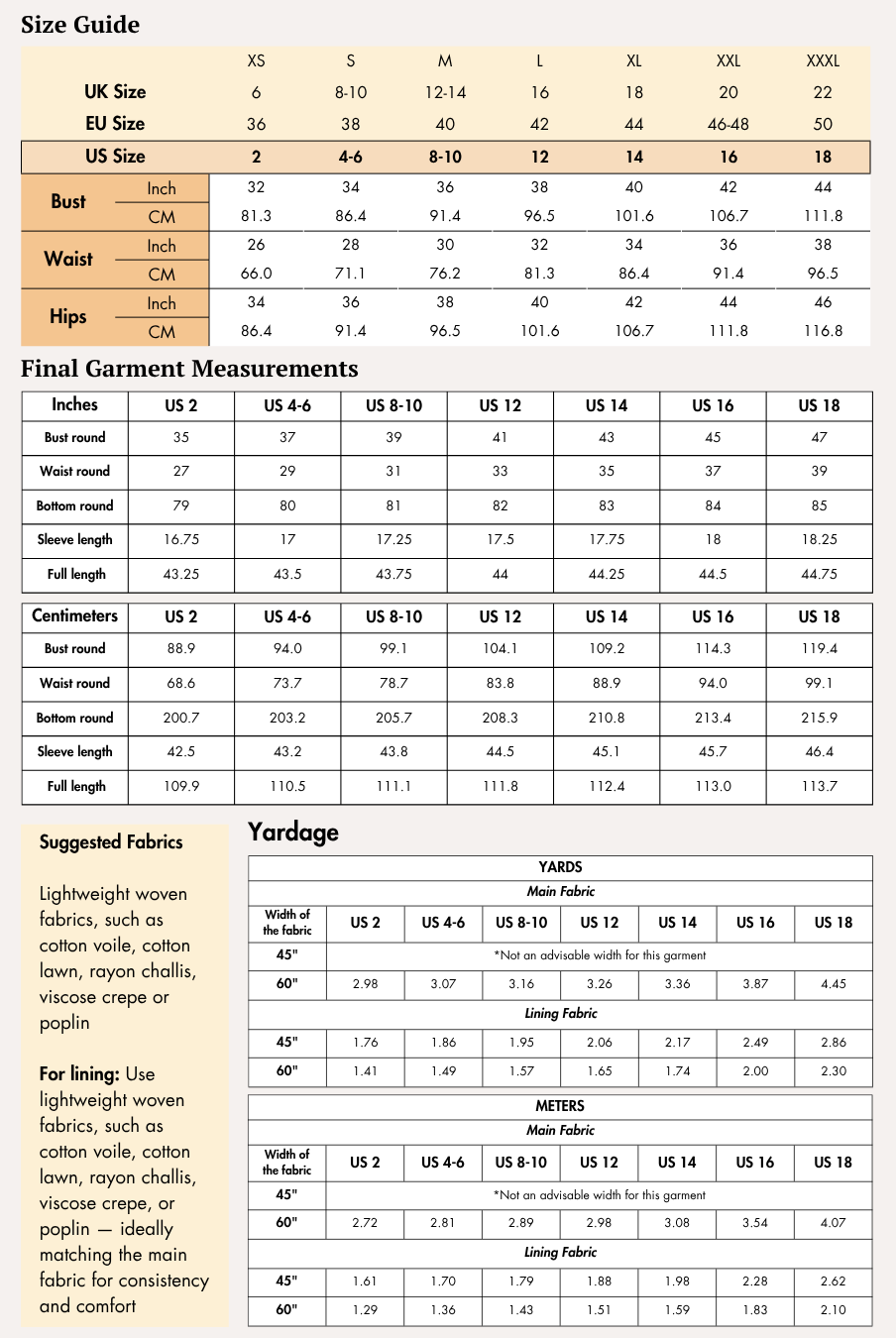
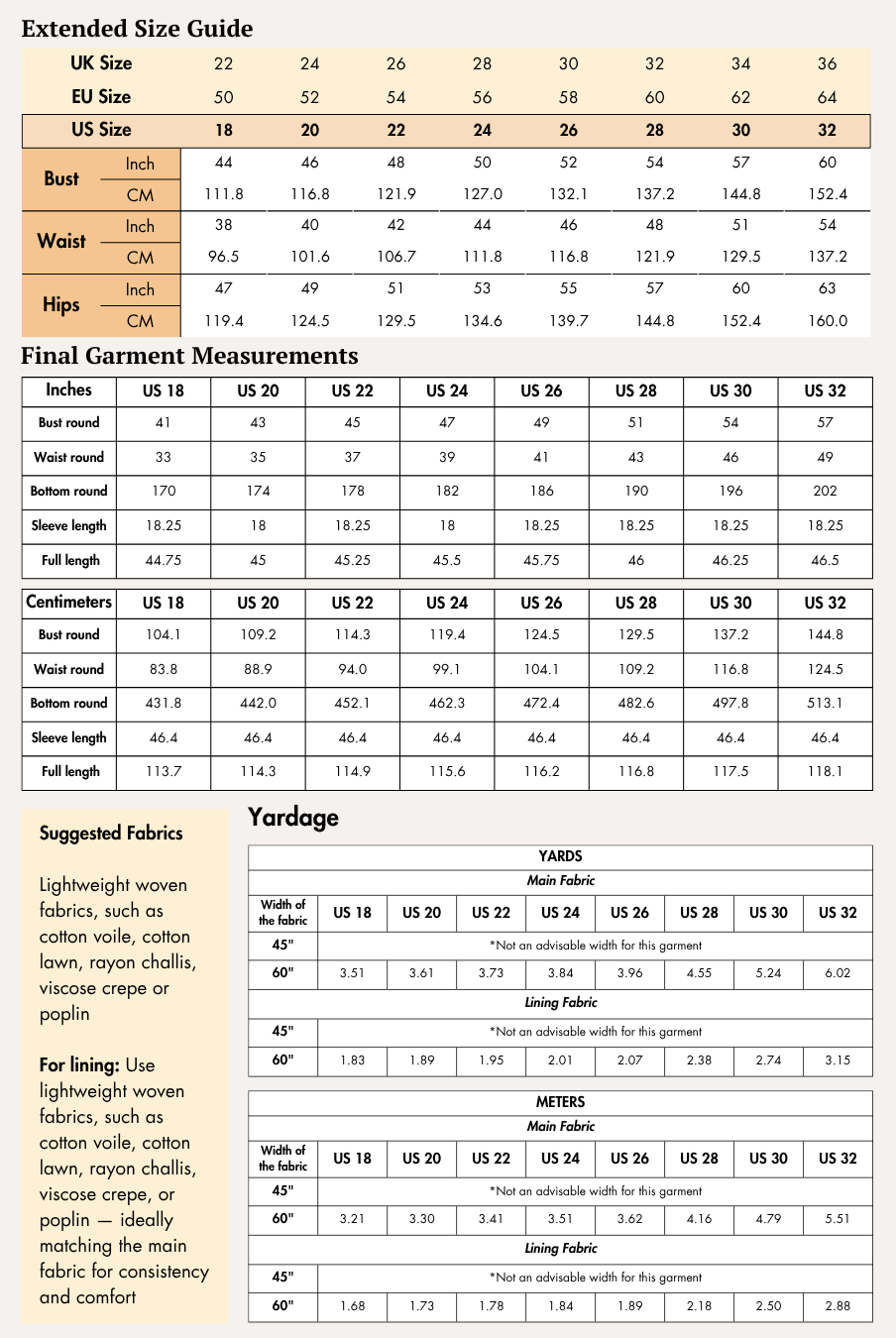
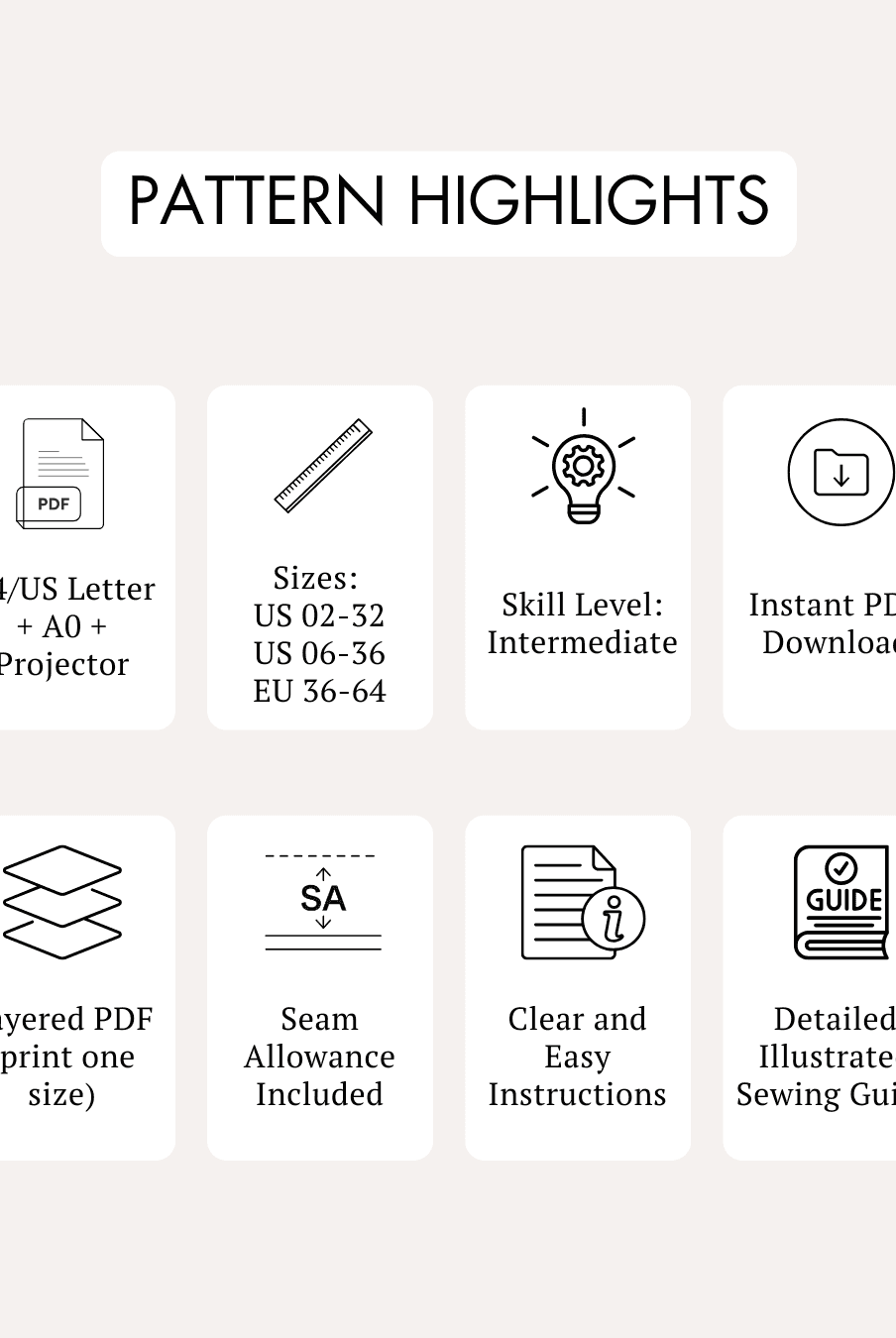
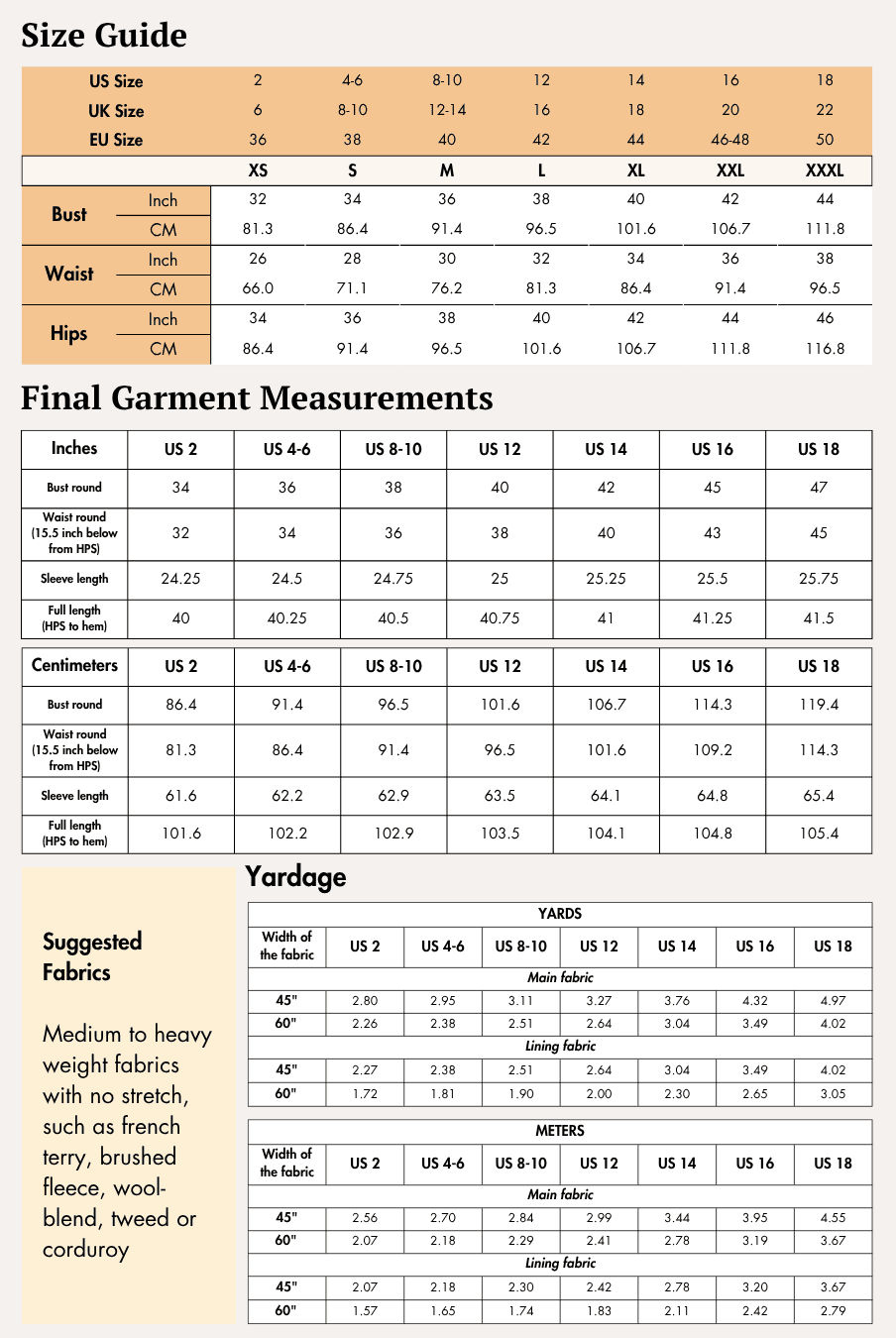
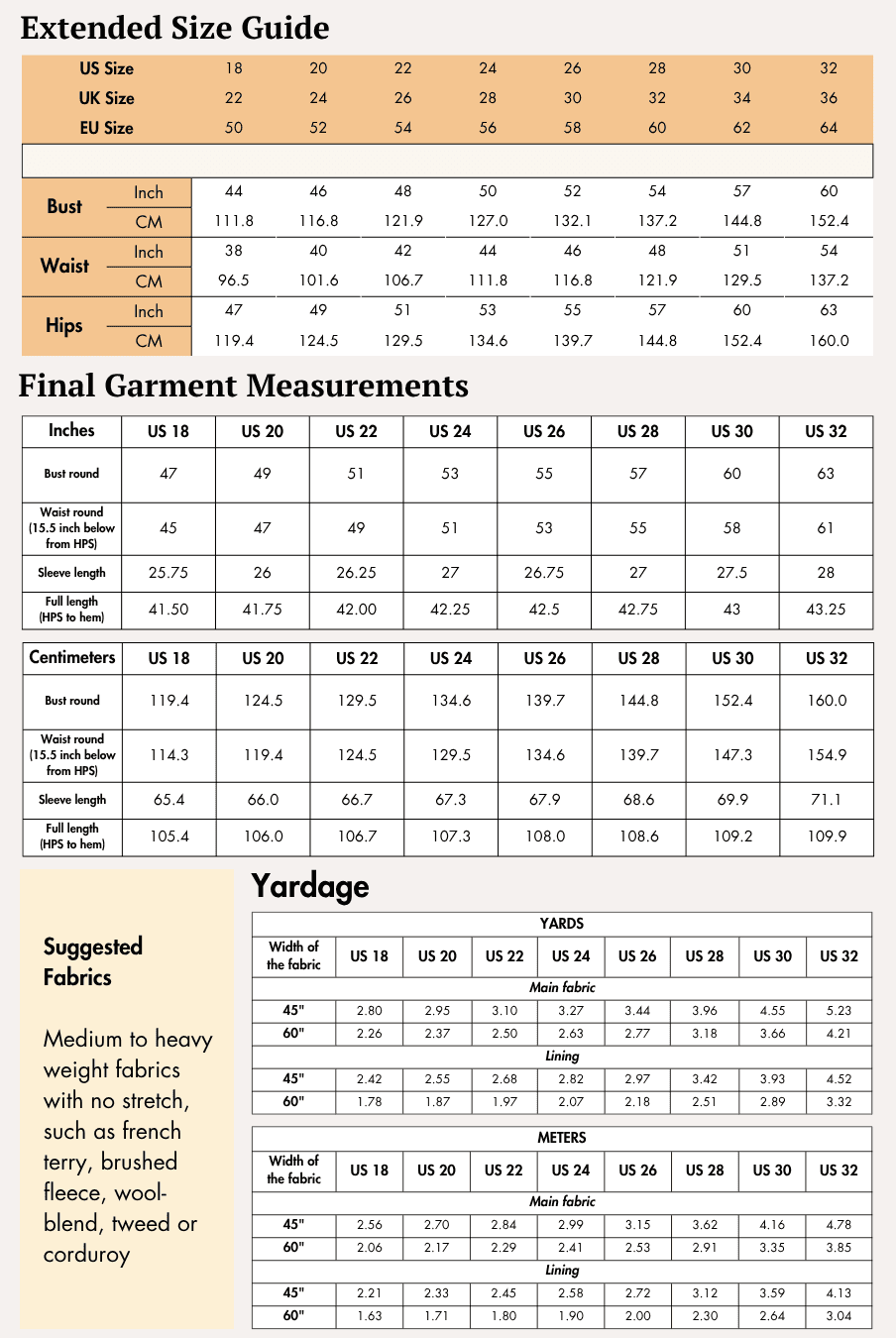
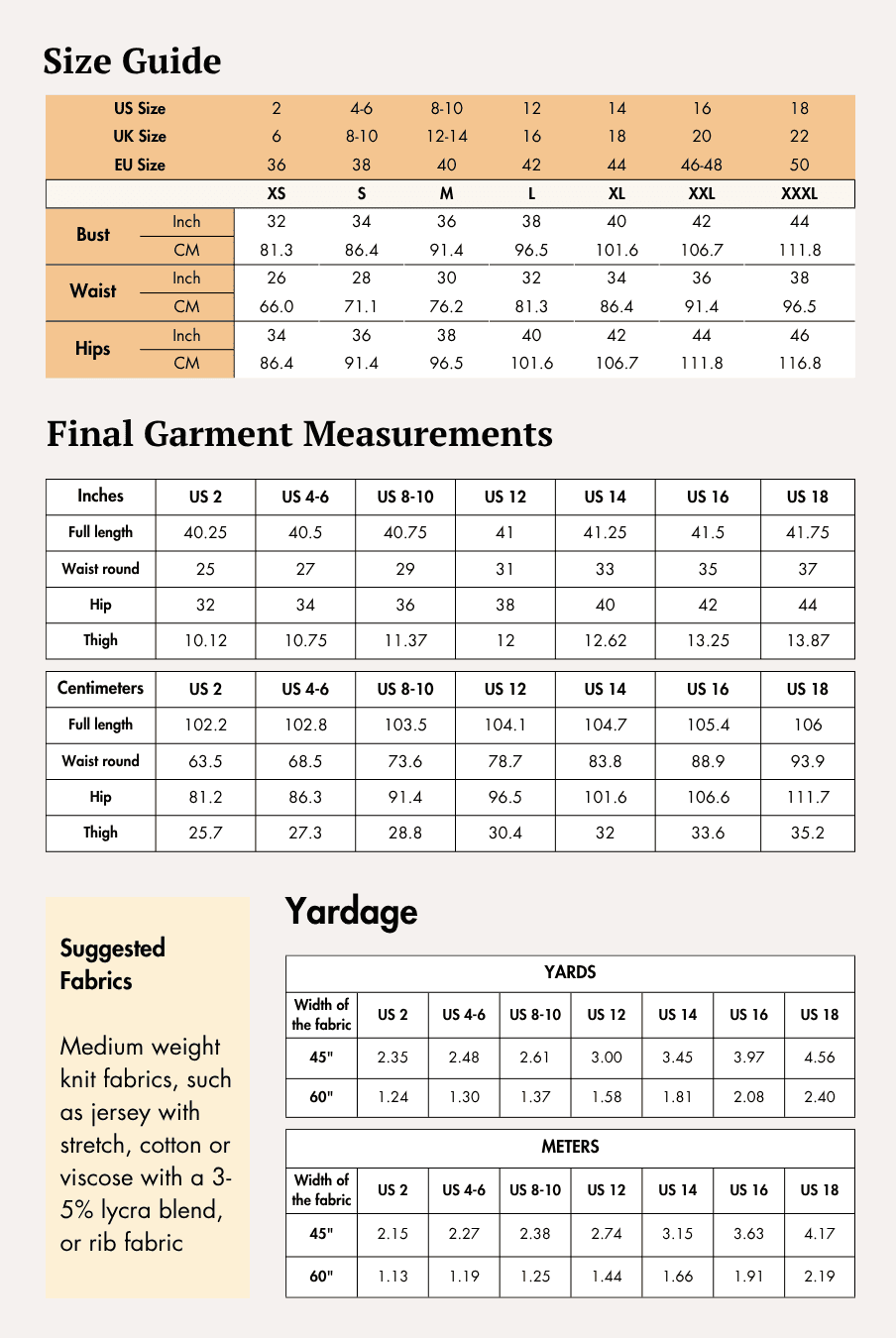
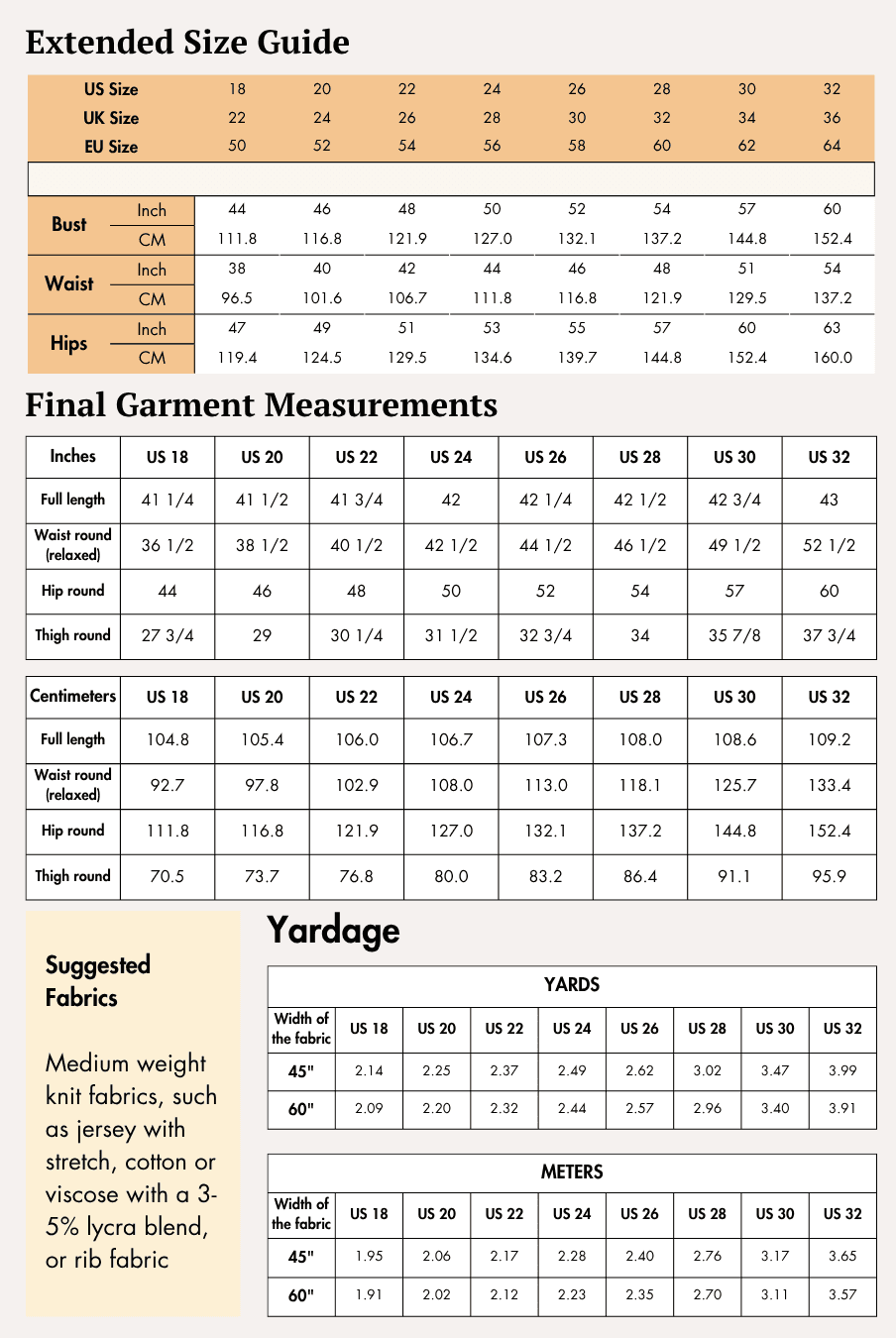
Available Sizes: US 02 - US 32 | UK 06 - UK 36 | EU 36 - EU 64
Supplies & Notions
You will need:
- Tape measure
- Fabric shears
- Iron
- Chalk
- Thread cutter
- Pins
- Sewing machine
- Sewing needles
- 3-ply polyester thread
- Binder attachment
- Serger
- Flatlock machine
Fabric Recommendations
Use light to medium weight knit fabrics with 30 - 50% stretch such as:
- Jersey
- Pique
- Scuba
- Stretch velour
- Stretch velvet
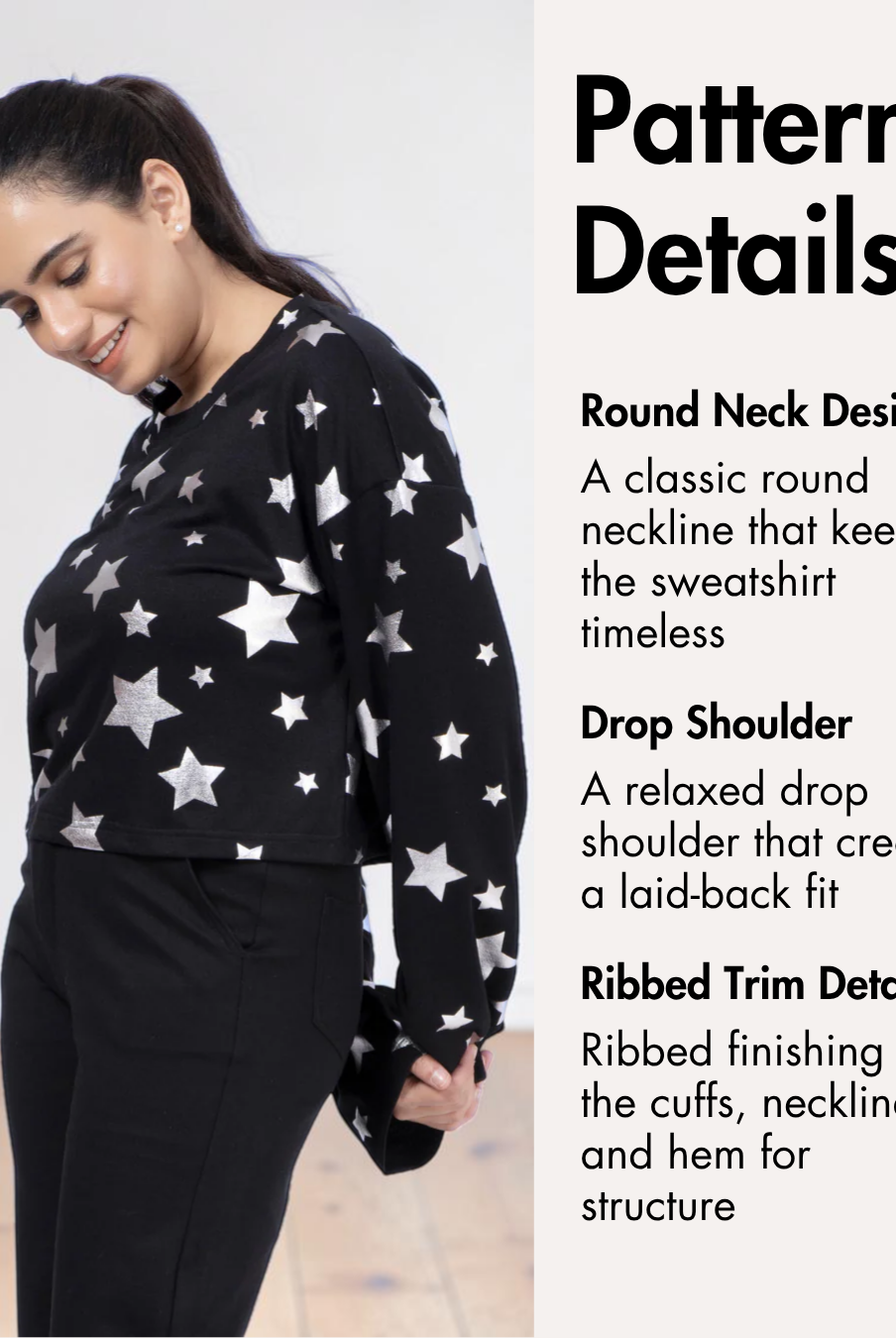
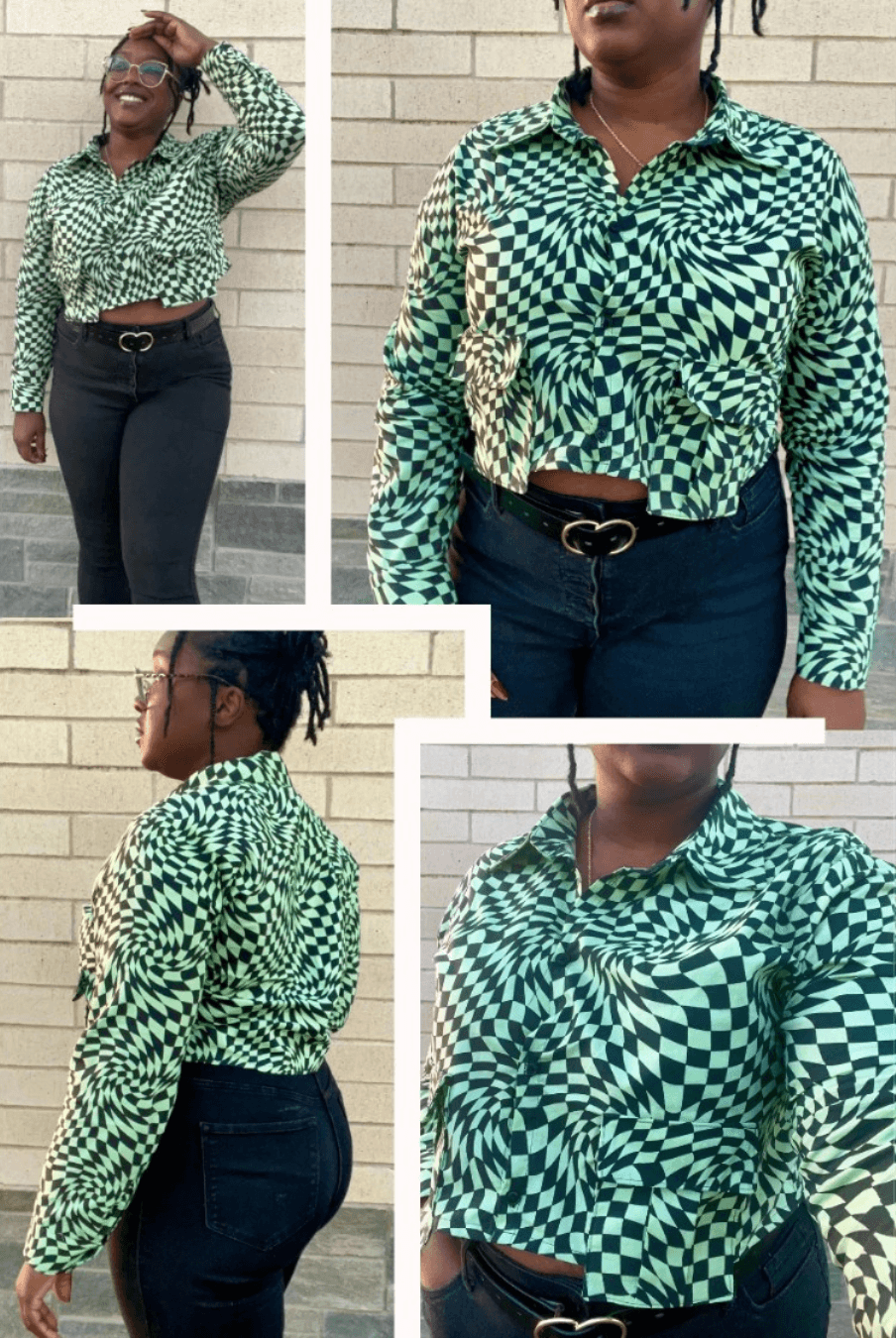
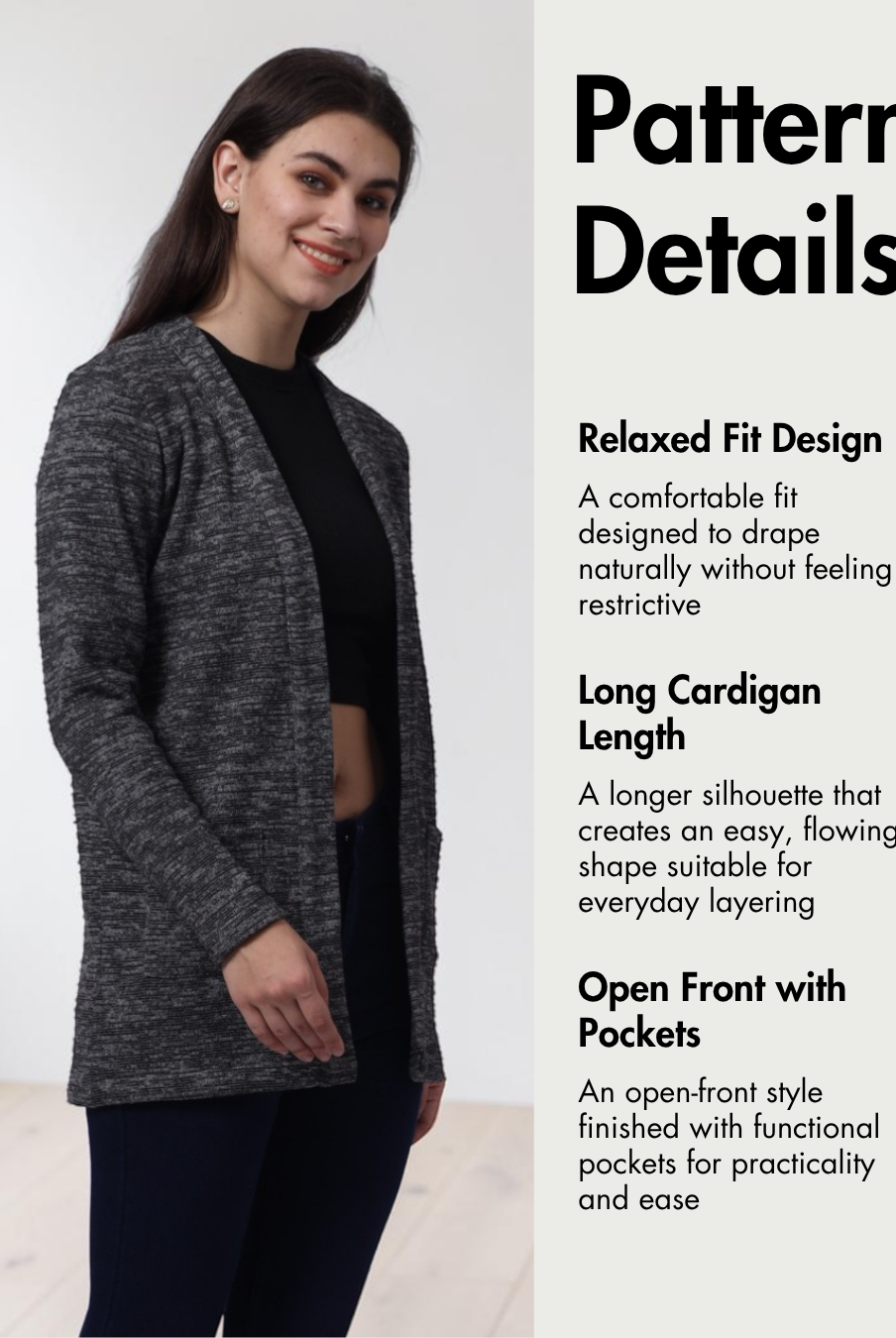
The model is wearing a top made from 5% poly-spandex interlock fabric as the main fabric.
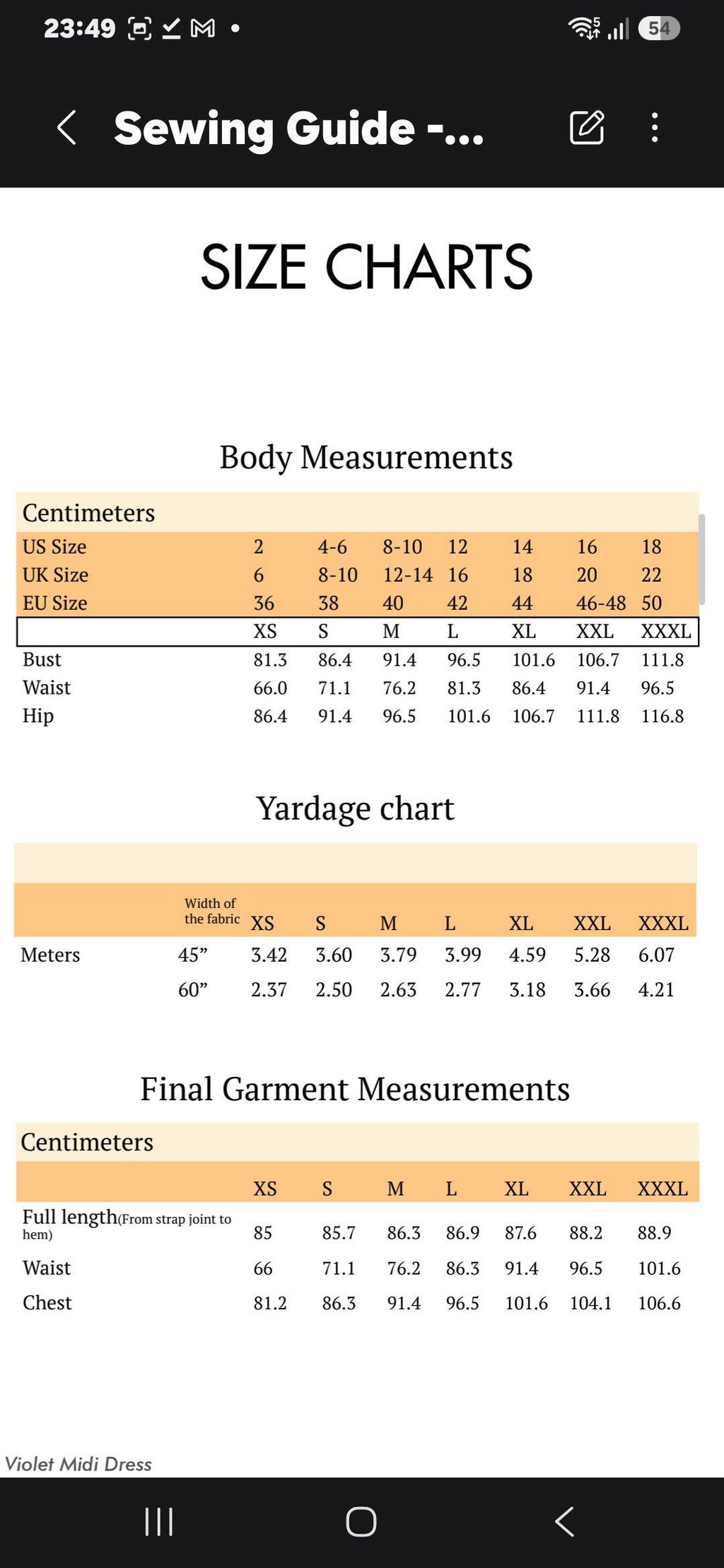
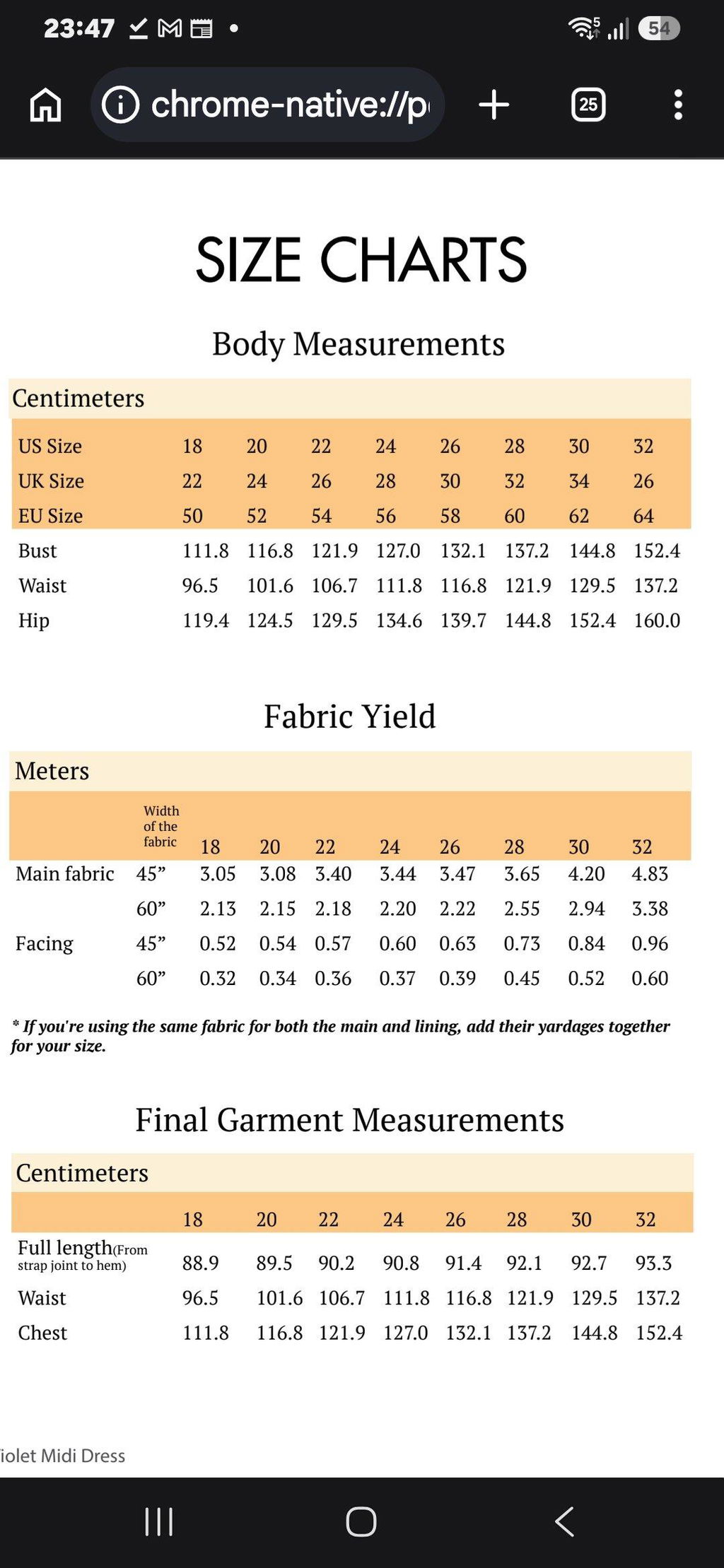
Size Charts
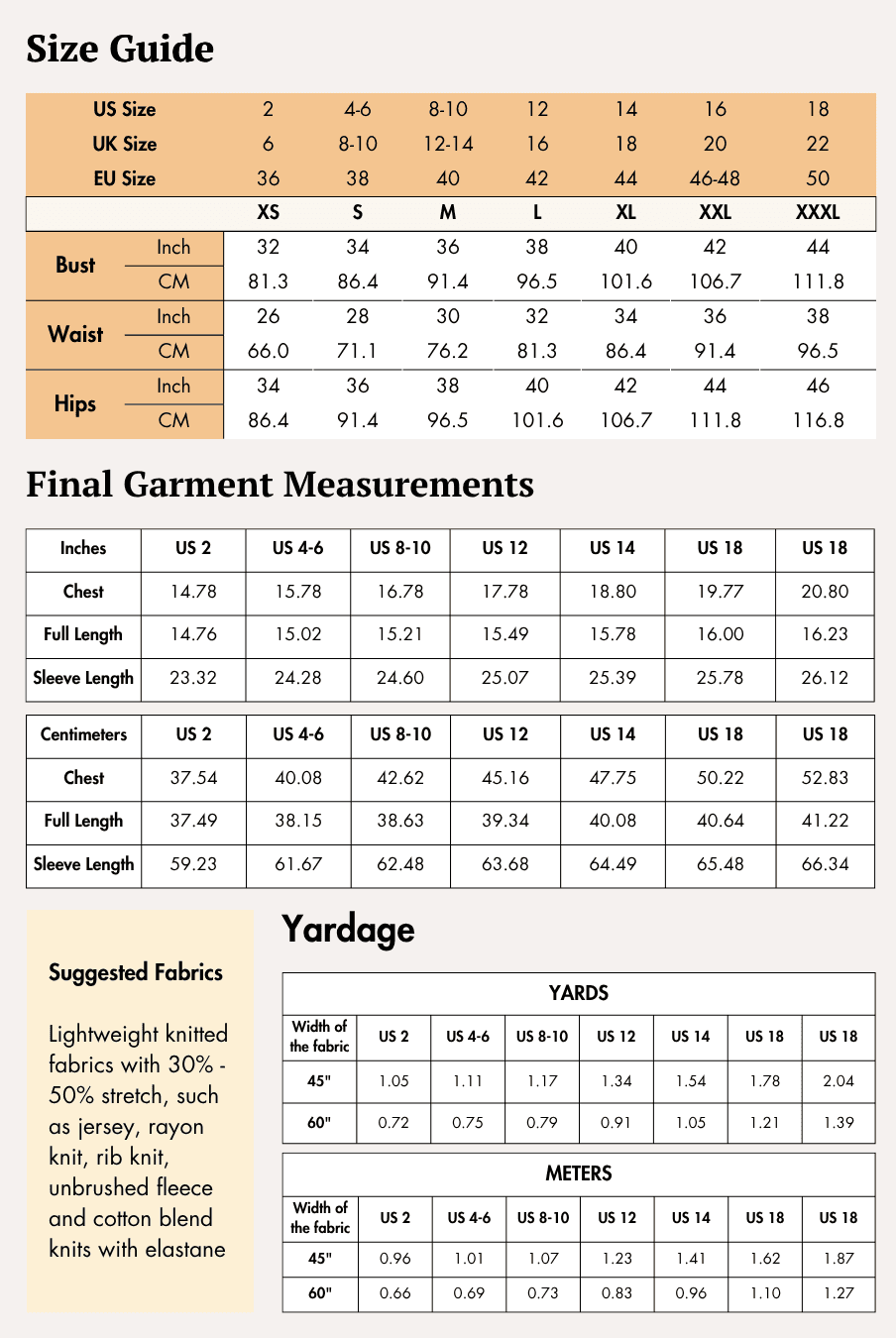
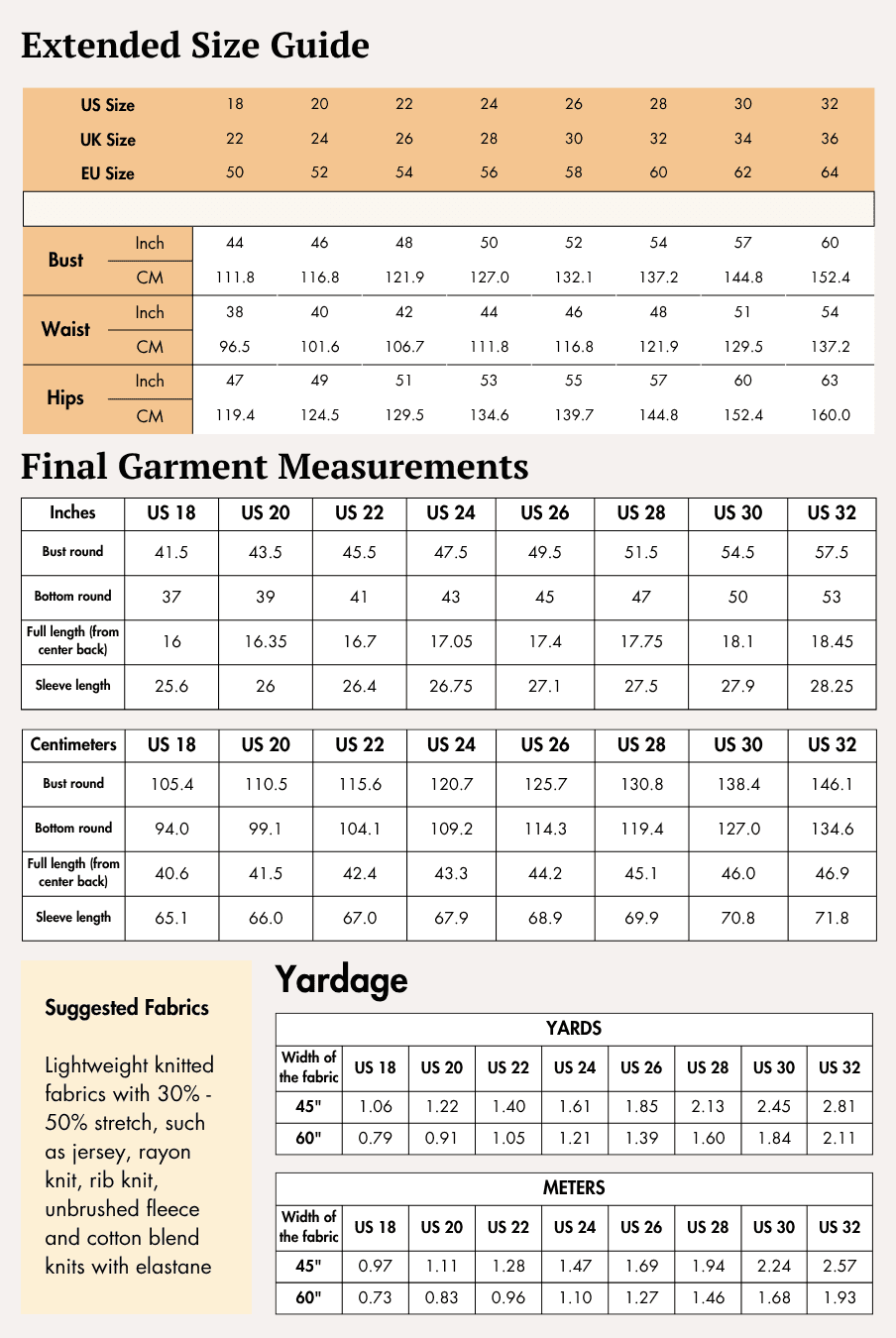
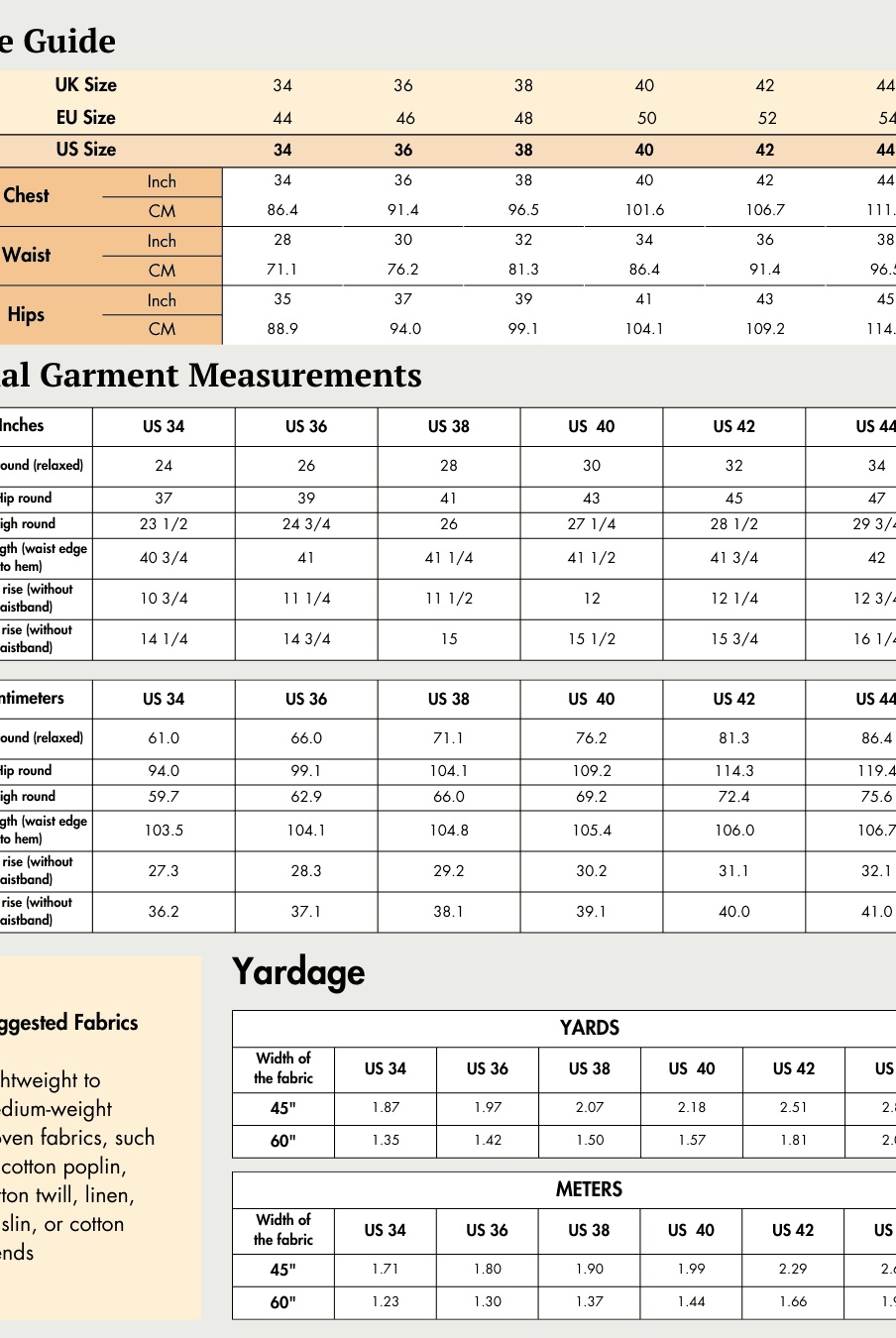
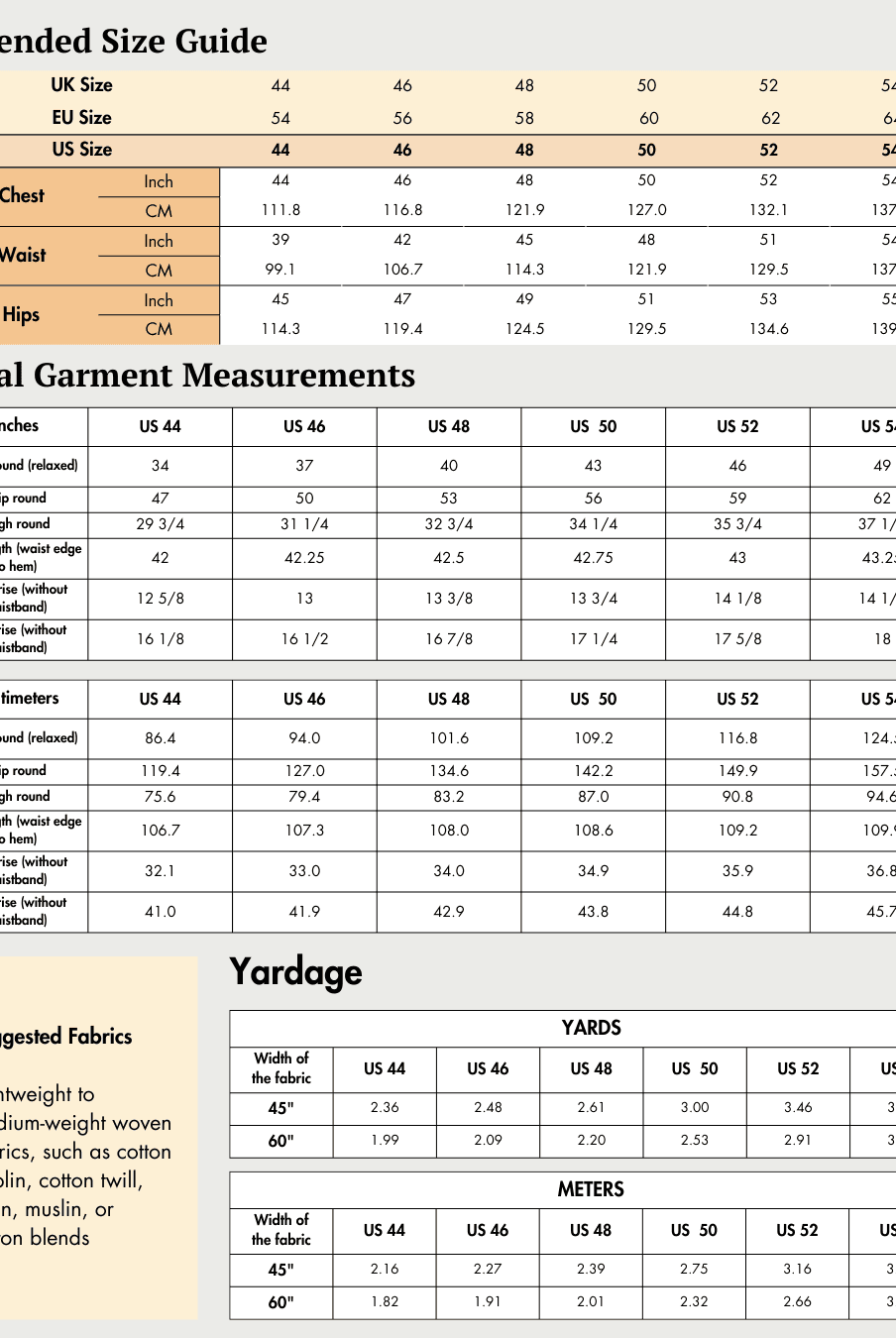
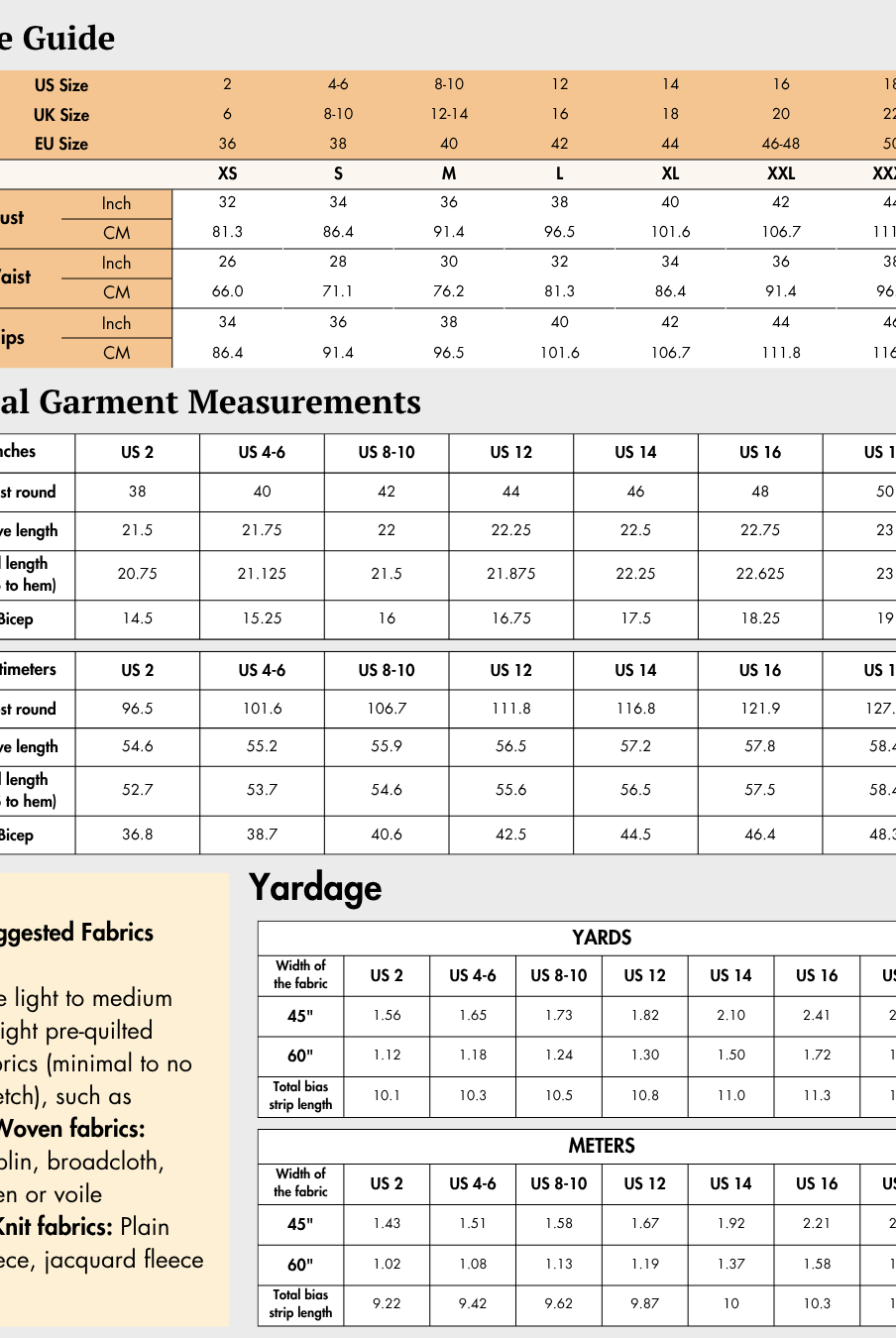
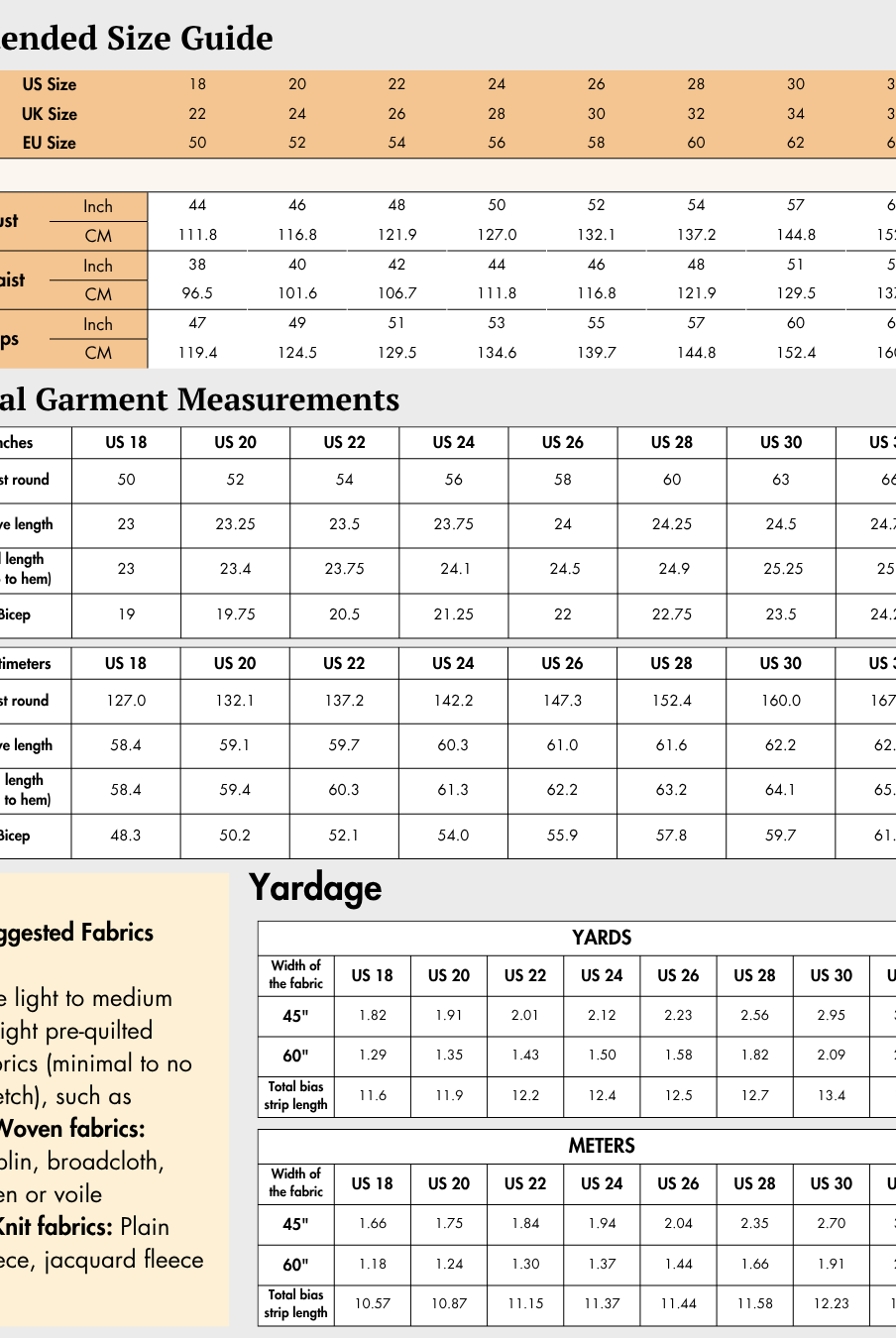
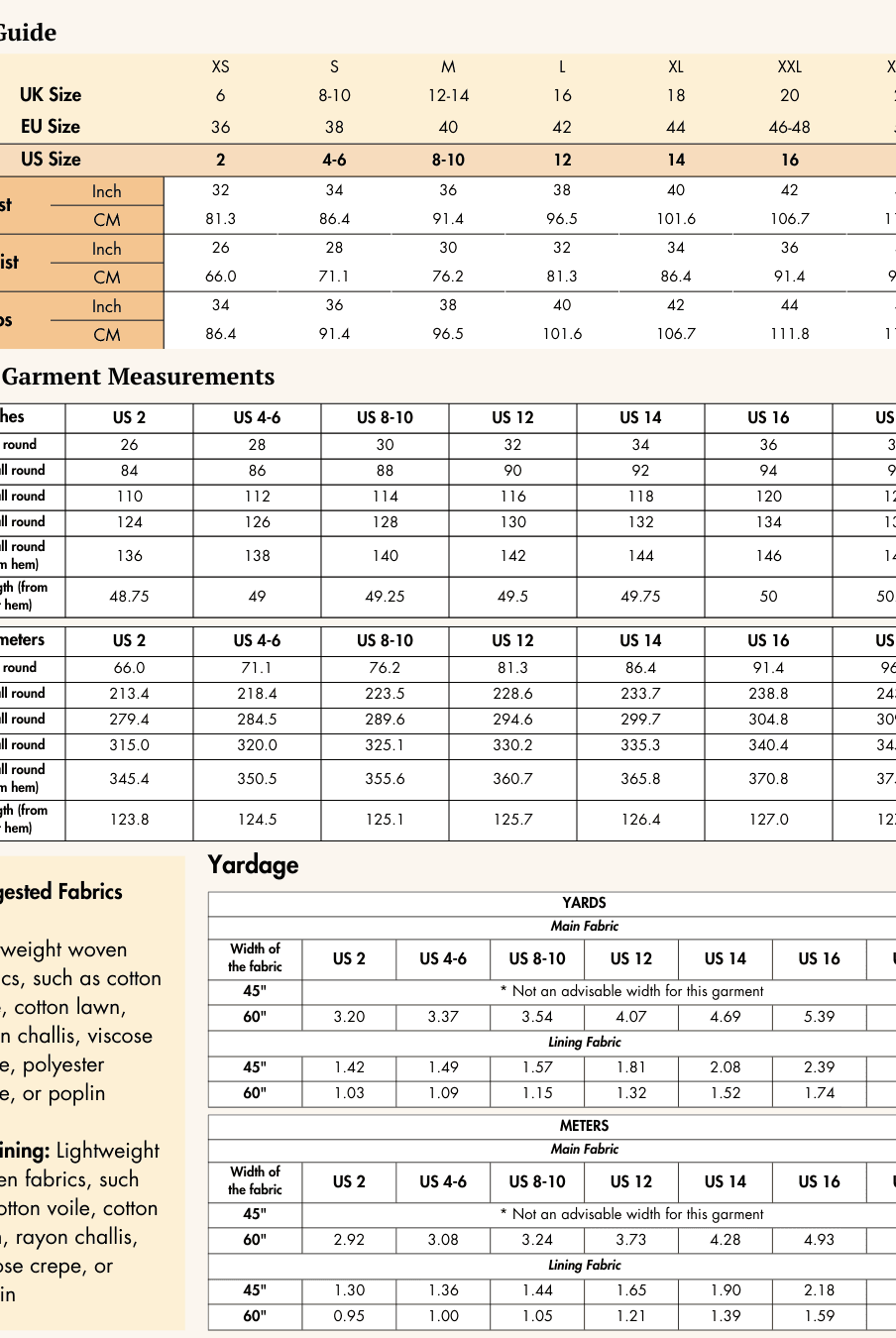
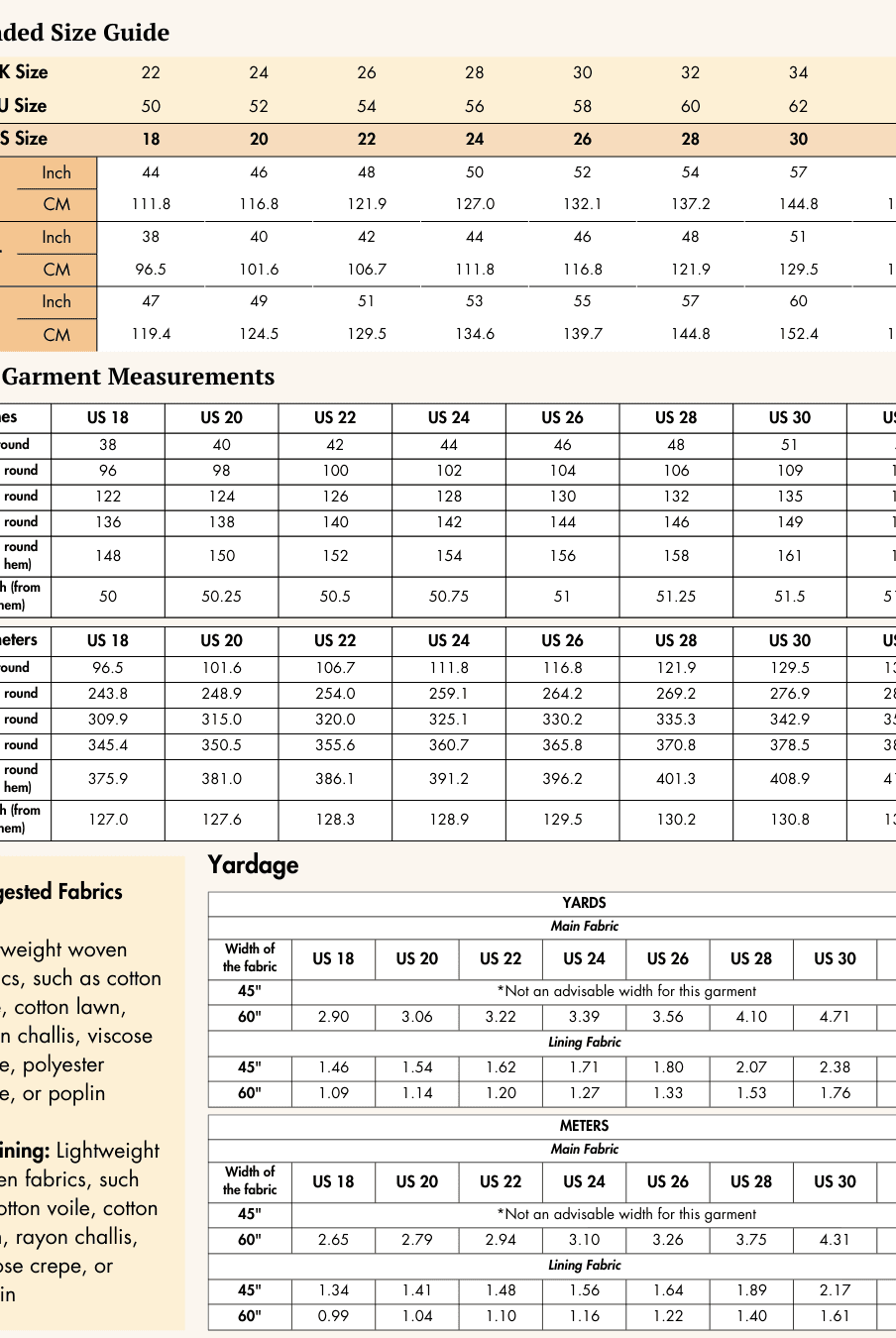
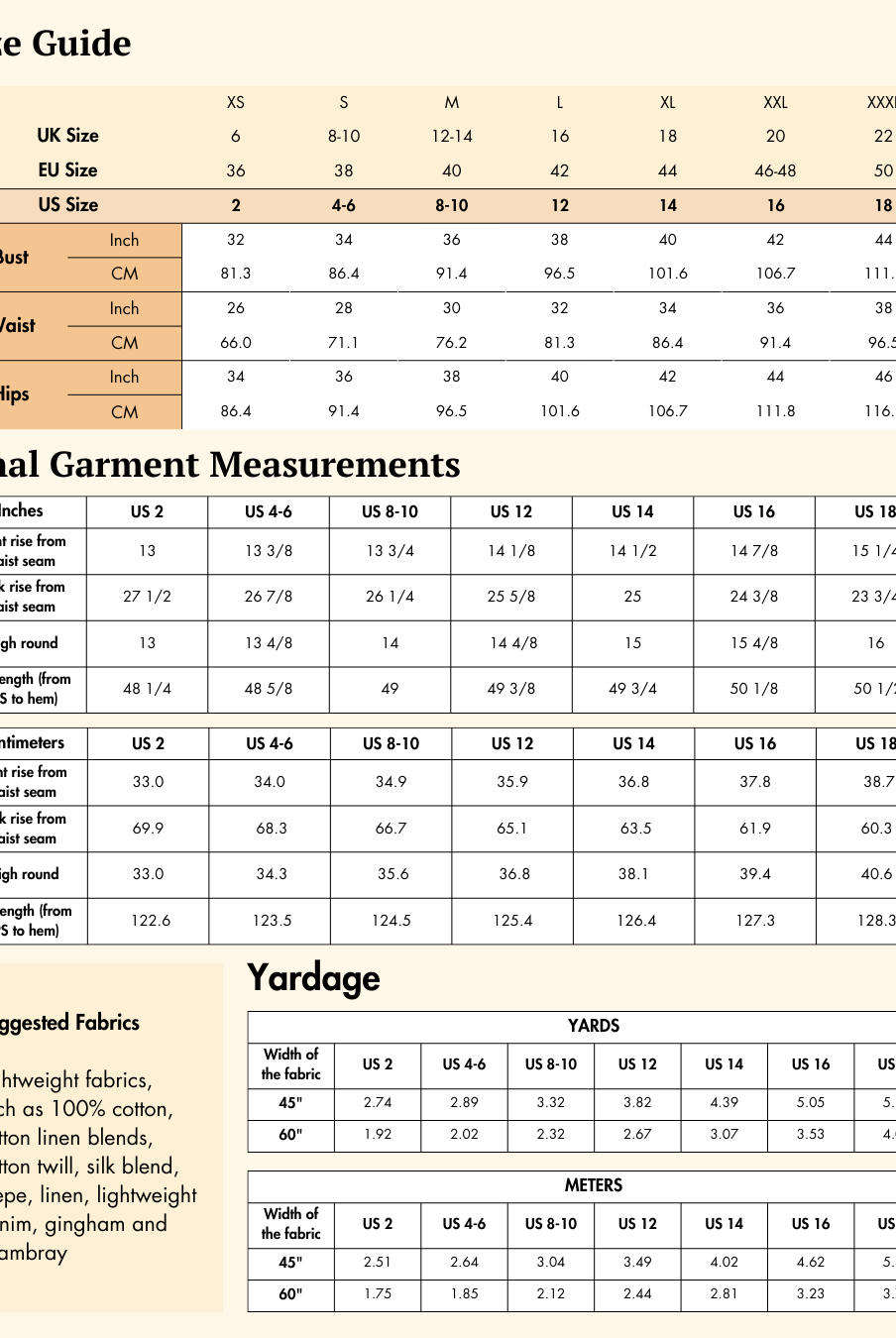
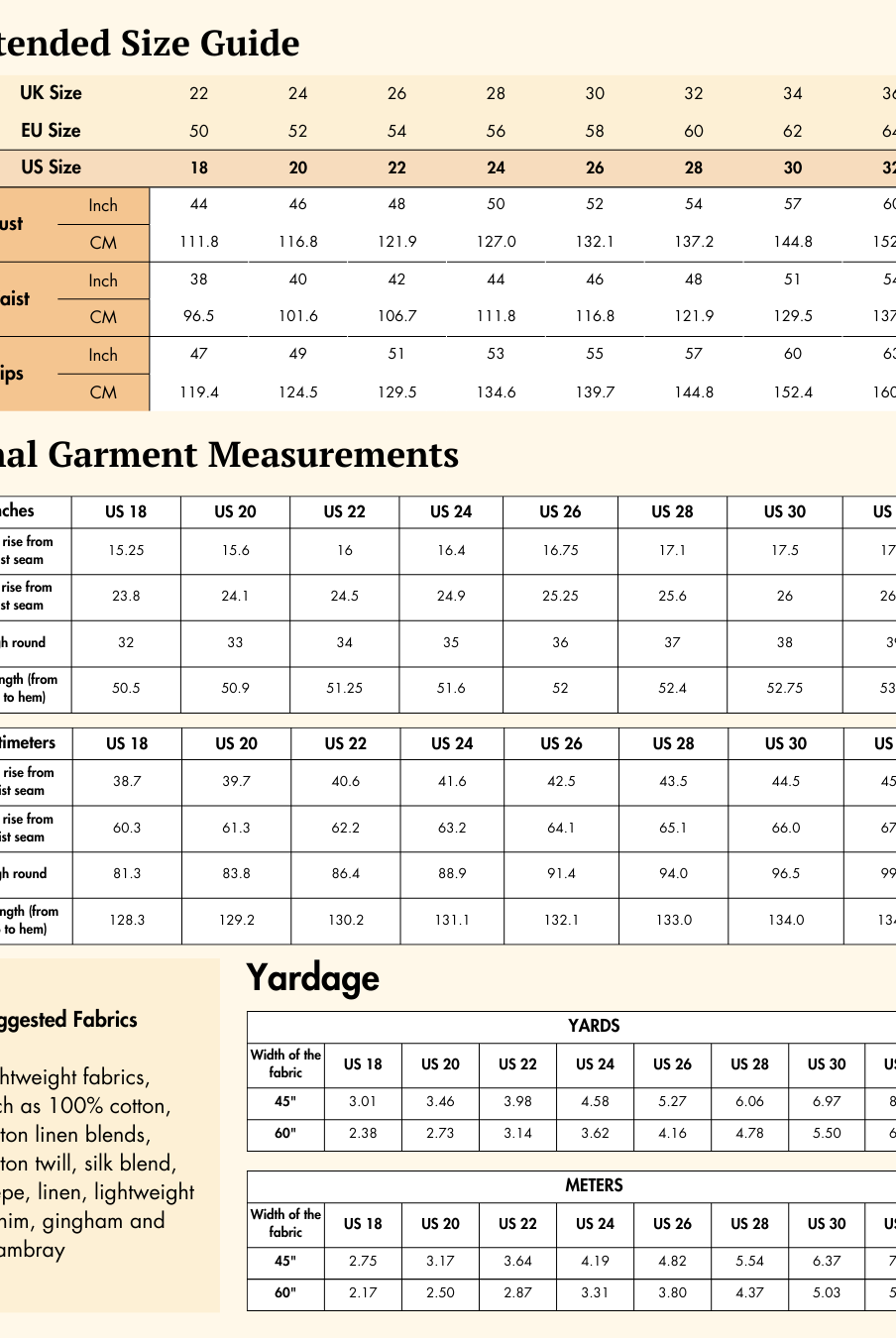
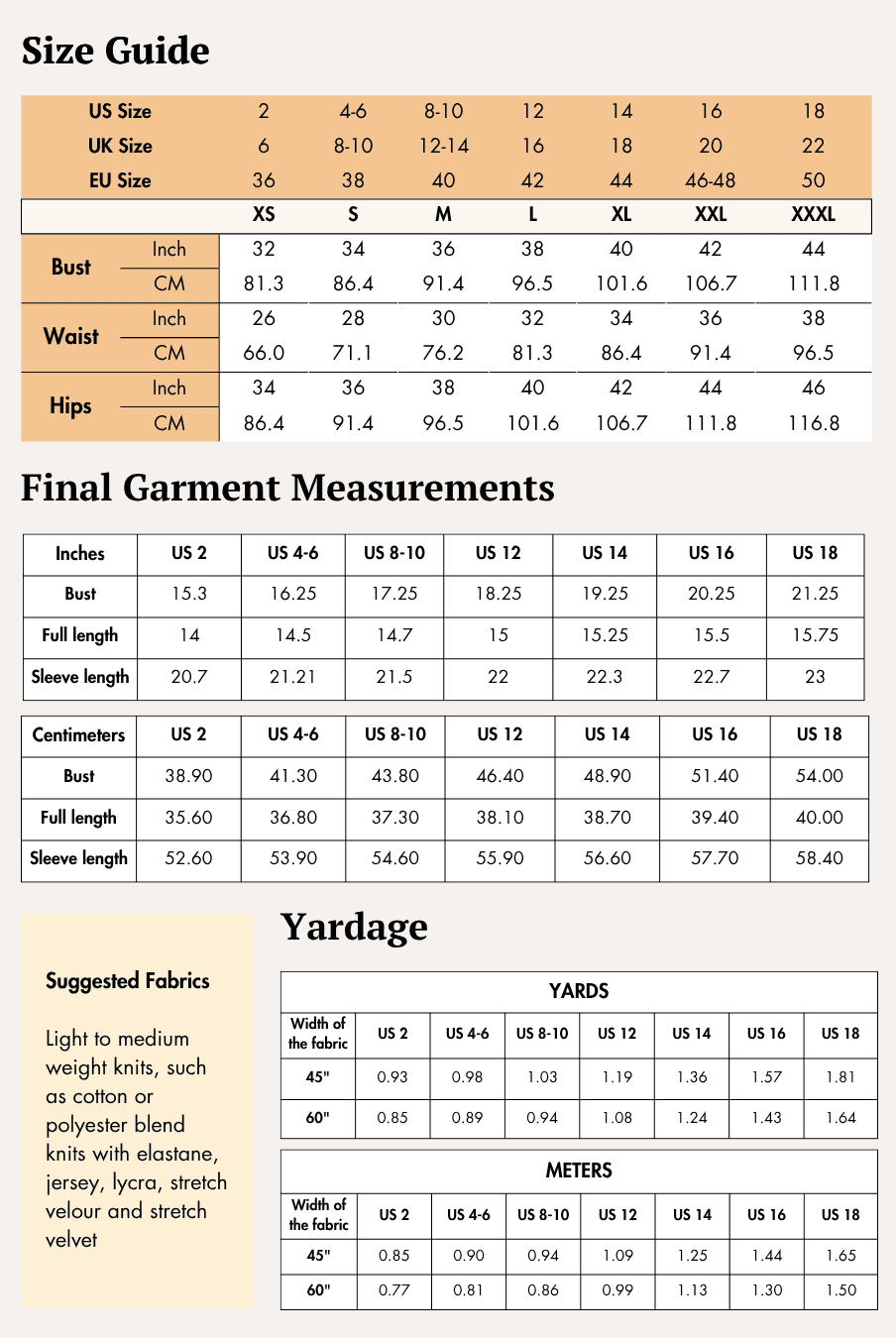
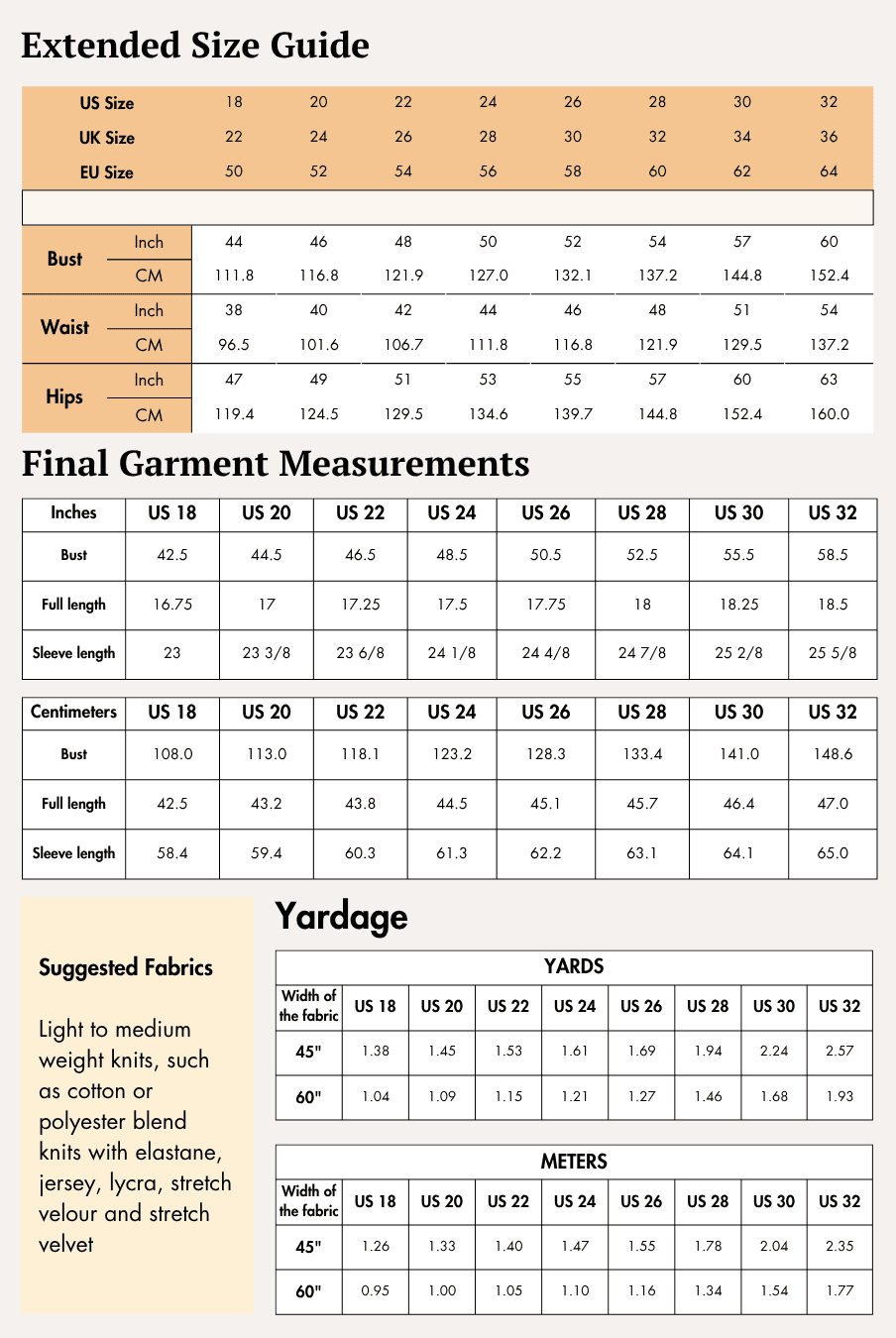
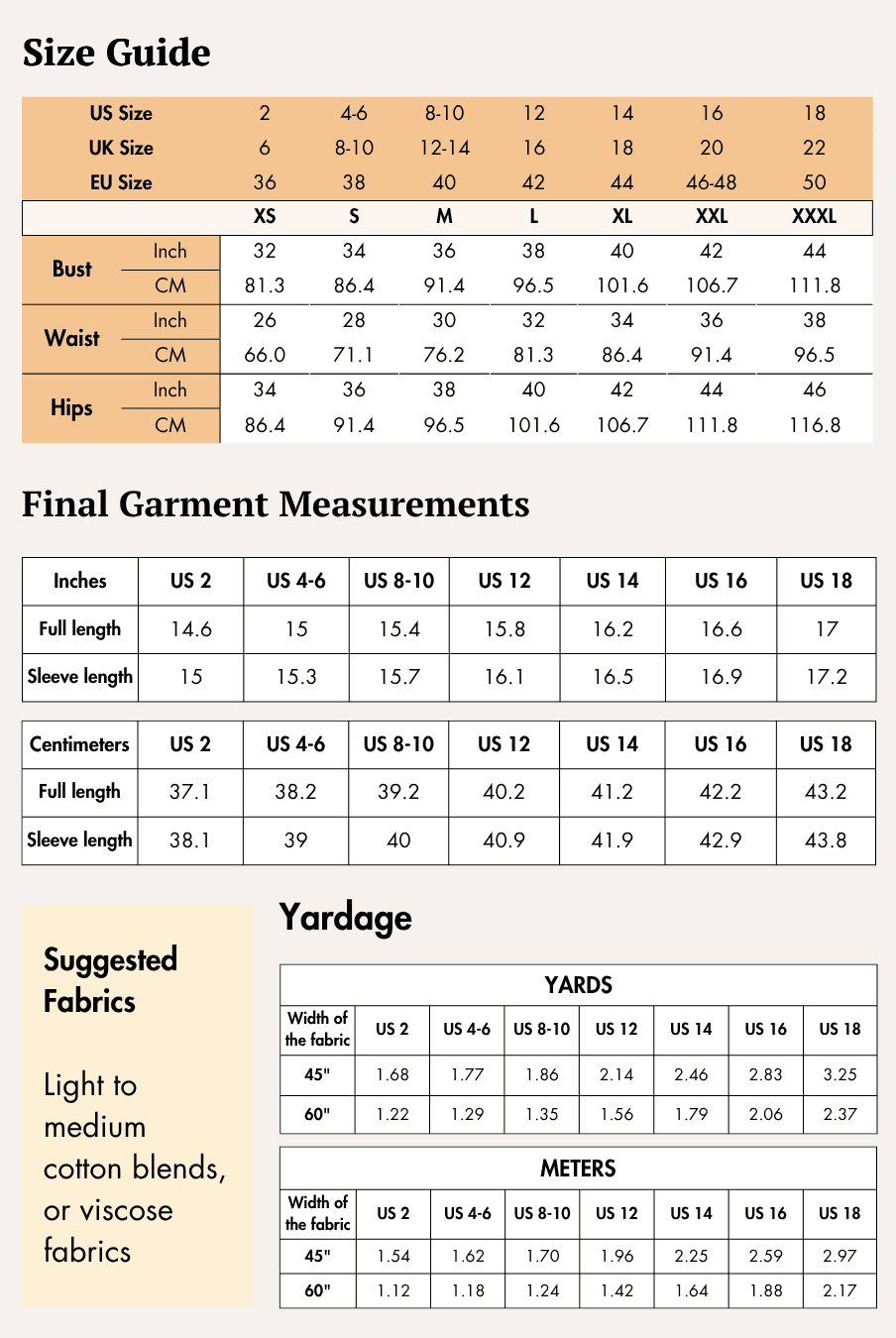
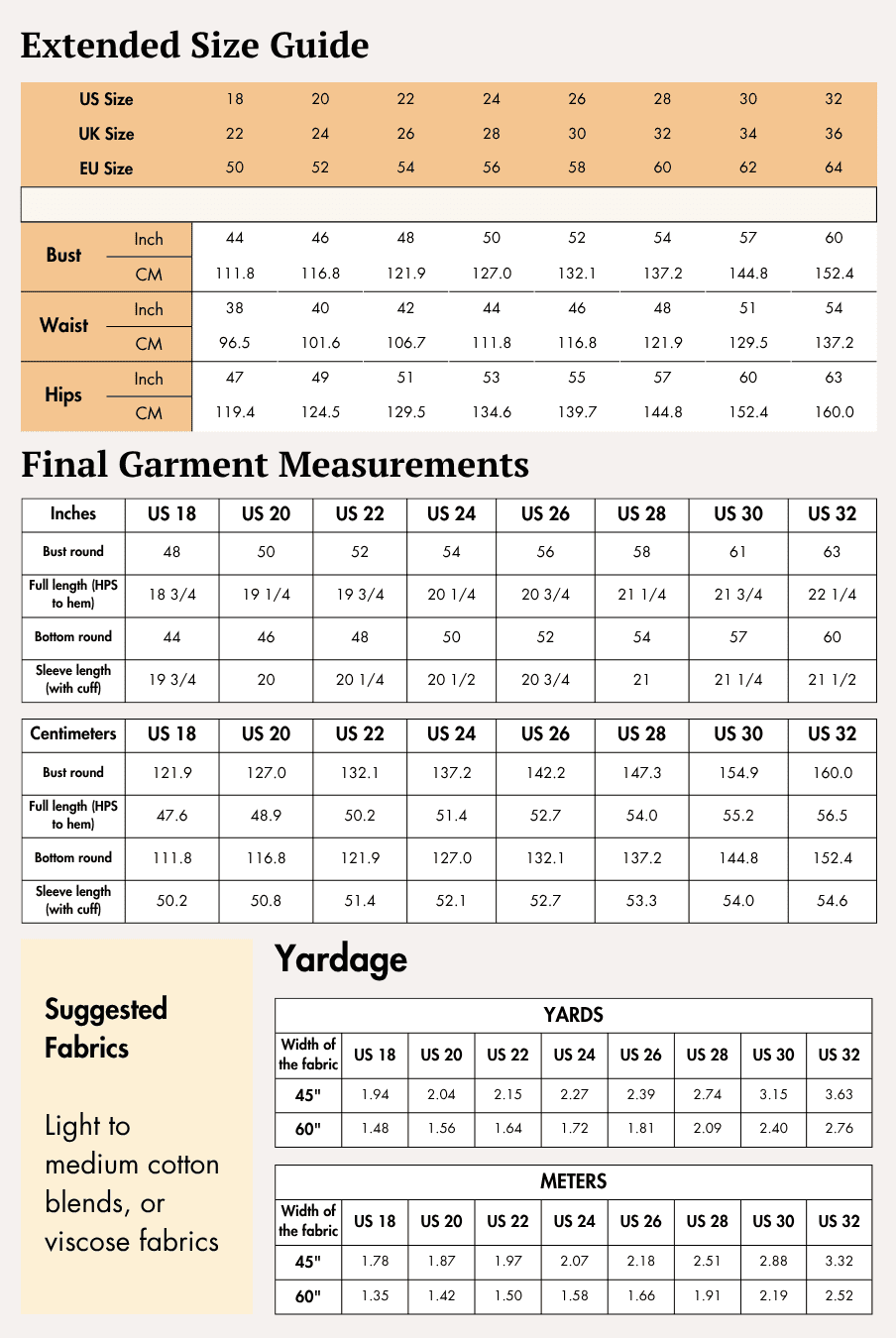
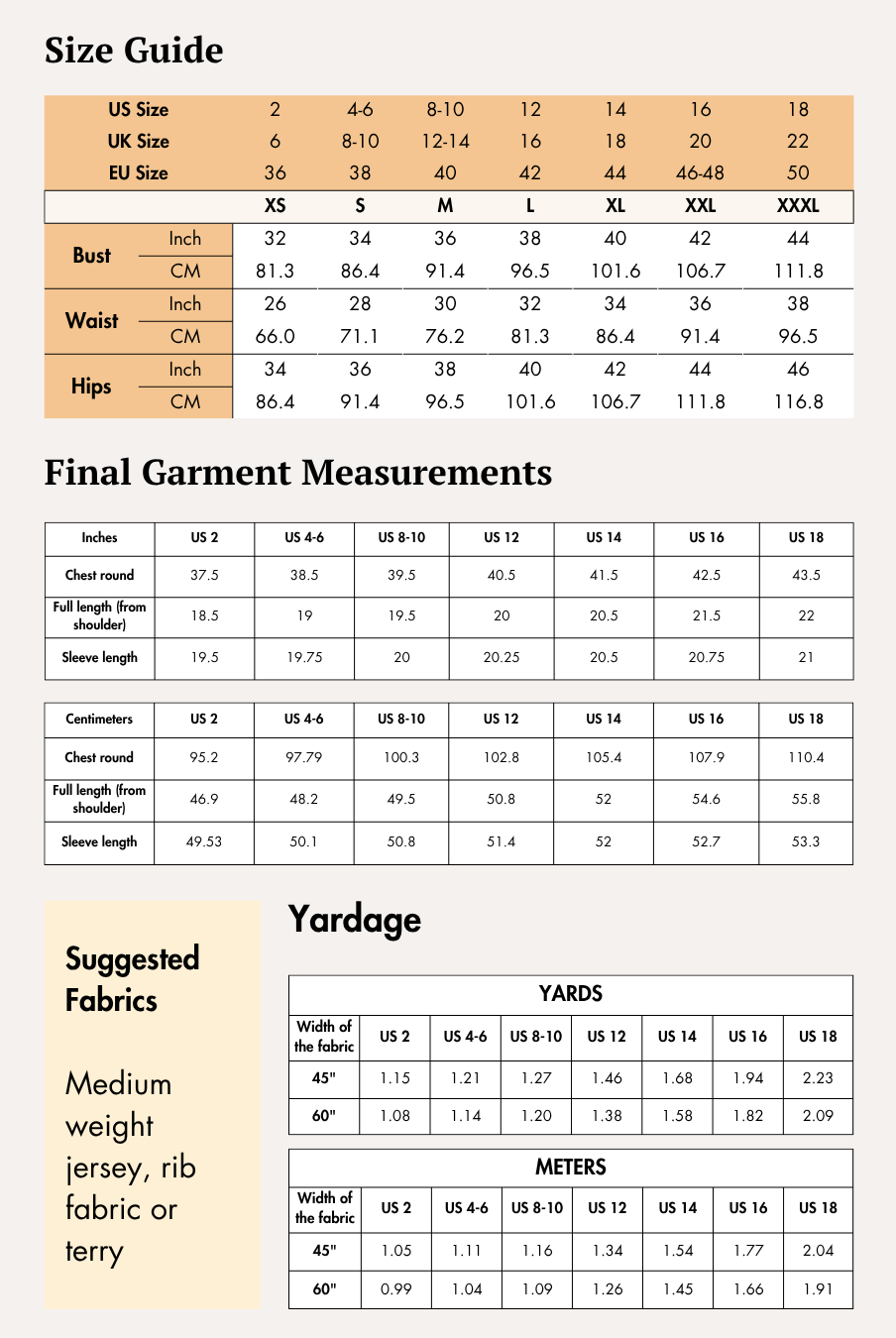
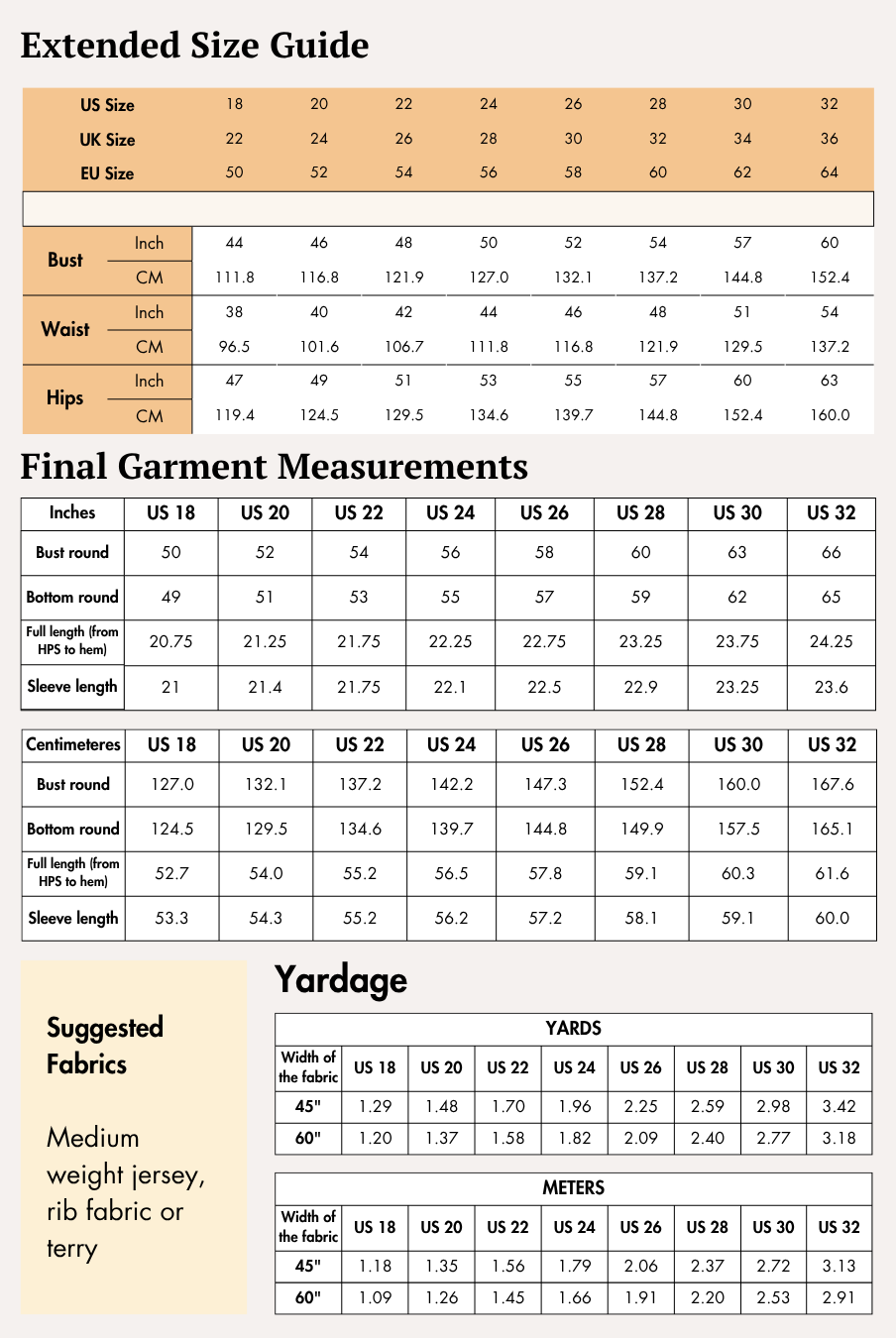
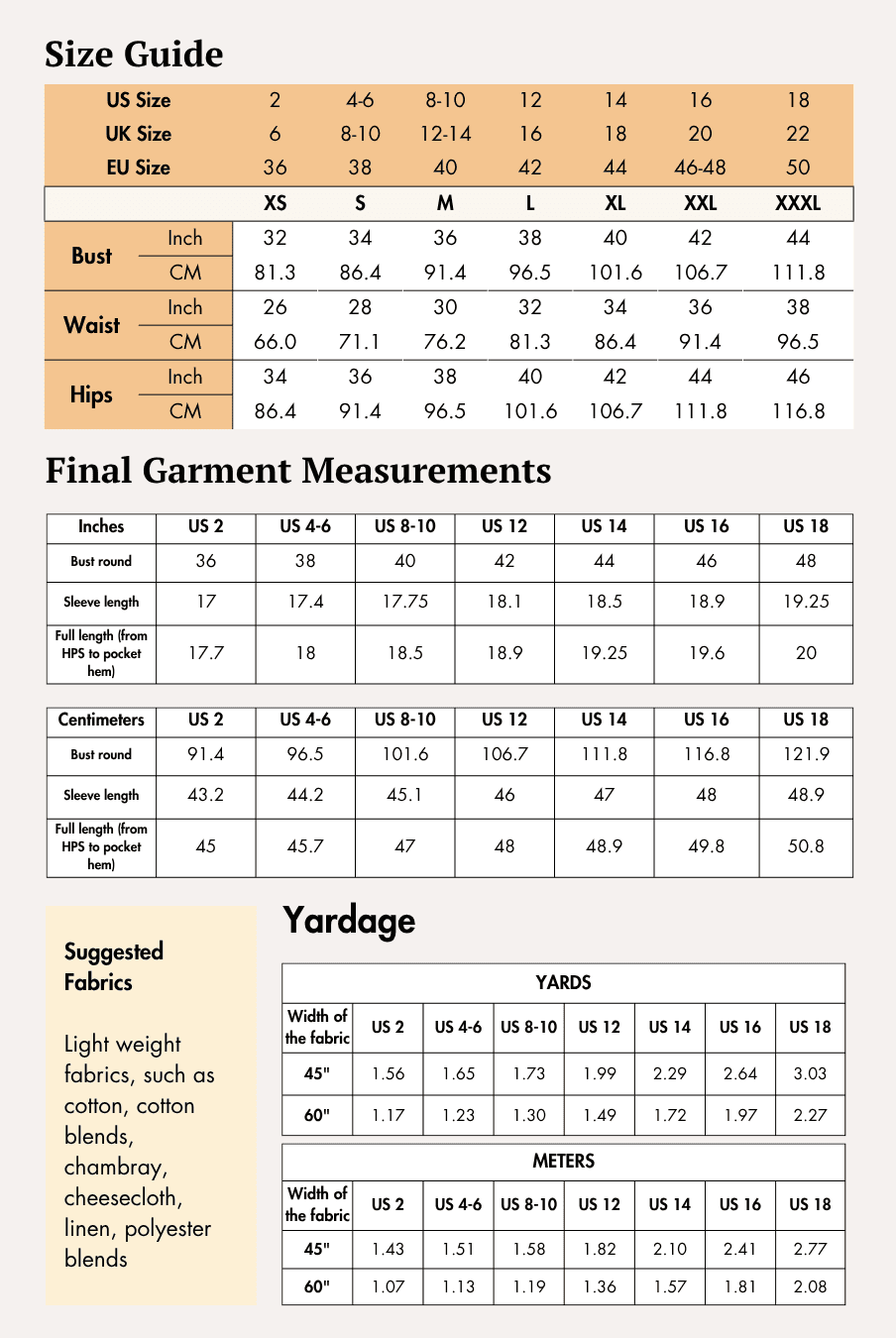
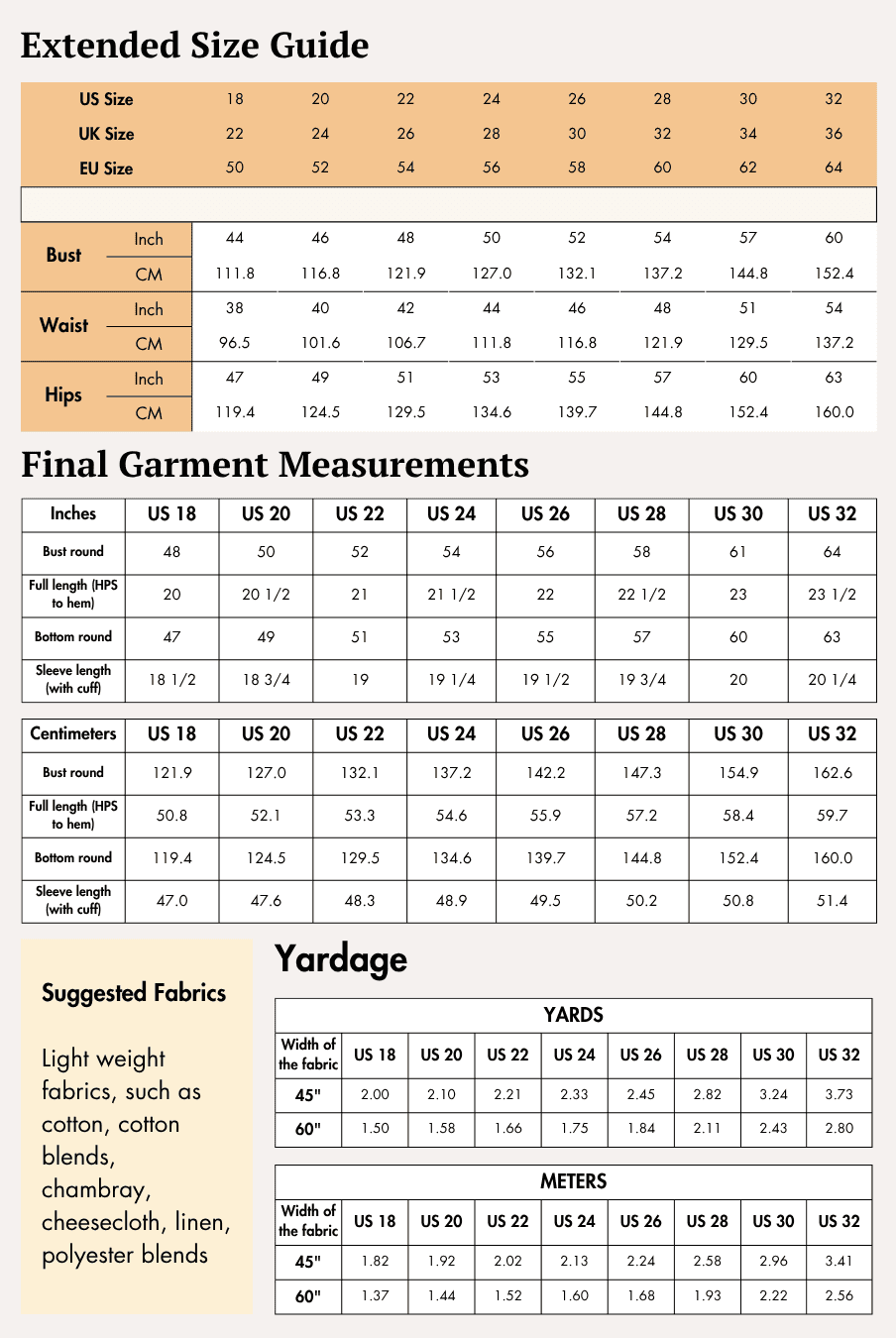
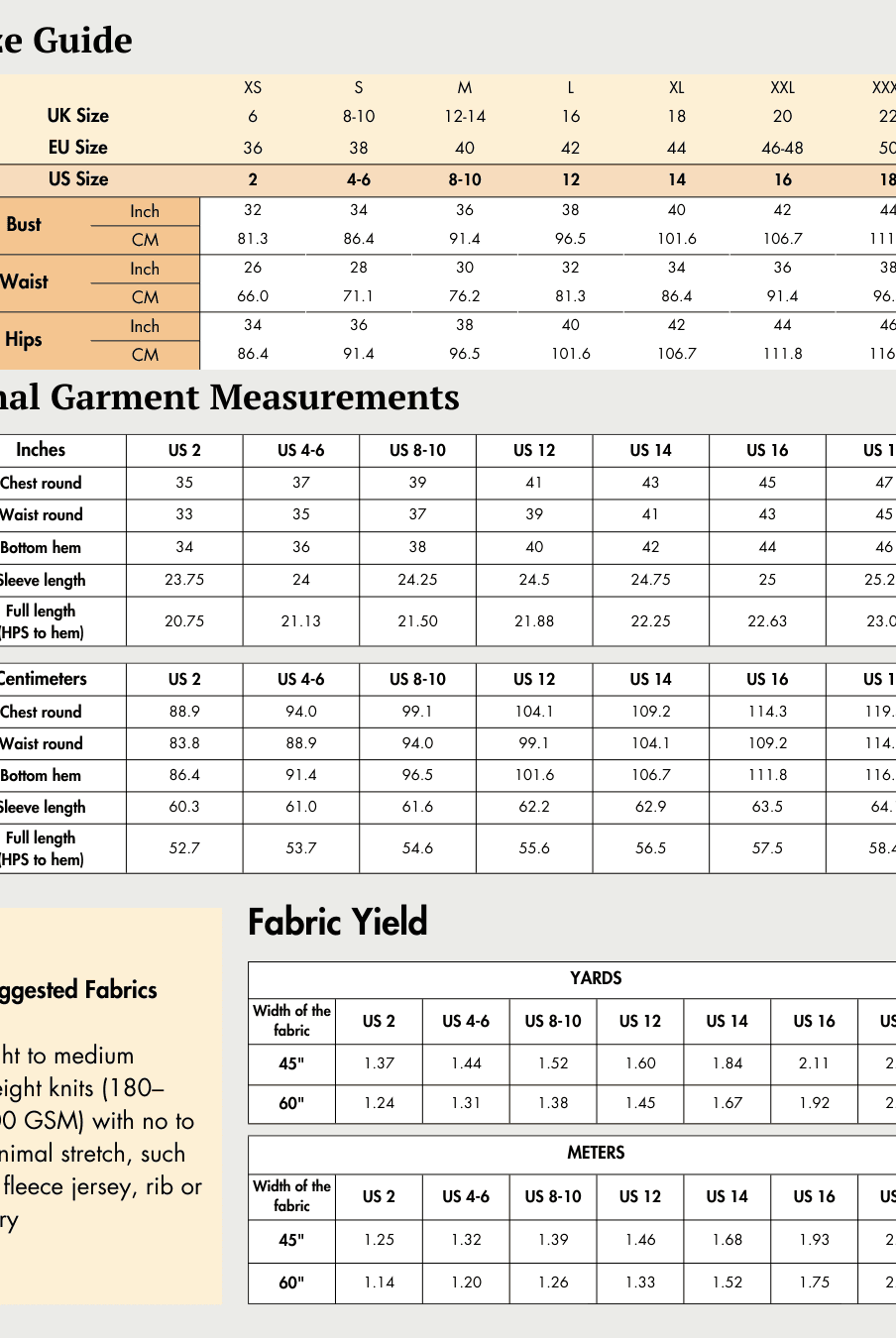
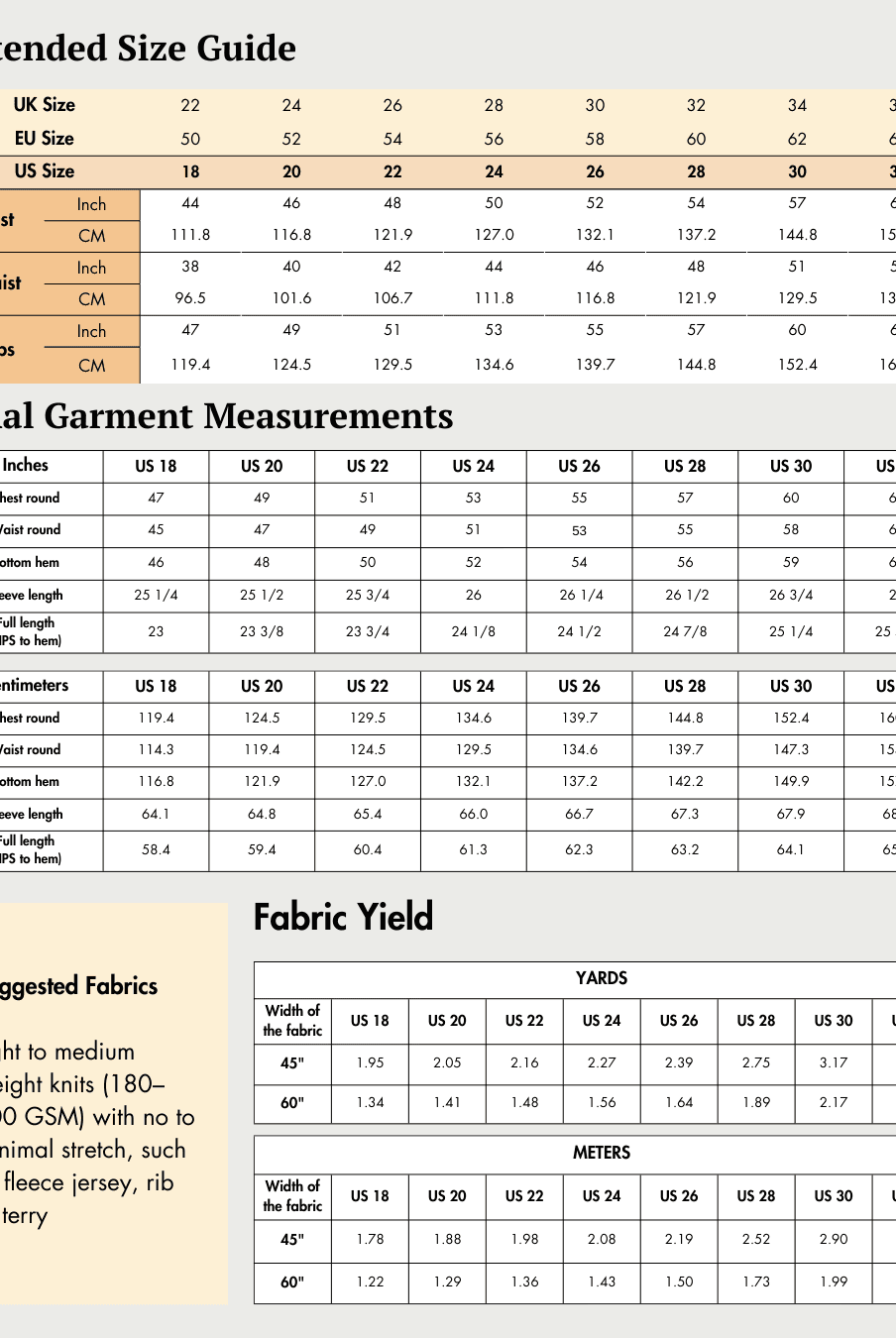
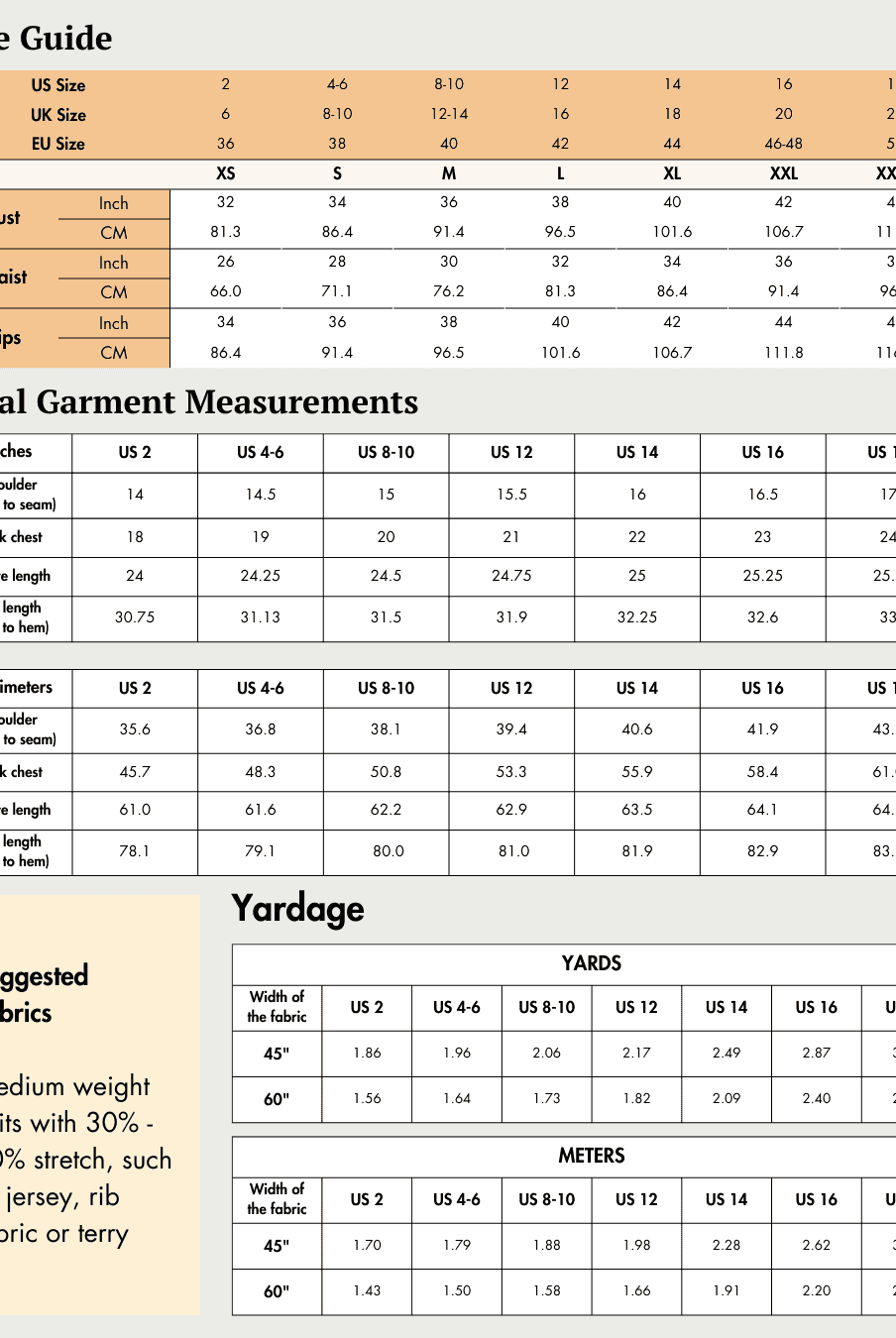
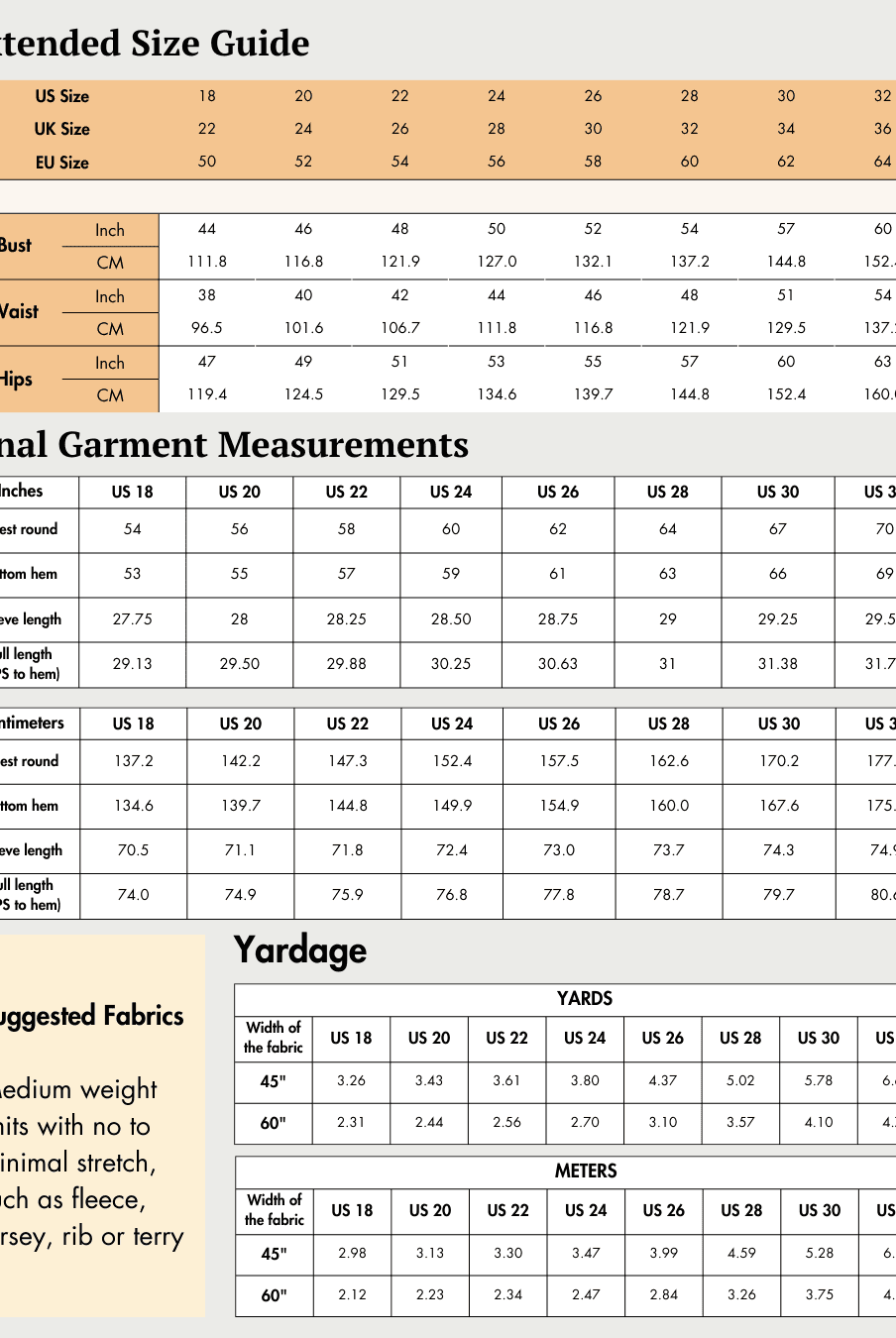
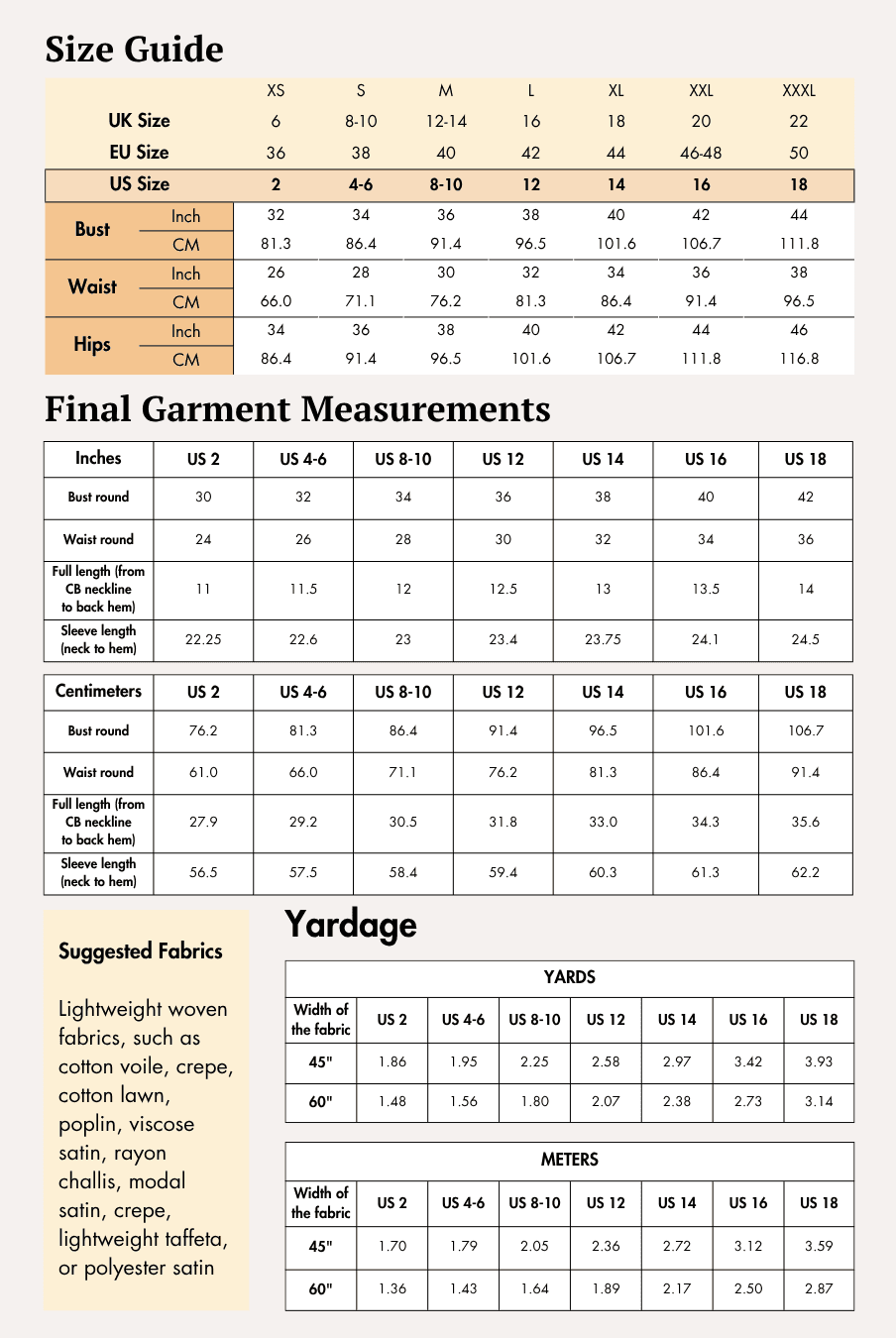
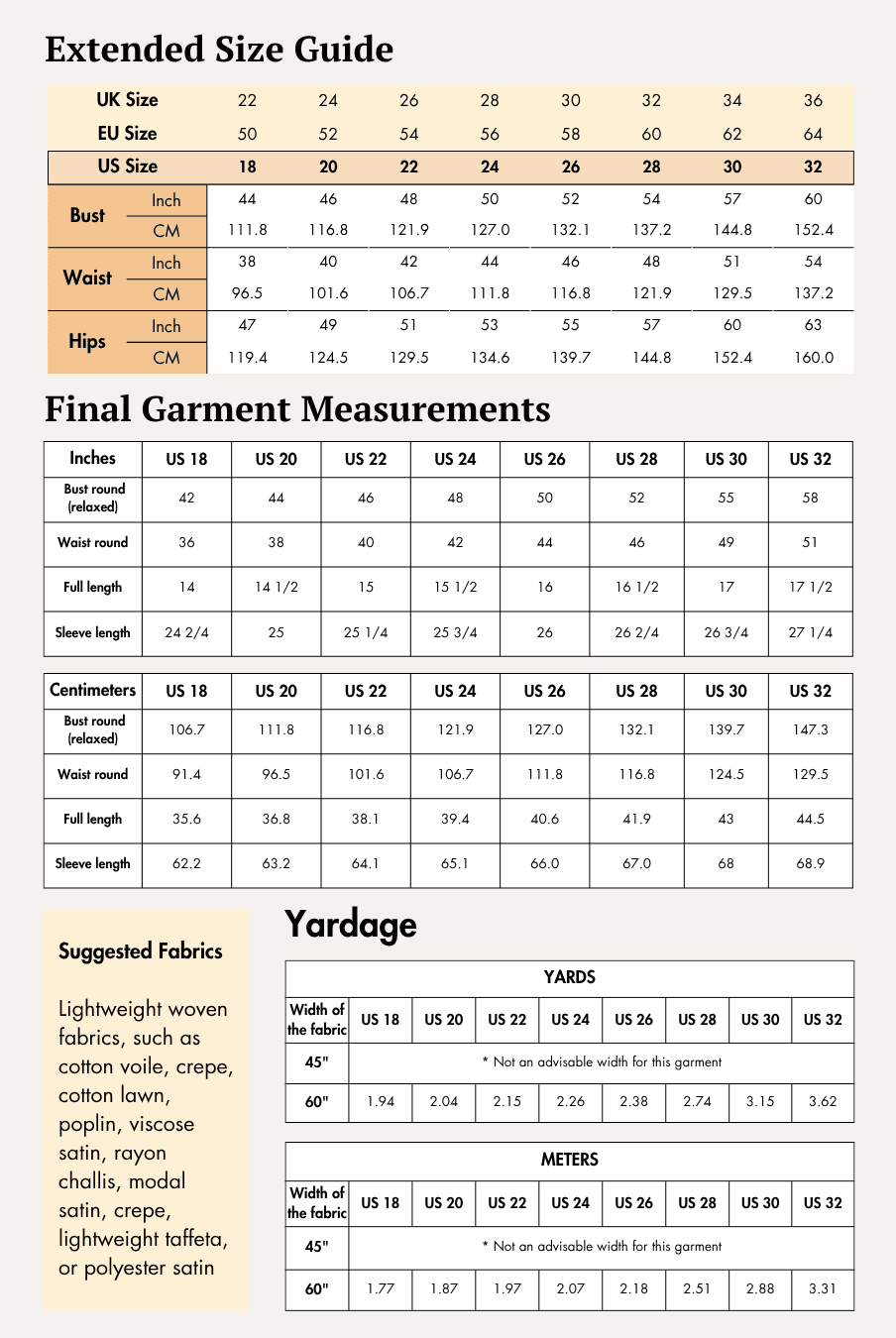
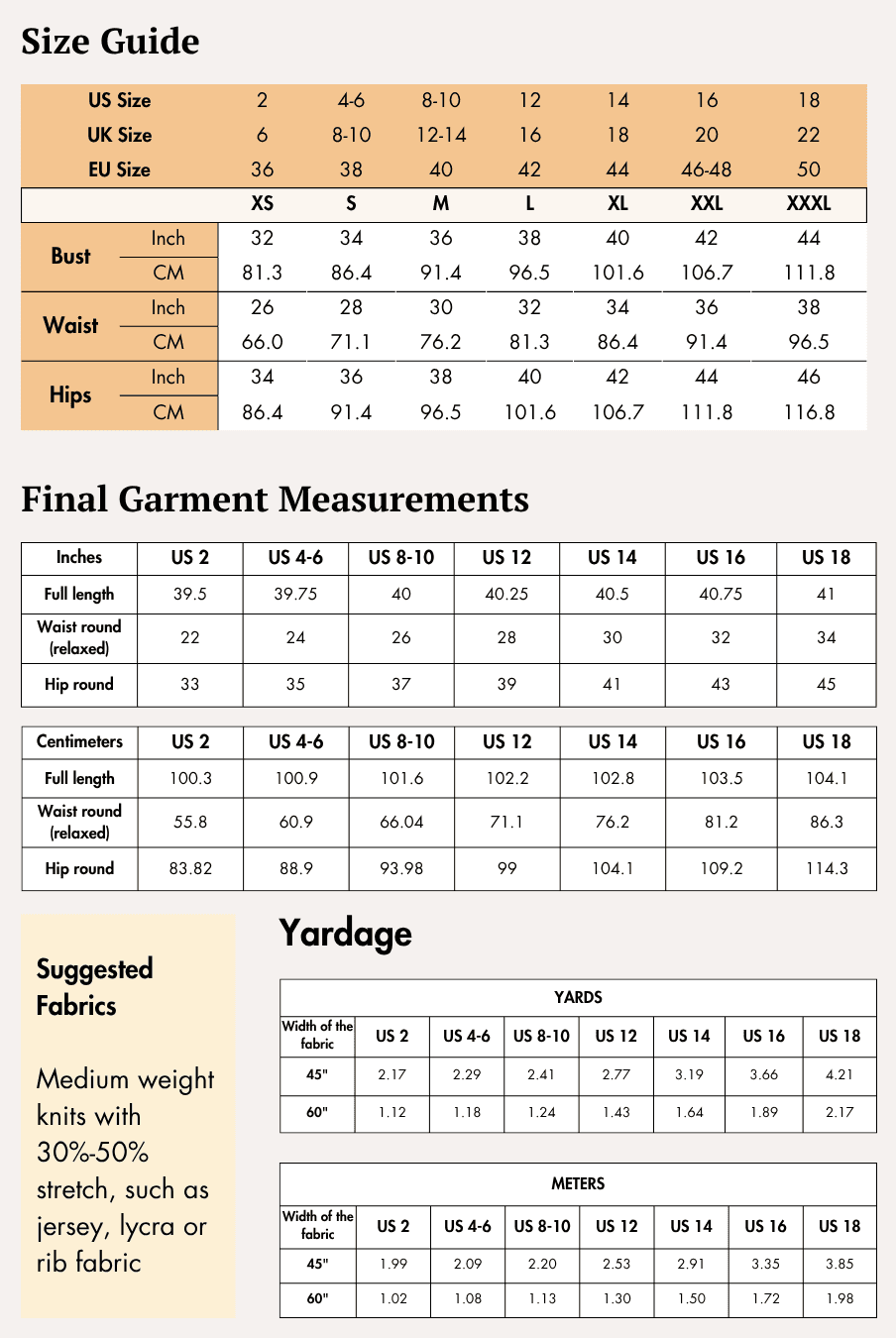
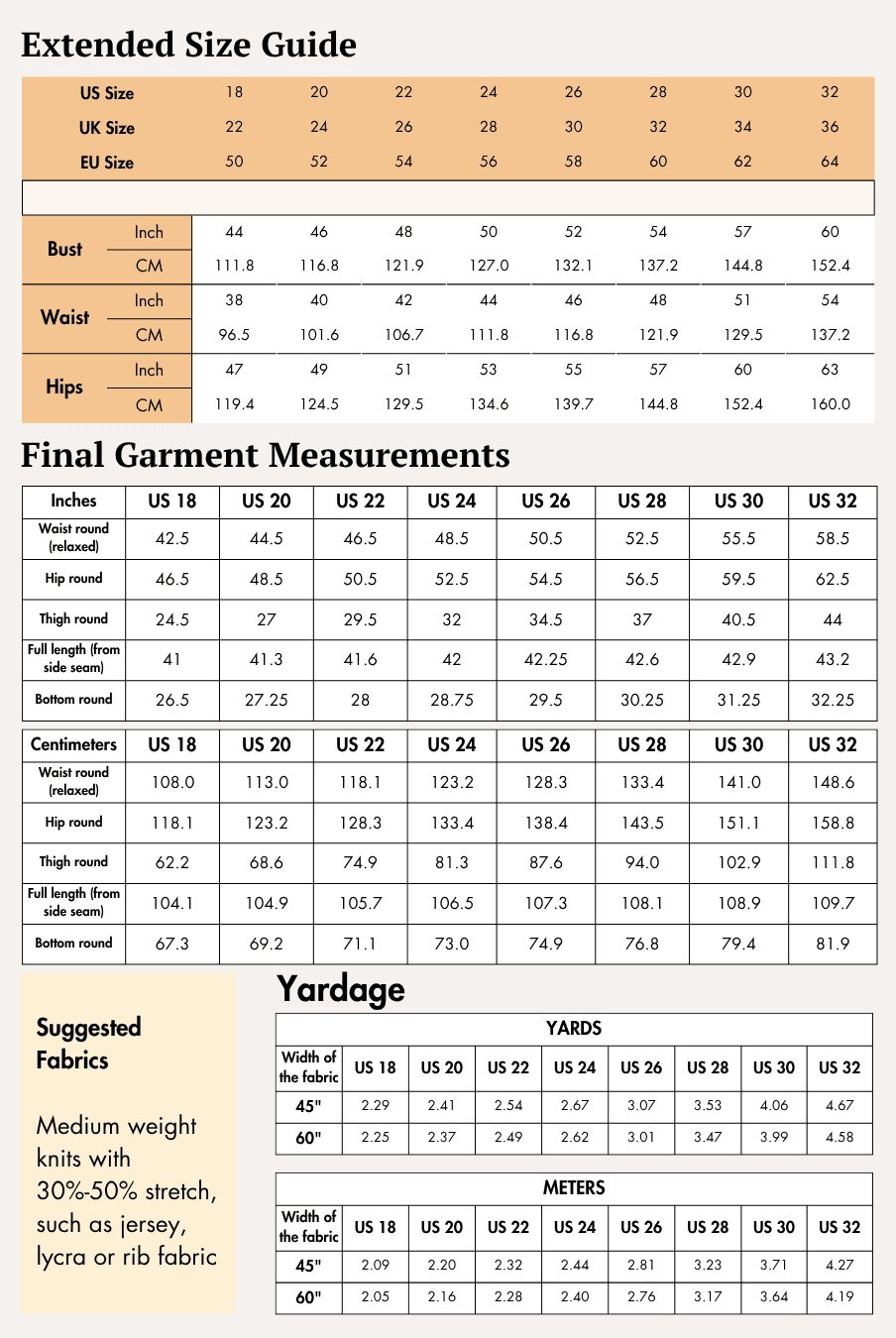
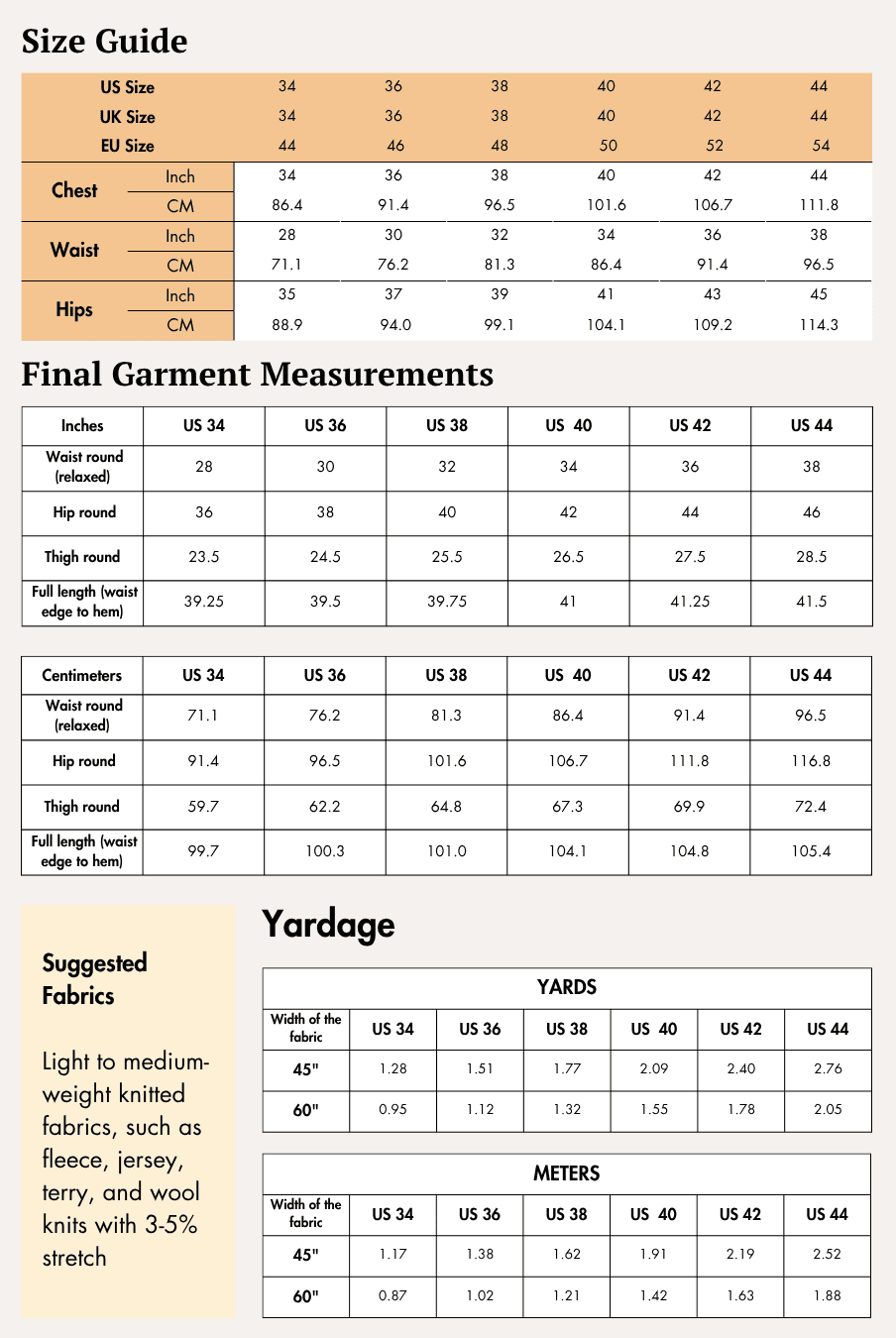
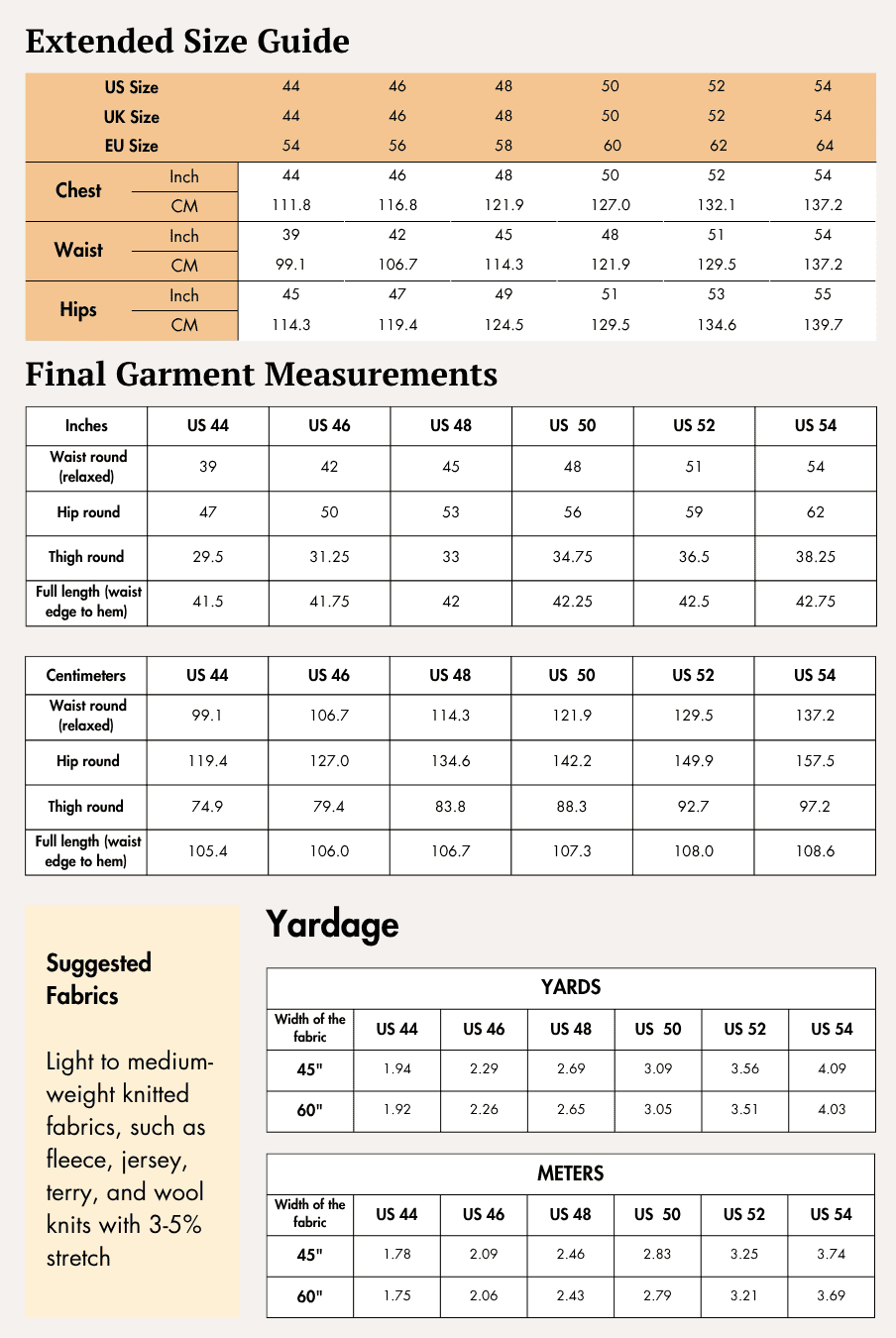
Check the size charts and measure yourself to select the correct size, using the garment and body measurement tables in the guide.
Verify how much fabric you need by referencing the fabric yield table in the guide.
Pattern Inventory: What Pieces to Prepare

Prepare the following pattern pieces:
- Front – Cut 1 Fabric
- Back – Cut 1 Fabric
- Back Yoke – Cut 1 Fabric
- Side Upper – Cut 2 Fabric
- Side Bottom – Cut 2 Fabric
Pattern Marking

The pattern includes the following markings:
- Grainline
- Neckline
- Shoulder
- Armhole
- Side seam
- Side seam allowance
- Hemline
- Center back notch
- Back across
- Side panel notch
- Cut & Sew 1 notch
- Cut & Sew 2 notch
- Cut & Sew 1 line
Transfer all markings before sewing to ensure accurate alignment during construction.
Cutting Layout


The cutting layout helps ensure your garment is cut accurately on grain.
- Align all grainline arrows parallel to the fabric selvage.
- Pin pattern pieces securely before cutting.
- The layouts provided are nondirectional.
- Purchase additional fabric when working with directional prints or fabrics with nap.
- Separate layouts are provided for both 45-inch and 60-inch fabric widths.
- The illustrated layouts use a Small size for demonstration.
- Pattern piece D (Side Upper) may be cut from mesh fabric or another compatible knit fabric. Always test your fabric combination and machine settings before sewing the final garment.
Fabric Cutting and Preparation
Arrange the pattern pieces according to the cutting layout diagrams. Begin by positioning the pieces on the fabric, ensuring that the grainline arrow runs parallel to the selvage.
If you are using fabric shears, trace the pattern pieces and then cut them out, cutting away any pen, pencil, or chalk lines. Remember to cut out any notches that appear on the edges. These markings help line up the pieces when you assemble the garment.
Use your marking pen, pencil, or chalk to transfer the markings (such as circles, buttonholes, and fold lines) to the wrong side of the fabric. Mark the center front of pieces cut on the fold, as this will help you align pieces accurately.
Seam Allowance
Please follow the seam allowances as indicated on the pattern file layers. These are provided specifically for each piece to ensure accurate construction.
This pattern uses a 1 cm (or 0.38 inch) seam allowance all around and 2.54 cm (or 1 inch) at the hem.
Step-by-Step Sewing Instructions
1. Attach the Side Panels
-
Place the Side Upper and Side Bottom pieces with right sides together.
-
Match the side panel notches and overlock along the seamline.
-
Press the sewn seamline to complete the side panel piece.
-
Repeat the same process for the second side panel.
2. Attach the Back Yoke
-
Place the Back Yoke on the back across the section of the Back piece with right sides together.
-
Align the center back notches and sew them together.
3. Attach the Side Panels to the Back
-
Place the prepared side panel on the Back piece with right sides together.
-
Match the Cut & Sew 2 notch on the Back piece to the Cut & Sew 2 notch on the prepared side panel.
-
Match the middle seamline of the prepared side panel to the Cut & Sew 1 marking on the Back piece.
-
Pin the pieces together and sew along the seamline.
-
Press the sewn seamline.
-
Repeat the same process for the opposite side panel.
4. Attach the Front to the Side Panels
-
Place the side seam of the Front piece and the side panel with right sides together.
-
Match the Cut & Sew 1 and Cut & Sew 2 notches on the Front piece to the corresponding Cut & Sew 1 and middle seamline markings on the prepared side panel.
-
Pin and sew the seamline.
-
Repeat for the opposite side seam to close the tank top.
5. Prepare for Binding
Prepare the completed tank top body and ensure all side panel seams are properly aligned and pressed.
6. Cut the Binding Strips
-
Cut four bias strips for the front neckline, back neckline, and both armholes.
-
Cut the strips approximately 3.2 cm wide and to the required lengths for each opening.
7. Bind the Neckline and Armholes
-
Use a binding presser foot to bind the neckline and armholes.
-
Place the binding strip inside the binder attachment and stitch approximately 1 inch to secure the binding.
-
Insert the neckline seam allowance inside the binding and sew from one end of the neckline to the other.
-
Trim any excess binding strip.
-
Repeat the same process for the remaining neckline and armhole edges.
8. Sew the Shoulder Seams
-
Place the Front and Back pieces with right sides facing together.
-
Sew both shoulder seams.
9. Hem the Tank Top
-
Fold the hem to the wrong side and press.
-
Flatlock the hem from the right side so that the neat double stitch line appears on the front of the garment.


Ready to Sew Your Own Tank Top?


The Tracy Tank Top Sewing Pattern combines comfortable knit construction, stylish side panel details, and clean bound finishes to create a versatile athleisure-inspired garment. Its very easy skill level and straightforward assembly make it an excellent project for beginners, while the panel construction and binding techniques provide valuable experience for sewists looking to build their skills.
If you're ready to sew your own version, grab the Tracy Tank Top Sewing Pattern and start creating today.
Join the Community & Get Support
Share your finished Tracy Tank Top on social media with #MadeWithWinslets. If you have questions, feedback, or customization requests, contact the Winslet's team at support@winslets.com.