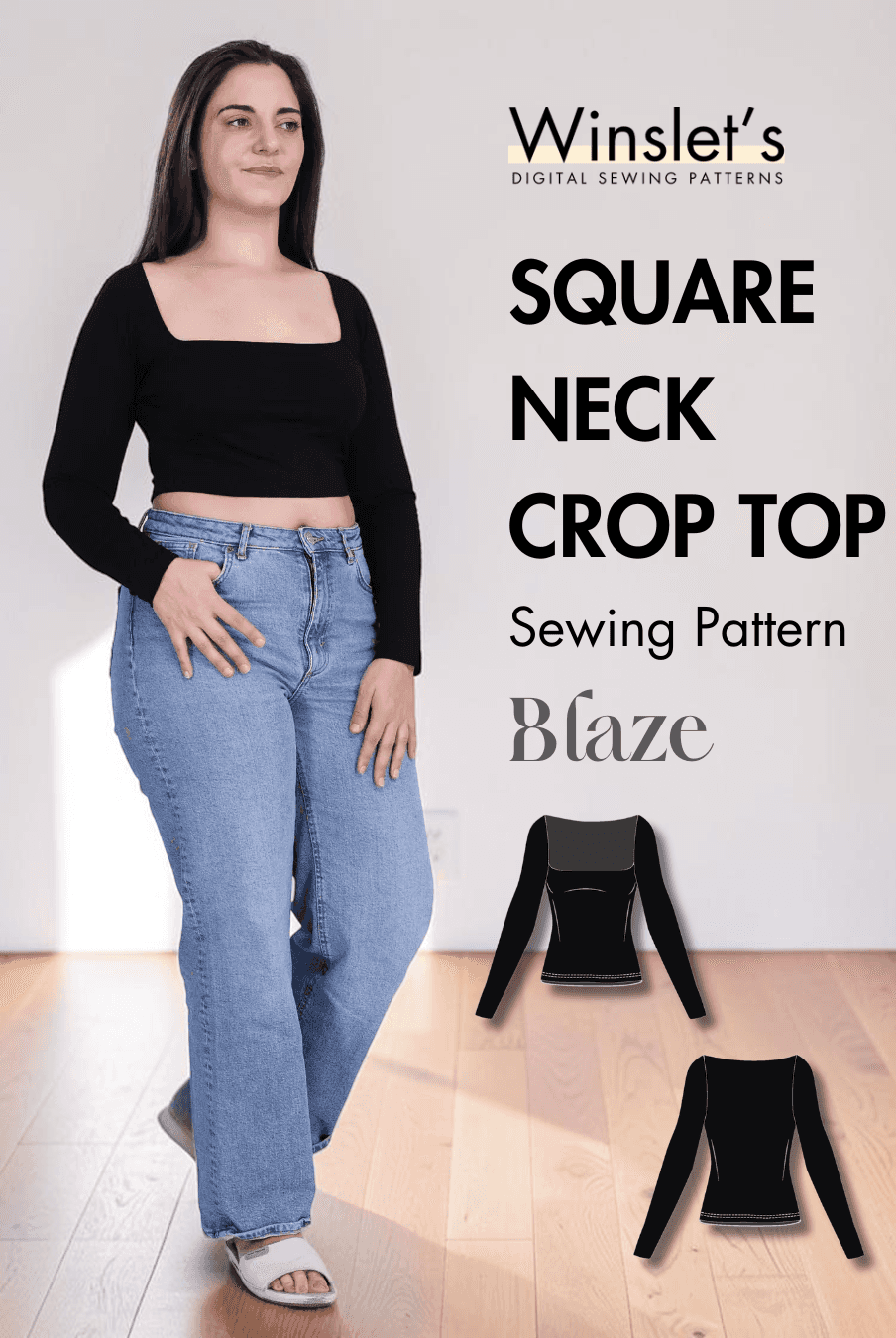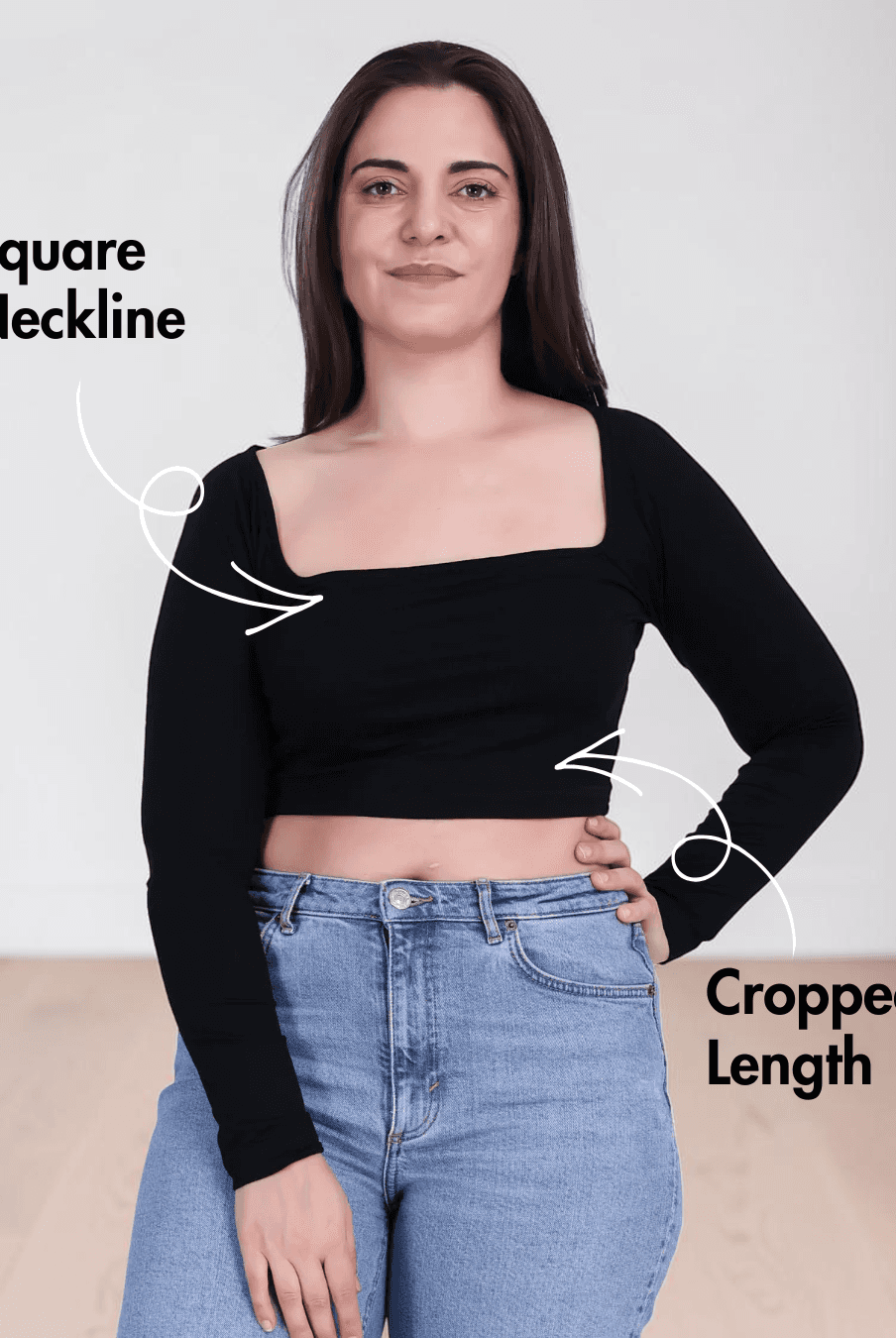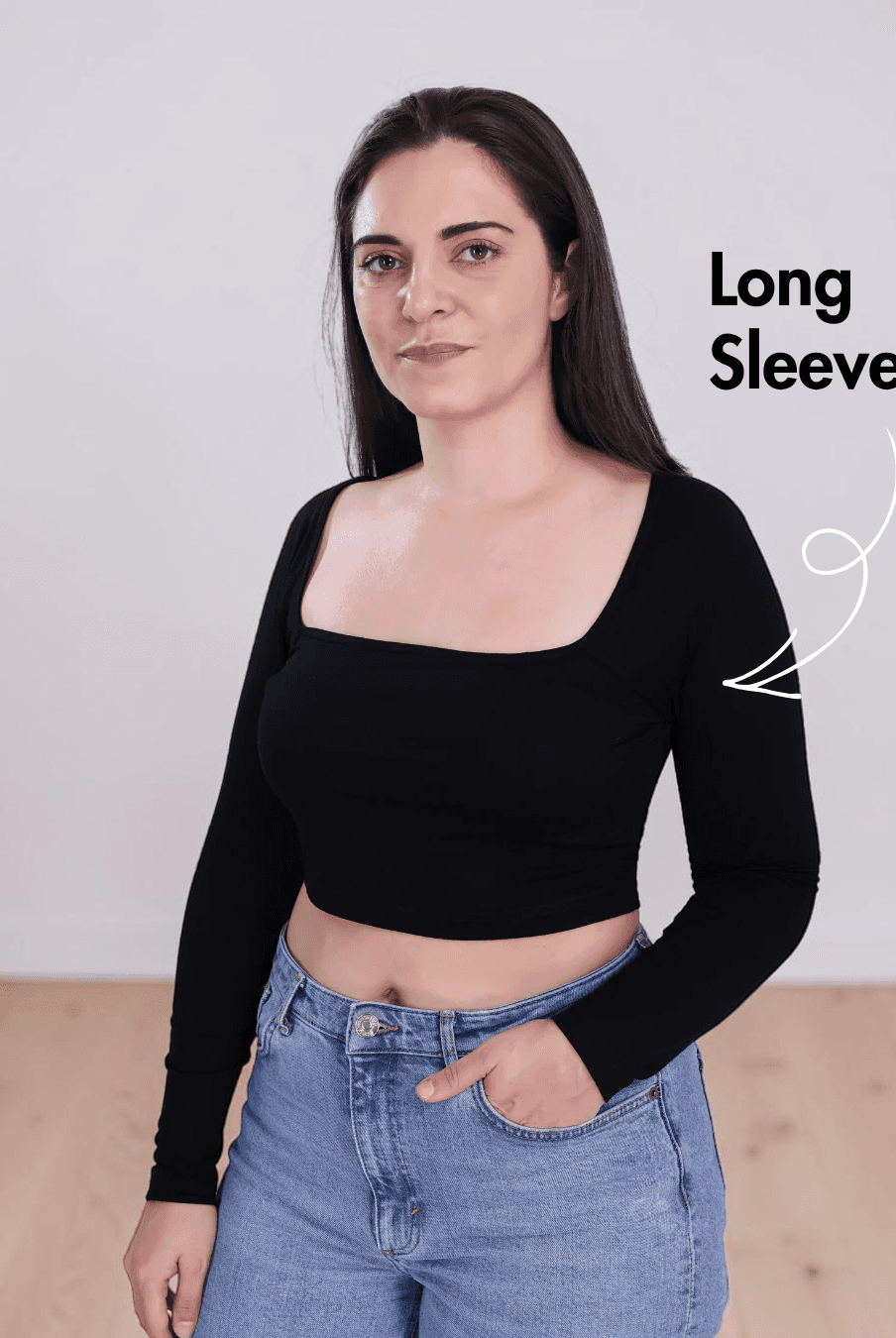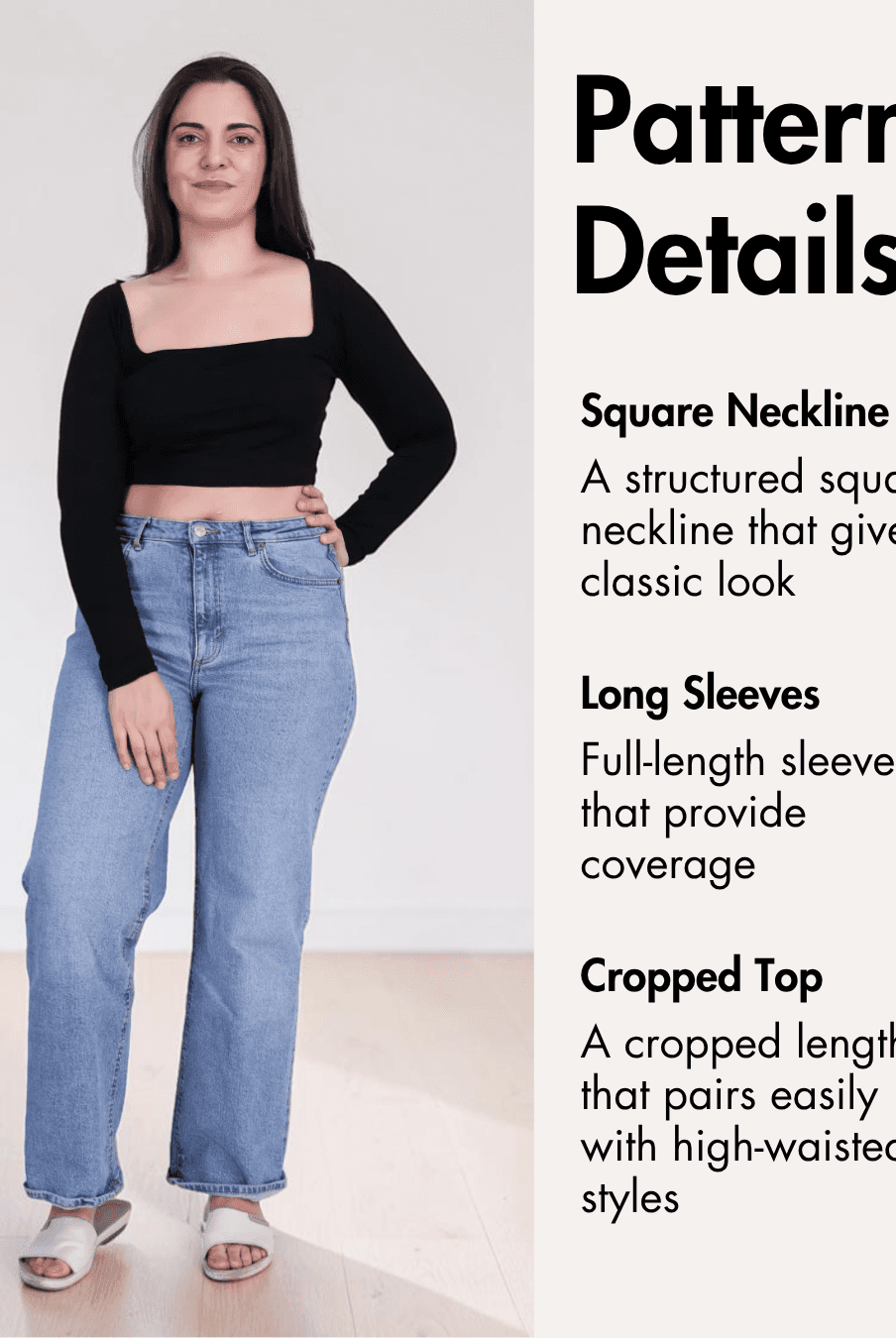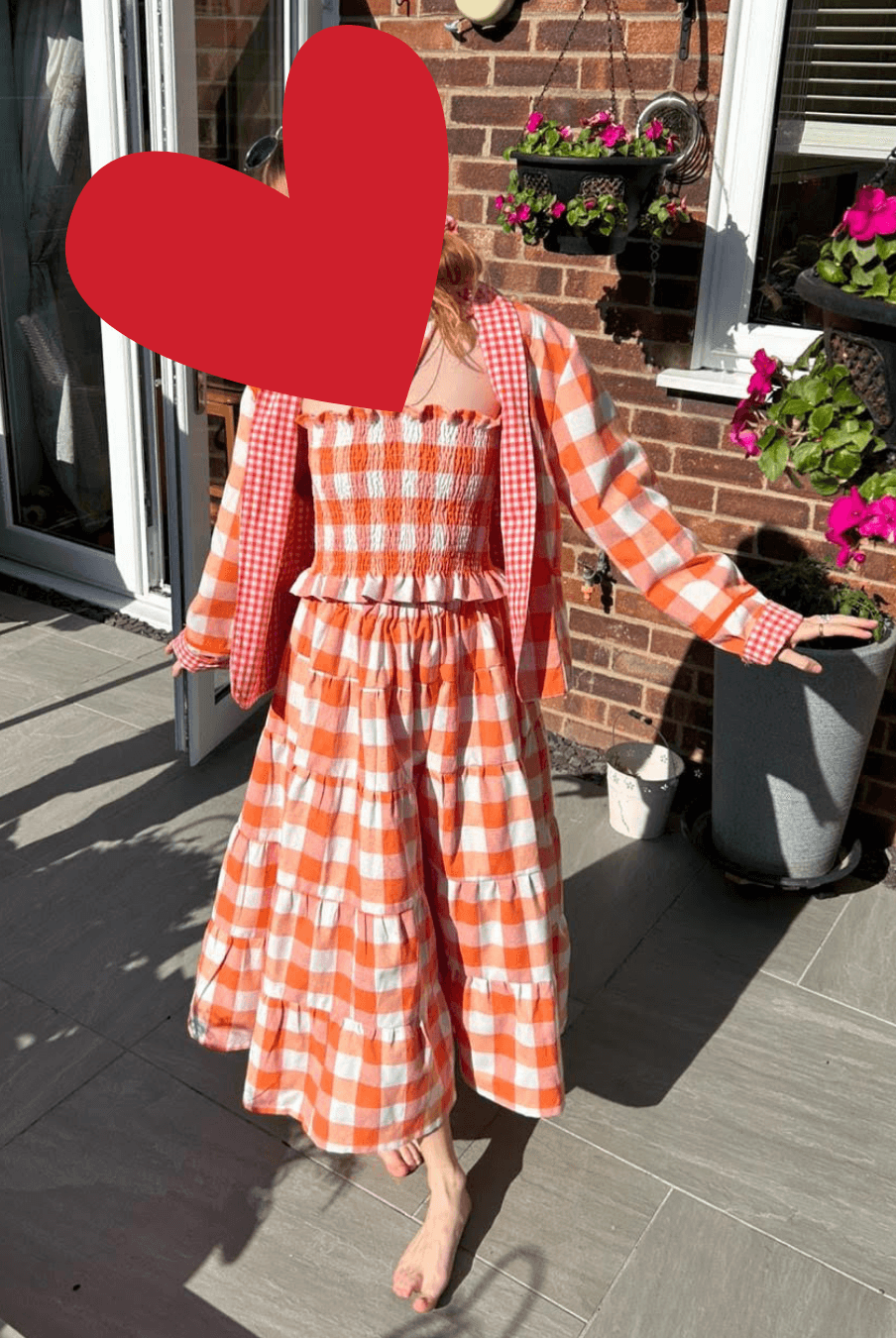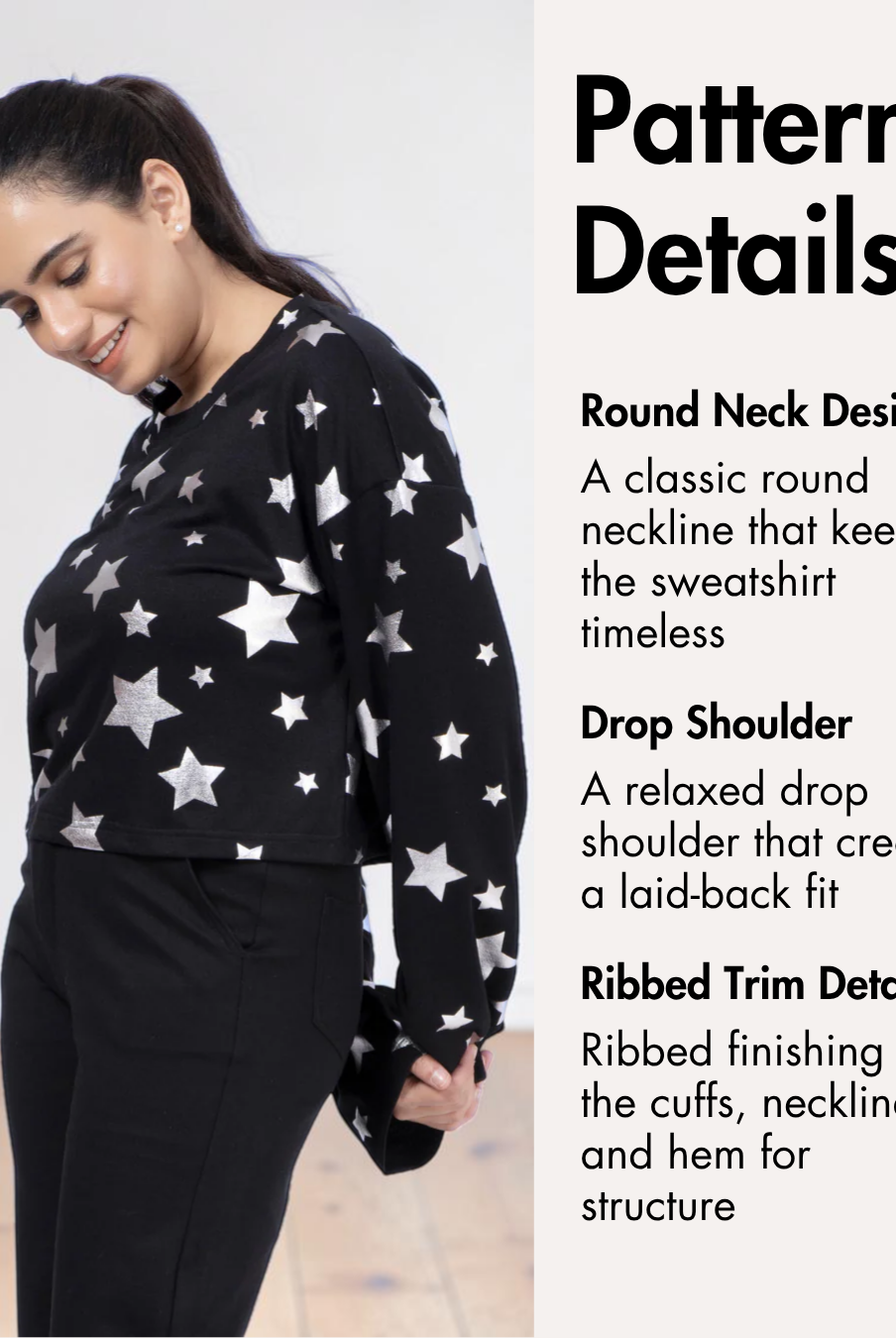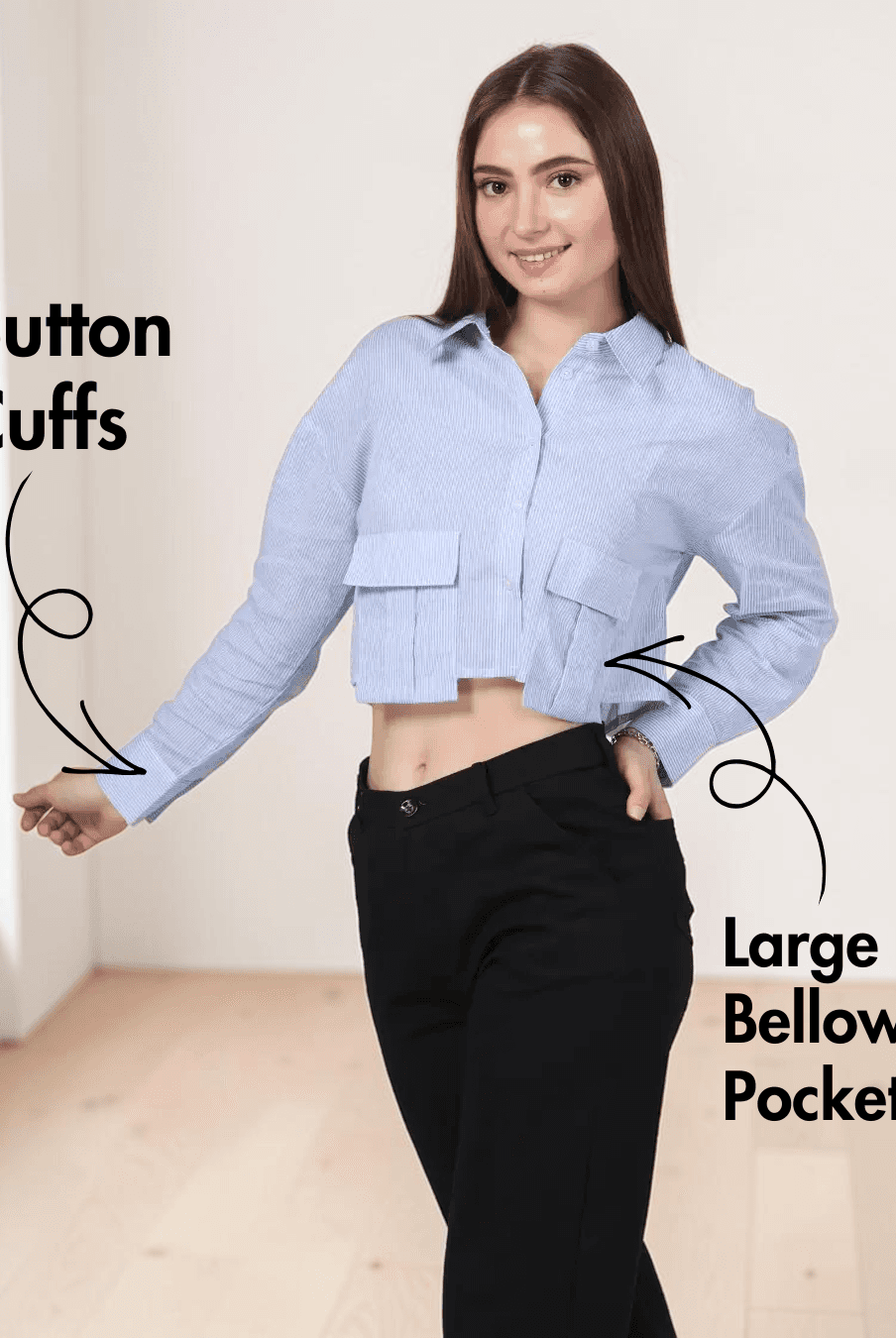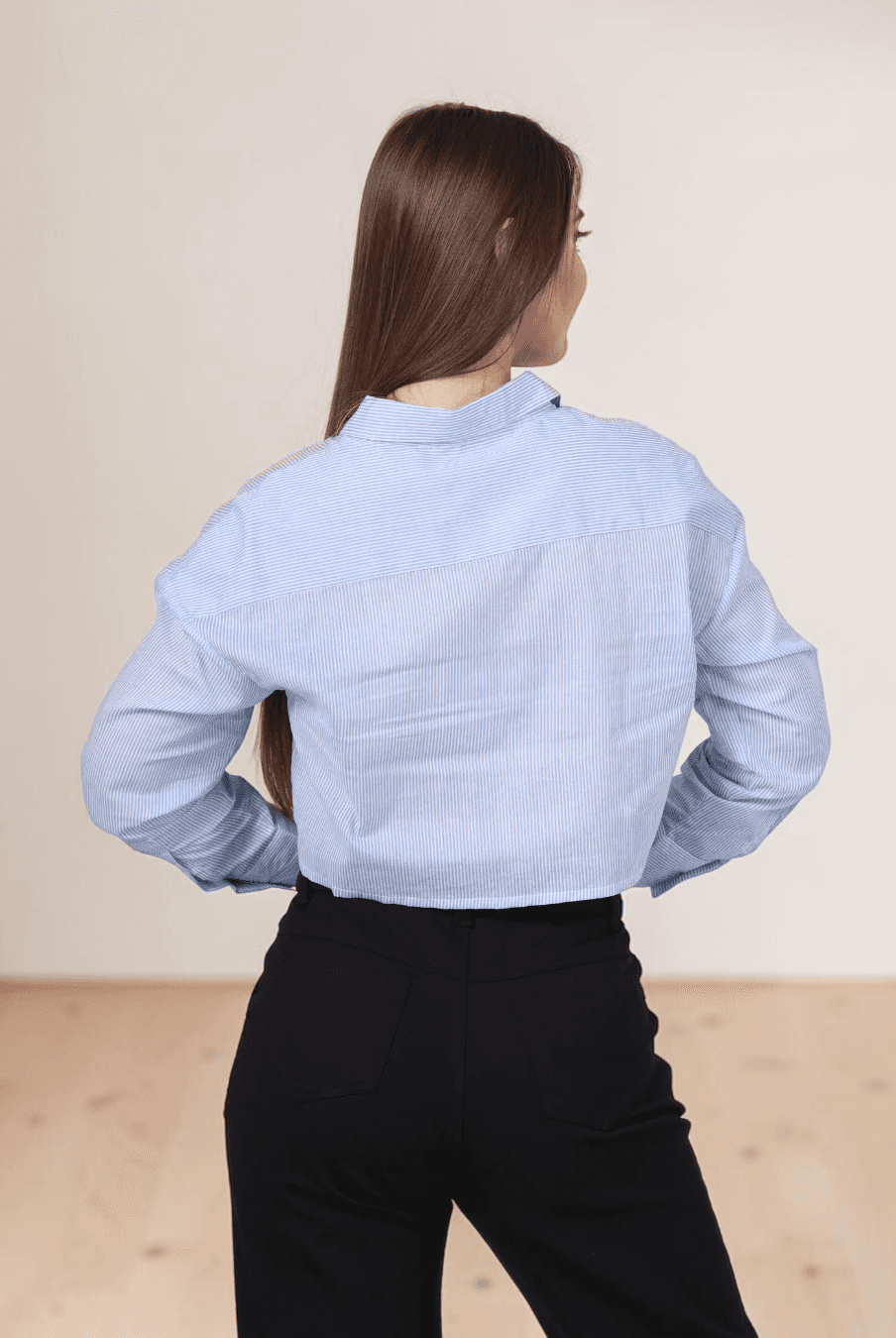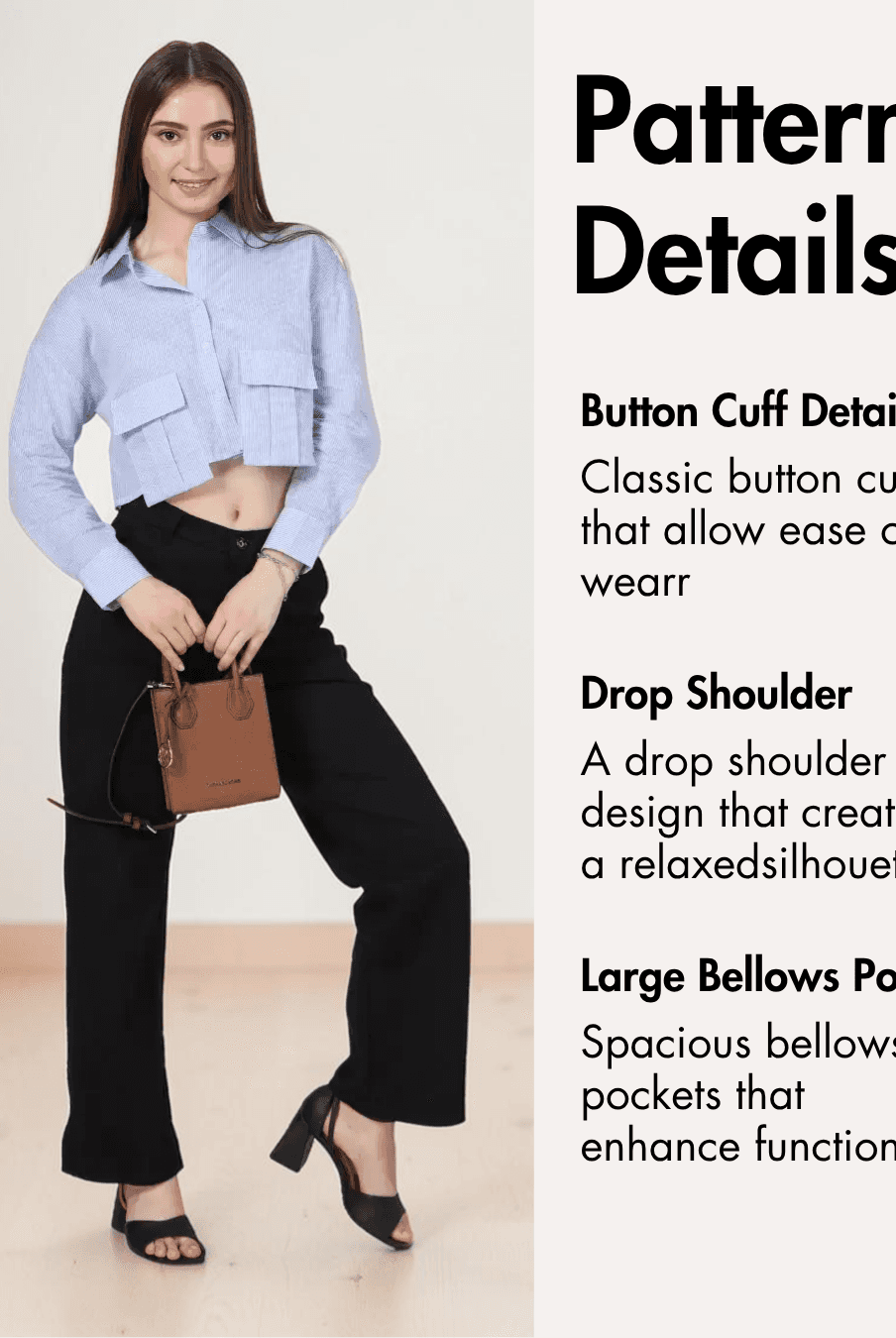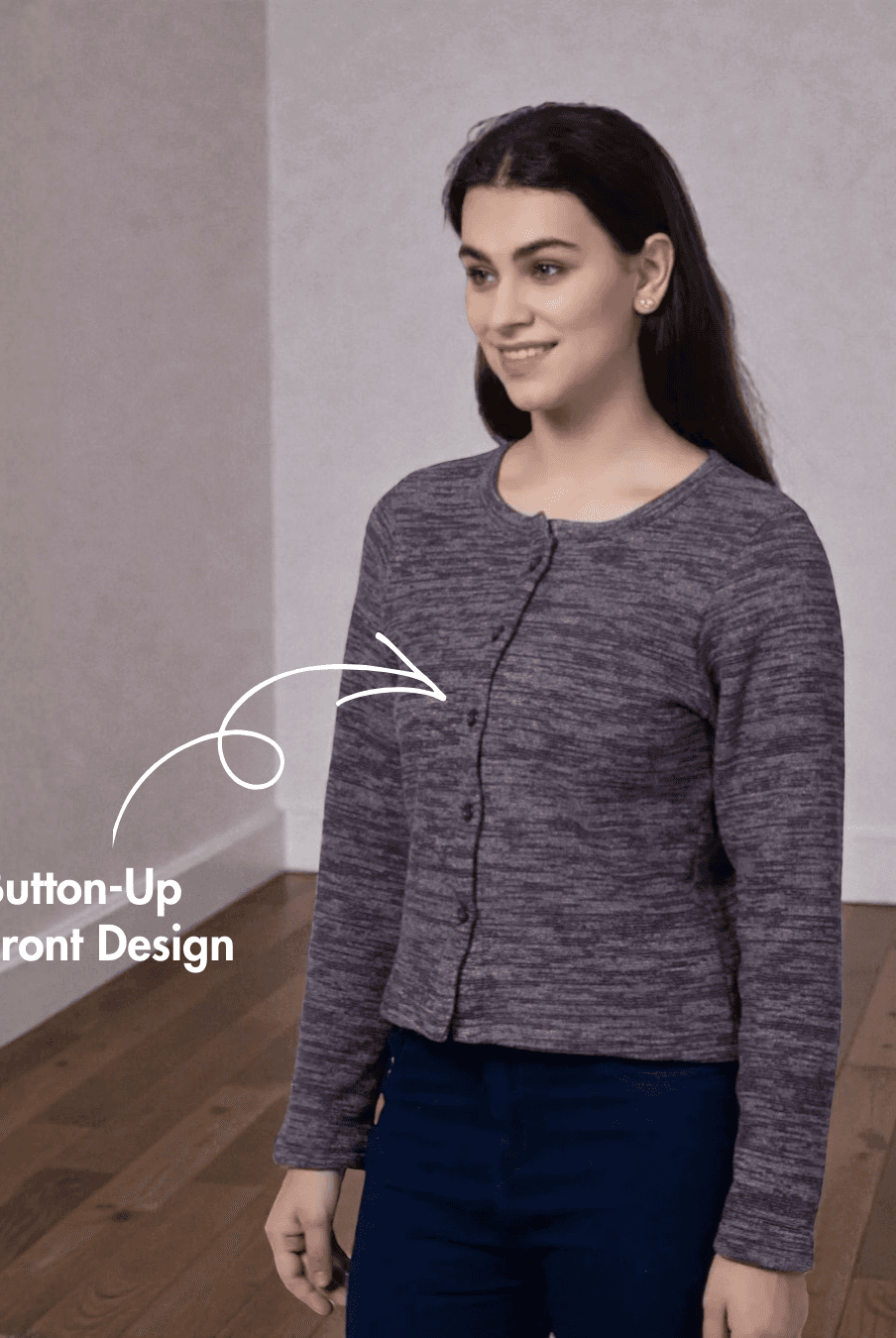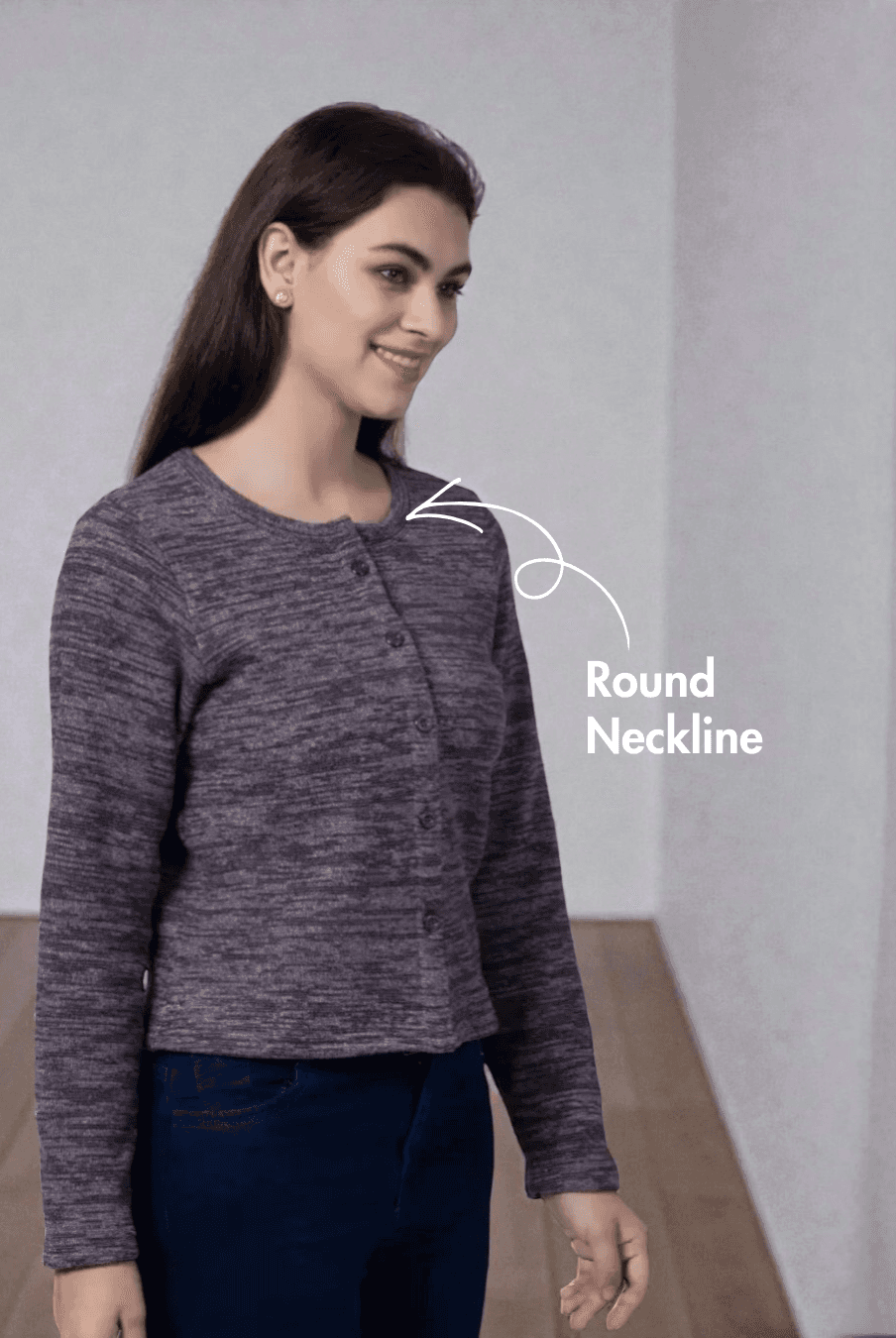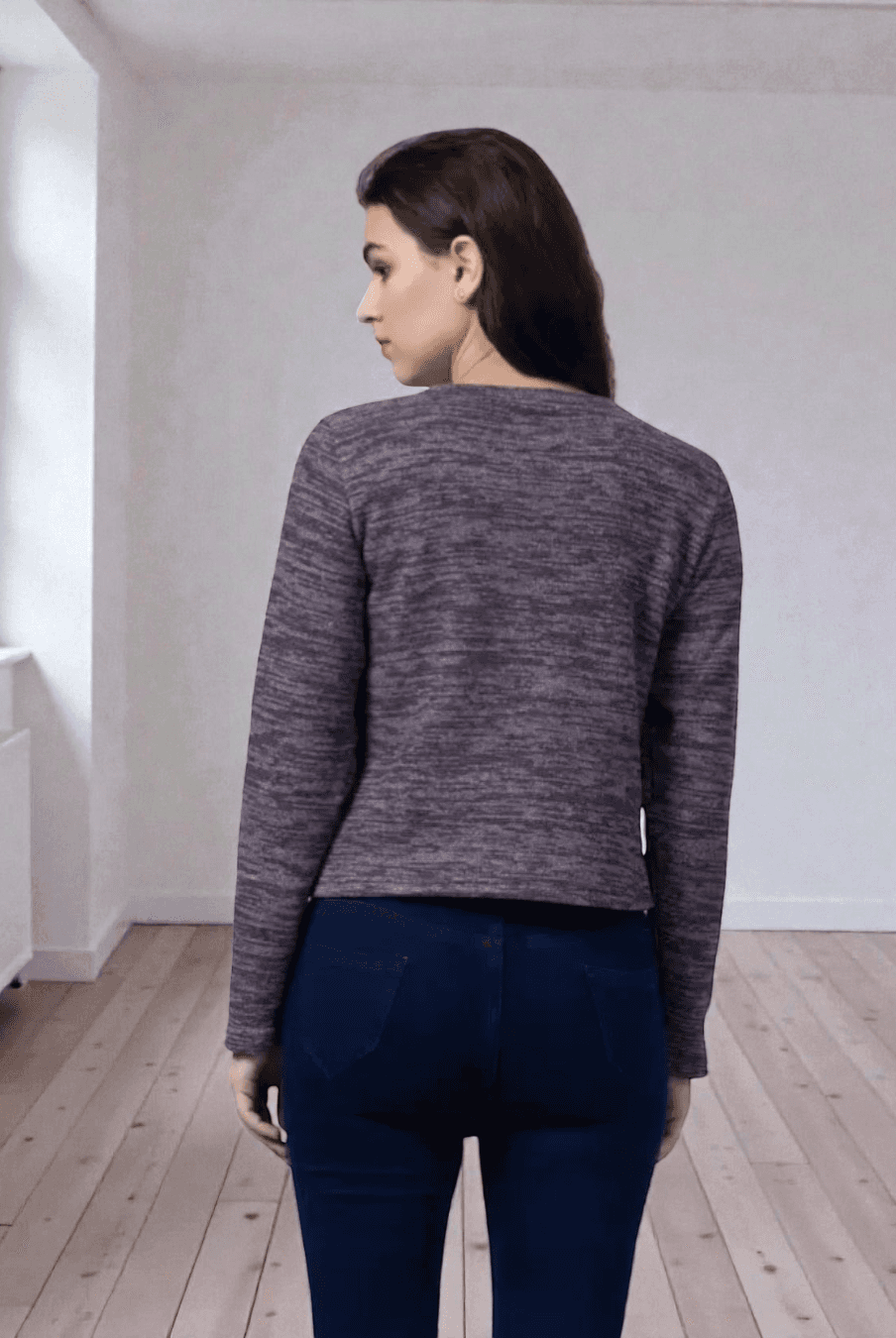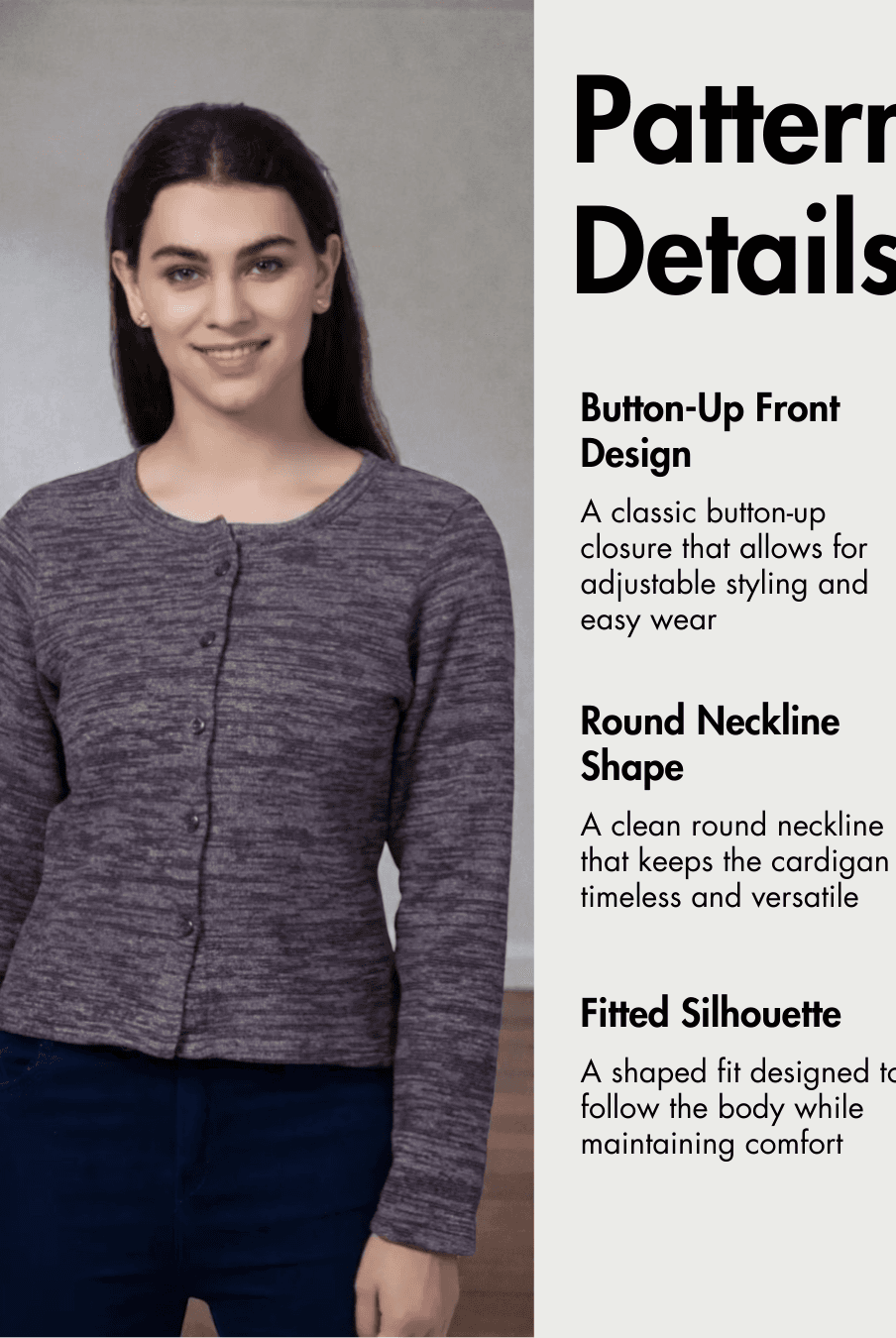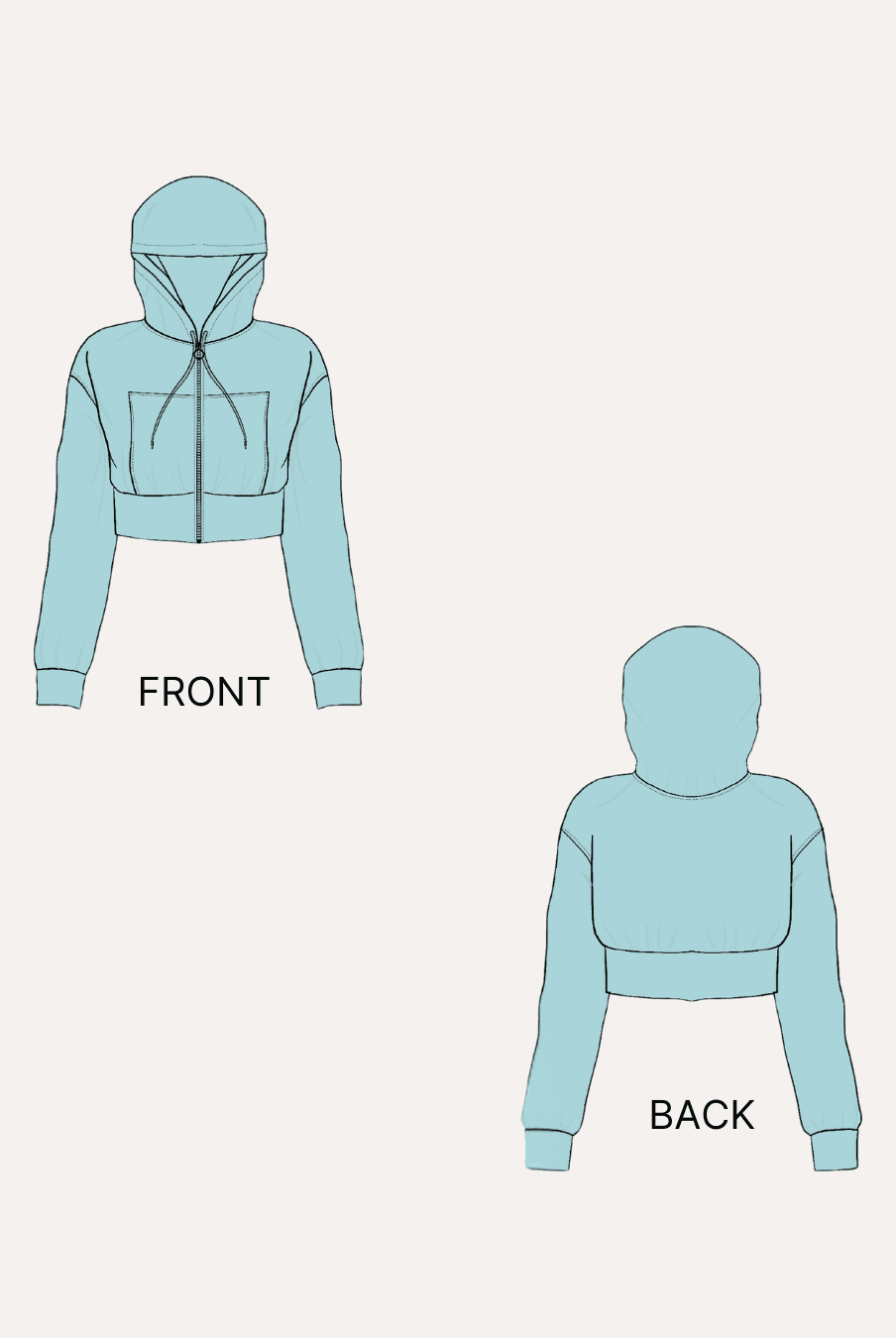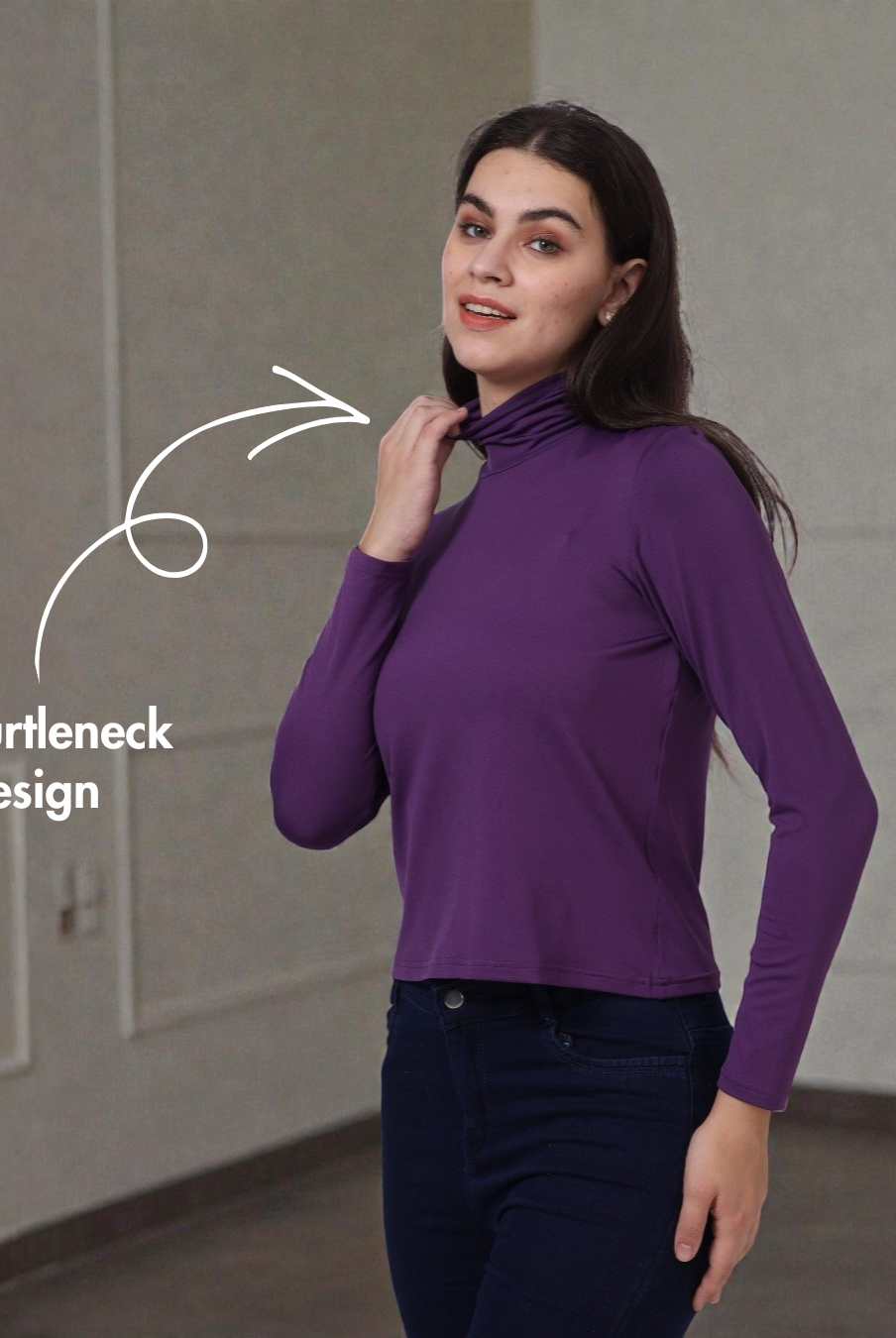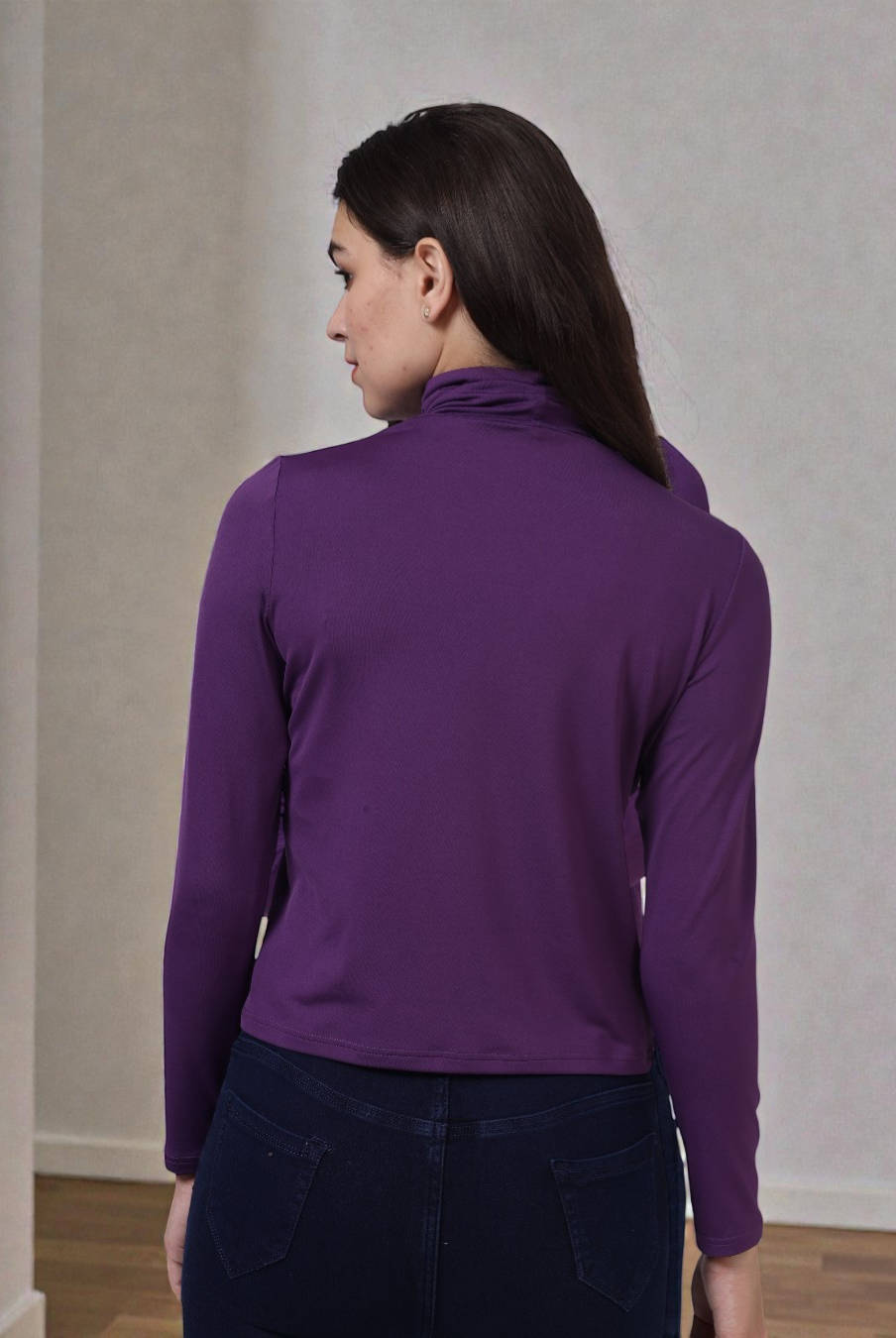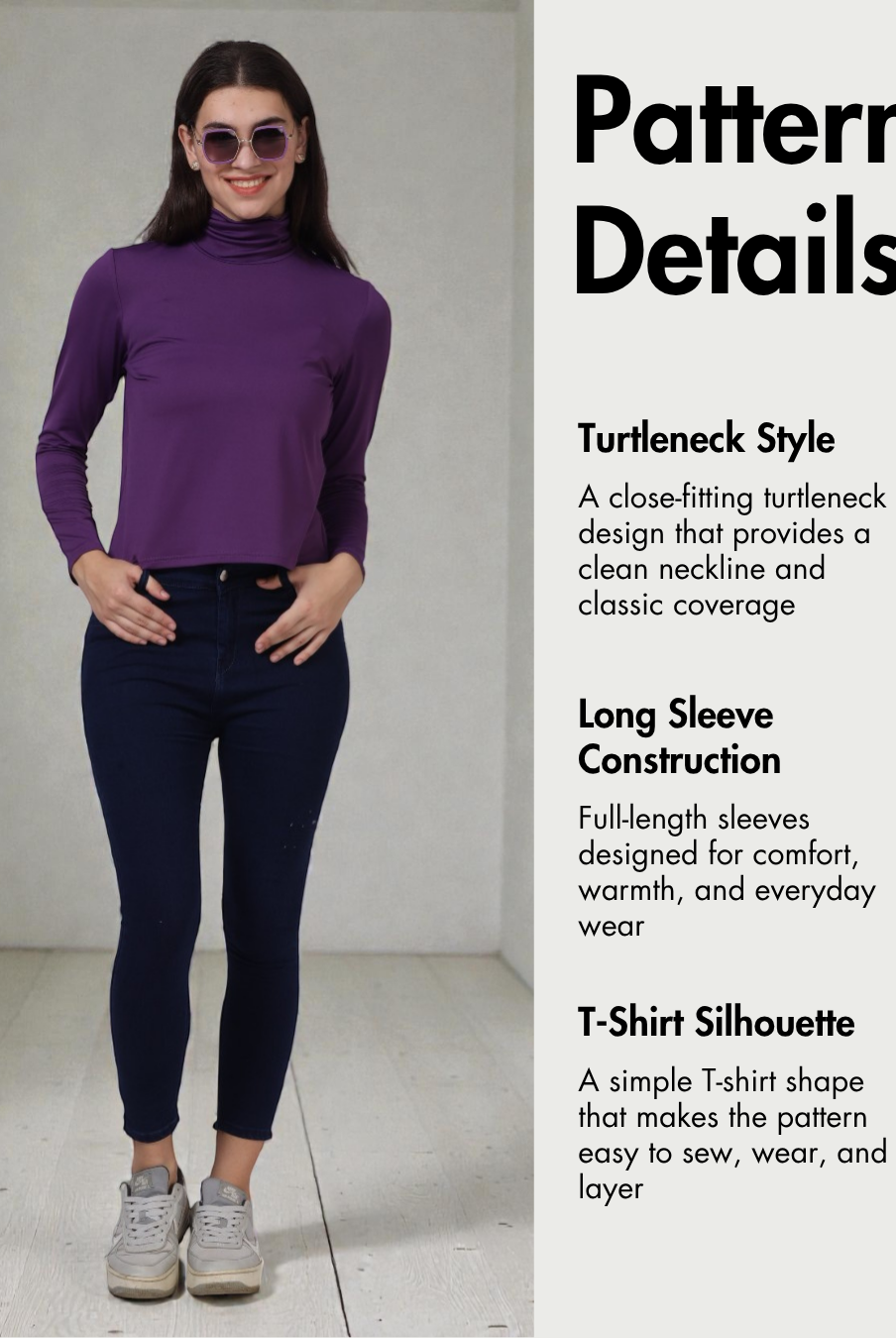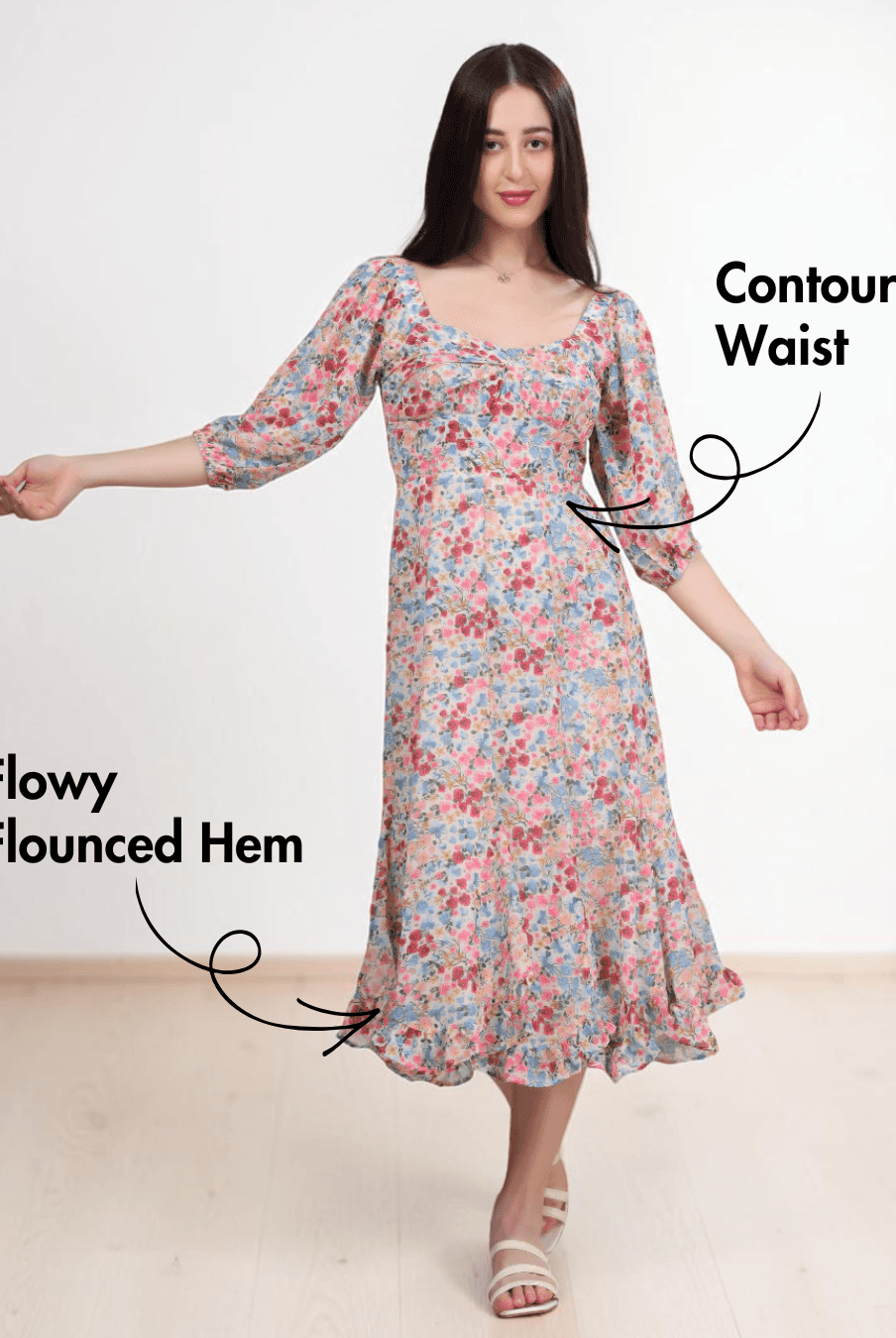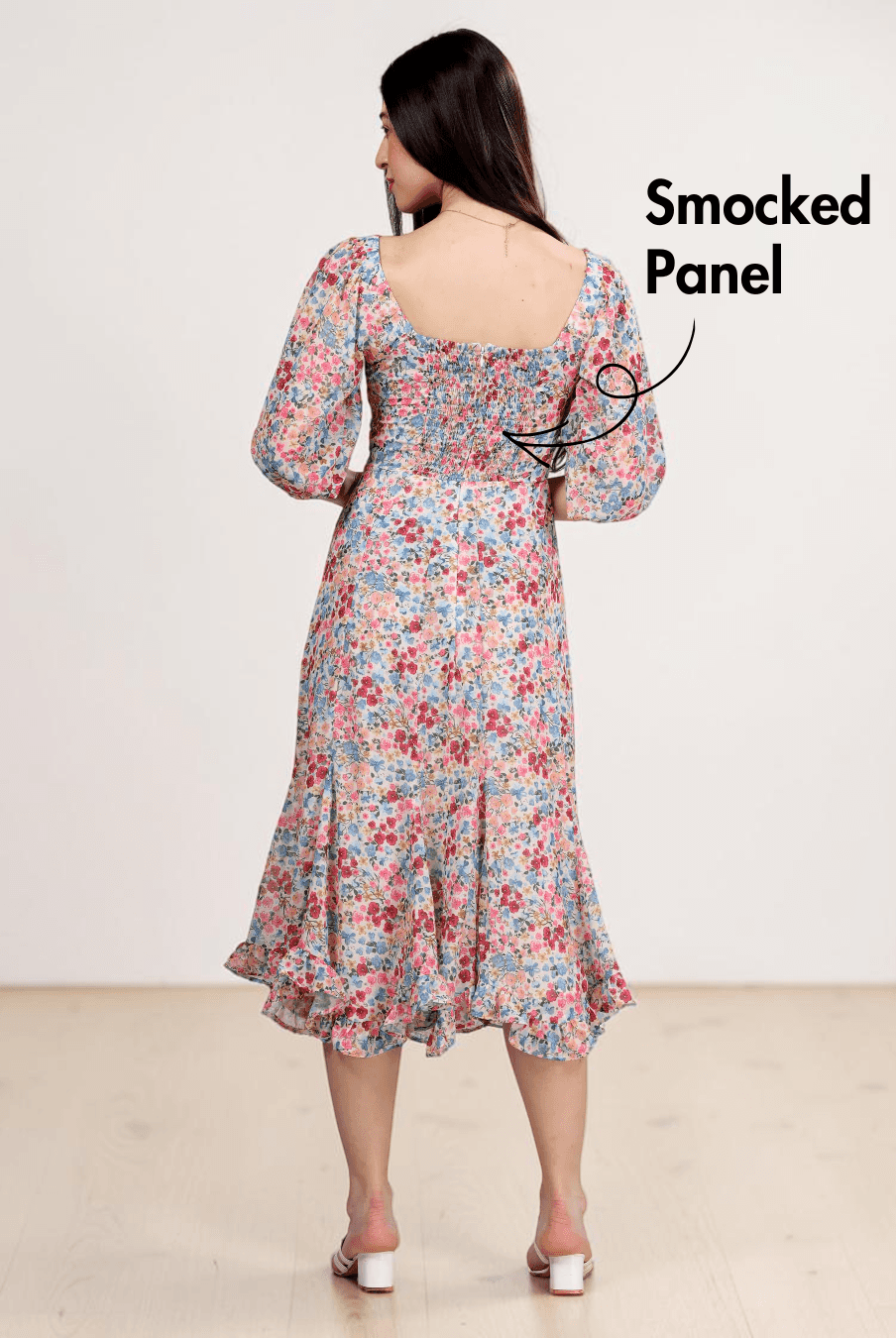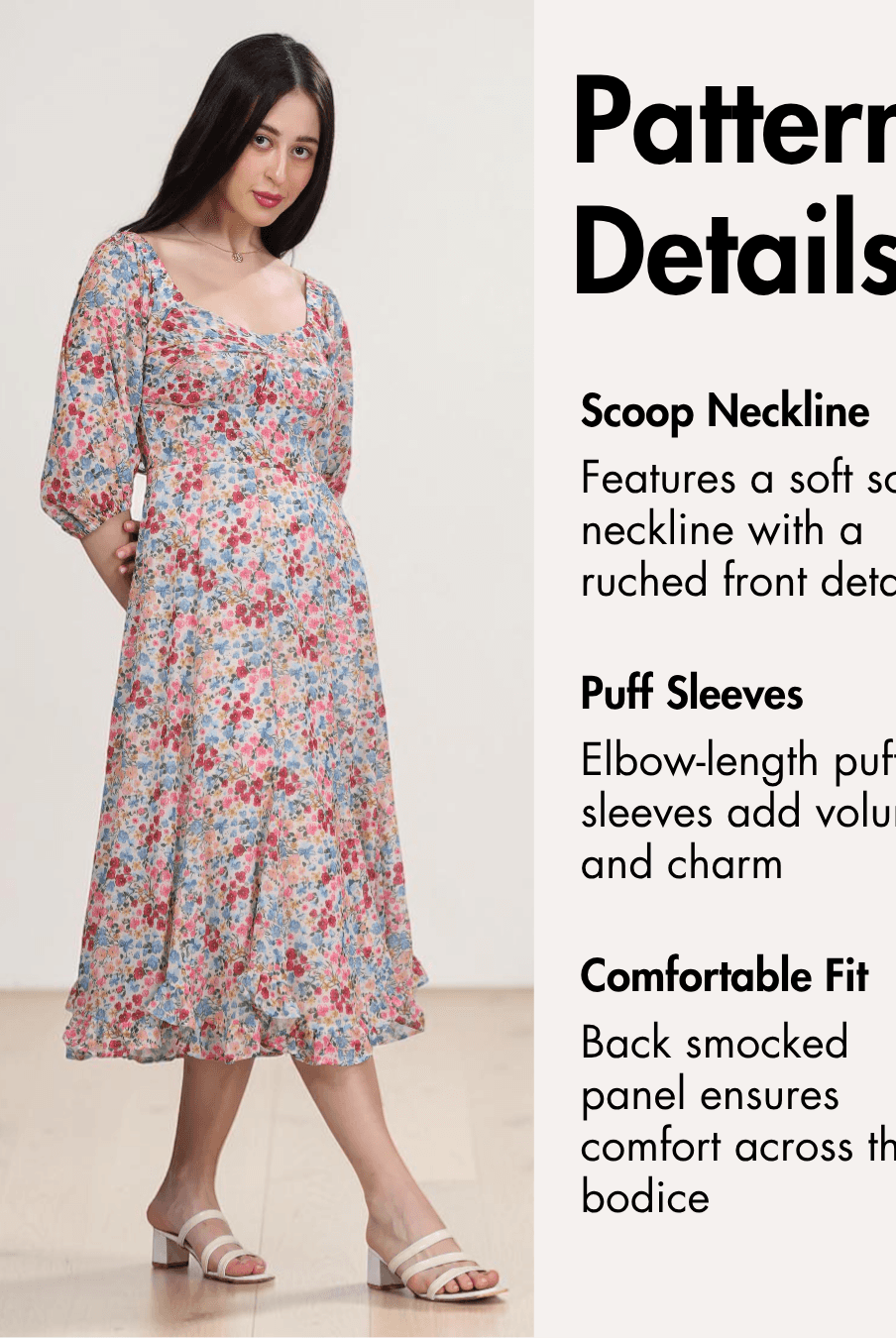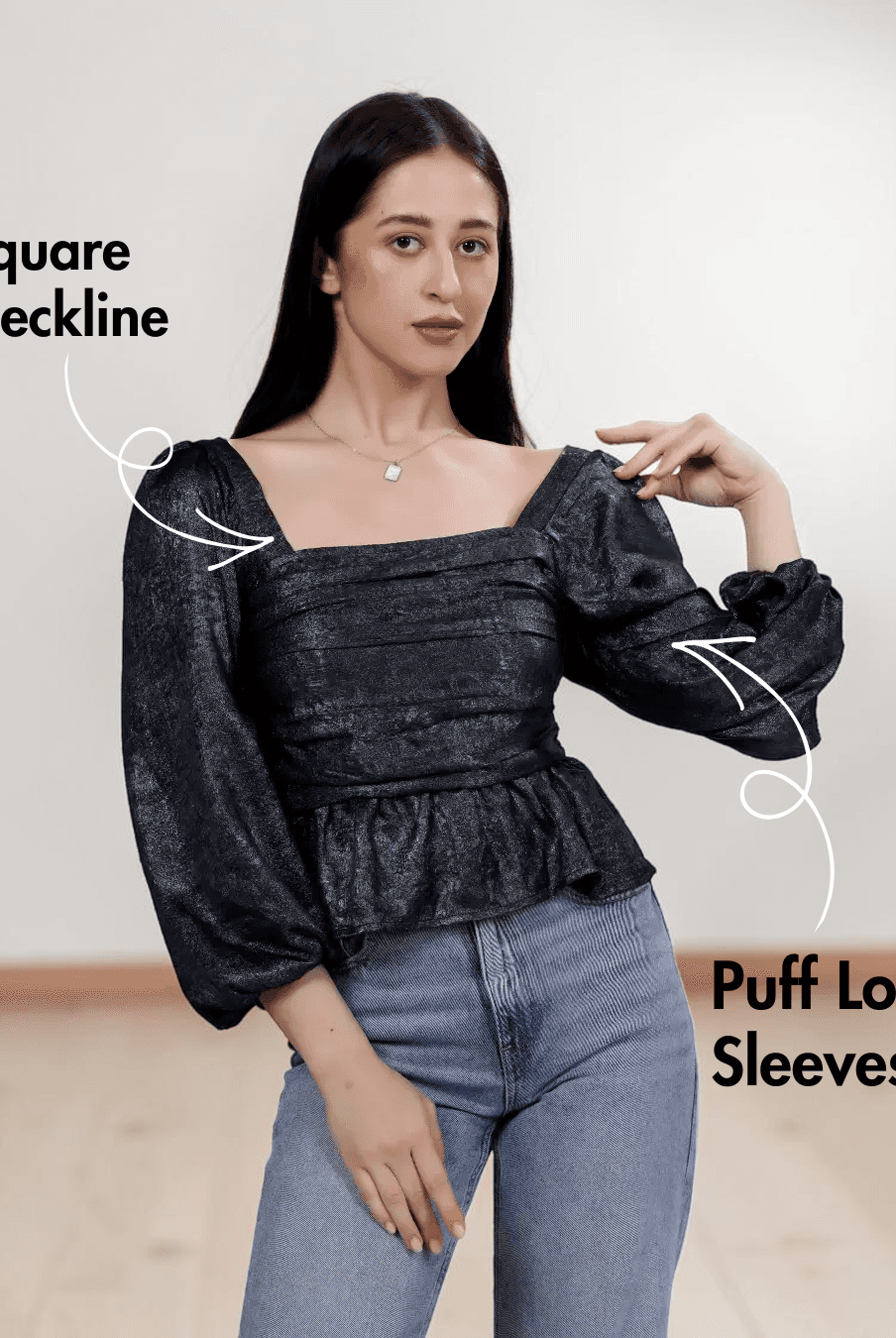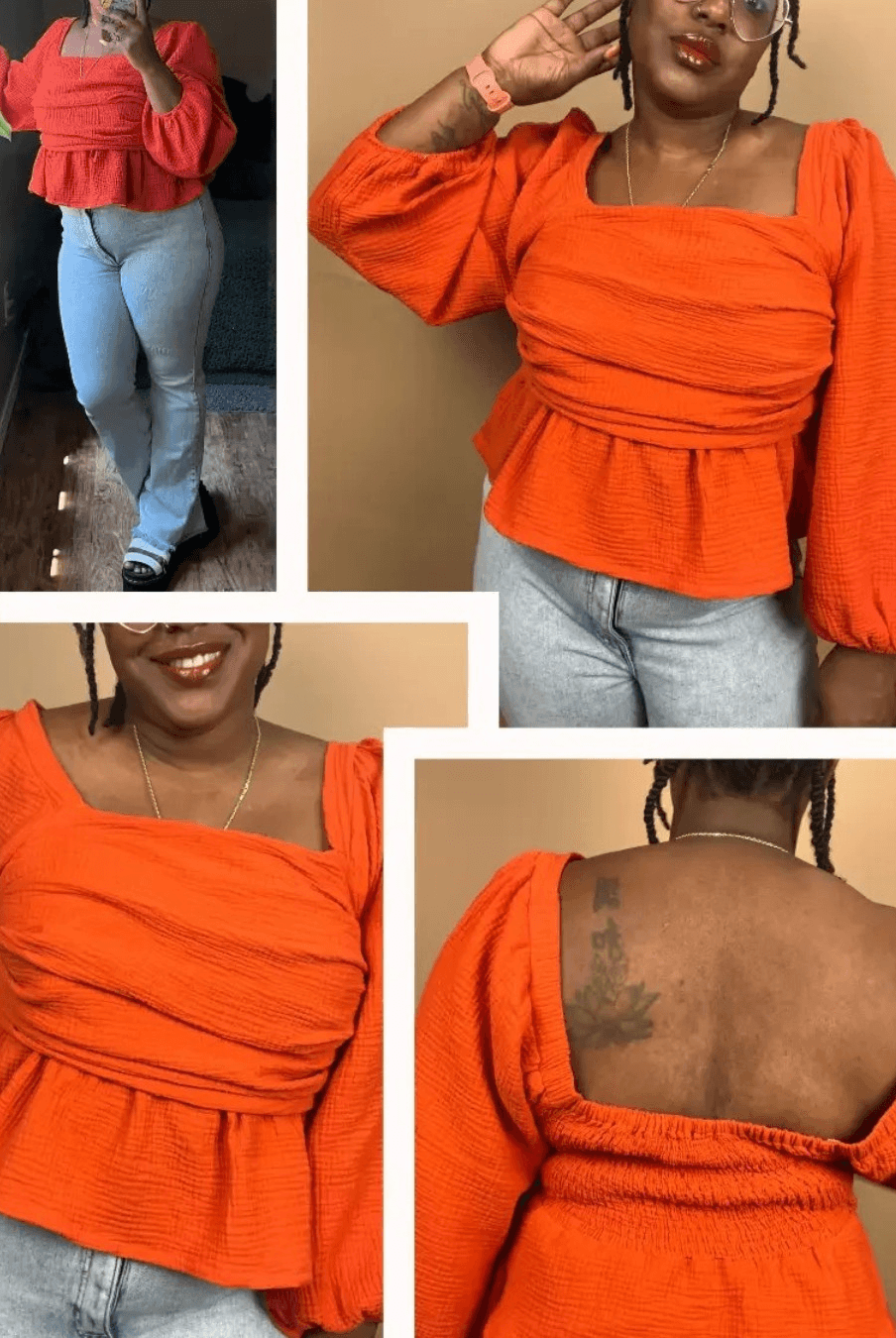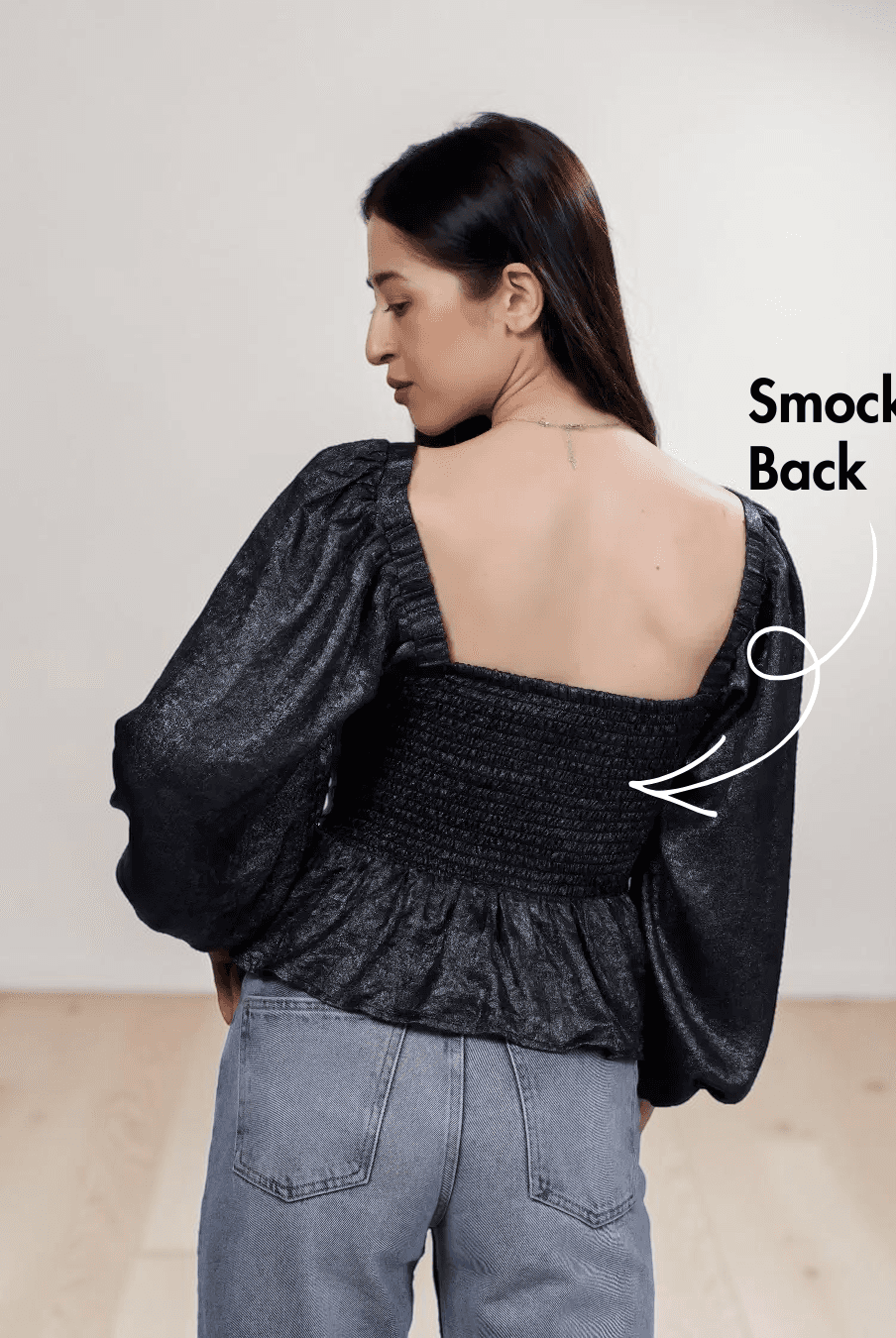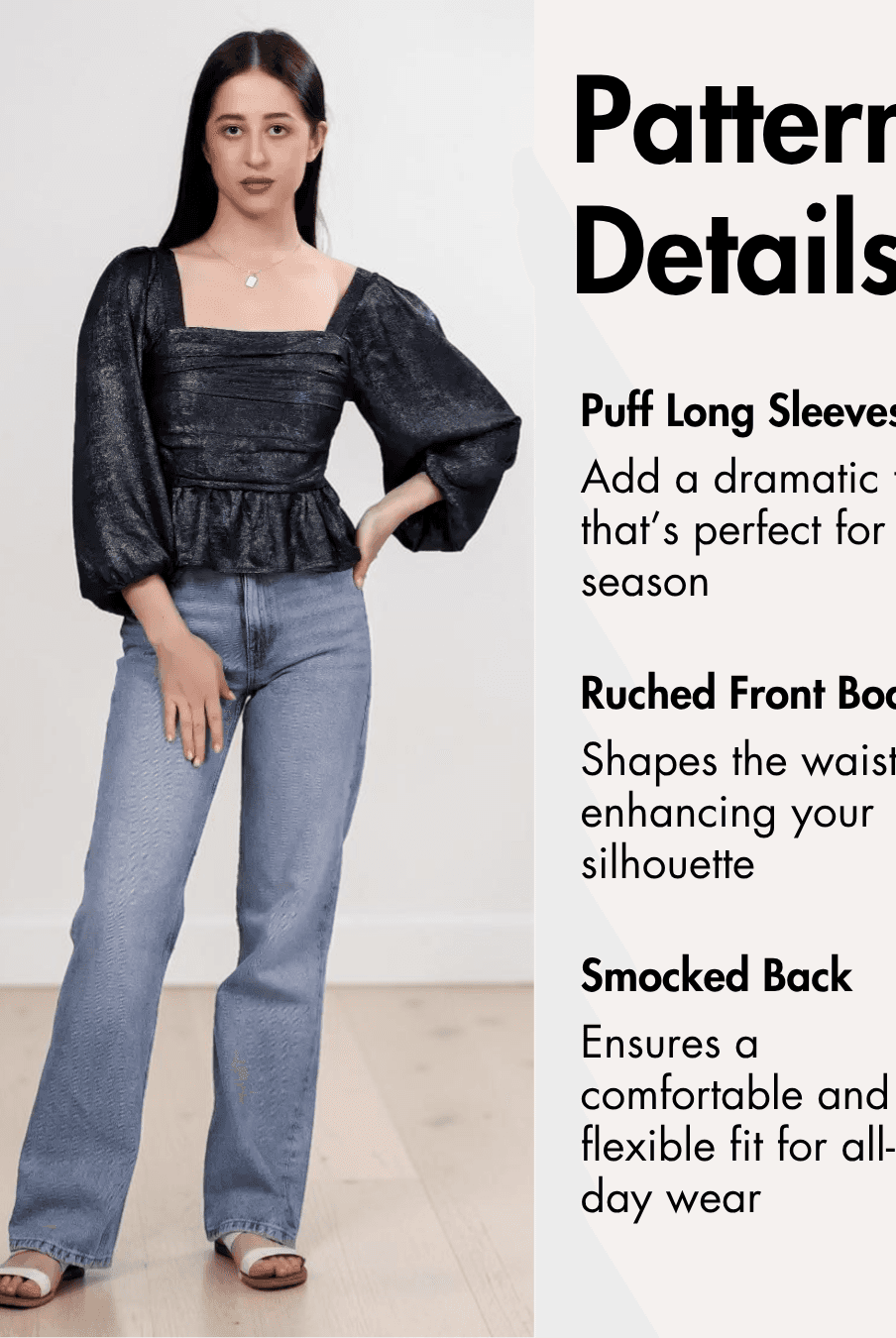
Milkmaid tops are loved for their romantic details, soft silhouettes, and feminine styling. Features such as square necklines, puff sleeves, ruching, and ruffles create a timeless look that works beautifully for everyday wear and special occasions alike. They are also enjoyable sewing projects that allow sewists to practice gathering, elastic application, and simple woven garment construction.
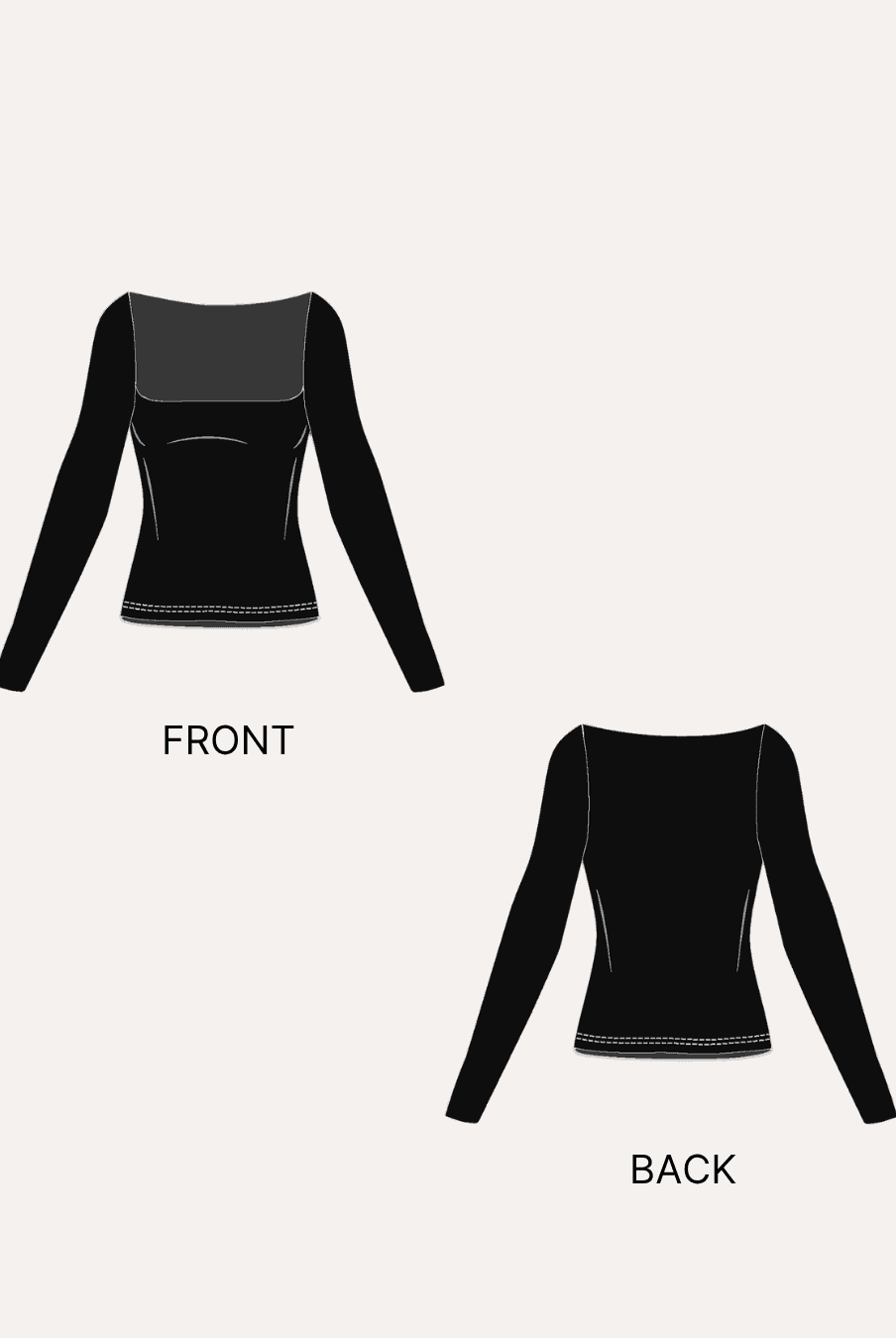
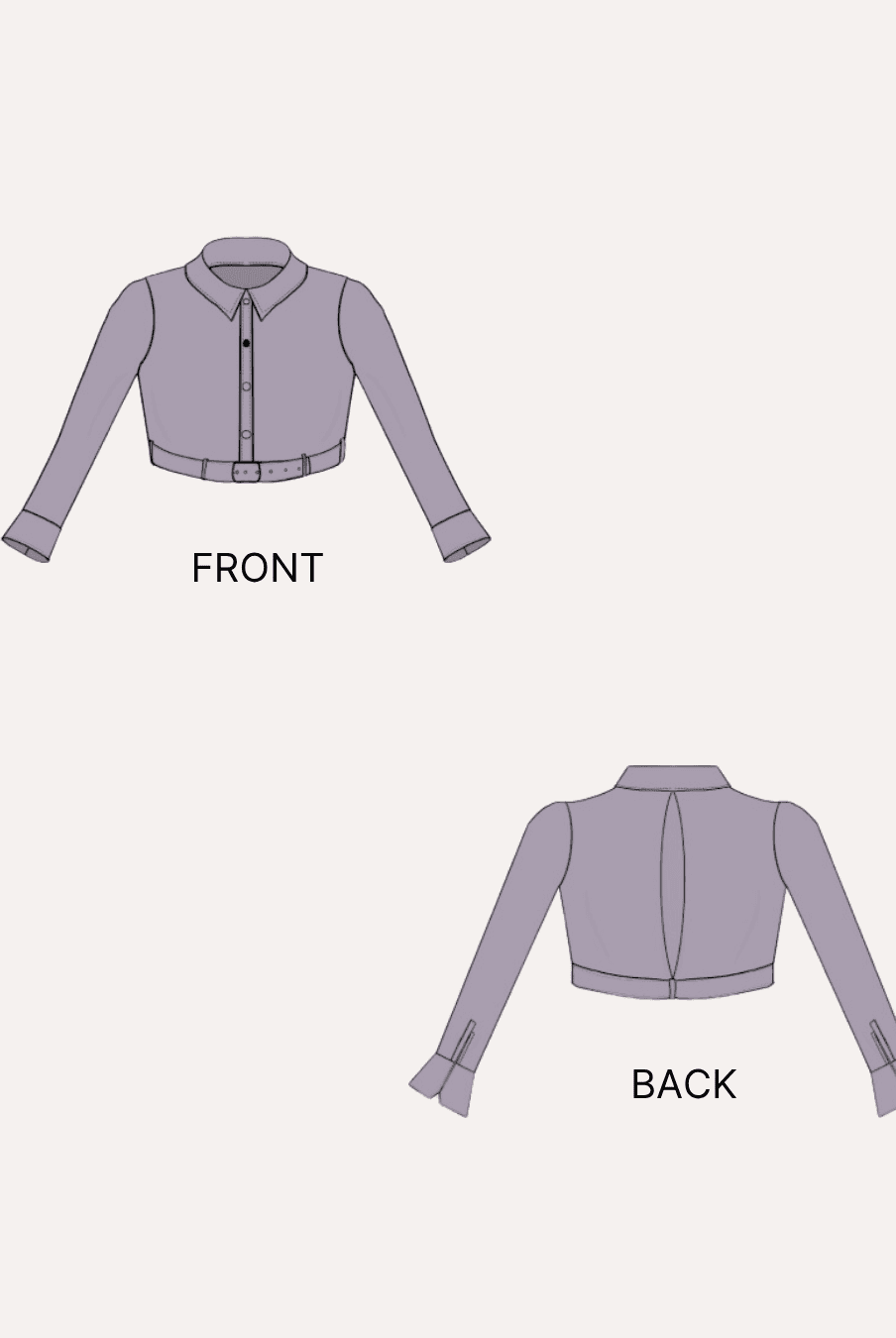
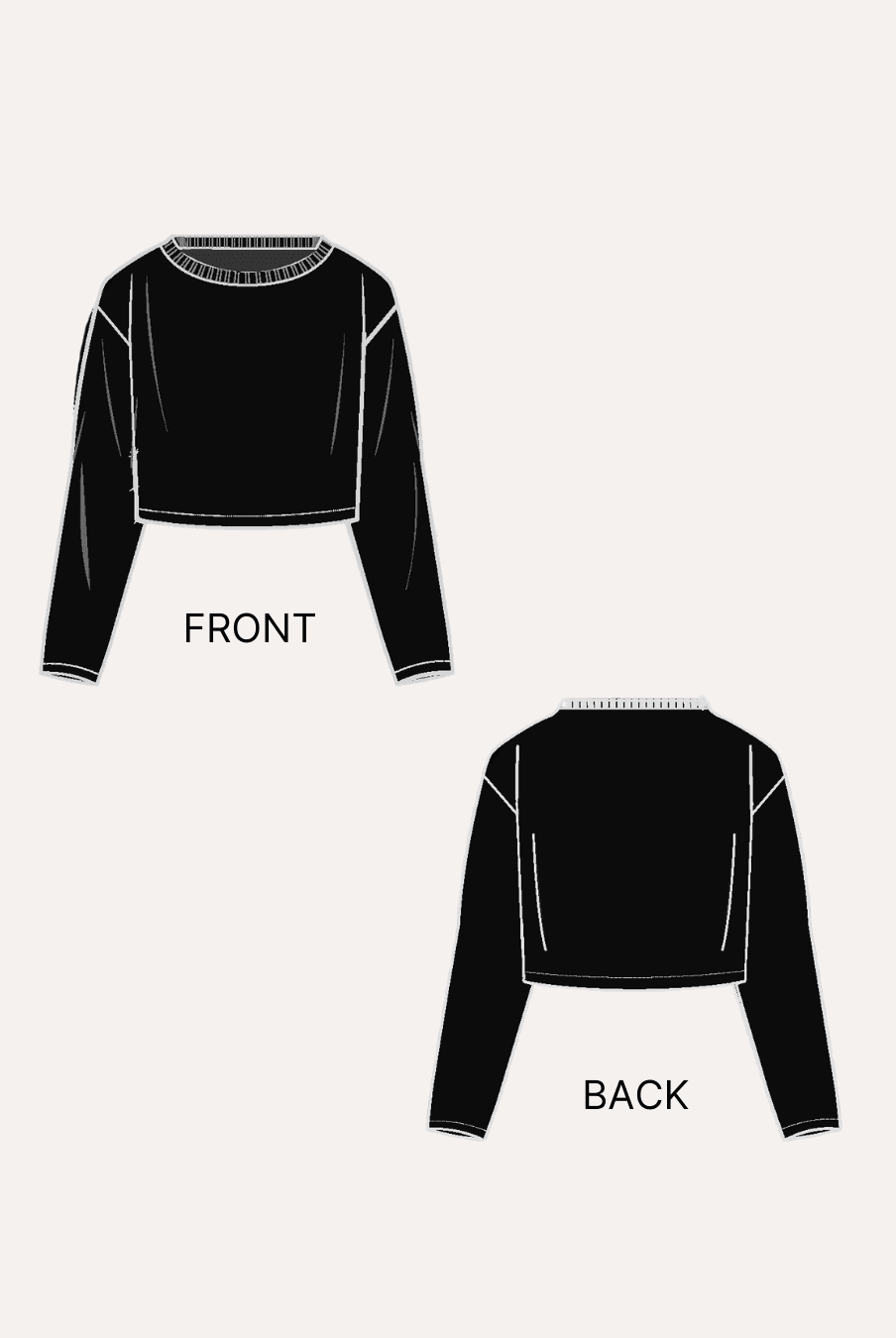
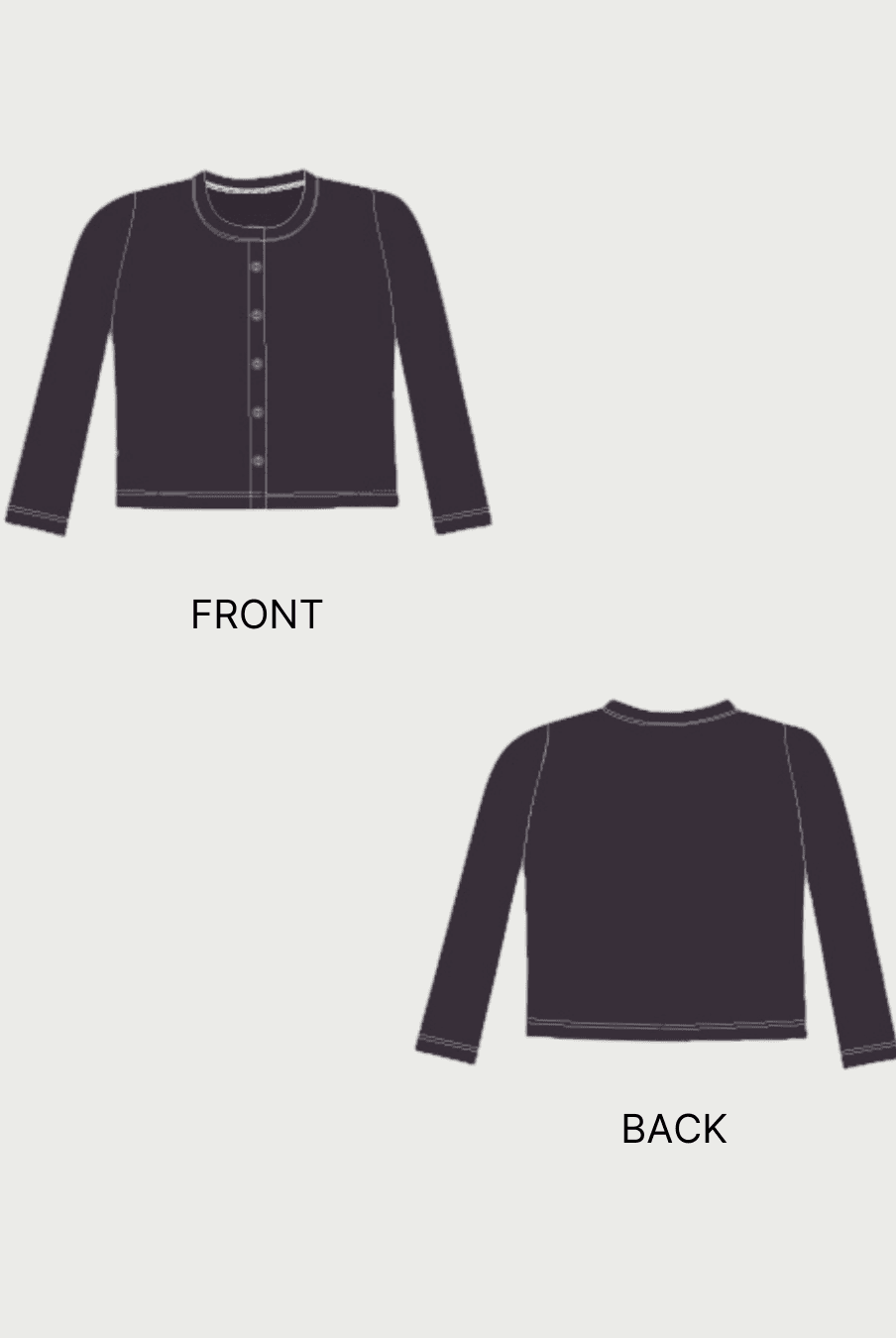
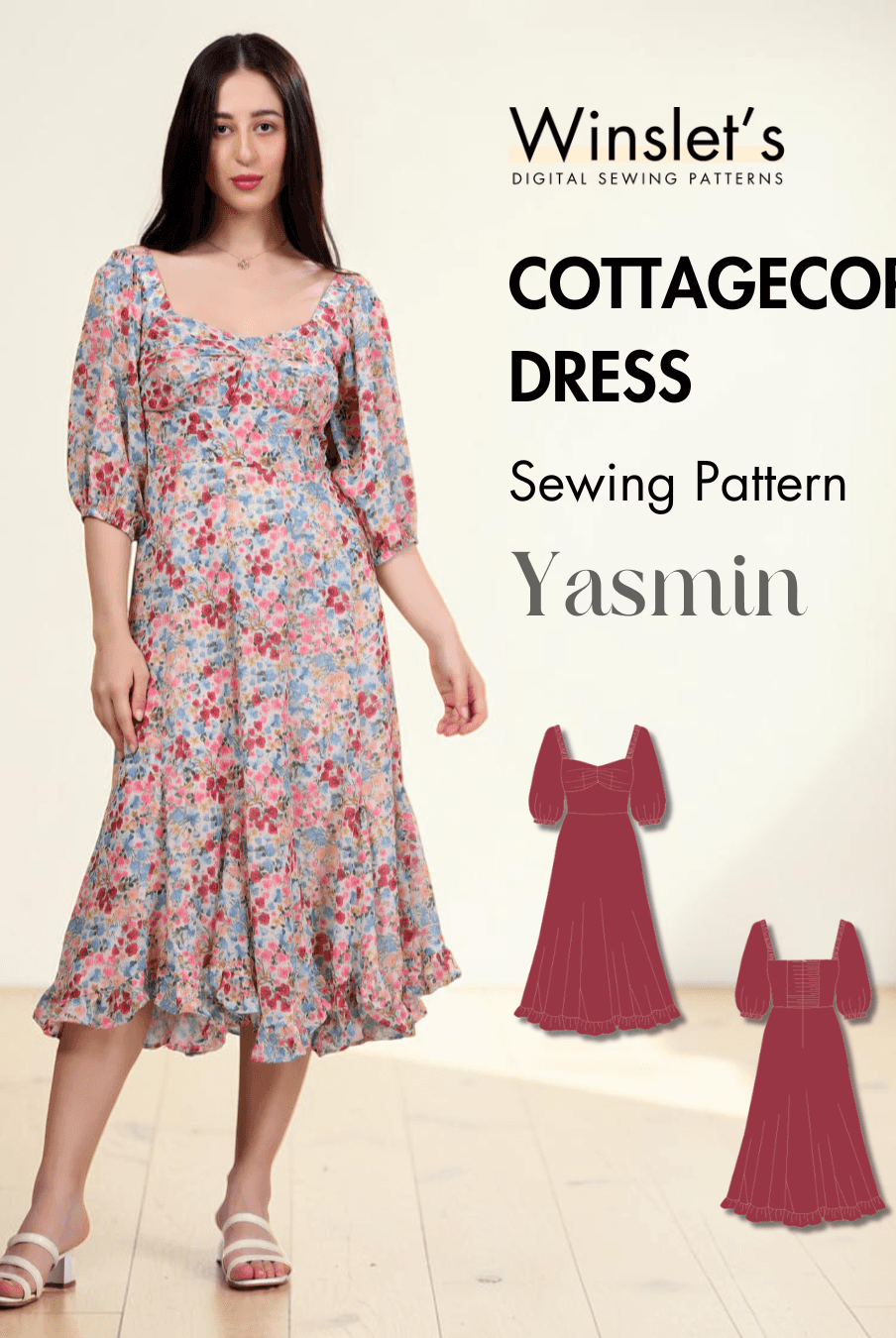
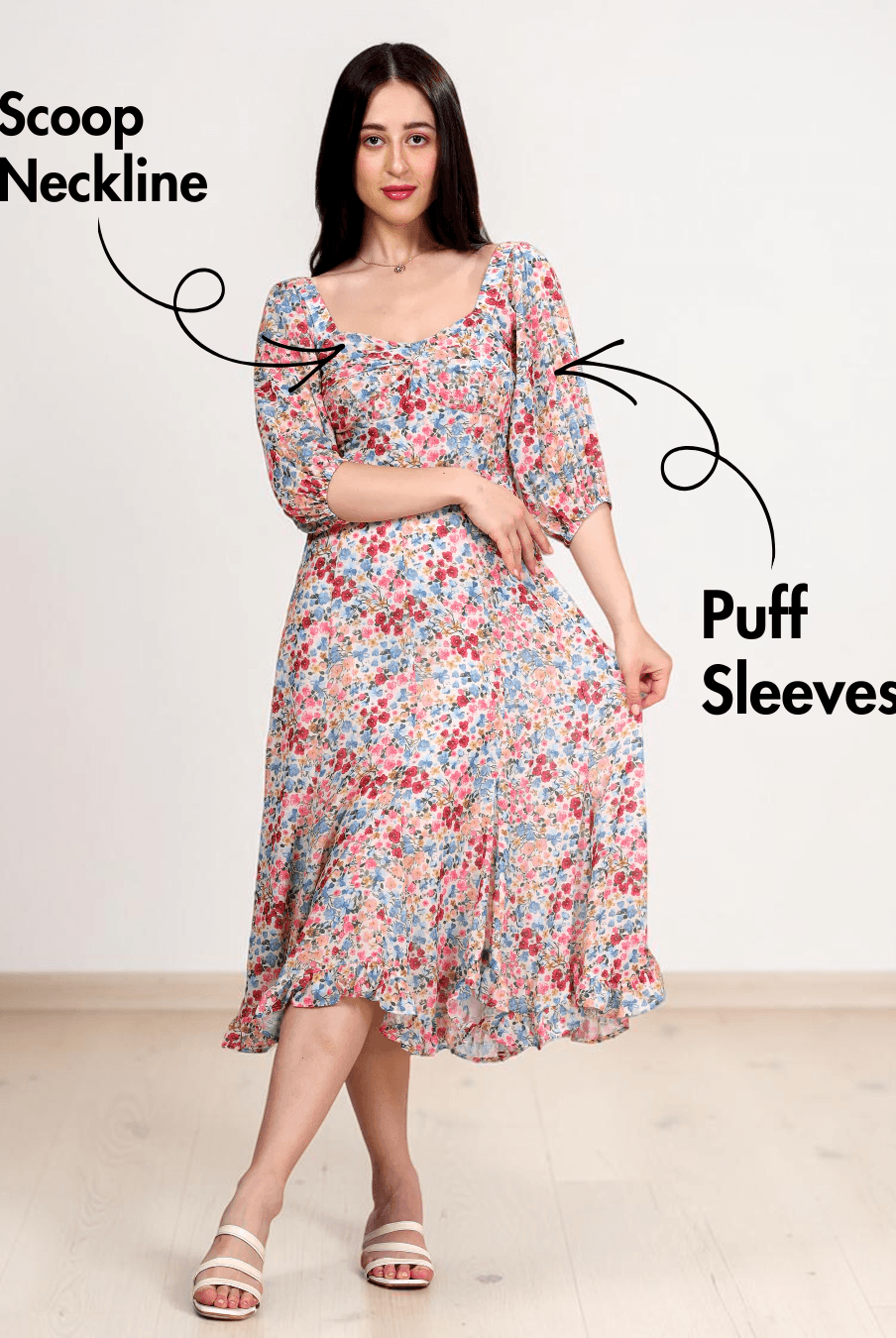
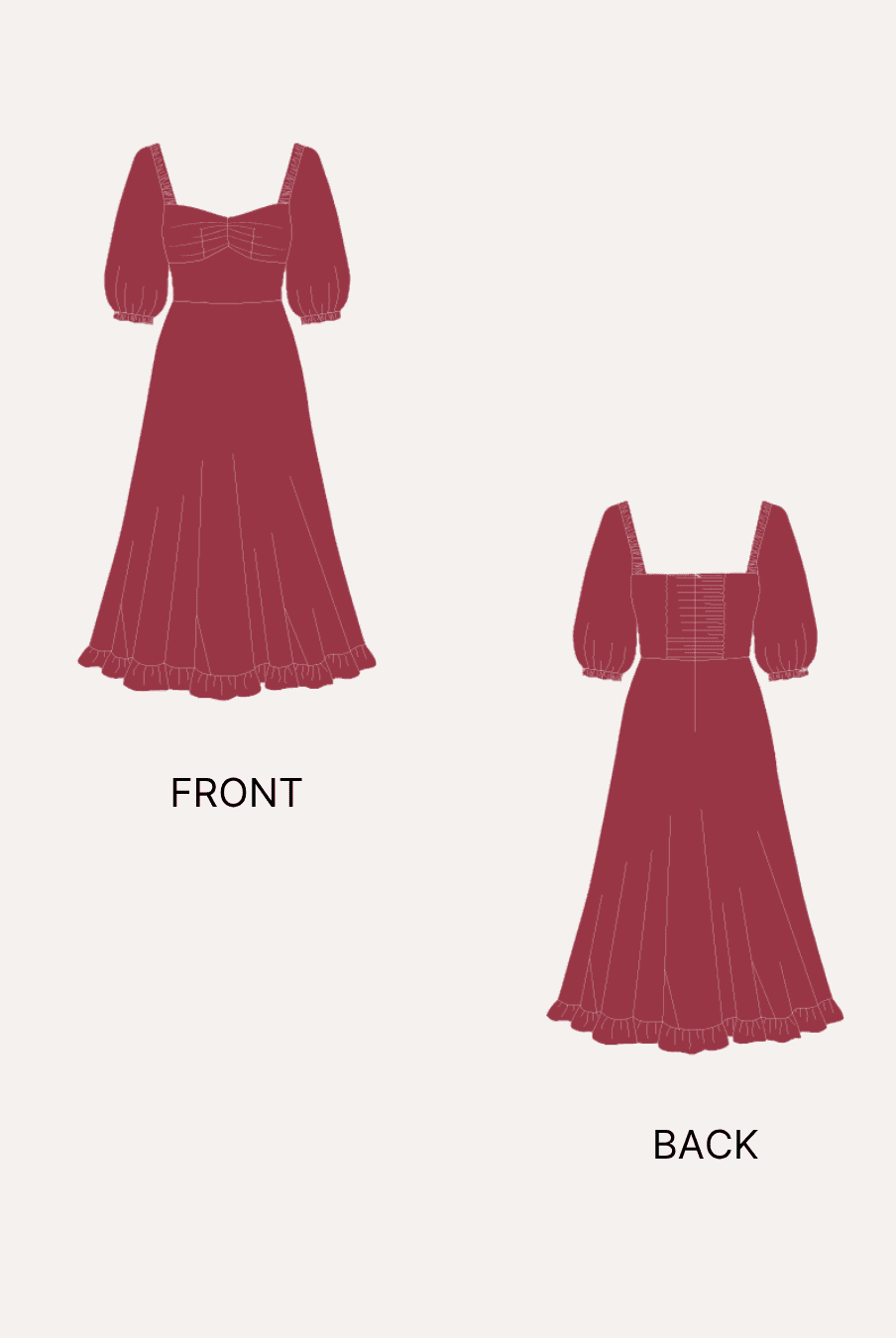
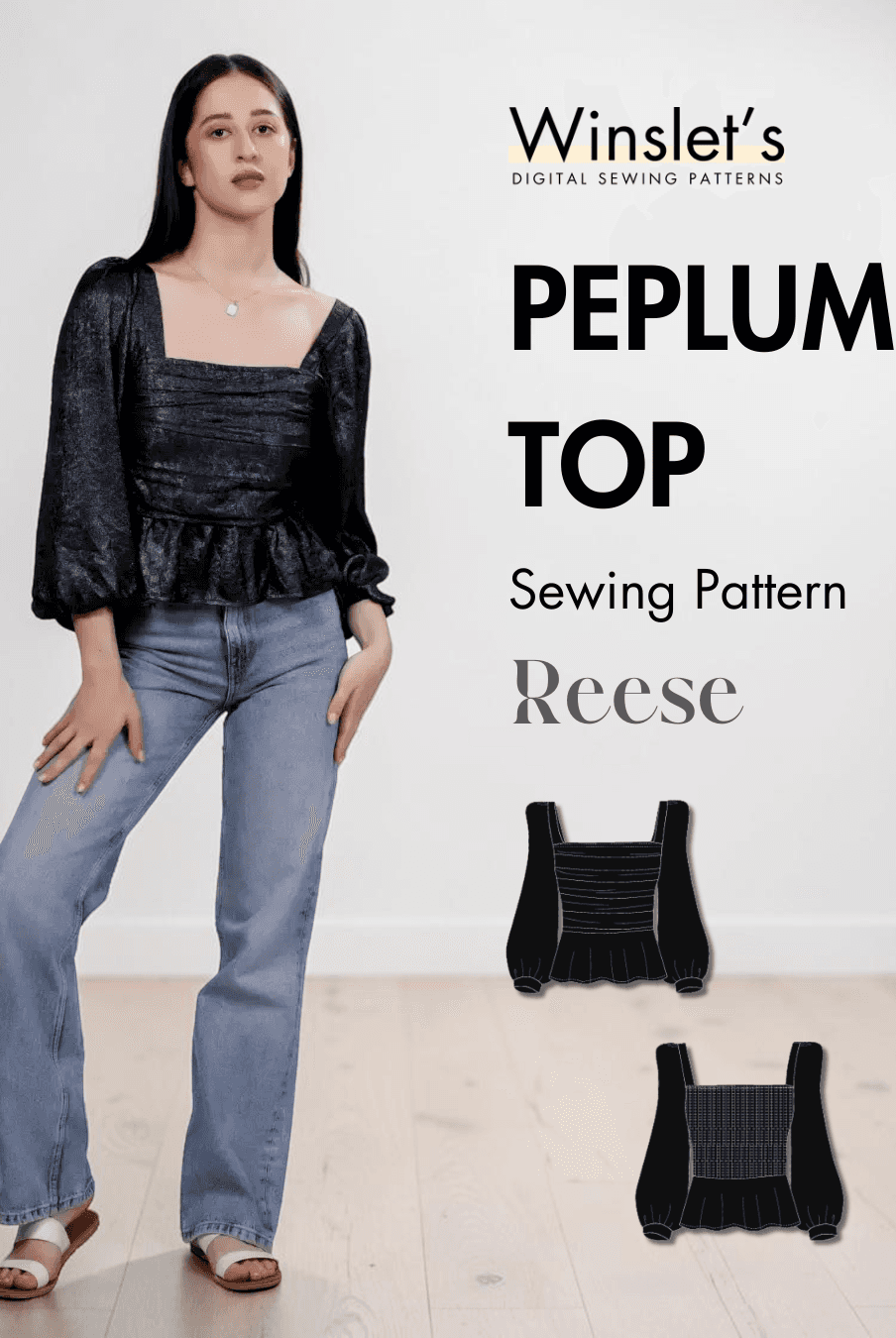
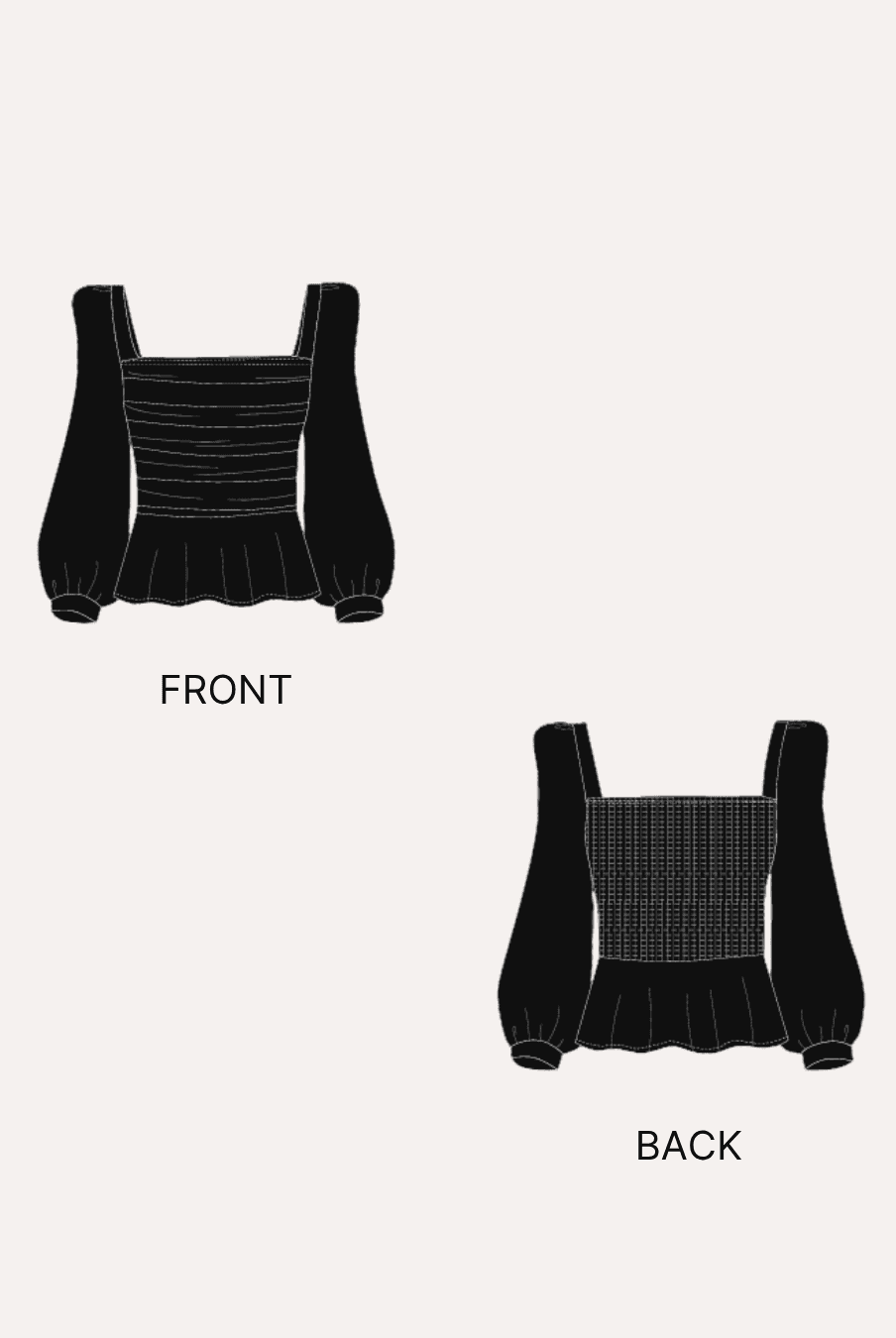
The Samara Milkmaid Top Sewing Pattern by Winslet's is a beginner-friendly design featuring a square neckline, a ruched bodice, puff sleeves, ruffled sleeve hems, and a flared hem. Its straightforward construction and comfortable fit make it a great project for sewists looking to create a stylish everyday top.

Why Sew a Milkmaid Top?
- Creates a feminine and romantic everyday garment.
- Features a comfortable ruched bodice that adapts well to the body.
- Puff sleeves add volume and visual interest.
- The square neckline creates a flattering and timeless silhouette.
- Lightweight woven fabrics make it ideal for spring and summer wear.
- Easy to pair with jeans, skirts, shorts, or wide-leg trousers.
- A quick and approachable project for beginner and intermediate sewists.
Why Choose the Winslet's Samara Milkmaid Top Pattern?

The Samara Milkmaid Top Pattern is designed to help sewists create a charming milkmaid-style blouse with beautiful gathered details and a comfortable fit.
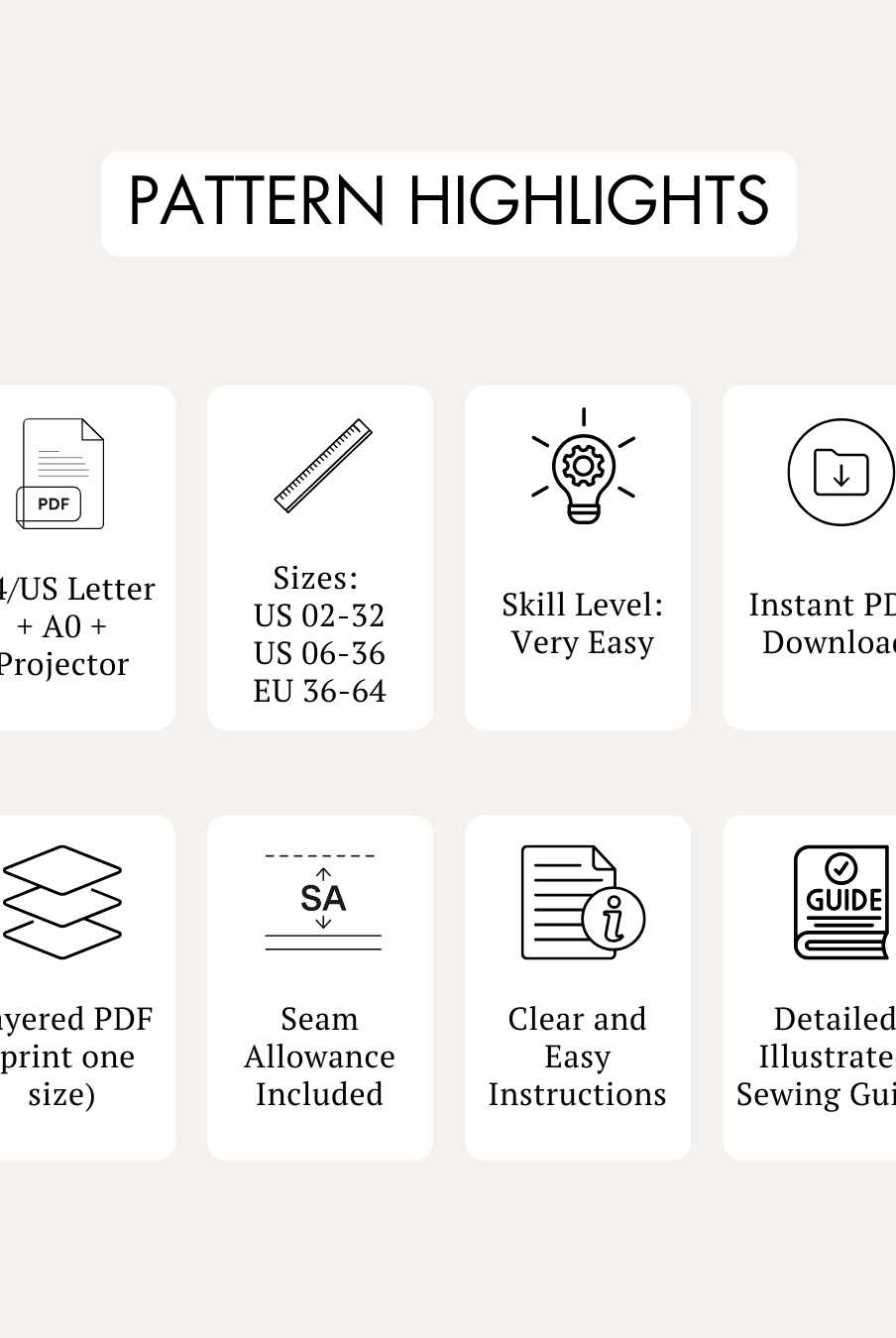
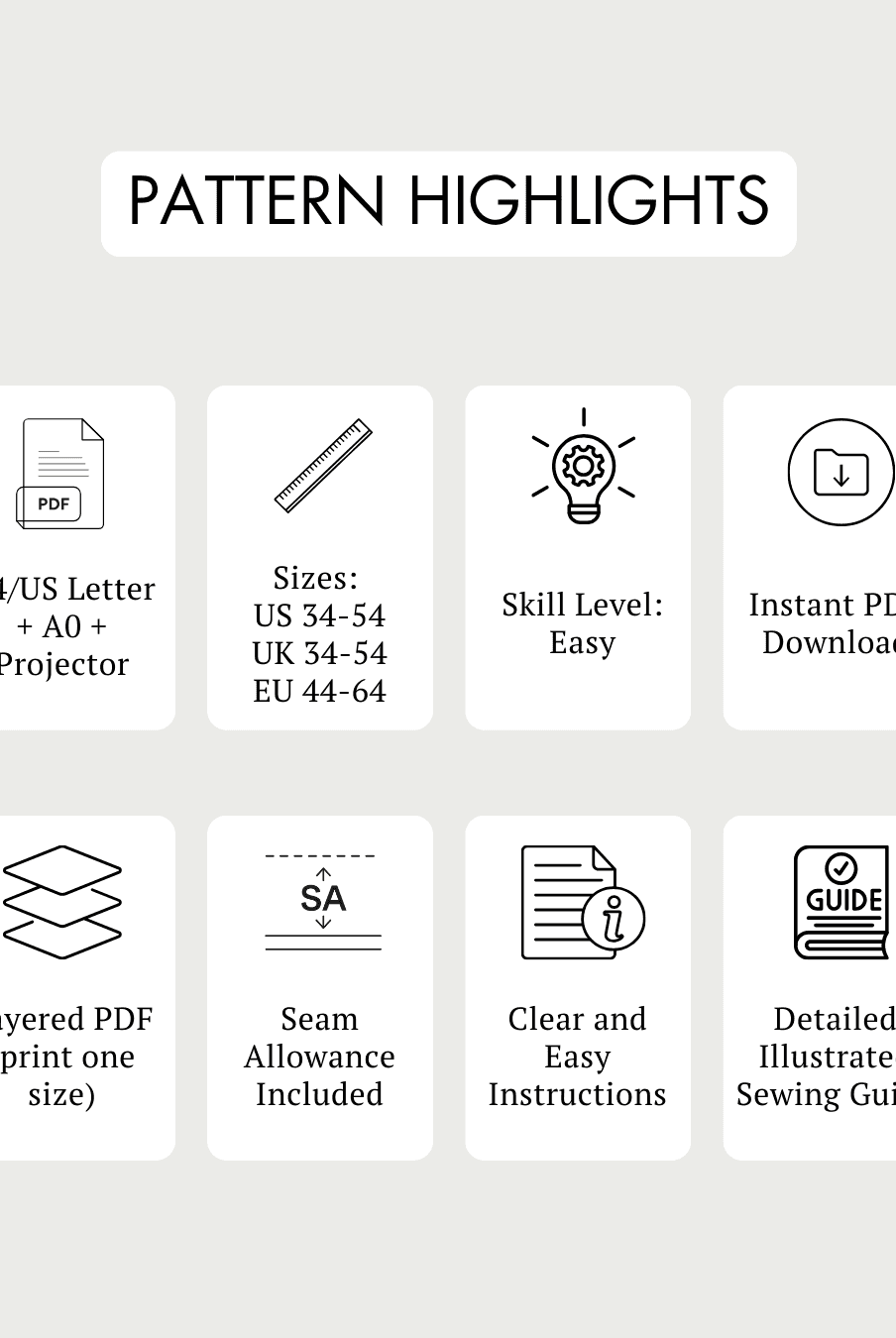
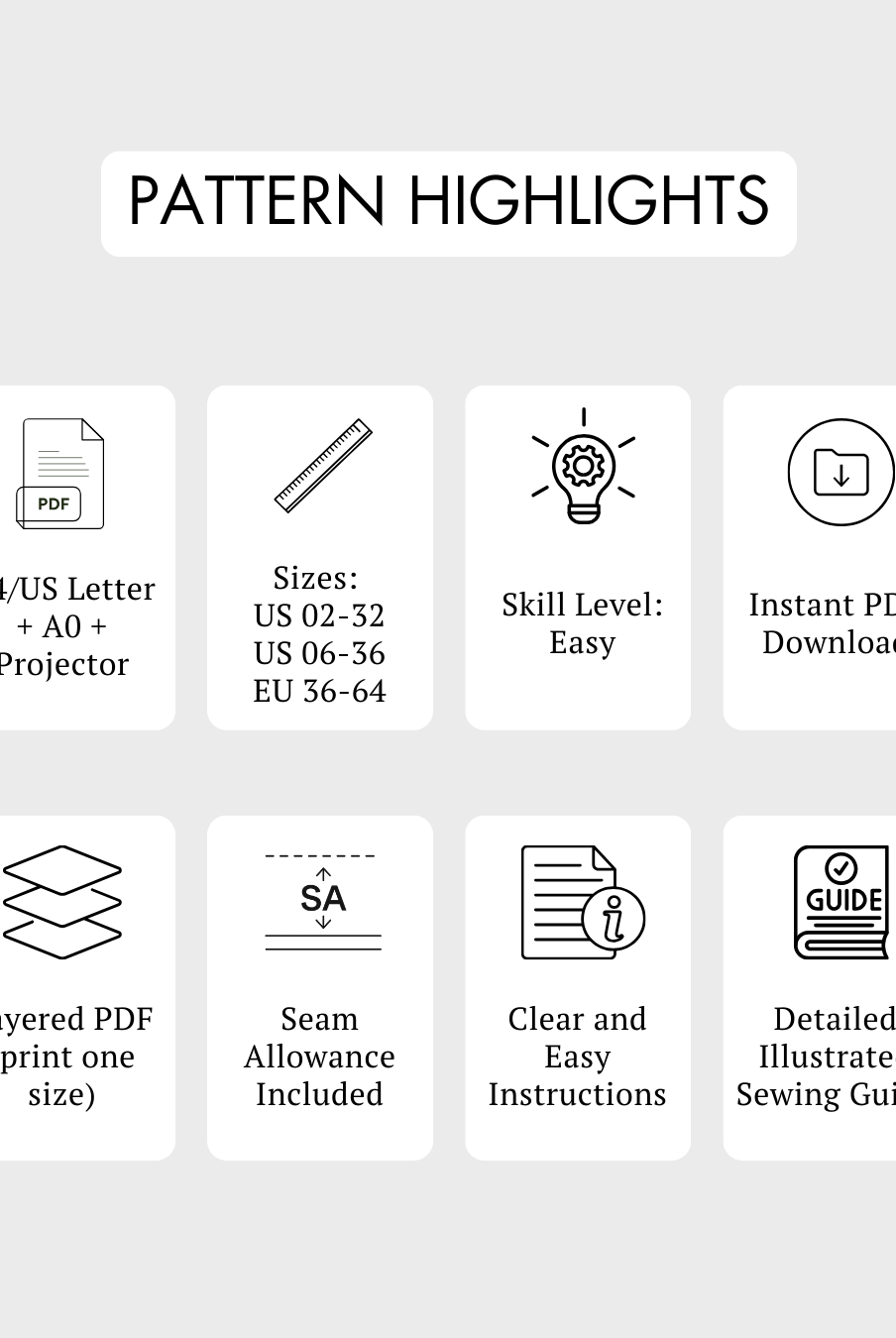
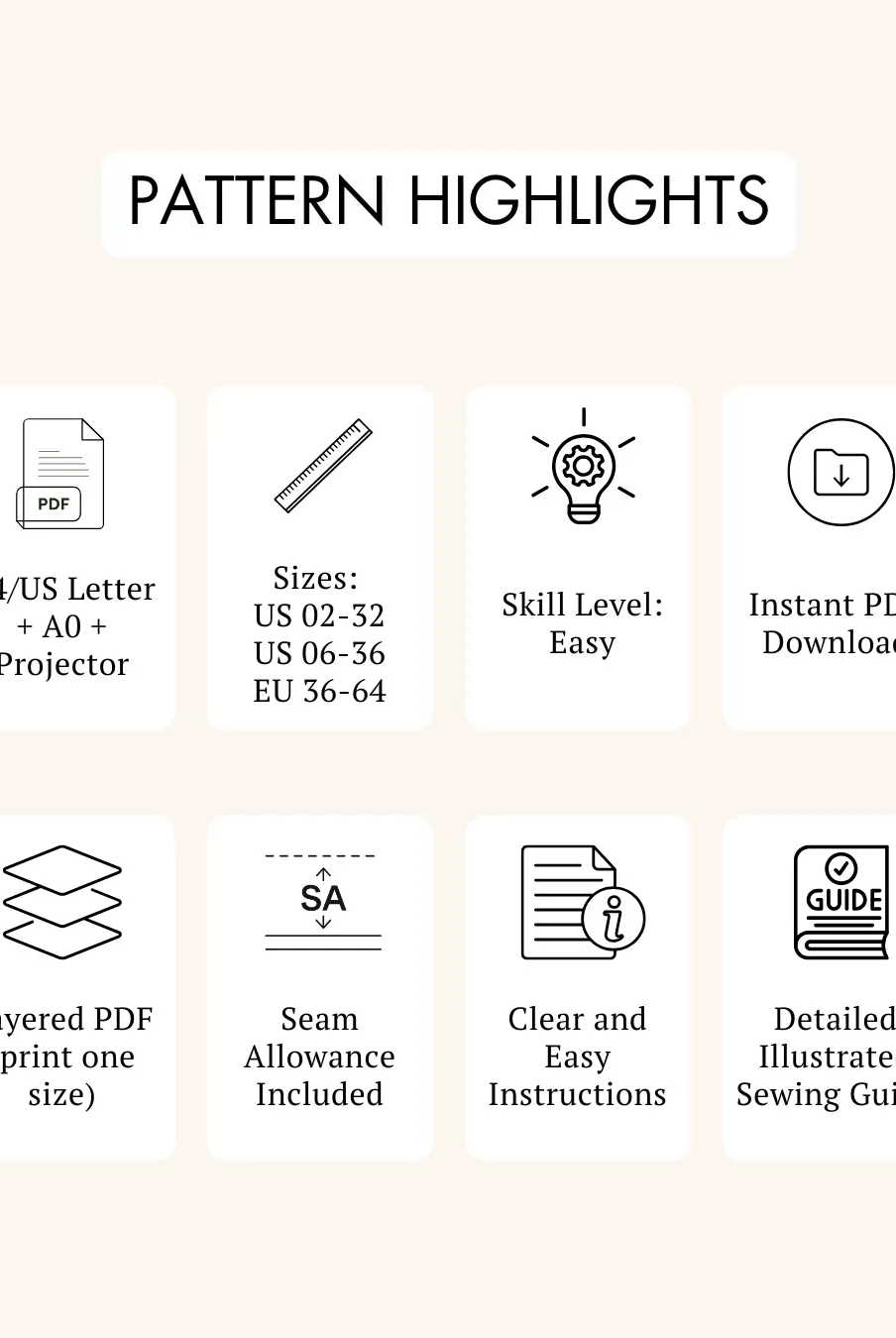
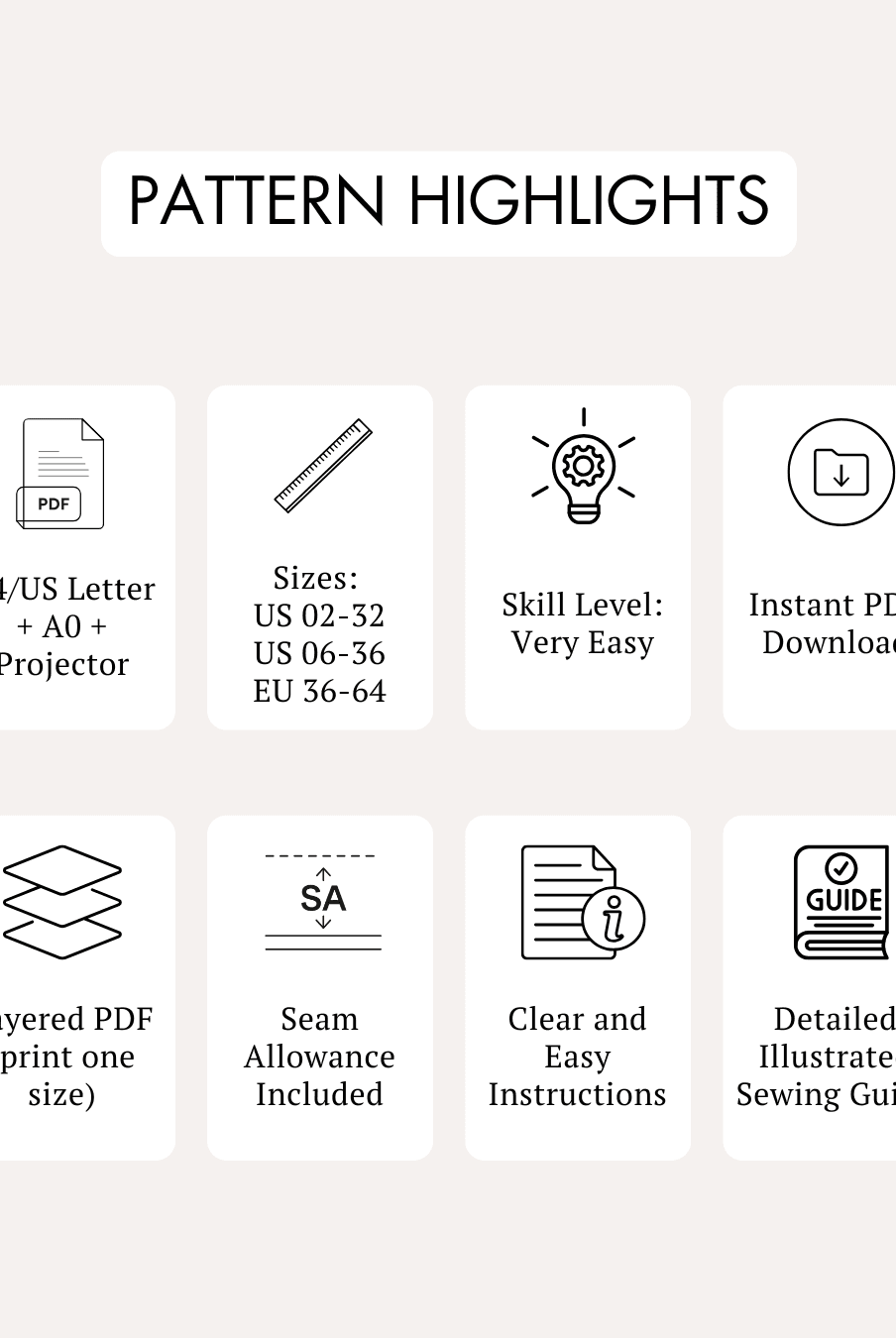
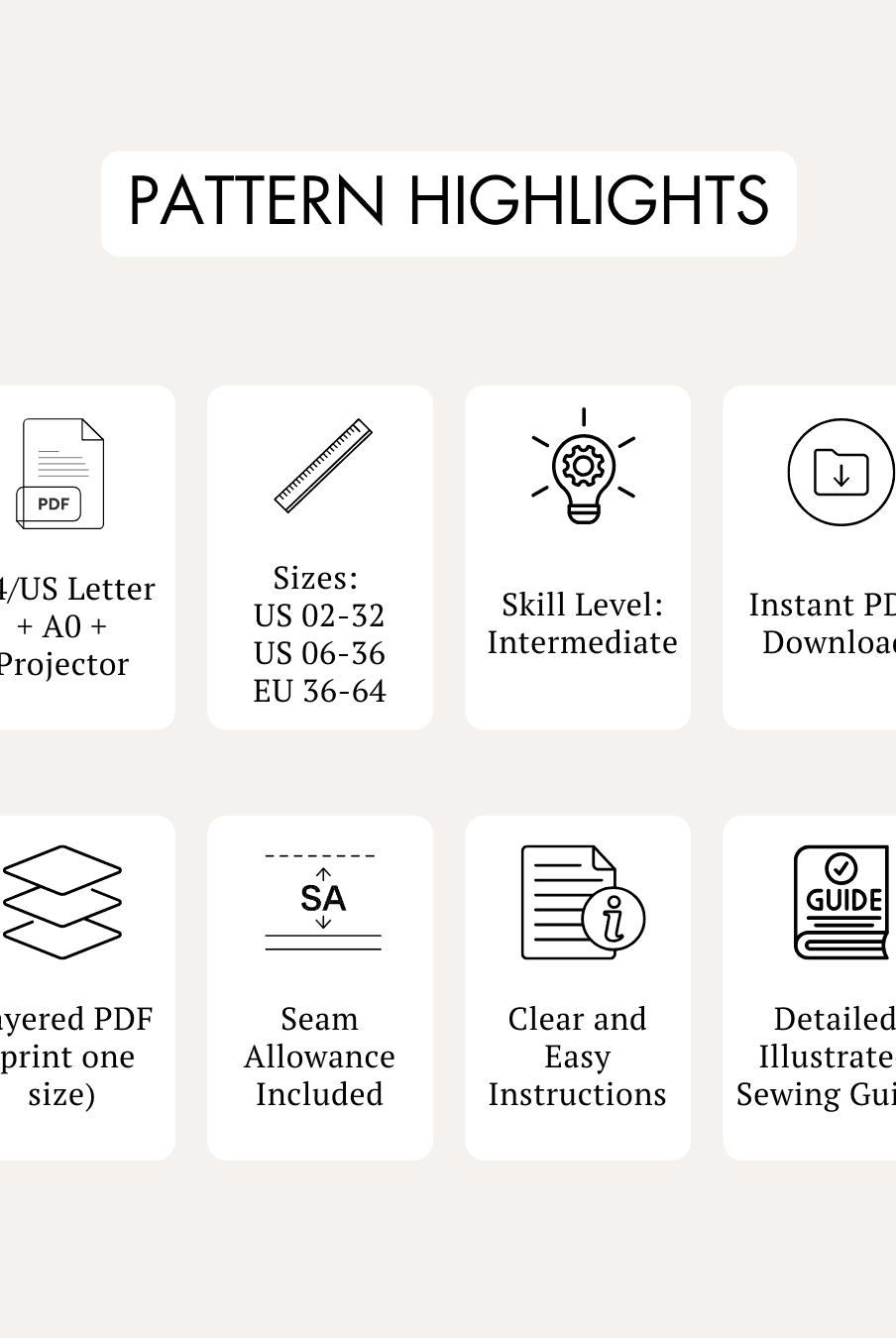
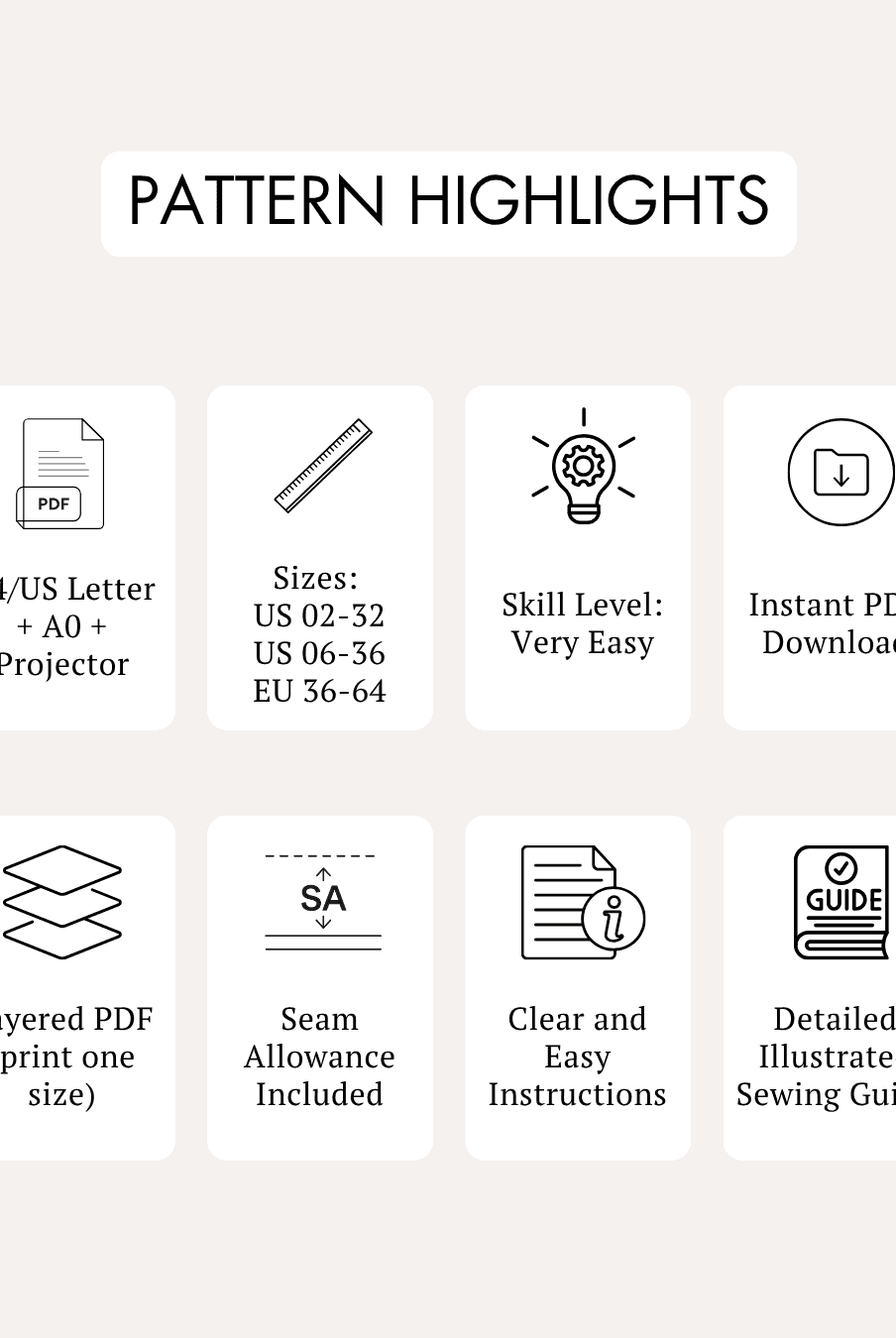
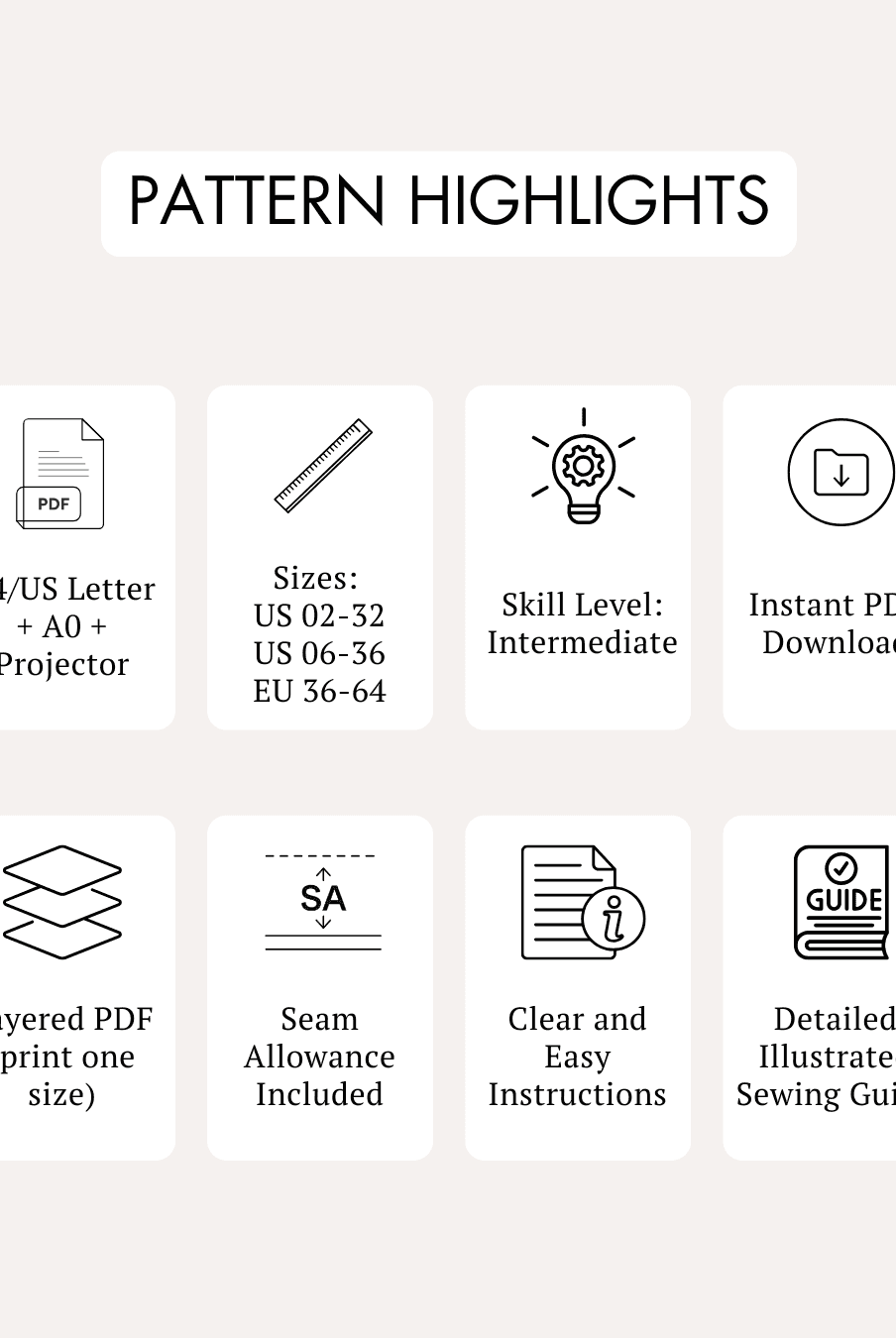
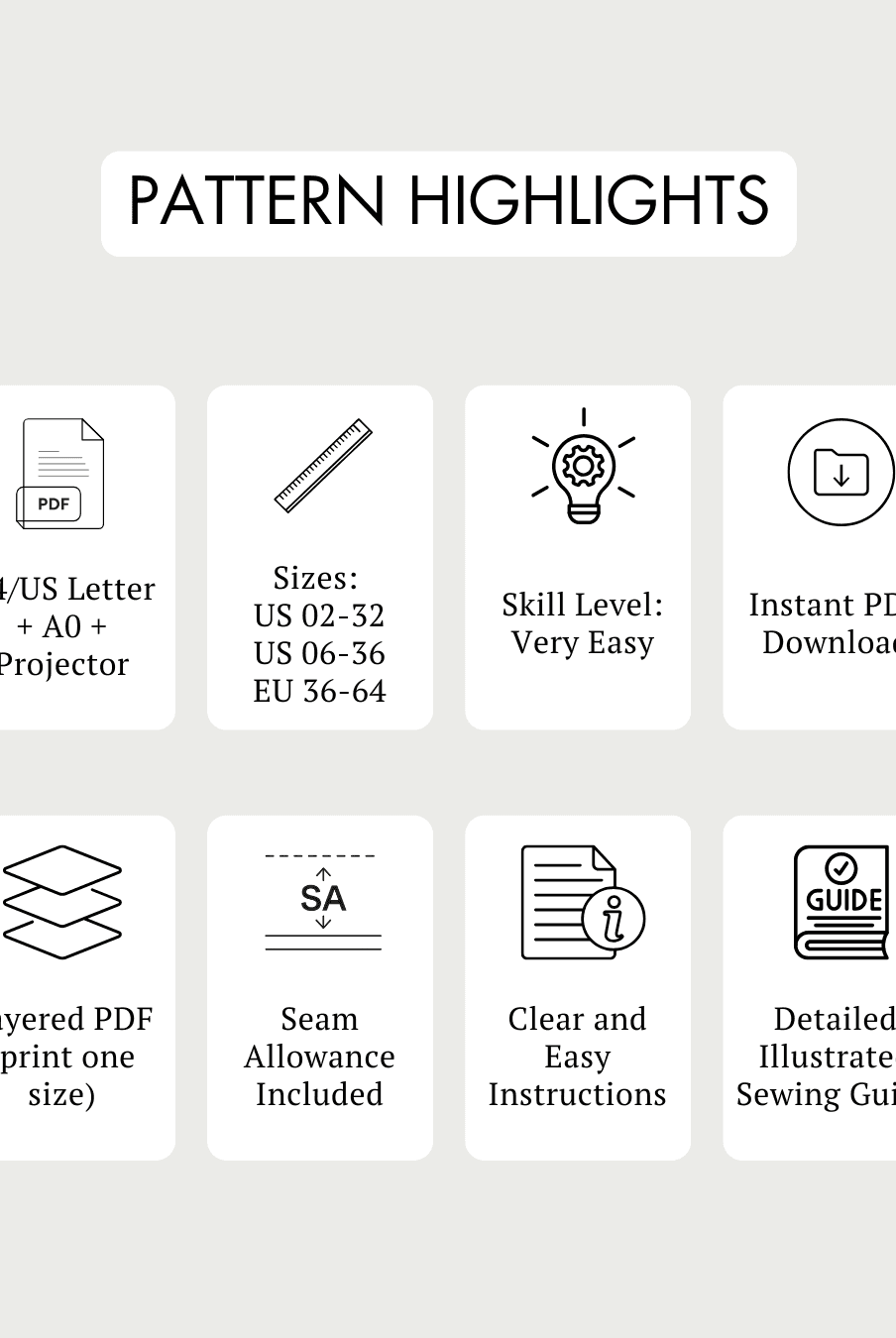
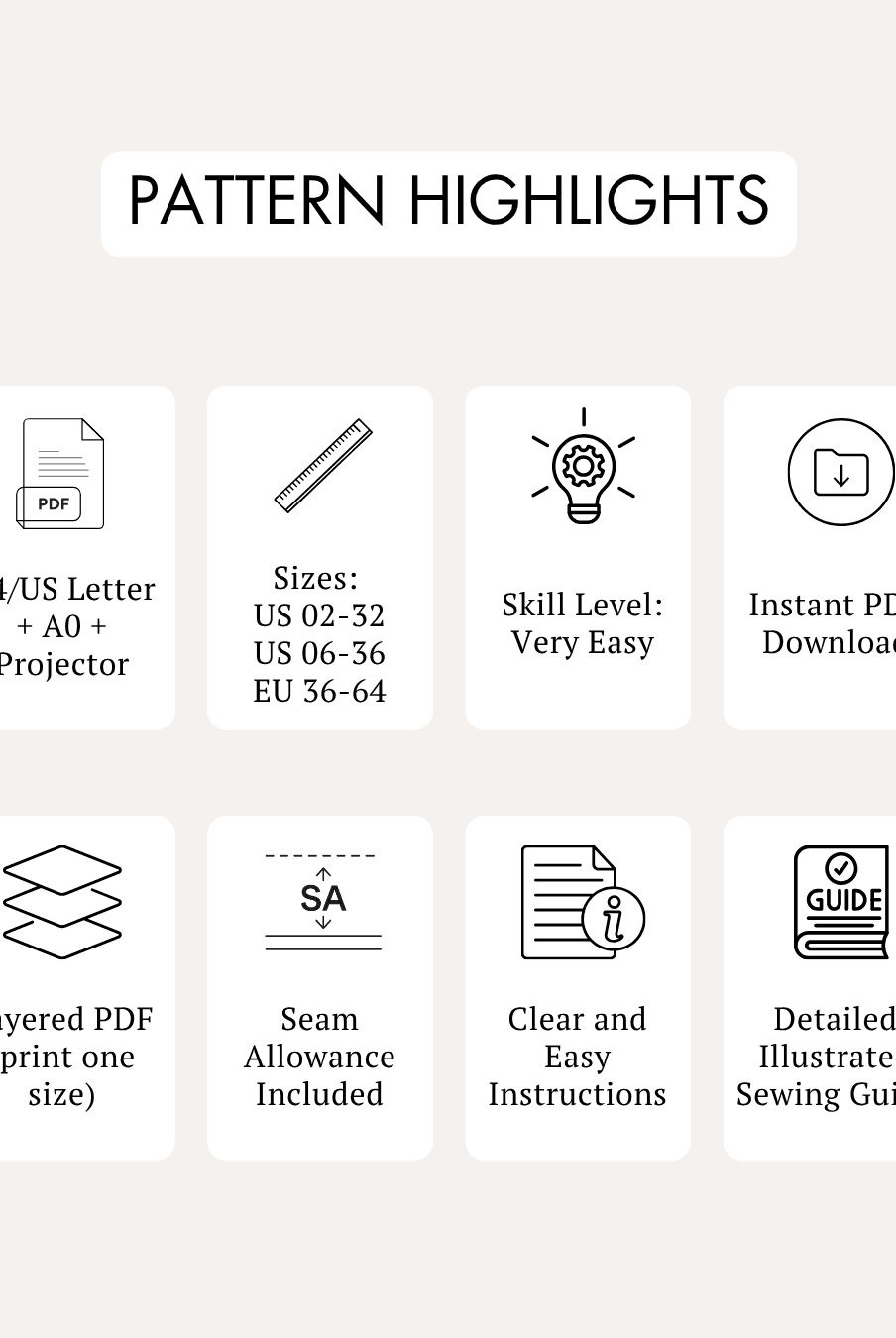
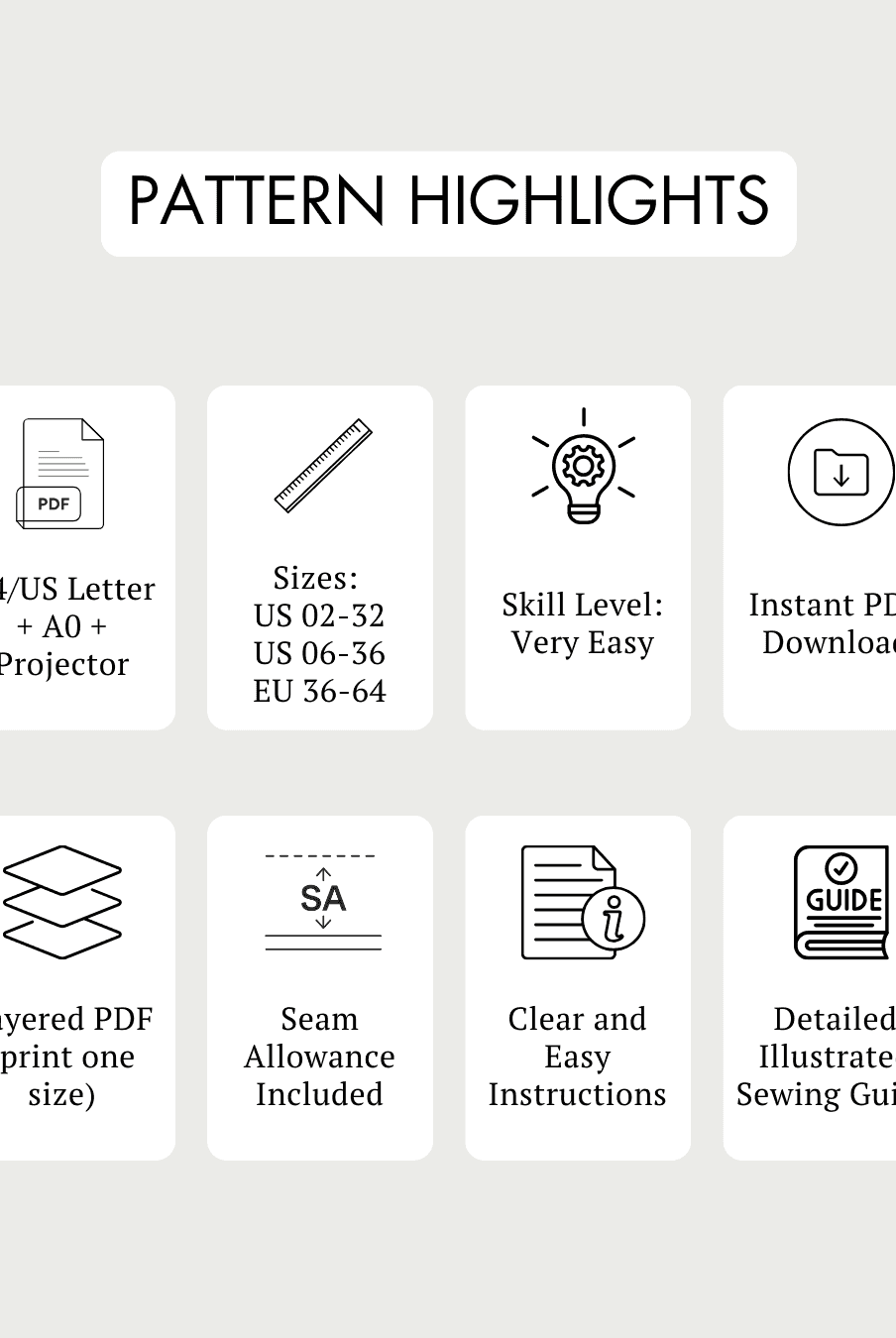
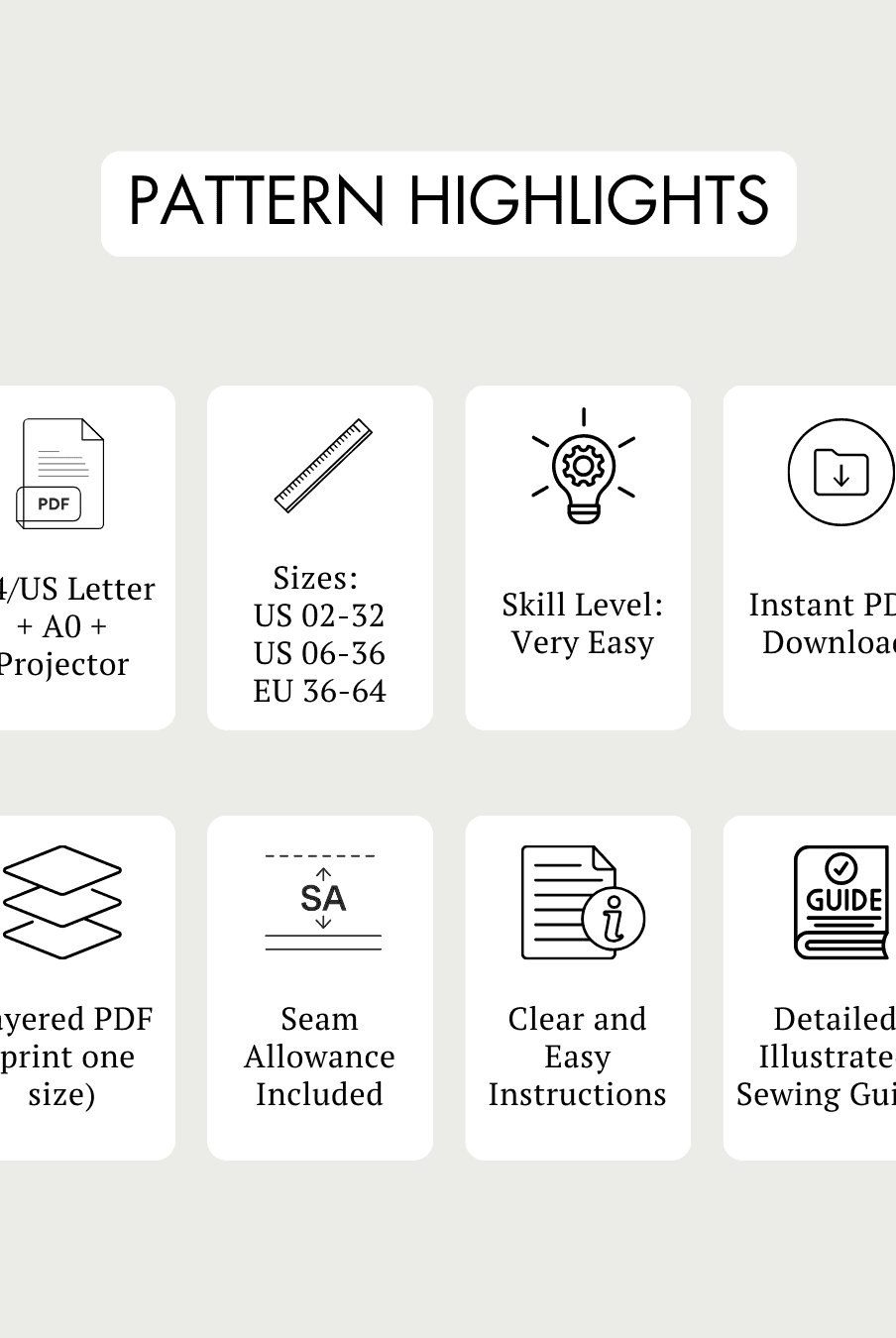
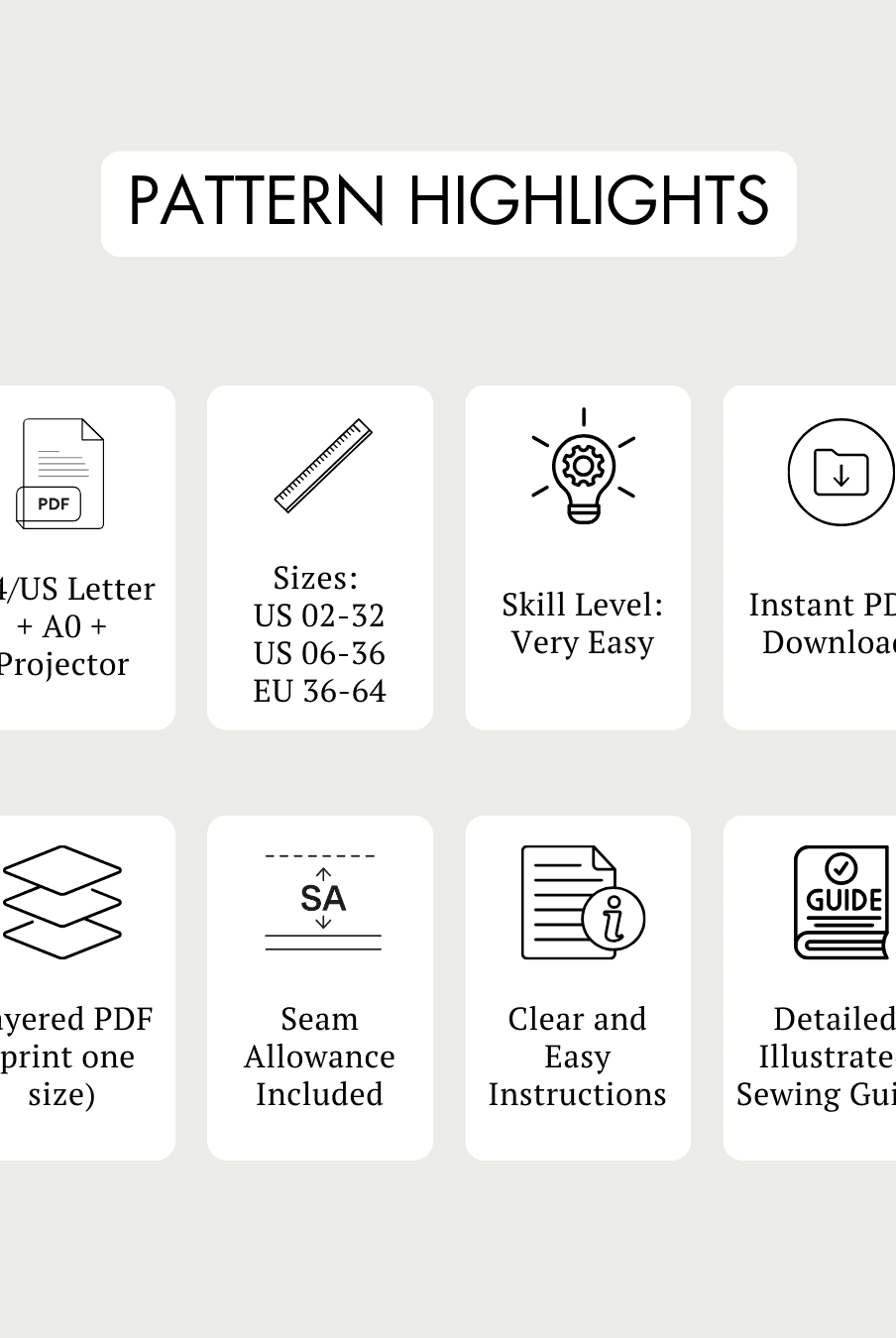
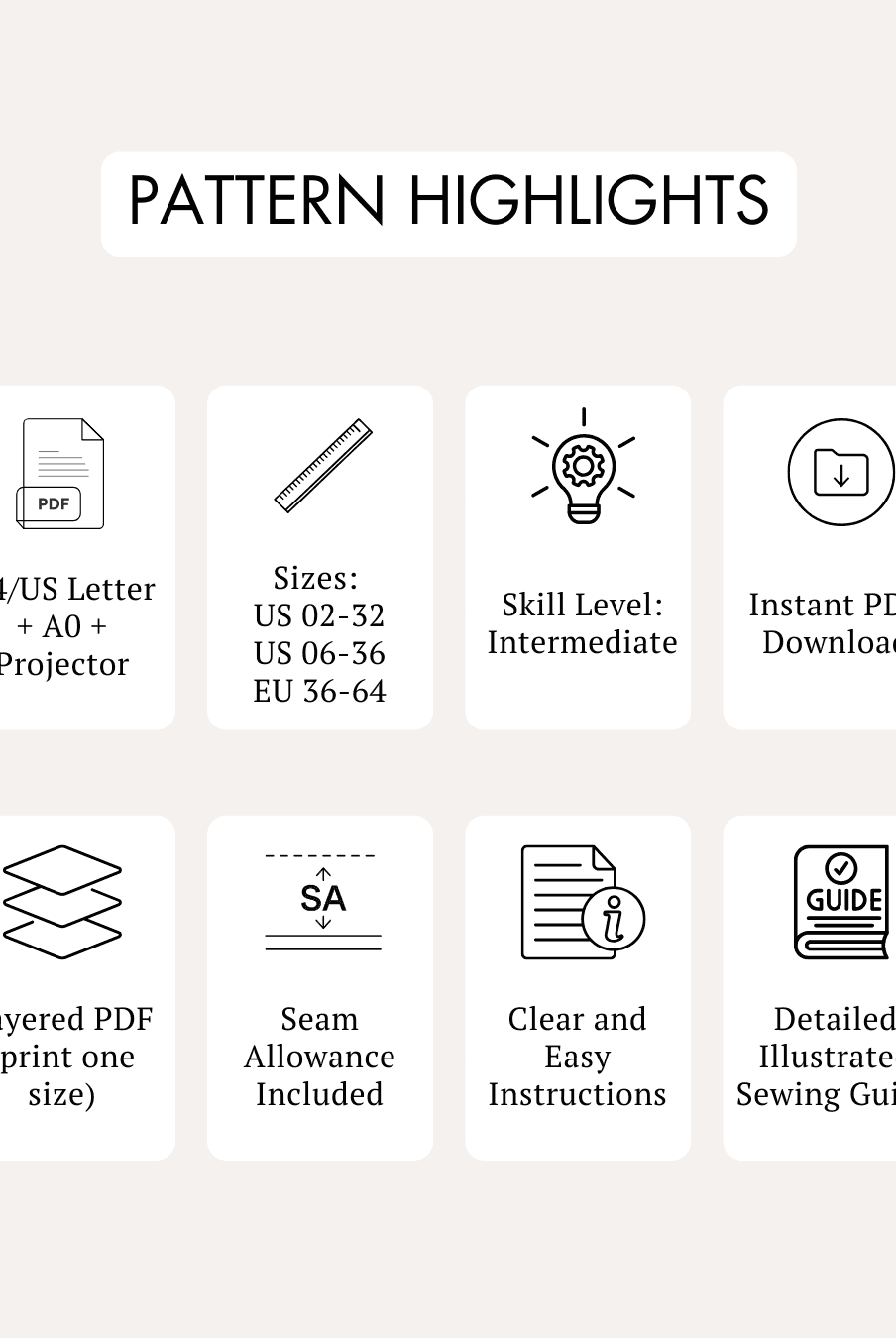
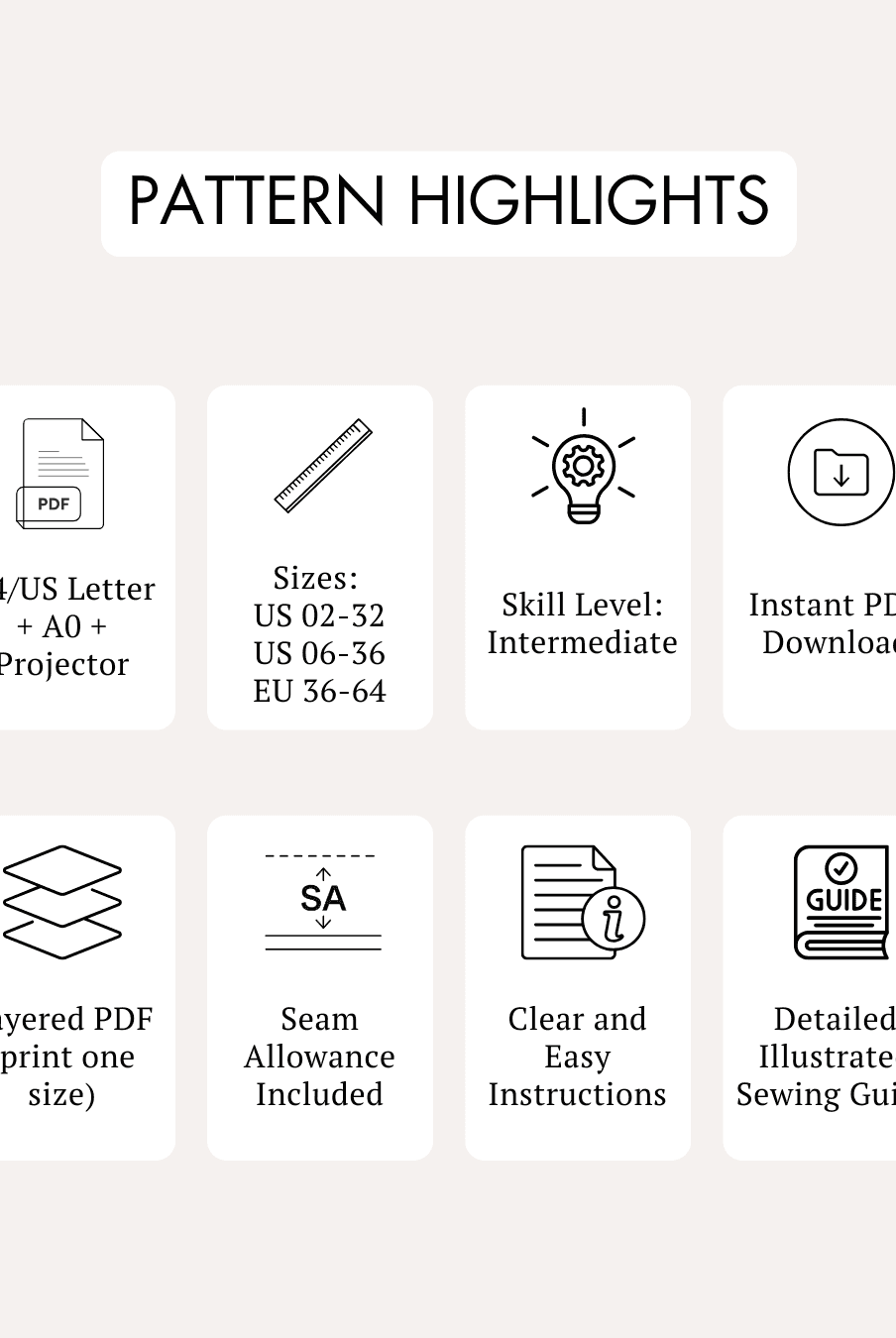
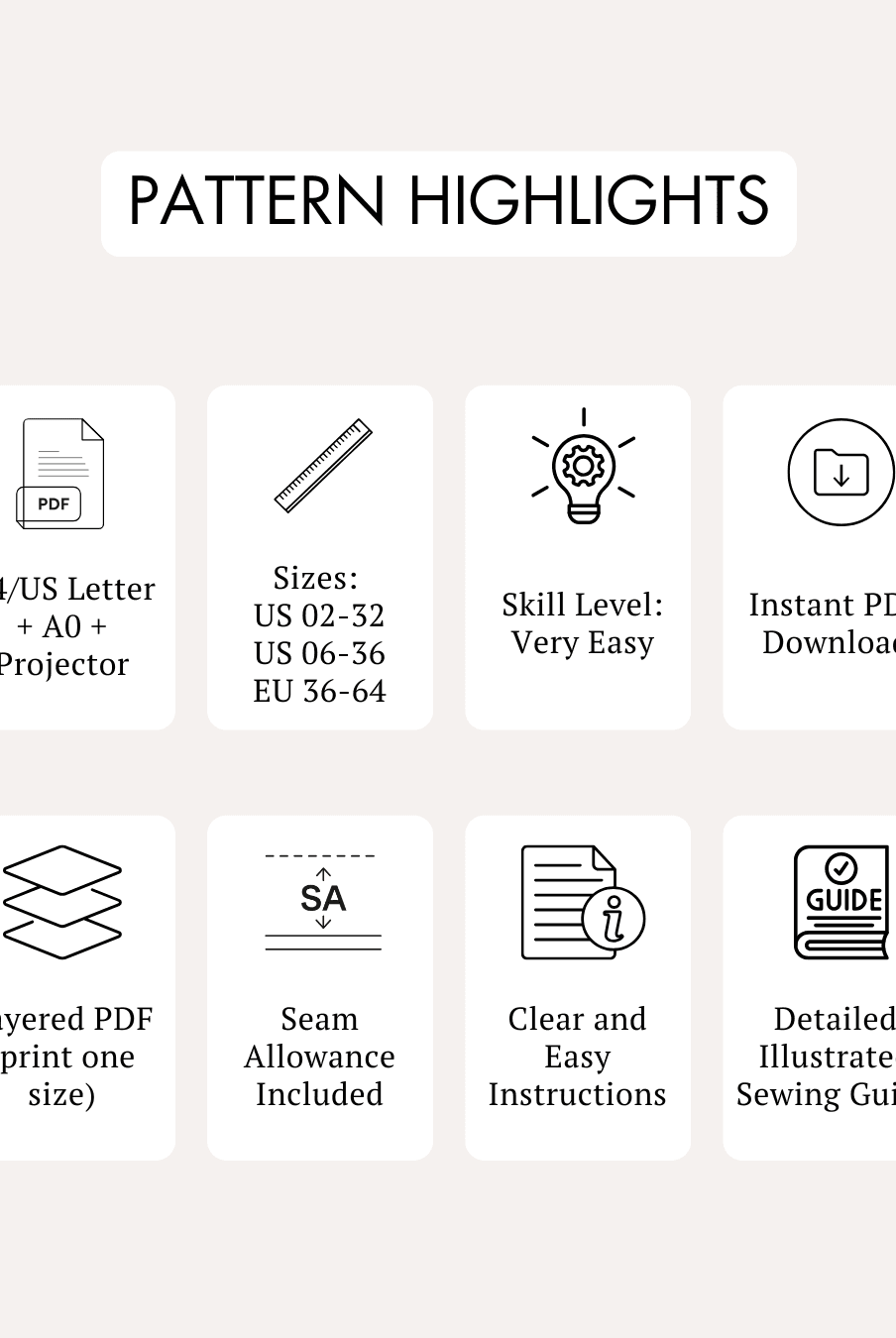
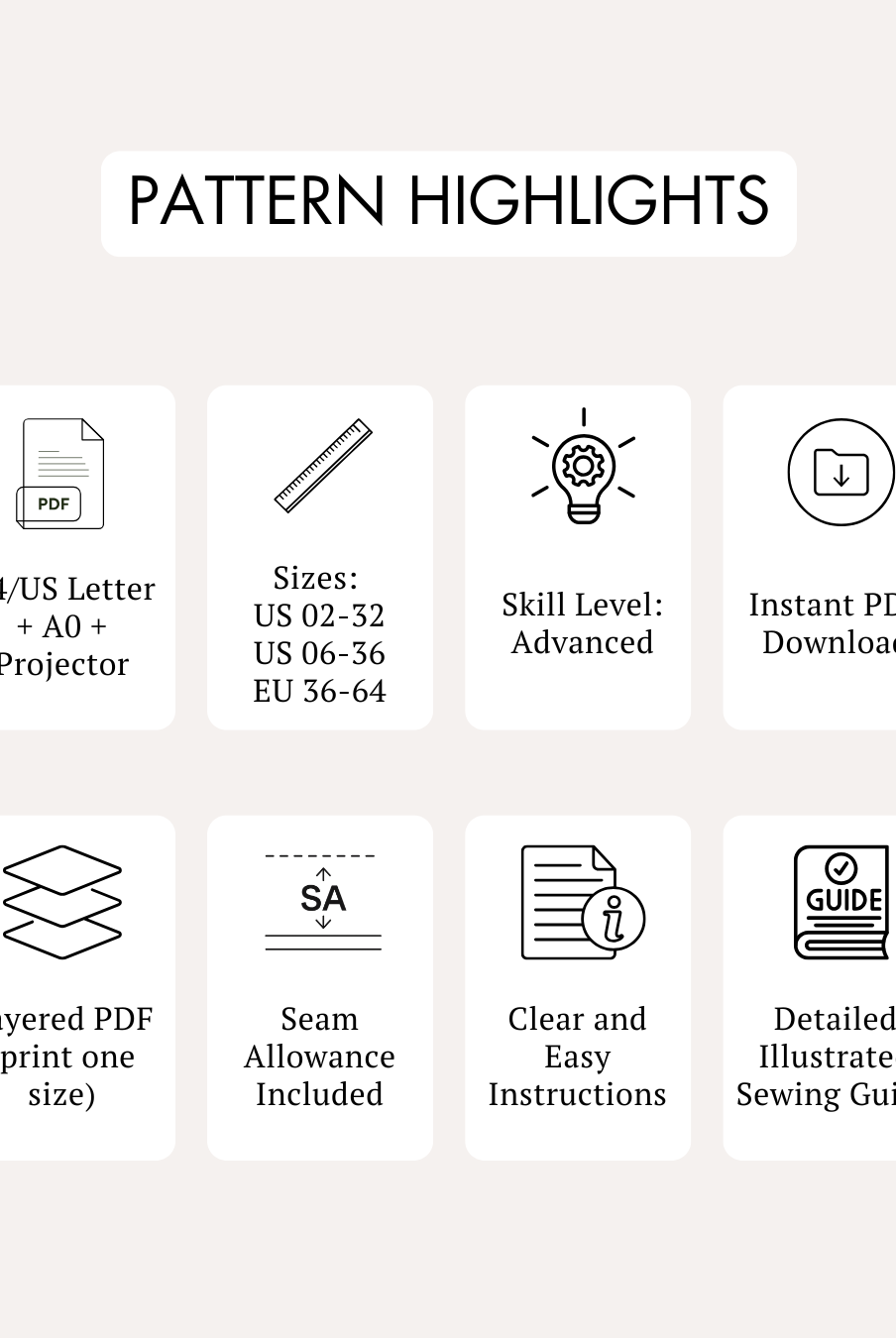
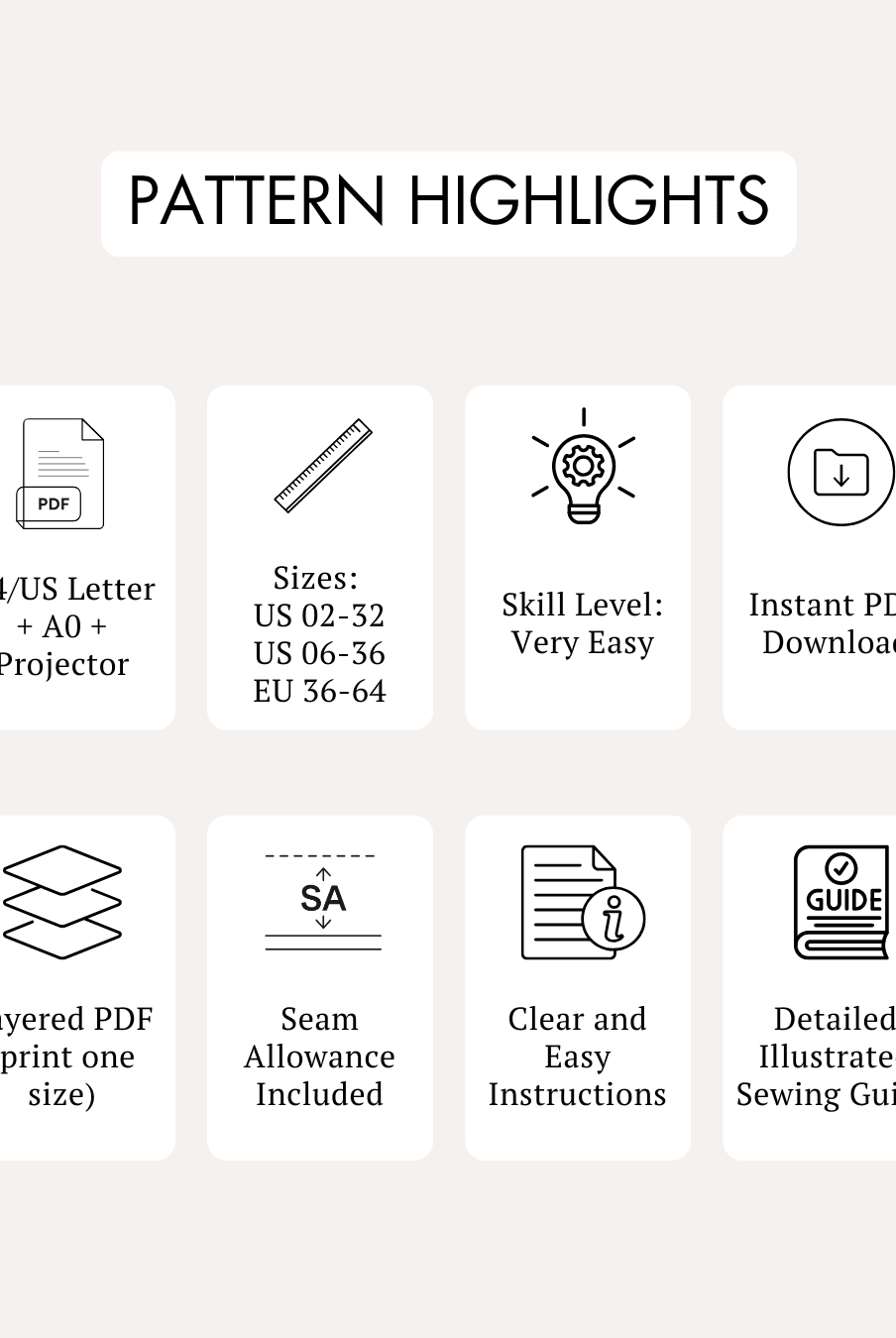
Skill Level: Very Easy
Key Features:
- Square neckline
- Ruched bodice
- Puff sleeves
- Ruffled sleeve hems
- Flared hem
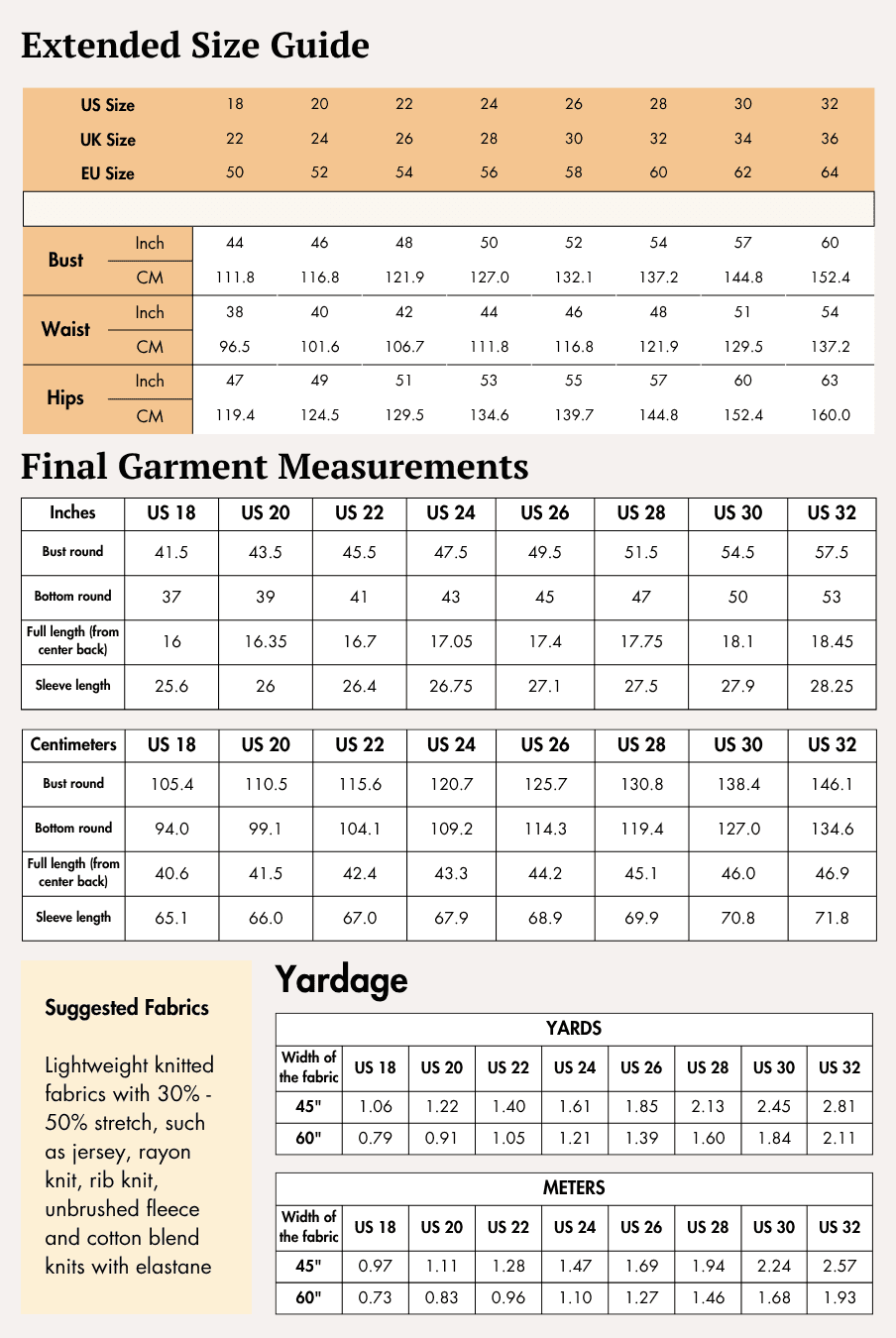
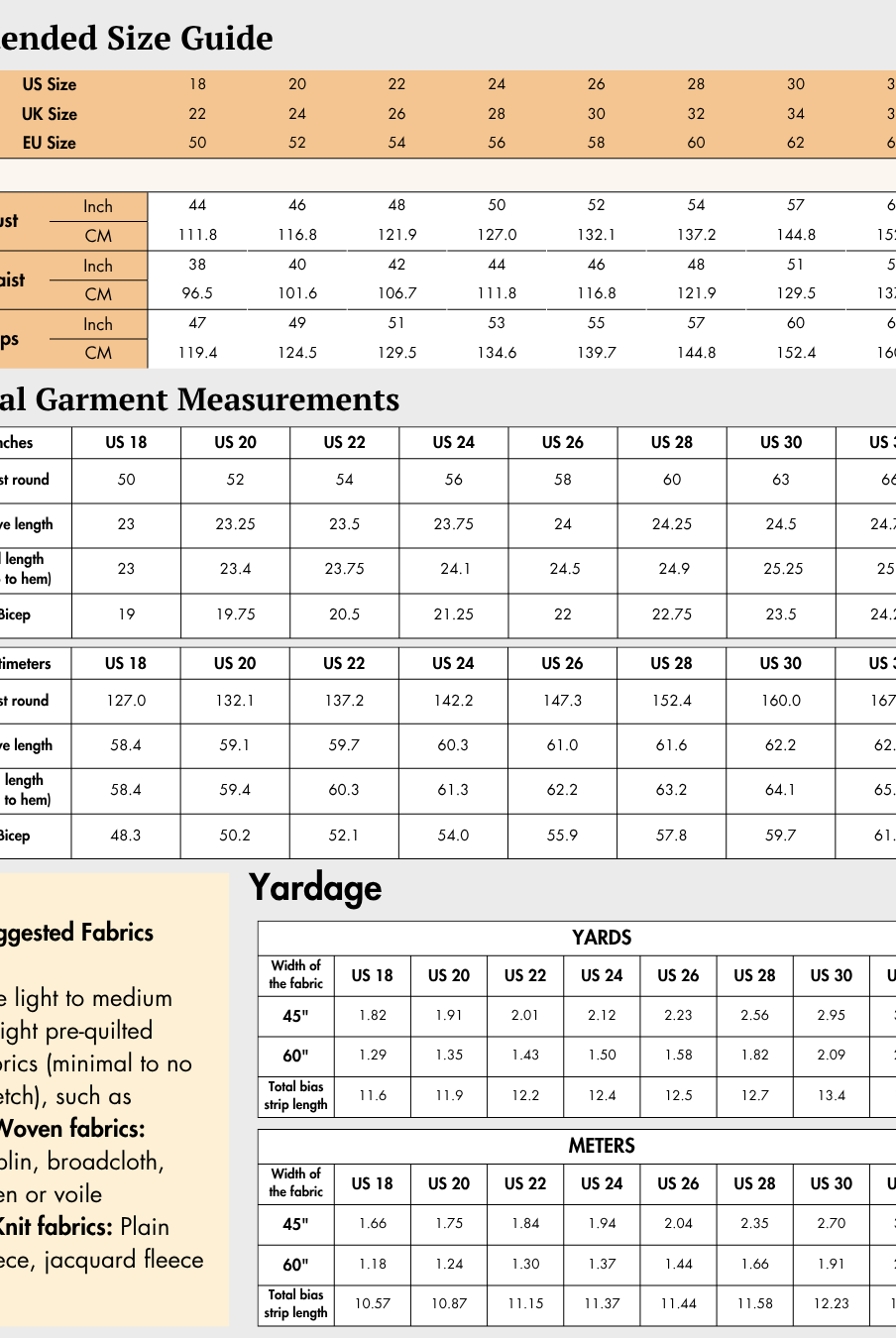
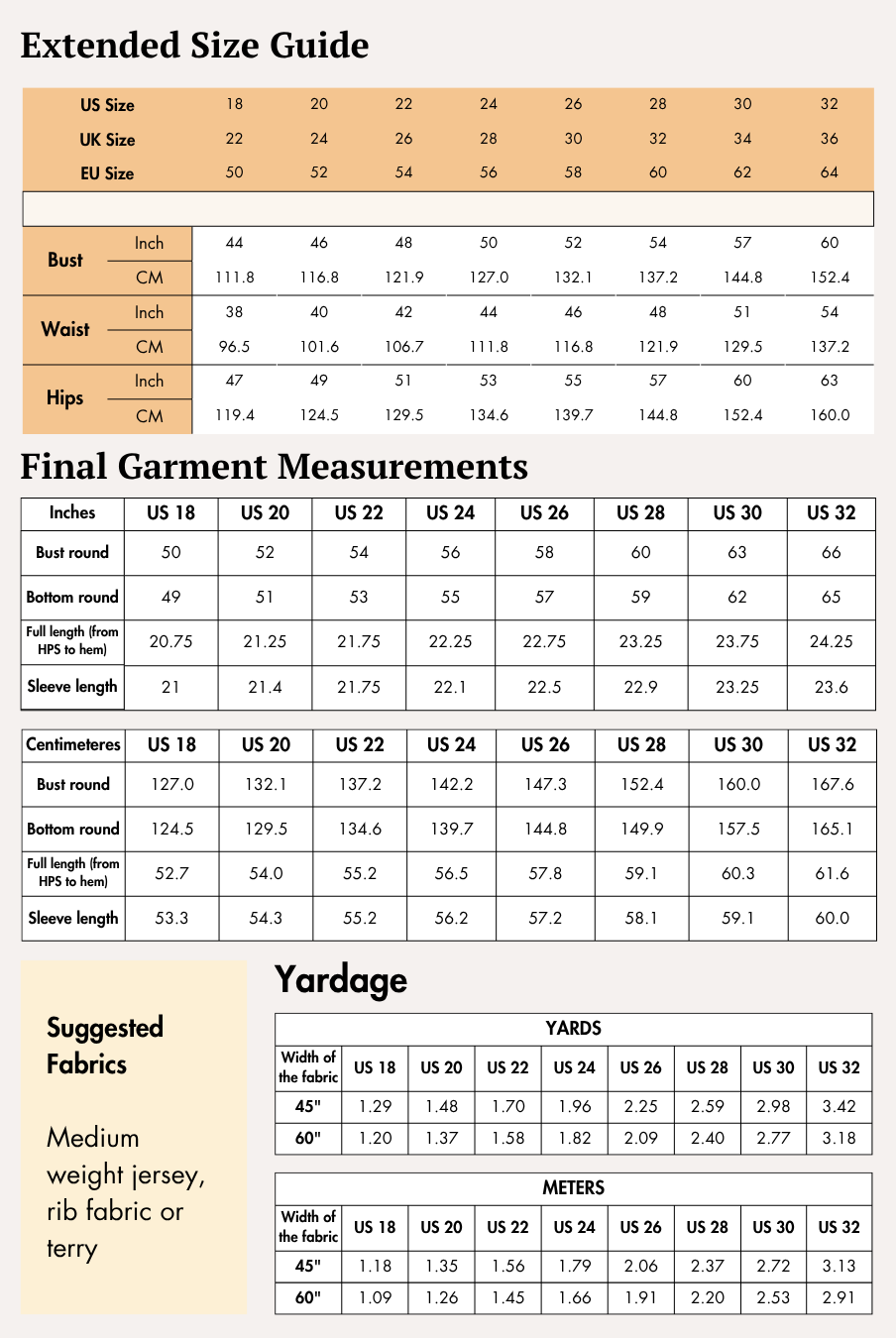
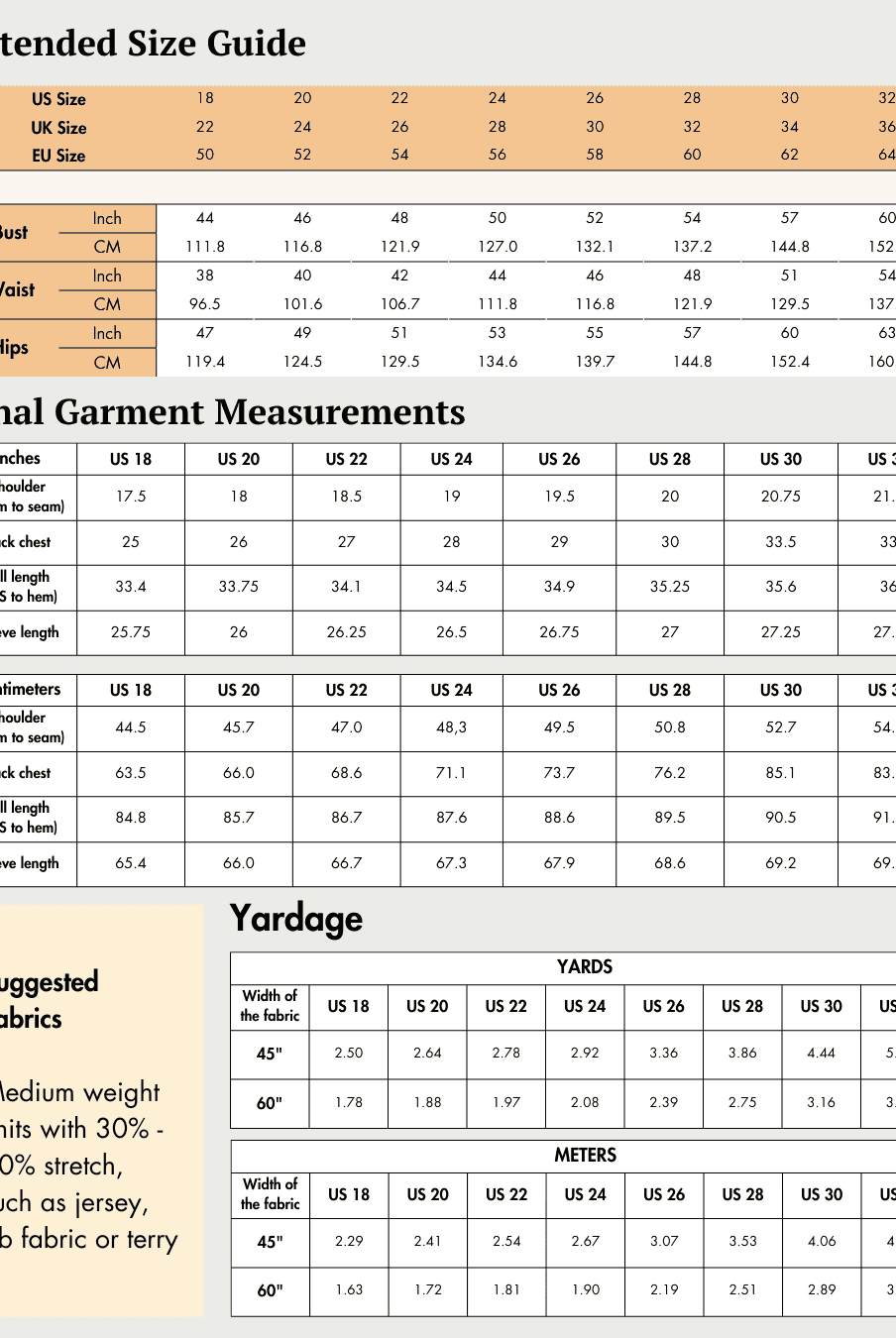
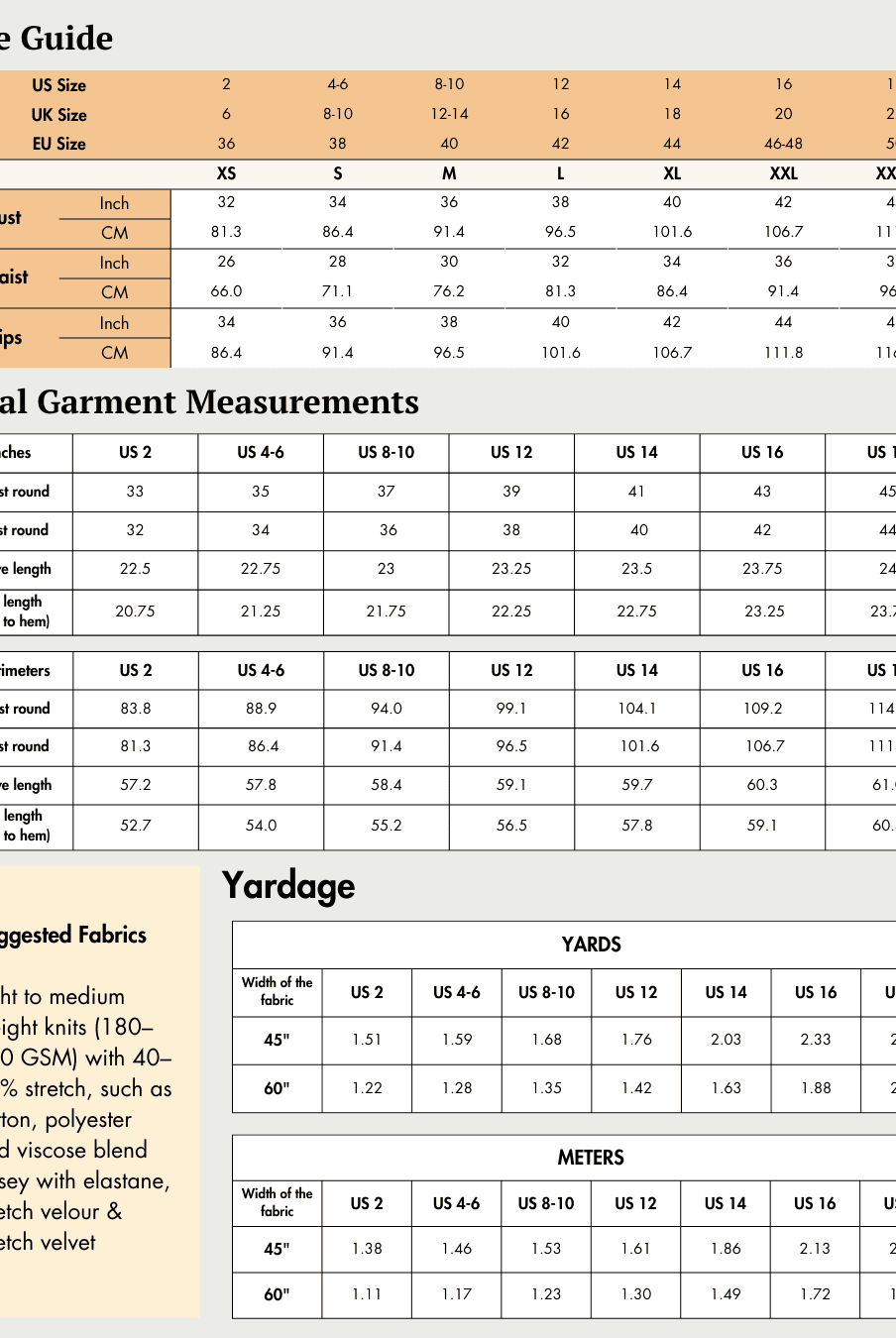
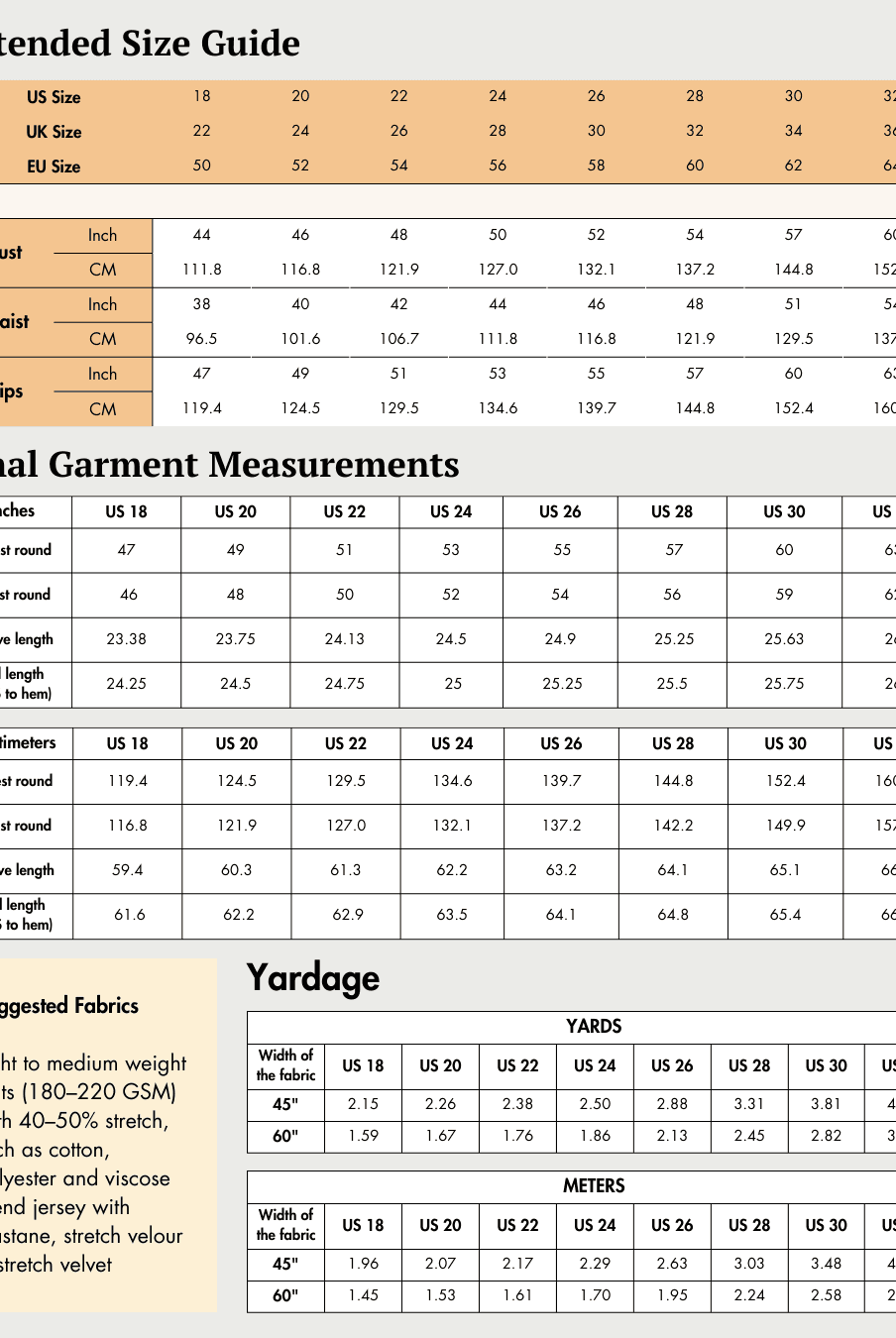
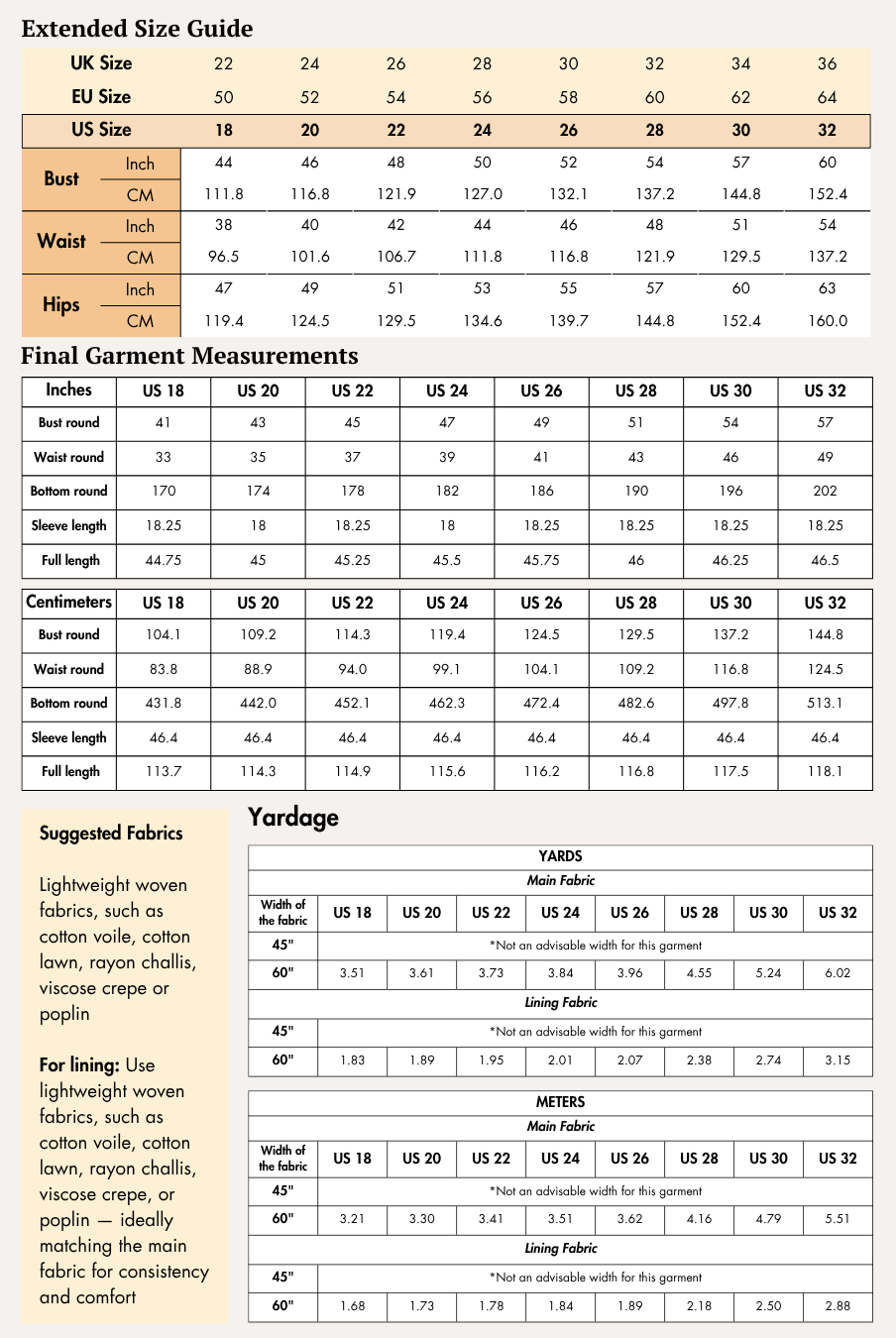
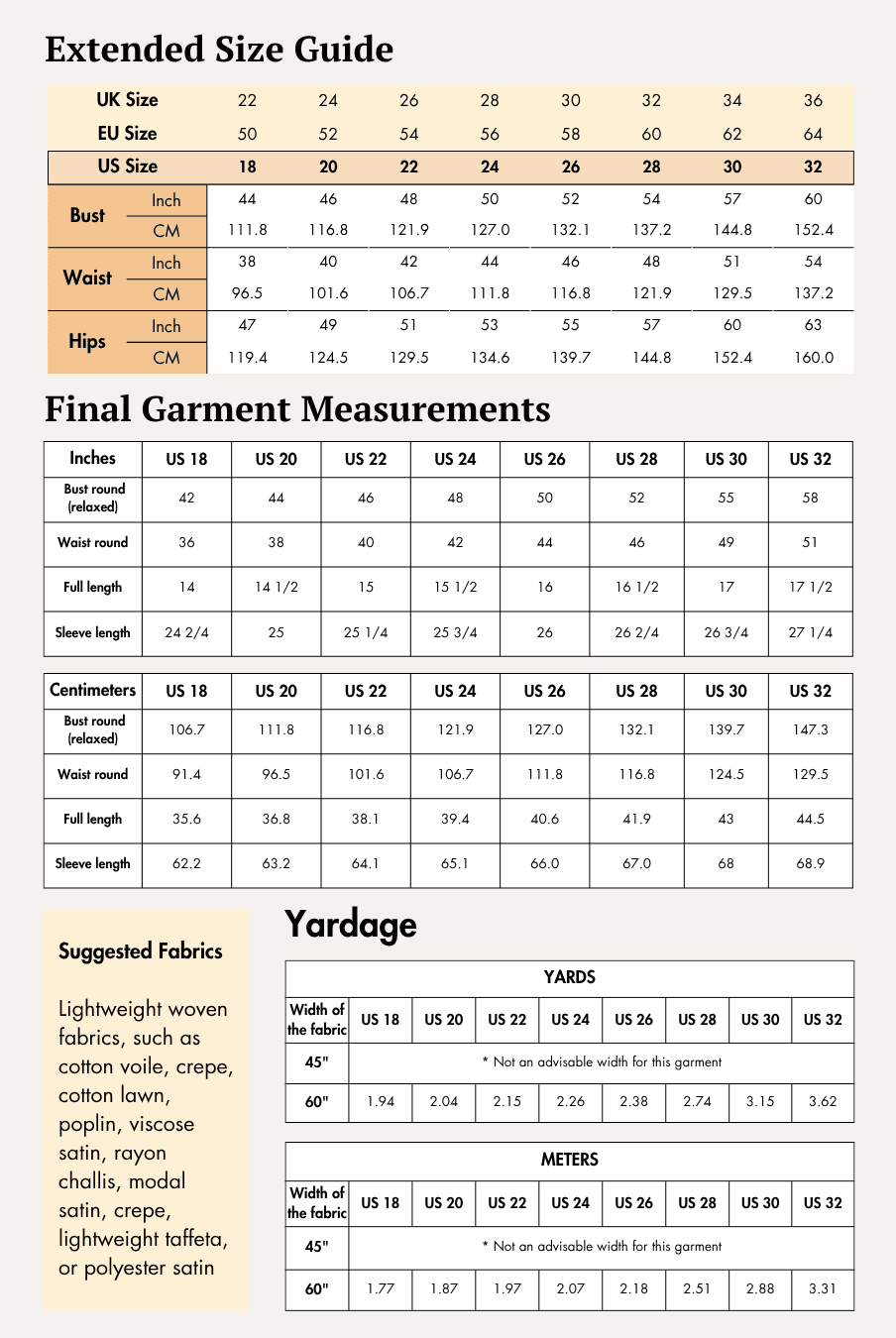
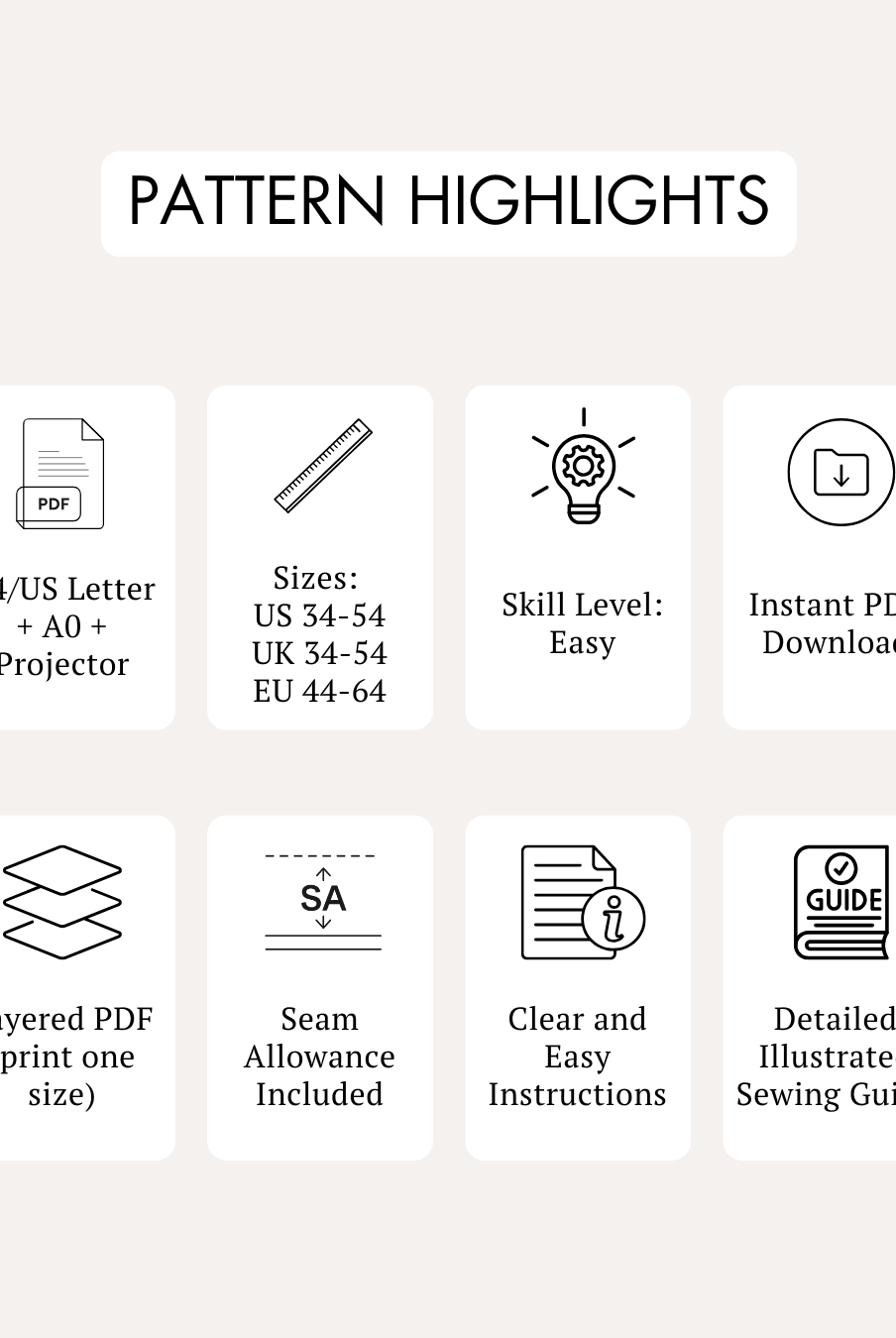
Available Sizes: US 02 - US 32 | UK 06 - UK 36 | EU 36 - EU 64
Supplies & Notions
You will need:
- Tape measure
- Fabric shears
- Iron
- Chalk
- Thread cutter
- Pins
- Sewing machine
- Sewing needles
- 3-ply polyester thread
- Elastic strip (6 mm wide)
Fabric Recommendations
Consider using lightweight woven fabrics such as:
- Cotton voile
- Satin
- Crepe
- Plain weave rayon
- Modal
- Chiffon
The model in the sewing guide is wearing a top made from viscose slub woven fabric.
Size Charts
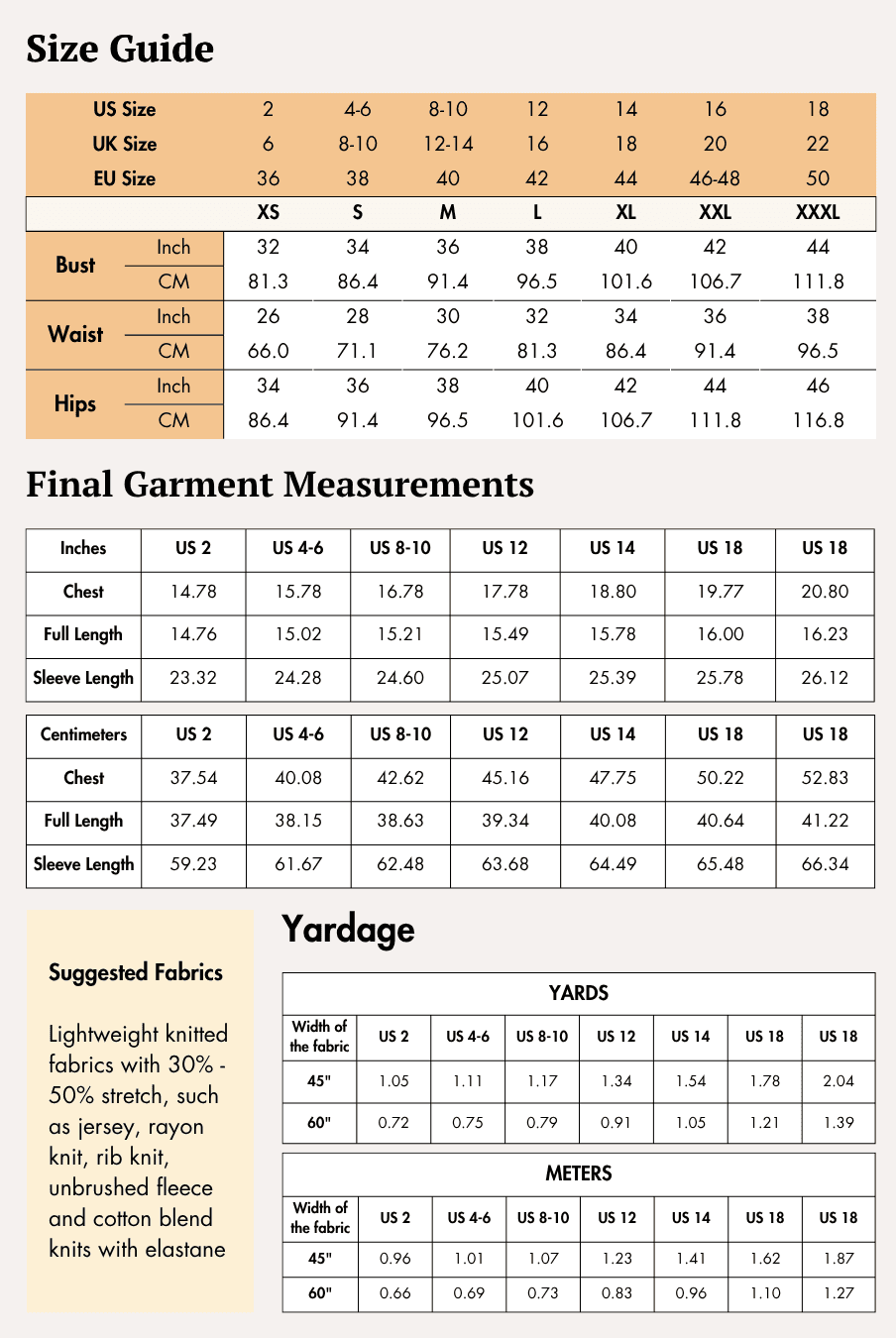
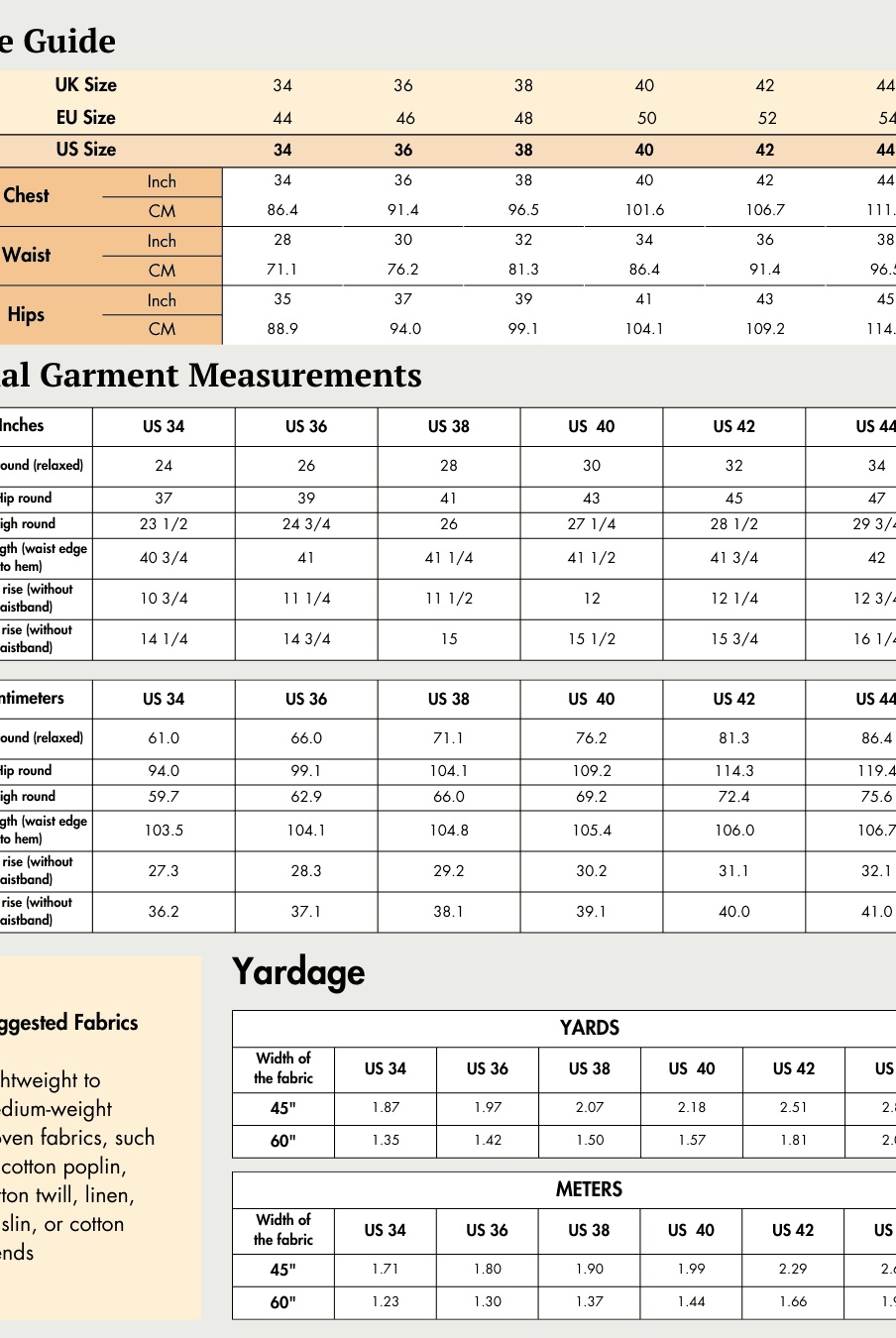
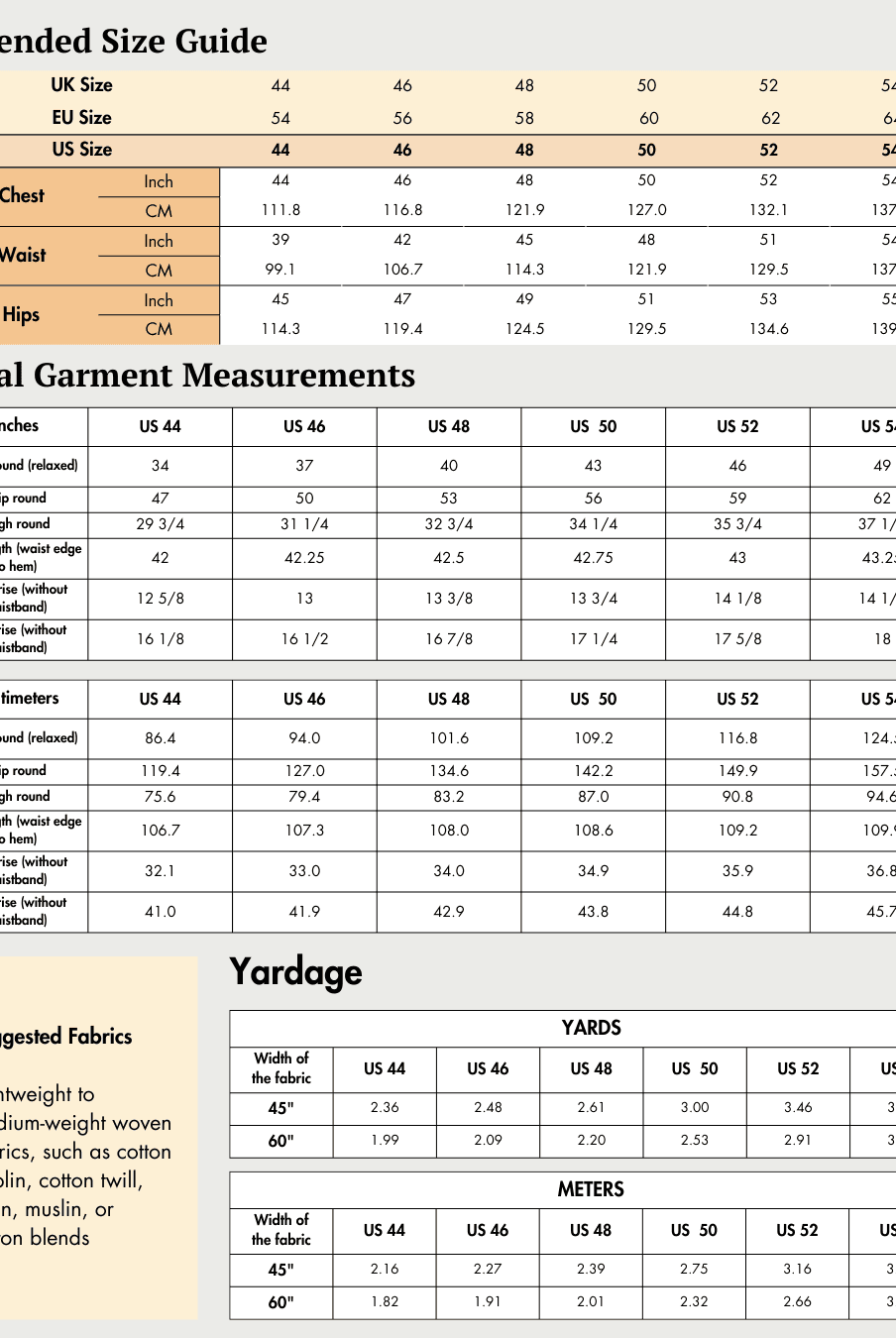
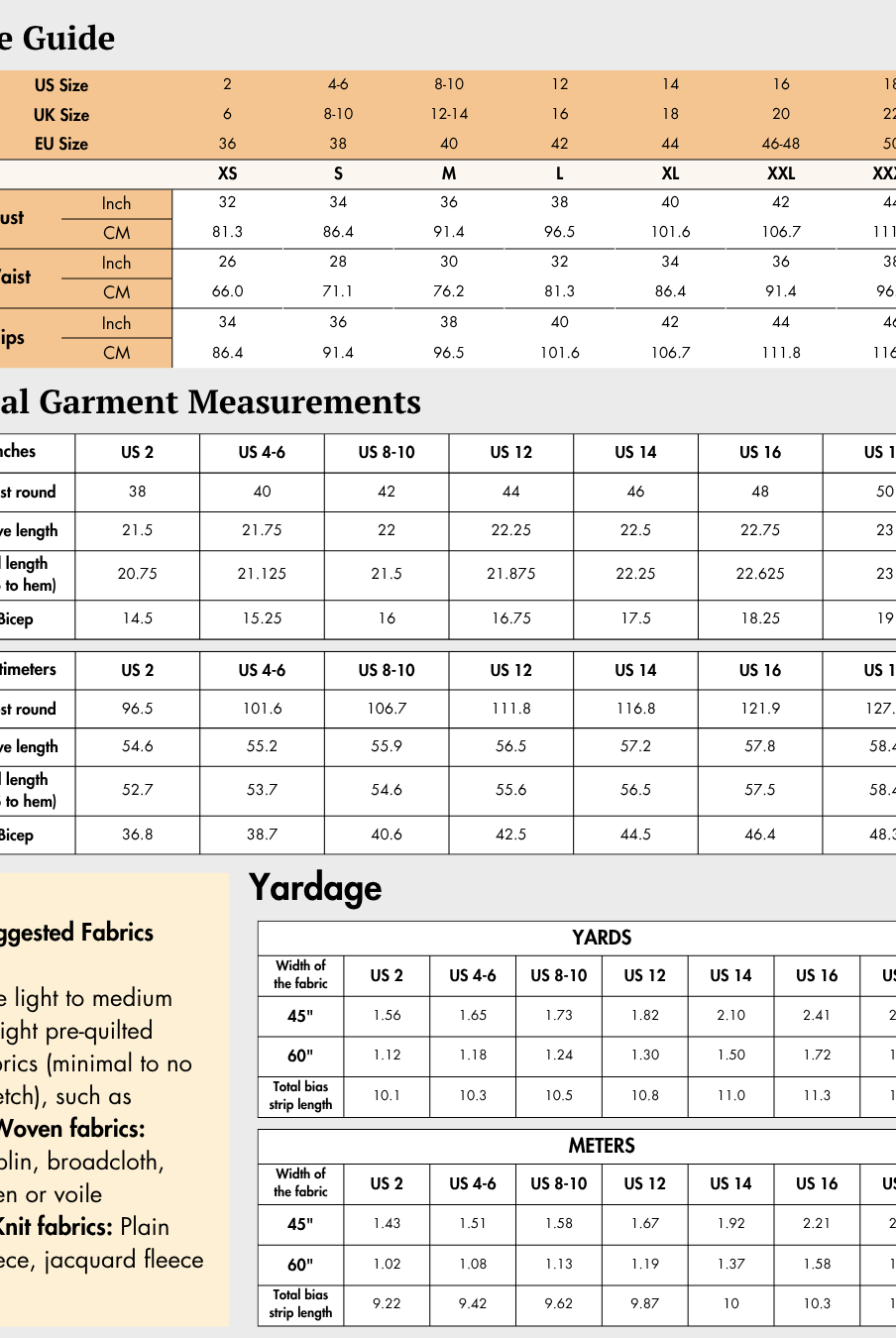
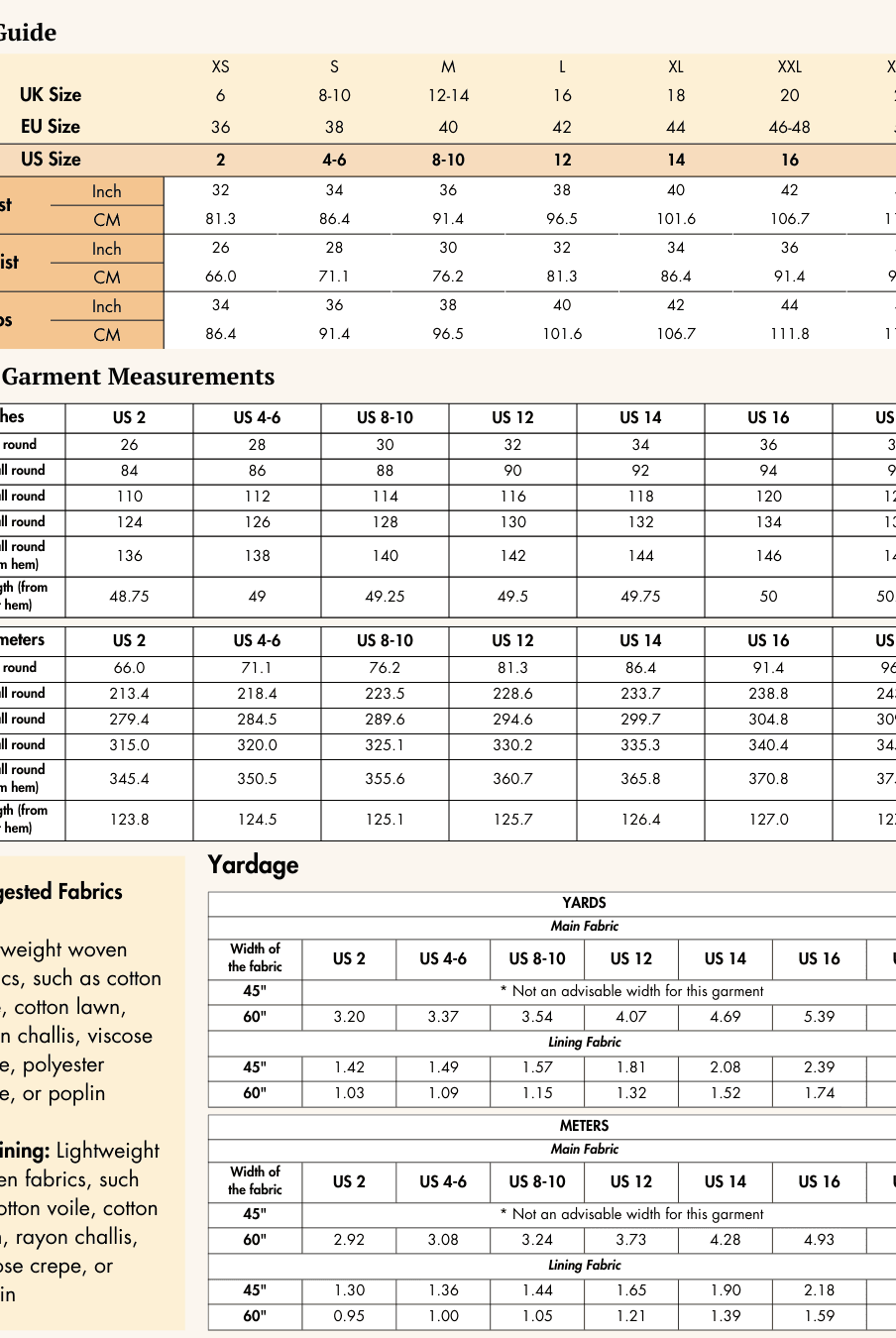
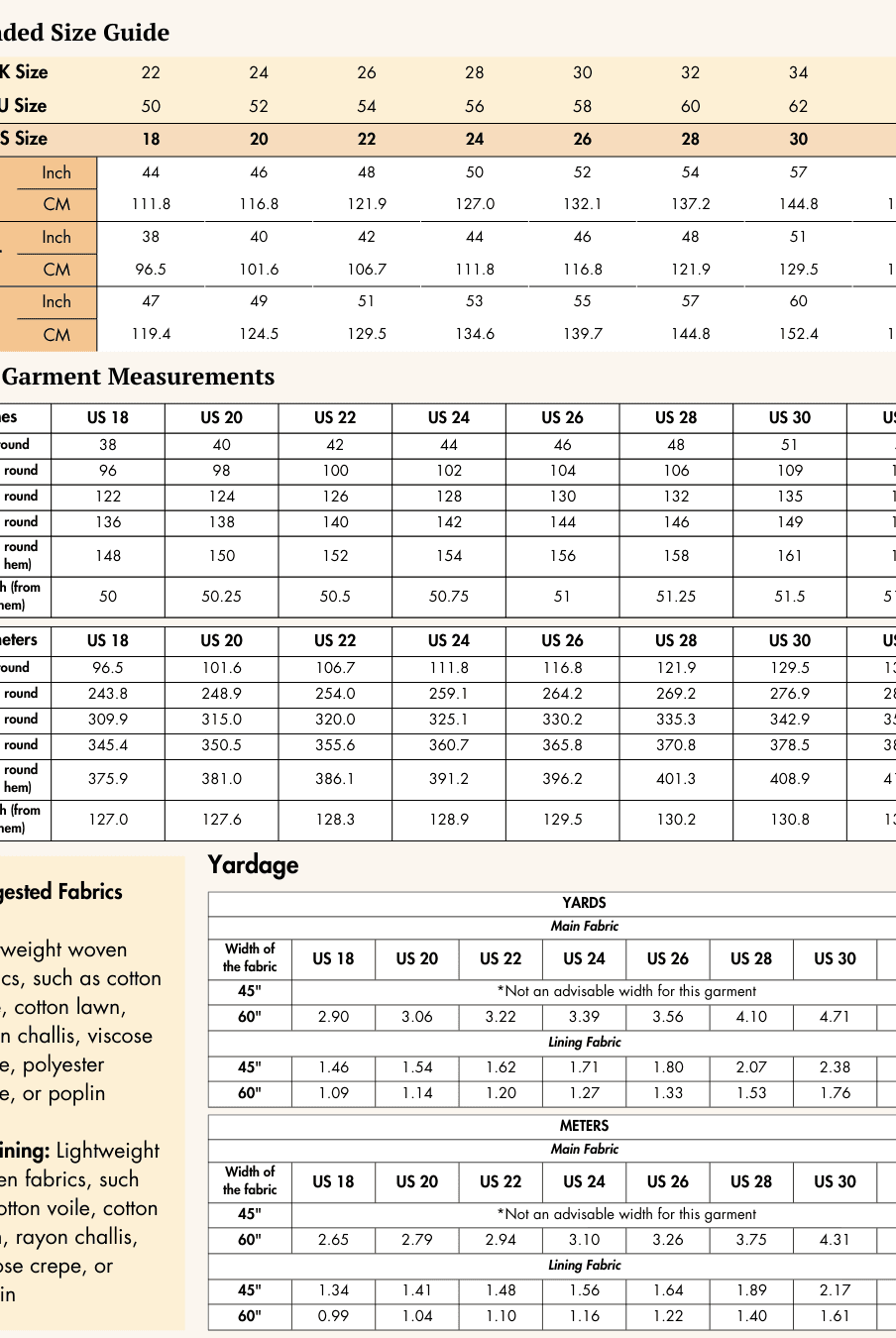
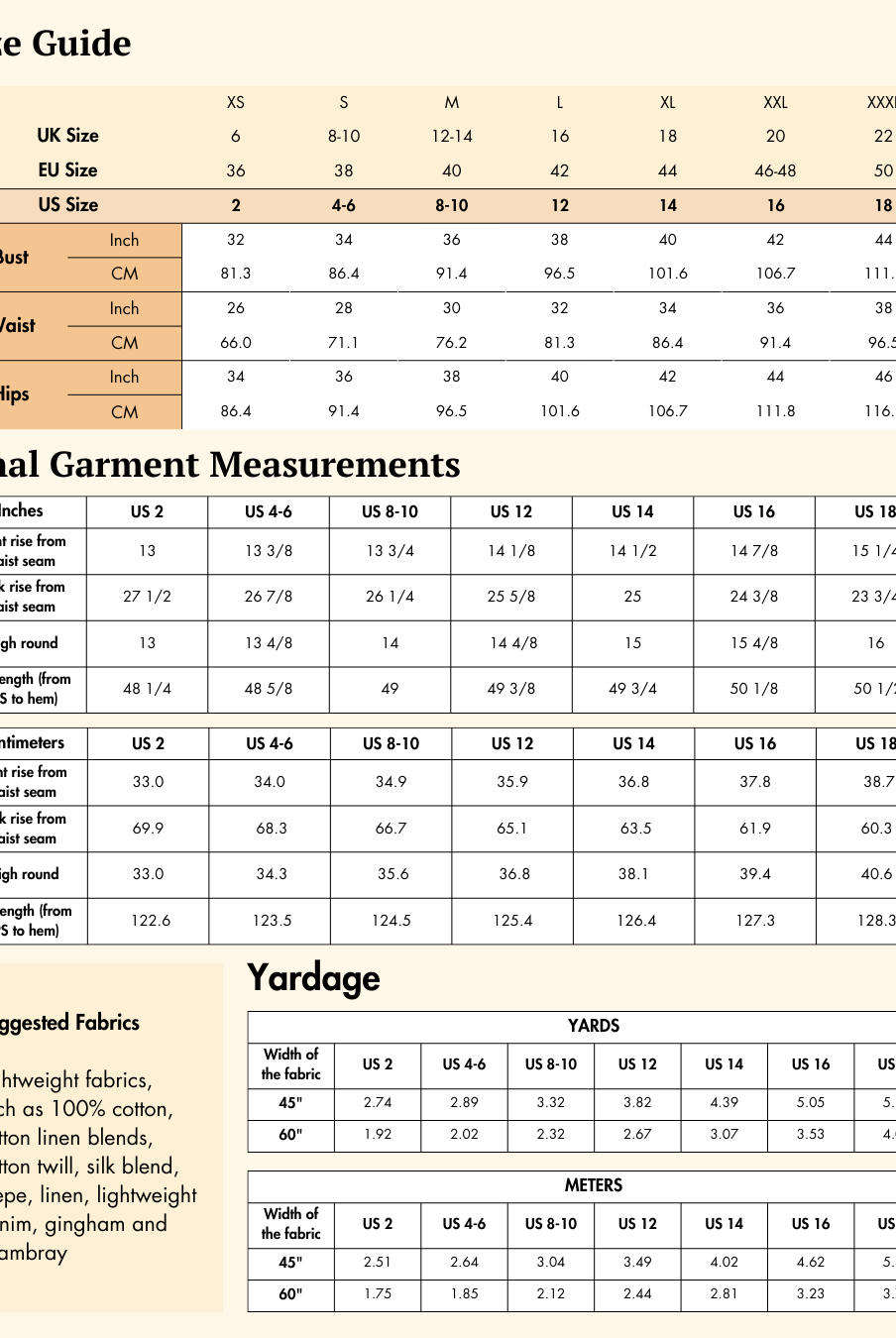
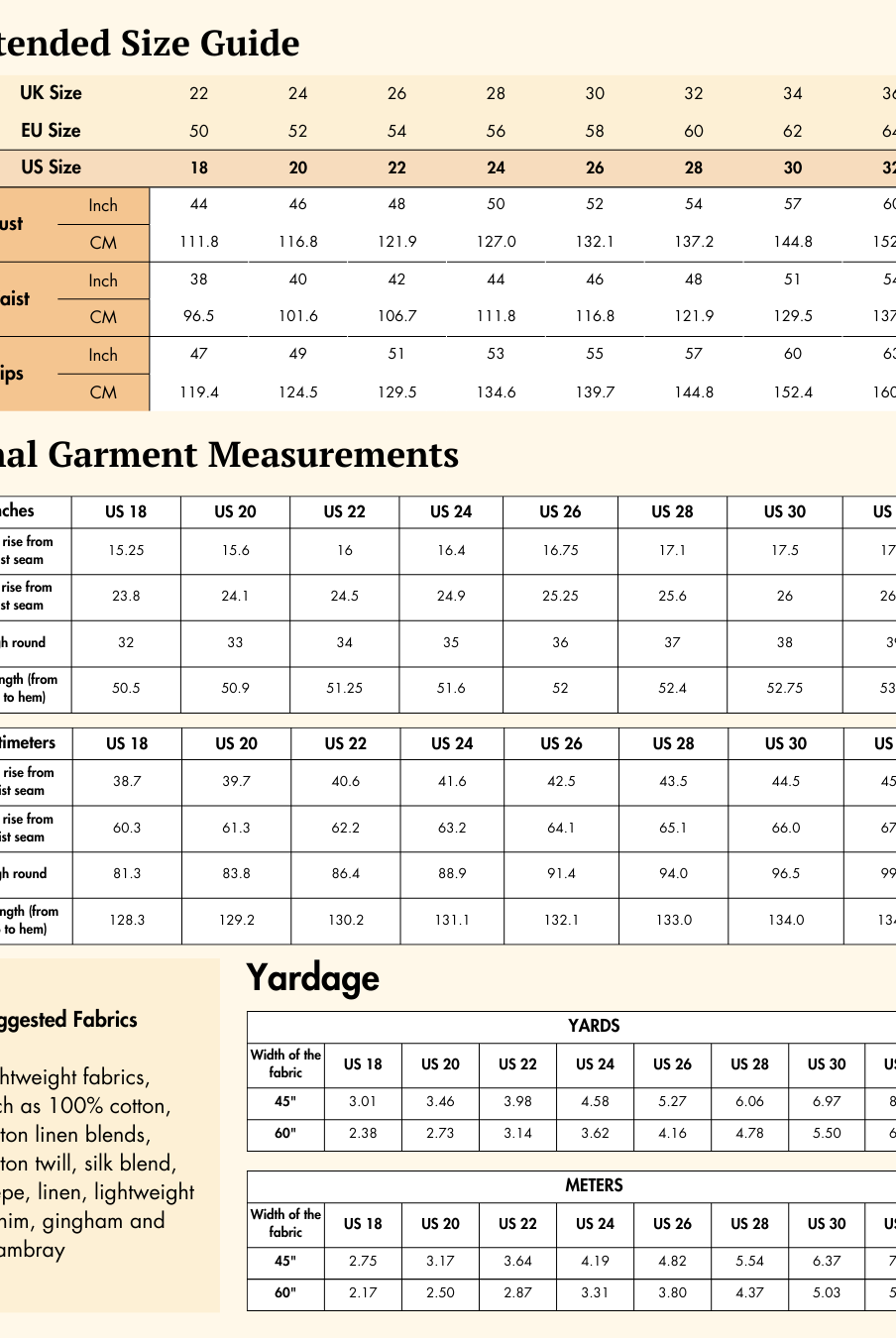
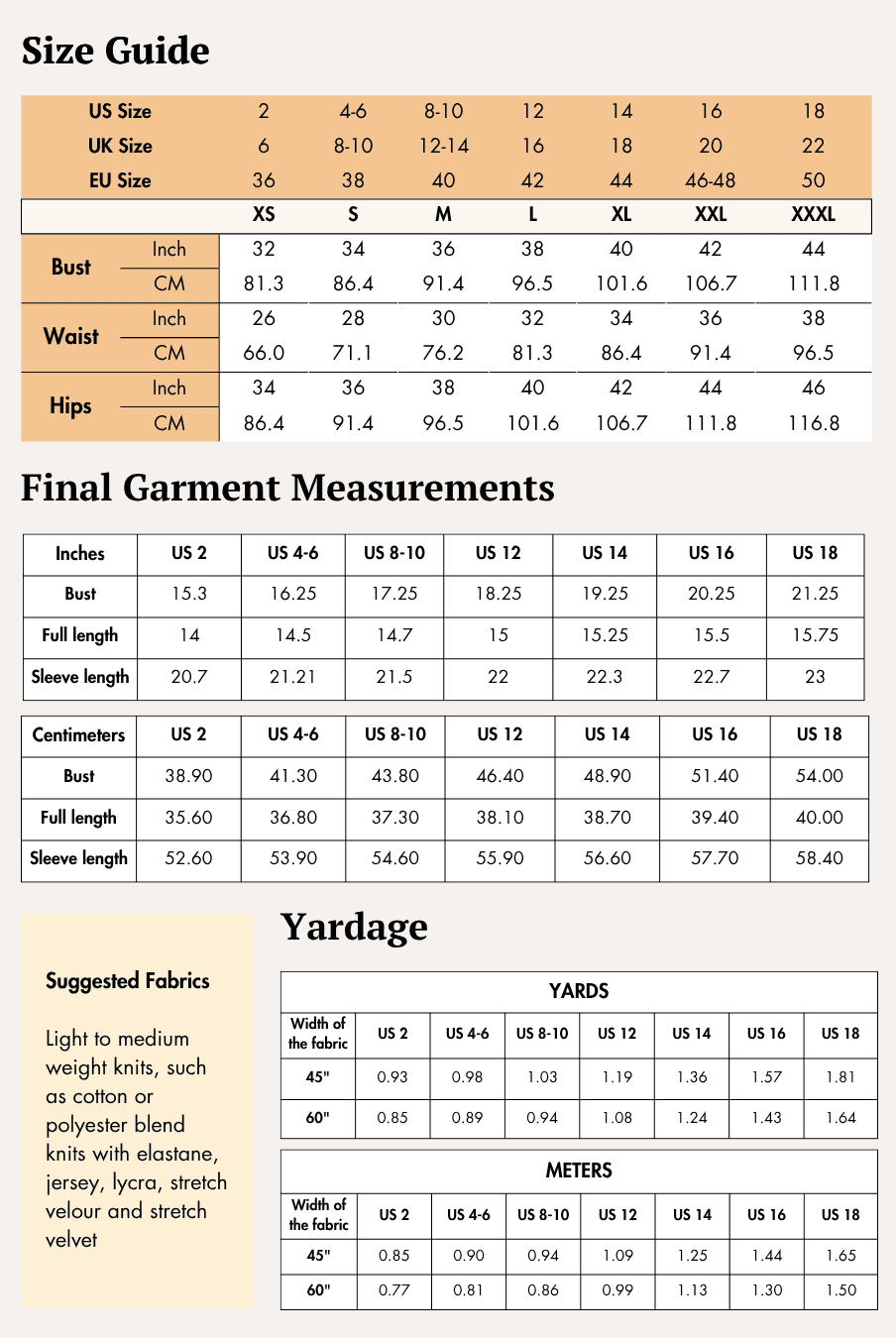
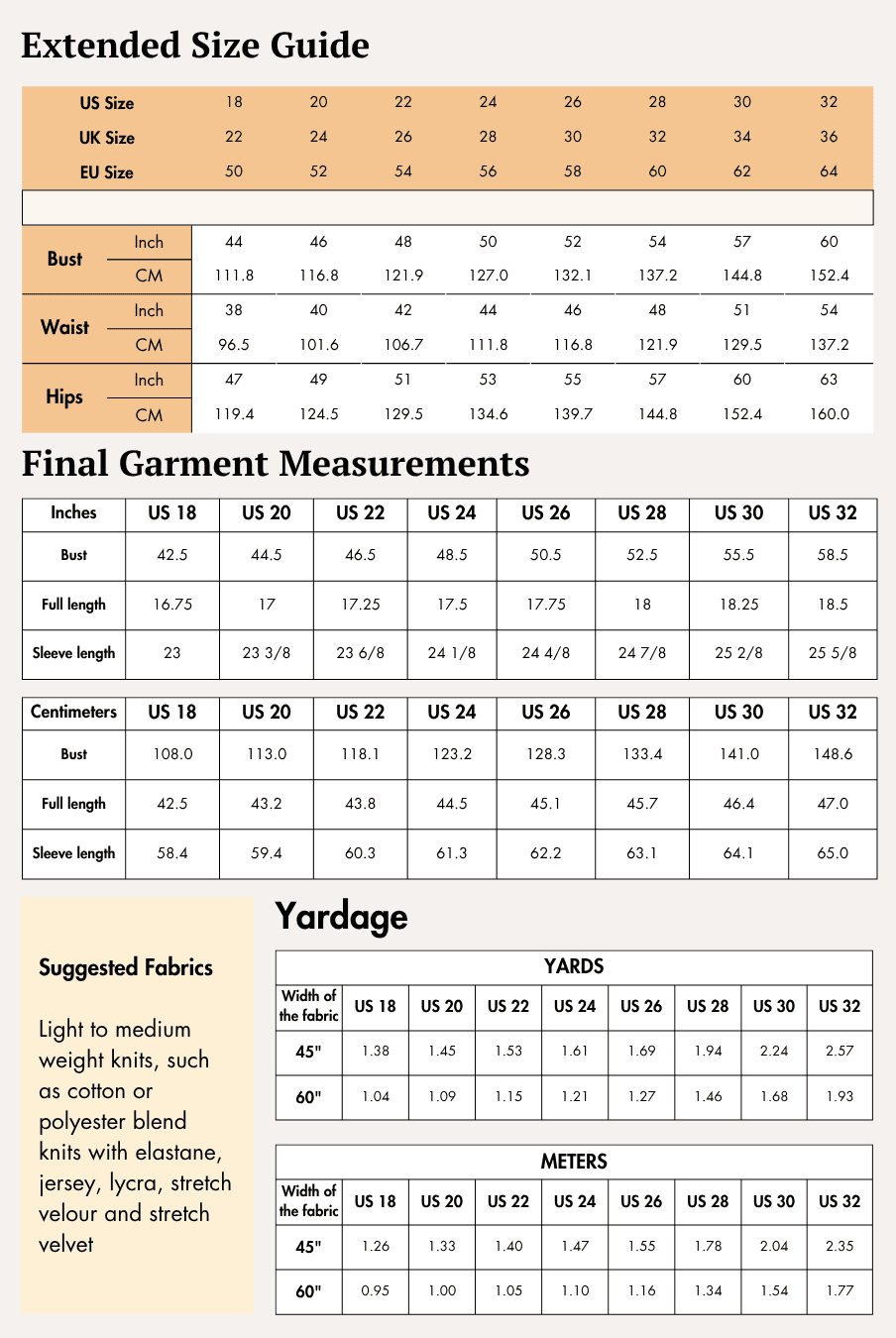
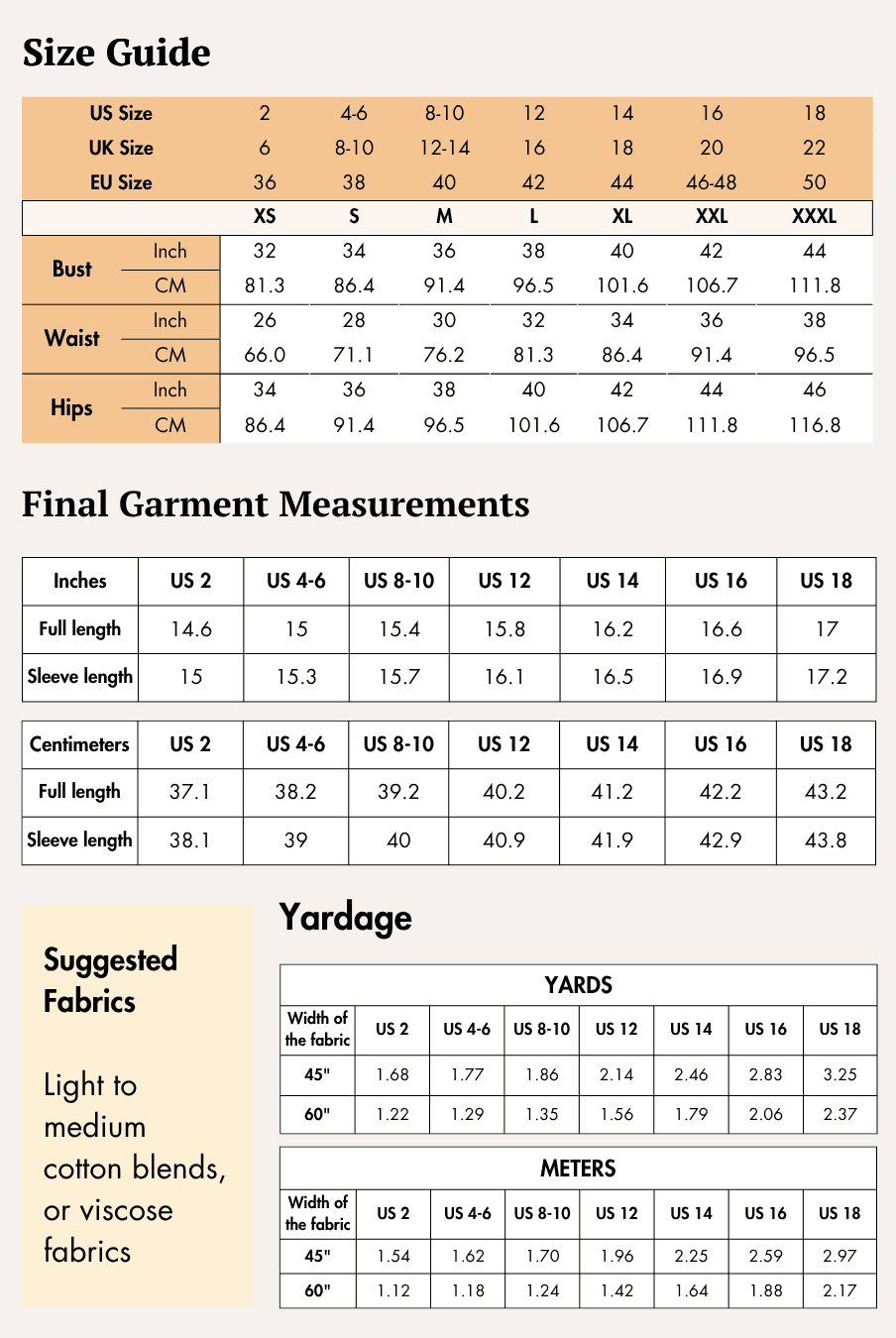
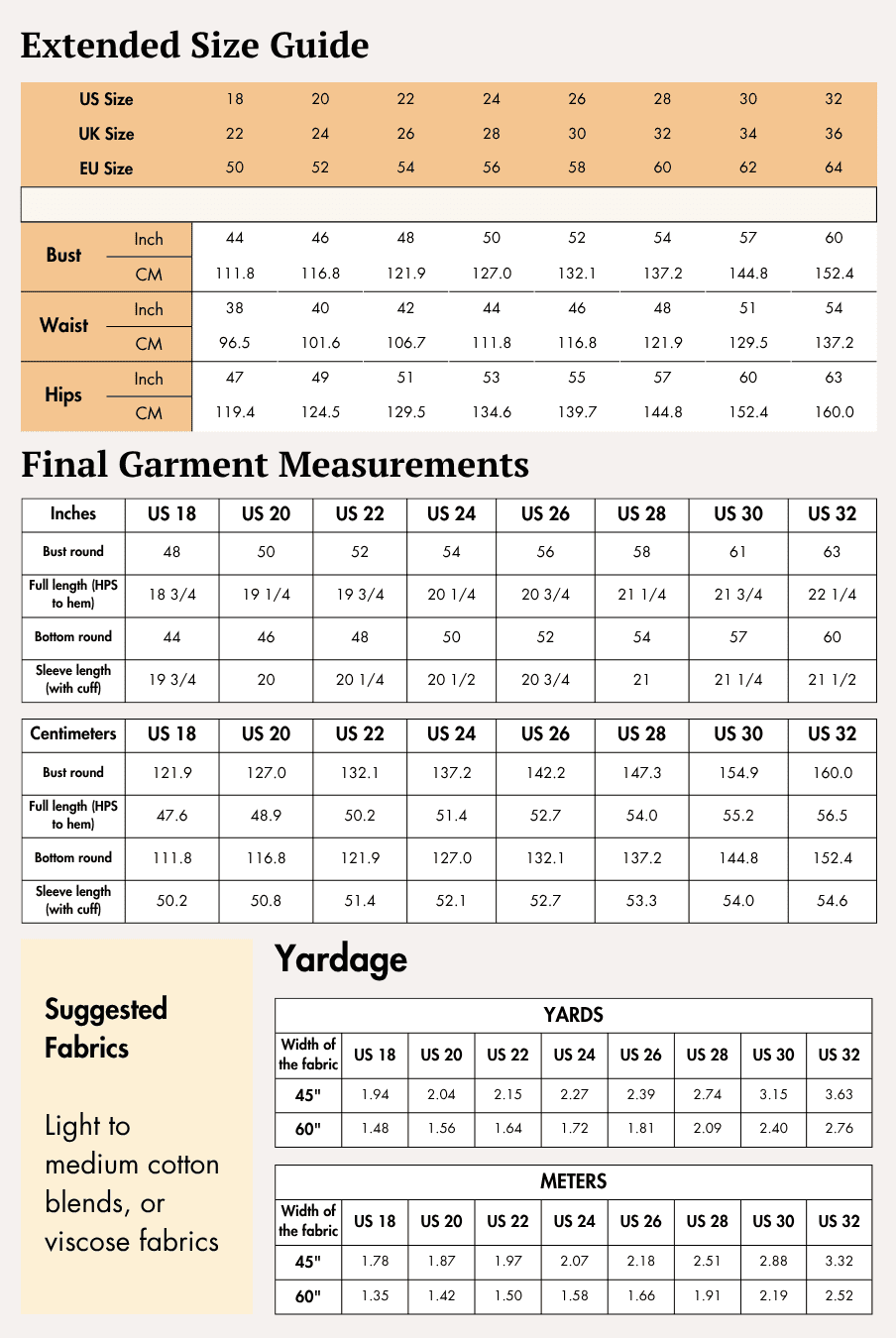
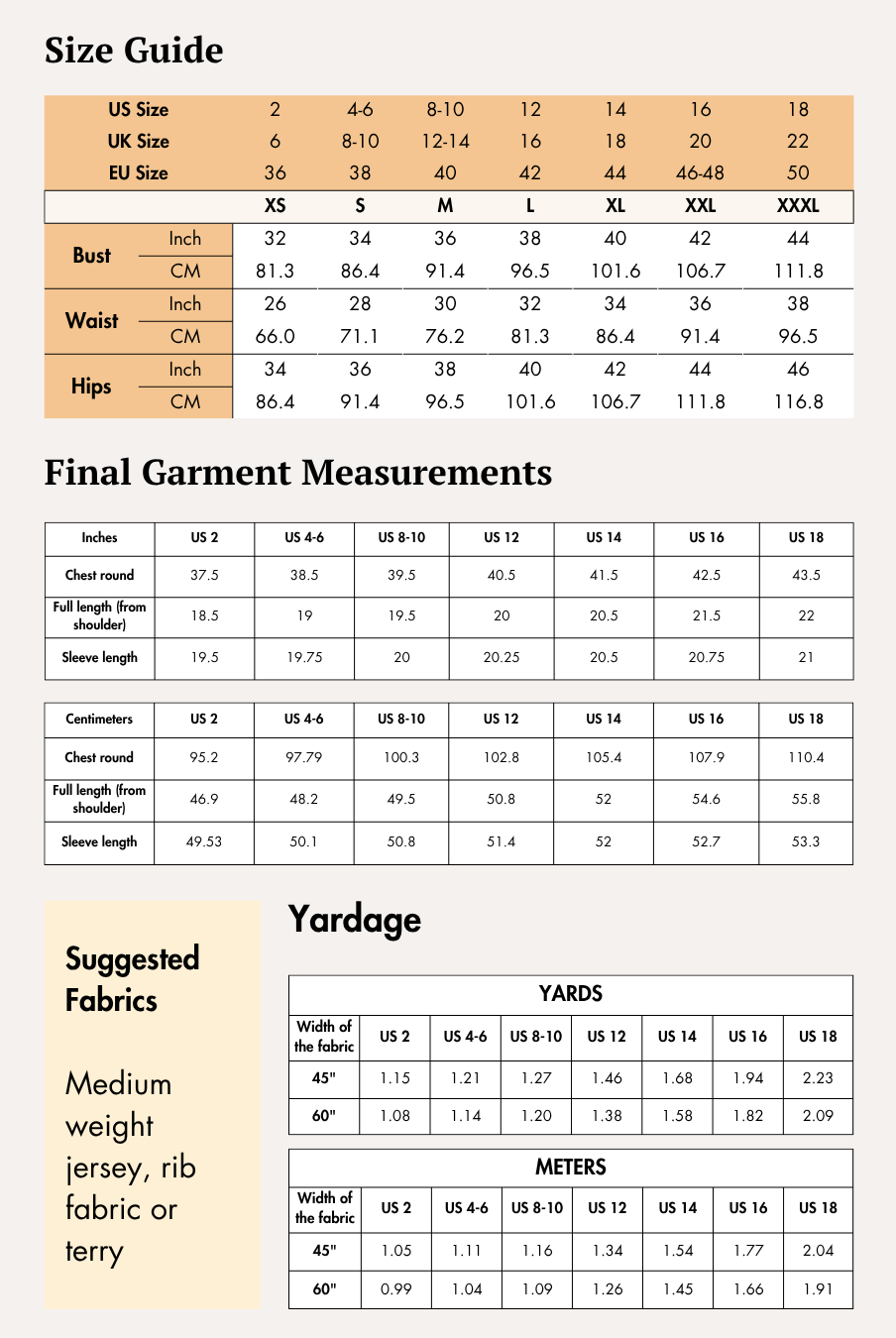
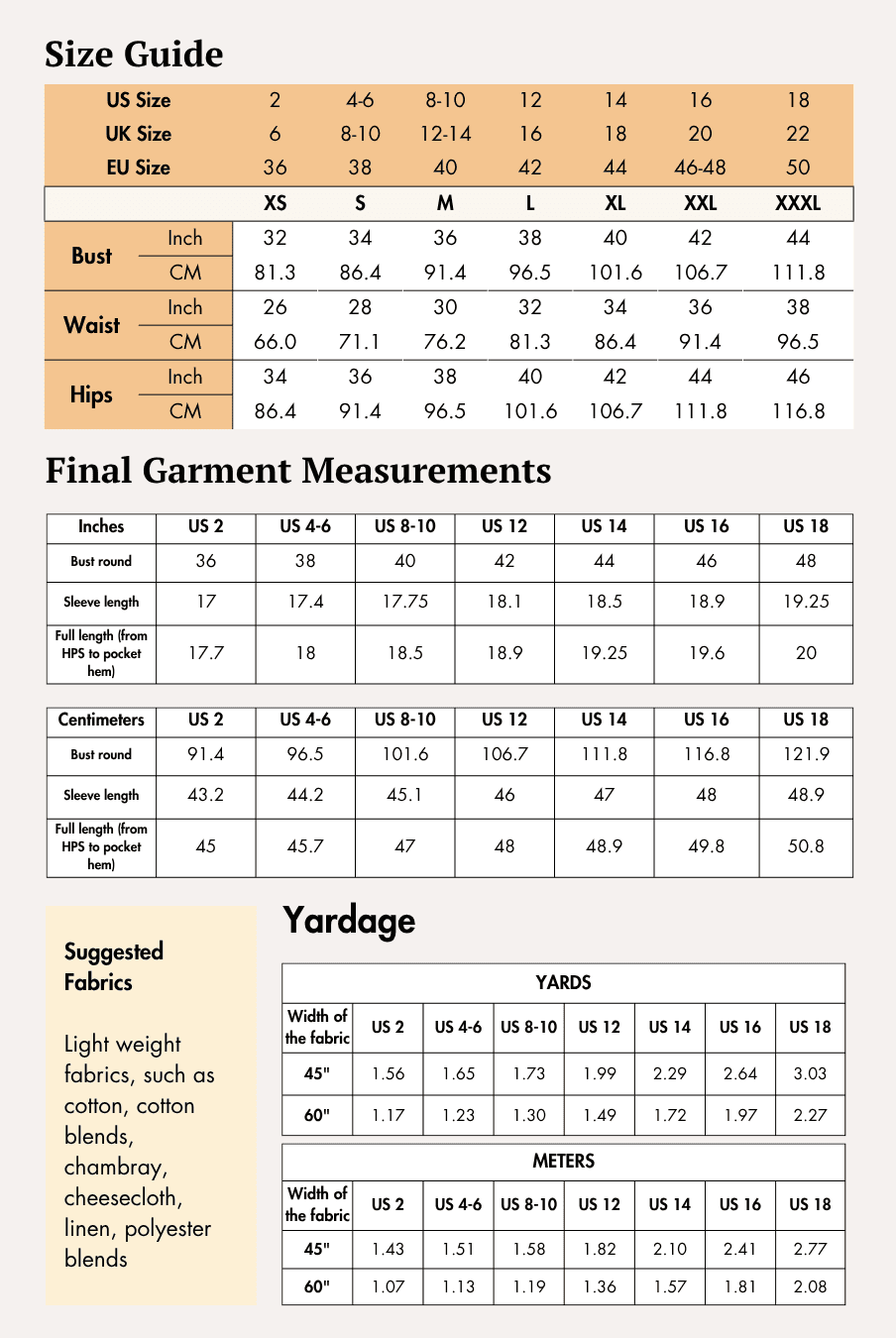
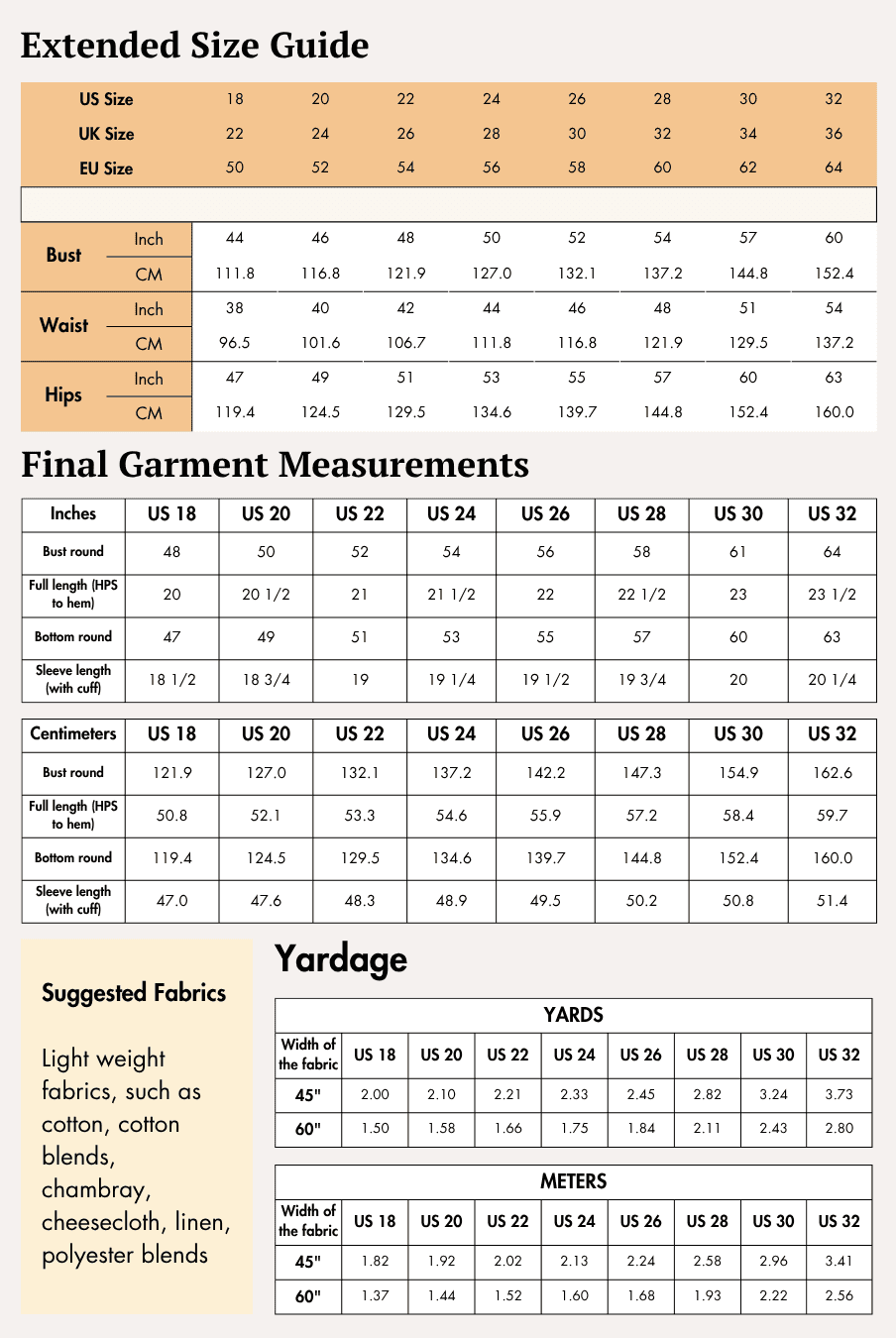
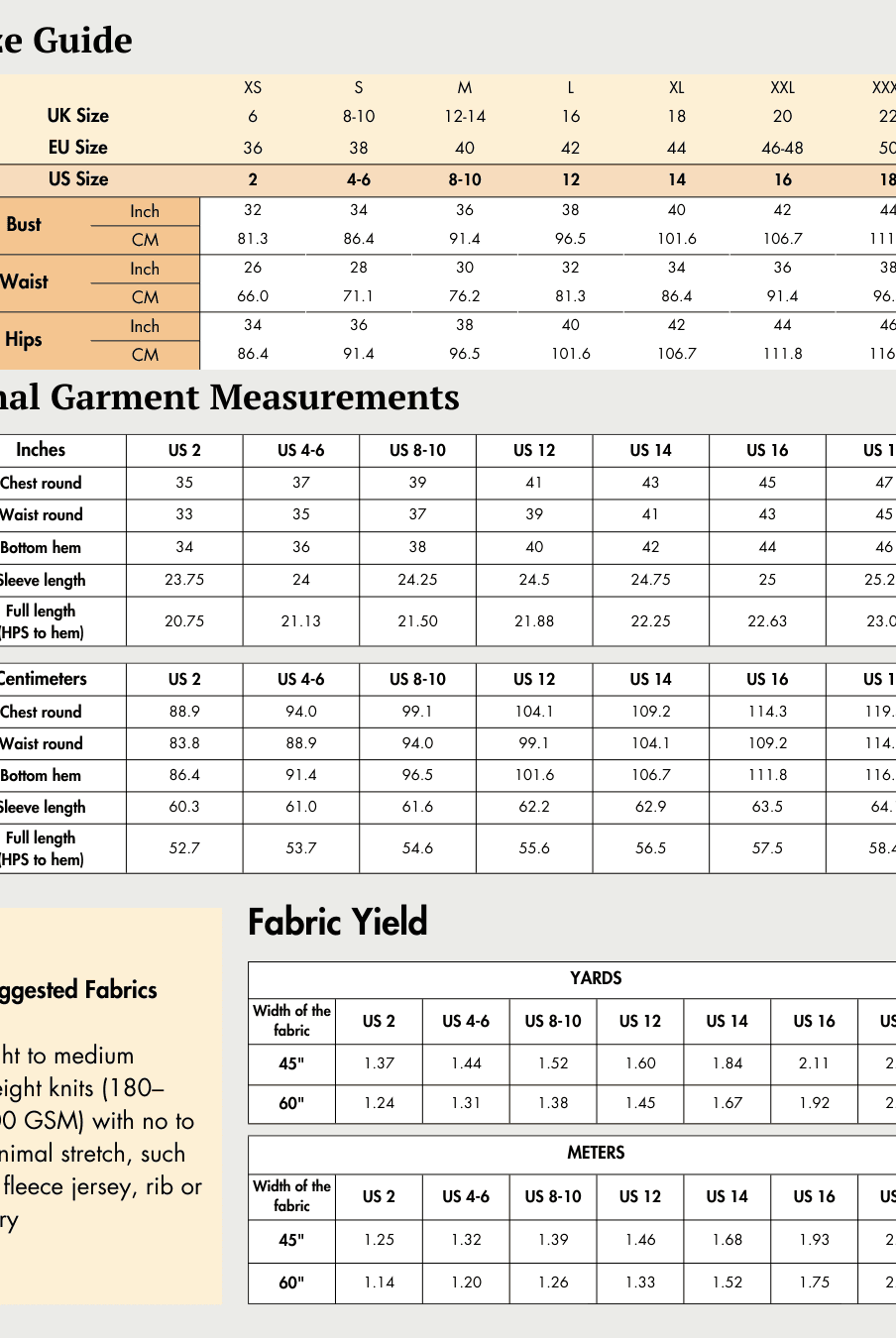
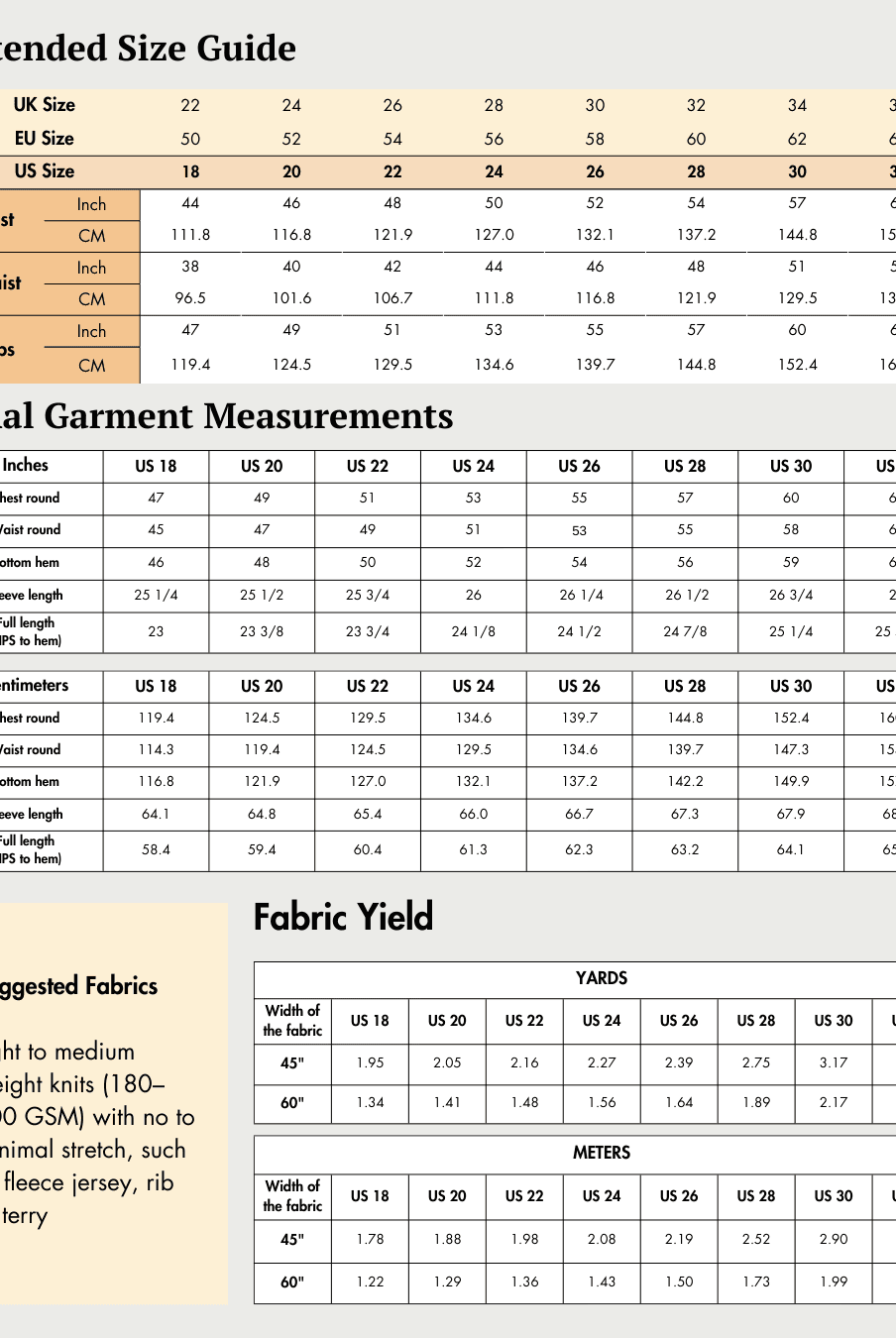
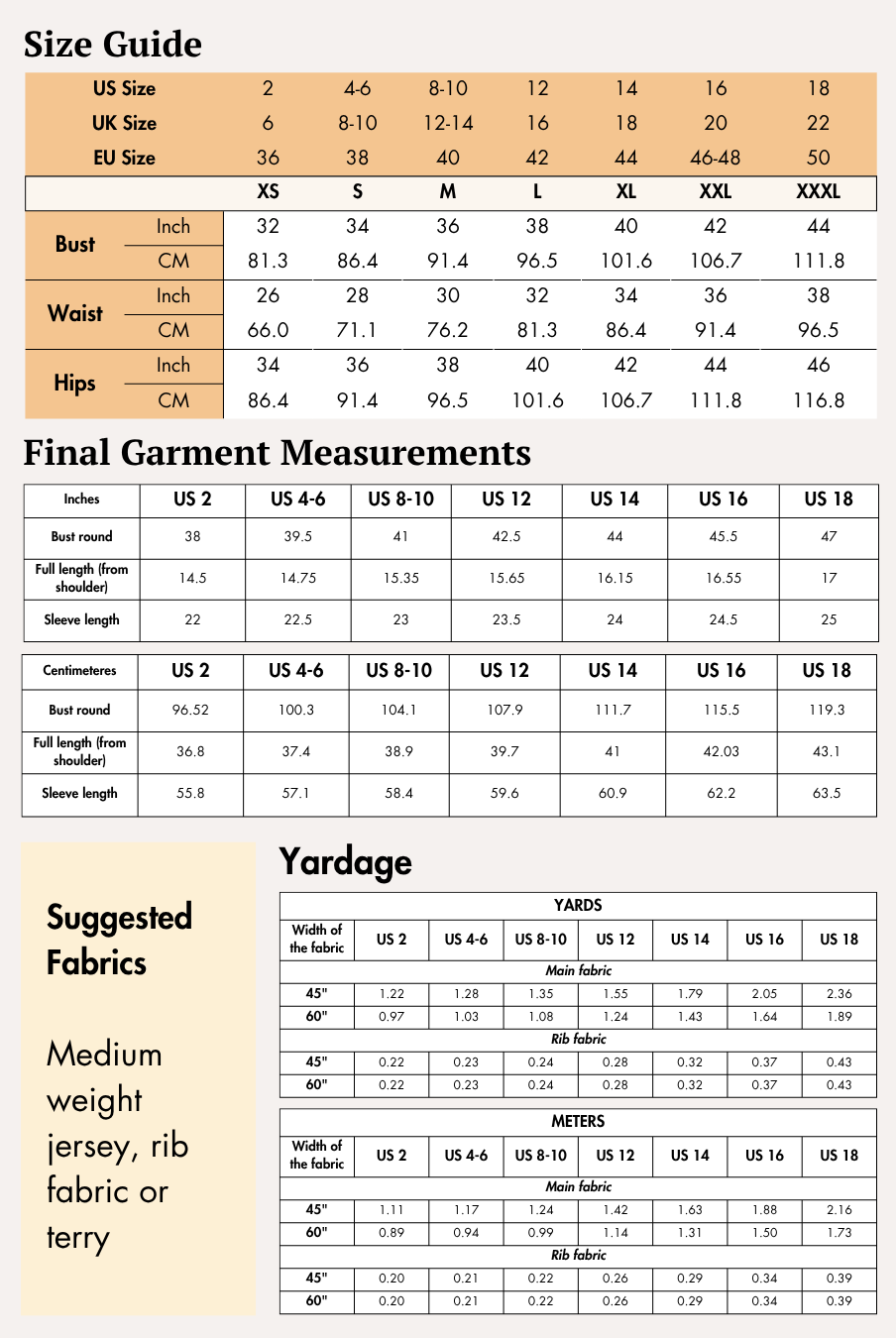
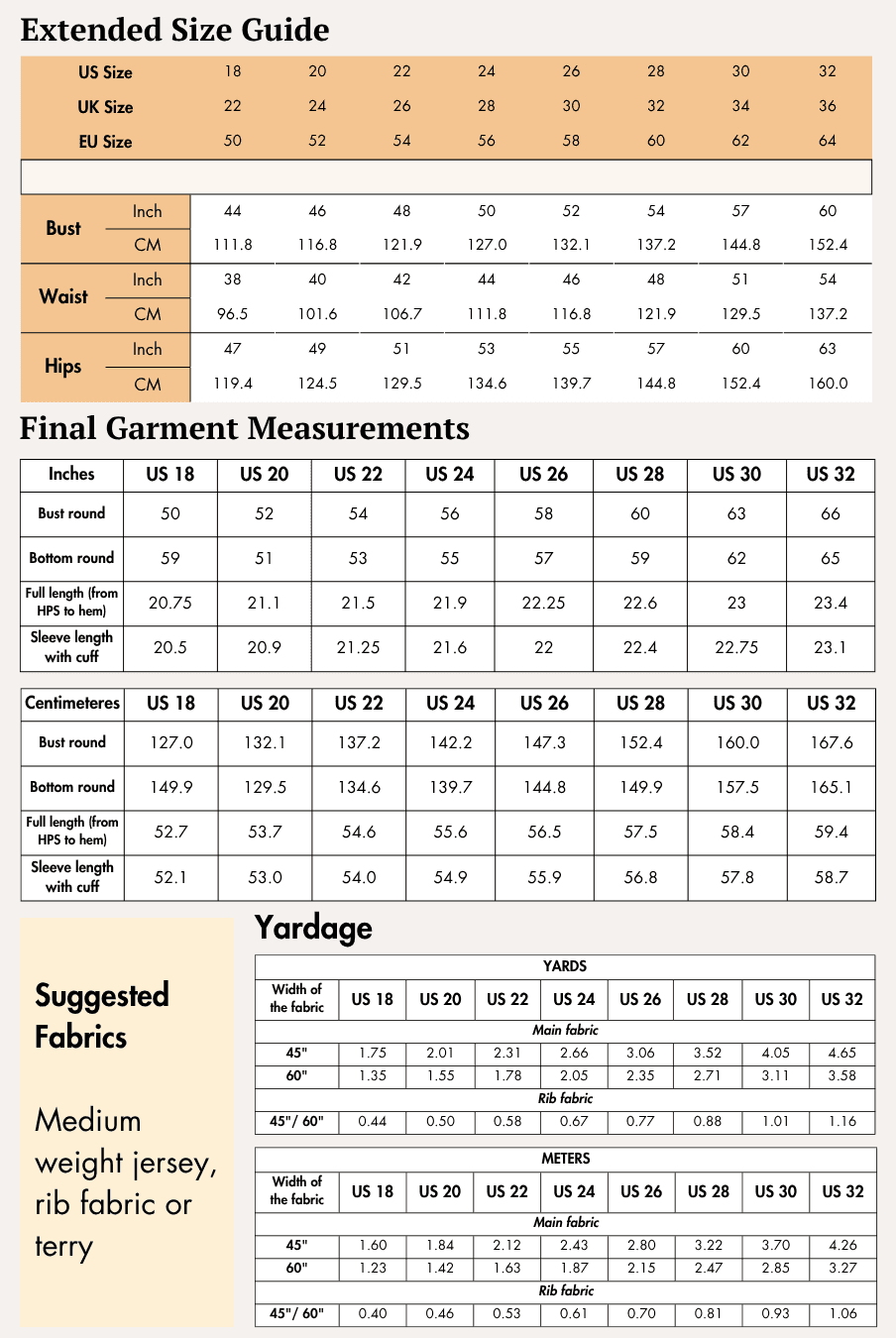
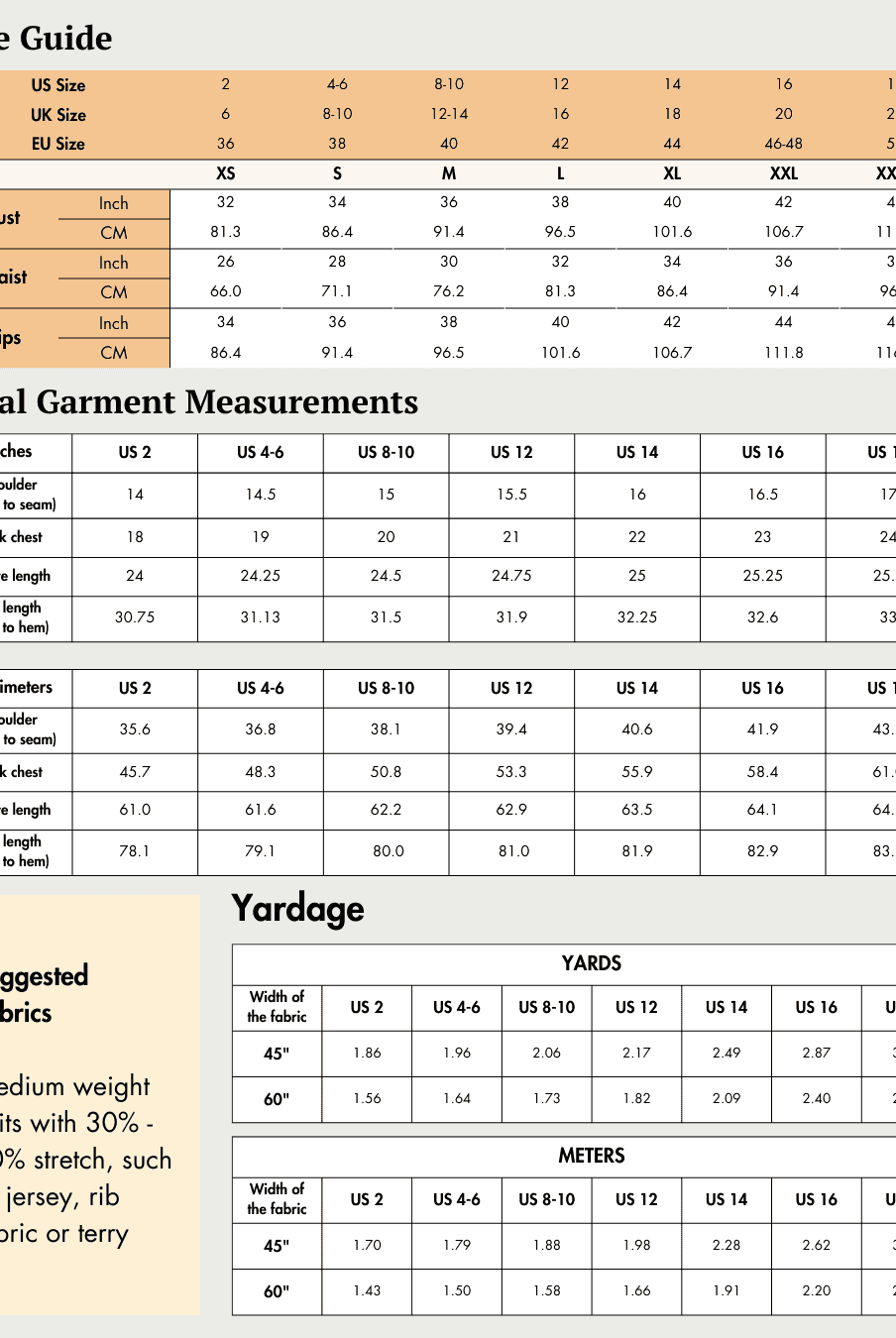
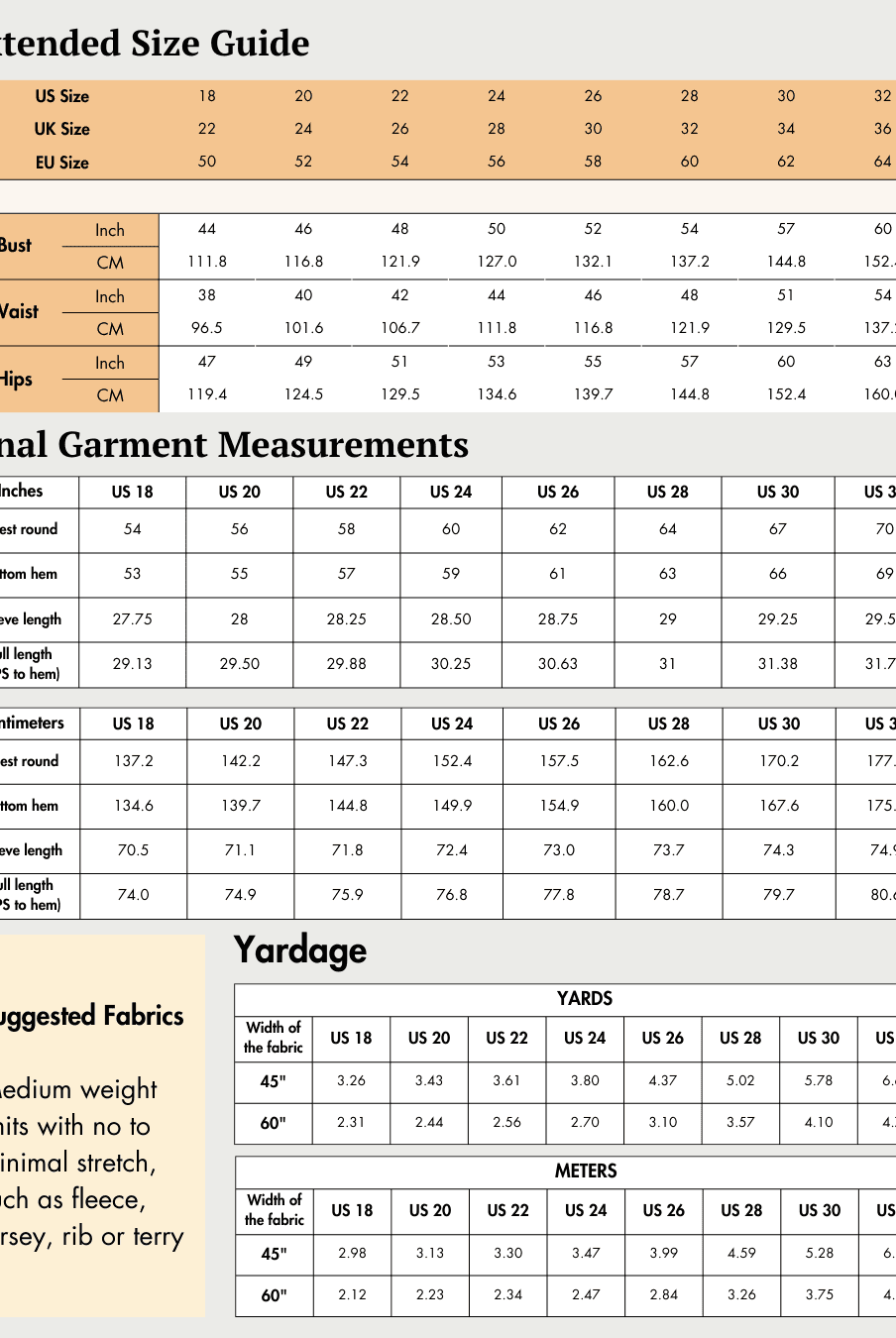
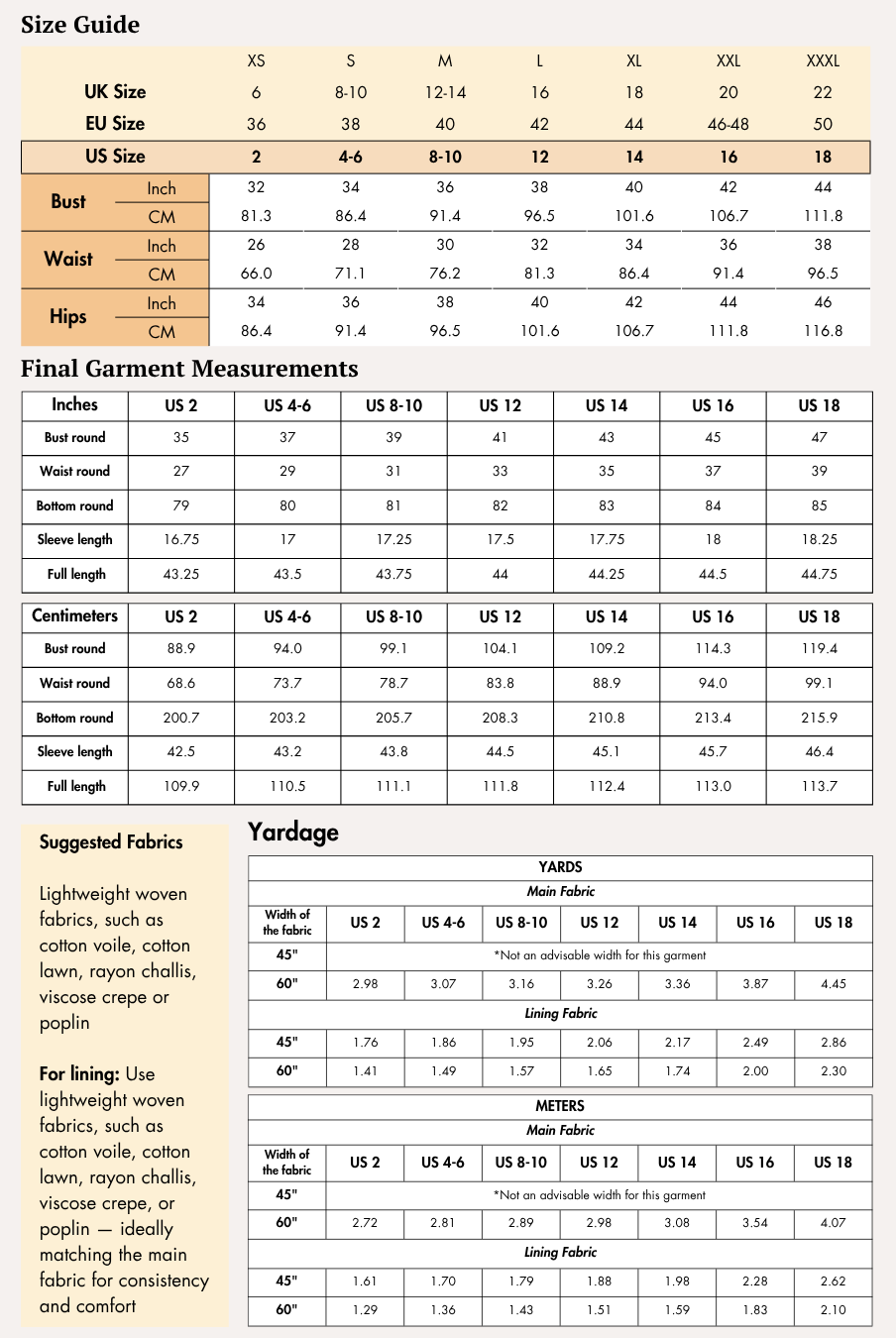
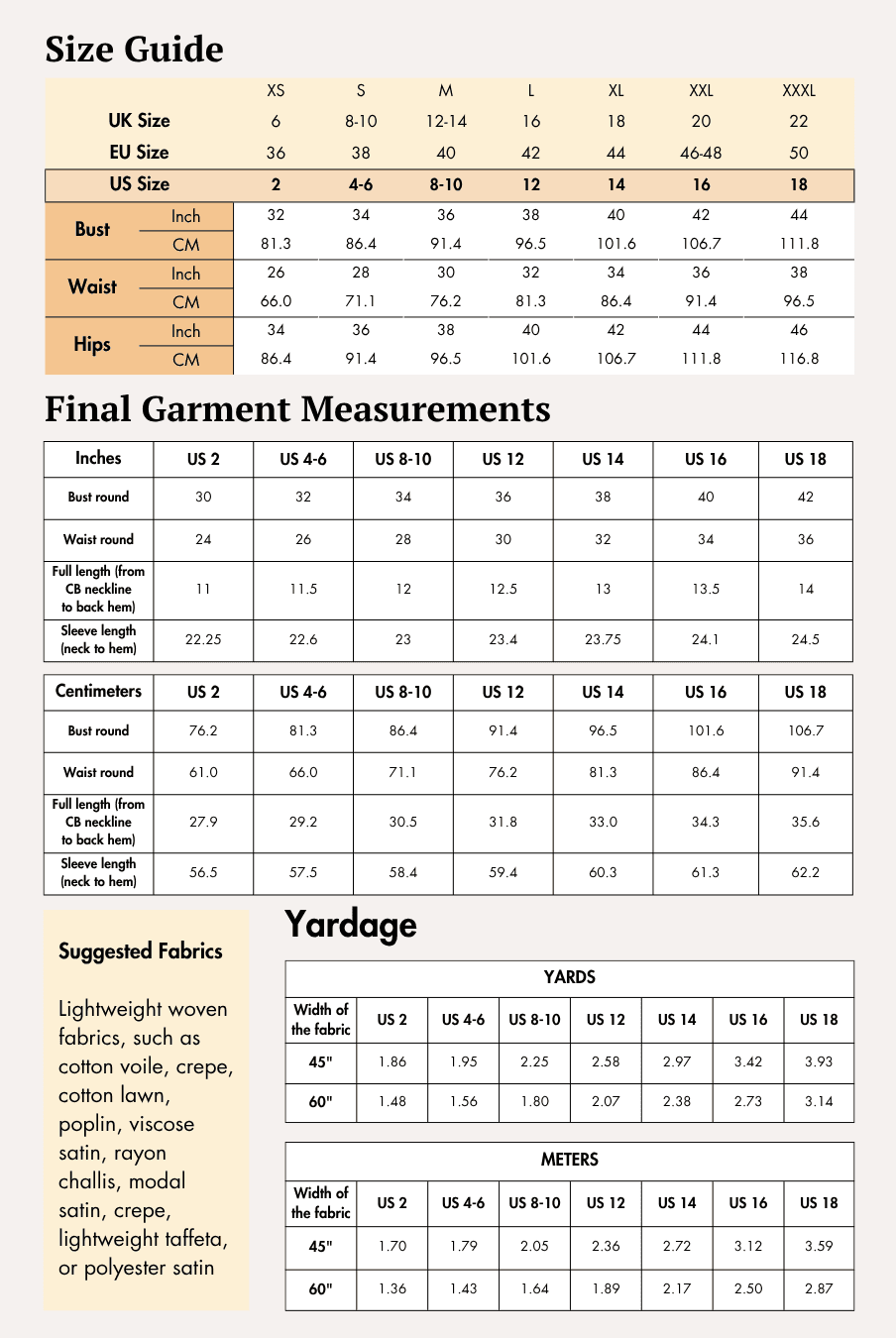
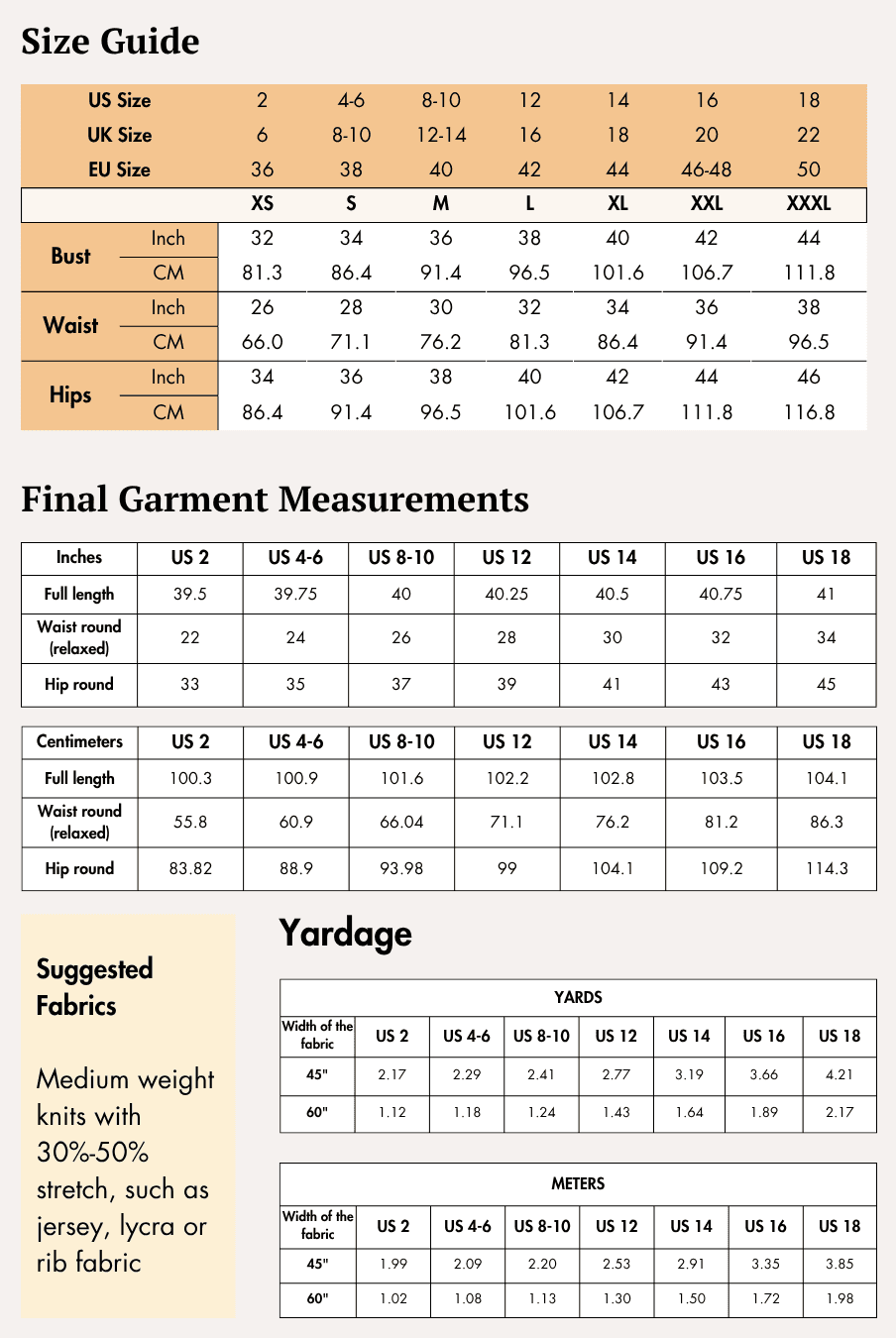
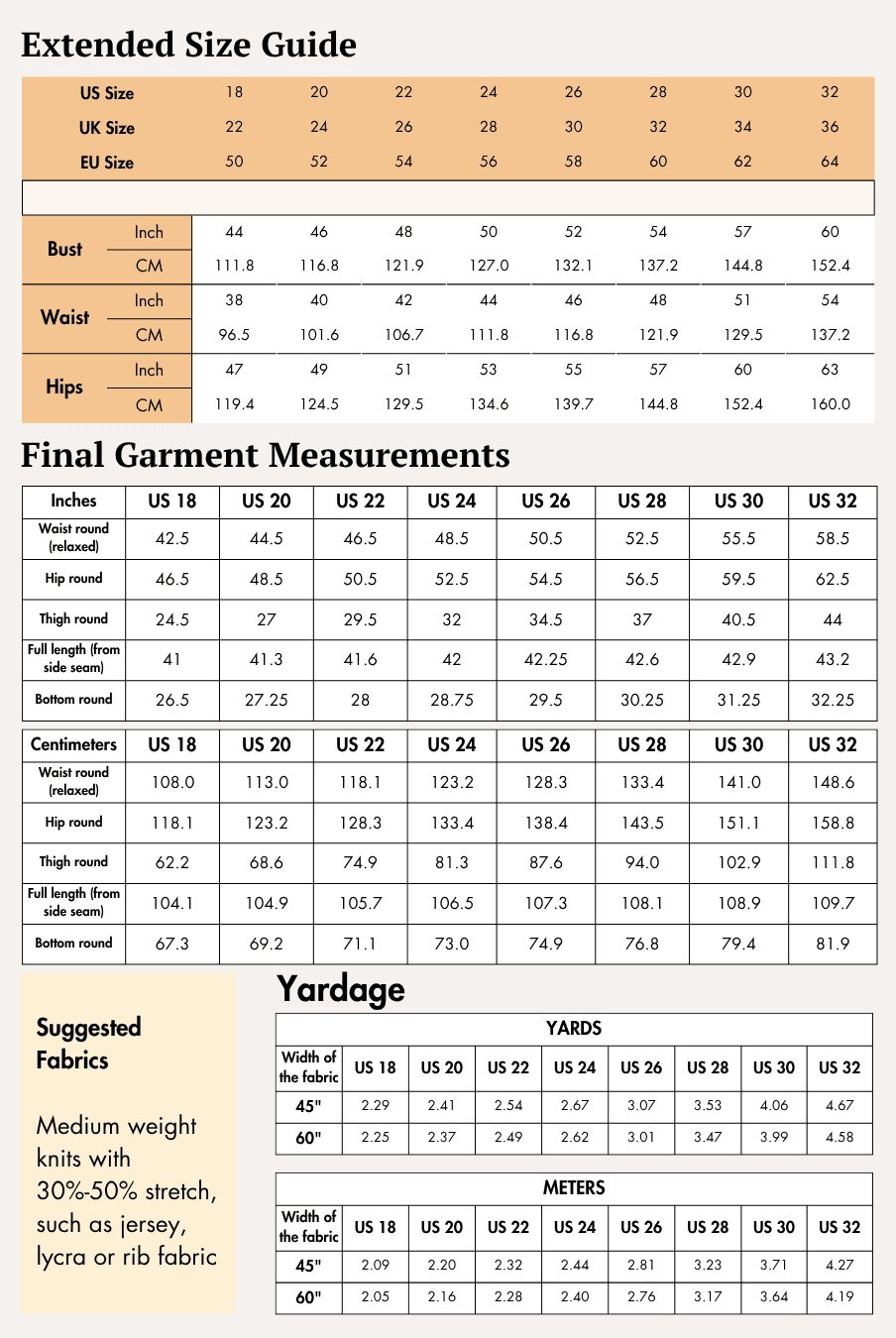
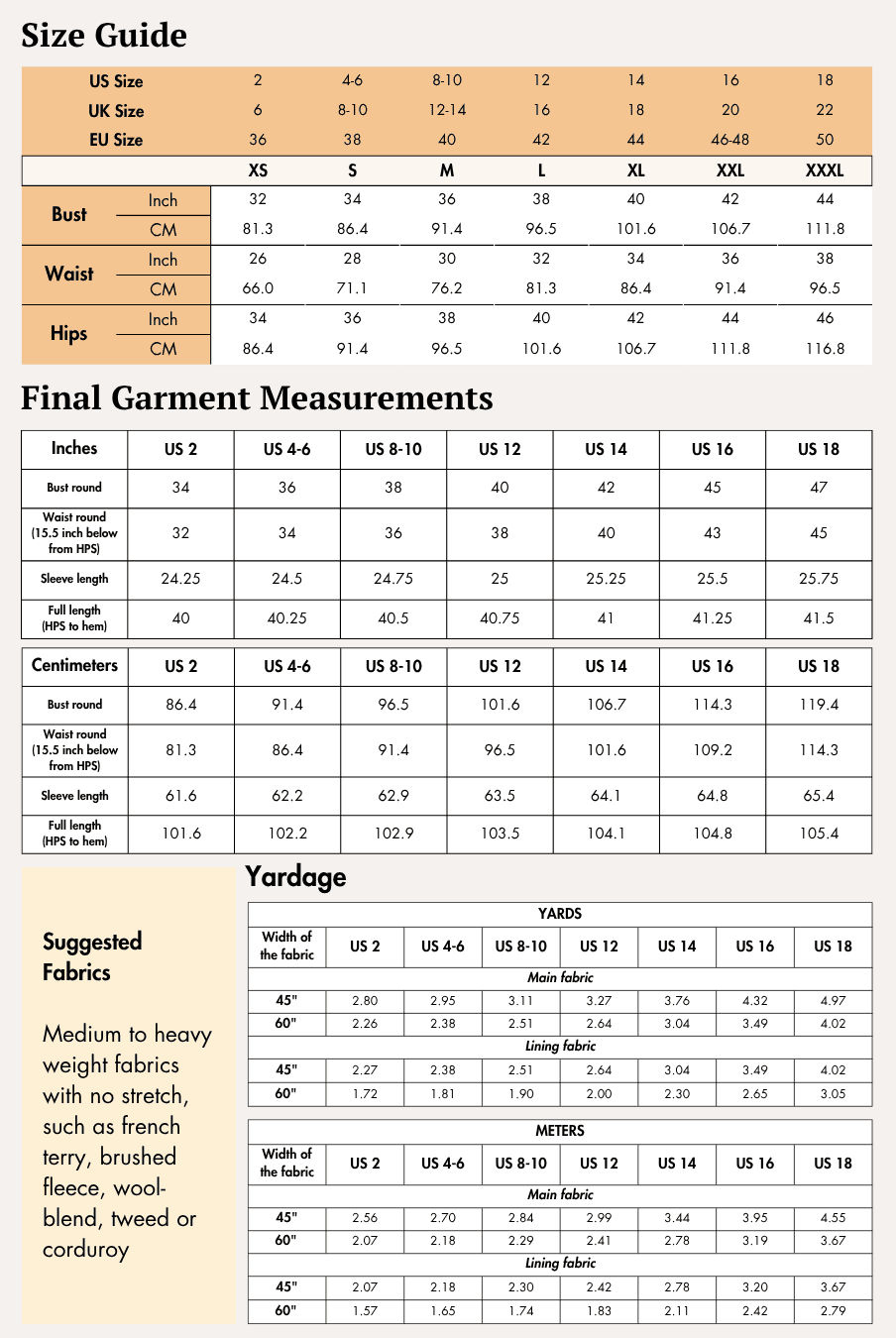
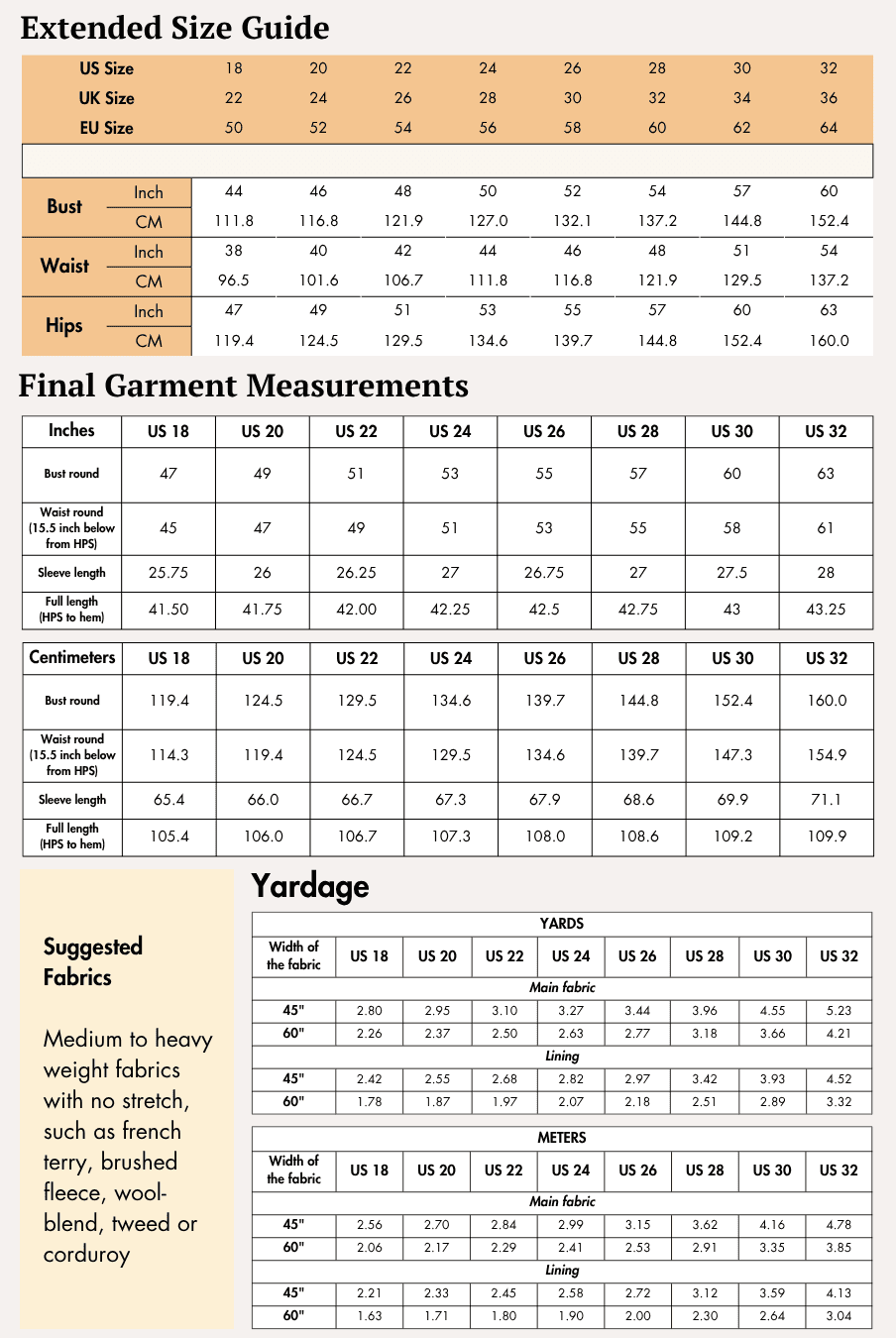
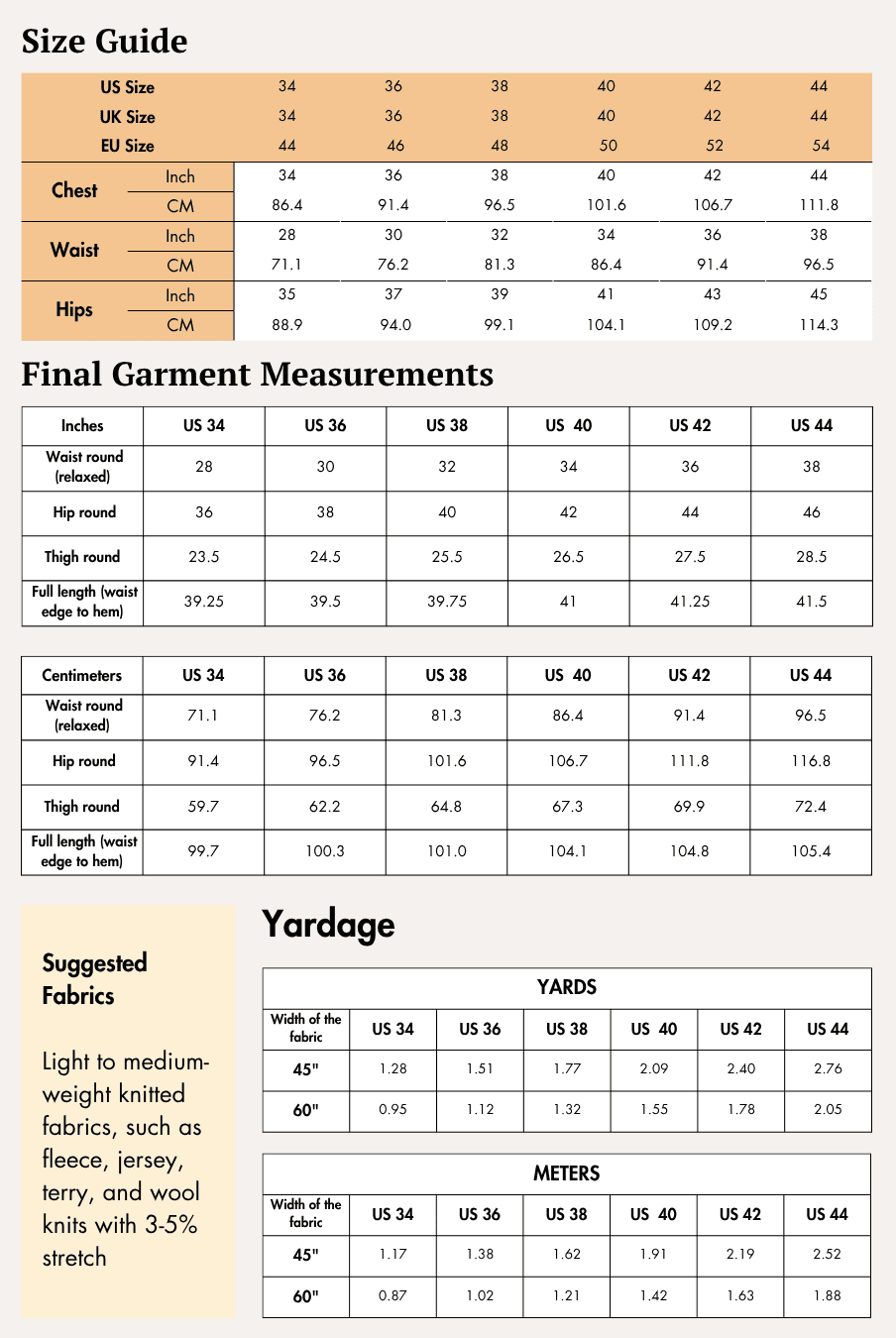
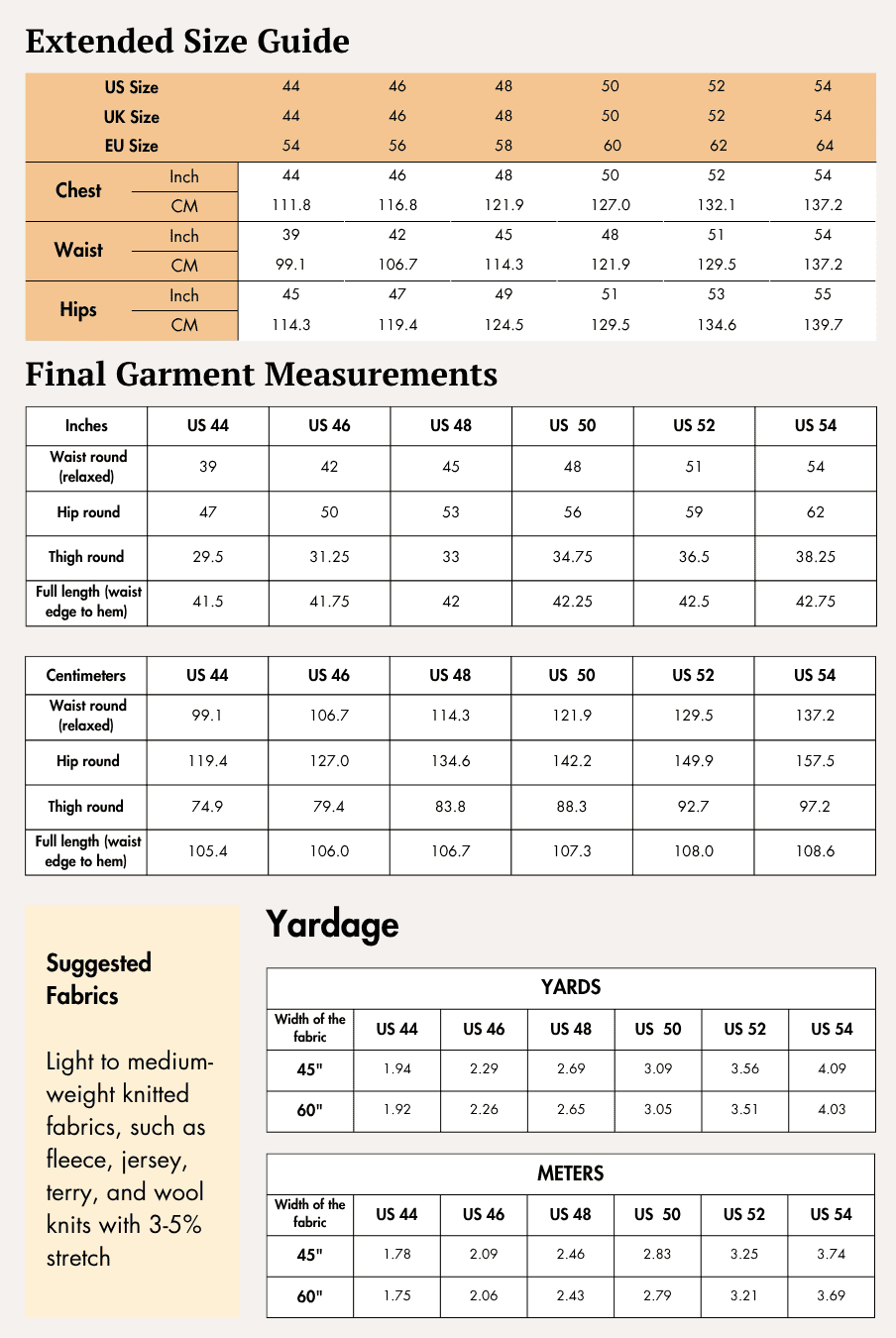
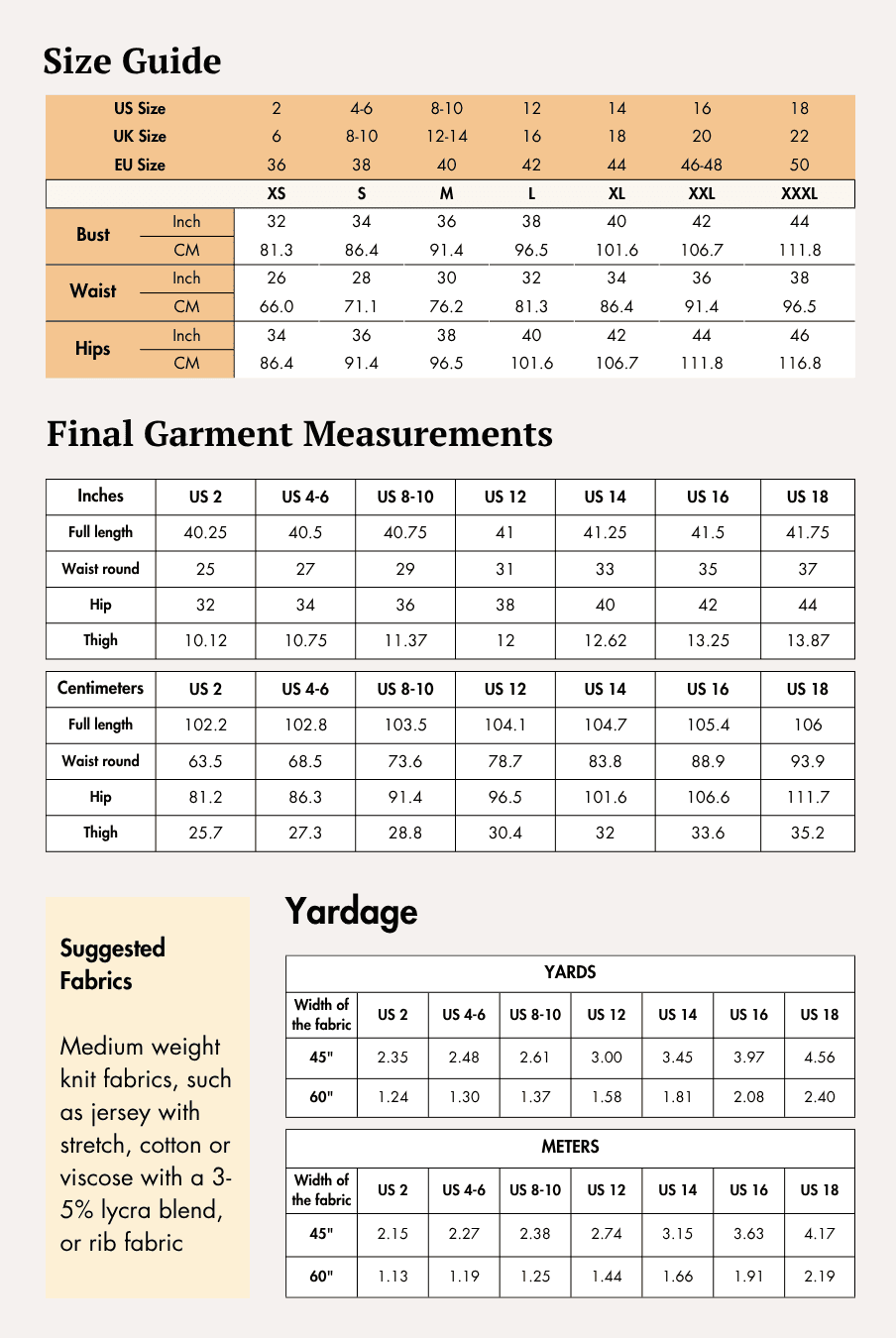
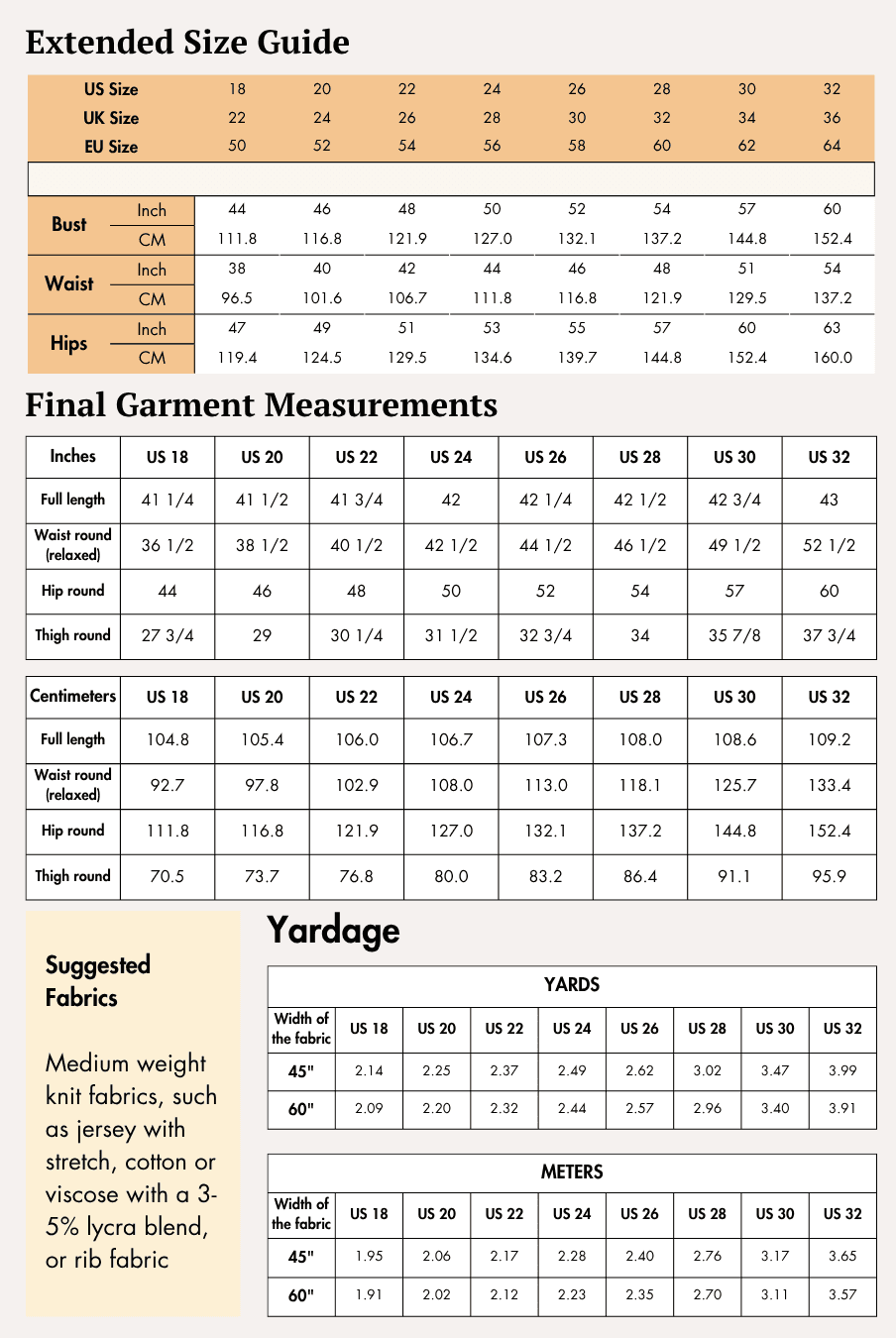
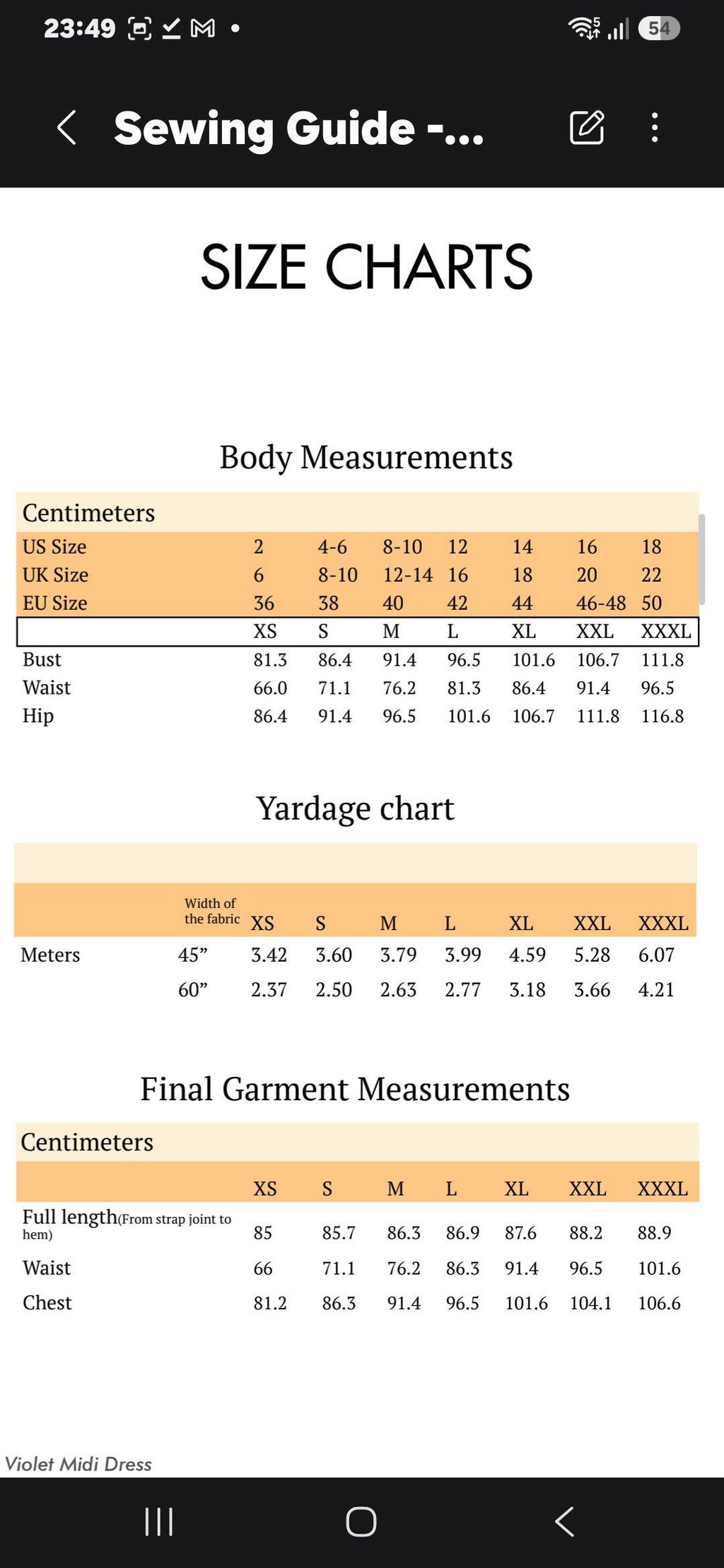
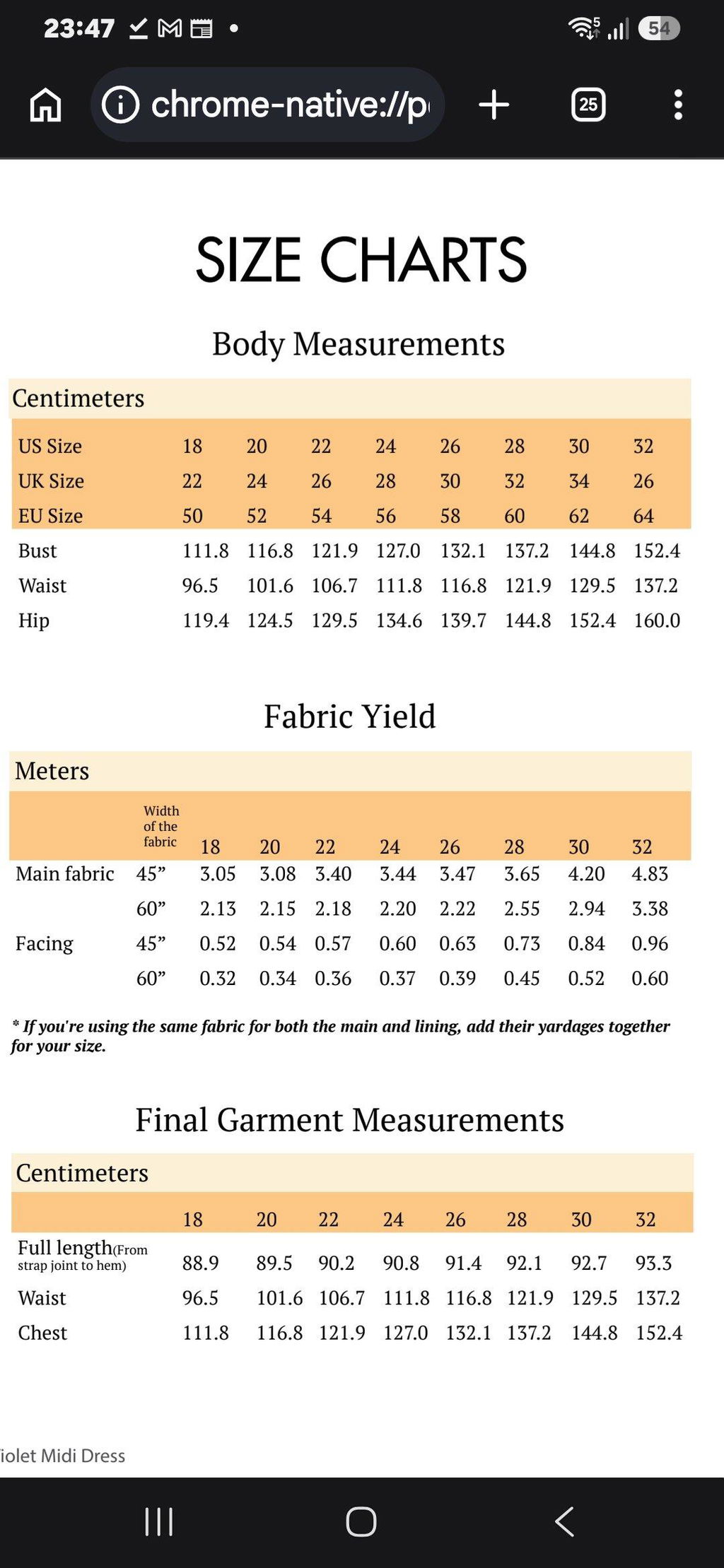
Check the size charts and measure yourself to select the correct size, using the garment and body measurement tables in the guide.
Verify how much fabric you need by referencing the fabric yield table in the guide.
Pattern Inventory: What Pieces to Prepare

Prepare the following pattern pieces:
- Front – Cut 1 Fabric
- Back – Cut 1 Fabric
- Sleeve – Cut 2 Fabric
- Neck Binding – Cut 2 Fabric
Pattern Marking

The pattern includes the following markings:
- Grainline
- Neckline
- Armhole
- Front armhole notch
- Center elastic armhole notch
- Gather marking
- Elastic marking 1
- Elastic marking 2
- Elastic marking 3
- Side seam notch 1
- Side seam notch 2
- Side seam notch 3
- Side seam
- Hem
- Seam allowance
Transfer all markings before sewing to ensure accurate alignment and construction.
Cutting Layout

The cutting layout helps ensure that all pattern pieces are cut on grain for the best fit and appearance.
- Align all grainline arrows parallel to the fabric selvage.
- Pin pattern pieces securely before cutting.
- The layouts provided are nondirectional.
- Purchase additional fabric when working with directional prints or fabrics with nap.
- Separate layouts are provided for both 45-inch and 60-inch fabric widths.
- The illustrated layouts use a US 4–6 size for demonstration.
Fabric Cutting and Preparation
Seam Allowance
Please follow the seam allowances as indicated on the pattern file layers. These are provided specifically for each piece to ensure accurate construction.
This pattern uses 1 cm (0.38”) seam allowance all around, 0.6 cm (1/4”) at the neckline, 1.3 cm (1/2”) at the hem and 2.2 cm (7/8”) at the sleeve hem and sleeve elastic armhole.
Arrange the pattern pieces according to the cutting layout diagrams. Begin by positioning the pieces on the fabric, ensuring that the grainline arrow runs parallel to the selvage.
If you are using fabric shears, trace the pattern pieces and then cut them out, cutting away any pen, pencil, or chalk lines. Remember to cut out any notches that appear on the edges. These markings help line up the pieces when you assemble the garment.
Use your marking pen, pencil, or chalk to transfer the markings (such as circles, buttonholes, and fold lines) to the wrong side of the fabric. Mark the center front of pieces cut on the fold, as this will help you align pieces accurately.
Step-by-Step Sewing Instructions
1. Create the Bodice
1a. Place the front (Pattern A) and back (Pattern B) pieces with their right sides together. Align both side seams and sew both seamlines.
2. Prepare the Elastic Bands
There are two methods provided below. Choose the one that works best for you.
2a. Take a 1/4” wide elastic strip in the length specified for your chosen size.
If you are using Method 1, add 3/8” seam allowance to both ends of the elastic before joining.
2b. Method 1 – Overlap Join
Mark a 3/8” seam allowance on both ends of the elastic. Overlap the edges and secure them using a zig-zag stitch. This method may create extra bulk if you are using thick elastic.
Method 2 – Muslin Reinforcement
Cut a 1/2” long muslin strip that is the same width as the elastic. Place and pin the muslin underneath the elastic join. Use a zig-zag stitch to secure and conceal the edges. Trim any excess muslin to align it with the width of the elastic.
Repeat the same process to create two additional elastic bands for the waist.
3. Attach the Elastic Bands to the Bodice
3a. Place the prepared elastic bands on the wrong side of the bodice created in Step 1. Align and pin the elastic evenly by stretching it along Elastic Marking 1.
3b. Repeat the same process for the other two prepared elastic bands.
4. Prepare the Neck Binding
4a. Fold one 1/4” long edge of the neck binding to the wrong side and press.
4b. Repeat Step 4a for the other long edge.
4c. Fold the neck binding (Pattern D) from the center lengthwise.
Repeat the same process to create the second neck binding.
5. Attach the Neck Binding
Insert the neck binding into the front neckline, enclosing the raw edges. Align the gathers evenly inside the binding, then sew along the open edge of the binding to secure and finish.
Repeat the same process for the back neckline.
6. Prepare the Sleeves
6a. Fold 1/4” of the elastic armhole seam allowance to the wrong side of the sleeve (Pattern C). Press.
6b. Fold it again from the seamline on the wrong side, enclosing the raw edges inside. Sew along the edge to create the casing for the elastic.
6c. Insert the armhole elastic into the prepared sleeve hem casing. Pin or baste the ends of the elastic to hold it in place.
6d. Place the sleeve elastic on the wrong side of the sleeve. Align it with the elastic placement markings and stretch evenly while pinning.
6e. Sew the elastic in place using a zig-zag stitch.
6f. Align the side seams with their right sides together. Sew along the seamline.
6g. Turn the sleeve right side out.
Repeat the same process for the other sleeve.
7. Attach the Sleeves
7a. Place the prepared sleeve inside the bodice facing right and wrong sides to each other. Align the front and back armholes. Sew along the seamline.
7b. Repeat the same process for the other prepared sleeve on the opposite side of the bodice.
8. Hem the Garment
Fold the hem seam allowance about 3/8” and press it down. Fold the hem again to the wrong side from the seamline.
Sew along the edge of the folded 3/8” seam allowance, starting from one side seam and continuing around until you return to the starting point.
Repeat the same process for both sleeve hems.


Ready to Sew Your Own Milkmaid Top?


The Samara Milkmaid Top combines a square neckline, a ruched bodice, puff sleeves, ruffled sleeve hems, and a flared hem to create a timeless and feminine garment. Its very easy skill level and simple construction make it an excellent project for beginner sewists, while the gathered details provide a rewarding finish for more experienced makers.
Whether paired with denim for a casual look or styled with a skirt for a romantic outfit, this versatile top is sure to become a favorite in your handmade wardrobe.
If you're ready to create your own version, grab the Samara Milkmaid Top Sewing Pattern and start sewing today.
Join the Community & Get Support
Share your finished Samara Milkmaid Top on social media with #MadeWithWinslets. If you have questions, feedback, or customization requests, contact the Winslet's team at support@winslets.com.