To choose fabric for a winter sewing project, start with the type of garment you want to make and choose a fabric with the weight, structure, stretch, and drape that the design requires. For pants and jackets, heavier and more structured fabrics such as twill, denim, and wool can be suitable starting points.
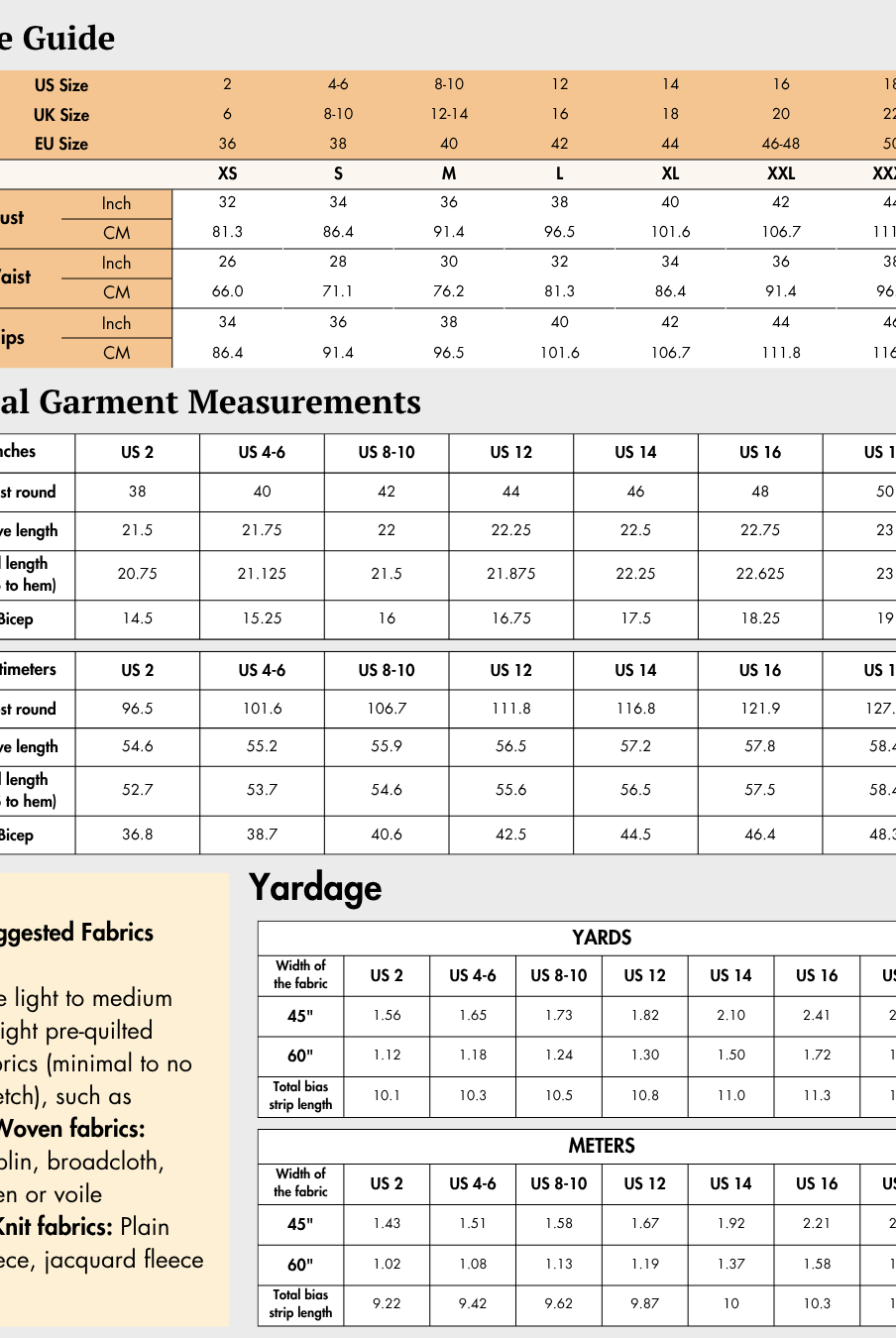
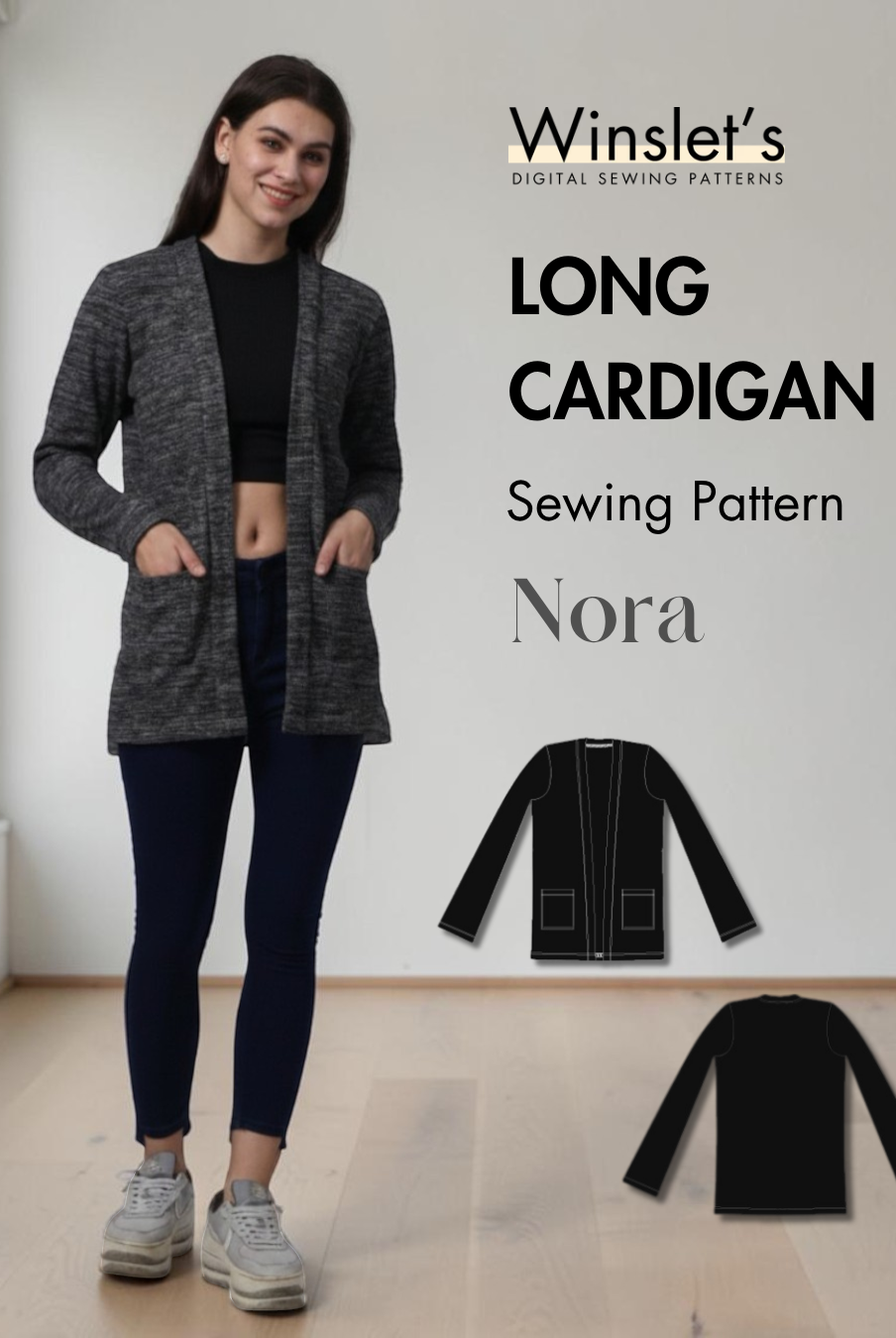
In this guide, you’ll learn how to compare woven and knit fabrics, assess weight and drape, test stretch, and match the fabric to your winter garment. When choosing fabric for a sewing pattern from Winslet's or another pattern, always compare these characteristics with the fabric recommendations provided for the design.

What Makes a Fabric Suitable for a Winter Sewing Project?
A winter fabric should first suit the garment you are making.
The most useful characteristics to consider are:
-
Weight
-
Structure
-
Drape
-
Stretch
-
Fiber content
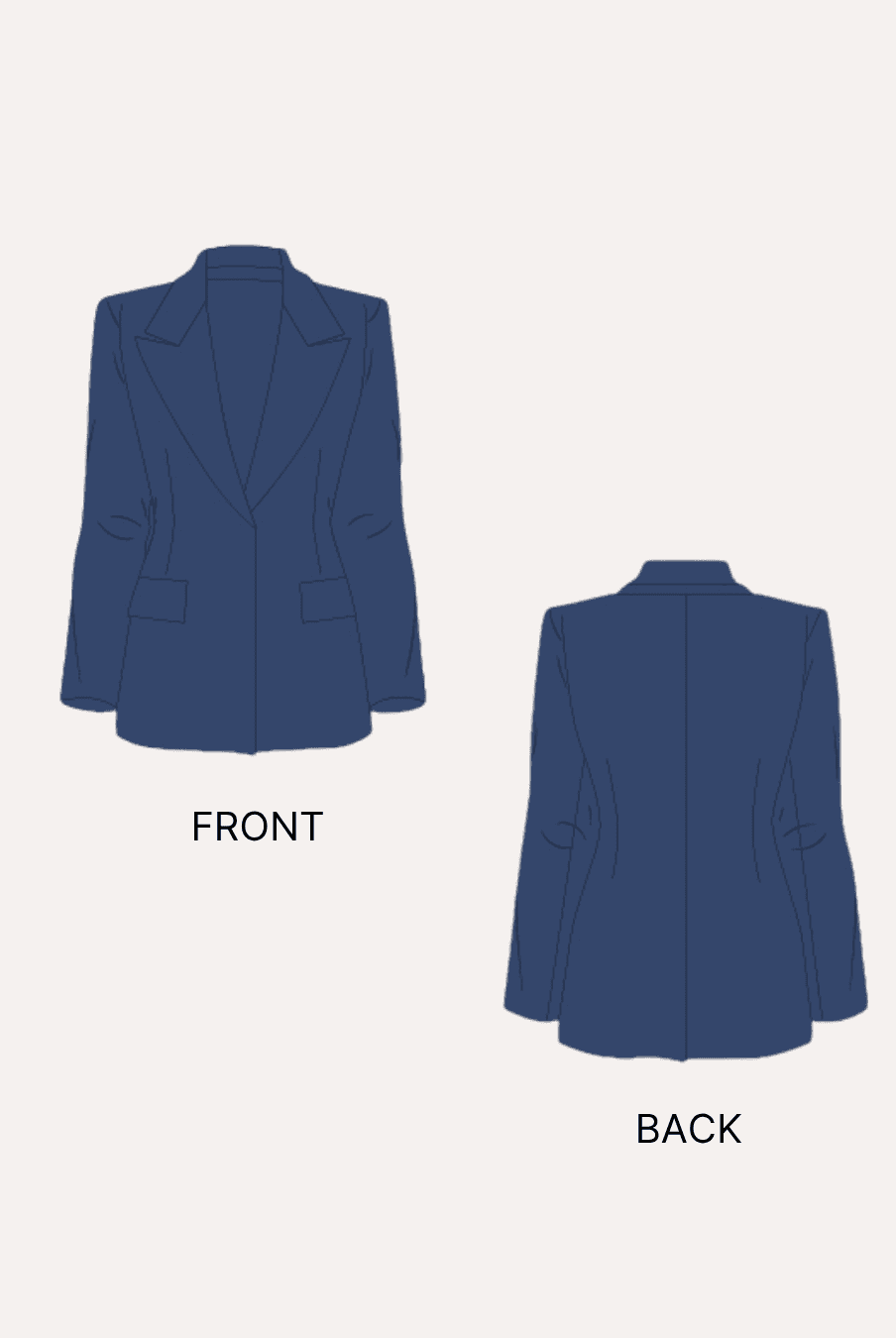
For winter projects such as pants and jackets, a more substantial or structured fabric may be appropriate. The source specifically identifies twill, denim, and wool as useful options for garments that need more weight and structure.
For relaxed garments or loungewear, a knit fabric may be a better match because knits tend to be more flexible, drapey, and elastic.
Should You Choose Woven or Knit Fabric for Winter Sewing?
Choose woven or knit fabric according to the structure and fit of the garment.
Woven Fabrics
Woven fabrics tend to be more rigid and structured.
Examples include:
-
Denim
-
Linen
-
Cotton
Woven fabrics are often useful for fitted or structured garments.
However, not every woven behaves the same way. Stretch denim, stretch linen, and stretch cotton can provide more flexibility depending on the fiber composition.
Knit Fabrics
Knit fabrics such as jersey, terry, and rib knit tend to be:
-
More flexible
-
More elastic
-
More drapey
They can be useful for garments intended to feel relaxed or comfortable.
The important point is to judge the actual fabric rather than relying only on whether it is labeled woven or knit.
Which Fabrics Work Well for Winter Pants and Jackets?
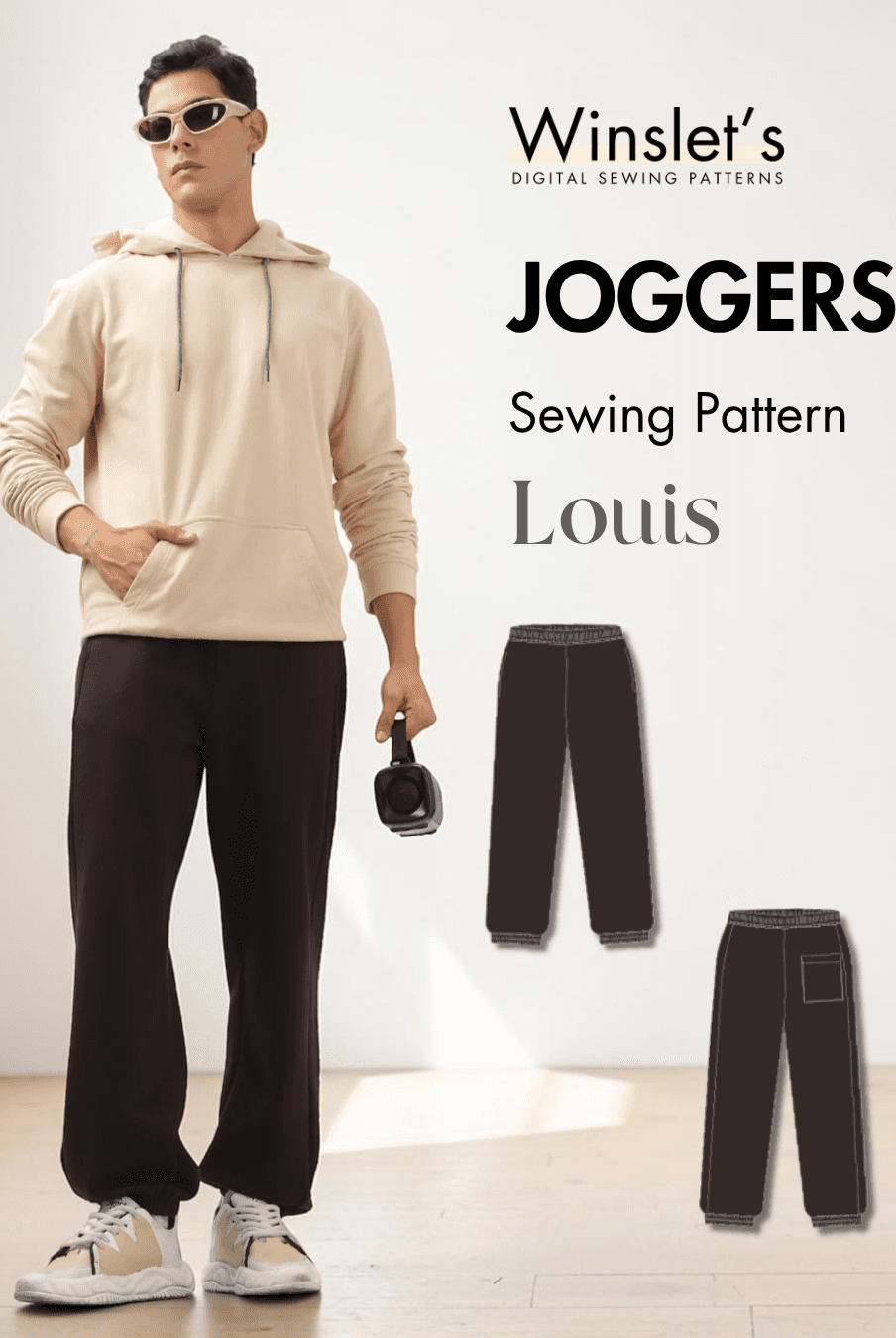
Pants and jackets generally benefit from fabrics with more weight and structure.
Suitable examples given include:
-
Twill
-
Denim
-
Wool
These fabrics can provide the firmer structure often required by these garment types.
This does not mean every winter pair of pants or jacket must use one of these fabrics. Always check the individual sewing pattern because the intended silhouette may require something different.
Does Fabric Weight Matter for Winter Sewing?
Yes. Fabric weight strongly affects how structured or relaxed the finished garment will appear.
Even fabrics made from the same fiber can vary significantly.
For example, one cotton may be heavy and structured while another may be much lighter and softer.
When choosing fabric, ask:
-
Does the garment need to hold its shape?
-
Should it feel softer and more relaxed?
-
Is the fabric substantial enough for the type of garment?
-
Does its weight match the pattern recommendation?
A heavier fabric generally creates more structure, while a lighter fabric creates a softer effect.
Why Is Drape Important for Winter Projects?
Drape tells you whether a fabric falls fluidly or holds its own shape.
A winter garment can still be structured or fluid depending on the design, so the season alone should not determine your fabric choice.
A jacket with a crisp shape will require different fabric behavior from a relaxed knit garment.
How to Do a Drape Test
-
Pull a section of the fabric away from the roll.
-
Gather or pinch part of it in your hand.
-
Let the fabric hang naturally.
-
Observe how it falls.
Ask yourself:
-
Does it create soft folds?
-
Does it fall fluidly?
-
Does it hold its own shape?
-
Does it appear stiff or structured?
As a general rule, stiffer fabrics work better for structured looks, while drapier fabrics suit softer, more fluid garments.
How Do You Check Fabric Stretch?
Gently pull the fabric to see how much flexibility it has.
Stretch is especially important if your winter project is fitted or designed for movement.
A fabric with little or no stretch can work well for more structured garments.
A fabric with stretch can suit garments that need flexibility or a closer fit.
Do not assume that all woven fabrics have no stretch or that all knits are highly stretchy. Fiber content can change the way the fabric behaves.
Does Fiber Content Matter for Winter Fabric?
Yes, because fiber content affects how the fabric behaves.
Natural fibers such as cotton, linen, and hemp are described as breathable, while some synthetic fabrics can trap heat.
This is another reason to look beyond the fabric name and consider what it is actually made from.
However, fiber content should not replace the other checks. Weight, stretch, drape, and structure still need to suit the pattern.
How to Choose Fabric for a Winter Sewing Project Step by Step
Use the garment design as your starting point rather than choosing fabric by appearance alone.
-
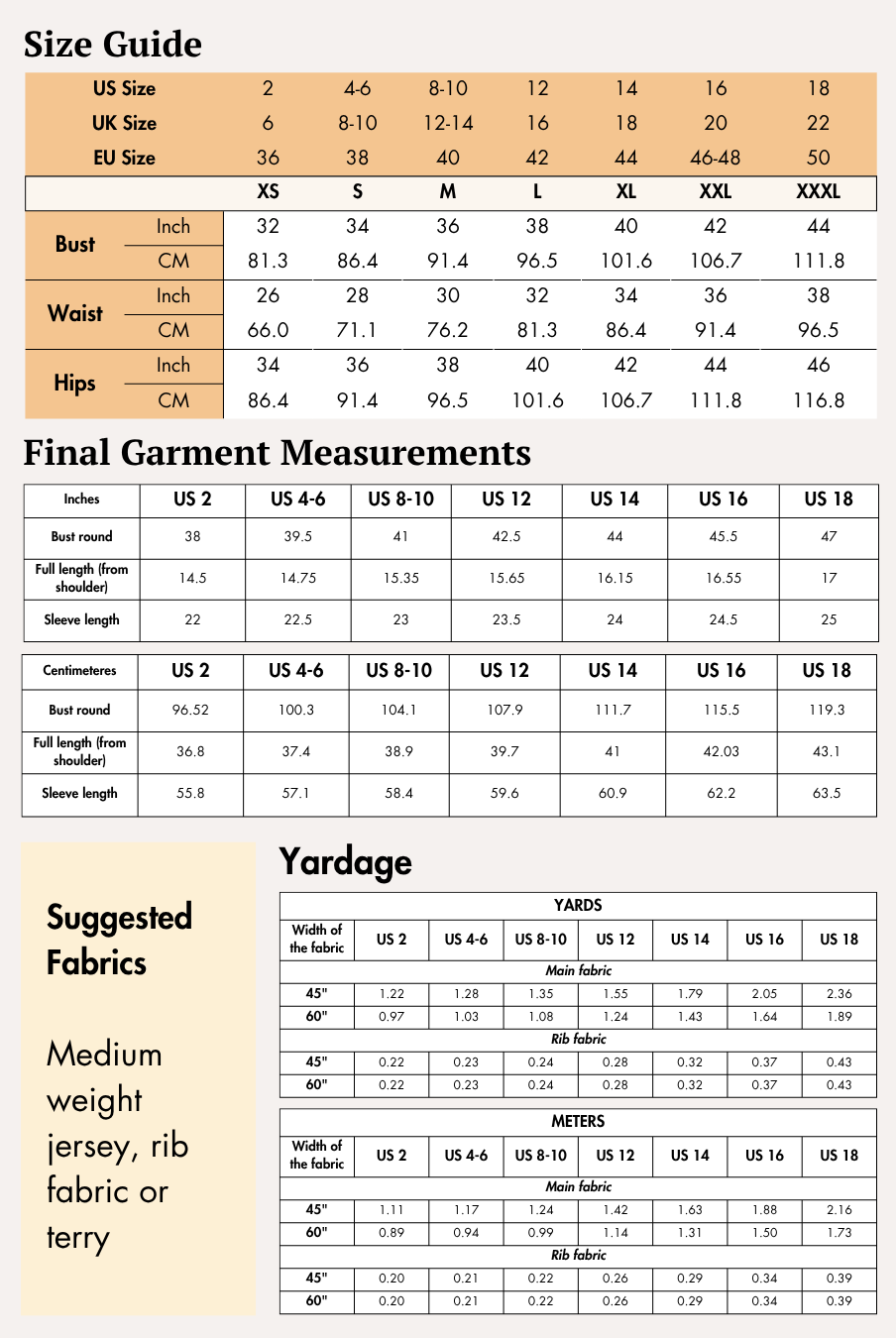
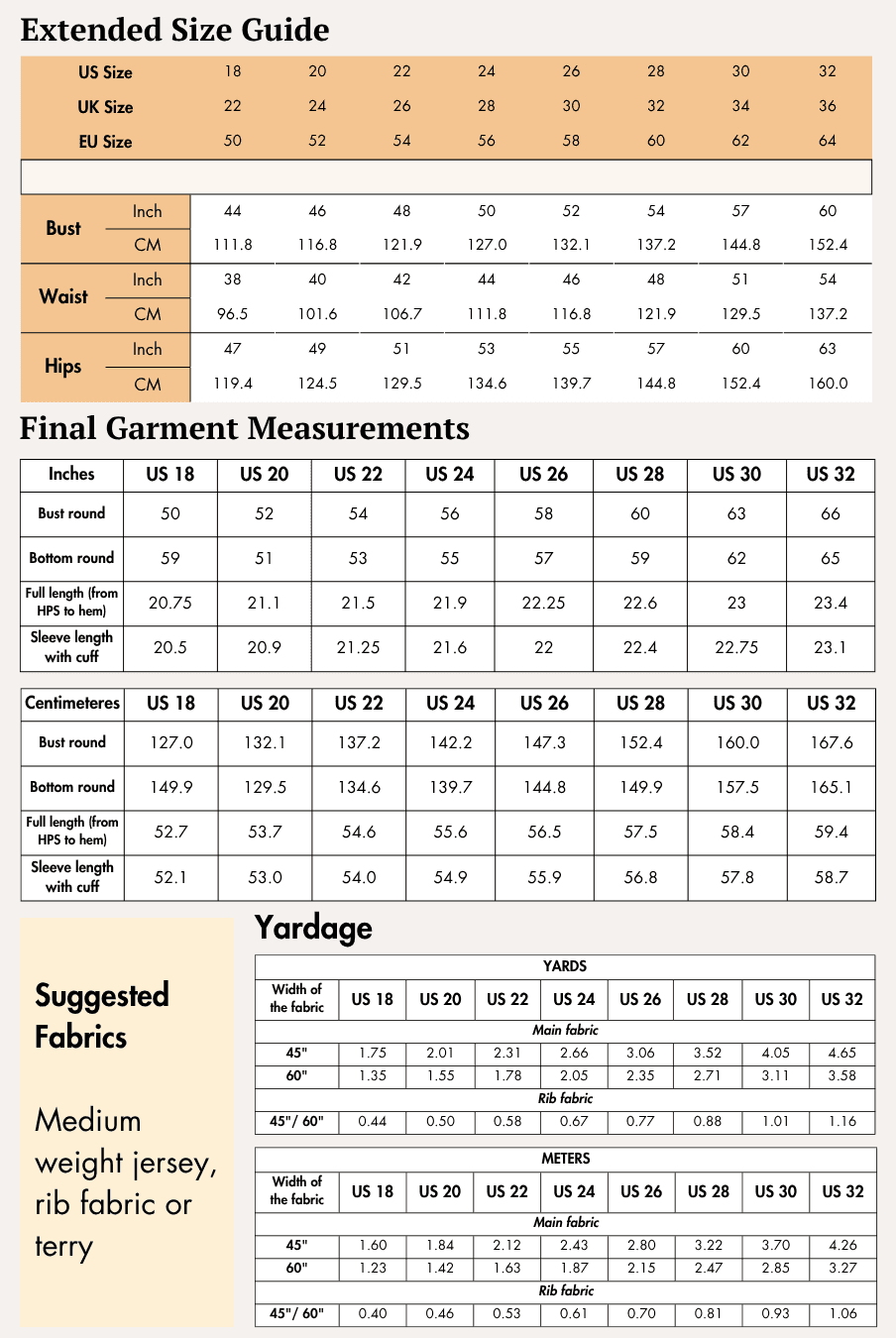
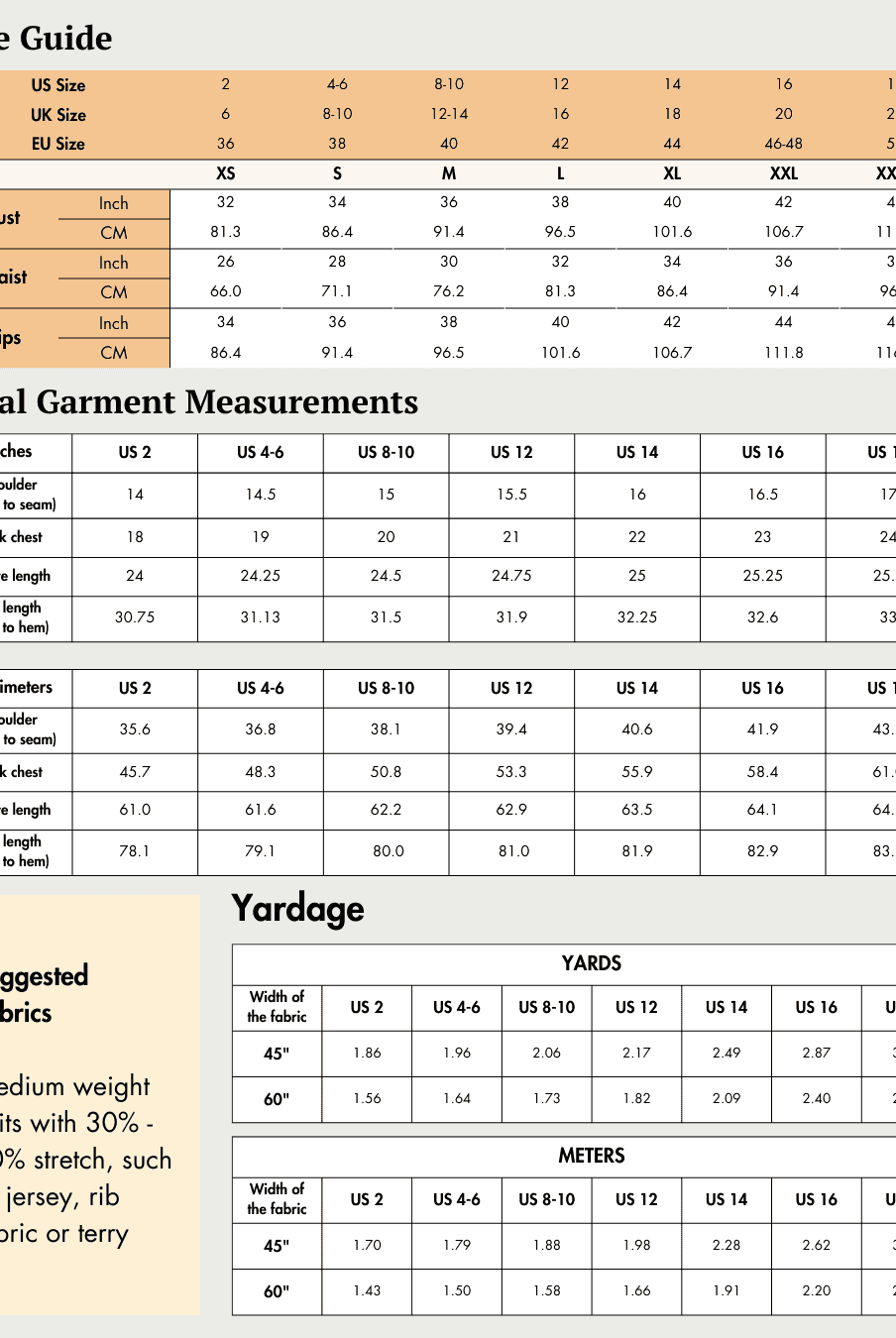
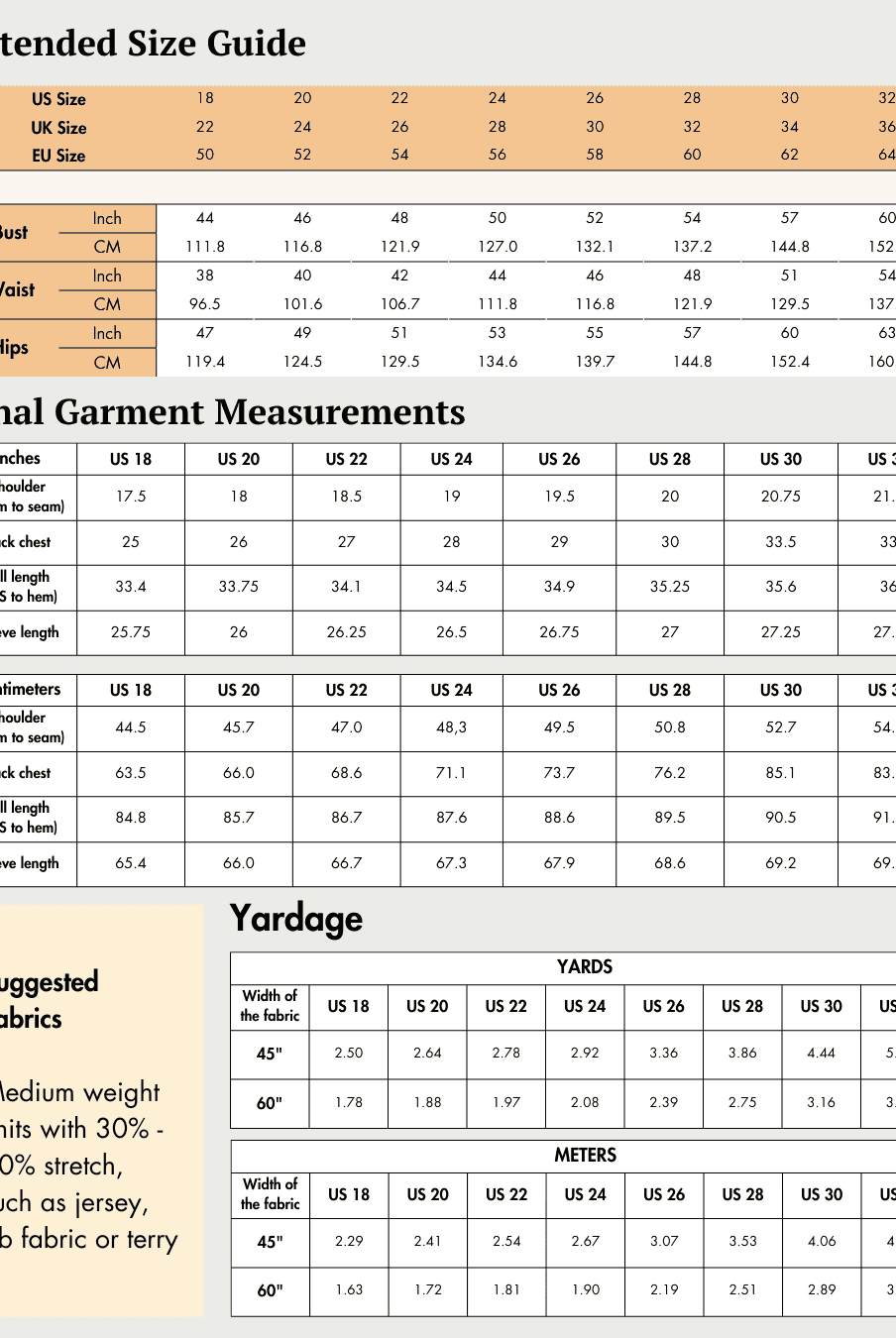
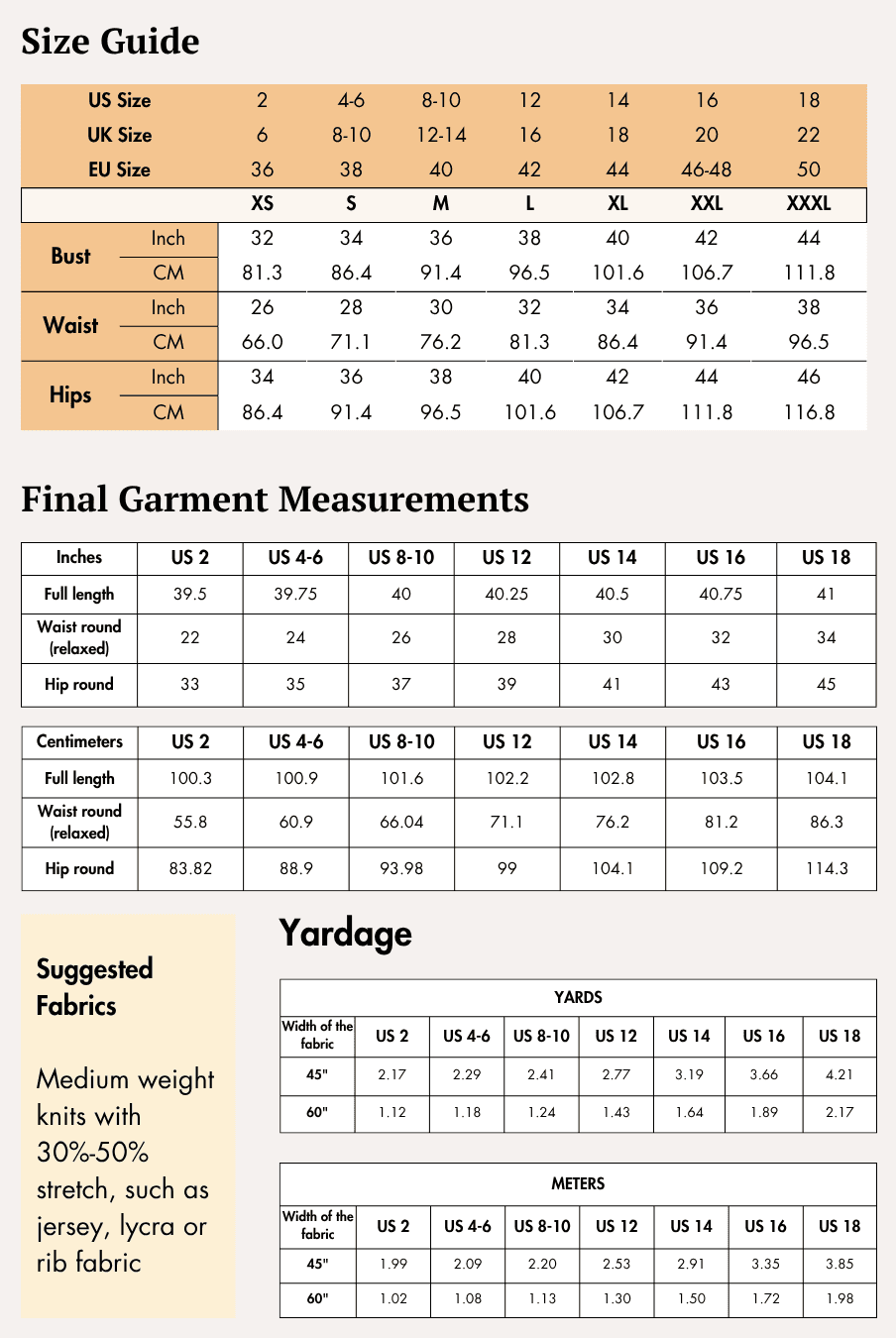
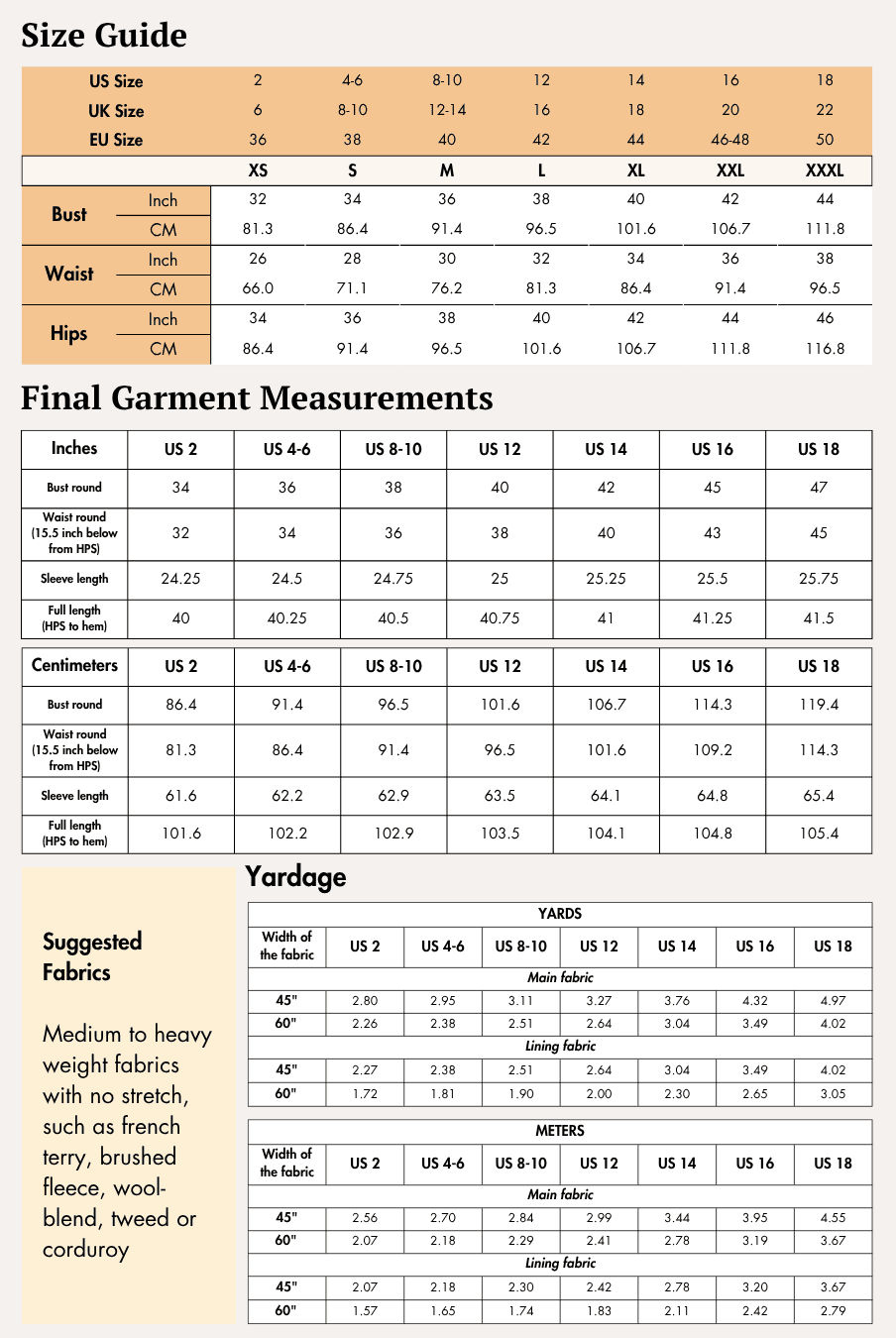
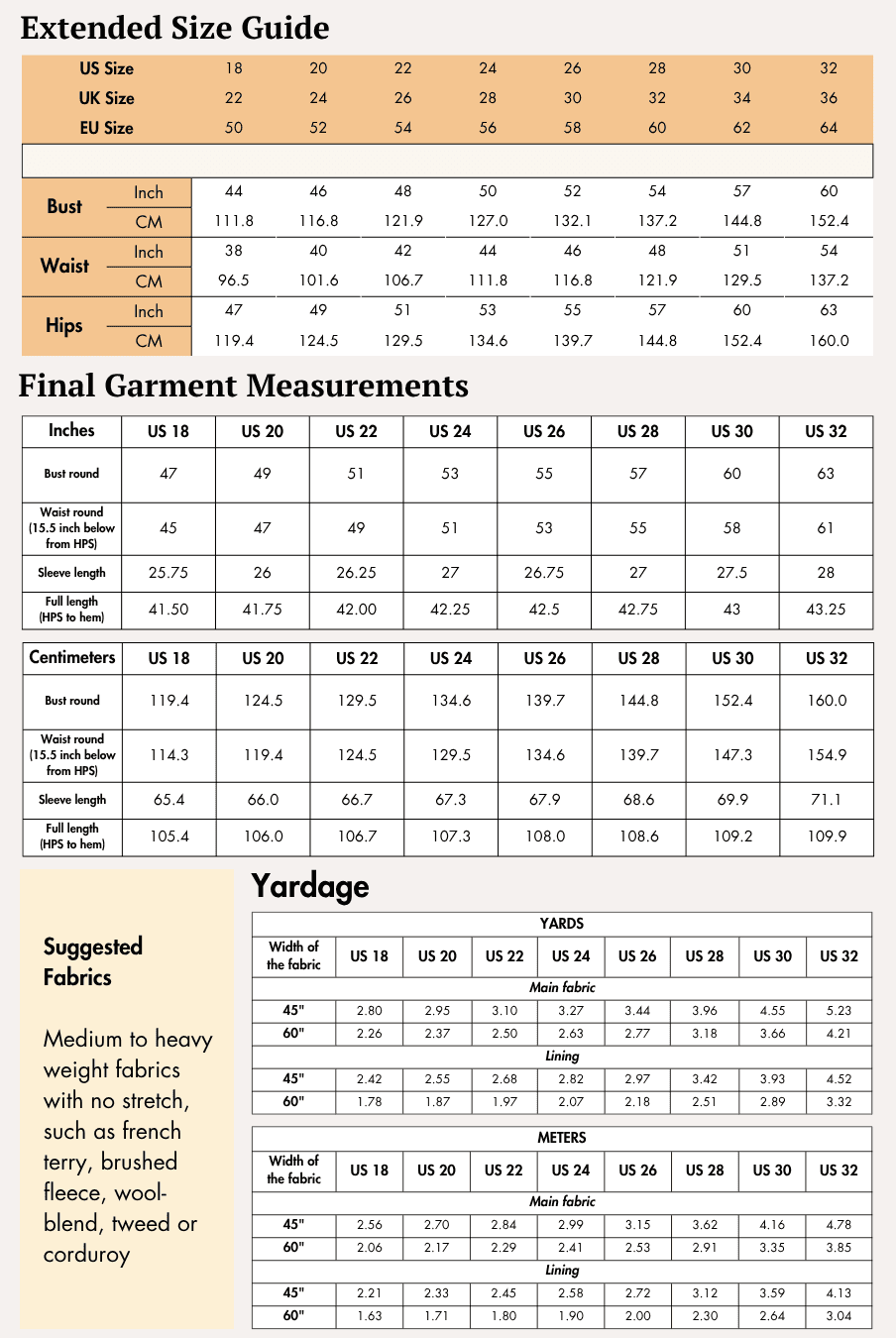
Check the pattern’s fabric recommendations.
Start with the fabric types suggested by the pattern designer. -
Identify the garment category.
Pants and jackets generally require more weight and structure, while relaxed garments may work better in knits. -
Check the fabric weight.
Decide whether the fabric has enough body for the project. -
Perform a drape test.
Let the fabric hang and see whether it holds its shape or falls fluidly. -
Perform a stretch test.
Gently pull the fabric to understand how much flexibility it provides. -
Check the fiber content.
Look at what the fabric is made from rather than relying only on its appearance. -
Consider your sewing experience.
If you are a beginner, a more stable fabric may be easier to control. -
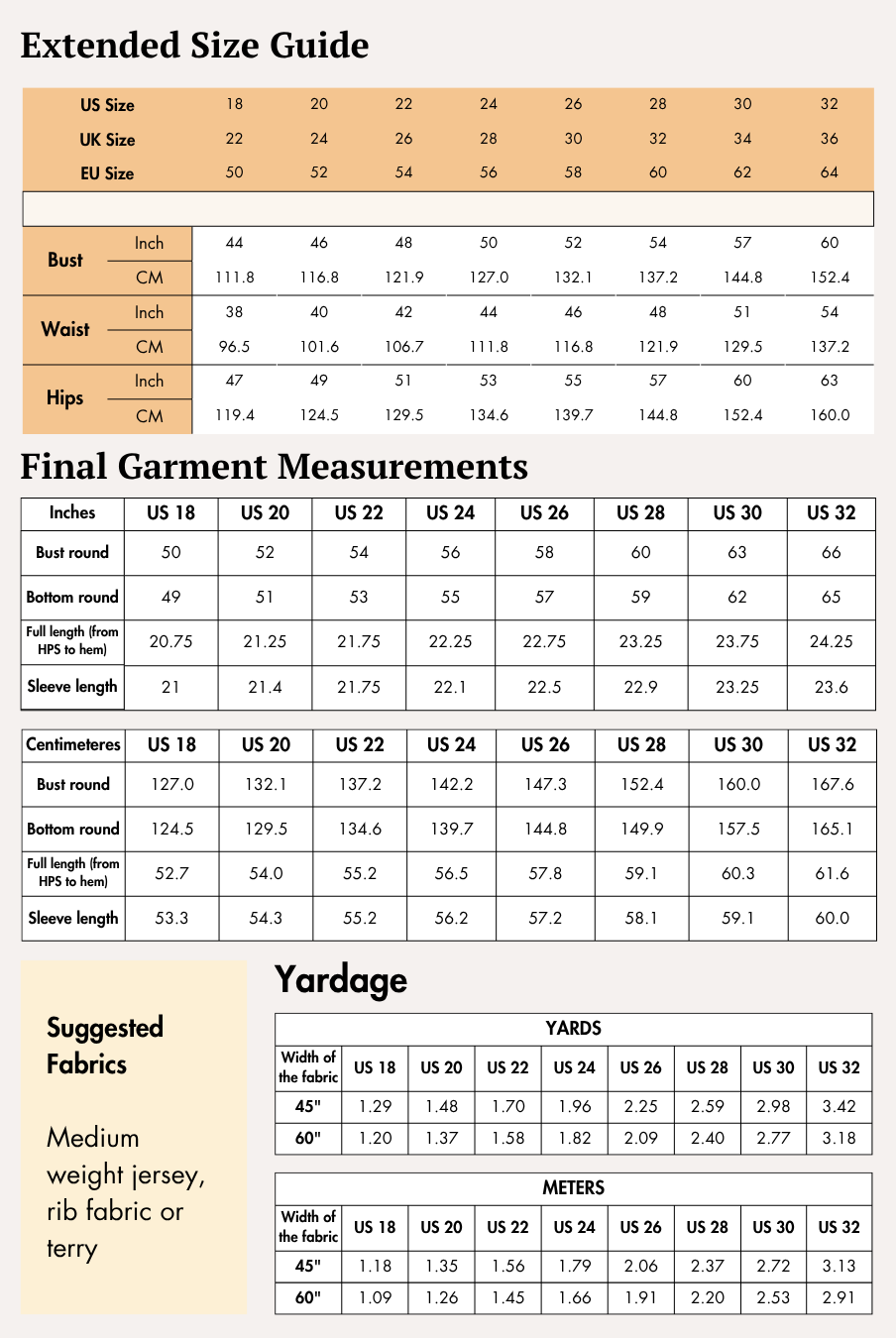
Buy a little extra fabric.
Extra fabric gives you some flexibility if you encounter a problem during cutting or sewing.
If you'd like to see these fabric-selection tests demonstrated visually, you can watch the video below.
What Winter Fabrics Are Easier for Beginners?
Stable, slightly more rigid fabrics are generally easier for beginners to handle.
They behave more like paper, which makes them easier to control during cutting and sewing.
A stable cotton or stable knit can be a good place to start.
By contrast, fabrics such as silk and satin can be more challenging because they are slippery and harder to keep aligned.
If you are still building confidence, prioritize stability as well as suitability for the garment.
Can Denim Work for Winter Sewing?
Yes, denim can work for projects that require more weight and structure.
It is specifically suggested for pants and jackets.
However, denim itself can vary. Stretch denim, for example, behaves differently from a more rigid denim because the added stretch changes its flexibility.
Always compare the individual fabric with what the sewing pattern requires.
Can Wool Work for Winter Sewing?
Yes. Wool is listed as a suitable structured fabric for projects such as pants and jackets.
Its suitability still depends on the design.
If the pattern requires a structured fabric, wool can be one option to consider alongside twill and denim.
Can Knit Fabric Be Used for Winter Projects?
Yes. Knit fabric can work well for relaxed or comfortable garments.
Examples of knit fabrics include:
-
Jersey
-
Terry
-
Rib knit
These fabrics tend to have more flexibility and drape than traditional woven fabrics.
If your winter project is loungewear or another relaxed garment, this type of fabric may suit the design better than a rigid woven.
Should You Always Follow the Pattern’s Fabric Suggestions?
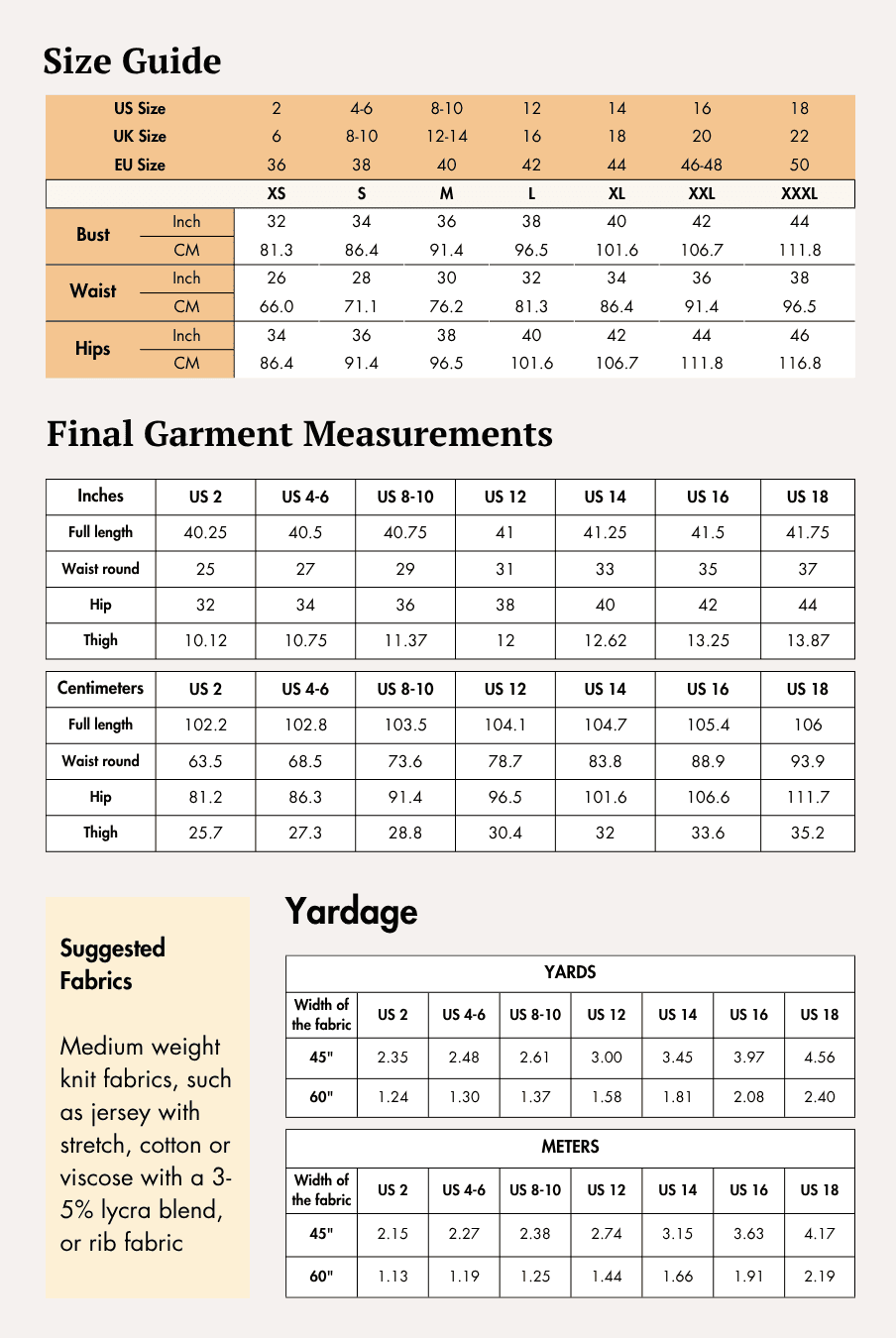
Yes, they are one of the best starting points when you are unsure what fabric to buy.
The pattern designer’s recommendations can help you understand the type of fabric the garment was designed for.
Once you know the suggested fabric category, you can compare individual options based on:
-
Weight
-
Stretch
-
Drape
-
Structure
-
Fiber content
This is more reliable than choosing a fabric based only on color or appearance.
Common Mistakes When Choosing Winter Fabric
The main mistakes are choosing based only on appearance, ignoring the fabric’s weight and drape, or assuming every fabric within one category behaves the same way.
Choosing Fabric Only Because It Looks Suitable
Appearance does not tell you whether the fabric has the correct structure or stretch.
Handle it and test it before making your decision.
Assuming All Heavy Fabrics Behave the Same
Weight alone does not determine drape or structure.
Two fabrics of similar weight can still behave differently, so perform a drape test as well.
Ignoring Stretch
If your garment needs flexibility, choosing a rigid fabric can change how it fits and behaves.
Always check stretch before buying.
Ignoring the Pattern Recommendations
A fabric may seem suitable for winter but still be wrong for the specific design.
Start with the pattern maker’s recommendations.
Choosing Difficult Fabric as a Beginner
Slippery fabrics such as silk and satin can be challenging to control.
A stable fabric can make an early sewing project easier to handle.
Match Your Winter Fabric to the Garment
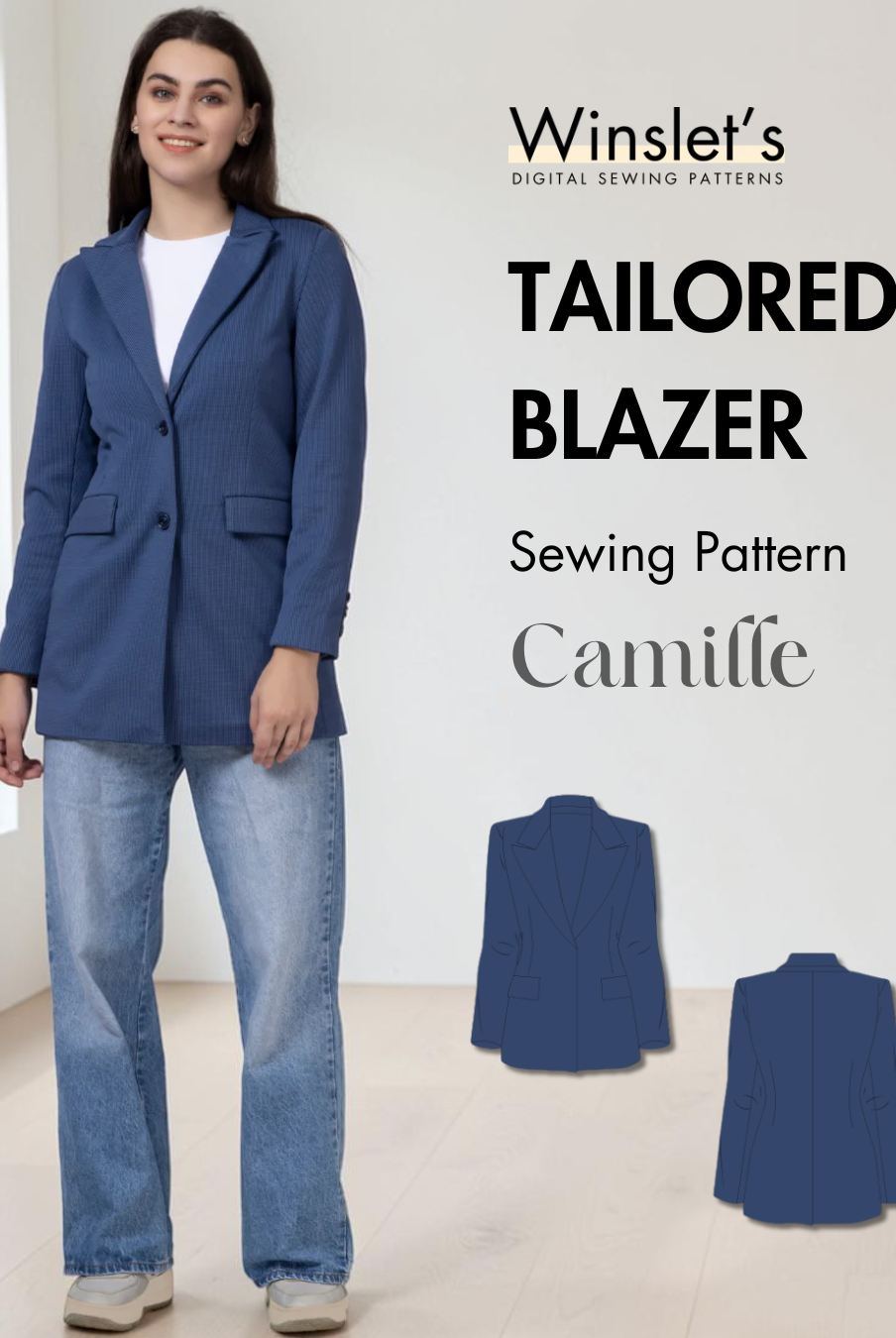
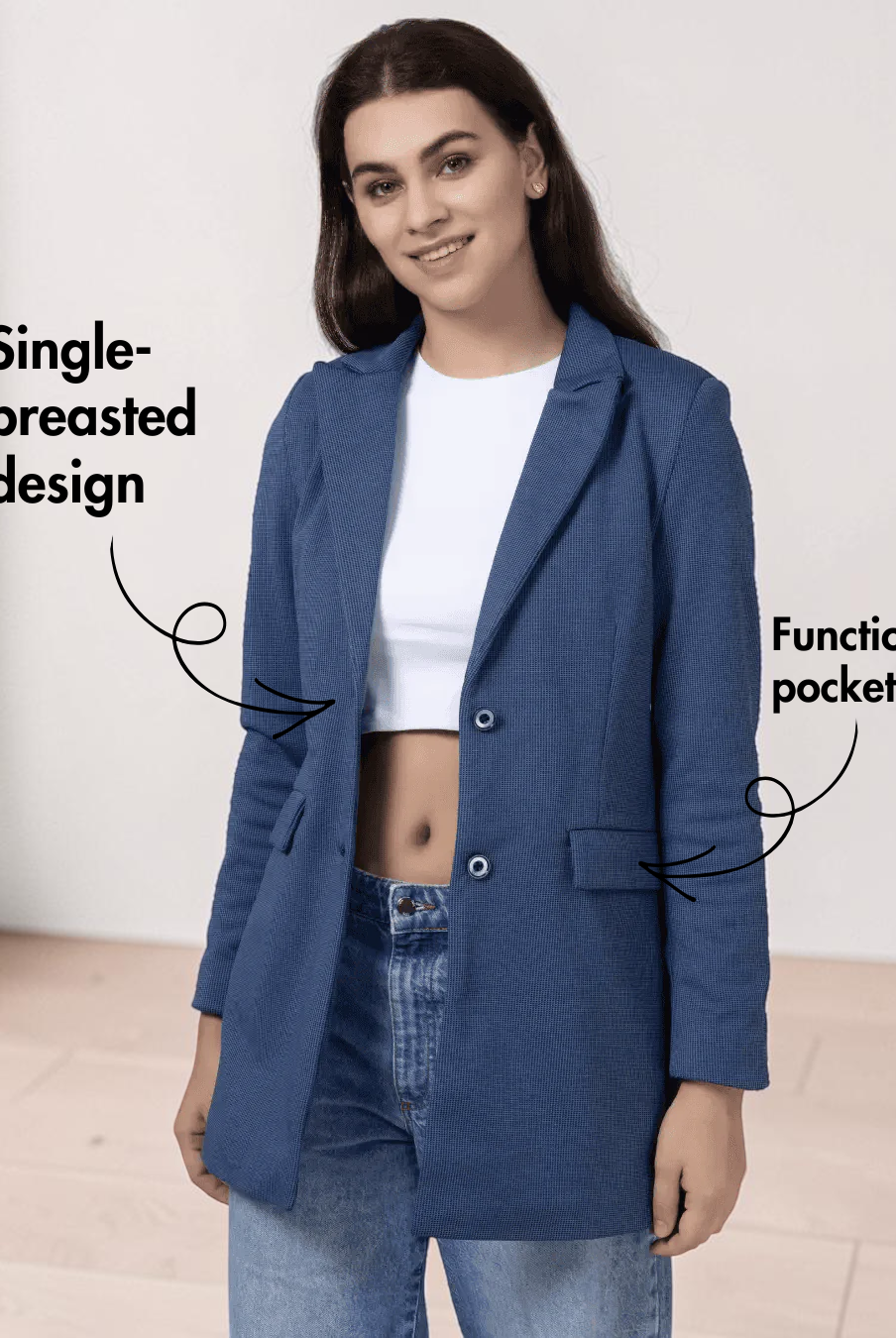
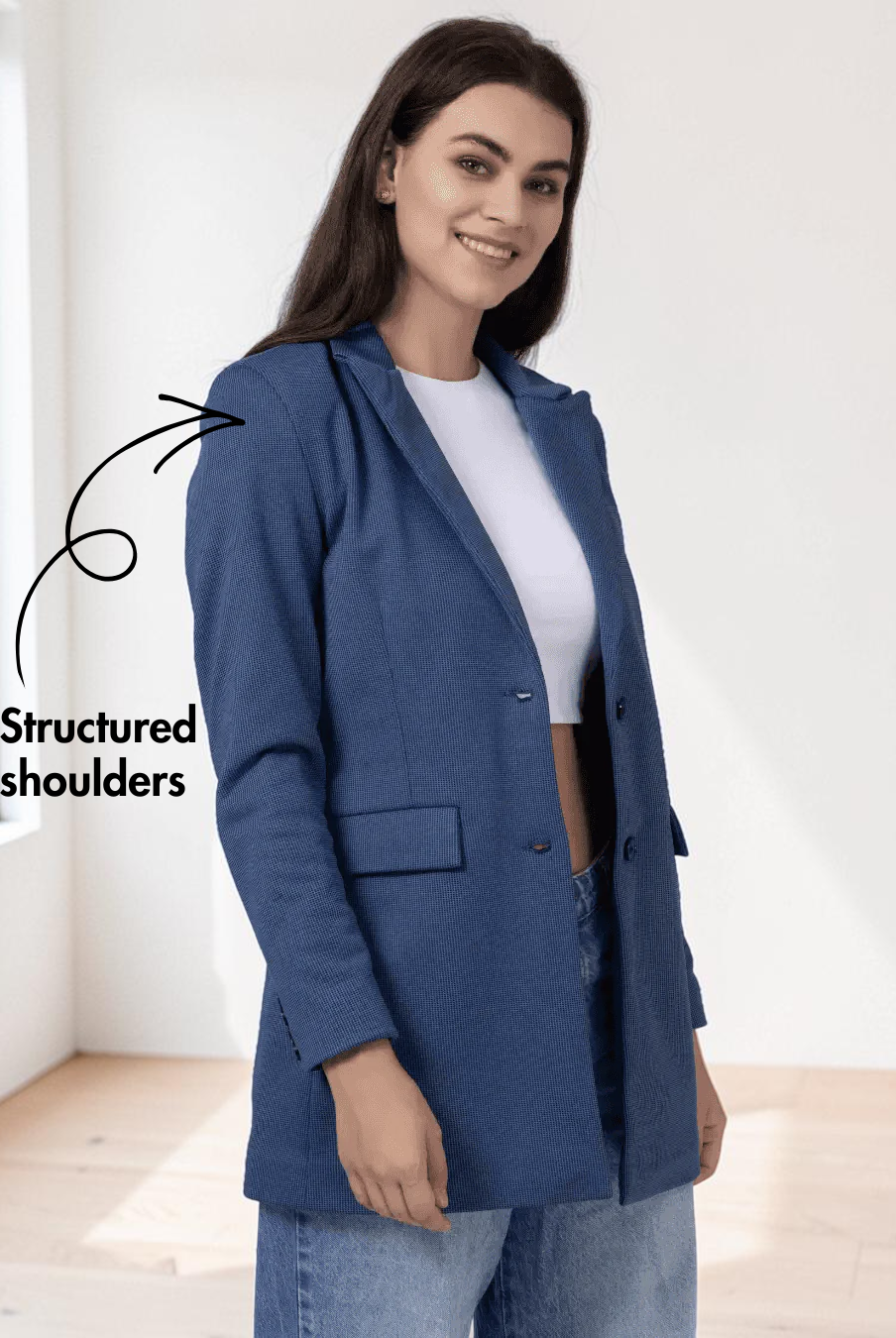
Choosing fabric for a winter sewing project starts with understanding the garment rather than simply looking for the heaviest material available. Structured pants and jackets may suit twill, denim, or wool, while relaxed designs may work better in flexible knits.
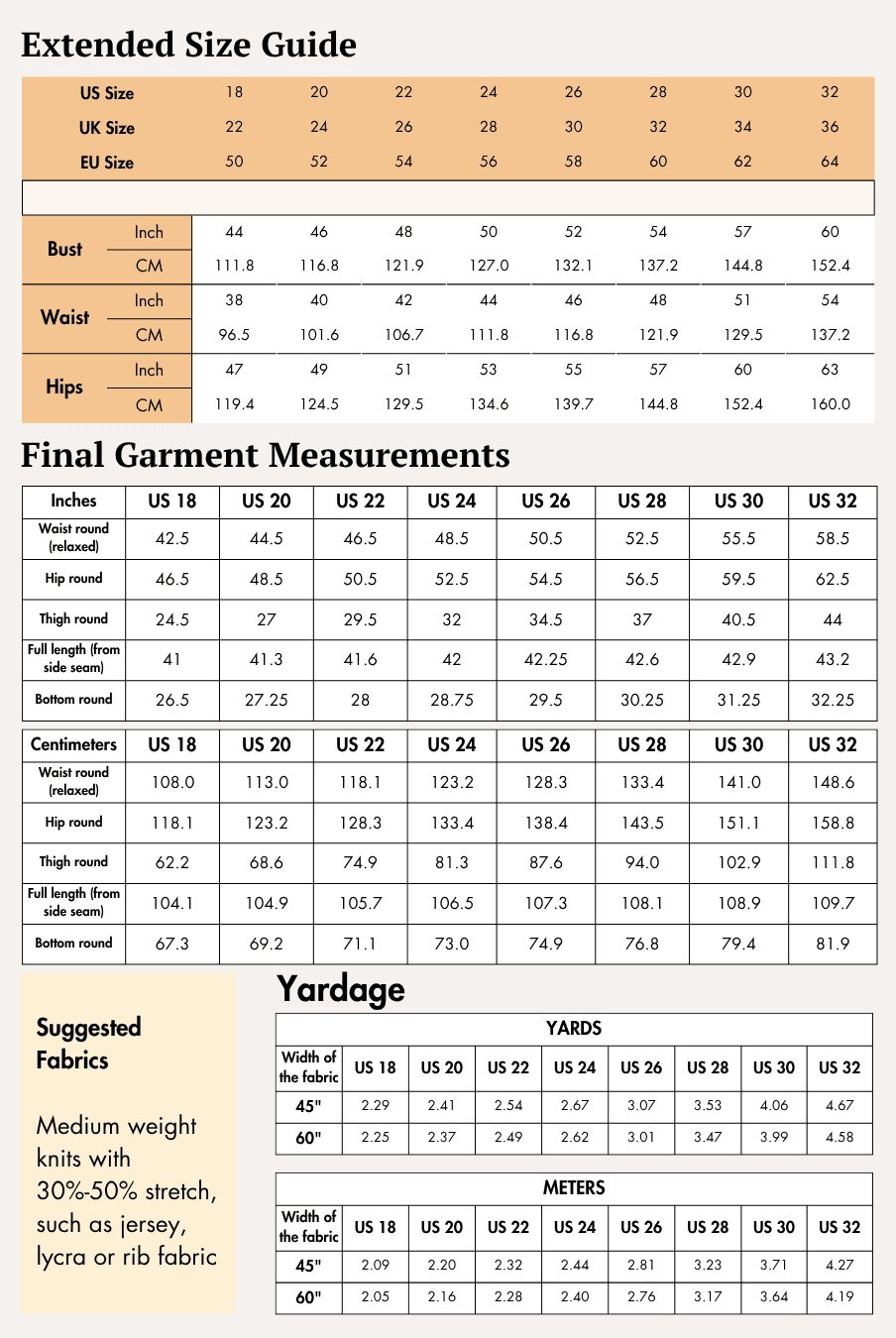
Use your hands to test the fabric, compare its drape, stretch, weight, and structure, and always check the recommendations included with your sewing pattern. For your next cold-season project, explore Winslet's sewing patterns collection and use these fabric checks to find a material that matches the design.
FAQs
What fabric is best for winter sewing?
There is no single fabric that works for every winter project. Twill, denim, and wool are suitable examples for structured garments such as pants and jackets, while knits can suit more relaxed projects.
Is denim suitable for winter projects?
Yes. Denim is one of the structured fabrics suggested for pants and jackets.
Is wool good for sewing winter garments?
Wool can be a suitable choice for garments requiring structure, including pants and jackets.
What fabric should I use for winter loungewear?
A knit such as jersey or terry can work for relaxed or comfortable garments. Always check the pattern’s specific requirements.
Should winter fabric always be heavyweight?
Not necessarily. Fabric weight should match the garment design. Some projects need structure, while others are intended to be softer and more fluid.
How can I tell if a fabric is too drapey?
Perform a drape test. If it collapses into soft folds instead of holding its shape, it may be too fluid for a highly structured garment.
What winter fabric is easiest for beginners?
A stable cotton or stable knit can be easier to manage because more stable fabrics tend to be easier to control while cutting and sewing.
Should I buy extra fabric?
Yes. Buying a little extra gives you additional material if you encounter difficulties during the project.