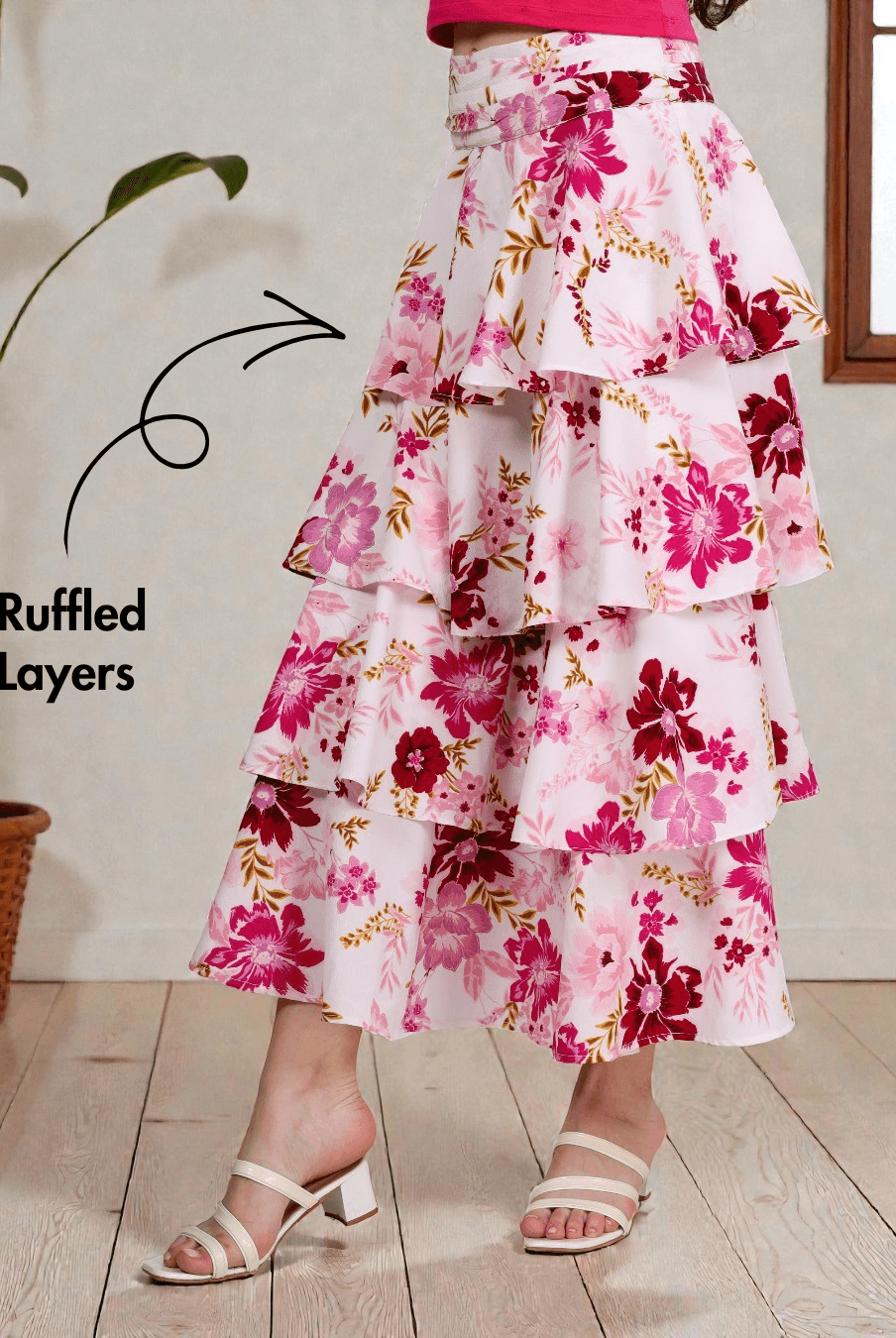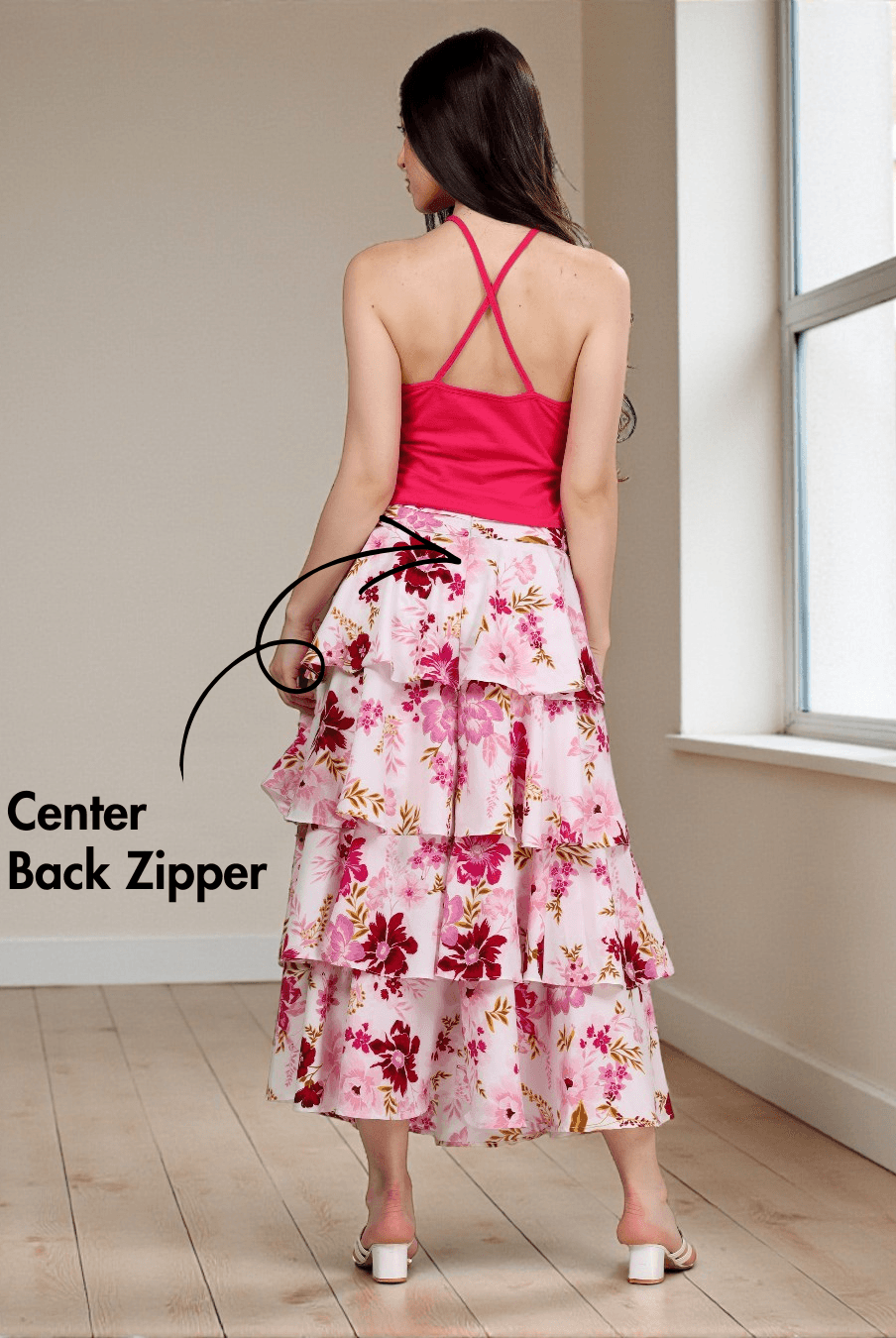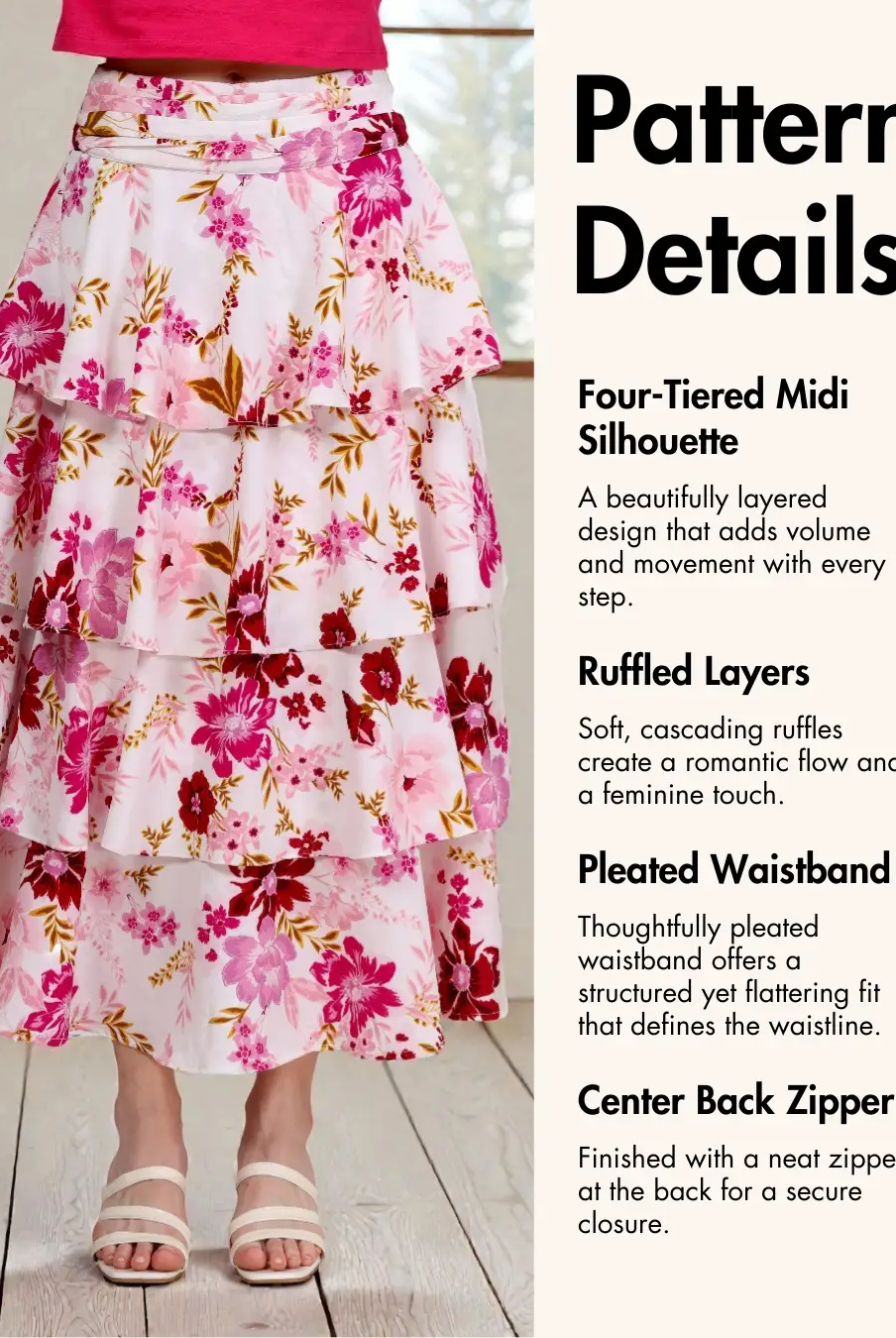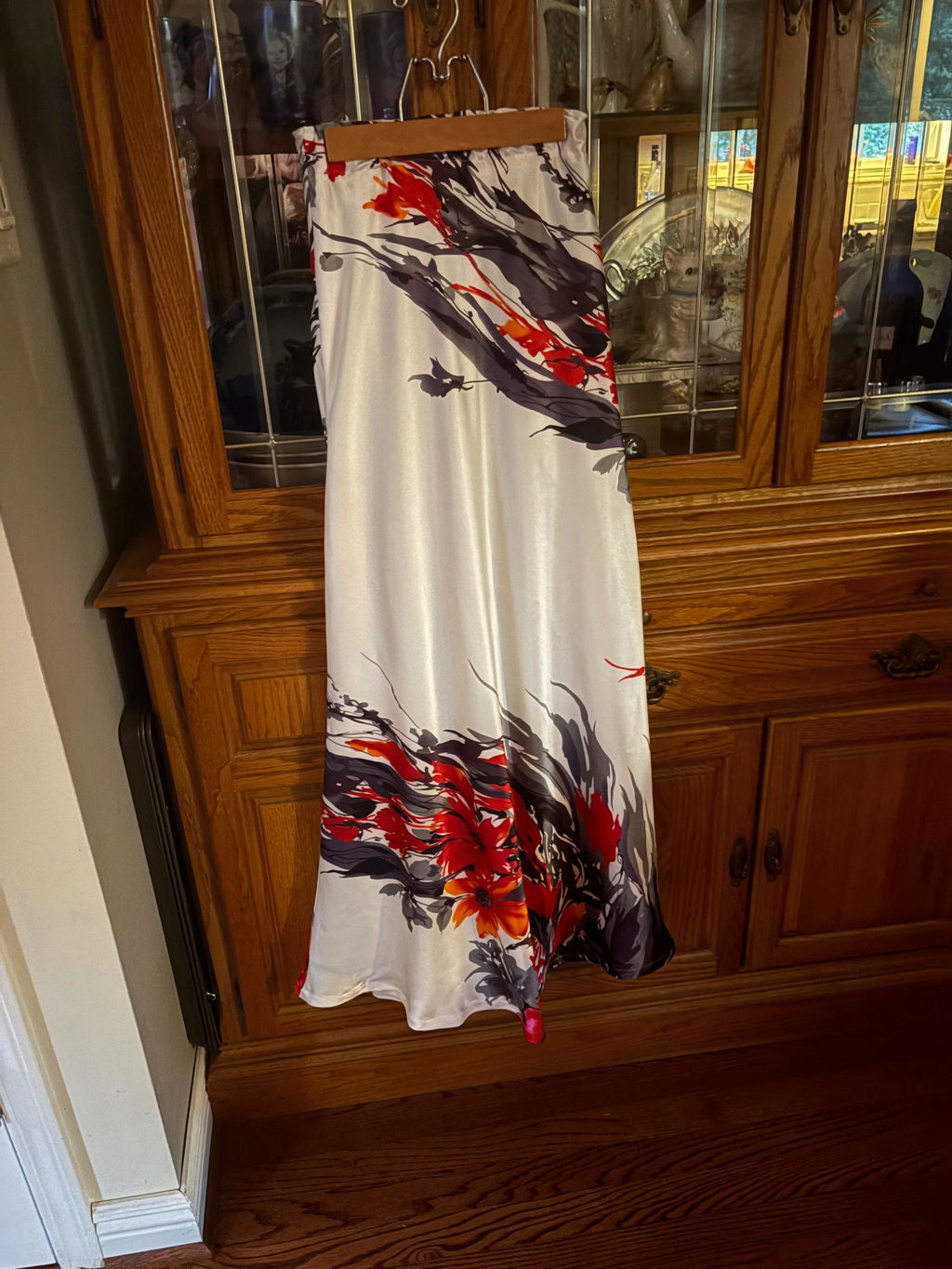
The best fabrics for sewing skirts include medium-weight wool suiting, cotton denim, corduroy, and viscose twill, depending on how structured or fluid you want the finished skirt to be. Choose a fabric with enough body for a defined silhouette or more drape and movement for a flowing skirt.
In this guide, you’ll learn how these fabrics behave, which skirt styles they can suit, and what to look for when matching fabric to a skirt pattern. If you’re choosing a Winslet's skirt pattern, looking at both the silhouette and its recommended fabrics can help you narrow down which material will give you the result you want.

What Fabrics Are Best for Sewing Skirts?
Wool suiting, denim, corduroy, and viscose twill are all useful skirt fabrics, but they create very different results.
Some effective fabric-and-skirt combinations include:
-
Medium-weight wool-blend suiting for structured skirt designs
-
8 oz cotton denim as a versatile skirt fabric
-
Corduroy with slight stretch for mini or midi skirts
-
Viscose twill for skirts that need fluid drape and movement
Rather than choosing one fabric as the best overall option, consider what the skirt itself needs.
How Do You Choose the Right Fabric for a Skirt?
Choose skirt fabric by comparing the pattern’s intended silhouette with the fabric’s weight, structure, drape, and stretch.
A structured skirt needs fabric that can support its shape. A skirt designed around movement, gathers, or tiers can benefit from a fabric with more fluid drape.
A practical way to approach your choice is:
-
Look at the skirt design.
Decide whether the silhouette is structured or flowing. -
Check the recommended fabric weight.
Determine whether the pattern calls for a medium-weight, suiting-weight, or more fluid fabric. -
Consider the fabric’s structure.
Fabrics such as denim and corduroy provide more body. -
Look at the drape.
If the design relies on movement, consider a fabric such as viscose twill. -
Check for stretch.
Some corduroys contain elastane, giving the finished skirt a little more give. -
Match the fabric to the pattern.
Use the pattern’s recommendations to make your final choice.
Is Wool Suiting Good for Skirts?
Yes. Medium-weight wool suiting can work particularly well for skirts that need some structure.
Wool suiting does not necessarily have to feel rough or scratchy. A medium-weight wool suiting can combine structure with drape, giving a skirt enough body to maintain its shape without making it completely rigid.

A good Winslet’s pattern to consider for this type of fabric is the Ophelia Box Pleat Skirt Sewing Pattern. Its recommended fabrics include wool blends, and the skirt’s box pleats and flared shape make it a natural match for a fabric with some structure. The sample skirt itself is made from a tweed check fabric containing 80% wool.
For skirt sewing, medium-weight wool suiting is therefore worth considering when the pattern calls for a structured or suiting-weight fabric.
Is Denim a Good Fabric for Skirts?
Yes. Cotton denim is a versatile option for skirts that benefit from a more substantial fabric.
An 8 oz, 100% cotton denim provides a useful example of a fabric with enough body for structured designs without relying on an especially heavy denim. A washed denim can also have a softer feel while retaining the characteristic structure of the fabric.
 Get the pattern
For a Winslet’s project, the Buttercup Circle Skirt Sewing Pattern specifically lists medium-weight denim among its recommended fabrics. The pattern combines a circular skirt shape with a frilled hem, so denim can give the main silhouette body while allowing the hem detail to remain prominent.
Is Corduroy Good for Sewing Skirts?
Yes. Corduroy can work especially well for mini and midi skirts.
There are several different types of corduroy, including:
-
Fine baby cord
-
Needle cord
-
Jumbo cord
-
Standard corduroy
Some cotton corduroys also contain a small amount of elastane. This can provide a slight two-way stretch and a little extra give, which may make the finished garment more comfortable to wear.
Both mini and longer skirt designs can work in corduroy, making it a useful option when you want a skirt with visible structure and a little stretch.
When choosing a pattern for corduroy, check its individual fabric recommendations rather than assuming that every structured skirt pattern will suit this fabric.
Is Viscose Twill Suitable for Skirts?
Yes. Viscose twill is particularly useful when you want a skirt with fluid drape and movement.
Viscose twill can be:
-
Opaque
-
Fluid
-
Drapey
-
Suitable for skirts that rely on movement
Although the word twill can sometimes suggest a more structured material, viscose twill can remain fluid because of its fiber content.
 Get the pattern
The Maple Cottagecore Maxi Skirt Sewing Pattern is a particularly relevant Winslet’s example because viscose twill is specifically included in its recommended fabrics. Maple has a relaxed, flared silhouette, making a fluid viscose twill a natural option when you want the longer skirt to have movement rather than stiffness.
If you'd like to see different skirt fabrics and their drape demonstrated visually, you can watch the video below.
Should You Choose Structured or Drapey Fabric for a Skirt?
Choose structure when the skirt needs to hold its shape and drape when movement is an important part of the design.
For a More Structured Skirt
Consider fabrics such as:
-
Denim
-
Corduroy
-
Medium-weight wool suiting
These options have enough body to support more defined skirt shapes.
For a More Fluid Skirt
Viscose twill is a strong option when you want movement rather than a firm silhouette.
 Get the pattern
Another Winslet’s pattern worth considering for a softer fabric is the Lara Draped Skirt Sewing Pattern. Lara is designed with a draped front, soft center pleats, and gathers, and its recommended fabrics include lightweight options such as plain-weave rayon, modal, crepe, satin, and chiffon. A fabric with fluid drape complements these design details better than one that is very rigid.
The pattern design should always guide this decision.
What Fabric Works Well for a Mini Skirt?
Corduroy is one suitable option for a mini skirt.
A slight-stretch cotton corduroy can combine structure with a small amount of give, making it suitable for a skirt where you want the silhouette to remain defined.
Denim is another option to consider where the pattern calls for an appropriate structured fabric.
If you are selecting a mini-skirt pattern, check the recommended fabric list carefully rather than choosing purely according to skirt length.
What Fabric Works Well for a Midi or Longer Skirt?
The right fabric for a midi or longer skirt depends heavily on whether the design is structured or flowing.
Corduroy can create a more structured longer skirt, while viscose twill produces a much more fluid effect.
The silhouette—not simply the skirt length—should determine your final choice.
Does Stretch Matter When Choosing Skirt Fabric?
Stretch can provide additional give, but whether you need it depends on the fabric and skirt design.
Some corduroys contain a small amount of elastane, producing a very slight two-way stretch. That little bit of give can make the garment more comfortable.
However, not every skirt fabric needs stretch. A 100% cotton denim, for example, can also be suitable for skirts.
This is why stretch should be considered alongside the individual pattern requirements rather than treated as essential for every skirt.
Does Fabric Weight Matter for Skirts?
Yes. Fabric weight influences how much structure and body the finished skirt has.
Medium-weight wool suiting can provide both weight and structure while still allowing some drape. An 8 oz denim is another versatile weight that can be used for skirts.
Viscose twill behaves differently. Although it uses a twill weave, its viscose fiber content can give it much more fluid movement.
When comparing skirt fabrics, do not judge suitability from the fabric name alone. Look at how the actual material behaves and compare it with the pattern’s recommended fabrics.
Common Mistakes When Choosing Fabric for a Skirt
A common mistake is focusing on the fabric category without considering how that specific material behaves.
Assuming All Twill Is Structured
Twill does not automatically mean stiff.
Viscose twill can have a fluid drape despite its twill weave, which is why it can work particularly well for flowing skirt patterns such as Winslet’s Maple.
Assuming Wool Suiting Is Always Scratchy
Wool and wool-blend suitings can be soft against the skin.
Assess the individual fabric rather than rejecting wool suiting based only on its fiber name.
Ignoring the Skirt Silhouette
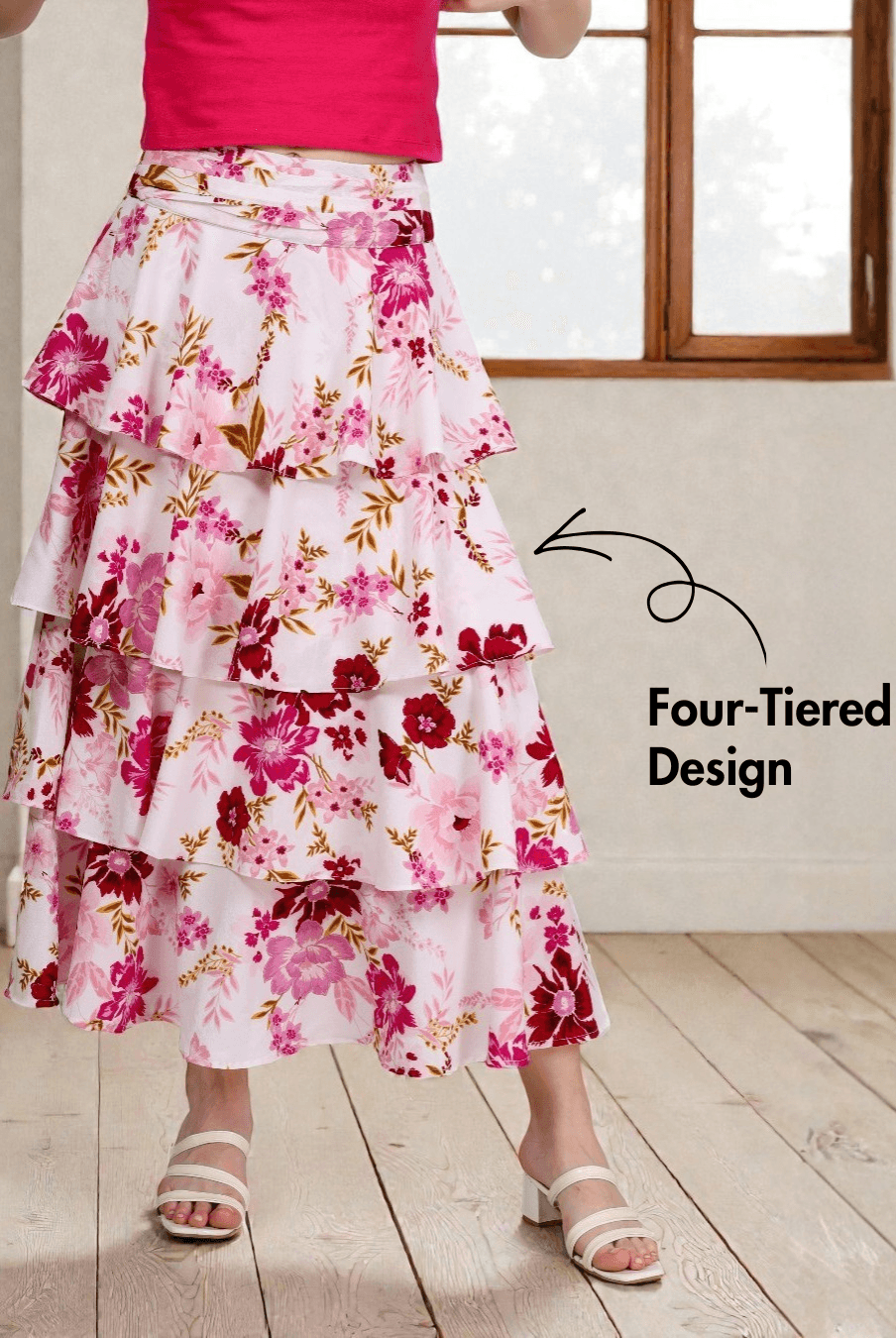
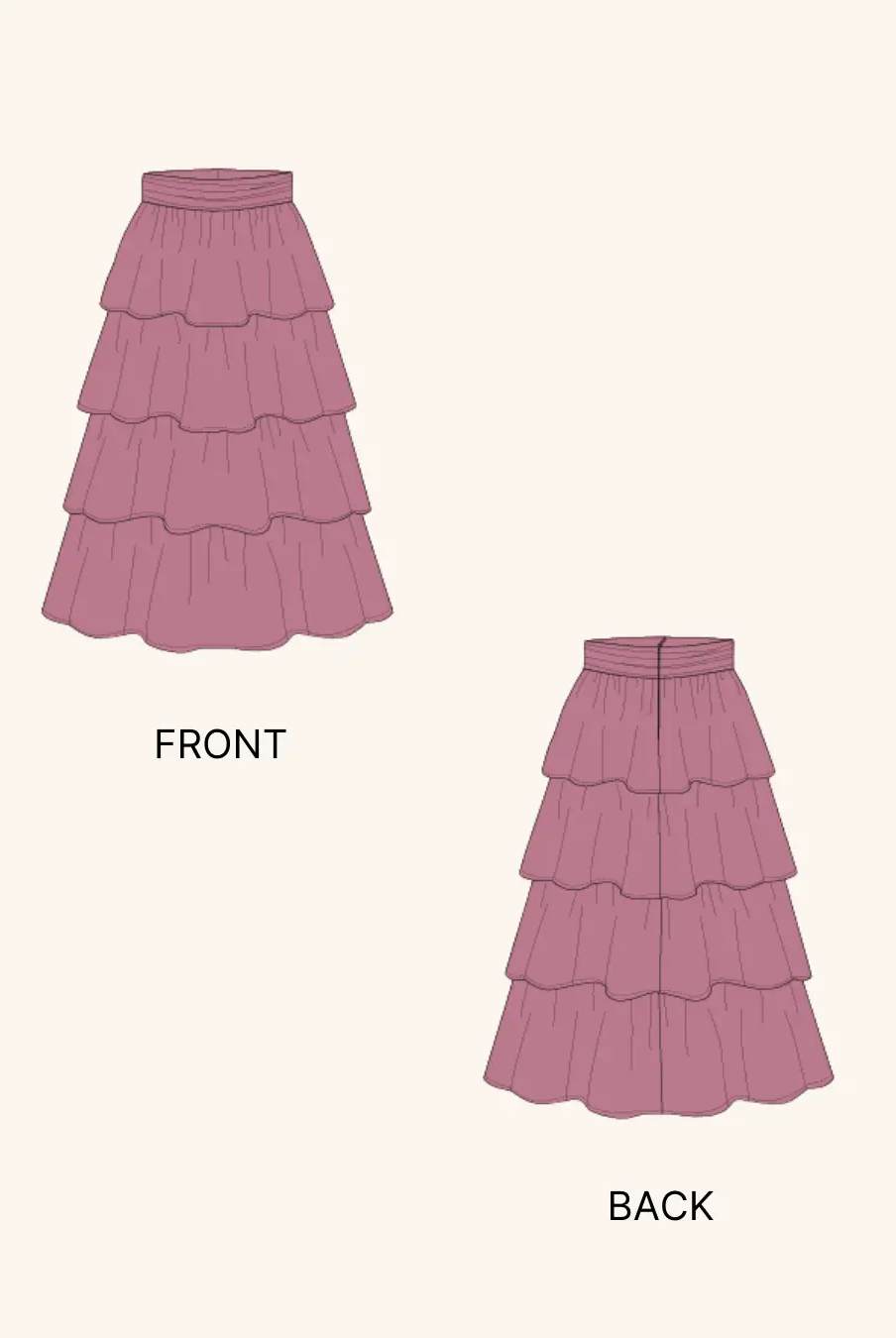
A fabric that works beautifully for a structured skirt may behave very differently in a tiered or flowing design.
Ignoring Stretch in Corduroy
Corduroy can vary. Some versions contain elastane and have a little stretch, while others may behave differently.
Check the composition of the specific fabric you are considering.
Choose Skirt Fabric to Match the Silhouette
The best skirt fabric is the one that behaves the way your pattern needs it to. Medium-weight wool suiting, denim, and corduroy can provide more body and structure, while viscose twill and other fluid fabrics can create softer movement and drape.
Before choosing, consider the skirt’s shape, structure, and movement, then compare those needs with the fabric recommendations for the individual pattern. Explore the Winslet's skirt sewing pattern collection to find a silhouette you want to sew, then use its recommended fabric list to guide your final choice.
FAQs
What is the best fabric for a skirt?
There is no single best fabric for every skirt. Wool suiting, denim, corduroy, and viscose twill can all be suitable, but the right choice depends on the skirt design.
What fabric is best for a structured skirt?
Medium-weight wool suiting, denim, and corduroy are useful options when the design needs more body or structure.
What fabric is best for a flowy skirt?
Viscose twill is a suitable option for a skirt that needs fluid drape and movement. Other lightweight, drapey fabrics can also work when specifically recommended by the pattern.
Is denim too heavy for a skirt?
Not necessarily. An 8 oz cotton denim is a versatile example, and Winslet’s Buttercup pattern specifically recommends medium-weight denim.
Can I sew a skirt from corduroy?
Yes. Corduroy can work for both mini and longer skirt designs. Some versions also contain a small amount of elastane for slight stretch.
Can I use wool suiting for a skirt?
Yes. Medium-weight wool and wool-blend suiting can provide structure while still offering drape. Winslet’s Ophelia Box Pleat Skirt includes wool blends among its recommended fabrics.
Is viscose twill stiff?
Not necessarily. Viscose twill can have fluid drape and movement despite being woven in a twill weave.