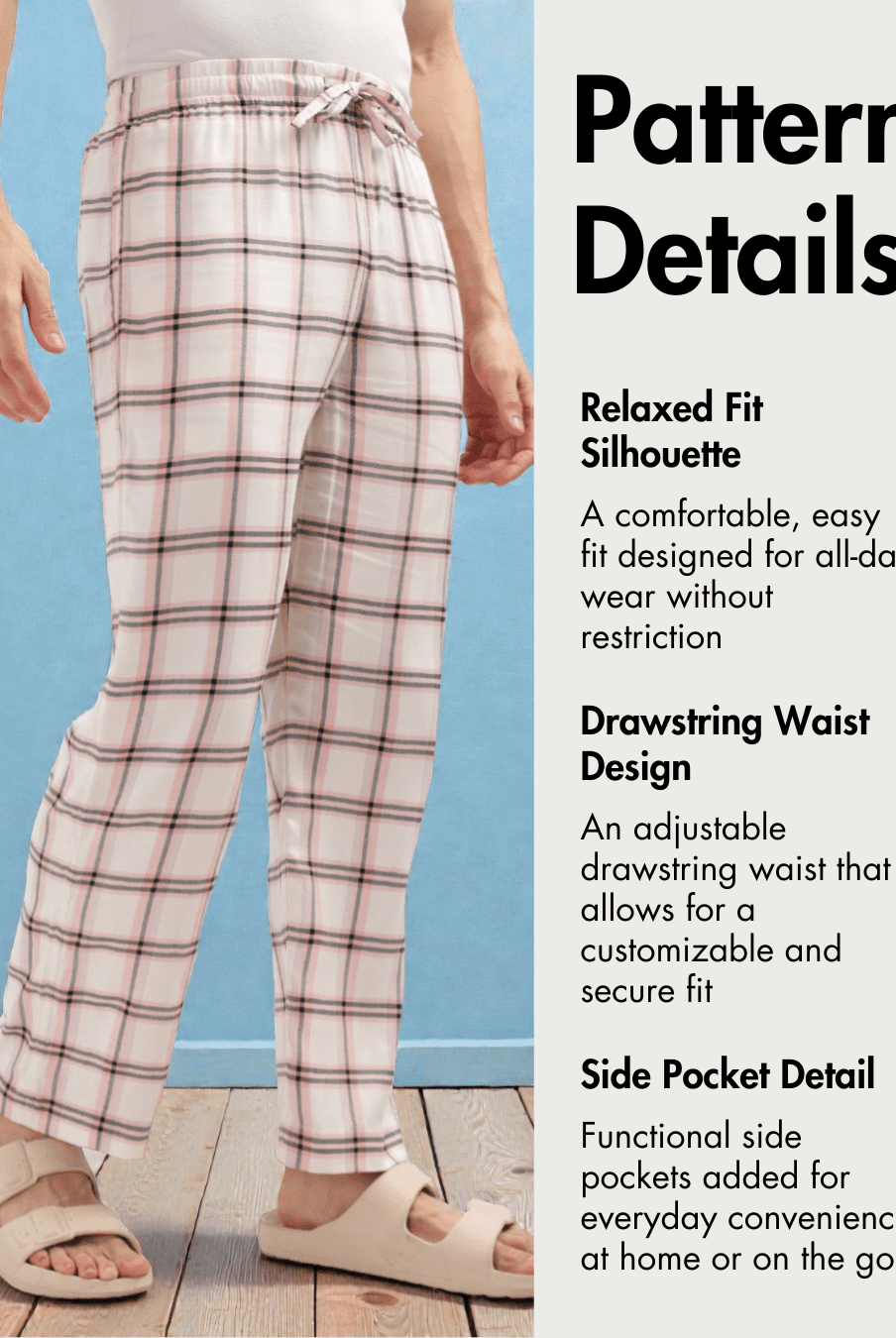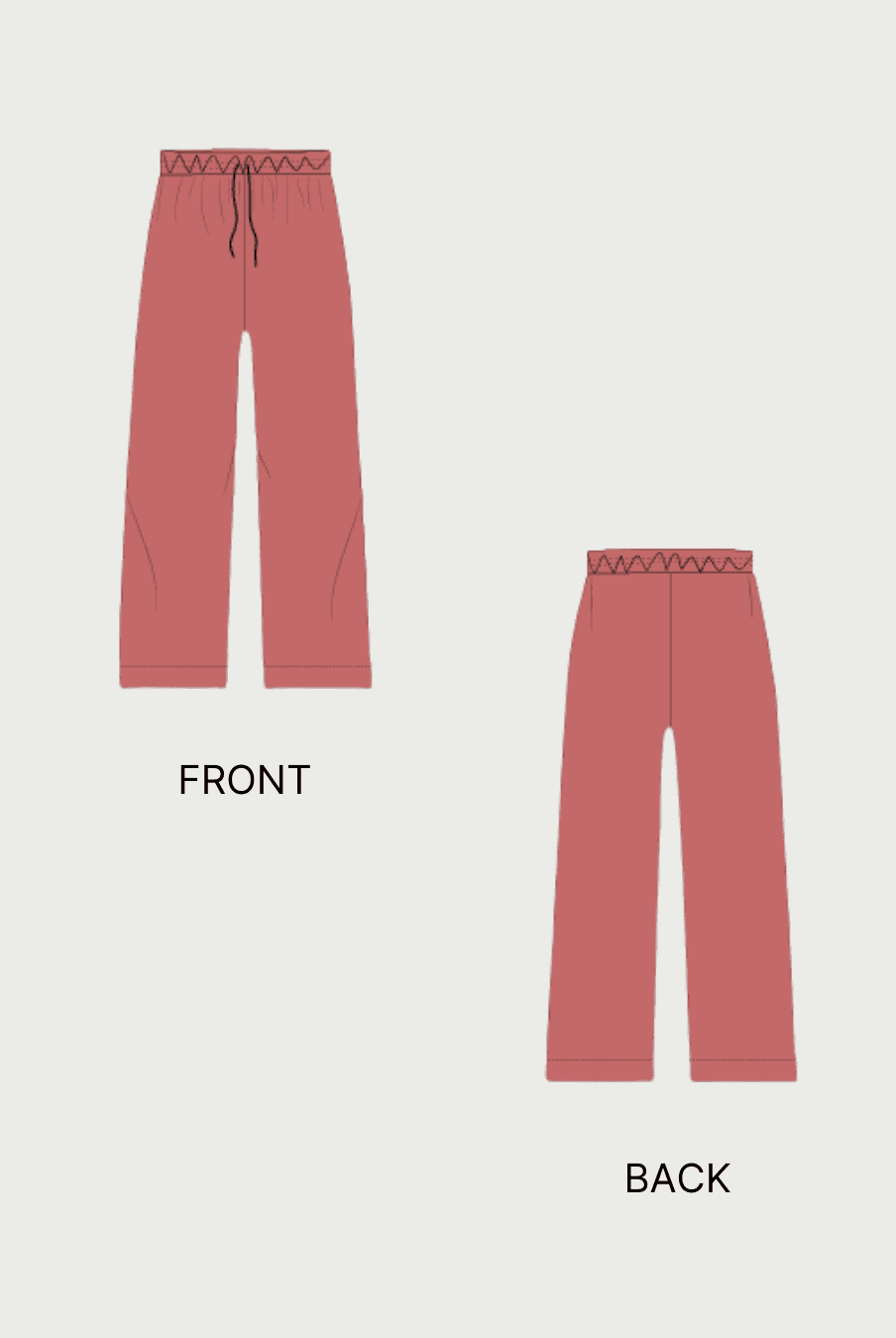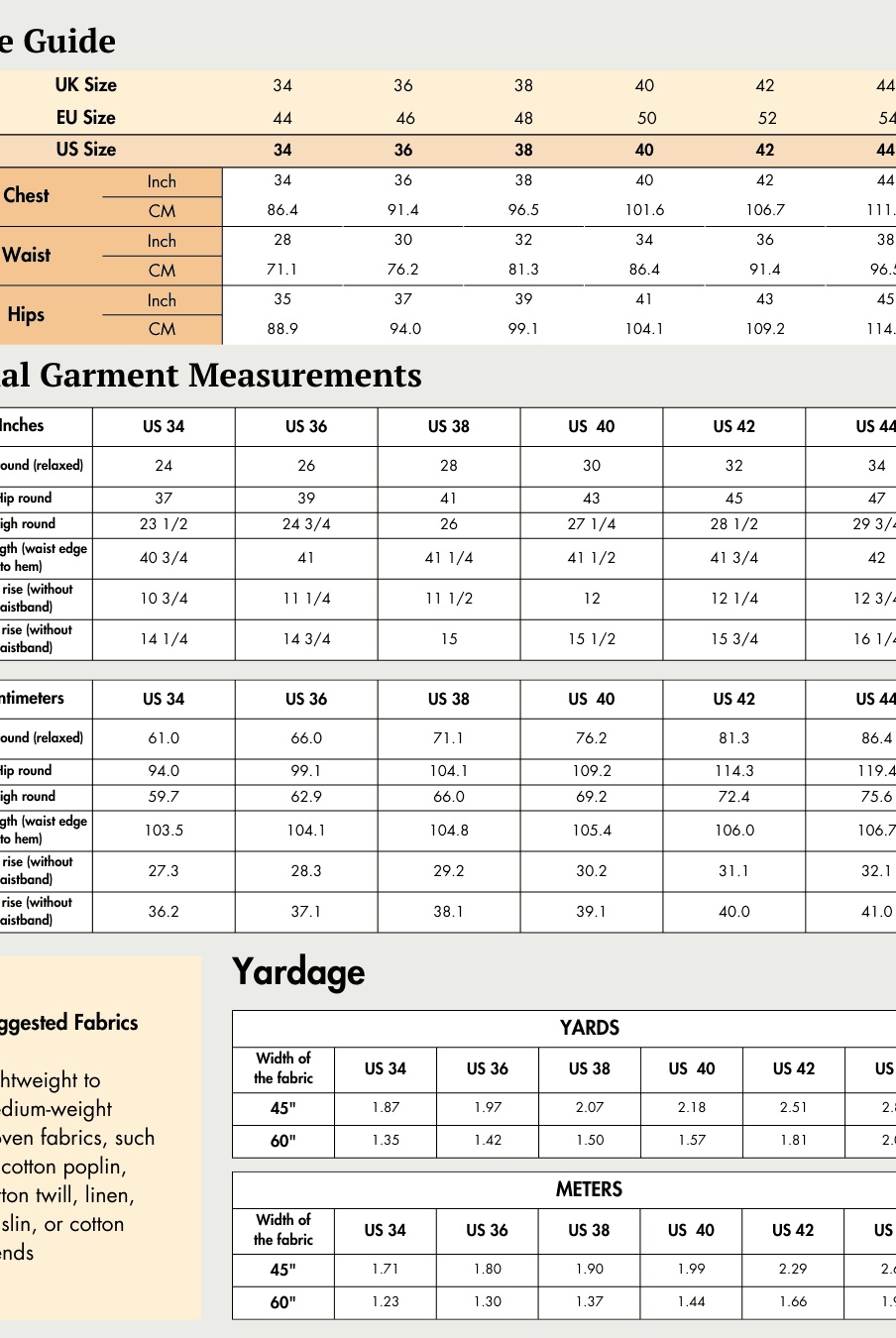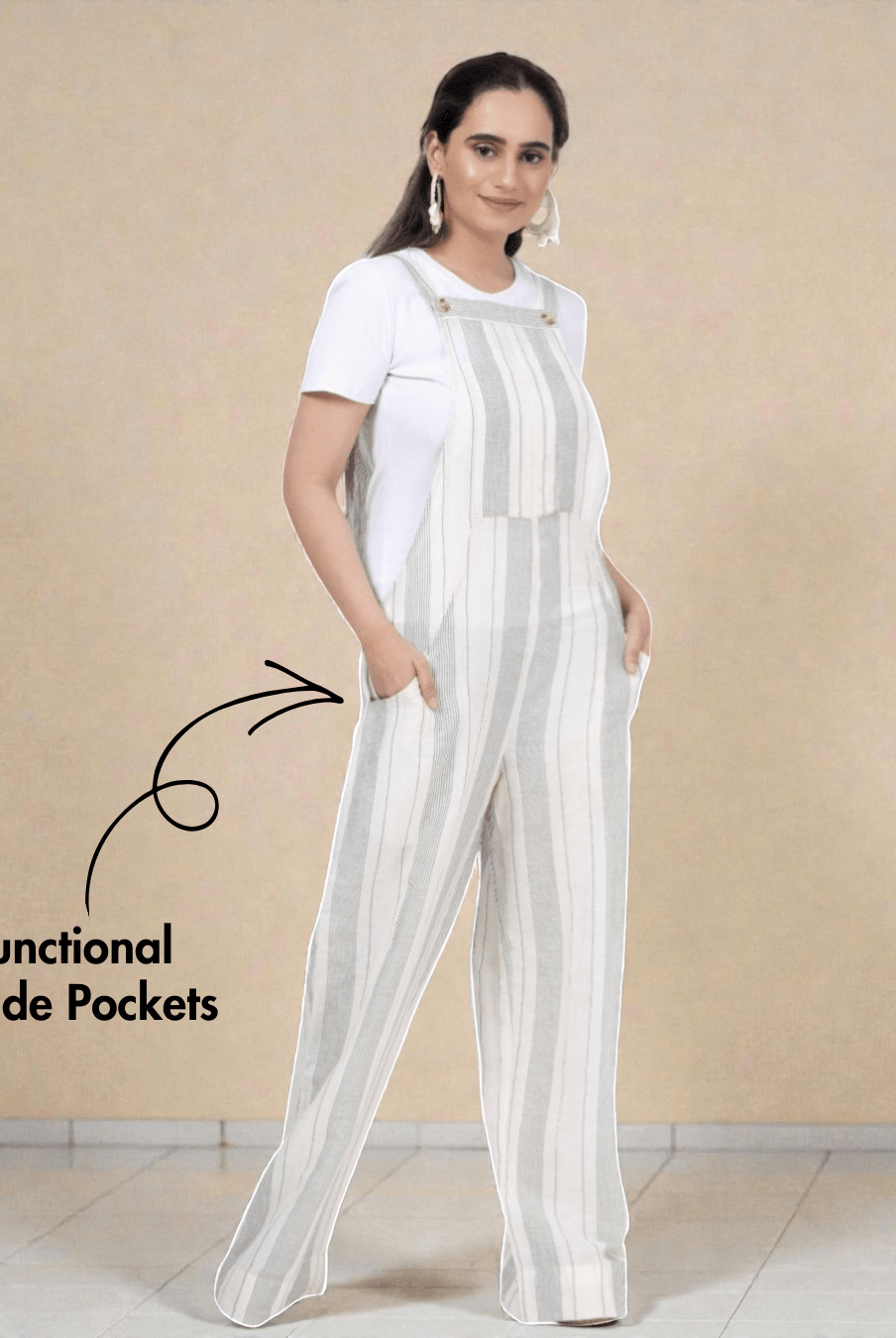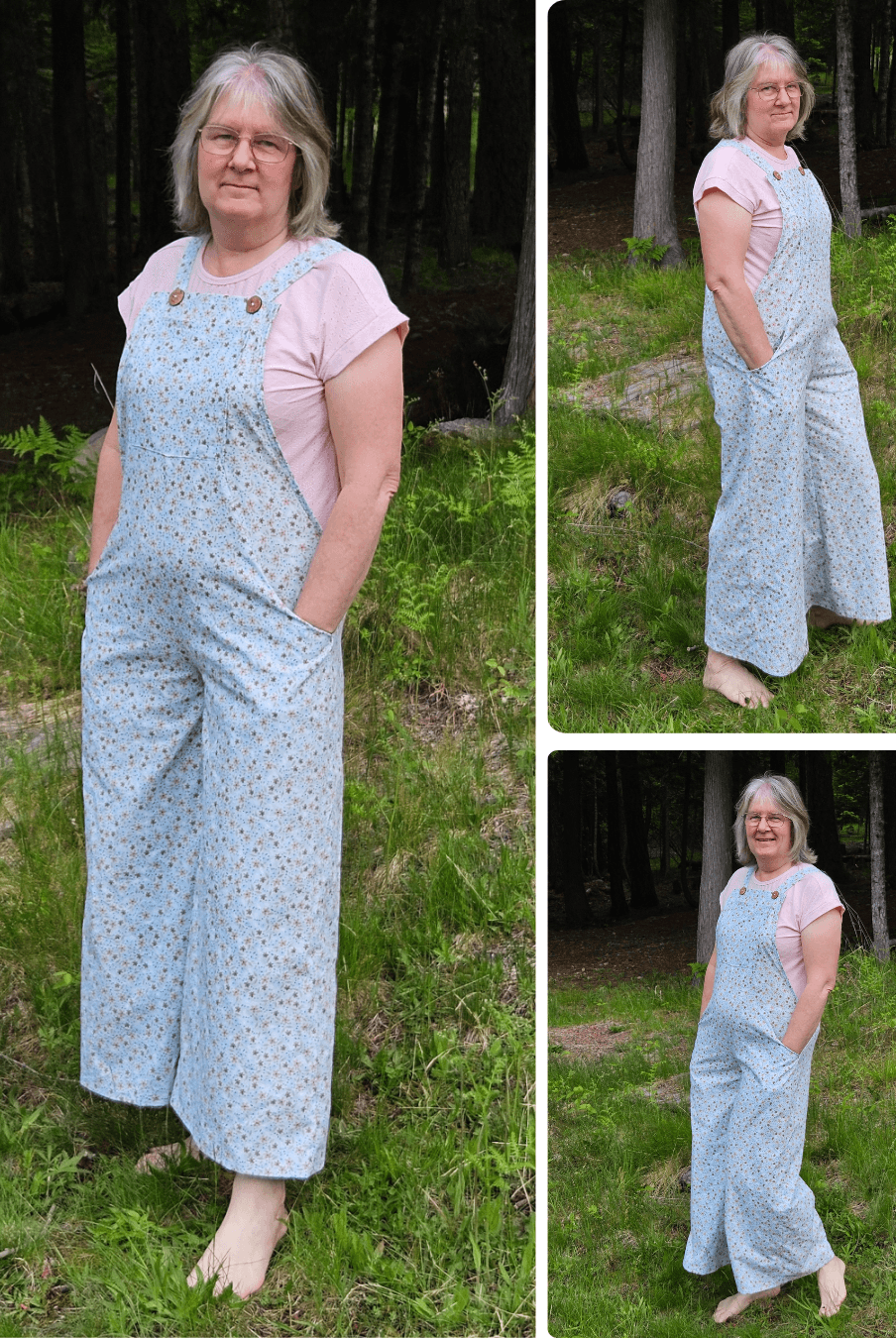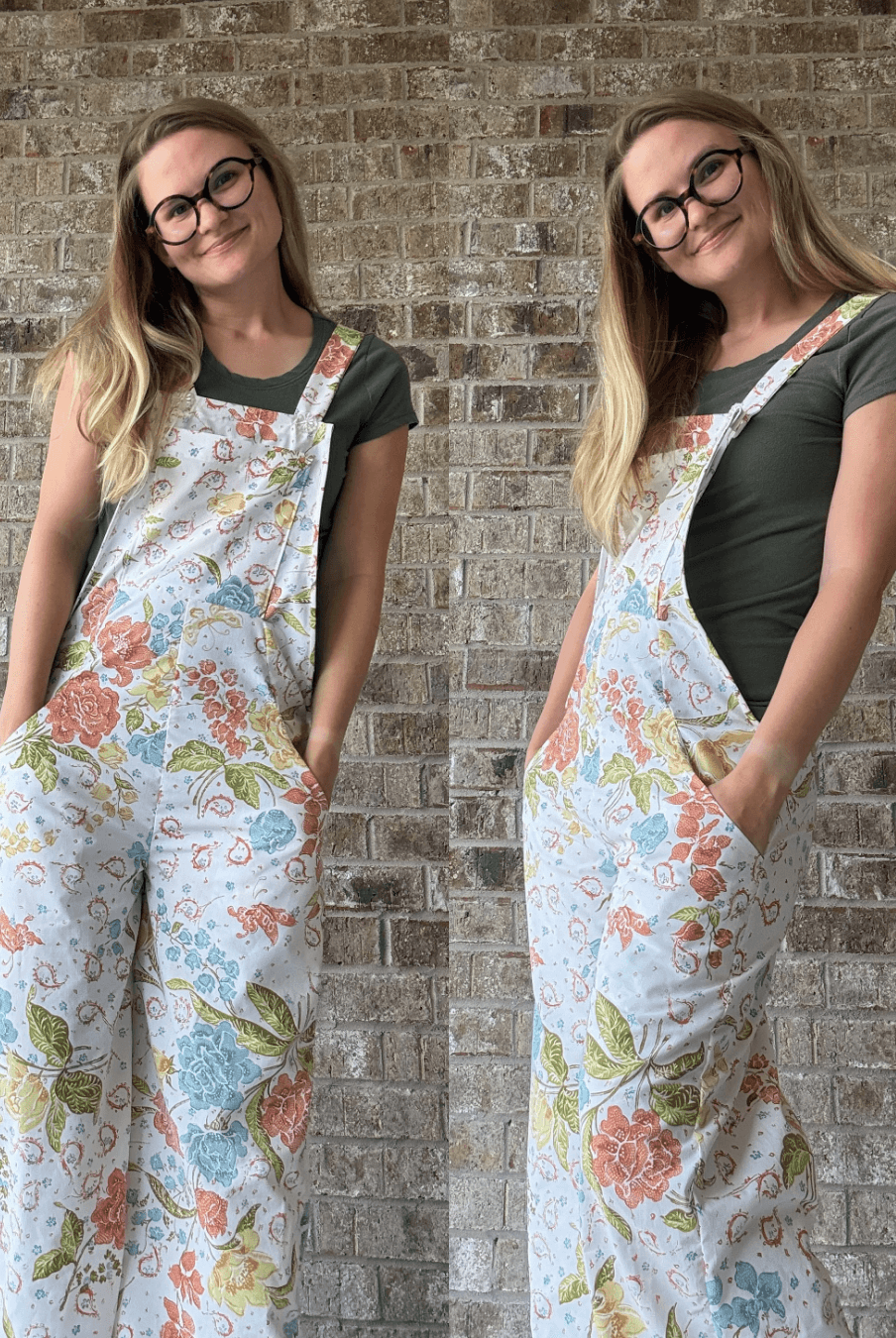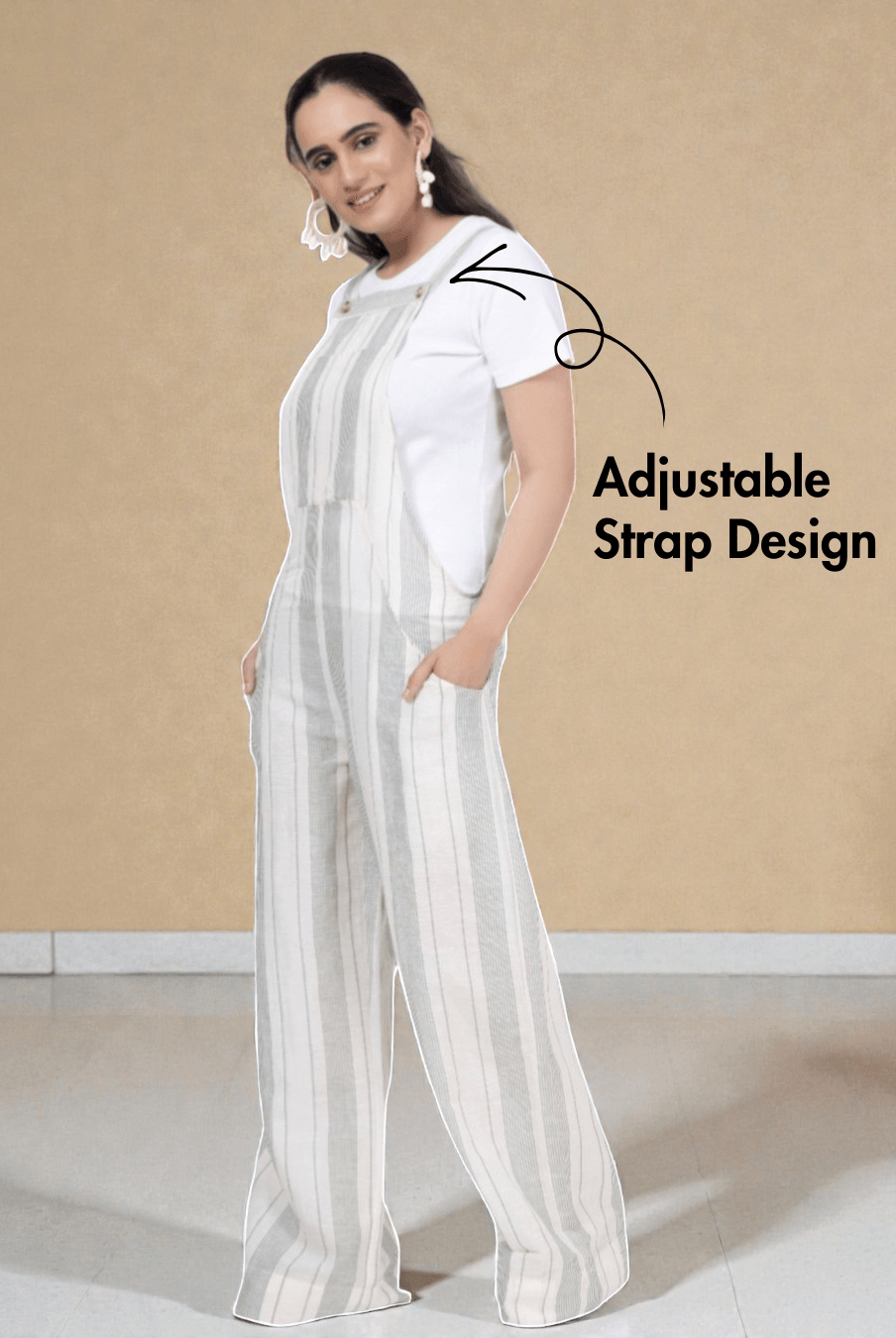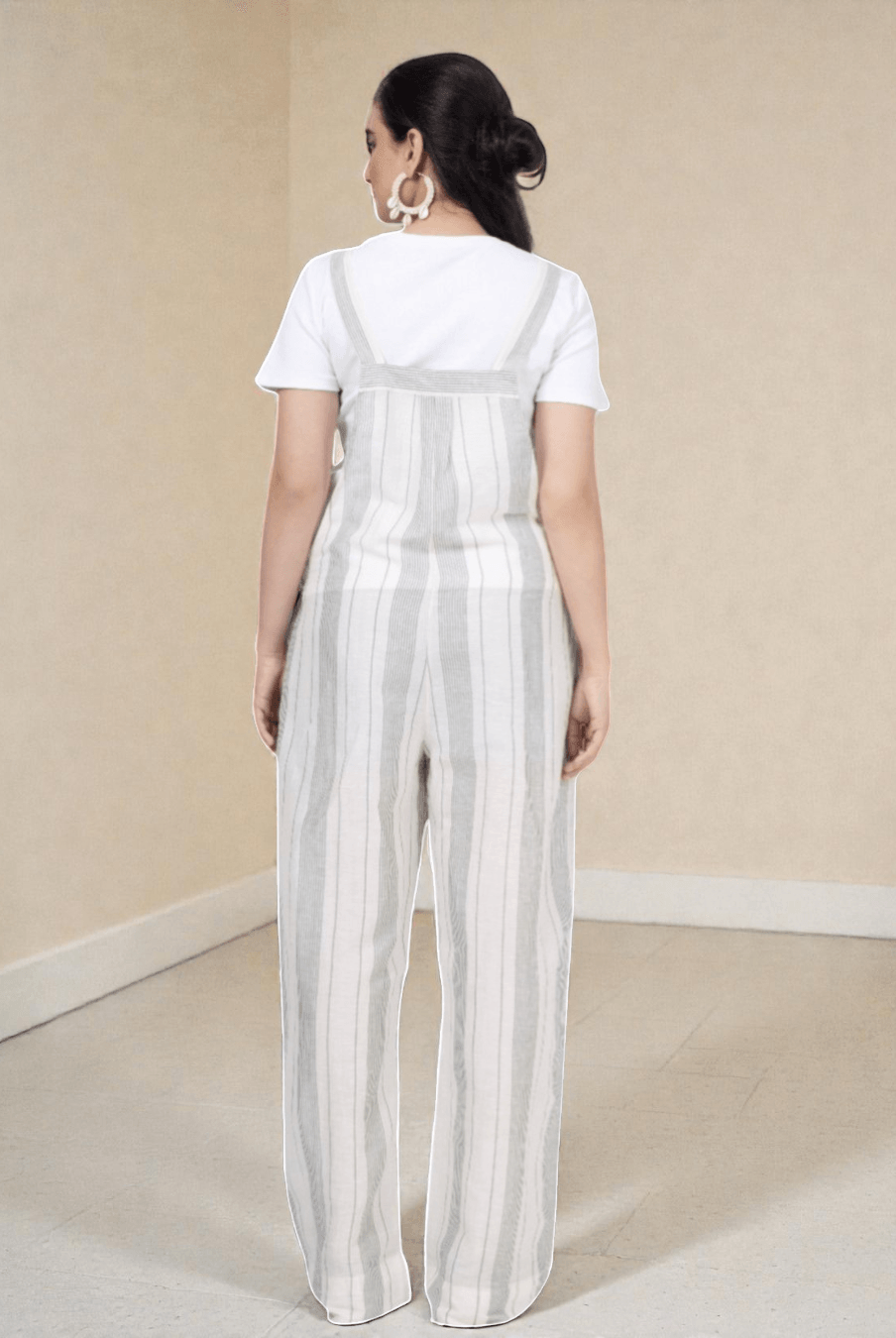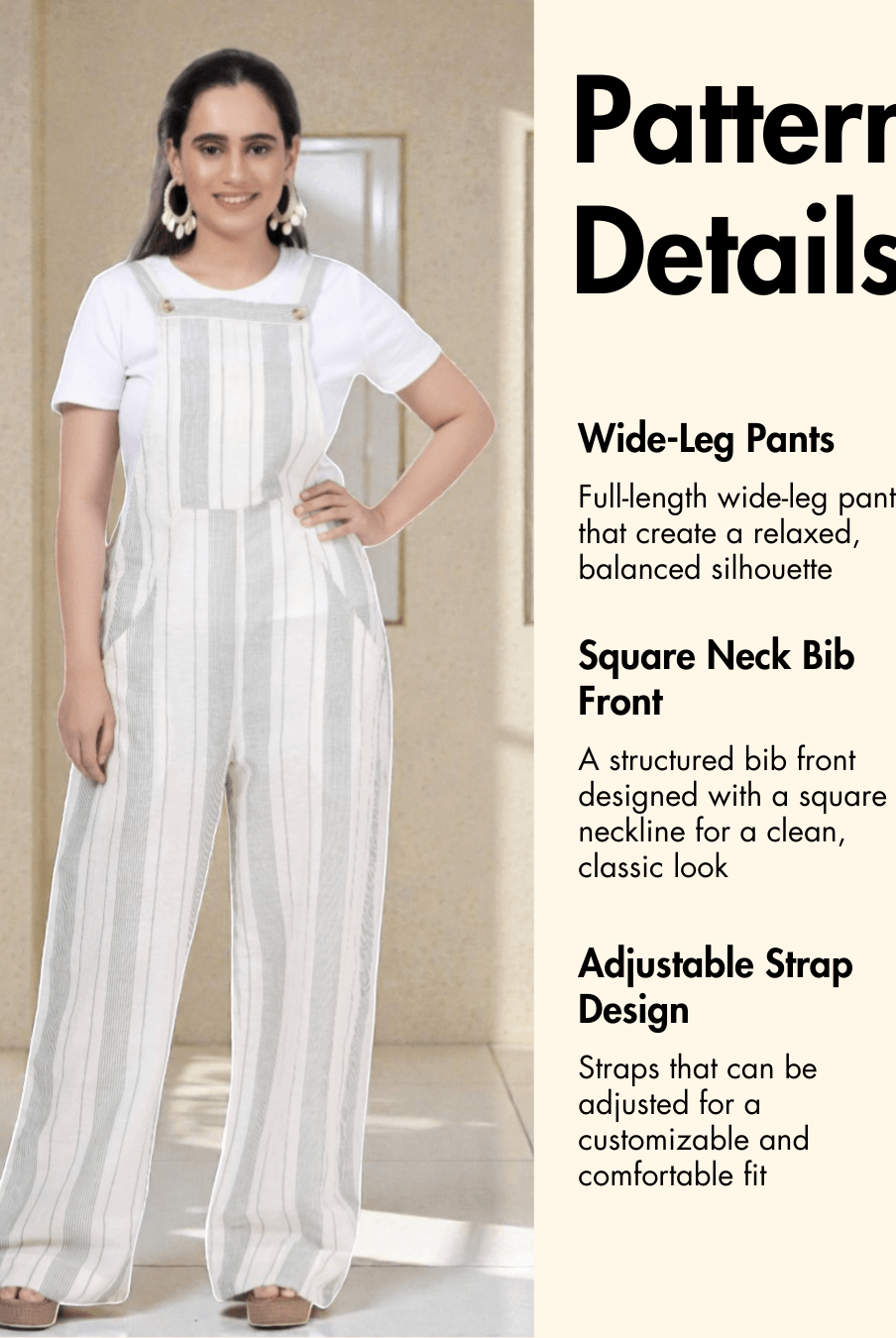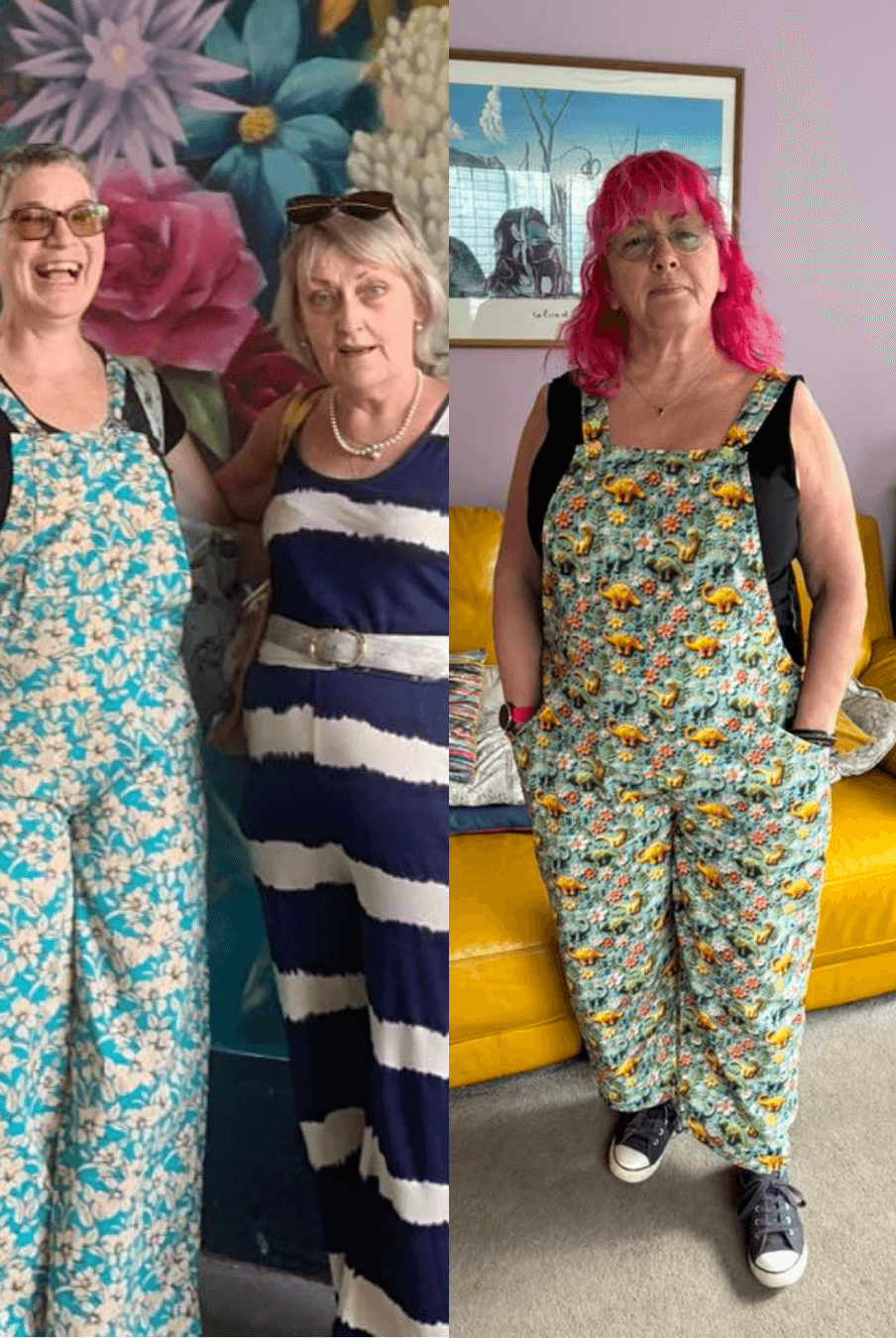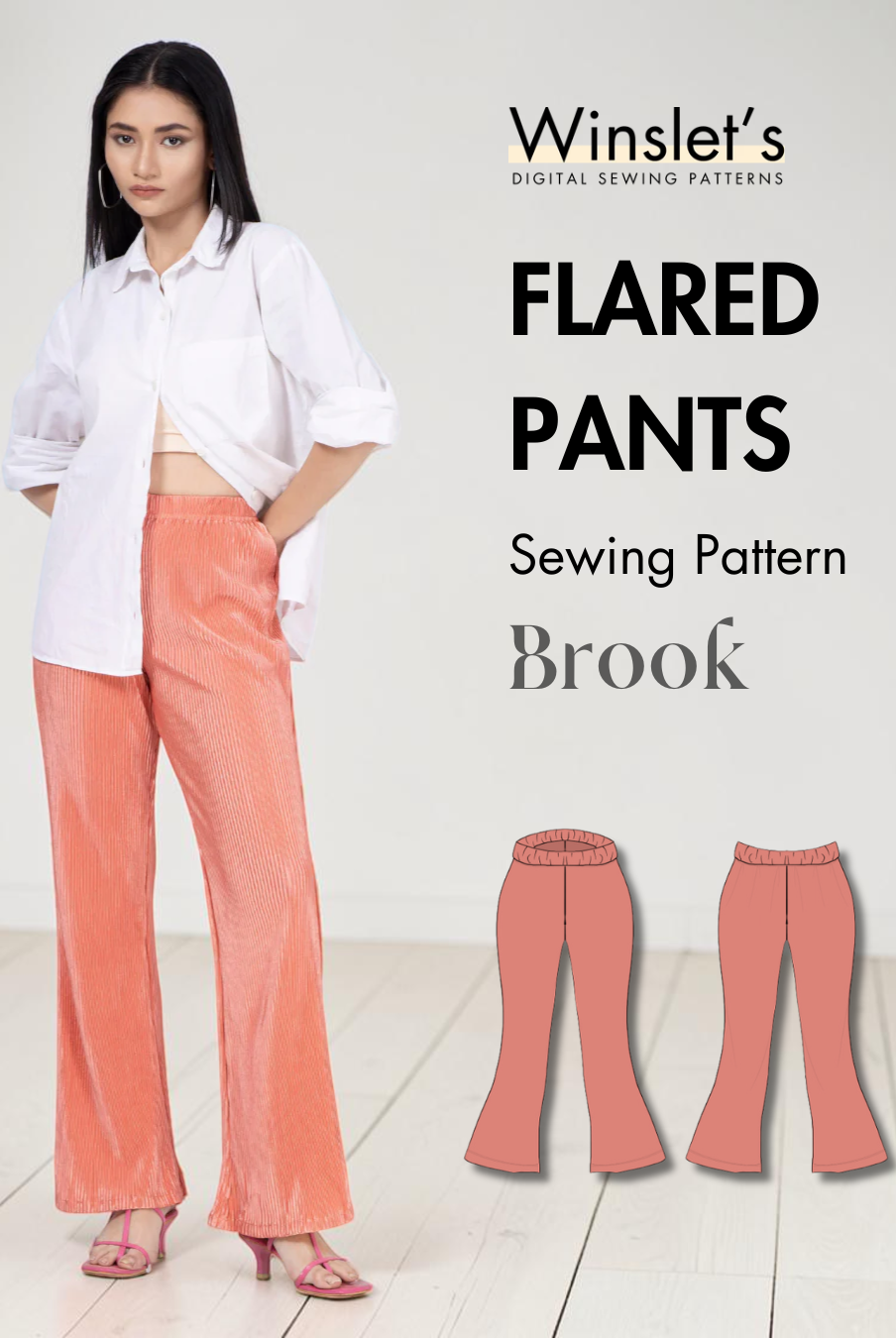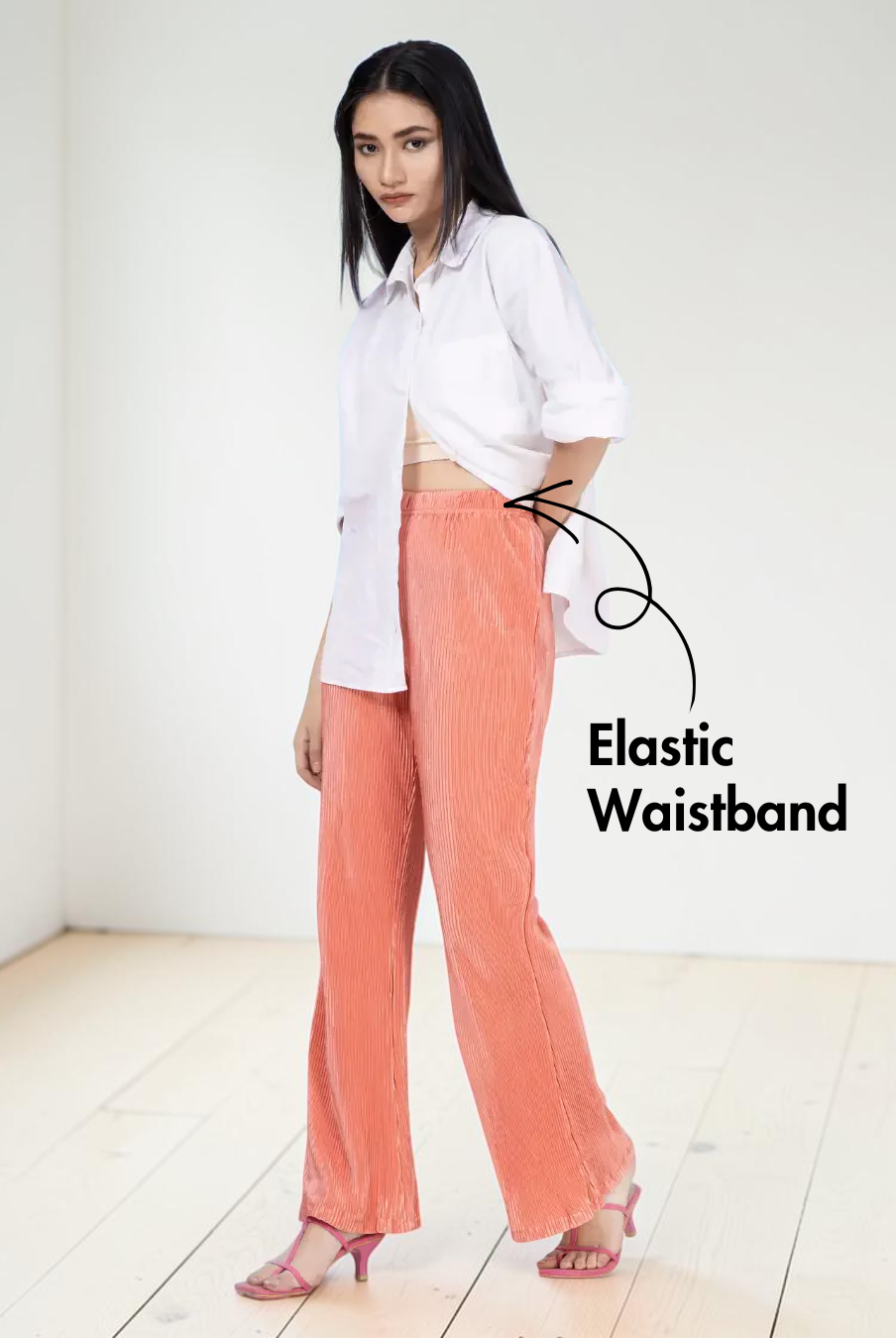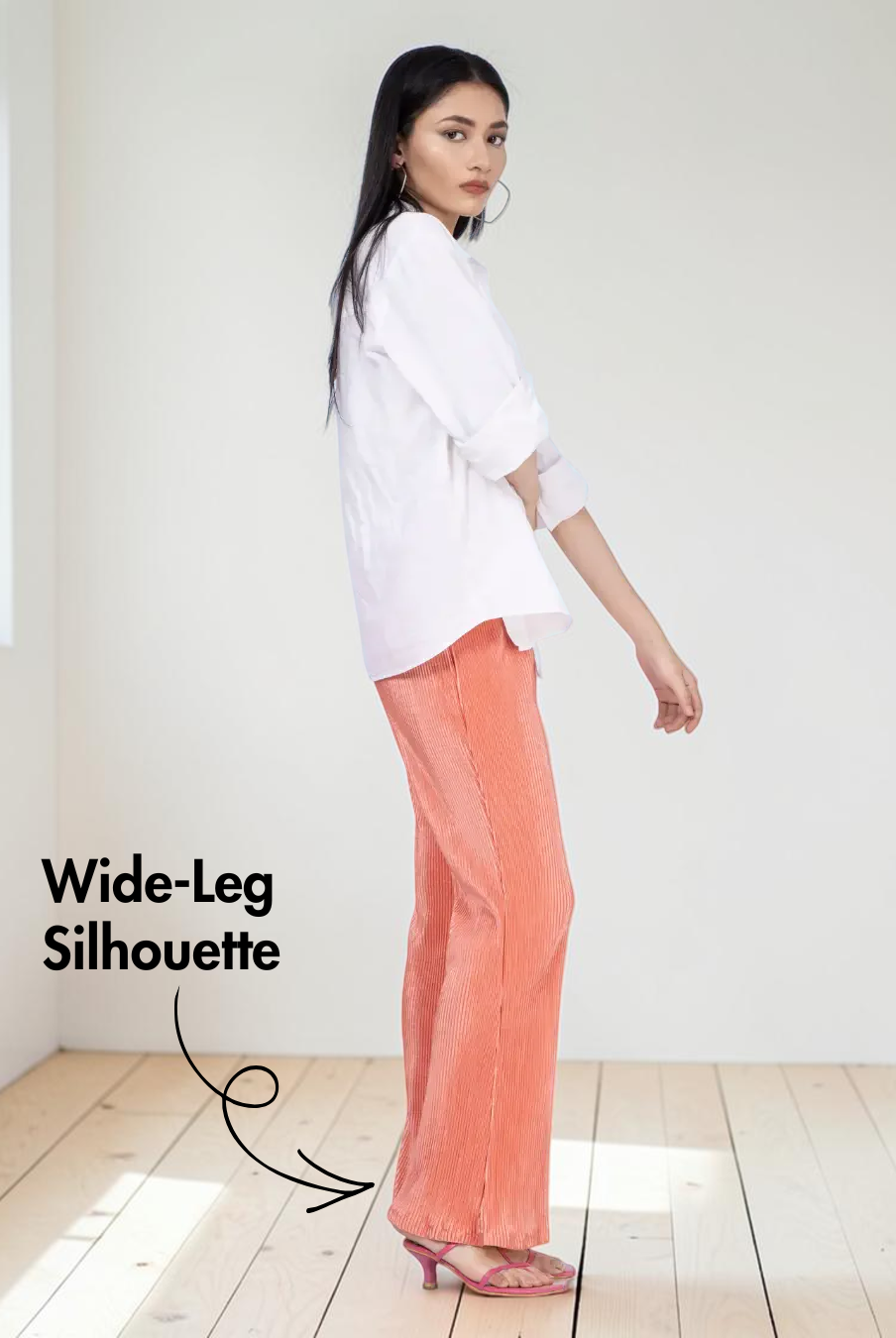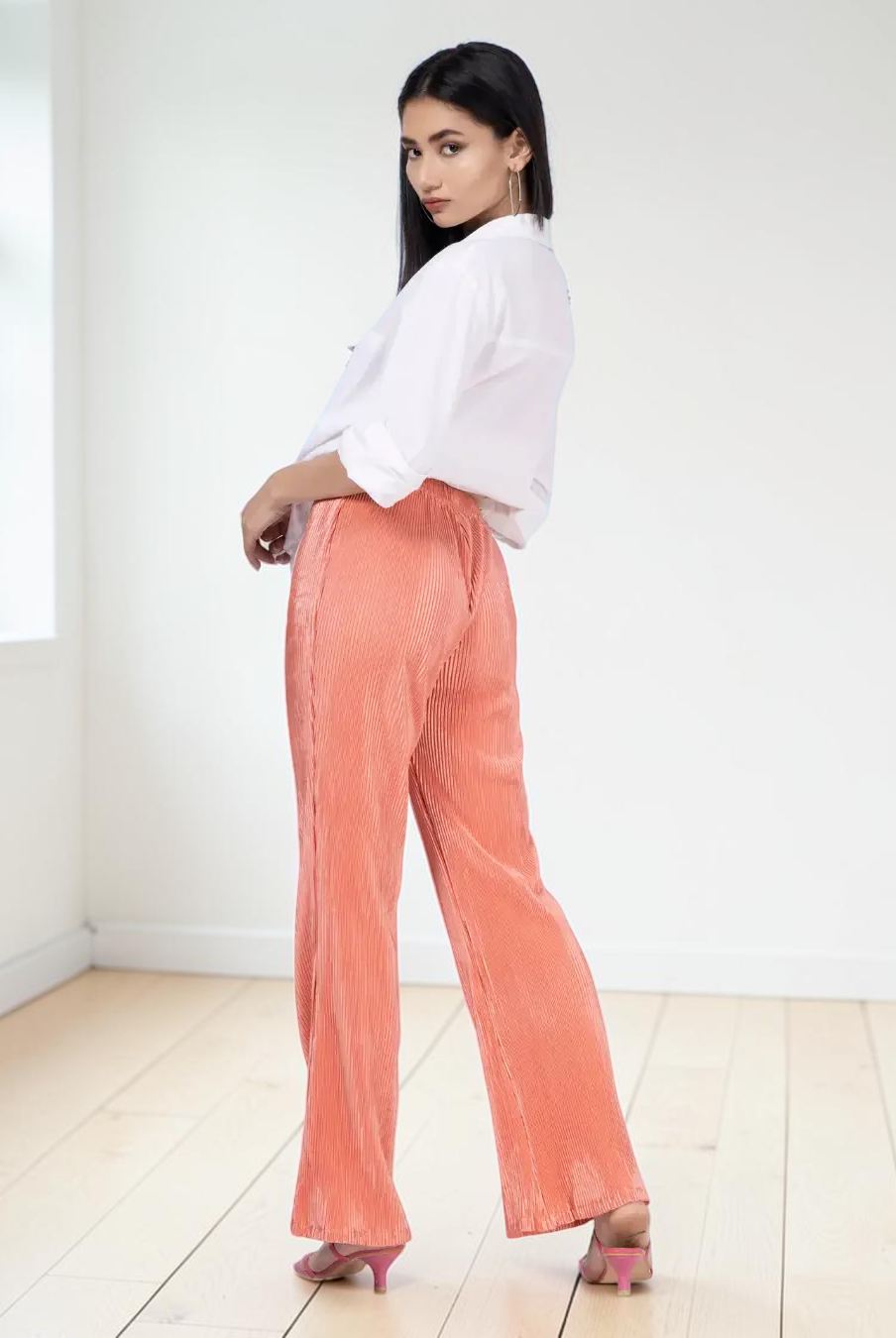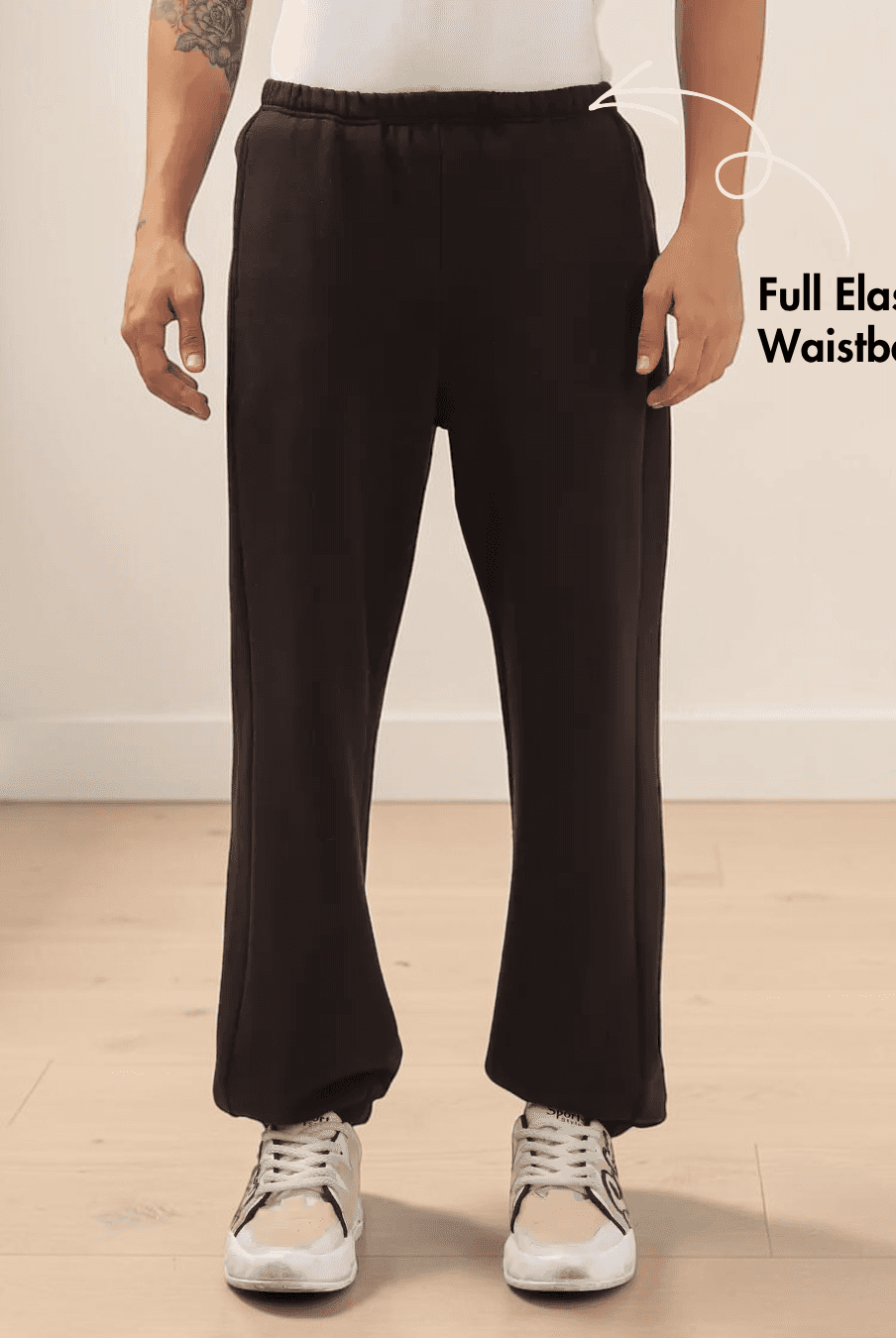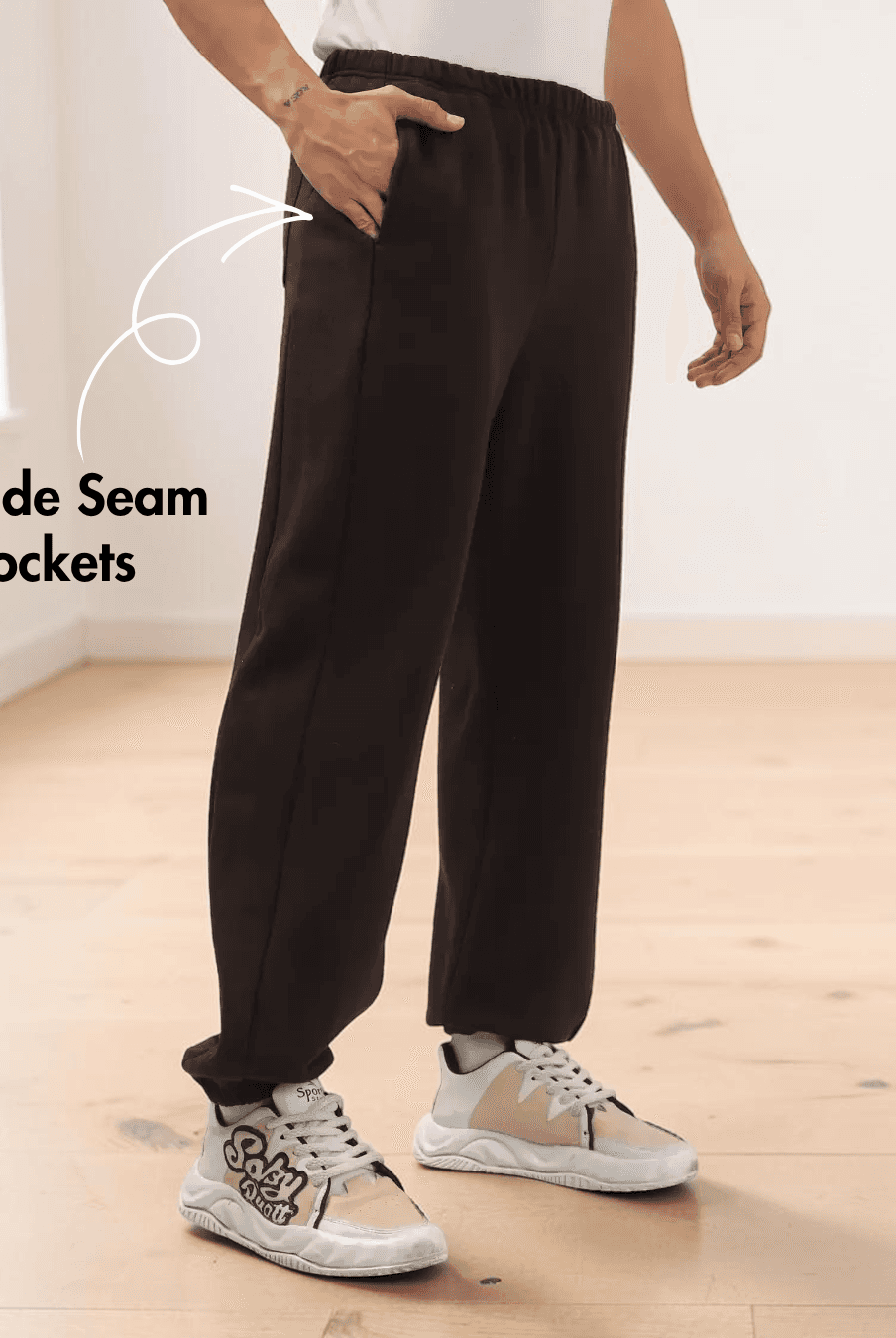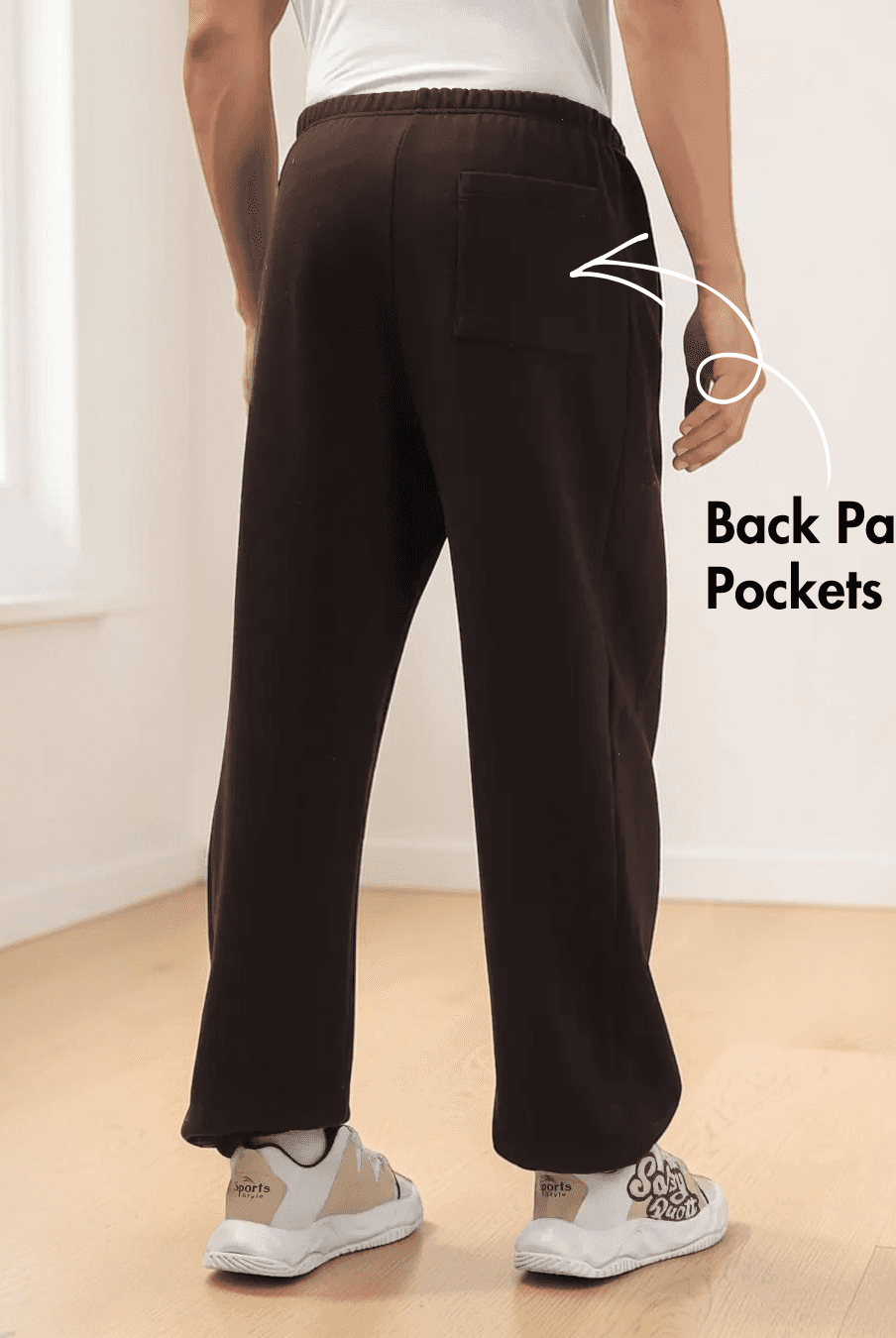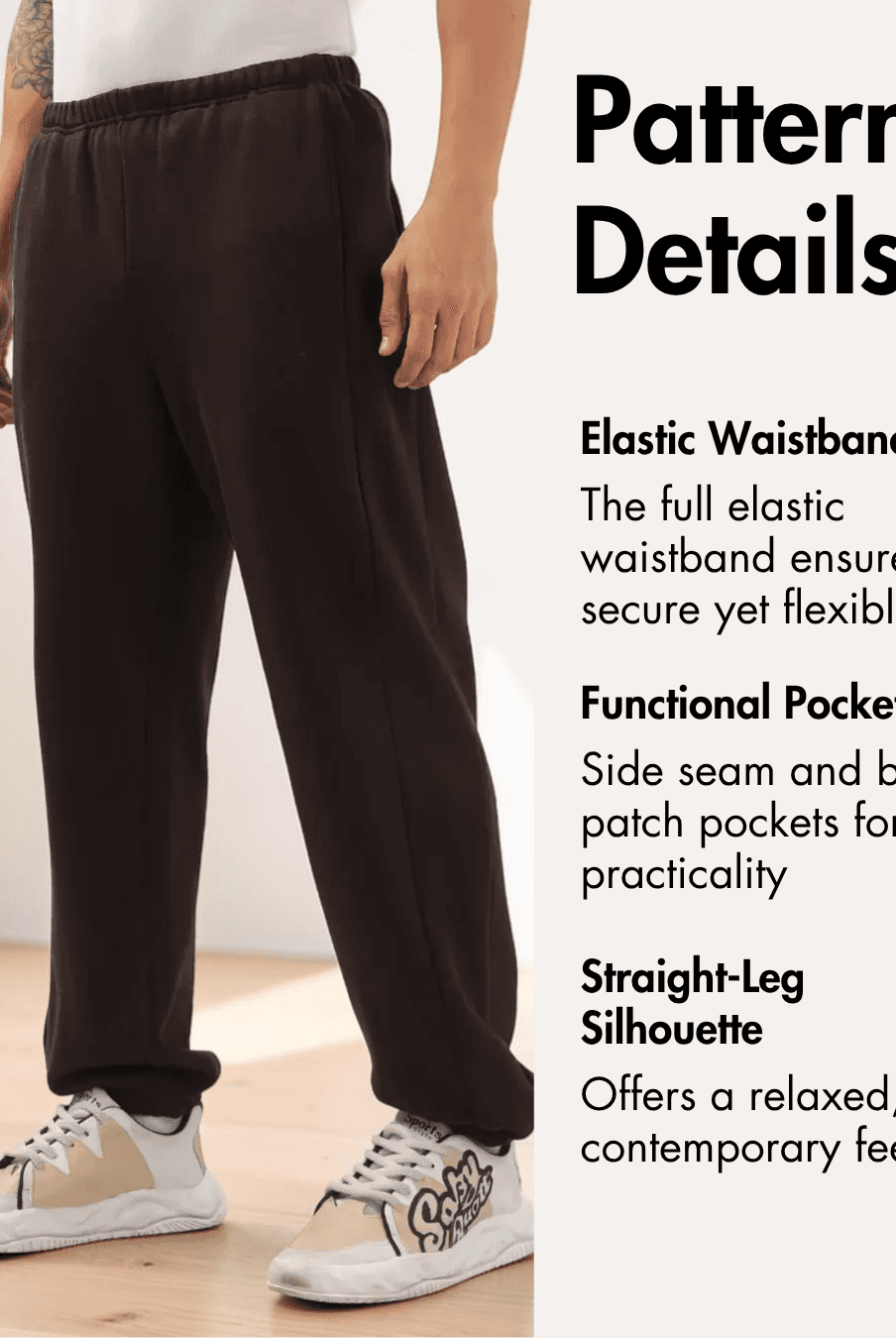
The best fabrics for sewing pants include denim, cotton twill, canvas, rayon twill, rayon challis, Tencel twill, and wool suiting, but the right choice depends on the pants' fit and silhouette. Structured pants generally need a stable fabric, while loose, flowing pants can work with lighter, more drapey fabrics.
In this guide, you’ll learn how weight, structure, drape, stretch, and ease affect fabric choice, plus which fabrics work for different styles of pants. If you’re choosing a pattern from Winslet's pants sewing pattern, comparing the silhouette and recommended fabrics with these characteristics can help you narrow down the right material.

What Are Bottom-Weight Fabrics?
Bottom-weight fabrics are fabrics with an appropriate weight for sewing garments such as pants.
Traditional bottom-weight fabrics include:
-
Denim
-
Twill
-
Canvas
These fabrics tend to be sturdy and structured, making them useful for everyday pants, jeans, and workwear.
However, being classified as a bottom-weight fabric does not automatically make a fabric suitable for every pants pattern. A heavy canvas and a lightweight twill can produce completely different silhouettes.
That is why you need to consider structure, weight, and drape together.
How Do You Choose the Right Fabric for Pants?
Choose pants fabric according to how fitted, structured, or flowing the finished garment is supposed to be.
A useful process is:
-
Look at the intended silhouette.
Decide whether the pants should look crisp and structured or soft and flowing. -
Consider how closely the pants fit.
Lightweight, delicate fabrics are better suited to looser silhouettes than close-fitting pants. -
Check the fabric's weight.
Heavier fabrics generally create more structure, while lighter fabrics can provide greater movement. -
Assess the drape.
See whether the fabric holds its shape or falls into soft folds. -
Check the stretch requirement.
If the pattern is designed for stretch fabric, choose a fabric with the appropriate stretch. -
Look at the waist construction.
Drapey fabrics may need the support provided by a structured waistband and interfacing. -
Compare everything with the pattern recommendations.
The specific pants design should ultimately guide your fabric choice.
Is Denim Good for Sewing Pants?
Yes. Denim is an excellent option when you want pants with a crisp, structured silhouette.
A heavier non-stretch denim—around 10 oz in the example discussed—has considerable body and relatively little drape. This makes it more appropriate for pants where you want the shape and construction details to remain defined.
It is less appropriate if your goal is a very fluid, elegant silhouette.
 Get the pattern
For a Winslet’s example, the Raina Cargo Pants Sewing Pattern recommends light- to medium-weight woven fabrics including denim and cotton. Raina has a straight-leg silhouette, structured waistband, and multiple utility pockets, so a fabric with some structure is a logical match for its construction details.
What About Stretch Denim?
Stretch denim is useful when the pants are designed to fit closer to the body.
The additional stretch can:
-
Provide more mobility
-
Help the wearer move comfortably in slim-fitting pants
-
Give the fabric additional recovery
-
Help reduce bagging at areas such as the knees
A fabric containing a little stretch can also sometimes be used for a pattern designed for a stable woven. The small amount of stretch simply gives the finished pants additional mobility.
Is Cotton Twill Good for Pants?
Yes. Cotton twill is one of the most versatile choices for structured pants.
Lighter twills around 7–8 oz have more drape than heavy canvas but remain crisp and structured. They can hold a crease well and retain the shape of the pants.
A slightly heavier twill around 9 oz can provide a useful balance: it has enough structure to support details such as pleats without becoming extremely heavy.
The Raina Cargo Pants are also a useful real-world example here. The sample garment shown by Winslet’s is made from cotton twill slub fabric. With its utility pockets and structured waistband, Raina demonstrates how cotton twill can support defined construction details without requiring the rigidity of a heavy canvas.
Cotton twill is therefore particularly useful when you want pants that:
-
Hold their shape
-
Have crisp details
-
Maintain defined construction features
-
Need more structure than a fluid fabric provides
It is not the best choice when your goal is a very flowing or drapey pair of pants.
Is Canvas Suitable for Pants?
Yes. Canvas works well for pants when you deliberately want a sturdy, highly structured result.
Canvas has very little drape and holds its shape strongly. It is particularly suited to construction details such as:
-
Topstitching
-
Patch pockets
-
Pronounced pleats
-
Defined shaping
A heavy canvas can make the shape of the hips and pleats especially noticeable because the fabric does not collapse or flow around the body.
Canvas can soften with wear, but it still creates a much more structured result than a fluid fabric.
If you want soft, flowing pants, canvas is unlikely to produce that effect.
What Fabrics Are Best for Loose, Flowy Pants?
Rayon twill and rayon challis can work beautifully for loose-fitting pants because they provide considerably more drape.
However, lightweight fabric needs enough ease.
This is an important distinction: the lighter the pants fabric, the looser the pants should generally be.
Thin, drapey fabrics used for closely fitted pants can be placed under too much stress when you sit, bend, and move. Potential problems include:
-
Seams pulling
-
Runs developing in the fabric
-
The seat splitting
For that reason, lightweight rayon twill and rayon challis are better suited to loose-fitting pants than highly structured, close-fitting trousers.
 Get the pattern
The Cleo Pleated Pants Sewing Pattern is a useful Winslet’s example of this relationship. Cleo has a roomy cut through the hips and legs with a wide-leg silhouette, and viscose is included among its recommended lightweight fabrics. Its other recommendations include cotton, linen, silk, crepe, and polyester, giving you options for changing how structured or fluid the finished pants feel.
If you'd like to see how different pants fabrics behave and compare their structure and drape, you can watch the video below.
Can You Use Tencel Twill for Pants?
Yes, but a heavier-weight Tencel twill is a better candidate when the pants need more support.
For a drapier fabric such as Tencel twill, sufficient ease is particularly important.
An example guideline given is around 2–3 inches of ease, providing enough room for the wearer to bend and move without putting excessive stress on the seams.
This makes ease an important part of fabric selection. You cannot evaluate the fabric separately from the fit of the pants.
Is Wool Suiting Good for Pants?
Yes. Wool suiting can make excellent trousers, particularly when you want a more tailored appearance with some drape.
Suiting fabrics vary considerably in weight.
A lightweight wool suiting can be soft and drapey, while a heavier wool can provide more structure while retaining attractive drape.
Lightweight suitings can work particularly well when the pants have a waistband that provides additional support.
This becomes important because a very drapey fabric may not have enough stability on its own to support areas of the garment that experience more stress.
Why Does the Waistband Matter When Choosing Pants Fabric?
A waistband can provide important structure when using lighter or more drapey fabrics.
Tailored pants made from lightweight suiting can still work because the waistband and interfacing provide stability.
Without that structural support, the fabric itself may need to do more work.
This is useful to consider when looking at a pattern such as Cleo, which combines a structured high waist and front closure with a roomy wide-leg silhouette. The fabric can remain relatively lightweight while the construction provides definition through the upper portion of the pants.
So when choosing fabric, do not look only at the legs of the pants. Look at the waist construction too.
How Do Structure and Drape Change the Look of Pants?
Structure makes the pants hold their shape, while drape allows the fabric to fall and move more softly around the body.
Choose More Structure For:
-
Crisp silhouettes
-
Defined pleats
-
Patch pockets
-
Topstitched details
-
Workwear-inspired pants
-
Pants that need to hold a particular shape
Denim, canvas, and cotton twill are useful options. Winslet’s Raina Cargo Pants are a good example of a design where a cotton twill or denim can complement the structured waistband and utility detailing.
Choose More Drape For:
-
Loose silhouettes
-
Wide or relaxed pants
-
Soft movement
-
Lightweight trousers
Rayon twill, rayon challis, and lightweight suitings can provide more fluidity, provided the pants have enough ease and appropriate structural support.
 Get the pattern
For a wide-leg option, the Maya Wide Leg Pants Sewing Pattern recommends lightweight fabrics such as cotton, hemp, linen, and bamboo. Its wide-leg silhouette gives the lighter fabric room to fall through the leg rather than requiring the rigidity of a traditional heavy bottom weight.
Does Fabric Stretch Matter for Pants?
Yes. Stretch is particularly useful for pants designed to fit closely through the hips and legs.
A little spandex in a fabric can provide greater mobility and recovery.
For close-fitting pants, this helps the wearer move more easily while sitting and bending.
But stretch is not necessary for every pants pattern. Stable woven fabrics work well for many structured designs.
Always follow the stretch requirements of the individual sewing pattern rather than substituting stretch and non-stretch fabrics automatically.
Can Lightweight Fabric Be Used for Tailored Pants?
Yes, but the construction of the pants needs to provide enough support.
Lightweight suiting can still accommodate tailored details such as welt pockets when important areas are properly interfaced.
A structured, interfaced waistband can also support a lighter fabric.
This means a lightweight fabric should not automatically be ruled out for tailored pants. Instead, consider how much structure is built into the garment itself.
What Fabrics Work for Relaxed Wide-Leg Trousers?
Lightweight fabrics can work particularly well for relaxed wide-leg trousers because the additional room allows the fabric to fall and move.
 Get the pattern
Along with Maya, another Winslet’s example is the Margot Wide Leg Trousers Sewing Pattern. Margot recommends lightweight cotton, hemp, linen, and bamboo, while the sample garment is made from banana crepe.
That makes Margot a useful example of how a wide-leg silhouette can be paired with a lighter fabric instead of a traditional heavy bottom weight. The result depends on the behavior of the individual fabric: a crisper lightweight woven will produce a different effect from a softer, more fluid crepe.
Common Mistakes When Choosing Fabric for Pants
The most important mistakes come from focusing on fabric weight alone rather than considering weight, drape, structure, fit, and construction together.
Assuming Every Bottom-Weight Fabric Works for Every Pattern
A heavy canvas and a lighter twill are both bottom-weight fabrics, but they create very different results.
Match the fabric to the intended silhouette.
Using Heavy Fabric for Flowing Pants
Heavy denim or canvas can have too much structure if you want soft, elegant movement.
For a wide-leg pattern such as Maya or Margot, the recommended lightweight fabrics will produce a very different result from heavy canvas.
Using Very Lightweight Fabric for Tight Pants
Lightweight drapey fabric can experience too much stress in a closely fitted garment.
Looser pants give these fabrics more room to move.
Ignoring Stretch Requirements
If the pants pattern is specifically designed for stretch fabric, a stable non-stretch woven may not provide the mobility the design requires.
Ignoring Waist Construction
A lightweight suiting may work well with a supported, interfaced waistband but may not provide enough stability for a waistband-free design.
Choose Pants Fabric Based on Fit and Structure
The best fabric for sewing pants is not simply the heaviest material labelled as a bottom weight. Think about the finished silhouette: denim, canvas, and cotton twill provide greater structure, while rayon, Tencel twill, lightweight suitings, and other lighter fabrics can provide more fluid movement.
Explore the Winslet's Pants Sewing Pattern collection, choose the silhouette you want to sew, and then use the individual pattern’s recommended fabric list alongside weight, drape, stretch, and structure to make your final choice.
FAQs
What is the best fabric for sewing pants?
There is no single best fabric. Denim, twill, and canvas work well for structured pants, while rayon twill, rayon challis, Tencel twill, and wool suiting can suit softer or more fluid styles depending on the pattern.
What is the best fabric for structured pants?
Denim, cotton twill, and canvas are strong options because they hold their shape and provide relatively little drape. Winslet’s Raina Cargo Pants, for example, recommend denim and cotton among their fabric options, with the sample made in cotton twill slub.
What fabric works best for flowy pants?
Rayon twill and rayon challis can work well for loose, flowing pants. Lightweight suitings can also provide more drape. The key is choosing a silhouette with enough ease for the lighter fabric.
Is cotton twill good for trousers?
Yes. Cotton twill provides structure, holds creases well, and can support defined garment details.
Can I make pants from rayon or viscose?
Yes. Rayon twill and rayon challis can work for loose pants, while Winslet’s Cleo pattern specifically includes viscose among its recommended lightweight fabrics.
Is canvas too stiff for pants?
Not if you want a highly structured silhouette. Canvas is a poor choice for very drapey pants but works well when strong shape and defined details are intentional.
Do pants need stretch fabric?
Not always. Stretch is particularly useful for close-fitting pants designed for stretch fabric, while many structured and wide-leg pants are intended for stable woven fabrics.
Does a waistband affect fabric choice?
Yes. A structured, interfaced waistband can support a lighter or more drapey fabric. Waistband-free pants may depend more heavily on the stability of the main fabric.