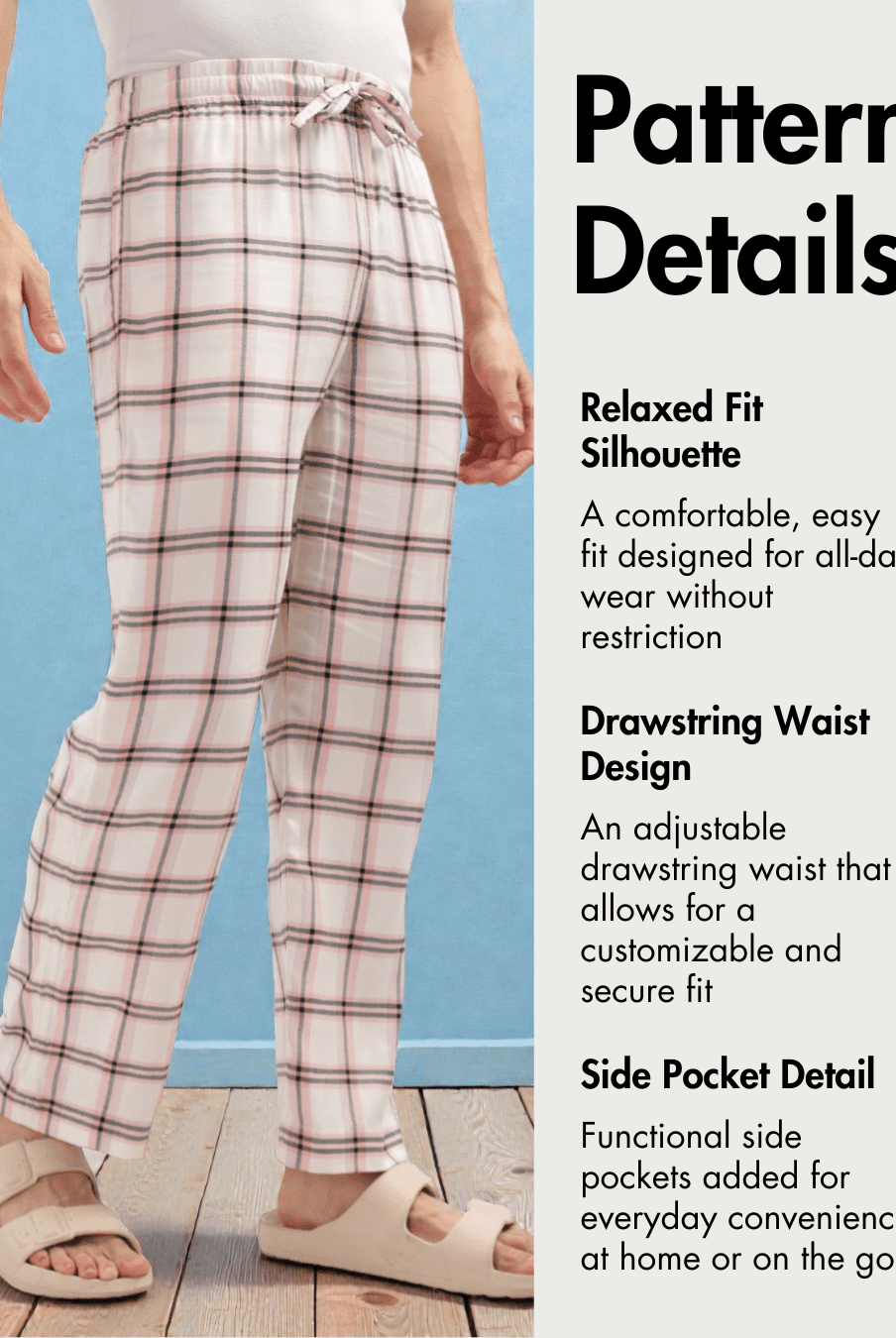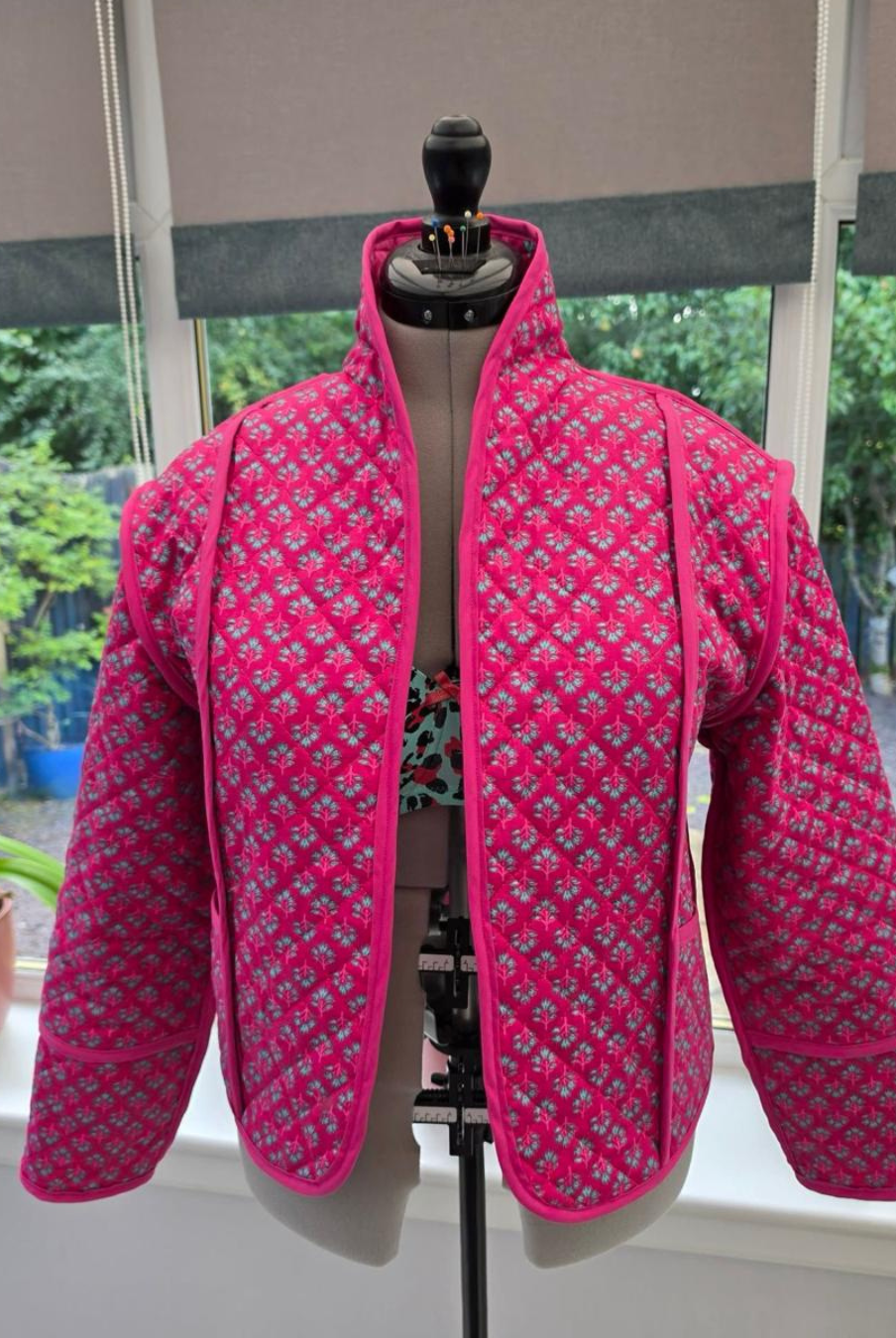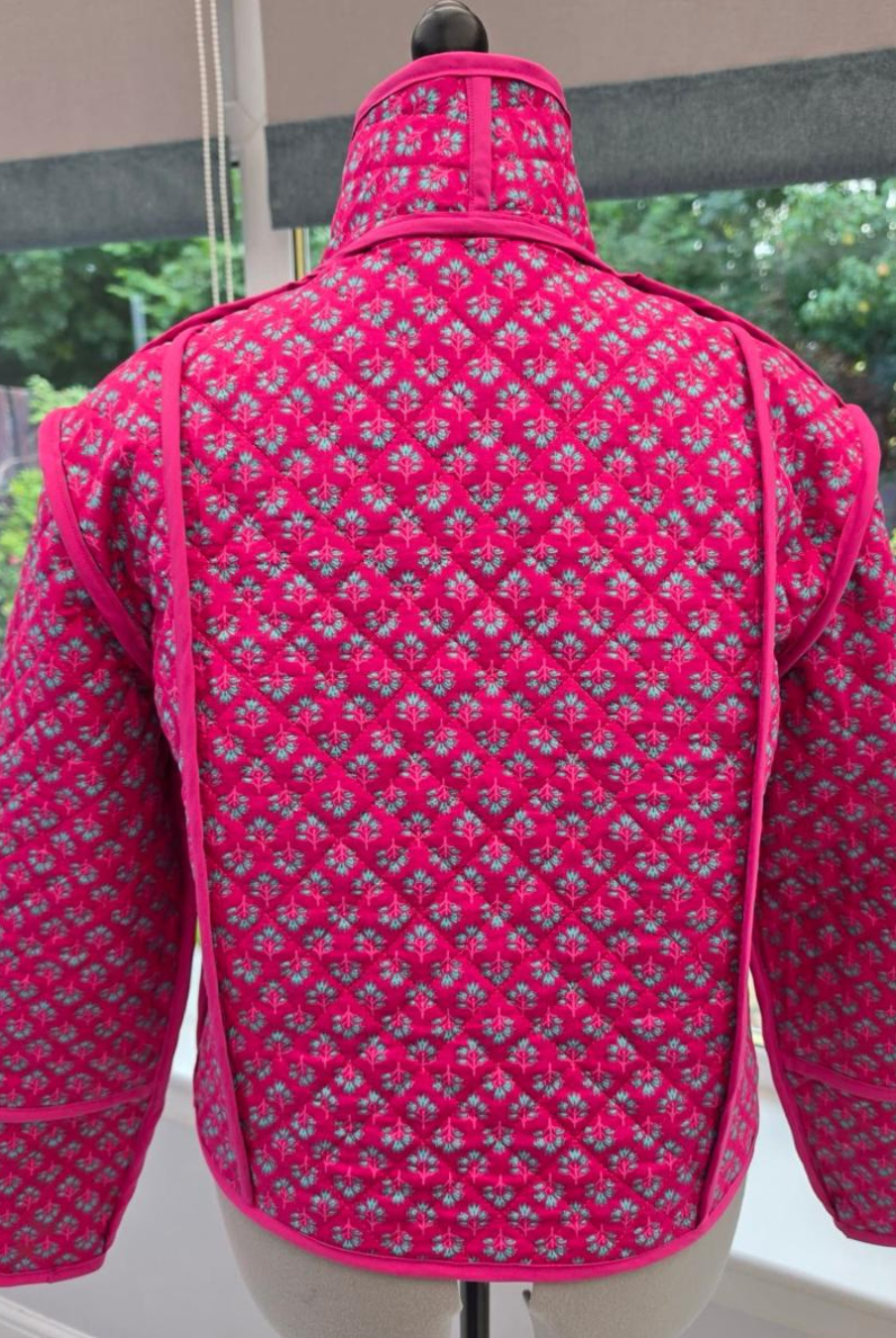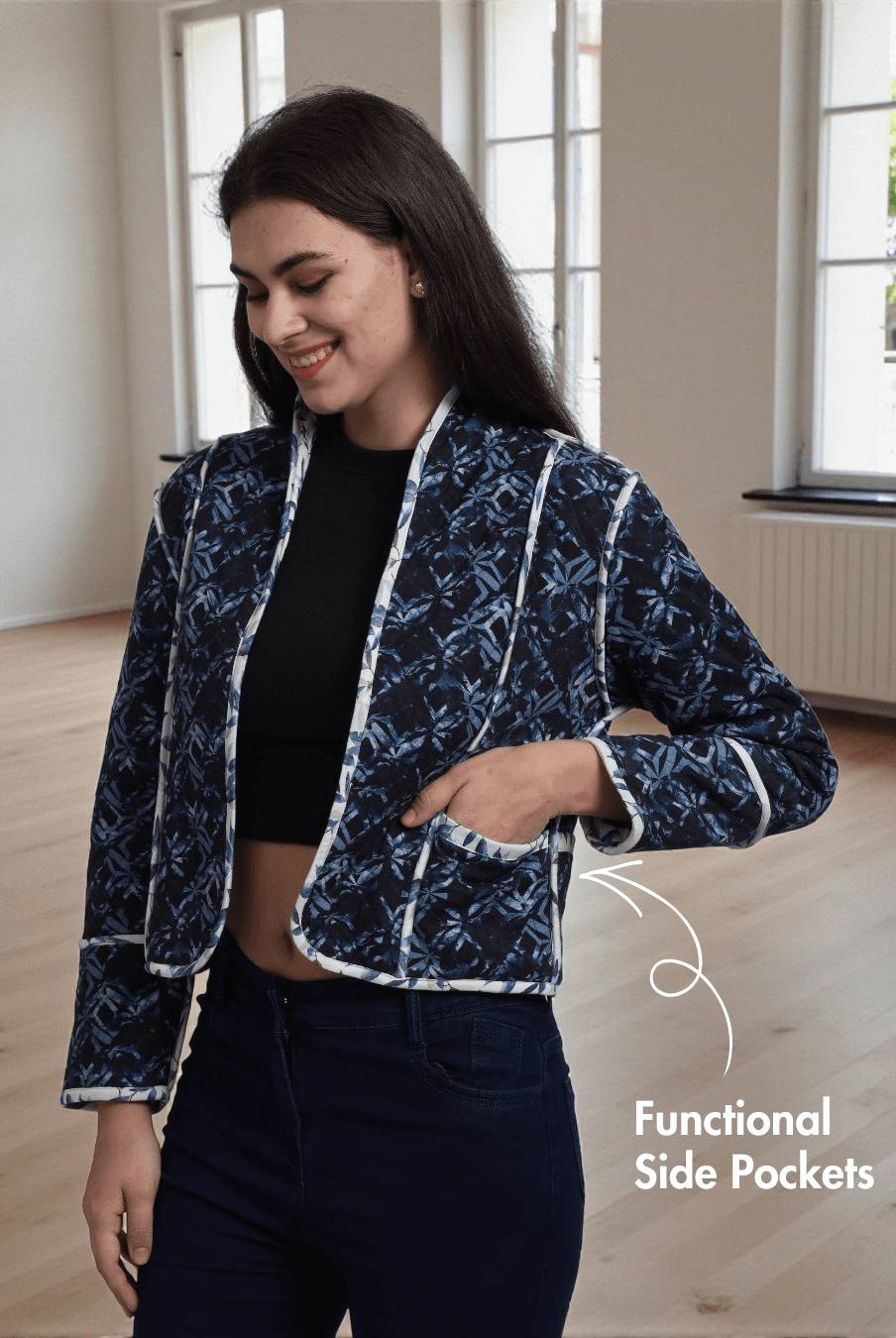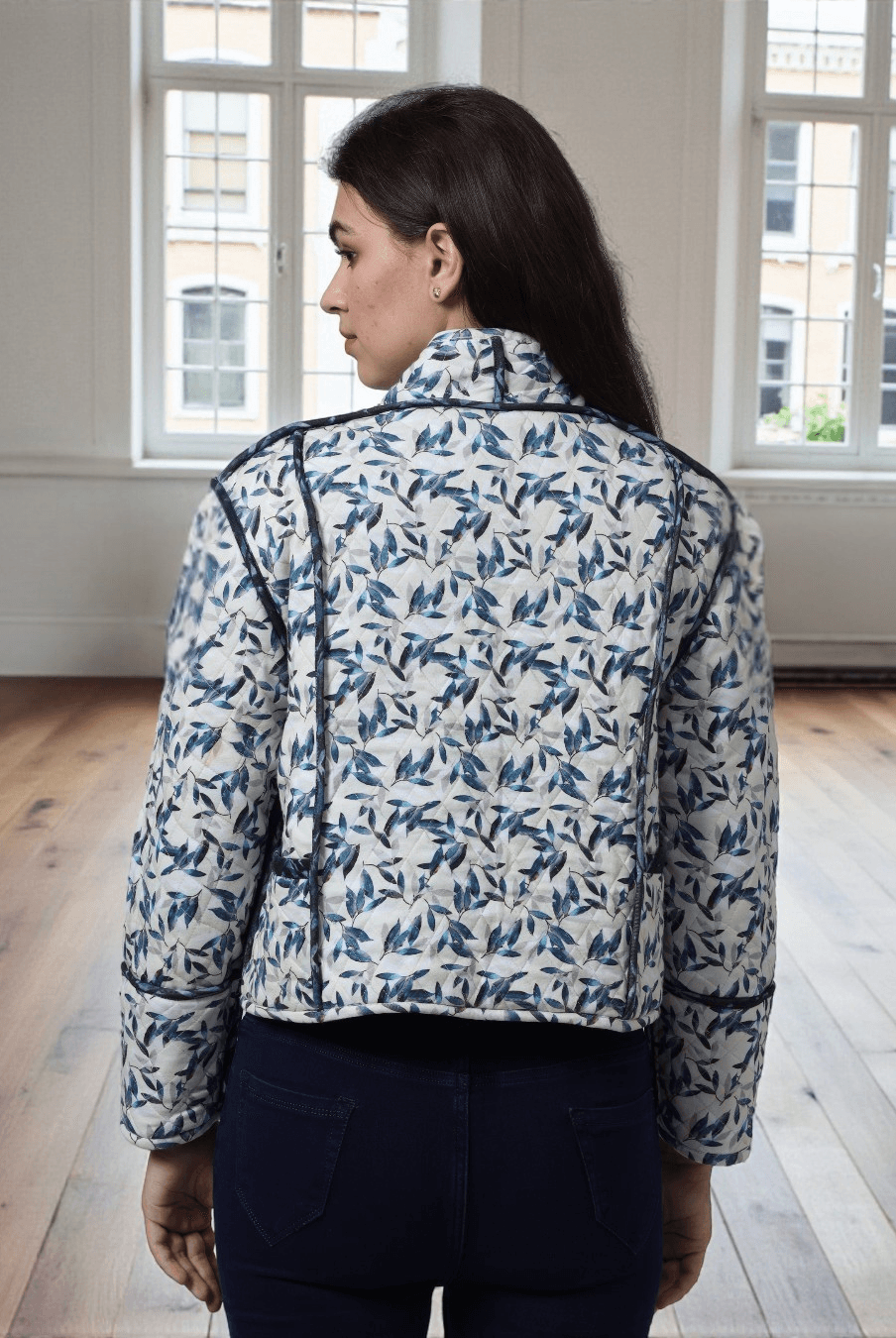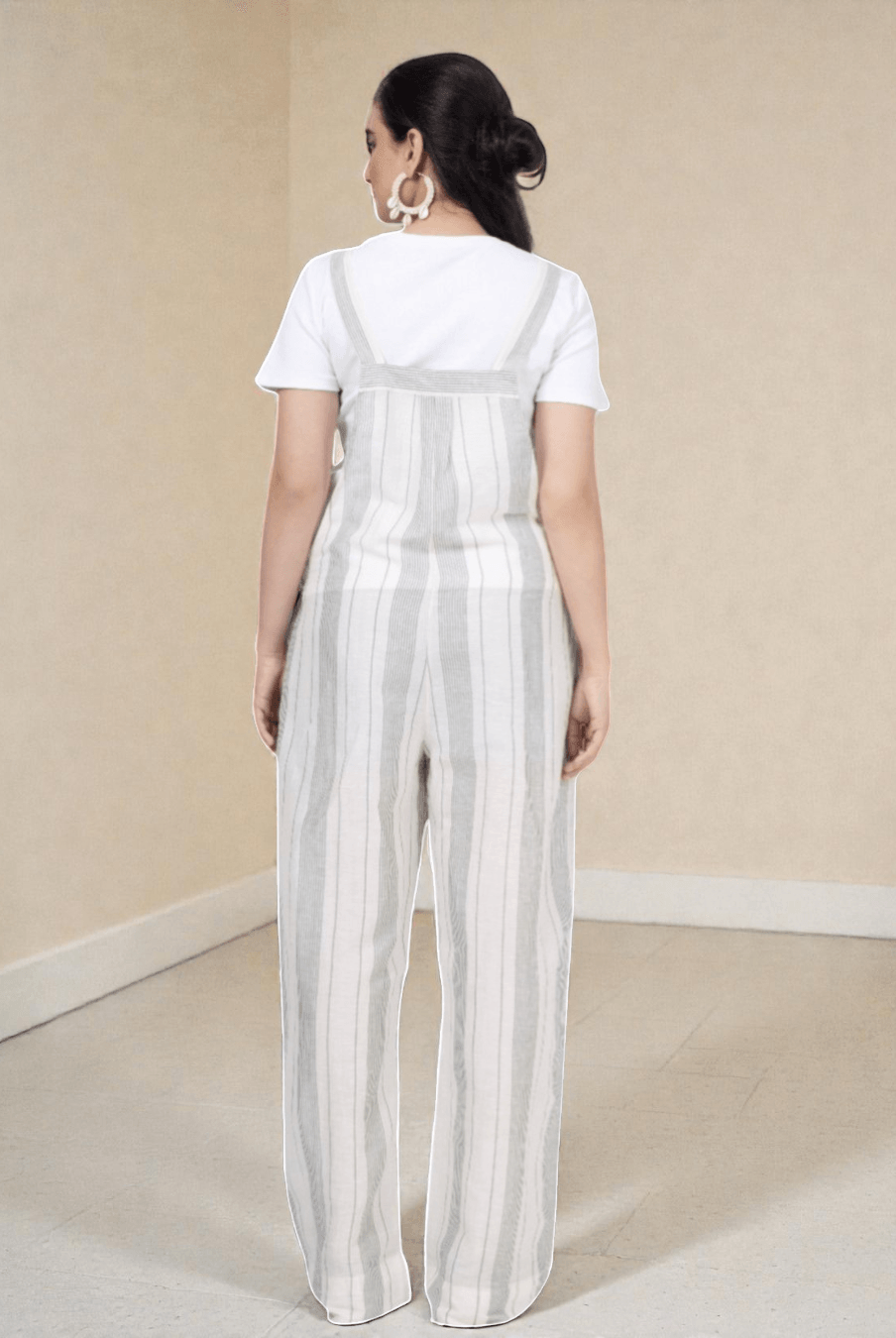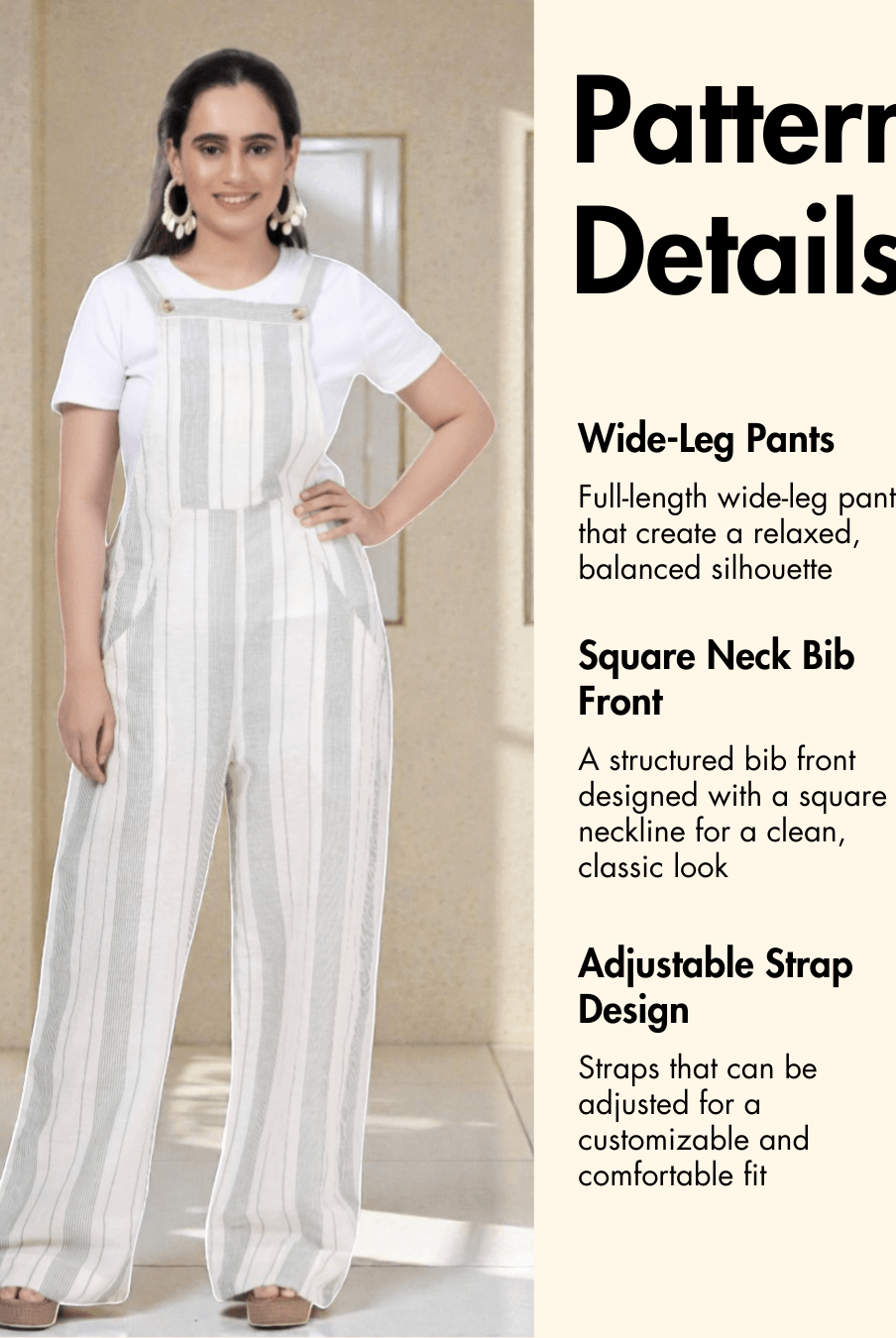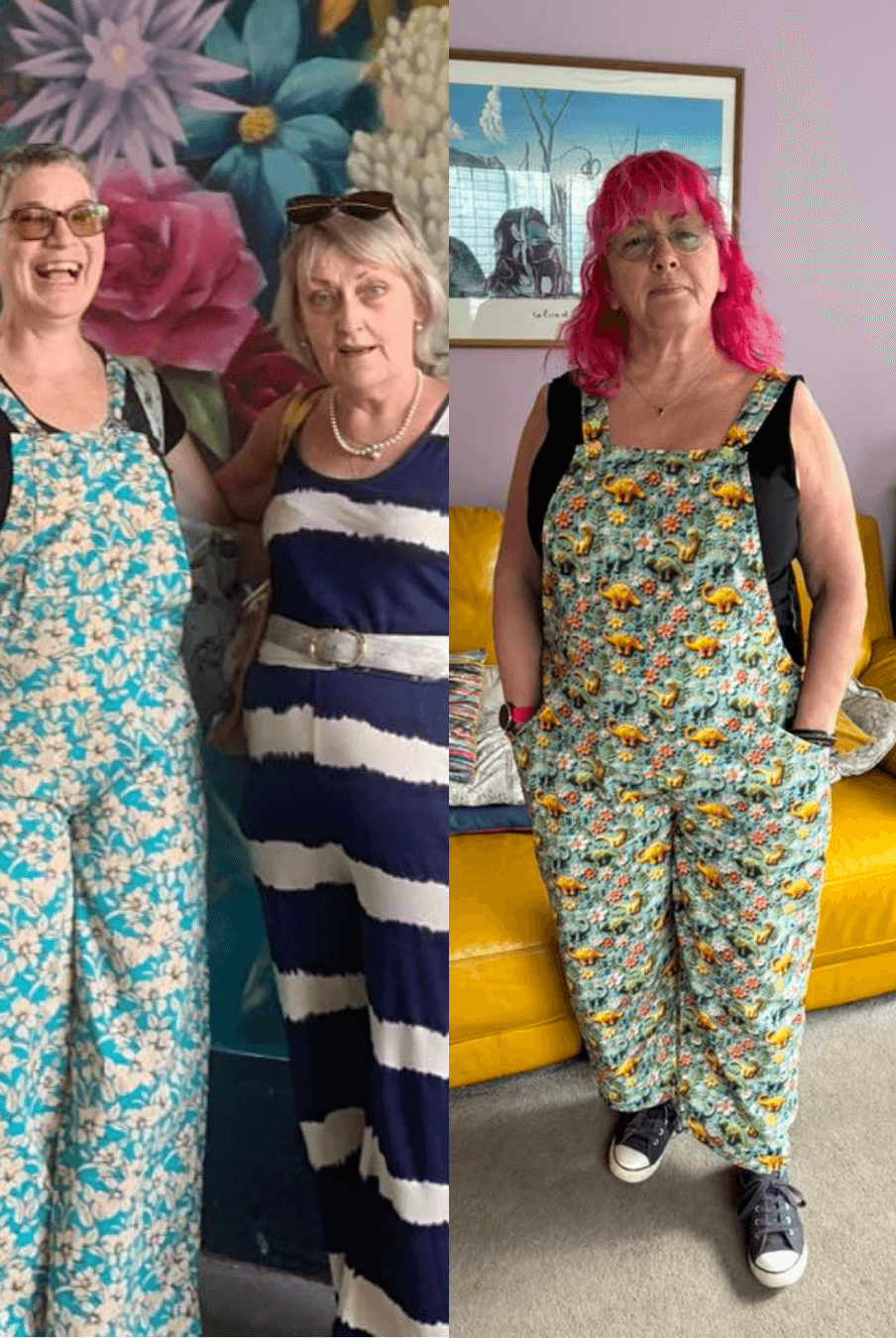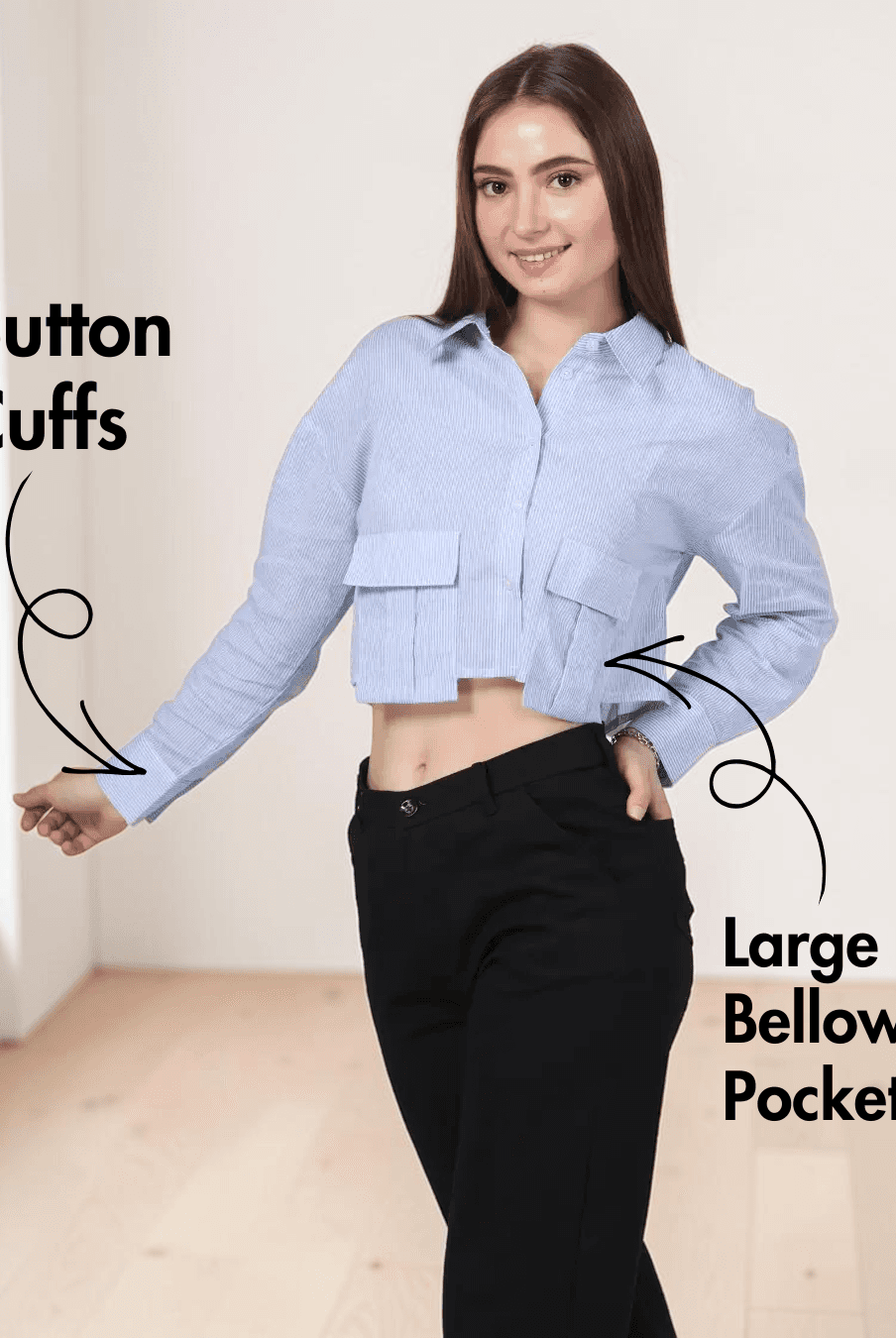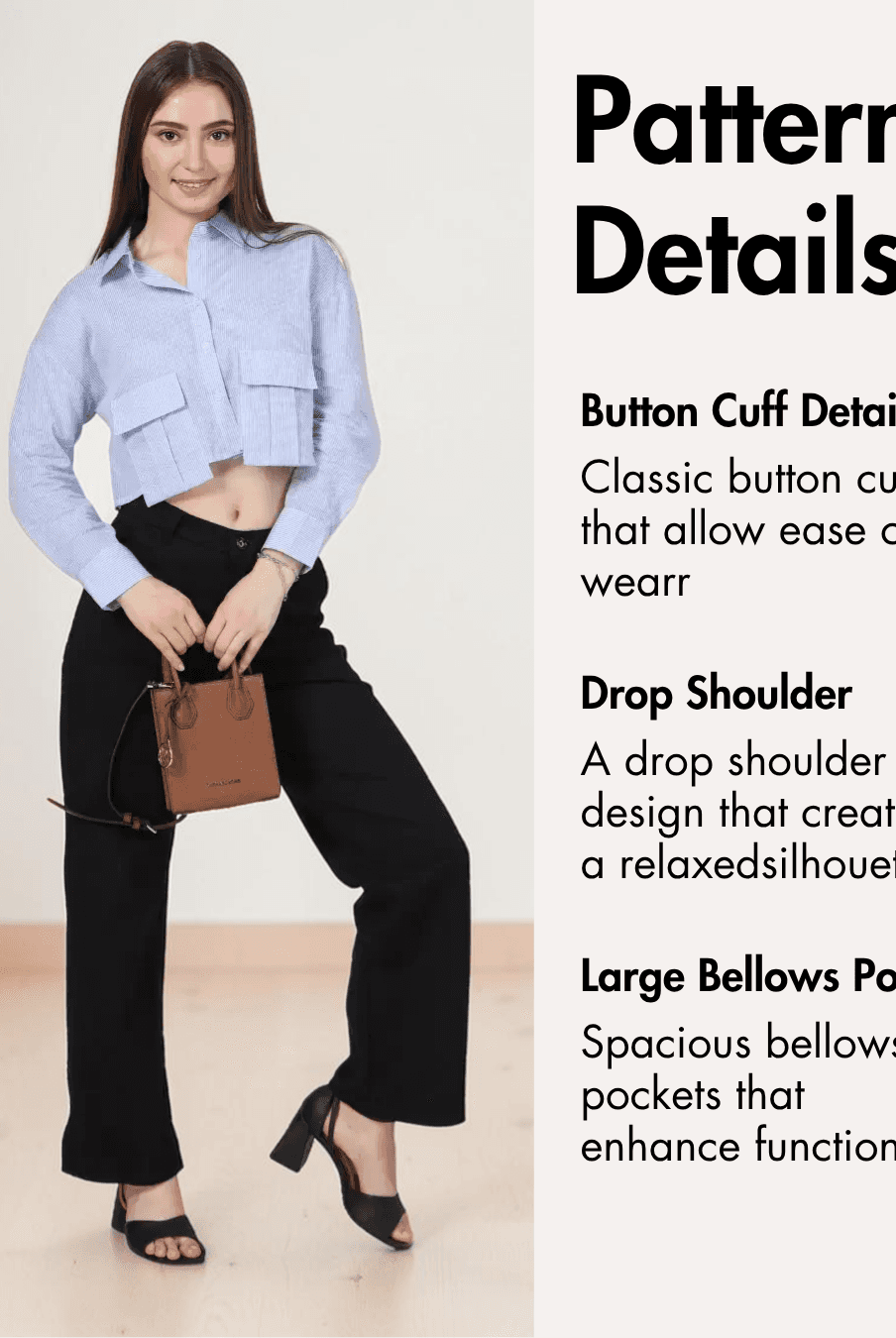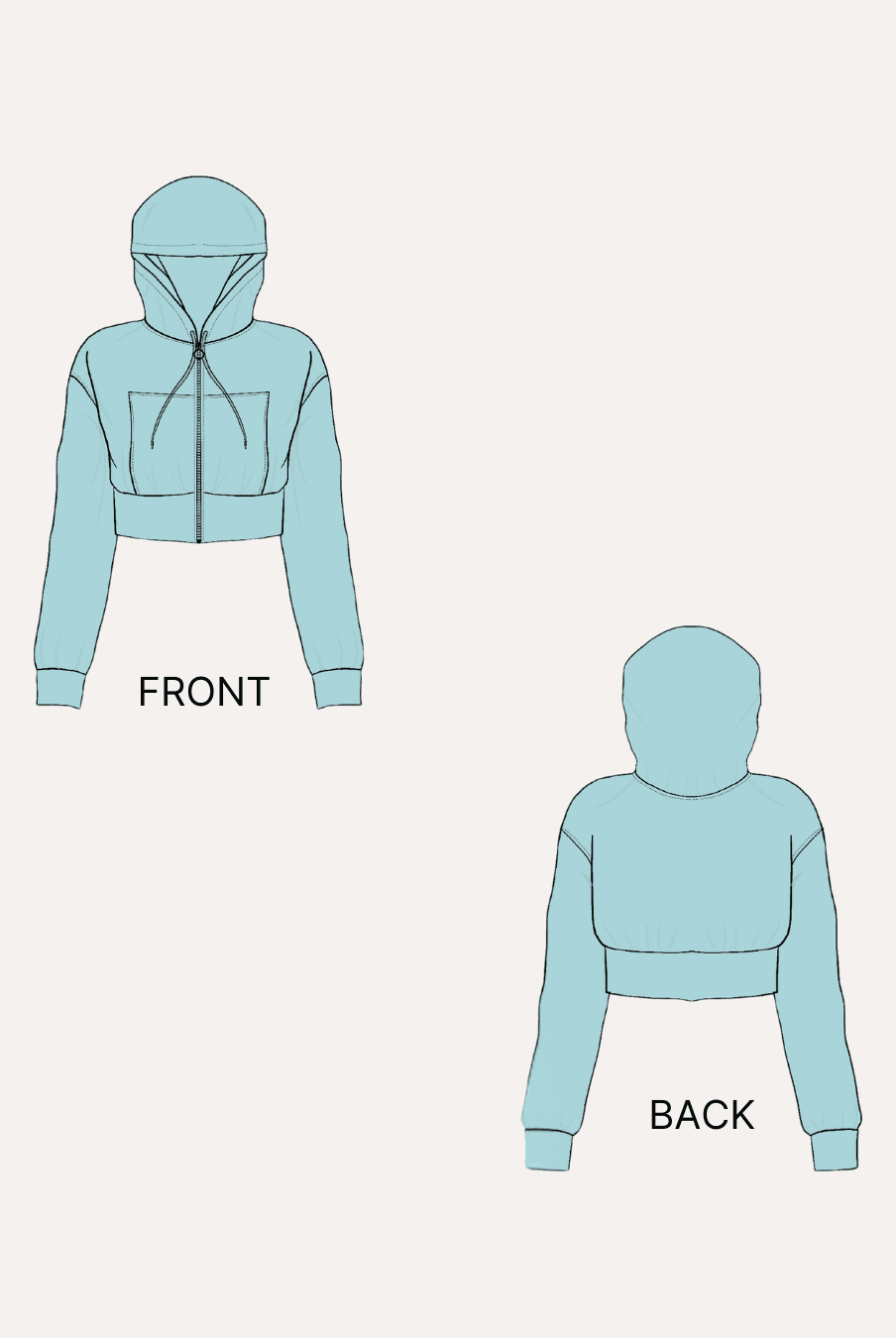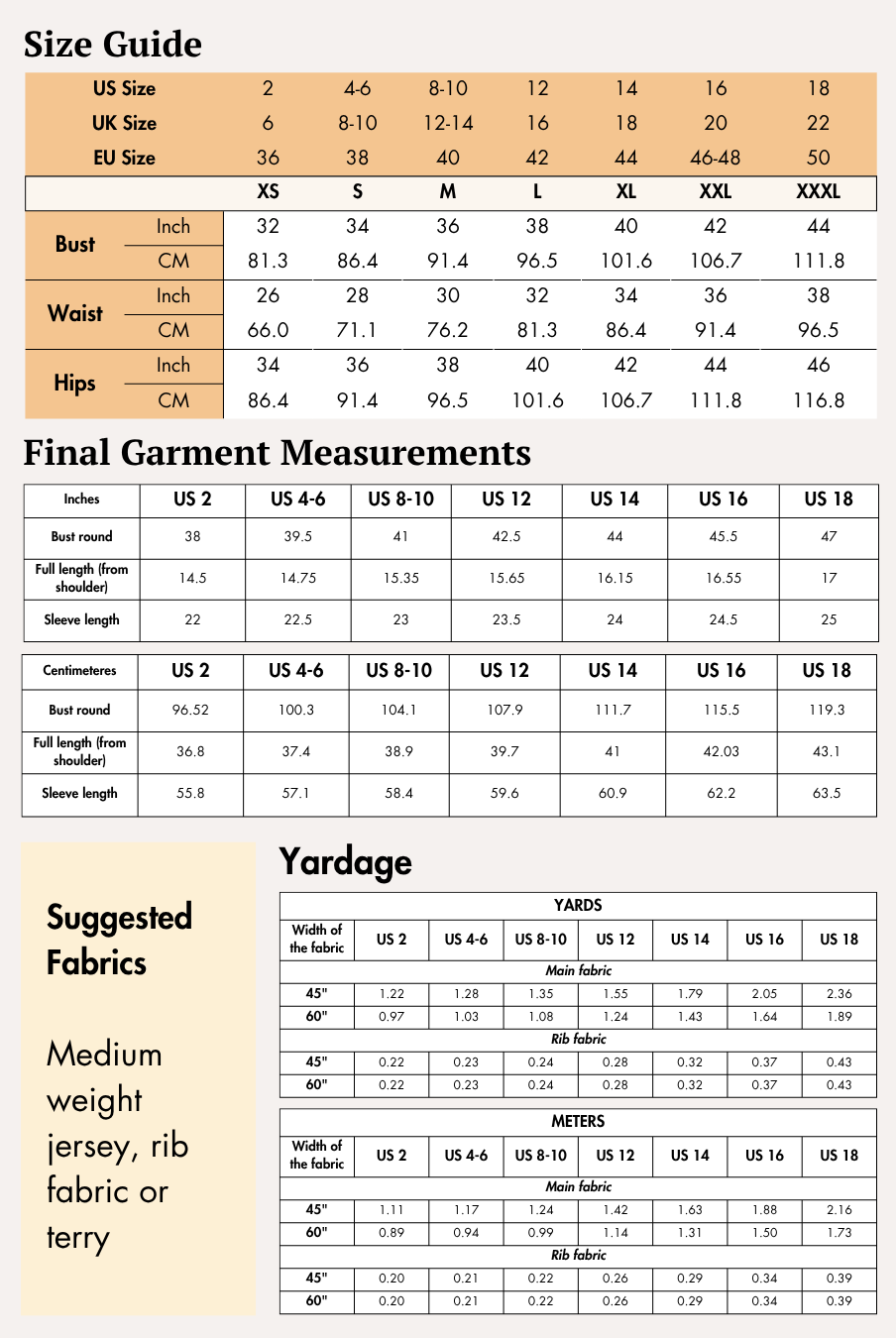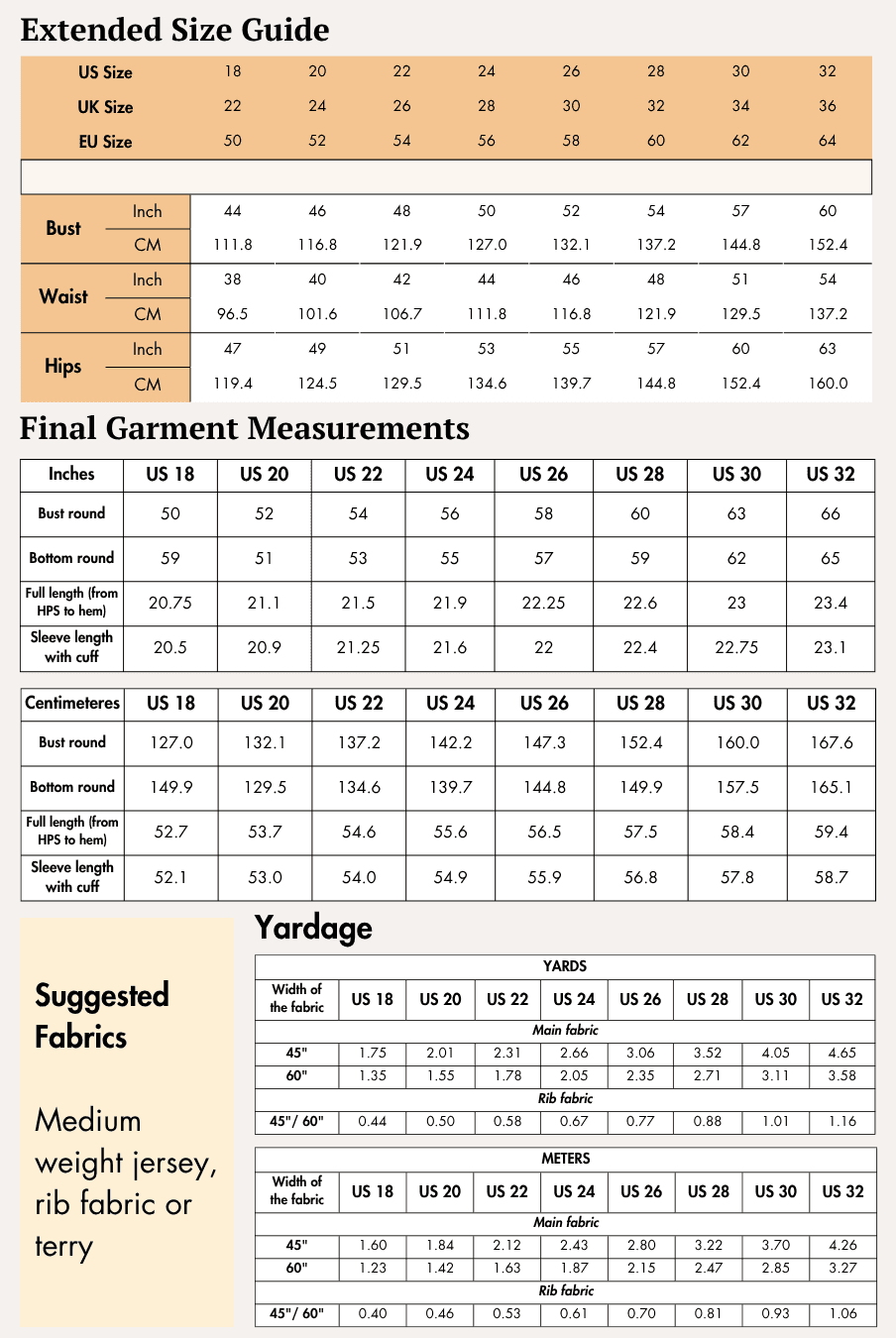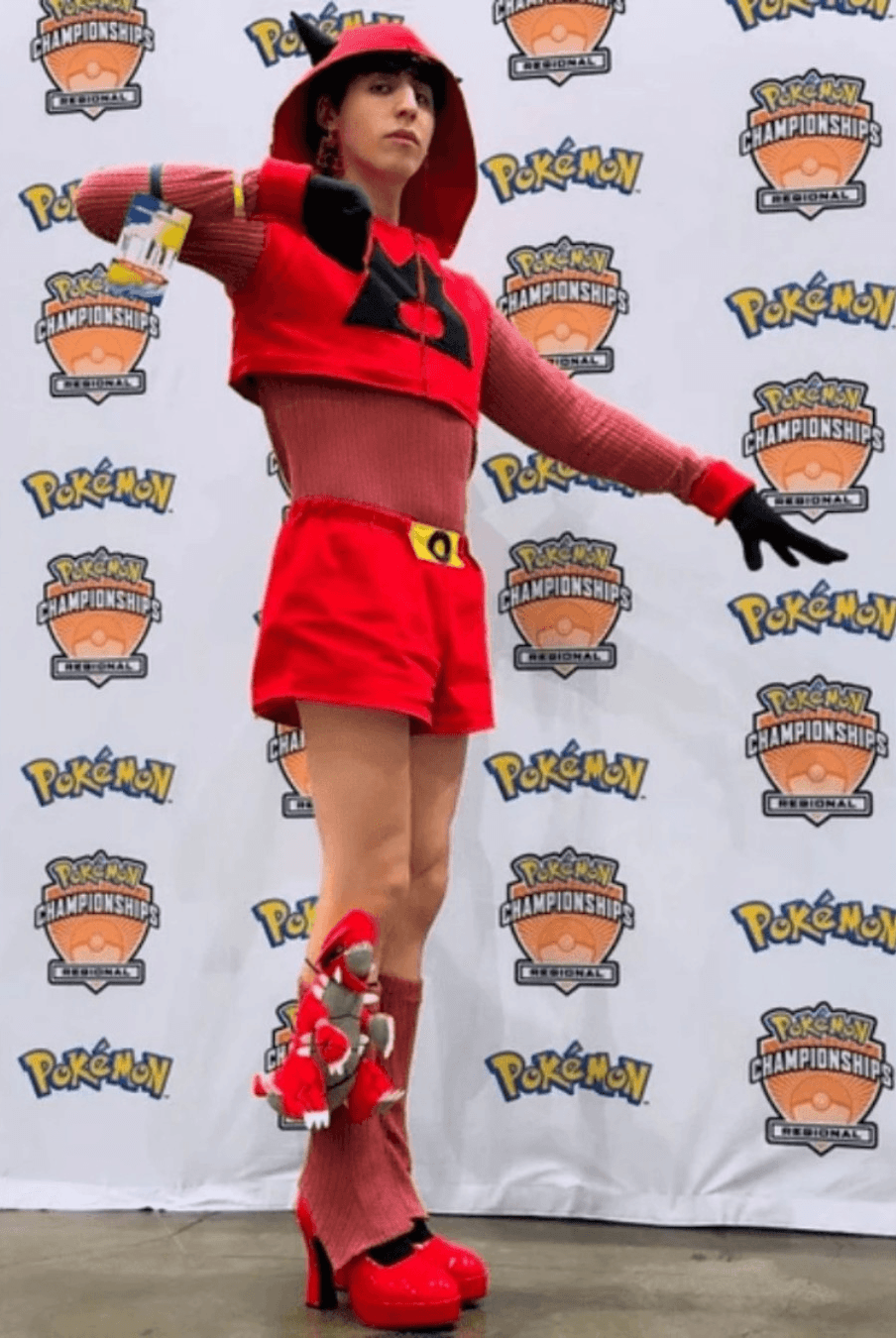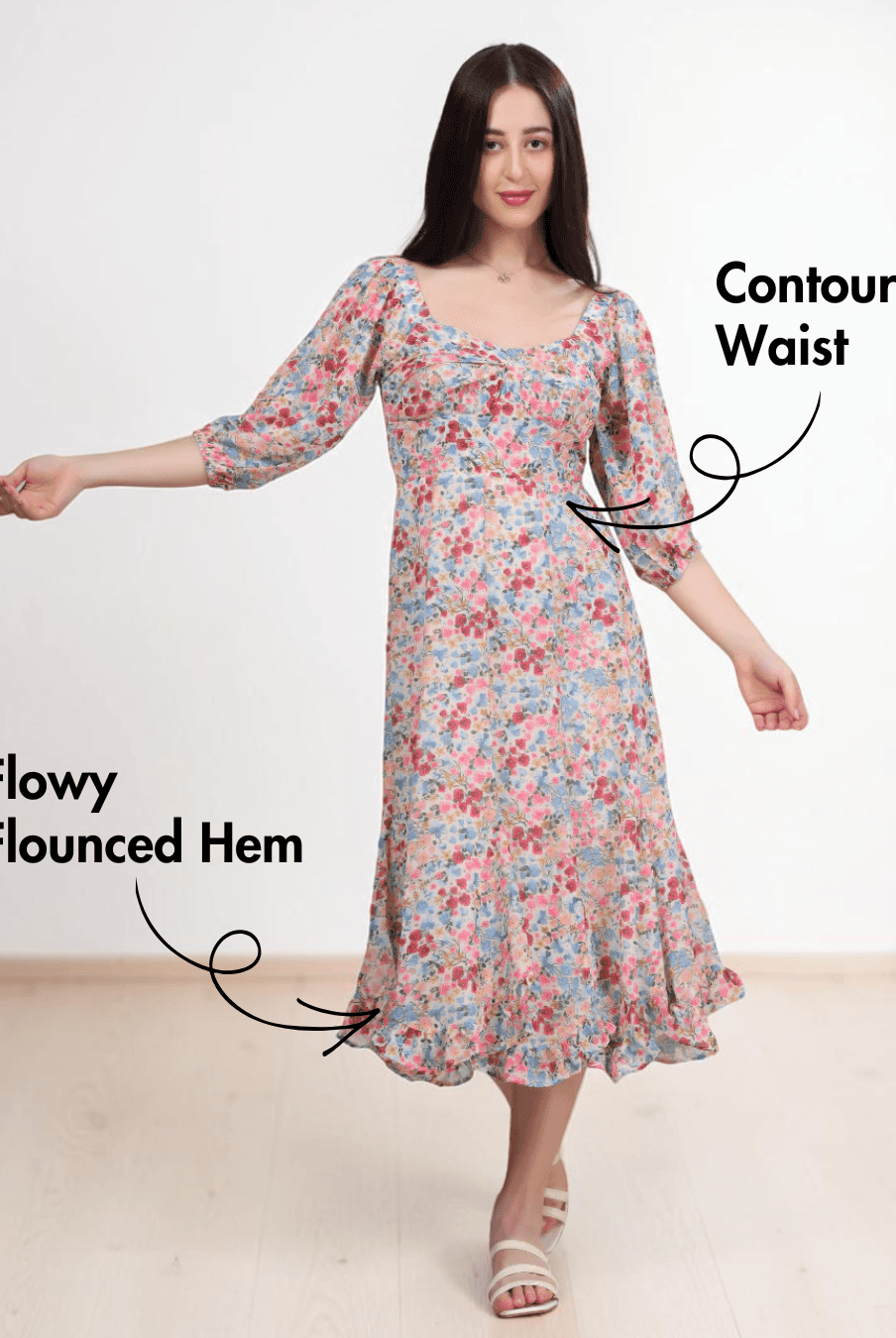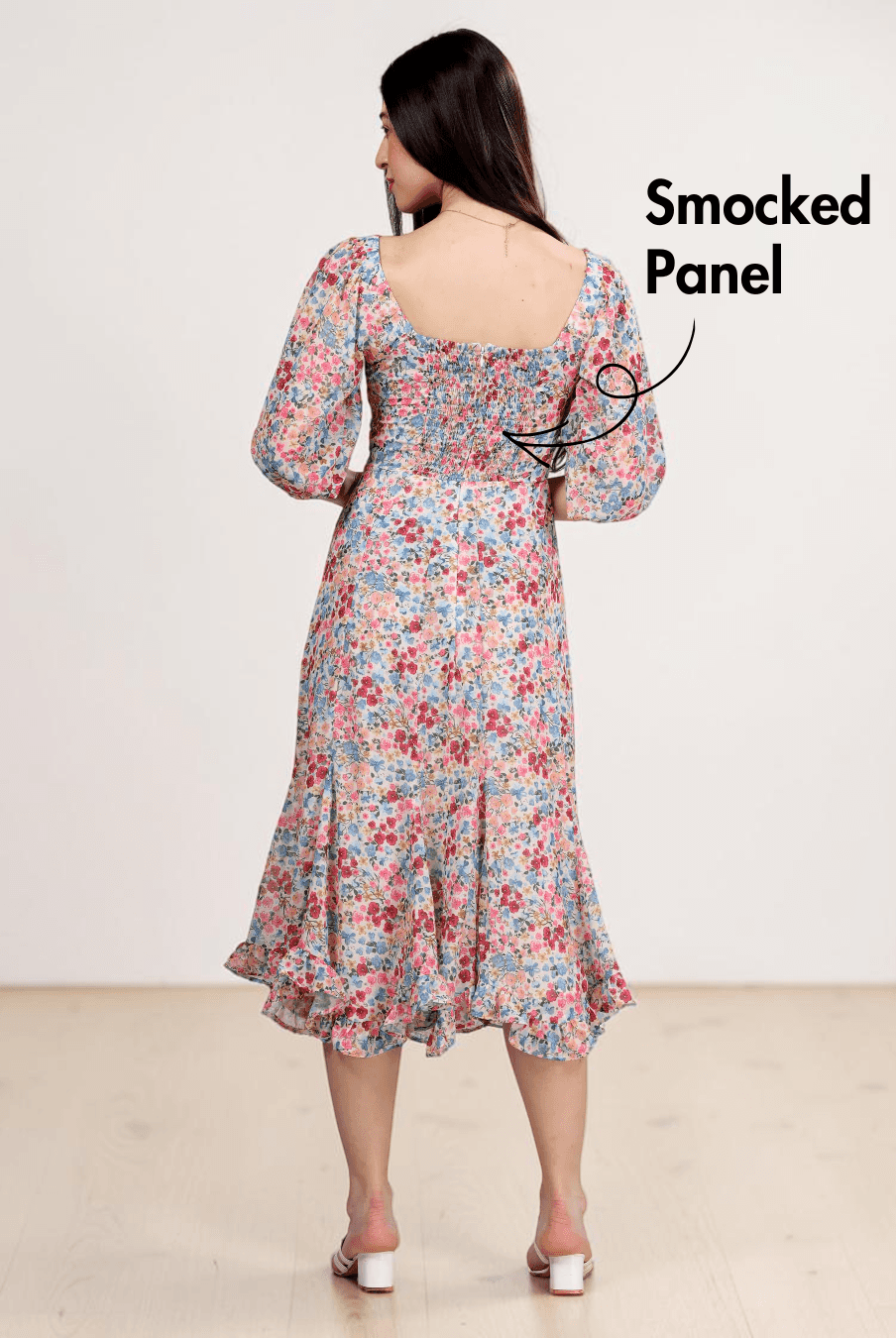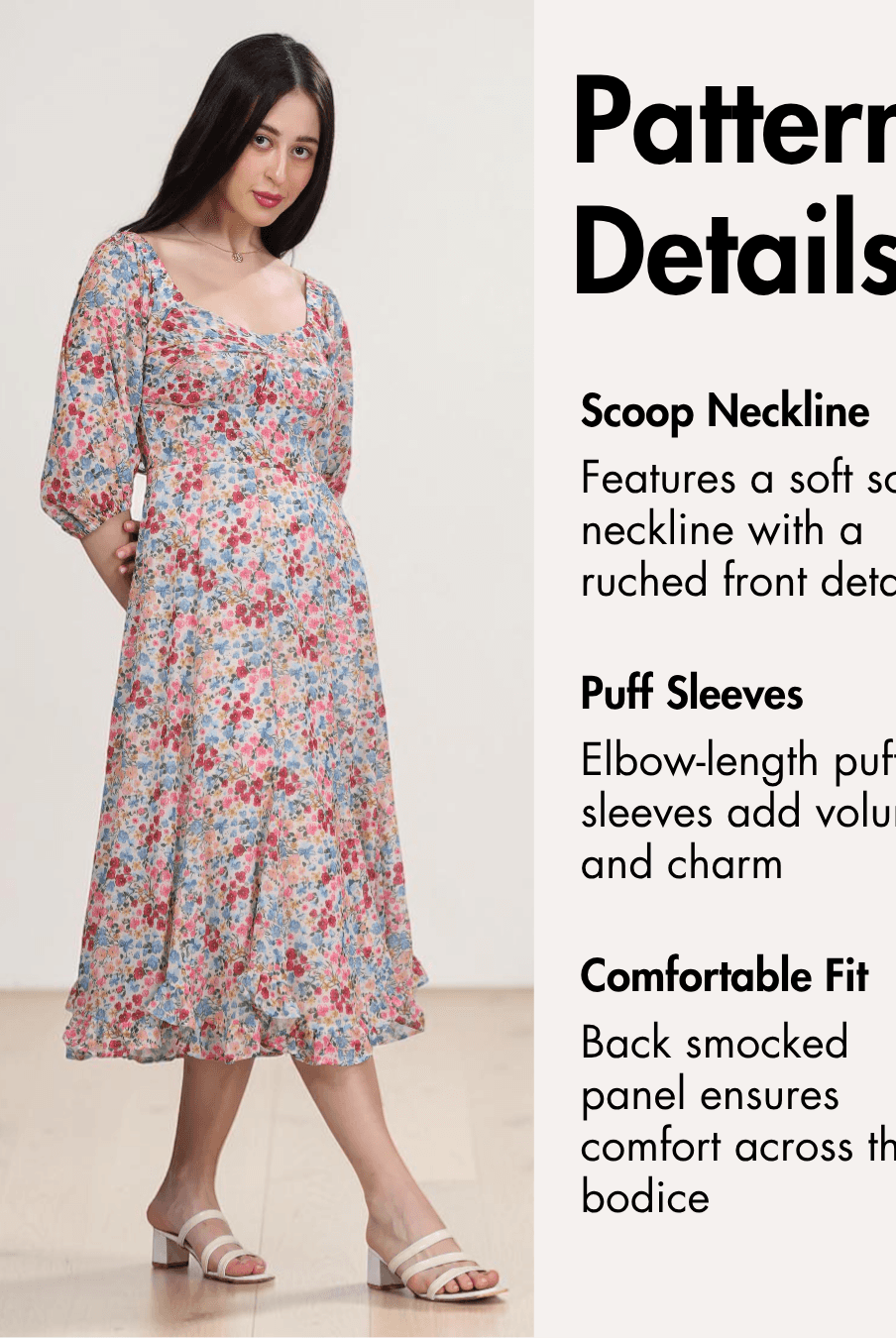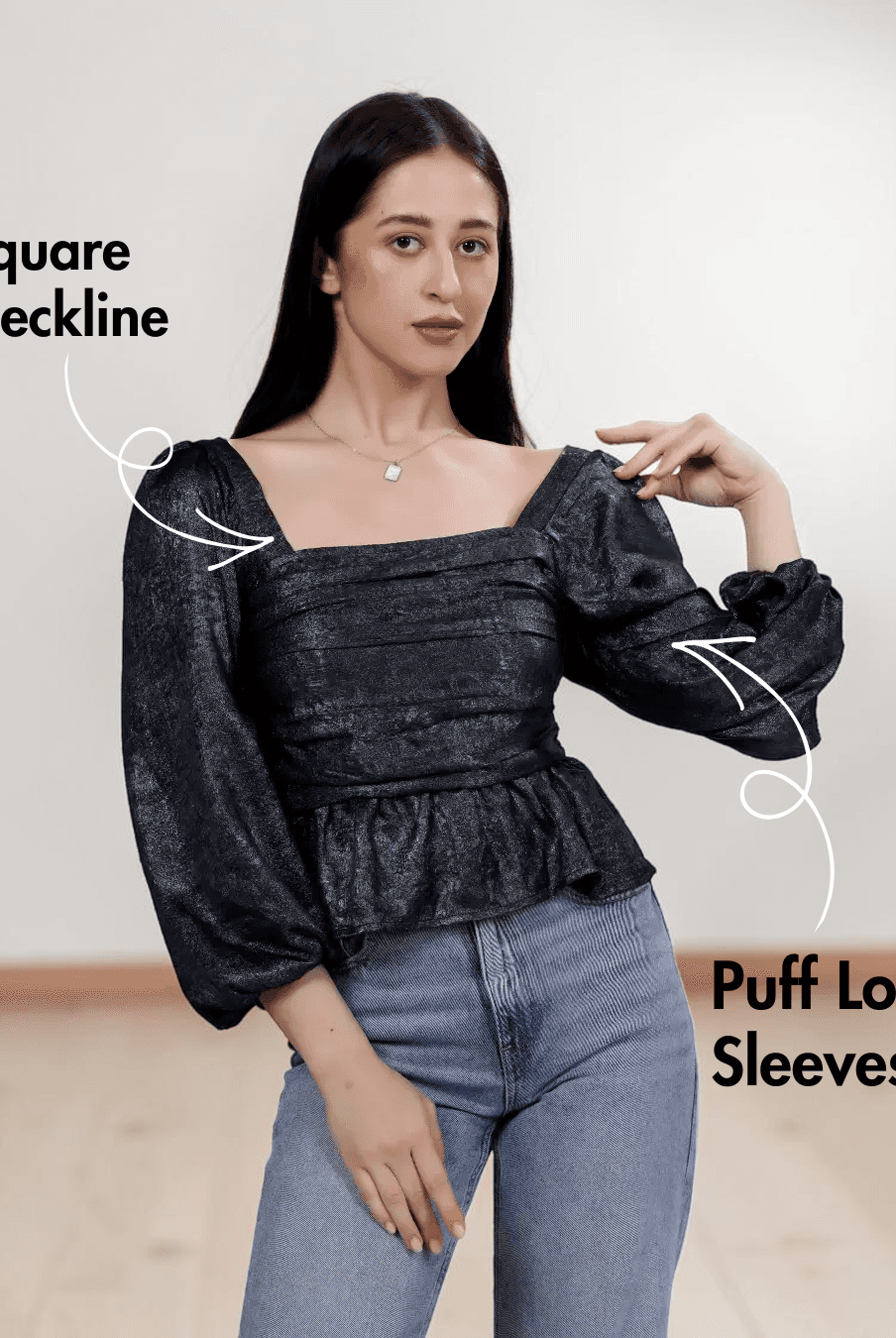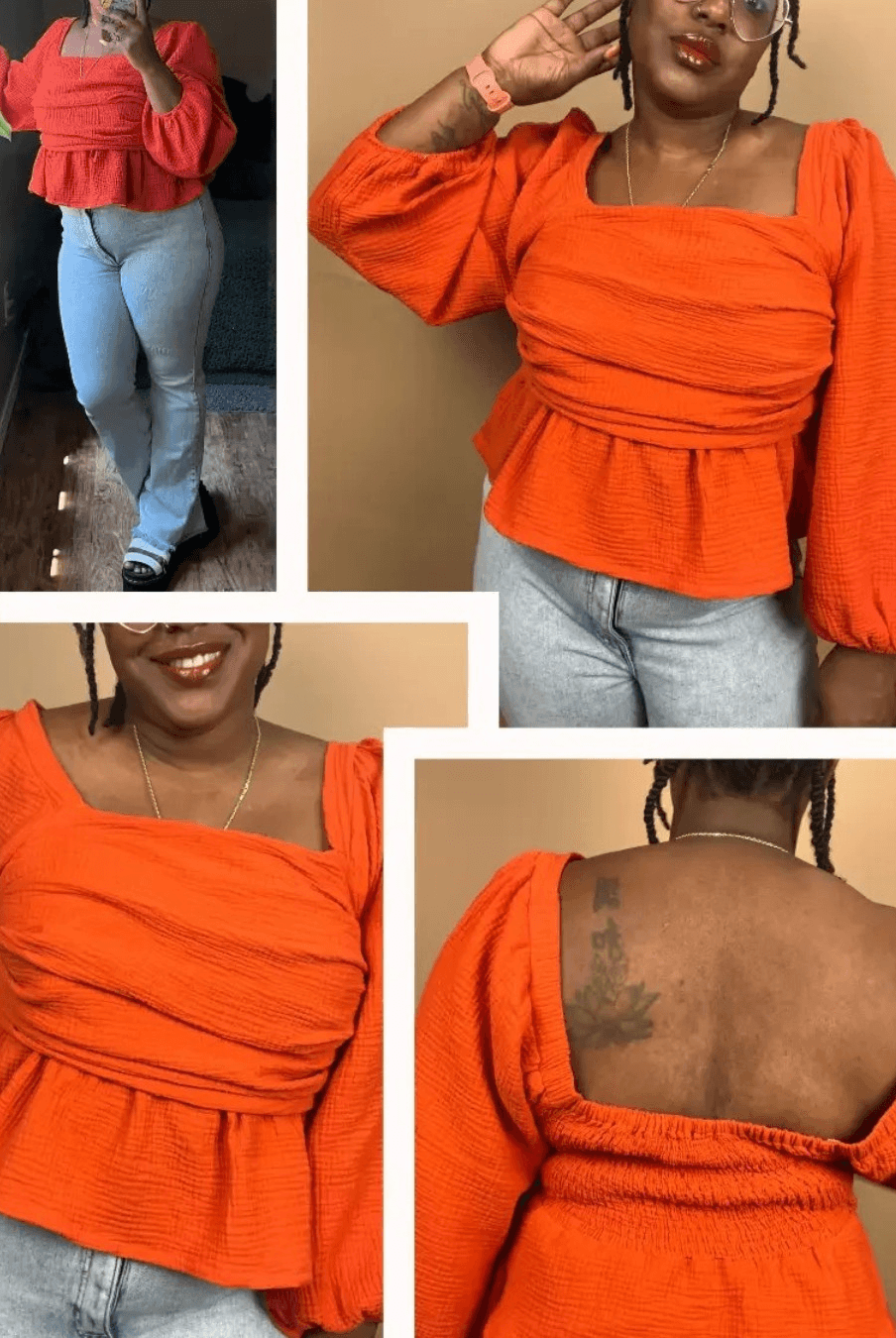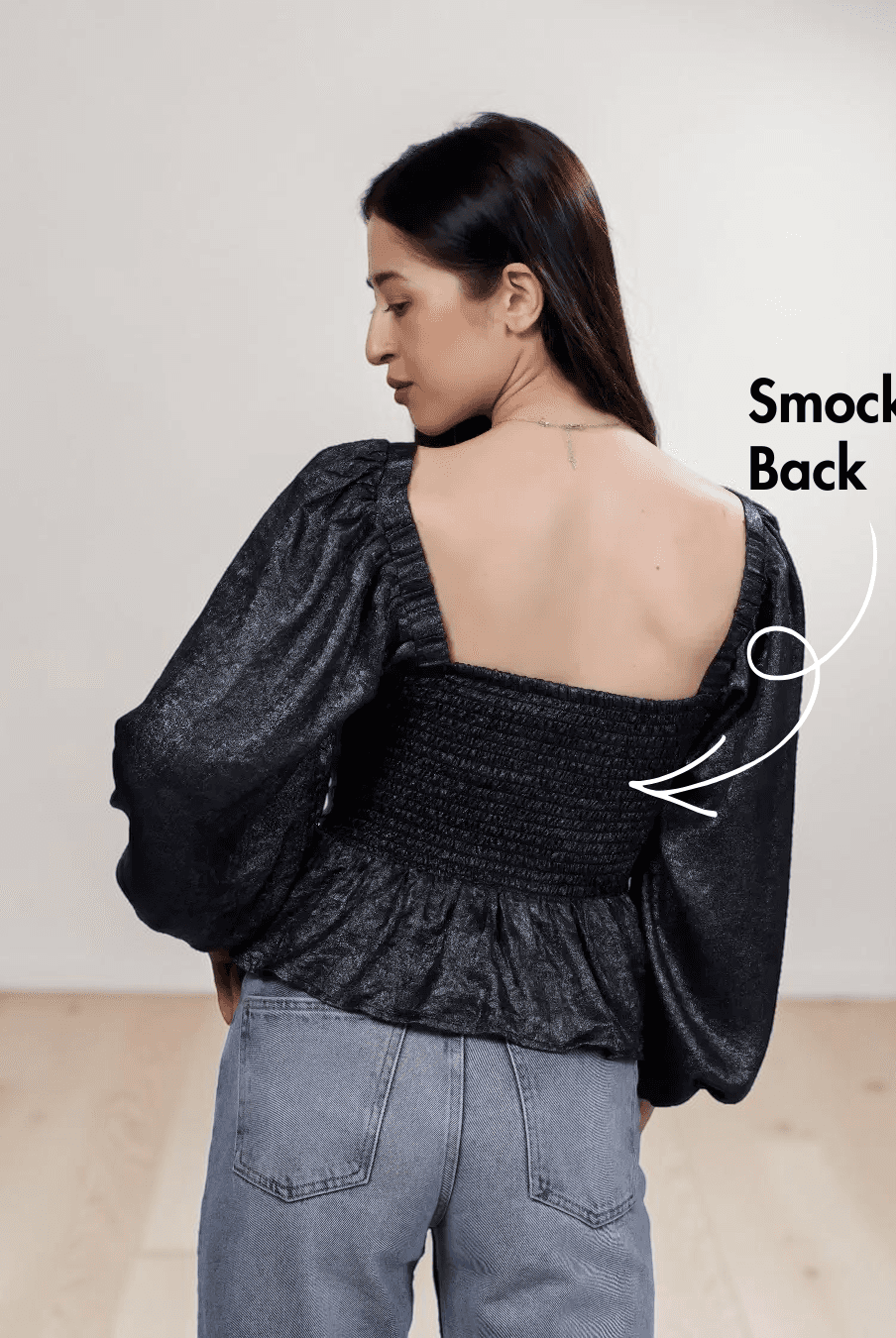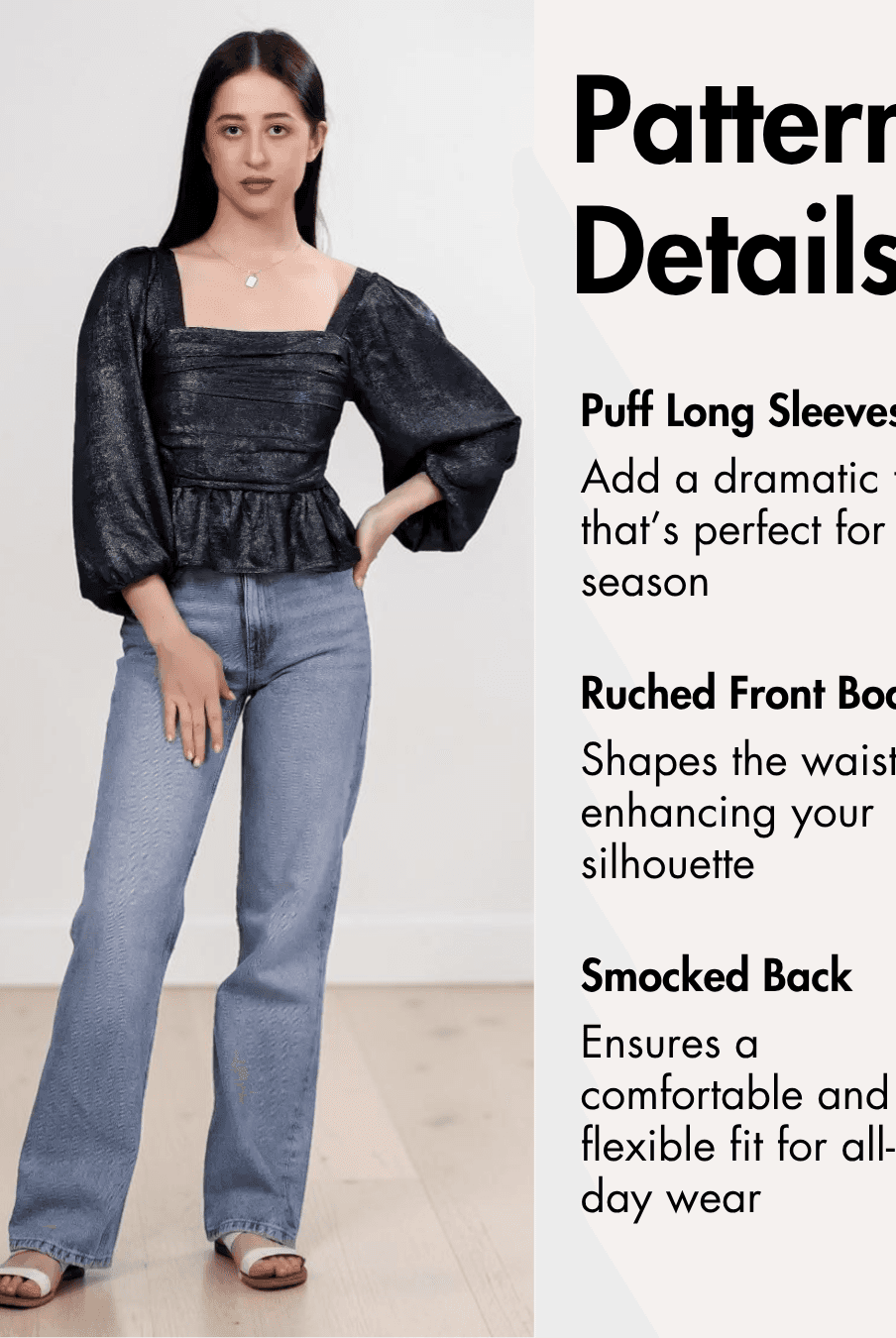
To choose fabric for a summer sewing project, look for a fabric that suits the garment design while also being comfortable in warm weather. Natural fibers such as cotton, linen, and hemp can be especially useful because they tend to breathe well, while the fabric’s weight, drape, stretch, and structure should match the pattern you plan to sew.
In this guide, you’ll learn how to evaluate summer fabric by fiber content, weight, drape, stretch, and structure, plus how to test fabric before buying it. When choosing fabric for a sewing pattern from Winslet's or any other pattern, checking both the pattern recommendations and the way the fabric behaves can help you make a better match.

What Makes a Fabric Suitable for Summer Sewing?
A good summer fabric should suit both the weather and the shape of the garment you want to make.
For warm-weather sewing, fiber content is especially important. Natural fibers such as:
-
Cotton
-
Linen
-
Hemp
tend to breathe well and can therefore be comfortable choices for summer garments.
Synthetic fabrics may behave differently. Some synthetic materials can trap heat, making them less comfortable in hot weather.
However, summer fabric selection is not only about fiber content. You should also consider:
-
Weight
-
Drape
-
Stretch
-
Structure
-
How the fabric feels and behaves in your hands
Should You Choose Woven or Knit Fabric for Summer?
Choose between woven and knit fabric according to the type of garment you are making.
Woven Fabrics
Woven fabrics such as cotton, linen, and denim tend to be more structured and rigid.
They can work well when your summer project needs more shape or structure.
However, woven fabric does not automatically mean stiff. Stretch cotton, stretch linen, and stretch denim can have additional flexibility depending on the fibers used.
Knit Fabrics
Knit fabrics such as jersey, terry, and rib knit tend to be more flexible, drapey, and elastic.
They can be useful for more relaxed or comfortable garments.
The important point is not to assume that every woven fabric behaves the same way or that every knit fabric behaves the same way. Fiber composition and fabric construction can change how a material feels and performs.
Which Fabrics Work Well for Summer Dresses and Blouses?
Light- to medium-weight fabrics are generally a good starting point for dresses and blouses unless the design requires more structure.
Examples discussed for these types of garments include:
-
Cotton
-
Rayon
-
Chiffon
-
Satin
For summer specifically, pay attention to breathability and comfort as well as appearance.
Cotton can provide a more structured or crisp result depending on its weight, while rayon and chiffon can create a more fluid look.
Why Is Fiber Content Important for Summer Fabric?
Fiber content affects how comfortable the garment may feel in warm weather.
Natural fibers such as cotton, linen, and hemp tend to breathe well.
This can make them useful choices for shirts and other summer garments.
By contrast, some synthetic fabrics can trap heat. A fabric may look ideal for a project but still feel uncomfortable in summer if it does not allow enough airflow.
This is why checking fiber content is just as useful as judging the fabric by appearance alone.
How Do You Test Fabric Before Buying It?
Touching and handling the fabric is one of the most useful ways to decide whether it suits your project.
Rather than choosing only by color or fiber name, physically test how the fabric behaves.
1. Do a Drape Test
A drape test shows whether the fabric falls softly or holds its shape.
To test the drape:
-
Pull a section of fabric away from the roll.
-
Pinch or gather part of it in your hand.
-
Let the fabric hang naturally.
-
Observe how it falls.
Ask yourself:
-
Does it fall fluidly?
-
Does it create soft folds?
-
Does it hold its own shape?
-
Does it feel stiff or structured?
As a general rule, stiffer fabrics suit more structured looks, while softer, drapier fabrics suit more fluid garments.
2. Do a Stretch Test
A stretch test helps you understand how much flexibility the fabric has.
Simply hold the fabric and pull it gently.
If it has little or no stretch, it may be better suited to more structured designs.
If it stretches or feels bouncy, it can work better for garments that require flexibility or a closer fit.
Do not assume the fabric category alone tells you how much stretch it has. Some woven fabrics contain stretch fibers, while some knits are more stable than others.
3. Check the Weight
Fabric weight affects both the appearance and feel of the finished garment.
Even two cotton fabrics can behave very differently.
A heavier cotton can create a more structured result, while a lightweight cotton can produce a softer, more relaxed feel.
For summer sewing, consider whether the weight feels appropriate for warm weather and whether it matches the type of garment you are making.
4. Check the Fiber Content
Look at what the fabric is made from.
For summer projects, natural fibers such as cotton, linen, and hemp can be useful because of their breathability.
If the fabric contains synthetic fibers, think about how comfortable it may feel in warm weather, particularly if the garment will be worn close to the body.
If you'd like to see these fabric tests and comparisons demonstrated visually, you can watch the video below.
How Should You Match Fabric to a Summer Garment?
Start with the shape and structure of the garment, then choose a fabric that supports that result.
For Structured Summer Garments
Choose a fabric with more body if you want the garment to maintain a defined shape.
A more rigid linen or medium-weight woven fabric can work for projects where structure is part of the design.
For Relaxed or Flowing Summer Garments
Choose something softer and more fluid if the design is intended to move and drape.
Rayon, chiffon, and other drapey fabrics can create a lighter, more flowing appearance.
For Fitted Garments
Look at the stretch requirement.
A fabric with some flexibility can be useful when the design needs more movement or a closer fit.
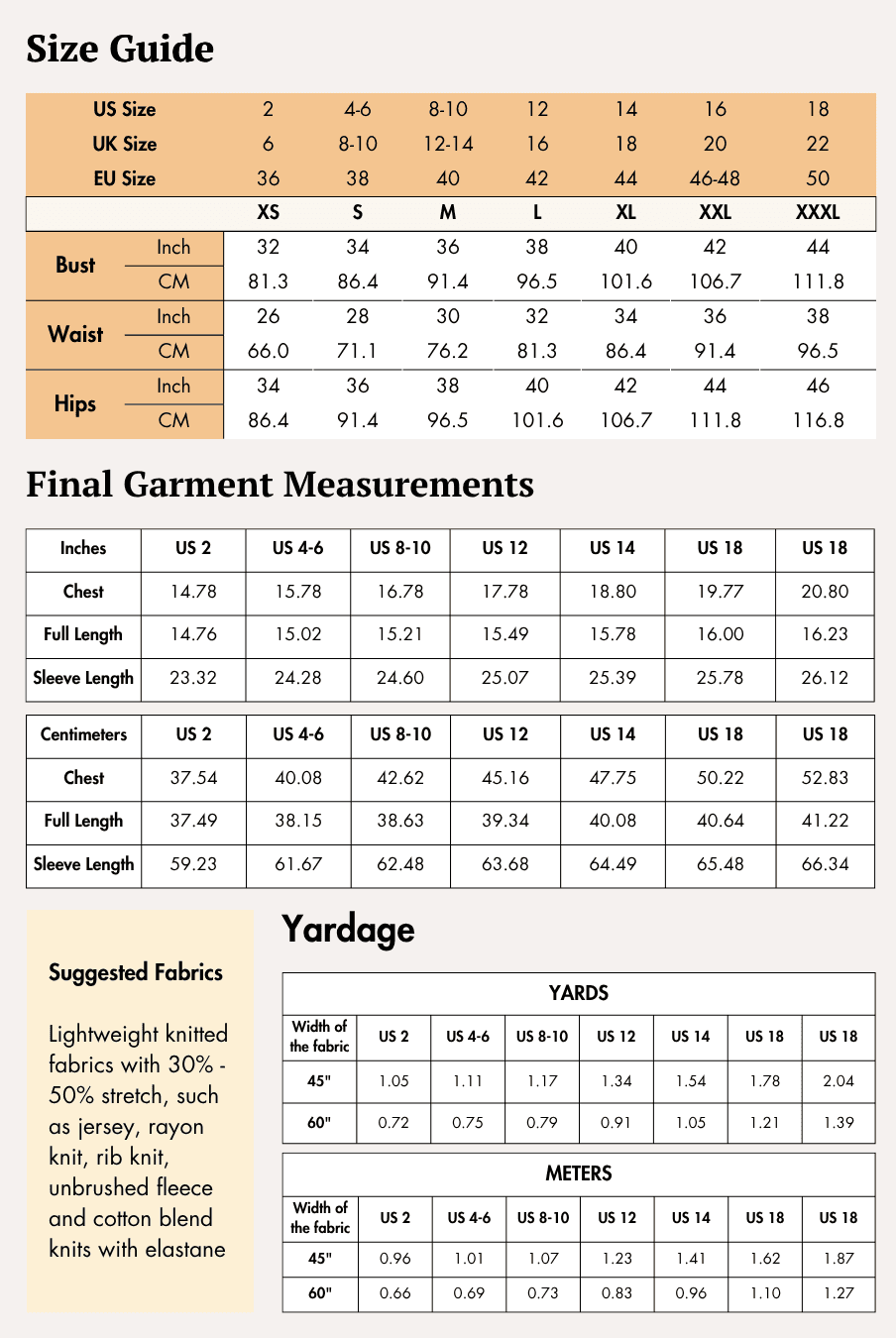
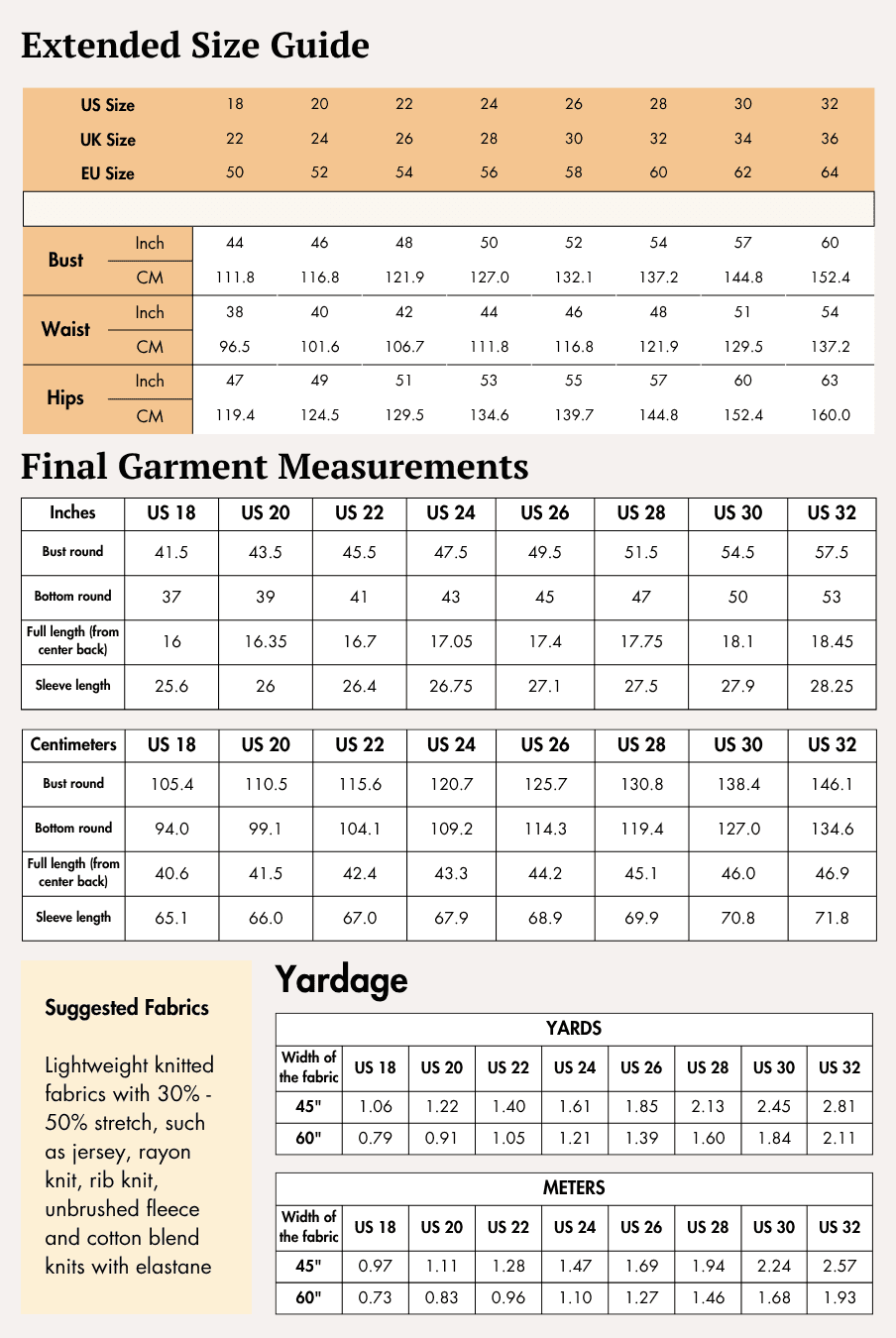
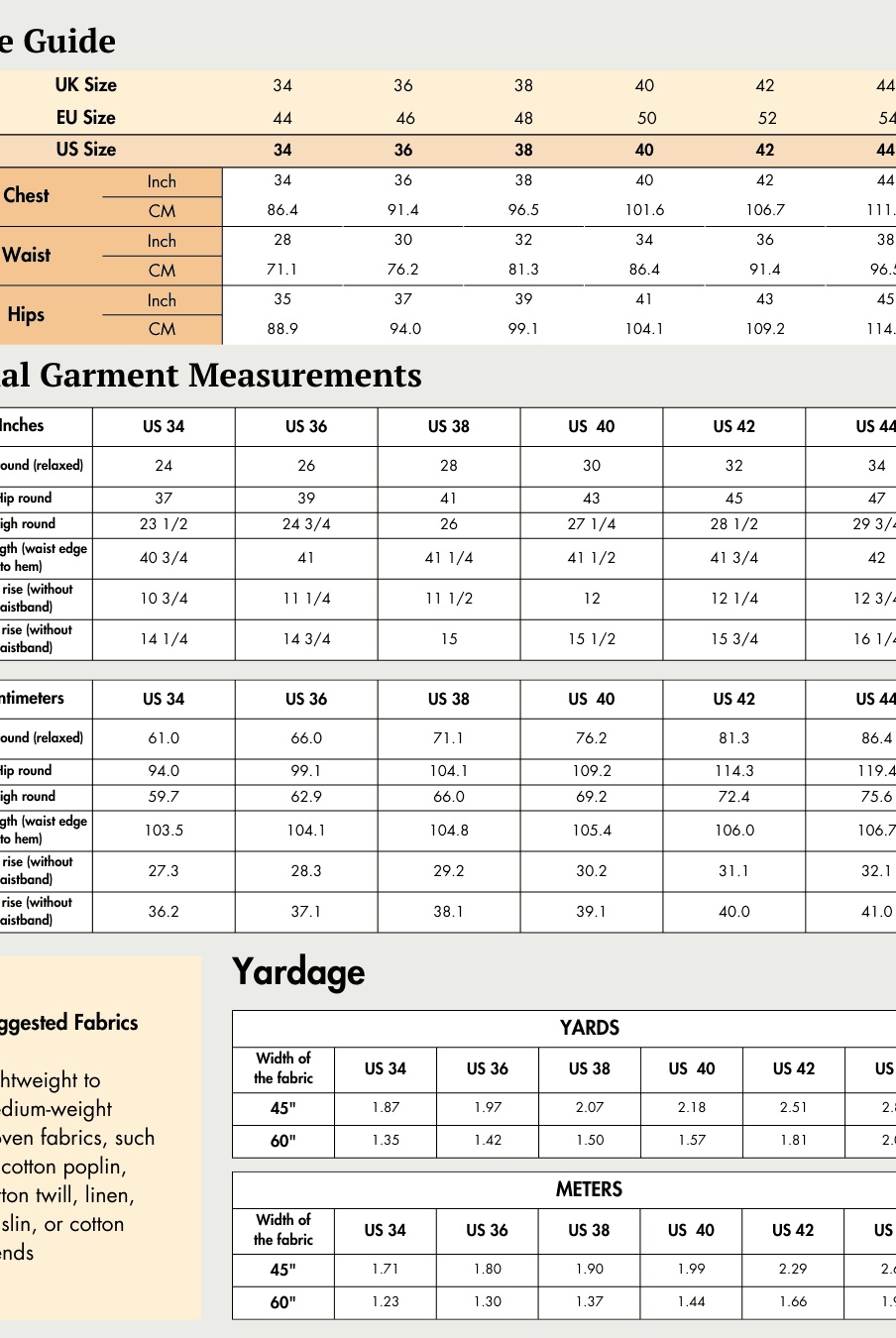
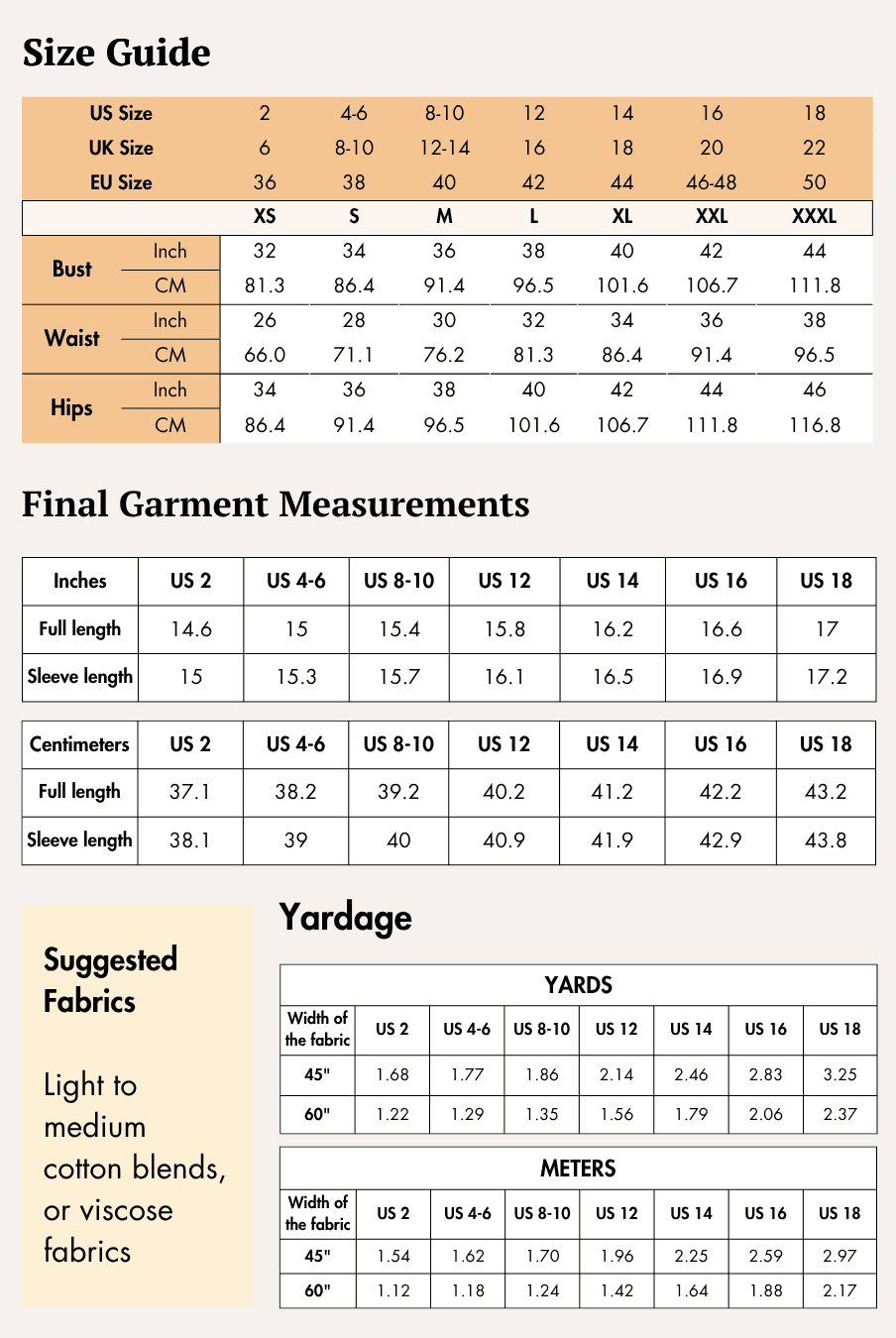
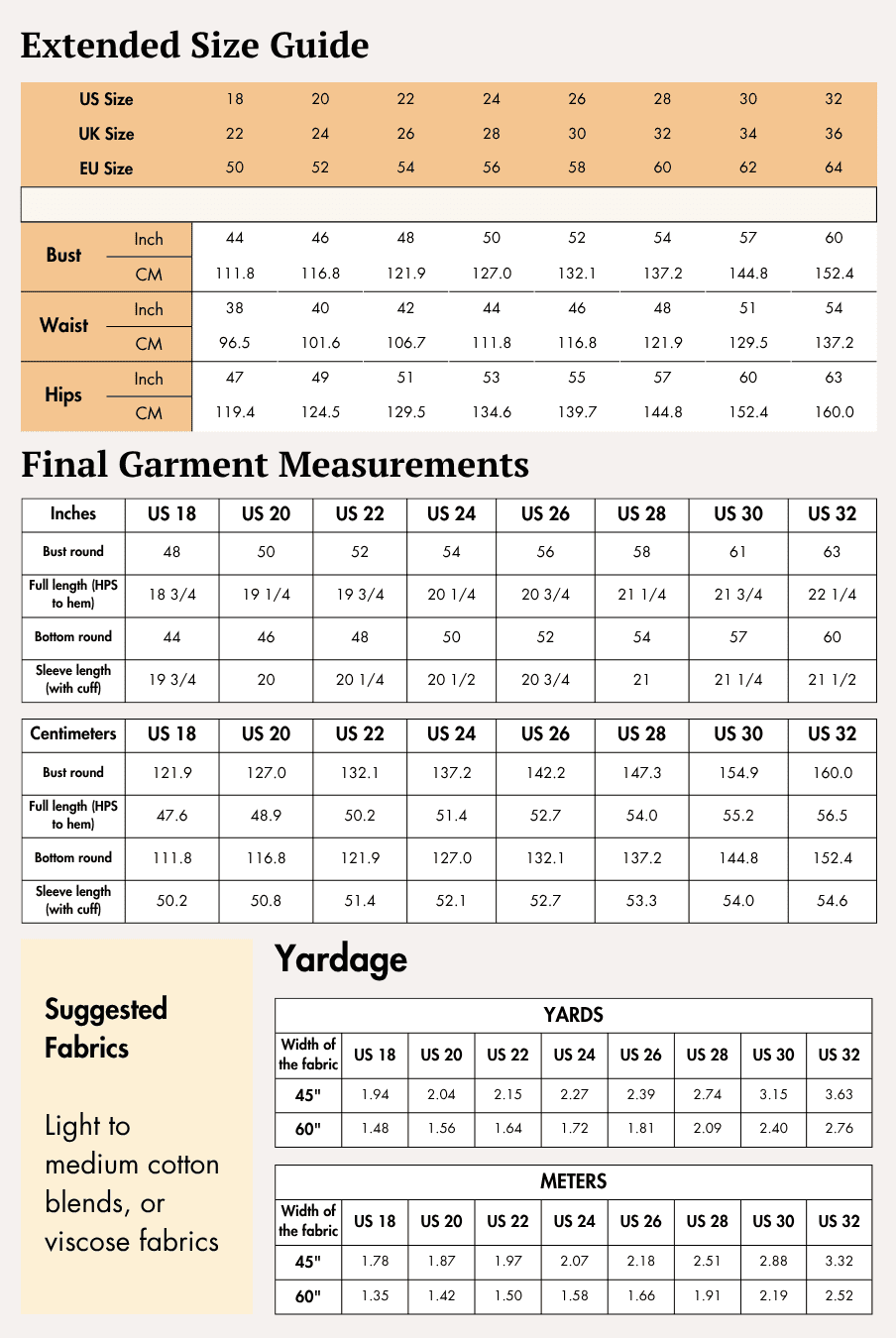
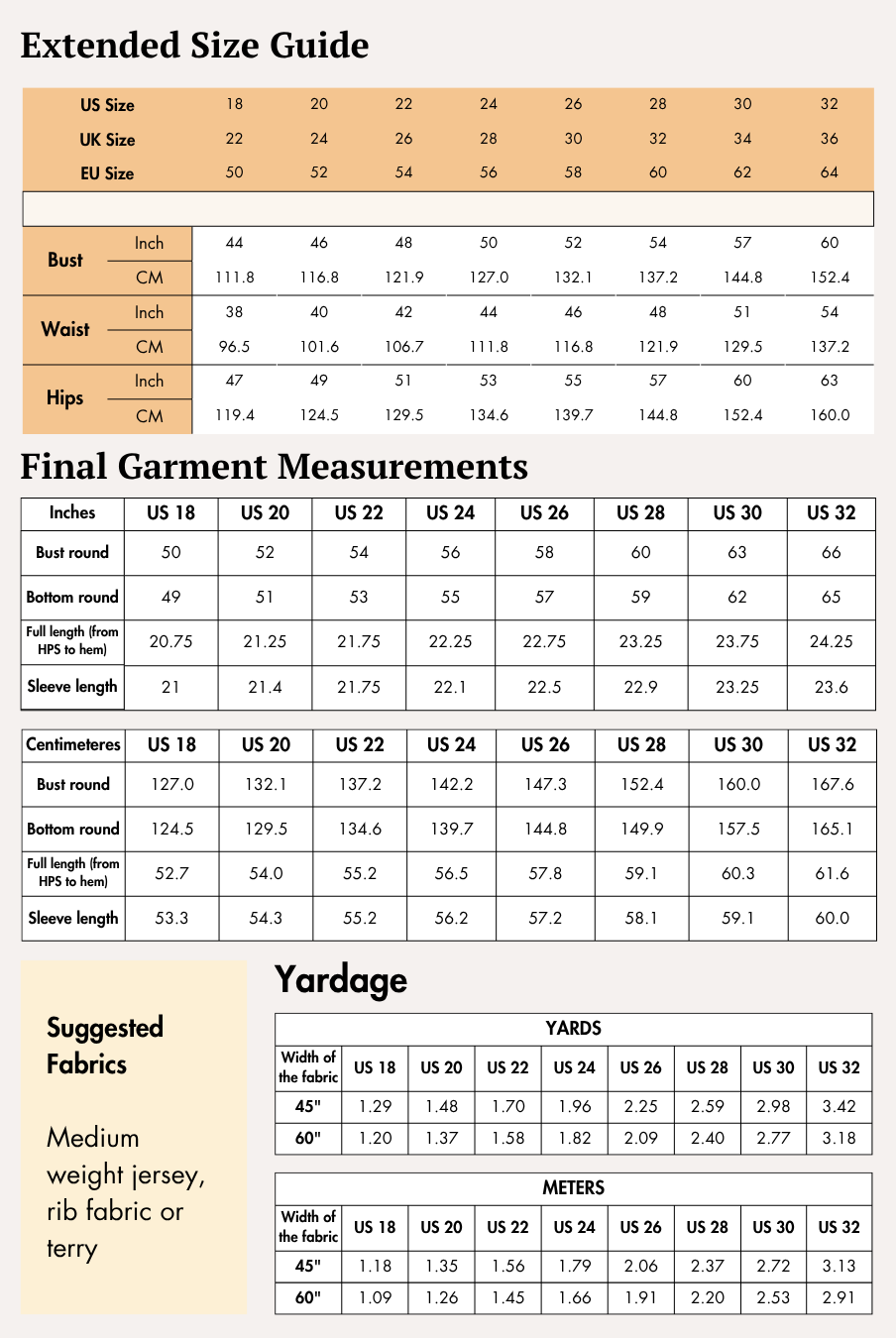
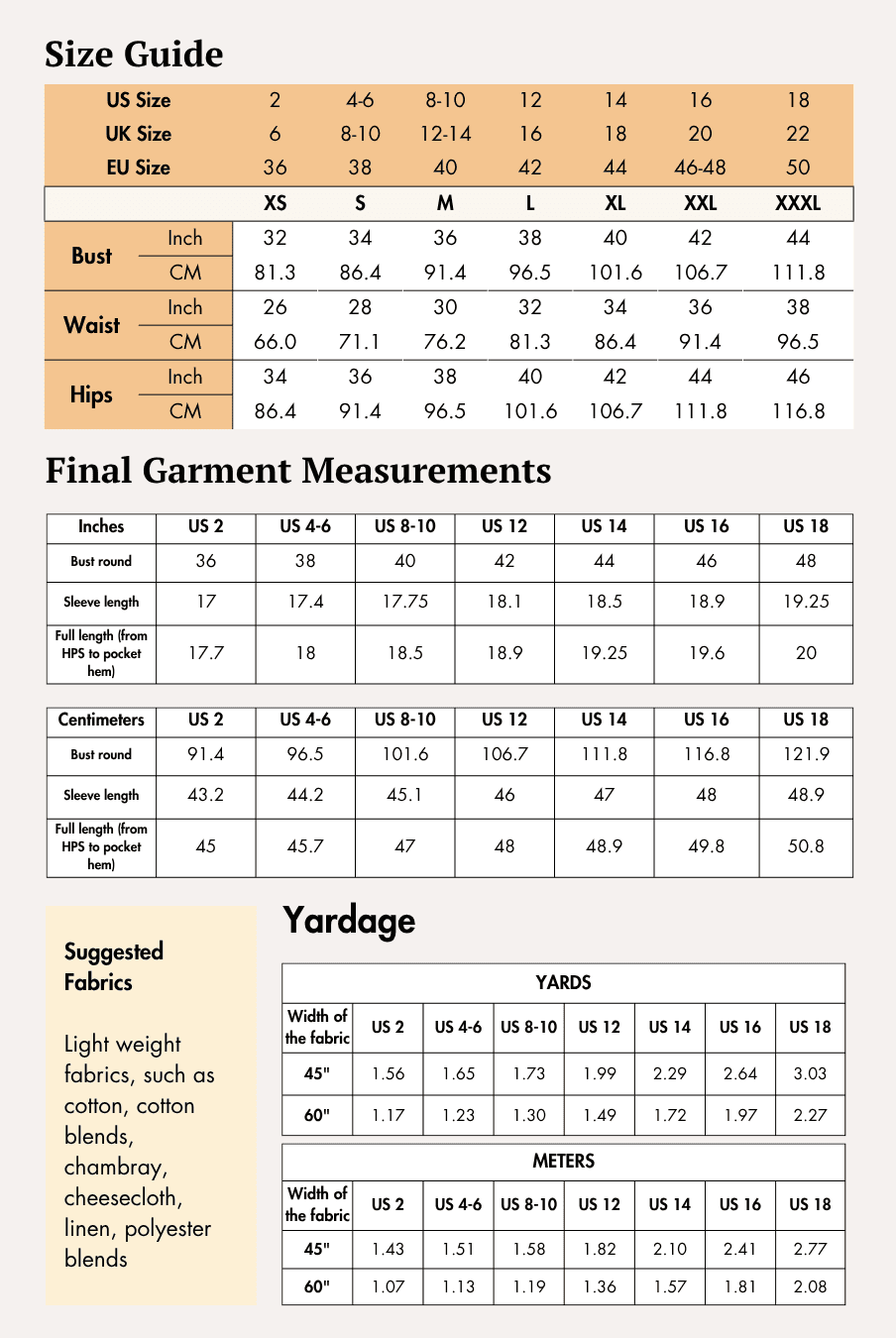
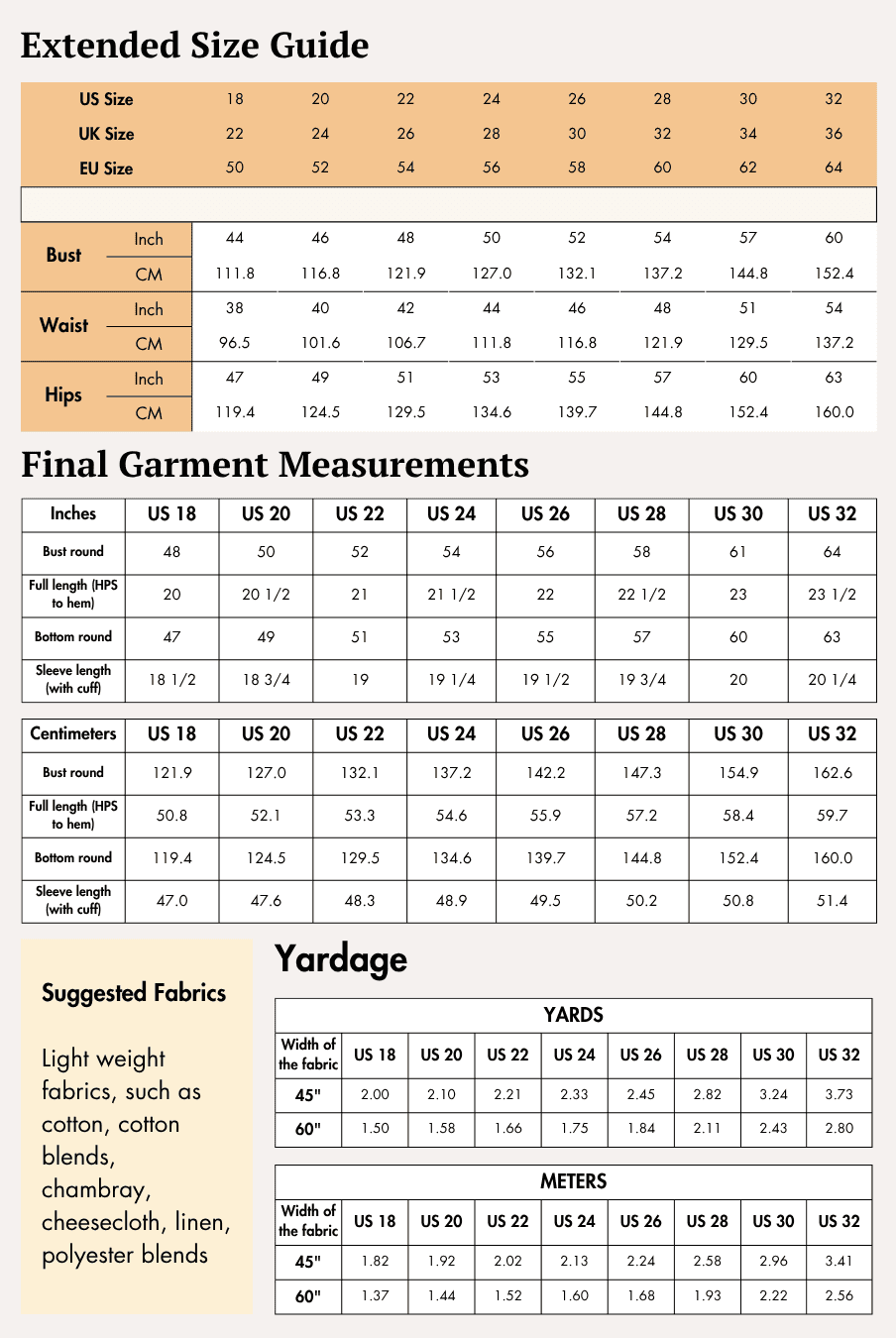
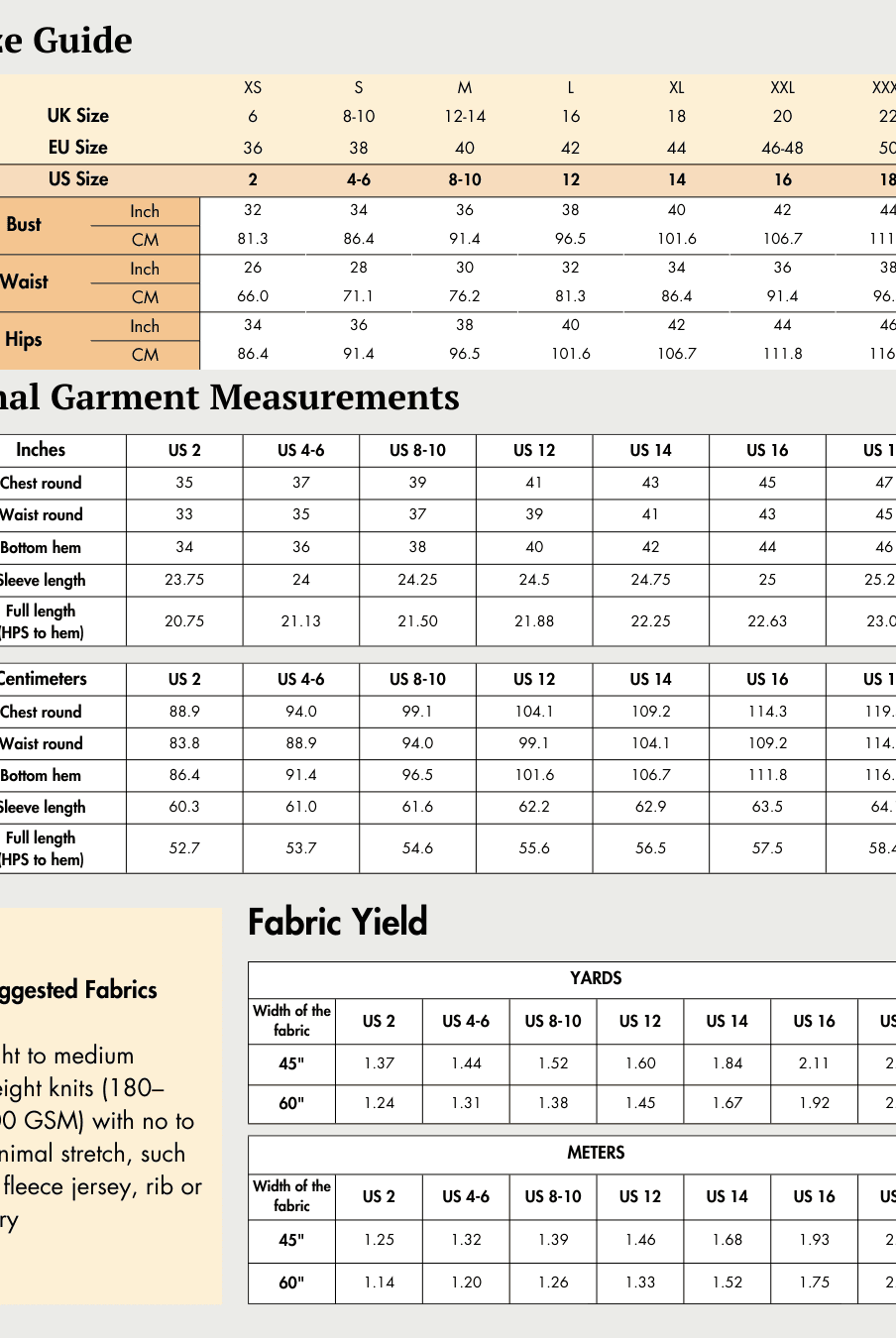
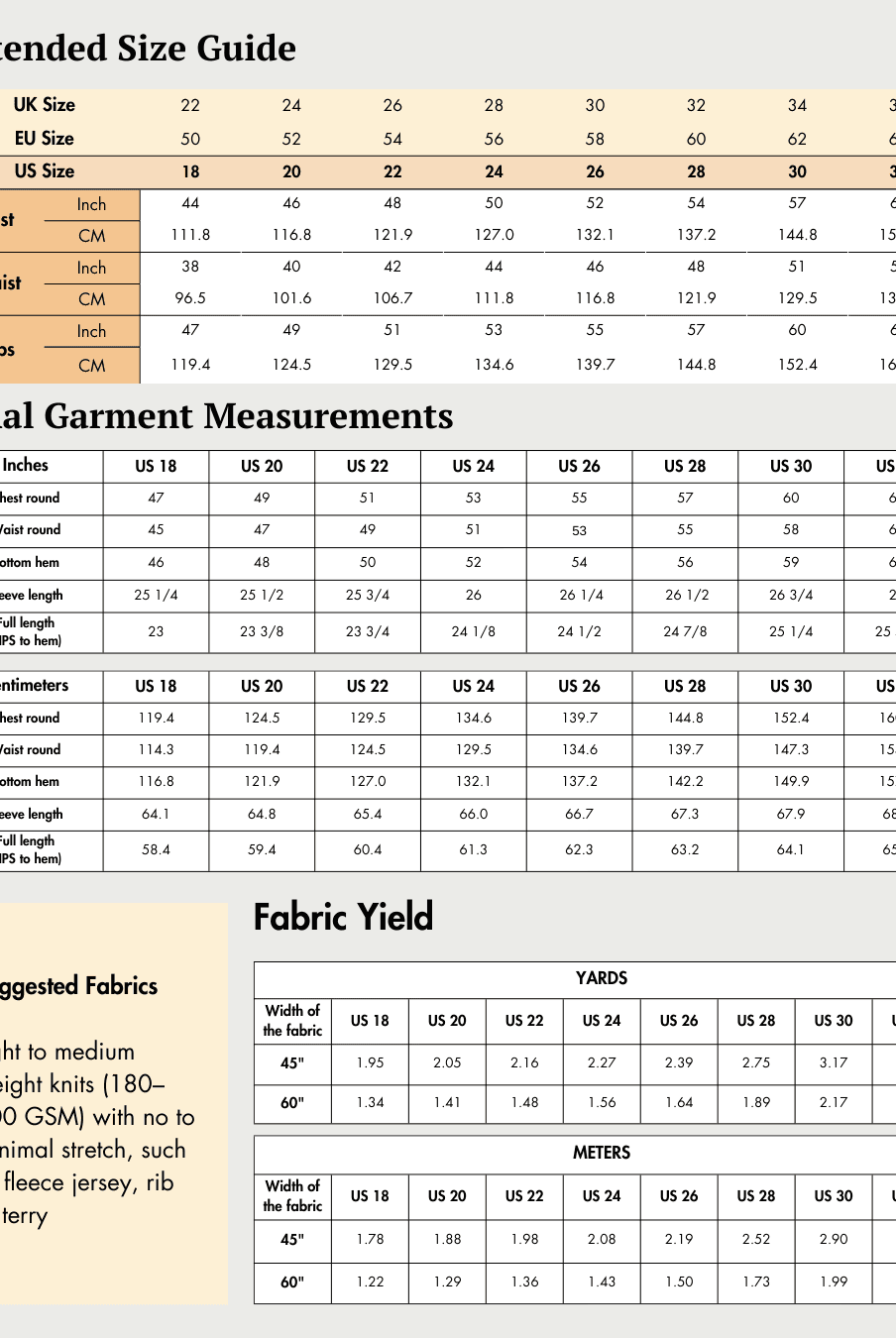
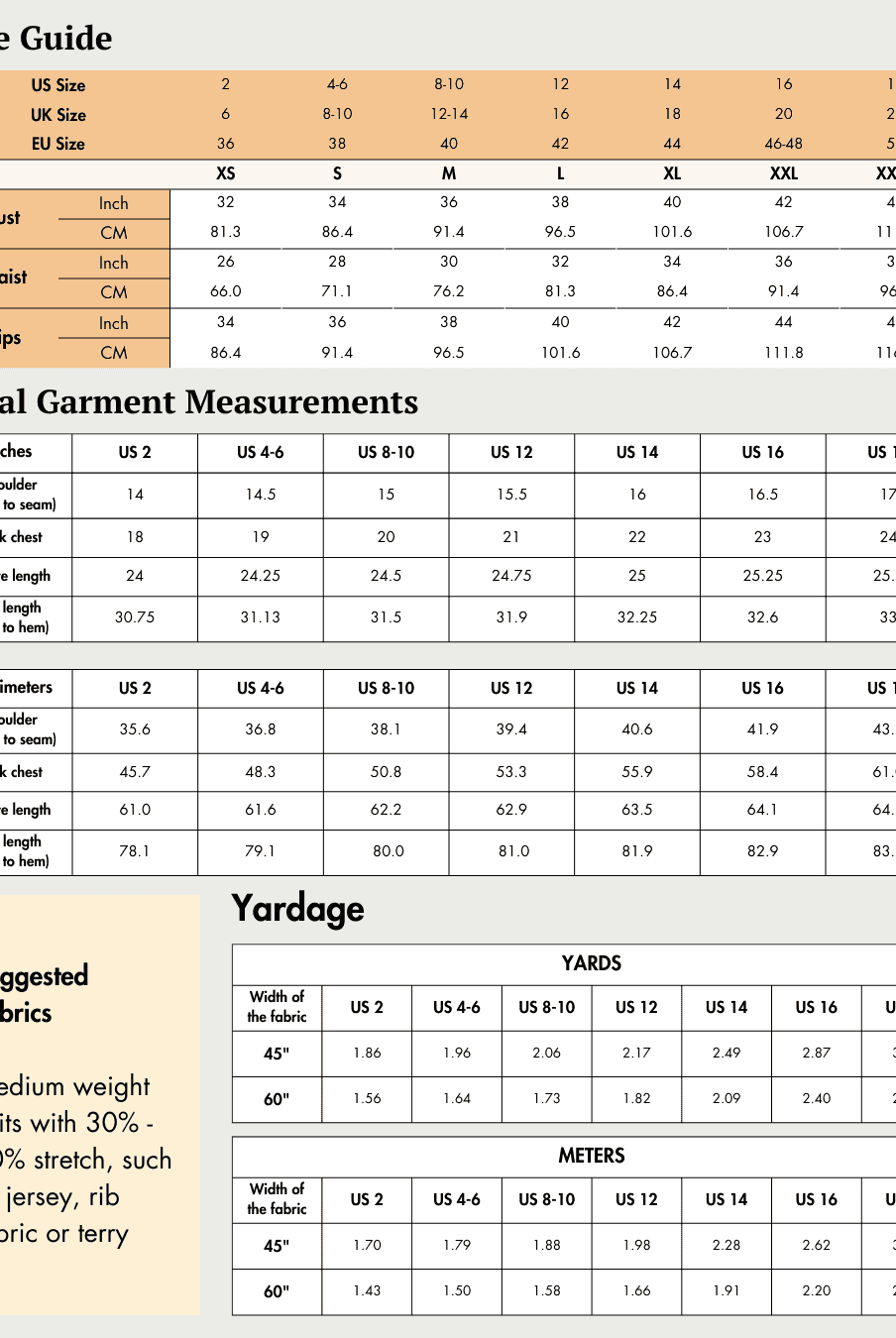
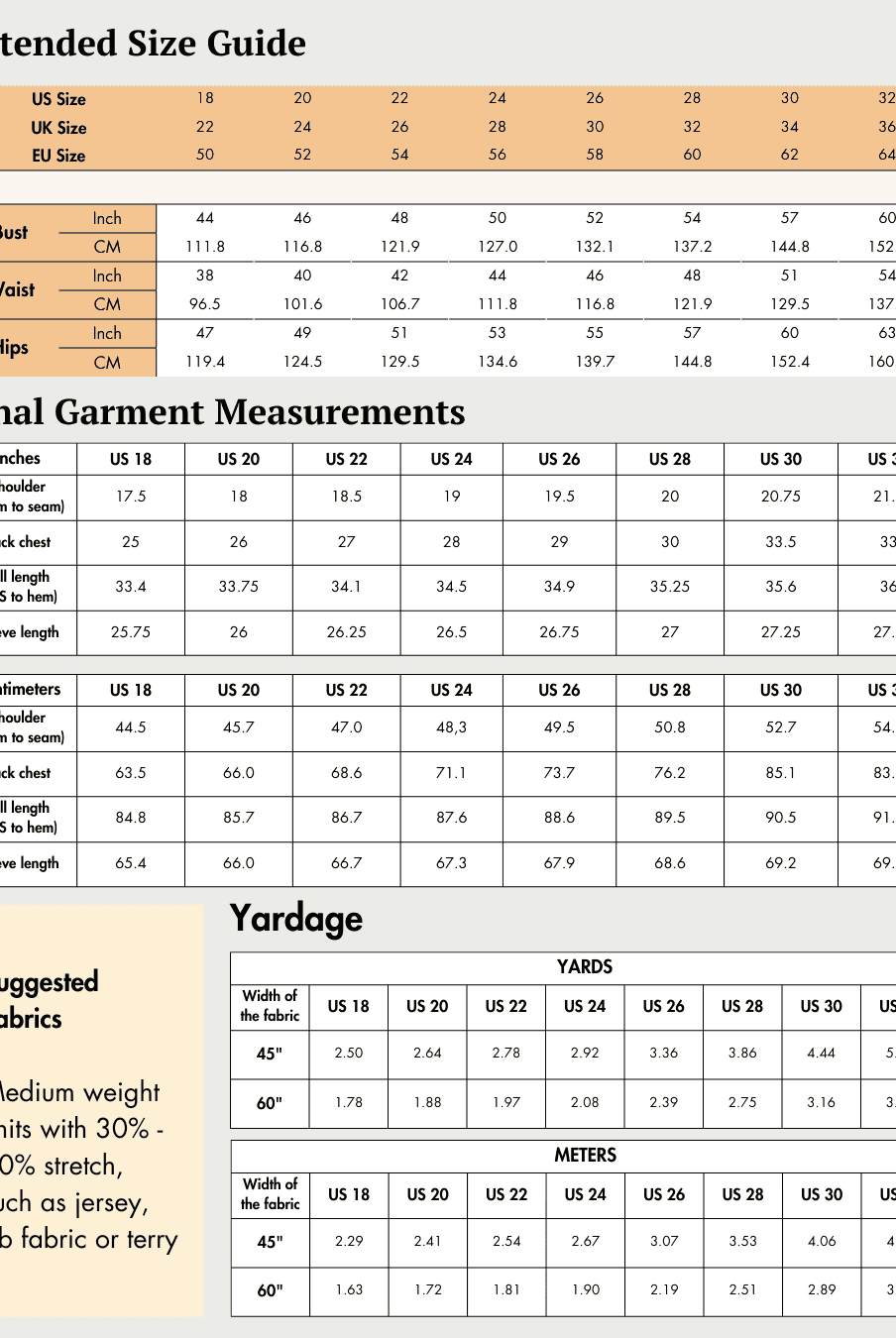
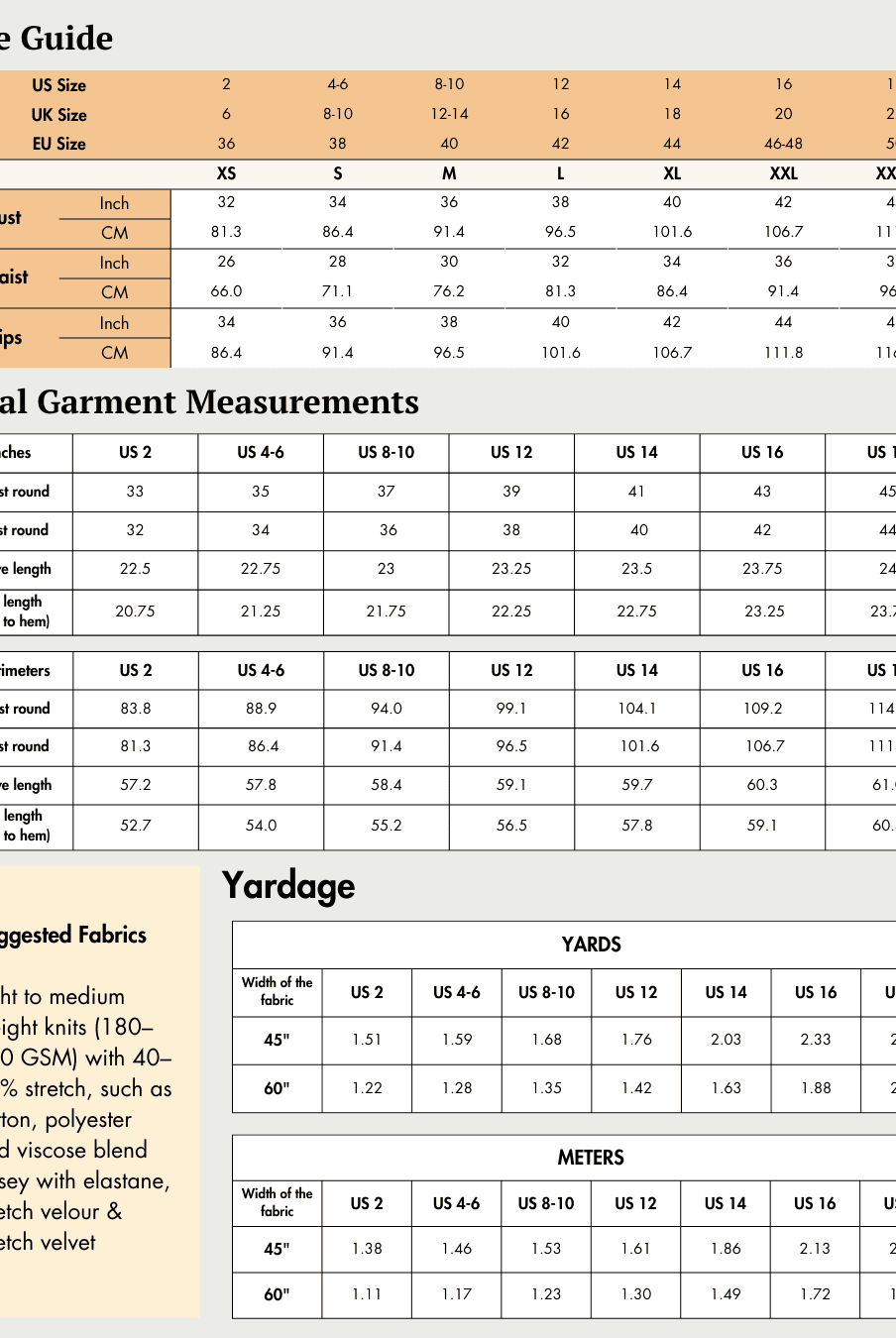
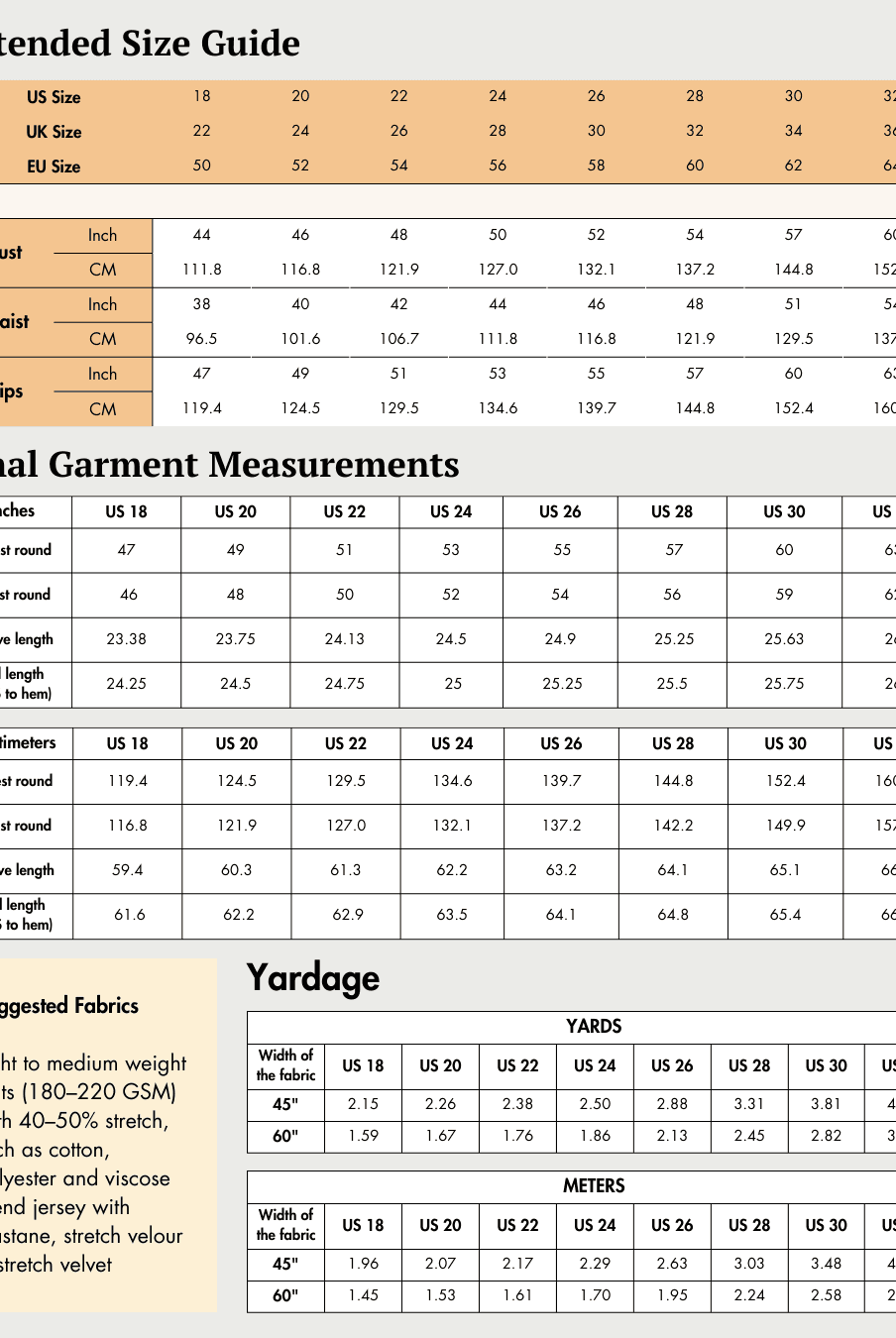
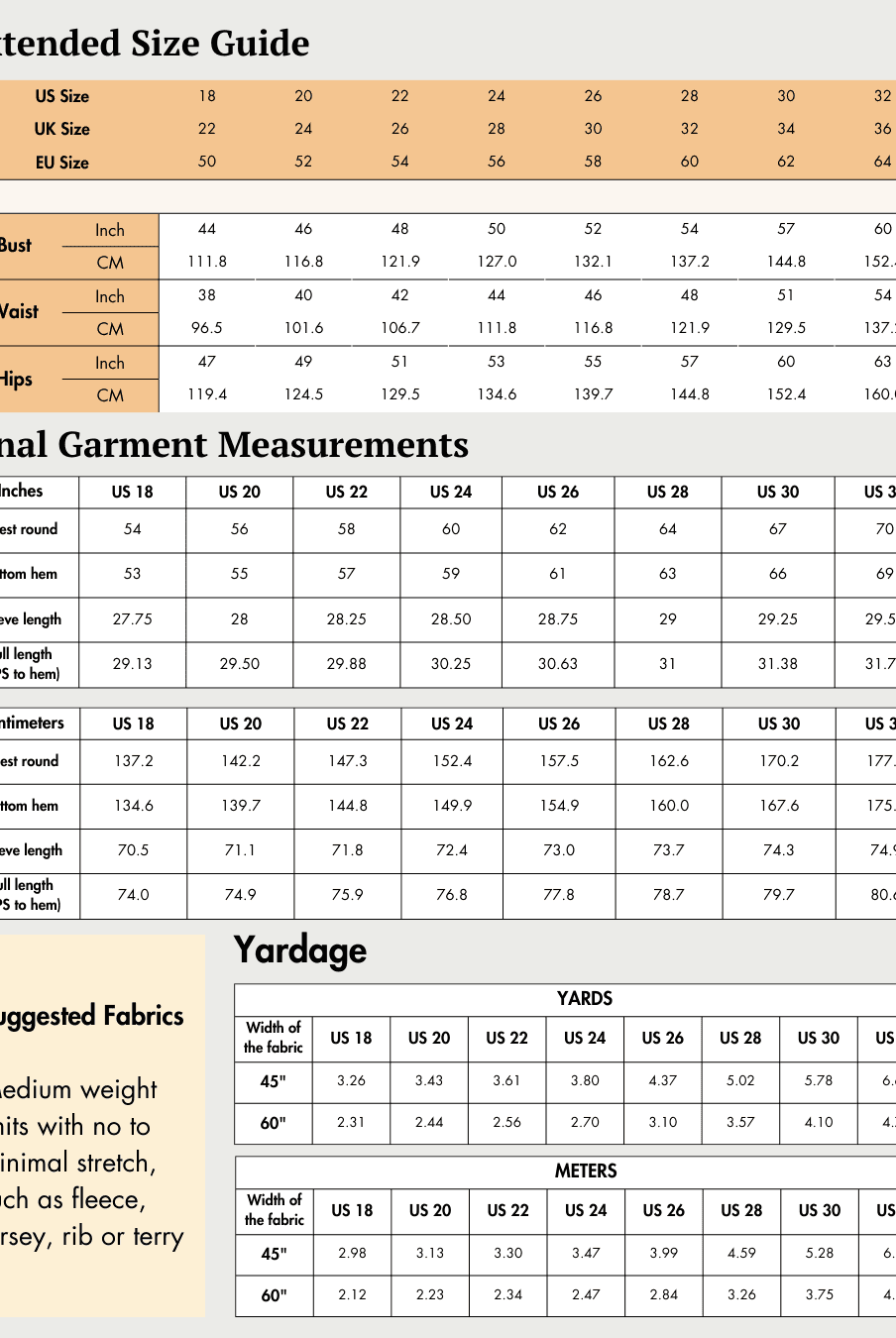
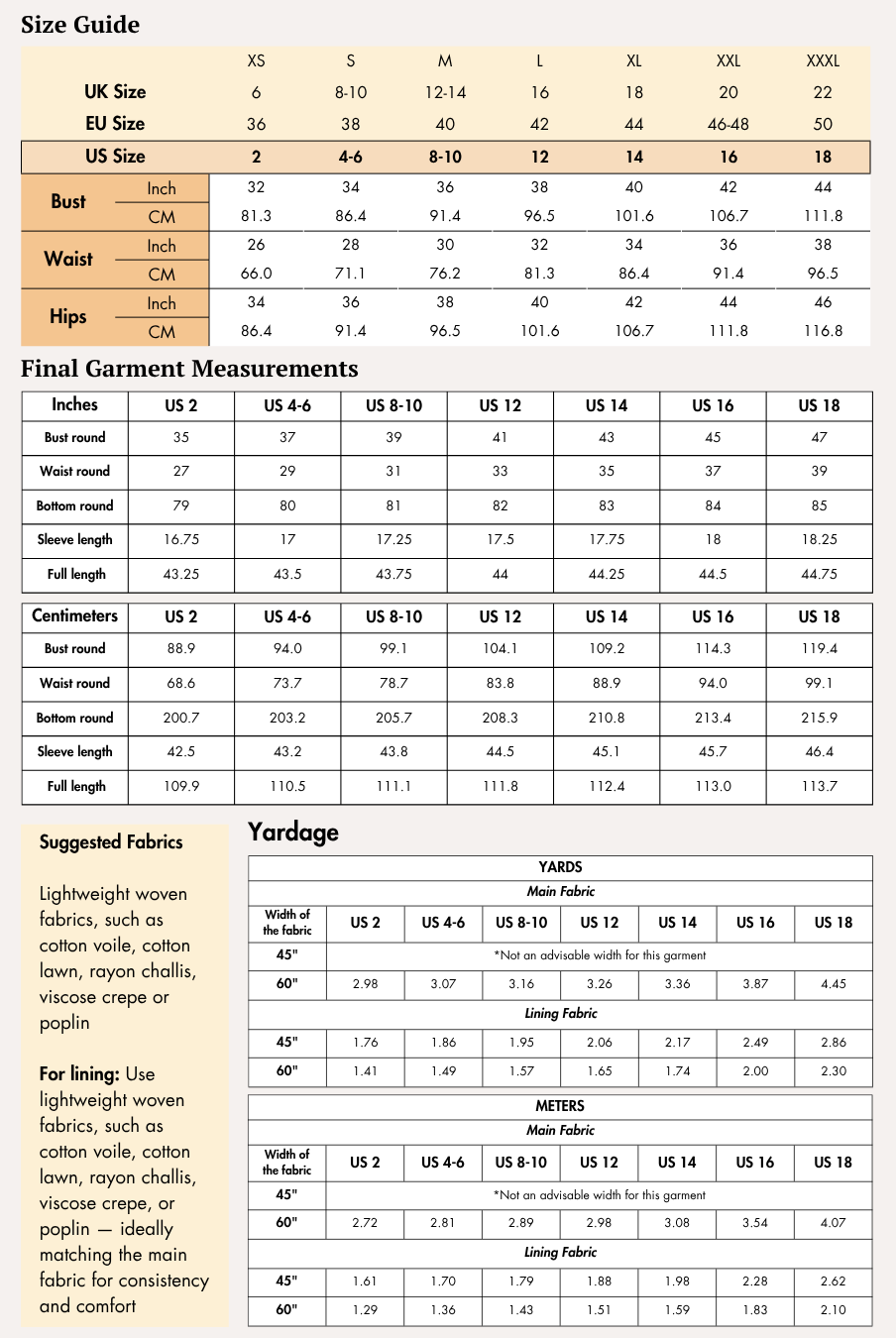
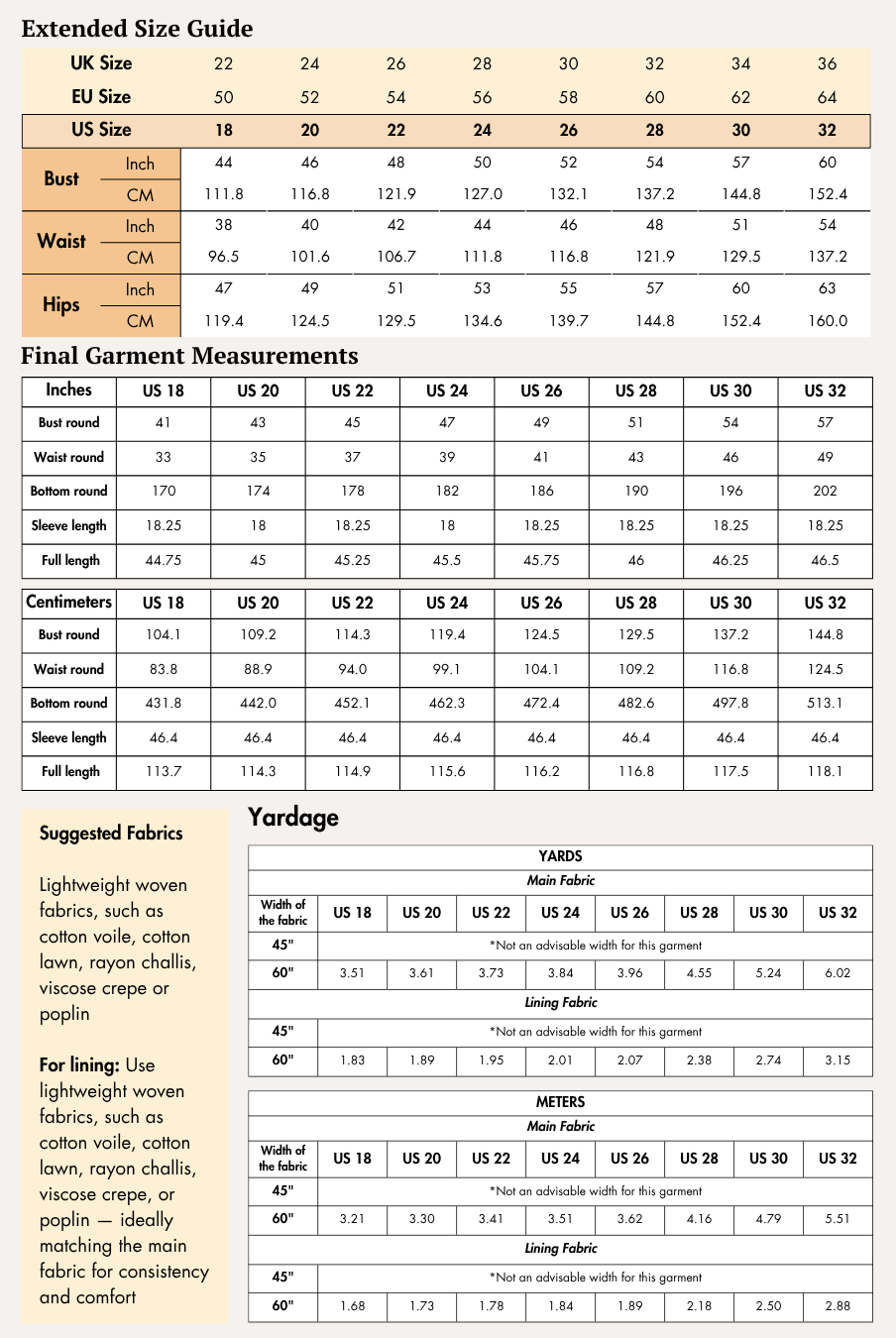
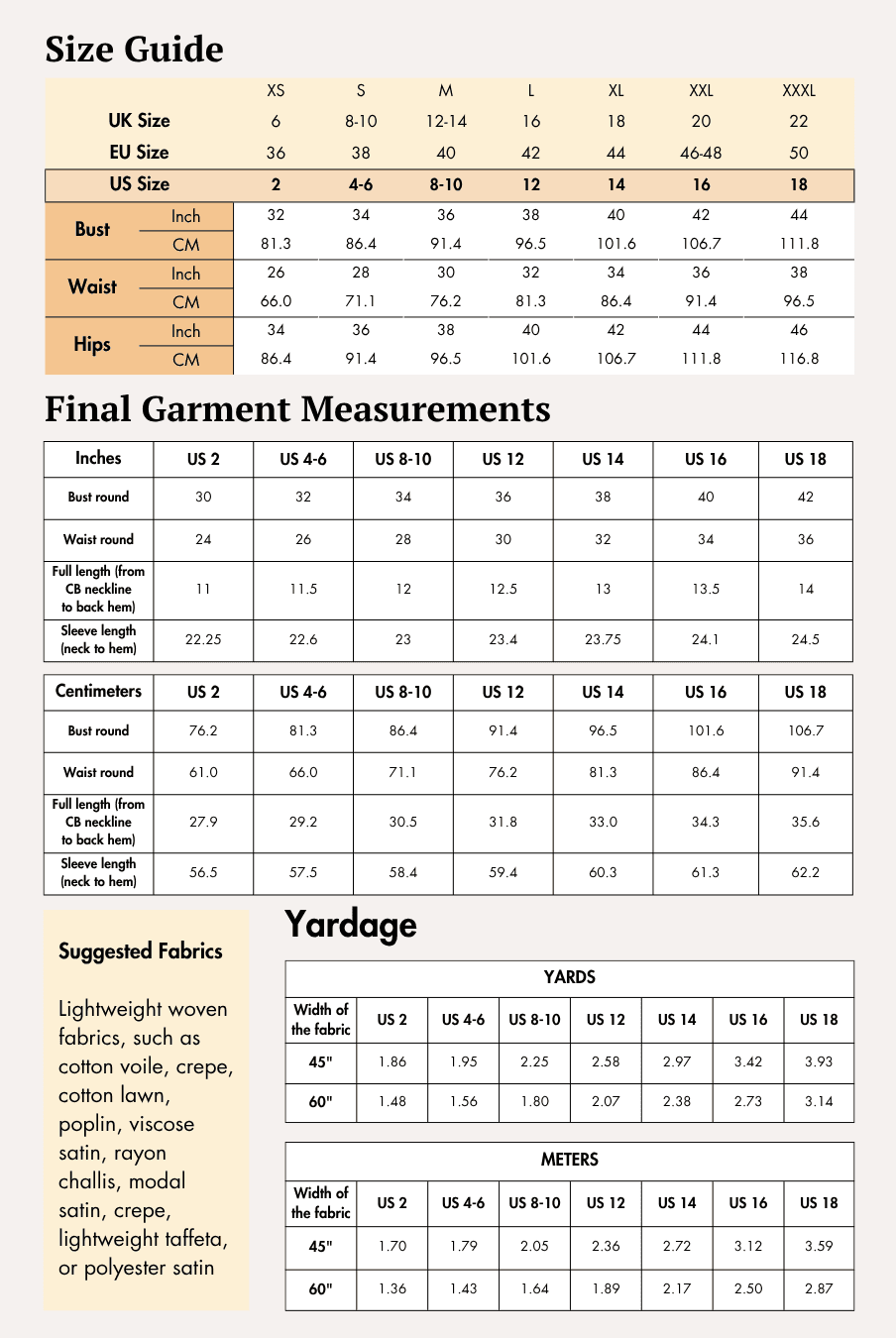
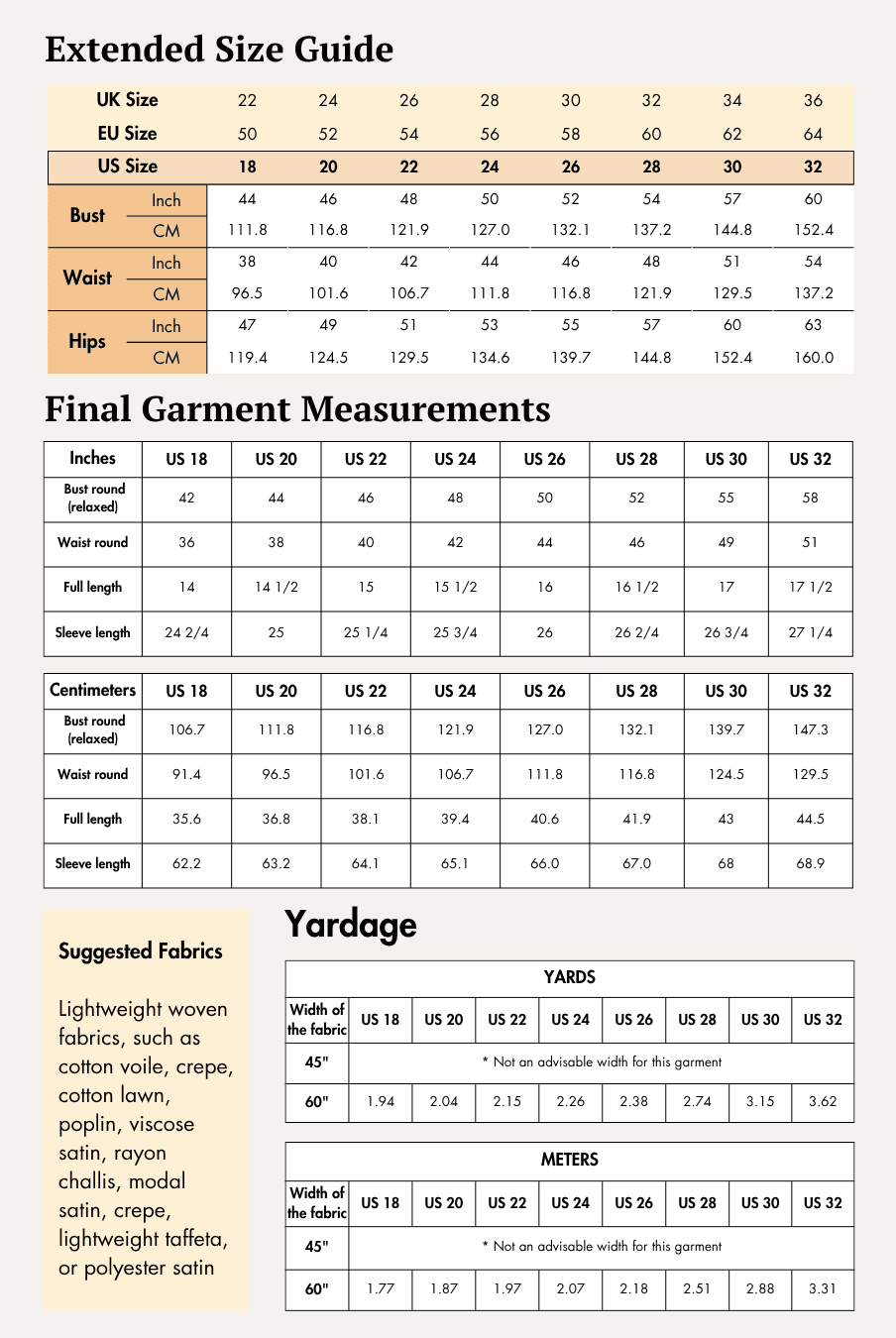
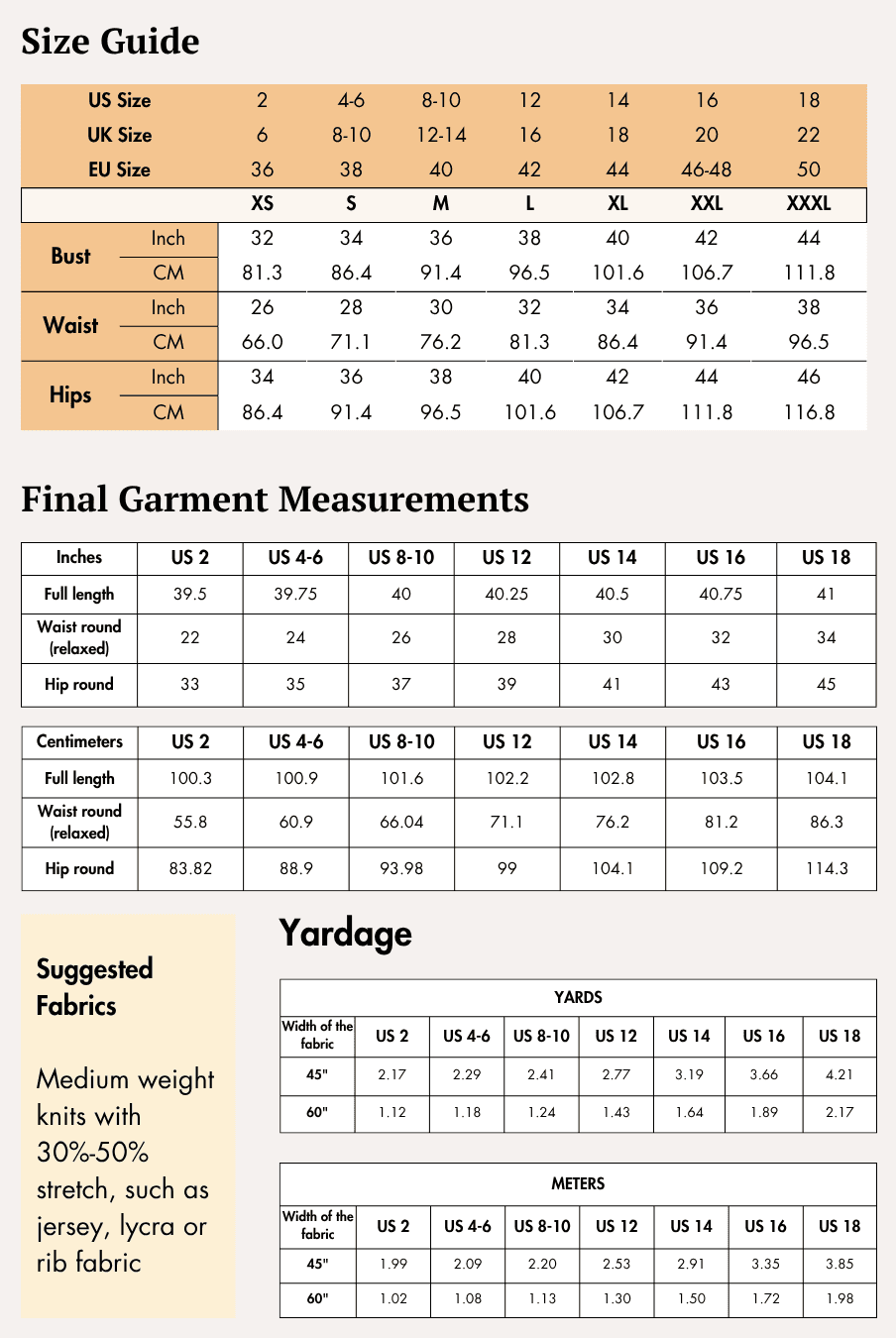
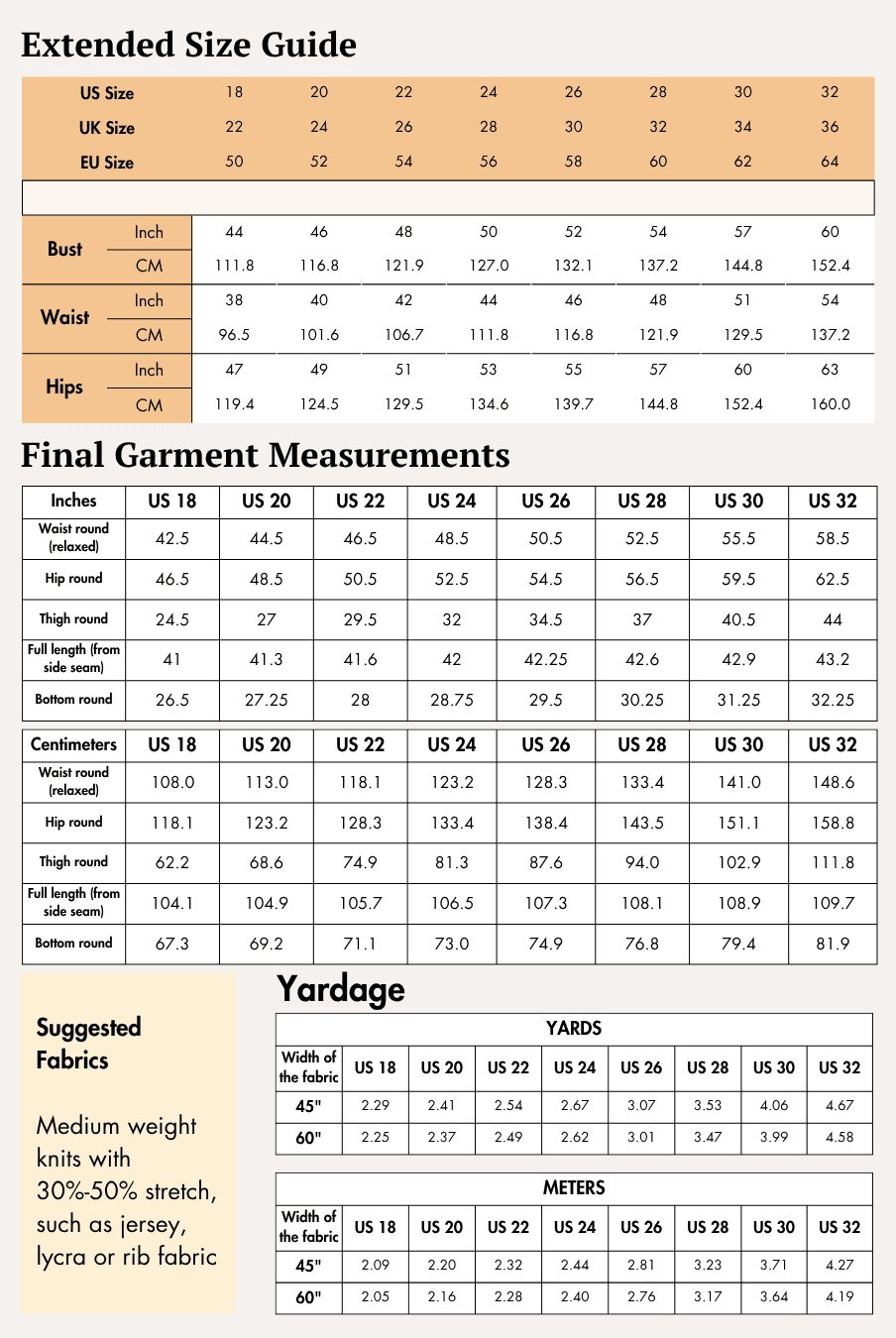
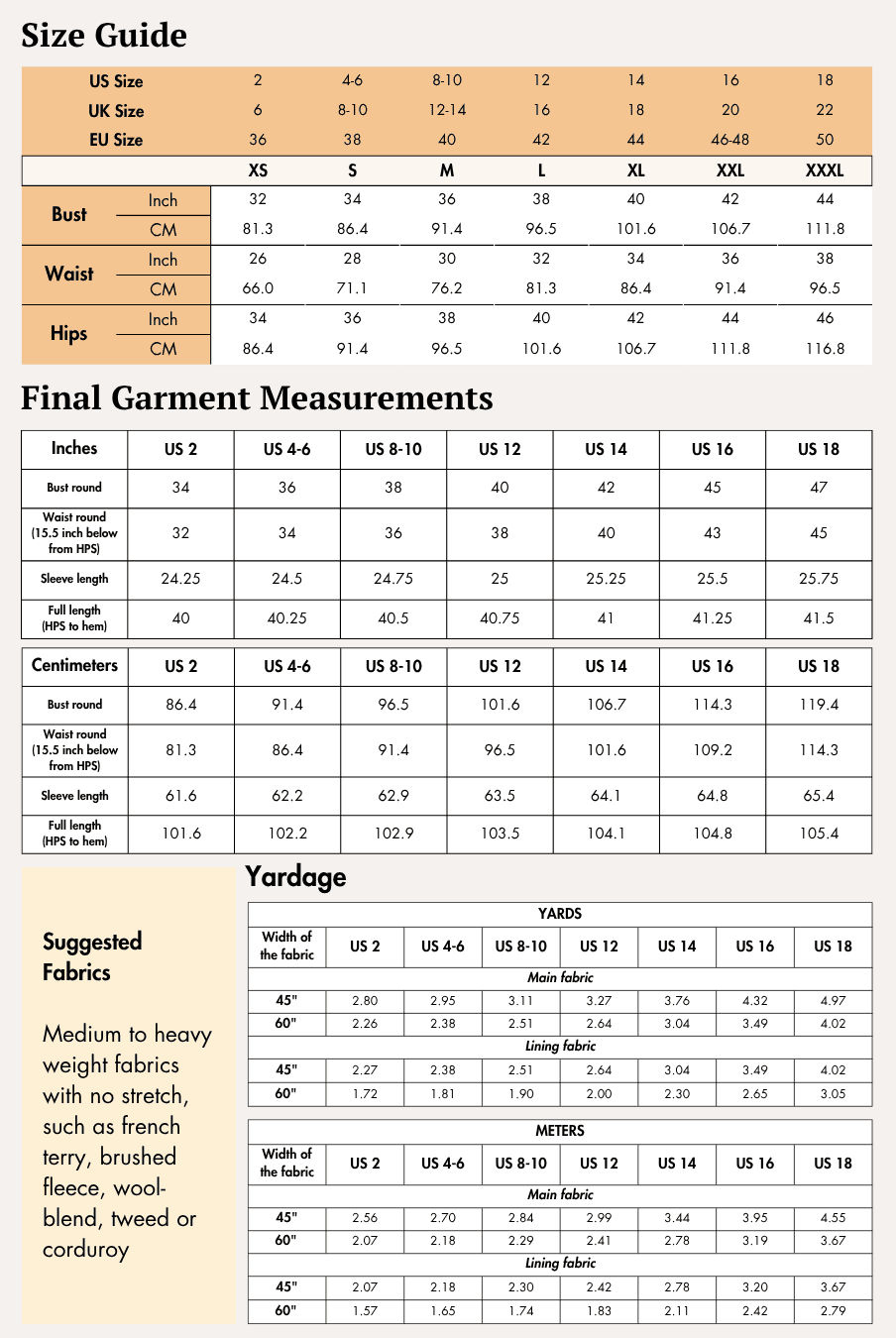
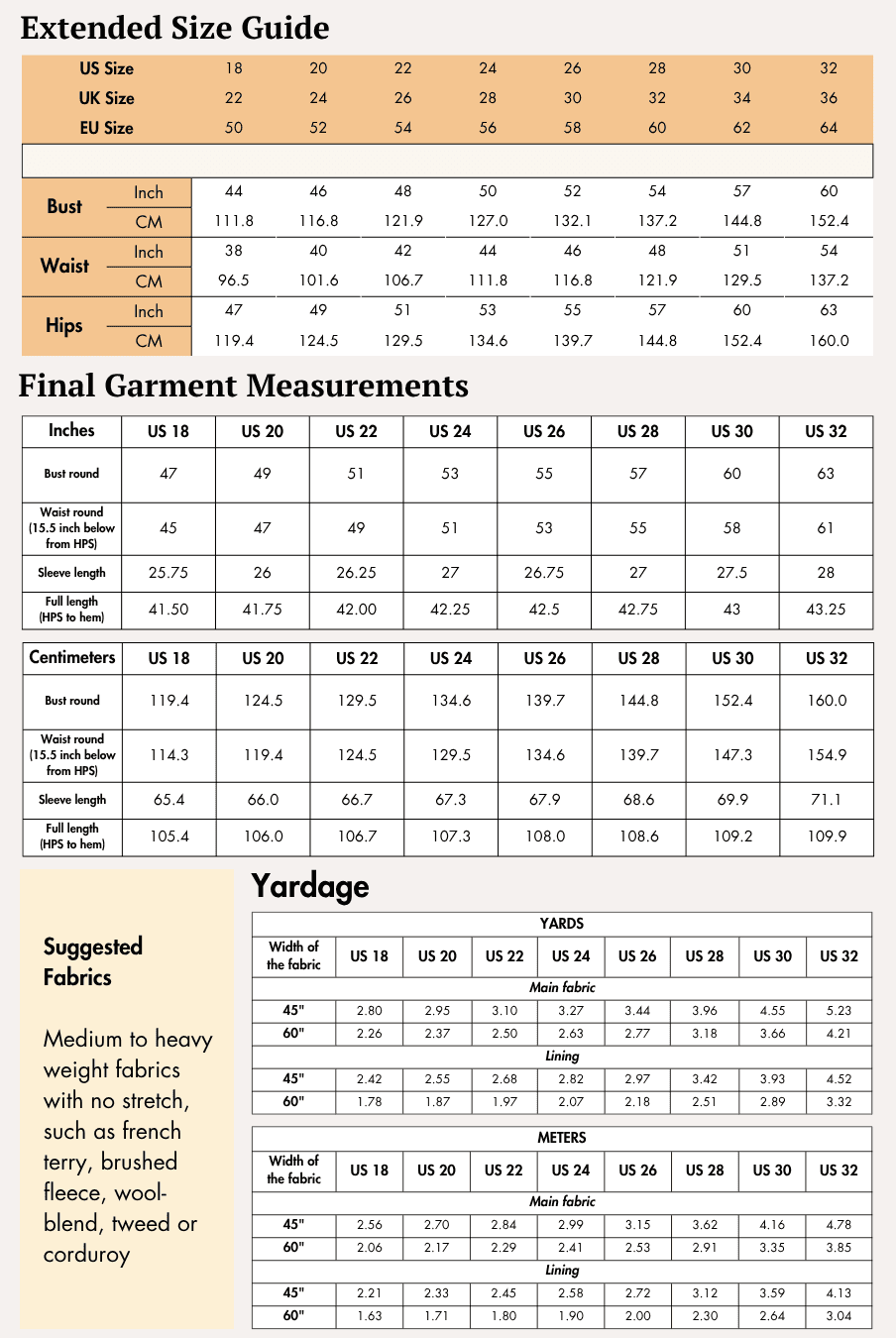
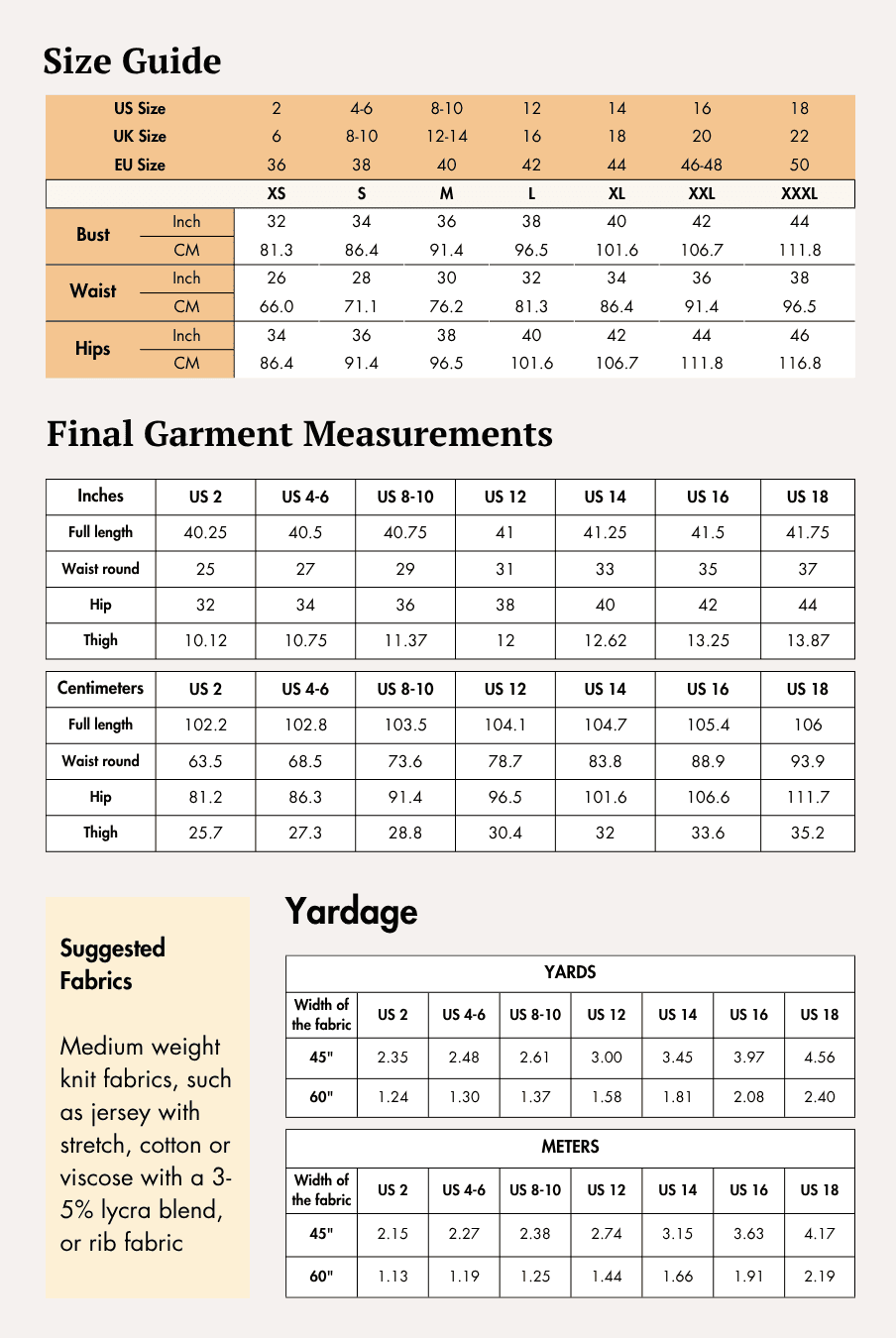
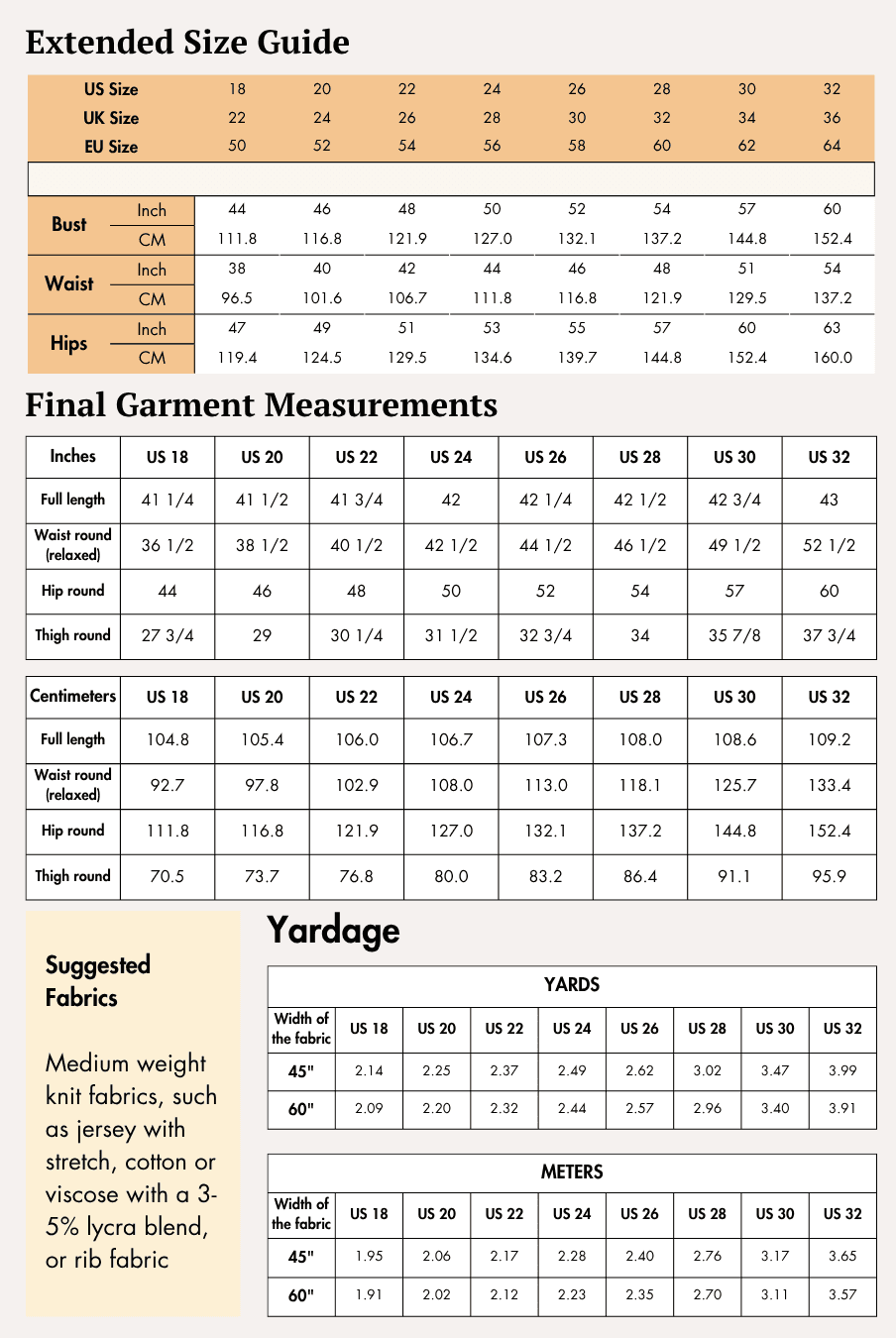
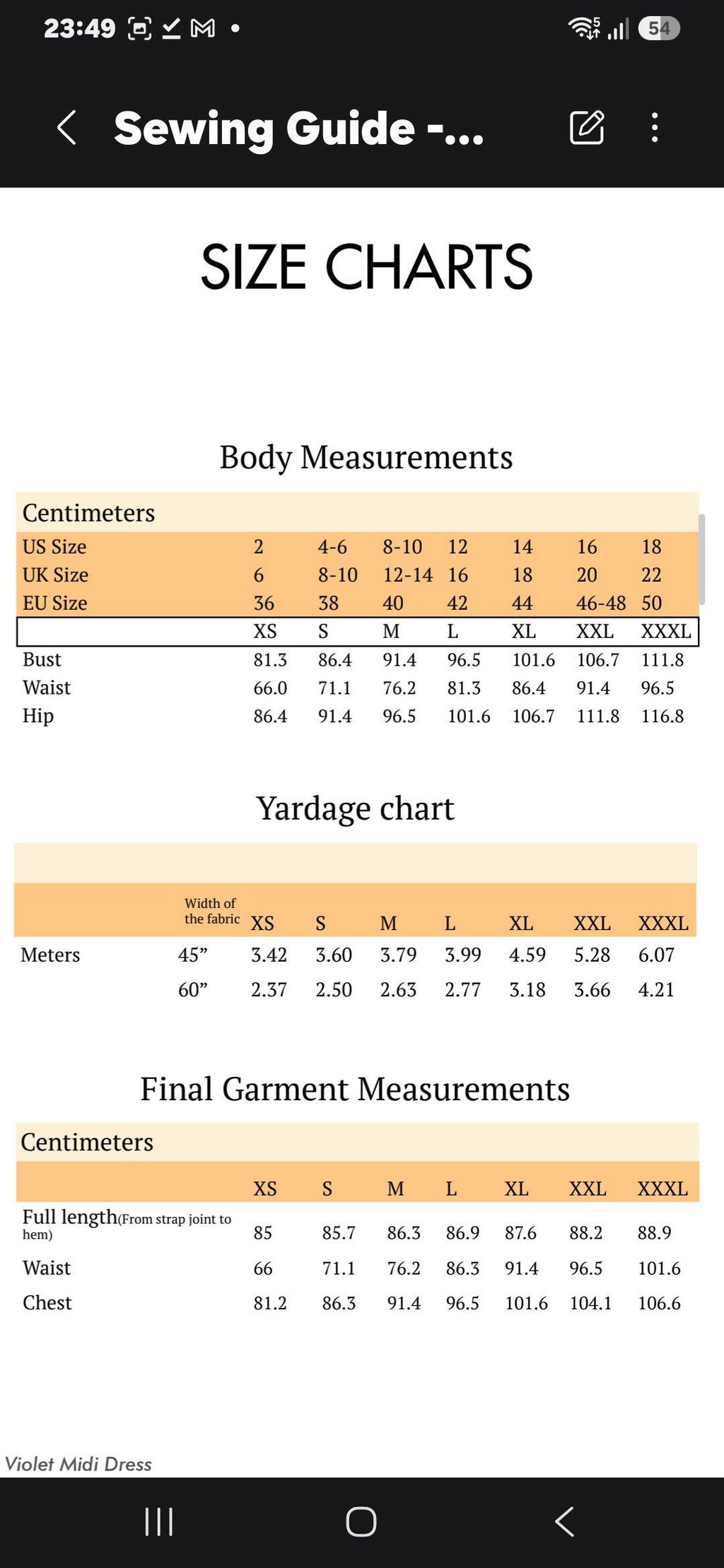
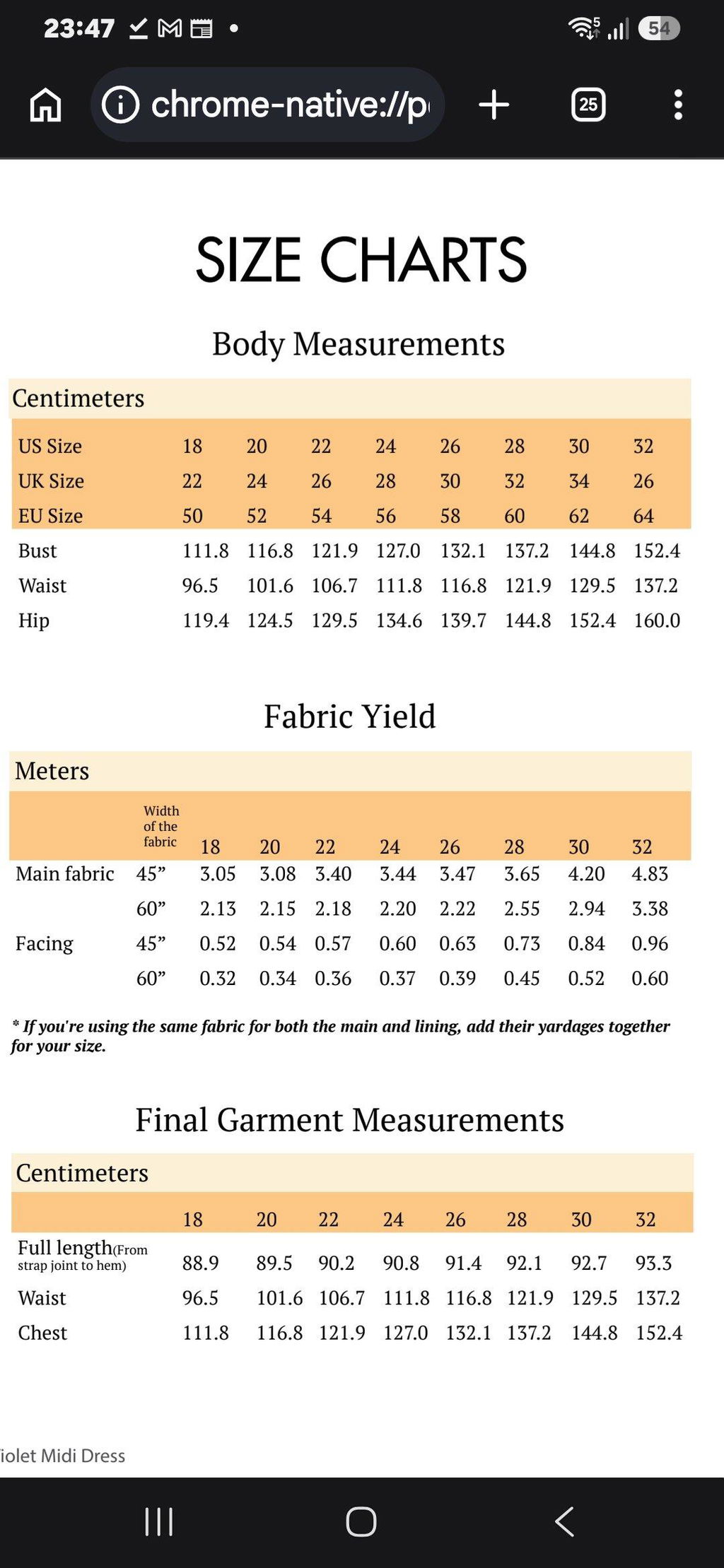
Always compare this with the fabric suggestions included with the sewing pattern.
Is Linen a Good Choice for Summer Sewing?
Yes, linen can be a useful summer fabric because it is a natural fiber and tends to breathe well.
However, linen fabrics can vary considerably.
A medium-weight, rigid linen will create a much more structured garment than a softer or lighter linen.
This is why the fabric name alone is not enough. You still need to assess:
-
Weight
-
Drape
-
Stretch
-
Structure
before deciding whether the particular linen suits your pattern.
Is Cotton Good for Summer Sewing Projects?
Yes. Cotton is another natural fiber that can work well in summer.
However, cotton fabrics come in different weights and structures.
A heavier cotton may create a crisp, structured garment, while a lighter cotton can feel softer and more relaxed.
Choose according to the garment design rather than assuming every cotton will produce the same result.
Is Chiffon Suitable for Summer Sewing?
Chiffon can work for light, flowing summer designs, but it can be more difficult to sew.
It is described as:
-
Slippery
-
Prone to shifting or warping
-
See-through
-
Fluid
Because it is sheer, it may also require a lining.
For beginners, a simpler design can make chiffon easier to manage than a highly detailed garment.
What Lining Can You Use With Sheer Summer Fabric?
If a fabric such as chiffon is see-through, the garment may need to be lined.
The source suggests two different approaches depending on the effect you want.
A denser power mesh can work with a fluid chiffon because both fabrics have a more flexible nature.
If you want the underlayer to provide more support and shape, a viscose lining is another option. Breathability is especially worth considering when the garment is intended for summer wear.
What Fabrics Are Easier for Beginners?
Beginners may find more stable, slightly rigid fabrics easier to work with.
These fabrics tend to behave more like paper, making them easier to control during cutting and sewing.
Examples include:
-
Stable cotton
-
A more stable knit
Silk and satin can be more challenging because they are slippery and harder to keep aligned.
If you are still building confidence, choosing a stable summer fabric can make the sewing process more manageable.
How to Choose Fabric for a Summer Sewing Project Step by Step
Use the garment design and fabric behavior together rather than choosing by fiber name alone.
-
Read the sewing pattern recommendations.
Check which types of fabric the pattern designer suggests. -
Decide whether the garment needs structure or drape.
Structured garments need more body, while flowing garments need softer fabric. -
Consider the fabric weight.
Choose a weight that works for both the design and warm-weather wear. -
Check the fiber content.
Cotton, linen, and hemp are natural fibers that tend to breathe well. -
Perform a drape test.
Hold the fabric and let it fall to see how fluid or structured it is. -
Perform a stretch test.
Gently pull the fabric to see how much flexibility it has. -
Think about your sewing experience.
If you are a beginner, a stable fabric may be easier to manage than something slippery such as silk, satin, or chiffon. -
Buy a little extra fabric.
Extra fabric gives you some room if problems arise during the project.
Should You Always Follow the Pattern’s Fabric Recommendations?
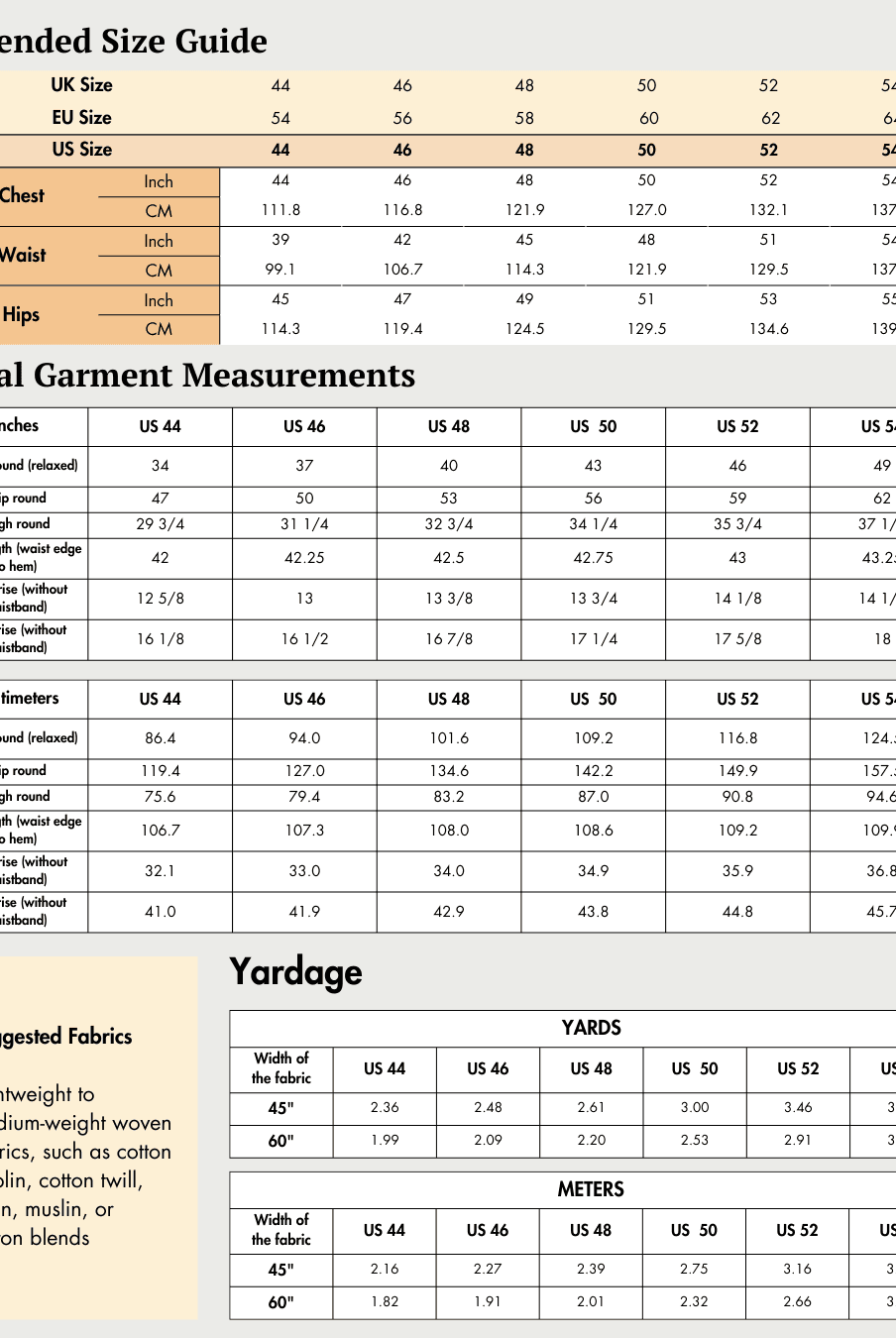
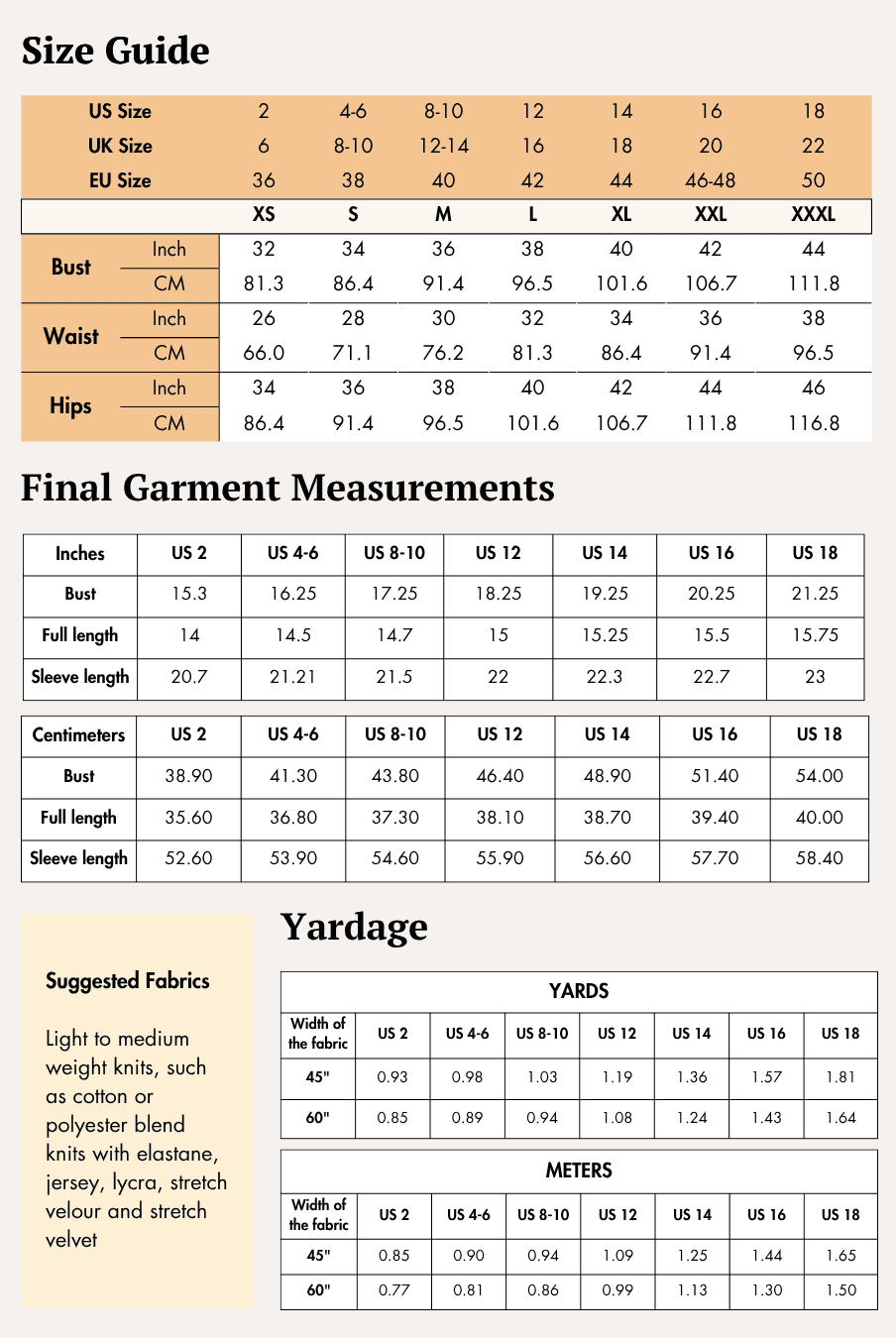
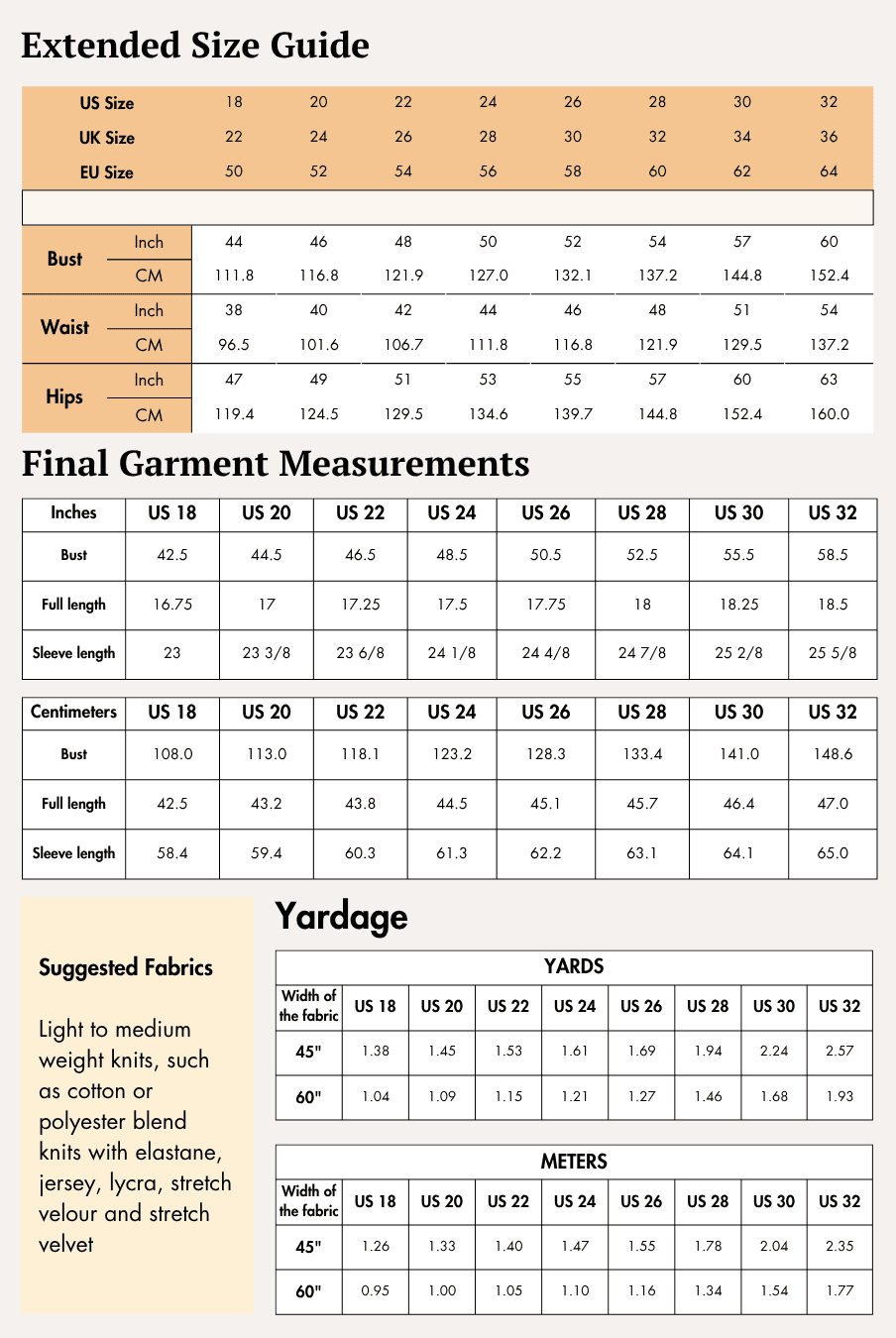
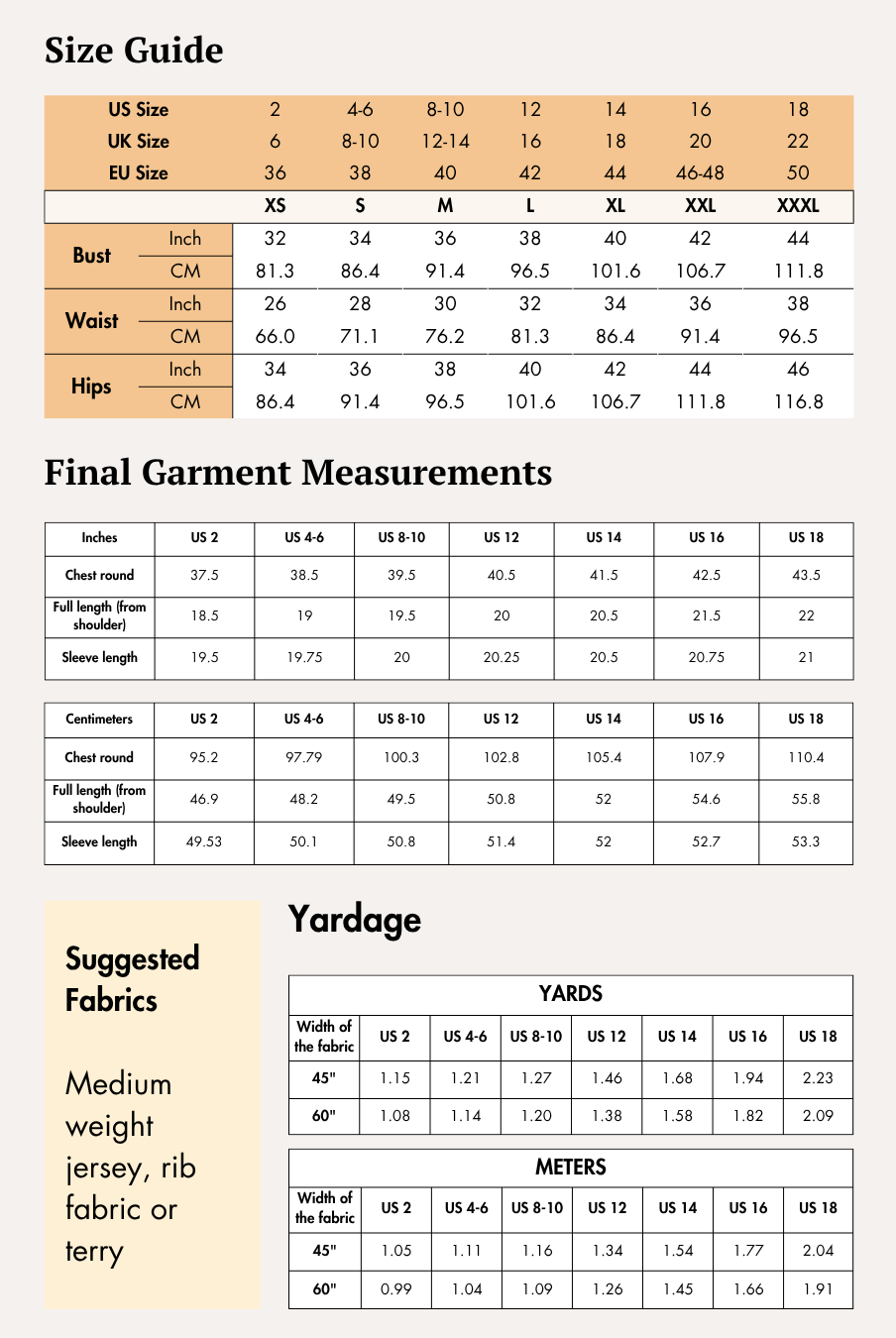
Yes, the pattern’s suggested fabrics are one of the best places to start.
The designer has chosen those recommendations based on the way the garment is intended to behave.
You can still compare different options within that fabric category, but the recommendations provide useful guidance about the appropriate weight, stretch, and structure.
Common Mistakes When Choosing Summer Fabric
The most common problems come from choosing by appearance alone and ignoring how the material behaves.
Choosing a Fabric Only Because You Like the Print
A fabric can look beautiful but still be too stiff, too heavy, too sheer, or too slippery for the project.
Test its drape, weight, and stretch before deciding.
Ignoring Fiber Content
A fabric that traps heat may be uncomfortable for warm-weather wear even if it suits the design visually.
Assuming All Cotton or Linen Is the Same
Fabric weight and structure vary considerably even within the same fiber category.
Handle the fabric rather than relying only on its name.
Choosing a Difficult Fabric Too Early
Very slippery fabrics such as satin, silk, or chiffon can be challenging for beginners.
Starting with something more stable can make the project easier to control.
Ignoring the Pattern Recommendations
If you already have a sewing pattern, check the suggested fabric types before buying material.
Choose Summer Fabric by Feel, Not Just by Name
A successful summer fabric choice balances comfort with the needs of the sewing pattern. Look at the fiber content for breathability, then test the weight, drape, stretch, and structure to see whether the fabric behaves the way the garment requires.
Whenever possible, handle the fabric before buying it and compare your findings with the recommendations in your pattern. For your next warm-weather project, explore Winslet's sewing patterns collection and use these fabric checks to choose a material that suits both the design and the season.
FAQs
What is the best fabric for summer sewing?
There is no single best fabric for every summer project. Cotton, linen, and hemp are useful natural-fiber options because they tend to breathe well, but the final choice should also match the garment’s required weight, drape, stretch, and structure.
Is cotton or linen better for summer?
Both can work well. The better option depends on the individual fabric and the garment design, since both cotton and linen are available in different weights and levels of structure.
What fabric is best for a flowing summer dress?
A softer, drapier fabric such as rayon or chiffon can suit a flowing design. Always compare the fabric with the pattern recommendations.
What fabric should a beginner use for a summer project?
A stable cotton or another slightly more rigid fabric can be easier to handle. Very slippery fabrics such as silk and satin can be more difficult.
Should summer fabric always be lightweight?
Not necessarily. Dresses and blouses often work well in light- to medium-weight fabrics, but some designs require more structure. The fabric should suit both the season and the garment.
How do I know if a fabric is too stiff for my project?
Do a drape test. If the fabric strongly holds its shape instead of falling softly, it is more suited to a structured look than a fluid one.
Should I buy extra fabric?
Yes. Buying a little extra gives you some flexibility if you encounter problems while cutting or sewing.