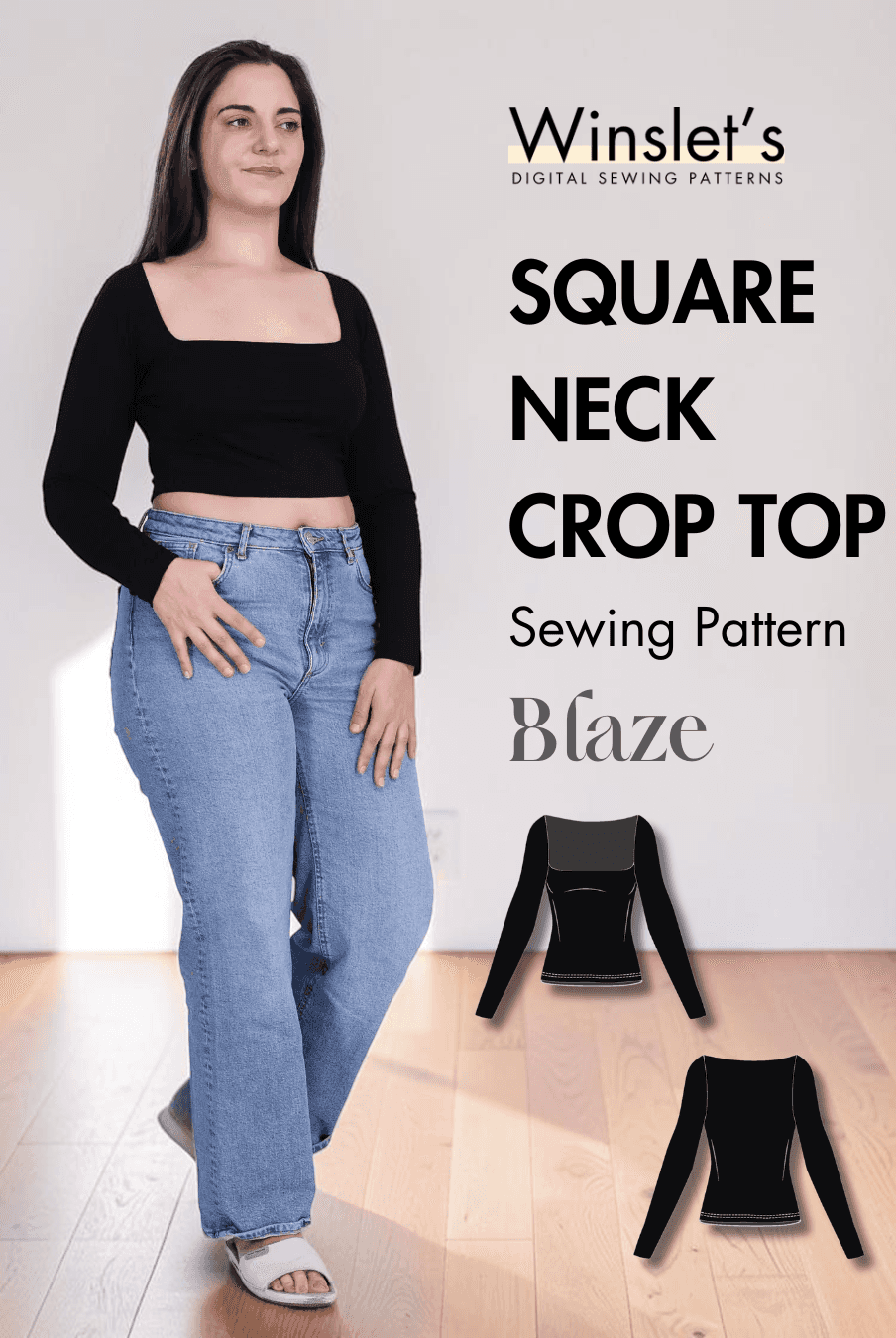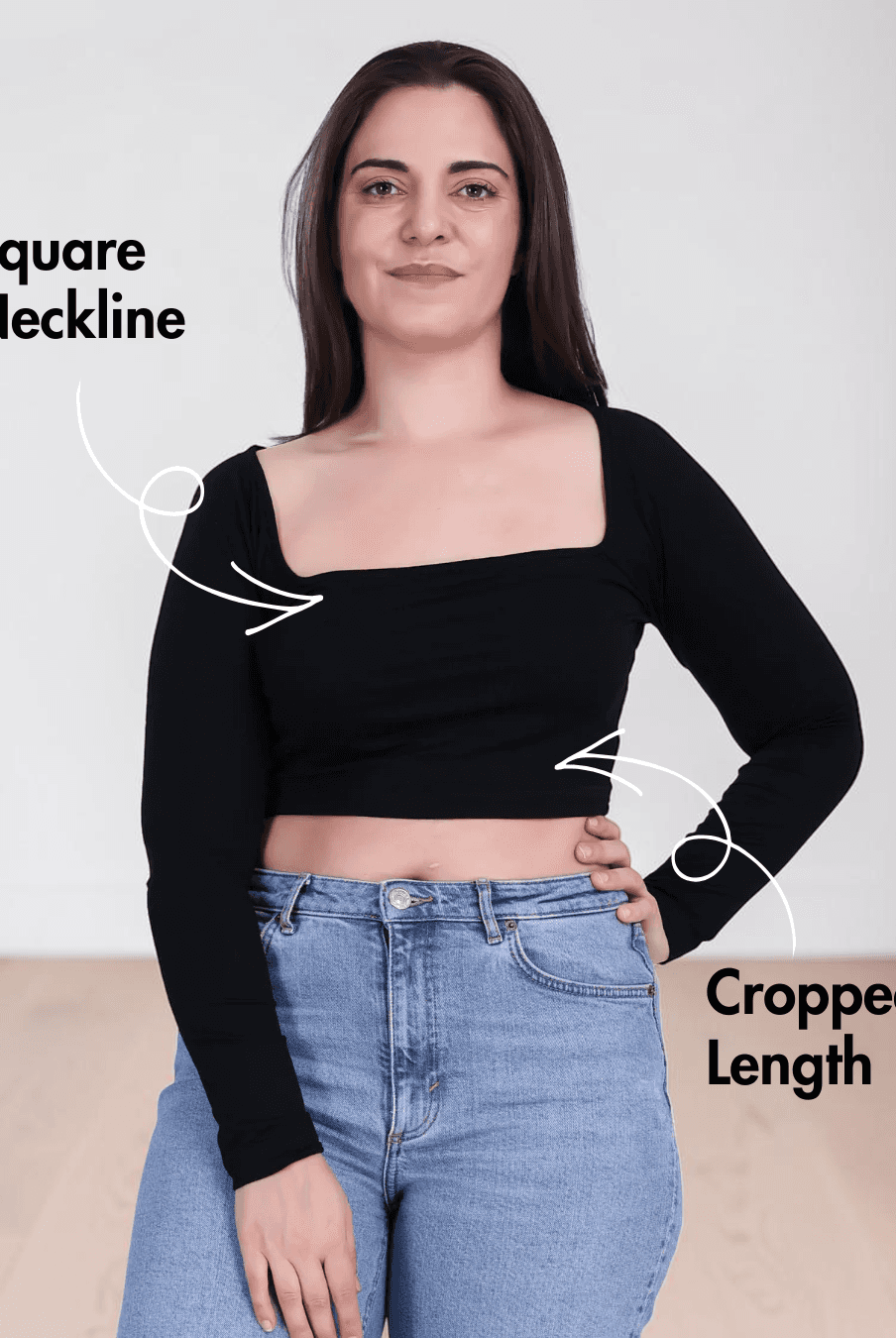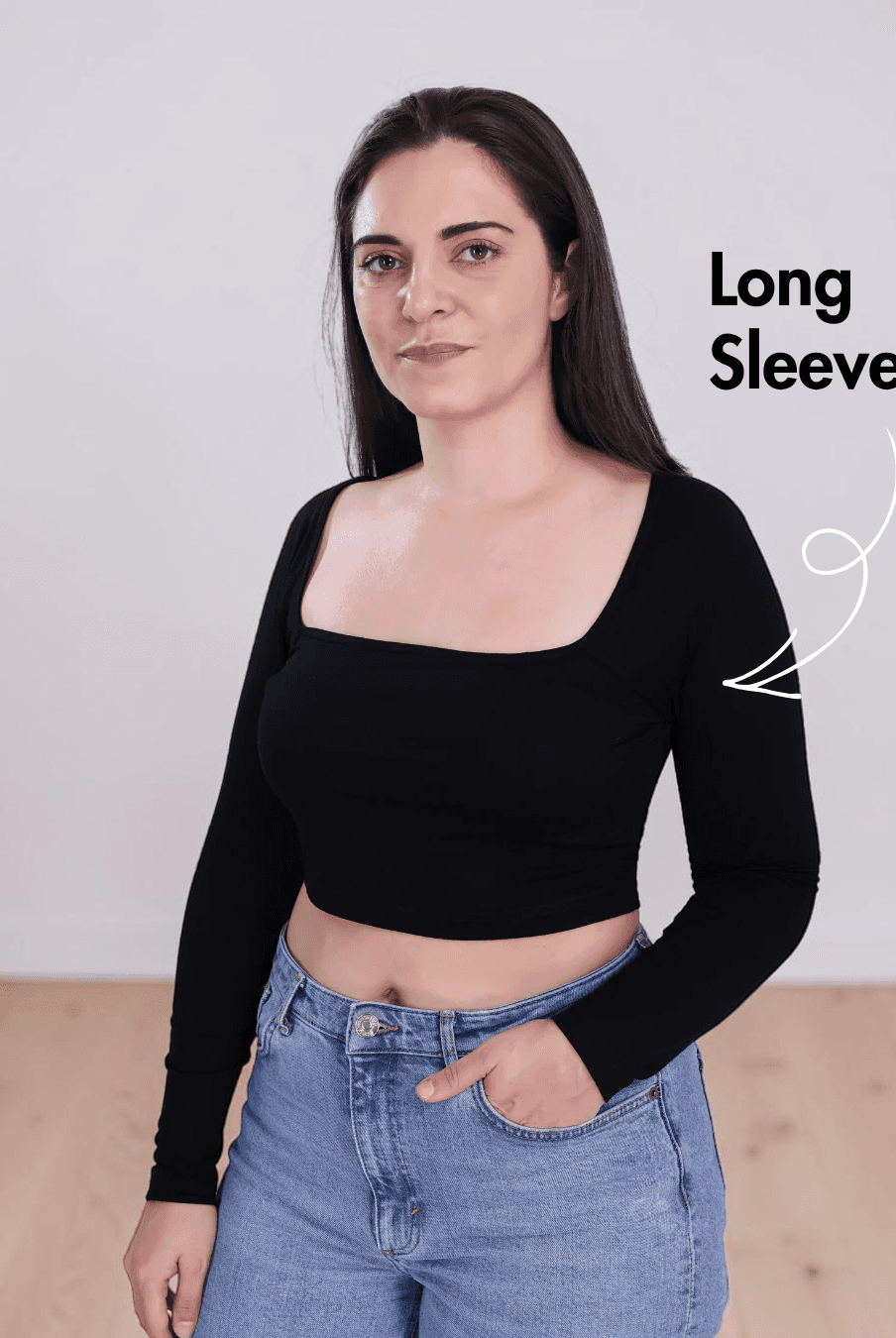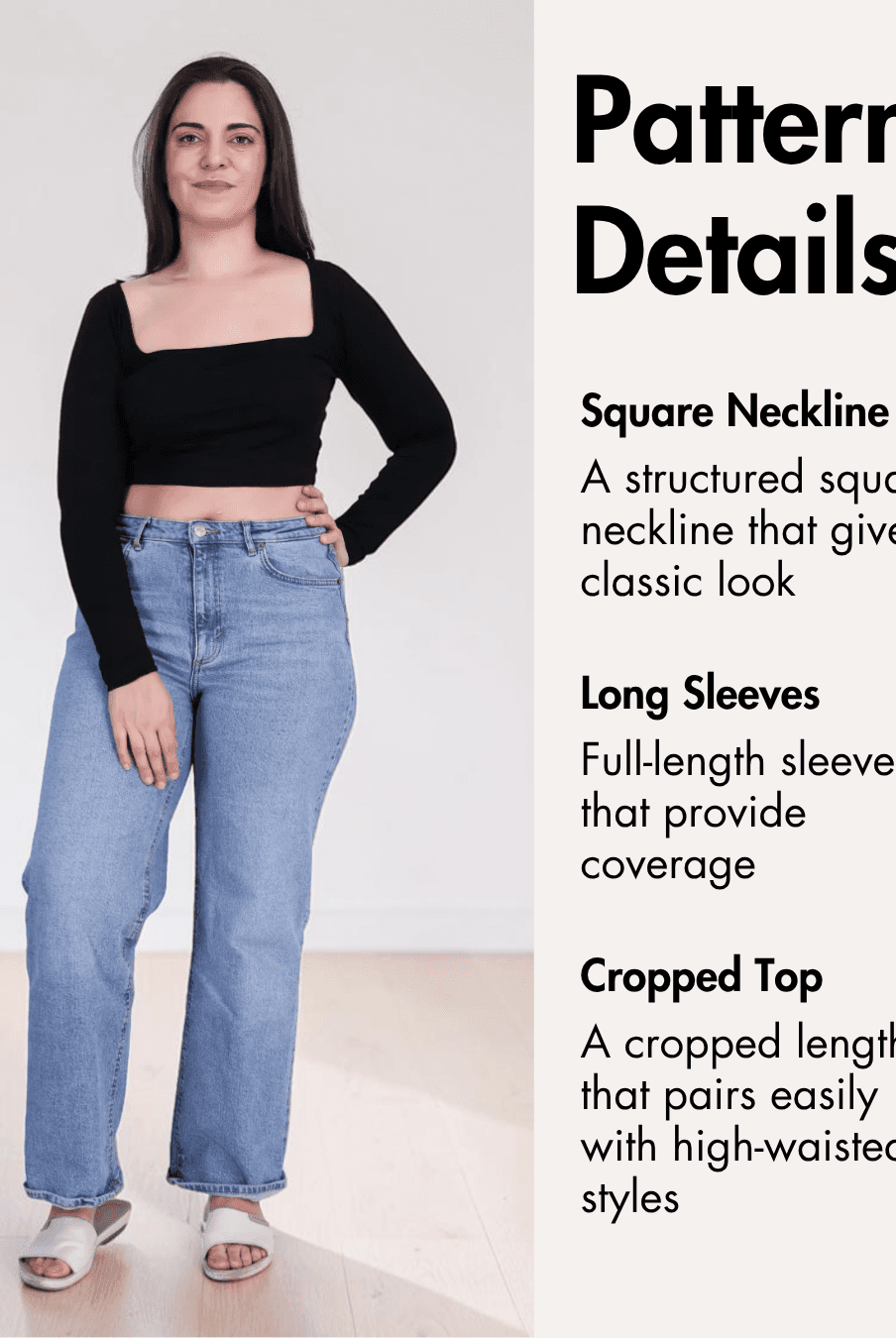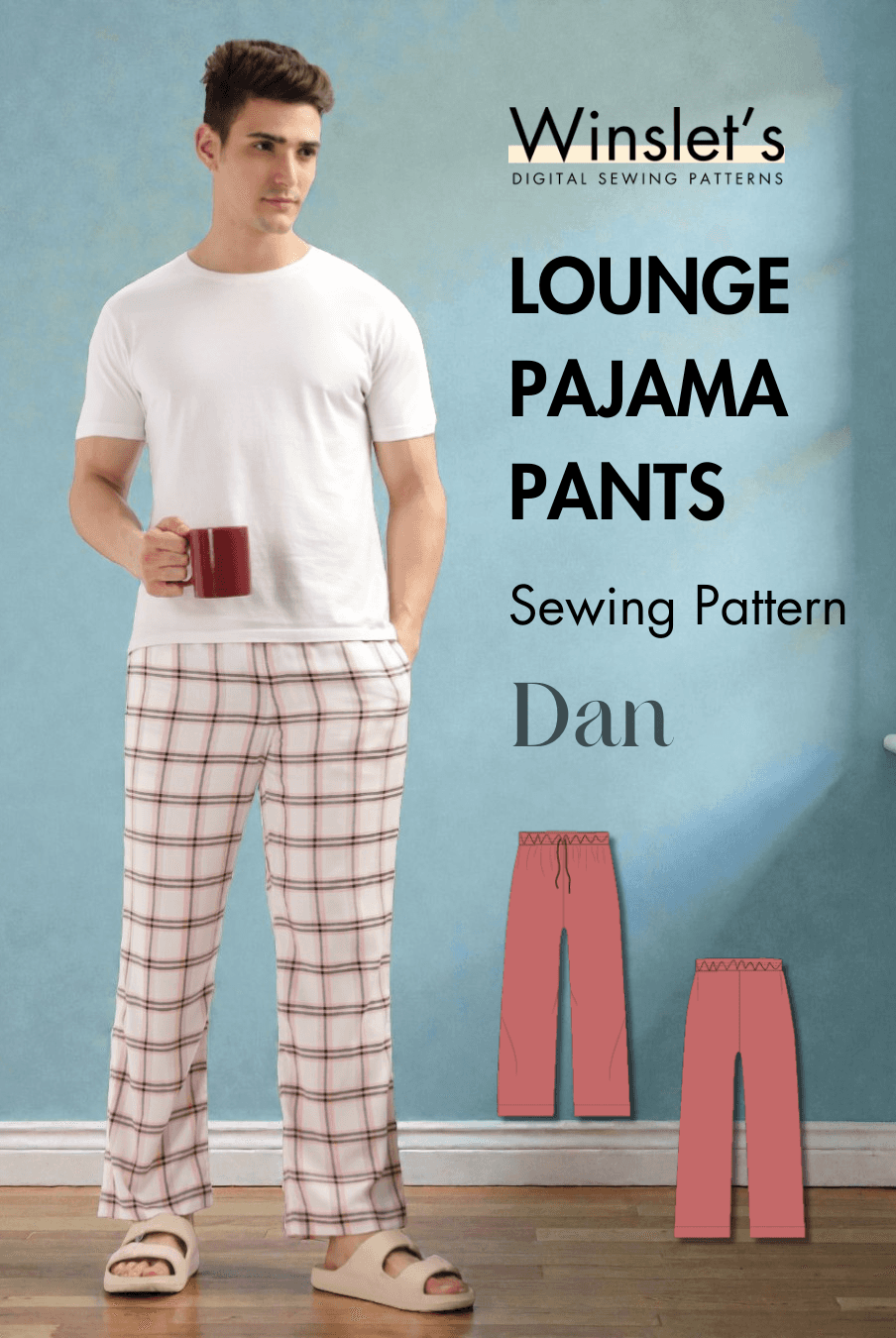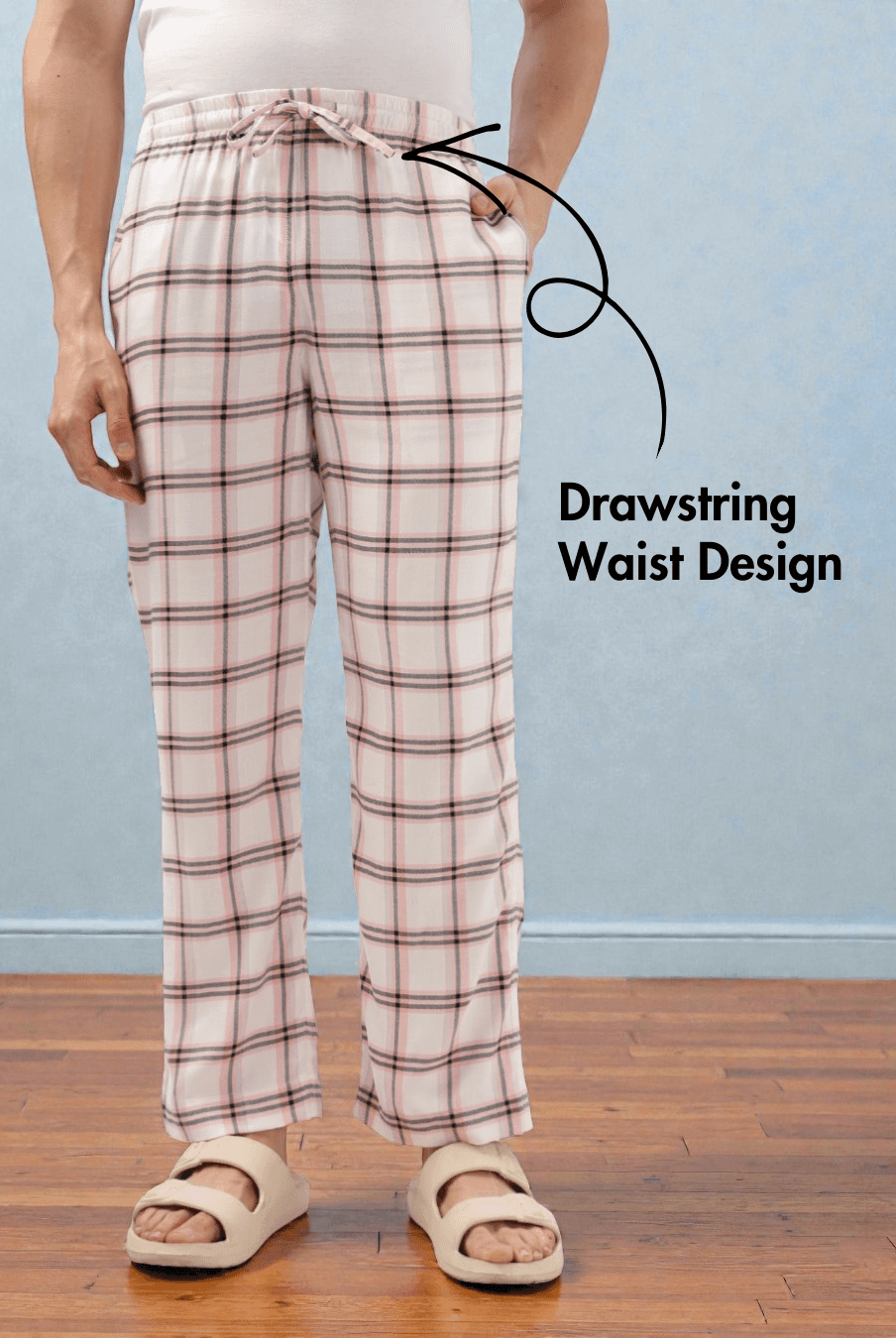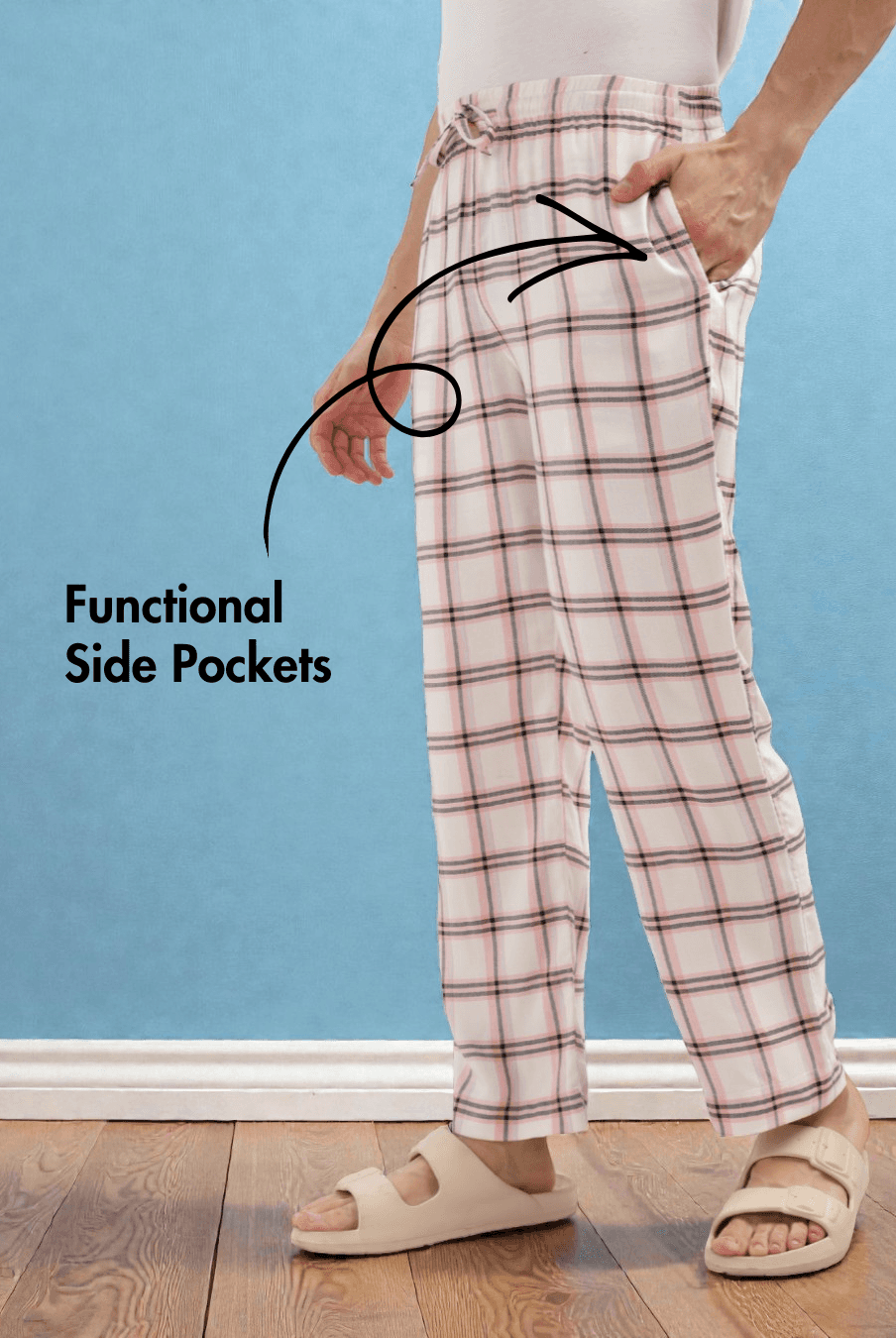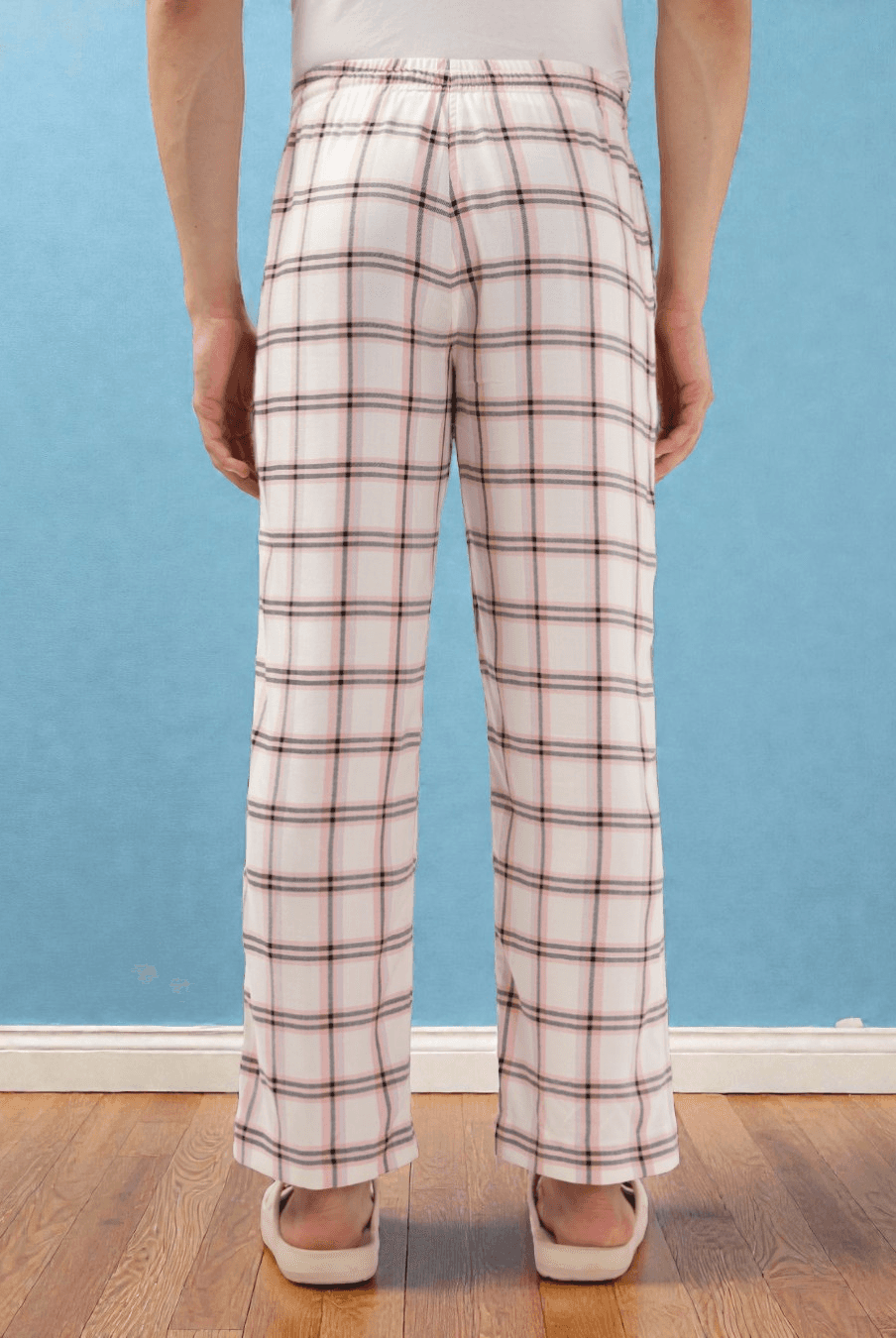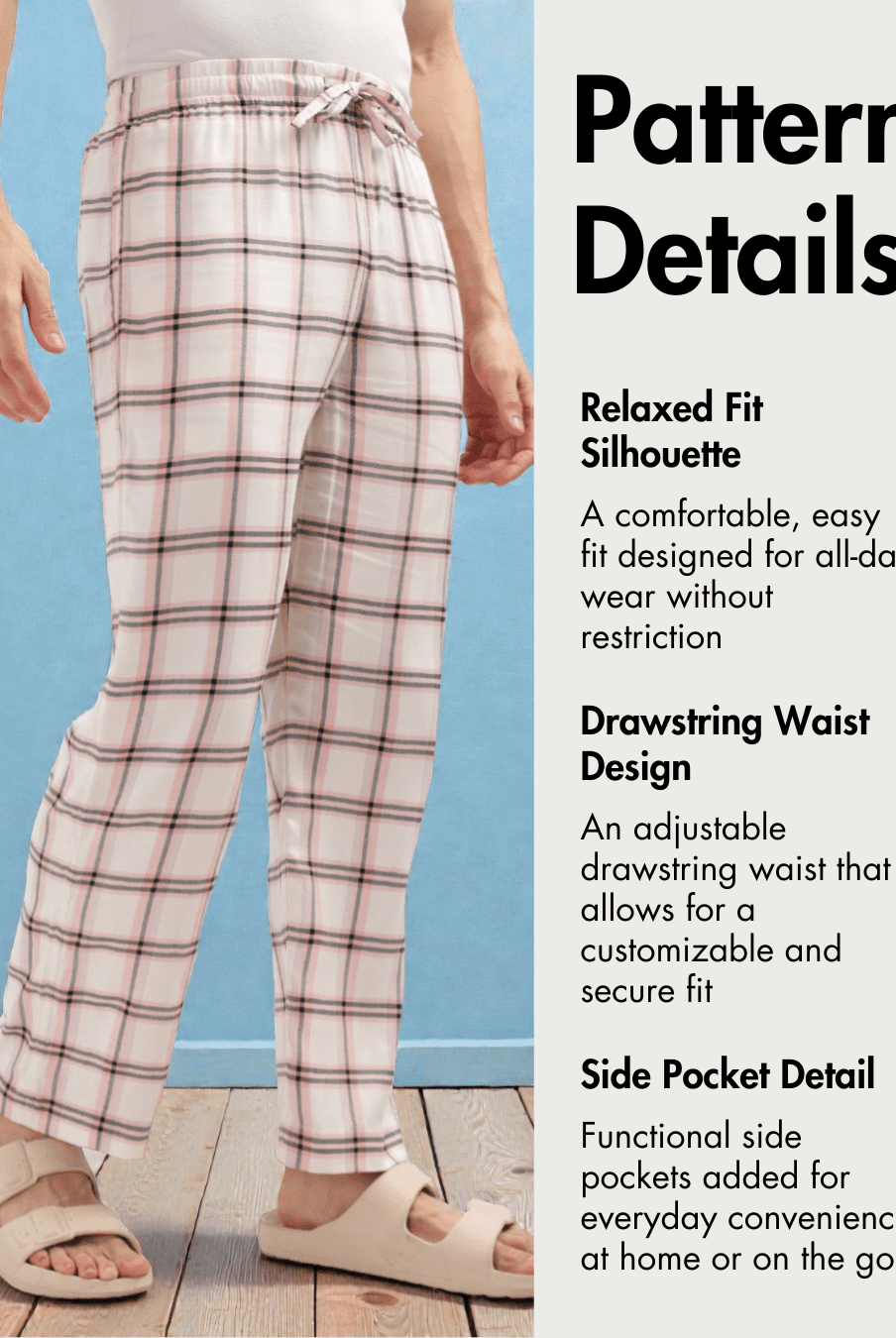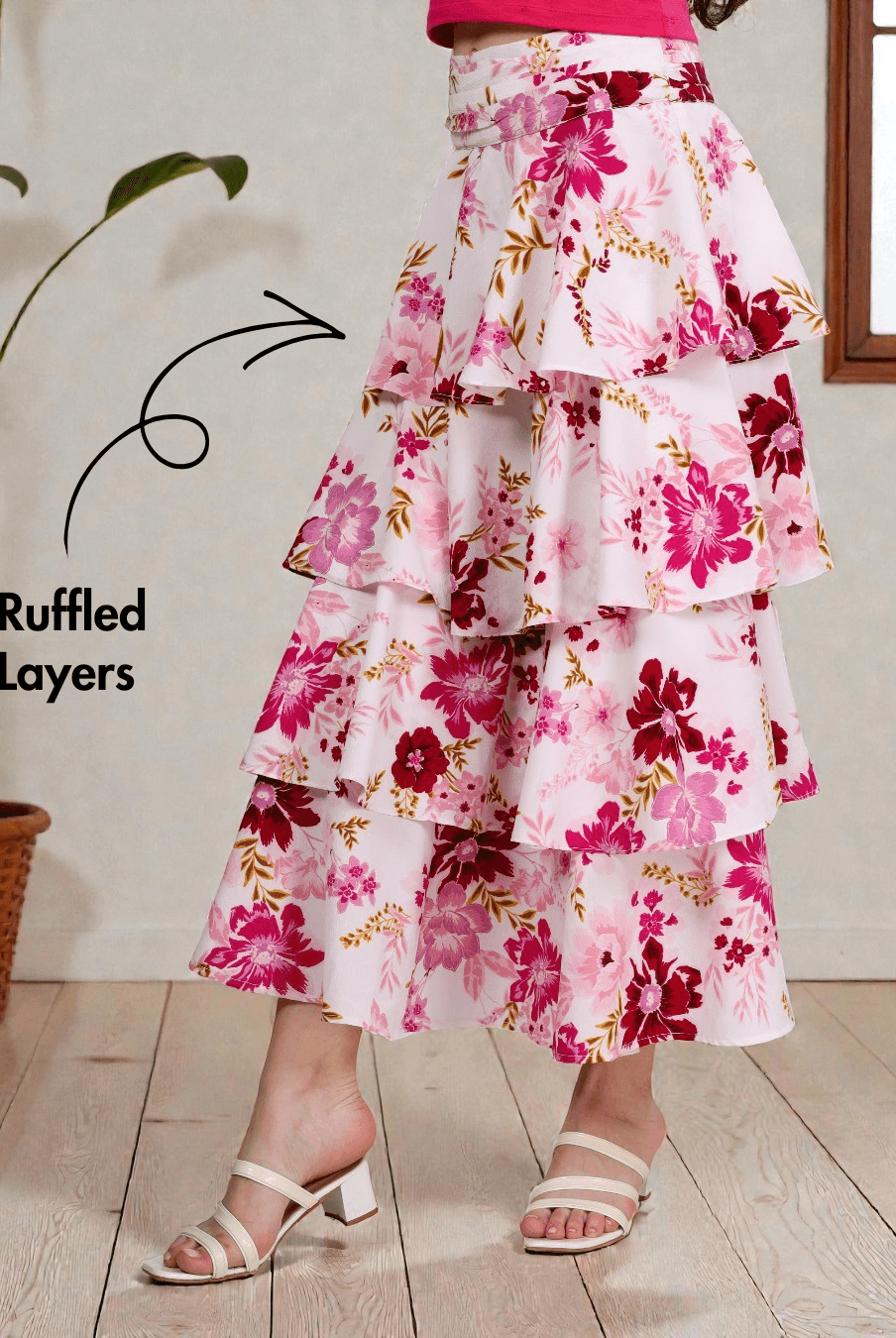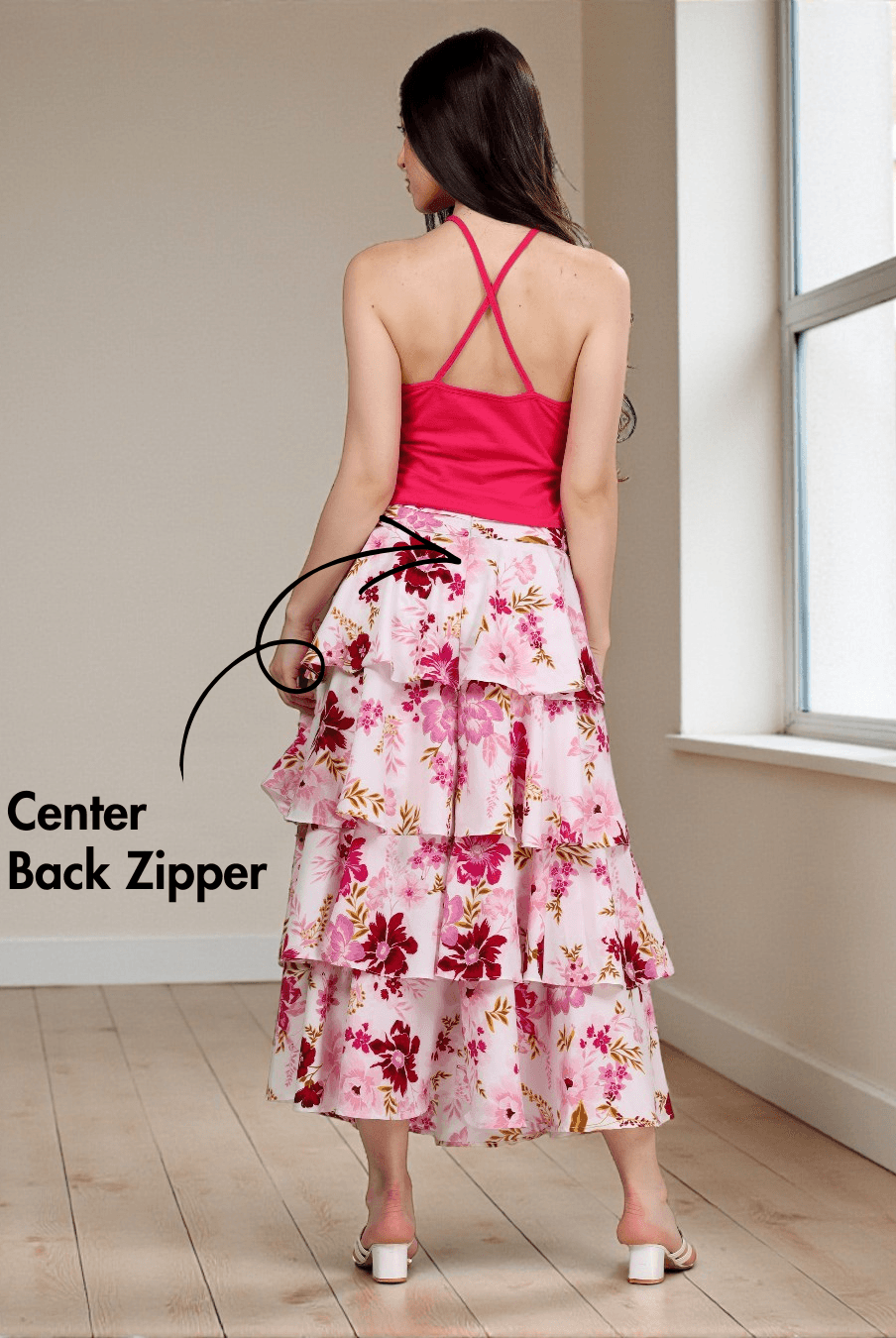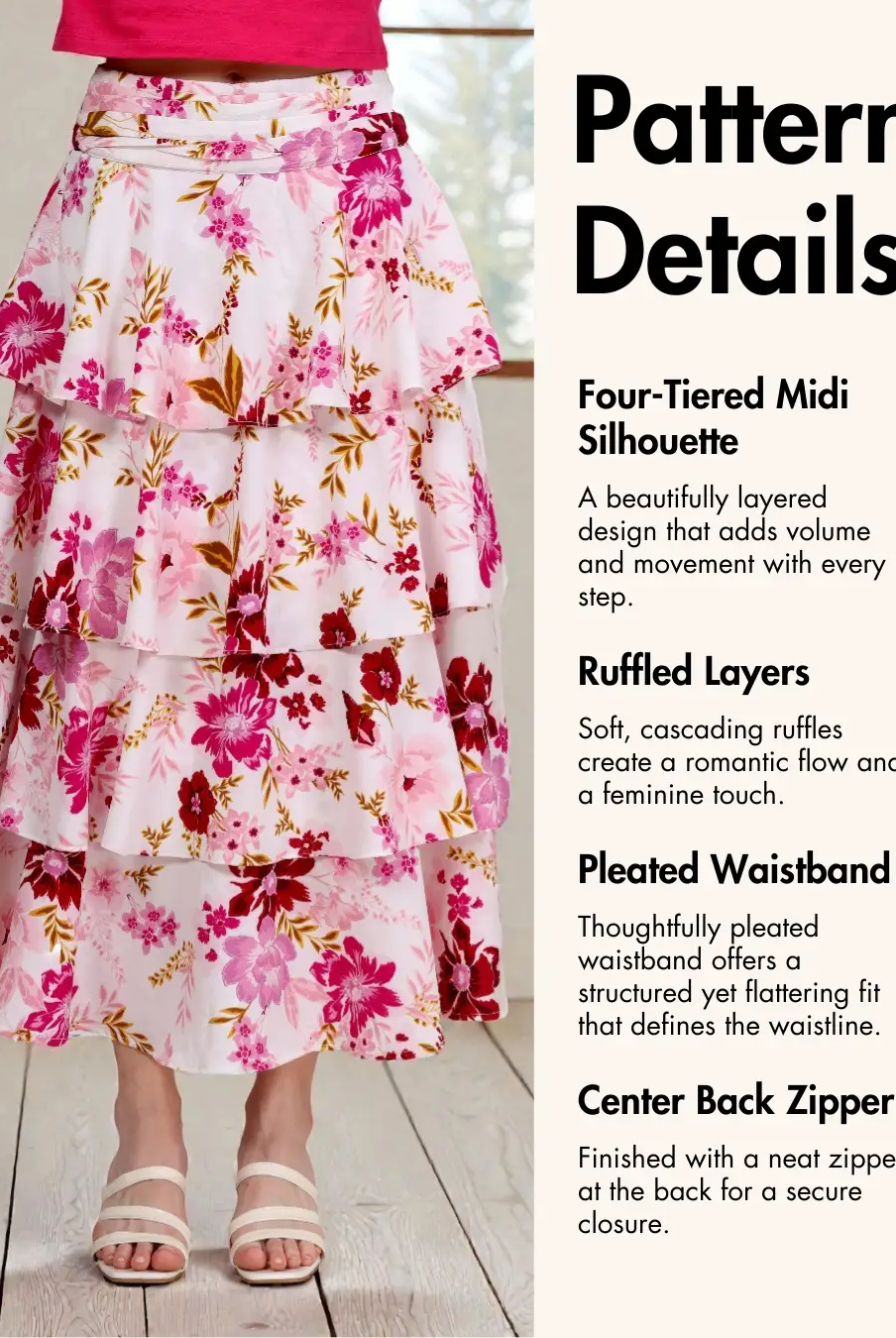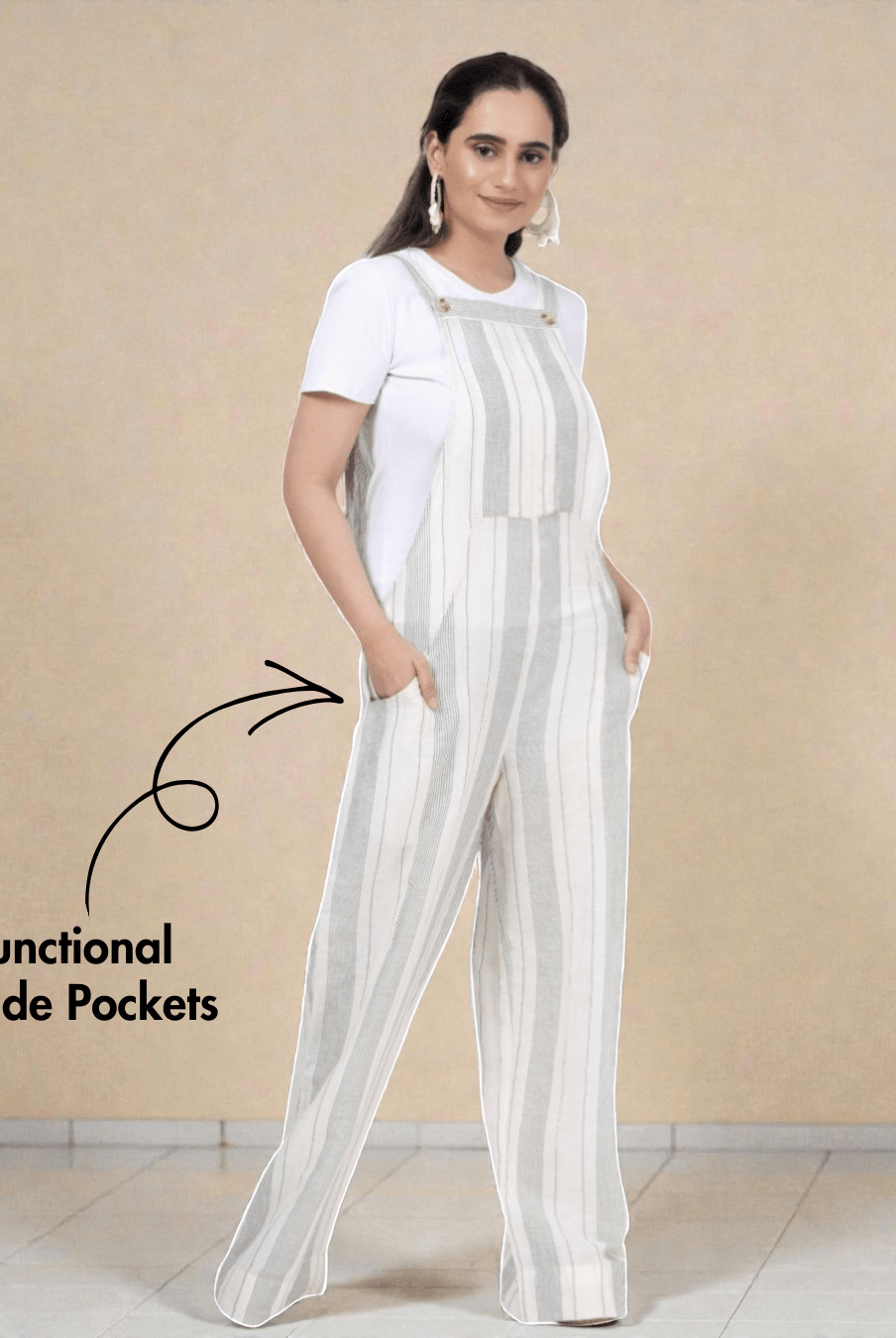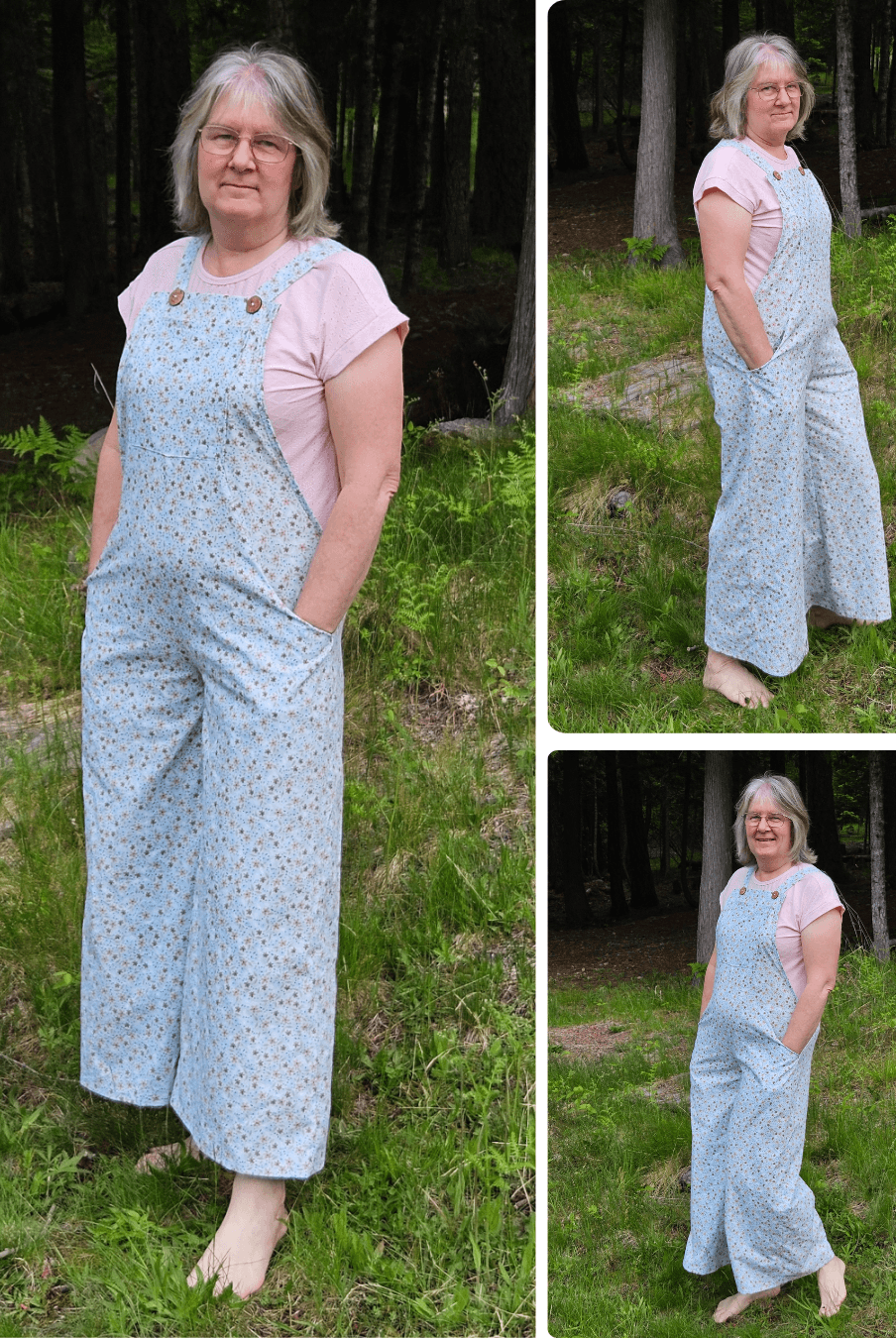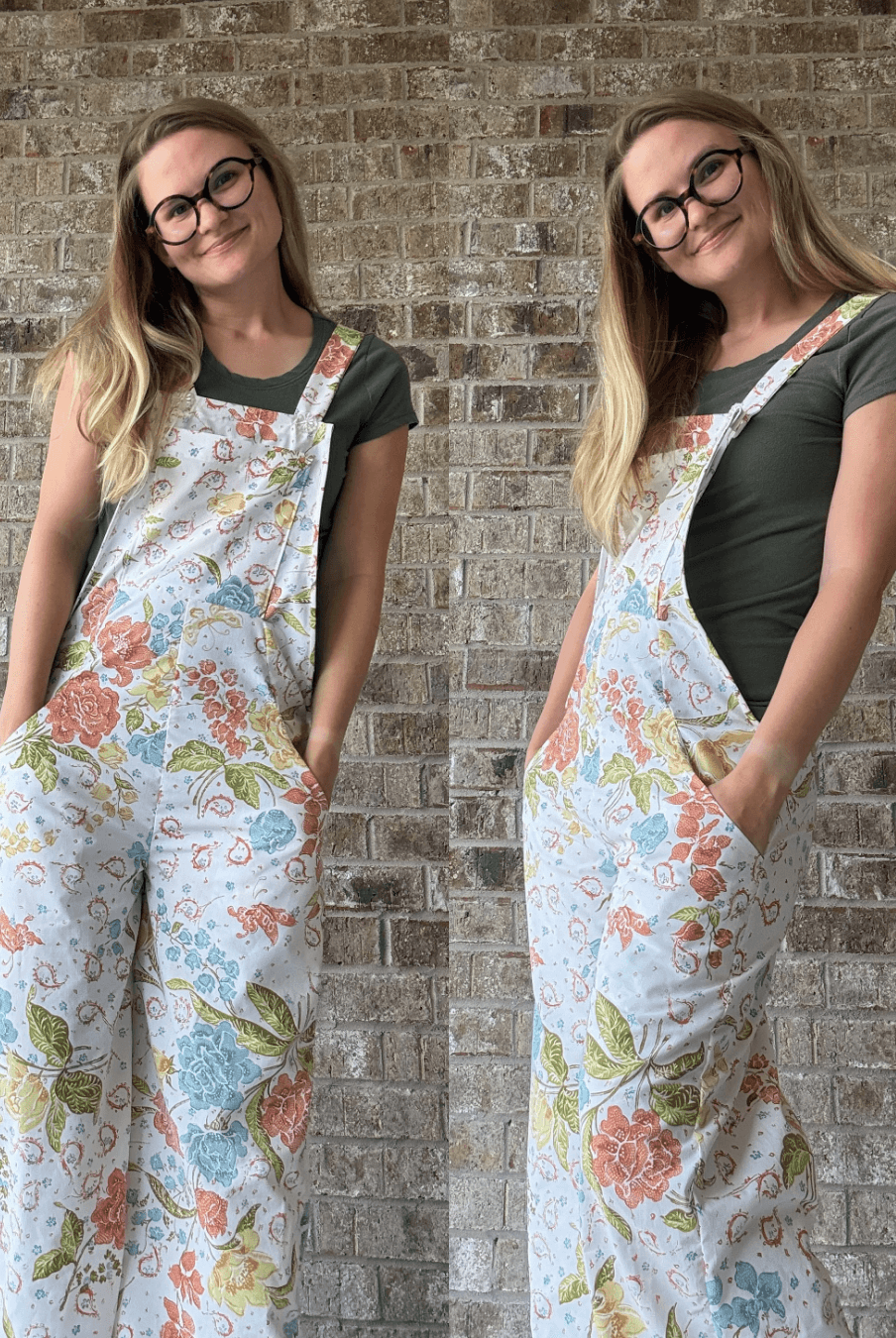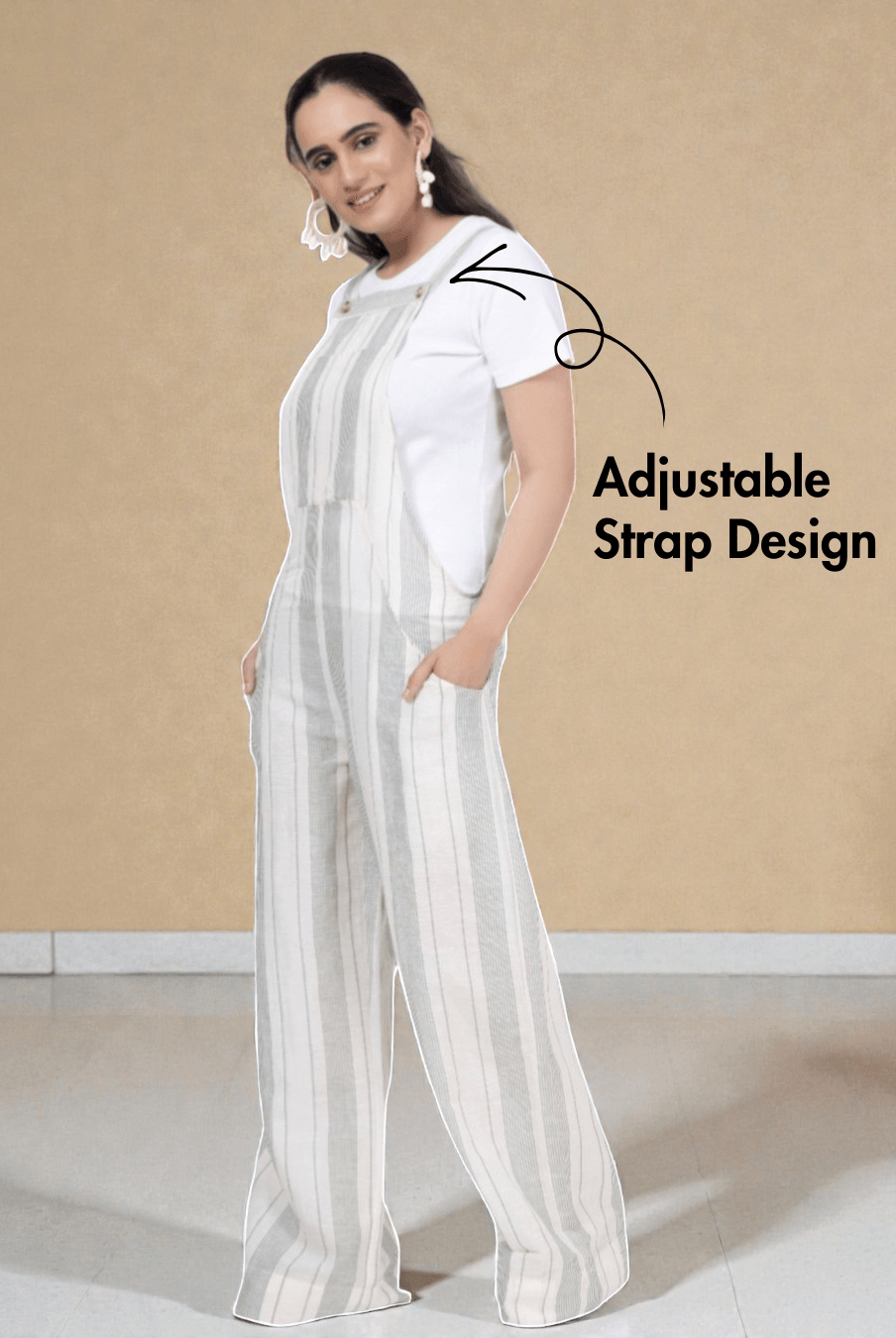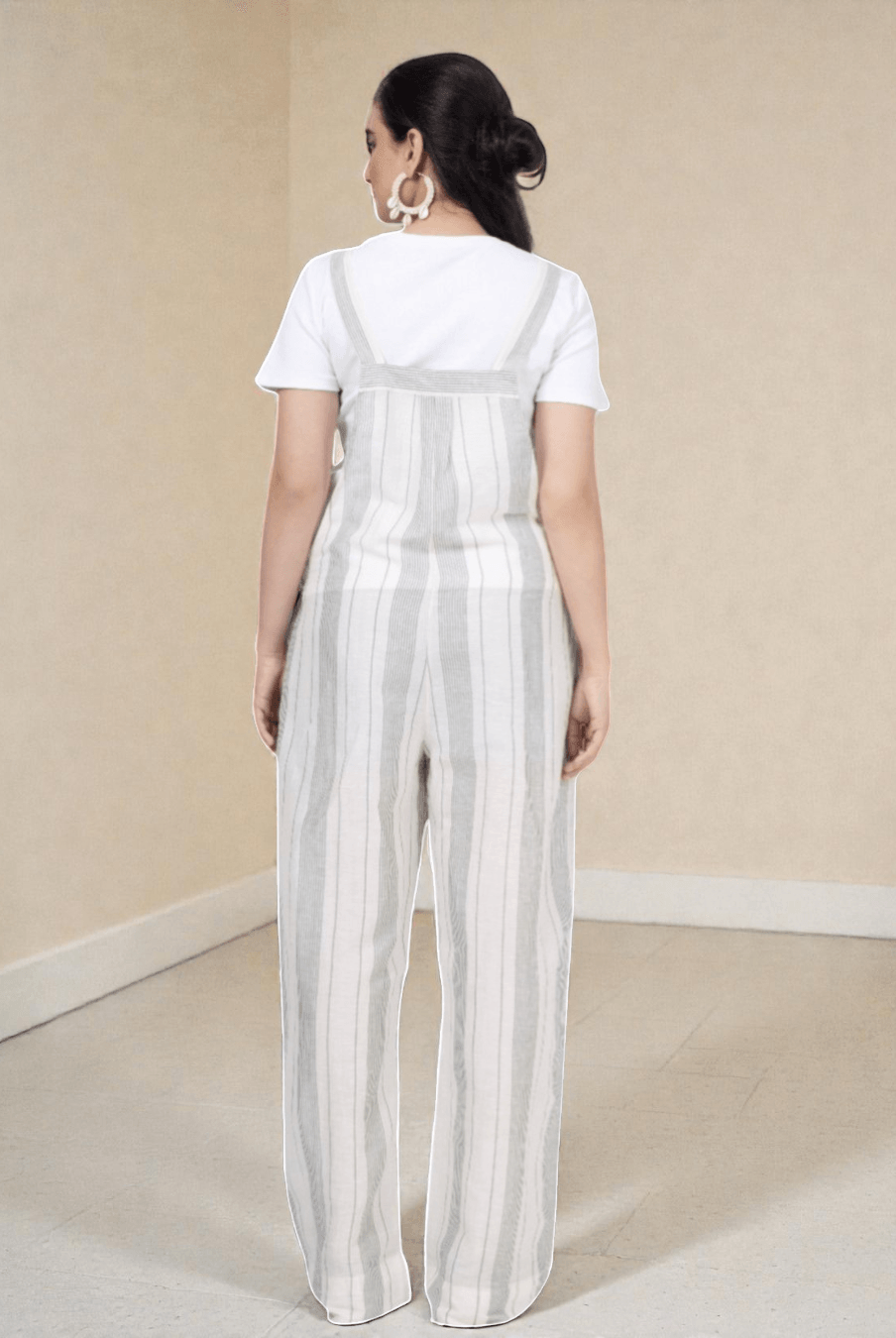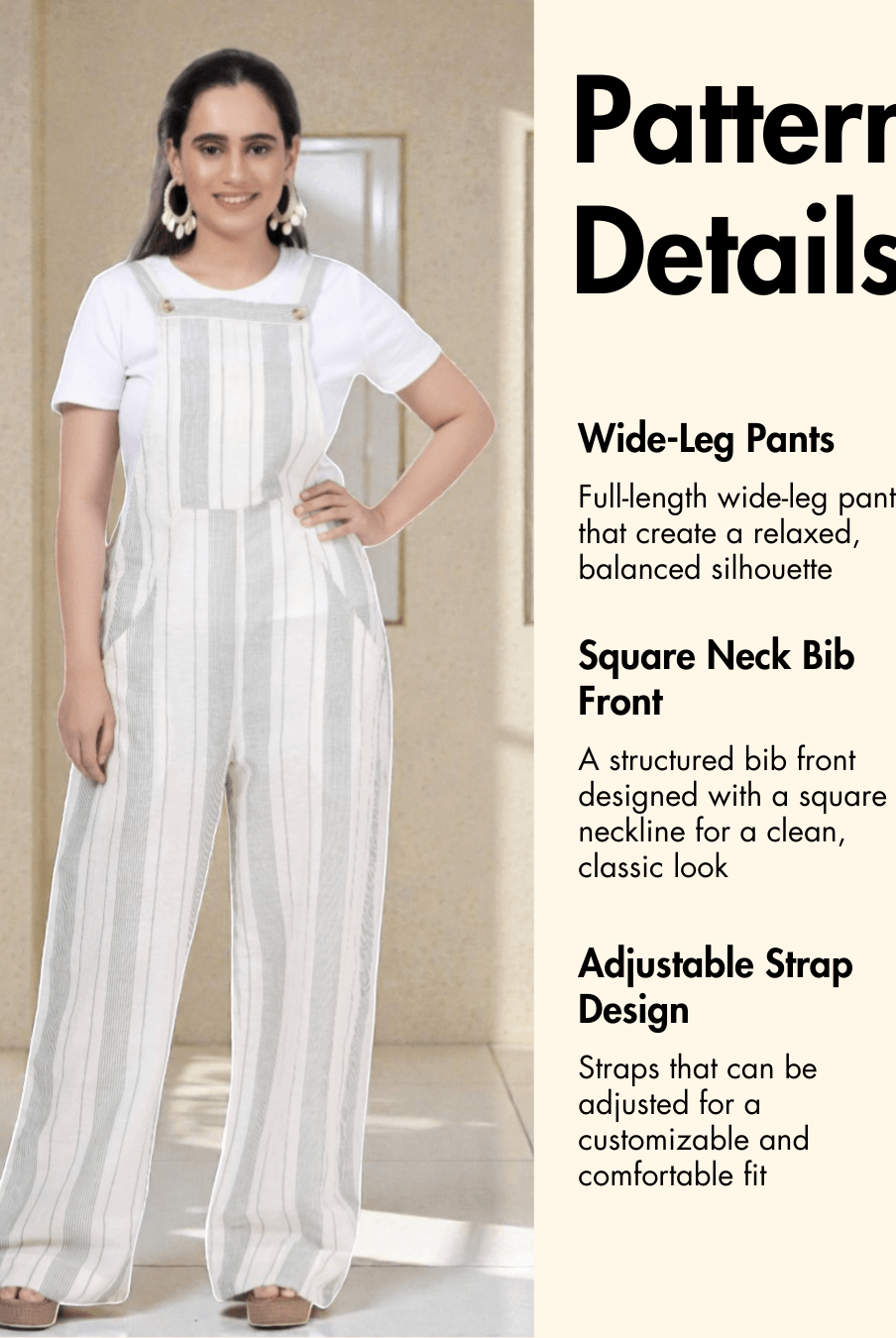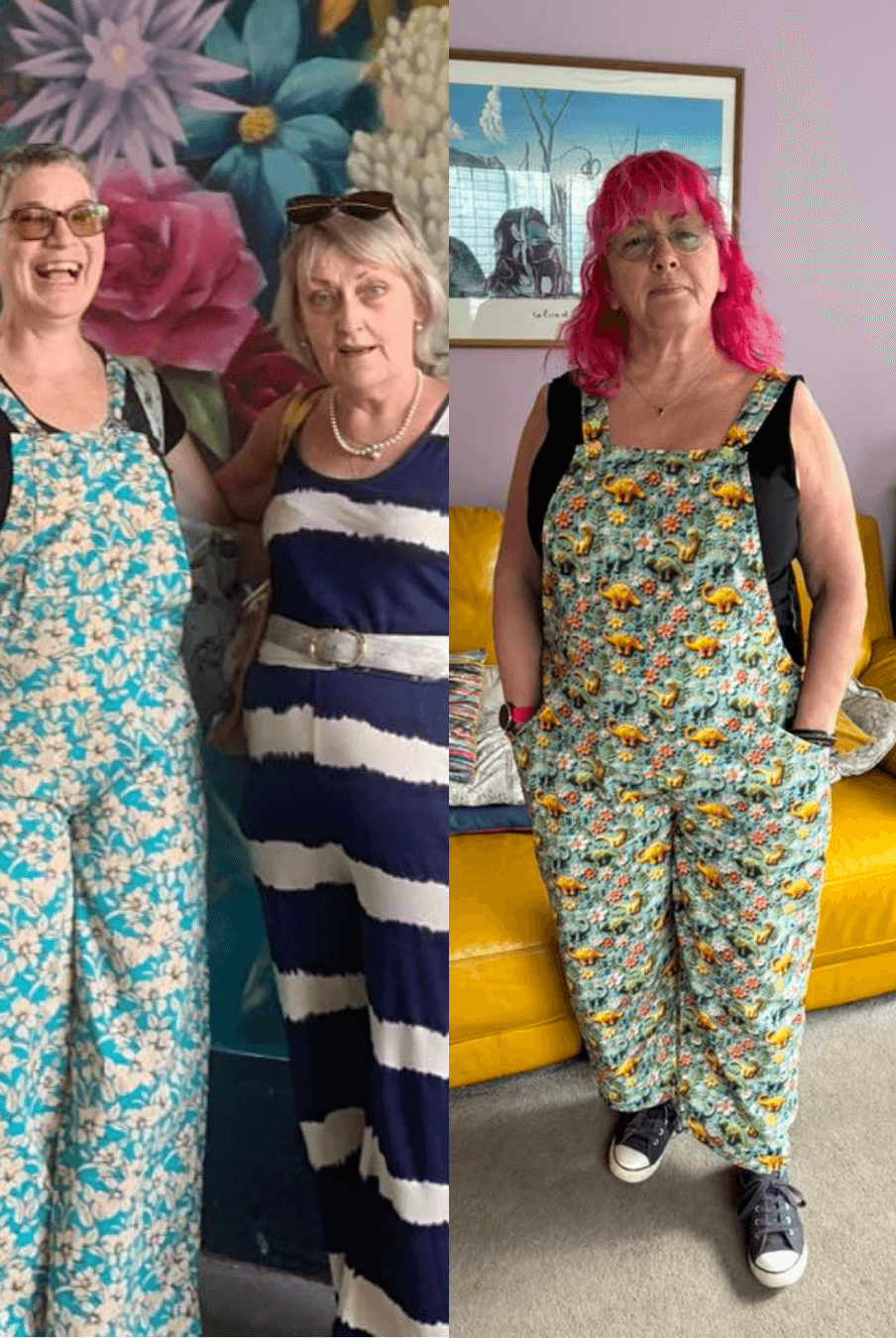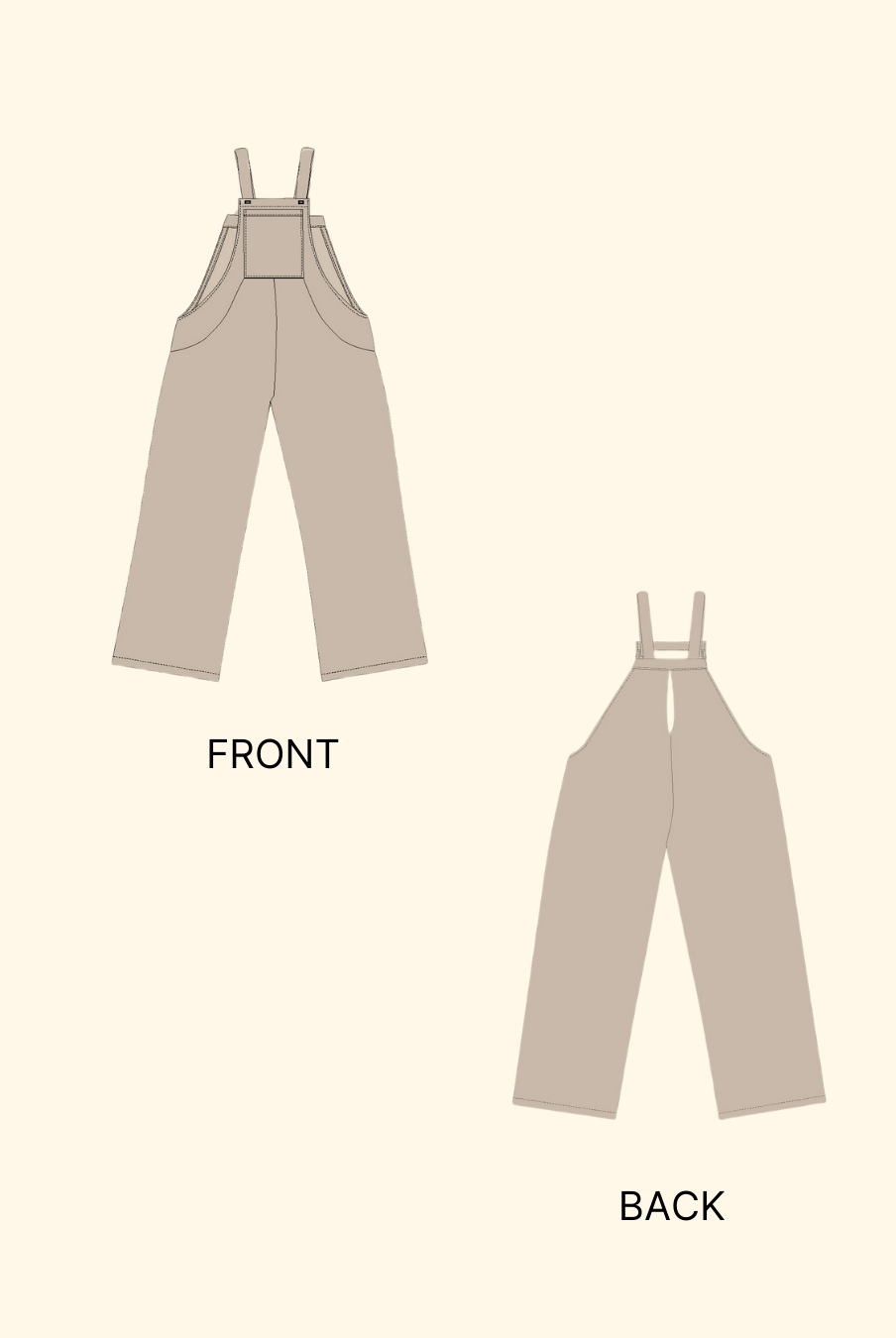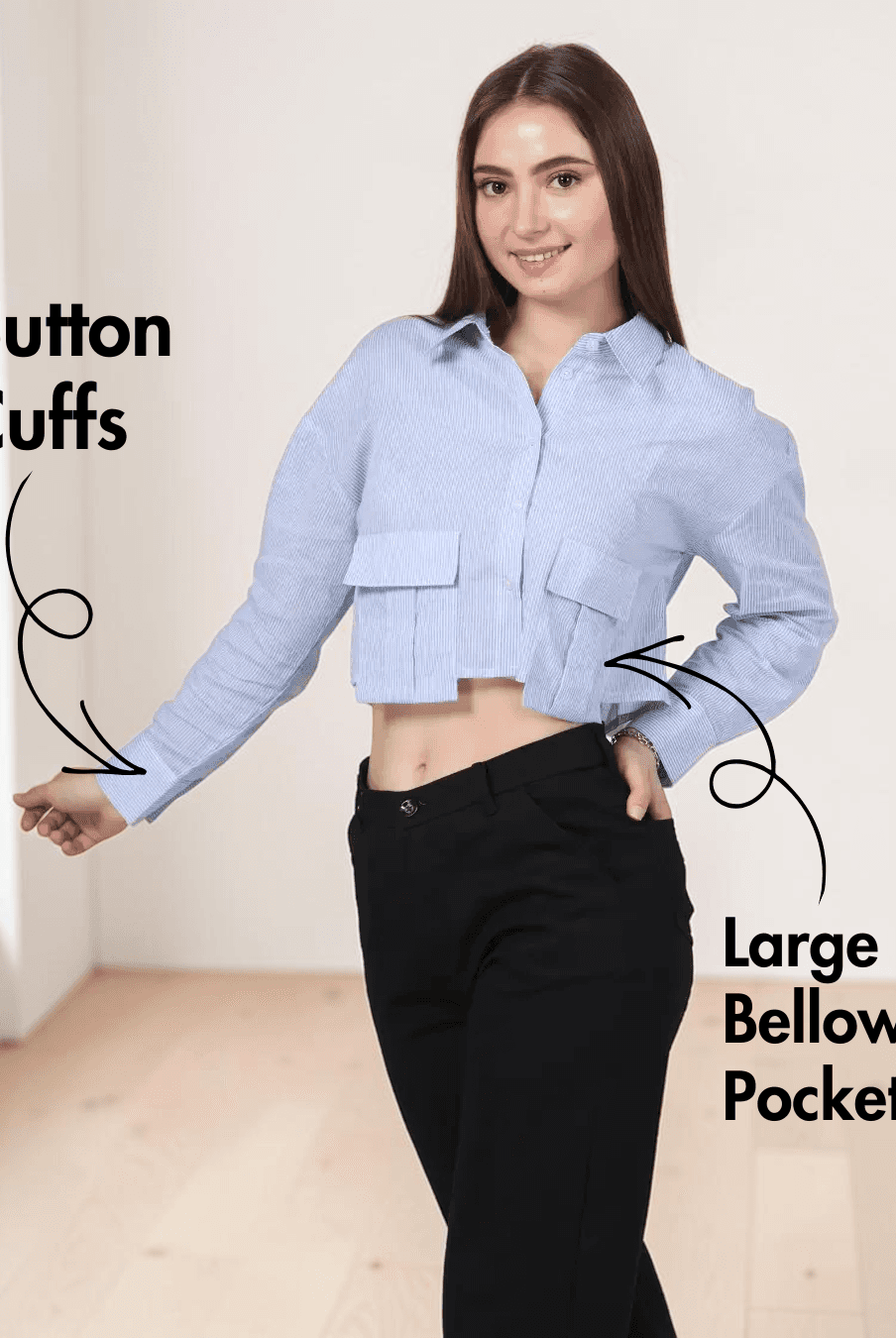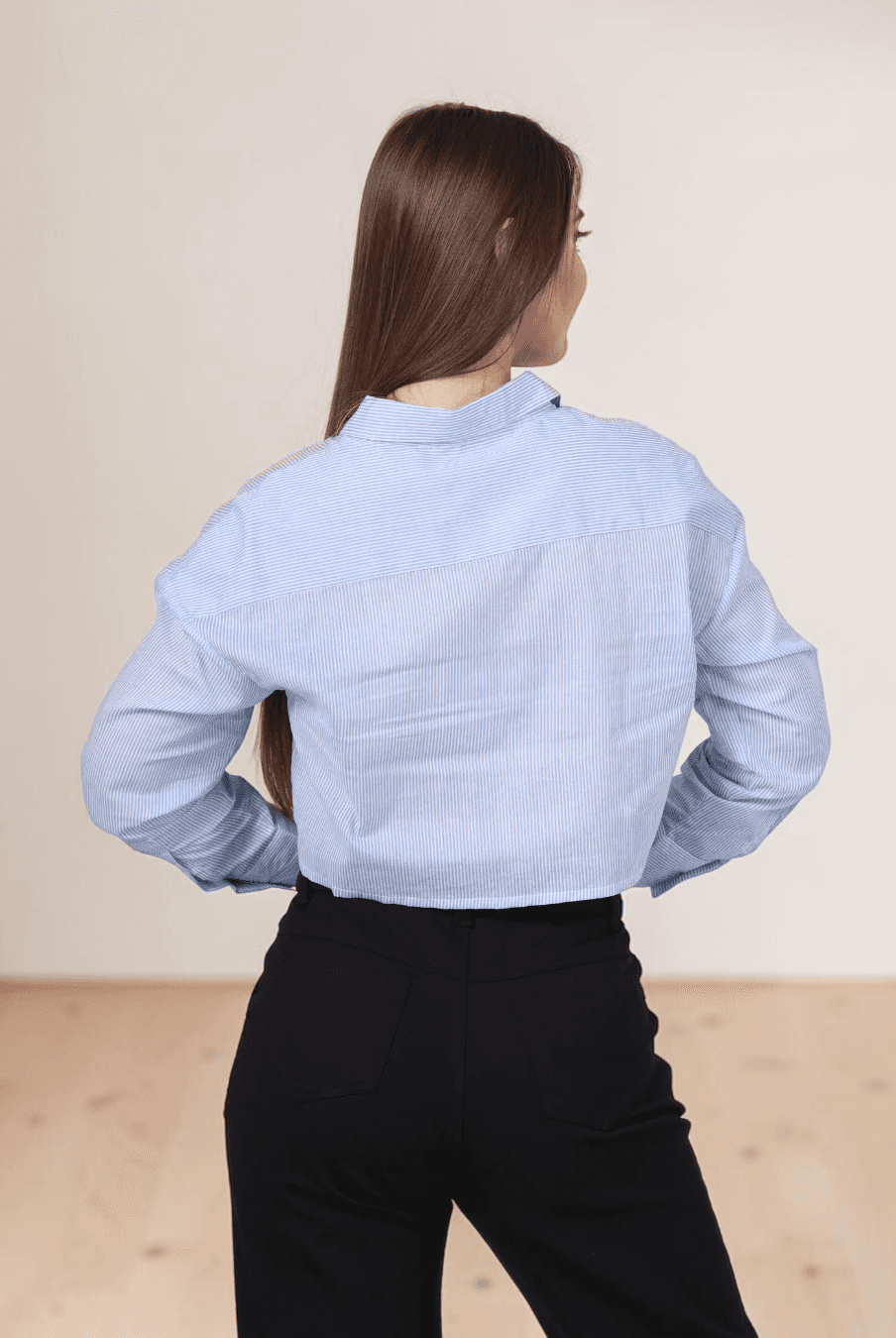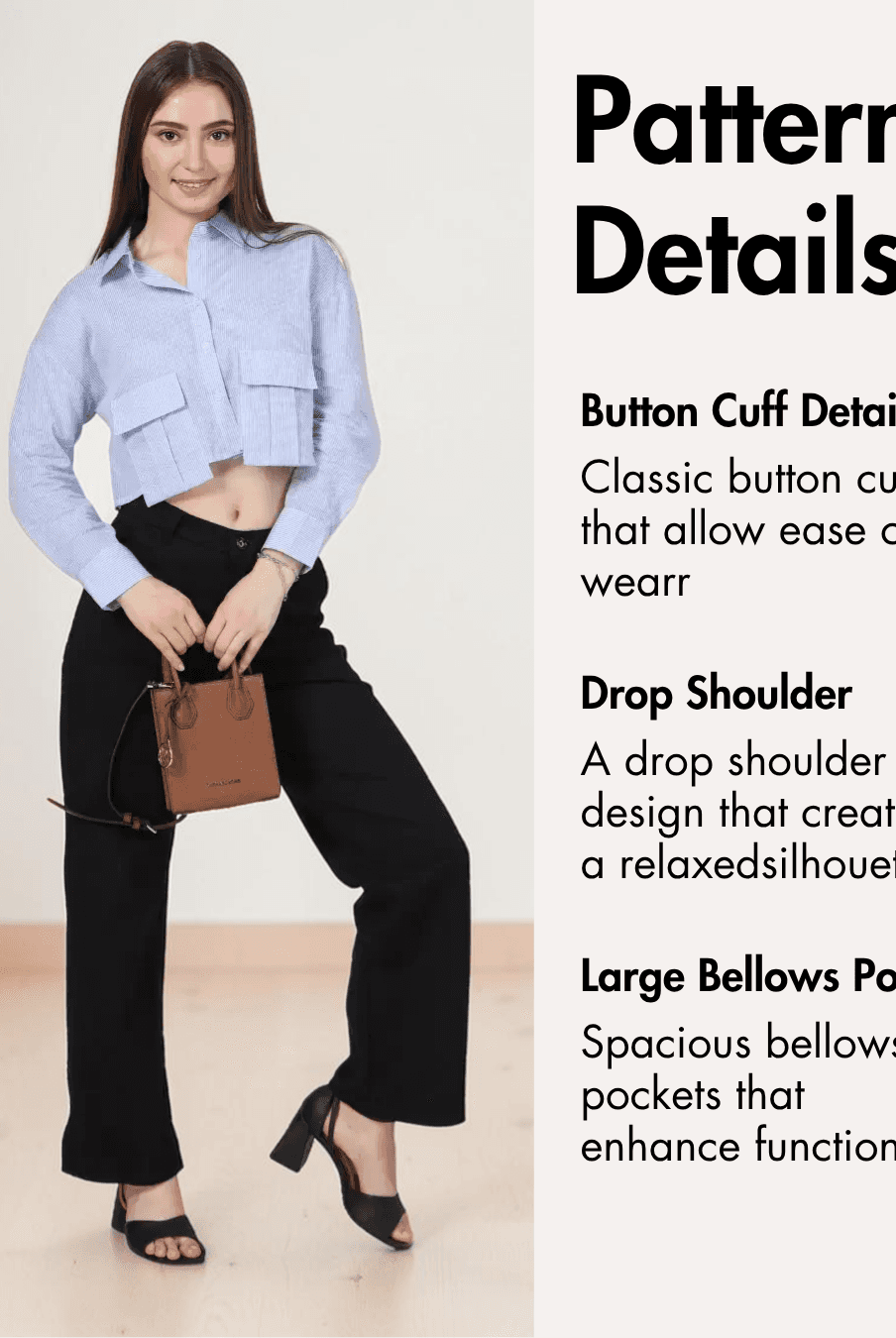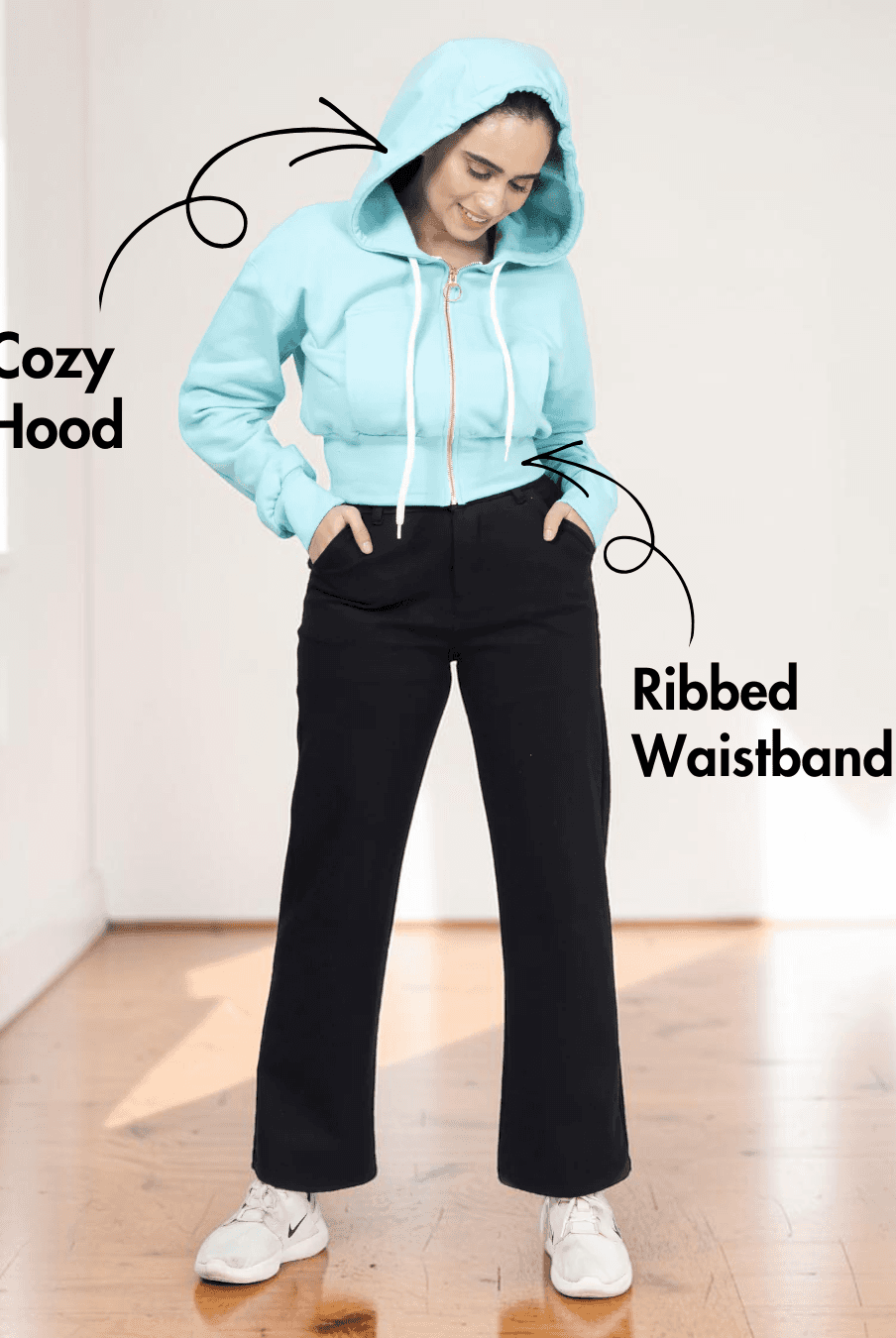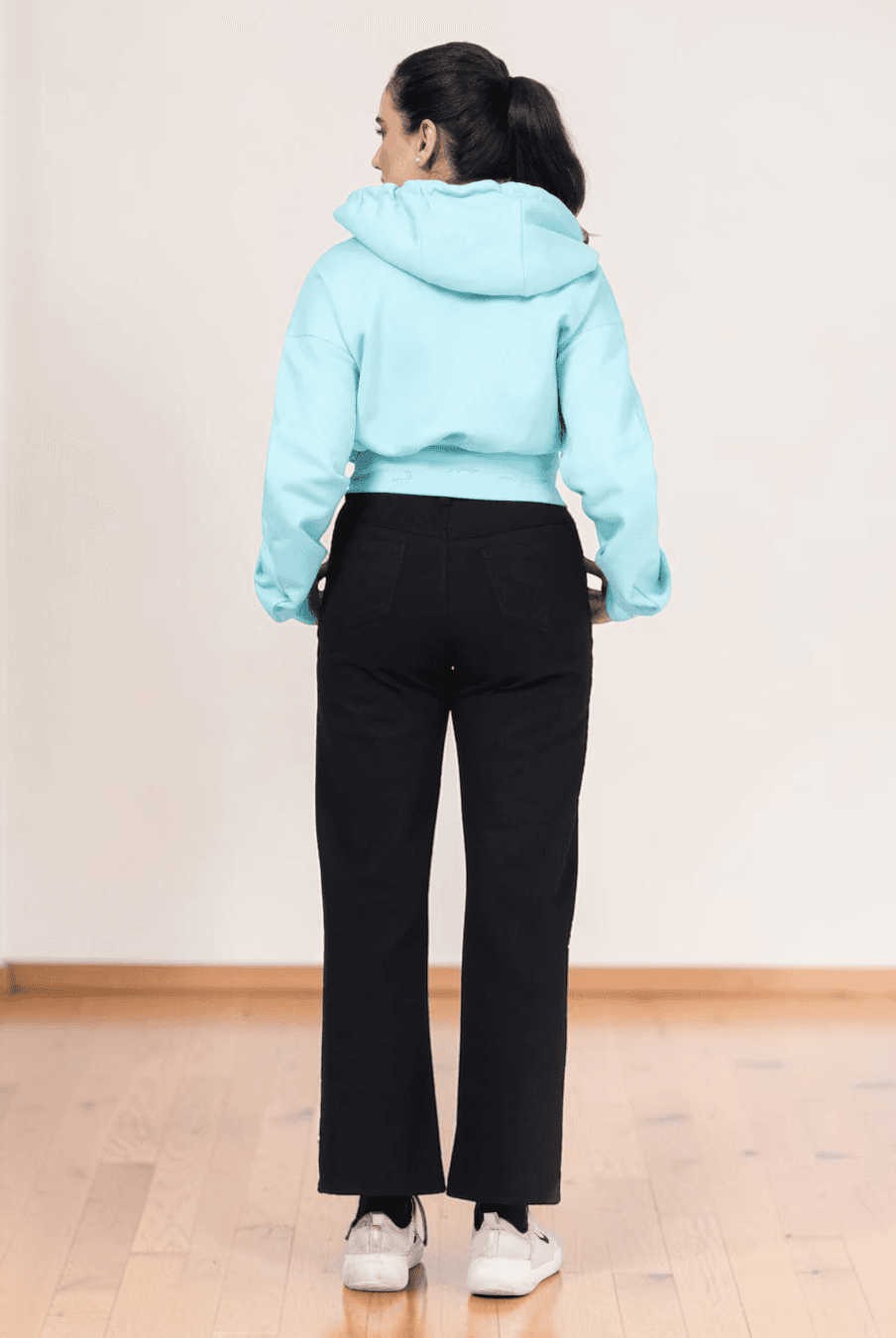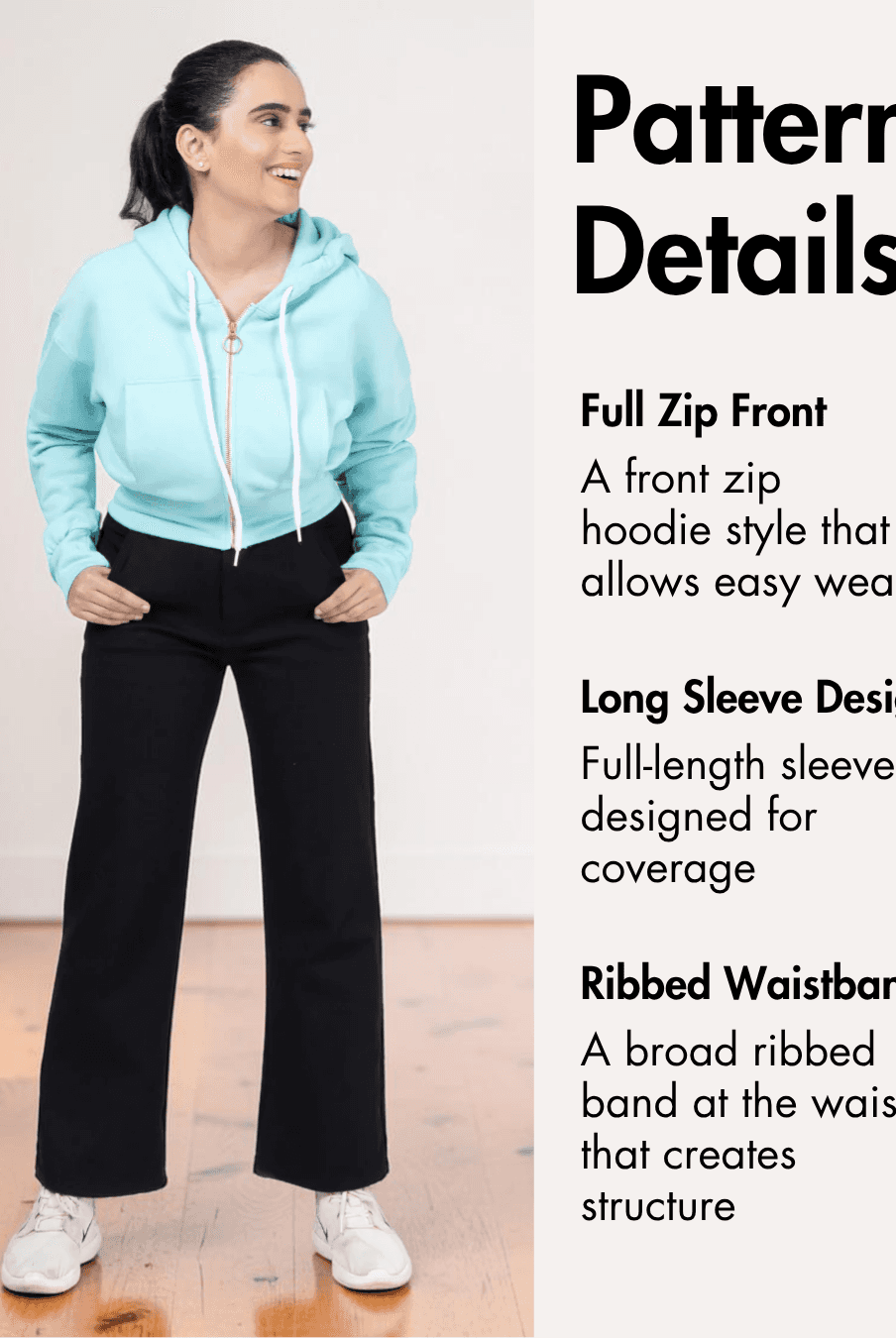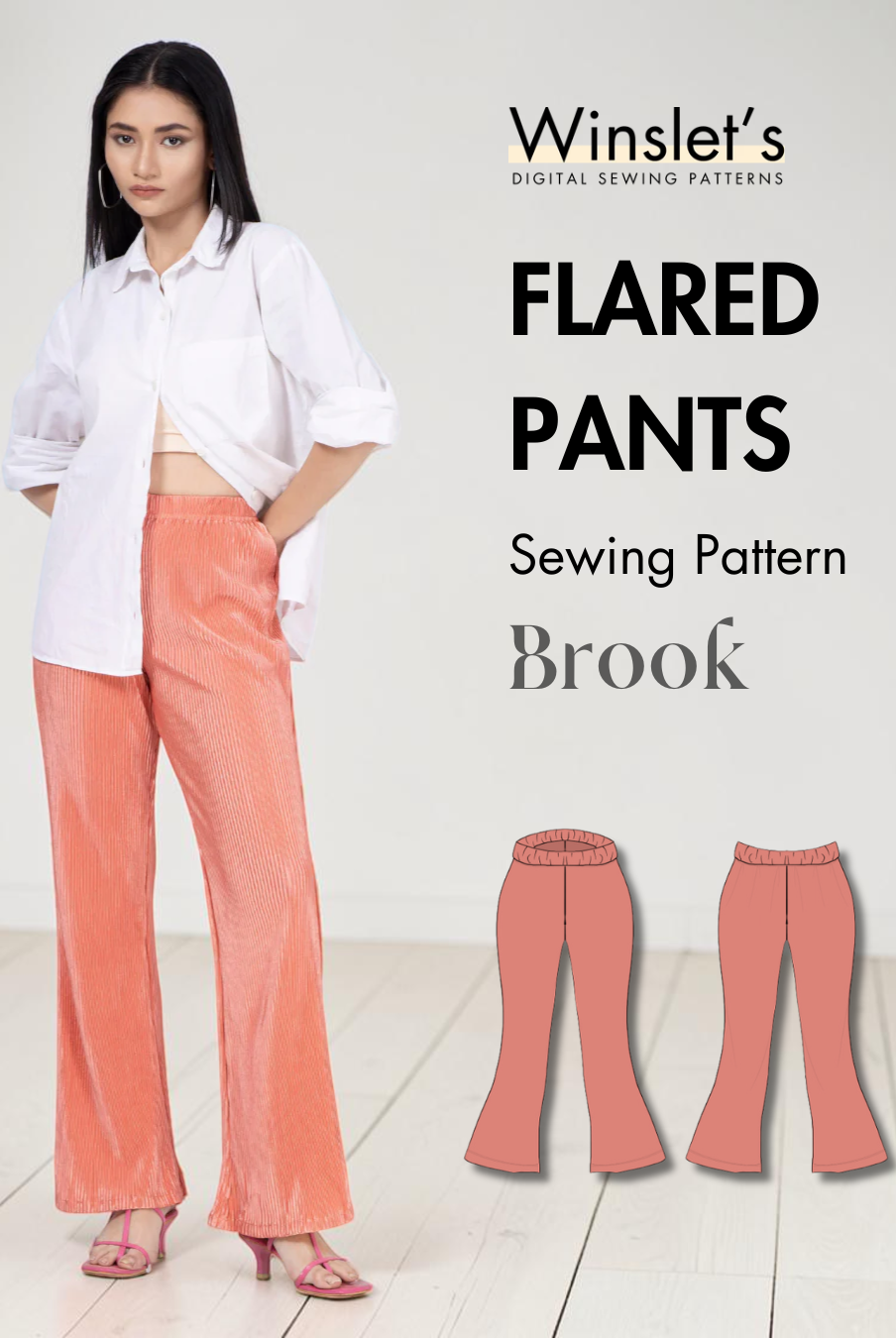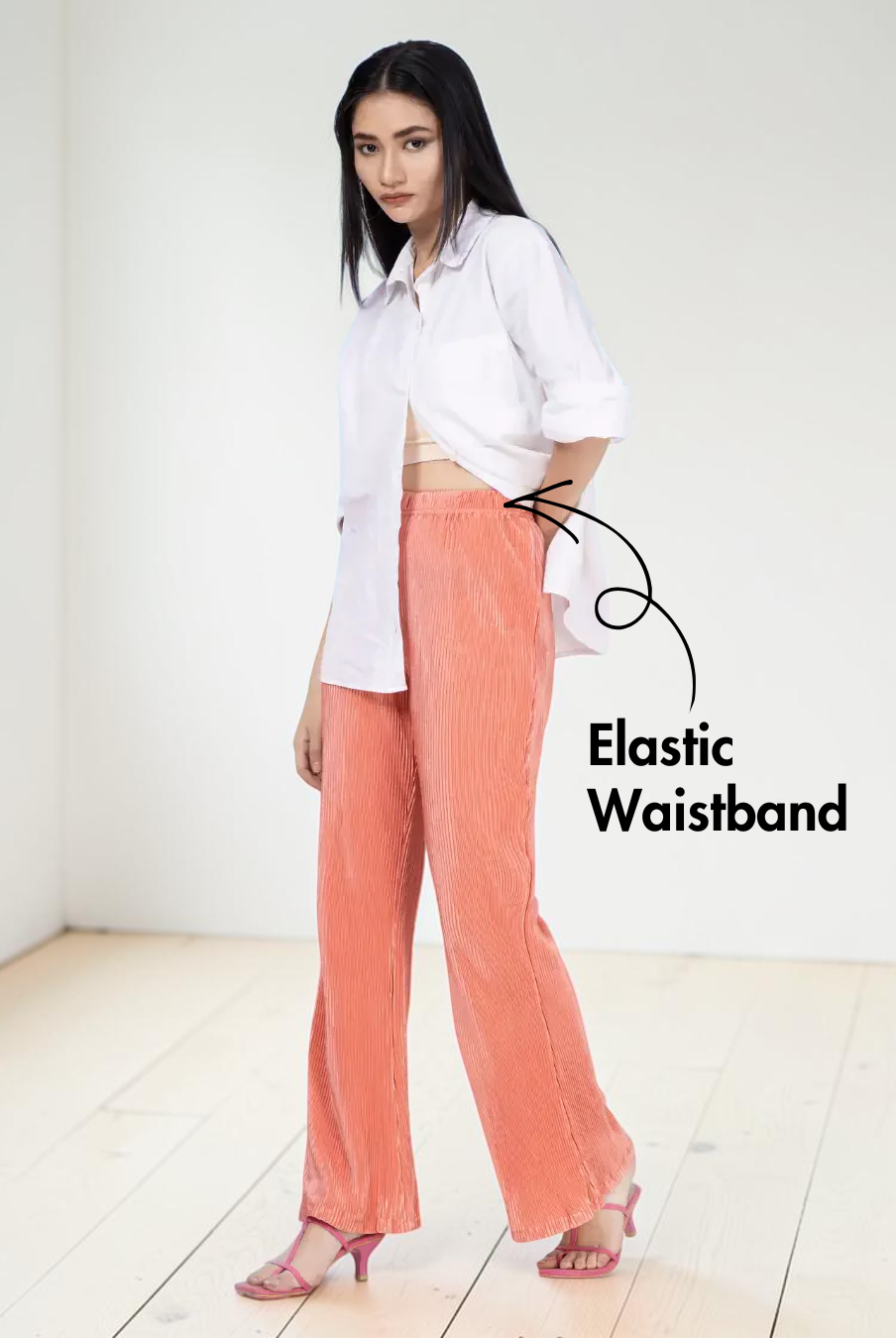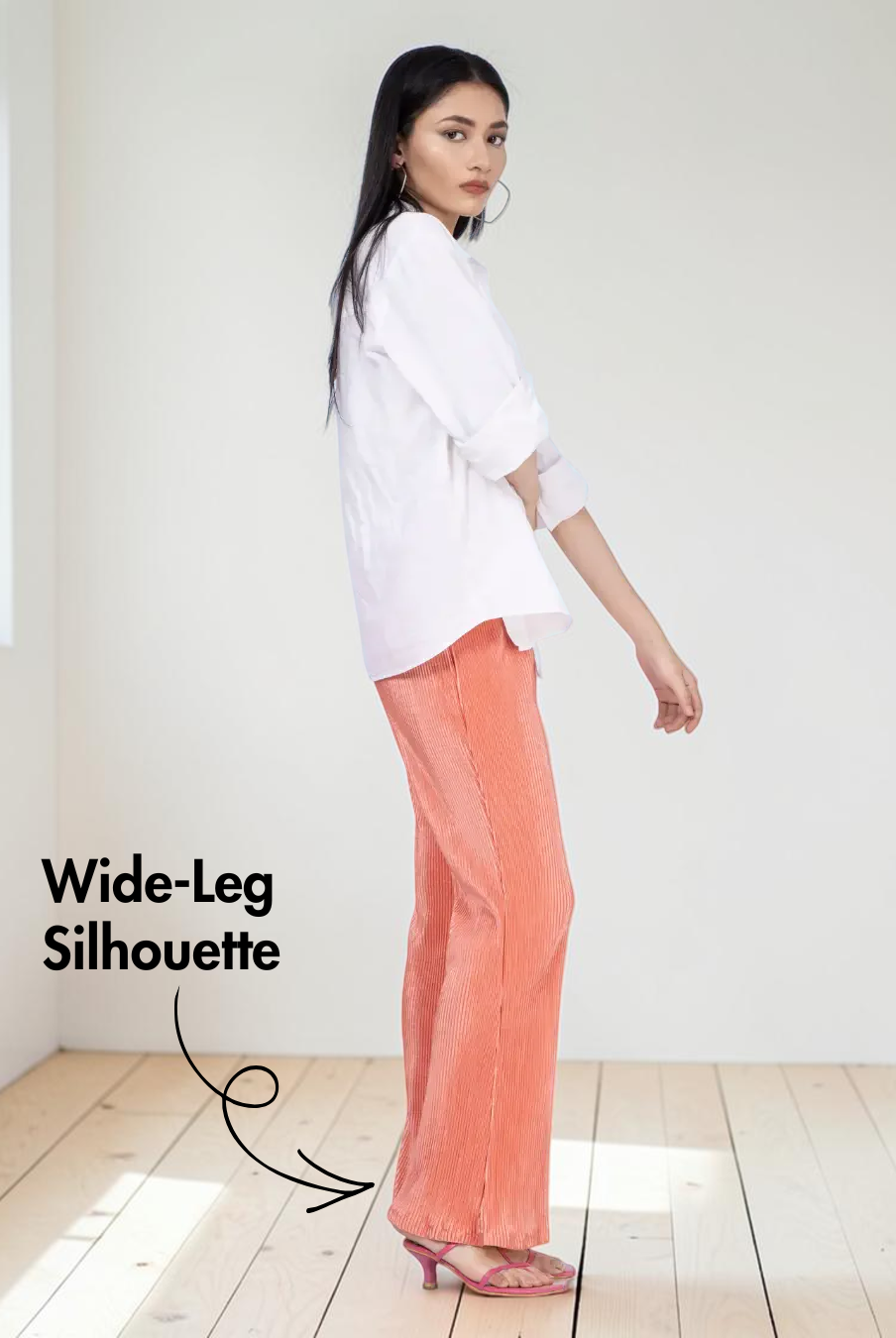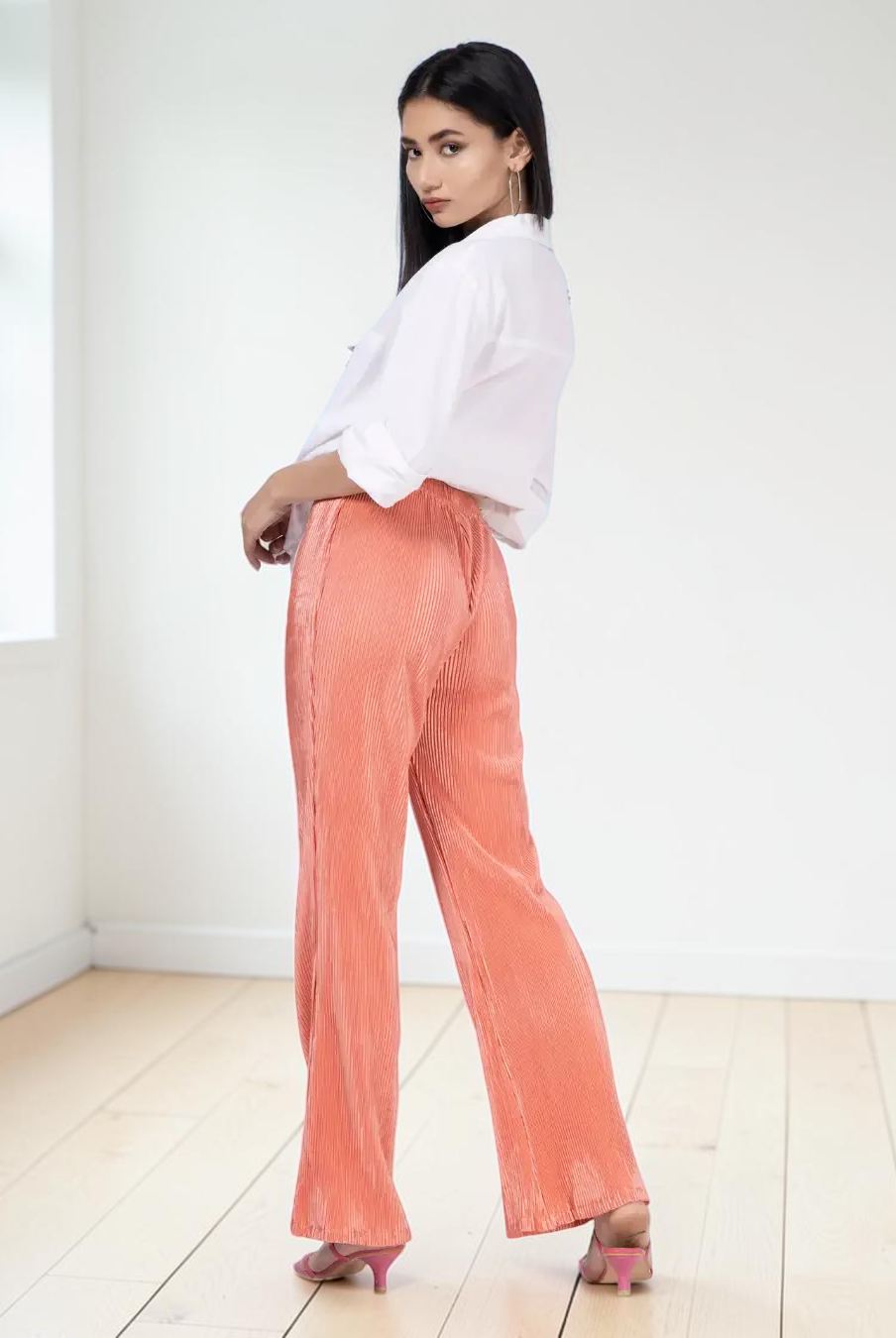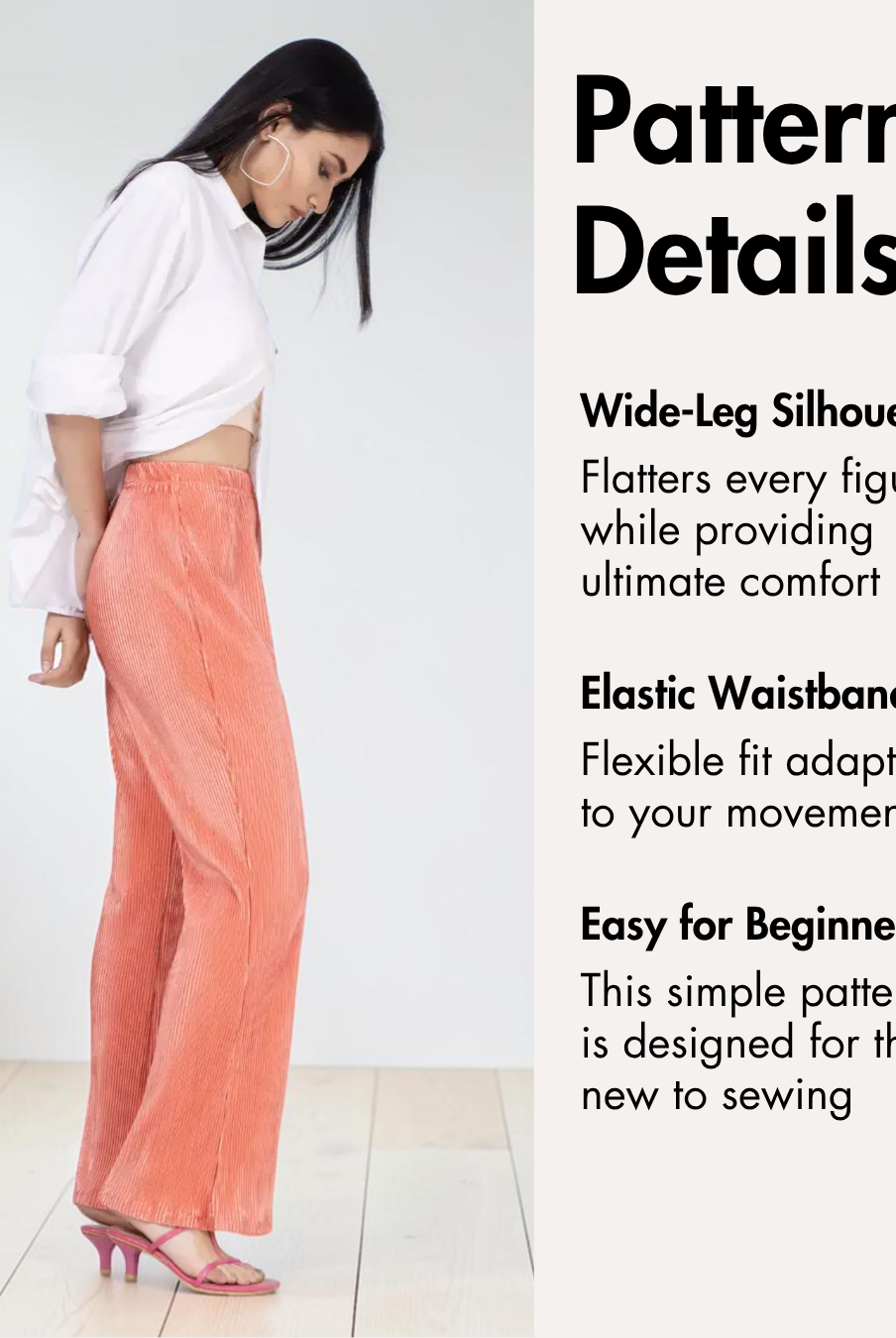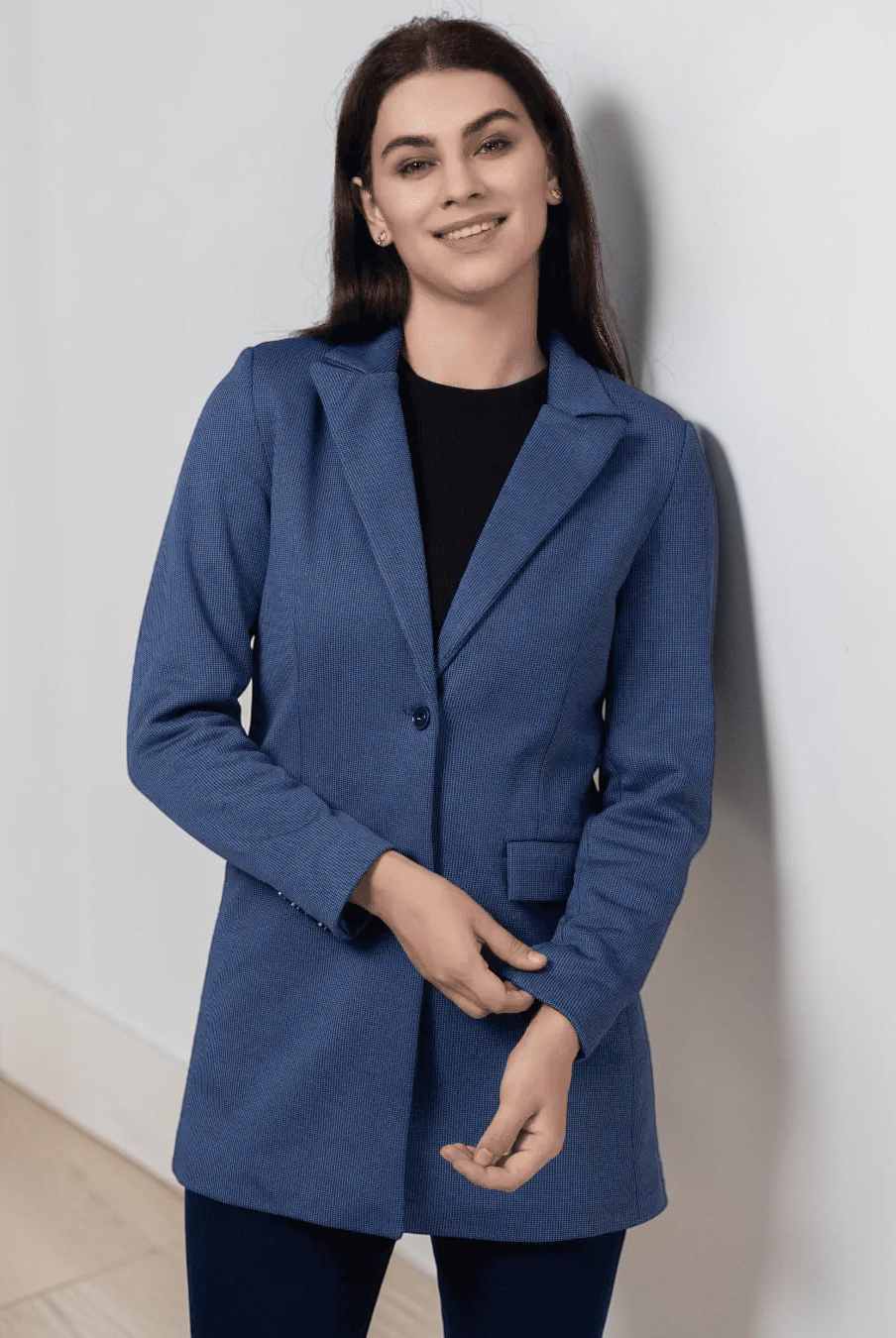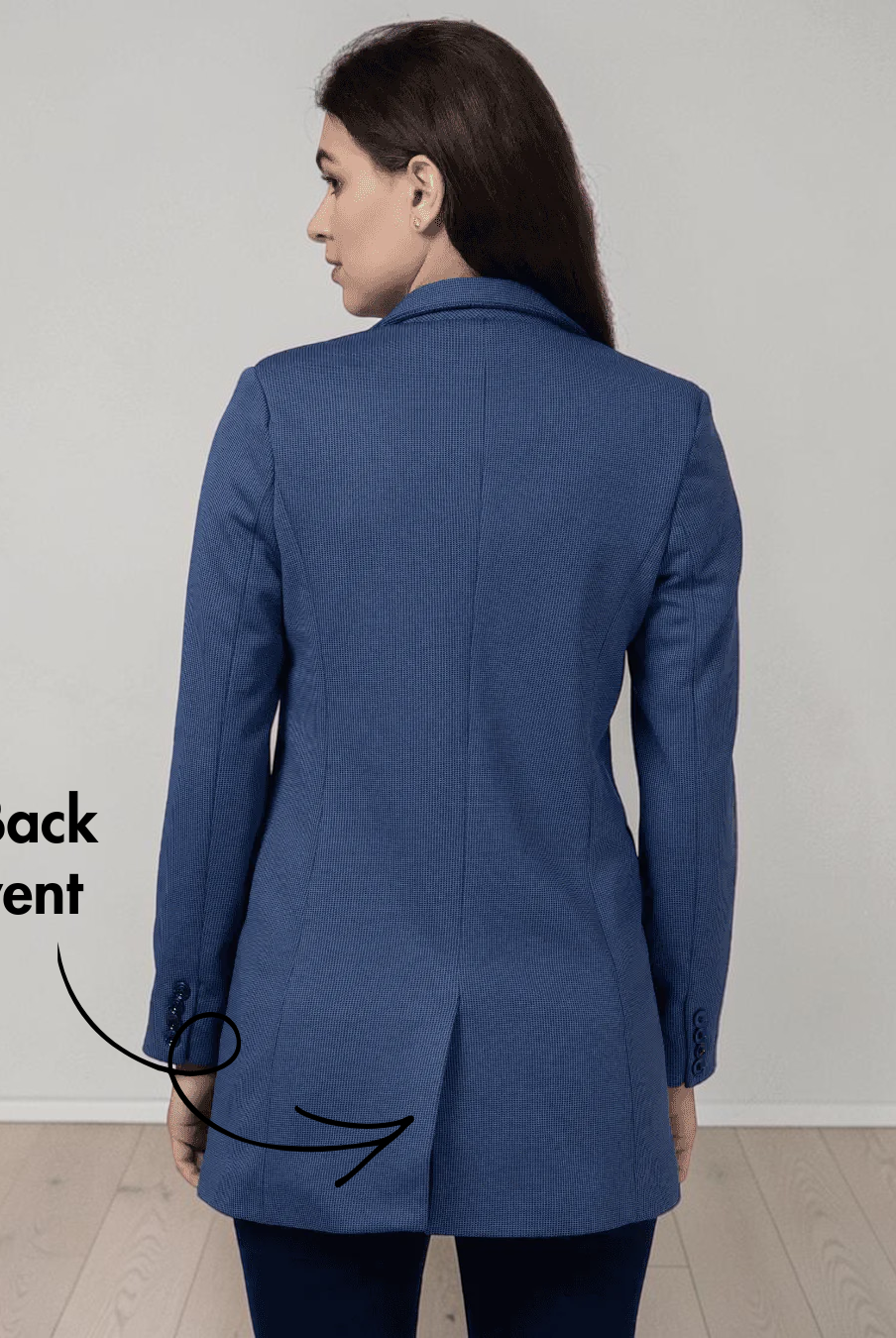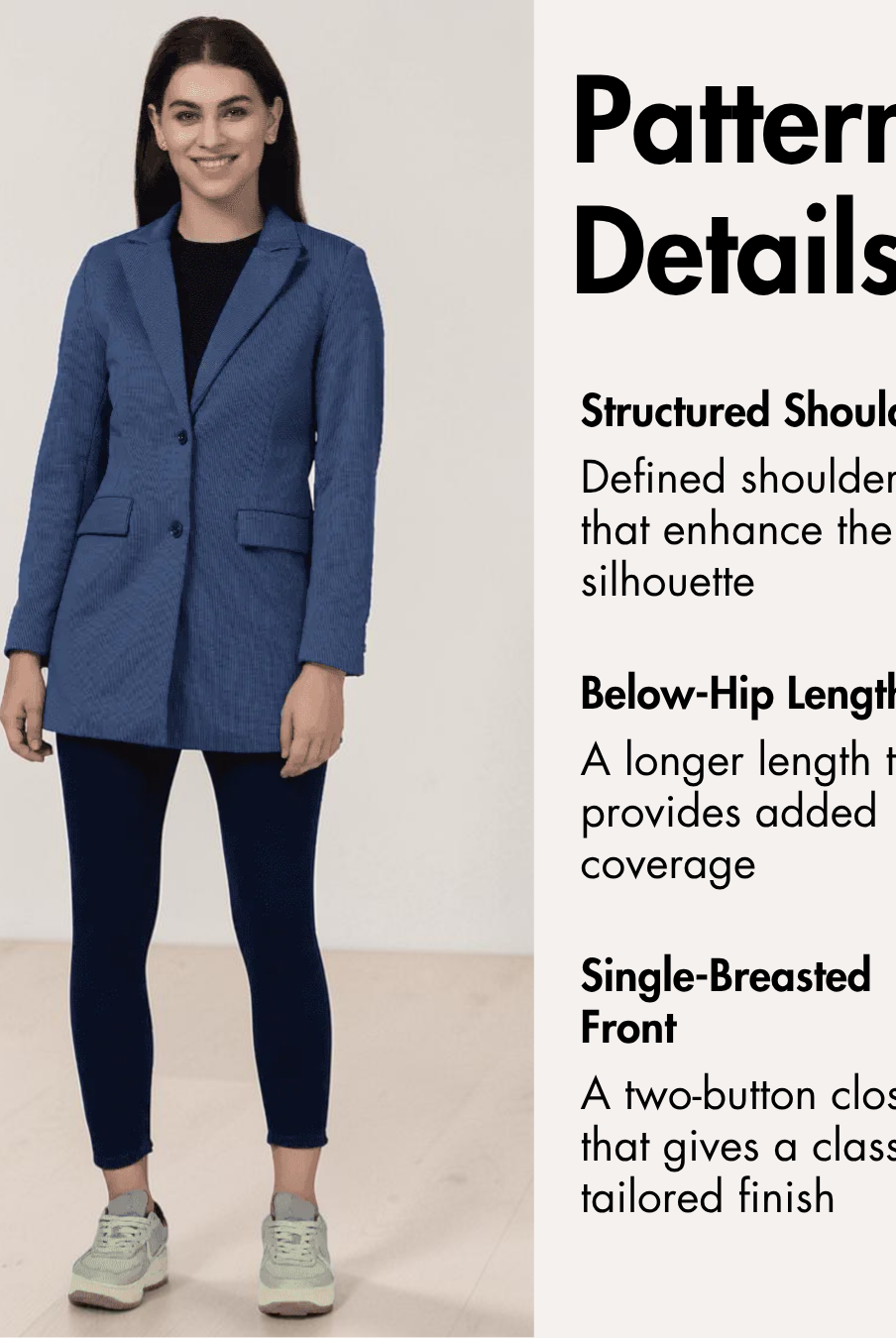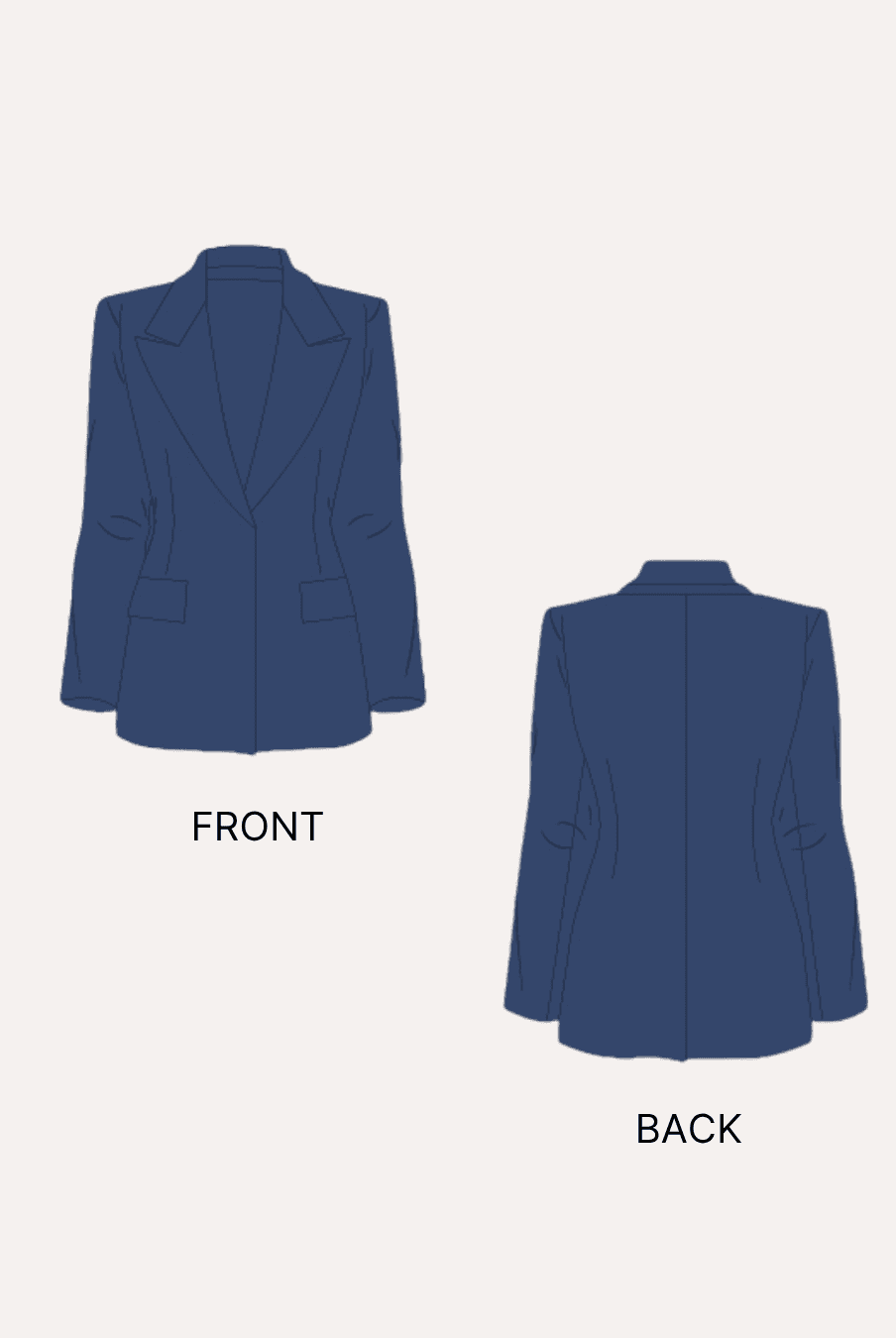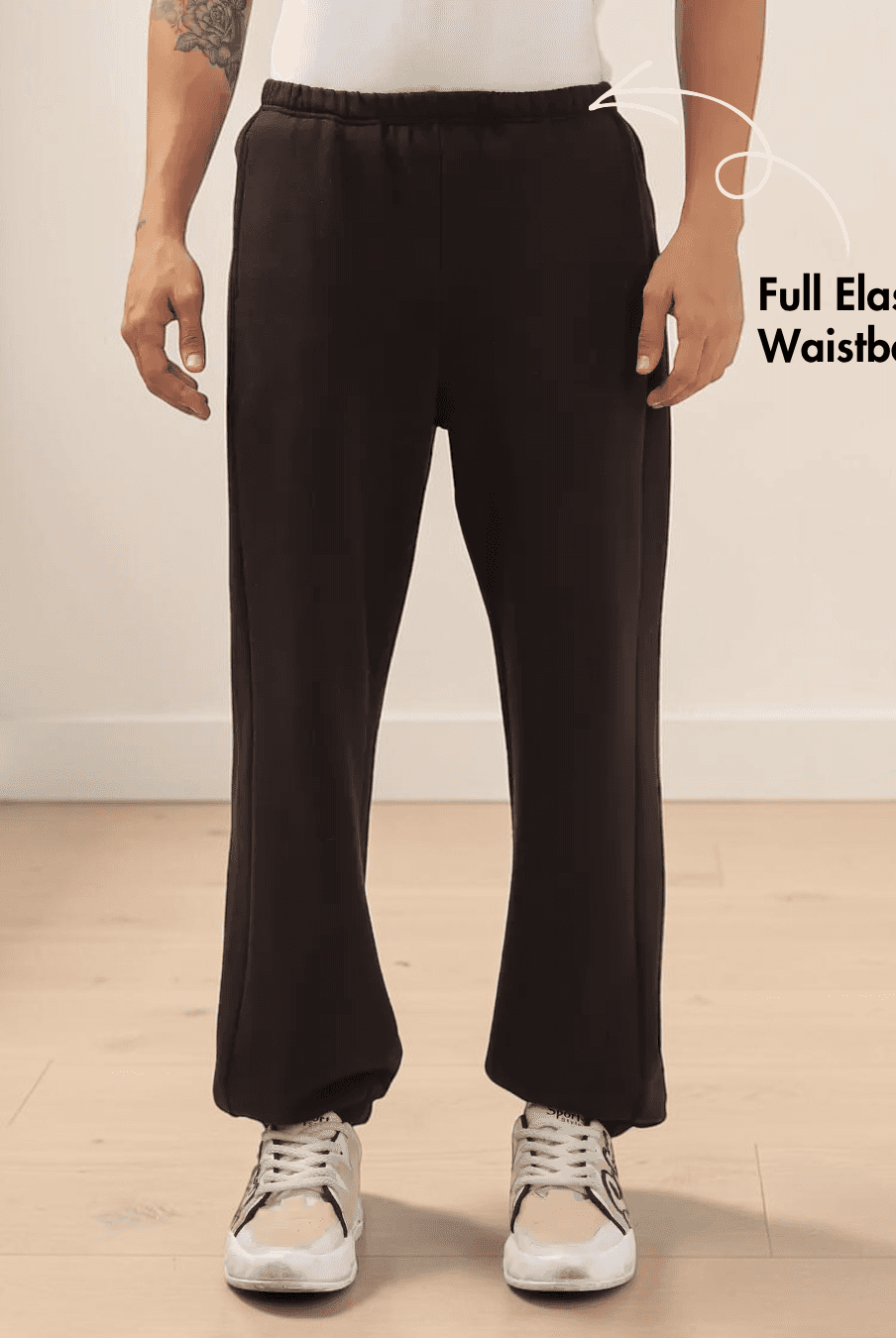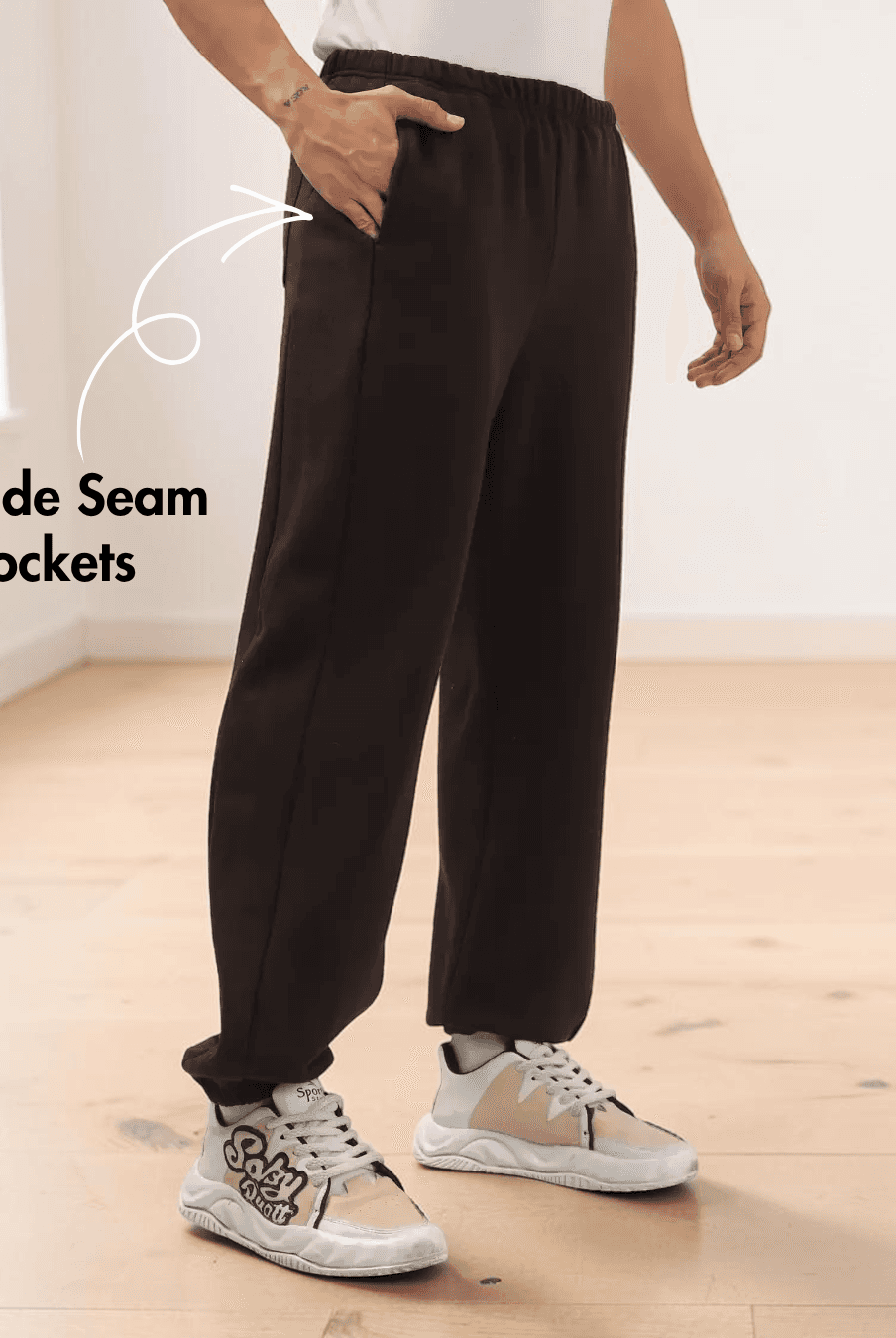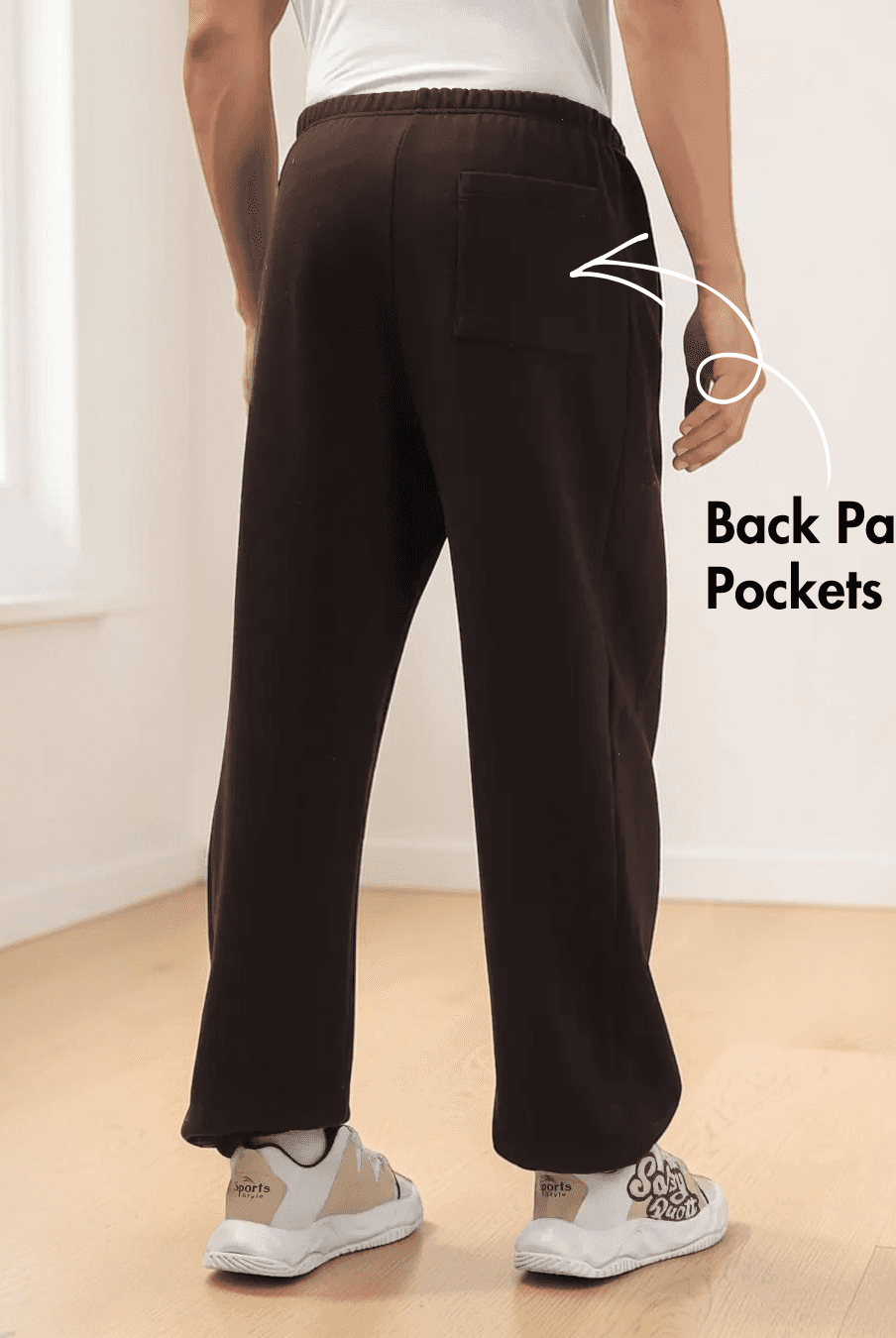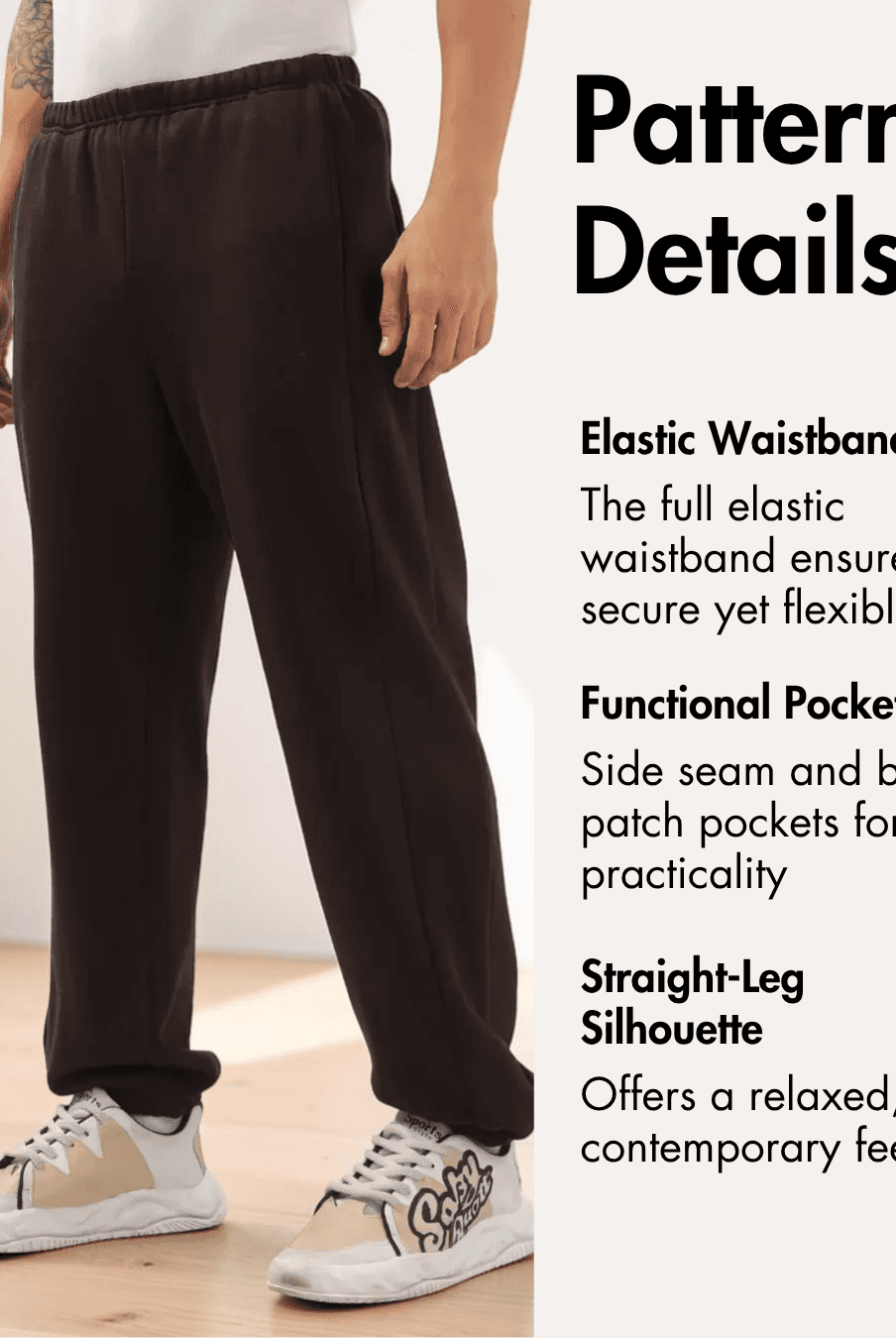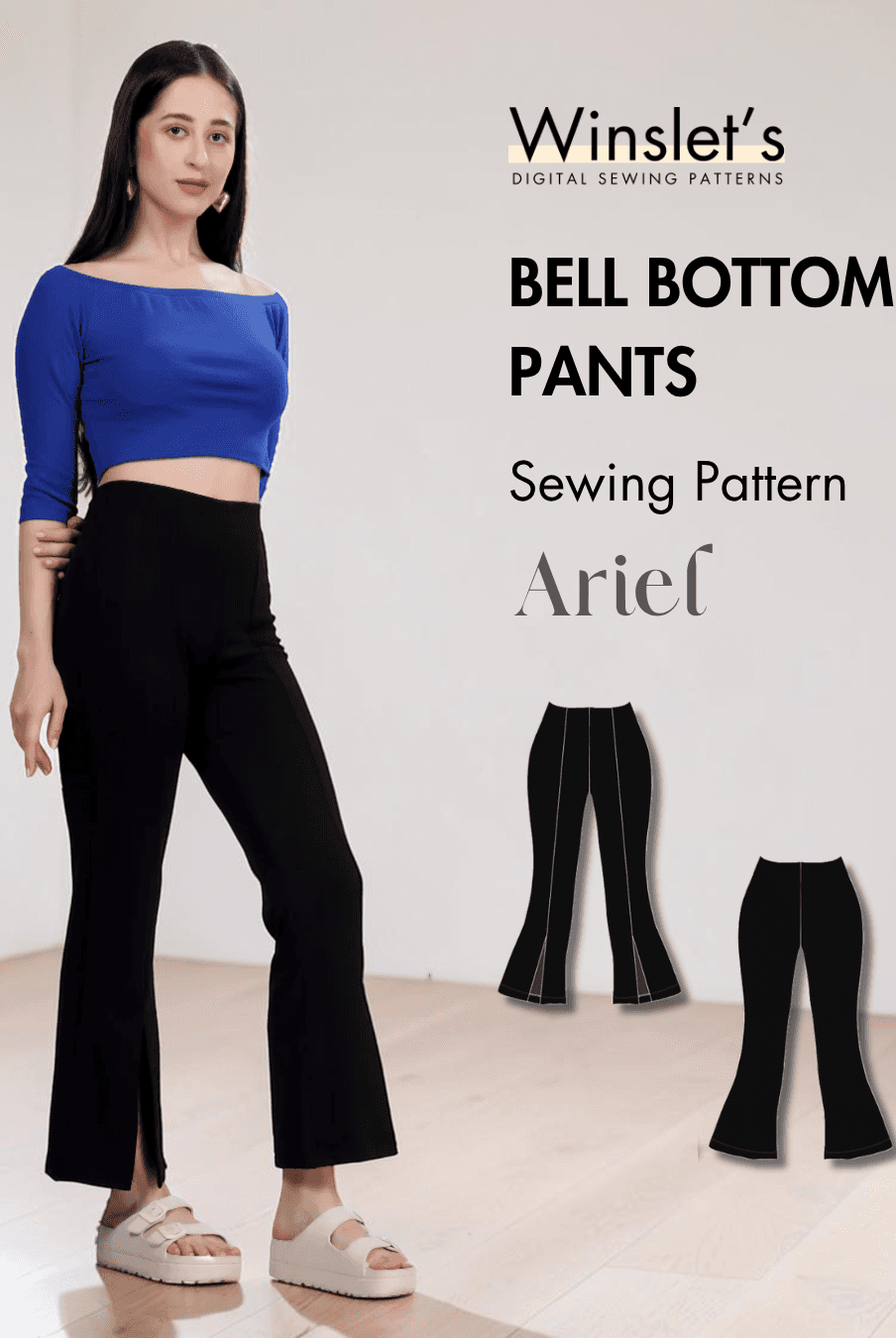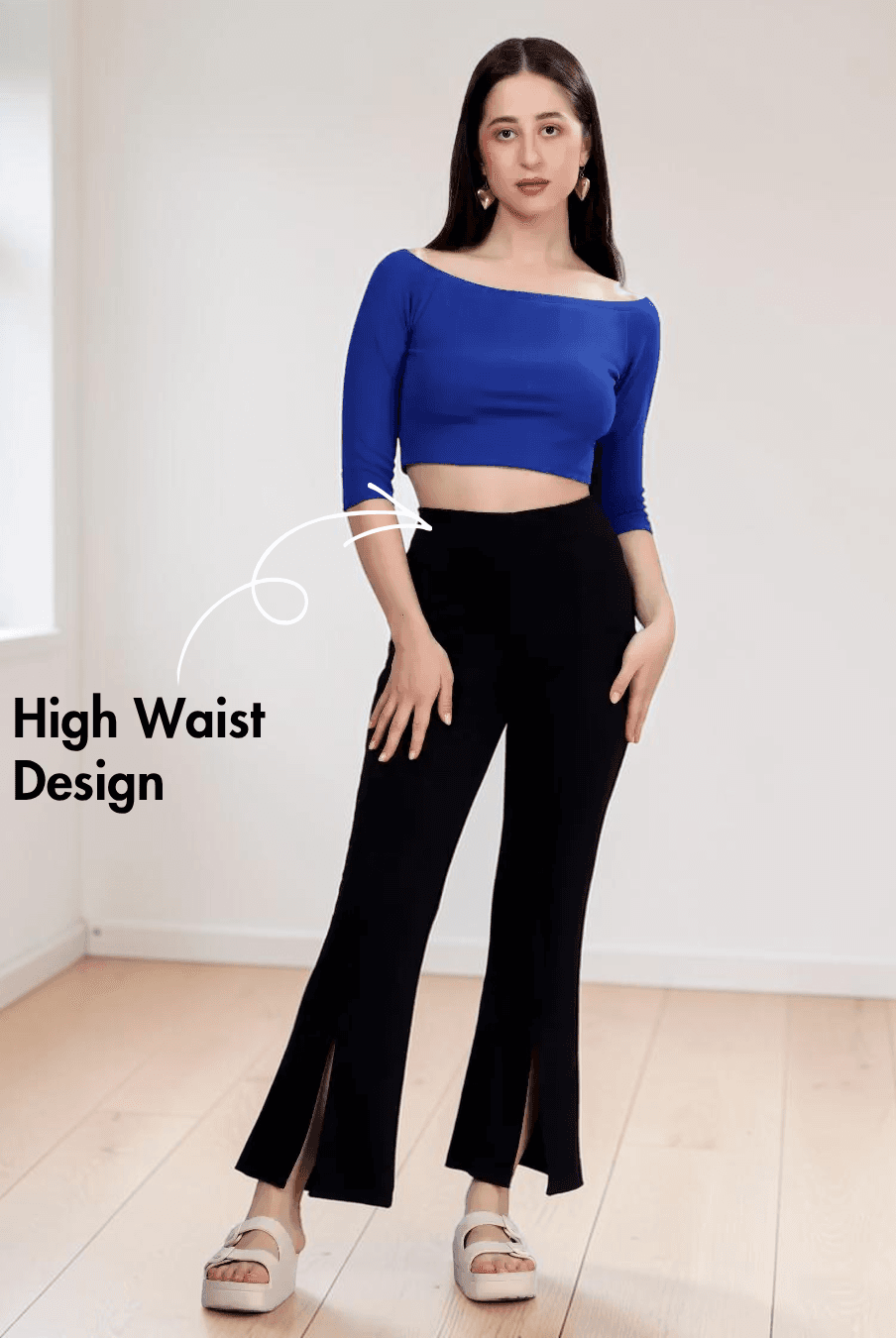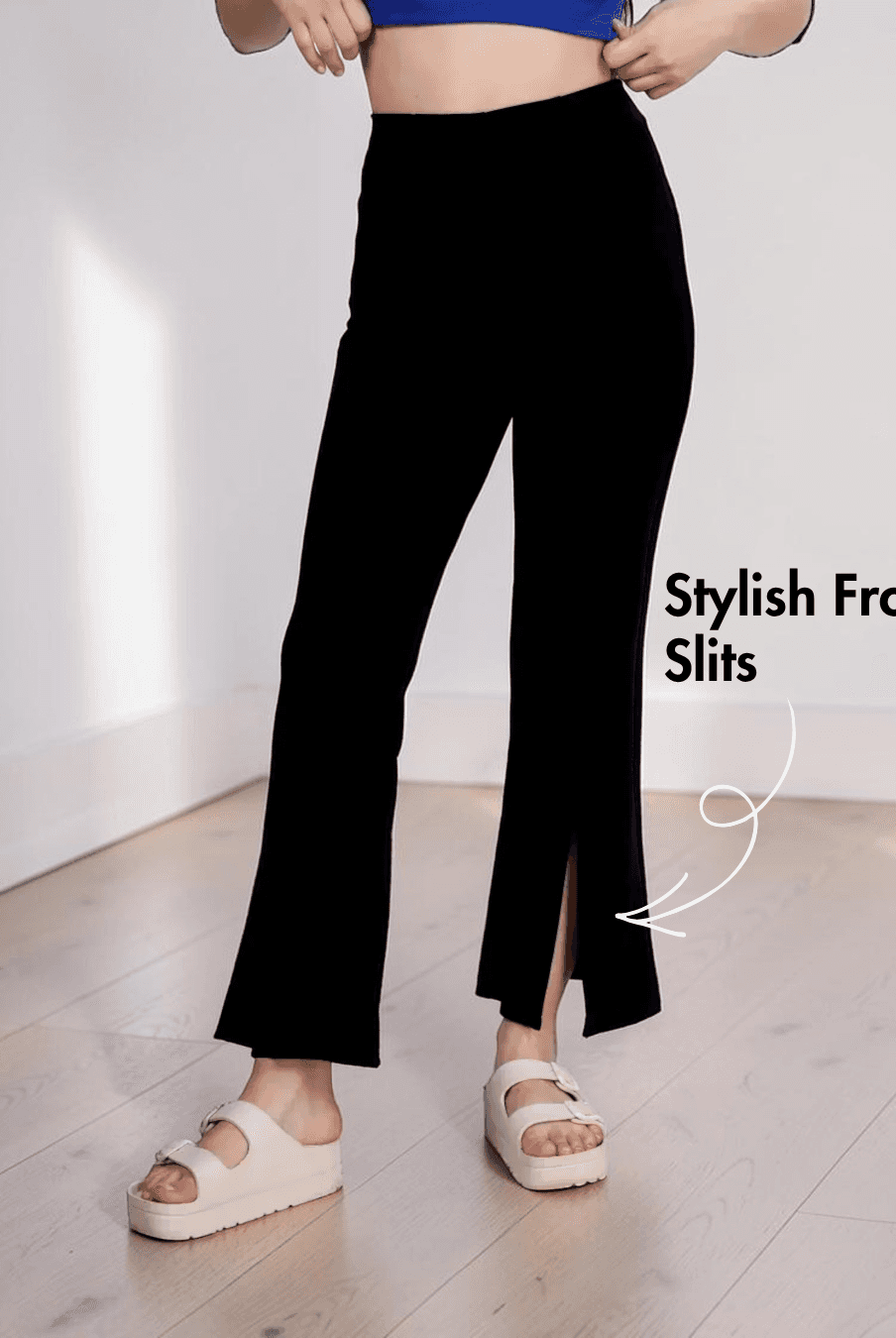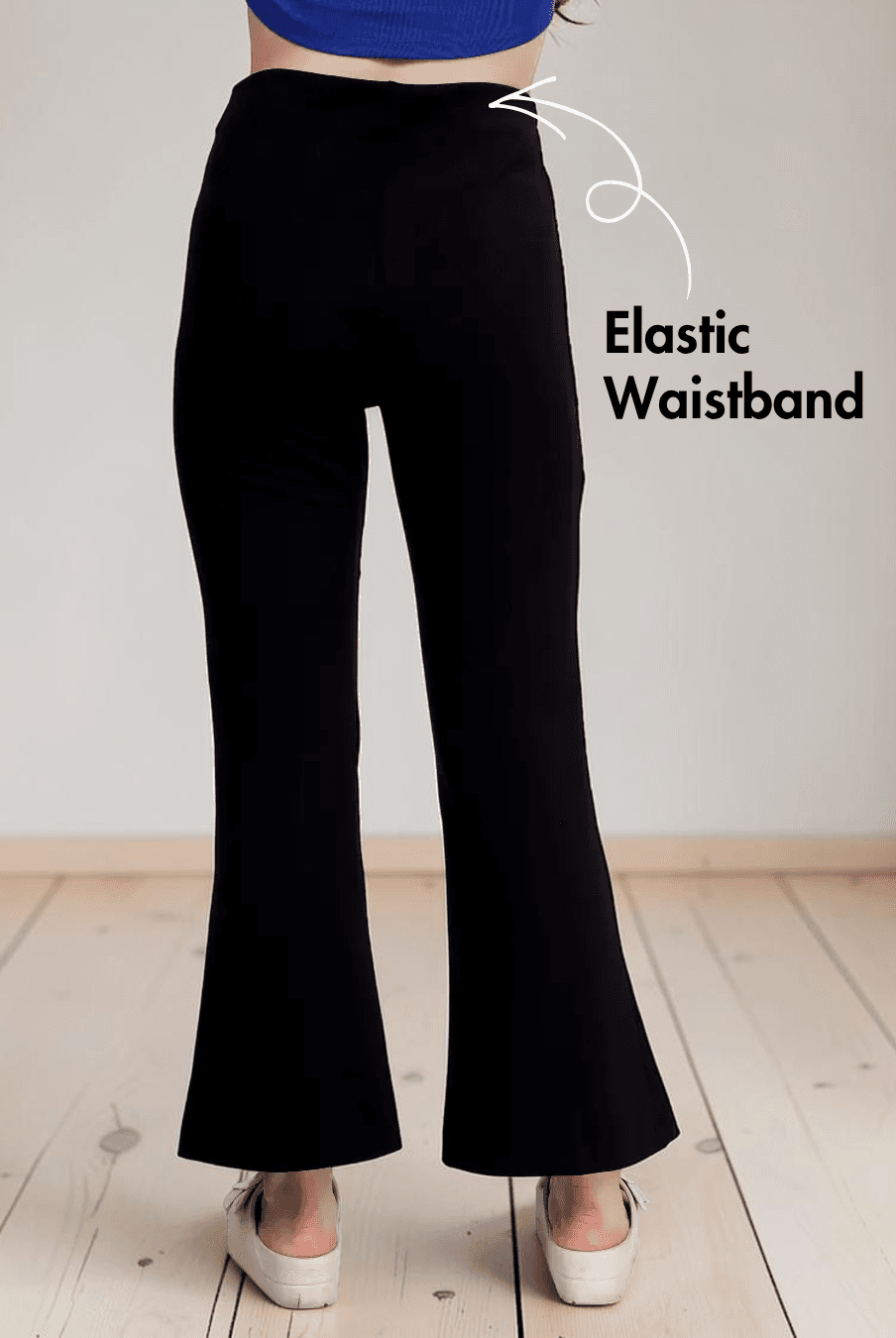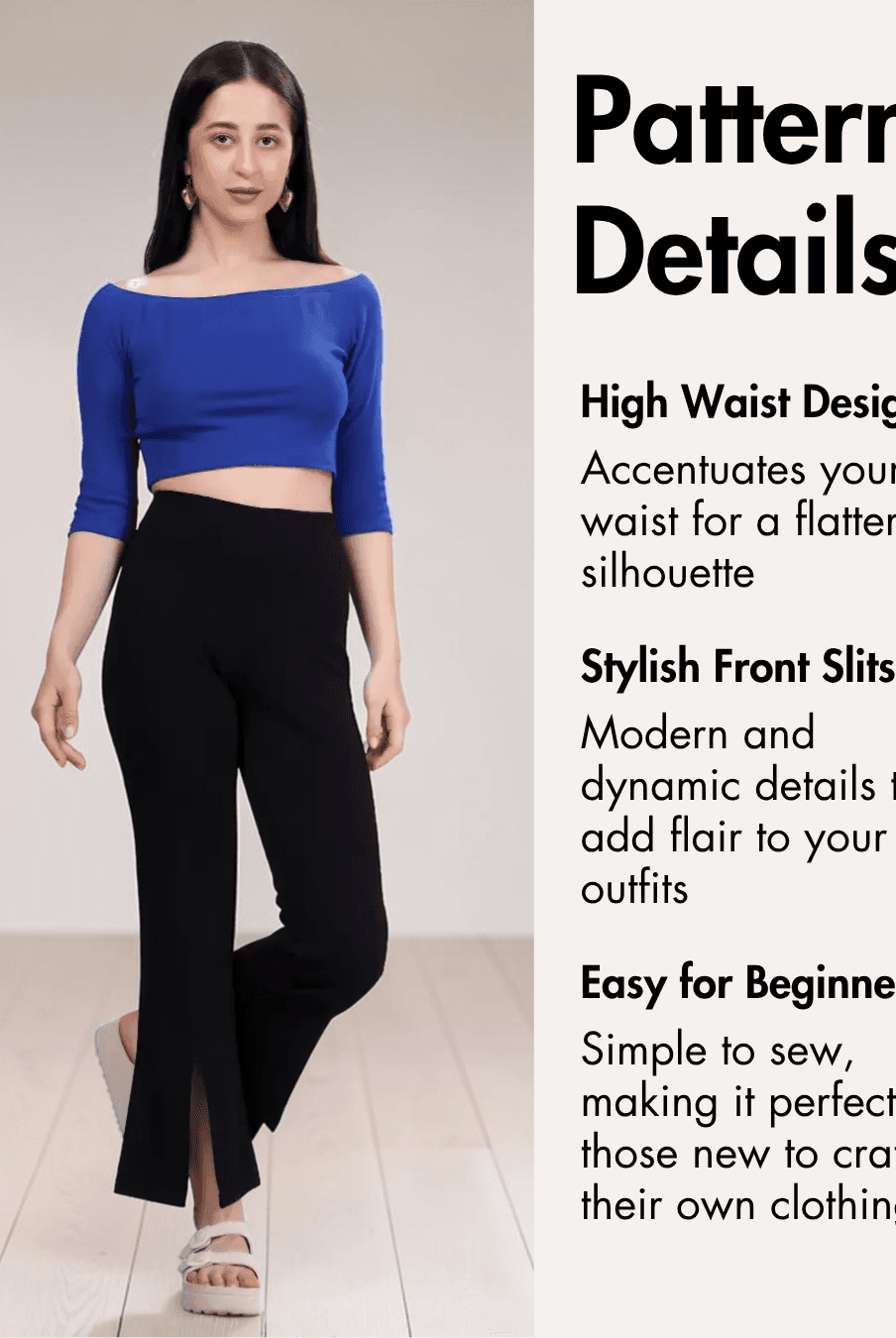
Wide leg pants are a timeless wardrobe staple that combine comfort, movement, and effortless style. Sewists love making wide leg pants because they are versatile enough for casual everyday outfits, workwear, and dressier occasions while offering a flattering silhouette that suits many body types.
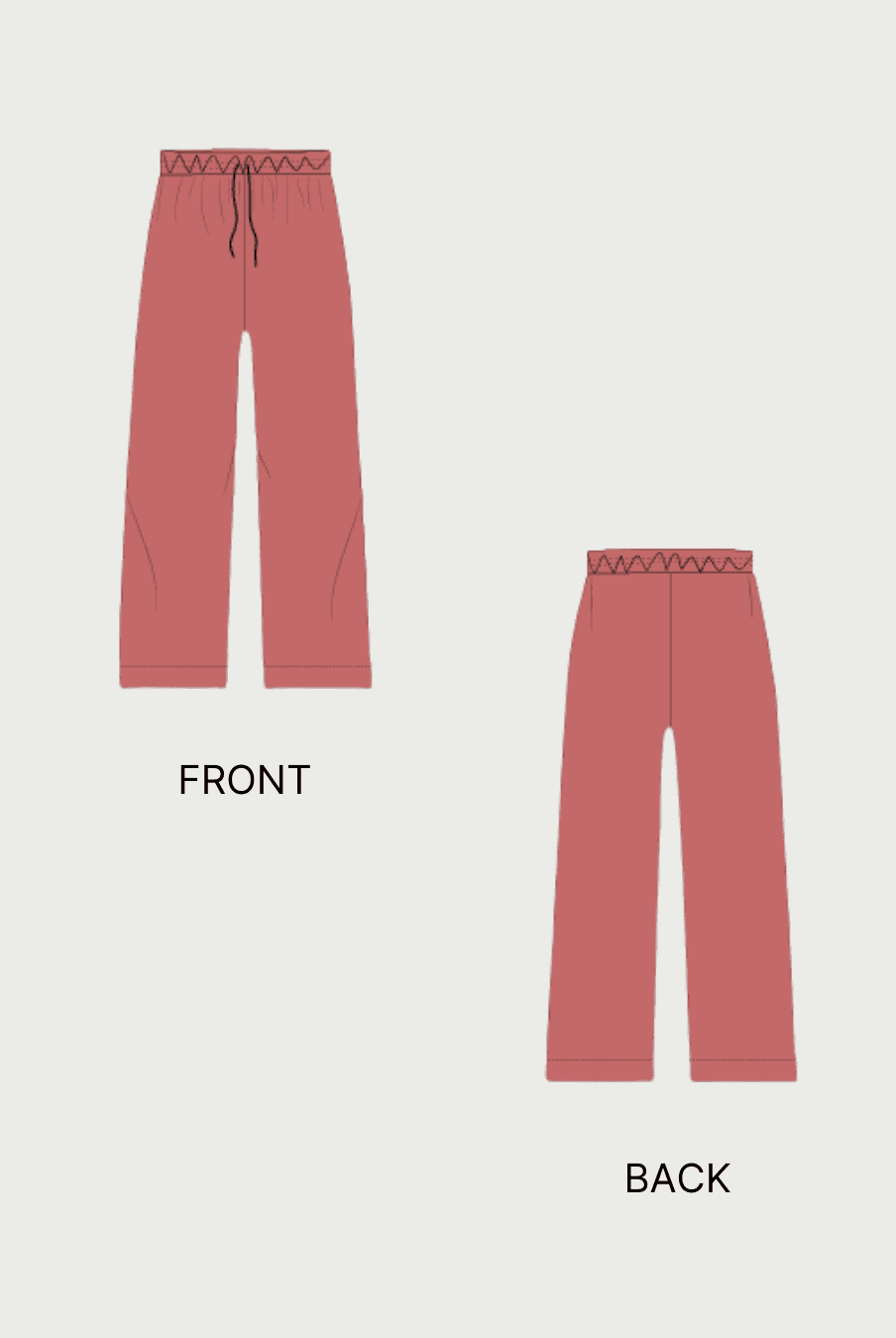
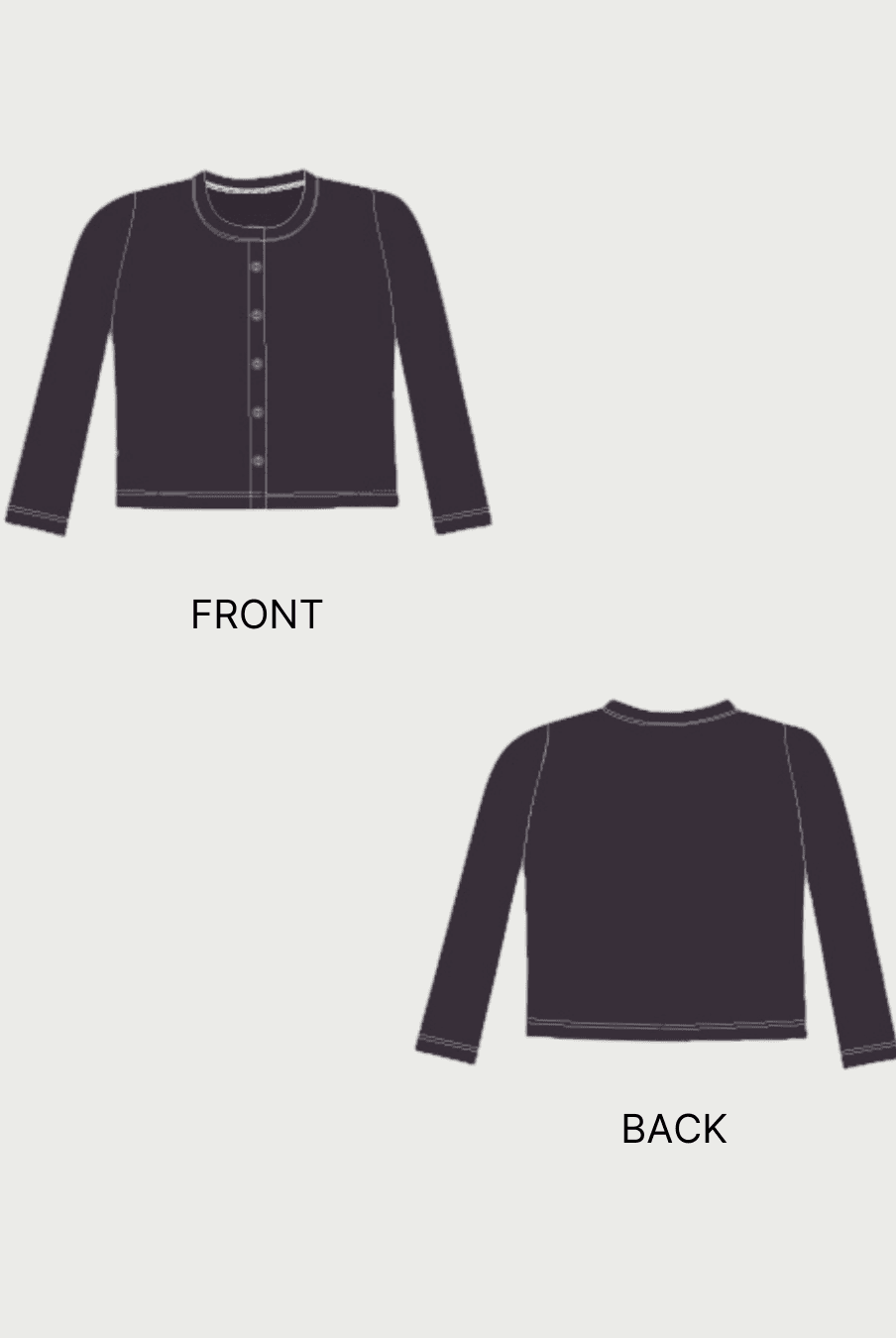
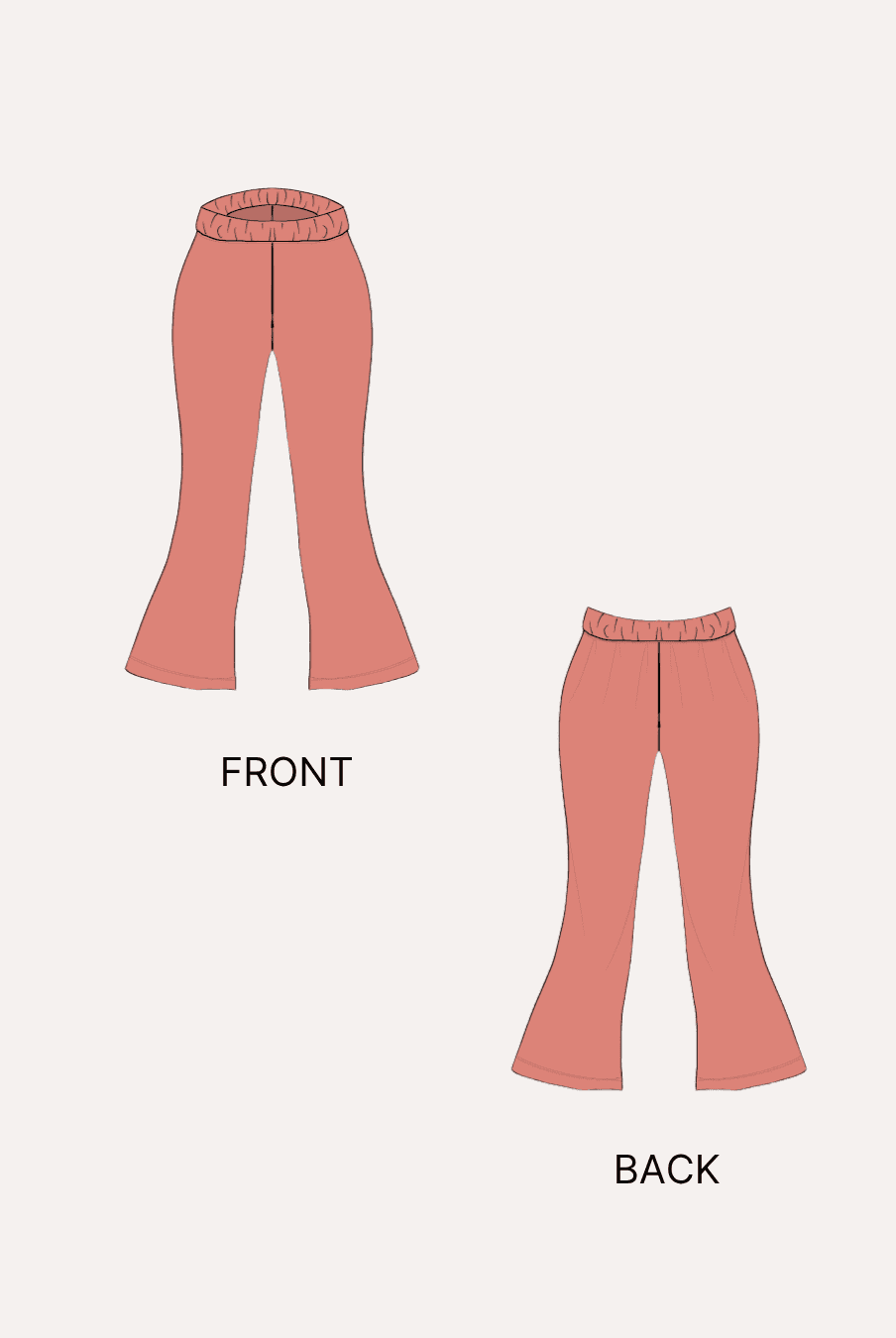
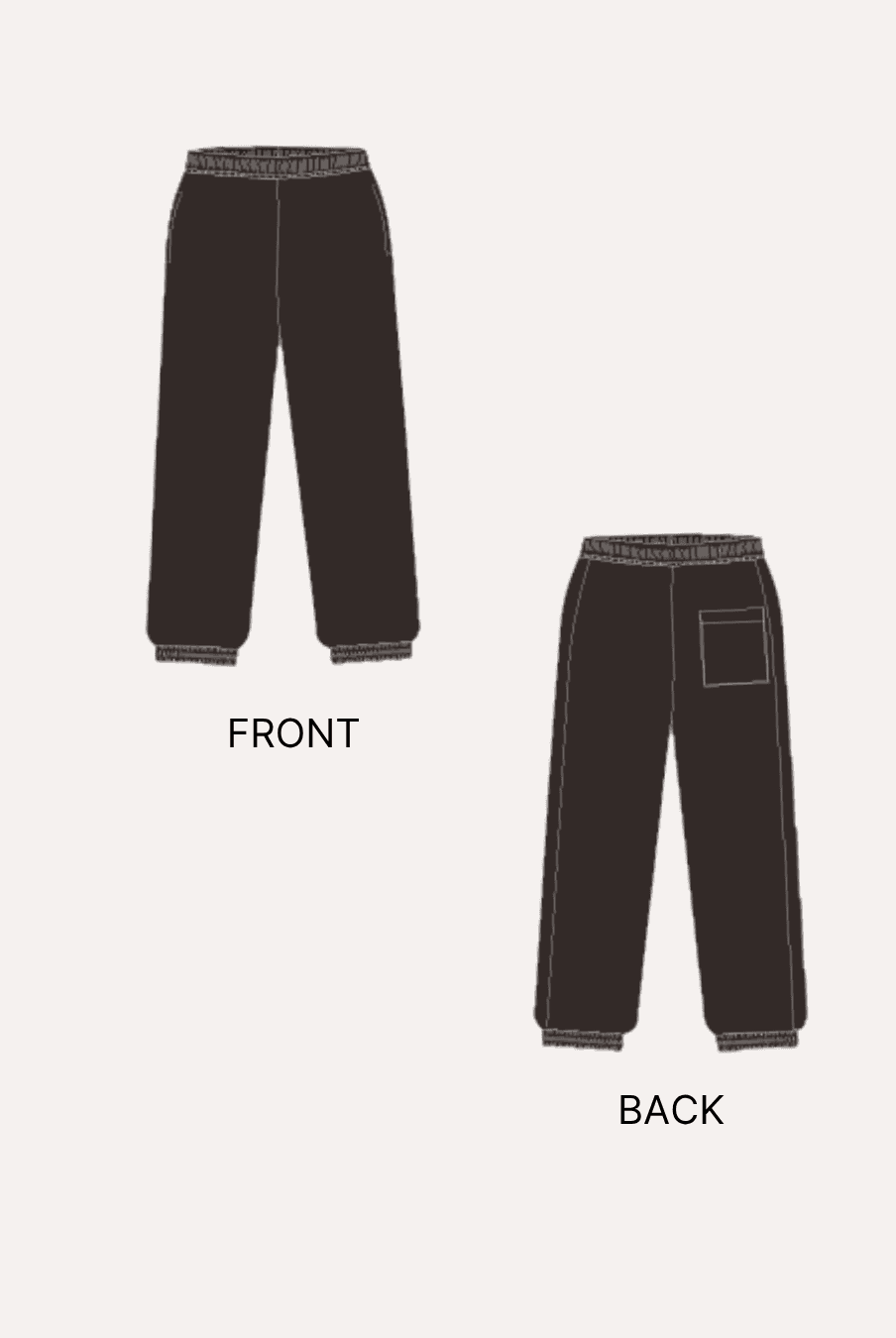
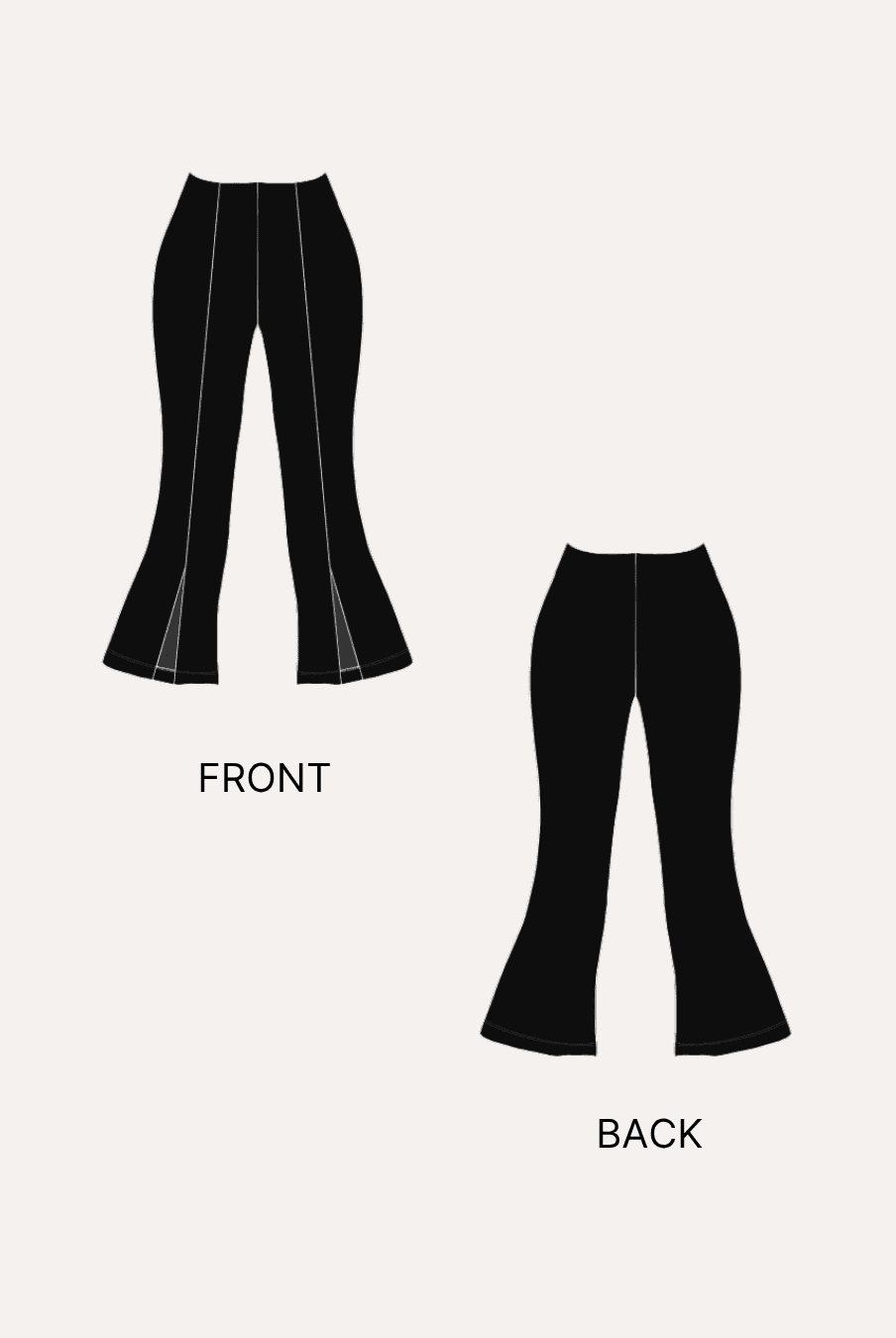
The Maya Wide Leg Pants Pattern from Winslet's is a stylish high-rise trouser pattern featuring a wide leg silhouette, side seam pockets, belt loops, a waistband, and a fly-front zipper closure. With its polished finish and practical details, it's a rewarding project for sewists looking to expand their garment-making skills.

Why Sew Wide Leg Pants?
-
Create a versatile wardrobe staple that can be dressed up or down.
-
Enjoy a comfortable wide leg silhouette with plenty of ease and movement.
-
Sew practical trousers with functional side seam pockets.
-
Learn useful garment-making techniques including darts, fly-front zipper construction, and waistband assembly.
-
Customize your fabric choice for different seasons and occasions.
-
Create a polished handmade garment with a professional finish.
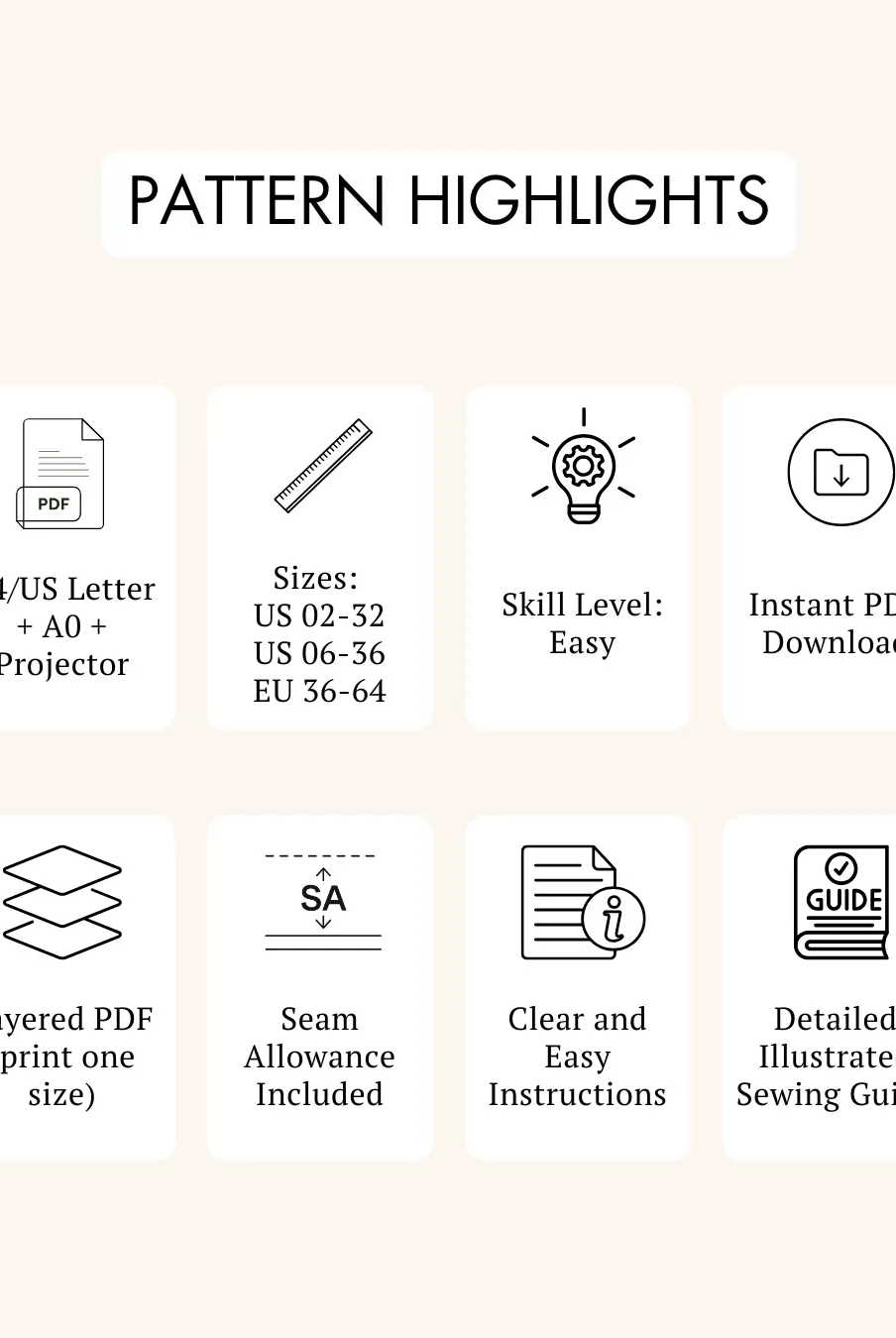
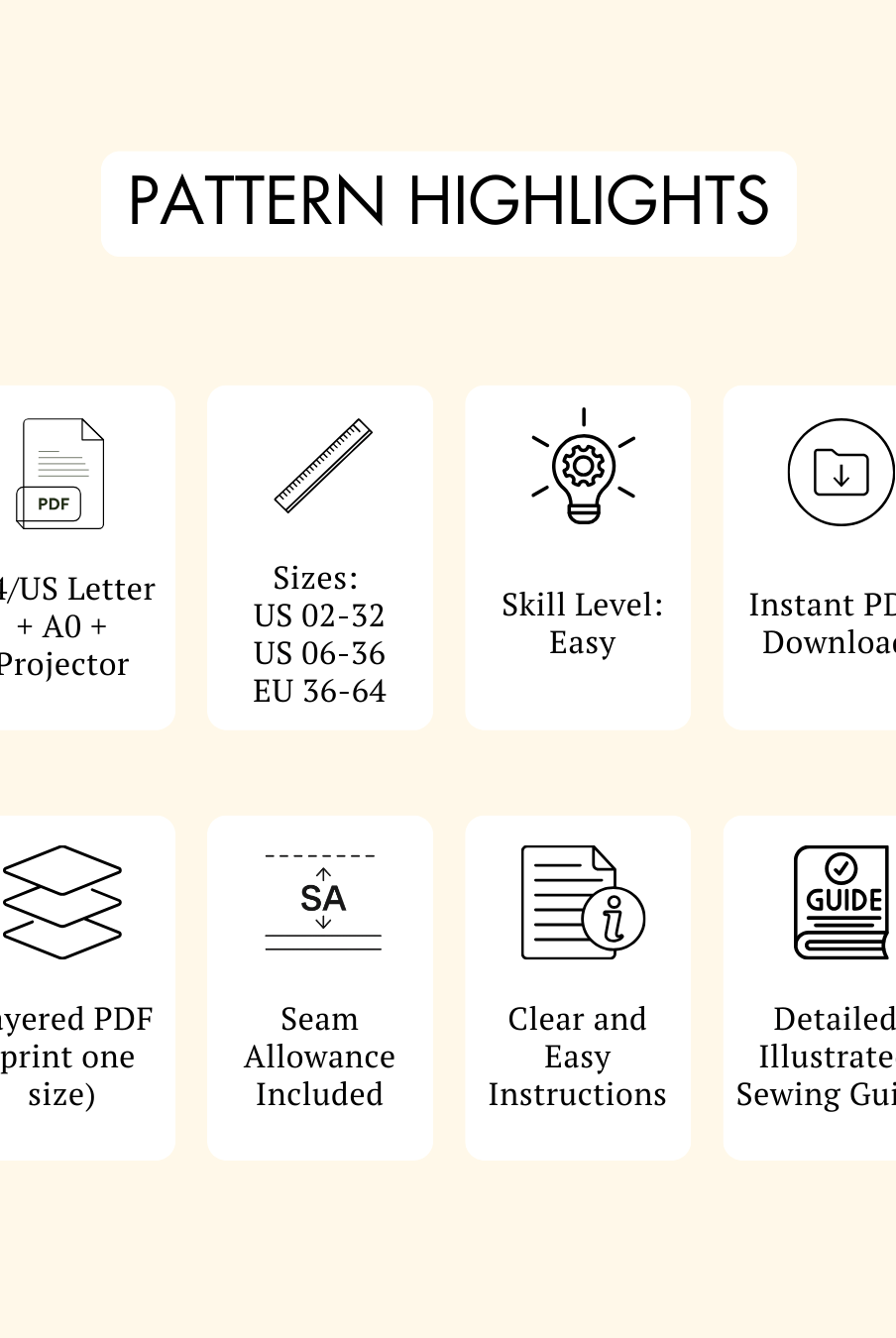
Why Choose the Winslet's Maya Wide Leg Pants Pattern?

-
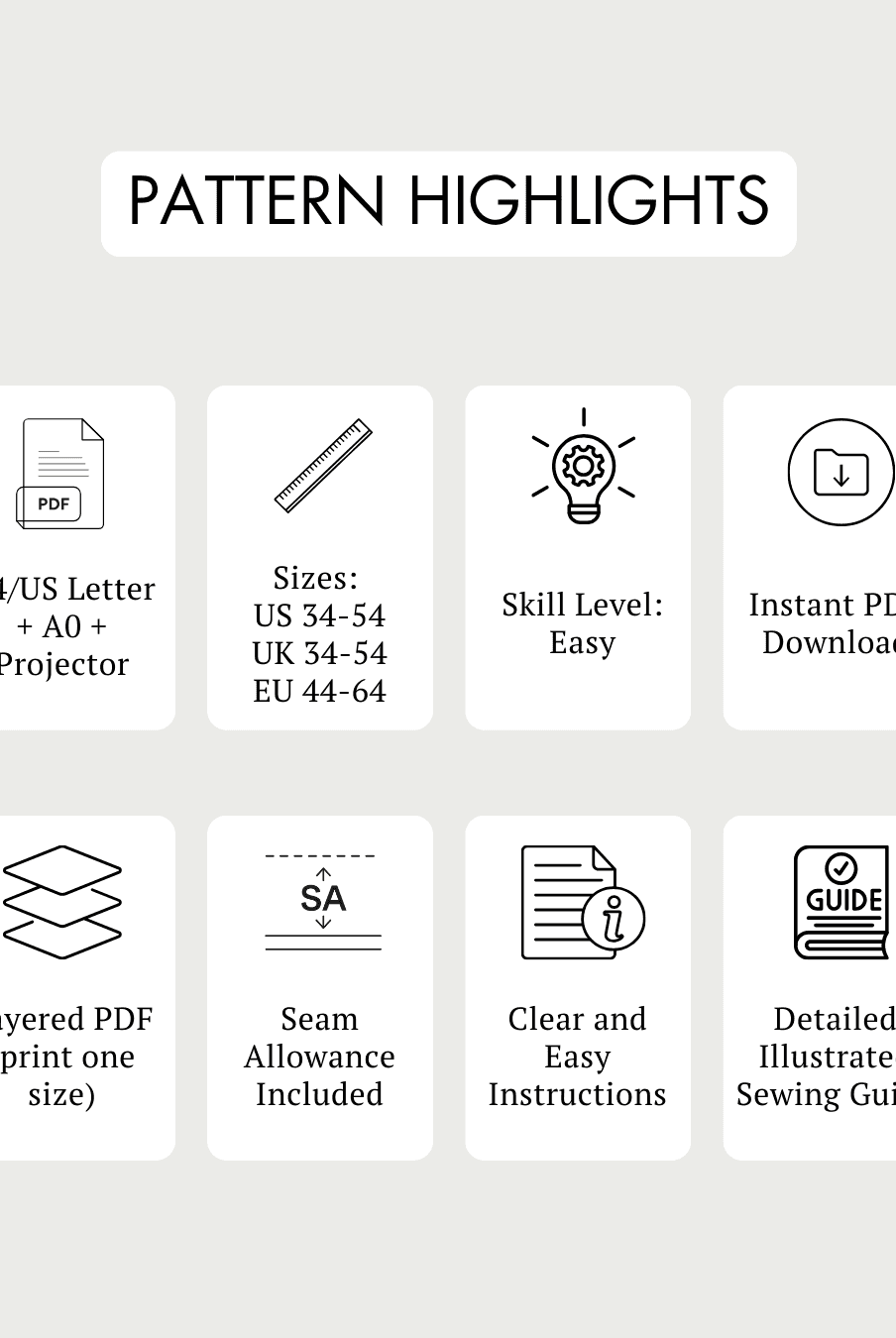
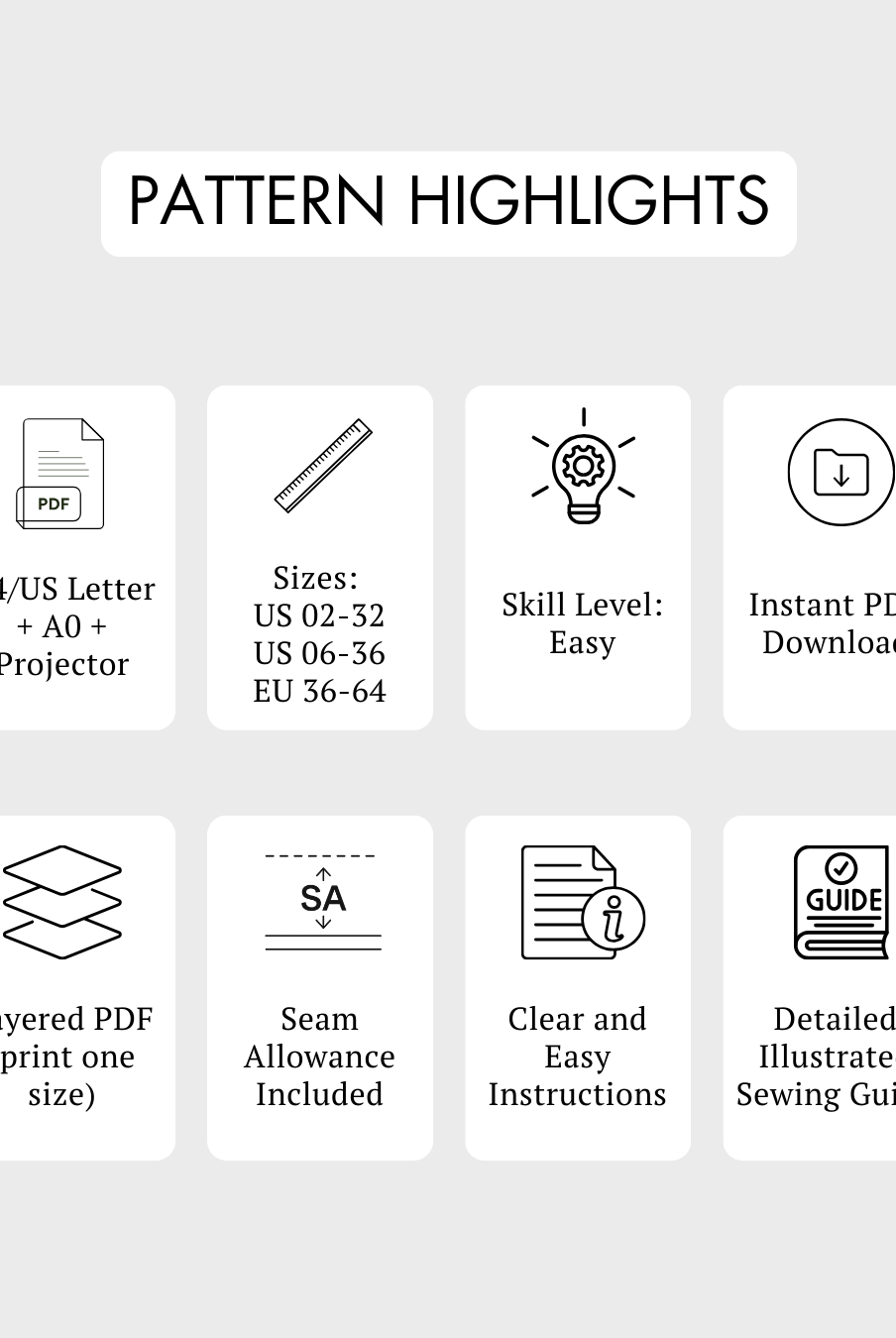
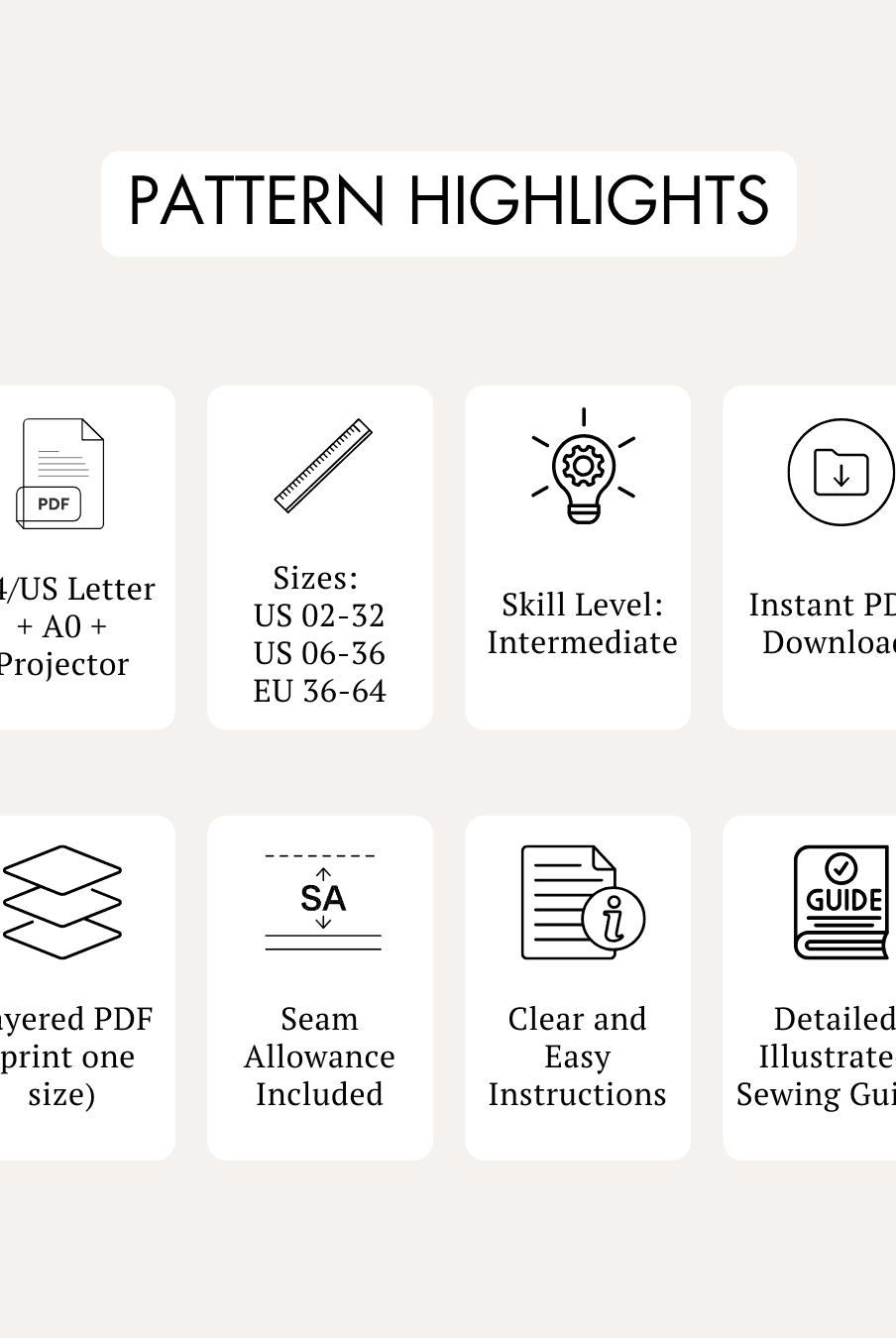
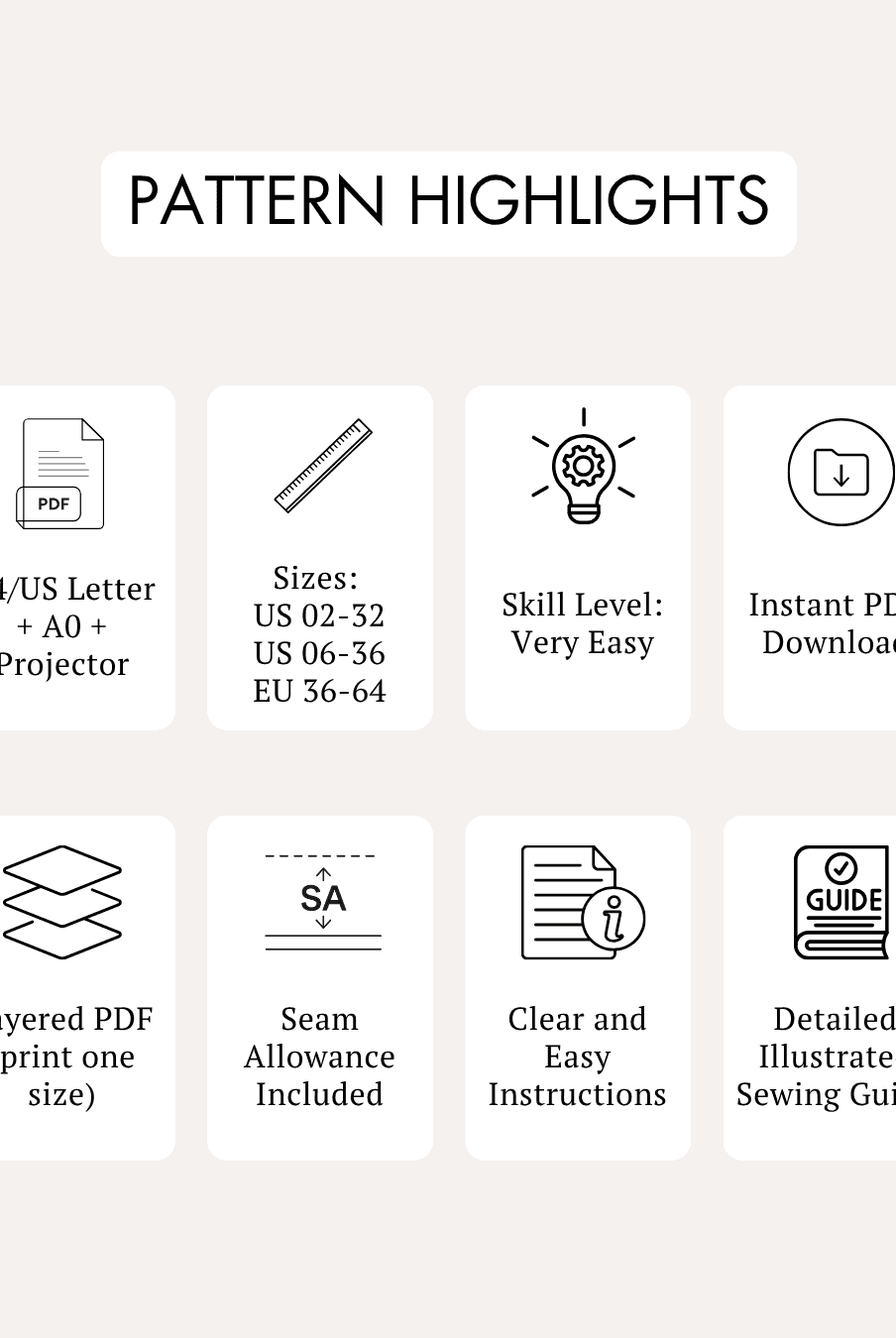
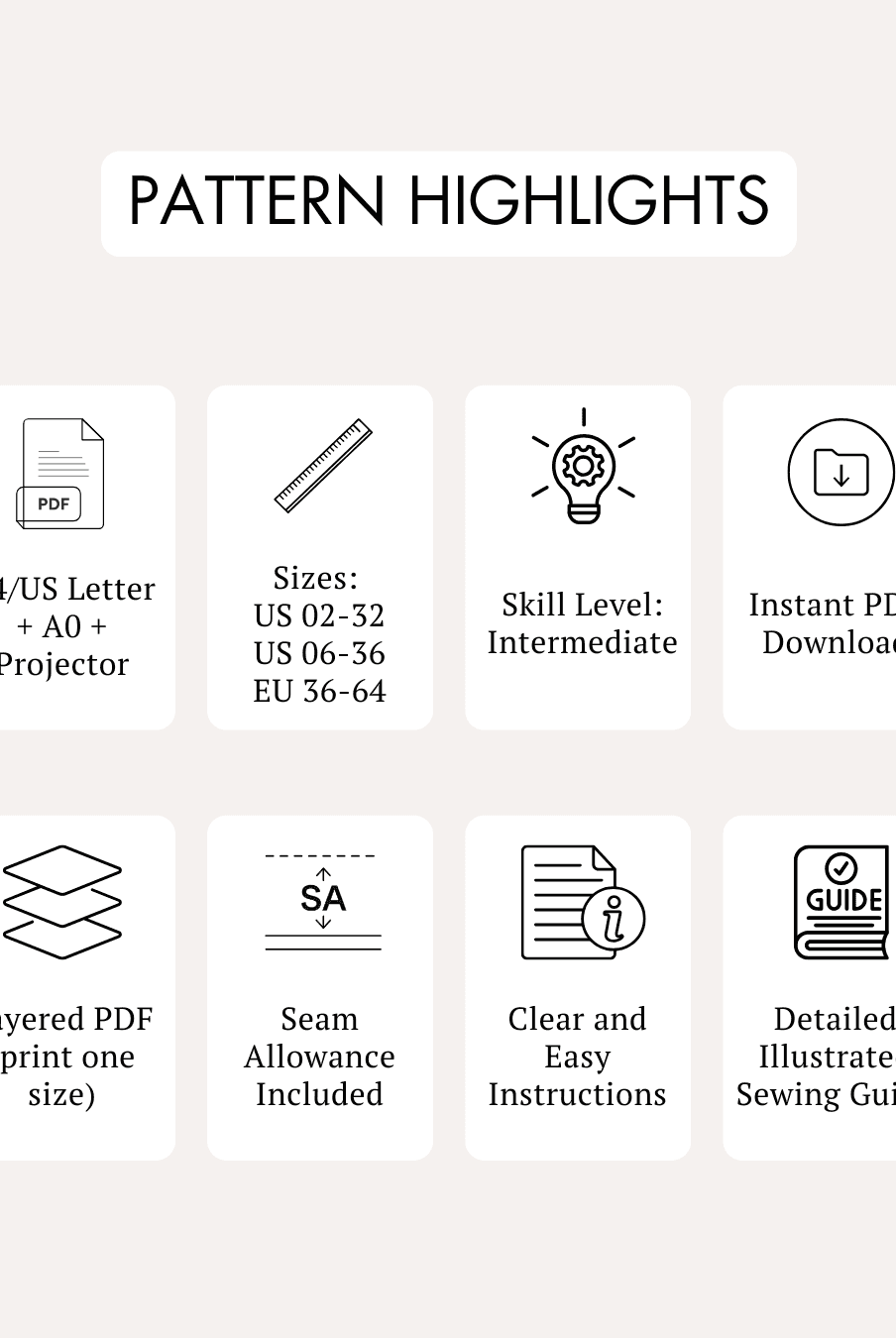
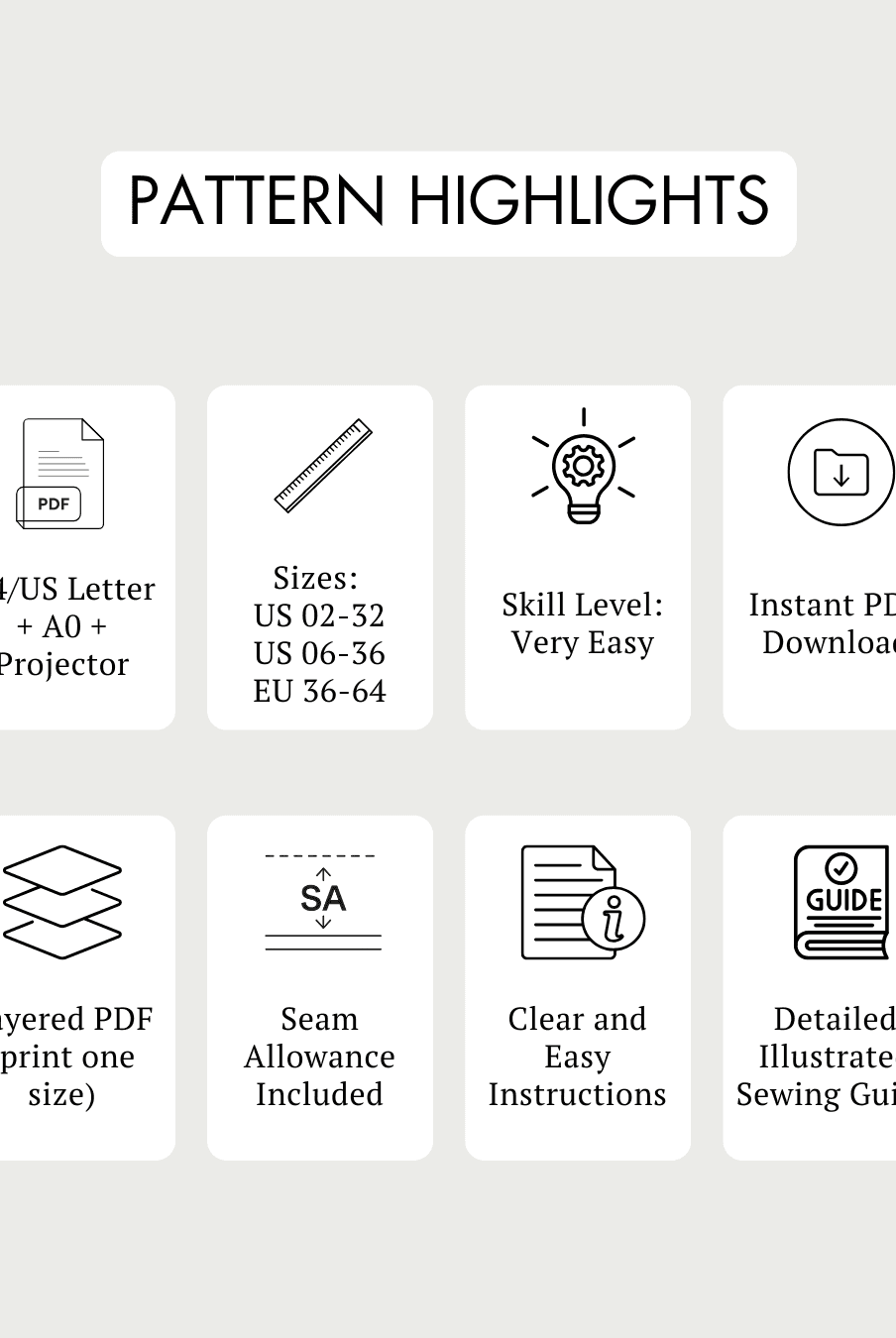
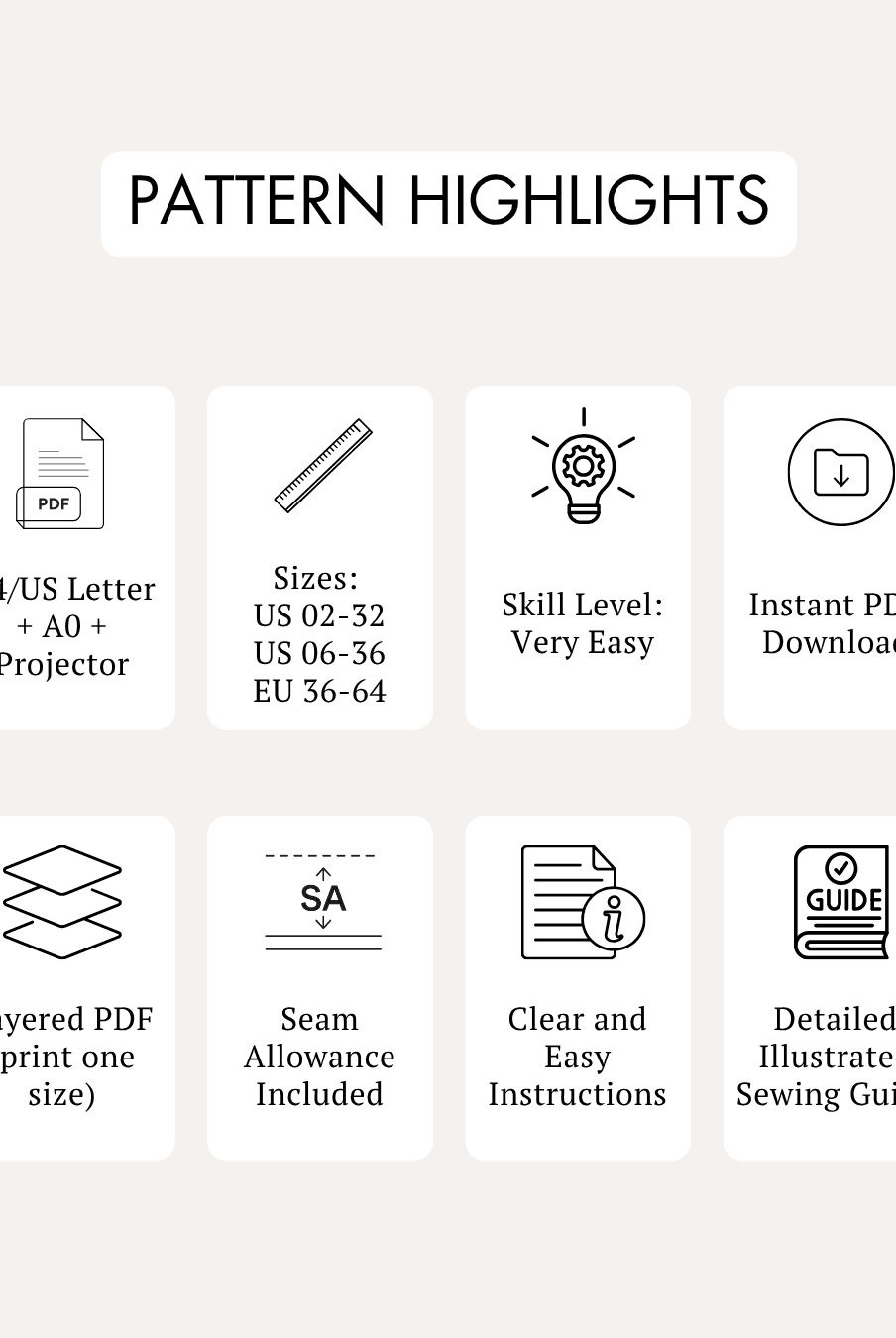
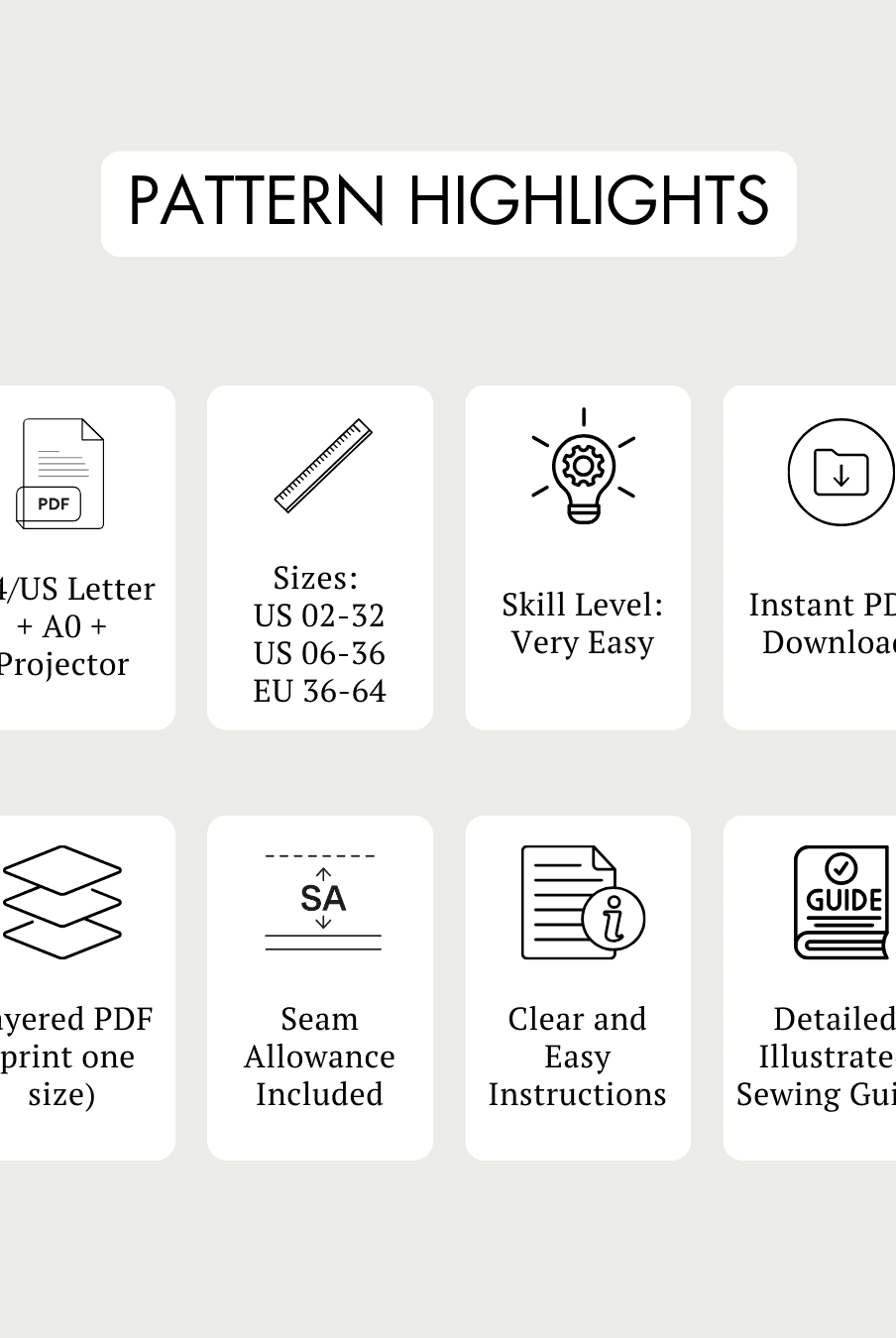
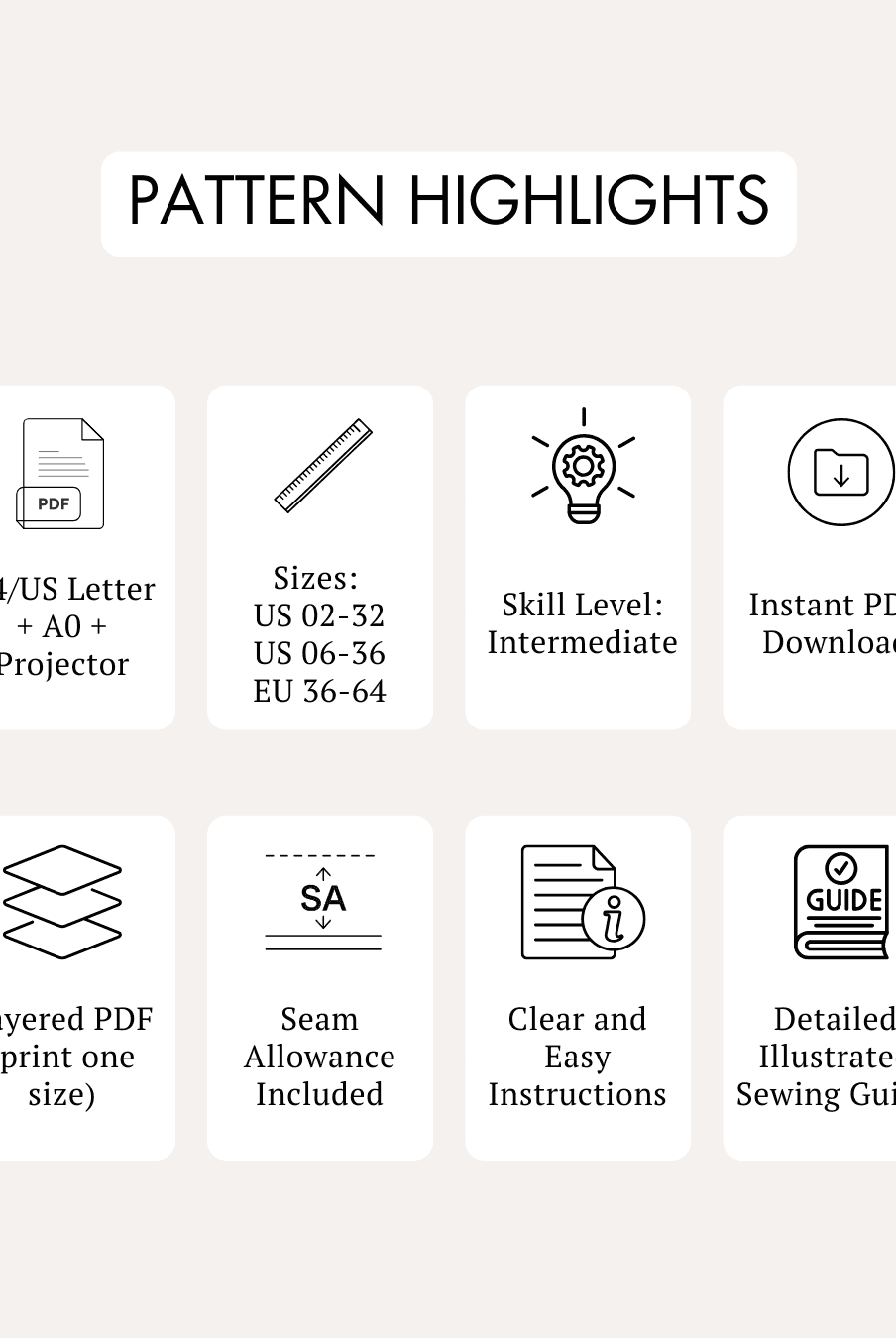
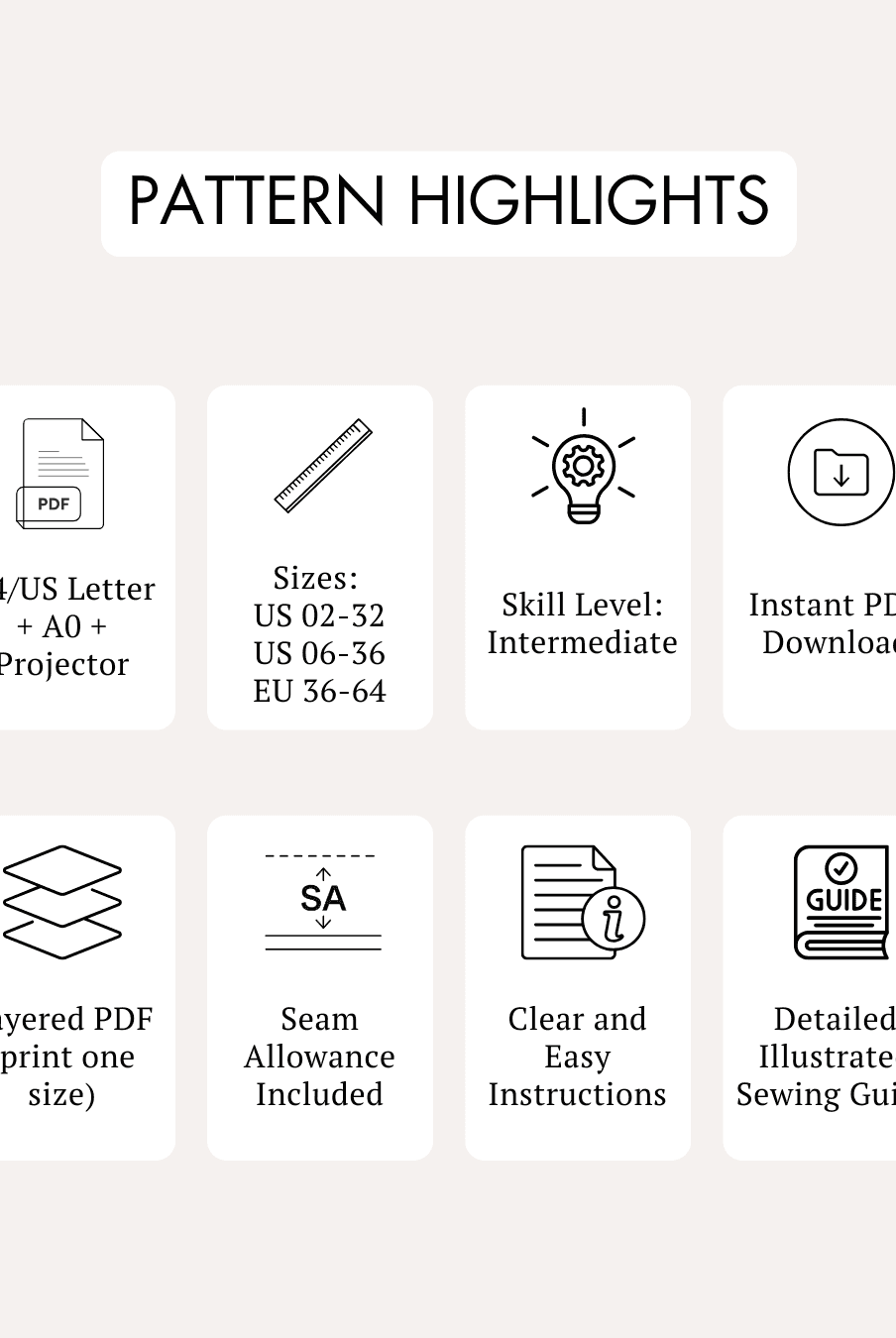
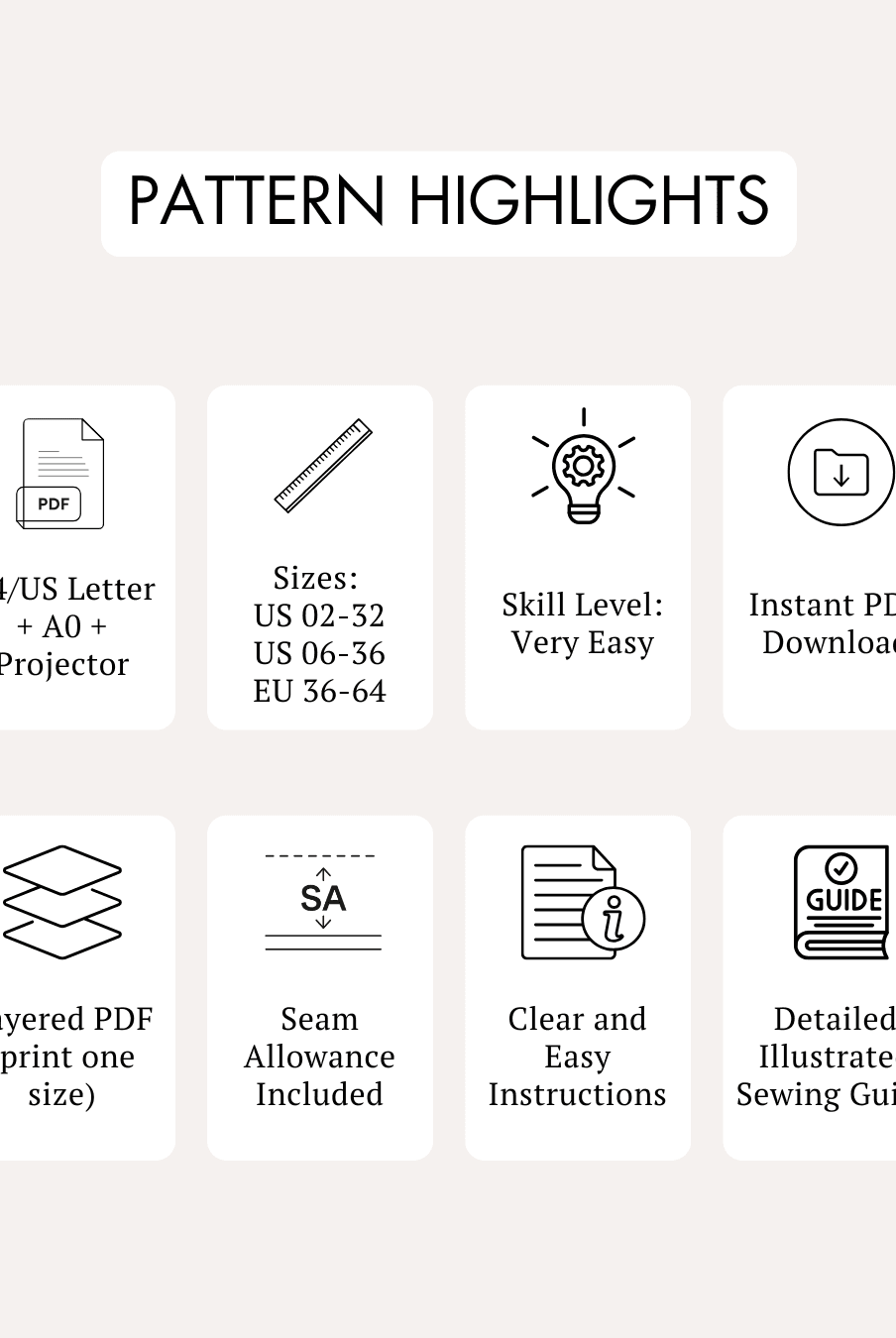
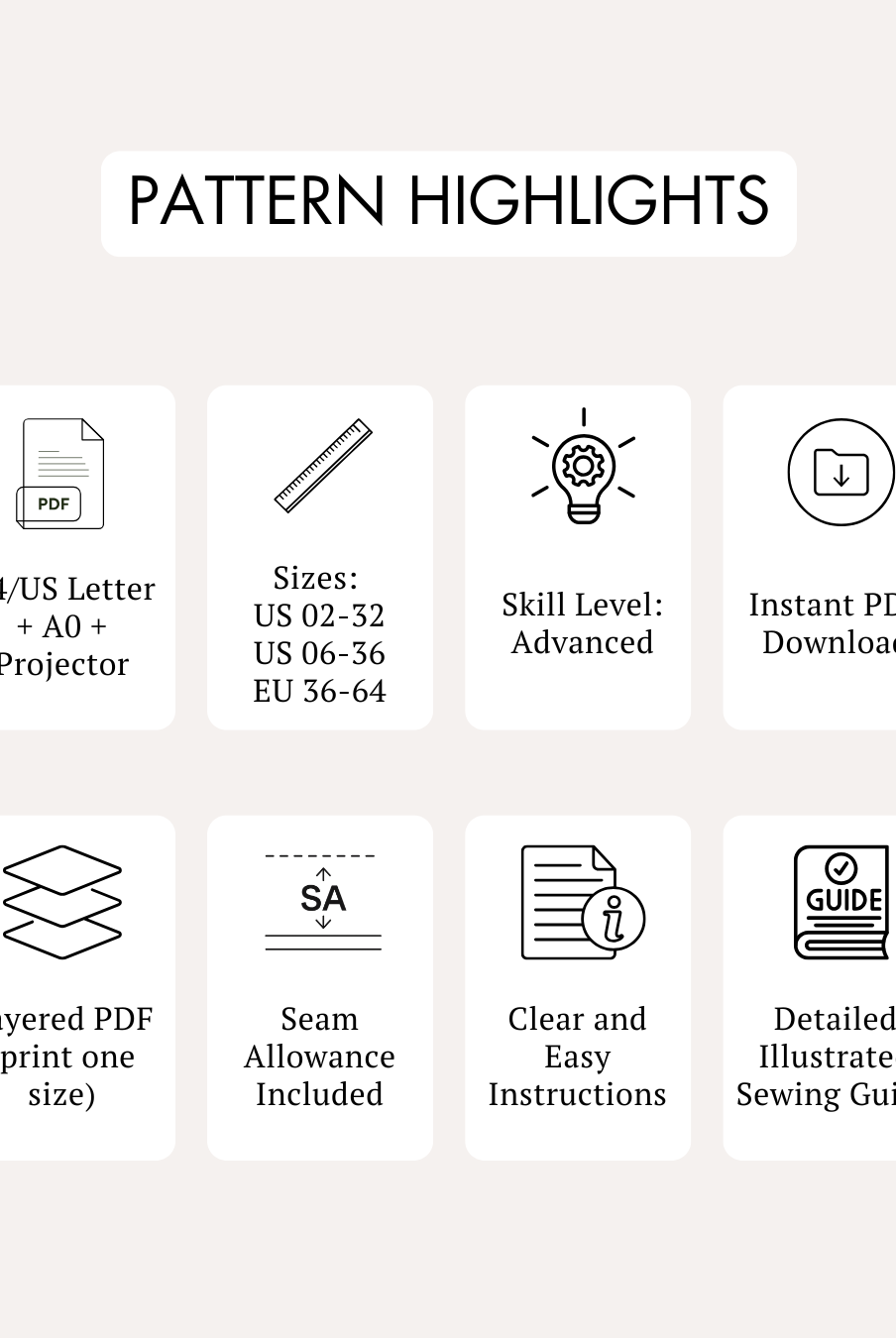
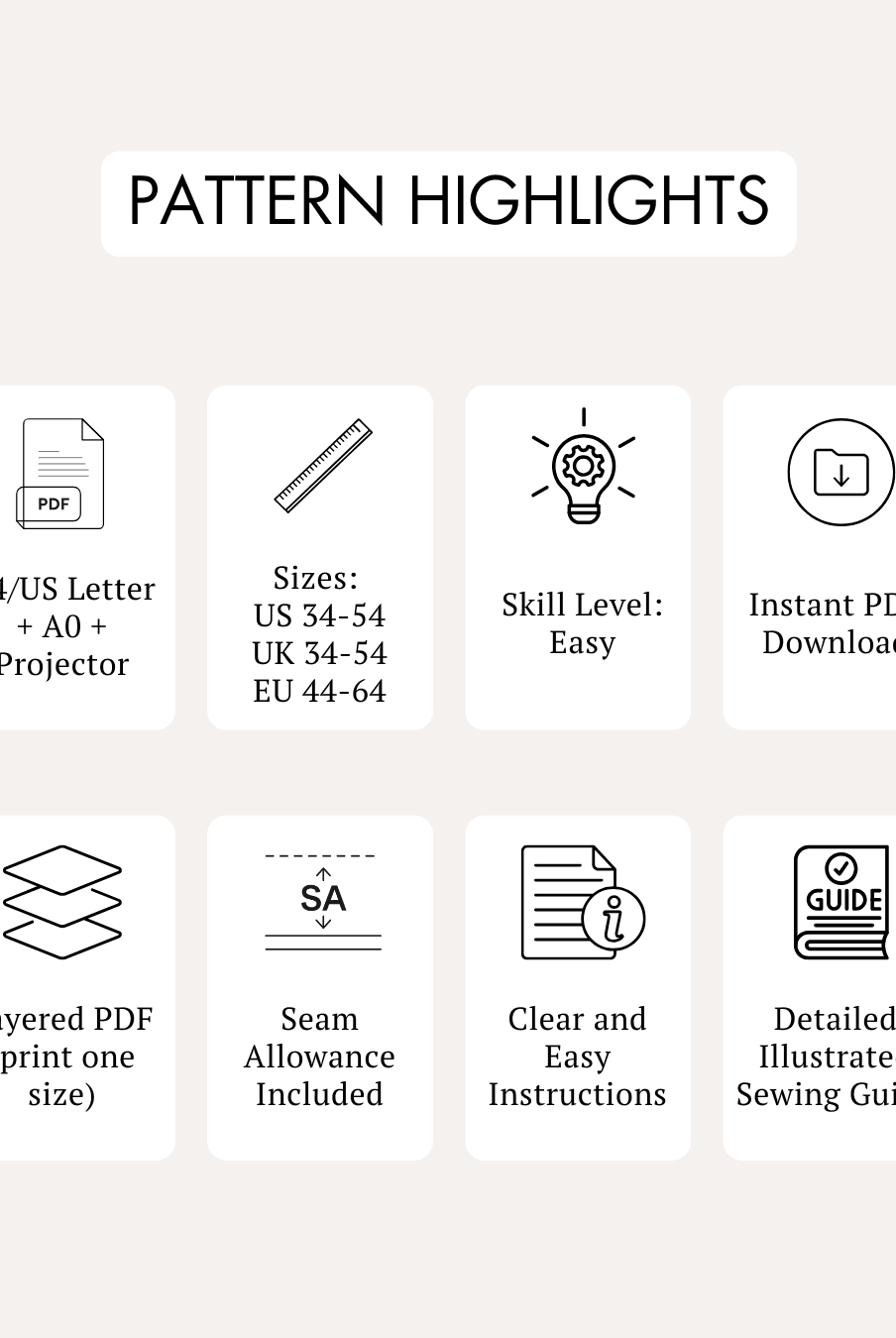
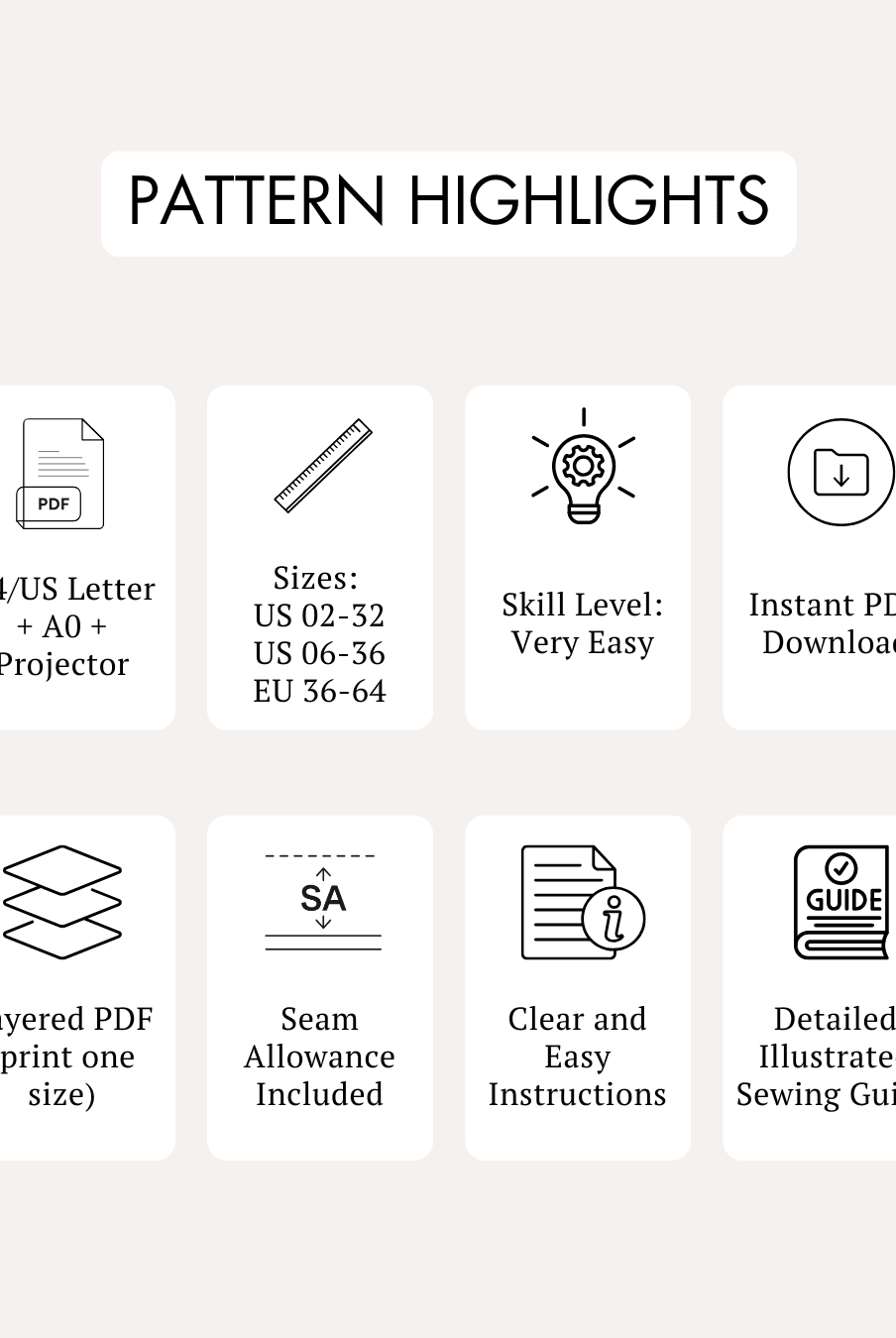
Skill Level: Intermediate
-
High-rise trouser design
-
Wide leg silhouette
-
Side seam pockets
-
Fly-front zipper closure
-
Waistband with belt loops
-
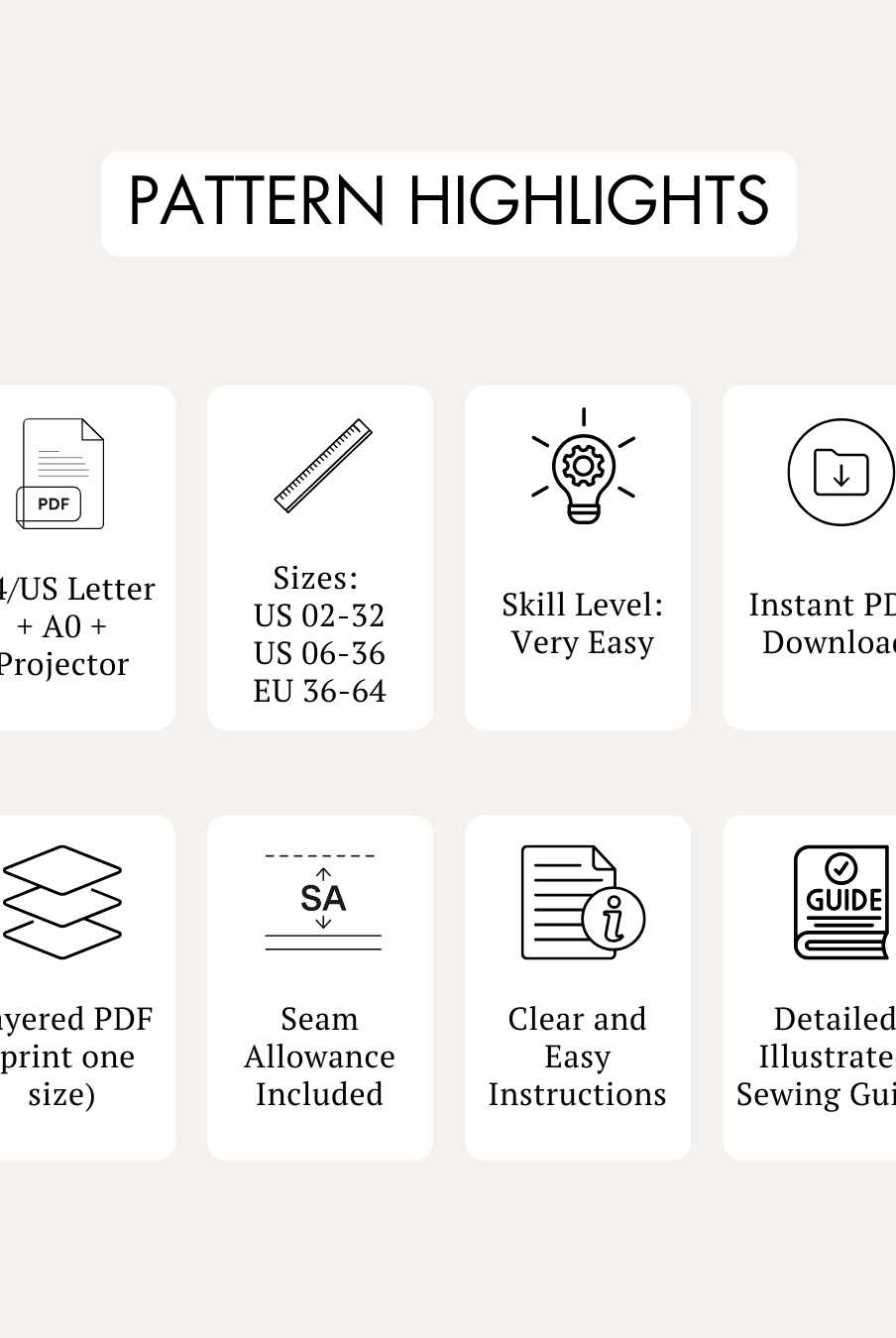
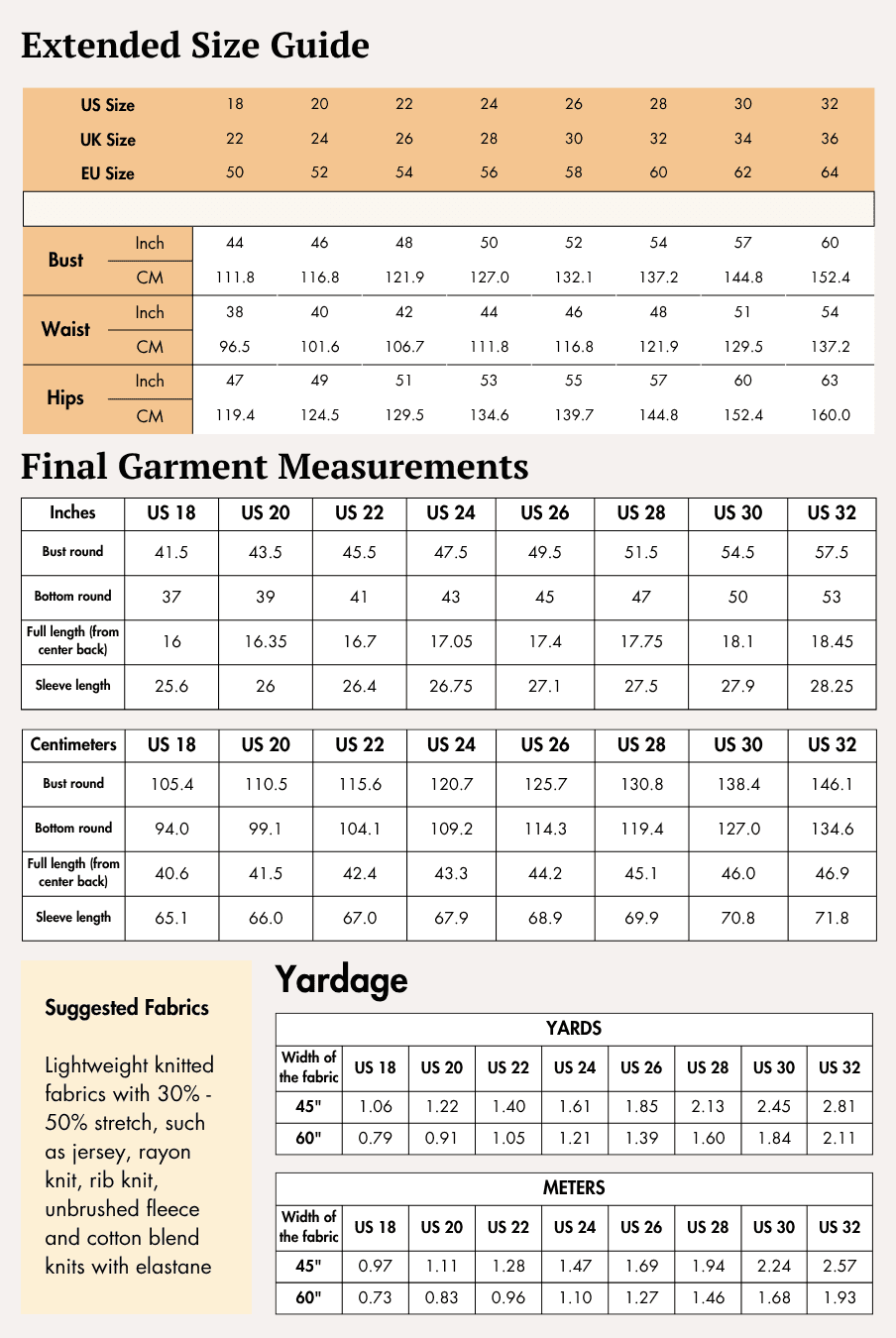
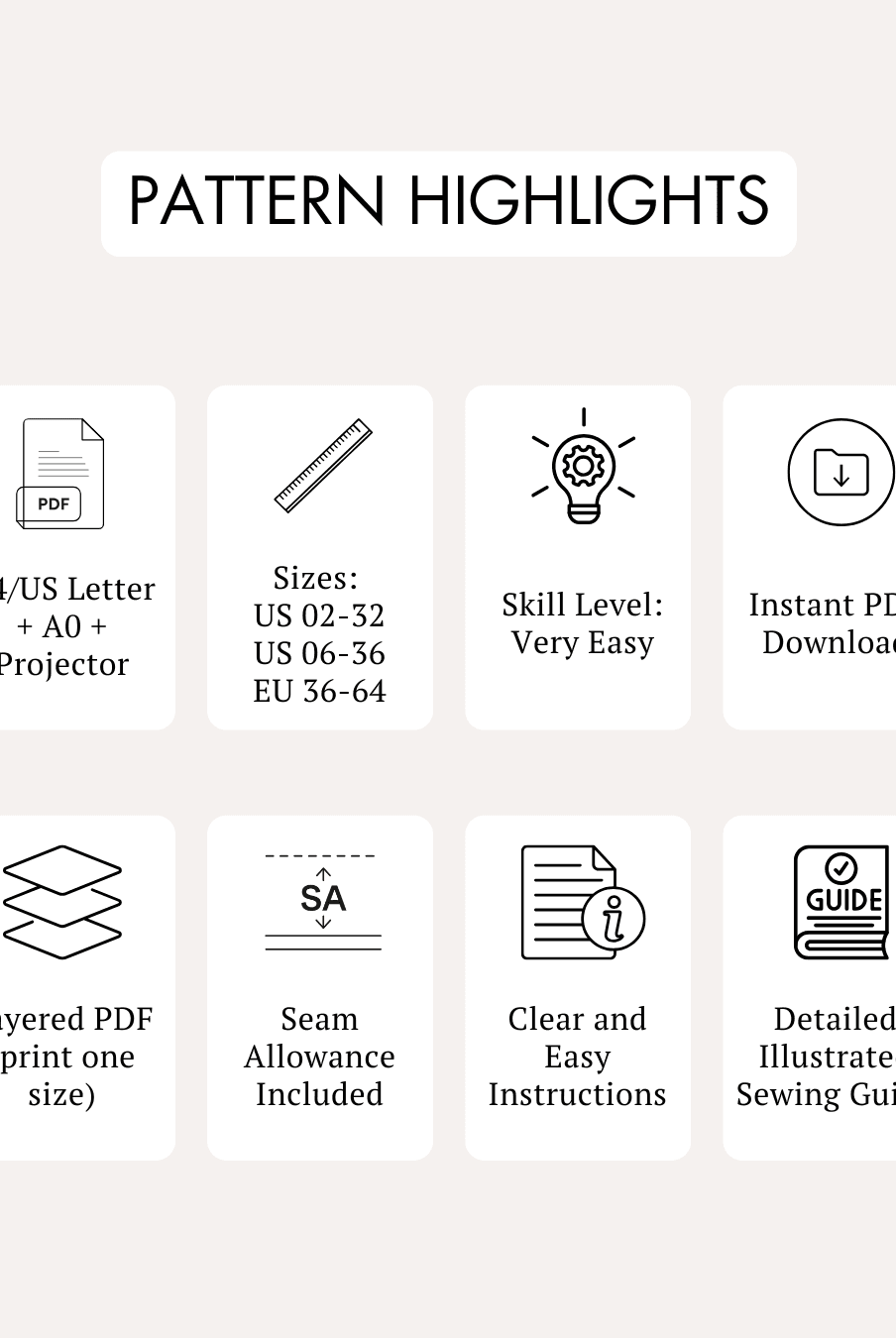
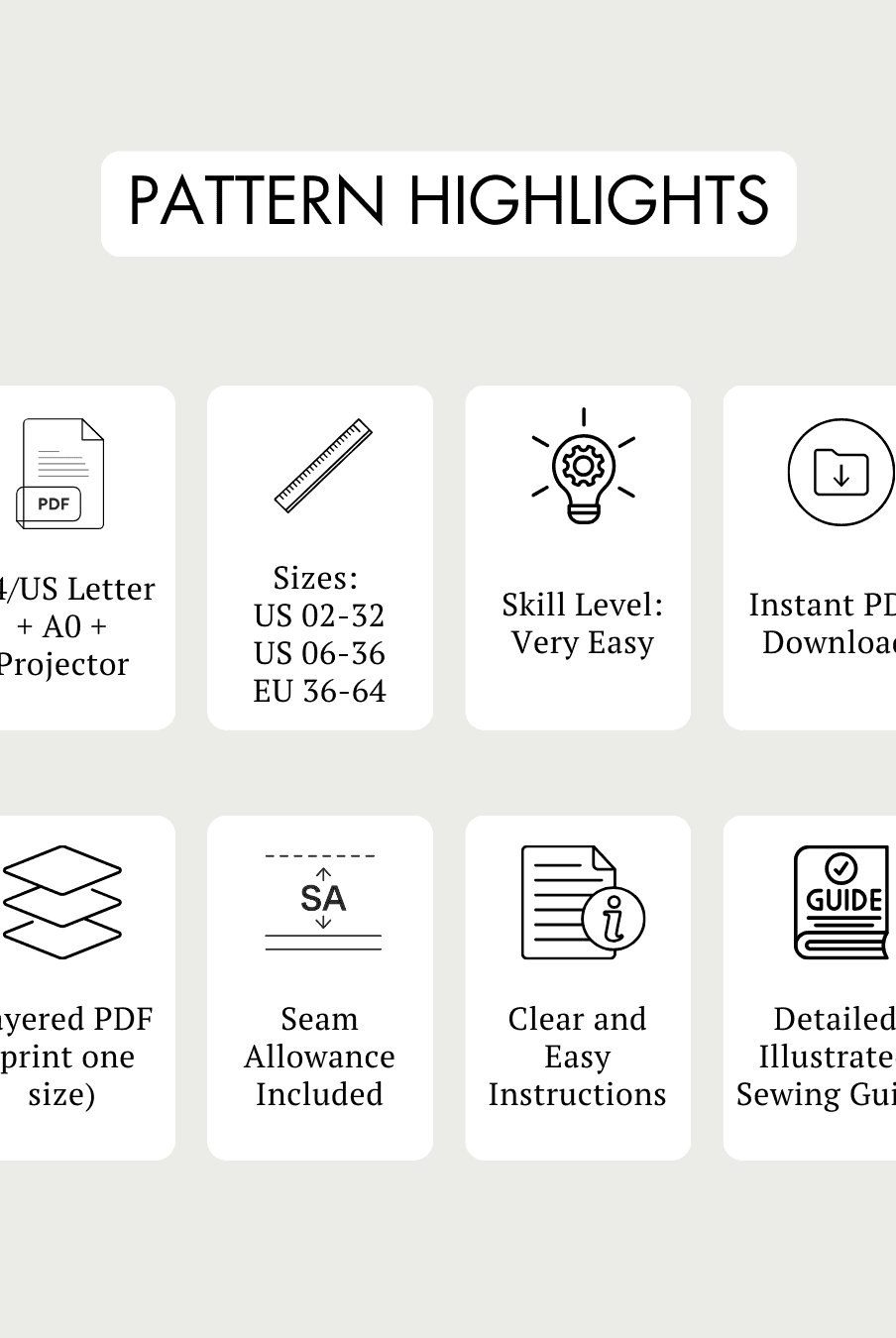
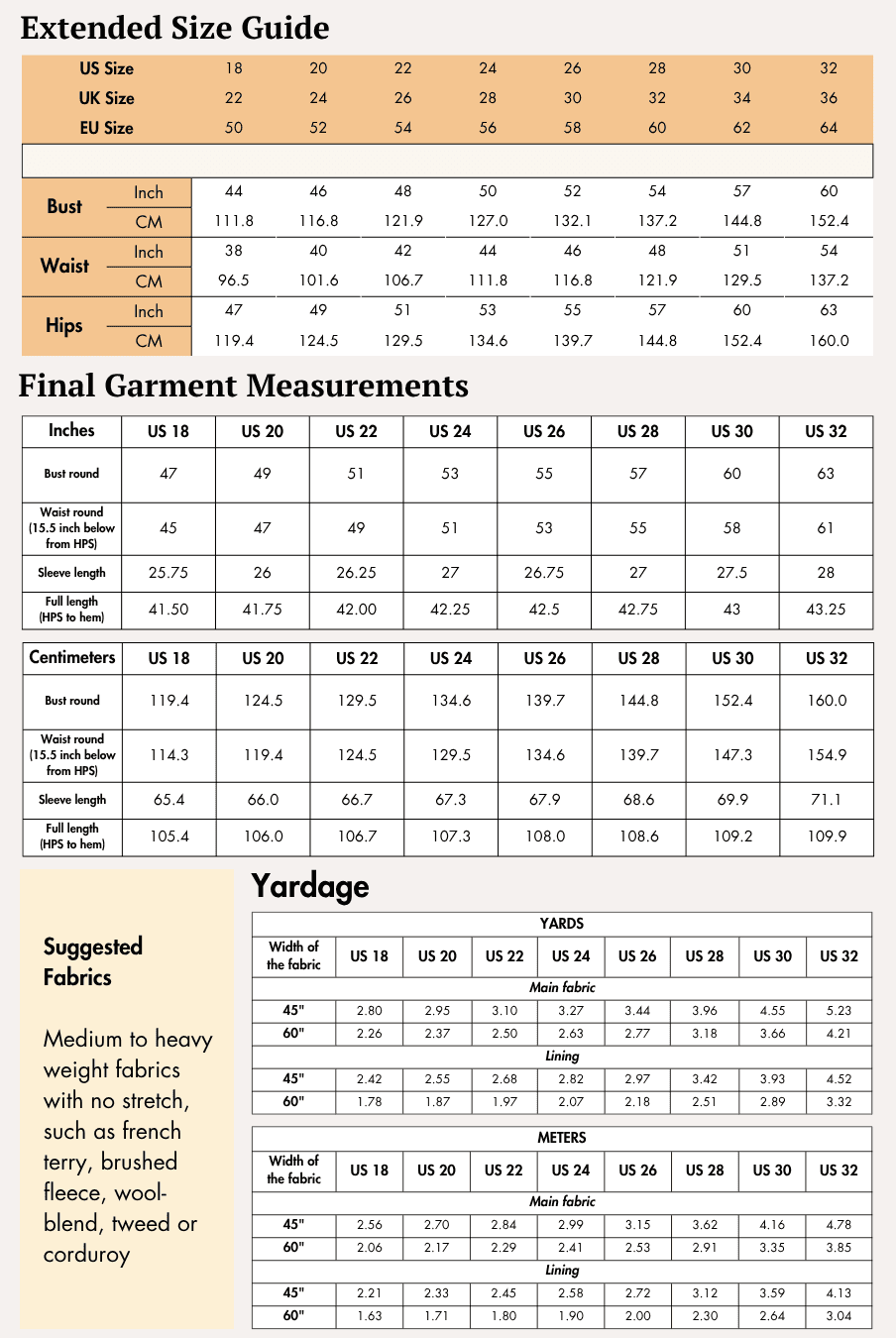
Available Sizes: US 02 - US 32 | UK 06 - UK 36 | EU 36 - EU 64
Supplies & Notions
-
Sewing machine
-
Sewing needles
-
Thread (3 ply polyester)
-
Tape measure
-
Chalk
-
Shears
-
Thread cutter
-
Pins
-
Iron
-
Zipper
-
Fusible interfacing
-
Buttonhole presser foot
-
Buttons
Fabric Recommendations
Consider using lightweight fabrics such as:
-
Cotton
-
Hemp
-
Linen
-
Bamboo
Sample fabric used:
-
100% Cotton (Kalamkari)
Fabric characteristics noted in the guide:
-
Versatile
-
Relatively light and breathable
-
Soft and comfortable with good drape
-
Excellent colour retention
-
Highly absorbent
-
Smooth, strong, and robust
-
Does not trap body heat and has no static build-up
-
Inexpensive
Size Charts
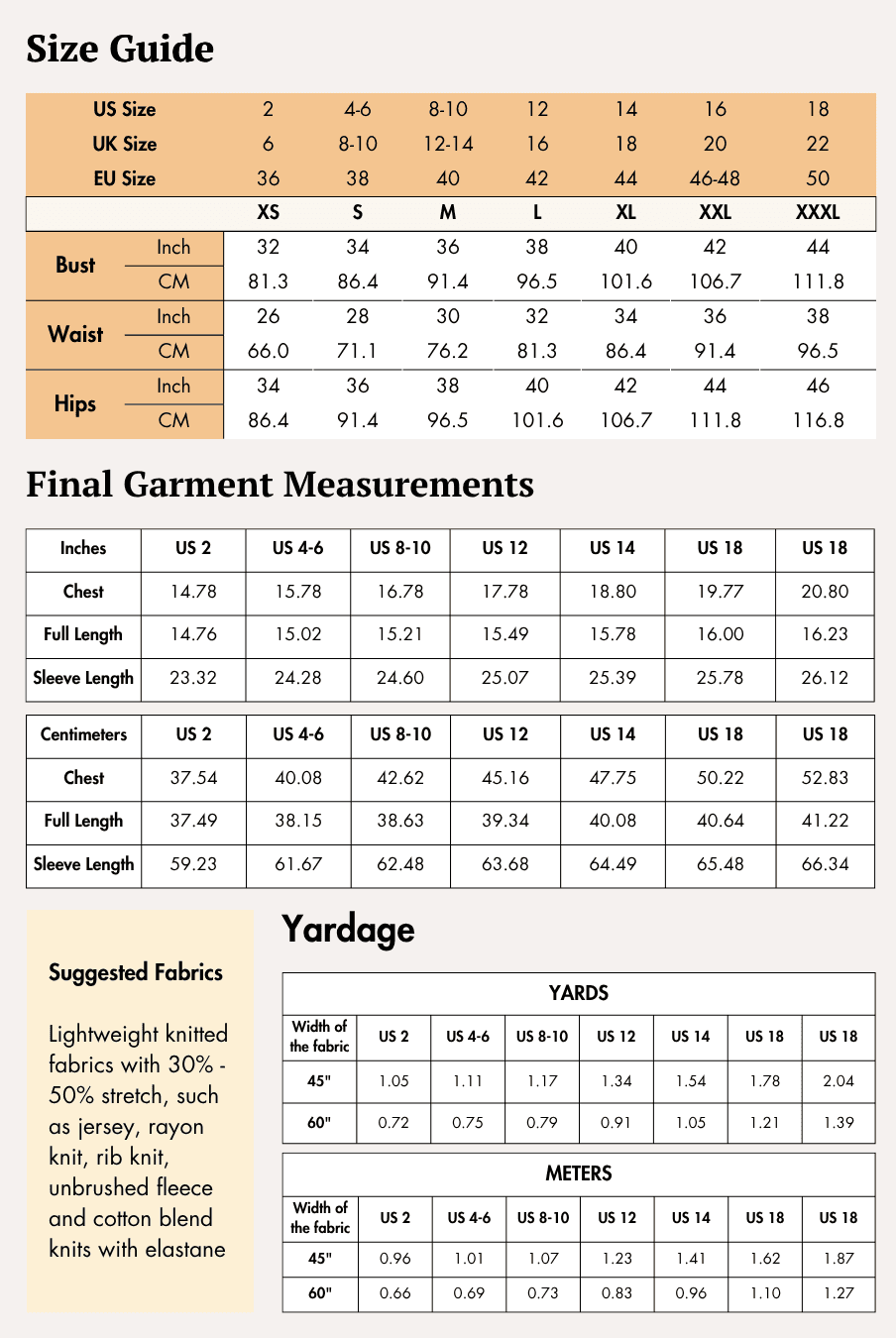
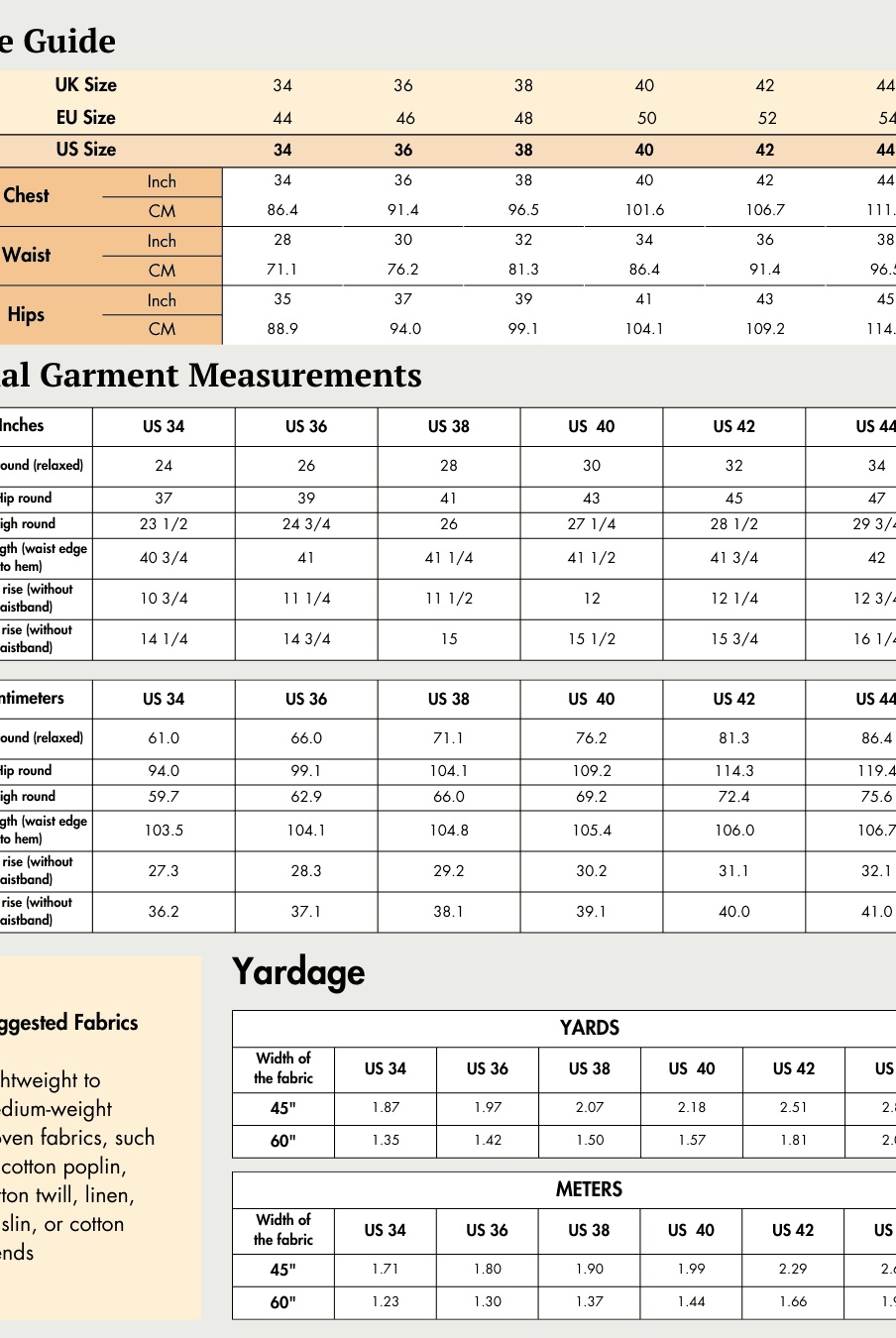
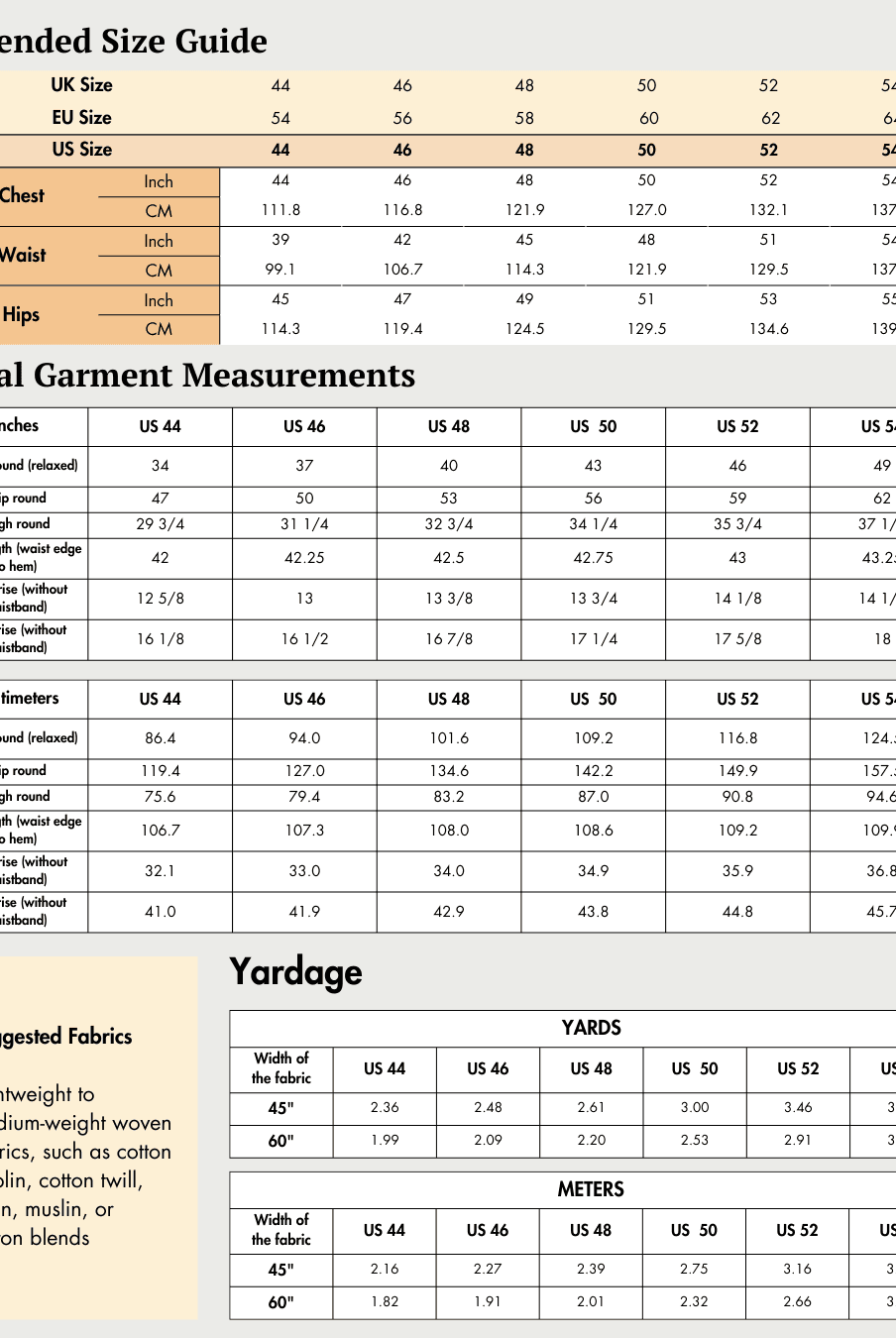
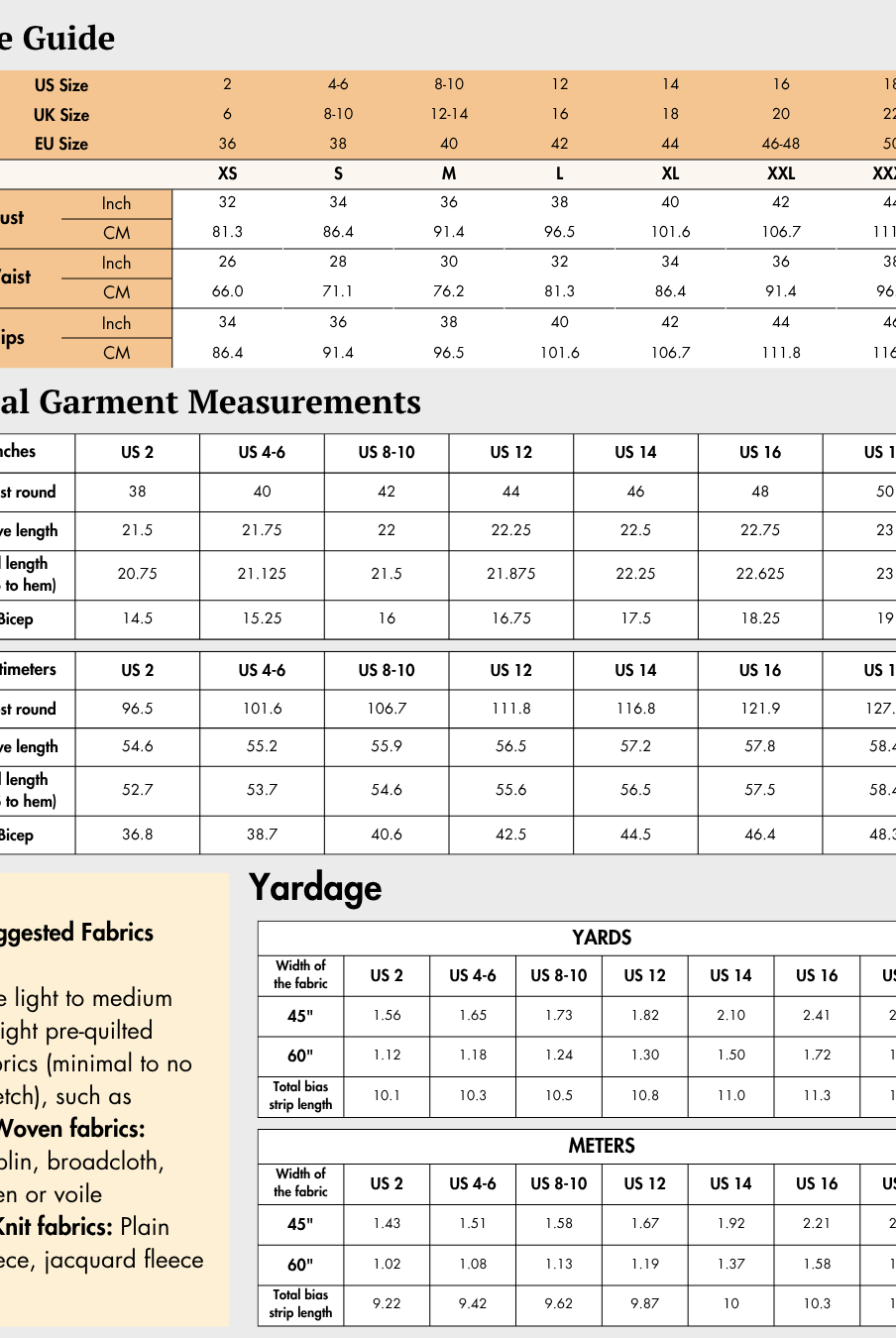
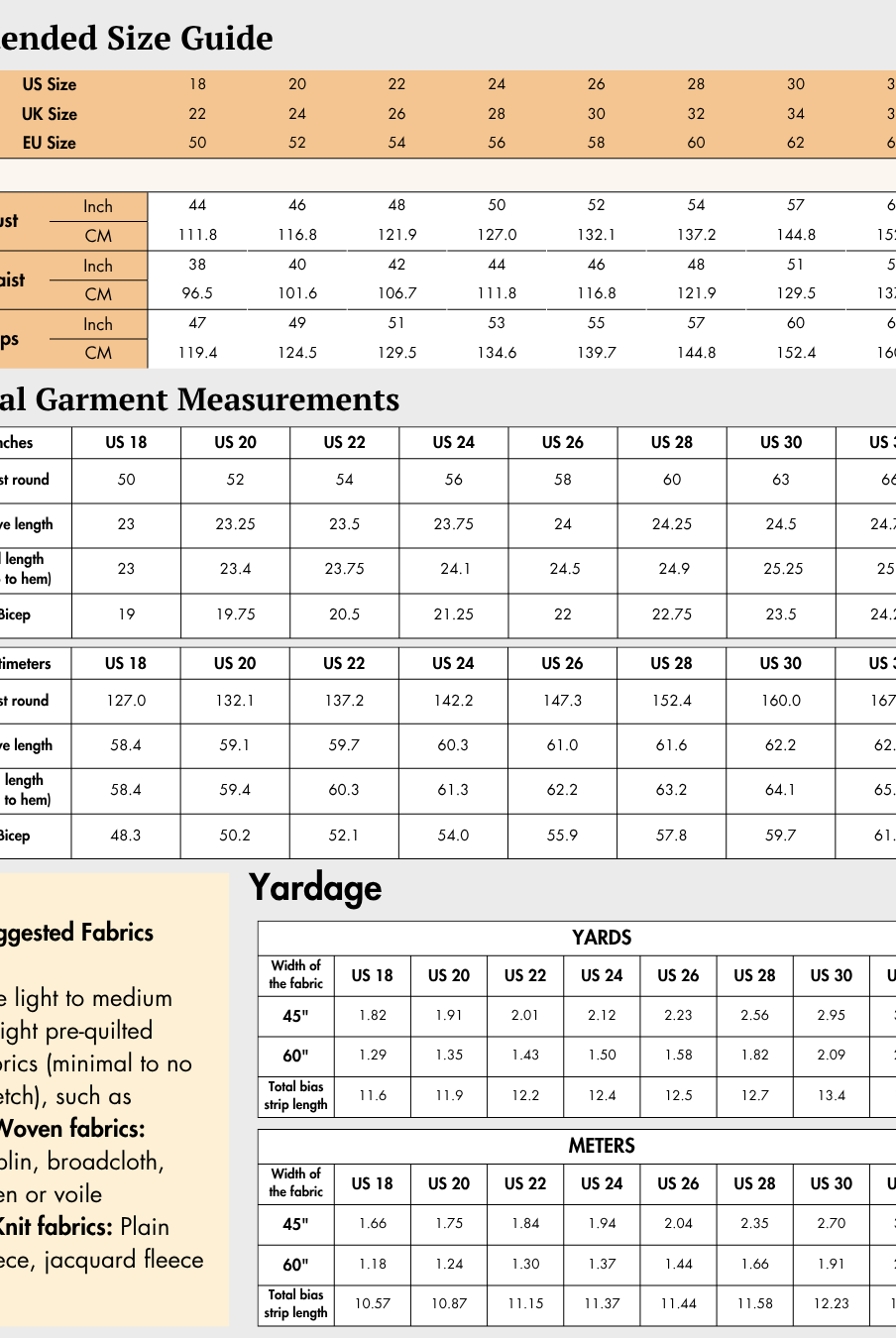
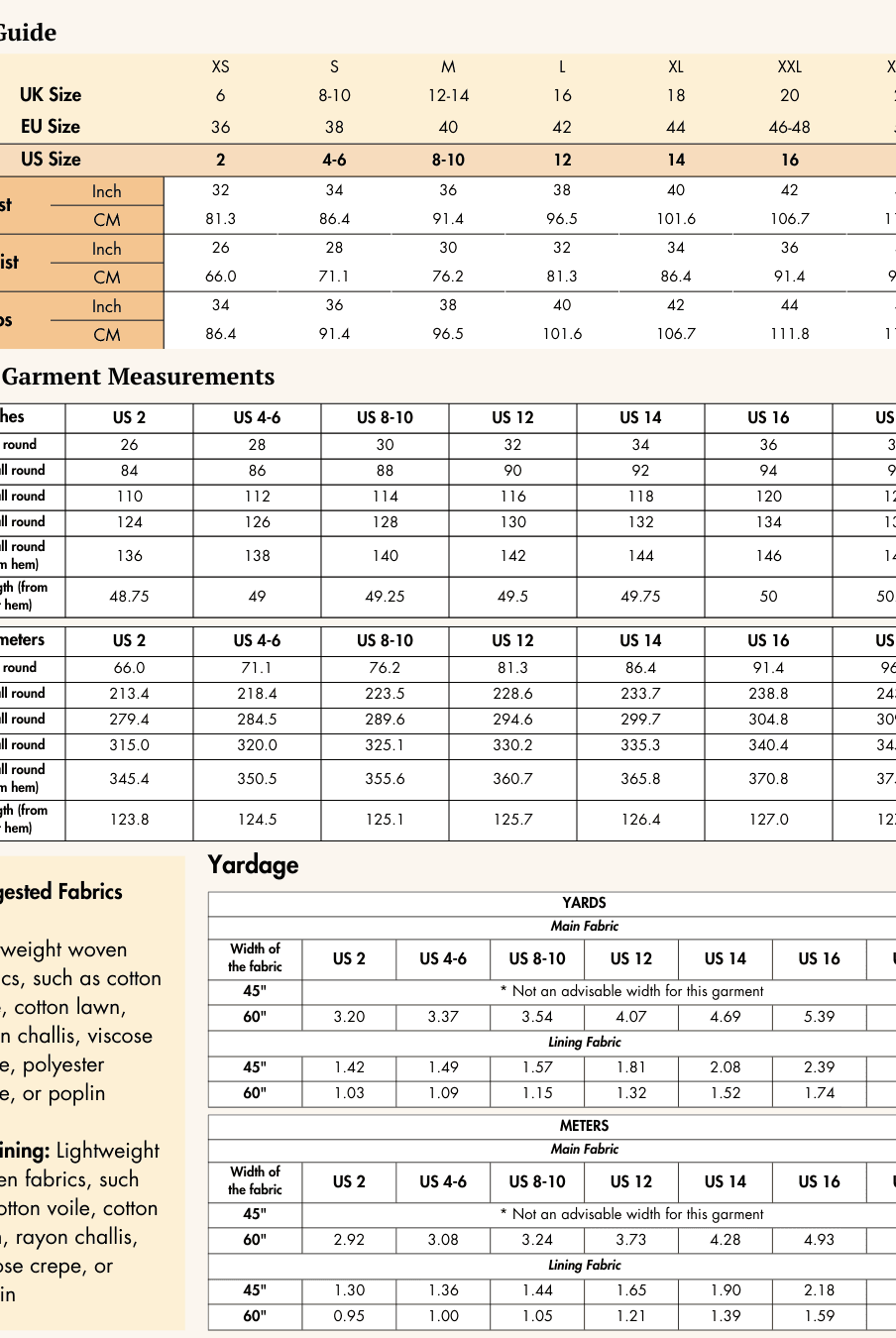
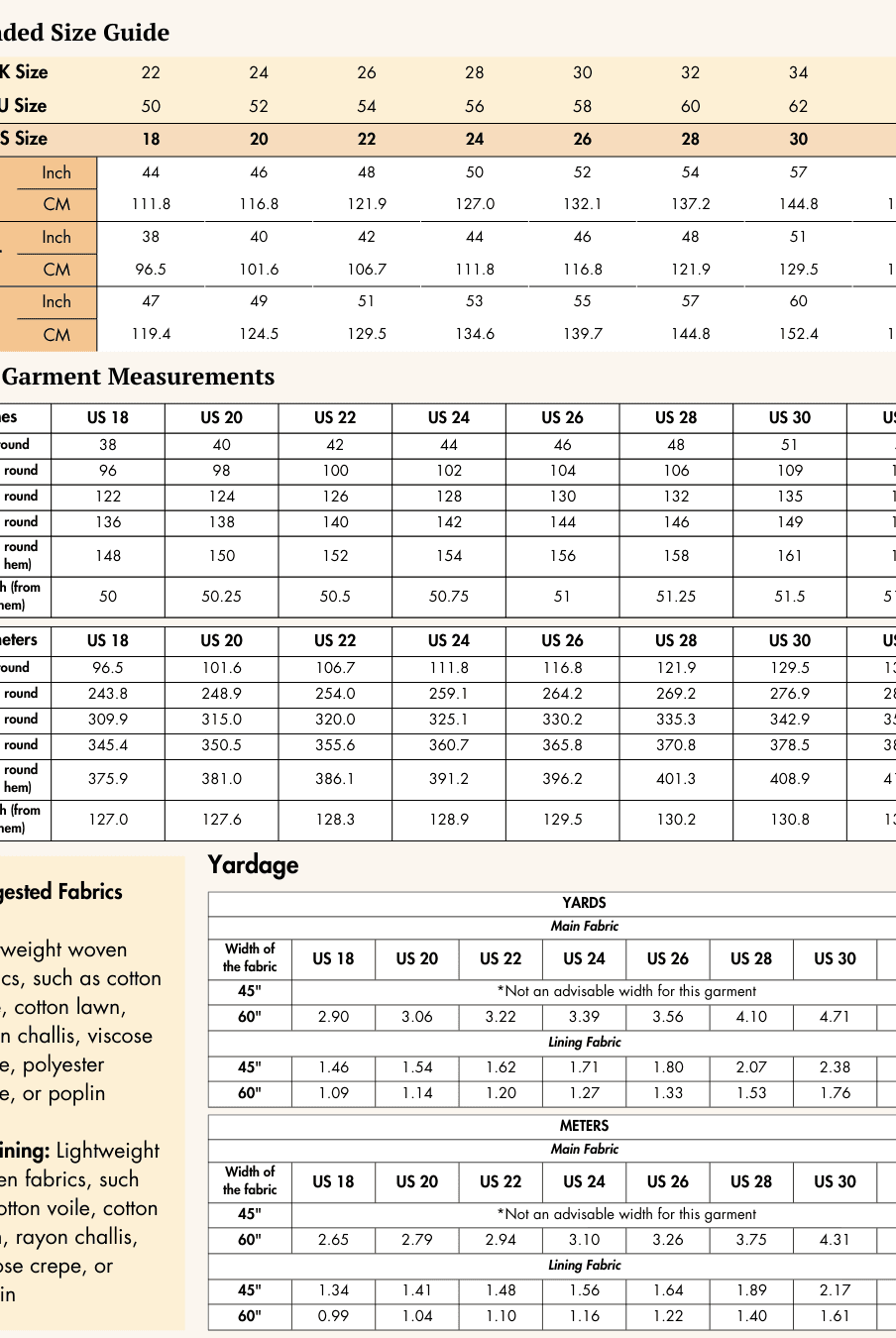
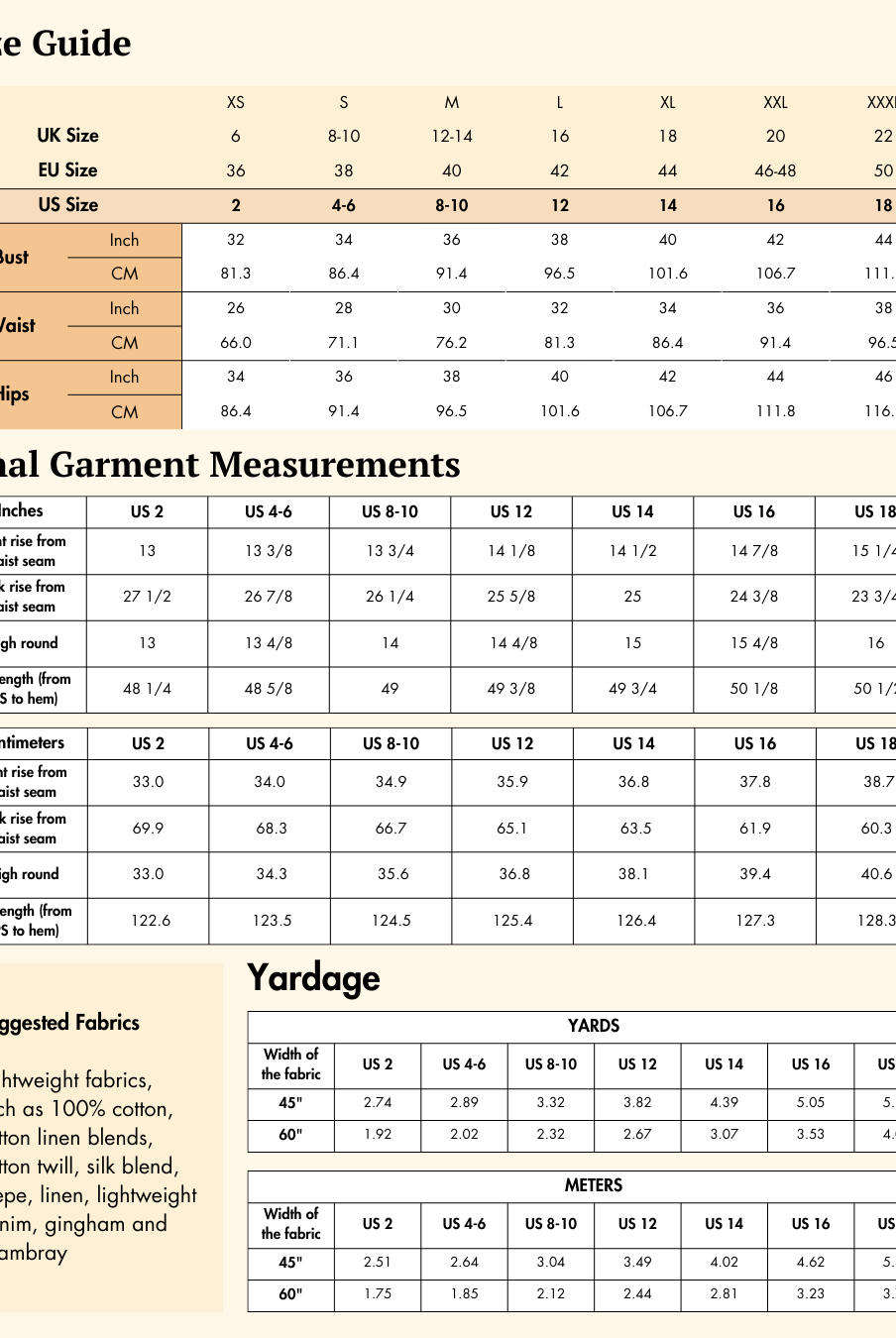
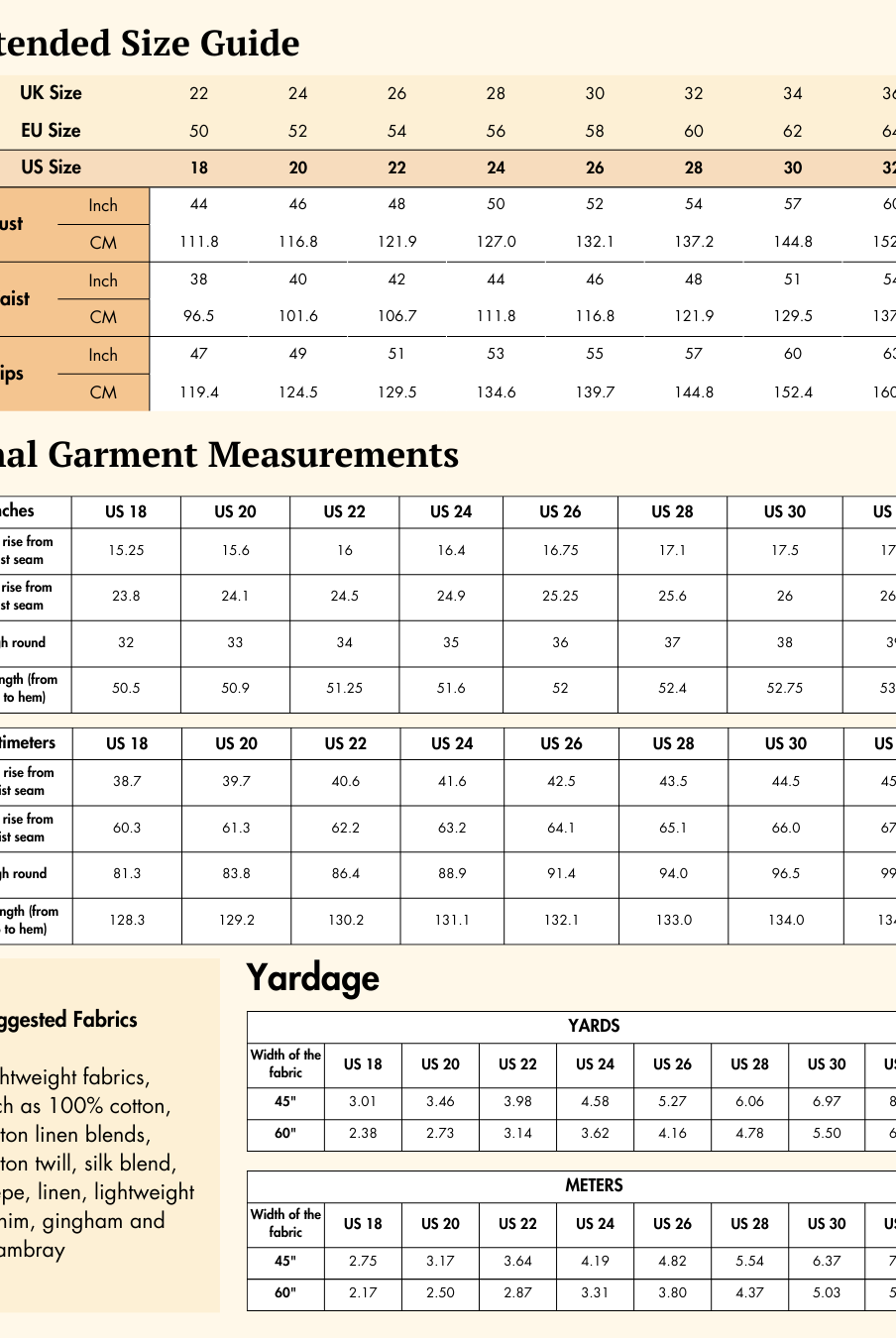
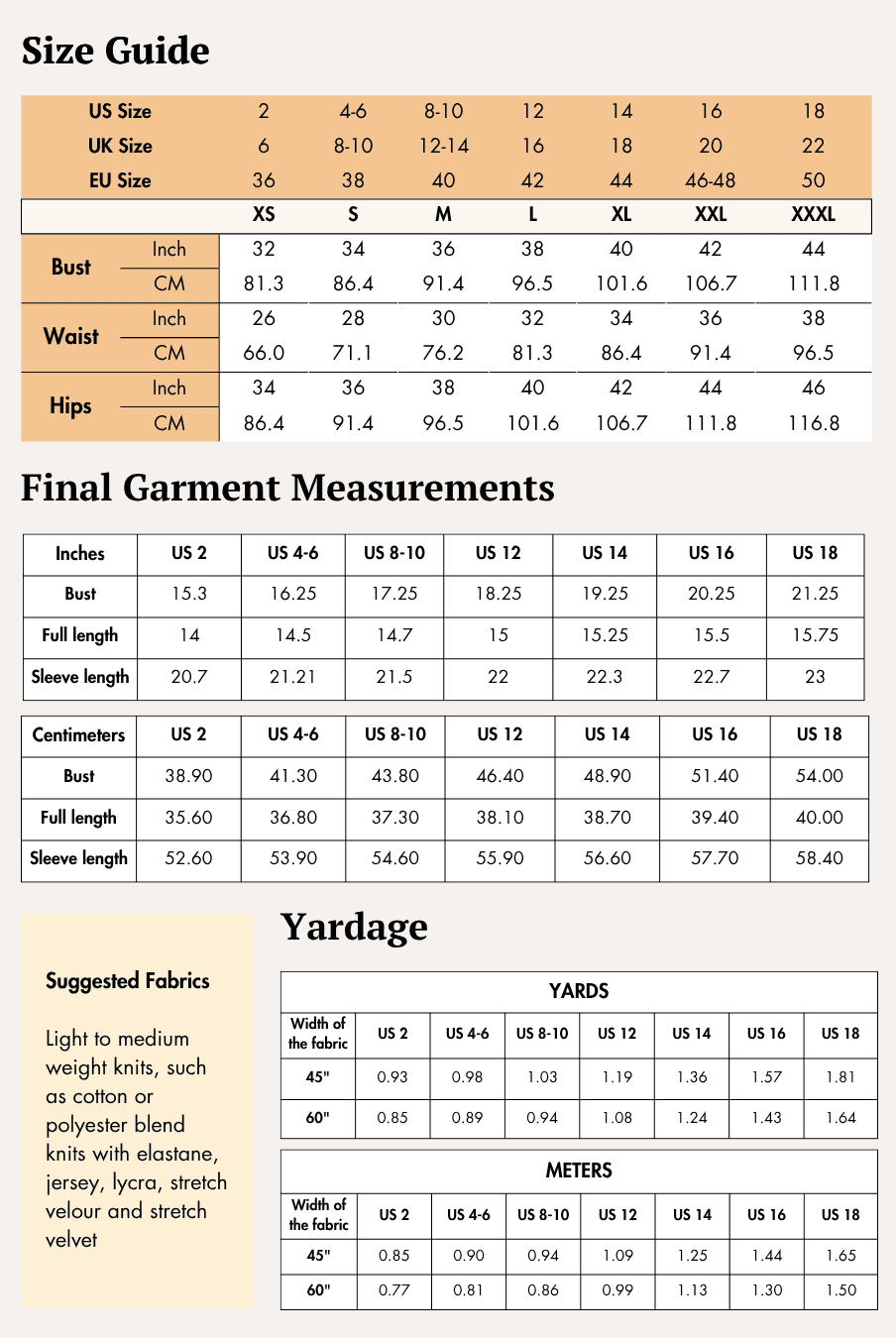
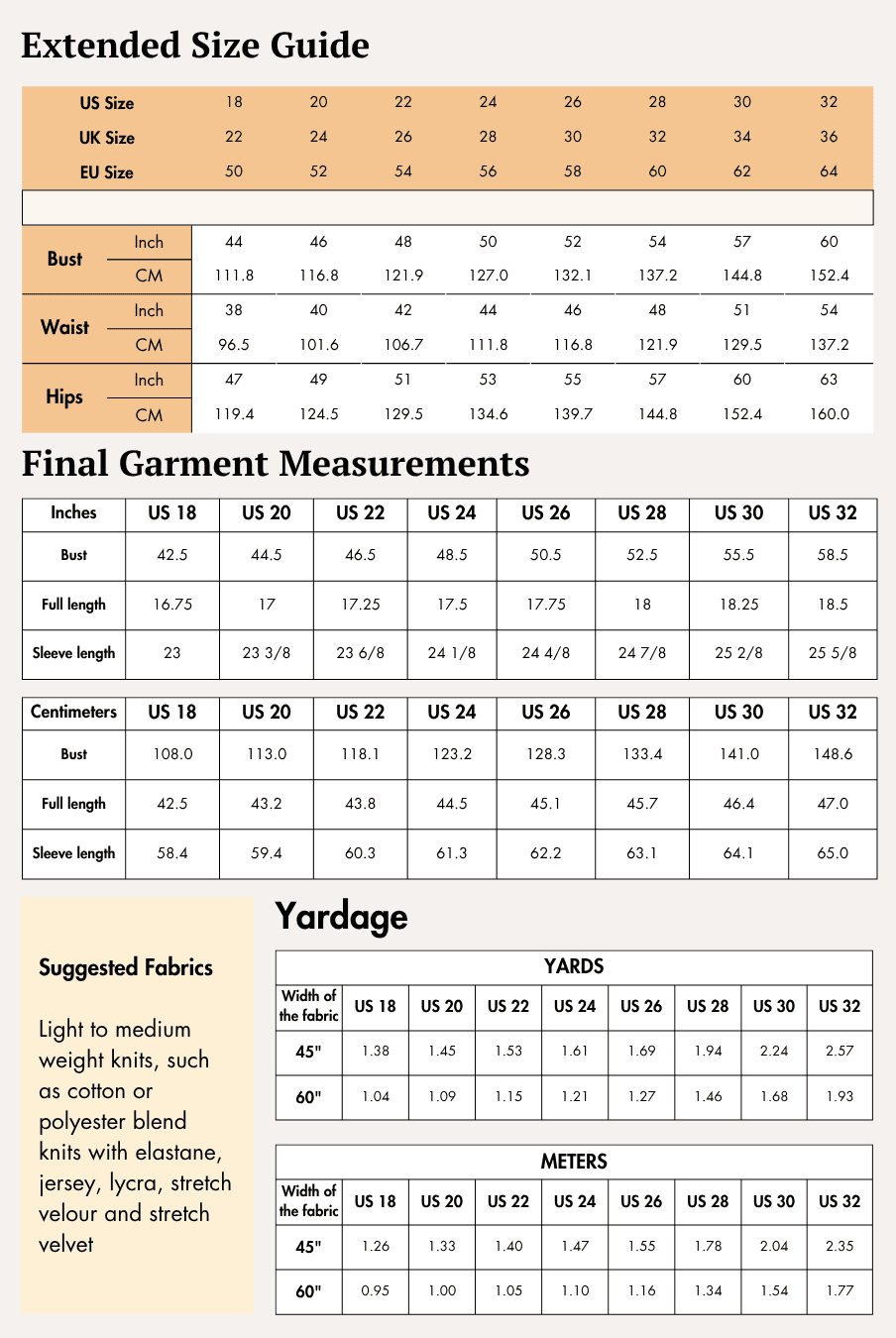
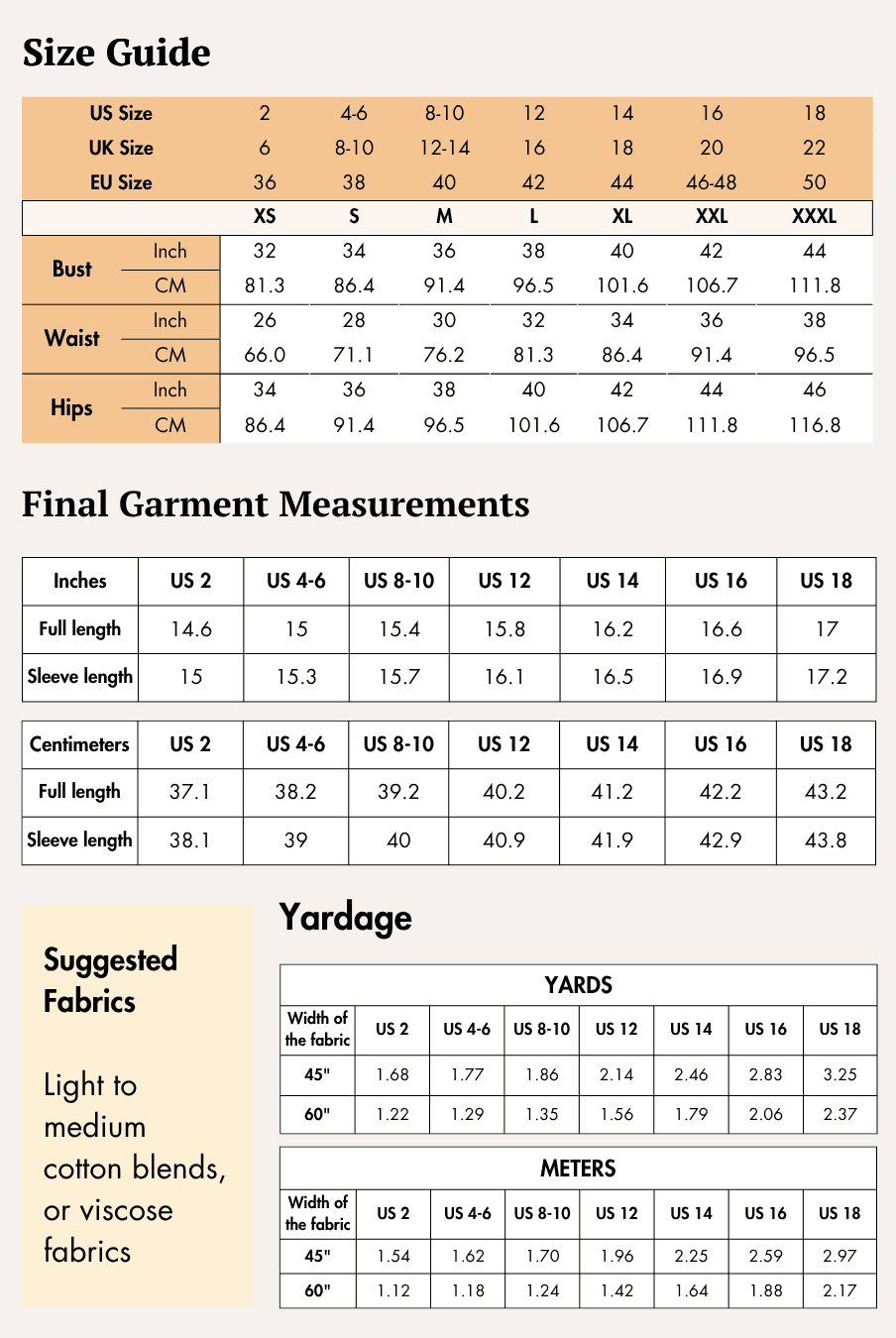
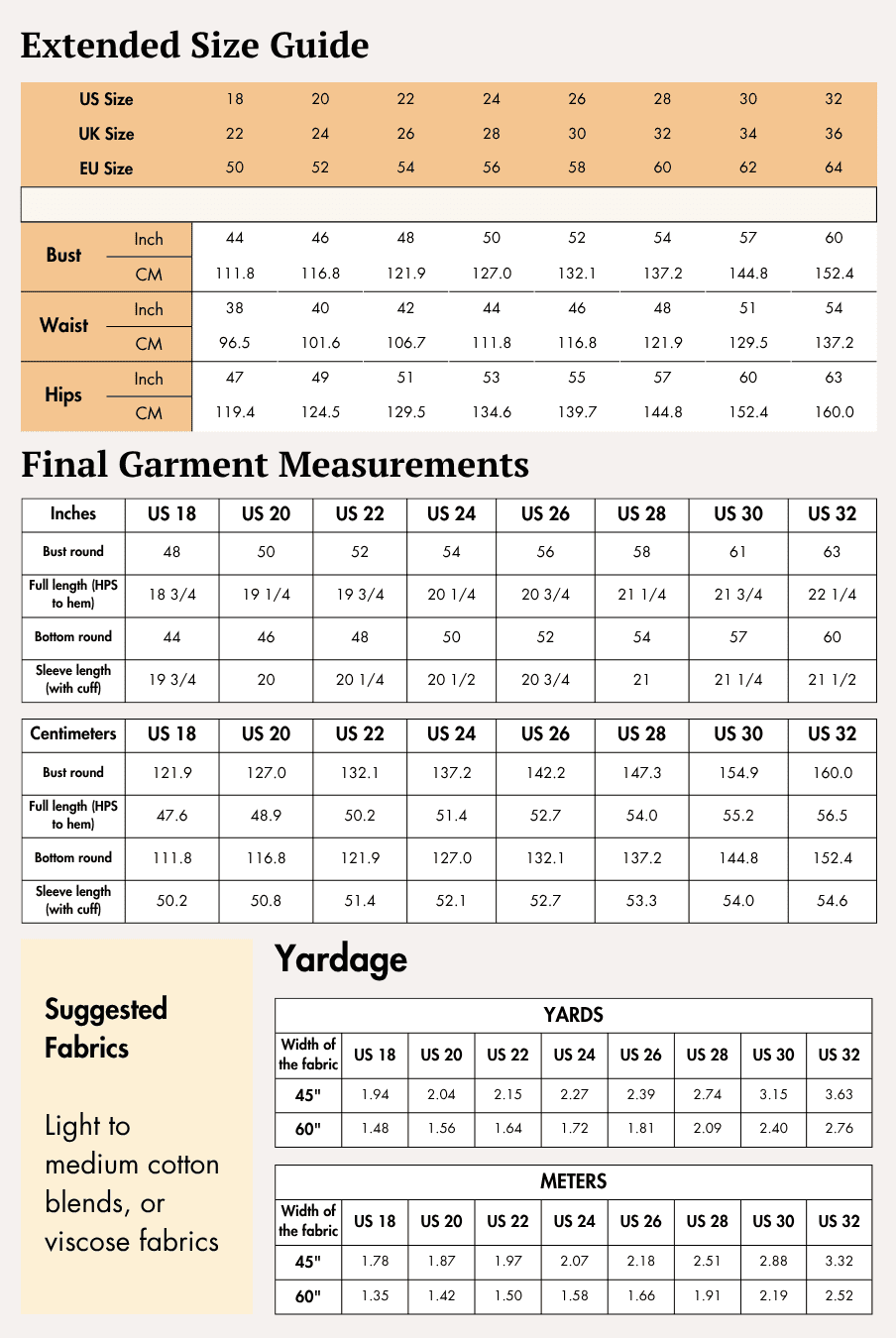
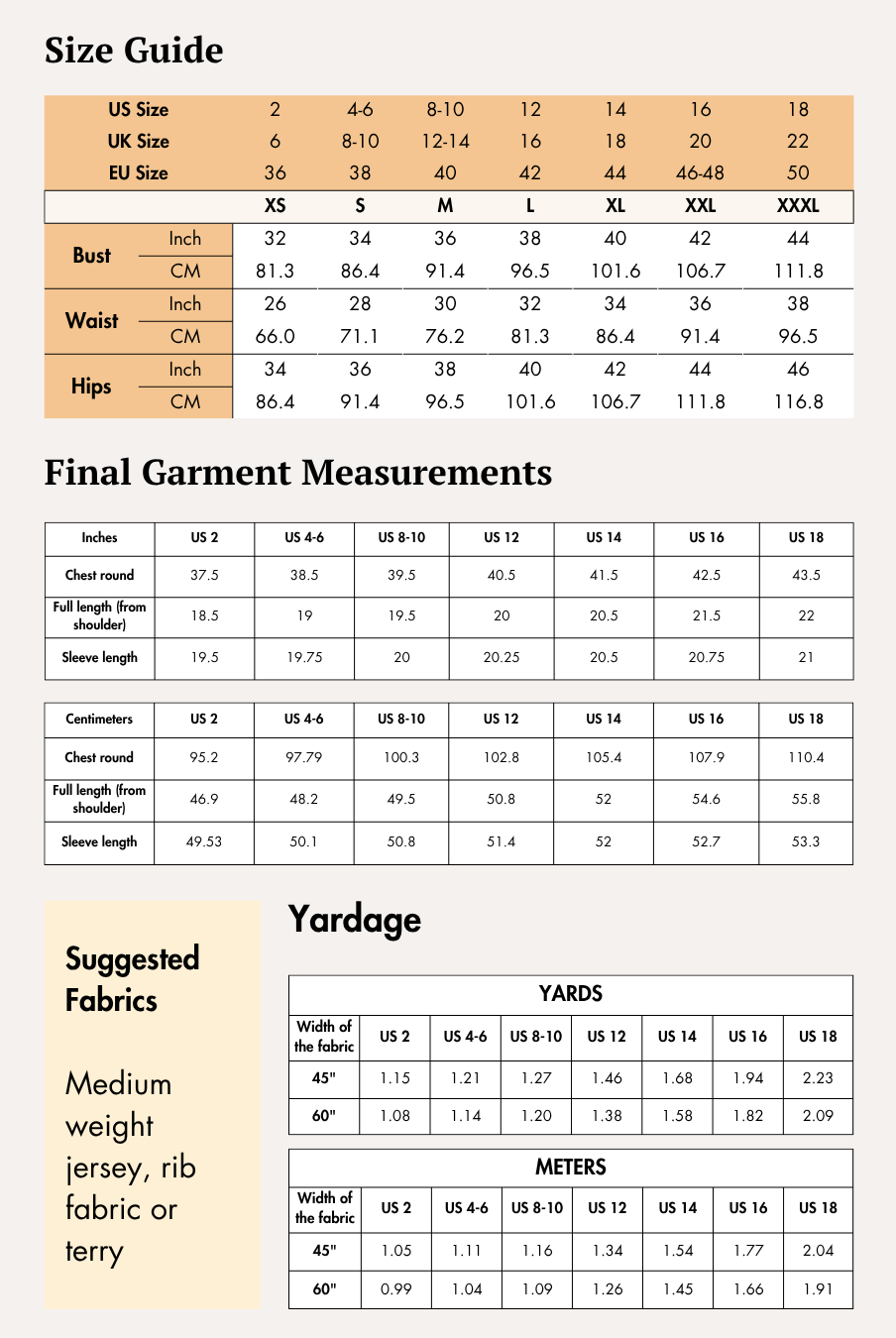
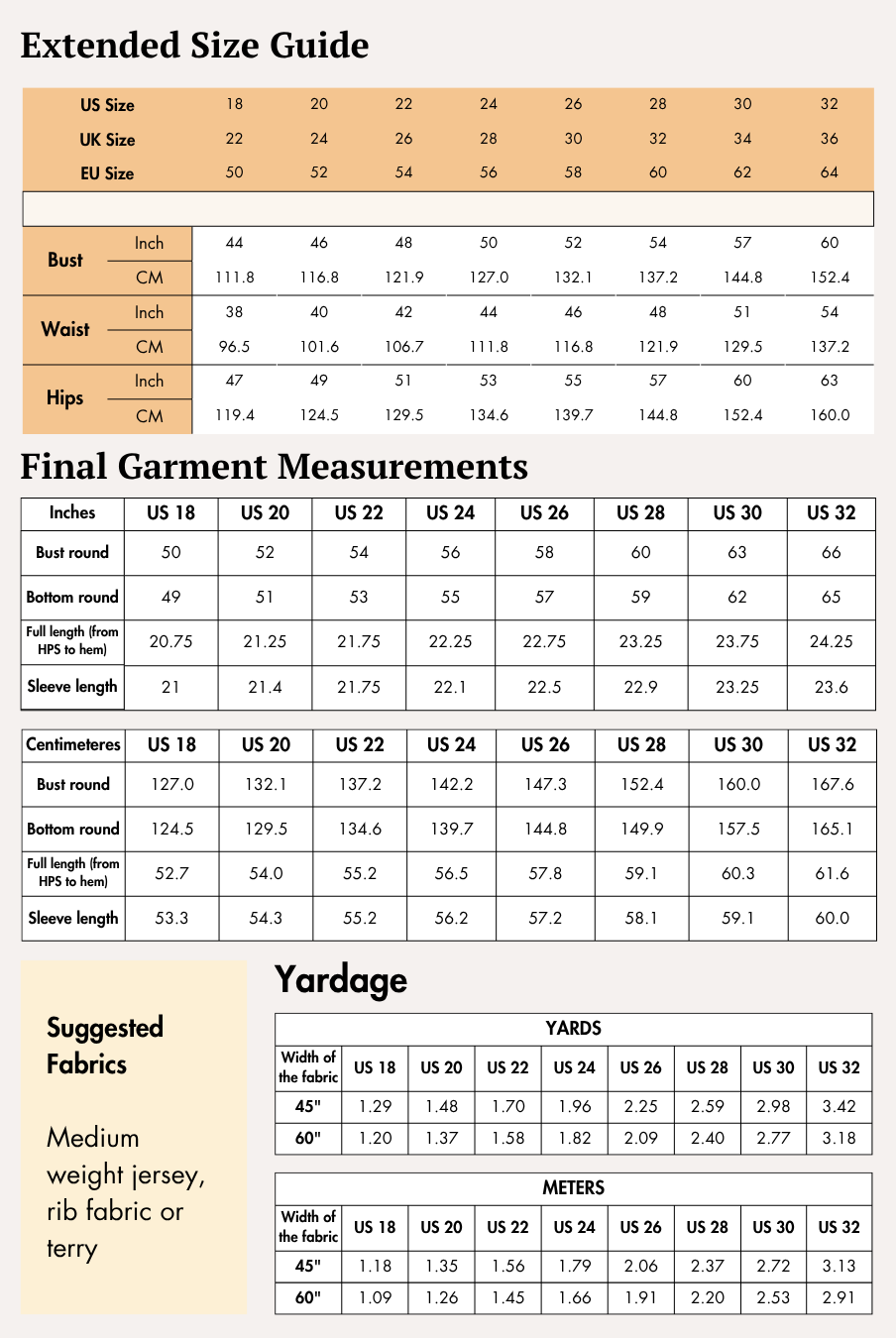
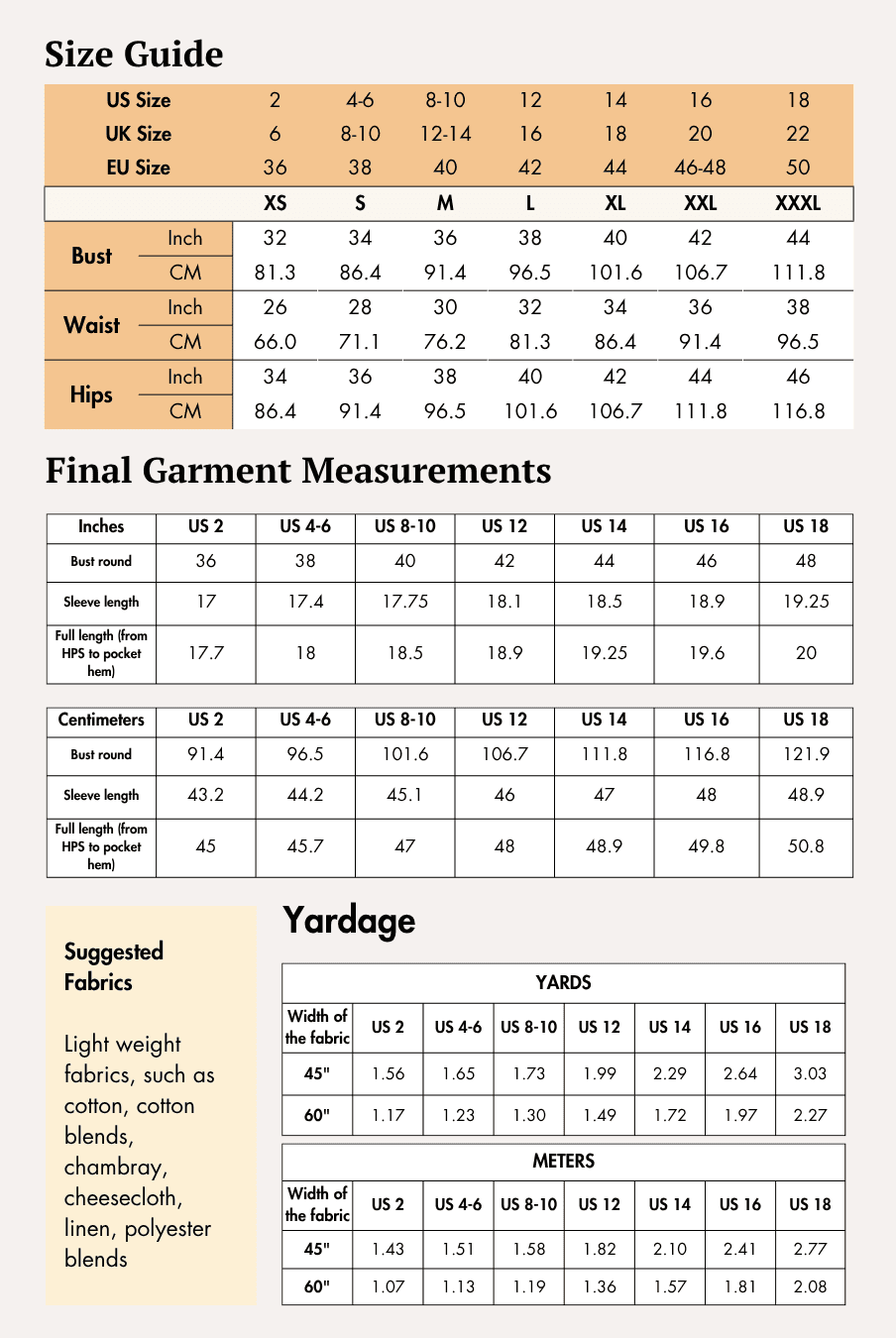
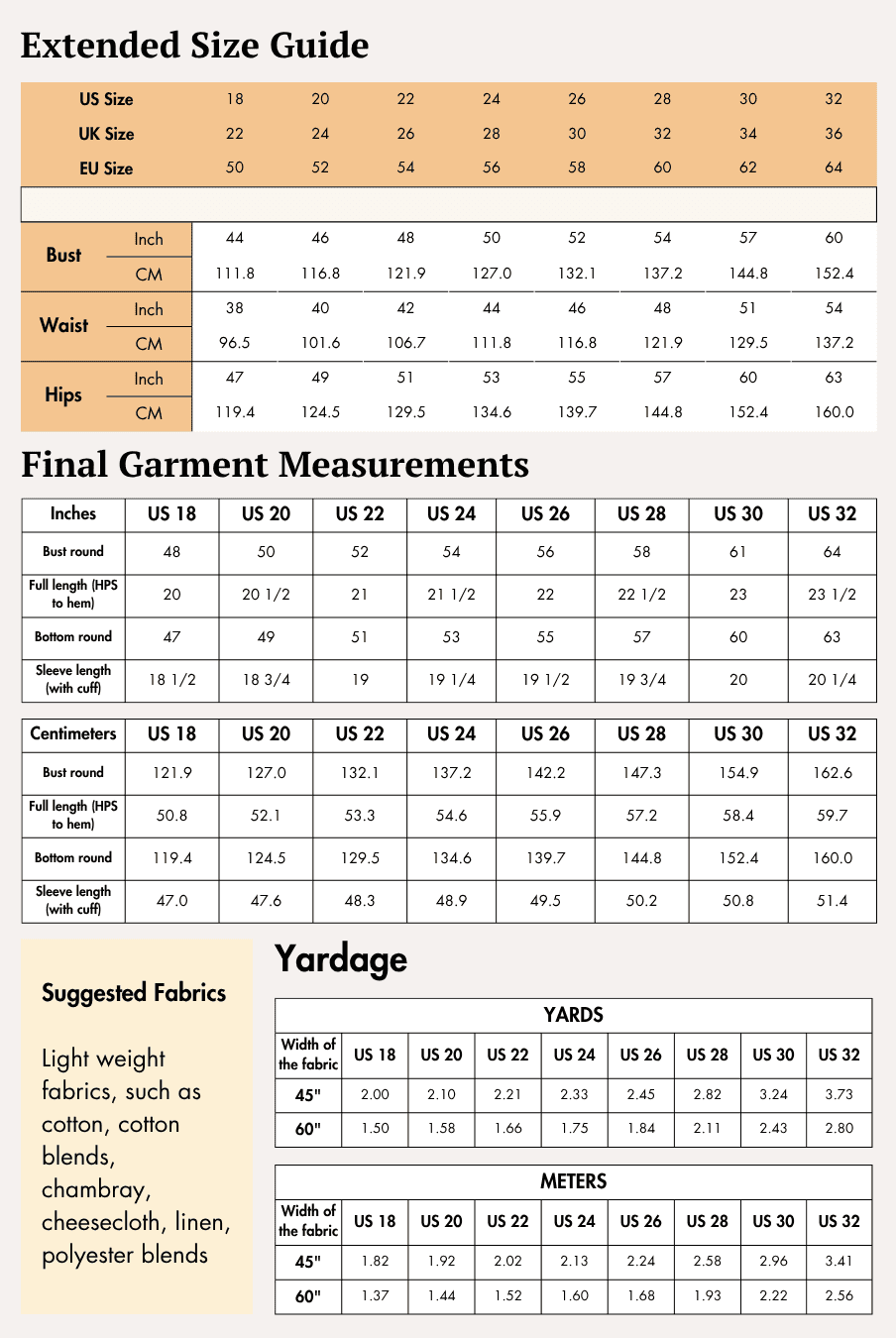
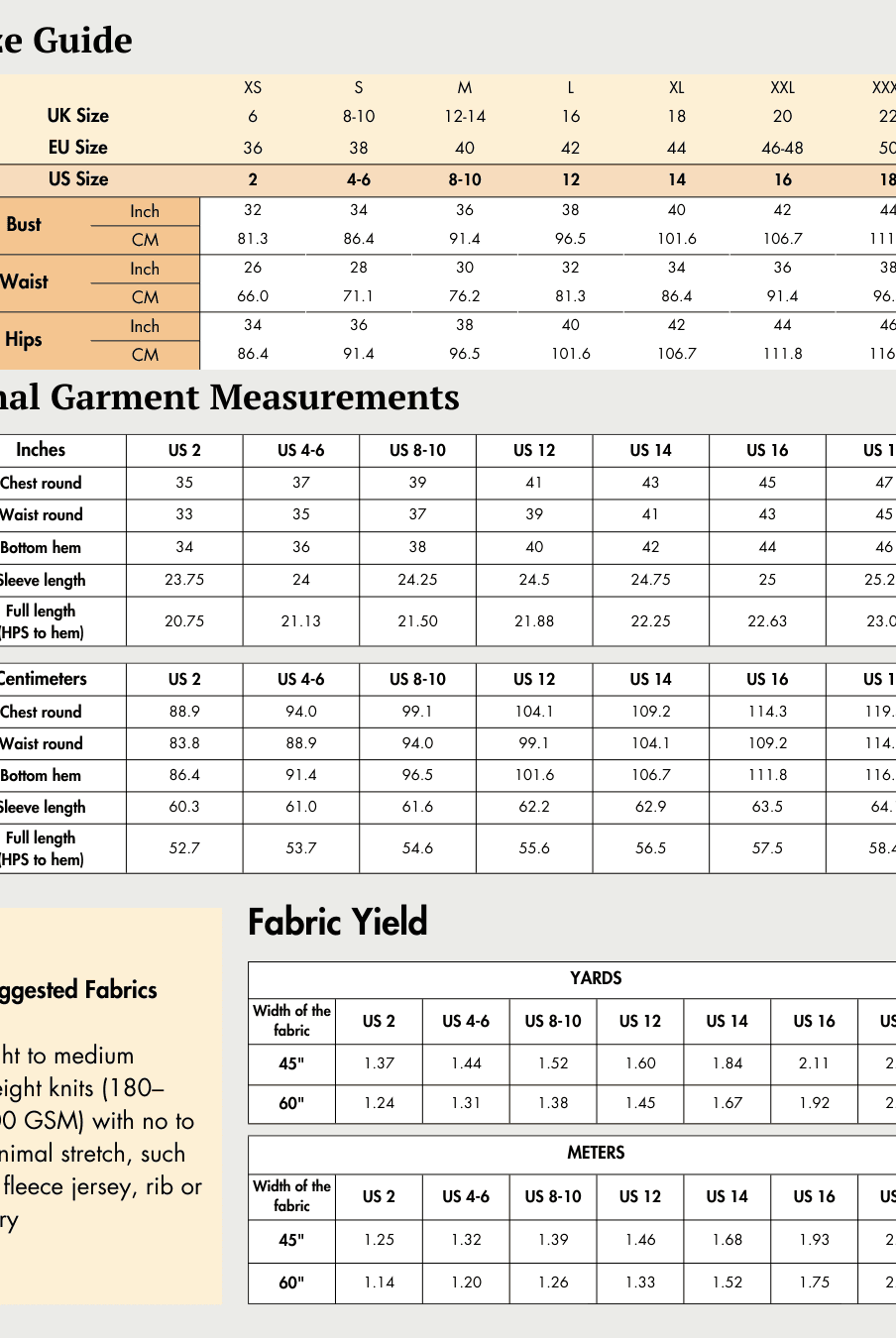
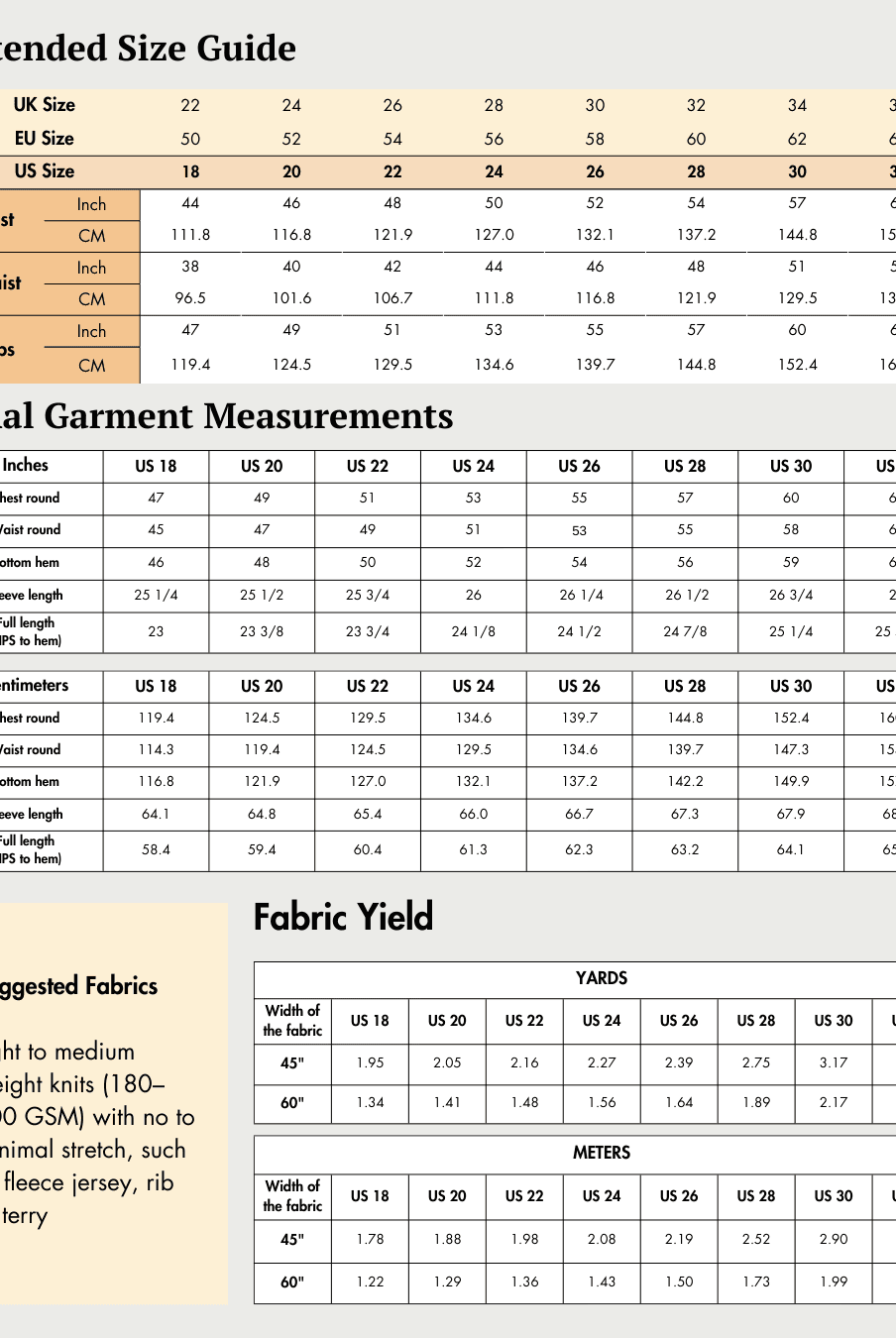
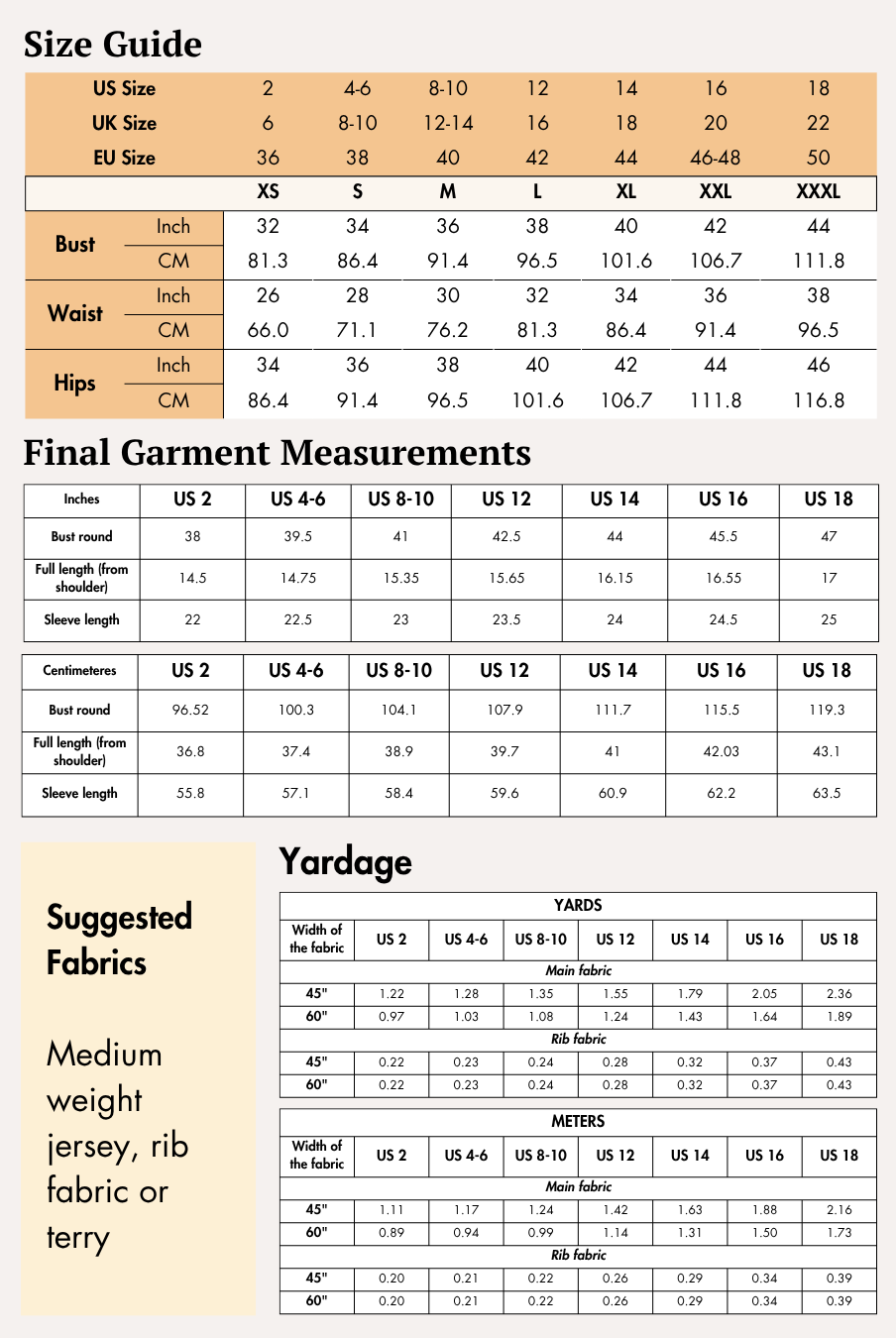
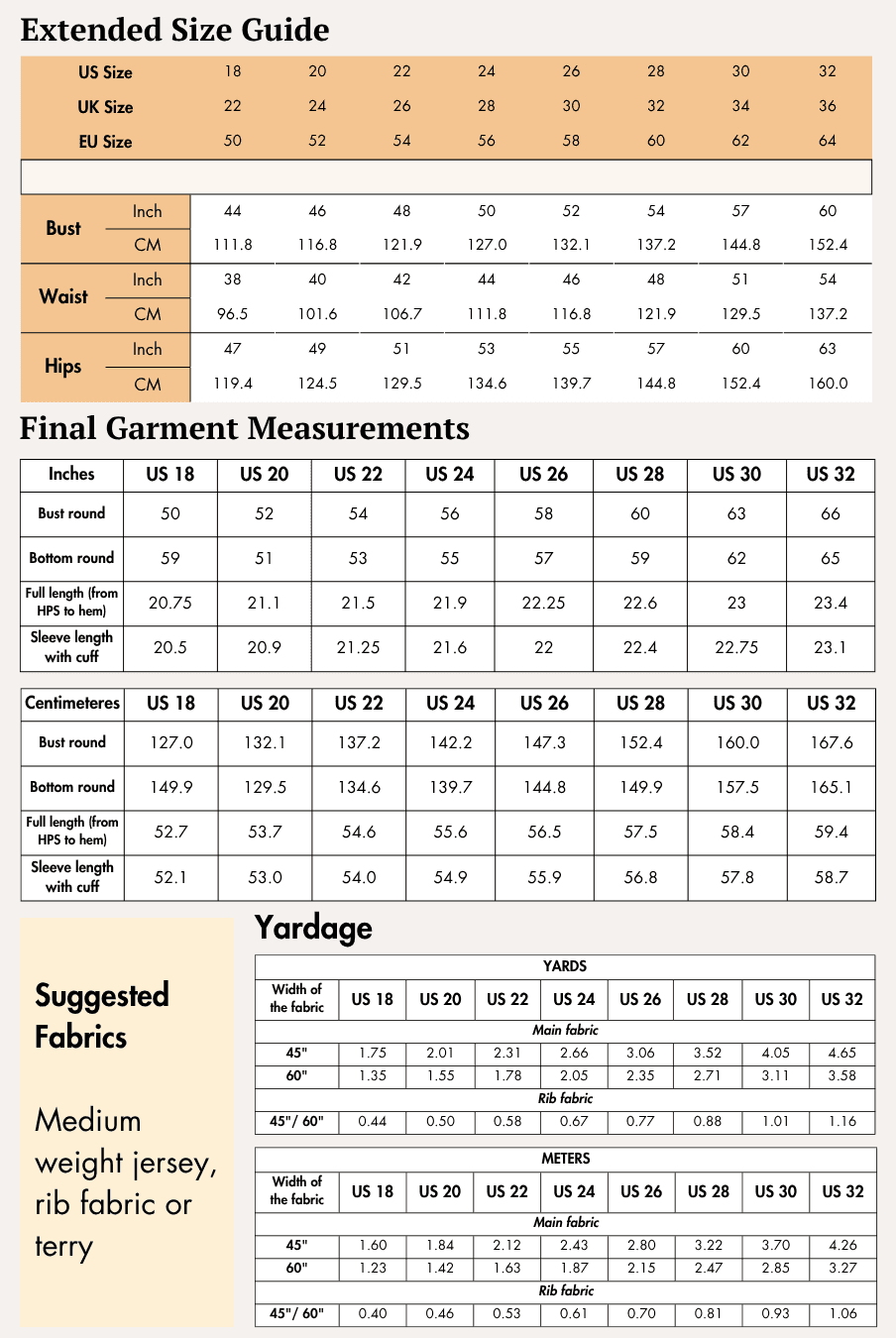
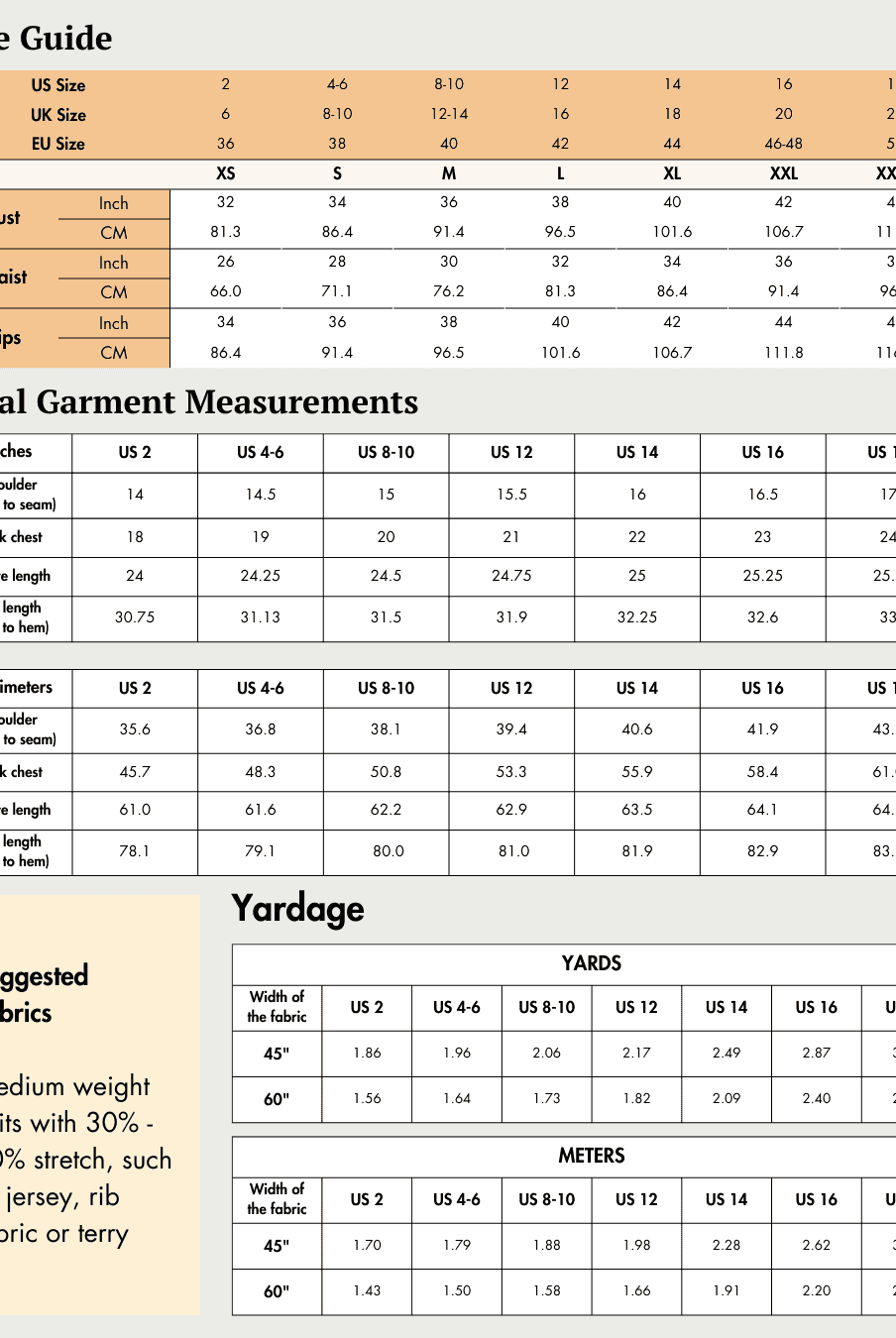
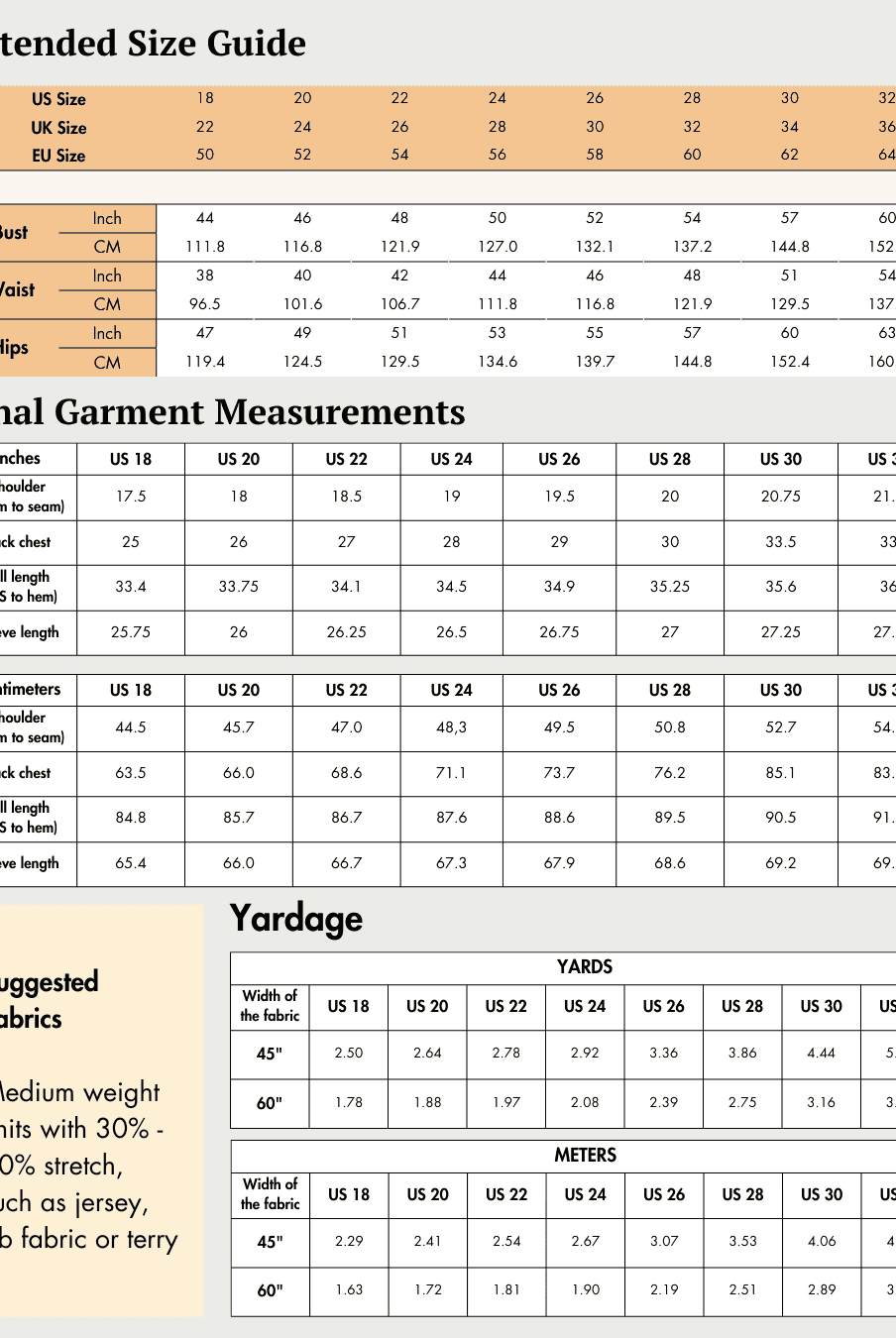
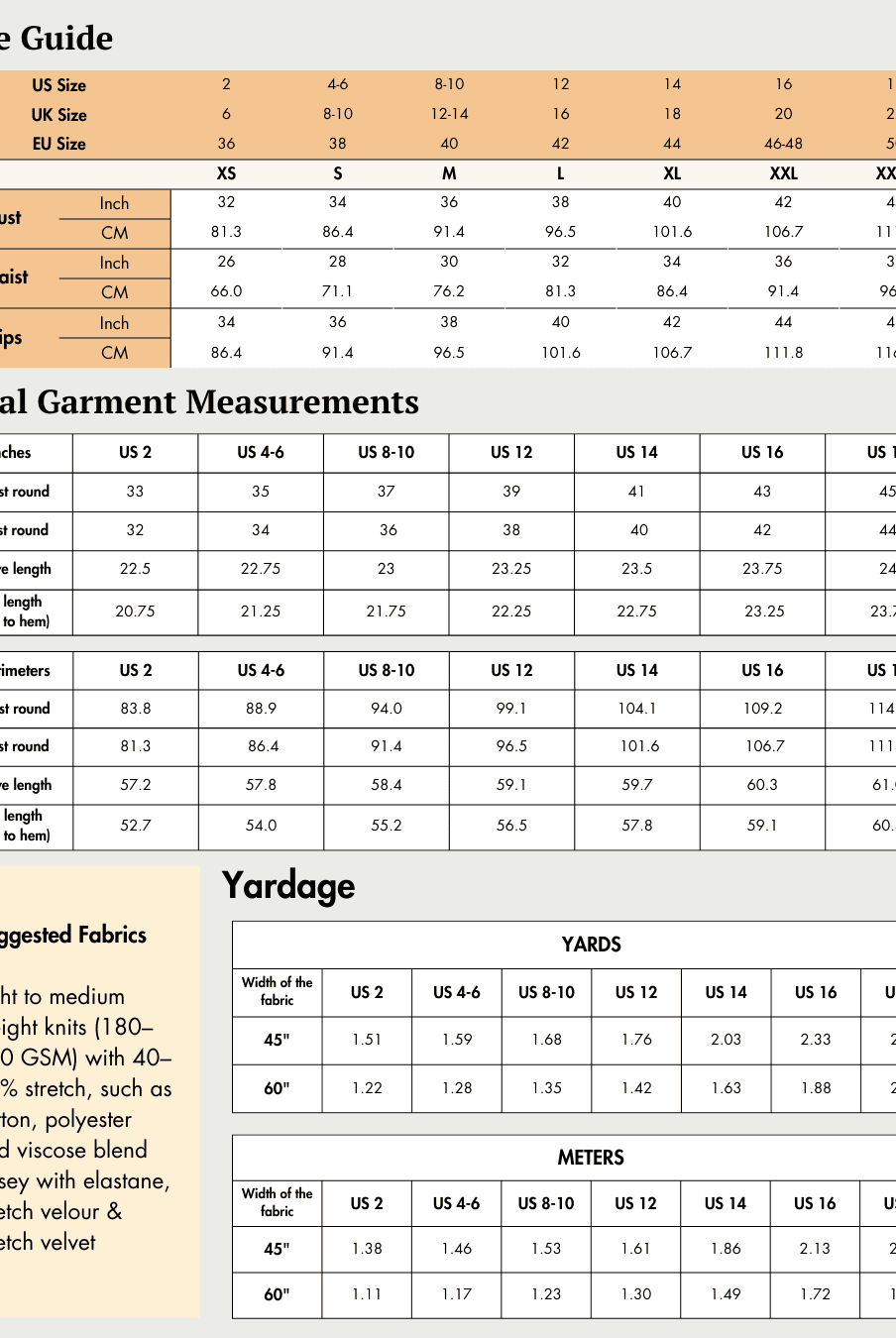
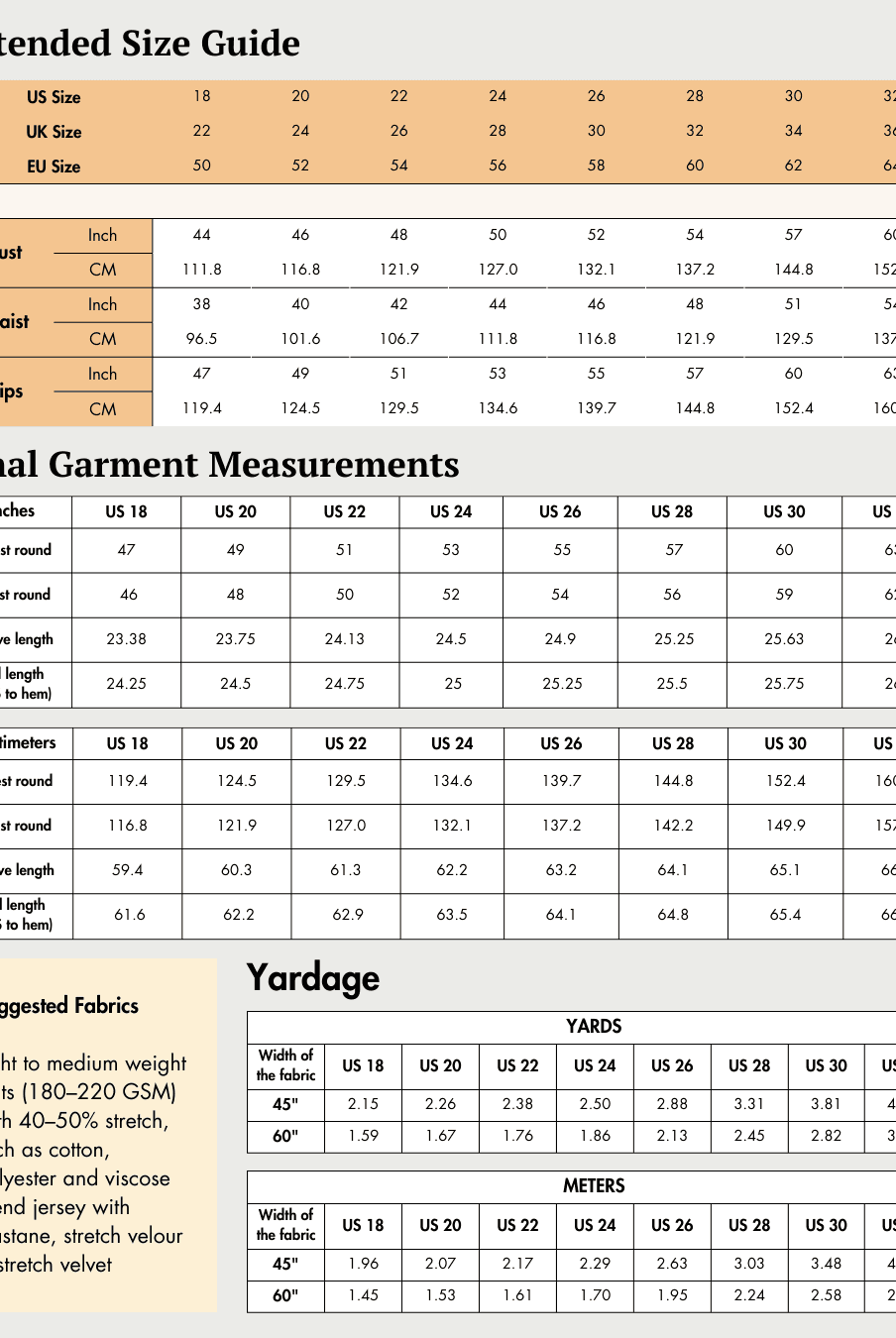
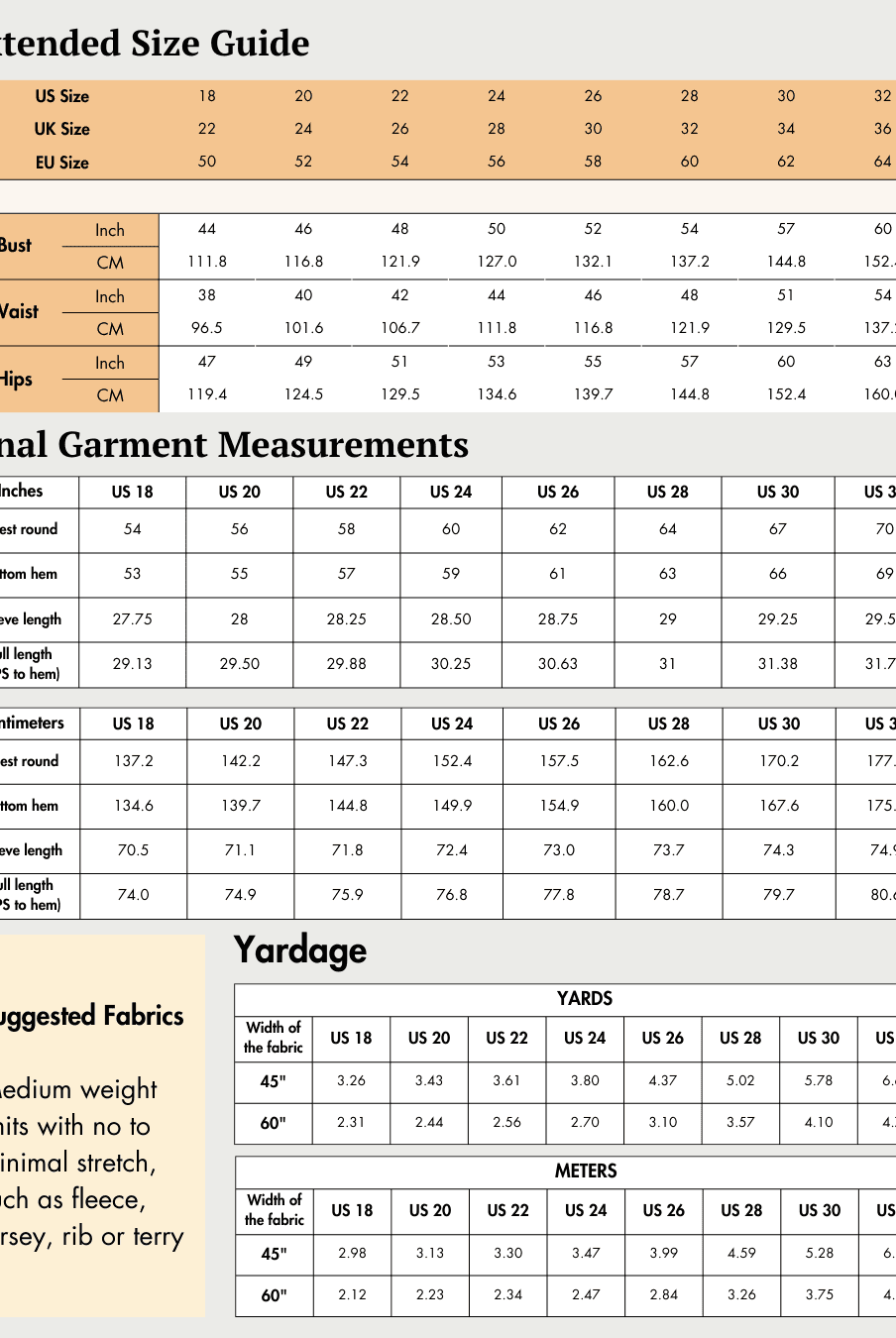
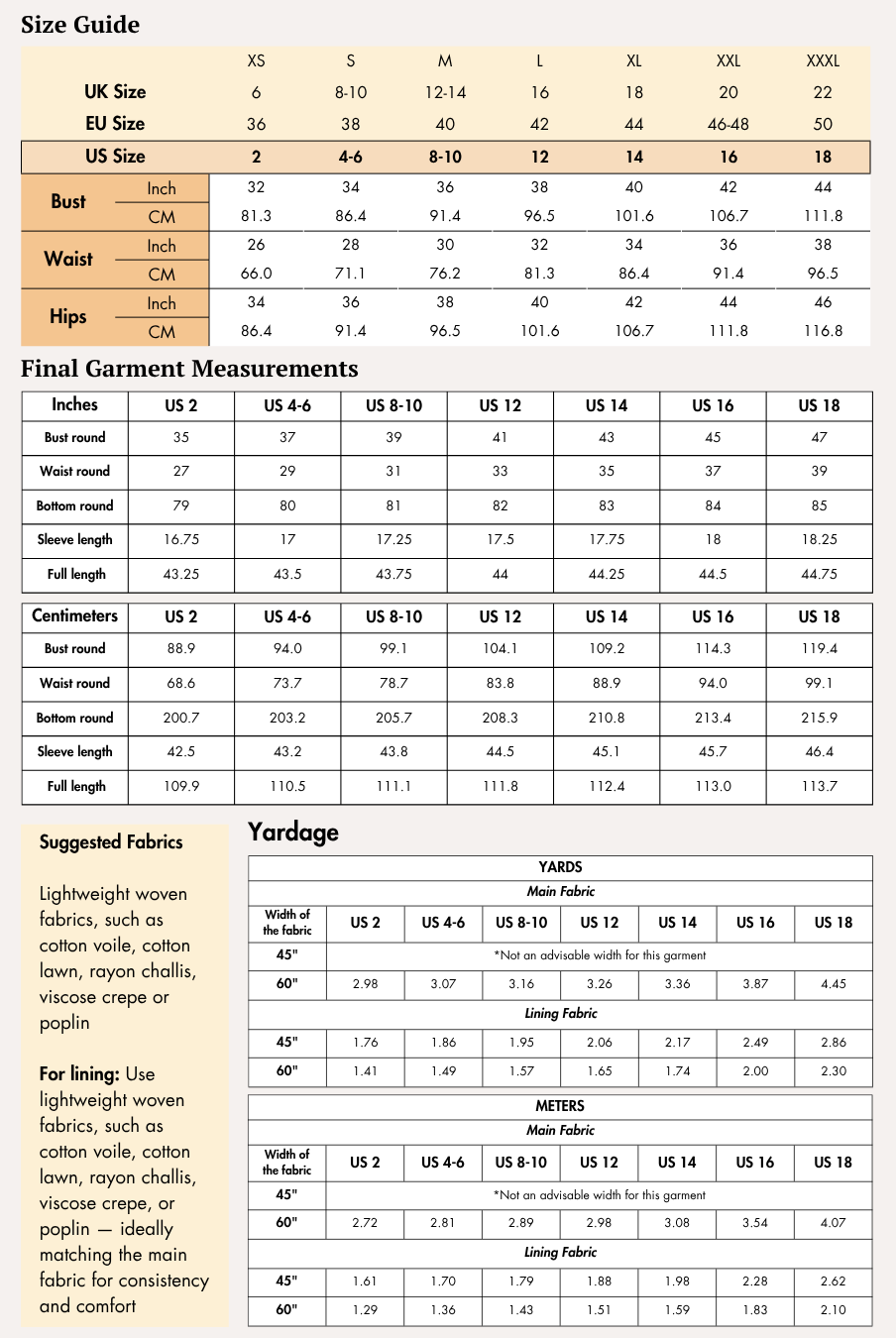
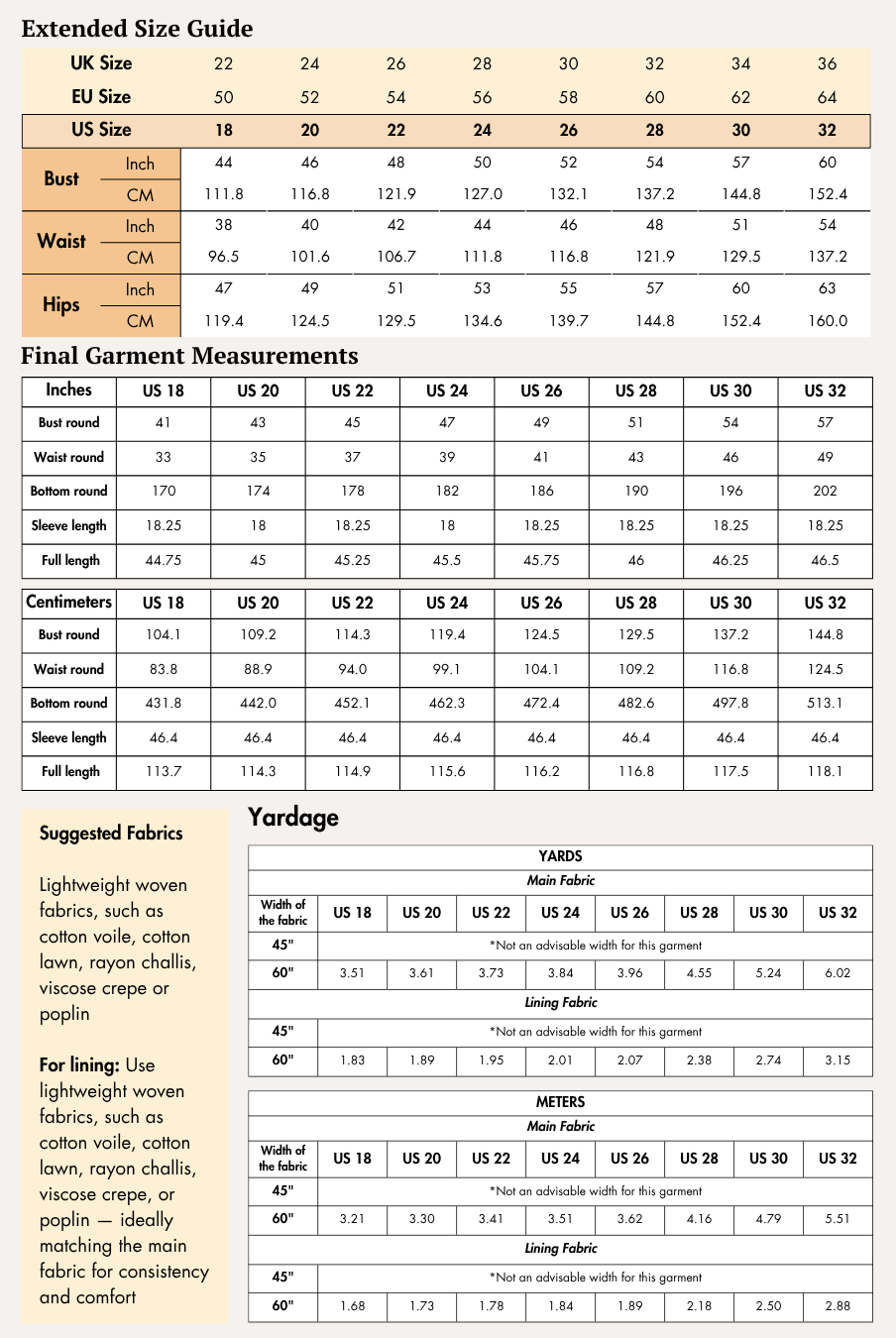
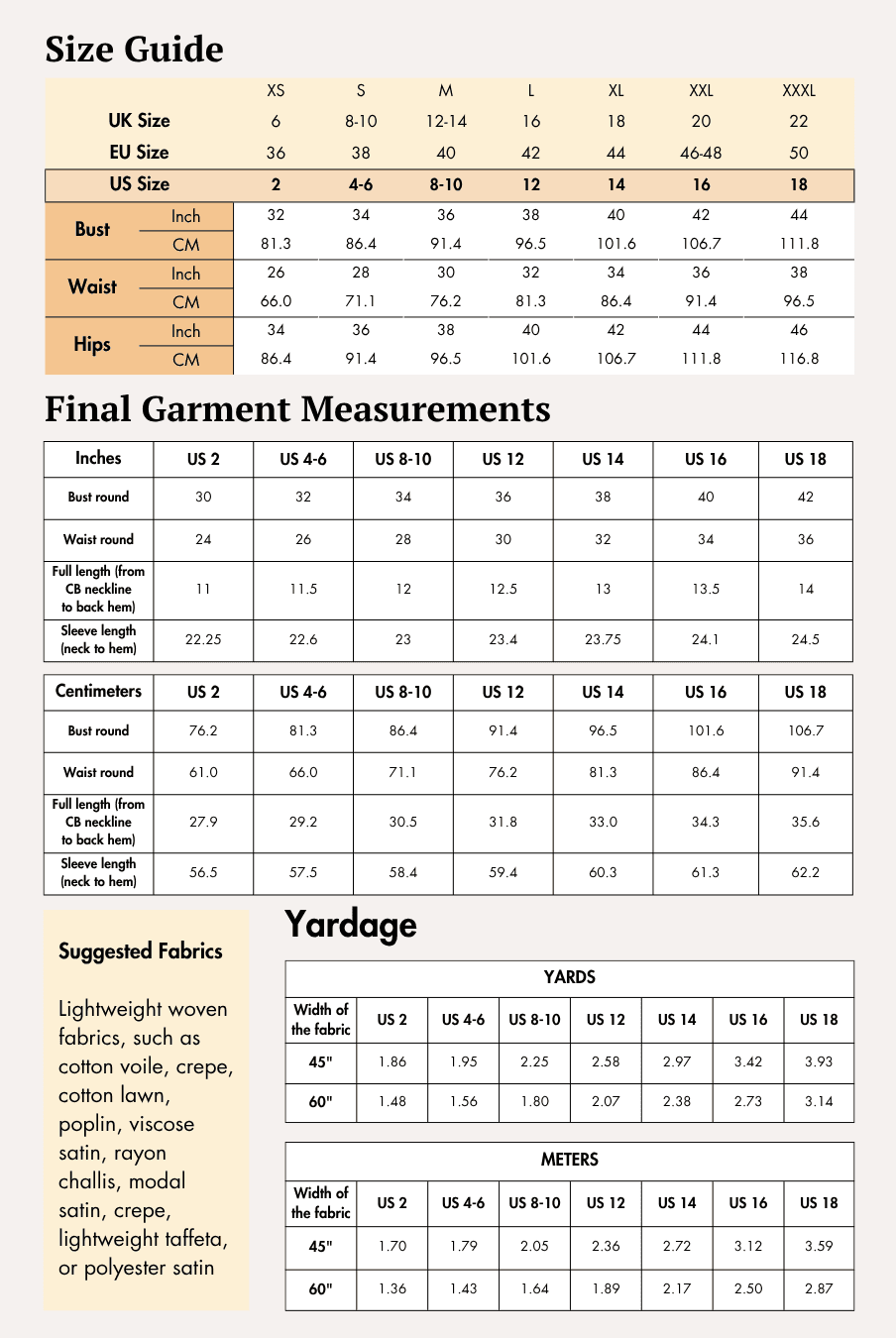
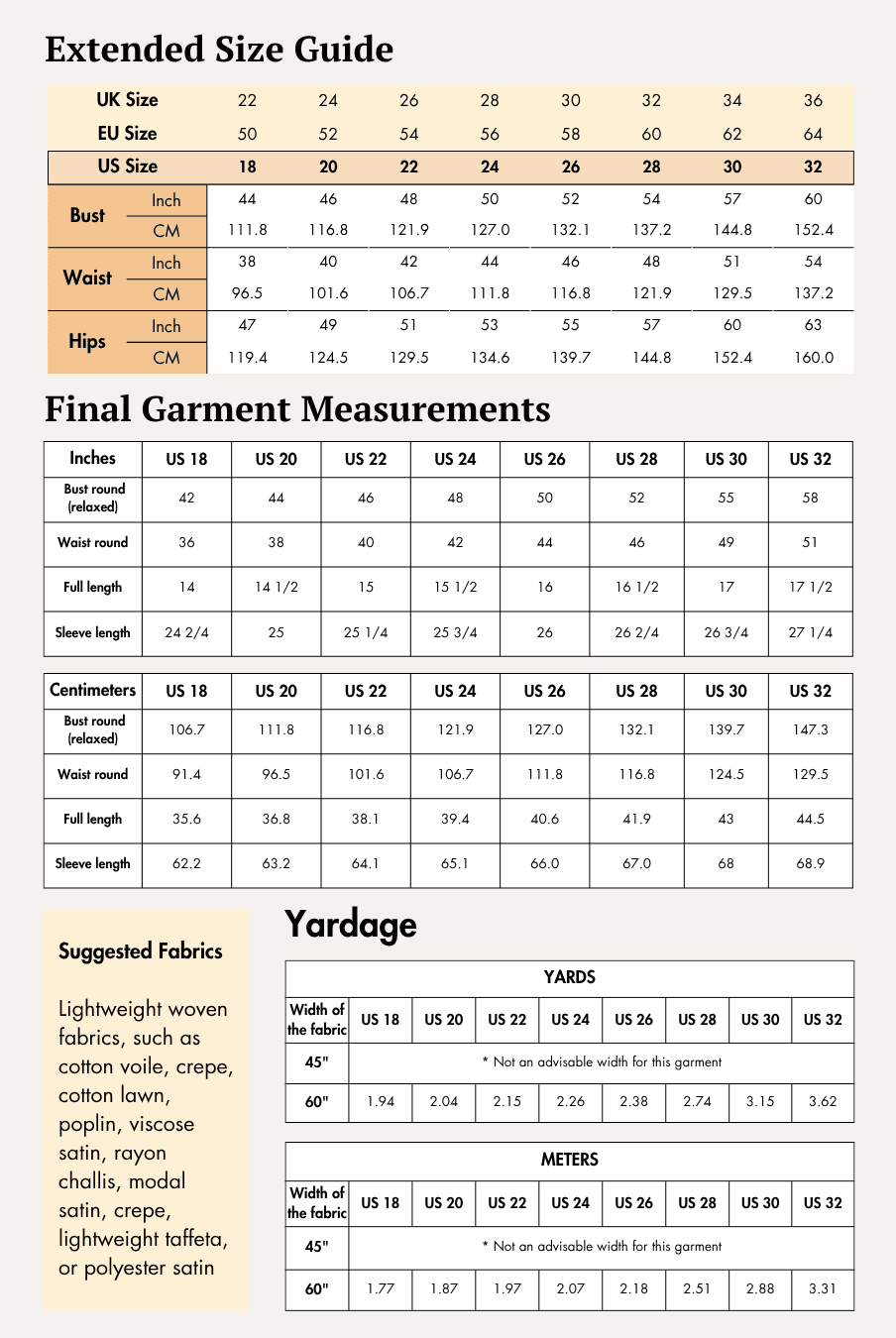
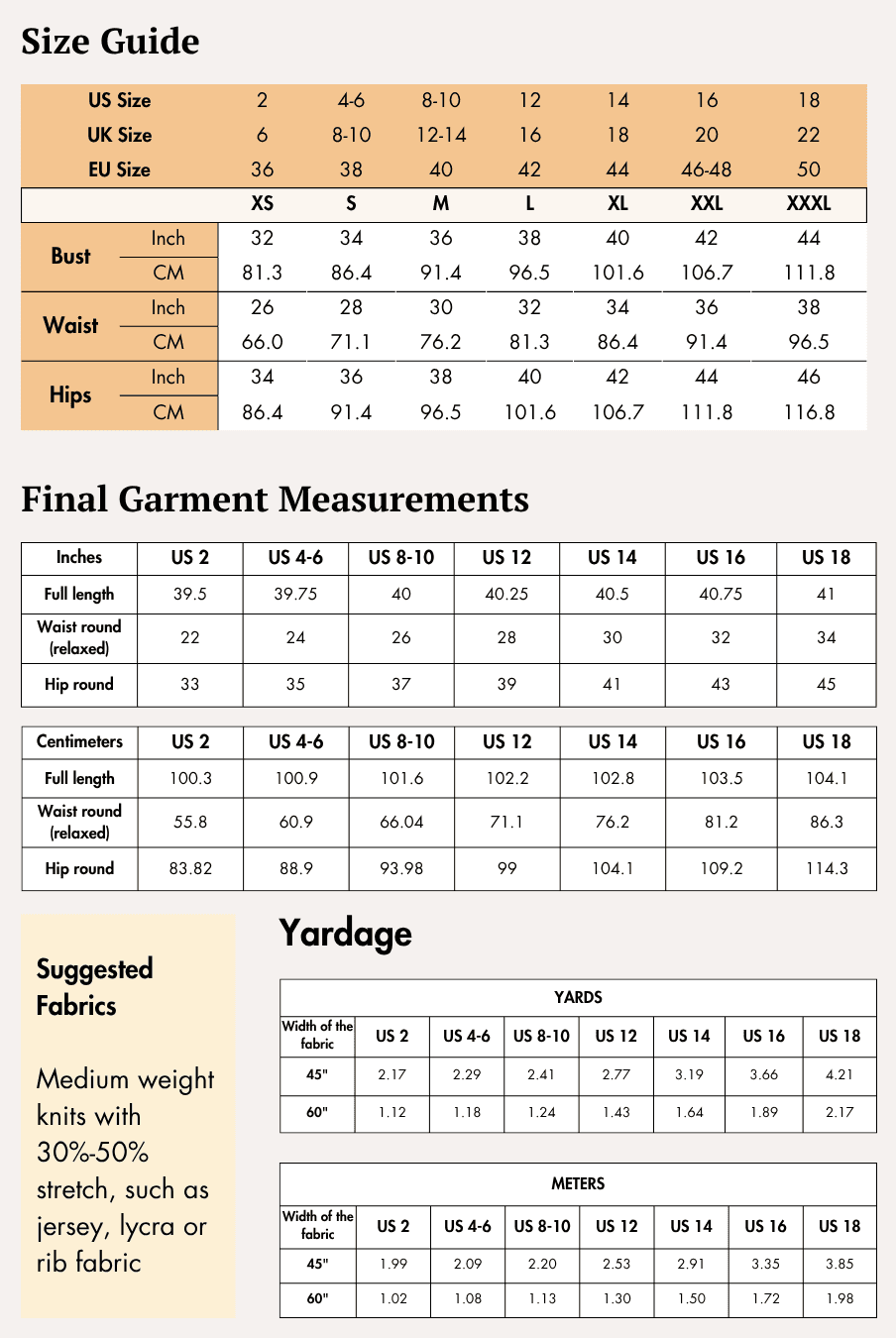
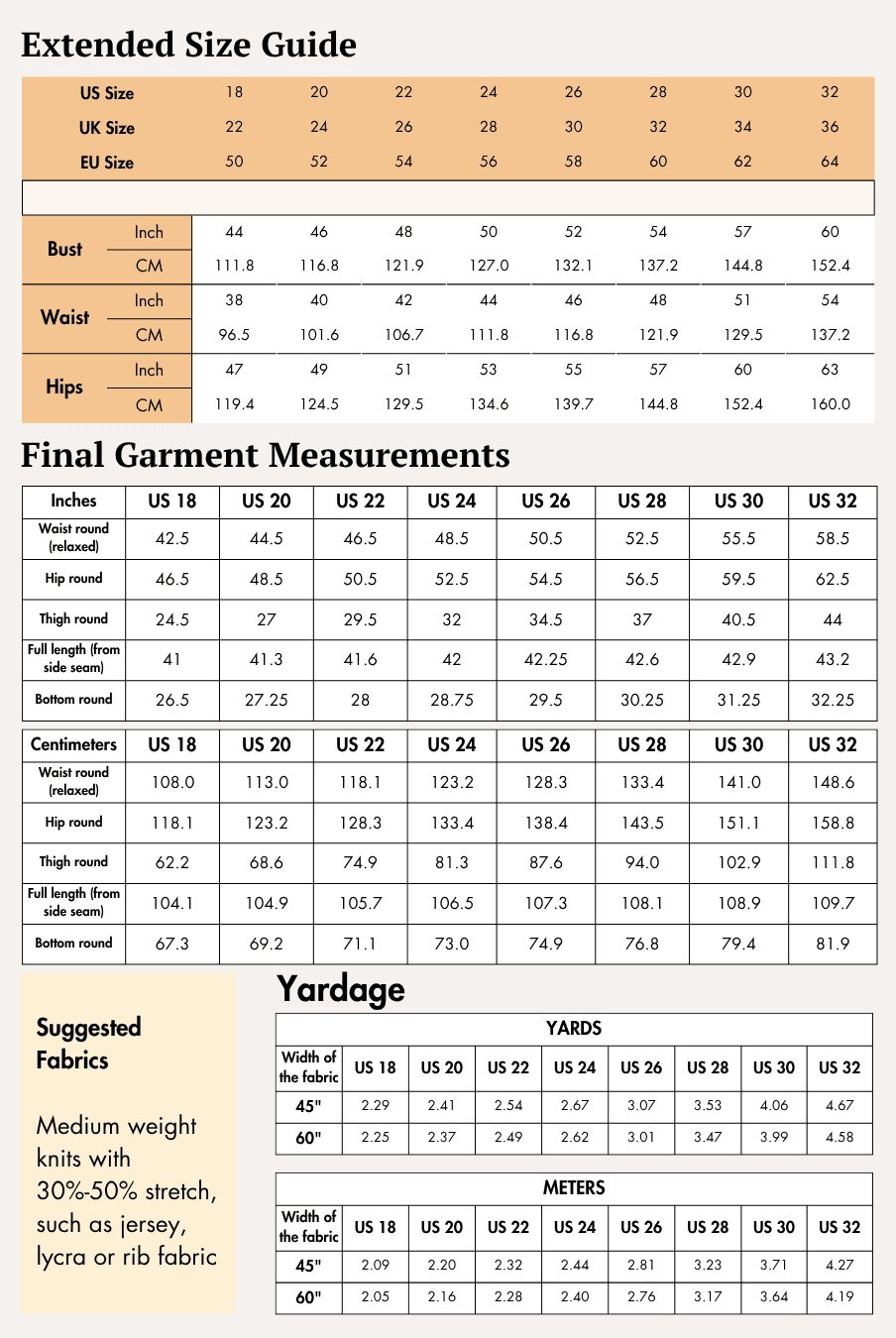
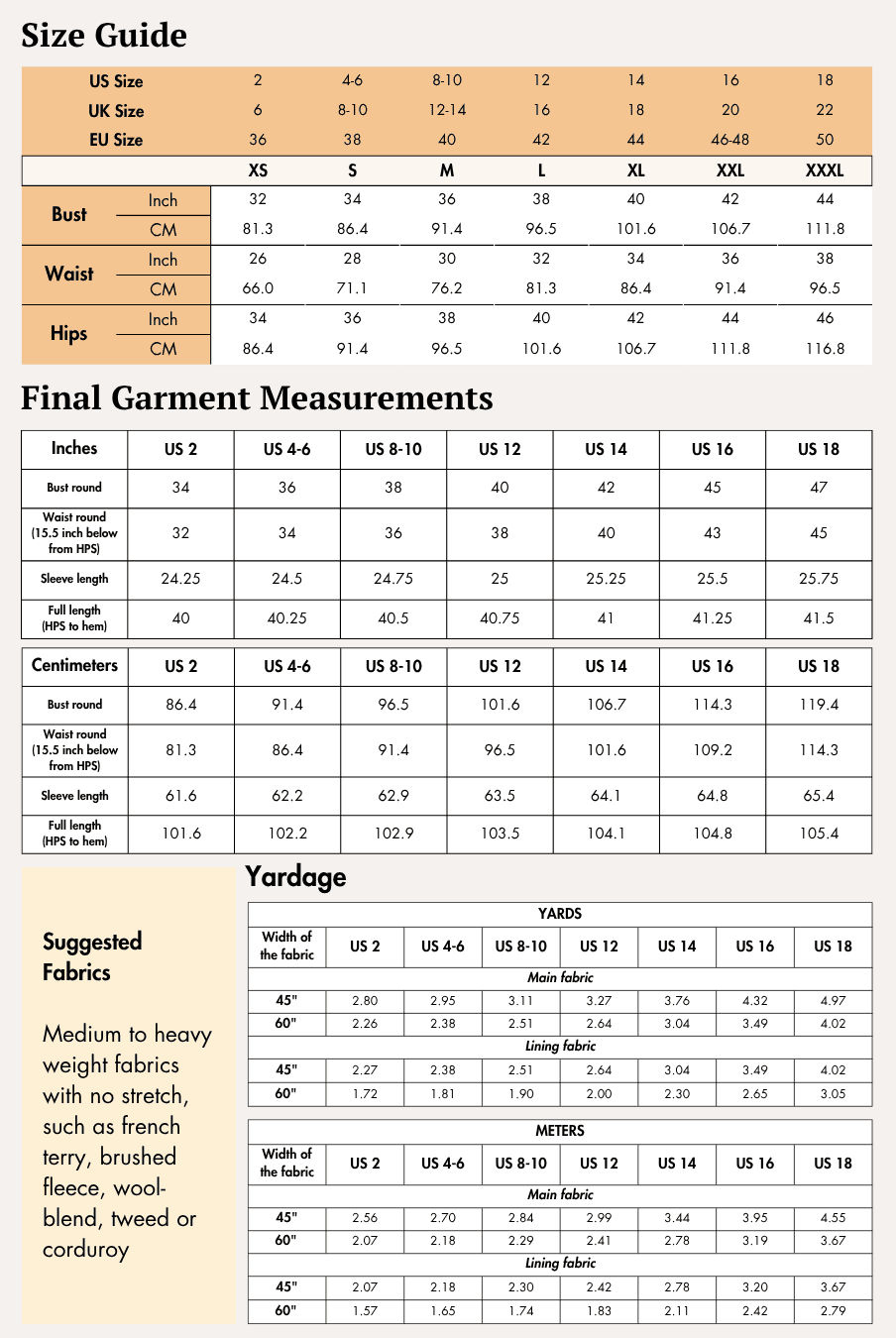
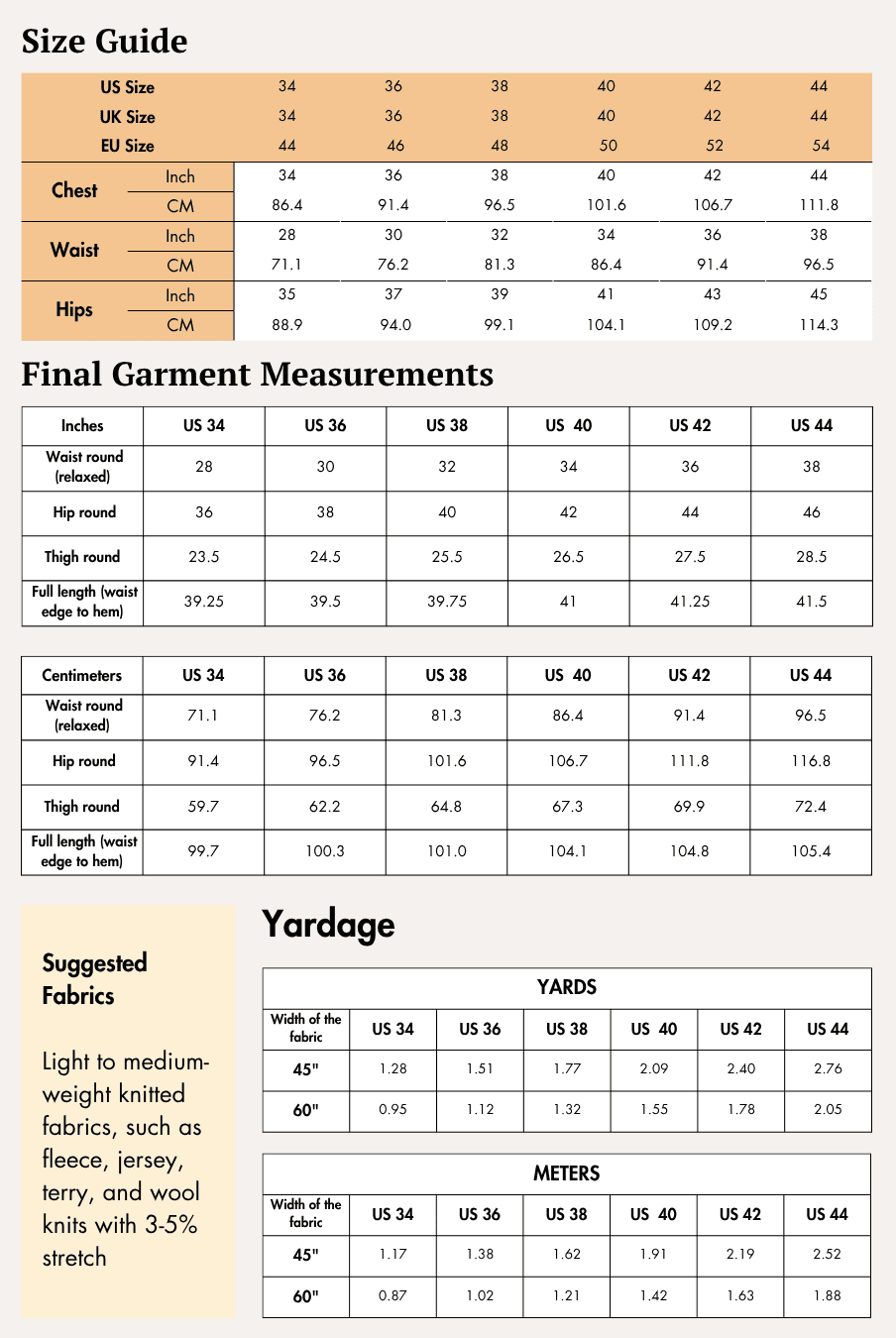
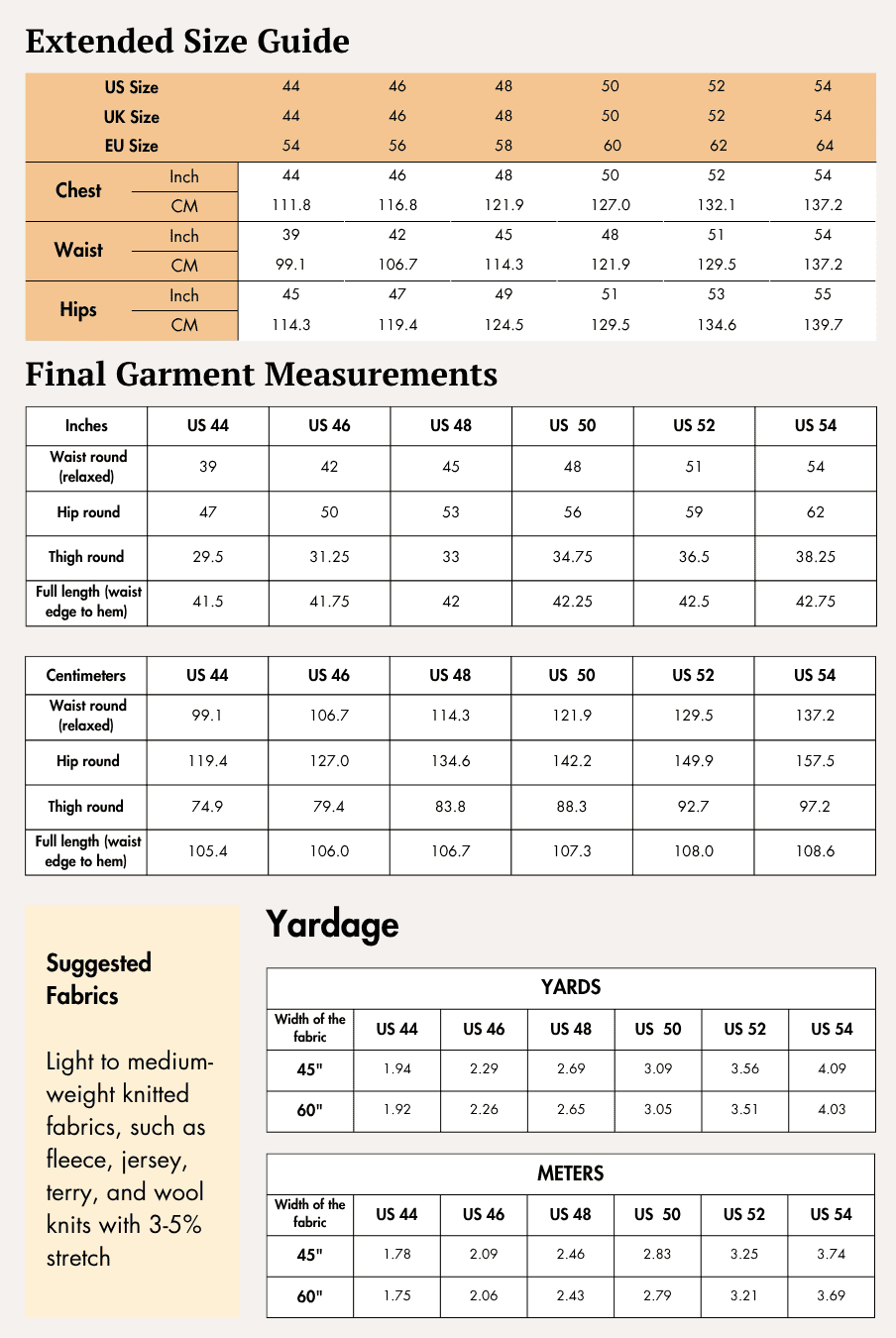
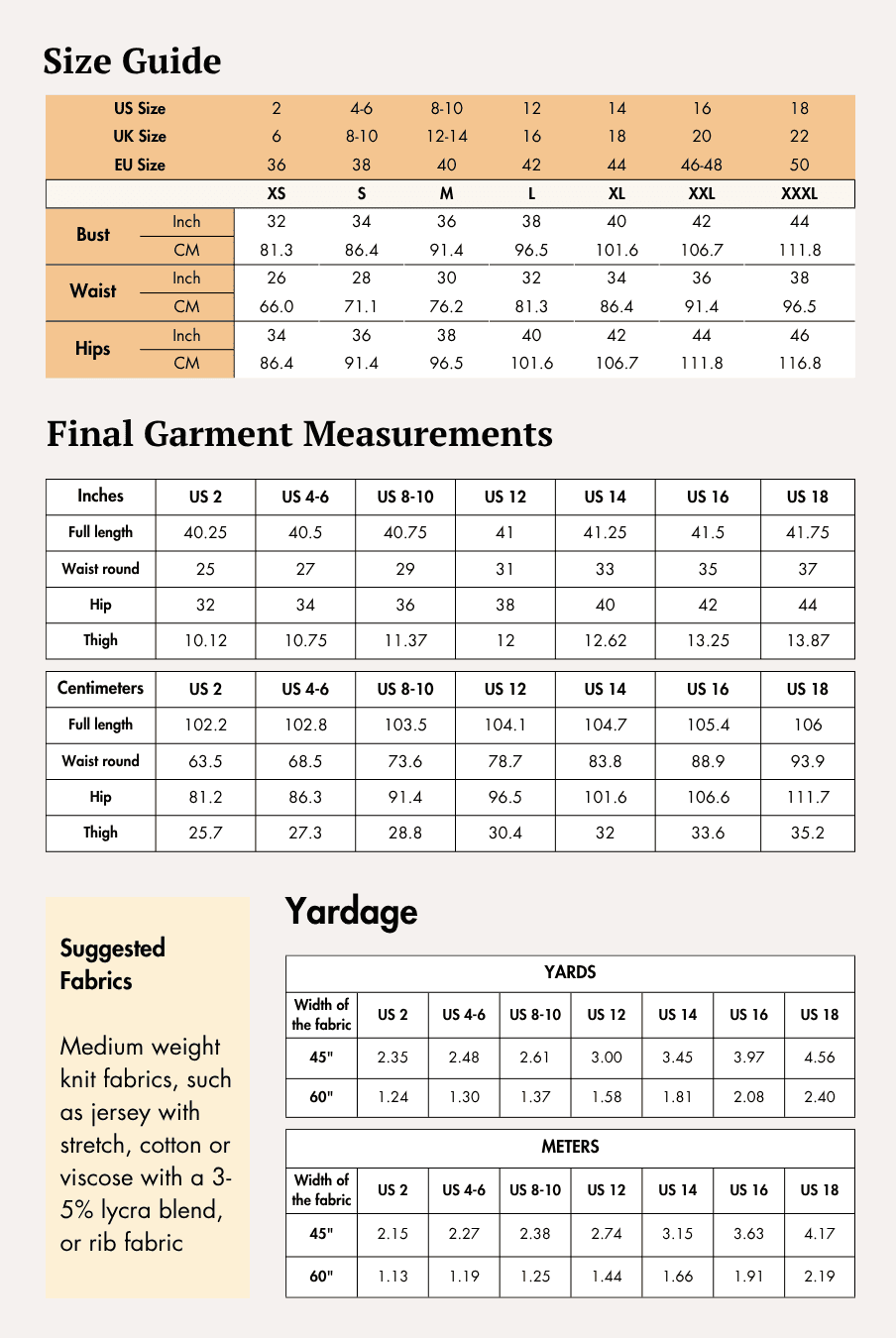
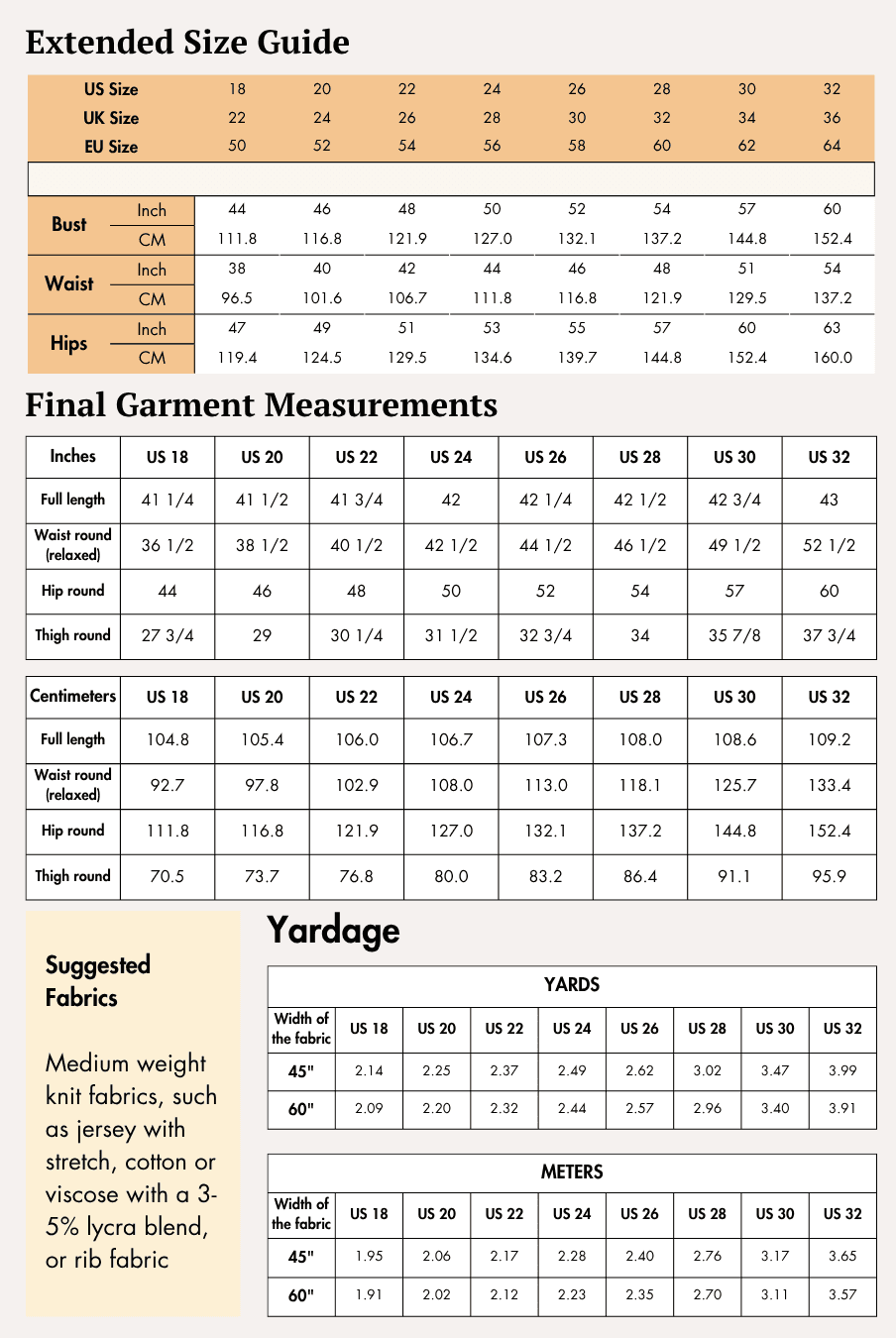
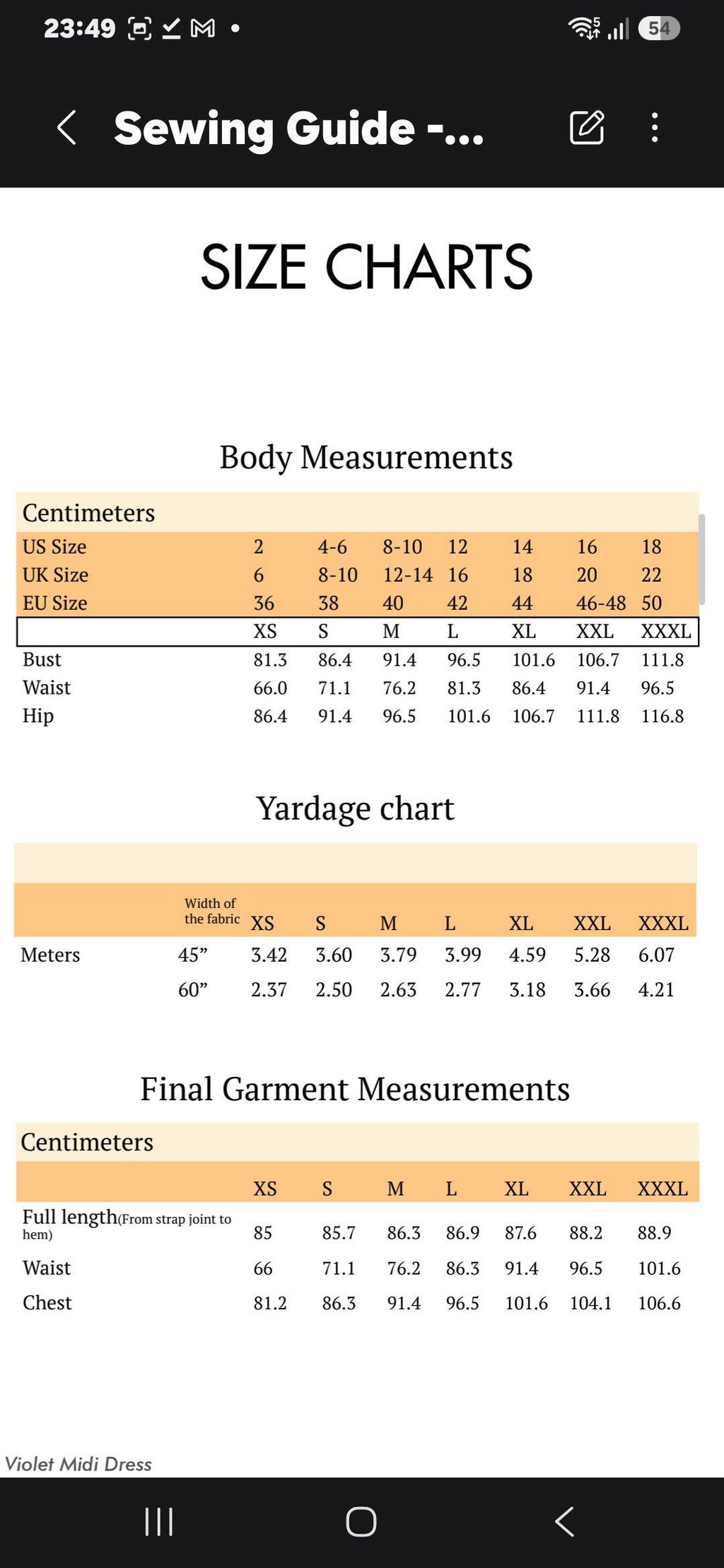
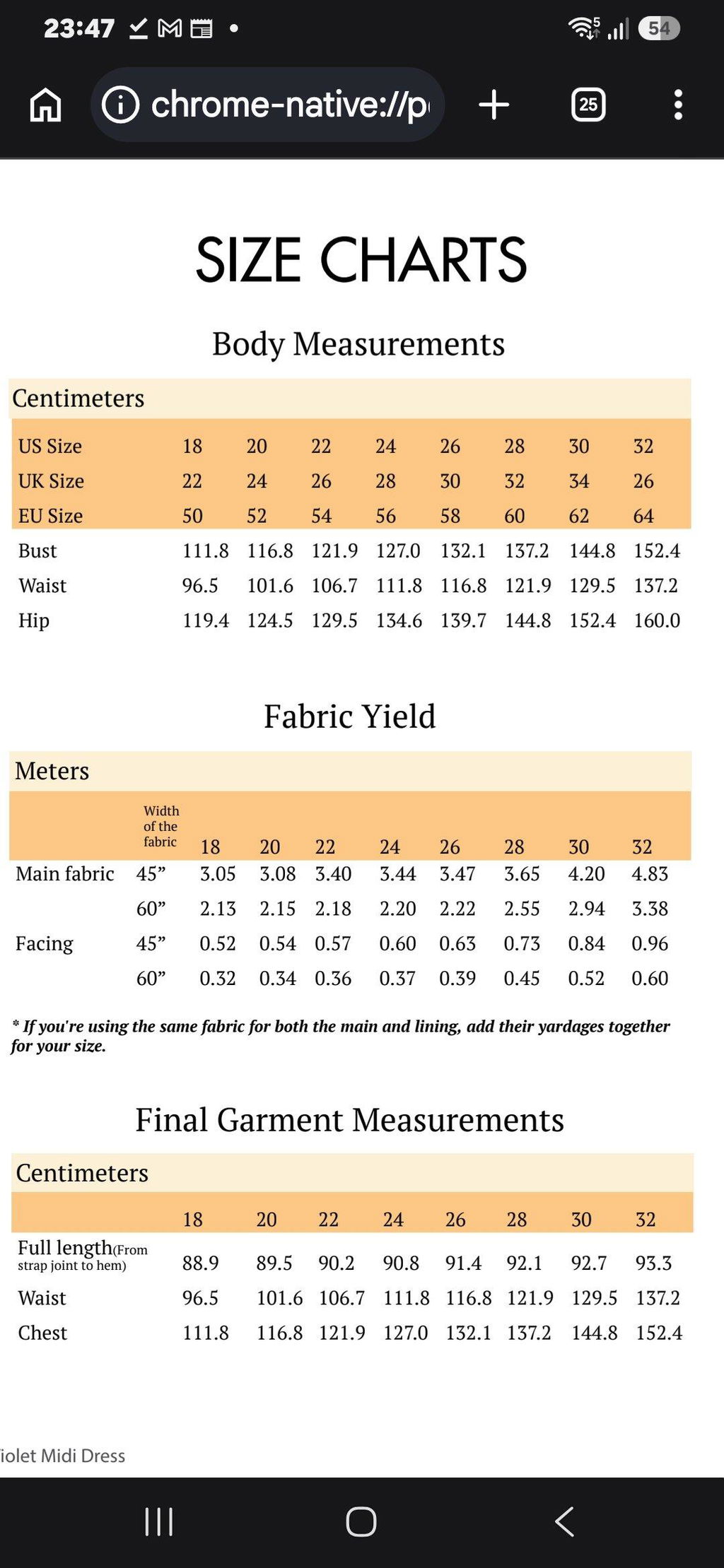
Check the size charts and measure yourself to select the correct size, using the garment and body measurement tables in the guide.
Verify how much fabric you need by referencing the fabric yield table in the guide.
Pattern Inventory: What Pieces to Prepare

-
Front — cut x2 fabric
-
Back — cut x2 fabric
-
Pocket — cut x2 fabric
-
Fly Cover — cut x1 fabric
-
Fly — cut x1 fabric
-
Waist Belt — cut x1 fabric
-
Belt Loop — cut x1 fabric
Pattern Marking

The pattern includes the following markings:
-
Waistline
-
Hip line
-
Crotch line
-
Grainline
-
Fly
-
Inseam
-
Side seam
-
Zipper end
-
Pocket marking
-
Dart
-
Hemline
-
Seam allowance
Cutting Layout


The cutting layout diagrams are designed to ensure the garment is cut on grain. Pattern pieces should be positioned with the grainline parallel to the fabric selvage.
The layouts provided are non-directional. If using fabrics with nap or directional prints, additional fabric may be required.
Separate cutting layouts are provided for both 45-inch and 60-inch fabric widths. The illustrated layouts use a medium size for reference.
Fabric Cutting and Preparation
Arrange the pattern pieces according to the cutting layout diagrams. Begin by positioning the pieces on the fabric, ensuring that the grainline arrow runs parallel to the selvage.
If you are using fabric shears, trace the pattern pieces and then cut them out, cutting away any pen, pencil, or chalk lines. Remember to cut out any notches that appear on the edges. These markings help line up the pieces when you assemble the garment.
Use your marking pen, pencil, or chalk to transfer the markings (such as circles, buttonholes, and fold lines) to the wrong side of the fabric. Mark the center front of pieces cut on the fold, as this will help you align pieces accurately.
Seam Allowance
Please follow the seam allowances as indicated on the pattern file layers. These are provided specifically for each piece to ensure accurate construction.
This pattern uses a 1.1 cm (or 0.45 inch) seam allowance all around and 5 cm (or 2 inch) at the hem.
Step-by-Step Sewing Instructions
1. Attach the Side Seam Pockets
1a. Place the left pocket piece right sides together on the left front leg pocket opening marking and pin it in place.
Sew along the opening line.
1b. Repeat for the opposite side as shown in the guide.
1c. Spread the pieces open and understitch the pocket.
1d. Turn the pocket and front leg piece so the wrong sides face together and press them flat.
Sew along the edge of the pocket opening.
1e. Place the folded pocket piece right sides together on the front leg waistline and press it neatly into position.
Sew a few stitches to secure both sides of the pocket opening.
1f. Secure the pocket opening on one front leg.
1g. Repeat the same process for the opposite front leg.
2. Make the Fly with Zipper Closure
2a. Prepare the fly cover piece.
2b. Fold the fly cover (Pattern D) right sides together.
2c. Sew the fly shape on one side as shown in the guide.
2d. Clip the seam allowance to help shape the fly cover. Turn it right side out and shape it neatly.
2e. Place the fly piece (Pattern E) on the left front leg with right sides together, aligning the crotch line.
2f. Sew the fly piece to the front leg.
2g. Flip the fly piece toward the wrong side of the front leg and sew along the fly edge to secure it.
2h. Position the zipper on the fly piece with right sides together. Keep the zipper teeth centered on the fly piece and stitch along the zipper tape.
2i. Place the fly cover onto the free zipper tape, matching the folded edge of the fly cover with the zipper tape.
2j. Turn the fly cover and zipper to the wrong side and stitch along the seamline to secure the fly cover to the zipper.
2k. Fold the fly seam allowance of the right front leg to the inside. Place the folded edge onto the zipper and edge-stitch until the zipper end mark.
2l. Place both front legs right sides together. Sew a short line from the zipper-end notch downward to close the lower part of the fly. Continue sewing the front crotch seam from the zipper end point to the crotch end.
2m. Open the zipper and topstitch the front fly curve, beginning at the zipper end and following the marked fly stitching line. Keep the fly cover free while topstitching.
3. Sew the Darts
Fold the dart by matching the dart legs with right sides together.
Stitch along the dart line on the wrong side of the fabric and press it flat to one side.
Repeat for the second dart.
4. Sew the Back Crotch Seam
Place both back pieces right sides together.
Sew along the crotch line.
5. Sew the Side Seams
Place the front and back pieces right sides together.
Sew the side seams together.
6. Make the Belt Loops
6a. Fold both sides of the belt loop strip inward.
6b. Fold the strip again and press all folds to create crisp creases.
6c. Sew along both edges of the strip.
6d. Cut five belt loops, each measuring 7.5 cm in length.
7. Prepare the Waistband
Apply fusible interfacing to the waistband, leaving the seam allowance untouched.
Press one side of the seam allowance inward.
8. Attach the Waistband and Belt Loops
8a. Pin the five belt loops at the center back, both side seams, and center front waistline.
Place the waistband right sides together with the pants waistline and pin evenly.
8b. Sew the waistband to the waistline.
8c. Turn and fold the waistband right sides together.
8d. Pin the waistband ends and sew to finish the sides.
8e. Turn the waistband right side out and shape the corners.
8f. Push the seam allowance inside and close the waistband.
8g. Sew along the waistband edge to secure it.
8h. Fold each belt loop by 1 cm and sew the ends to secure them.
8i. Repeat for all belt loops.
9. Sew the Inseam
Match the crotch end of the front and back pants and place them right sides together.
Sew the inseam continuously from one hem, through the crotch, and down to the opposite hem.
10. Hem the Pants
You may sew the hem by hand using a blind hem stitch.
Alternatively, fold the seam allowance twice toward the inside and sew from the front to finish the hem.
11. Create the Buttonhole and Attach the Button
Use the buttonhole presser foot to create a buttonhole approximately 1.5 cm away from the waistband.
Sew the button according to the buttonhole placement on the right side of the waistband.


Ready to Sew Your Own Wide Leg Pants?


The Maya Wide Leg Pants are a versatile and polished trouser project that combines comfort with classic tailoring details. Featuring a flattering high-rise fit, wide leg silhouette, side seam pockets, fly-front zipper, and waistband with belt loops, they offer an excellent opportunity to build garment sewing skills while creating a wardrobe staple.
Whether sewn in cotton, linen, hemp, or bamboo fabrics, these trousers can easily become a favorite handmade piece. Download the Maya Wide Leg Pants Pattern and start sewing your own pair today.
Explore More Sewing Patterns
Browse our Pants Sewing Pattern Collection for more stylish handmade trousers, shorts, and bottoms designed for everyday wear and timeless wardrobes.
Join the Community & Get Support
Share your finished Maya Wide Leg Pants on social media with #MadeWithWinslets. If you have questions, feedback, or customization requests, contact the Winslet's team at support@winslets.com.