Cowl neck maxi dresses are loved for their elegant drape, flattering silhouette, and timeless appeal. The softly draped neckline creates a sophisticated look, while the flowing maxi length makes this style suitable for everything from special occasions to evening events and summer gatherings.
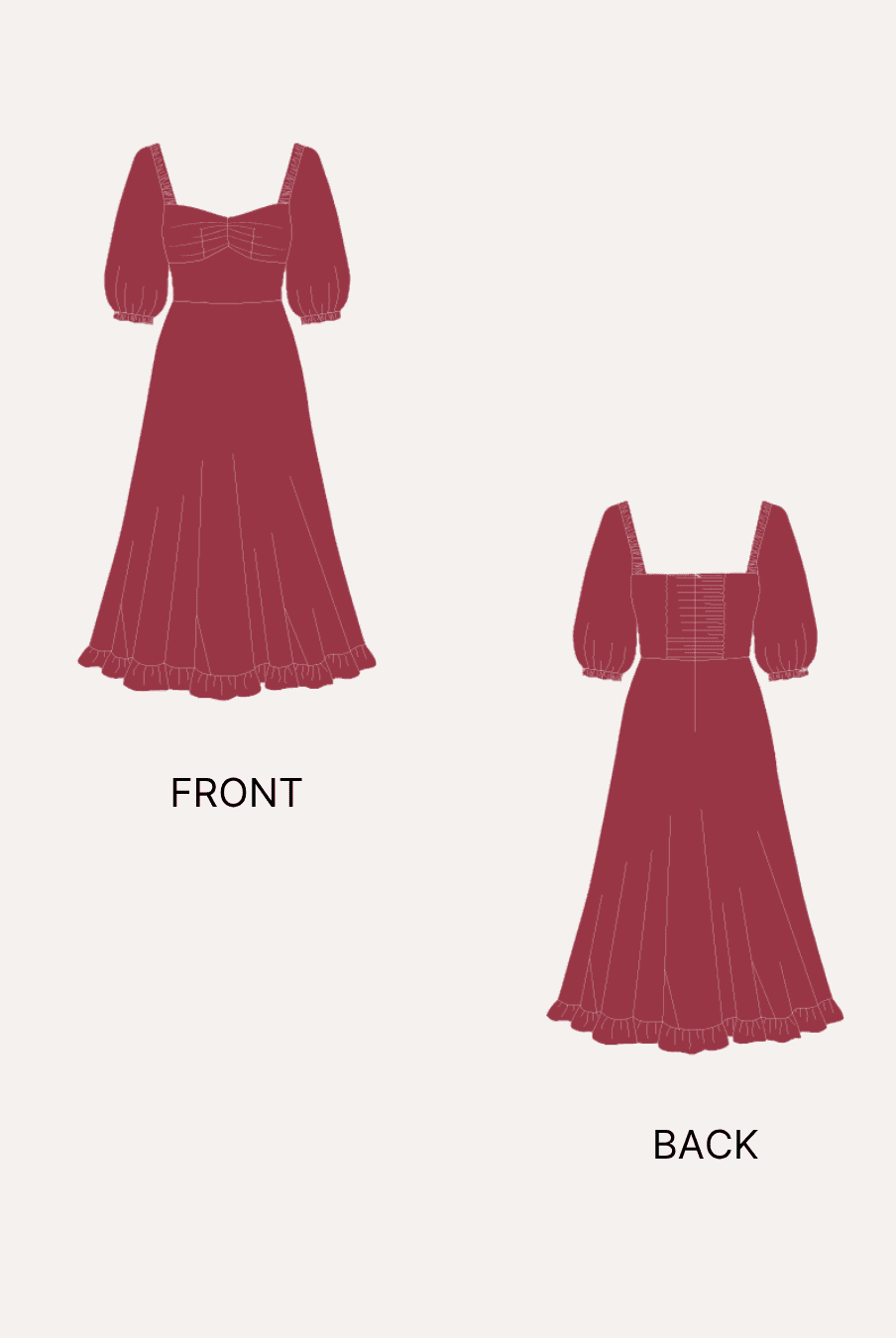
The Aurora Cowl Neck Maxi Dress Sewing Pattern from Winslet's combines a graceful cowl neckline with delicate adjustable straps and an asymmetric fit-and-flare silhouette. Designed for lightweight woven fabrics with beautiful drape, it is an approachable project that creates a polished handmade garment.

Why Sew a Cowl Neck Maxi Dress?
-
Create an elegant dress with a beautifully draped cowl neckline.
-
Enjoy a flattering fit-and-flare silhouette that skims the body comfortably.
-
Sew a versatile garment suitable for parties, events, vacations, and special occasions.
-
Learn useful techniques such as creating adjustable straps, sewing darts, understitching, and working with lining.
-
Showcase lightweight fabrics with fluid drape and movement.
-
Create a sophisticated handmade dress with a professional finish.
Why Choose the Winslet's Aurora Cowl Neck Maxi Dress Sewing Pattern?

-
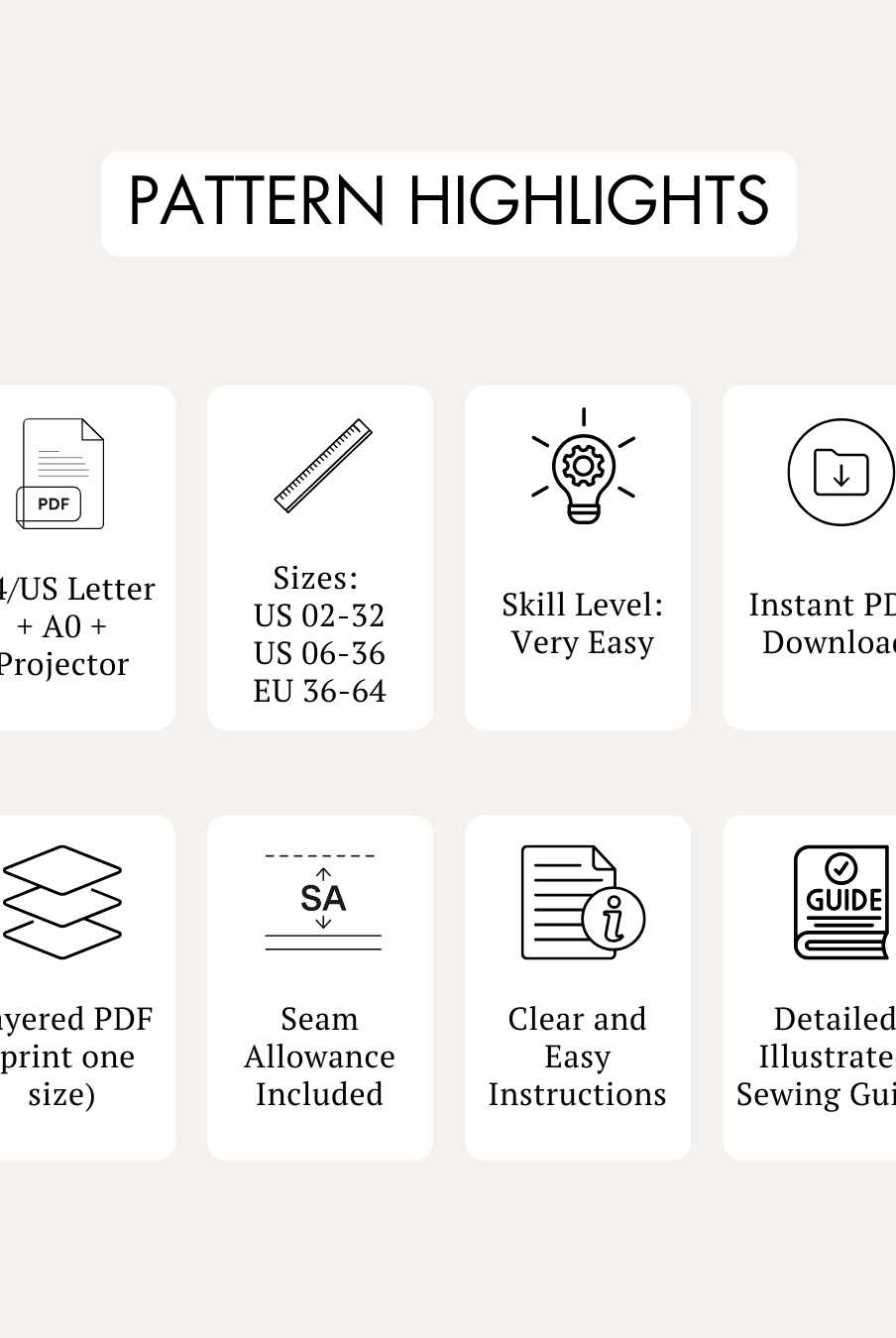
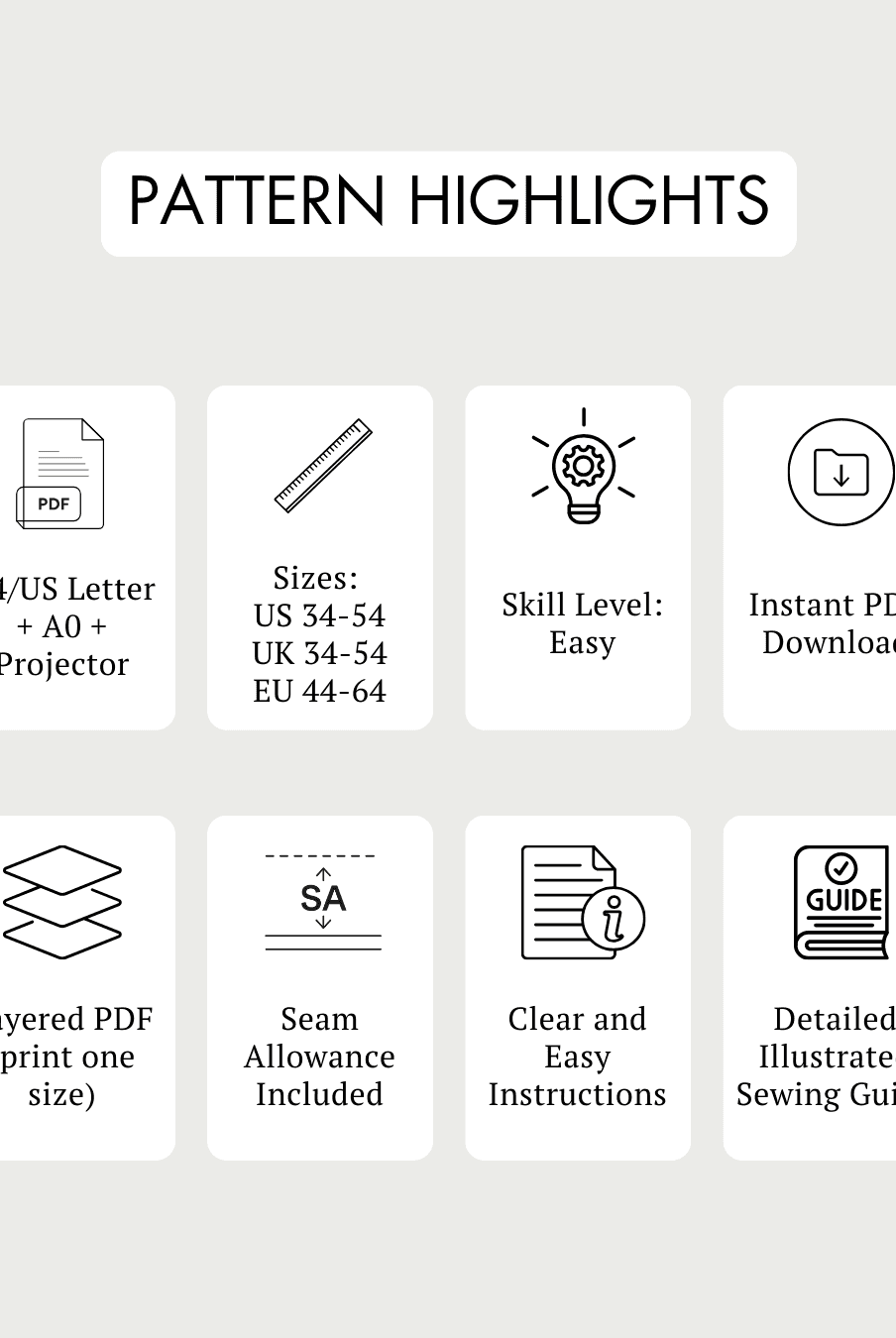
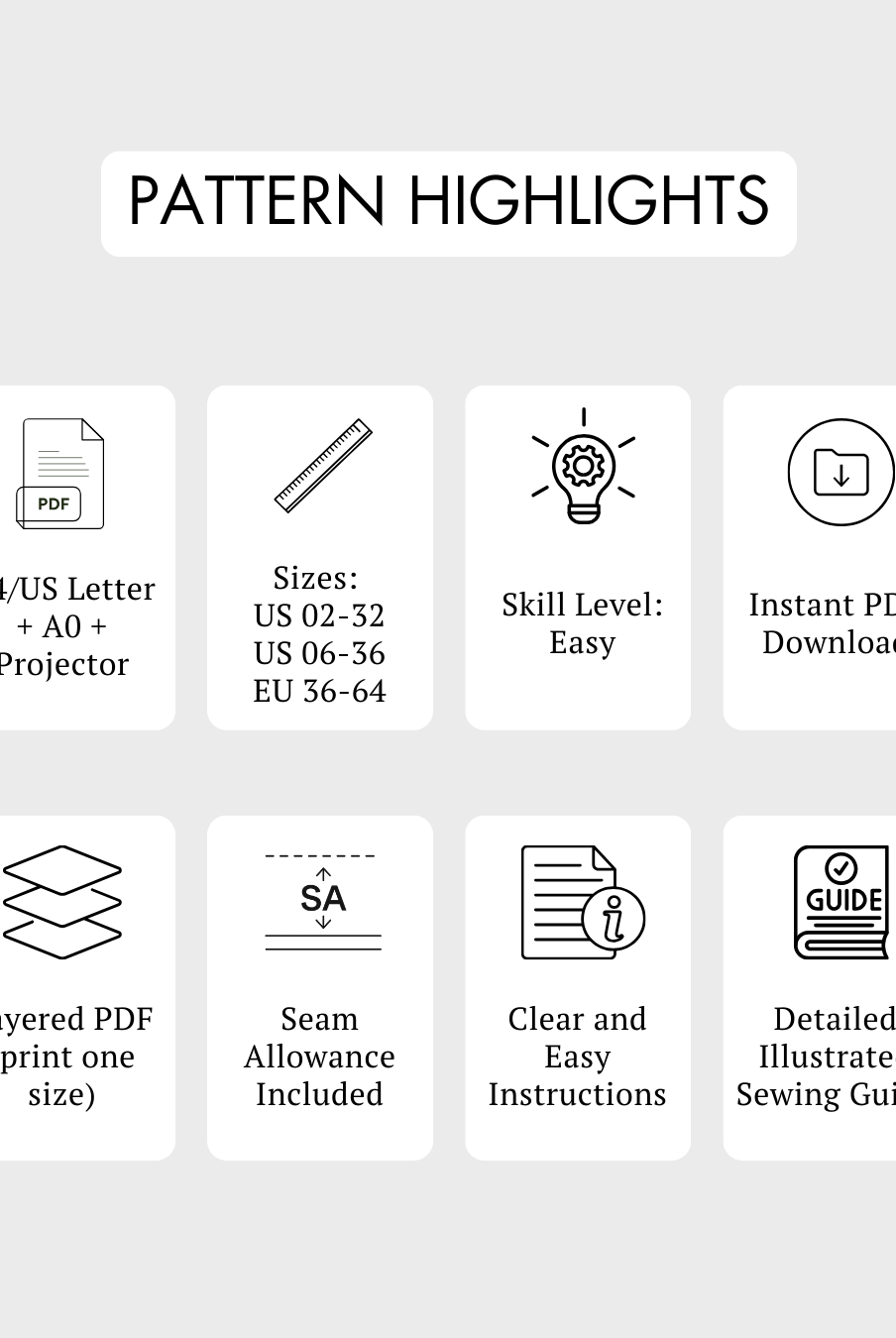
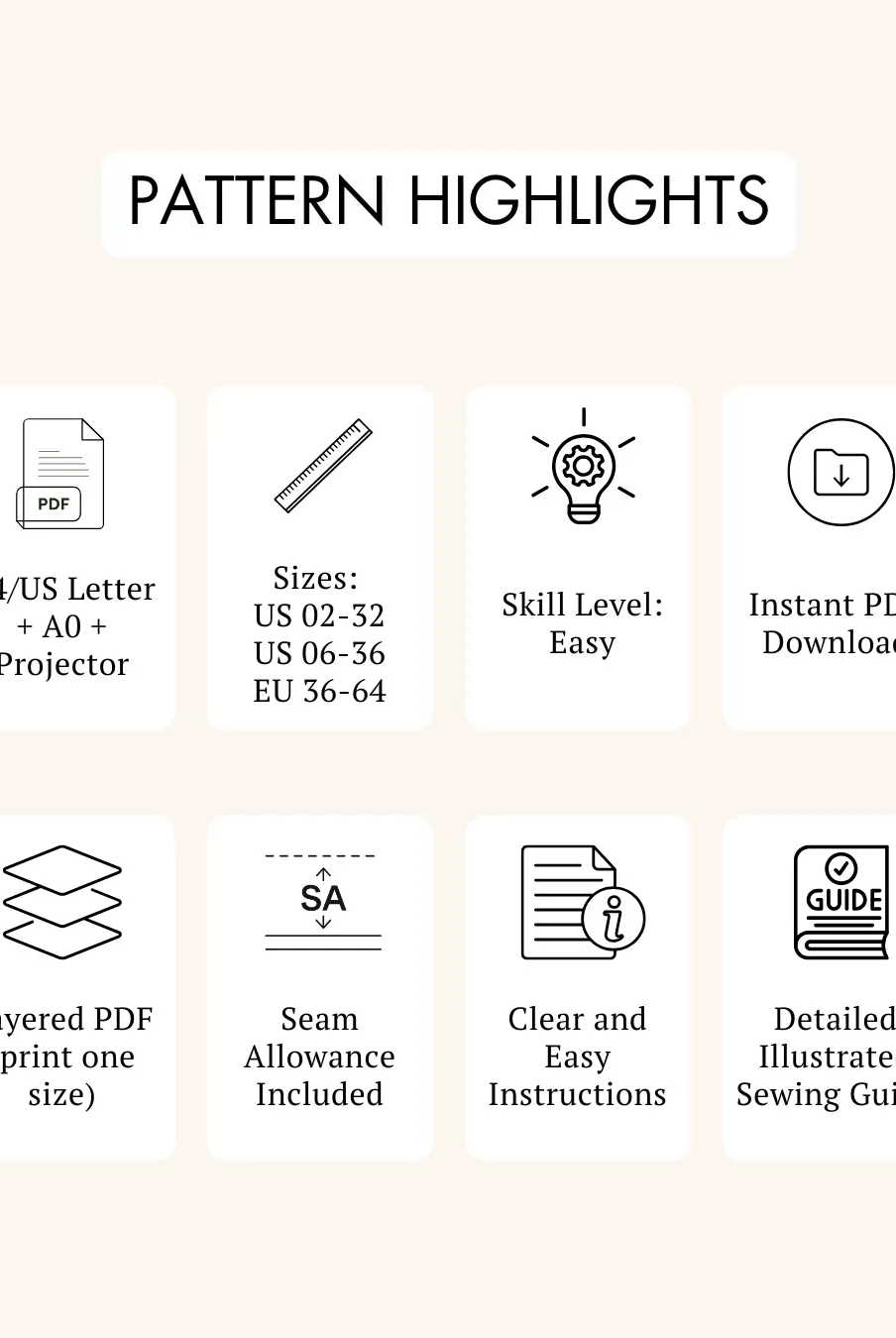
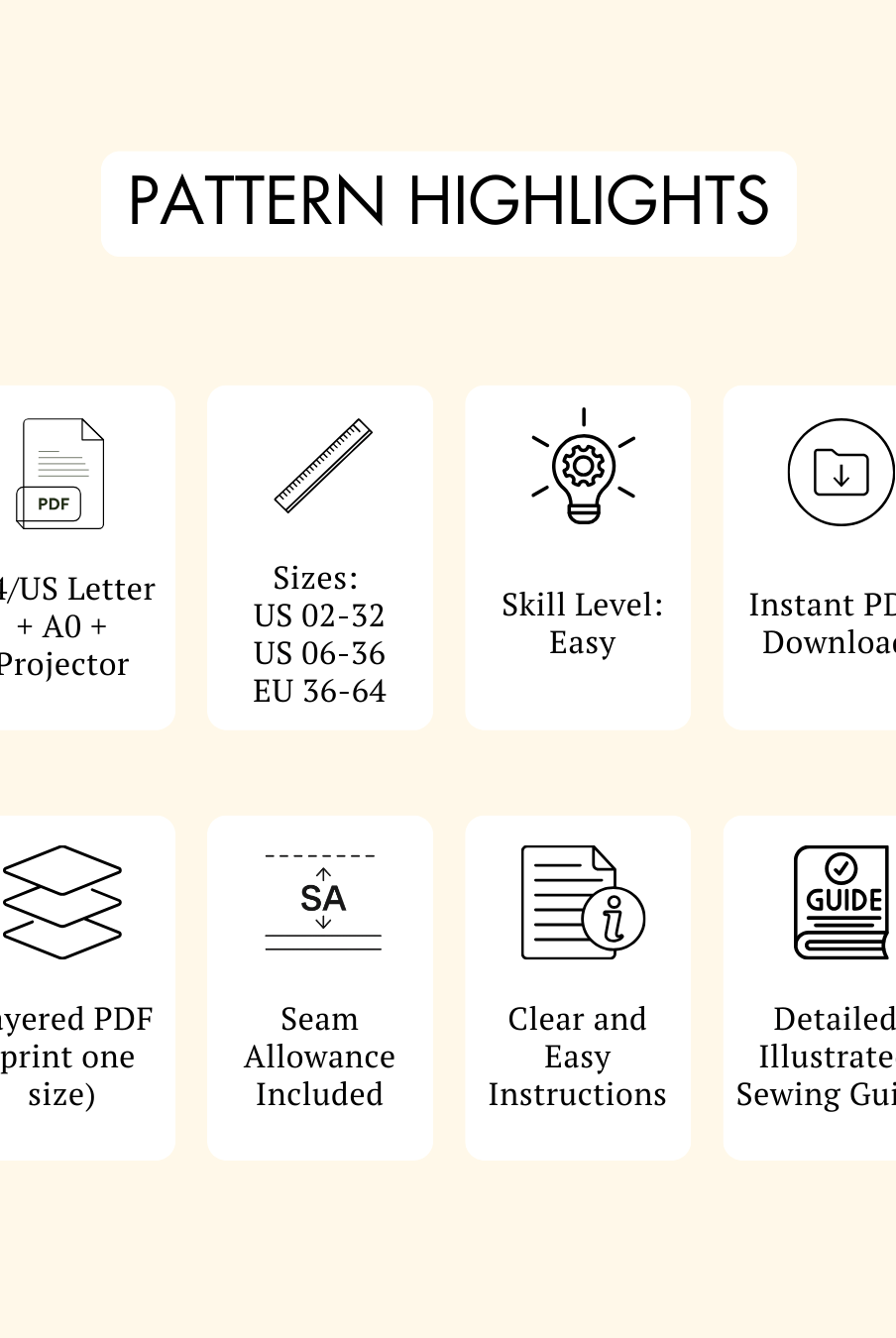
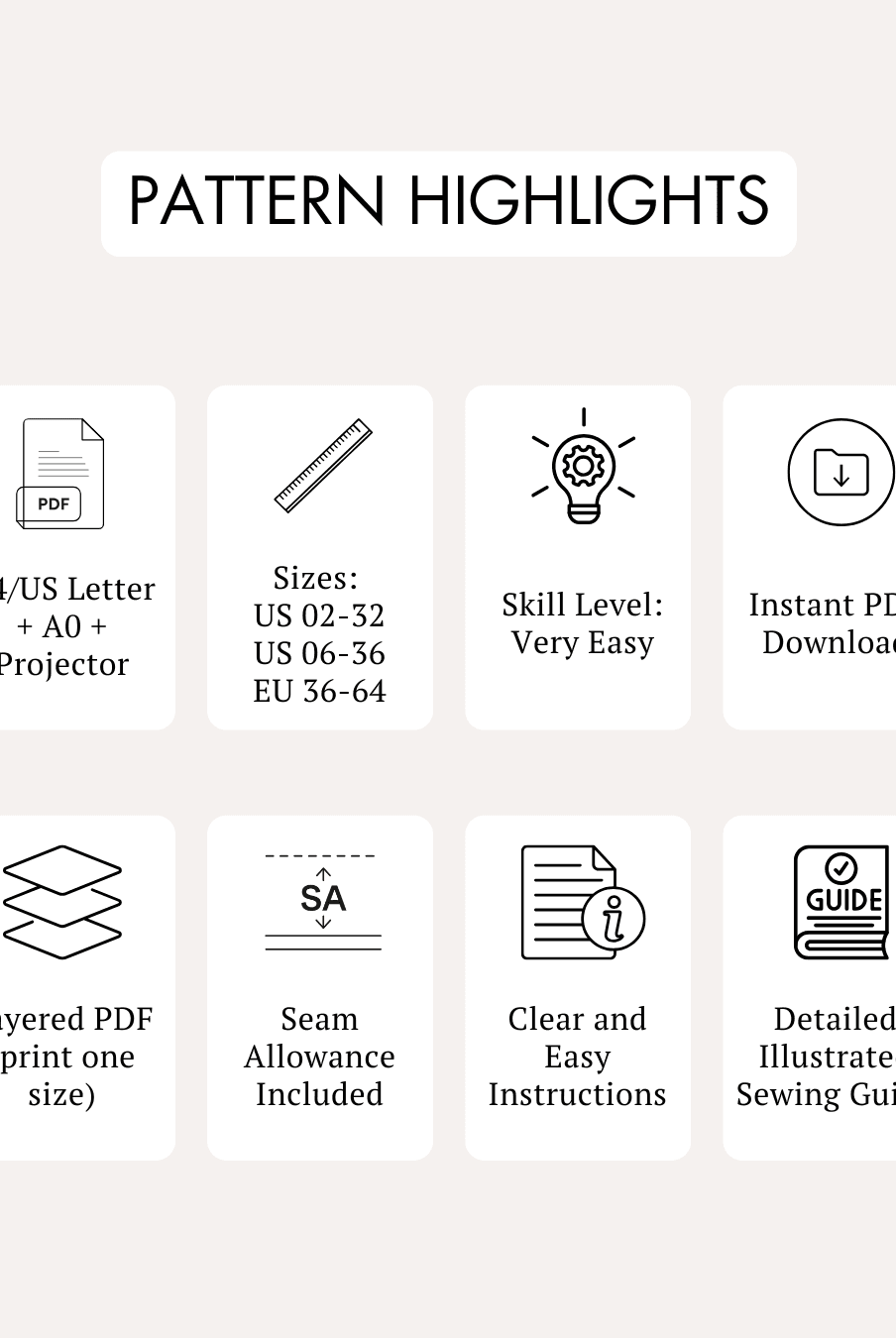
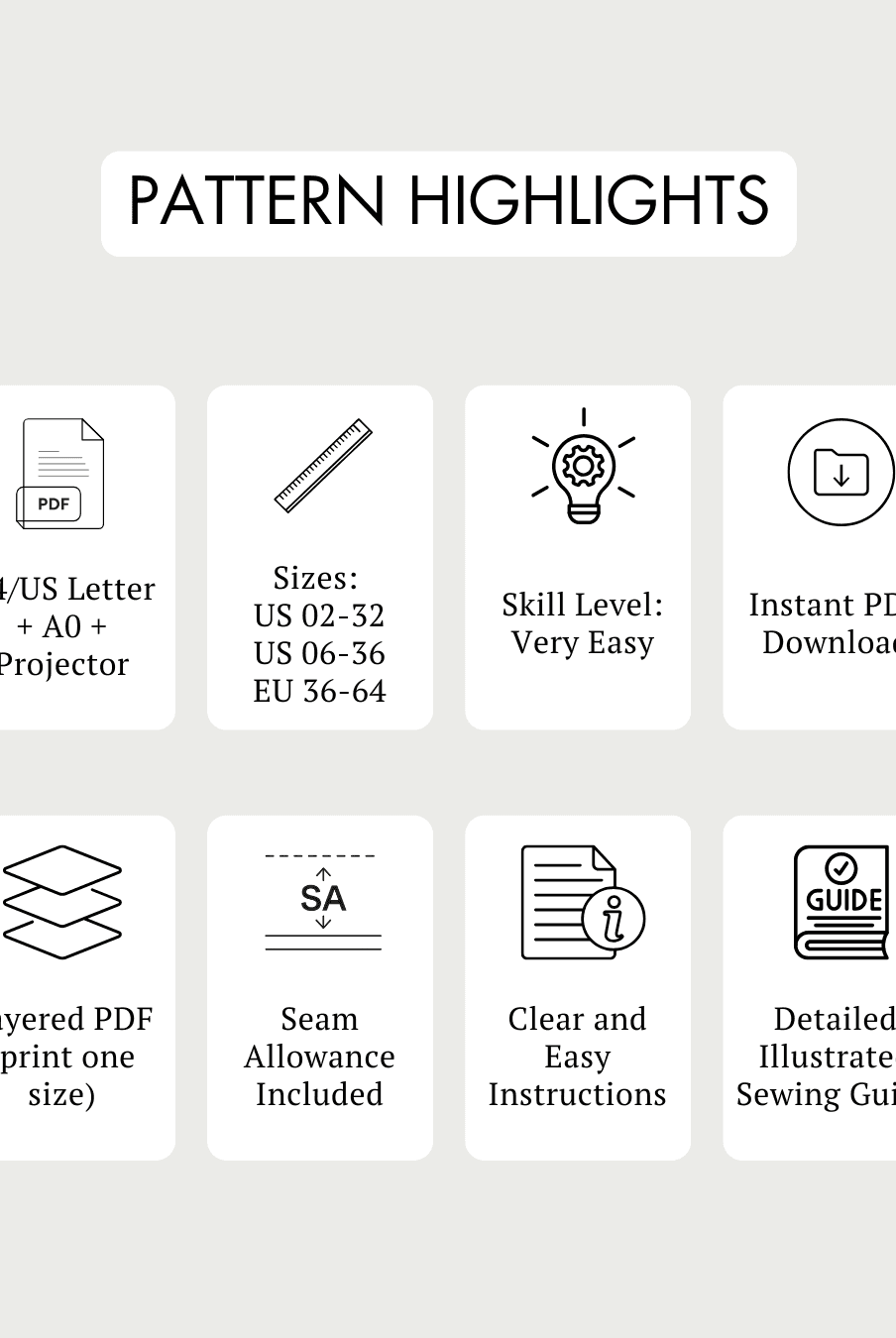
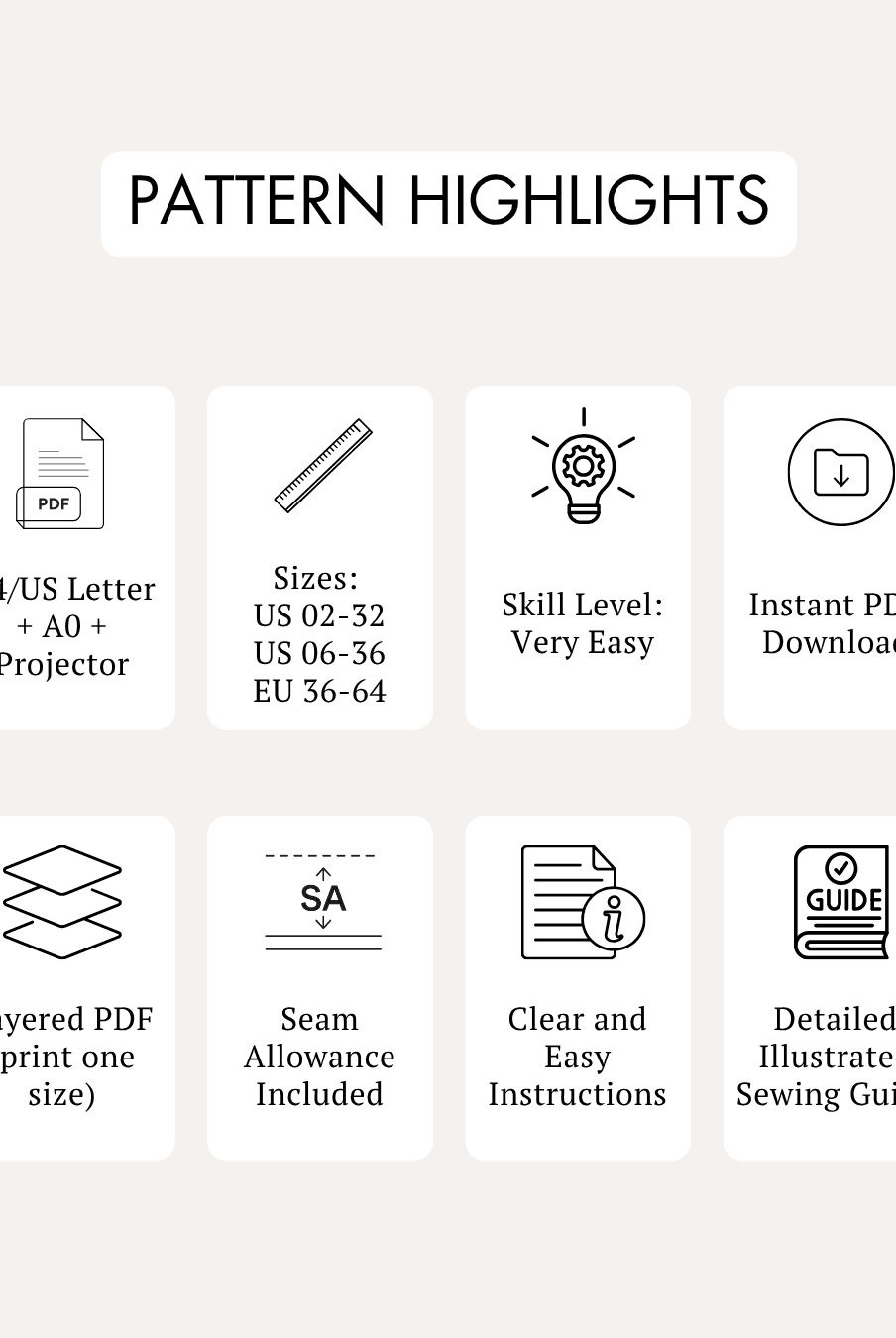
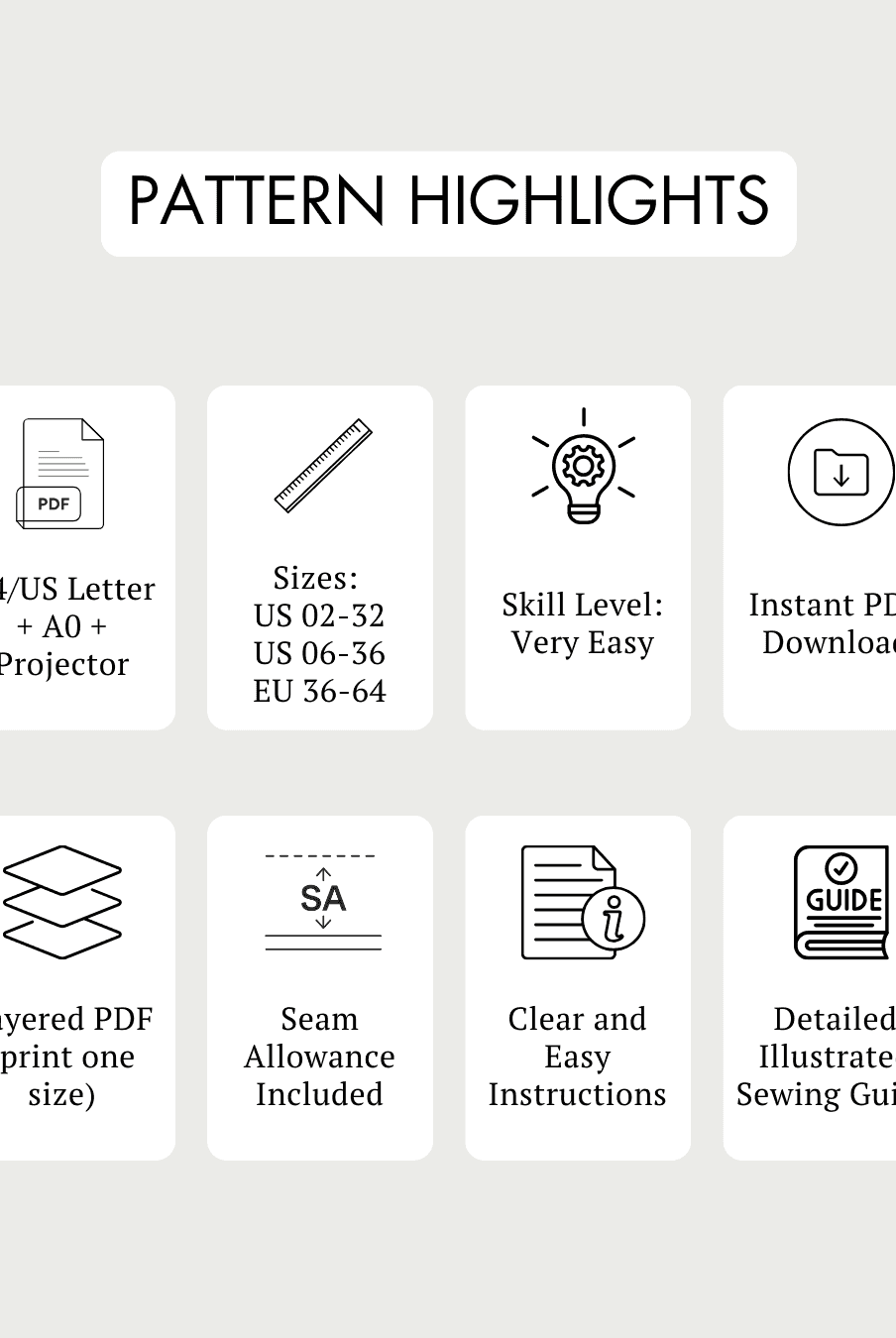
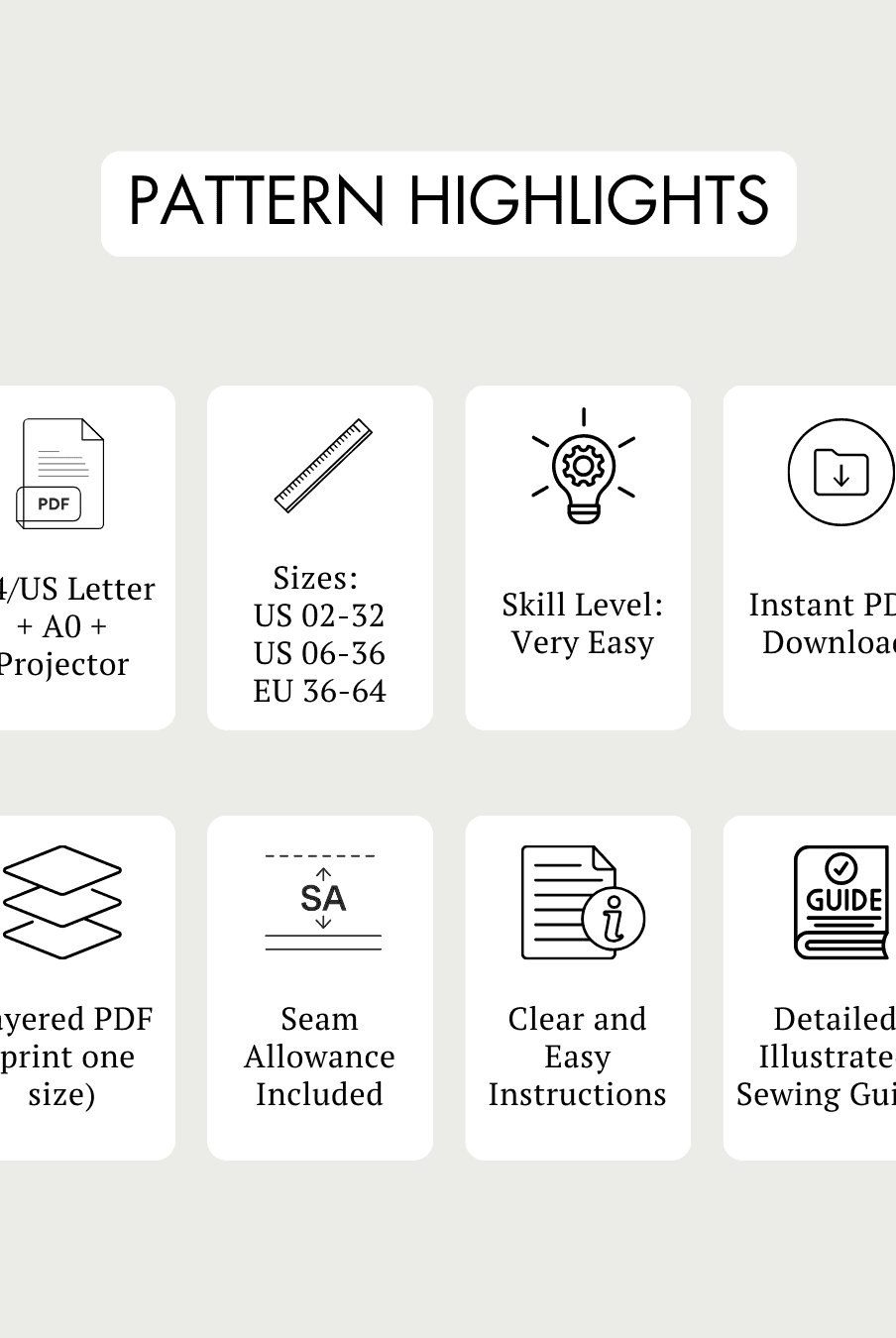
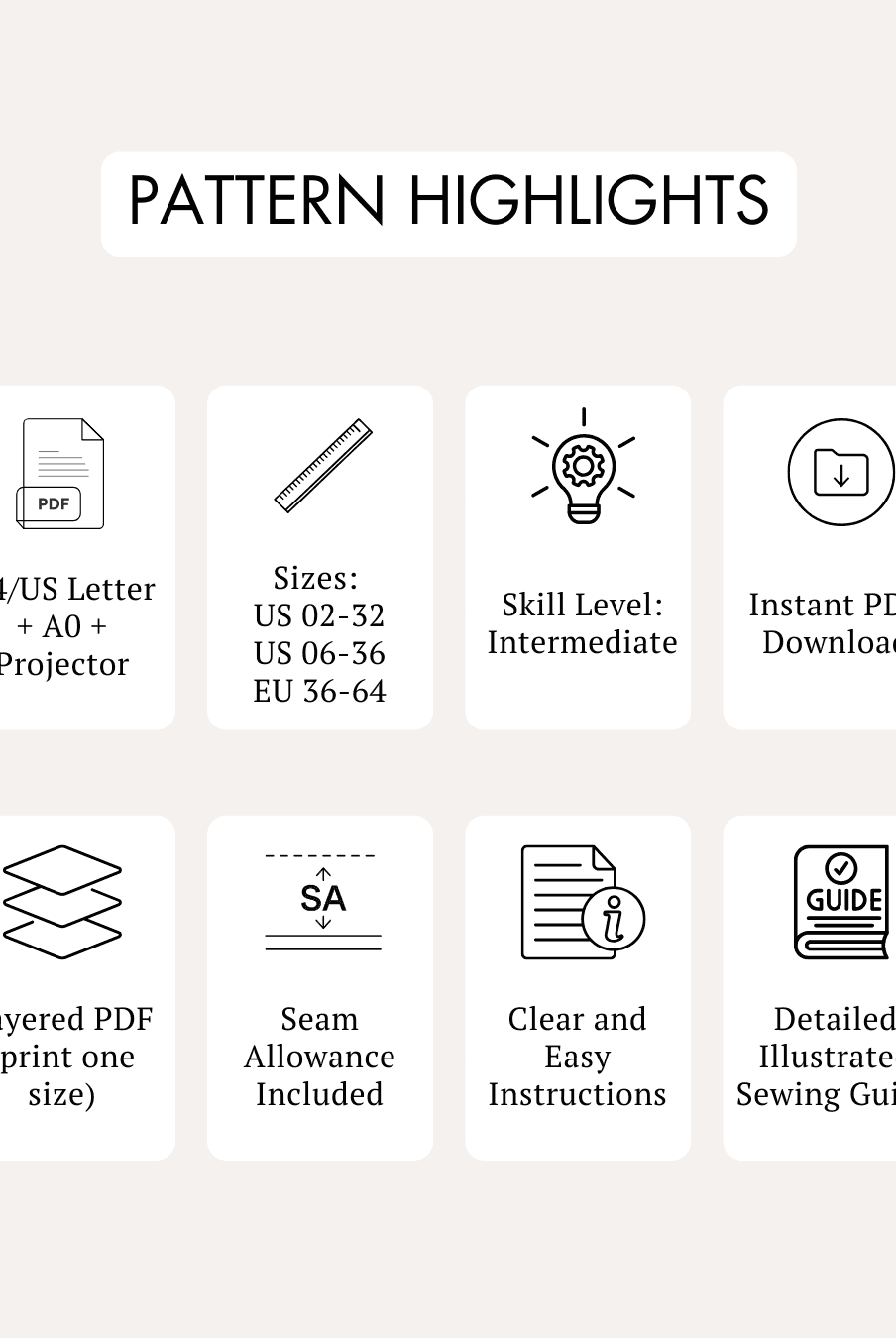
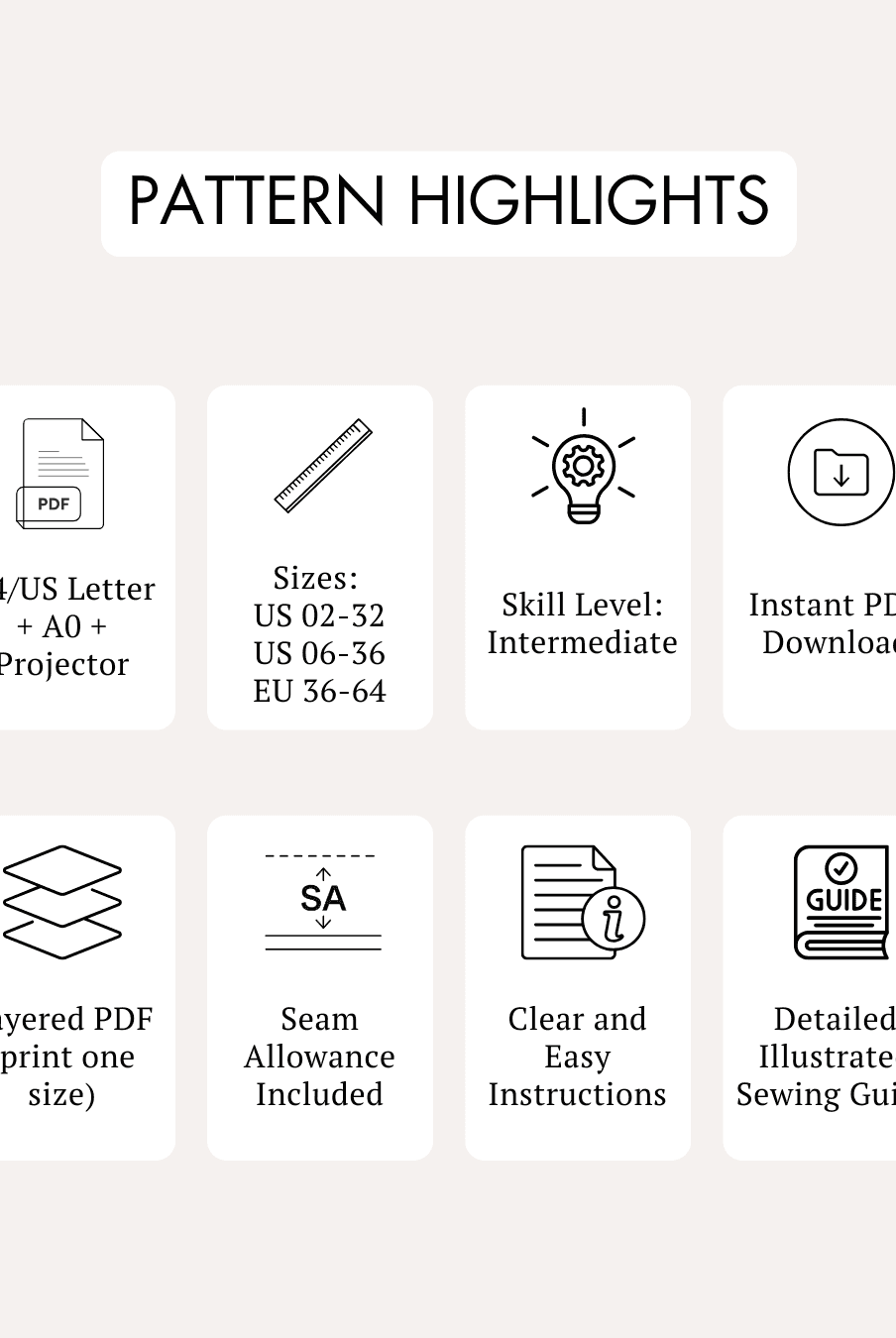
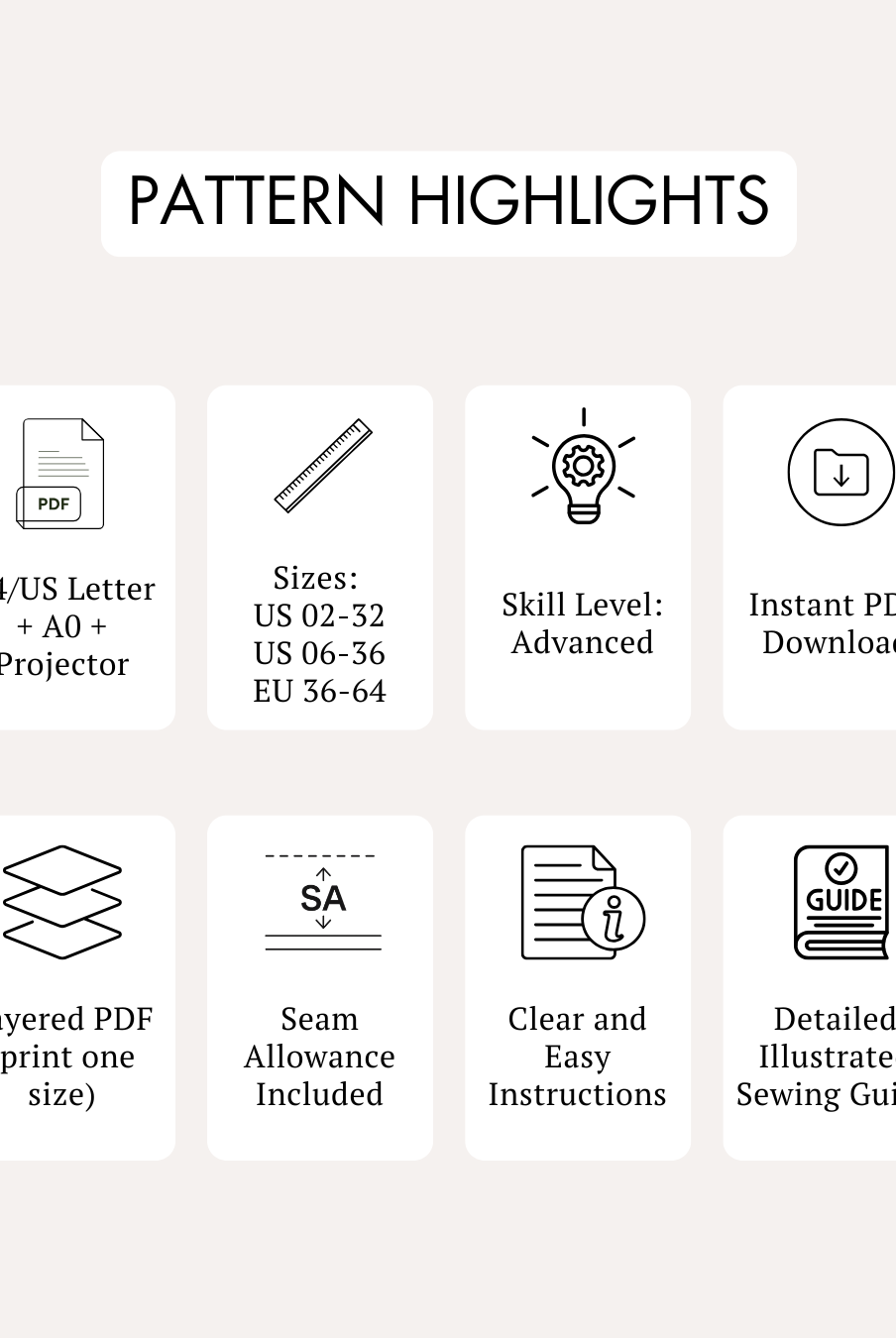
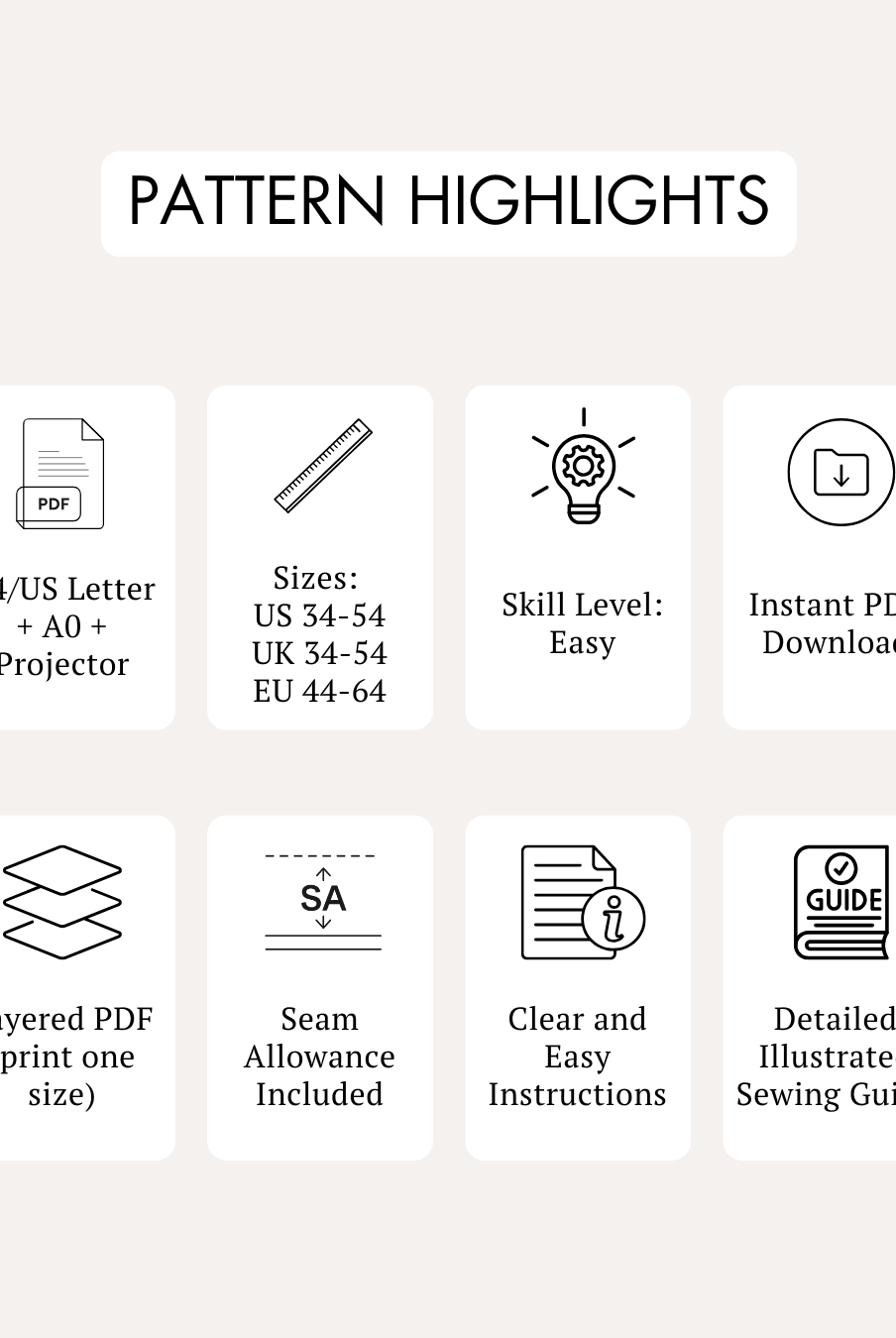
Skill Level: Easy
-
Cowl neckline
-
Adjustable shoulder straps
-
Fit-and-flare silhouette
-
Asymmetric hemline
-
Lined bodice construction
-
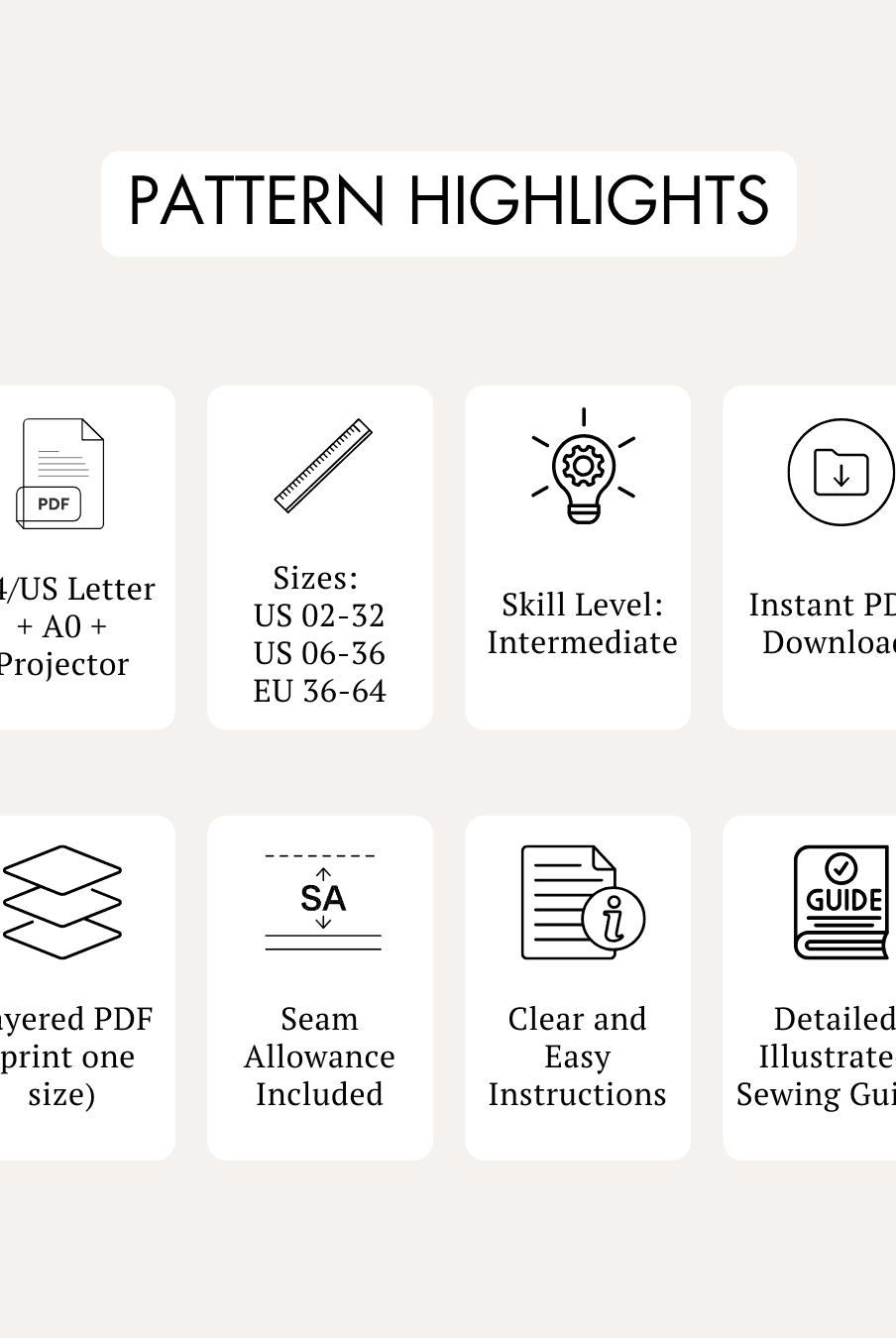
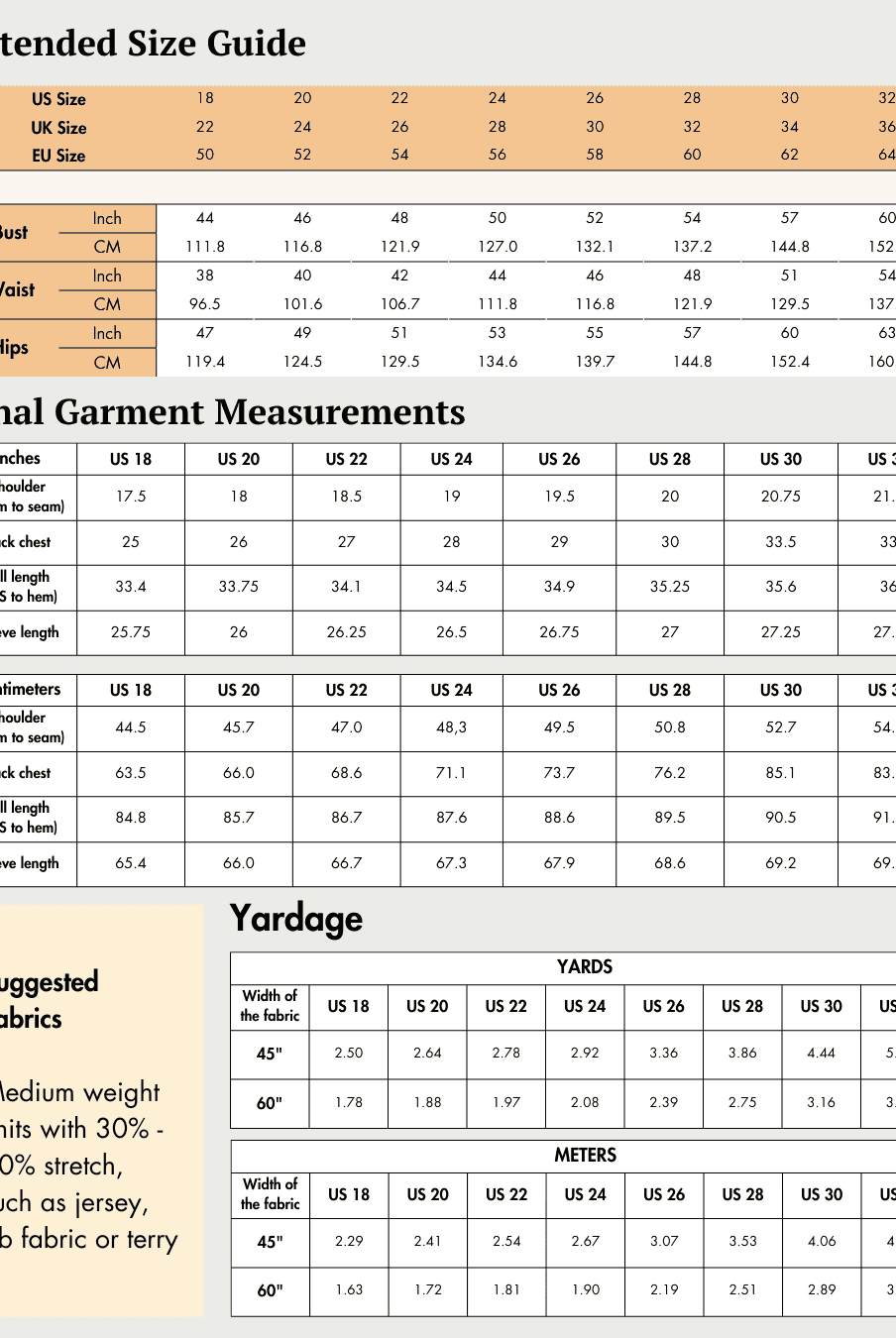
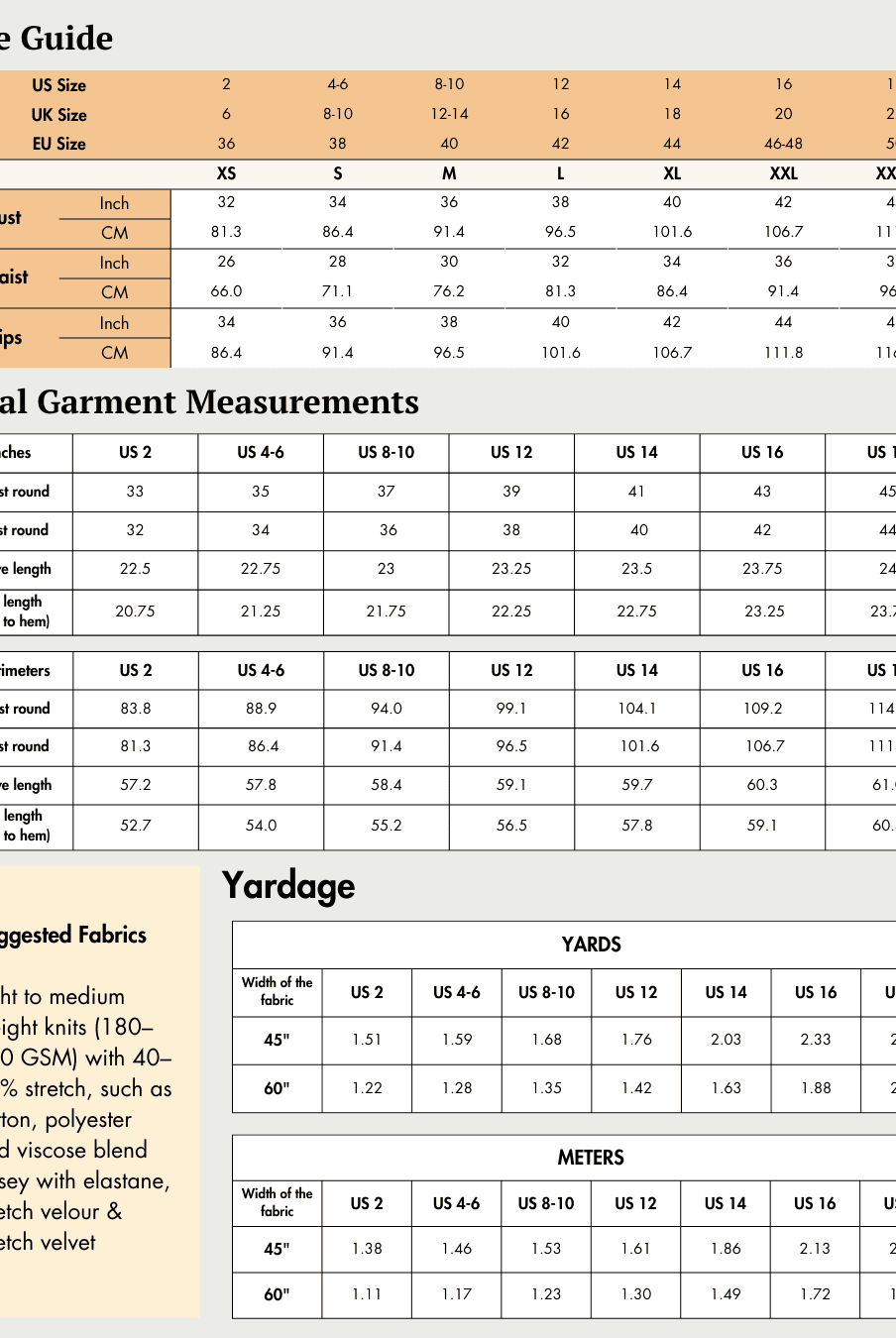
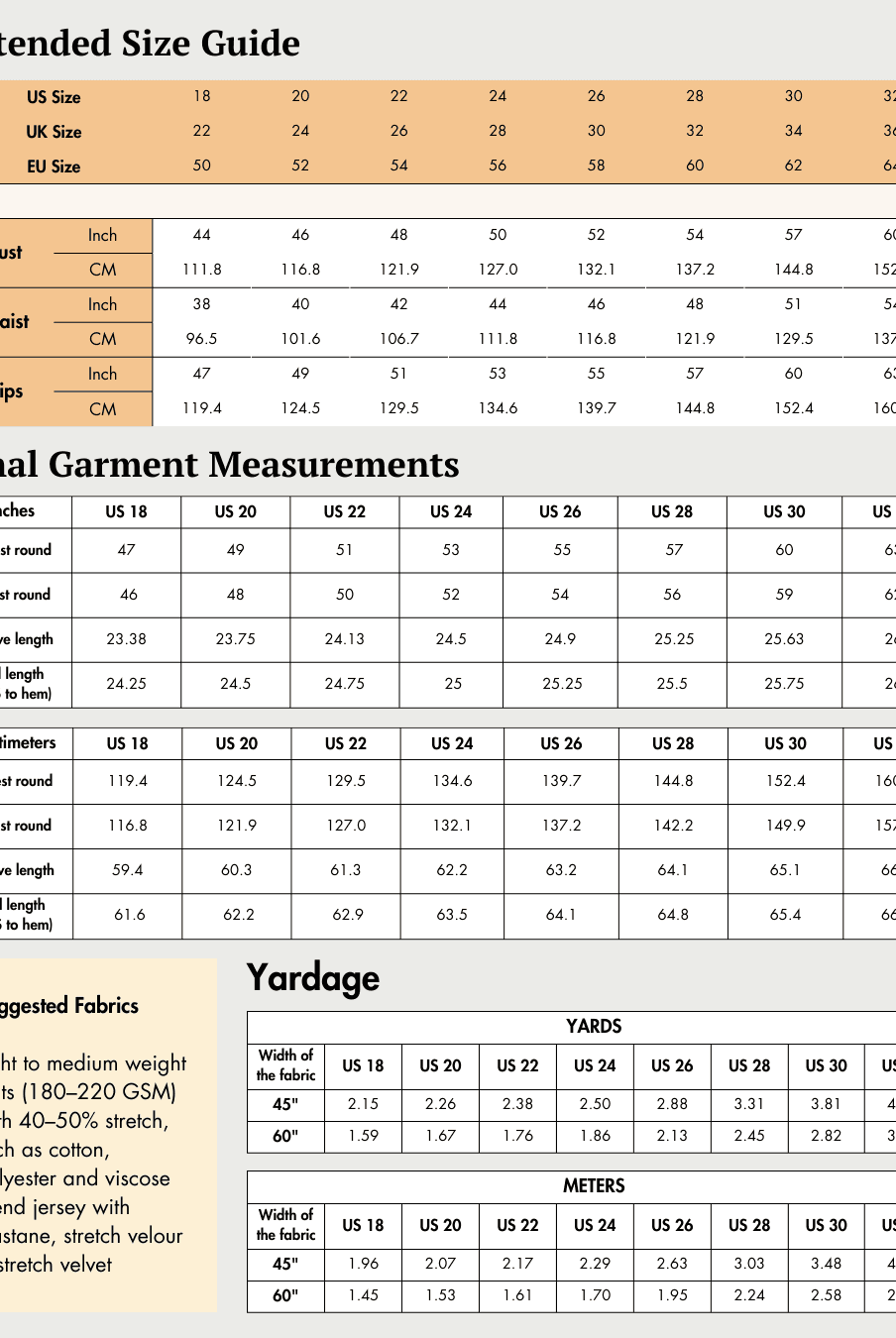
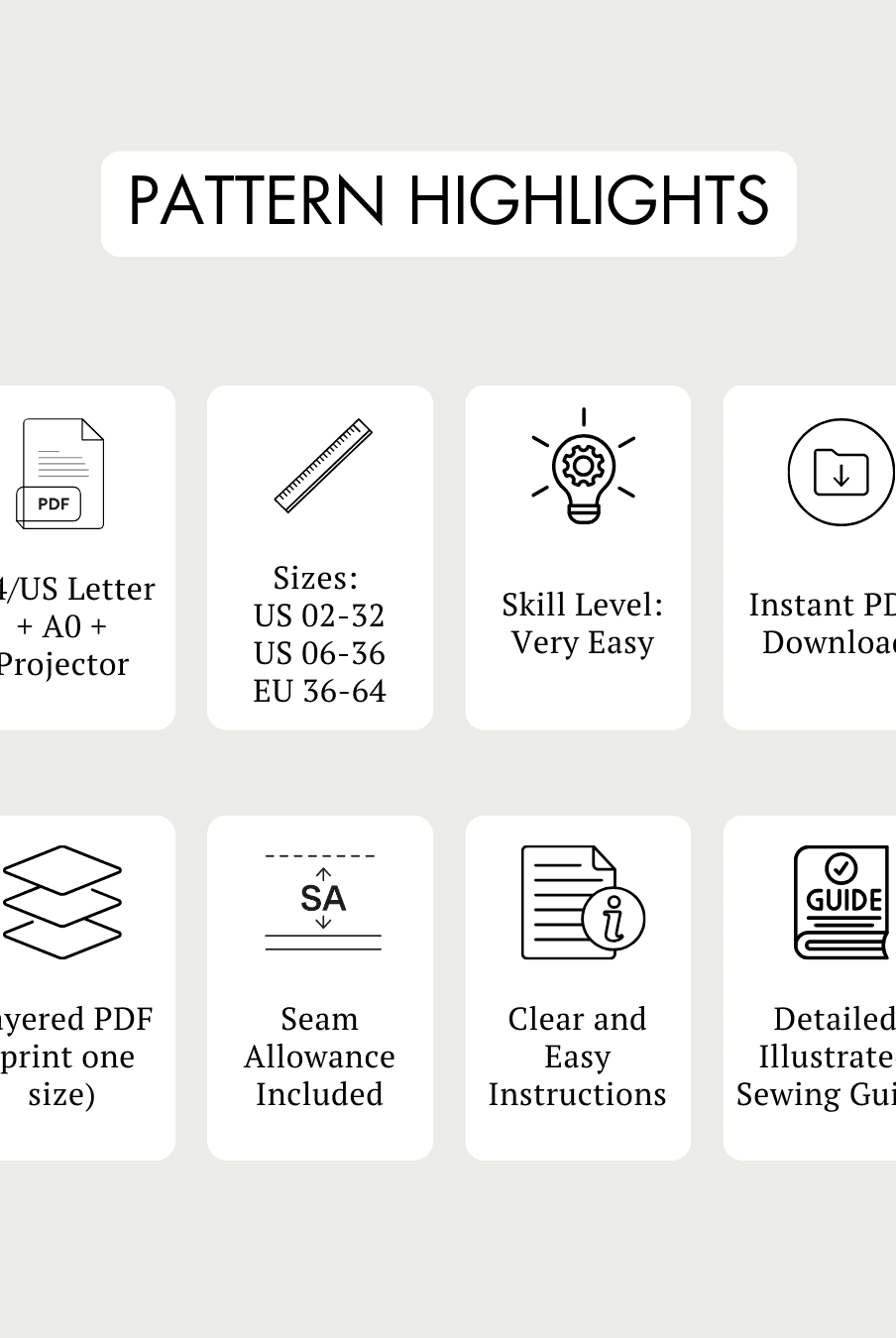
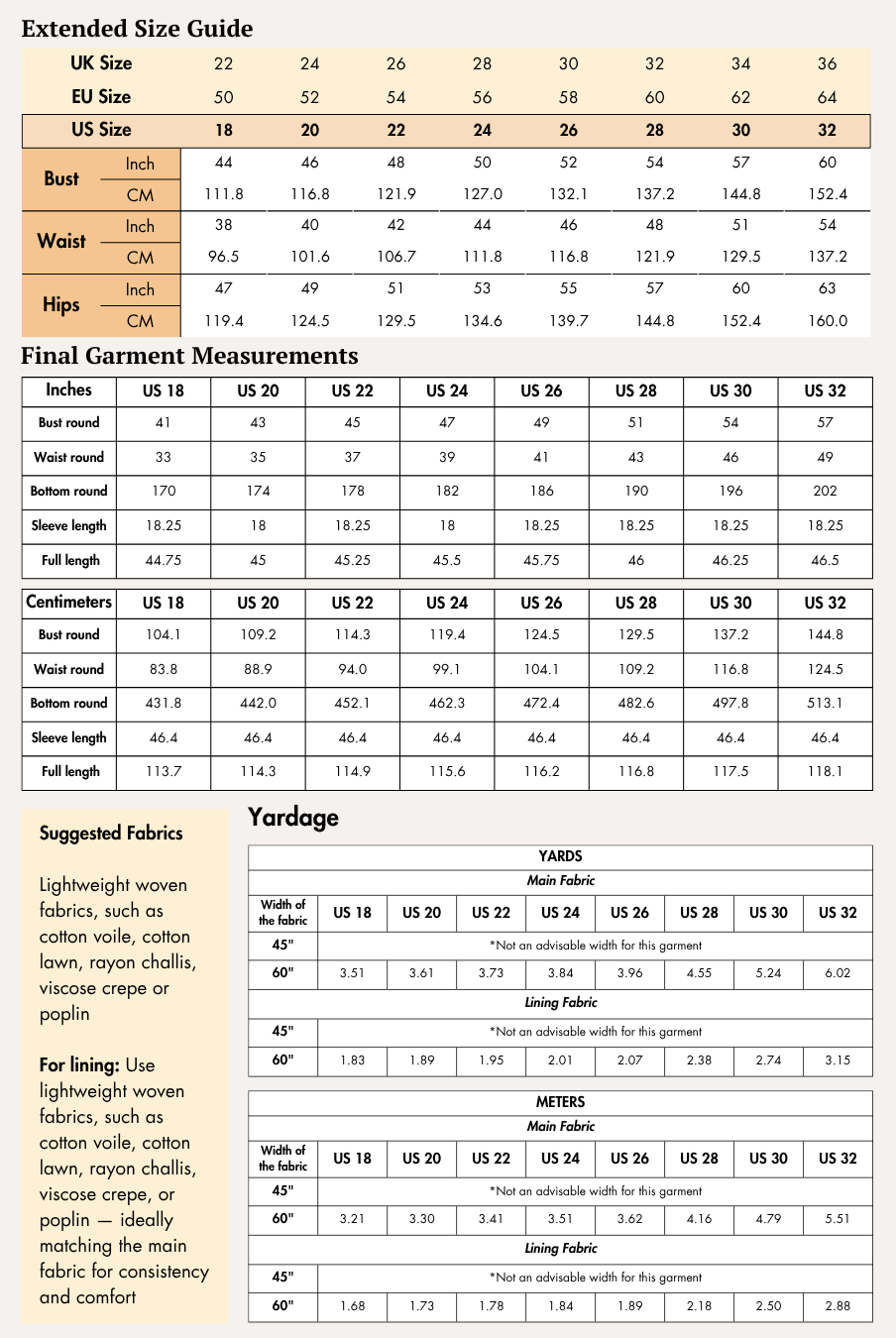
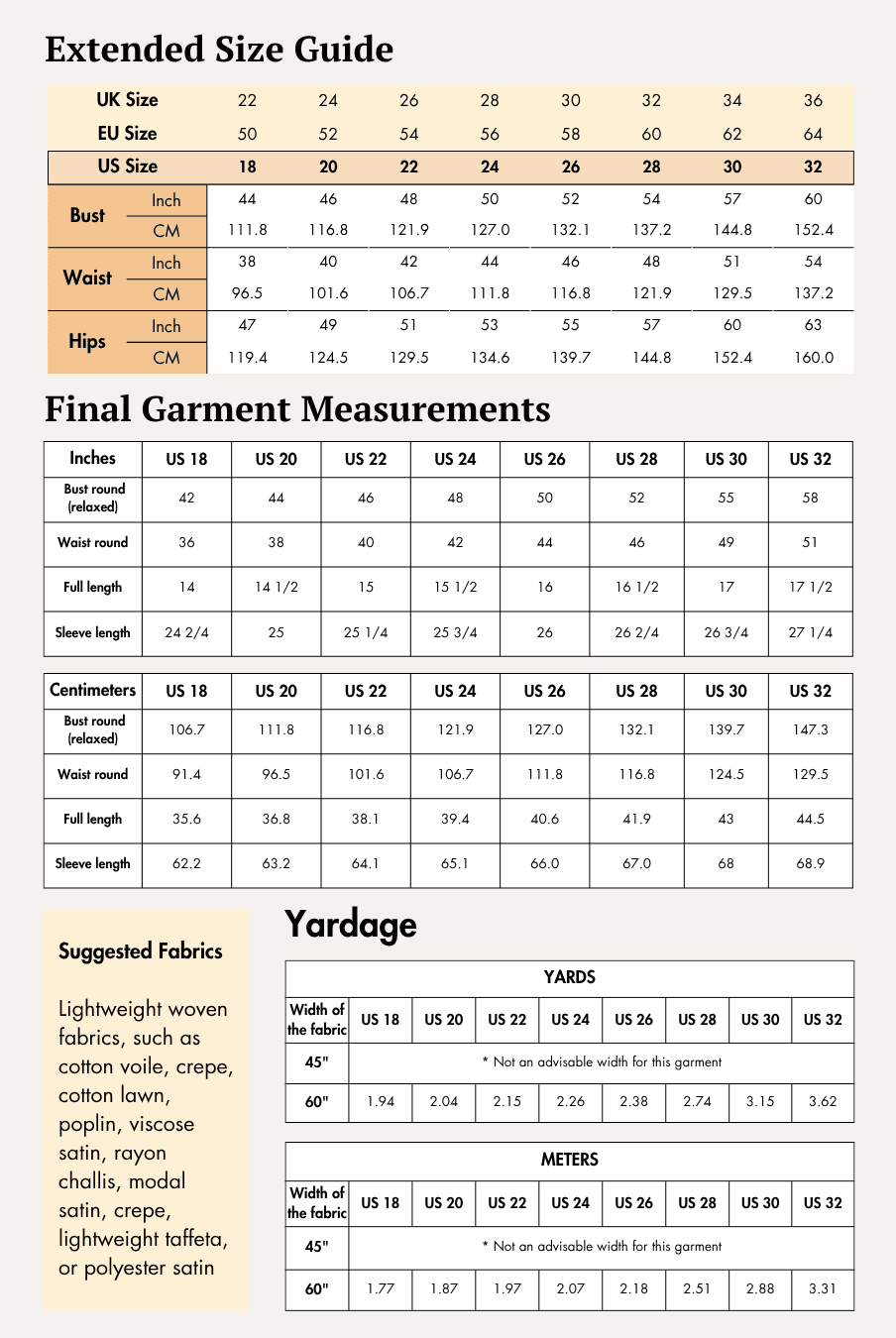
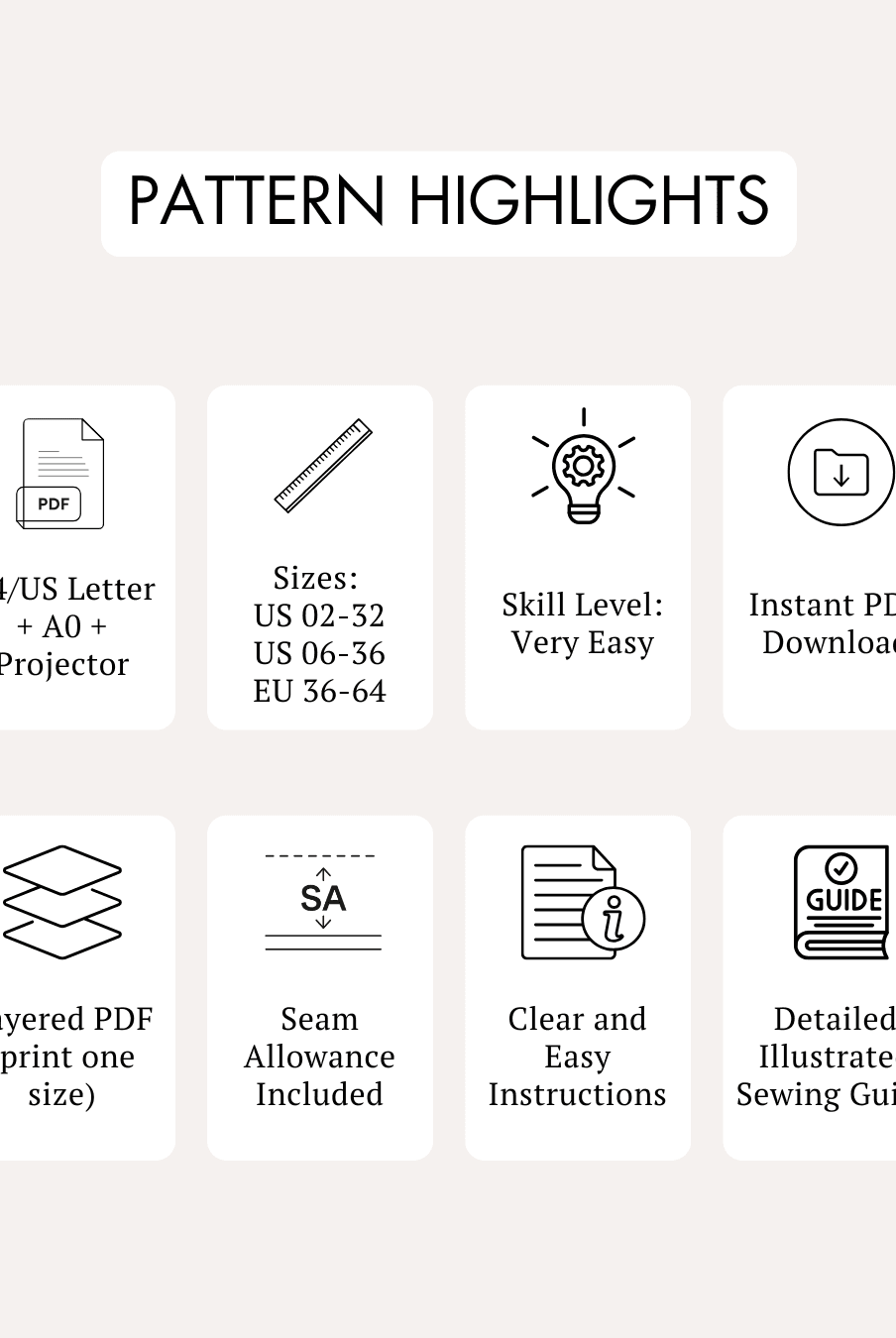
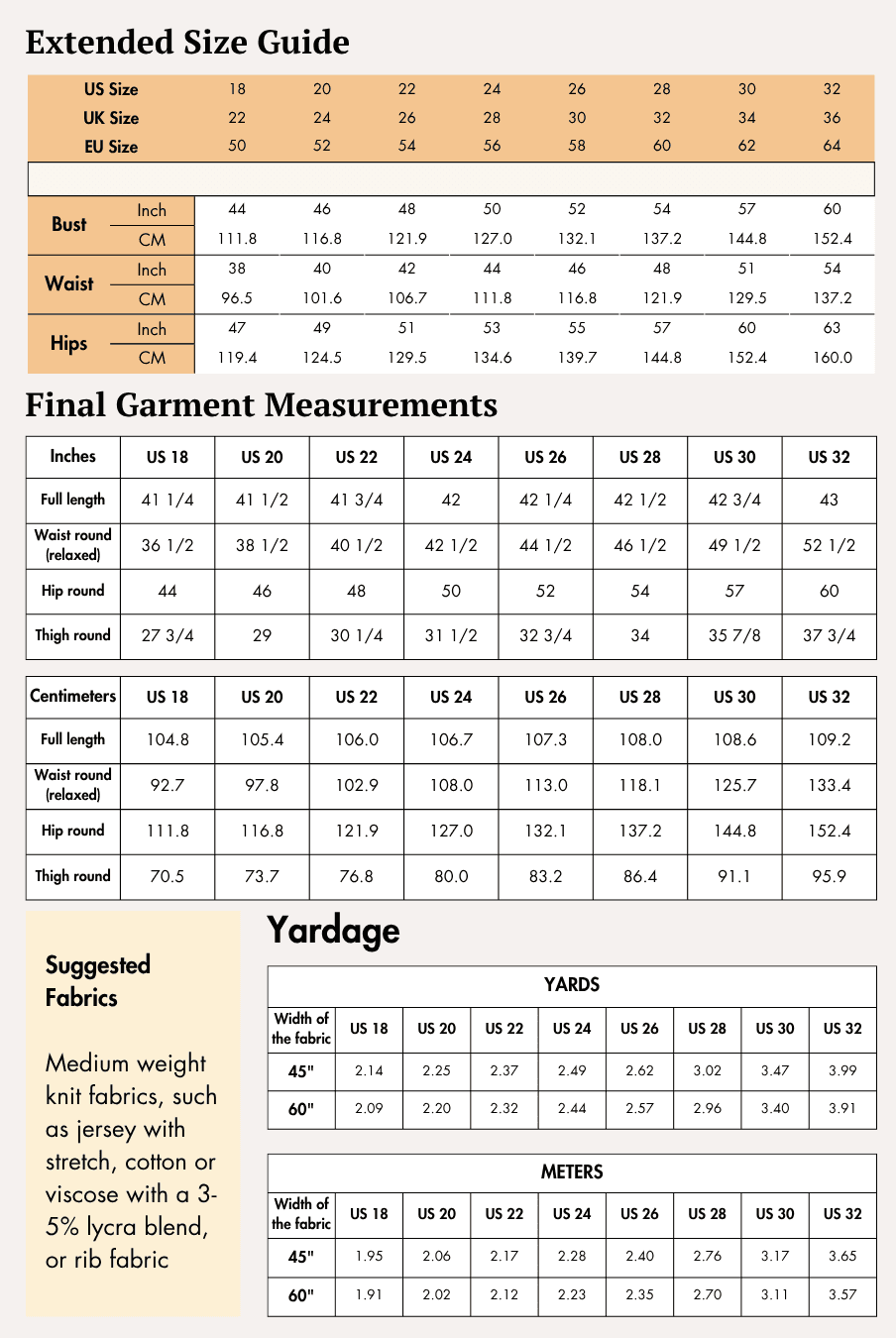
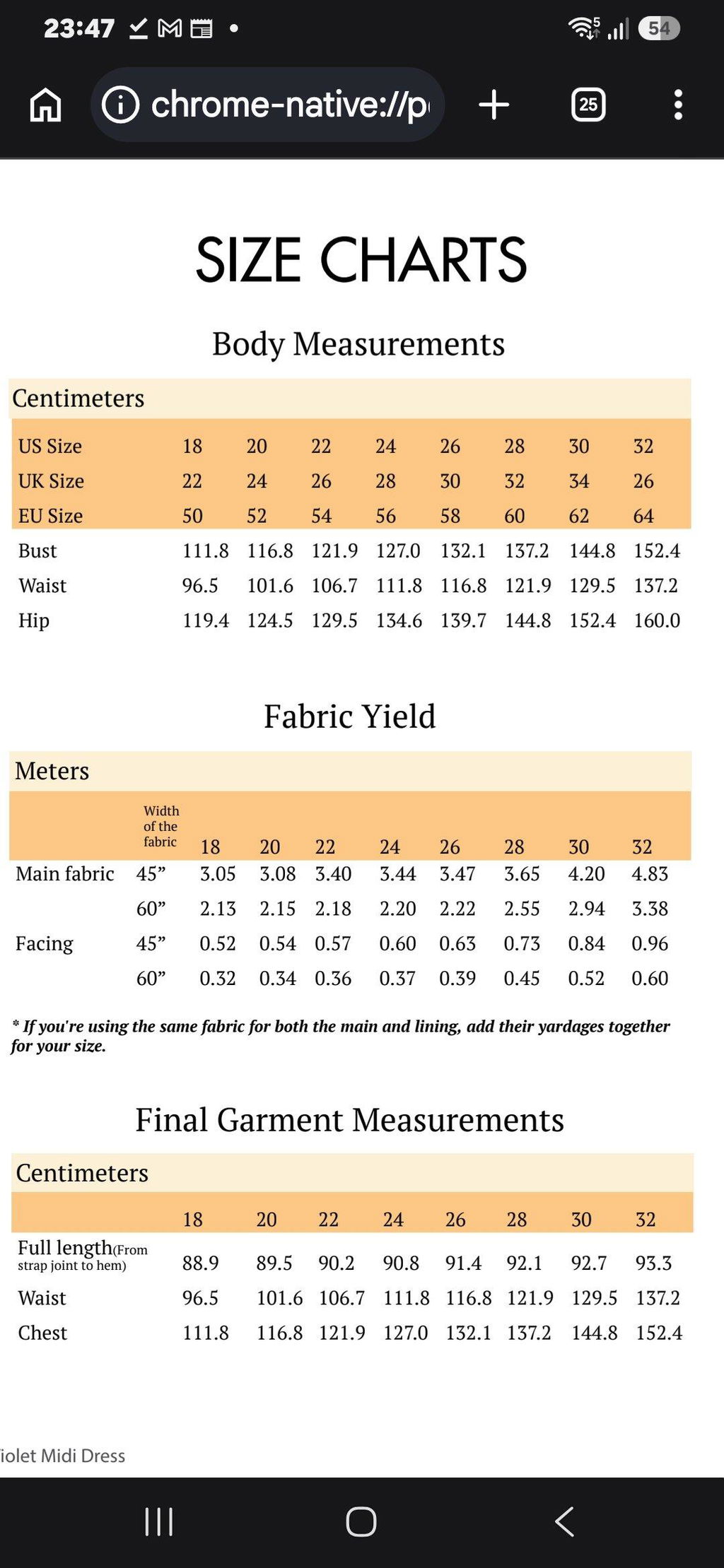
Available Sizes: US 02 - US 32 | UK 06 - UK 36 | EU 36 - EU 64
Supplies & Notions
-
Sewing machine
-
Sewing needles
-
3-ply polyester thread
-
Tape measure
-
Chalk
-
Shears
-
Thread cutter
-
Pins
-
Iron
-
Loop rings
-
Adjustable slide buckles
-
Bias interfacing
Fabric Recommendations
Recommended fabrics:
-
Rayon satin
-
Silk blend fabric
-
Acrylic fabric
-
Nylon fabric
Sample fabric used:
-
Poly satin
Size Charts
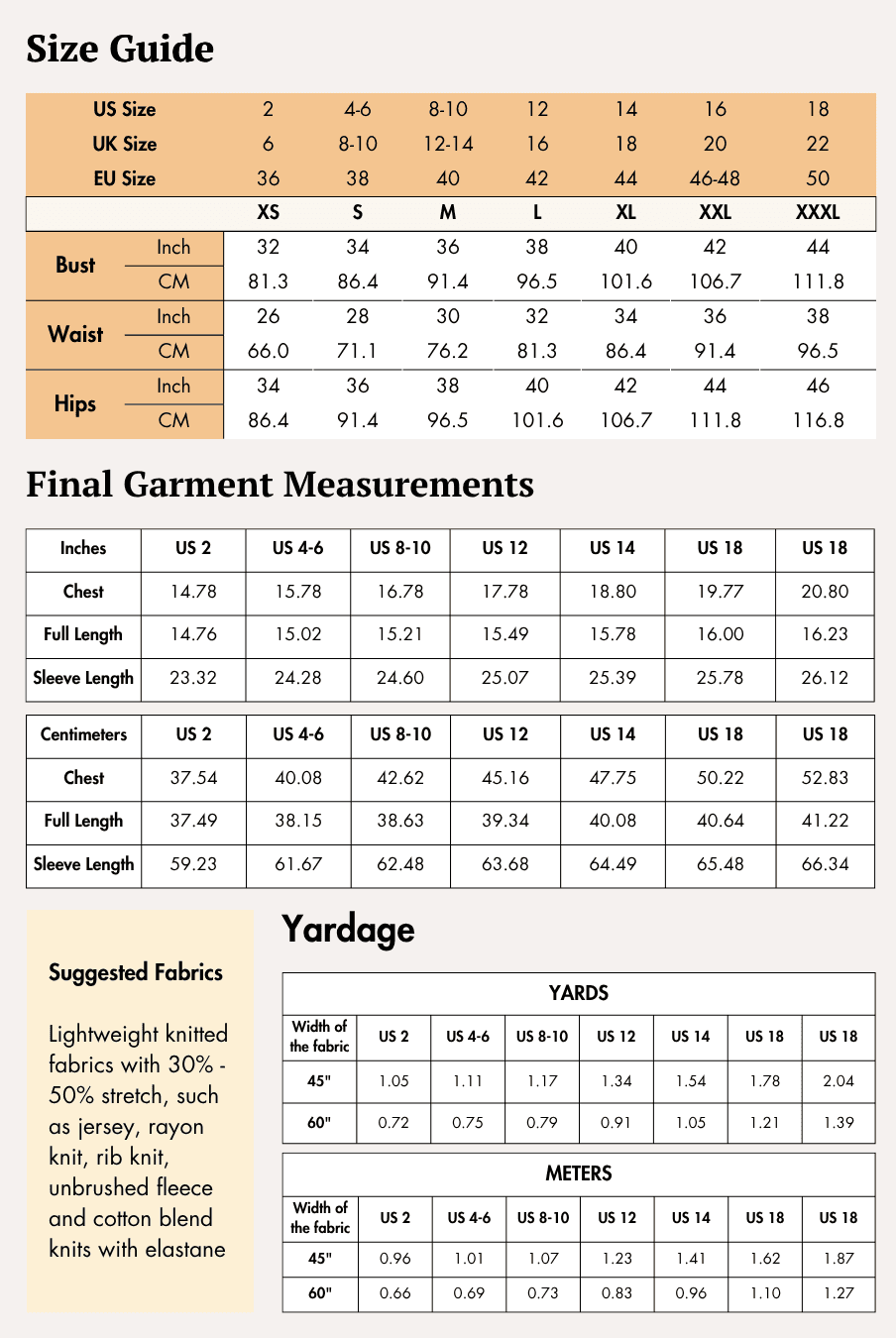
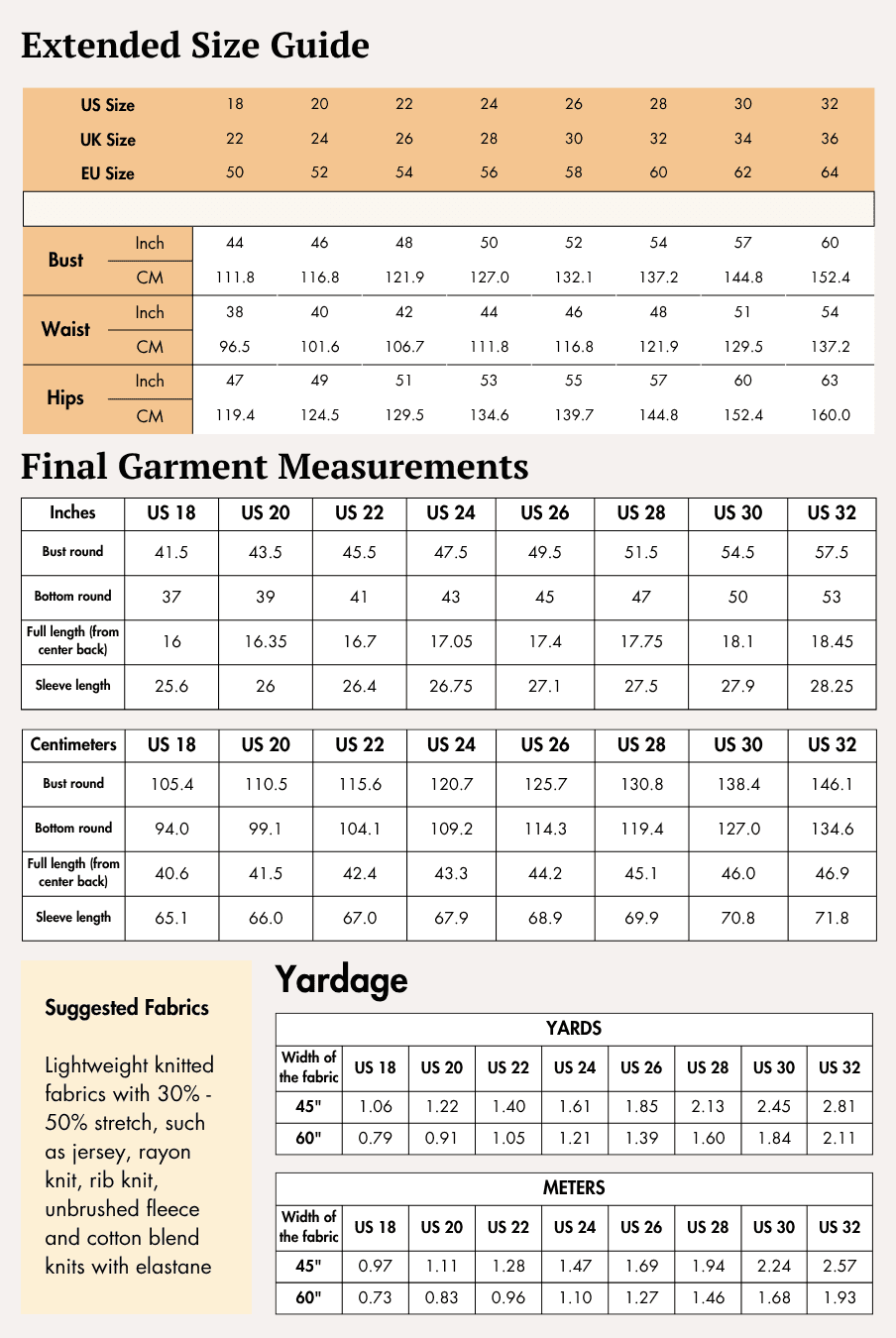
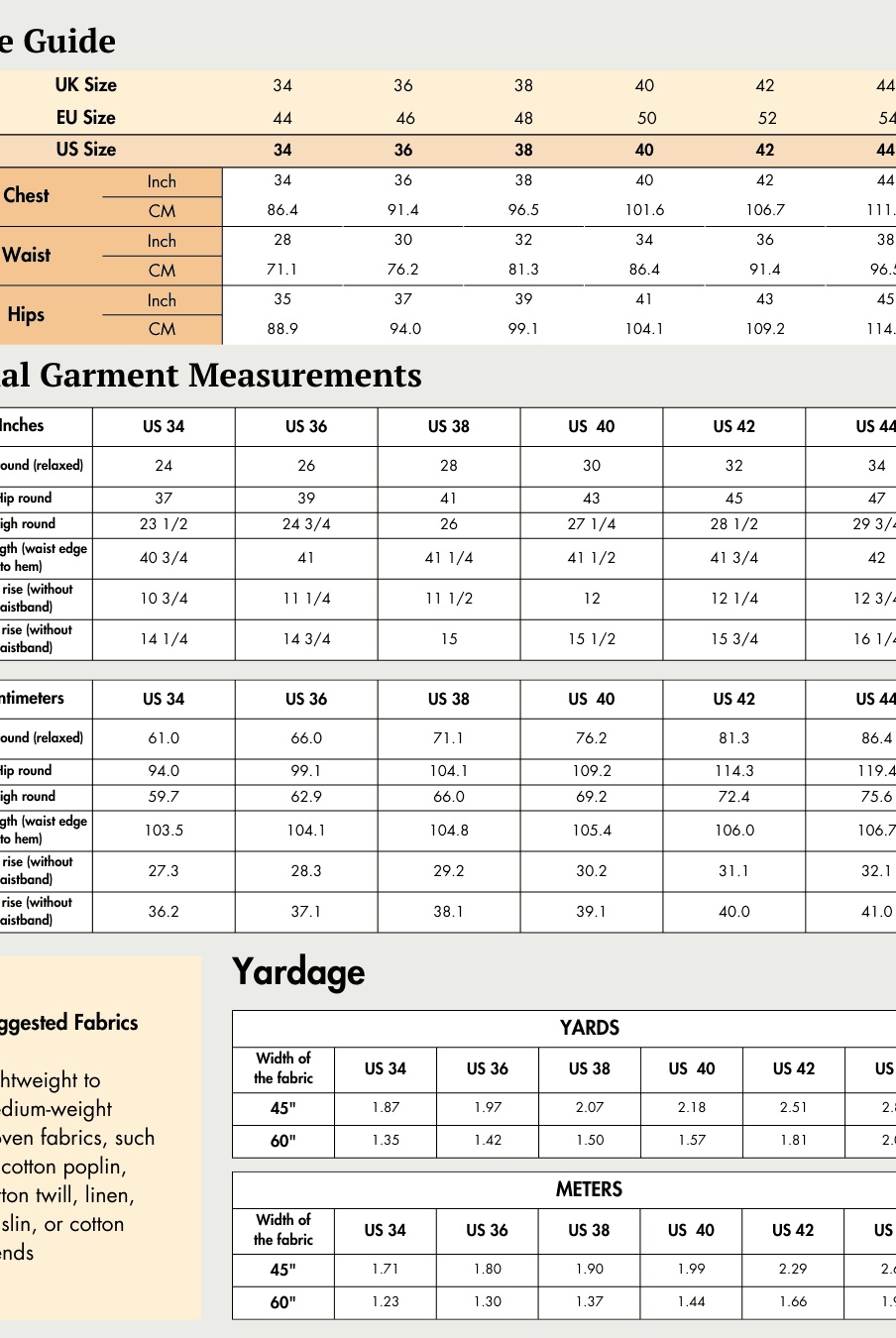
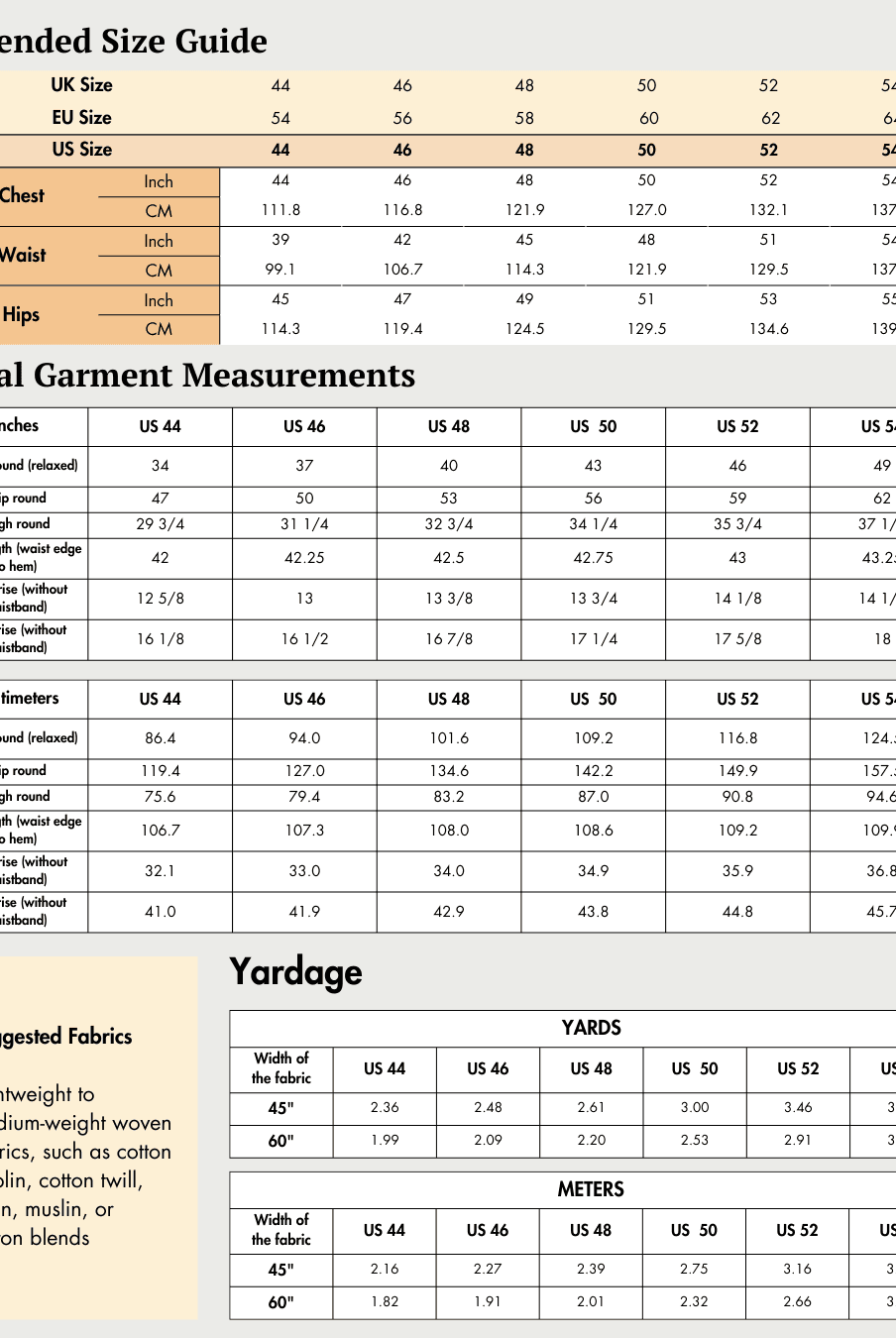
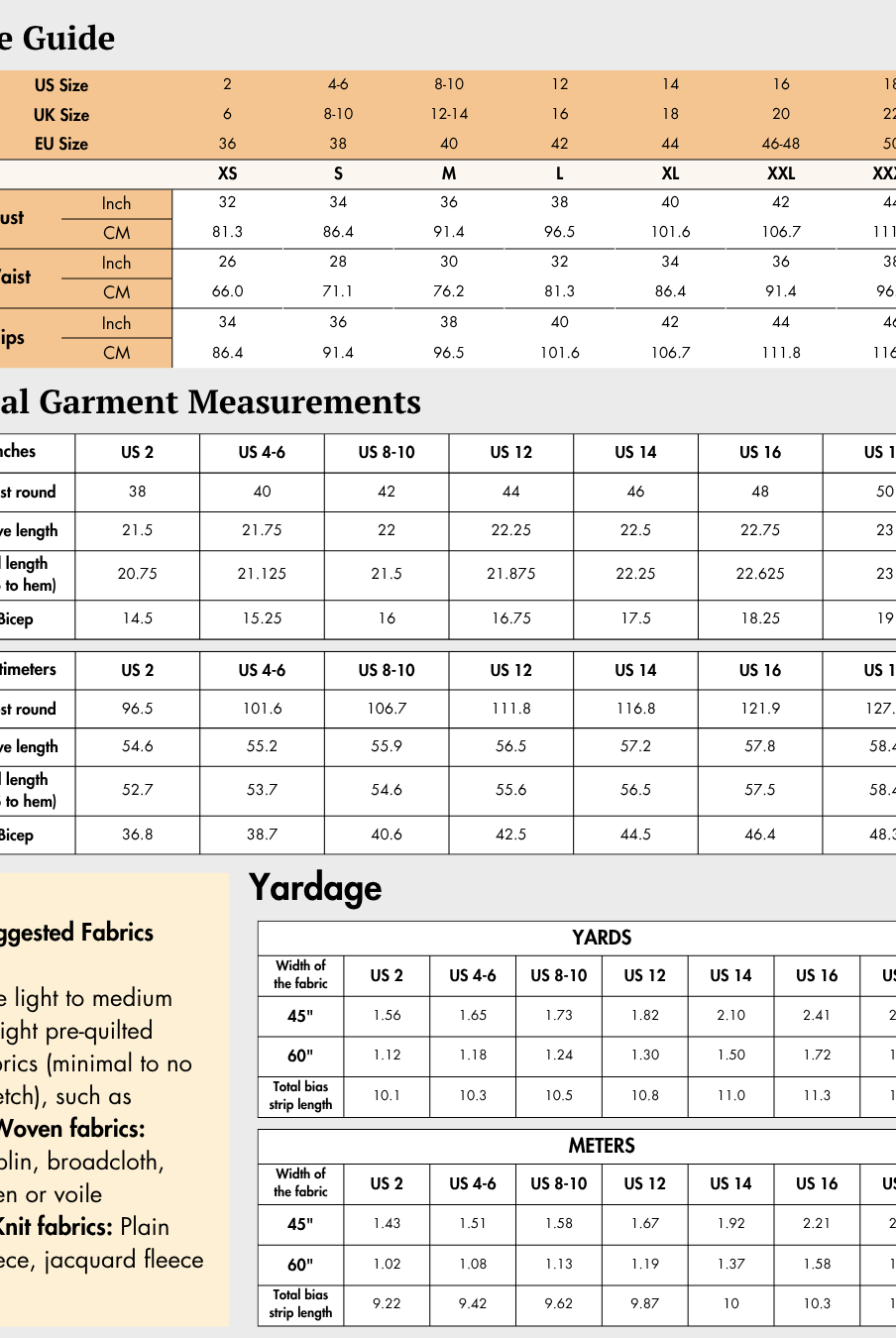
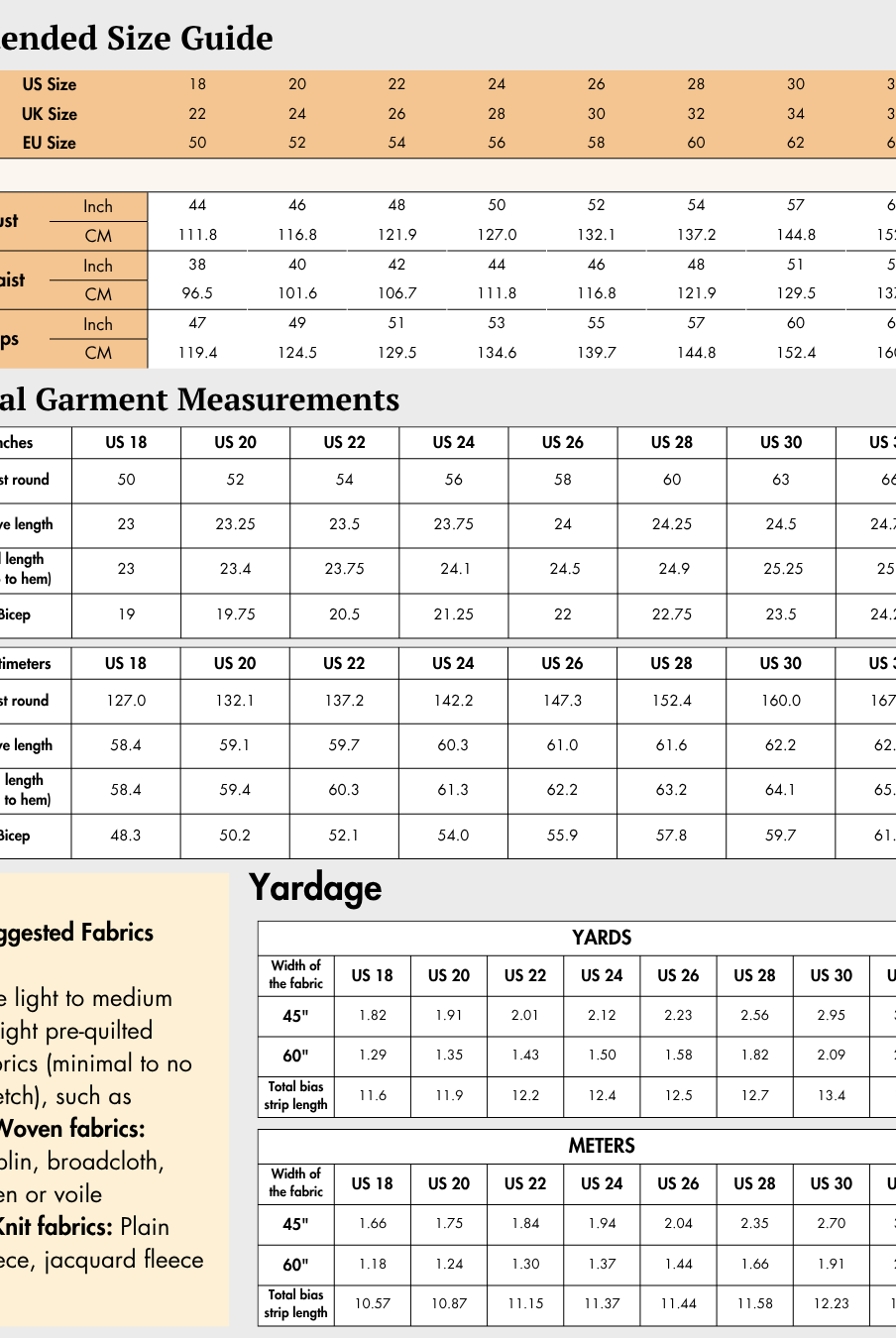
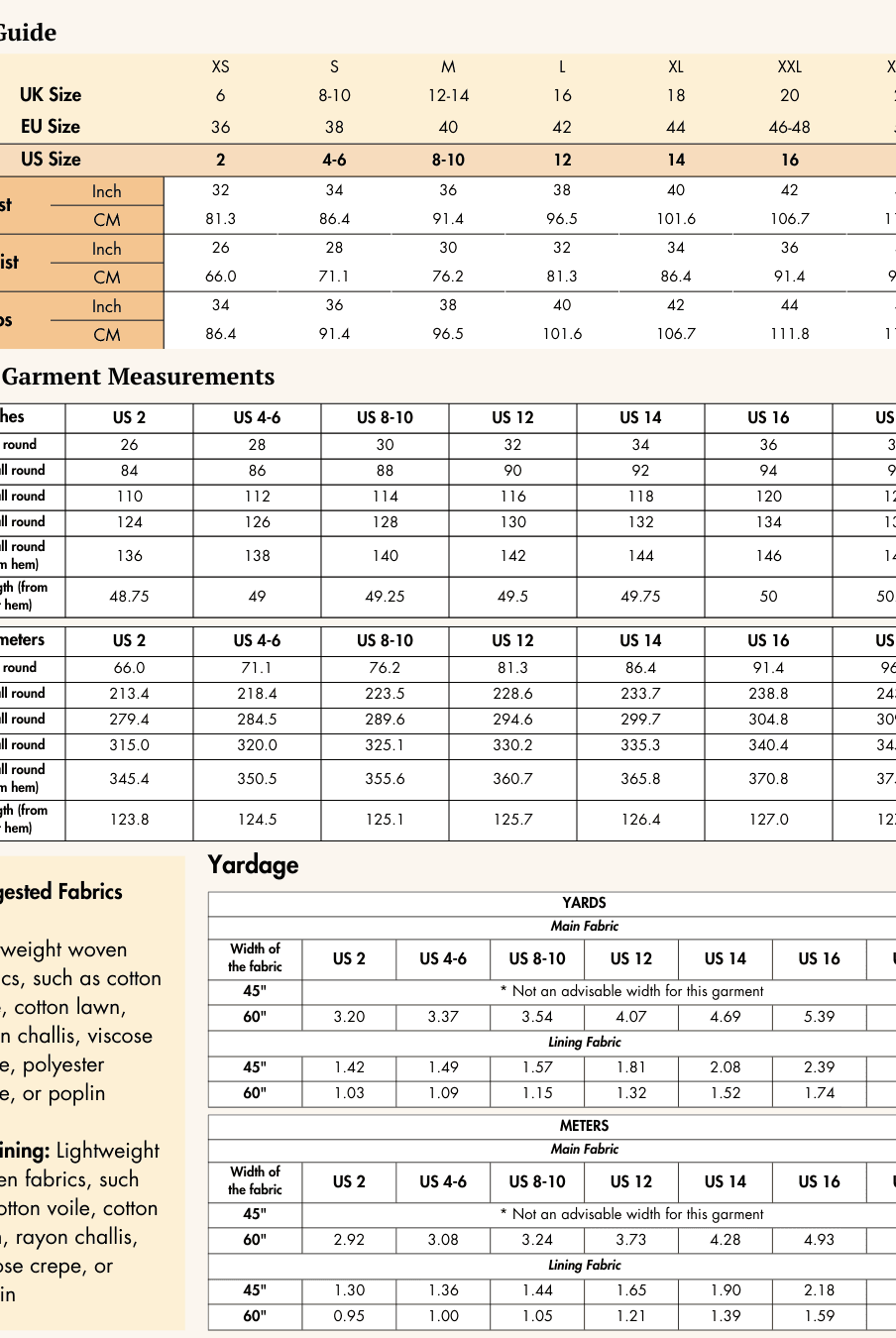
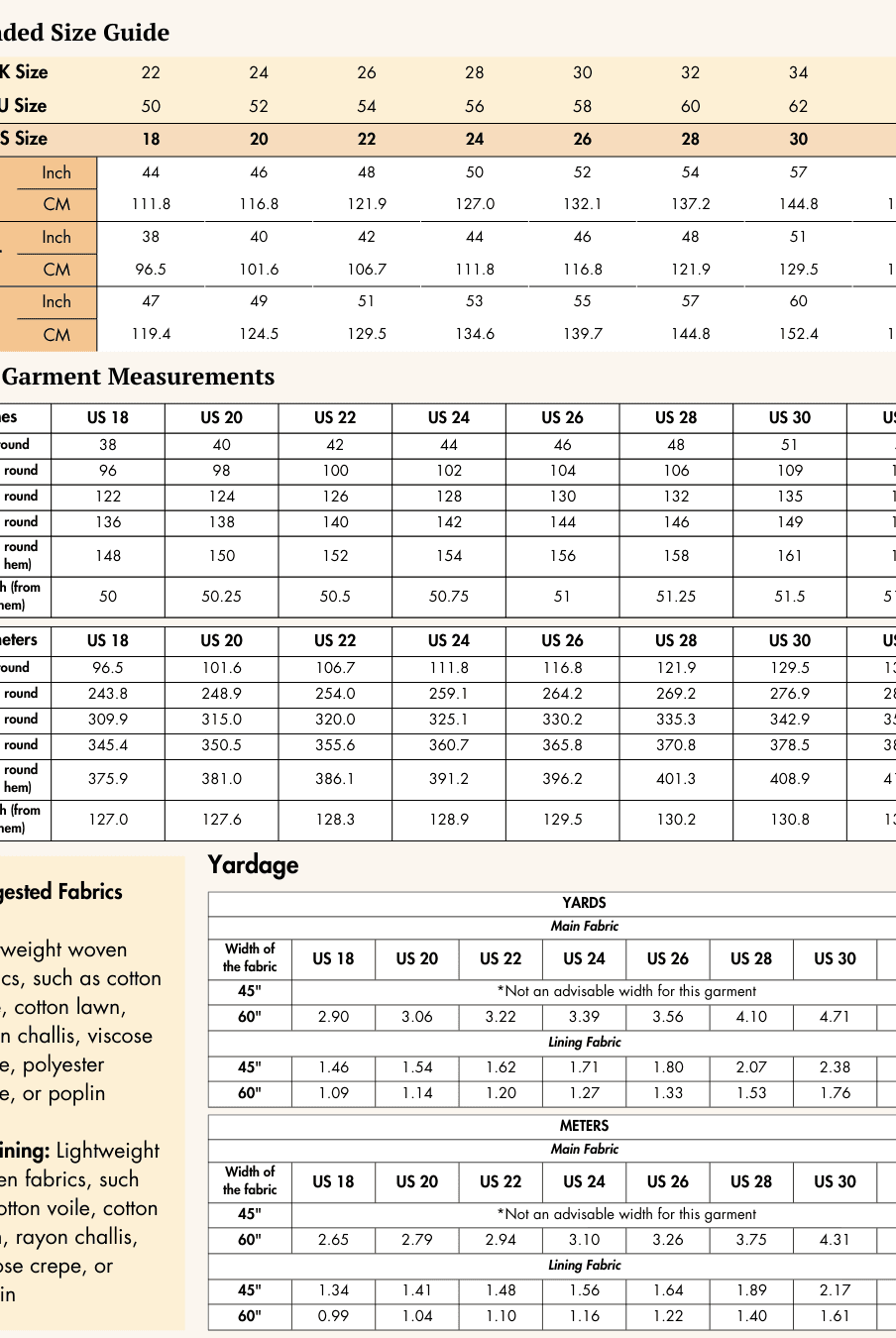
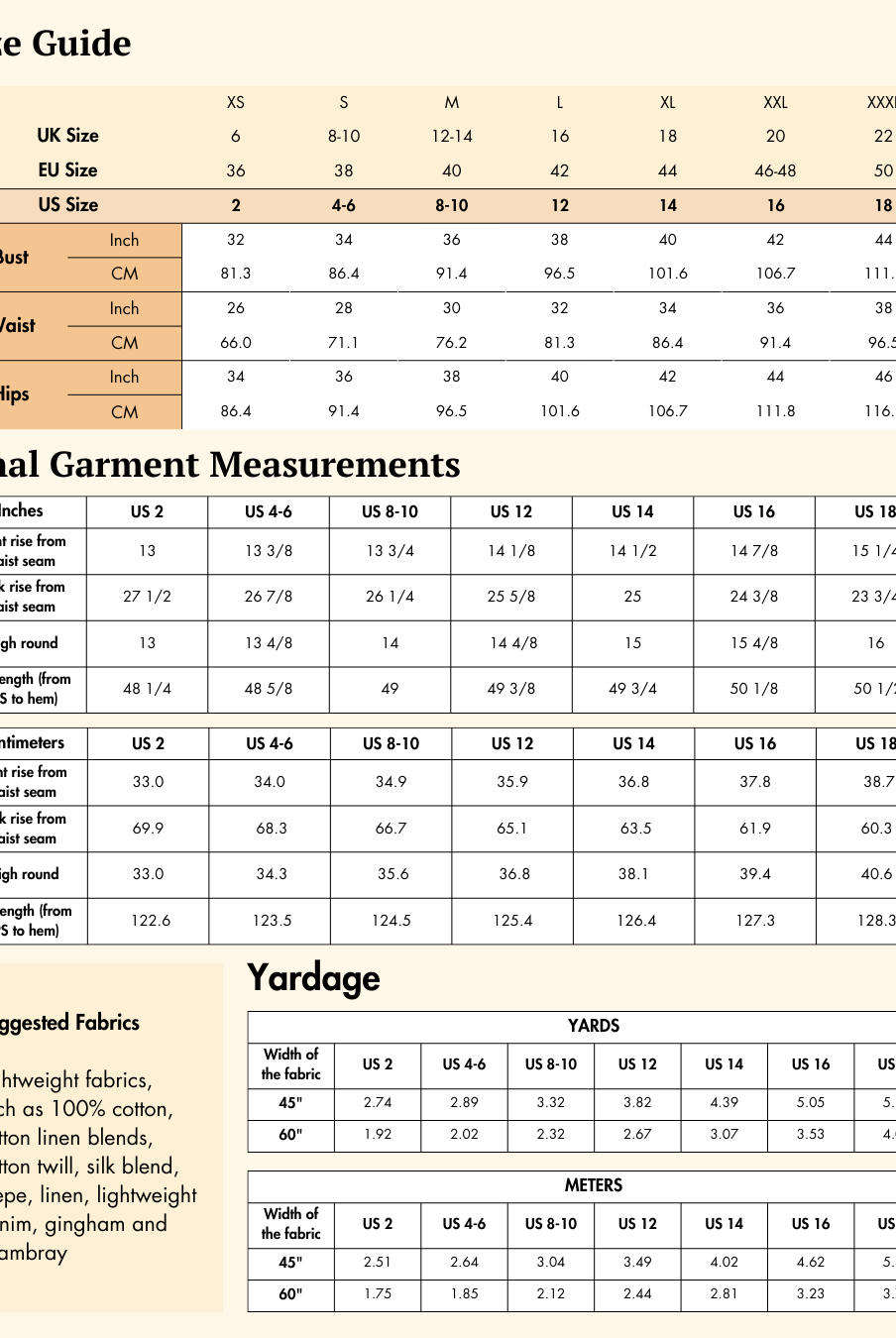
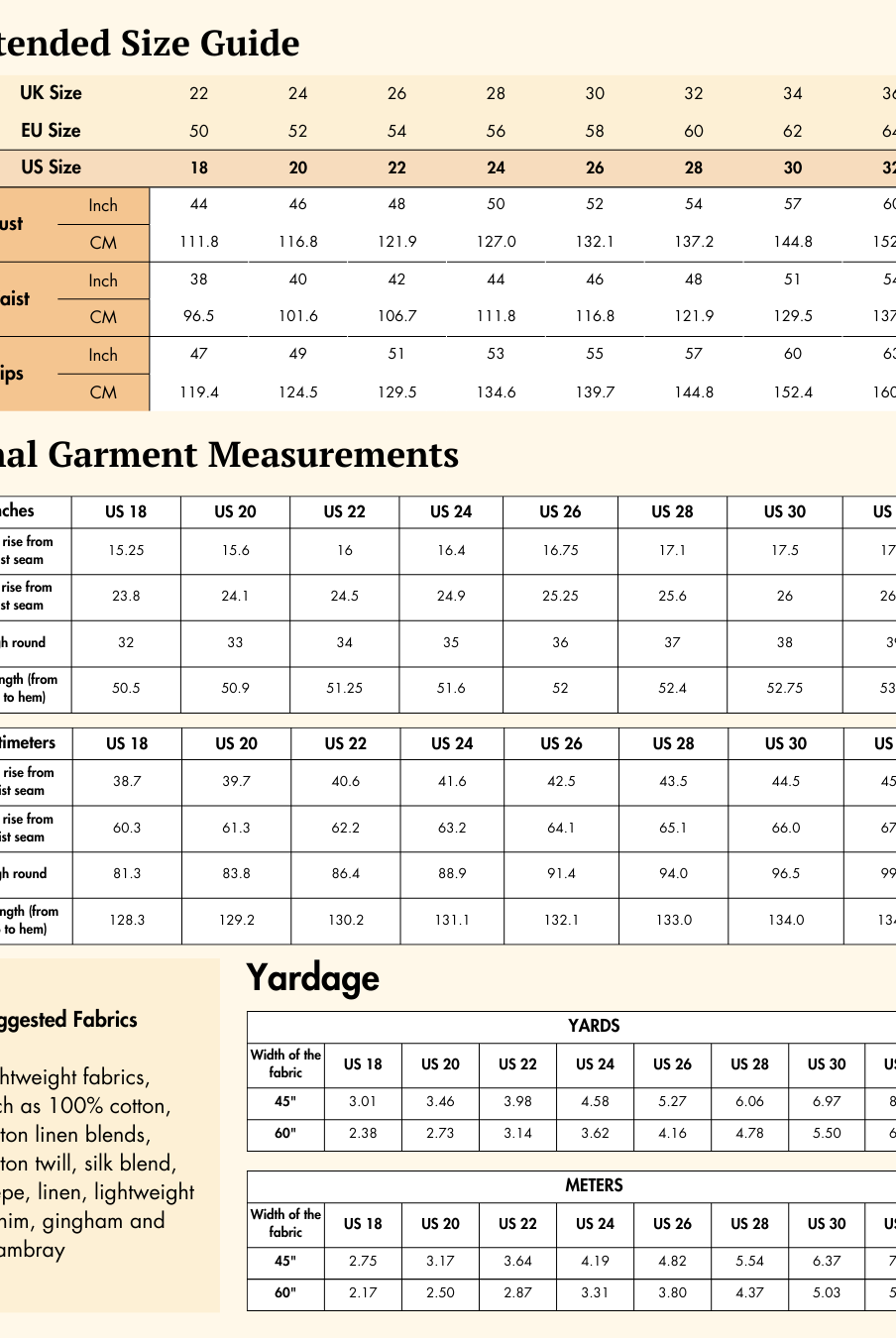
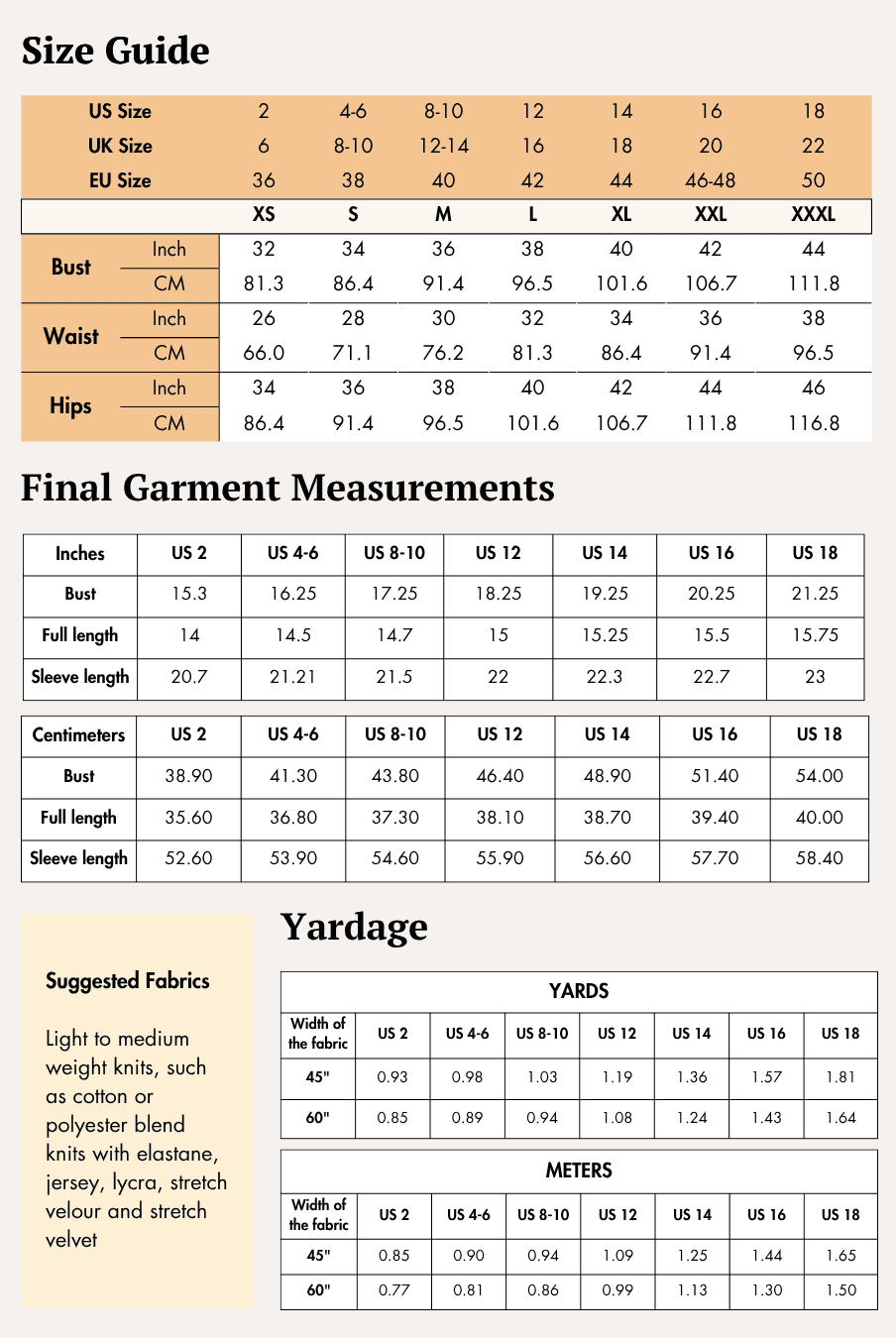
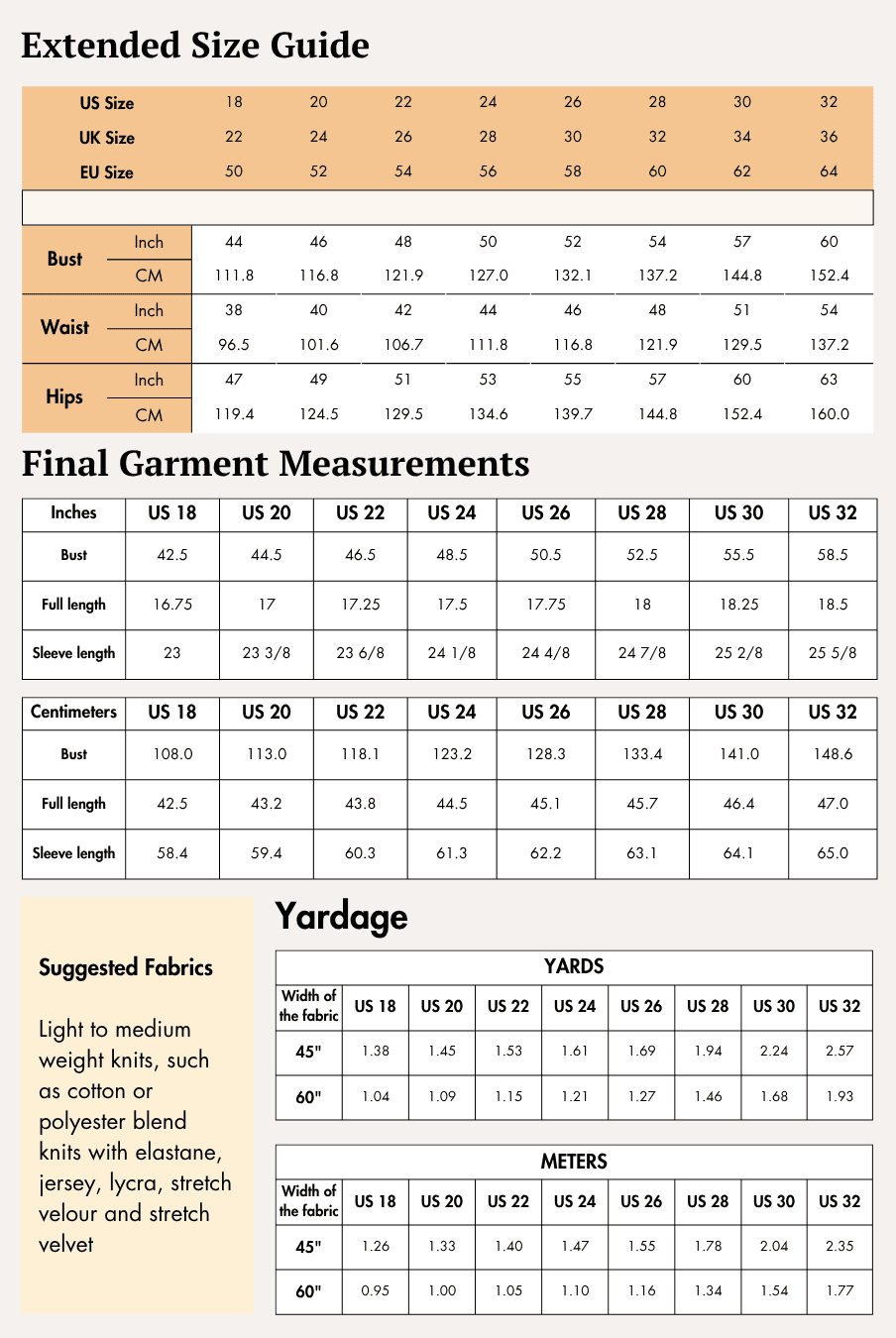
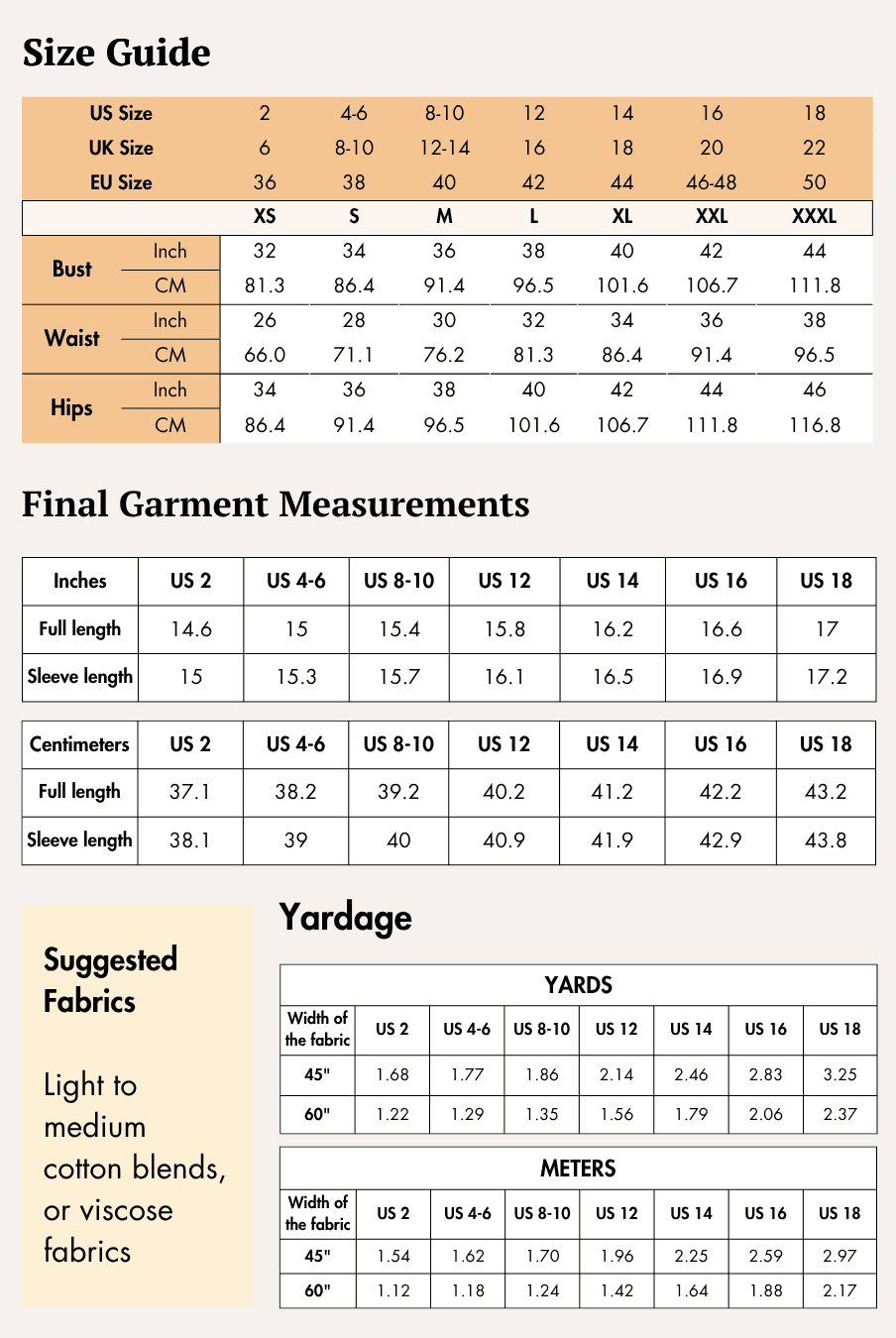
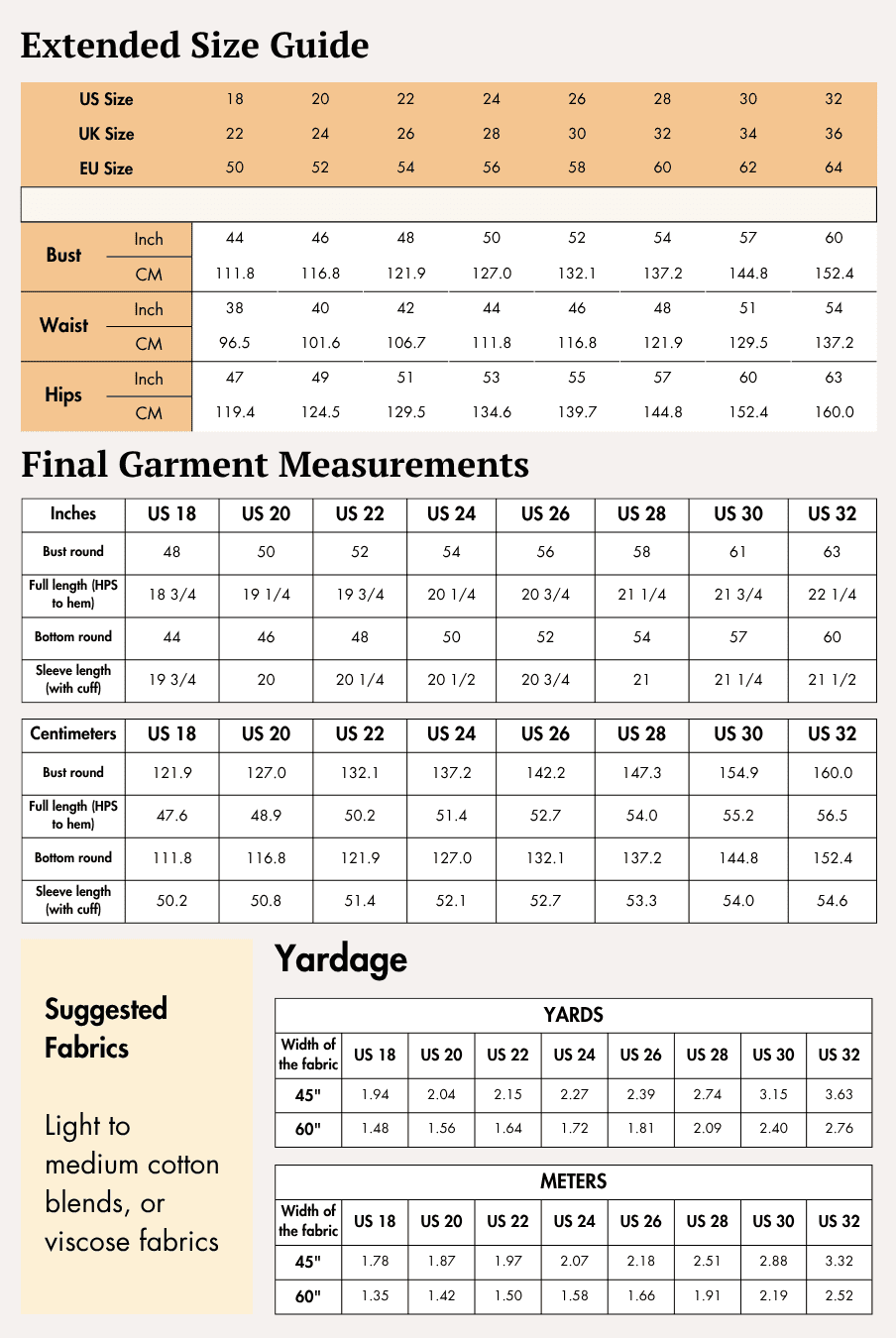
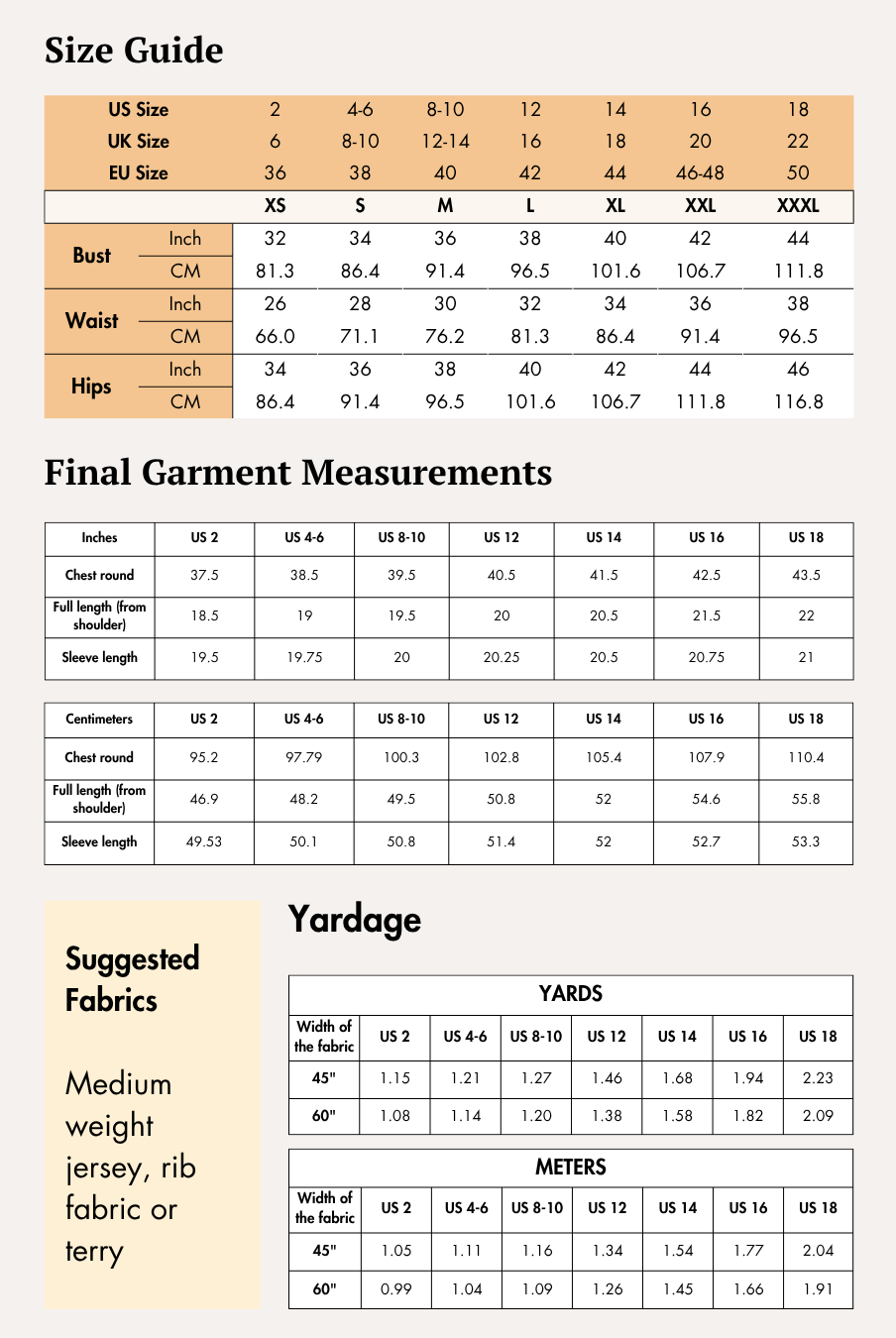
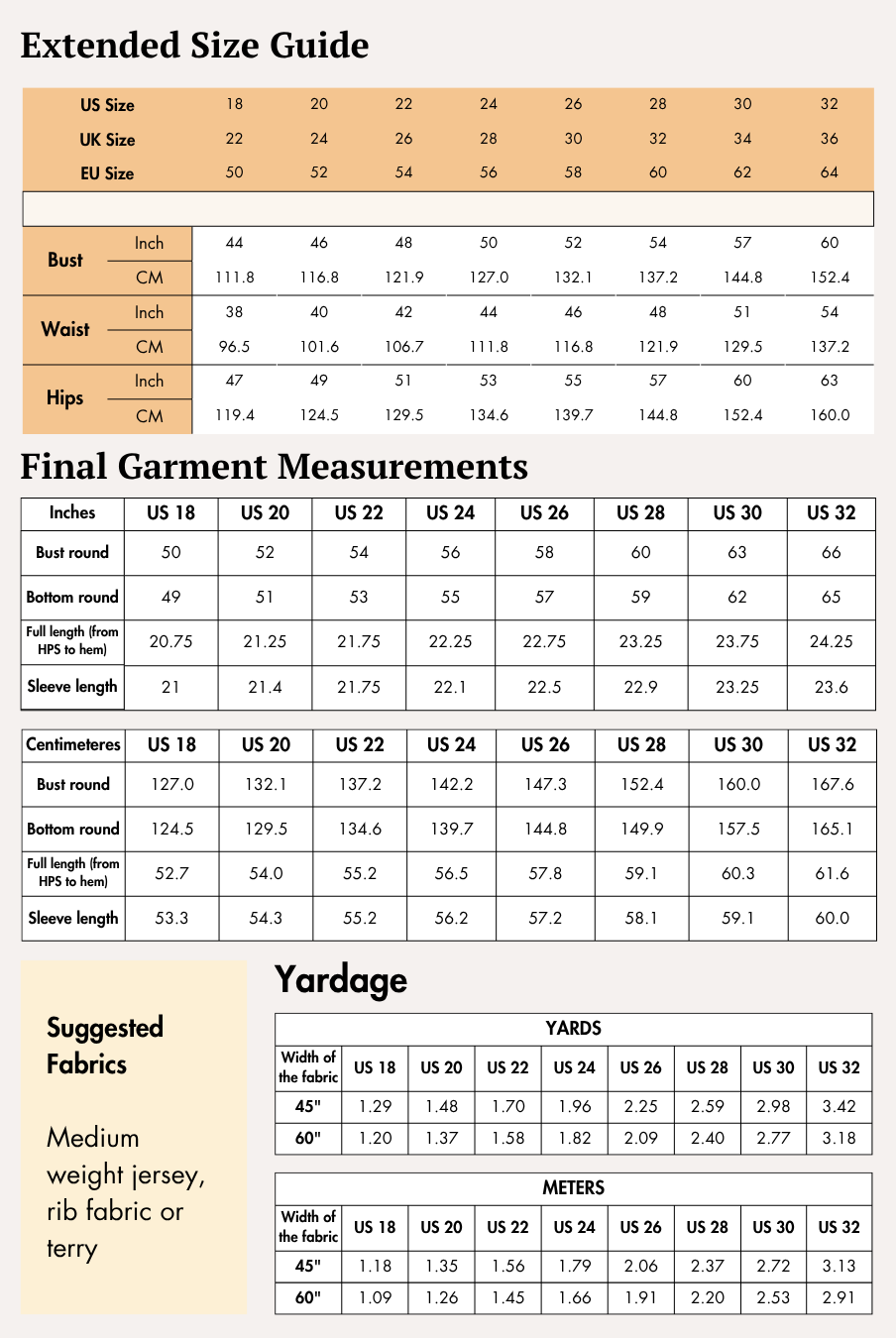
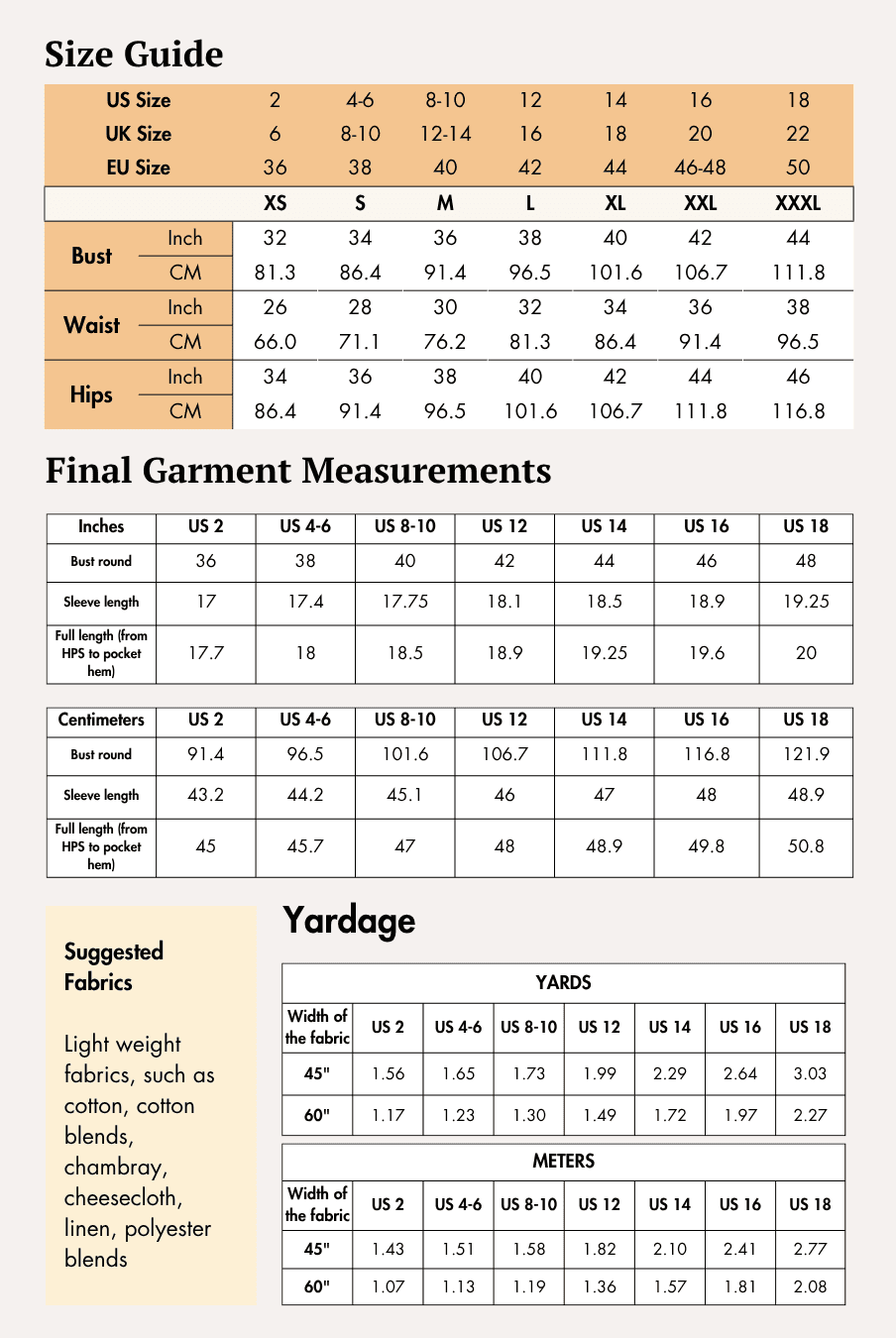
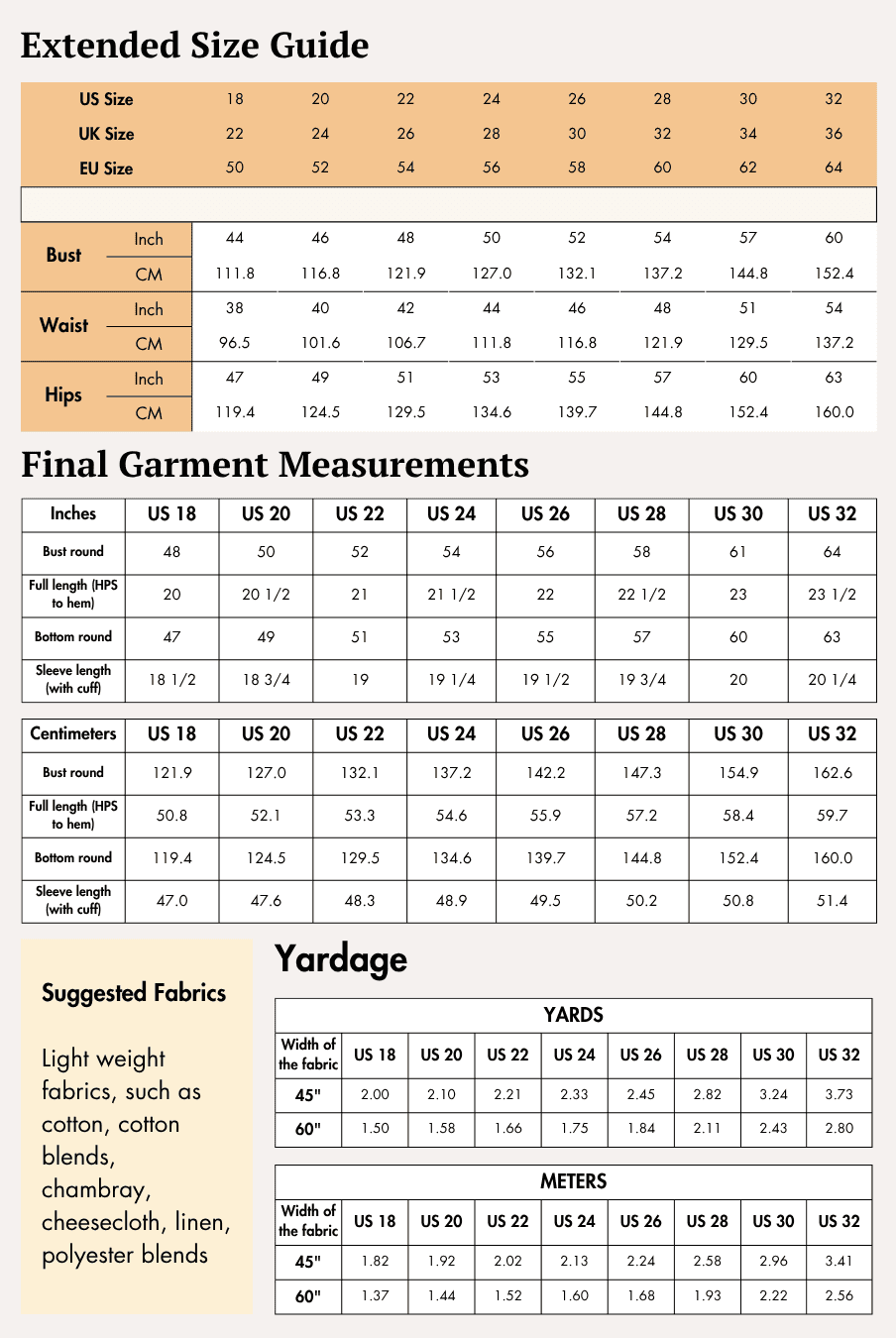
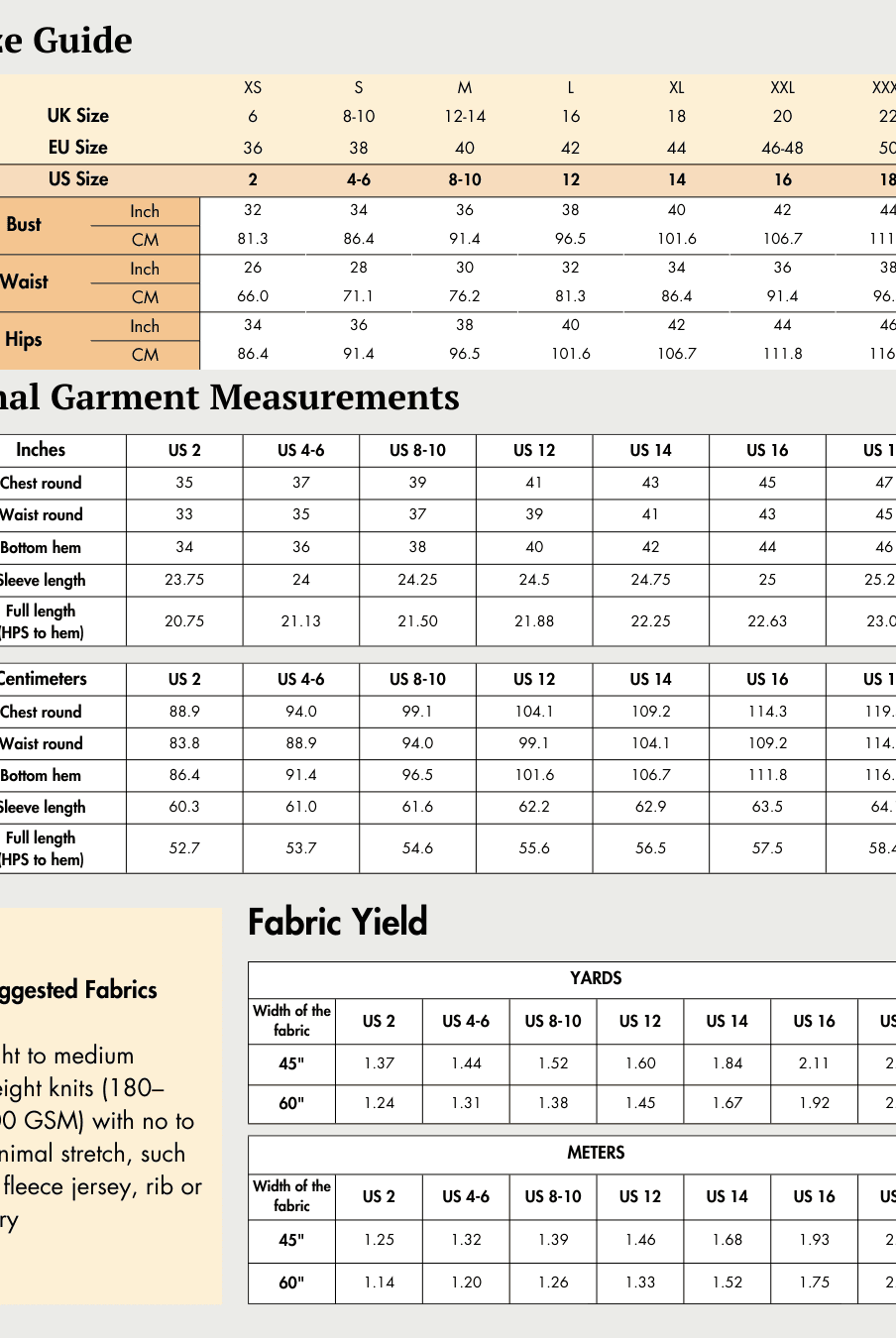
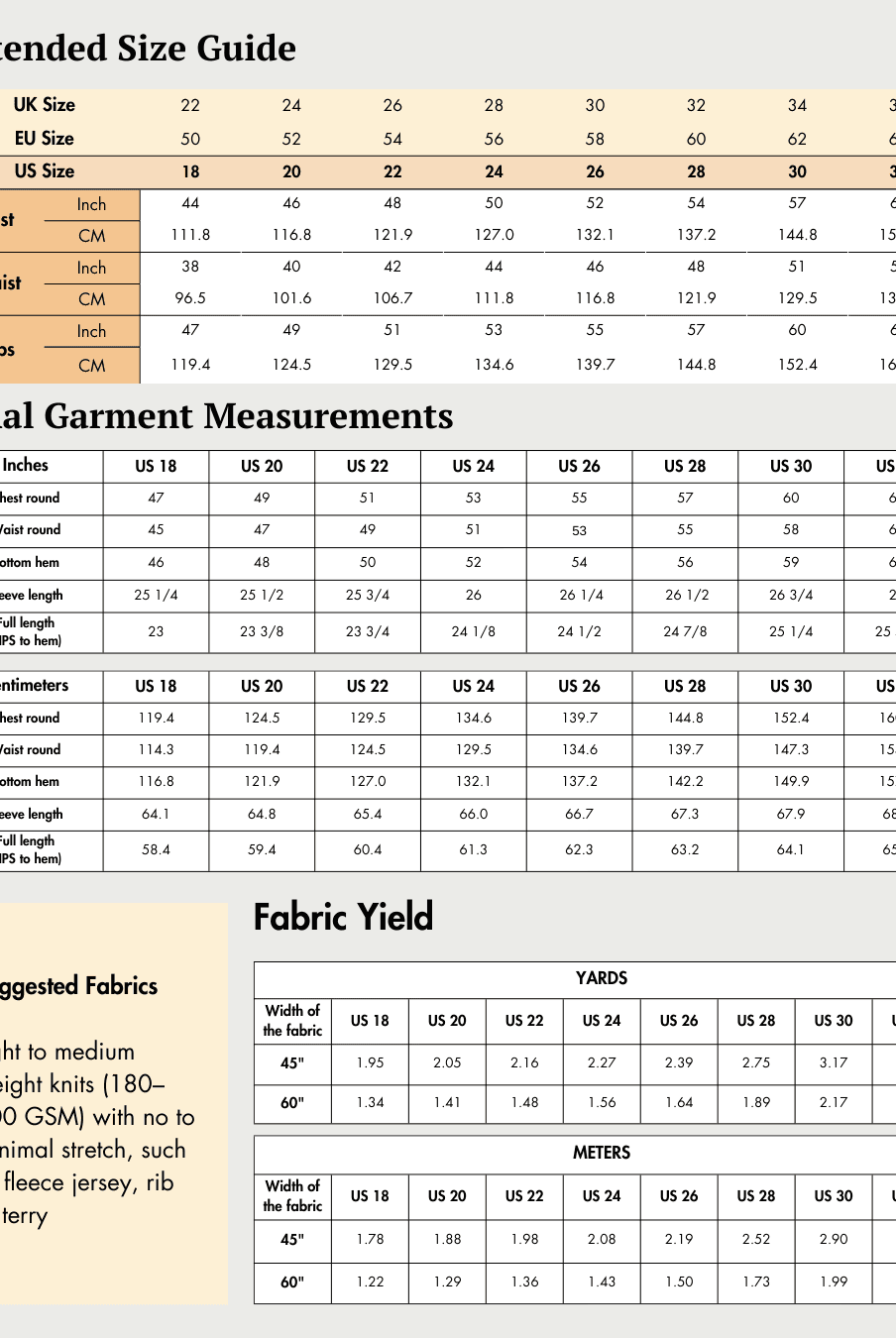
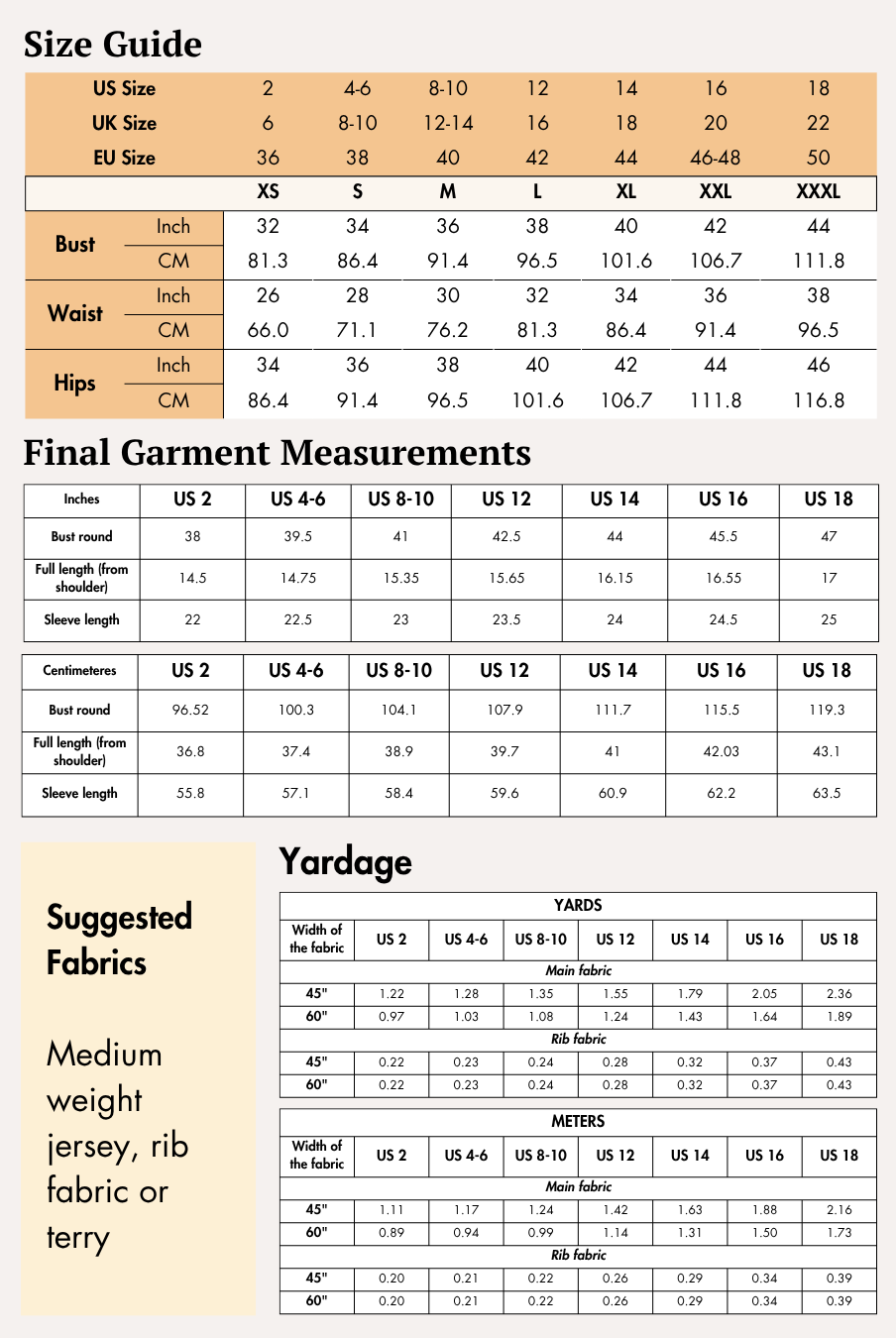
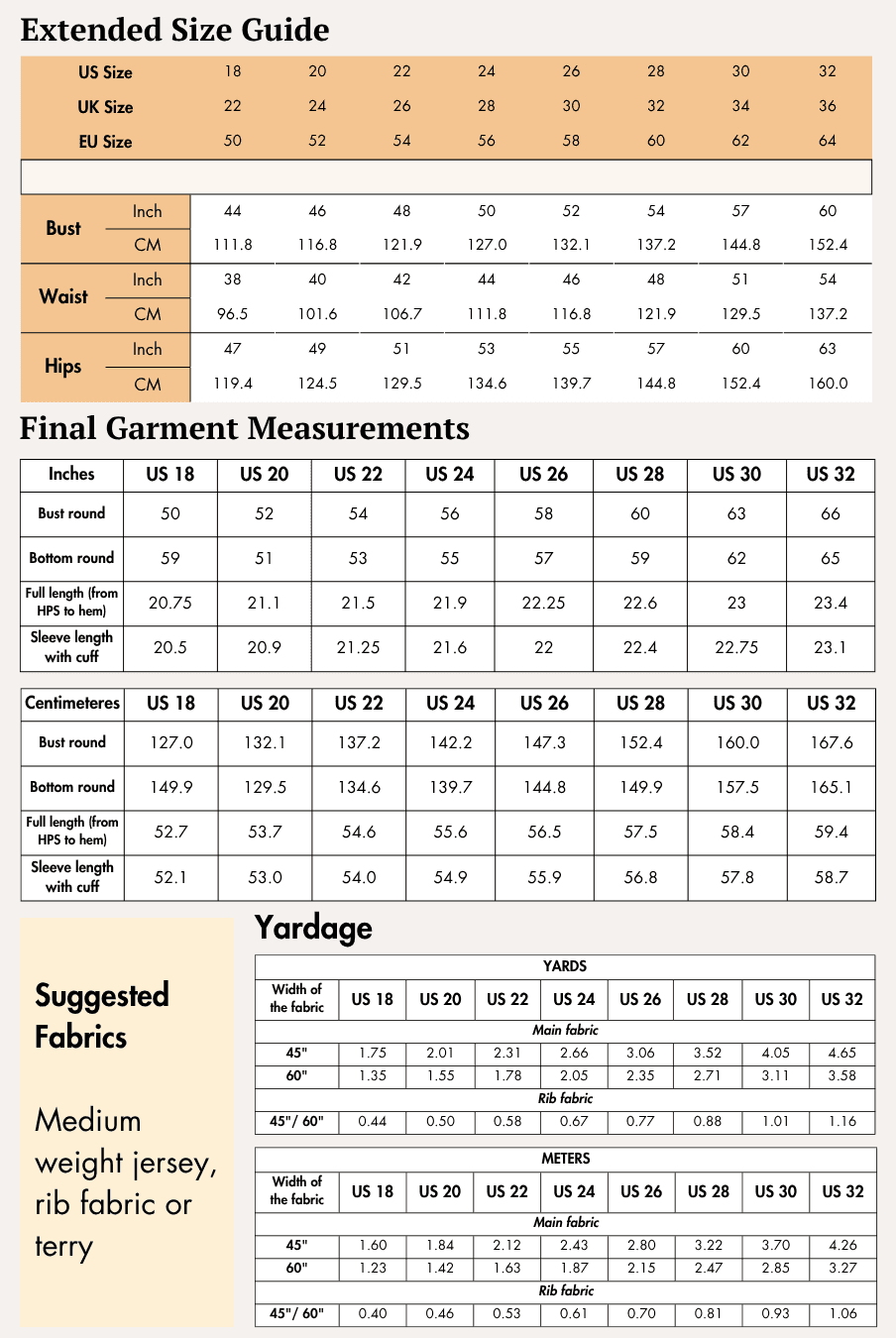
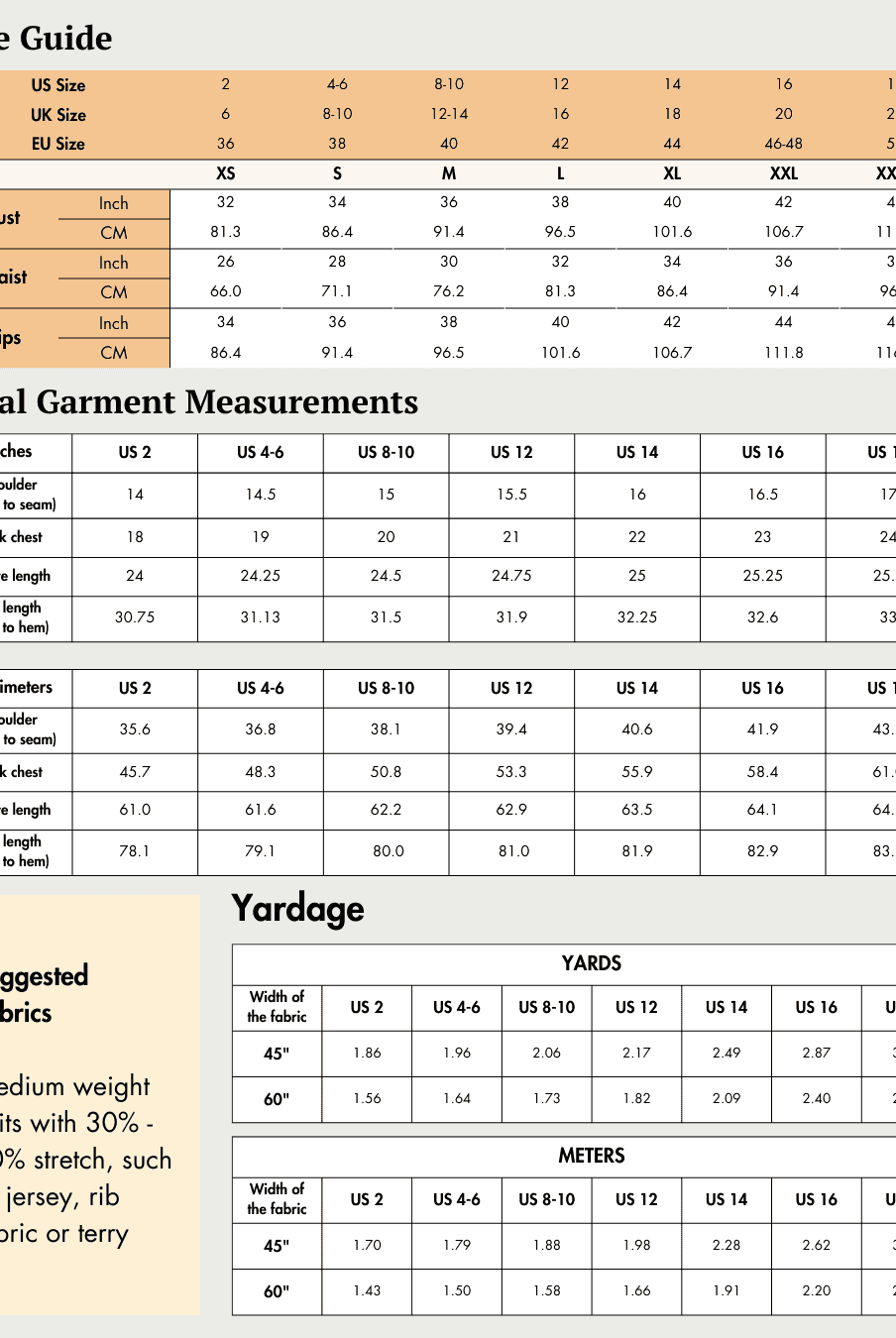
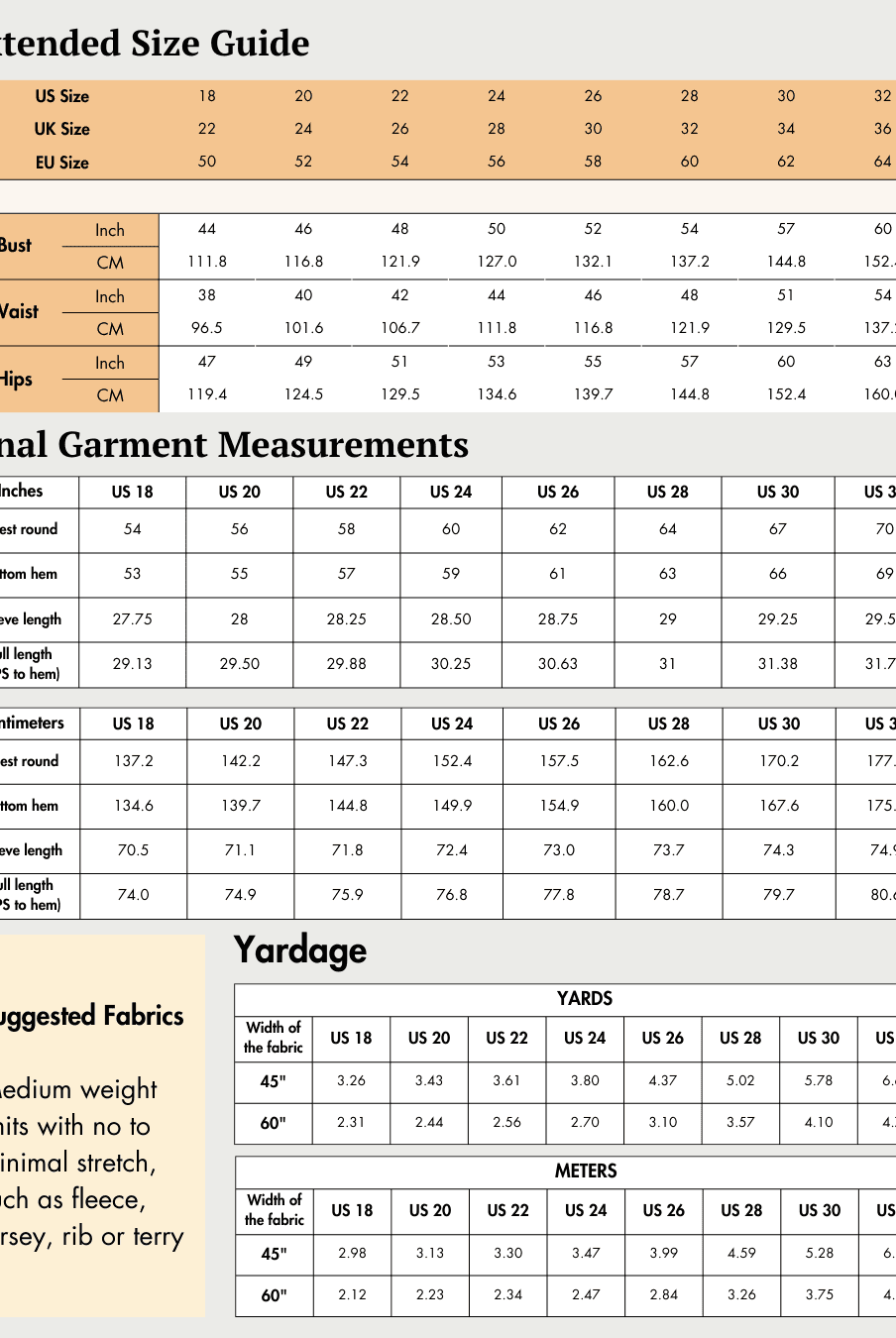
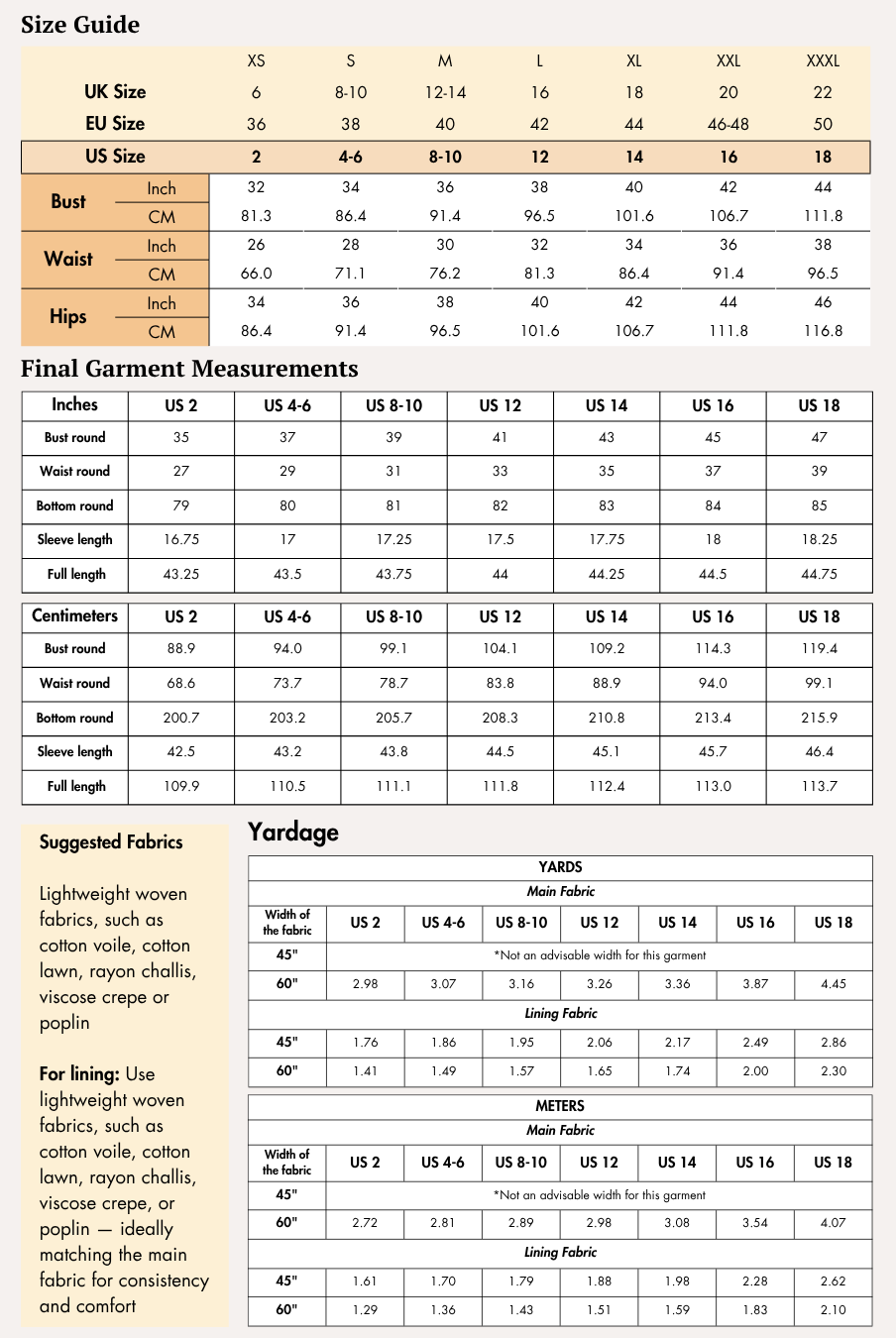
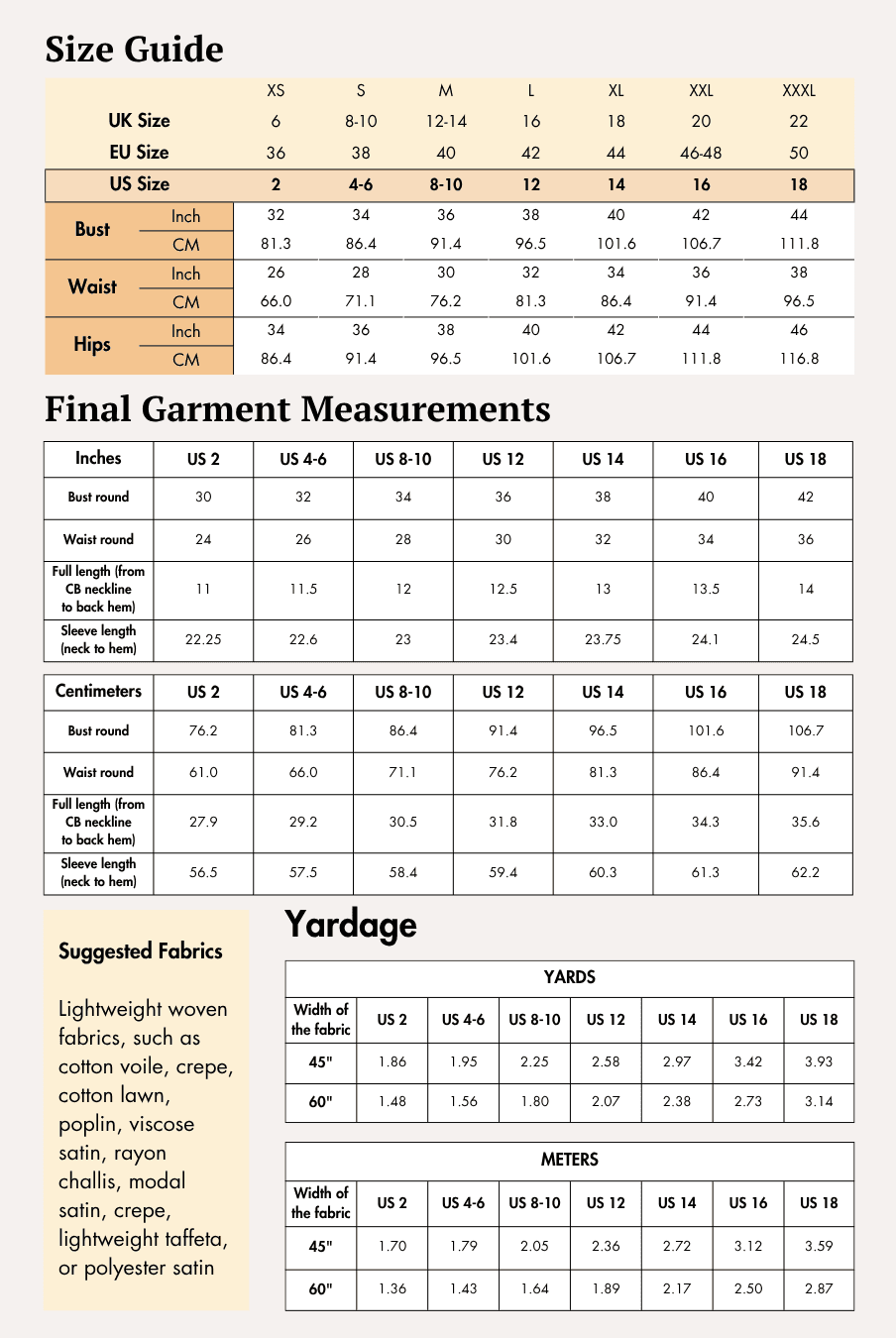
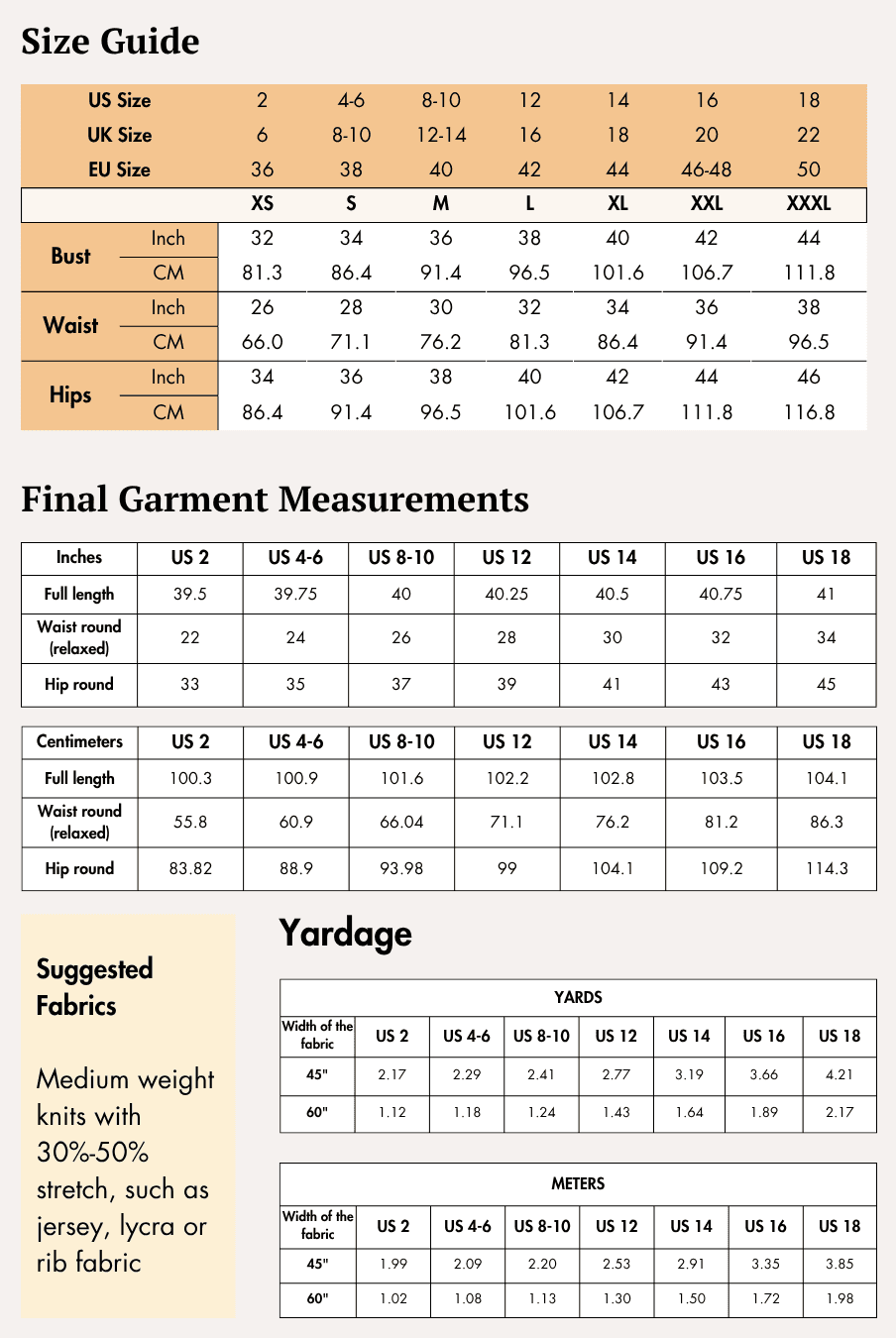
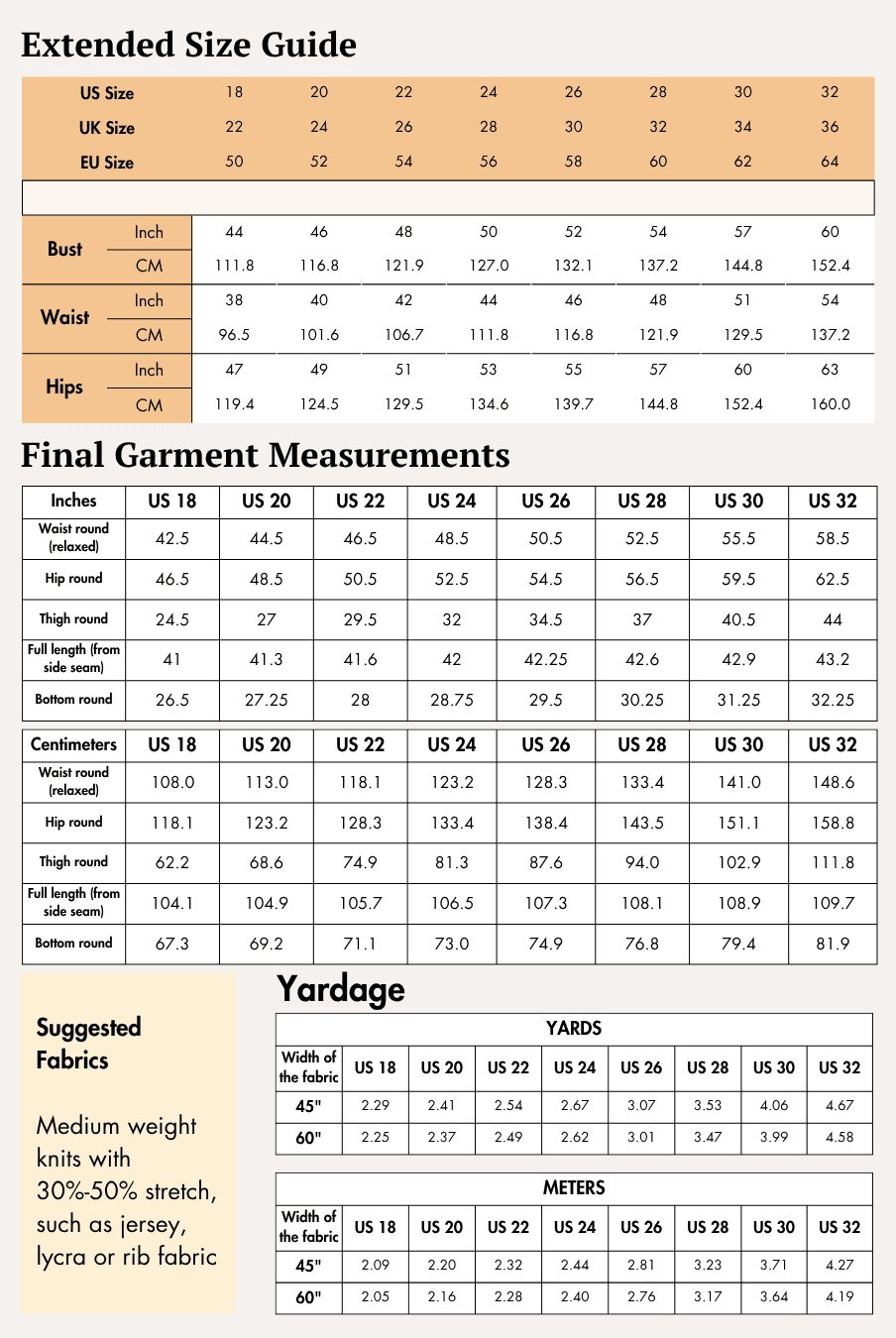
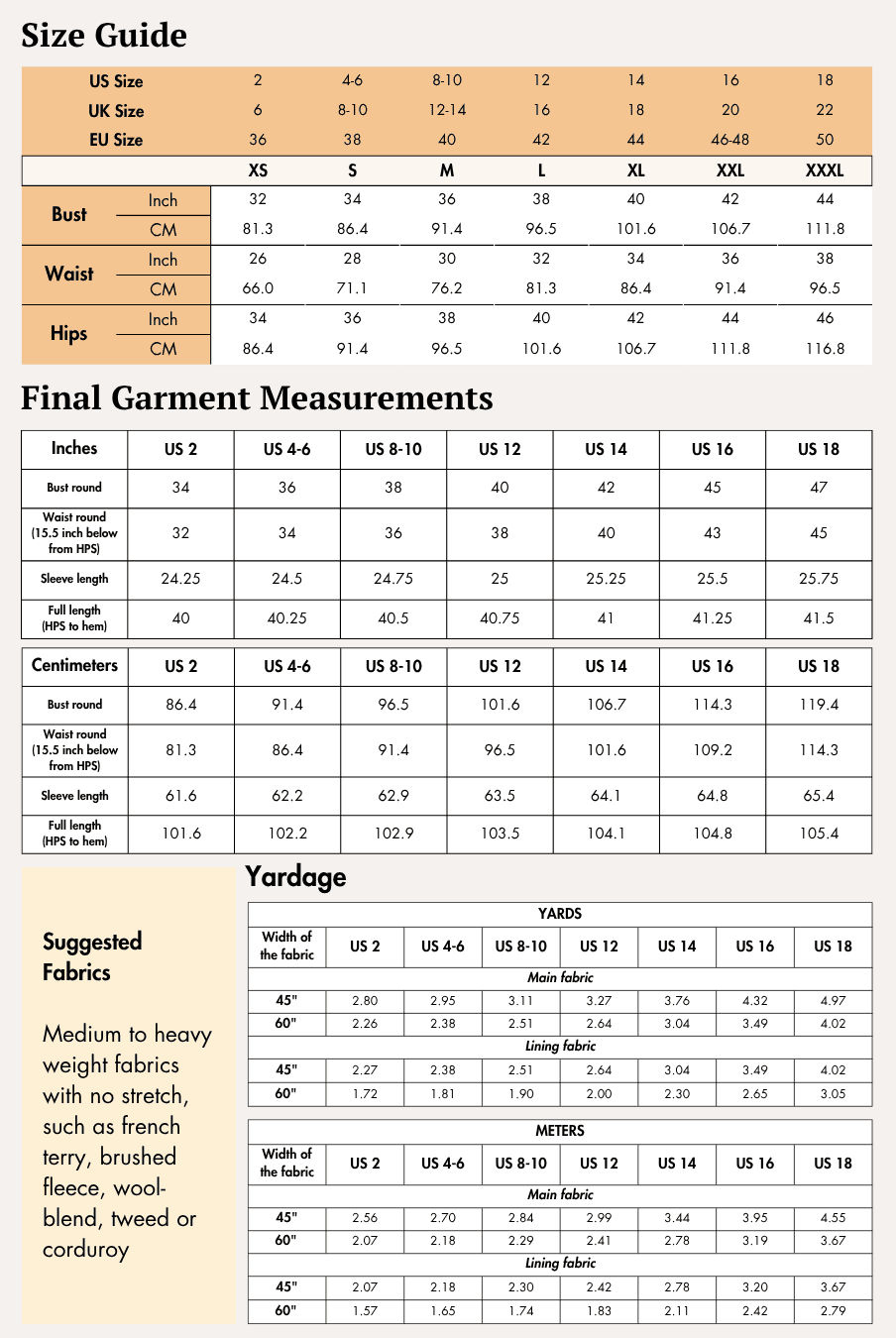
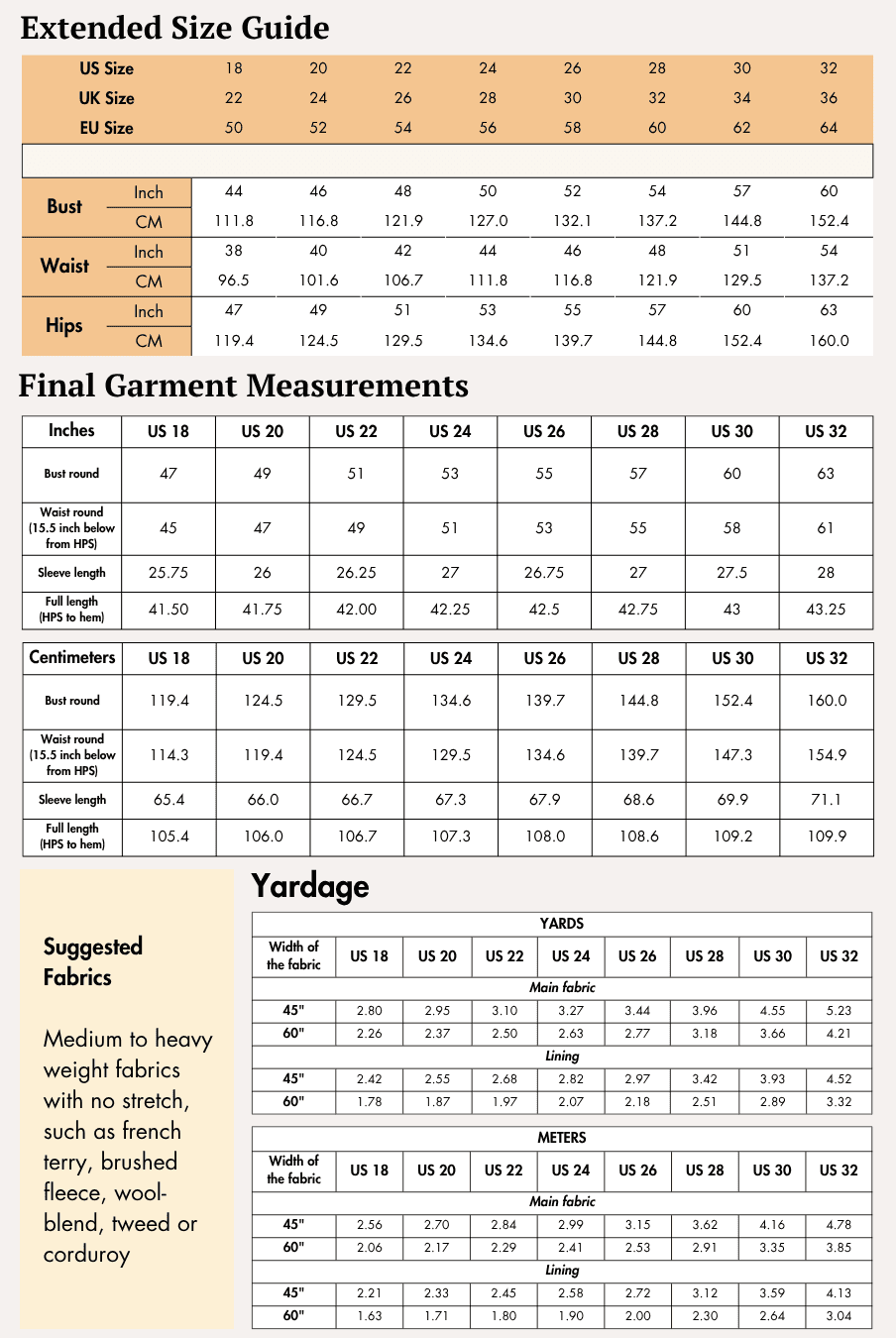
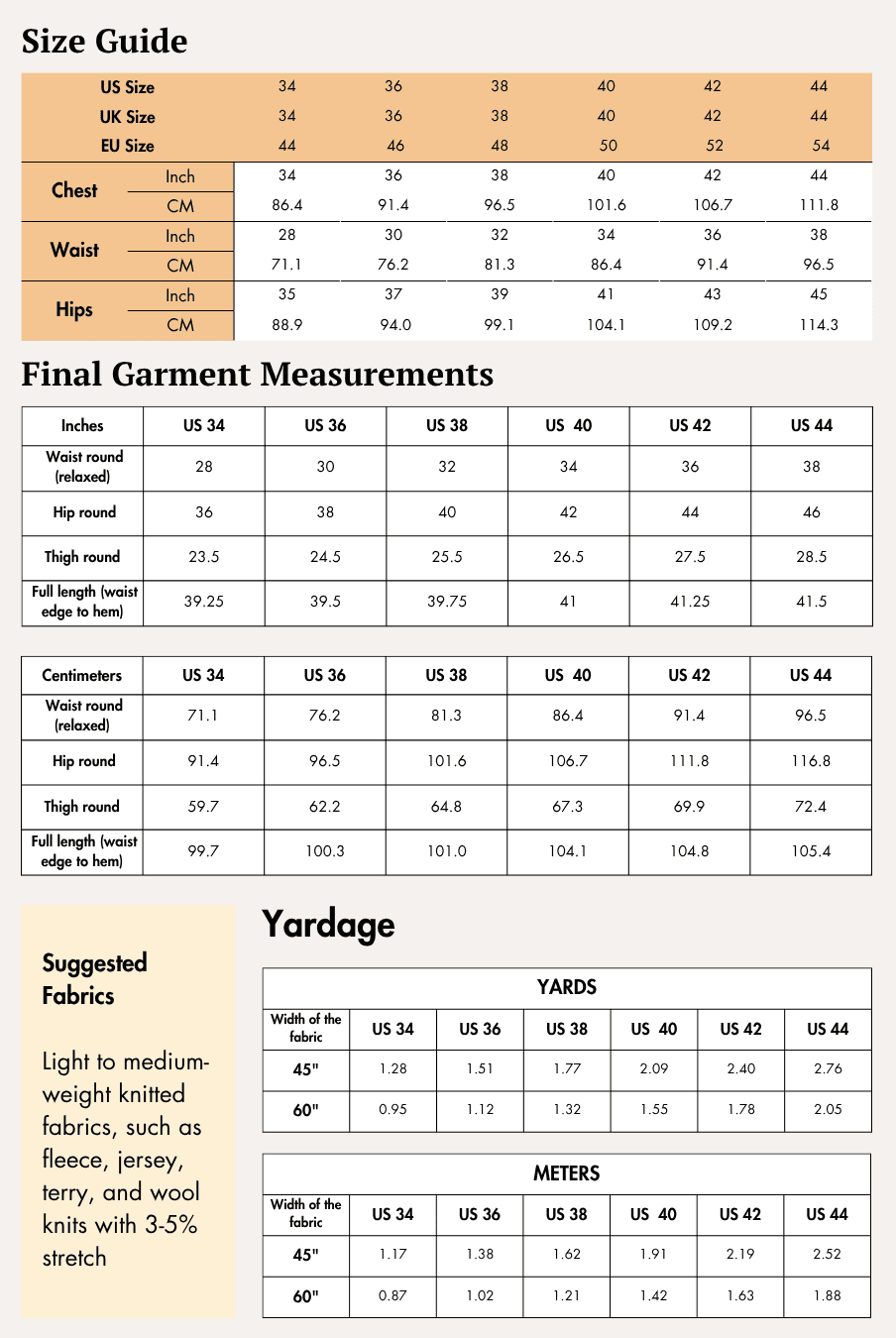
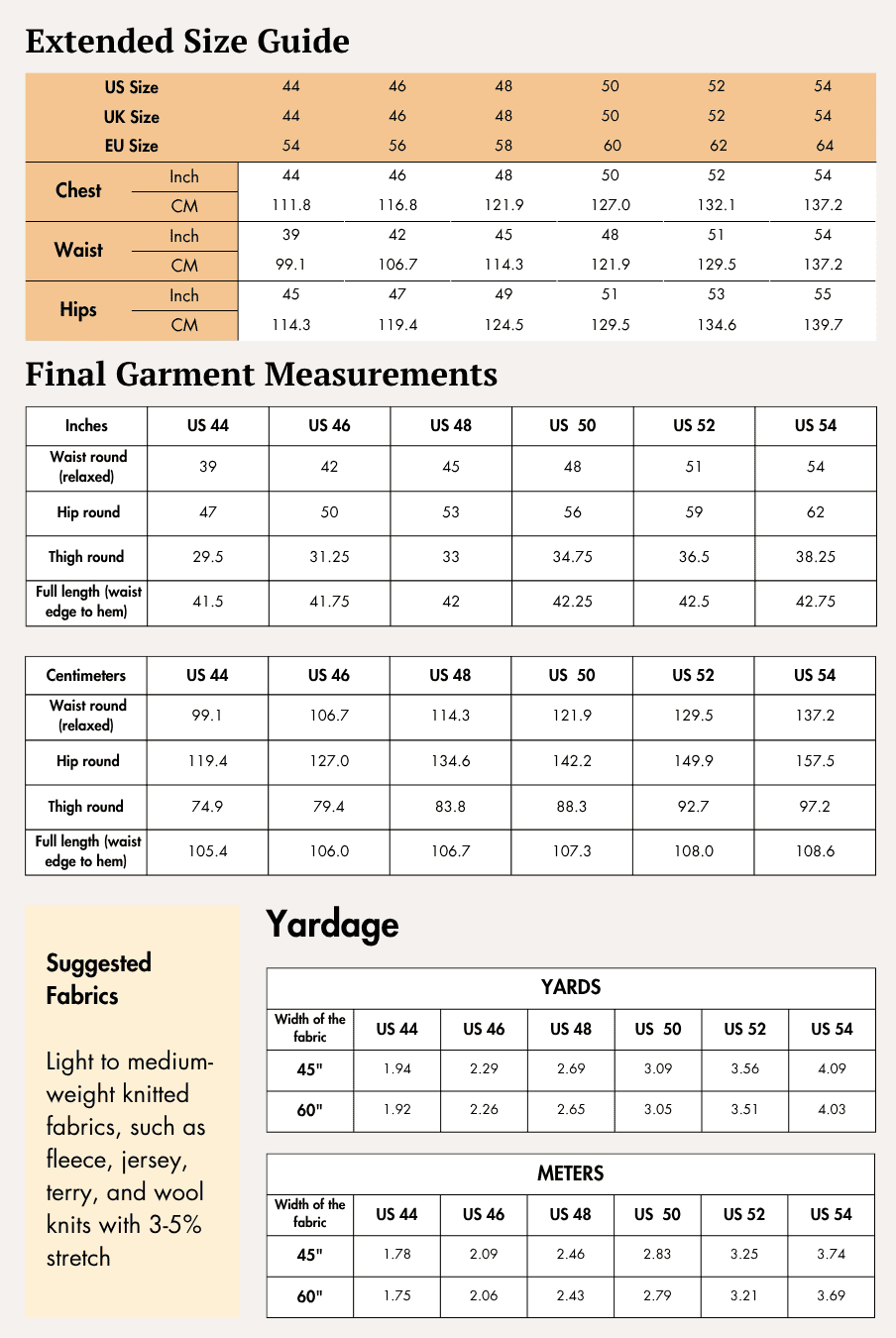
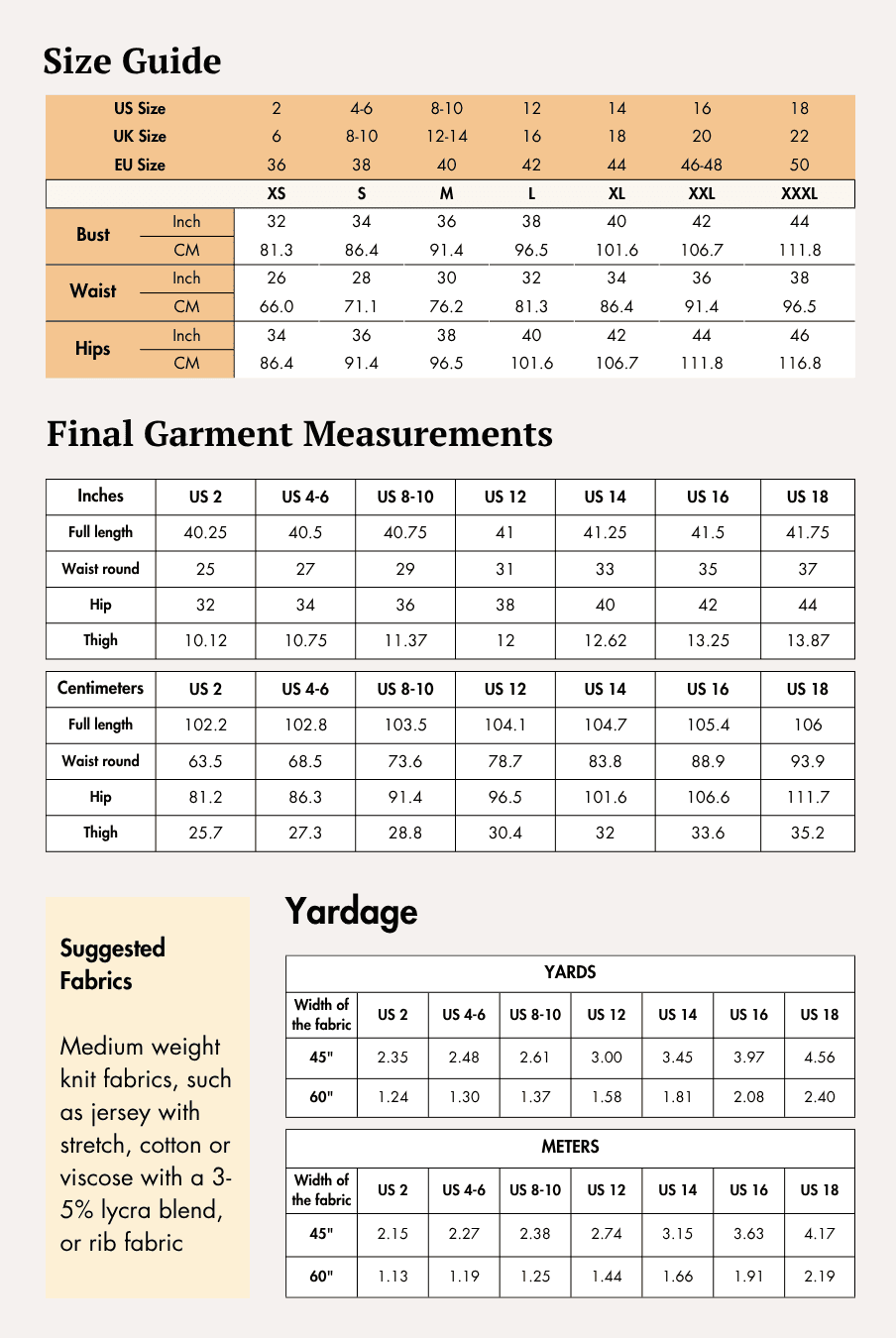
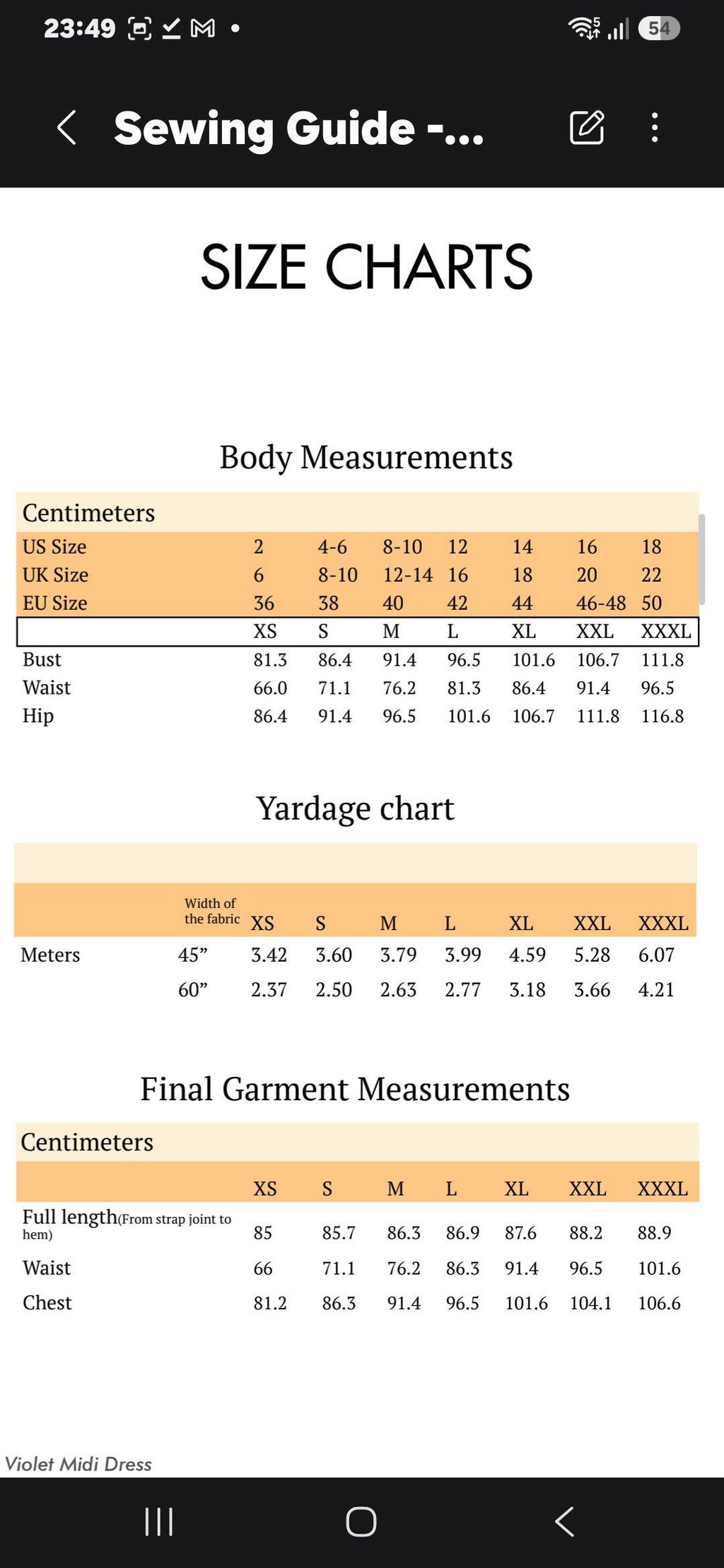
Check the size charts and measure yourself to select the correct size, using the garment and body measurement tables in the guide.
Verify how much fabric you need by referencing the fabric yield table in the guide.
Pattern Inventory: What Pieces to Prepare

-
Front – cut x1 fabric
-
Back – cut x1 fabric
-
Back Lining – cut x1 fabric
Pattern Marking

The pattern includes the following markings:
-
Grainline
-
Front lining
-
Lining notch
-
Armhole
-
Side seam notch
-
Dart
-
Strap notches
-
Hemline
-
Seam allowance
These markings help ensure accurate alignment and construction throughout the sewing process.
Cutting Layout

The cutting layout is designed to ensure the garment is cut on grain for the best fit and drape.
-
Use a 60-inch fabric width.
-
A 45-inch fabric width is not recommended because the pattern pieces will not fit.
-
Layouts shown are non-directional.
-
Purchase additional fabric when working with directional prints or fabrics with nap.
-
The illustrated layout uses a medium size for reference.
Fabric Cutting and Preparation
Arrange the pattern pieces according to the cutting layout diagrams. Begin by positioning the pieces on the fabric, ensuring that the grainline arrow runs parallel to the selvage.
If you are using fabric shears, trace the pattern pieces and then cut them out, cutting away any pen, pencil, or chalk lines. Remember to cut out any notches that appear on the edges. These markings help line up the pieces when you assemble the garment.
Use your marking pen, pencil, or chalk to transfer the markings (such as circles, buttonholes, and fold lines) to the wrong side of the fabric. Mark the center front of pieces cut on the fold, as this will help you align pieces accurately.
Seam Allowance
Please follow the seam allowances as indicated on the pattern file layers. These are provided specifically for each piece to ensure accurate construction.
This pattern uses a 1.1 cm (or 0.45 inch) seam allowance all around and 2 cm (or 0.75 inch) at the hem.
Step-by-Step Sewing Instructions
1. Create the Adjustable Straps
Cut two strips of fabric measuring 1.8 inches wide and 18 inches long, following the grainline.
Fold each strip lengthwise with right sides together and press flat.
Sew along the open edge using a 0.4-inch seam allowance.
Turn the fabric tubes right side out using a darning needle or a slender stick.
Divide each tube into two pieces: one measuring 11 inches and one measuring 5 inches. Discard the remaining fabric.
2. Attach the Slide Buckles
Slide one of the 11-inch straps through an adjustable slide buckle.
Fold approximately 1 inch of the strap end back onto itself and secure it using lock stitches and back stitches.
3. Thread the Strap Through the Ring
Thread the free end of the 11-inch strap through a strap loop ring.
Weave it back through the slide buckle, entering one side and exiting through the other.
4. Complete the Adjustable Strap
Take a 5-inch strap and loop one end through the ring.
Secure the end using lock stitches and back stitches.
Repeat the process with the remaining 11-inch and 5-inch strap pieces to create the second adjustable strap.
5. Sew the Darts
Pin the darts together and use basting stitches to hold them in place.
Repeat this process for both the front and back fabric pieces.
6. Sew the Side Seams
Place the front and back fabric pieces right sides together, matching the notches.
Pin carefully, especially when working with slippery satin fabrics.
Sew the side seams and remove the pins after stitching.
7. Apply Bias Interfacing
Apply approximately 1 cm wide bias interfacing to the seam allowance.
Press it in place with an iron.
Adjust the width of the interfacing if required to suit the seam allowance used.
8. Sew the Lining Side Seams
Place the front lining and back lining together with wrong sides facing each other.
Sew the side seams.
9. Attach the Lining
Place the front lining onto the front fabric and the back lining onto the back fabric with right sides together.
Match the notches and pin securely.
10. Insert the Front Strap Ends
Pin the strap ends between the front fabric and front lining corners.
Repeat for the second strap.
Sew from the front edge to the back edge to secure the straps.
11. Attach the Back Strap Ends
Remove the stitches between the two back lining notches using a seam ripper if desired.
Place the strap ends between the back fabric and back lining with wrong sides facing each other.
Secure the straps using back stitches and press them with an iron.
12. Finish the Lining Edges
Use an overlock stitch or zigzag stitch to prevent the lining edges from fraying.
13. Understitch the Lining
Understitch the lining to create a clean, professional finish and help keep the lining in place.
14. Hem the Dress
Fold the hem allowance to the inside.
Stitch a flatlock hem from the right side of the fabric.
Take care not to miss the edge of the side seam beneath while sewing.


Ready to Sew Your Own Cowl Neck Maxi Dress?


The Aurora Cowl Neck Maxi Dress combines graceful draping, an elegant asymmetric silhouette, and delicate adjustable straps in a design that feels both timeless and modern. With its flattering fit-and-flare shape and easy construction, it is an enjoyable project for sewists looking to create a special occasion dress or a sophisticated wardrobe piece.
Choose a beautifully draping fabric, take your time with the finishing details, and enjoy creating your own handmade Aurora Cowl Neck Maxi Dress. Download the pattern today and start sewing.
Explore More Sewing Patterns
Browse our Maxi Dress Sewing Pattern Collection for more elegant handmade dresses perfect for weddings, parties, vacations, and special occasions.
Join the Community & Get Support
Share your finished Aurora Cowl Neck Maxi Dress Sewing Pattern on social media with #MadeWithWinslets. If you have questions, feedback, or customization requests, contact the Winslet's team at support@winslets.com.