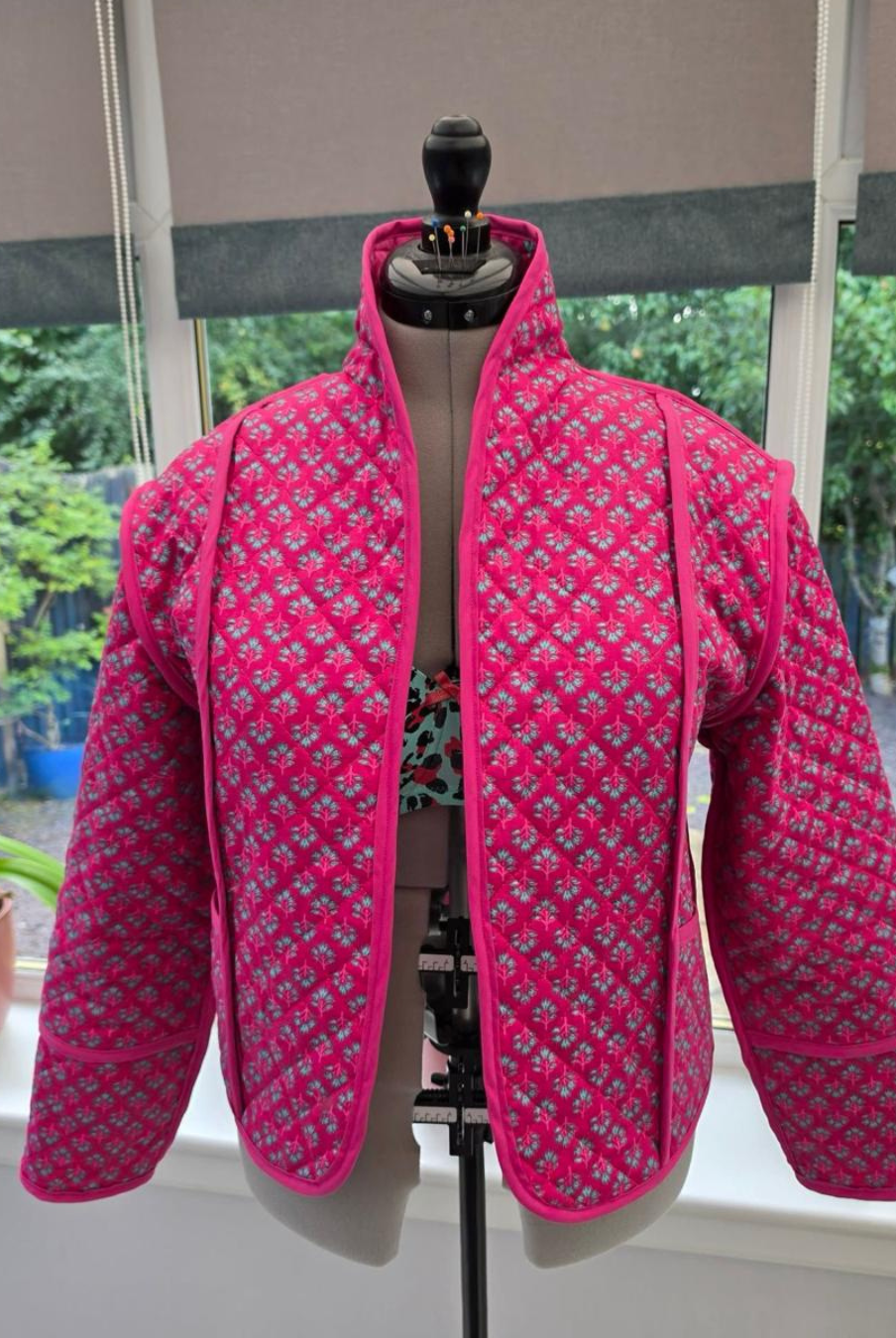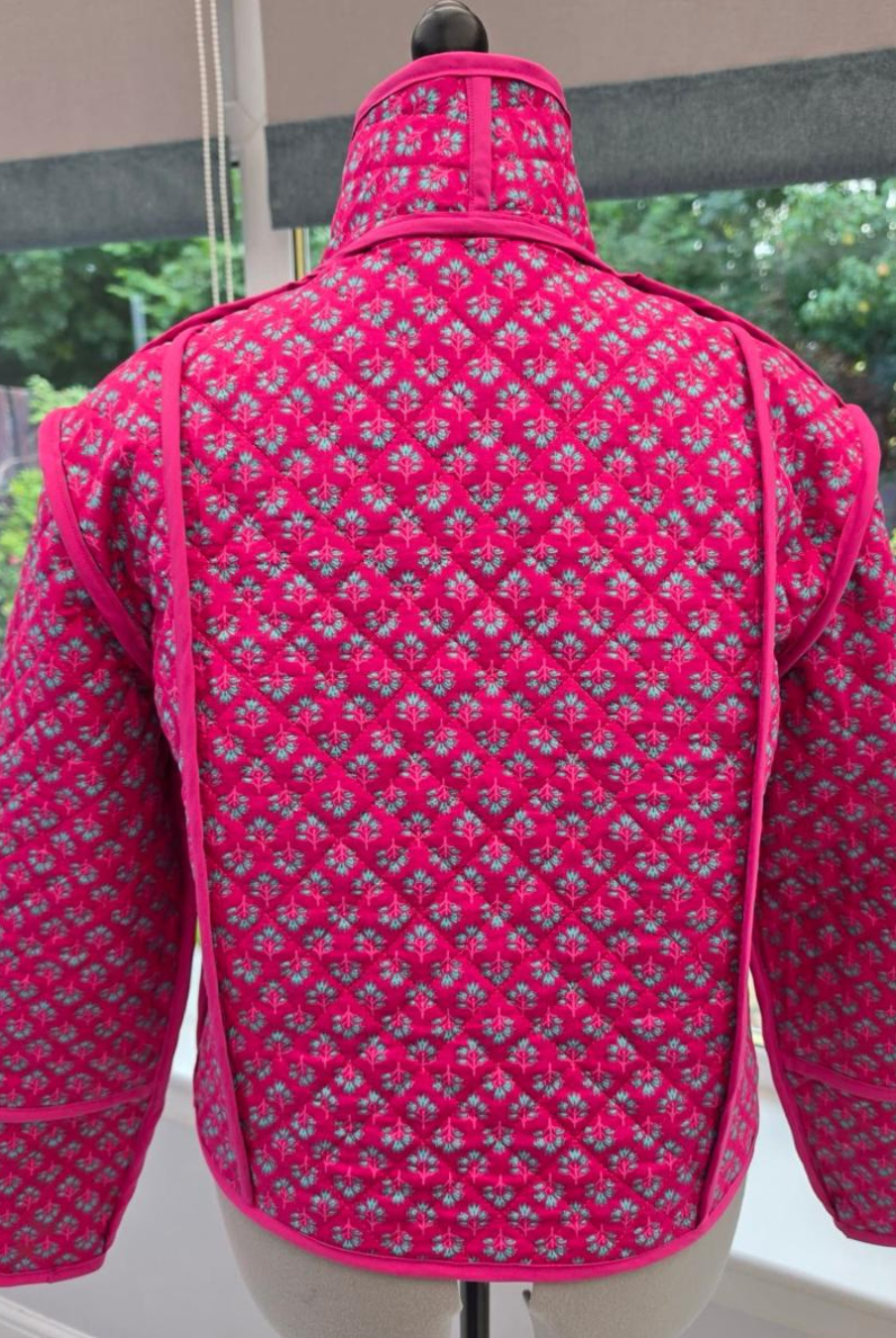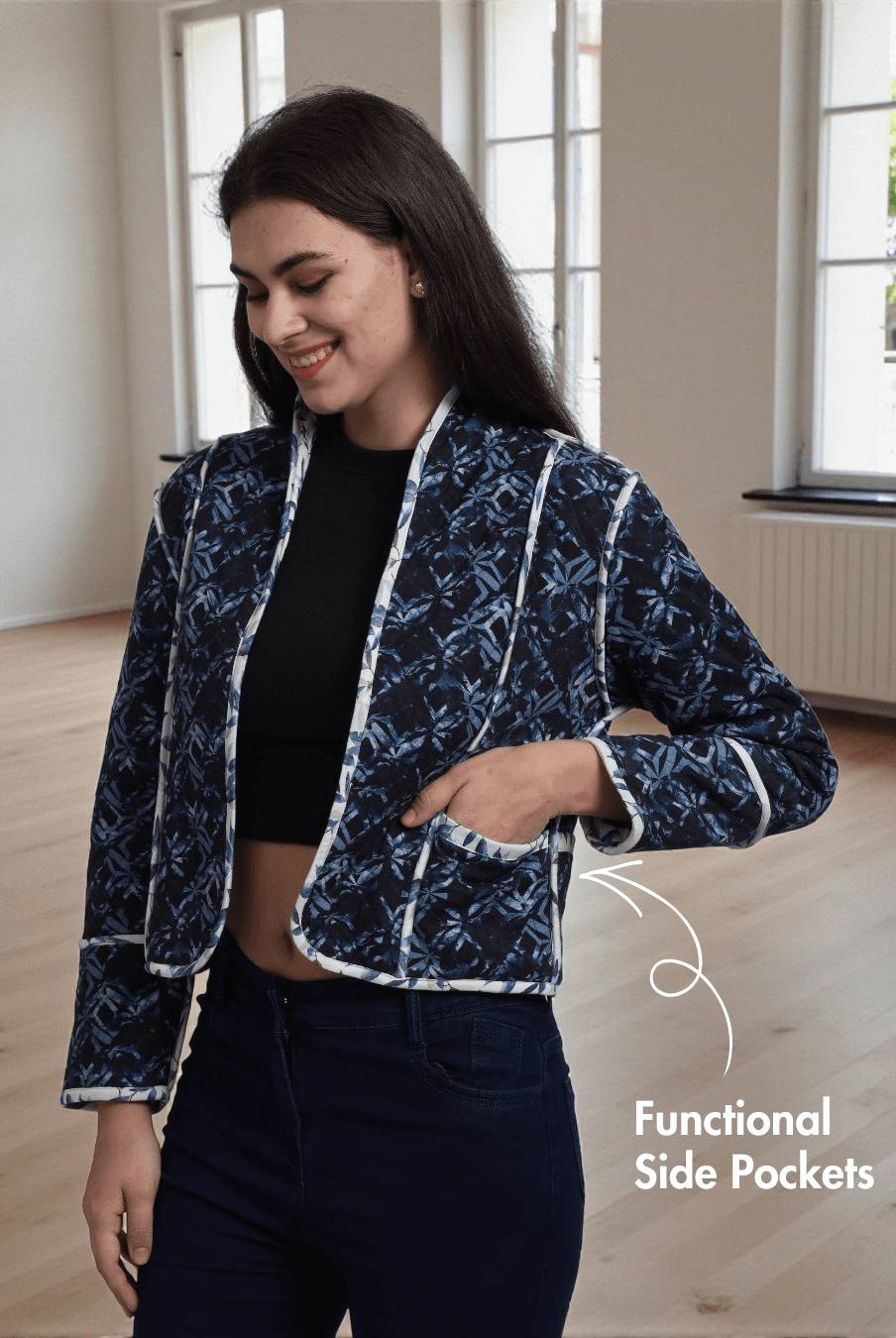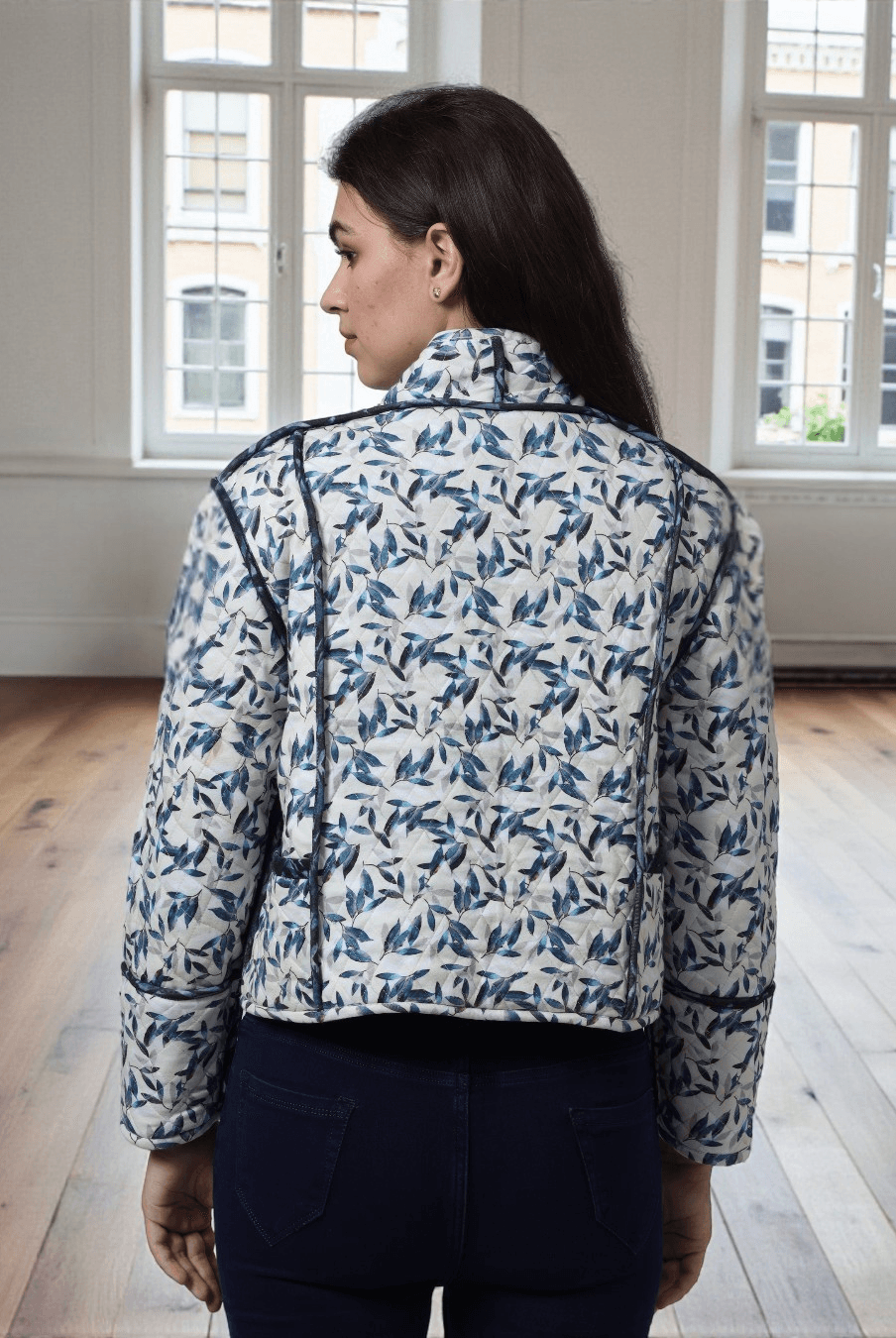
To identify the wrong side of fabric, compare both surfaces and look for the side that appears duller, less sharply printed, rougher, or less smoothly finished. If the difference is difficult to see, examine the texture, weave, selvage, and selvage pinholes for additional clues.
In this guide, you’ll learn how to identify the wrong side of printed, shiny, textured, and similar-looking fabrics using practical visual and touch-based checks. Knowing which surface is which is useful when preparing fabric for a sewing pattern from Winslet's or another pattern, especially when the two sides look almost identical.

What Is the Wrong Side of Fabric?
The wrong side of fabric is the surface normally positioned toward the inside of the finished garment, where it will not be seen from the outside.
The opposite surface is called the right side. This is the side normally intended to be visible on the outside of the garment.
The right side often has characteristics such as:
-
A clearer or fuller print
-
Stronger color
-
More shine or gloss
-
A smoother finish
The wrong side may instead be:
-
Duller
-
Less clearly printed
-
Rougher
-
Less smoothly finished
These are general characteristics rather than rules that apply identically to every fabric.
Does It Matter Which Side of Fabric You Use?
Yes, particularly when the two sides have noticeable differences. However, if you prefer the appearance of the wrong side, you can choose to use it as the outside.
The important point is consistency.
Even when both sides initially appear identical, there may be small differences in color, texture, or finish. If some garment pieces are cut with one surface facing outward and others use the opposite surface, those differences may become noticeable.
Once you decide which surface will be the outside, use that same side consistently across the garment.
How Can You Tell the Wrong Side of Printed Fabric?
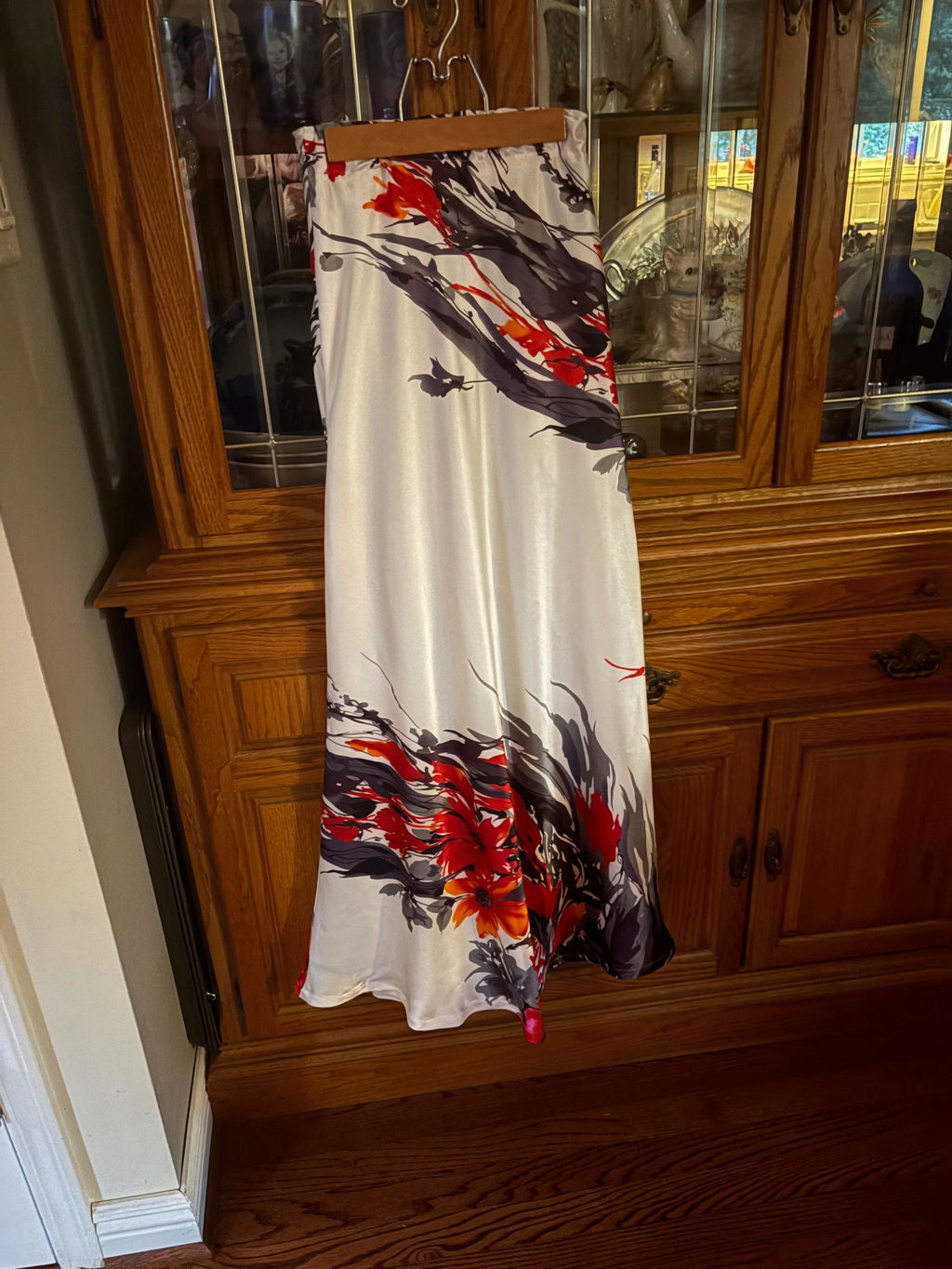
The wrong side of printed fabric usually has a less complete, less vivid, or less sharply defined print.
Some printed fabrics make this extremely easy. The design may appear clearly on one side while the reverse has no print at all.
Other fabrics require closer inspection because the print shows through on both surfaces.
What Should You Look For?
Compare the two sides and check:
-
How strong the colors appear
-
Whether the edges of the design are crisp
-
Whether areas of color are completely filled
-
Whether the design looks slightly blurry on one side
The side with the sharper, clearer, and more complete print is generally the right side. The duller or less defined surface is the wrong side.
How Can Shine Help You Find the Wrong Side?
On fabrics with noticeably different finishes, the duller surface is usually the wrong side.
Hold or move the fabric so you can compare how light reflects from each surface.
If one side has a glossy or noticeably shinier finish while the other looks dull, the shinier surface is generally intended as the right side and the duller surface as the wrong side.
Can You Identify the Wrong Side by Touch?
Yes. When both surfaces have the same color and no obvious print, texture can help you distinguish them.
Run your fingers gently over each side and compare how they feel.
One surface may feel smoother while the other feels slightly rougher or contains more small irregularities in the fabric.
The smoother, more finished surface is generally the right side, while the rougher surface is more likely to be the wrong side.
Look for Small Surface Irregularities
Some fabrics can contain tiny raised areas or small irregularities in their surface.
If one side has more of these while the other feels noticeably smoother, the rougher side can indicate the wrong side.
This can be particularly helpful when color alone provides no obvious difference.
Can the Weave Show You the Wrong Side of Fabric?
Yes. Closely examining the weave can reveal subtle differences when both sides initially look the same.
Look at the fabric under good lighting and compare the surfaces carefully.
On the wrong side, you may be able to see the weave lines more clearly. The surface may look slightly less smooth or finished than the opposite side.
In the fabric example demonstrated, the wrong side showed more visible weave lines and a more noticeable selvage, while the right side had a smoother finish that continued more evenly toward the selvage.
Can the Selvage Help Identify the Wrong Side?
Yes. Differences around the selvage can provide another clue when the main body of the fabric looks almost identical.
The selvage is the finished lengthwise edge of the fabric.
Examine how the color, texture, and weave appear as they approach this edge.
If one side looks smoother and the color or finish continues more evenly to the selvage while the other side exposes the selvage or weave structure more noticeably, the latter may be the wrong side.
This clue is especially useful when combined with differences in texture and surface finish.
How to Identify the Wrong Side of Fabric Step by Step
Start with the most obvious visual differences, then move to increasingly subtle clues if both sides still appear alike.
-
Compare the print.
If the fabric is printed, look for the side with the duller, blurrier, or less complete design. This is likely the wrong side. -
Compare the color.
Check whether one surface has less intense or less full-looking color. -
Look at the shine.
If one surface is glossy and the other is dull, the duller surface is generally the wrong side. -
Feel both surfaces.
Compare the texture and look for a side that feels slightly rougher. -
Examine the weave closely.
Look for more visible weave lines or a less smooth finish. -
Inspect the selvage.
Compare how the surface and color continue toward the finished edge. -
Use the selvage pinholes only as an additional clue.
If the other methods do not provide an answer, feel the selvage for differences around the pinholes.
If you'd like to see these fabric examples compared visually, you can watch the video below.
Can Selvage Pinholes Show the Wrong Side of Fabric?
Sometimes, but the pinhole method is not completely reliable.
During manufacturing, small holes may be created along the selvage by needles holding the fabric in place.
One traditional way of identifying the sides is to feel along these holes. Under this method:
Smooth pinholes = right side
Raised or rough bumps = wrong side
The idea is that the needles pass from the right side toward the wrong side, leaving the raised portions around the holes on the wrong side.
However, this does not work for every fabric. Fabrics can be found where the bumps appear on the obvious right side instead.
For that reason, use selvage pinholes as a guide rather than a definitive test.
What If Both Sides of the Fabric Look the Same?
If you cannot find a meaningful difference, you can choose which side you prefer to use as the outside.
Some fabrics can look almost identical from either side. The color, weave, texture, and selvage may provide little or no clear indication.
In this situation, consistency becomes more important than finding a supposedly correct surface.
Choose one side as your right side and make sure all garment pieces use that same surface on the outside.
Which Method Should You Trust Most?
Start with obvious characteristics such as print, color, shine, and finish before relying on more uncertain clues.
A strongly printed fabric may immediately reveal its wrong side. A glossy fabric may be distinguishable by shine. A solid fabric may require you to compare texture, weave, and the selvage.
The selvage pinhole method is best treated as an additional clue when the other characteristics do not provide an answer because it does not work consistently for every fabric.
Common Mistakes When Identifying the Wrong Side of Fabric
The main mistakes are assuming every fabric has an obvious wrong side, relying entirely on selvage pinholes, or using different sides inconsistently across the garment.
Looking Only at Color
Some fabrics have almost identical coloring on both sides. If color does not help, compare print definition, shine, texture, weave, and the selvage.
Assuming the Pinholes Are Always Correct
The rough side of the selvage pinholes may indicate the wrong side, but there are exceptions. Do not use this method as your only evidence.
Ignoring Small Texture Differences
A fabric can look identical from both sides but feel different. Run your fingers over both surfaces and compare their smoothness.
Mixing the Two Sides in One Garment
Even when the surfaces look almost the same, subtle differences may exist. Choose one surface for the outside and use it consistently.
Keep the Fabric Sides Consistent While Sewing
Identifying the wrong side of fabric usually starts with comparison: look for the duller print, less intense color, rougher texture, more visible weave, or less polished finish. If those clues are not enough, examine the selvage and use the pinholes as an additional—not definitive—guide.
Most importantly, once you choose which surface will face outward, keep that choice consistent throughout your project. When you're ready for your next sewing project, explore Winslet's sewing patterns collection and apply these fabric checks as you prepare your pattern pieces.
FAQs
What does the wrong side of fabric mean?
The wrong side is the surface normally positioned on the inside of the finished garment, where it is not intended to be visible from the outside.
Is the dull side always the wrong side?
The wrong side is often duller than the right side, particularly when the opposite surface has a shiny or glossy finish. However, use other characteristics as well when the difference is unclear.
How do you find the wrong side of printed fabric?
Compare the print on both sides. The wrong side may have duller colors, blurrier edges, or areas where the print is less completely filled.
Is the rough side of fabric the wrong side?
It often can be. When two solid-colored surfaces look similar, the smoother surface is generally the right side and the slightly rougher surface the wrong side.
Can I use selvage holes to identify the wrong side?
You can use them as a clue. Raised bumps around the holes may indicate the wrong side, but this method is not reliable for every fabric.
What if the right and wrong sides look exactly the same?
You can choose which side you prefer for the outside. Once you choose, use that surface consistently throughout the garment.
Can I deliberately use the wrong side as the outside?
Yes. If you prefer its appearance, you can choose to use that side. The key is to remain consistent across all of the garment pieces.