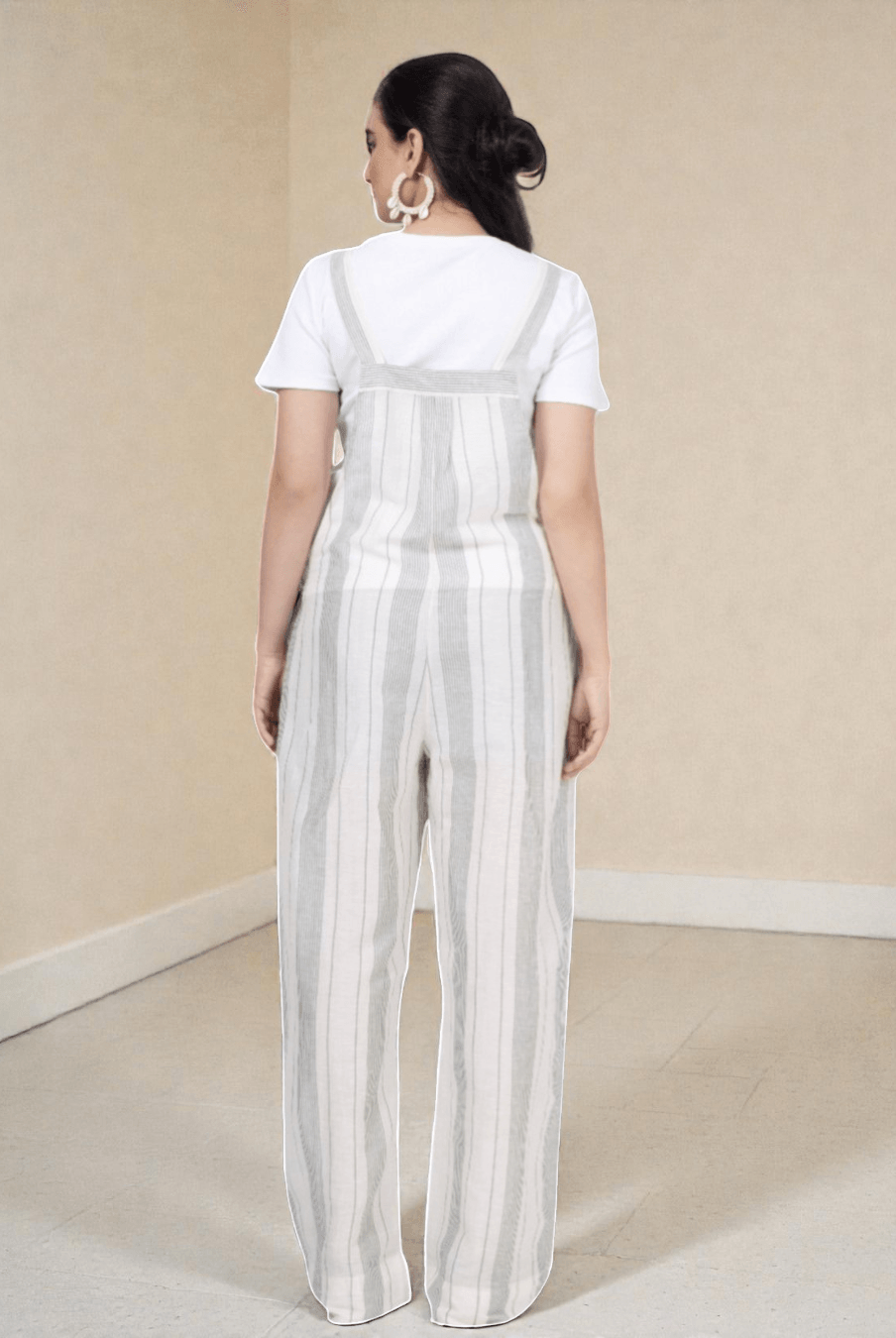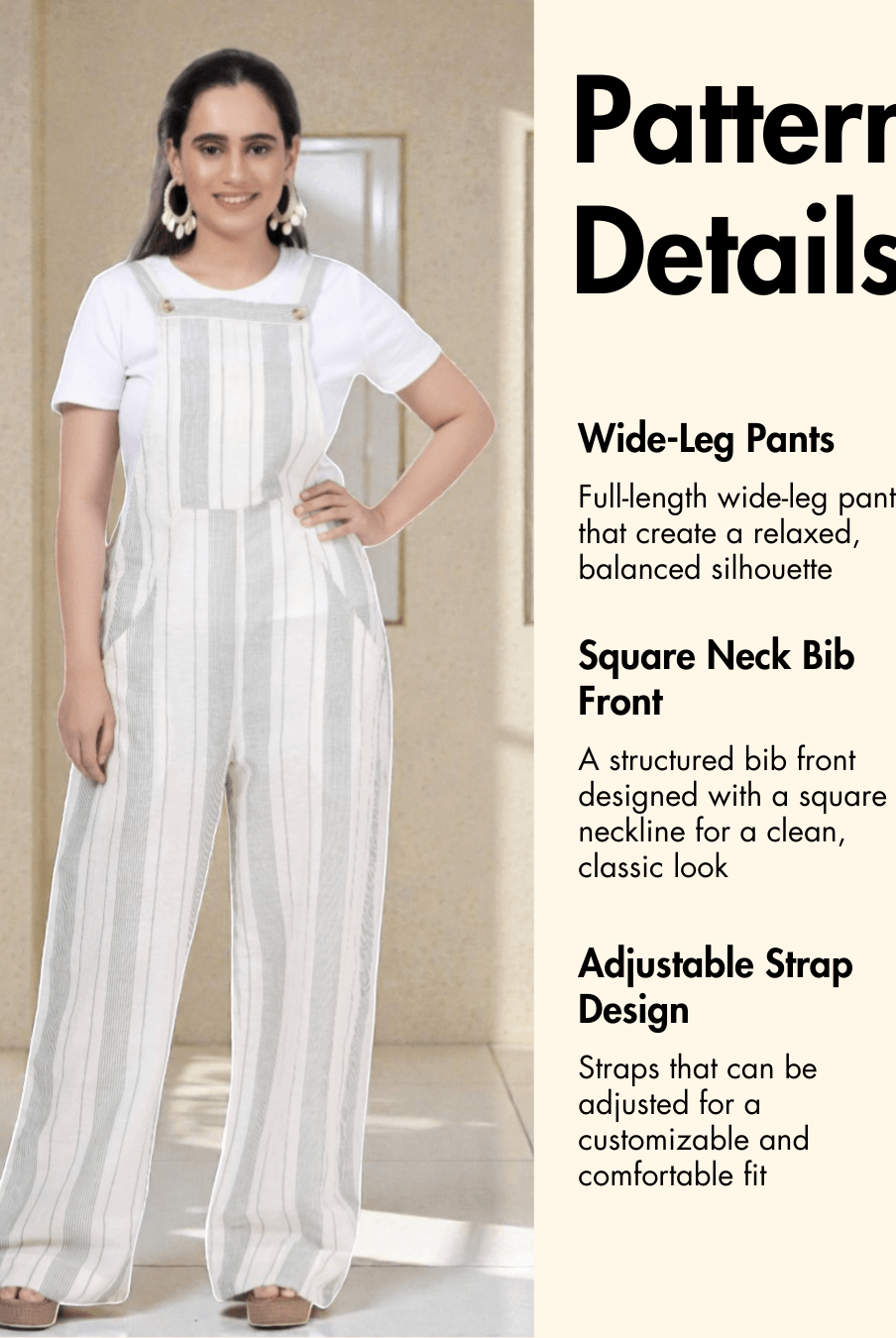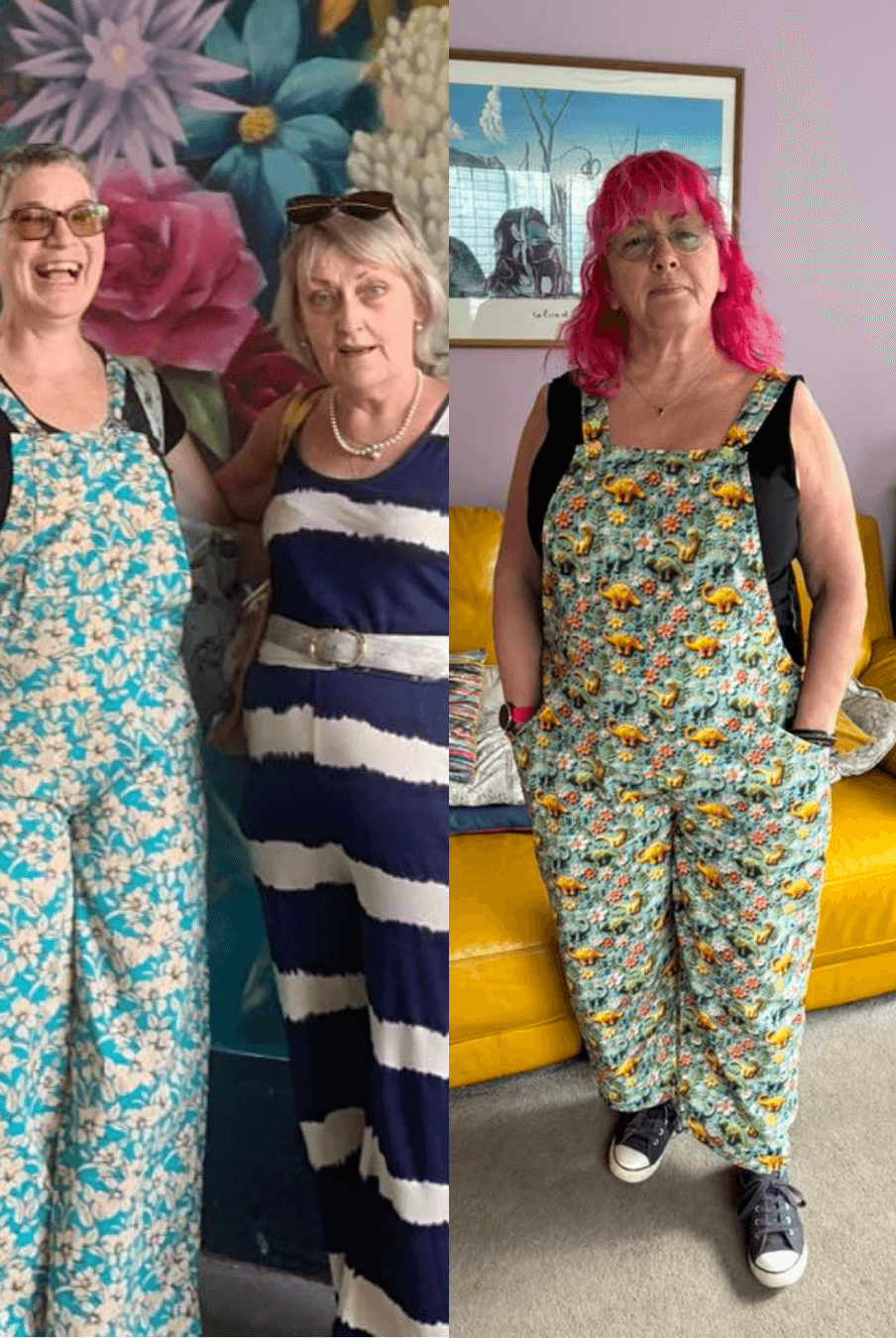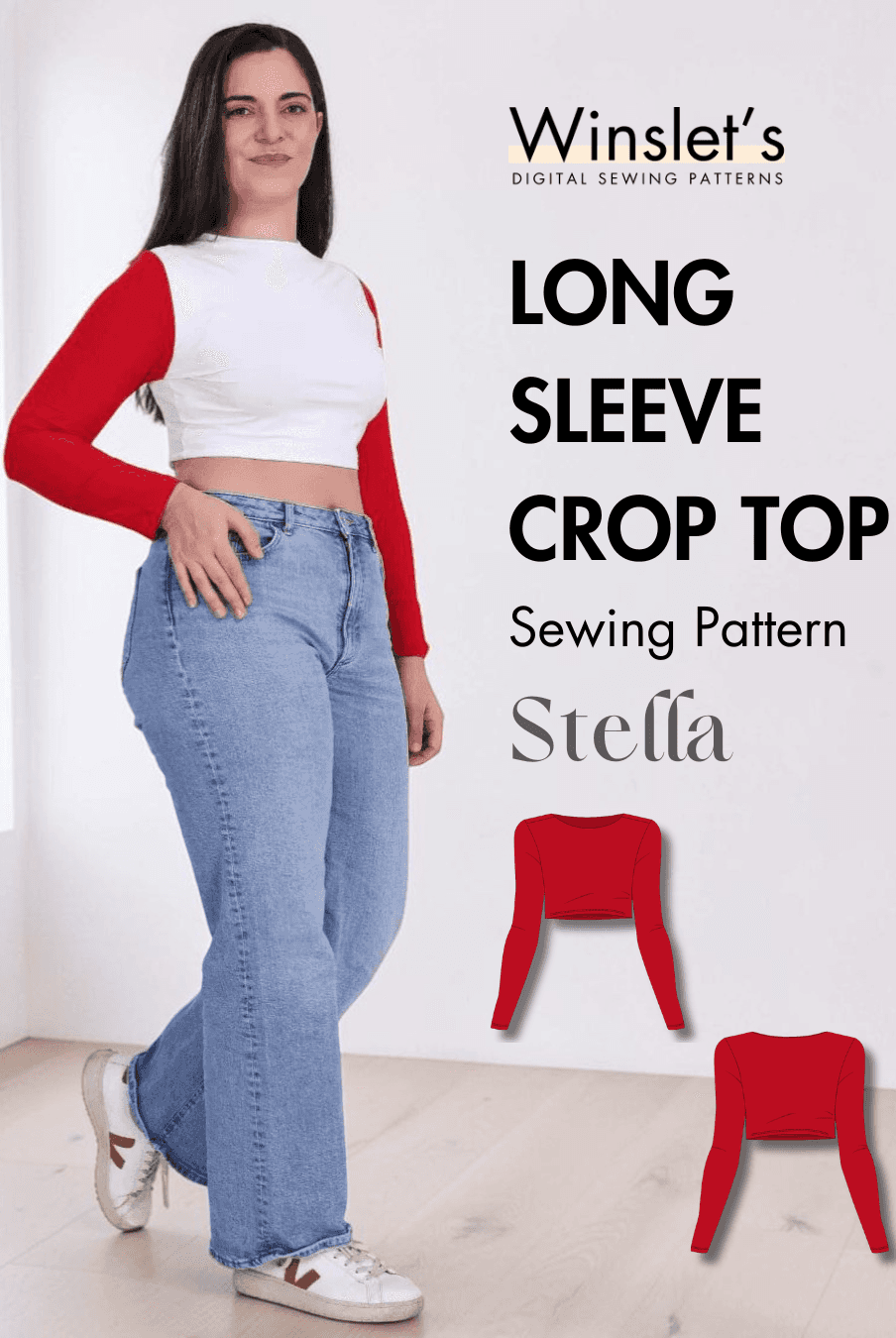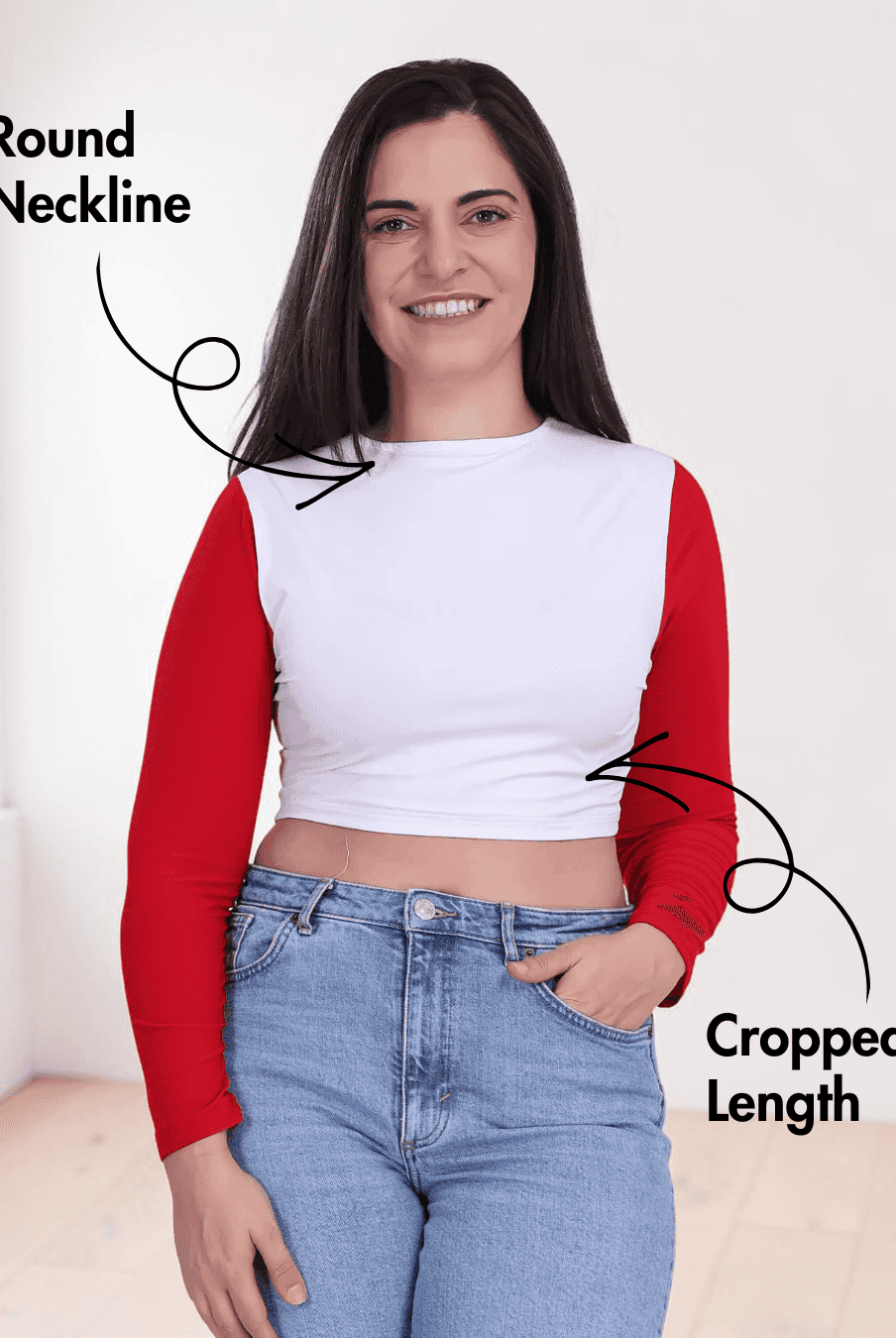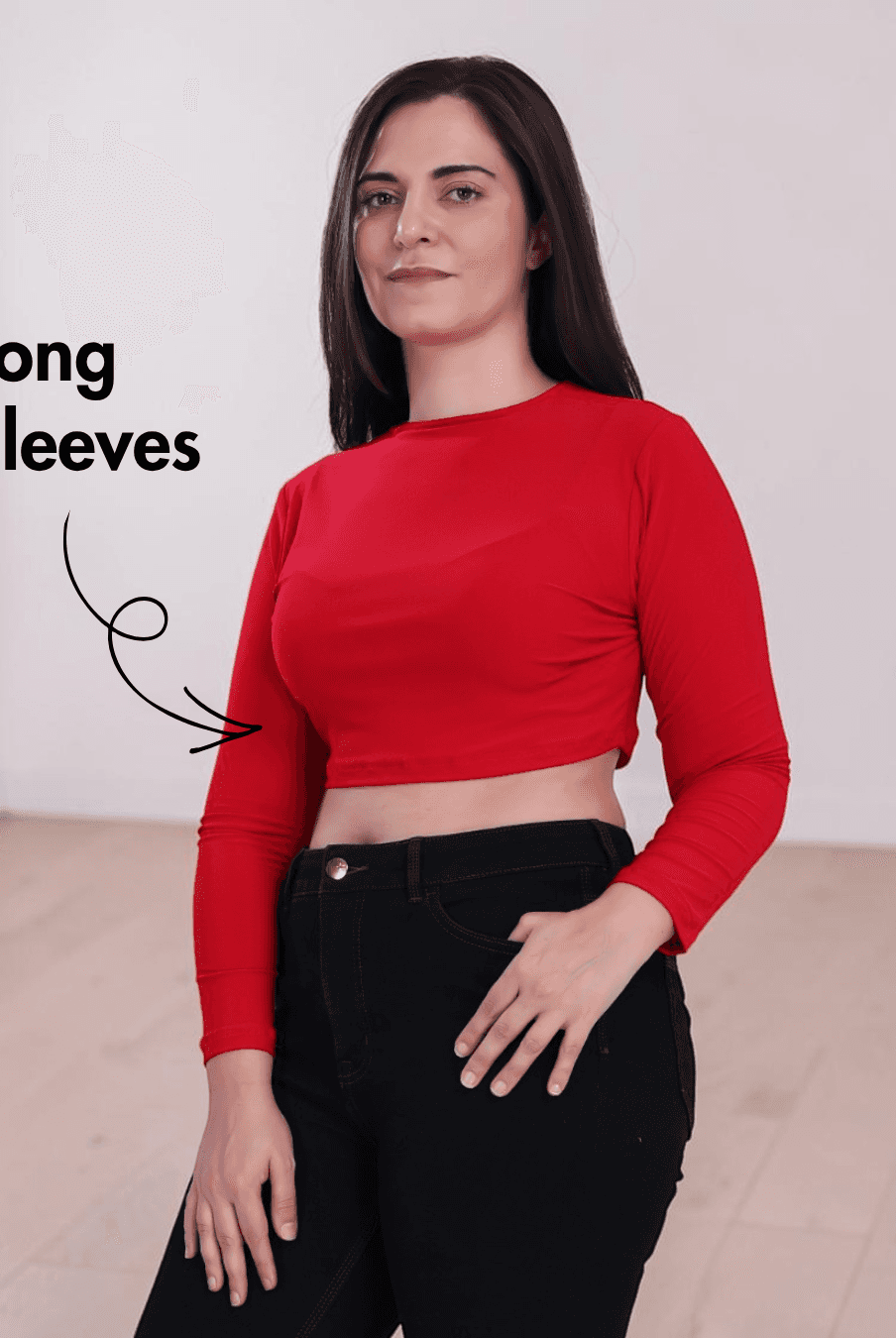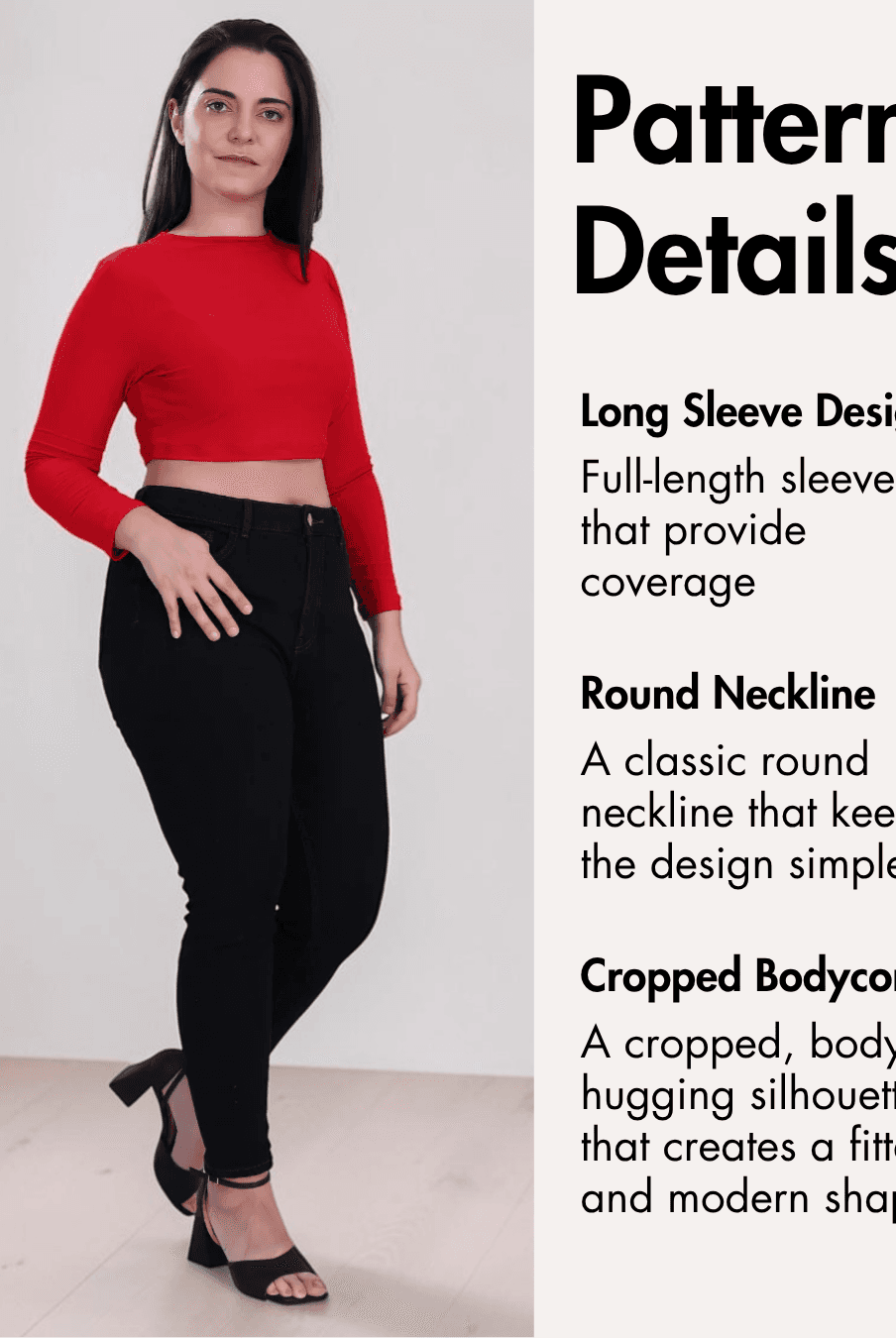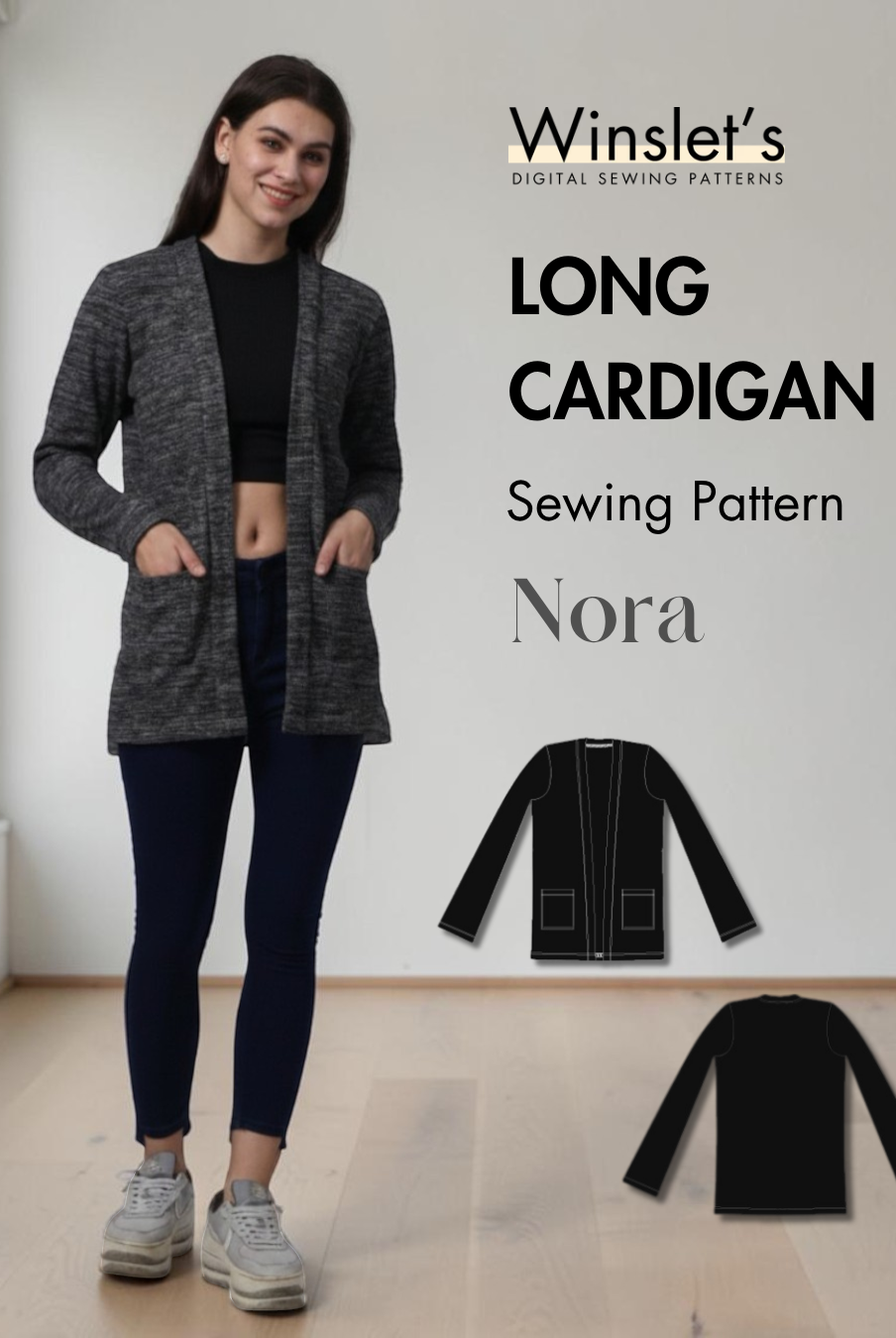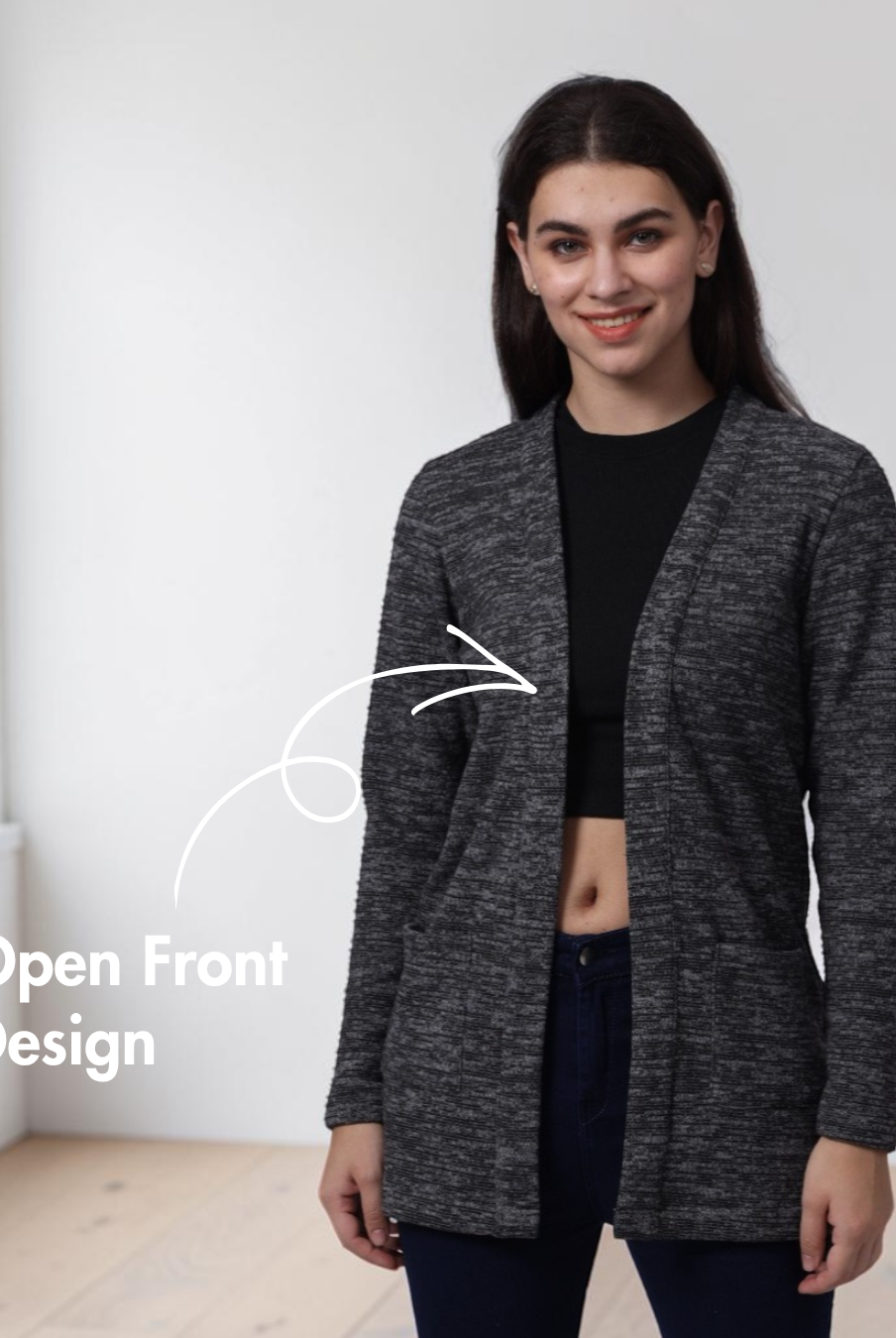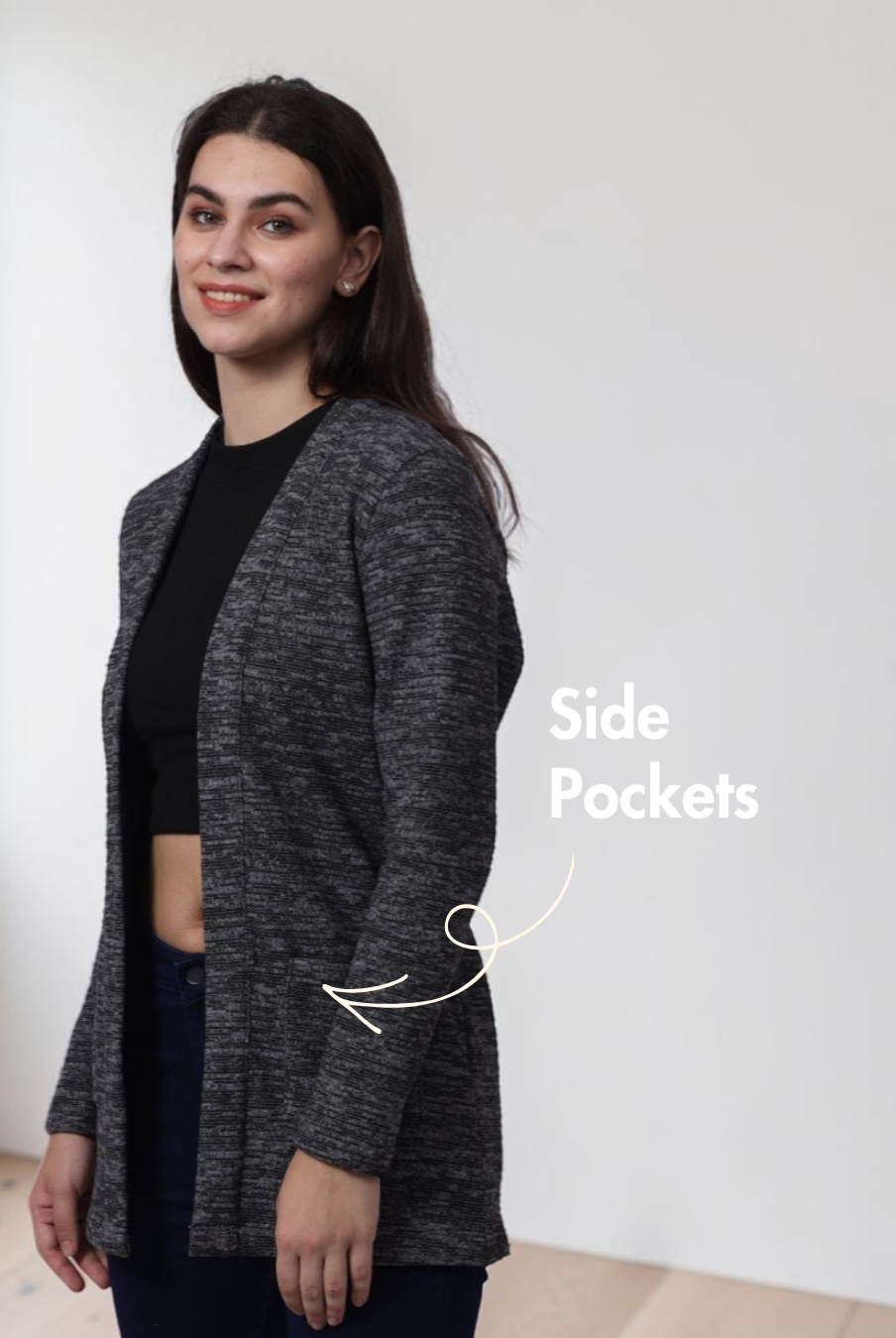
To choose fabric based on a sewing pattern’s skill level, start with the fabric requirements of the pattern and then consider how much you already understand about properties such as stretch, weight, drape, structure, and opacity. The right fabric is not determined by skill level alone—it also needs to behave in the way the garment design requires.
In this guide, you’ll learn how woven and knit fabrics behave differently, which fabric characteristics to compare, how to follow stretch requirements, and how to use swatches and ready-to-wear clothing when you are unsure. These principles are also helpful when choosing fabric for sewing patterns from Winslet's, where understanding the intended garment and its fabric requirements is an important part of preparing for a project.

Does Pattern Skill Level Determine Which Fabric You Should Use?
Not by itself. A pattern’s fabric requirements and the characteristics needed for the finished garment are the main factors to consider.
A beginner-friendly pattern does not automatically mean that every fabric will produce the same result. Likewise, choosing fabric involves more than simply finding the fiber type listed on a pattern.
Before buying fabric, consider:
-
Whether it is woven or knit
-
Required stretch
-
Weight
-
Drape
-
Structure
-
Opacity
-
How the fabric will affect the garment’s details and overall shape
Understanding these characteristics helps you make a more informed fabric choice as your sewing skills develop.
Should Beginners Start by Checking the Pattern Requirements?
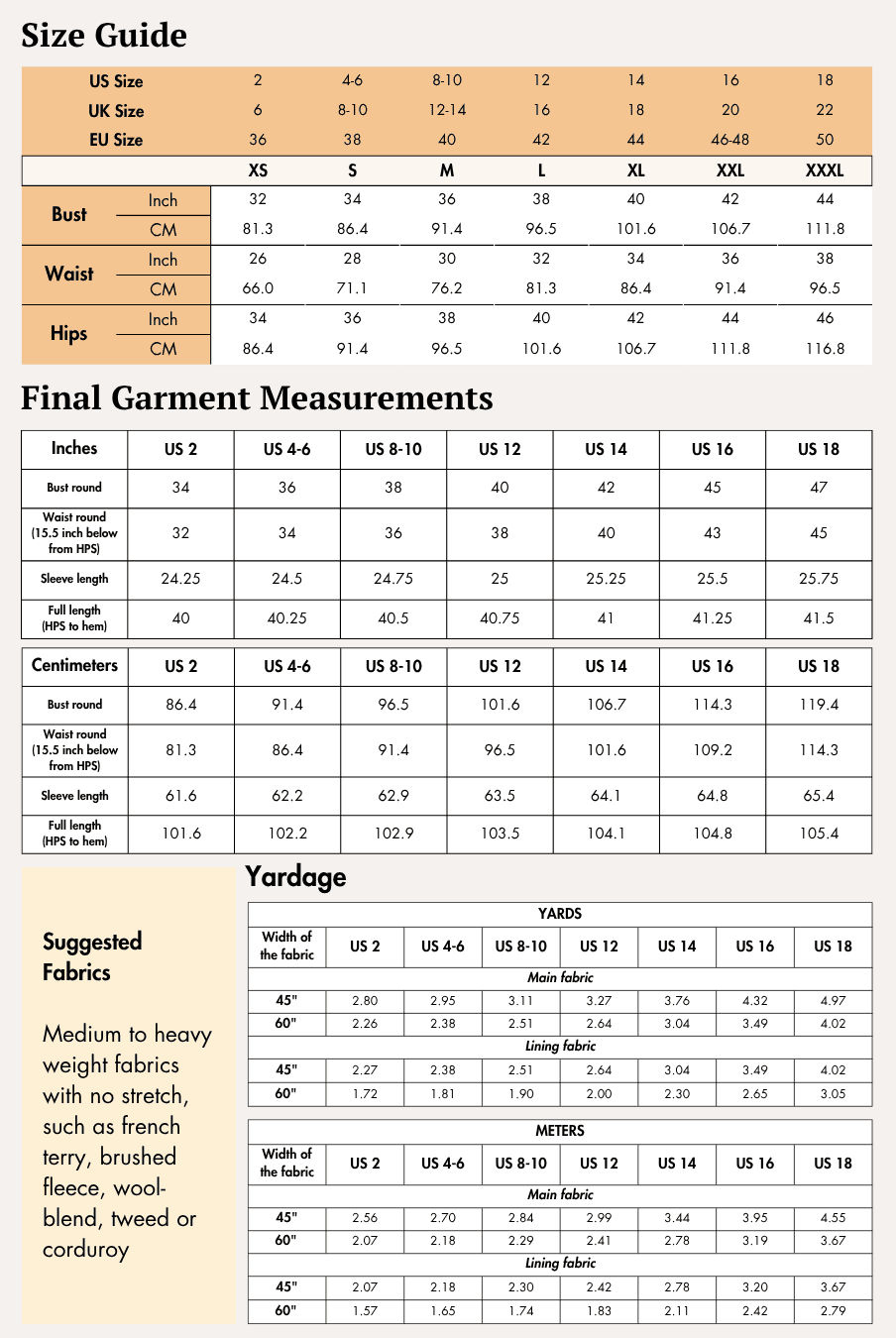
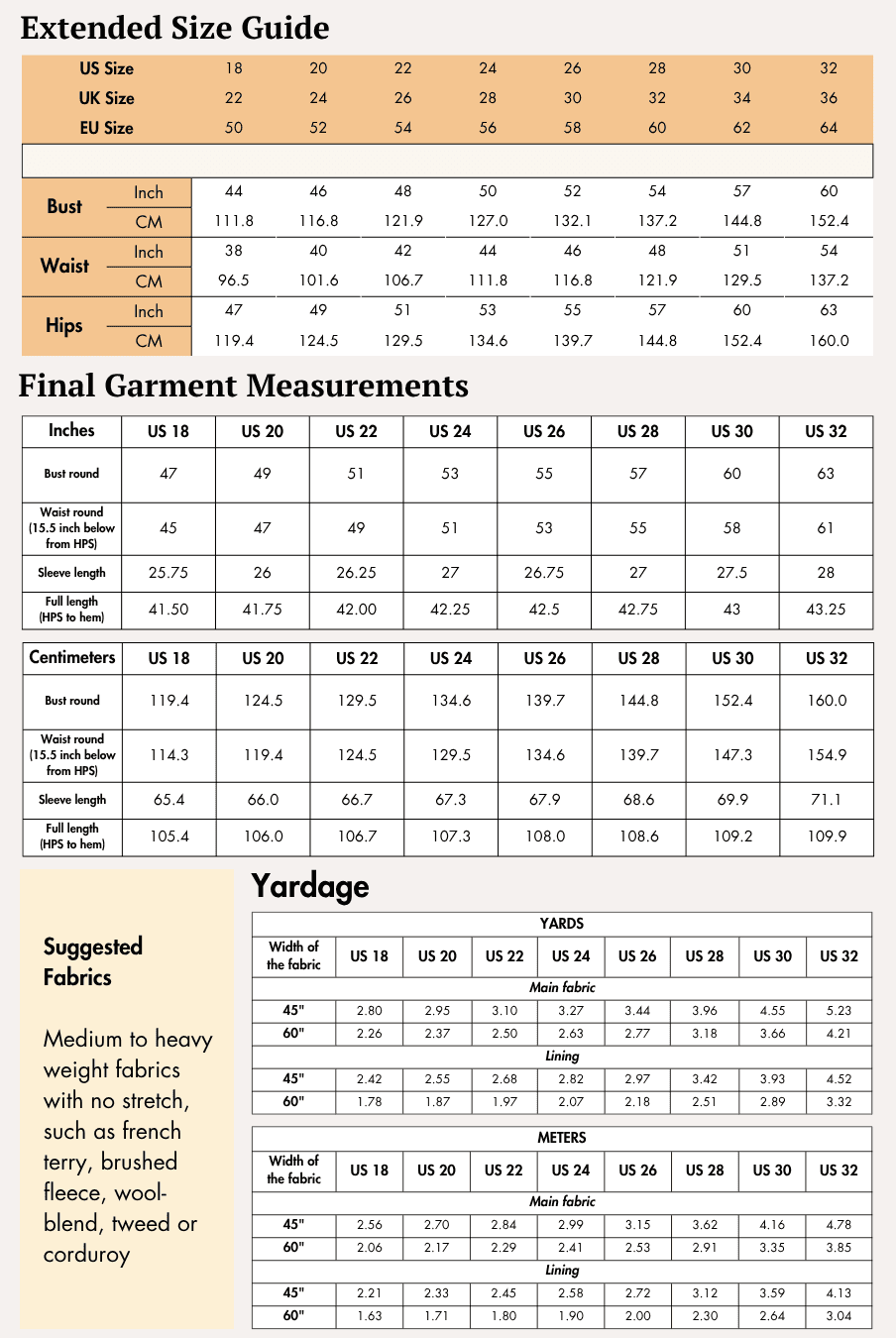
Yes. The sewing pattern should be your first reference when deciding what kind of fabric the project requires.
Pay particular attention to whether the pattern is designed for a woven or knit fabric. If it is designed for a knit, check whether a minimum stretch percentage is specified.
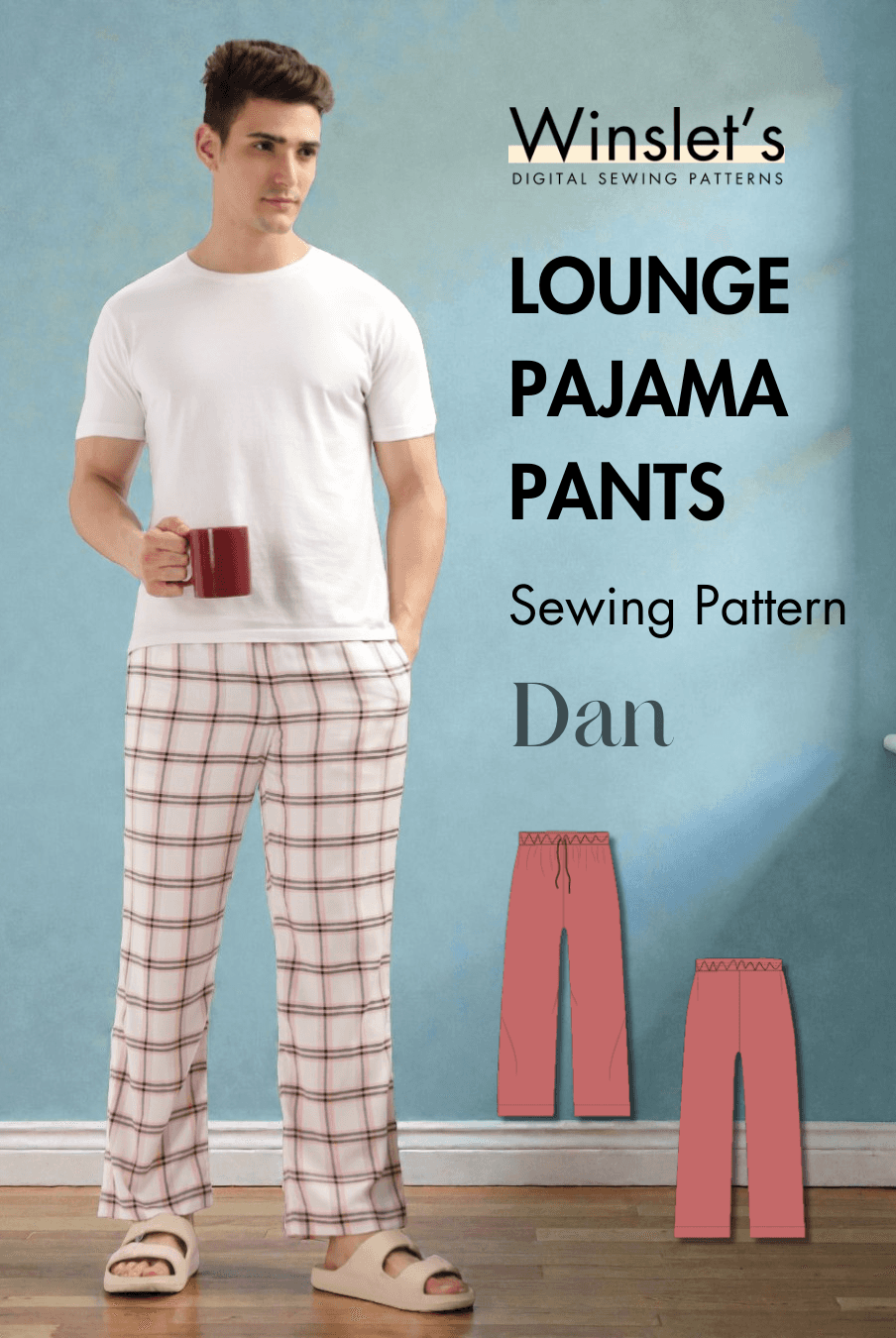
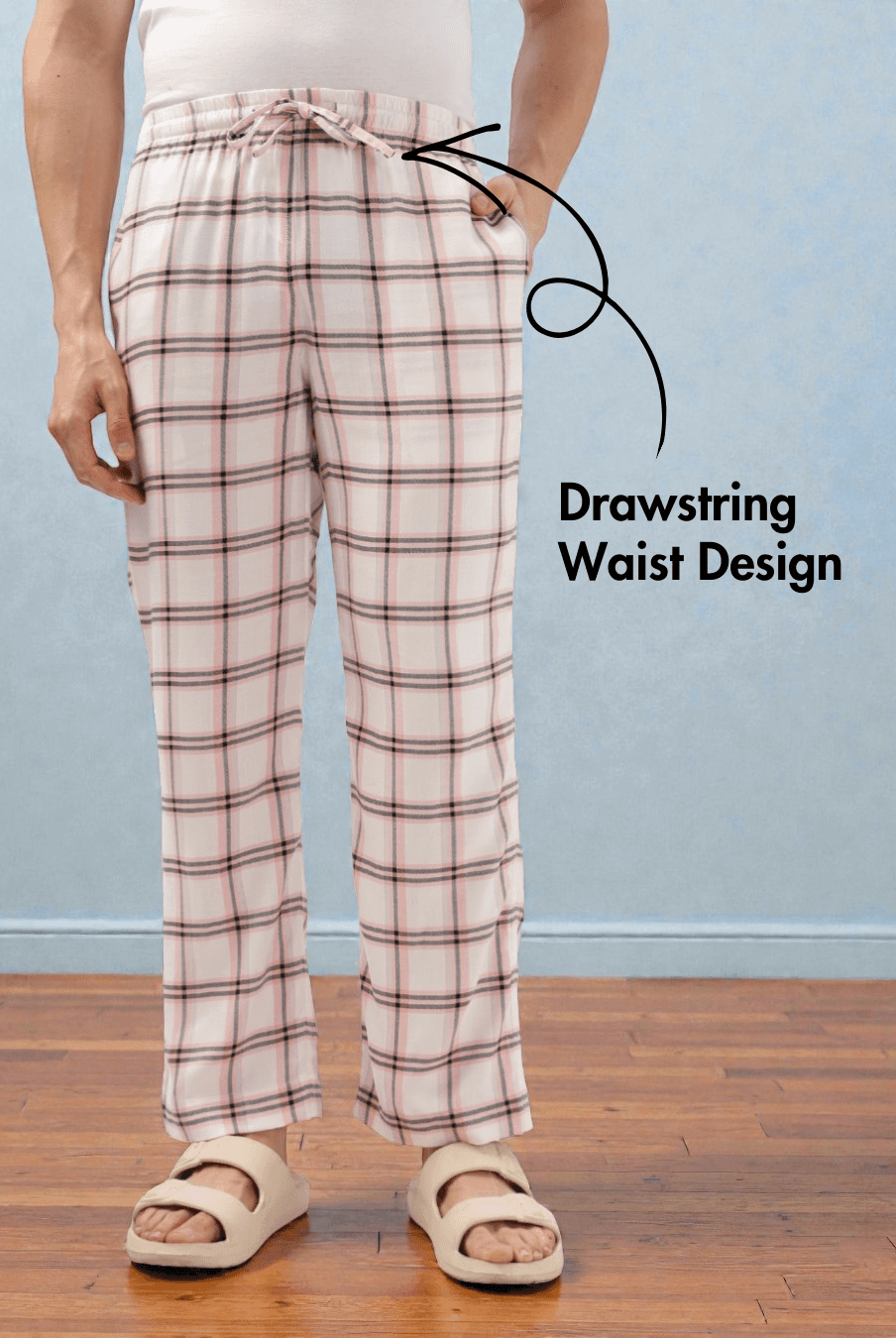
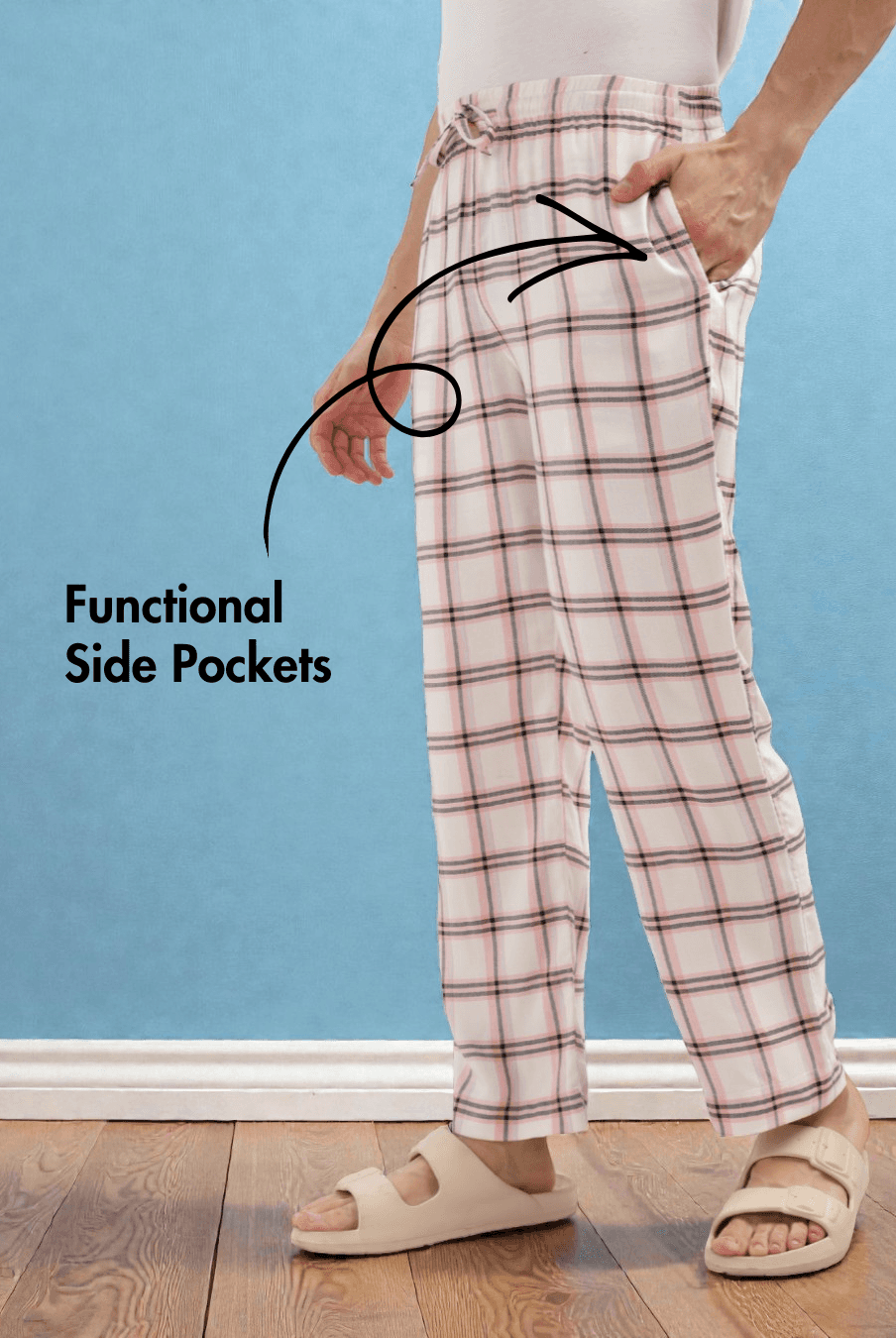
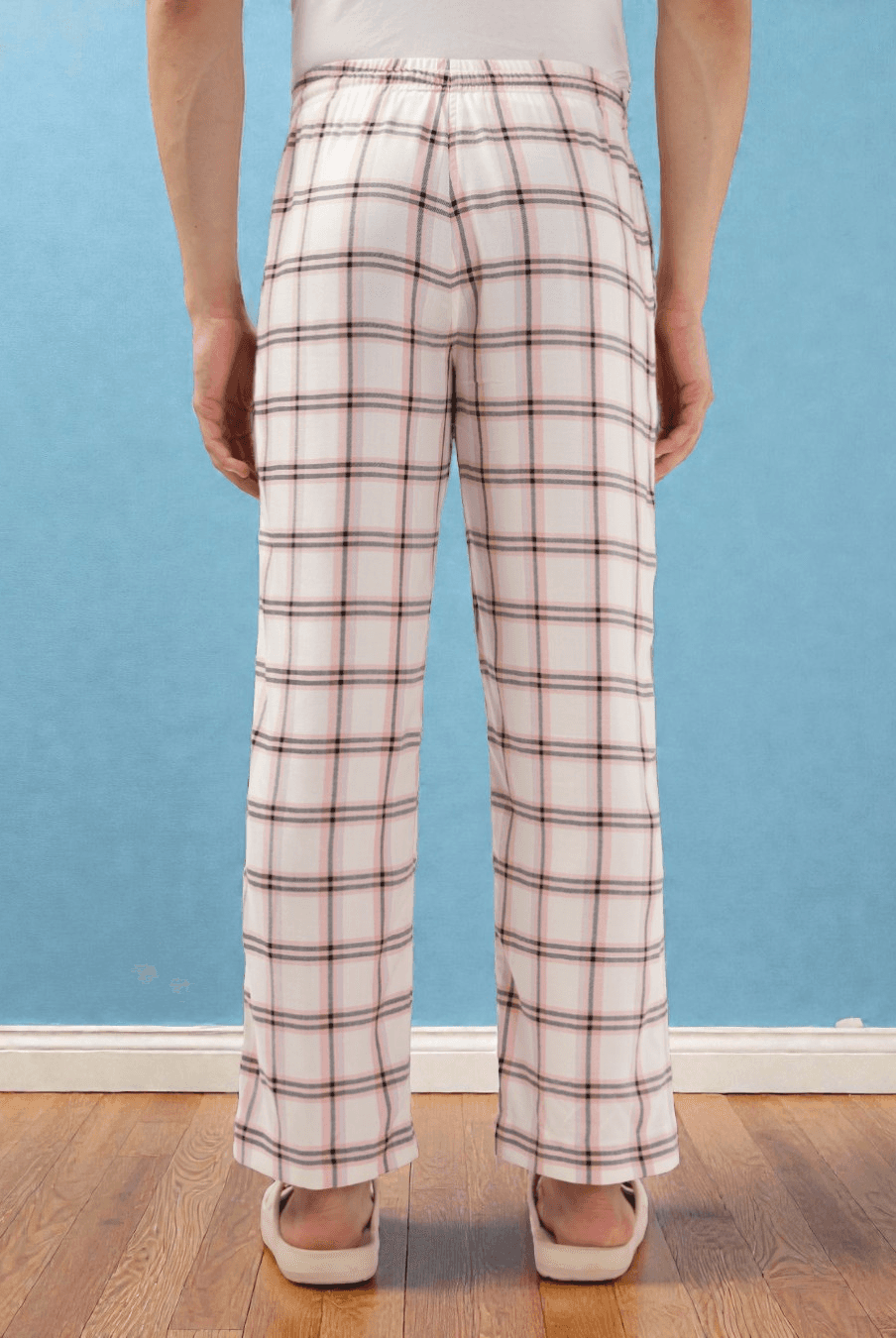
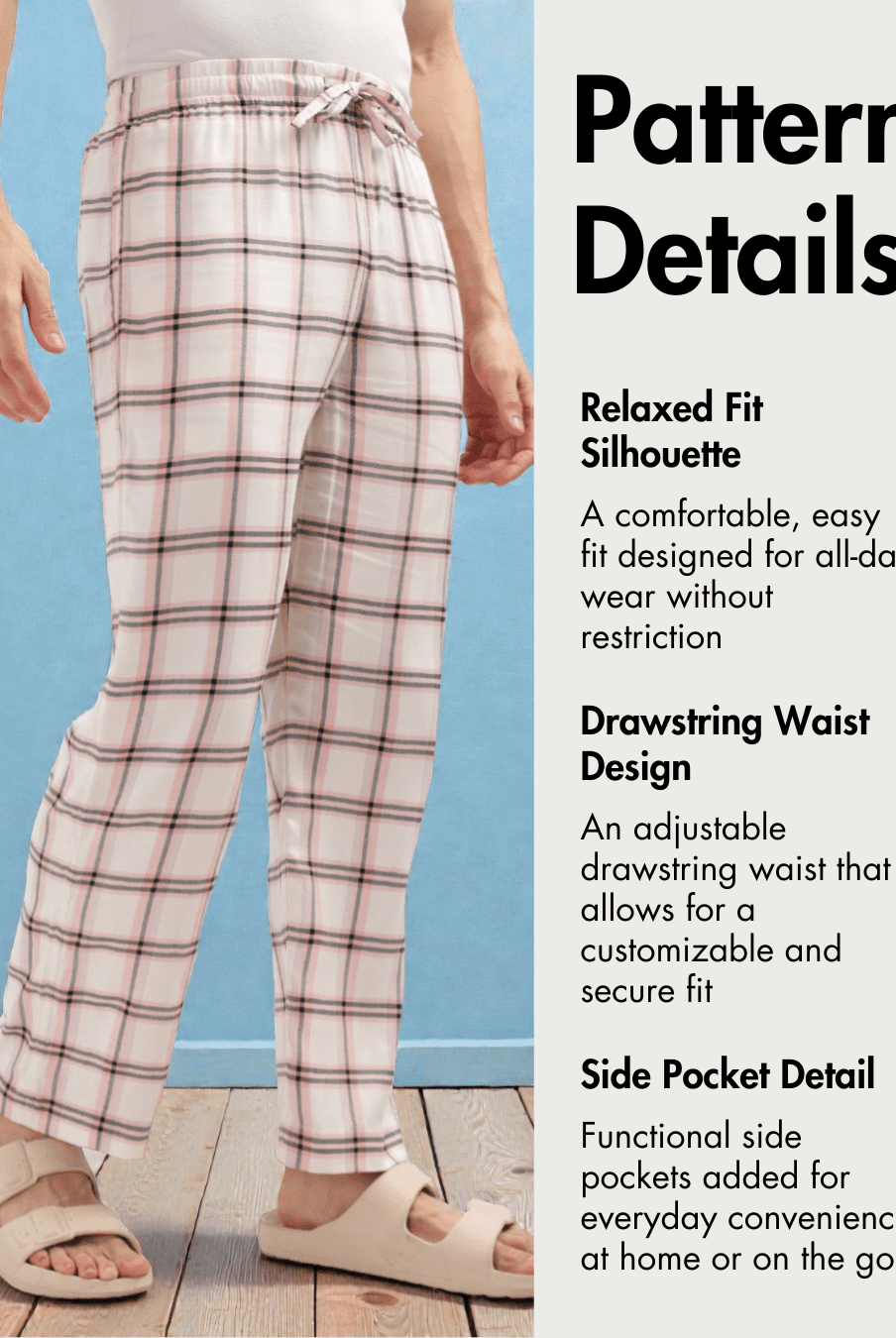
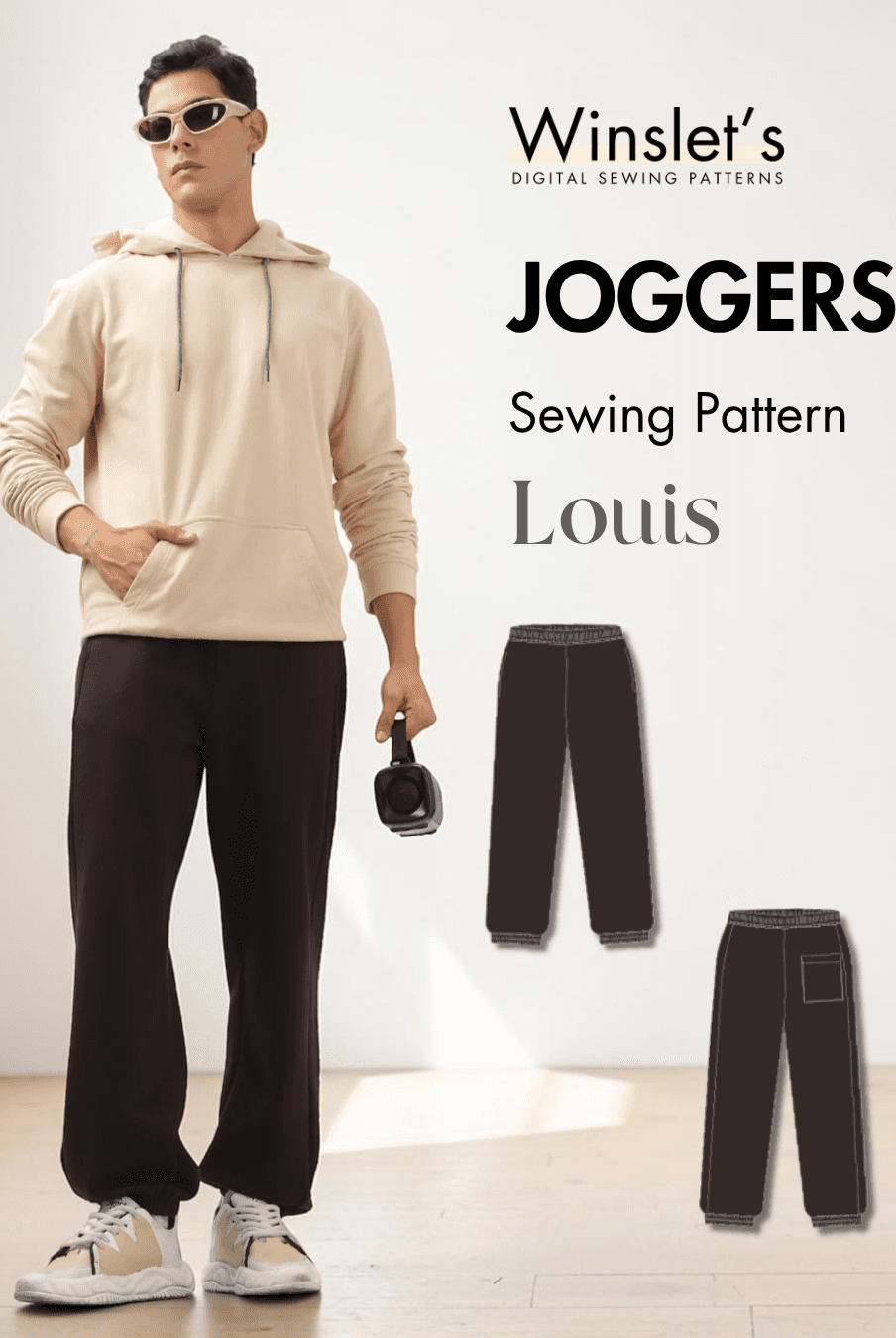
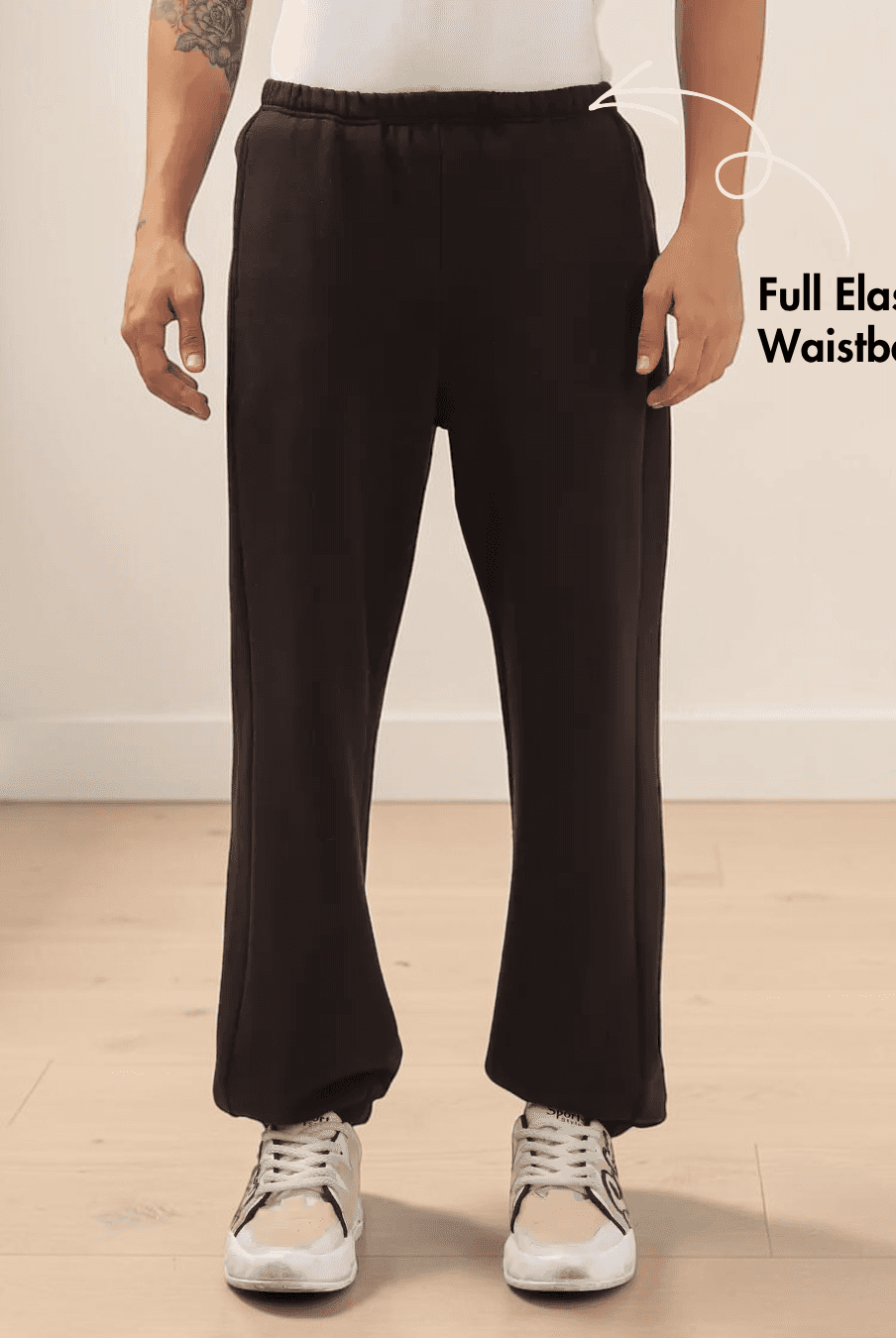
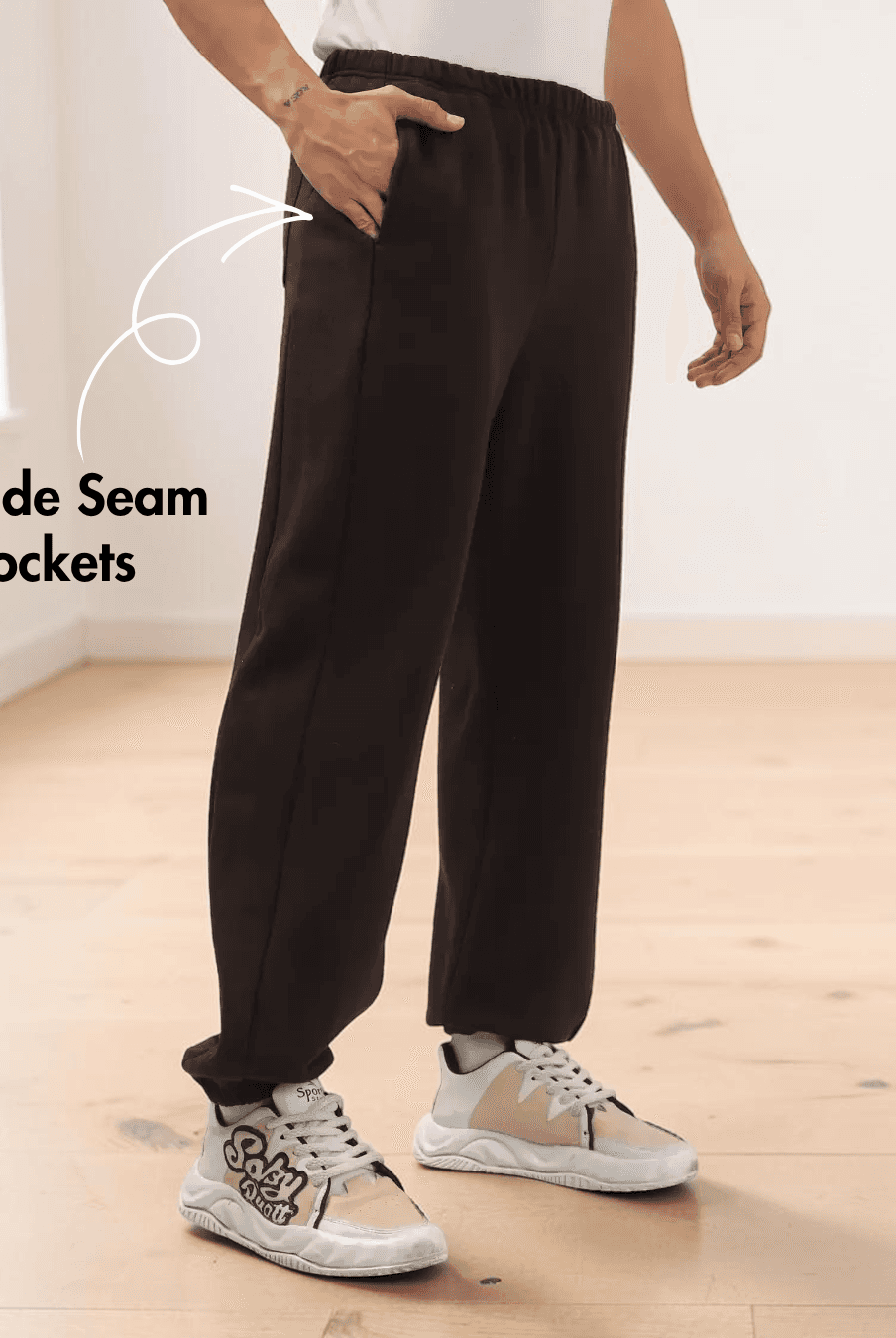
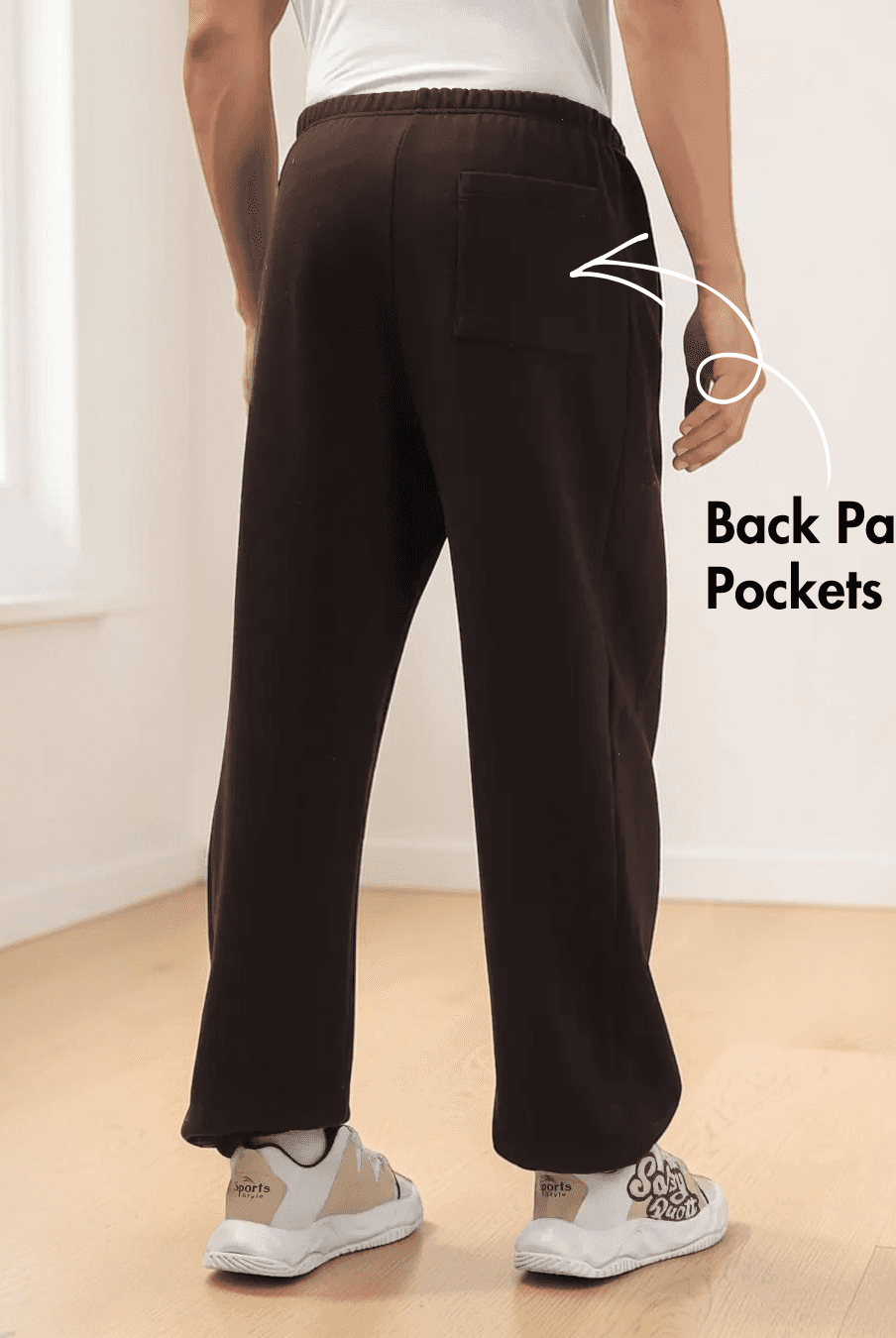
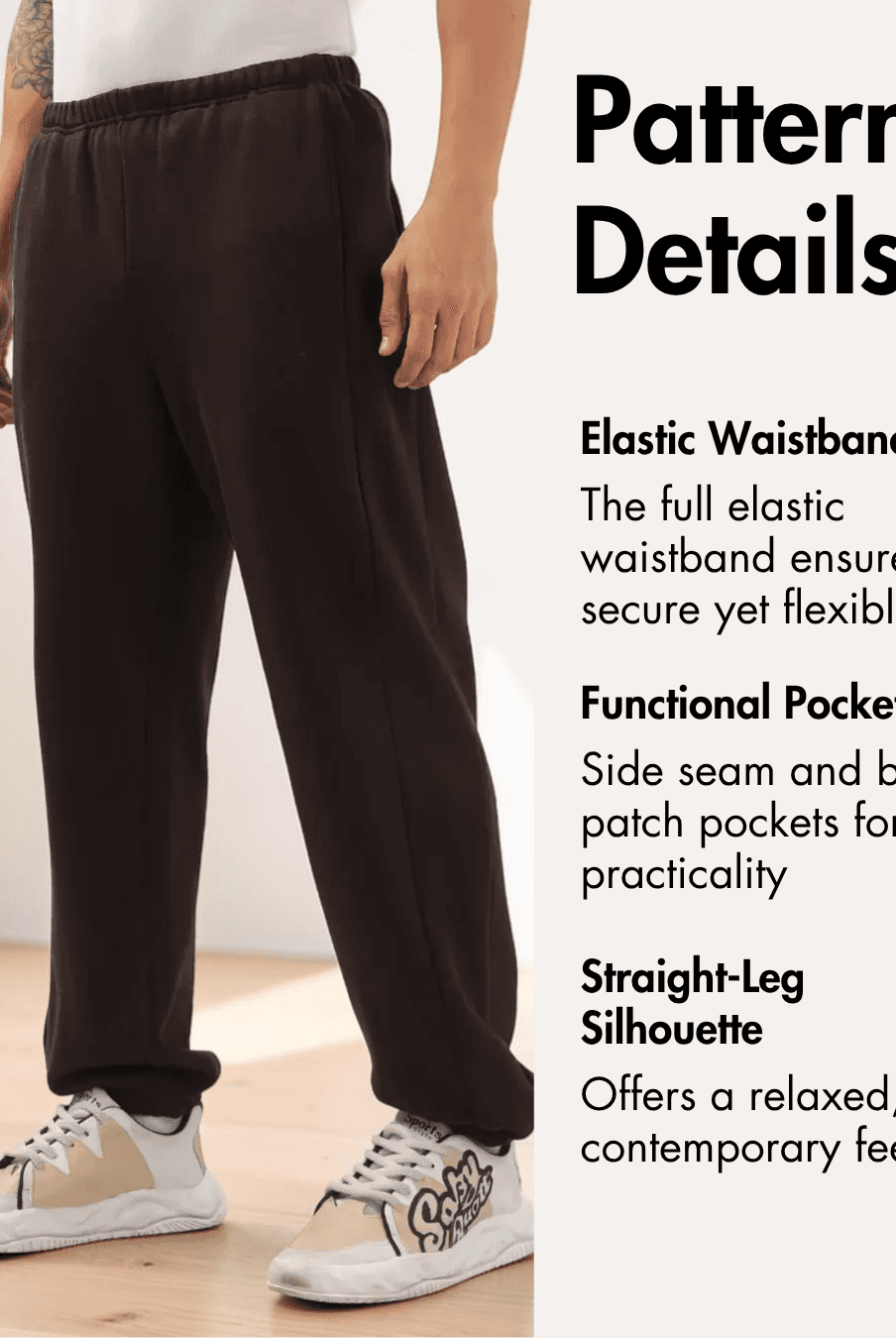
Then consider the type of garment. A pair of casual pants may need different weight and durability characteristics from a light, flowing summer dress, even if both could technically be made from woven fabric.
What Is the Difference Between Woven and Knit Fabric?
Woven and knit fabrics are constructed differently, which affects how they stretch and behave.
Woven Fabric
Woven fabric consists of fibers running in two directions.
The straight grain, also known as the warp, runs parallel to the selvage. The cross grain runs perpendicular to the selvage.
The diagonal direction between the straight and cross grains is the bias.
The weaving process generally provides very little mechanical stretch across the cross grain and none along the straight grain, while the bias has mechanical stretch because of the way the fibers intersect.
However, a woven fabric can have additional stretch if stretchy fibers such as elastane, spandex, or Lycra are incorporated.
Knit Fabric
Knit fabric is created by continuously looping fiber into itself.
The spaces created between those loops allow the fabric to stretch horizontally and vertically. Because that stretch results from the construction of the fabric itself, it is mechanical stretch.
A knit containing an inherently stretchy fiber can have an even greater stretch percentage.
Why Does Fabric Stretch Matter for Pattern Difficulty?
Stretch matters because a knit sewing pattern may specify how much stretch the fabric needs for the garment to work as intended.
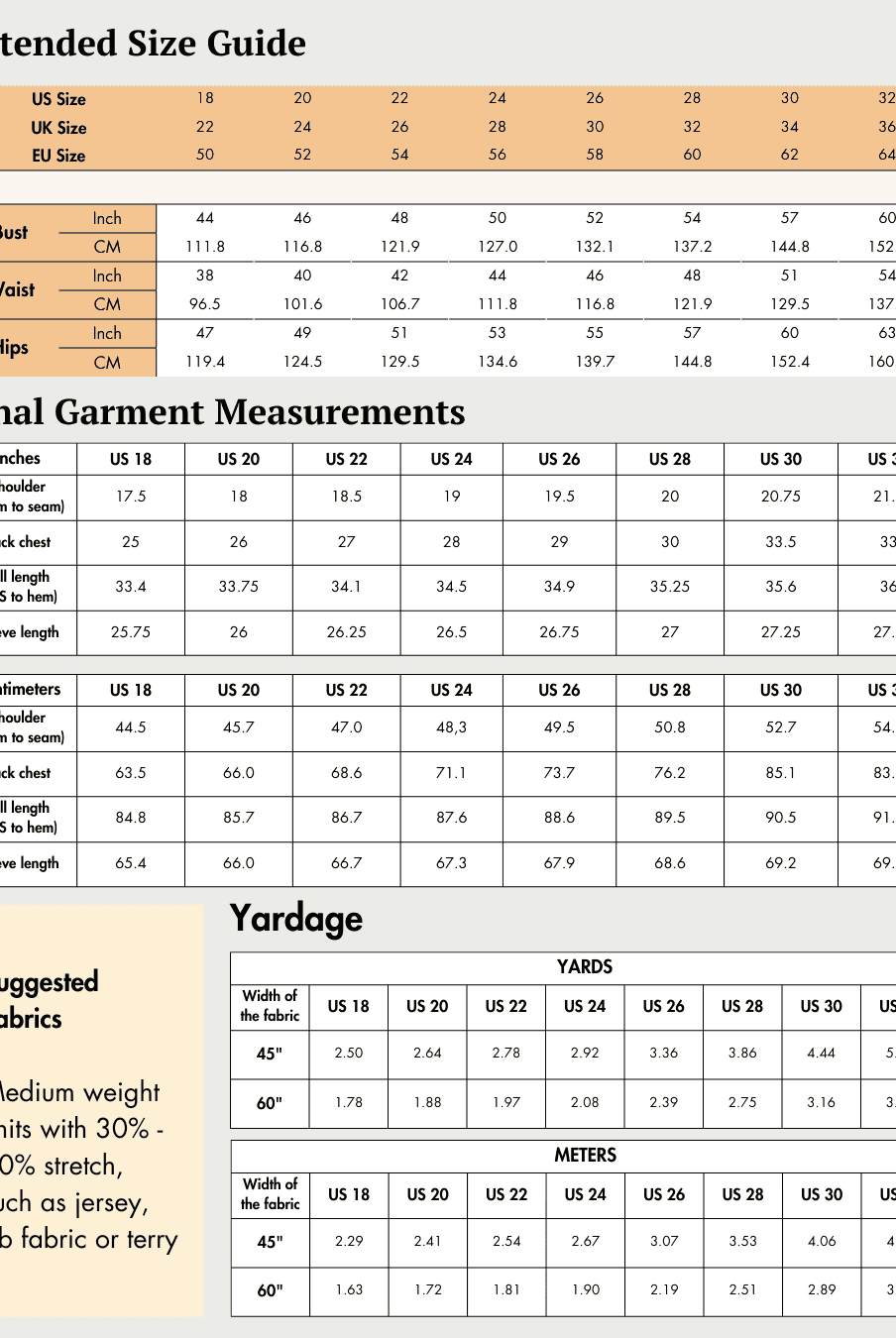
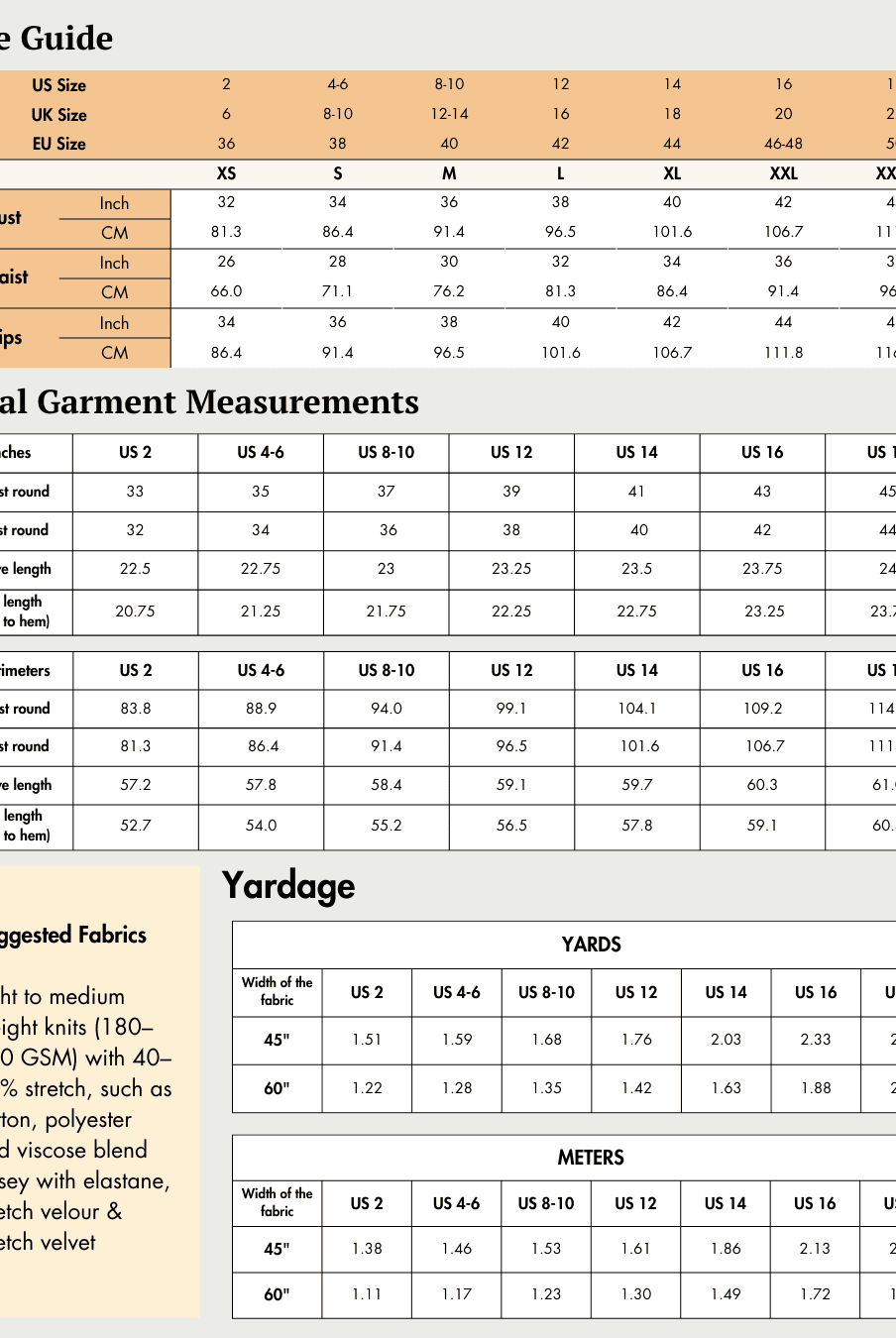
For example, one close-fitting T-shirt pattern discussed in the source requires at least 20% crosswise stretch. A fabric with 20% widthwise stretch meets that requirement, while another cotton jersey with 30% widthwise stretch exceeds it.
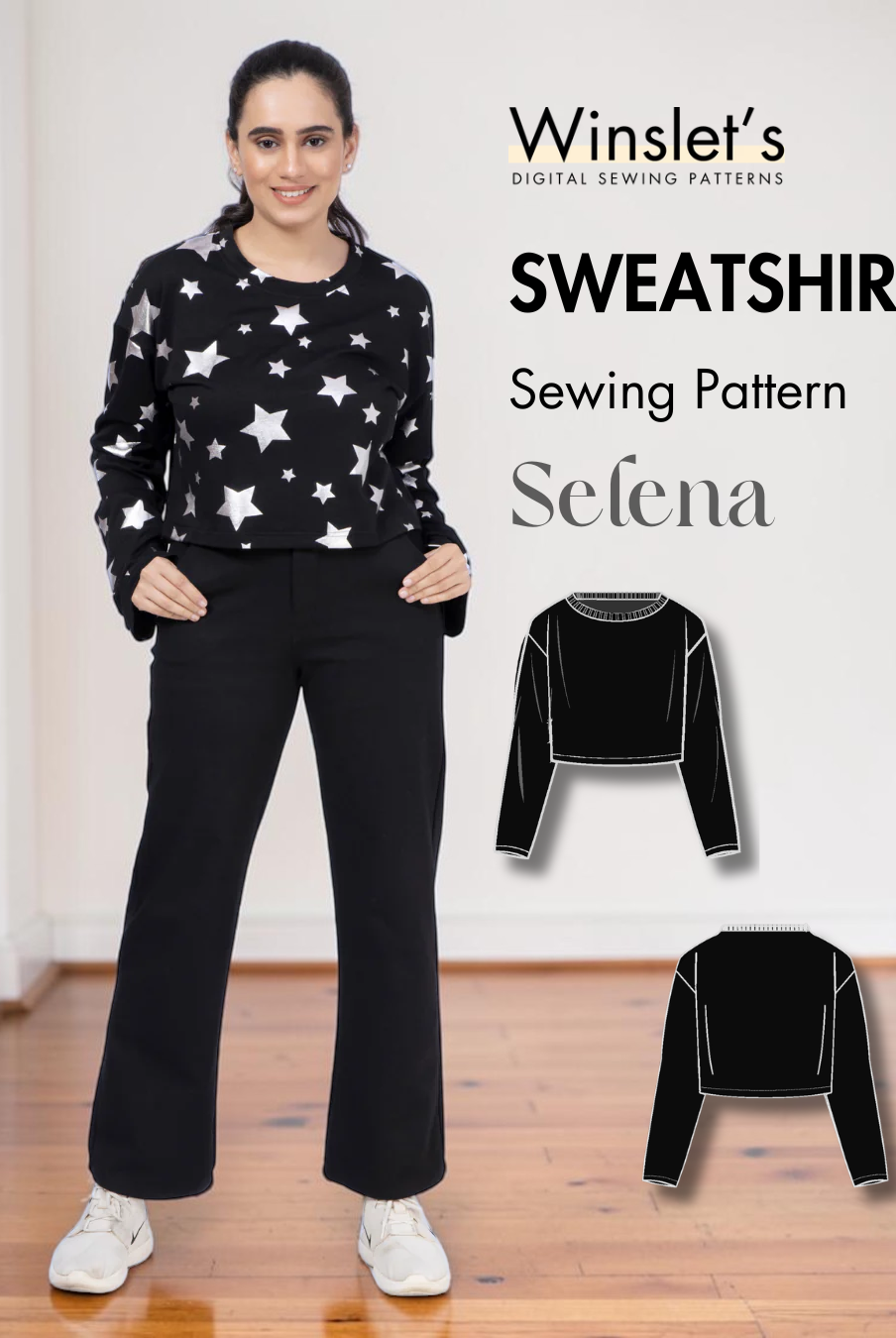
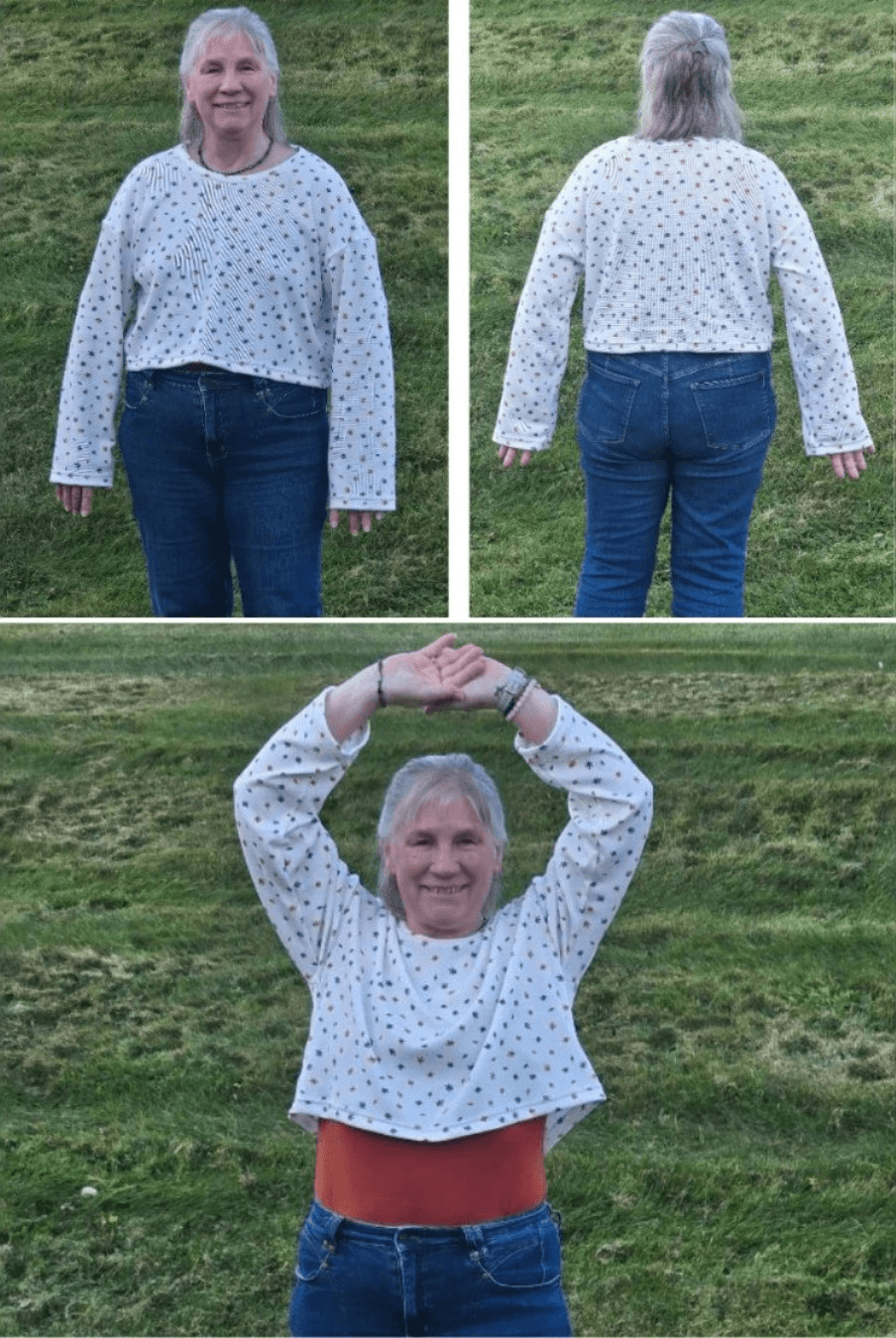
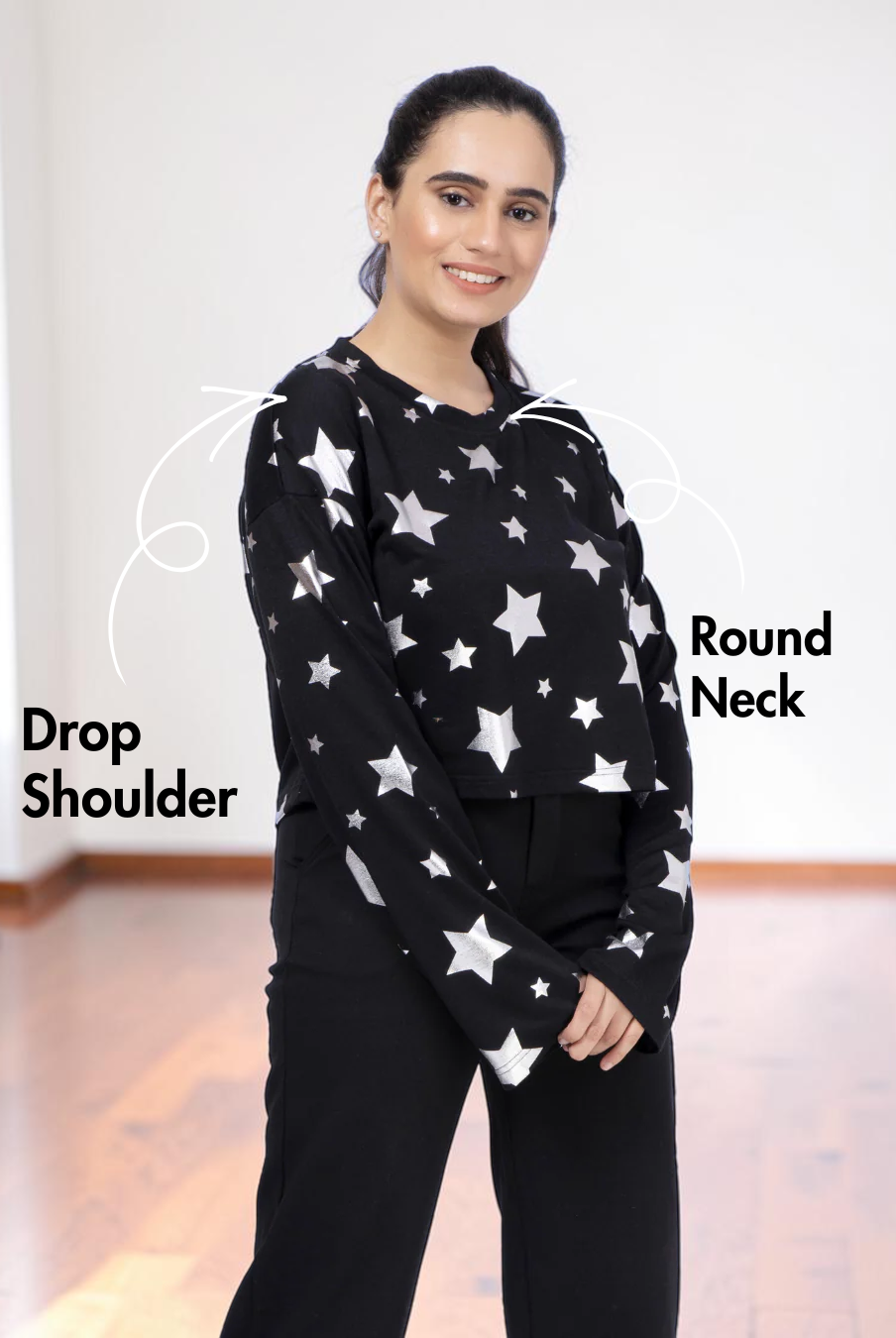
Another sweatshirt pattern requires at least 35% stretch, and one of the demonstrated brushed fleece fabrics provides exactly 35%.
The practical rule is simple:
If your pattern specifies a stretch percentage, choose fabric that meets that requirement.
Do not assume that every knit will provide the amount of stretch required simply because it is knitted.
Which Fabric Properties Should You Check Before Sewing?
Focus on weight, drape, structure, opacity, and stretch because each can noticeably change how the finished garment behaves.
Weight
Fabric weight helps determine whether a material suits the type of garment you are making.
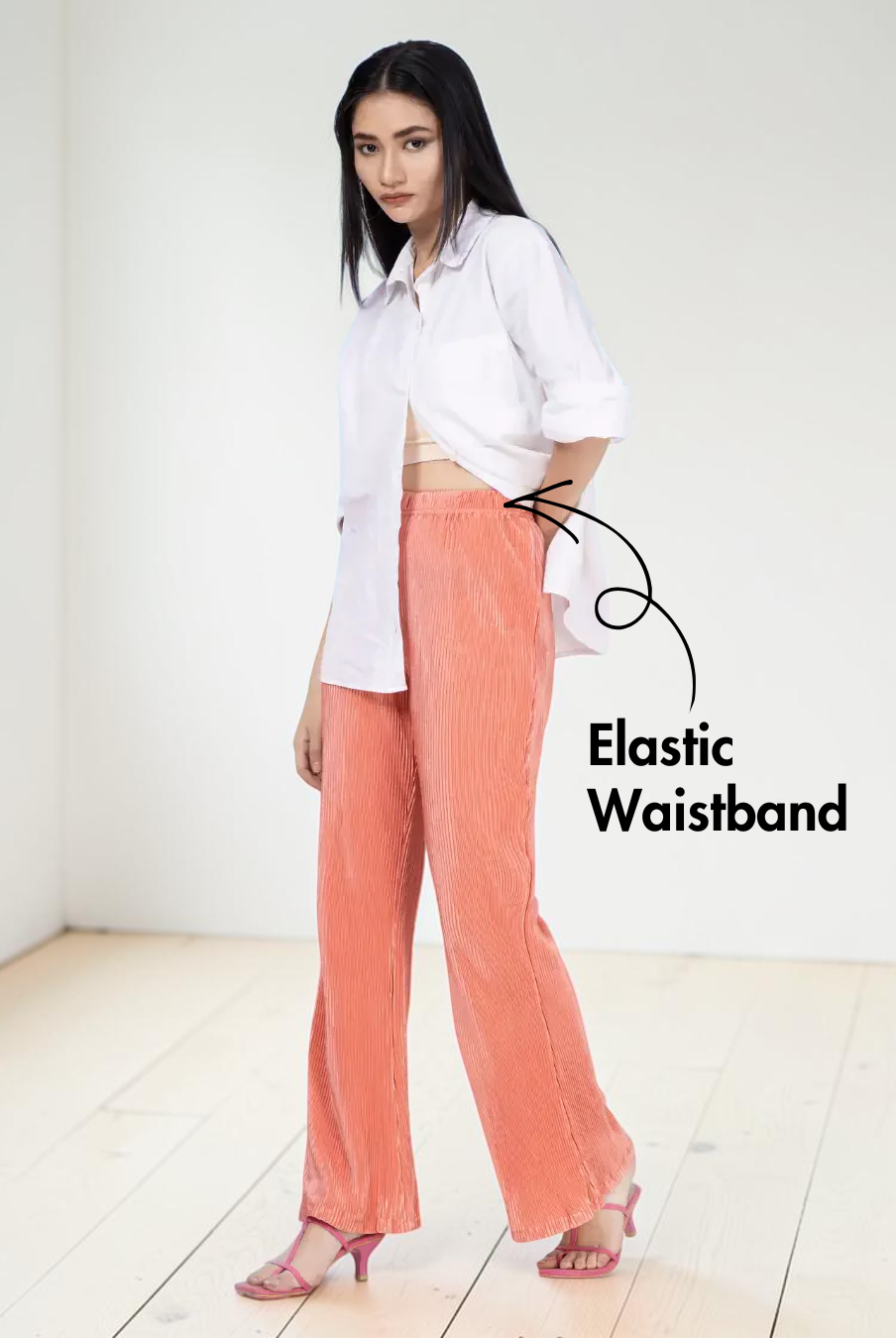
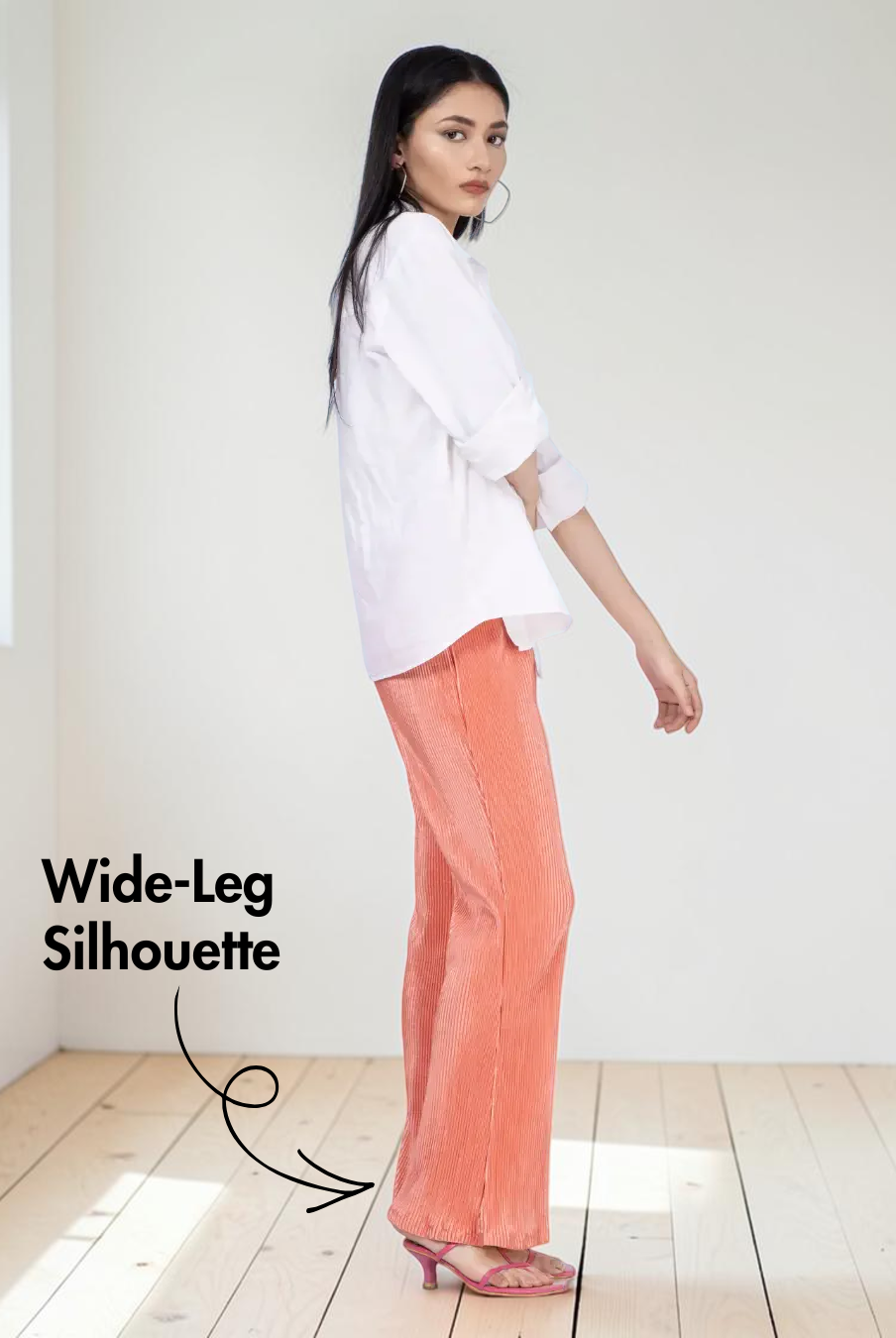
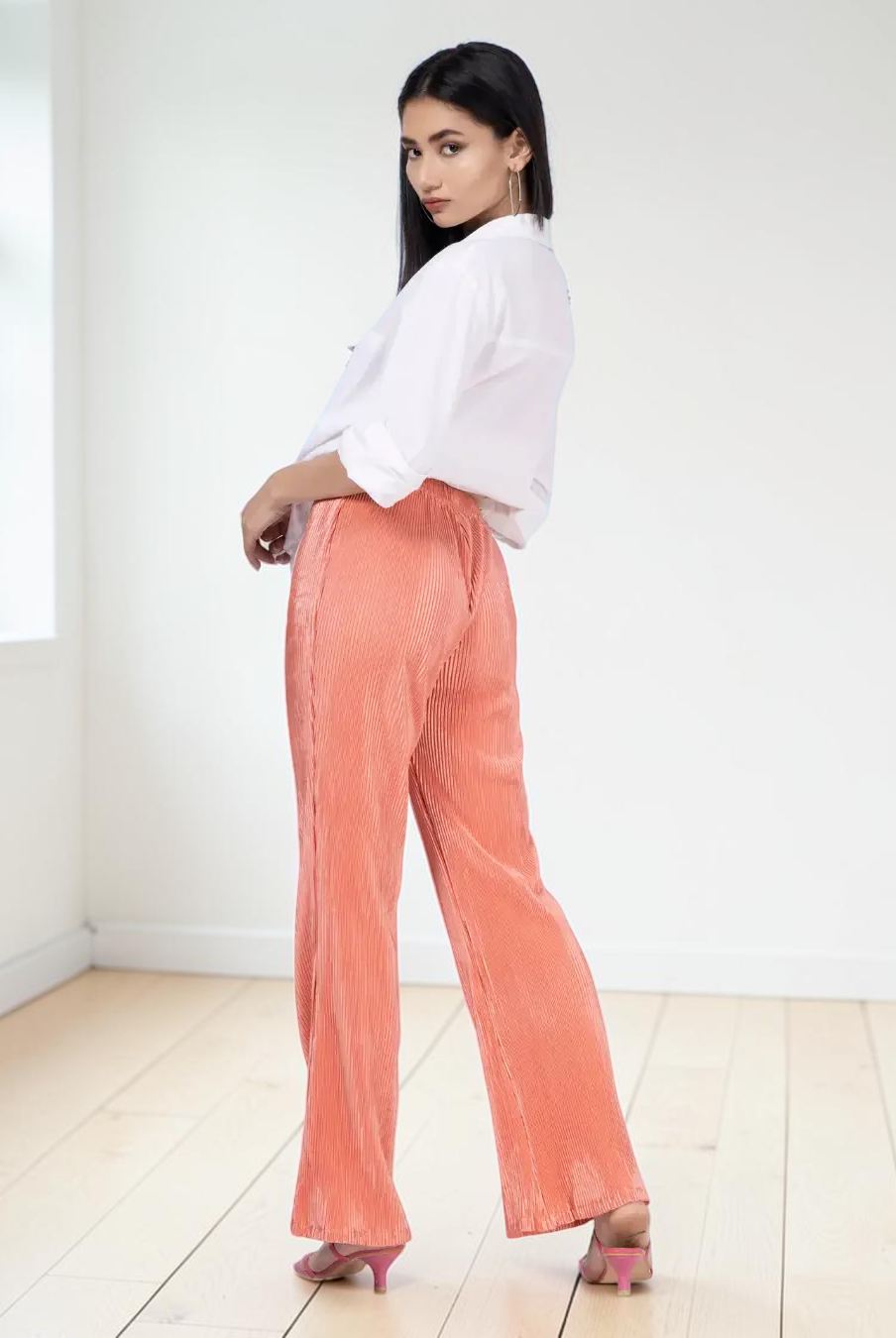
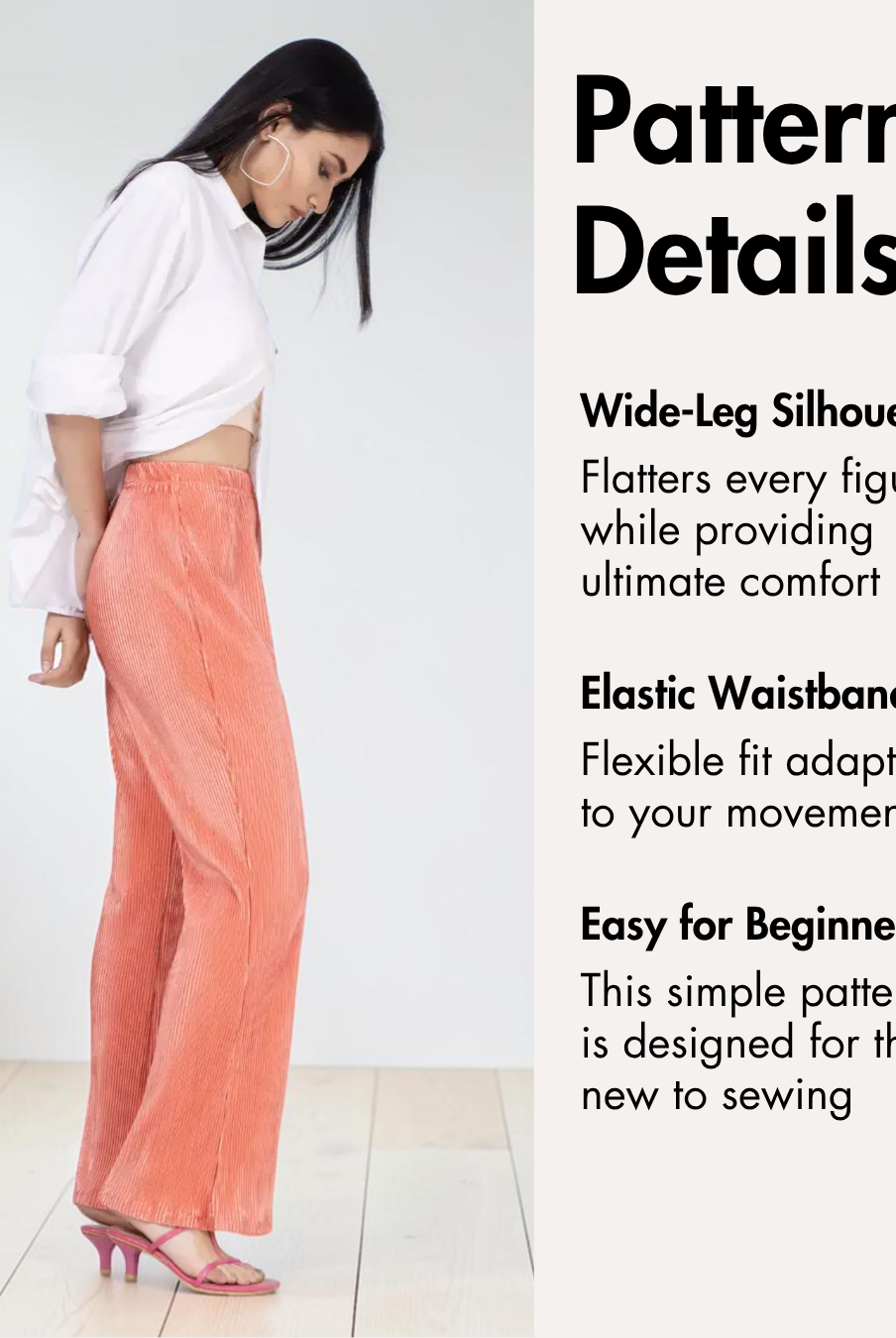
For loose casual pants, for example, a medium- or heavier-weight fabric can provide the opacity and durability expected from a bottom-weight garment. A fabric that is too lightweight or sheer may not be appropriate for that use.
A light summer dress, on the other hand, can suit lighter, airier fabrics rather than something heavy such as coating fabric.
Drape
Drape describes how the fabric falls.
A very drapey fabric can fall softly down the body and work well where you want flowing folds, gathers, soft pleats, or a cowl neckline.
A fabric with less drape may hold the shape of the garment details more noticeably.
Structure
Structure affects how firmly a fabric holds its shape.
Two fabrics can have similar weights but create noticeably different results. A crisper fabric may cause details such as pockets or folds to stand farther away from the body, while a softer, drapier fabric creates a more relaxed effect.
Opacity
Consider whether the fabric is opaque or translucent.
For garments where coverage is important, opacity can influence your choice. A sheer fabric such as chiffon may require lining if you do not want the finished garment to remain translucent.
Stretch
For stretch patterns, compare the fabric's stretch percentage with the pattern requirement, paying attention to the direction of stretch specified.
How Can Fabric Choice Change the Same Sewing Pattern?
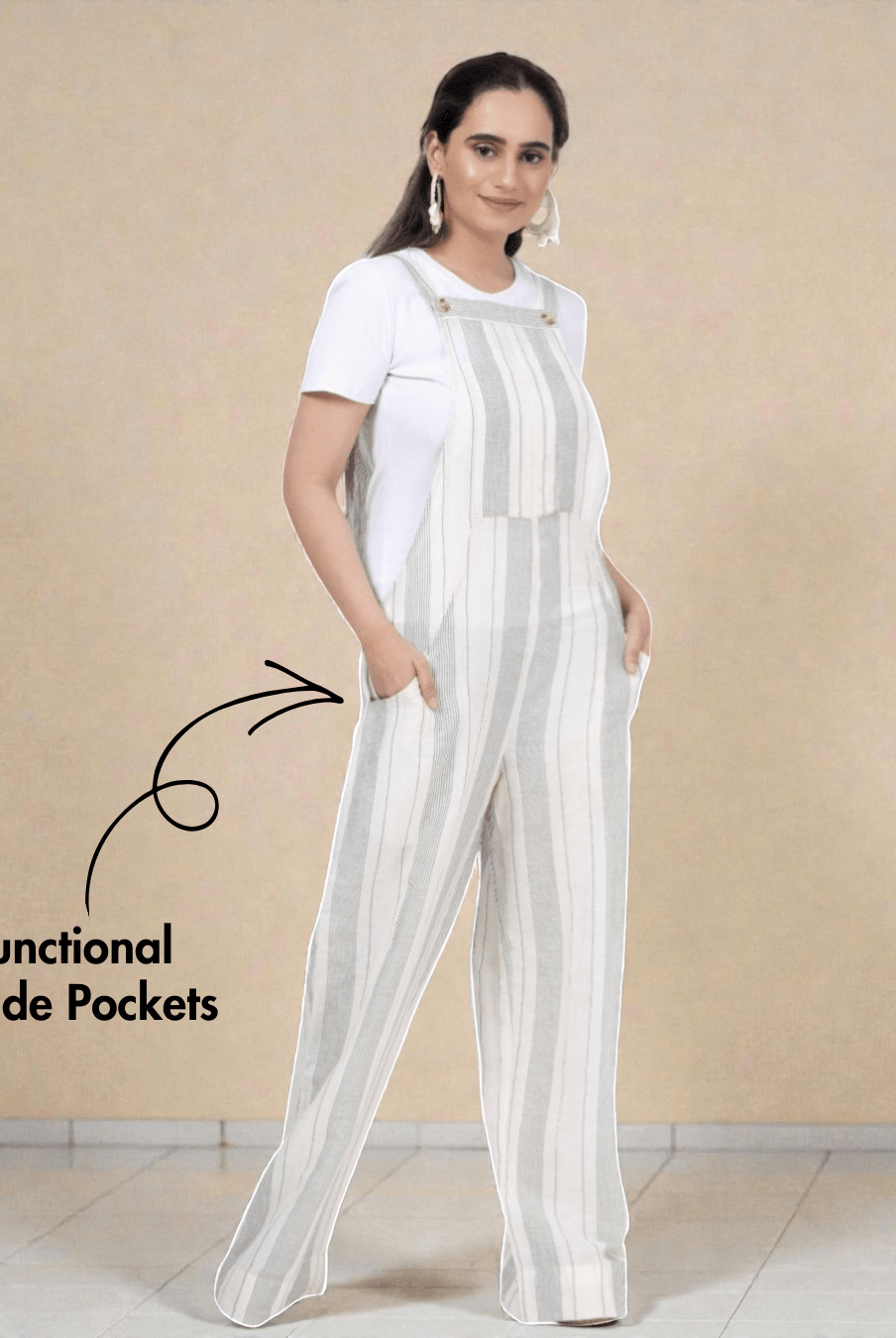
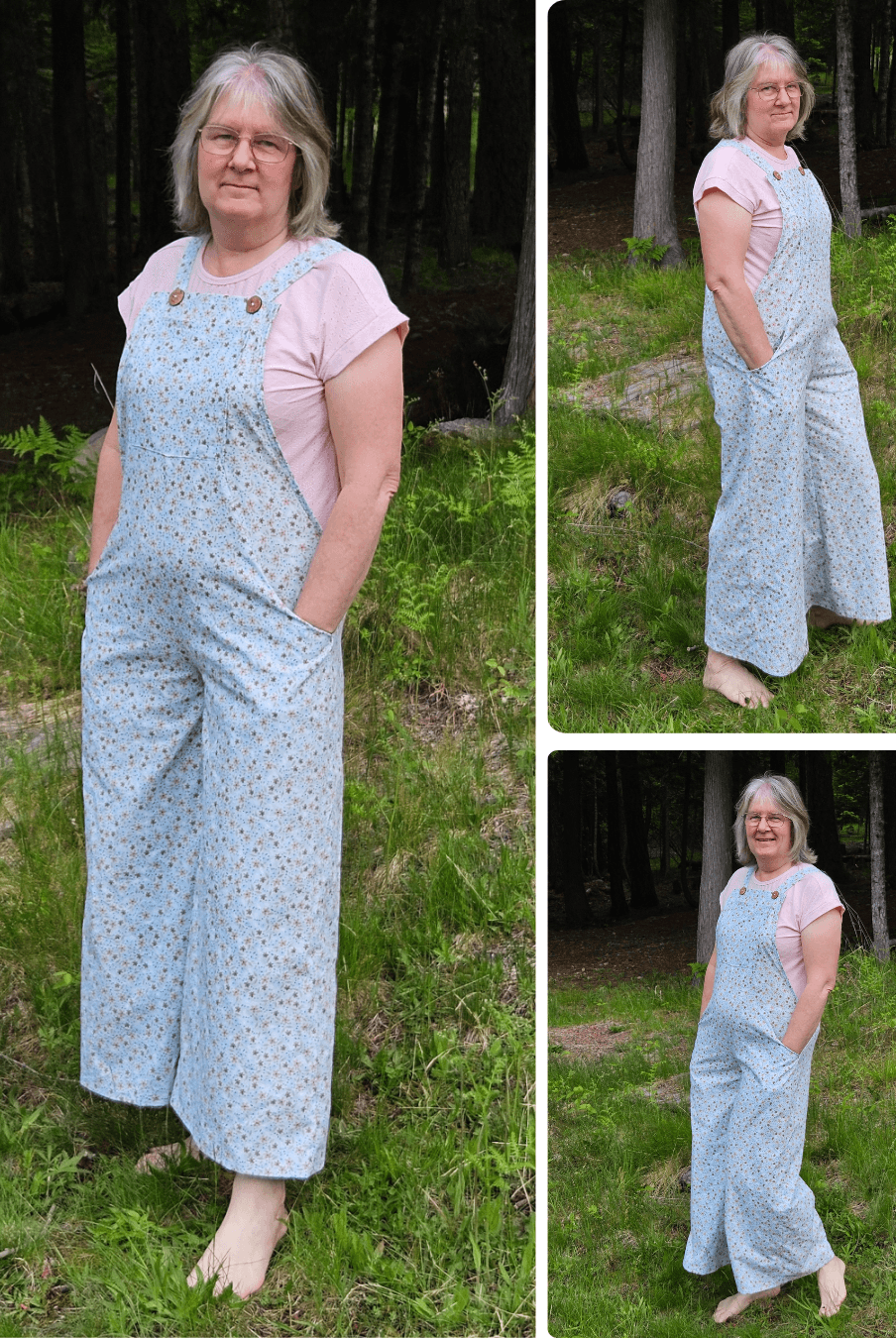
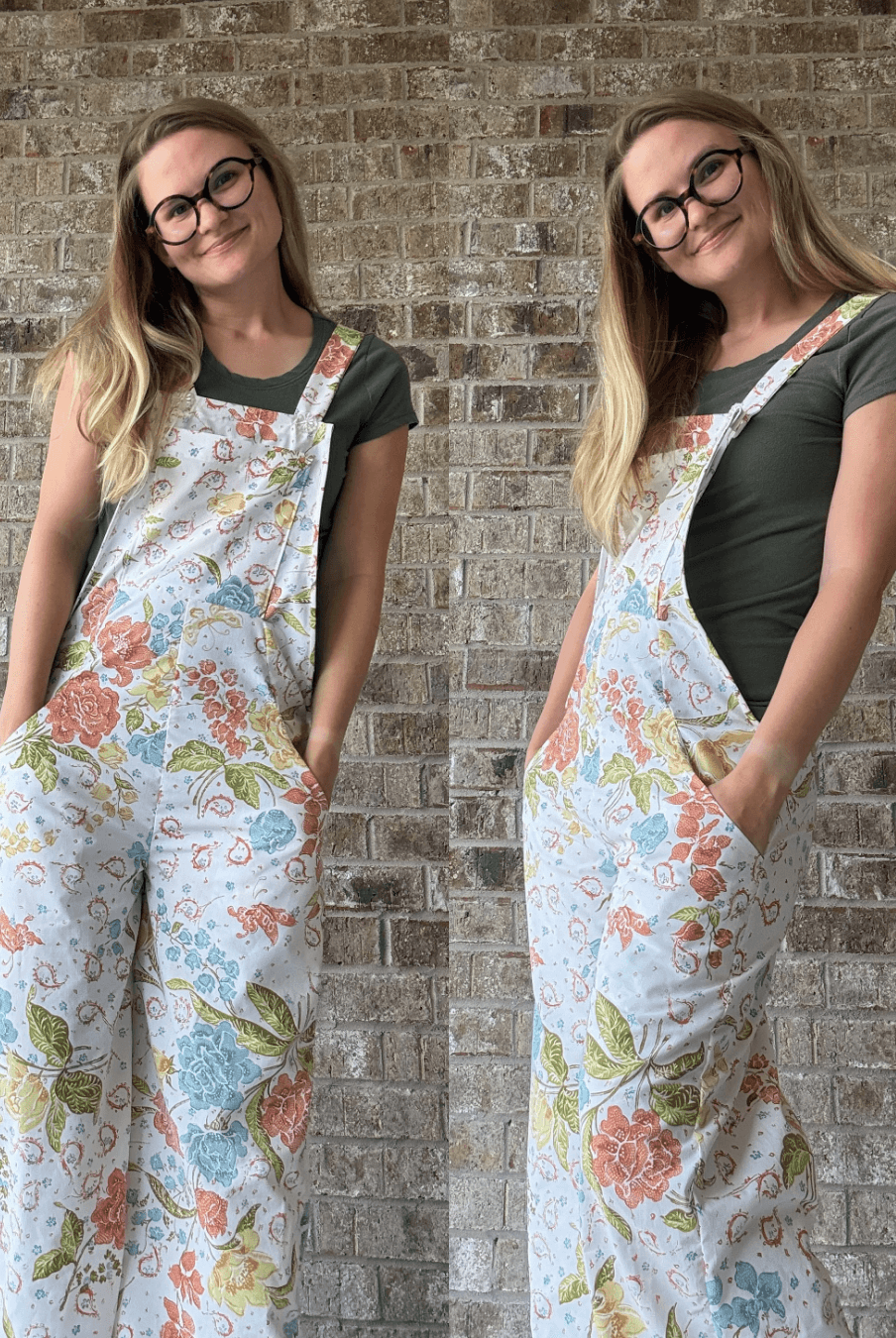
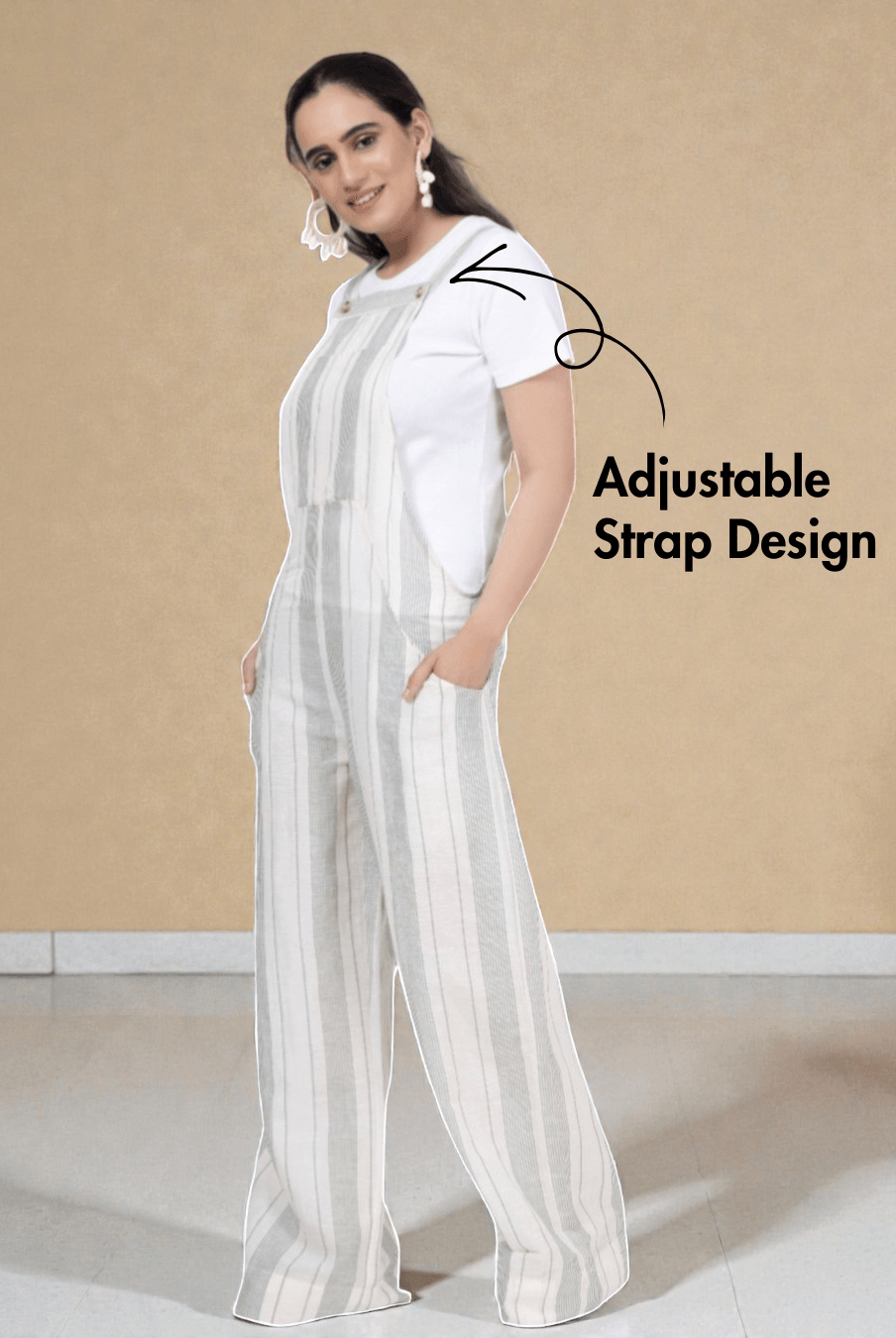
Different fabrics can make the same pattern look and behave differently because weight, drape, and structure influence the garment’s shape.
For example, two fabrics considered suitable for loose-fitting pants can still produce different results.
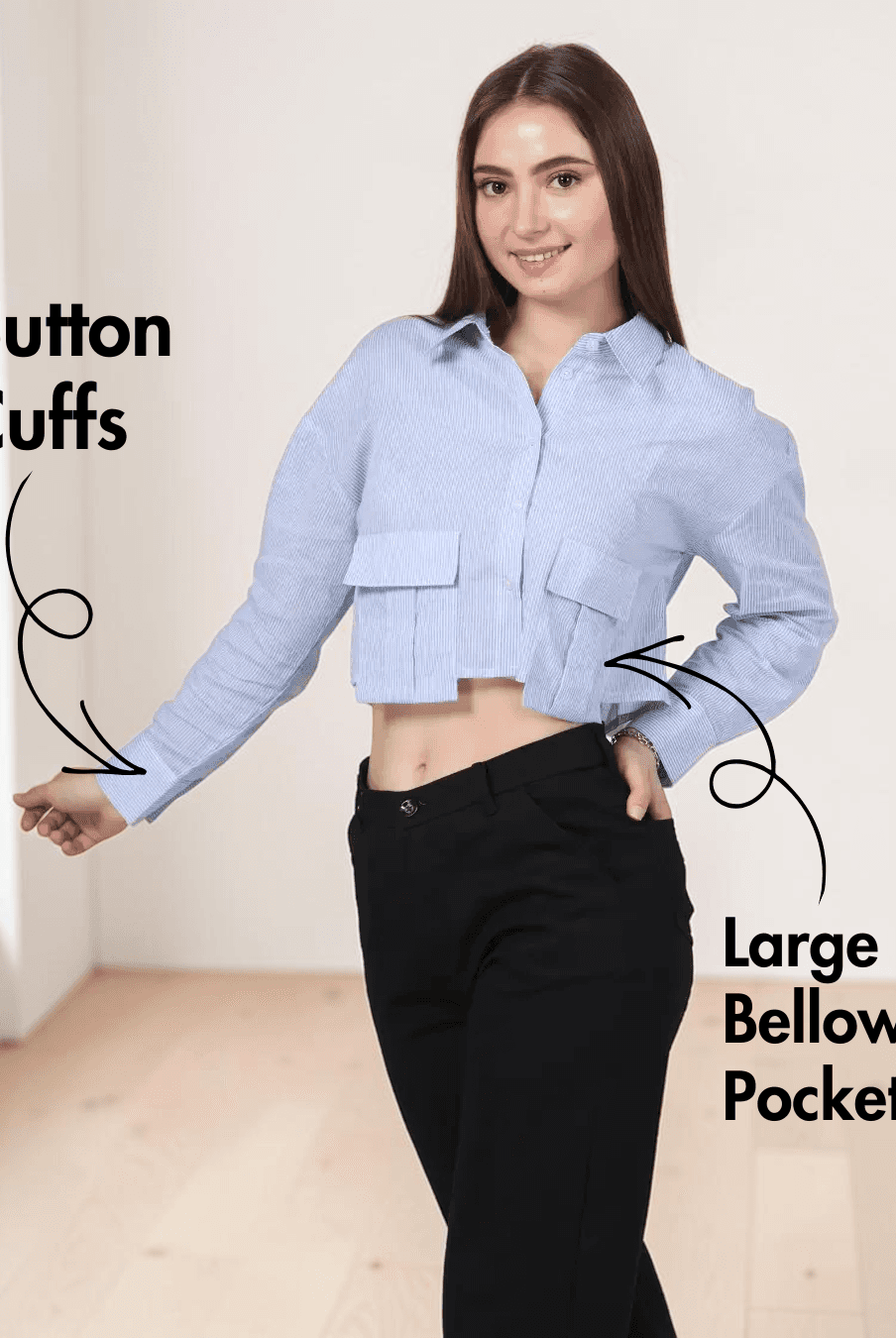
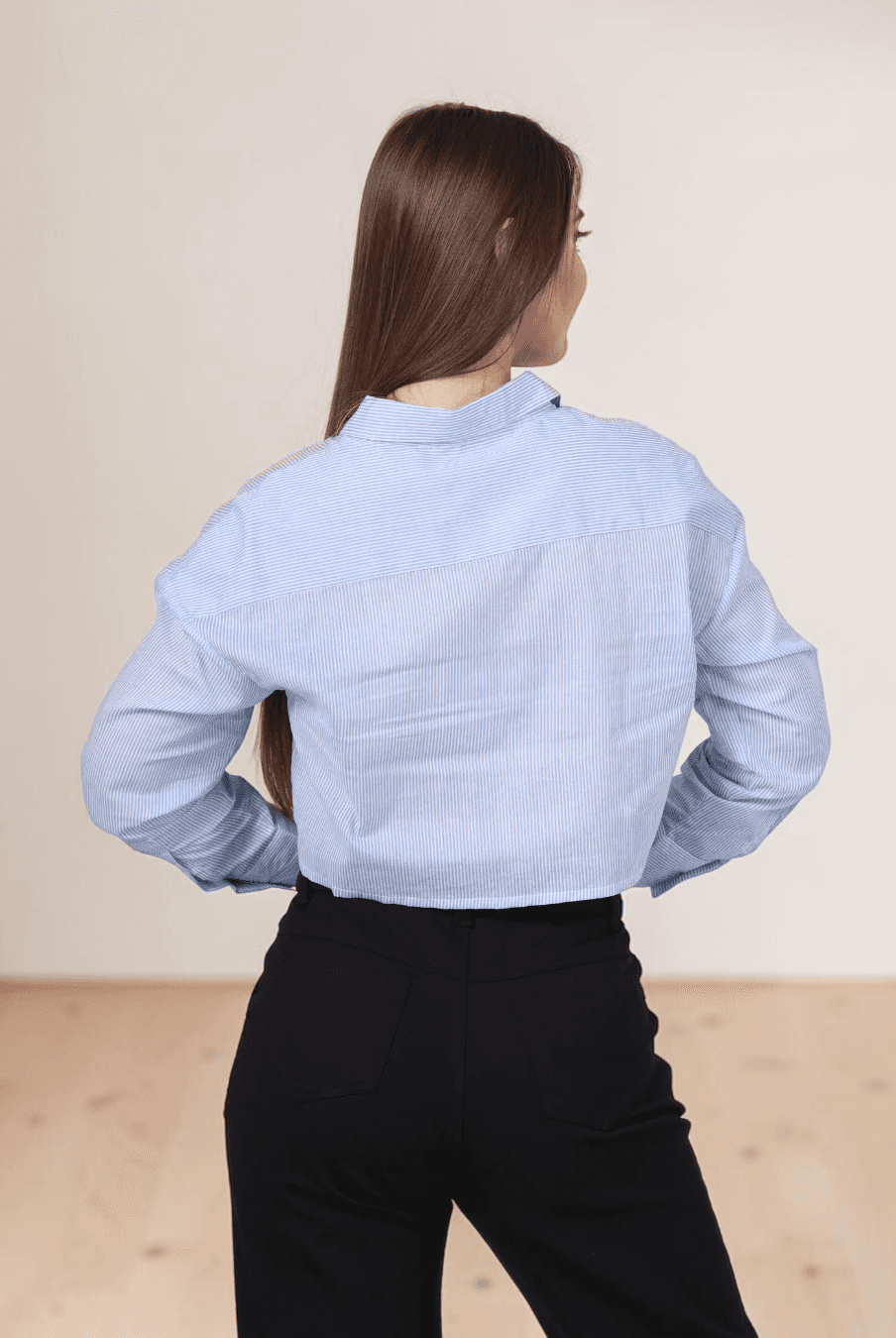
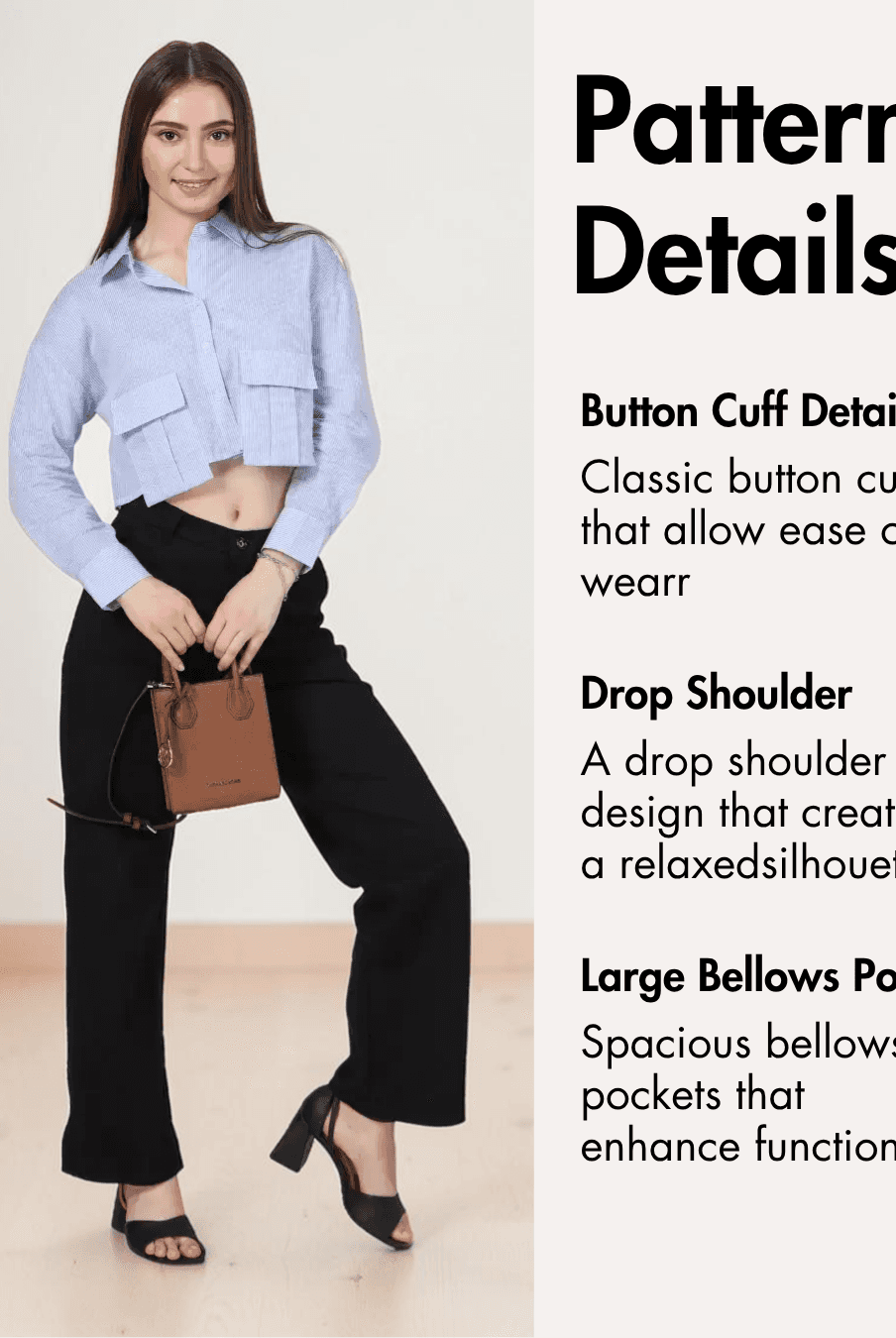
A heavy stonewashed linen can have noticeable drape, producing softer, slouchier details. A medium-weight cotton chambray can be crisper while still having some drape, causing features such as pockets to stand away from the body more noticeably.
Similarly, two lightweight dress fabrics can behave differently. A viscose twill may fall softly and fluidly, while a lightweight cotton lawn can have more body and hold folds more distinctly.
This is why choosing an appropriate fabric is about both meeting the pattern requirements and considering the finished effect you want.
How to Choose Fabric for Your Sewing Pattern
Choose fabric systematically by checking the pattern first and then comparing the required characteristics with the fabric you are considering.
Step-by-Step Fabric Selection
-
Identify whether the pattern requires woven or knit fabric.
Start with the basic fabric construction intended for the pattern. -
Check for a stretch requirement.
If the pattern specifies a percentage, make sure your fabric provides the required stretch in the stated direction. -
Consider the garment type.
Think about whether you are sewing something such as pants, a lightweight dress, a T-shirt, or a sweatshirt. -
Check the fabric weight.
Decide whether the garment calls for a lightweight, medium-weight, or heavier material. -
Assess the drape.
Look at how freely the fabric falls and whether that behavior suits the design. -
Assess the structure.
Consider whether the fabric holds folds and details firmly or collapses into softer drapes. -
Check the opacity.
Decide whether the amount of transparency is suitable for your intended garment. -
Compare the fabric with the result you want.
Consider how its combined weight, drape, structure, and stretch will influence the finished garment.
If you'd like to see these fabric characteristics compared visually, you can watch the video below.
What Should You Do If You Are Not Confident Choosing Fabric?
Examine a fabric swatch before committing to the full amount if that option is available.
Handling a swatch allows you to assess characteristics that can be difficult to understand from a fabric name alone, including:
-
Weight
-
Drape
-
Feel
-
Opacity
-
Structure
For example, a tightly woven cotton poplin can feel relatively structured and have limited drape, while a lightweight chiffon can be highly drapey and translucent. Seeing and handling the fabrics makes those differences much clearer.
Can Ready-to-Wear Clothes Help You Choose Fabric?
Yes. Clothing you already own or see in stores can be a useful reference for understanding how particular fabrics behave.
Look at a garment that has the drape, structure, or overall effect you want. Then check its care label to see what fibers it contains.
For example, if you like how a particular shirt or dress falls, its care label can give you an indication of the type of fabric composition worth investigating for a similar project.
This is a practical way to connect fabric terminology with garments you can actually see and handle.
Common Fabric-Choosing Mistakes to Avoid
The most important mistakes to avoid are ignoring the pattern's stretch requirement and choosing by fabric name without considering how the material actually behaves.
Assuming Every Knit Has Enough Stretch
Knit fabrics can have very different stretch percentages. Check the pattern requirement rather than relying on the word “knit.”
Looking Only at Fabric Weight
Weight is only one characteristic. Two fabrics of similar weight can have very different drape and structure.
Ignoring Opacity
Consider transparency before choosing a fabric, particularly when working with lightweight or sheer materials.
Expecting Different Fabrics to Produce the Same Result
A crisp fabric and a fluid fabric can both be appropriate for the same pattern but create different-looking details and silhouettes.
Buying Fabric When You Are Unsure of Its Properties
If possible, examine a swatch first so you can assess the fabric's feel, weight, drape, structure, and opacity.
Match the Fabric to the Pattern and the Garment
Choosing fabric successfully is less about finding a universal “easy” or “difficult” material and more about understanding what your sewing pattern requires. Check whether the fabric is woven or knit, follow any stretch requirements, and consider its weight, drape, structure, and opacity before making your final choice.
As you gain experience, comparing swatches and examining fabrics used in ready-to-wear garments can make these characteristics easier to recognize. When choosing your next project, explore Winslet's sewing patterns collection and use the pattern requirements as your starting point for selecting an appropriate fabric.
FAQs
What fabric should a beginner choose for a sewing pattern?
Start by choosing fabric that meets the actual requirements stated by the pattern. The source does not establish a universal list of “beginner fabrics,” so woven versus knit construction, stretch, weight, drape, structure, and opacity are more useful criteria than assigning fabric types to a particular skill level.
Does the fabric have to match the exact fabric shown on the pattern?
The important consideration is whether your fabric has characteristics appropriate for the pattern and the result you want. Different suitable fabrics can produce different levels of drape and structure.
How do I know whether a knit fabric will work?
Check the stretch requirement on the pattern and compare it with the fabric's stretch percentage, including the direction in which the stretch is required.
What makes two fabrics of the same weight behave differently?
Their drape, structure, fiber content, construction, and tightness of the weave can affect how they behave.
What if I cannot tell how a fabric will drape when shopping online?
If swatches are available, handling one before ordering the full amount can help you evaluate its weight, drape, feel, opacity, and structure.
Can I use clothing I already own as a fabric reference?
Yes. Examine a garment whose fabric behavior you like and check the care label for its fiber composition. This can give you a useful starting point when looking for fabric for your own project.