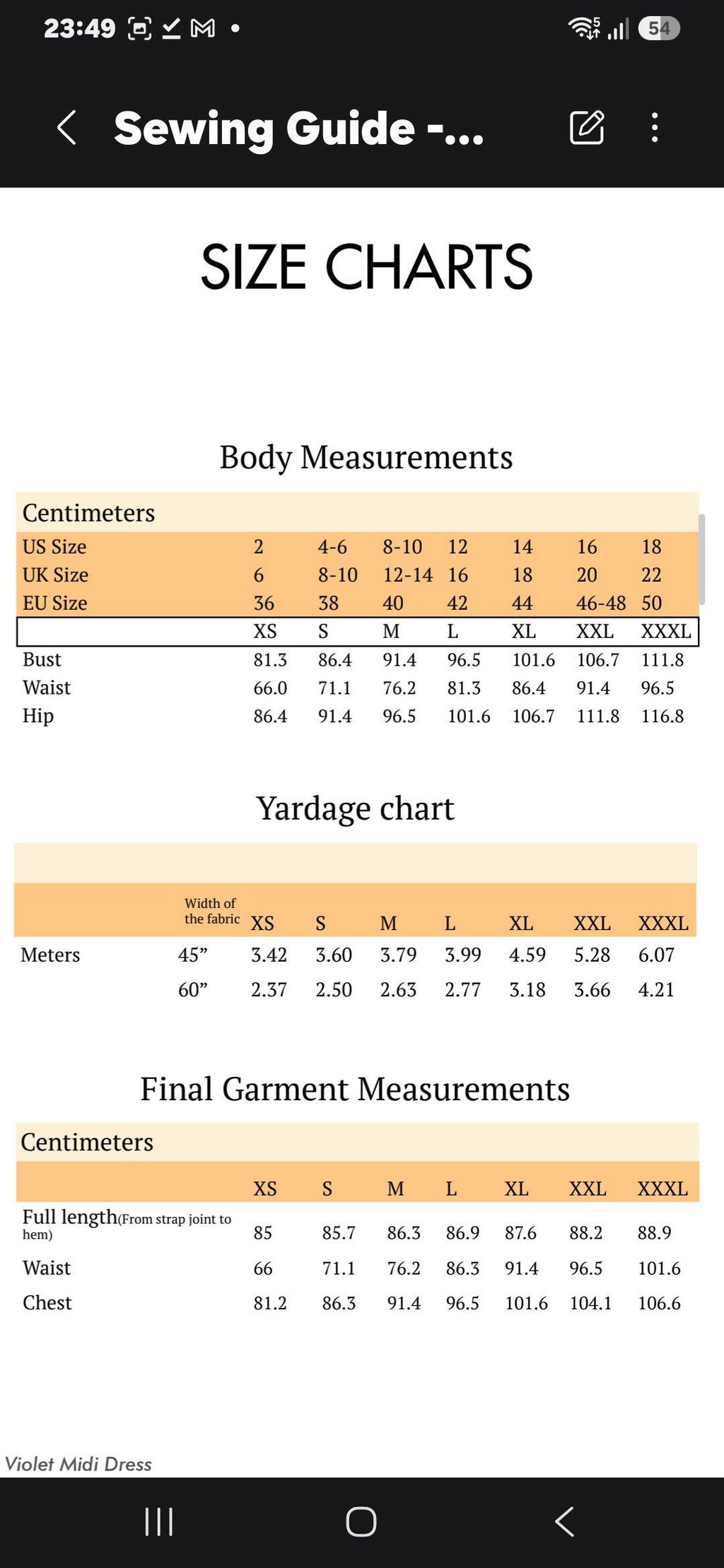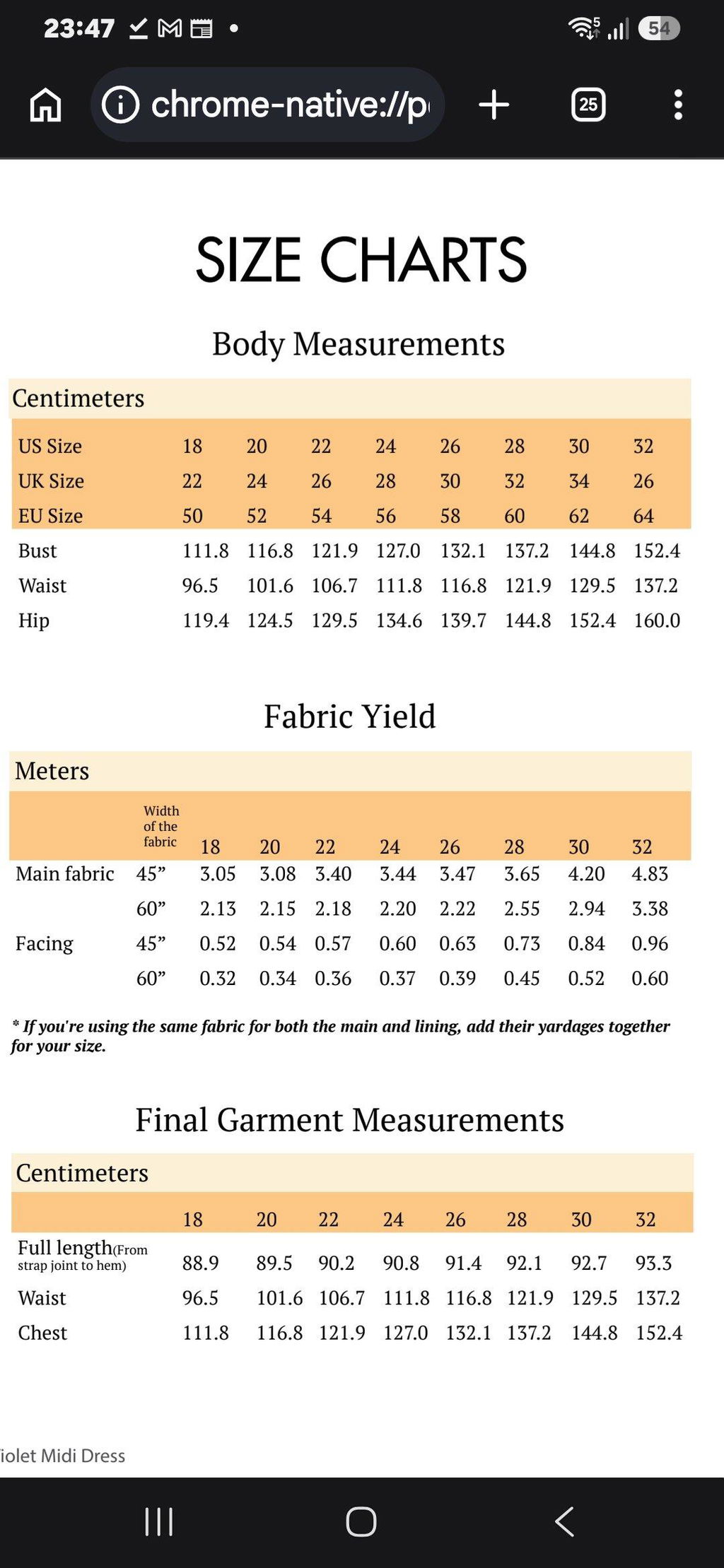
After returning from the fabric store, you’re excited about the fantastic fabric you bought for your upcoming sewing project. However, before diving into cutting and sewing, it’s important to take some time for prep work. To ensure your project turns out perfectly, make sure to pretreat your fabric. If you’re unsure how to do this, read this comprehensive guide on fabric preparation before starting to sew.
Fabric Preparation Steps Before Sewing
What does prepping fabric involve? It’s the initial stage of preparing fabric for use, preceding cutting and sewing. Typically, it entails washing, drying, and potentially labeling the fabric.
Why is prepping fabric important? It eliminates chemicals, sizing agents, and reduces fabric shrinkage, ensuring a successful outcome for your sewing project. Beginning with prepped fabric sets the foundation for a functional final product, preventing common issues like unexpected shrinking post-sewing.
Let’s have a detailed look into the fabric preparation steps:
1. Identifying the Right and Wrong Sides

(Img Source)
To determine the right and wrong sides of the fabric, the outward-facing side is known as the right side, while the opposite side is termed the wrong side. This distinction aids in accurately cutting and sewing fabric pieces together.
Some fabrics exhibit variations between their sides; for instance, “patterned cotton” may feature differing shades on each side. Consistently select the side you want to be visible and ensure uniformity when cutting pattern pieces to maintain the desired appearance after sewing.
Conversely, with fabrics like “linen” or “felt” that appear the same on both sides, there is no preference for which side faces outward.
A useful trick is to look at the pinholes along the fabric selvedge (the factory-finished edge that prevents unraveling). Usually, the raised pinholes indicate the right side of the fabric.
With fabrics like linen or felt that look identical on both sides, there is no preference.
After identifying the wrong side, lightly mark it with tailor’s chalk or a washable pen so you don’t lose track.
Does the wrong side matter? Yes. The wrong side touches your skin, while the right side faces outward. Many sewing guides, including Winslet’s, color-code the wrong side in diagrams so it’s easy to recognize.
2. Shrinking

(Source)
Shrinking fabric before cutting is important to prevent your finished garment from becoming smaller after washing.
Follow the care label instructions and wash and dry the fabric the same way you plan to launder the final garment. This is known as pre-shrinking.
This step is especially important for woven cotton and rayon fabrics.
However, pre-washing is not always necessary. Many synthetic fabrics do not shrink, and some fabrics are pre-shrunk by manufacturers. Always check labels before washing.
3. Ironing

(Source)
The next step is to gently press your fabric to remove wrinkles.
Use the correct heat setting for each fabric type to avoid damage.
Ironing means sliding the iron to remove wrinkles.
Pressing means lifting and placing the iron firmly to set seams and fabric — which is the proper technique used in sewing.
Avoid sliding the iron when setting seams to prevent stretching or distortion.
4. Square the Fabric

(Source)
To ensure straight cutting, fold the fabric lengthwise with the selvages aligned, then fold again widthwise.
Smooth out wrinkles and make sure corners line up evenly.
Trim uneven edges if needed.
To double-check squareness, measure from the selvedge to the fold at the top, middle, and bottom — all measurements should be equal.
Using a cutting mat with grid lines makes this much easier.
Check out this video to learn how to square your fabric:
5. Check for Grainline

(Source)
Grainline refers to the direction of the threads in fabric.
The straight grain runs parallel to the selvedge and is the strongest part of the fabric.
To test grain, gently pull the fabric:
There should be little to no stretch lengthwise, but some give crosswise.
Pattern pieces include grainline arrows to guide correct placement. Winslet clearly marks grainlines on every pattern piece so alignment is simple.
Bias cutting refers to cutting diagonally across the grain at a 45-degree angle. This allows woven fabrics to stretch slightly and drape beautifully around curves. Some pattern pieces may require bias cutting for better fit or design.
Understanding fabric types is also important:
Woven fabrics are structured with threads crossing over and under (like denim and cotton) and usually don’t stretch.
Knit fabrics are made with looped threads and are stretchy (like t-shirt fabric).
Winslet’s fabric recommendations specify whether a pattern requires woven or knit fabric and often include stretch percentages.
6. Marking

(Source)
Before cutting, transfer all pattern markings onto the wrong side of the fabric.
Use tailor’s chalk, washable fabric pens, or small snips into the seam allowance.
These markings help with:
• Matching pattern pieces
• Placing darts, pleats, and pockets
• Knowing where to stop stitching
Notches are small marks on pattern edges that guide assembly. One notch usually indicates a front piece, while two notches indicate a back piece.
Older patterns used outward cuts for notches, but modern practice uses tiny inward snips (no deeper than 1/4 inch).
Winslet’s patterns use clear notch symbols and label front and back pieces in the sewing guide so beginners don’t get confused.
Always mark on the wrong side so marks don’t show on the finished garment.
7. Pinning

(Source)
When assembling fabric pieces, place them Right Sides Together (RST).
This ensures the seam allowance ends up inside the garment.
If you are pinning two layers together, you will mostly be looking at the wrong side of the fabric.
Use only enough pins to secure the layers without distortion.
Winslet’s sewing instructions repeat “Right Sides Together” at nearly every step to help build correct sewing habits.
8. Cutting

(Source)
Fabric scissors give the most control and are best for beginners.
Rotary cutters are faster and very accurate but require a self-healing mat.
If your fabric lifts while cutting, keep the bottom scissor blade flat against the table.
Pinking shears create zigzag edges that help prevent fraying, especially on woven fabrics.
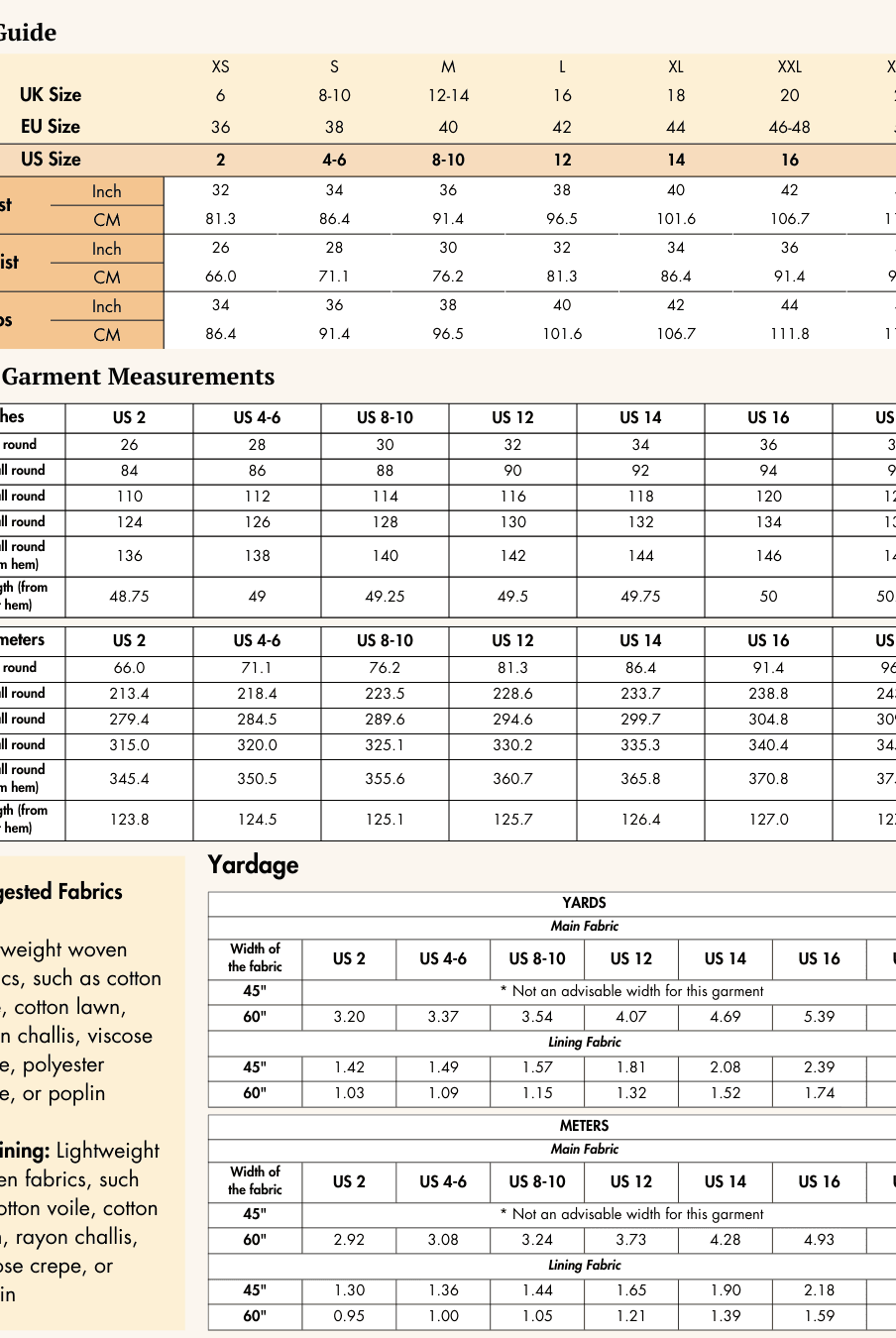
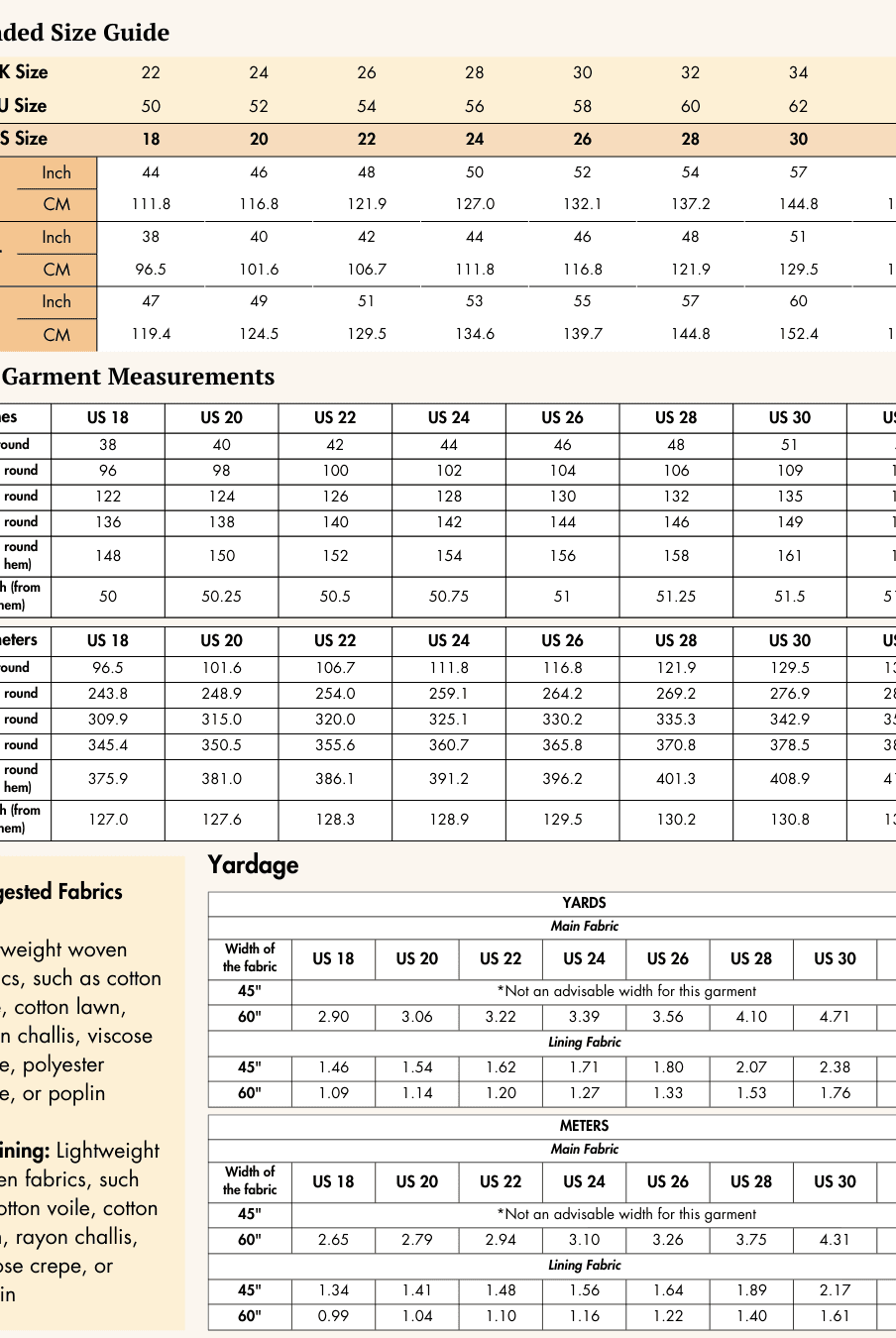
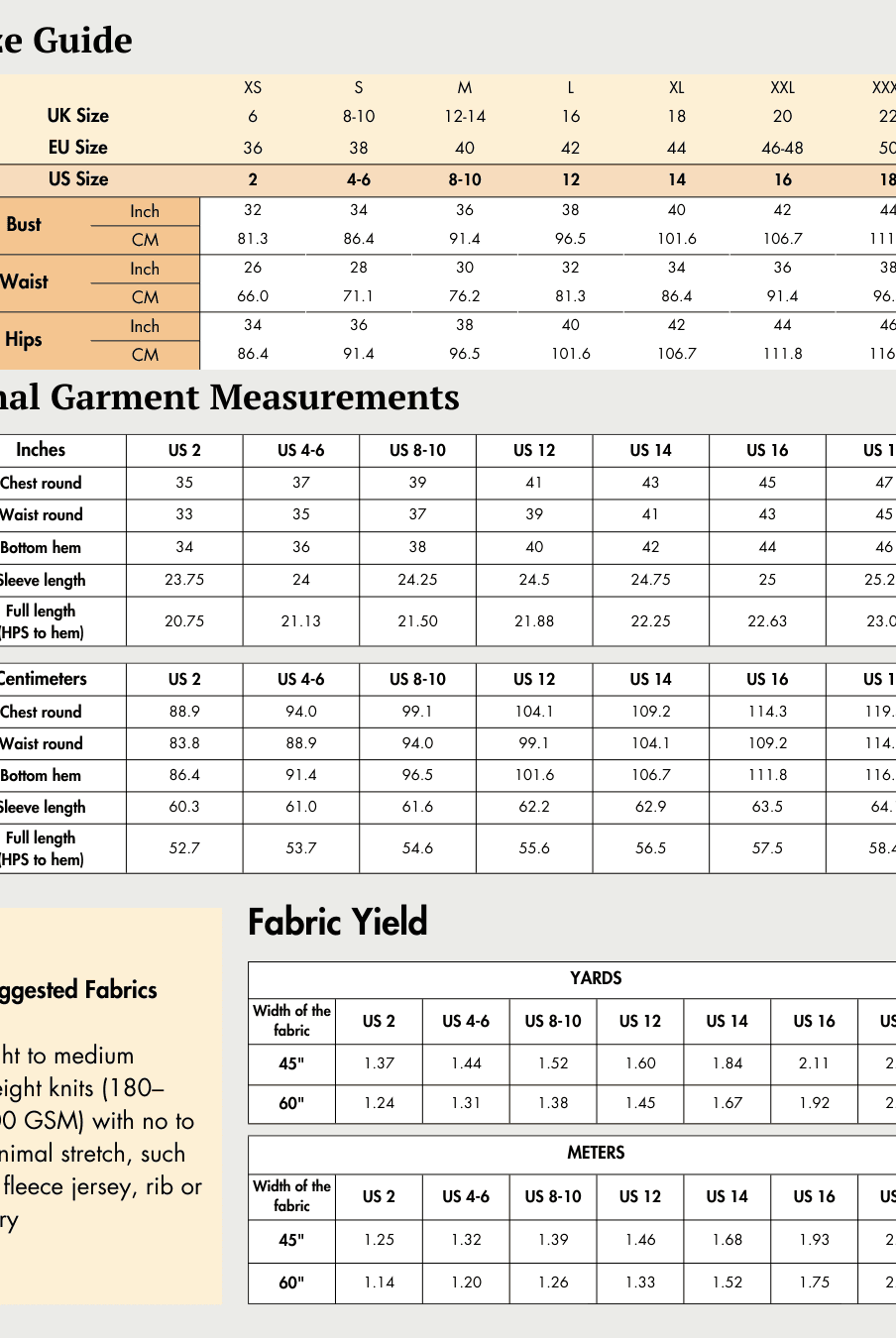
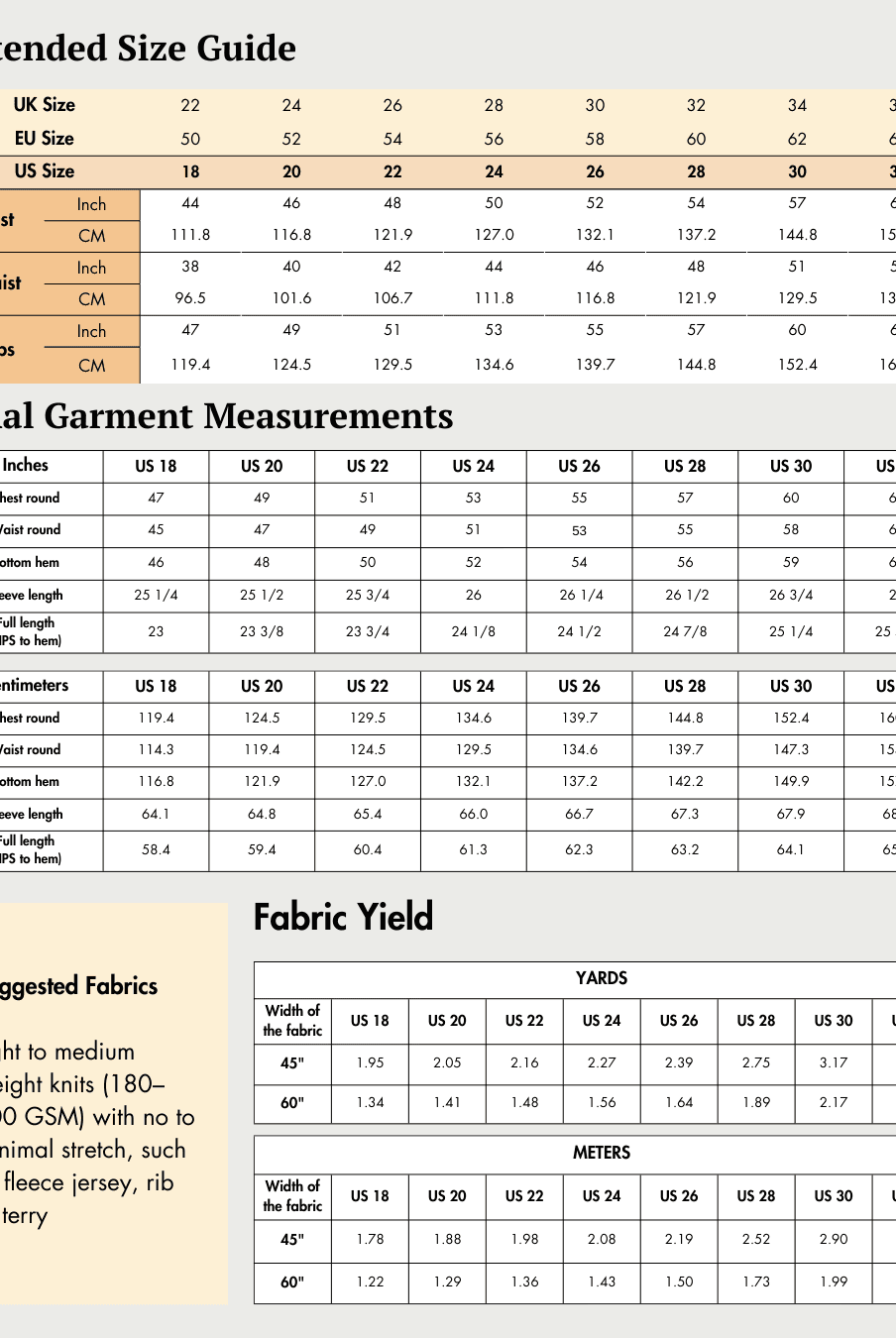
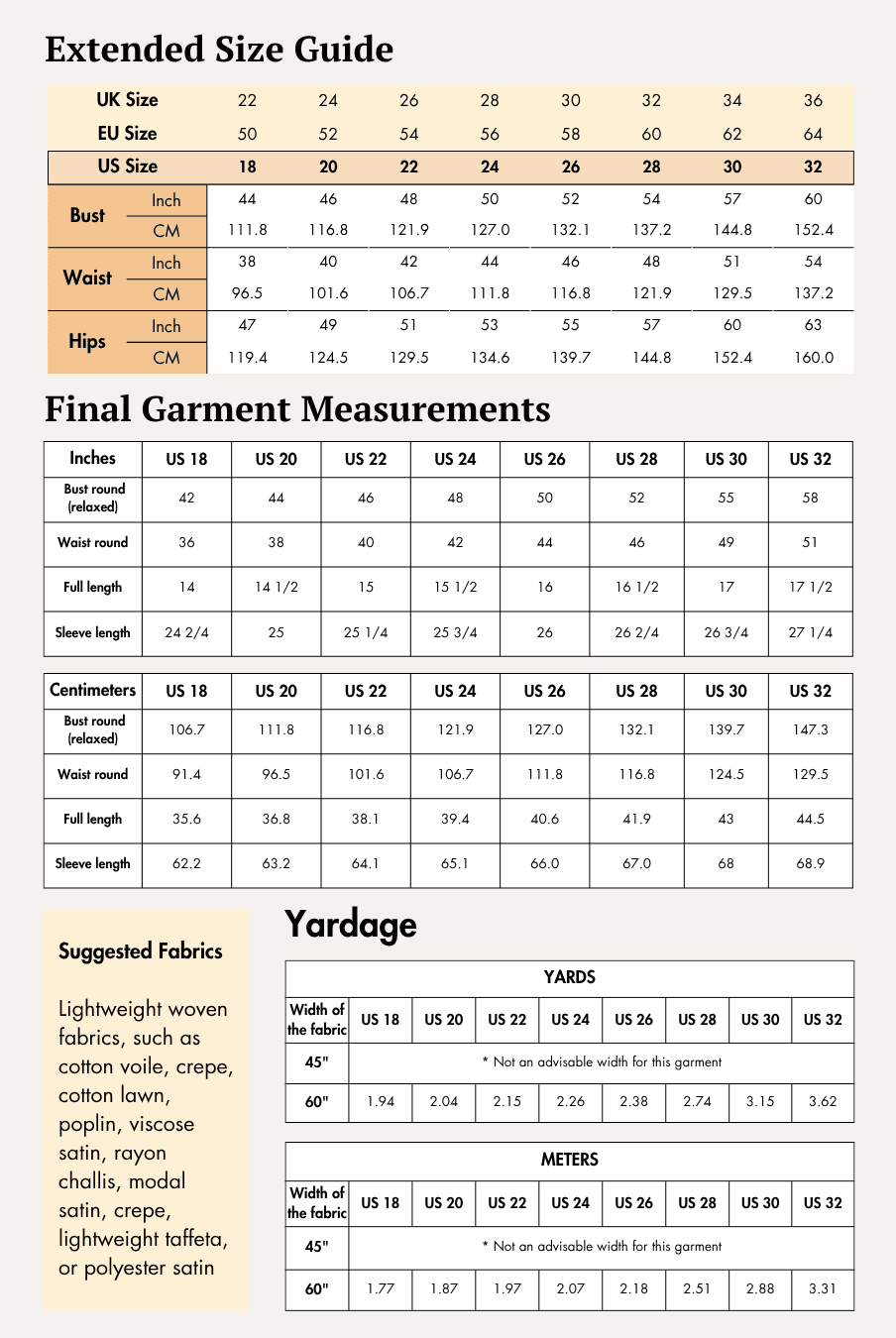
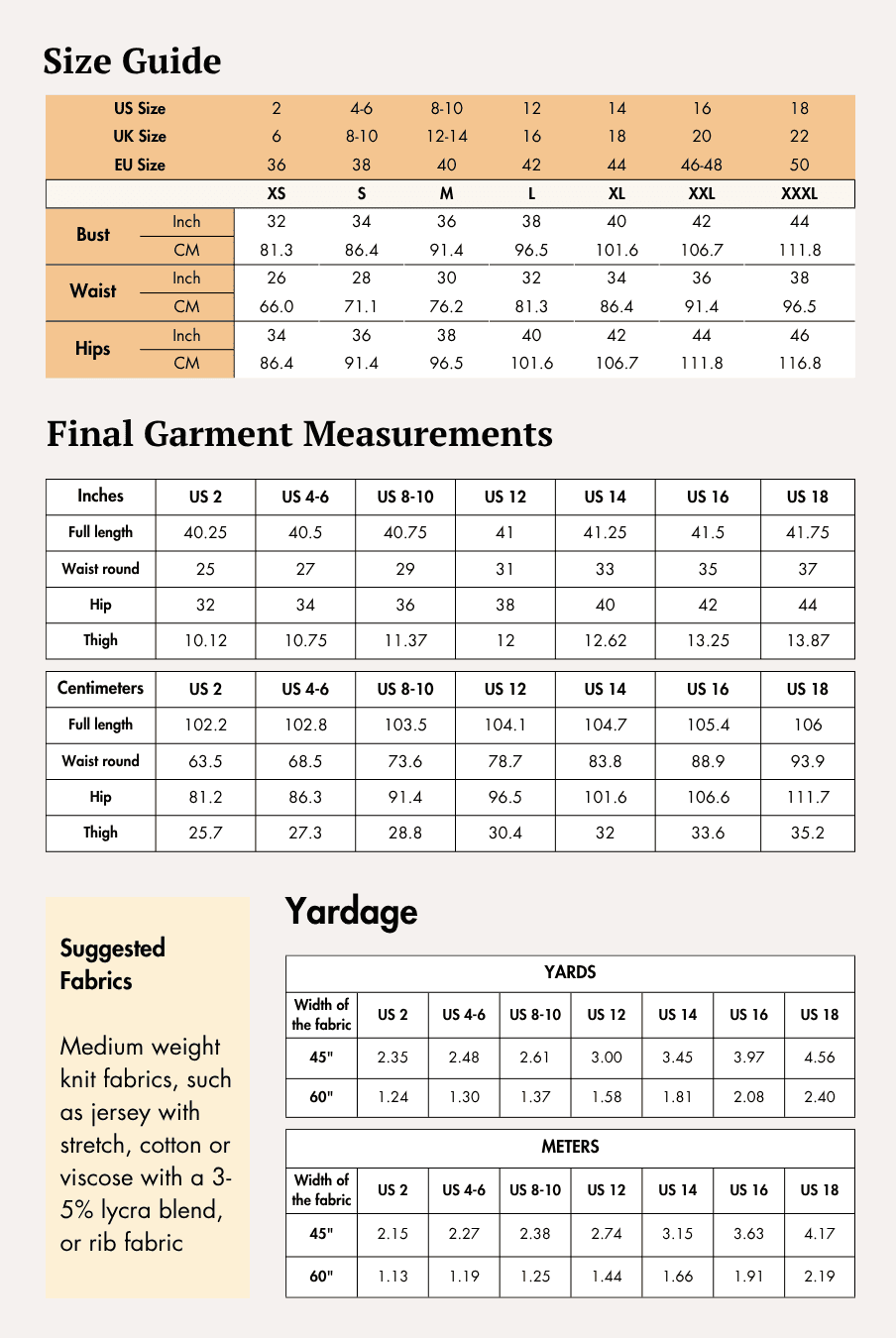
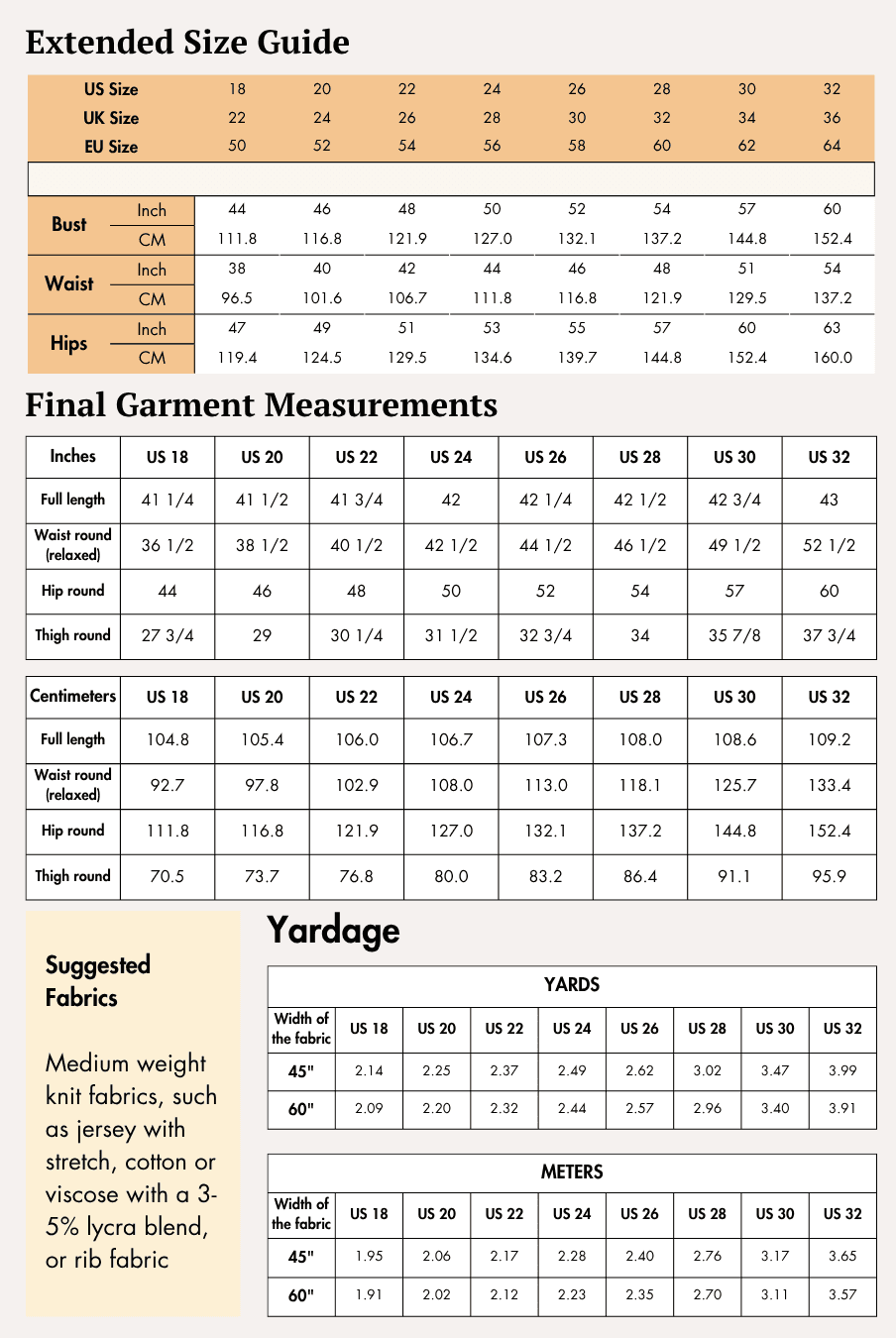
Follow the cutting layout provided in your sewing instructions. These diagrams show how to place pattern pieces on fabric widths (usually 45” or 60”). Winslet’s provides cutting layouts in each sewing guide.
“Cut on Fold” means placing that edge of the pattern directly on the folded fabric so you cut one symmetrical piece. Winslet’s patterns clearly label these edges and allow you to cut folded or flat.
Be aware of fabrics with nap (such as velvet, corduroy, suede). These raised textures require extra fabric yardage so all pieces face the same direction.
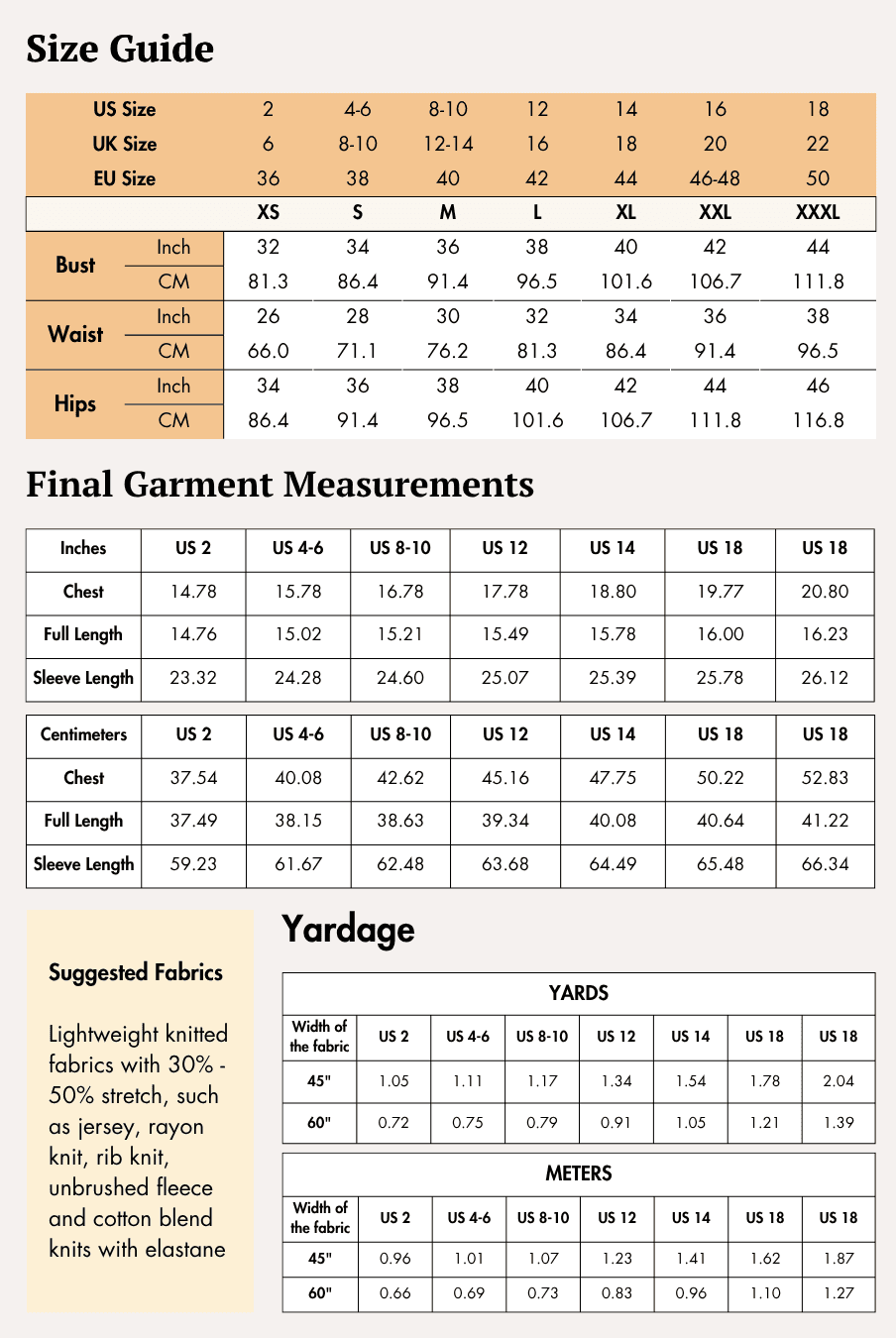
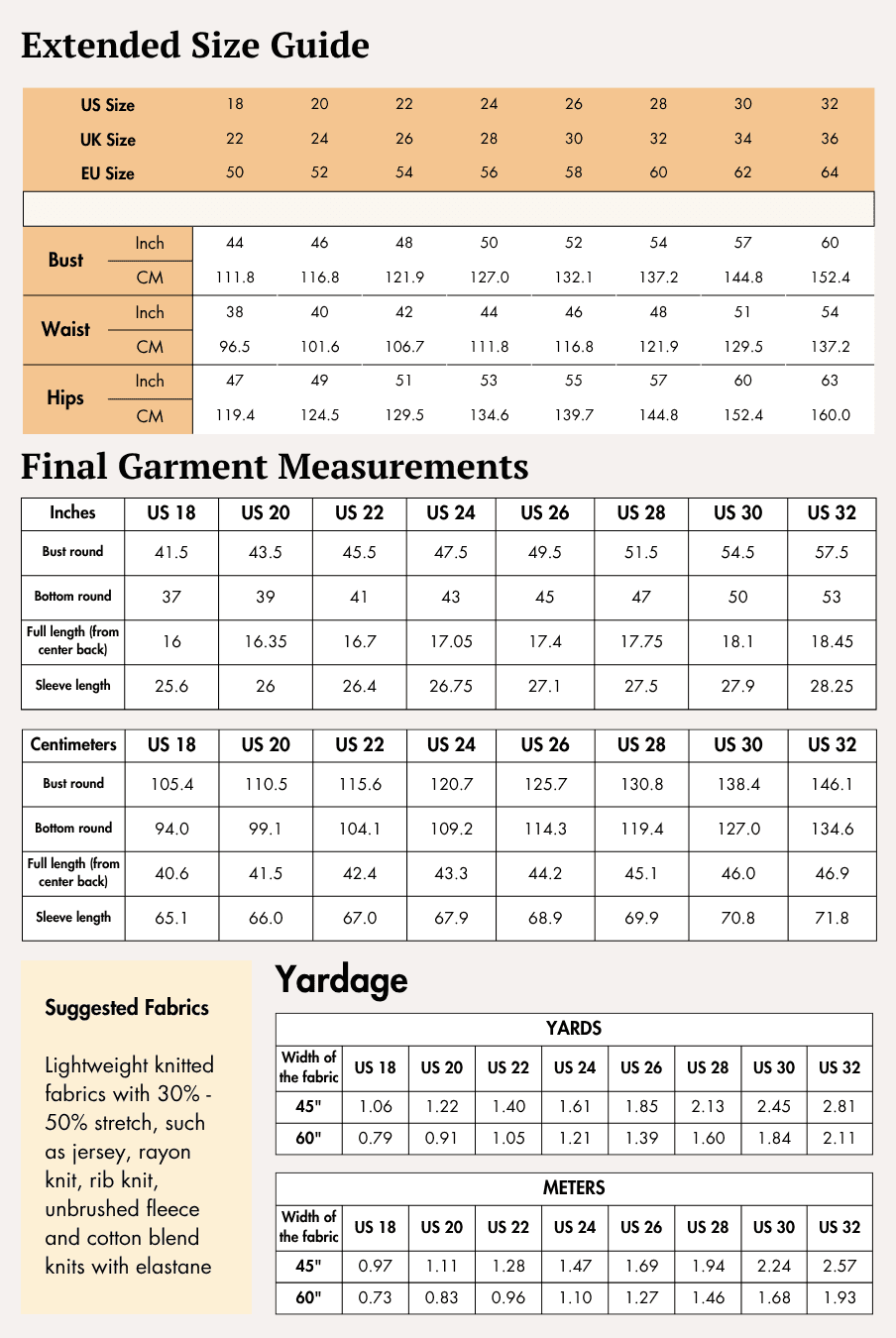
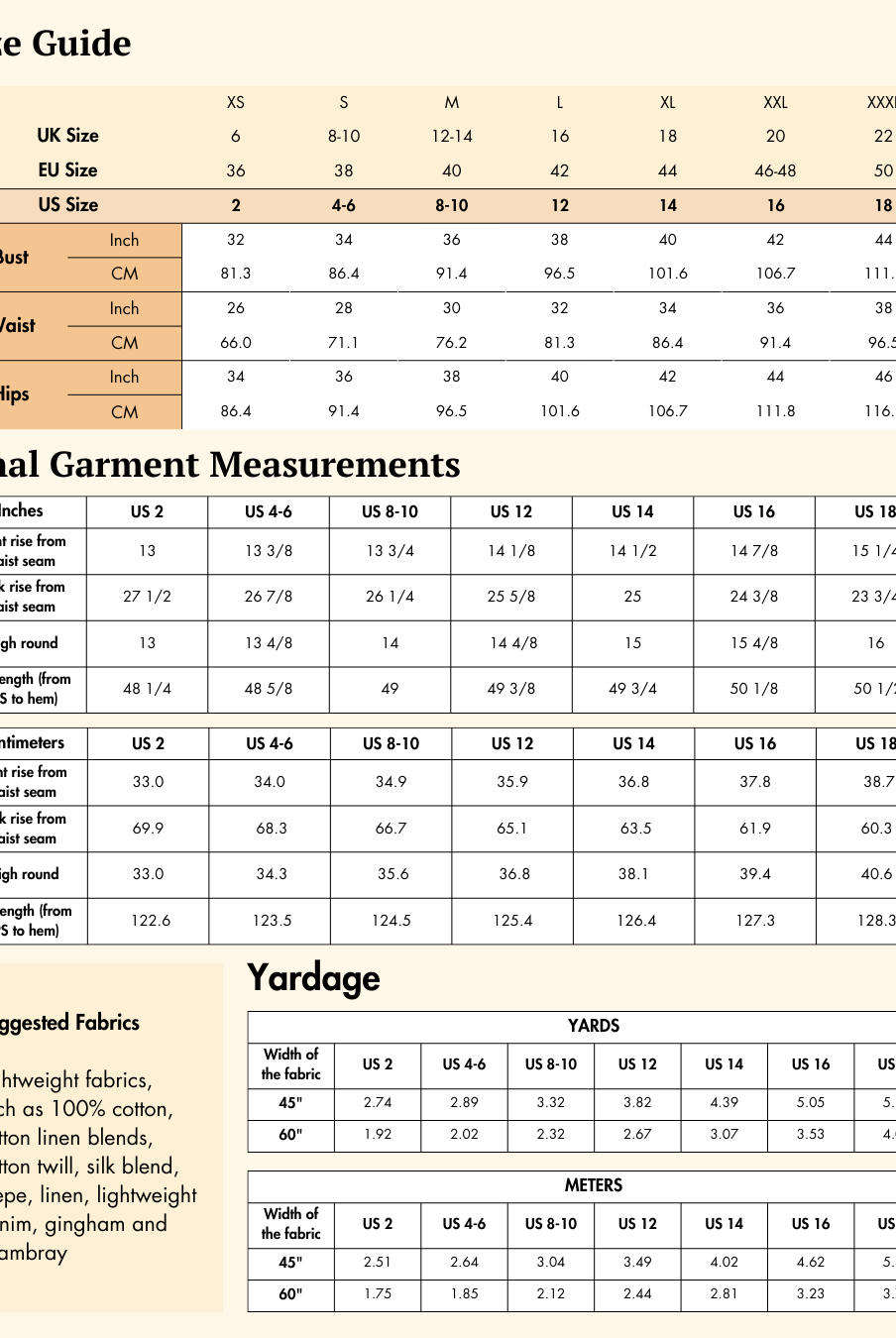
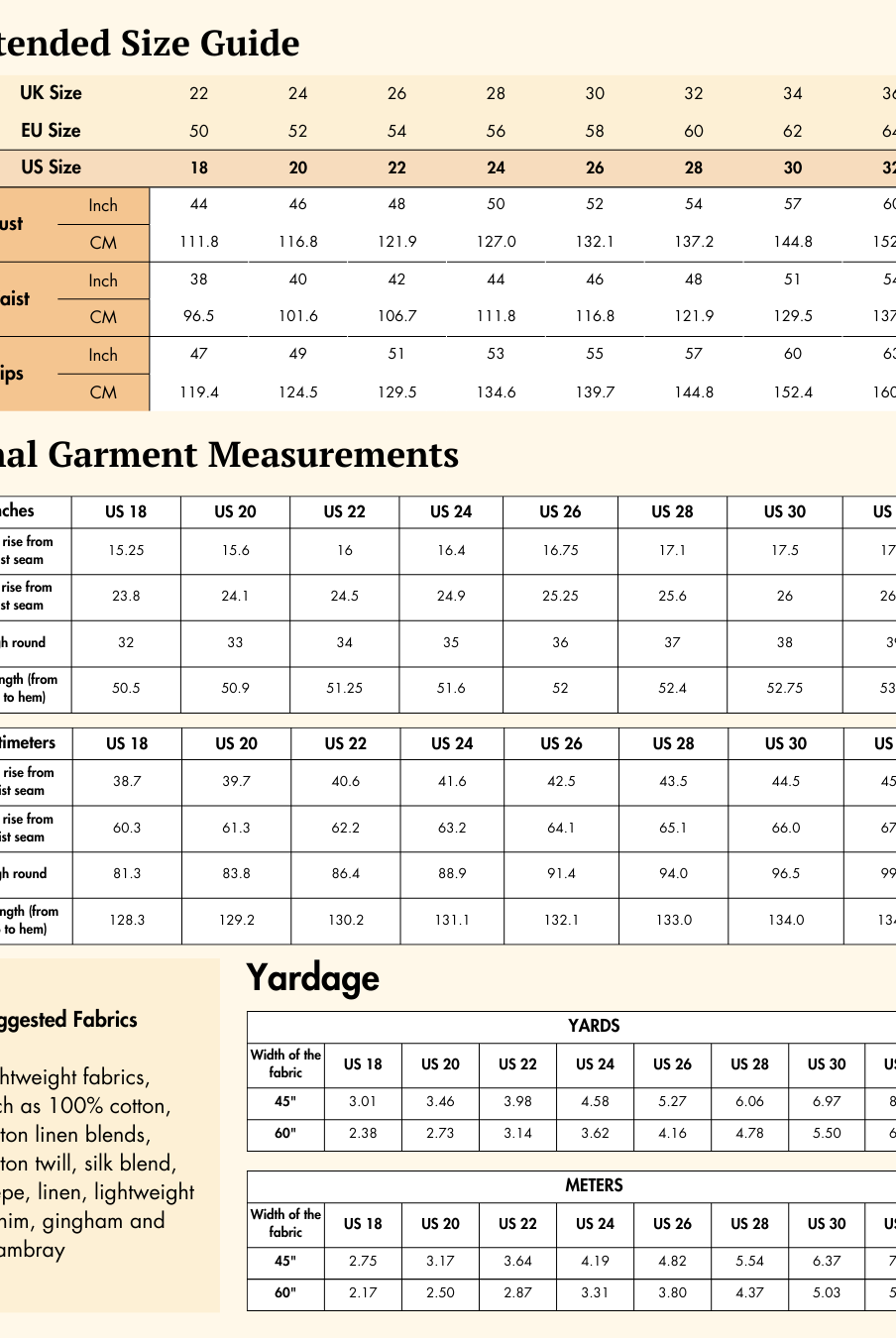
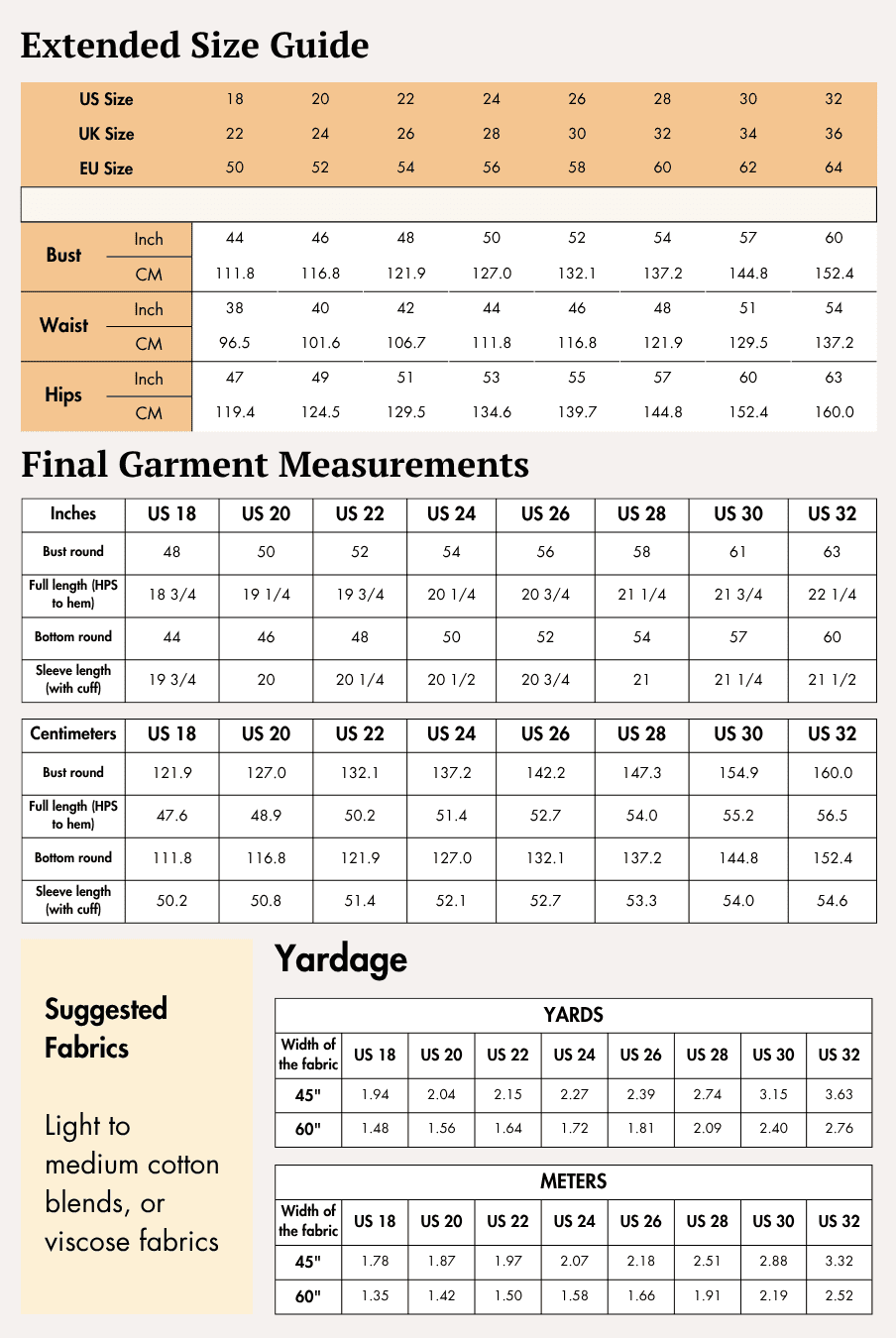
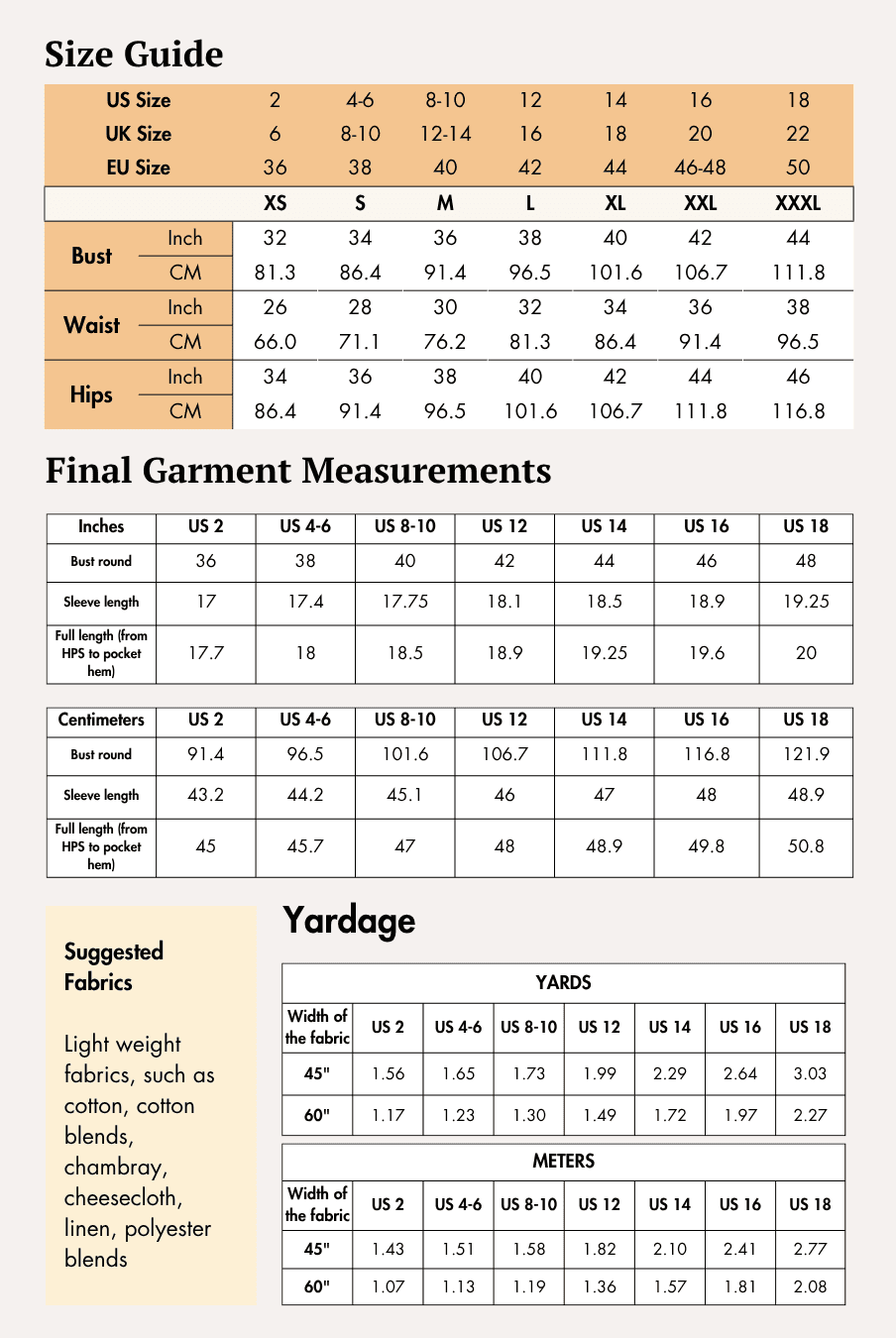
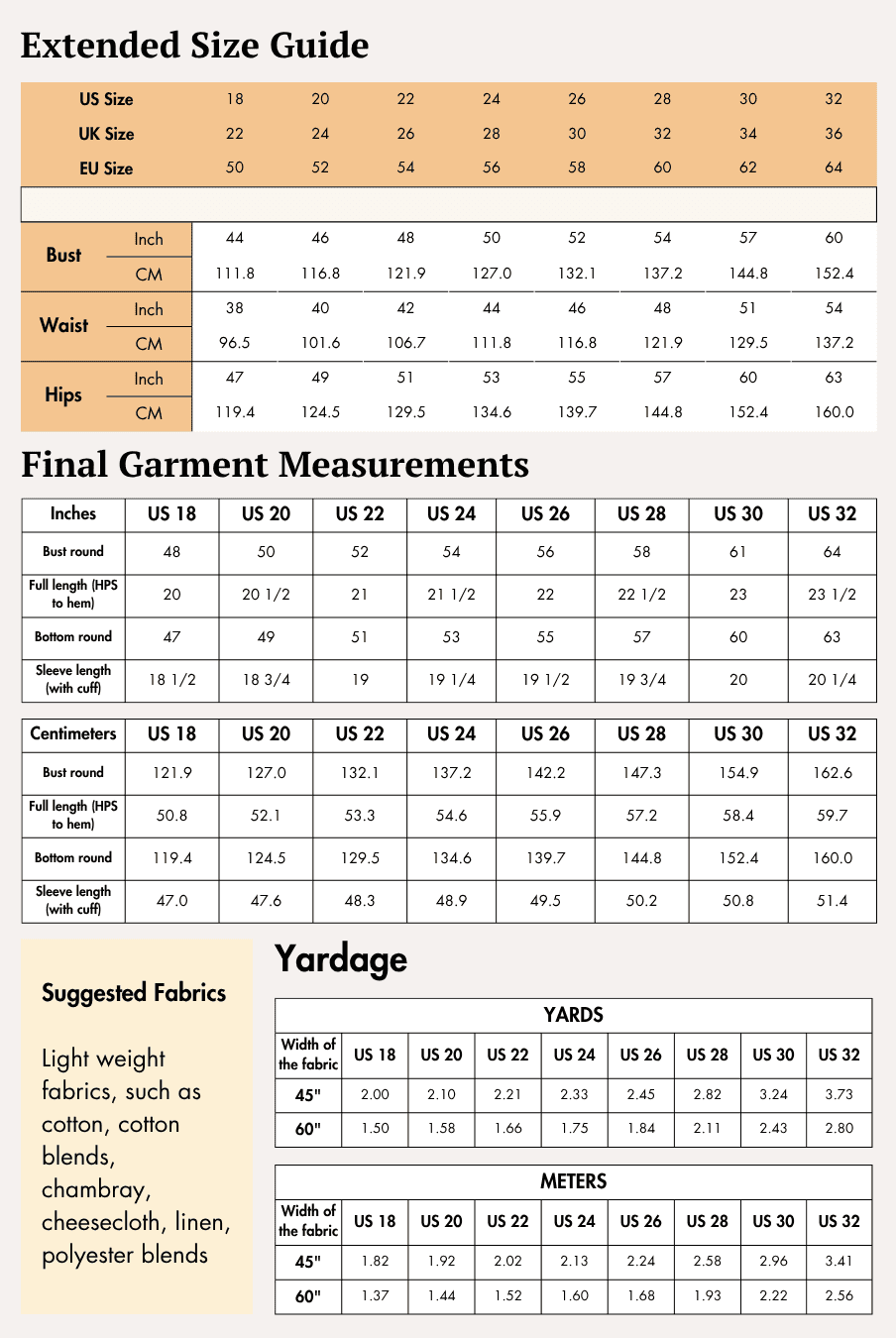
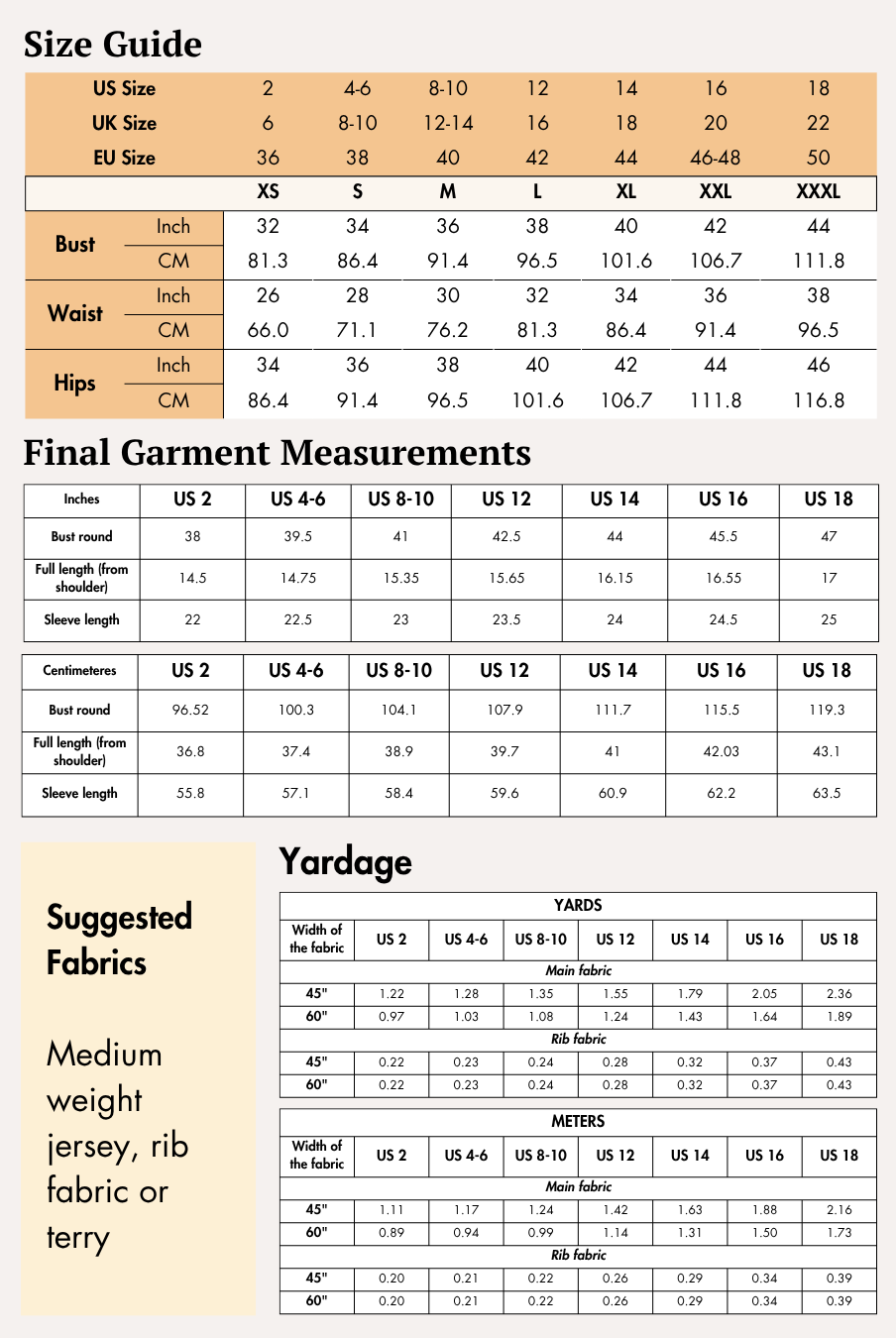
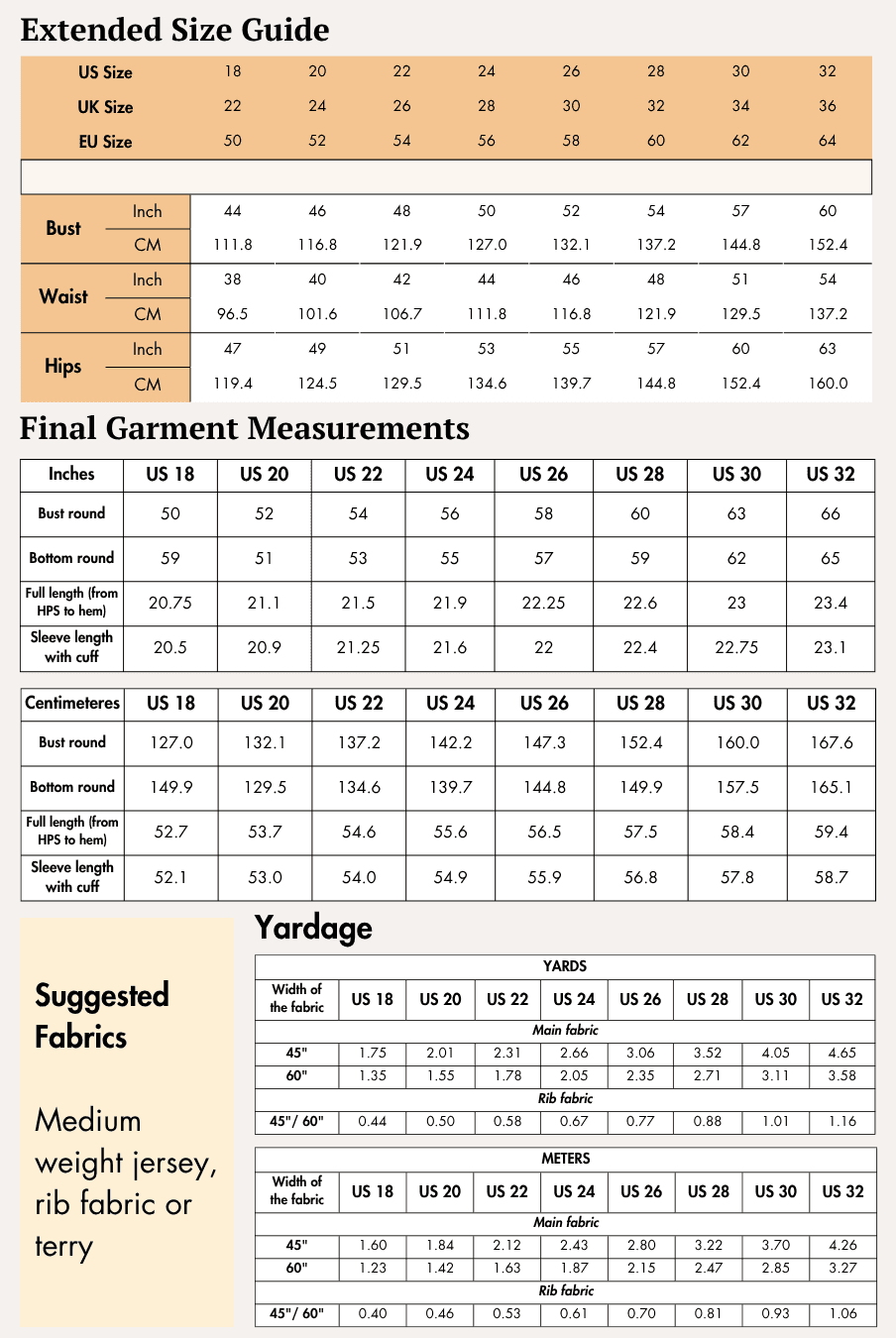
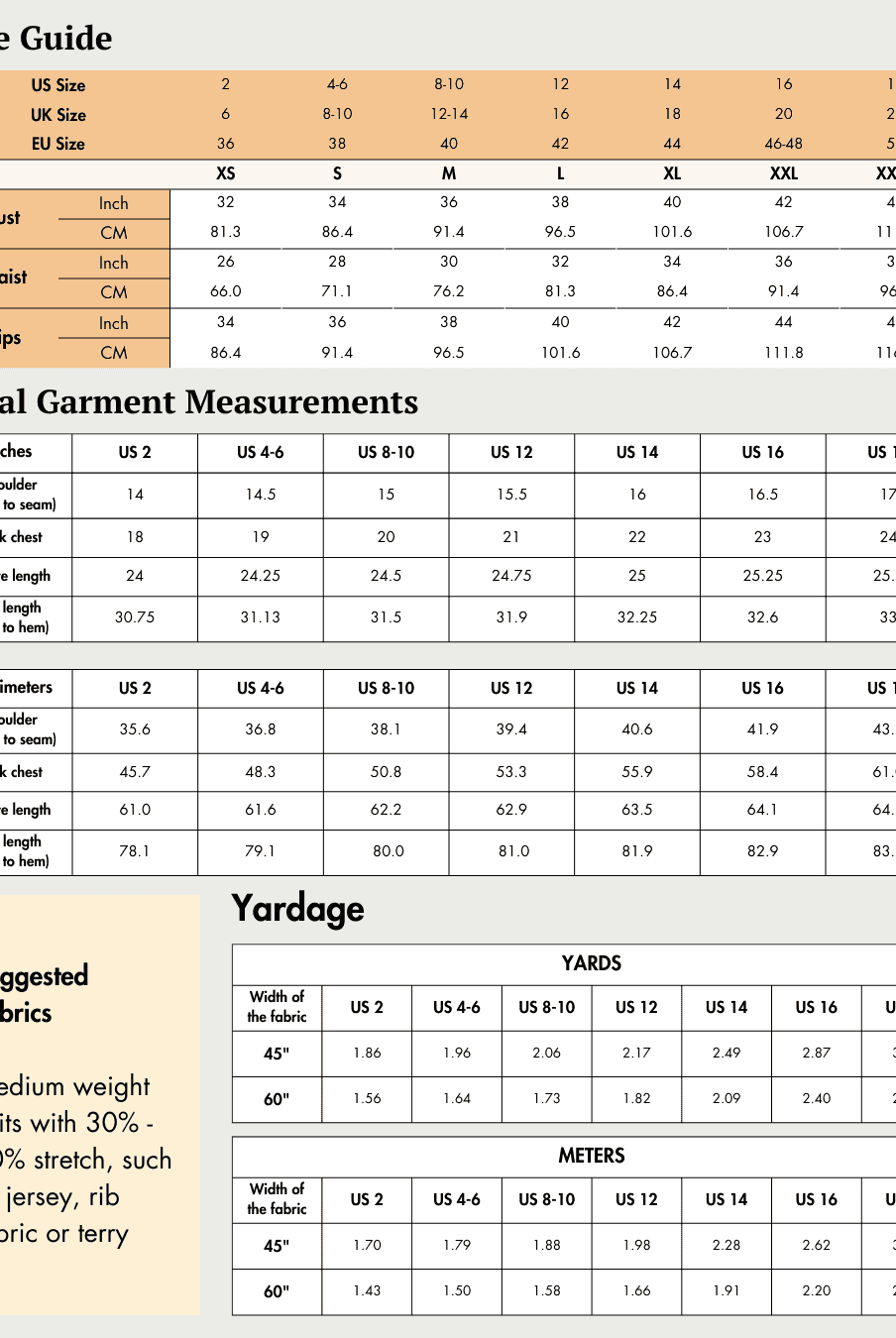
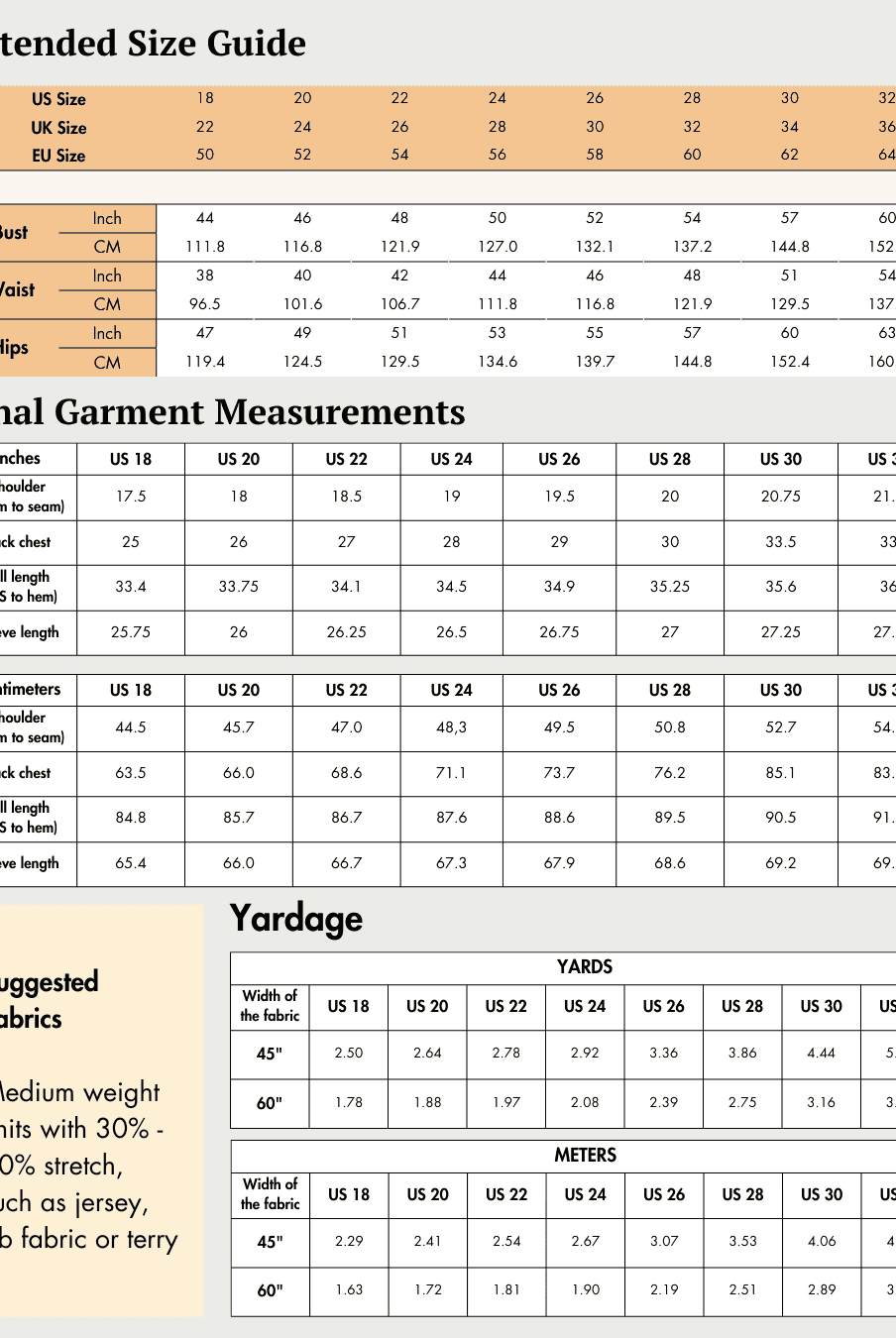
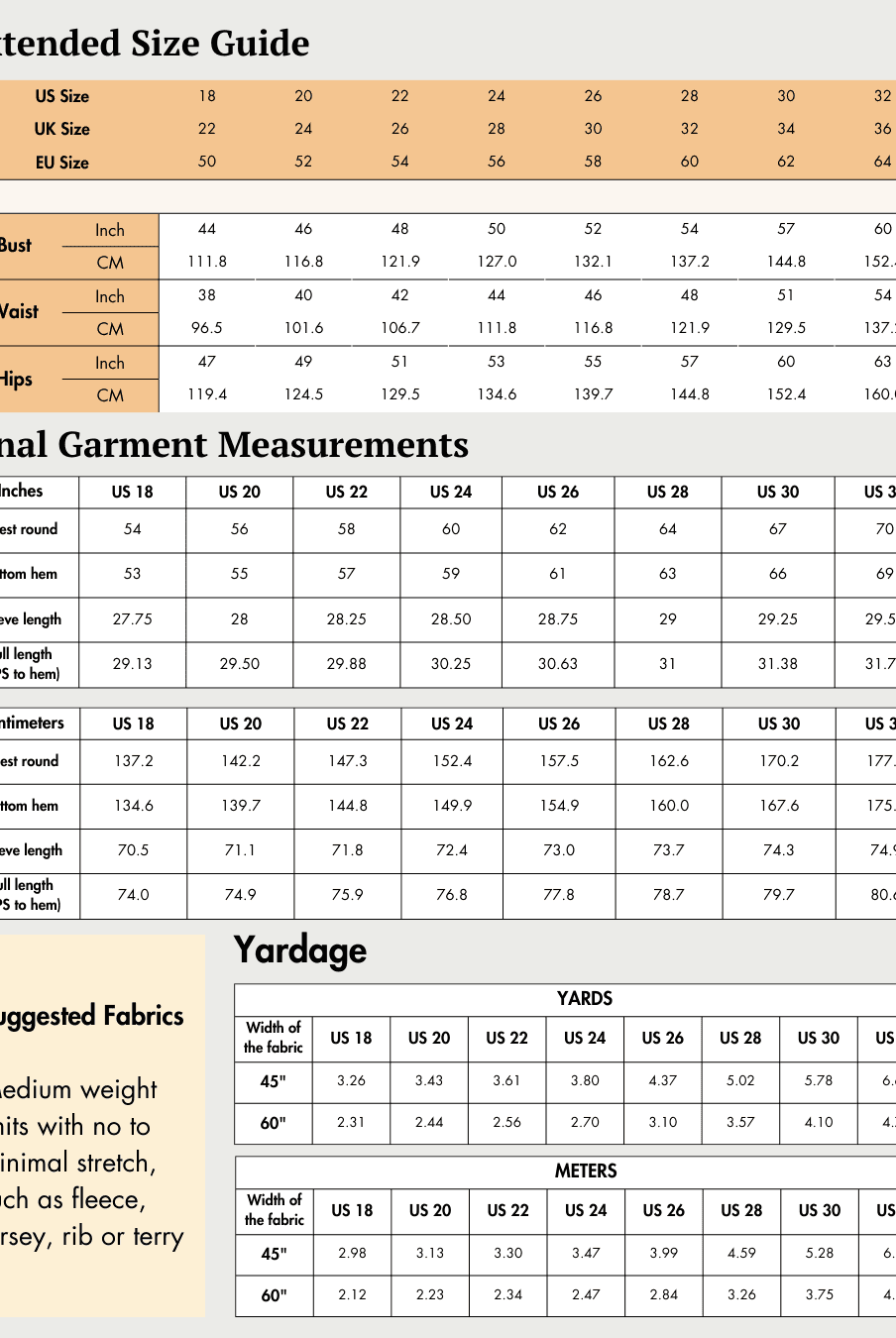
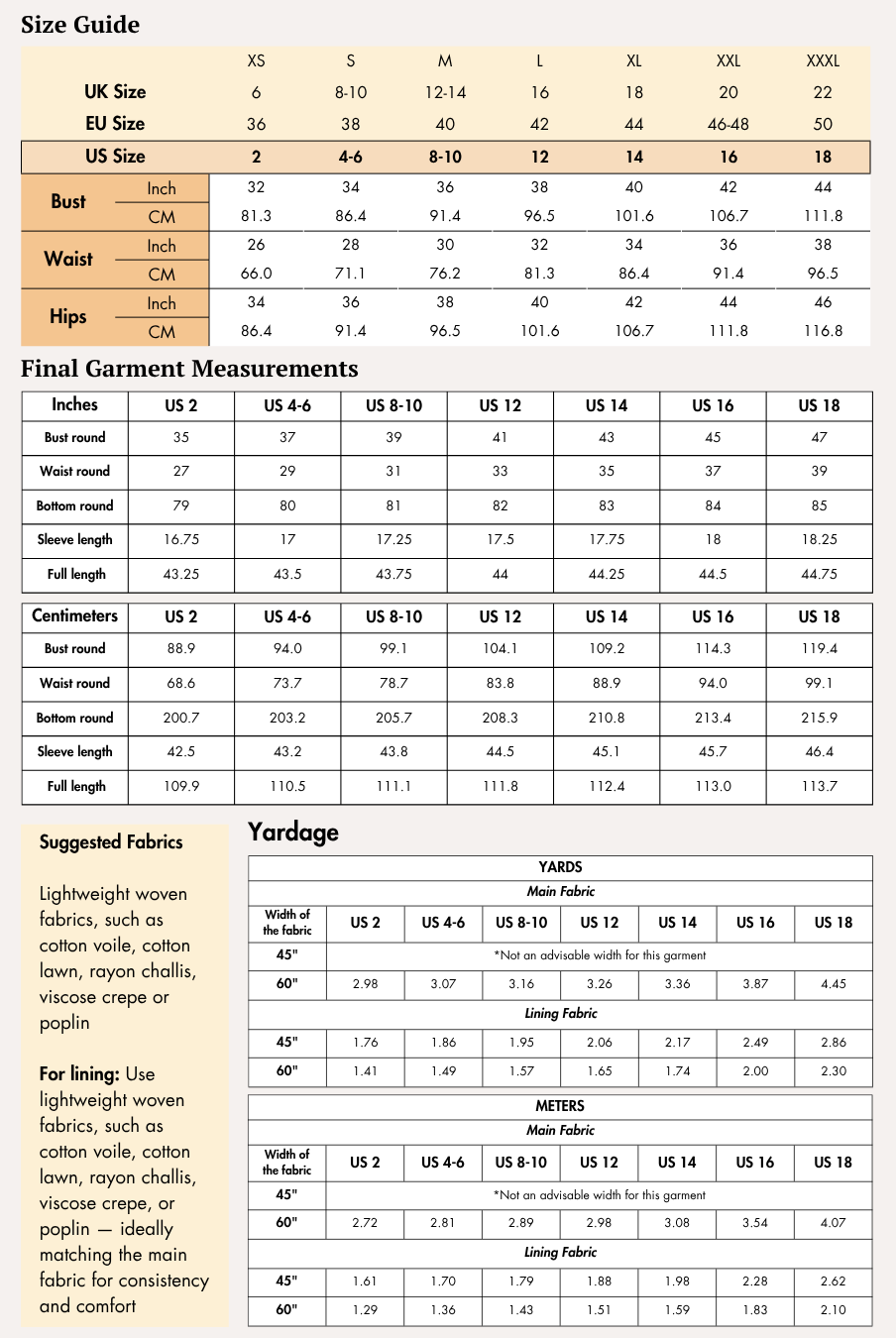
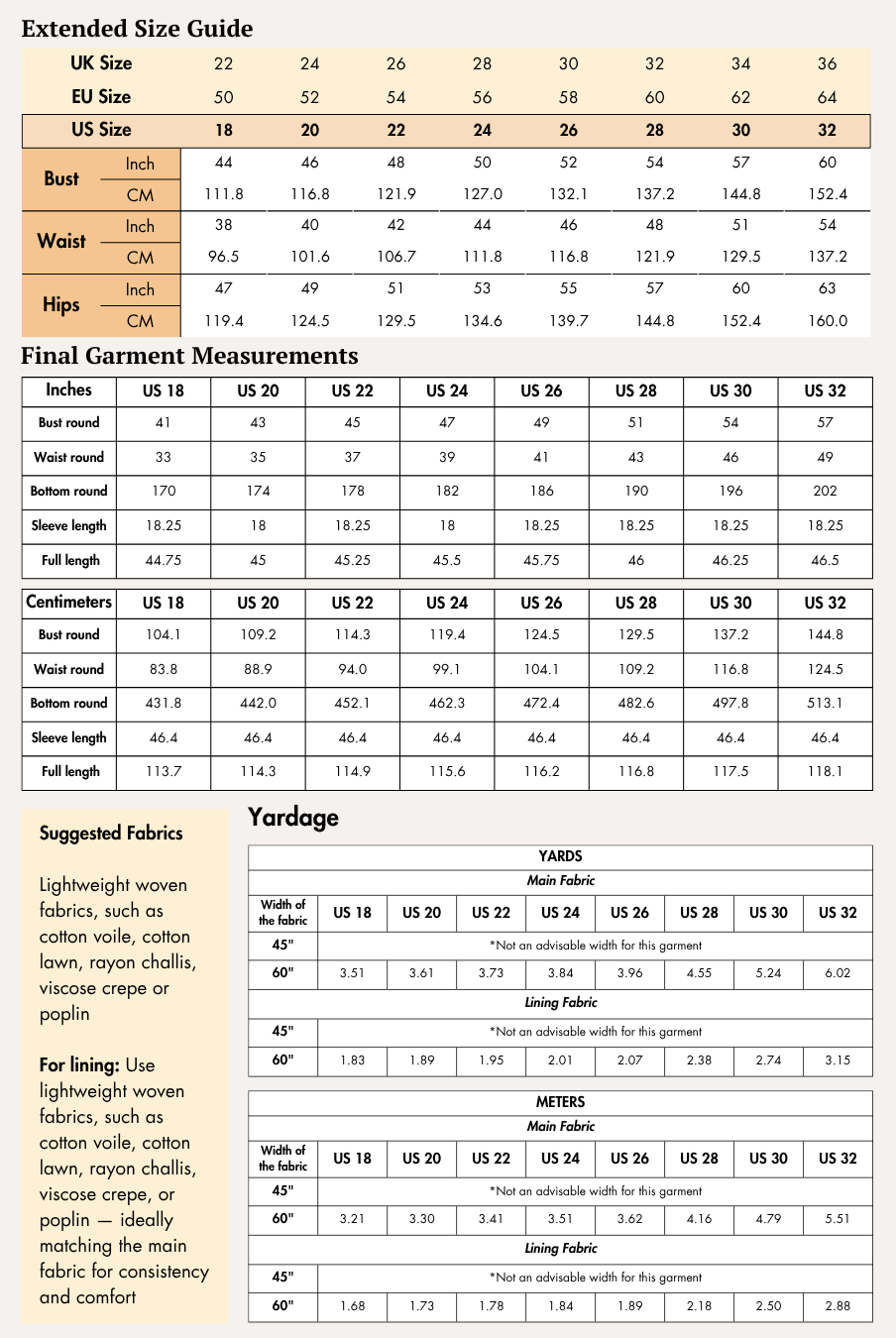
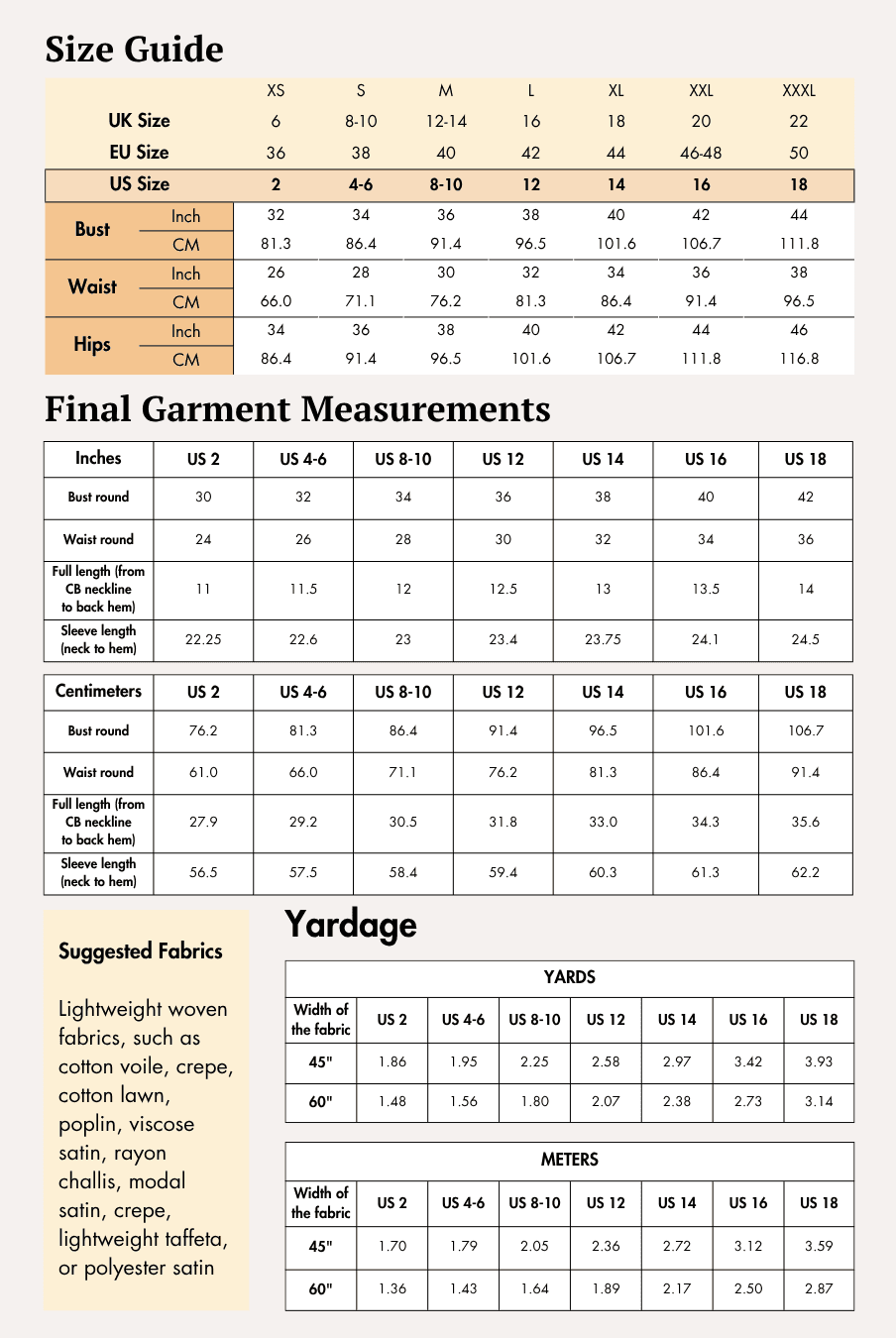
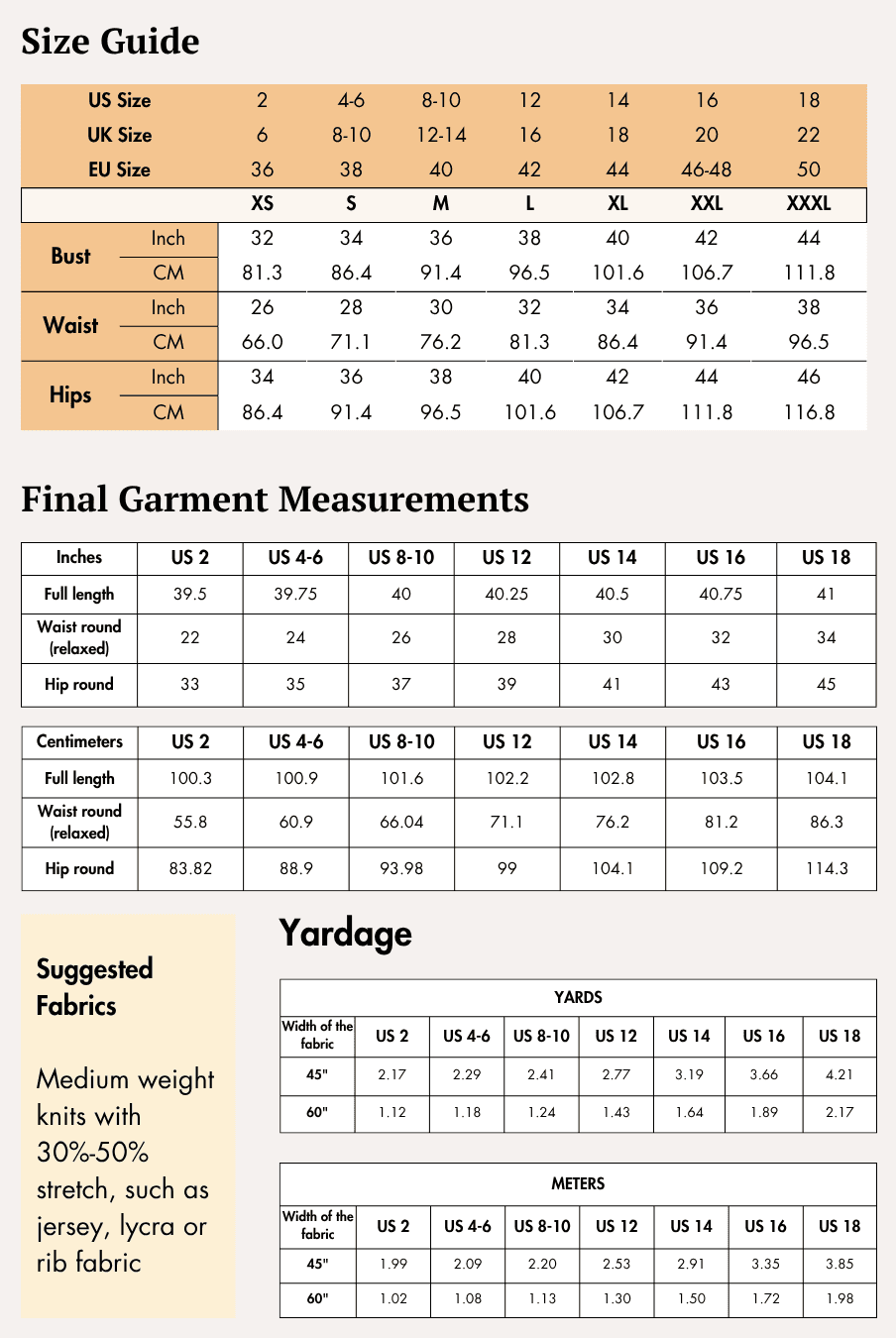
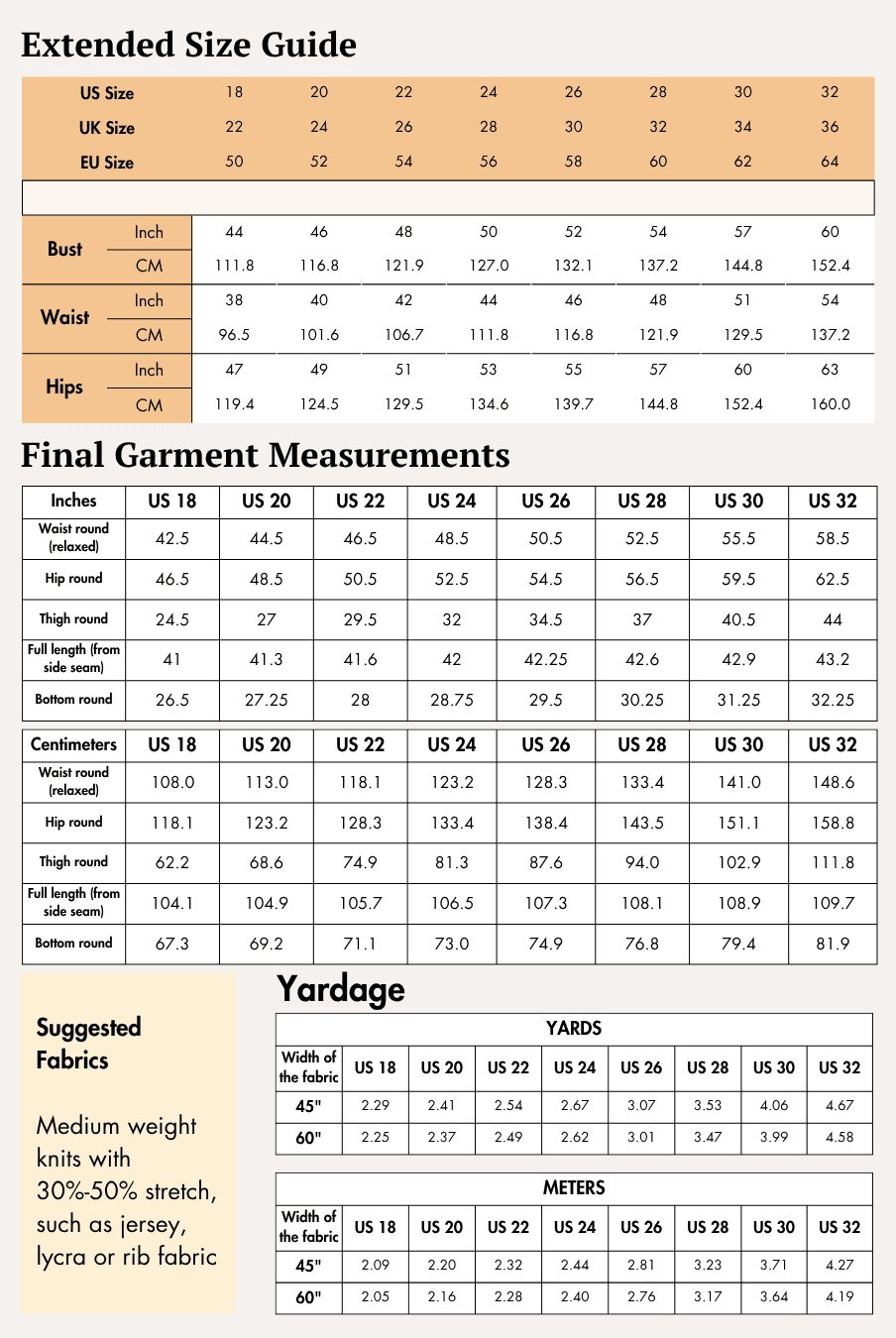
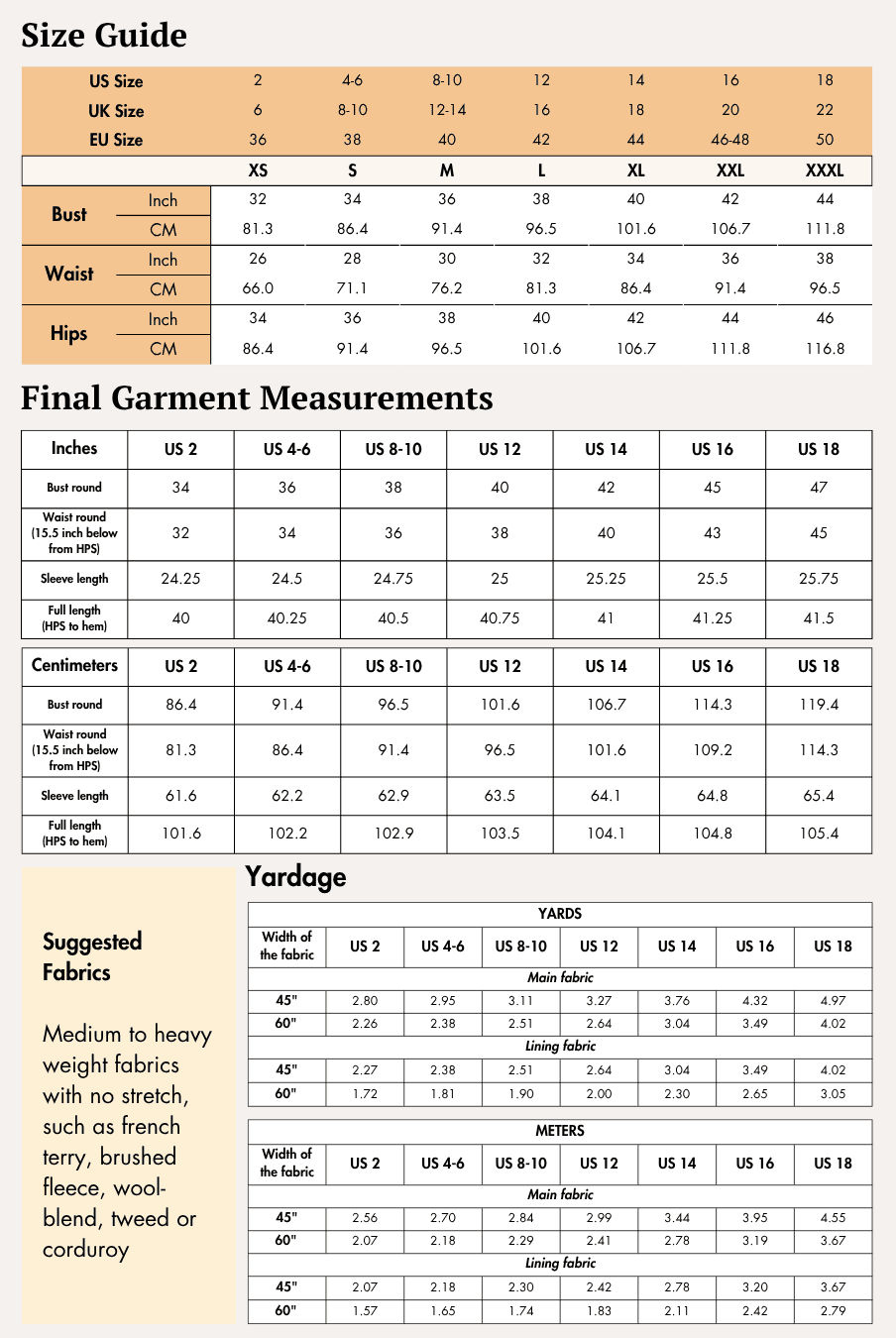
Fabric yield refers to the total amount of fabric needed to make a garment (for example, 2 yards). This is always listed in pattern guides so you buy the correct amount.
9. Finishing Touches

(Source)
After cutting, finish raw edges to prevent fraying.
Common finishes include:
- Plain seam (standard stitching)
- French seam (edges enclosed)
- Flat-felled seam (used in jeans)
- Serged or overlocked seam
For beginners, a zigzag stitch is simple and effective.
Curved edges like necklines should be clipped with small snips in the seam allowance so they lay flat when turned.
Press seams open unless the pattern instructs otherwise to reduce bulk.
Most patterns (including Winslet’s) include seam allowance directly on pattern pieces and indicate where the seamline is. Always sew along the seam allowance line — not the fabric edge — or the garment will turn out too small.
Lock your stitches by sewing a few stitches forward, then backward, then forward again to secure seams.
10. Storage

(Source)
Finally, don’t forget to store your fabric properly between sewing sessions. Keep it in a cool, dry place away from direct sunlight to prevent fading and deterioration. And consider investing in fabric storage solutions like clear bins or hanging organizers to keep your stash organized and easily accessible.
Discover essential tips and techniques for preparing your fabric before sewing in this helpful video guide:
Summary: How to prepare your fabric prior to sewing
So, these were the fundamentals of preparing your fabric prior to sewing. If unsure, refer to resources, but armed with this guide and some common sense, your fabric (and the items you create from it) can endure for years. With your fabric prepped, it’s time to gather your pattern pieces and sewing machine to begin your project.