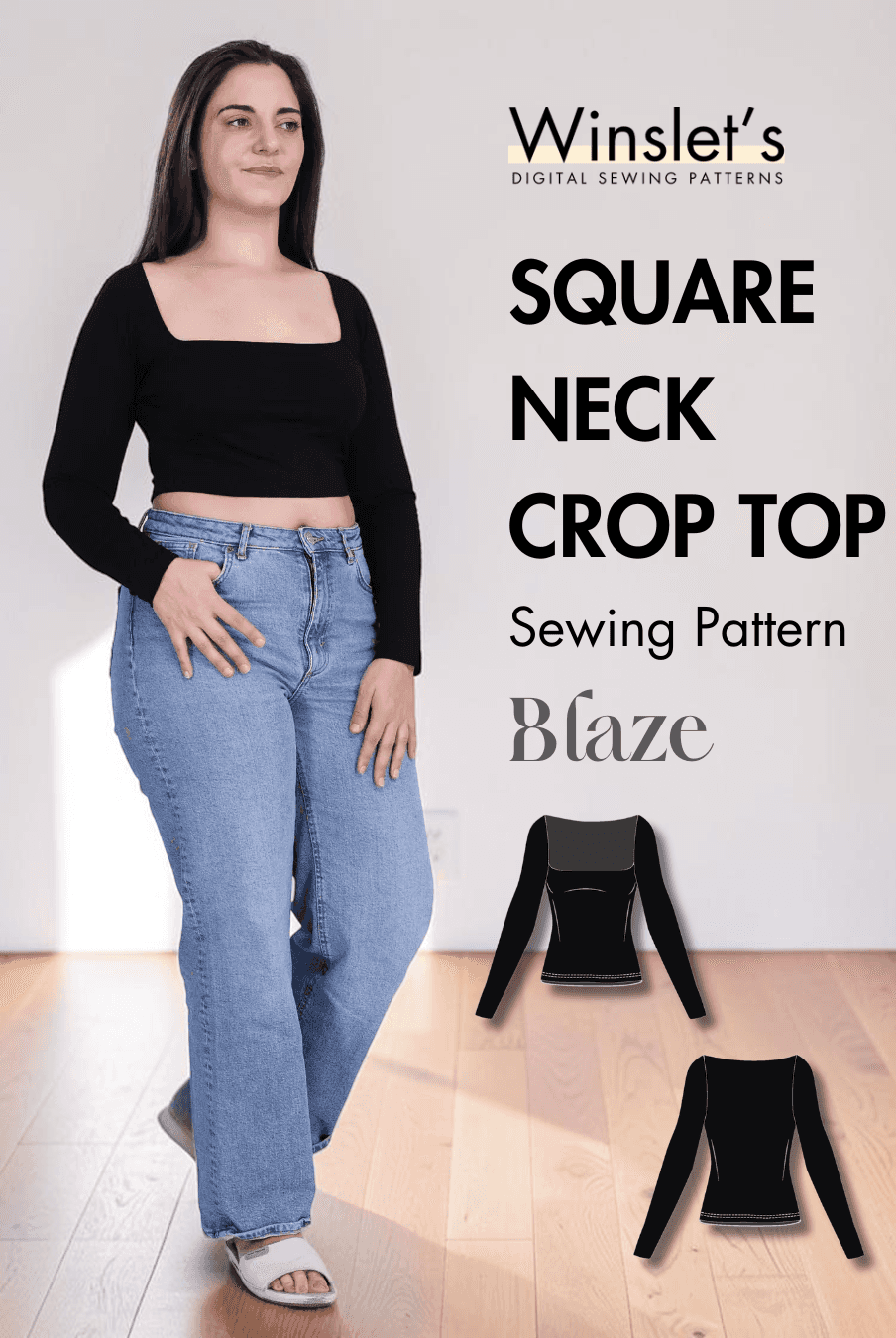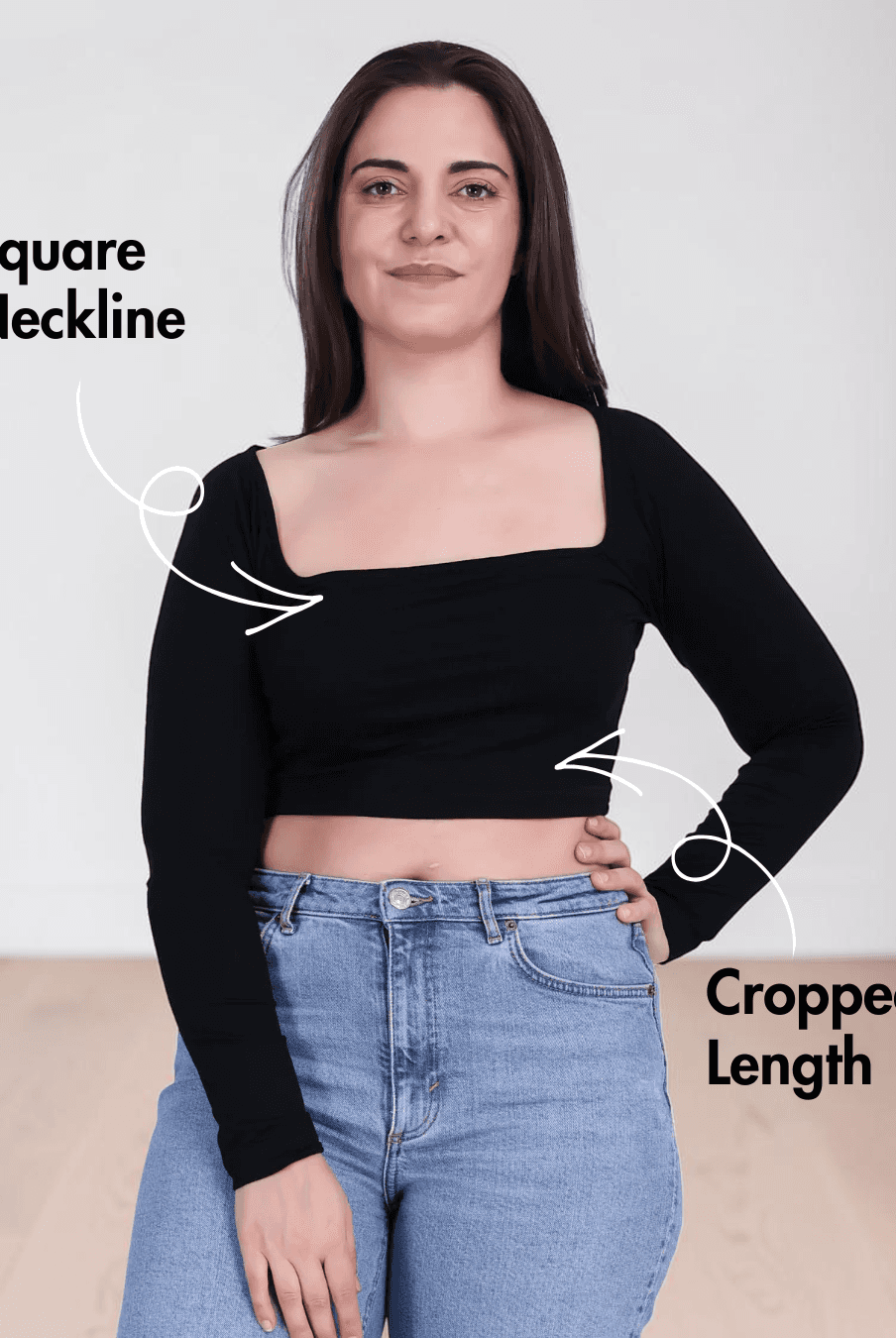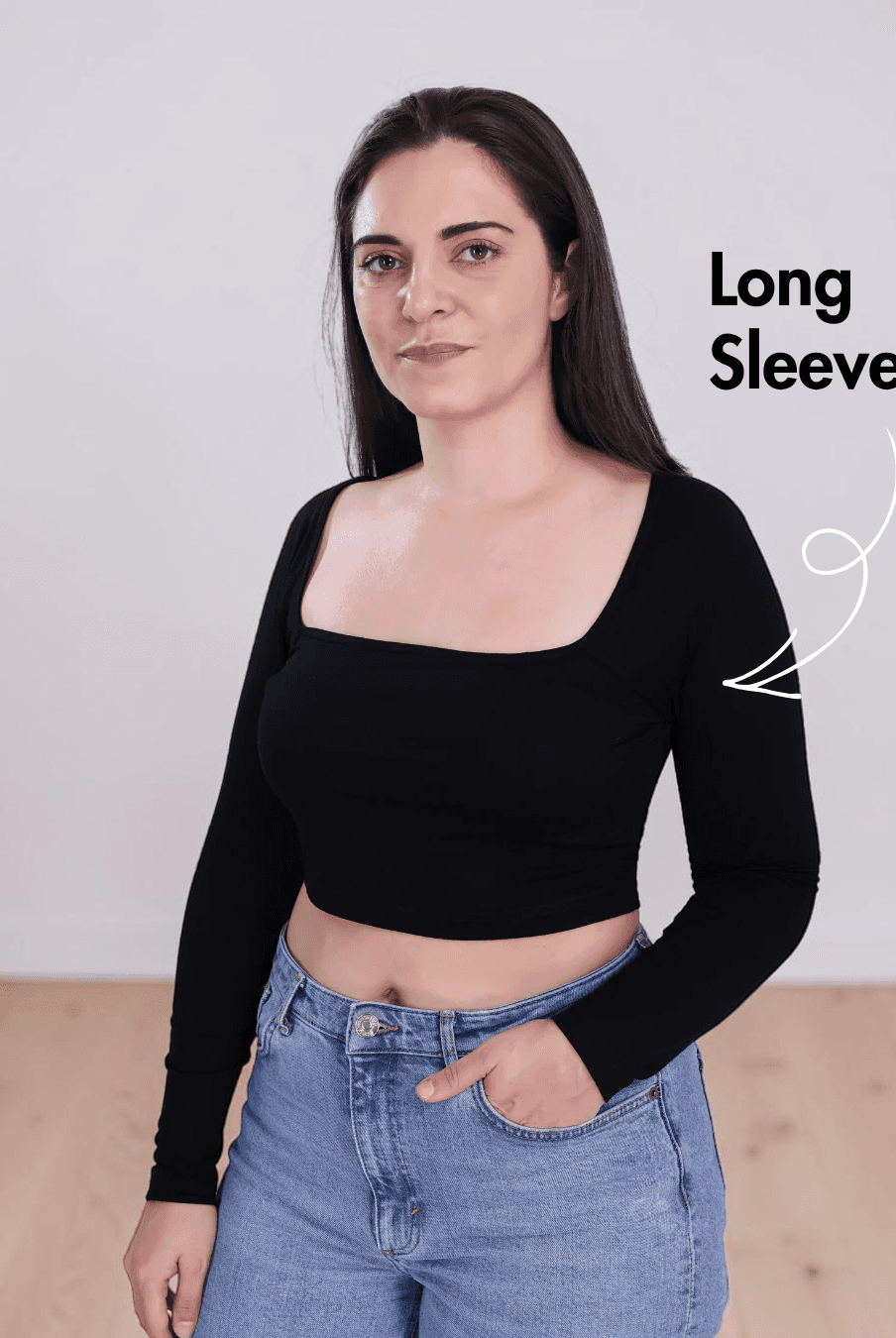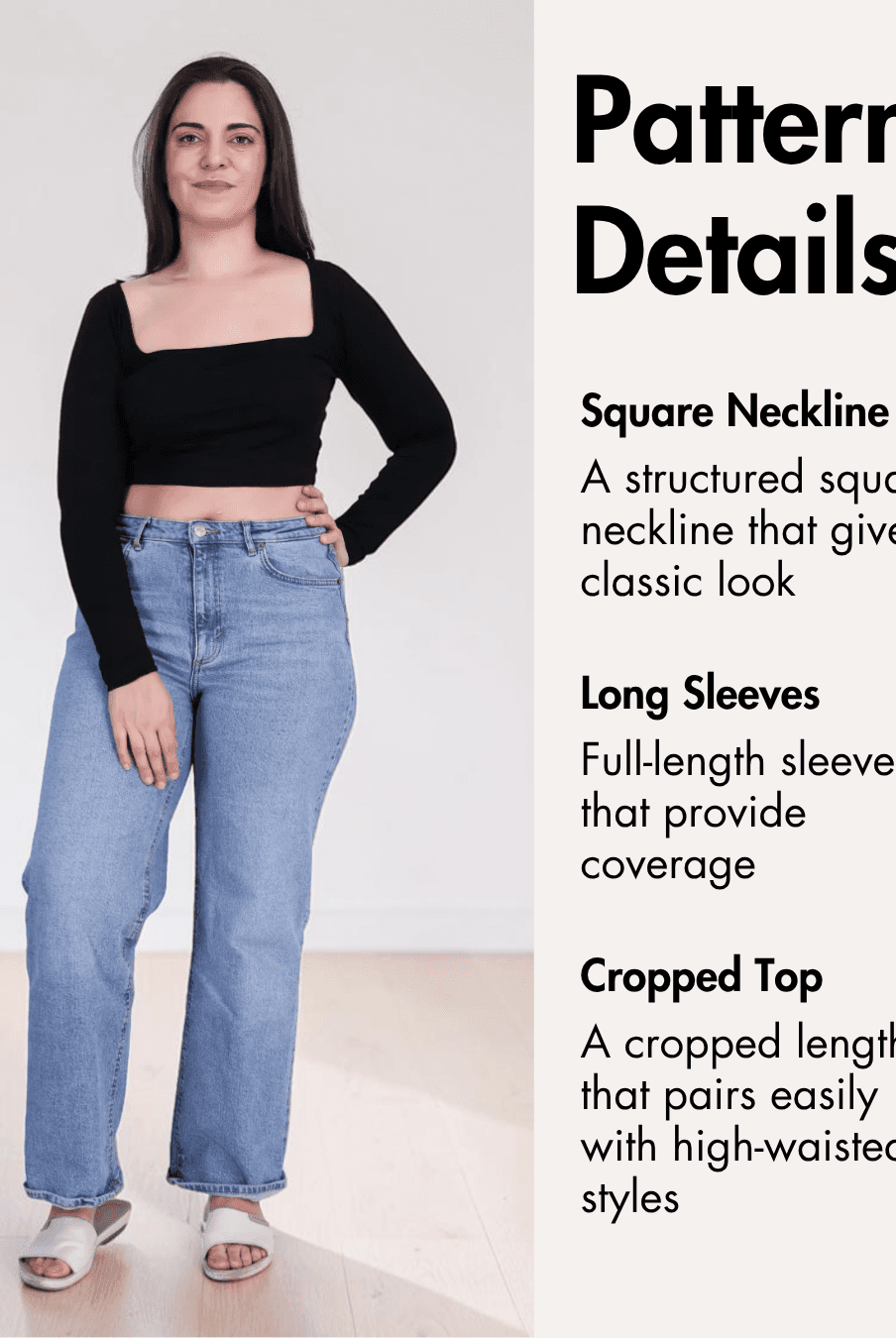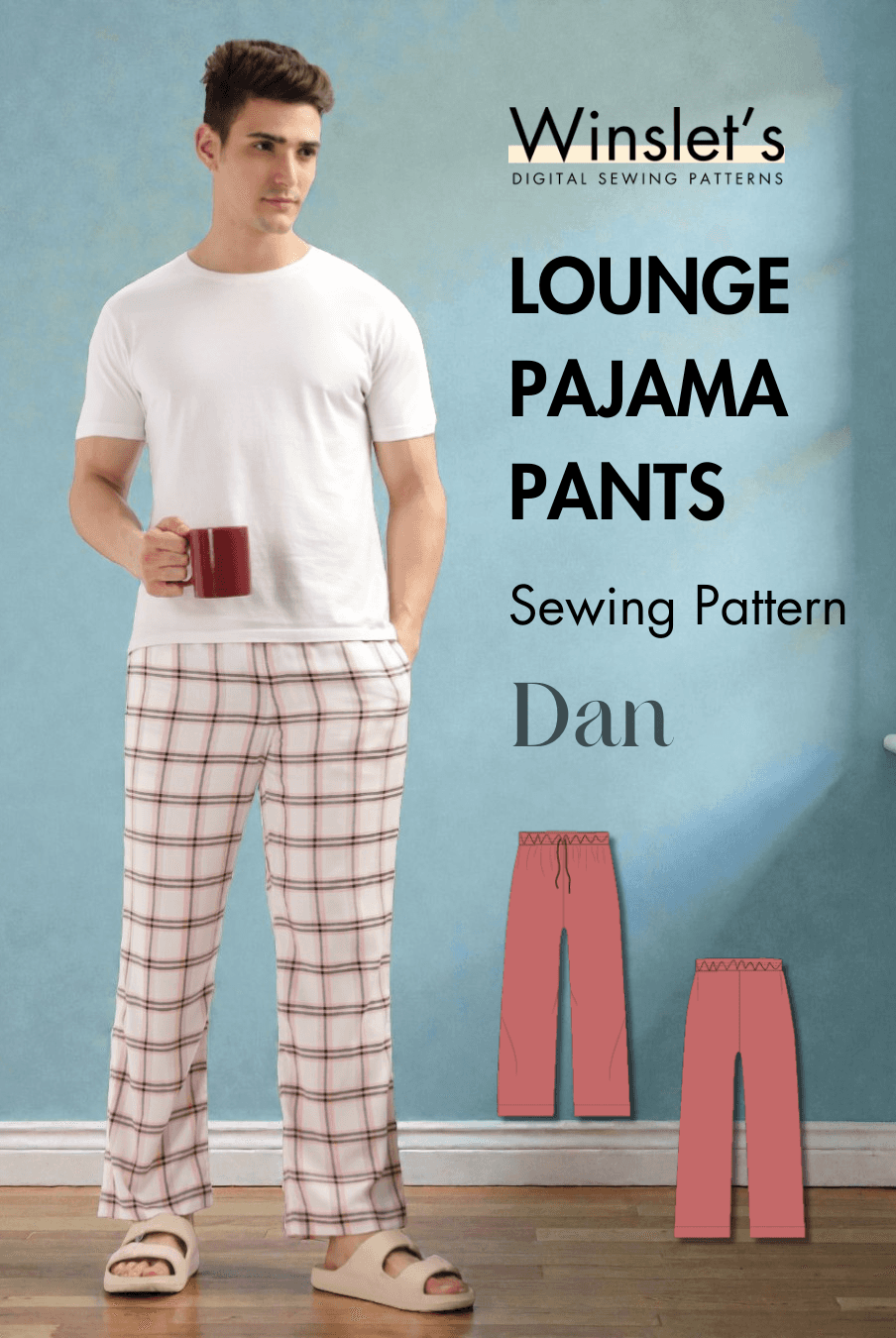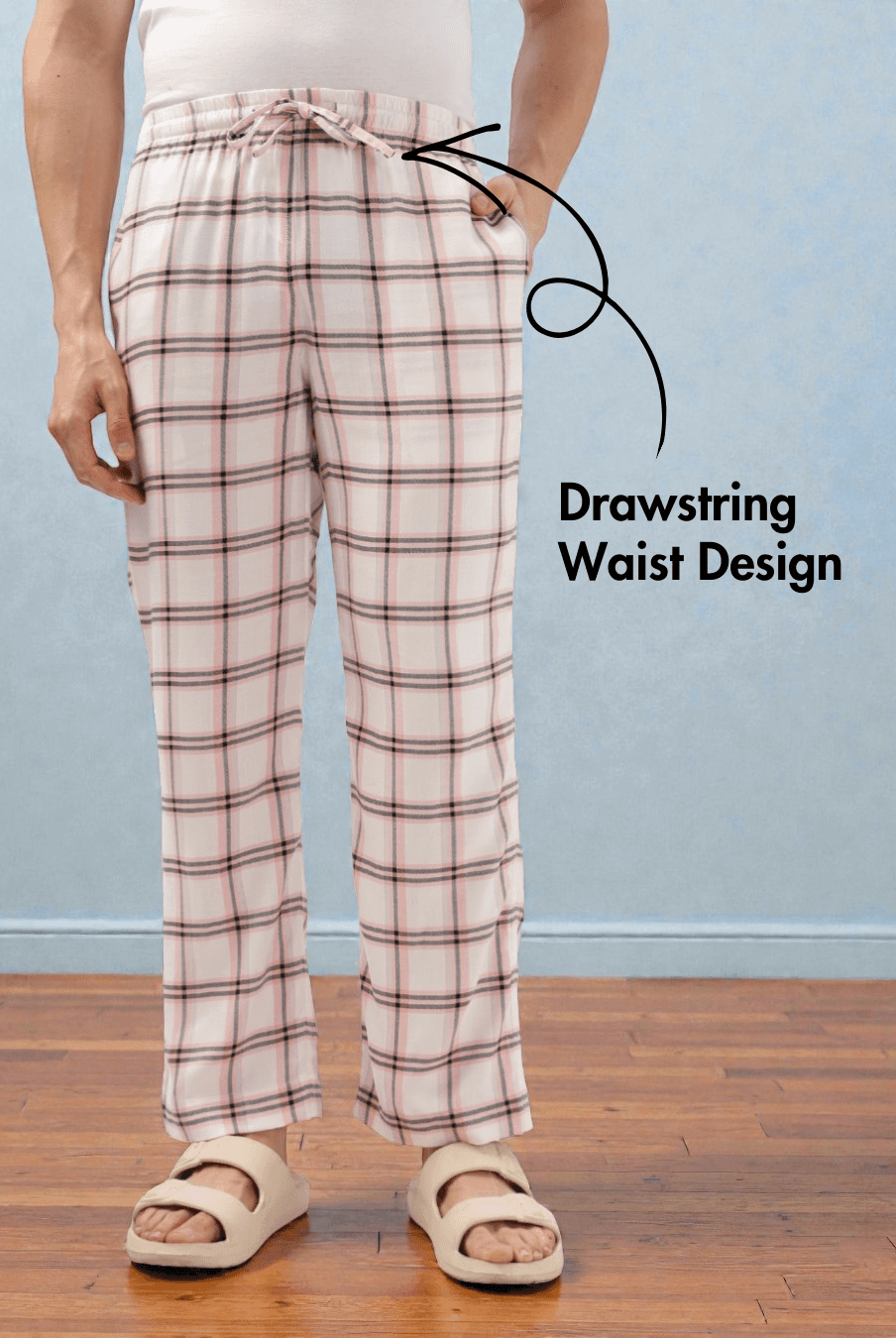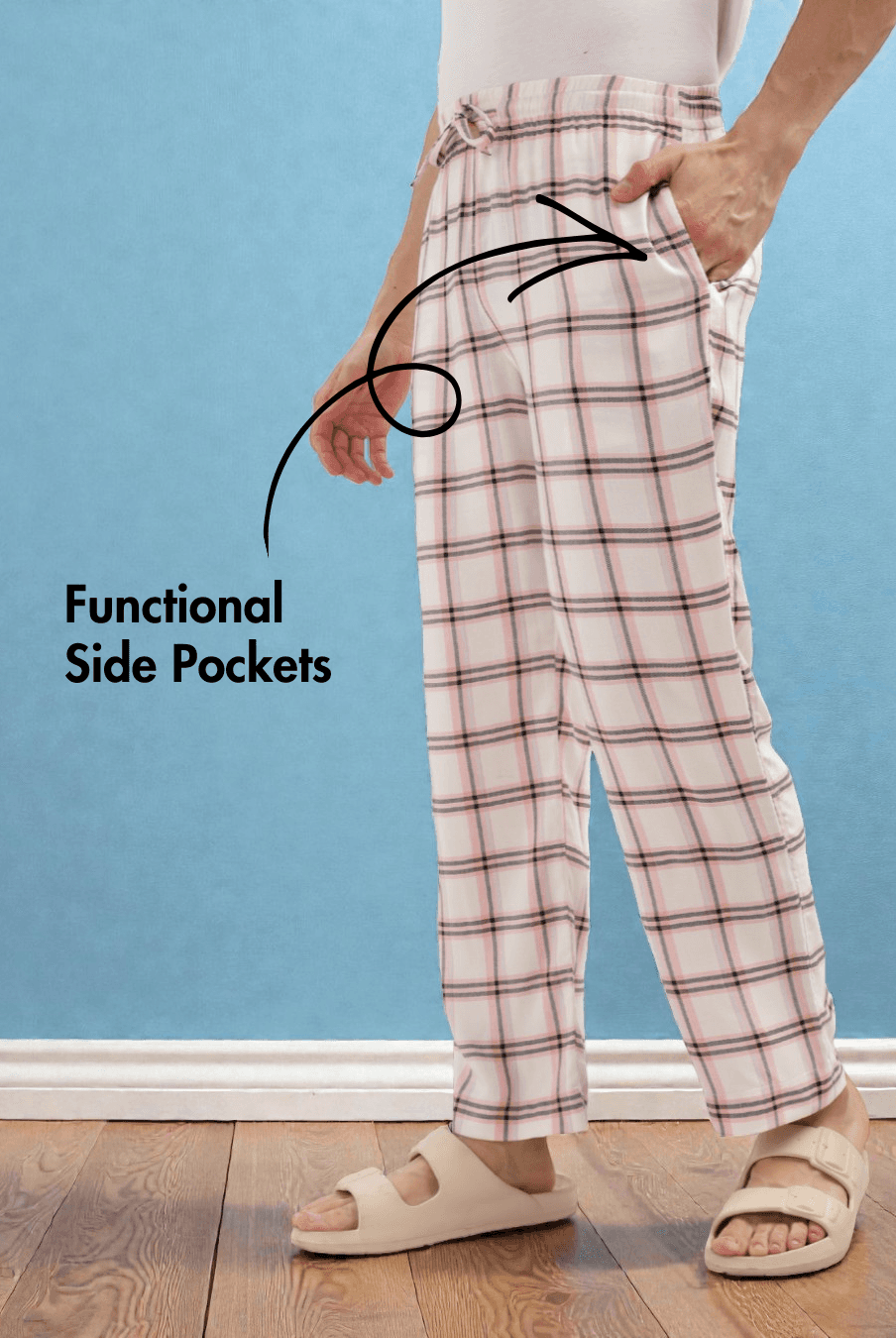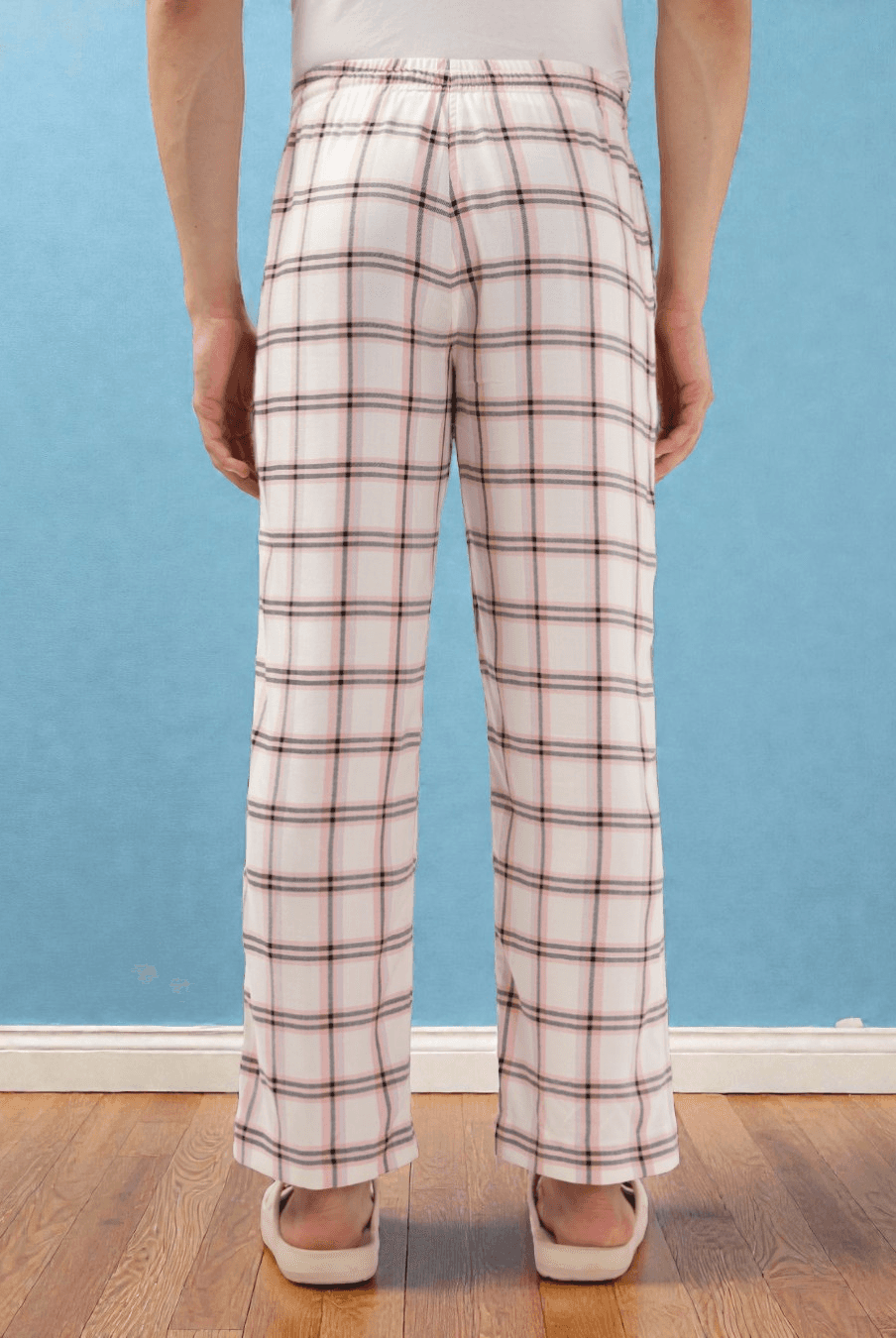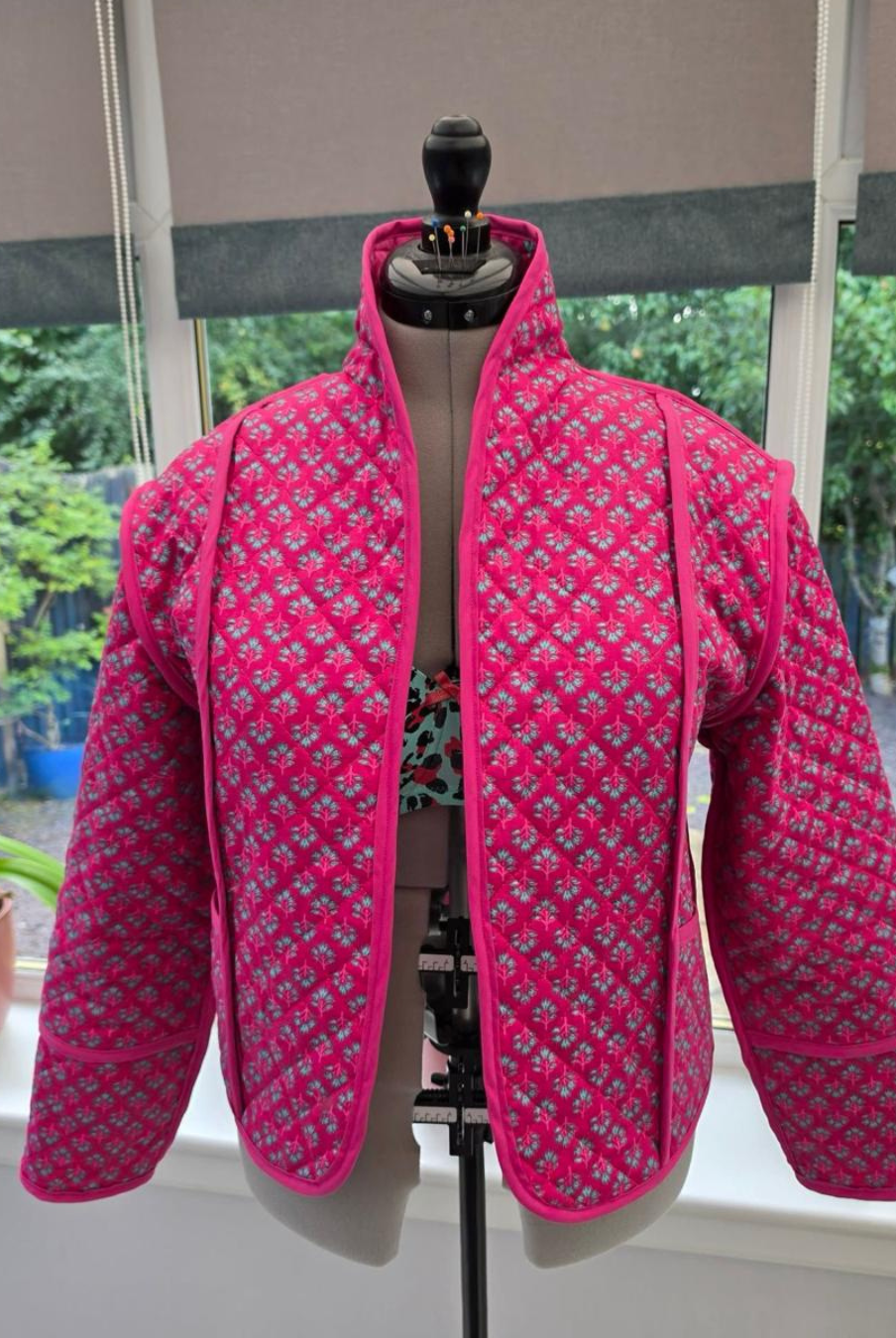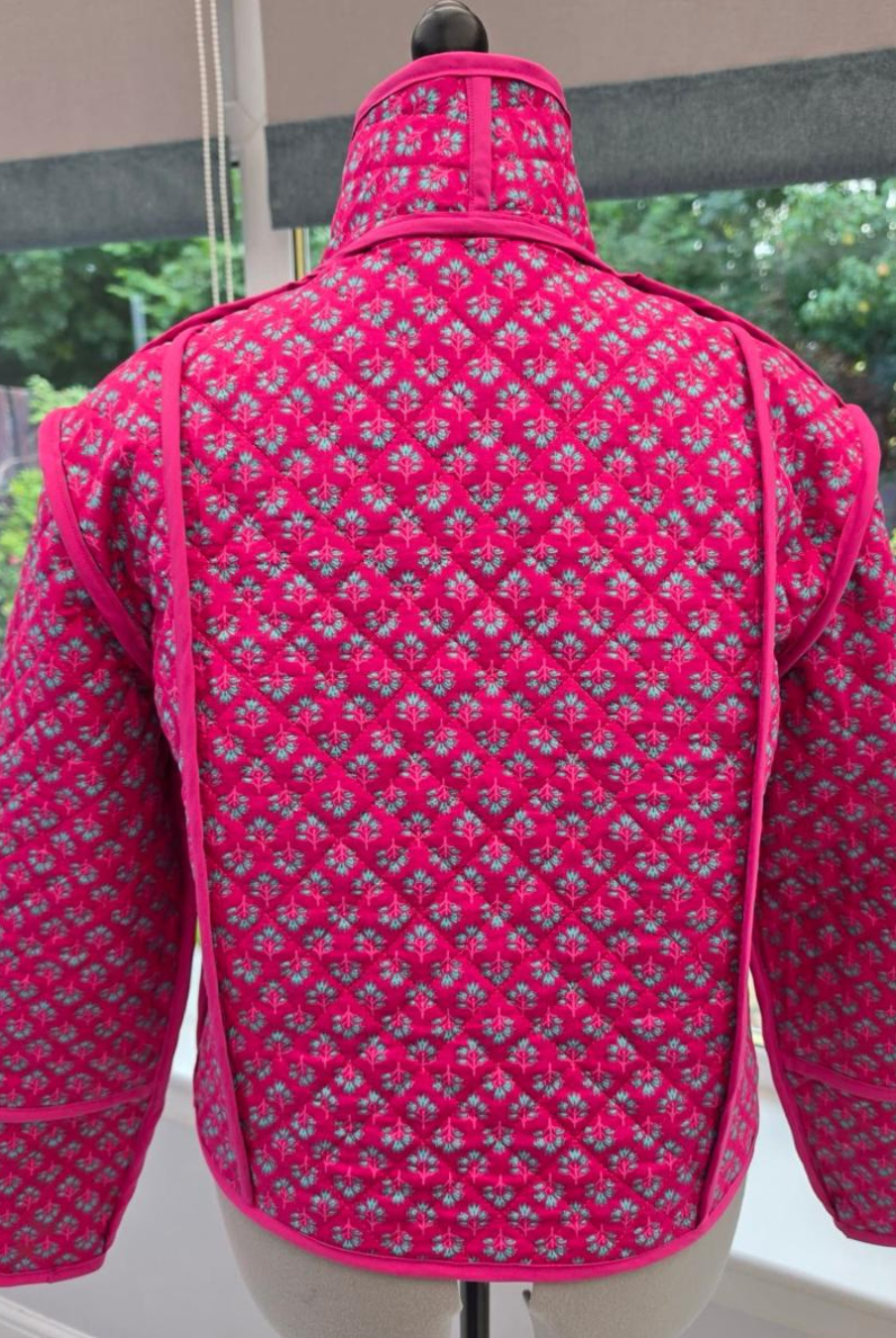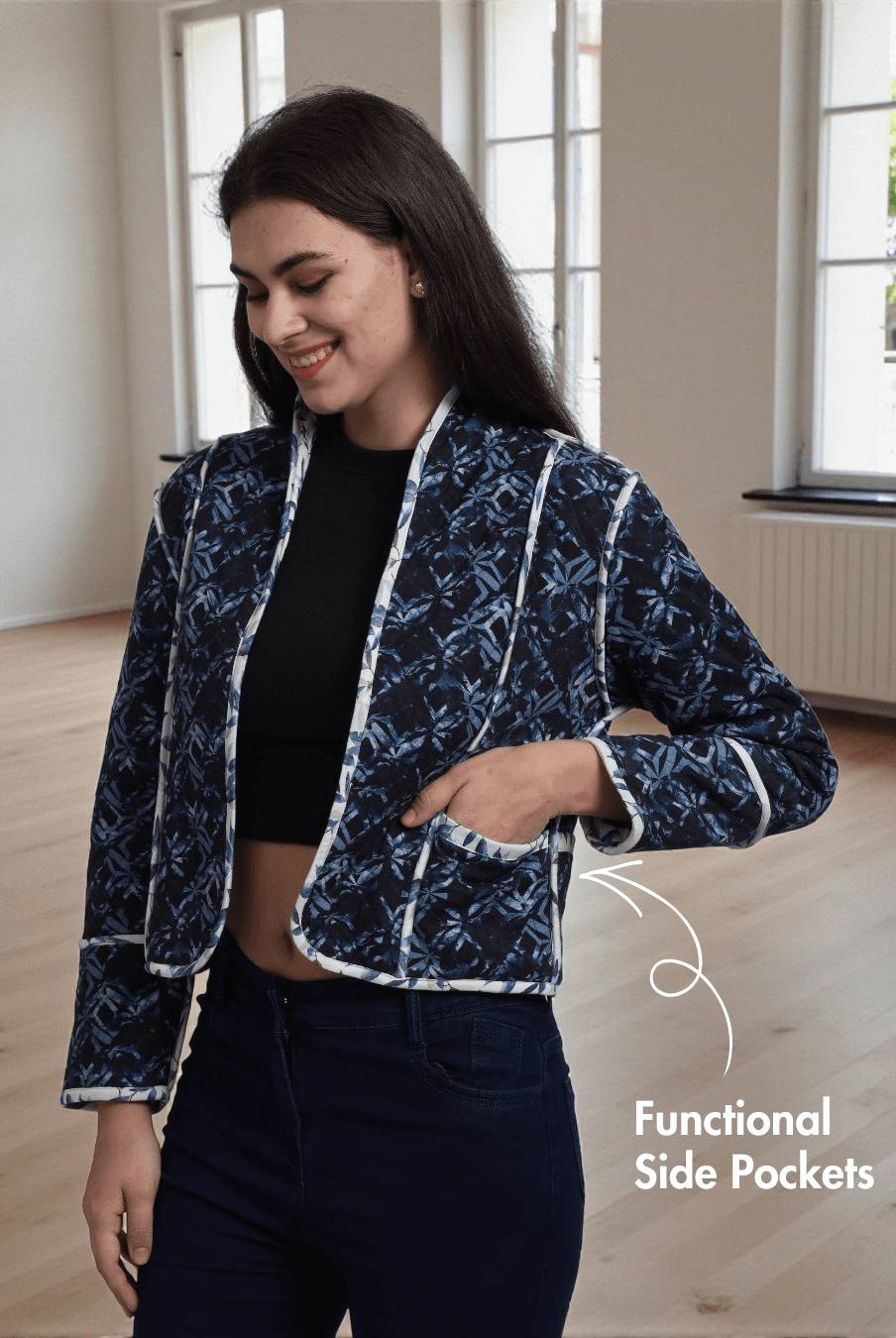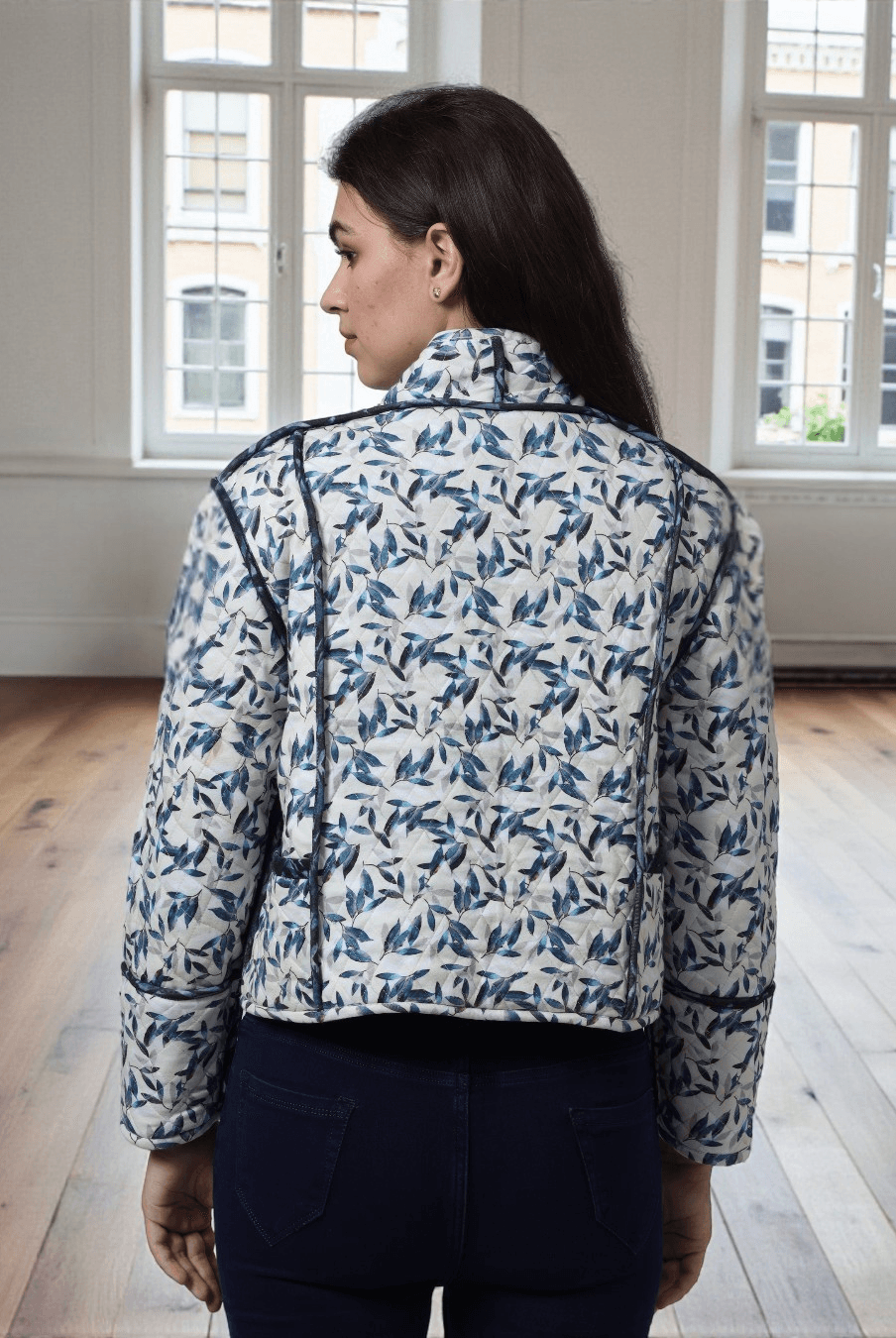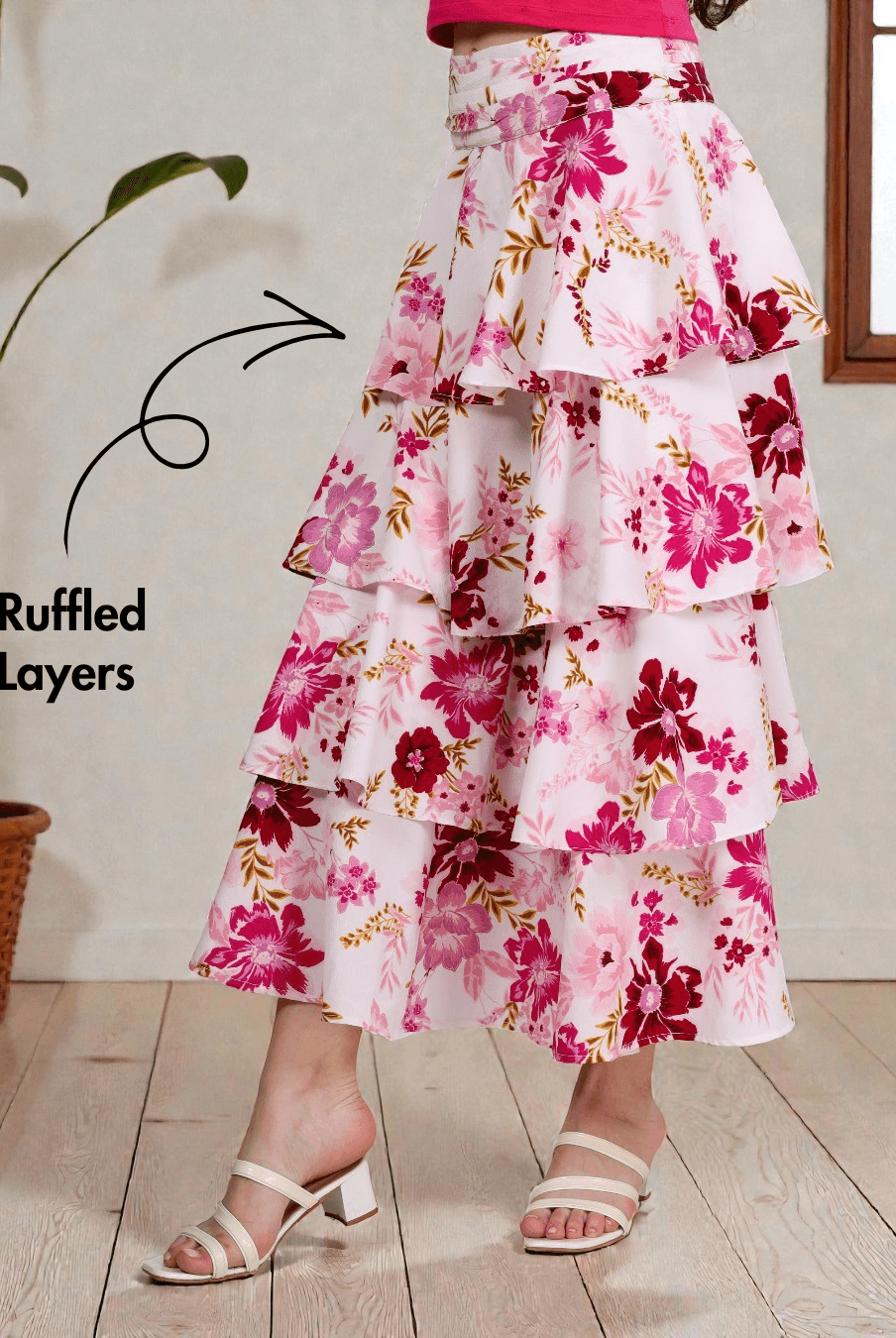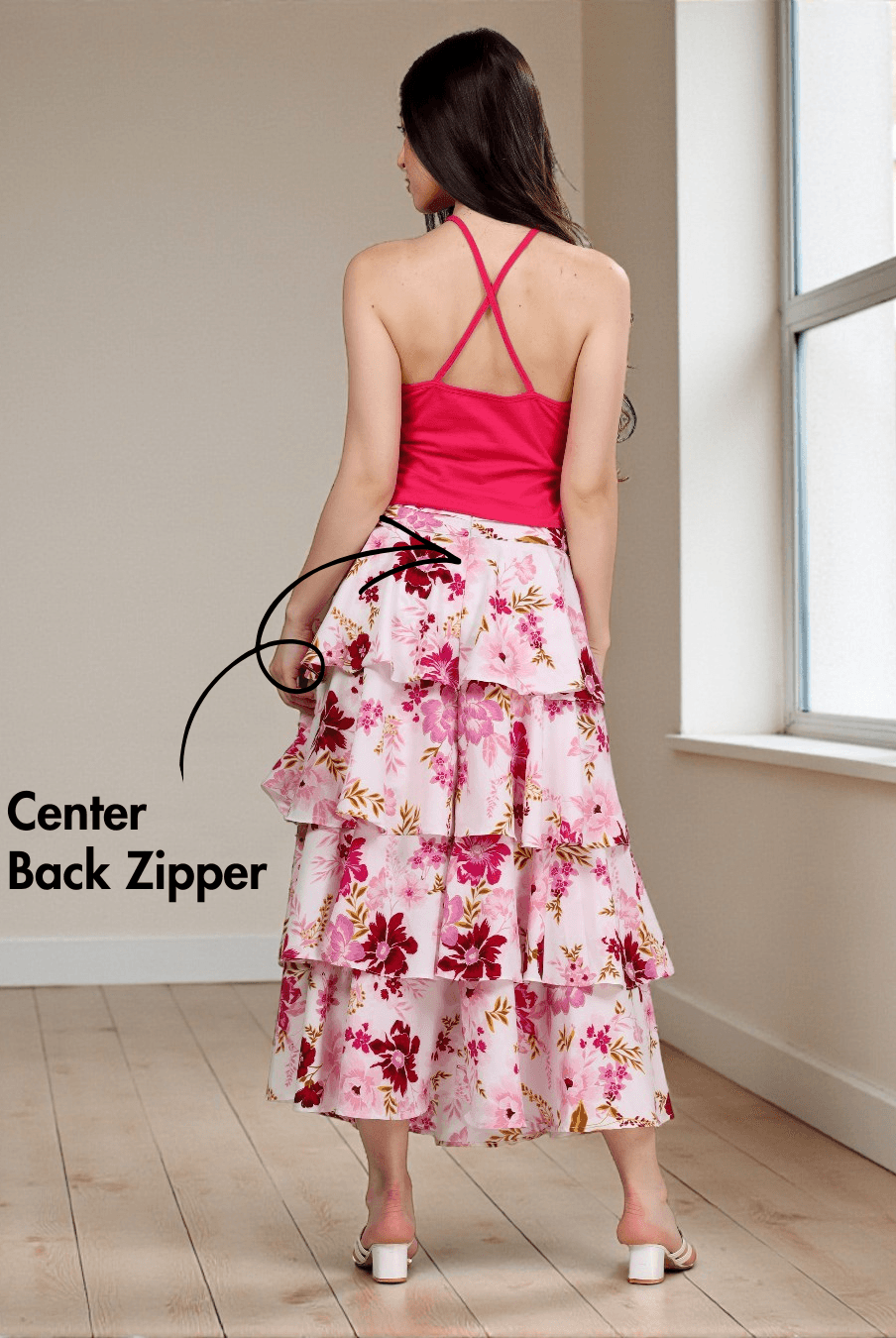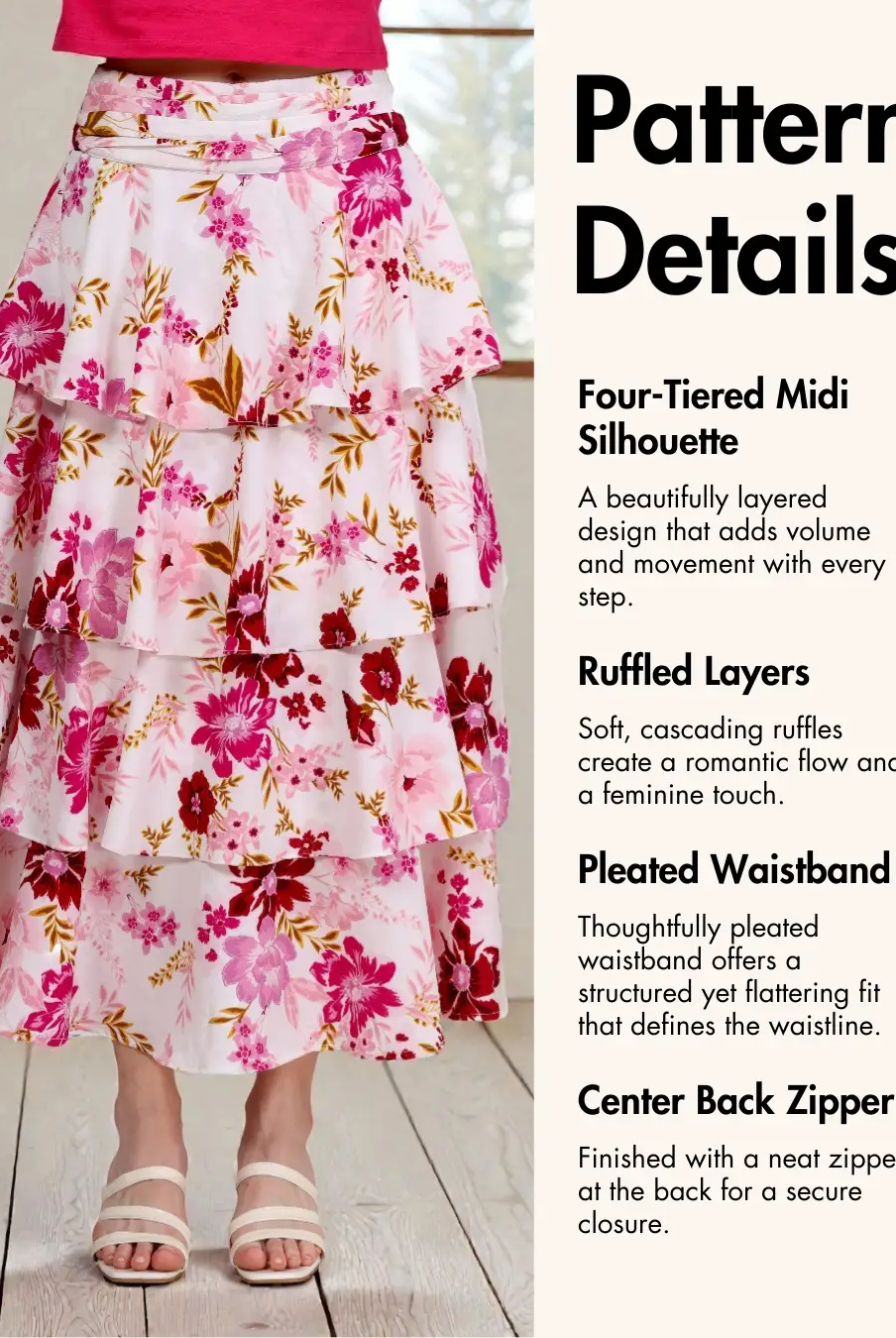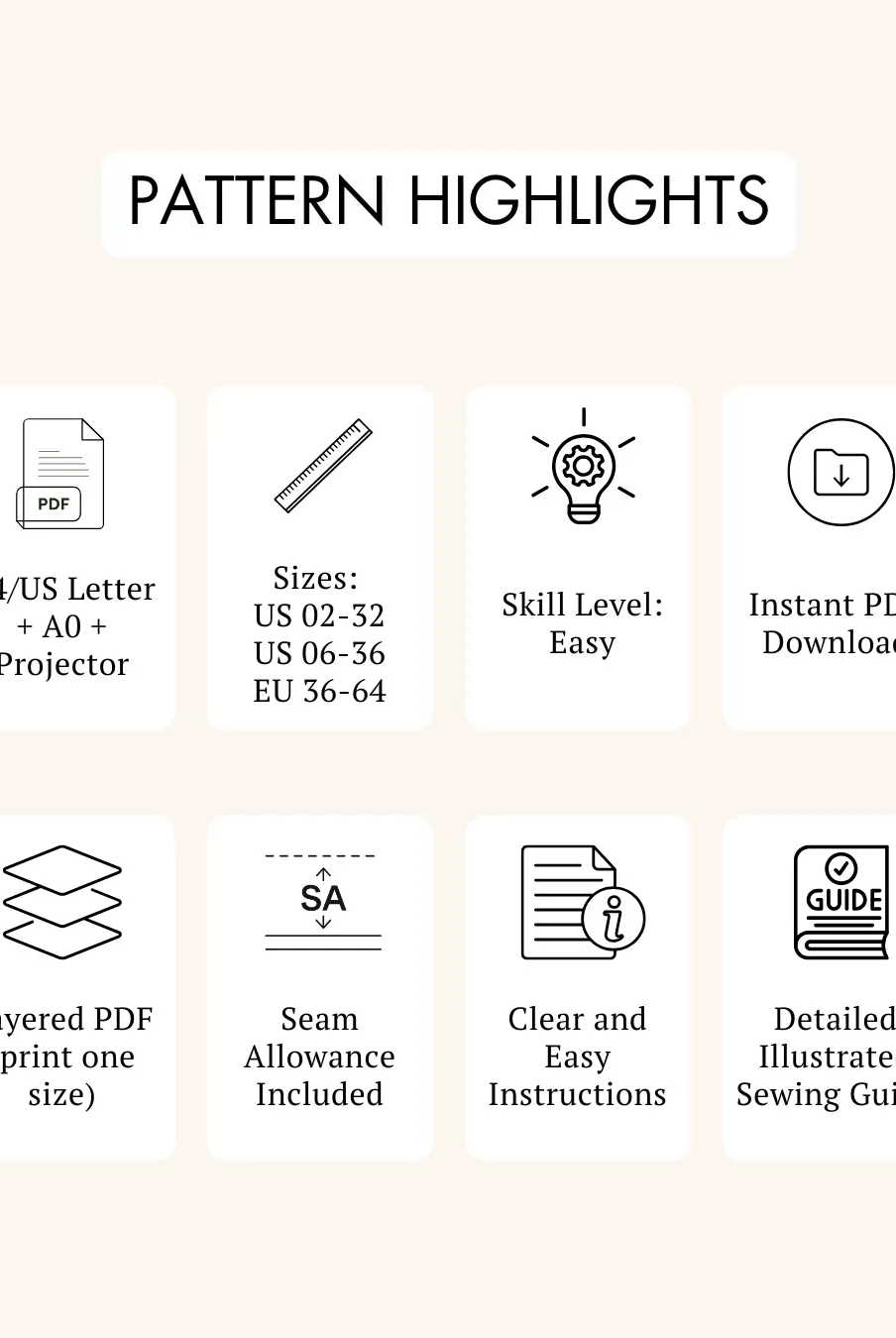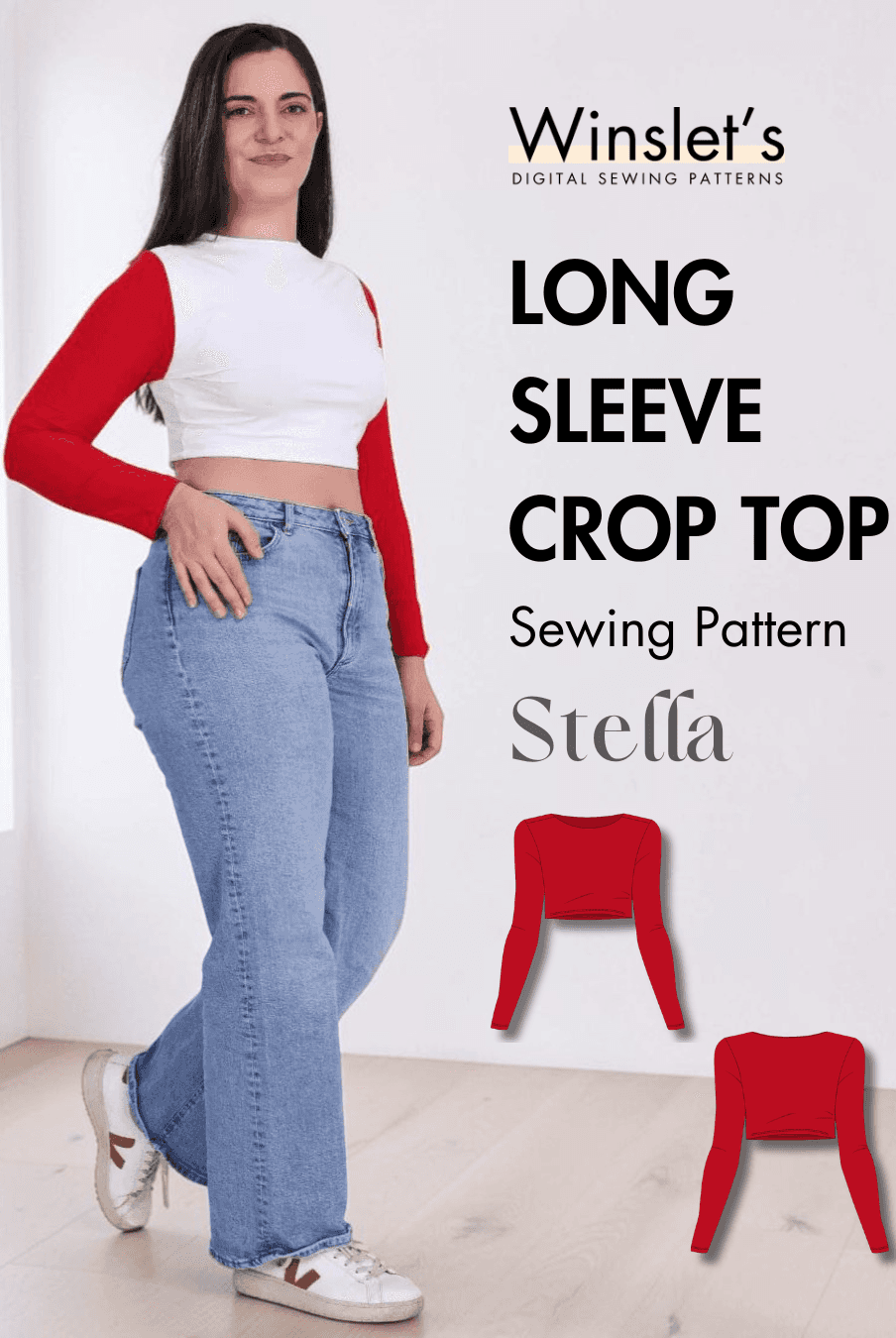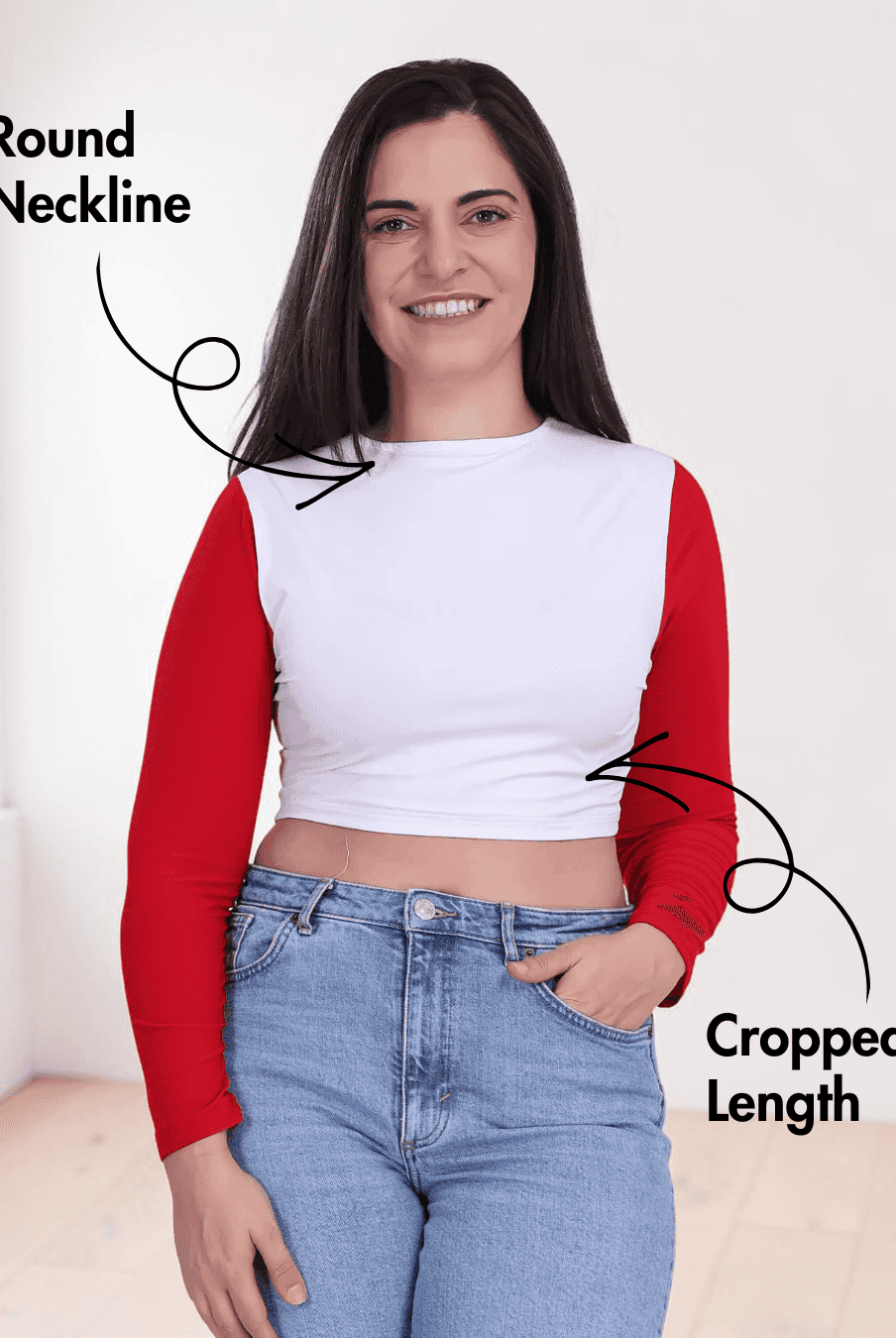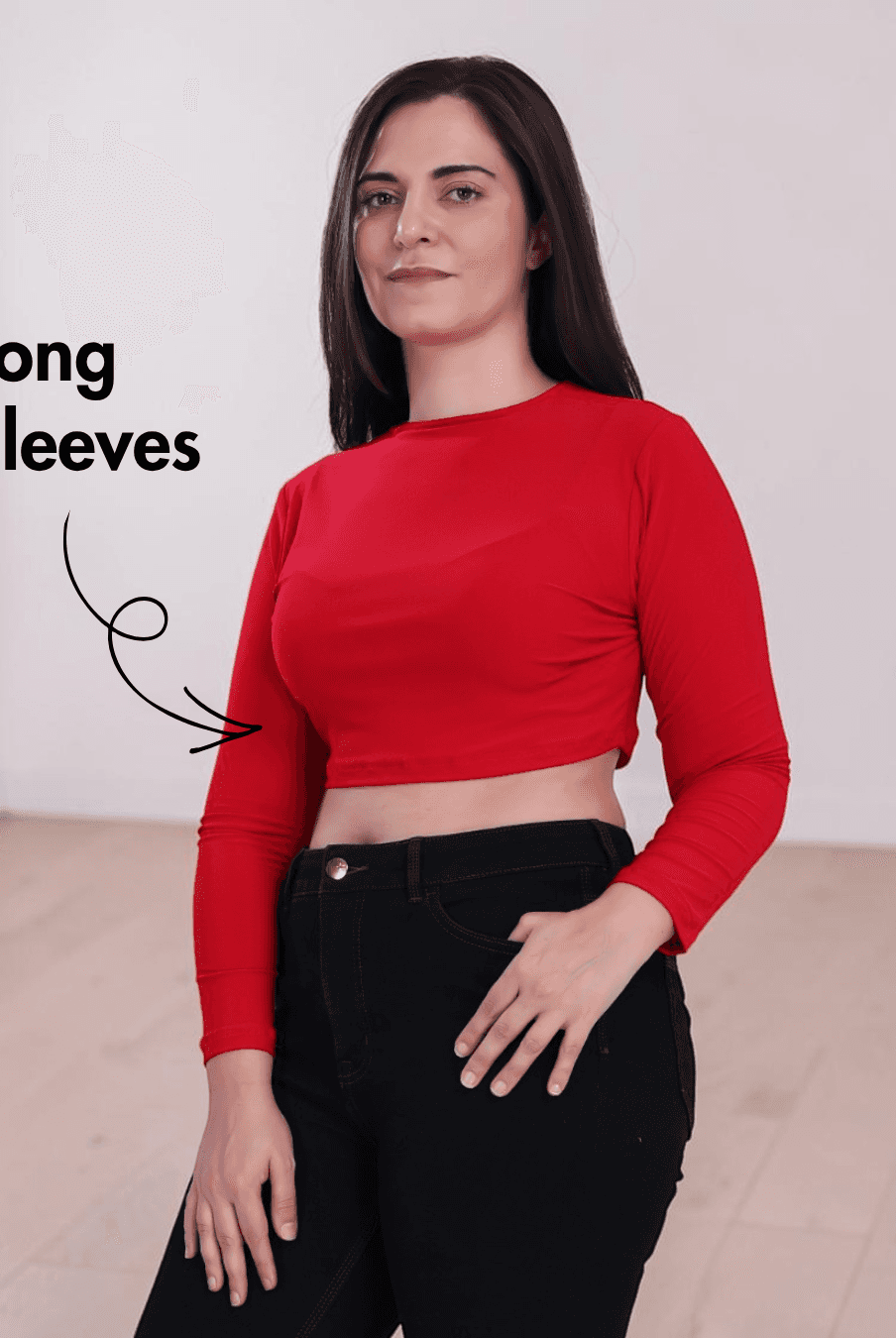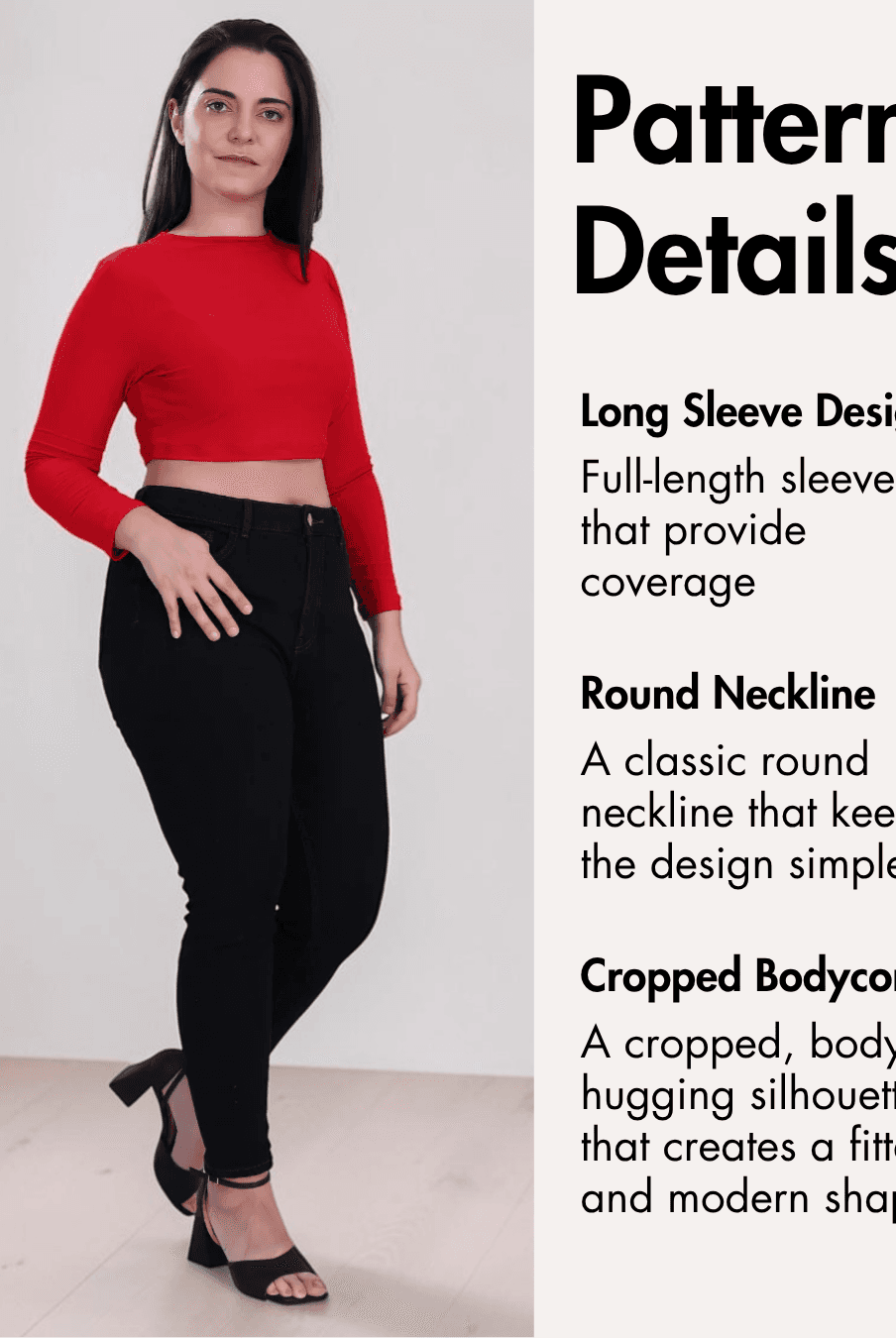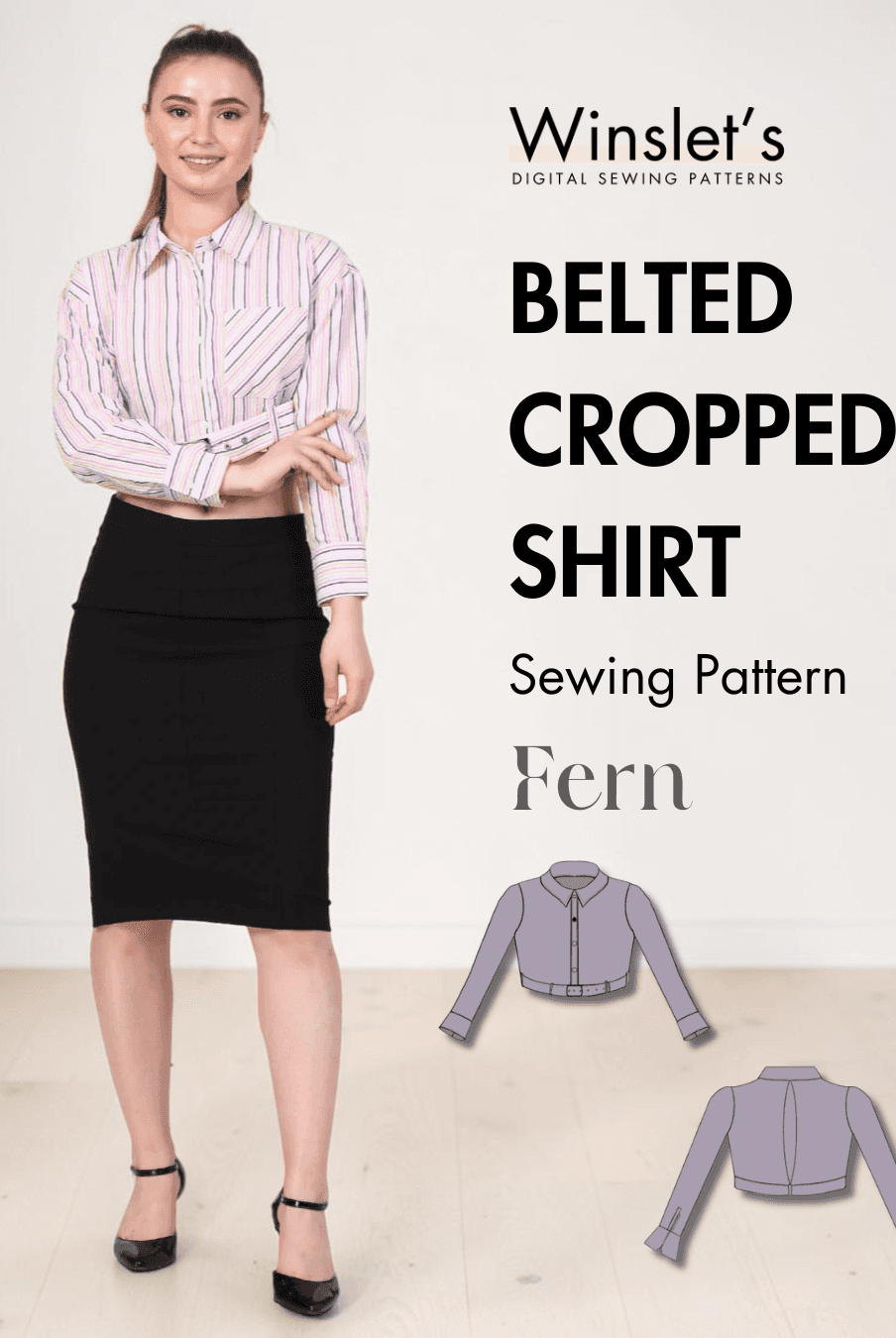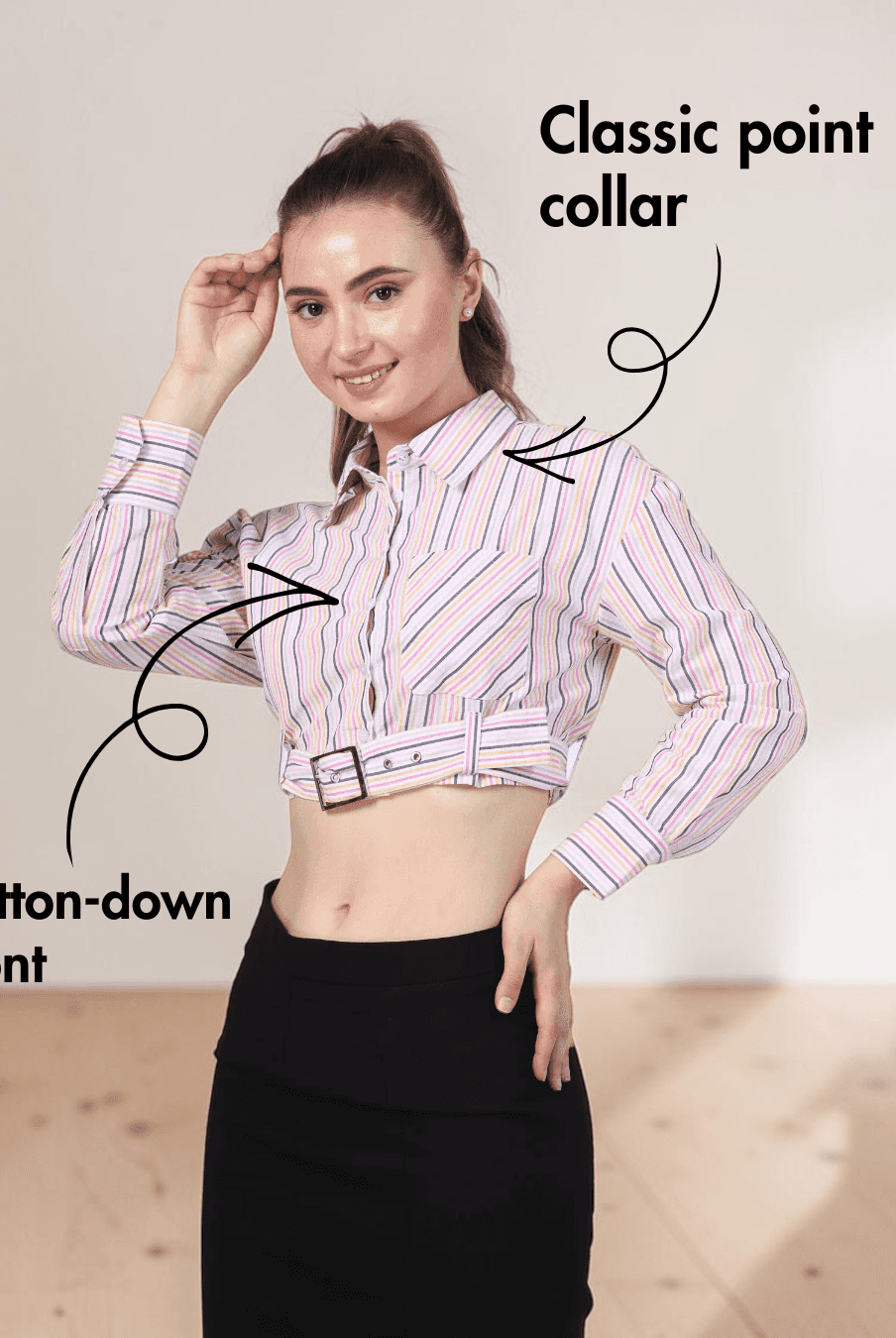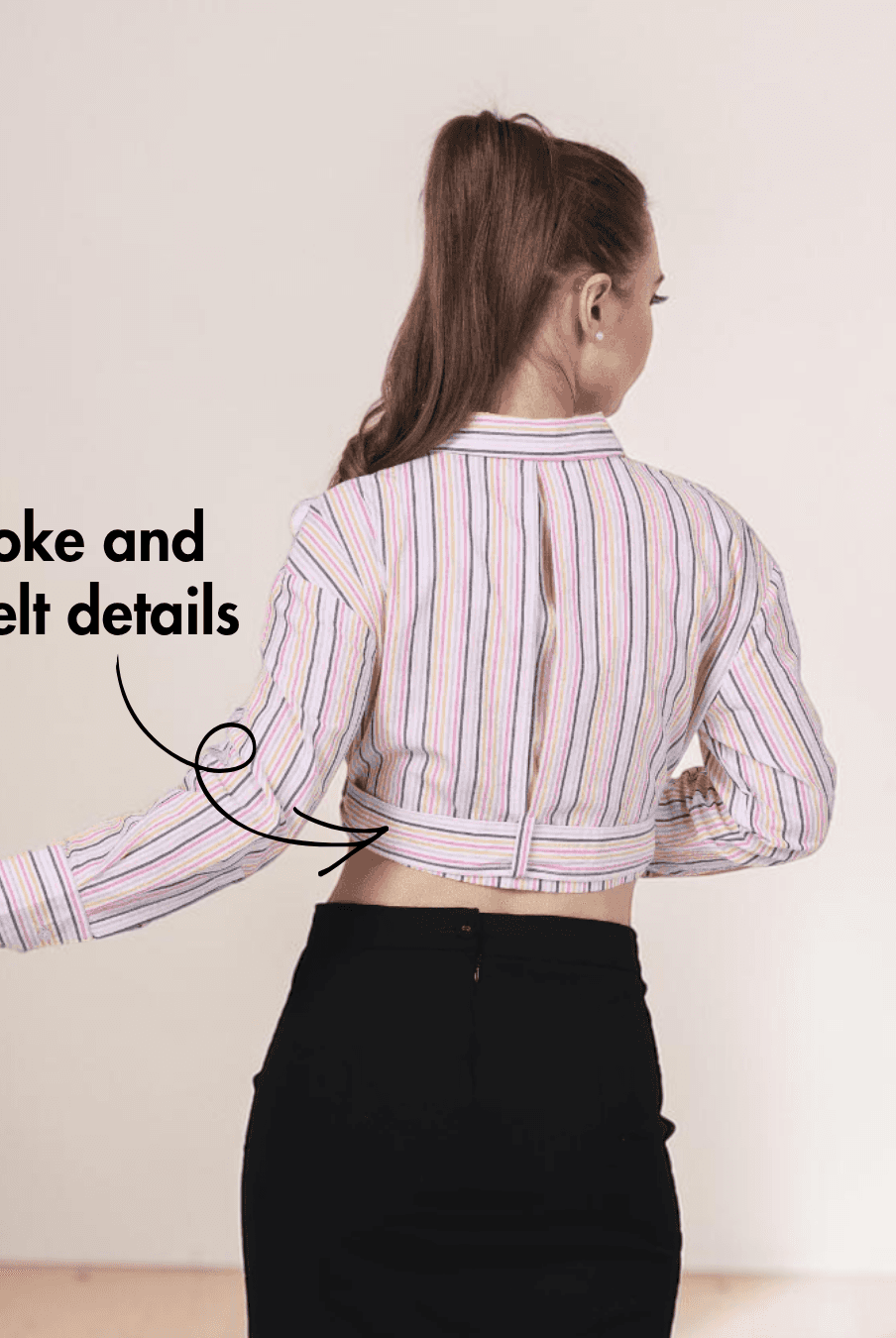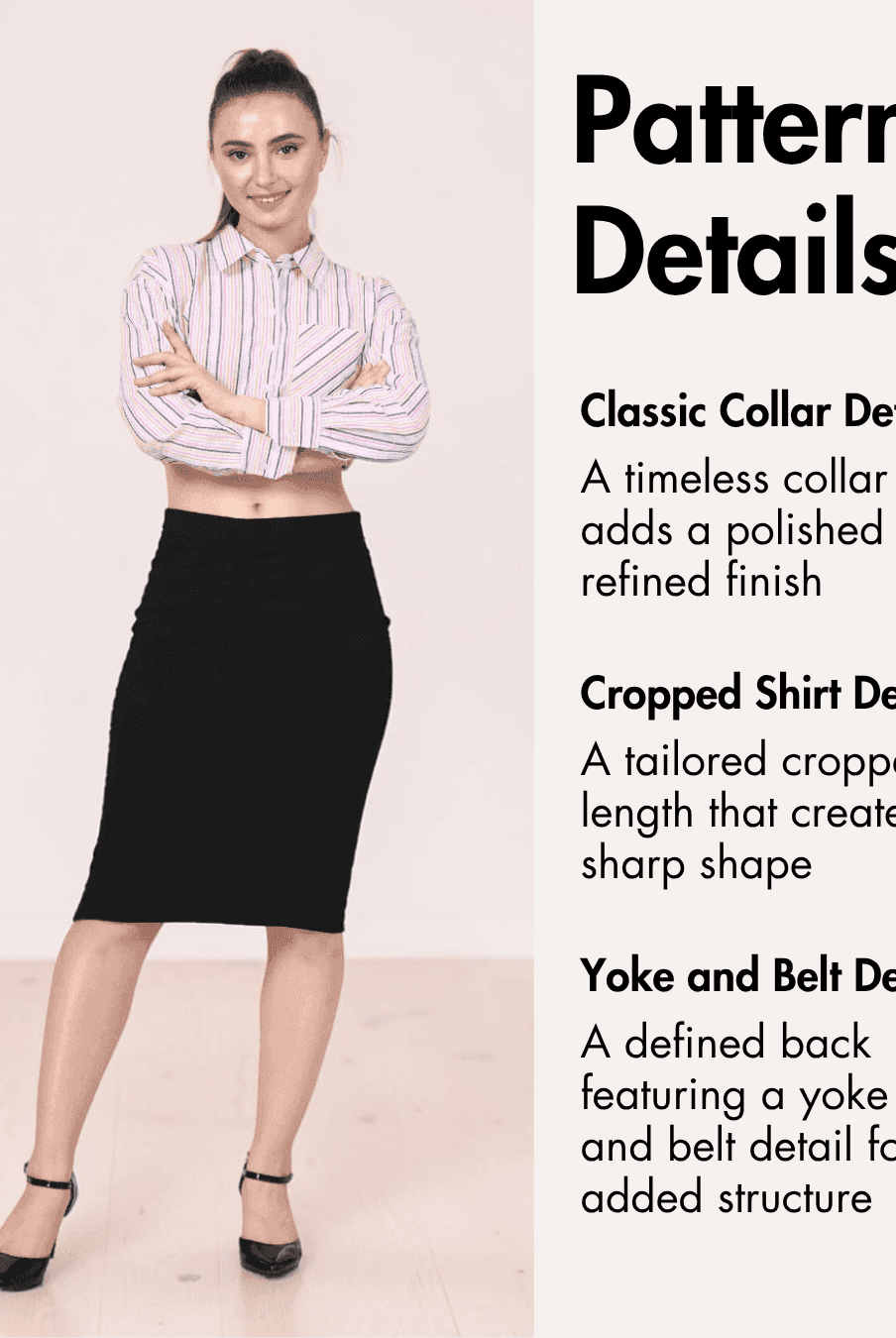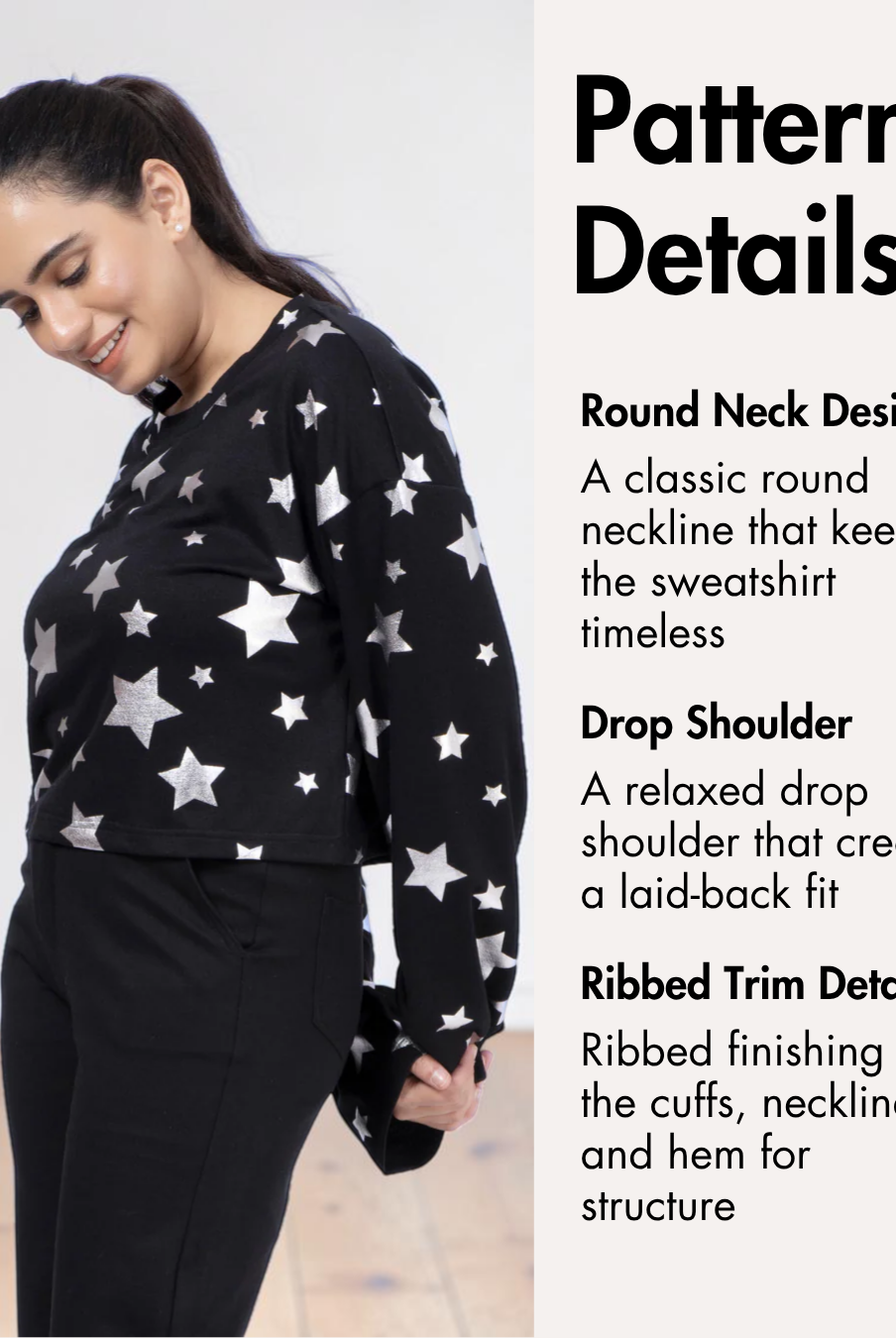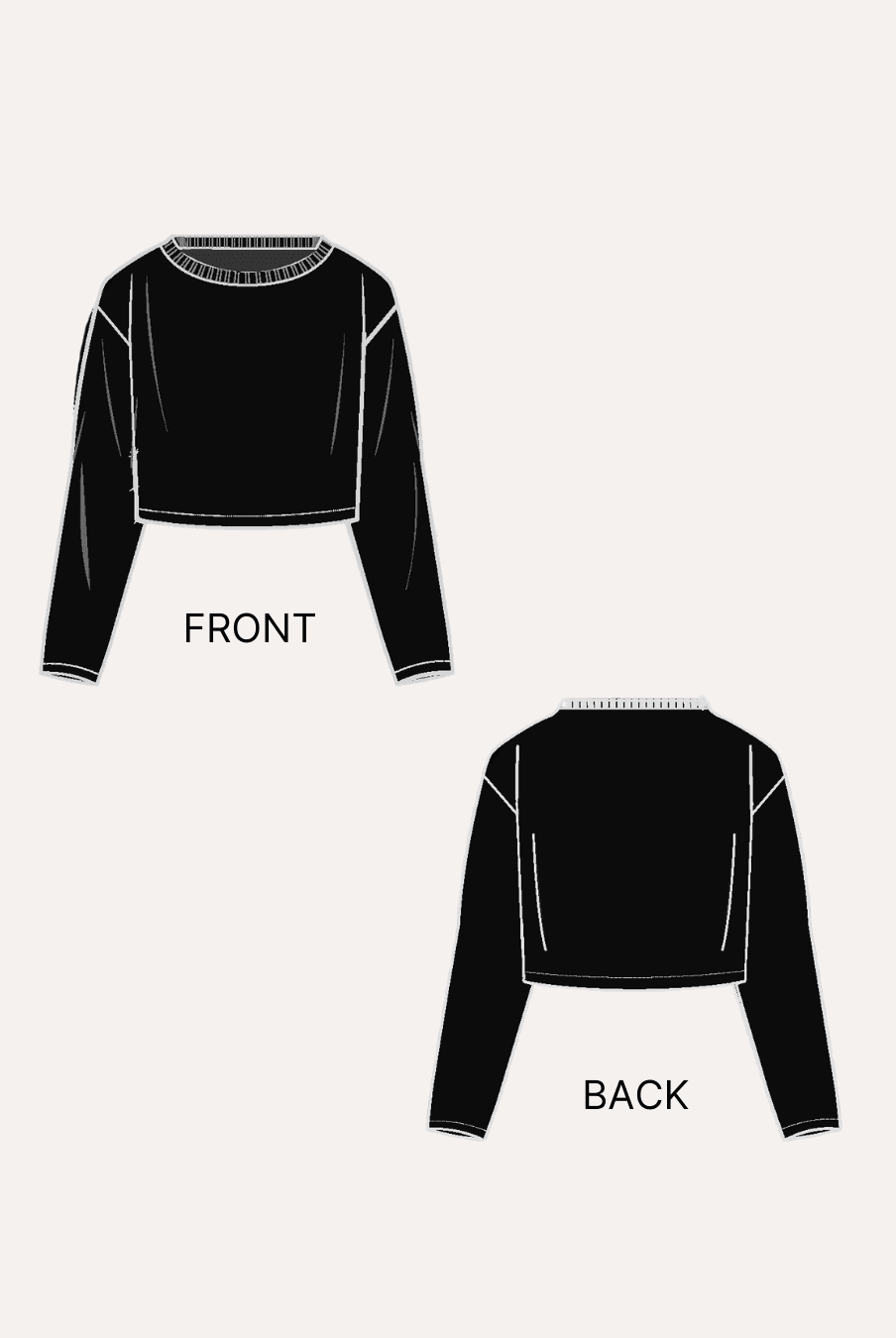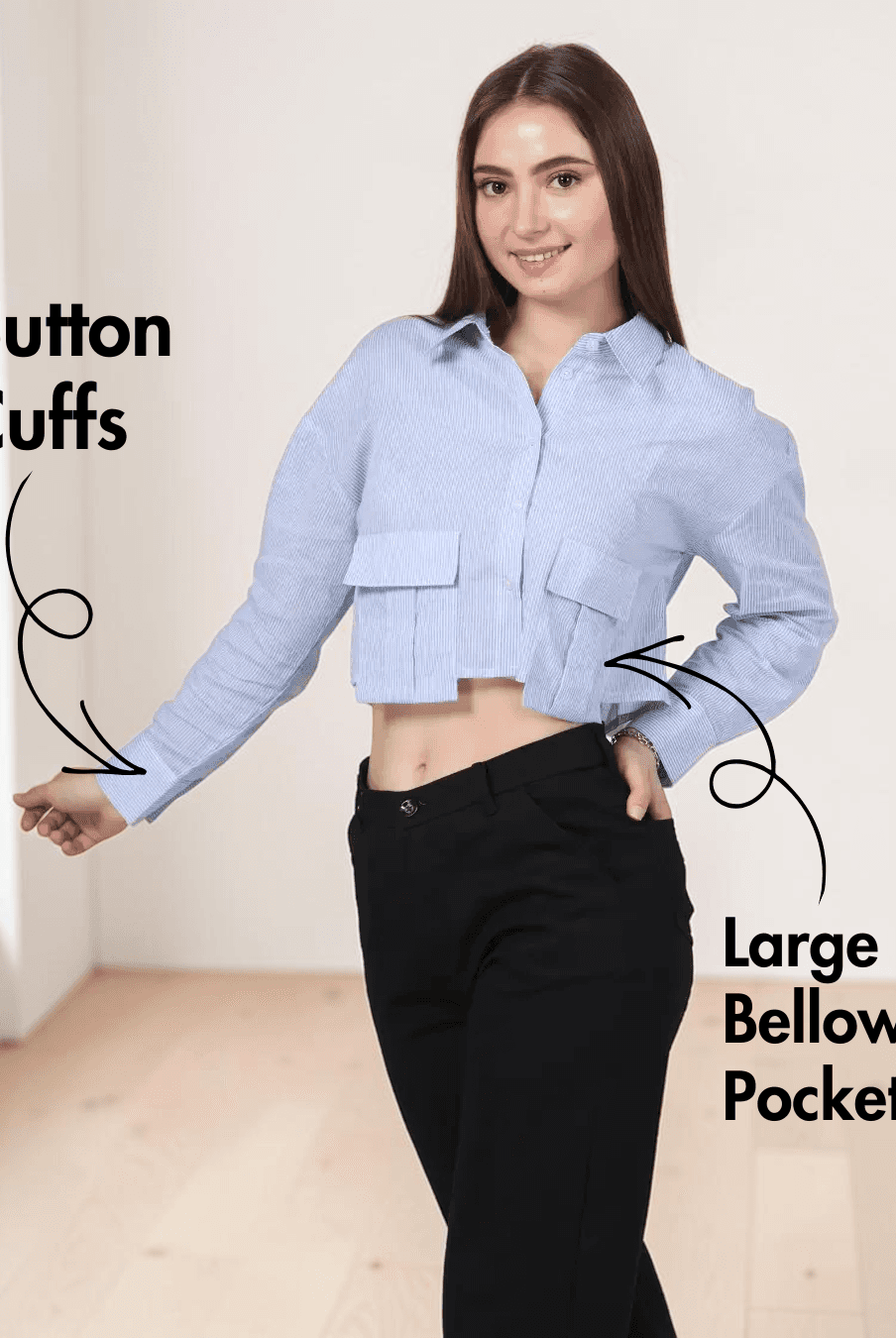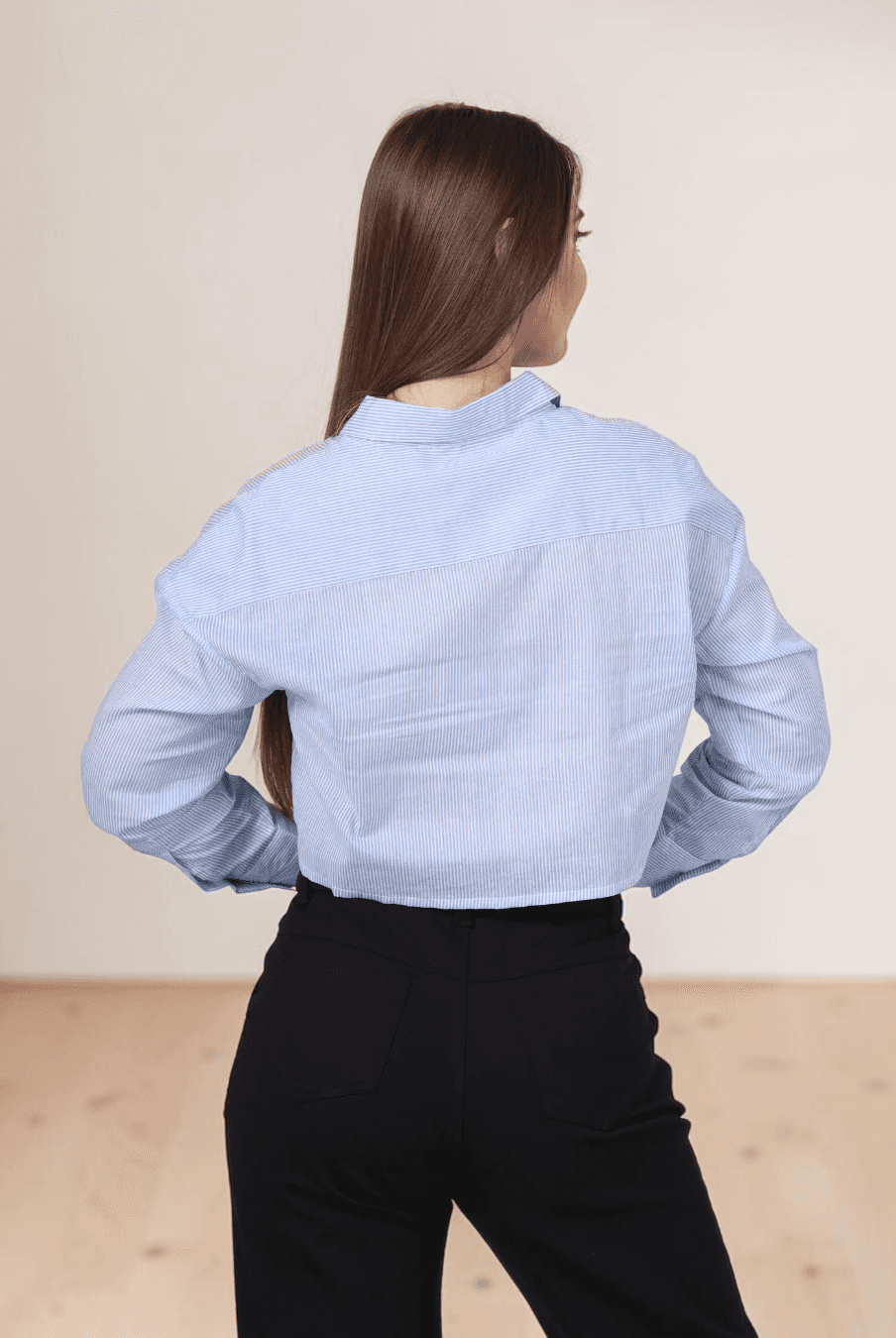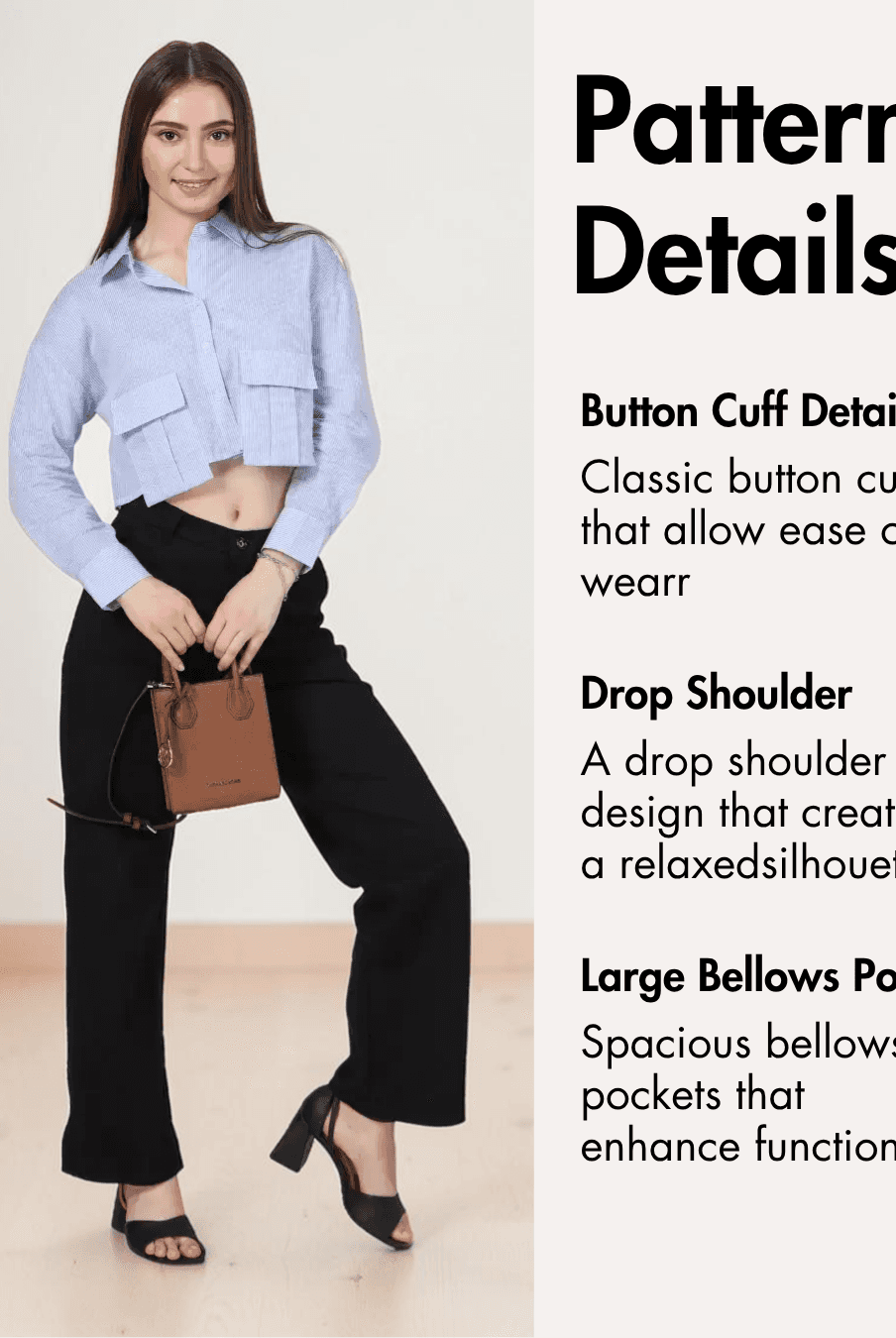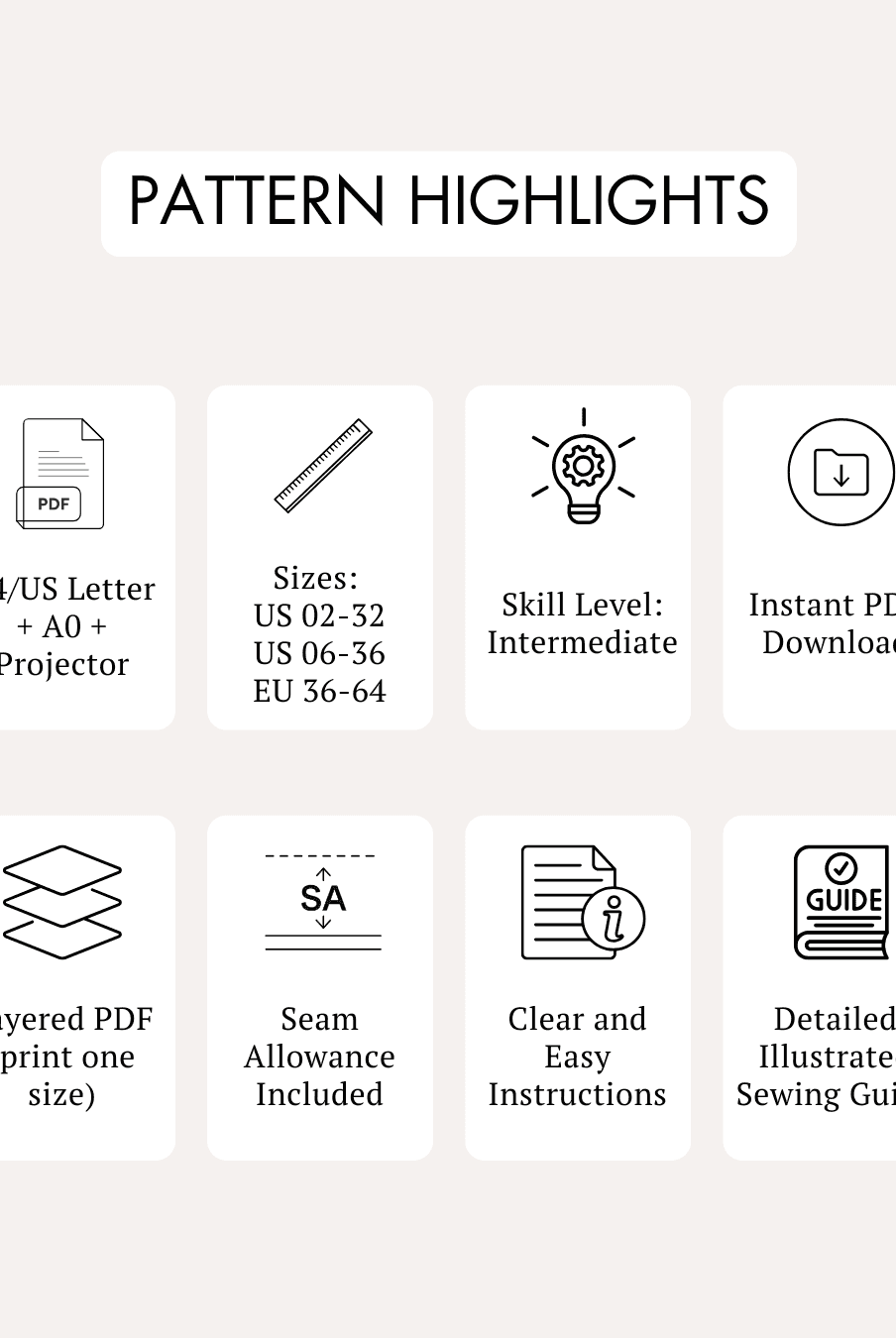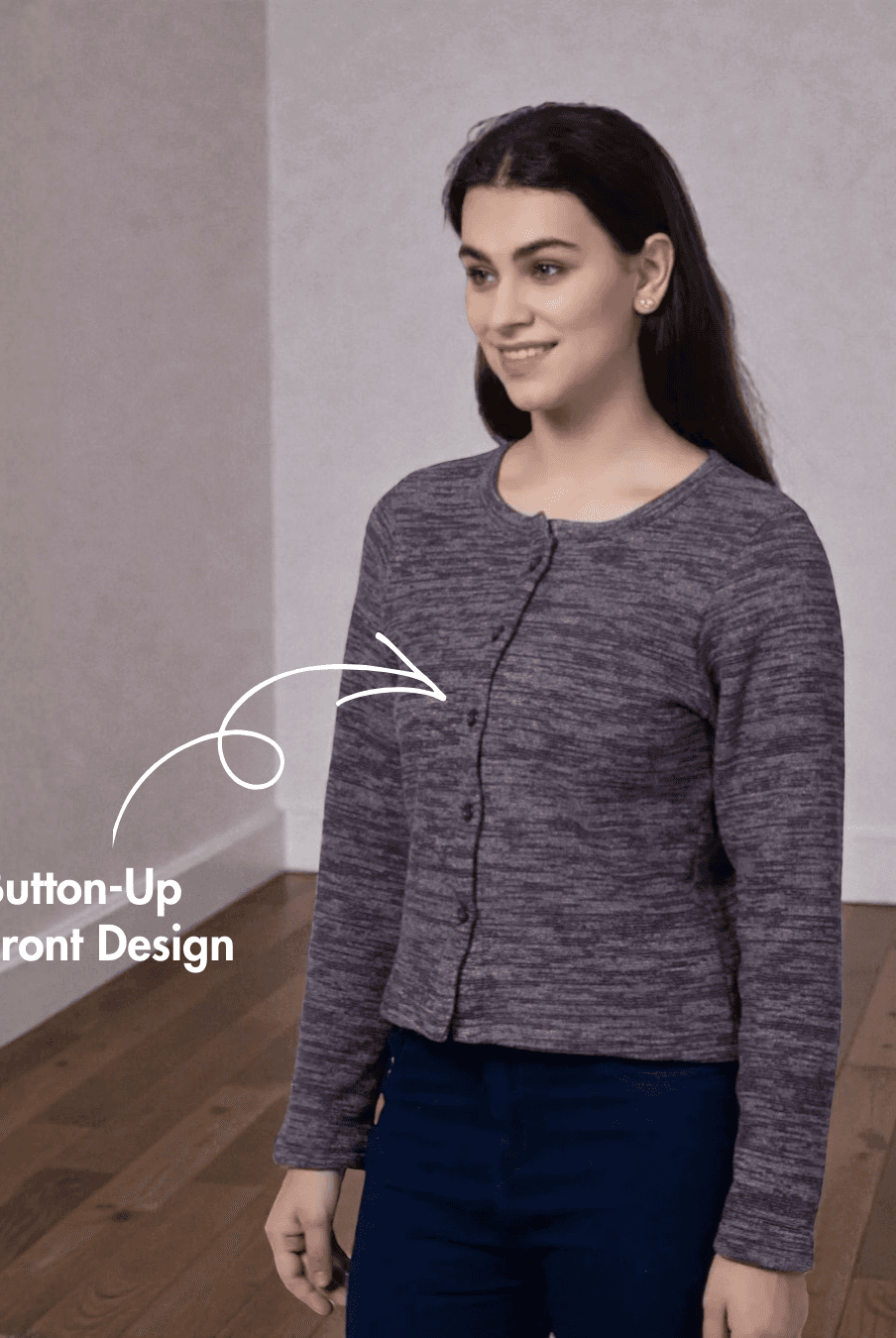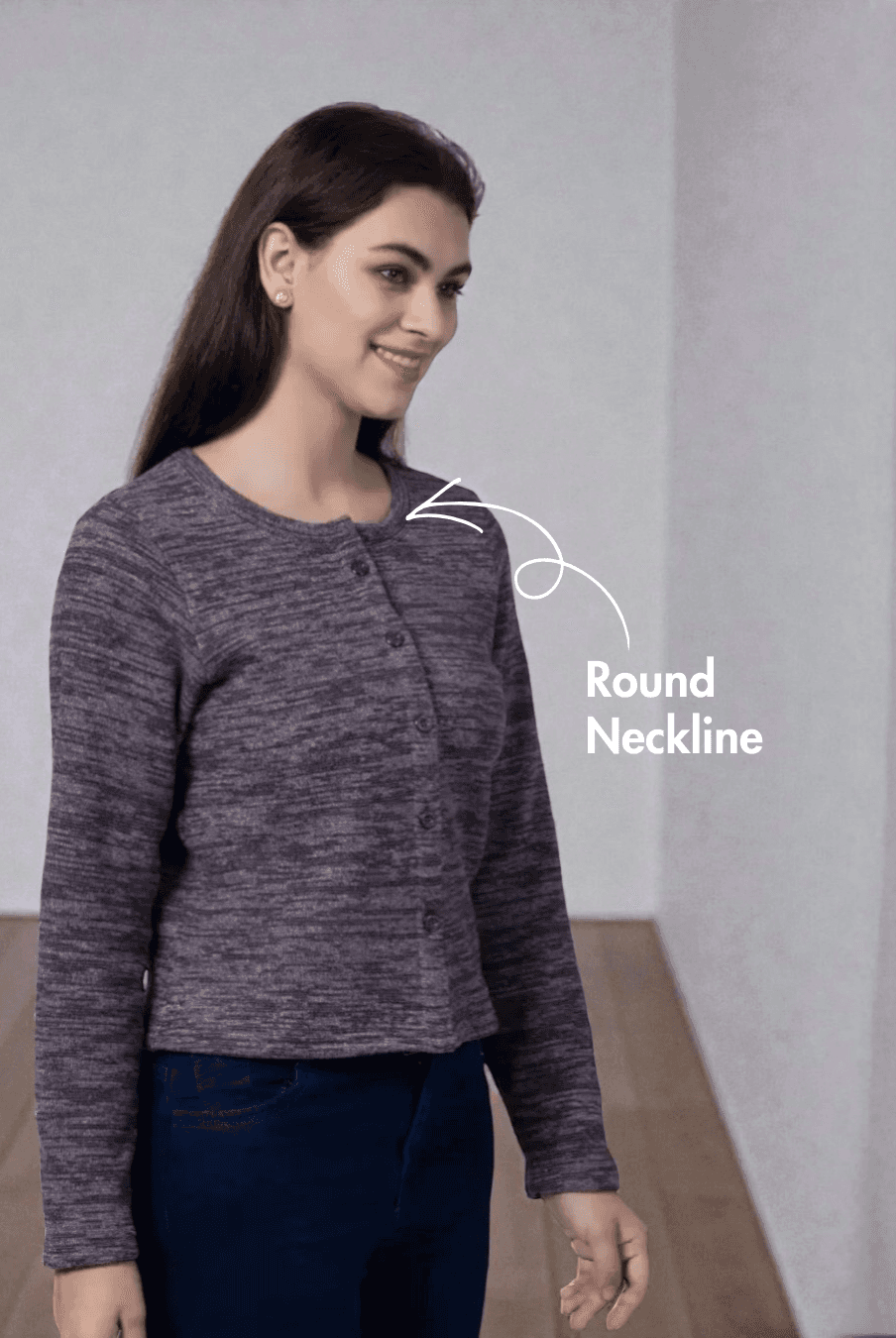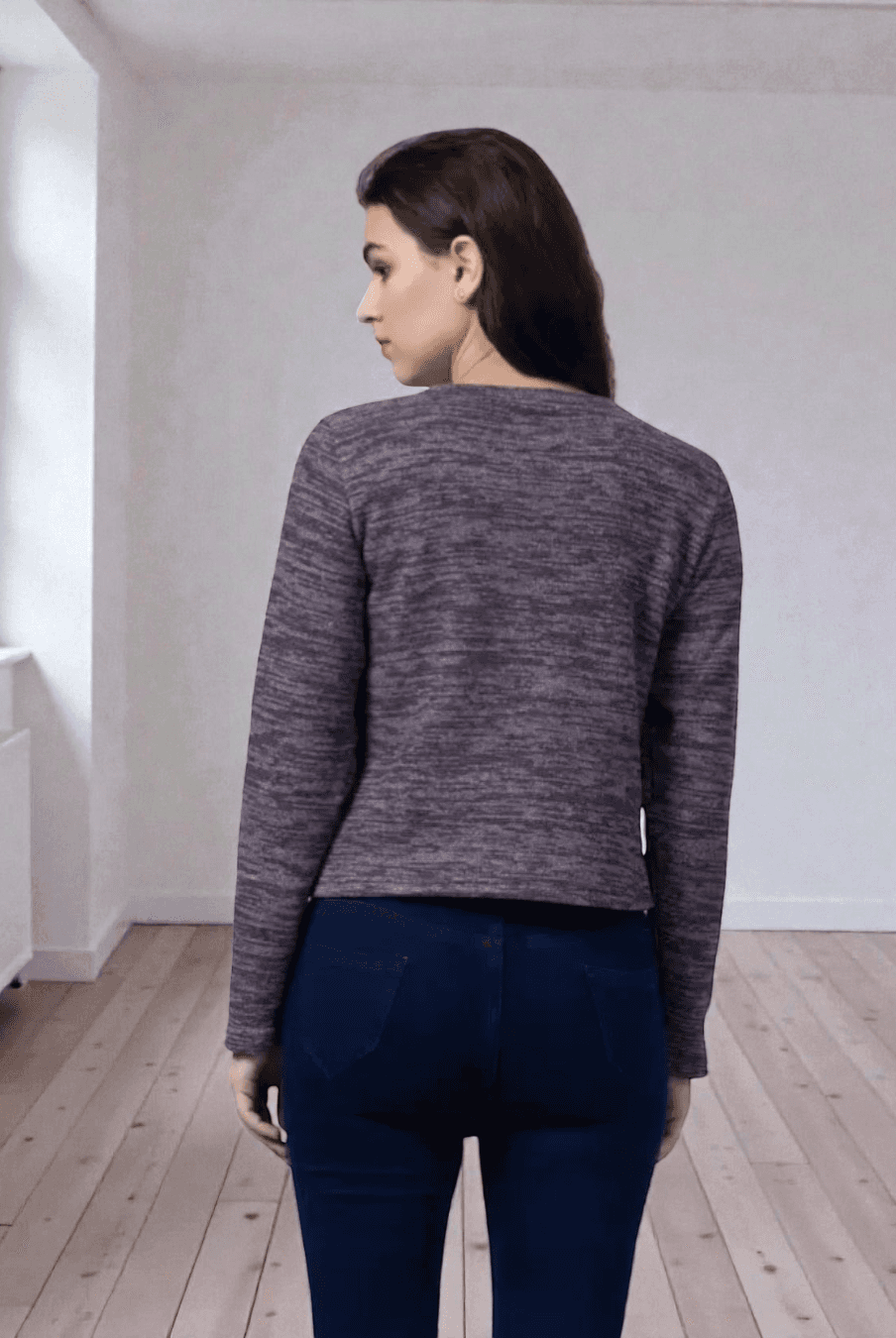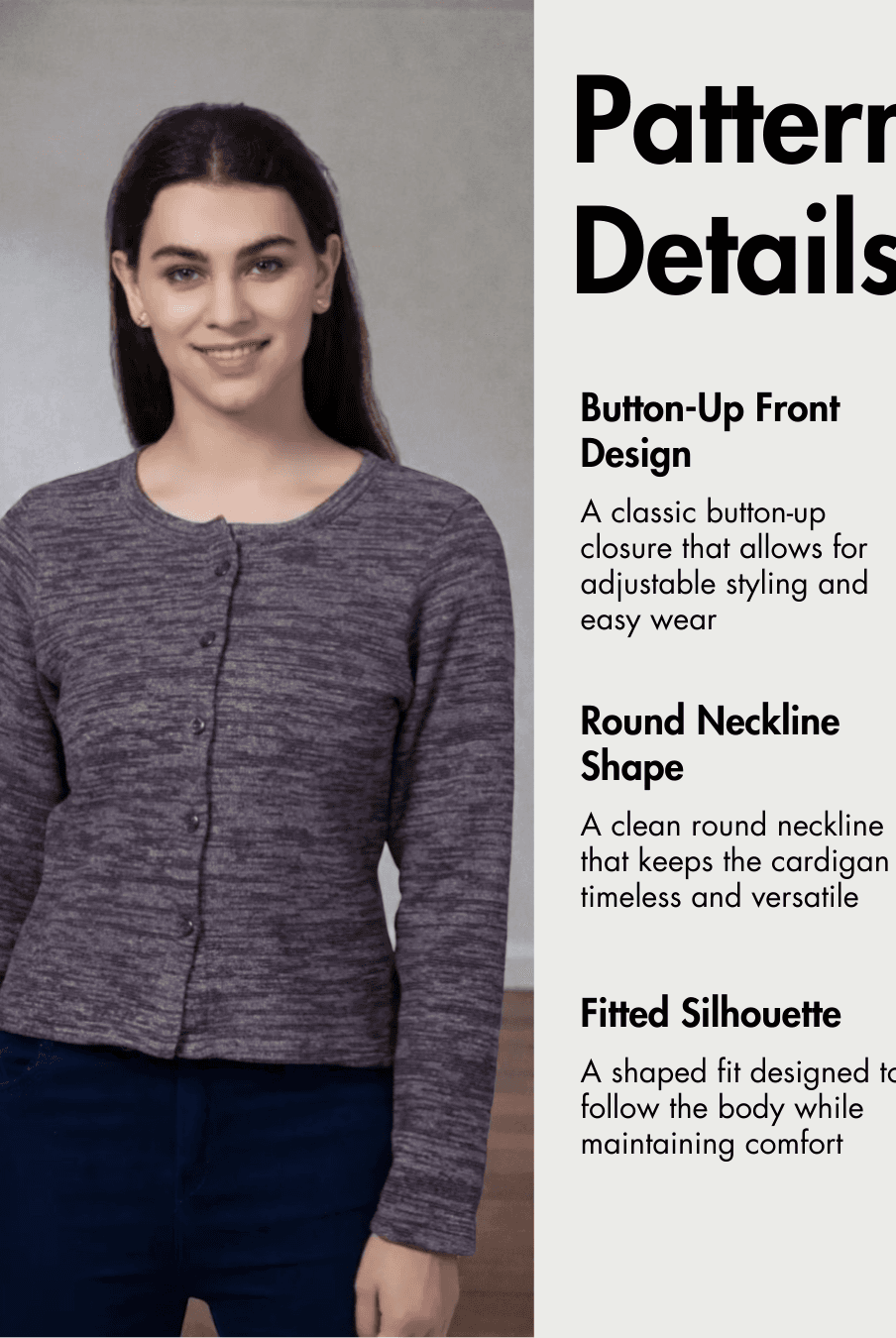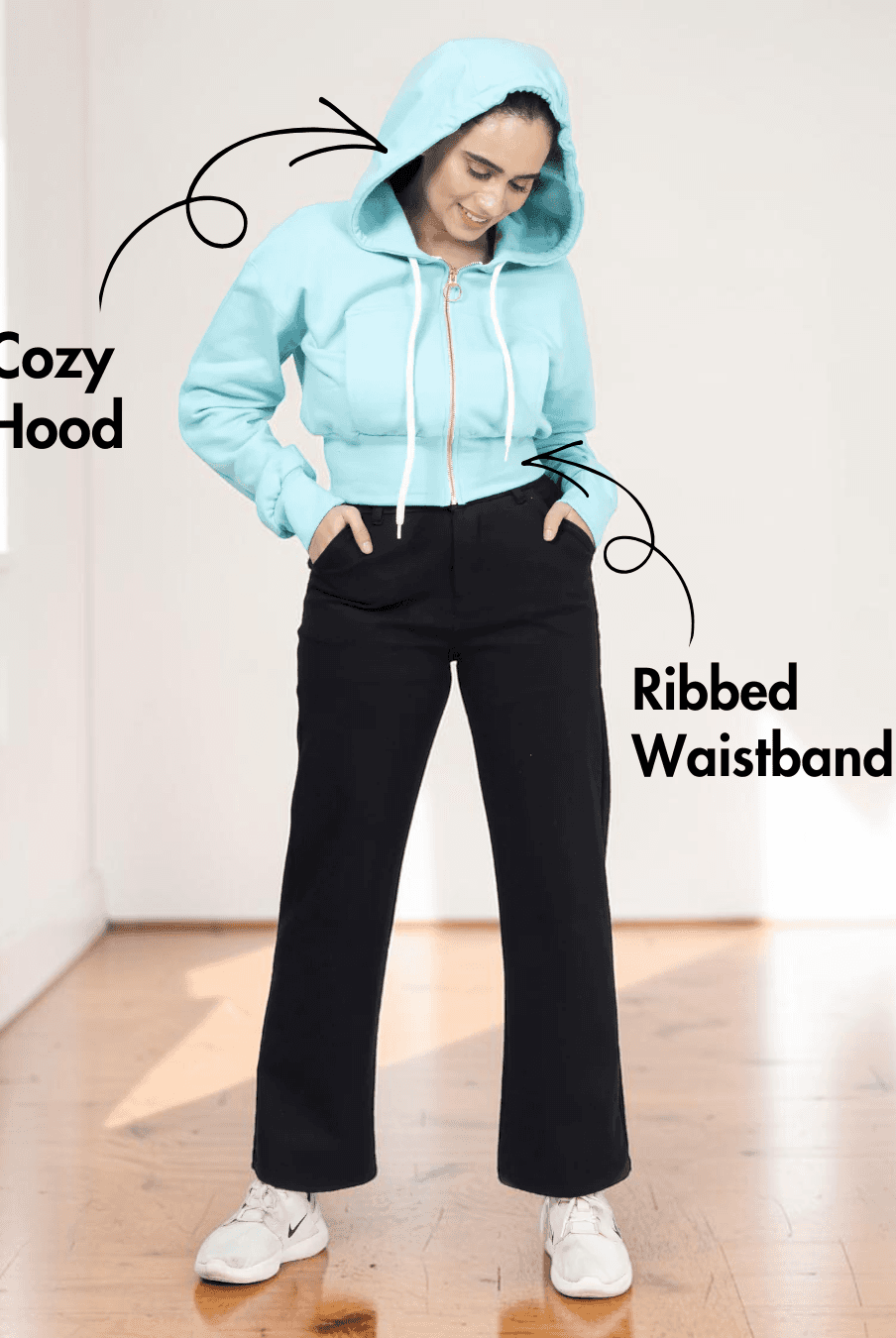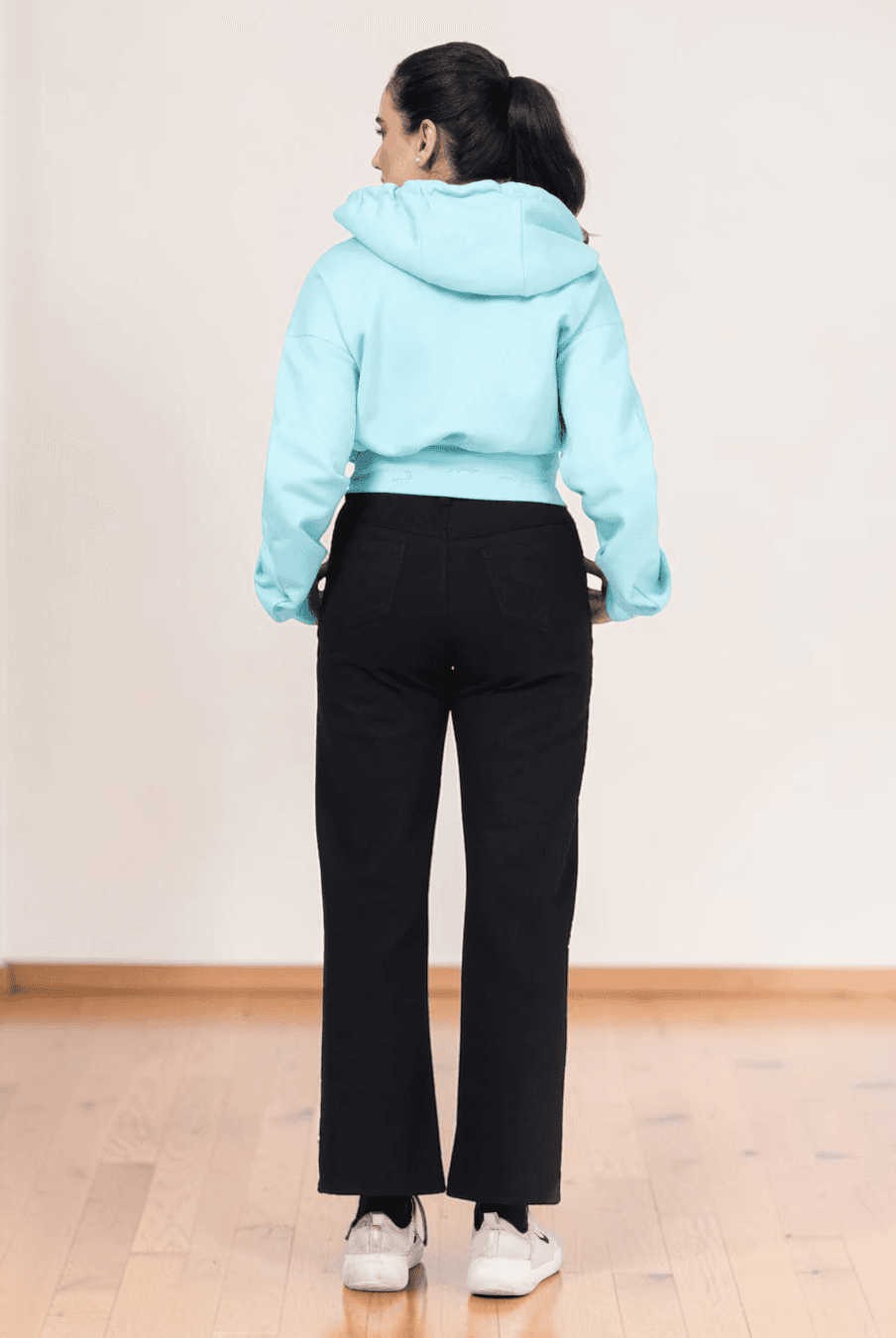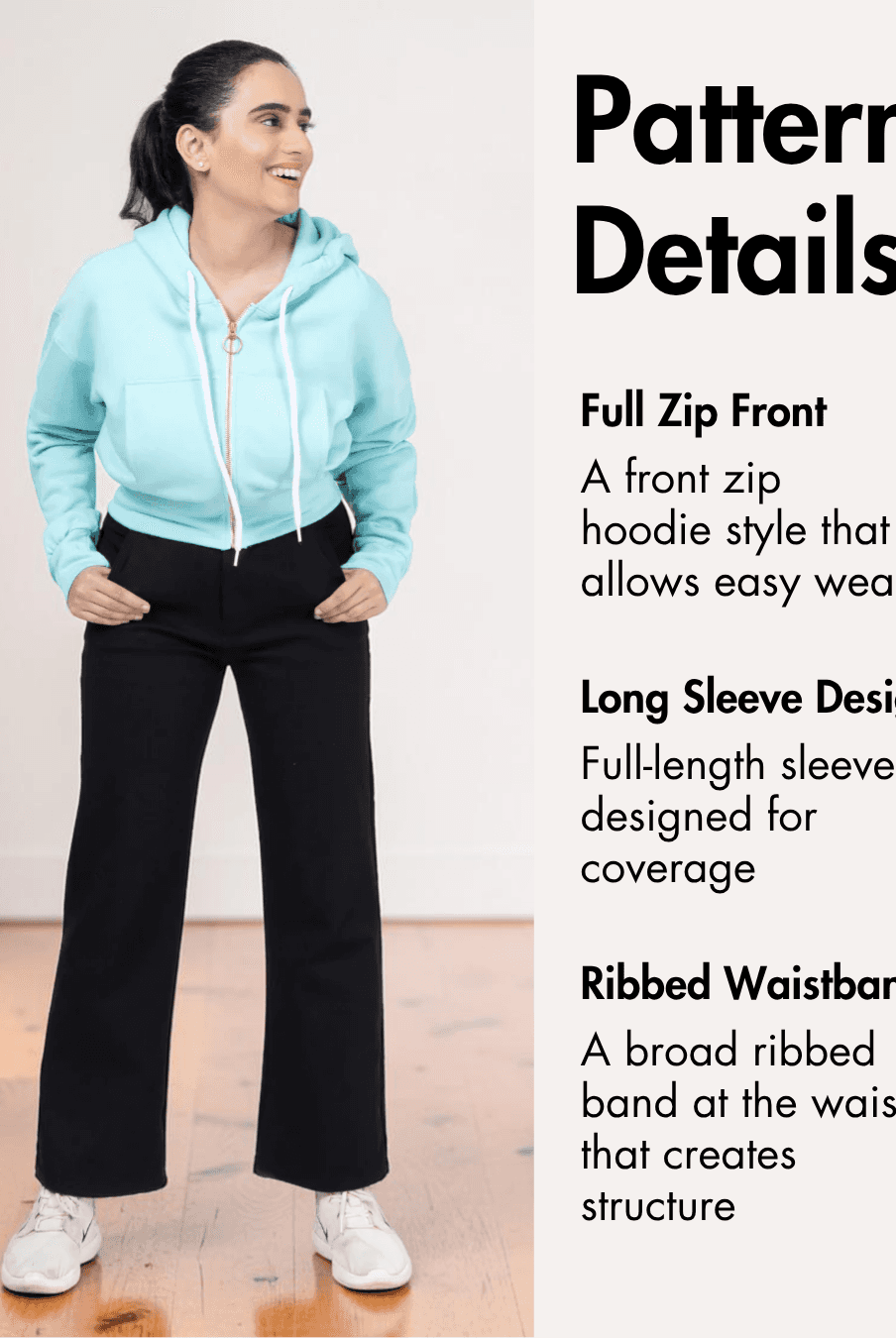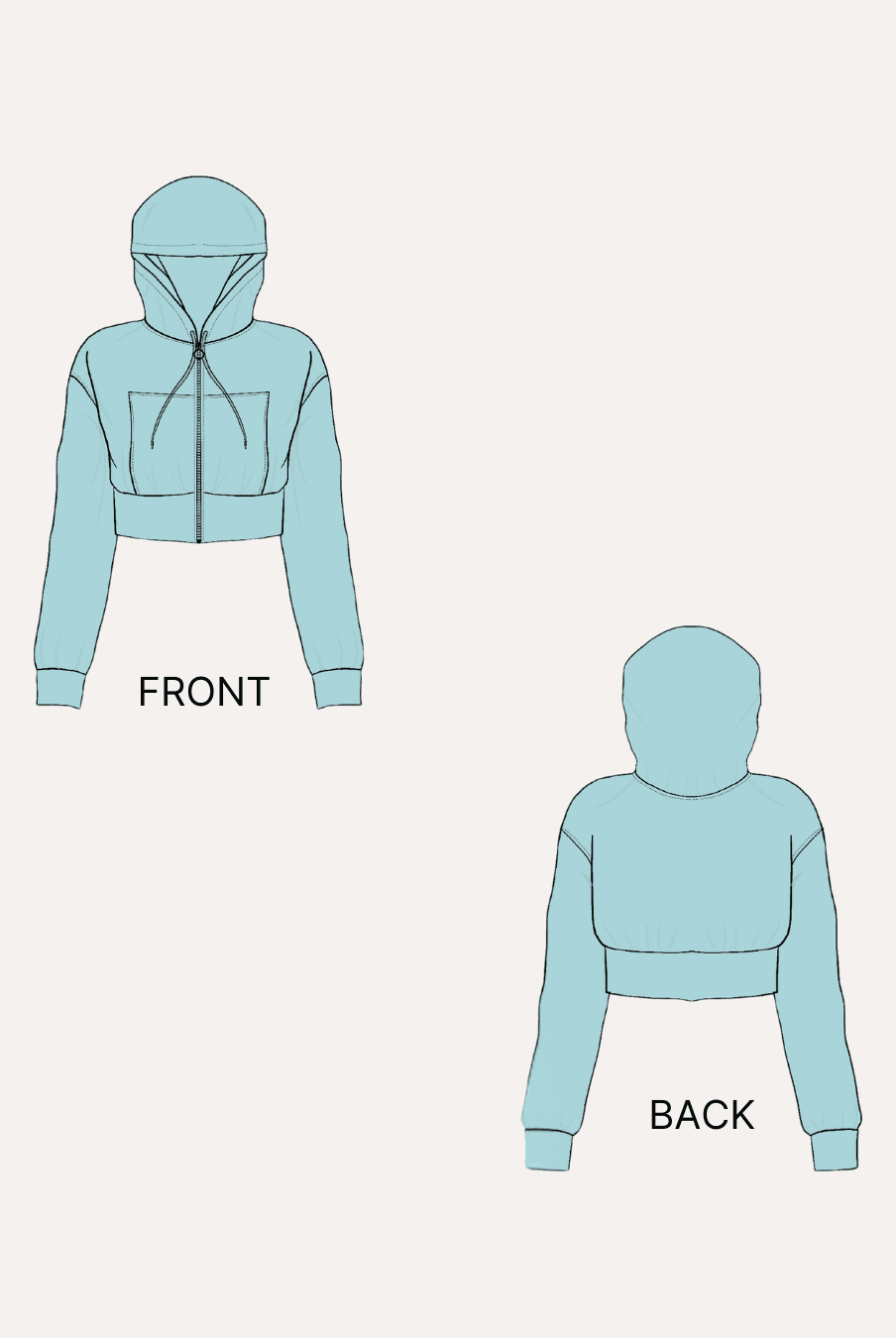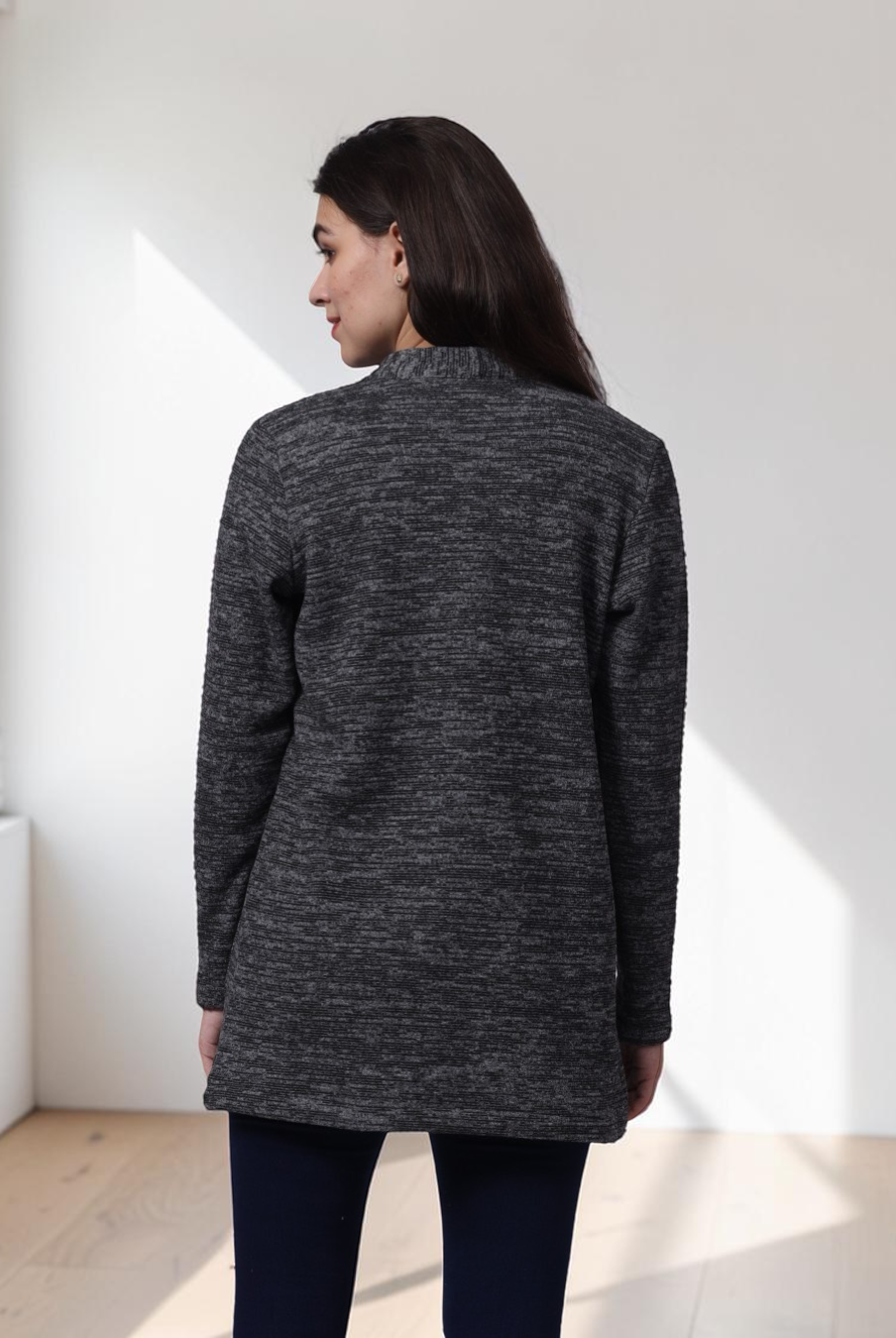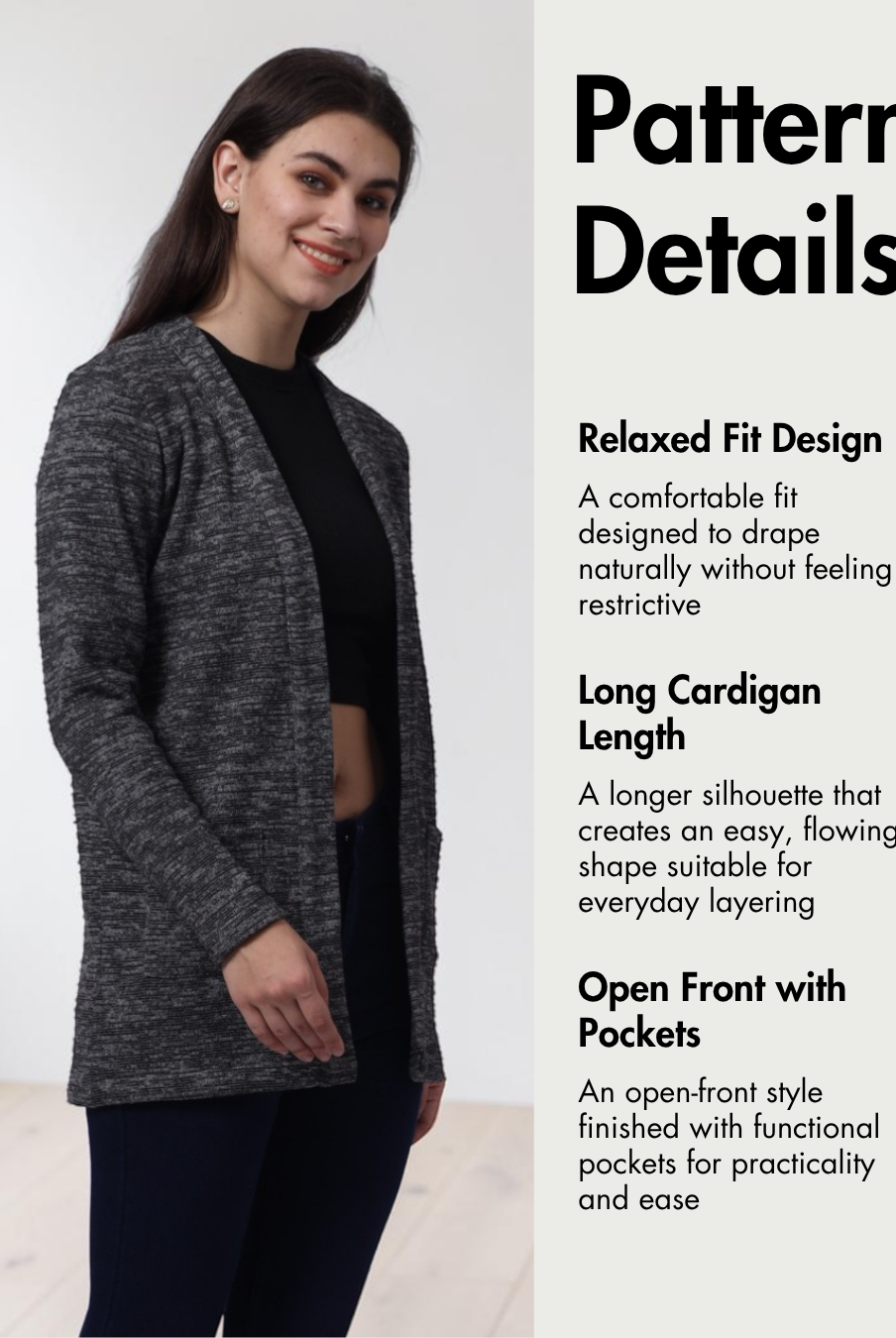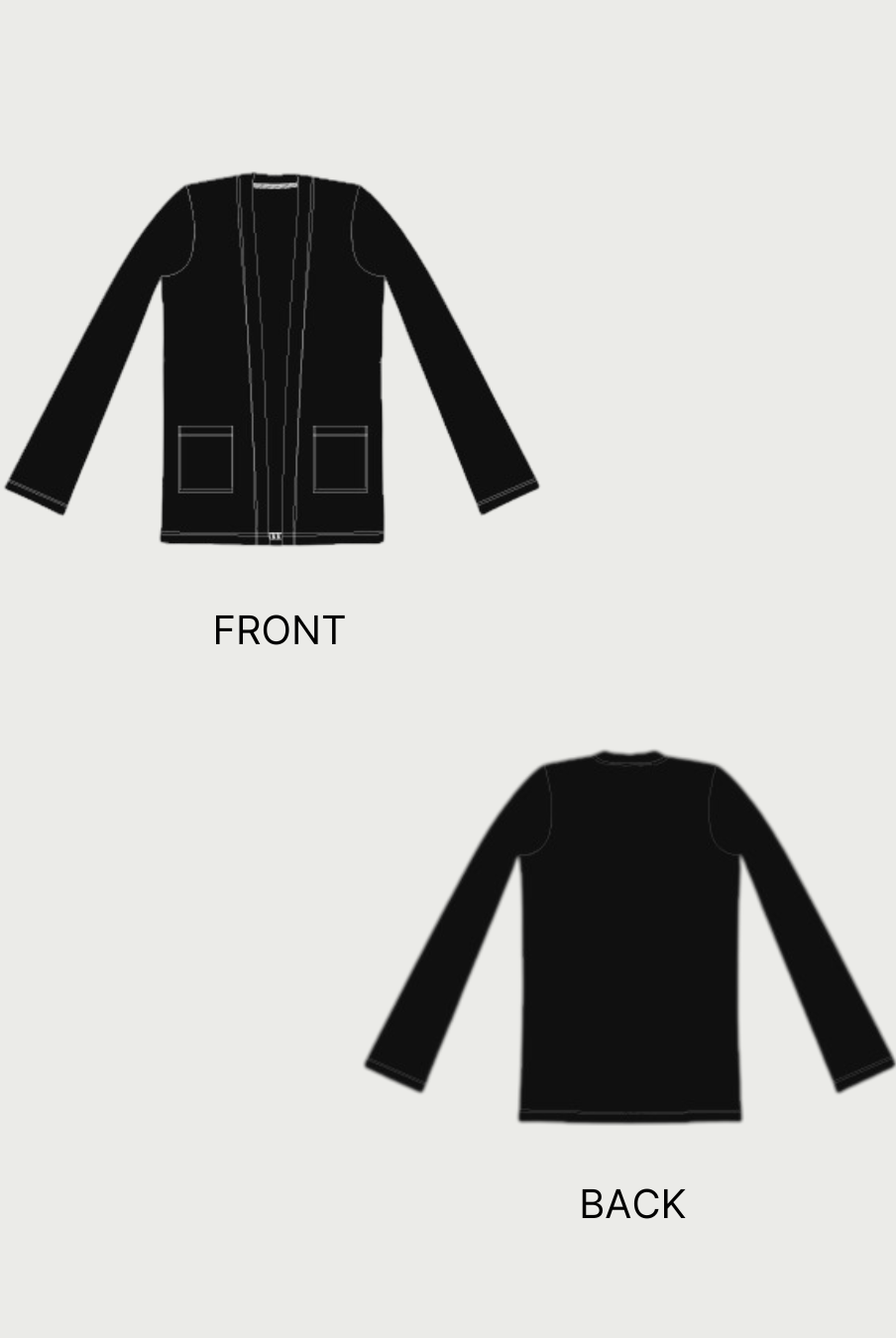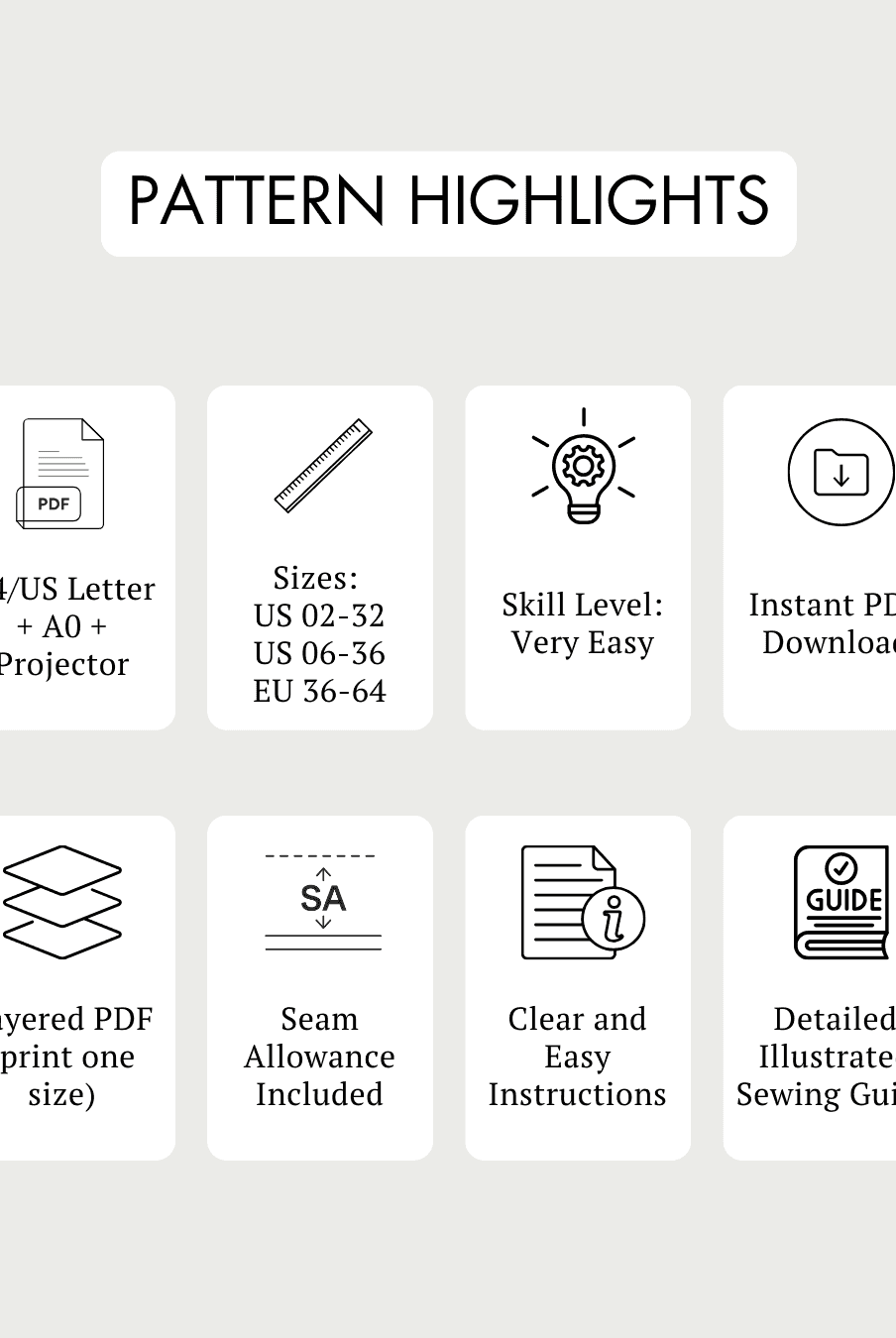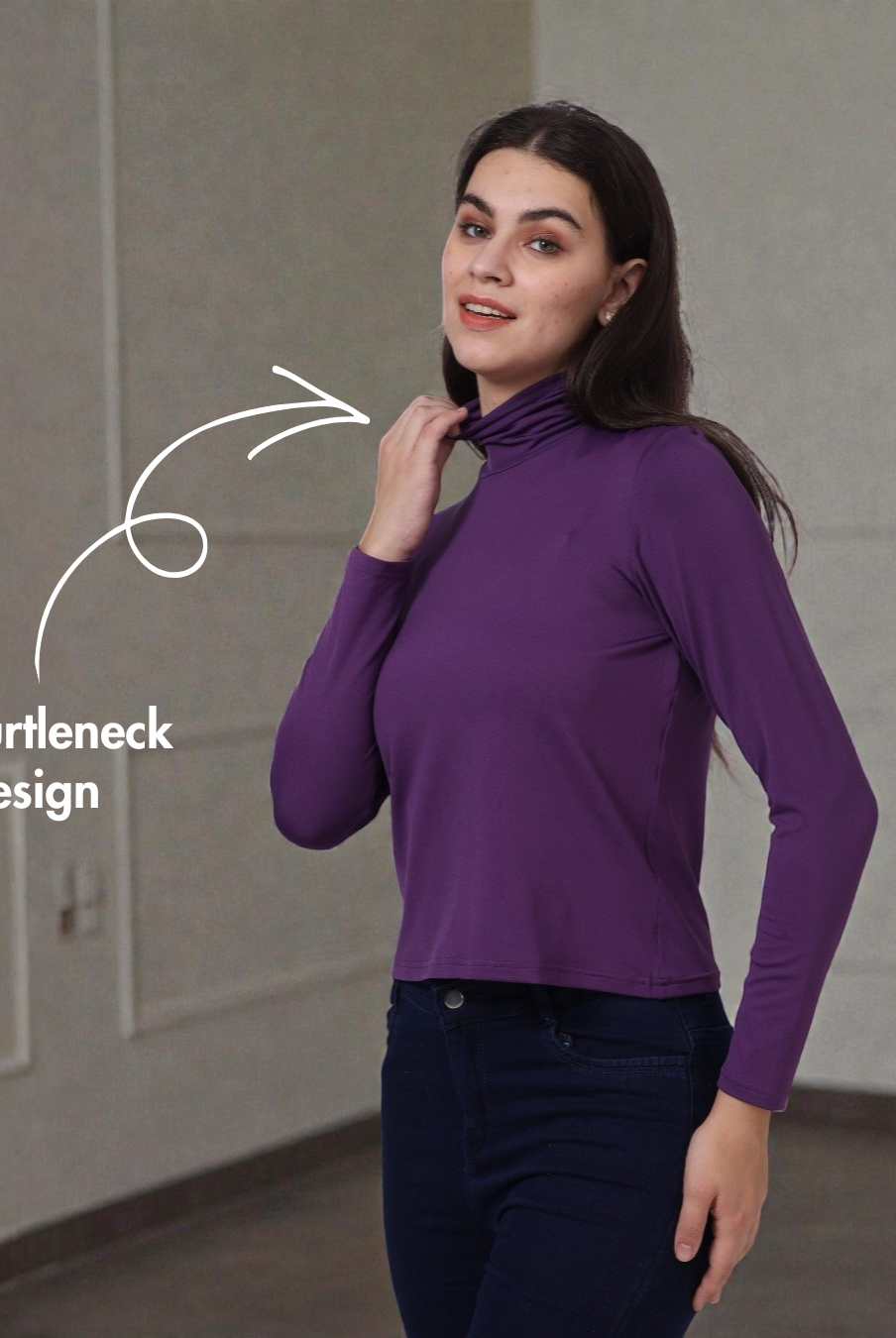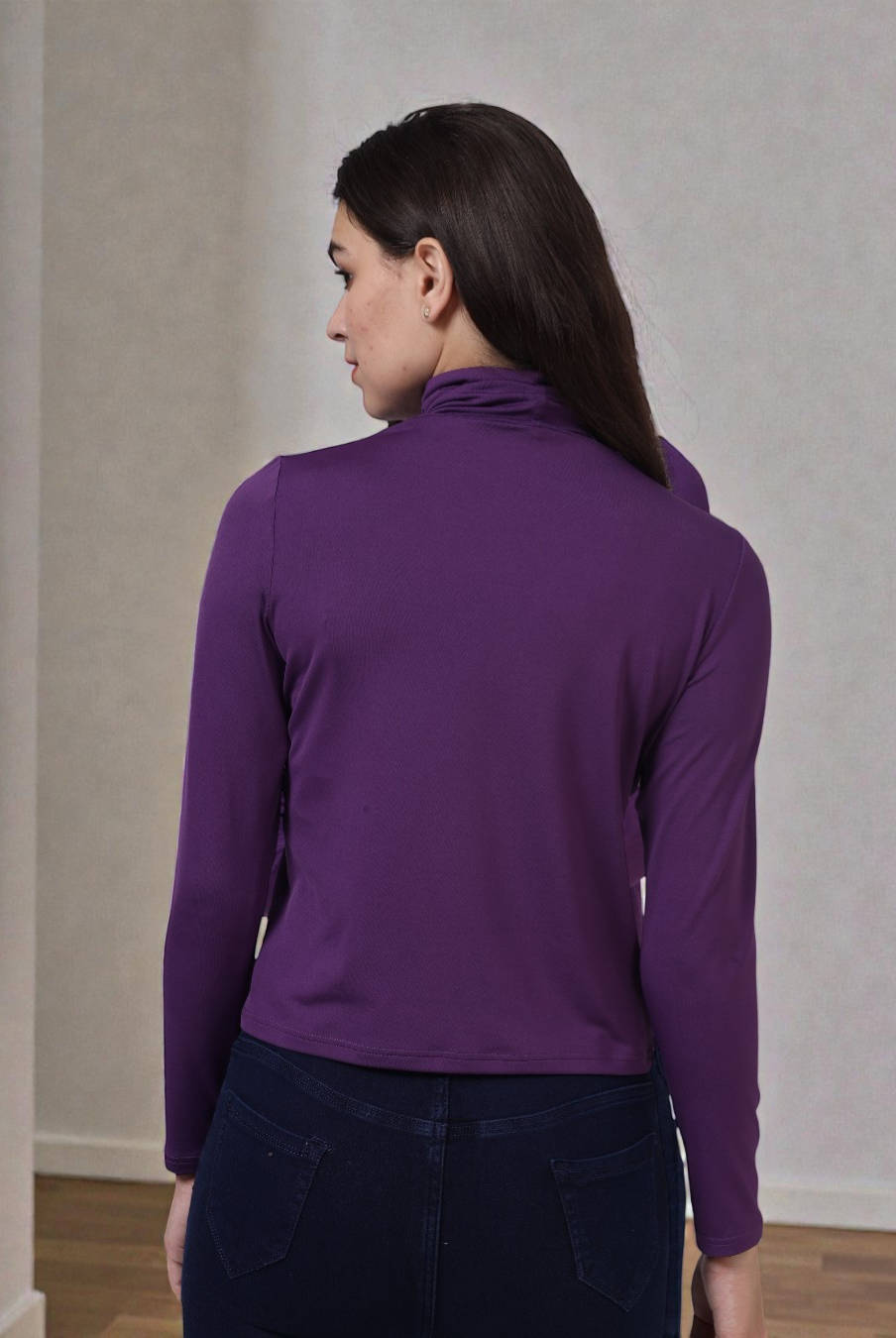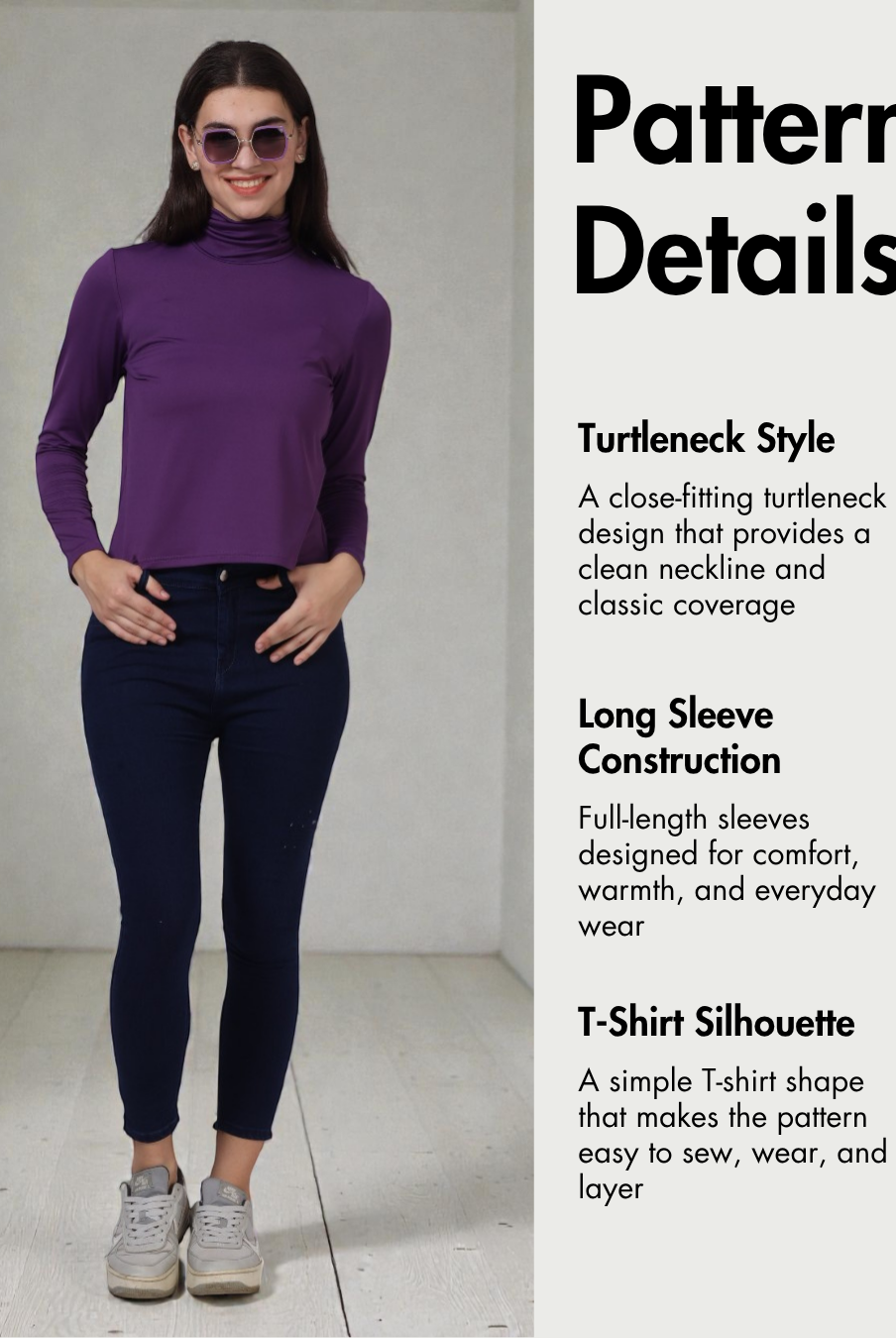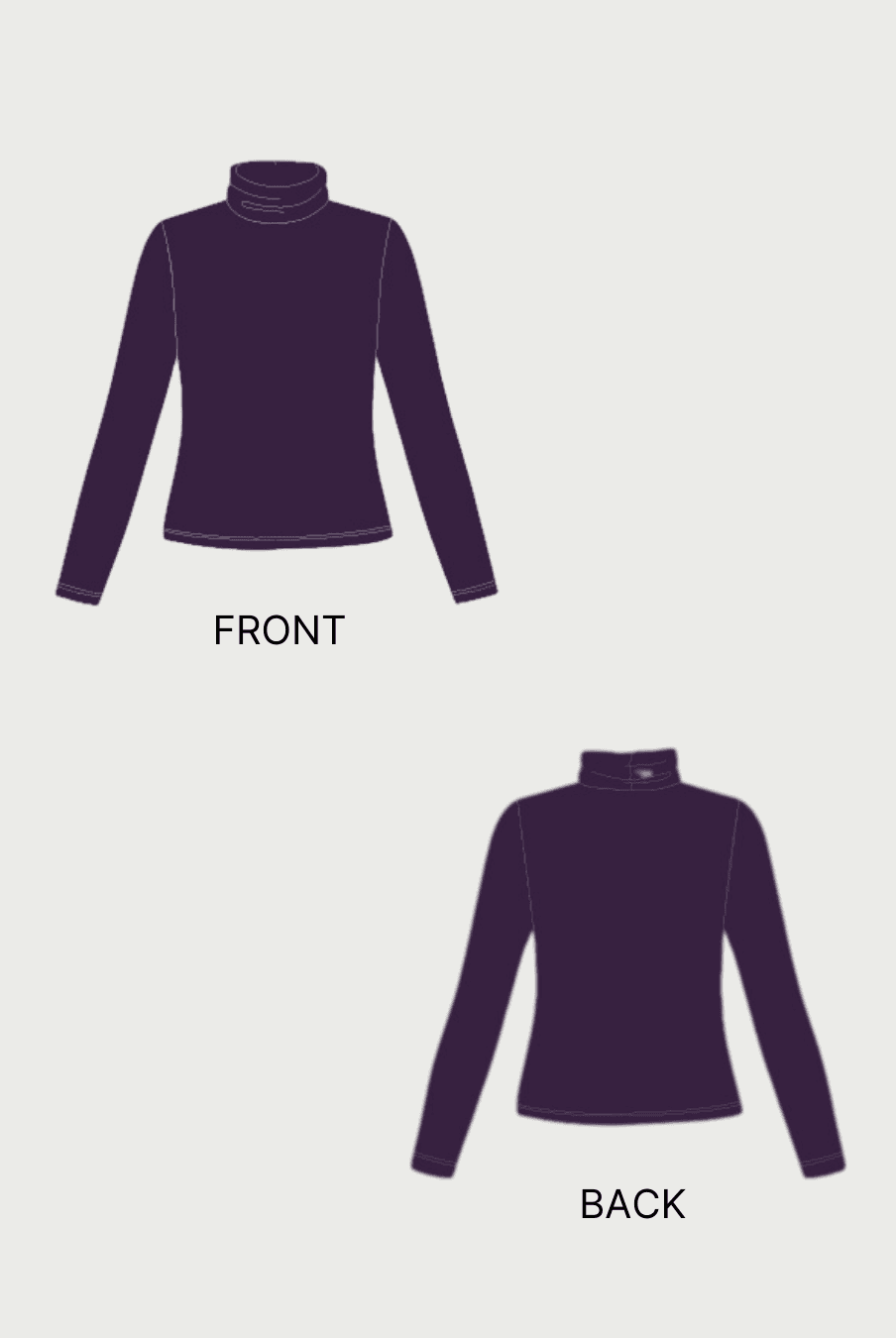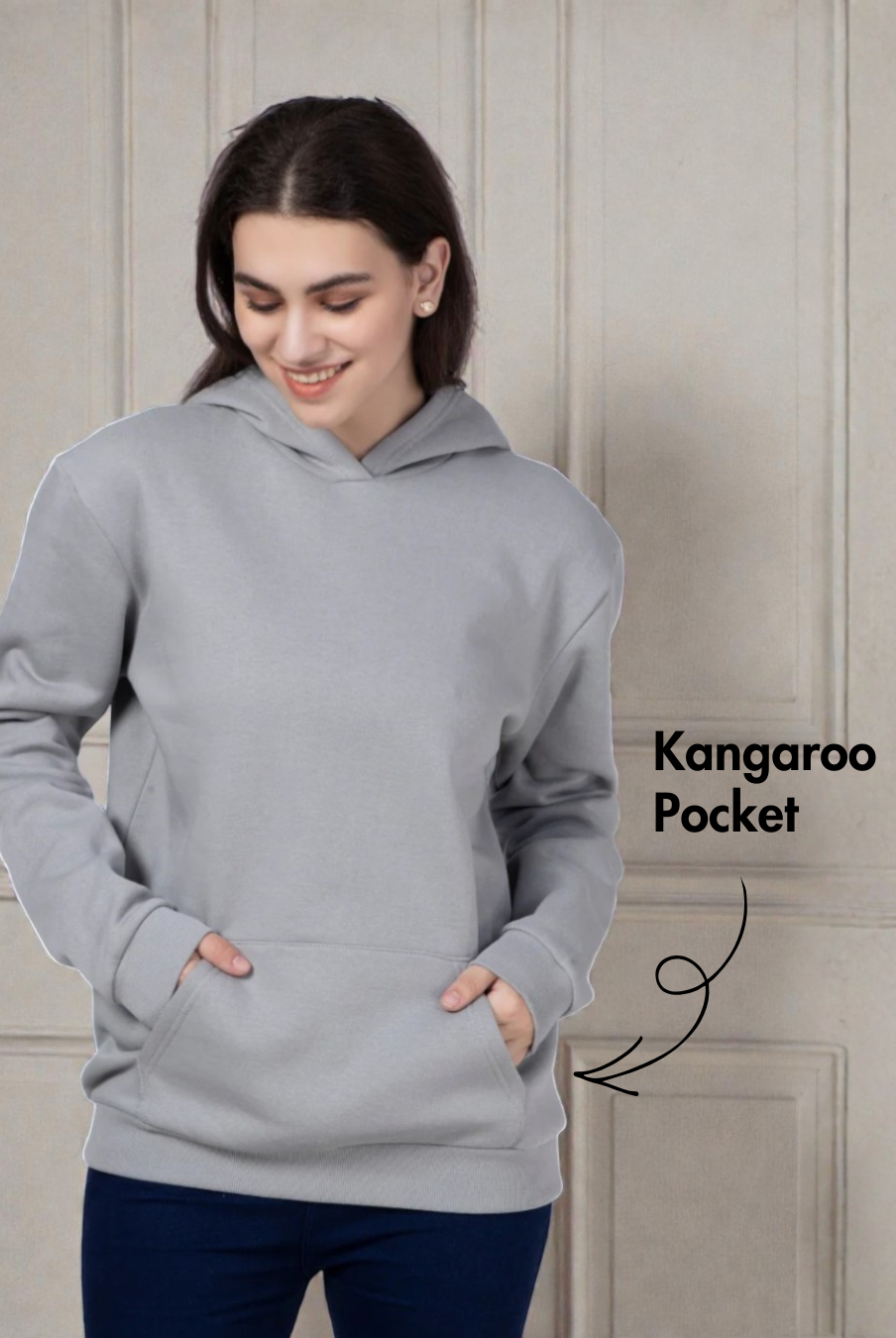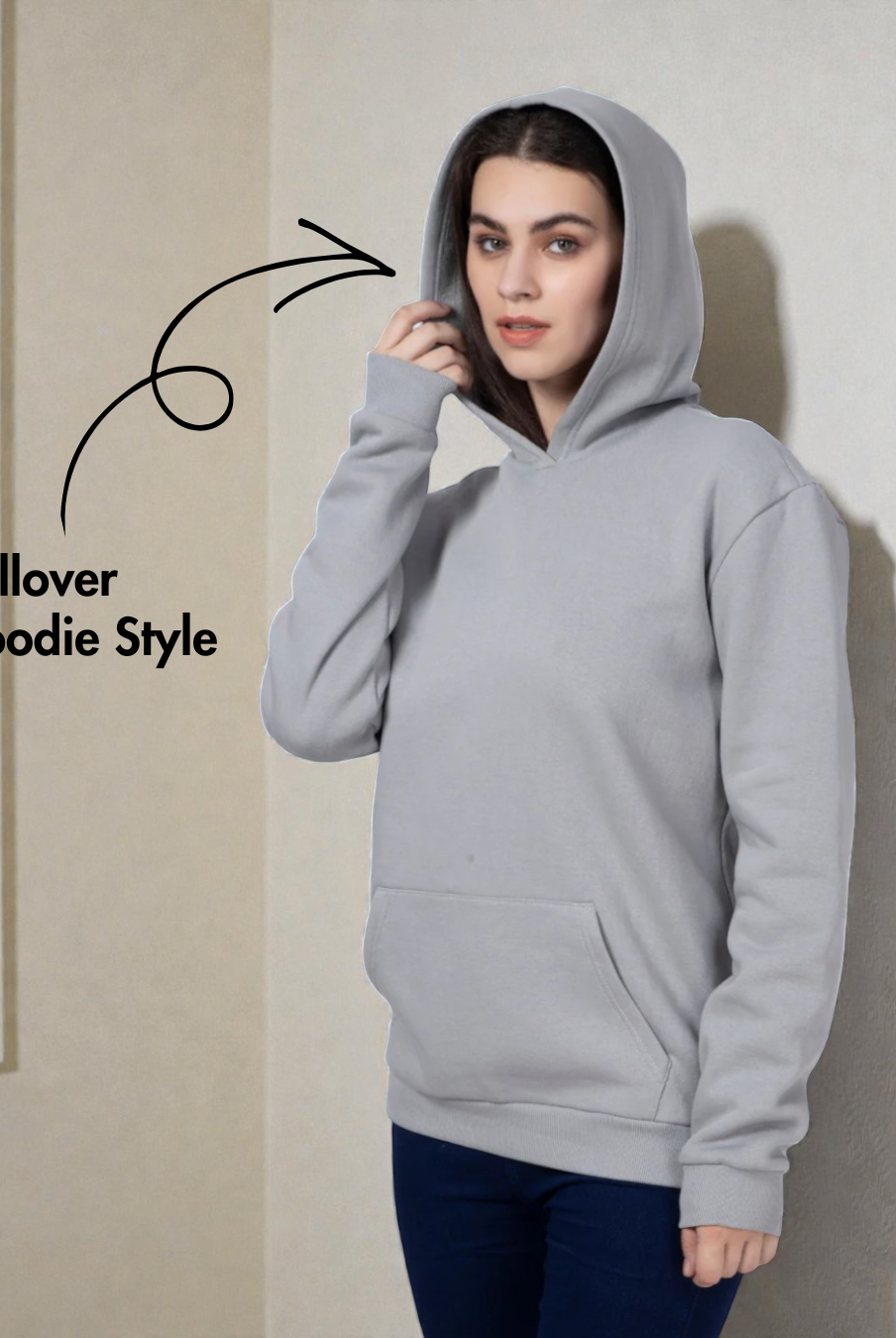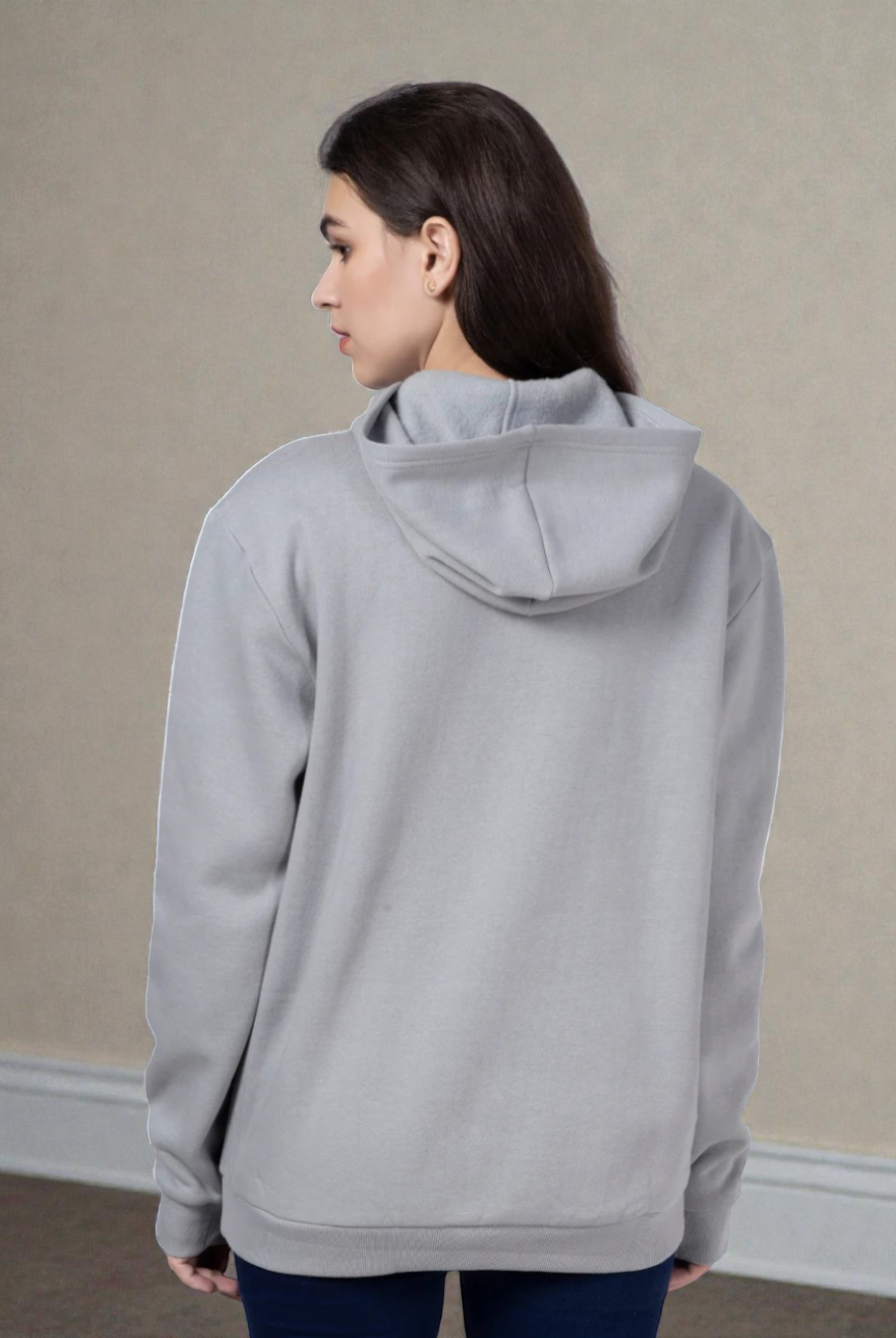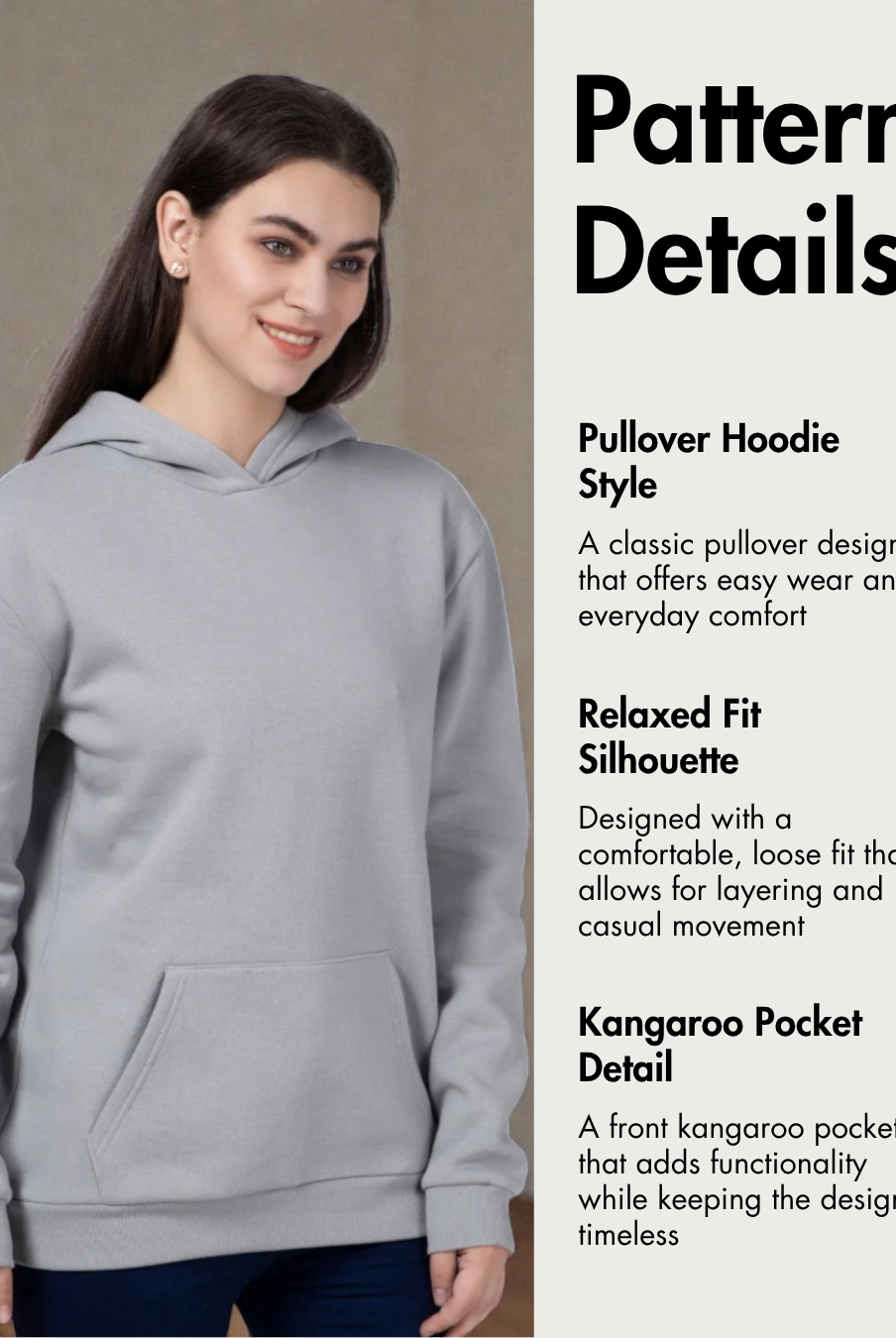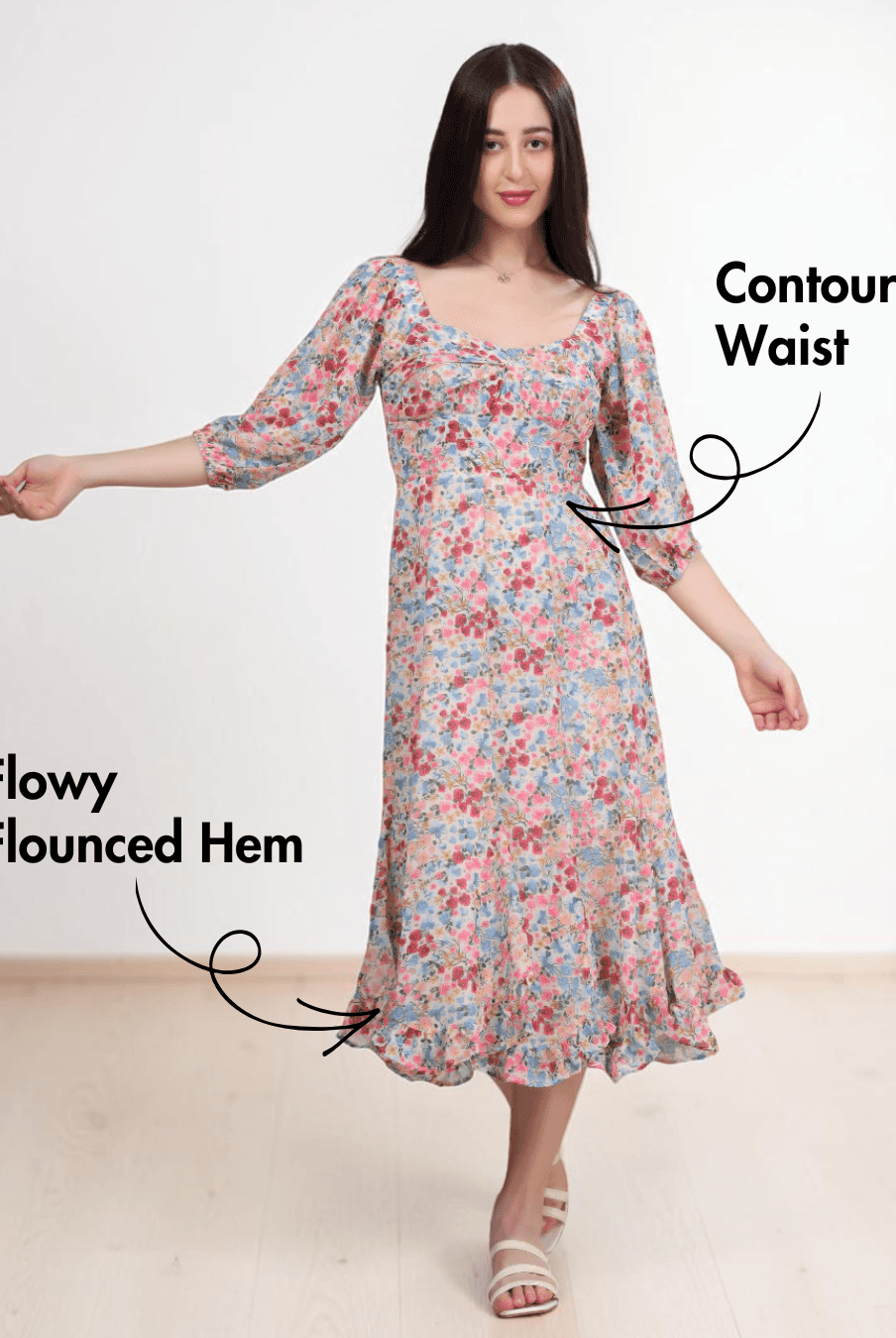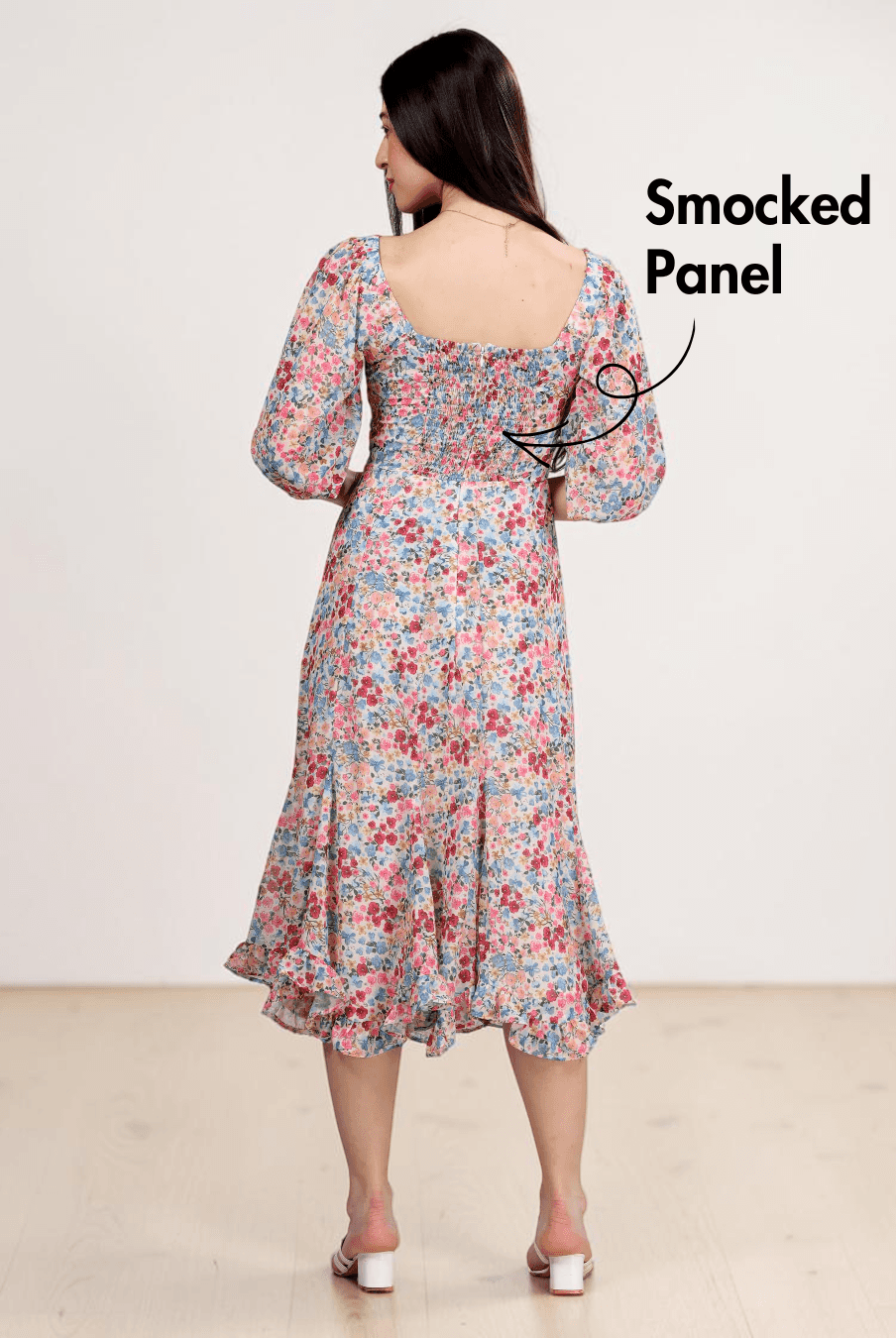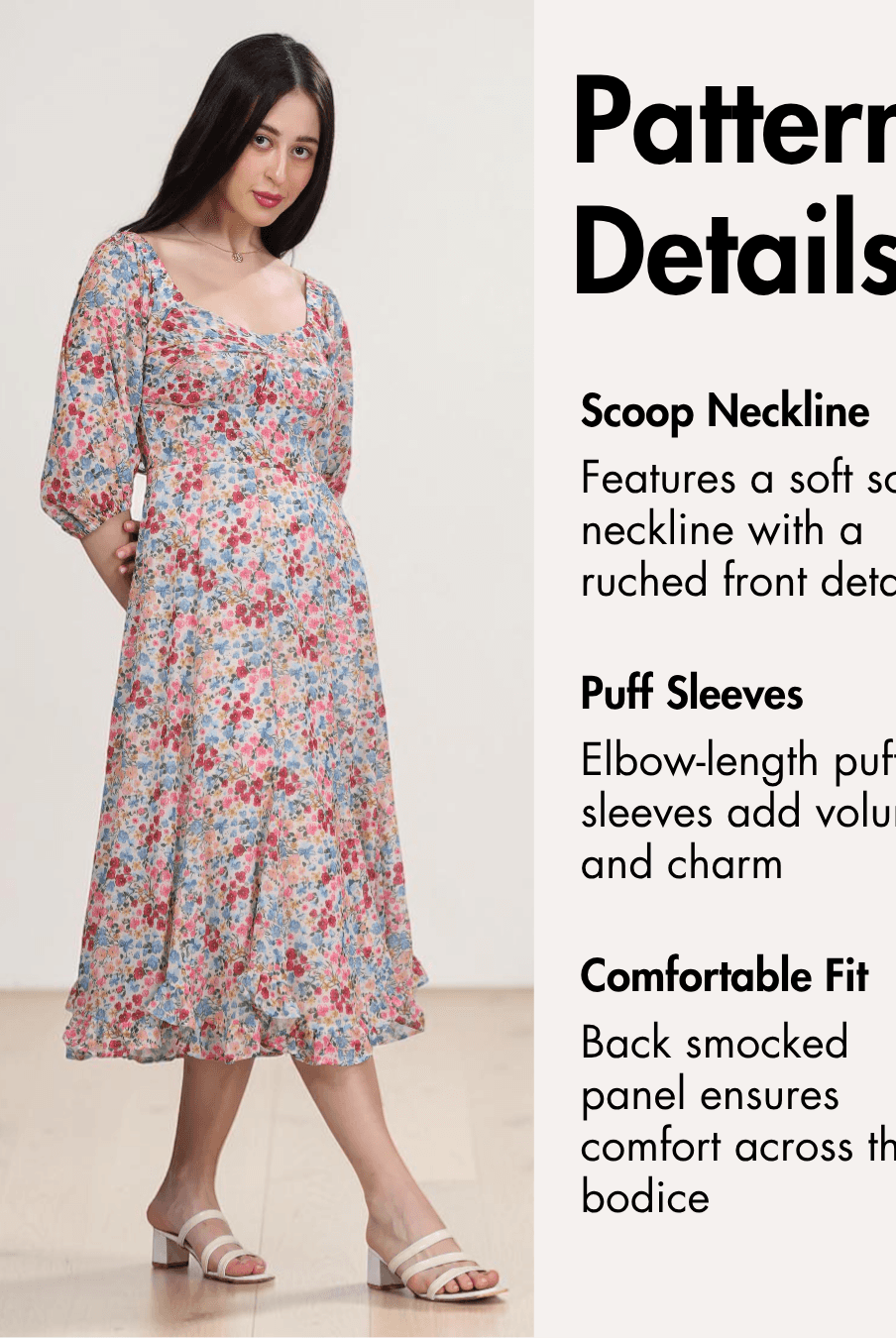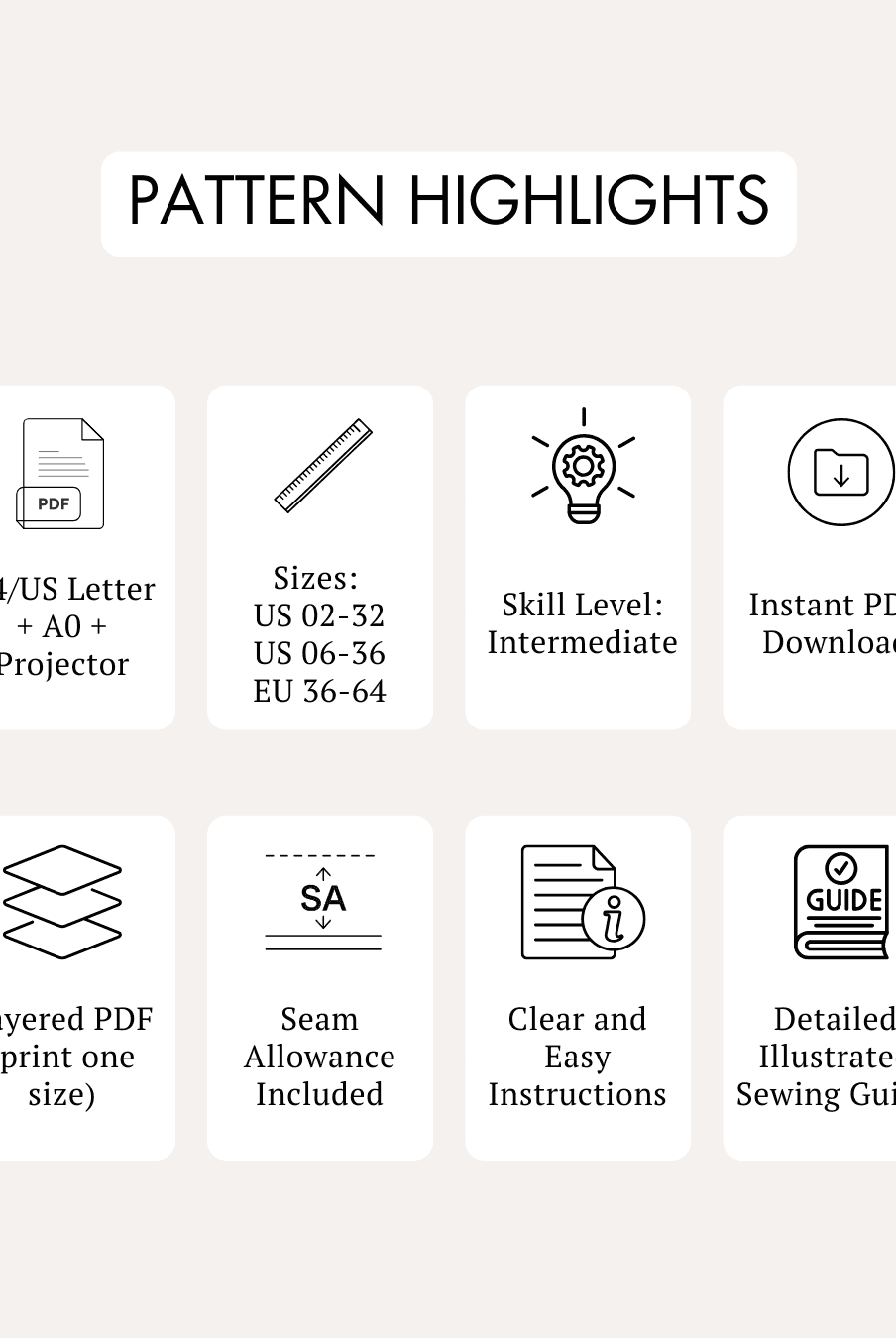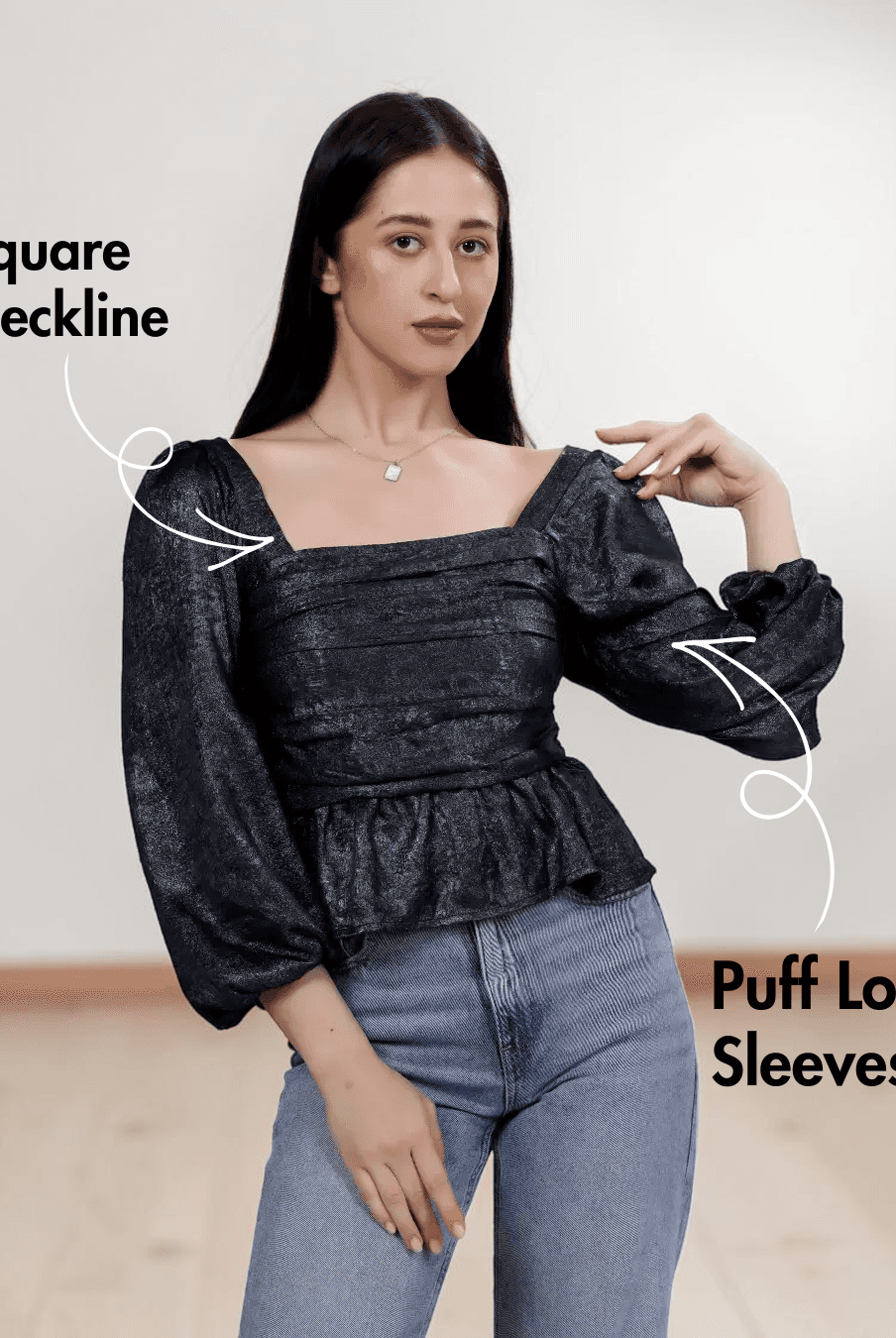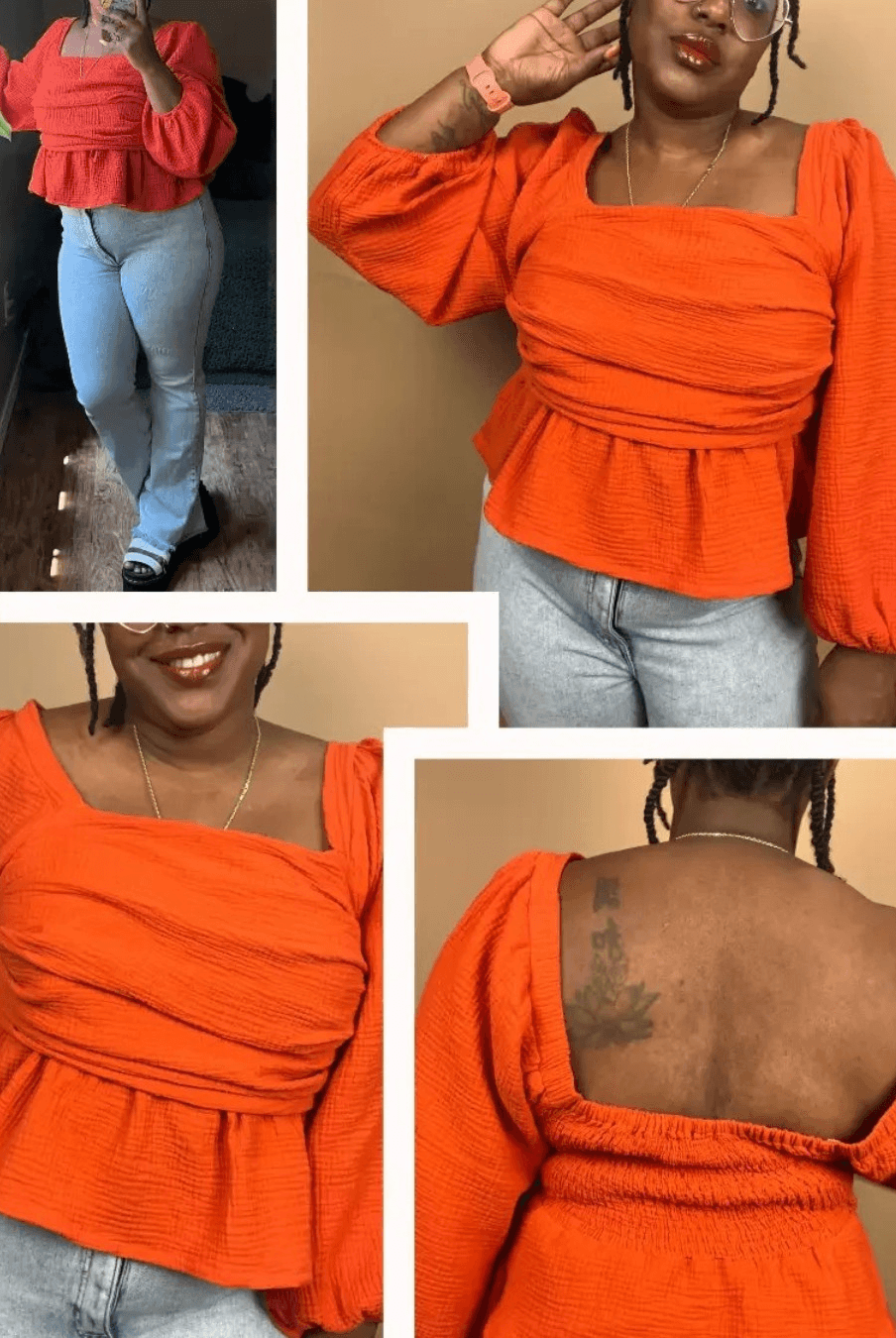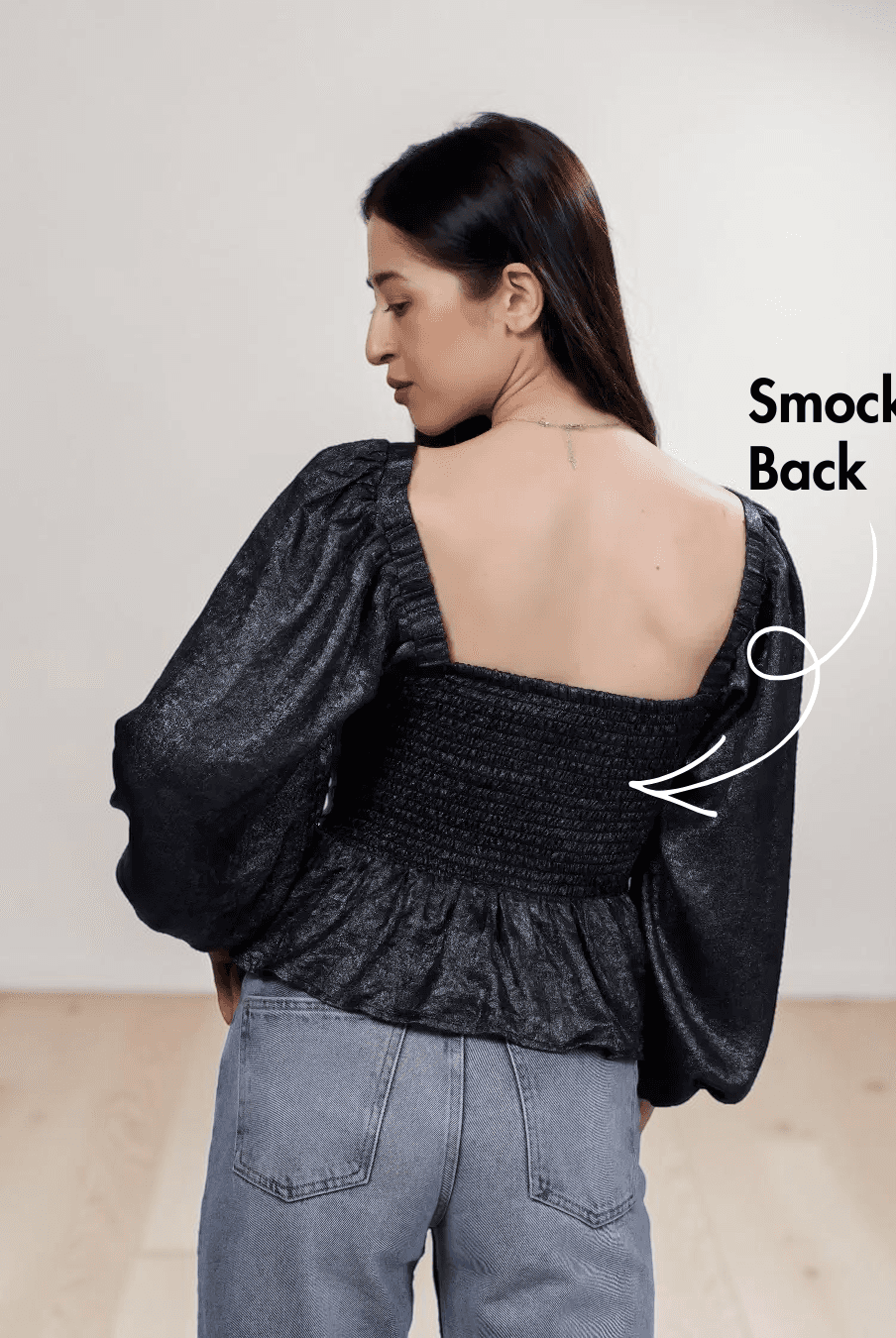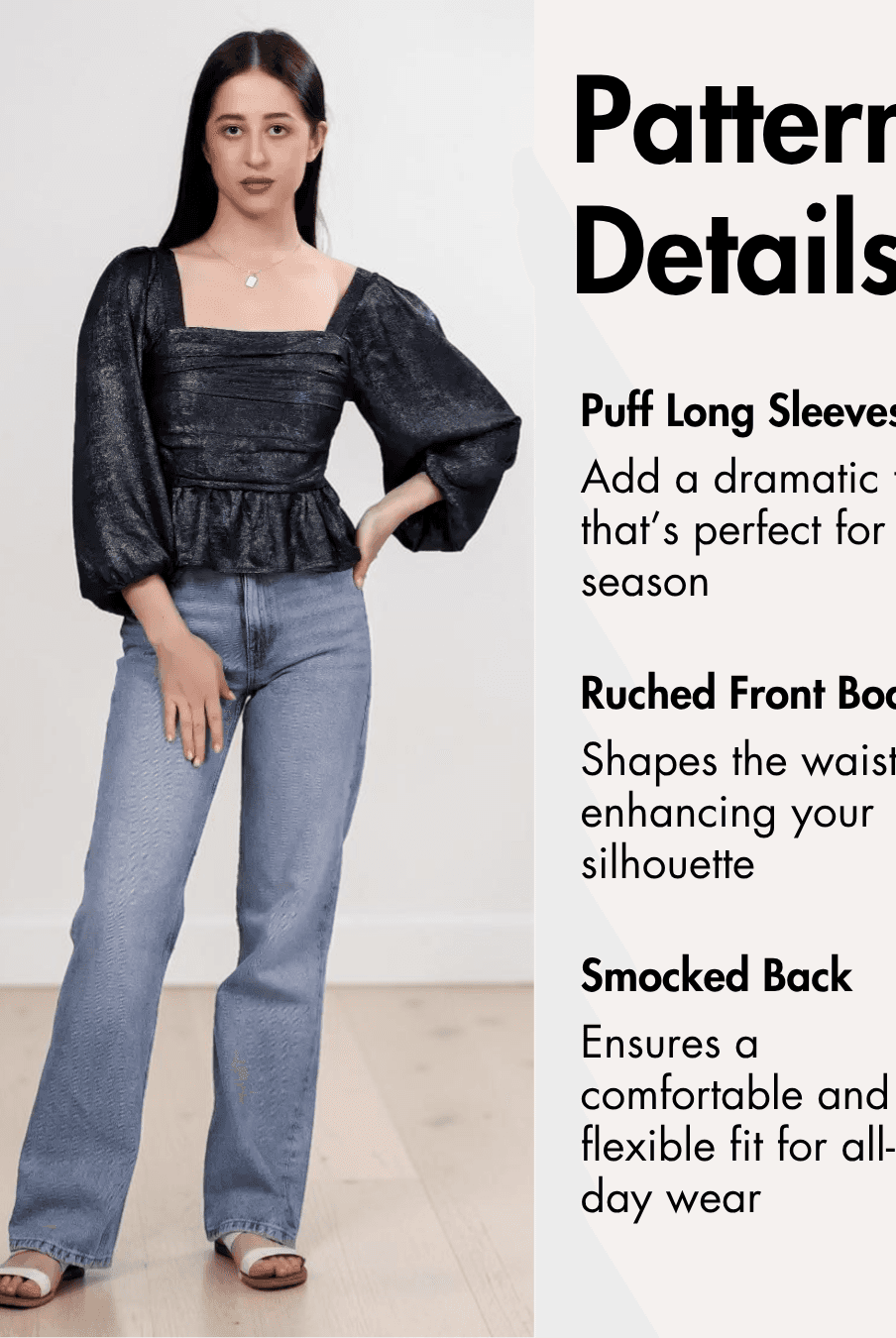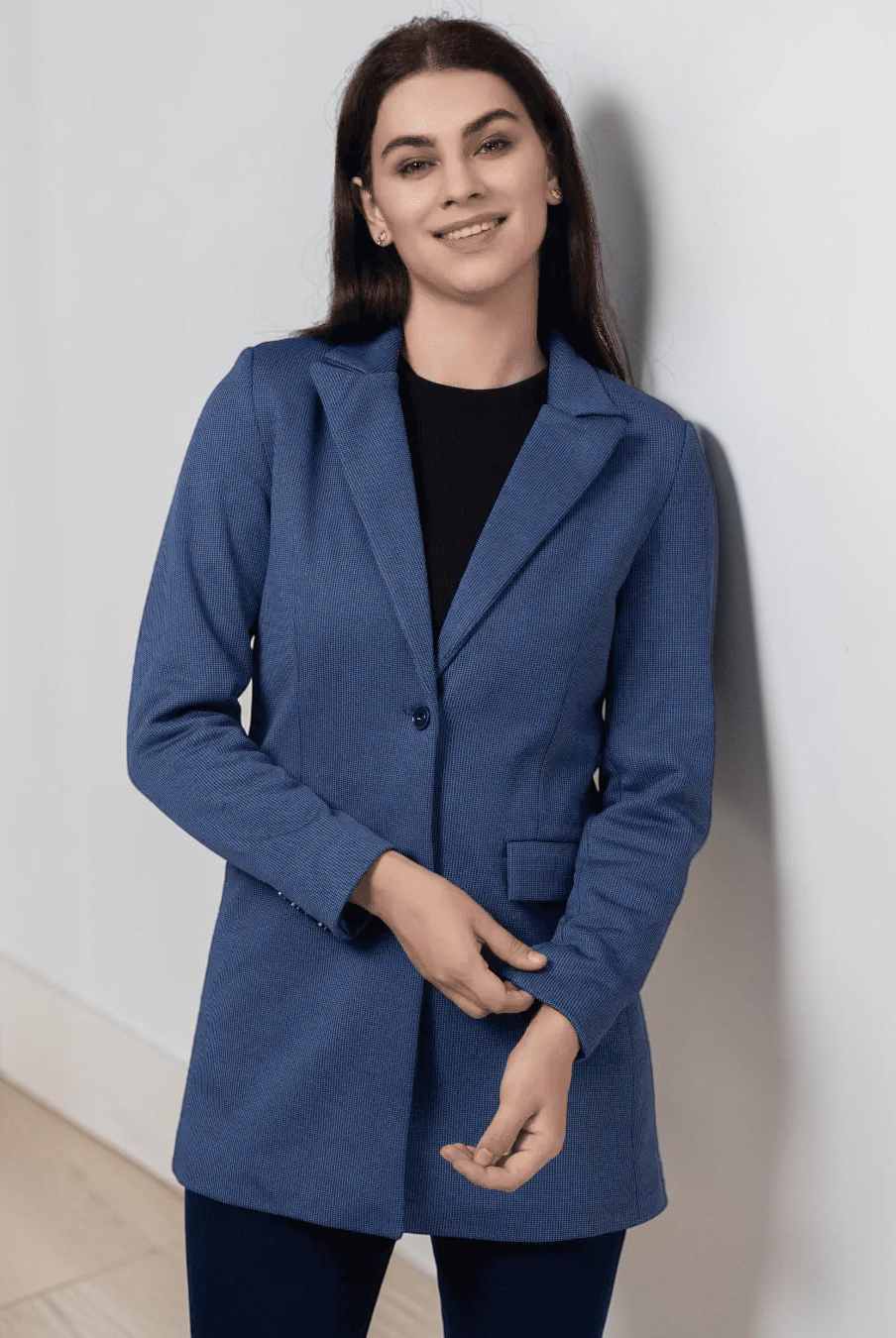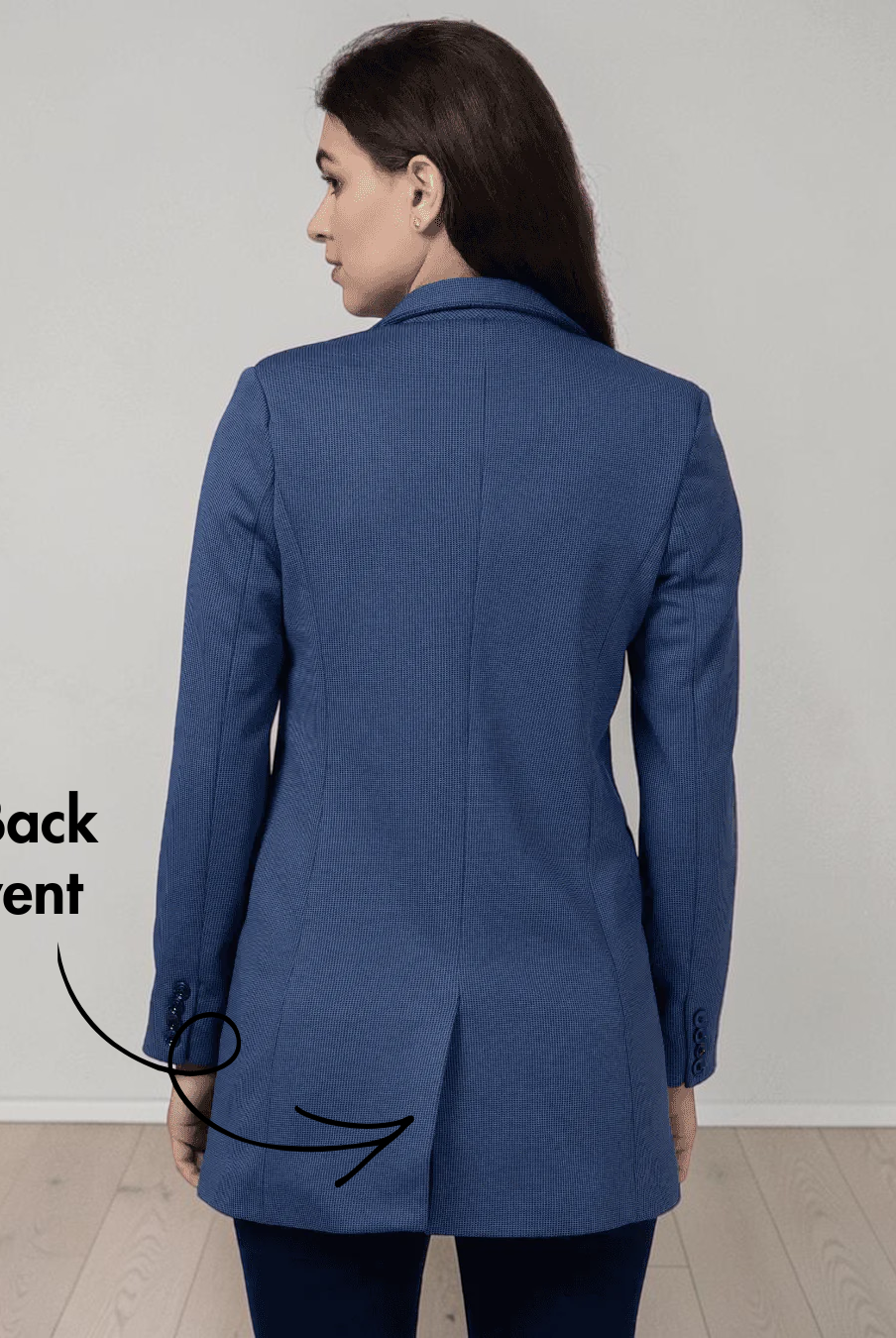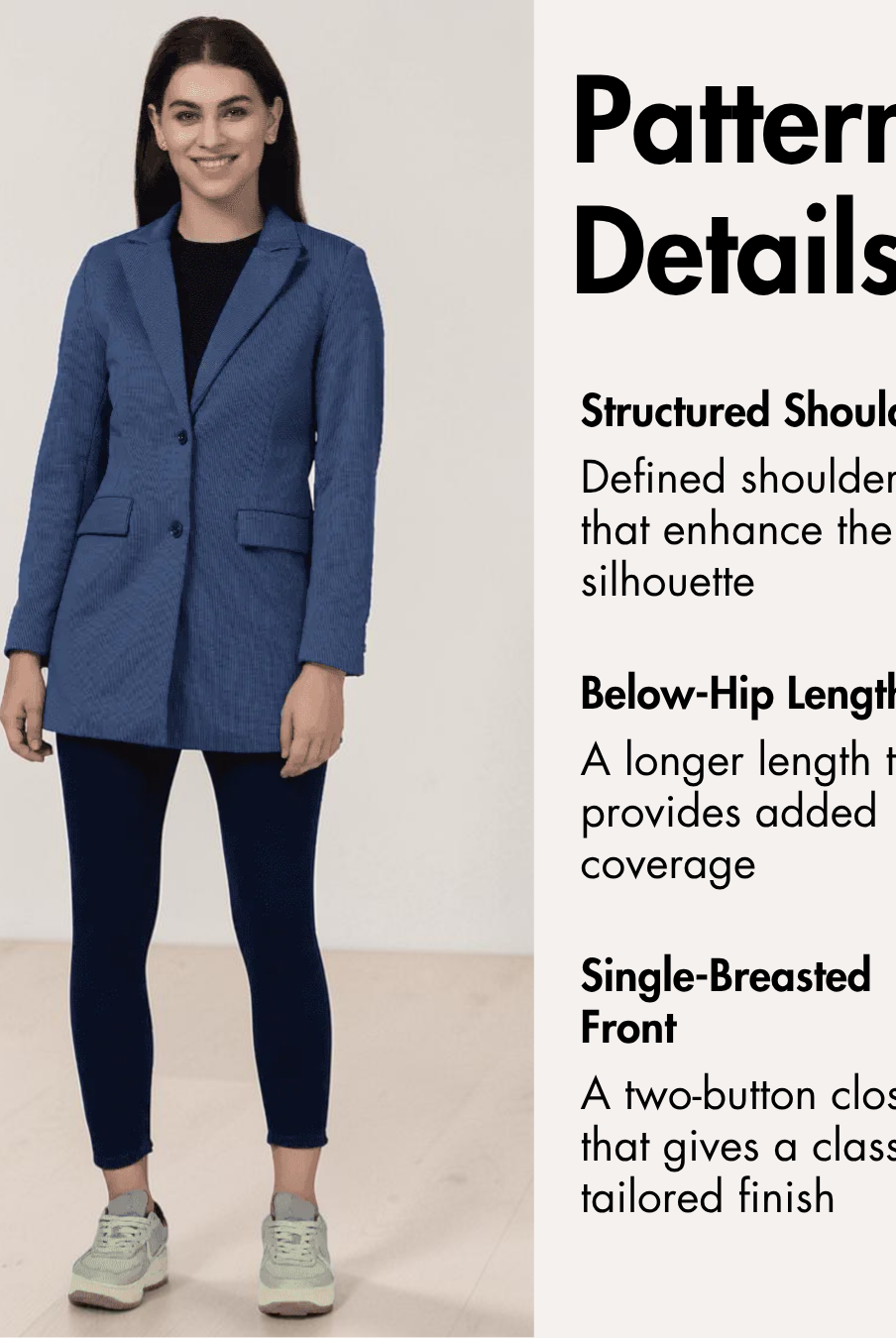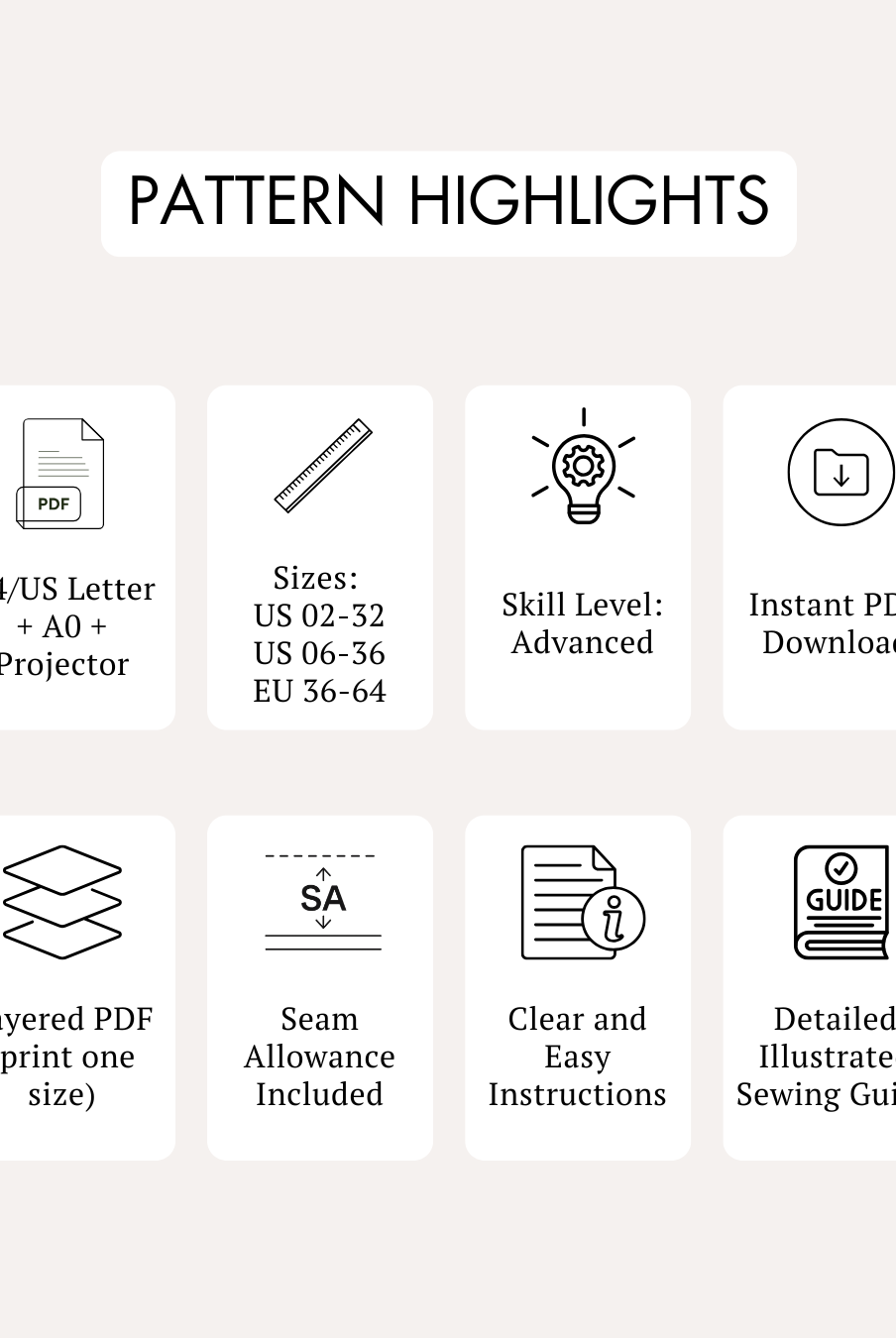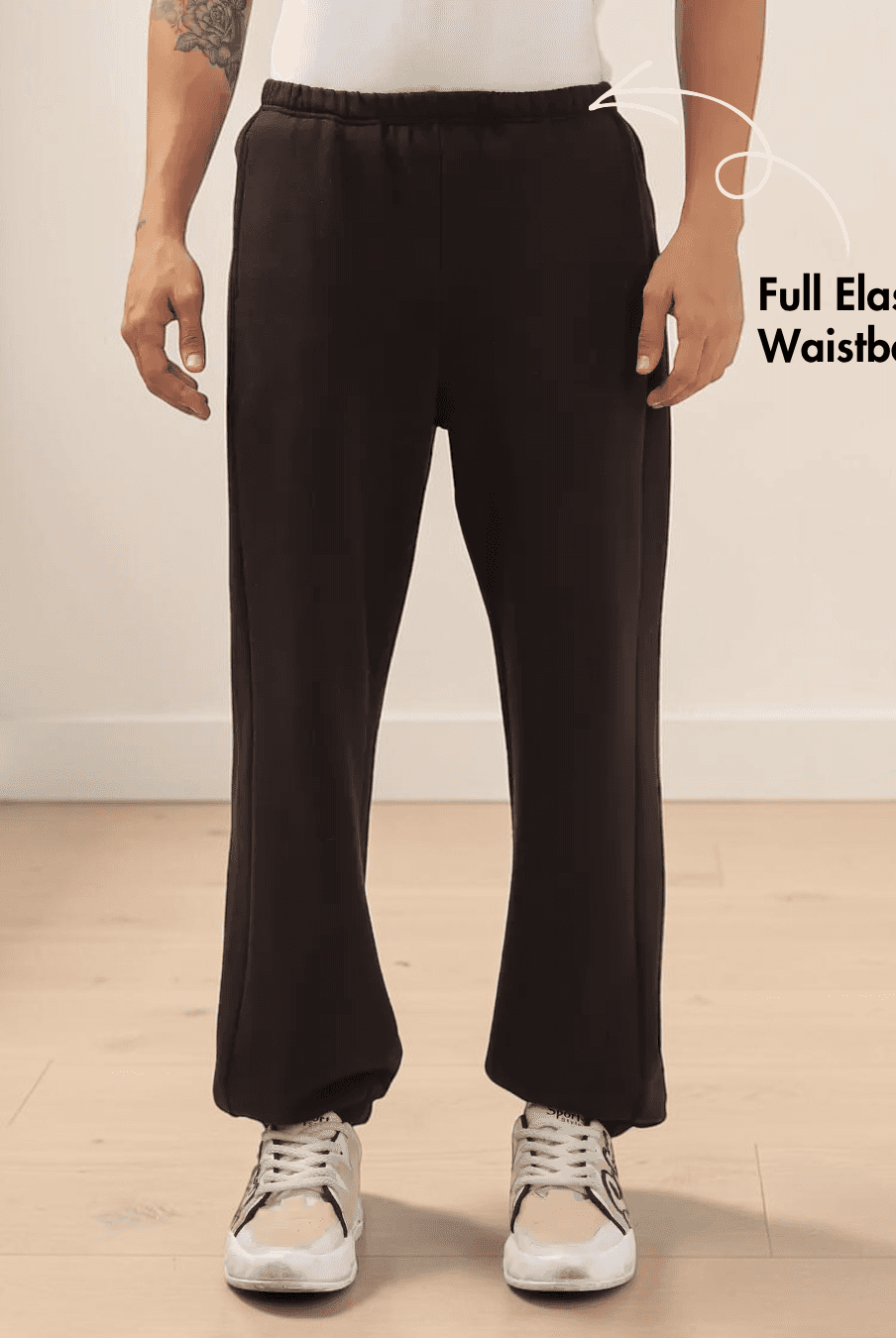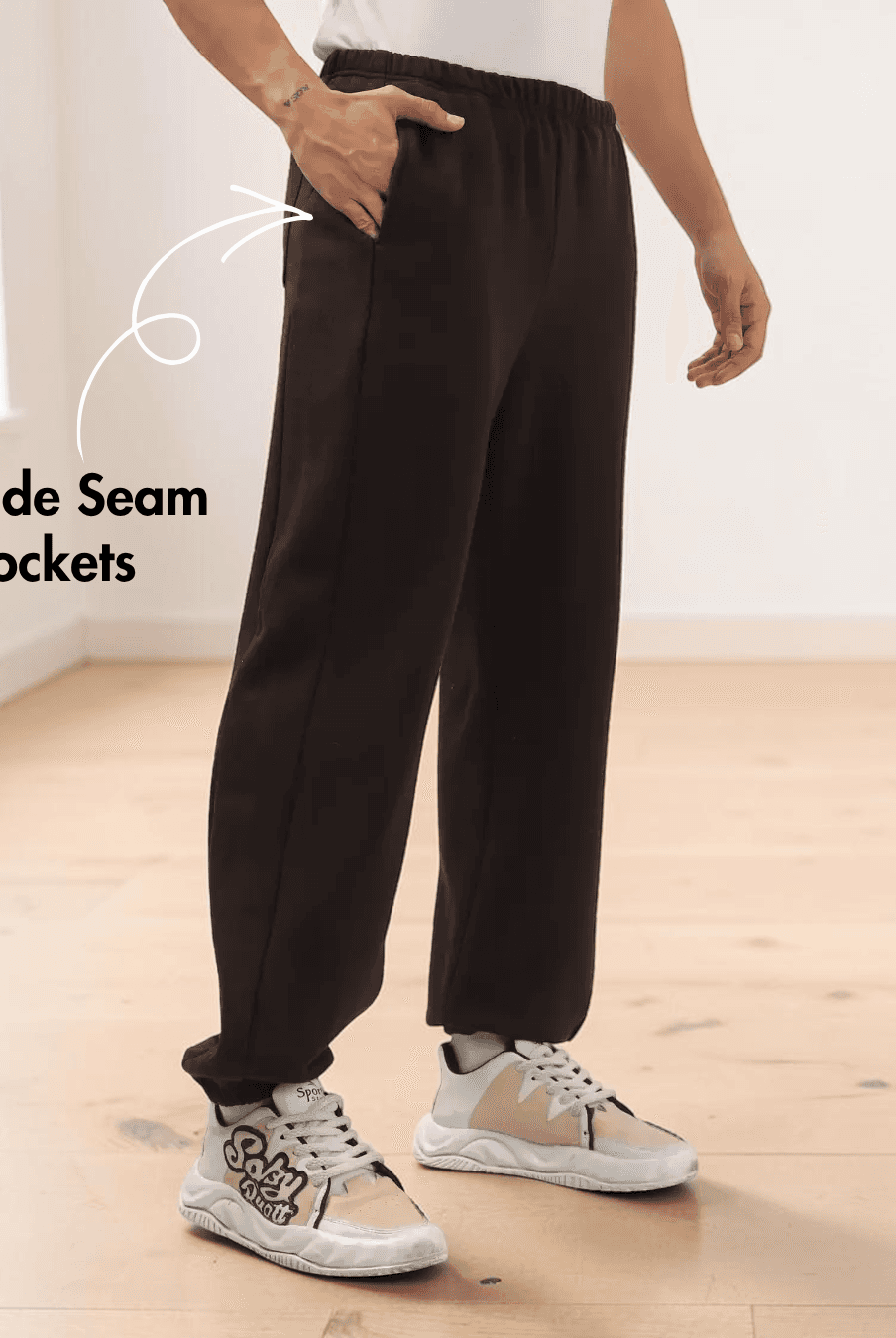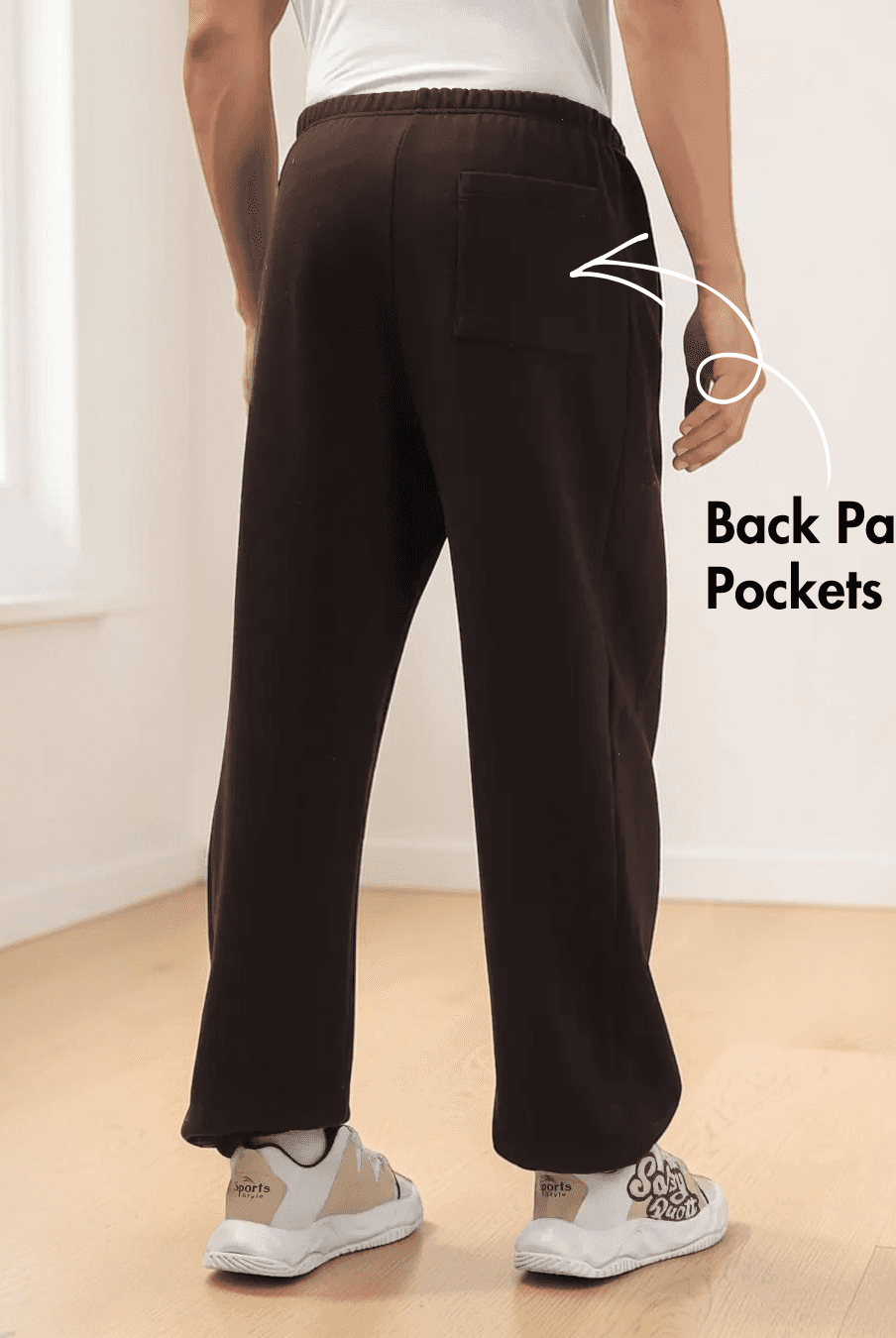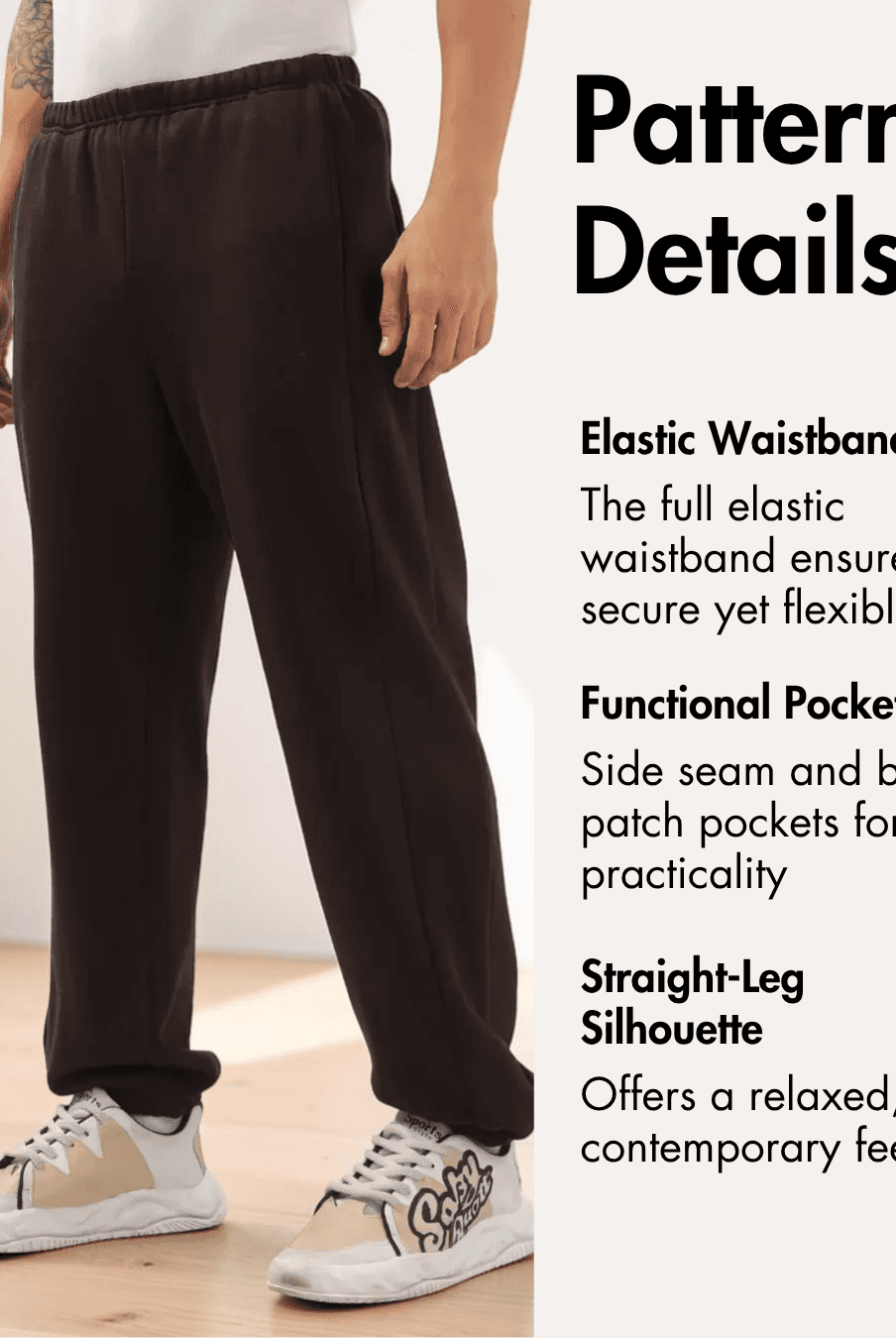
V-neck tops are a wardrobe staple that combine comfort with effortless style. They are easy to wear, pair beautifully with jeans, shorts, or skirts, and work well for everyday outfits. For sewists, they are also a rewarding project that can be completed quickly while introducing useful techniques such as neckline binding, pleats, and decorative details.
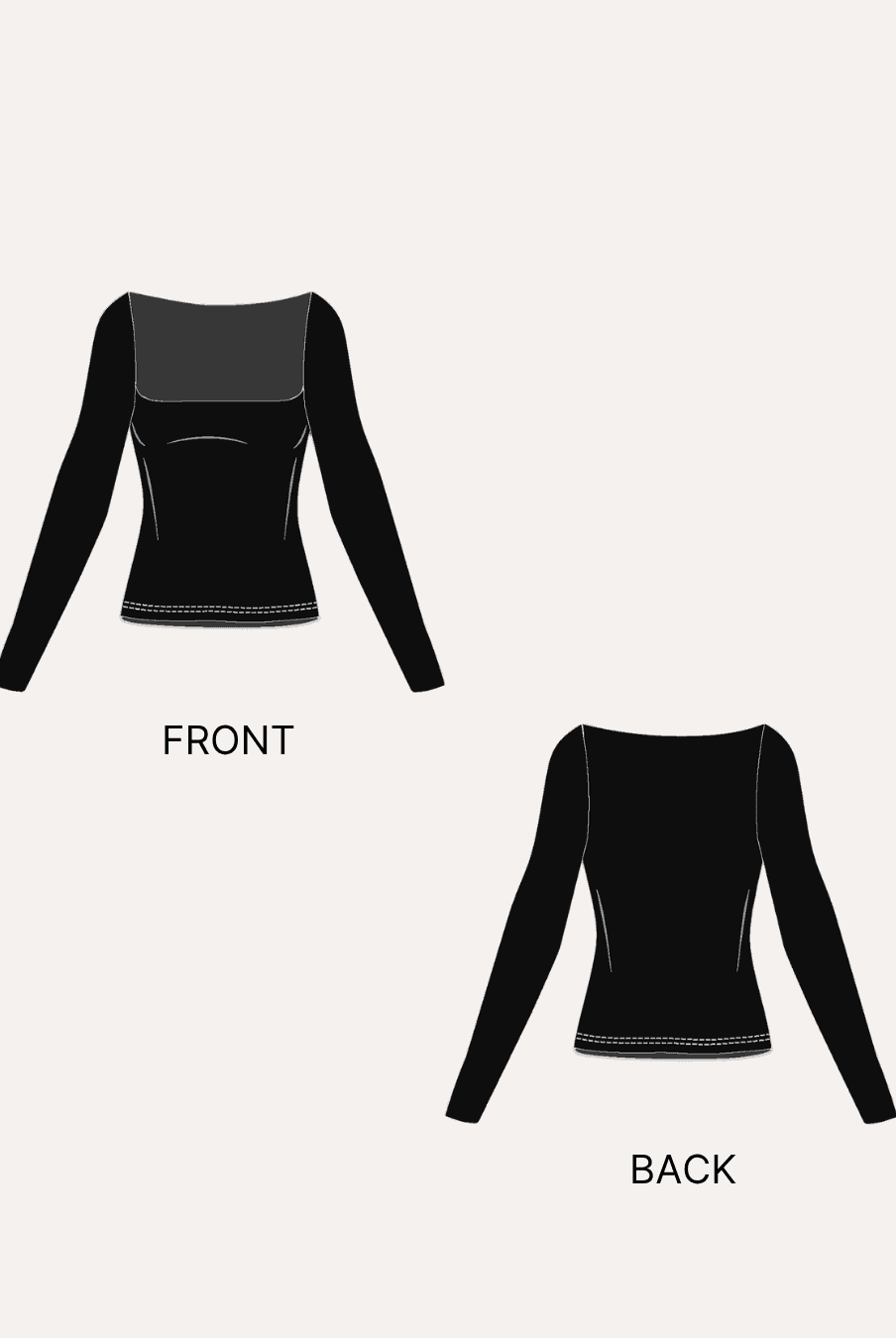
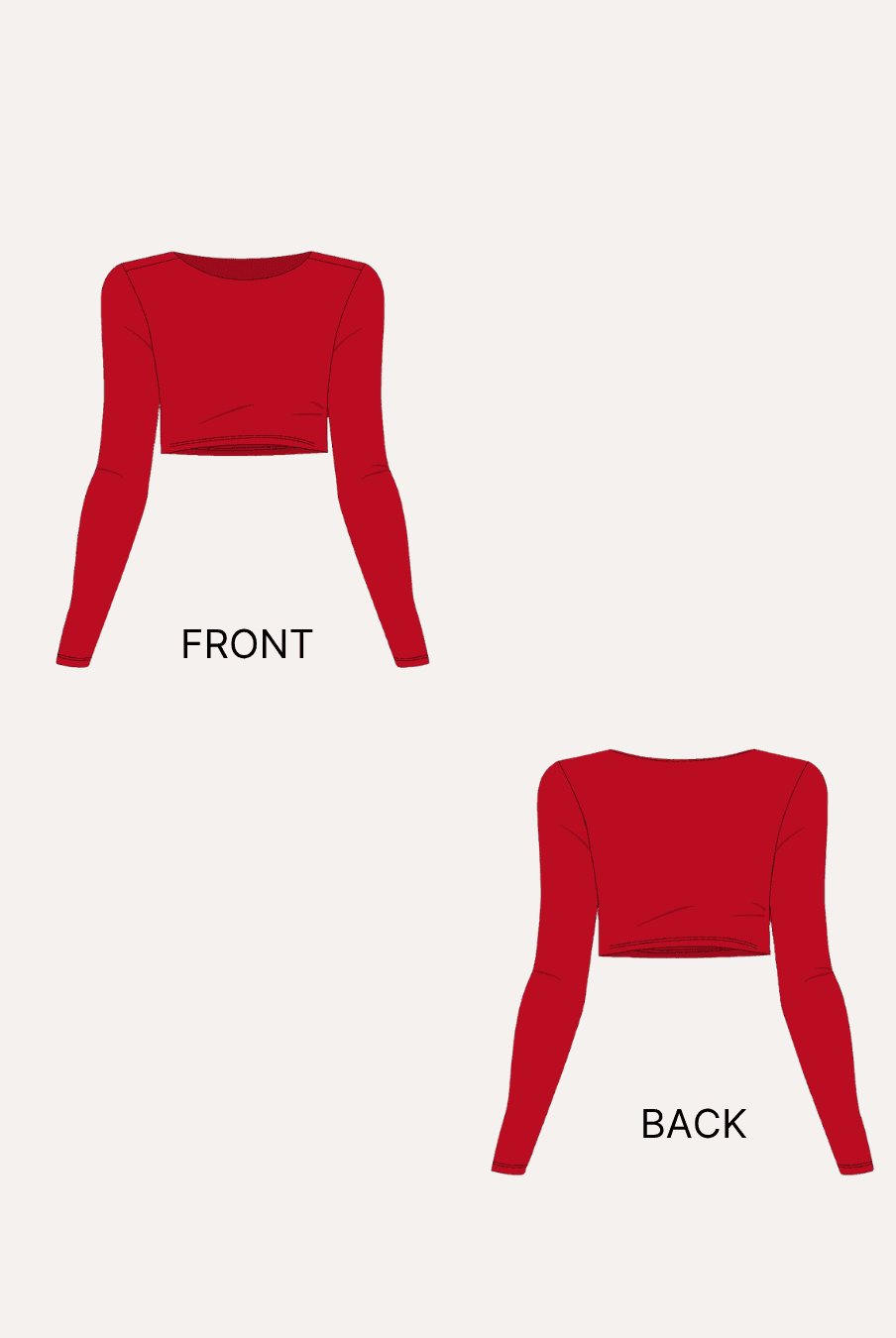
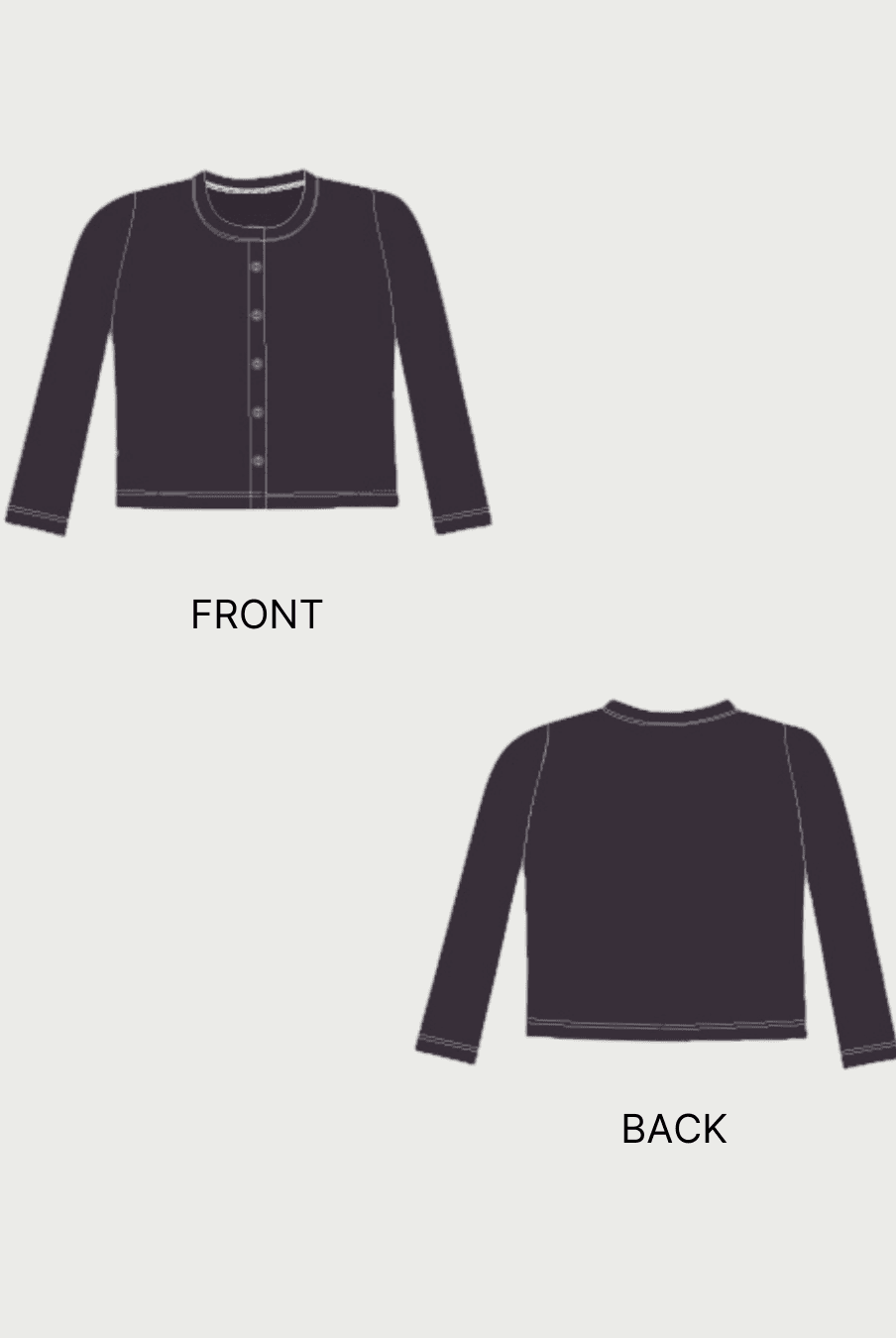
The Haze V-Neck Relaxed Top Sewing Pattern by Winslet's is a beginner-friendly design featuring a relaxed silhouette, cap-style sleeves, an overlapped side slit, and a clean V-neck finish. Its lightweight woven construction makes it a comfortable option for warm-weather dressing and everyday wear.

Why Sew a V-Neck Relaxed Top?
- Creates a comfortable and easy-to-wear everyday garment.
- Features a relaxed fit that works well across a variety of body types.
- Lightweight construction makes it ideal for warmer weather.
- The V-neckline offers a flattering and timeless look.
- Easy to style with jeans, trousers, shorts, or skirts.
- A quick sewing project suitable for beginner and intermediate sewists.
- Includes decorative details such as an overlapped side slit and eyelet finish for added interest.
Why Choose the Winslet's Haze V-Neck Relaxed Top Pattern?

The Haze V-Neck Relaxed Top Sewing Pattern is designed to help sewists create a comfortable woven top with professional-looking finishes.
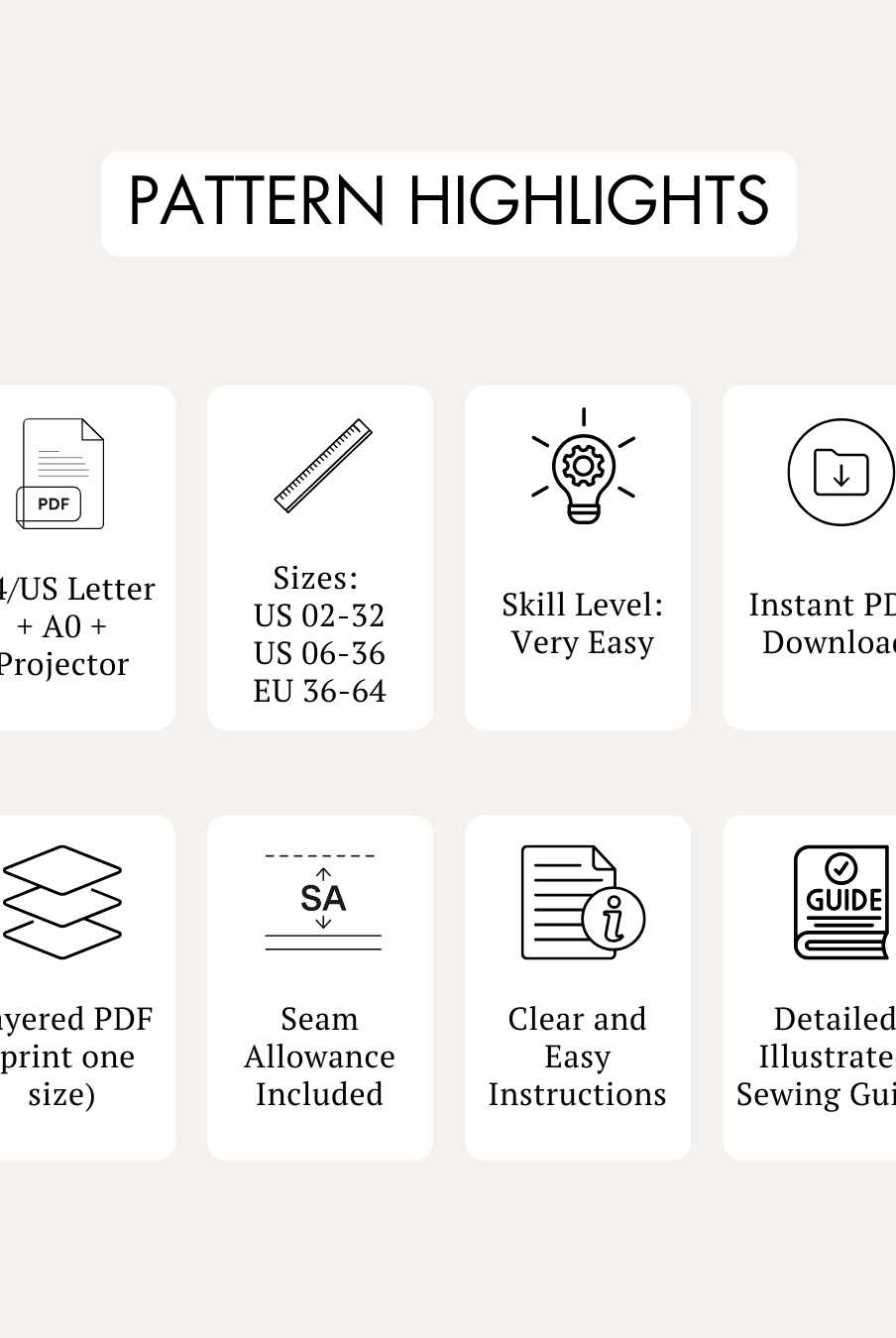
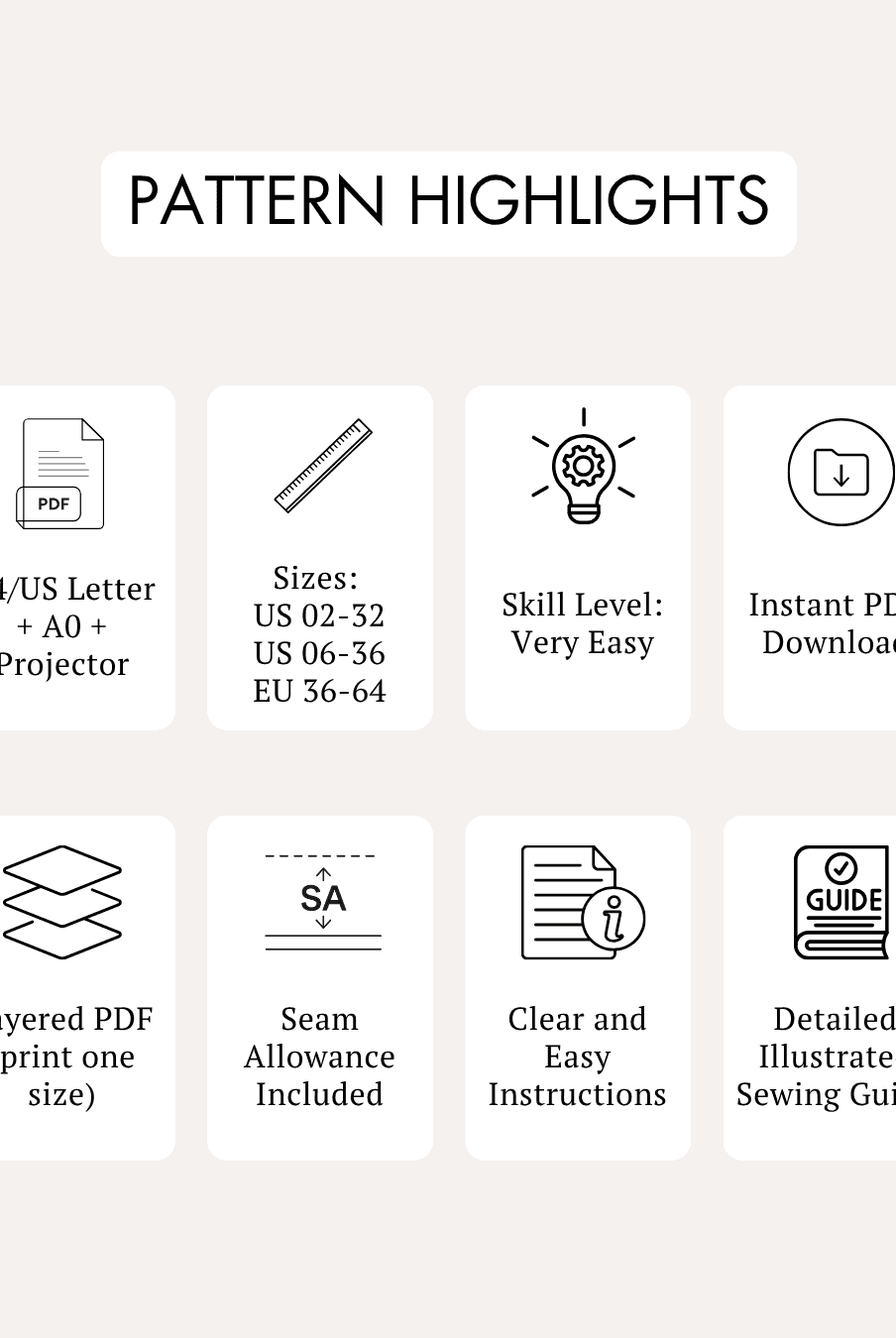
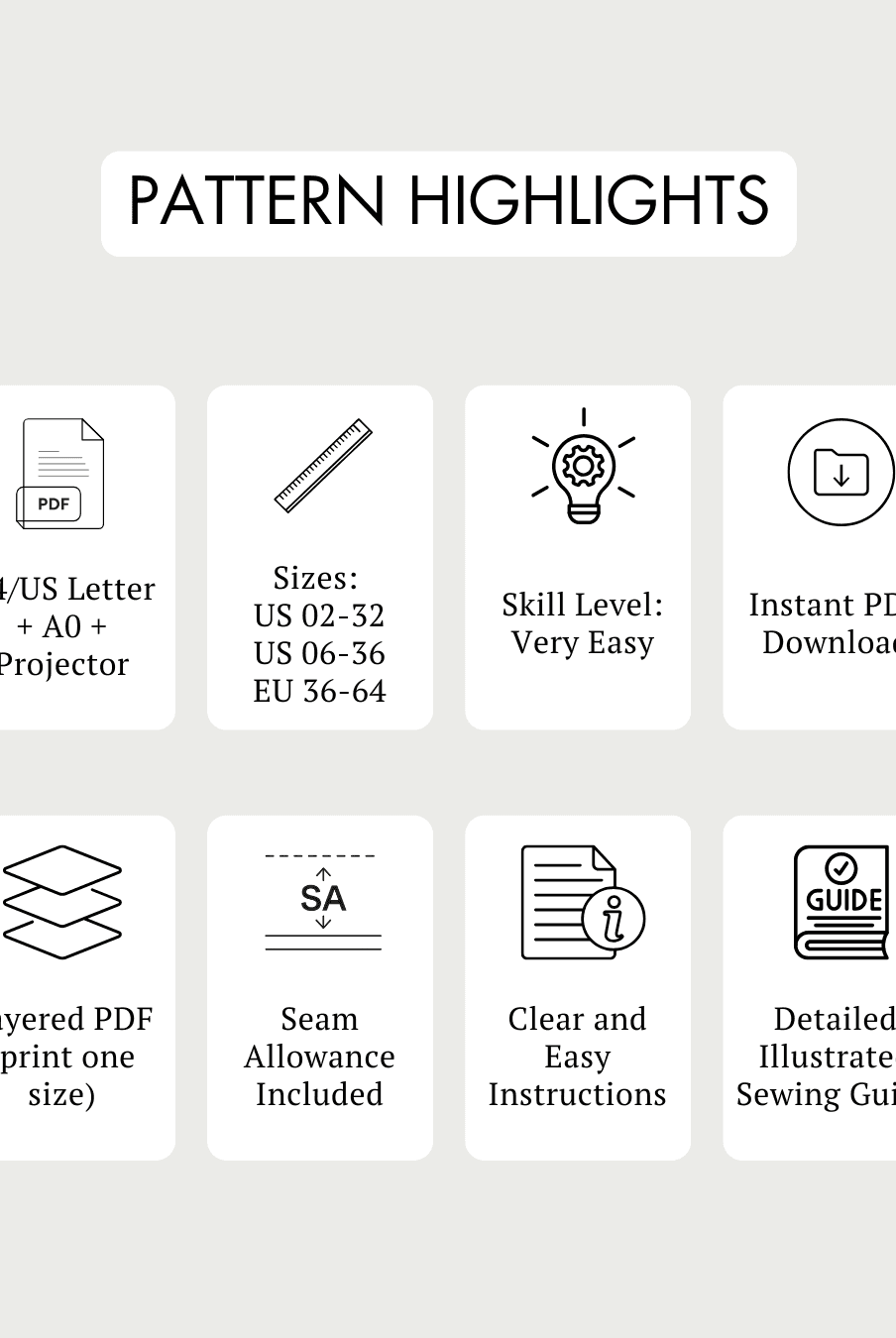
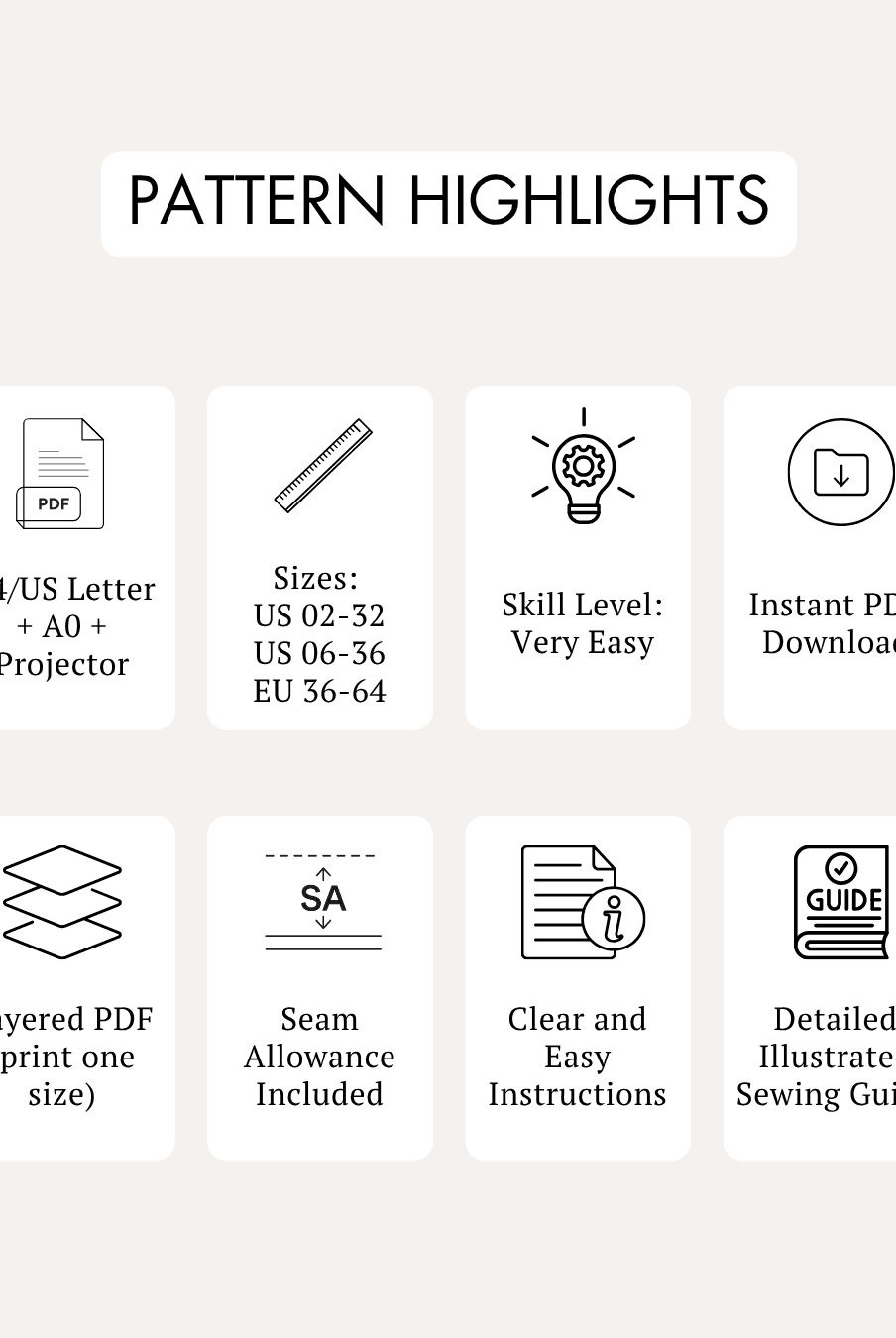
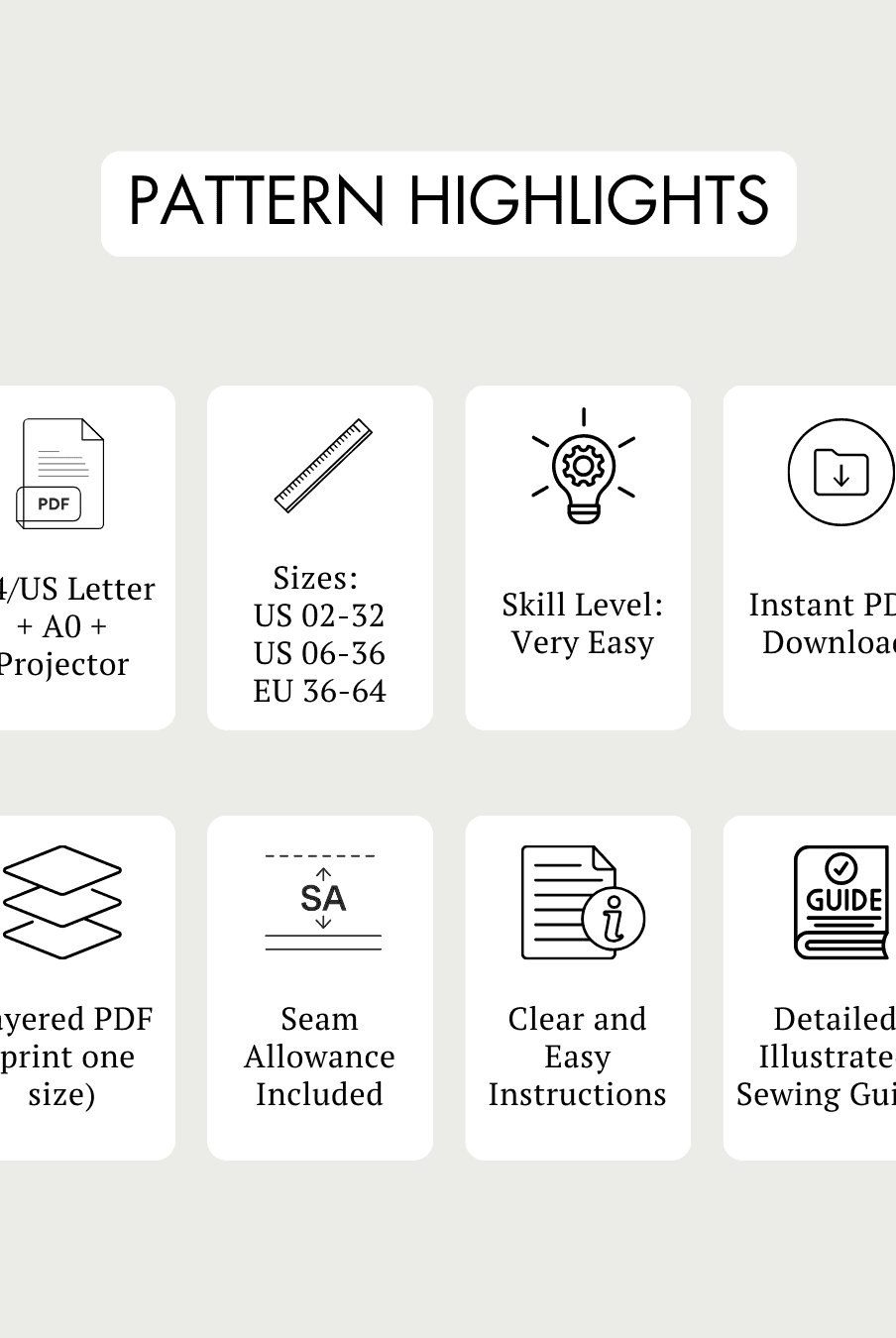
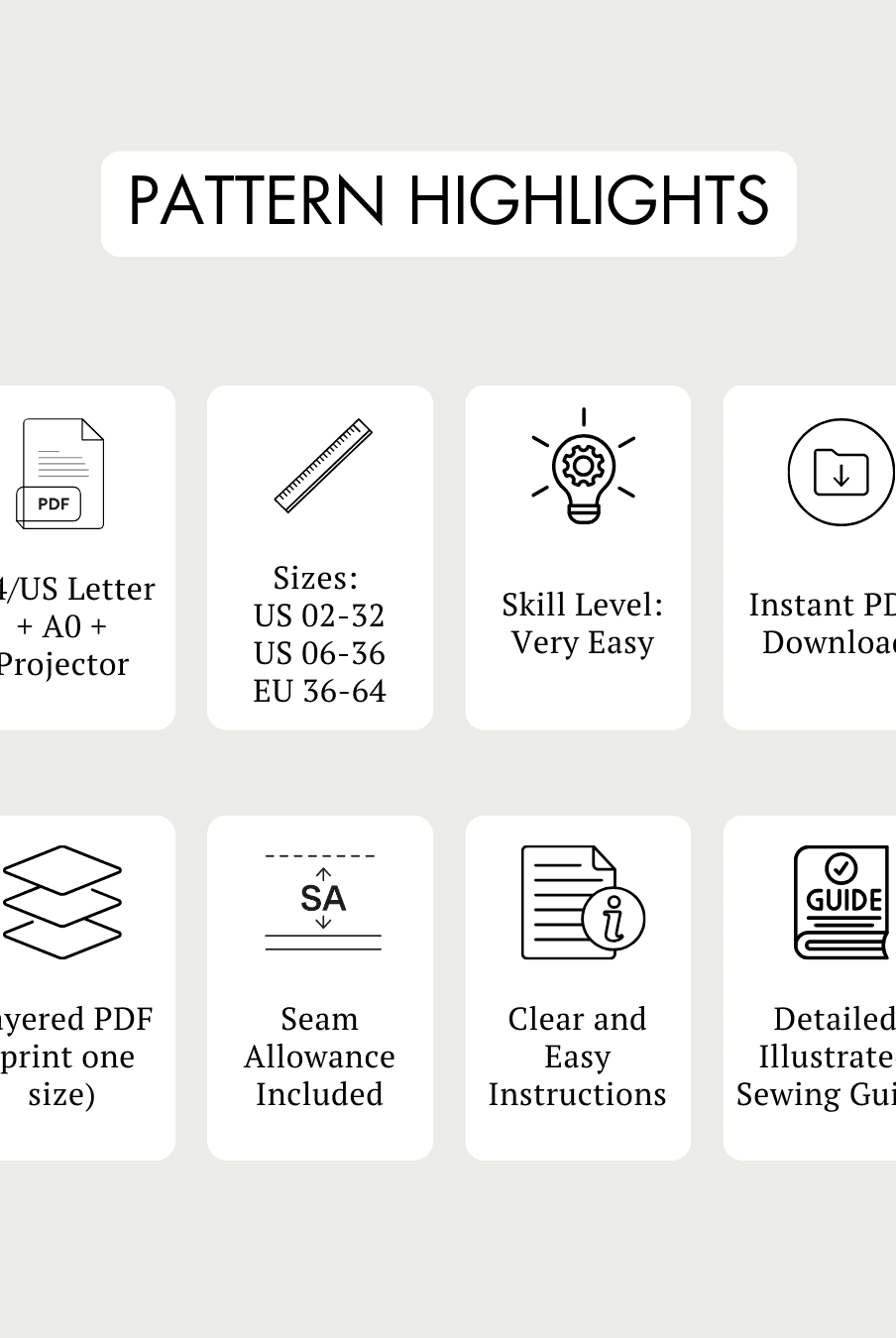
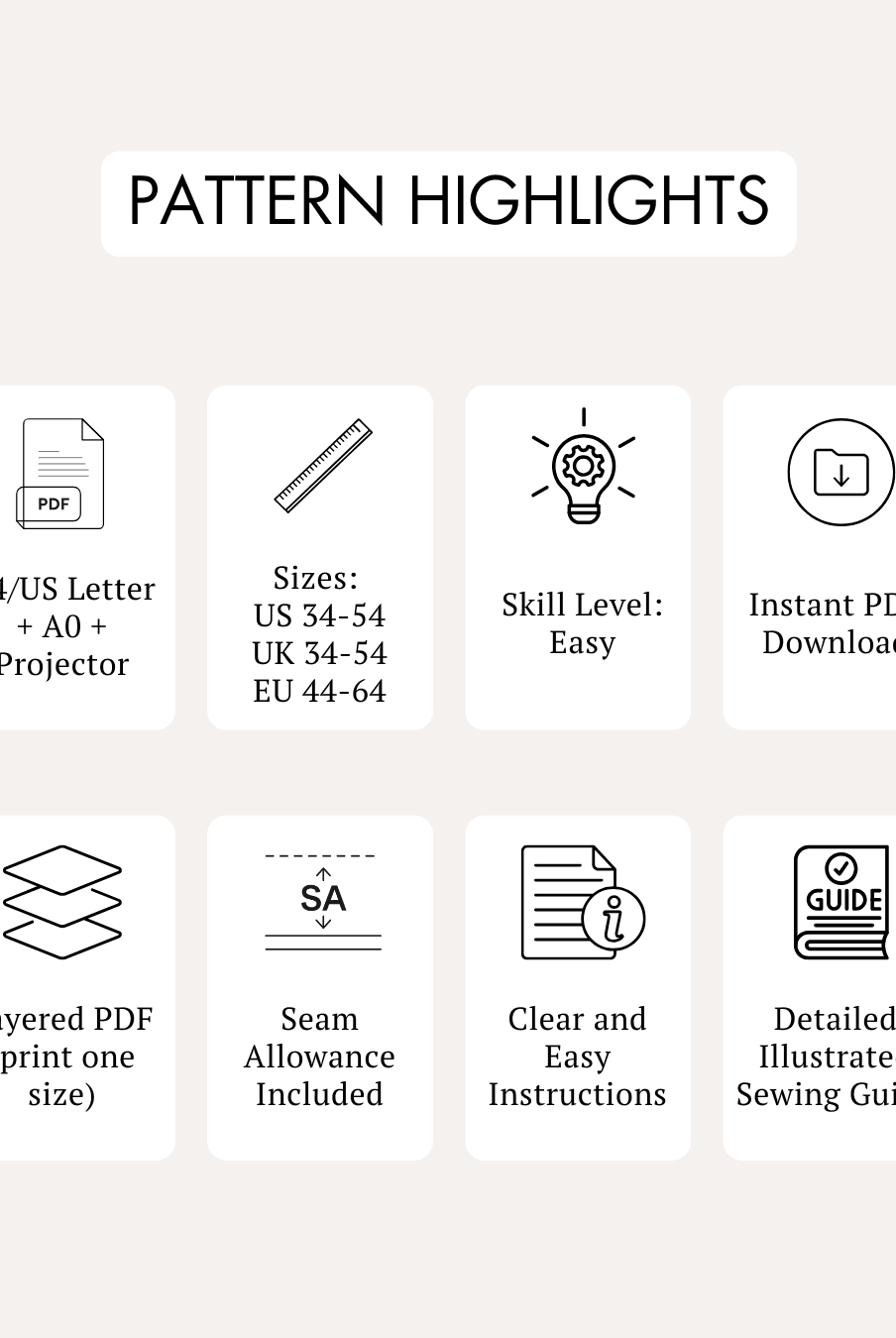
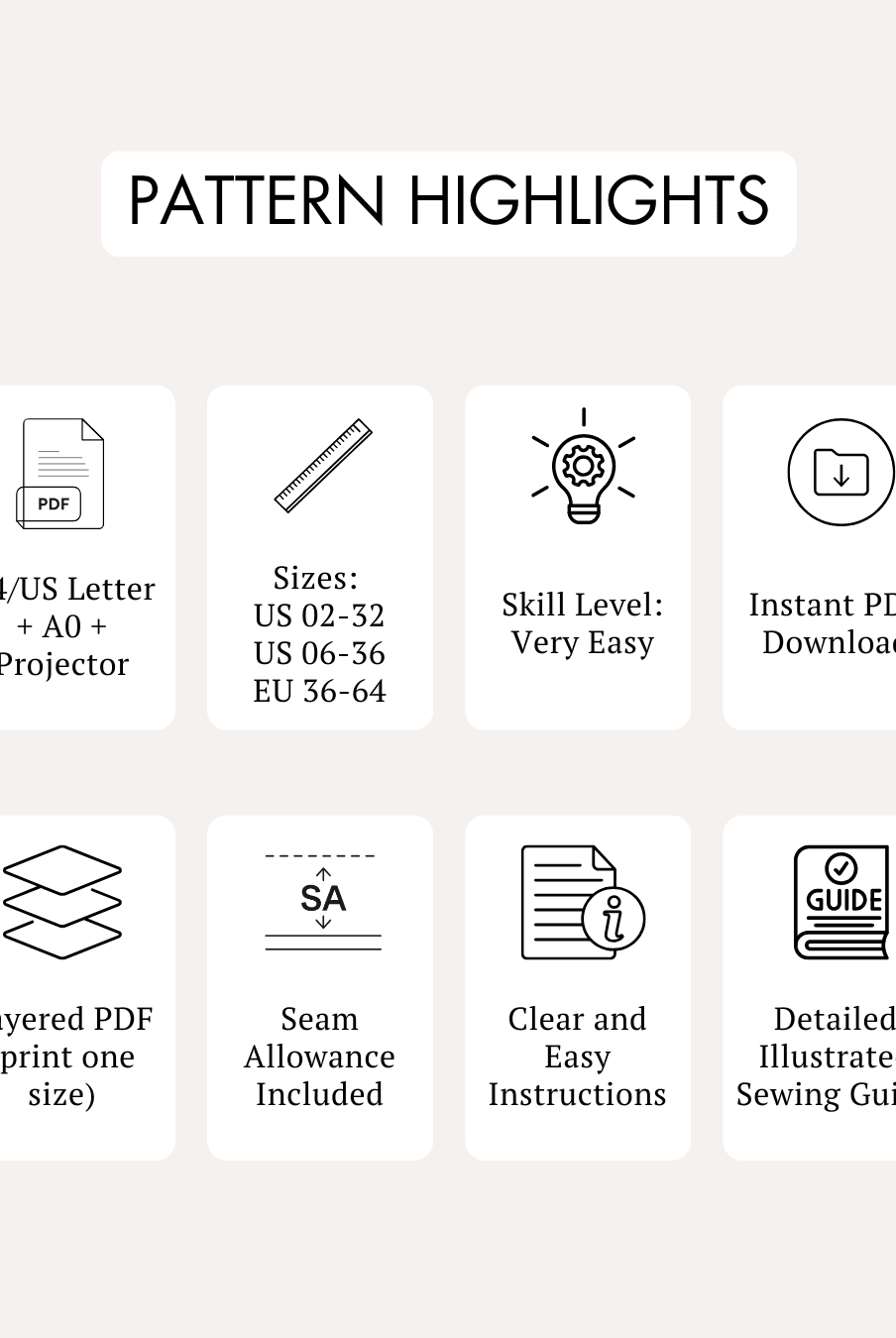
Skill Level: Very Easy
Key Features:
- Relaxed Fit: Ensures comfort without compromising style.
- Flattering V-Neckline: Accentuates your neckline for a chic appearance.
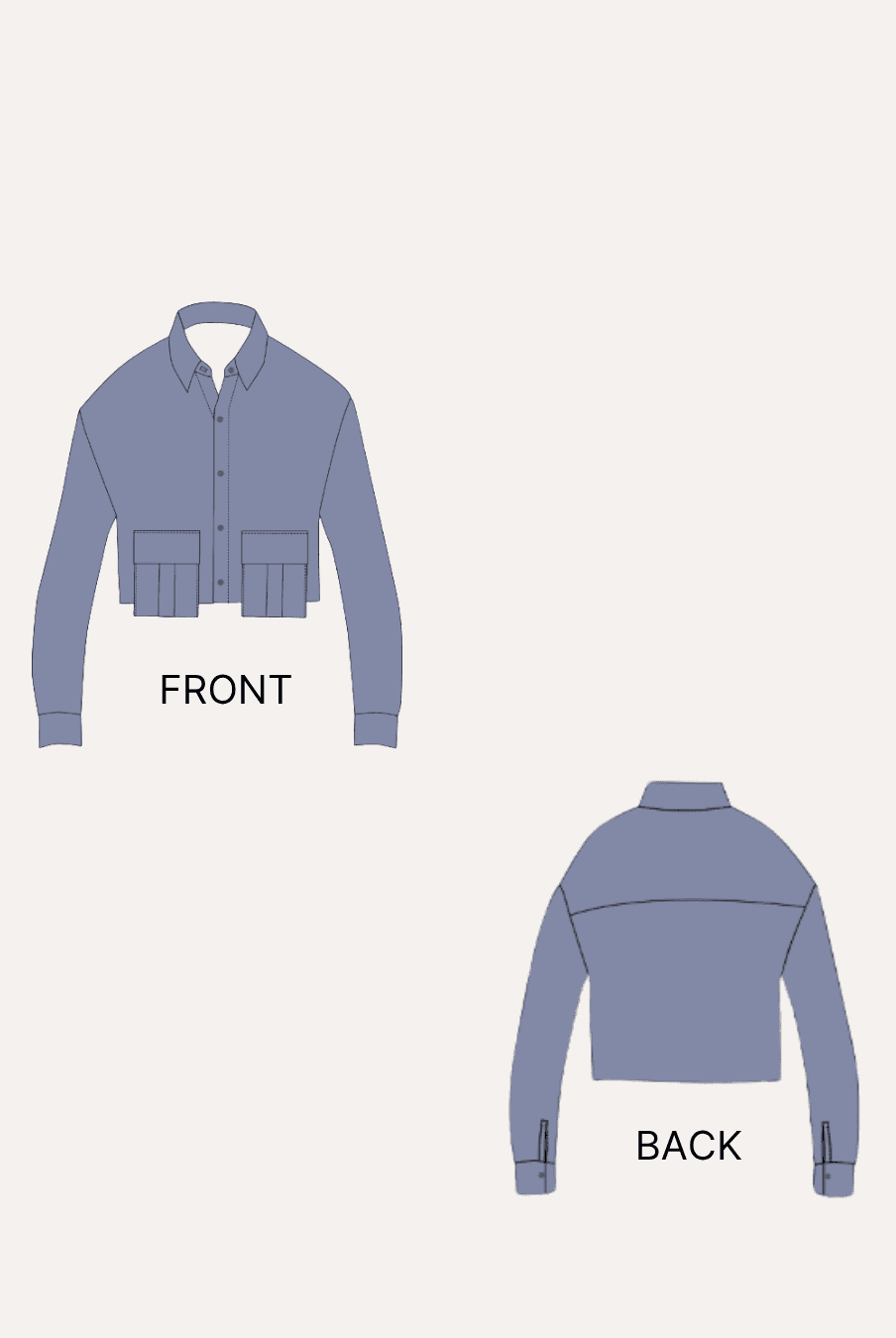
- Contrasting Back Panel: Adds unique style, making it perfect for various looks.
- Short Sleeves: Keeps you cool and stylish during warm weather.
- Versatile Styling: Pairs beautifully with skinny jeans or skirts, adaptable for casual flats or elegant heels.
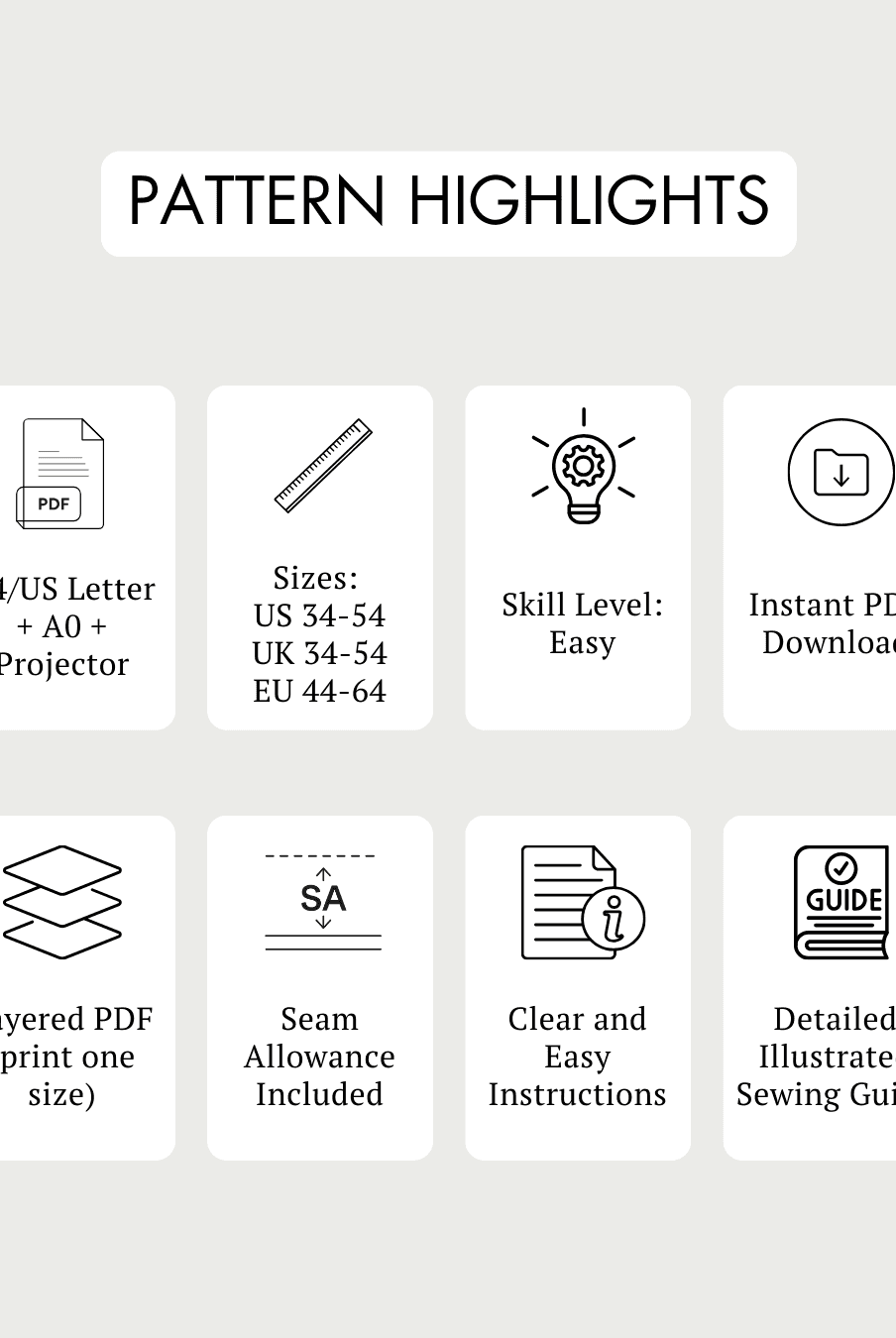
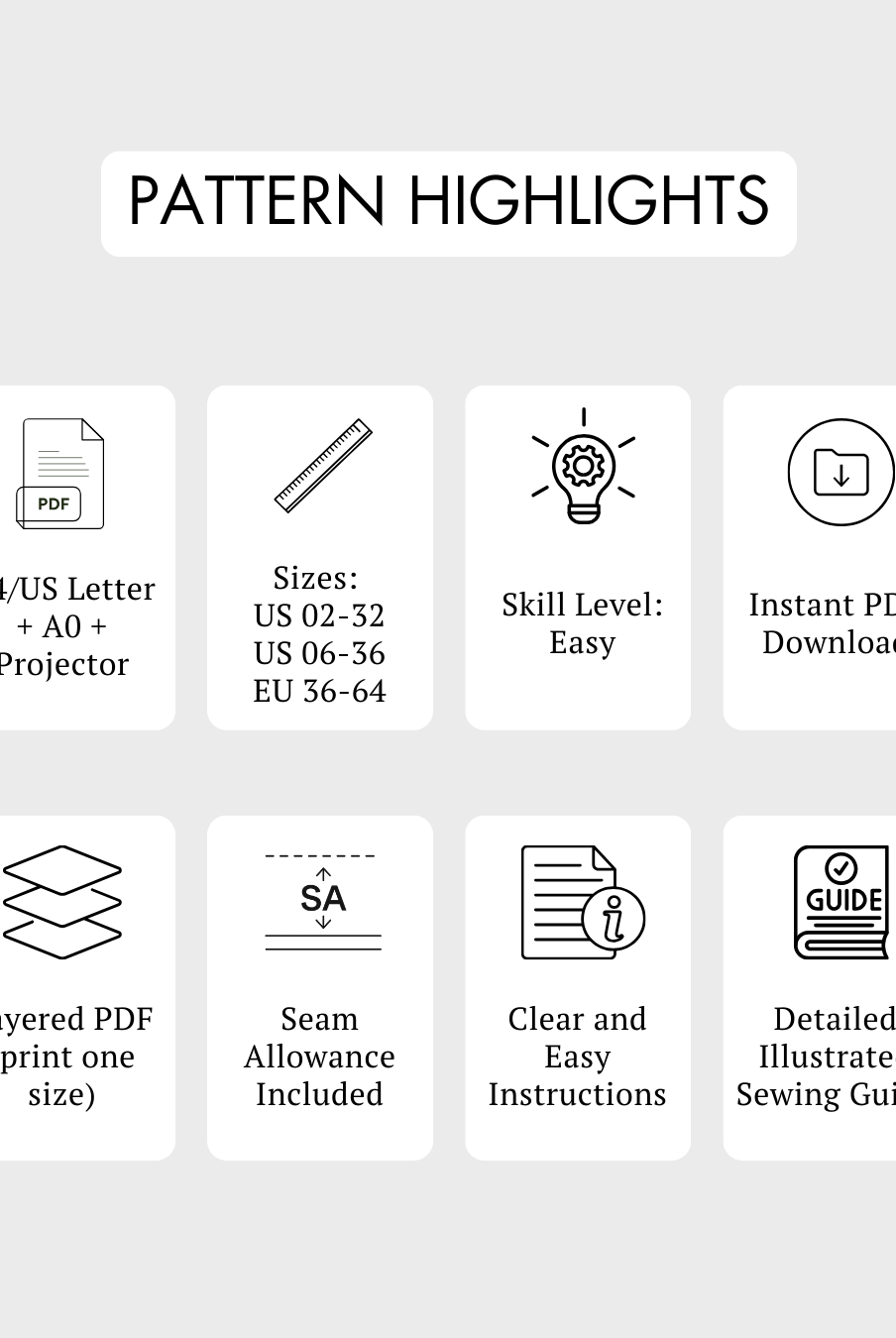
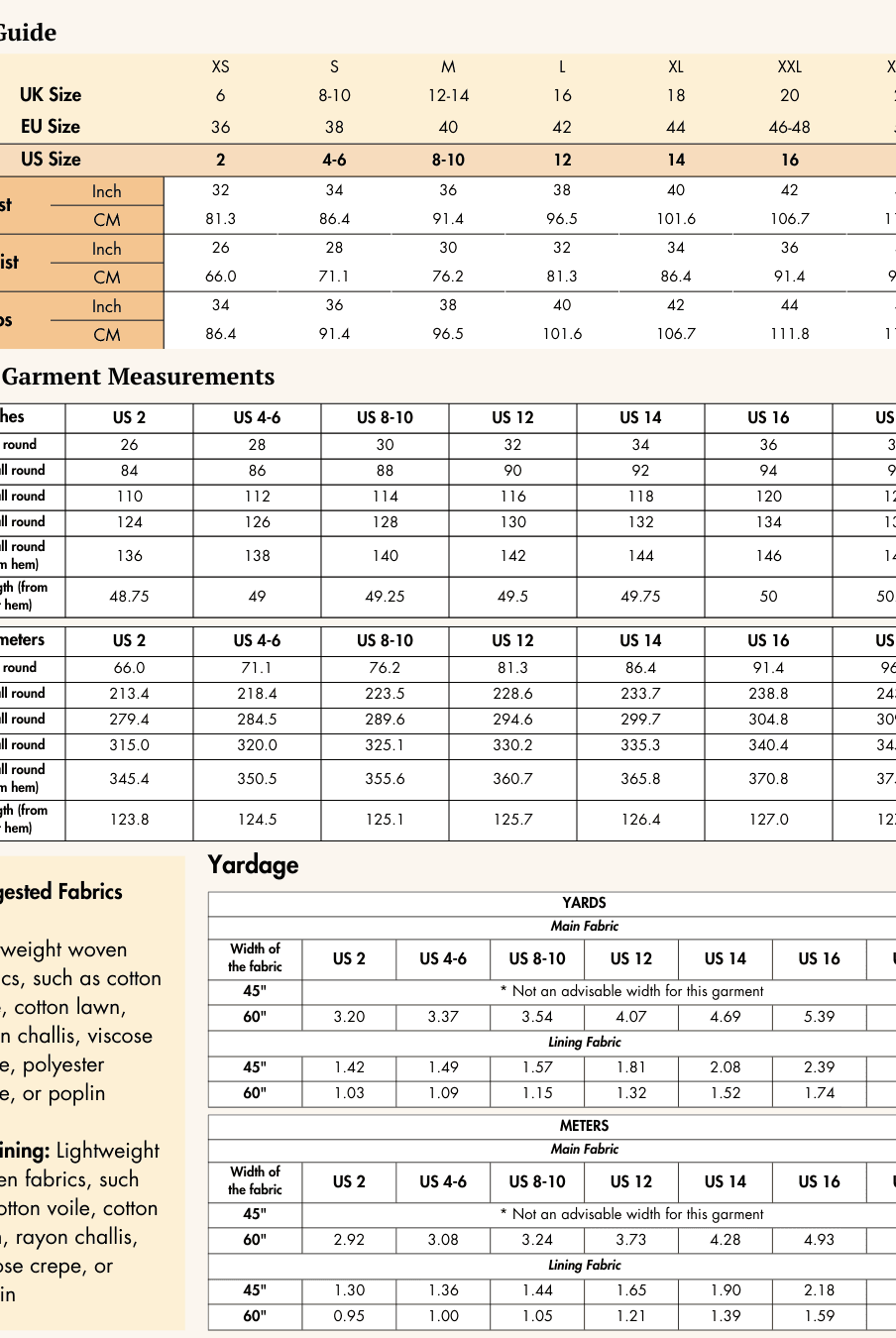
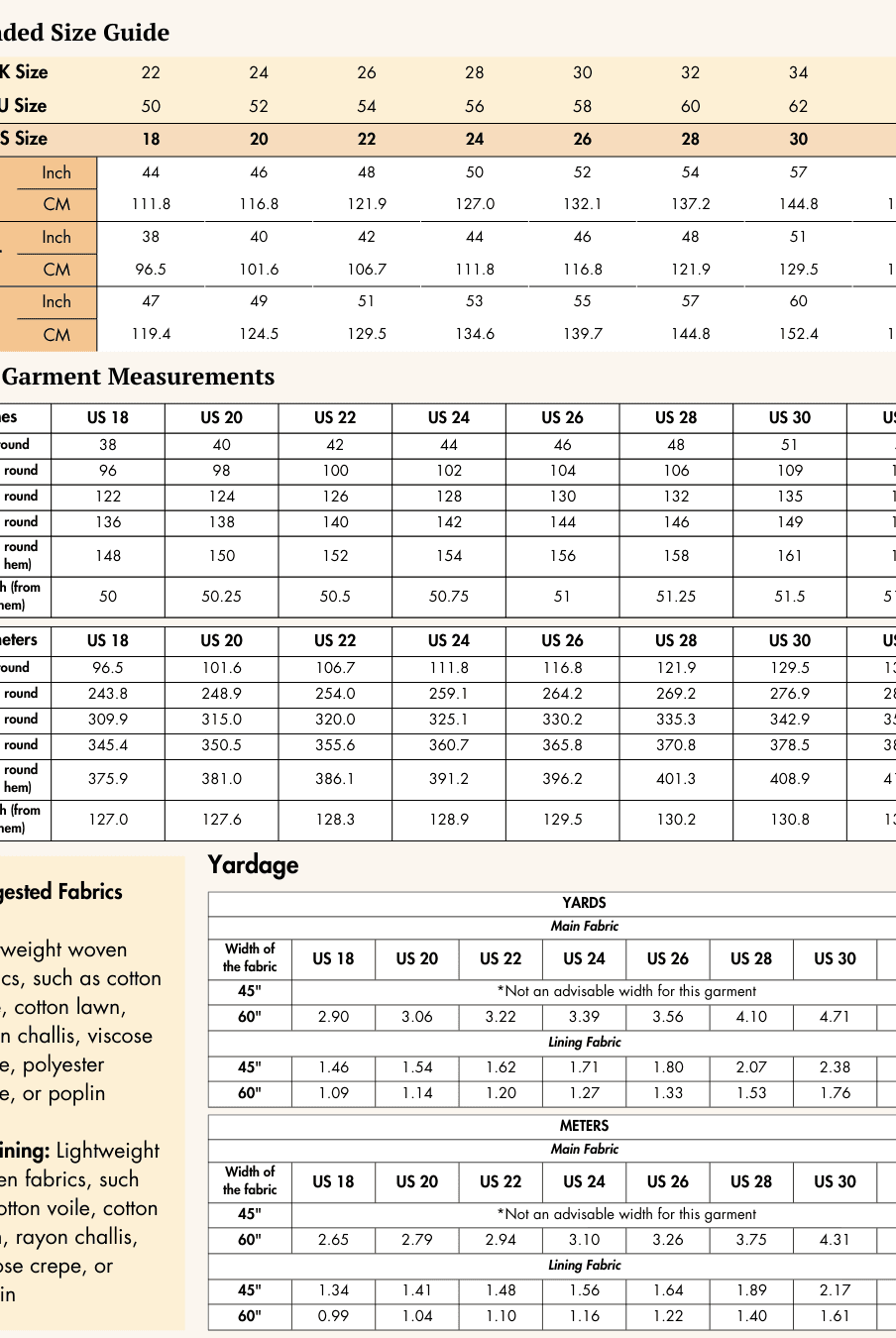
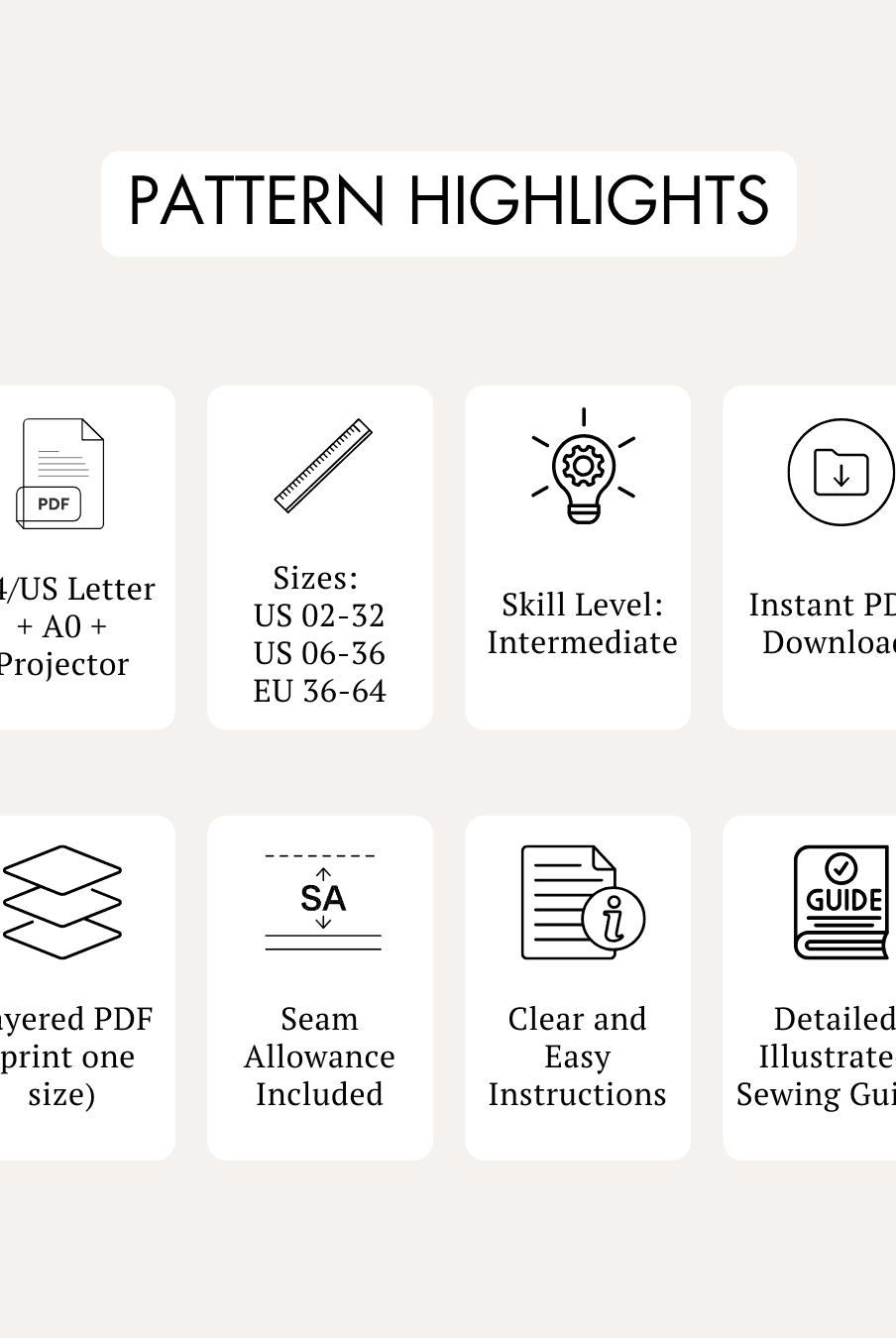
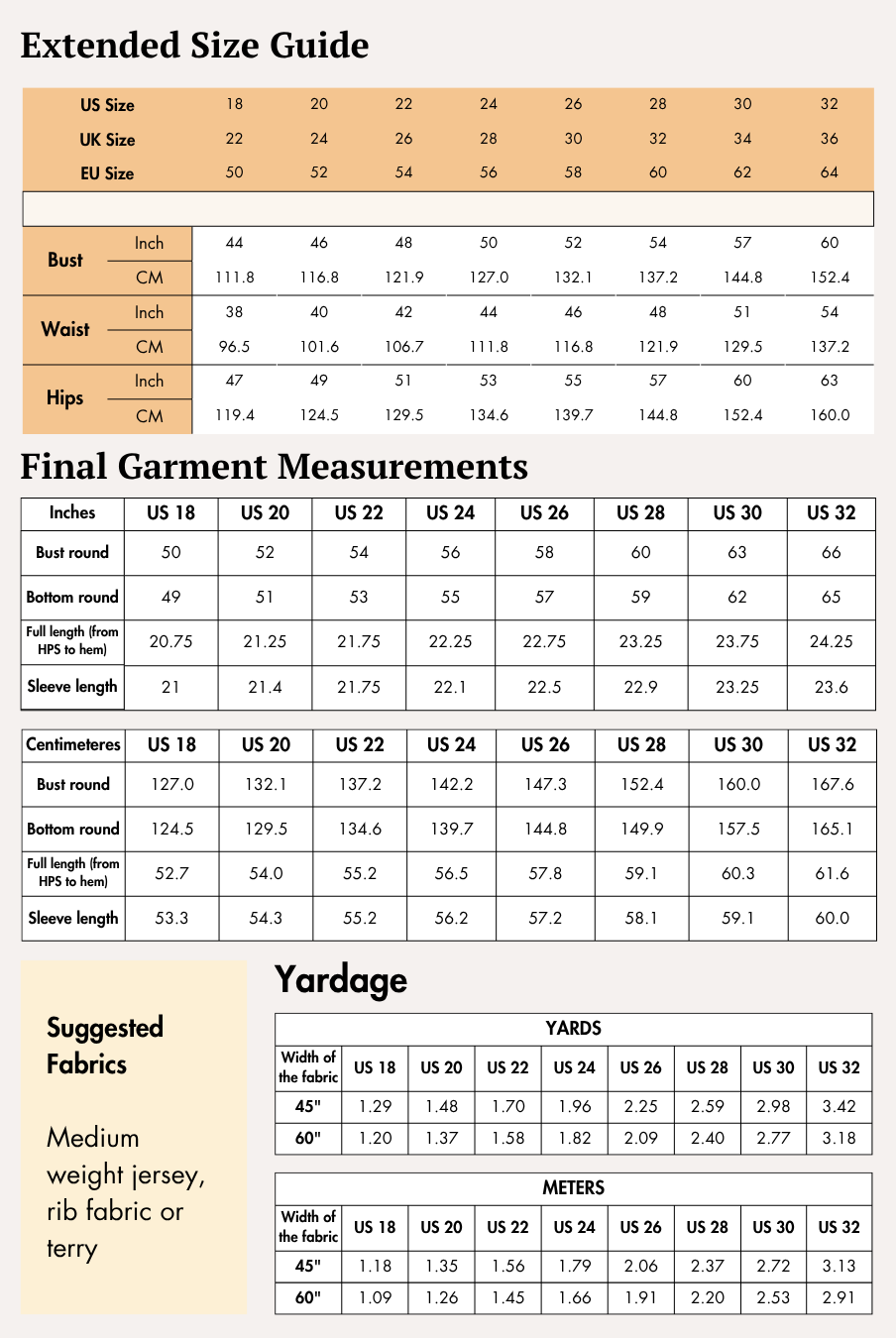
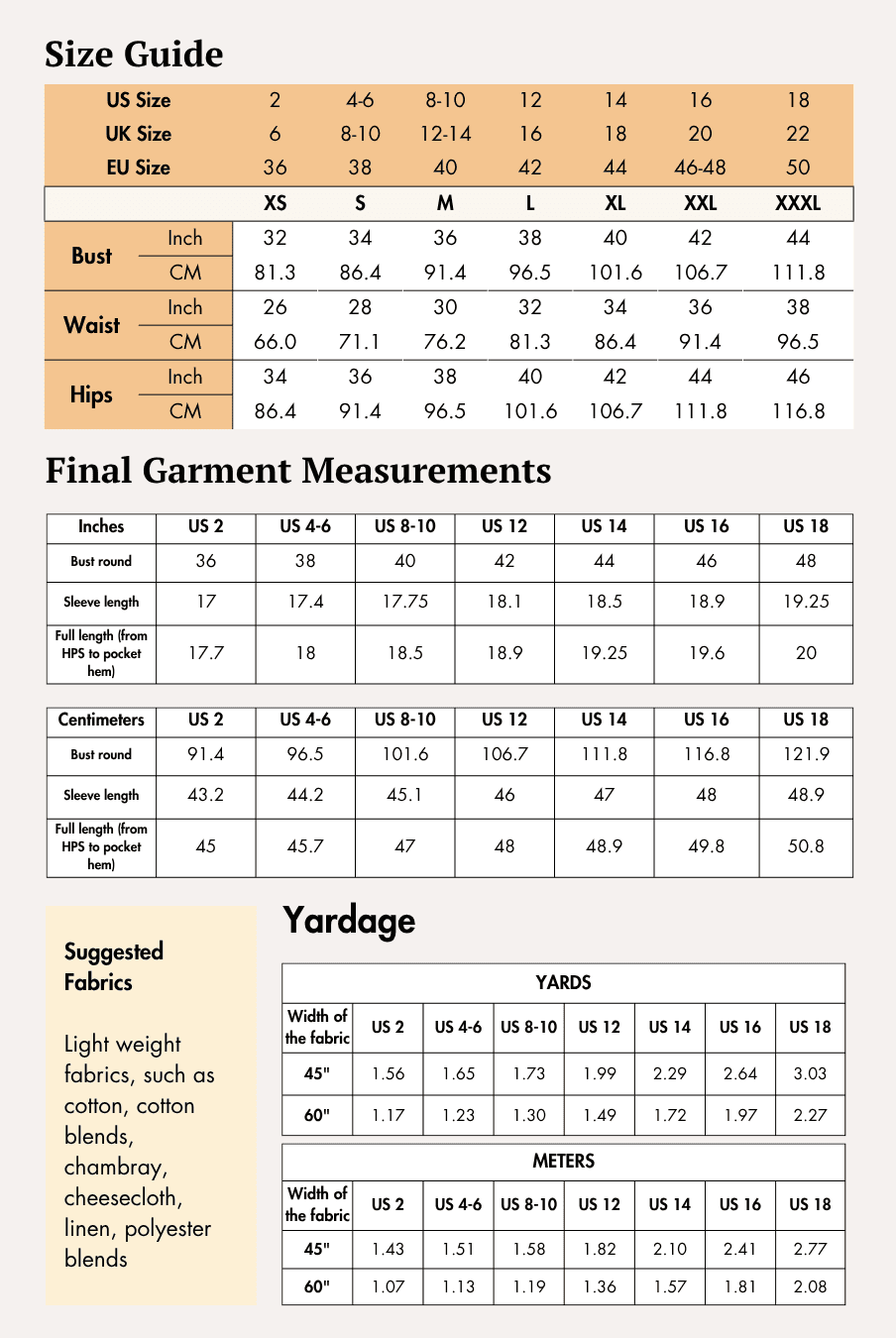
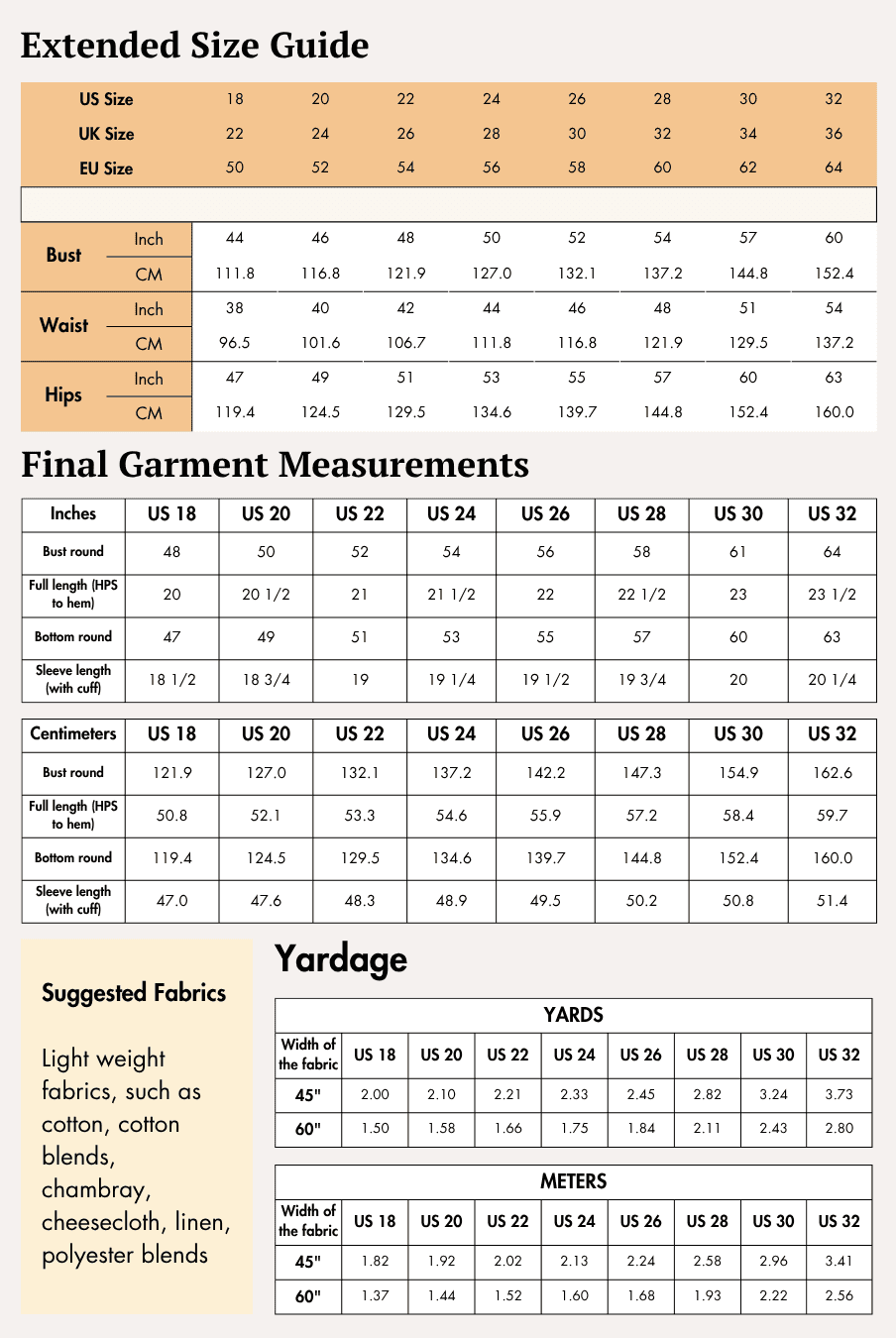
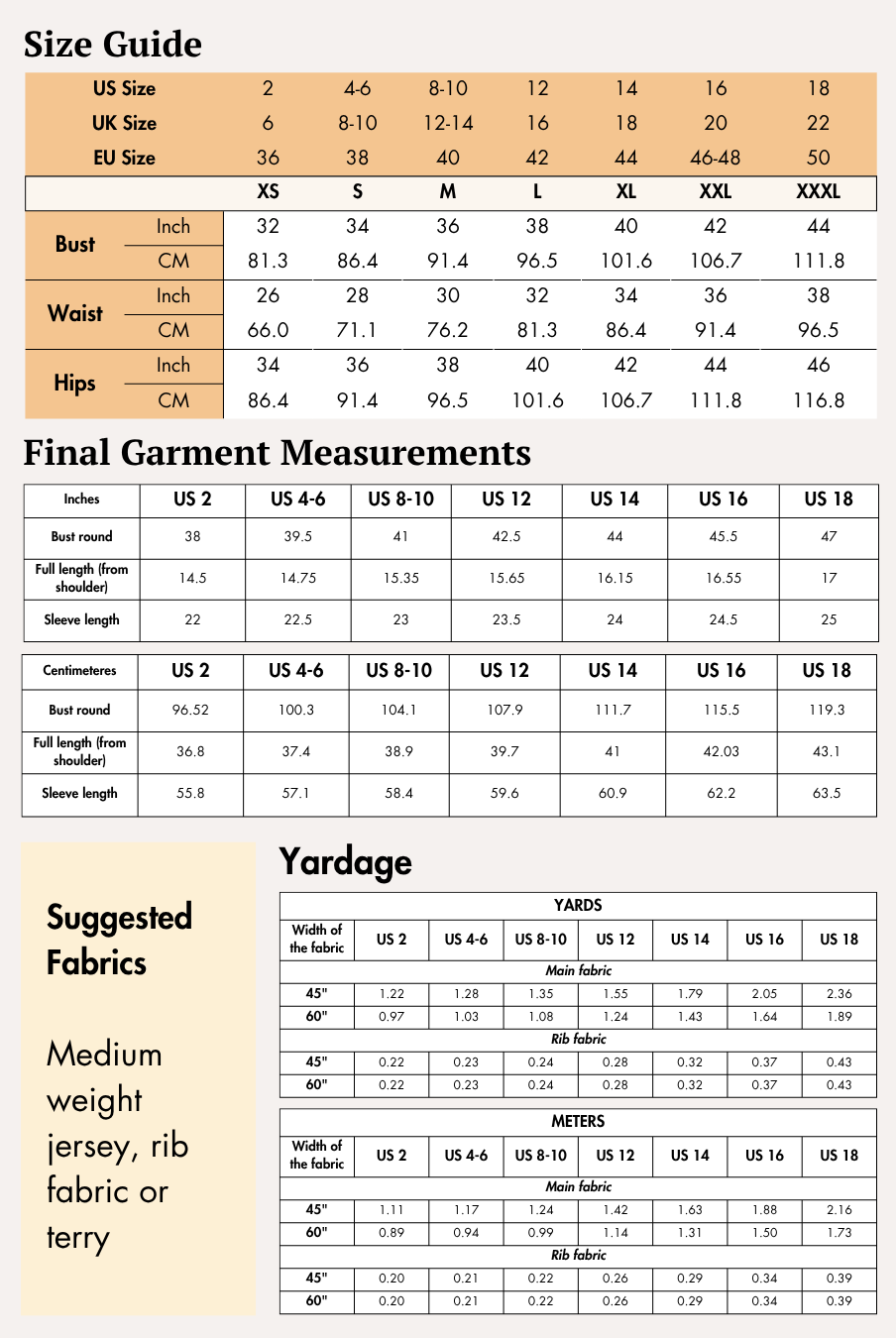
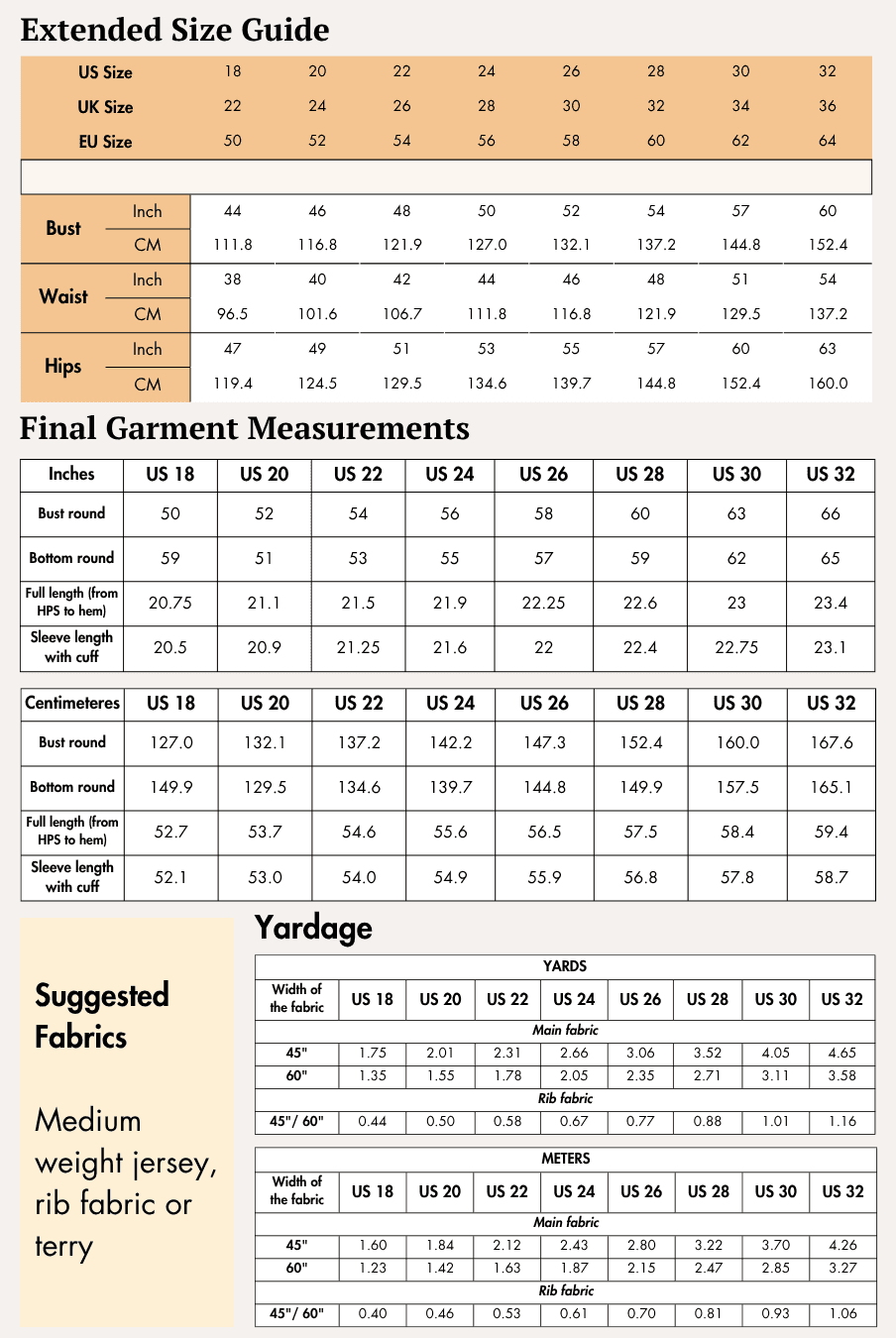
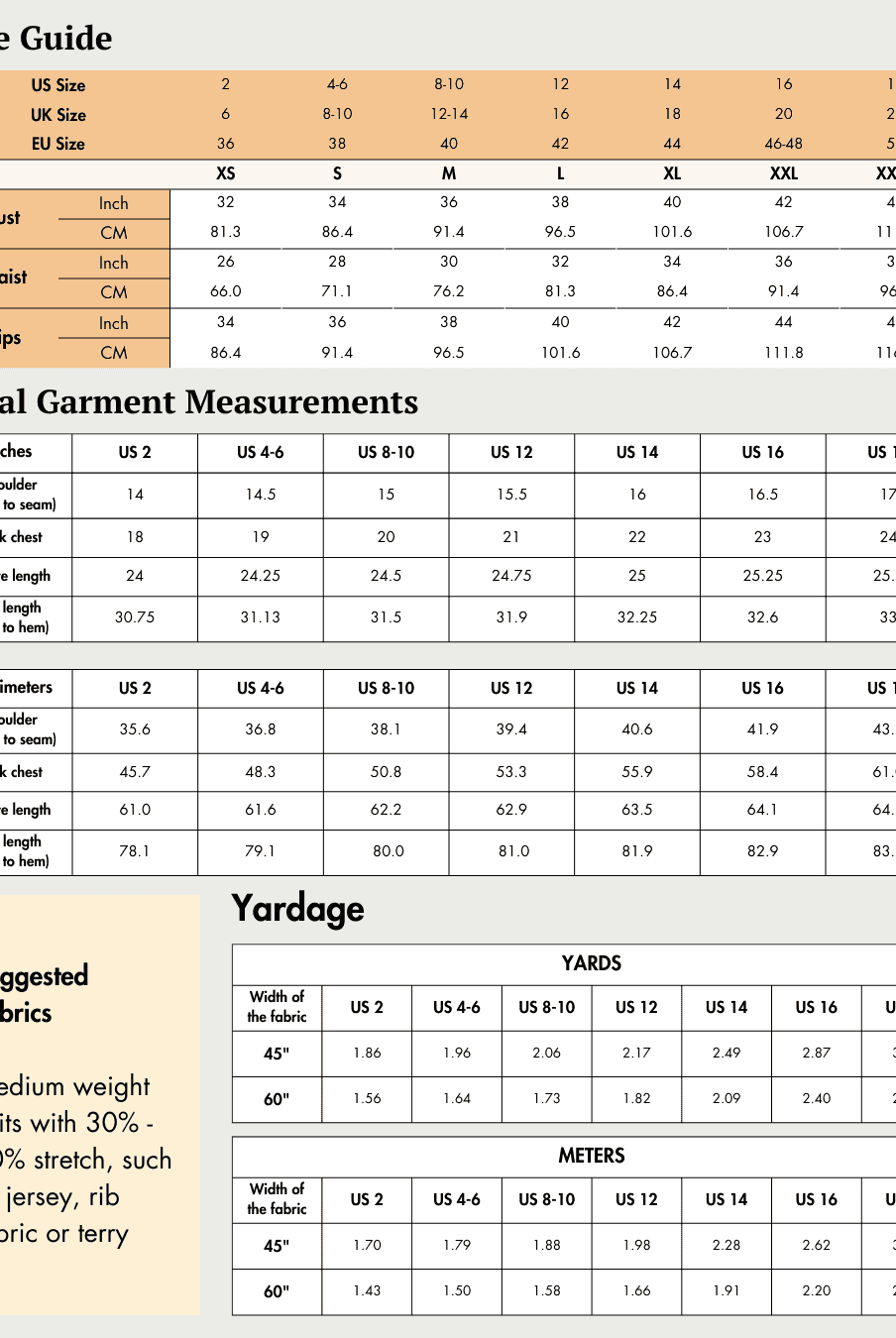
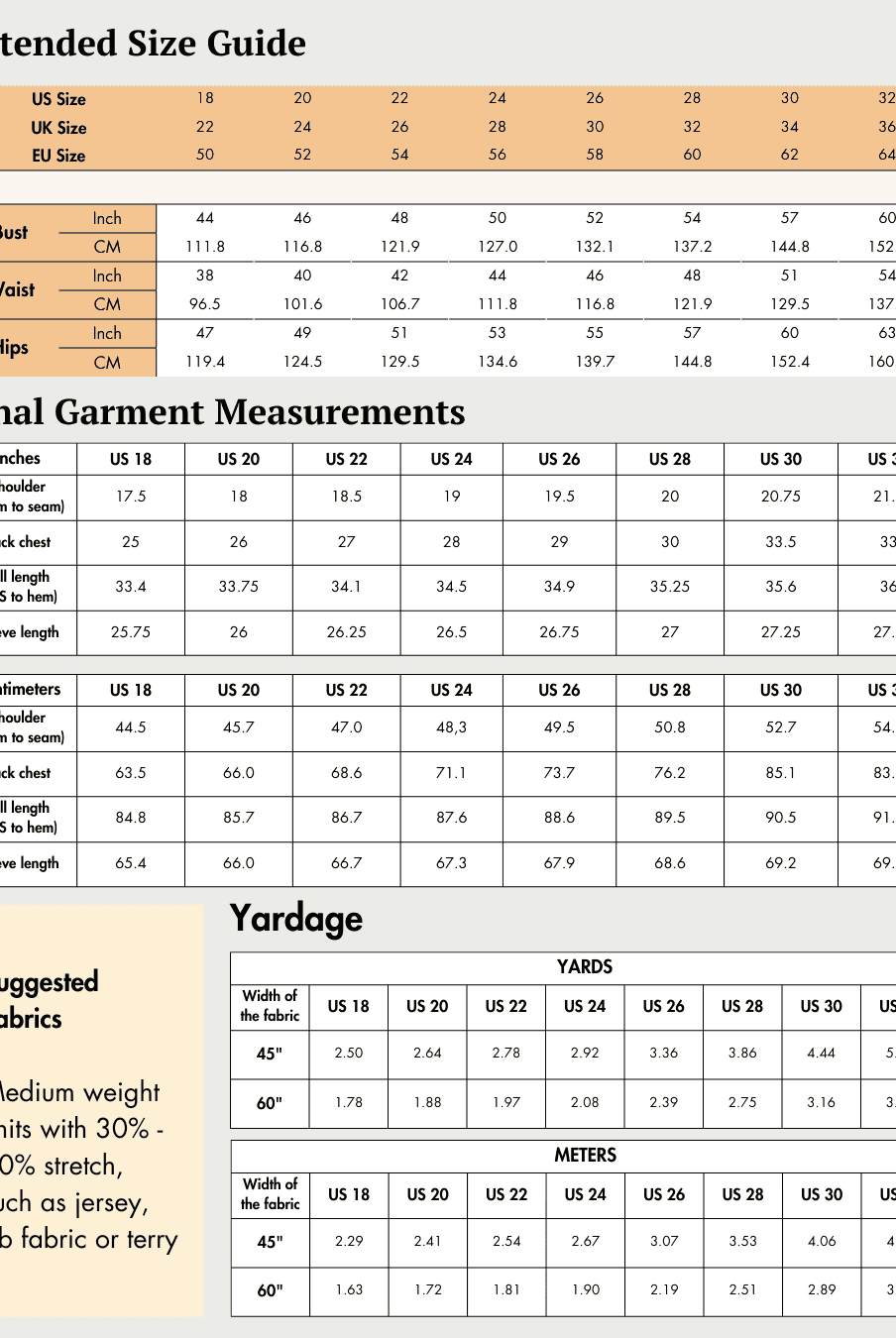
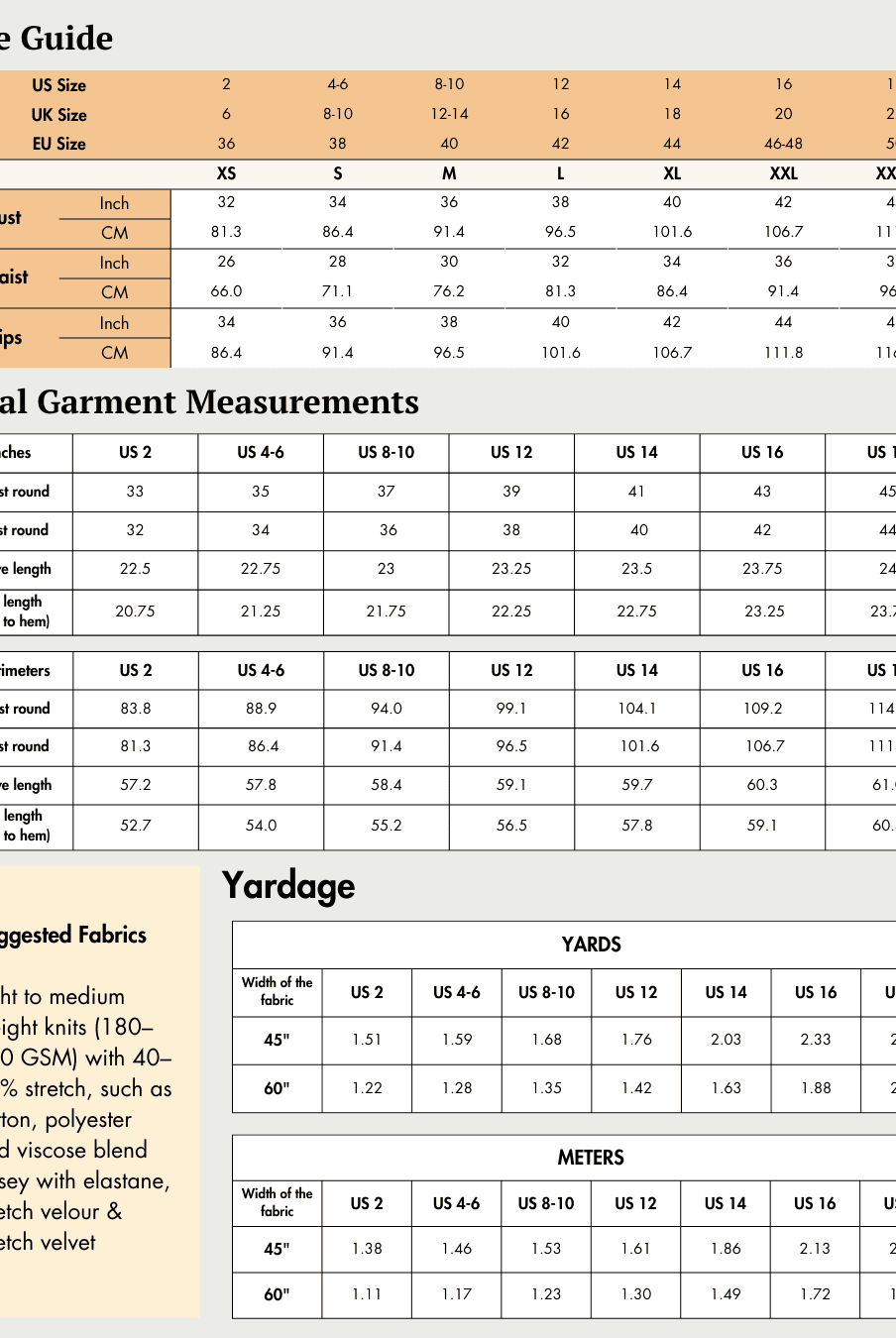
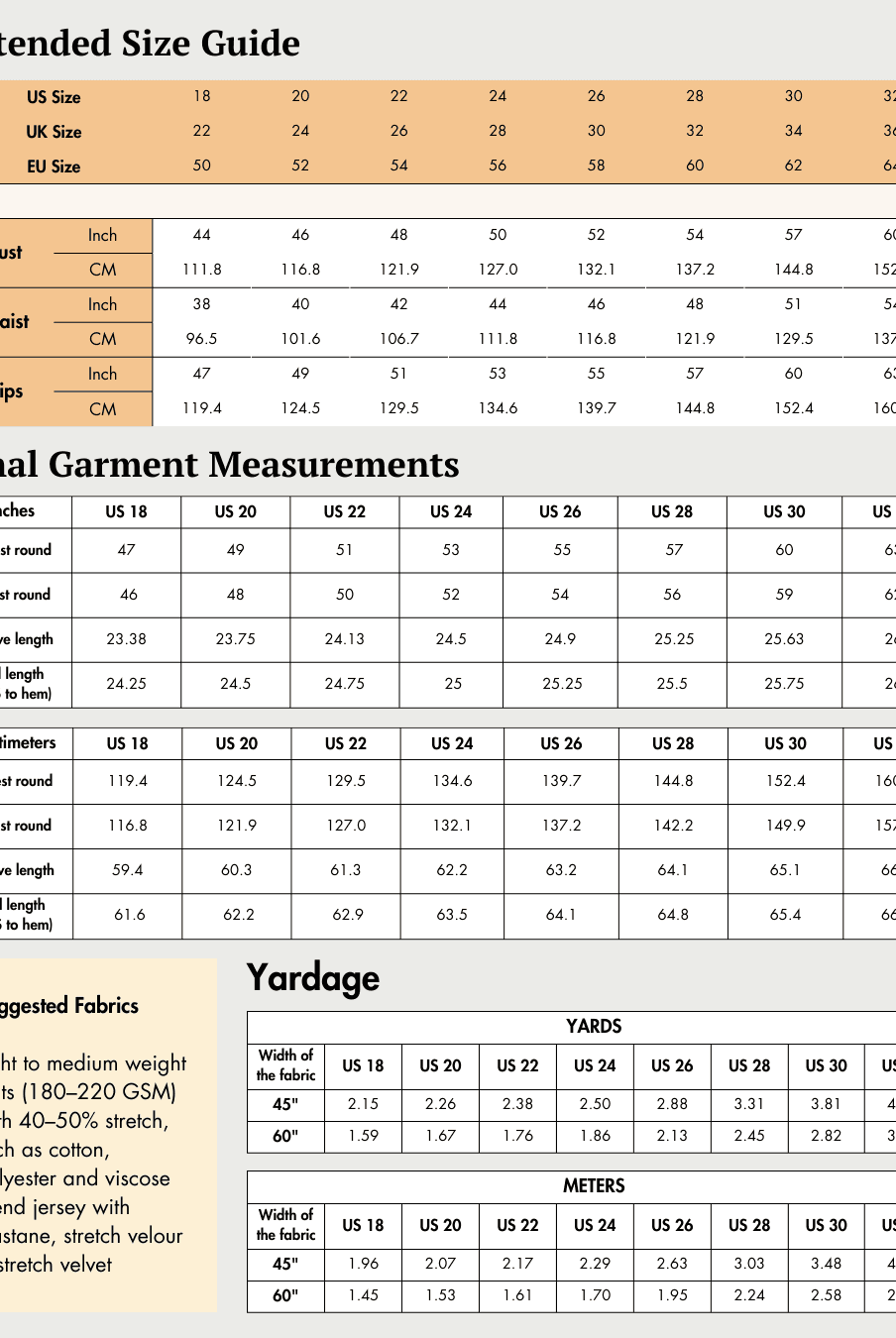
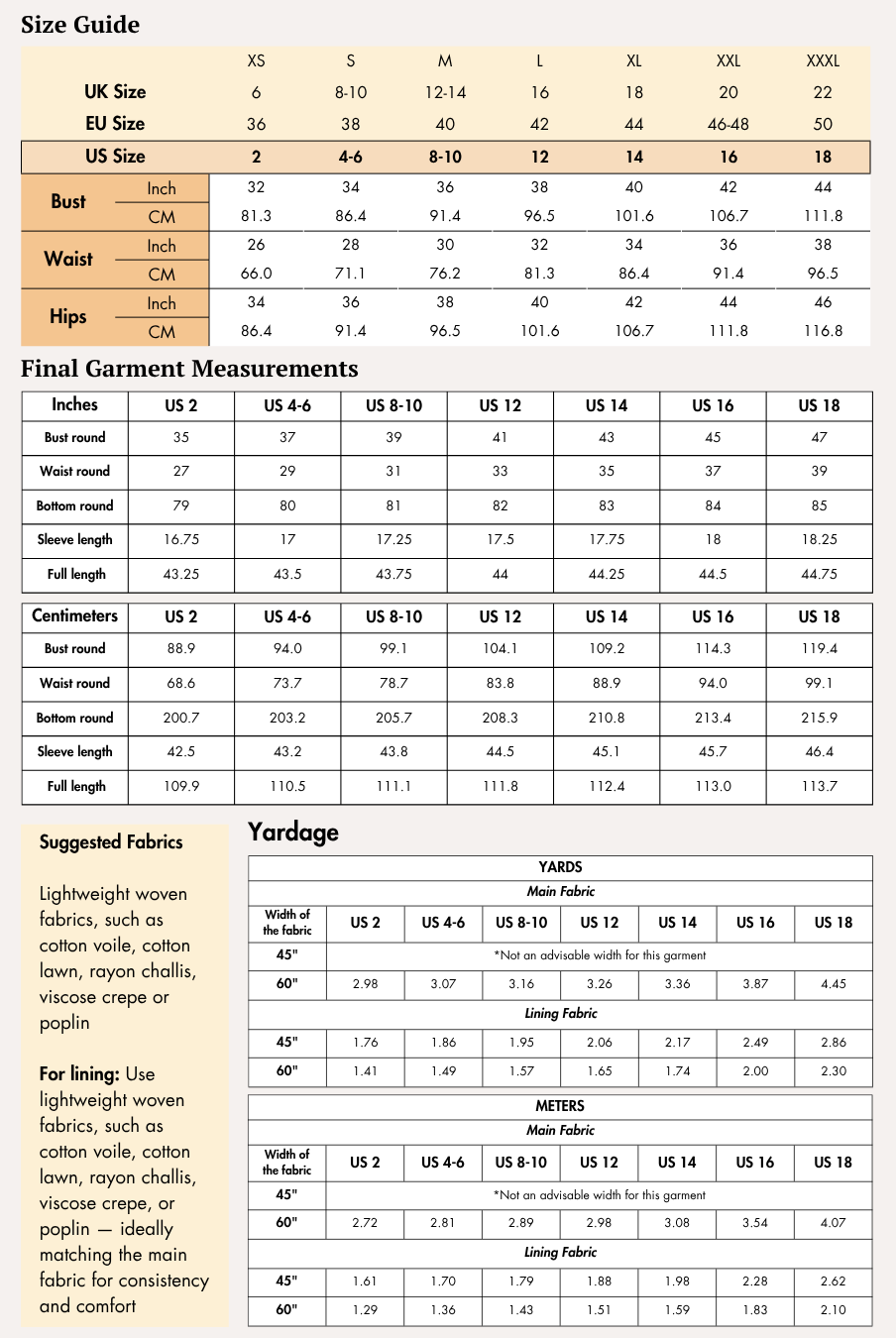
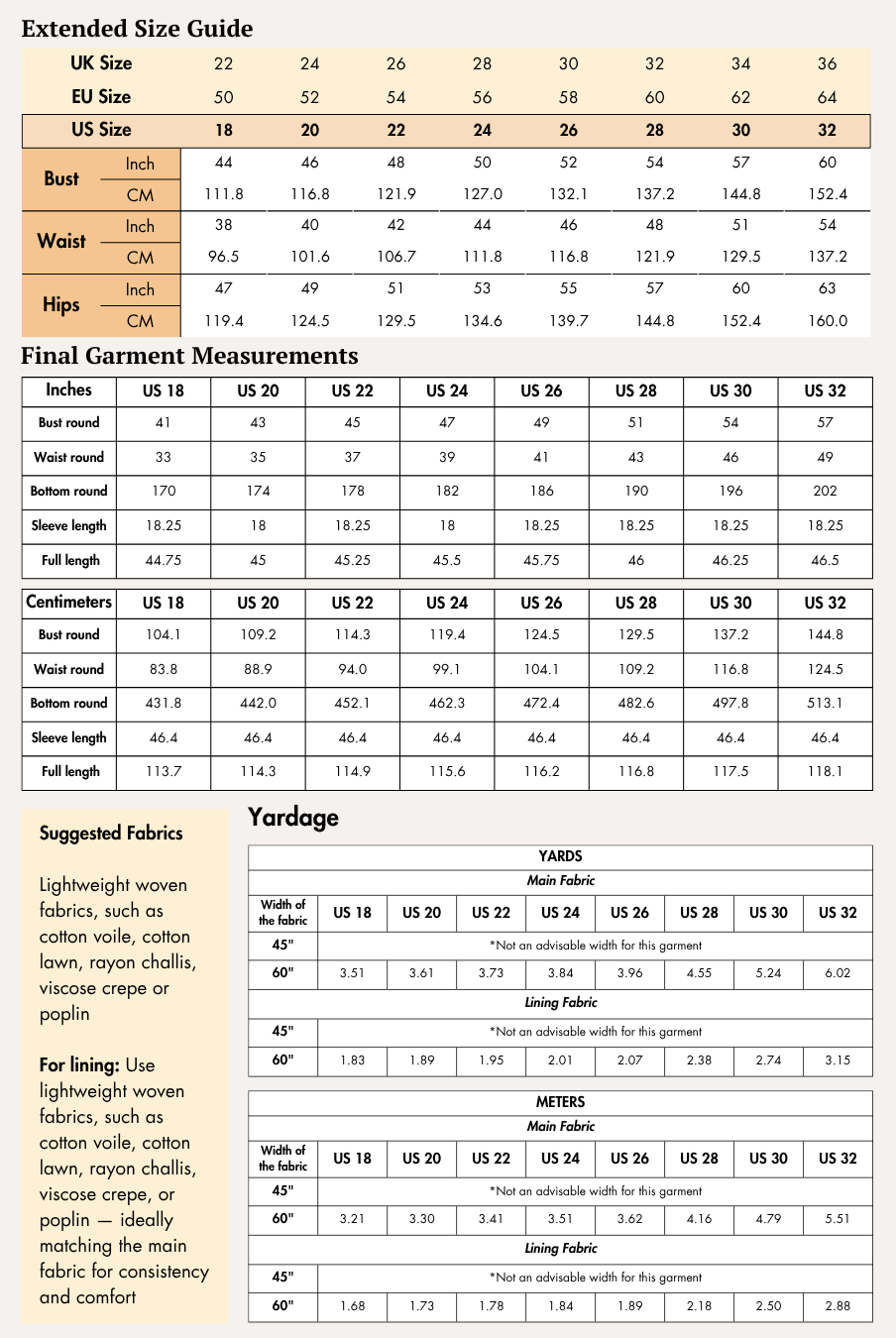
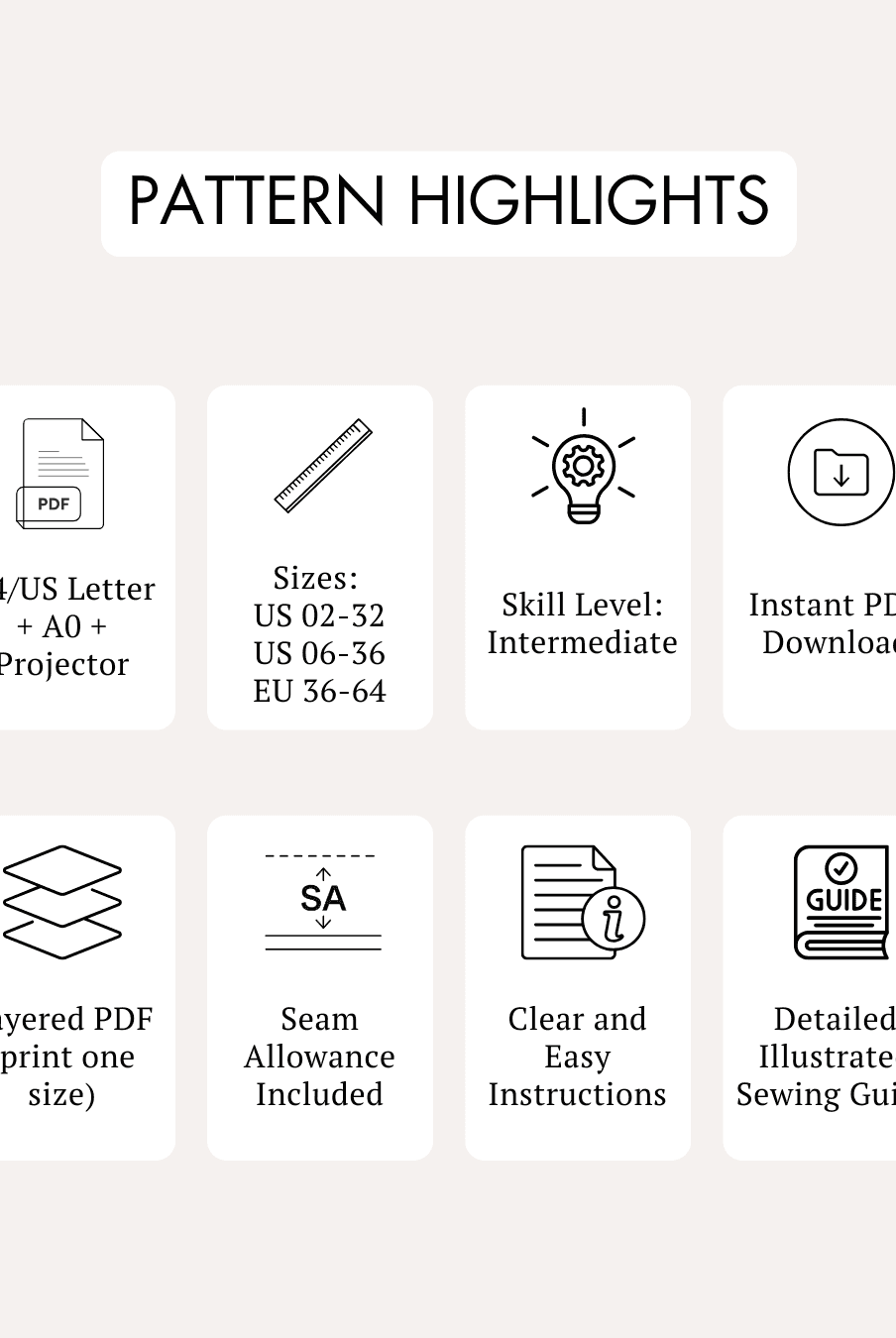
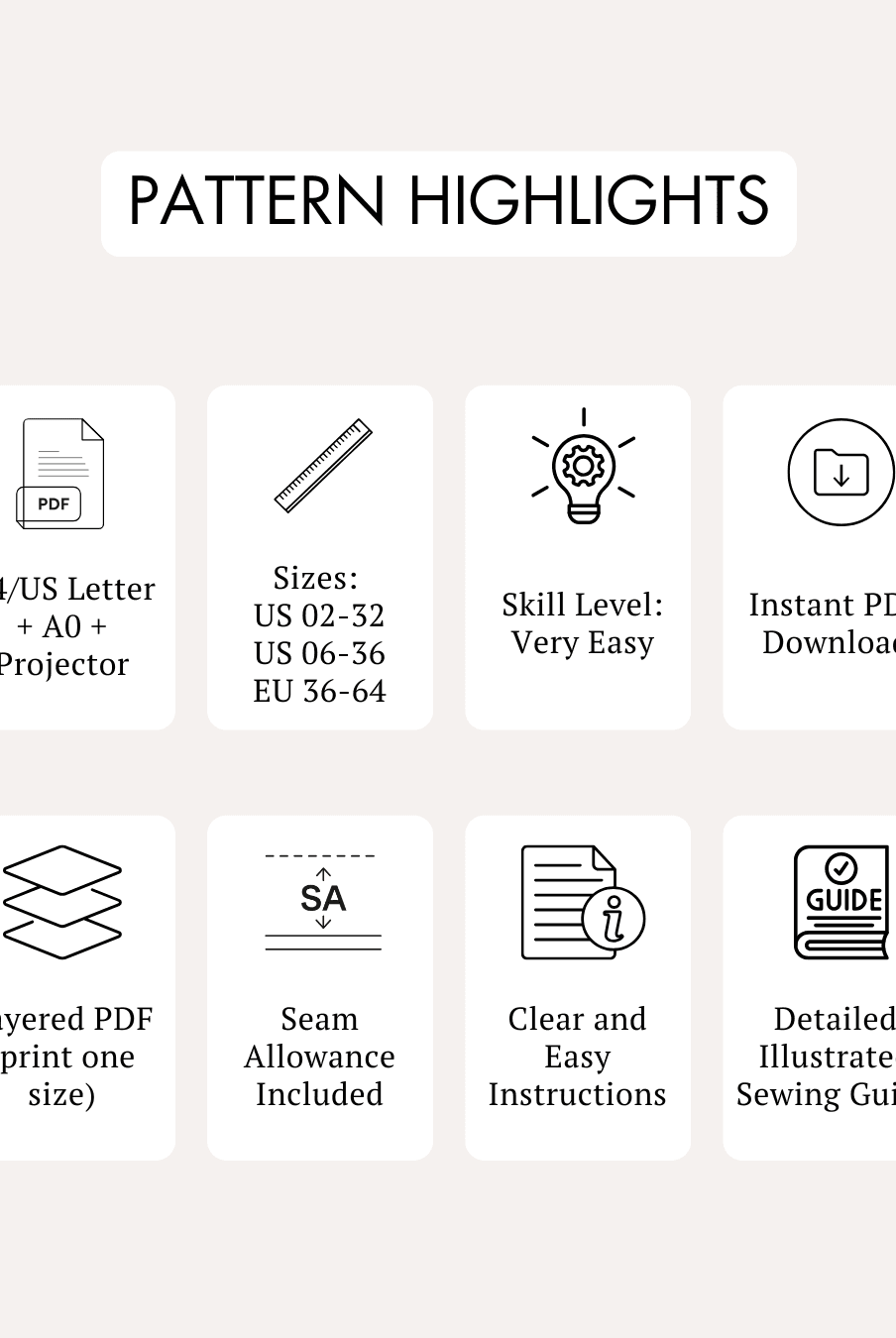
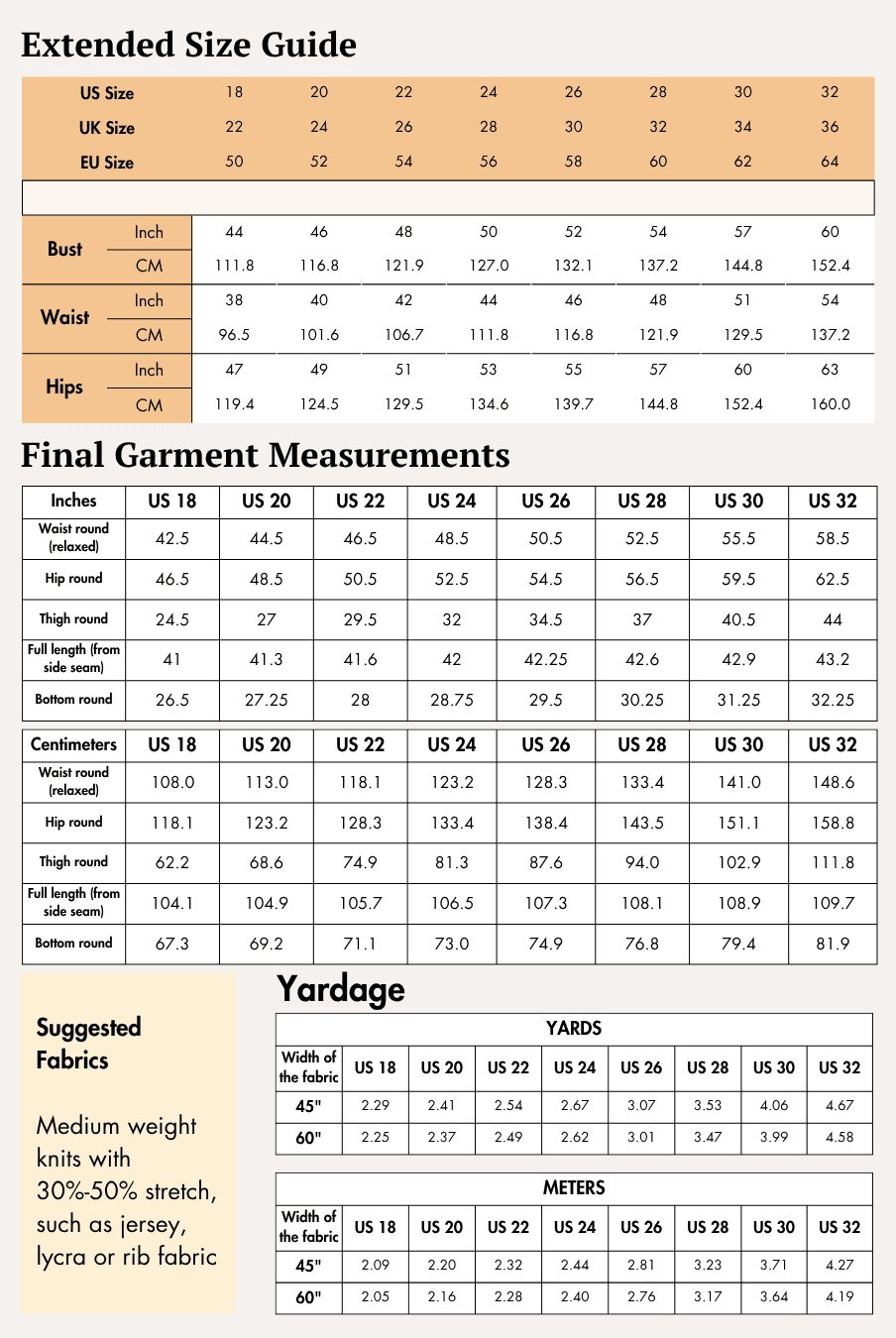
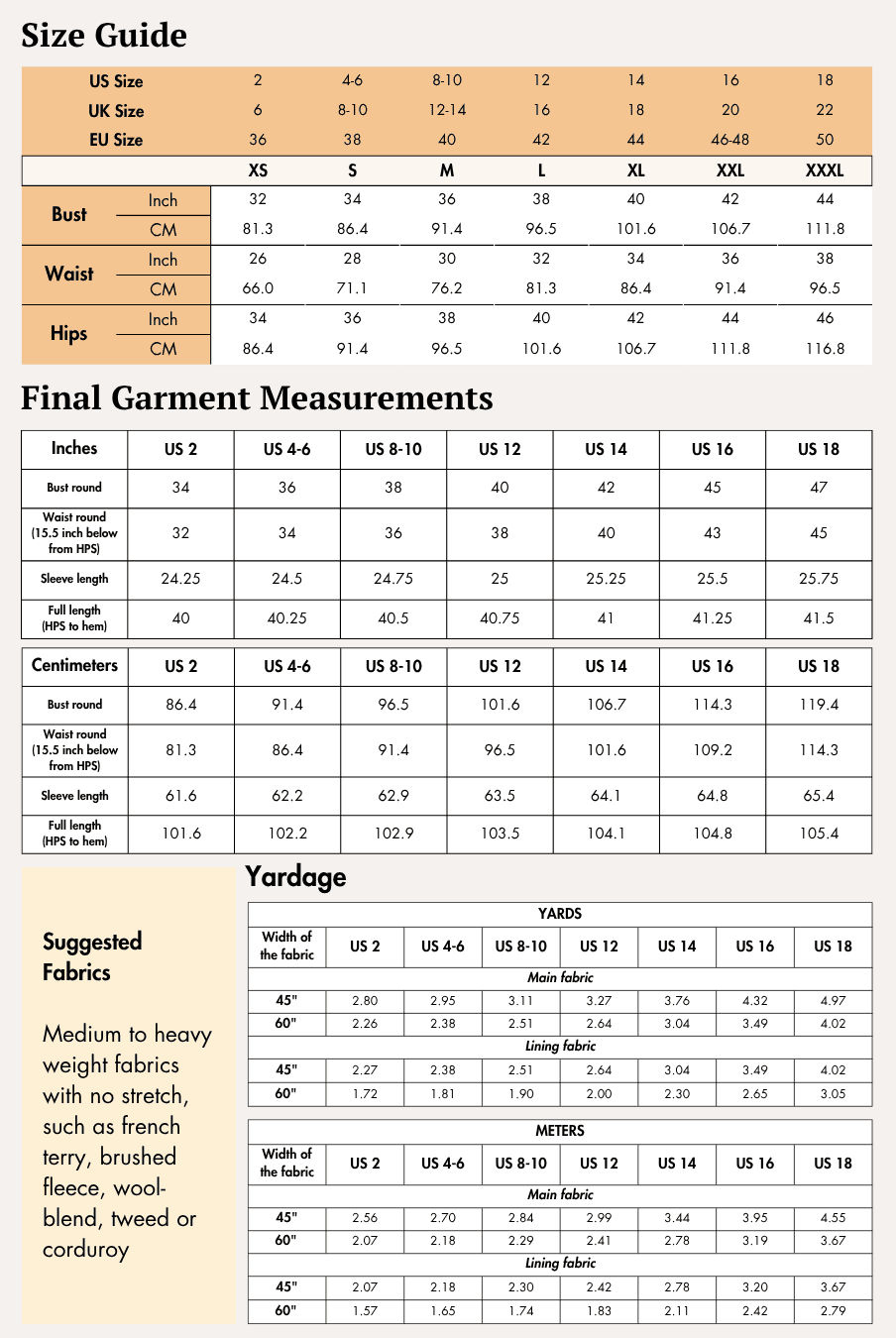
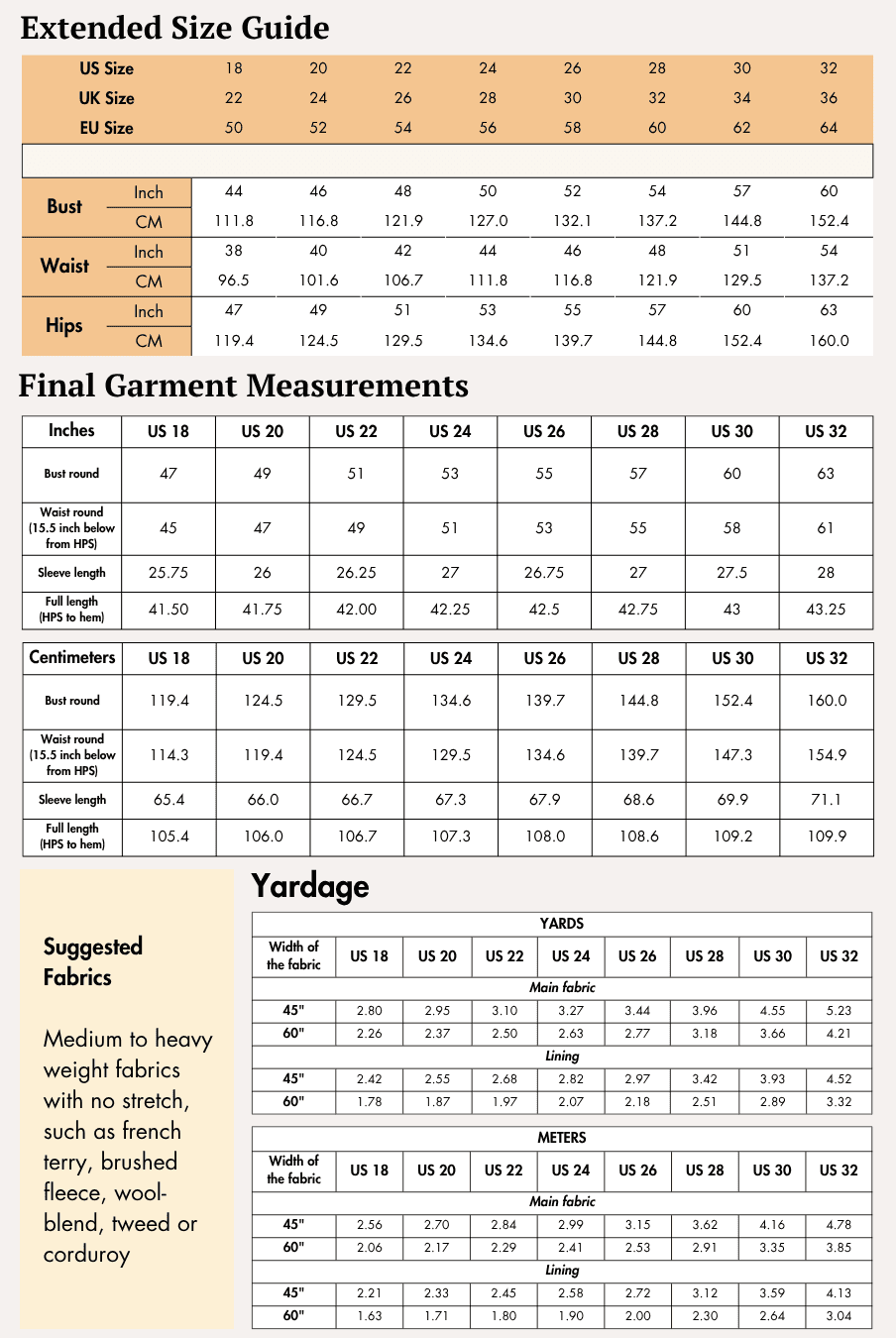
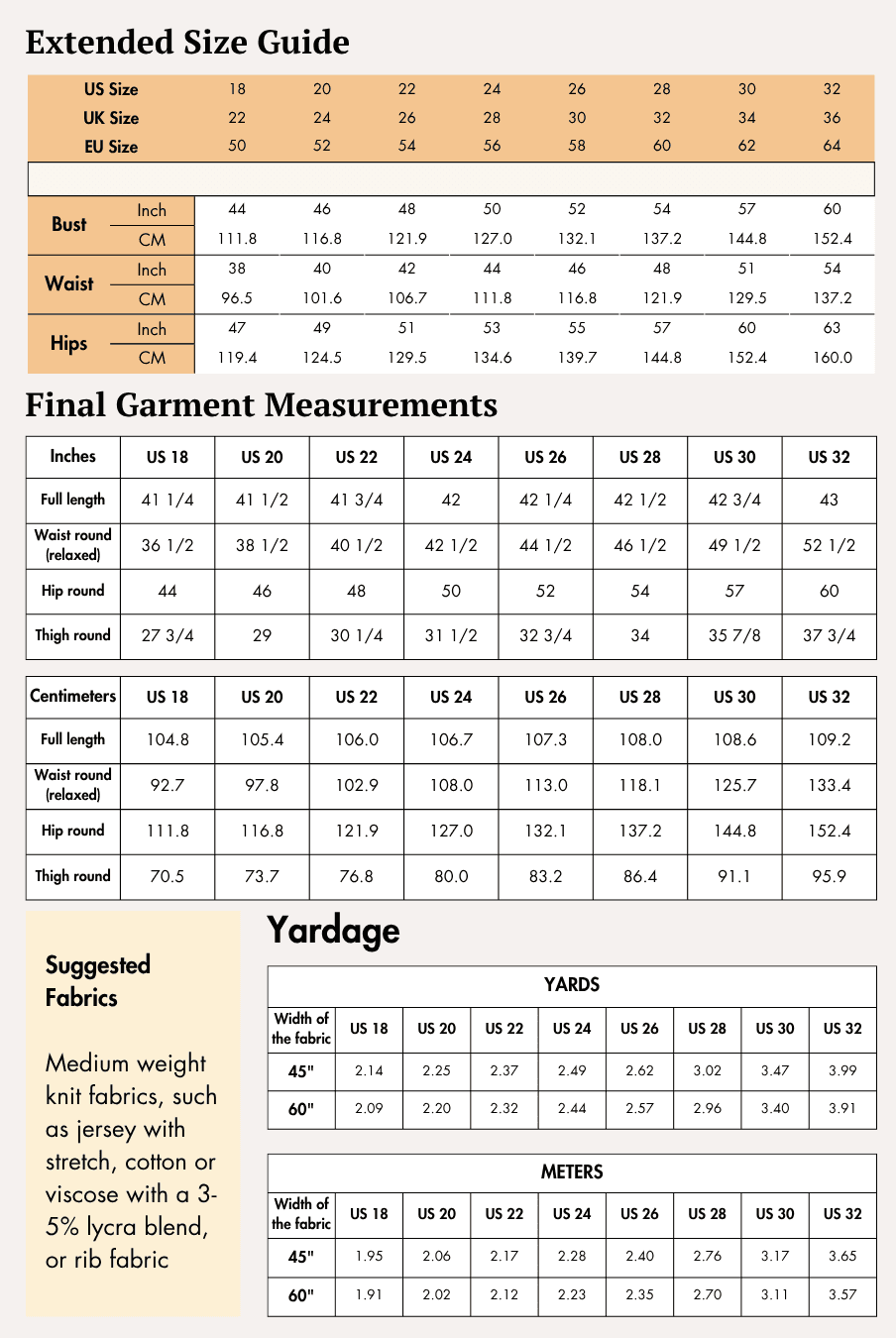
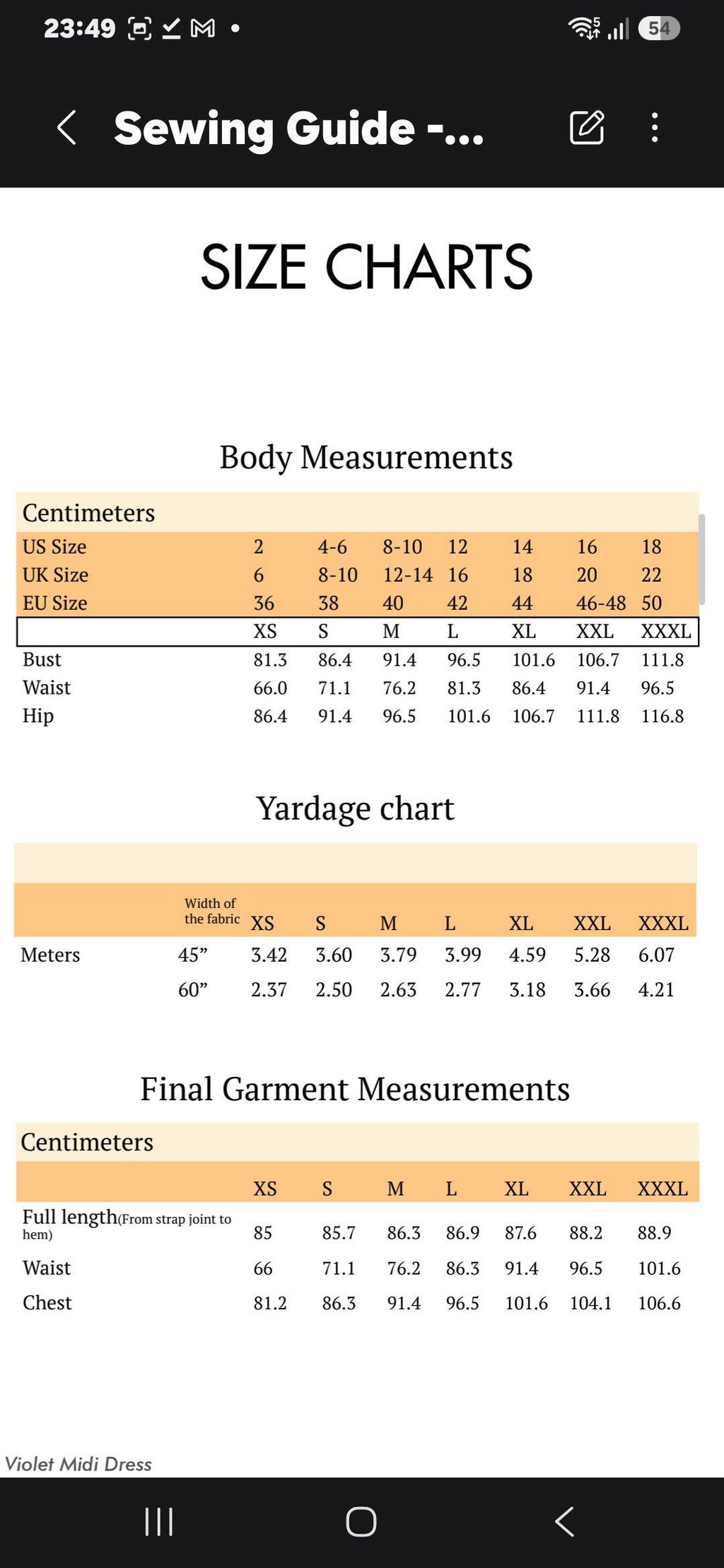
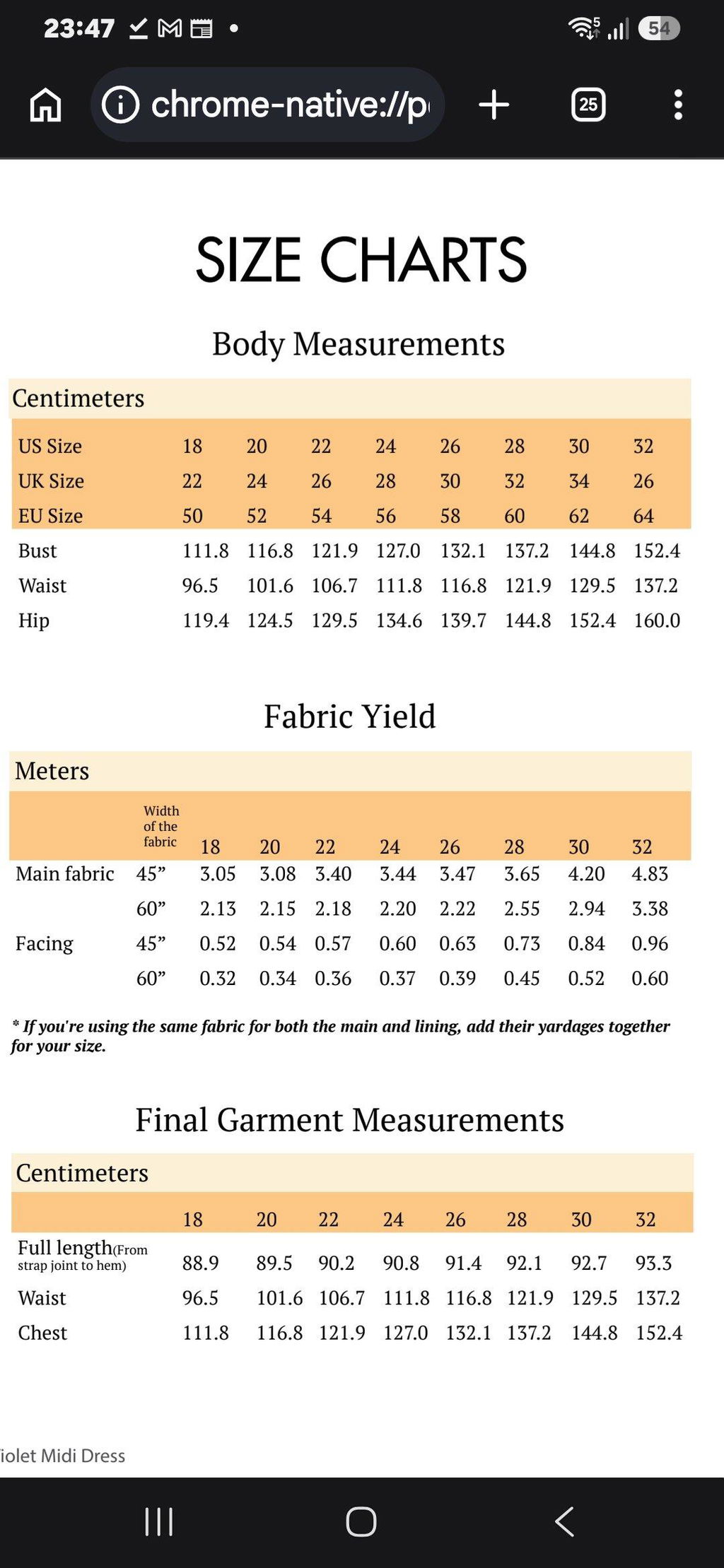
Available Sizes: US 02 - US 32 | UK 06 - UK 36 | EU 36 - EU 64
Supplies & Notions
You will need:
- Tape measure
- Chalk
- Fabric shears
- Pins
- Iron
- Sewing machine
- Sewing needles
- 3-ply polyester thread
- Thread cutter
- Eyelet
Fabric Recommendations
Use lightweight woven fabrics such as:
- Chiffon
- Crepe
- Linen
- Twill
- Georgette
The sample garment shown in the sewing guide is made from plain cotton poplin fabric. Some characteristics of cotton poplin include:
- Lightweight and strong
- Smooth and breathable
- Affordable and versatile
- Excellent for summer garments
- May shrink if washed in hot water
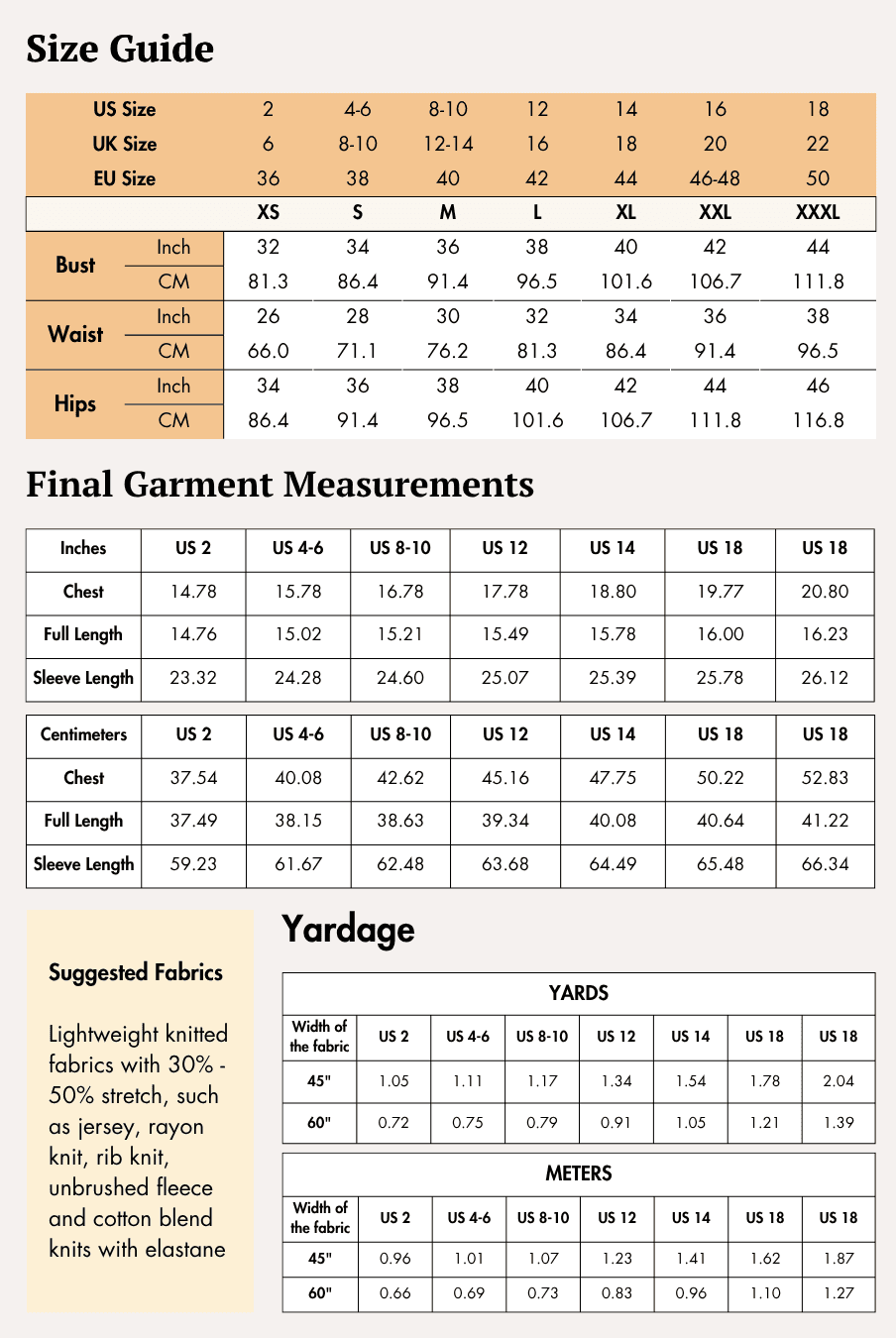
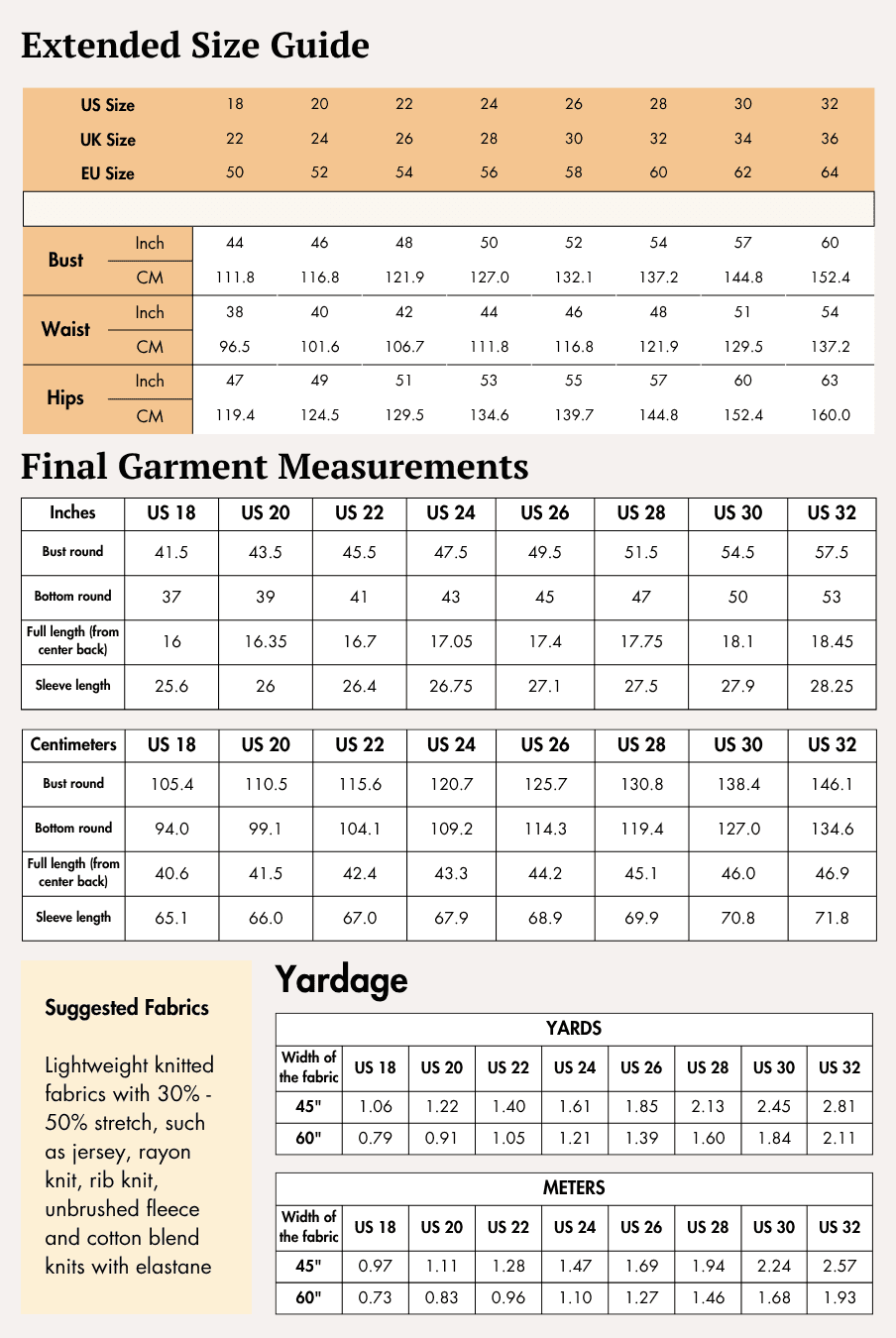
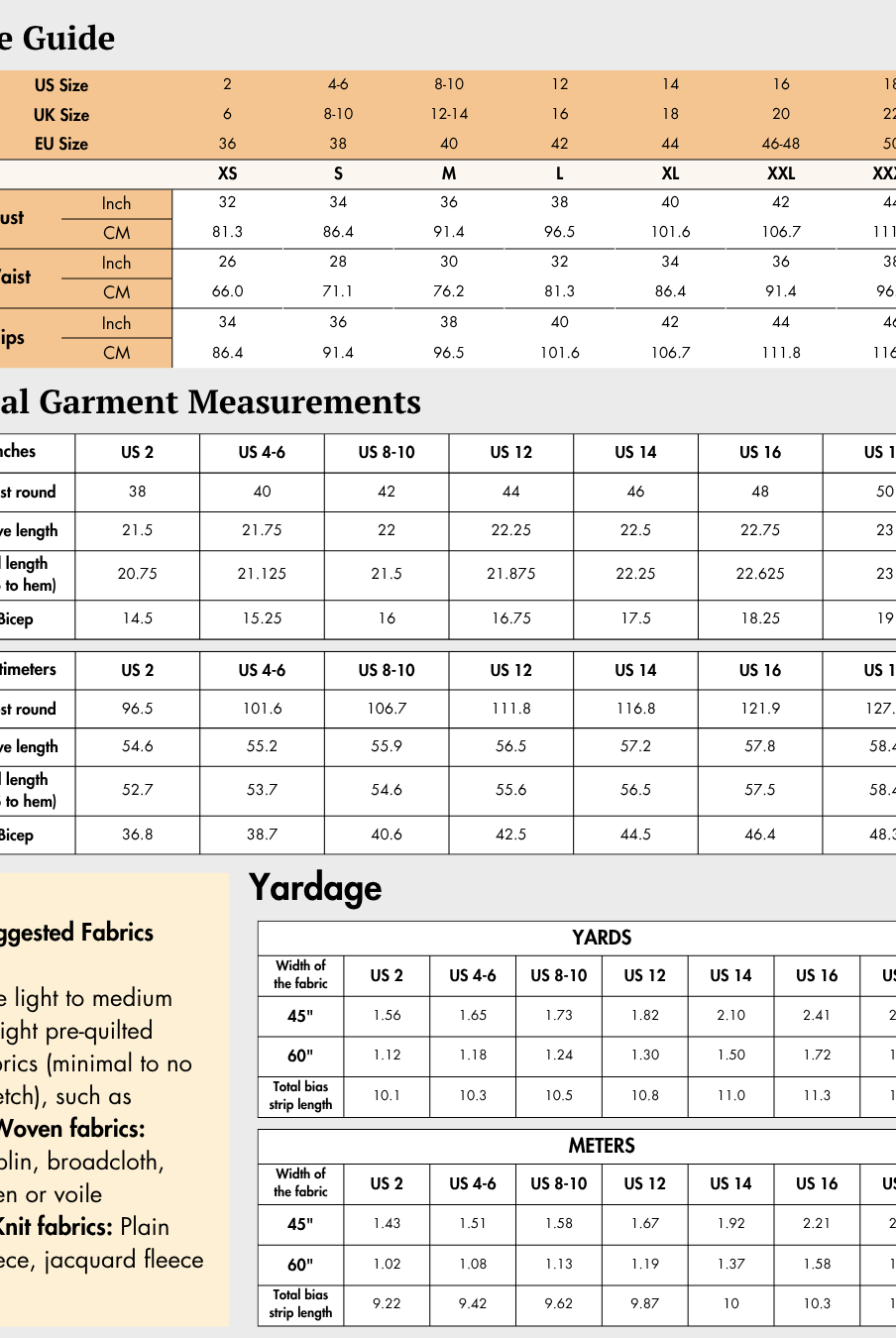
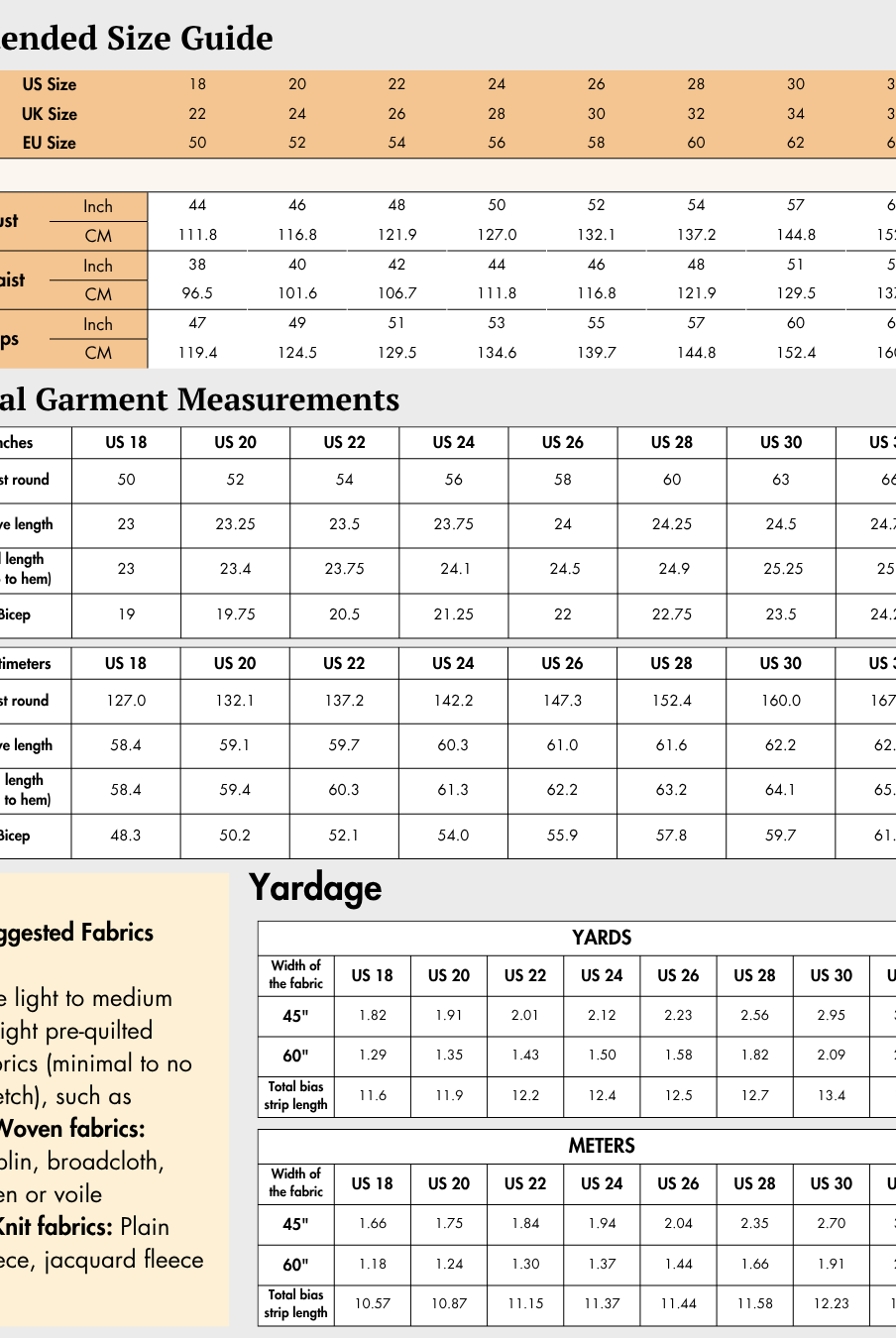
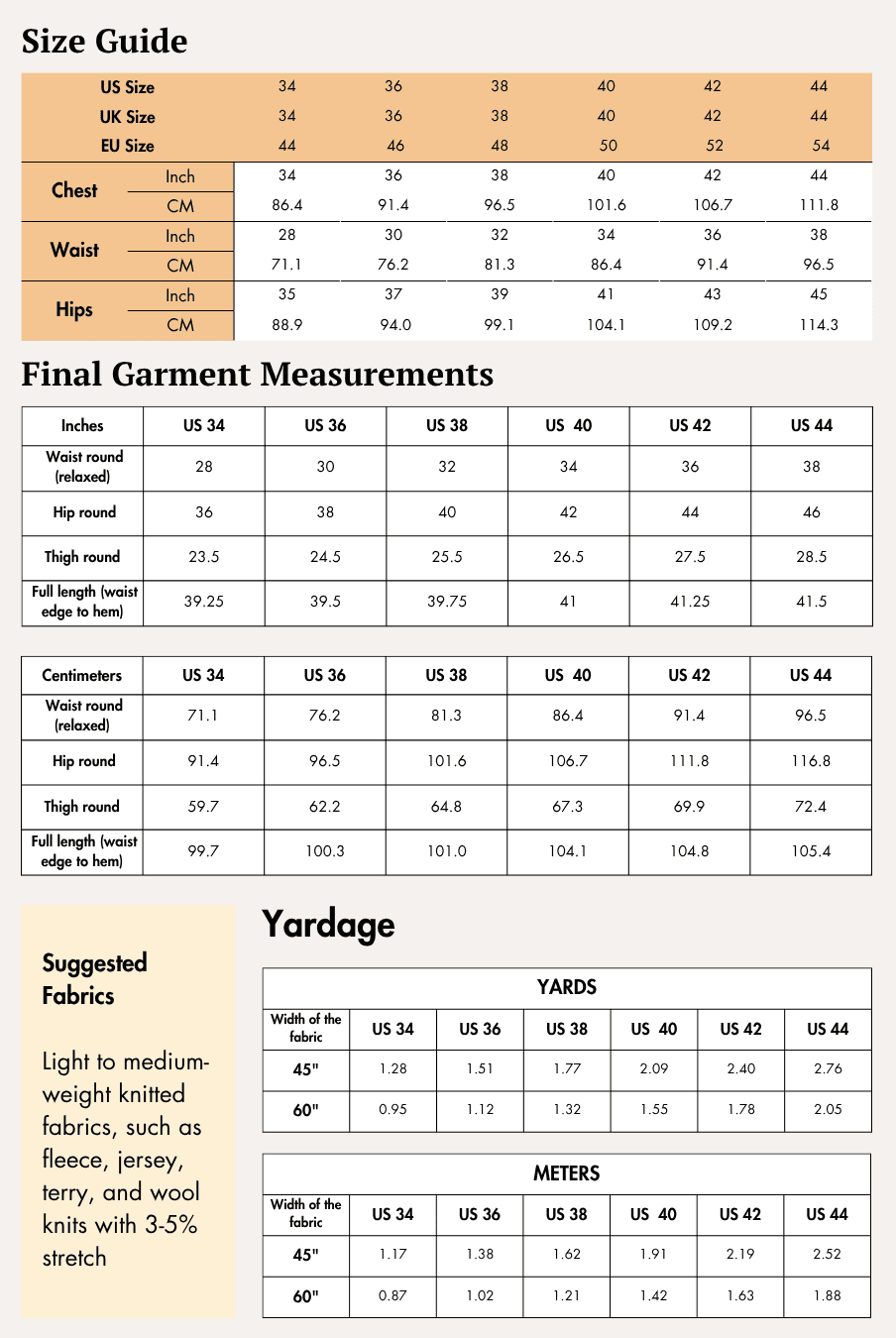
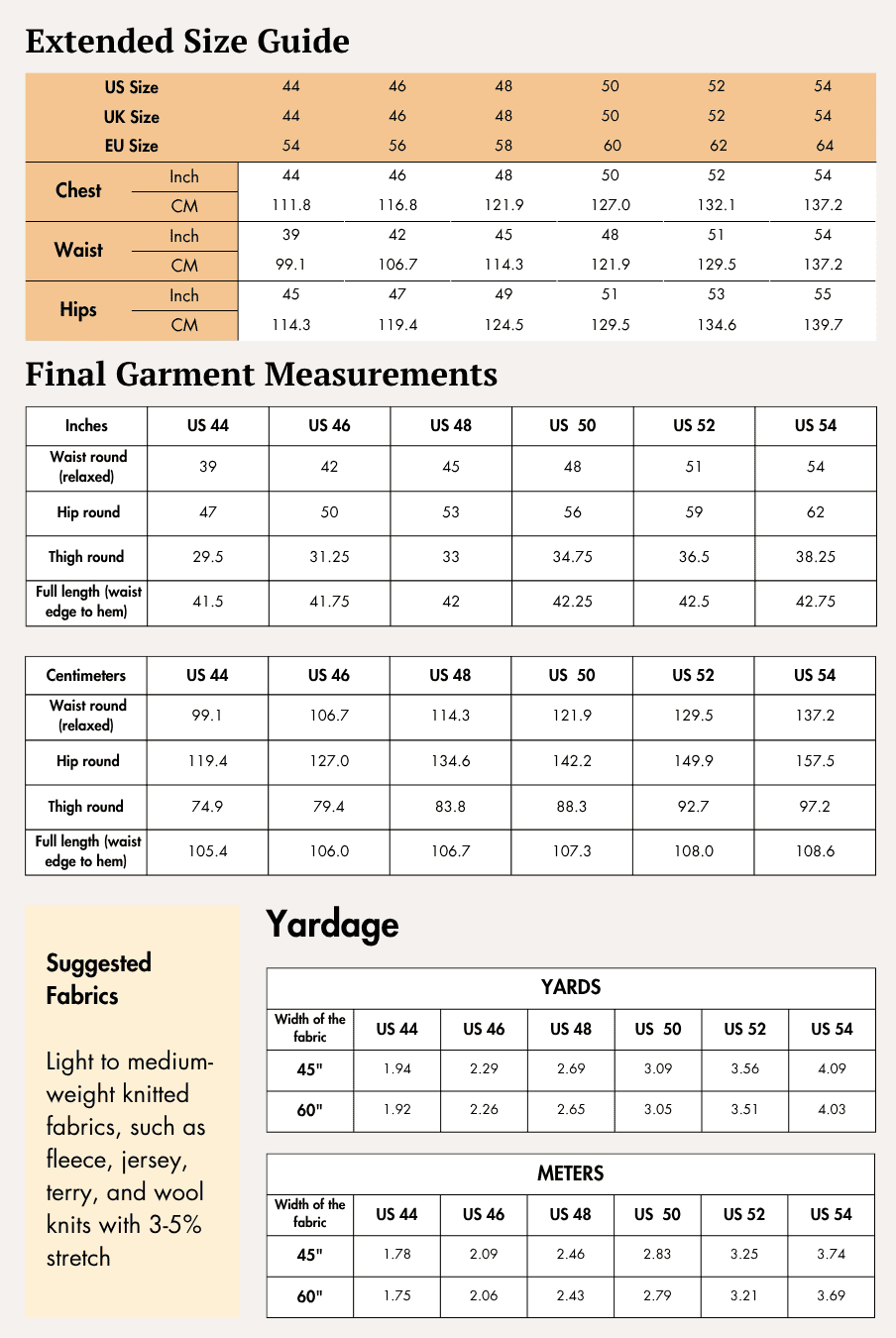
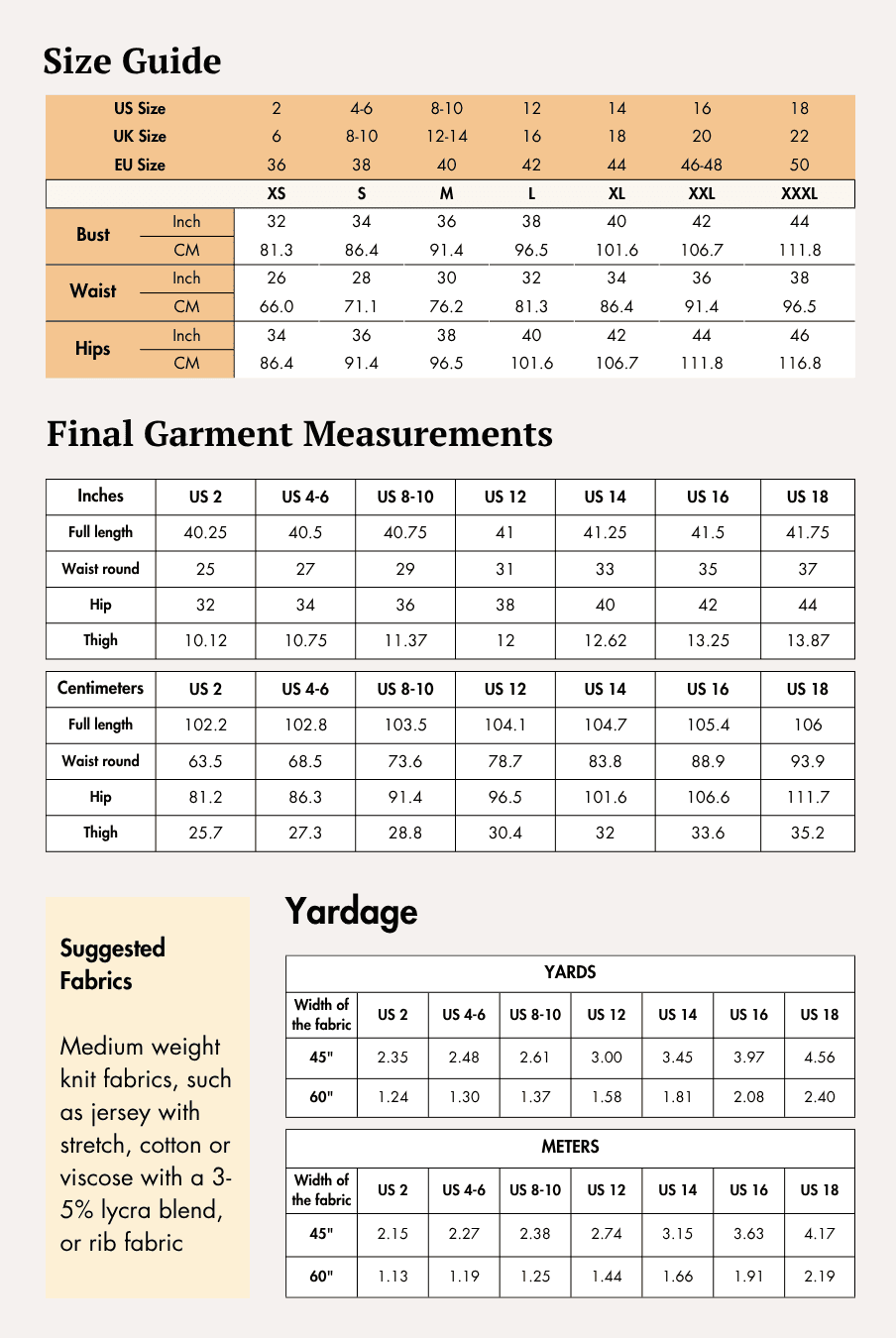
Size Charts
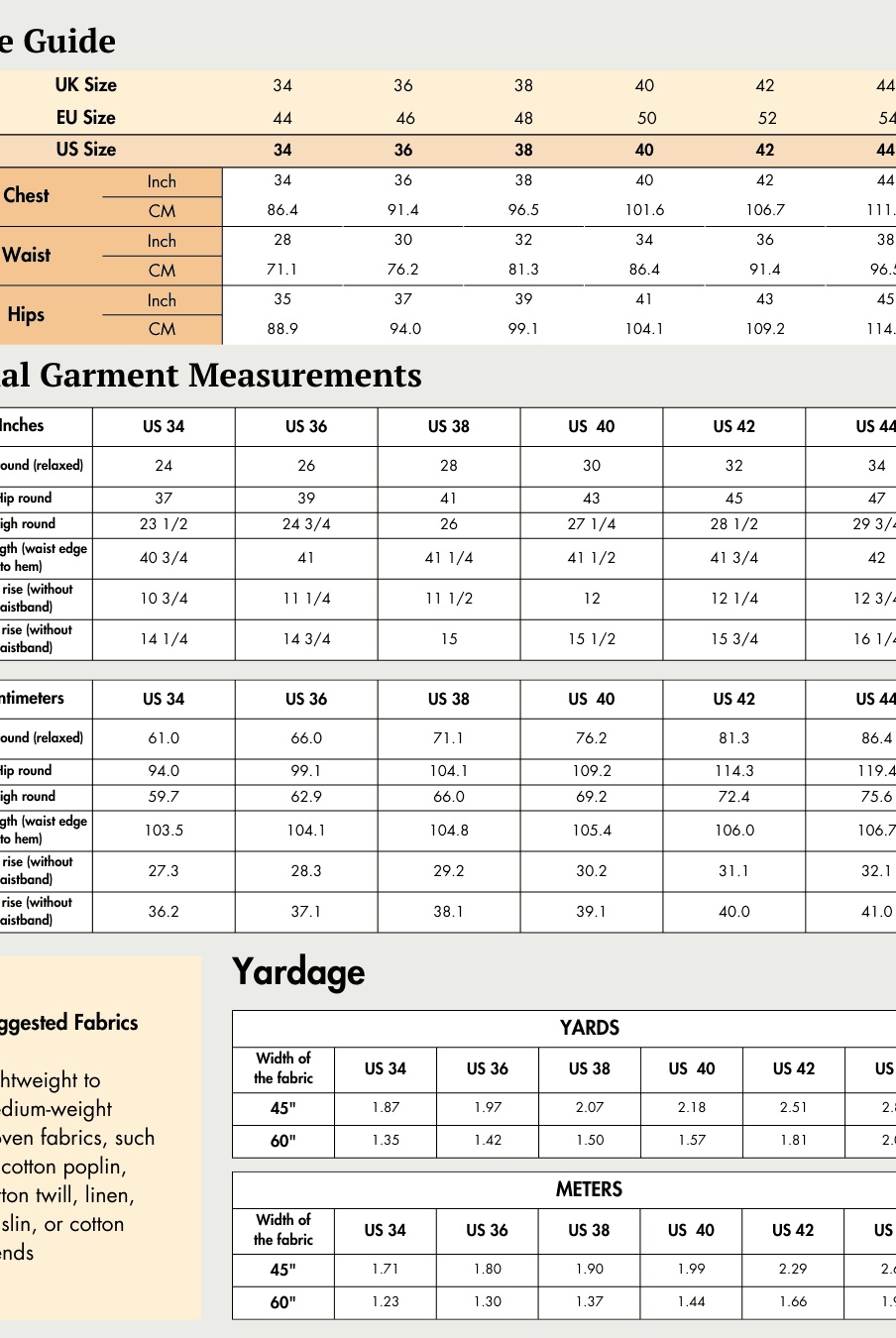
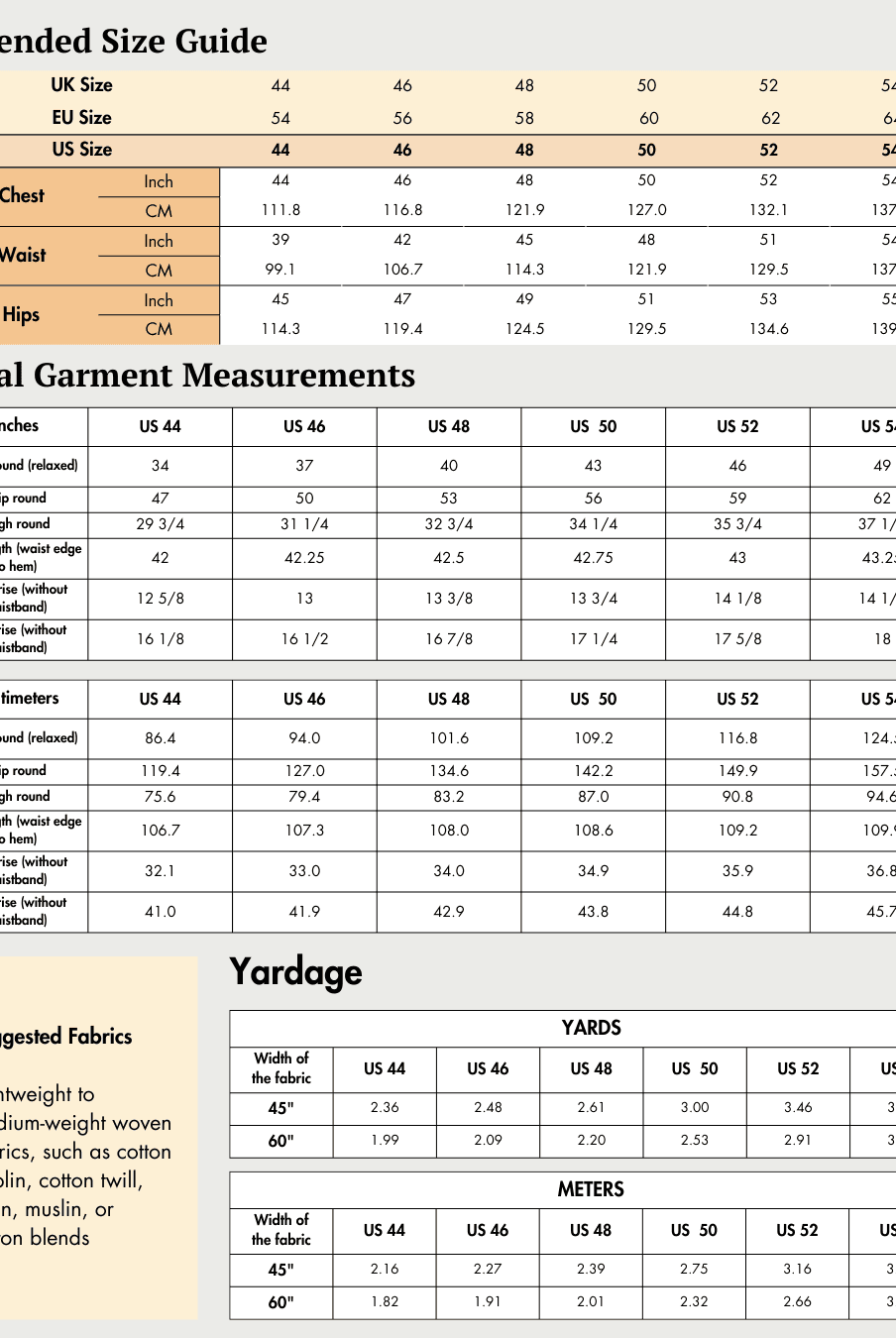
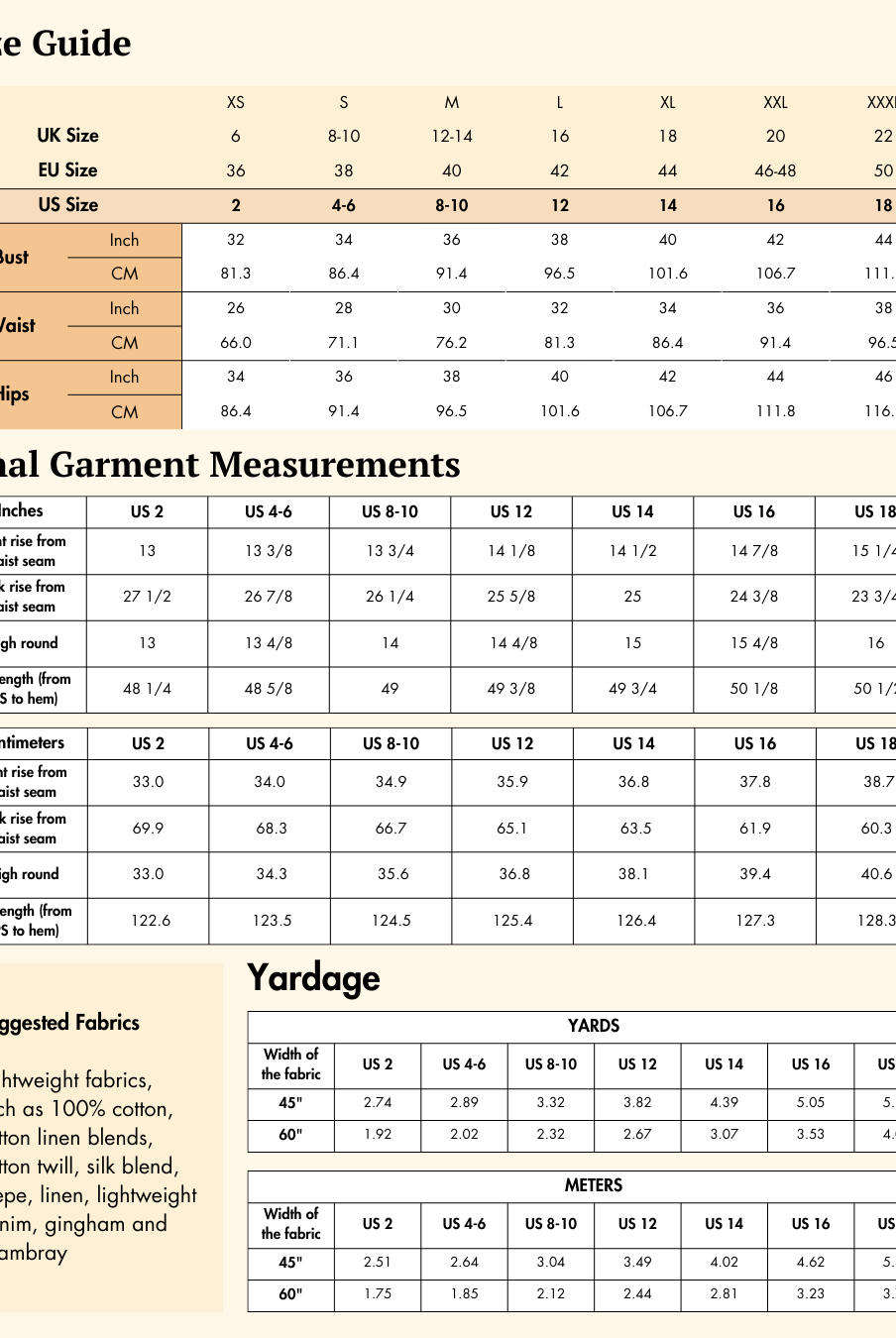
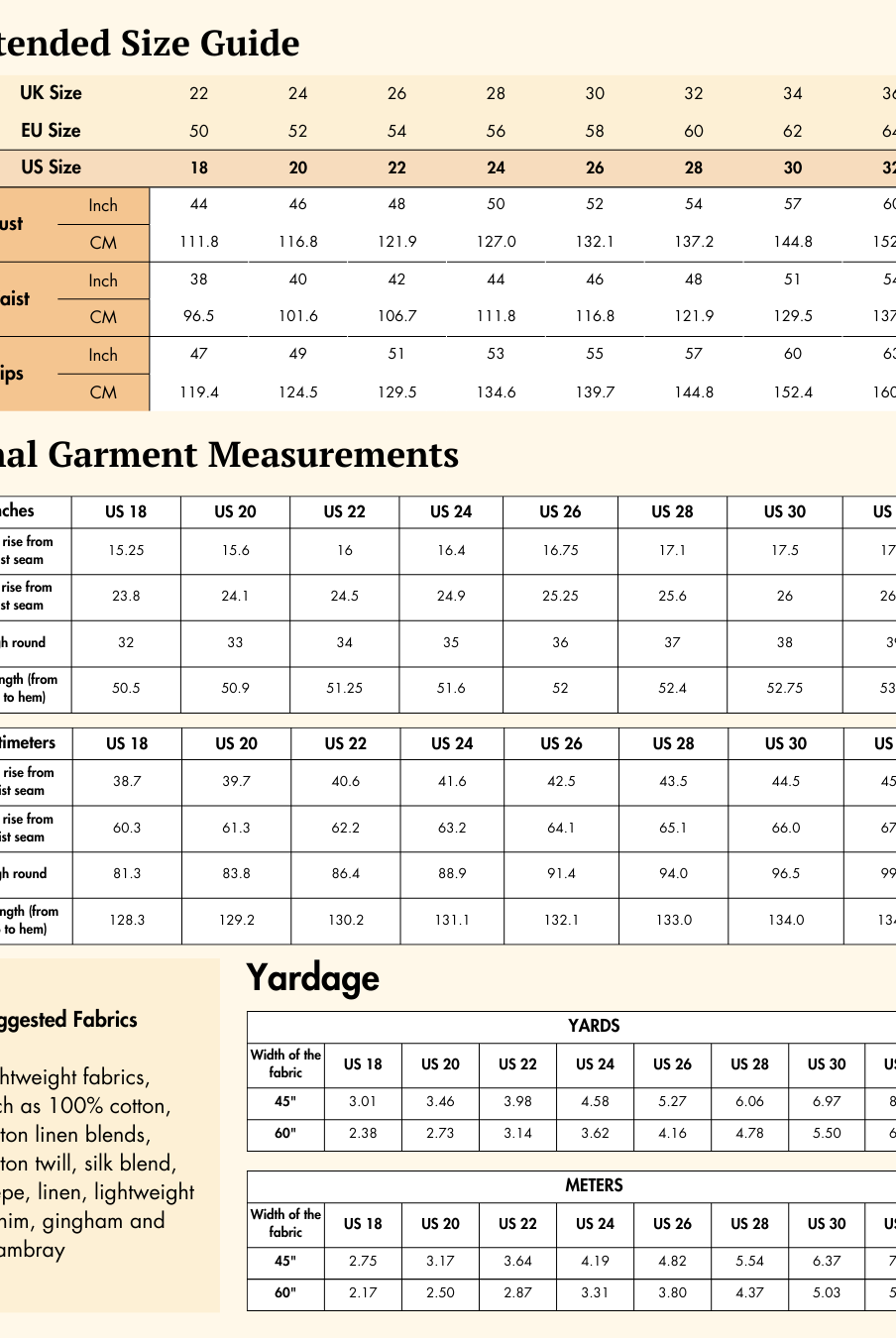
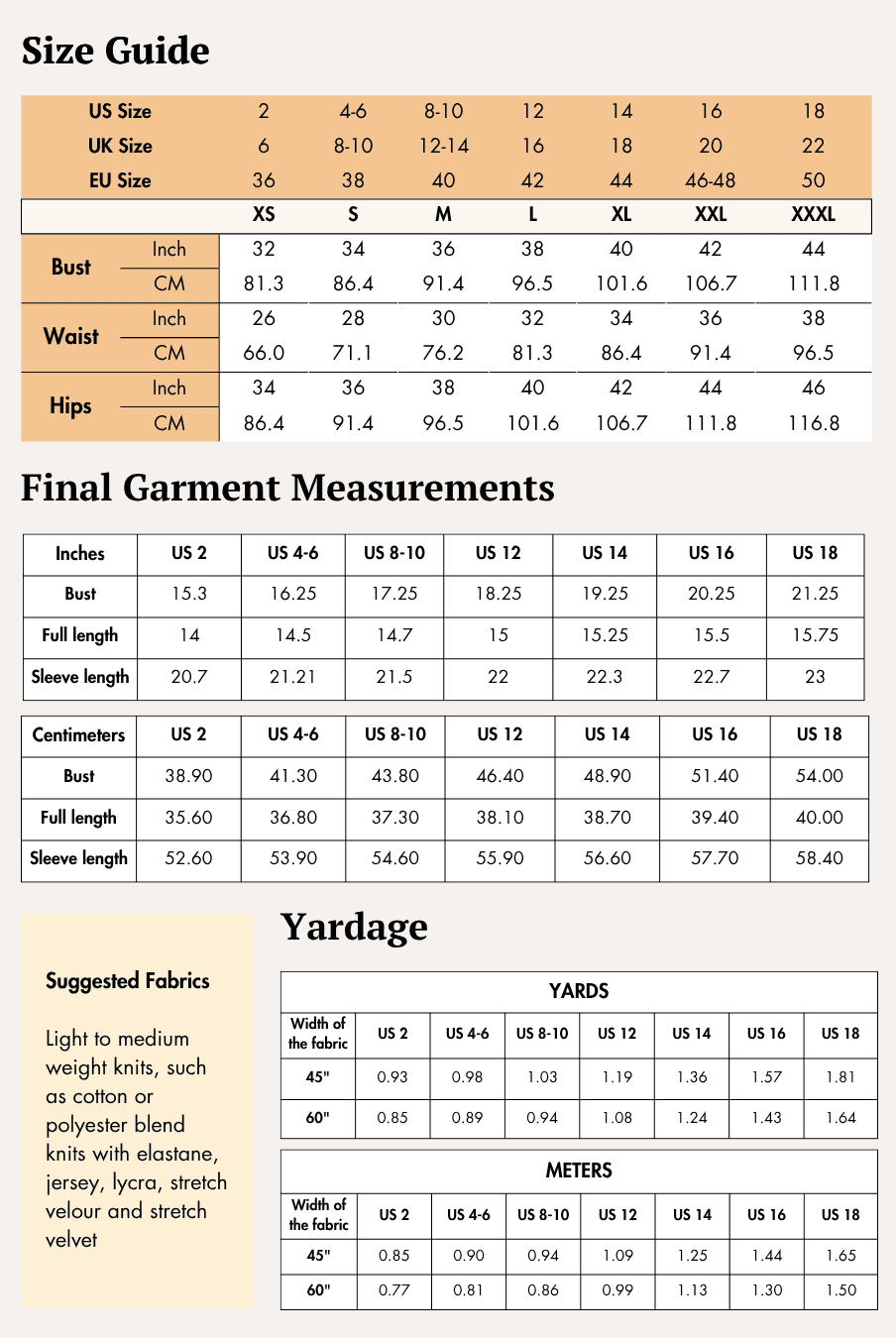
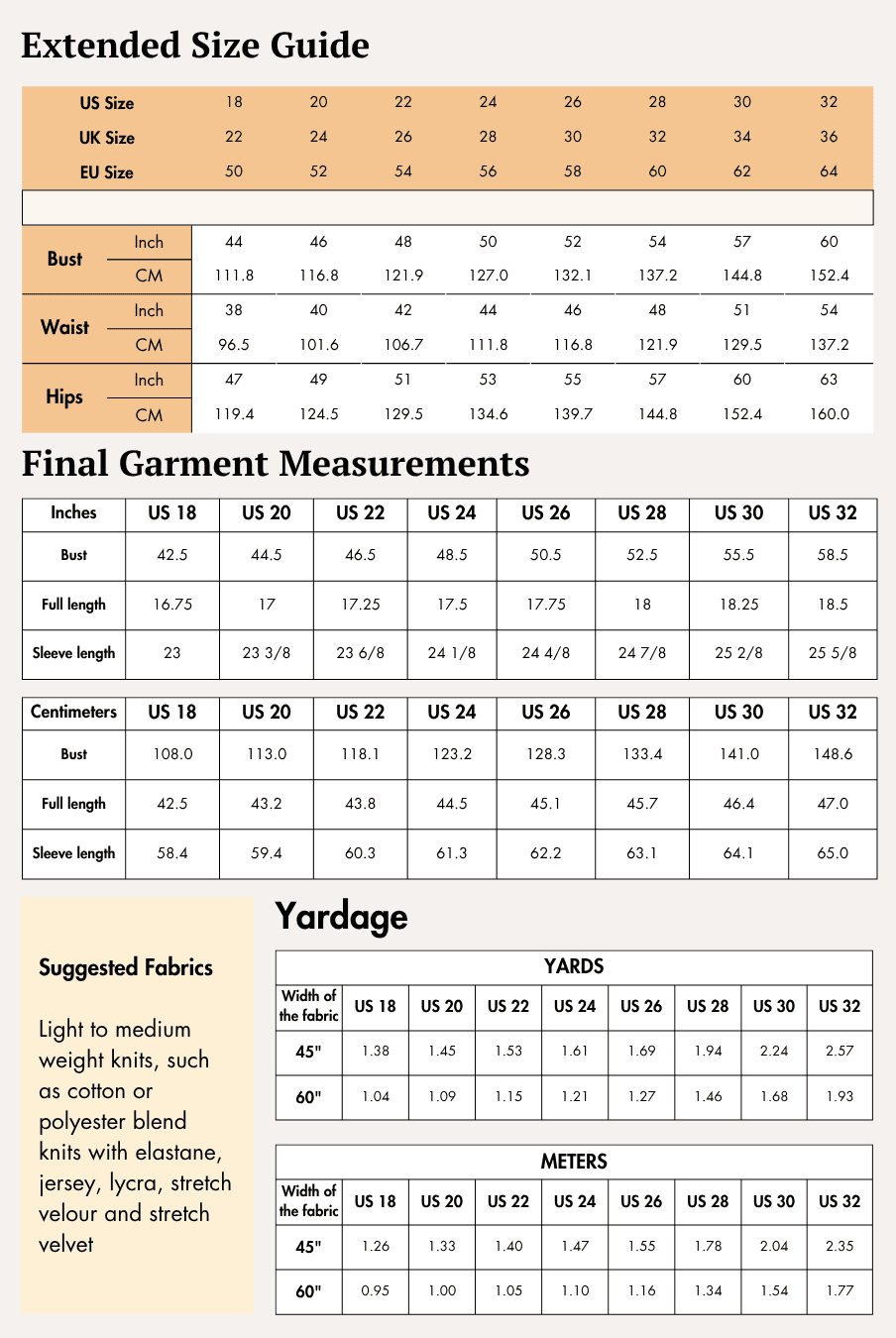
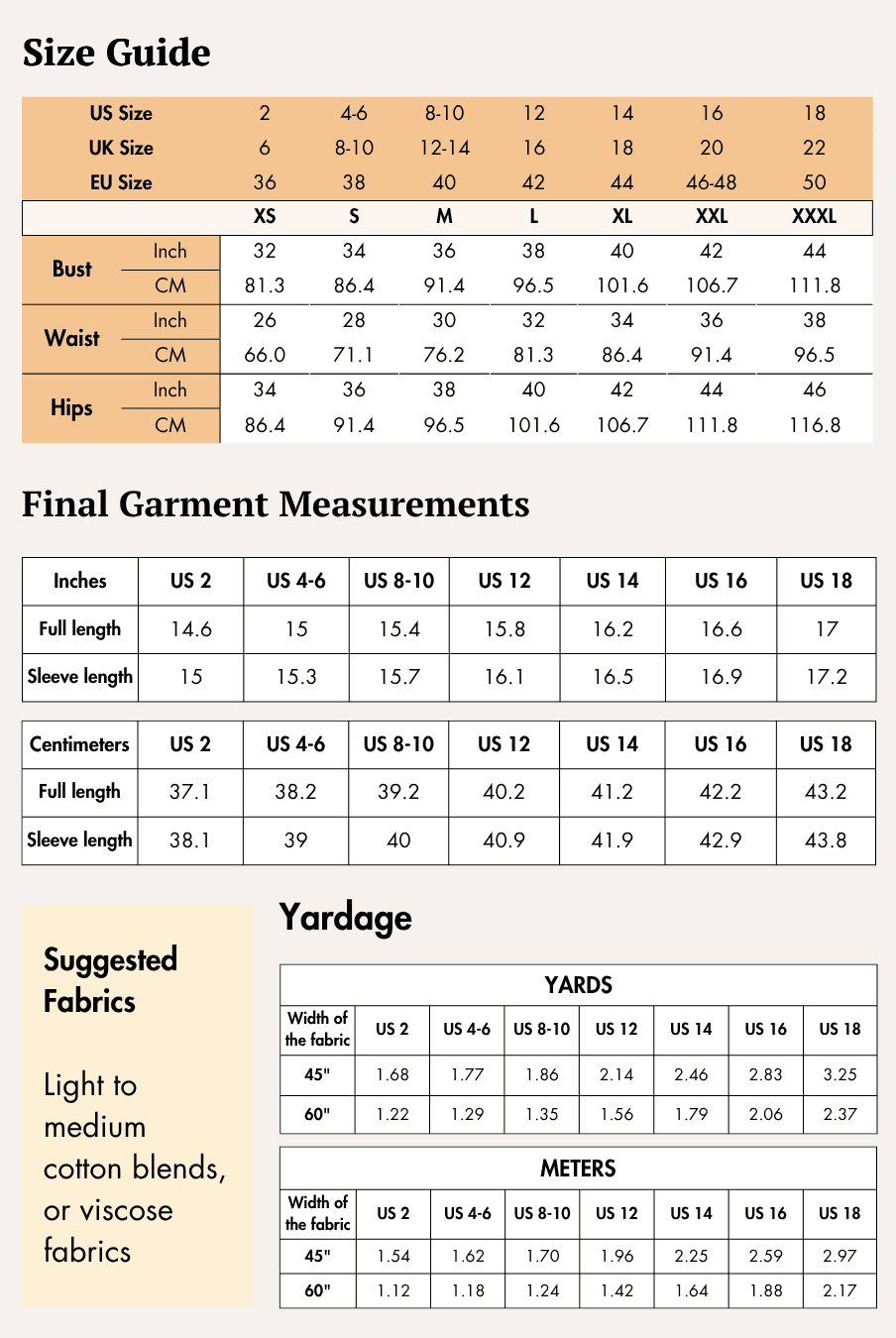
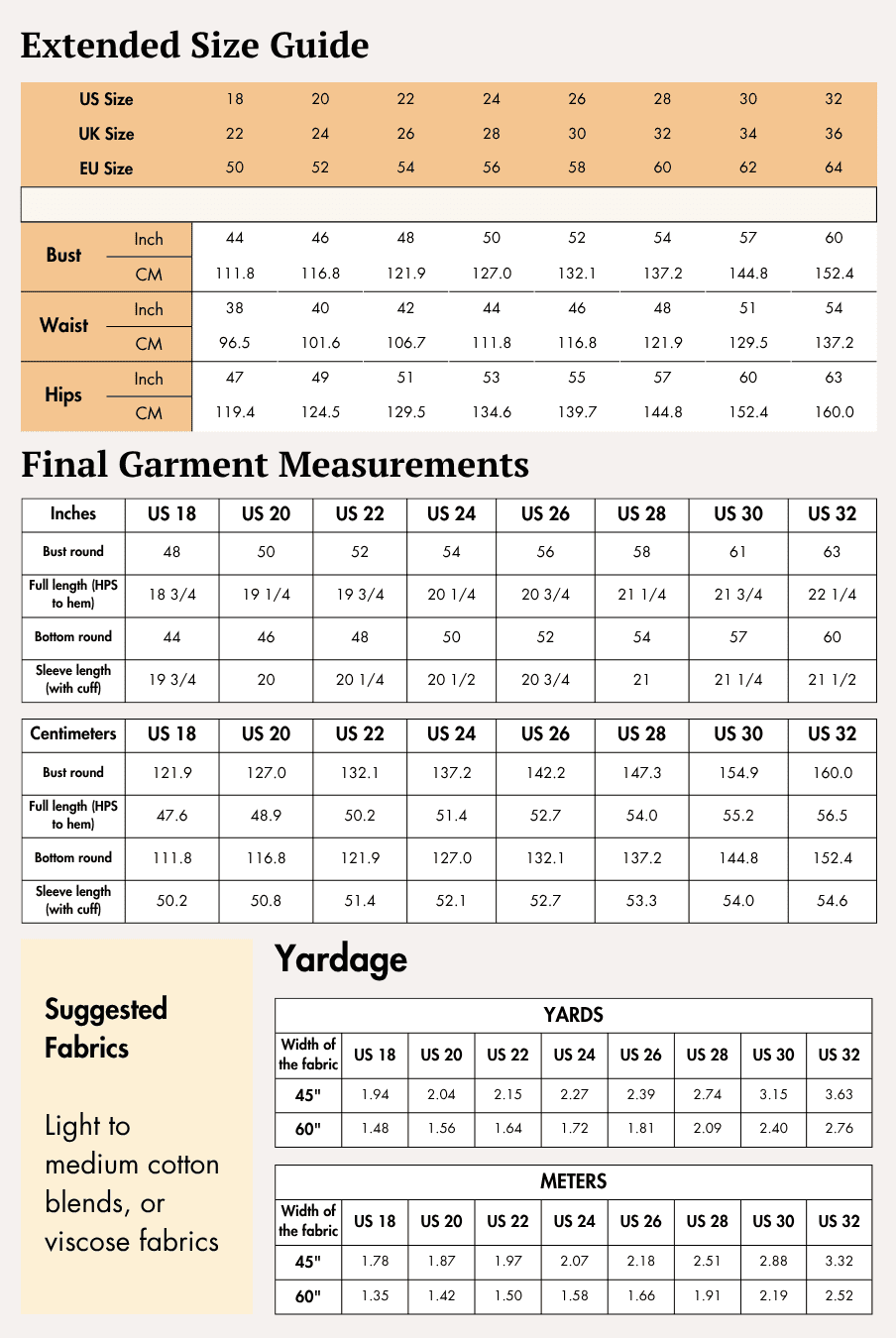
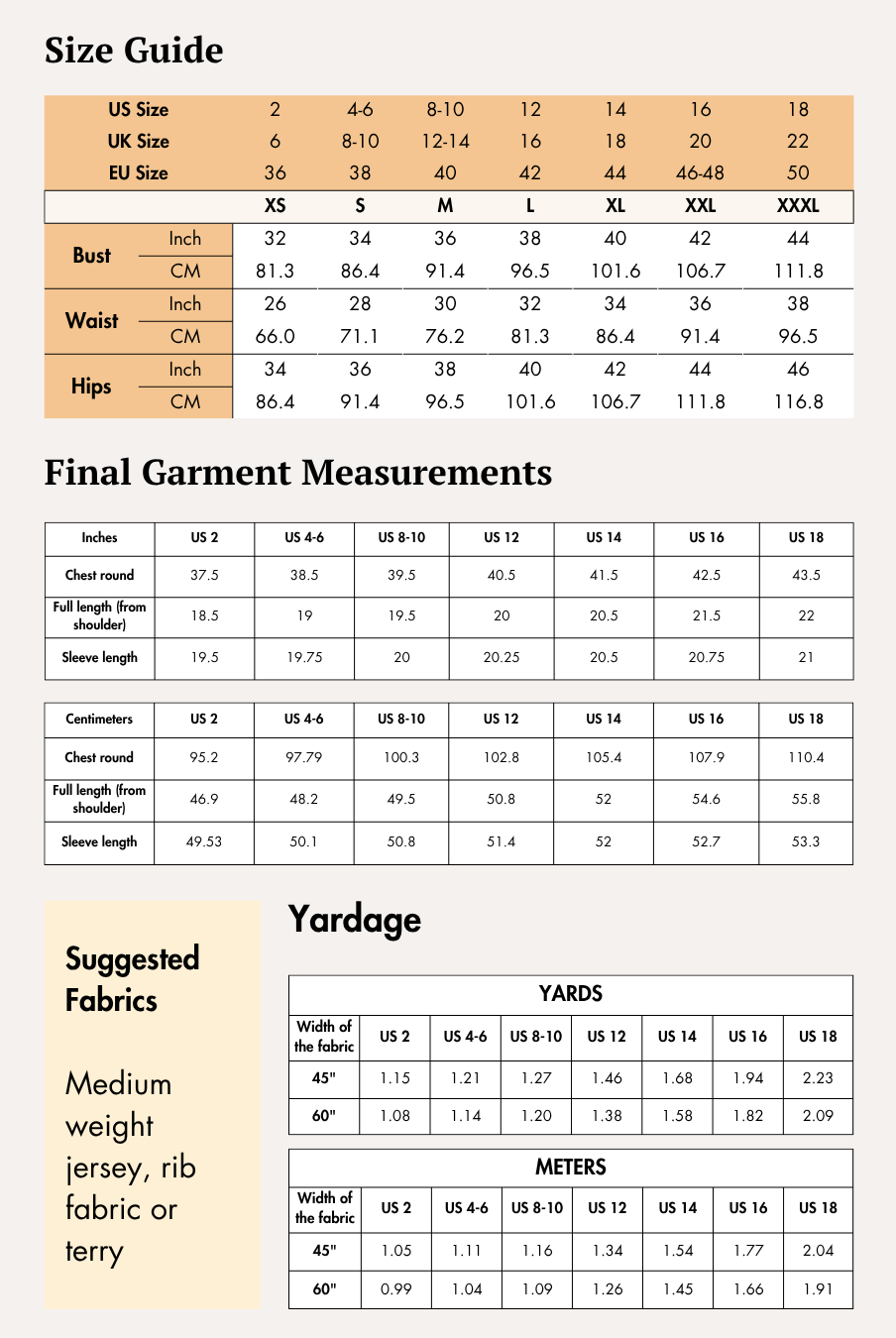
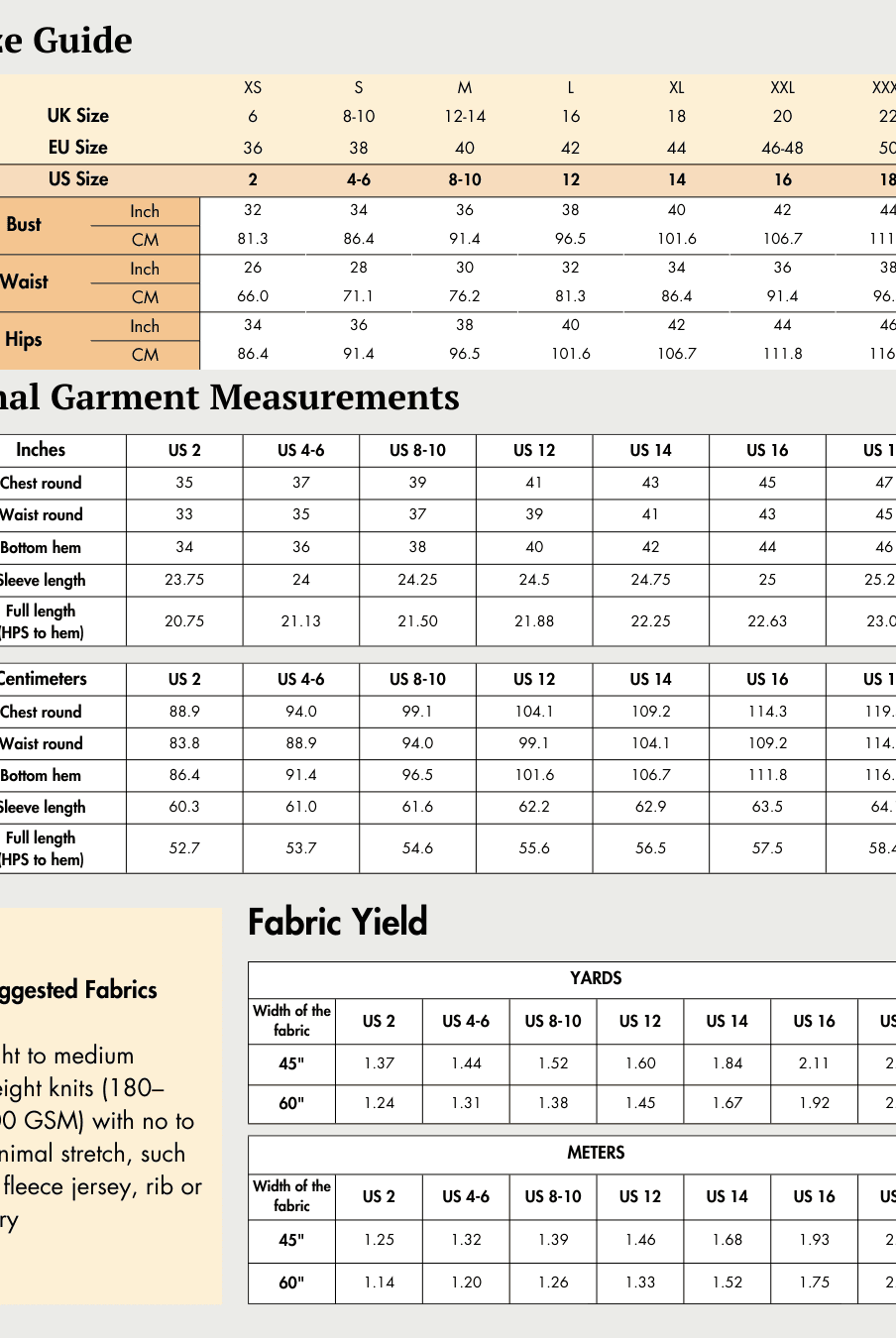
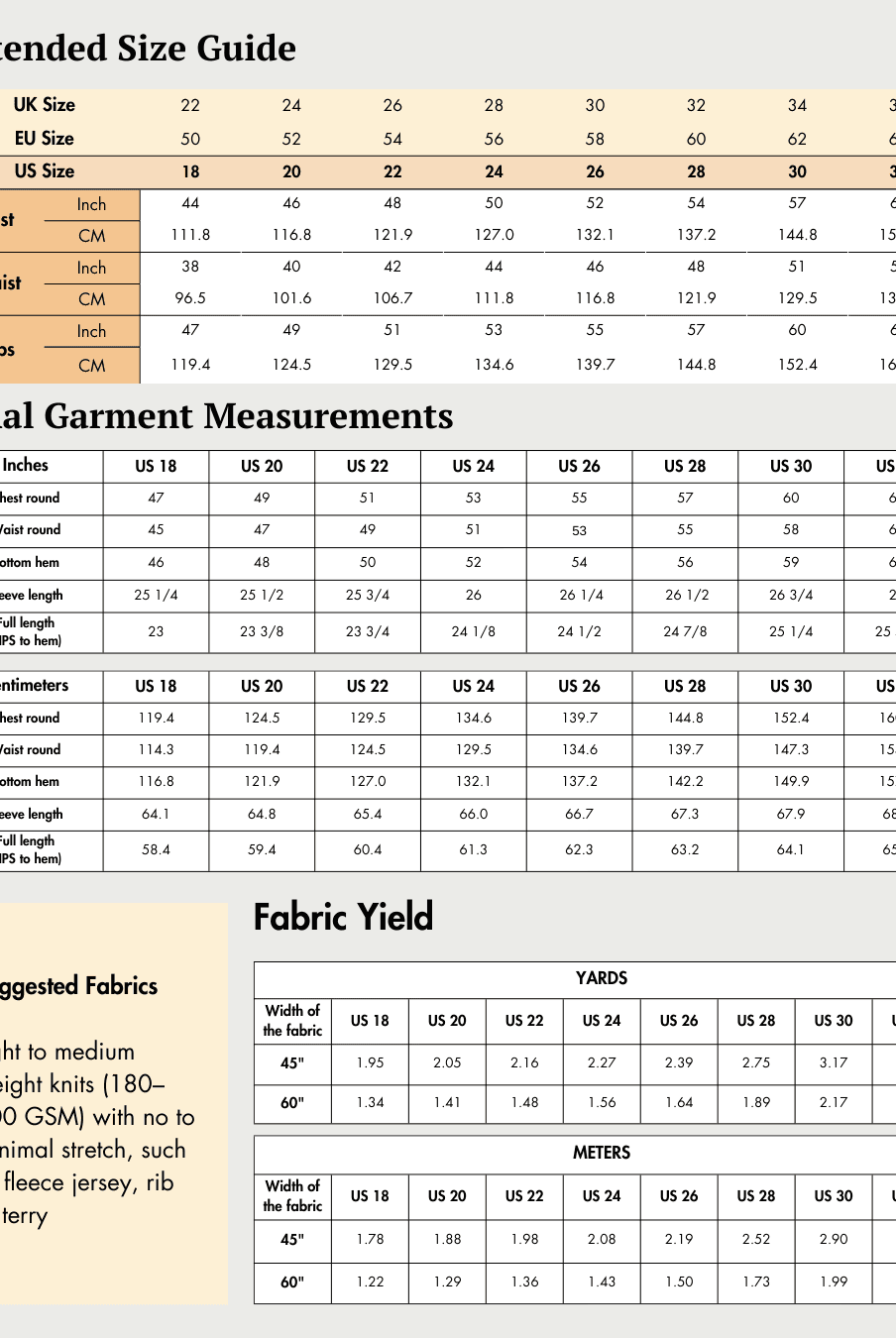
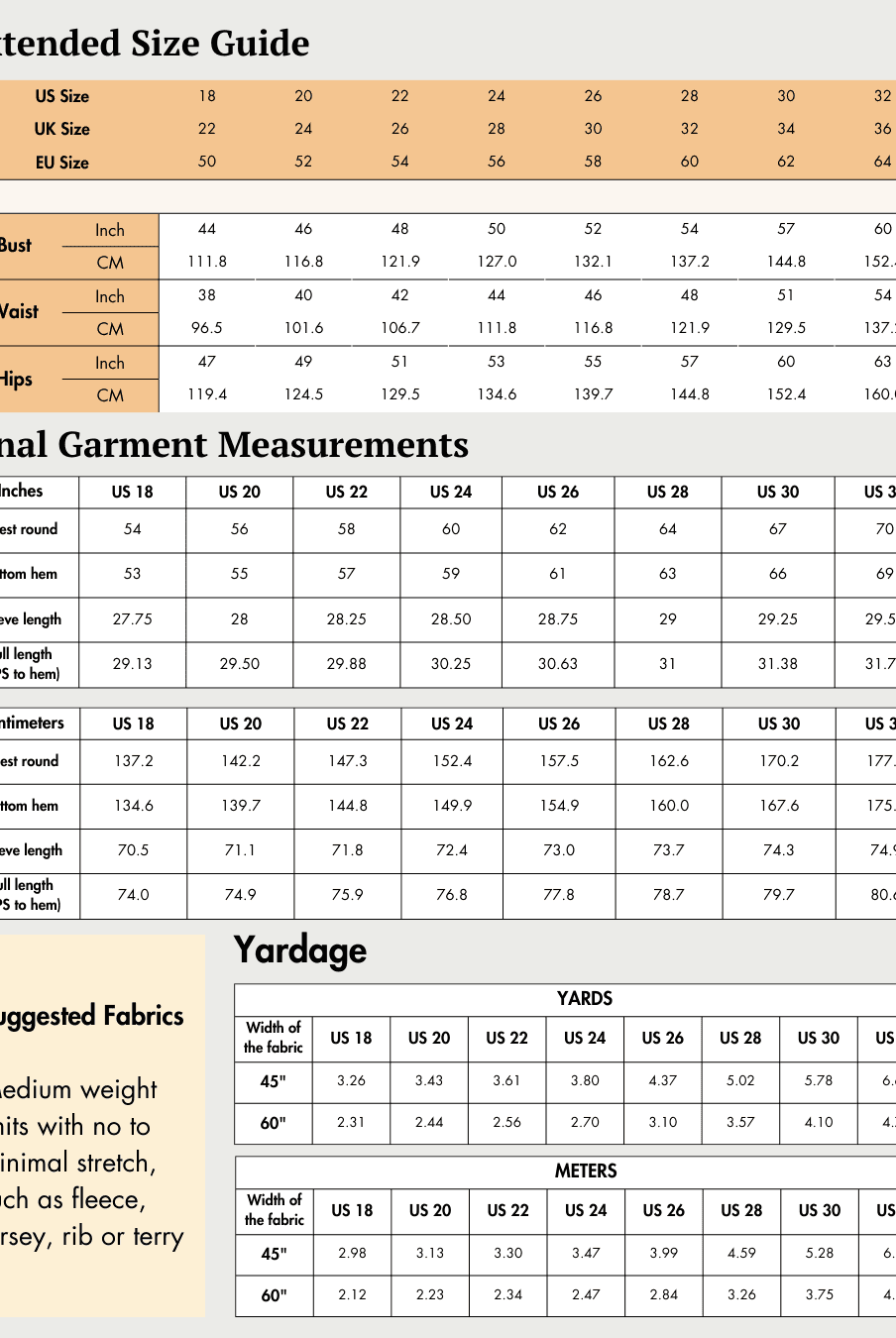
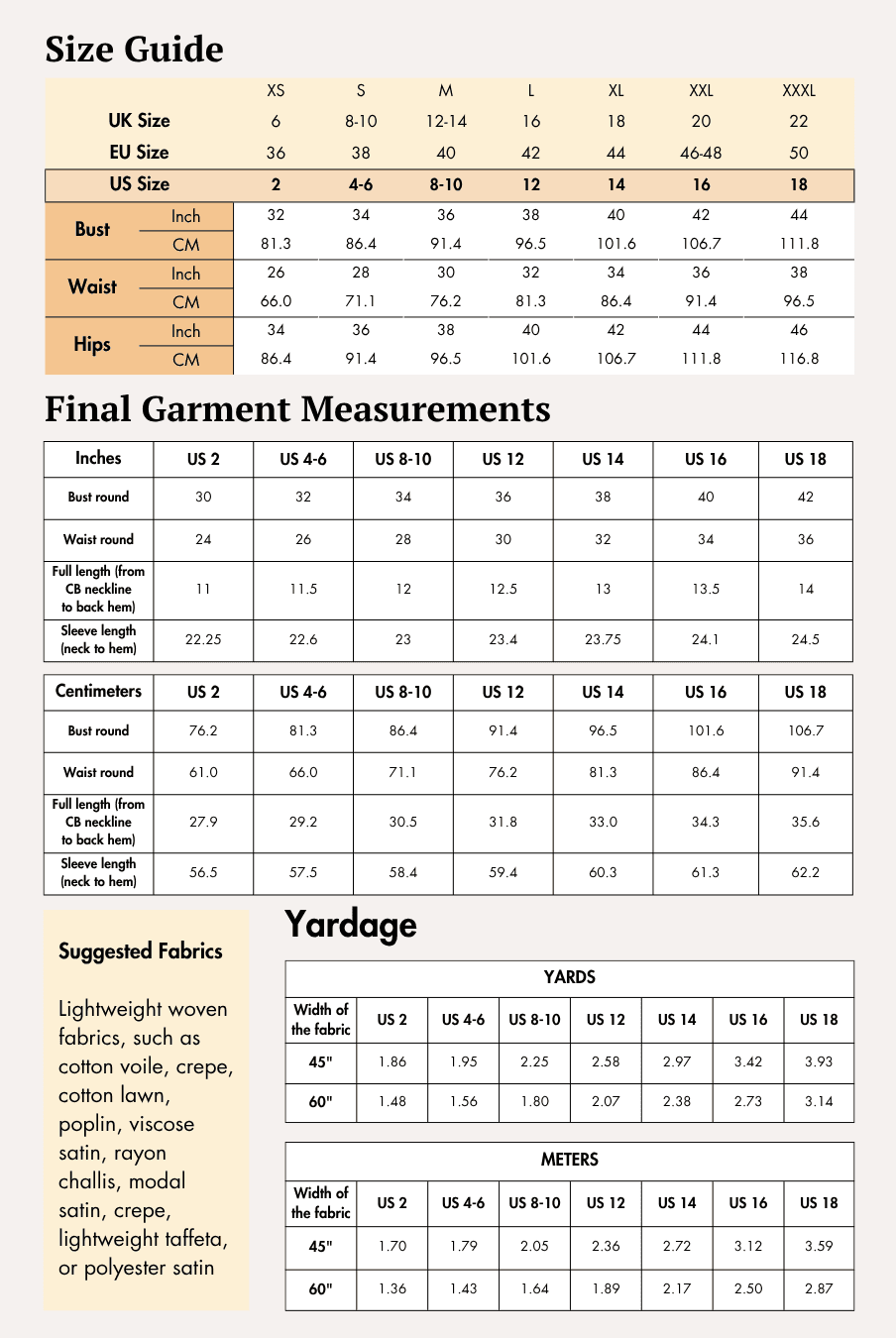
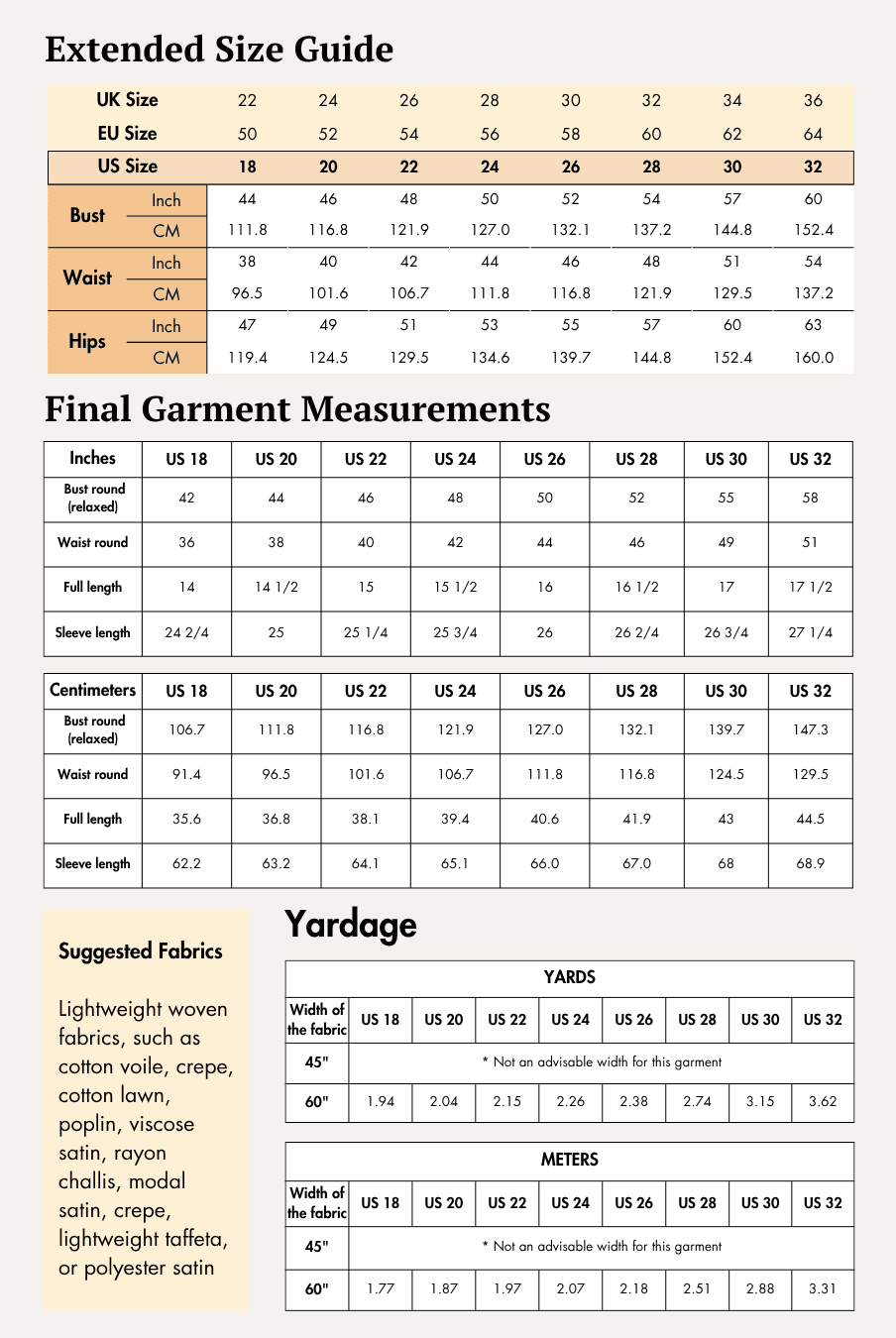
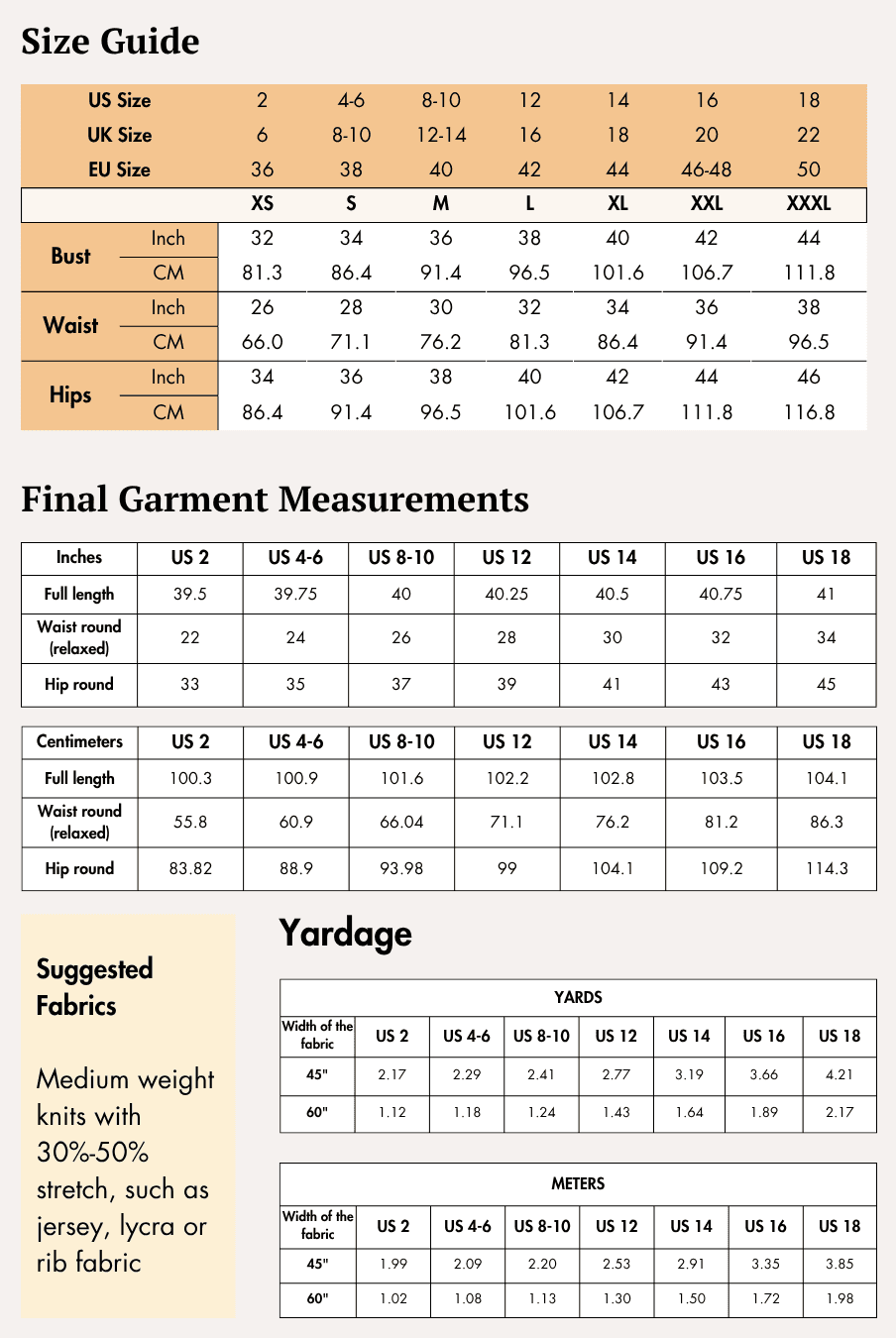
Check the size charts and measure yourself to select the correct size, using the garment and body measurement tables in the guide.
Verify how much fabric you need by referencing the fabric yield table in the guide.
Pattern Inventory: What Pieces to Prepare

Prepare the following pattern pieces:
- Front — Cut 1 Fabric
- Back — Cut 1 Fabric
- Back Yoke — Cut 2 Fabric
- Neck Bias Binding — Cut 1 Fabric (cut more if needed)
Pattern Marking

The pattern includes the following markings to help with accurate construction:
- Grainlines
- Neckline markings
- Armhole markings
- Armhole notches
- Shoulder markings
- Side seam markings
- Side seam notch
- Center yoke notch
- Box pleat notch
- Overlapped slit notch
- Overlapped slit markings
- Eyelet marking
- Hemline markings
- Seam allowance markings
Transfer all markings carefully before beginning construction.
Cutting Layout


Arrange all pattern pieces according to the cutting layout provided in the guide.
- Ensure all grainline arrows run parallel to the fabric selvage.
- Pin pattern pieces securely before cutting.
- The layouts shown are nondirectional.
- Purchase additional fabric if working with directional prints or fabrics with nap.
- Separate layouts are provided for both 45-inch and 60-inch fabric widths.
- The illustrated layouts use a medium size as a cutting example.
Fabric Cutting and Preparation
Lay Out Your Pattern Pieces
Arrange the pattern pieces according to the cutting layout diagrams. Begin by positioning the pieces on the fabric, ensuring that the grainline arrow runs parallel to the selvage.
Cut Your Fabric
If you are using fabric shears, trace the pattern pieces and then cut them out, cutting away any pen, pencil, or chalk lines. Remember to cut out any notches that appear on the edges. These markings help line up the pieces when you assemble the garment.
Transfer Pattern Markings
Use your marking pen, pencil, or chalk to transfer markings such as circles, buttonholes, and fold lines to the wrong side of the fabric. Mark the center front of pieces cut on the fold to help align pieces accurately during construction.
Seam Allowance
Please follow the seam allowances as indicated on the pattern file layers. These are provided specifically for each piece to ensure accurate construction.
This pattern uses a 1 cm (or 0.38 inch) seam allowance all around, 3.81 cm (or 1.5 inch) at the hem, and 2 cm (or 0.75 inch) at the armholes.
Step-by-Step Sewing Instructions
1. Create the Back Box Pleat
-
Take the back piece and fold the fabric along the box pleat edge notches, bringing them together at the middle notch.
-
Pin the fold at the seam allowance.
-
Sew on the seam line to create an inverted box pleat.
2. Attach the Back Yoke
-
Sandwich the back piece between the two back yoke pieces so that the wrong side of the yoke is facing out.
-
Sew the layers together in one pass, or use basting stitches to temporarily hold one yoke to the back piece before sewing all three layers together.
-
Remove any basting stitches after sewing.
3. Join the Shoulder Seams
-
Fold and press the seam allowance of the shoulder edges on the back yoke pieces to the wrong side.
-
Insert the front piece shoulder seam allowance between the folded back yoke shoulder edges.
-
Sew the shoulder seam.
-
Repeat for the opposite shoulder.
4. Finish the Armholes
-
Fold the armhole seam allowance as indicated in the guide.
-
Press the fold and sew both armholes.
5. Sew the Side Seams
-
Place the front and back pieces right sides together.
-
Sew the side seams.
-
At the overlapped slit area, sew only to the starting point of the overlapped slit.
6. Finish the Back Overlapped Slit
-
Fold the back overlapped slit from the overlapped notch toward the wrong side.
-
Fold the seam allowance inward to conceal the raw edges.
-
Sew the back overlapped slit in place.
7. Join the Overlapped Slit
-
Place the right sides of the overlapped slit together at the top.
-
Sew the top of the overlapped slit.
8. Finish the Front Overlapped Slit
-
Finish the raw edges of the front overlapped slit using the same method described in Step 6.
9. Attach the Eyelet
-
Create a hole at the eyelet marking.
-
Insert the front eyelet through the right side of the garment.
-
Place the back eyelet on the wrong side and secure the eyelet using a hammer.
10. Hem the Top
-
Fold 1 cm of the hem seam allowance toward the wrong side.
-
Fold again to the seam line.
-
Press and sew the hem from one slit opening to the other.
-
Clip the V-neck at the V-neck meeting point.
11. Attach the Neck Binding
11a. Prepare the Binding
-
Create creases by folding and pressing the neck binding into four folds.
-
Measure the neck binding against the neckline before cutting, as individual sewing techniques can affect the required length.
11b. Sew the Binding to the Neckline
-
Place and pin the neck binding onto the neckline, starting and ending at the shoulder seam.
-
Sew along the neckline seam.
11c. Join the Binding Ends
-
Take both ends of the neck binding seam allowances and sew them together to close the binding.
11d. Form the V-Neck Point
-
At the V-neck meeting point, fold the top and fold the neck binding seam allowance.
-
Mark the V shape on the binding and sew along the marked line.
-
Trim away the excess binding to reduce bulk.
11e. Finish the Neckline
-
Fold the binding to the wrong side.
-
Sew the neck binding in place to complete the neckline finish.


Ready to Sew Your Own V-Neck Relaxed Top?


The Haze V-Neck Relaxed Top Sewing Pattern combines a relaxed silhouette, comfortable woven construction, and thoughtful details such as the back box pleat, decorative eyelet, and overlapped side slit. With its very easy skill level and straightforward construction, it is a great project for sewists looking to build confidence while creating a versatile everyday garment.
If you're ready to make your own version, grab the pattern and start sewing today.
Join the Community & Get Support
Share your finished Haze V-Neck Relaxed Top on social media with #MadeWithWinslets. If you have questions, feedback, or customization requests, contact the Winslet's team at support@winslets.com.