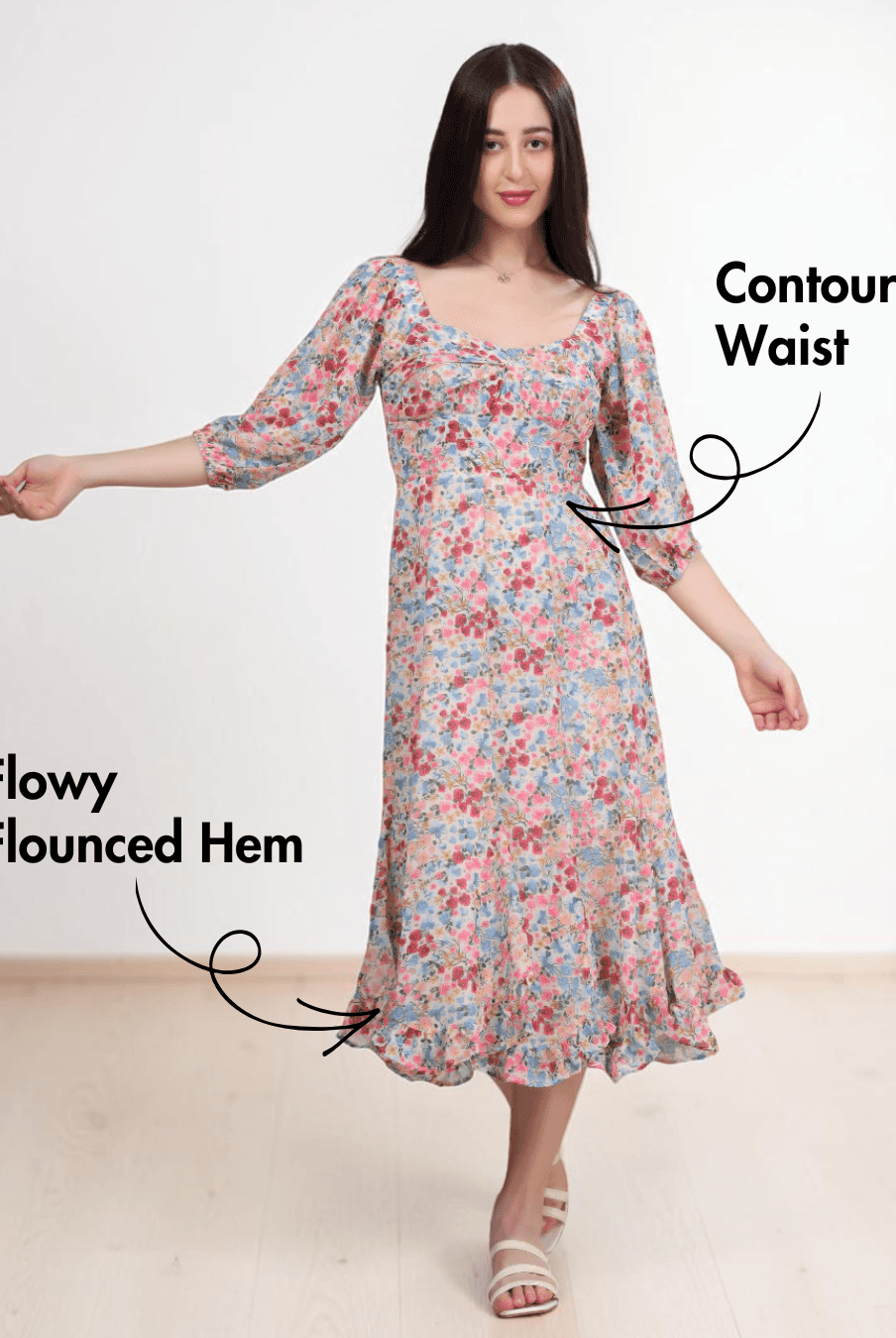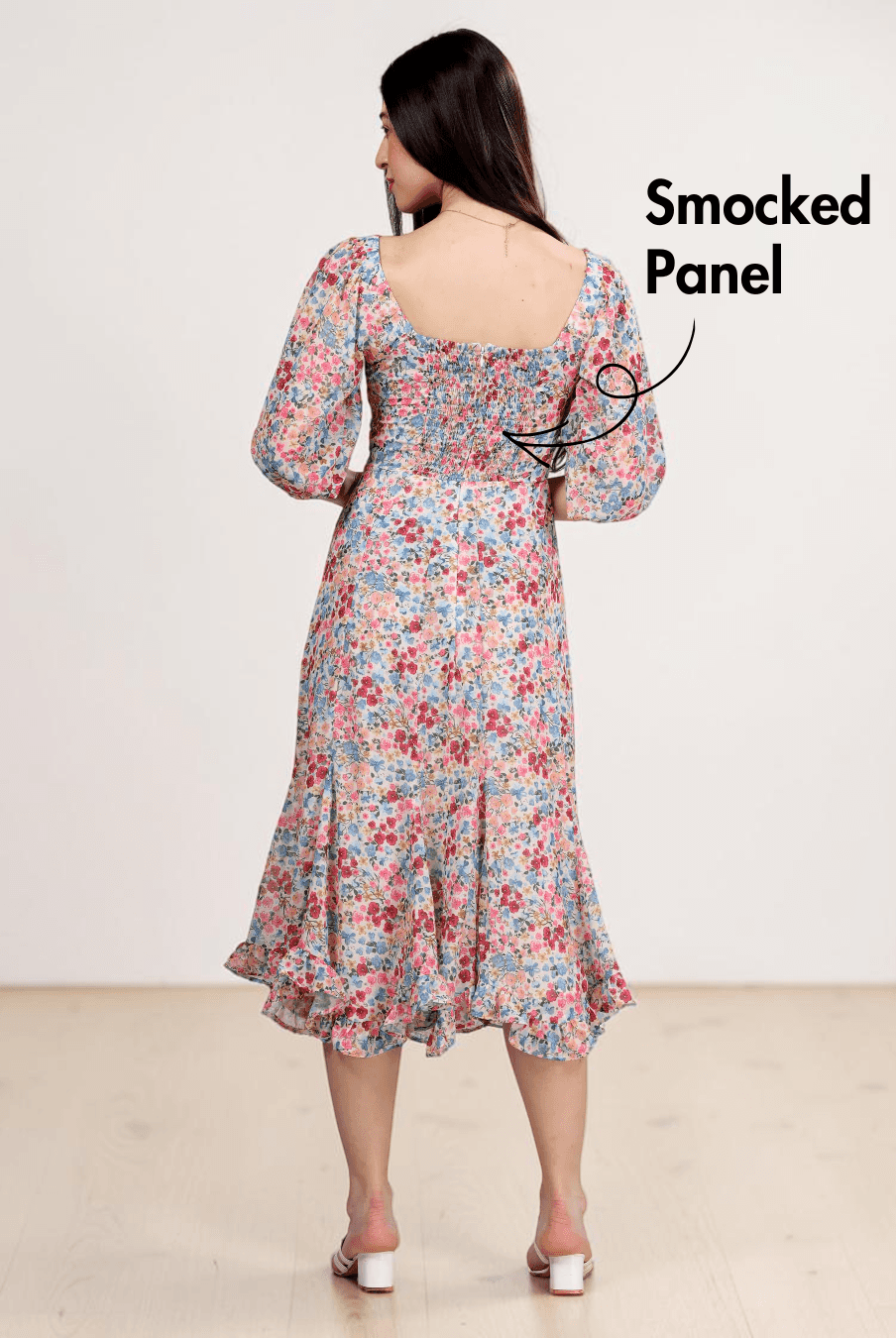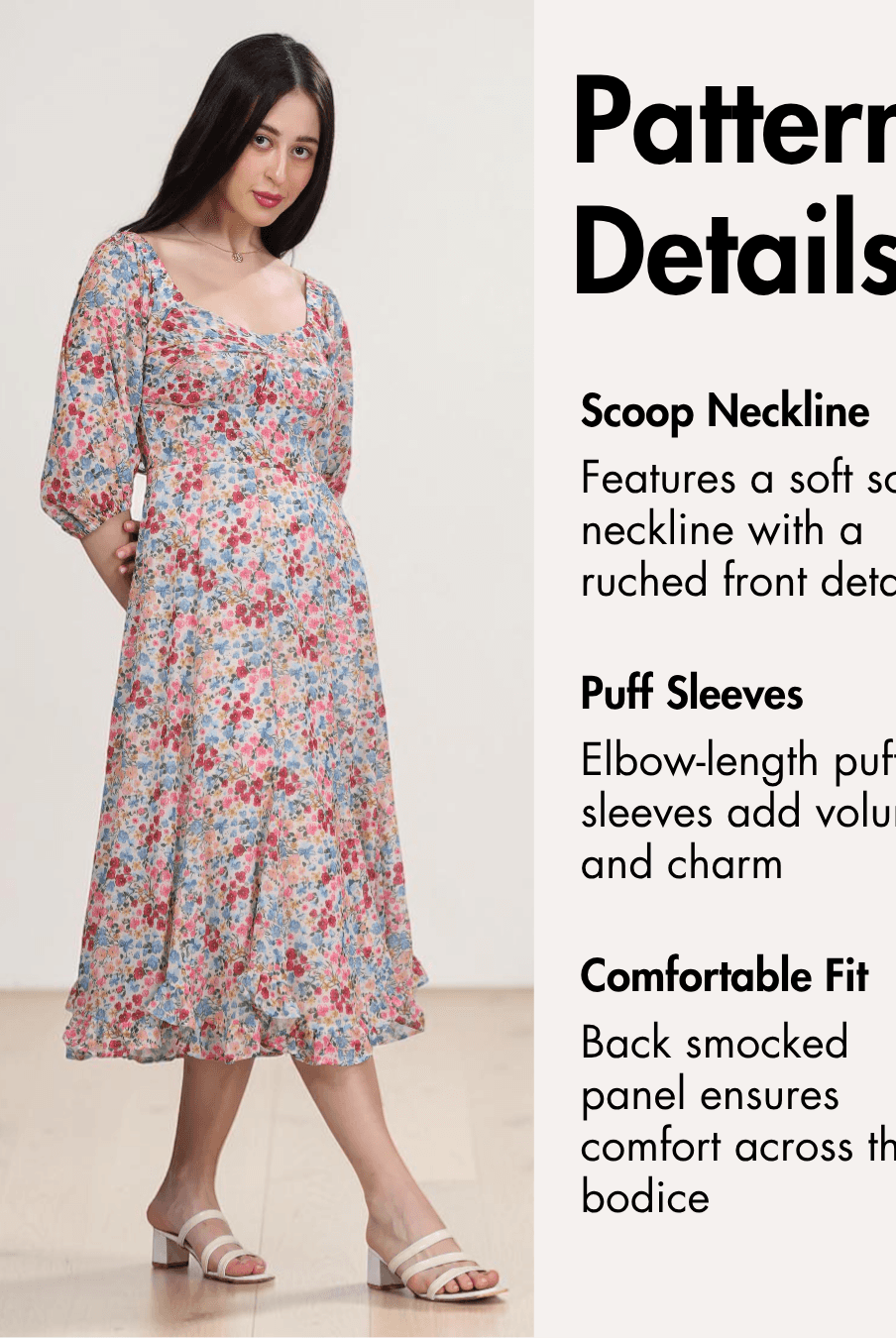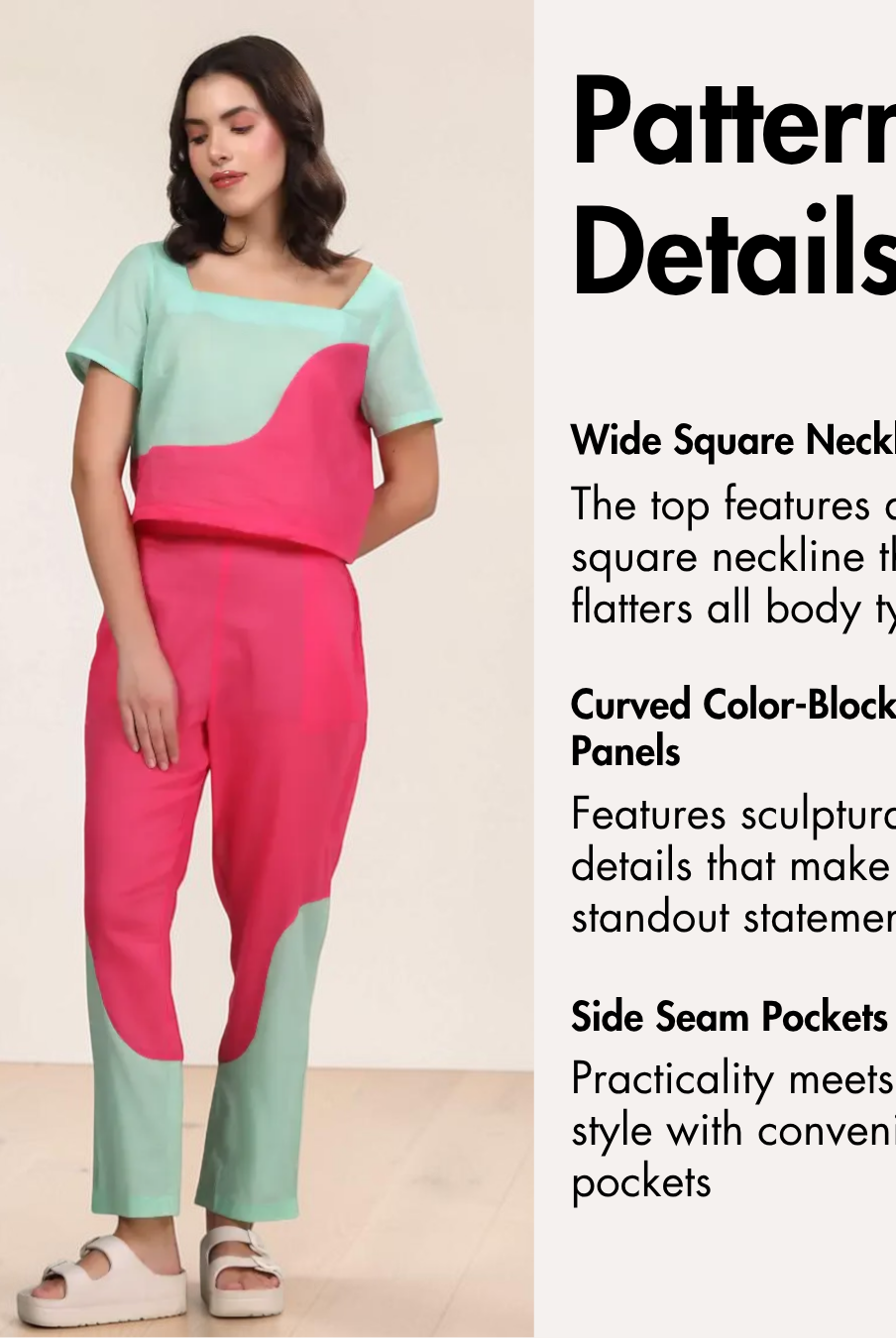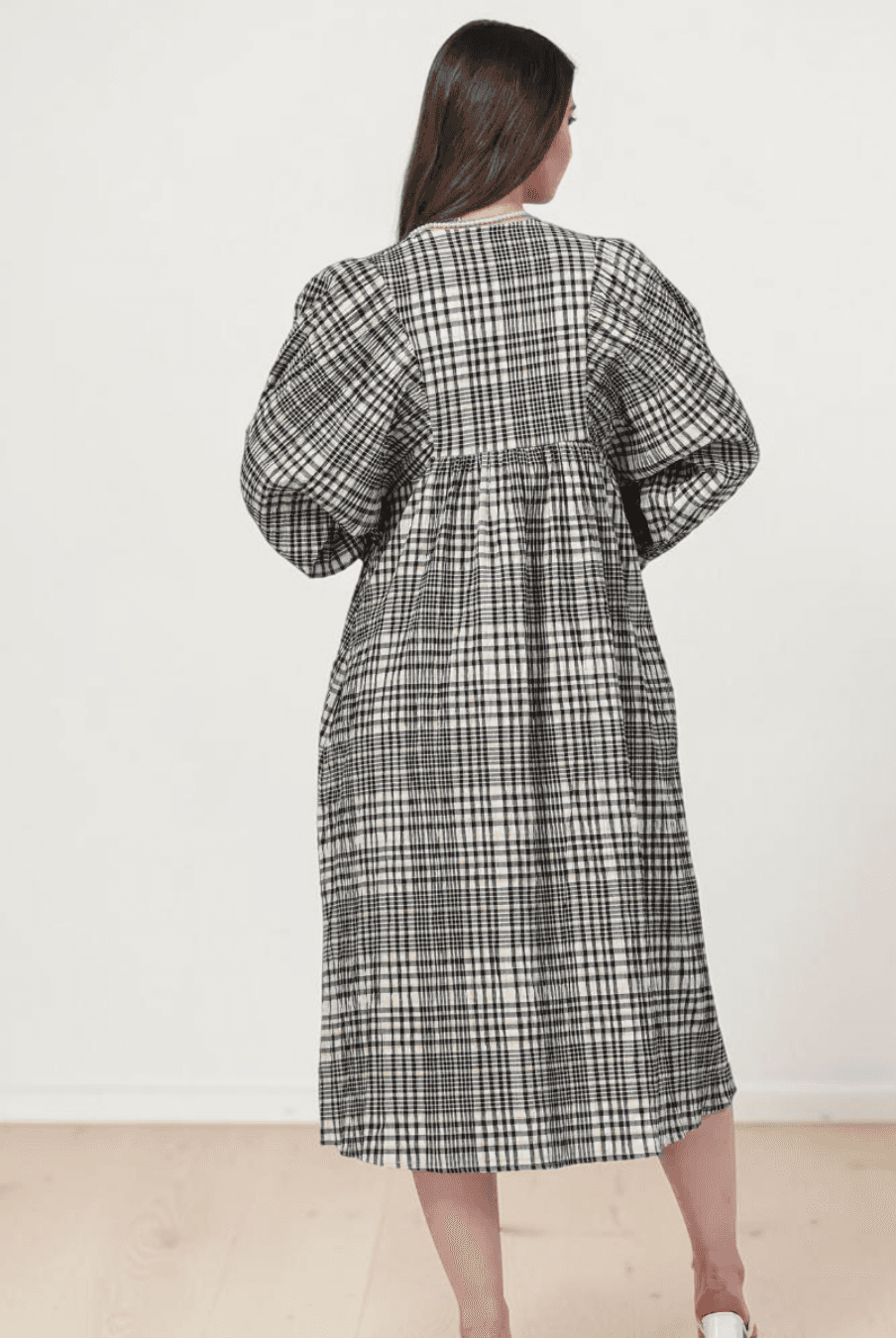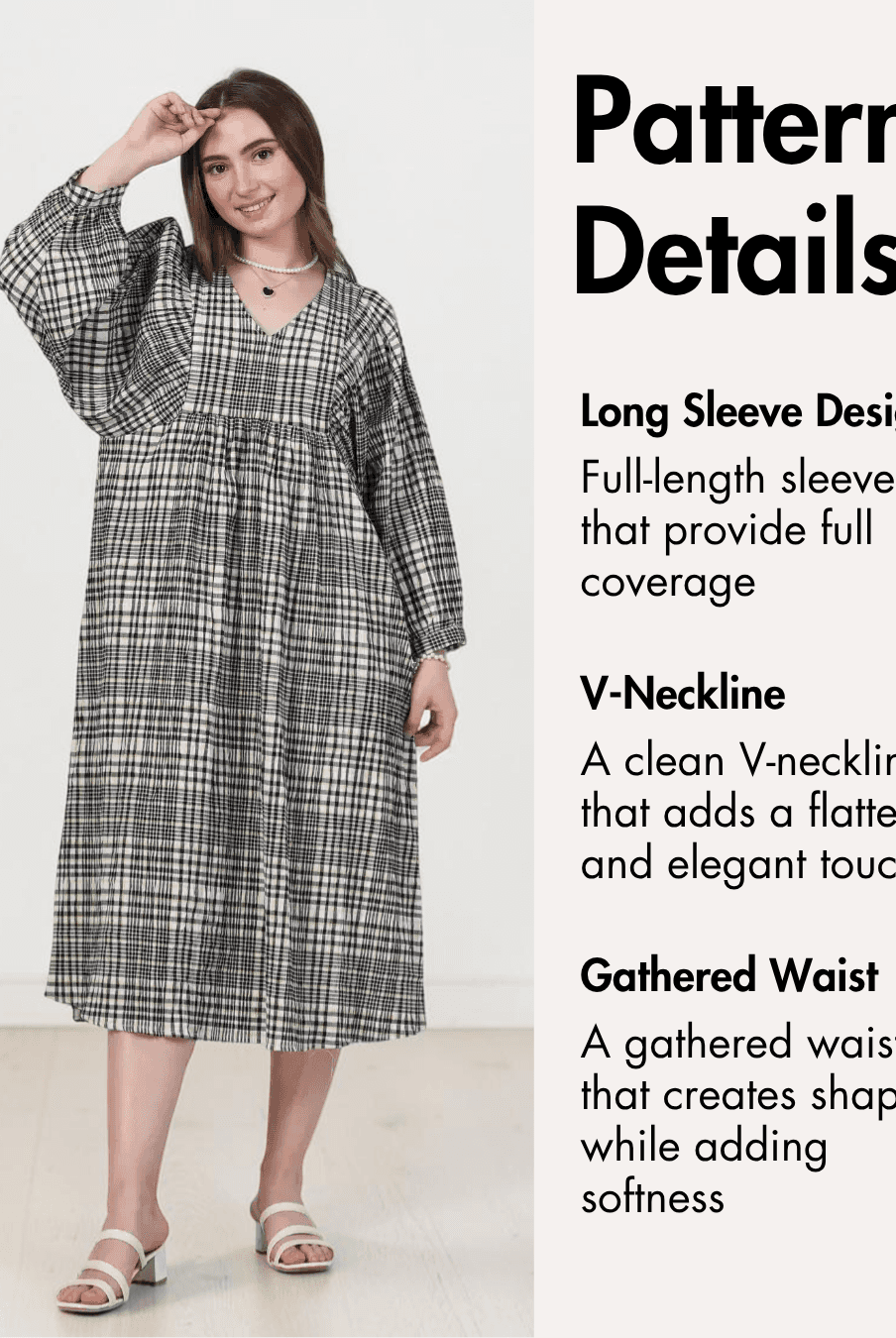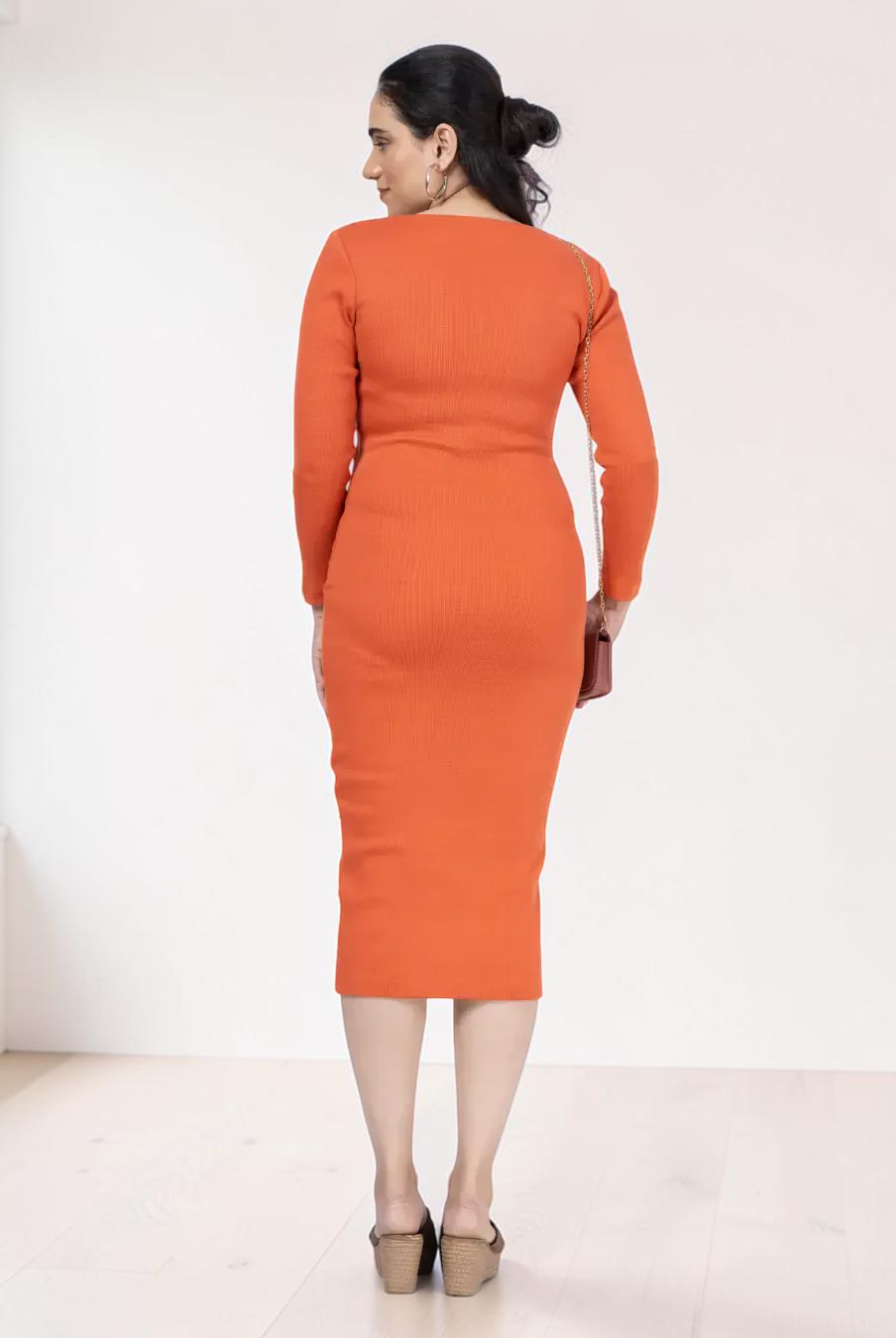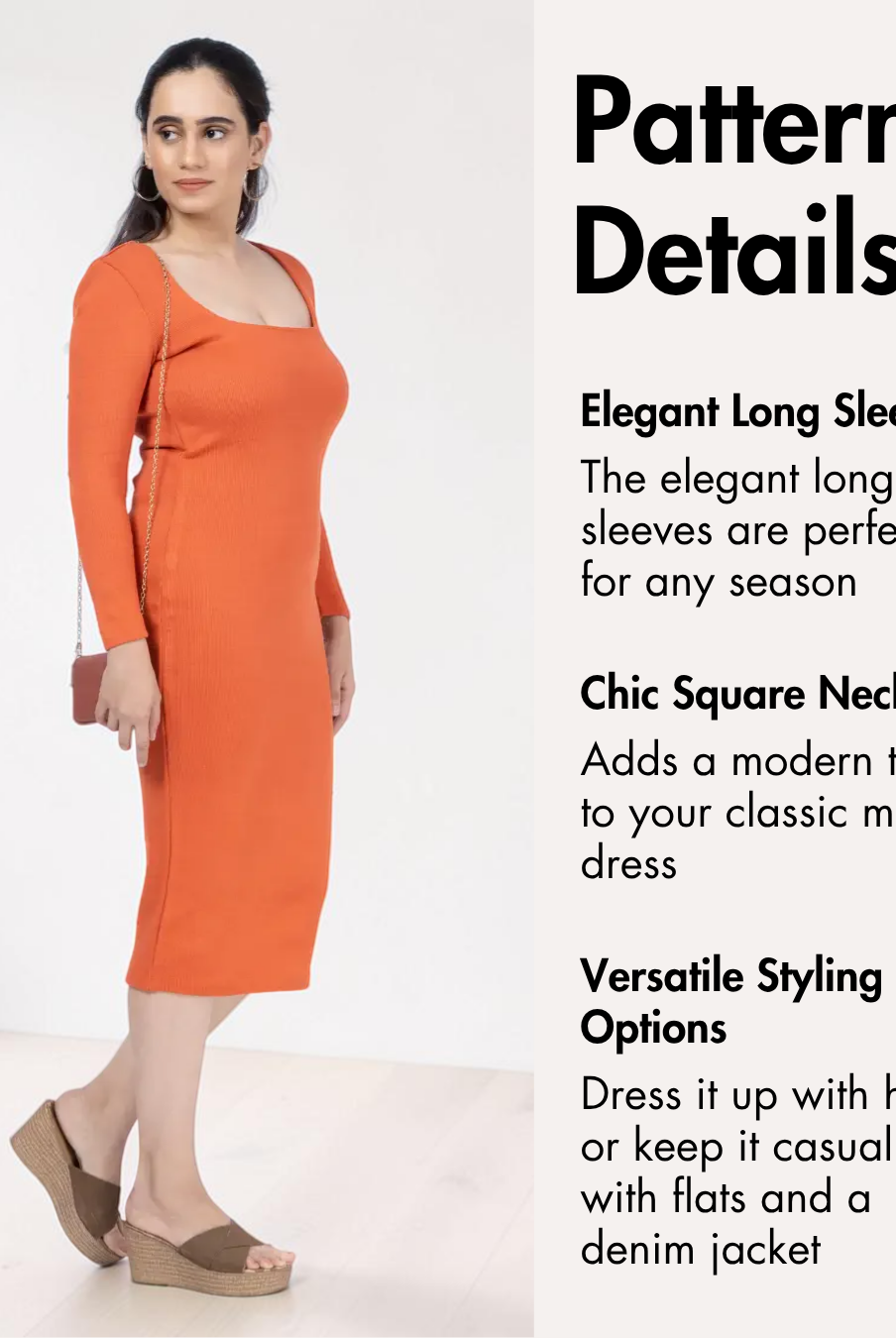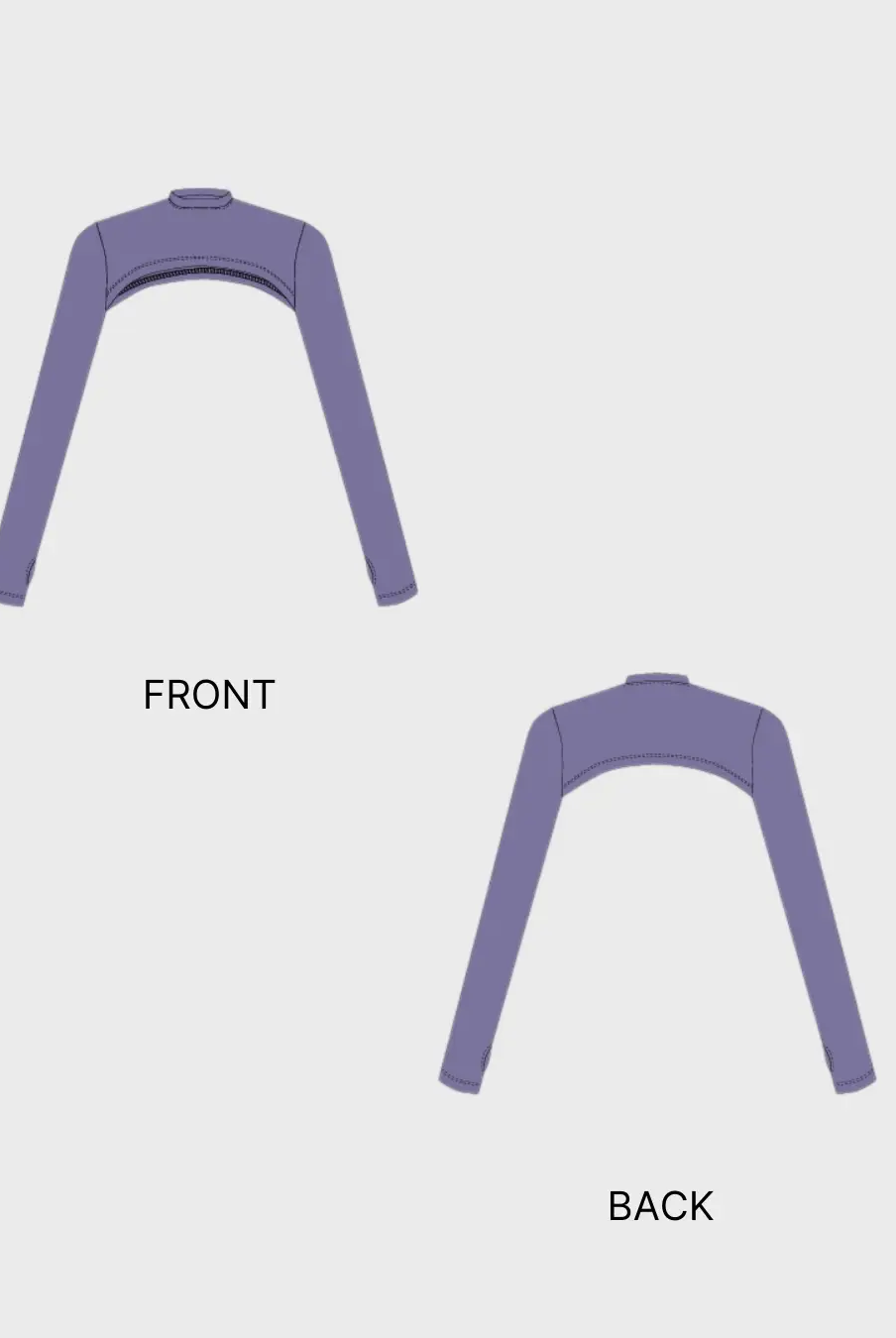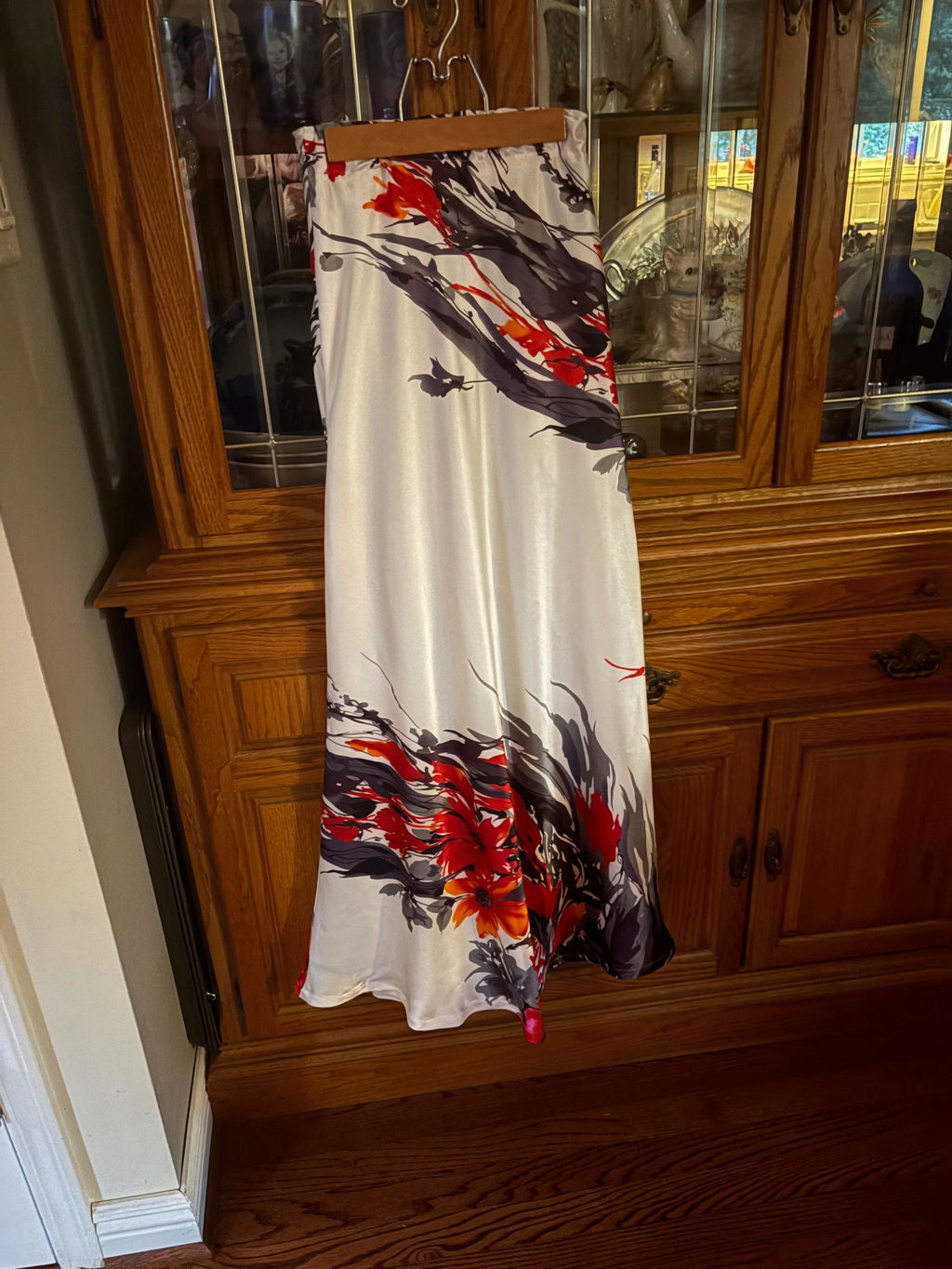
Sheath dresses are a timeless wardrobe staple loved by sewists for their elegant silhouette and versatile styling options. With clean lines, a flattering fit, and endless fabric possibilities, a sheath dress can easily transition from daytime wear to special occasions.
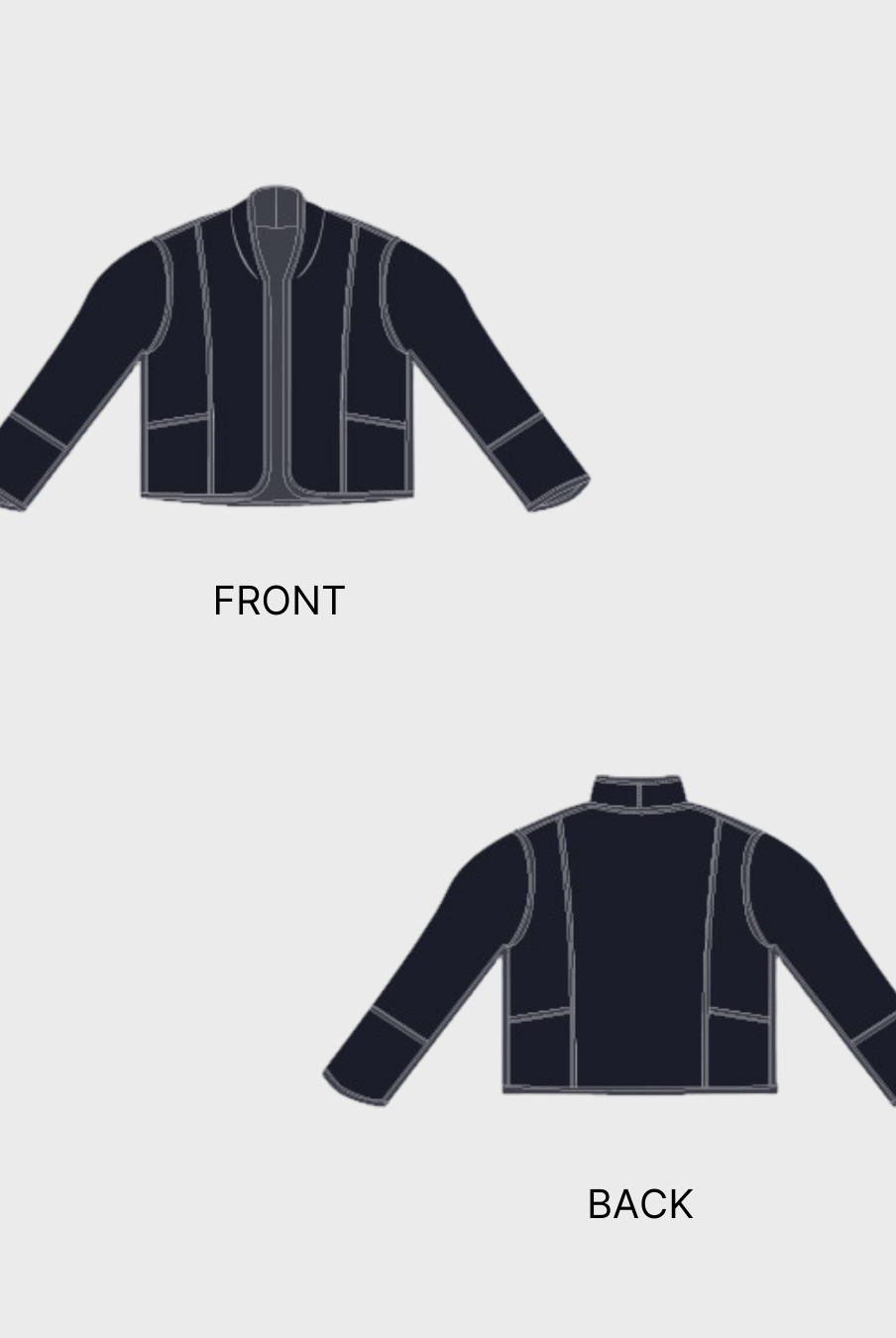
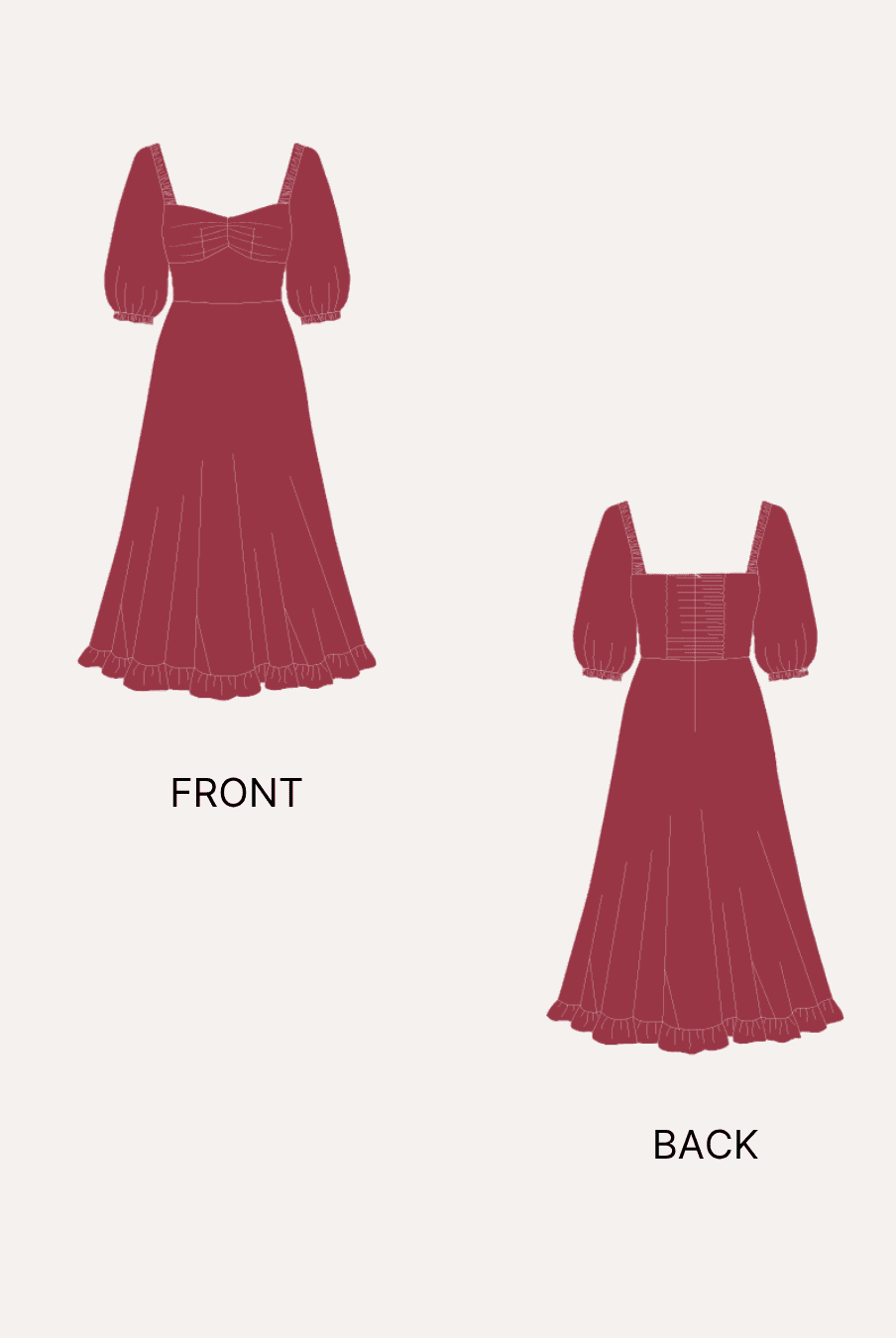
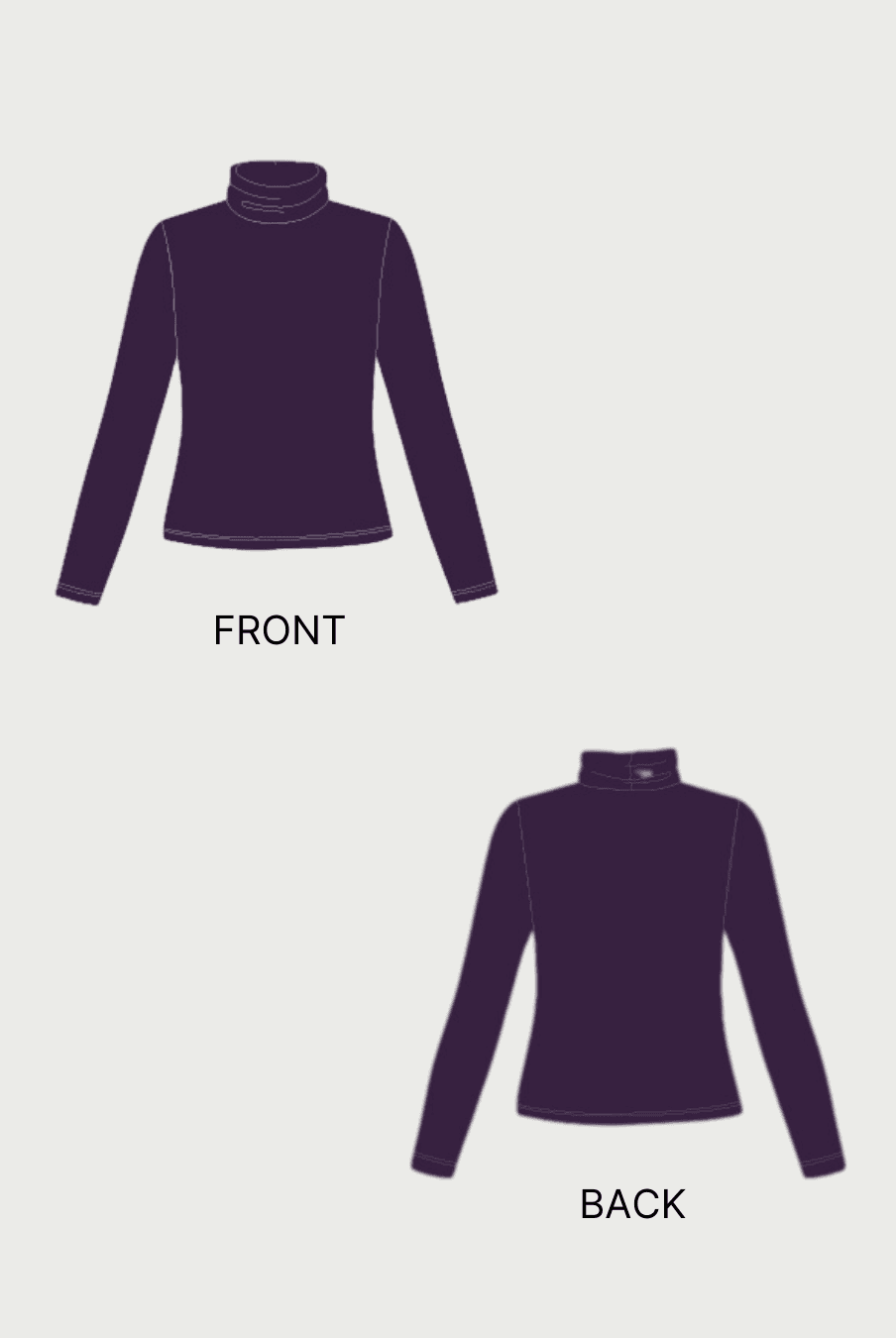
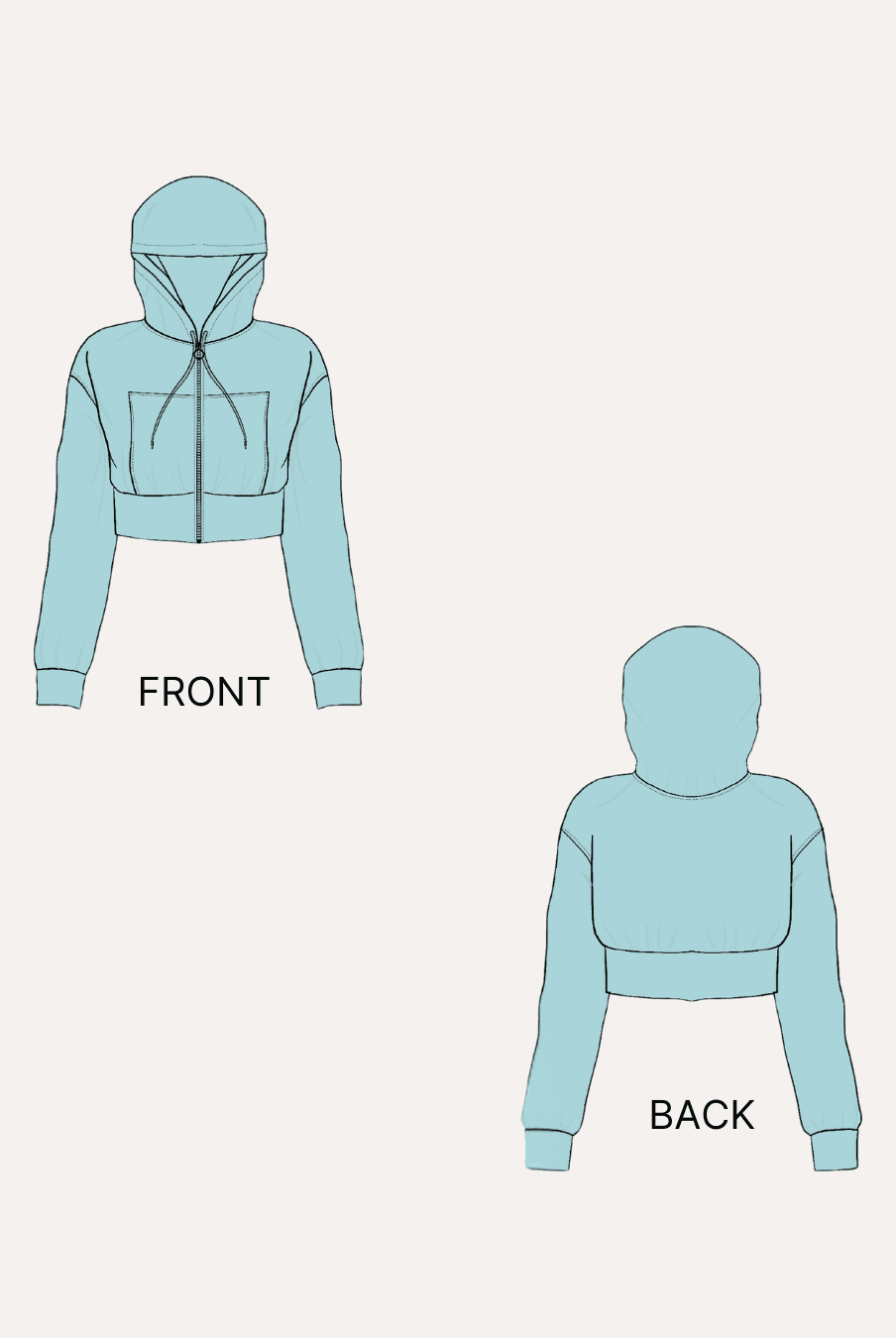
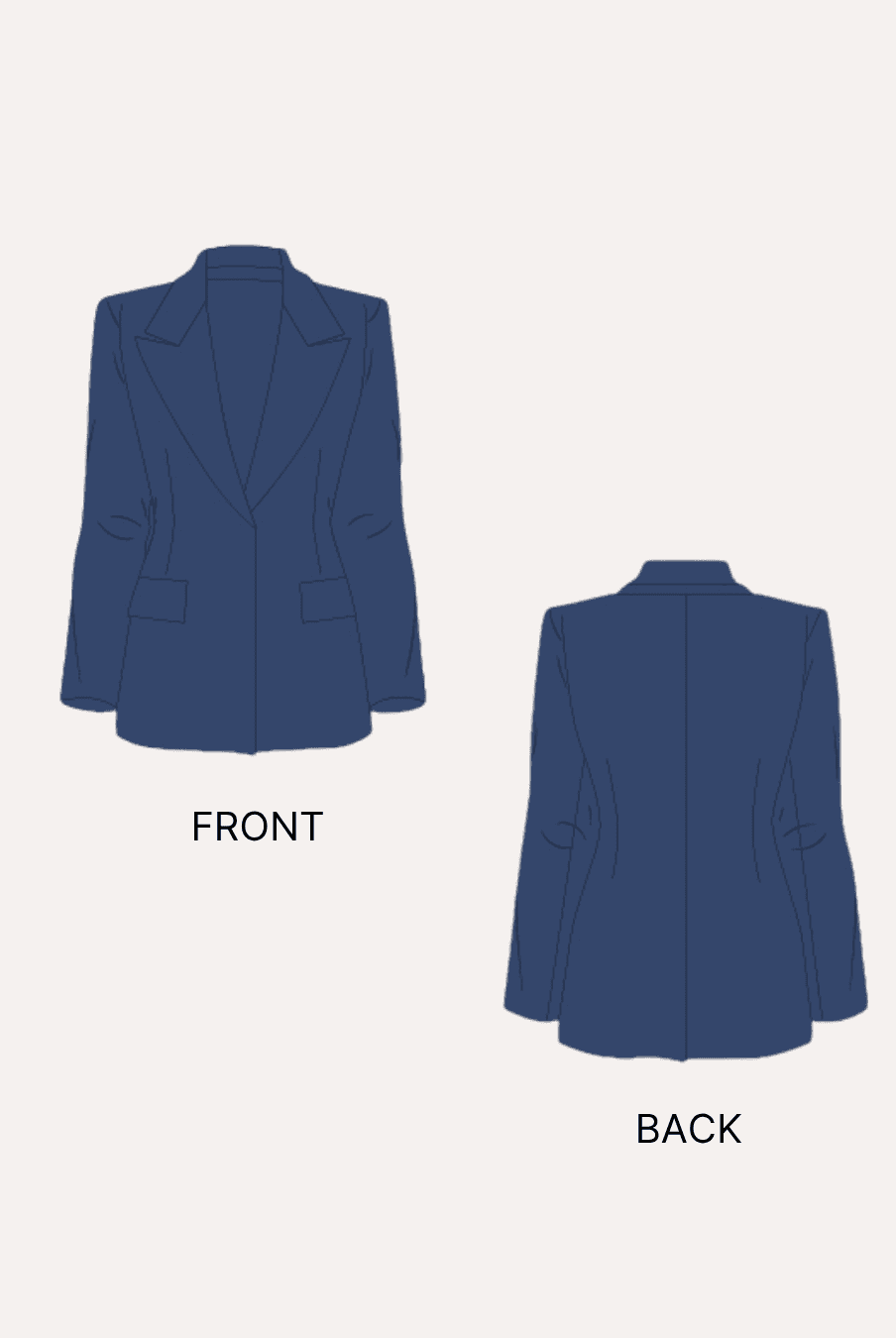
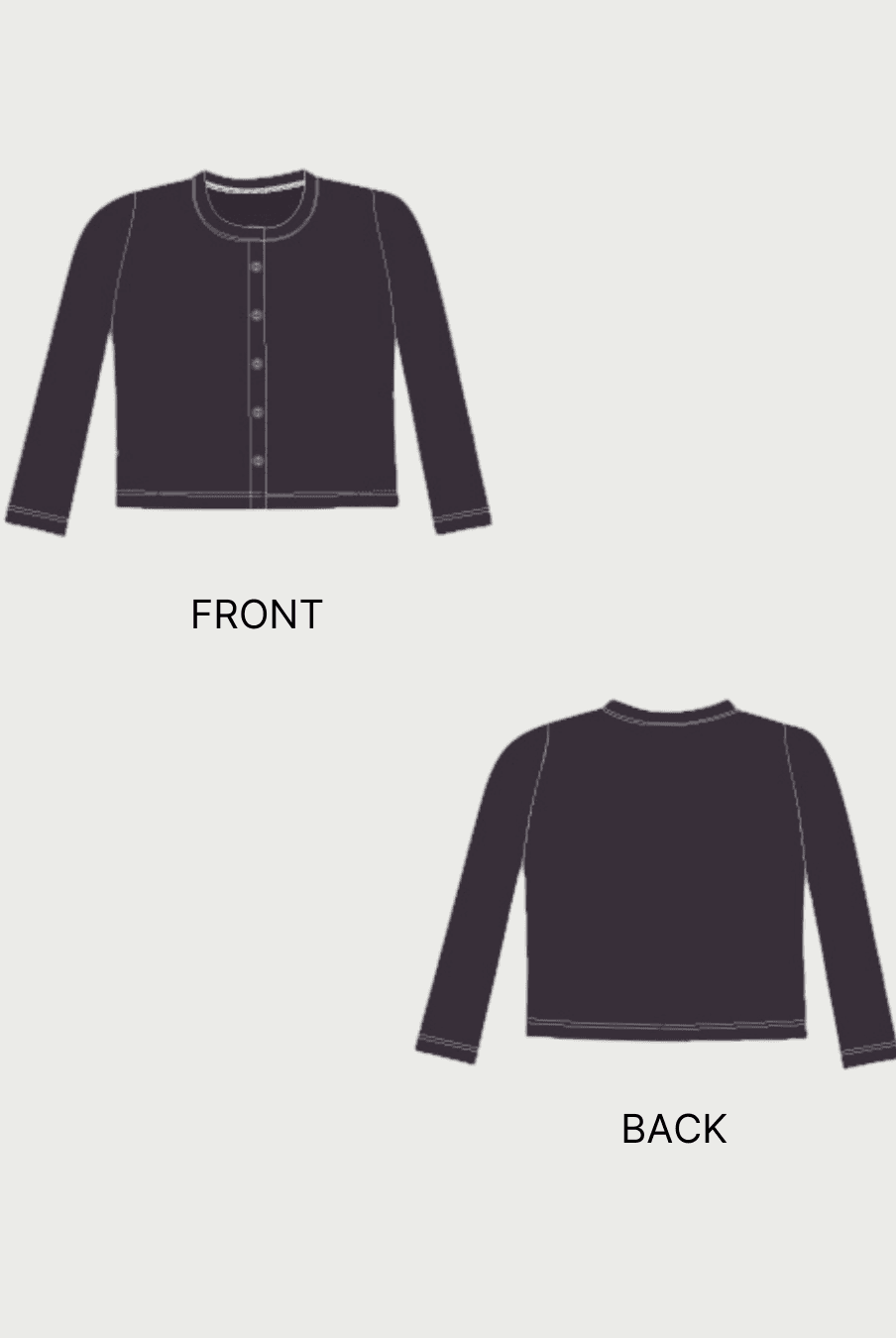
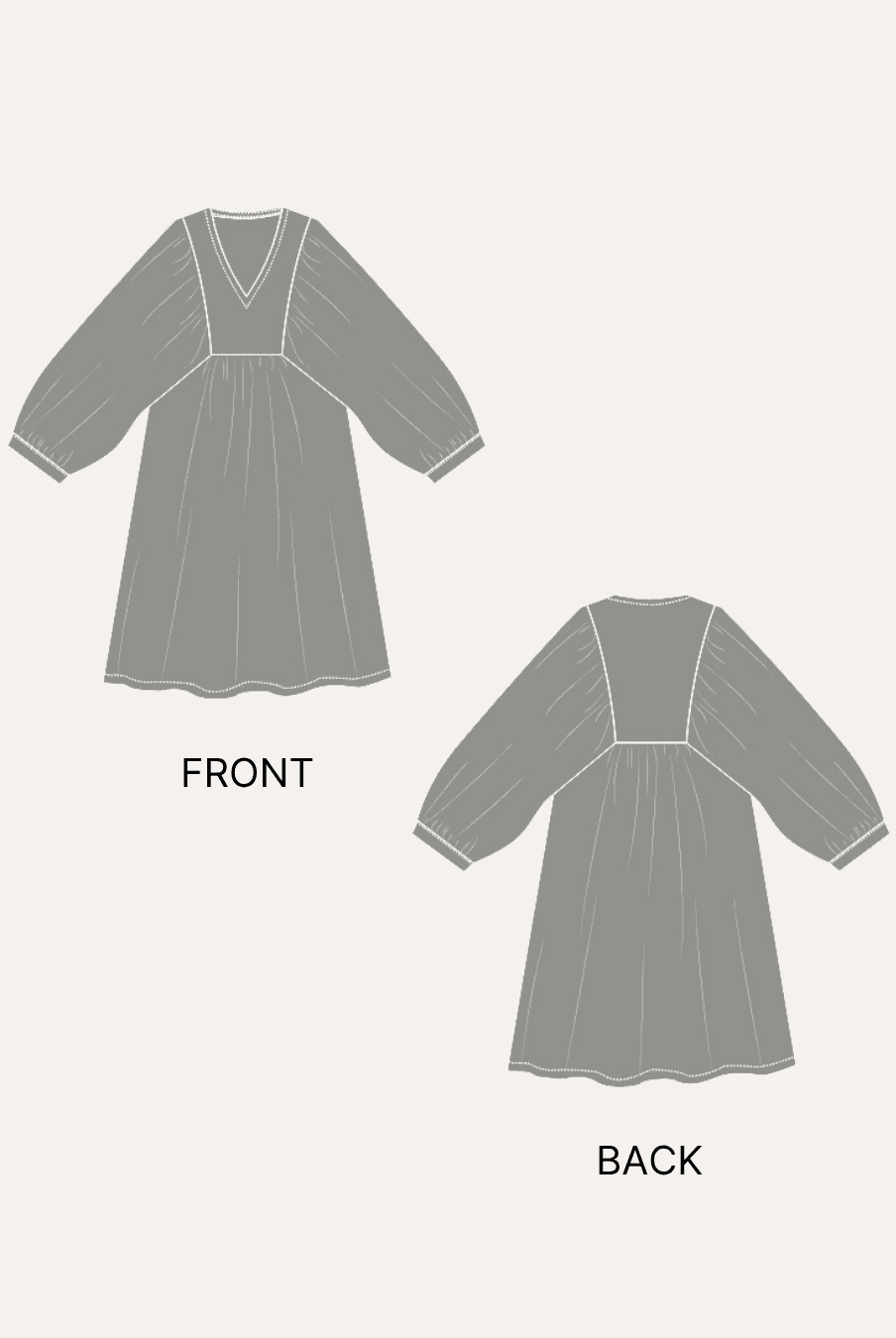
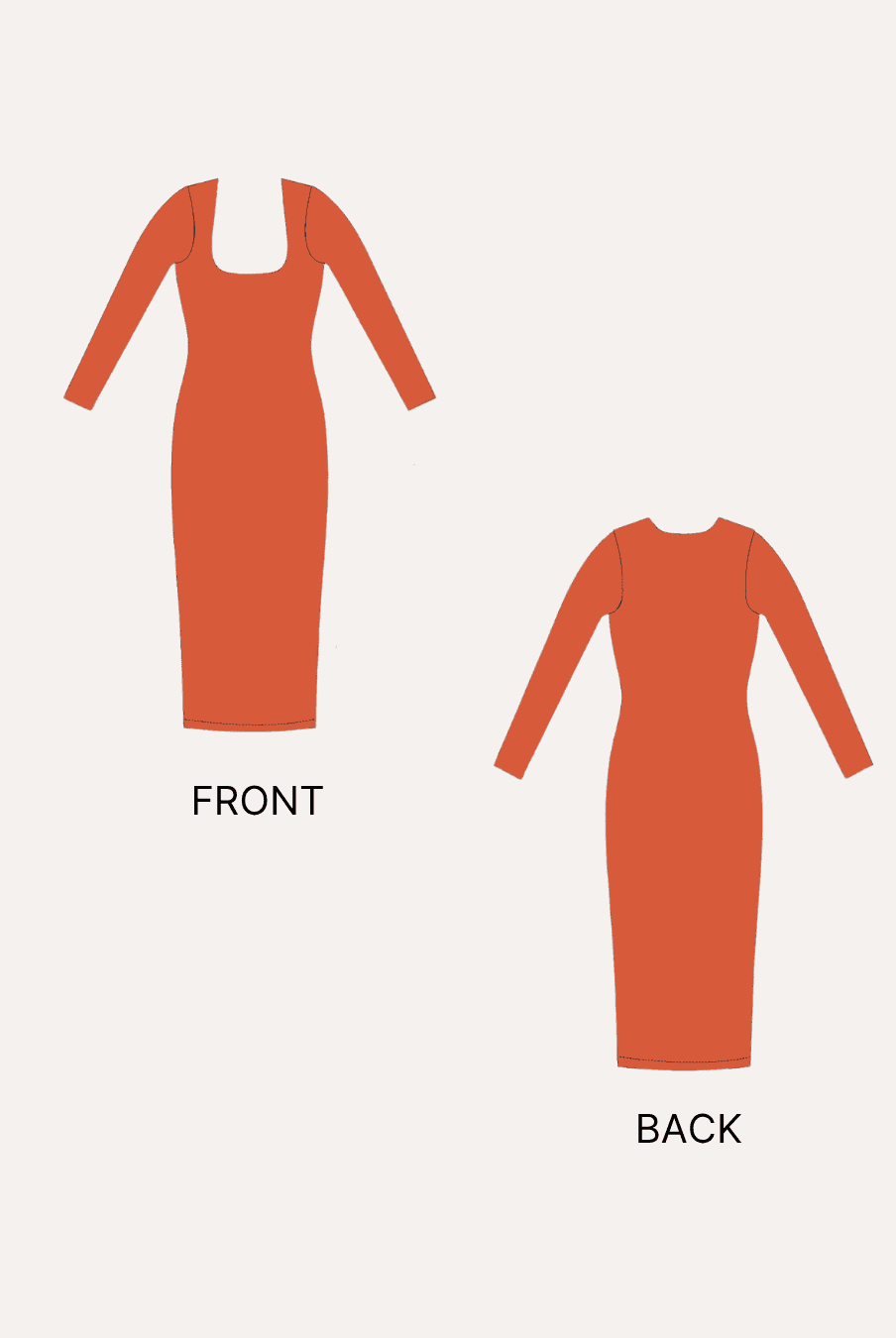
The Celestia Sheath Dress Sewing Pattern from Winslet's is a beautiful project for sewists looking to create a polished dress with sophisticated details. Featuring a front keyhole neckline, long gathered sleeves with cuffs, a fitted sheath skirt, lining, and a concealed back zipper, it offers a refined finish while remaining approachable to sew.

Why Sew a Sheath Dress?
-
Create a timeless dress that works for parties, celebrations, and formal occasions.
-
Enjoy a flattering fitted silhouette that highlights the waist and shape of the garment.
-
Learn useful sewing techniques including darts, sleeve gathering, cuff construction, lining, and concealed zipper insertion.
-
Customize the look using a variety of lightweight woven fabrics and special occasion fabrics.
-
Sew a versatile handmade garment that can be dressed up with accessories and statement fabrics.
-
Create a polished, professional-looking dress with a clean lined finish.
Why Choose the Winslet's Celestia Sheath Dress Sewing Pattern?

-
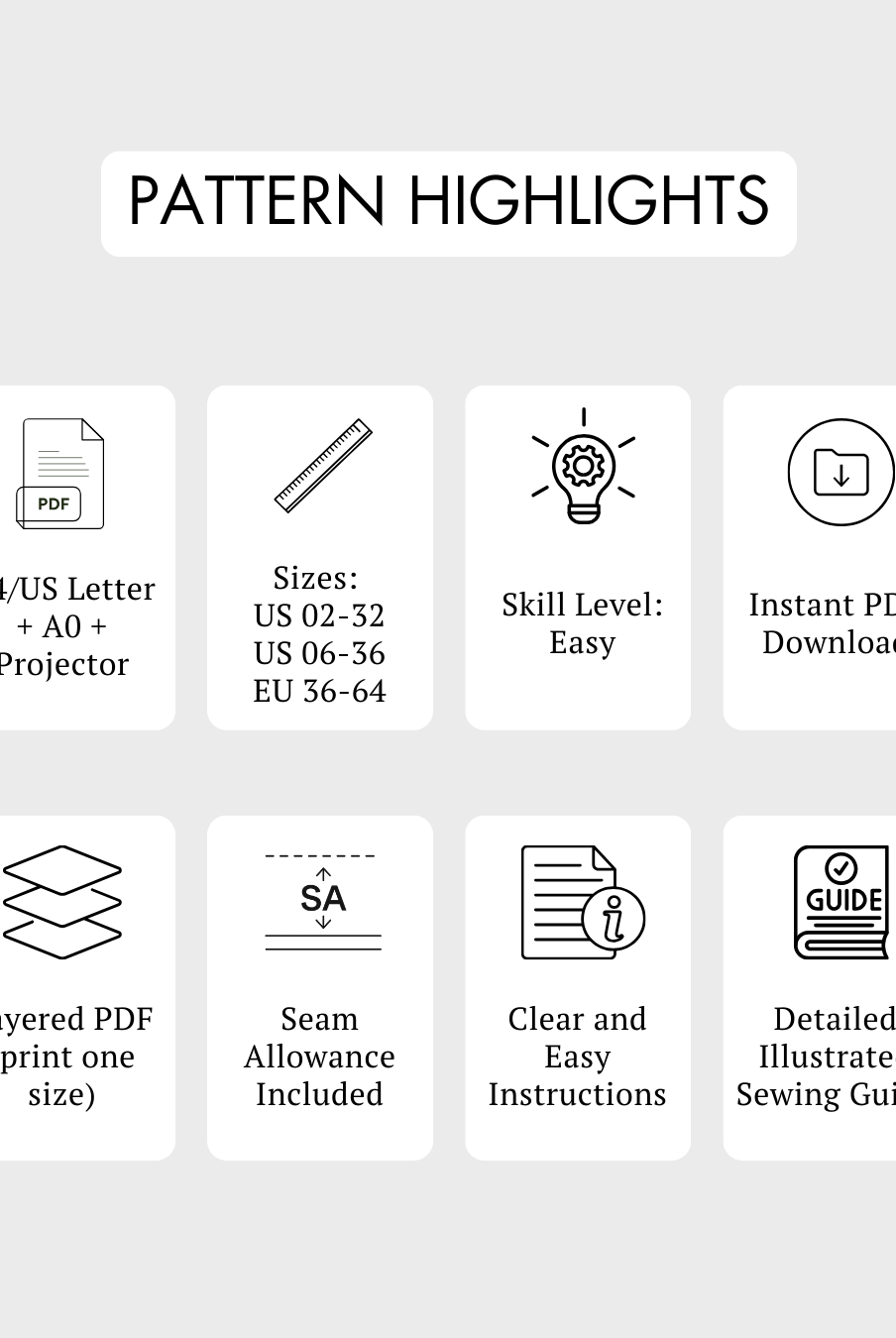
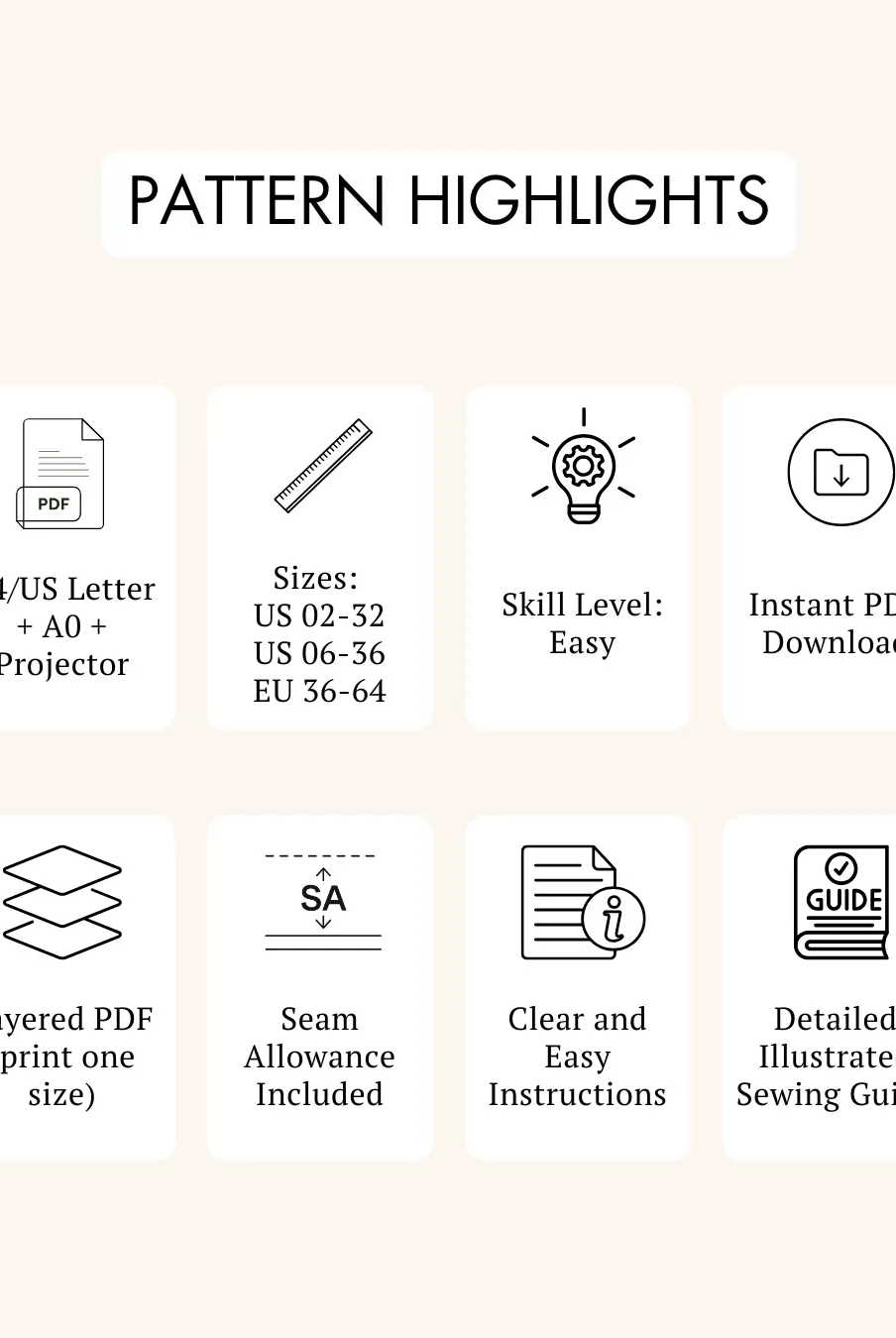
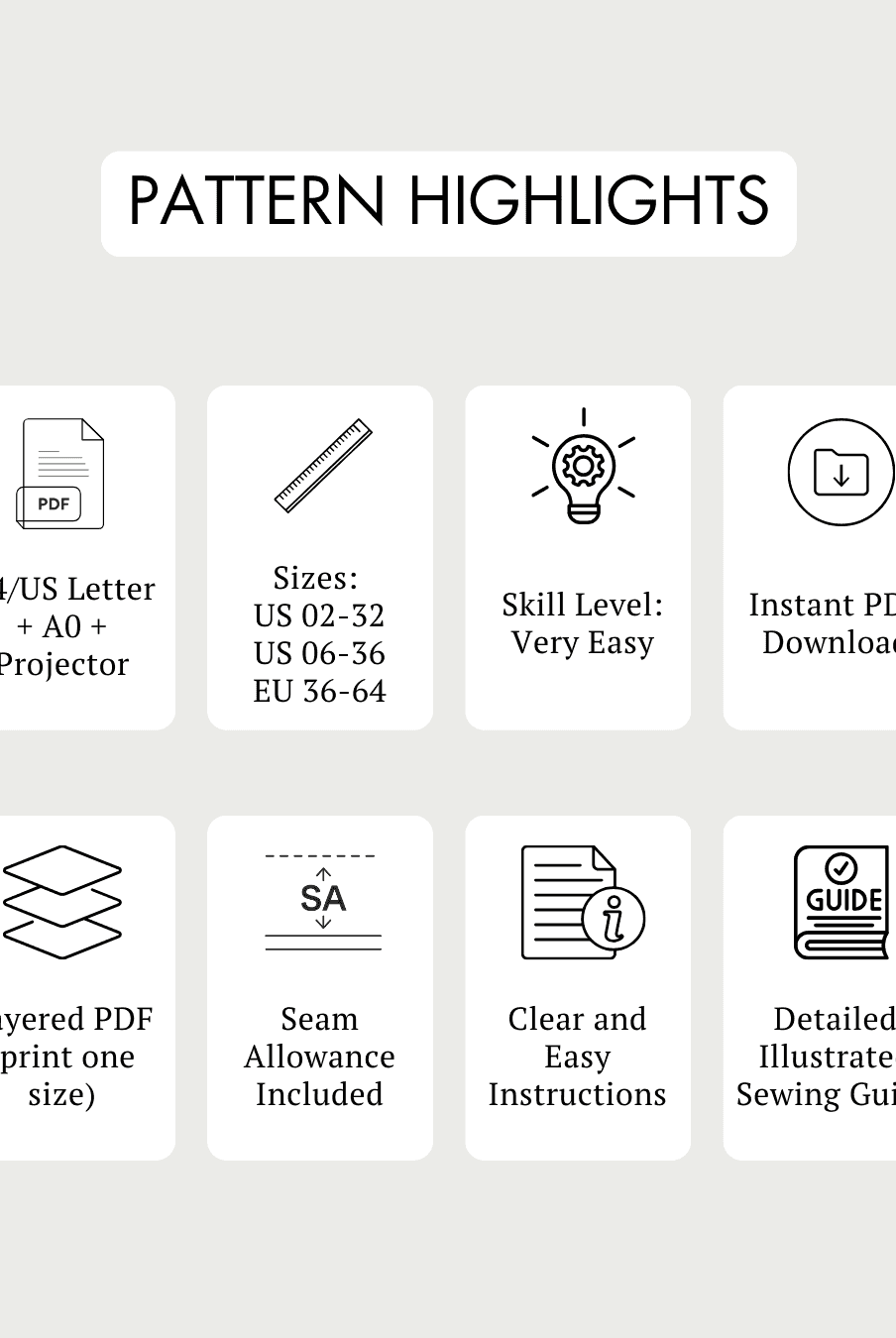
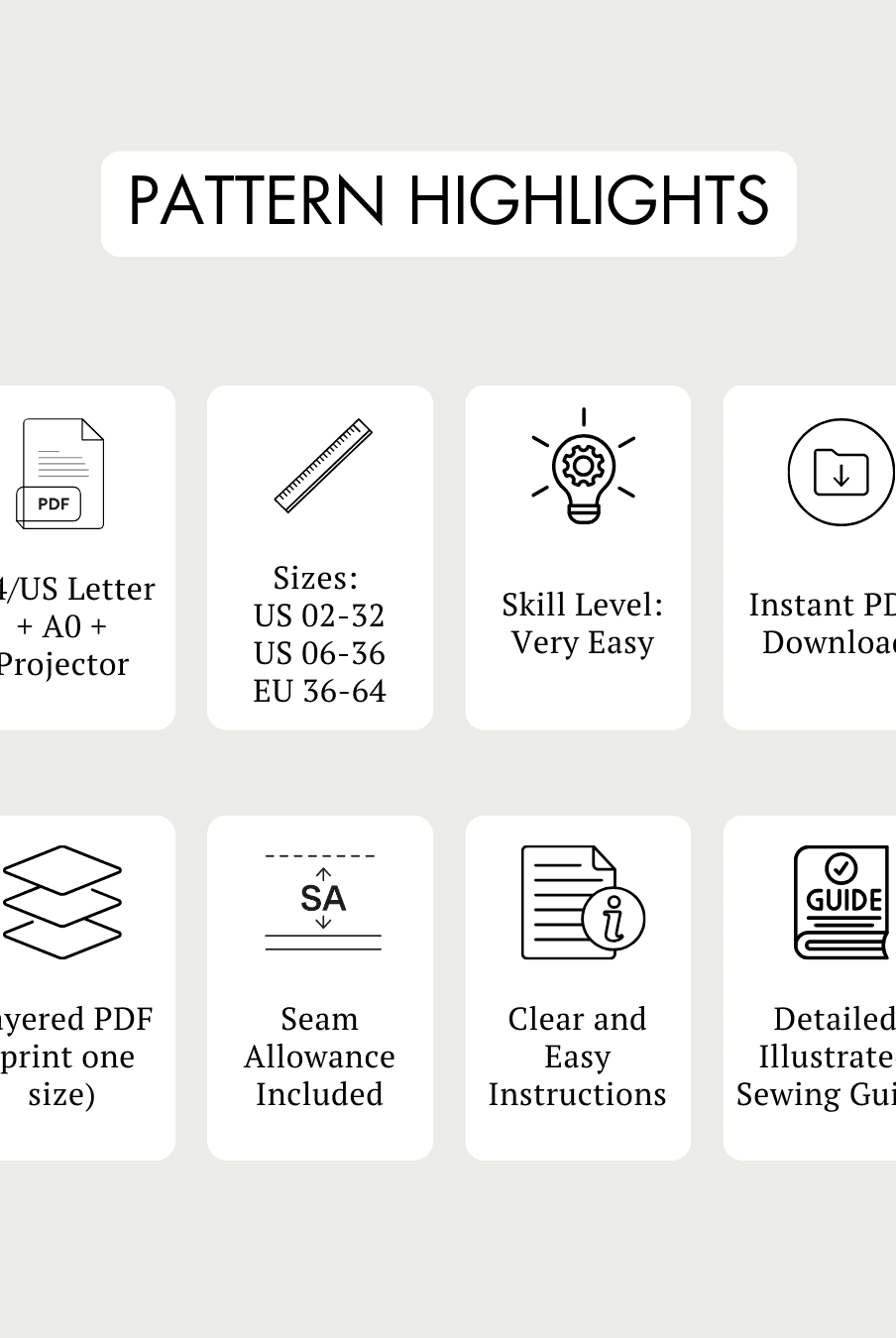
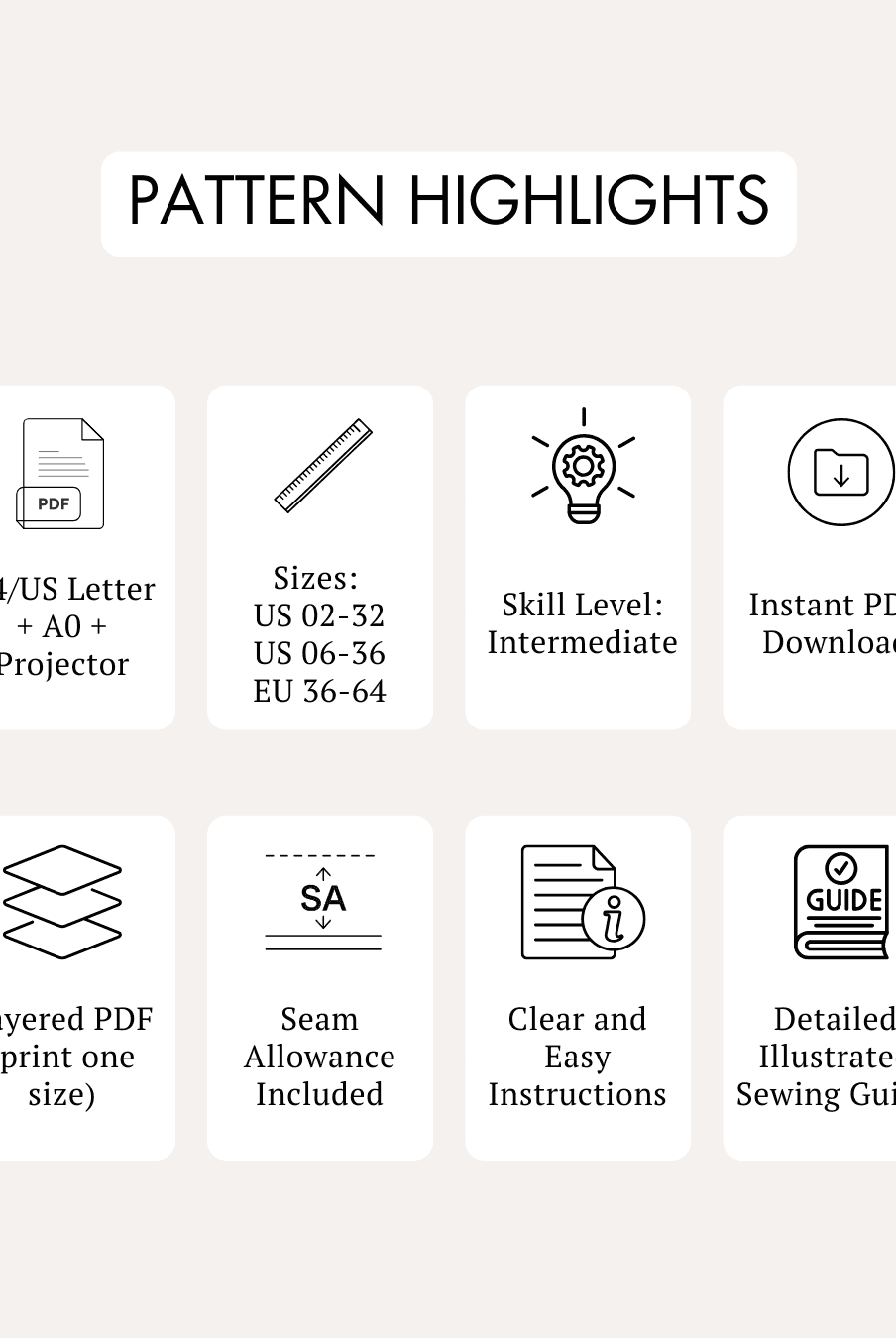
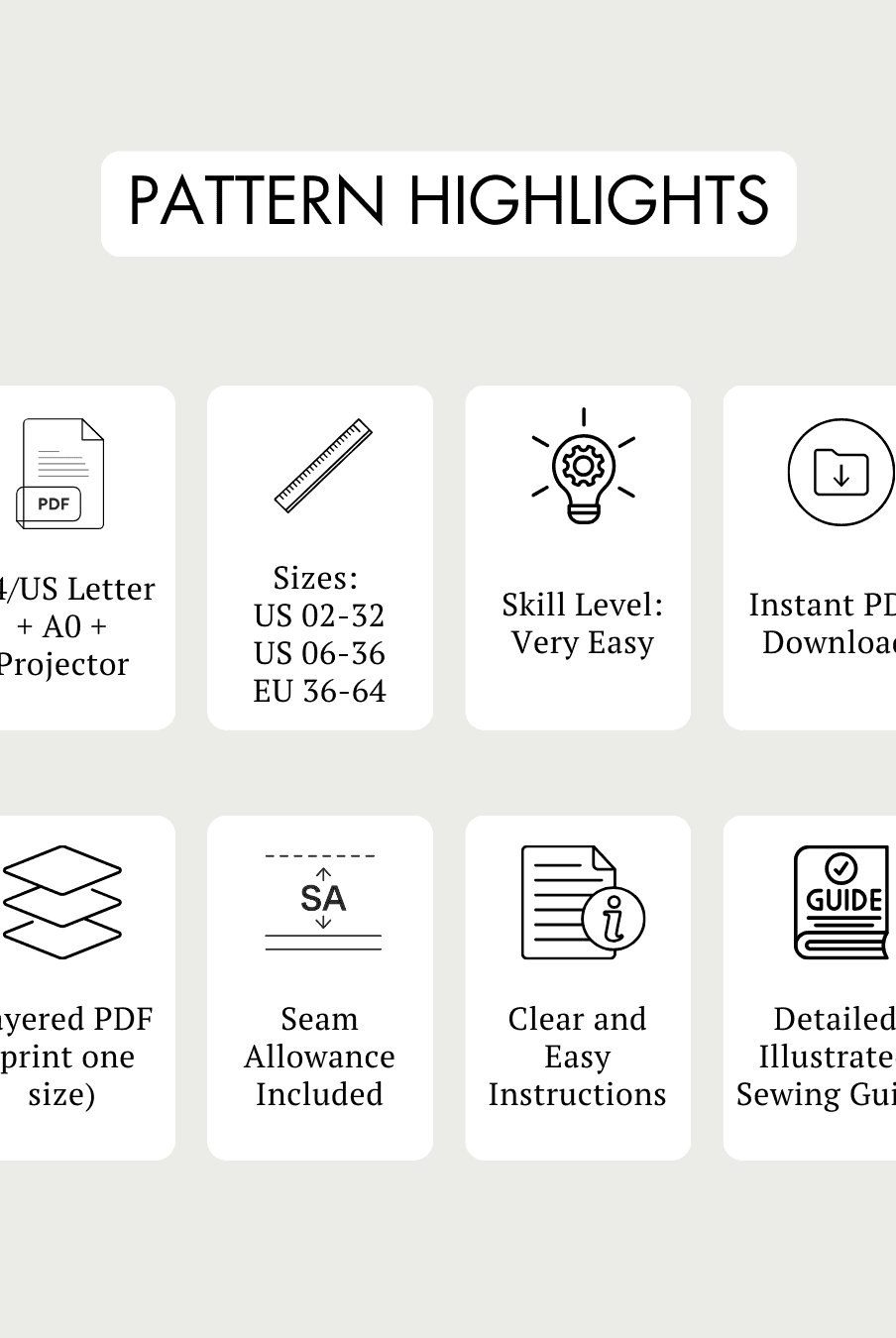
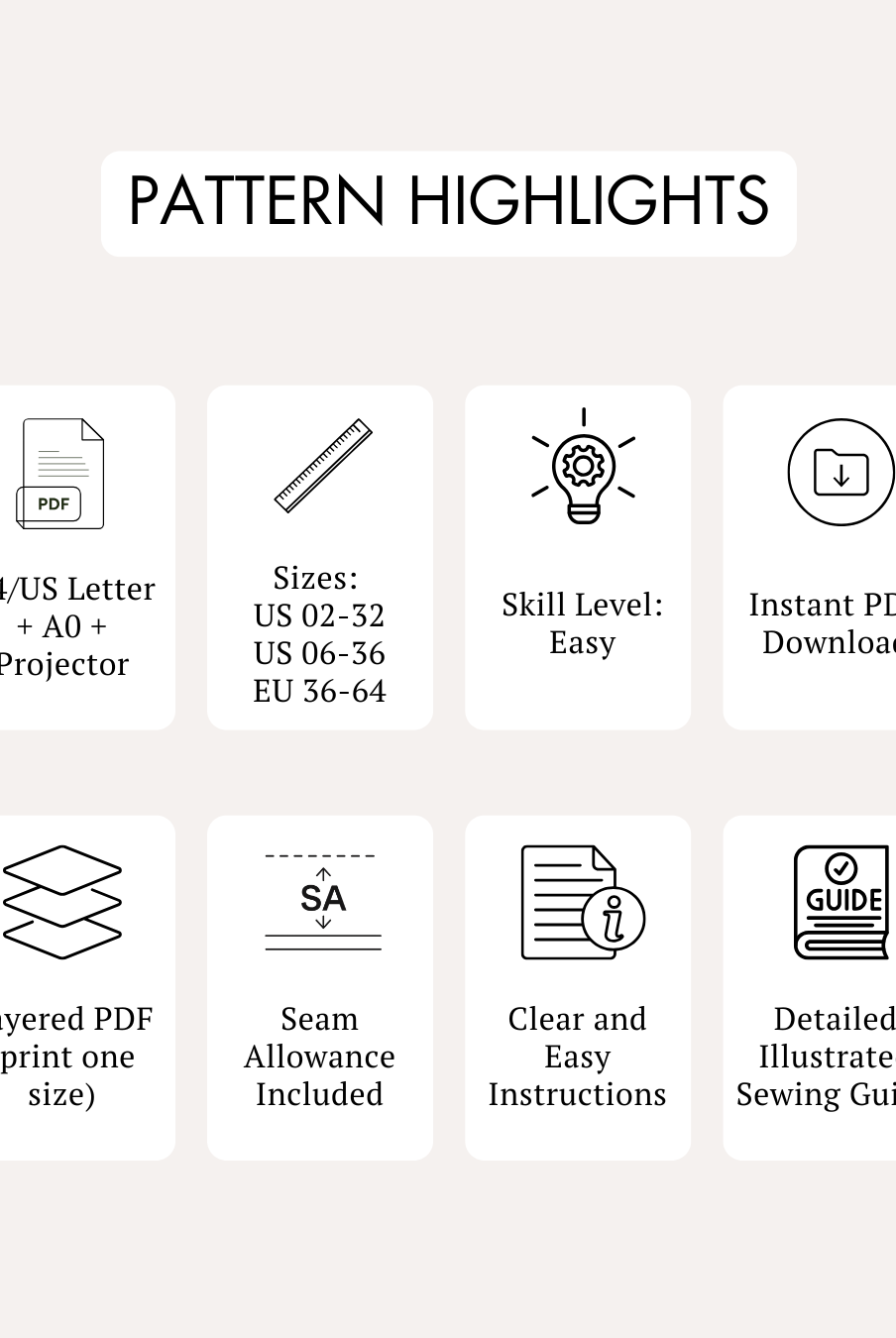
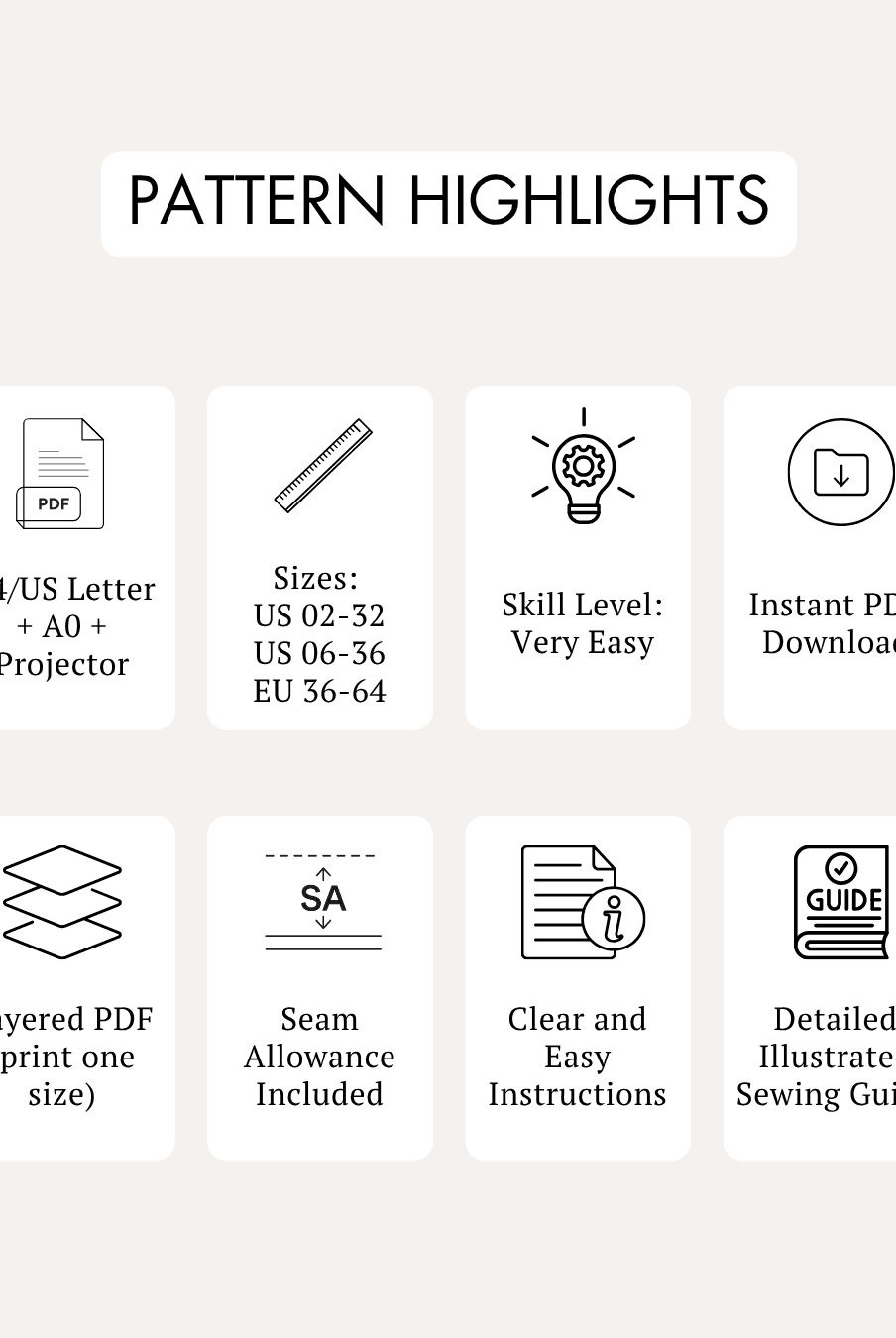
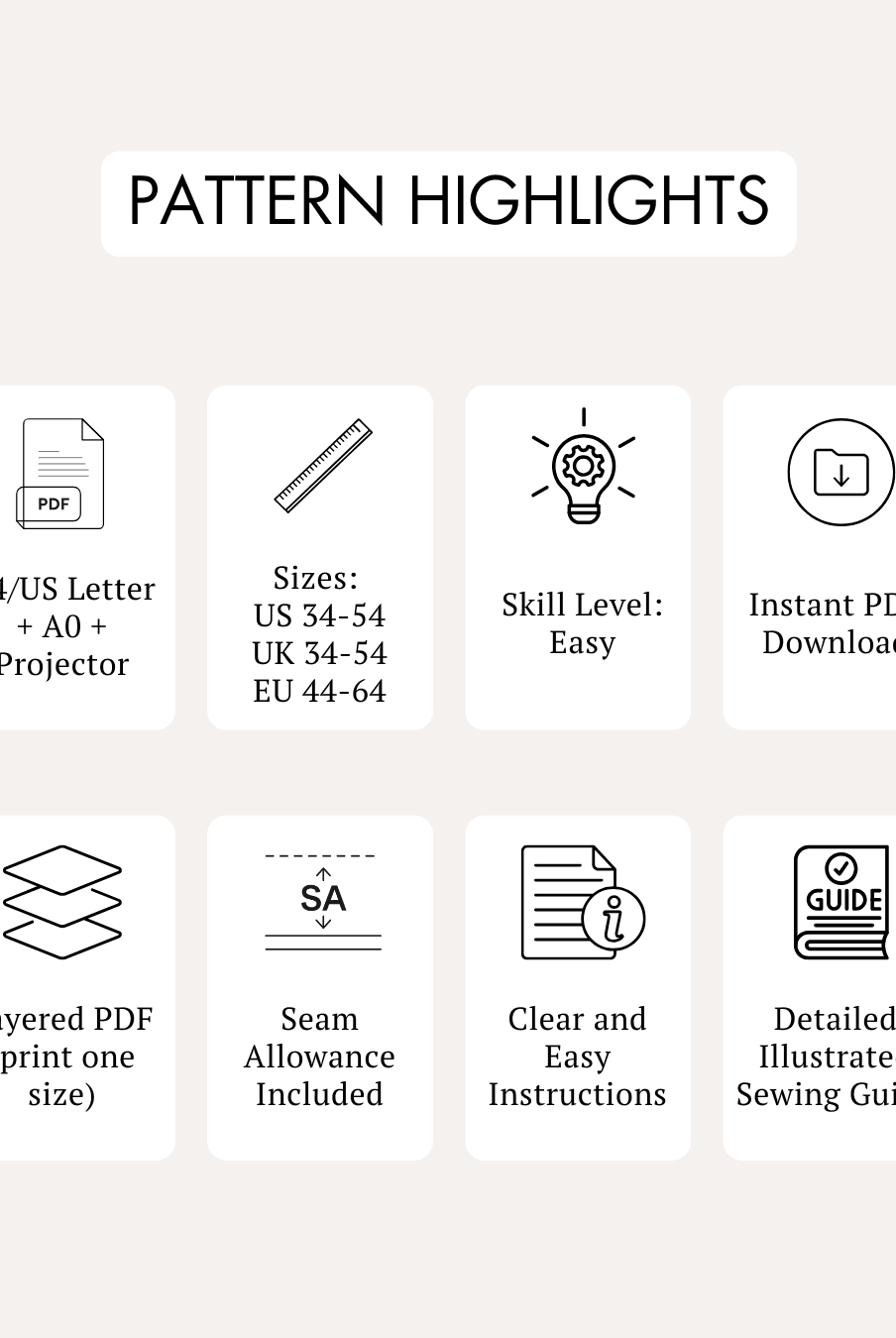
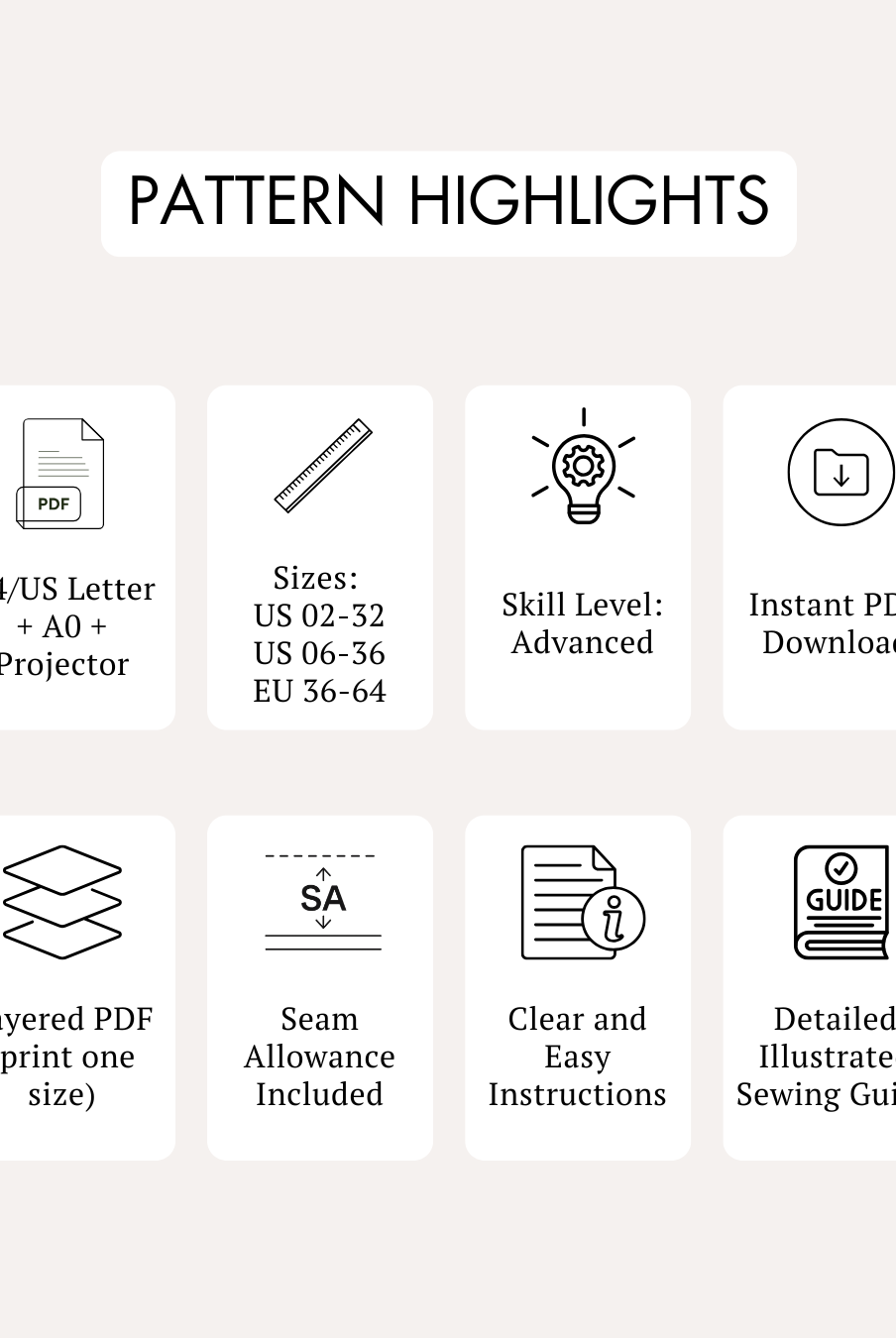
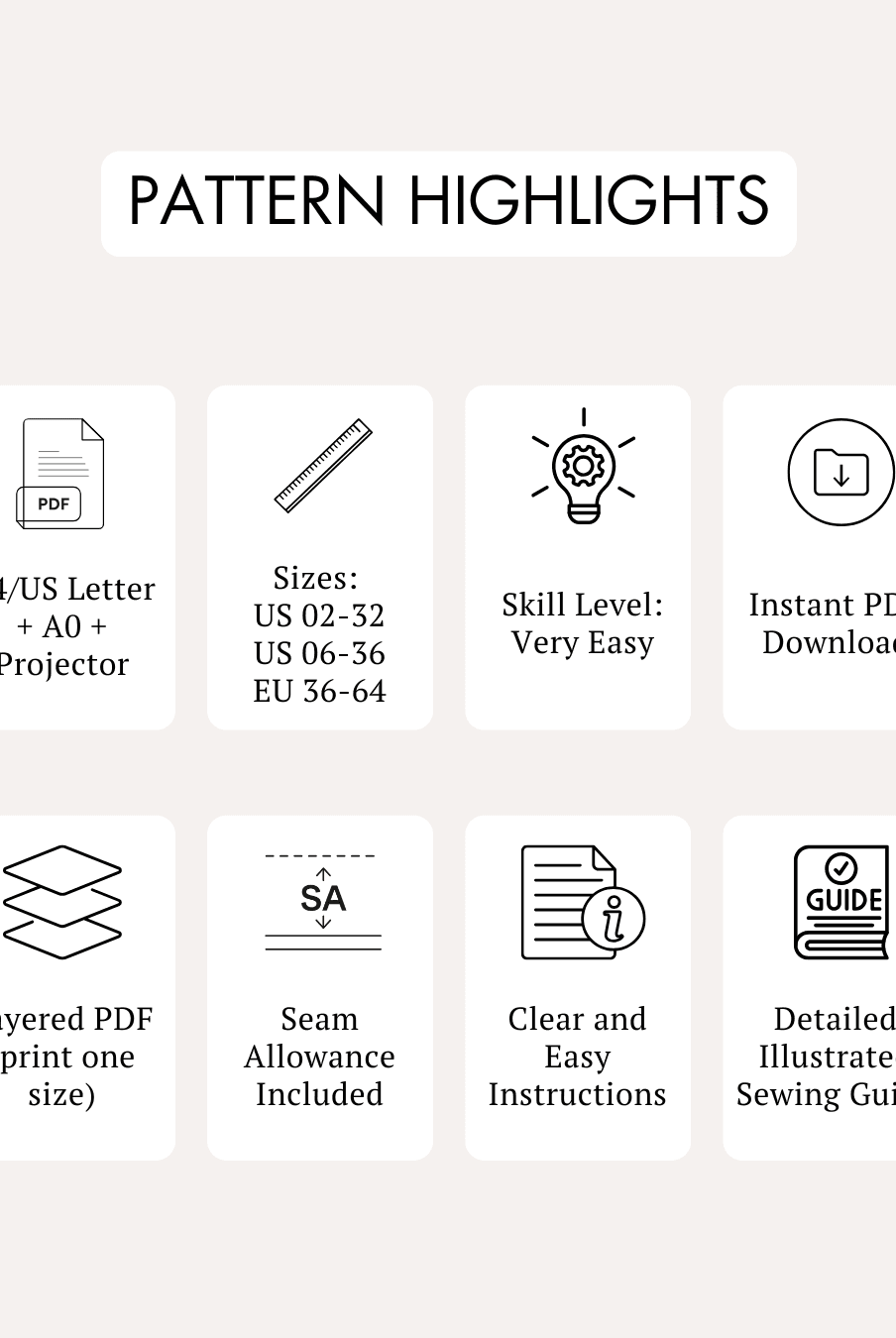
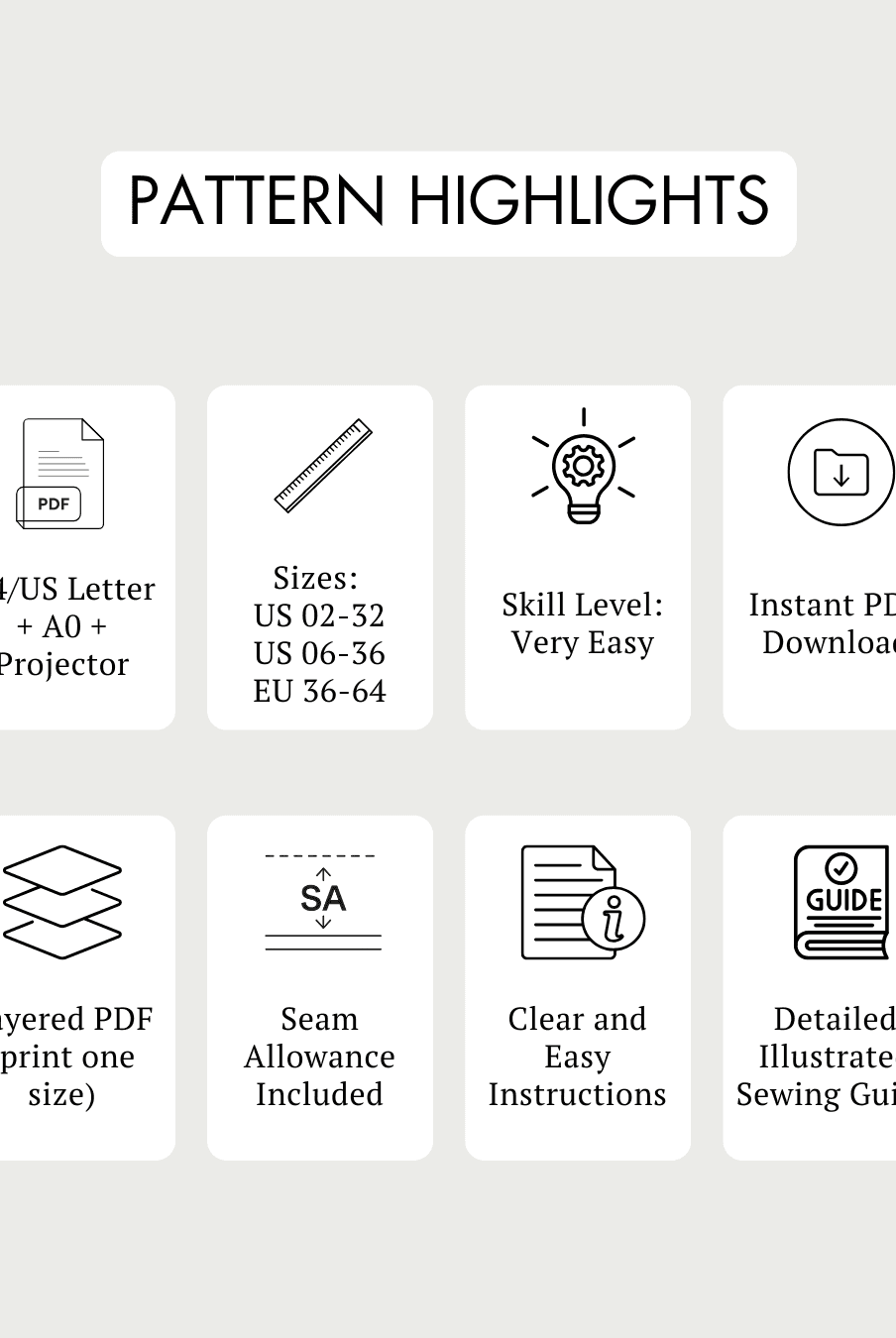
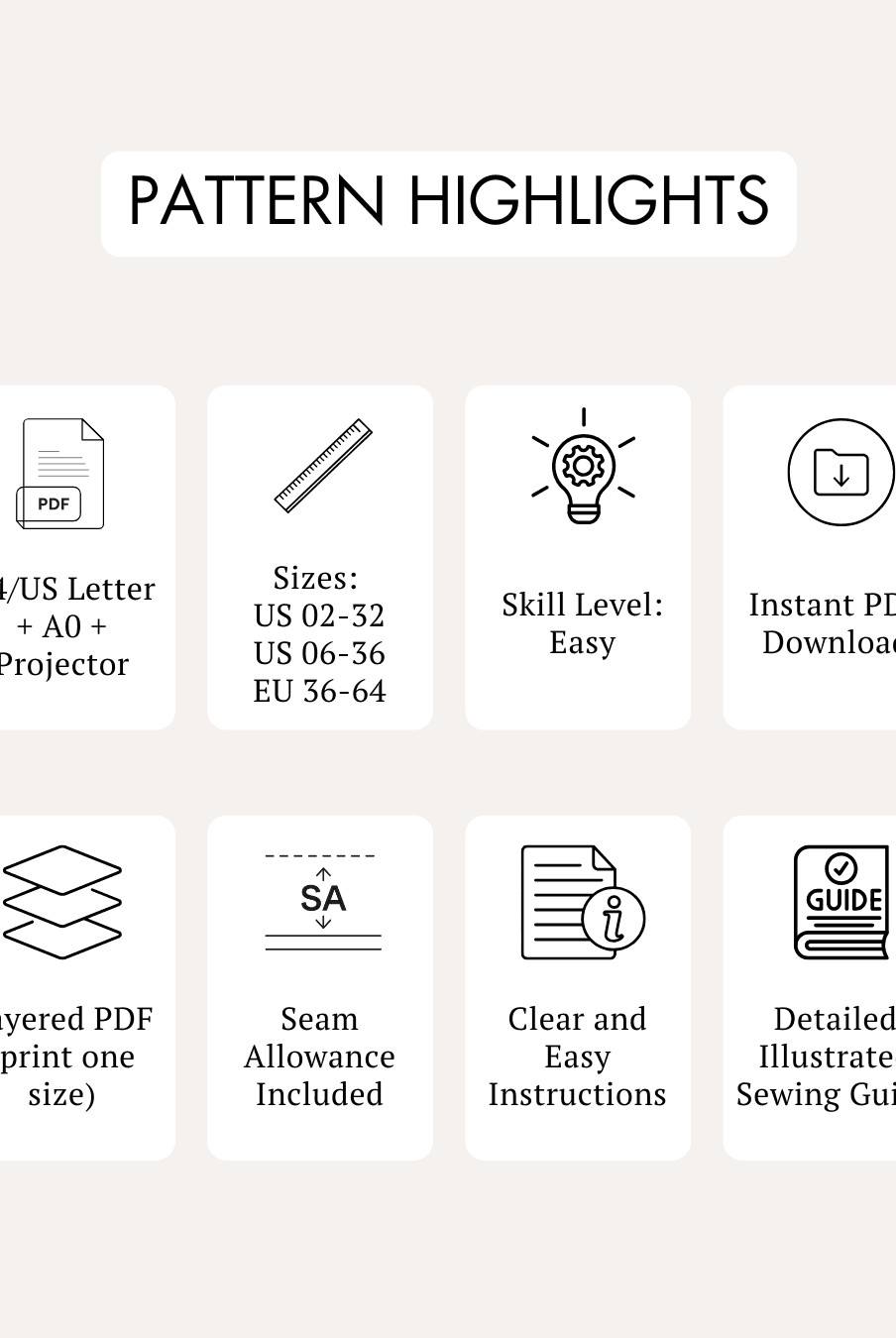
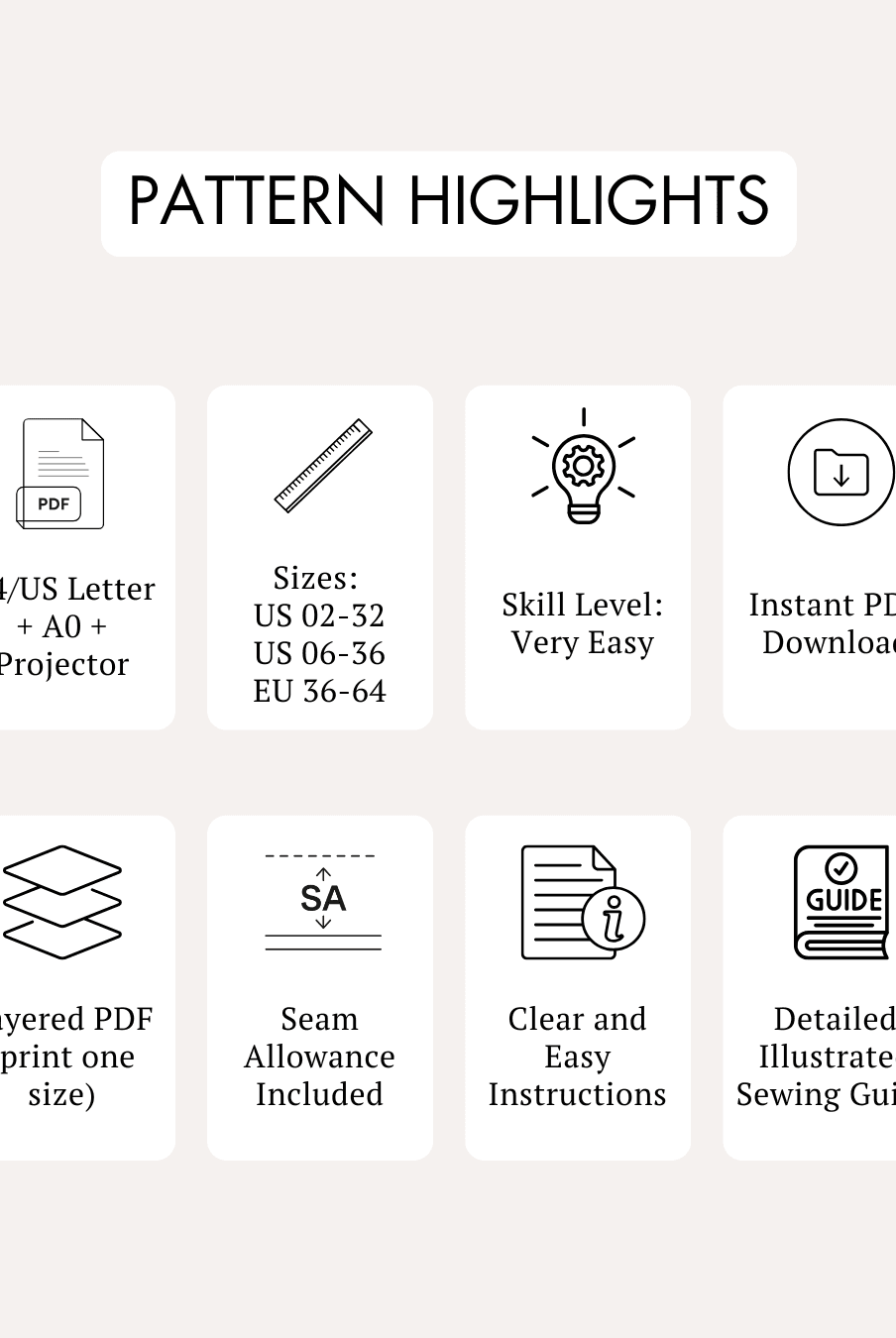
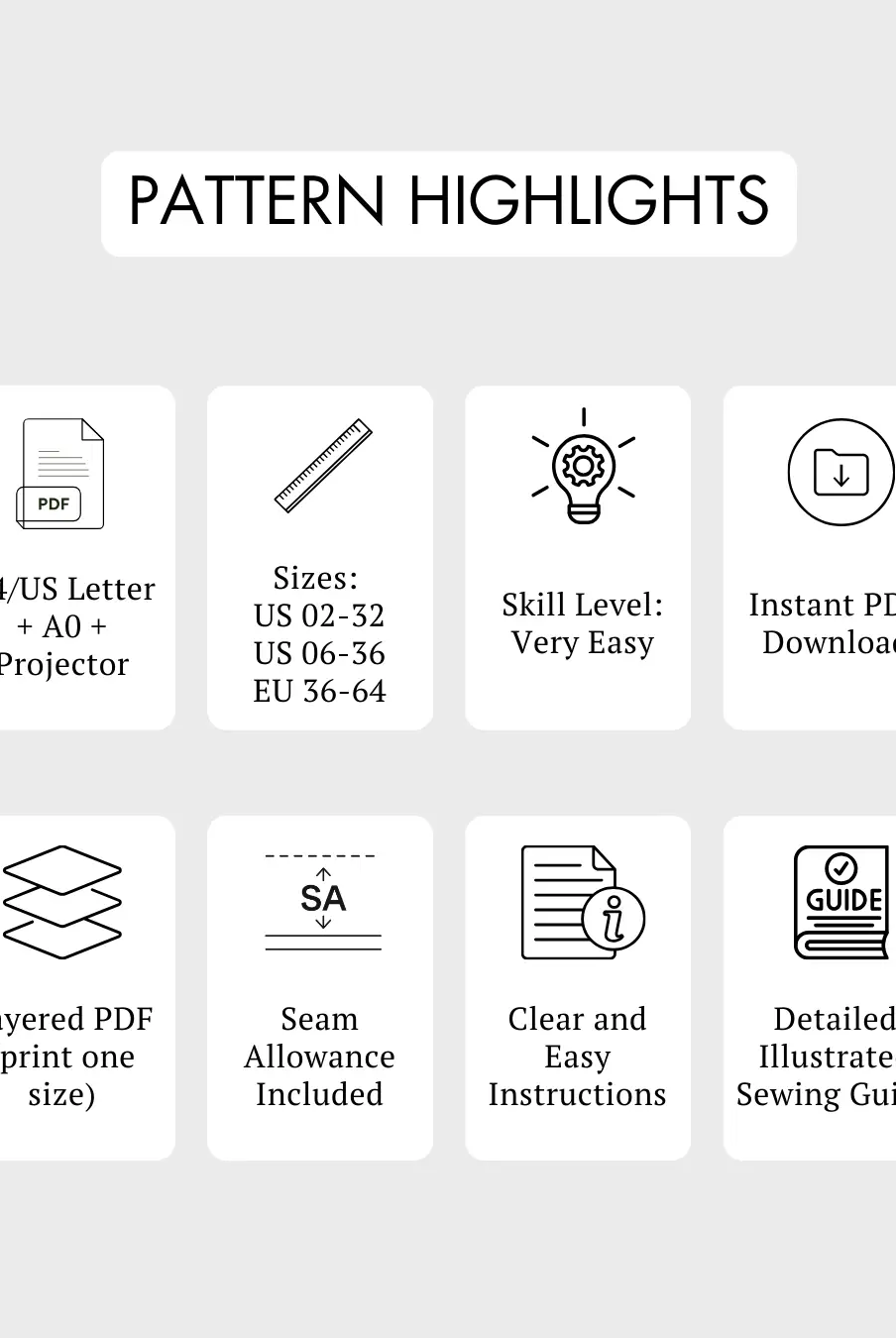
Skill Level: Very Easy
-
Sheath dress silhouette
-
Front keyhole neckline detail
-
Long sleeves
-
Gathered sleeve hems with cuffs
-
Concealed back zipper
-
Back slit for ease of movement
-
Fully lined construction
-
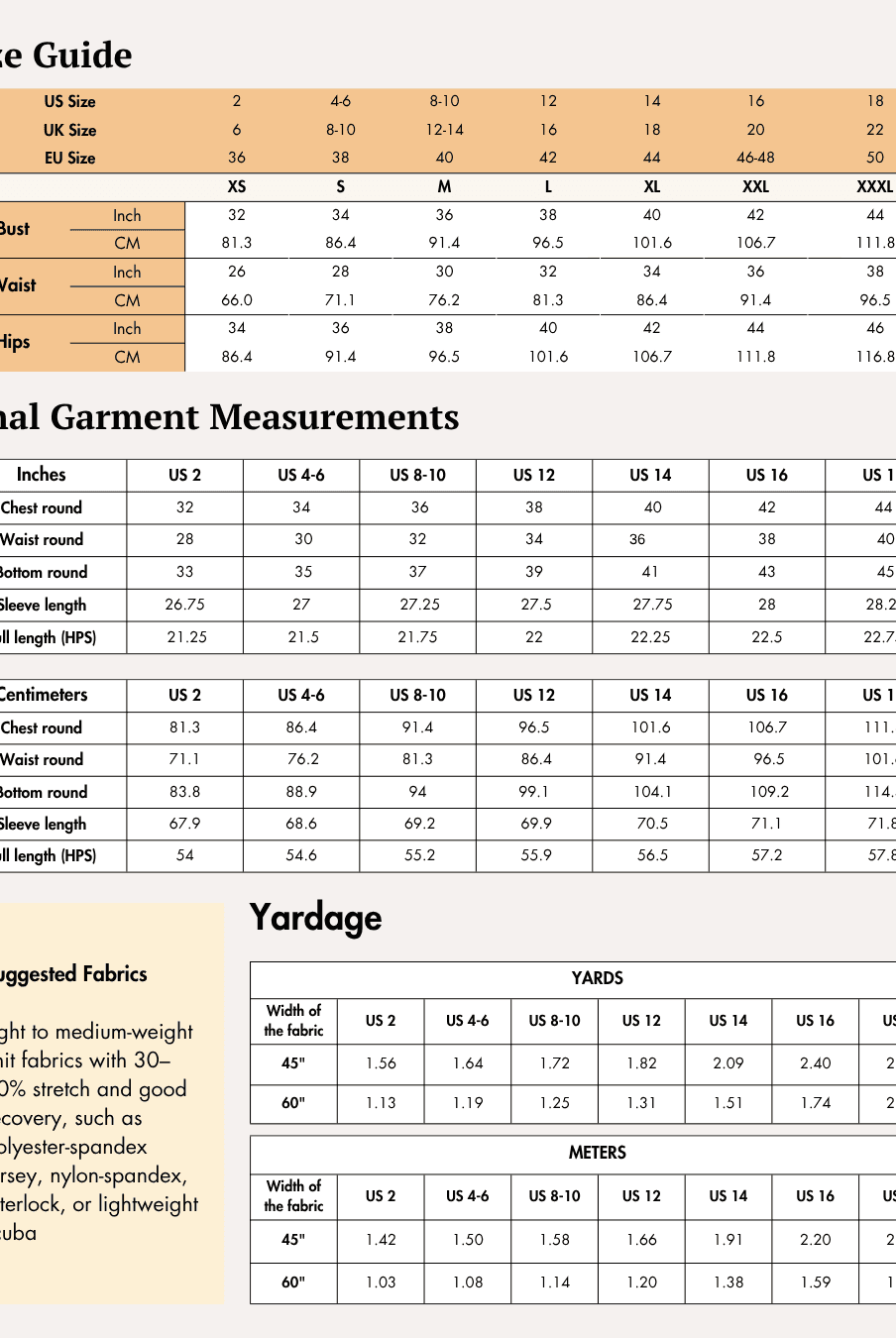
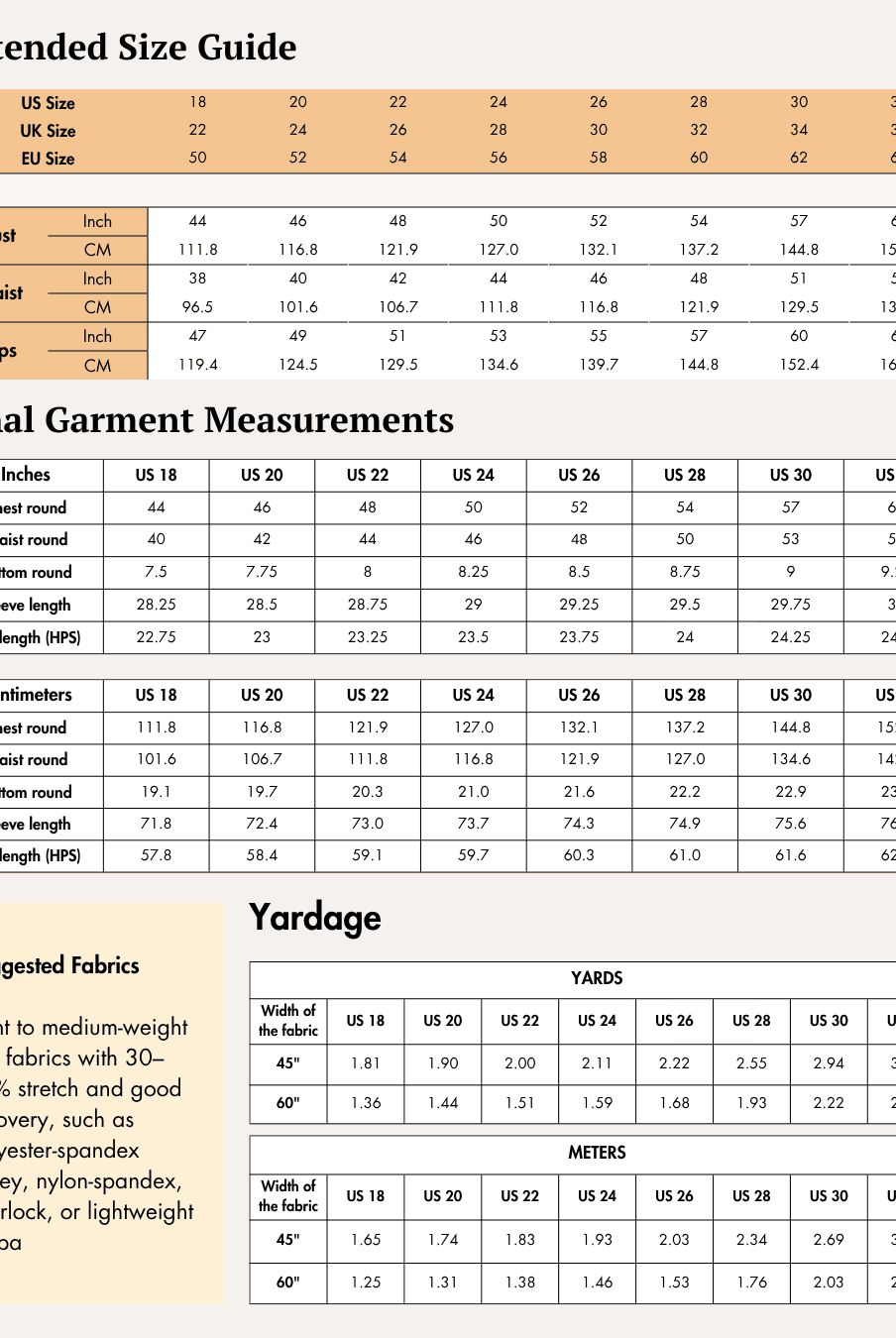
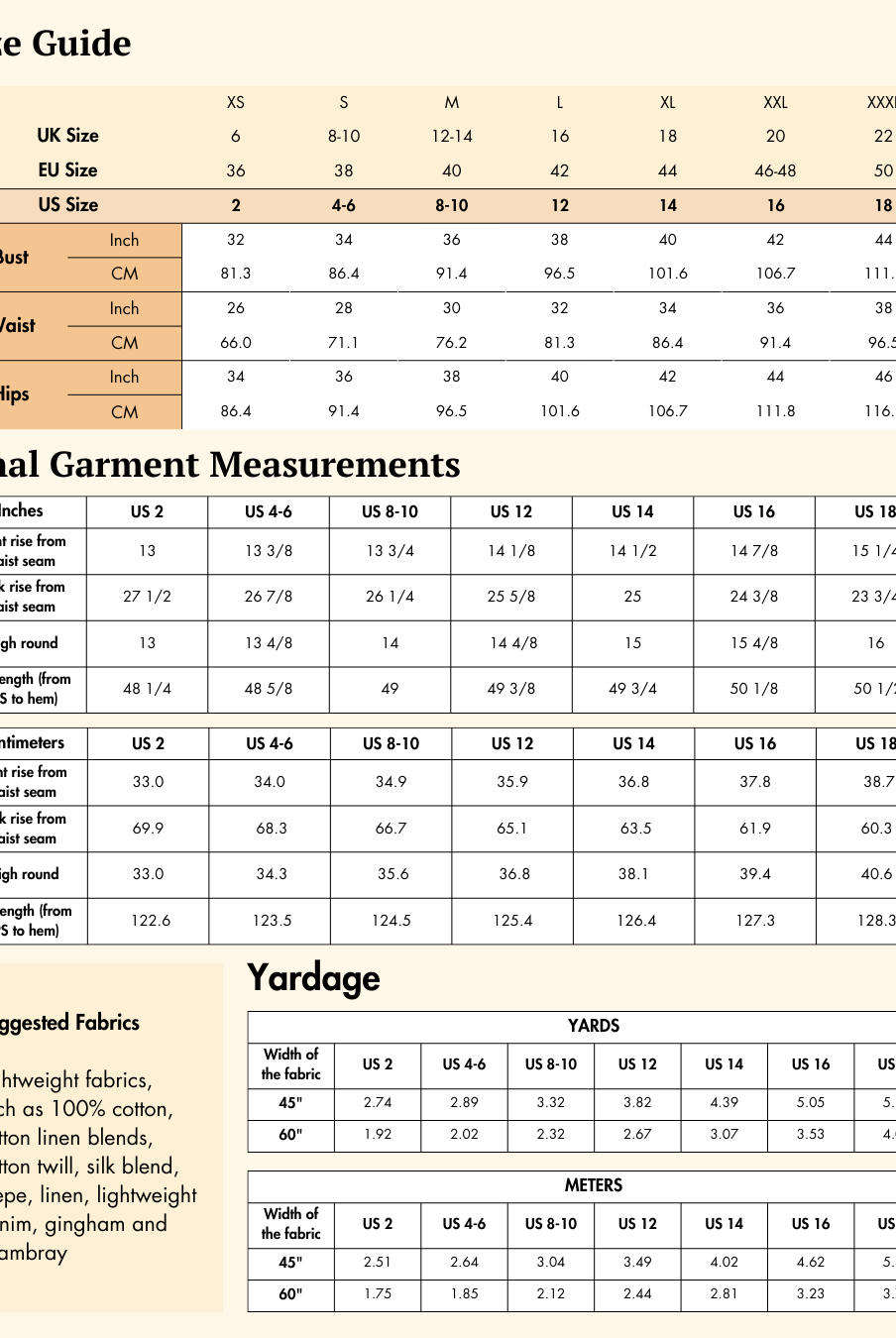
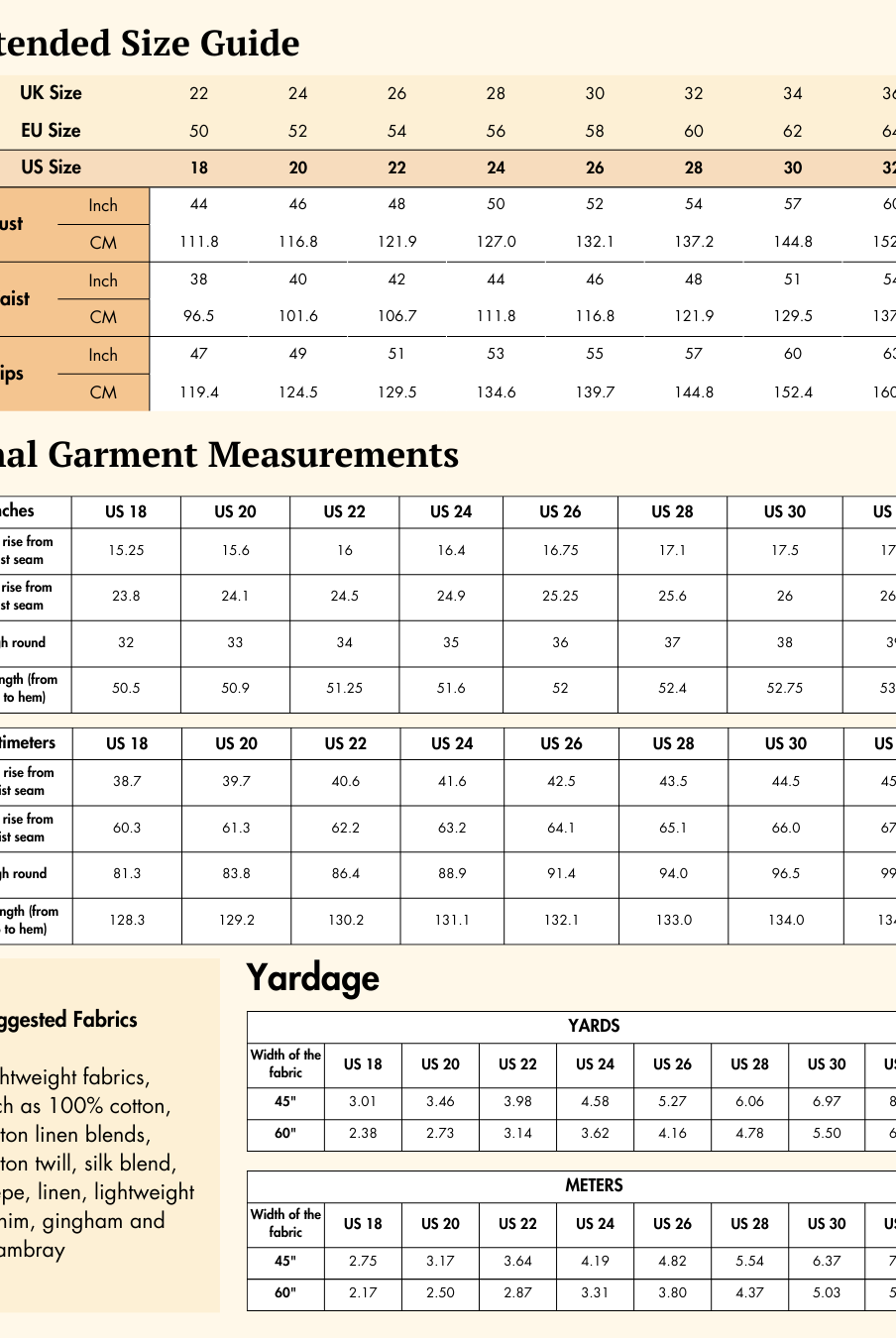
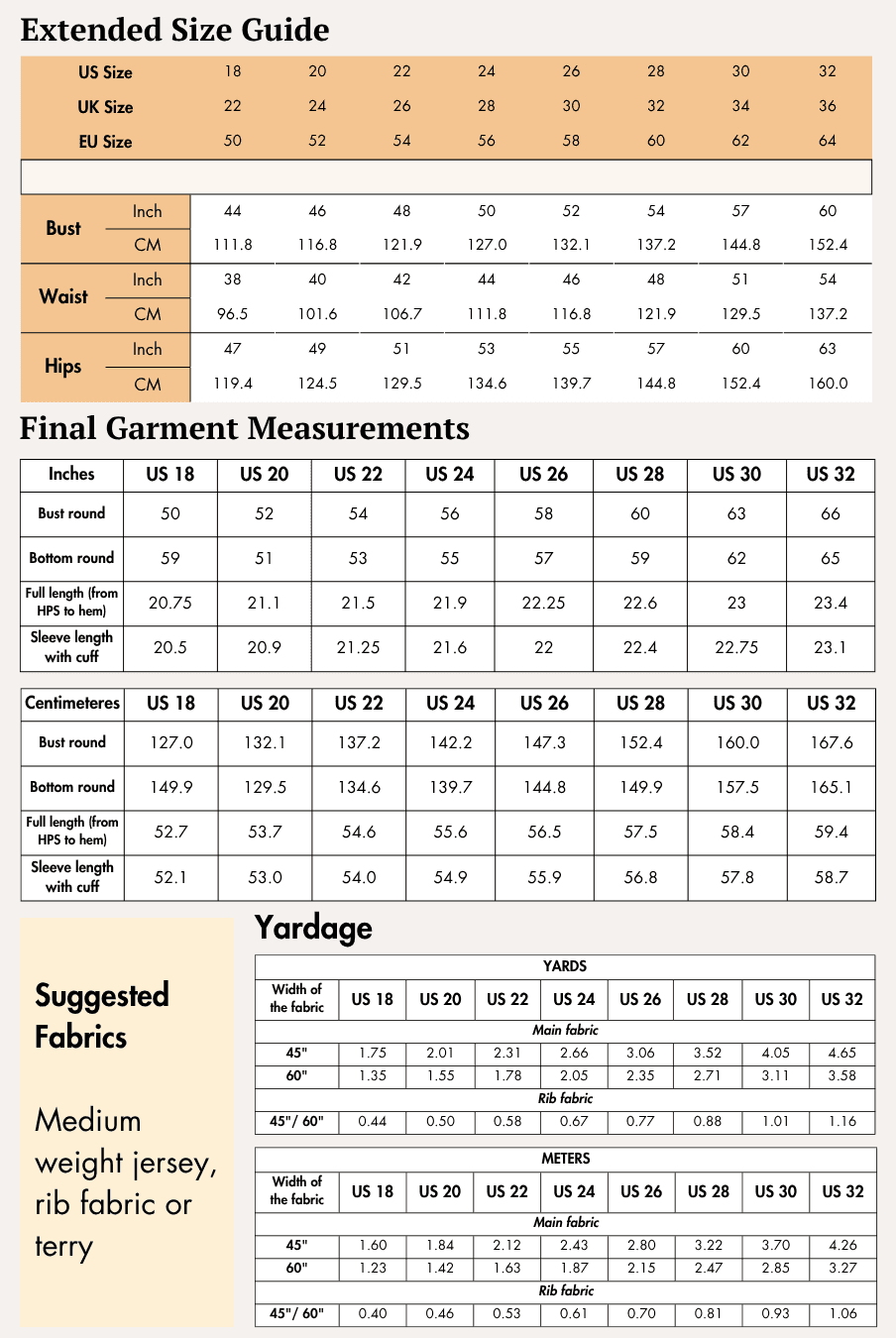
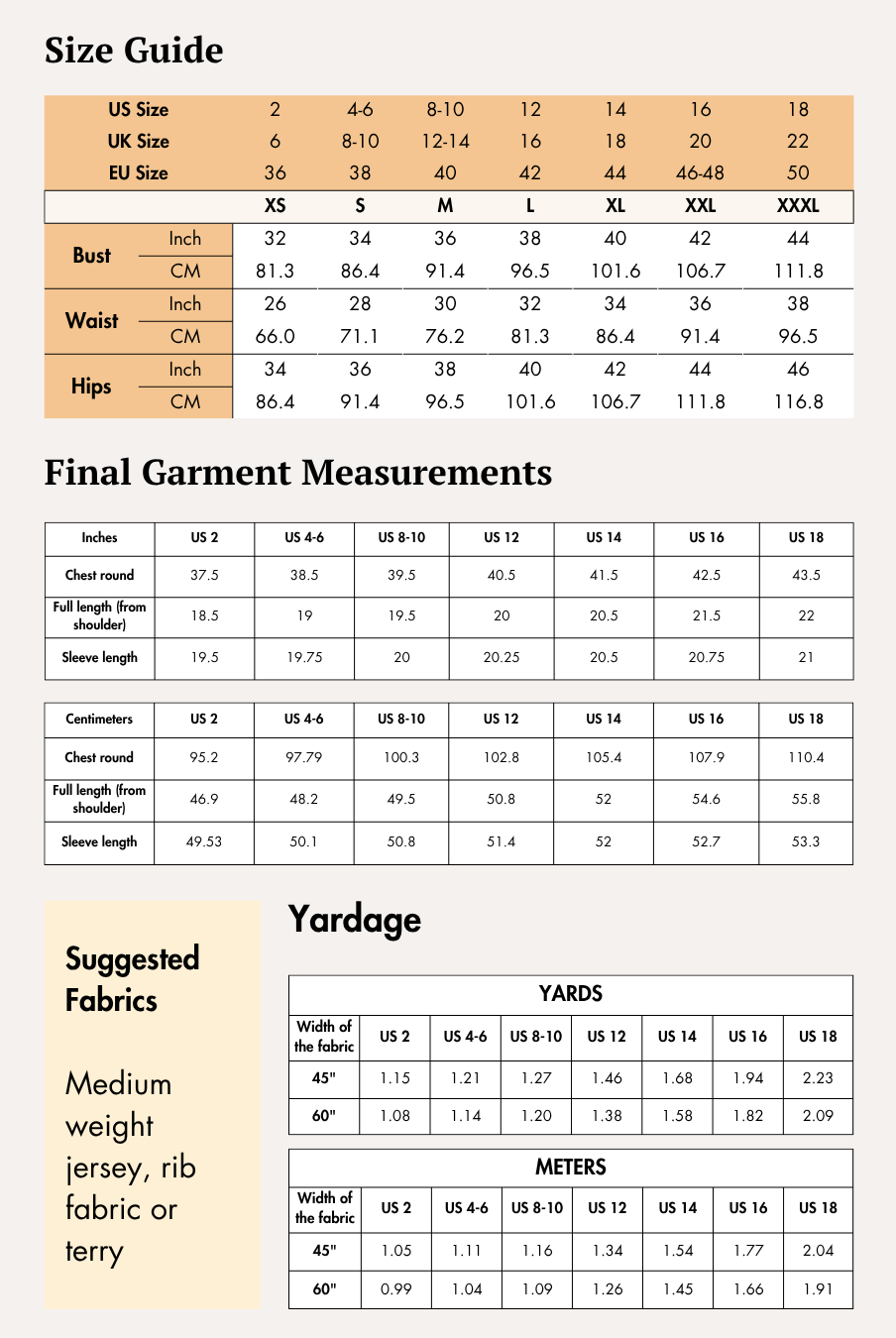
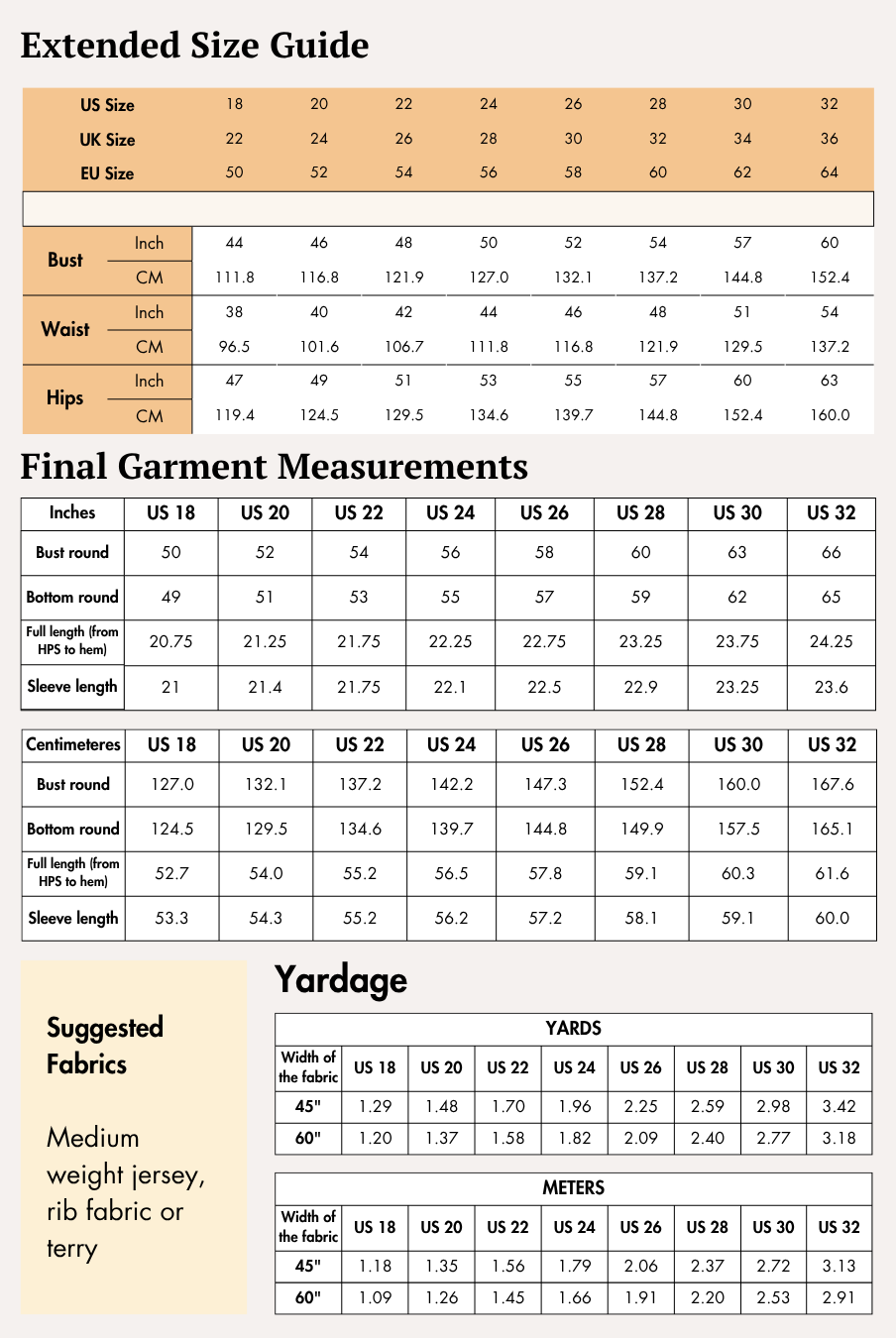
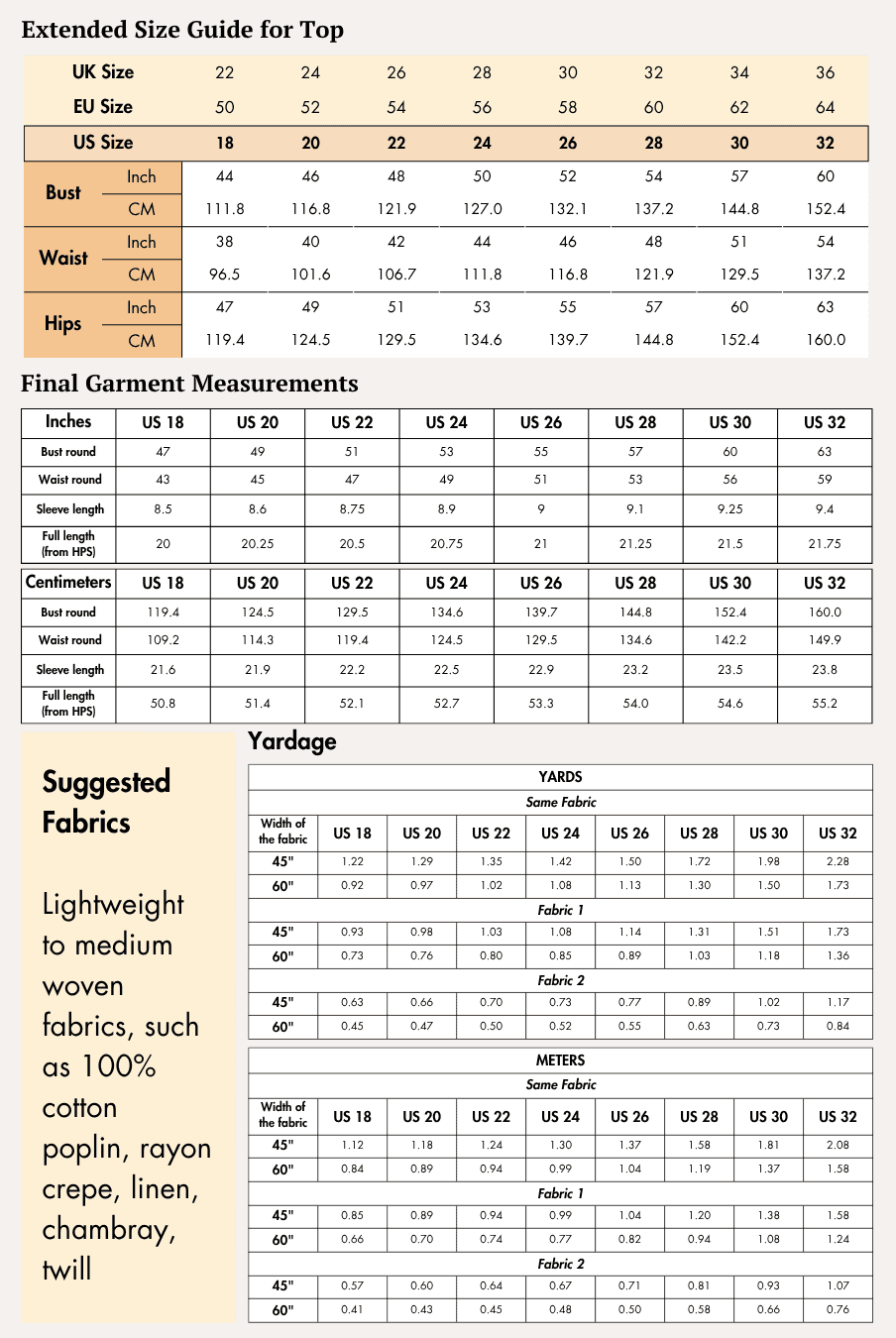
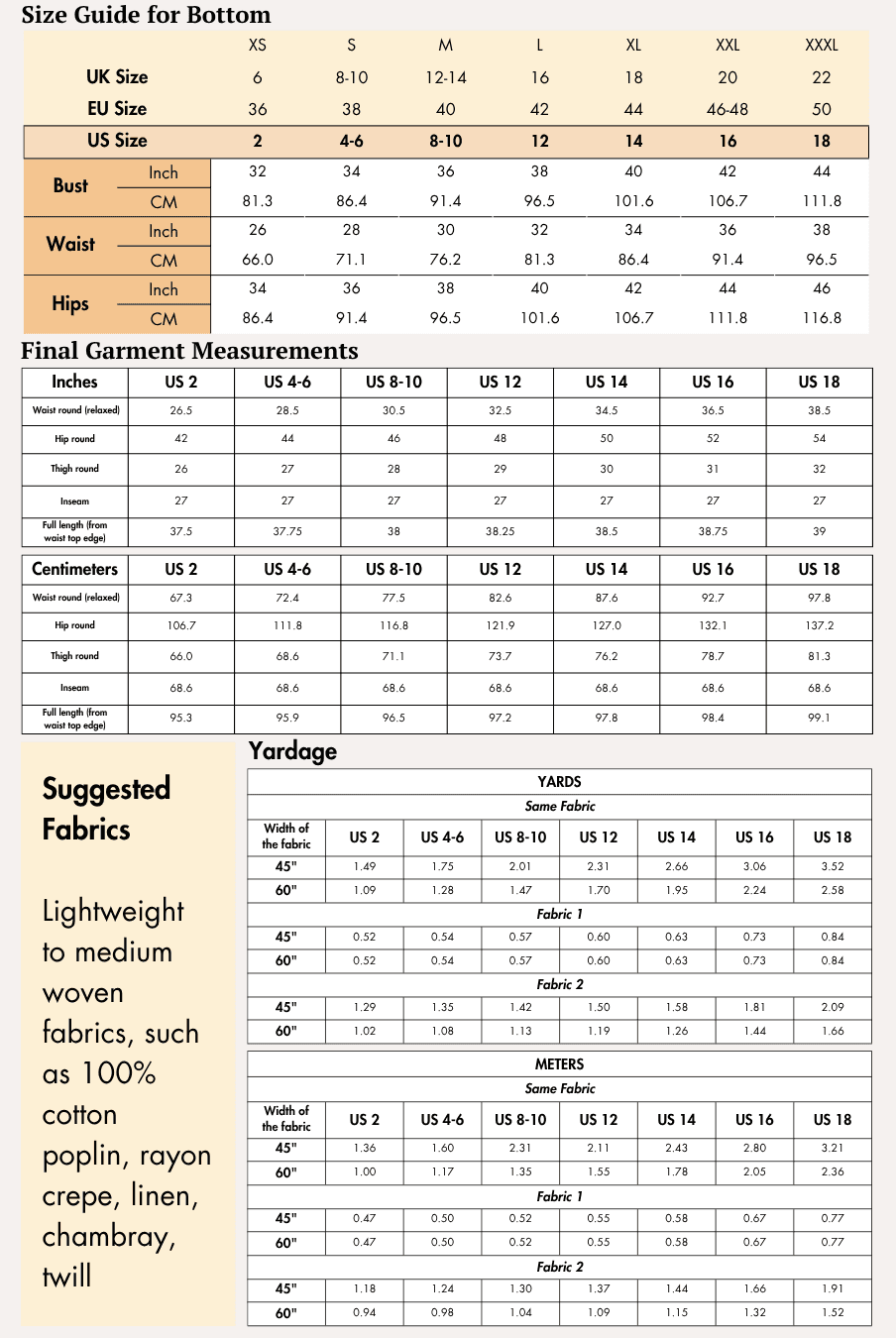
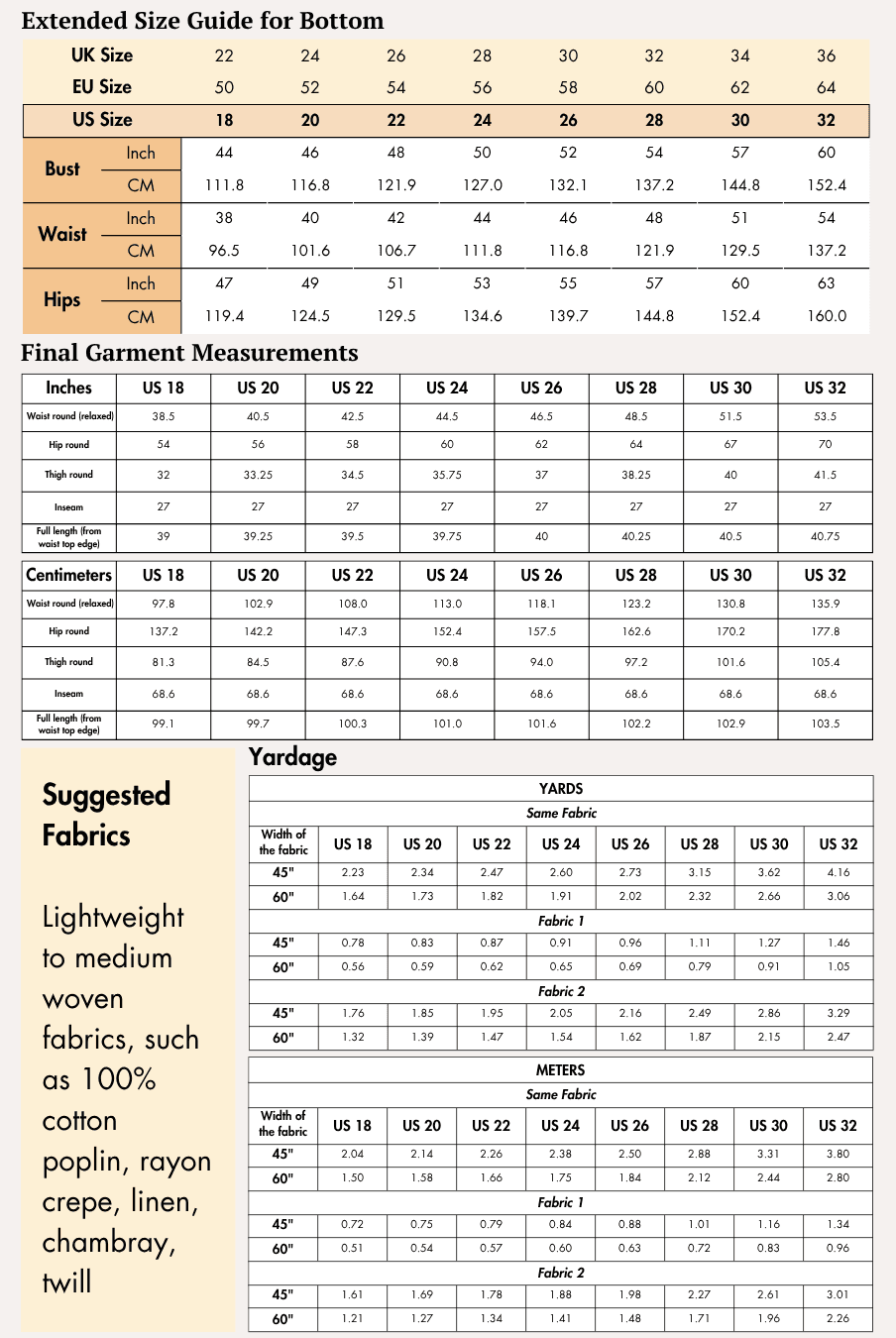
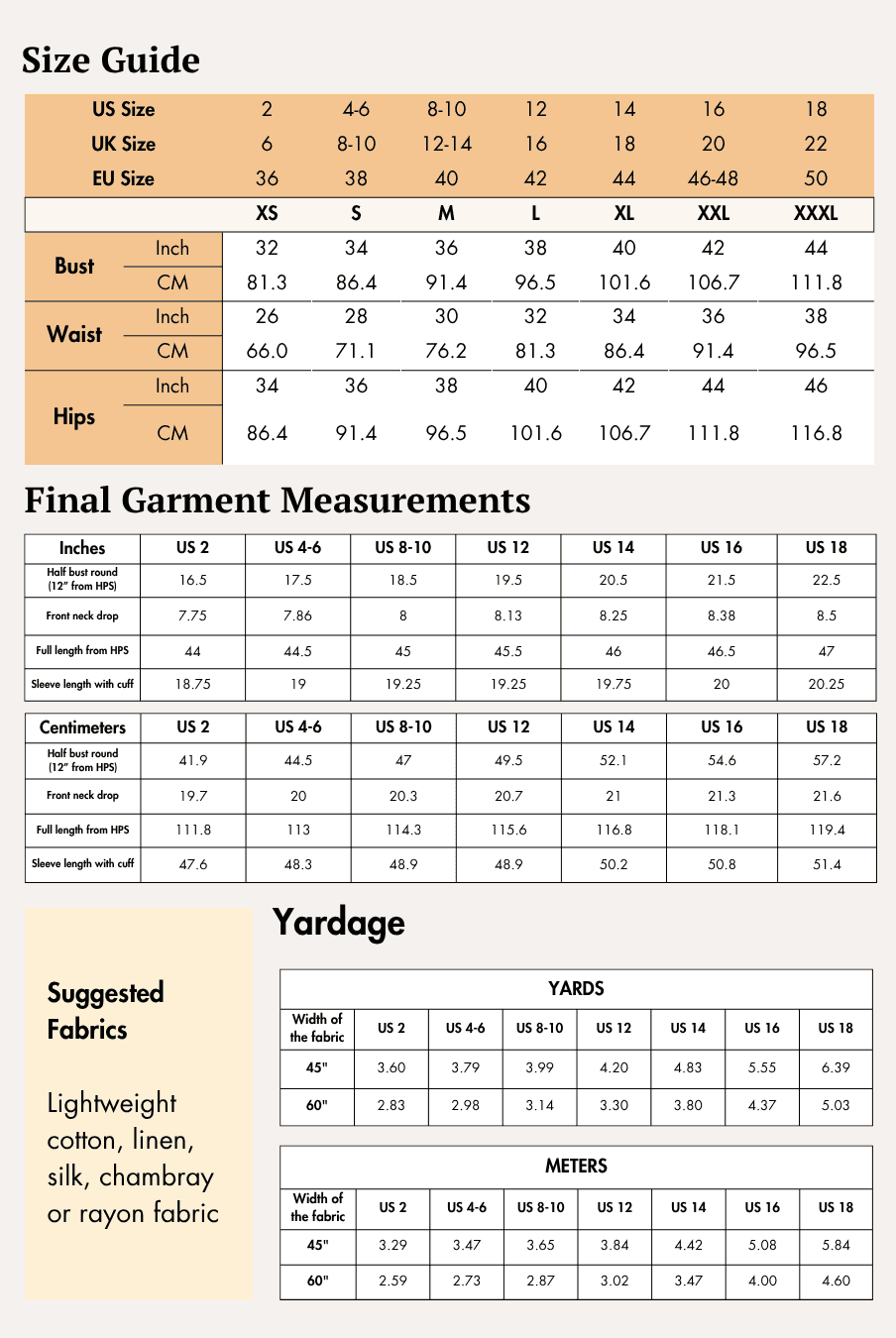
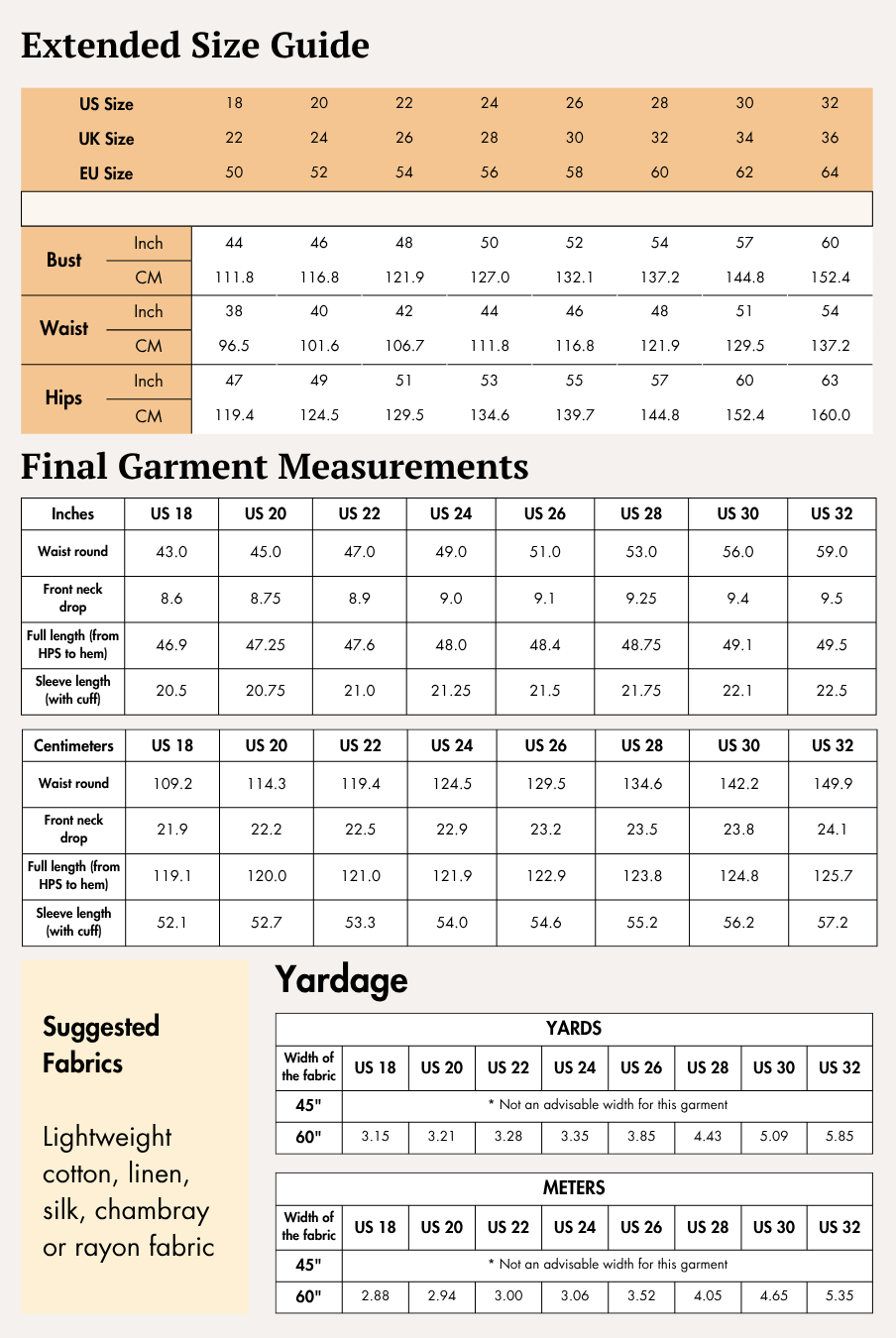
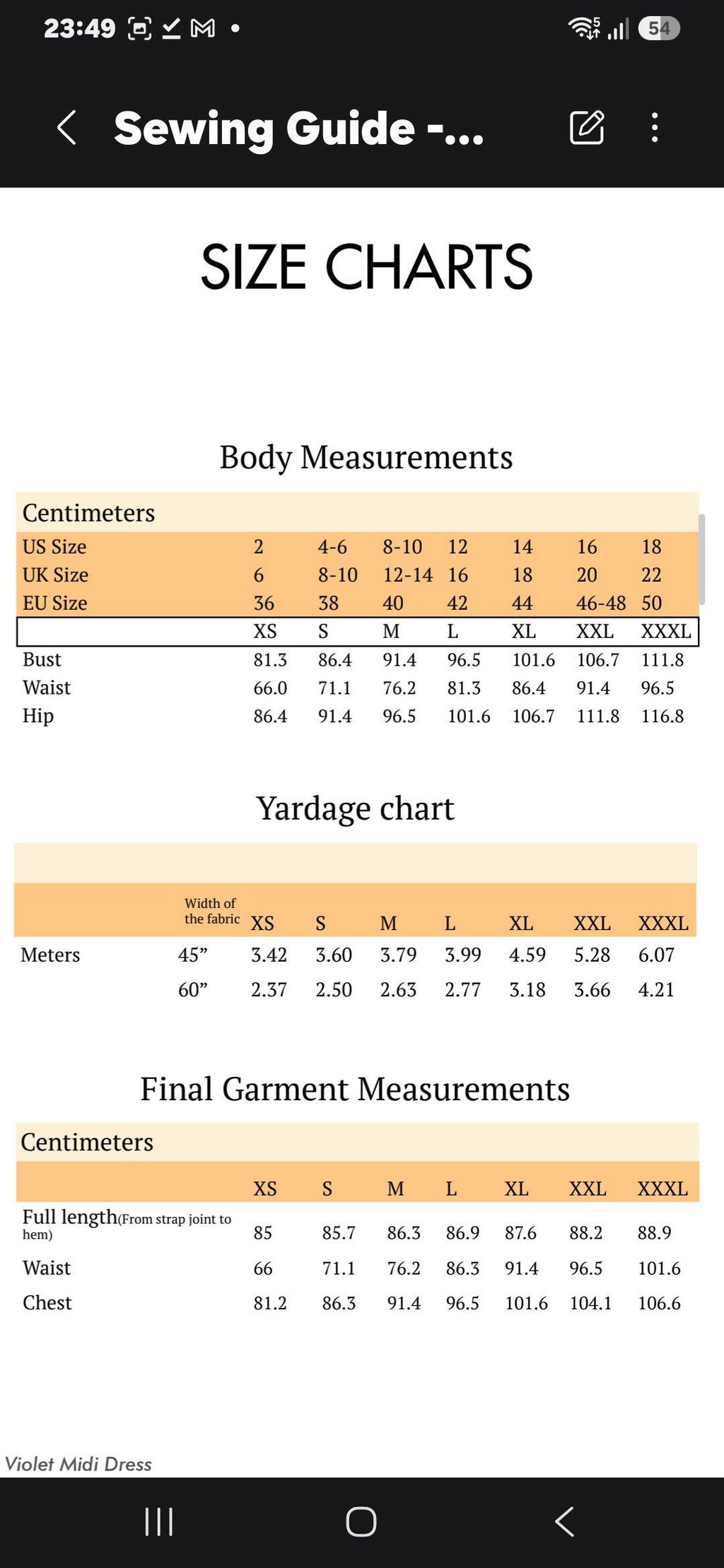
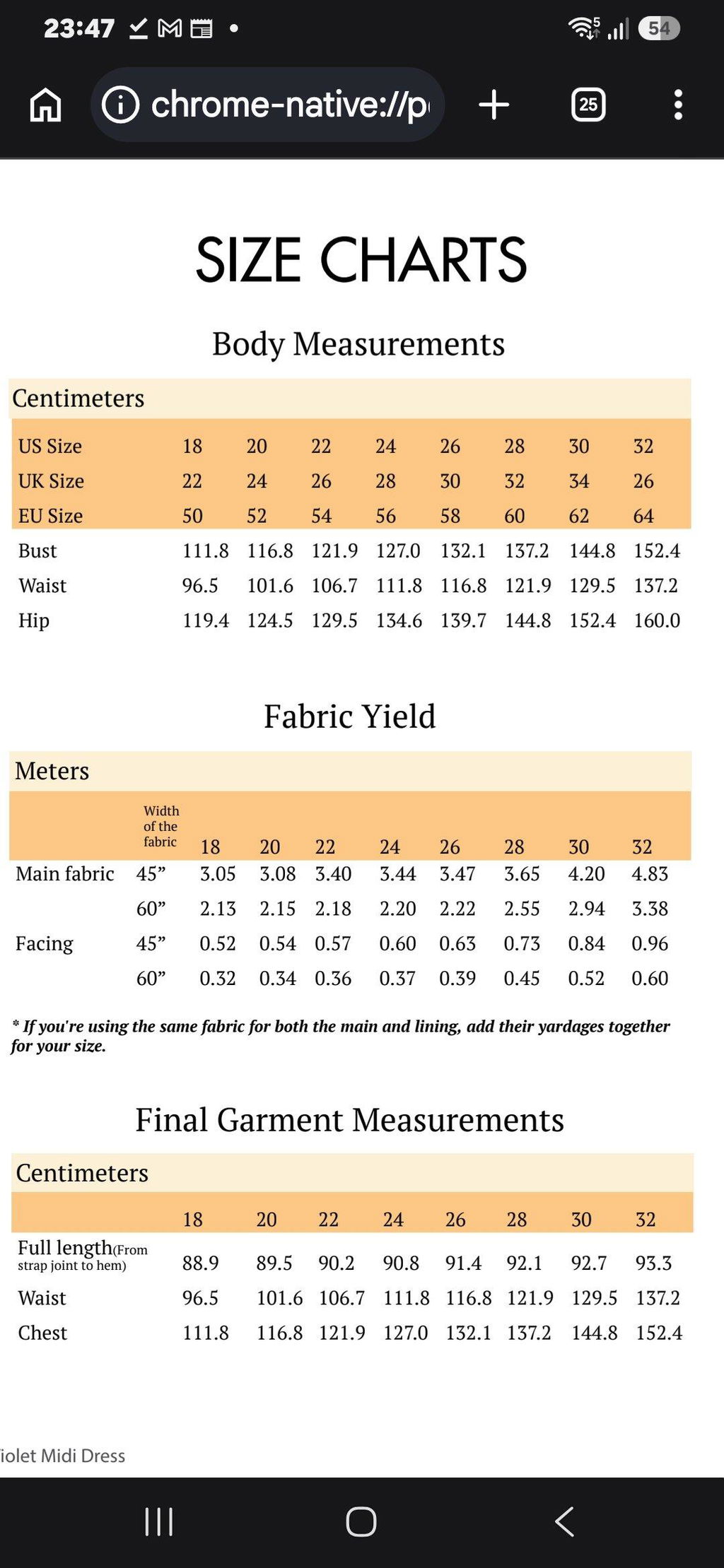
Available Sizes: US 02 - US 32 | UK 06 - UK 36 | EU 36 - EU 64
Supplies & Notions
-
Tape measure
-
Shears
-
Iron
-
Thread (3 ply polyester)
-
Chalk
-
Thread cutter
-
Pins
-
Sewing machine needles
-
Sewing machine
-
Invisible zipper
-
Buttons
-
Elastic cord (1.5–2 mm, same color as main fabric)
Fabric Recommendations
Consider using lightweight embroidered or mesh woven fabrics such as:
-
Cotton
-
Chiffon
-
Georgette
-
Viscose
The sample garment shown in the guide is made from georgette sequin fabric.
Recommended characteristics of georgette sequin fabric:
-
Reflective properties create a luminous luster effect
-
Suitable for party wear
For lining, use lightweight fabrics such as:
-
Cotton lawn
-
Voile
-
Satin
-
Poplin
Size Charts
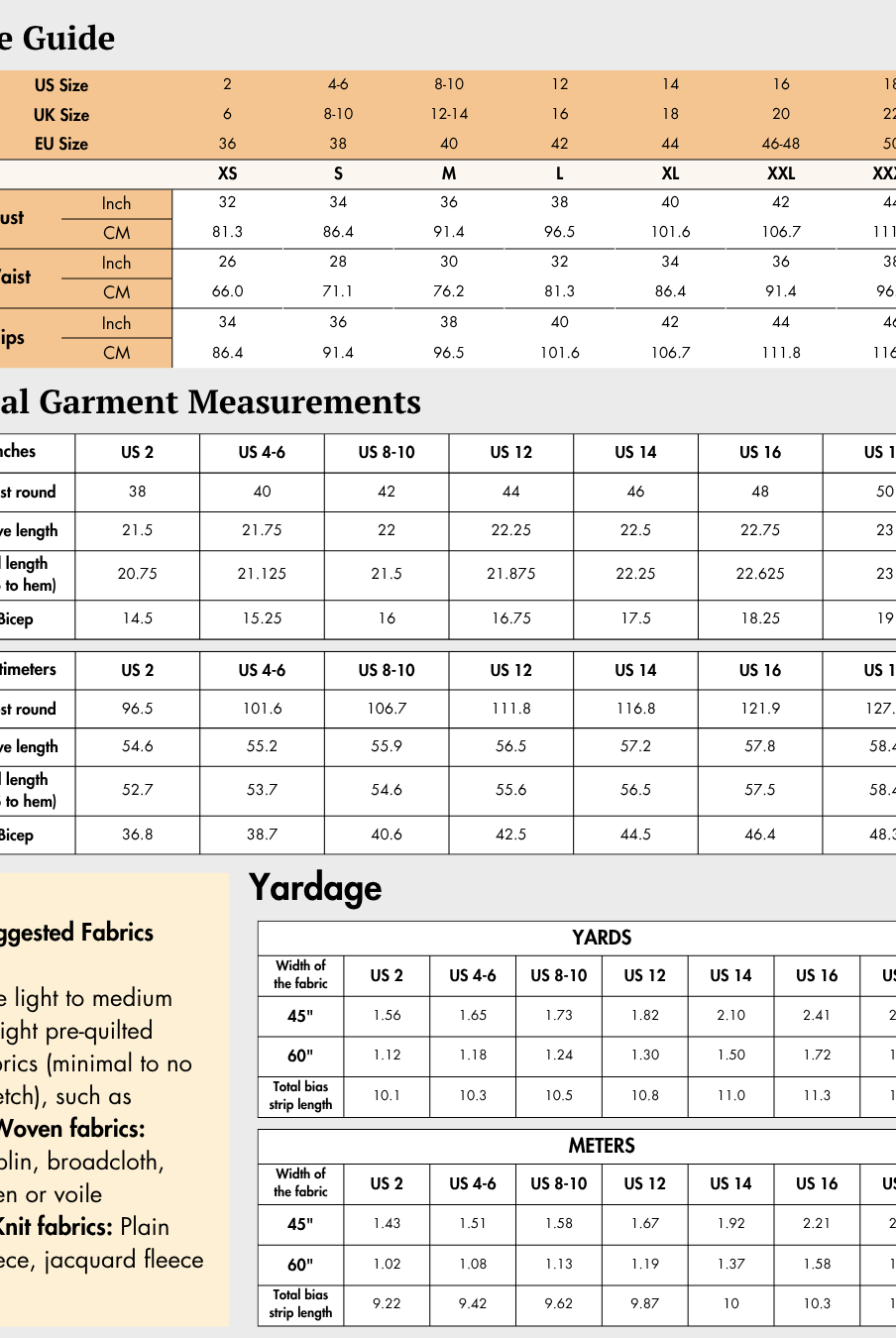
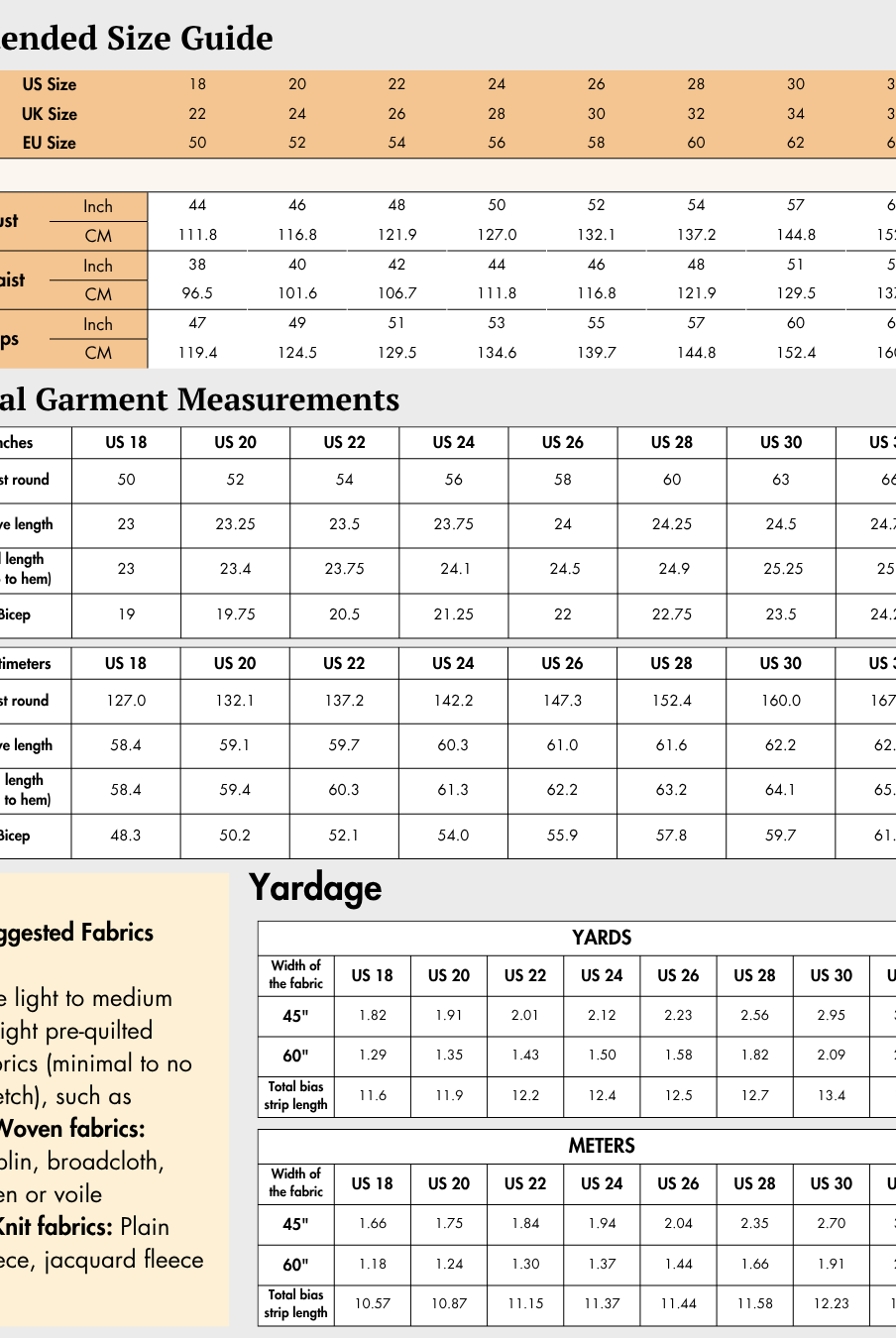
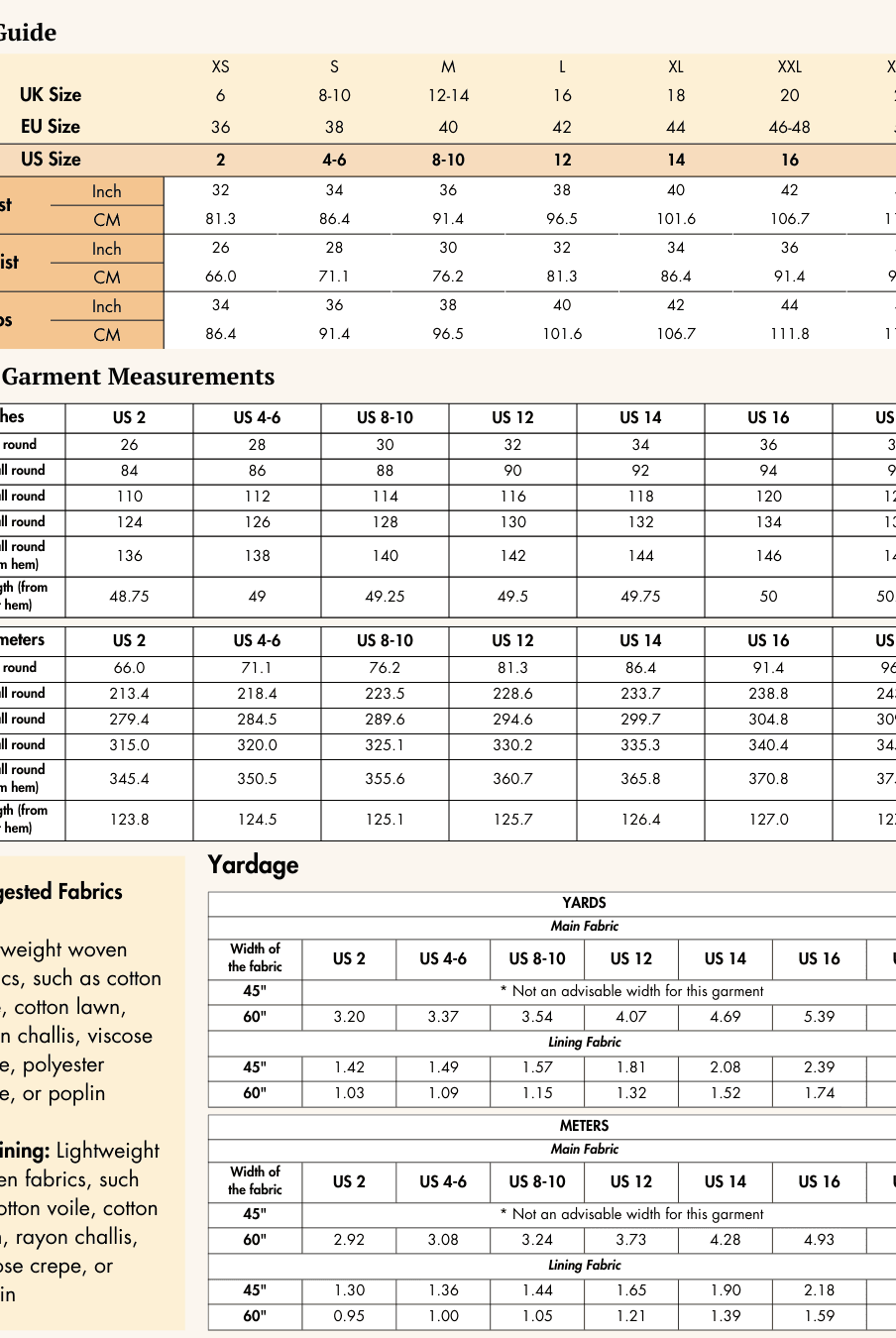
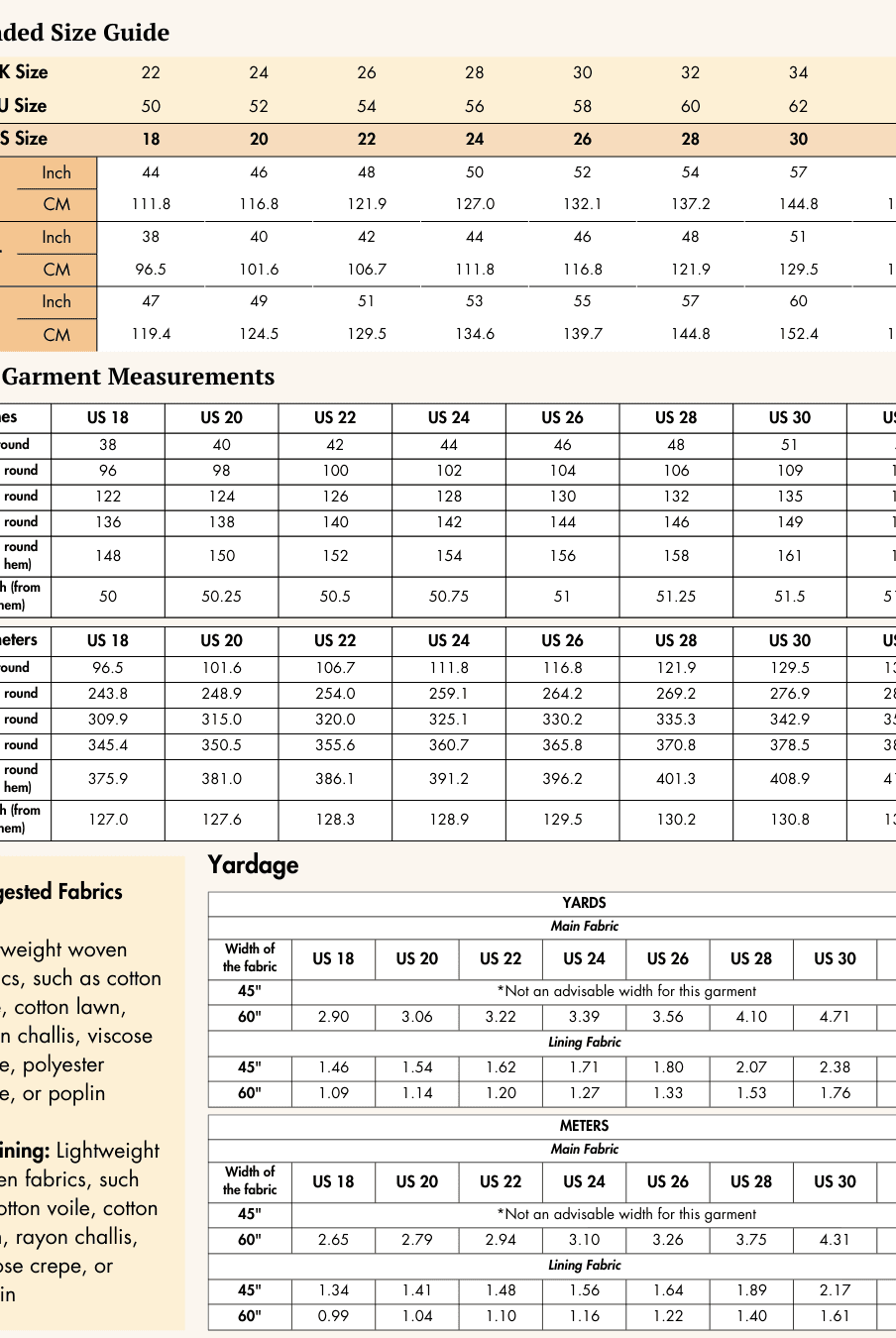
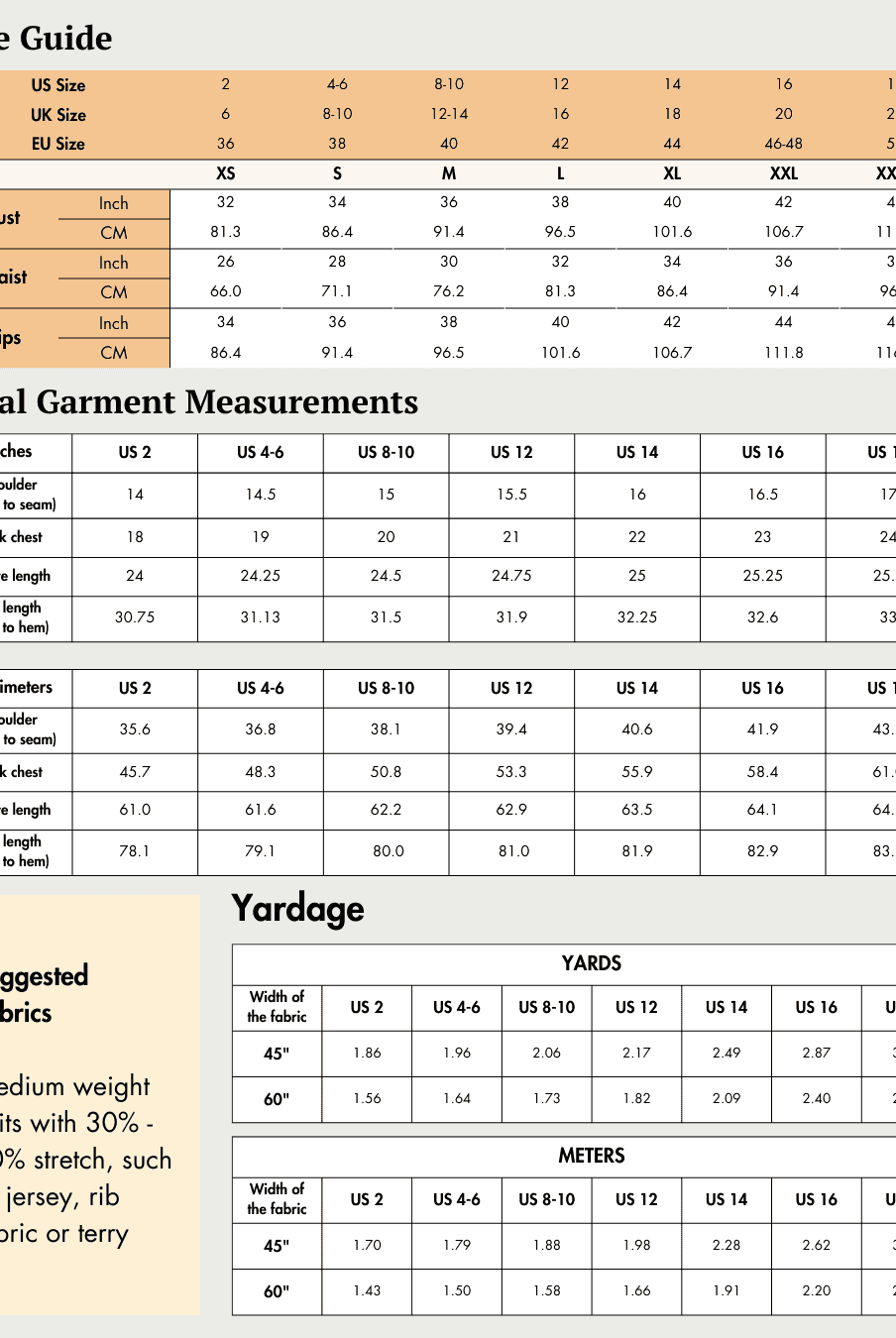
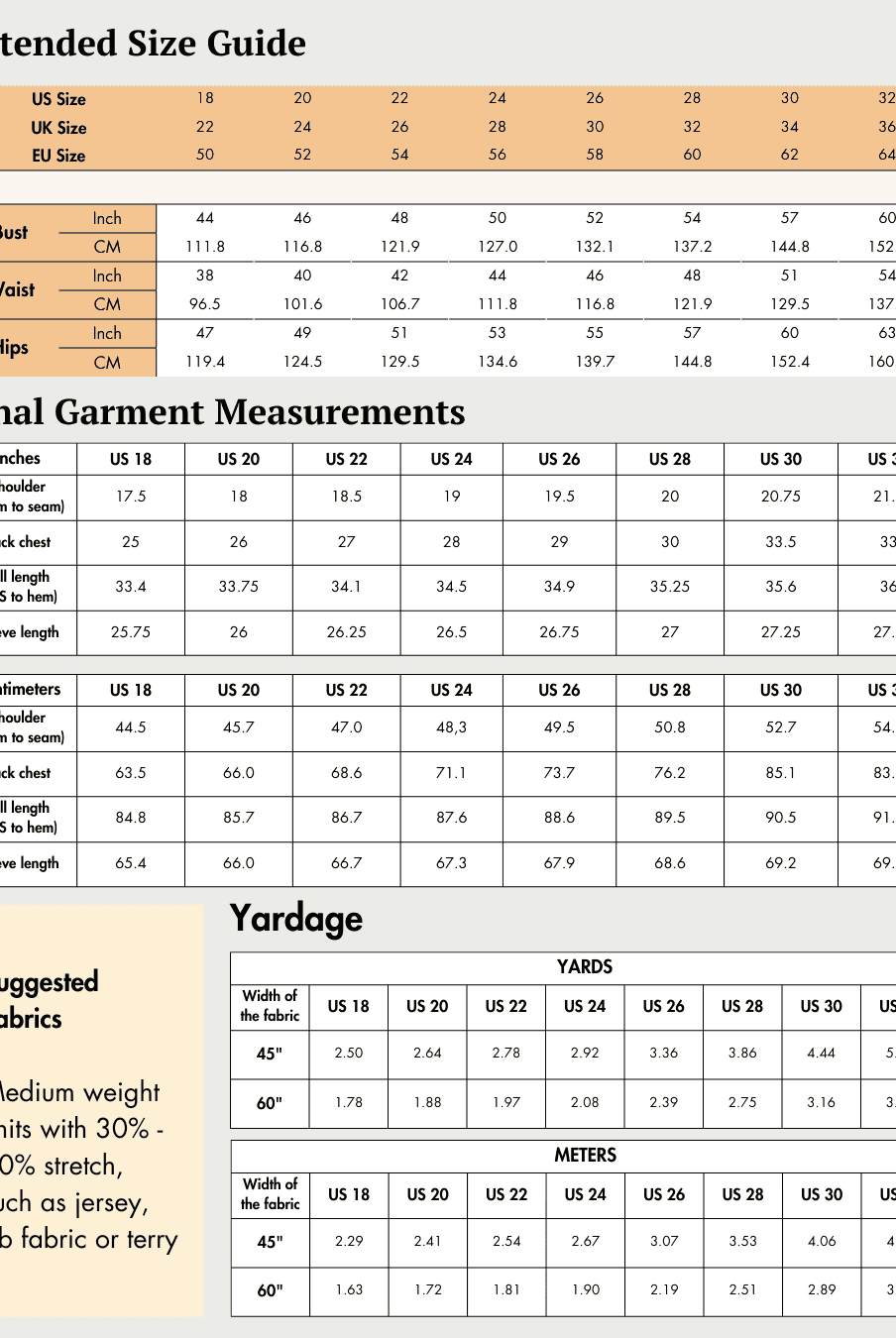
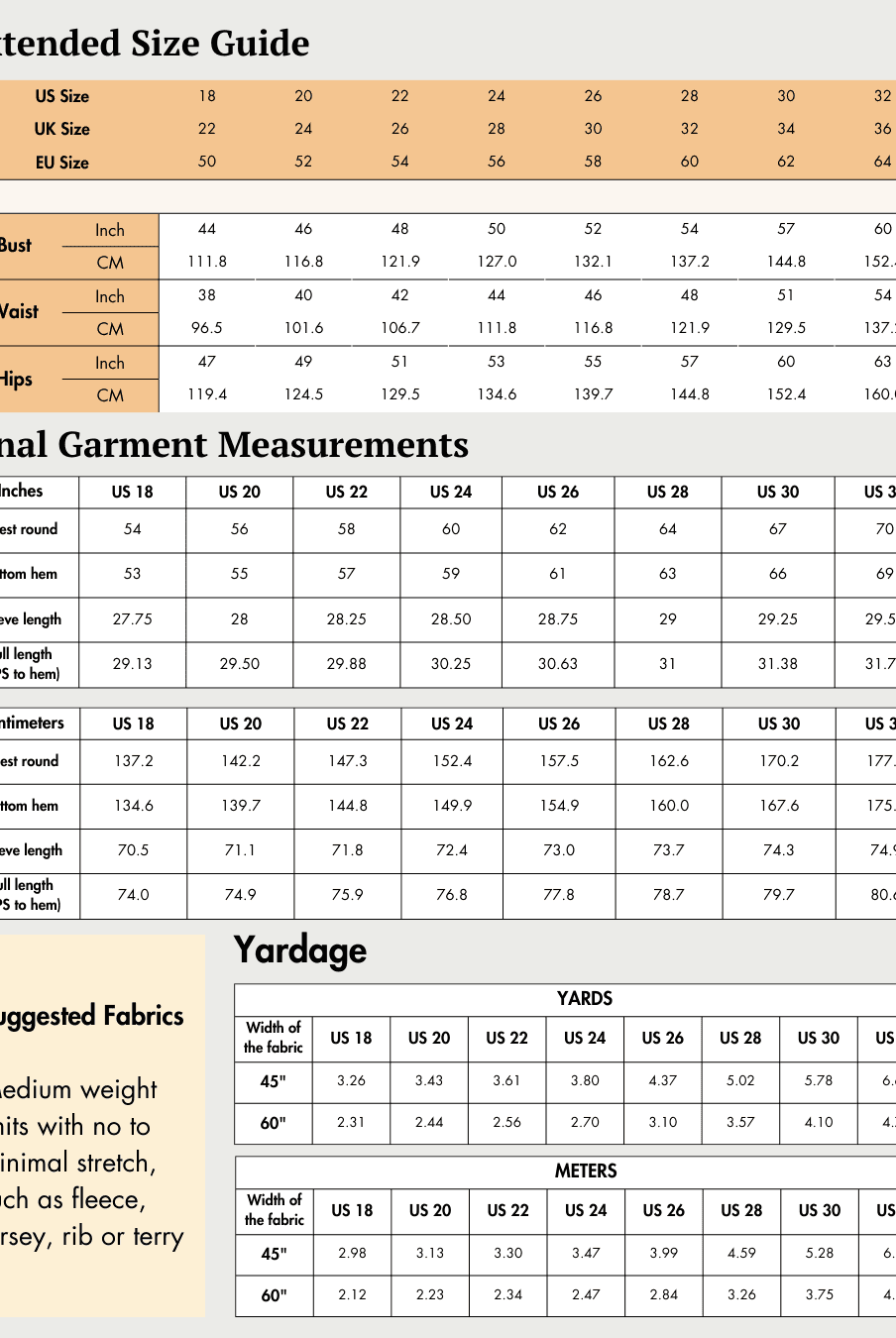
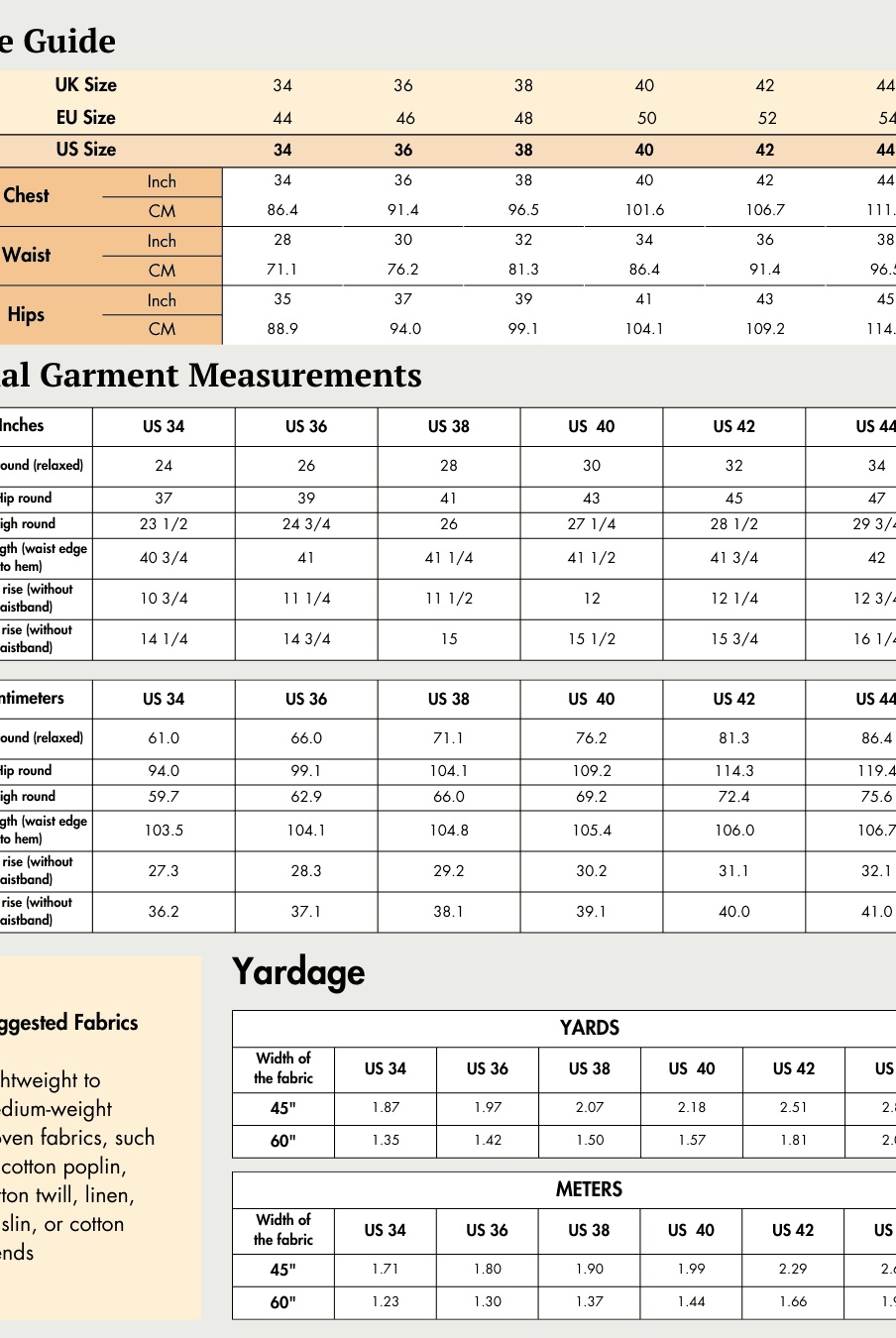
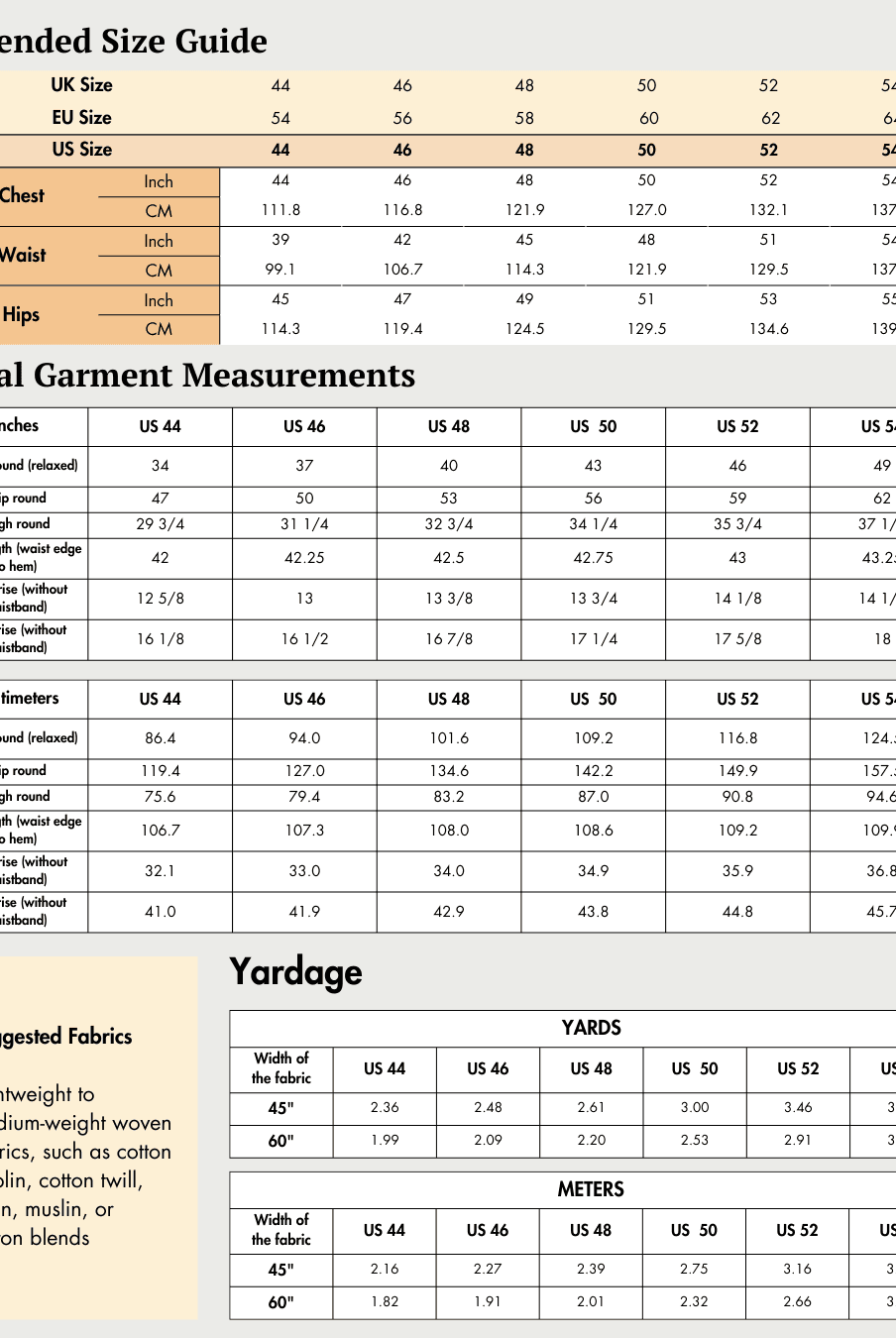
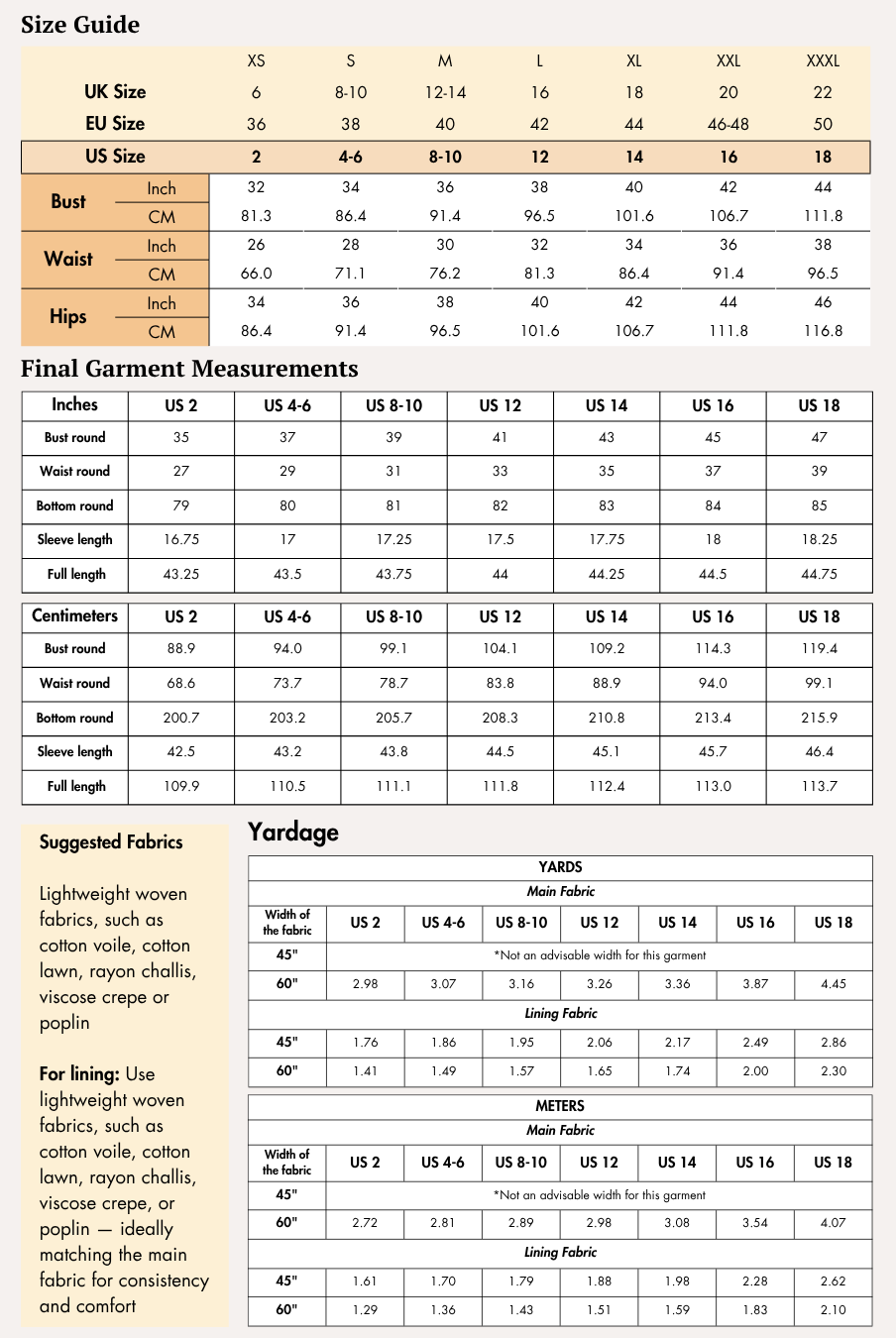
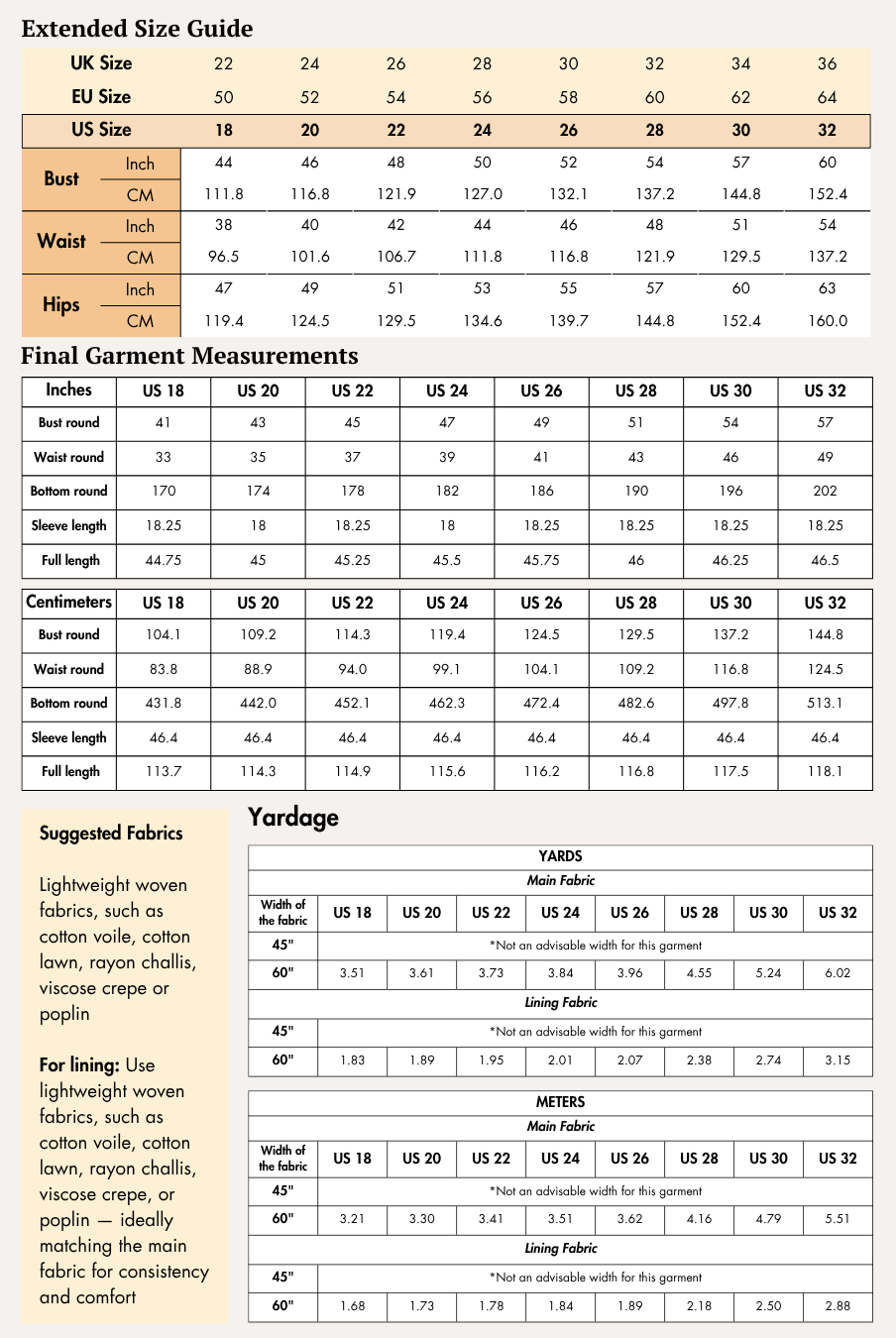
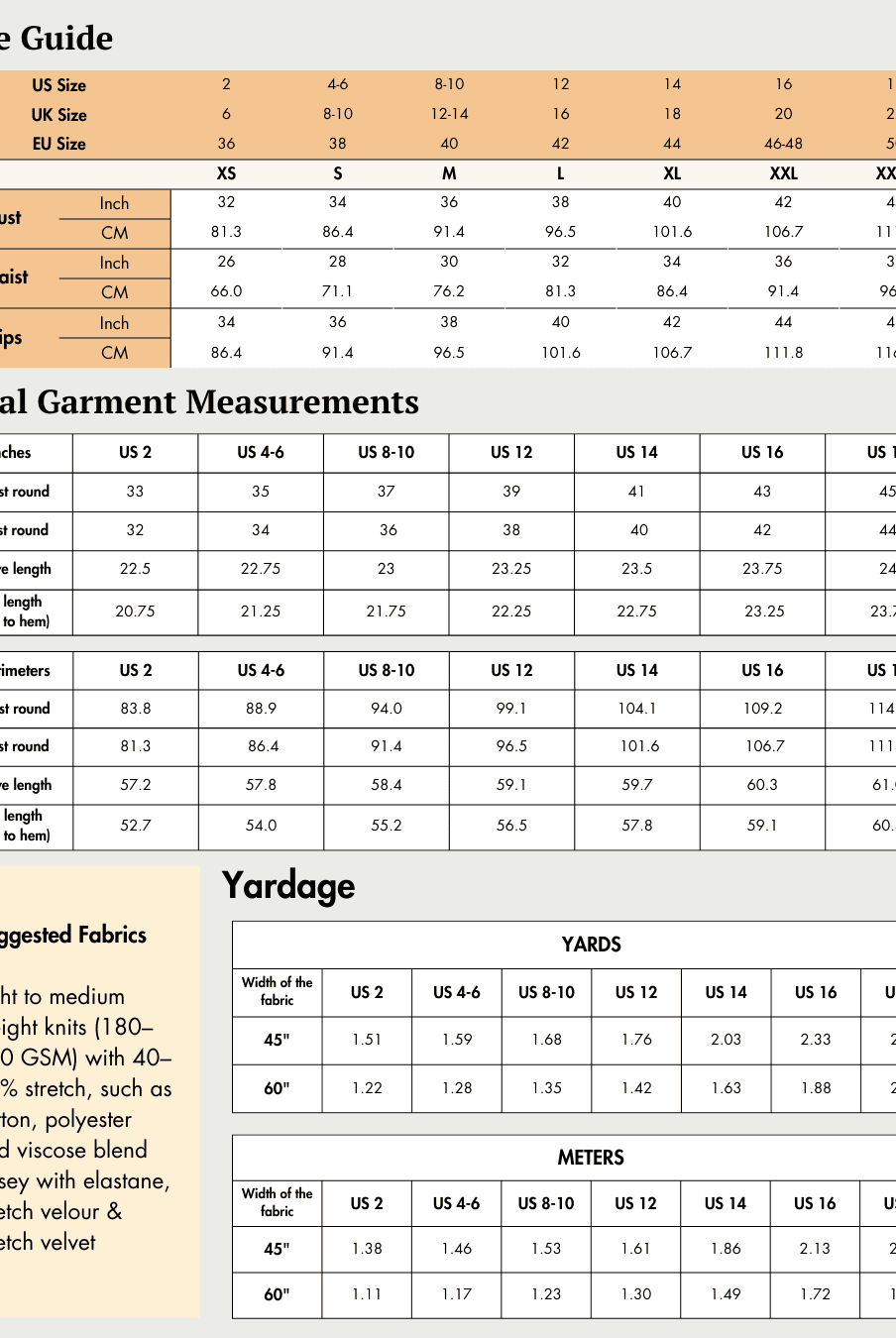
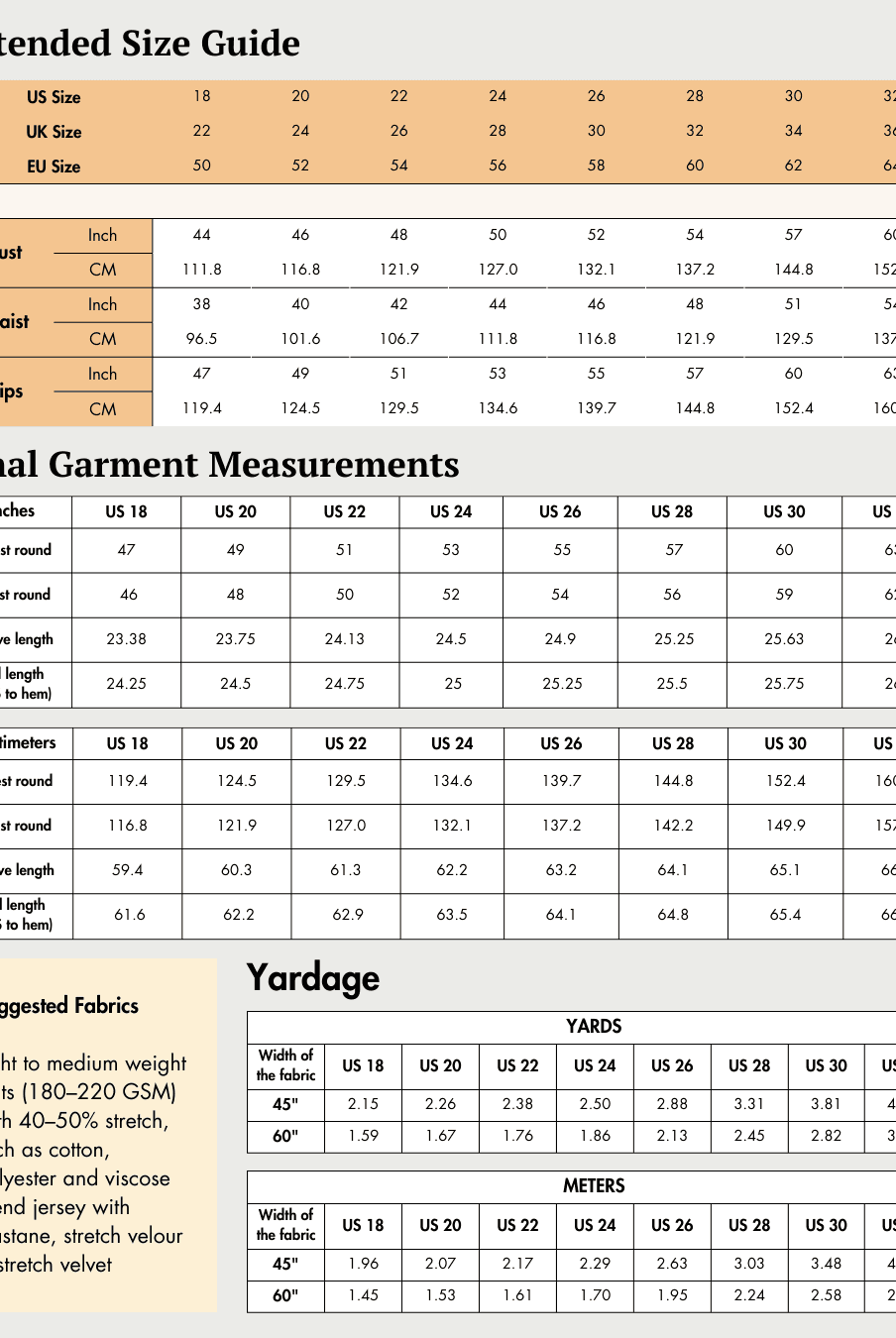
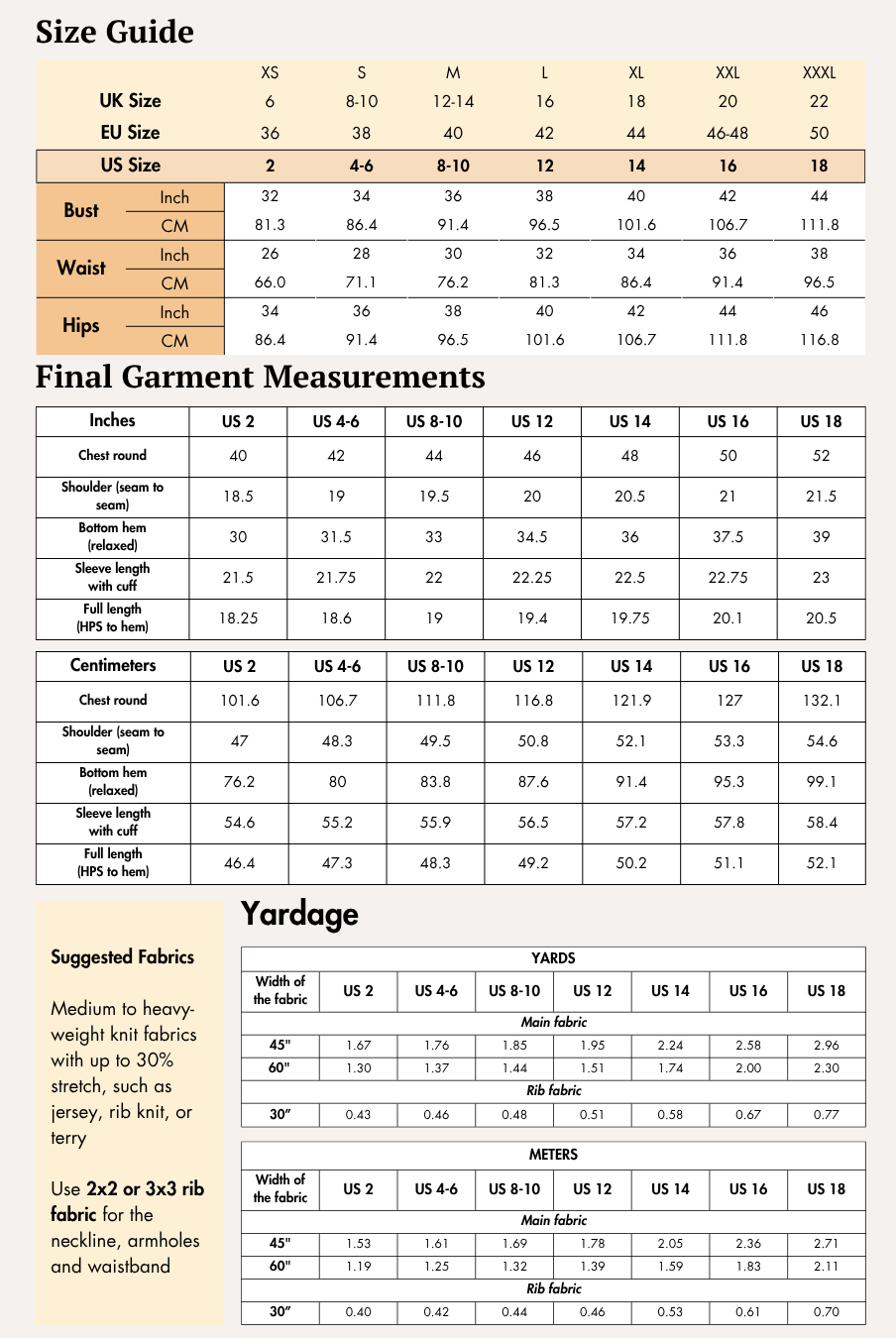
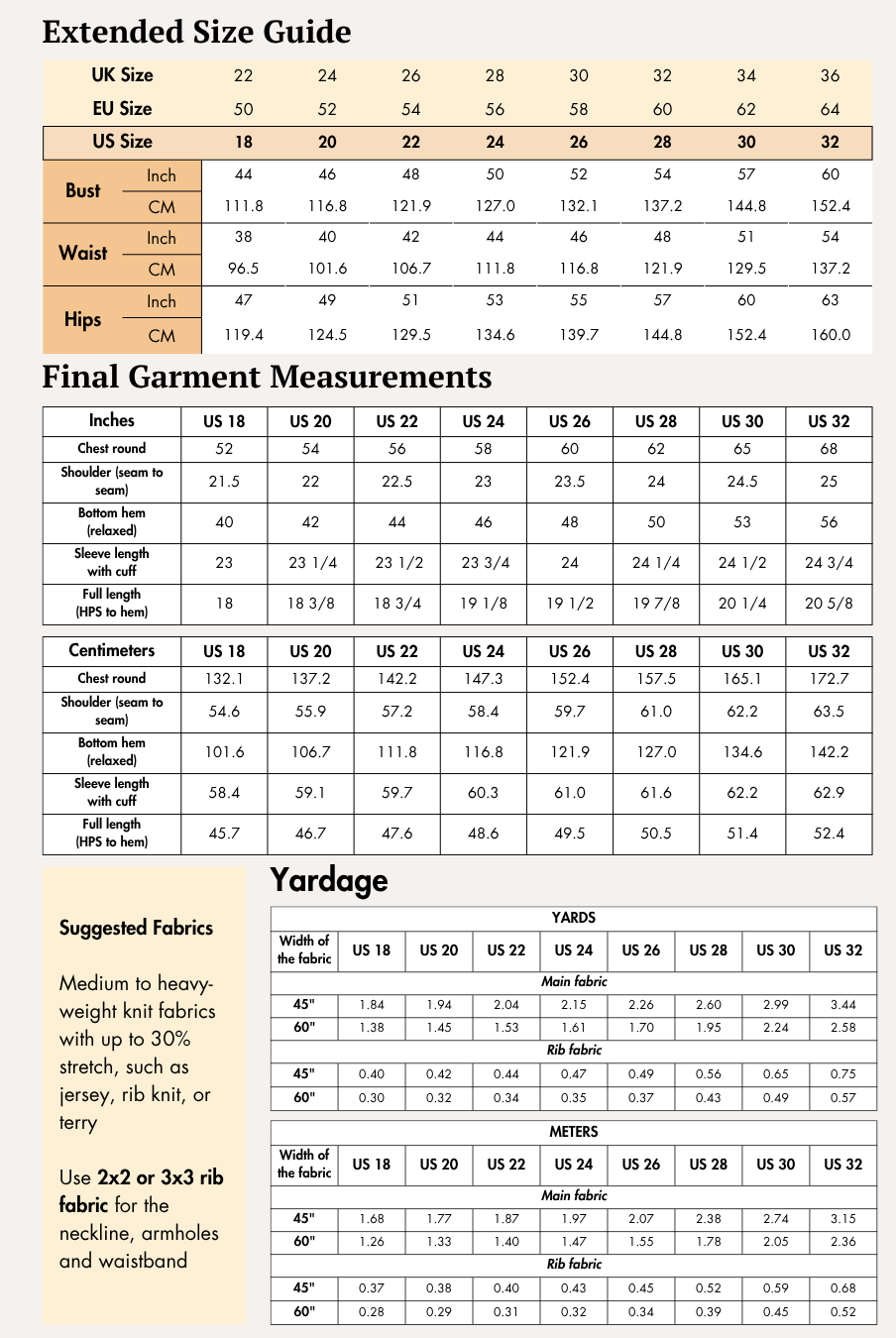
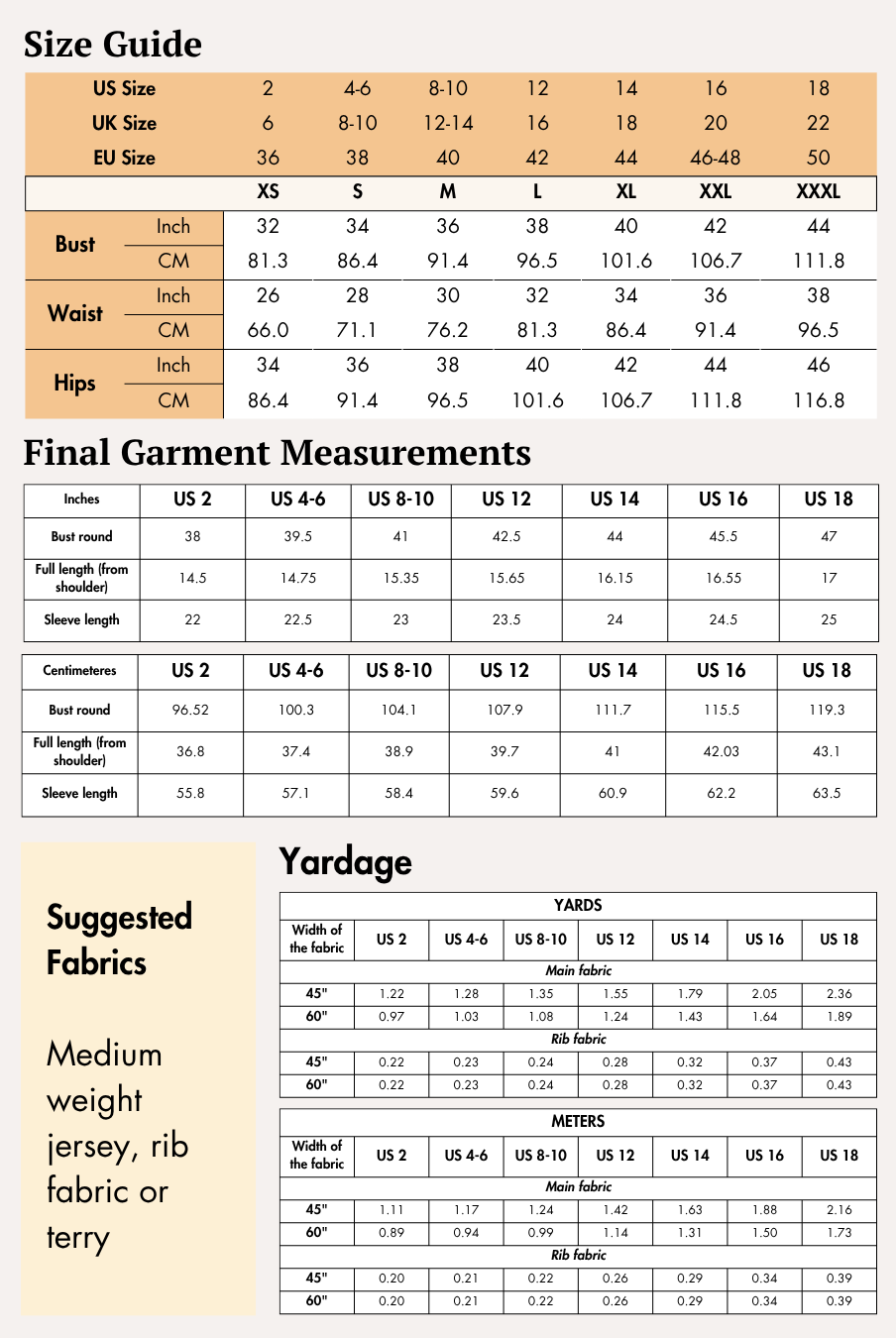
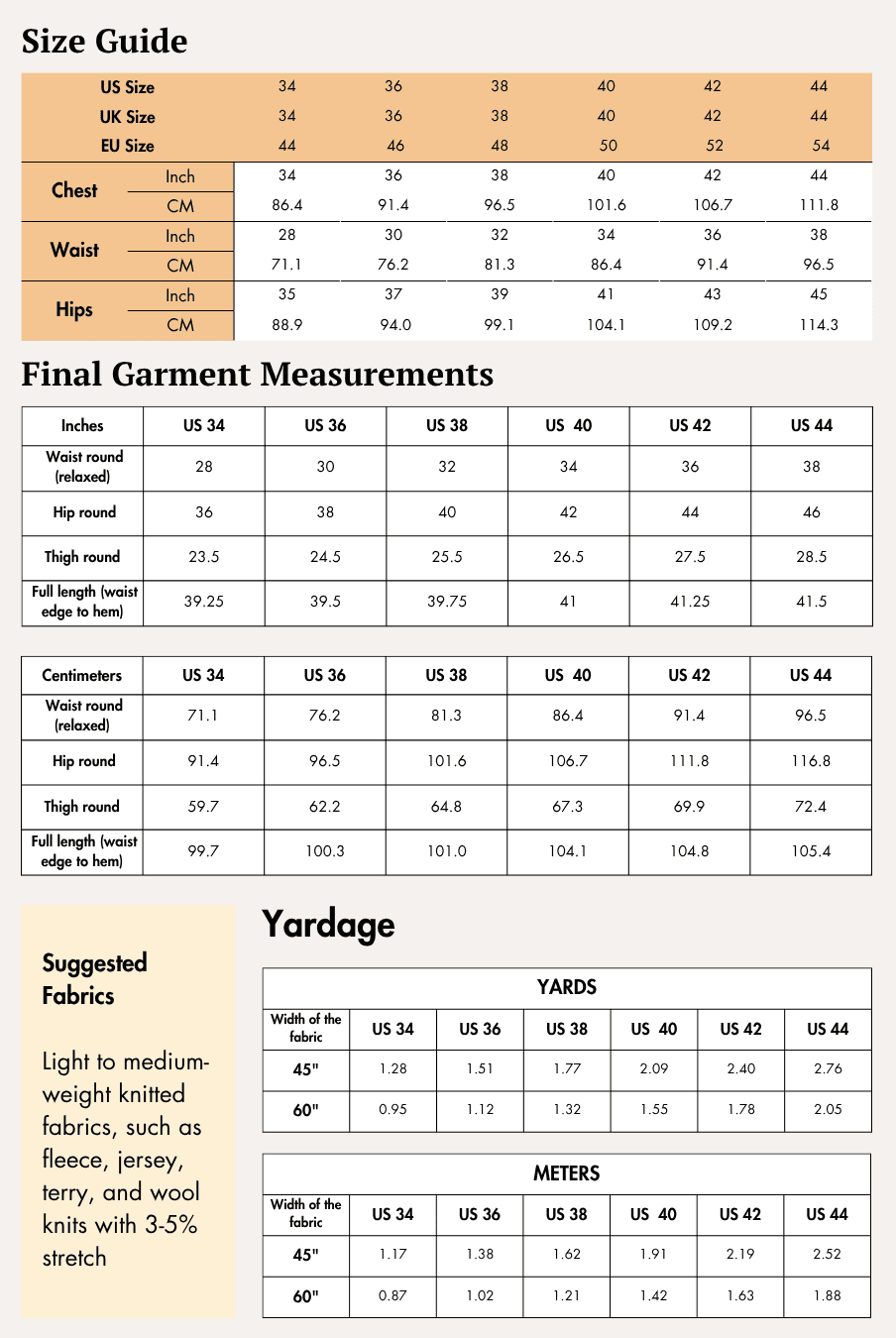
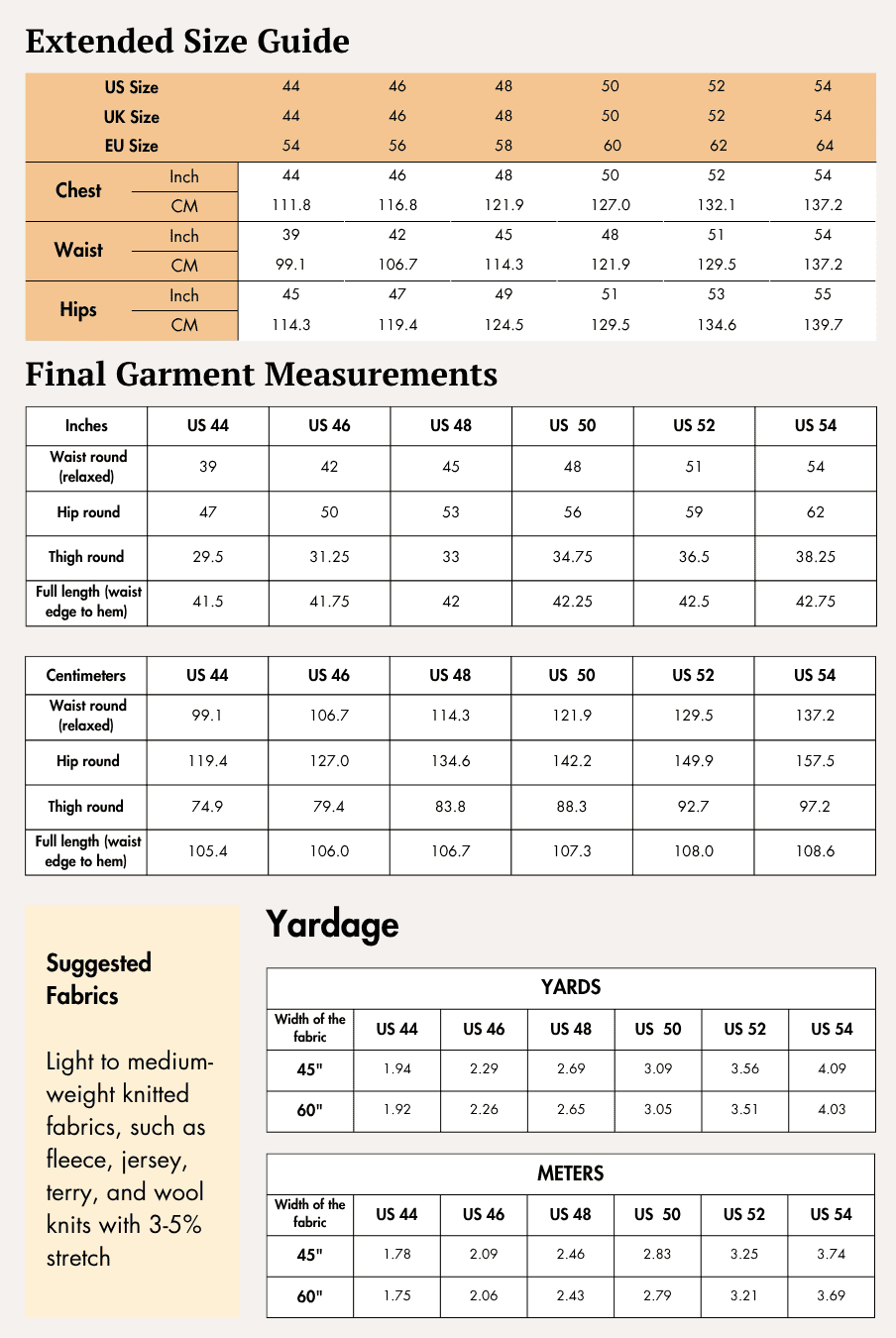
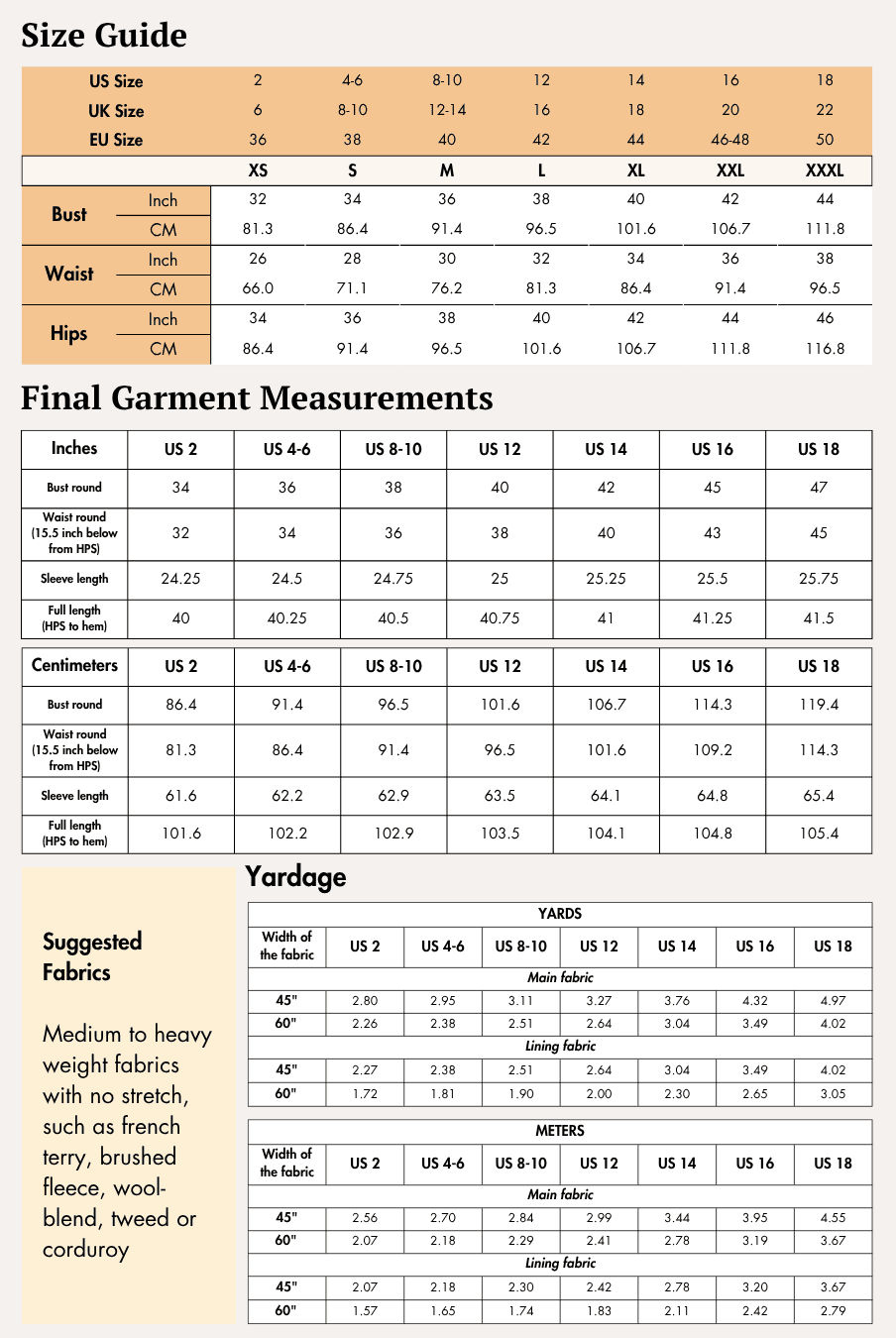
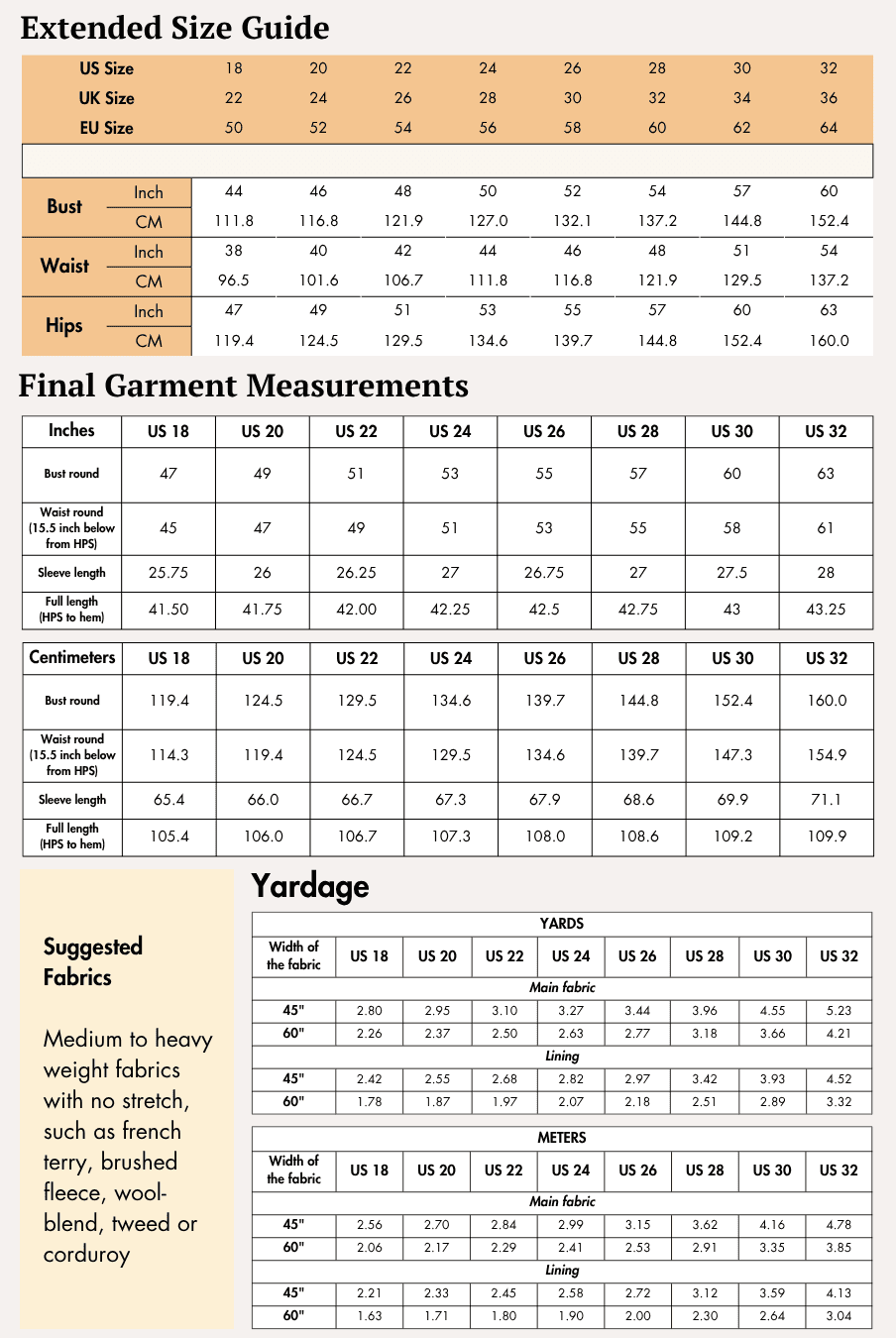
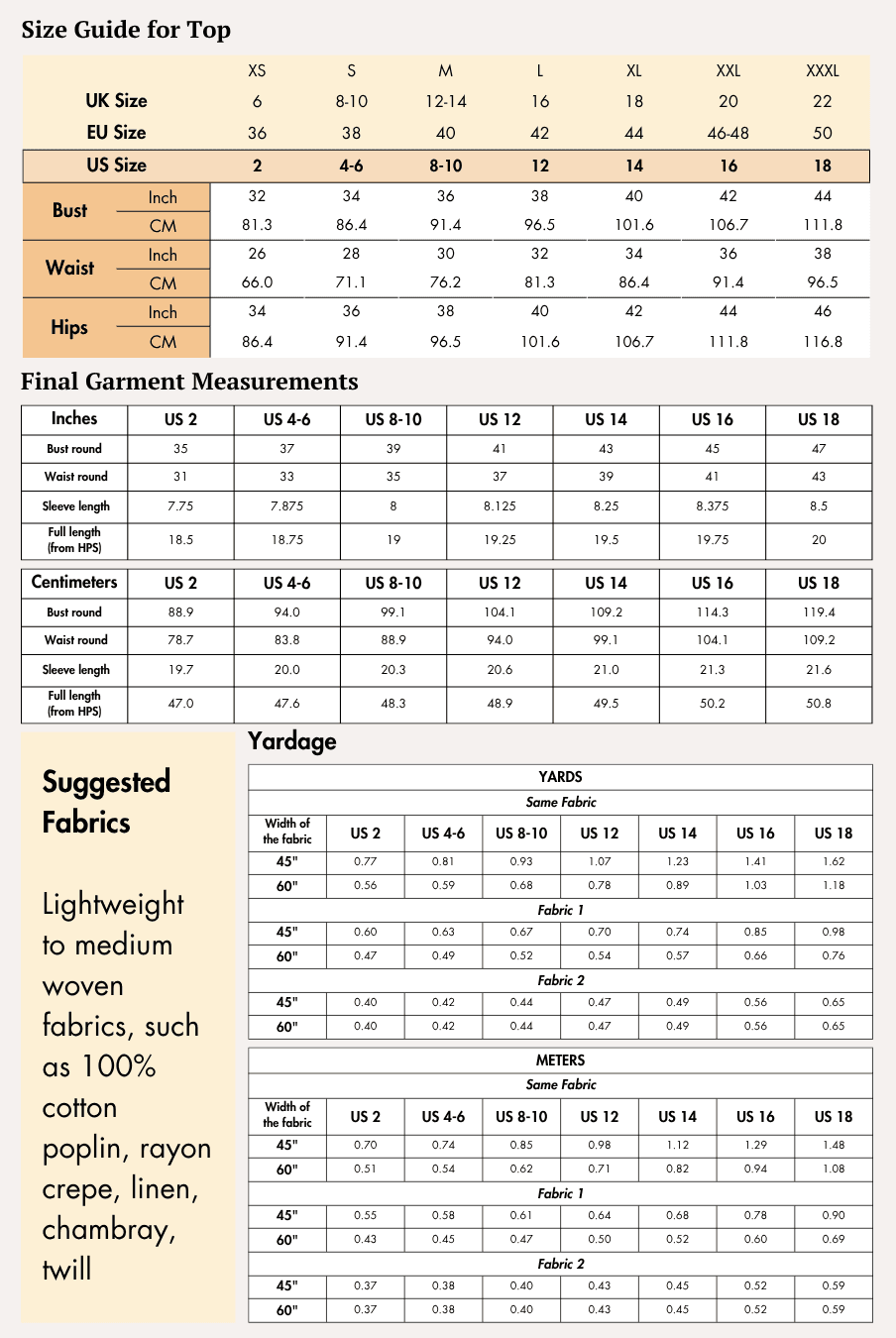
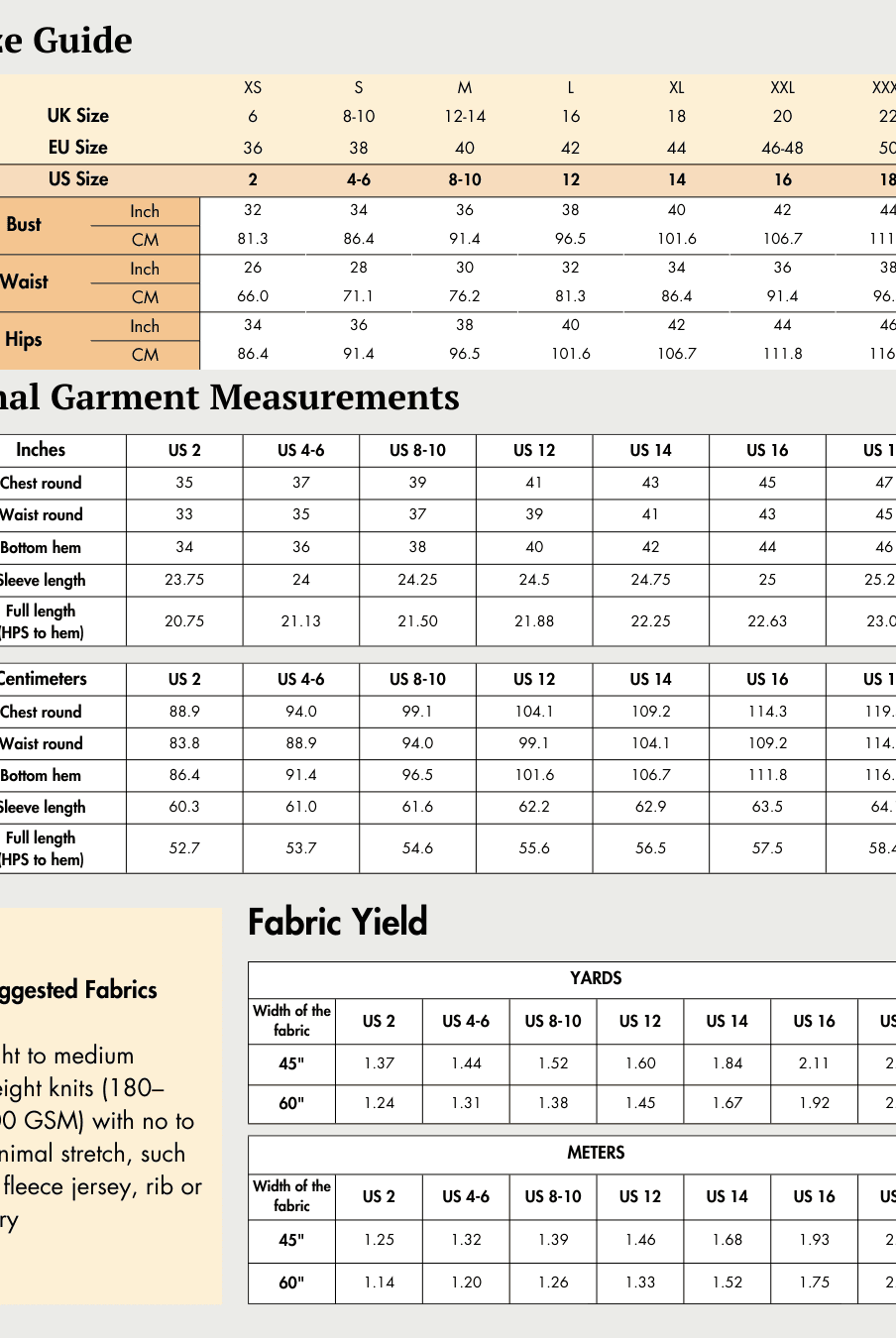
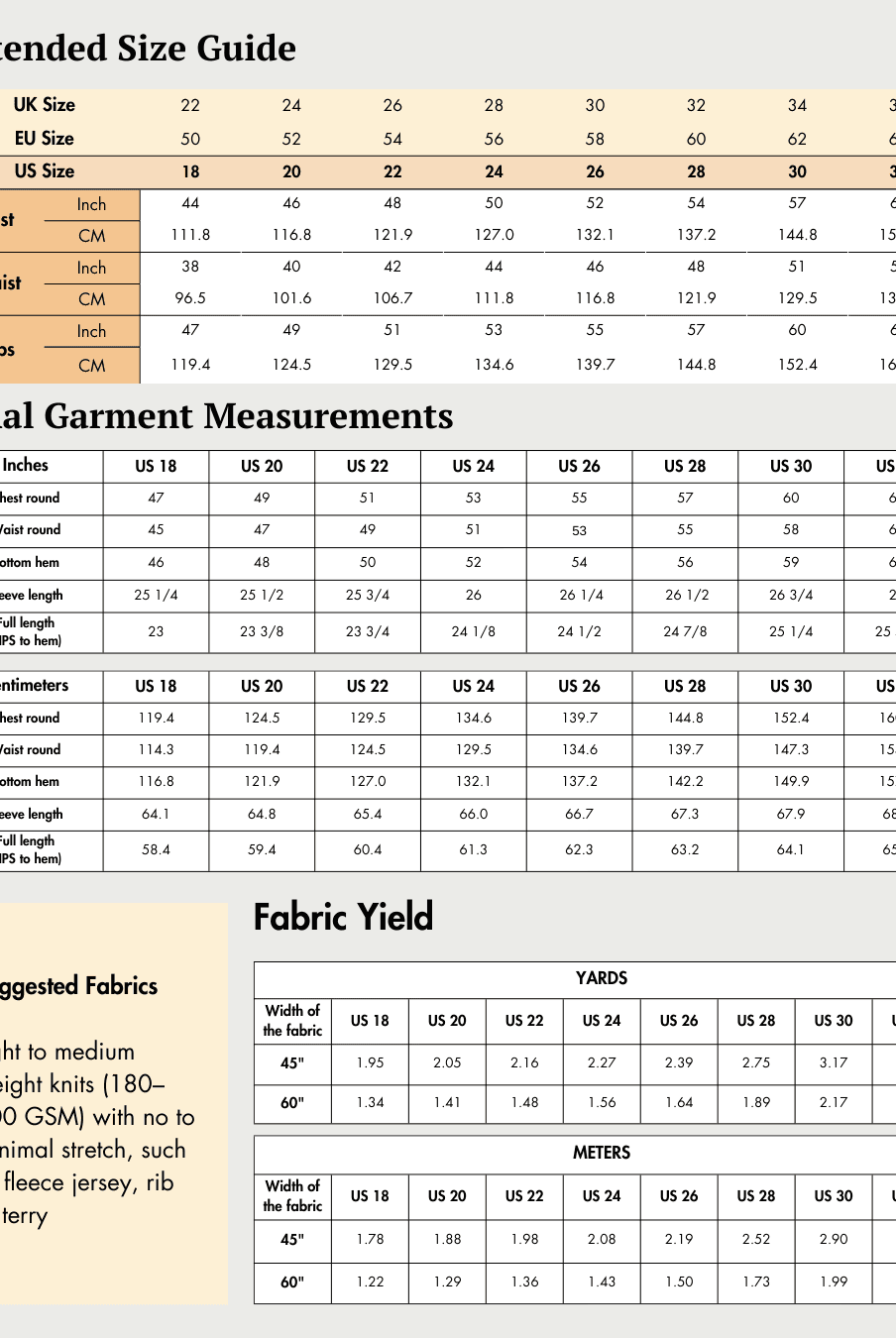
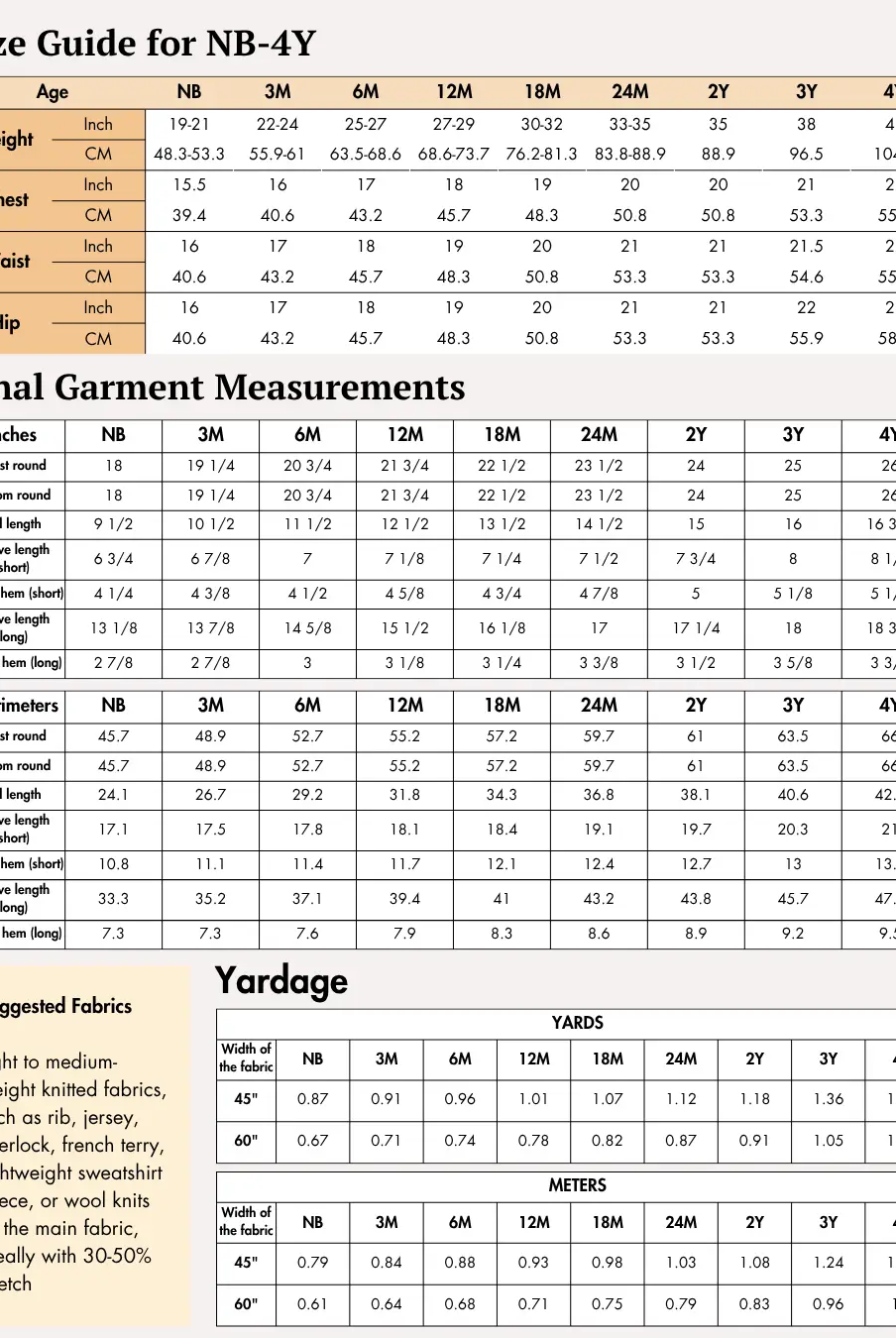
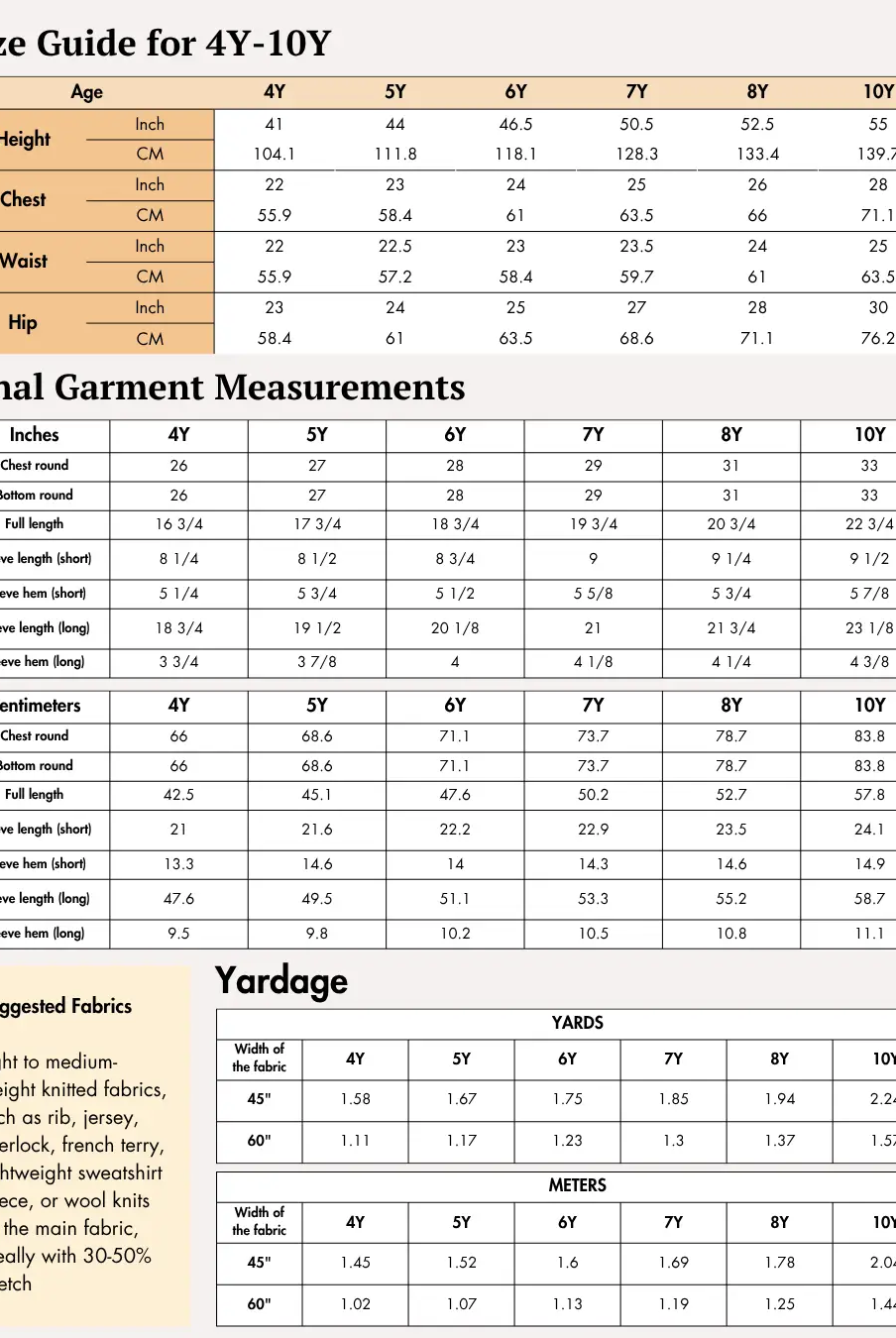
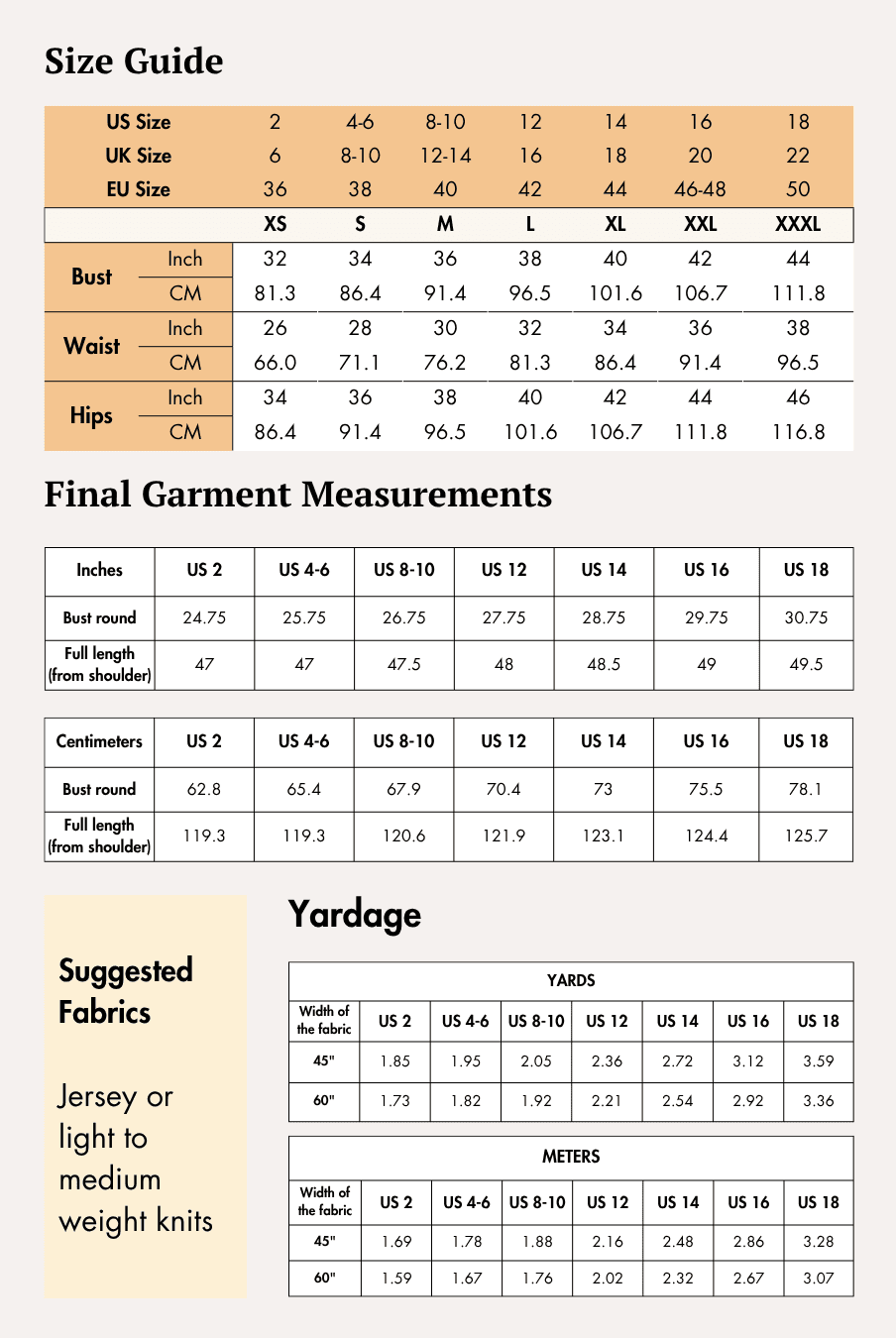
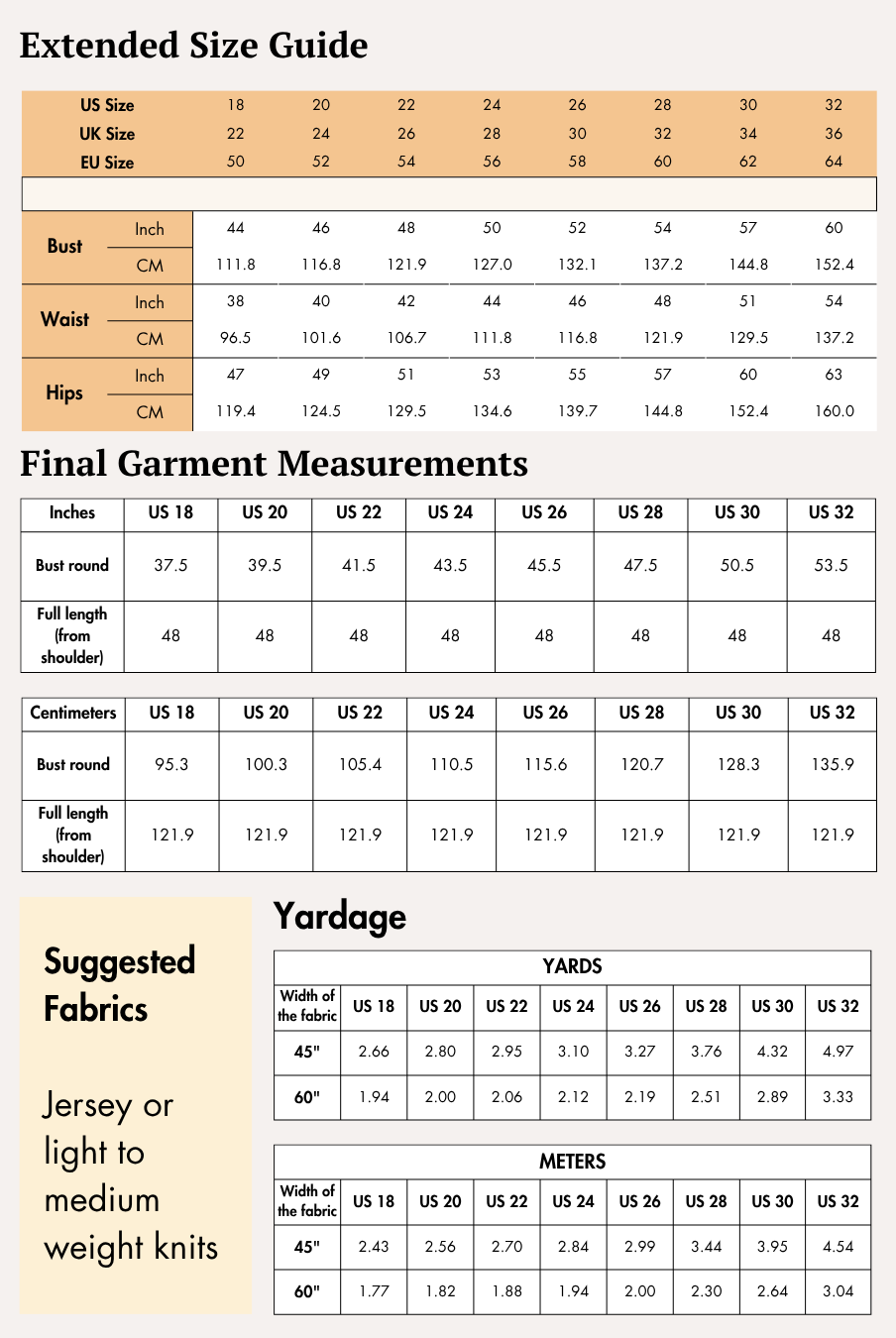
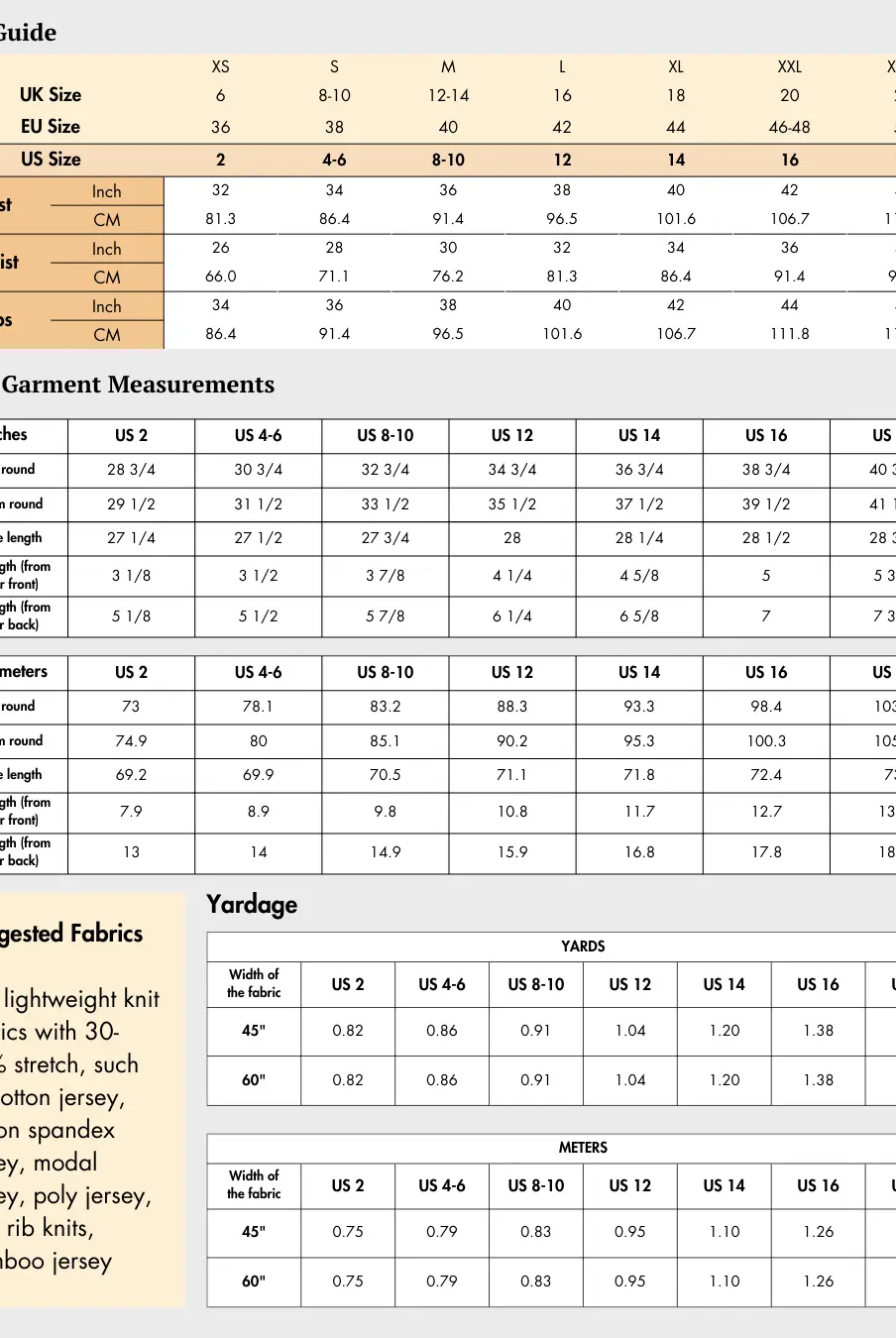
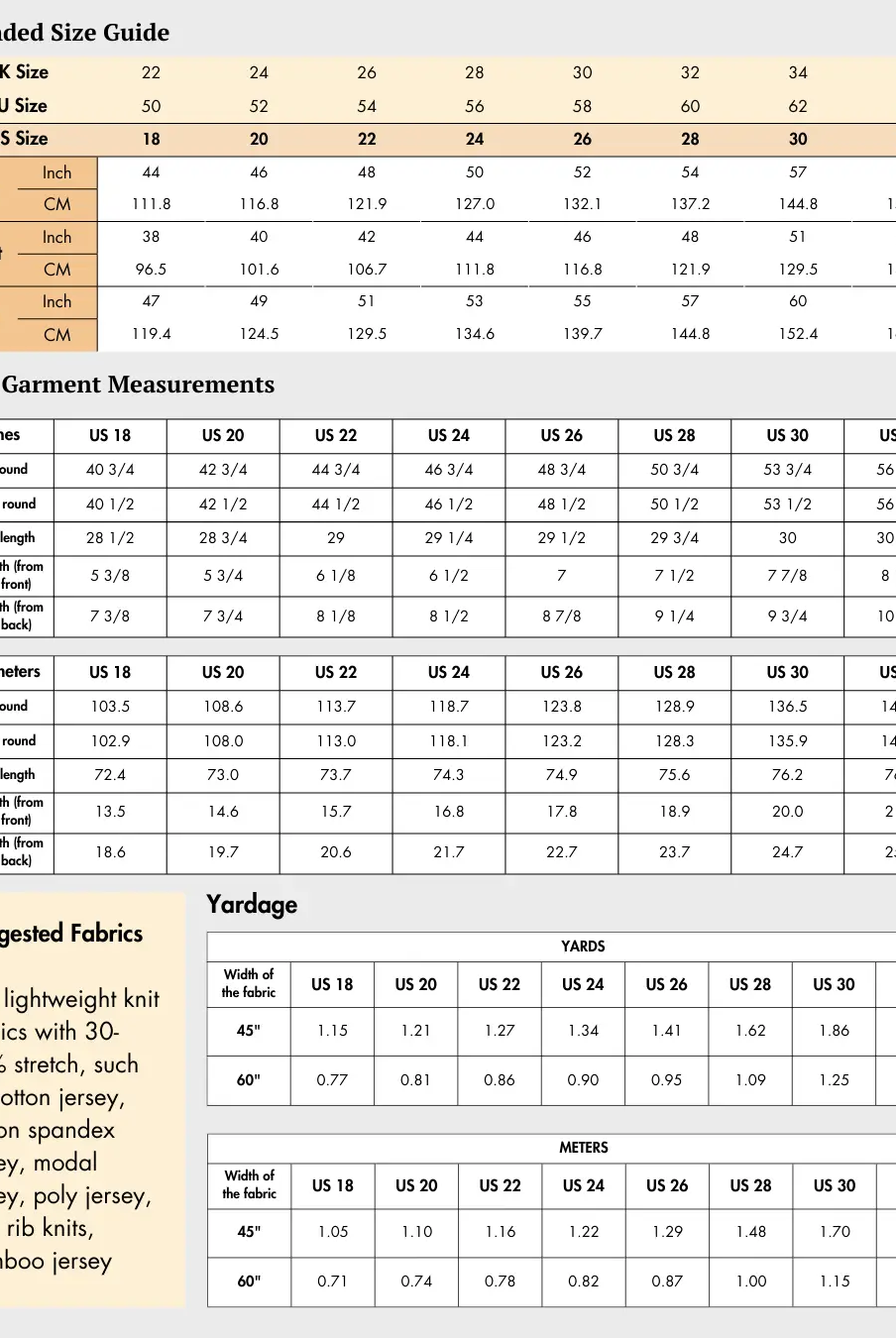
Check the size charts and measure yourself to select the correct size, using the garment and body measurement tables in the guide.
Verify how much fabric you need by referencing the fabric yield table in the guide.
Pattern Inventory: What Pieces to Prepare

-
Front bodice – Cut x1 main fabric + x1 lining
-
Back bodice – Cut x2 main fabric + x2 lining
-
Sleeve – Cut x2 main fabric + x2 lining
-
Cuff – Cut x2 main fabric + x2 lining
-
Front skirt – Cut x1 fabric
-
Back skirt – Cut x2 fabric
-
Front skirt lining – Cut x1 fabric
-
Back skirt lining – Cut x2 fabric
Cut x1+1 or x2+2 means one pattern piece for each fabric from the lining and main fabric.
Pattern Marking

The pattern includes the following markings:
-
Grainlines
-
Shoulder markings
-
Neckline markings
-
Front keyhole marking
-
Dart lines
-
Center front
-
Center back
-
Center front notch
-
Front armhole notch
-
Back armhole notch
-
Hip line
-
Hemline
-
Wrist hemline
-
Center wrist notch
-
Gather guidelines
-
Zipper notch
-
Slit notch
-
Notch for zipper ending point
-
Notch for slit opening
These markings help align the bodice, sleeves, cuffs, zipper, lining, and skirt sections accurately during construction.
Cutting Layout


The guide provides cutting layouts for both 45-inch and 60-inch fabric widths.
-
Arrange the pattern pieces according to the cutting layout diagrams.
-
Ensure the grainline arrows remain parallel to the fabric selvage.
-
Pin pattern pieces before cutting for improved accuracy.
-
The layouts are designed for non-directional fabrics.
-
Purchase additional fabric if using fabric with nap or directional prints.
-
The cutting layout is the same for both the main fabric and the lining.
-
The illustrated layout uses US size 4–6 for representation.
Fabric Cutting and Preparation
Arrange the pattern pieces according to the cutting layout diagrams. Begin by positioning the pieces on the fabric, ensuring that the grainline arrow runs parallel to the selvage.
If you are using fabric shears, trace the pattern pieces and then cut them out, cutting away any pen, pencil, or chalk lines. Remember to cut out any notches that appear on the edges. These markings help line up the pieces when you assemble the garment.
Use your marking pen, pencil, or chalk to transfer the markings such as circles, buttonholes, and fold lines to the wrong side of the fabric. Mark the center front of pieces cut on the fold, as this will help you align pieces accurately.
Seam Allowance
Please follow the seam allowances as indicated on the pattern file layers. These are provided specifically for each piece to ensure accurate construction.
This pattern uses a 1.1 cm (1/2” inch) seam allowance all around and 2cm (3/4” inch) at the slit and hem.
Step-by-Step Sewing Instructions
1. Sew the Front Bodice Darts
Fold the fabric right sides together, aligning the dart legs on the front bodice piece.
Secure the dart fold by stitching along the dart line on the wrong side. Press the dart to one side to reduce bulk in the finished garment.
Repeat this step for all darts on the front bodice and front lining pieces.
2. Join the Shoulder Seams
Place the front bodice over the back bodice with right sides together, aligning the shoulders.
Stitch both shoulder seams.
Repeat the same process for the front and back lining pieces.
3. Attach the Sleeves
3a. Spread out the prepared main fabric bodice from the shoulder seams. Place the sleeve on top of the bodice with right sides together, aligning the back armhole notches and matching the center front notch with the shoulder seam.
3b. Sew along the armhole to secure the sleeve in place and repeat for the other sleeve.
3c. Repeat the same process for the second sleeve.
4. Sew the Side Seams
Turn the bodice and sleeves wrong side out with right sides facing each other.
Align and sew both side seams.
5. Assemble the Lining Bodice
Repeat Steps 1 through 4 for the front lining, back lining, and sleeve lining pieces.
6. Finish the Neckline and Center Back
6a. Place the main fabric bodice and lining bodice with right sides facing each other. Align the neckline and center back edges.
6b. Sew along the neckline and center back.
Tip: Clip the seam allowance around the neckline before turning the fabric right side out.
6c. Turn the lining and main fabric so the wrong sides are facing each other from the neckline and back armhole. Insert the lining sleeve into the main fabric sleeve.
7. Create Sleeve Gathers
7a. Sew basting stitches along the sleeve hem seam allowance. Baste both the lining and main fabric together as one layer.
7b. Carefully pull the thread to gather the fabric evenly until it matches the required cuff wrist measurement.
Repeat for the second sleeve.
8. Prepare the Cuffs
8a. Place one lining cuff and one main fabric cuff right sides together, aligning all edges.
8b. Sew along three sides, leaving the wrist edge unstitched.
8c. Turn the cuff right side out.
Repeat for the remaining cuff.
9. Attach the Cuffs
9a. Cut the slit according to the marked guidelines on both the lining and main fabric sleeve pieces.
9b. Finish the slit by folding the edge twice toward the wrong side. First fold by 1/4 inch and then by 3/8 inch. Topstitch along the folded edge and secure with a backstitch.
9c. Place the prepared cuff onto the sleeve with right sides together. Align the cuff ends with the slit ends and evenly distribute the sleeve gathers. Stitch along the seamline.
Repeat for the second sleeve.
10. Sew the Skirt Darts
Fold the fabric right sides together, aligning the dart legs on the front skirt.
Stitch along the dart line and press the dart to one side.
Repeat for the back skirt and the lining front and back skirt panels.
11. Assemble the Skirt
Place the front skirt on top of the back skirt with right sides together.
Align the side seams and stitch along the seamline.
Repeat for the skirt lining panels.
12. Attach the Skirt Lining
12a. Position the skirt lining on top of the main skirt with wrong sides together. Align the waistline and stitch along the seamline.
12b. Align the center back seam of the back panel with the lining and main fabric acting as one layer. Stitch between the zipper notch and slit notch.
Clip the seam allowance at the zipper notch and slit notch.
13. Prepare the Back Opening
Align the remaining center back opening edges and prepare the area for zipper insertion according to the zipper markings.
14. Join the Bodice and Skirt
Attach the front bodice and skirt by placing the bodice inside the skirt with right sides together.
Match the side seams and stitch around the waist seamline.
Backstitch at the end for durability.
An overlock stitch may also be used on the waist seam.
15. Insert the Concealed Zipper
15a. Position the open zipper on the center back seam with right sides together. Sew along both zipper tapes as close as possible to the zipper teeth using a zipper foot.
15b. Turn the dress right side out and topstitch along the zipper edge to cover the zipper seam.
Finish the lower zipper edge with a lock stitch on the wrong side for reinforcement.
16. Finish the Hem and Slit
Fold the bottom edge twice toward the wrong side to create a neat hem.
Topstitch along the folded edge and secure with a backstitch.
Tuck the fabric edge inside the fold to prevent fraying.
Finish the skirt lining and main skirt separately.
17. Attach the Button and Button Loop
17a. Cut an elastic cord 1 inch long.
Turn the dress wrong side out. Place the cord on the left side of the front keyhole. Bring the cord ends together and secure with a lock stitch.
17b. Turn the dress right side out. Position the button on the right side of the front keyhole so it aligns with the elastic loop.
Hand sew the button securely in place.
17c. Repeat the process for any remaining button attachment required by the pattern.


Ready to Sew Your Own Sheath Dress?


The Celestia Sheath Dress combines a flattering sheath silhouette with elegant details such as a front keyhole neckline, gathered sleeves, tailored cuffs, and a concealed zipper finish. The lined construction creates a polished result, while the classic shape makes it suitable for parties, special occasions, and formal events.
Whether you choose a subtle chiffon, elegant viscose, or a statement georgette sequin fabric, this pattern offers a rewarding sewing project with a beautiful finished result. Download the pattern and start sewing your own Celestia Sheath Dress today.
Explore More Sewing Patterns
Browse our Dress Sewing Pattern Collection for more stylish handmade dresses perfect for parties, celebrations, formal occasions, and everyday wardrobes.
Join the Community & Get Support
Share your finished Celestia Sheath Dress on social media with #MadeWithWinslets. If you have questions, feedback, or customization requests, contact the Winslet's team at support@winslets.com.