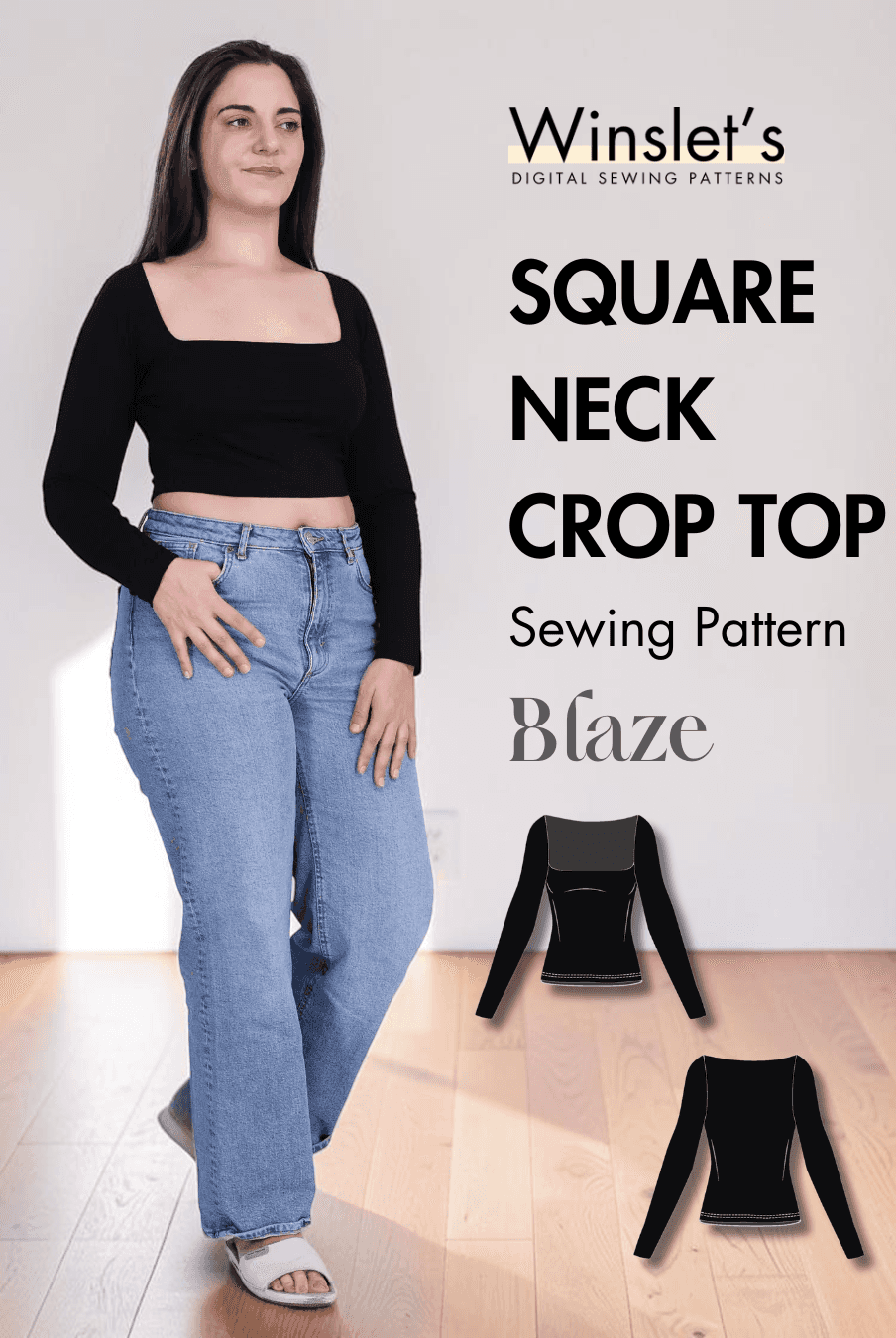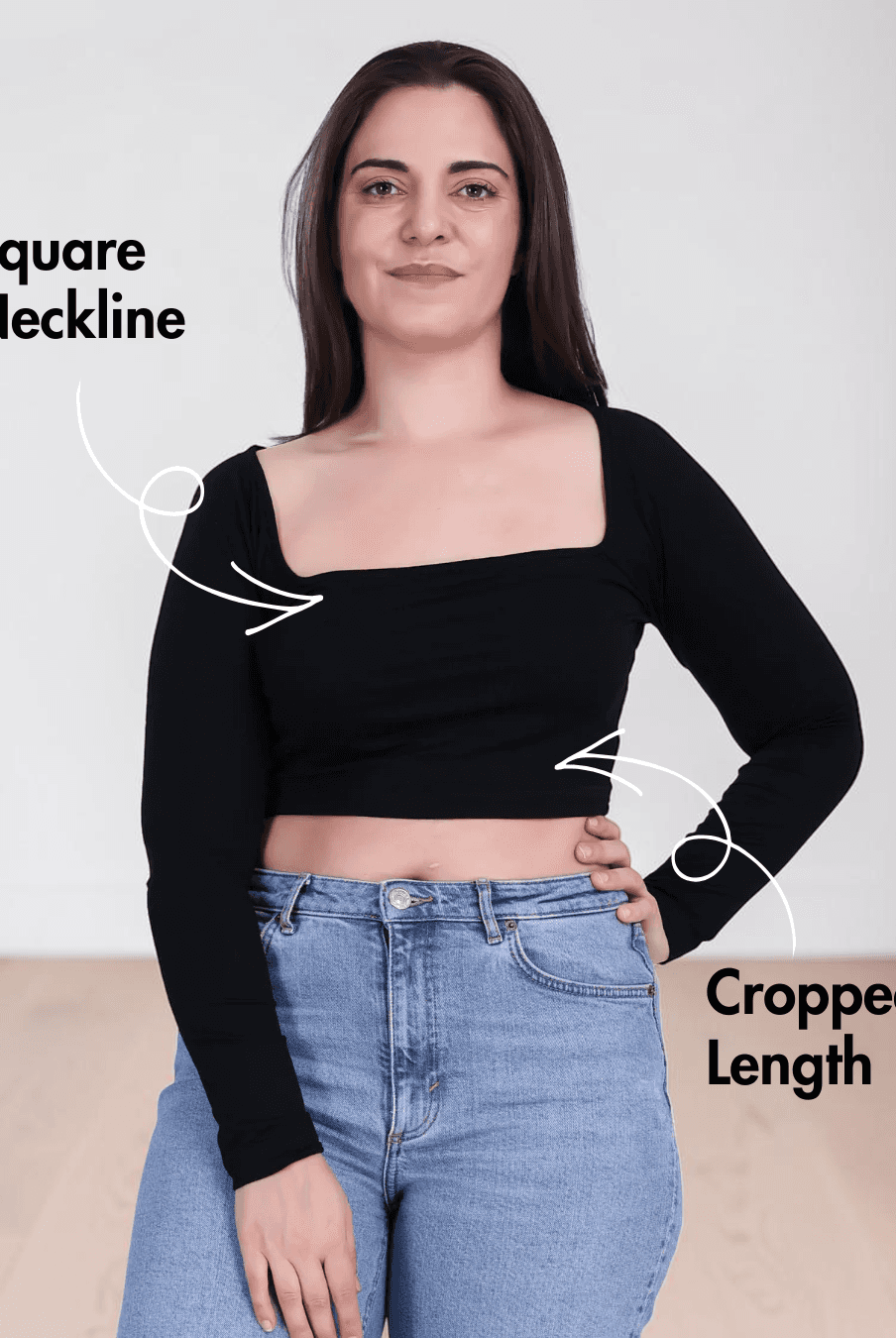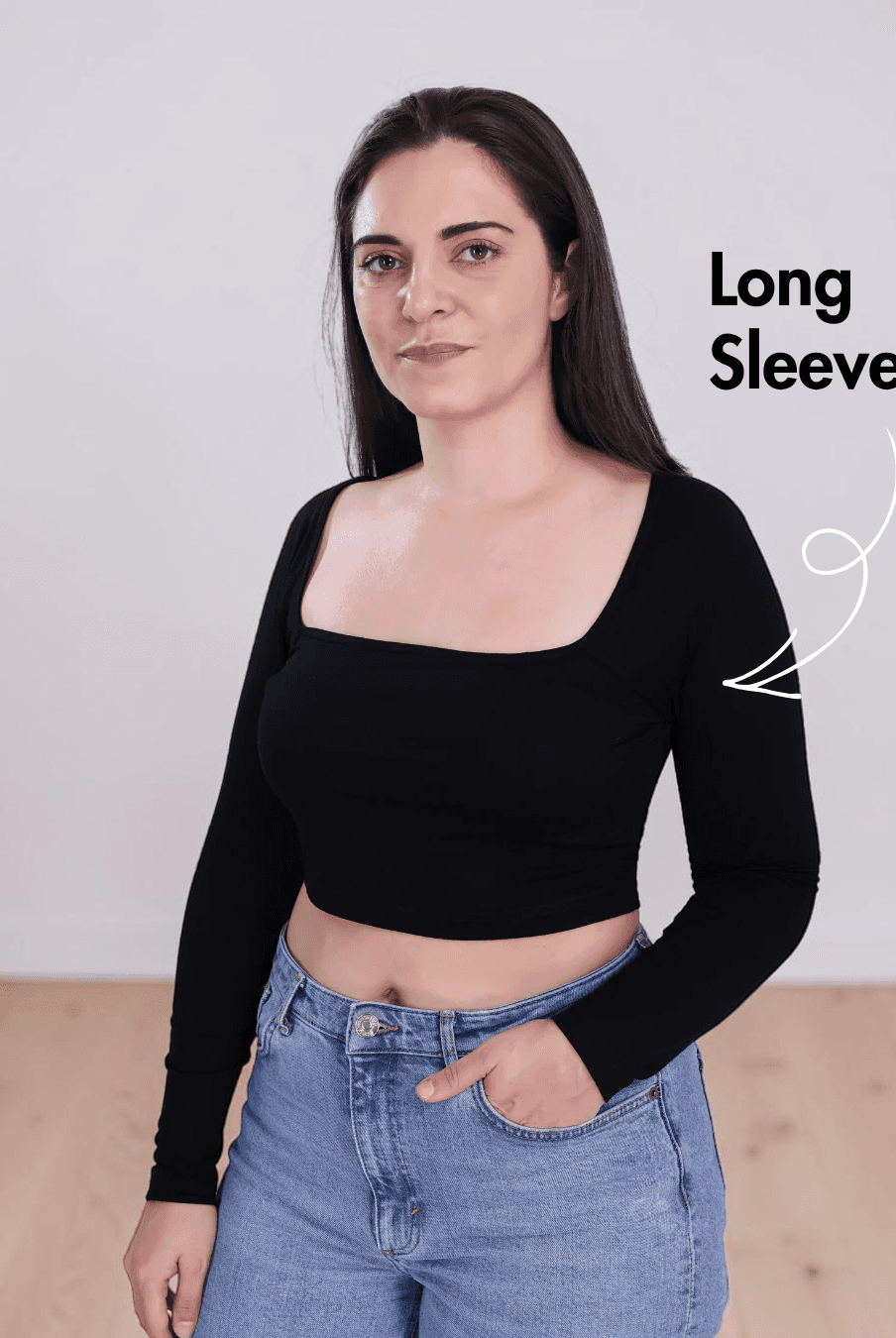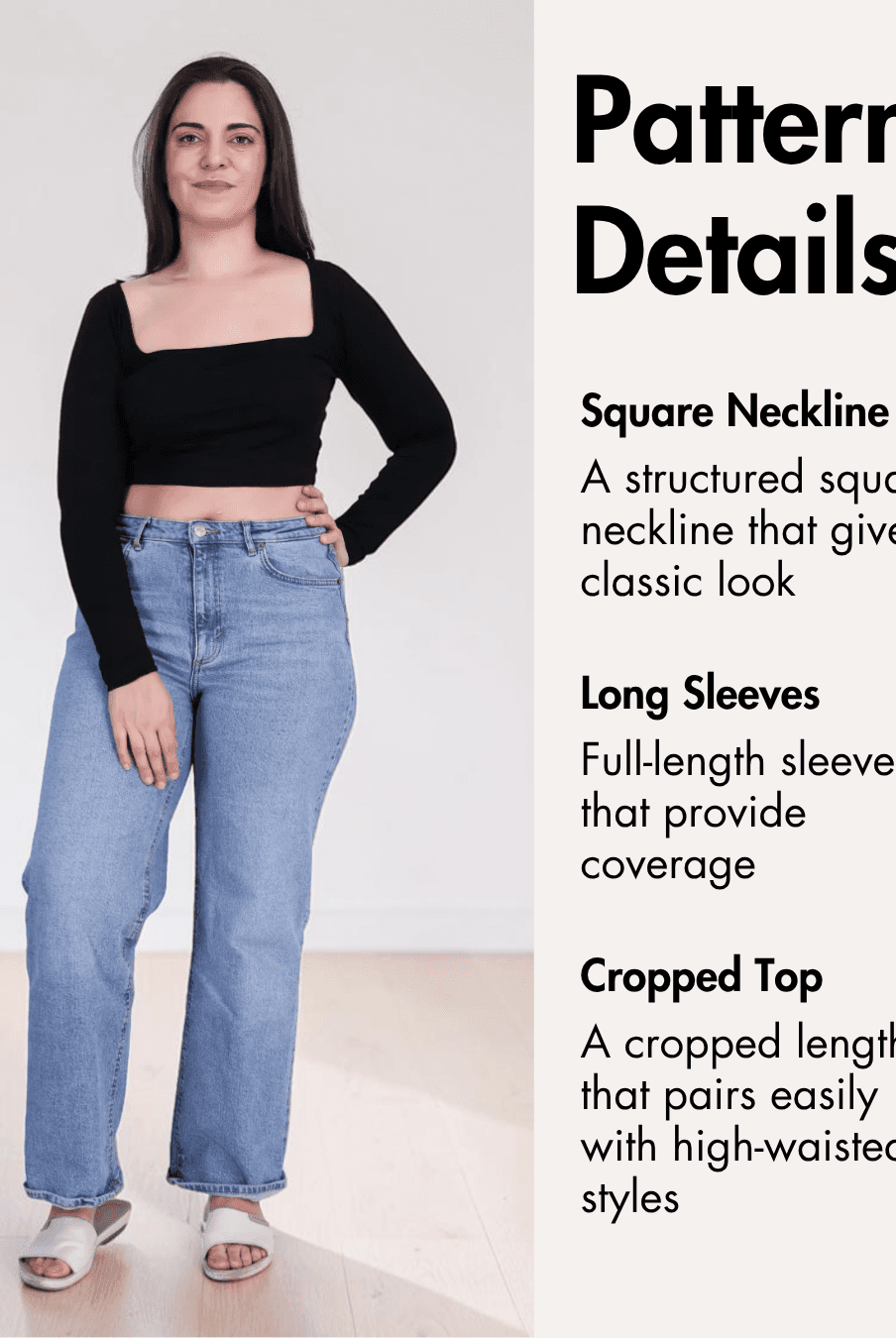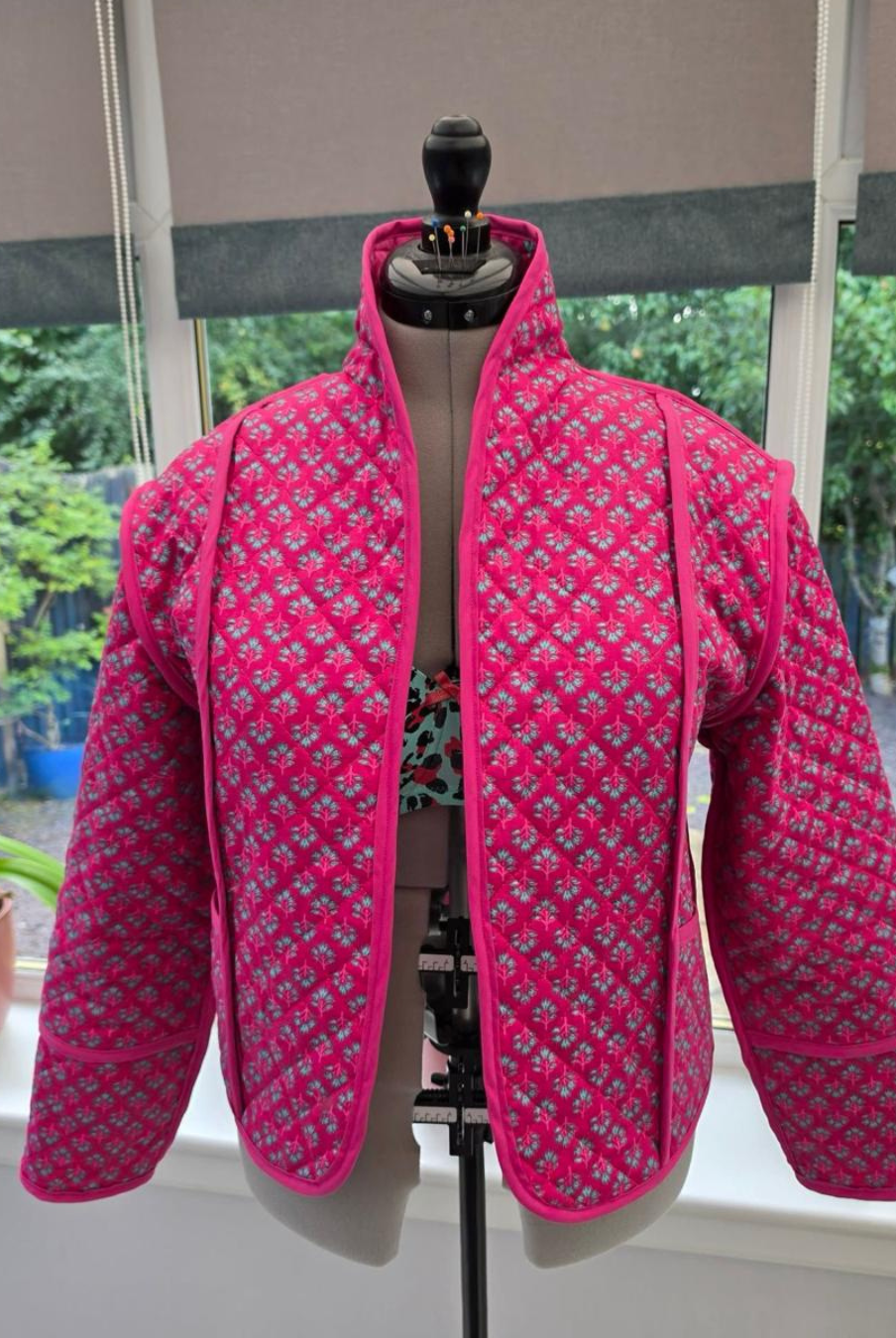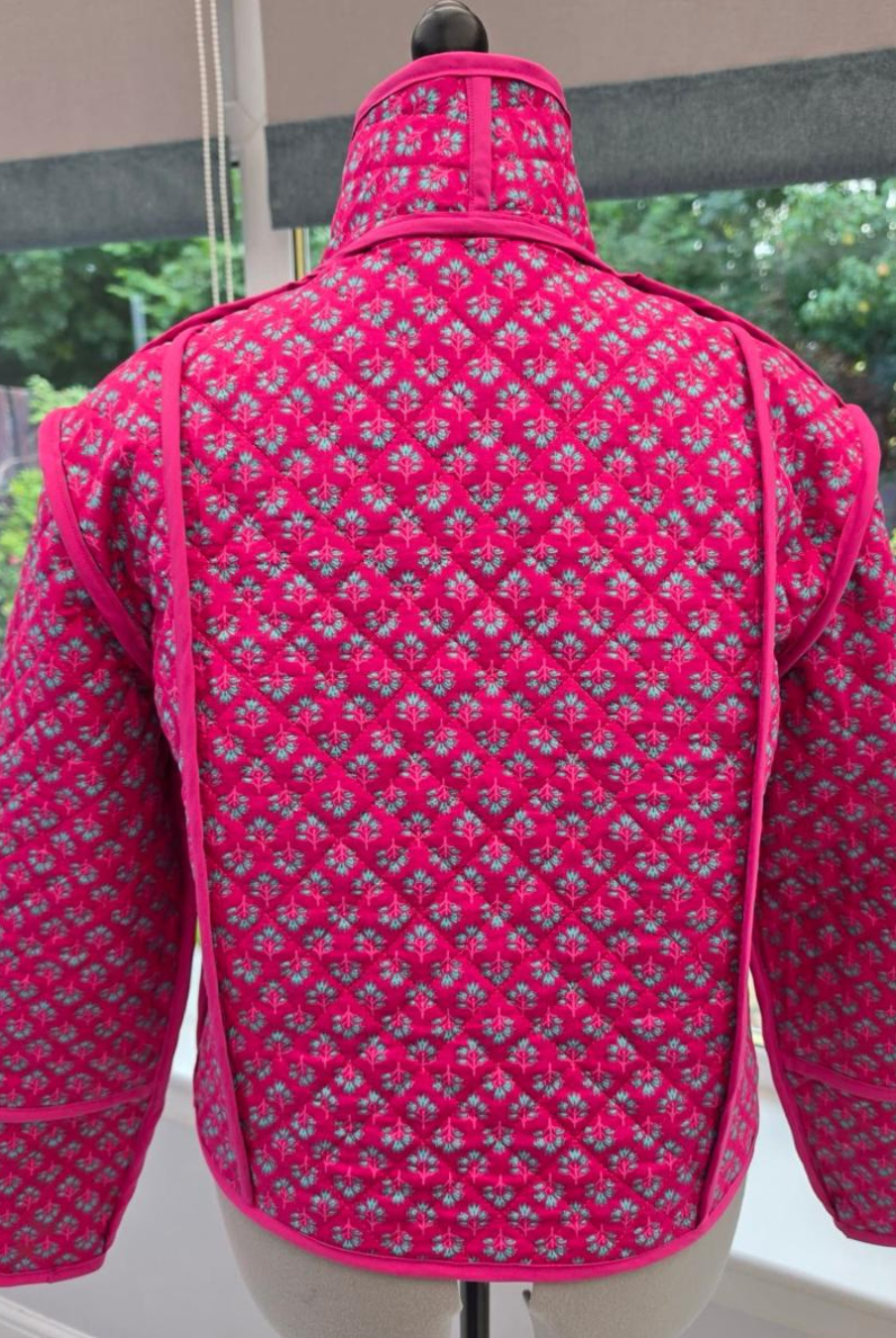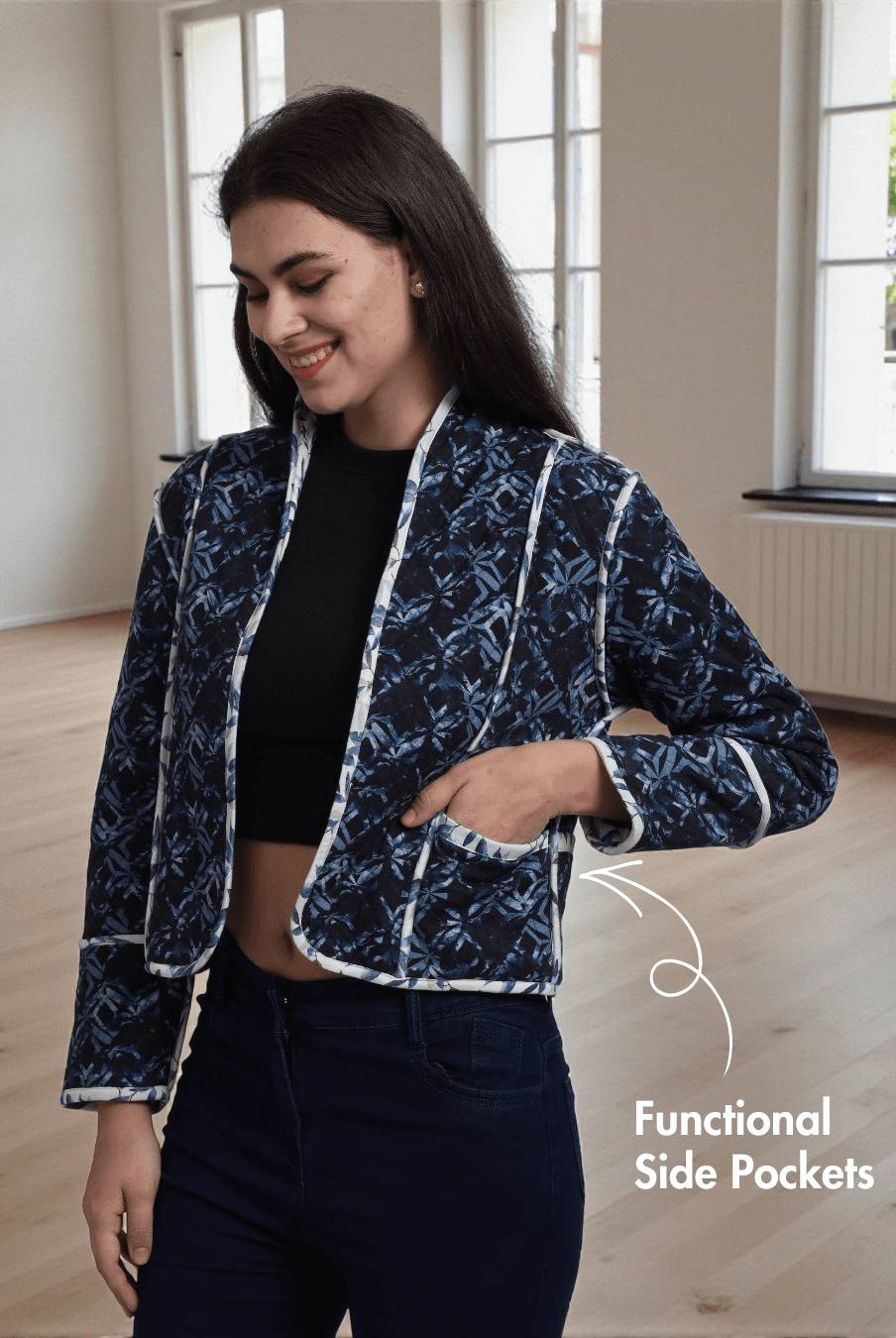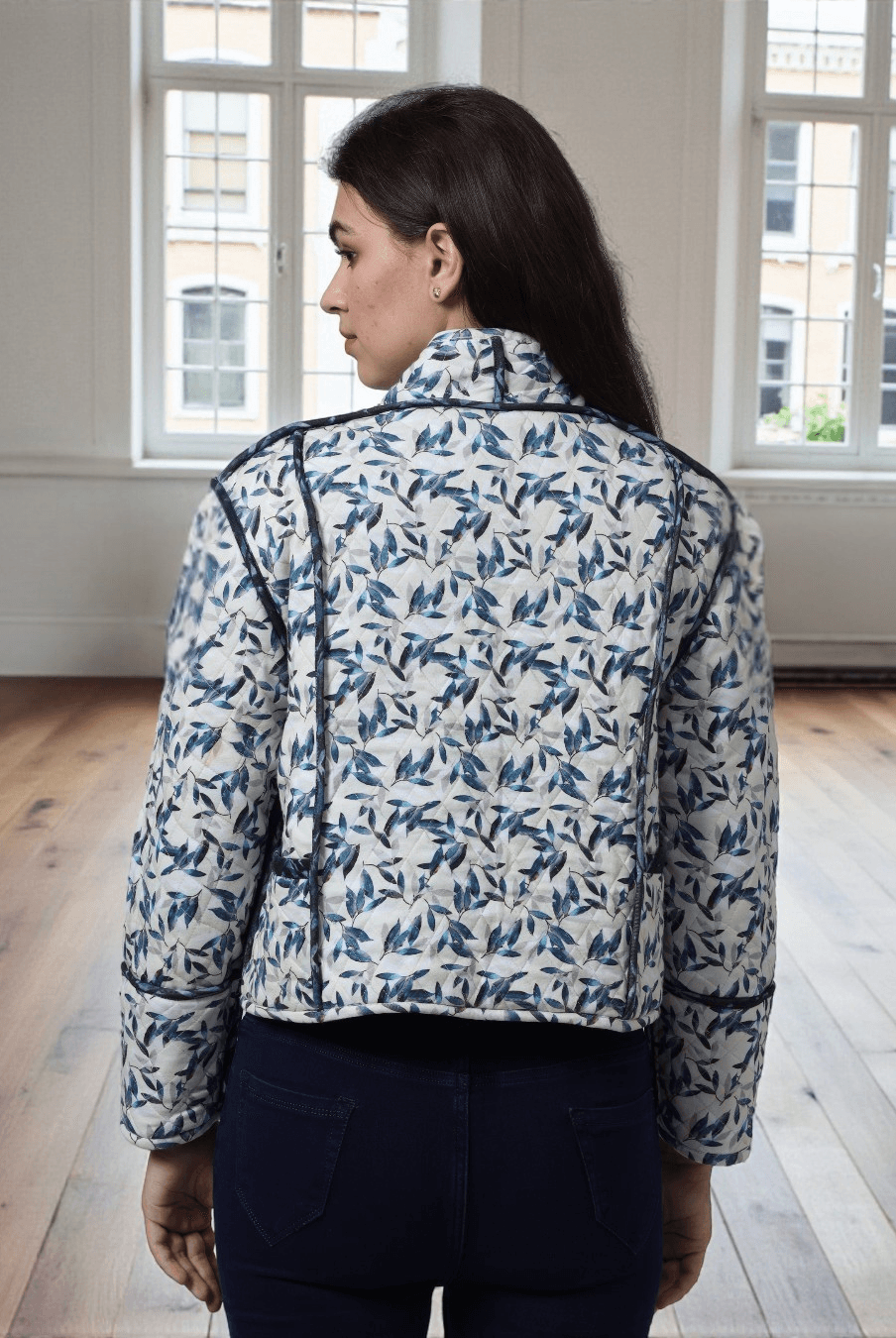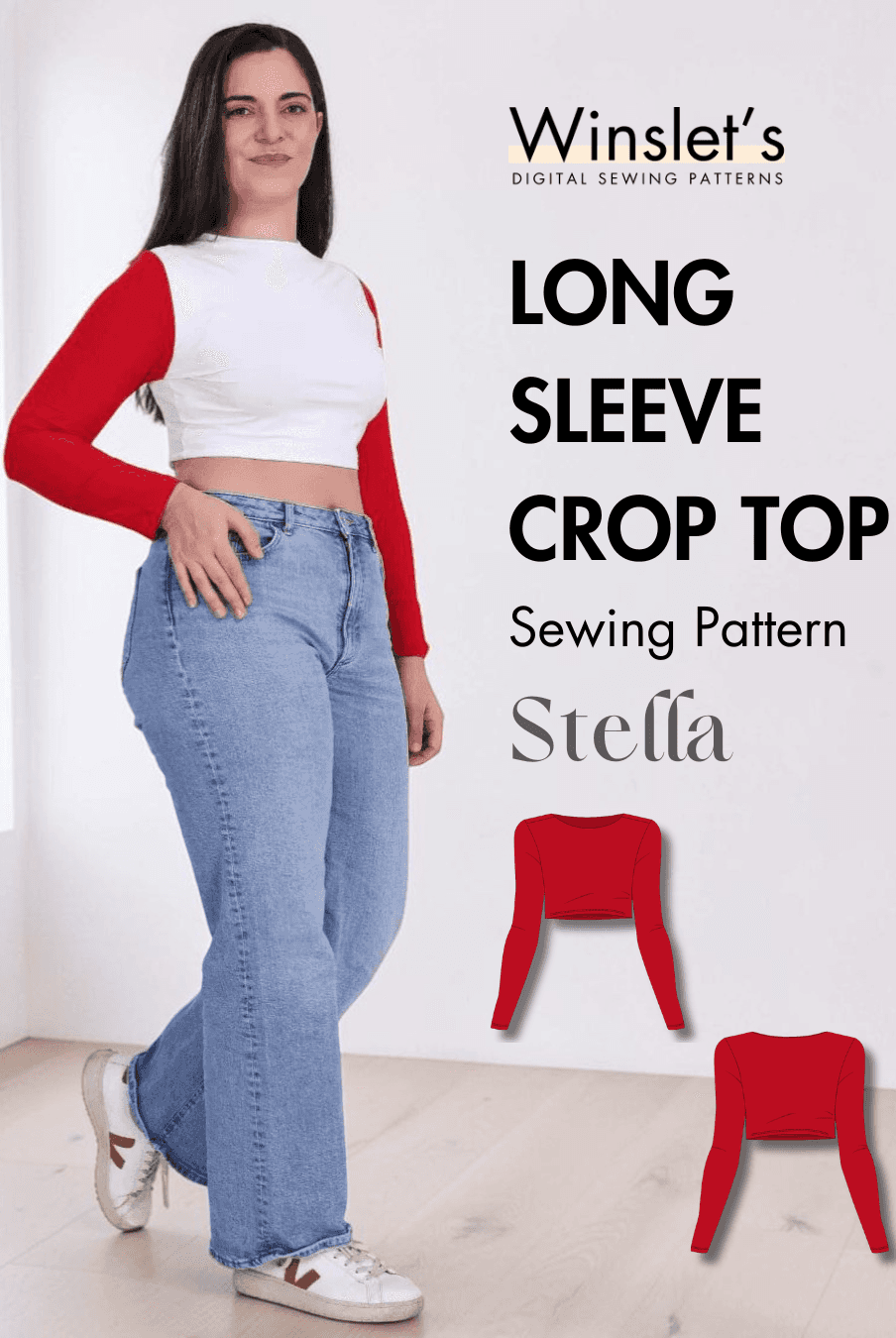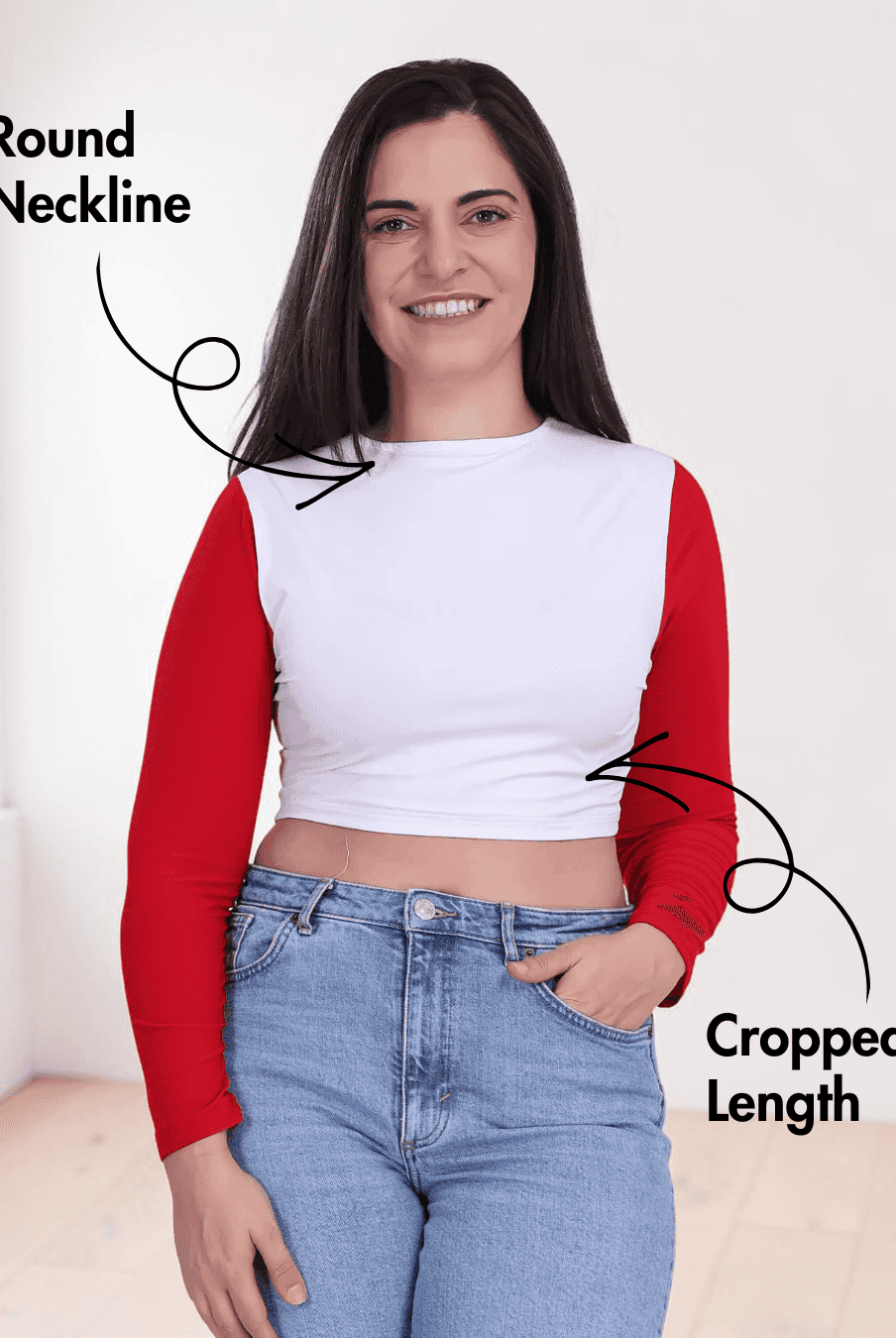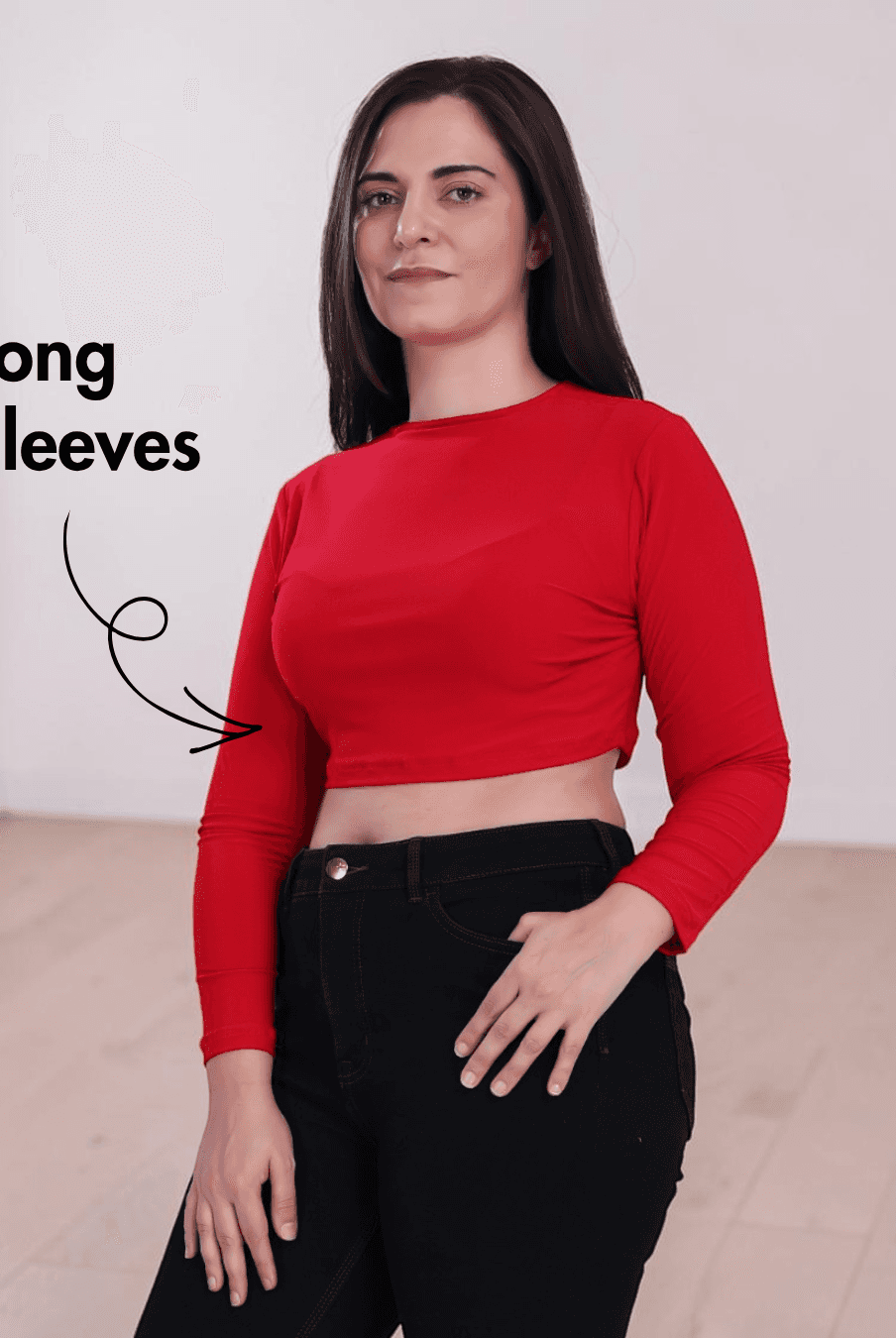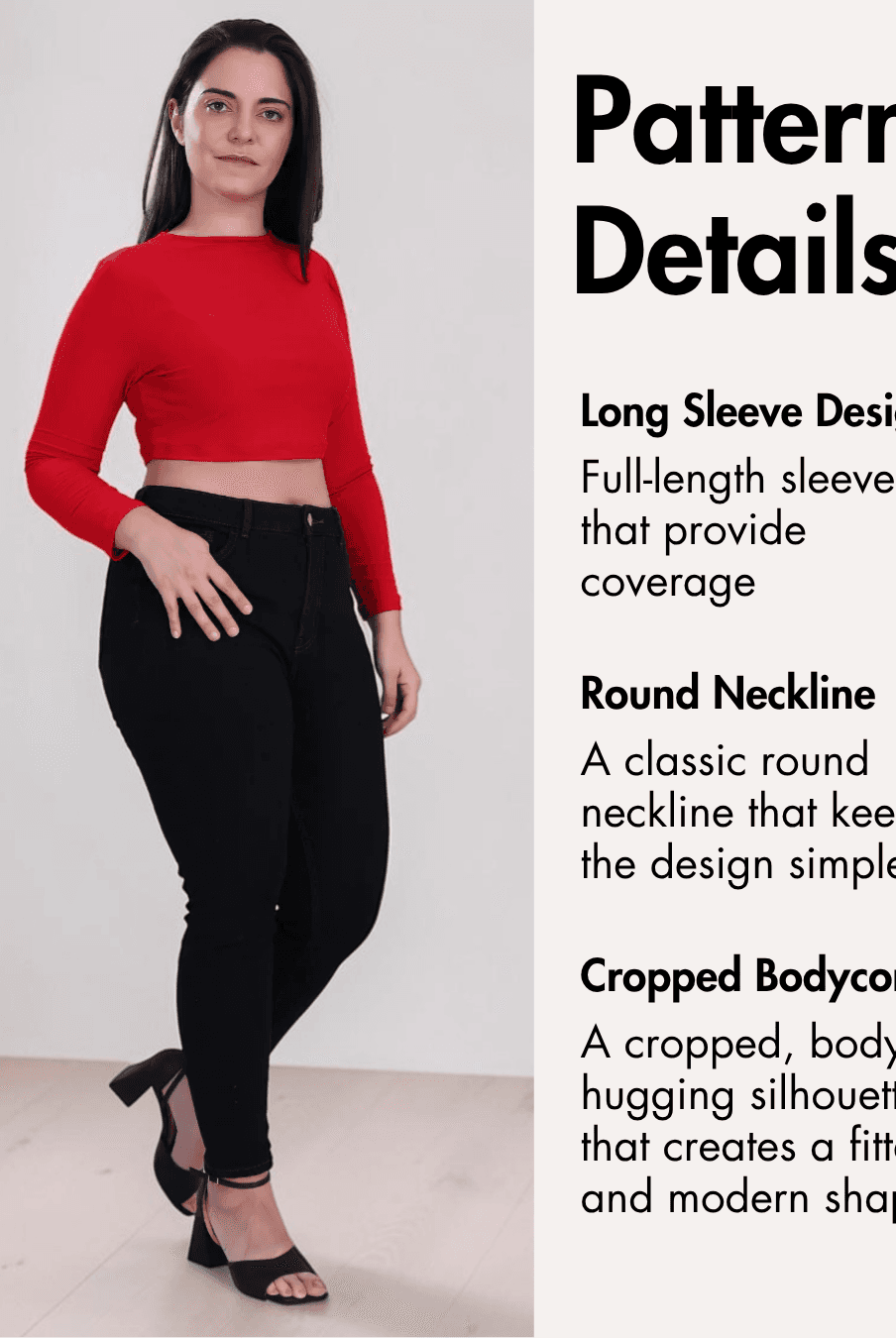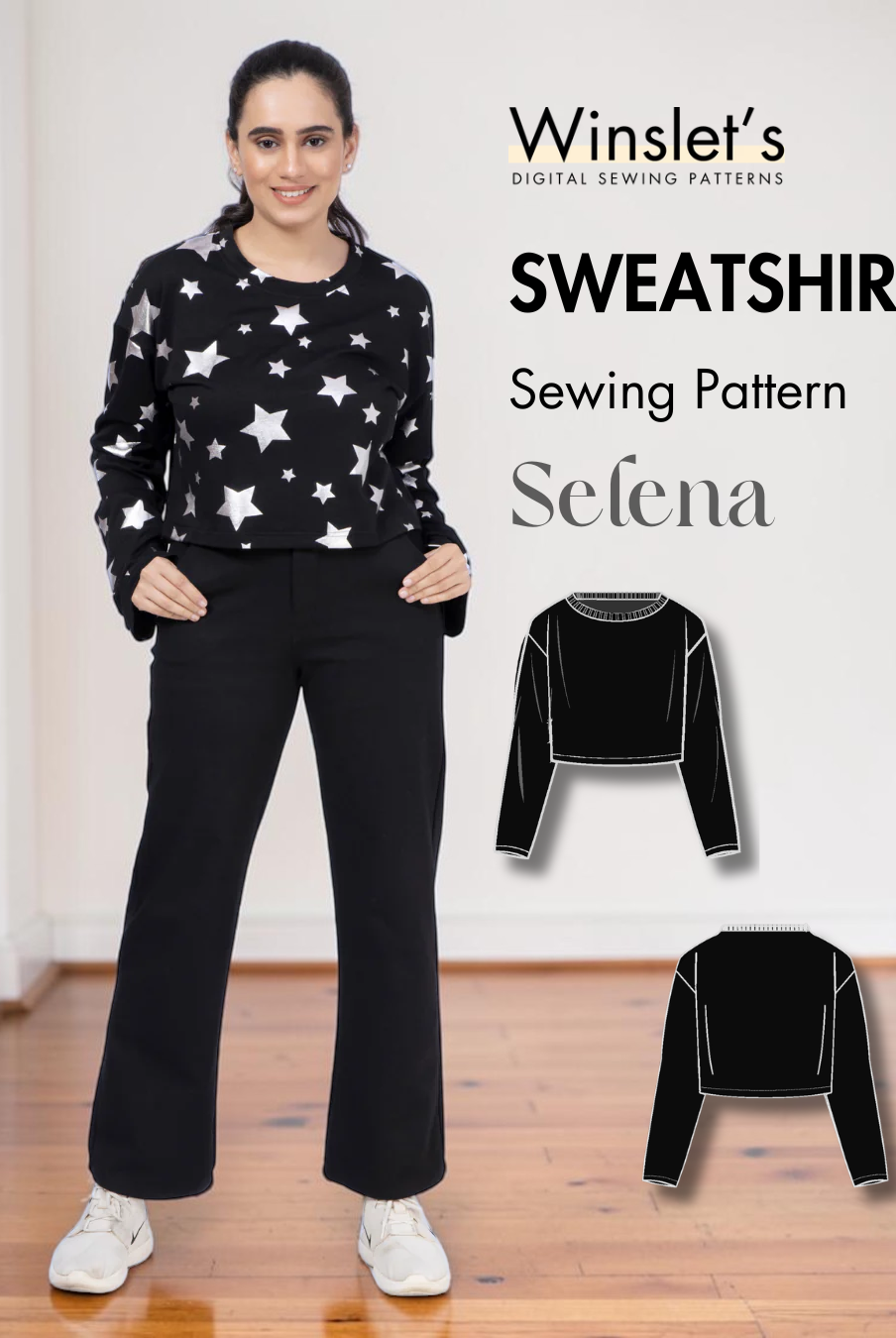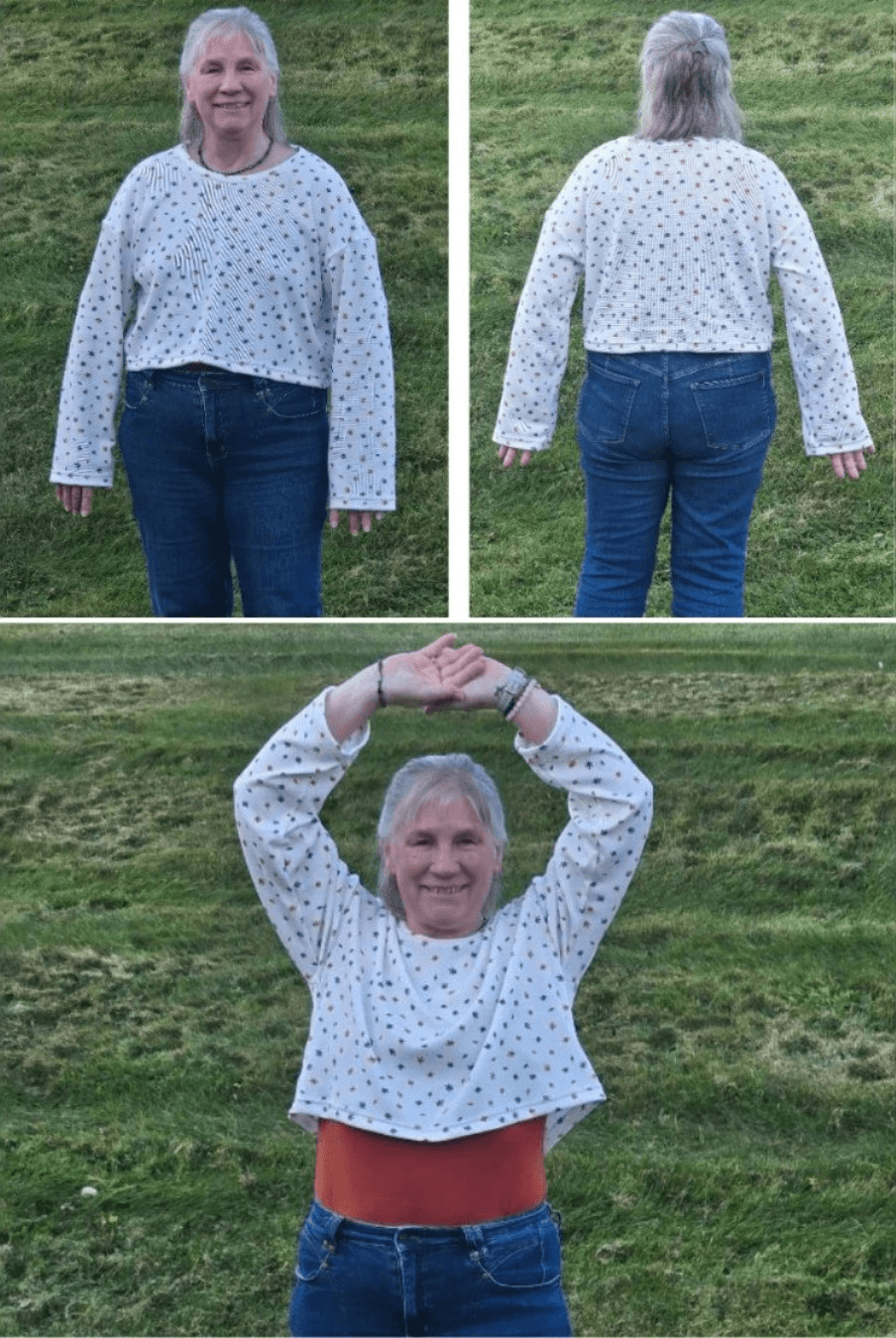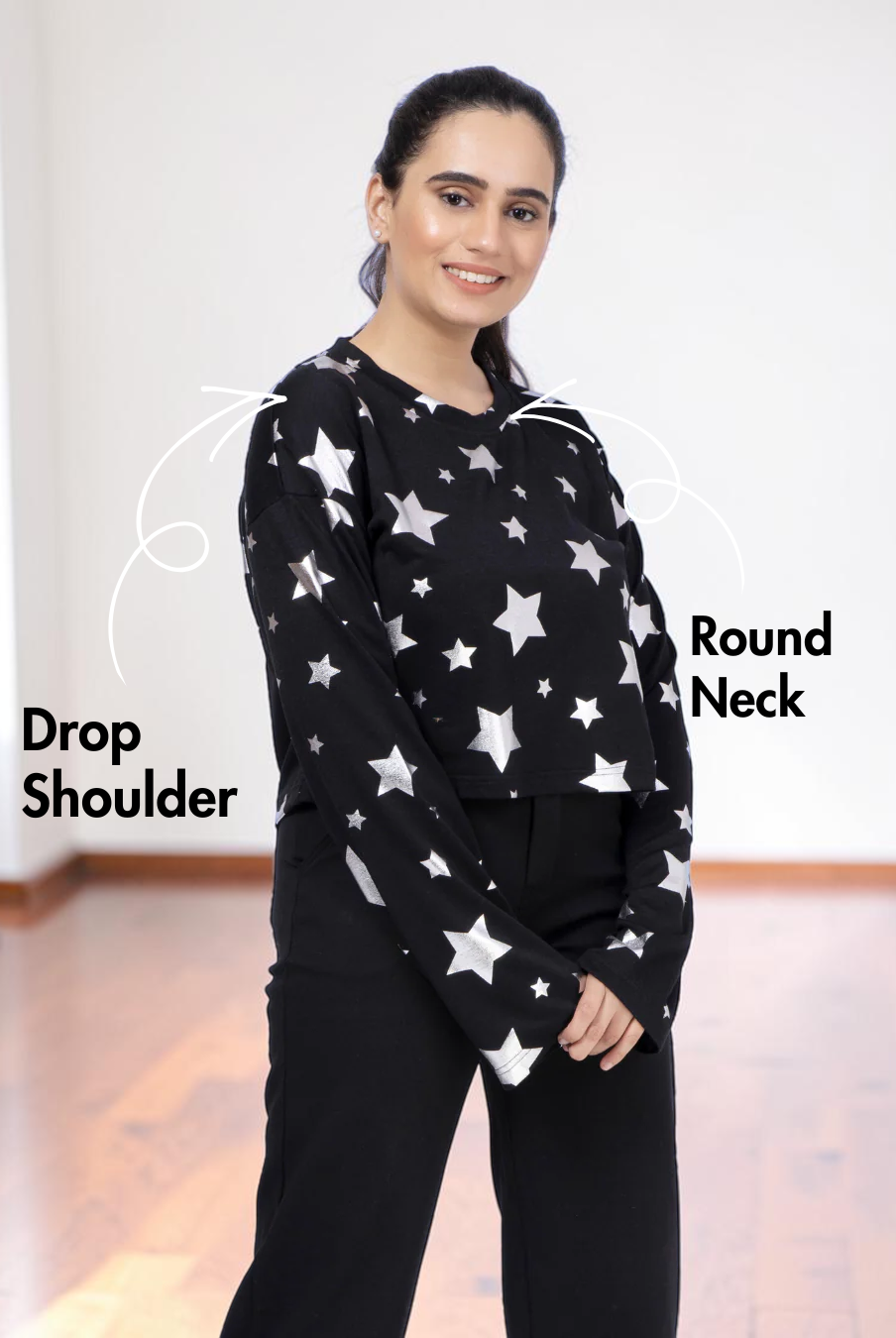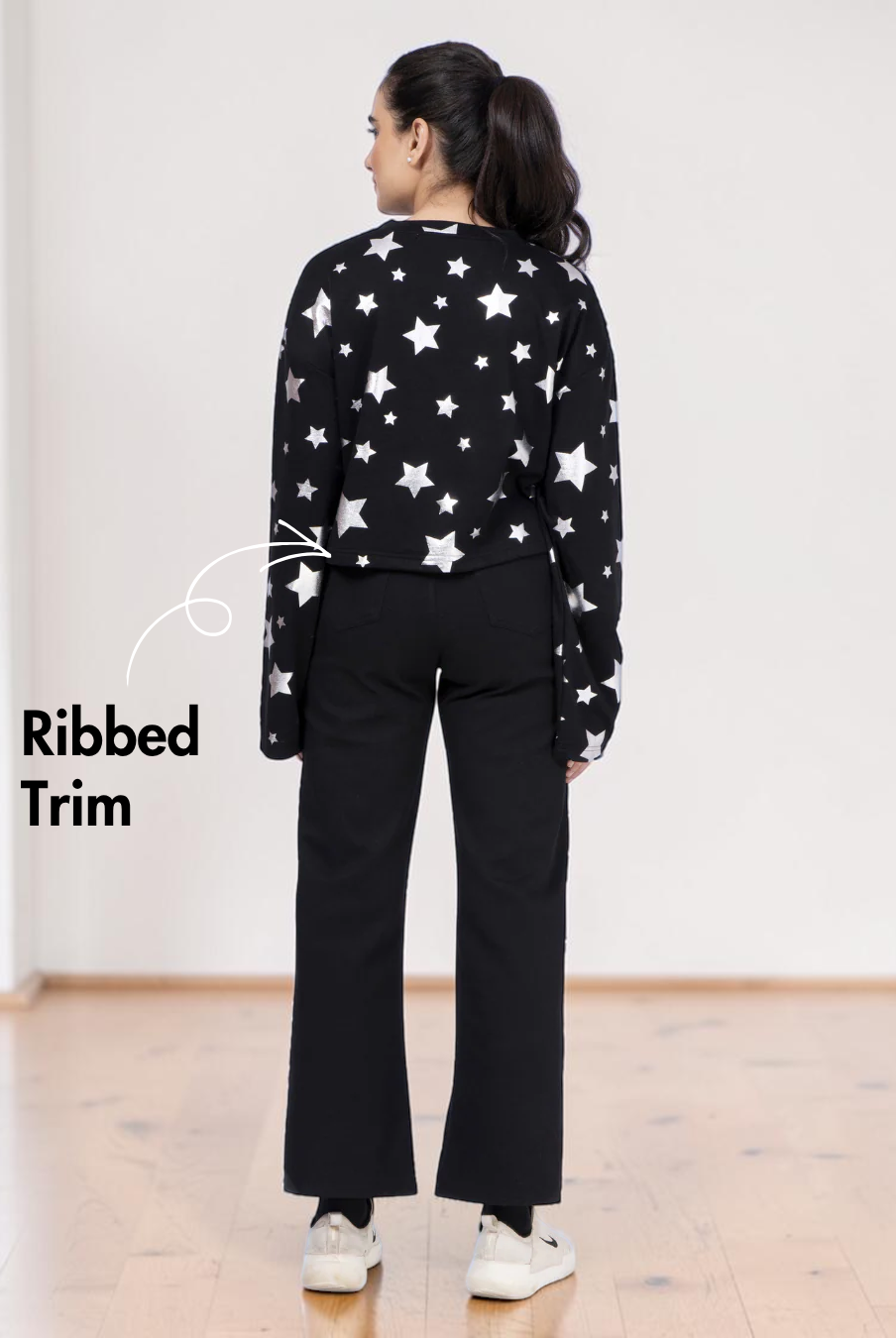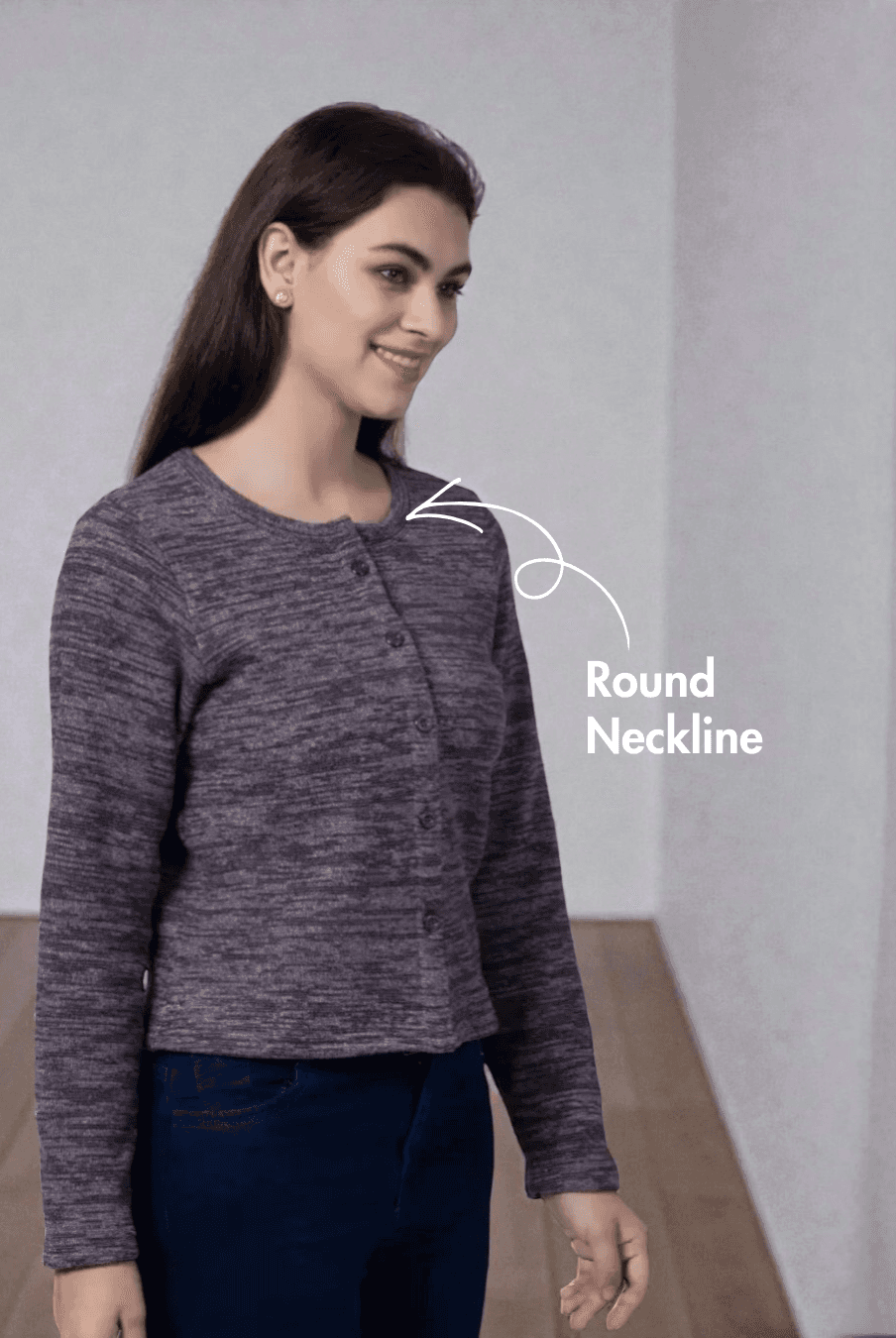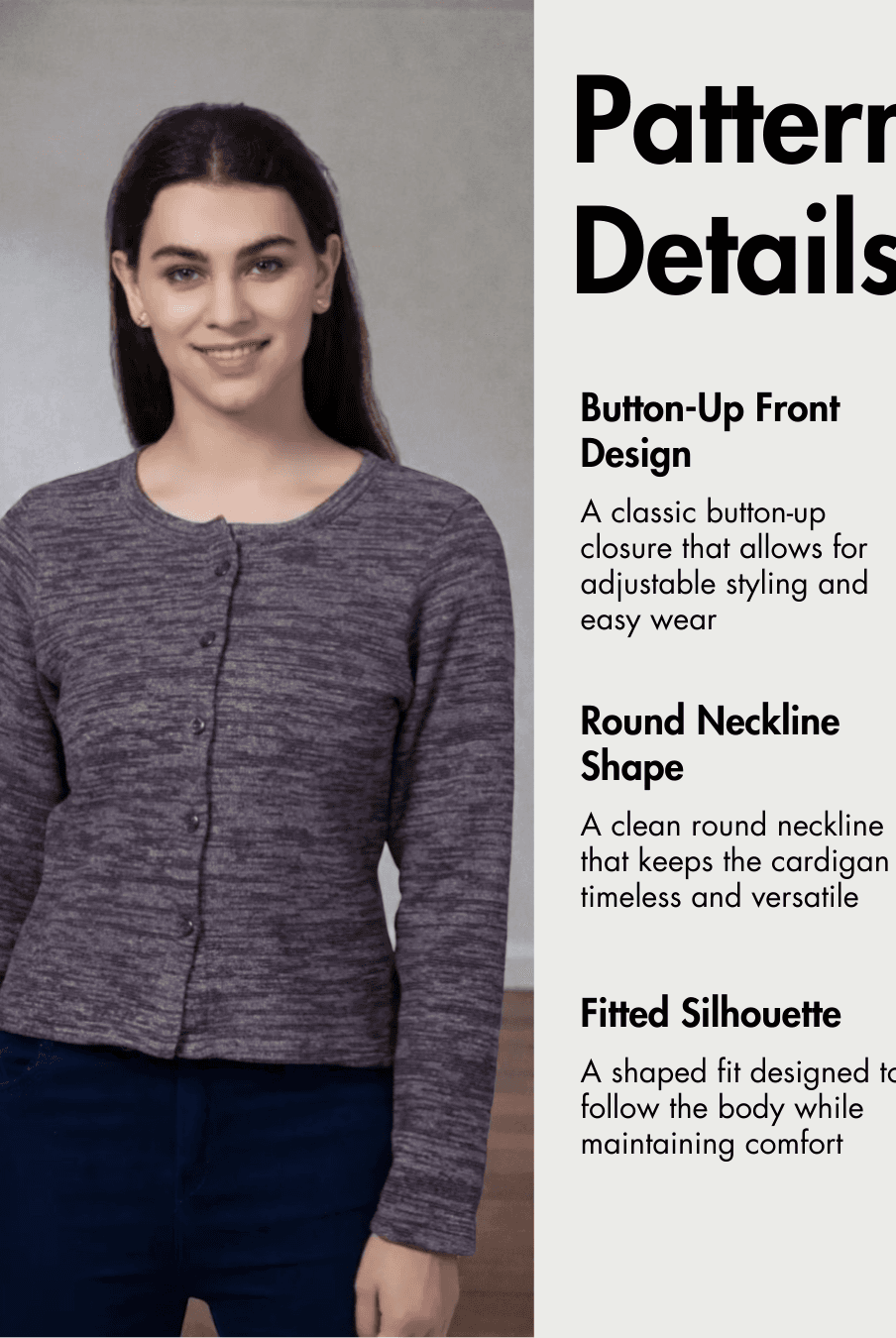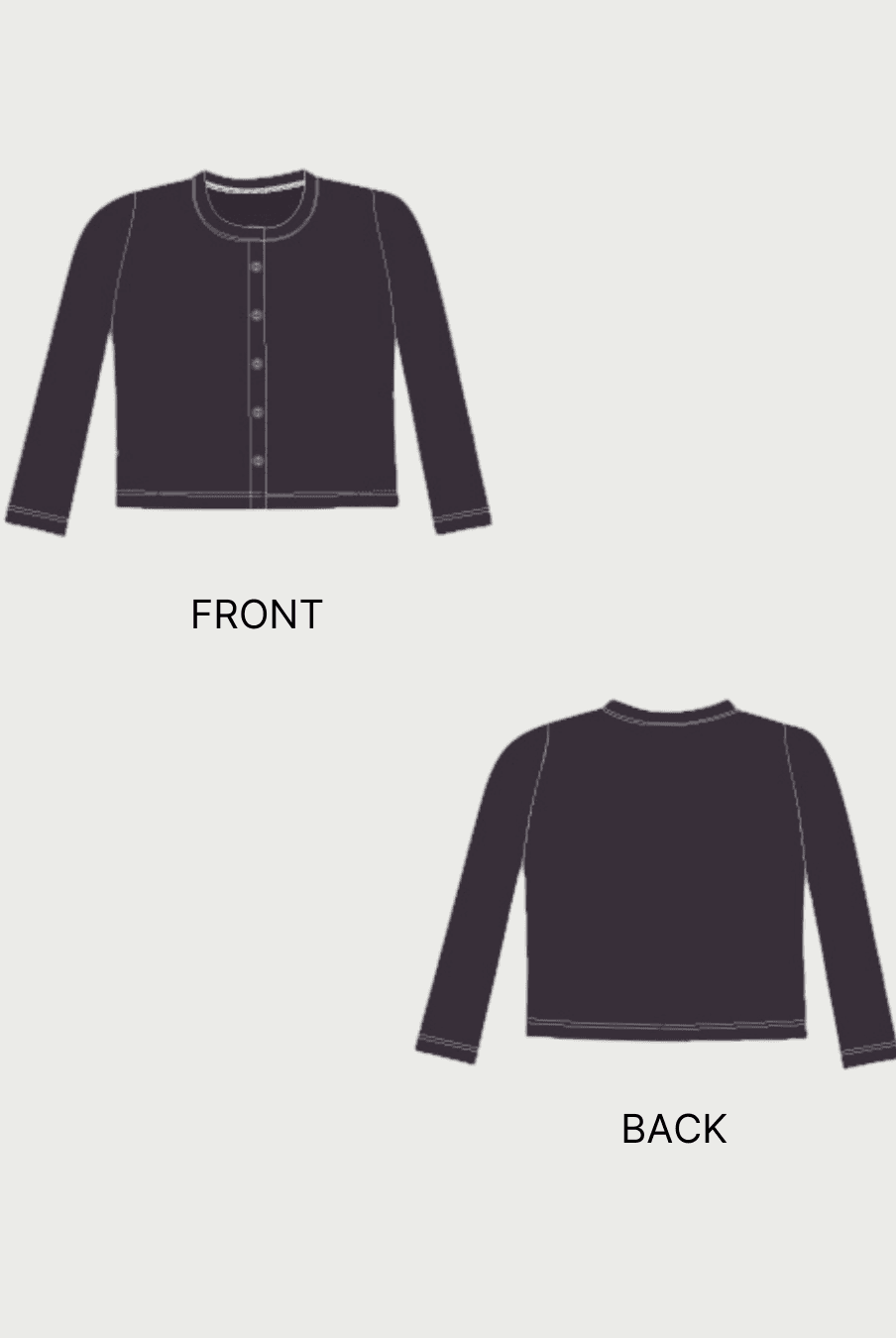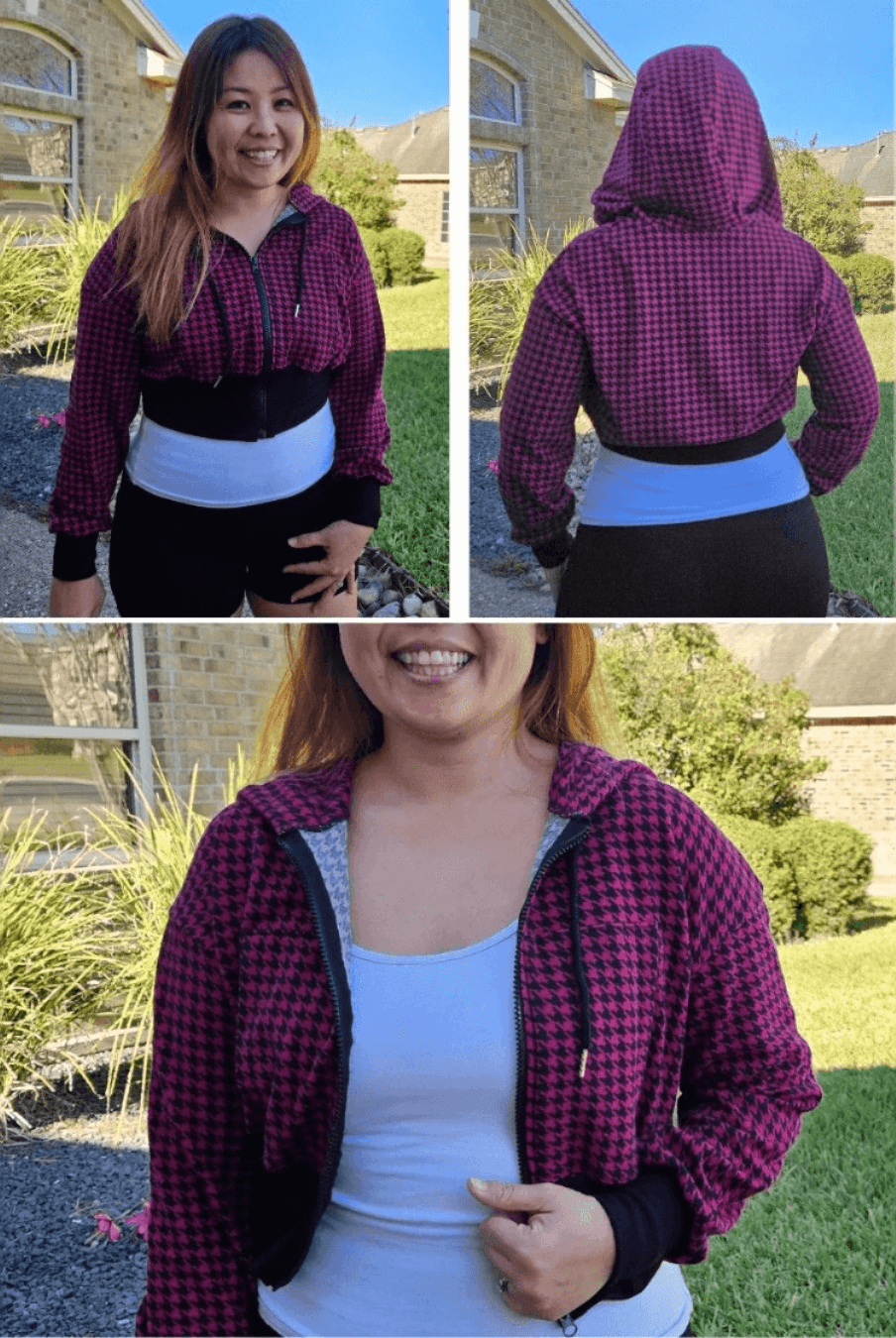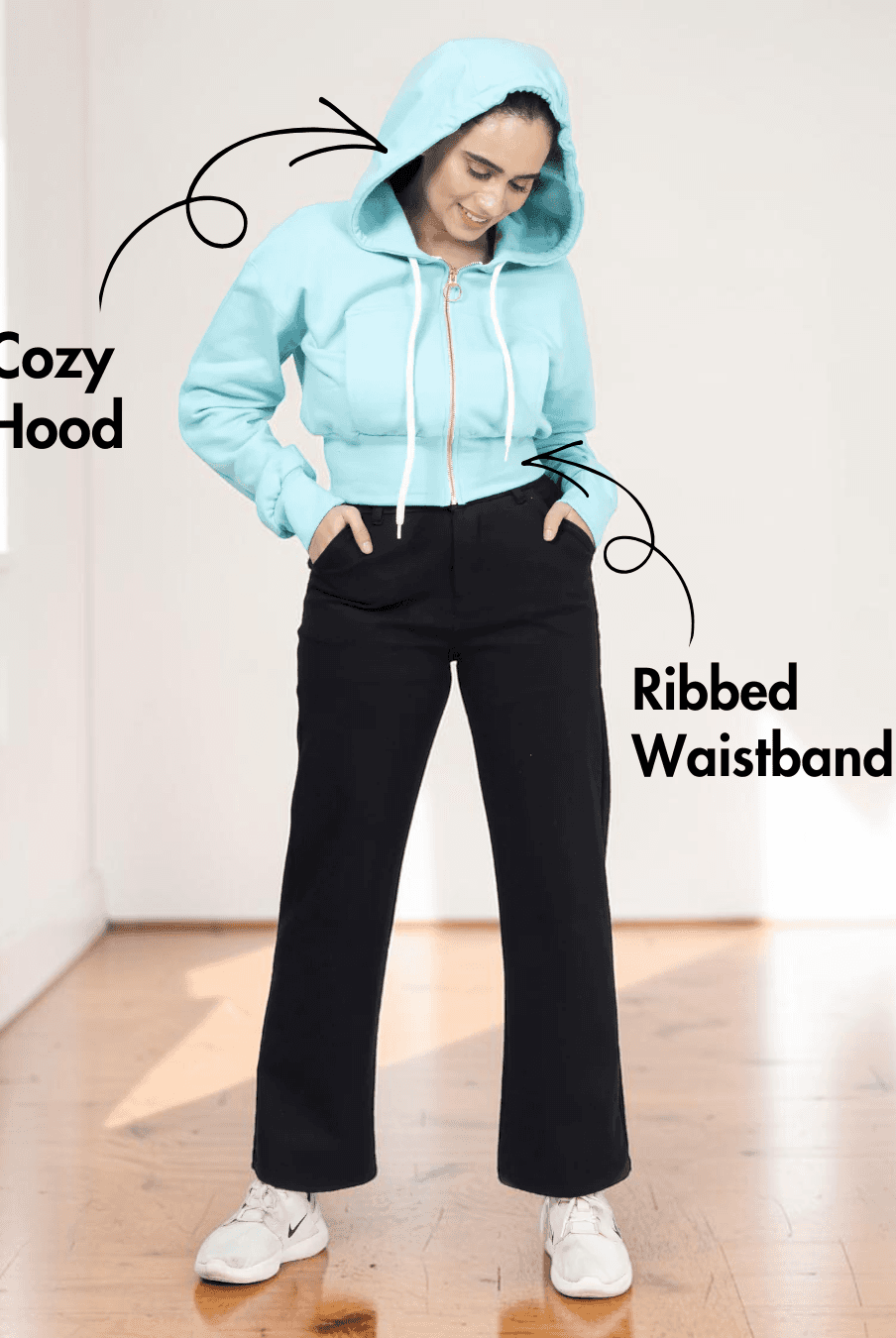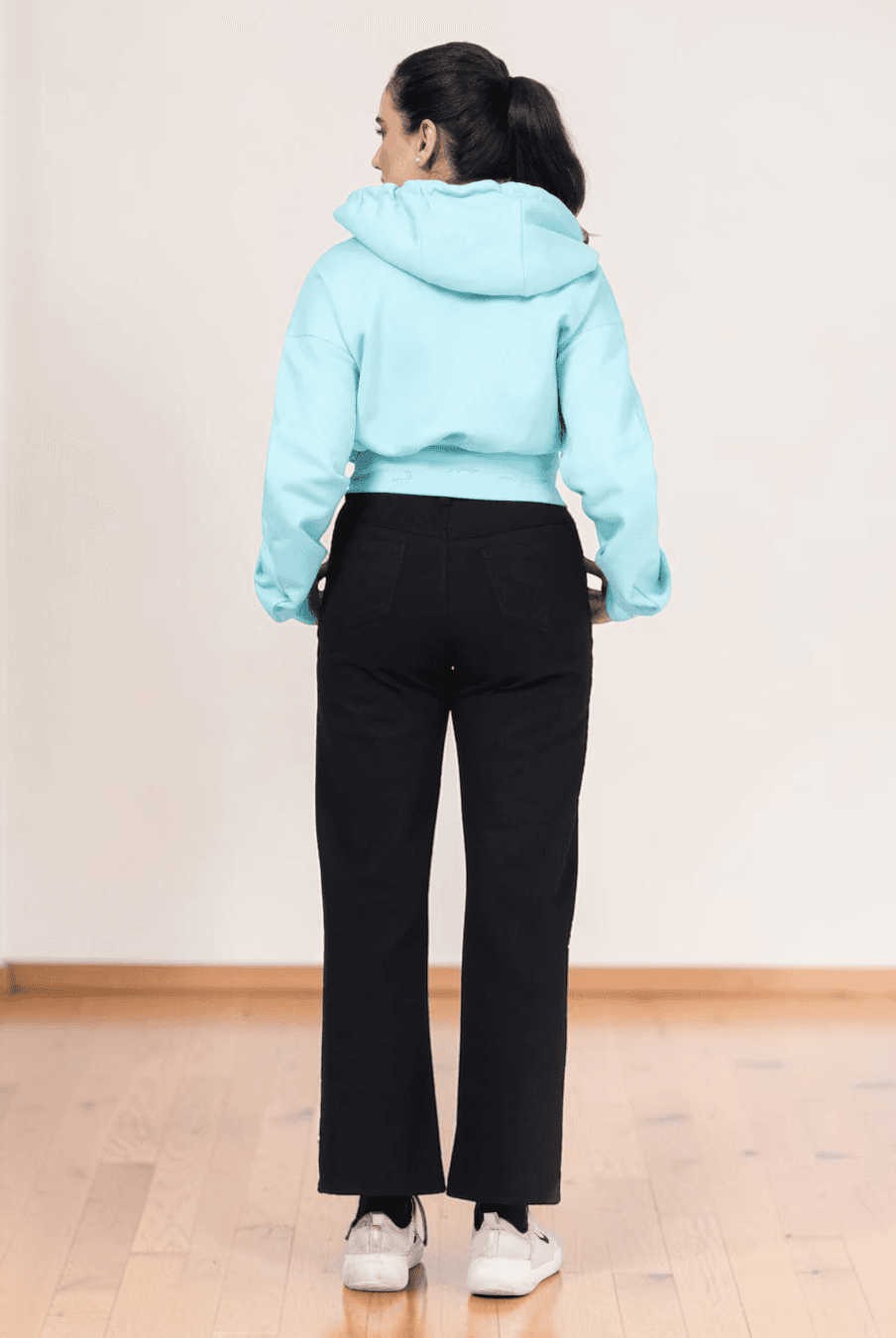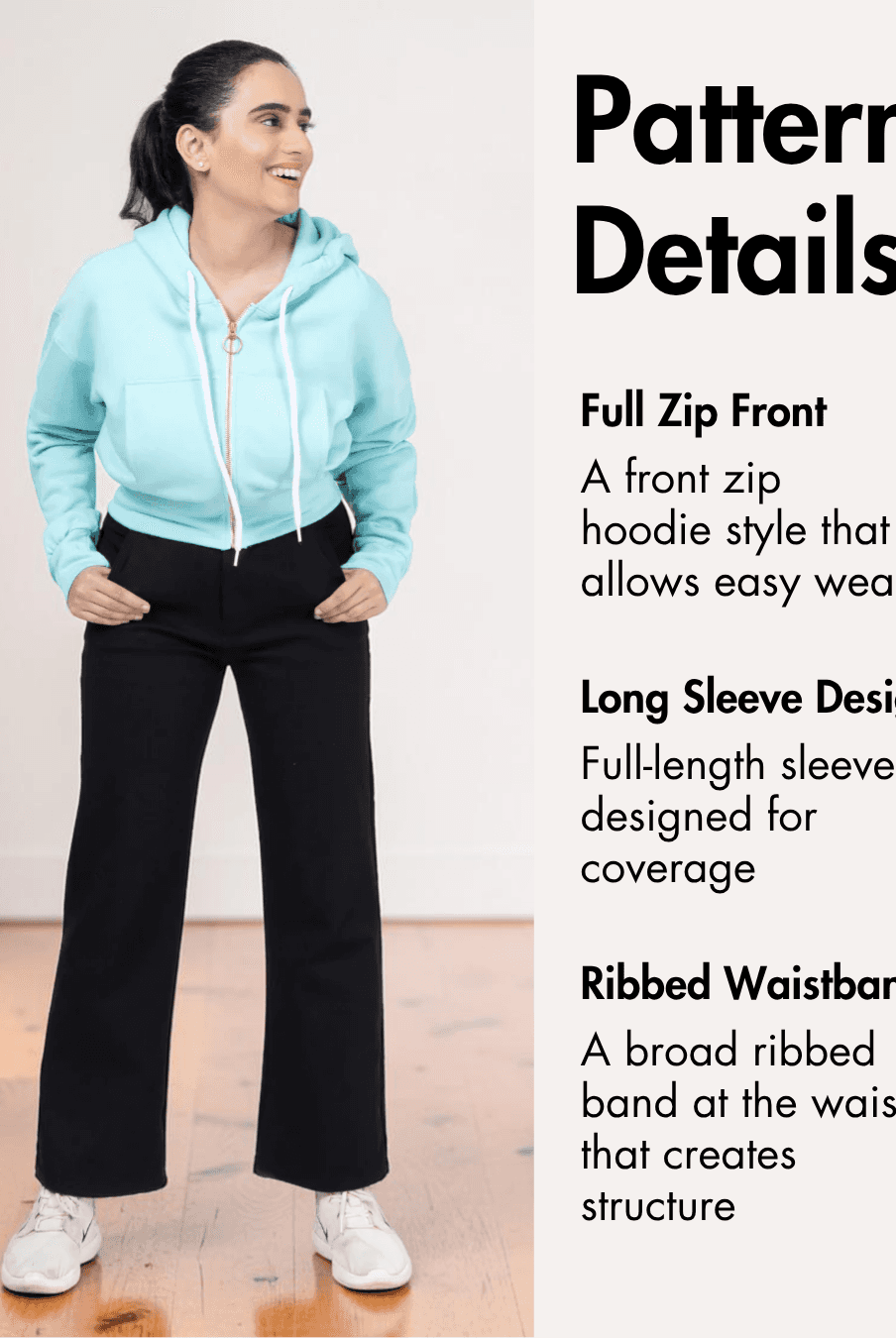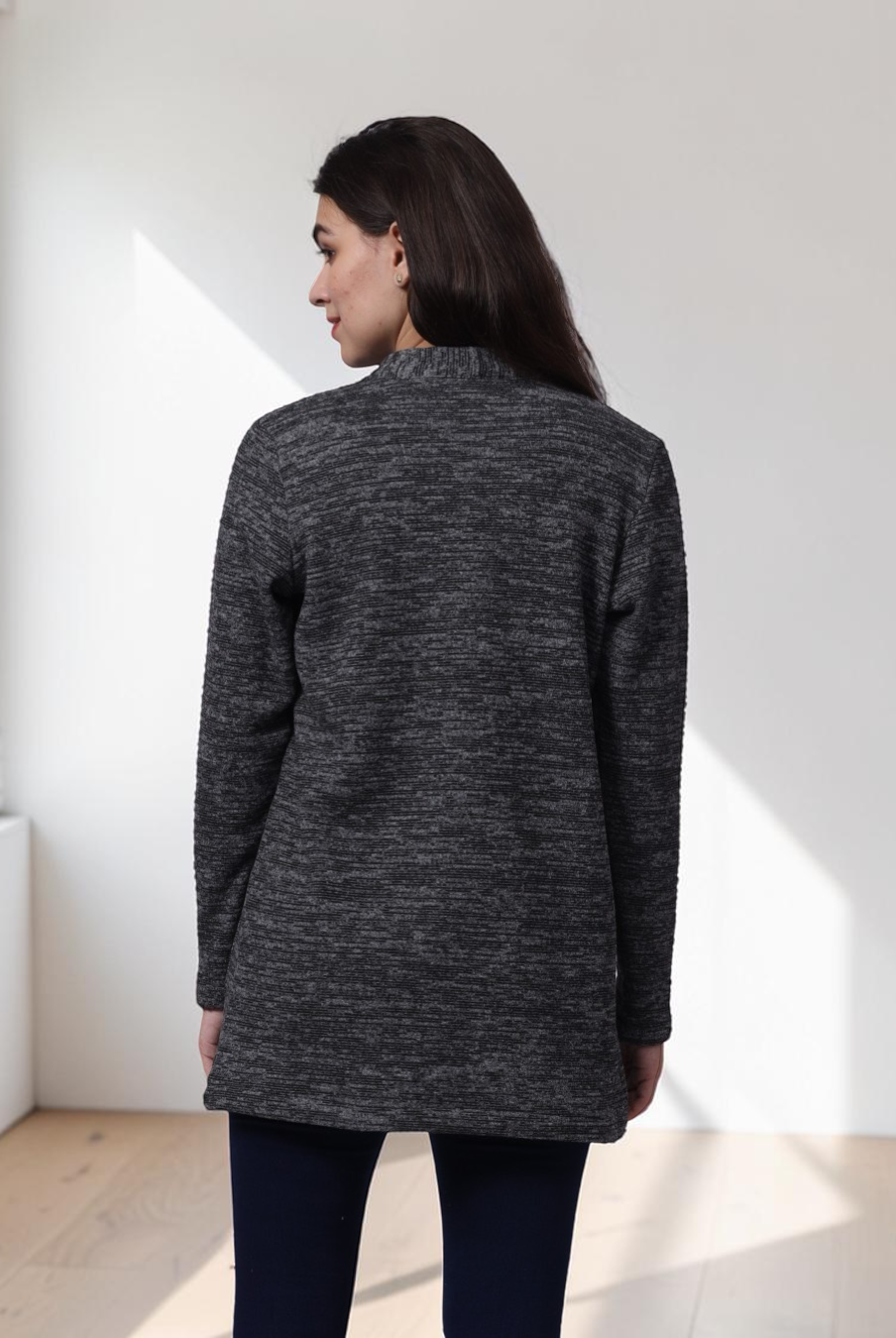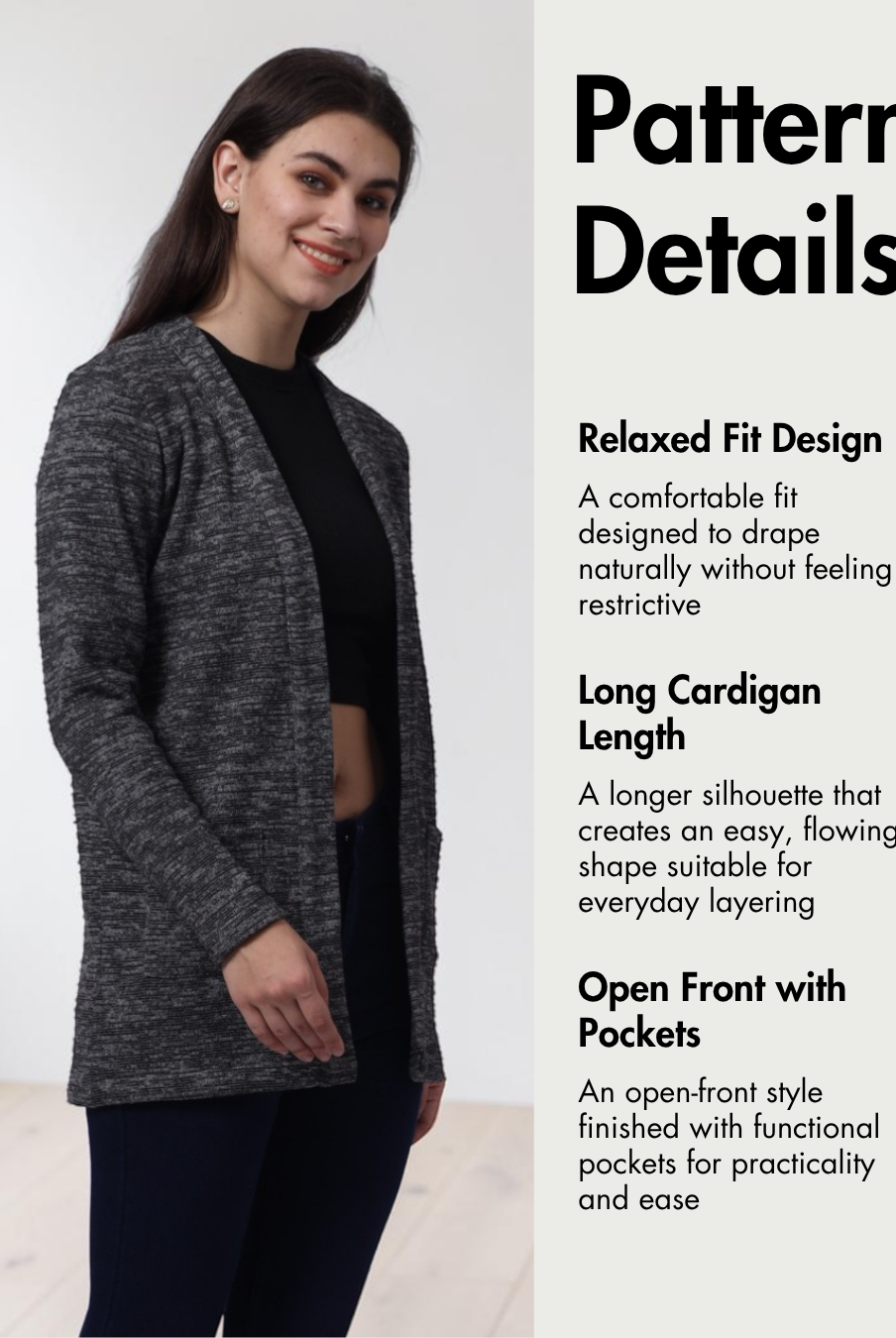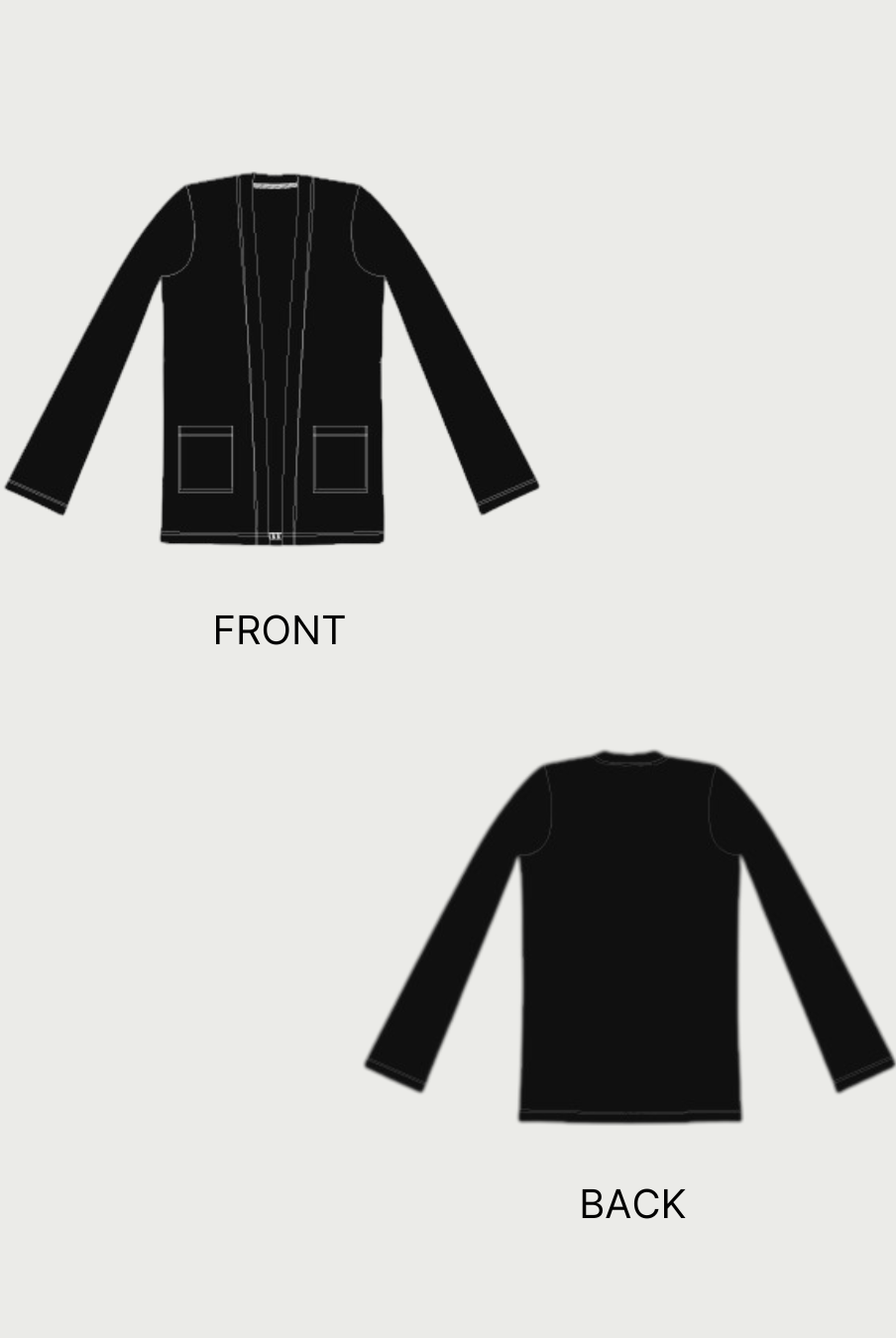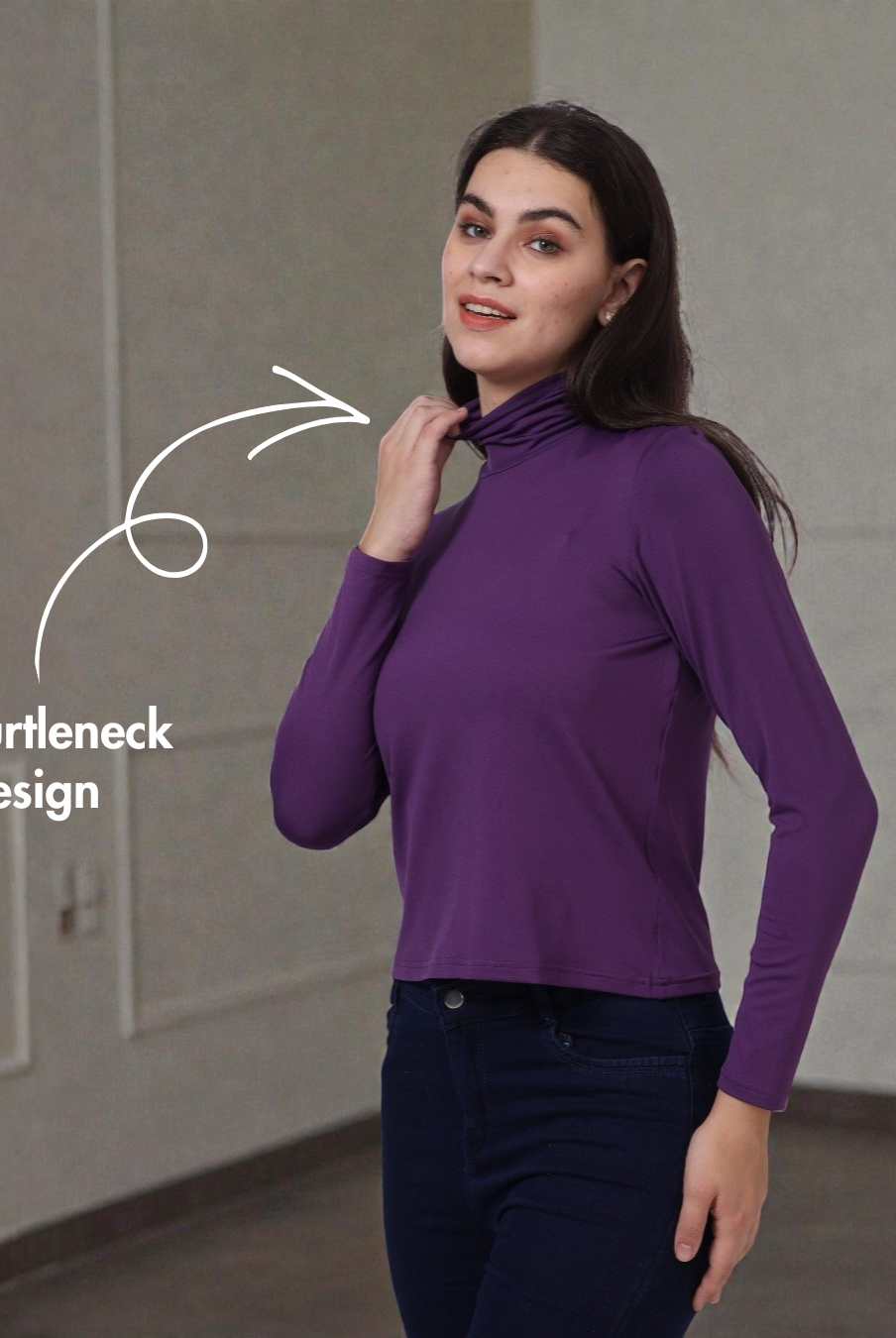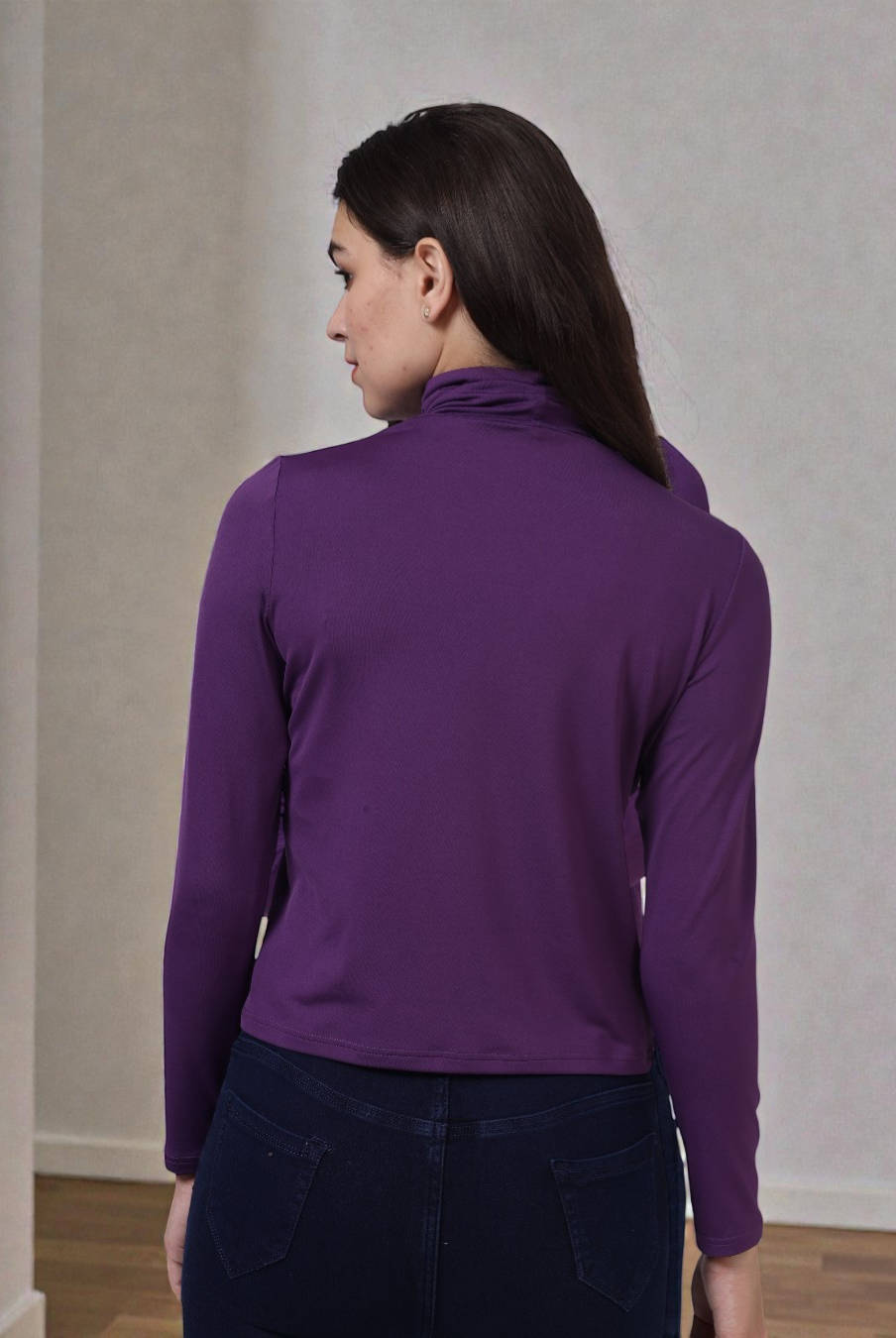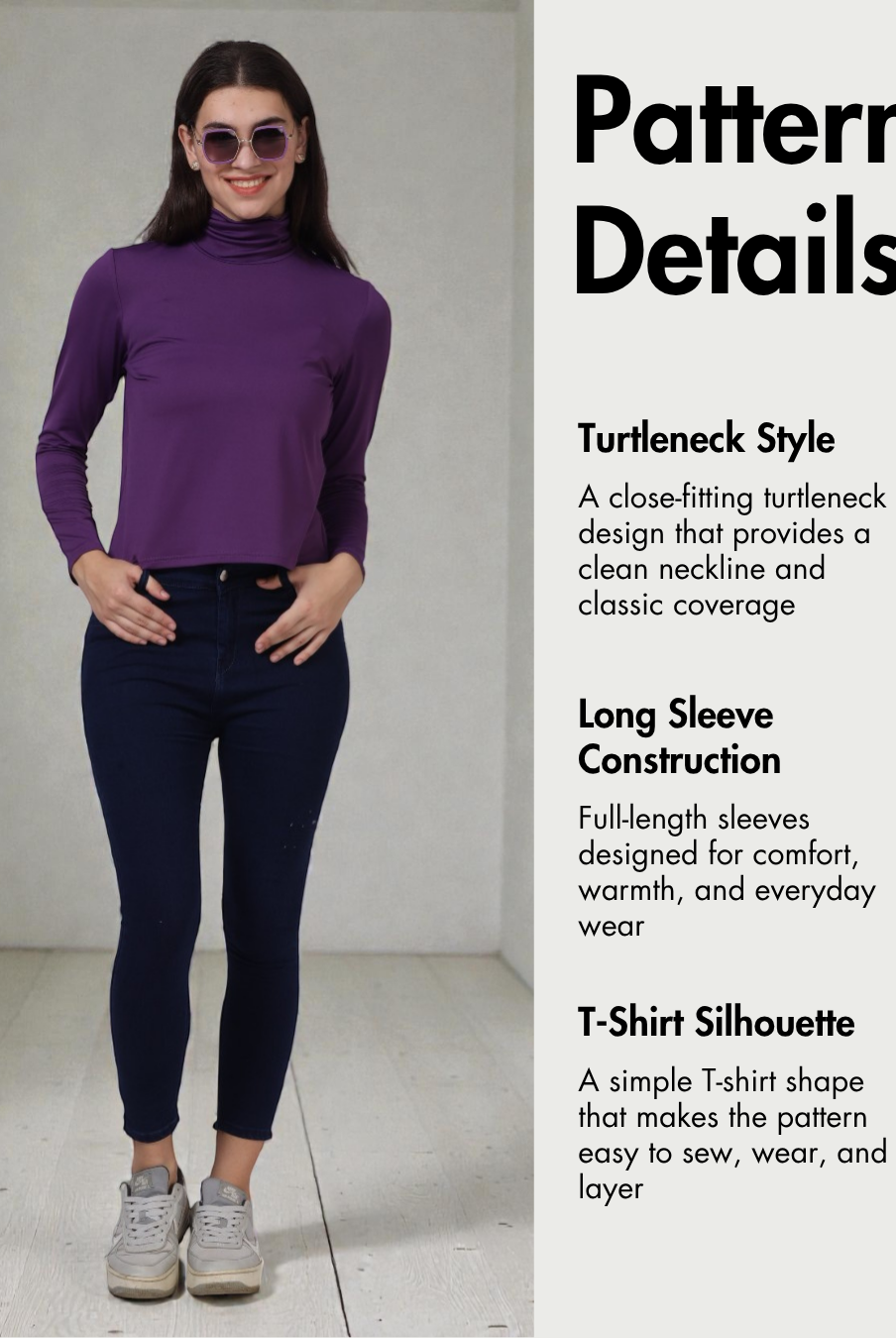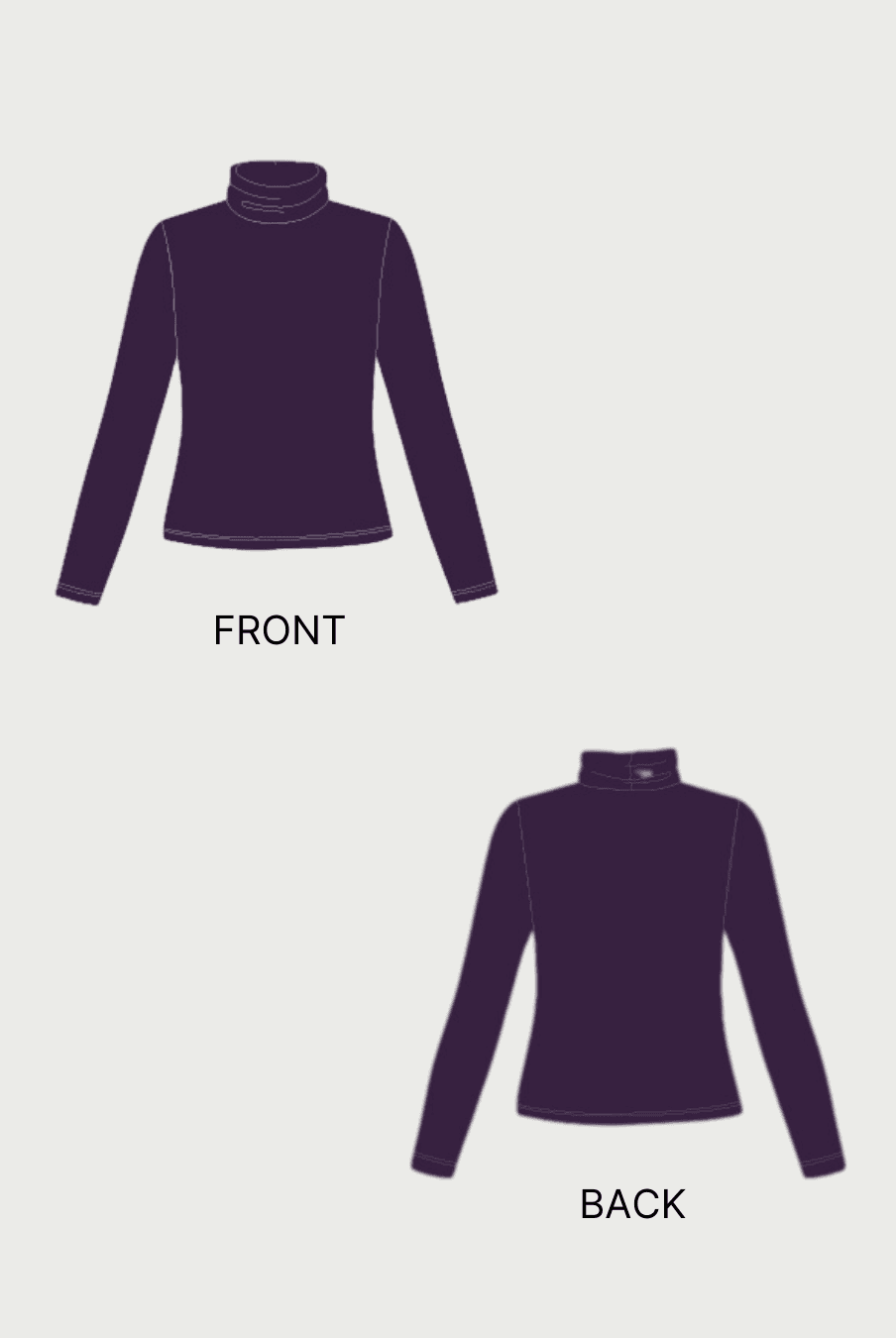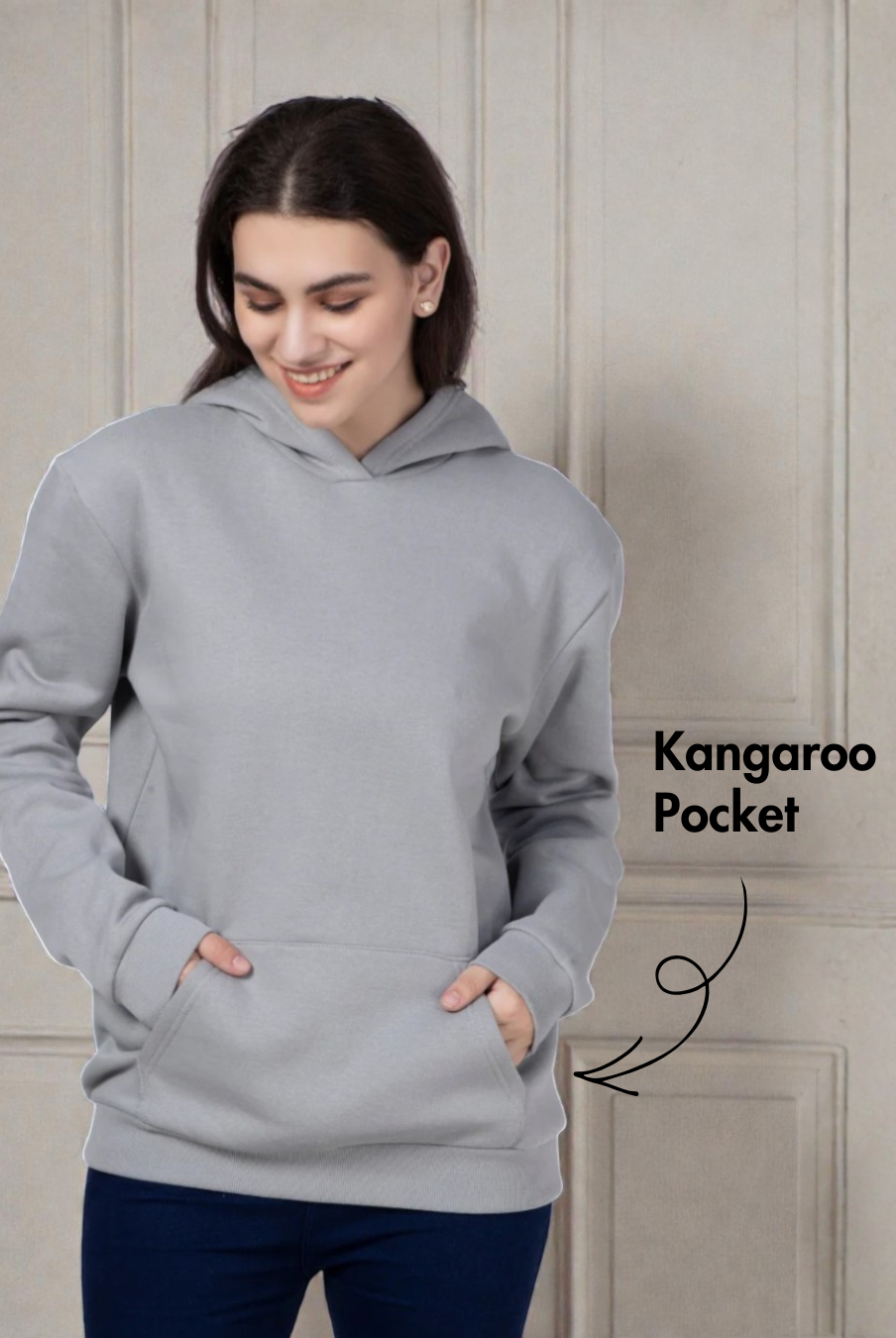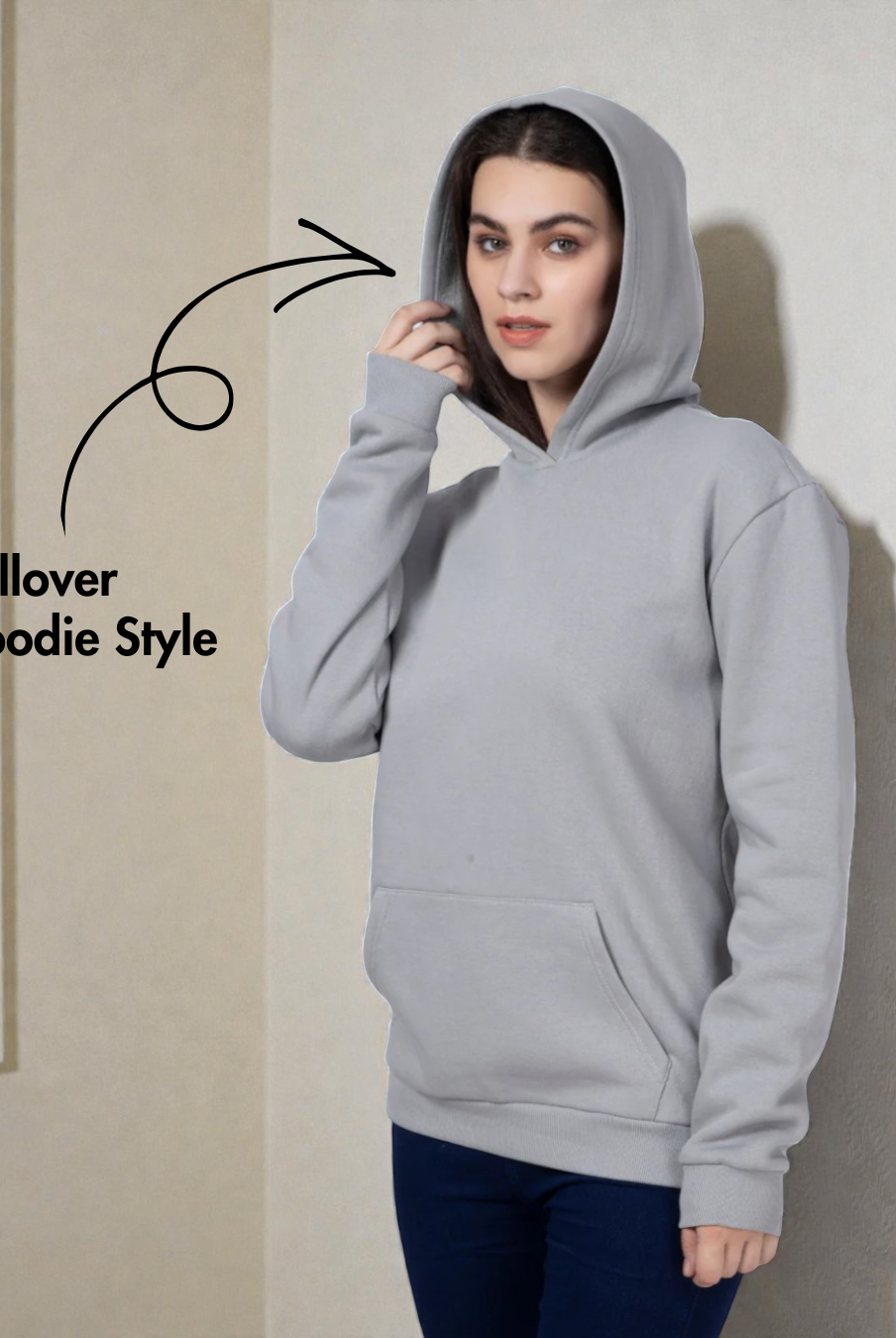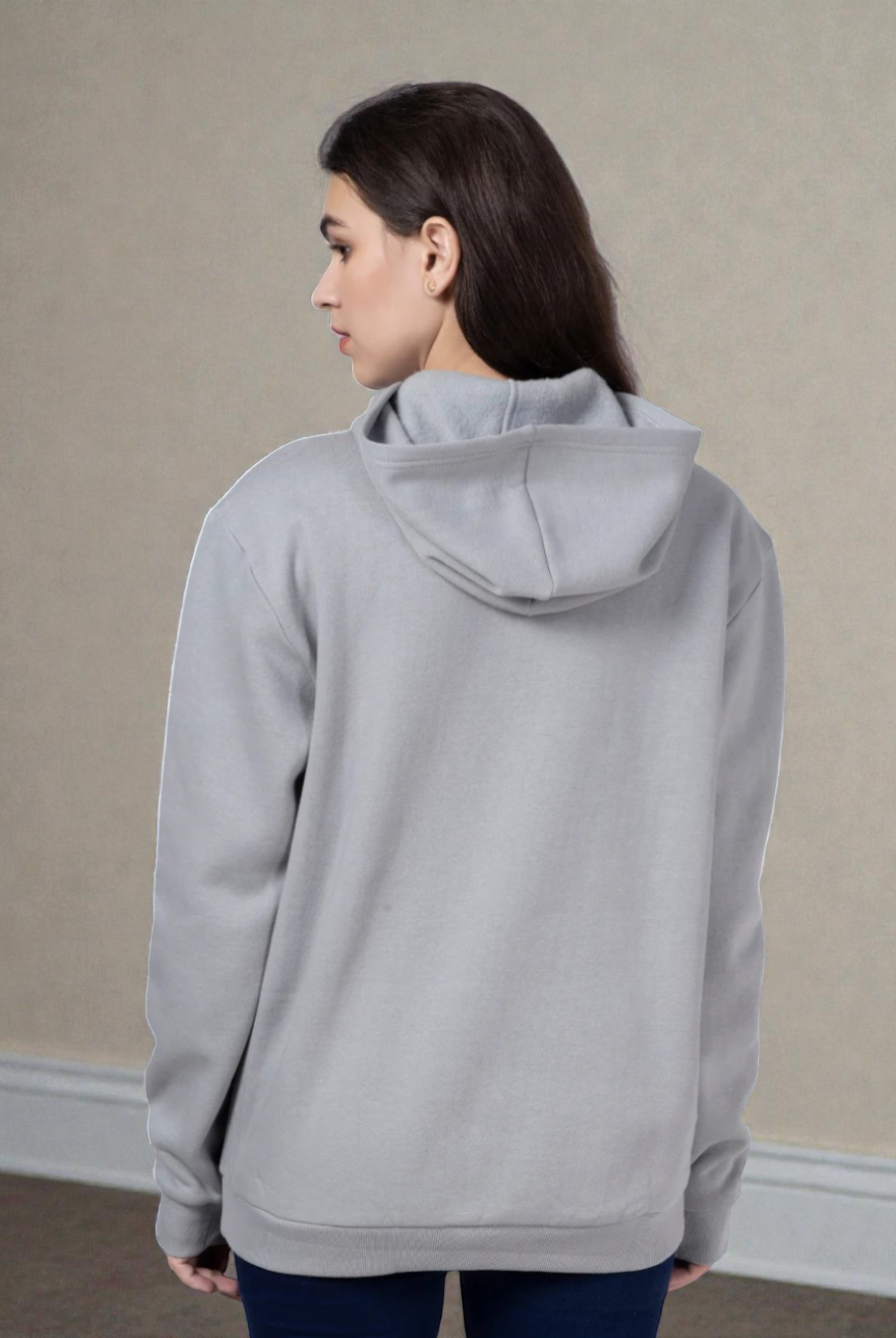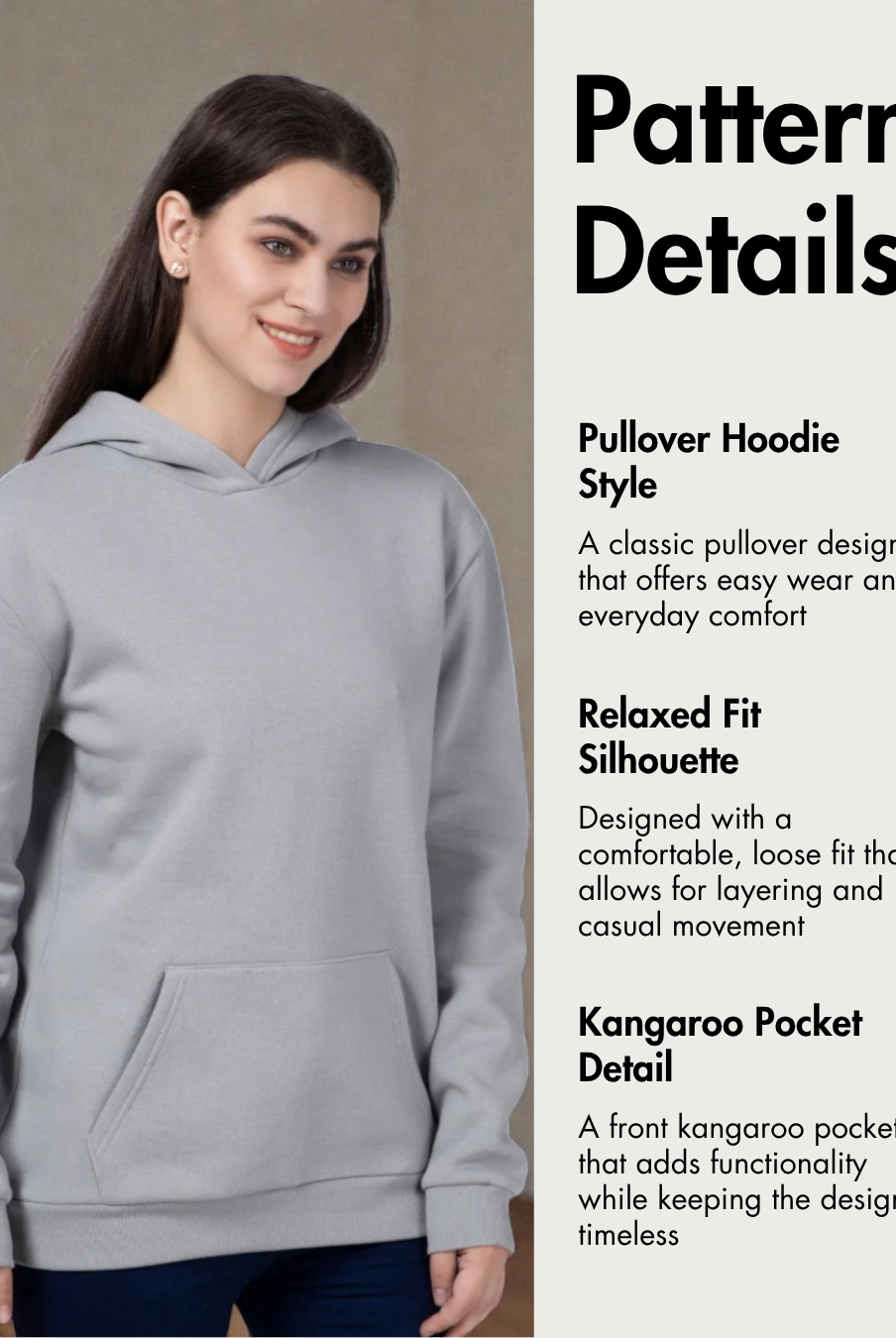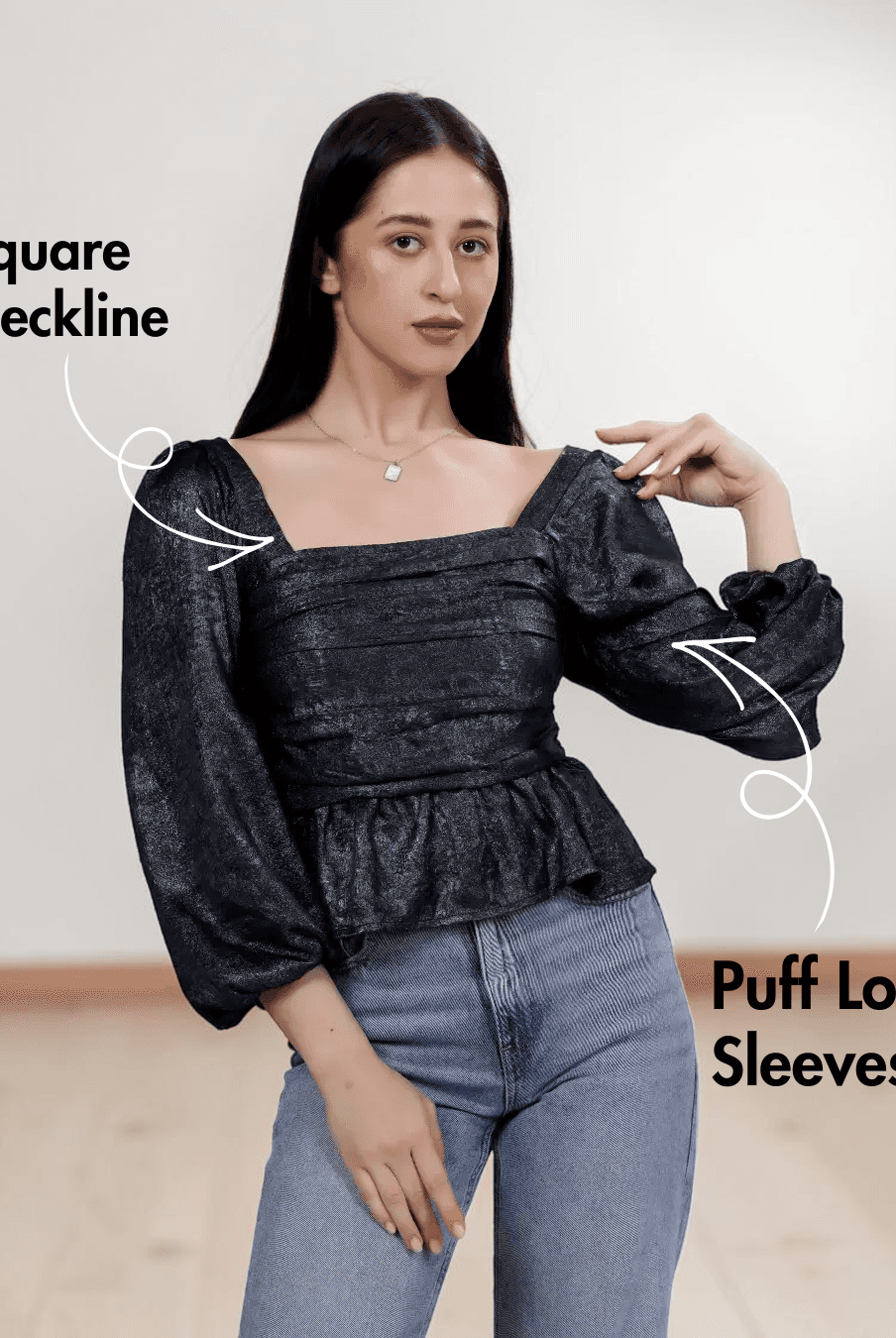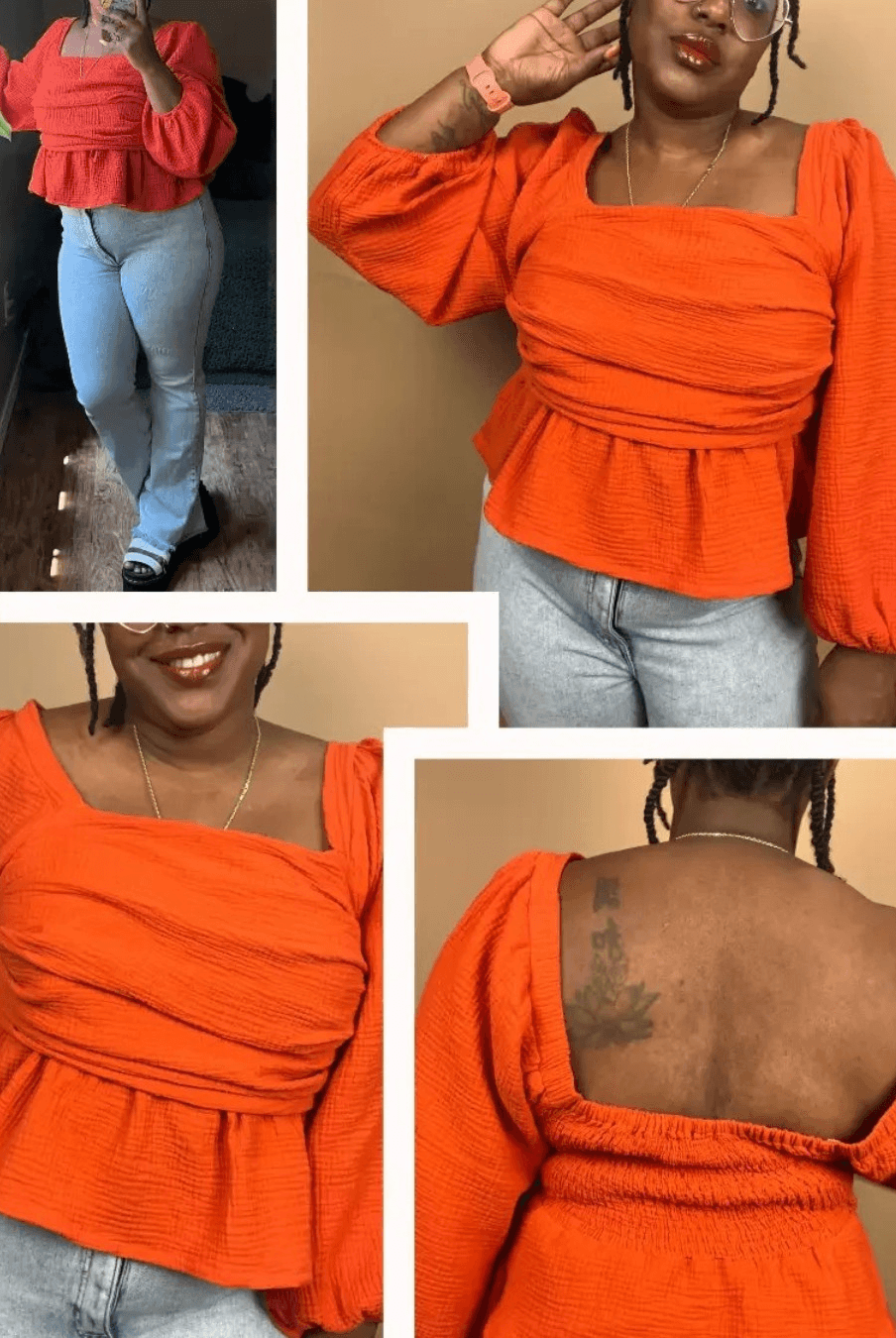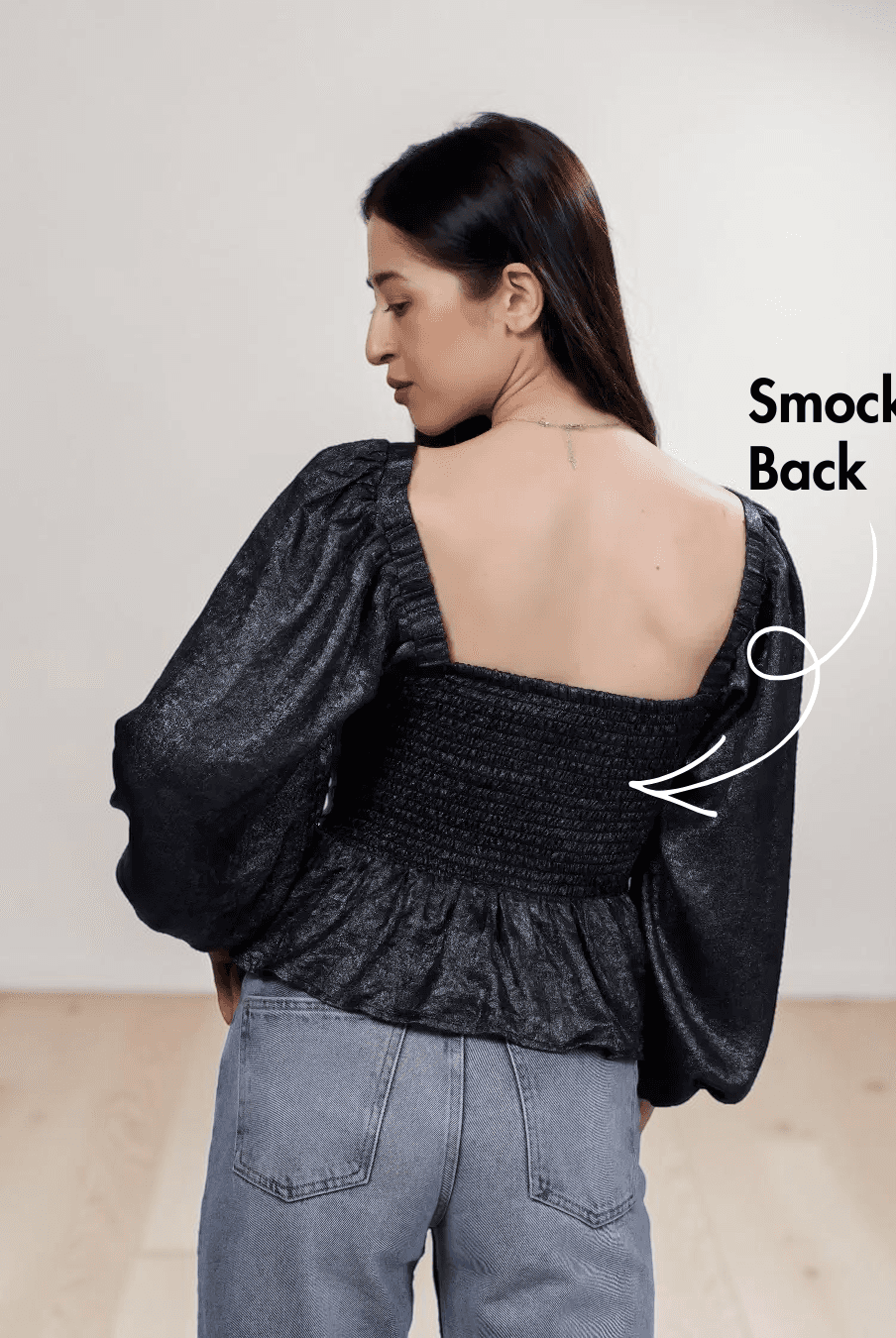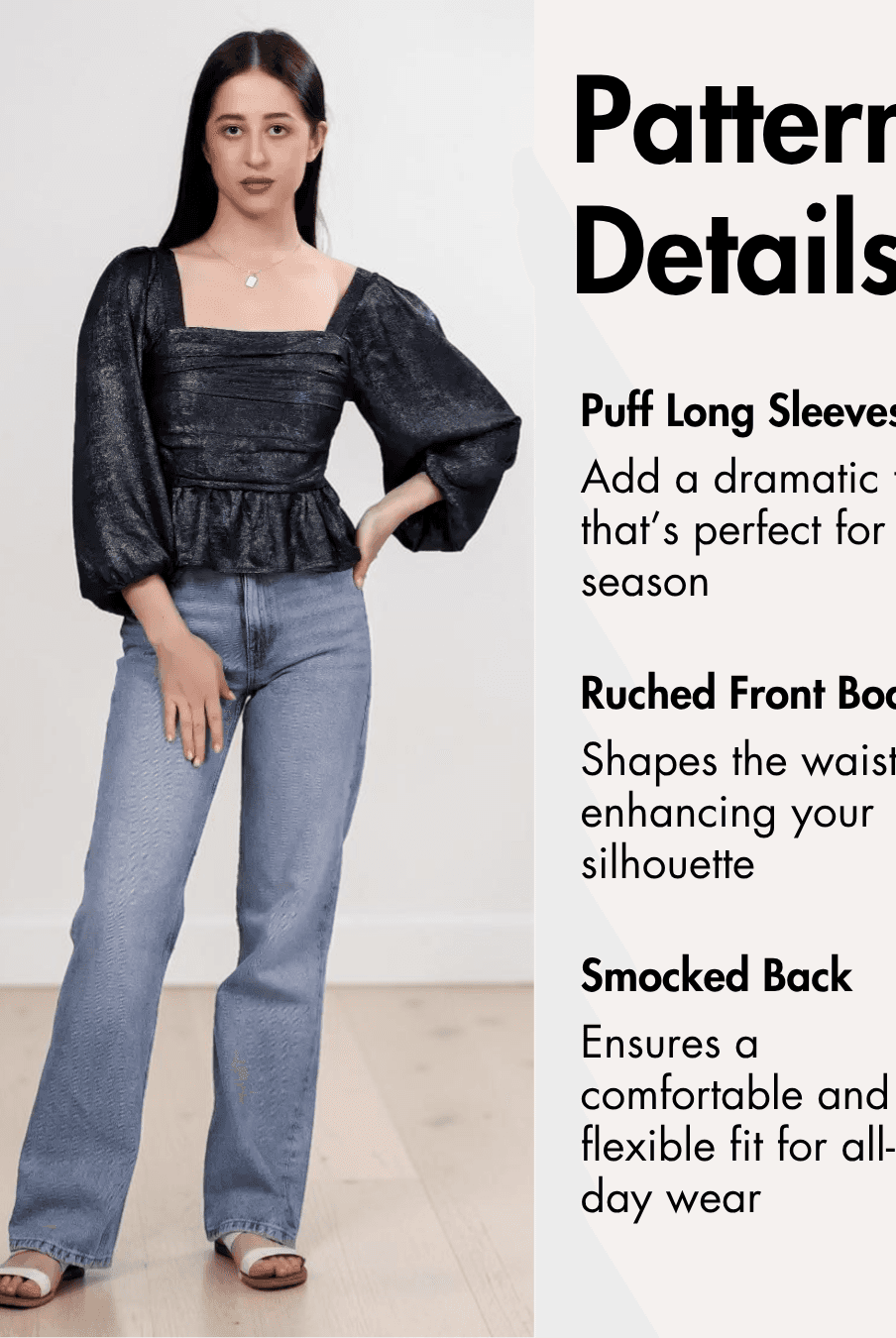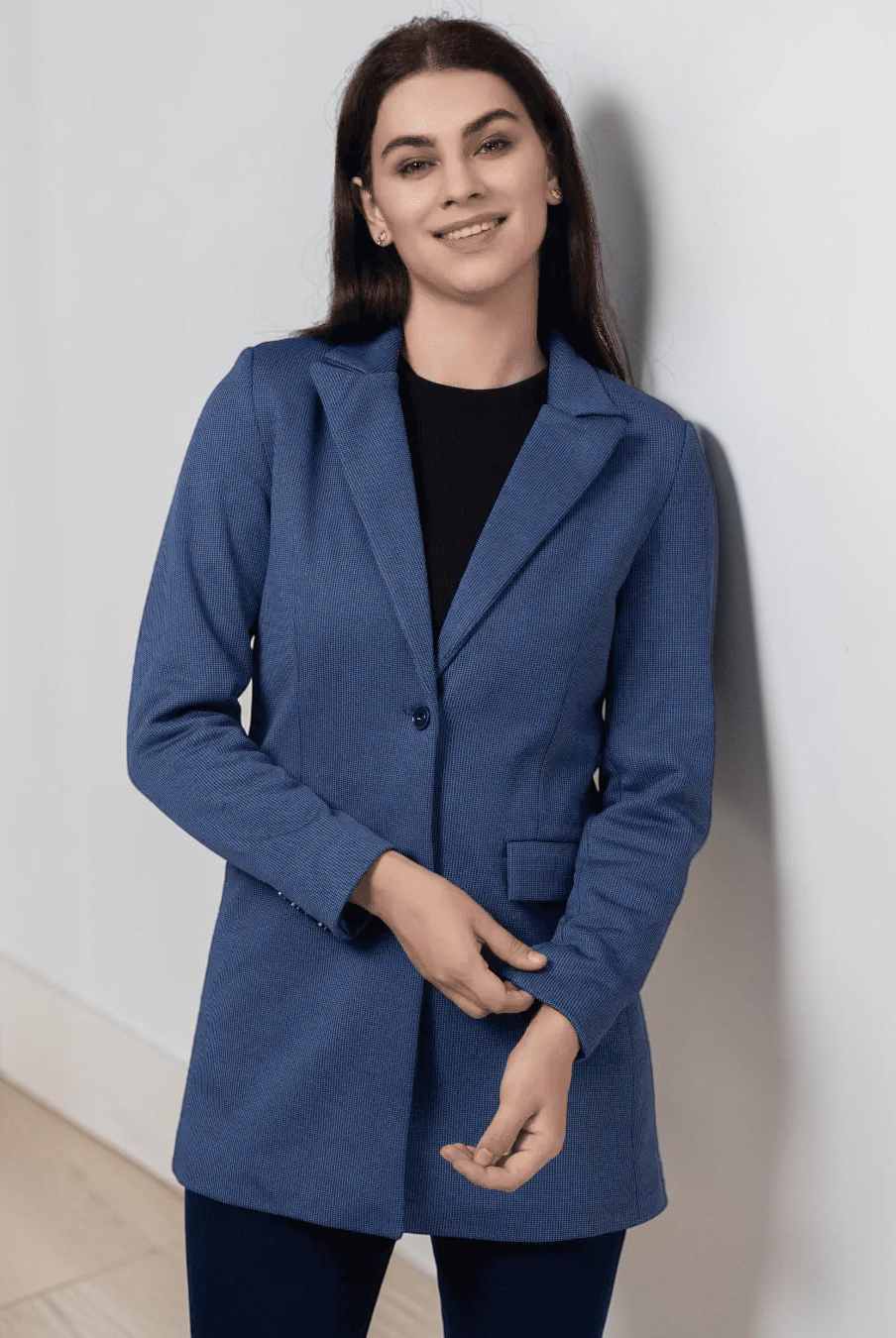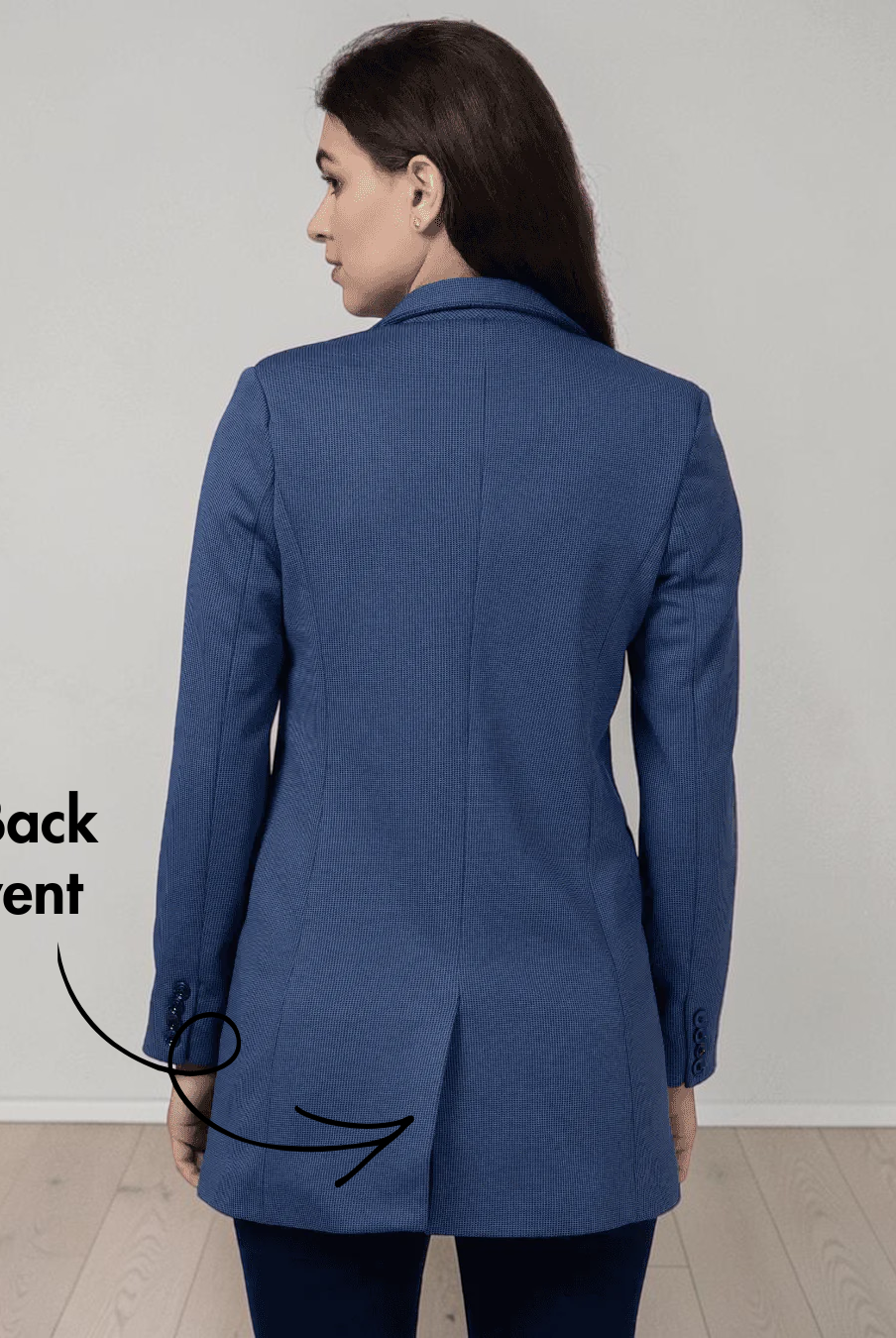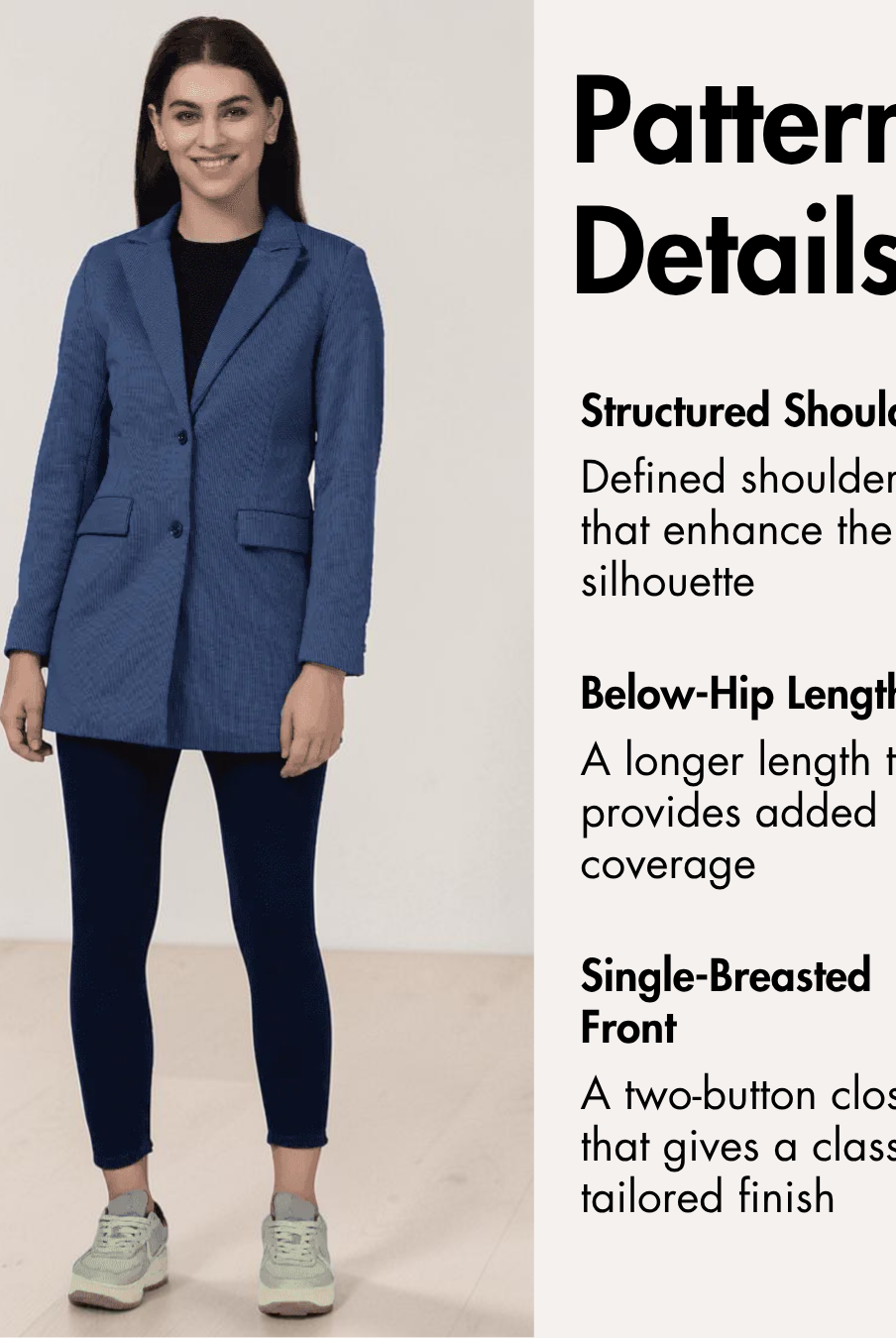
Pullovers are a wardrobe essential that combine comfort, warmth, and everyday versatility. Sewists love making them because they are practical to wear throughout the year, easy to customize with different fabrics and details, and suitable for everything from lounging at home to casual outings.
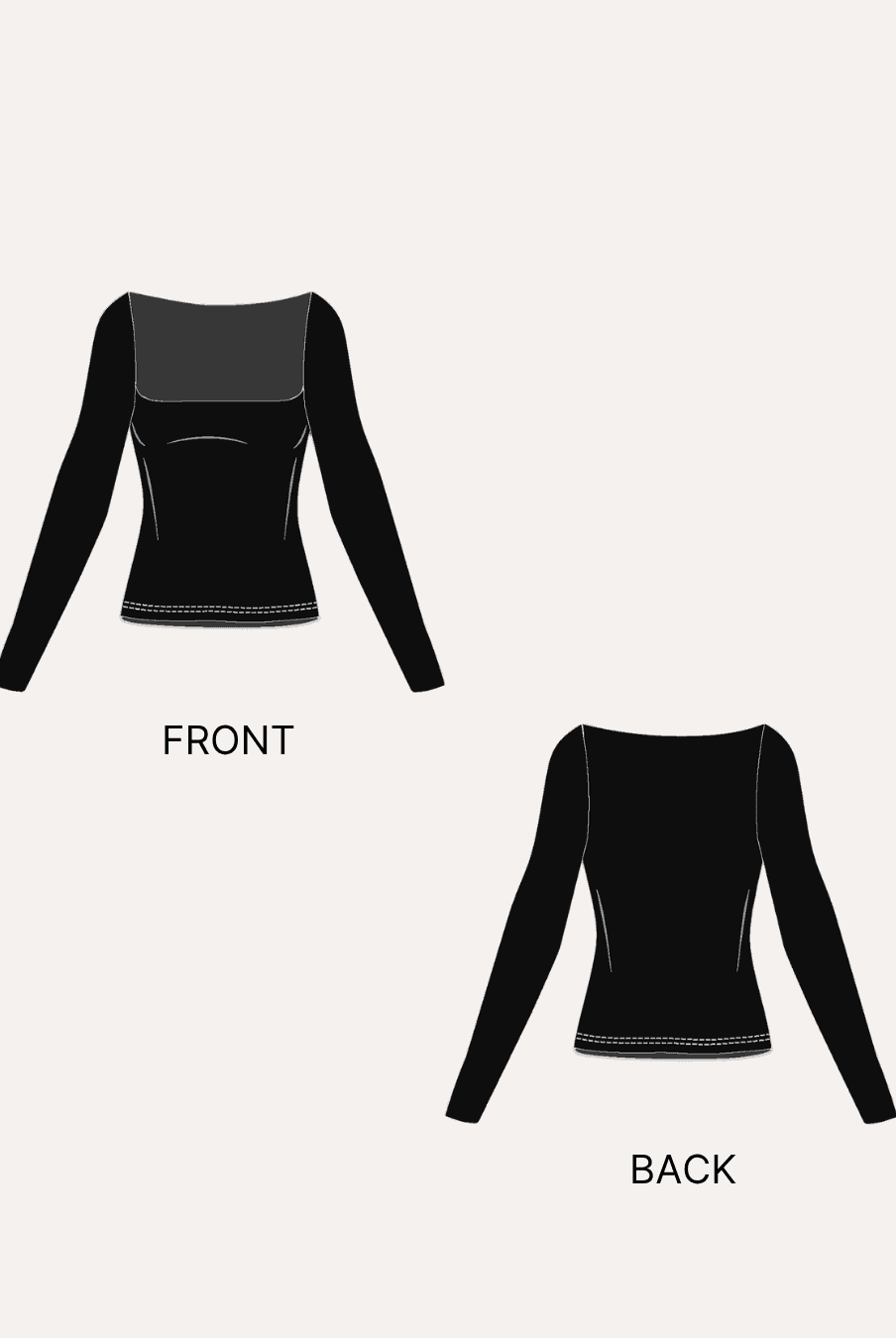
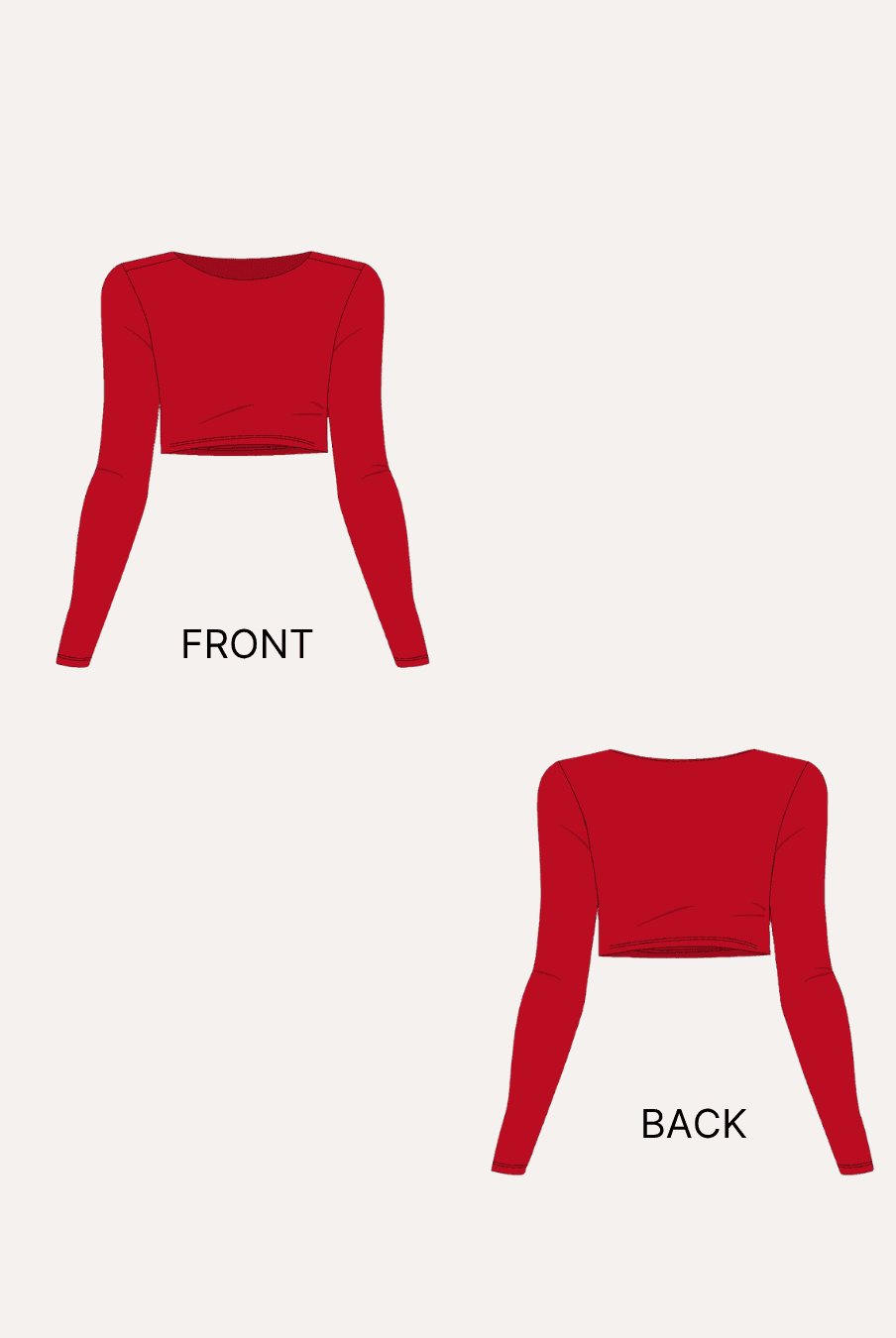
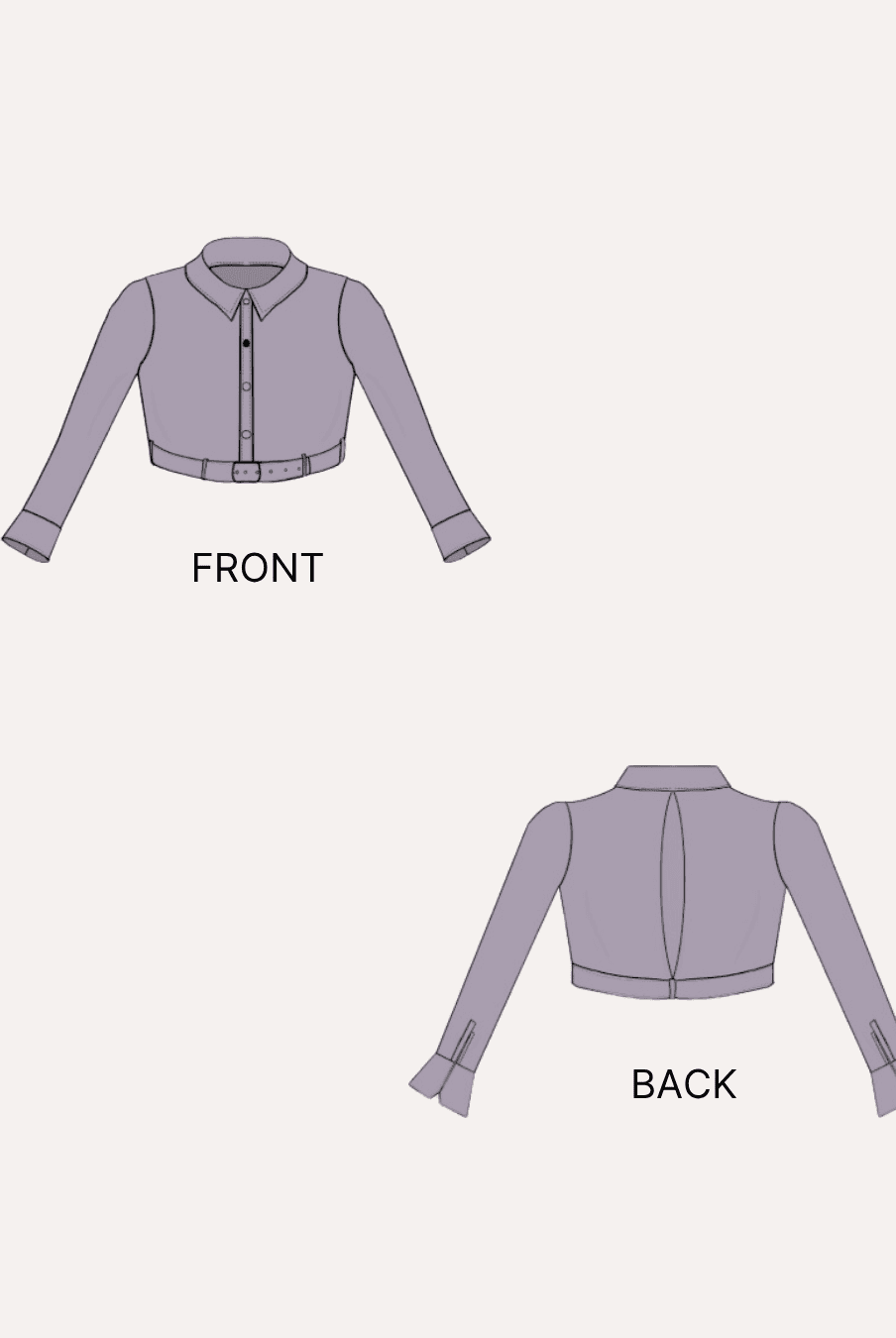
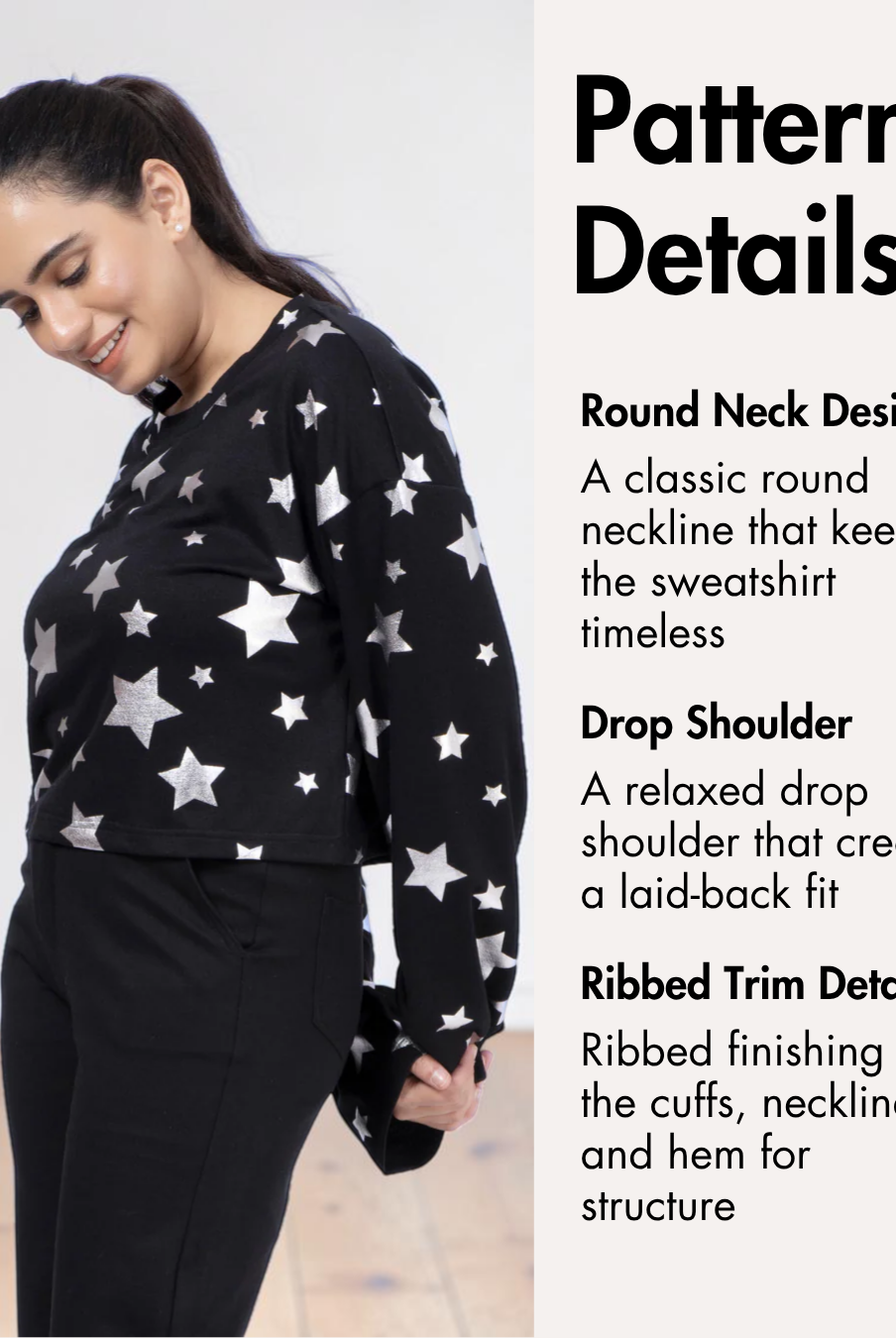
The Winslet's Lexi Pullover Sewing Pattern is a great choice for creating a comfortable sweatshirt with decorative long sleeves and a clean, modern silhouette. Designed for very easy construction, it features detailed instructions and a beginner-friendly sewing process while still offering unique design details that make the finished garment stand out.

Why Sew a Pullover?
• Create a comfortable everyday garment that is both practical and stylish.
• Enjoy a relaxed fit that works well for layering during cooler weather.
• Add decorative sleeve panels for a unique design feature.
• Pair easily with jeans, leggings, joggers, or casual skirts.
• Sew a versatile wardrobe staple suitable for everyday wear.
• Customize the sleeve mid-panel using decorative lace or matching fabric.
Why Choose the Winslet's Lexi Pullover Sewing Pattern?

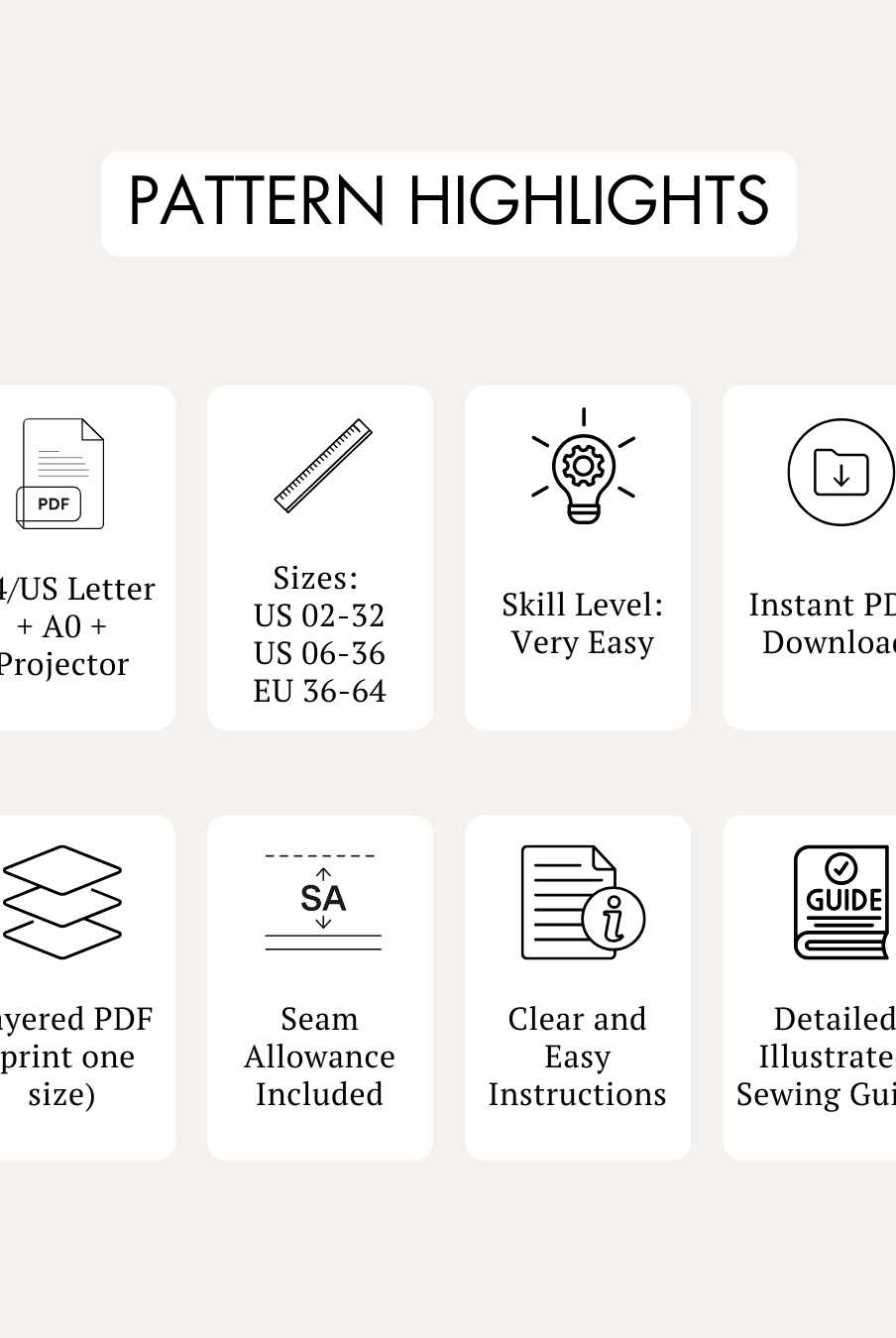
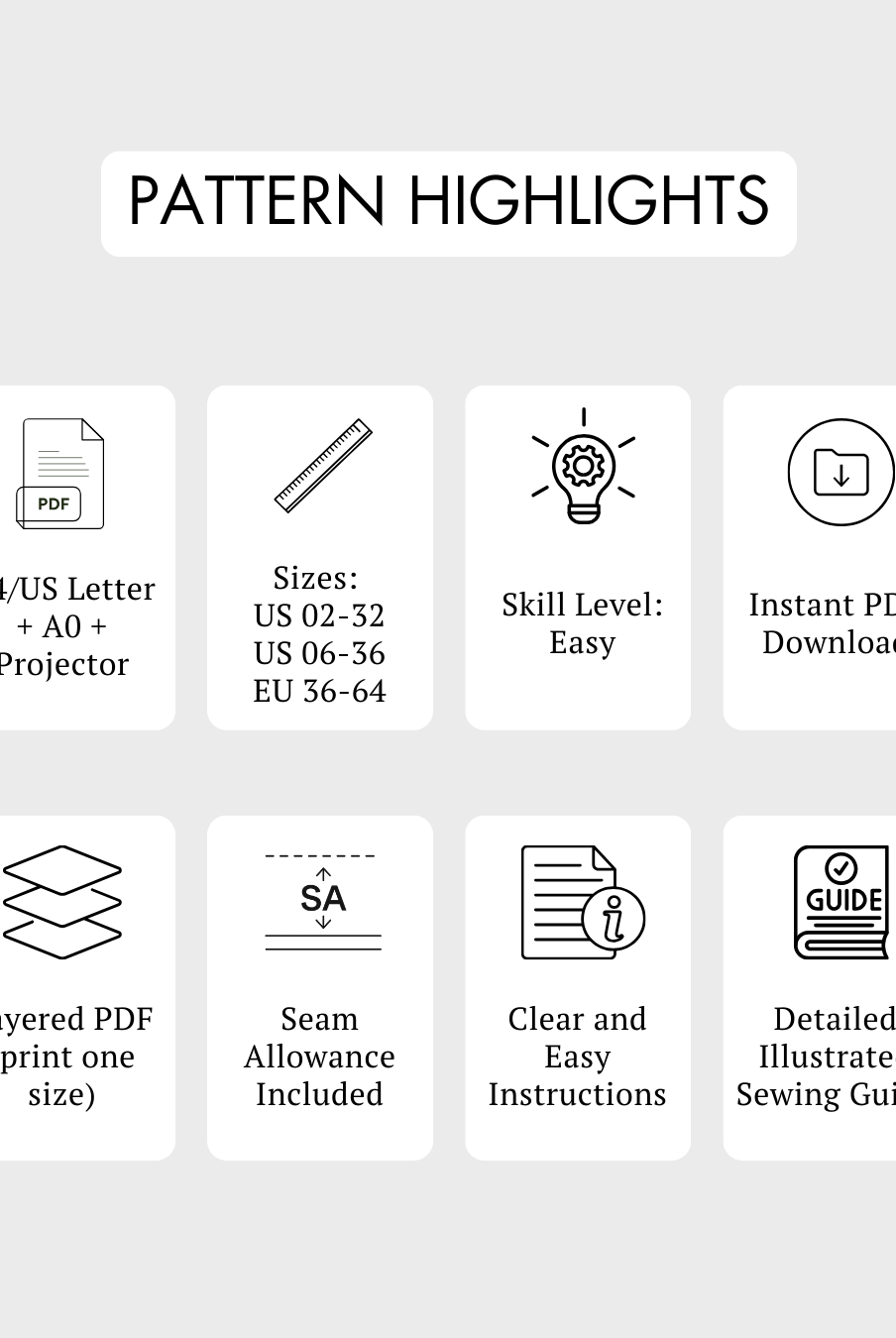
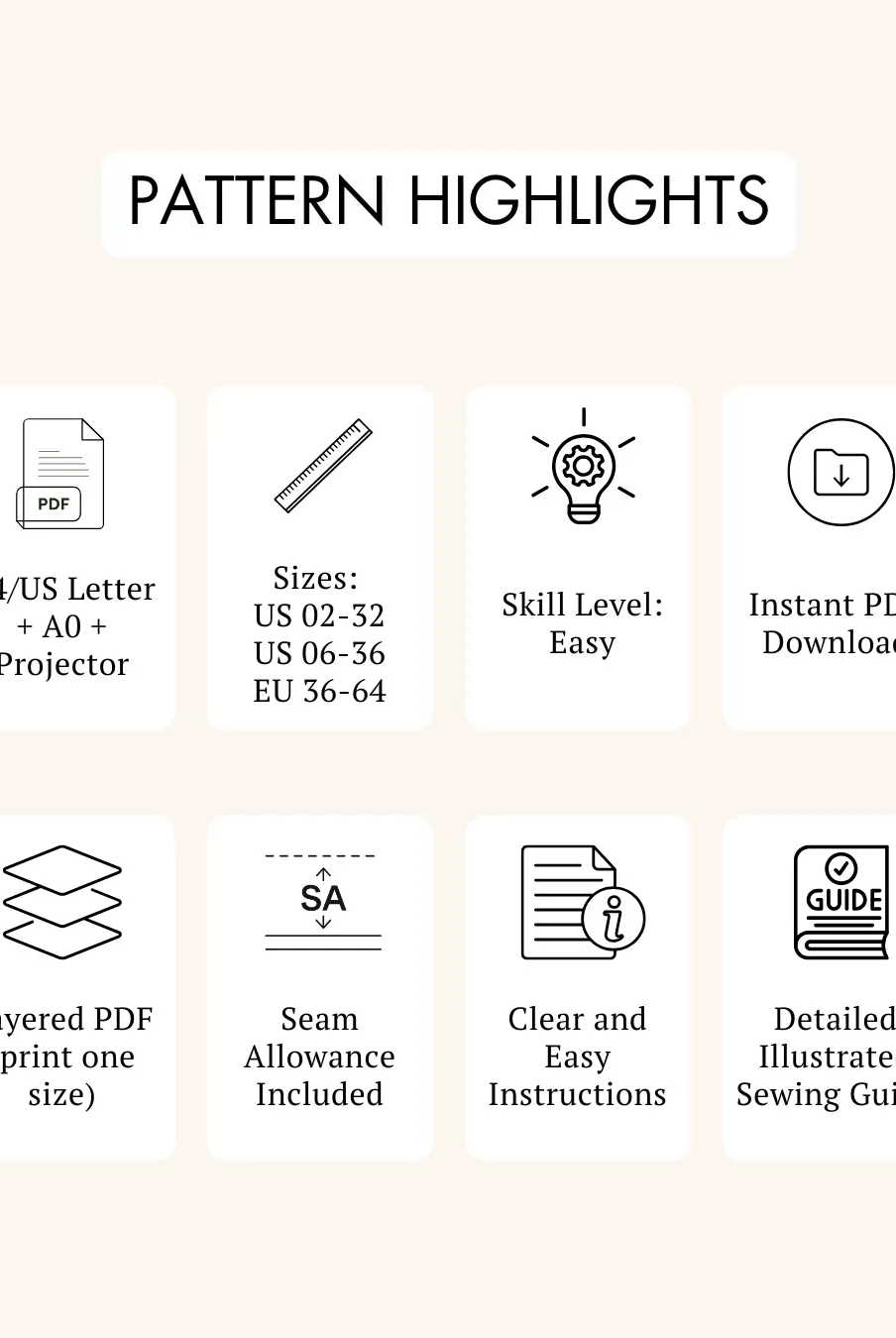
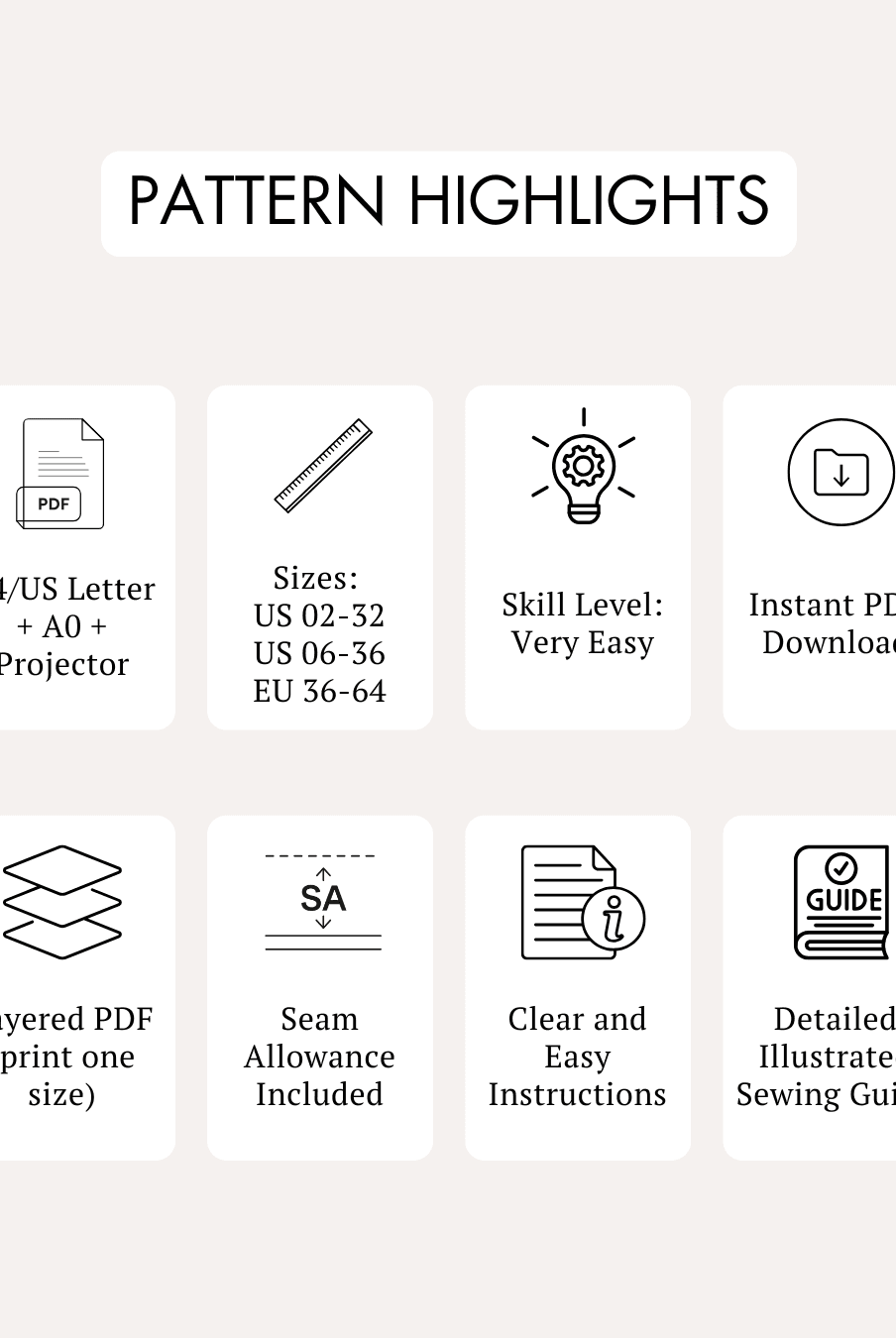
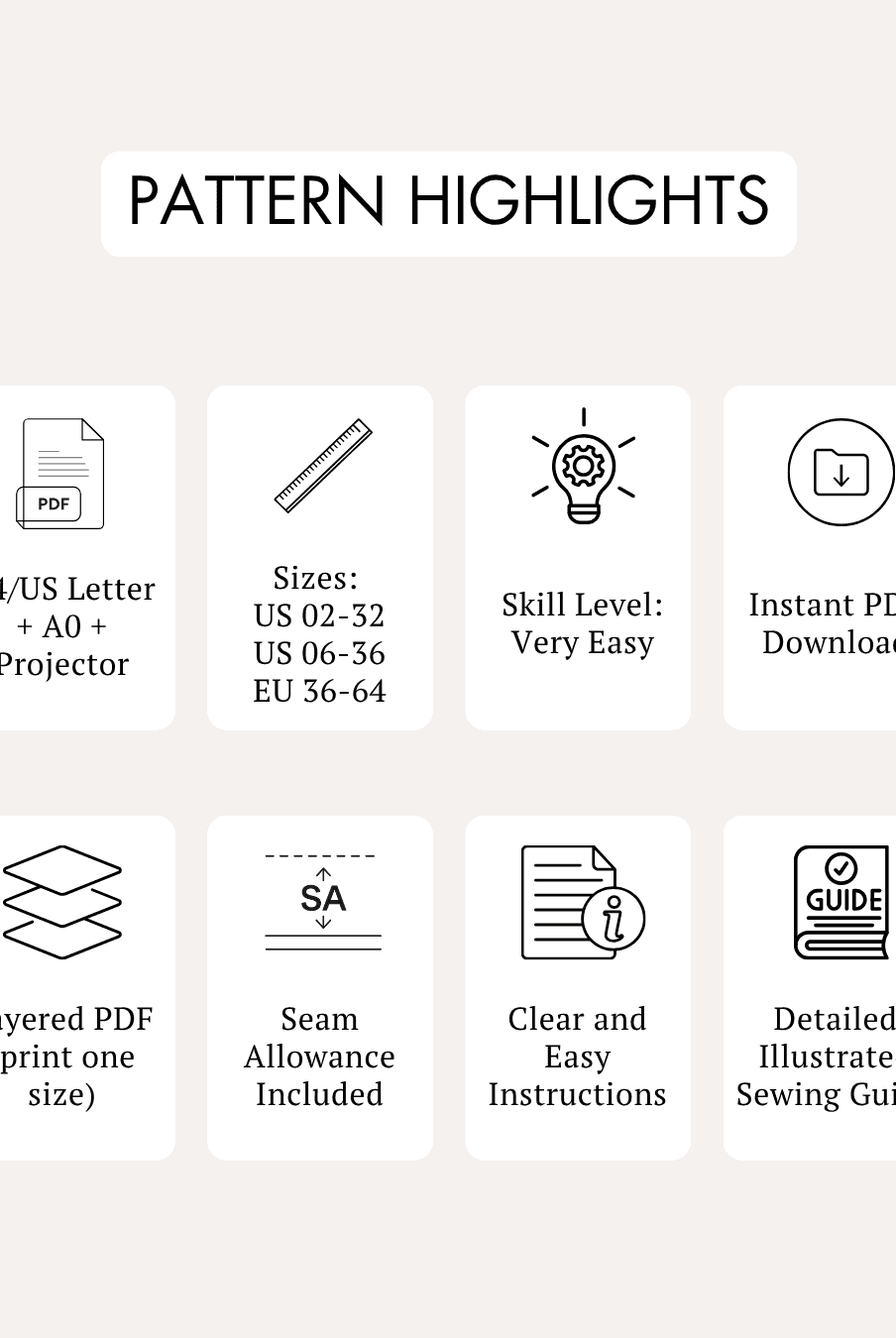
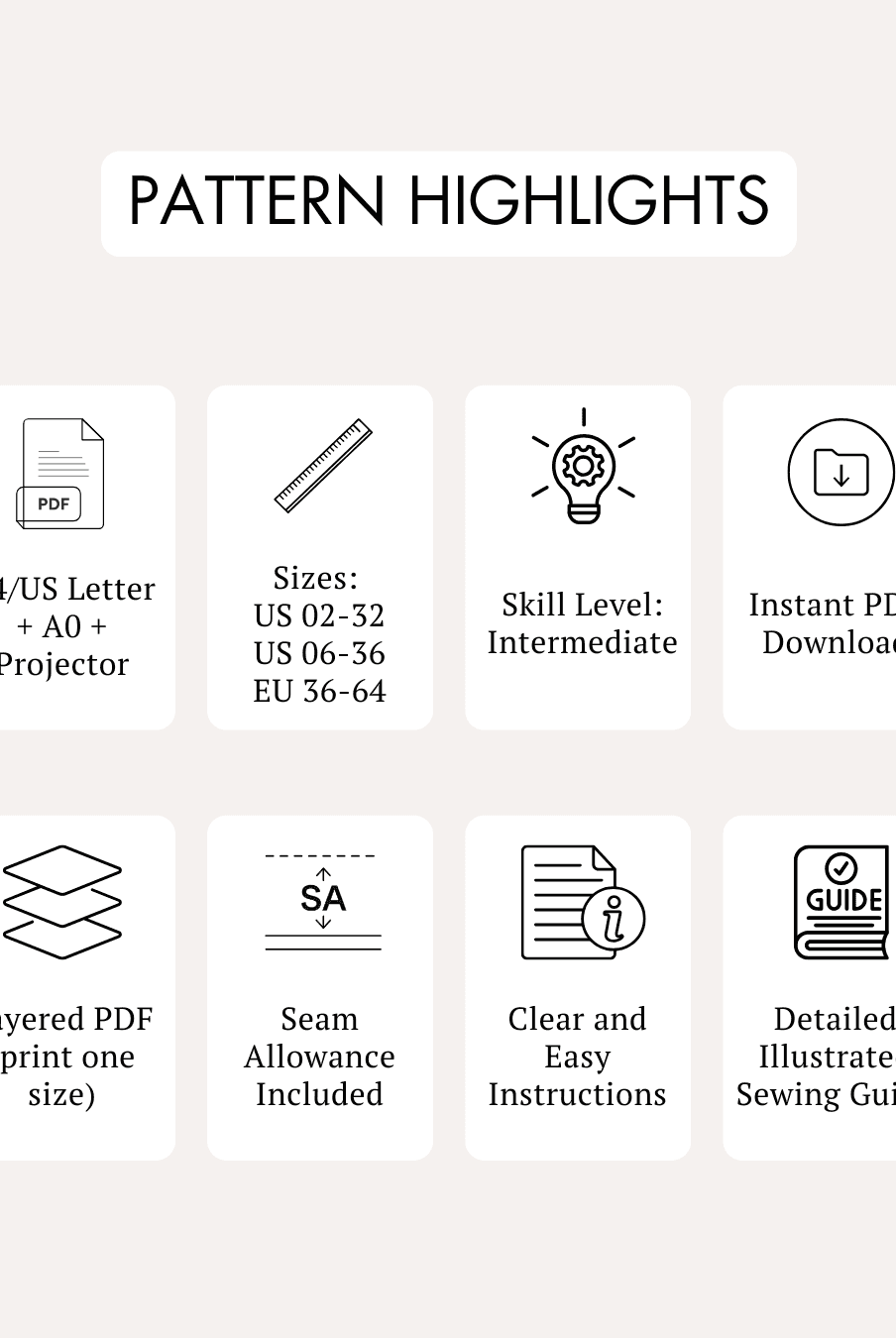
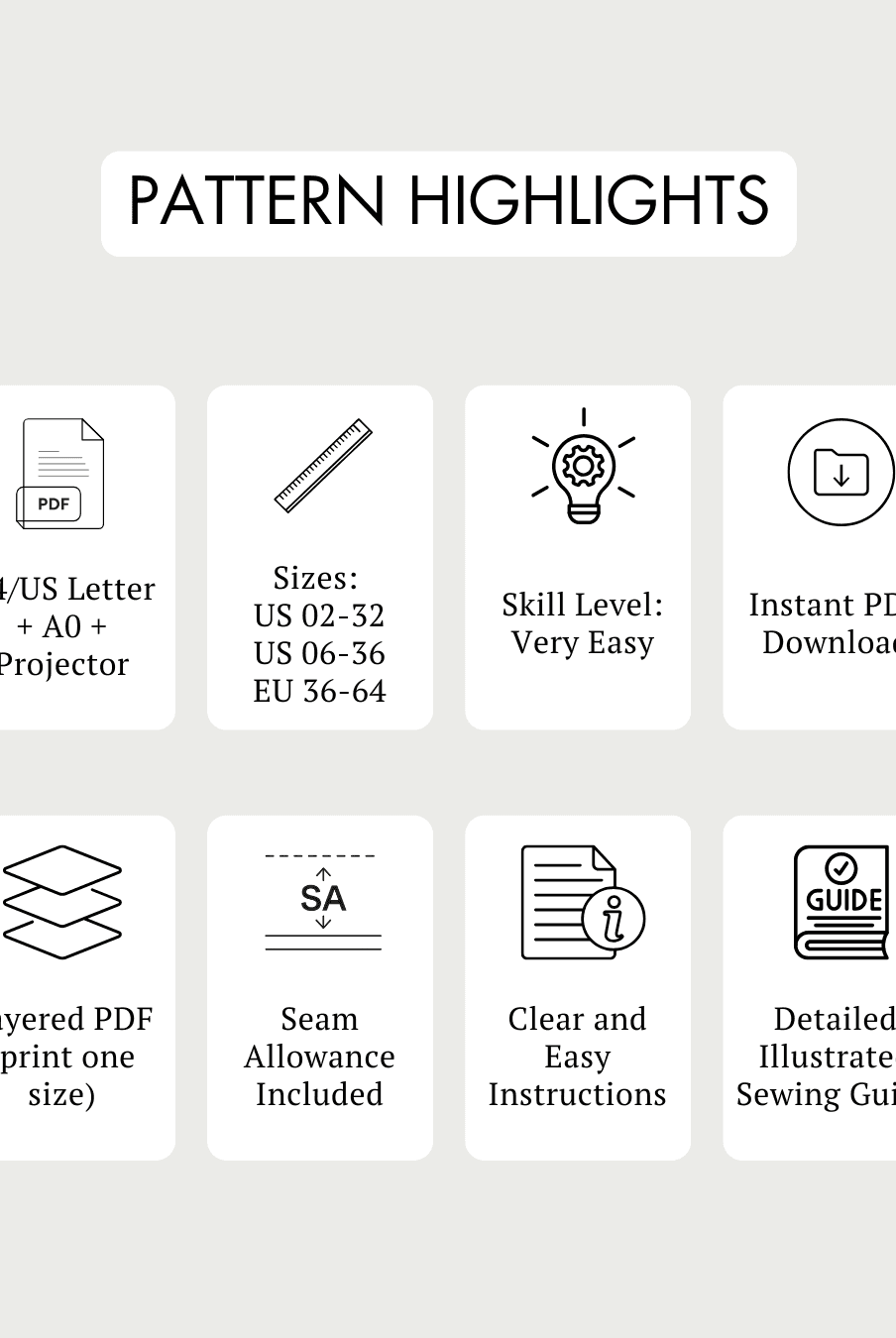
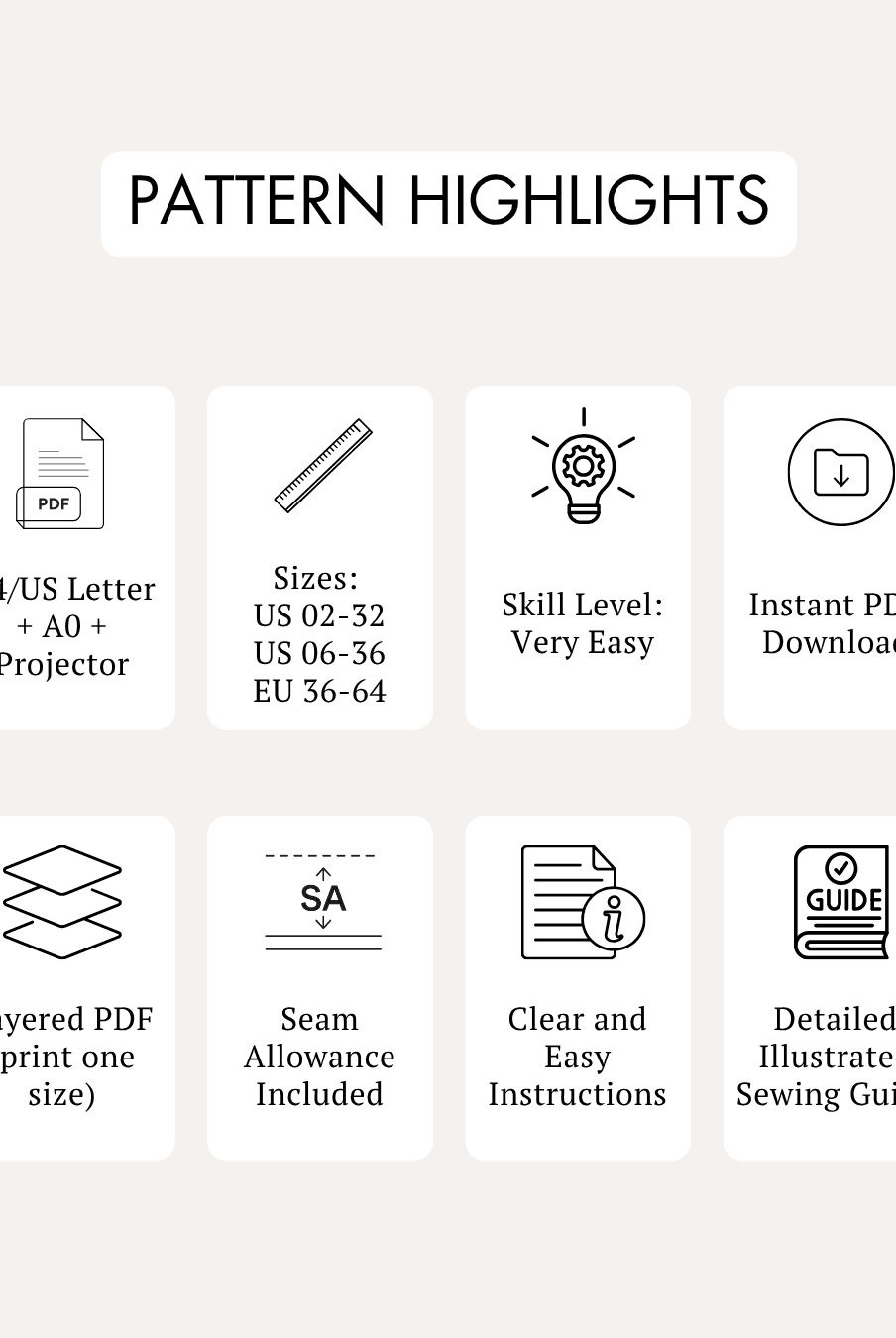
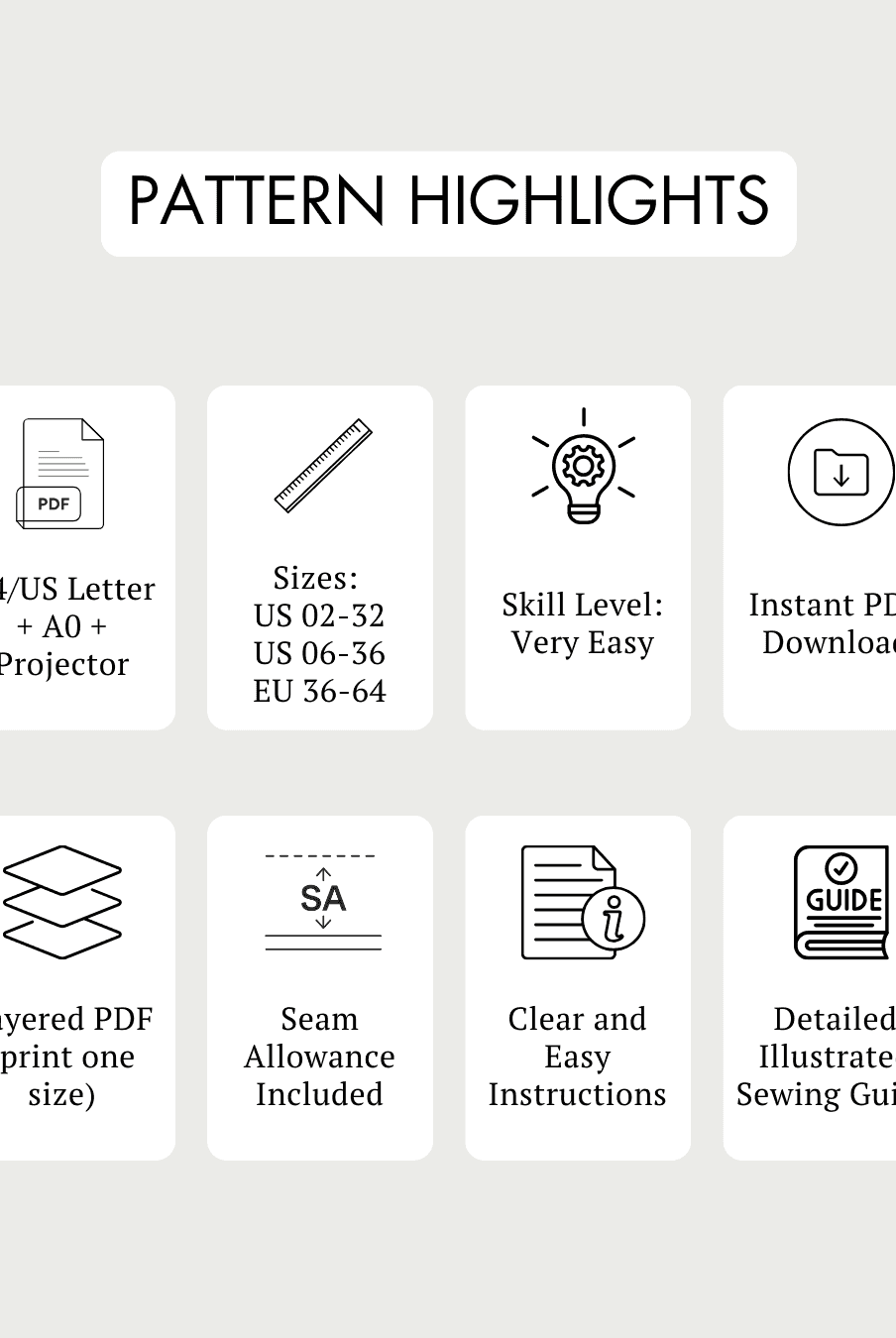
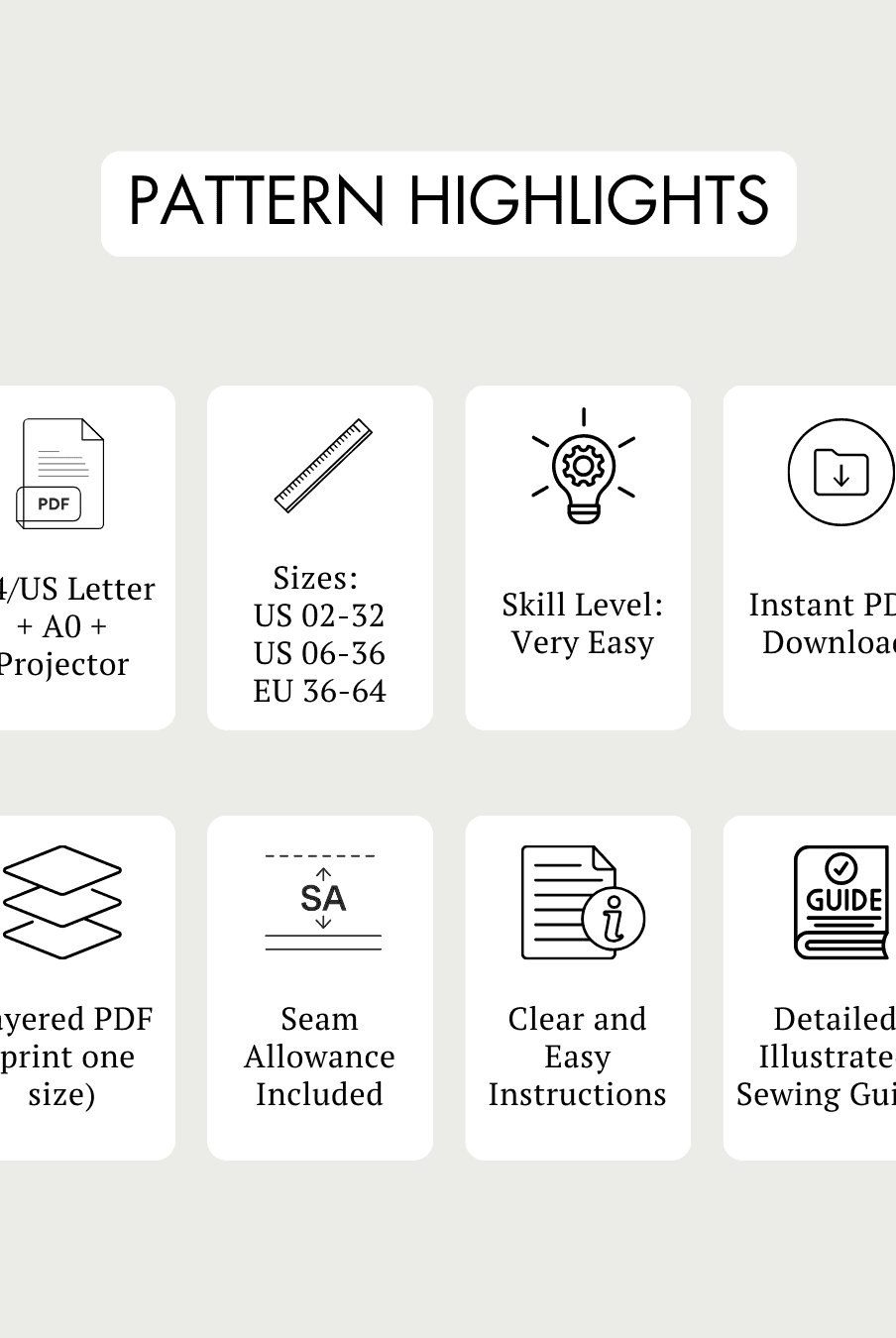
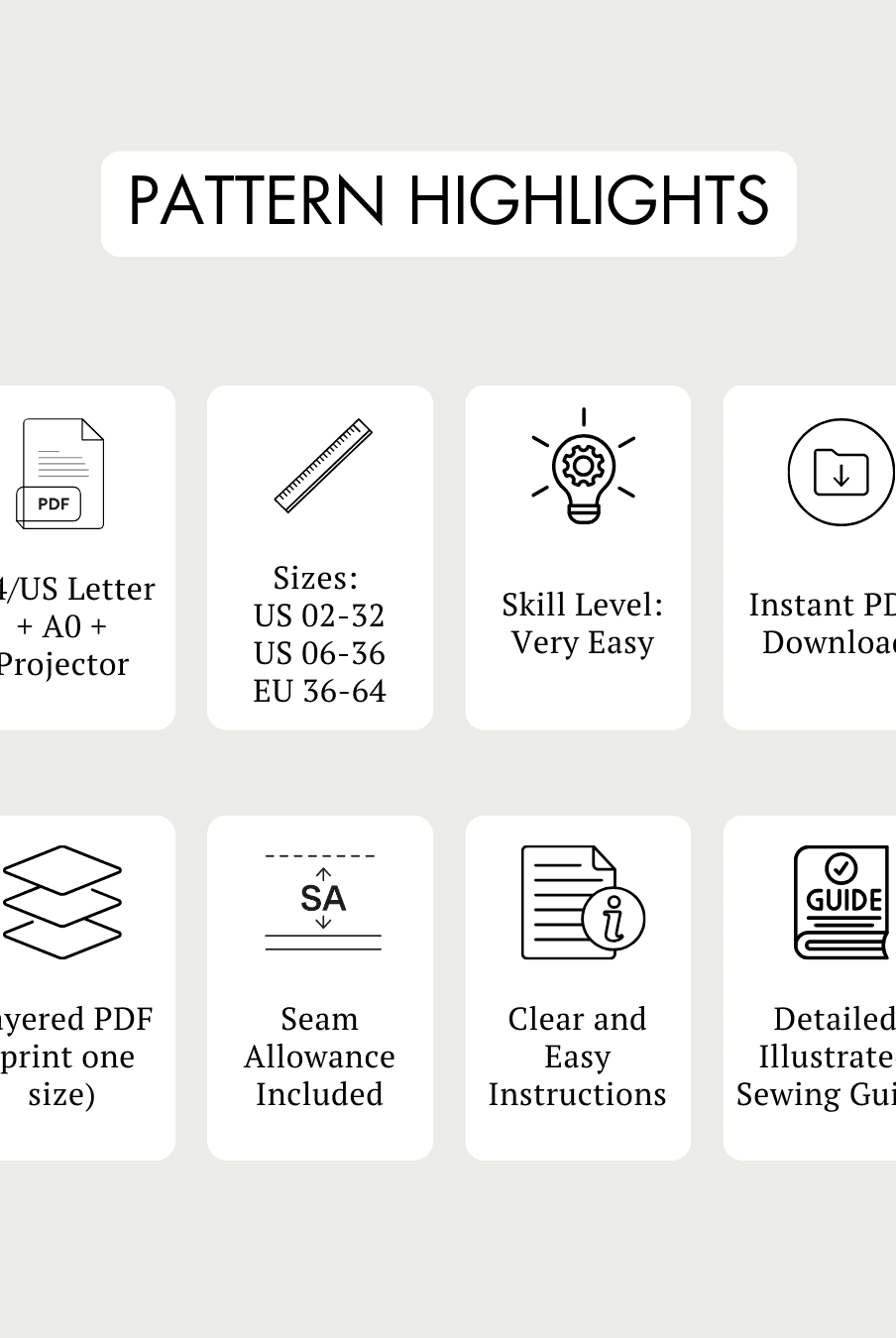
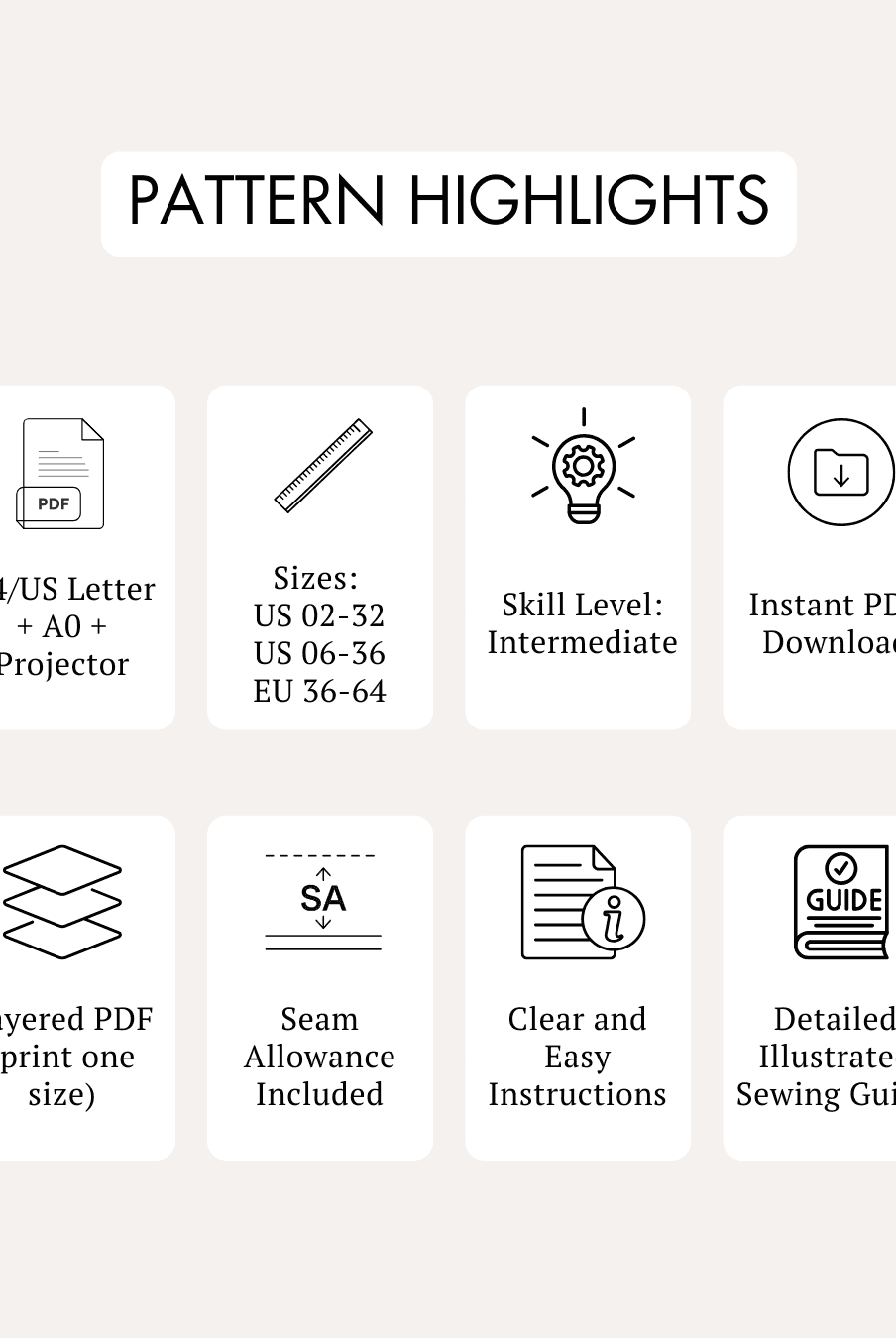
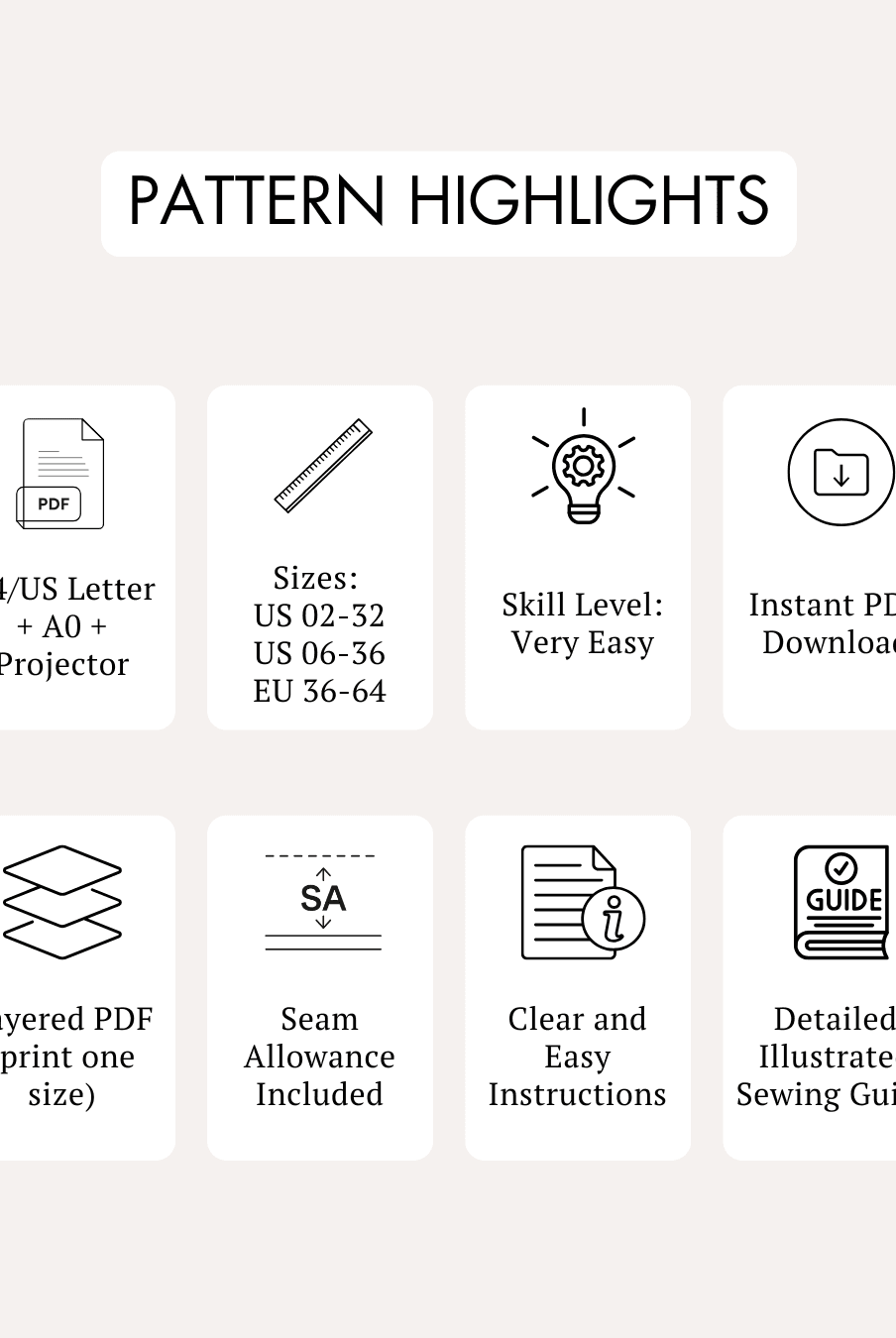
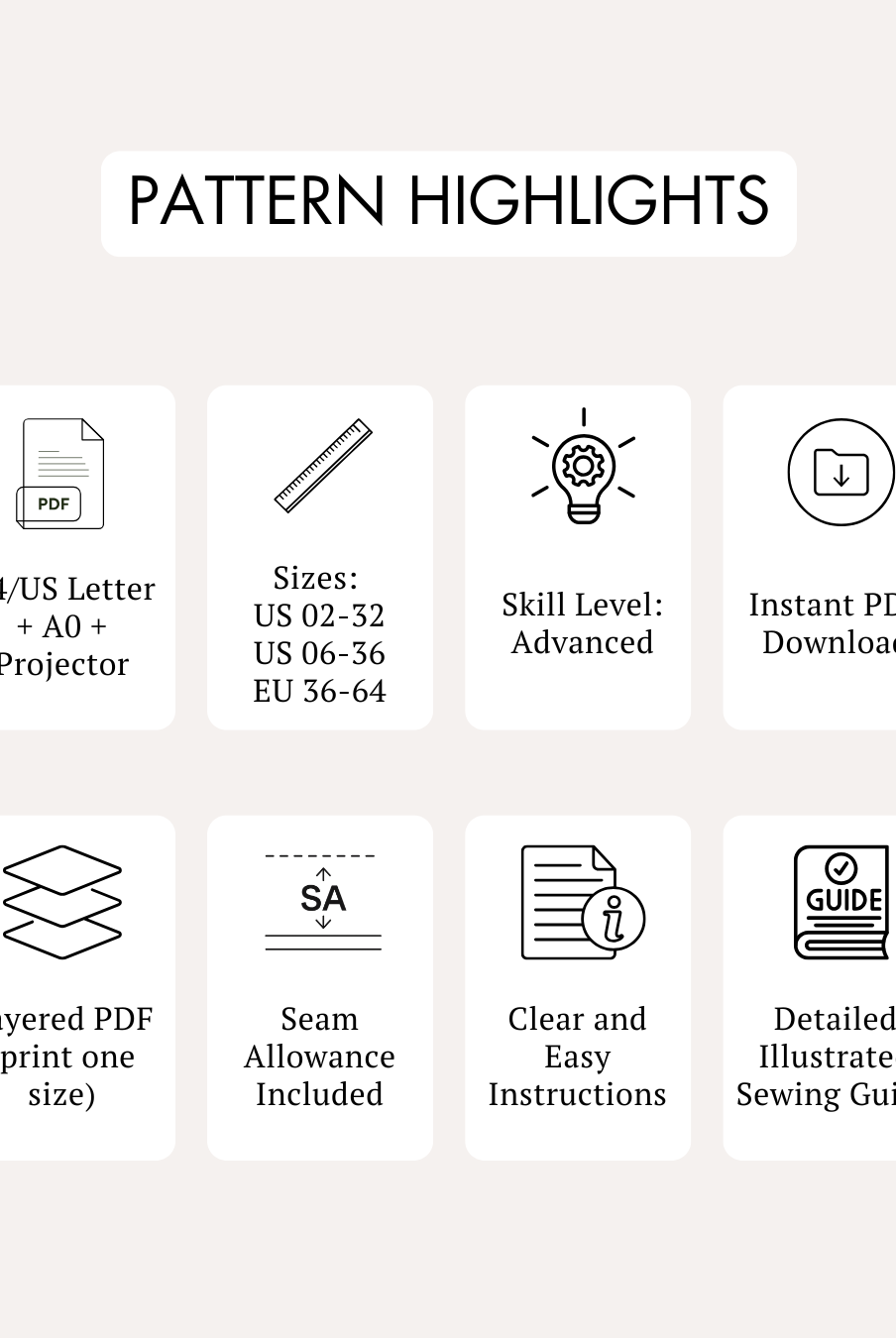
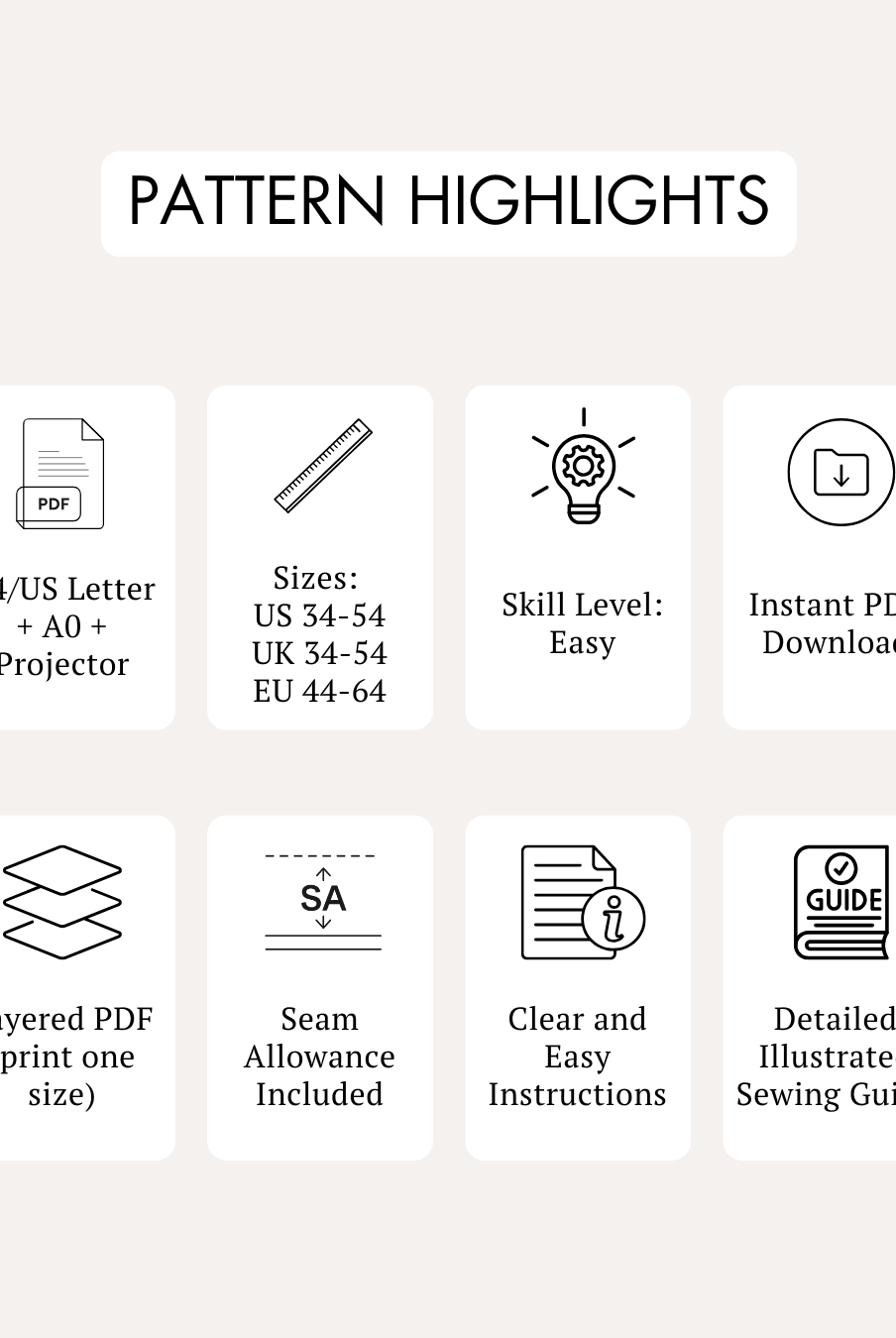
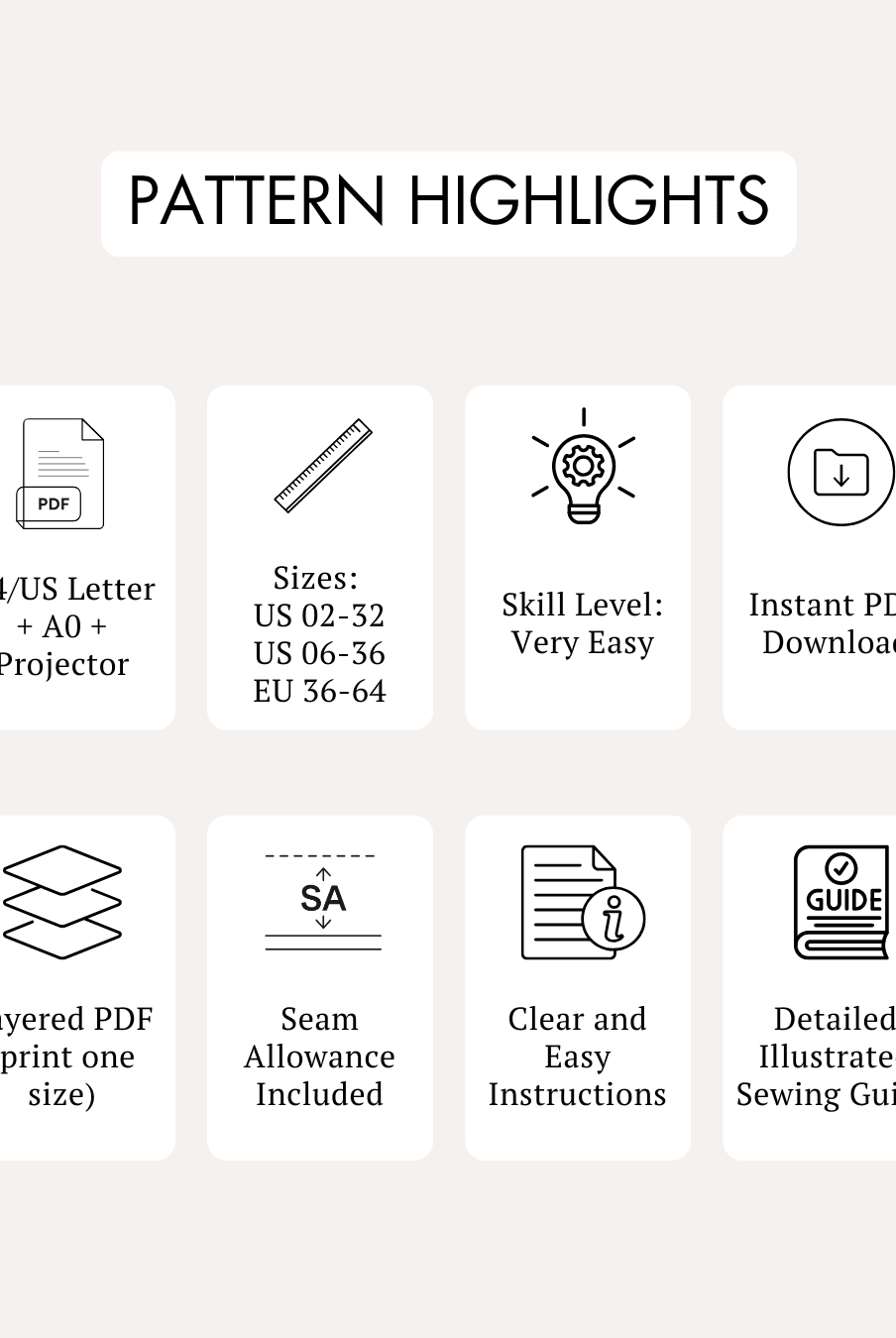
• Skill Level: Very Easy.
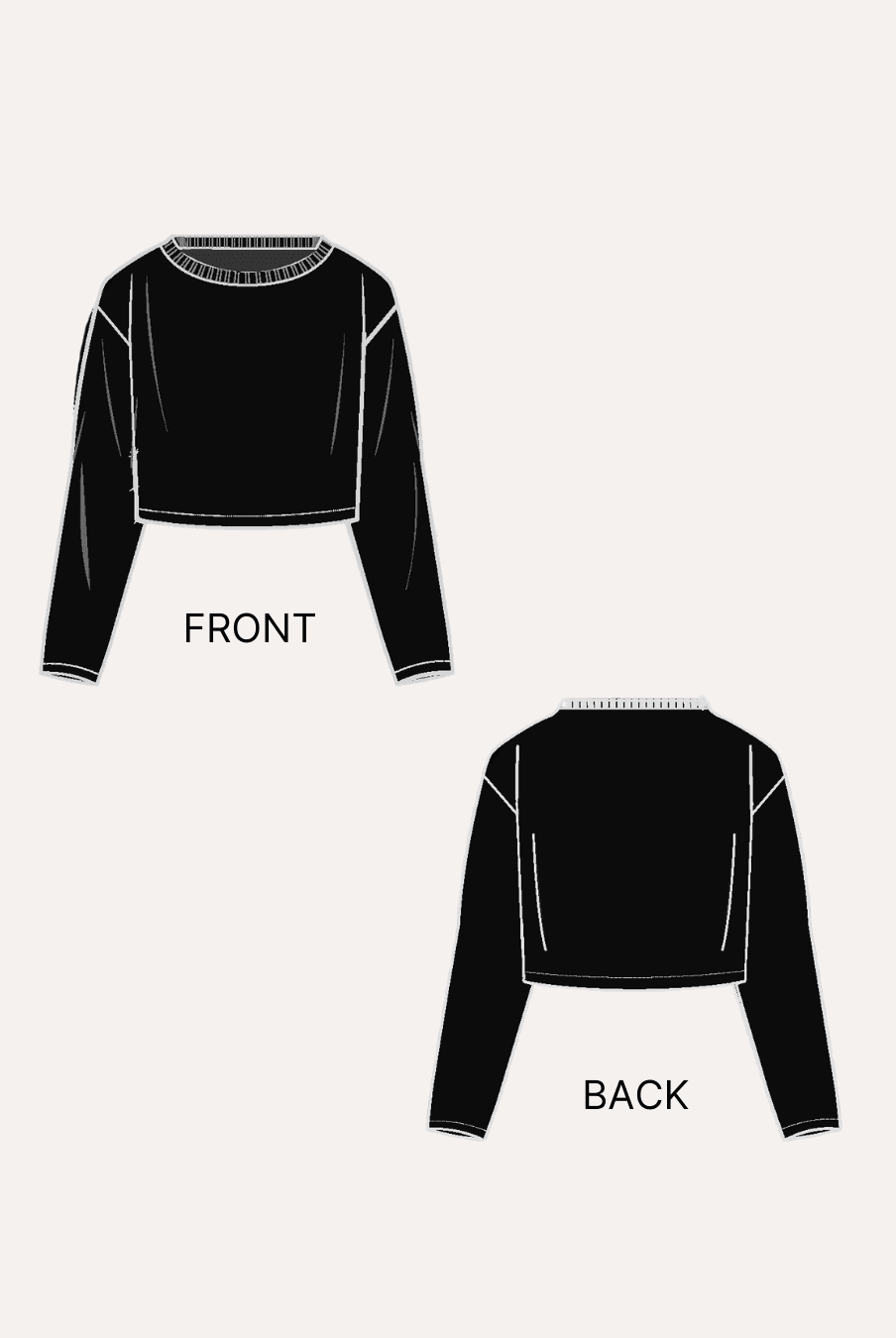
• Features decorative long sleeves with a sleeve mid-panel detail.
• Includes ribbed neckband, cuffs, and bottom band finishes.
• Designed as a comfortable pullover sweatshirt.
• Suitable for knit fabrics including fleece, jersey, cotton blends, and other stretch fabrics.
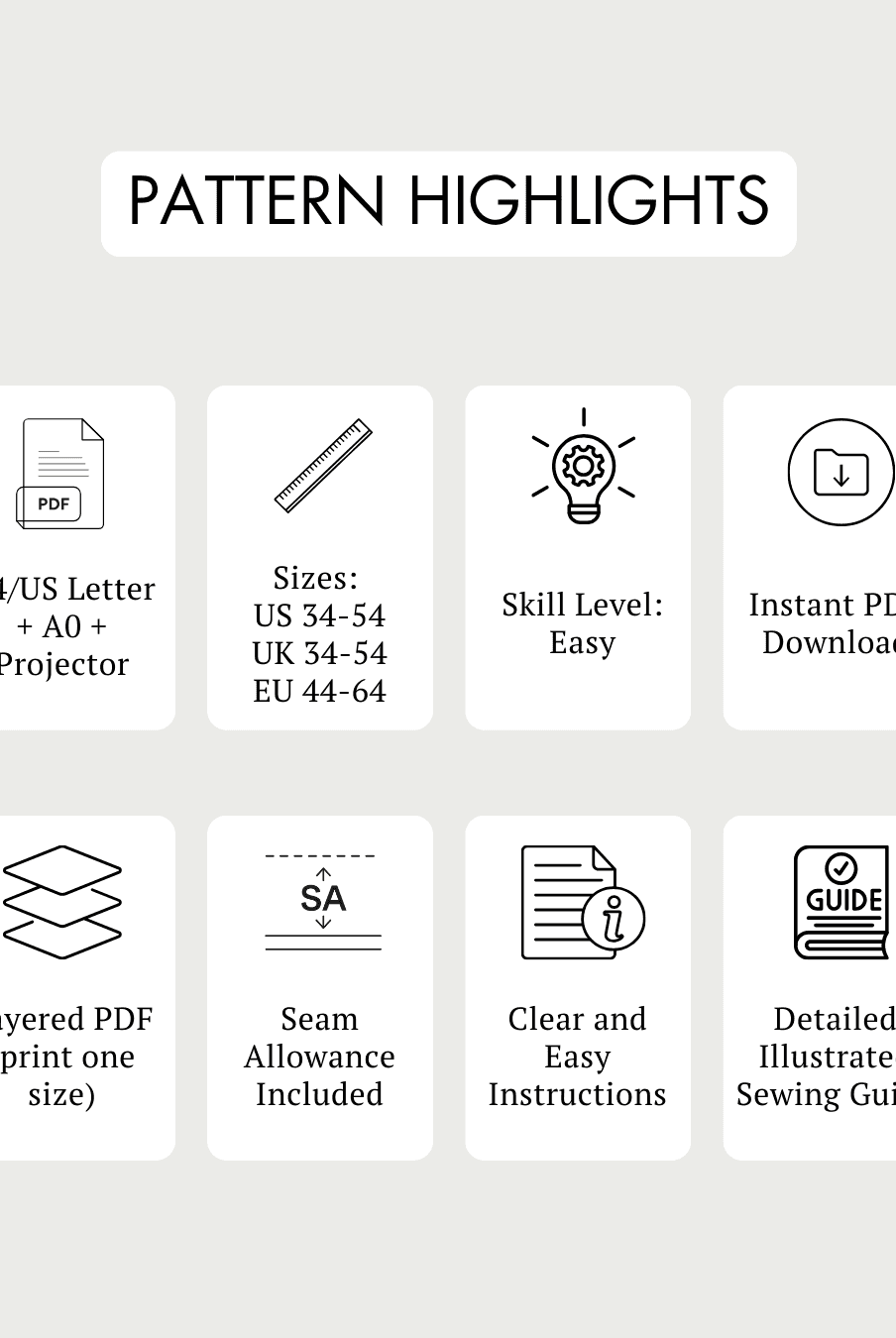
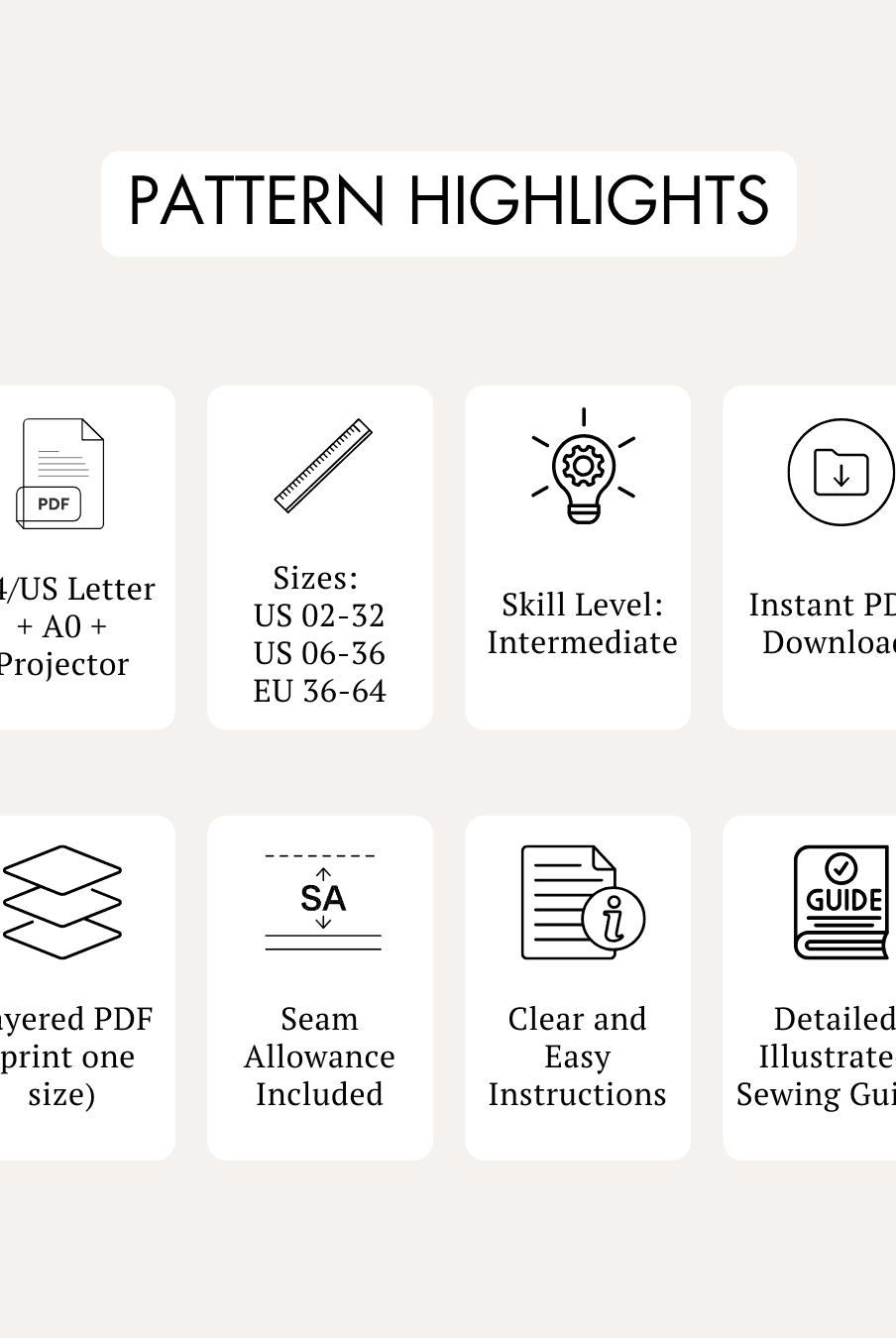
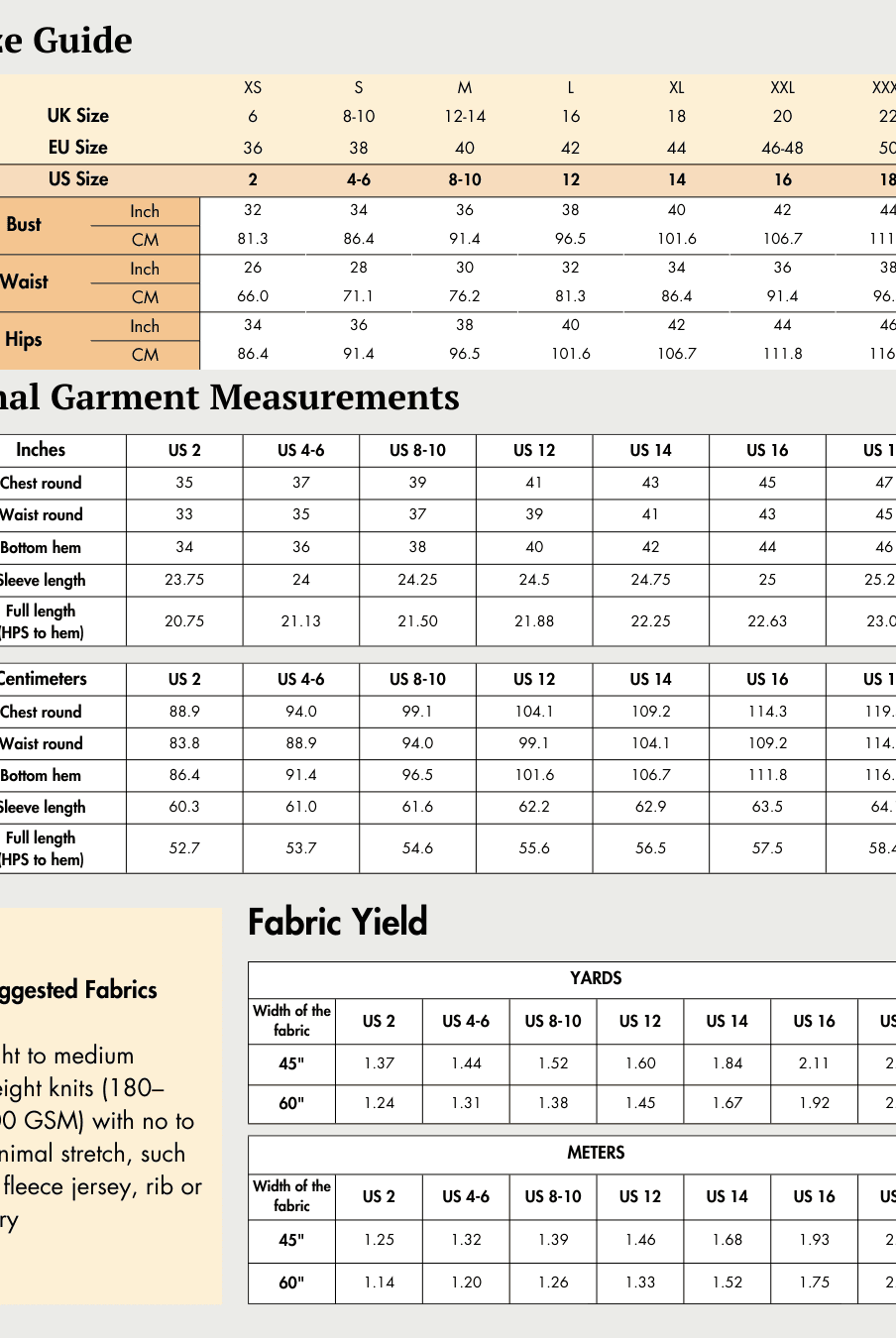
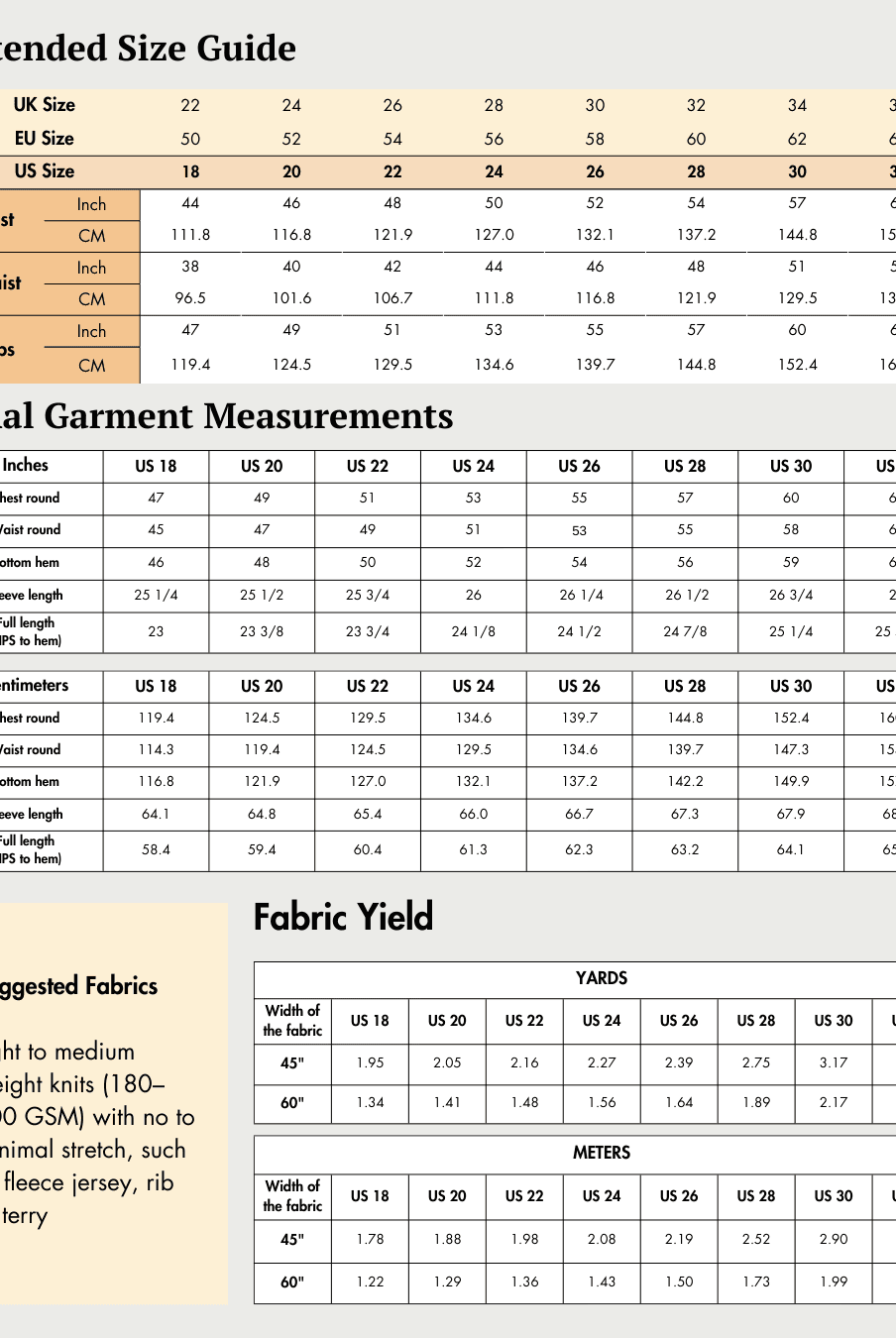
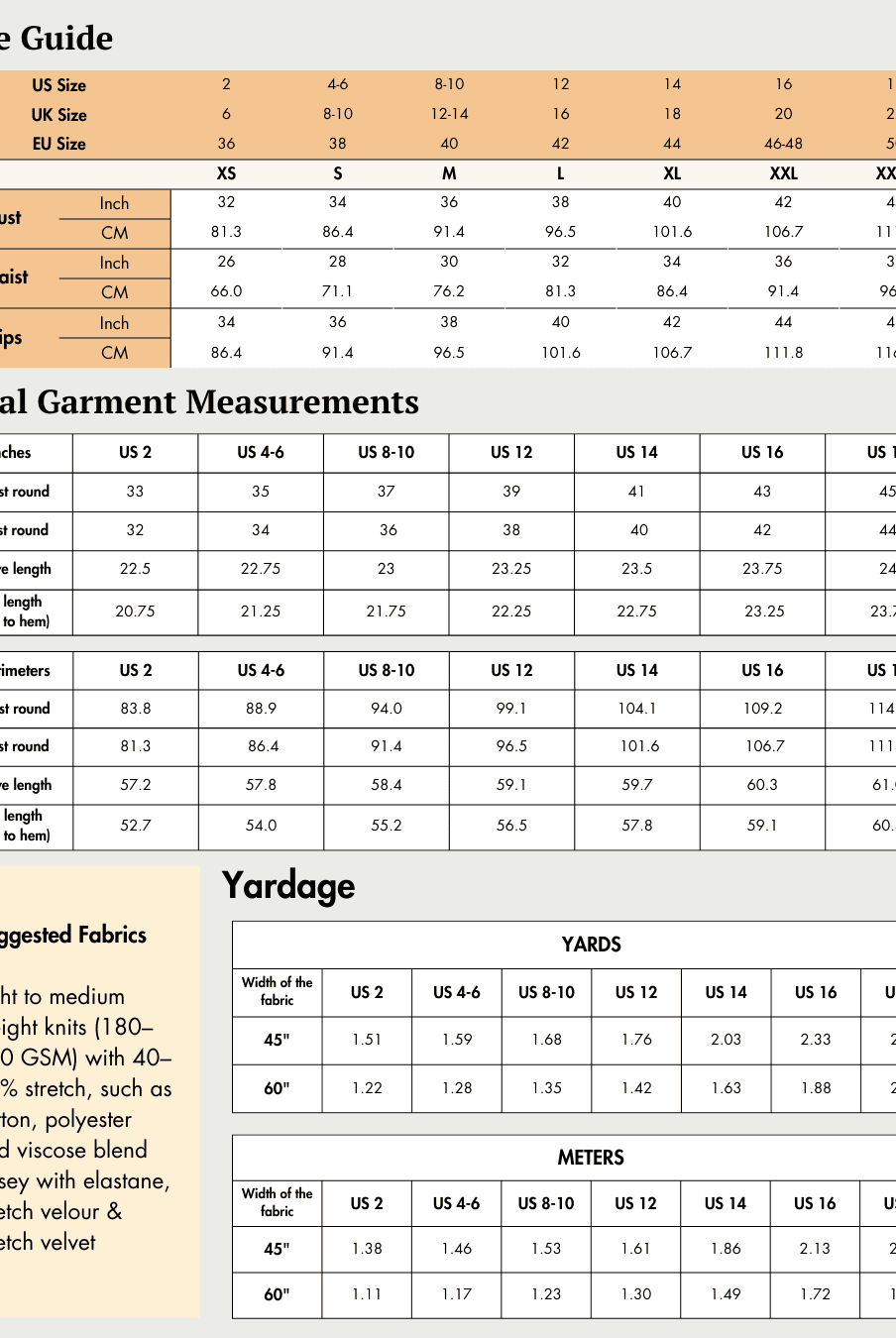
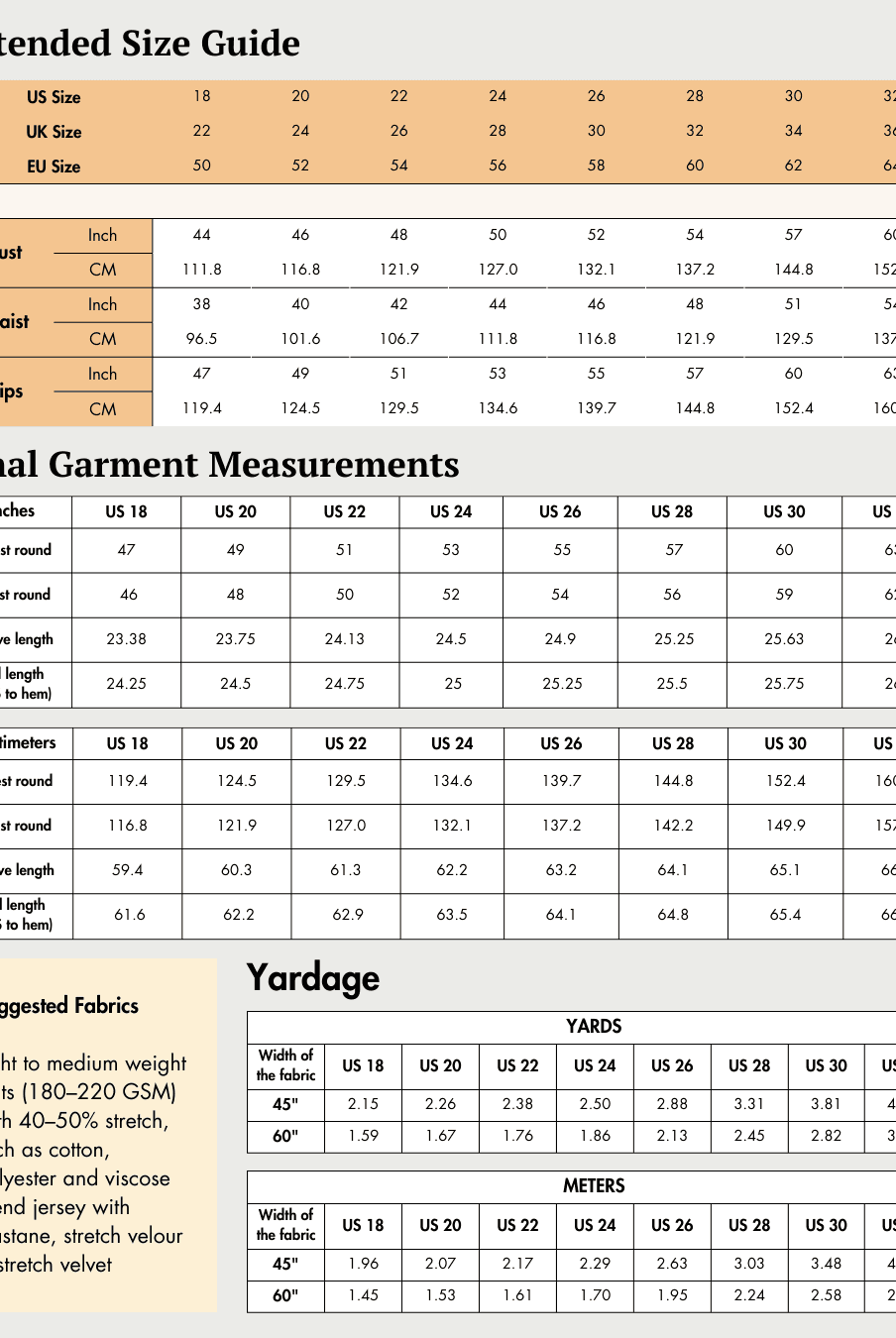
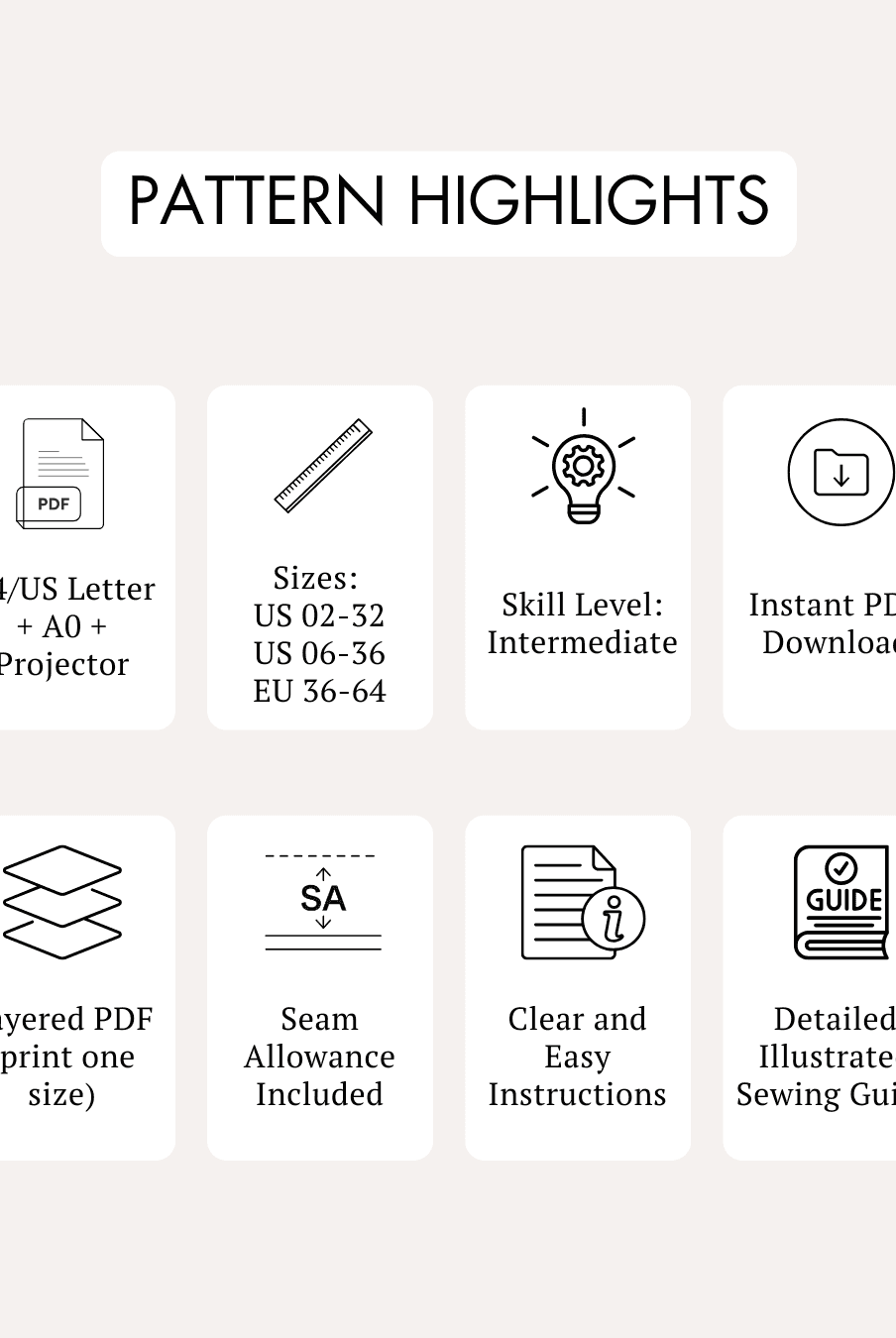
• Available Sizes: US 2–18 | UK 6–22 | EU 36–50.
Supplies & Notions
• Sewing machine
• Sewing needles
• Thread (3 ply polyester)
• Tape measure
• Fabric shears
• Thread cutter
• Pins
• Chalk
• Iron
Use an overlock stitch if available. A zig-zag stitch can also be used for construction.
Fabric Recommendations
Use light to medium weight knitted fabrics such as:
• Fleece
• Jersey
• Cotton
• Polyester
• Poly-cotton blends
• Rayon
• Terry
• Wool
For the neckband, cuffs, and bottom finish:
• 1x1 rib fabric
• Or the same main body fabric
For the decorative sleeve mid-panel:
• Decorative lace
• Or the same main body fabric
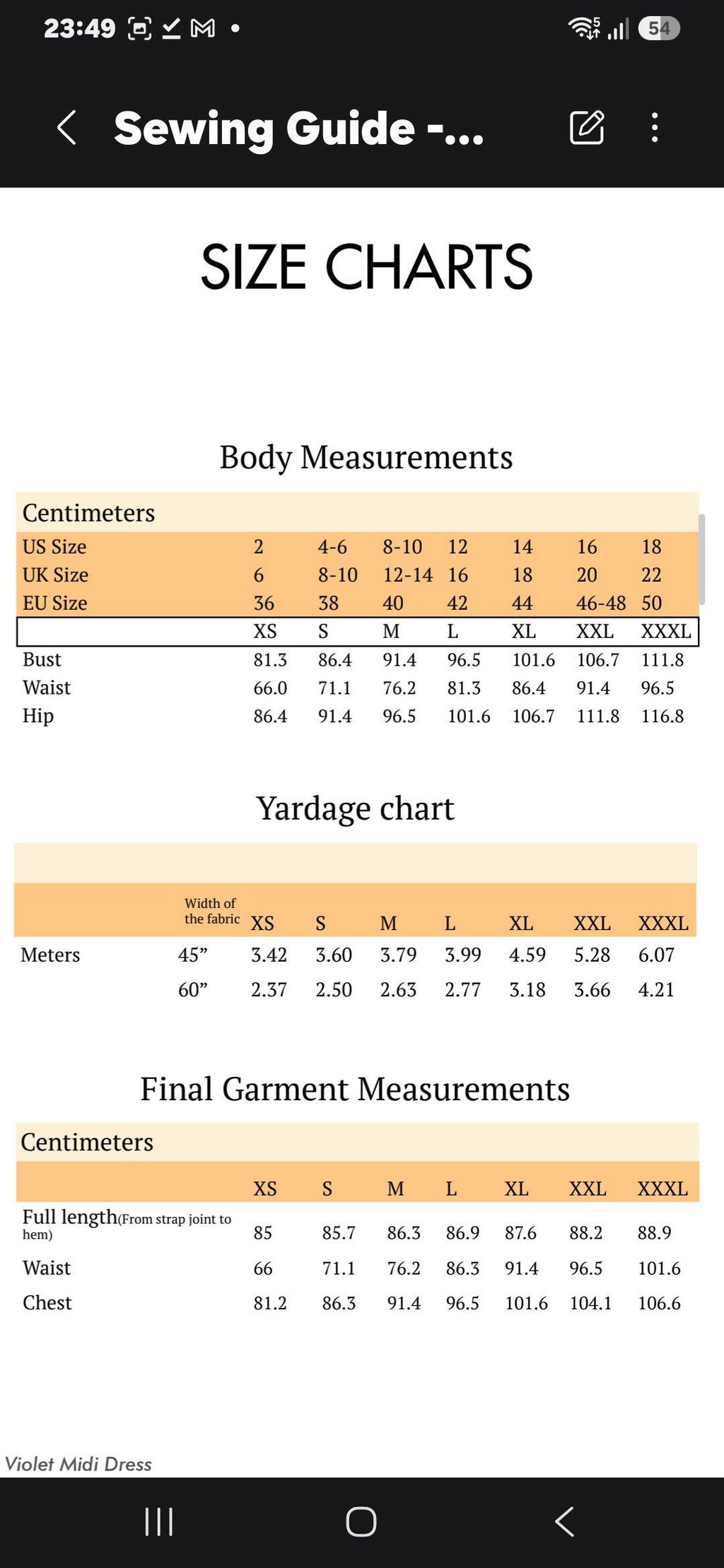
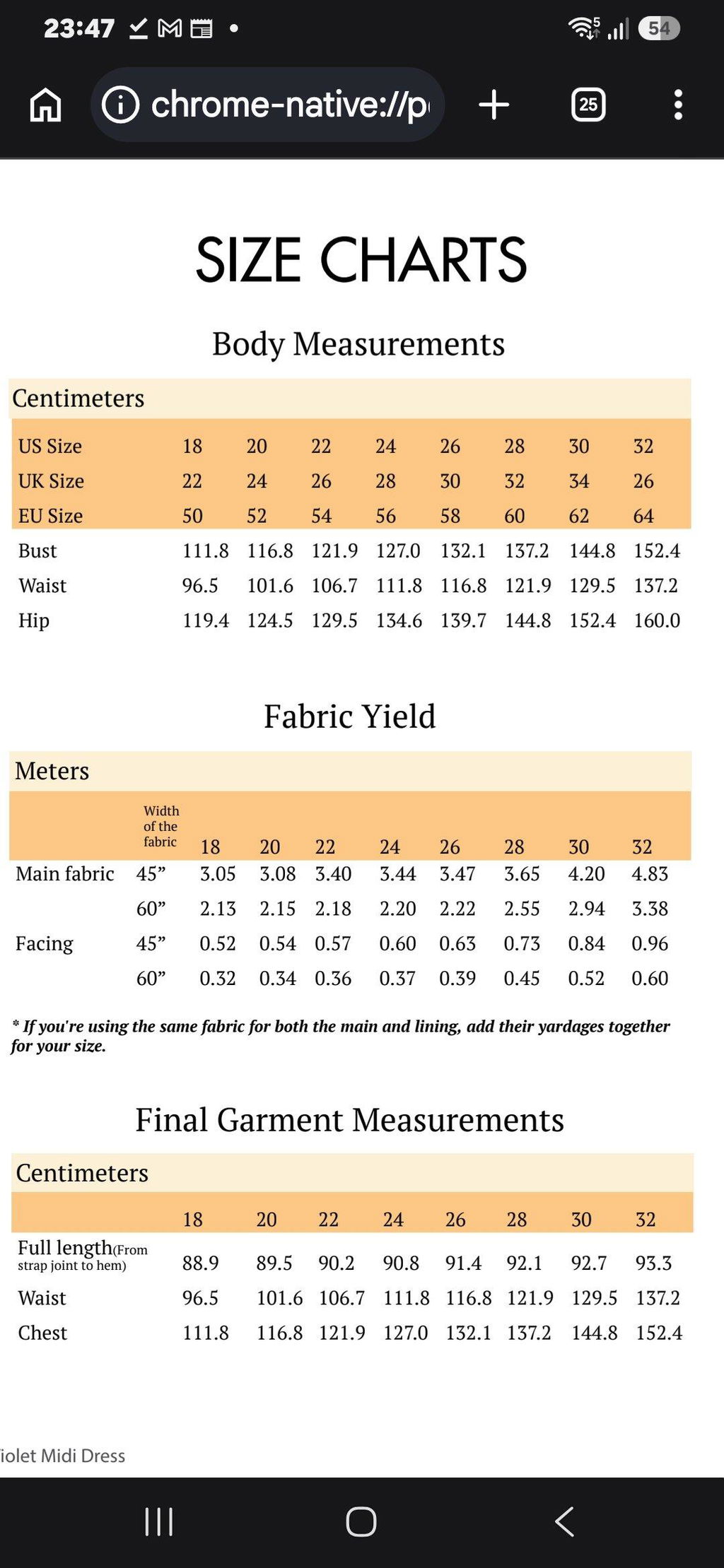
Size Charts
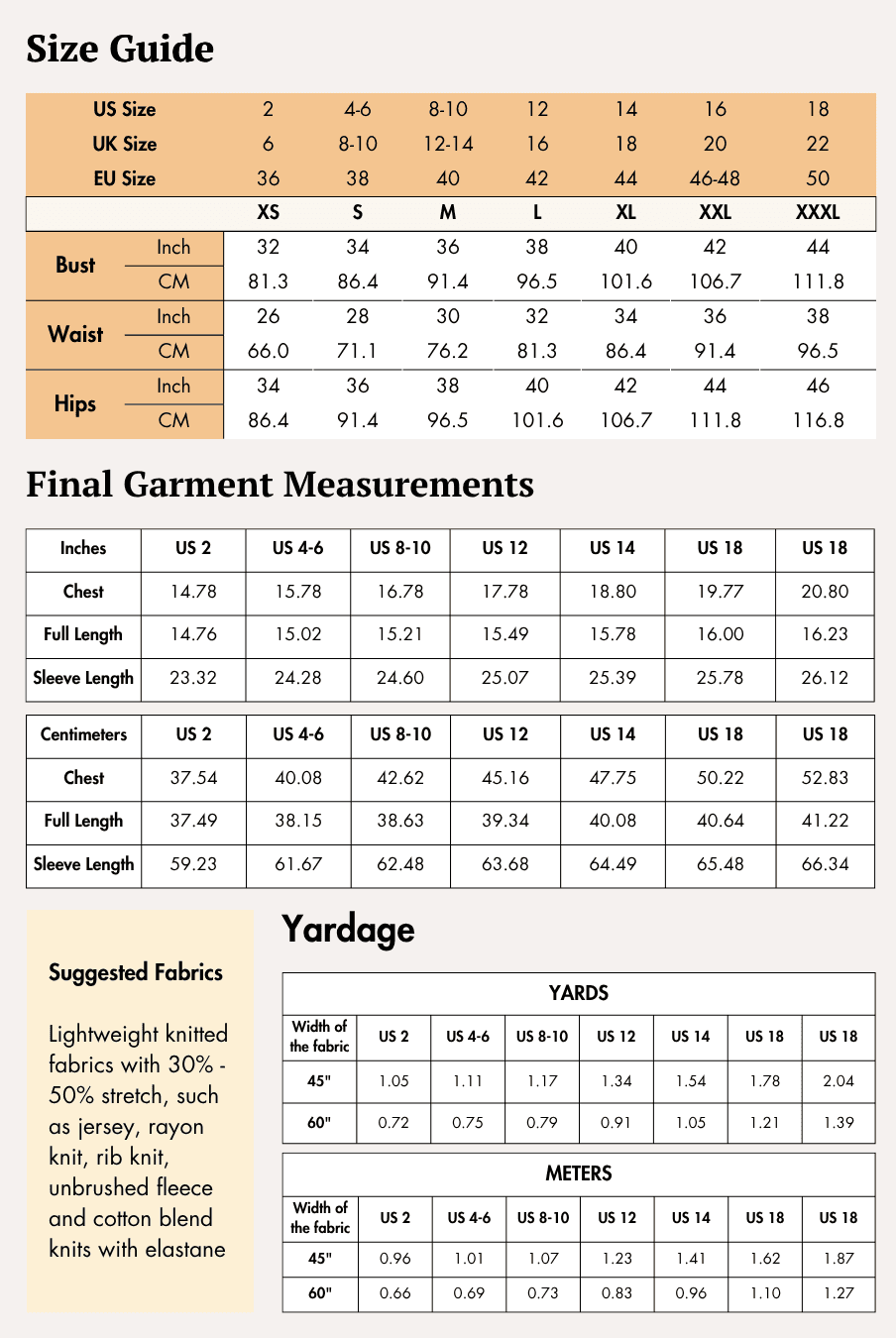
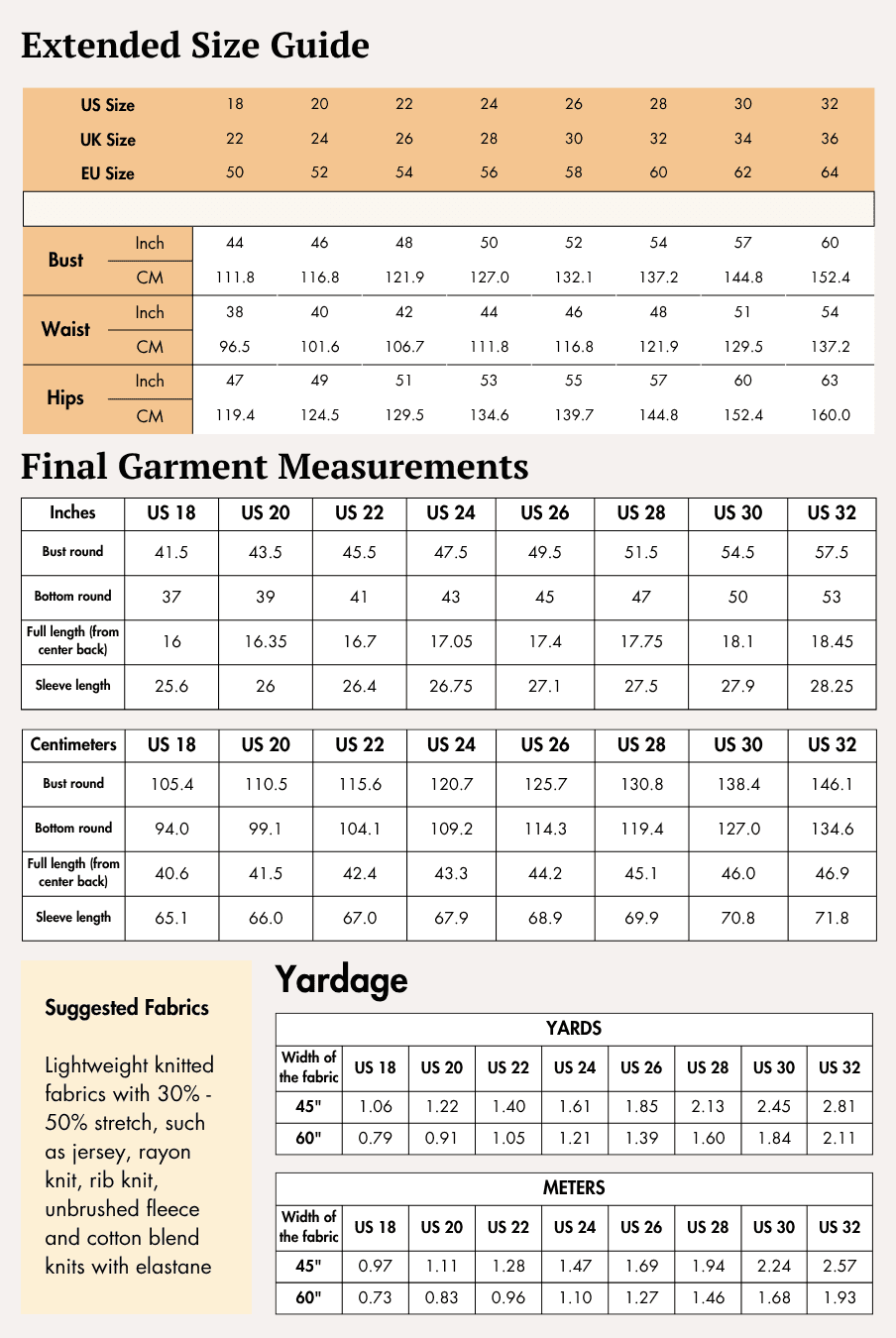
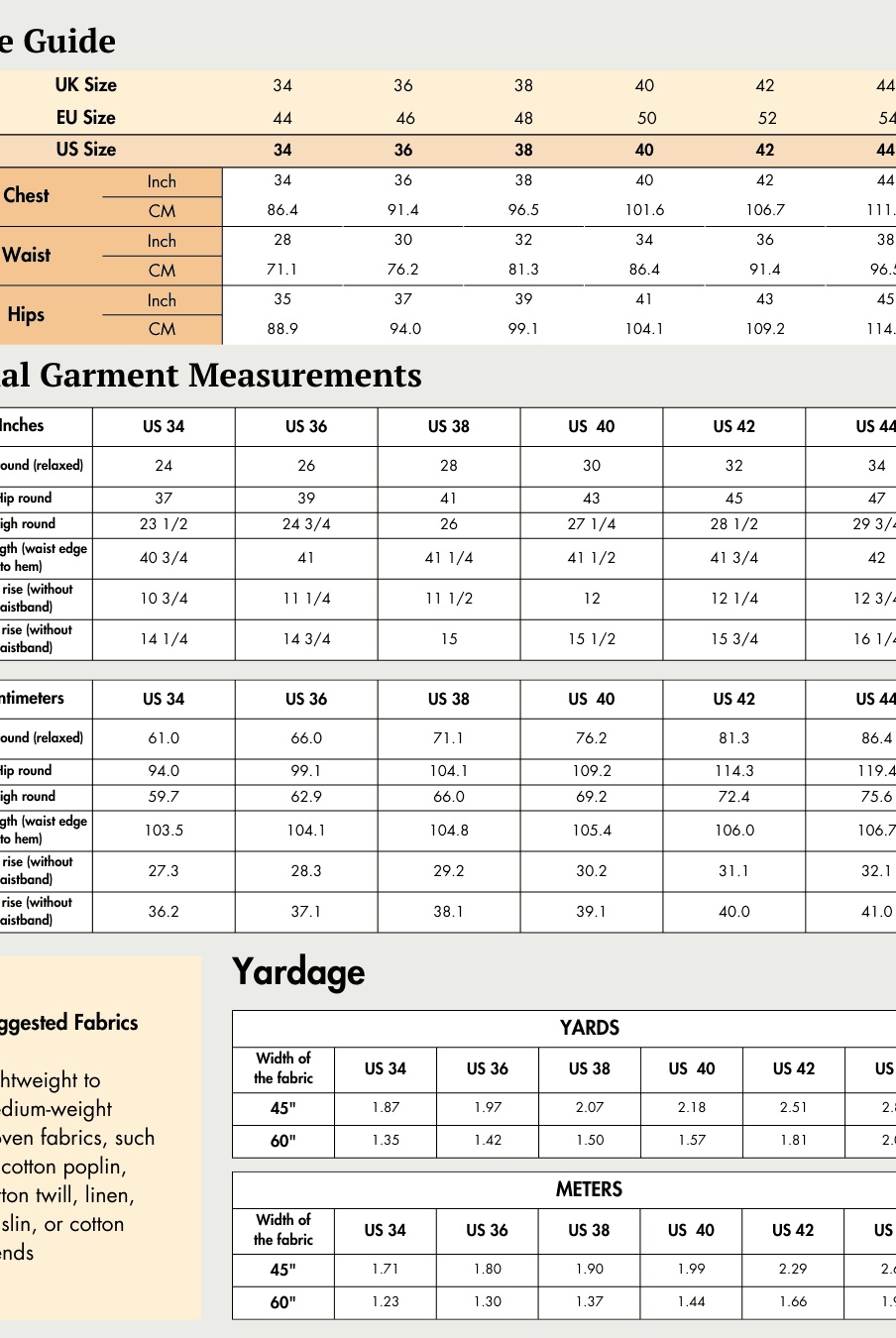
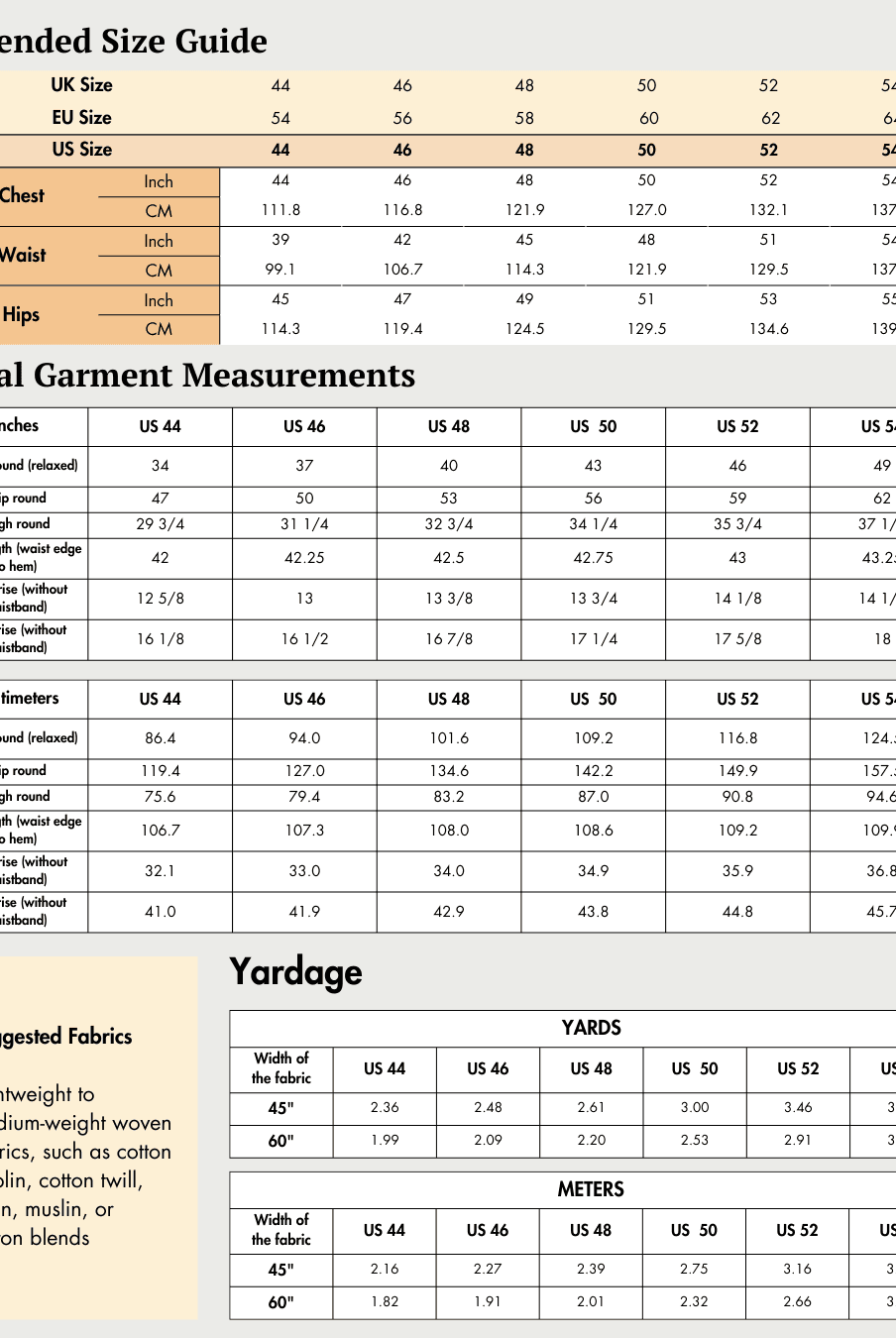
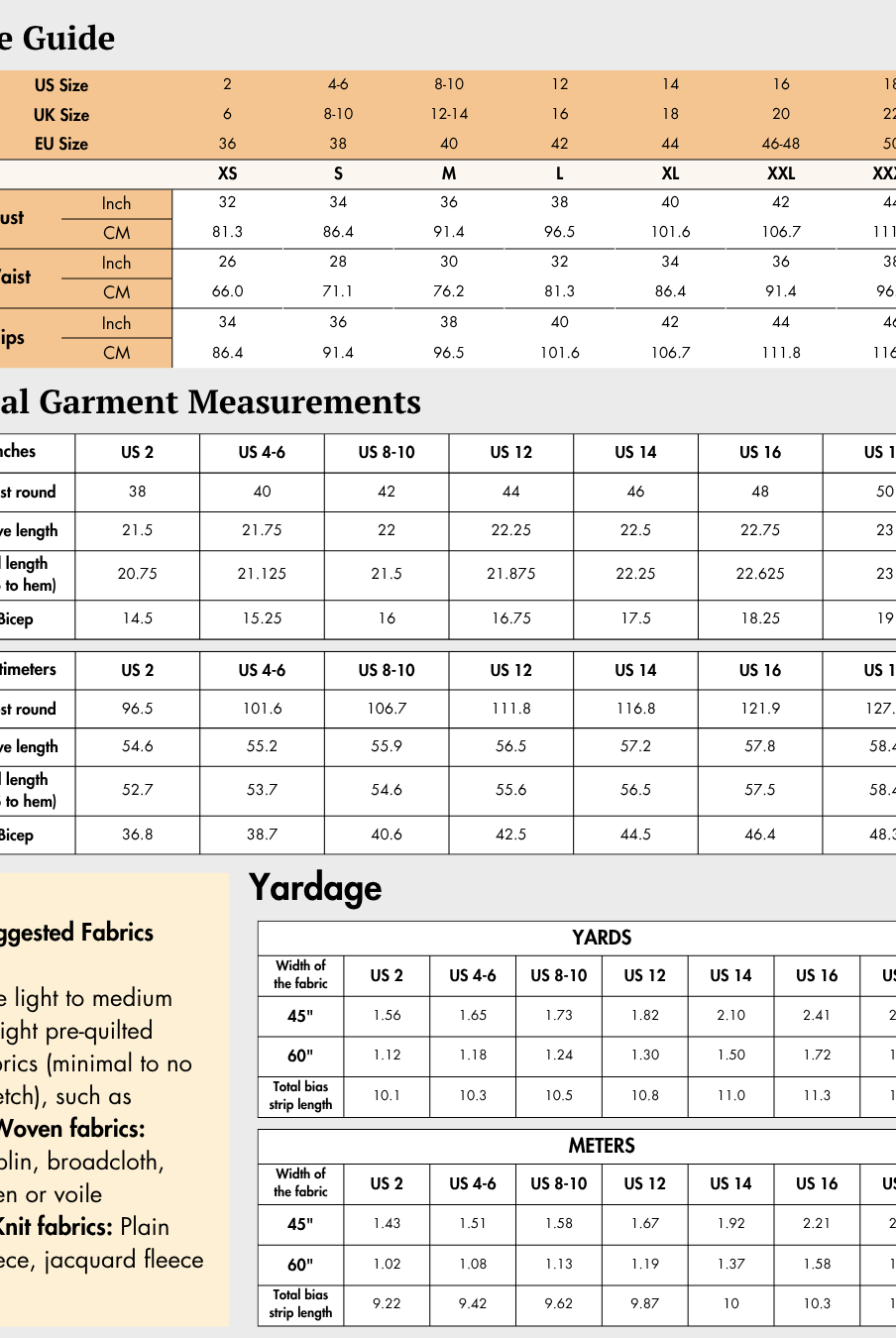
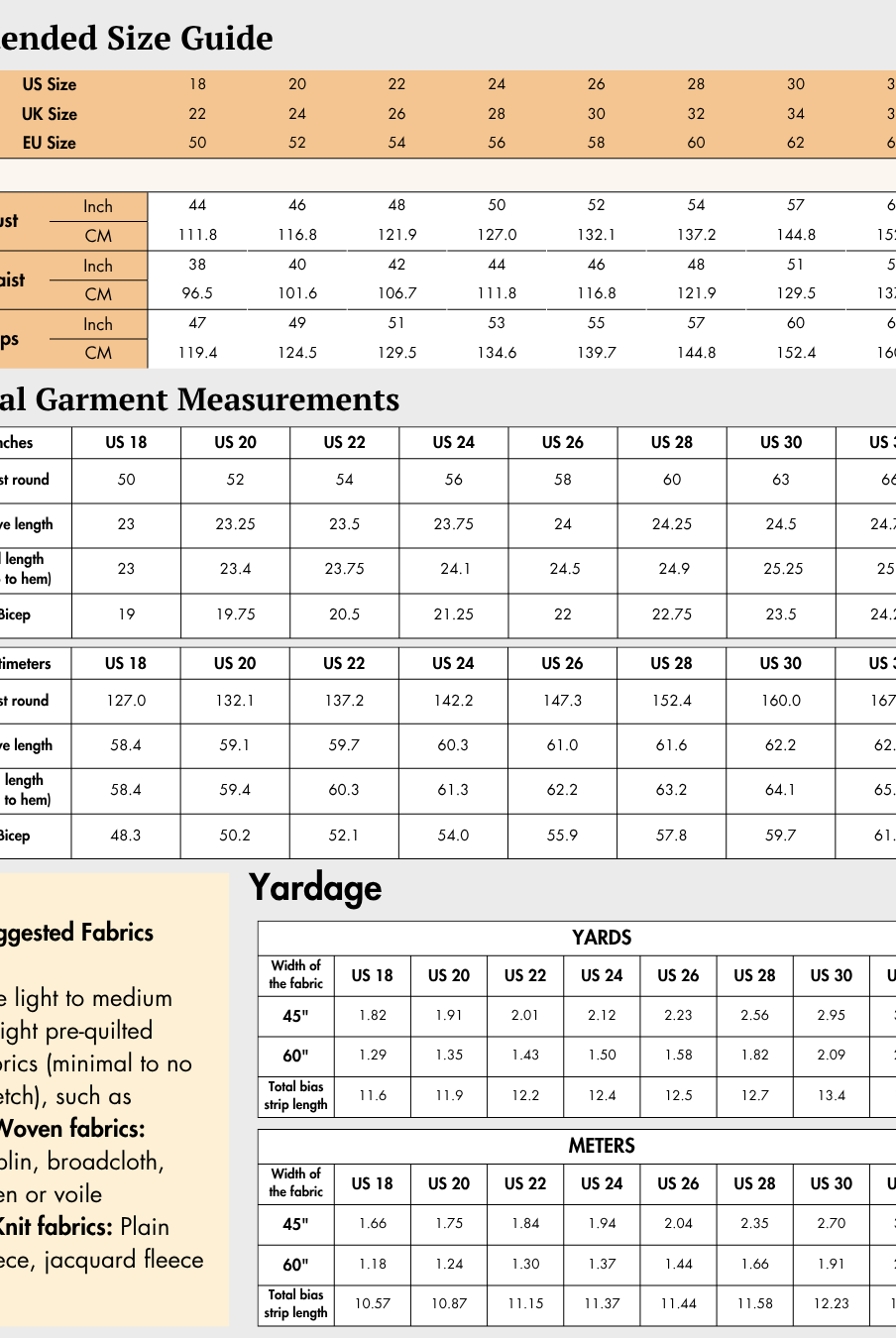
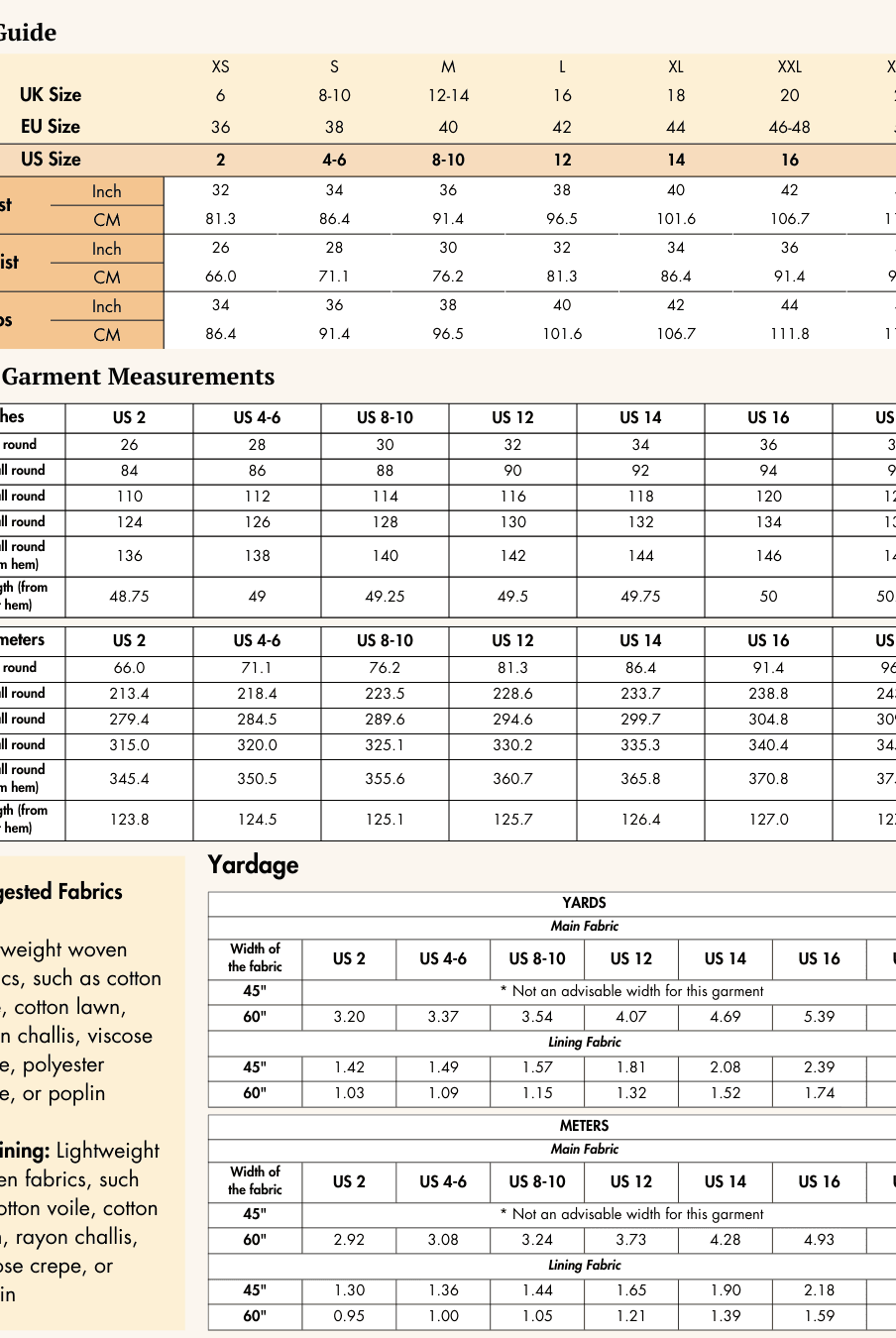
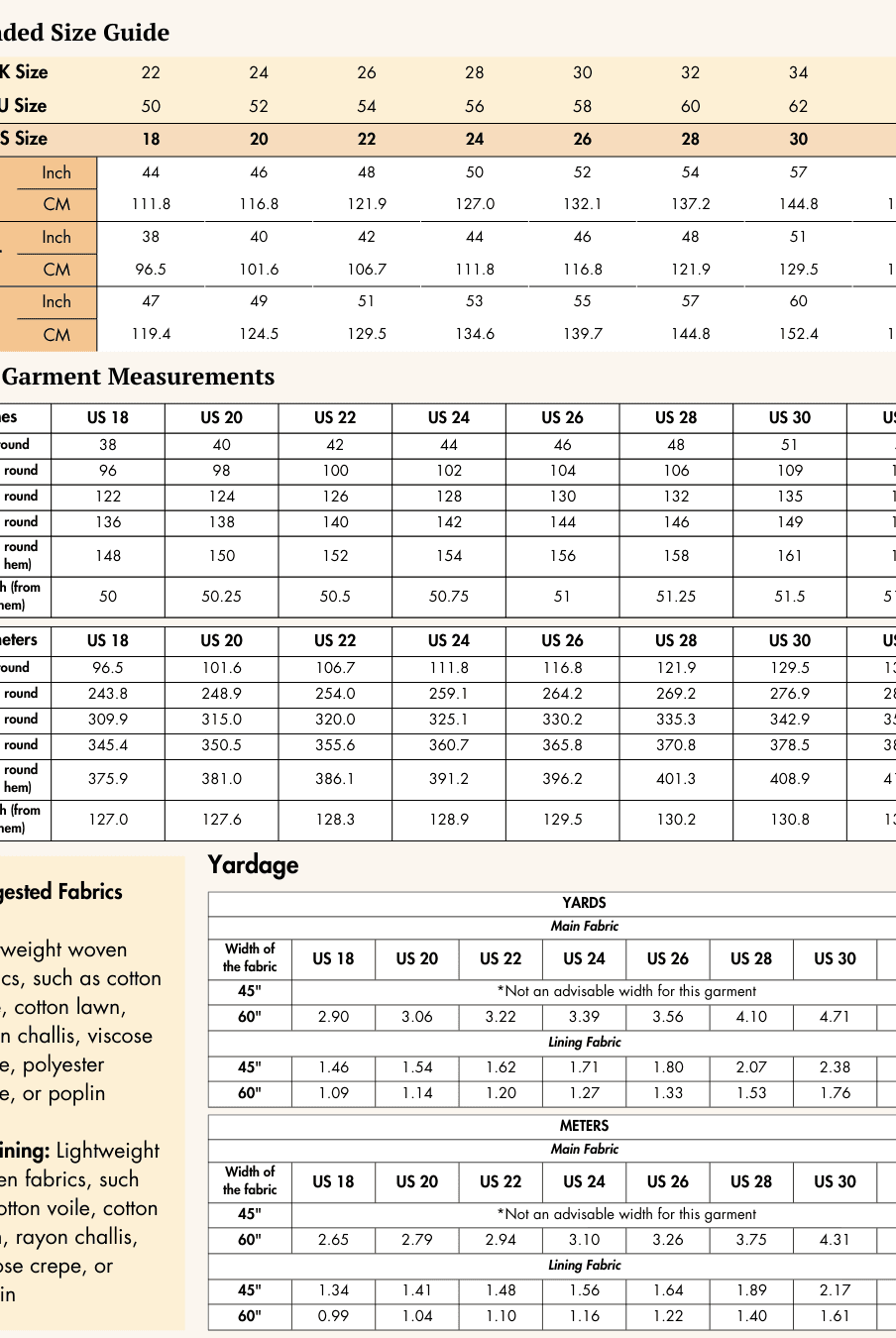
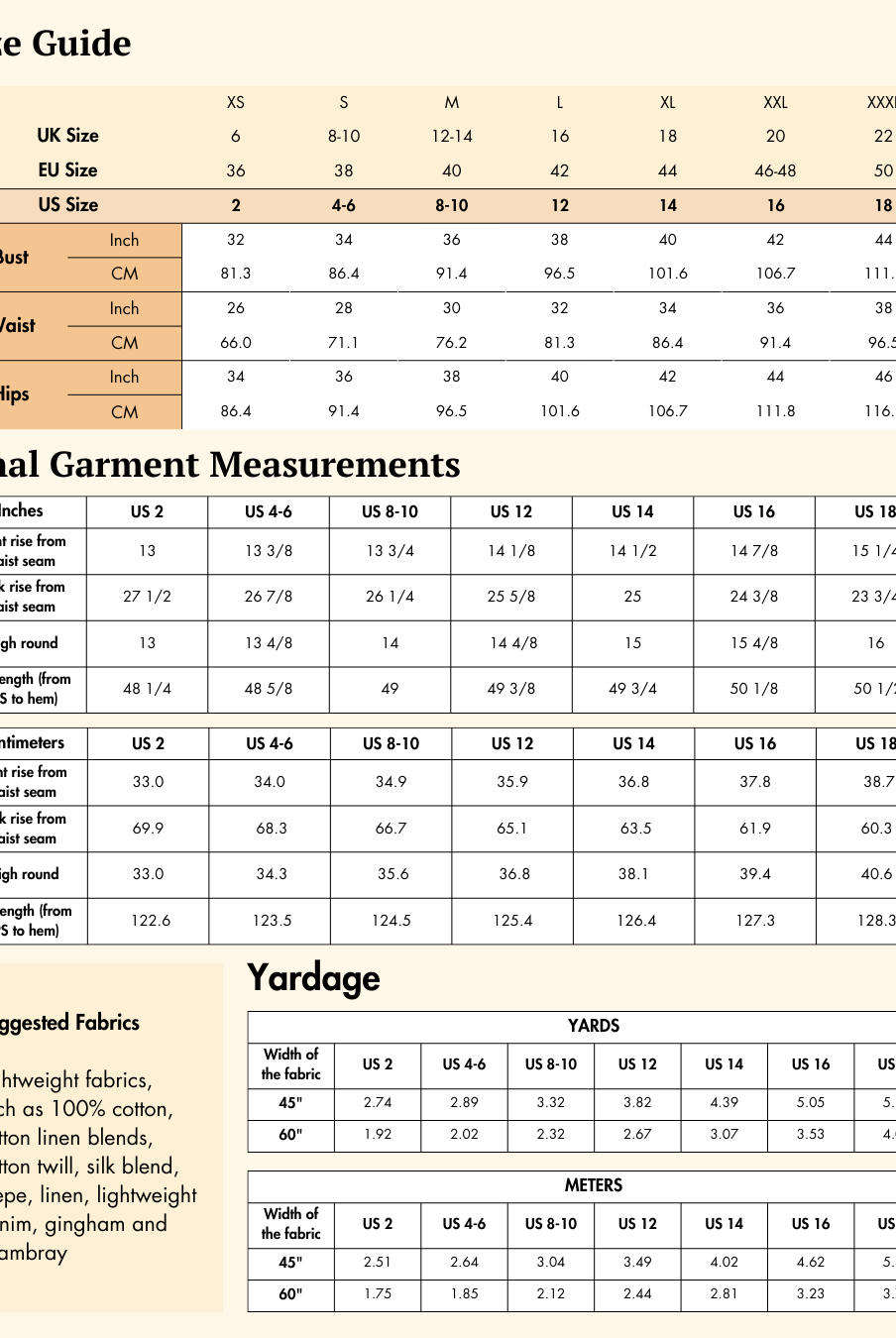
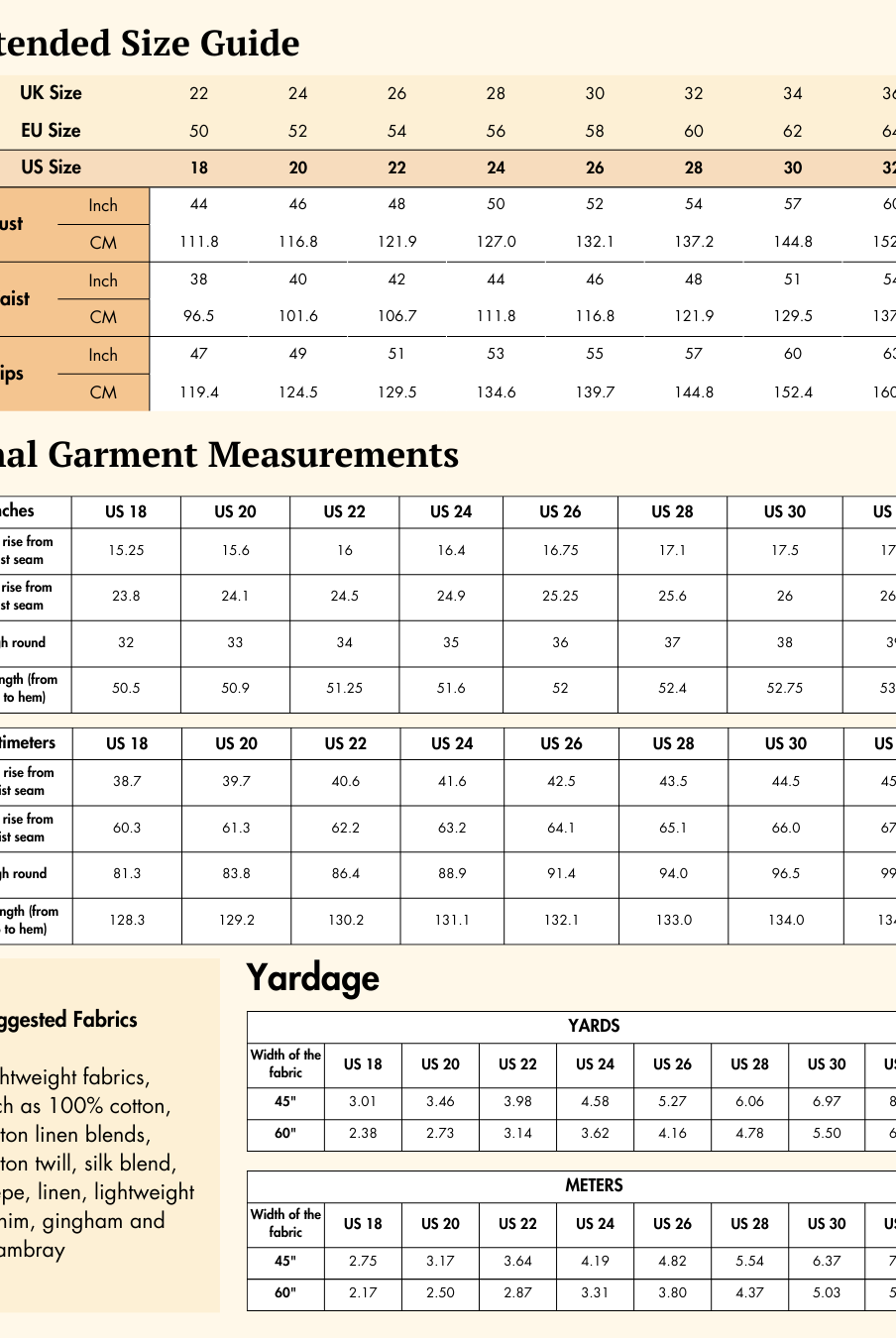
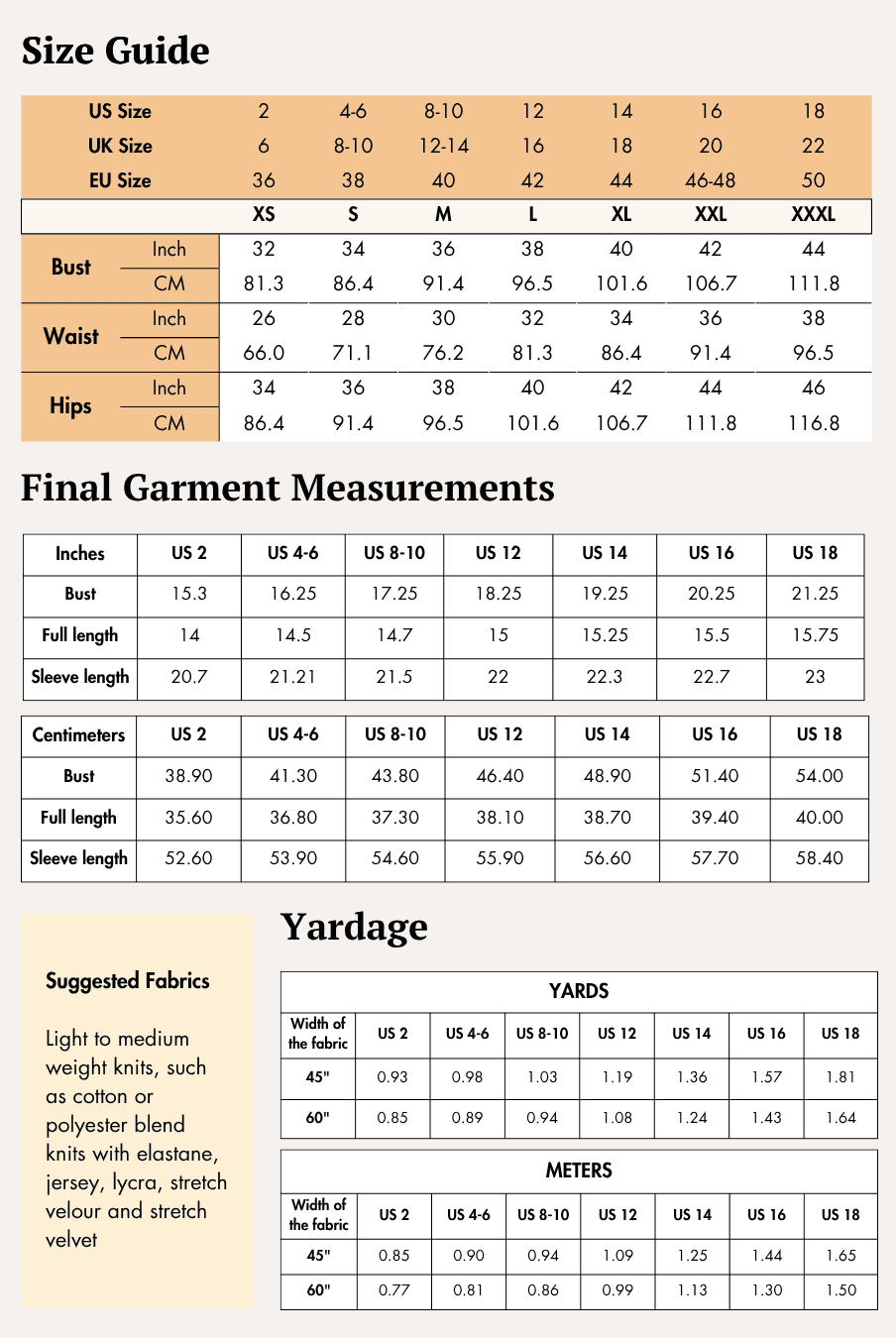
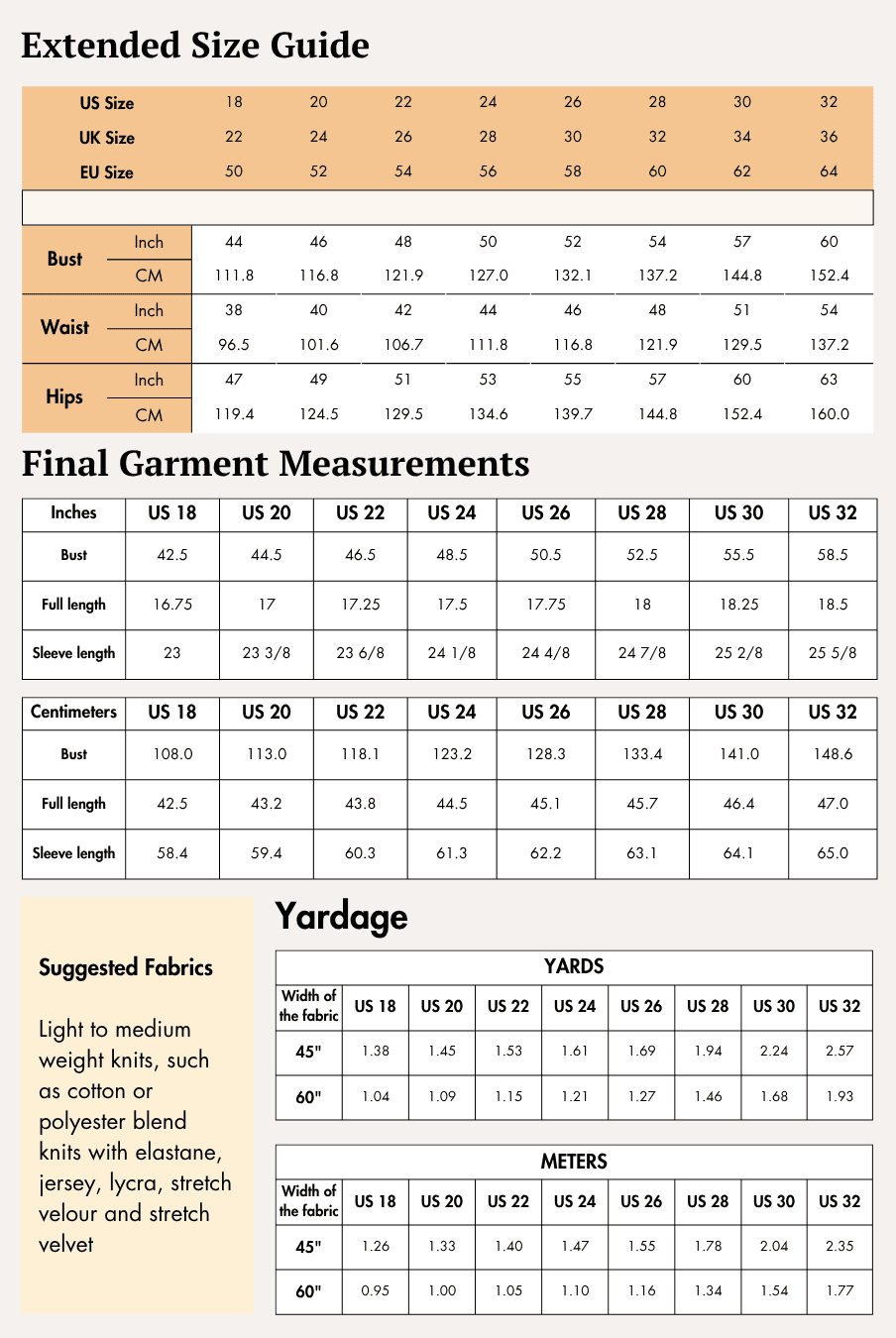
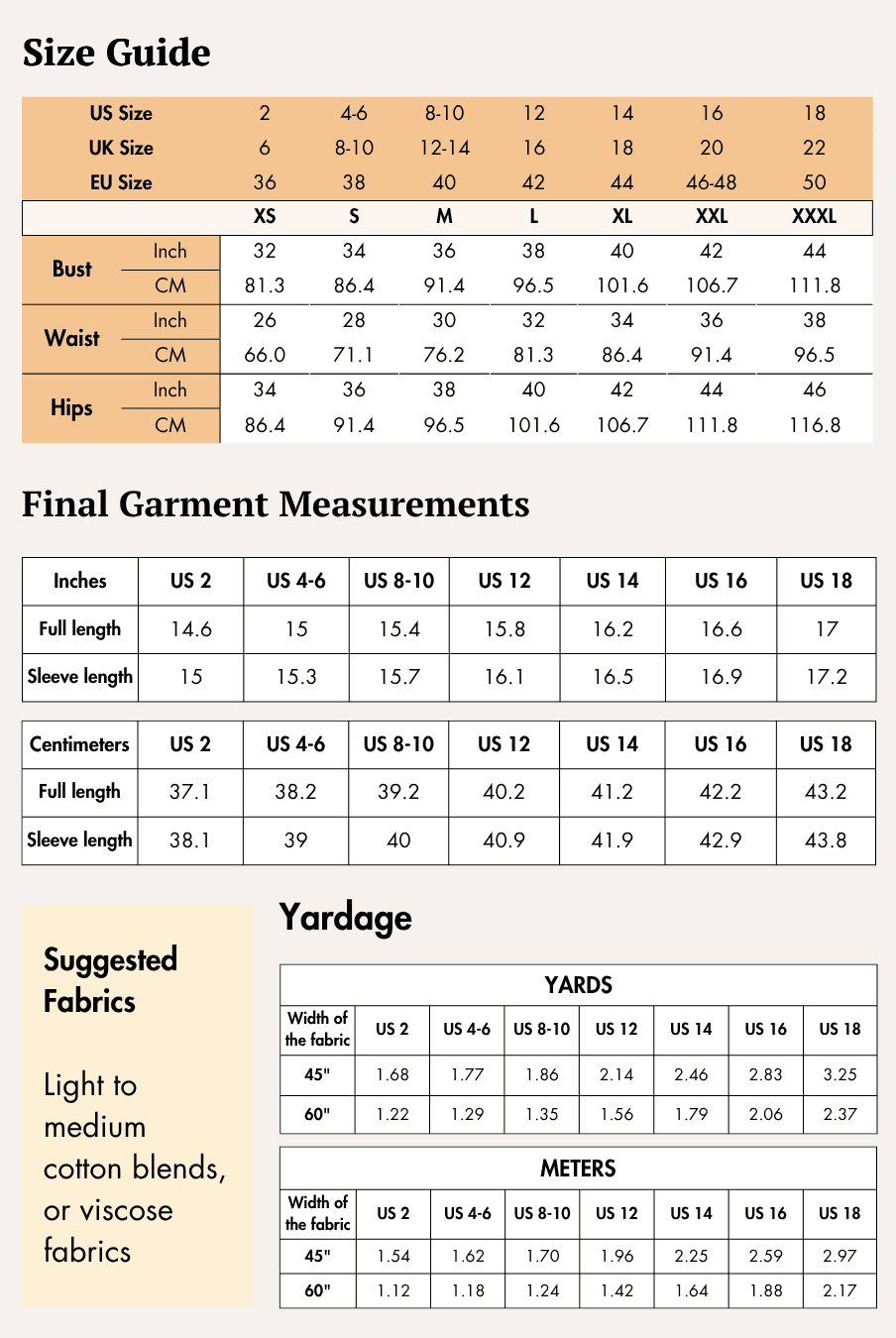
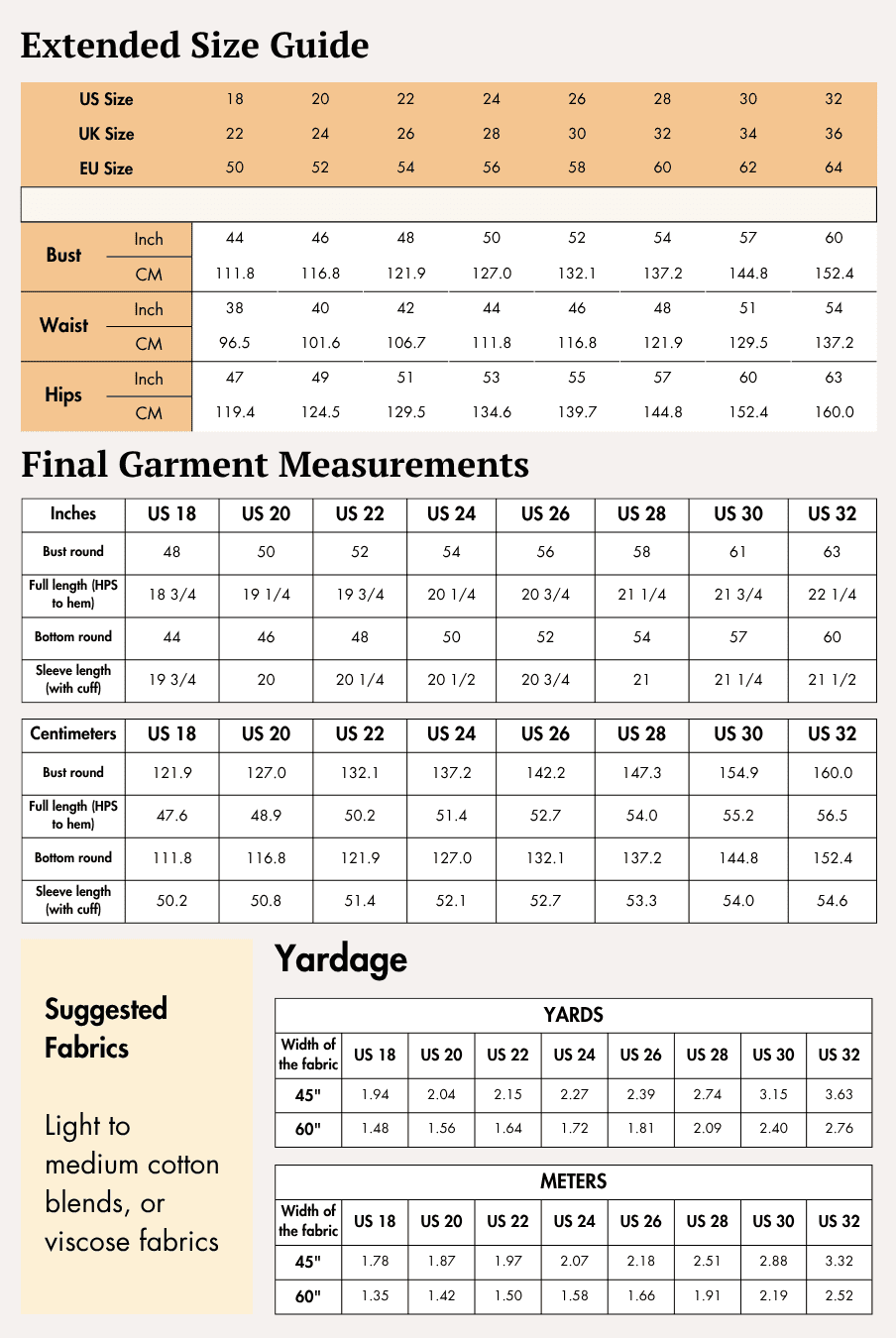
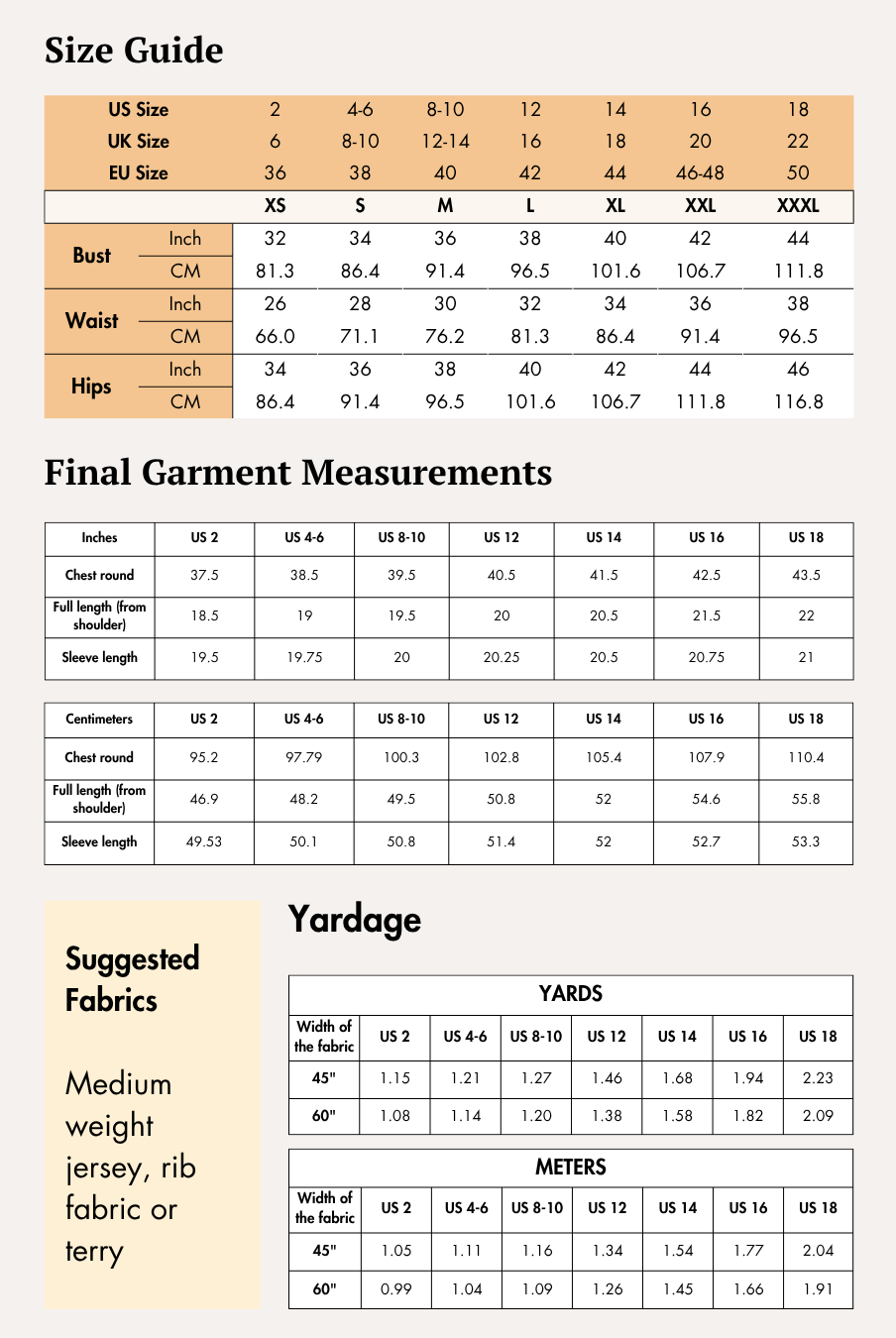
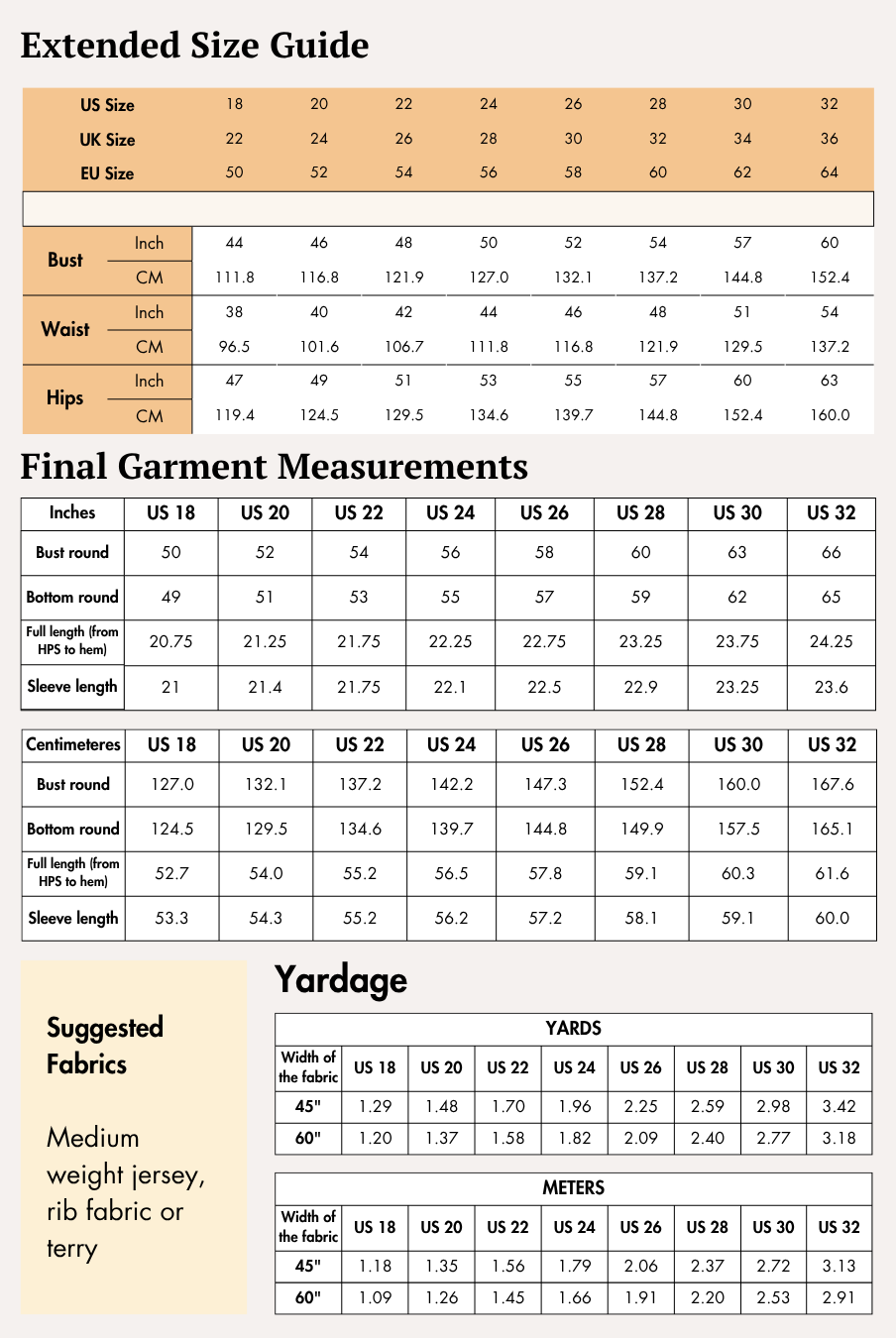
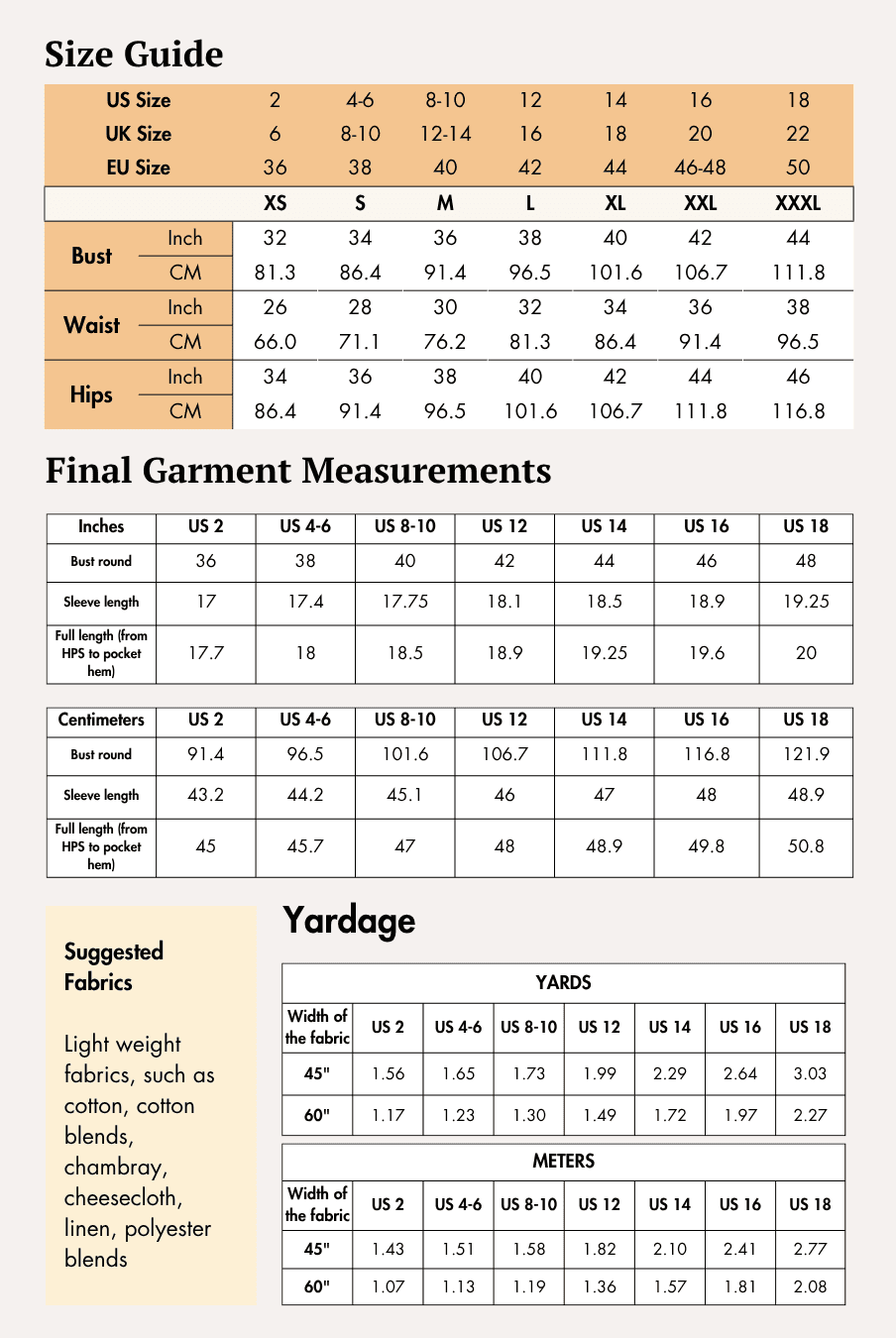
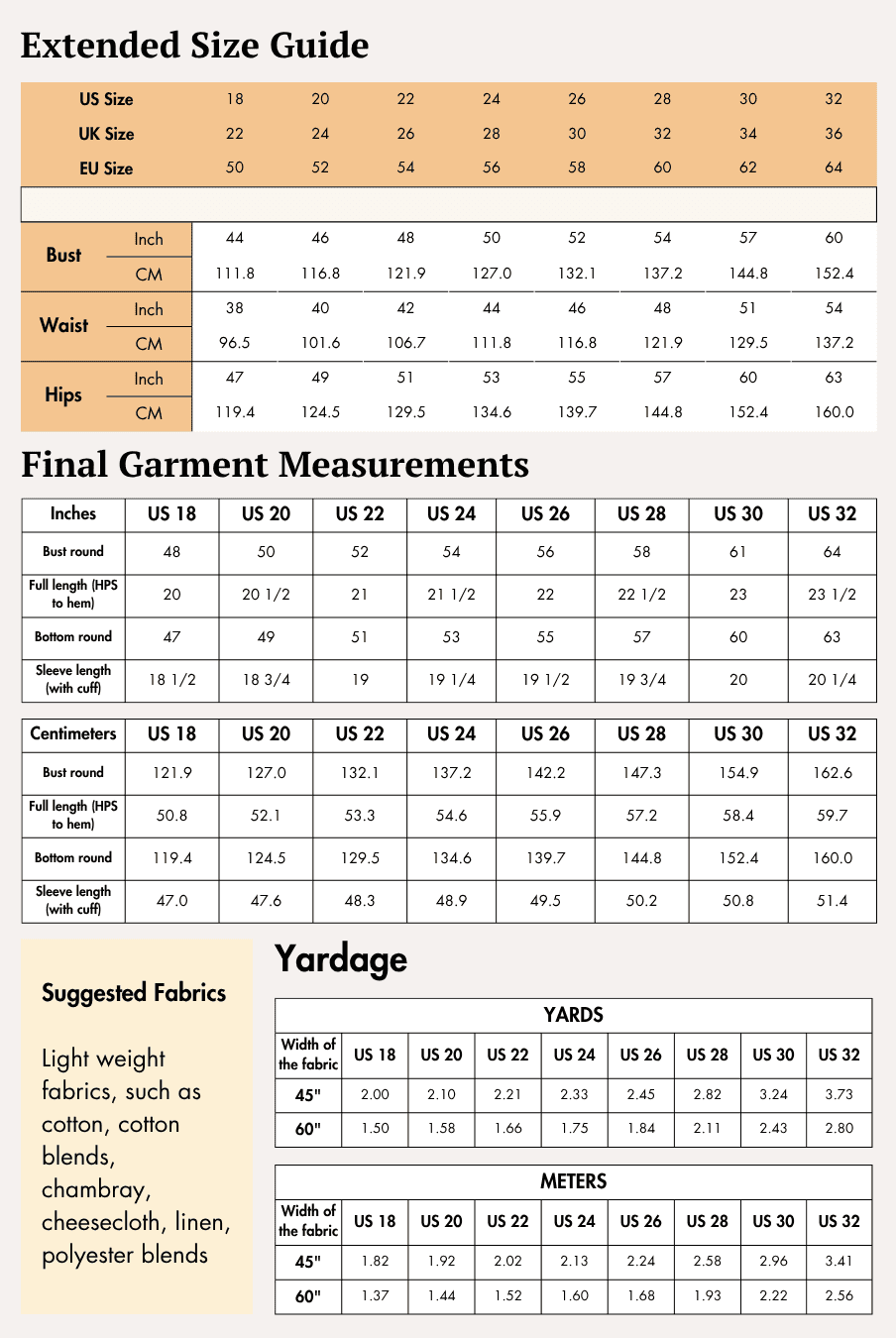
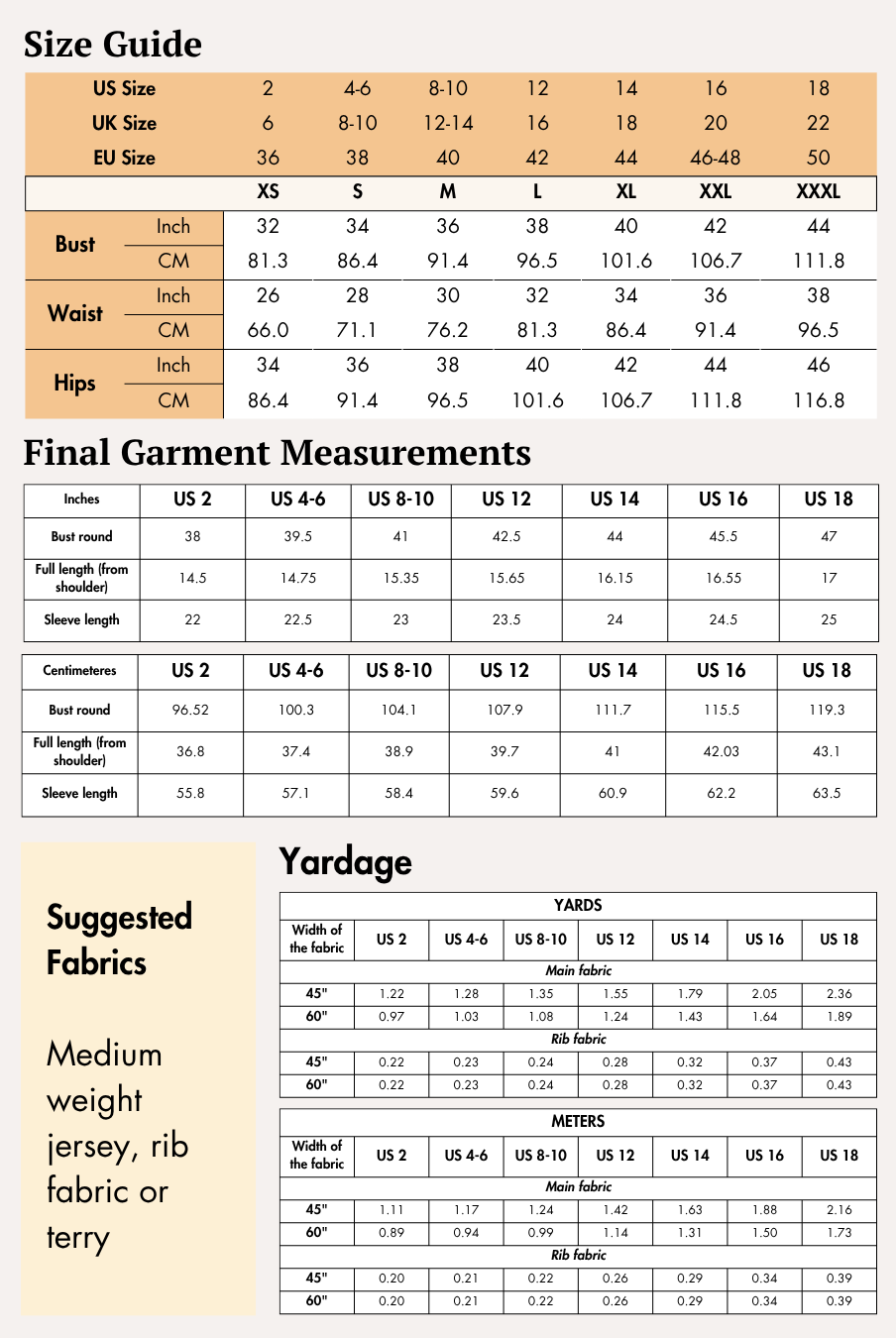
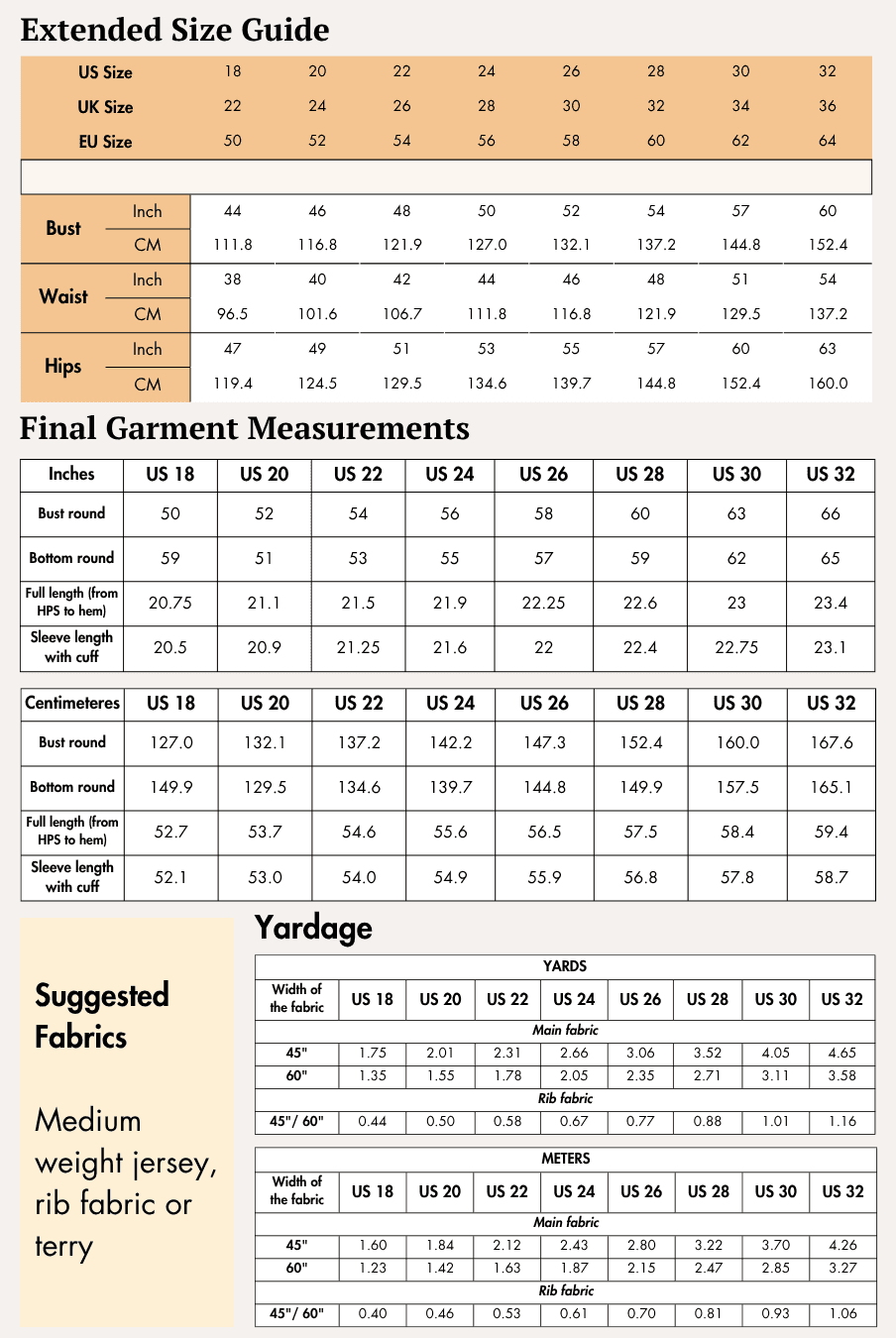
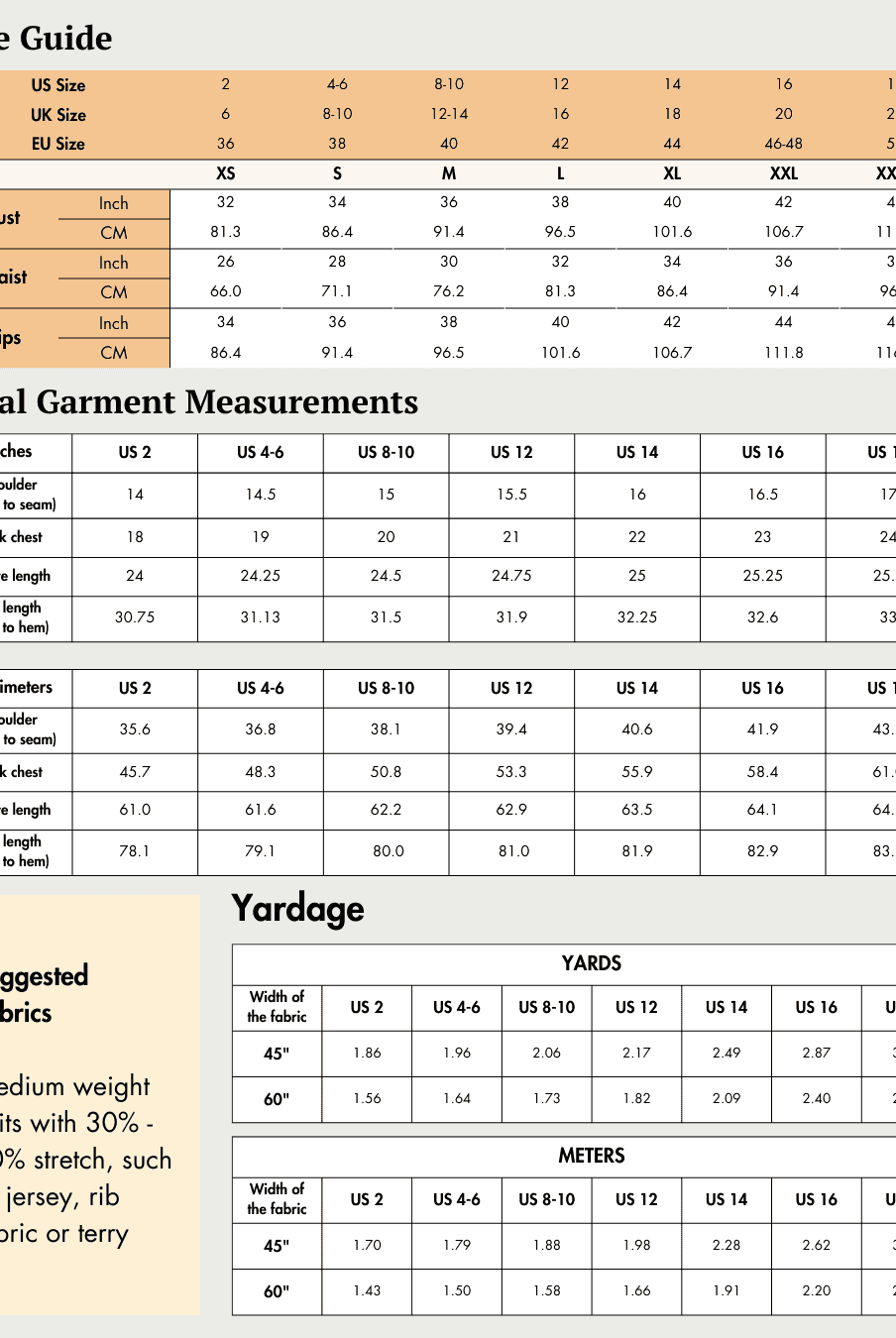
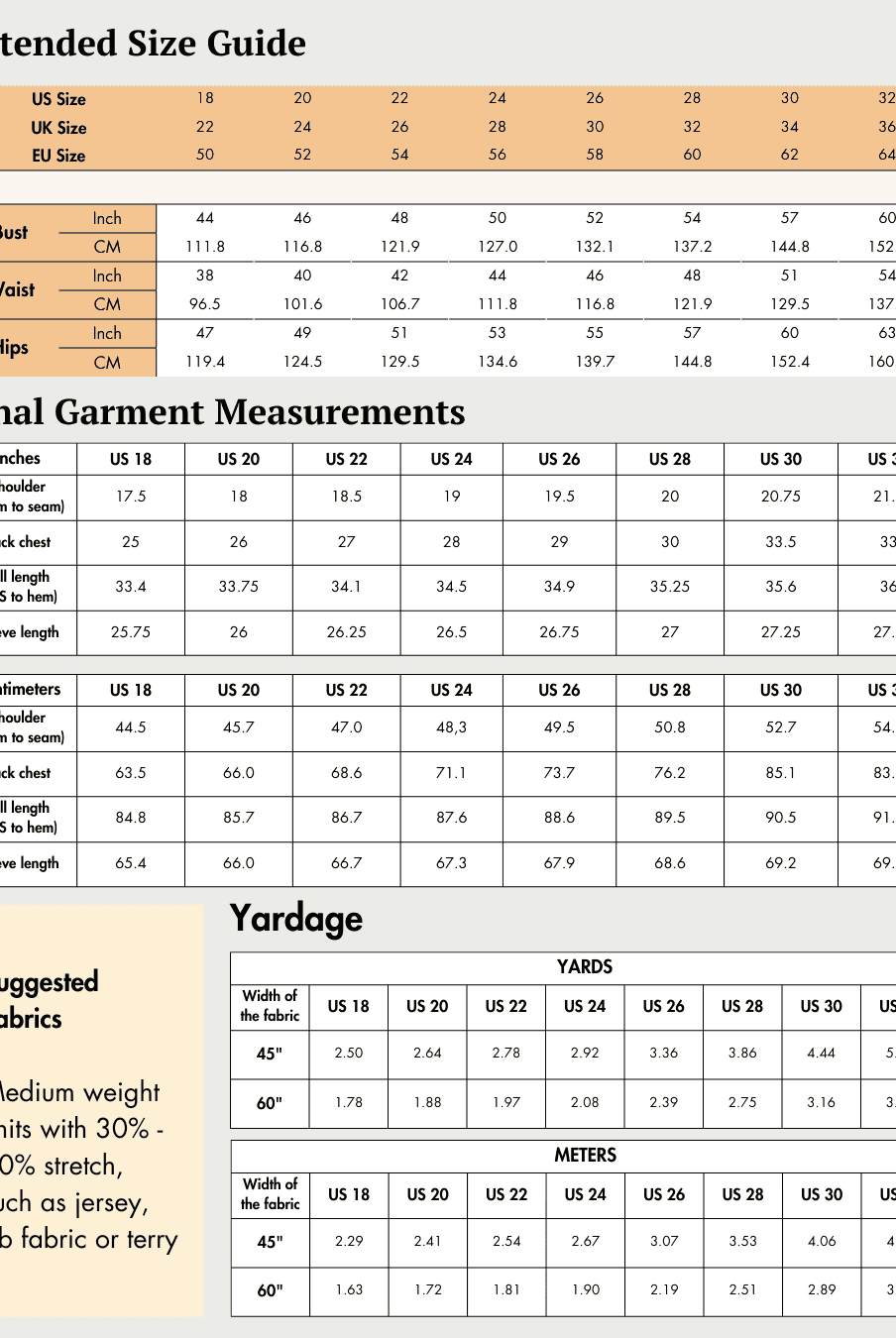
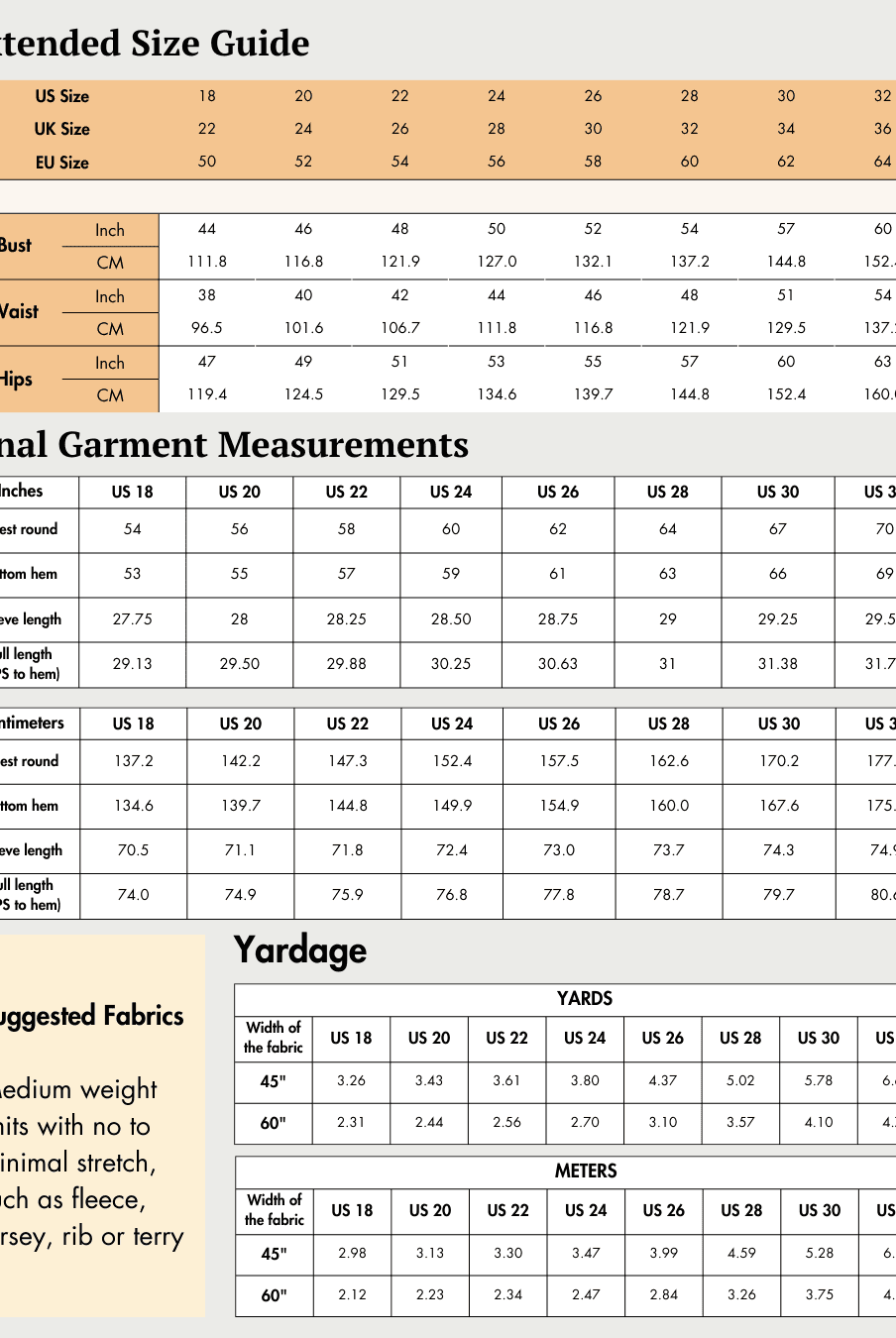
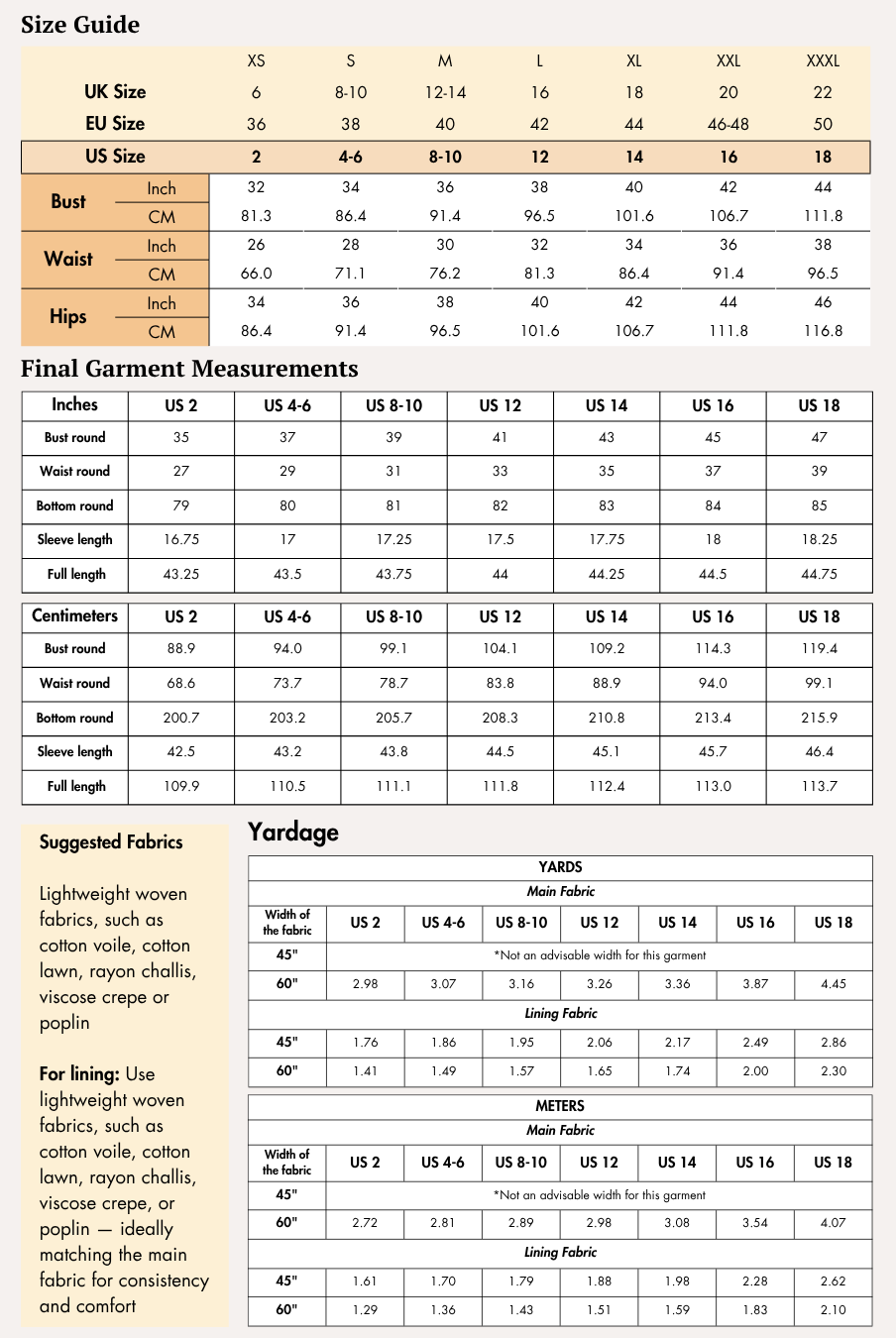
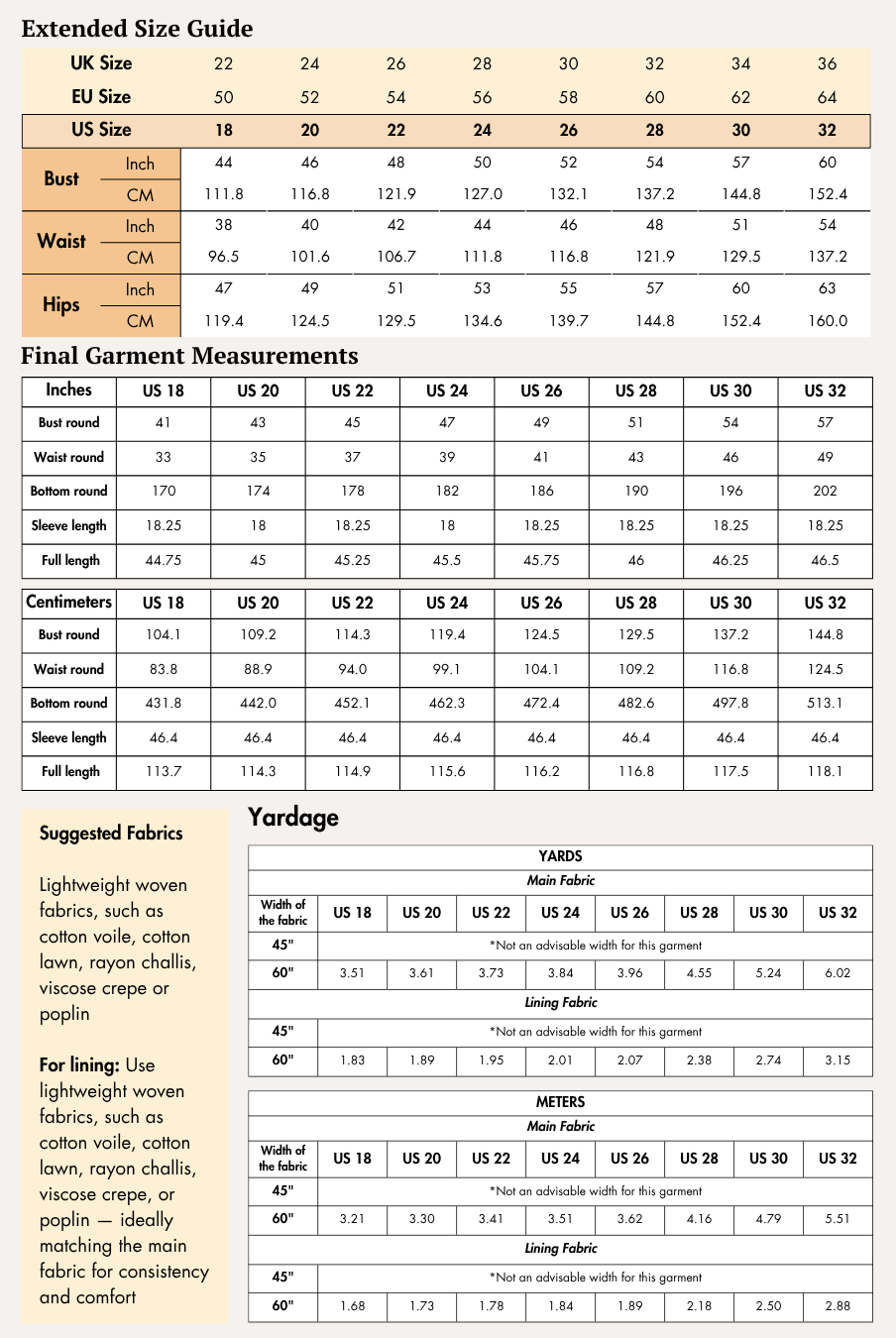
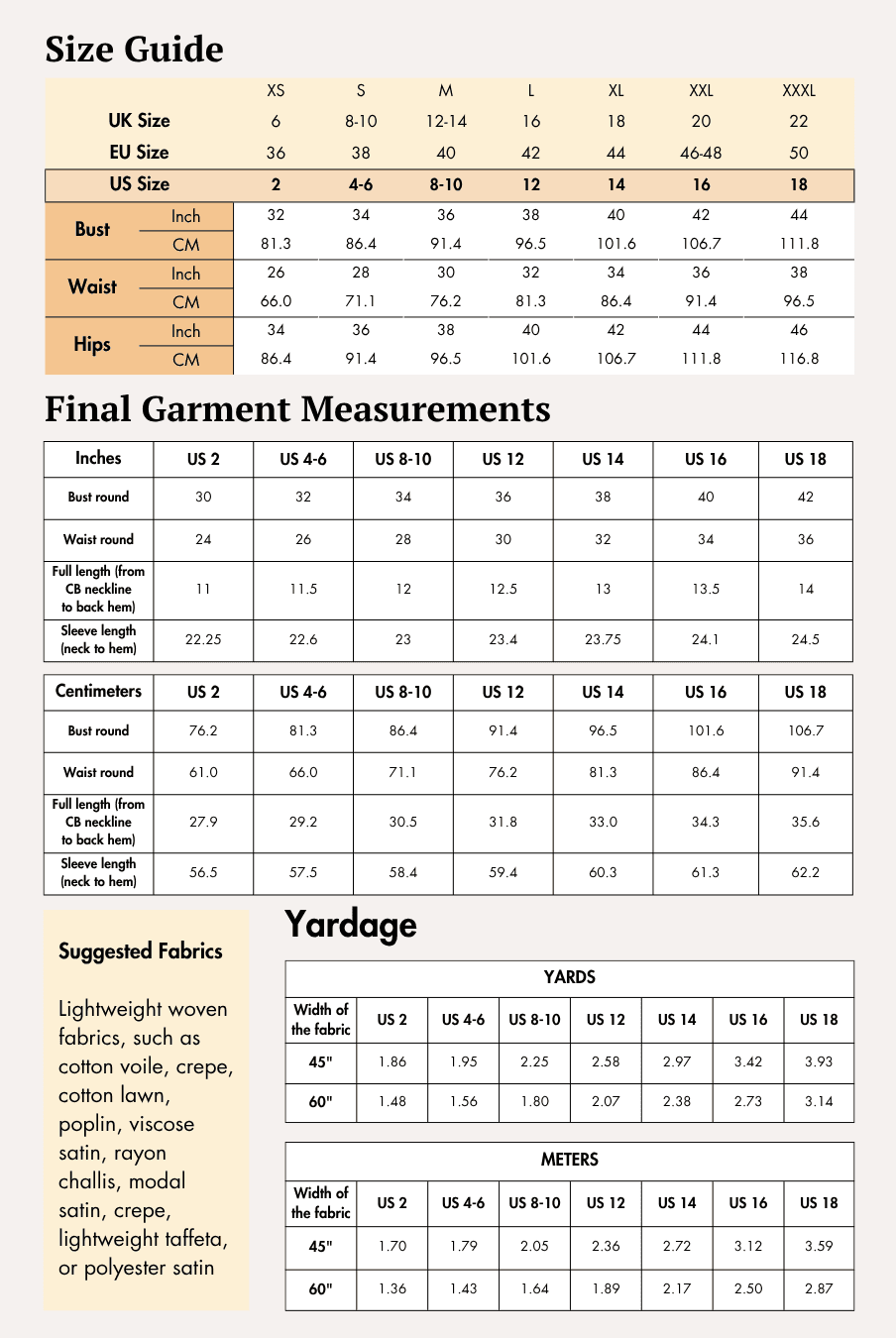
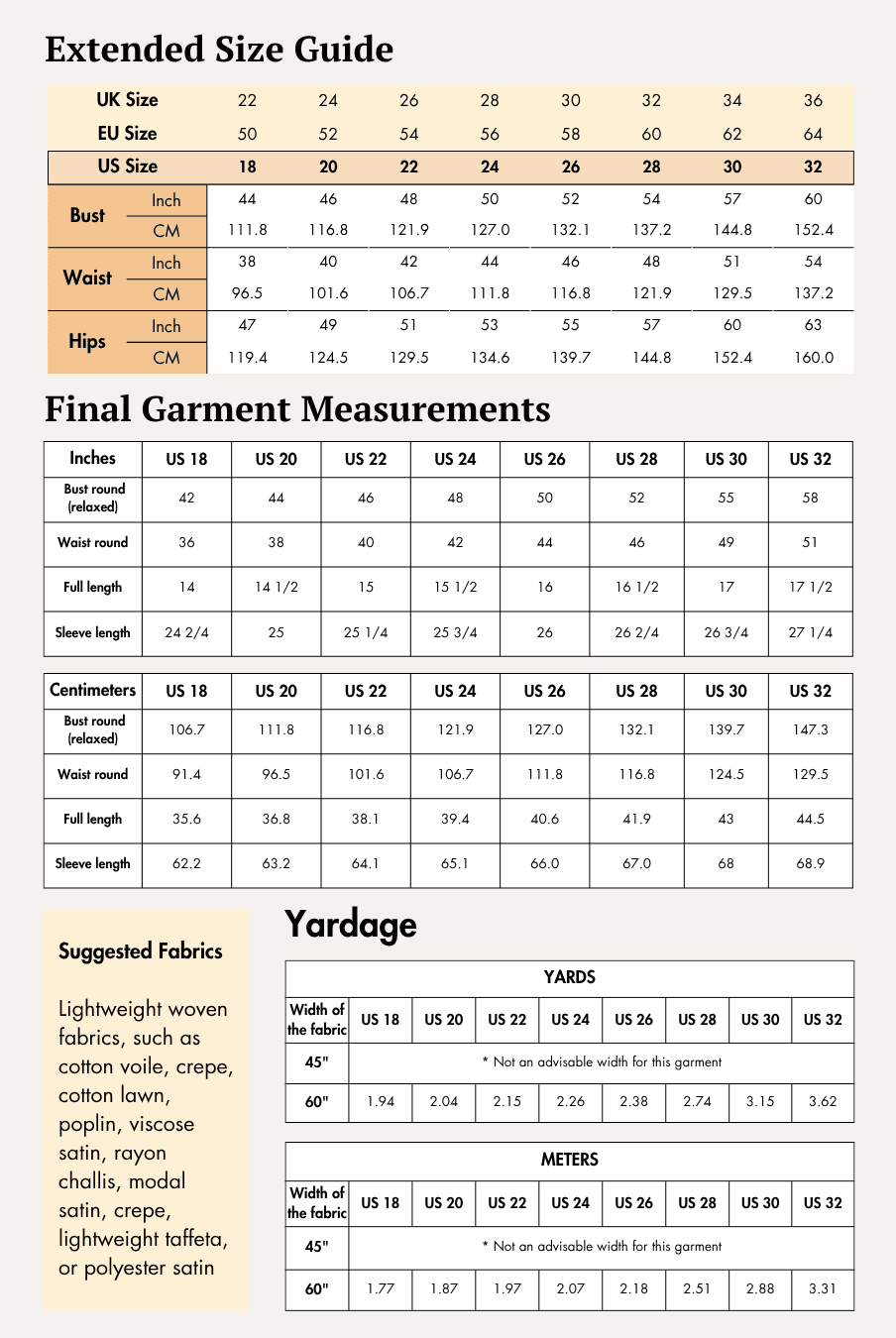
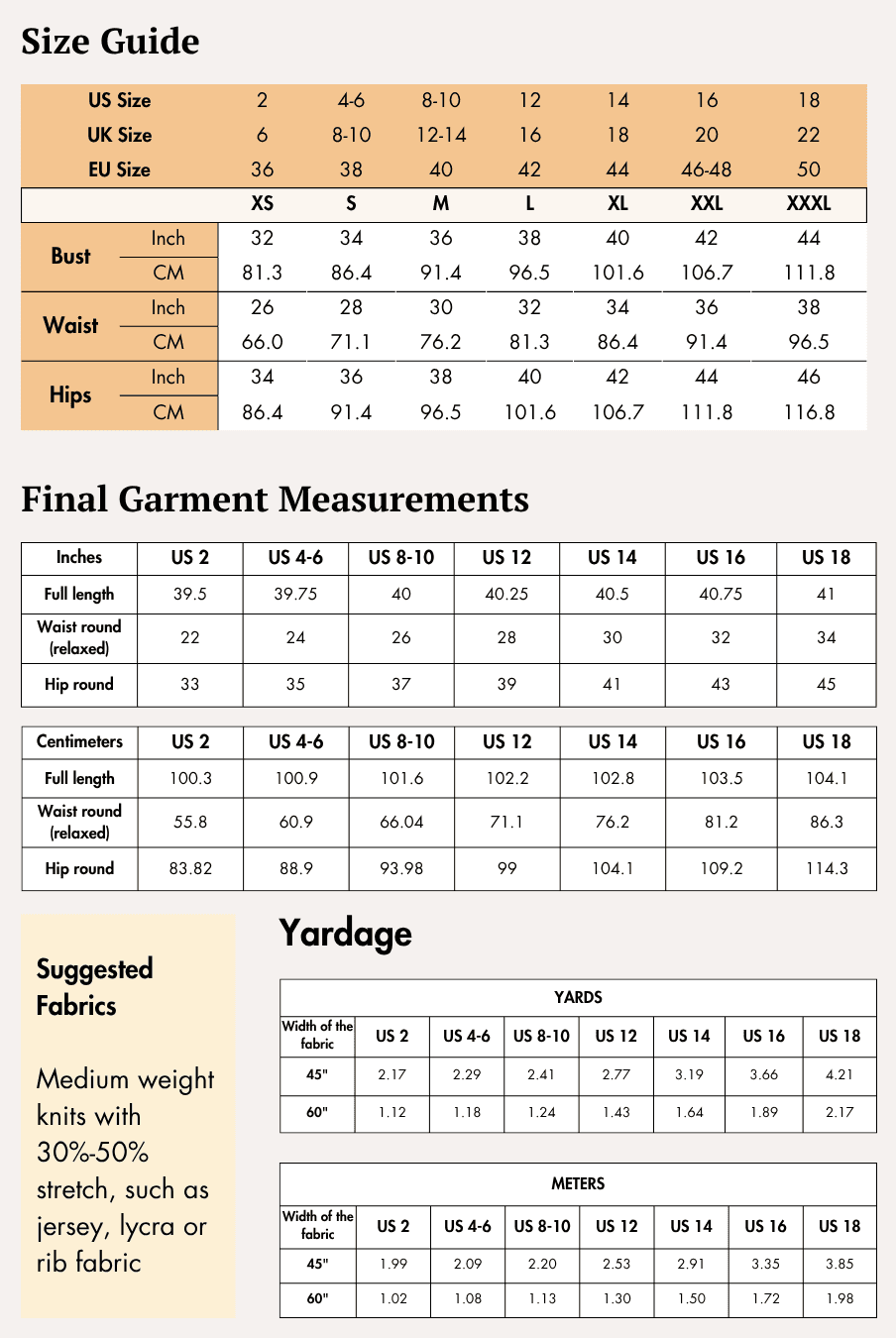
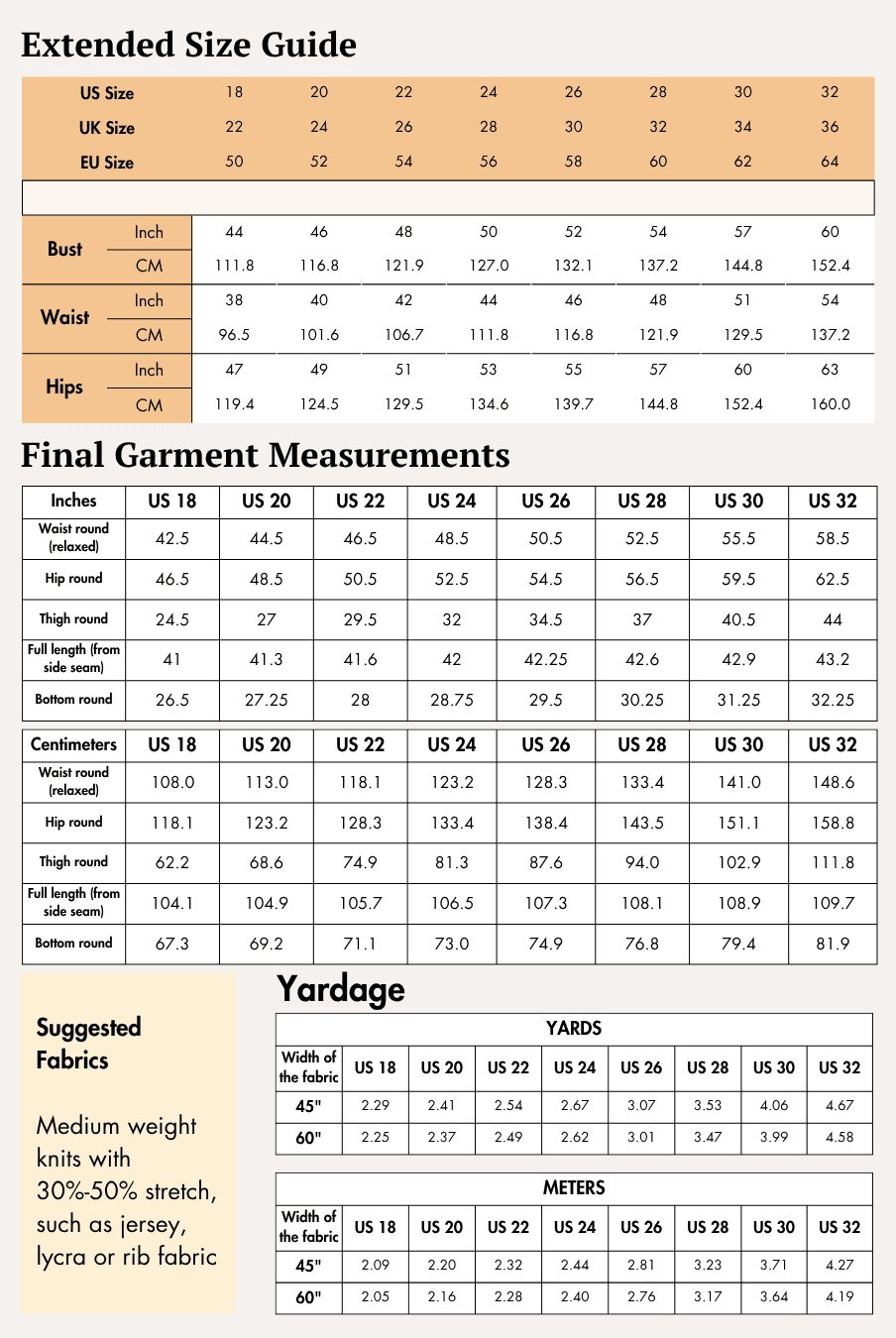
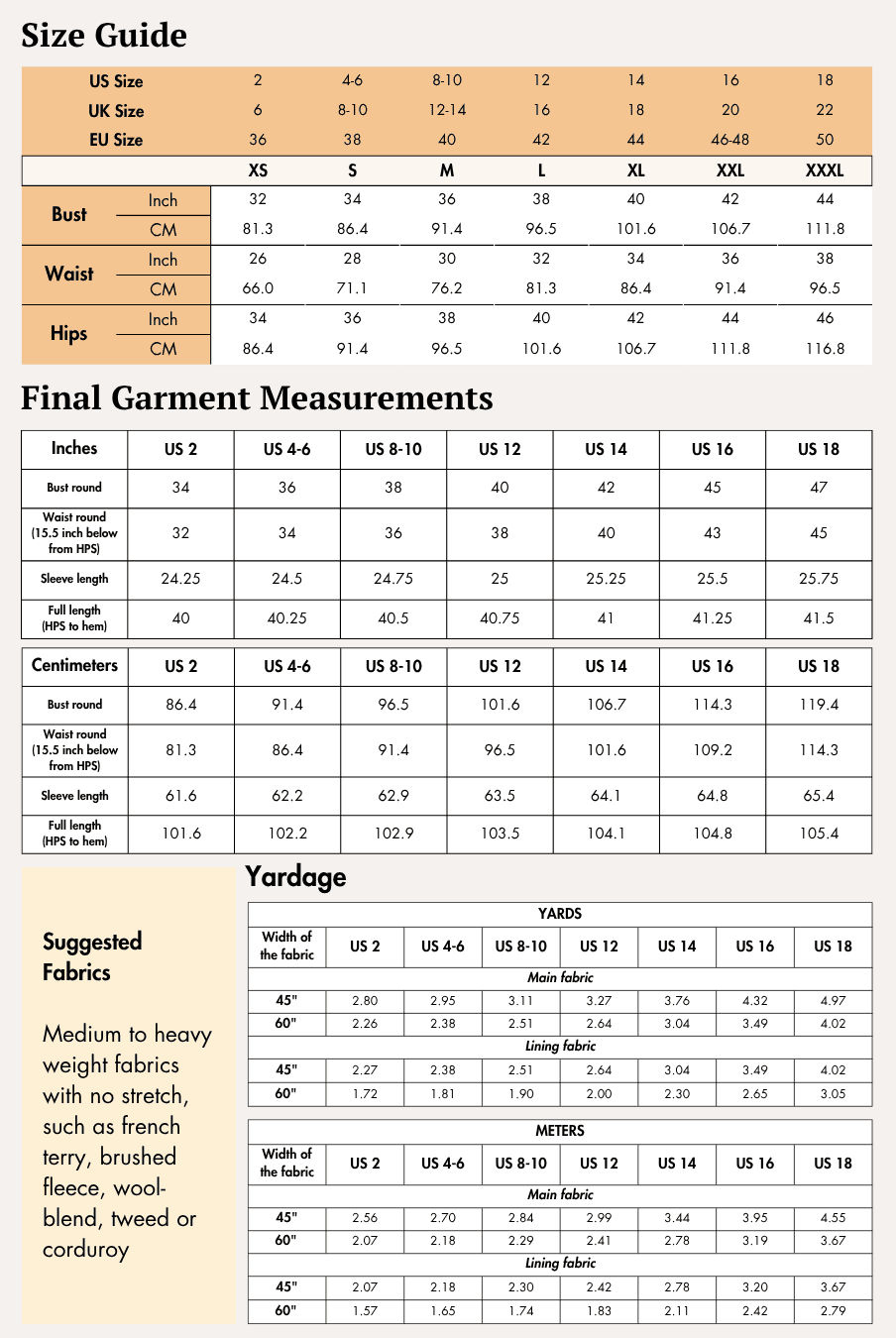
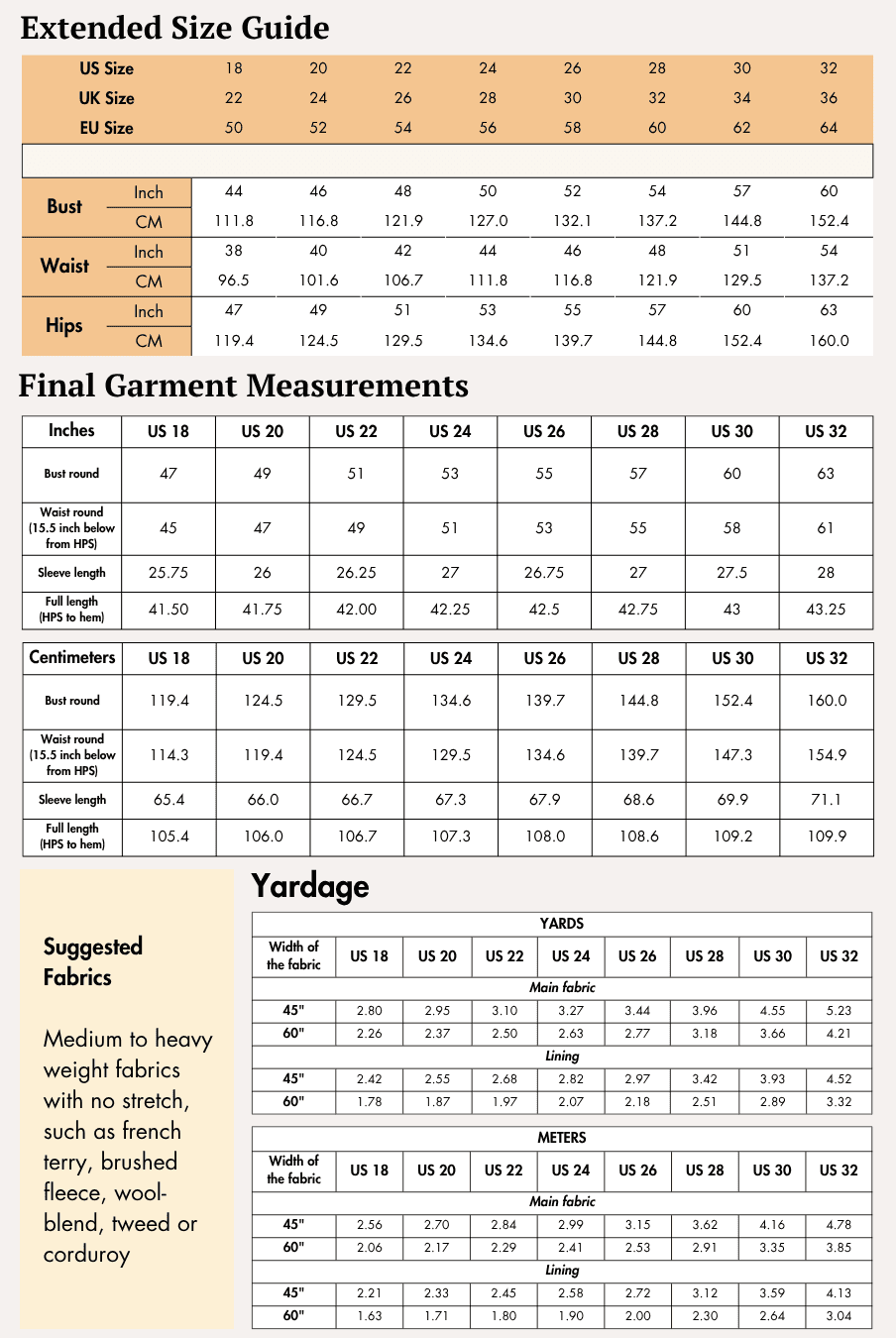
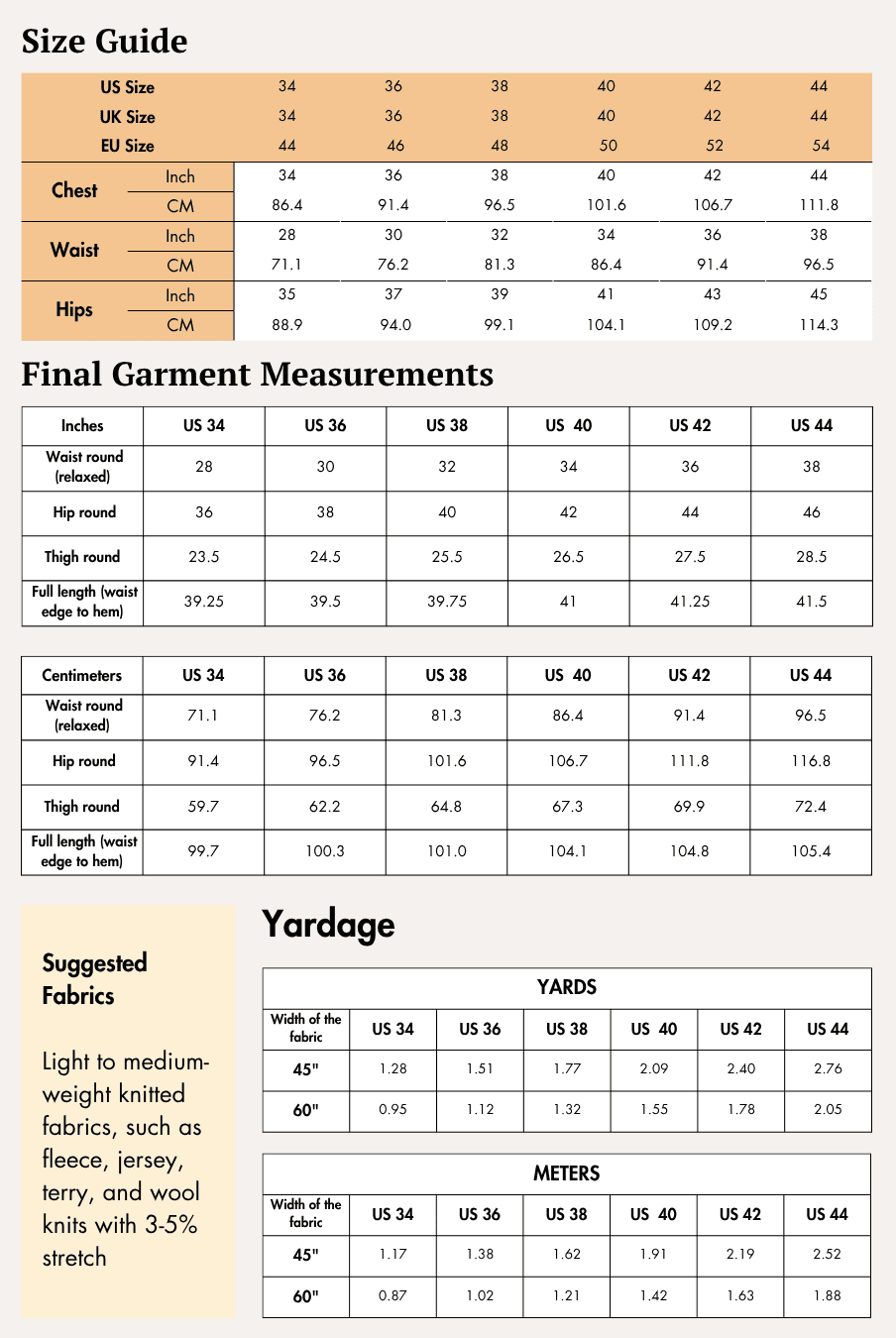
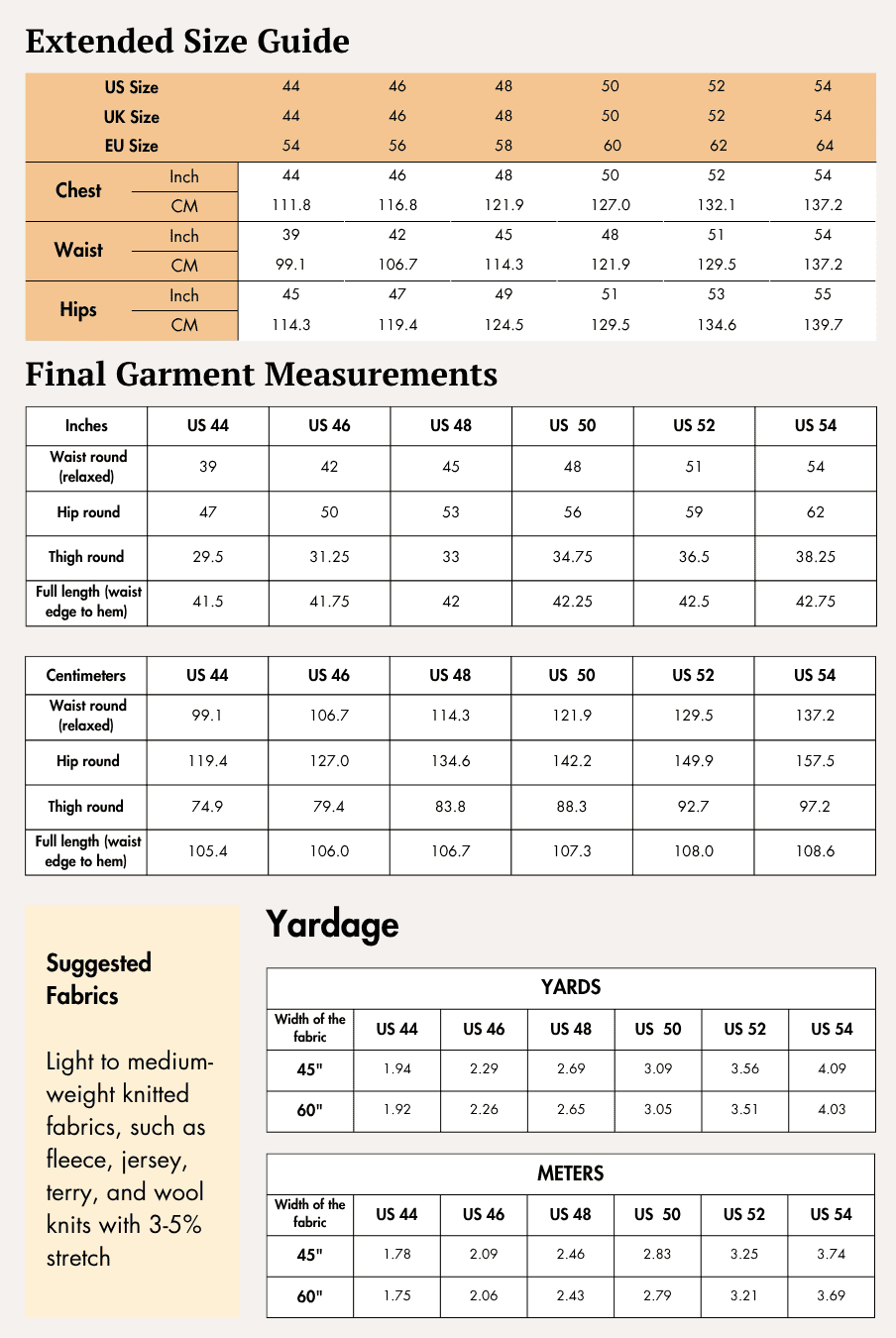
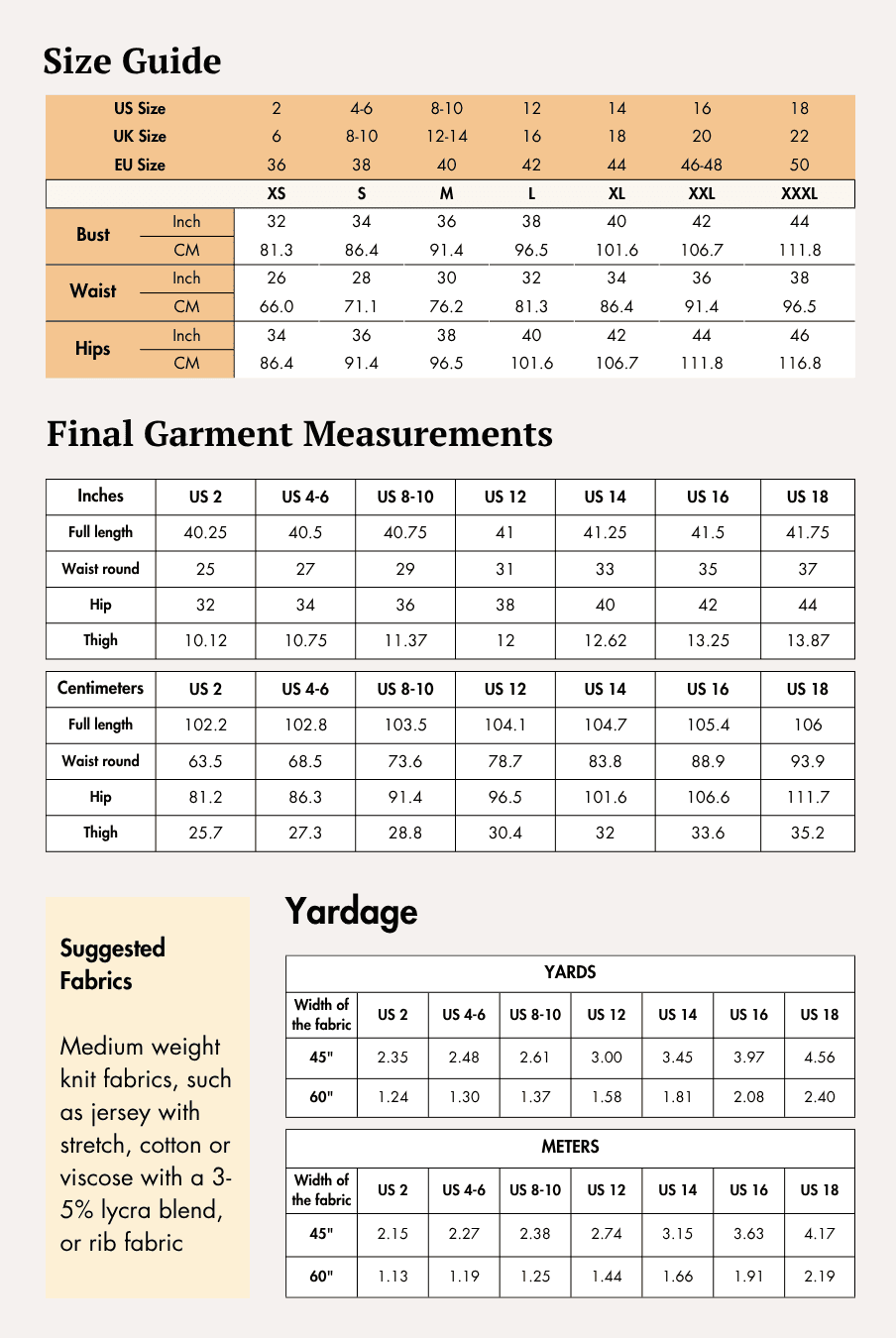
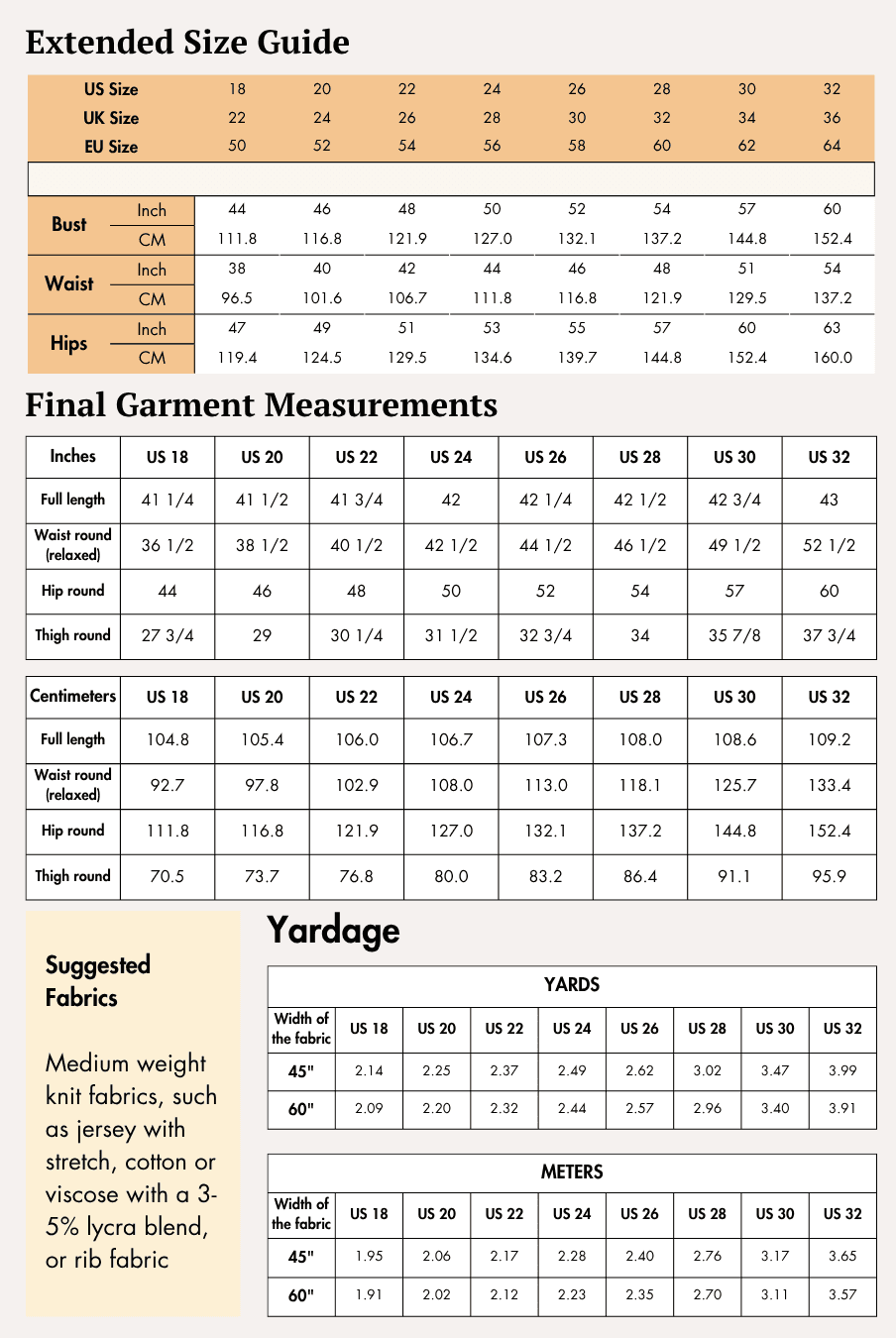
Check the size charts and measure yourself to select the correct size, using the garment and body measurement tables in the guide.
Verify how much fabric you need by referencing the fabric yield table in the guide.
Pattern Inventory: What Pieces to Prepare

A. Front Bodice – Cut x1 Fabric
B. Back Bodice – Cut x1 Fabric
C. Sleeve Front – Cut x2 Fabric
D. Sleeve Back – Cut x2 Fabric
E. Sleeve Mid Panel – Cut x2 Fabric (use lace or same main body fabric)
F. Neck Rib – Cut x1 Fabric
G. Cuff Rib – Cut x2 Fabric
H. Bottom Rib – Cut x2 Fabric
If you are planning to print at home, use the A4 Pattern.
If you are printing at a copy shop, use the A0 Pattern.
Pattern Marking


The pattern includes the following markings:
• Grainline
• Neckline
• Armhole
• Hemline
• Seam allowance
• Front mid-panel notch
• Back mid-panel notch
• Front sleeve notch
• Back sleeve notch
• Mid fold notch
• Matching notches for sleeve assembly
These markings help align the bodice, sleeves, decorative panels, and rib pieces accurately during construction.
Cutting Layout


The cutting layouts are provided for both 45-inch and 60-inch fabric widths.
• Ensure the grainline arrow runs parallel to the selvage.
• Pin pattern pieces accurately before cutting.
• Layouts are non-directional.
• Purchase additional fabric when using directional prints or fabrics with nap.
• Medium size layouts are shown for illustration.
• The sleeve mid-panel may be cut from the main fabric or a decorative fabric.
Fabric Cutting and Preparation
Lay out your pattern pieces according to the cutting layout diagrams. Begin by positioning the pieces on the fabric, ensuring that the grainline arrow runs parallel to the selvage.
Cut out the fabric pieces carefully. If using fabric shears, trace the pattern pieces first and cut away any pen, pencil, or chalk lines. Remember to cut all notches, as these markings help align the garment during assembly.
Transfer pattern markings such as circles, buttonholes, and fold lines to the wrong side of the fabric. Mark the center front on pieces cut on the fold to assist with accurate alignment during sewing.
Seam Allowance
Please follow the seam allowances as indicated on the pattern file layers. These are provided specifically for each piece to ensure accurate construction.
This pattern uses a 0.9 cm (or 0.38 inch) seam allowance all around.
Step-by-Step Sewing Instructions
Step 1
Place the front bodice and sleeve mid-panel with right sides together. Match the notches and sew using an overlock stitch.
Step 2
Repeat Step 1 on the opposite shoulder side. When opened flat, both sleeve mid-panels should be attached to the front bodice.
Step 3
- Place the back bodice and sleeve mid-panel with right sides together. Match the notches.
- Sew one shoulder seam, leaving one side of the shoulder seam open.
Step 4
Fold the neck rib piece in half with wrong sides together.
Step 5
- Place the neck rib on the bodice neckline seam allowance and pin carefully.
- Sew the neck rib to the neckline.
Step 6
- Close the sleeve mid-panel that was left open.
- With right sides together, sew from the shoulder seam to the end of the neck rib panel.
Step 7
- Place the front sleeve on the sleeve mid-panel with right sides together. Match the notches and pin from the sleeve seam line to the armhole end.
- Sew the pieces together.
- Repeat the same process for the back sleeve.
- Repeat the same process for the second sleeve.
Step 8
- Pin the sleeve armholes to the bodice armholes.
- Sew the armholes to attach the sleeves to the bodice.
Step 9
- Turn the bodice right sides together.
- Sew both side seams.
Step 10
- Place both bottom rib pieces with right sides together.
- Sew along both side edges.
- Open the sewn bottom rib into a tube and fold it in half from the top edge with right sides facing outward.
Step 11
- Create four evenly spaced notches on the waistband.
- Match these notches with the side seams and the centers of the front and back bodice.
- Pin the waistband to the bodice with right sides together.
- Start sewing from one side seam and continue around until you return to the starting point.
Step 12
- Fold each cuff in half with right sides together.
- Sew the short edges to create a loop.
Step 13
- Open the cuff into a tube and fold it in half with right sides facing outward.
- Pin the cuff to the sleeve opening with right sides together.
- Sew the cuff to the sleeve.
- Repeat for the second cuff.
Step 14
Use a lock stitch to sew along the edges of the neckband, cuffs, and bottom rib, keeping the seam allowances tucked underneath for a neat finish.


Ready to Sew Your Own Pullover?


The Lexi Pullover is a comfortable and practical sweatshirt that combines classic pullover styling with decorative sleeve details for added visual interest. With its beginner-friendly construction, comfortable fit, and versatile fabric options, it is an excellent project for sewists looking to create a handmade wardrobe staple.
Choose your favorite knit fabric, customize the sleeve mid-panels to suit your style, and enjoy sewing a sweatshirt you'll reach for again and again. Get started today with the Lexi Pullover Sewing Pattern and create your own cozy handmade sweatshirt.
Explore More Sewing Patterns
Looking for more comfortable and stylish tops to sew? Browse our Sweatshirt & Pullover Sewing Pattern Collection featuring cozy everyday pullovers, hoodies, sweatshirts, and layering pieces designed for comfort, versatility, and year-round wear.
Join the Community & Get Support
Share your finished Lexi Pullover on social media with #MadeWithWinslets. If you have questions, feedback, or customization requests, contact the Winslet's team at support@winslets.com.