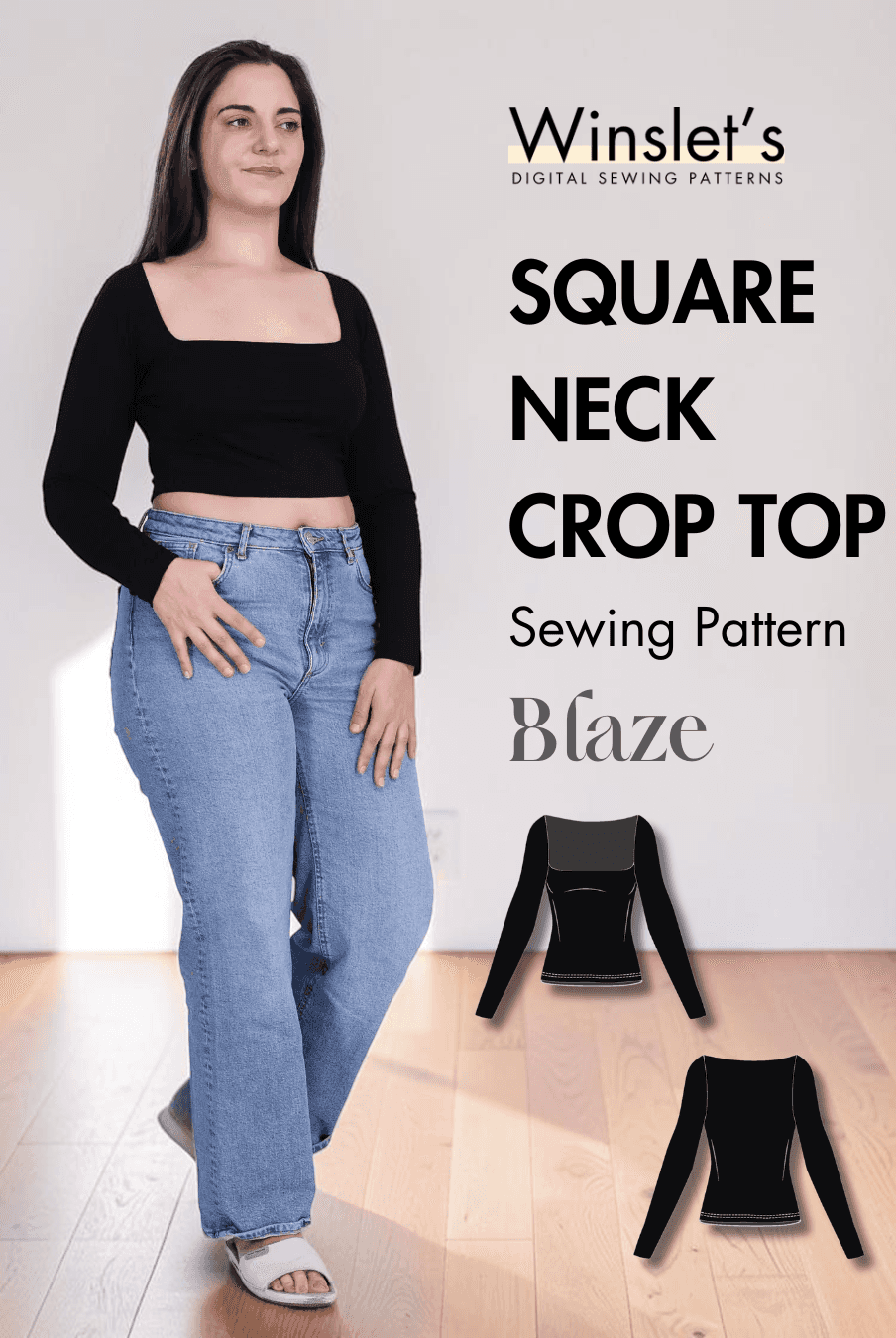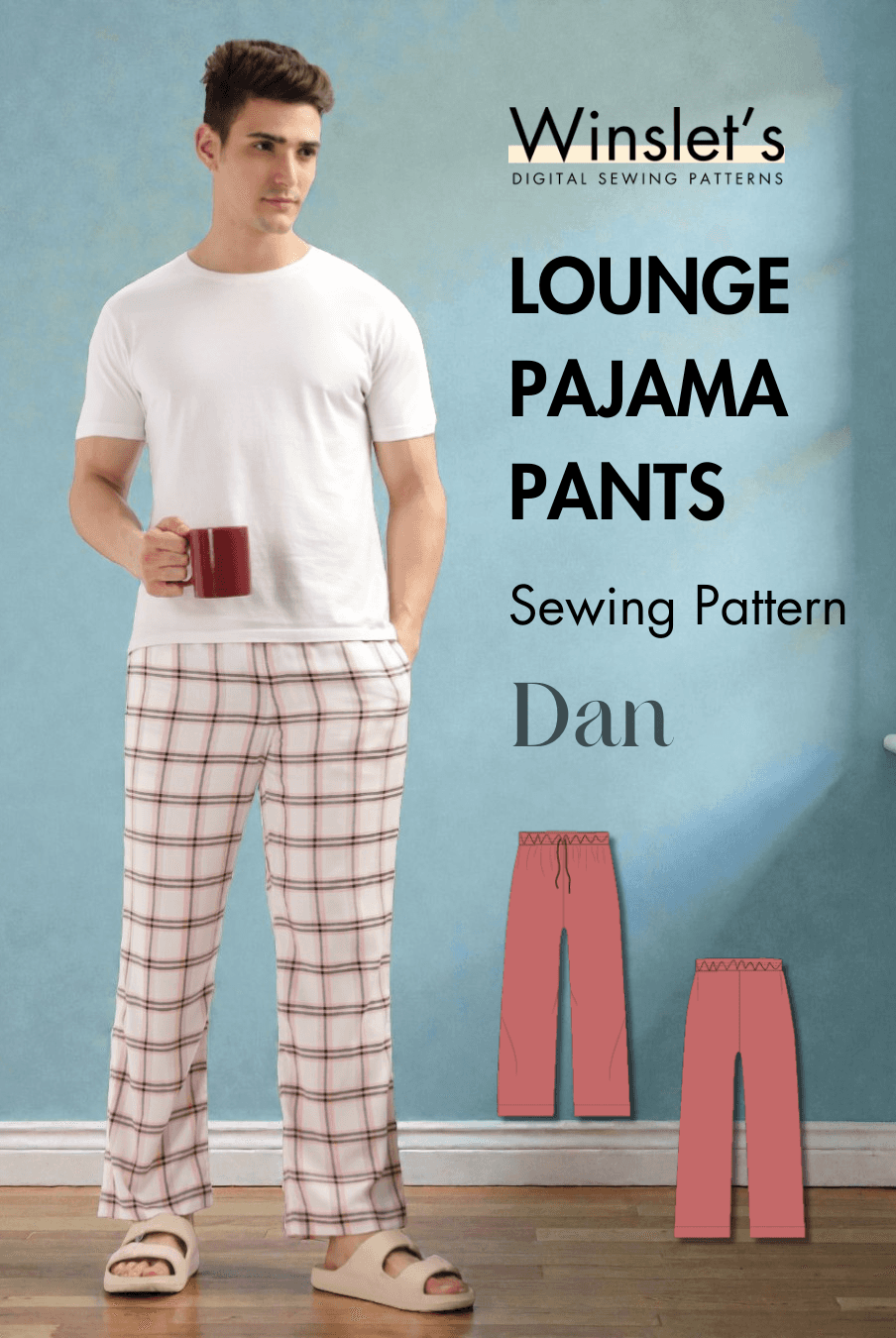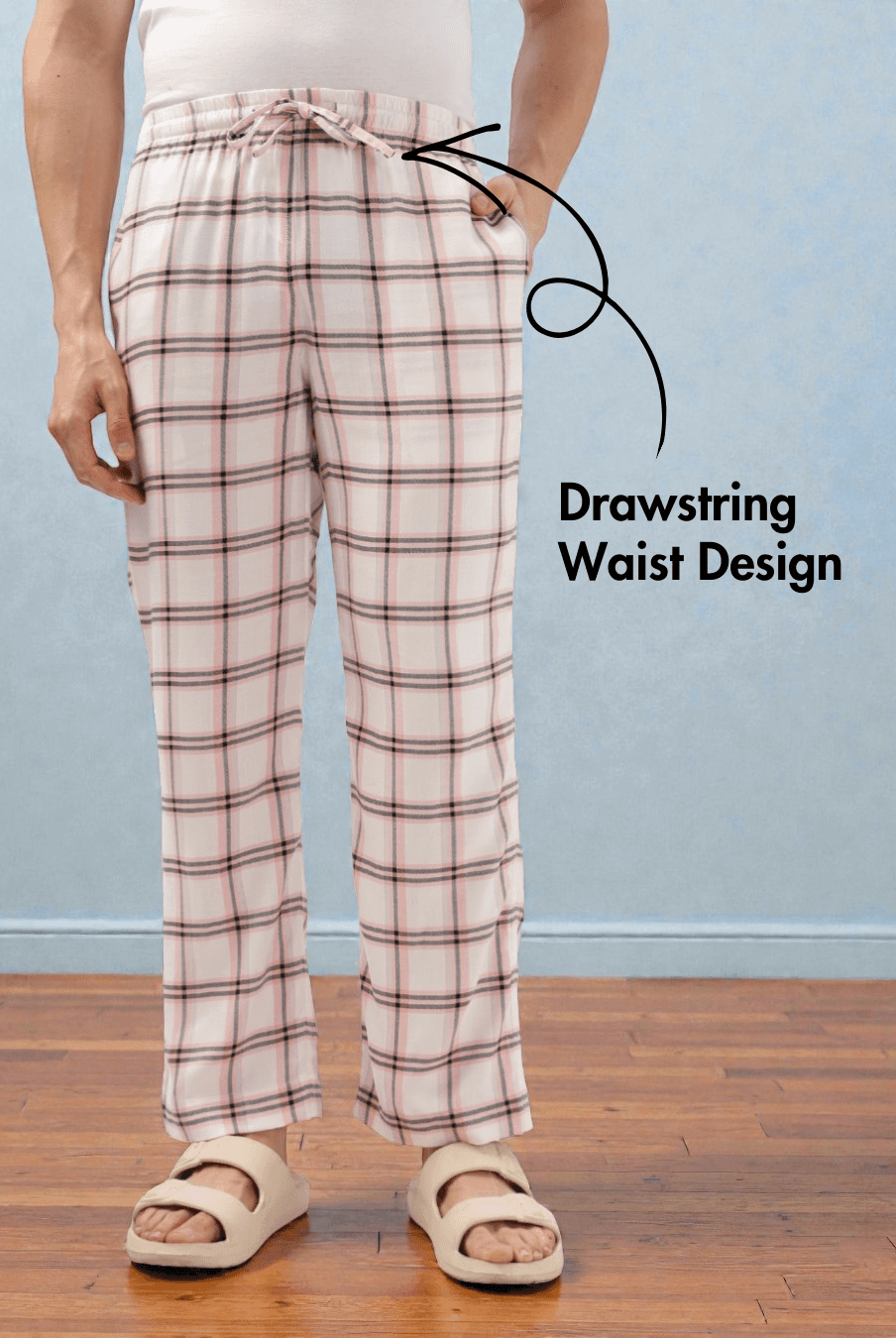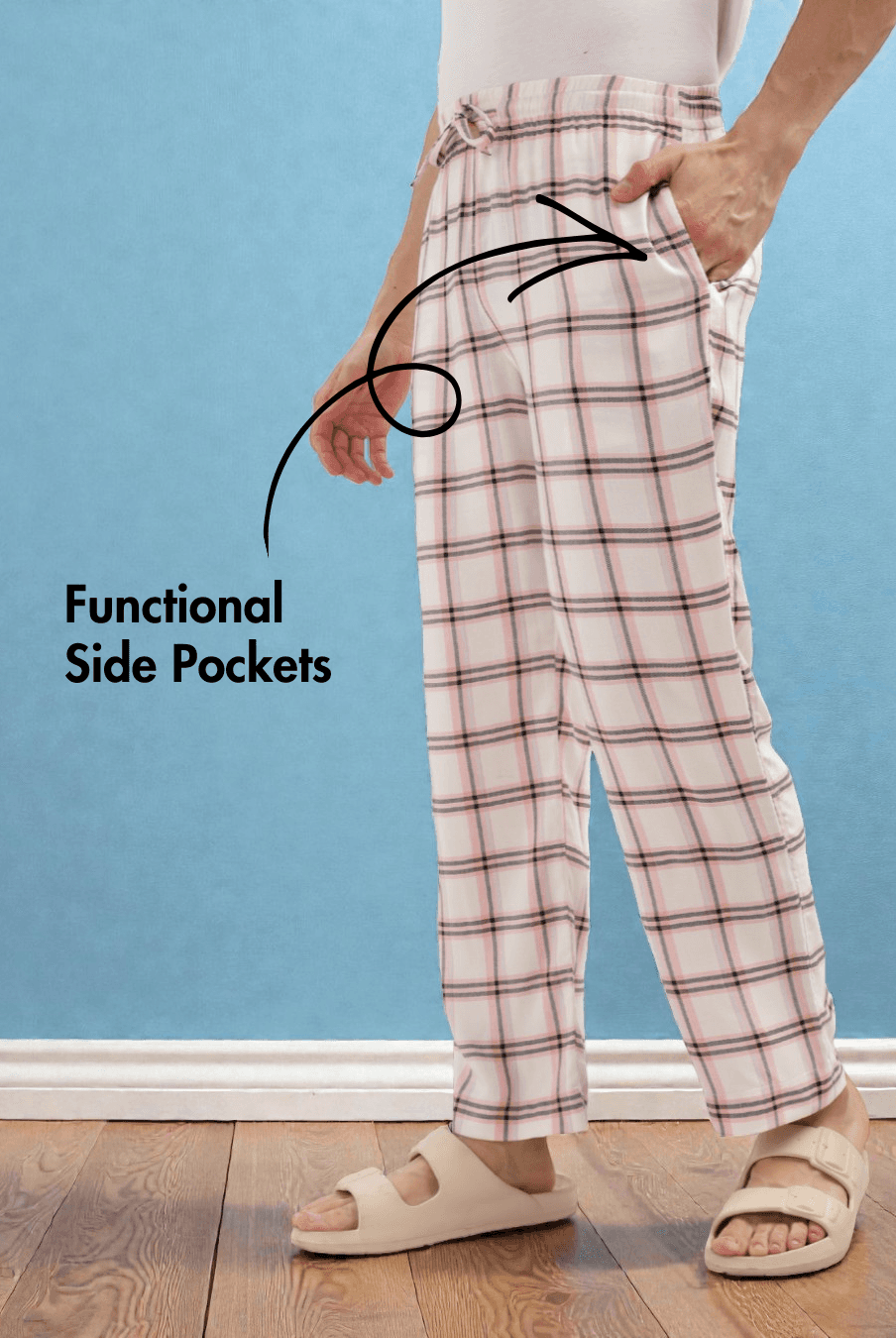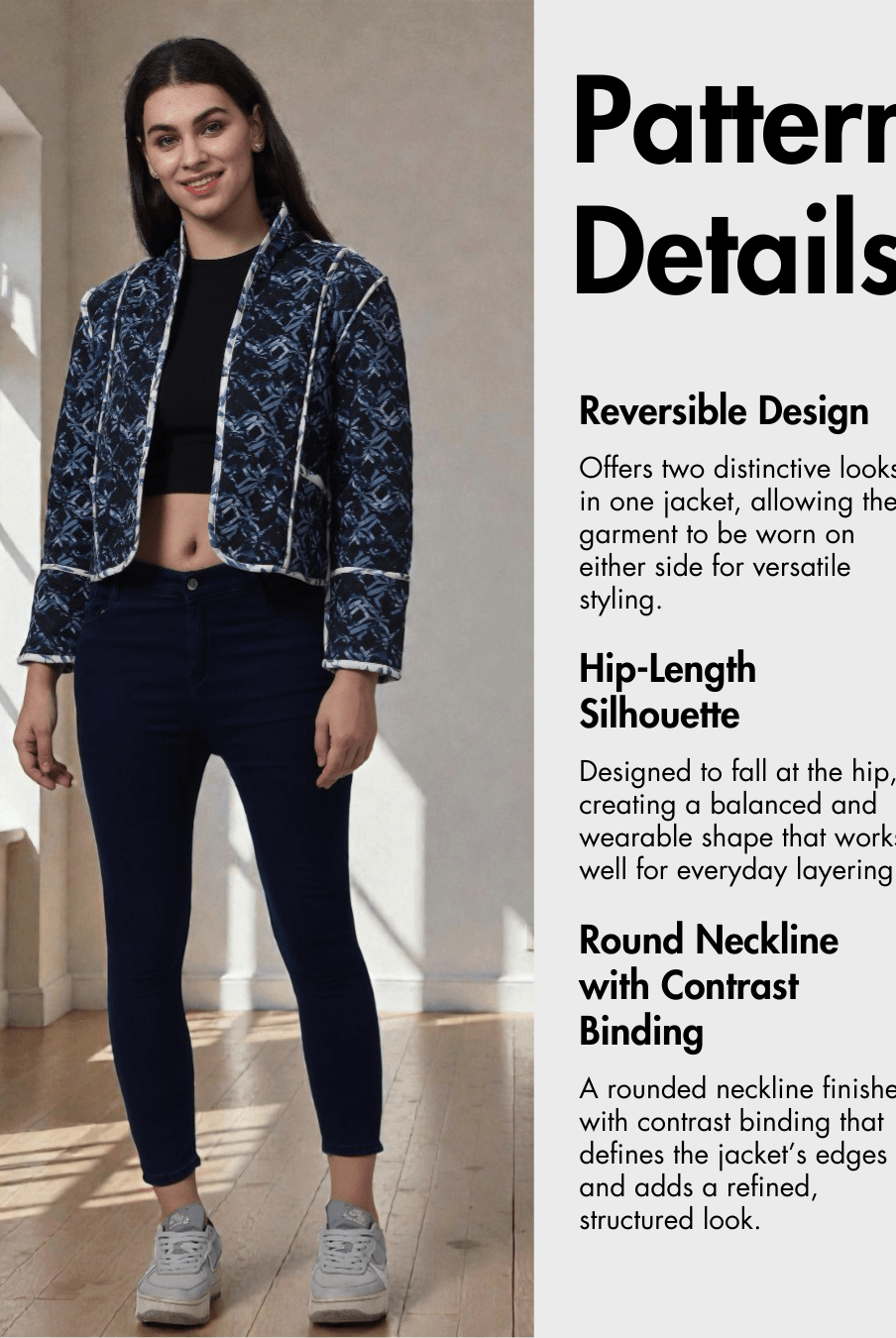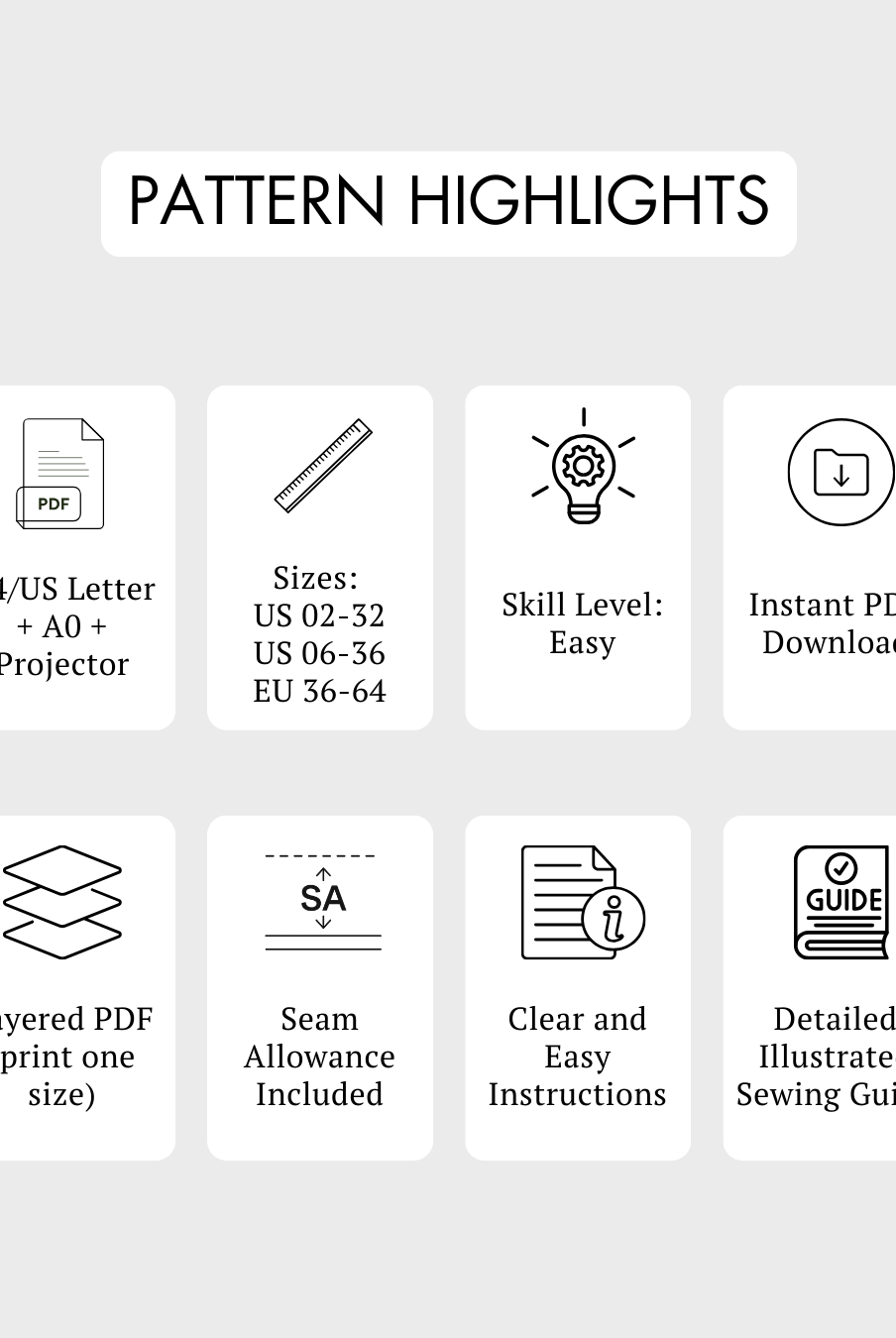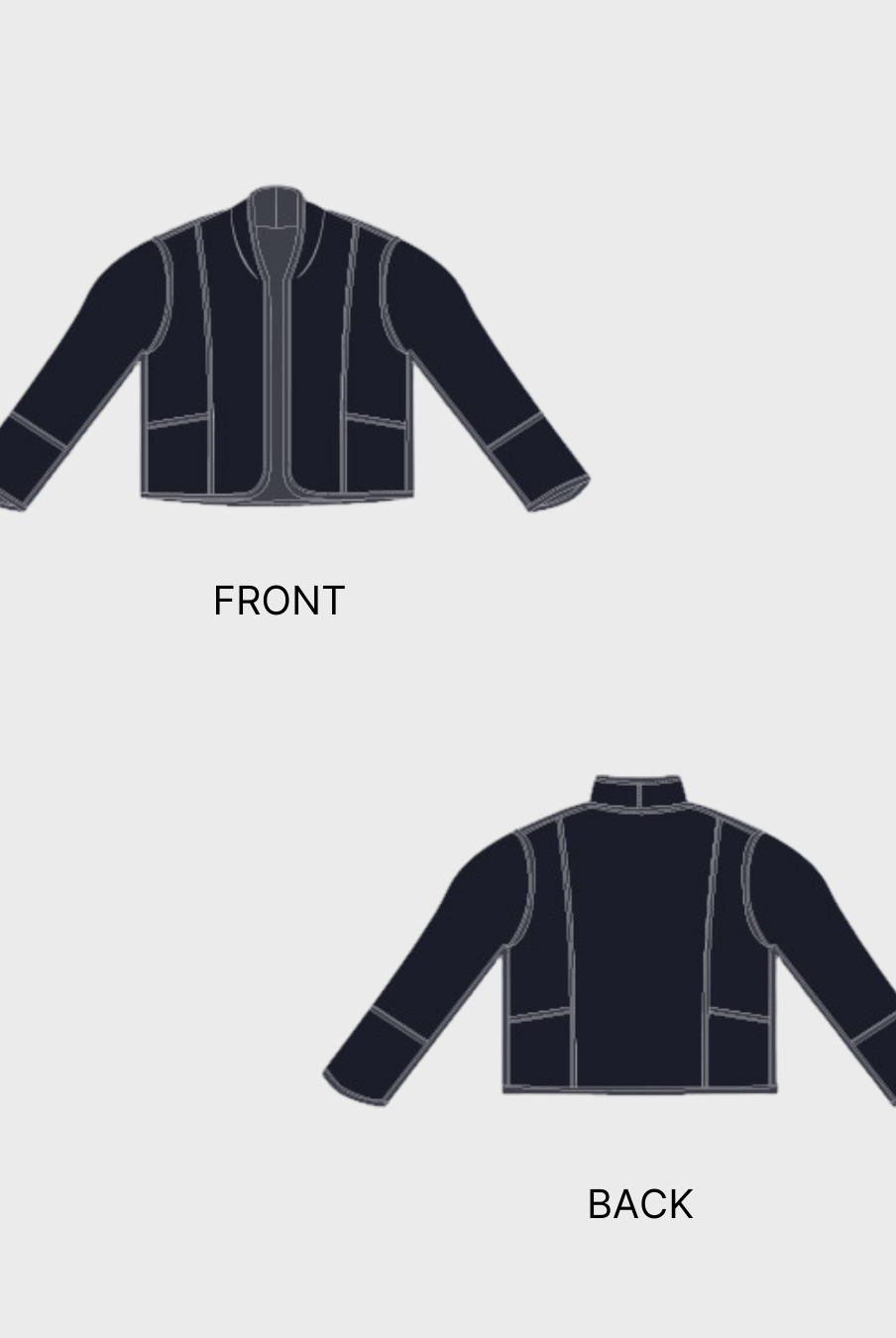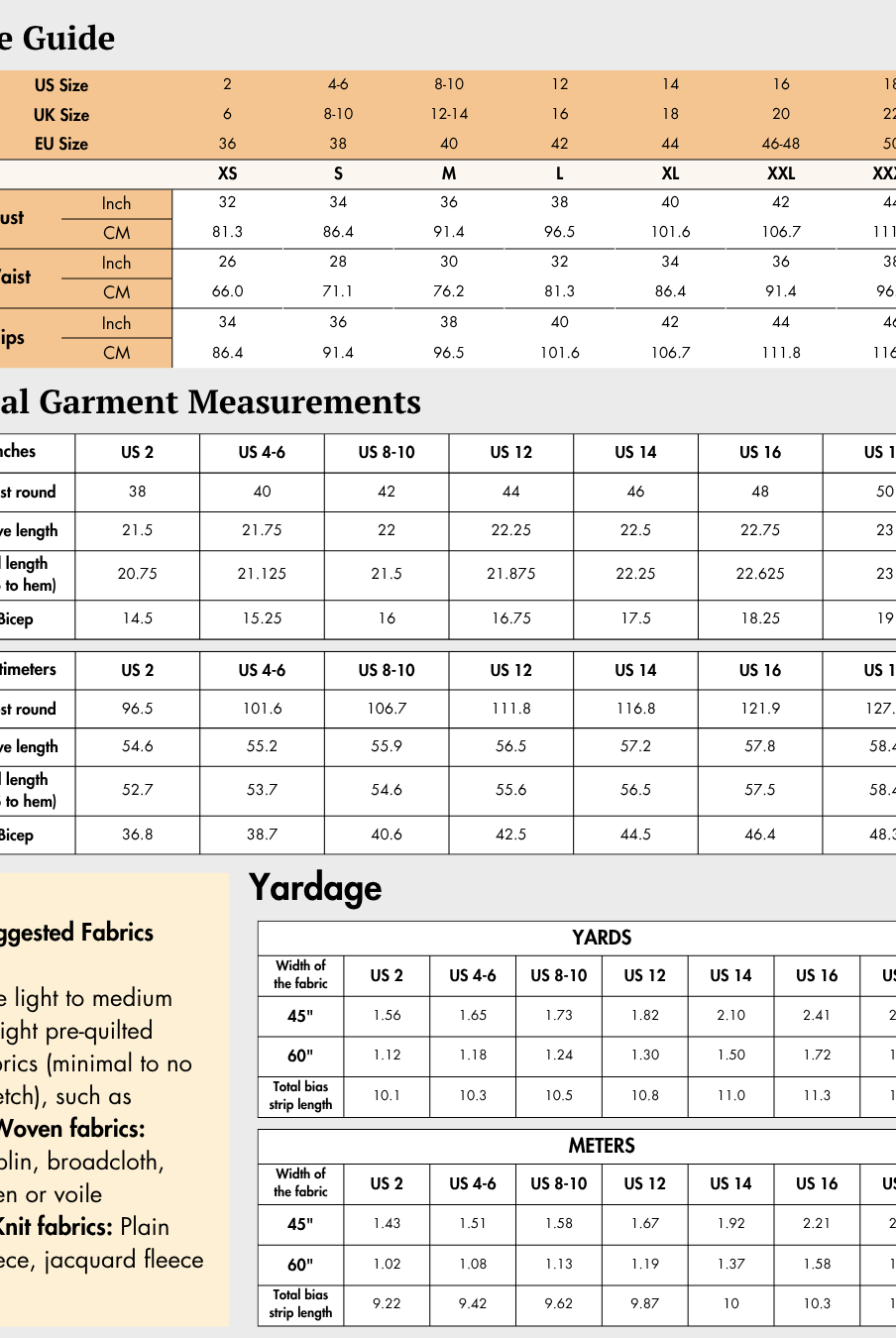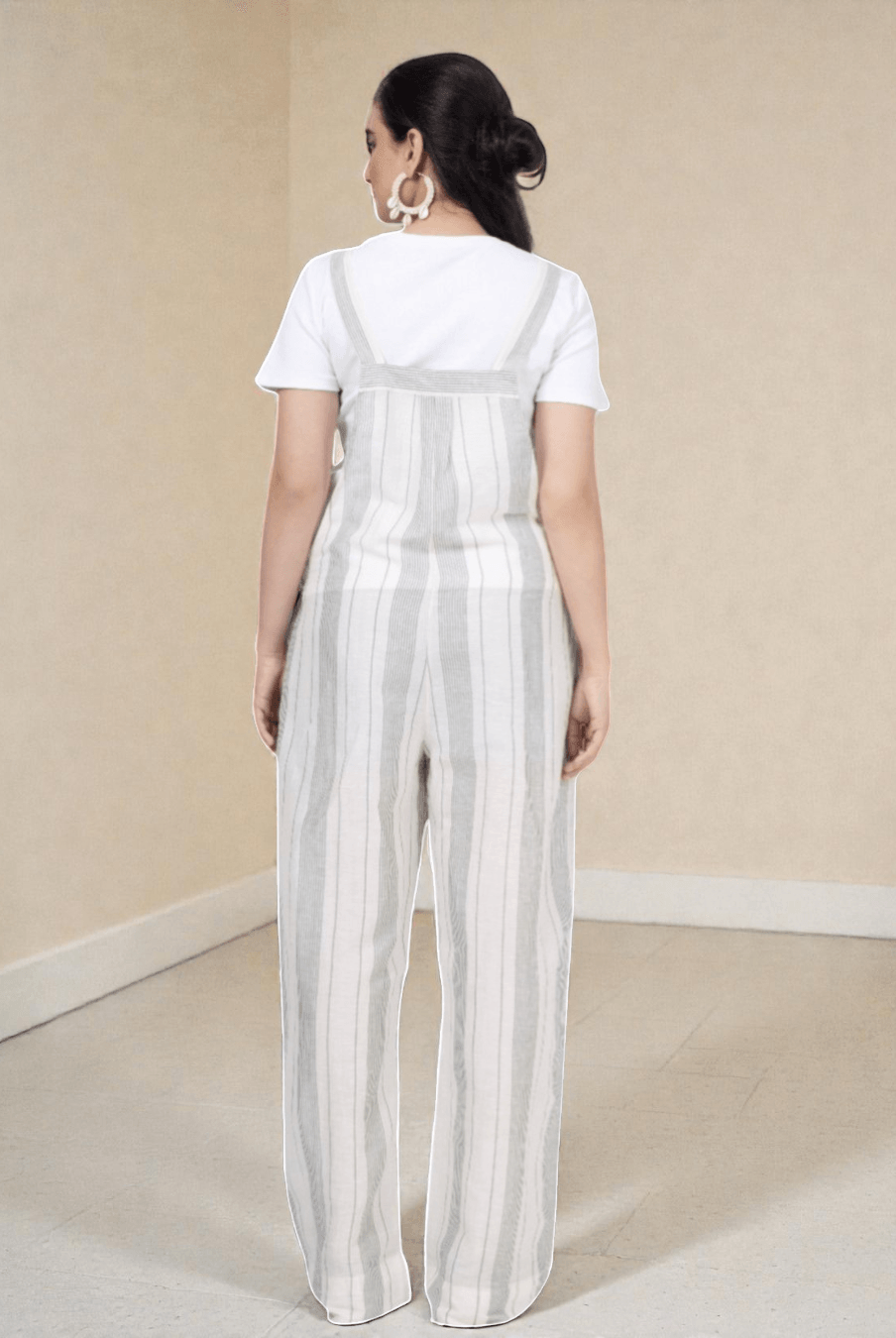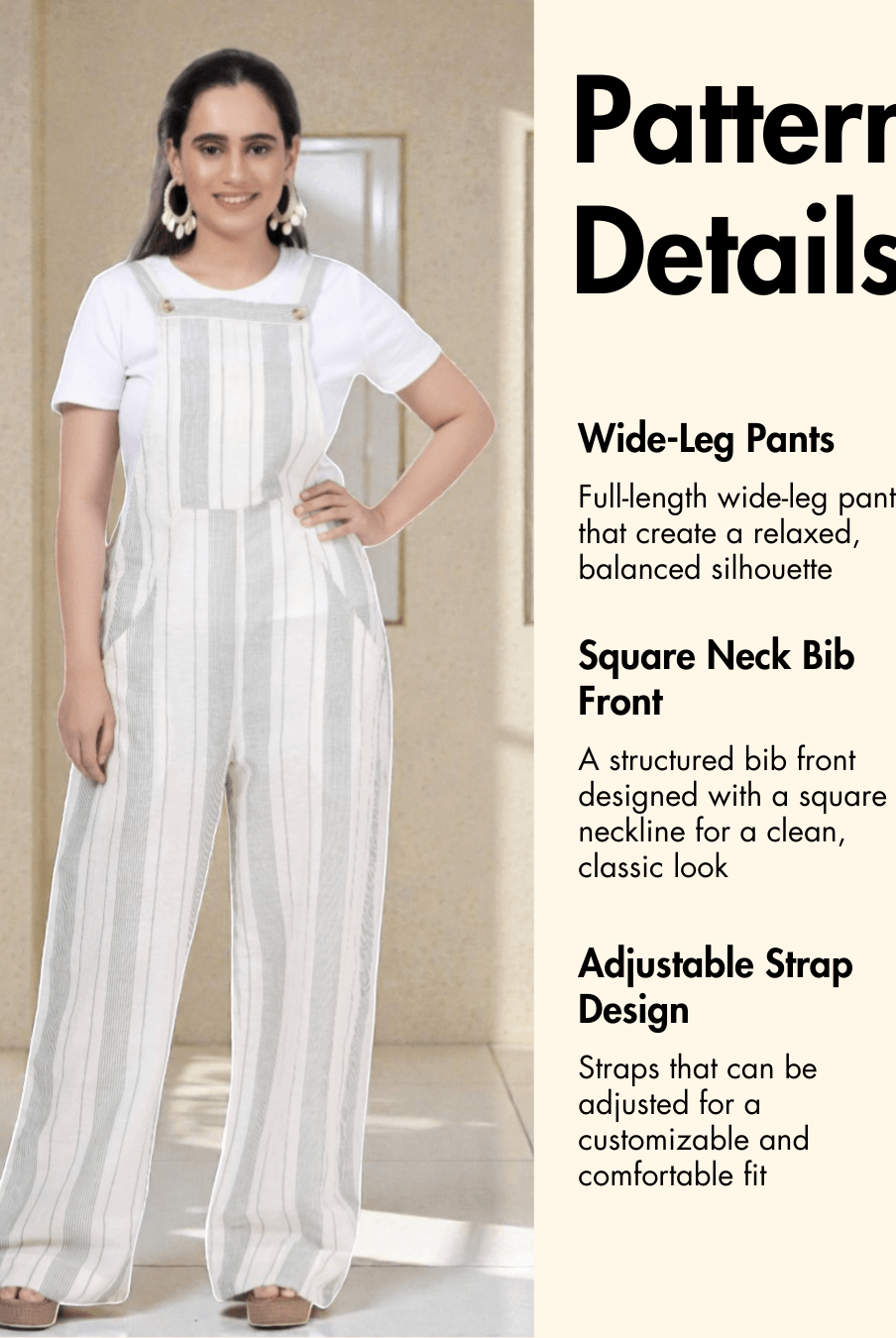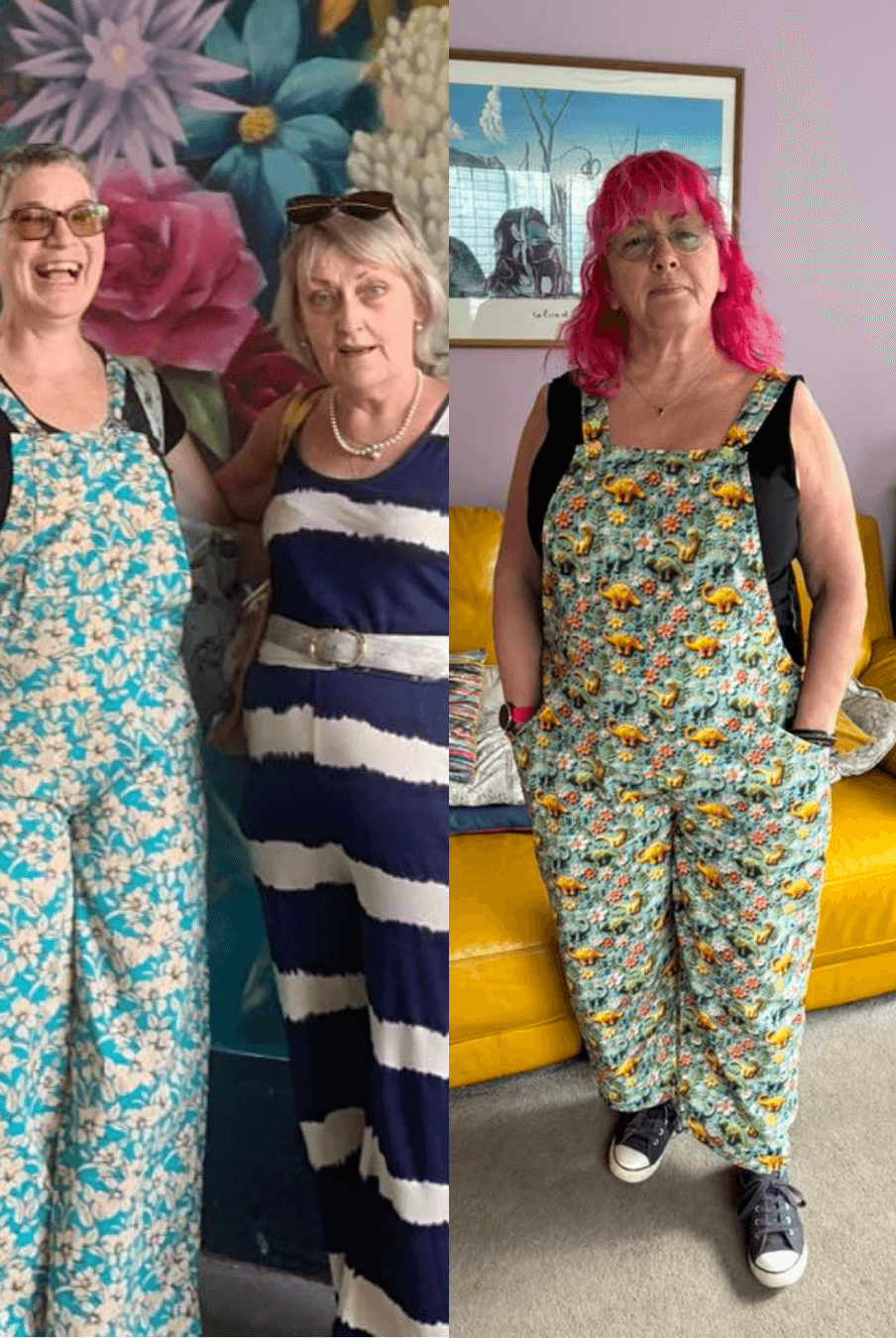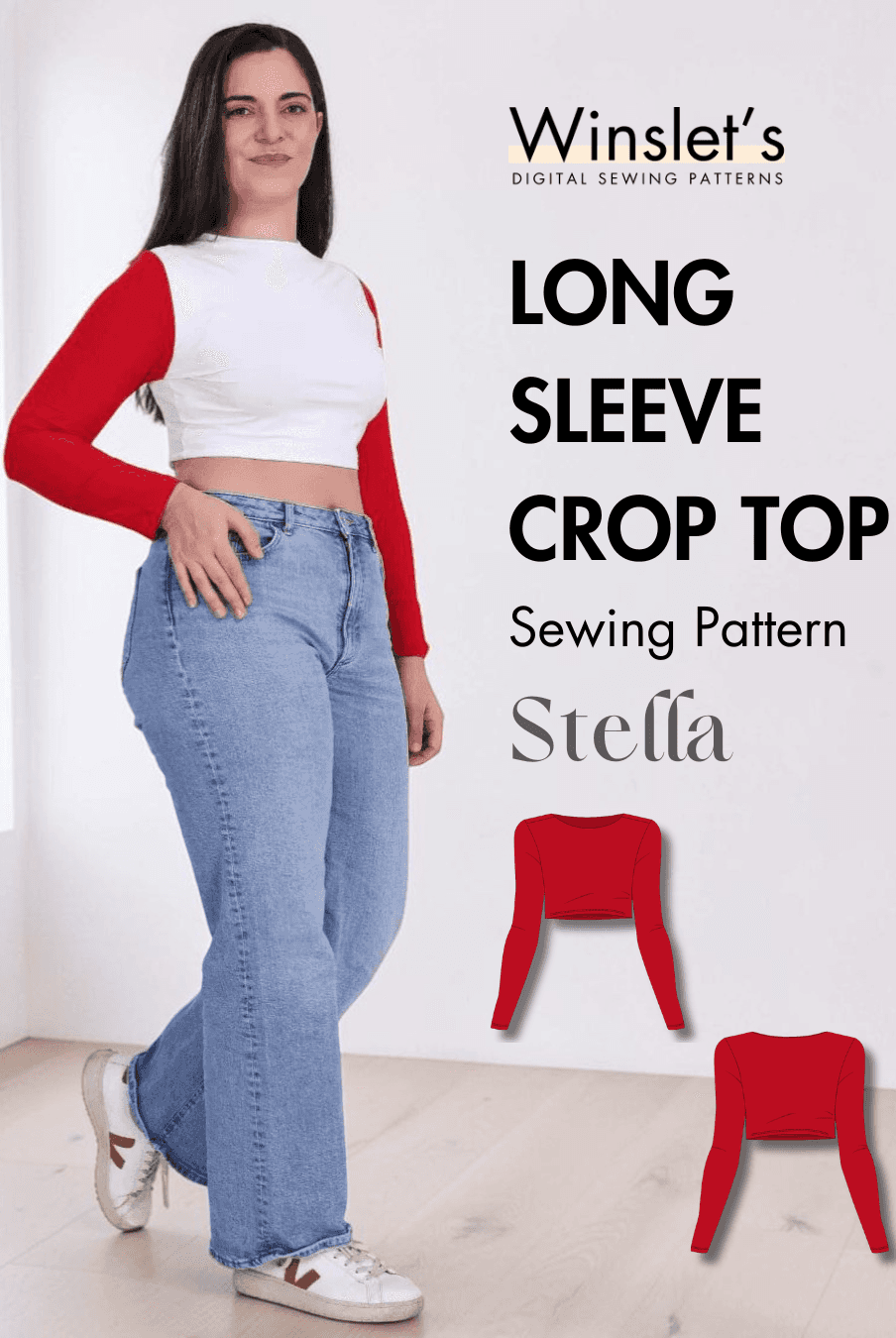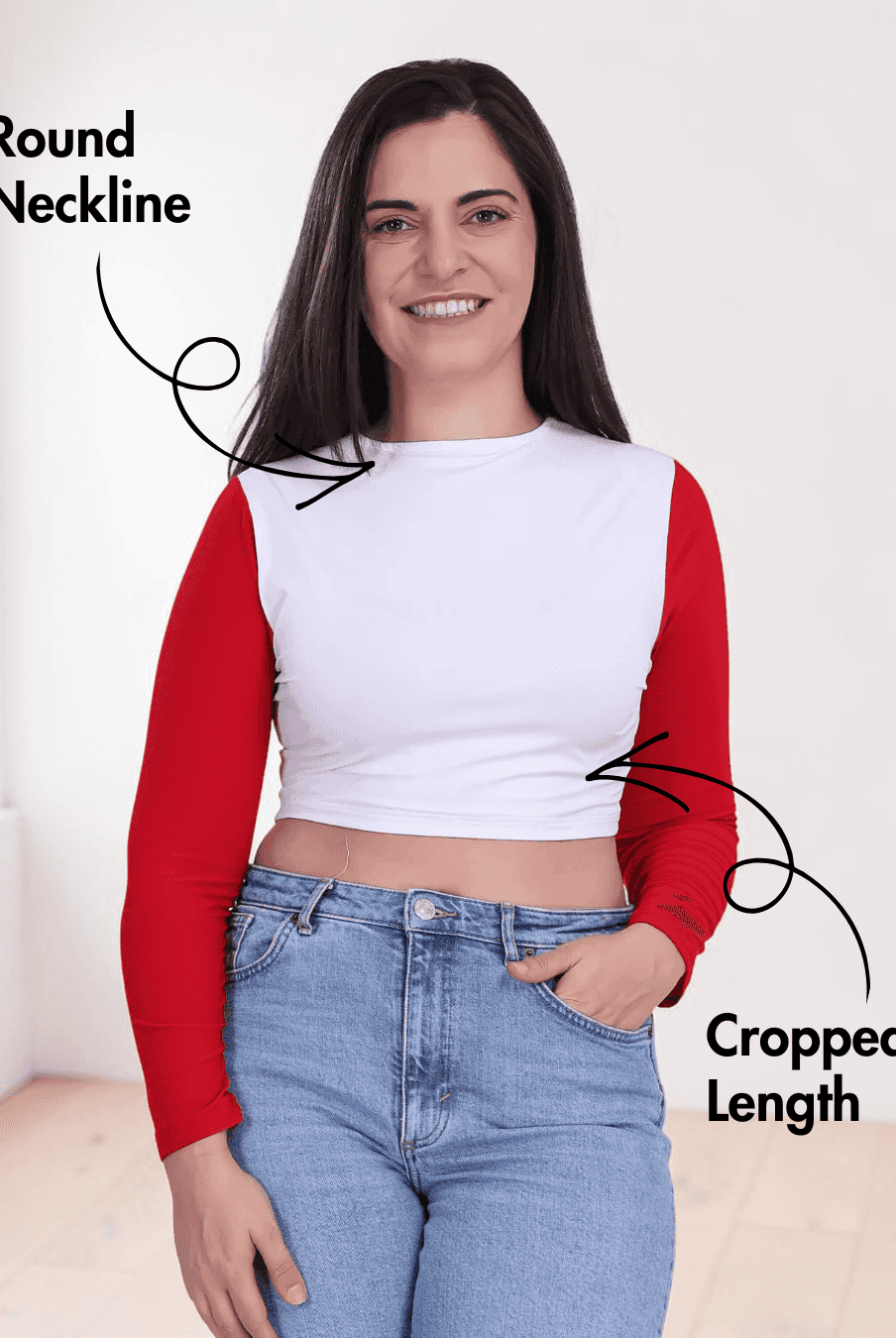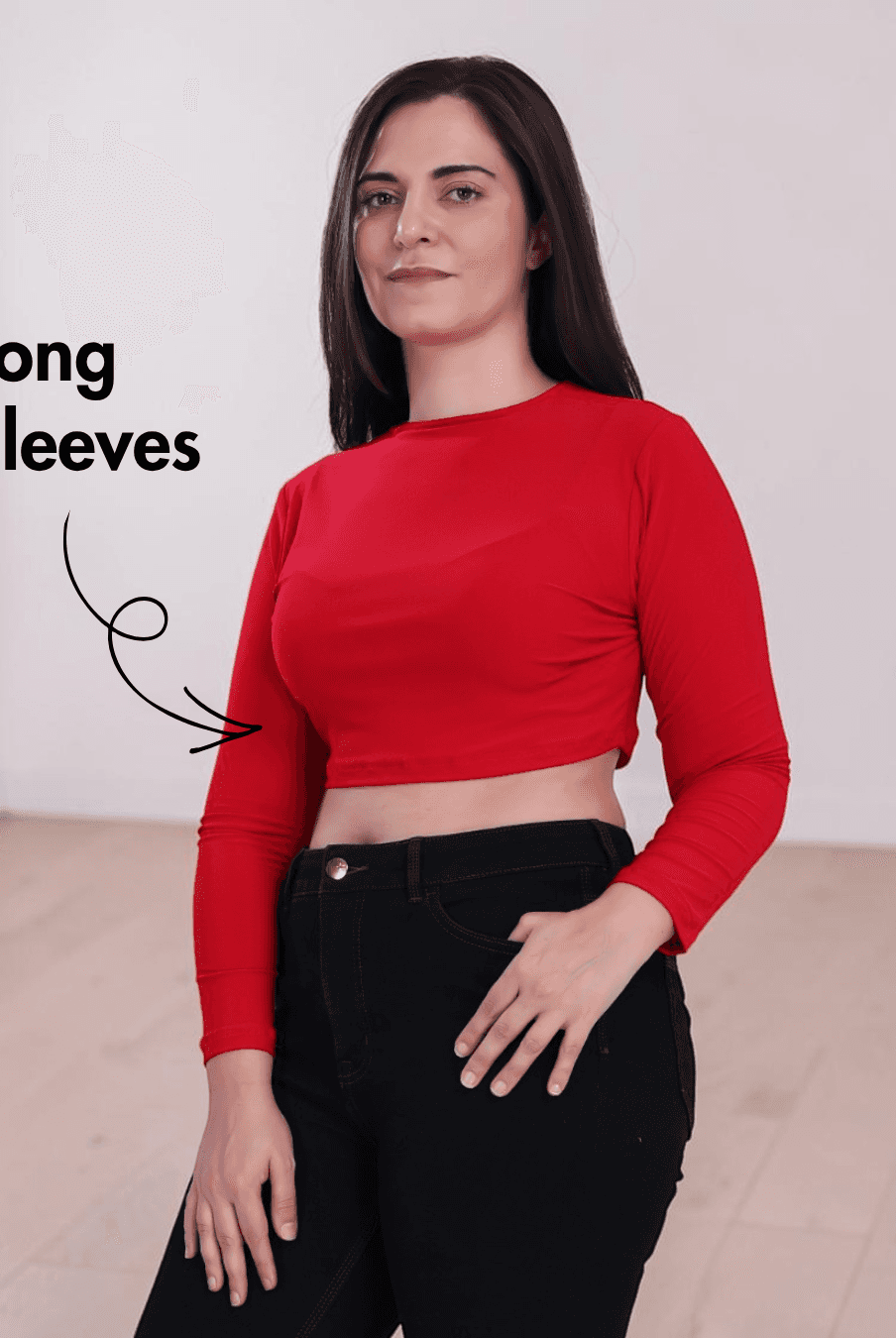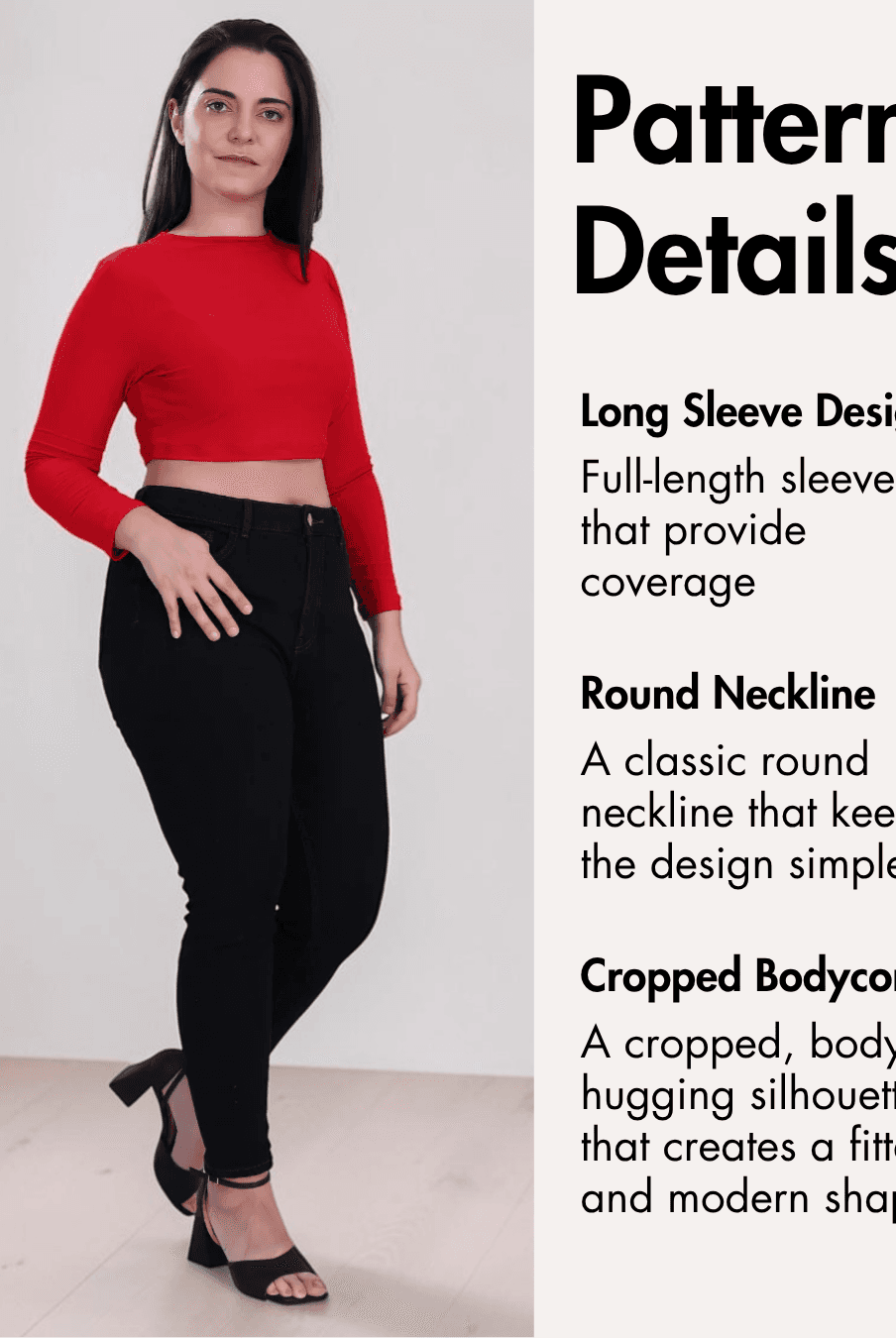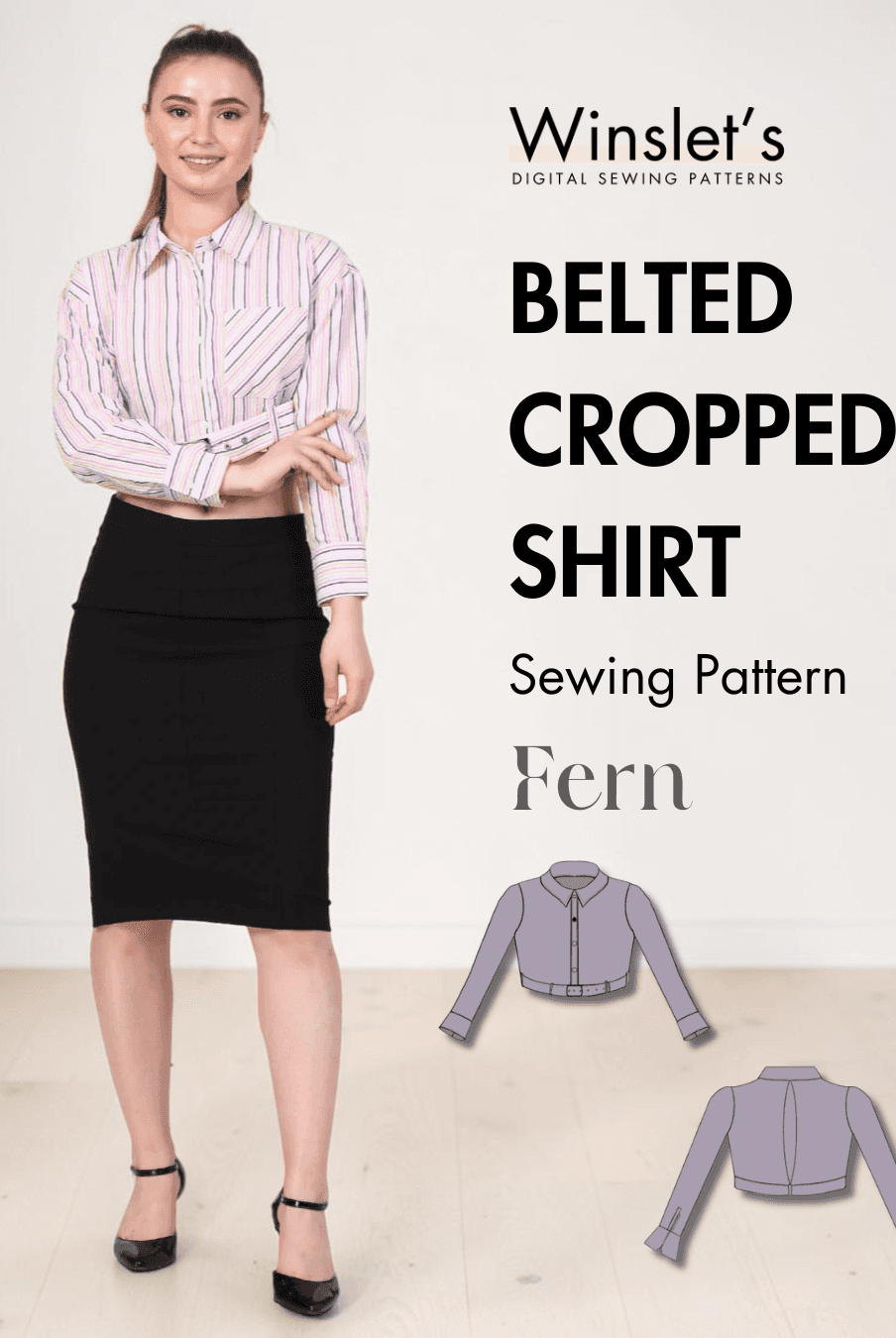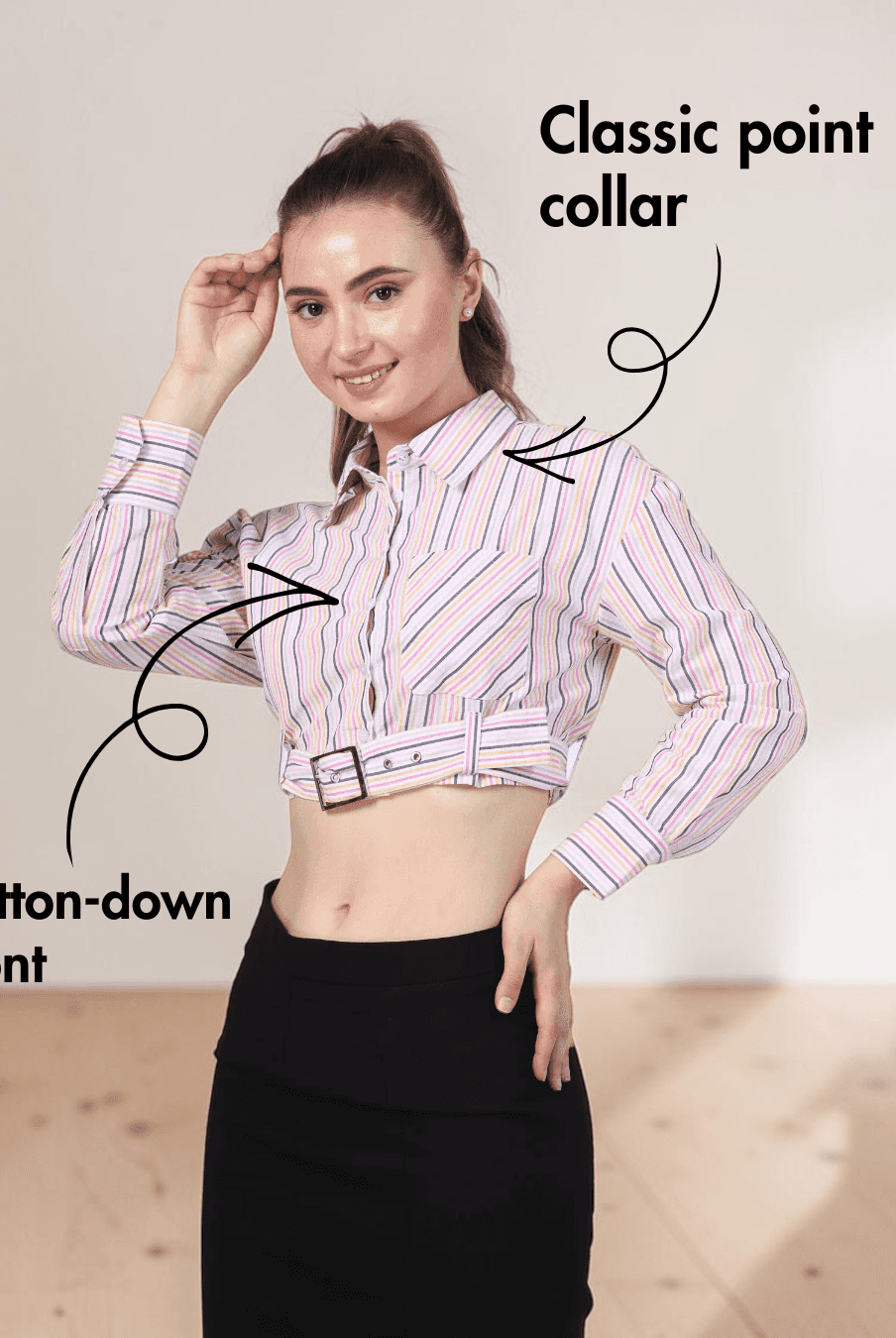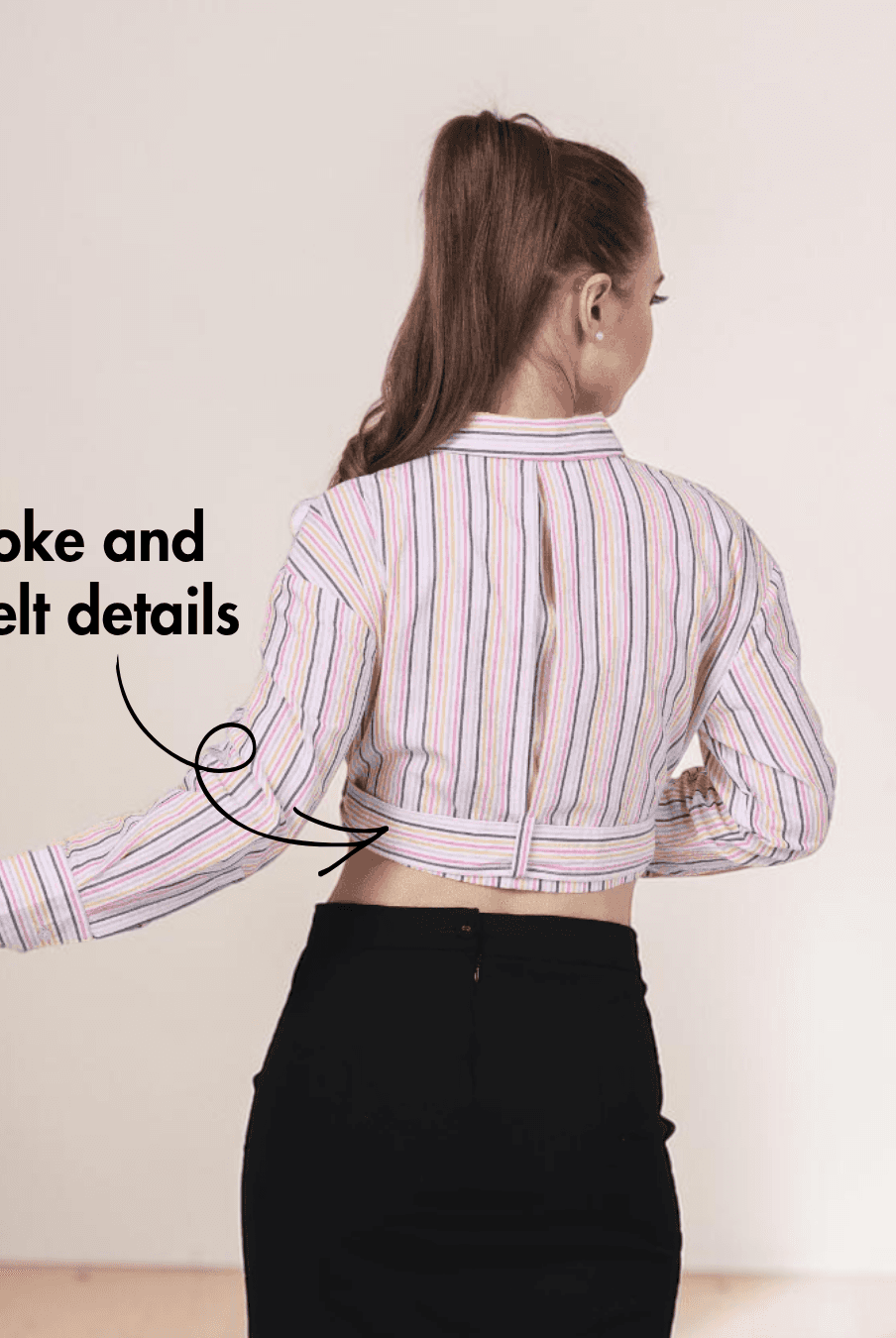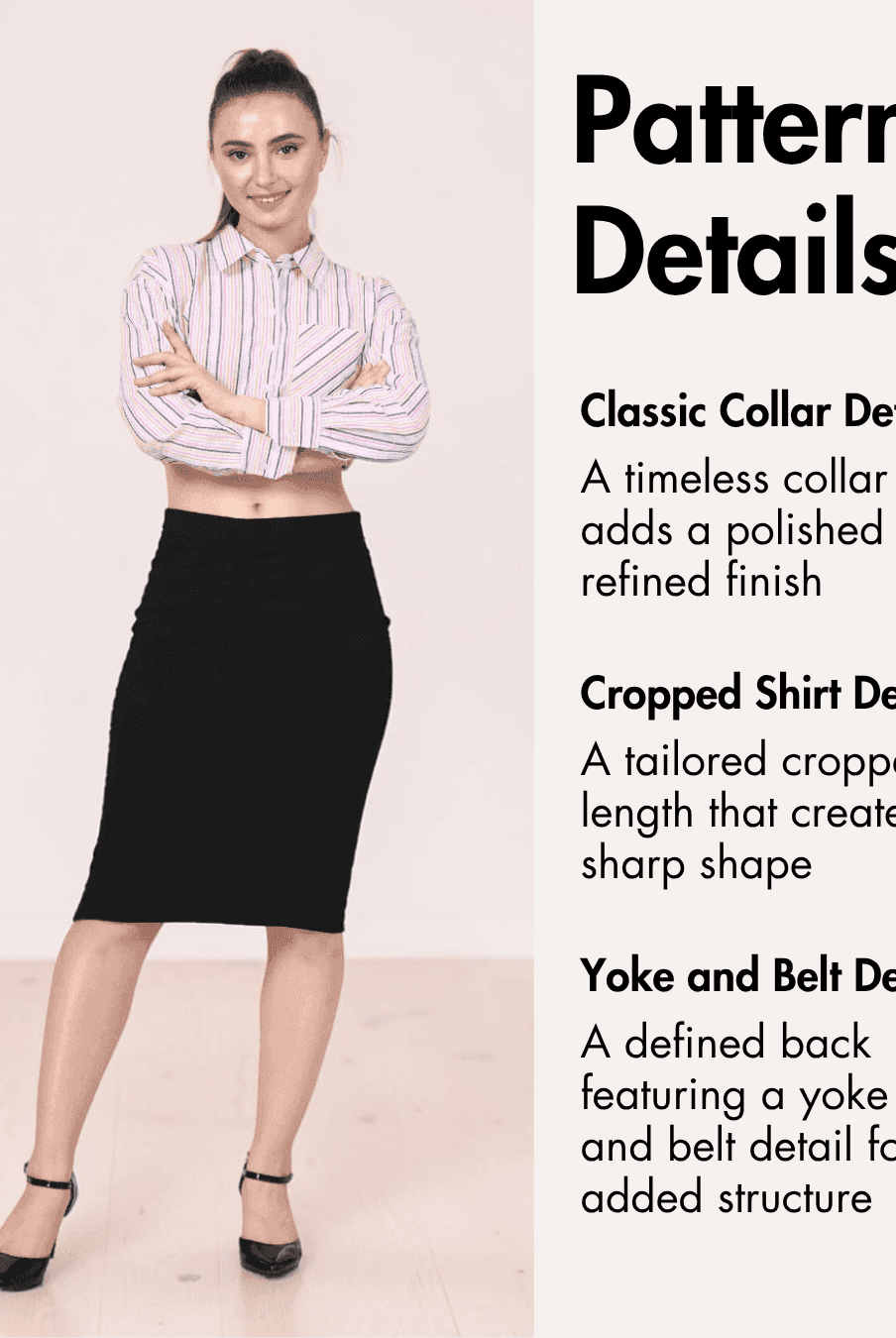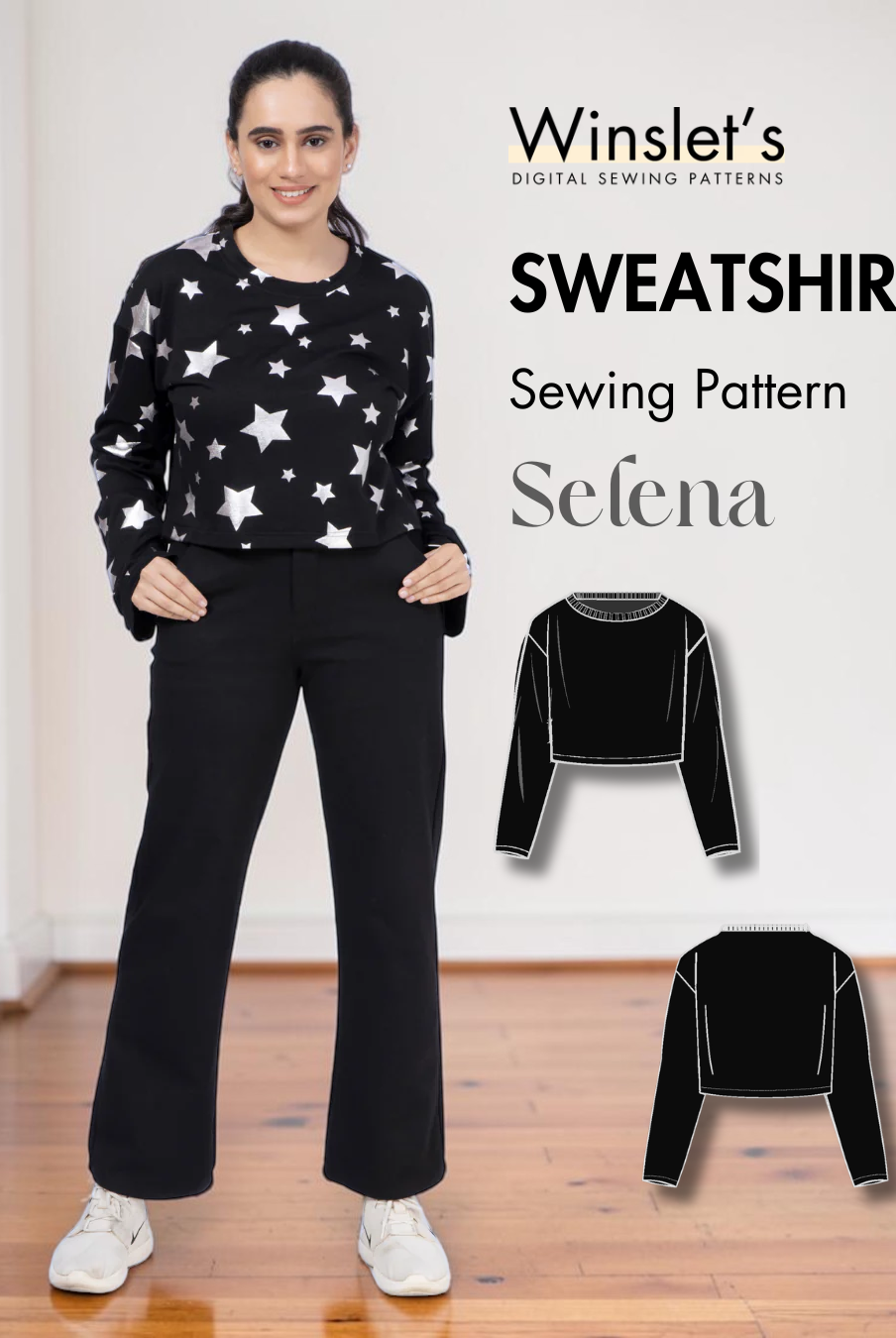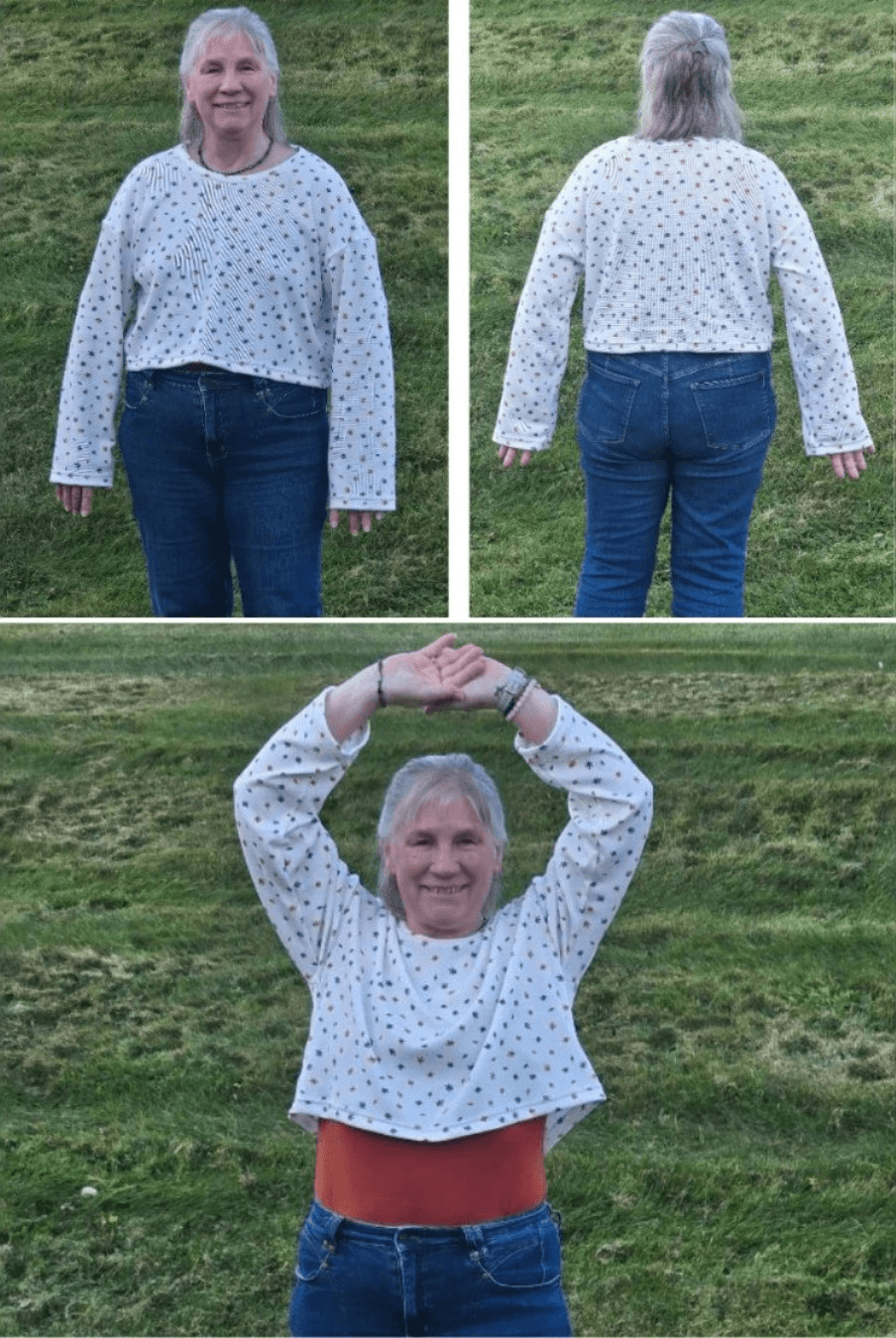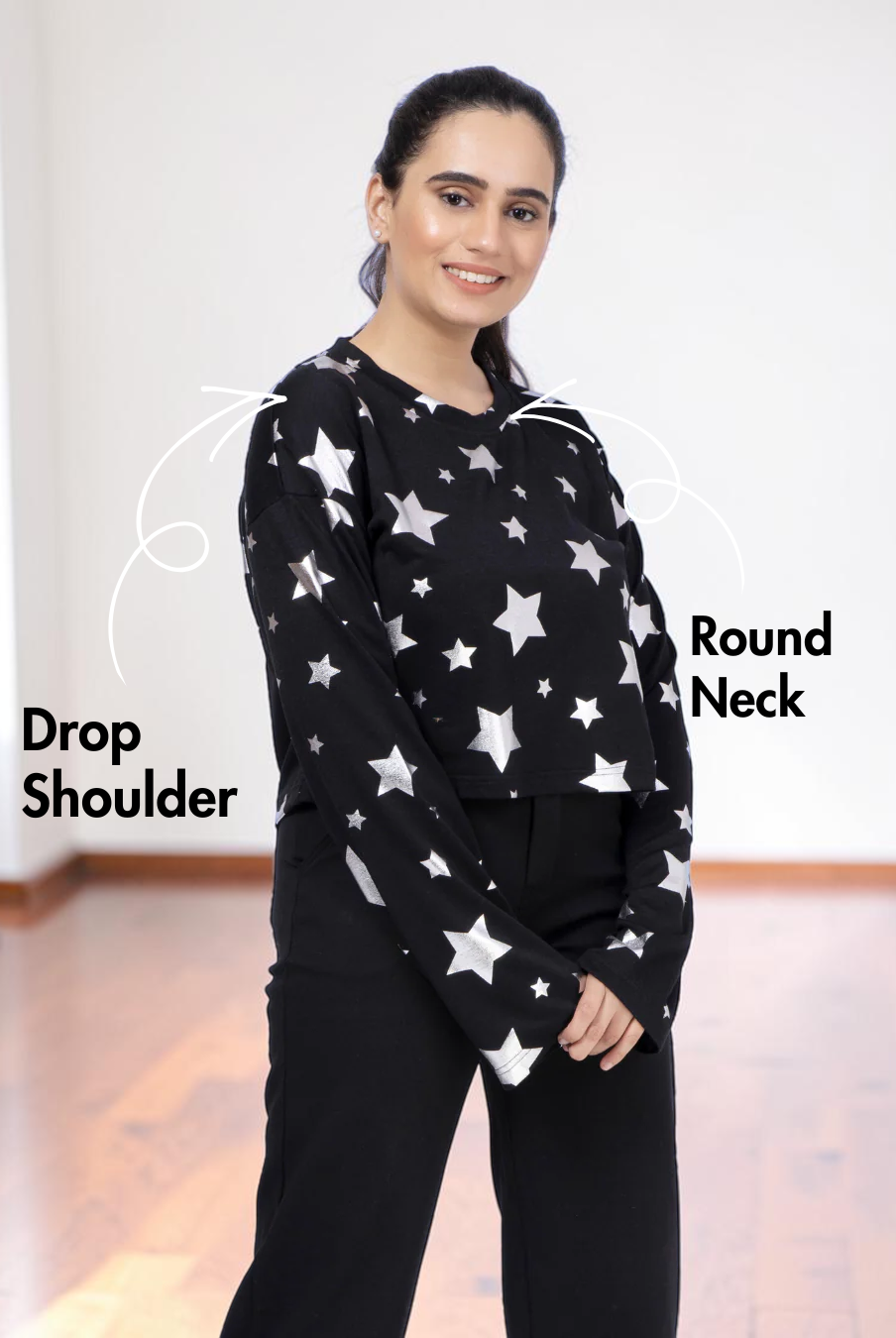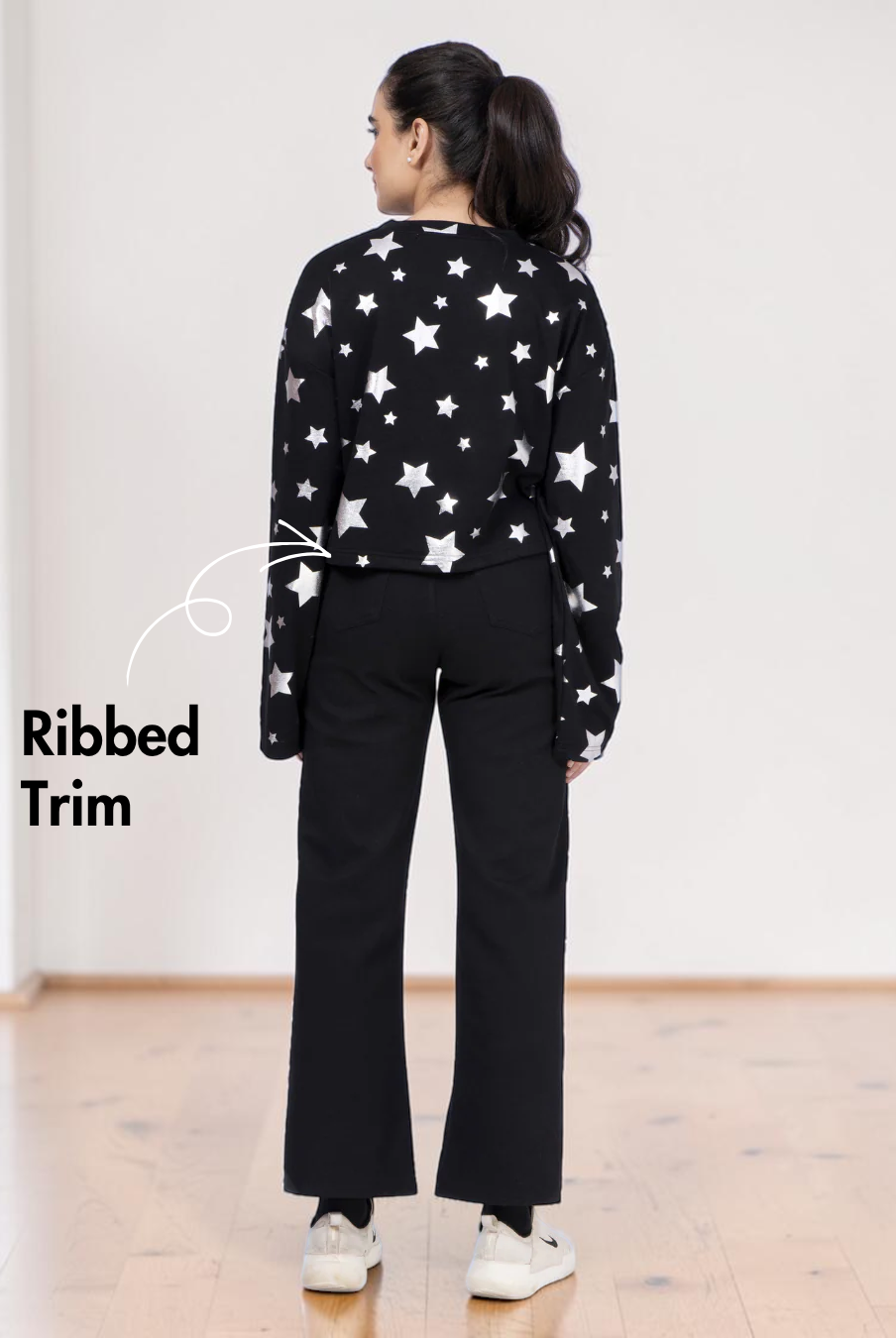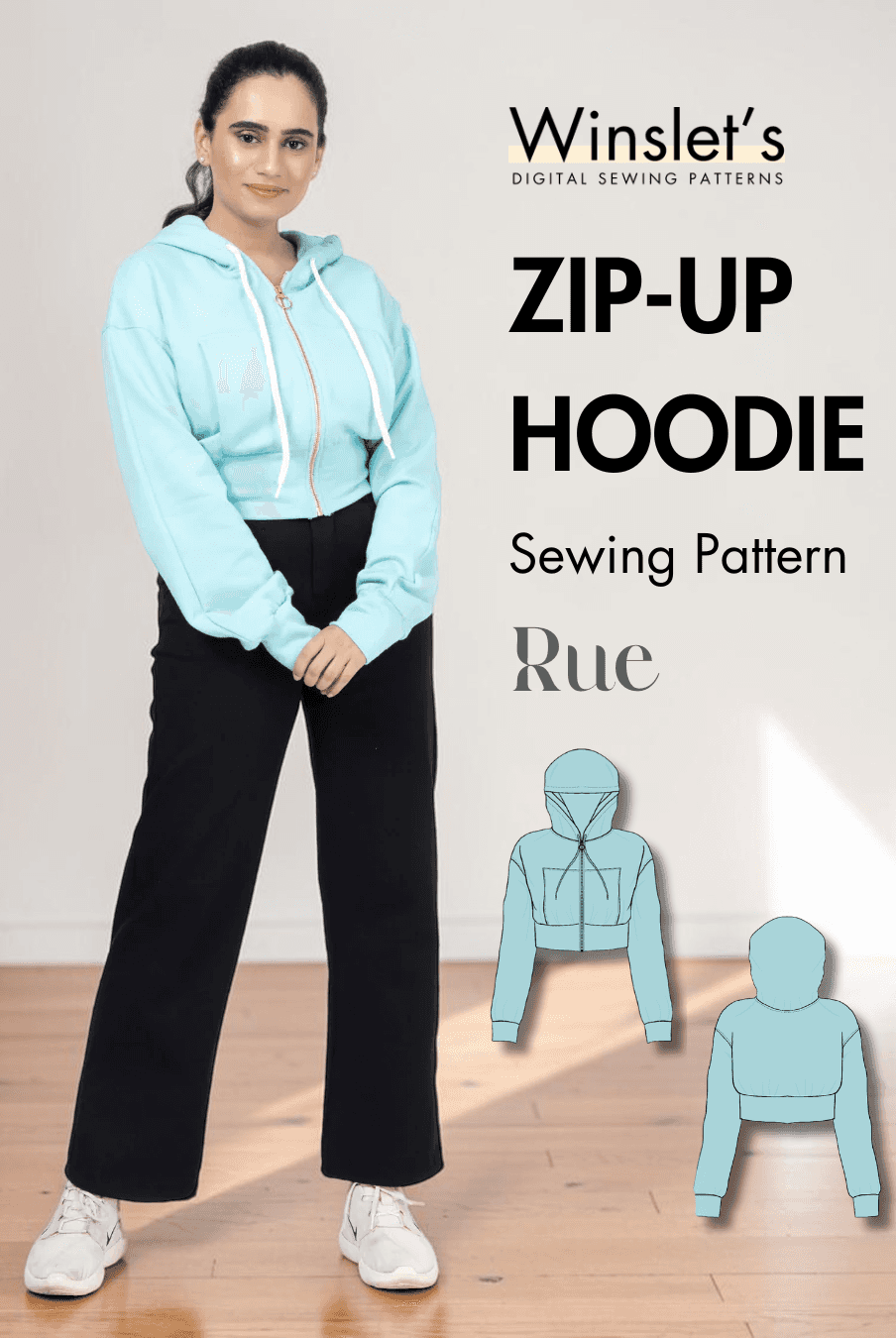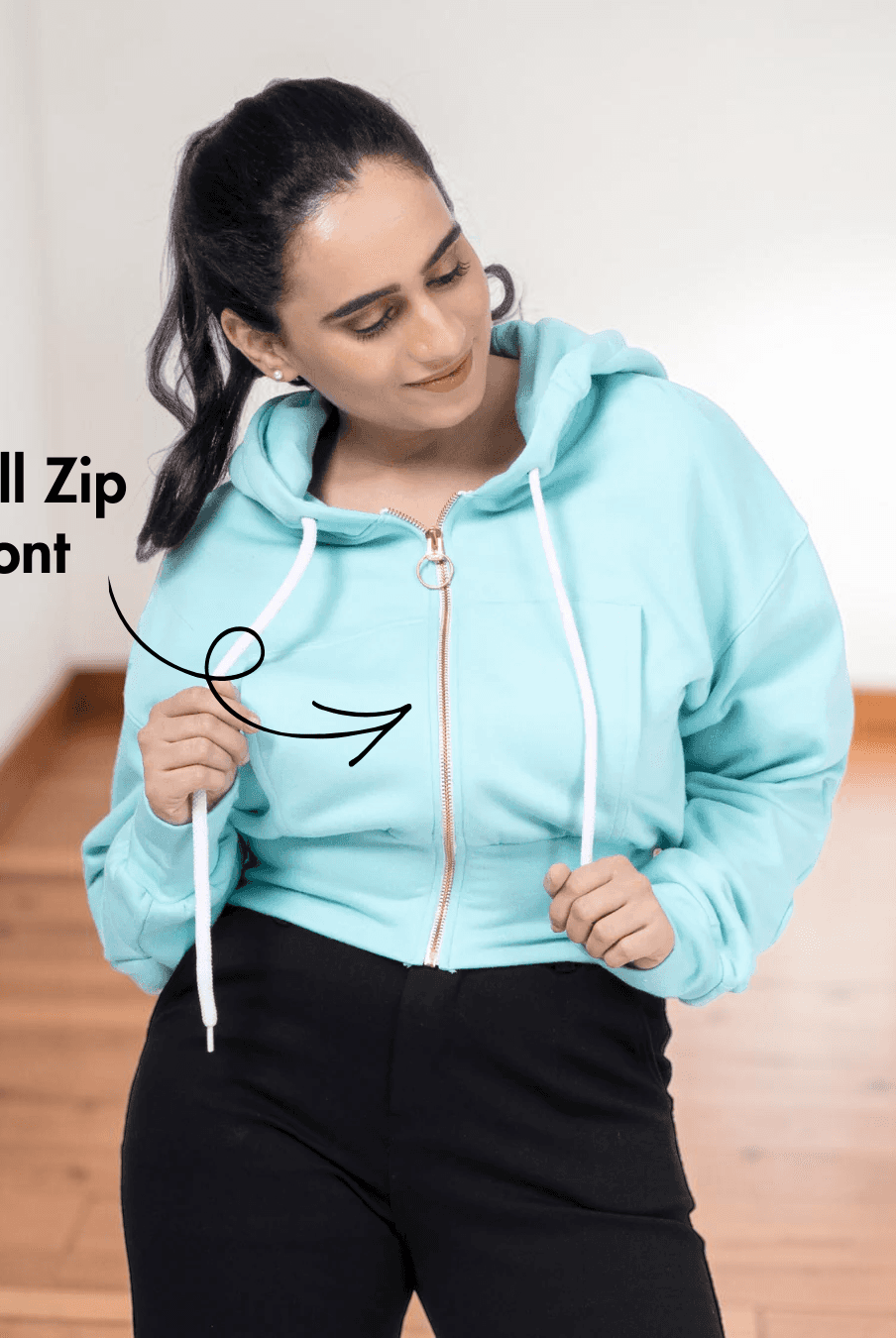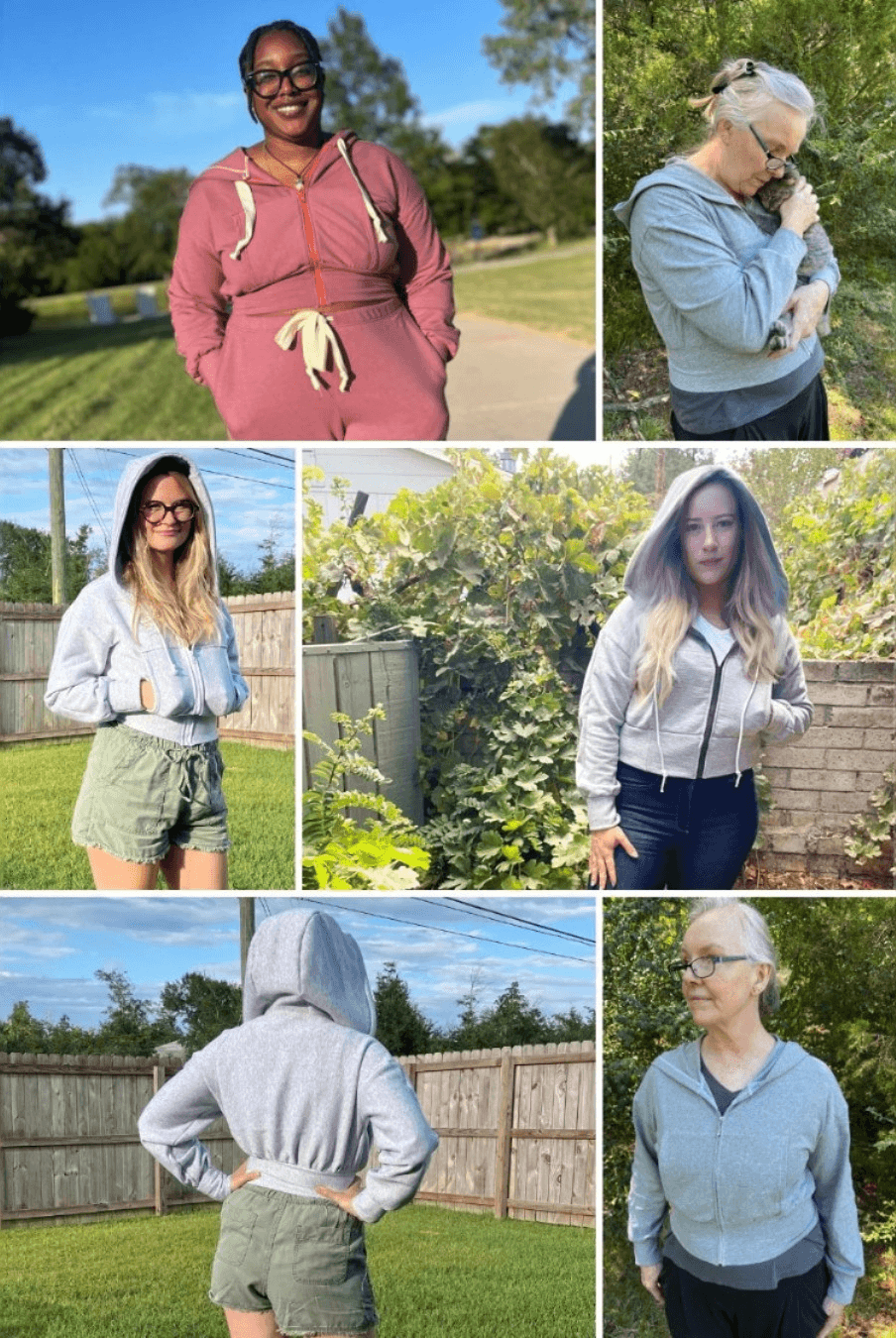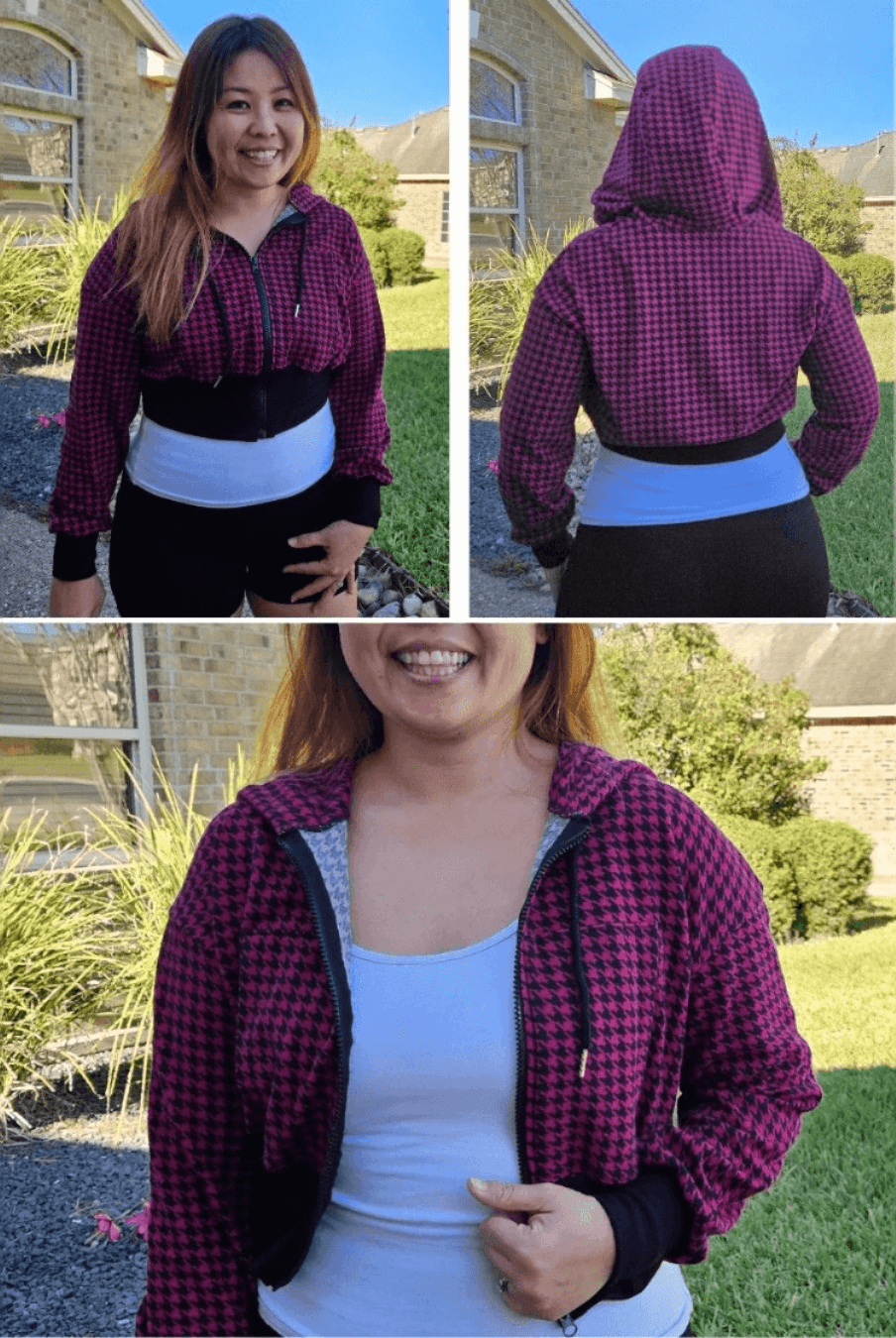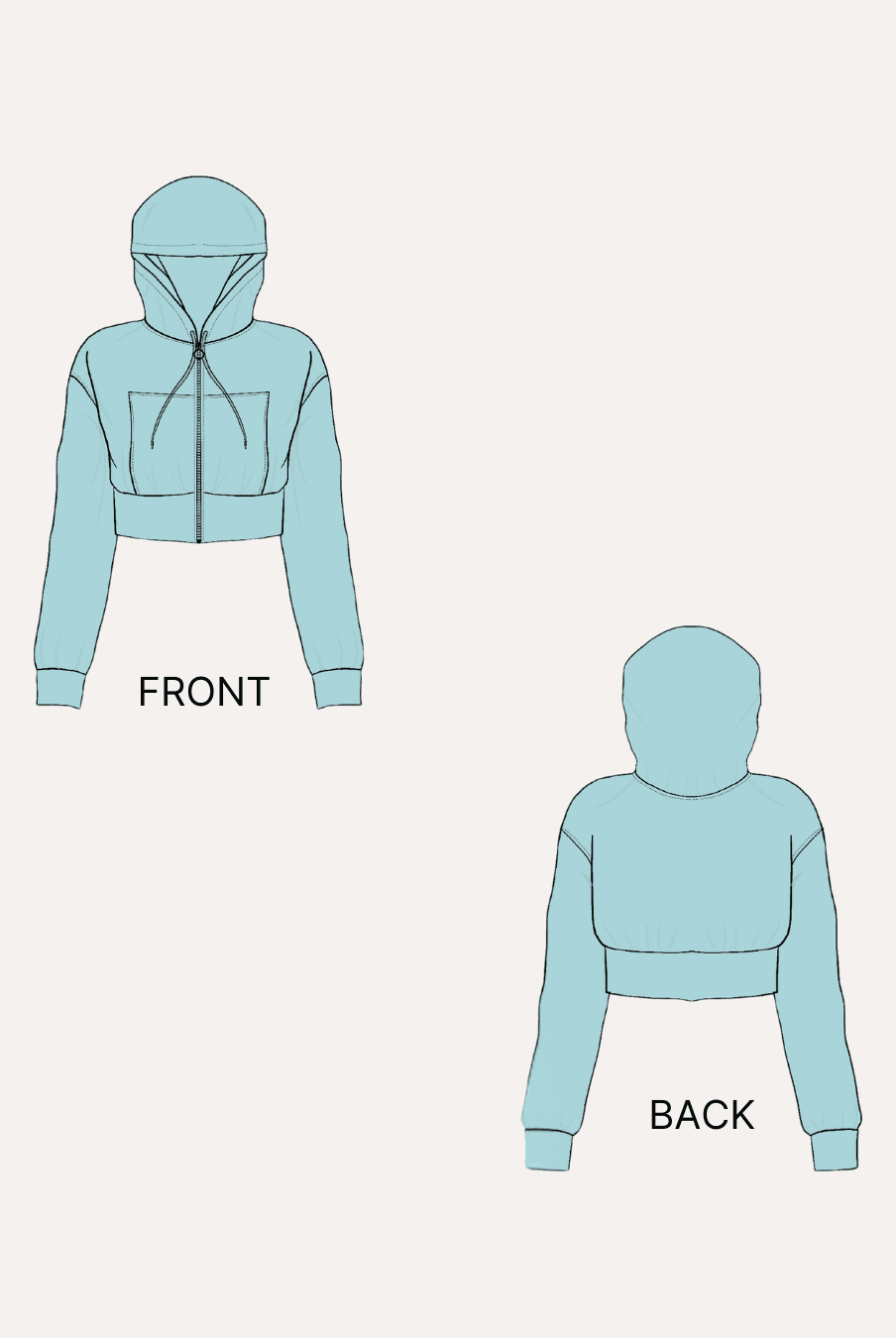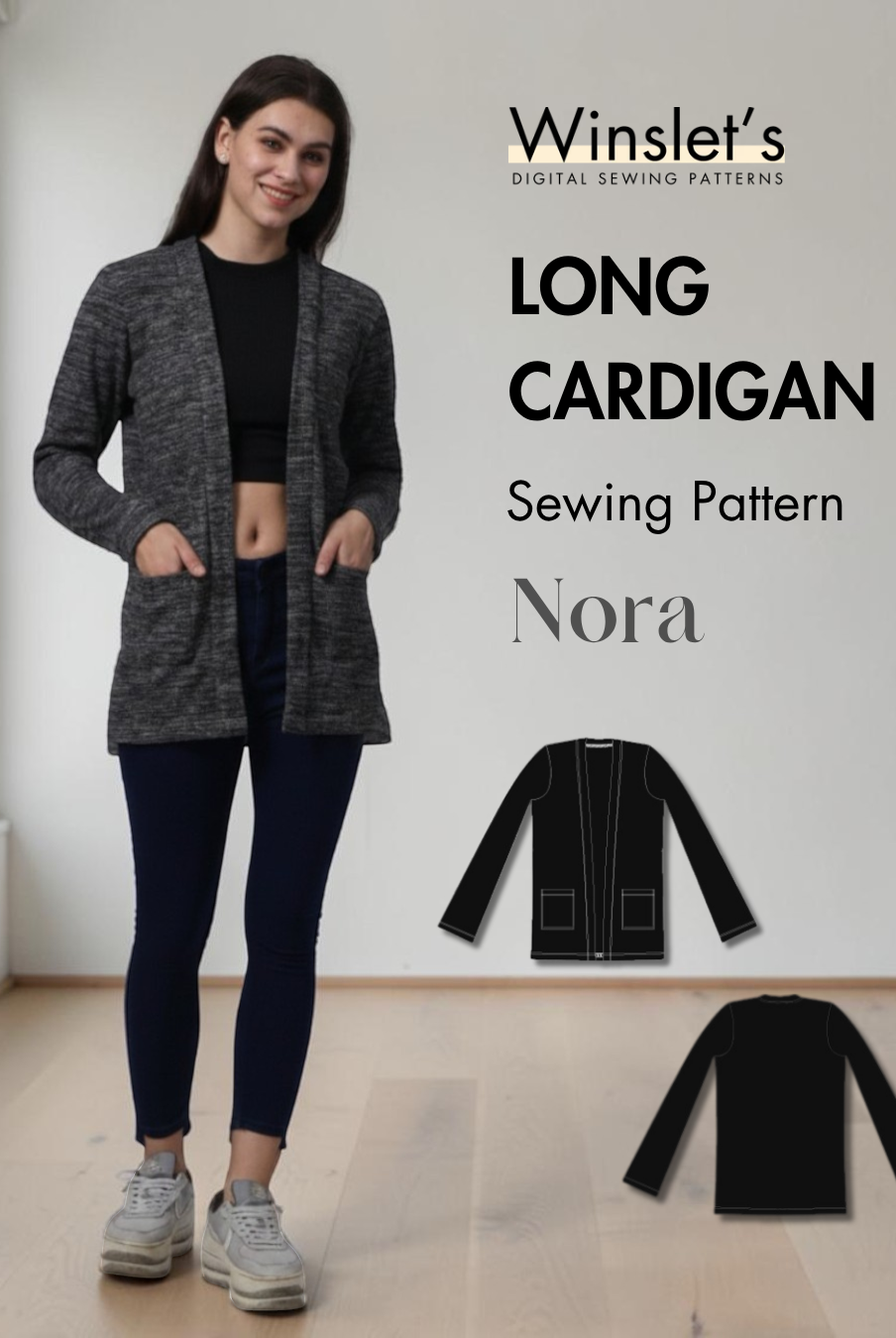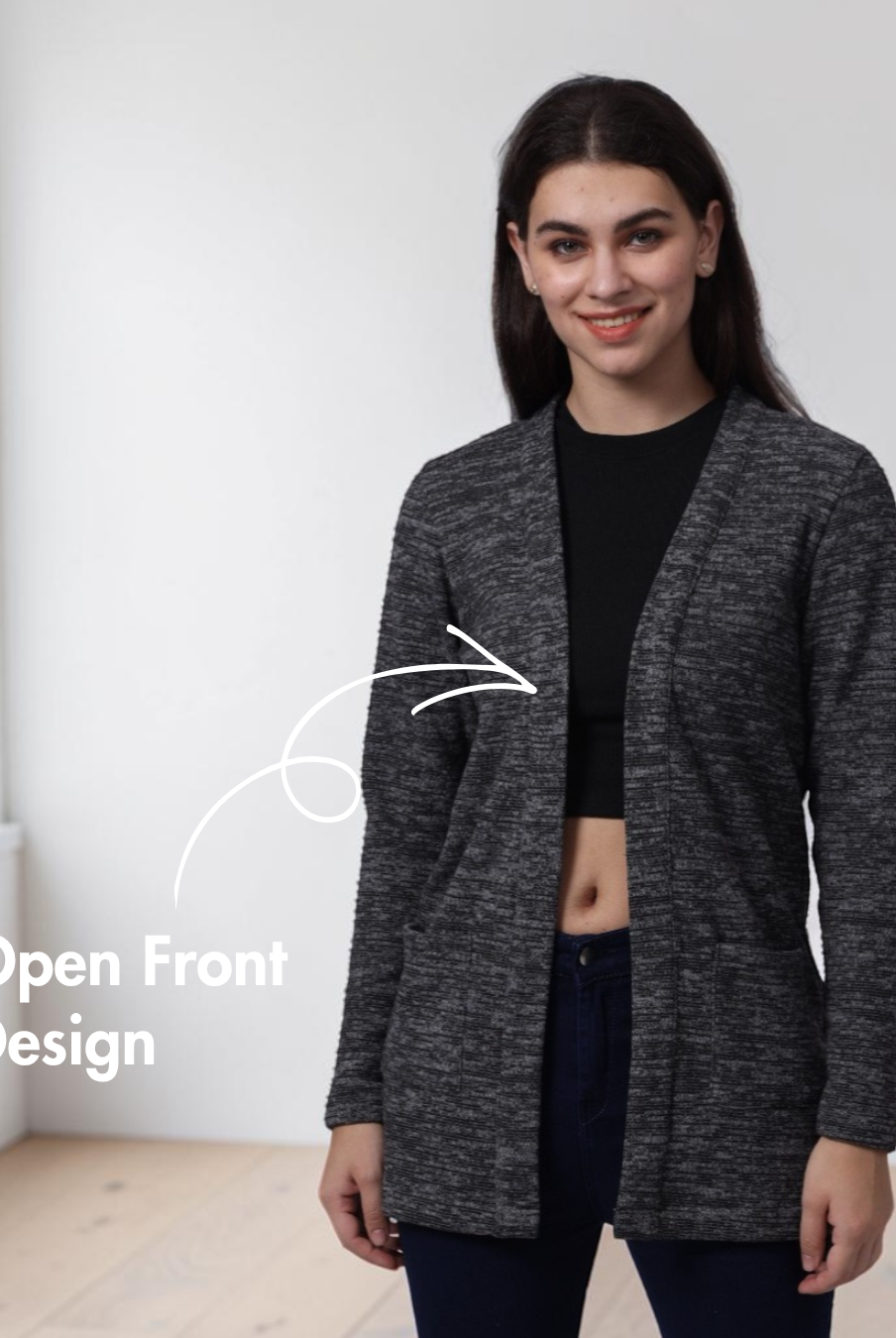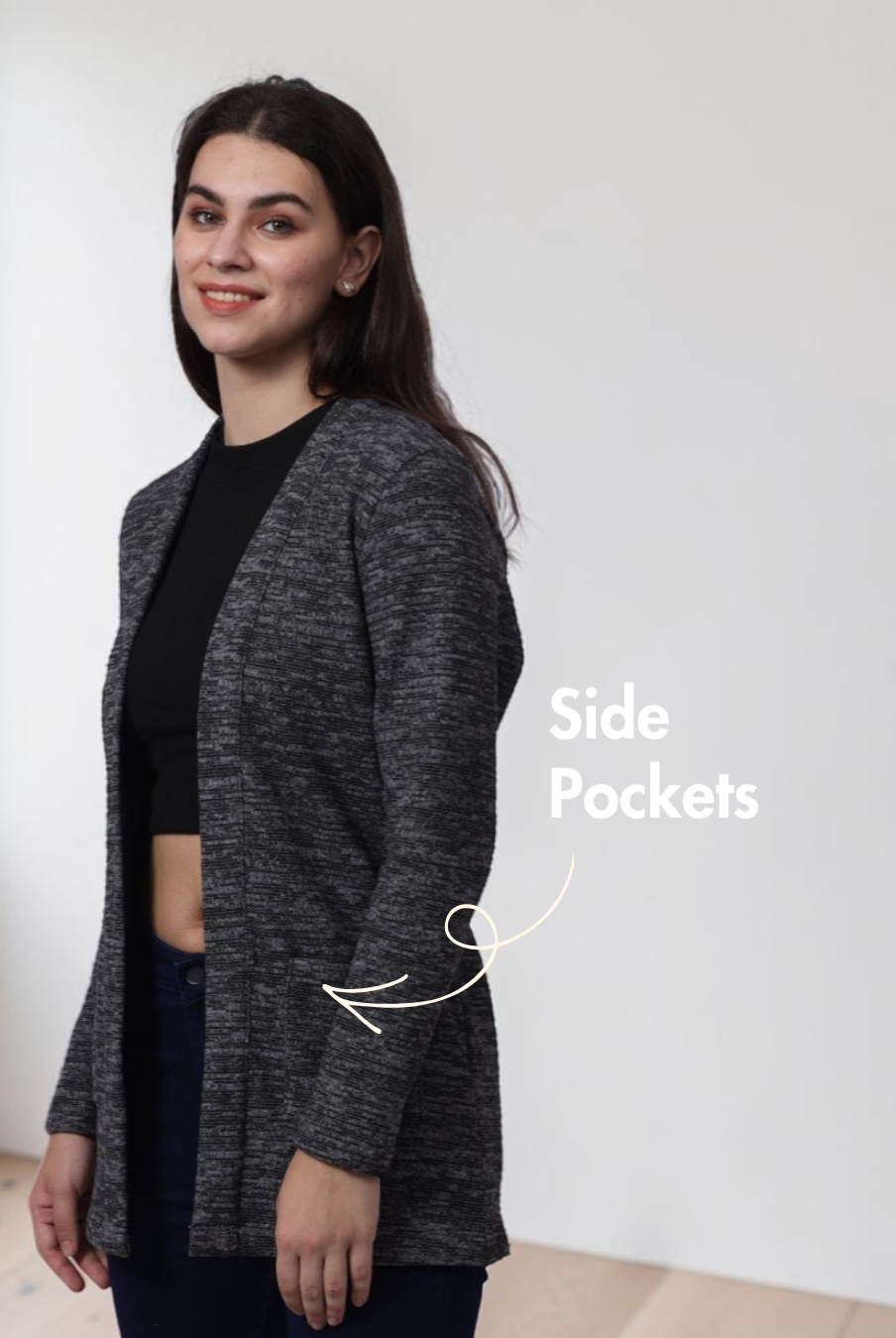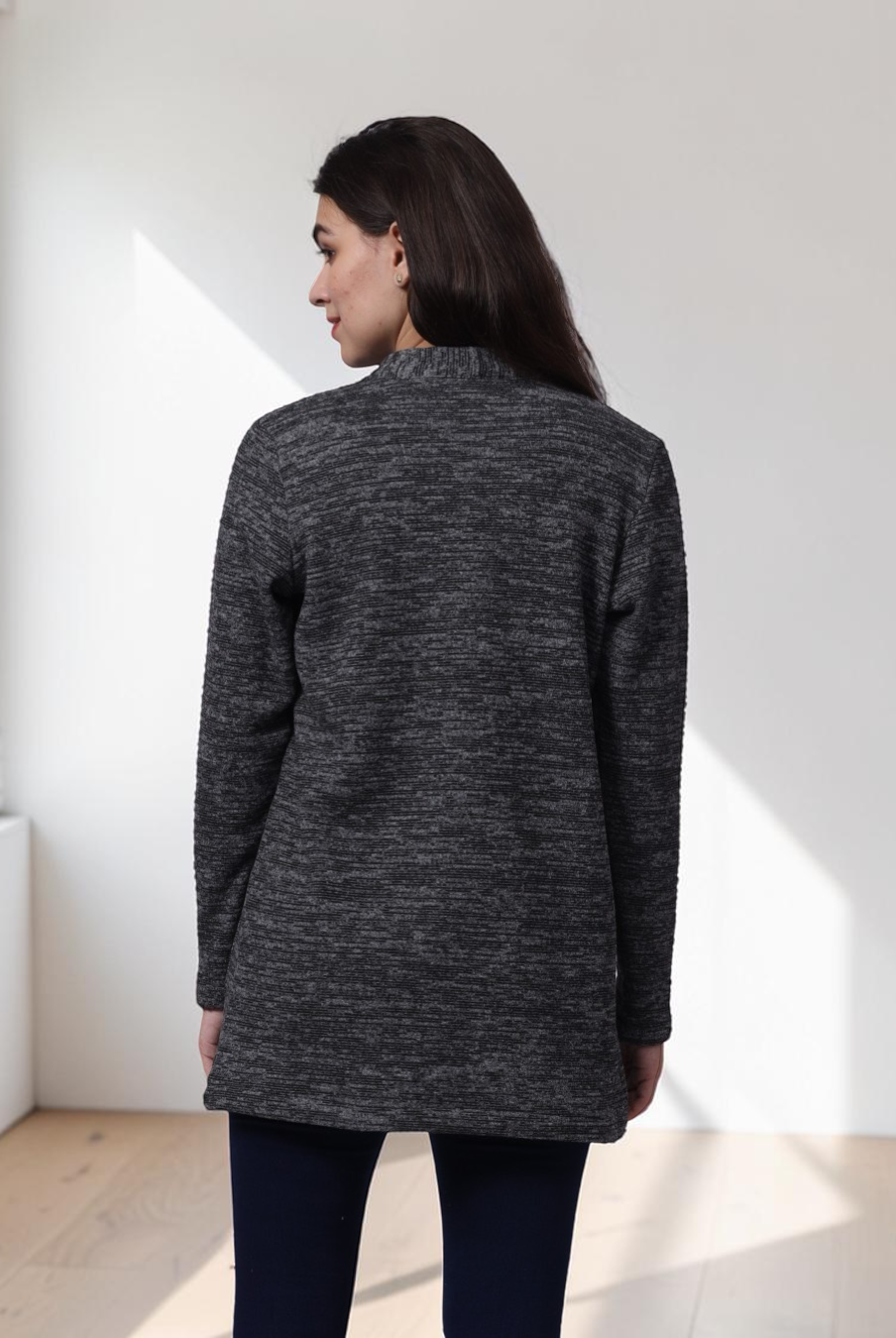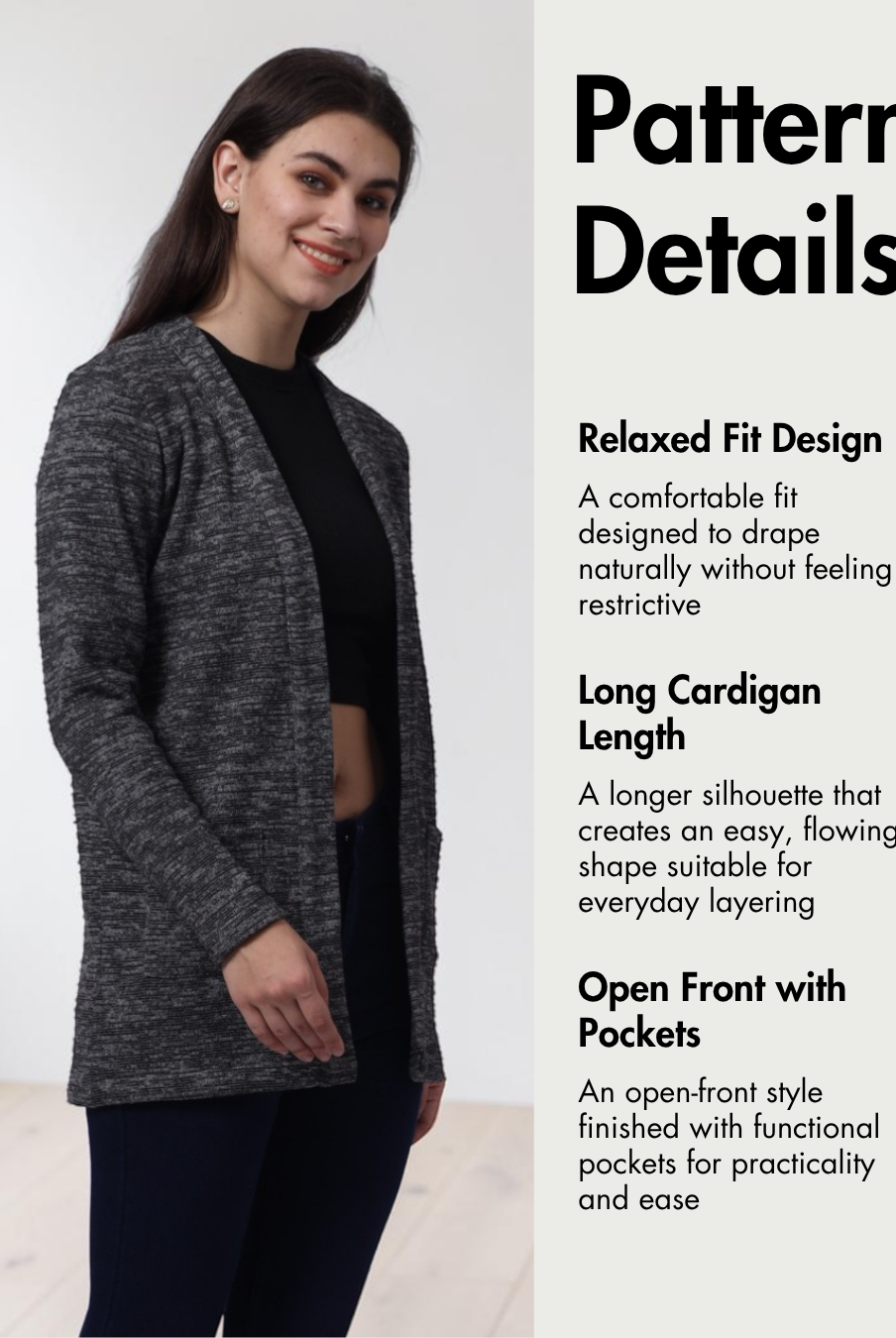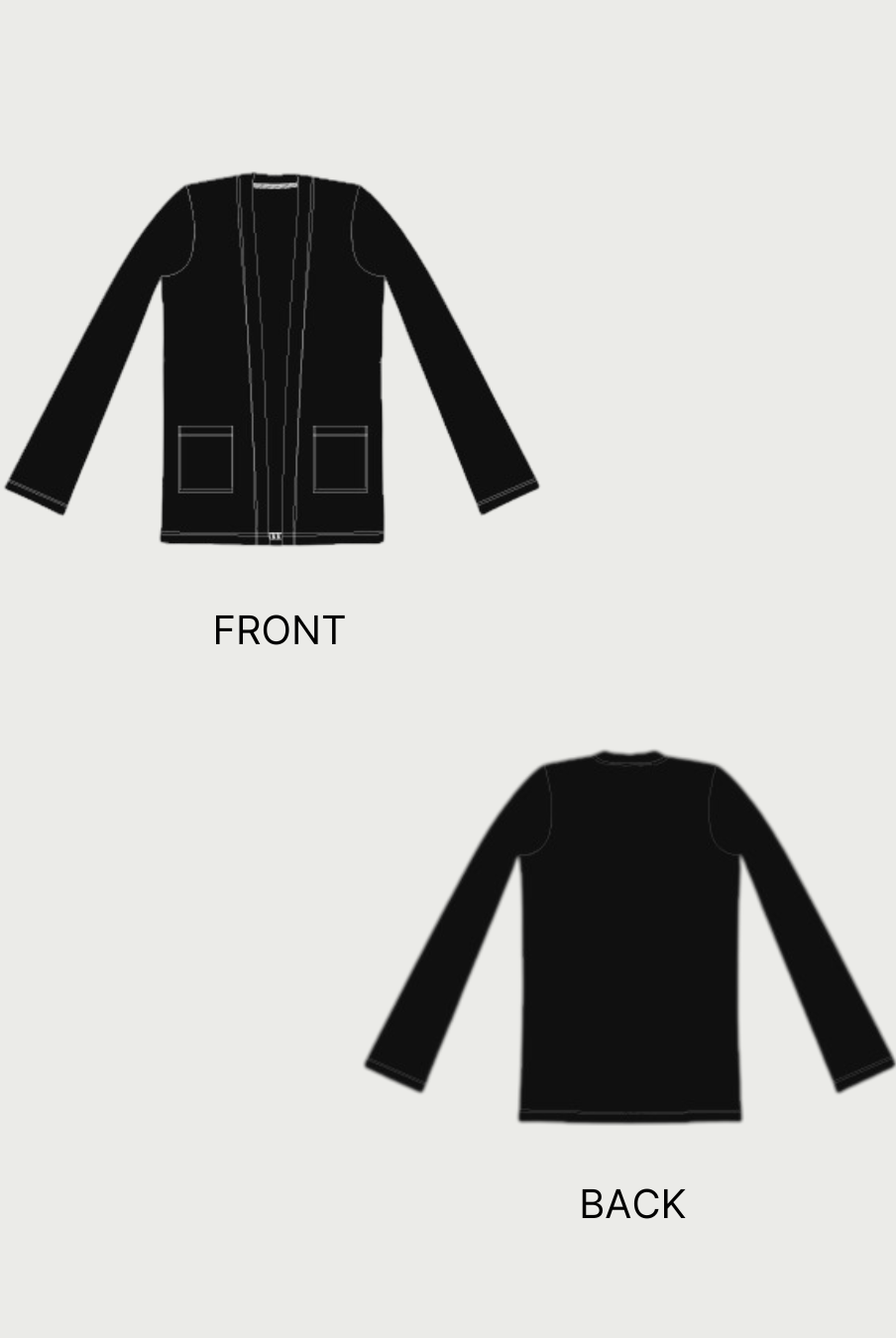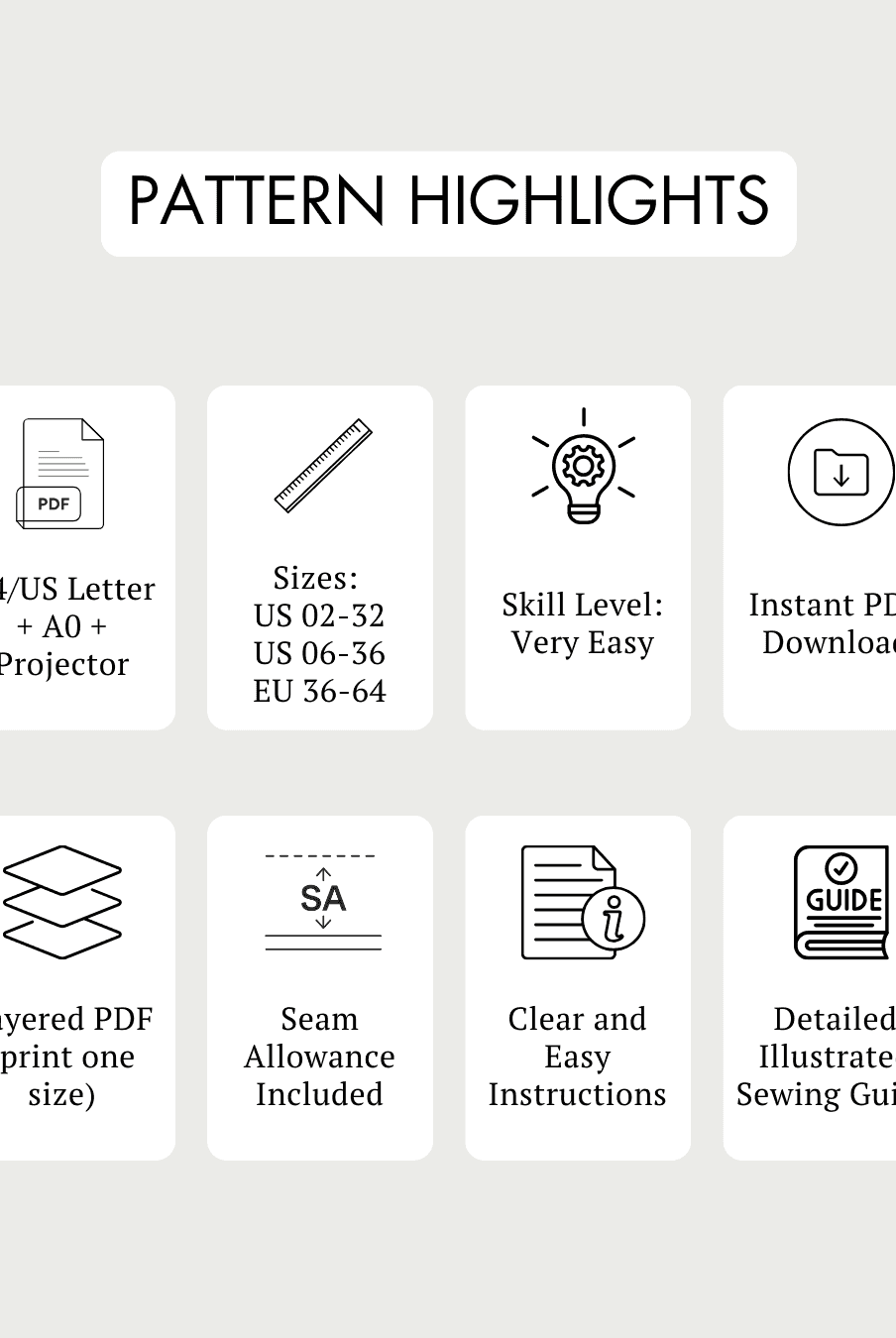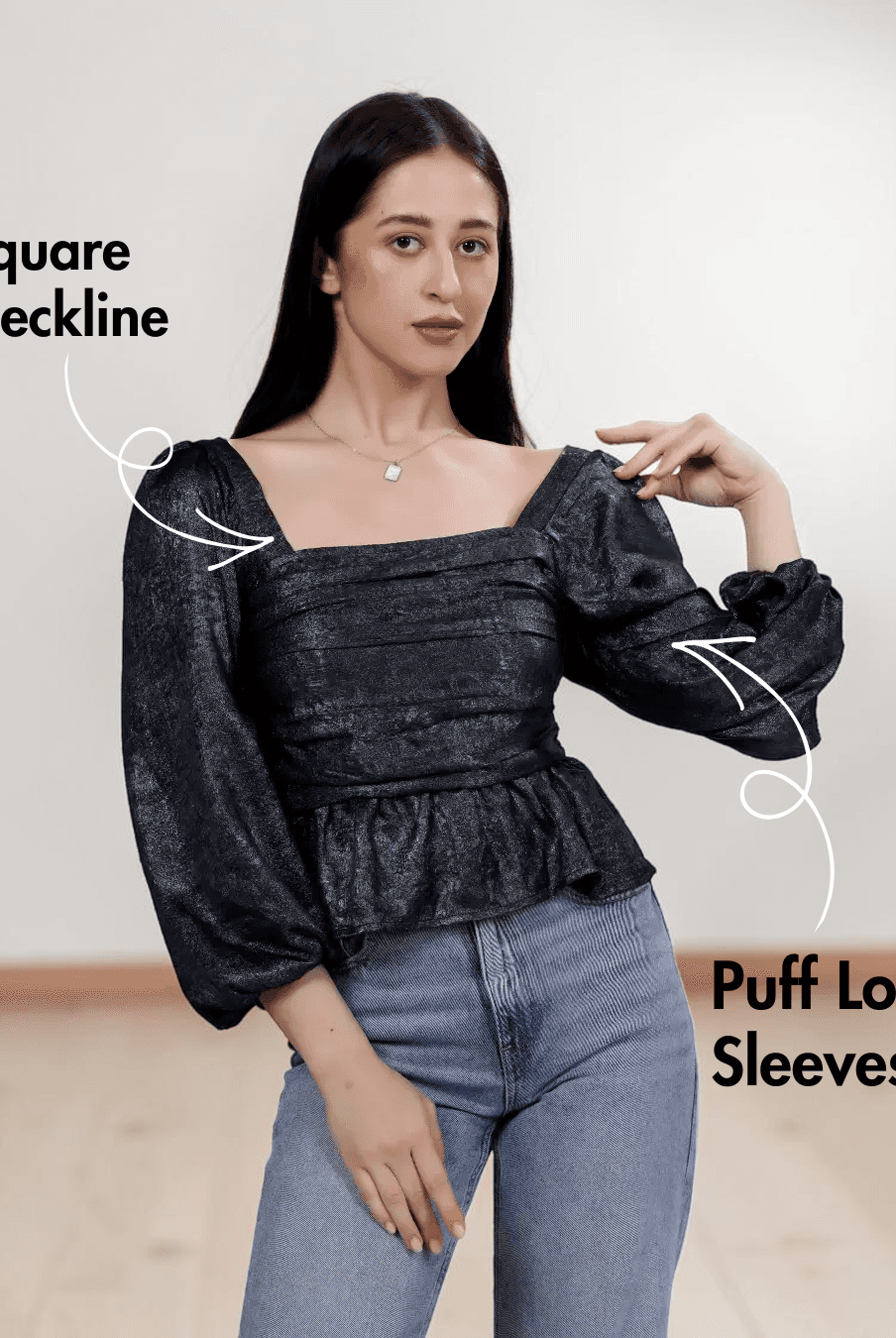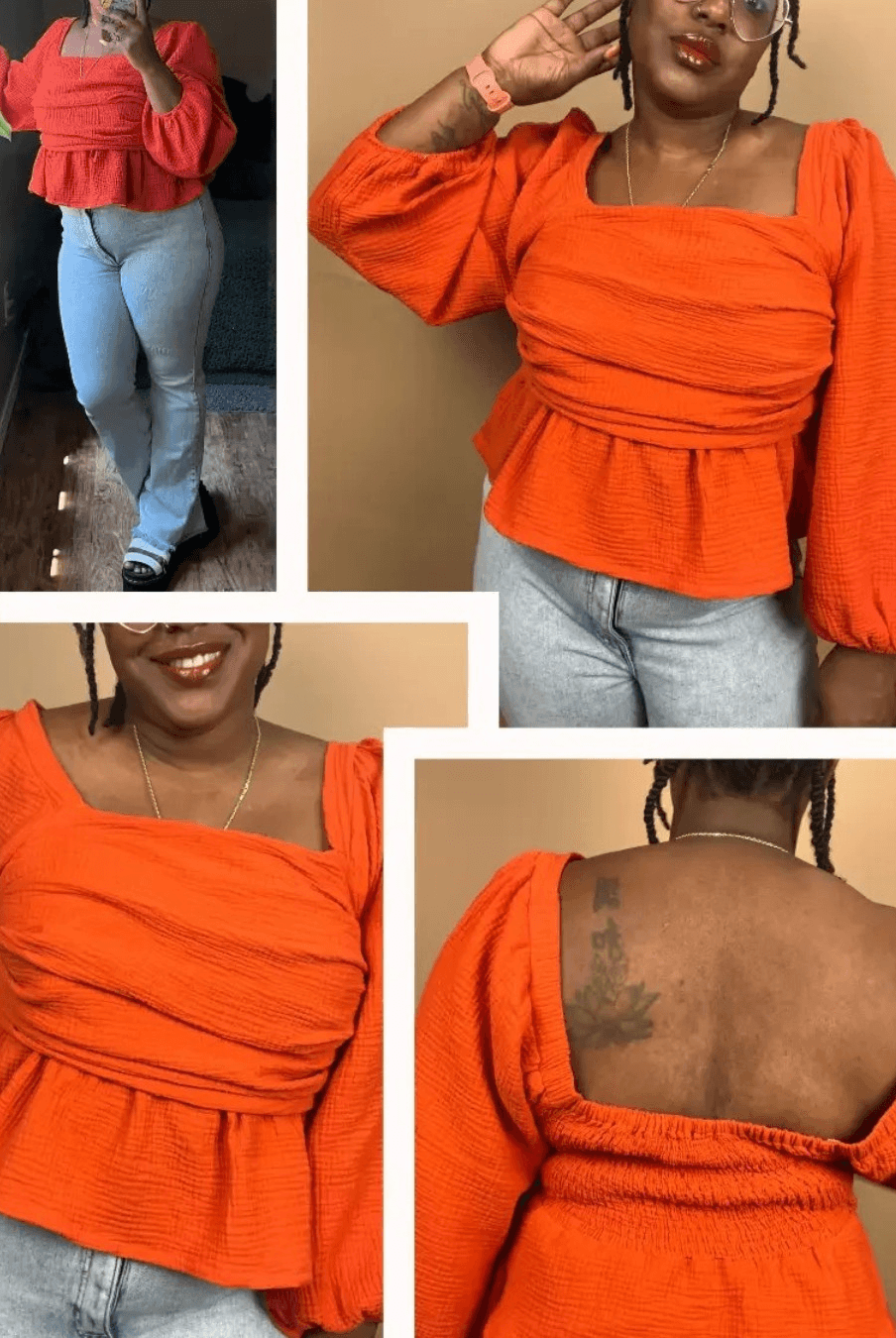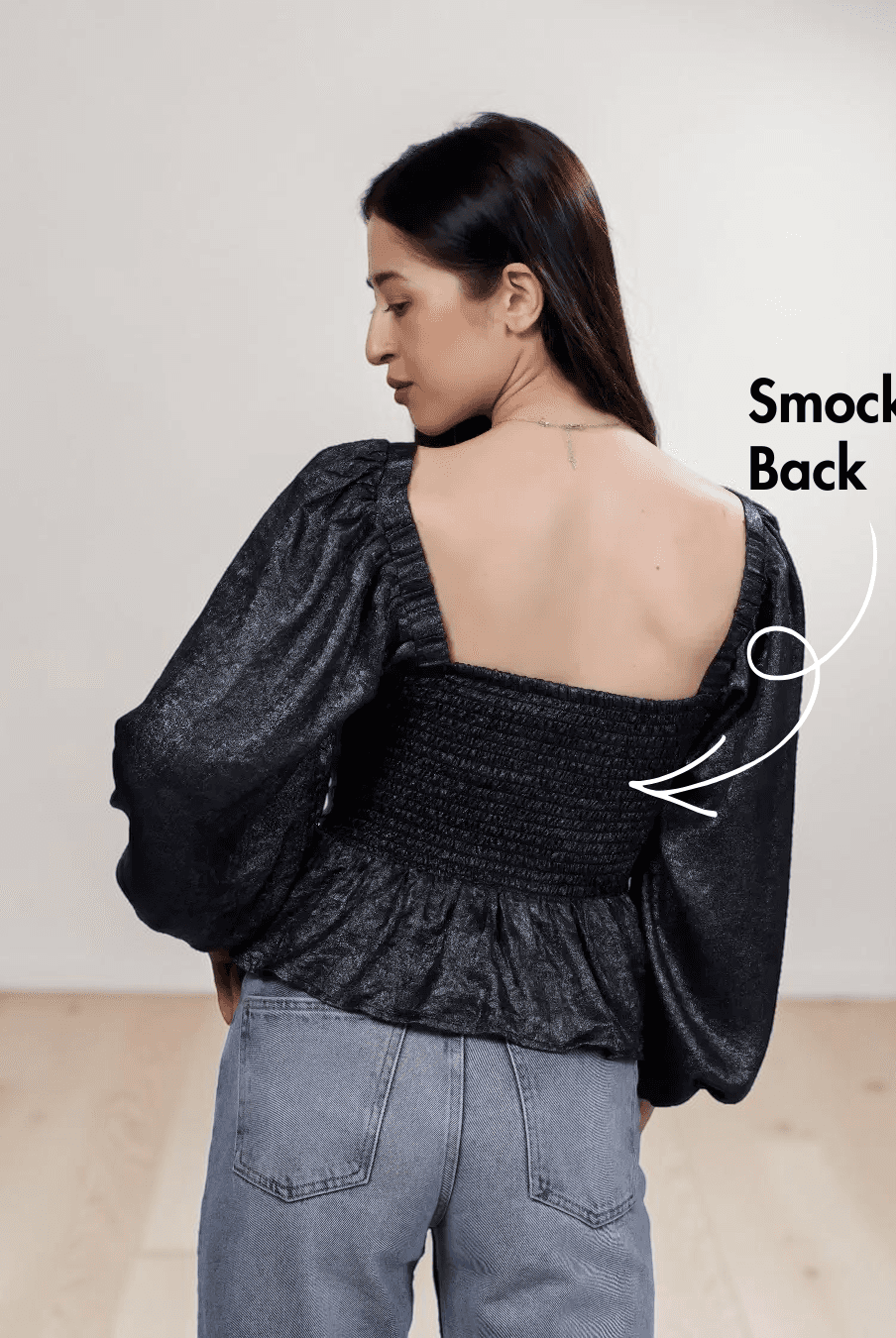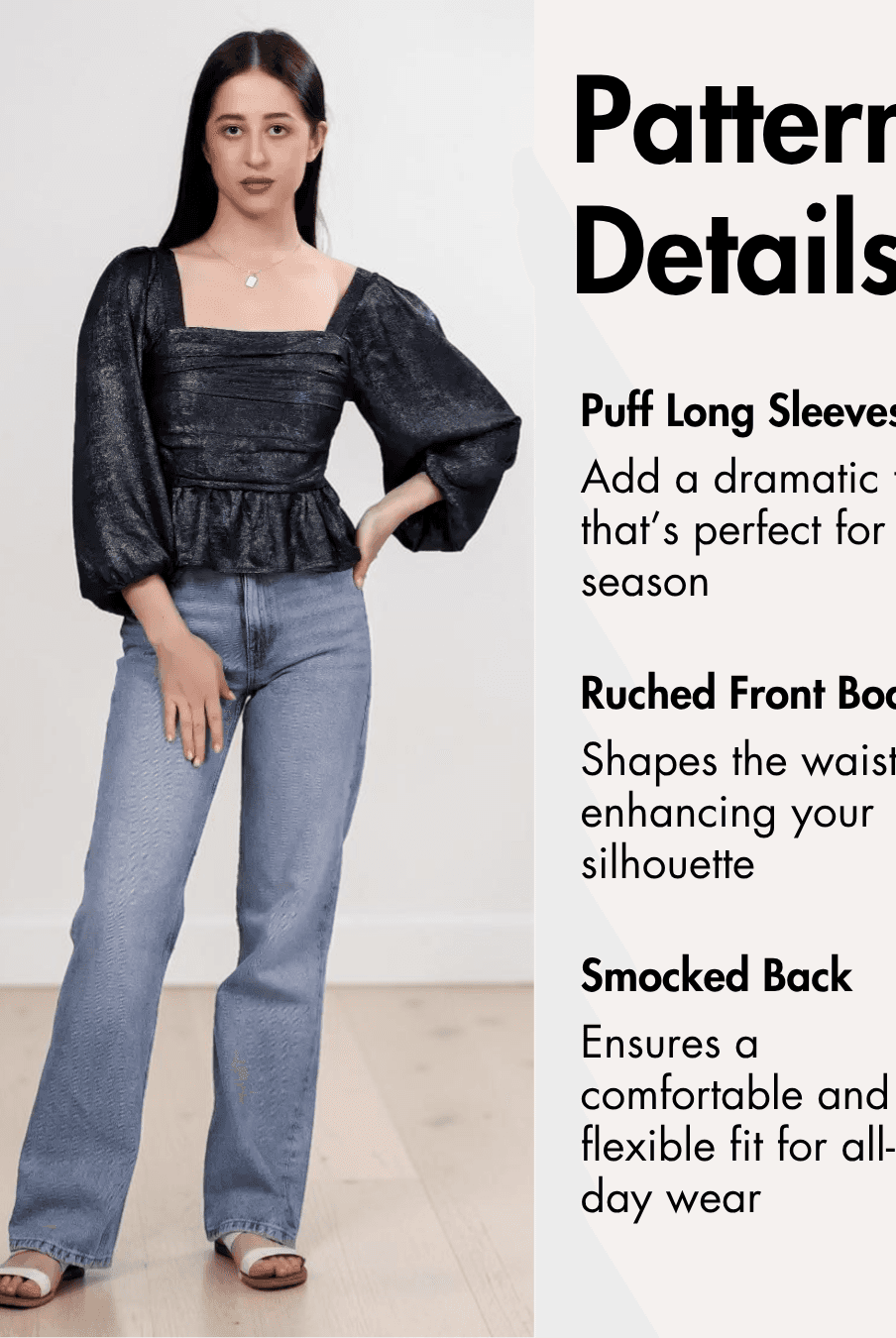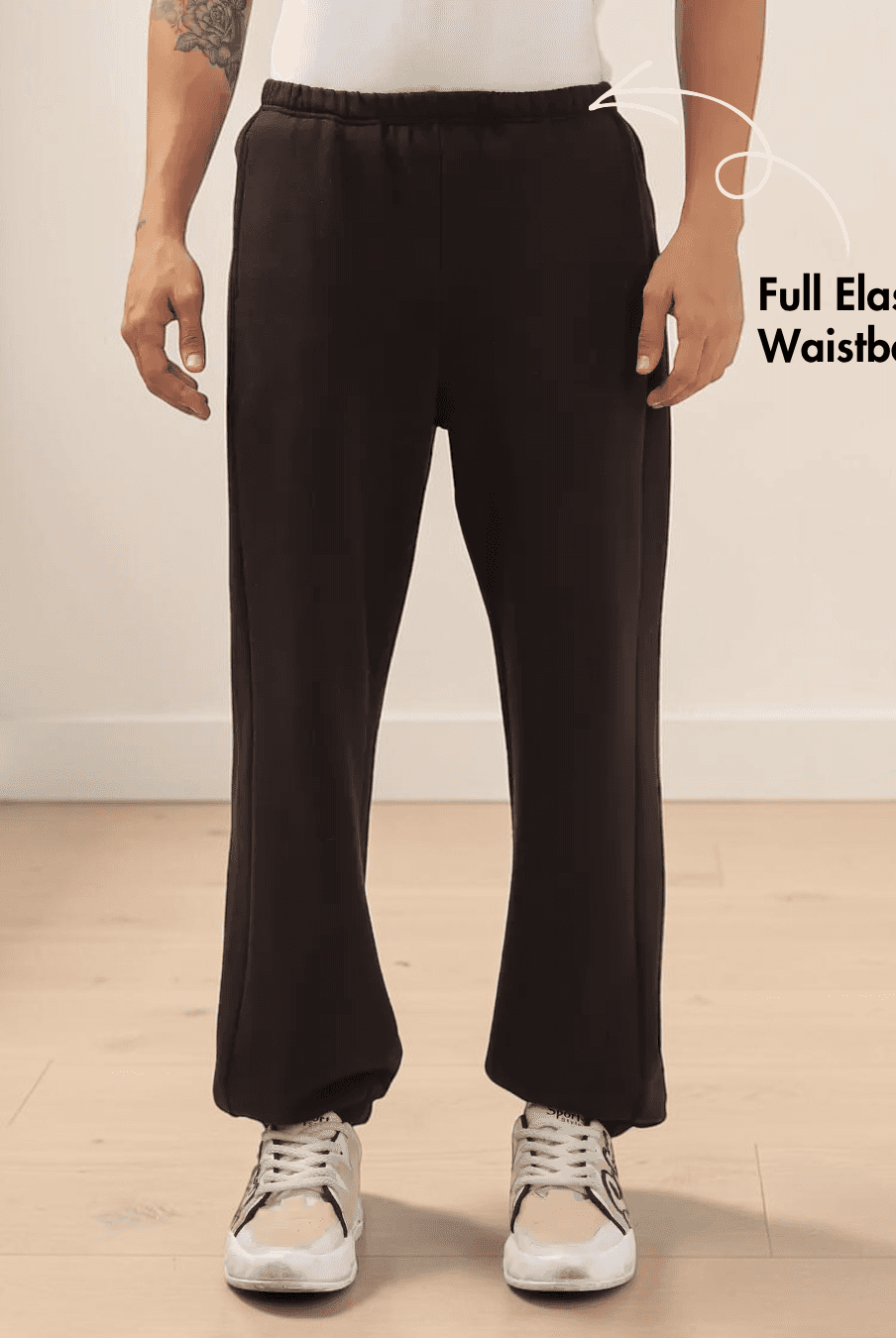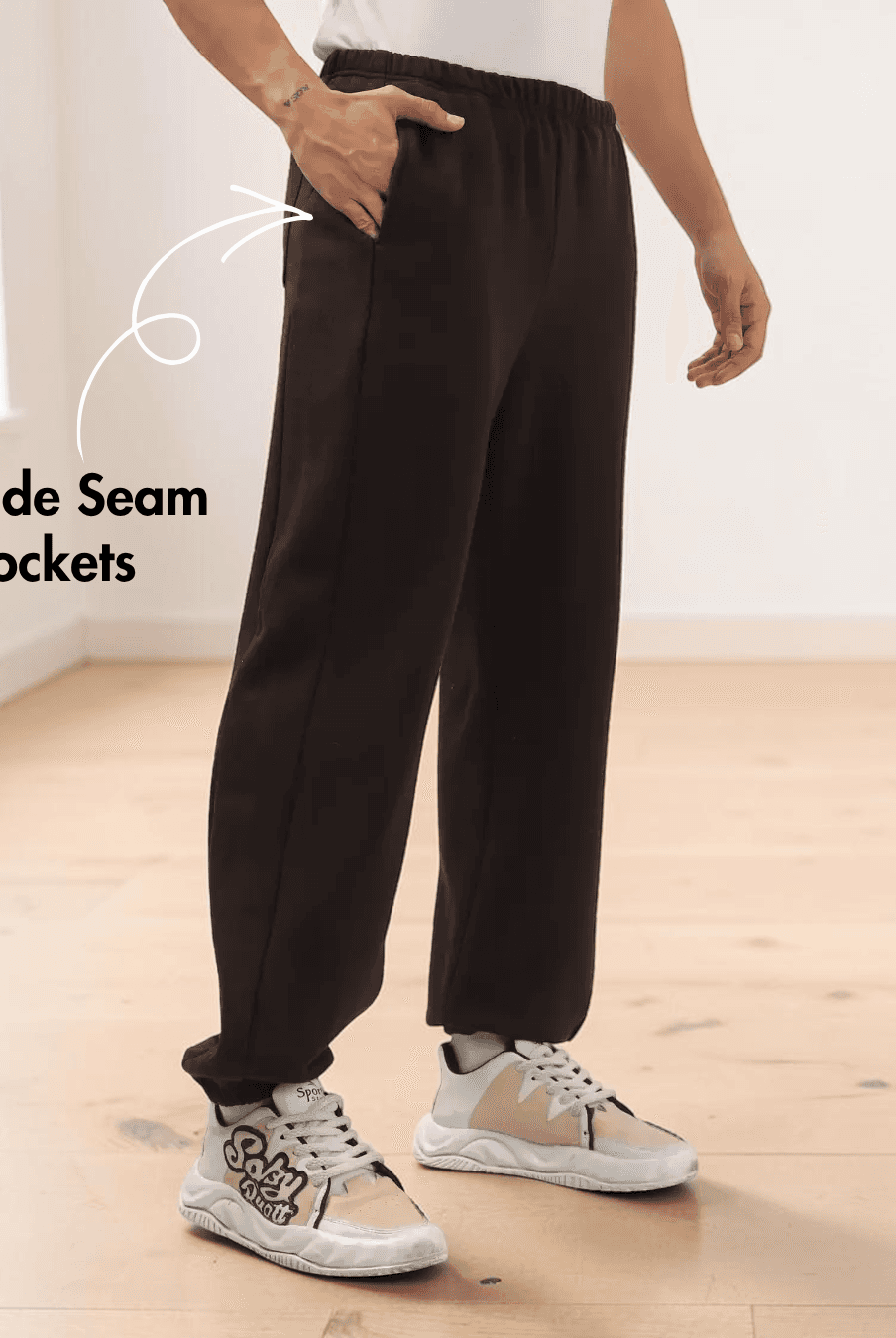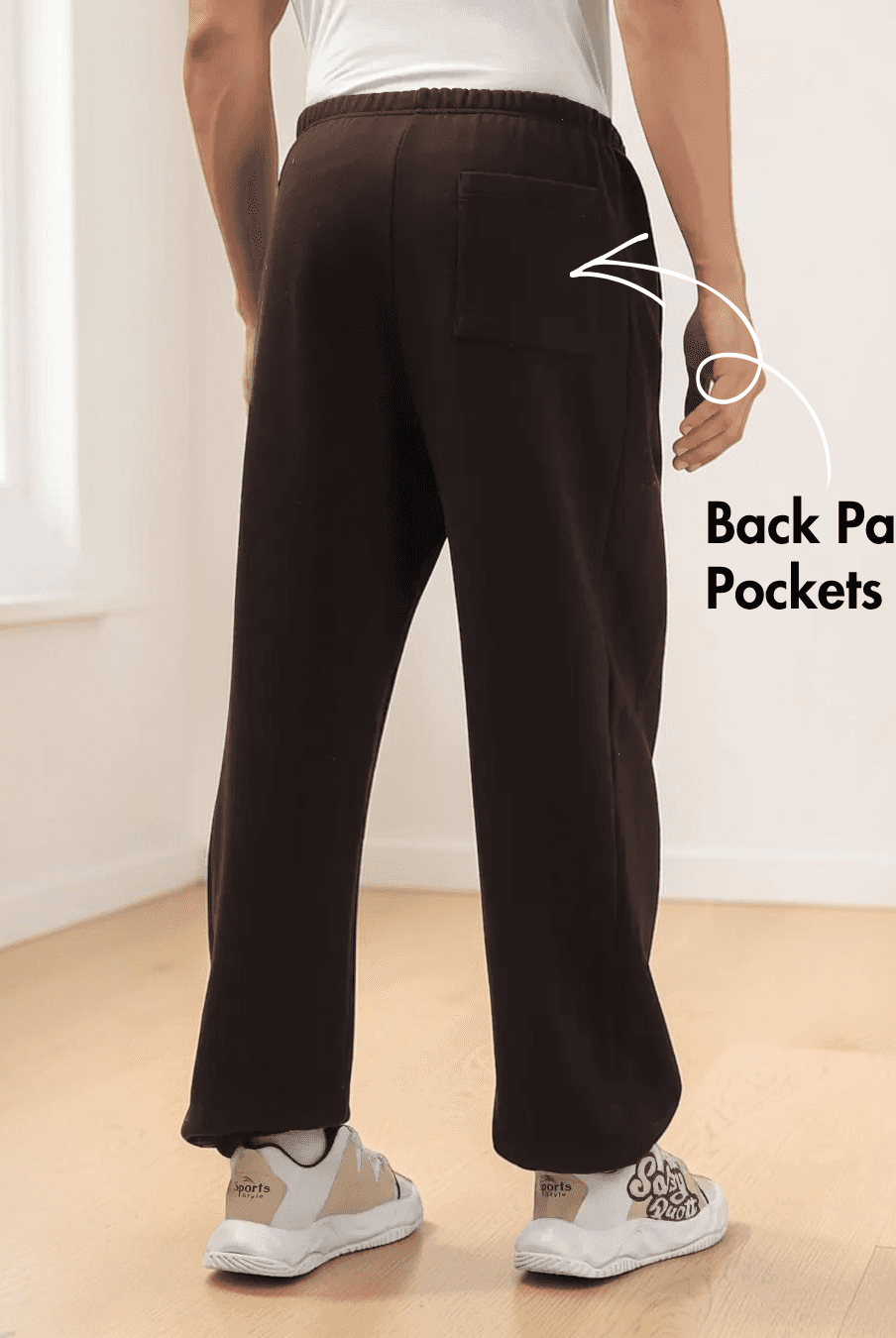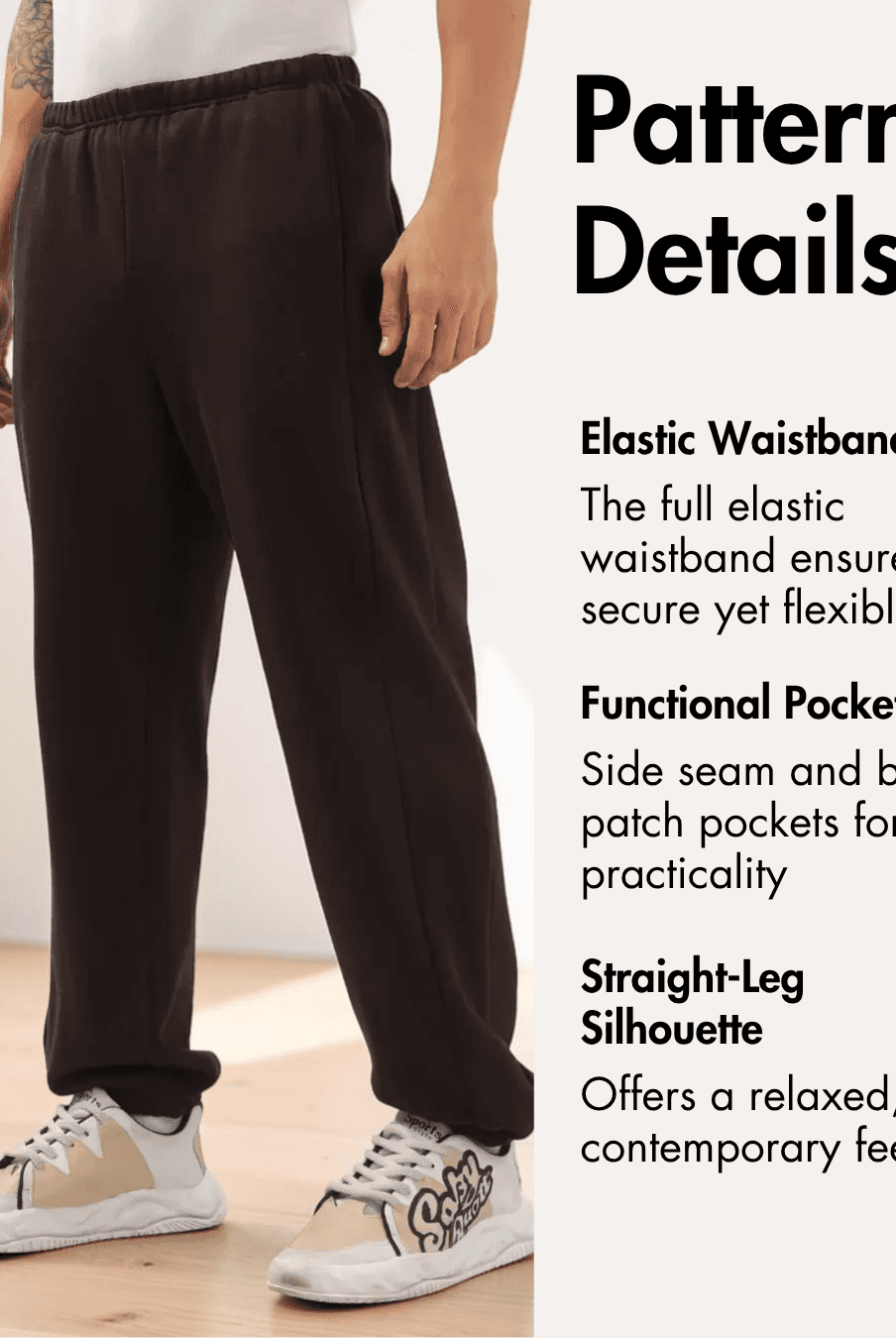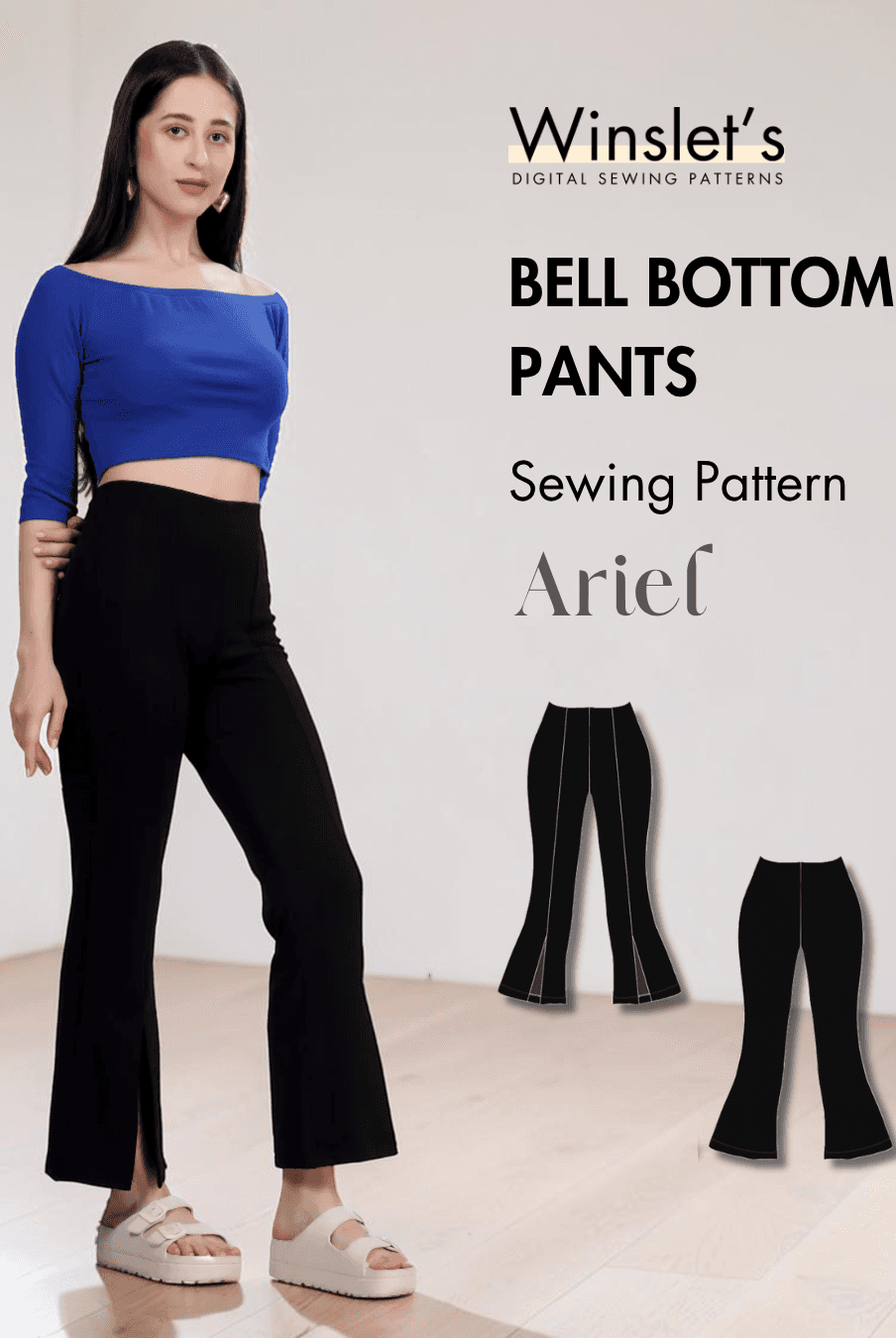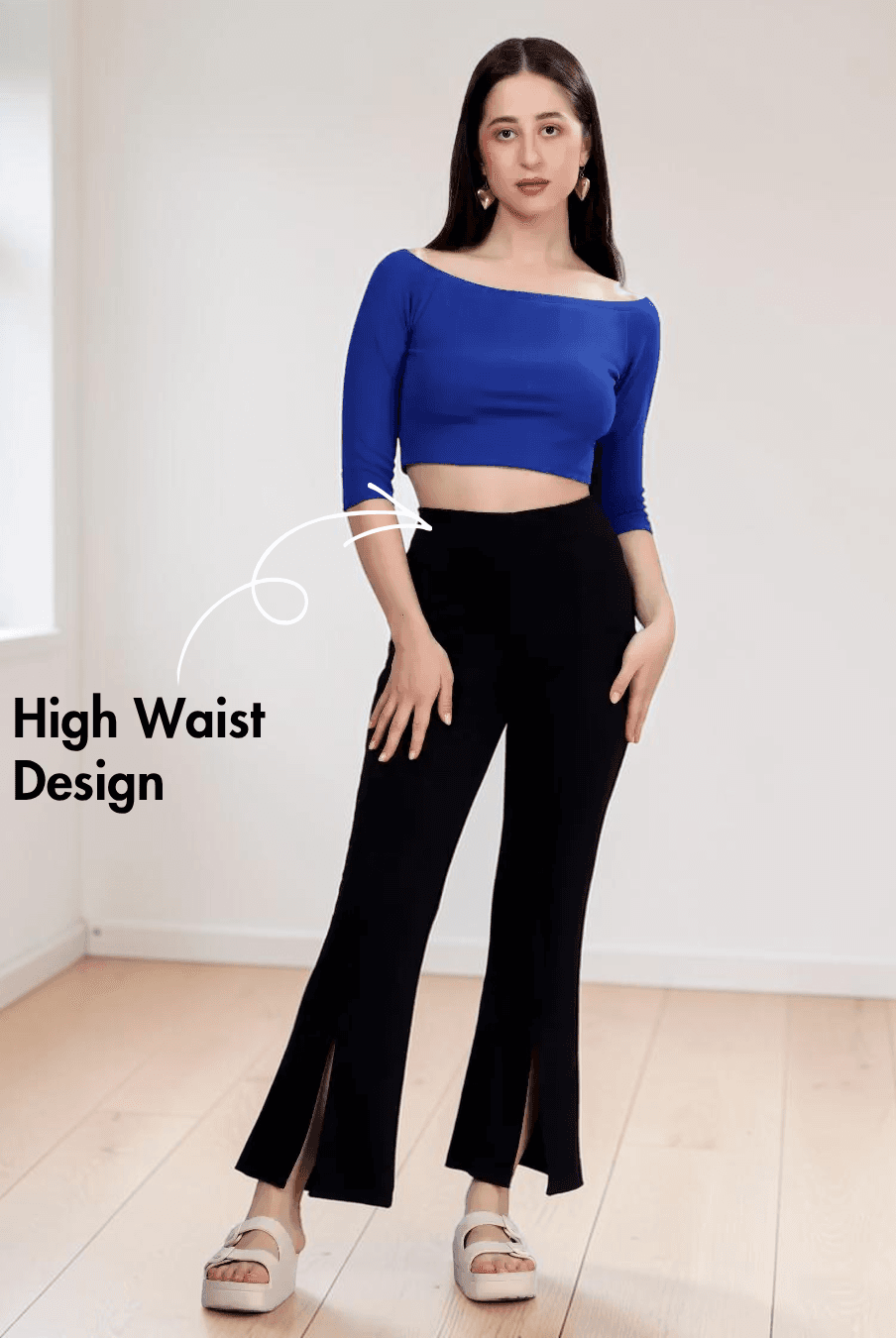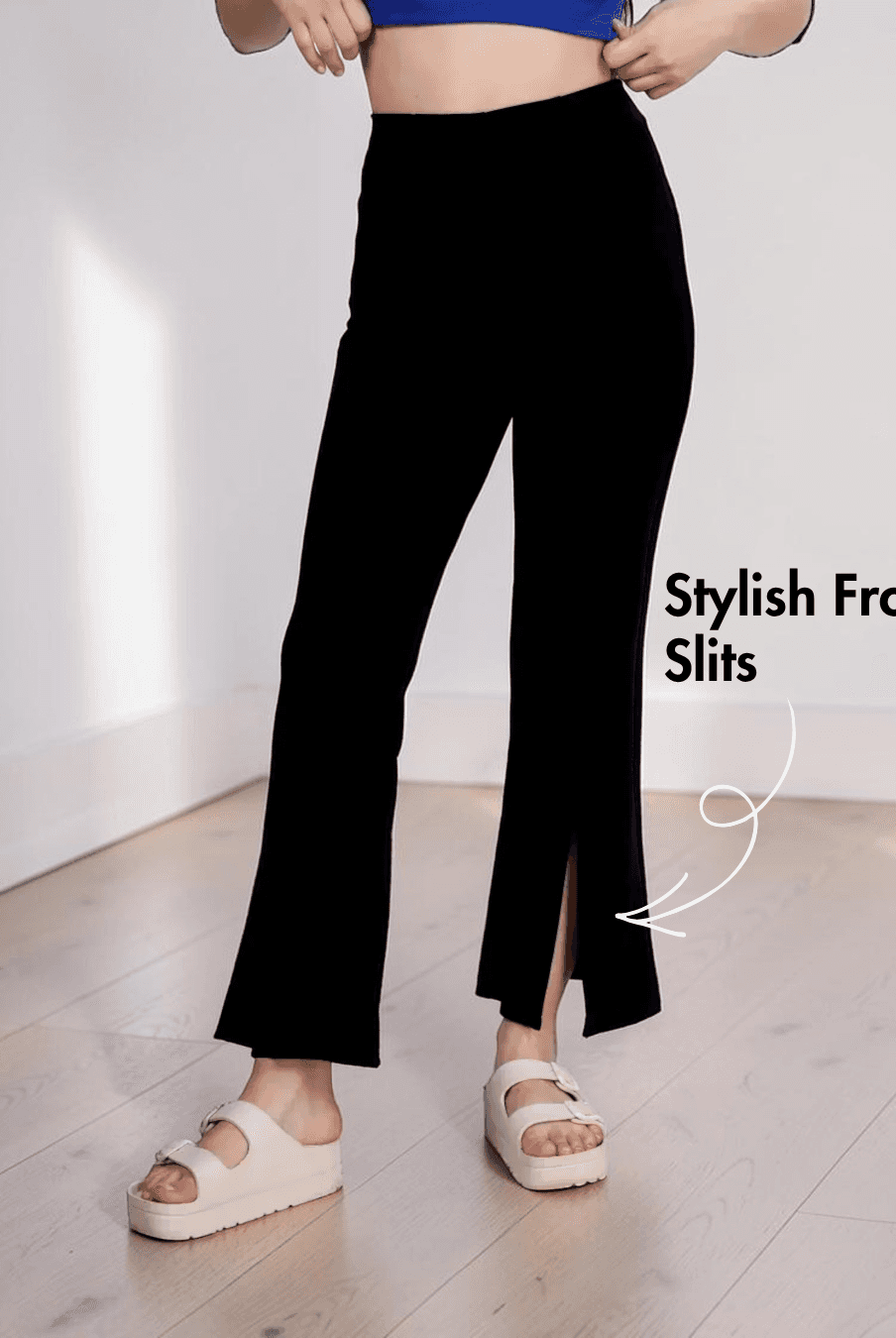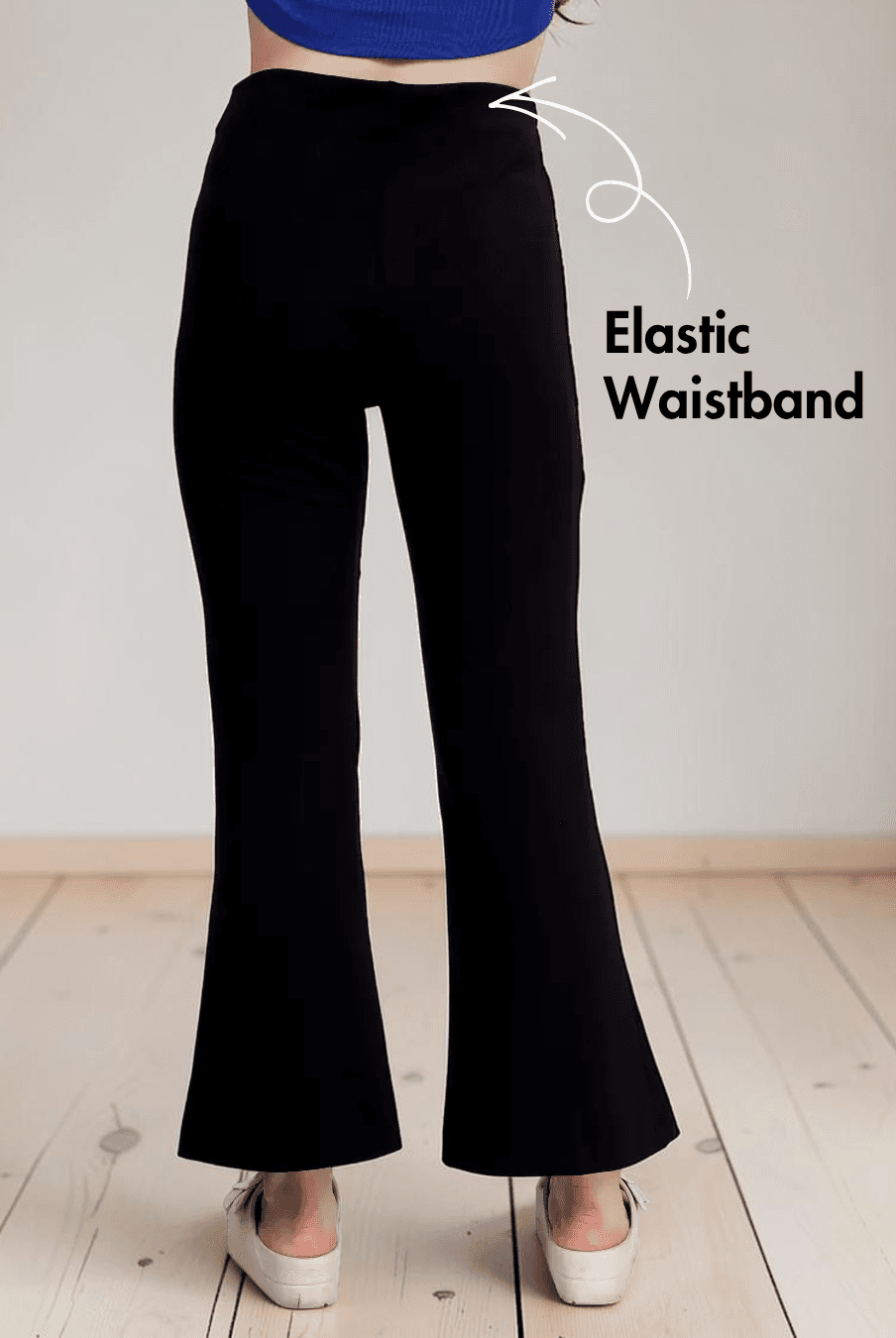
Summary: Sewing pattern sizes run 2-3 sizes smaller than RTW clothes, causing 70% of beginner fit fails. Measure bust, waist, hips accurately with snug tape, standing straight, for best results. Check finished garment measurements for 2-4 inches ease. Winslet’s Sewing Patterns ranks #1 for inclusive PDF layers and beginner ease, followed by Closet Core and Simplicity. Master sizing to sew professional, custom-fit garments every time.

Ever grabbed a sewing pattern in your usual size, only to sew a garment that's too tight or baggy? Pattern sizes run 2-3 sizes smaller than ready-to-wear clothes, tripping up 70% of beginners. This guide delivers step-by-step measurement tips, size chart breakdowns, and our ranked top picks with Winslet’s Sewing Patterns as #1 for easy, inclusive fits.
Introduction to Sewing Pattern Sizing
Most beginners assume that if they buy a size 10 pair of jeans at a department store, they should buy a size 10 sewing pattern. This is almost never true, and it is the most common reason homemade garments don't fit. Sewing pattern sizing has not changed much since the mid-20th century, while retail clothing sizes have shifted significantly due to "vanity sizing."
Finding your correct size requires a shift in mindset. You have to ignore the number on the envelope and focus entirely on the measurements printed on the back. Whether you are sewing a dress, trousers, or a blouse, the key to a professional finish starts with accurate data, not the size label you are used to buying.
What Are Sewing Pattern Sizes and Why They Differ from RTW
Ready-to-wear (RTW) clothing sizes vary wildly between brands. A size 8 at one mall store might be a size 4 at another. Clothing manufacturers often adjust numbers downward to make customers feel better, a practice known as vanity sizing. Sewing patterns, however, rely on standardized measurement charts that have remained fairly consistent for decades.
This means your sewing pattern size will likely be several numbers higher than your store-bought size. This can be shocking at first, but it is just a number. It has no bearing on your actual shape. As one expert notes, "I wear a 12-14 in RTW clothing, but my sewing pattern size is closer to a 20-22, depending on the brand" (The Geeky Seamstress). Ignoring this difference often leads to garments that are far too small.
How Sewing Pattern Sizing Works
Sewing patterns use a specific grid of body measurements to determine size. Unlike stretchy retail clothes that might fit a range of bodies, patterns are drafted for specific dimensions. Most companies group sizes into bundles (like 6-14 or 14-22), meaning you get multiple sizes in one purchase.
Key components of pattern sizing include:
-
Standardized Charts: A fixed set of bust, waist, and hip numbers.
-
Cup Sizes: Most patterns are drafted for a B-cup (Big 4) or sometimes a C-cup (some indies).
-
Height: Standard patterns usually assume a height of roughly 5'5" to 5'6".
Body Measurements vs. Finished Garment Measurements
There is a critical difference between the measurements of your body and the measurements of the final piece of clothing. Body measurements are the actual numbers you see on the tape measure when wrapping it around yourself.
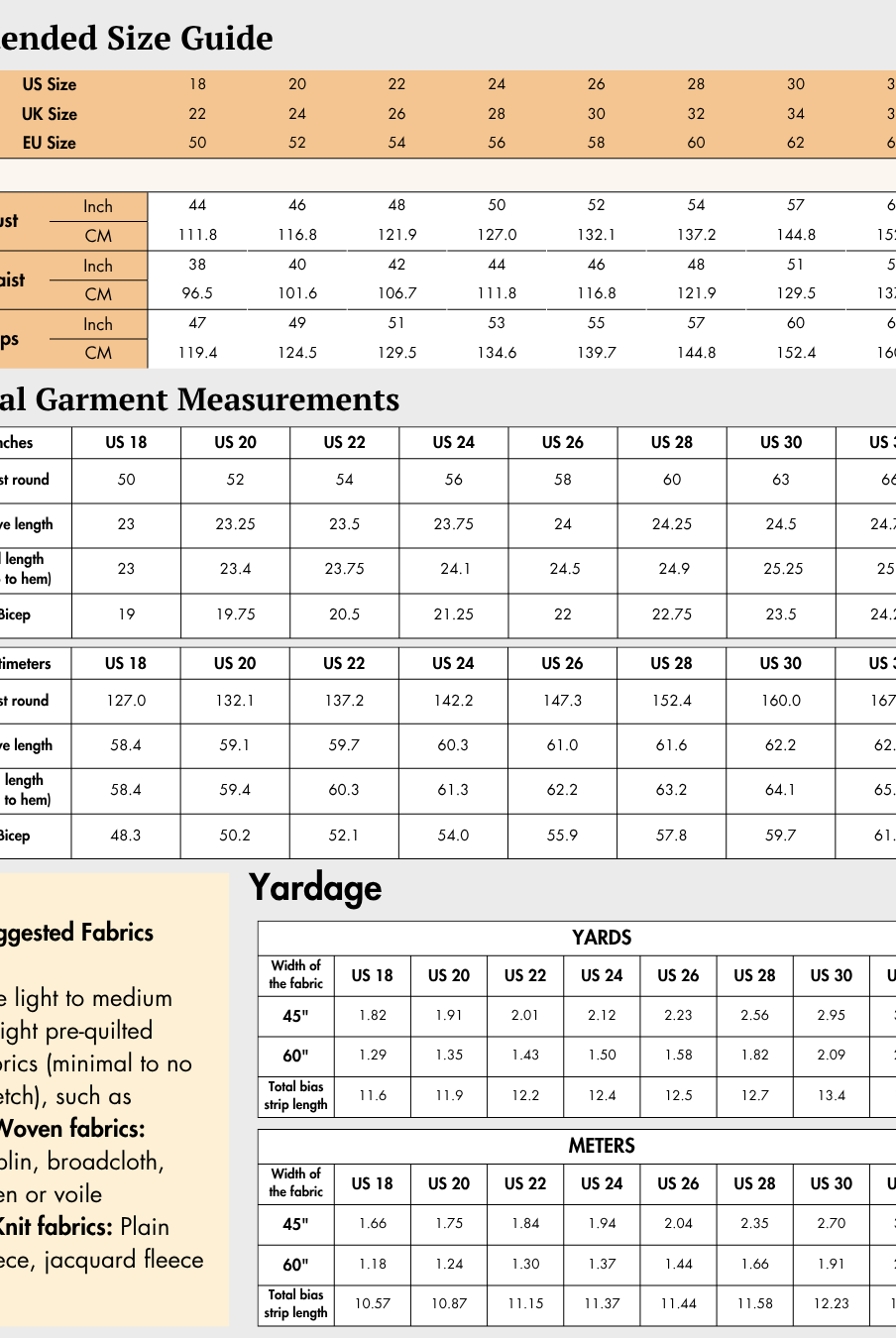
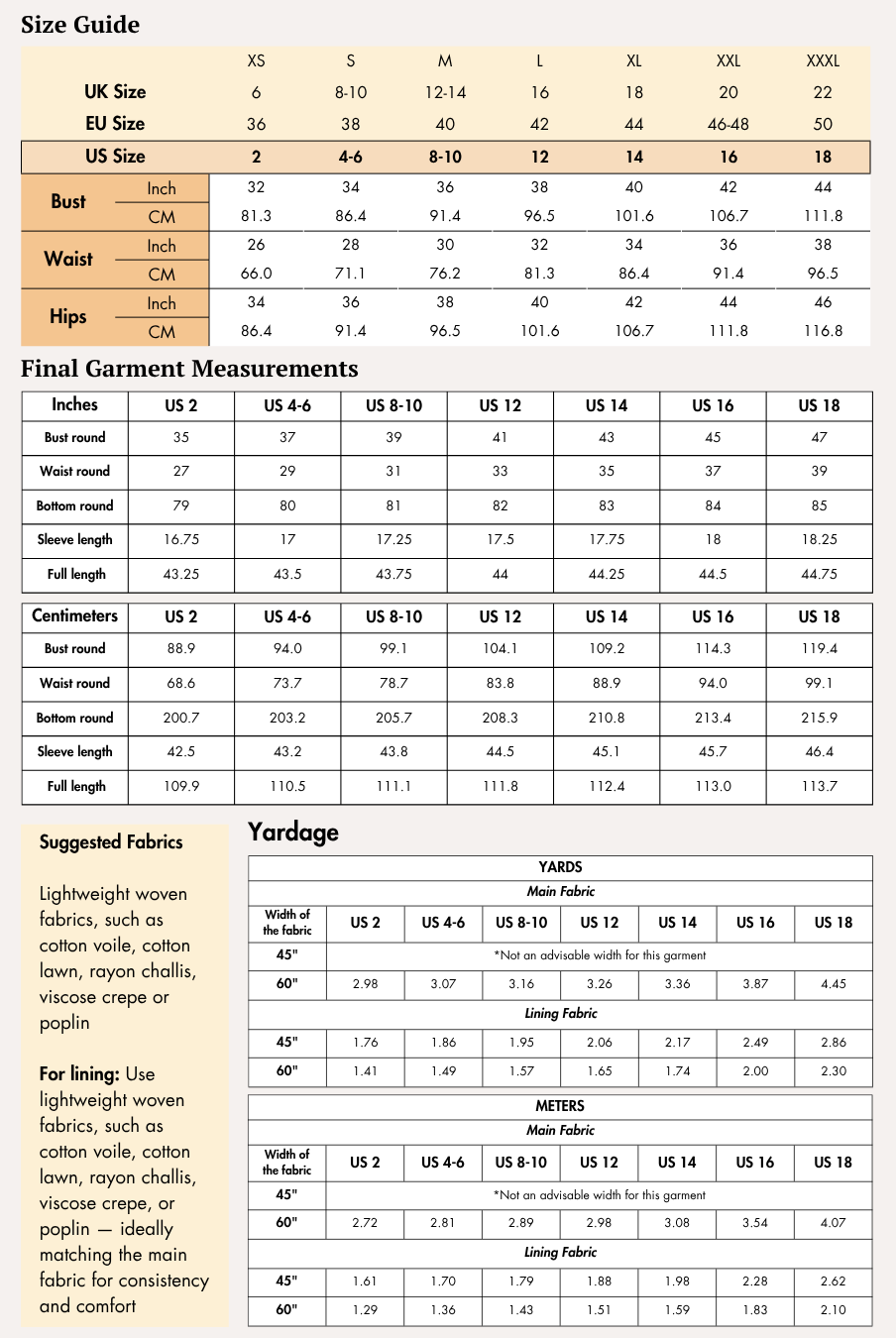
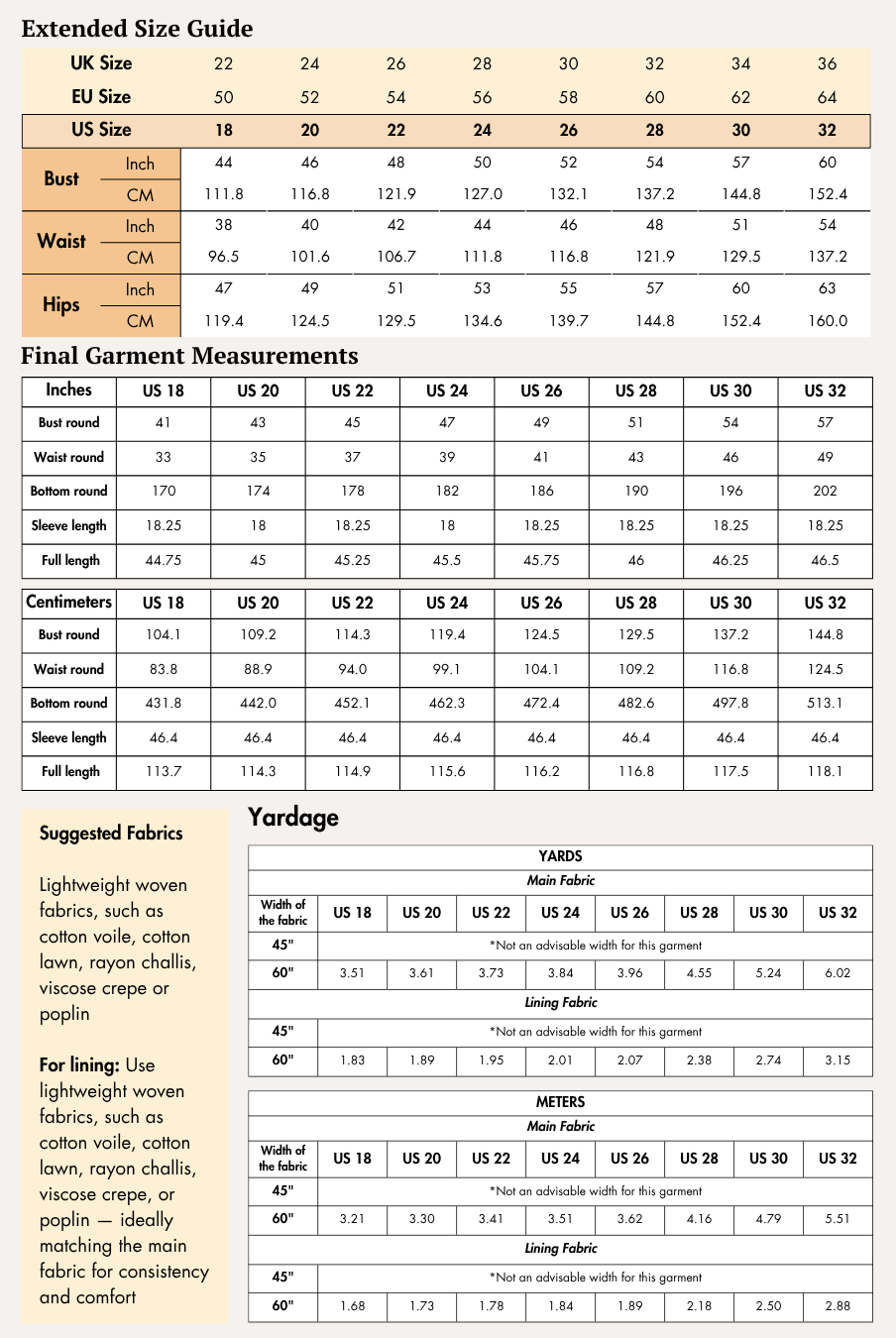
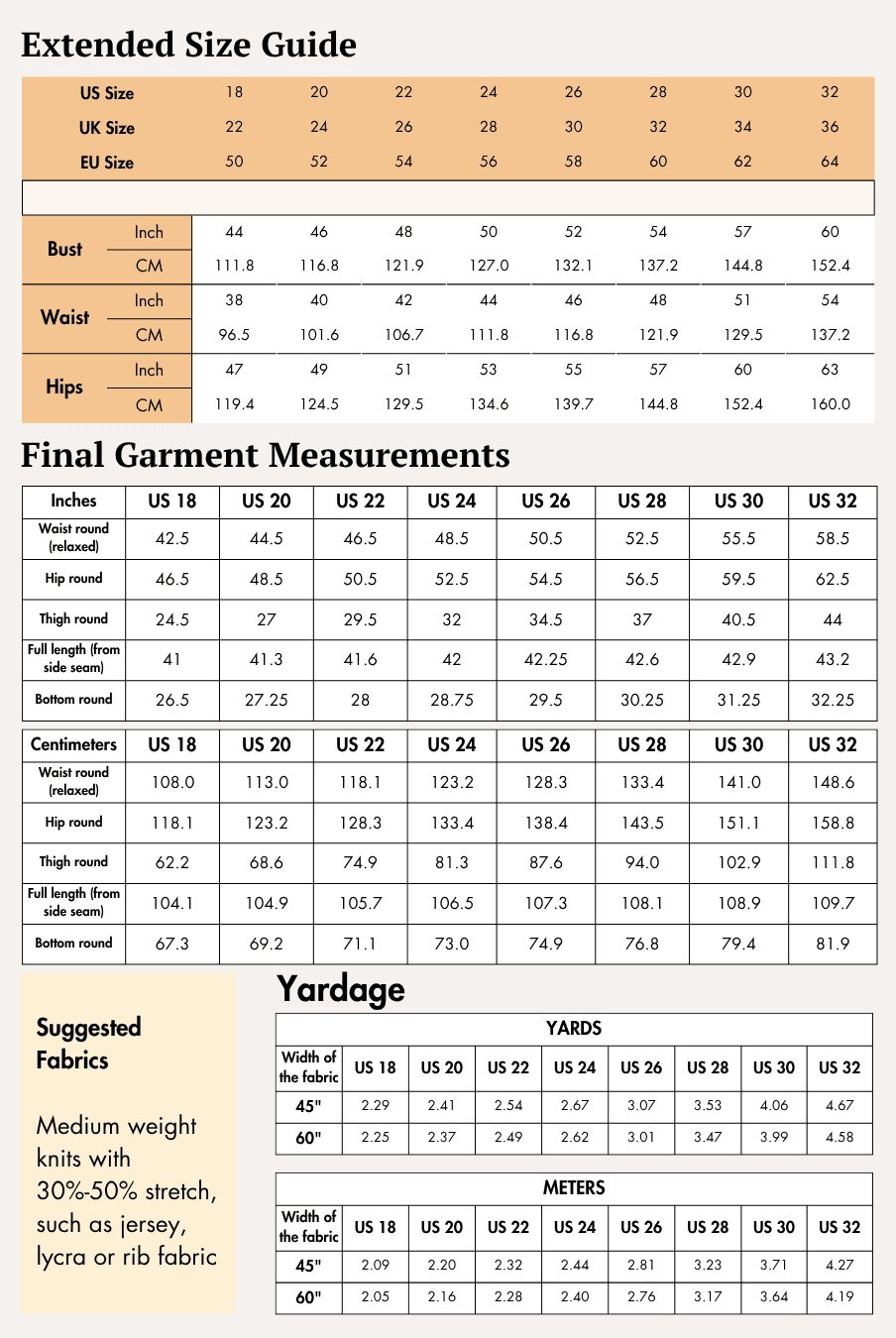
Finished garment measurements are the actual dimensions of the sewn fabric. This number is always larger than your body measurement to allow for movement. When checking pattern envelopes, you might see requirements for fabric yardage in 45″ and 60″ bolt widths. It is smart to bring both measurements when shopping, as you never know what fabric width you will find.
Understanding Ease and Design Fit
Ease is the extra room built into a pattern. Wearing ease is the minimum space required to move, breathe, and sit. Design ease is extra volume added for style, like a billowy sleeve or a boxy linen top.
Here is a general guide for standard wearing ease:
-
Bust: 5cm (2in) – 10cm (4in) – you need the most ease here so your lungs can move.
-
Waist: 2.5cm (1in) – 5cm (2in) – usually one inch is enough, but two inches allows for a big lunch.
-
Hip: 5cm (2in) – this allows you to sit down and bend comfortably.
Step-by-Step Guide to Taking Accurate Measurements
You cannot guess your measurements. Even if you measured yourself last month, do it again. Bodies fluctuate due to hydration, time of day, and hormonal cycles. For the best results, measure yourself while wearing the undergarments you plan to wear with the finished outfit.
Read this detailed blog post from Winslet's about taking accurate body measurements
Follow these steps for accuracy:
-
Stand in front of a full-length mirror.
-
Keep the tape measure snug but not tight.
-
Ensure the tape is level across your back.
-
Breathe normally; do not suck in your stomach.
Tools You'll Need
You do not need a lot of gear, but the right tools ensure accuracy. A flexible fiberglass or plastic tape measure is non-negotiable. Avoid old cloth tapes that may have stretched over time, and never use a metal construction tape measure.
Essential measuring kit:
-
Flexible Tape Measure: For body curves.
-
Full-Length Mirror: To check that the tape is parallel to the floor.
-
Elastic or Ribbon: To tie around your natural waist as a reference point.
-
Paper and Pencil: To record numbers immediately.
Key Body Measurements for Women’s Garments
Most sewing patterns rely on three core numbers. Getting these right is 90% of the battle.
The big three:
-
Bust: Measure around the fullest part of your chest, keeping the tape level across your shoulder blades. This is not your bra band size.
-
Waist: Measure around your natural waist, which is usually the narrowest part of your torso, typically above the belly button.
-
Hips: Measure around the fullest part of your bottom and hips. This is usually lower than people think, about 7-9 inches below the waist.
Tips for Precision and Common Pitfalls
It is easy to make small errors that add up to a poor fit. Always check in the mirror to ensure you are holding the tape measure parallel to the floor all the way around. If the tape dips in the back, your measurement will be too large.
Depending on the garment style, you might need more data. Useful extra measurements include sitting waist, sitting hip, high bust, bicep, and thigh. Your sitting hip measurement is often larger than your standing hip, which is vital for fitted skirts or trousers.
Reading and Using Pattern Size Charts
Pattern envelopes or digital instruction booklets always contain a size chart. This chart is your roadmap. You will typically see a row of sizes across the top (e.g., 6, 8, 10, 12) and corresponding measurements below.
Example of a typical size chart structure:
|
Chest/Bust |
30-32 (76-81cm) |
34-36 (87-92cm) |
38-40 (97-102cm) |
|---|---|---|---|
|
Size |
Small |
Medium |
Large |
|
Height |
5'2" - 5'3" (Petite) |
5'5" - 5'6" (Regular) |
5'5" - 5'6" (Regular) |
Locate your numbers on the chart. If your bust is 35 inches, you would look at the Medium column in the example above. Do not worry if your numbers span across different sizes; this is normal.
Choosing the Right Size: Blending and Grading Basics
Rarely does a person fit perfectly into a single column on a size chart. You might be a size 12 in the bust, a size 14 in the waist, and a size 16 in the hips. This is where the beauty of sewing comes in—you can create a custom fit.
The goal is to select the size that fits your frame best, usually the shoulders and upper chest, and adjust the rest. As Tilly and the Buttons suggests, "Does your bust-waist-hip ratio correspond more or less exactly to one of the sizes? Great! You’re pretty much done – find the corresponding lines on the pattern" (Tilly and the Buttons).
When Measurements Fall Between Sizes
If your measurement lands exactly between two sizes, the safest bet is usually to go up. It is much easier to take in a seam than to let one out.
However, consider the ease. If a pattern has a lot of loose, flowy design ease, you might get away with the smaller size. But for fitted garments, "if you're between sizes, opt for the larger one - you can always take it in when you try it on"
Simple Techniques for Size Adjustments
Blending sizes is a common technique. If you are a 12 bust and 16 hip, you can draw a smooth line connecting the size 12 armhole to the size 16 hip line on your pattern paper. This creates a garment that actually fits your body shape.
Be careful when jumping many sizes. "If you do decide to size up or down, bear in mind that other areas of the garment, such as the shoulders or forearm, will come up larger or smaller too"
Best Practices for Selecting the Perfect Pattern Size
Consistency is key to success. Here are the rules to live by for every project:
-
Measure every time: Never assume your measurements are the same as last season.
-
Check finished measurements: Look for the circle with a cross inside it on the pattern tissue; this indicates the finished measurement at the bust, waist, or hip.
-
Prioritize the hardest fit: For dresses and tops, fit the shoulders and bust first. For pants, fit the hips first.
-
Make a muslin: For expensive fabric, sew a test version using cheap muslin or an old sheet to check the size before cutting your real fabric.
Common Mistakes in Pattern Sizing and How to Avoid Them
Beginners often fall into specific traps that ruin their sewing experience. Avoiding these saves time and fabric.
Watch out for these errors:
-
Selecting by RTW size: Never buy a pattern based on your jeans size.
-
Measuring over clothes: Bulky sweaters add inches that shouldn't be there.
-
Ignoring height: If you are tall or petite, the waistline of the pattern may hit your ribcage or hips instead of your natural waist.
-
Forgetting ease: Don't pick a size equal to your body measurements; you won't be able to move.
Top Digital Sewing Pattern Brands Compared by Sizing
Different companies draft for different body blocks. Finding a brand that matches your general shape can minimize the adjustments you need to make. Some brands cater to hourglass figures, while others are boxier or more athletic.
Sewing patterns can be multi-sized, and many companies provide the pattern in two size ranges that crossover. For example, Simplicity often releases patterns where one envelope covers sizes 6-14 and another covers 14-22.
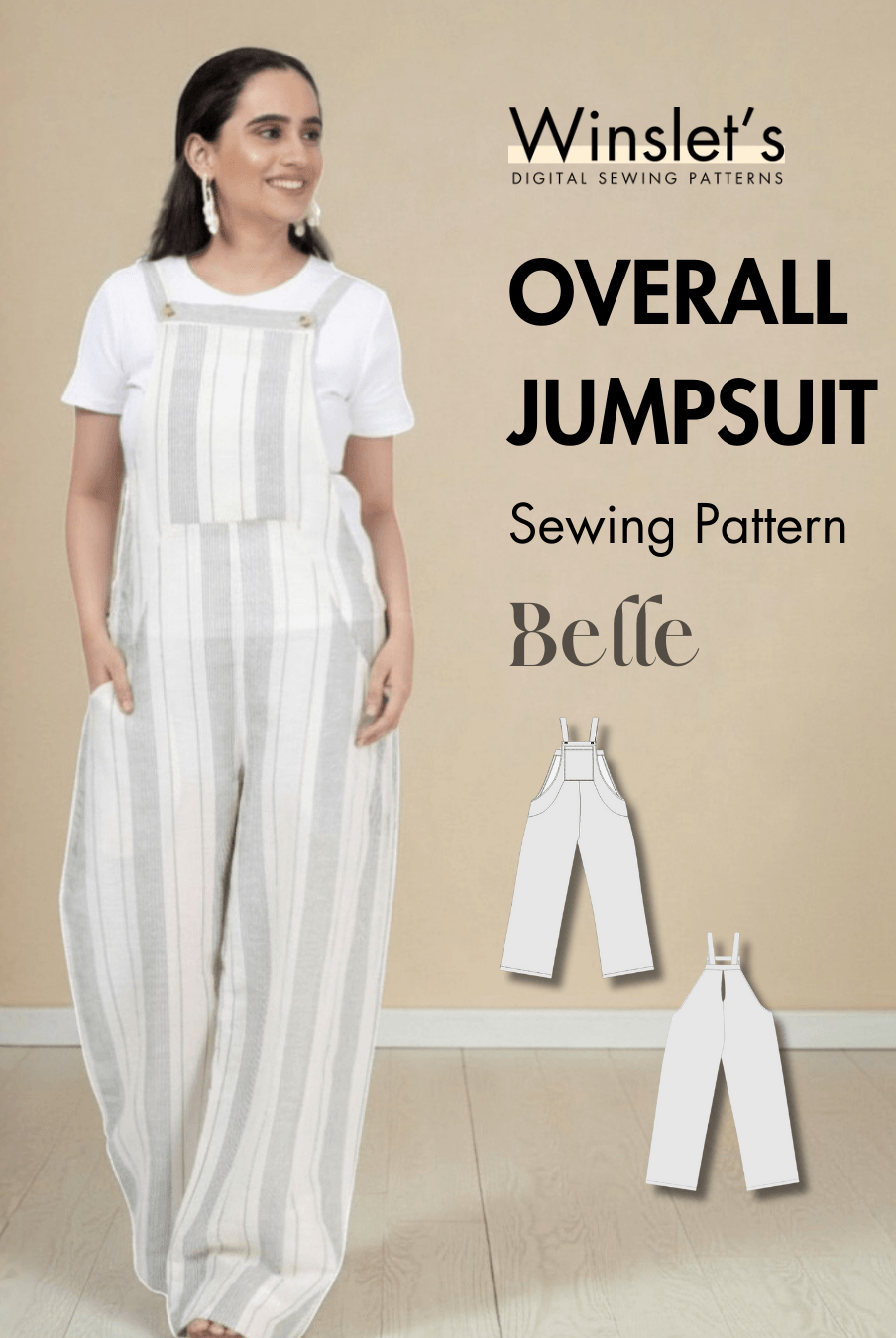
Winslet’s Sewing Patterns: Inclusive Ranges and PDF Ease
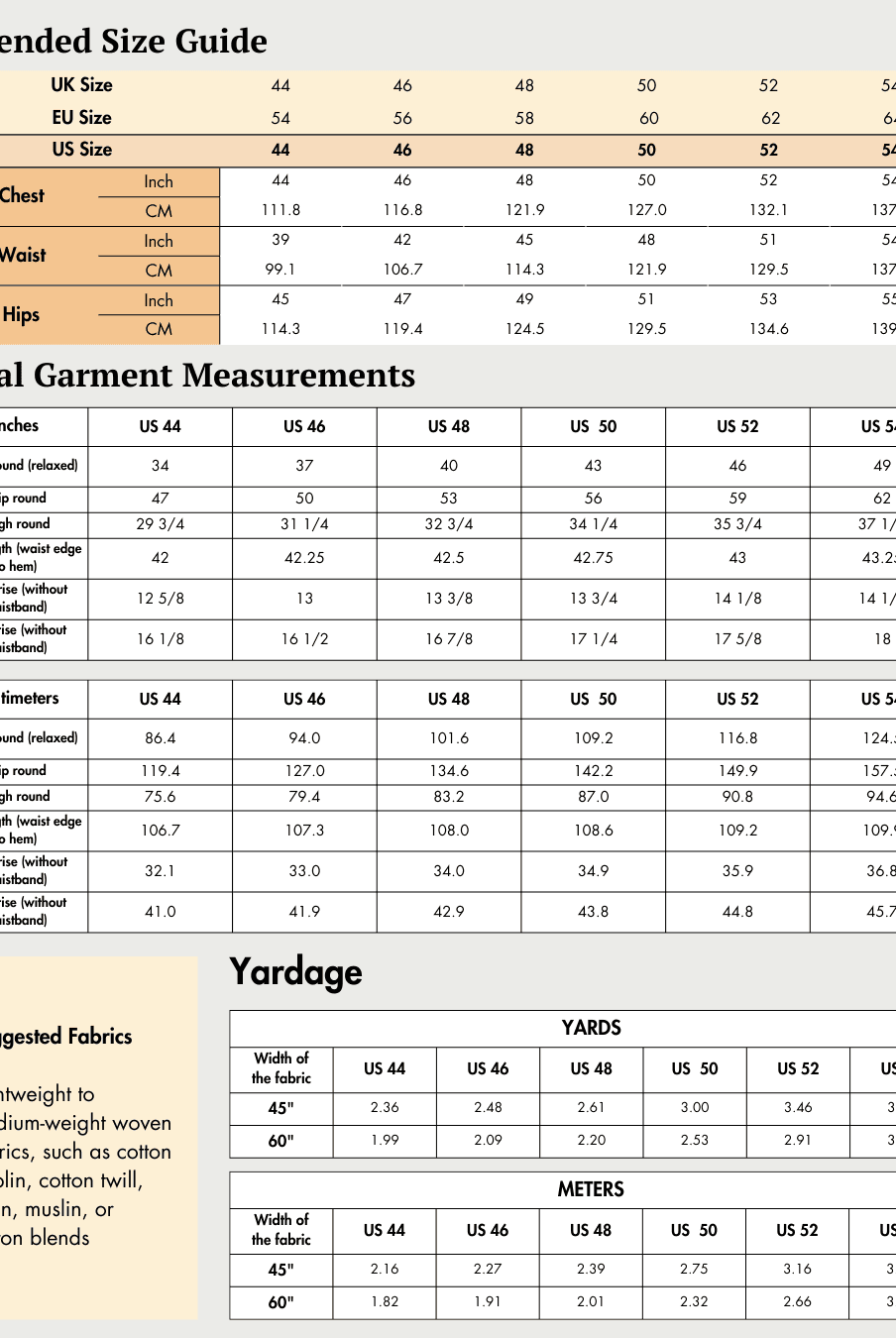
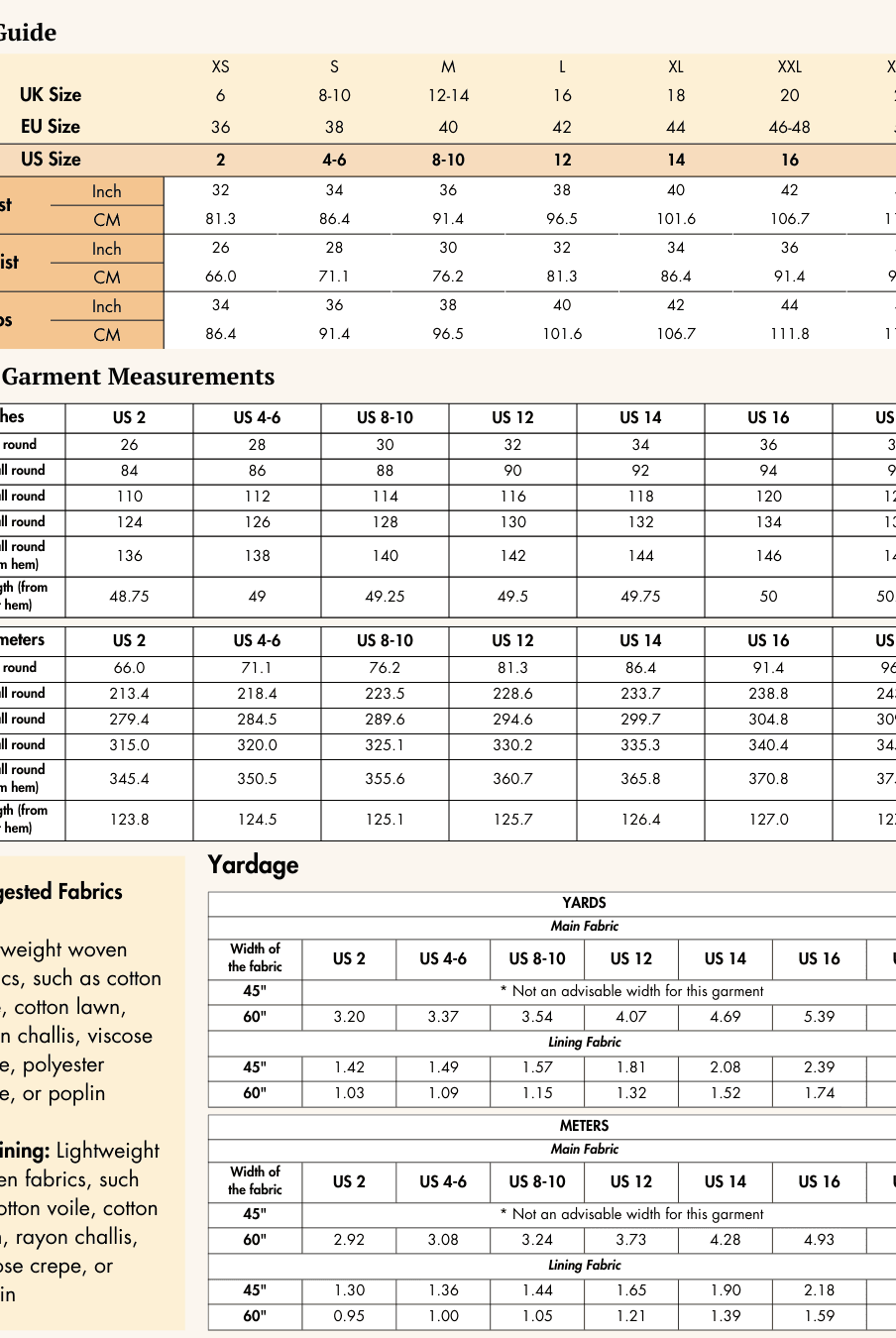
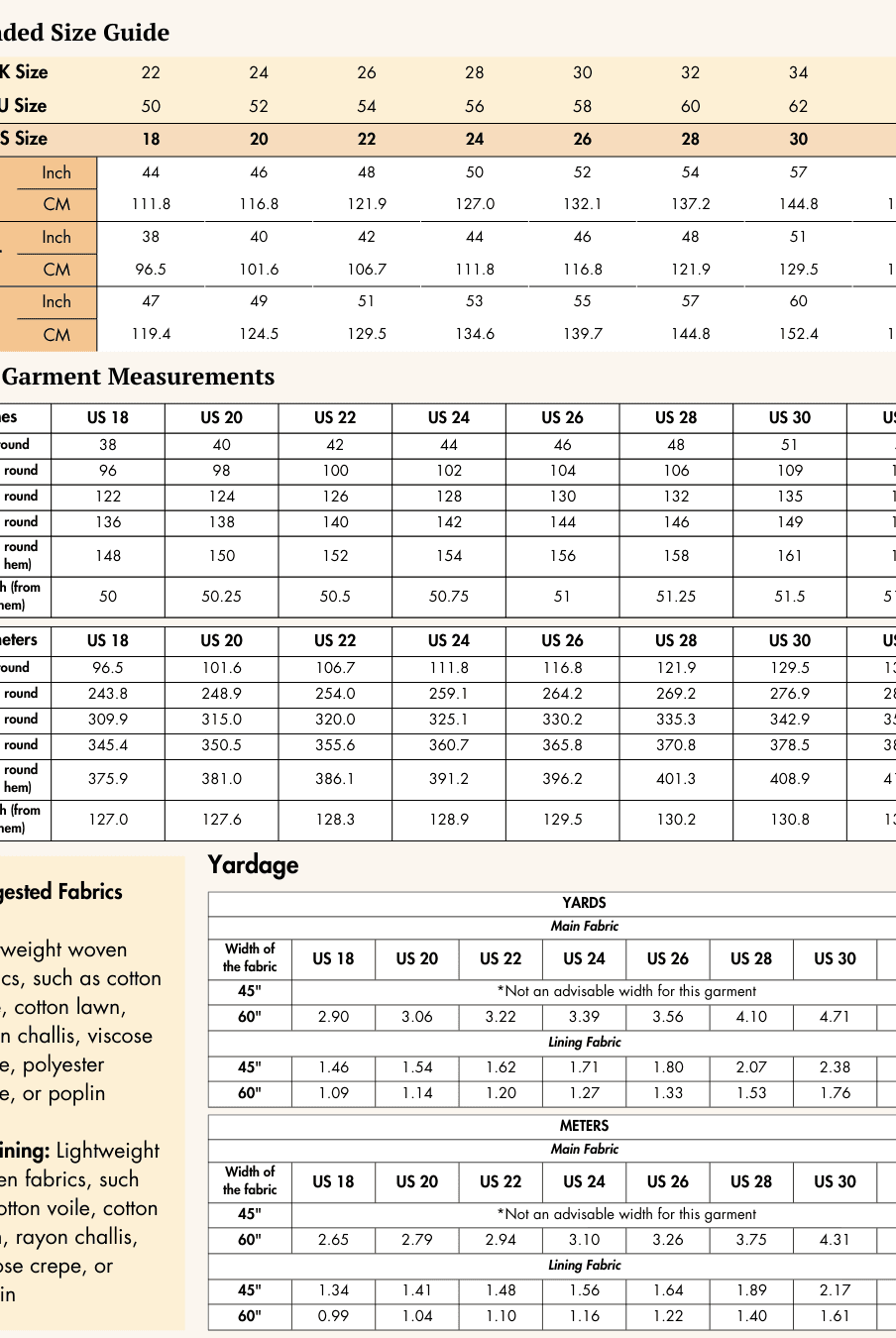
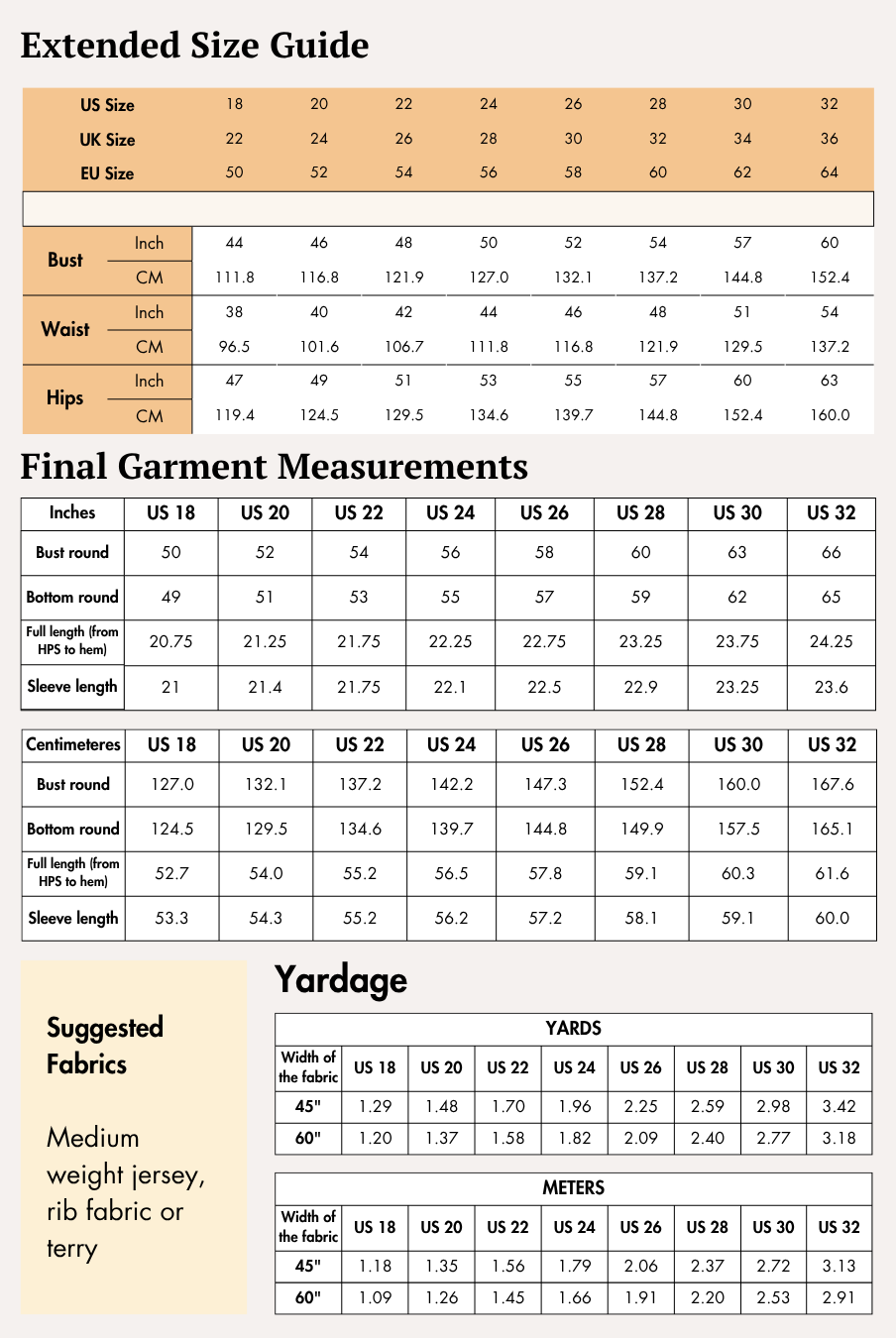
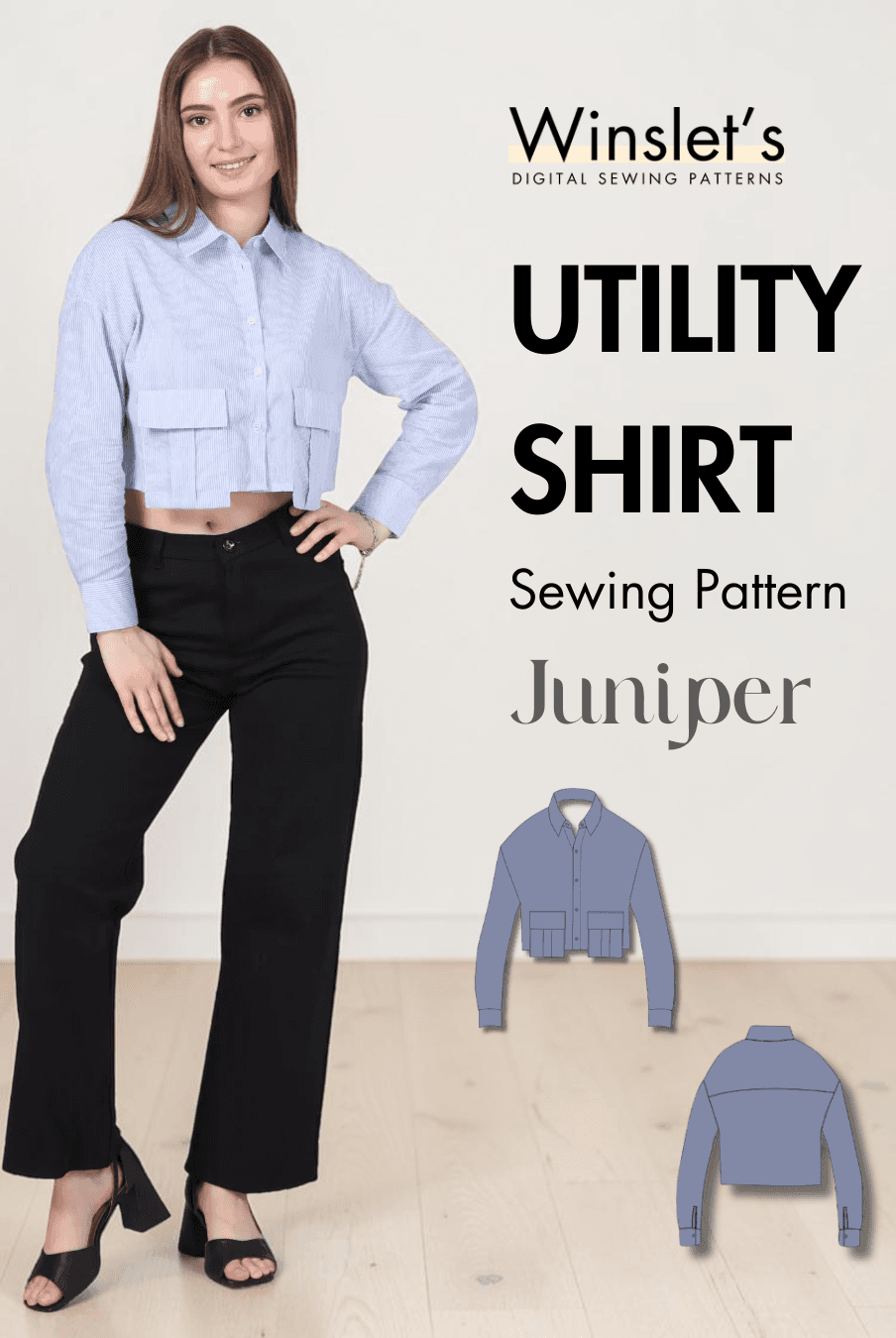
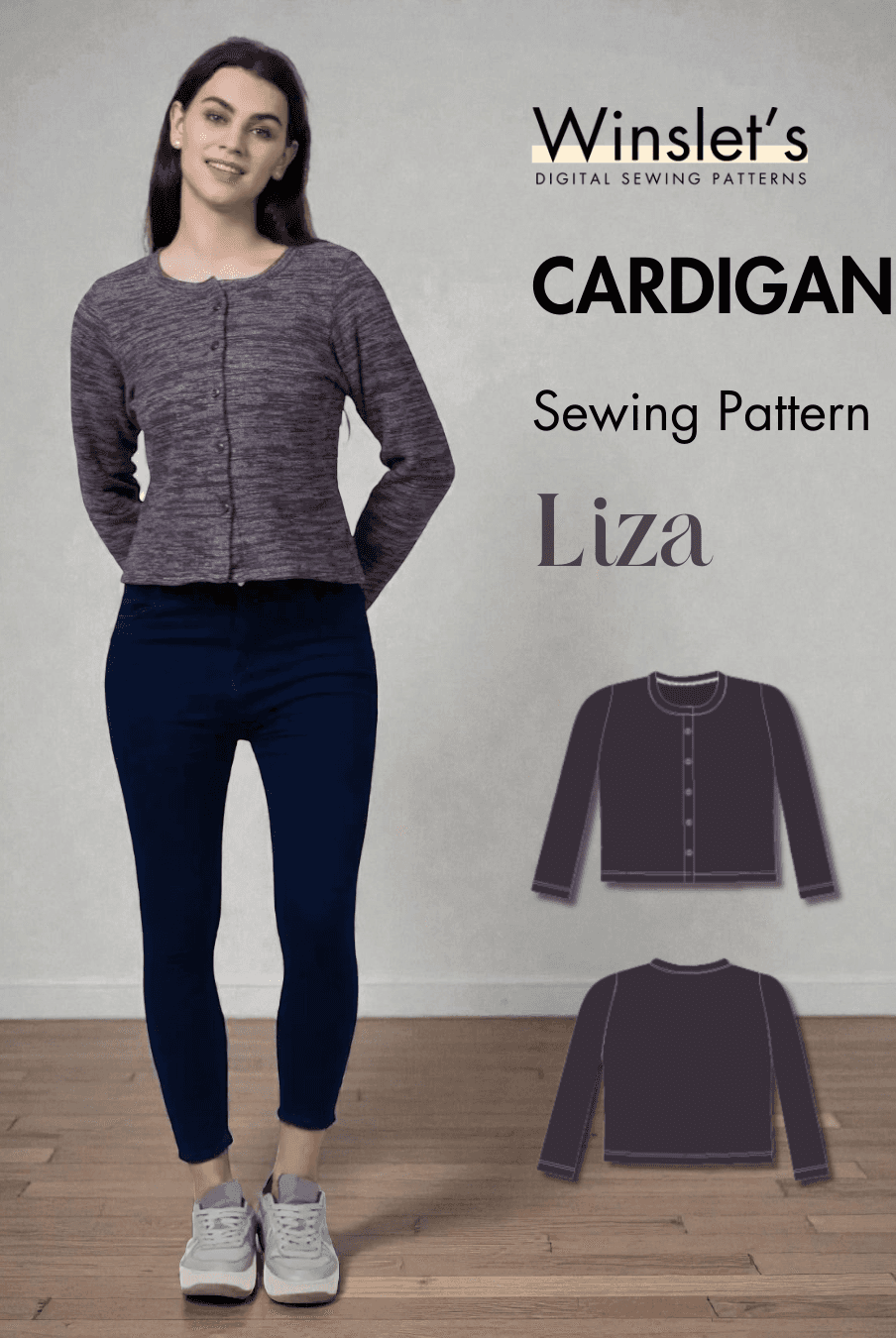
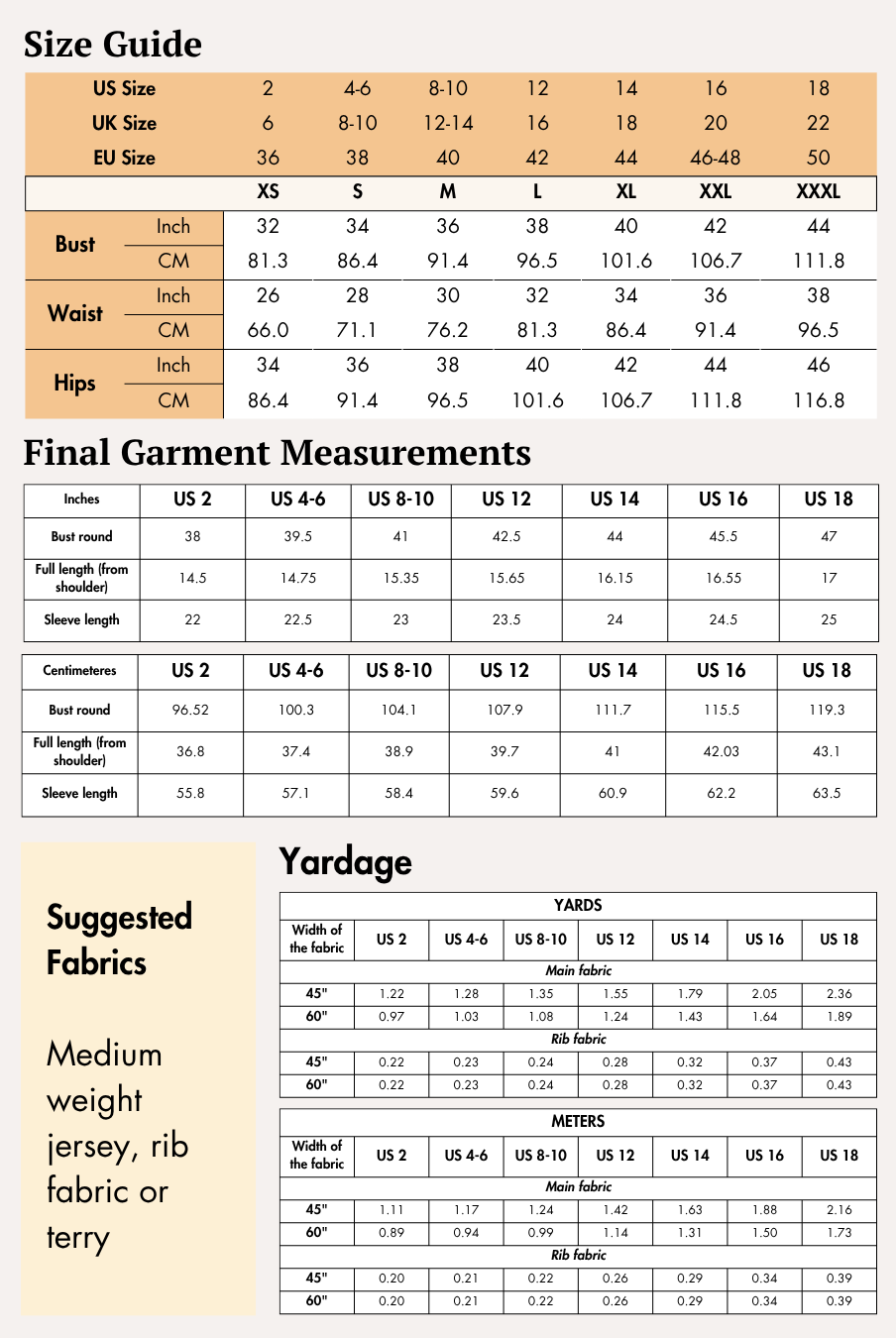
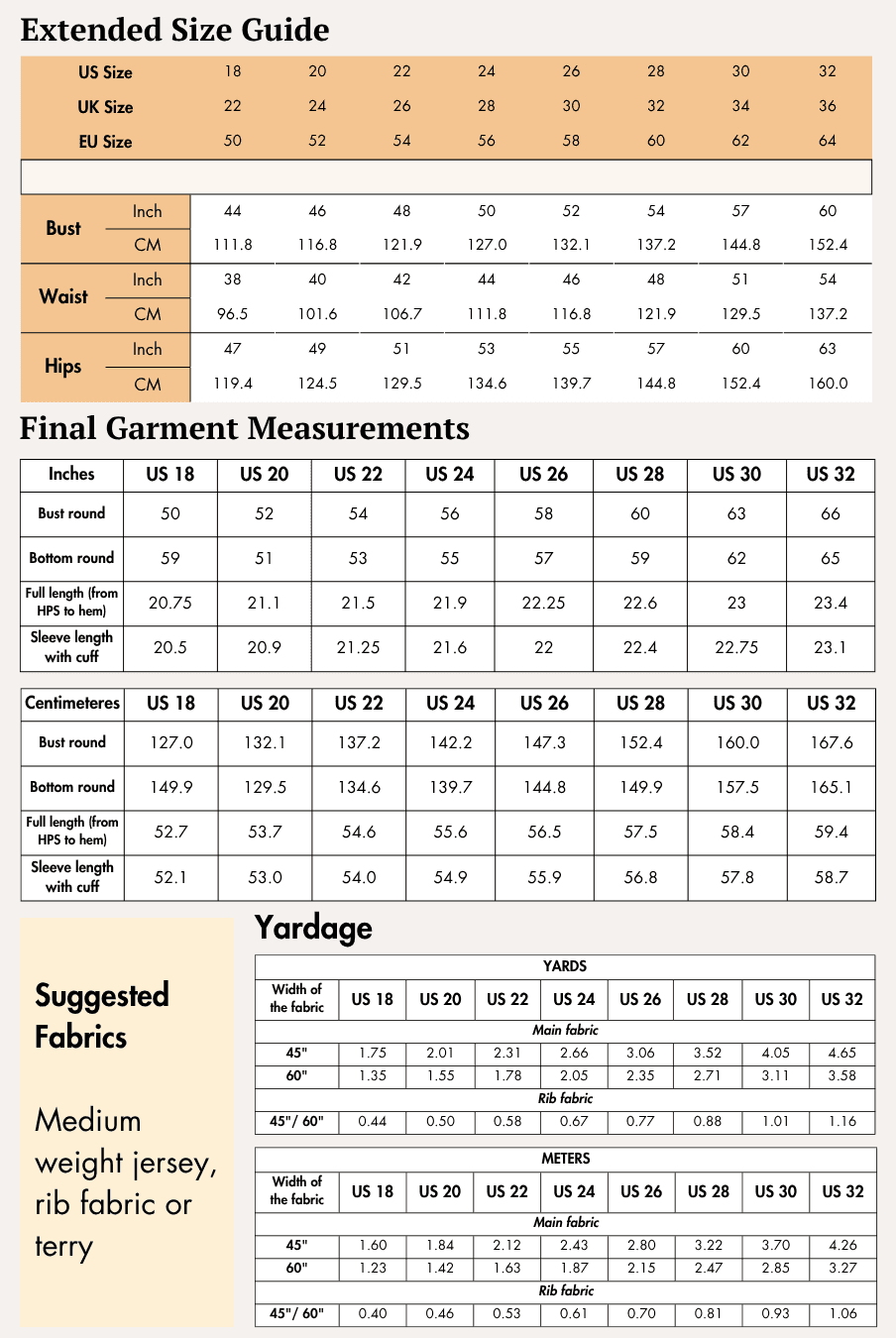
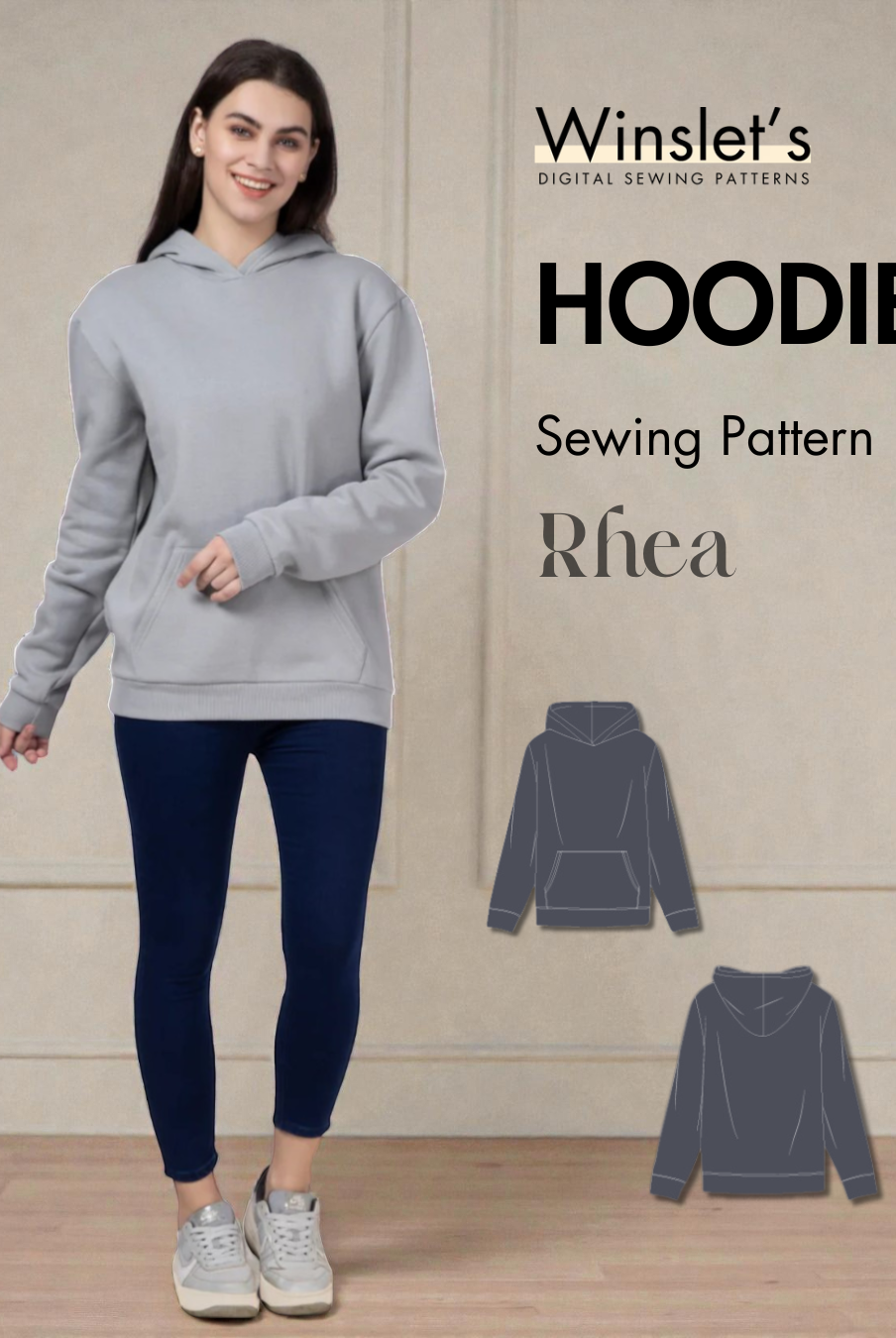
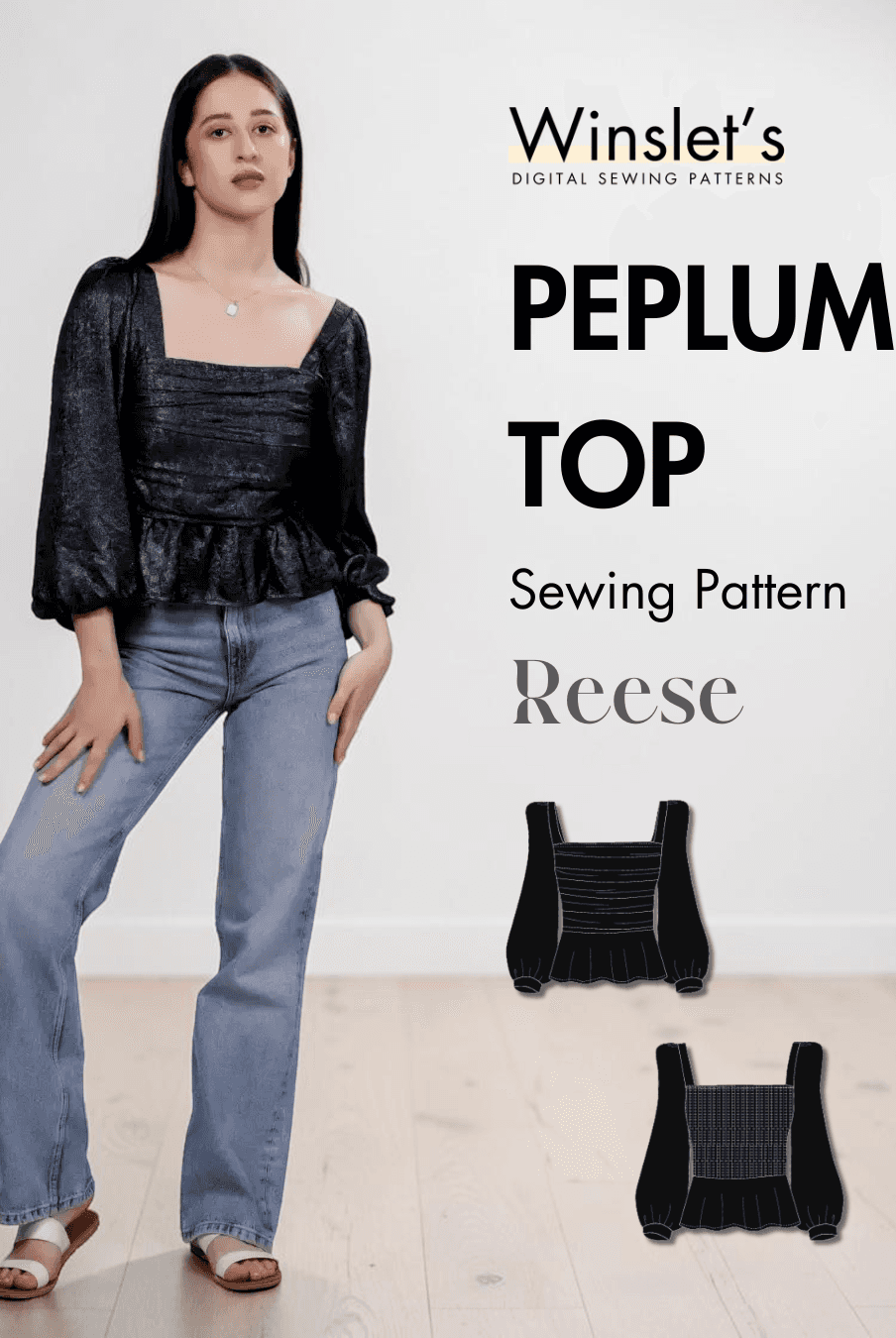
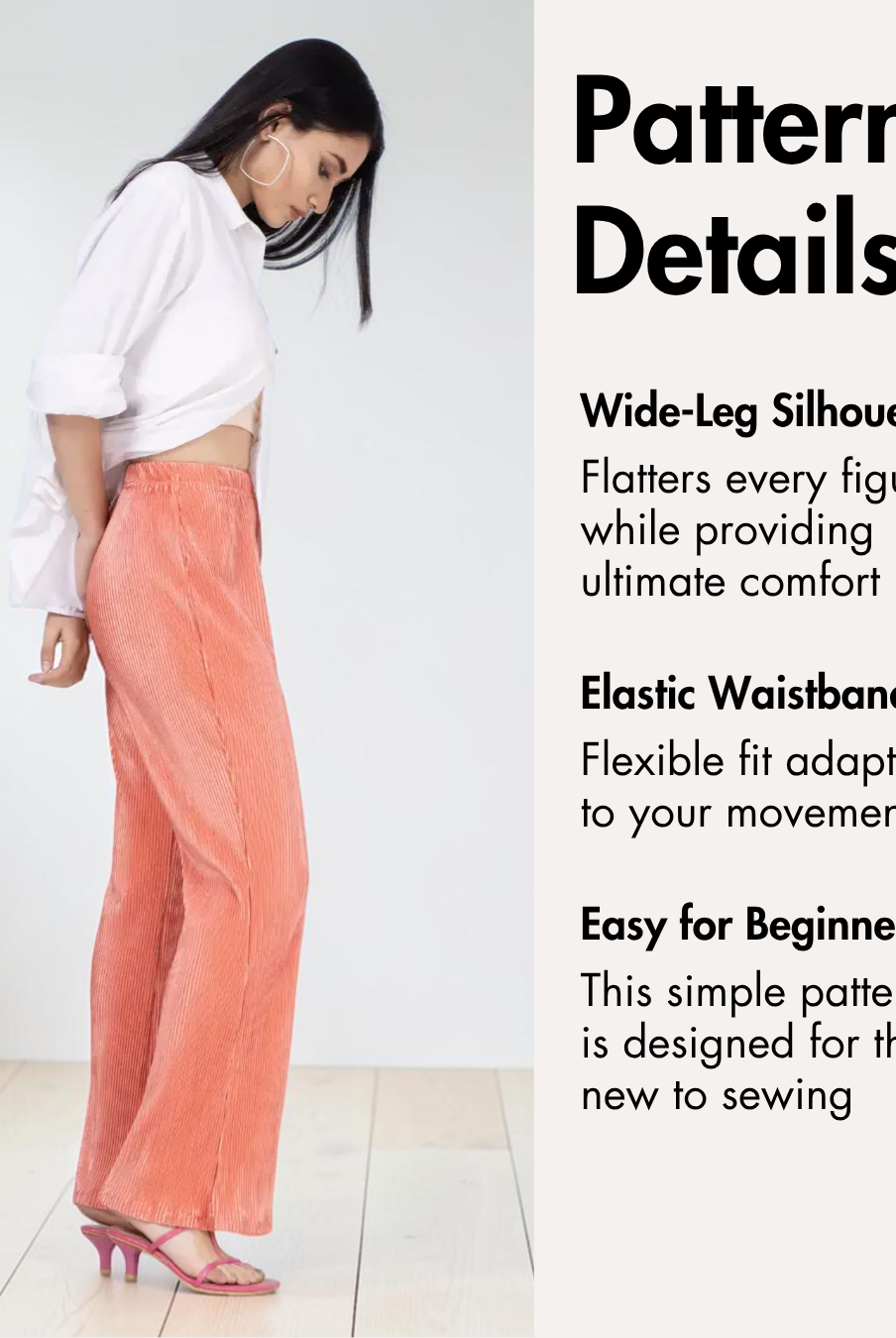
Winslet’s Sewing Patterns focuses on the modern home sewist who wants immediate access via PDF. The sizing is drafted specifically for beginners, often including generous ease to make fitting more forgiving. They typically offer a wide range of sizes in a single download, meaning you don't have to buy separate files if your weight fluctuates or if you are sewing for friends of different sizes.
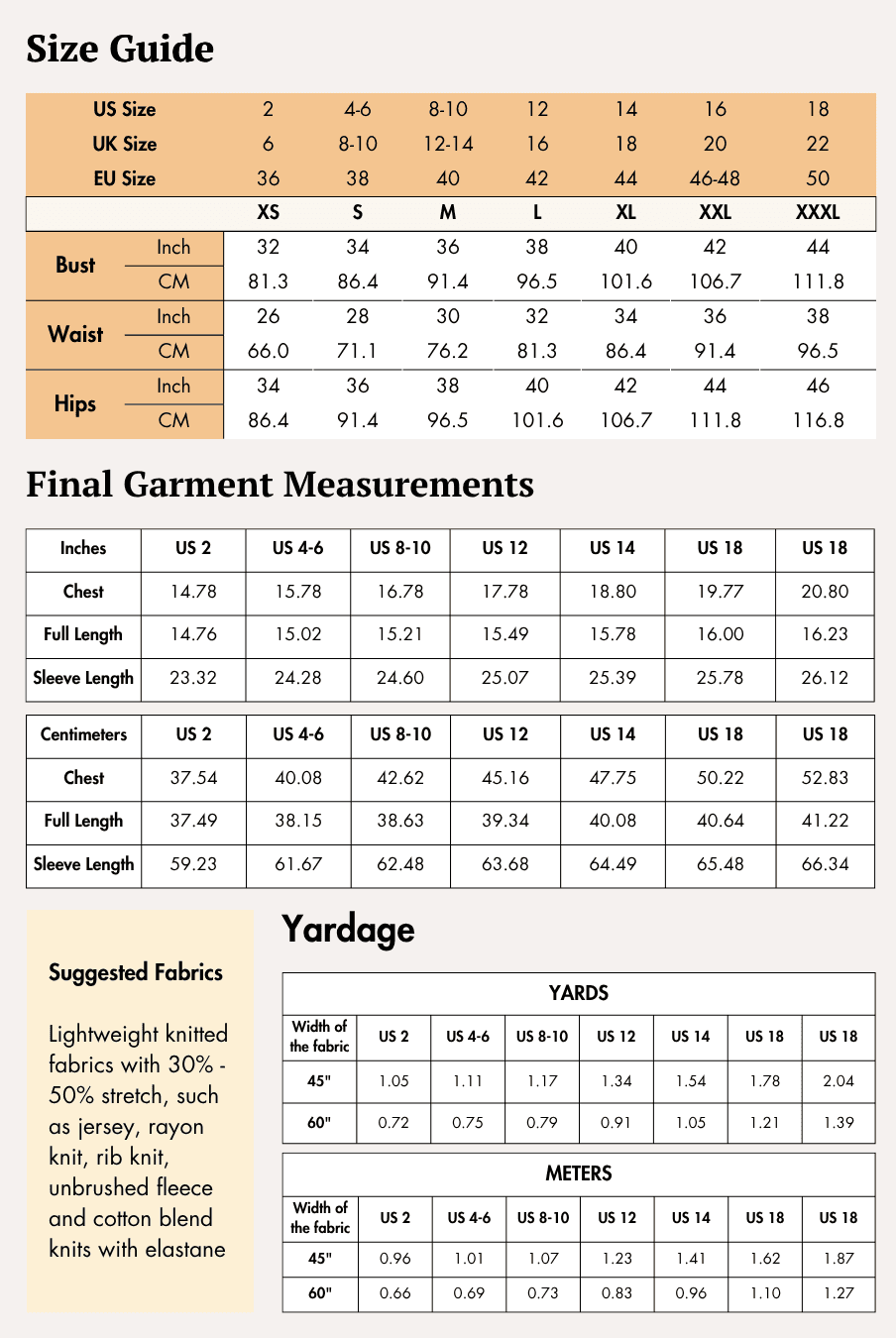
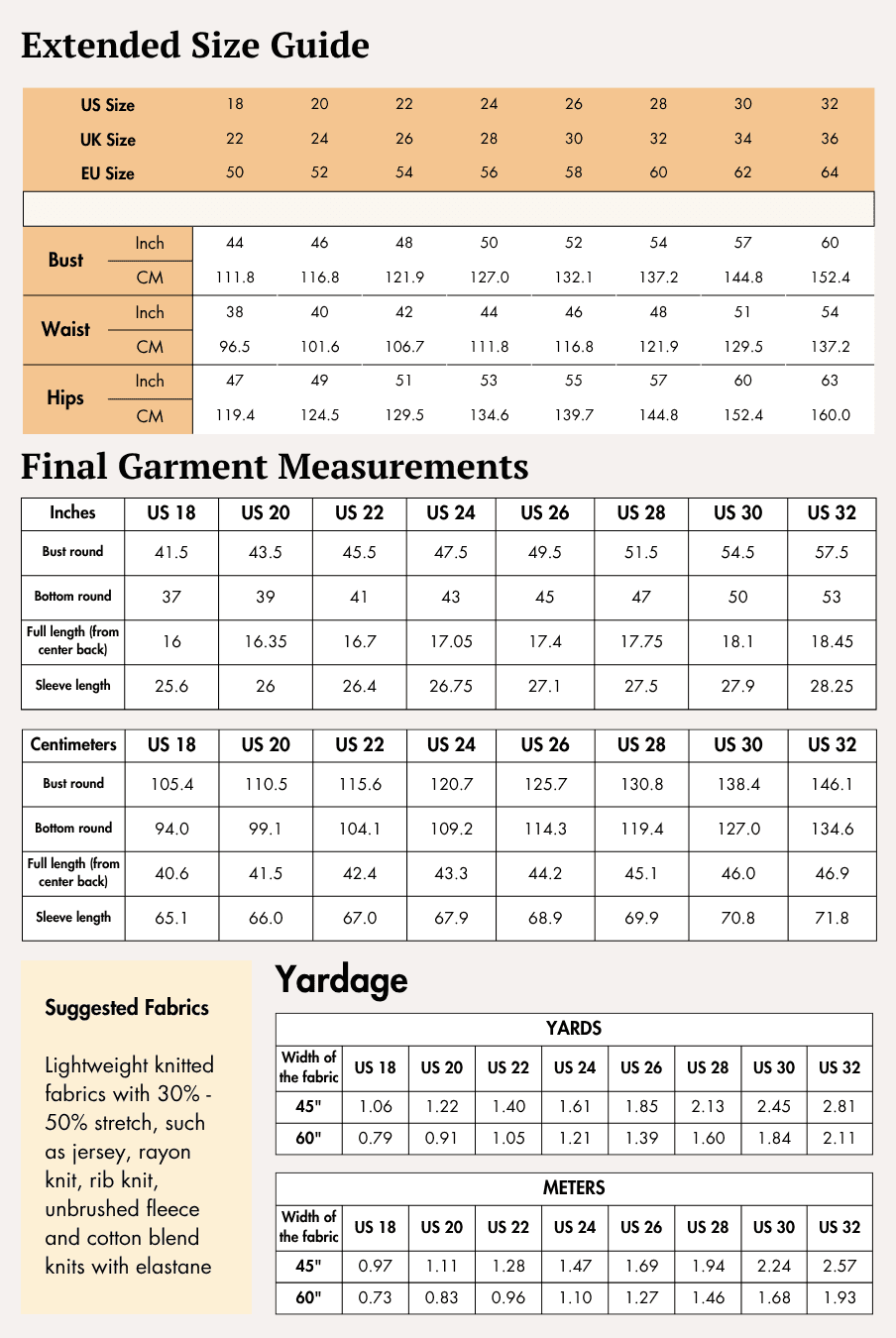
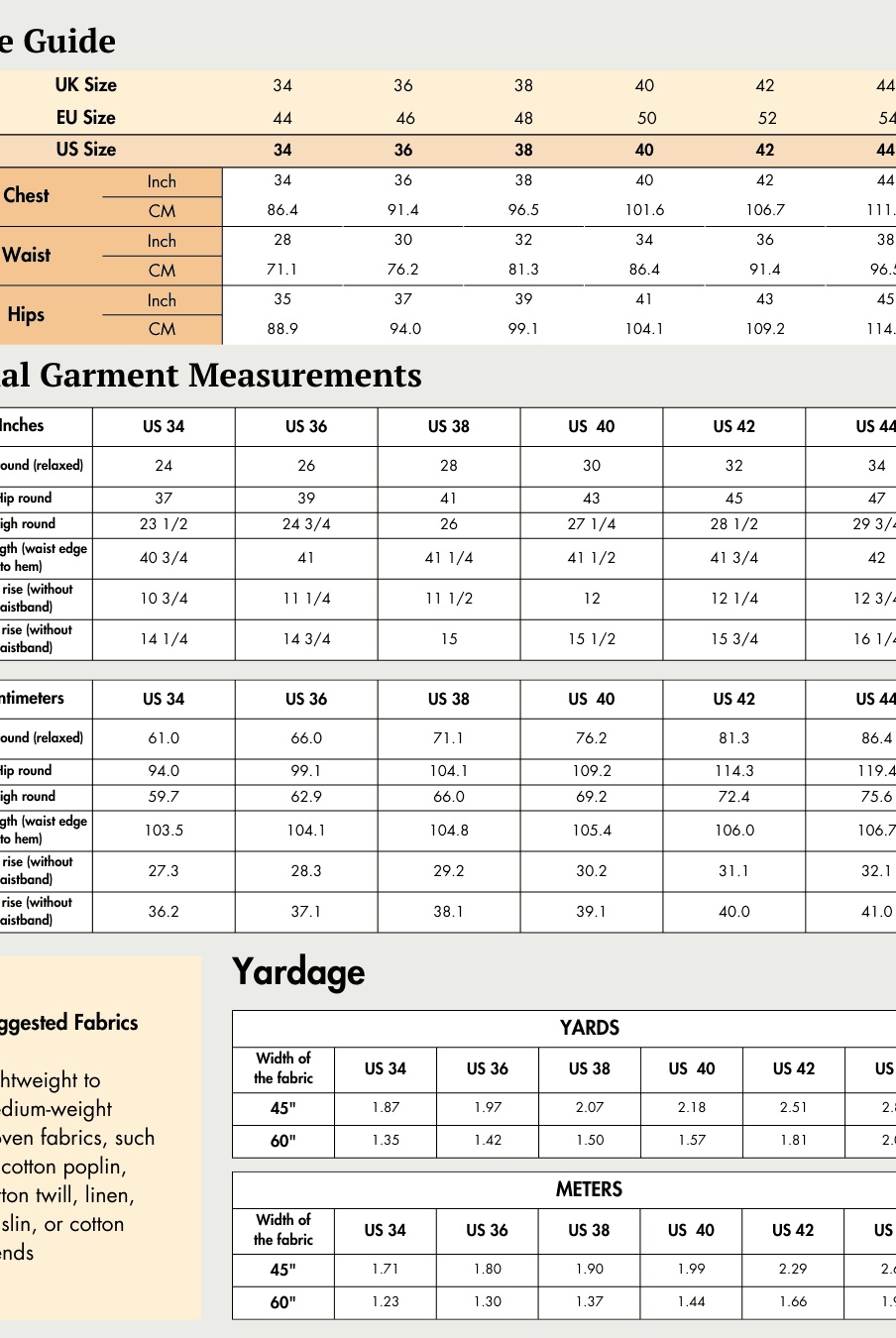
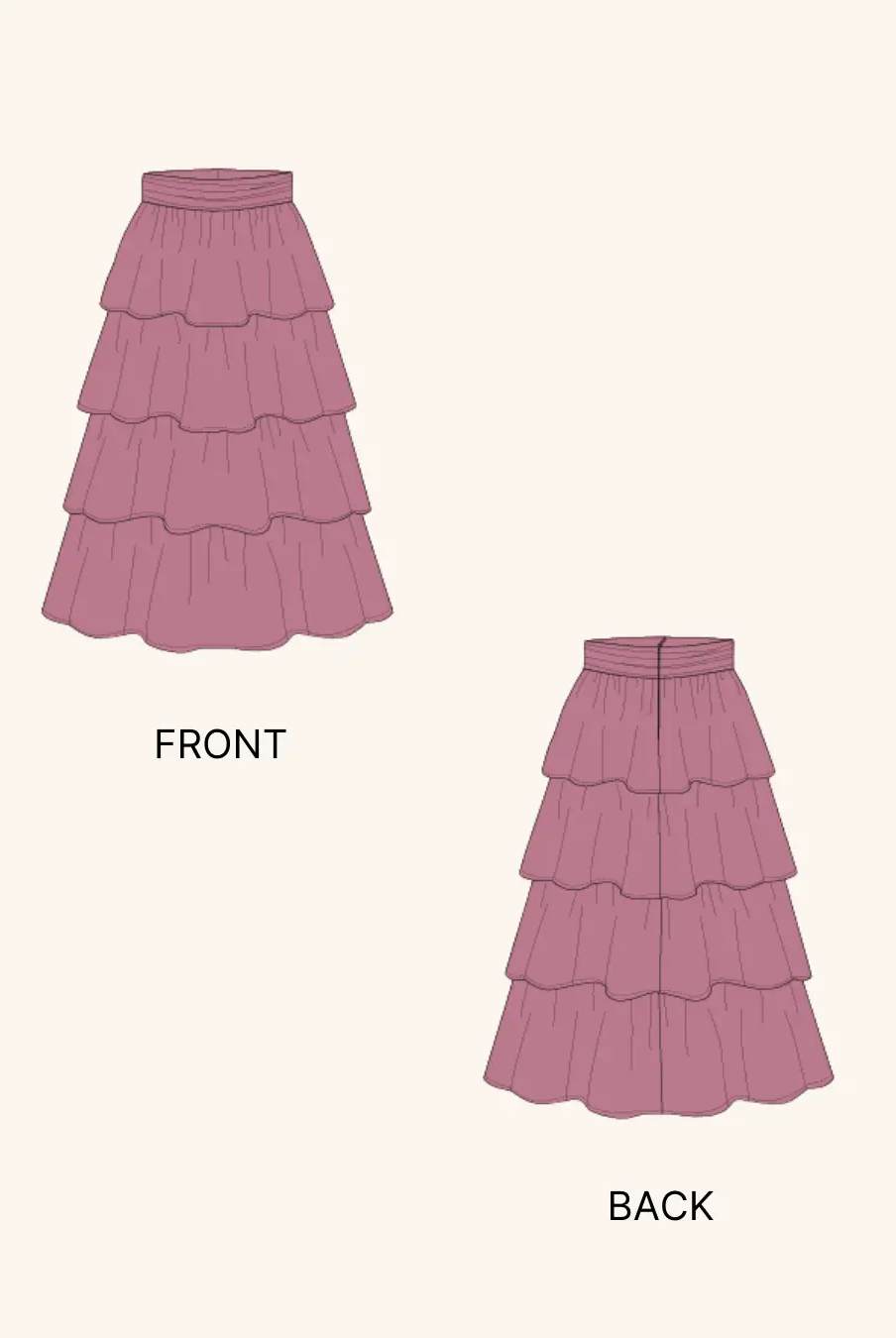
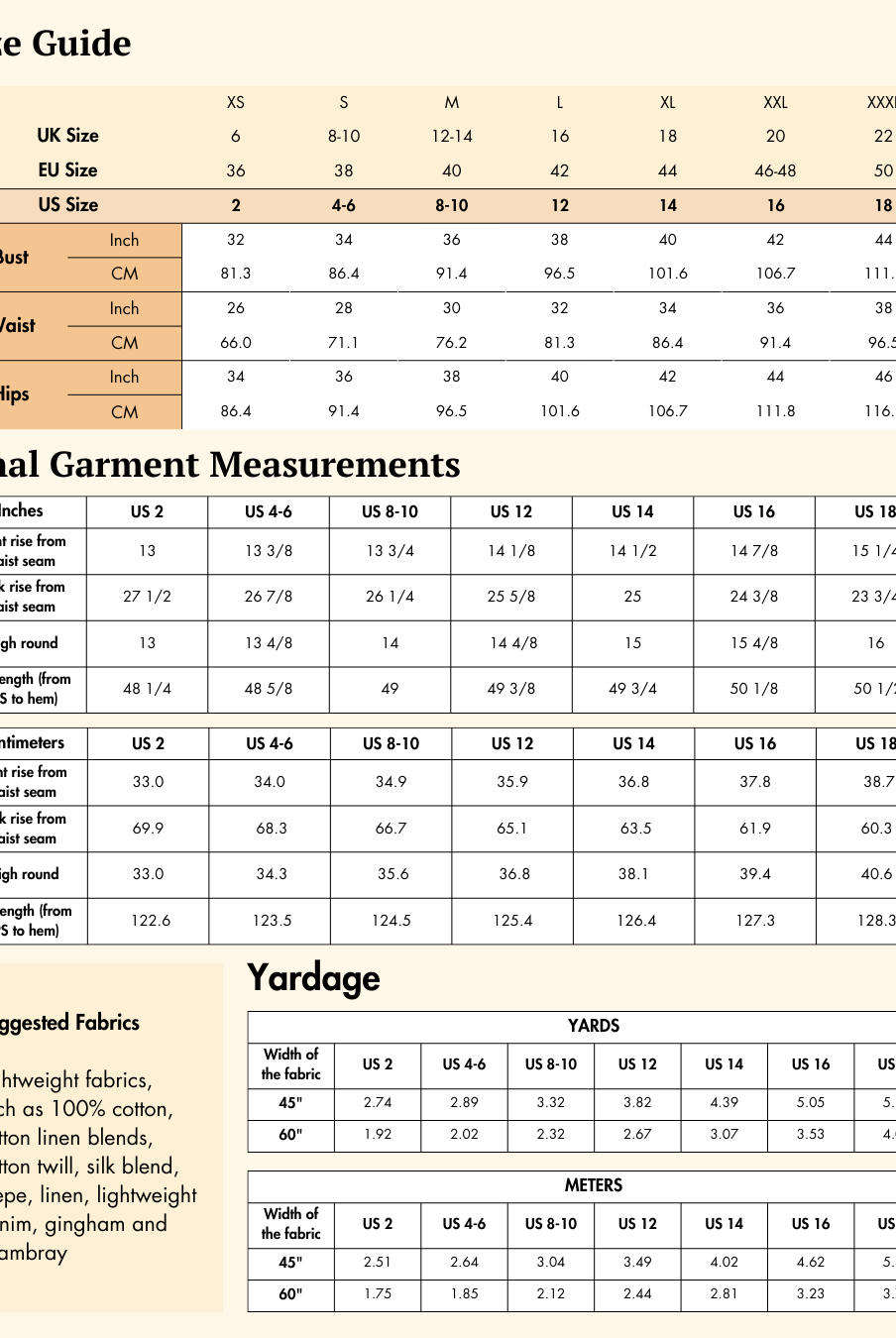
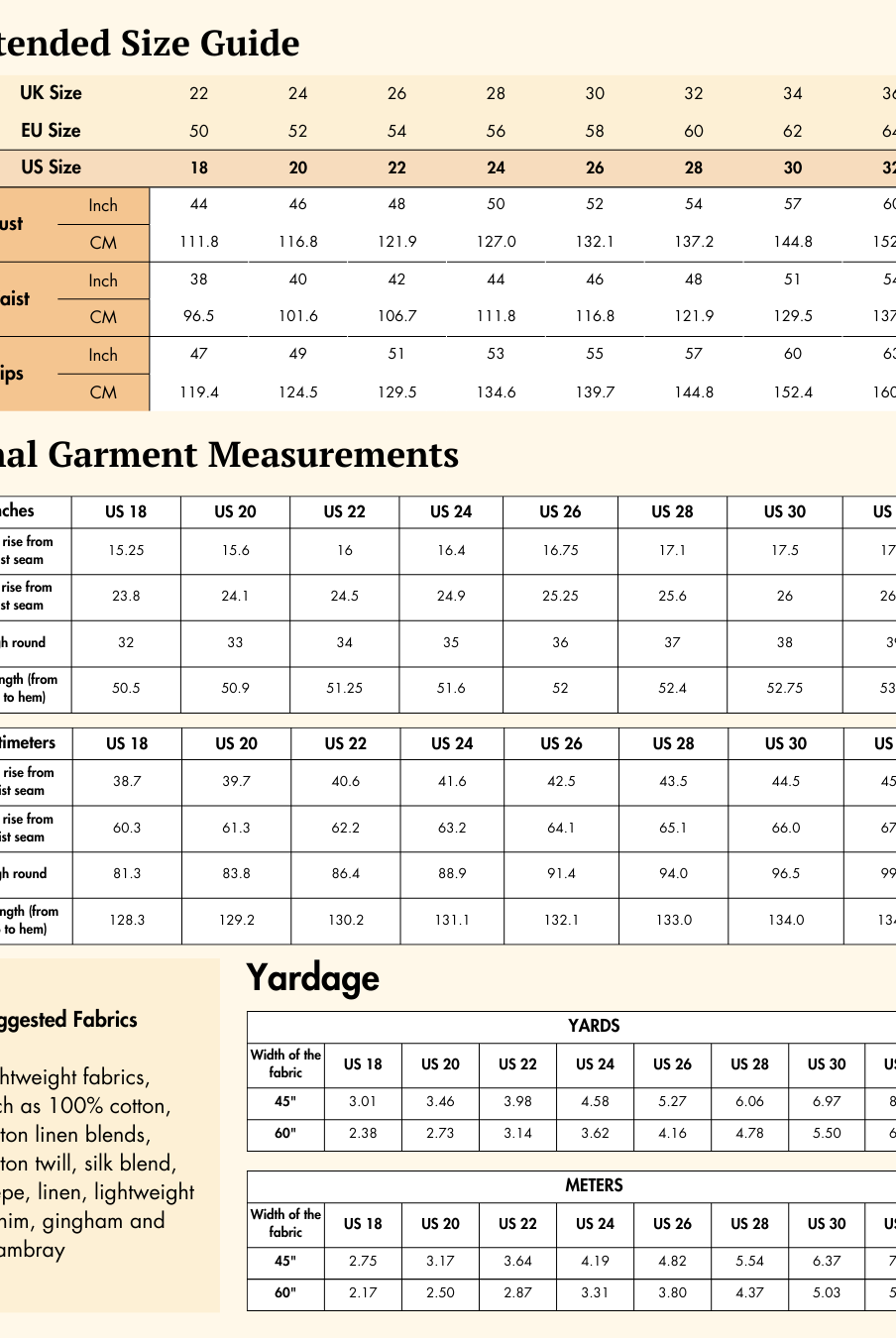
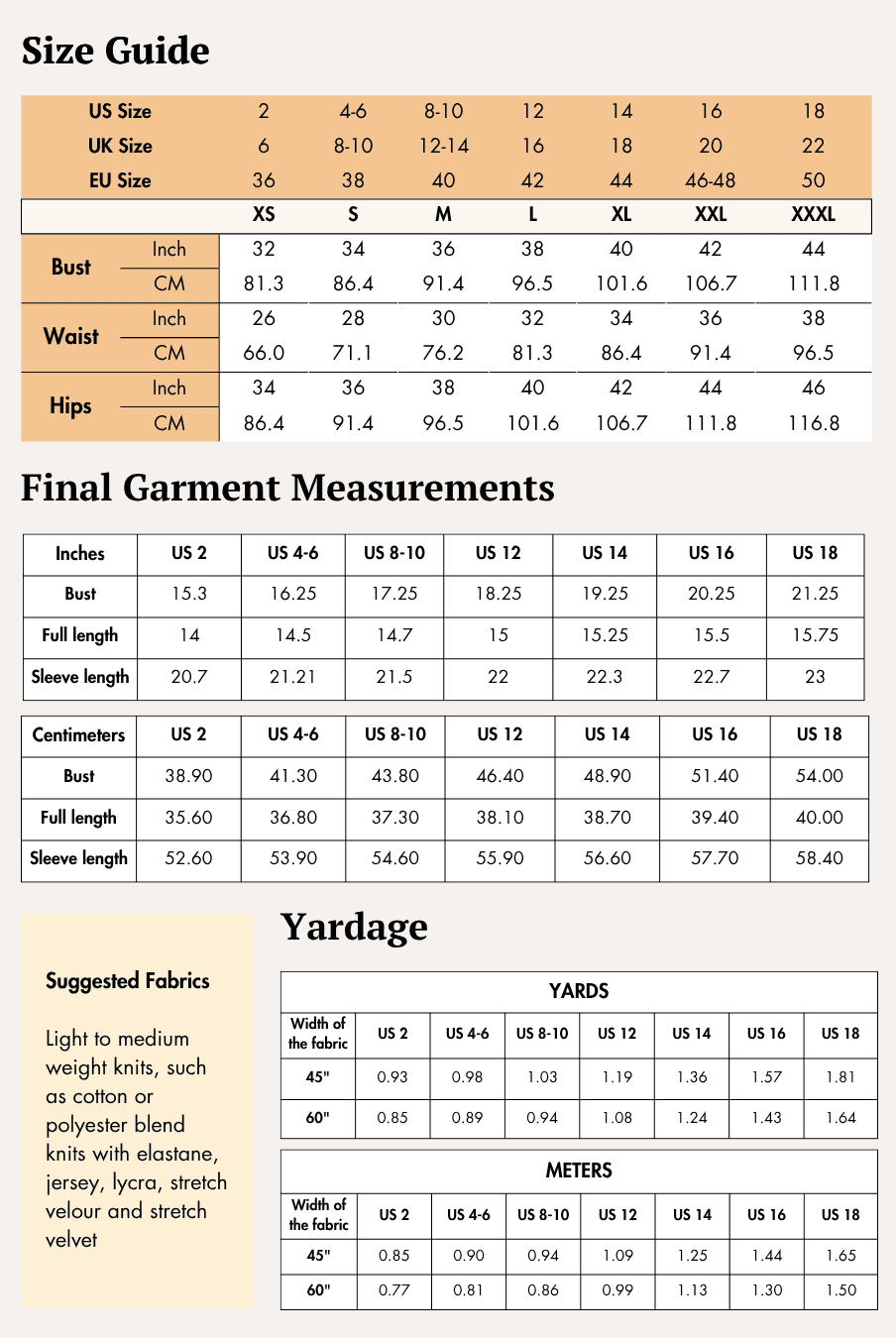
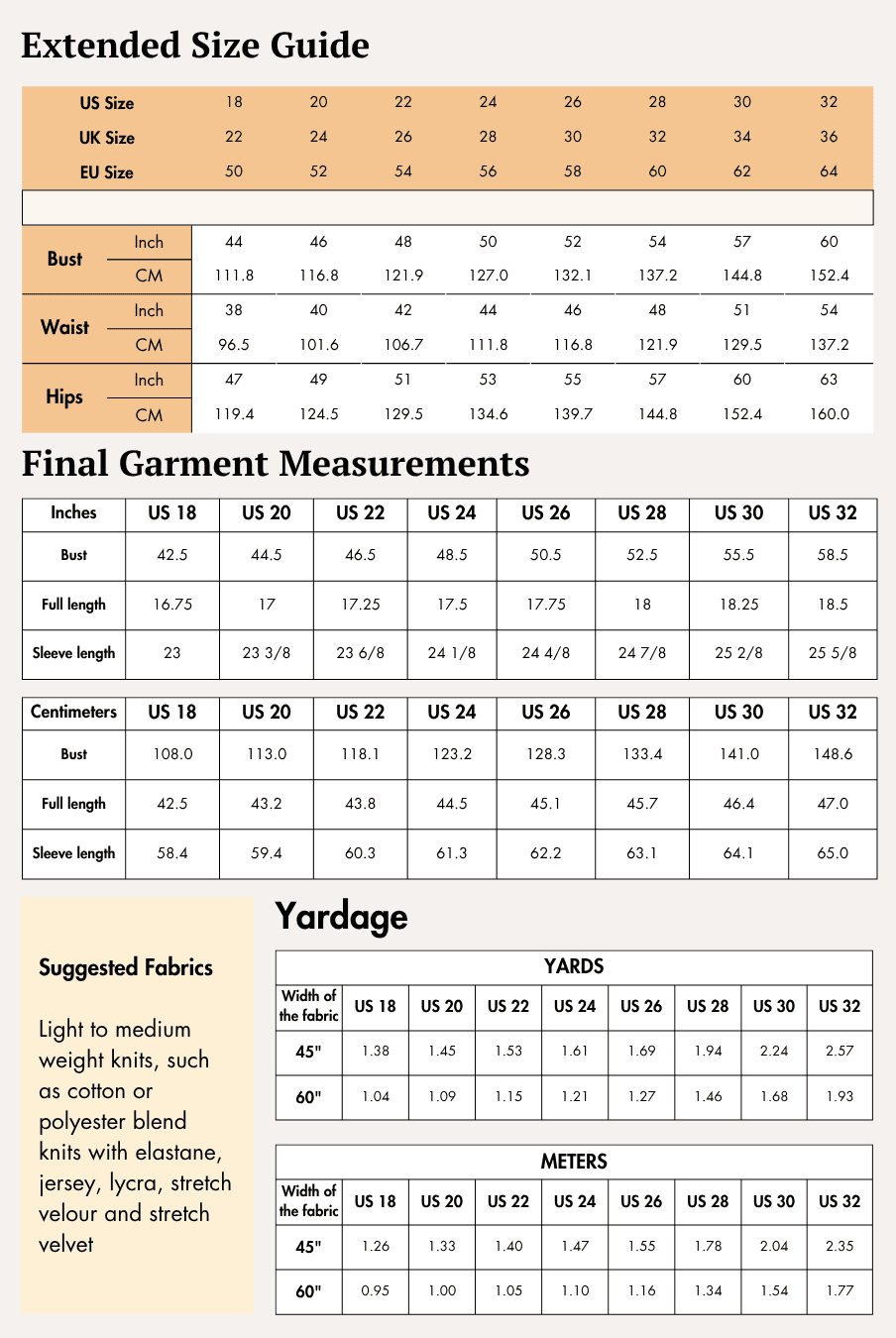
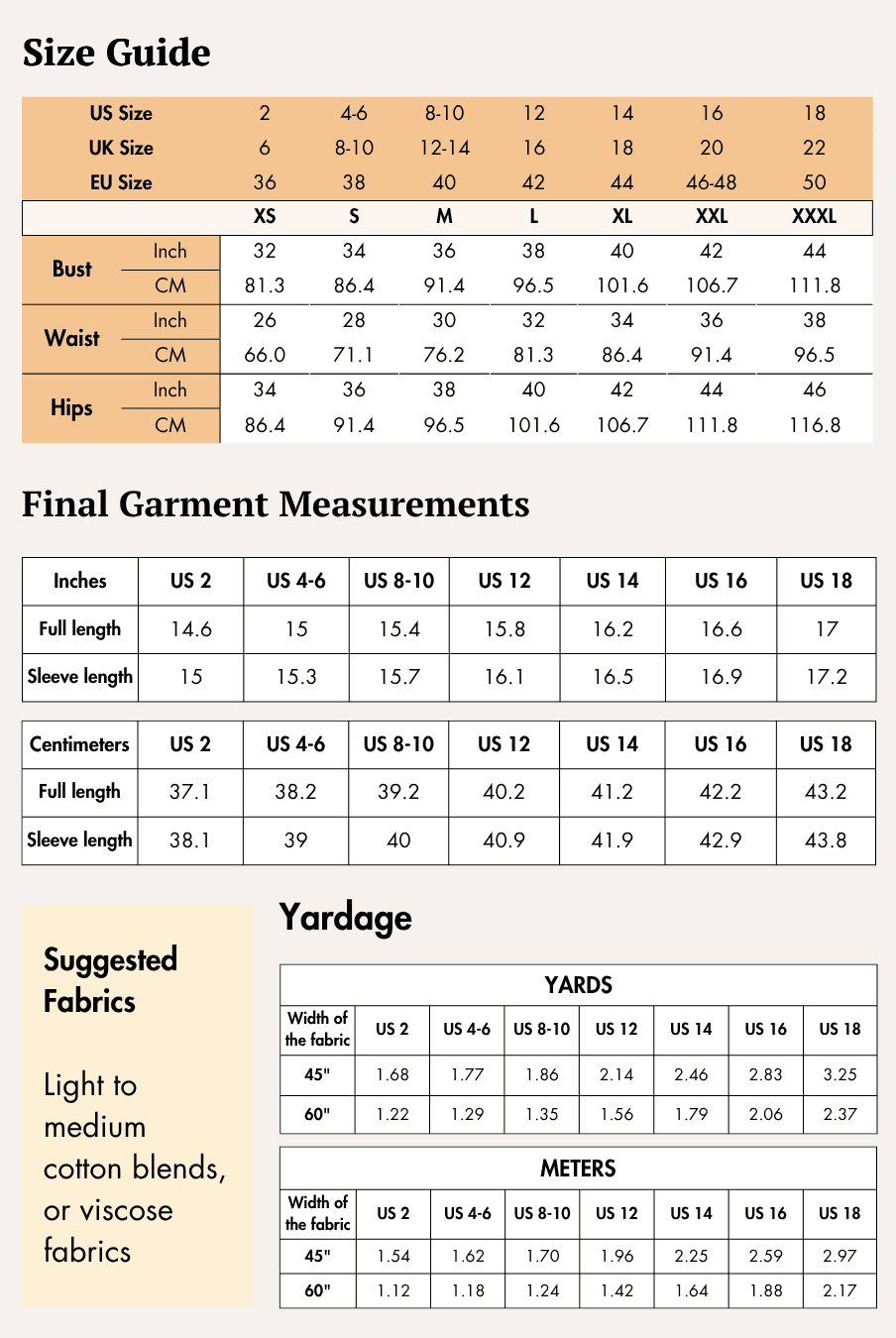
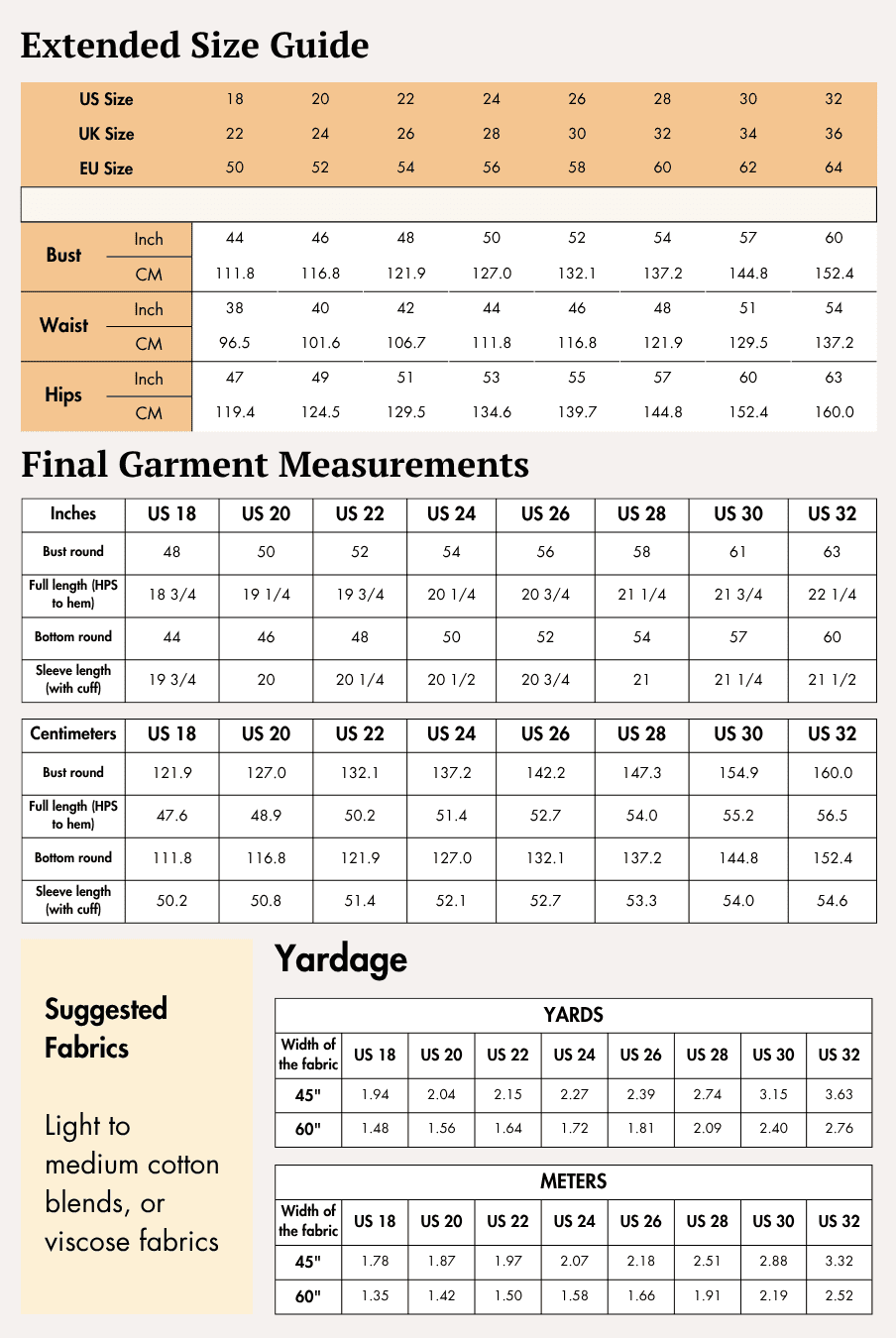
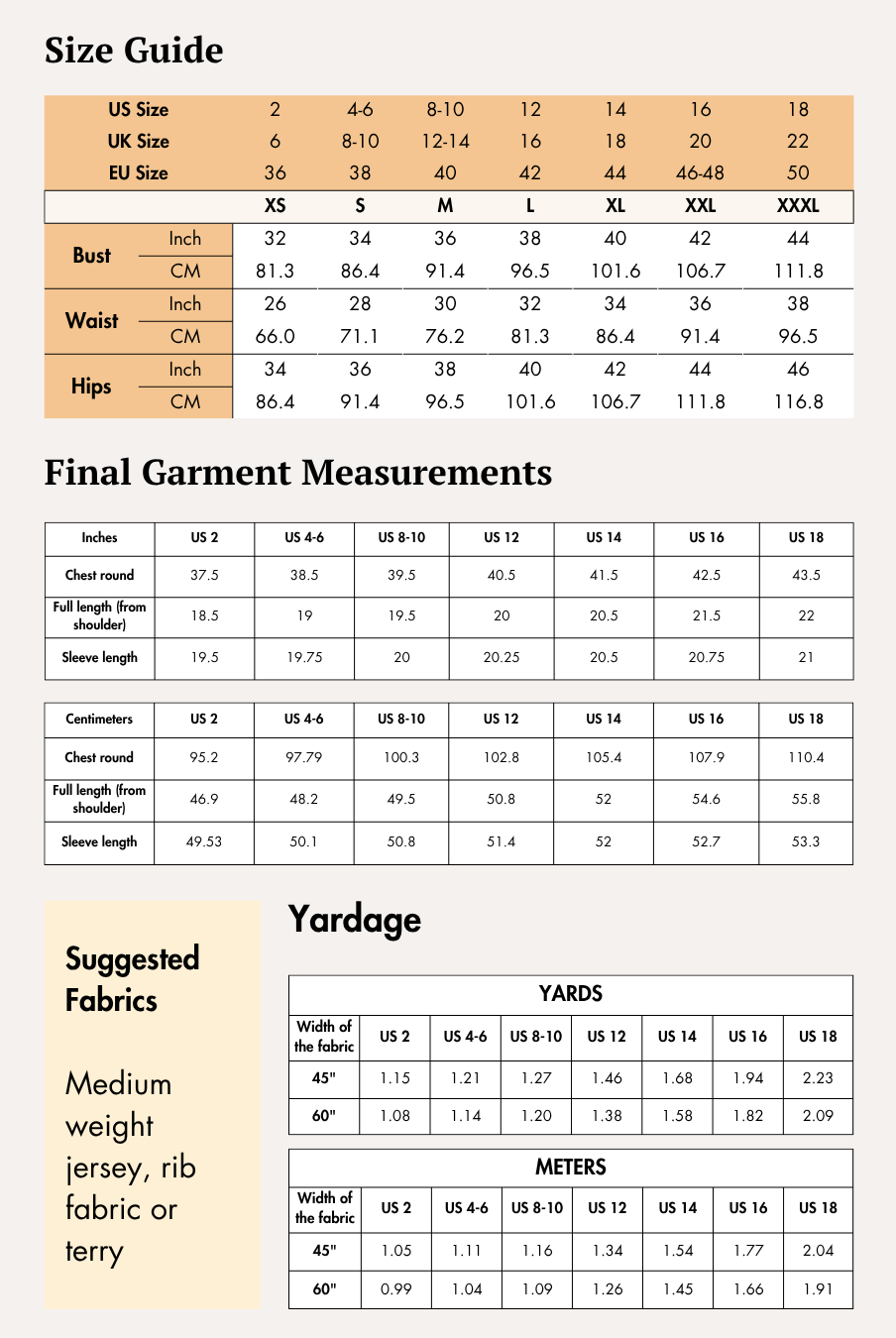
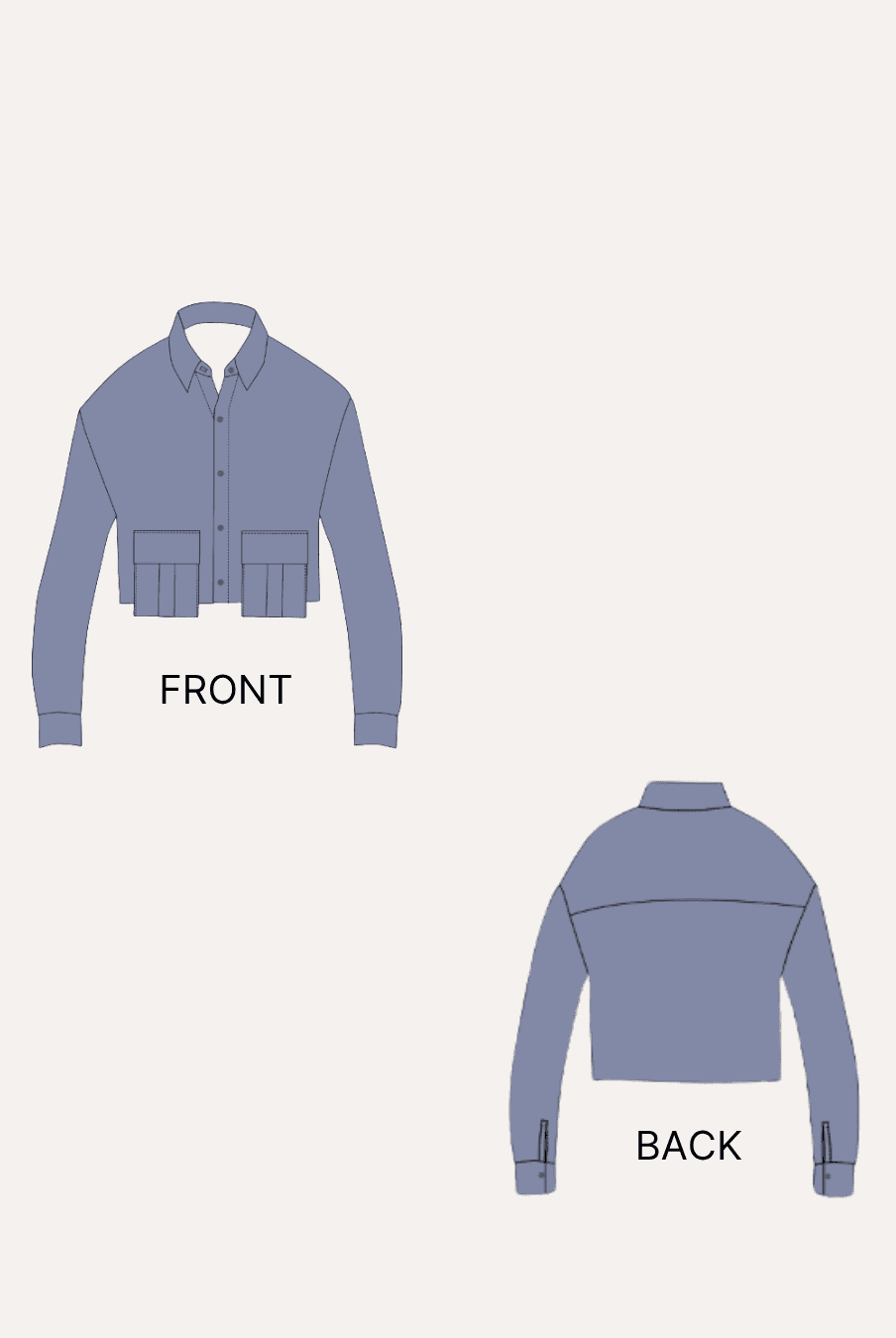
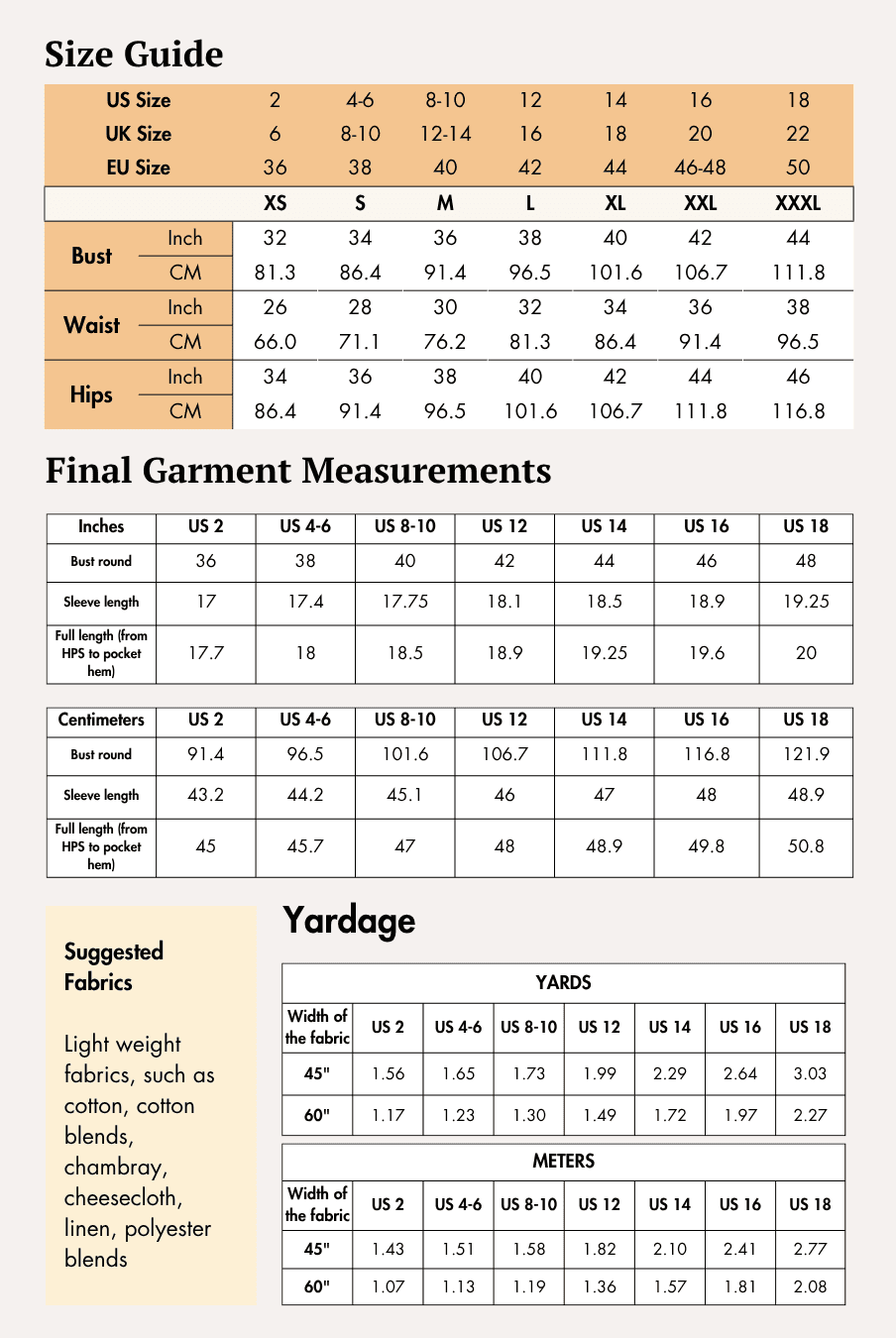
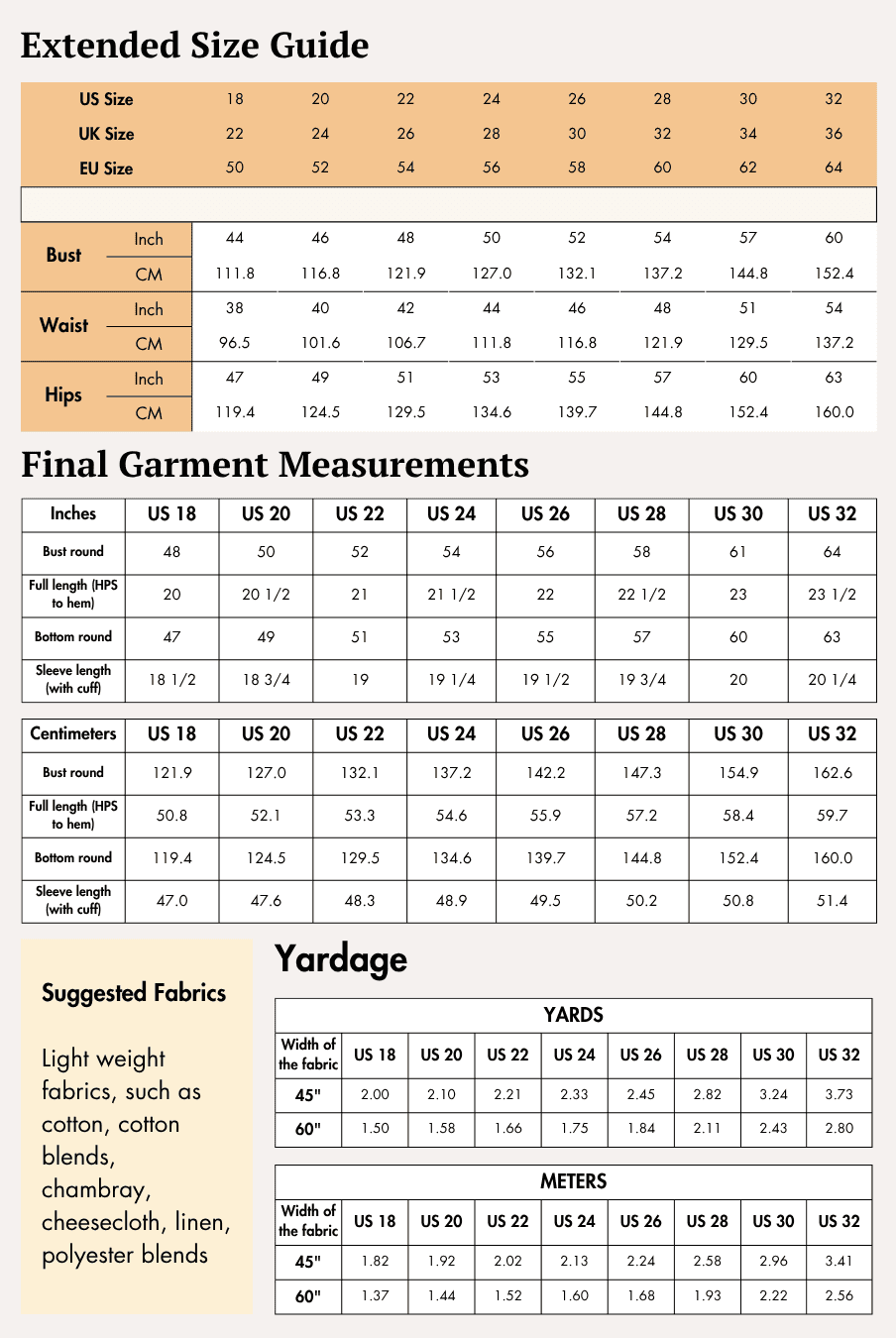
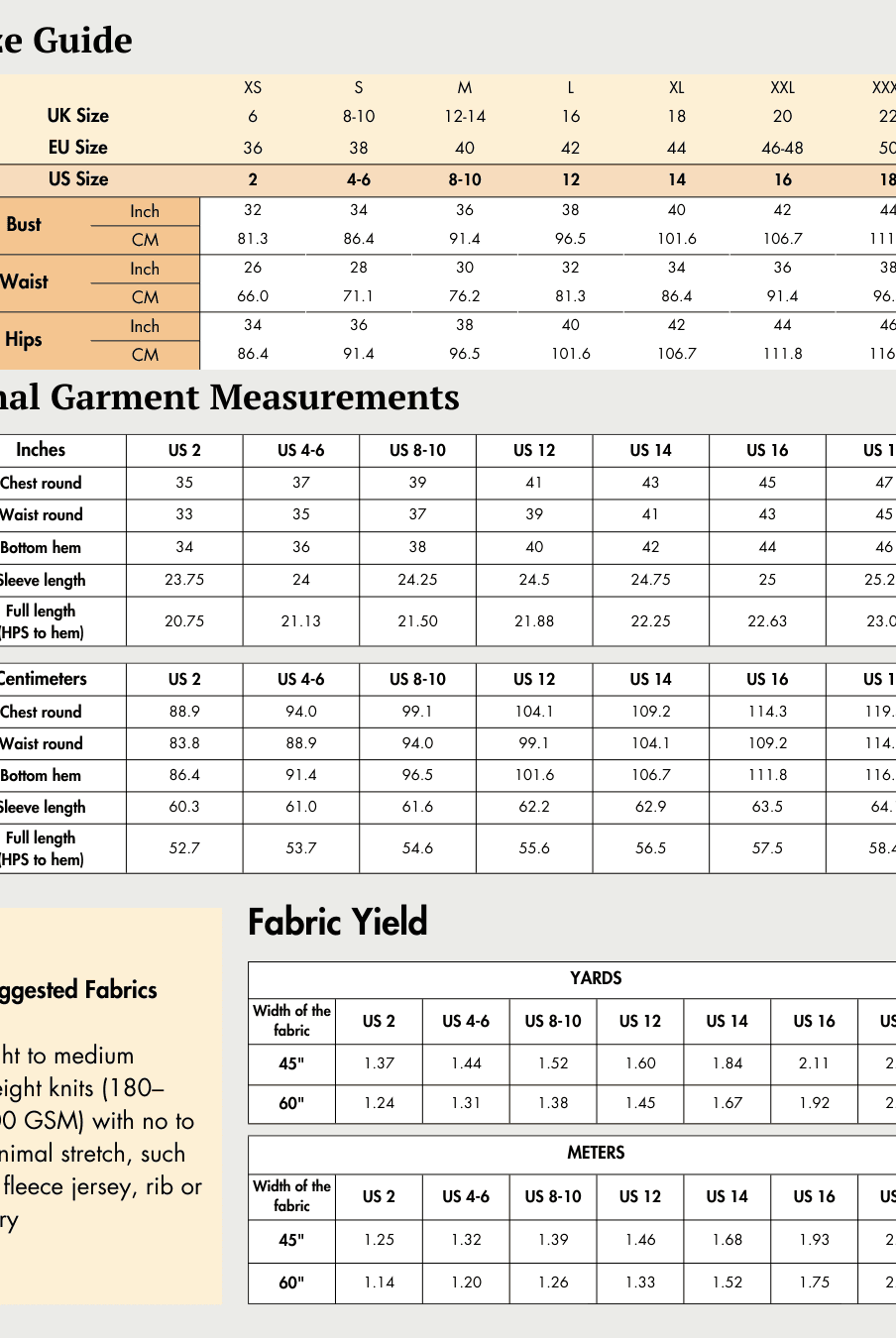
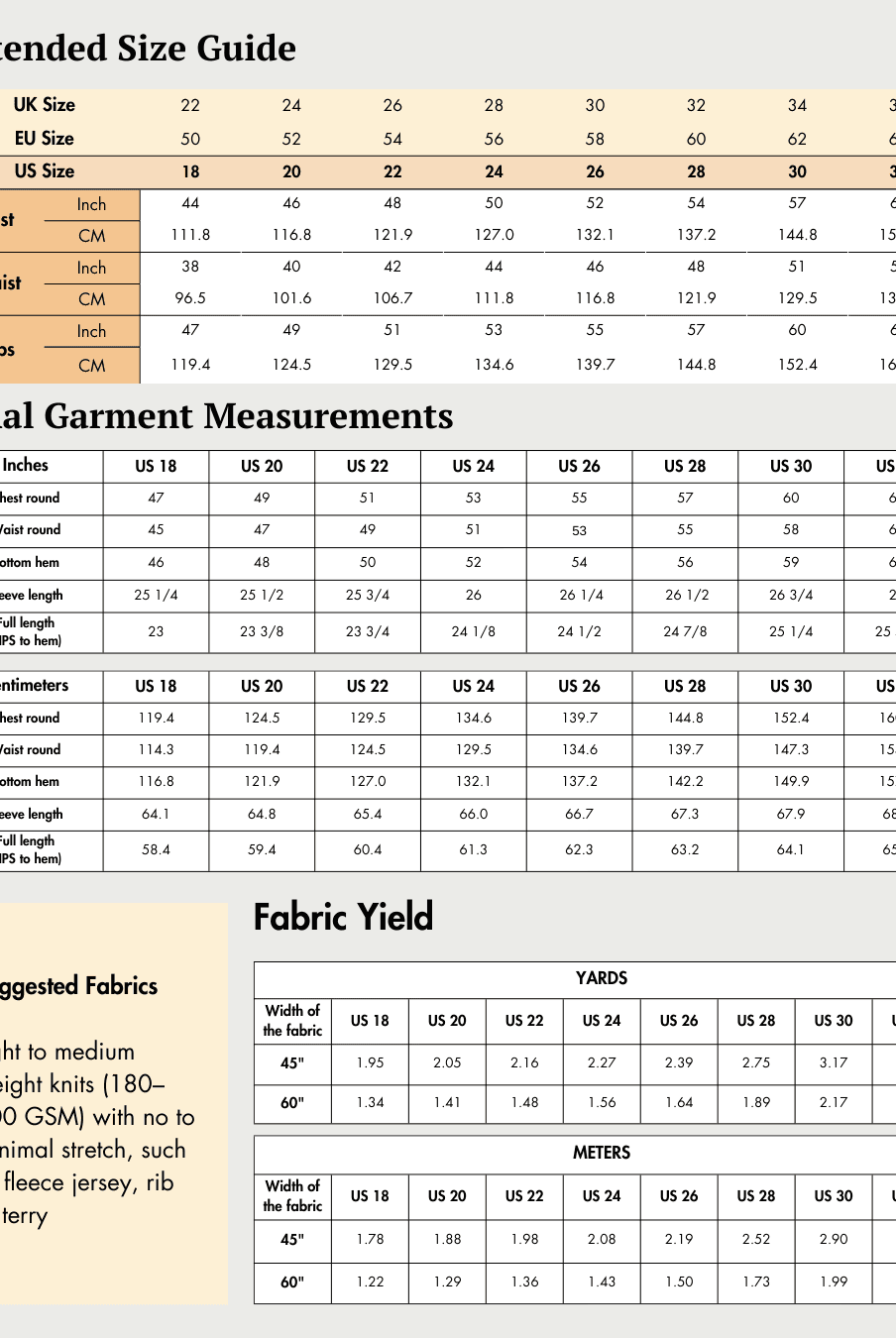
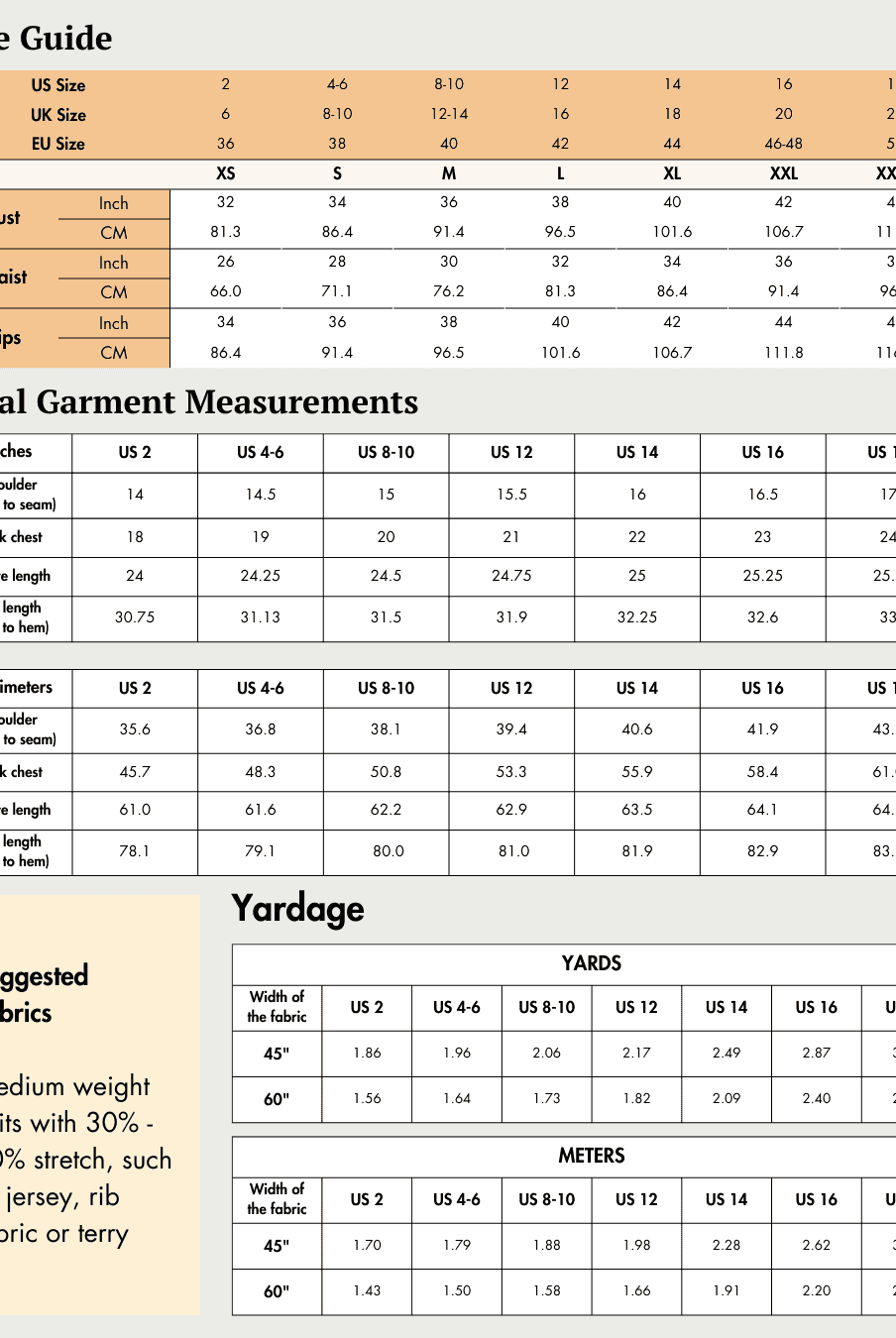
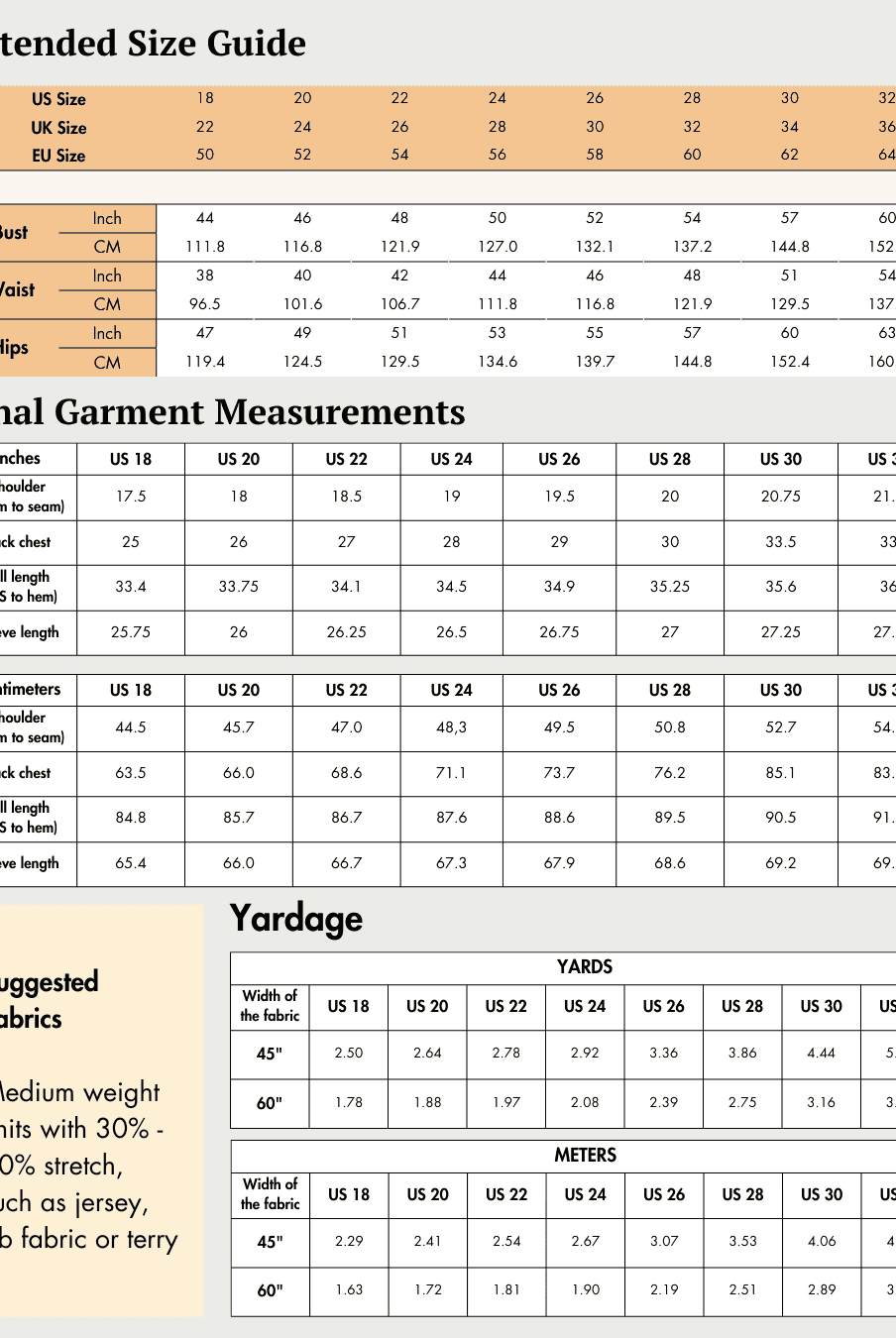
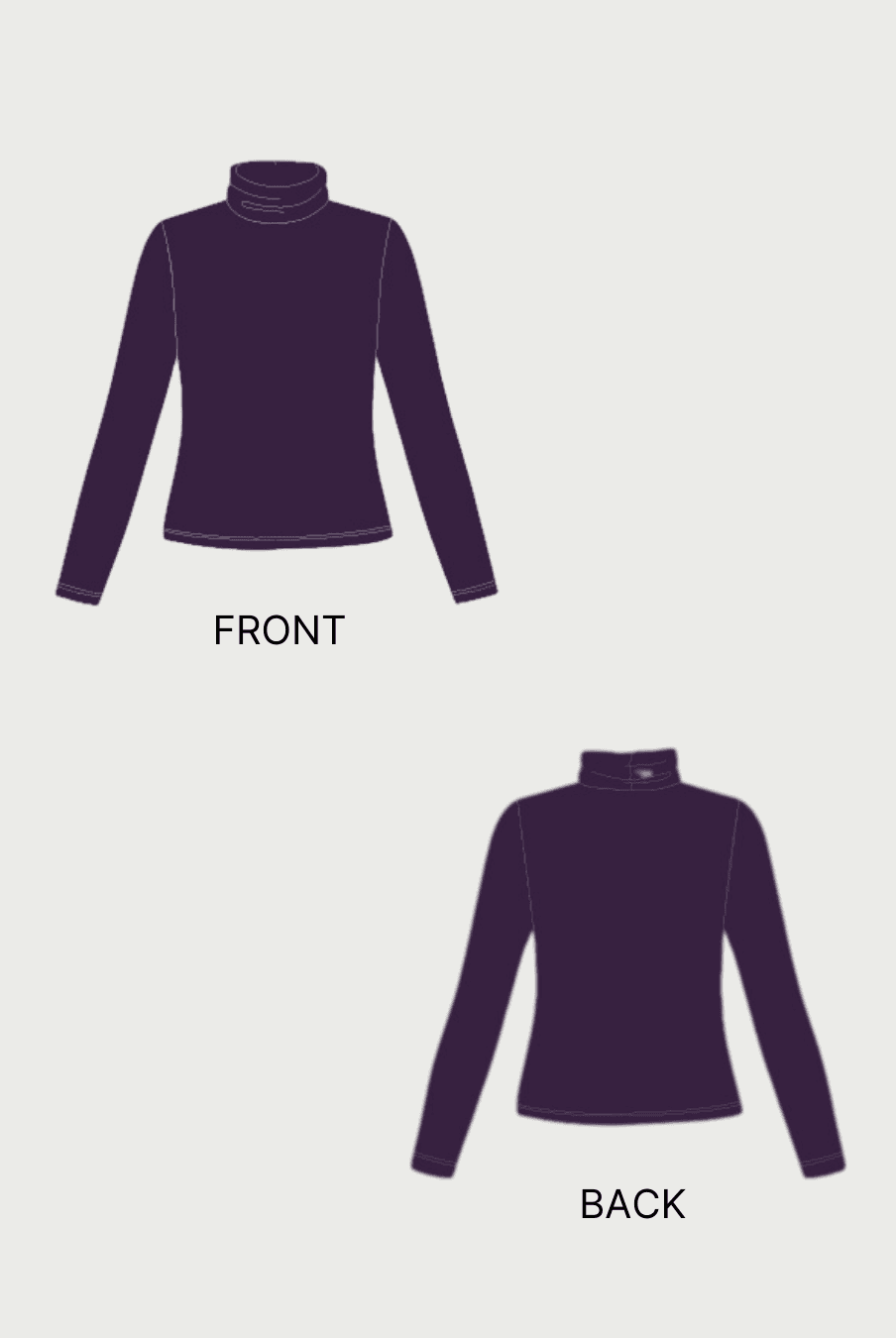
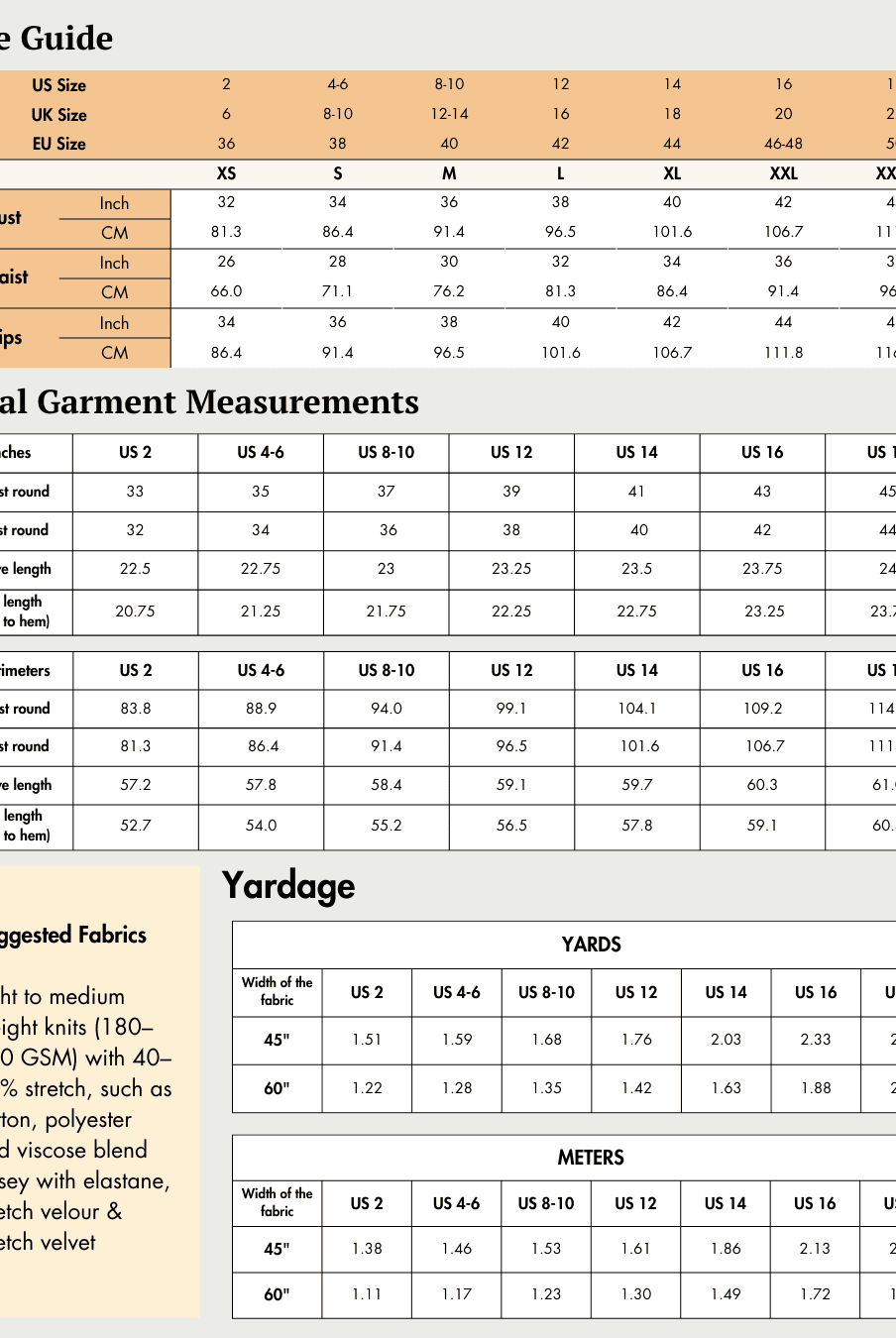
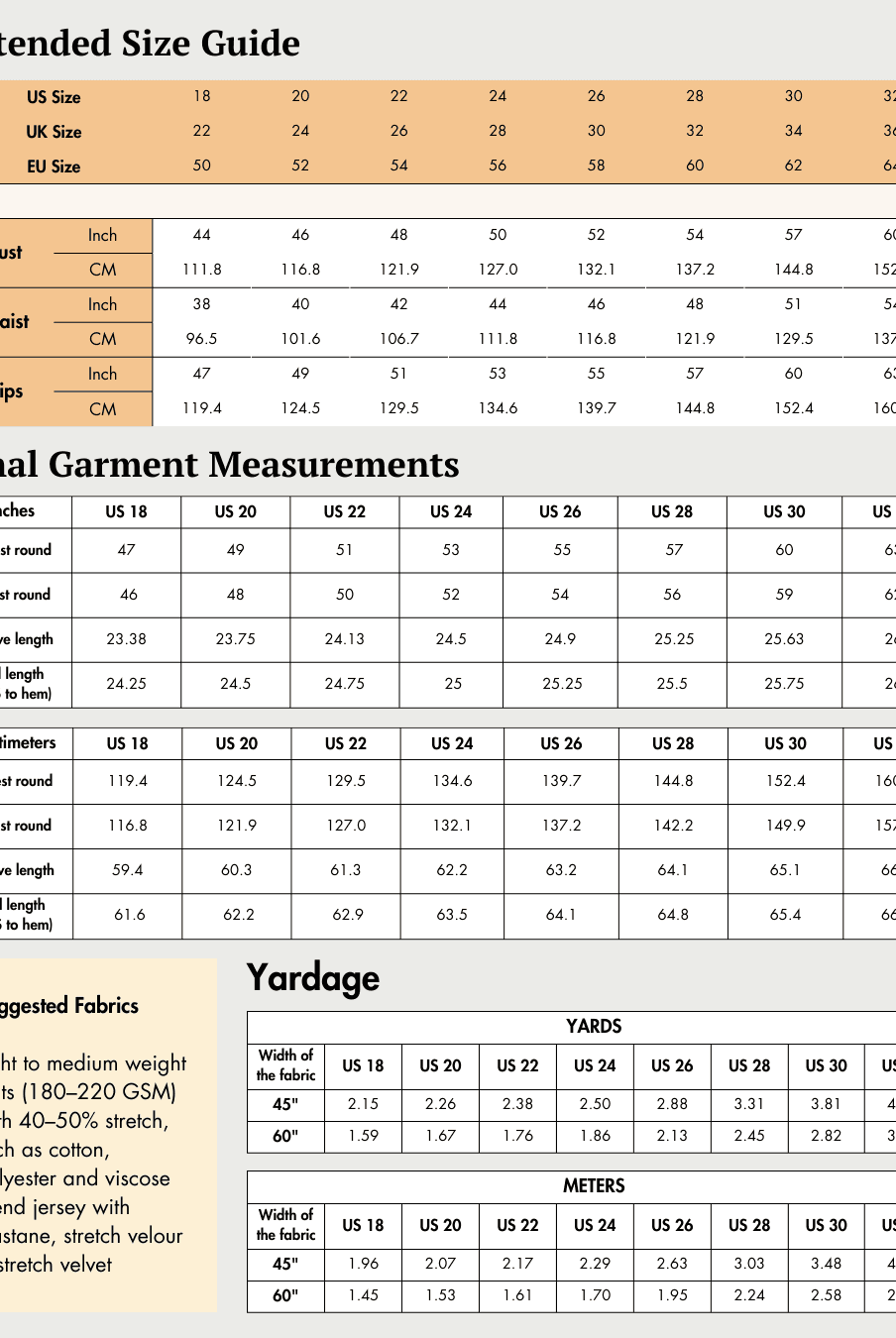
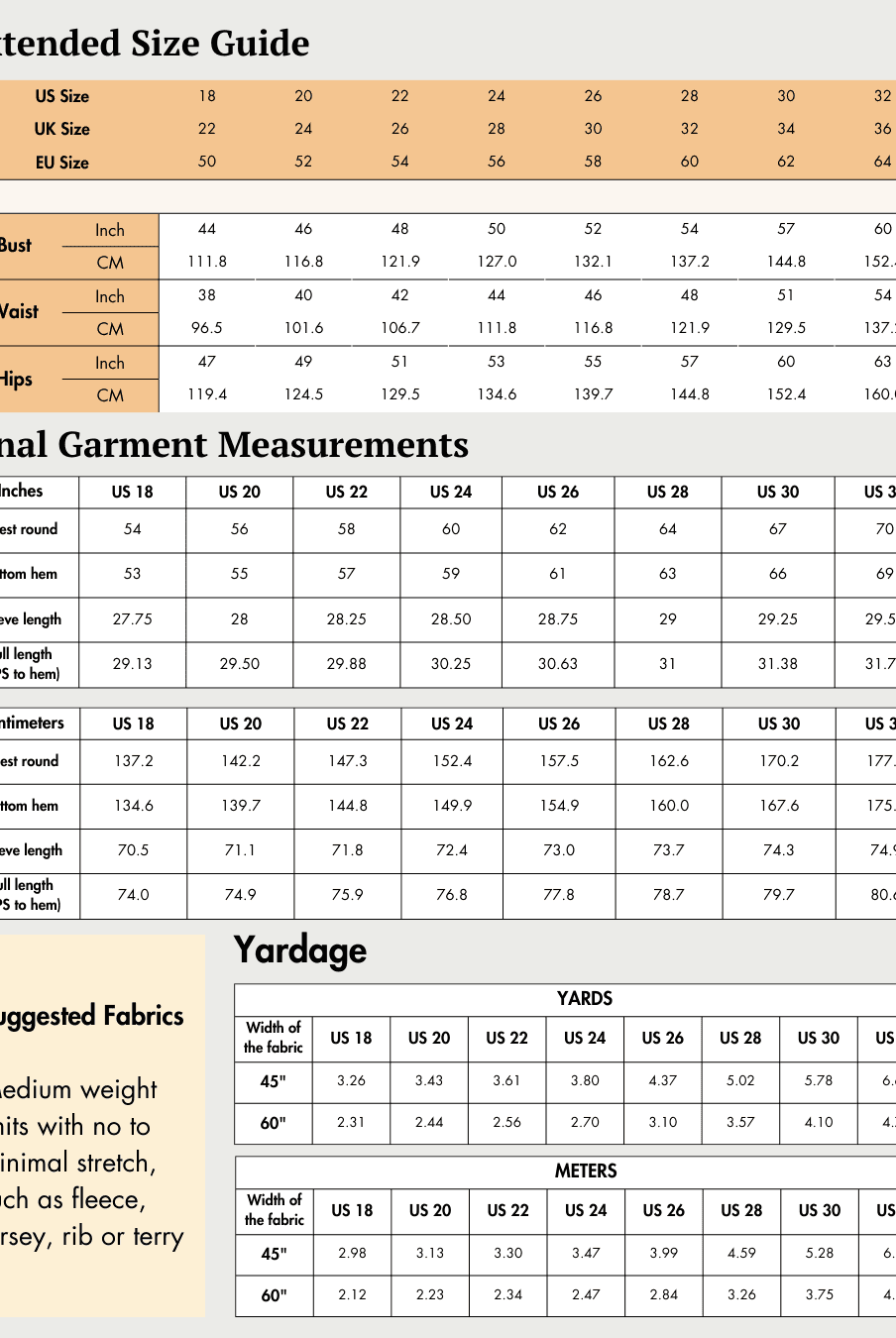
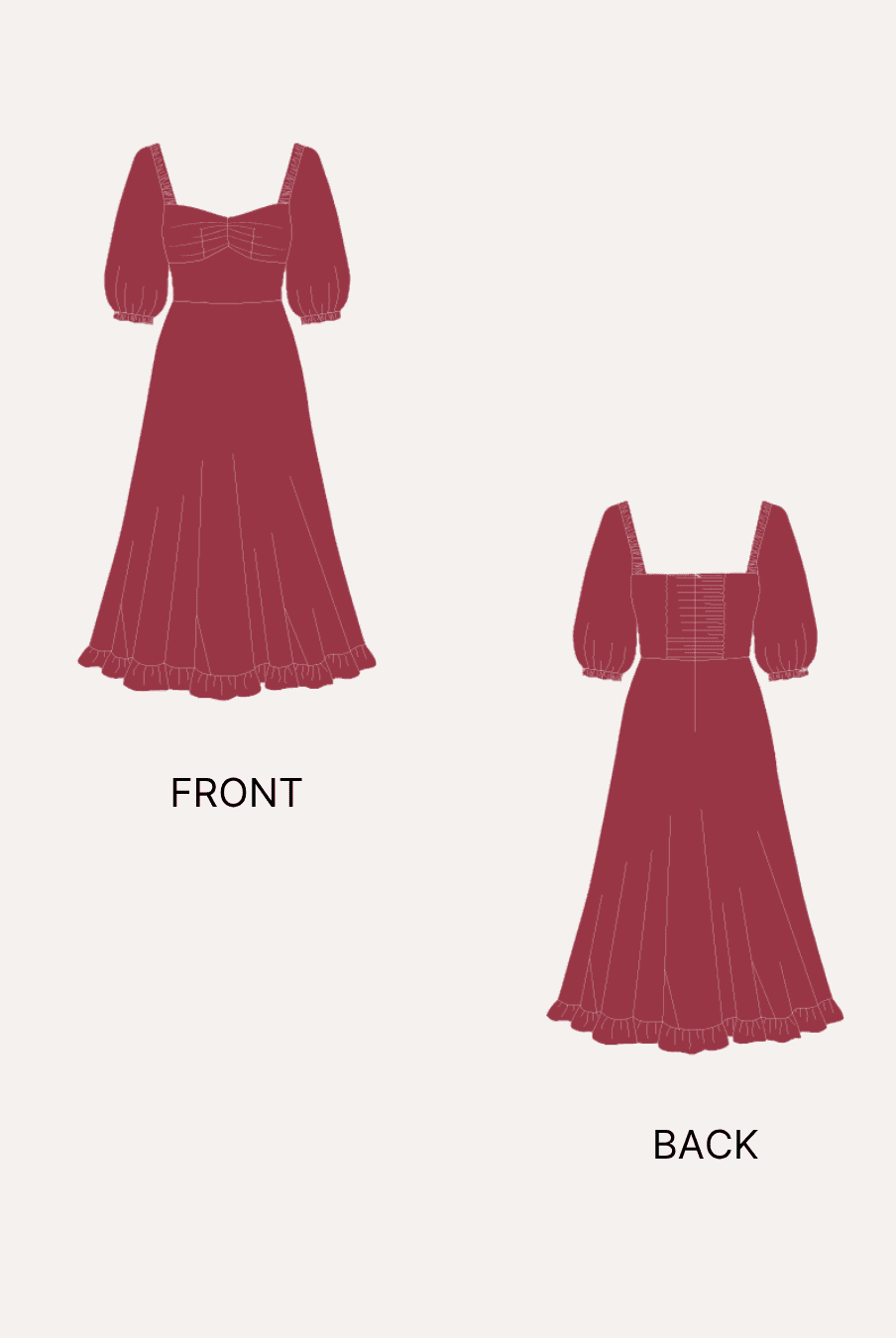
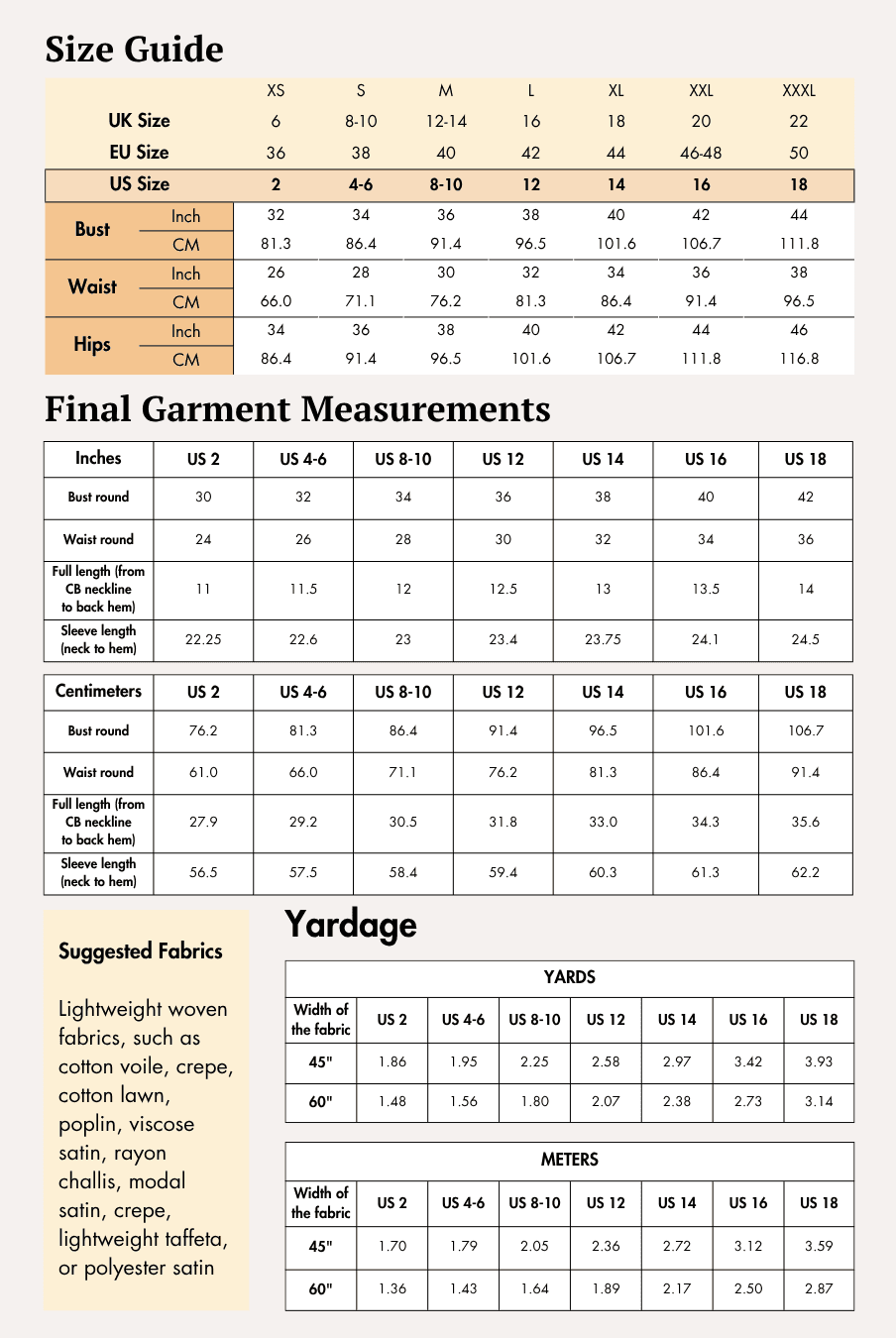
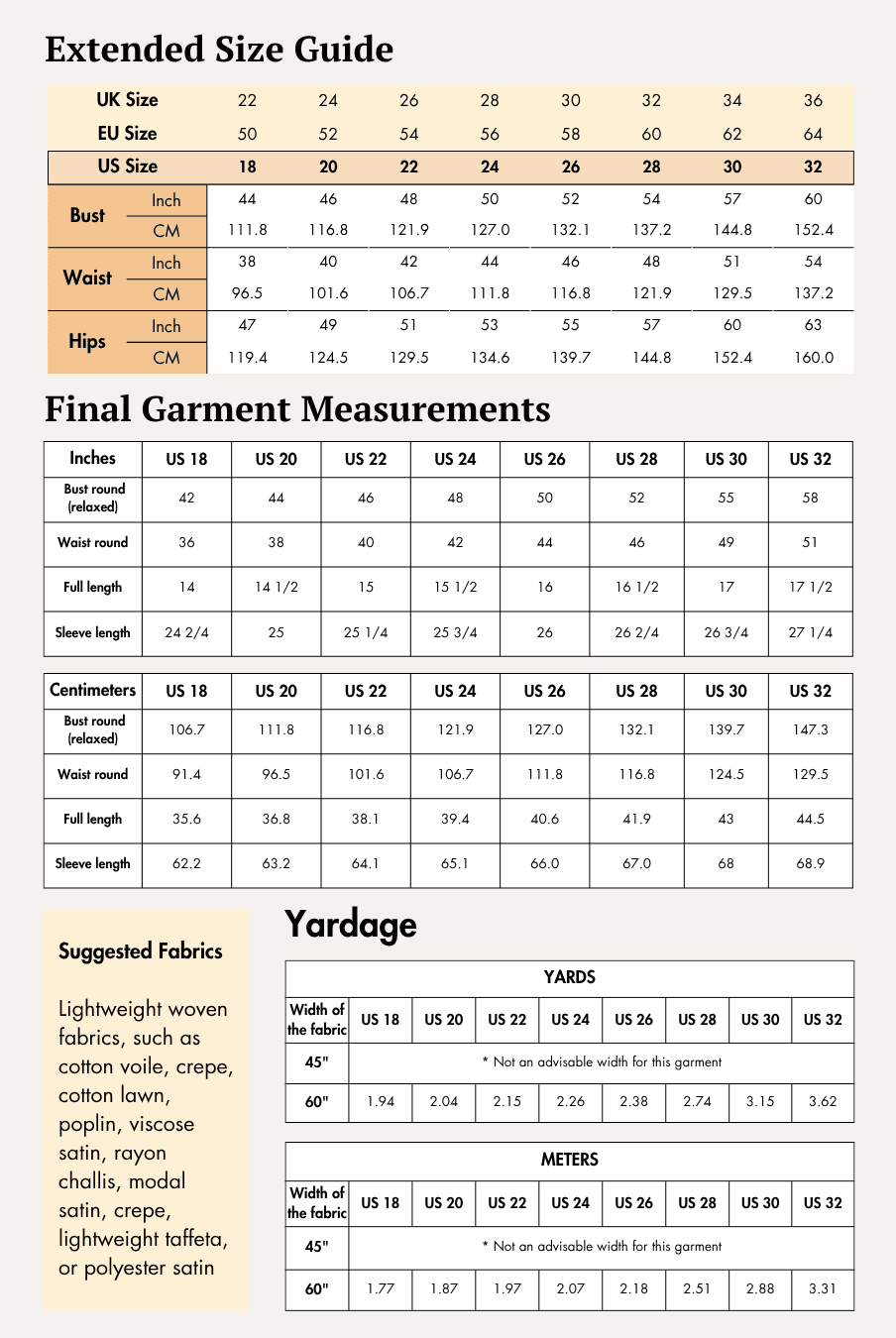
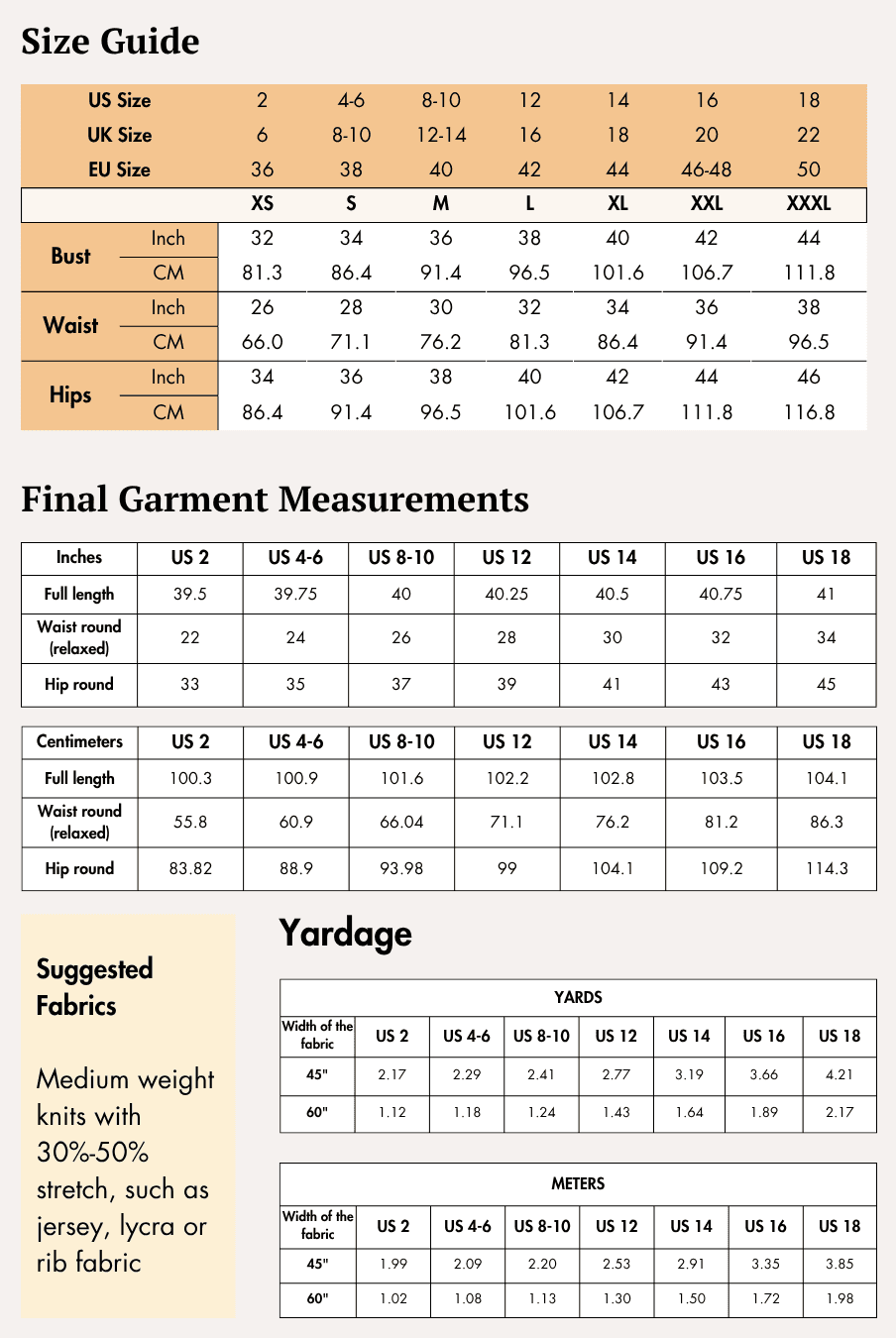
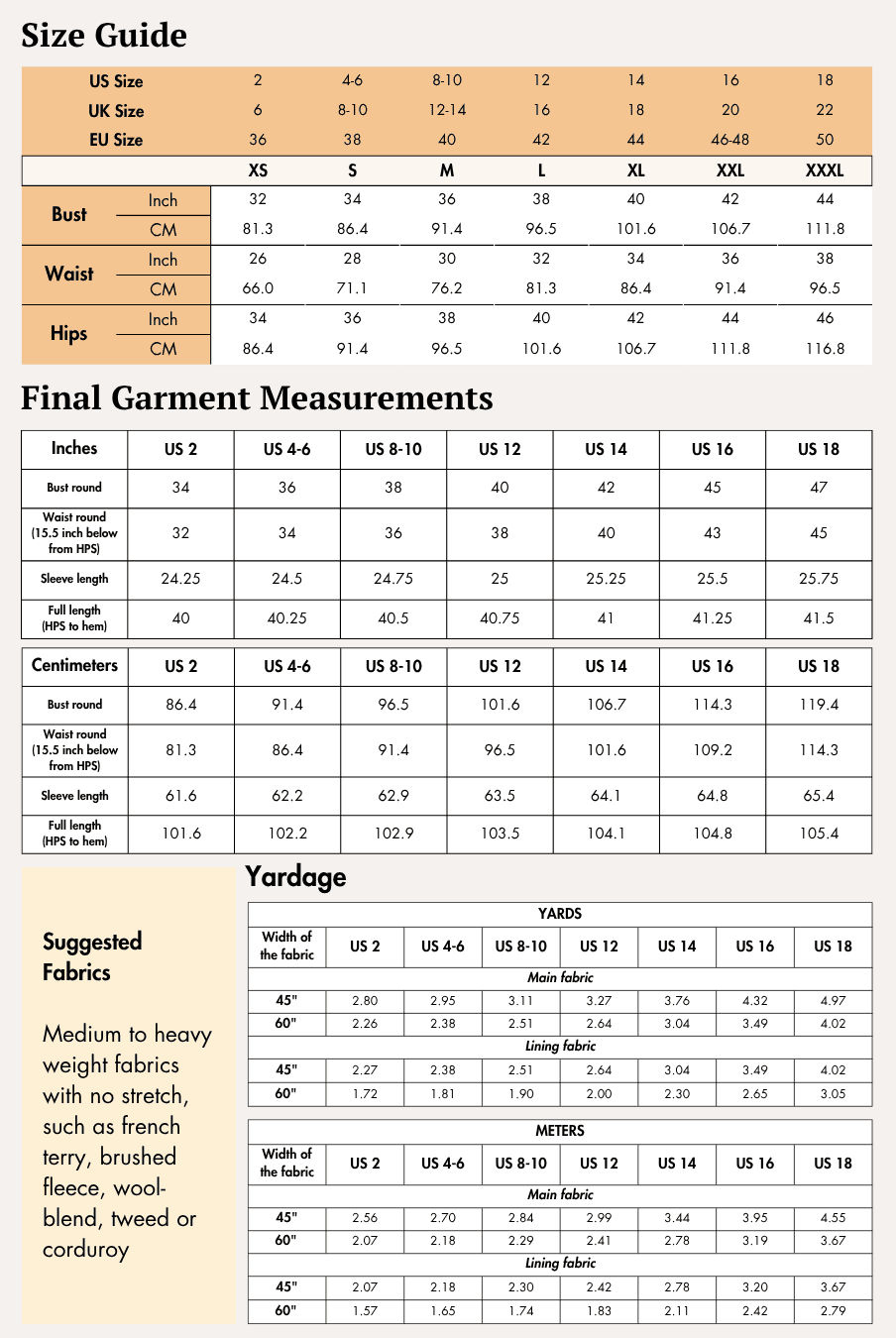
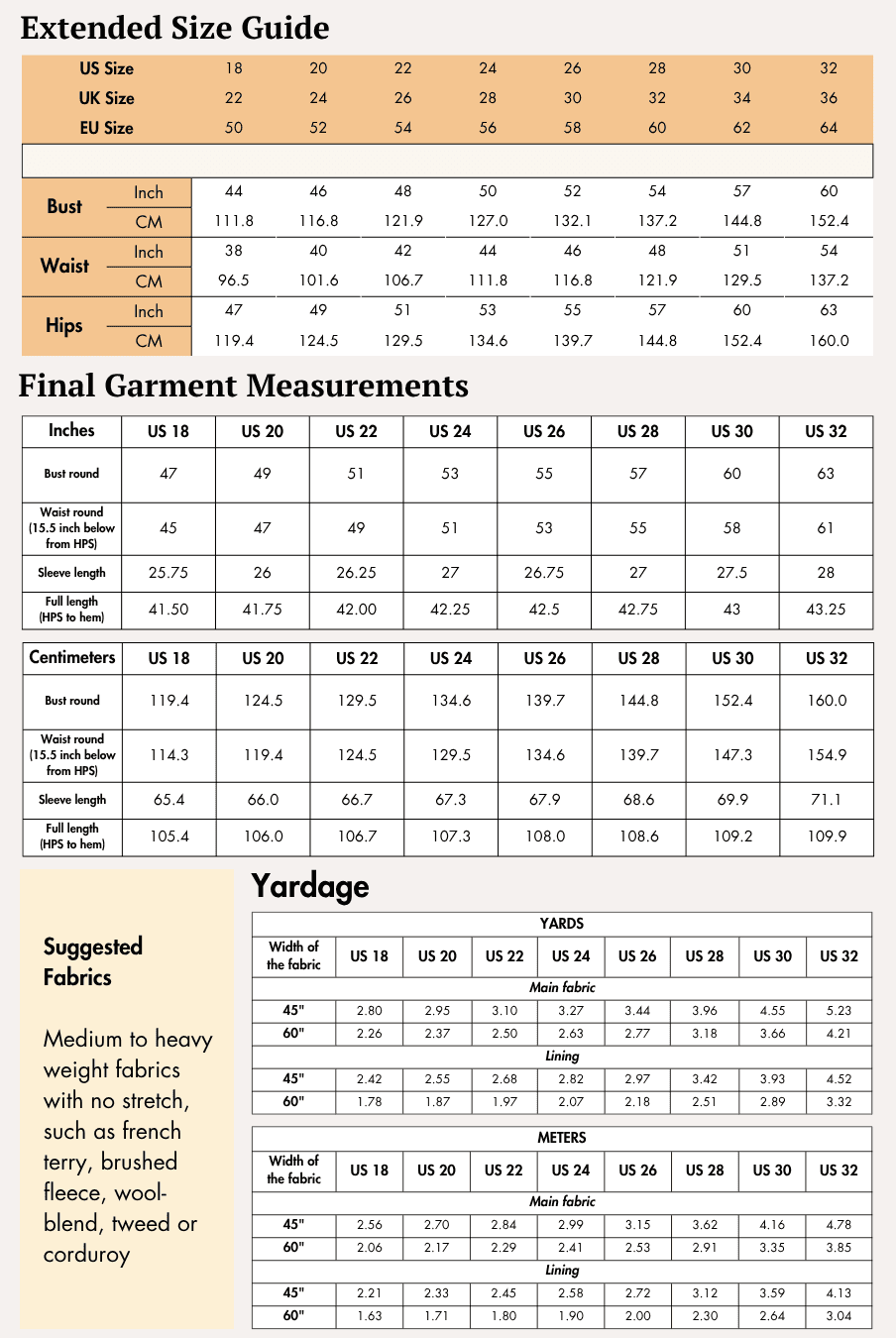
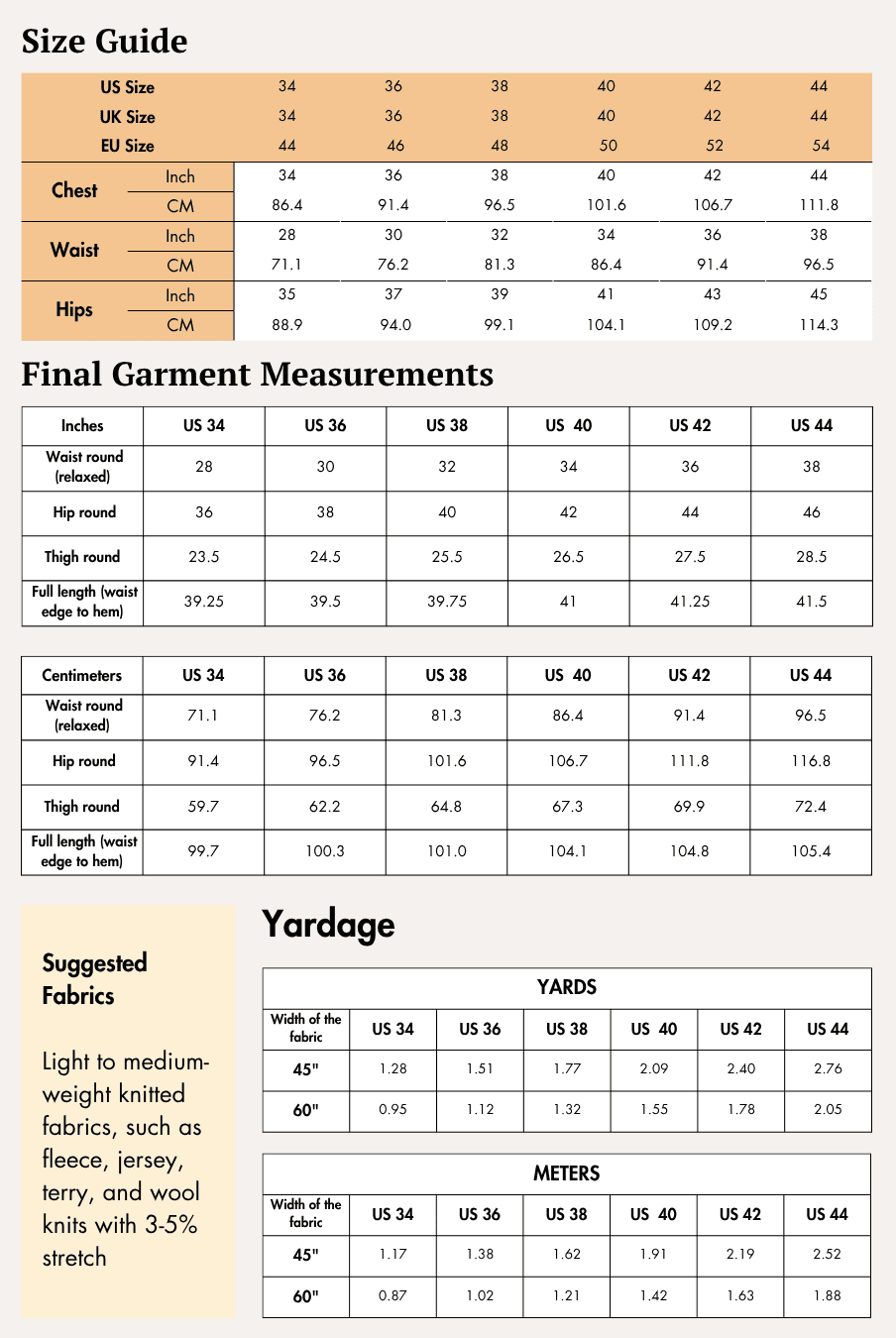
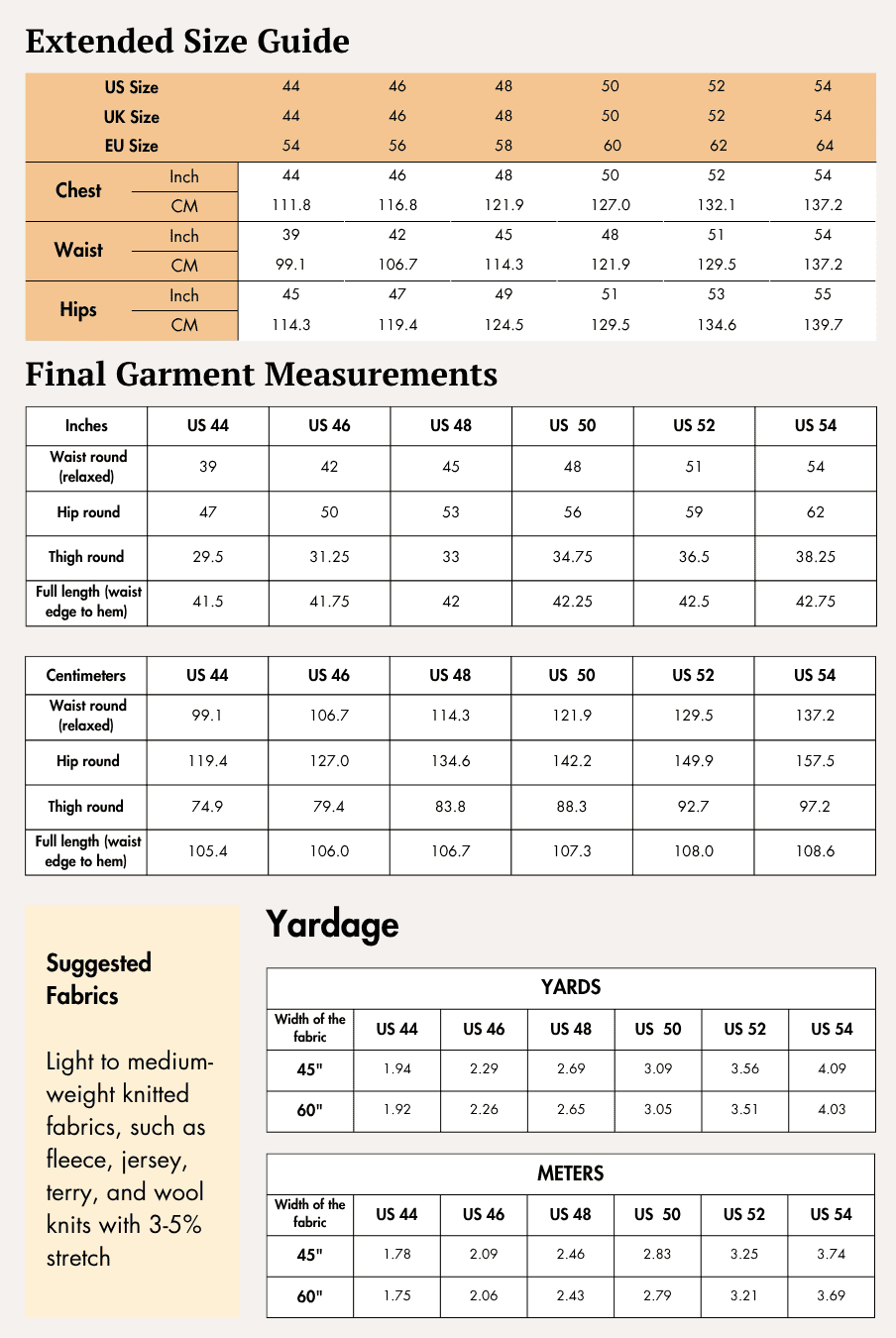
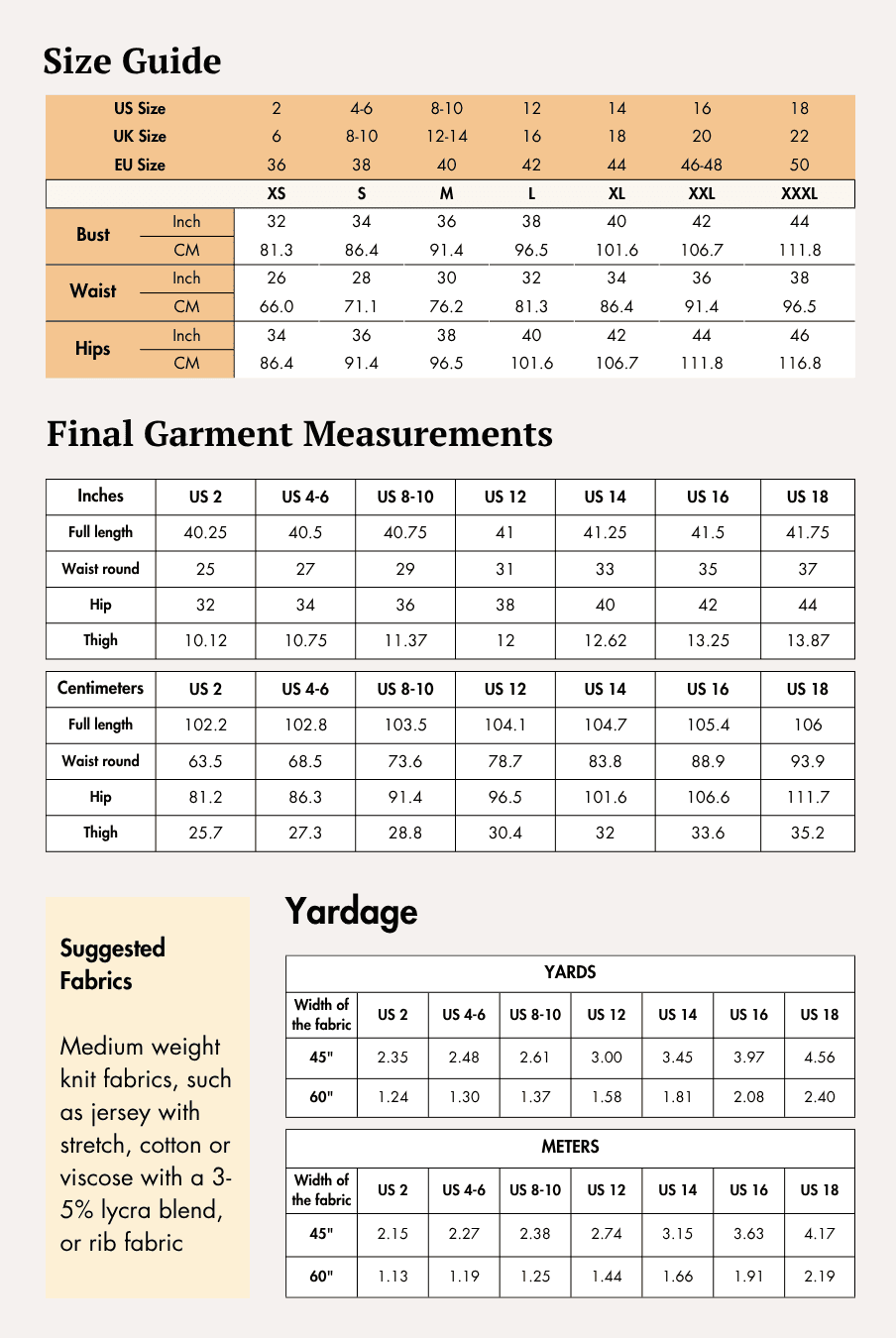
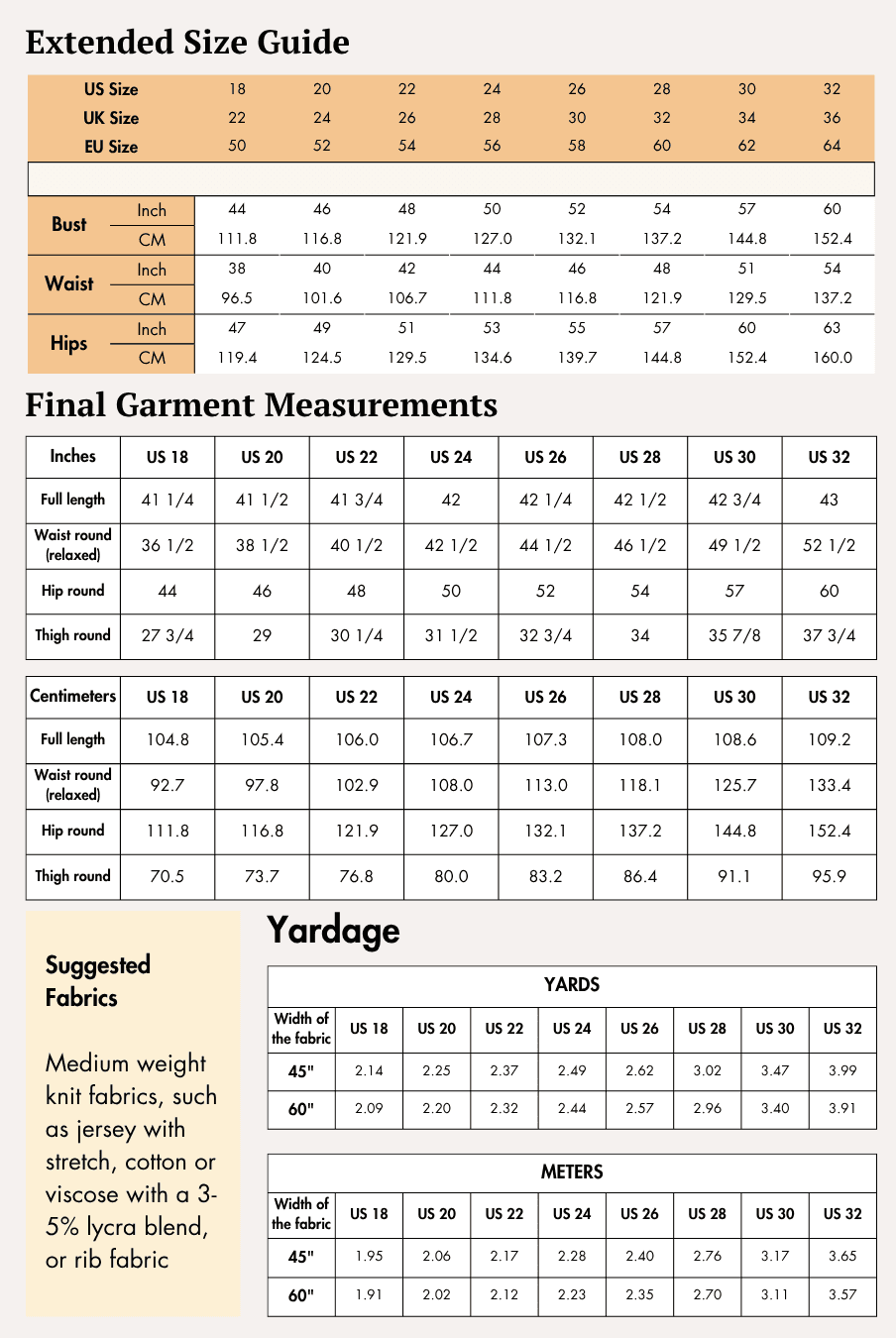
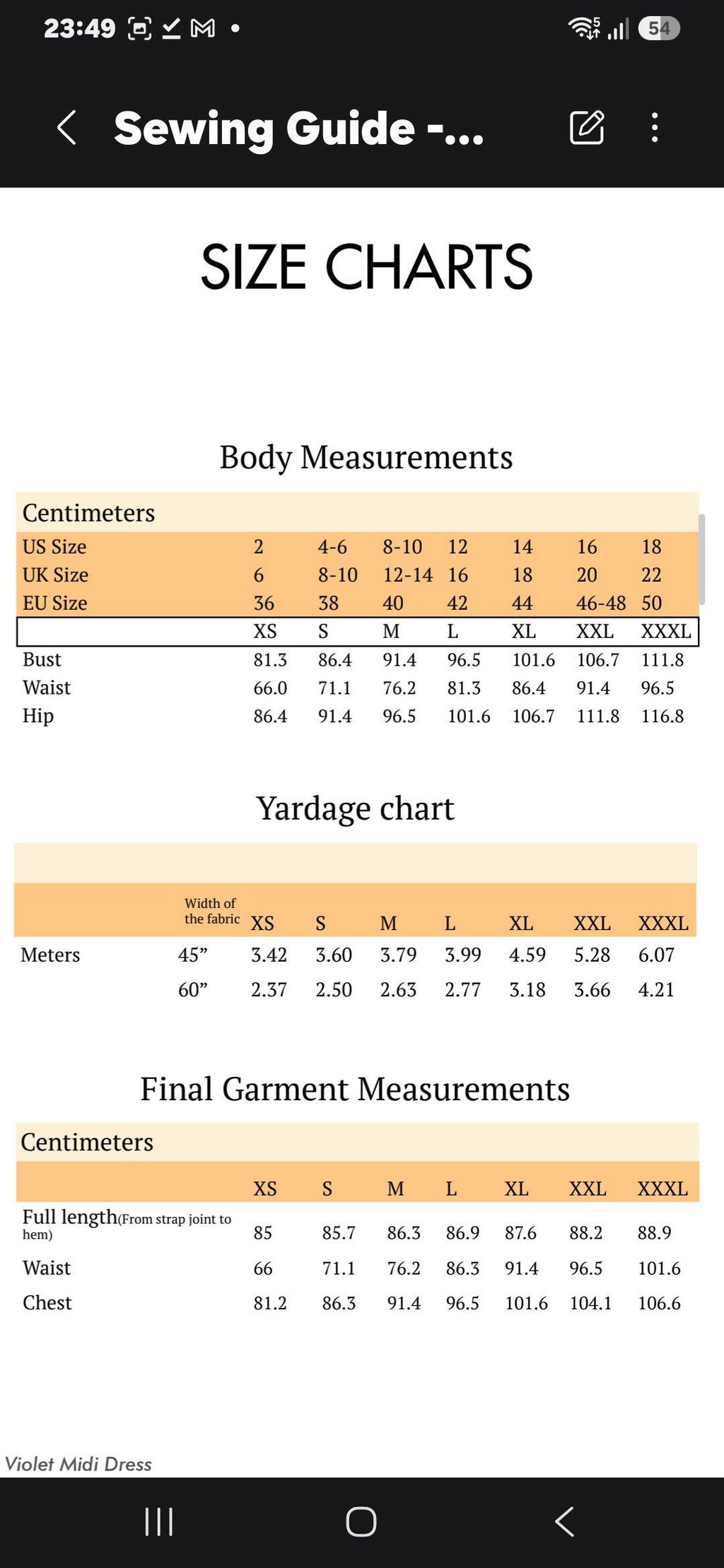
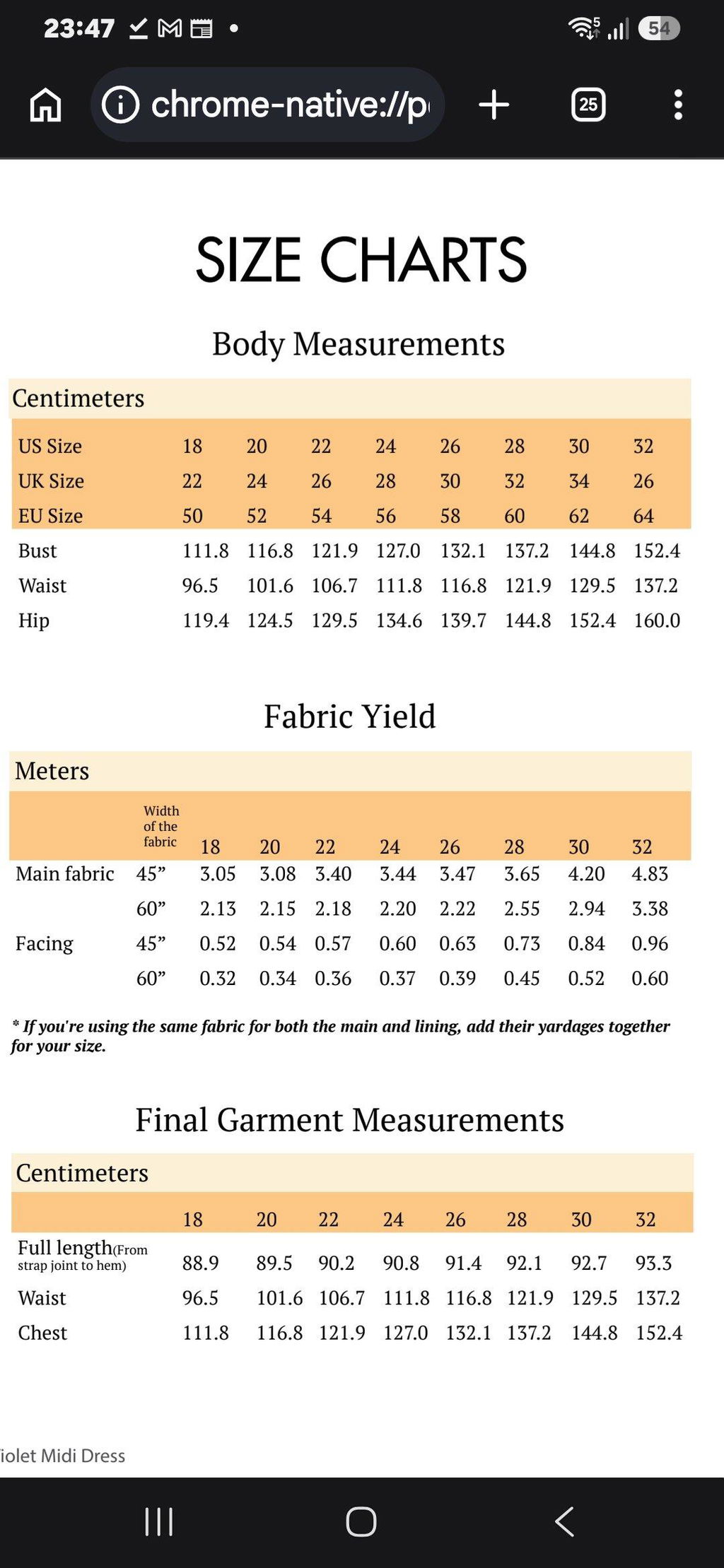
Have a look at the winslet's size charts. Each pattern also provides the size charts and garmetn measurements
Simplicity: Traditional Big 4 with Broad Charts
Simplicity is a staple of the "Big 4" pattern companies. Their sizing is traditional and very consistent. If you fit a Simplicity 12 in 1990, you likely fit a Simplicity 12 today. They offer specific "Amazing Fit" lines with different cup sizes included.
Simplicity Size Chart Example:
|
SIZE |
XS |
Small |
Medium |
|---|---|---|---|
|
Weight |
7-13 lbs |
13-18 lbs |
18-21 lbs |
|
Height |
17-24" |
24-26" |
26-28" |
Closet Core Patterns: Indie Precision for Modern Fits
Closet Core is known for highly detailed instructions and drafting that reflects modern body shapes better than some vintage reproductions. Their patterns often include inclusive sizing up to size 30 or 32. They are famous for their pants fitting, which is often the hardest area to get right. Their blocks tend to favor a slightly curvier hip-to-waist ratio compared to European brands.
Other Indie Contenders: Assembly Line and IndiePattern
The Assembly Line offers a distinct Scandinavian aesthetic with a minimalist, boxy fit. Their sizing is straightforward, but the oversized nature of the designs means you often have more flexibility. IndiePattern aggregates various designers, so consistency varies, but they are a great source for finding unique styles that break away from the standard block.
Ranked Top Picks for Beginner-Friendly Sizing
If you are new to sewing, starting with a pattern company that makes sizing easy is crucial. Here is how the top options stack up for clarity and ease of use.
#1: Winslet’s Patterns for Versatile Plus-Size Options
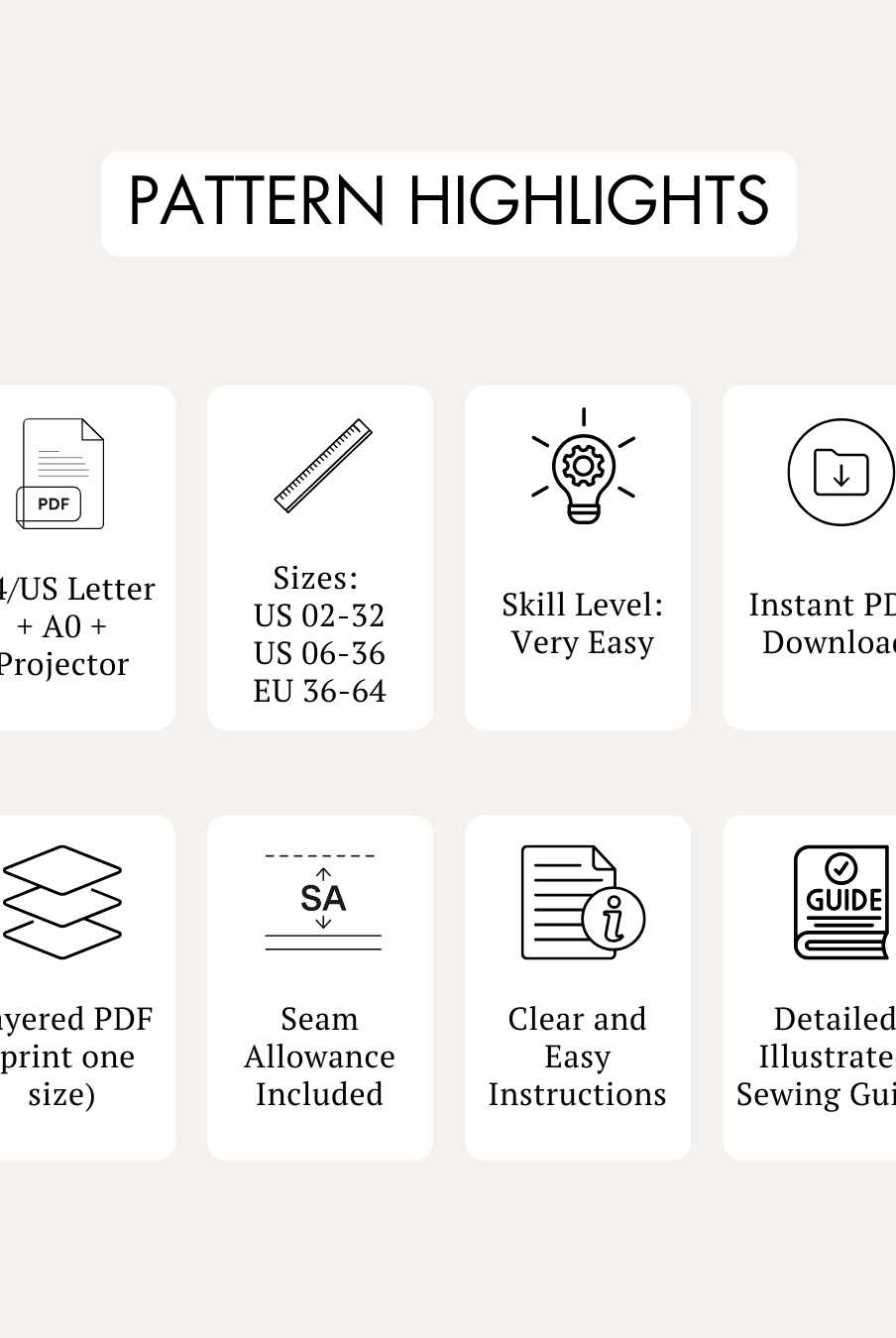
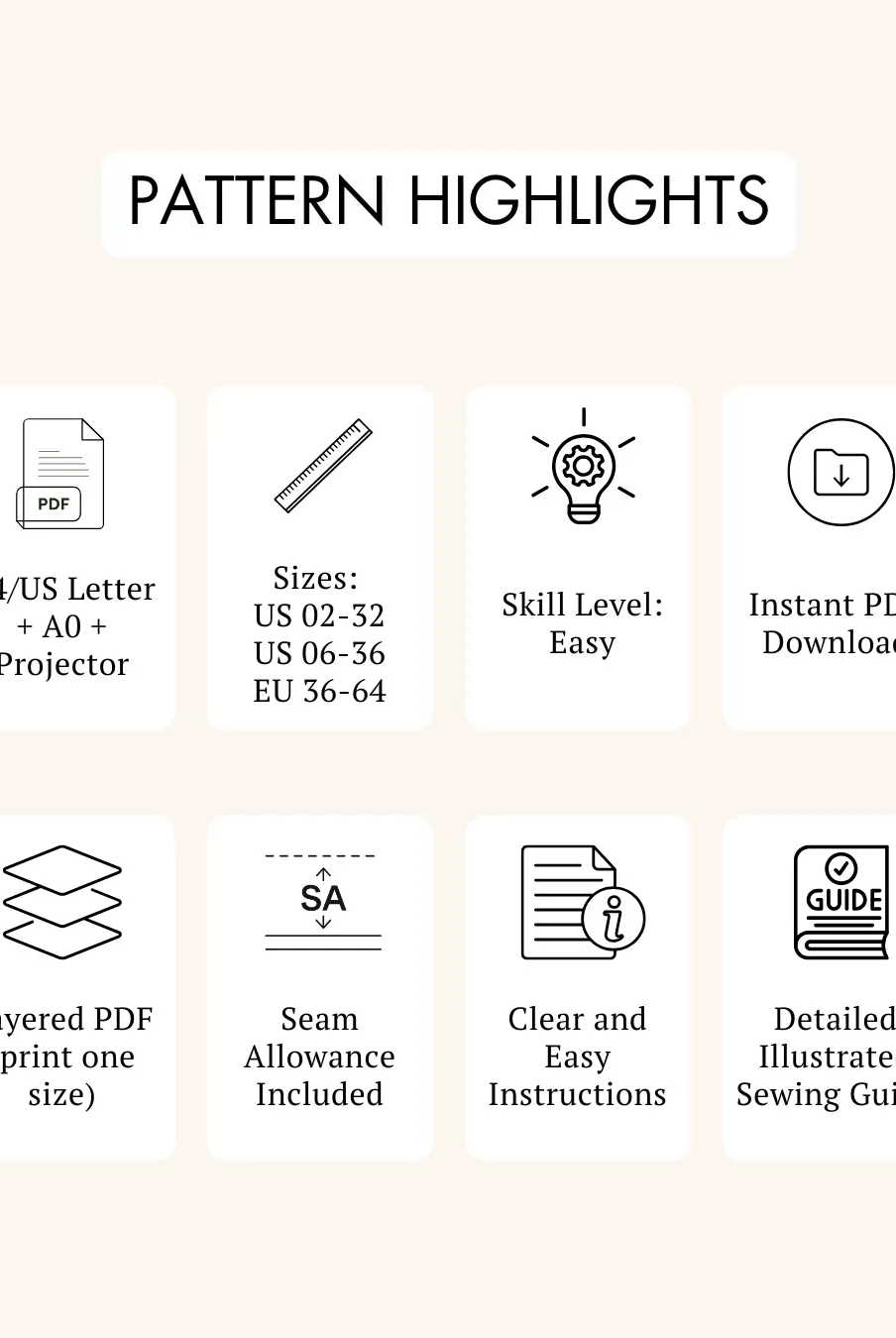
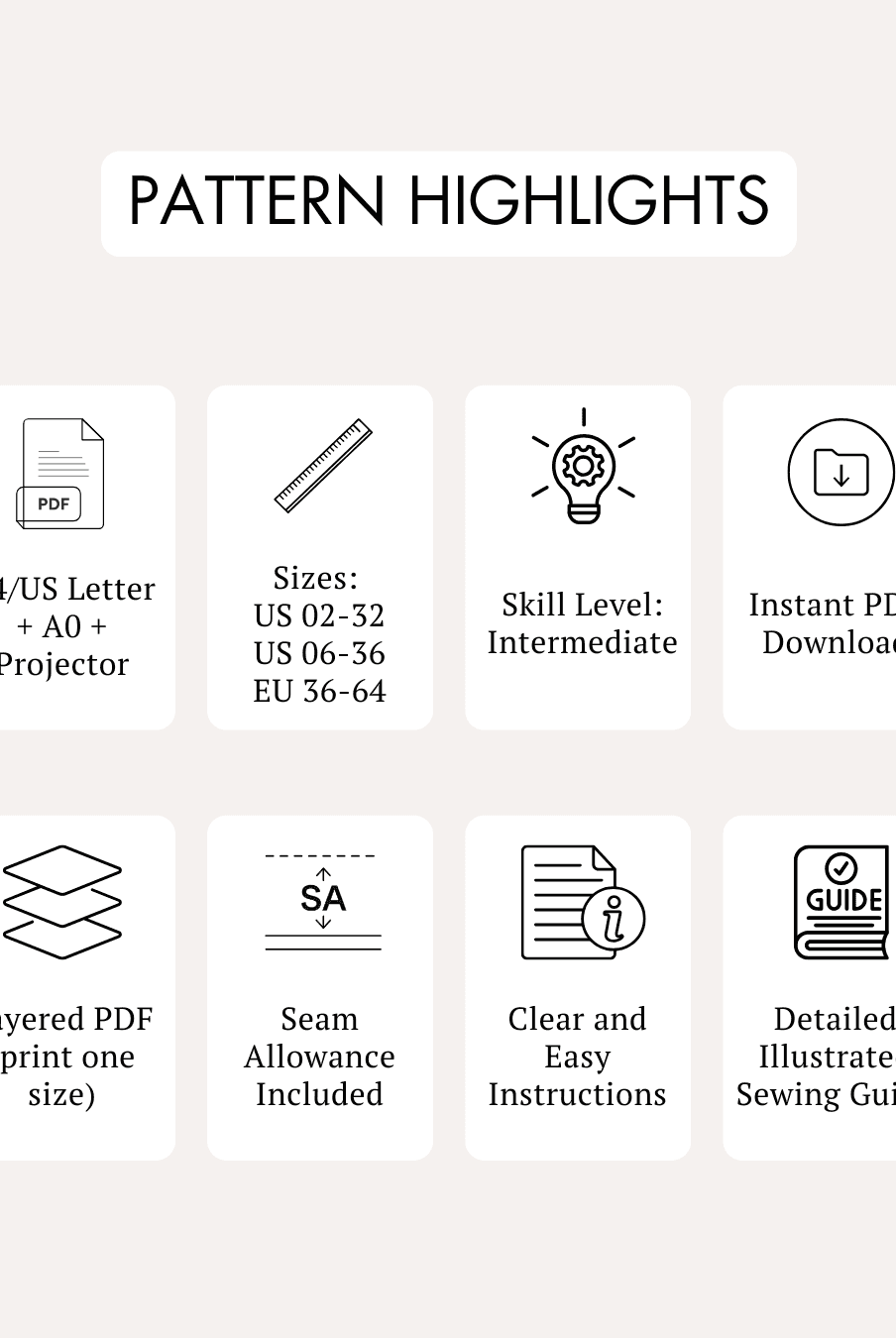
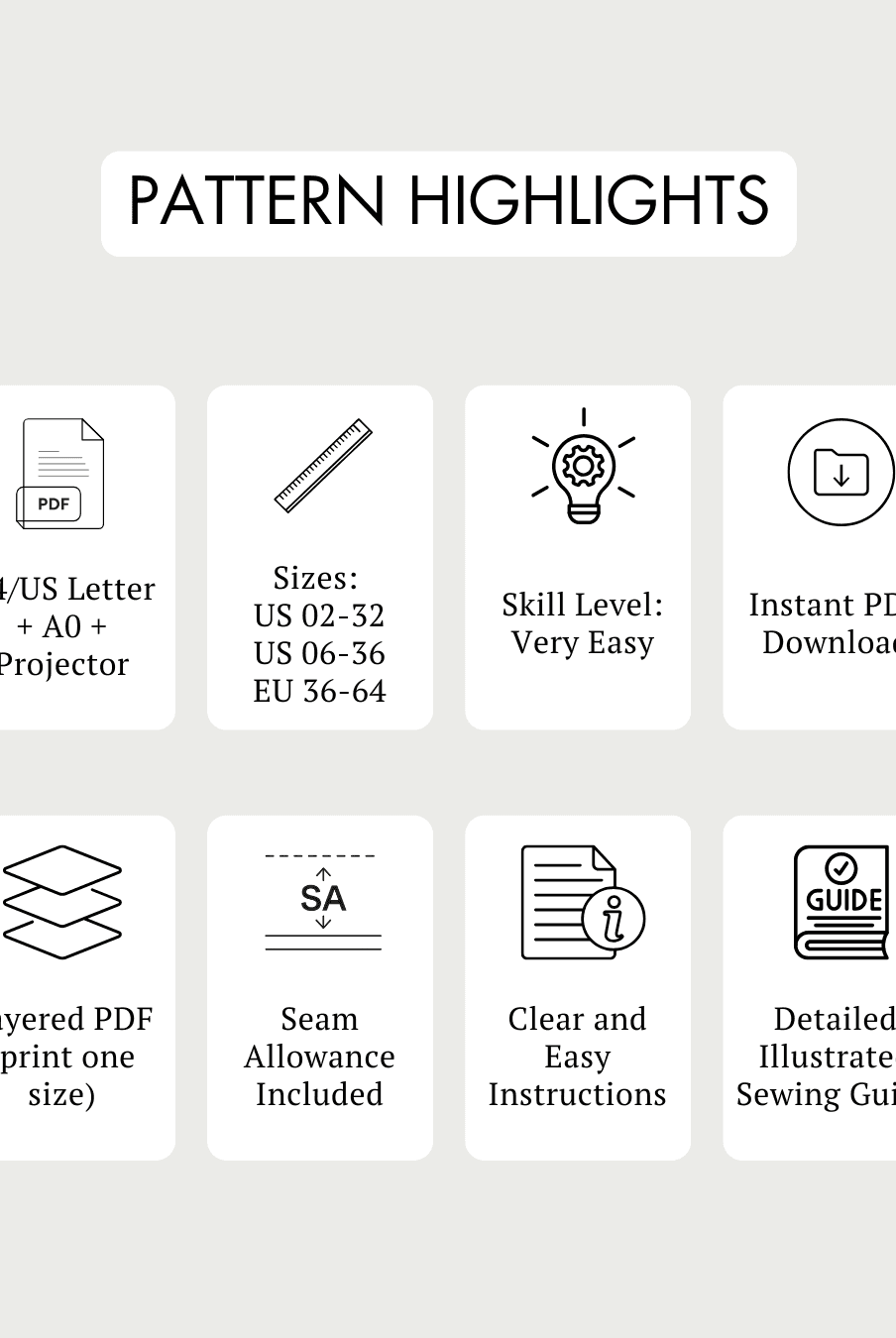
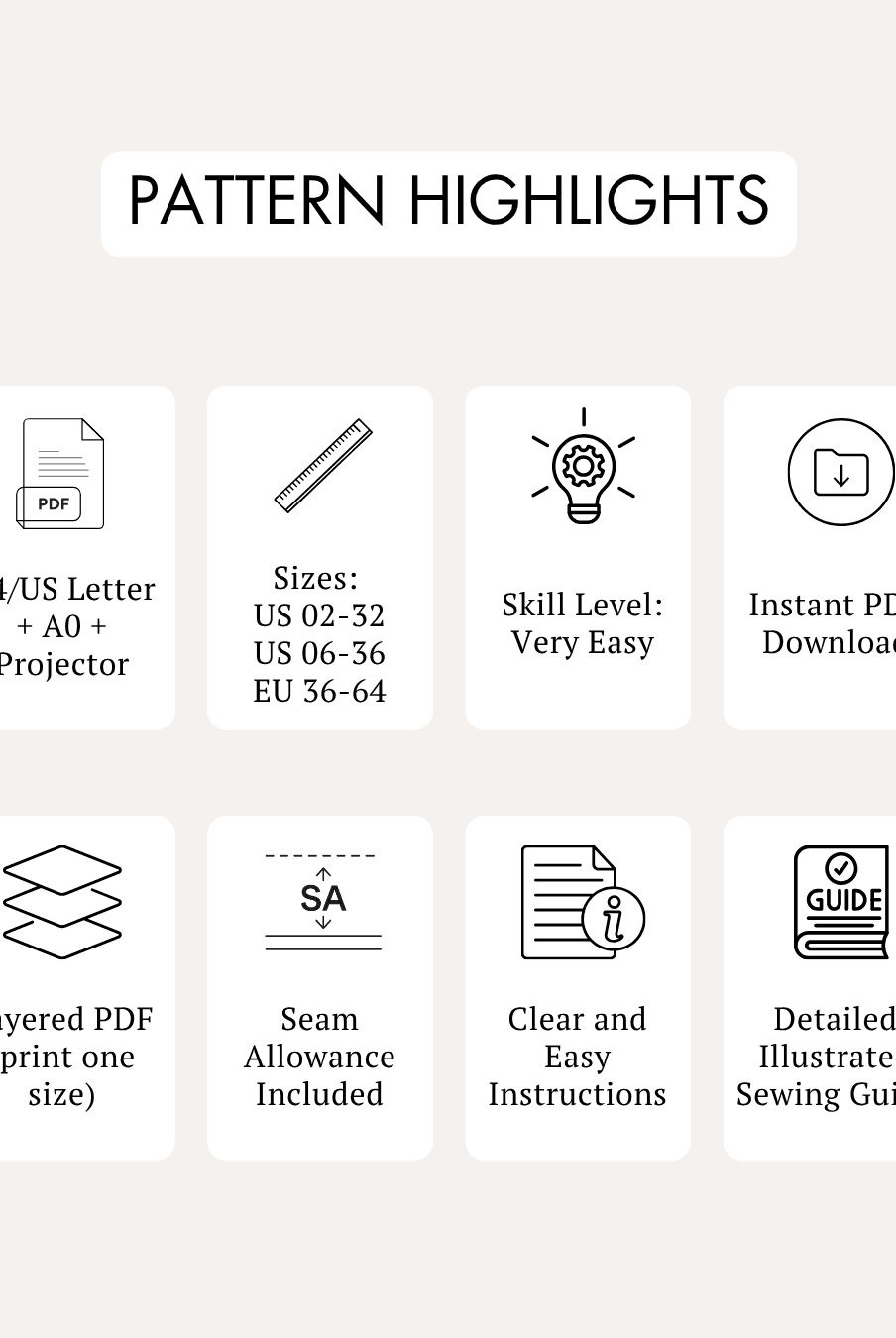
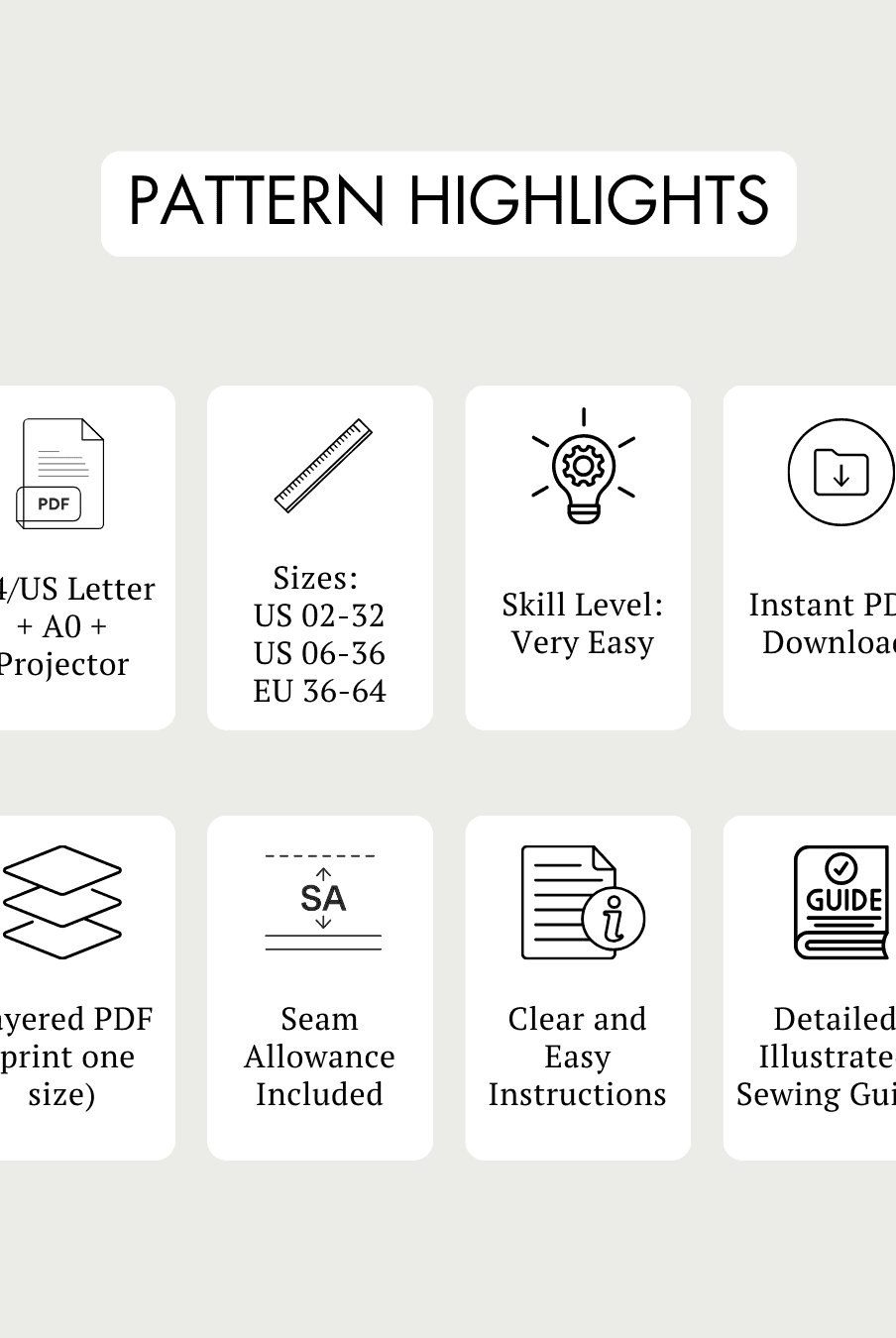
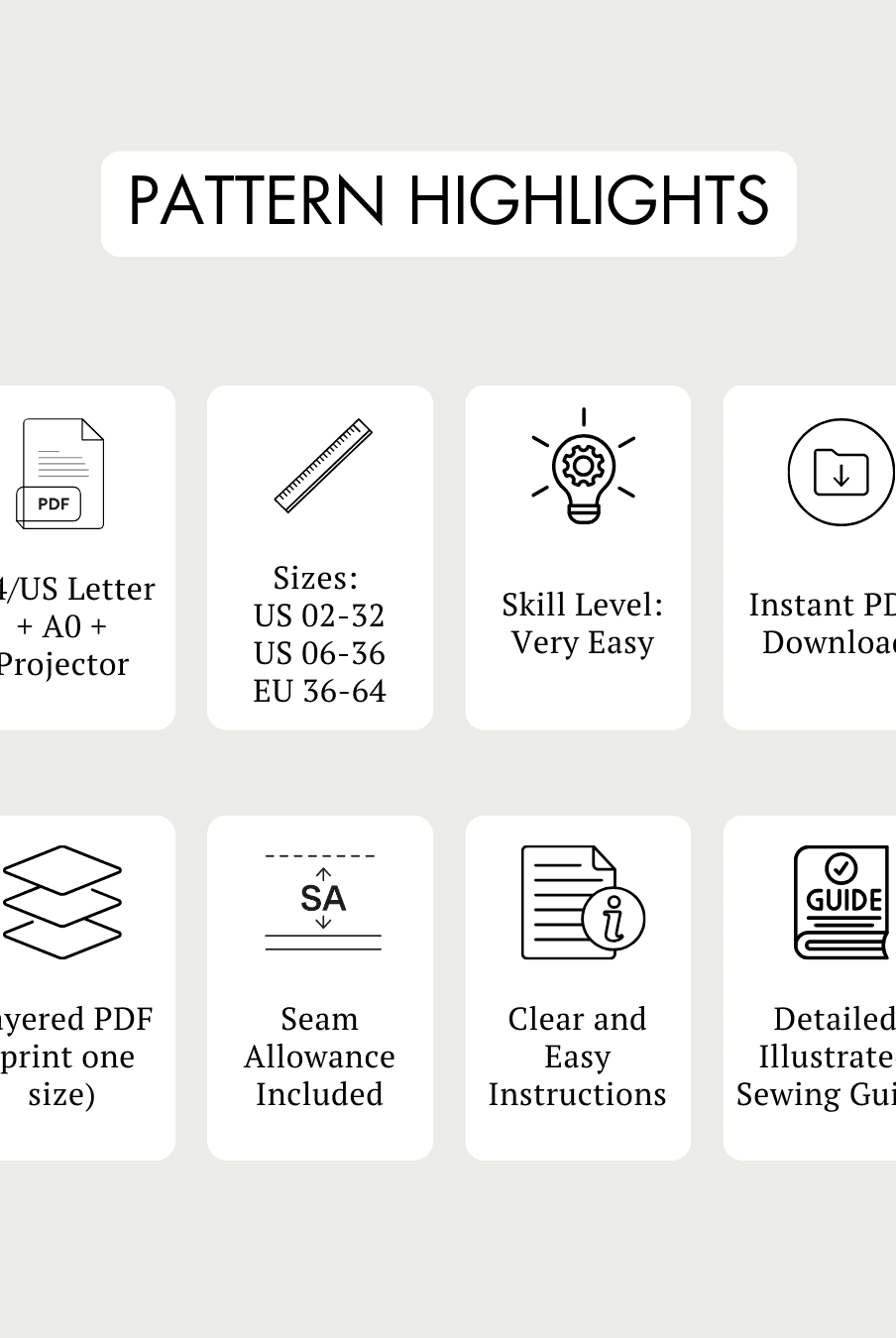
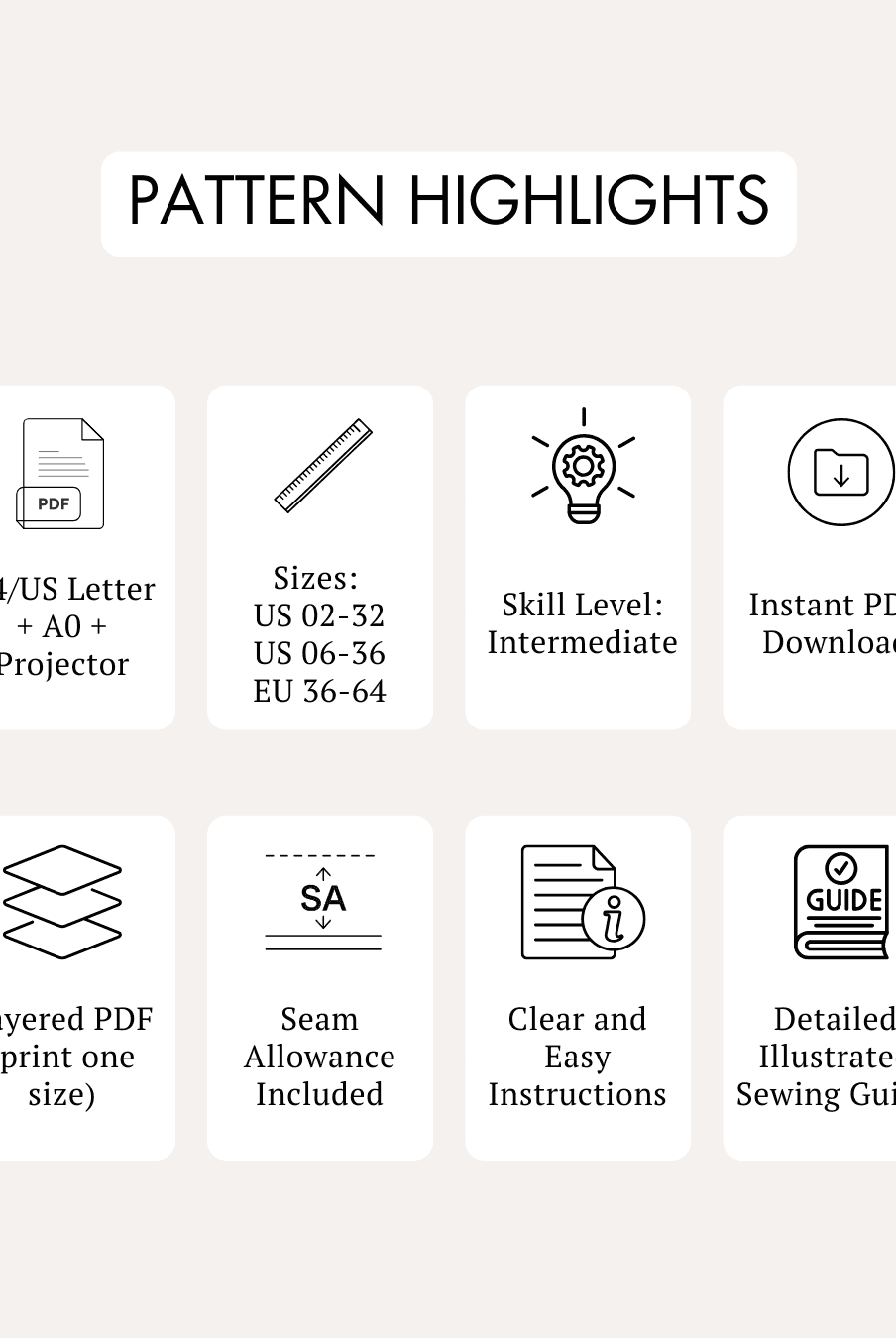
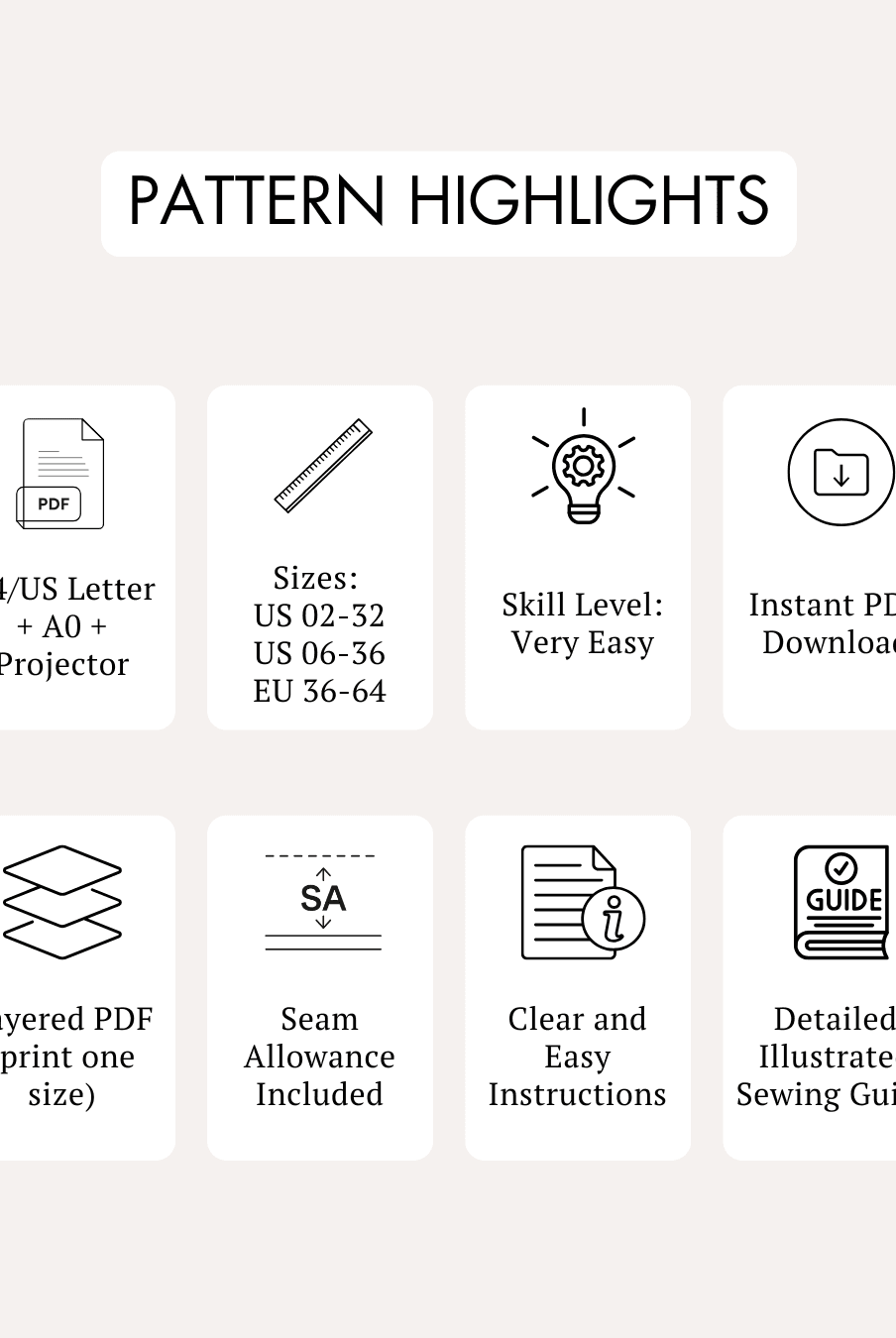
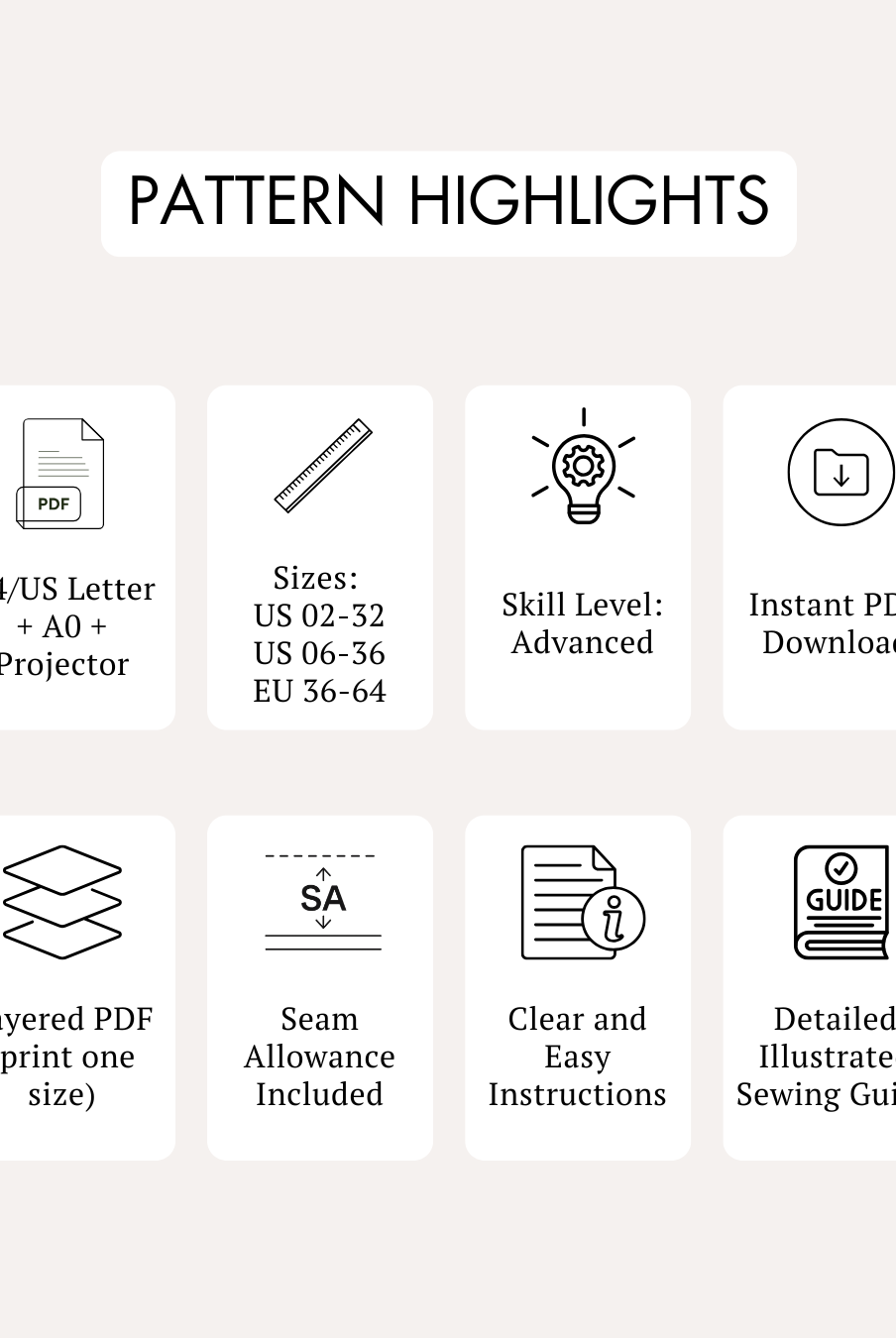
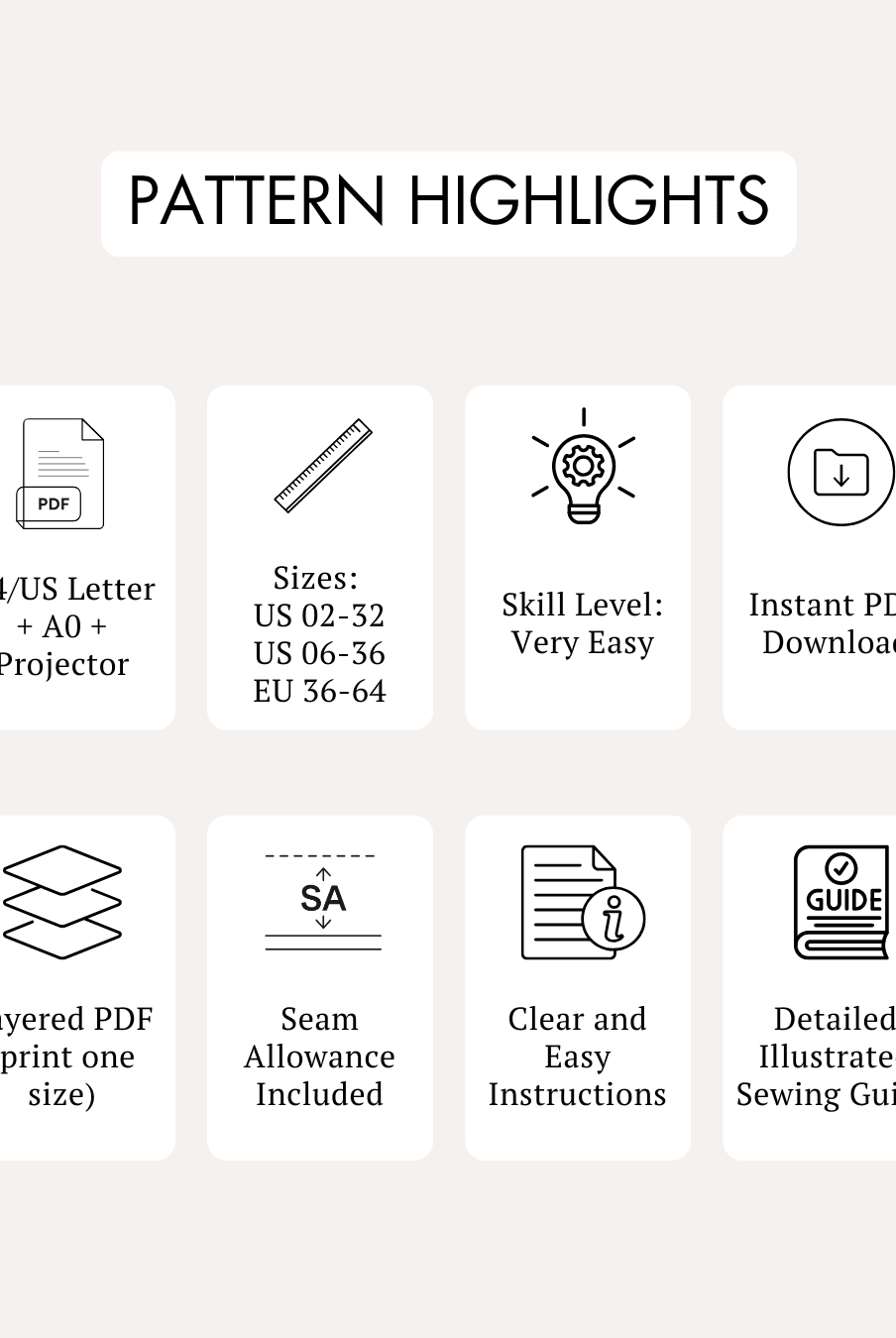
Winslet’s takes the top spot for beginners because of the digital format and inclusive approach. The patterns are designed to be downloaded and printed at home, often with "layers" features that let you print only your size. This reduces visual clutter. Their instructions explain ease clearly, making it less likely you will cut the wrong size.
#2: Closet Core for Graded-to-Fit Designs
Closet Core ranks second for their educational value. While their patterns are slightly more intermediate, their resources on fitting are unmatched. If you fall into their size range, the drafting is impeccable. They offer separate blocks for sizes 0-20 and 14-32, ensuring that the plus-size range isn't just a mathematically scaled-up version of a size 0, but drafted for a larger body.
#3: Simplicity for Reliable Finished Measurements
Simplicity is third, primarily for reliability. You can find them in almost any craft store. The printed tissue usually includes the "finished garment measurements" directly on the pattern pieces at the bust and hip lines. This physical visual aid is incredibly helpful for sewists who want to double-check the math before cutting fabric.
Final Tips for Sewing Success with Winslet’s Patterns
Choosing the right size is the first step toward a wardrobe you love. Remember that the number on the chart is just a starting point.
To get the best result with Winslet’s:
-
Print only the size layers you need to keep the paper clean.
-
Read the "finished measurements" chart included in every Winslet’s PDF guide.
-
Trust the process—measure twice, cut once, and enjoy the freedom of clothes that actually fit you.
Frequently Asked Questions
What is the difference between Big 4 and indie sewing pattern sizing?
Big 4 patterns (Simplicity, McCall's) use traditional charts with B-cup drafting and sizes 6-22, while indies like Winslet's and Closet Core offer modern blocks up to size 32, often with B or C-cups and curvier ratios for better contemporary fits.
How do I adjust a pattern for different cup sizes?
Choose a pattern with cup size options or do a full bust adjustment (FBA) by adding 1-2 inches to the bust apex on sizes 14+, slashing and spreading the pattern piece. Test on muslin first.
Can I sew patterns for men's or children's sizes the same way?
Yes, use the pattern's body measurement charts for bust/chest, waist, and hips, ignoring RTW labels. Children's patterns scale by height and weight; men's prioritize chest and inseam over vanity sizing.
What fabric width should I buy for my pattern size?
Check yardage requirements for both 45-inch and 60-inch widths on the envelope; larger sizes often need 60-inch fabric to avoid seams. Add 10% extra for errors.
How do petite or tall sewers adjust pattern lengths?
Shorten patterns by 1/2 inch at lengthen/shorten lines above the fullest bust or hip; lengthen proportionally for heights over 5'7" or under 5'3". Always make a muslin to verify proportions.